Preprint
Article

This version is not peer-reviewed.

Navigating the Human-Robot Interface – Exploring Humans Interactions and Perceptions with Social and Telepresence Robots

A peer-reviewed article of this preprint also exists.

Submitted:

20 November 2024

Posted:

20 November 2024

You are already at the latest version

Abstract

This study investigates user experiences of interaction with two types of robots: Pepper, a social humanoid robot, and Double 3, a self-driving telepresence robot. Conducted in a controlled setting with a specific participant group, this research aims to understand how different robot embodiments affect user perception, interaction patterns, and emotional responses. The findings underscore the role of adaptability, effective communication, autonomy, and perceived credibility in user-centered robot design. Despite limitations in sample size, the study provides insights into the ethical and social considerations of integrating AI in public and professional spaces, highlighting implications for enhancing user-centered design and expanding applications for Social and Telepresence robots in society.

Keywords: 
;  ;  ;  ;  
Subject: 
Social Sciences  -   Education

1. Introduction

The rapid advancement of robotics and artificial intelligence (AI) has transformed how humans perceive and engage with intelligent technologies. A key aspect of this evolution is the design of robots that are not only functional machines but partners, tailored to coexist and collaborate with humans across diverse personal and professional environments. This study explores how different embodiments of social and telepresence robots influence user perception, interaction, and emotional engagement by examining two distinct types of robots: Pepper, a social humanoid robot with semi-autonomous capabilities, and Double 3, a telepresence robot operated via human control. By conducting this study in a controlled environment with a specific participant group, we observe and analyze user experiences and responses to each robot type.
The significance of this research lies in its potential to inform future developments in user-centered robot design, with a focus on enhancing adaptability, effective communication, and perceived credibility in human-robot interactions. By examining users’ interactions with both Pepper and Double 3, this study contributes to the growing body of knowledge regarding the psychological, social, and ethical implications of robots in human-centered settings, as highlighted by Pandey [1] and Wirtz [2].
Furthermore, this study addresses a notable gap in understanding user experiences with different robot embodiments. Insights from previous research by Mutlu [3] and D’Alfonso et al. [4] suggest that physical and virtual embodiments present unique challenges and opportunities in HRI. By investigating user engagement with two contrasting robot forms, we aim to provide a nuanced understanding of how embodiment affects interaction quality, comfort levels, and user perception, ultimately offering practical recommendations for designing robots that integrate smoothly into daily life.

1.1. Background

The study of human interaction with artificial agents has become increasingly important for understanding the nuances of Human-Robot Interaction (HRI). Central to this field is the concept of "embodiment" in artificial agents, which significantly influences user perception and engagement. Cassell et al. [5] noted that the physical manifestation of these agents plays a crucial role in shaping how humans interact with and perceive them. Over the past decade, extensive research has focused on categorizing and understanding these various embodiments. Mutlu [3] offers valuable insights into this area, showing how people’s experiences and cognitive responses vary between virtual and physical embodiments of interactive agents. Beyond the type of embodiment, its degree and design collectively shape human perception and interaction dynamics.
Furthering this discourse, D’Alfonso et al. [4] suggest that people may find it easier to share private or sensitive information with a robot rather than a human, due to the robot's perceived neutrality. This insight raises important questions about the potential roles of robots in settings where confidentiality or discretion is essential.
In recent years, the integration of robotics across diverse sectors has marked a significant evolution in our relationship with technology. Sheridan [6] emphasizes the transformative impact of this integration on HRI, noting that it has facilitated substantial advancements in both technology and interaction models. Siciliano et al. [7] further elaborate on this shift, discussing the rise of specialized robots designed for specific tasks and environments. This specialization is reflected in the development of social humanoid robots like Pepper [1] and telepresence robots like Double 3 [8]. These robots represent a paradigm shift in creating interactive, user-centered solutions that seamlessly blend digital and physical realms, as envisioned by Breazeal [9].
Pepper and Double 3 stand out for their capabilities and applications, serving as examples of recent technological progress. Pepper, with its humanoid appearance and interactive features, has been adopted in customer service [2], healthcare [10], and education [11]. Similarly, Double 3, equipped with telepresence capabilities, is transforming remote workplace interactions [12], enabling new possibilities for bridging geographical distances.
The primary aim of this study is to investigate how users interact with two distinct types of social and telepresence robots—Pepper, a social humanoid robot, and Double 3, a telepresence robot. The research focuses on understanding how the embodiment of these robots influences user perception, interaction patterns, comfort, trust, and engagement. Additionally, the study seeks to identify key factors that contribute to user experience and satisfaction with these robots, considering their specific technological capabilities and limitations. The study also examines participants’ perspectives on integrating such robots into everyday environments.
The central research question guiding this study is: How do users perceive and interact with these social and telepresence robots, and what are the implications of these interactions for user experience, technological expectations, and social dynamics?
The specific research questions explored in this study are:
  • What common experiences and reactions do participants have when interacting with each type of robot?
  • What unique experiences and reactions do participants exhibit when interacting with each type of robot?
  • What specific challenges or areas for improvement can be identified to enhance the user experience with these social and telepresence robots?
The following sections will describe the Pepper and Double 3 robots in detail, focusing on their design, functionality, and impact in diverse interaction settings.

2. Materials and Methods

2.1. The Pepper Robot

The Pepper robot (see Figure 1), developed by the French company Aldebaran [13], is a humanoid robot with a human-like appearance and behavior. The 120 cm tall robot has various sensors enabling it to navigate safely. It can detect and recognize faces (although the software is a bit outdated and the performance is not quite state-of-the-art), and it interacts through a touchscreen and voice communication system. The robot’s articulated speech functionality synchronizes gestures and body posture to align naturally with verbal communication.
In healthcare settings, Pepper has been proposed to support staff and engage patients. Research by Alemi et al. [14] highlights Pepper’s potential for increasing patient engagement and aiding in care settings. Pepper has also been deployed in elderly care, assisting with cognitive exercises and providing companionship [1]. While these applications suggest potential benefits for geriatric care, further studies are needed to assess Pepper’s effectiveness and suitability in these application areas. In educational contexts, studies by Tanaka and Matsuzoe [15] suggest that Pepper may enhance learning experiences, particularly in programming and robotics education. In the retail and service sectors, the Pepper robot is suggested to improve customer satisfaction [2].
In summary, Pepper shows potential in multiple fields, including healthcare, elderly care, education, and retail.

2.2. Double 3 Robot

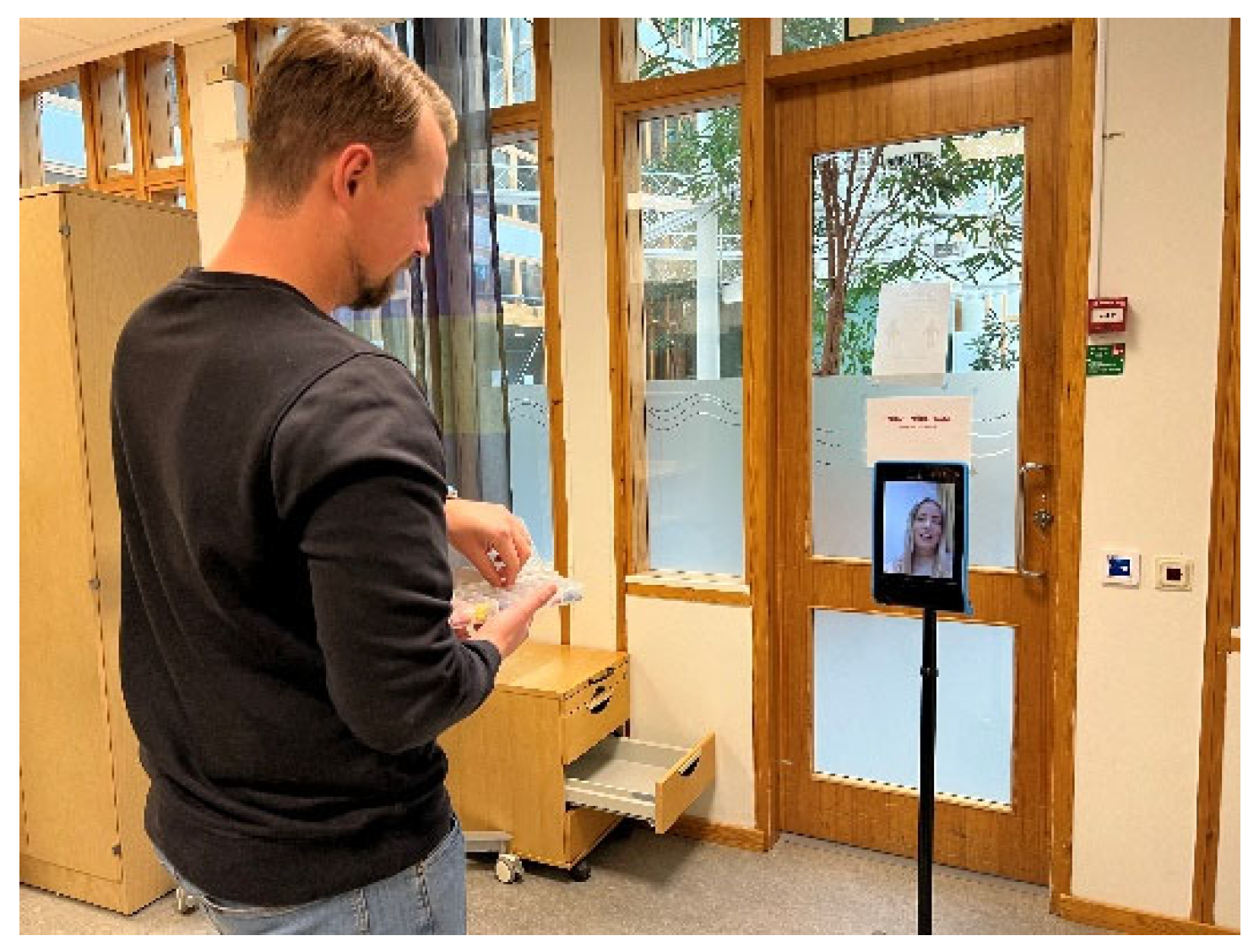
Double 3, developed by Double Robotics, is a telepresence robot that allows remote control by an operator via a standard computer. The operator can view the robot’s environment through a camera mounted on the robot, while their face is displayed on the robot’s screen (see Figure 2). Double 3 is equipped with an audio system that enables the operator to hear and speak through the robot’s loudspeakers, facilitating two-way communication. Its two-wheeled, self-balancing design contributes to stability and ease of navigation. The robot’s 3D sensors support navigation and obstacle avoidance, allowing the operator to perceive a physical presence in various settings such as offices, educational institutions, and healthcare facilities [8].
The Double 3 has been tested in several different contexts. In education, it has been utilized to facilitate remote classroom participation, enabling students who cannot be physically present for learning activities. Research by Zhao and Okamoto [16] indicates that Double 3 can enhance the learning experience by providing accessible educational opportunities, though its effectiveness may vary based on classroom dynamics and student needs.
In corporate settings, Double 3 has been applied for remote work and teleconferencing. Studies by Neustaedter et al. [17] highlight how it may improve communication and collaboration within distributed teams, although its impact varies with the workplace contexts and the team dynamics.
In healthcare, Double 3 has been used for remote patient consultations. As noted by Smith [18], this application represents a novel approach to telemedicine, improving access to medical consultations for patients in remote or underserved areas. However, the appropriateness and efficacy of such applications depend on the specific medical context.
Overall, existing research presents Double 3 as a versatile tool for enhancing remote interaction in several sectors. However, the degree to which the robot can replace physical presence remain areas for further exploration.

2.3. Theoretical Framework

The theoretical framework of this study is based on five mechanisms that represent constructs in which distinct differences can be observed in human experiences with various robot representations: situativity, interactivity, agency, proxemics, and believability [3]. These mechanisms collectively contribute to understanding the dynamics of human-robot interaction, highlighting key dimensions in how users perceive and engage with robots.
Situativity in robot-user interactions refers to how context influences a robot’s behavior. This mechanism examines the degree to which a robot, designed for specific applications, can adapt to the user’s environment. For instance, users might repurpose a robot for varied scenarios, affecting engagement and perceived realism. Unlike virtual agents limited to scripted settings, physical robots interact dynamically within user-defined physical spaces [3]. Both robots in this study are situated in the user’s physical environment, though each is designed with different purposes. Differences in situativity impact how users perceive and interact with the robots; for example, one robot may be more suited for tasks requiring physical handling of objects, while the other may excel in tasks that involve mobility in different settings.
Interactivity refers to the extent to which users can engage with the robot [3]. This mechanism focuses on the structure and evolution of interactions, both in physical and virtual environments. Interactivity influences user satisfaction and the perceived intelligence of a robot. While interactions with virtual agents are often scripted and limited, physical robots allow for more user-directed engagement. In this study, both physical robots enable natural and intuitive interactions, though the specific capabilities of each vary. For instance, one robot may be better suited for tasks requiring physical assistance, while the other may excel in information retrieval.
Agency denotes the degree to which a robot can act autonomously and influence its surroundings, as well as its perception as an independent entity with its own goals [3]. Agency affects users' trust and perceptions of the robot’s competence. Physical robots are often seen as more flexible in acting independently due to their ability to impact the physical environment, while virtual agents are constrained by their lack of physical autonomy. In this study, both robots have physical forms and can move autonomously, though their specific behaviors differ. For example, one robot may be suited to tasks that require autonomous decision-making, while the other may be designed to follow a structured script.
Proxemics refers to the spatial relationship between the user and the robot, addressing how a robot's proximity and behavior toward the user affect interaction and user behavior [3]. Proxemics influences user comfort and the perceived social presence of the robot. Physical robots can adjust proximity dynamically, while virtual agents are restricted by their virtual setting. In this study, both robots adhere to social norms for spatial relations, though each has unique capabilities. For example, one robot may be more appropriate for tasks that require close proximity, while the other may be designed for interaction at a distance.
Believability refers to the degree to which a robot’s appearance and behavior are perceived as realistic and convincing [3]. Believability affects user engagement and perceived social presence. Physical robots are often seen as more believable because of their tangible nature and ability to physically interact with users, unlike virtual agents. Both robots in this study, by virtue of their physical forms, can interact with users in natural ways, though design and functionality differences may affect perceived believability. For example, one robot may have a human-like appearance and behavior, while the other may adopt a more mechanical design.

2.4. Study Setup

The study was designed to allow participants to interact with a Double 3 robot and a Pepper robot in a simulated warehouse environment (see Figure 1 and 2 above). Participants received verbal instructions and physical guidance from the robots on locating specific items placed on shelves in the simulated warehouse (see Figure 1).
The Double 3 robot was controlled remotely via a computer interface that enabled two-way video and audio communication, allowing a remote operator to navigate the robot manually using keystrokes. In contrast, the Pepper robot was controlled using WoZ4U (Wizard of Oz for You) [19], a system that allowed a human operator to activate pre-programmed movements and phrases via keystrokes, creating the illusion that Pepper was acting autonomously. While the Double 3 robot visibly displayed the remote operator’s face on its screen, the Pepper robot's interaction appeared self-directed to participants.
Prior to the study, each participant was given a step-by-step overview of the procedure. The session began with the participant selecting one of several items to locate within the warehouse. The robot then led the participant to the appropriate shelf, providing a verbal description of the item’s exact location. Following the guidance phase, the robot posed several questions to the participant about their experience and the assistance received, and concluded by thanking the participant, who then returned to the starting point.
Participants were recruited through invitations sent to university students, primarily targeting those in industrial engineering and construction engineering programs. Of the 10 respondents, six were enrolled in the construction engineering program, and four were studying civil engineering within industrial economics and management. The diversity in academic backgrounds provided varied perspectives and insights into the interaction experience. To maximize data collection, all interested individuals were invited to participate.

2.5. Design-Based Research Methods

This study employed a design-based research approach, aligning with the goal of exploring user interactions with robots. Design-based research is known for its iterative, adaptive, and collaborative nature, merging empirical investigation with theory-driven design in interactive environments. This approach is particularly suited for studying human-robot interactions, as it aims to enhance user experience and develop context-specific design principles [20,21].
In this study, the design-based approach provided a structured yet flexible framework for examining user experiences with the Double 3 and Pepper robots. Through close participant engagement, the research team could develop, test, and refine interaction methods that addressed specific user interaction challenges, thus contributing to the broader field of human-robot interaction.
The method followed several key steps: identifying the problem, collaborating with stakeholders, designing the intervention (i.e., robot interaction setup), implementing and testing the intervention, analyzing the data, refining the approach, and documenting and sharing findings [21]. Initially, the study identified a core research question—understanding user experiences and interactions with different types of robots. The interaction setup was then collaboratively designed, tailored to the distinct functionalities of each robot.
The study included multiple rounds of interaction sessions with each participant interacting with the robots once, followed by detailed interviews and observations. Data from each session were analyzed to refine the interaction setup for the next round. Researchers were present during each session to facilitate the process and gain first-hand insights into participants' reactions. After each round, findings were reviewed, and adjustments were made, enabling a more nuanced understanding of user experiences with the robots.
The iterative process played a critical role in shaping the interaction design. After each session, feedback and observations were incorporated, allowing adjustments to both the interaction setup and interview guide. As the study progressed, participants' initial skepticism and hesitation toward the robots became a focal area of investigation. To further understand these emotional and psychological aspects, the interview questions were expanded to include items related to the robots' behavior and their perceived ability to convey human emotions. This addition enabled the collection of more in-depth data, revealing a complex picture of participants’ emotional responses to the robots.
During the interviews, participants shared insights on the emotional challenges they faced while interacting with the robots. These findings highlight areas for potential technological improvements aimed at reducing user uncertainty and discomfort. By addressing such factors, this study provides valuable insights into refining robot design and improving user experience in human-robot interactions.

2.6. Data Collection

Observations. A set of predefined observation points, including situations where participants interacted with specific robot functions or exhibited emotional responses toward the robots, were established. By systematically examining and analyzing these key points, detailed data on the interactions were collected. Data was gathered through both manual observation and video recording for later review, allowing for in-depth analysis of participant-robot interactions.
Interviews. Semi-structured interviews were conducted with participants to capture their reflections and experiences interacting with the robots. To maintain consistency and relevance, a semi-structured interview guide was developed, grounded in the study’s purpose, research questions, and theoretical framework. Questions were designed to encourage open-ended responses, such as: “What was your overall experience with each robot?”, “How did meeting these two different robots—one with and one without a human face—differ?”, “Do you see potential uses for these types of robots in companies or workplaces?”, “To what extent do you think these robots could replace a human in similar scenarios?”, “Was there anything specific about the robots' behavior that stood out to you?”, and “How did you perceive the robots’ ability to convey human emotions, like when the Pepper robot appeared happy or sad?”
The interview guide also included questions about participants’ views on the future of robots, such as: “How do you envision the future use of robots? Do you think they will become more common, and if so, why?”, “Can you provide examples of areas where you think robots will be used?”, “What challenges do you foresee in the integration of robots? Can you give specific examples?”, and “How do you personally feel about a future where robots are more prevalent?”.
All interviews were conducted face-to-face, allowing participants to engage directly with researchers. Each interview lasted approximately 15-20 minutes, and all sessions were audio recorded and transcribed verbatim.

2.7. The Process of Analysis

To interpret and analyze the empirical data collected in this user study and identify key themes and emerging patterns, we employed thematic analysis [22]. Thematic analysis is a central method in qualitative research for coding and interpreting data, helping researchers uncover meaningful insights. As described by Boyatzis [23], this process involves two perspectives: "seeing" and "seeing as." Creswell [24] further explains that "seeing as" in qualitative analysis involves recognizing recurring patterns, which aids in constructing meaning.
In our study, both “seeing” and “seeing as” were applied through multiple, iterative readings of the data to identify patterns and subsequently construct themes. This iterative process comprised several stages (outlined in Table 1): (a) data reduction (coding), (b) data categorization, (c) theme construction and presentation (thematization), and (d) summarization (drawing conclusions and verification). According to Ely [22], a theme is defined as a recurring pattern of expressions shared by multiple informants in response to a question, or as a significant statement reflecting strong emotional resonance.
In this study, participants’ statements from the interviews (i.e., codes) were initially divided and organized into categories. Themes were then constructed within each category, encompassing participants' experiences, reactions, and attitudes toward the robots. This included both emotional responses and practical insights regarding challenges and advantages encountered during interactions with the robots.
The themes derived from the empirical data, which will be detailed in the result section, were constructed through several iterative steps in the analysis process (see Table 1).
The final phase of analysis begins once all themes have been sufficiently developed to produce a cohesive report. During this phase, the researcher’s role is to compile and organize the analysis into a coherent and readable paper that presents the final themes and highlights their relevance to the study [22].
The themes identified from the empirical data emerged through multiple iterative steps in the analysis process. In the following section, quotations are provided not as direct evidence, but as illustrative examples of the themes derived from the analysis. It is important to note that all quotations have been translated from Swedish into English for clarity.

3. Results

The findings are organized into two primary areas: observations and interviews. The first area, observations, is categorized into three themes that capture participants’ direct interactions with the robots, including their behaviors, reactions, and non-verbal cues. The second area, interviews, is structured around four main themes that explore participants' verbalized thoughts and experiences, providing deeper insights into their perceptions and emotional responses to the robots. Together, these themes offer a nuanced understanding of the complexities and dynamics of human-robot interaction within the context of this study.

3.1. Findings from the Observations

Functionality. During the tests, a general observation was that the Pepper robot operated more slowly than the Double robot, which participants frequently commented on, often reflecting their reactions through body language. Although one participant noted that the Double robot was also slow, none of the participants could walk at their normal pace due to the slower speeds of both robots. Occasionally, Pepper’s connection issues further slowed its movements, causing it to veer off course near doorways or to travel too far at times, which extended the duration of certain tests.
Both robots encountered some minor technical issues. Pepper exhibited longer response times, which led participants to display puzzled expressions or, in some cases, laugh. Additional issues included start-up delays and difficulties in movement patterns, such as standing too close to shelves and struggling to wave. Technical disruptions like unexpected movements were also observed with Pepper. While some participants adapted well to these disruptions, others found them challenging, which impacted the overall testing process. In contrast, no major issues were reported with the Double robot; it generally functioned as expected, with participants perceiving it as relatively stable.
Following the robots, especially Double, appeared relatively straightforward for participants. However, Pepper was perceived as slow and somewhat jerky in its movements. There were also misunderstandings regarding positioning, particularly with Double, as some participants initially thought they should walk in front rather than follow. This caused brief moments of confusion, though participants quickly adapted. Despite certain challenges with Pepper’s speed and movement, most participants managed to keep pace.
Communication. The instructions provided by the robots were generally perceived as clear, with minimal need for repetition. However, some participants struggled to remember specific instructions and mentioned missing the human-like aspect of gestures to indicate item locations. In one instance, a participant decided to locate the item independently when the Pepper robot failed to respond for an extended period due to a malfunction.
When a participant attempted spontaneous questions with Pepper, communication was perceived as limited and inefficient due to Pepper’s slower response times, which created confusion. Most participants, however, had little difficulty locating items after reaching their destinations. Some encountered minor issues with Double, likely due to the storage setup rather than any deficiency in the robot’s instructions. A few participants struggled to locate items with Pepper, often due to its orientation, which sometimes led to misleading pointing gestures.
User Behavior, Experience, and Attitude. Participants’ body language revealed signs of uncertainty or impatience, particularly when Pepper took longer to establish eye contact or respond. While this occurred to a lesser extent with Double, it was notably more common with Pepper due to its slower response times and frequent pauses in movement or speech. Despite these challenges, most participants remained patient and engaged throughout the tests.
Attitudes toward the robots varied. Some participants were consistently positive before, during, and after the test, while others expressed initial hesitation, especially toward Pepper, or grew skeptical due to technical issues encountered during the interactions. Several participants noted Pepper’s slowness, which impacted their overall perception of the robots. One participant, although generally positive, maintained a cautious distance and expressed a more skeptical view of increased robot usage in the future. Another participant felt uncomfortable with Pepper’s almost human-like appearance and movements.
Overall, participants demonstrated patience during the tests. Most displayed a willingness to accommodate the robots’ slower speeds, likely influenced by an understanding that the test was part of a research study. Minor signs of impatience, such as looking away, softly chuckling, or asking questions when Pepper took longer than expected, were observed. In general, participants managed the robots’ slow responses well, though some signs of restlessness and curiosity about the robots’ response times were evident.

3.2. Findings from the Interviews

The results from the interviews are organized into five main themes: adaptability, usage areas, development, interaction and behavior, and credibility. Each theme includes sub-themes that provide additional insight into participants' perceptions and experiences with the robots.
Adaptability. This theme addresses the importance of a robot's flexibility to adapt to various situations, aligning with Mutlu’s [3] concept of situativity—how a robot’s behavior adapts to its environment, influencing user engagement and perceived realism. Participants expressed that robots should adapt to different user needs and preferences, with one envisioning that robots could perform different tasks with simple configuration adjustments, as exemplified by the statement, “A robot should be able to do several different things; you could change it just by pressing buttons so that it can do this task instead.” These findings highlight the perceived importance of adaptability for enhancing acceptance and accessibility of robot technology across multiple environments.
Usage Areas. Participants suggested that adaptable robots could serve a variety of purposes, from performing simple chores like cleaning to providing guidance at airports or customer service in healthcare. Examples included support in nursing homes, assistance with documentation in construction, and aiding new employees in companies. A common theme among participants was that robots could best handle tasks that do not require human interaction. One participant stated, “There are tasks where there is no need for human contact but where things need to be fetched or information conveyed,” reflecting a general perception of robots as ideal for routine, low-interaction tasks.
Development. The development theme emphasizes participants’ desire for robots to exhibit a more “human touch” in their interactions, a feature they felt would improve user experience. One participant suggested that for robots to be widely accepted, they should offer a more human-like experience, remarking, “[...] they need to be developed a bit more so that it feels like a human encounter, as it seems that many highly value this.” Another participant highlighted technical improvements, suggesting that communication enhancements would aid interaction, particularly for users with hearing difficulties. This theme underscores the need for ongoing development in both technical performance and human-like qualities.
Interaction and Behavior. This theme explores participants’ ease or challenges in interacting with the robots, referencing Mutlu's [3] ideas on interactivity and proxemics, which describe the influence of interaction quality and physical proximity on user comfort. Participants generally found the robots, especially Pepper, helpful, noting that Pepper displayed positive, welcoming behavior and responded well to feedback. One participant observed, “Yes, the other robot [Pepper] was better at that. It seemed like it perked up when told it had done a good job.” However, some participants experienced confusion around where to position themselves relative to the robots, especially when Pepper was slow to respond, creating uncertainty. This feedback highlights how the robots’ response times and movement speed could impact user experience.
Gestures and Body Language. Participants noted that Pepper’s gestures and body language varied in perceived human-likeness, with some finding its movements “cute” and others “uncomfortable.” While some participants felt Pepper’s expressive gestures made it more human-like, others found these gestures disconcerting. For instance, one participant remarked, “The white one [Pepper] was uncomfortable...too much hand, neck, and waist movement to be reasonable for a robot.” This divergence in perception underscores the impact of gestures and body language on users' comfort levels.
Interaction. Participants had mixed responses to the robots' perceived emotional capabilities. Some expressed hesitation in providing negative feedback to Pepper, worrying it might “feel” hurt, while others found it easier to be honest with Pepper because they didn’t consider it sentient. One participant explained, “I felt less honest with Pepper... it felt like it would be sad if I said, ‘I can do it better myself.’” This theme illustrates how perceptions of robot sentience can influence user behavior, reflecting a complex dynamic between empathy and detachment in human-robot interactions.
Autonomy. The autonomy theme concerns a robot’s ability to operate independently, relating to Mutlu's [3] concept of agency, which involves a robot’s perceived control and influence in its environment. Participants viewed human autonomy as superior, emphasizing that human spontaneity and ability to ask follow-up questions create a richer interaction experience. As one participant stated, “I really see and know that it is a robot, while people move more and just act as they think.” This perspective suggests that limited robot autonomy affects interaction quality, with participants expressing a preference for human-like responsiveness.
The Future. Participants expressed both interest and concern about the future of robots and AI, especially in terms of increasing autonomy. Some were wary of robots gaining “consciousness” and acting independently, with one participant stating, “One is always afraid that the robot might... somehow gain its own consciousness.” These reflections suggest a mixture of fascination and apprehension about future AI developments, highlighting the need for careful planning to manage potential societal impacts.
Credibility. This theme captures participants’ skepticism regarding robots’ ability to handle tasks requiring trust and expertise, aligning with Mutlu’s concept of believability [3]. Participants doubted the robots’ capabilities in complex or knowledge-intensive roles, with one expressing, “I find it hard to see tasks that require trust and perhaps a lot of knowledge... that robots will be able to replace there.” This indicates an ongoing trust barrier for robots, especially in scenarios requiring high competence and credibility.
Human-likeness. The human-likeness theme focuses on participants' varied responses to the robots’ human-like qualities. While some participants appreciated these qualities, finding them engaging, others found them unsettling. A participant noted, “The other robot [Pepper] was much more uncomfortable...it moved half like a human.” This theme suggests that while human-likeness can enhance engagement for some users, it may lead to discomfort for others, highlighting the importance of balancing human-like features to suit diverse user preferences.
Interchangeability. Finally, interchangeability addresses participants' views on the extent to which robots could replace humans. While they acknowledged robots' potential in performing simple, routine tasks, participants expressed hesitation about fully replacing human roles in contexts requiring empathy and trust, such as healthcare. One participant remarked, “If I’m at a hospital and need help... I prefer it to be a human and not a robot.” This sentiment underscores the current limitations of robots in high-stakes or human-centric roles. However, some participants acknowledged that with advancements in speed and communication, robots could eventually replace humans in specific roles: “If they become faster and more advanced, they could get top marks for tasks like these”.

4. Discussion and Conclusions

This study aimed to explore and understand user experiences and reactions during interactions with two distinct types of robots, Pepper and Double 3. The central research question focused on how these interactions influence participants' perceptions, attitudes, and responses toward these AI embodiments.
The study findings reveal diverse participant reactions to each robot. Participants expressed a desire for robots that could be easily adjusted to perform various tasks, underscoring the importance of flexibility in robot design (i.e., adaptability). Participants had mixed responses to the robots' imitation of human emotions, with some finding it uncomfortable while others were more receptive (i.e., interaction and behavior). Human interactions were perceived as more nuanced and autonomous compared to the robots, highlighting limitations in the robots' autonomous capabilities (i.e., autonomy). Additionally, participants were hesitant to trust the robots in complex scenarios, emphasizing the need for reliability and credibility in AI systems.
The theme of adaptability aligns with Mutlu’s [3] concept of situativity, where a robot’s behavior is adapted to its environment, enhancing user engagement and realism. This desire for adaptable robots underscores the importance of user-centered design principles in integrating AI into everyday life.
The mixed reactions to the robots’ human-like emotional displays connect with Mutlu’s [3] mechanisms of interactivity and proxemics. The variation in user comfort levels and perceptions of social presence reinforce the complexity of designing AI systems that balance human-like behavior with mechanical functionality.
Perceived limitations in the robots’ autonomy reflect ongoing challenges in AI, echoing Mutlu’s [3] exploration of agency. Although Pepper and Double 3 represent advancements in AI, participants noted their lack of nuanced, independent actions characteristic of human interaction, underscoring the need for further development in autonomous capabilities.
Participants' hesitation to trust the robots in complex tasks resonates with the concept of believability [3], suggesting that trust and perceived competence are vital for user acceptance of AI technologies. Discomfort with Pepper's human-like traits also reflects the challenges of navigating the "uncanny valley" in AI design, where overly human-like behavior can be unsettling, underscoring the importance of empathetic yet non-intrusive AI.
This study’s findings regarding embodiment align with research by Cassell et al. [5] and Mutlu [3], who emphasize that the physical form of an AI agent significantly affects user perception and engagement. Participants responded differently to the humanoid form of Pepper and the utilitarian design of Double 3, influencing their interaction and comfort levels. This distinction supports Mutlu's observations that embodiment impacts user comfort and ease of interaction with AI agents.
Consistent with results presented by D’Alfonso et al. [4], some participants felt more comfortable sharing thoughts with Pepper, likely due to its non-threatening, humanoid appearance. However, while it was obvious that Double 3 was controlled by a human, the mode of control of the Pepper robot was more unclear. This may also have impacted the participants' comfort.
The participants' perspectives on using robots like Pepper and Double 3 across various sectors—such as healthcare, education, and remote work—mirror insights from Sheridan [6]. The results suggest that specialized robots can enhance user experience and efficiency in these areas, suggesting that robots designed for specific tasks offer practical value. Moreover, the impact of humanoid features on human-robot interactions, such as communication and relationship-building, aligns with Breazeal [9] and Wirtz’s [2] views on the transformative potential of social robots. Participants' responses to Pepper’s expressive features and Double’s functional design demonstrate the potential for robots to positively influence customer service and remote collaboration, echoing observations by Yang [10] and Lee [12].
In conclusion, both Pepper and Double are perceived as user-friendly. Participants appreciated Pepper's intuitive interaction and Double's practical utility, suggesting that these robots bridge gaps between virtual and physical interactions. The results also highlight the importance of designing robots that are adaptable, interactive, autonomous, and credible, and offer guidance for future development.

4.1 Limitations and Future Research

This study involved a small group of participants, which limits the diversity of the observed perspectives and experiences. Furthermore, the specific focus on the Pepper and Double 3 robots could limit the generalizability of findings, as different robot models with varying capabilities may generate other user responses. Furthermore, while the study provided insights into initial reactions and surface-level interactions, it may not fully capture reactions that could emerge from prolonged interaction with the robots.
The study’s findings are also limited by the specific technological design of the robots, which likely impacted participants’ experiences. Furthermore, conducting the study in a controlled environment may not accurately reflect real-world settings, where user needs, and reactions are more complex and varied.
Despite these limitations, the study is believed to make a valuable contribution. It offers essential insights into user experience, serves as a foundation for future research, provides practical design implications, and enhances understanding of ethical and social considerations in AI and robotics. This study also serves as a methodological model for HRI studies and can inform policy development and guidelines in AI and robotics.
Building on this study’s findings and prior literature, future research could focus on enhancing key features of AI systems and robots, including adaptability, interactivity, autonomy, and credibility. Improving movement and response times, particularly in robots like Pepper and Double 3, could address some of the limitations observed in this study. For instance, the Pepper robot’s slow movement speed and large response delays were notable factors influencing participant interaction, often drawing critical attention.
Further research could also refine the simulation of human behaviors and gestures in robots, contributing to user comfort and acceptance of AI technology. Enhanced communication features are crucial for effective user interaction, and reducing response times while optimizing movement patterns should be a priority. Promoting user awareness of robots’ limitations and capabilities may also support more open and honest communication, improving interaction quality.
Finally, research into the broader ethical and societal implications of integrating robots into daily life is essential. Investigating issues such as privacy, job displacement, and the dynamics of human-robot relationships would offer valuable insights as society moves toward increased AI integration. These future research directions have the potential to significantly advance the development of more user-friendly, efficient, and socially beneficial AI systems, ultimately strengthening the field of AI and robotics.

Author Contributions

Conceptualization, E.M-O., SB and T.H.; methodology, E.M-O..; software, S.B., T.H.; validation, E.M-O.; formal analysis, E.M-O.; investigation, E.M-O., SB and T.H.; resources, SB and T.H.; data curation, H.A., A.H., M.L and S.W.; writing—original draft preparation, H.A., A.H., M.L and S.W.; writing—E.M-O.; visualization, H.A., A.H., M.L and S.W.; supervision, E.M-O., S.B. and T.H..; project administration, E.M-O. All authors have read and agreed to the published version of the manuscript.

Funding

This research received no external funding.

Institutional Review Board Statement

Ethical review and approval were waived for this study due the observational nature of the study.

Informed Consent Statement

Informed consent was obtained from all subjects involved in the study.

Data Availability Statement

Data are not publicly available due to privacy restrictions. However, data may be available from the authors upon reasonable request.

Conflicts of Interest

The authors declare no conflicts of interest.

References

  1. Pandey, A.K.; Gelin, R. A Mass-Produced Sociable Humanoid Robot: Pepper: The First Machine of Its Kind. IEEE Robot. Autom. Mag. 2018, 25, 40–48. [Google Scholar] [CrossRef]
  2. Wirtz, J.; Patterson, P.G.; Kunz, W.H.; Gruber, T.; Lu, V.N.; Paluch, S.; Martins, A. Brave New World: Service Robots in the Frontline. J. Serv. Manag. 2018, 29, 907–931. [Google Scholar] [CrossRef]
  3. Mutlu, B. The Virtual and the Physical: Two Frames of Mind. iScience 2020, 24. [Google Scholar]
  4. D’Alfonso, S.; Santesteban-Echarri, O.; Rice, S.; Wadley, G.; Lederman, R.; Miles, C.; Gleeson, J.; Alvarez-Jimenez, M. Artificial Intelligence-Assisted Online Social Therapy for Youth Mental Health. Front. Psychol. 2017, 8, 796. [Google Scholar] [CrossRef] [PubMed]
  5. Cassell, J.; Sullivan, J.; Prevost, S.; Churchill, E. Embodied Conversational Agents; MIT Press: Cambridge, MA, USA, 2000. [Google Scholar]
  6. Sheridan, T.B. Human–Robot Interaction: Status and Challenges. Hum. Factors 2016, 58, 525–532. [Google Scholar] [CrossRef] [PubMed]
  7. Siciliano, B.; Khatib, O. (Eds.) Springer Handbook of Robotics, 2nd ed.; Springer: Cham, Switzerland, 2016. [Google Scholar]
  8. Double Robotics. Double 3: A New Era of Telepresence. [White Paper] Double Robotics, Inc., 2019.
  9. Breazeal, C. Social Interactions in HRI: The Robot View. IEEE Trans. Syst. Man Cybern. C 2004, 34, 181–186. [Google Scholar] [CrossRef]
  10. Yang, G.Z.; Bellingham, J.; Dupont, P.E.; Fischer, P.; Floridi, L.; Full, R.; Wood, R. The Grand Challenges of Science Robotics. Sci. Robot. 2020, 5. [Google Scholar] [CrossRef] [PubMed]
  11. Benitti, F.B.V. Exploring the Educational Potential of Robotics in Schools: A Systematic Review. Comput. Educ. 2012, 58, 978–988. [Google Scholar] [CrossRef]
  12. Lee, M.K.; Takayama, L. “Now, I Have a Body”: Uses and Social Norms for Mobile Remote Presence in the Workplace. In Proceedings of the SIGCHI Conference on Human Factors in Computing Systems, Vancouver, BC, Canada, 7–12 May 2011. [Google Scholar]
  13. Aldebaran. Pepper the Humanoid and Programmable Robot. Available online: https://www.aldebaran.com/en/pepper (accessed on 19 September 2023).
  14. Alemi, M.; Meghdari, A.; Ghazisaedy, M. The Impact of Social Robotics on L2 Learners’ Anxiety and Attitude in English Vocabulary Acquisition. Int. J. Soc. Robot. 2015, 7, 523–535. [Google Scholar] [CrossRef]
  15. Tanaka, F.; Matsuzoe, S. Children Teach a Care-Receiving Robot to Promote Their Learning: Field Experiments in a Classroom for Vocabulary Learning. J. Hum.-Robot Interact 2012, 1, 78–95. [Google Scholar] [CrossRef]
  16. Zhao, Y.; Okamoto, T. The Effects of Telepresence Robot on the Communication between Students and Teachers in a Simulated Classroom. Int. J. Soc. Robot. 2015, 7, 661–671. [Google Scholar]
  17. Neustaedter, C.; Venolia, G.; Procyk, J.; Hawkins, D. To Beam or Not to Beam: A Study of Remote Telepresence Attendance at an Academic Conference. Hum.-Comput. Interact. 2016, 31, 45–102. [Google Scholar]
  18. Smith, A.C. Exploring the Efficacy of Telepresence Robots in Health Care Settings. J. Telemed. Telecare 2017, 23, 439–446. [Google Scholar]
  19. Rietz, F.; Sutherland, A.; Bensch, S.; Wermter, S.; Hellström, T. WoZ4U: An Open-Source Wizard-of-Oz Interface for Easy, Efficient and Robust HRI Experiments. Front. Robot. AI 2021, 8. [Google Scholar] [CrossRef] [PubMed]
  20. Design-Based Research Collective. Design-Based Research: An Emerging Paradigm for Educational Inquiry. Educ. Res. 2003, 32, 5–8. [Google Scholar] [CrossRef]
  21. Wang, F.; Hannafin, M.J. Design-Based Research and Technology-Enhanced Learning Environments. Educ. Technol. Res. Dev. 2005, 53, 5–23. [Google Scholar] [CrossRef]
  22. Ely, M. Doing Qualitative Research; Falmer Press: London, UK, 1991. [Google Scholar]
  23. Boyatzis, R. Thematic Analysis and Code Development: Transforming Qualitative Information; Sage: Thousand Oaks, CA, USA, 1998. [Google Scholar]
  24. Creswell, J.W. Qualitative Inquiry and Research Design: Choosing Among Five Approaches, 3rd ed.; Sage: Thousand Oaks, CA, USA, 2013. [Google Scholar]
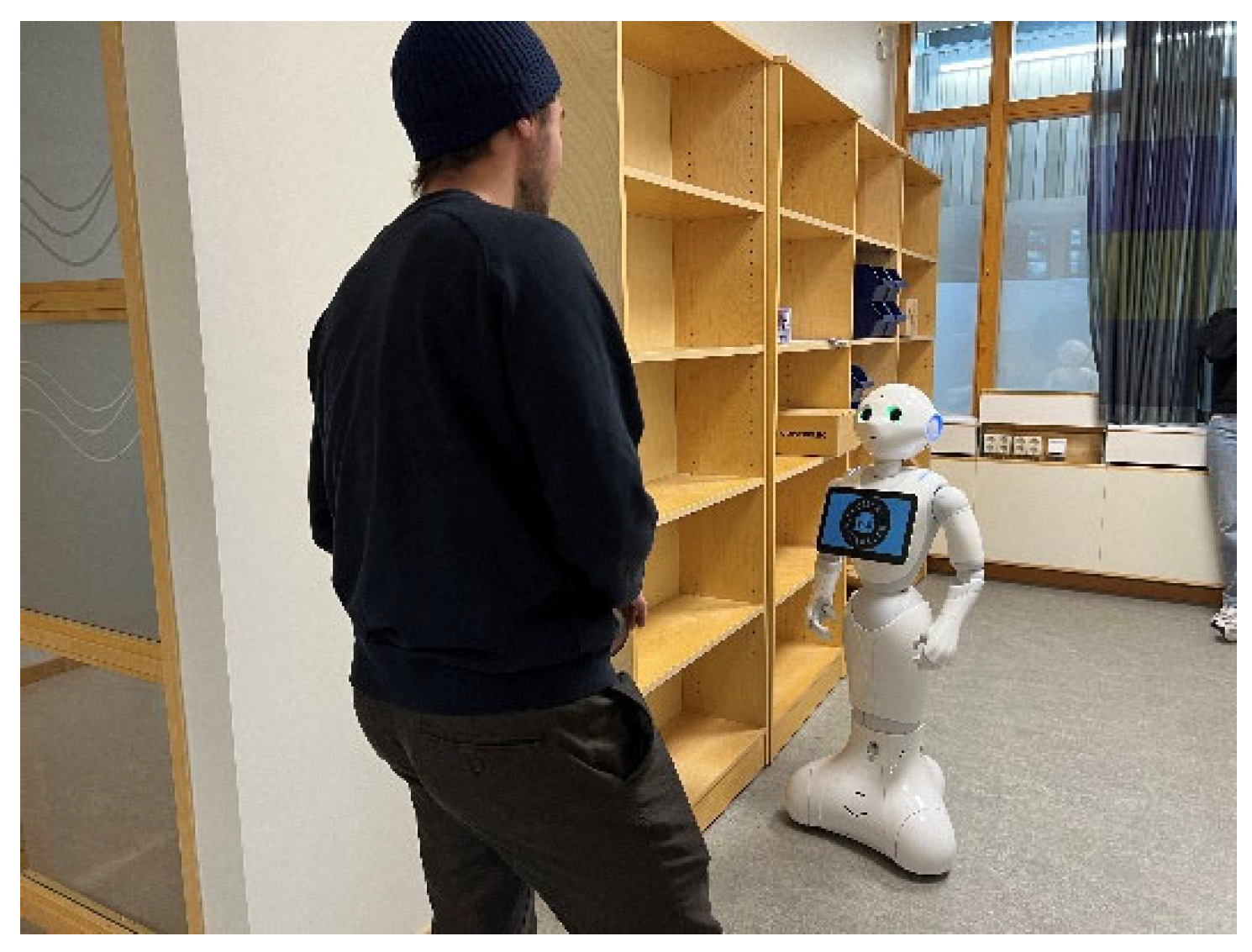
Figure 1. A Pepper robot interacting with one of the participants in the test.
Preprints 140281 g001
Figure 2. A remote user interacting through the Double robot with one of the participants in the test.
Preprints 140281 g002
Table 1. Examples of the coding framework for the thematic analysis of the participants’ interactions.
Codes Categories Main theme Sub-theme
“A robot should be able to do several things, it could be changed just by pressing buttons so it can do this task instead.” Development
Efficiency
Flexibility
Adaptability
“[...] they need to be developed a bit more so that it feels like a human encounter, as it seems that many highly value this.” Quality
Speed
Development
Opportunities
Adaptability Development
“Certainly, there are uses, tasks where there is no need for human contact but where things need to be fetched or information conveyed.” Usage Areas
No Need for Humanity
Adaptability Usage Areas
Codes Categories Main theme Sub-theme
“[...] Pepper was a bit slow to respond so sometimes it was unclear if my question had been received, so then I wanted to repeat the question [...].” “The other robot [Pepper] was a bit better at this [showing human emotions]. It seemed like it cheered up when it was told it had done a good job, so there was a bit of a difference with the other [Double], which was just a screen.”
Pepper's Efficiency
Lack of Communication Flow
Interaction
Interchangeability
Human Emotions
Interaction and Behavior
“Yes, maybe that this little humanoid robot was, I thought it was fun when it waved and nodded and was supposed to be happy.” Behavior
Movements and Gestures
Conveying Emotions
Interaction and Behavior Gestures and Body Language
“I was less honest with the robot [Pepper]. It felt like it would be sad if you said I can do it better myself. At least that was the feeling.” Human Emotions
Credibility
Honesty
Interaction and Behavior Interaction
Codes Categories Main theme Sub-theme
“[I] think that I really see and know that it is a robot, while people move more, and just act as they think, maybe ask more follow-up questions and such than what a robot does.” Autonomy
Movements and Gestures
Communication
Autonomy
“Yes, but it feels a bit scary [future with AI] but it feels like something you might just have to accept” Negative towards the future with AI
Scary
Autonomy The Future
Codes Categories Main theme Sub-theme
“I find it hard to see tasks that require trust and a lot of knowledge from the one you're getting help from, that robots will be able to replace there.” Trust and Confidence
Replacing Humans
Credibility
“I think many feels that they are not so excited about dealing with robots because they don't feel like real people” Lack of Human-likeness
Lack of Credibility
Credibility Human-likeness
“[...] I think it's a disadvantage to remove that, the feeling of meeting an actual person. “ Human Interaction
Replacing Humans
Credibility Interchangeability
Disclaimer/Publisher’s Note: The statements, opinions and data contained in all publications are solely those of the individual author(s) and contributor(s) and not of MDPI and/or the editor(s). MDPI and/or the editor(s) disclaim responsibility for any injury to people or property resulting from any ideas, methods, instructions or products referred to in the content.
Copyright: This open access article is published under a Creative Commons CC BY 4.0 license, which permit the free download, distribution, and reuse, provided that the author and preprint are cited in any reuse.
Prerpints.org logo

Preprints.org is a free preprint server supported by MDPI in Basel, Switzerland.

Subscribe

Disclaimer

Terms of Use

Privacy Policy

Privacy Settings

© 2025 MDPI (Basel, Switzerland) unless otherwise stated