
Submitted:
06 November 2024
Posted:
07 November 2024
You are already at the latest version
Abstract
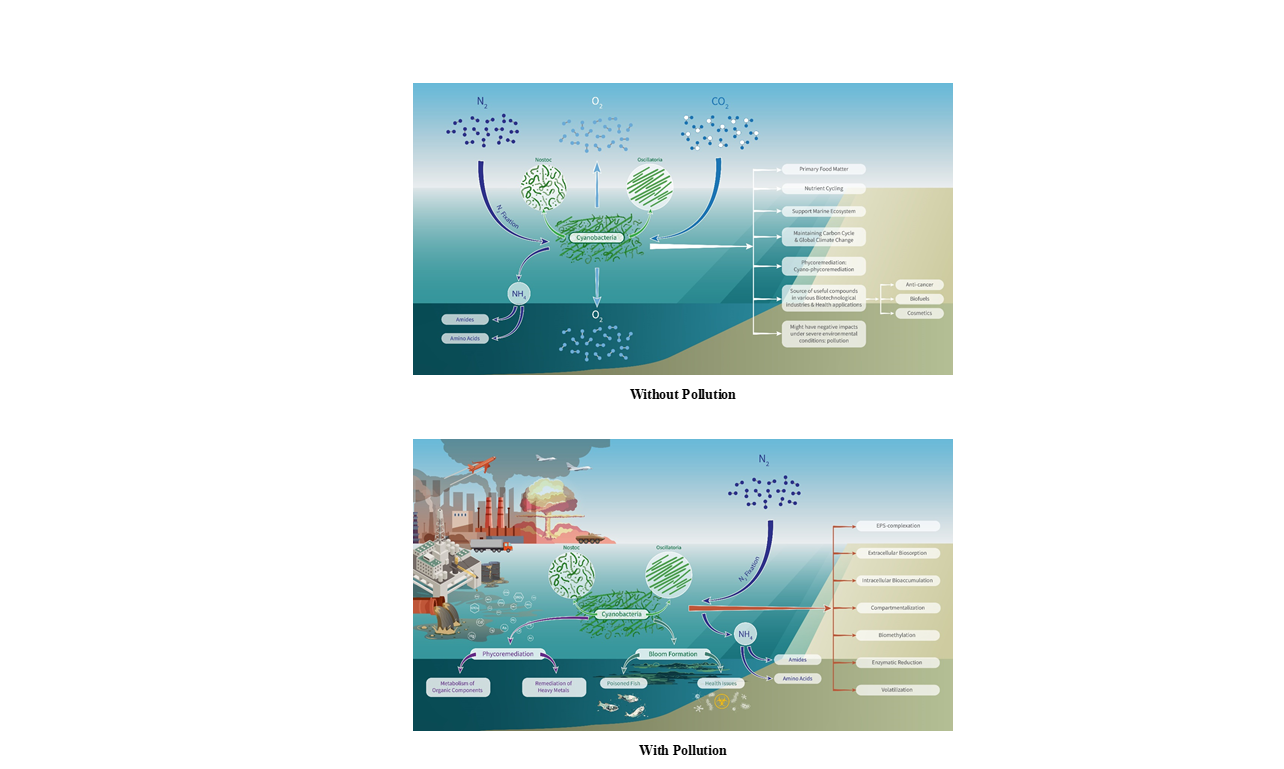
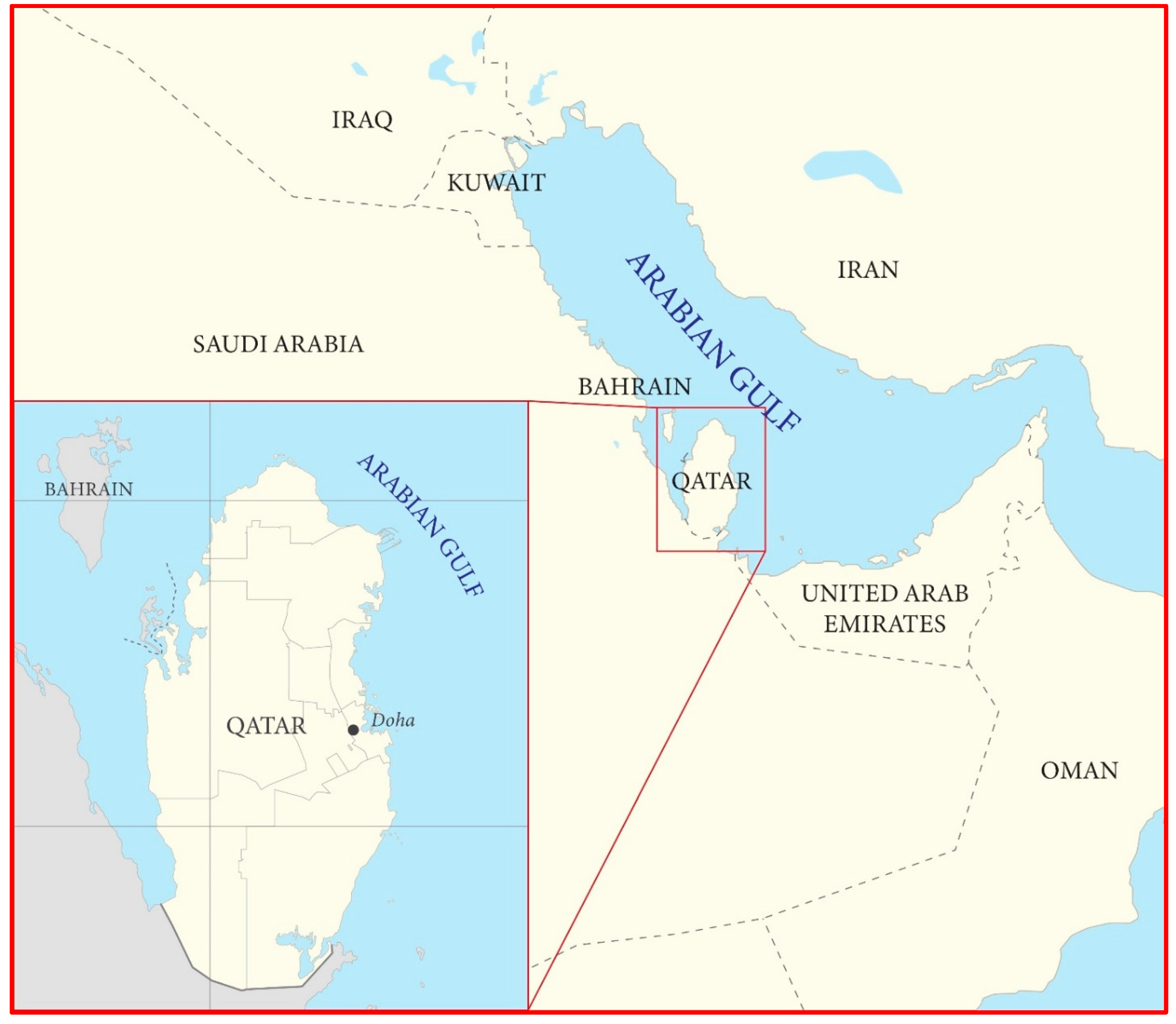
Cyanobacteria play a crucial role in marine ecosystems as primary producers of food and oxygen for various organisms while helping remove waste and toxic substances from the environment. They are essential to the carbon cycle and help regulate the climate. These marine autotrophs also aid in the absorption of essential elements and support diverse life forms. They help degrade organic compounds including petroleum hydrocarbons as well as heavy metals. Fluctuations in cyanobacteria populations can indicate ecosystem health, influencing both human well-being and wildlife. Their significance also extends to potential technological advancements, thus providing valuable resources for fields such as pharmacology, medicine, health care, biofuels, cosmetics, and bioremediation. However, some species produce toxins that pose risks to human health and marine organisms. Consequently, cyanobacteria are a major focus of research aimed at preserving and improving marine ecosystems-especially given the environmental damage caused by past and potential future conflicts. This review highlights their roles in phycoremediation and other industrial and biotechnological applications with a particular focus on the Arabian Gulf region.
Keywords:
1. Introduction
1.1. Roles of Phytoplankton in Marine and Freshwater Ecosystems
1.2. Disadvantages of Phytoplankton
2. Methods and Mechanisms of Phycoremediation
3. Biodiversity and Functions of Cyanobacteria
3.1. Nitrogen fixation



3.2. Phycoremediation (Cyanoremediation) of Oil and Gas Components
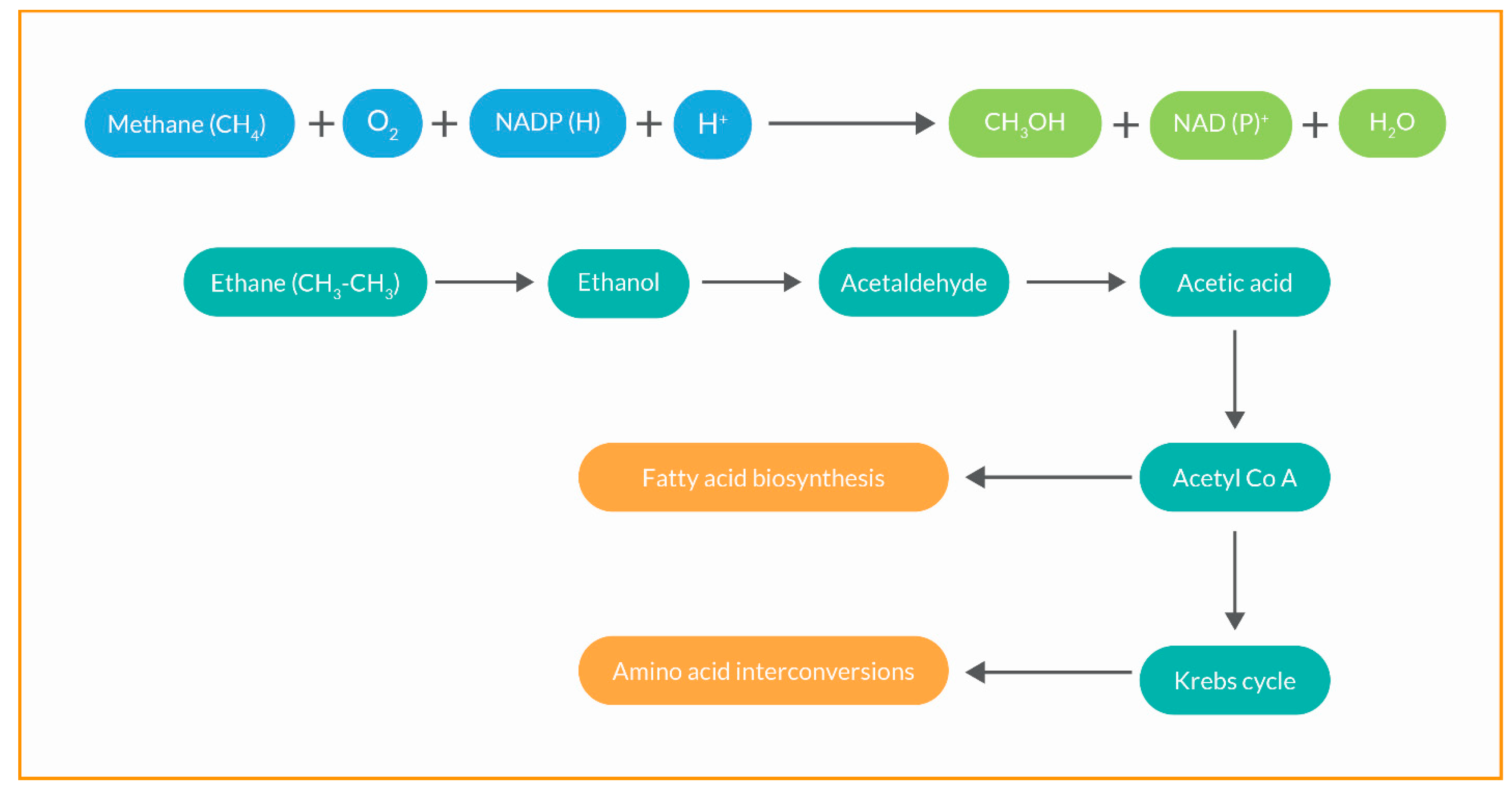
3.2.1. Alkane Degradation
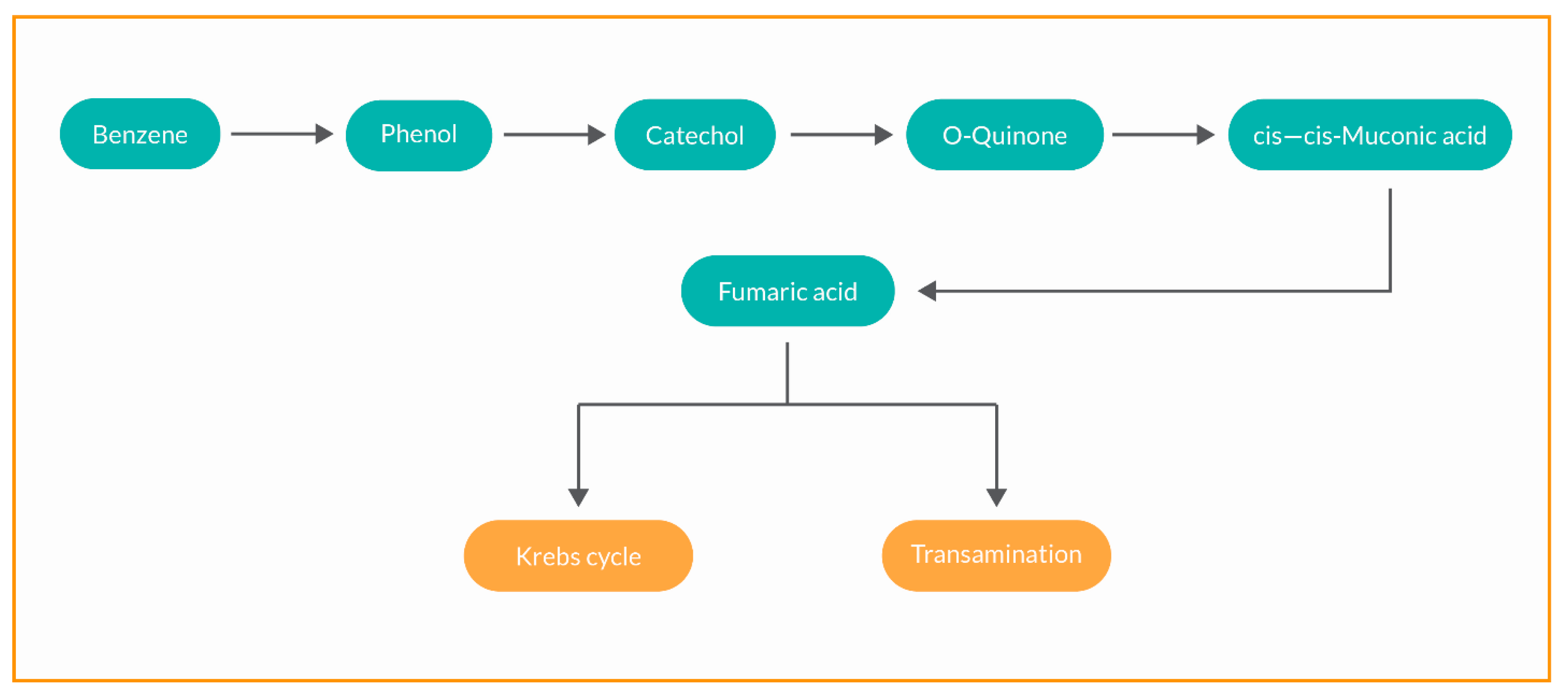
3.2.2. Aromatic Compound Degradation
3.3. Source of Industrial Biotechnological and Health Applications
3.4. Bloom Formation
4. Bioactive Compounds in the Arabian Gulf
5. Conclusions
Acknowledgments
Conflicts of Interest
References
- Abulfatih, H.A.; Abdel-Bari, E.M.; Alsubaey, A.; Ibrahim, Y.M. Vegetation of Qatar; Scientific and Applied Research Center (SARC), University of Qatar, Doha, Qatar, 2001.
- Yasseen, B.T.; Abulfatih, H.A.; Nasher, A.K.; Abid, K.Y.; Al-Mofti, M. B. Preliminary assessment of pollution due to faulty sewage system in north of Sana,a, Republic of Yemen. Dirasat Eng. Sci. 2001, 28 (1), 89-96.
- Abulfatih, H.A.; Al-Thani, R.F.; Al-Naimi, I.S.; Swelleh, J.A.; Elhag, E.A.; Kardousha, M.M. Ecology of Wastewater Ponds in Qatar, Doha; Scientific and Applied Research Centre (SARC), University of Qatar, Doha, 2002.
- Al-Thani, R.F.; Yasseen, B.T. Perspectives of future water sources in Qatar by phytoremediation: Biodiversity at ponds and modern approach. Int. J. Phytoremediation. 2021. 23 (8), 866-889. [CrossRef]
- Jahan, S.; Singh, A. The Role of phytoplanktons in the environment and in human life, a review. Bas. J. Sci. 2023, 41(2), 379-398. [CrossRef]
- Wang, X.; Yin, Z.; Chen, J.; Liu, J. Phytoplankton carbon utilization strategies and effects on carbon fixation. Water 2023, 15, 2137. [CrossRef]
- https://oceanservice.noaa.gov/facts/ocean-oxygen.html. (accessed 11 June 2024).
- Baumas, C.; Bizic, M. A focus on different types of organic matter particles and their significance in the open ocean carbon cycle. Progress in Oceanography 2024, 224, 103233. [CrossRef]
- Litchman, E.; Pinto, P.T.; Edwards, K.F.; Klausmeier, C.A.; Kremer, C.T.; Thomas, M.K. Global biogeochemical impacts of phytoplankton: A trait-based perspective. J. Ecology. 2015, 103, 1384-1396. [CrossRef]
- Naselli-Flores, L.; Padisák, J. Ecosystem services provided by marine and freshwater phytoplankton. Hydrobiologia 2023, 850(12-13), 2691-2706. [CrossRef]
- https://earthobservatory.nasa.gov/features/Phytoplankton. (accessed 14 August 2024).
- Jackson, R.; Gabric A. Climate change impacts on the marine cycling of biogenic sulfur: A review. Microorganisms 2022, 10 (8), 1581. [CrossRef]
- Irwin, A.J.; Finkel, Z.V.; Müller-Karger, F.E.; Ghinaglia, L.T. Phytoplankton adapt to changing ocean environments. Proc. Natl. Acad. Sci. USA. 2015, 112 (18), 5762-5766. [CrossRef]
- Vallina, S.M.; Cermeno, P.; Dutkiewicz, S.; Loreau, M.; Montoya, J.M. Phytoplankton functional diversity increases ecosystem productivity and stability. Ecological Modelling 2017, 361, 184-196. [CrossRef]
- Sauterey, B.; Le Gland, G.; Cermeño, P.; Aumont, O.; Lévy, M.; Sergio, M.; Vallina, S.M. Phytoplankton adaptive resilience to climate change collapses in case of extreme events-A modeling study. Ecological Modelling 2023, 483, 110437. [CrossRef]
- Wei, Y.; Ding, D.; Gu, T.; Jiang, T.; Qu, K.; Sun, J.; Cui, Z. Different responses of phytoplankton and zooplankton communities to current changing coastal environments. Environmental Research 2022, 215 (Part 2), 114426. [CrossRef]
- Pradhan, B.; Ki, J.S. Phytoplankton toxins and their potential therapeutic applications: A journey toward the quest for potent pharmaceuticals. Mar. Drugs. 2022, 20, 271. [CrossRef]
- Anderson, D.M.; Cembella, A.D.; Hallegraeff, G.M. Progress in understanding harmful algal blooms (HABs): Paradigm shifts and new technologies for research, monitoring and management. Ann. Rev. Mar. Sci. 2012, 4, 143-176.. [CrossRef]
- 19. Zhang, Y.; Whalen, J.K.; Cai, C.; Shan, K.; Zhou, H. Harmful cyanobacteria-diatom/dinoflagellate blooms and their cyanotoxins in freshwaters: A non-eligible chronic health and ecological hazard. Water Research 2023, 233, 119807. [CrossRef]
- Pitcher, G.C.; Probyn, T.A. Suffocating phytoplankton, suffocating waters-red tides and anoxia. Front. Mar. Sci. 2016, 3-2016. [CrossRef]
- Gauns, M.; Mochemadkar, S.; Pratihary, A.; Shirodkar, G.; Narvekar, P.V.; Naqvi, S.W.A. Phytoplankton associated with seasonal oxygen depletion in waters of the western continental shelf of India. Journal of Marine Systems 2020, 204, 103308. [CrossRef]
- Devlin, M.; Fernand, L.; Collingridge, K. Concentrations of dissolved oxygen near the seafloor in the greater North Sea, Celtic Sea and Bay of Biscay and Iberian coast. In OSPAR, 2023: The 2023 Quality Status Report for the North-East Atlantic; OSPAR Commission, London, 2022. https://oap.ospar.org/en/ospar-assessments/quality-status-reports/qsr-2023/indicator-assessments/seafloor-dissolved-oxygen.
- https://www.globalseafood.org/advocate/phytoplankton-impact-water-quality/. (accessed 18 July 2024).
- Amorim, C.A.; Moura, A.N. Ecological impacts of freshwater algal blooms on water quality, plankton biodiversity, structure, and ecosystem functioning. Science of The Total Environment 2021, 758, 143605. [CrossRef]
- Hintz, N.H.; Schulze, B.; Wacker, A.; Striebel, M. Ecological impacts of photosynthetic light harvesting in changing aquatic environments: A systematic literature map. Ecol. Evol. 2022. 12(3), e8753. [CrossRef]
- Käse, L.; Geuer, J.K. Phytoplankton responses to marine climate change-An introduction. In YOUMARES 8 - Oceans Across Boundaries: Learning from each other; Jungblut, S.; Liebich, V.; Bode, M. (eds), Springer, Cham, 2018. [CrossRef]
- Cho, R. Plankton are Central to Life on Earth. How is Climate Change Affecting Them? State of the Planet; Colombia Climate School, New York, USA, 2023. https://news.climate. Columbia.edu/2023/08/23/plankton-are-central-to-life-on-earth-how-is-climate-change-ffecting-them/.
- Al-Thani, R.F.; Yasseen, B.T. Phytoremediation of polluted soils and waters by native Qatari plants: Future perspectives. Environmental Pollution 2020, 259, 113694. [CrossRef]
- Al-Thani, R.F.; Yasseen, B.T. Microbial ecology of Qatar, the Arabian Gulf: Possible roles of microorganisms. Front. Mar. Sci. 2021, 8, 697269. [CrossRef]
- Al-Thani, R.F.; Yasseen, B.T. Possible future risks of pollution consequent to the expansion of oil and gas operations in Qatar. Environment and Pollution 2023, 12 (1), 12-52. [CrossRef]
- Gupta, P.K.; Ranjan, S.; Gupta, S.K. Phycoremediation of petroleum hydrocarbon-polluted sites: application, challenges, and future prospects. In Application of Microalgae in wastewater Treatment; Gupta, K., and Bux, F., Eds, Springer Nature, Switzerland AG 20195. (accessed Sep 18 2024). (2019) . [CrossRef]
- Danouche, M.; El Ghachtouli, N.; El Arroussi, H. Phycoremediation mechanisms of heavy metals using living green microalgae: physicochemical and molecular approaches for enhancing selectivity and removal capacity. Heliyon 2021, 7 (7), e07609. [CrossRef]
- Sarma, U.; Hoque, M.E.; Thekkangil, A.; Venkatarayappa, N.; Rajagopal, S. Microalgae in removing heavy metals from wastewater-An advanced green technology for urban wastewater treatment. J. Hazard. Mater. Adv. 2024, 15, 100444. [CrossRef]
- Flemming, H.C.; Wingender, J.; Griebe, T.; Mayer, C. Physico-Chemical Properties of Biofilms. In Biofilms: Recent Advances in their Study and Control; Evans, L.V., Ed.; CRC Press, 2000. ISBN 978-9058230935.
- Al-Thani, R.F.; Yasseen, B.T. Solutes in native plants in the Arabian Gulf region and the role of microorganisms: Future research. J. Plant Ecol. 2018, 11 (5), 671-684. 2017. [CrossRef]
- Fulaz, S.; Vitale, S.; Quinn, L.; Casey, E. Nanoparticle-biofilm interactions: The role of the EPS matrix. Trends in Microbiology 2019, 27 (11), 915–926. [CrossRef]
- Wei, Z.; Niu, S.; Wei, Y.; Liu, Y.; Xu, Y.; Yang, Y.; Zhang, P.; Zhou, Q.; Wang, J.J. The role of extracellular polymeric substances (EPS) in chemical-degradation of persistent organic pollutants in soil: A review. Science of The Total Environment 2024, 912, 168877. [CrossRef]
- Chugh, M.; Kumar, L.; Shah, M.P.; Bharadvaja, N. Algal bioremediation of heavy metals: An insight into removal mechanisms, recovery of by-products, challenges, and future opportunities. Energy Nexus 2022, 7, 100129. [CrossRef]
- Fan, X.; Lu, X.; Yu, B.; Zuo, L.; Fan, P.; Yang, Y.; Zhuang, S.; Liu, H.; Qin, Q. Risk and sources of heavy metals and metalloids in dust from university campuses: A case study of Xi'an, China. Environmental Research 2021, 202, 111703. [CrossRef]
- Pradhan, B.; Bhuyan, P.P.; Nayak, R.; Patra, S.; Behera, C.; Ki, J.S.; Ragusa, A.; Lukatkin, A.S.; Jena, M. Microalgal phycoremediation: A glimpse into a sustainable environment. Toxics 2022, 10 (9), 525. [CrossRef]
- Tong, Y.; Kneer, R.; Zhu, Y.G. Vacuolar compartmentalization: A second-generation approach to engineering plants for phytoremediation. Trends in Plant Science 2004, 9 (1), 7-9. [CrossRef]
- Ankit.; Bauddh, K.; Korstad, J. Phycoremediation: Use of algae to sequester heavy metals. Hydrobiology 2022, 1 (3), 288-303. [CrossRef]
- Nyika, J.; Dinka, M.O. Factors and mechanisms regulating heavy metal phycoremediation in polluted water. Discov. Water 2023, 3 (14). [CrossRef]
- Bhardwaj, D.; Bharadvaja, N. Phycoremediation of effluents containing dyes and its prospects for value-added products: A review of opportunities. Journal of Water Process Engineering 2021, 41, 102080. [CrossRef]
- Yan, A.; Wang, Y.; Tan, S.N.; Yusof, M.L.; Ghosh, S.; Chen, Z. Phytoremediation: A promising approach for revegetation of heavy metal-polluted land. Front. Plant Sci. 2020, 11, 359. [CrossRef]
- Zhang, S-Y.; Sun, G-X.; Yin, X-X.; Rensing, C.; Zhu, Y-G. Biomethylation and volatilization of arsenic by the marine microalgae Ostreococcus tauri. Chemosphere 2013, 93, 47-53. [CrossRef]
- Wang, F.; Zhang, J.; Xu, L.; Ma, A.; Zhuang, G.; Huo, S.; Zou, B.; Qian, J.; Cui, Y. Selenium volatilization in plants, microalgae, and microorganisms. Heliyon 2024, 10(4), e26023. [CrossRef]
- Yasseen, B.; Al-Thani, R.F. Endophytes and halophytes to remediate industrial wastewater and saline soils: Perspectives from Qatar. Plants 2022, 11, 1497. [CrossRef]
- Al-Thani, R.F.; Yasseen, B.T. Methods using marine aquatic photoautotrophs along the Qatari coastline to remediate oil and gas industrial water. Toxics 2024, 12 (9): 625. [CrossRef]
- John, D.M.; Al-Thani, R.F. Benthic marine algae of the Arabian Gulf: A critical review and analysis of distribution and diversity patterns. Nova Hedwigia 2014, 98 (3-4), 341-392. [CrossRef]
- Dorgham, M.M.; Al-Muftah, A.M. Plankton studies in the Arabian Gulf. I. Preliminary list of phytoplankton species in Qatari waters. Arab Gulf J. Scient. Res. Agric. Biol. Sci. 1986, 4 (2), 421-436.
- Rizk, A.M.; Al-Easa, H.S.; Kornprobst, J.M. The Phytochemistry of the Macro and Blue-Green Algae of the Arabian Gulf; Faculty of Science, P. O. Box 2713, Doha, Qatar. Doha Modern Printing Press Ltd.; 1999; ISBN: 999921-46-64-8.
- Al-Khelaifi, F.A. Phylogenetic Diversity of Cynobacteria from Qatar Coastal Waters; MSc. Thesis, Qatar University, College of Arts and Sciences, 2014.
- Al-Muftah, A. Review of Harmful Algae Species and Fish Kills Incidents in the ROPME Sea Area; Personal Communication, based on lecture presented in the College of Arts and Sciences, October 2004.
- Quesada, A.; Moreno, E.; Carrasco, D.; Paniagua, T.; Wormer, L.; Hoyos, C.; Sukenik, A. Toxicity of Aphanizomenon ovalisporum (Cyanobacteria) in a Spanish water reservoir. European Journal of Phycology 2006, 41 (1), 39-45. [CrossRef]
- Jacques, N.R. Remediation of Light Extractable Petroleum Hydrocarbons in Water by Algae; M.Sc. Thesis. Royal Roads University, Colwood, British Colombia, Canada, 2008.
- Furniturewalla, A.; Barve, K. Marine antioxidants in the management of atherosclerosis, Chapter 20. In Marine Antioxidants: Preparations, Syntheses, and Applications, 2023. Academic Press pp. 273-284. [CrossRef]
- Atyah, B.S.; Al-Mayaly, I.K. Biodegradation of crude oil by Anabaena variabilis isolated from Al-Dora Refinery. IOSR Journal of Pharmacy and Biological Sciences 2018, 13 (3), e-ISSN:2278-3008, p-ISSN:2319-7676. [CrossRef]
- Qamar, H.; Hussain, K.; Soni, A.; Khan, A.; Hussain, T.; Chénais, B. Cyanobacteria as natural therapeutics and pharmaceutical potential: Role in antitumor activity and as nano-vectors. Molecules 2021, 26(1), 247. [CrossRef]
- Das, S.; Banik, R.D. Microbial action to remediate petroleum-hydrocarbon contaminated soil. Journal of Advances in Microbiology Research 2024, 5(1), 27-32. [CrossRef]
- Yadav, P.; Gupta, R.K.; Singh, R.P.; Yadav, P.K.; Alam, J.; Patel, A.K.; Pandy, K.D. Role of Cyanobacteria in Green Remediation, Chapter 9. In Sustainable Environhental Clean-up; Elsevier Inc. Amsterdam, The Netherlands, 2021; [CrossRef]
- Melzi, A.; Zecchin, S.; Gomarasca, S.; Abruzzese, A.; Cavalca , L. Ecological indicators and biological resources for hydrocarbon rhizoremediation in a protected area. Front. Bioeng. Biotechnol. 2024, 12, 1379947. [CrossRef]
- Goshtasbi, H.; Khiavi, M.A.; Safary, A.; Movafeghi, A.; Omidi, Y. In vitro anticancer activity of methanolic extract of Chroococcus sp.; Kani Barazan International Wetland. 3rd International Congress and 4th National Conference on Biotechnology of Medicinal Plants and Mushrooms. Zanjan, Iran, 2021.
- Duarte, I.F.; Ribeiro, V.de.S.; Santos, M.I.G.R. dos.; Costa, T.A.D.; Santana, M.B.; Oliveira, A.C.V.; Marques, I.M.; Nanez, K.B.; Moreira, Icaro, T.A. Remediation mechanisms of polycyclic aromatic petroleum hydrocarbons using microalgae and cyanobacteria with emphasis on circular bioeconomy. Research, Society and Development 2021, 10 (11), p.e512101119954.https://rsdjournal.org/index.php/rsd/article/view/19954. (accessed 12th Sep. 2024).
- Kalita, N.; Baruah, P.P. Cyanobacteria as a potent platform for heavy metals biosorption: Uptake, responses, and removal mechanisms. Journal of Hazardous Materials Advances 2023, 11, 100349. [CrossRef]
- Hart, R. Cyanobacteria Biocomposites for In Situ Treatment of Domestic Wastewater; MSc. Thesis, School of Natural and Environmental Sciences, The University of Newcastle, UK, 2020.
- Li, C.; Zhang, X.; Ye, T.; Li, X.; Wang, G. Protection and damage repair mechanisms contributed to the survival of Chroococcidiopsis sp. exposed to a Mars-like near space environment. Microbiol Spectr. 2022, 10 (6): e0344022. [CrossRef]
- Baldanta, S.; Arnal, R.; Blanco-Rivero, A.; Guevara, G.; Navarro Llorens, J.M. First characterization of cultivable extremophile Chroococcidiopsis isolates from a solar panel. Front. Microbiol. 2023, 14, 982422. [CrossRef]
- Raghukumar, C.; Vipparty, V.; David, J.J.; Chandramohan, D. Degradation of crude oil by marine cyanobacteria. Appl. Microbiol. Biot. 2001, 57, 433-436. [CrossRef]
- Mekonnen, B.A.; Aragaw, T.A.; Genet, M.B. Bioremediation of petroleum hydrocarbon contaminated soil: A review on principles, degradation mechanisms, and advancements. Front. Environ. Sci. 2024, 12-2024, . [CrossRef]
- Xu, X.; Liu, W.; Tian, S.; Wang, W.; Qi, Q.; Jiang, P.; Gao, X.; Li, F.; Li, H.; Yu, H. Petroleum hydrocarbon-degrading bacteria for the remediation of oil pollution under aerobic conditions: A perspective analysis. Front. Microbiol. 2018, 9, 2885. [CrossRef]
- Abed, R.M.M.; Al-Kharusi, S.; Prigent, S.; Headley, T. Diversity, distribution, and hydrocarbon biodegradation capabilities of microbial communities in oil-contaminated cyanobacterial mats from a constructed wetland. PLOS ONE 2014, 9(12), e114570. [CrossRef]
- Cai, Y.; Wang, R.; Rao, P.; Wu, B.; Yan, L.; Hu, L.; Park, S.; Ryu, M.; Zhou X. Bioremediation of petroleum hydrocarbons using Acinetobacter sp. SCYY-5 isolated from contaminated oil sludge: Strategy and effectiveness study. Int. J. Environ. Res. Public Health 2021, 18(2), 819. [CrossRef]
- Hirose, Y.; Misawa, N.; Yonekawa, C.; Nagao, N.; Watanabe, M.; Ikeuchi, M.; Eki, T. Characterization of the genuine type 2 chromatic acclimation in the two Geminocystis cyanobacteria. DNA Research 2017, 24 (4), 387–396. [CrossRef]
- Das, N.; Chandran, P. Microbial degradation of petroleum hydrocarbon contaminants: An overview. Biotechnol. Res. Int. 2011, 2011, 941810. [CrossRef]
- Kiran, B.; Thanasekaran, K. Metal tolerance of an indigenous cyanobacterial strain, Lyngbya putealis. International Biodeterioration & Biodegradation 2011, 65 (8), 1128-1132. [CrossRef]
- Panah, B.A. Biodegradation ability and physiological responses of cyanobacterium Leptolyngbya sp. ISC 25 under naphthalene. Algologia 2015, 25(2),125-134. [CrossRef]
- Ghanbarzadeh, M.; Niknam, V.; Soltani, N.; Ebrahimzadeh, H. Leptolyngbya fragilis ISC 108 is the most effective strain for dodecane biodegradation in contaminated soils. Int. J. Phytoremediat. 2019, 21(4),1-13. [CrossRef]
- Hamouda, R.A.; Alhumairi, A.M.; Saddiq, A.A. Simultaneous bioremediation of petroleum hydrocarbons and production of biofuels by the micro-green alga, cyanobacteria, and its consortium. Heliyon 2023, 9 (6), e16656. [CrossRef]
- Olufunmilayo, W.J.; Mary, A. Remediation of crude oil polluted river using Nostoc and Oscillatoria spp. J. Bio. Gen. Res. 2018, 4 (1), 1-9. ISSN: 2545 – 5710. www.iiardpub.org.
- Vasconcelos, V.M.; Sivonen, K.; Evans, W.R.; Carmichael, W.W.; Namikoshi, M. Hepatotoxic microcystin diversity in cyanobacterial blooms collected in Portuguese freshwaters. Water Research 1996, 30 (10), 2377-2384. [CrossRef]
- Kataokam T.; Ohbayashi, K.; Kobayashi, Y.; Takasu, H.; Nakano, S.I.; Kondo, R.; Hodoki, Y. Distribution of the harmful bloom-forming cyanobacterium, Microcystis aeruginosa, in freshwater environments across Japan. Microbes Environ. 2020, 35(1), ME19110. [CrossRef]
- Henriksen, P. Estimating nodularin content of cyanobacterial blooms from abundance of Nodularia spumigena and its characteristic pigments—a case study from the Baltic entrance area. Harmful Algae. 2005, 4 (1), 167-178. [CrossRef]
- Konkel, R.; Toruńska-Sitarz, A.; Cegłowska, M.; Ežerinskis, Z.; Šapolaitė, J.; Mažeika, J.; Mazur-Marzec, H. Blooms of toxic cyanobacterium Nodularia spumigena in Norwegian Fjords during Holocene warm periods. Toxins (Basel), 2020, 12(4), 257. [CrossRef]
- Pimda, W.; Bunnag, S. Biodegradation of used motor oil by single and mixed cultures of cyanobacteria. African Journal of Biotechnology 2012,11(37),9074-9078. ISSN 1684–5315. [CrossRef]
- Trentin, G.; Piazza, F.; Carletti, M.; Zorin, B.; Khozin-Goldberg, I.; Bertucco, A.; Sforza, E. Fixing N2 into cyanophycin: continuous cultivation of Nostoc sp. PCC 7120. Appl. Microbiol. Biotechnol. 2023, 107(1), 97-110. [CrossRef]
- Akl, F.M.A.; Ahmed, S.I.; El-Sheekh, M.M.; Makhlof, M.E.M. Bioremediation of n-alkanes, polycyclic aromatic hydrocarbons, and heavy metals from wastewater using seaweeds. Environ. Sci. Pollut. Res. Int. 2023, 30(47),104814-104832. [CrossRef]
- Ugboma, C.J.; Sampson, T.; Tamunoiboroma, J.E. Bioremediation potentials of halotolerant Oscillatoria sp. in the remediation of crude oil polluted water. Journal of Advances in Microbiology Research (JAMR) 2023, 4(2), 45-52.
- Almutairi, H.H. Microbial communities in petroleum refinery effluents and their complex functions. Saudi J. Biol. Sci. 2024, 31(7), 104008. [CrossRef]
- Pimda, W.; Bunnag, S., Impact of inorganic nutrients and heavy metals present as co-contaminants on biodegradation of petroleum hydrocarbons by Phormidium ambiguum strain TISTR 8296. Water Air & Soil Pollution 2017, 228 (2), 58. [CrossRef]
- Flores, E.; Romanovicz, D.K.; Nieves-Morión, M.; Foster, R.A.; Villareal, T.A. Adaptation to an intracellular lifestyle by a nitrogen-fixing, heterocyst-forming cyanobacterial endosymbiont of a diatom. Front. Microbiol. 2022, 13, 799362. [CrossRef]
- Su, Q.; Yu, J.; Fang, K.; Dong, P.; Li, Z.; Zhang, W.; Liu, M.; Xiang, L.; Cai, J. Microbial removal of petroleum hydrocarbons from contaminated soil under arsenic stress. Toxics 2023, 11(2), 143; [CrossRef]
- Wu, Y-S.; Yu, G-L.; Jiang, H-X.; Liu, L-J.; Zhao, R. Role and lifestyle of calcified cyanobacteria (Stanieria) in Permian–Triassic boundary microbialites. Palaeogeography, Palaeoclimatology, Palaeoecology 2016, 448, 39-47. [CrossRef]
- Xu, S.; Nijampatnam, B.; Dutta, S.; Velu, S.E. Cyanobacterial metabolite calothrixins: Recent advances in synthesis and biological evaluation. Mar. Drugs. 2016, 14 (1), 17. [CrossRef]
- Borah, D.; Agarwal, K.; Khataniar, A.; Konwar, D.; Gogoi, S.B.; Kallel, M. A newly isolated strain of Serratia sp. from an oil spillage site of Assam shows excellent bioremediation potential. 3 Biotech. 2019, 9(7), 283. [CrossRef]
- Al-Kaabi, N.; Al-Ghouti, M.A.; Jaoua, S.; Zouari, N. Potential for native hydrocarbon-degrading bacteria to remediate highly weathered oil-polluted soils in Qatar through self-purification and bioaugmentation in biopiles. Biotechnology Reports 2020, 28, e00543. [CrossRef]
- Carpenter, E.J.; Harvey, H.R.; Fry, B.; Capone, D.G. Biogeochemical tracers of the marine cyanobacterium Trichodesmium. Deep Sea Research Part I: Oceanographic Research Papers 1997, 44 (1), 27-38. [CrossRef]
- Bergman, B.; Sandh, G.; Lin, S.; Larsson, J.; Carpenter, E.J. Trichodesmium-A widespread marine cyanobacterium with unusual nitrogen fixation properties. FEMS Microbiol Rev. 2013, 37 (3), 286-302. [CrossRef]
- Gosselin, K.M.; Nelson, R.K.; Spivak, A.C.; Sylva, S.P.; Van Mooy, B.A.S.; Aeppli, C.; Sharpless, C.M.; O'Neil, G.W.; Arrington, E.C.; Reddy, C.M.; Valentine, D.L. Production of two highly abundant 2-methyl-branched fatty acids by blooms of the globally significant marine Cyanobacteria Trichodesmium erythraeum. ACS Omega 2021, 6 (35), 22803-22810. [CrossRef]
- Gardner, J.J.; Hodge, B-M.S.; Boyle, N.R. Investigating the unique ability of Trichodesmium to fix carbon and nitrogen simultaneously using MiMoSA. mSystems 2023, 8(1), e00601-20. [CrossRef]
- Taiz, L.; Zeiger, E. Plant Physiology, 5th edition; Sinauer Associates Inc., Sunderland, Massachusetts, USA, 2010.
- Lea, P.J.; Leegood, R.C. Plant Biochemistry & Molecular Biology; John Wiley & Sons. New York, USA, 1994. ISBN: 0 471 93313 9.
- Yasseen, B.T. Fundamentals of Plant Physiology; Department of Biological Sciences, Qatar University, Doha, Qatar, 2001. ISBN: 8-81-46-99921 (Arabic version).
- Magnuson, A. Heterocyst thylakoid bioenergetics. Life (Basel) 2019, 9 (1), 13. [CrossRef]
- Kumar, K.; Mella-Herrera, R.A.; Golden, J.W. Cyanobacterial heterocysts. Cold Spring Harb Perspect. Biol. 2010, 2(4), a000315. [CrossRef]
- Ashore, M.M. (1991). Sabkhas in the Peninsula of Qatar - Geomorphologic and Geological and Biological Studies - University of Qatar. Centre of Documentation and Humanitarian Studies, Doha, Qatar.
- Redfield, E.; Barns, S.M.; Belnap, J.; Daane, L.L.; Kuske, C.R. Comparative diversity and composition of cyanobacteria in three predominant soil crusts of the Colorado Plateau. FEMS Microbiol. Ecol. 2002, 40, 55-63.
- Al-Thani, R.F.; Yasseen, B.T. Halo-thermophilic bacteria and heterocyst cyanobacteria found adjacent to halophytes at Sabkhas – Qatar: Preliminary study and possible roles. African Journal of Microbiology Research 2017, 11(34), 1346-1354.
- Gao, H.; Wu, M.; Liu, H.; Xu, Y.; Liu, Z. Effect of petroleum hydrocarbon pollution levels on the soil microecosystem and ecological function. Environ.Pollut. 2022, 293, 118511. [CrossRef]
- Ou, Y.; Wu, M.; Yu, Y.; Liu, Z.; Zhang, T.; Zhang, X. Low dose phosphorus supplementation is conducive to remediation of heavily petroleum-contaminated soil-From the perspective of hydrocarbon removal and ecotoxicity risk control. Science of The Total Environment 2024, 929: 172478. [CrossRef]
- Atyah, B.S.; Al-Mayaly, I.K. Biodegradation of crude oil by Anabaena variabilis isolated from Al-Dora Refinery. IOSR Journal of Pharmacy and Biological Sciences (IOSR-JPBS) 2018, 13 (3), e-ISSN:2278-3008, p-ISSN:2319-7676. [CrossRef]
- Sandermann, H. Pestizid-Rückstande in Nahrungspflanzen. Die Rolle des pflanzlichen Metabolismus (Translation: pesticide residues in food crops. The role of plant metabolism). Naturwissenschaften 1987, 74, 573e578.
- Ohtsubo, Y.; Kudo, T.; Tsuda, M.; Nagata, Y. Strategies for bioremediation of polychlorinated biphenyls. Appl. Microbiol. Biotechnol. 2004, 65(3), 250–258. [CrossRef]
- Van Aken B. Transgenic plants for phytoremediation: helping nature to clean up environmental pollution. Trends Biotechnol. 2008, 26(5), 225-227. [CrossRef]
- Liang, H.; Zhou, W.; Zhang, Y.; Qiao, Q.; Zhang, X. Are fish fed with cyanobacteria safe, nutritious, and delicious? A laboratory study. Sci. Rep. 2015, 5, 15166. [CrossRef]
- Epstein, E. Crops tolerant to salinity and other mineral stresses. In Better Crops for Food, Nugent, J.; O’Connor, M.; Eds.; Ciba Foundation Symposium 97, Pitman Books Ltd, 128 Long Acre, London, WC2E 9AN, London: Pitman, 1983. pp. 61-82.
- Lasat, M.M. The Use of Plants for the Removal of Toxic Metals from Contaminated Soil. https://clu-in.org/download/ remed/lasat.pdf, 2000. (accessed 16 March 2013).
- Zaynab, M.; Al-Yahyai, R.; Ameen, A.; Sharif, Y.; Ali, L.; Fatima, M.; Khan, K. A.; and Li, S. Health and environmental effects of heavy metals. Journal of King Saud University-Science 2022, 34 (1), 101653. [CrossRef]
- https://thepeninsulaqatar.com/article/11/12/2018/Amir-inaugurates-largest-water-security-mega-reservoirs-project-in-the-world. (accessed 26 March 2024).
- Vijayakumar, S.; Menakha, M. Pharmaceutical applications of cyanobacteria-A review. Journal of Acute Medicine 2015, 5 (1), 15-23. [CrossRef]
- Perera, R.M.T.D.; Herath, K.H.I.N.M.; Sanjeewa, K.K.A.; Jayawardena, T.U. Recent reports on bioactive compounds from marine cyanobacteria in relation to human health applications. Life (Basel) 2023, 13 (6), 1411. [CrossRef]
- Velmurugan, R.; Incharoensakdi, A. (2022). Metabolic transformation of cyanobacteria for biofuel production. Chemosphere 2022, 299, 134342. [CrossRef]
- Nowruzi, B.; Sarvari, G.; Blanco, S. The cosmetic application of cyanobacterial secondary metabolites. Algal Research 2020, 49, 101959. [CrossRef]
- Robles-Bañuelos, B.; Durán-Riveroll, L.M.; Rangel-López, E.; Pérez-López, H.I.; González-Maya, L. Marine cyanobacteria as sources of lead anticancer compounds: A review of families of metabolites with cytotoxic, antiproliferative, and antineoplastic effects. Molecules 2022, 27(15), 4814. [CrossRef]
- Bouyahya, A.; Bakrim, S.; Chamkhi, I.; Taha, D.; El Omari, N.; El Mneyiy, N.; El Hachlafi, N.; El-Shazly, M.; Khalid, A.; Abdalla, A.N.; Goh, K.W.; Ming, L.C.; Goh, B.H.; Aanniz, T. Bioactive substances of cyanobacteria and microalgae: Sources, metabolism, and anticancer mechanism insights. Biomedicine & Pharmacotherapy 2024, 170, 115989. [CrossRef]
- Khalifa, S.A.M.; Shedid, E.S.; Saied, E.M.; Jassbi, A.R.; Jamebozorgi, F.H.; Rateb, M.E.; Du, M.; Abdel-Daim, M.M.; Kai, G.Y.; Al-Hammady, M.A.M.; Xiao, J.; Guo, Z.; El-Seedi, H.R. Cyanobacteria-from the oceans to the potential biotechnological and biomedical applications. Mar. Drugs 2021, 19 (5), 241. [CrossRef]
- Sengupta, S.L.; Chaudhuri, R.G.; Dutta, S. A critical review on phycoremediation of pollutants from wastewater-a novel algae-based secondary treatment with the opportunities of production of value-added products. Environ. Sci. Pollut. Res. Int. 2023, 30(54), 114844-114872. [CrossRef]
- Chelsea, A.; Weirich, B.S.; Todd, R.; Miller, Ph.D. Freshwater harmful algal blooms: toxins and children's health. Current Problems in Pediatric and Adolescent Health Care 2014, 44 (1), 2-24. [CrossRef]
- Hu, C. Detection, biosynthesis, and biofunctions of microcystins in the freshwater bloom-forming cyanobacterium Microcystis, Chapter 10. Cyanobacterial Physiology (Fundamentals to Biotechnology), 2022; pp 125-135 . [CrossRef]
- Teikari, J.E.; Hou, S.; Wahlsten, M.; Hess, W.; Sivonen K. Comparative genomics of Beltic sea toxic cyanobacteria Nodularia spumigena UHCC 0039 and its response to varying salinity. Front. Microbiol. 2018, 9-2018. [CrossRef]
- Wiese, M.; D'Agostino, P.M.; Mihali, T.K.; Moffitt, M.C.; Neilan, B.A. Neurotoxic alkaloids: saxitoxin and its analogs. Mar. Drugs 2010, 8, 2185e2211.
- Al Muftah, A.; Selwood, A.I.; Foss, A.J.; Al-Jabri, H.M.S.J.; Potts, M.; Yilmaz, M. Algal toxins and producers in the marine waters of Qatar, Arabian Gulf. Toxicon 2016, 122, 54-66. [CrossRef]
- Zhang, W.; Liu, J.; Xiao, Y.; Zhang, Y.; Yu, Y.; Zheng, Z.; Liu, Y.; Li, Q. The impact of cyanobacteria blooms on the aquatic environment and human health. Toxins (Basel), 2022, 14 (10), 658. [CrossRef]
- Sukenik, A.; Kaplan, A. Cyanobacterial harmful algal blooms in aquatic ecosystems: A comprehensive outlook on current and emerging mitigation and control approaches. Microorganisms 2021, 9 (7), 1472. [CrossRef]
- Hassanshahian, M.; Amirinejad, N.; Behzadi M.A. Crude oil pollution and biodegradation at the Persian Gulf: A comprehensive and review study. J. Environ. Health Sci. Eng. 2020, 18(2),1415-1435. [CrossRef]
- Zeng, G.; Zhang, R.; Liang, D.; Wang, F.; Han, Y.; Luo, Y.; Gao, P.; Wang, Q.; Wang, Q.; Yu, C.; Jin, L.; Sun, D. Comparison of the advantages and disadvantages of algae removal technology and its development status. Water 2023, 15(6), 1104. [CrossRef]
- Bajpai, V.K.; Shukla, S.; Kang, S.M.; Hwang, S.K.; Song, X.; Huh, Y.S.; Han, Y.K. Developments of cyanobacteria for nano-marine drugs: Relevance of nano-formulations in cancer therapies. Mar. Drugs. 2018, 16 (6),179. [CrossRef]
- Karan, T.; Aydin, A. Anticancer potential and cytotoxic effect of some freshwater cyanobacteria. Tropical Journal of Pharmaceutical Research 2018, 17 (11), 2183-2188. [CrossRef]
- Ding J.; Wu, B.; Chen L. Application of marine microbial natural products in cosmetics. Front. Microbiol. 2022, 13, 892505. [CrossRef]
- Bechelli, J.; Coppage, M.; Rosell, K.; Liesveld, J. Cytotoxicity of algae extracts on normal and malignant cells. Leuk Res Treatment 2011, 373519. [CrossRef]
- Mandhata, C.P.; Bishoyi, A.K.; Sahoo, C.R.; Maharana, S.; Padhy, R.N. Insight to biotechnological utility of phycochemicals from cyanobacterium Anabaena sp.: An overview. Fitoterapia 2023, 169, 105594. [CrossRef]
- Rickards, R.W.; Rothschild, J.M.; Willis, A.C.; Chazal, N.M.de.; Kirk, J.; Kirk, K.; Saliba, K.J.; Geoffrey, D.; Smith, G.D. Calothrixins A and B, novel pentacyclic metabolites from Calothrix cyanobacteria with potent activity against malaria parasites and human cancer cells. Tetrahedron 1999, 55 (47),13513-13520. [CrossRef]
- Mogany, T.; Swalaha, F.M.; Allam, M.; Mtshali, P.S.; Ismail, A.; Kumari, S.; Faizal Bux, F. Phenotypic and genotypic characterization of an unique indigenous hypersaline unicellular cyanobacterium, Euhalothece sp. nov. Microbiological Research 2018, 211, 47-56. [CrossRef]
- Srivastava, A.; Tiwari, R.; Srivastava, V.; Singh, T.B.; Asthana, R.K. Fresh water cyanobacteria Geitlerinema sp. CCC728 and Arthrospira sp. CCC729 as an anticancer drug resource. PLoS One 2015, 10 (9), e0136838. [CrossRef]
- Shishido, T.K.; Popin, R.V.; Jokela, J.; Wahlsten, M.; Fiore, M.F.; Fewer, D.P.; Herfindal, L.; Sivonen, K. Dereplication of natural products with antimicrobial and anticancer activity from Brazilian Cyanobacteria. Toxins (Basel) 2019, 12(1), 12. [CrossRef]
- Swain, S.S.; Padhy, R.N.; Singh, P.K. Anticancer compounds from cyanobacterium Lyngbya species - A review. Antonie Van Leeuwenhoek 2015, 108(2), 223-265.. [CrossRef]
- Gara-Ali, M.; Zili, F.; Hosni, K.; Ben-Ouada, H.; Ben-Mahrez, K. Lipophilic extracts of the thermophilic cyanobacterium Leptolyngbya sp. And chlorophyte Graesiella sp. and their potential use as food and anticancer agents. Algal Research 2021, 60, 102511. [CrossRef]
- Mondal, A.; Bose, S.; Banerjee, S.; Patra, J.K.; Malik, J.; Mandal, S.K.; Kilpatrick, K.L.; Das, G.; Kerry, R.G.; Fimognari, C.; Bishayee, A. Marine cyanobacteria and microalgae metabolites-A rich source of potential anticancer drugs. Mar. Drugs 2020, 18 (9), 476. [CrossRef]
- Fidor, A.; Konkel, R.; Mazur-Marzec, H. Bioactive peptides produced by cyanobacteria of the genus Nostoc: A review. Mar. Drugs 2019, 17(10), 561. [CrossRef]
- Ramadan, K.M.A.; El-Beltagi, H.S.; Shanab, S.M.M.; El-fayoumy, E.A.; Shalaby, E.A.; Bendary, E.S.A. Potential antioxidant and anticancer activities of secondary metabolites of Nostoc linckia cultivated under Zn and Cu Stress Conditions. Processes 2021, 9 (11), 1972; [CrossRef]
- Costa, M.; Costa-Rodrigues, J.; Fernandes, M.H.; Barros, P.; Vasconcelos, V.; Martins, R. Marine cyanobacteria compounds with anticancer properties: A review on the implication of apoptosis. Mar. Drugs 2012, 10 (10), 2181-2207. [CrossRef]
- Nainangu, P.; Perianaika, A.; Antonyraj, M.; Subramanian, K.; Kaliyaperumal, S.; Gopal, S.; Renuka, S.P.; Aruni A,W. In vitro screening of antimicrobial, antioxidant, cytotoxic activities, and characterization of bioactive substances from freshwater cyanobacteria Oscillatoria sp. SSCM01 and Phormidium sp. SSCM02. Biocatalysis and Agricultural Biotechnology 2020, 29, 101772. [CrossRef]
- Singh, R.; Kumar, A.; Sharma, Y.C. Biodiesel synthesis from microalgae (Anabaena PCC 7120) by using barium titanium oxide (Ba2TiO4) solid base catalyst. Bioresource Technology 2019, 287, 121357. [CrossRef]
- Matharasi, A.; Anahas, P.; Muralitharan, G. Characterization of heterocystous cyanobacterial strains for biodiesel production based on fatty acid content analysis and hydrocarbon production. Energy Conversion and Management 2018, 157, 423-437. [CrossRef]
- Sivaramakrishnan, R.; Suresh, S.; Kanwal, S.; Ramadoss, G.; Ramprakash, B.; Incharoensakdi, A. Microalgal biorefinery concepts' developments for biofuel and bioproducts: current perspective and bottlenecks. Int. J. Mol. Sci. 2022, 23 (5), 2623. [CrossRef]
- Pandey, S.; Narayanan, I.; Selvaraj, R.; Varadavenkatesan, T.; Vinayagam, R. Biodiesel production from microalgae: A comprehensive review on influential factors, transesterification processes, and challenges. Fuel 2024, 367, 131547. [CrossRef]
- Das, P.; Khan, S.; Abdul-Quadir, M.; Thaher, M.I.; Hawari, A.H.; Alshamri, N.; Al-Ghasal, G.; Al-Jabri, H.M.J. Biocrude oil production from a self-settling marine cyanobacterium, Chroococcidiopsis sp., using a biorefinery approach. Renewable Energy 2023, 203, 1-9. [CrossRef]
- Nozzi, N.E.; Oliver, J.W.K.; Atsumi, S. Cyanobacteria as a platform for biofuel production. Front. Bioeng. Biotechnol. 2013, 1-2013. [CrossRef]
- Grubišić, M.; Šantek, B.; Zorić, Z.; Čošić, Z.; Vrana, I.; Gašparović, B.; Čož-Rakovac, R.; Šantek, M.I. Bioprospecting of microalgae isolated from the Adriatic Sea: Characterization of biomass, pigment, lipid and fatty acid composition, and antioxidant and antimicrobial activity. Molecules 2022, 27(4),1248. [CrossRef]
- D'Alessandro, E.B.; Soares, A.T.; D'Alessandro, N.C.de O.; Filho, N.R.A. Potential use of a thermal water cyanobacterium as raw material to produce biodiesel and pigments. Bioprocess and Biosystems Engineering 2019, 42(12), 2015-2022. [CrossRef]
- Gao, S.; Pittman, K.; Edmundson, S.; Huesemann, M.; Greer, M.; Louie, W.; Chen, P.; Nobles, D.; Benemann, J.; Crowe, B. A newly isolated alkaliphilic cyanobacterium for biomass production with direct air CO2 capture. Journal of CO2 Utilization 2023, 69, 102399. [CrossRef]
- Kushwaha, D.; Srivastava, N.; Prasad, D.; Mishra, P.K.; Upadhyay, S.N. Biobutanol production from hydrolysates of cyanobacteria Lyngbya limnetica and Oscillatoria obscura. Fuel 2020, 271, 117583. [CrossRef]
- Abbas, A.M.; Elkheralla, R.J.; Abd Ali, A.T.; Jebur, A.S.; Shwayel, I.H.; Jayp, M.R. An experimental study of the production of biofuel from Lyngbya sp. algae. University of Thi-Qar Journal of Science 2024, 11 (1), 121-123. [CrossRef]
- Singh, J.; Tripathi, R.; Thakur, I.S. Characterization of endolithic cyanobacterial strain, Leptolyngbya sp. ISTCY101, for prospective recycling of CO2 and biodiesel production. Bioresource Technology 2014, 166, 345-352. [CrossRef]
- Singh, J.; Thakur, I.S. Evaluation of cyanobacterial endolith Leptolyngbya sp. ISTCY101, for integrated wastewater treatment and biodiesel production: A toxicological perspective. Algal Research 2015, 11, 294-303. [CrossRef]
- Singh, K.B.; Kaushalendra; Verma, S.; Lalnunpuii, R.; Rajan, J.P. Current issues and developments in cyanobacteria-derived biofuel as a potential source of energy for sustainable future. Sustainability 2023, 15(13),10439; [CrossRef]
- Madusanka, D.A.T.; Manage, P.M. Potential utilization of Microcystis sp. for biodiesel production: Green solution for future energy crisis. Asian Jr. of Microbiol. Biotech. Env. Sc. 2018, 19 (2), 143-149.
- Sharif, S.K.; Rao, B.N.; Jagadish, D. Comparative performance and emission studies of the CI engine with Nodularia Spumigena microalgae biodiesel versus different vegetable oil derived biodiesel. SN Appl. Sci. 2020, 2, 858. [CrossRef]
- Silambarasan, S.; Logeswari, P.; Sivaramakrishnan, R.; Kamaraj, B.; Chi, N.T.L.; Cornejo, P. Cultivation of Nostoc sp. LS04 in municipal wastewater for biodiesel production and their de-oiled biomass cellular extracts as bio-stimulants for Lactuca sativa growth improvement. Chemosphere 2021, 280, 130644. [CrossRef]
- Siqueira, S.F.; Francisco, E.; Queiroz, M.I.; Menezes, C.; Zepka, L.Q.; Jacob-Lopes, E. Third generation biodiesel production from microalgae Phormidium autumnale. Brazilian Journal of Chemical Engineering 2016, 33(3), 427-433. [CrossRef]
- Zhu, S.; Higa, L.; Barela, A.; Lee, C.; Chen, Y.; Du, Z.-Y. Microalgal consortia for waste treatment and valuable bioproducts. Energies 2023, 16, 884. [CrossRef]
- Yanti, N.W.K.E.; Rochmanto, A.T.; Damacena, R.; Prihantini, N.B. Utilization of local fertilizer and spring water combination for growth medium of Stanieria HS-48 (cyanobacteria) as a biofuel feedstock. AIP Conference Proceedings, 2020, 2255(1),030010. [CrossRef]
- Mashayekhi, M.; Sarrafzadeh, M.H.; Tavakoli, O.; Soltani, N.; Faramarzi, M.A. Potential for biodiesel production and carbon capturing from Synechococcus Elongatus: An isolation and evaluation study. Biocatalysis and Agricultural Biotechnology 2017, 9, 230-235. [CrossRef]
- Shlosberg, Y.; Spungin, D.; Schuster, G.; Berman-Frank, I.; Adir, N. Trichodesmium erythraeum produces a higher photocurrent than other cyanobacterial species in bio-photo electrochemical cells. Biochimica et Biophysica Acta (BBA) - Bioenergetics 2022,1863 (8), 148910. [CrossRef]
- Couteau, C.; Coiffard, L. Phyco-cosmetics and other marine cosmetics, specific cosmetics formulated using marine resources. Mar. Drugs. 2020, 18 (6), 322. [CrossRef]
- Pagels, F.; Guedes, A.C.; Vicente, A.A.; Vasconcelos, V. Cyanobacteria-based bioprocess for cosmetic products-Cyanobium sp. as a novel source of bioactive pigments. Phycology 2023, 3(1), 47-64. [CrossRef]
- Derikvand, P.; Llewellyn, C.A.; Purton, S. Cyanobacterial metabolites as a source of sunscreens and moisturizes: a comparison with current synthetic compounds. European J. Phycology 2016, 52 (1), 43-56. [CrossRef]
- Castro, V.; Oliveira, R.; Dias, A.C.P. Microalgae and cyanobacteria as sources of bioactive compounds for cosmetic applications: A systematic review. Algal research 2023, 76, 103287. [CrossRef]
- Adejimi, O.E.; Sadhasivam, G.; Schmilovitch, Z.; Shapiro, O.H.; Herrmann, I. Applying hyperspectral transmittance for inter-genera classification of cyanobacterial and algal cultures. Algal Research 2023, 71, 103067. [CrossRef]
- Fuentes-Tristan, S.; Parra-Saldivar, R.; Iqbal, H.M.N.; Carrillo-Nieves, D. Bioinspired biomolecules: Mycosporine-like amino acids and scytonemin from Lyngbya sp. with UV-protection potentialities. Journal of Photochemistry and Photobiology, B: Biology 2019, 201, 111684. [CrossRef]
- Favas, R.; Morone, J.; Martins, R.; Vasconcelos, V.; Lopes, G. Cyanobacteria secondary metabolites as biotechnological ingredients in natural anti-aging cosmetics: Potential to overcome hyper-pigmentation, loss of skin density and UV radiation-deleterious effects. Mar. Drugs. 2022, 20 (3),183. [CrossRef]
- Morone, J.; Lopes, G.; Morais, J.; Neves, J.; Vasconcelos, V.; Martins, R. Cosmetic application of cyanobacteria extracts with a sustainable vision to skincare: Role in the antioxidant and antiaging process. Mar. Drugs 2022, 20 (12), 761. [CrossRef]
- Yarkent, C.; Gürlek, C.; Oncel, S.S. Potential of microalgal compounds in trending natural cosmetics: A review. Sustainable Chemistry and Pharmacy 2020, 17, 100304. [CrossRef]
- Morone, J.; Lopes, G.; Oliveira, B.; Vasconcelos, V.; Martins, R. Cyanobacteria in cosmetics: A natural alternative for anti-aging ingredients, Chapter 9. The Pharmacological Potential of Cyanobacteria 2022, 257-286, Academic Press. [CrossRef]
- Tseng, C-C.; Yeh, H-Y.; Liao, Z-H.; Hung, S-W.; Chen, B.; Lee, P-T.; Nan, F-H.; Shih, W-L.; Chang, C-C.; Lee, M-C. An in vitro study shows the potential of Nostoc commune (Cyanobacteria) polysaccharides extract for wound-healing and anti-allergic use in the cosmetics industry. Journal of Functional Foods 2021, 87(6), 104754. [CrossRef]
- McAllister, T.G.; Wood, S.A.; Hawes, I. The rise of toxic benthic Phormidium proliferations: A review of their taxonomy, distribution, toxin content and factors regulating prevalence and increased severity. Harmful Algae 2016, 55, 282-294. [CrossRef]
- Lupette, J.; Mare´chal, E. Phytoplankton glycerolipids: Challenging but promising prospects from biomedicine to green chemistry and biofuels. In Blue Biotechnology: Production and Use of Marine Molecules, La Barre, S.; Bates, S.S., Eds., Wiley, Chichester,191–215, 2018.
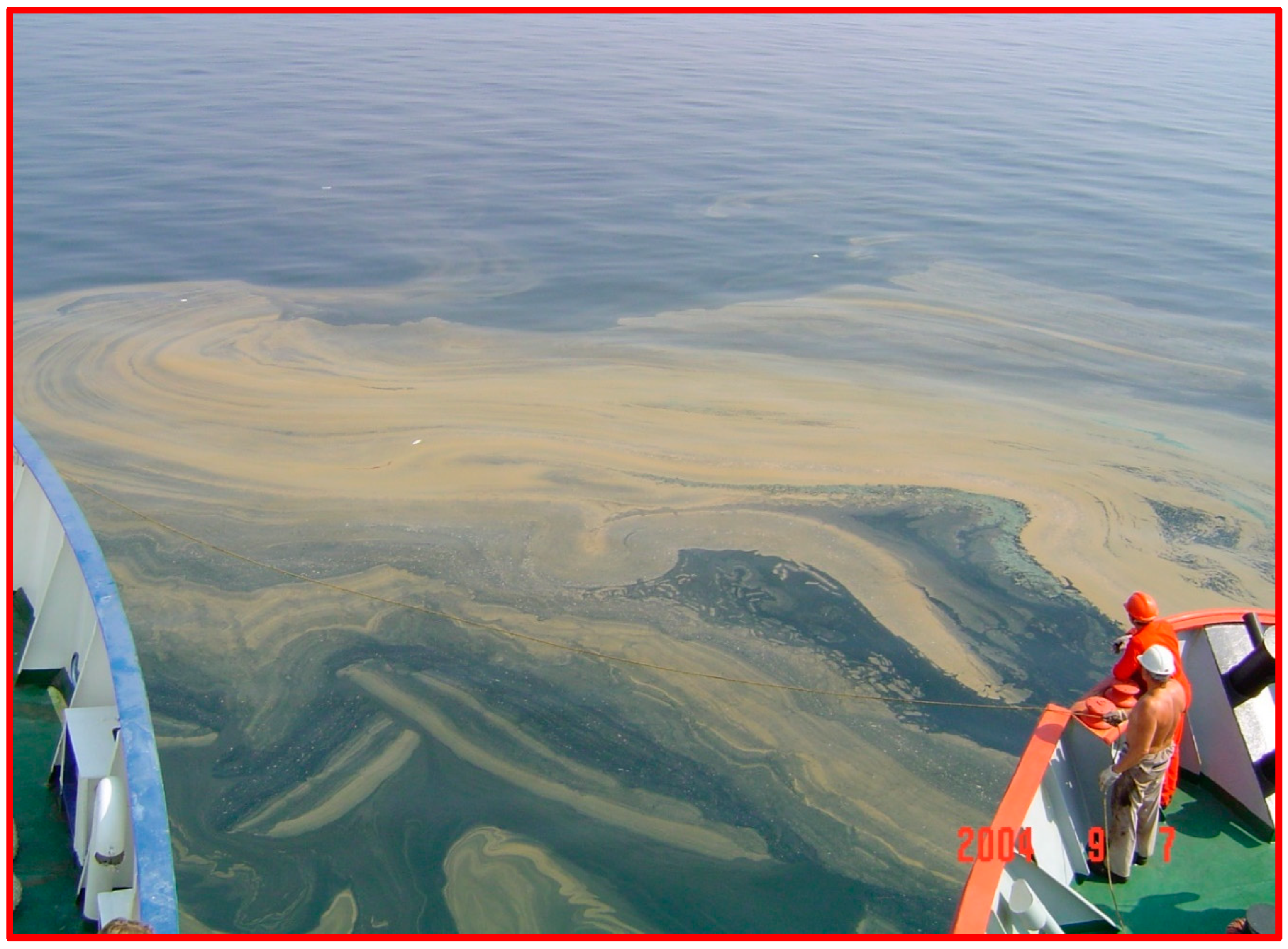
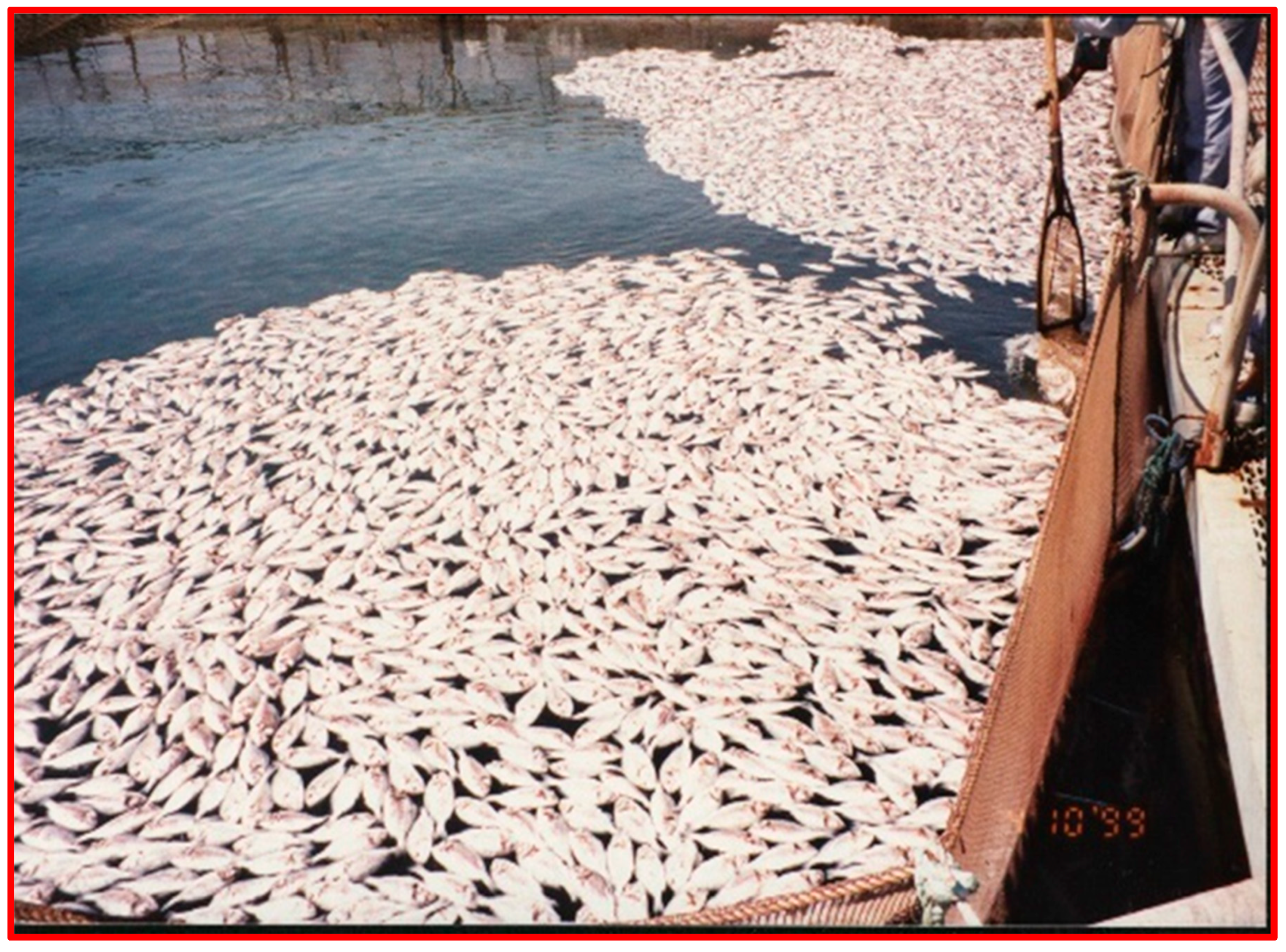

| Species | Family | Features | Roles | References |
|---|---|---|---|---|
| Amphanizomenon sp. | Aphanizomenonaceae |
Unicellular organisms that consolidate into linear (non-branching) chains called trichomes. Inhabits freshwater lakes and can cause dense blooms | Fixes nitrogen, remediates petroleum hydrocarbons, produces anticancer agents, and develops blooms; produces toxic metabolites such as hepatotoxins, neurotoxins, and cytotoxins | [55,56,57] |
| Anabaena spp. (2 species) | Nostocaceae | Found in all types of water, including rivers, streams, lakes, and ponds; filamentous, cylindrical, barrel-shaped, or spherical | Fixes nitrogen, remediate crude oil, water extracts have anticancer activity against breast cancer, forms symbiotic relationships with some plants; produces neurotoxins; forms blooms | [58,59,60] |
|
Calothrix spp. (3 species) |
Rivulariaceae | Found in marine, fresh waters, and terrestrial environments; grow in high-salinity conditions, and form relationships with the roots of plants like rice, tomato, and wheat. Form a black, slick surface on rocks and mud and produce a gelatinous outer layer to prevent drying | Fixes nitrogen possible remediation of industrial wastewater, Calothrixins are produced; used to cure many diseases including cytotoxicity in cancer; Aplysiatoxins might be produced that cause serious health issues including various dermatitis and promoting tumors | [61,62] |
| Chroococcus sp. | Chroococcaceae | Unicellular ovoid or rod-shaped organisms, irregular to roughly spherical in shape, forming colonies with gelatinous texture, found in water reserves. | Uses large amounts of atmospheric CO2 for photosynthesis; produces O2. These were some of the first organisms to use water as source of electrons and hydrogens for photosynthesis which enables the evolution of other organisms Remediation of polluted water and soil is very possible; do not fix nitrogenand might produce anticancer agents. | [63,64,65] |
| Croococcidiopsis sp. | Chroococcidiopsidaceae | Unicellular with survival in extreme environments; salinity and desiccation, high antioxidant, develop thick mucilage envelopes. | Fixes nitrogen, it resists very extreme environments (e.g. endurance to a Mars-like environment), phycoremedes wastewater and contaminated soil, might be used as food and oxygen producers at the space; Mars as example, | [66,67,68] |
| Species | Family |
Features |
Roles | References |
| Dermocarpella sp. | Dermocarpellaceae | Gram-negative, thickened ovoid aggregate uniquely exhibits polarity; motile baeocytes result from multiple fission of apical cell; undergo binary and multiple fission | Needs to be tested for nitrogen fixation, might have toxic impact at the ecosystem. Possible role in phycoremediation | [53,69,70] |
|
Euhalothece sp. |
Cyanobacteriaceae | Unicellular, halophilic, not pathogenic, not known to produce toxins. High concentration of mycosporine-like amino acids, carotenoid-binding proteins, and C-phycocyanin subunits |
Needs to be tested for nitrogen fixation; primary producer in hypersaline environments; strong antioxidant and some oxidant compounds protect its cellular machinery from UV-induced oxidative stress; it has β-car. and Zea-dependent ROS scavenging systems to help cells cope with salt stress, helps in biotechnology applications; possible role in phycoremediation | [70,71] |
| Geitlerinema sp. | Coleofasciculaceae | Filamentous, thin, delicate thallus, bright blue-green, violet or brown; has motile trichomes, active oxygenic and anoxygenic, rich in proteins and phycobiliproteins, contains polyphosphates, starch, and carboxysomes | Fixes nitrogen, oxygenic and anoxygenic photosynthetic capabilities, biomass feedstock, produce biofuels, produce pro-inflammatory cytokines and adhesion molecules, develop glucocorticoid-resistant asthma, increase the phagocytic ability of monocytes, possible role in phycoremediation | [70,72,73] |
| Geminocystis sp. | Geminocystaceae | Small, spherical cells, found in colonies, photosynthetically adapted to aquatic environments, can be found in freshwater ecosystem | Needs to be tested for nitrogen fixation, can adjust the wavelengths of light they absorb by remodeling photosynthetic antenna-possible role in phycoremediation | [71,74] |
| Lyngbya sp. | Oscillatoriaceae | Filamentous, non-branched or pseudo-branched; macroscopic layered or stratified and brownish-colored sheaths; musty or foul odor, cell division occurs crosswise with reproduction by hormogonium formation; found in high alkaline water | Fixes nitrogen, rich source of marine natural products; produces extracellular sunscreen scytonemin, indole alkaloid, source of food of some grass carp, forming blooms, possible remediation of heavy metals, petroleum hydrocarbons | [75,76] |
| Leptolyngbya sp. | Lyptolyngbyaceae | Filamentous cells divide by symmetrical crosswise binary fission, produce hormogonia, tolerate severe environmental conditions, have antioxidant activity, scavenge free radicals, act as an iron-chelating agent; applications in food and pharmaceuticals; high in lipids | Some species fix nitrogen, phycoremediation of contaminated of water and soil, phycoremediation petroleum hydrocarbons |
[77,78,79] |
| Merismopedia sp. | Microcystaceae | Found in fresh and salt water, ovoid or spherical, arranged in rows and flats, forming rectangular colonies held together by a mucilaginous matrix; non-nitrogen fixing bacteria | Not fixing nitrogen; remediation efficiency needs to be tested; produces lipopolysaccharides; can cause skin irritation and gastrointestinal distress | [80] |
| Species | Family | Features | Roles | References |
|
Microcystis wesenbergii |
Microcystaceae | Single cell; cells are small (a few micrometers in diameter) and spherical or hemispherical; cells are light blue-green in color, but appear brown or dark due to the presence of gas-filled vesicles; forms colonies surrounded by a thick mucilage; colonies begin spherical but become irregular over time | Does not fix nitrogen; possible pollution remediation; freshwater forms harmful bloom and hepatotoxins such as microcystin and cyanopeptolin; communities are often a mix of toxin-producing and nonproducing isolates; scum formation with pollution | [6,81,82] |
|
Nodularia spumigera |
Aphanizomenonaceae | Form solitary filaments or groups of filaments; unipolar, straight or curved; yellowish, olive-green, or blue-green in color; reproduced by the formation of hormogonia, filament breakage, akinetes, salinity and temperature stress reduce toxin production | Fixes nitrogen and forms blooms; can be toxic to ecosystems and water quality; possible remediation of pollutants, produces nodularin (liver toxin) and beta-methylamino-L-alanine (nerve toxin), stress might affect toxin production | [79,83,84] |
|
Nostoc linekia |
Nostocaceae | Cylindrical, barrel-shaped, or spherical, thick cell wall; peptidoglycan, various pigments (chlorophyll, phycocyanin, and phycoerythrin); found in a variety of environments, grows symbiotically with plants providing nitrogen | Fixes nitrogen and remediates petroleum hydrocarbons | [80,85,86] |
| Oscillatoria spp. (3 species) | Oscillatoriaceae | Filamentous; form bright blue-green mats; motile with a slow rhythmic oscillation motion | Fixes nitrogen, remediates sewage wastewater and crude oil polluted water; heavy metals are eliminated | [80,87,88,89] |
| Phormidium sp. | Oscillatoriaceae | Has curved trichomes and unbranched filaments; cells divide crosswise perpendicular to the long axis of the trichome; cells are isodiametric; cells of the filament ended with rounded or pointed apical cells | Fixes nitrogen, remediates petroleum hydrocarbons and heavy metals | [90] |
| Richelia sp. | Nostocaceae | Filamentous trichomes; heterocystous associated within the cell membrane and cell wall of diatoms; exist as an epiphyte and an endophyte | Fixes nitrogen, possible remediation of industrial wastewater, nitrogen fixing |
[91,92] |
| Stanieria sp. | Dermocarpellaceae | Coccoid sessile on shells or epiphytic on algae, and other cyanobacteria, coccoid microfossils, PTB-microbialite, and Permian Triassic. Boundary; calcified sheaths of the extant unicellular endospores are used for identification; anoxia is favorable to preservation of Stanieria as fossils | Needs to be tested for nitrogen fixation, potential bioremediation of petroleum hydrocarbons | [93,94,95] |
| Species | Family |
Features |
Roles | References |
| Synechococcus sp. | Synechococcaceae | Unicellular, spherical, ellipsoidal, rod-shaped, marine environments and fresh water; motile without flagellates; it moves by oscillating its cell surface and grows in a wide range of light intensities; prefers neutral to slightly alkaline pH; contains phycoerthrin, cell wall is peptidoglycan and polysaccharides; can tolerate long periods without nutrient supply | Some species fix nitrogen; remediates petroleum hydrocarbons such as kerosene and other oil and gas compounds | [79,96] |
| Trichodesmium erythraeum. | Microcoleaceae | Found in tropical and subtropical oceans; straight or curved individual filaments, form spherical aggregates and large blooms; the red pigments responsible for the color of the red sea | Fixes nitrogen and carbon while undergoing photosynthesis; the close physical contact between genetically identically cells allows cell specialization; metabolizes some organic compounds and related components | [97,98,99,100] |
| Genera | Nitrogen fixation | Phycoremediation | Production of agents | ||
| Anticancer | Biofuels | Cosmetics | |||
| Amphanizomenon | + | + | +: [40] | Needs test | P: [139,155] |
| Anabaena | + | + | +: [141]. | +: [153] | +: [139,171] |
| Calothrix | + | P | +:[142] | VP: [154,155] | P: [139,175] |
| Chroococcus | - | VP | +: [63] | +: [156] | P: [176] |
| Croococcidiopsis | + | + | Needs test | +: [157] | P: [177] |
| Dermocarpella | Needs test | P | Needs test: [59] | P: [158] | Needs test |
| Euhalothece | Needs test | P | Needs test: [143] | P: [159] | P: [123] |
| Geitlerinema | + | P | +: [144] | +: [160] | P: [139,178] |
| Geminocystis | Needs test | P | P: [145] | P: [161] | P: [179] |
| Lyngbya | + | P | +: [146] | +: [162,163] | +: [139,180] |
| Leptolyngbya | Some + | + | P: [124,147] | +: [164,165] | P: [139,181] |
| Merismopedia | - | Needs test | P: [125,148] | P: [166] | P: [139,182] |
| Microcystis | - | P | P: [129] | +: [167] | P: [139,183] |
| Nodularia | + | P | P: [59] | +: [168] | P: [184] |
| Nostoc | + | + | +: [149,150] | +: [169] | +: [182,184,185] |
| Oscillatoria | + | + | +: [151,152] | +: [162] | +: [175] |
| Phormidium | + | + | +: [152] | +: [170] | +: [182,184,186] |
| Richelia | + | P | P: [124] | P: [171] | P: [10,187] |
| Stanieria | Needs test | + | +: [59] | +: [172] | P: [182,184] |
| Synechococcus | Some + | + | +: [59] | +: [173] | P: [176,182] |
| Trichodesmium | + | + | Needs test: [98] | +: [174] | P[178] |
Disclaimer/Publisher’s Note: The statements, opinions and data contained in all publications are solely those of the individual author(s) and contributor(s) and not of MDPI and/or the editor(s). MDPI and/or the editor(s) disclaim responsibility for any injury to people or property resulting from any ideas, methods, instructions or products referred to in the content. |
© 2024 by the authors. Licensee MDPI, Basel, Switzerland. This article is an open access article distributed under the terms and conditions of the Creative Commons Attribution (CC BY) license (http://creativecommons.org/licenses/by/4.0/).


