

Submitted:
23 October 2024
Posted:
24 October 2024
You are already at the latest version
Abstract
Background/Objectives: In response to the impact of the COVID-19 pandemic, the authors implemented an innovative and alternative approach to practice learning for a Cohort of Year One Adult and Mental Health student nurses. The evaluation aimed to explore the effectiveness of virtual practice learning as a viable alternative to traditional practice placements and the impact on the student practice learning experience.
Methods: All year one student nurses attending the four Simulated Practice Learning Experience (SPLE) weeks were invited to participate and complete a generated questionnaire within the virtual environment on their final day of each week. The evaluation employed a mixed methods approach to evaluate the effectiveness of the SPLE on student satisfaction and their overall practice learning experience.
Results: A mean total of 205 student nurses completed the questionnaire, achieving a response rate of 98-100%. Students reported an overall satisfaction score of 88%, highlighting their preparedness and positive feedback on the organisation, delivery, and content of the SPLE. Qualitative analysis revealed key themes, including the development of transferable skills and personal growth, the value of peer learning, the benefits of a virtual environment, and appreciation of service user and healthcare professional input. Students reported significant personal growth, improved communication skills, and a deeper understanding of holistic care through interactive and collaborative learning experiences.
Conclusions: This evaluation underscores the innovative potential of virtual practice learning to enhance nursing education, emphasising the importance of integrating emerging technologies and diverse pedagogical approaches. The findings suggest that SPLEs can effectively prepare nursing students for the complexities of clinical practice while addressing the evolving demands of healthcare education. Future research should focus on longitudinal studies to assess the sustained impact of virtual learning on clinical experiences and professional development.
Keywords:
Innovation
; Pedagogy
; Simulated Practice Learning Experience
; Virtual Practice Learning
; Student Nurse
; Practice Placement
; Virtual Learning
; Nursing Education
; Online Learning
1. Introduction
Innovation is not just about new technologies or methodologies but also about adopting a mindset that encourages creativity, problem-solving, and the implementation of new ideas in nurse education and in clinical practice [1]. The COVID-19 pandemic and ongoing NHS service re-design has pushed nurse educators to be innovative and creative to maintain practice learning placements for student nurses, with many United Kingdom Higher Education Institutions (HEI) adopting virtual or simulated practice learning experiences [2]. This novel and unique approach to practice learning can provide nursing students with a means to fulfil the required Nursing and Midwifery Council (NMC) practice hours allowing them to successfully complete their nursing programme on time, attain registration, and furthermore join the much-needed nursing workforce.
1.1. Background
Like many HEIs, the authors, in response to the impact of the COVID-19 pandemic established a Simulated Practice Learning Experience (SPLE) team to implement an innovative and alternative approach to practice learning for a Cohort of Year One Adult (n=157) and Mental Health (n=73) student nurses. The team consisted of a Project Lead; Senior Lecturer (AT), a Lecturer in Nursing (SF), Information Technology support, service users and clinical practice partners. The project team rigorously reviewed previous clinical learning environments that students typically had limited or no access to during their nurse training. Maternity care, learning disability, child health and community were specifically identified as clinical environments that Adult and Mental Health student nurses did not normally have exposure to, or placement capacity post pandemic had significantly reduced in these clinical environments. As a result, a one-week SPLE was created and developed for each of these clinical environments providing the students with a unique opportunity to engage in four weeks of essential clinical learning experiences within these specialised fields of practice and furthermore maintaining their practice hours using an online virtual practice environment.
A scoping review of the literature, from the last 5 years, was conducted to gather relevant evidence relating to virtual practice learning. Multiple databases were consulted (CINAHL, Medline and Health Source) to ensure a wide range of sources were searched. The search focused on peer-reviewed articles, reports, and key texts, which provided insights into virtual practice learning current trends and practices. Reviewing this literature, it became evident that a research gap exists concerning its application specifically within the field of nursing. This gap could be explained by governance pre COVID-19 that student nurses required clinical hours with direct patient contact to achieve key skills and knowledge to achieve the required clinical hours set by the NMC, the nursing and midwifery professional governing body. In the United Kingdom, the NMC [3] plays a crucial role in setting and maintaining the standards for undergraduate nursing education and practice. To ensure high-quality care, the NMC expects registered nurses and nursing students to effectively integrate theory into their direct practice learning. Due to the COVID-19 pandemic and ongoing pressures faced by the NHS, practice learning for student nurses was significantly disrupted. In response to this unique situation, the NMC, was compelled to modify their educational standards which now allow for virtual or digital approaches to practice learning ensuring continuity of student learning. However, the caveat is that any innovative approaches embedded into practice learning align with the desired practice learning outcomes and contribute to the student being able to demonstrate safe and effective practice [2].
Drawing on the knowledge from the literature it was evident that there is value to be placed on virtual placements in healthcare education. Pit et al. [4] emphasises from a medical student’s perspective an advantage of virtual practice learning is that of the students growing interest in healthcare technology which stems from its increasing conventional relevance and its invaluable role in their future careers. This view is further reinforced by studies from West [5] and Mian and Khan [6], who emphasise the importance of integrating digital technologies into medical education. They argue that this is not only a necessary response to the Covid-19 crisis but also a critical foundation for future educational practices in healthcare. The use of digital technologies is regarded as essential for enhancing learning and upholding professional standards. Another positive aspect of virtual placements is they surpass geographical restrictions, providing students with greater control over their education [7]. Inman et al. [8] concurs in highlighting the effectiveness of technology in facilitating reflective sessions and supervision, promoting flexibility, efficient time management, and moreover access to a wider team of supervisors. Twogood et al. [9] positively report that medical students appreciated the exposure to a broader range of virtual clinics, diverse clinicians, and peers, thereby significantly enhancing their practice learning capacity. Peart et al. [10] demonstrate that virtual practice learning offers unique opportunities for students, fostering flexibility and lateral thinking. Virtual practice learning can also provide nursing students with a realistic and immersive learning environment, enabling the application of theoretical knowledge to practical scenarios [11]. This experiential learning approach, therefore, allows students to develop their critical thinking skills and bridge the gap between theory and practice. However, despite these advantages, there are also legitimate concerns and challenges associated with this mode of learning reported in the literature. Perone [12] reveals that social work students experienced anxiety and concerns about various aspects of their education, practice learning, health, family well-being, future employment, and furthermore financial security when their placements were disrupted and subsequently constrained to a virtual nature during the COVID-19 pandemic. Nursing students, as reiterated by Aldridge and McQuagge [13], expressed concerns about motivation, social isolation, and mental health. Poon et al. [14] concurs reporting that many medical students experienced high levels of depression, anxiety, and mental health issues due to increased stress from expectations and the need to adapt to new formats of learning and assessment. Triemstra et al. [7] reports that in-person practice learning offers many more benefits than virtual practice learning in terms of collaborative practice, professional identity formation, and the accumulation of clinical knowledge and judgement. This consensus is shared by Hammond et al. [15] emphasizing that patient contact is essential for developing context-specific communication skills, emphasising the irreplaceable nature of face-to-face learning experiences. Furthermore, Walker and Stapleton [16] report that no medical student preferred virtual learning, citing reduced opportunities for meaningful patient contact and less engaging experiences. Franklin et al. [17] also found that medical students felt inadequately prepared for practice, leading to concerns about future career prospects. Additionally, issues related to poor internet connectivity can further hinder students' access to and participation in virtual learning activities [11].
A scoping review carried out by Amankwaa et al. [18] exploring the range of innovations developed in response to the Covid-19 pandemic presents a wealth of evidence on the impact of the pandemic on nursing student mental health and well-being [19]; the effect of blended learning approaches [20] and the challenges of online learning [21]. The innovation adopted by HEIs during this time allowed for alternative approaches to clinical placements using simulated sessions, experiential case studies and tele-health technology, with the authors noting the many benefits of the novel approaches developed for teaching, assessment and/or the delivery of educational innovations in clinical environments. However, they highlight less is known on how and if the range of educational innovations developed during the pandemic are sustainable and what is the longer impact or outcomes of these innovations on student’s clinical learning.
This paper will present the findings from a novel SPLE project evaluation, demonstrating how this innovative pedagogical approach to practice learning provided a robust alternative to traditional student nurse practice learning placements while simultaneously addressing placement capacity concerns post Covid. It will support the stance that innovation is a critical component of nursing that can lead to significant improvements in healthcare delivery, empower nurses, and enhance patient outcomes, making it essential for the future of the profession [1].
2. Materials and Methods
2.1. Design & Context of the SPLE weeks
Canvas, a web-based learning management system, was utilised in an innovative way to host the SPLE required educational materials, blending technology with pedagogy to create an immersive and interactive learning environment [22]. Beyond its conventional use, Canvas was strategically operated to host all SPLE-required educational materials, ensuring seamless access to weekly programmes, daily itineraries, Microsoft Teams links for live sessions, weblinks, quizzes, and multimedia content such as videos and podcasts. This approach transformed Canvas into a dynamic, central hub for students, enabling a cohesive and integrated learning experience. The Information Technology team played a crucial role in customising Canvas to support the unique needs of SPLE, and supporting the facilitation of each week, significantly contributing to the smooth operation of the platform. The platform’s user-friendly interface and comprehensive toolset made it an ideal choice for delivering the SPLE's content, demonstrating a forward-thinking approach to practice learning delivery in the virtual environment [23].
Thinglink is a digital platform that creates visual interactive tools which allow users to turn any image or video into an interactive and visual learning experience [24]. Its interface is user friendly, intuitive and incorporates immersive reader, which supports accessible and inclusive learning. The Thinglink platform permits the user to upload a base image and then add a selection of icon tags, which, once clicked, can provide links to additional text, images, audio/media files, or links to websites or documents. These icon tags can be selected in various symbol format or colours and placed anywhere within the base image [25]. The final product is a flexible and navigable resource with multiple media sources linked together in a logical manner. When the resource has been completed, it can be embedded within Canvas - see Figure 1.
The students were effectively prepared for the SPLE through a dedicated presentation during the Preparation for Practice week. This session outlined the rationale behind the establishment of the SPLE and the specific clinical areas it would cover, ensuring students understood the purpose and scope of their upcoming experiences. Additionally, a “virtual induction” was conducted on the first morning of the SPLE to familiarise students with the Canvas virtual environment, the digital and online resources they would need, and the support available to them in case of any mishaps. This included guiding students through pre-practice activities to ensure their devices were suitably prepared to accommodate the technical requirements of the SPLE, such as testing software compatibility and internet connectivity. This comprehensive preparation aimed to equip students with the necessary knowledge and confidence to navigate the SPLE successfully.
- Week 1 - Maternity Care SPLE
Historically, student nurses in maternity care placements would spend two weeks observing and shadowing midwives in various clinical settings, learning about their role. To imitate this observational experience, the SPLE week introduced an innovative approach where students would follow a fictional couple's pregnancy journey, gaining a unique insight into the clinical needs and care of a pregnant woman and her family. Rather than relying solely on traditional shadowing, students followed the virtual journey of a fictional couple through the pregnancy, offering a fresh and interactive perspective on the various stages of maternity care. This creative method allowed students to experience the clinical needs of a pregnant woman and her family in a novel, immersive way. What set this approach apart is that it not only mirrored real-life scenarios but also integrated insights into the collaborative role of adult and mental health nurses in maternity care.
The educational materials for this week were designed using the multimedia platform Thinglink and hosted in Canvas, transforming passive observation into a dynamic learning experience. By simulating the complexity of midwifery care in a controlled environment, students could virtually shadow a midwife, developing a deeper, problem-based learning process [26]. This innovative method reshaped this maternity education by providing students with an engaging, accessible, and flexible learning experience, replicating real-world challenges. It’s pioneering shift from the traditional observational model, addressing the students’ needs through technology-driven education whilst also crucially achieving their practice hours [27].
- Week 2 - Learning Disability SPLE
The Learning Disability SPLE week offered an innovative solution to a key challenge in the nursing programme: providing student exposure to learning disability care despite the limited practice placements available for adult and mental health nursing students. Traditionally, only small numbers of these students were able to access learning disability practice placements, but this SPLE week creatively bridged that gap. By immersing all students in this SPLE it gave them the opportunity to engage with healthcare professionals and individuals with learning disabilities, gaining insights into real-life challenges and care needs in a way that was previously inaccessible. The week was uniquely designed to provide students with a comprehensive understanding of learning disabilities, distinguishing between misconceptions and realities. It also placed a strong focus on developing essential communication skills, such as using tools like Makaton, which is vital to promote effective, person-centred care. Through group work and lively discussions, the SPLE not only facilitated skill-building but also promoted a supportive learning community where students could collaborate, share experiences, and grow as future nurses. Thinglink was utilised in the SPLE weeks due to its novel way of transforming static images and videos into dynamic, interactive learning experiences, allowing the students to engage with clinical scenarios in a way that closely mimicked real-world practice, making the virtual environment feel more immersive and realistic.
This approach was groundbreaking in highlighting the systemic barriers and healthcare inequalities faced by individuals with learning disabilities, and furthermore raising students' awareness of the importance of advocating for inclusive practices [28]. The week went beyond clinical knowledge, offering students deep insights into the socio-economic factors impacting these individuals, thereby enhancing their ability to advocate effectively in their future practice. Ultimately, the learning disability SPLE was designed to equip students with transferable skills that are applicable across adult and mental health nursing, ensuring they leave the experience not only more informed but also more empowered to address inequality and provide holistic care in any clinical setting.
- Week 3 - Child Health SPLE
The Child Health SPLE week provided a unique and innovative opportunity for students to gain exposure to caring for individuals from birth through adolescence—an experience that had been previously limited due to the shortage of child health practice placements. Recognising the importance of broadening students' learning across the lifespan, this week was integrated into the SPLE week to fill a critical gap in the programme. The Child Health week was structured to give students a comprehensive understanding of paediatric health, emphasising the importance of delivering optimal care tailored to each child's unique circumstances.
In this novel approach, students revisited the fictional couple introduced during the Maternity Care Week, now with their newborn baby, to delve into child health services, which allowed them to explore the crucial role of the health visitors. Additionally, the students were introduced to school nursing and Child & Adolescent Mental Health Services (CAMHS), blending interactive videos, activity books, and live sessions with clinicians from a variety of paediatric services. These diverse learning tools, particularly the use of interactive videos, were designed to spark curiosity and enthusiasm among students while enhancing knowledge retention, as reported by Hsin and Cigas [29]. Through this combination of innovative teaching methods, the Child Health SPLE aimed to provide a holistic view of paediatric health, encompassing physical, mental, and social dimensions. By engaging students with dynamic, real-world scenarios and multimedia learning tools, the SPLE effectively bridged the gap between theory and practice, equipping students with valuable insights and skills for their future roles in healthcare.
- Week 4 - Community VPLE
The Community SPLE week offered a resourceful solution to the post-pandemic challenge of limited placement opportunities within district nursing community teams for adult and mental health students. With limited community placements for students, this SPLE provided an essential introduction to the specialised work of district nursing teams, who deliver care to patients in their homes or community settings [30]. By replicating the structure and dynamics of real-world community care, the SPLE enabled students to gain insights into this critical area of healthcare.
Through virtual interactions, students were introduced to key members of the community team, learning about their responsibilities and the significance of multidisciplinary collaboration in delivering person-centred care. These dynamic discussions with healthcare professionals from various disciplines enriched the learning experience, adding depth and engagement. The week focused on key aspects of community care, such as managing chronic diseases, promoting health, and improving quality of life, while emphasising the importance of building meaningful therapeutic relationships. Students practiced conducting person-centred holistic assessments using effective communication and appropriate assessment tools.
What made this week particularly innovative was the practical application of theoretical knowledge in a virtual setting. Students participated in activities such as completing referral forms, practicing assessments, and learning procedural skills like using syringe drivers. These learning experiences allowed them to consolidate their learning in a safe and supportive environment. The fictional family, revisited throughout the SPLE, provided students with realistic scenarios that highlighted the role of family and friends in community care, reinforcing the collaborative nature of nursing teams.
The week concluded with a sensitive yet vital exploration of End-of-Life care in the community. Students learned how district nursing teams assess, discuss, and plan compassionate, dignified care for patients at the end of life—an essential skill for future nurses. Scenarios and case studies for the SPLE were drawn from real clinical experiences and carefully aligned with the NMC Standards of Proficiency for Registered Nurses [31], ensuring an authentic and immersive learning environment.
Daily debriefs played a pivotal role in enriching the simulated practice learning experience by promoting reflection, collaboration, and knowledge consolidation among the students. Utilising Microsoft Teams, these debrief sessions brought together a diverse learning community in the virtual environment, enabling students to share their experiences, receive real-time feedback from lecturers, clinicians and engage with service users in a supportive and interactive setting. This dynamic process bridged the gap between theoretical knowledge and clinical application, allowing students to contextualize what they had learned in prior theory modules and apply it in their simulated practice learning experience. The opportunity for peer learning during these debriefs was equally invaluable, as students could exchange insights and learn from each other's experiences, enhancing their critical thinking skills. This is supported by Amankwaa et al. [18] who emphasise the essential role of debriefing in improving learning outcomes, cautioning that omitting these sessions can hinder students' ability to fully integrate and reinforce their learning. Through these daily debriefs, students not only consolidated their learning but also built confidence in their decision-making, preparing them for the complexities of real-world practice.
A structured approach to engagement and assessment was implemented through the Canvas platform to support the students in demonstrating their learning. This was crucial in meeting the Standards for Student Supervision and Assessment [32] and ensuring that all practice hours were monitored and accounted for in line with NMC requirements. To ensure attendance and participation were accurately tracked, students were required to demonstrate their attendance at the beginning, middle, and end of each day through Microsoft Teams calls, with registers taken to cross-check their hours. This structured attendance system not only supported accountability but also helped maintain engagement throughout the day. Additionally, at the end of each day, students completed an online quiz or activity specifically designed to assess their understanding of the day’s learning materials, further ensuring that their knowledge and skills aligned with the expected learning outcomes. Upon completing the mandatory end of day activity, the students generated and downloaded a certificate - see Figure 2 as evidence of their engagement and knowledge. These certificates (five per week) were then uploaded to a dedicated section within their electronic Practice Assessment Document (ePAD). Once reviewed by the students' nominated practice supervisor, a mix of clinicians involved in the specific SPLE week and staff from the SPLE team, this resulted in the awarding of the specific practice hours for that day (maximum 6 hours per SPLE day). This method of assessment not only kept students actively engaged but also provided a clear and documented way to track their learning progress and practice hours, ensuring a systematic process was in place to meet NMC governance.
2.2. Study Design & Methodology
The objective of this project evaluation was to establish the effectiveness of the SPLE approach to practice learning. The evaluation aimed to understand if a simulated practice learning approach in a virtual environment could offer a viable alternative to conventional student nurse practice learning placements and what impact would that have on the student practice learning experience.
A mixed-methods approach was used to evaluate the SPLE project to gather a more comprehensive understanding of the students' experiences and perceptions of the SPLE weeks. This approach, which integrates both qualitative and quantitative methods, offers a thorough understanding of the evaluation's impact, implementation, and context. It allowed triangulation of the data by comparing and integrating findings from various methods, thereby enhancing the validity and reliability of the evaluation. Additionally, mixed-methods evaluations can generate hypotheses or explanations that might be overlooked by quantitative data alone, providing a more holistic perspective on the evaluation [33].
Fitzpatrick et al. [34] describe project evaluation as a systematic methodology used to assess the effectiveness, efficiency, and impact of a given project. It involves the collection and analysis of both qualitative and quantitative data to measure outcomes against predefined objectives and goals. To collect the data in this project an evaluation questionnaire was designed and embedded into Canvas. The questionnaire consisted of 16 questions that aimed to assess key aspects of the students’ overall experience, learning and activities, and their perception of the virtual practice learning environment. The student evaluation questionnaire was categorised into key questions relating to the specific SPLE content, information & use of technology and a shortened version of the NHS Education for Scotland [35] Student Practice Learning Experience Feedback form, which is the standard practice placement evaluation that is completed by all students across all practice placements. By completing the evaluation questionnaire, students enabled the team to capture quality assurance data, gain valuable insights into their learning and engagement during the SPLE, and identify ways to enhance and improve the SPLE weeks in future iterations. Eleven of the questions were quantitative in design to provide numerical data that could be analysed statistically to identify trends and patterns. The responses on the questionnaire were generated using the quiz function embedded within Canvas using the Likert scale of strongly agree; agree; neither agree or disagree; disagree and strongly disagree. This scale allows for the quantification of subjective opinions, enabling the analysis of respondents' levels of agreement or disagreement with specific statements [36]. The remaining five questions were open-ended to obtain qualitative feedback on student experiences. These questions allowed students to provide detailed and descriptive responses, offering insights into their personal experiences of the weeks, any challenges they experienced and any suggestions how the SPLE weeks could be improved in future iterations. The qualitative data gathered through these open-ended questions provided the team with a deeper understanding of the students' overall perspectives and allowed for a more nuanced analysis. Utilising Canvas analytics, the team were able to efficiently export the student evaluation responses and download into a Microsoft Excel file. By pulling descriptive statistics from Canvas analytics, the team were able to showcase the response rates to each question, offering valuable insights into the students’ perceptions and potential areas for improvement.
Drawing on Braun and Clark [37,38] as a foundation, thematic analysis of the data from the open-ended questions was conducted, adhering to the distinct stages of analysis. Thematic analysis was chosen due to its theoretical freedom, providing a flexible and useful research tool, enabling one of the researchers (SF) to present a rich and detailed account of the data. Initially the student responses were read meticulously and multiple times to foster familiarity with the data, while simultaneously noting down early themes and ideas. Subsequently, the dataset was systematically coded to identify noteworthy characteristics within the data. Finally, a comprehensive interpretation of the data was synthesized through the generation of themes. The ability to easily access, export, and analyse this data ensured that the analytical process was both thorough and efficient leading to a summary of the key patterns and themes from the student responses.
2.3. Ethical Implications
As part of this project evaluation, students were informed that data collected from the SPLE weeks would be analysed for review. The goal was to create a comprehensive report, with a view of publication, showcasing the insights and outcomes derived from their valuable feedback. Students were assured that all responses used in any report or publication would be fully anonymised, with no identifying information included, ensuring their privacy. Furthermore, individual responses could not be traced back to them, protecting the students' rights, dignity, and well-being. All students were also given the opportunity to contact the project lead with any questions or concerns.
3. Results
3.1. Quantitative
A mean of 205 students completed the evaluations in Spring semester 2023 across the four SPLE weeks. Student numbers ranged from 198 - 216 students - see table 1. This sample consisted of a mix of adult and mental health student nurses.
- Variation in sample size across the week’s accounts for sickness, non-engagement and students on leave of absence.
The high student response rate (98 – 100%) was largely attributed to the fact that completing the evaluation questionnaire was required for generating their SPLE completion certificate. This final certificate served as a crucial piece of evidence for fulfilling their practice hour requirements, thereby incentivizing students to participate in the final evaluation to provide feedback.
The overall satisfaction from the four-week SPLE evaluation yielded positive results. When combining the responses of "agree" (35%) and "strongly agree" (53%), the total satisfaction score reached 88% - see Figure 3. Figure 4 further illustrates the satisfaction levels for each individual SPLE week. These results suggest that the majority of students felt well-prepared for the SPLE, indicating that the preparatory materials and support provided were effective. Furthermore, the results demonstrate that the content of the SPLE was appropriately aligned with the students' level of understanding, ensuring that the material was relevant and accessible. The positive feedback on the organisation and delivery of the SPLE indicates that each week was structured and executed in a manner that met students' needs and expectations.
Student feedback demonstrated a high level of satisfaction with both the virtual learning environment and its impact on their knowledge. On average, across all SPLE weeks, 92% of students either agreed or strongly agreed that the virtual space was easy to access and navigate, reflecting the platform's user-friendliness and effectiveness in facilitating their learning experience- see Figure 5. Additionally, 95% of students either agreed or strongly agreed that participating in the SPLE week significantly enhanced their knowledge in that specialist field of nursing - see Figure 6. This positive feedback highlights the success of both the virtual platform and the SPLE content in advancing students' educational development and practical understanding.
3.2. Qualitative
The qualitative evaluation questions showed several key themes that reflected the student responses. These consisted of transferable skills and personal growth; the value of peer learning; the benefits of learning within the virtual environment and appreciation of service user and health care professional’s input. These themes demonstrate the fundamental value and impact from the virtual environment in fostering these essential skills and facilitating collaborative learning experiences.
- Transferable Skills & Personal Growth
Many students reported that the SPLE was pivotal to their personal growth and preparation for upcoming practice learning placements, attributing their sense of readiness and confidence to the comprehensive nature of the SPLE:
“….I enjoyed this week very much. My knowledge of maternity care has been developed to a satisfactory level. Thus, I feel more confident to apply these skills as a future nurse caring for new mothers and their partners and supporting them with their questions….”
“…. I feel it was very beneficial to learn about maternity care, as made me aware of so much more than just the role of the midwife in maternity care, but how pregnancy can impact on the other branches of nursing too…..”
"…..I felt that I gained so much knowledge which I will be able to take forward into practice and help me in my personal life with my family….."
"…..I enjoyed how interactive it was, allowing us to take the information and apply it to the referral forms and care plans….."
- Peer Learning
Many of the student responses showcased the benefits of peer learning through small group discussion and activities plus the debrief sessions during the day with clinical staff and service users:
“….The drop in’s and end of day discussions each day were extremely helpful hearing other students’ opinions and questions on the material we were learning that day…”
“…. I enjoyed having the opportunity to interact with the other students and lecturers. The days were easy to follow and had very interesting chats…..”
“…. The end of the day discussion was valuable as it rounded off the learning and gave opportunities to ask questions….”
"…..I enjoyed being able to see things from a different perspective. This allowed me to challenge my knowledge and help me think on the spot/problem solve…."
- Benefits of Learning Within the Virtual Environment
Considering virtual placements are a relatively novel concept in the field of nursing education, it was reassuring to receive student feedback reporting their perceived benefits of virtual learning. The students’ reported their experience was notably enhanced by the diverse range of learning methods employed, including videos, live sessions, and interactive tasks. They highly praised the interactive nature of the sessions and the inclusive learning environment, which encouraged engagement through group work, lively discussions, and a supportive learning community. The students also valued the opportunity to collaborate and share perspectives and found engaging with both lecturers and healthcare professionals from various disciplines particularly enriching. This multifaceted interaction not only provided real-world insights but also made their learning process dynamic and engaging:
“…. I really enjoyed all parts of it. At first, I was unsure how well virtual placement would be with it being online but by the end of the first day I thought it was amazing and worthwhile. The lecturers definitely made you want to go research further as you can tell they are so passionate about it….”
"….I enjoyed working in groups as it allowed us to communicate in different ways and build confidence…."
"….I truly enjoyed SPLE weeks. The content was good, with excellent explanations, and the materials were accessible and informative…."
"….I liked the layout of having a lot of live calls with the lecturers and staff, it made it feel very inclusive and you felt a part of everything…."
- Appreciation of Service User and Health Care Professional Input
The students highly valued the opportunity to hear personal stories and real-life experiences from guest speakers, families, and professionals, particularly in the learning disability sector. These narratives provided deep insights and encouraged emotional connections, significantly enhancing their understanding and empathy. The real-world perspectives shared by these individuals offered practical knowledge and contextual understanding, which was deemed invaluable in preparing the students for real-life applications in their future training. By engaging in these activities, students developed a deeper understanding of how theoretical knowledge underpins practical skills and decisions, thereby enhancing their overall competence and confidence in their field
"….The participation of the families, speech therapist, learning disability nurses, and their information helped to improve my skills…."
"…..I particularly enjoyed listening to the CALMS meeting as we got to see a real-life scenario….."
"….The guest speaker was great, her shared experience was more than a book I could ever have read….."
"….I really appreciated the real-life experiences we had from parents, learning disability nurses, and speech and language therapists….."
Over the course of the week, several students offered additional feedback through verbal communication with the SPLE team and the Microsoft Teams chat tool. These students specifically recognised the SPLE organisation, delivery and content as valuable.
- Areas For Improvement
While students recognised the value of the SPLE’s organisation, delivery, and content, they also provided feedback highlighting areas for improvement. It was acknowledged that differing student learning approaches made it challenging to allocate a set timeframe for tasks that suited everyone. Some students commented on the pacing, with remarks such as:
“…If anything, a little more content would have been good, however I do understand it was like this purposefully not to overwhelm students….”
“….Lots of information within a short period…”
Some students felt that the actual practice experience would have been more beneficial. As one student noted:
“…As much as I enjoyed the information, I personally think being on a maternity ward or being on an actual placement would have been more beneficial...”
Additionally, some students found navigating the virtual space stressful, as one student shared:
"…It was only the first day and was so overwhelming with information overload and instructions coming from lectures over team meetings. The attempt to navigate my way through the computer and learn was stressful and tense for that day…"
With another student suggesting more flexibility in the timing of activities:
“…Have opportunity to complete quizzes earlier, but understand it for timing of days…”
This feedback reflects the varying needs of students and emphasises the importance of considering diverse learning preferences when designing future iterations of the SPLE.
4. Discussion
As discussed in the background there is limited research specifically focusing on simulated practice learning in a virtual environment in nursing, with insights from other healthcare practitioners providing valuable perspectives on the benefits and challenges associated with virtual placements. The COVID-19 pandemic and its impact on the healthcare system led to disruptions in practice learning, prompting the NMC [2] to modify their standards to incorporate virtual approaches. This pushed nurse educators to be innovative and creative to maintain practice learning placements for student nurses, with many United Kingdom HEI adopting virtual or simulated practice learning experiences [2]. It was a point in time where nurse educators needed to adopt a mindset that encouraged creativity, problem-solving, and the implementation of new ideas as highlighted by Leary et al. [1]. The aim of the evaluation was to understand if a simulated practice learning approach in a virtual environment could offer a viable alternative to conventional student nurse practice learning placements and what impact would that have on the student practice learning experience. The findings would suggest that students had an overall positive perspective and were satisfied with the learning and knowledge gleaned during their virtual practice learning placements highlighting several benefits across all four weeks. The qualitative findings are consistent with similar results documented in the literature, where students identified the following themes that helped them feel prepared for future practice placements.
4.1. Transferable Skills & Personal Growth
Billett [39] highlights the importance of transferable skills in the integration of learning experiences across educational and practical settings, emphasizing their necessity for student nurses to effectively transition into professional practice. Despite being in Year 1 of the programme, the students were able to acknowledge the significance of transferable skills in nursing. They recognised the importance of these skills due to the diverse nature of nursing and the array of challenges that nurses face in practice. The SPLE played a pivotal role in their personal growth, significantly improving their communication abilities and deepening their grasp of holistic care approaches, thereby enhancing their readiness to tackle the complex demands of nursing practice. The virtual placement was particularly valued for its practical application of theoretical knowledge. Students found activities such as completing referral forms and conducting assessments highly beneficial. These hands-on experiences not only reinforced their learning but also enabled students to consolidate their knowledge and develop crucial skills for their future roles in clinical practice. Practice placements offer students “hands on” practical skill development, exposure to real healthcare settings, interprofessional collaboration, and furthermore patient interaction. The SPLE’s were instrumental in preparing them for their future nursing careers, equipping them with the necessary knowledge, skills, and attributes to deliver safe and effective patient care [40], while simultaneously facilitating their personal growth as emerging professionals.
4.2. Peer Learning
The value of peer learning through group work was found to be a benefit of the SPLE. The students discussed how this allowed them to consider aspects of care and hear varying perspectives which encouraged them to consider their own values, create a supportive learning environment that inspires collaboration, enhances skill acquisition, and furthermore prepares students for the collaborative nature of healthcare work [41]. It adopts a supportive learning community, encourages diverse perspectives and prepares individuals for teamwork in nursing practice [42]. By leveraging the power of peers, nursing students and professionals can enhance their learning experiences, develop essential skills, and contribute to their professional growth and development. Amankwaa et al. [18] emphasize that learner engagement approaches, such as blended learning and small group discussions, are vital for establishing knowledge acquisition in the online learning environment. These methods facilitate interaction and collaboration among students, which is essential for effective learning. However, they also note in their scoping review that many papers merely described the transition of face-to-face teaching content to an online format without detailing the necessary modifications to ensure student engagement. This suggests that simply replicating in-person teaching online may not be sufficient for effective learning outcomes. This was linked to the importance the students during the SPLE weeks placed on the debrief at the end of each day to consolidate their learning in a safe space. Amankwaa et al. [18] reference literature highlighting that the absence of debriefing sessions can hinder students' learning outcomes, with the review recommending their inclusion to maximize educational benefits.
4.3. Benefits of Learning Within the Virtual Environment
Students expressed a growing interest in healthcare technology and recognise its relevance to their future careers [4]. Triemstra et al. [7] and Twogood et al. [9] report virtual placements offer student flexibility, eliminate geographical restrictions, provide exposure to diverse clinicians and enhance critical thinking skills. These insights from the literature align with the findings from this evaluation where students positively expressed the flexibility and control over their own learning process, particularly the ability to work at their own pace and furthermore allowing for independent learning within a comfortable environment. Reflecting on this, it is evident that the students appreciate the immersive virtual learning environment and the ability to apply theoretical knowledge to virtual scenarios.
4.4. Appreciation of Service User and Health Care Professional Input
Service user involvement in nursing education not only enriches the learning experience but also prepares the student to become more effective and compassionate healthcare providers [43]. The students' appreciation for the input of service users and healthcare professionals stands out as a critical component of their learning experience. Engaging with personal stories and real-life scenarios, particularly in the learning disability sector, offered students a profound emotional connection and a deeper understanding of the complexities involved in patient care [44]. The firsthand accounts from families, speech therapists, and learning disability nurses were highly valued, as they provided practical, real-world insights that textbooks alone could not offer. These interactions helped bridge the gap between theory and practice, enriching students' empathy, which is essential in healthcare. As students reflected on these experiences, they highlighted how this exposure enhanced their understanding of how theoretical knowledge is applied in clinical decision-making and skill development. This not only boosted their confidence but also prepared them for future professional challenges. Their feedback emphasised that the participation of guest speakers and professionals added significant value to the virtual learning environment, making the content both relevant and impactful.
4.5. Areas for Improvement
Considering the many advantages to virtual practice learning, there were also legitimate challenges reported in the literature. Students may experience anxiety, concerns about motivation, social isolation, and mental health issues [12, 13]. Some studies suggested that in-person practice learning offers more benefits in terms of collaborative practice and the accumulation of clinical knowledge and judgment. Reduced opportunities for meaningful patient contact and less engaging experiences are among the challenges highlighted [7, 16]. This is supported by Poon et al. [14], who noted that increased stress can result from heightened expectations and the need to adapt to new formats of learning and assessment, which aligns with some of the challenges expressed by students in this feedback.
However, while the findings from this SPLE evaluation align with these concerns to some extent, many are contradictory. Initial student uncertainties about the online format were quickly dispelled, with feedback highlighting the virtual placement as interesting, valuable, and well-supported by passionate lecturers. Students particularly praised the clarity and organisation of the content, which was enhanced by a diverse range of resources, including podcasts, videos, and reading materials, all contributing to their positive learning experience. Notably, they found visualising the clinical environment during the Maternity Care week—using tools like Thinglink to explore birthing suites, midwifery documentation, and relevant guidelines—made the experience feel highly realistic and clinically relevant.
4.6. Strengths
The evaluation has effectively identified numerous advantages of the SPLE, which will be elaborated upon in this section. One of the key strengths lies in the collection of data from a large cohort of students, which adds significant credibility to the findings and reinforces the reliability of the conclusions drawn. The high student response rate further supports the robustness of the evaluation, as participation was incentivized by the requirement to complete the evaluation questionnaire for obtaining their SPLE completion certificate, which was essential for evidencing their practice hour requirements. The use of novel and unique methods and tools to enhance practice learning has been particularly noteworthy, demonstrating a commitment to innovative educational approaches. Furthermore, the SPLE ensured equity across all students, as each participant was exposed to the same level of learning and practice opportunities, promoting an inclusive educational environment. The incorporation of debriefing sessions at the end of each day provided a safe space for students to reflect on their experiences, guided by experienced clinicians, which enhanced their learning and professional development. Additionally, the emphasis on group work and communication encouraged collaboration among students, helping them to develop essential teamwork skills that are critical in healthcare settings. The sustainability of the SPLE is further evidenced by its successful reiteration in 2024, with feedback mirroring the positive findings from the initial run, furthermore, reinforcing its effectiveness as a long-term practice learning platform. Together, these strengths highlight the effectiveness of SPLE in providing a comprehensive and supportive learning experience for all students.
4.7. Limitations
The findings are based solely from the feedback provided by first-year students. Therefore, the conclusions drawn cannot be generalised to represent the opinions of student nurses from all years in the programme.
4.8. Future Considerations and Recommendations
As the NHS continues to face challenges in providing sufficient practice learning opportunities, virtual placements are likely to become an integral and innovative feature of our nursing programme. The positive outcomes from this evaluation reinforce the importance of influencing emerging technologies to sustain the effective design and structure of future SPLEs. Through simulation, augmented reality immersive technologies such as Thinglink and virtual shadowing of clinicians, students can engage in more dynamic and interactive learning experiences. These innovations not only enhance critical thinking and bridge the theory-practice gap, but also create flexible, scalable solutions for training nurses to meet the evolving demands of healthcare. By harnessing these tools, we can further ensure students are well-equipped to provide safe, compassionate care in real-world settings [45].
Nevertheless, the long-term impact of SPLEs remains underexplored due to the varying placement areas assigned to students. Future research should focus on how virtual learning influences students' clinical experiences over time. By examining future cohorts through longitudinal studies, we can assess the sustained effectiveness of SPLEs and adapt these innovations to continuously improve nursing education. This iterative approach not only strengthens the curriculum but also ensures it remains at the forefront of technological advancements in healthcare training.
5. Conclusions
In summary, this SPLE has proven to be a valuable and innovative approach in healthcare education, especially in response to the disruptions caused by the COVID-19 pandemic. This evaluation has reviewed the literature on virtual practice learning and presented insights from the four SPLE weeks. The findings underscore both the benefits and challenges of virtual placements, including concerns about motivation, social isolation, and mental health. However, the positive outcomes such as the acquisition of transferable skills, the value of peer learning, and the appreciation of input from service users and healthcare professionals demonstrate the effectiveness of virtual environments for enhancing learning.
As the landscape of nursing education evolves, virtual placements offer unique opportunities for flexibility and access to diverse resources. This forward-thinking approach not only prepares students for the immediate demands of their roles but also cultivates critical thinking and adaptability for their future careers in healthcare. However, it remains essential to balance these advantages with the hands-on experience and interpersonal skills that are best cultivated through in-person practice. The second iteration of the SPLE (2024) will further refine and build on these strengths, focusing on sustainability and continuous improvement.
Moving forward, it is essential to maintain this momentum of innovation, ensuring that the educational strategies employed not only address current needs but also anticipate future developments in the field of nurse education. By integrating both technological advancements and key elements of traditional practice, we can better prepare future healthcare professionals to meet the growing demands of the profession and deliver safe, compassionate care in a rapidly changing healthcare setting.
Supplementary Materials
No supplementary materials.
Author Contributions
Both authors contributed to this project evaluation, and the writing of this paper.
Funding
This project evaluation received no external funding.
Institutional Review Board Statement
Ethical review and approval were not required for this project evaluation, as the students completed the evaluation during the scheduled SPLE sessions as part of their regular timetabled programme.
Informed Consent Statement
Students were informed that the data collected would be used to evaluate the project, with a view to inclusion in future publications. Verbal consent was considered appropriate due to the evaluative nature of the project, and all students agreed to participate, fully understanding the purpose of their involvement. The evaluation was regarded as a routine part of the SPLE process, with students given ample opportunity to ask questions and address any concerns.
Data Availability Statement
Students provided consent for their data to be used for evaluative purposes with a view to inclusion of future publication only.
Public Involvement Statement
No public involvement in any aspect of this project evaluation.
Guidelines and Standards Statement
The project evaluation did not adhere directly to specific reporting guidelines; however, it broadly followed improvement methodology to inform the evaluation process.
Use of Artificial Intelligence
AI or AI-assisted tools were not used in drafting any aspect of this manuscript.
Acknowledgments
The authors would like to extend their gratitude to the student nurses who contributed valuable feedback for the evaluation of this Simulated Practice Learning Experience (SPLE) project. Their insights were instrumental in shaping the study's outcomes, and their participation is deeply appreciated. The authors would also like to thank the clinical and wider university staff who assisted in the design, development, and delivery of the SPLE weeks. Their support and collaboration were essential to the success of the project.
Conflicts of Interest
The authors declare no conflicts of interest.
References
- Leary:, M.; Demiris, G.; Brooks Carthon, J.M.; Cacchione, P.Z.; Aryal, S.; Bauermeister, J.A. Determining the innovativeness of nurses who engage in activities that encourage innovative behaviors. Nurs. Rep. 2024, 14, 849–870. [Google Scholar] [CrossRef] [PubMed]
- Nursing and Midwifery Council. Current Recovery Programme Standards; NMC: London, UK, 2022. [Google Scholar]
- Nursing and Midwifery Council. Standards Framework for Nursing and Midwifery Education; NMC: London, UK, 2023. [Google Scholar]
- Pit, S.W.; Velovski, S.; Cockrell, K.; Bailey, J. A qualitative exploration of medical students' placement experiences with telehealth during COVID-19 and recommendations to prepare our future medical workforce. BMC Med. Educ. 2021, 21, 1–431. [Google Scholar] [CrossRef] [PubMed]
- West, R. Adapting to online placements. Br. J. Nurs. 2021, 30, 694. [Google Scholar] [CrossRef] [PubMed]
- Mian, A.; Khan, S. Medical education during a pandemic: a UK perspective. BMC Med. 2020, 18, 100–102. [Google Scholar] [CrossRef]
- Triemstra, J.D.; Haas, M.R.C.; Bhavsar-Burke, I.; Gottlieb-Smith, R.; Wolff, M.; Shelgikar, A.V.; Samala, R.V.; Ruff, A.L.; Kuo, K.; Tam, M.; Gupta, A.; Stojan, J.; Gruppen, L.; Ellinas, H. Impact of the COVID-19 Pandemic on the clinical learning environment: Addressing identified gaps and seizing opportunities. Acad. Med. 2021, 96, 1276–1281. [Google Scholar] [CrossRef]
- Inman, A.G.; Soheilian, S.S.; Luu, L.P. Telesupervision: Building bridges in a digital era. J. Clin. Psychol. 2019, 75, 292–301. [Google Scholar] [CrossRef]
- Twogood, R.; Hares, E.; Wyatt, M.; Cuff, A. Rapid implementation and improvement of a virtual student placement model in response to the COVID-19 pandemic. BMJ Open Qual. 2020, 9, 1–7. [Google Scholar] [CrossRef]
- Peart, A.; Wells, N.; Yu, M.; Brown, T. ‘It became quite a complex dynamic’: The experiences of occupational therapy practice educators' move to digital platforms during the COVID-19 pandemic. Aust. Occup. Ther. J. 2022, 69, 38–49. [Google Scholar] [CrossRef]
- Salje, J.; Moyo, M. Implementation of a virtual student placement to improve the application of theory to practice. Br. J. Nurs. 2023, 32, 434–441. [Google Scholar] [CrossRef]
- Perone, A.K. Surviving the semester during COVID-19: Evolving concerns, innovations, and recommendations. J. Soc. Work 2021, 57, 194–208. [Google Scholar] [CrossRef]
- Aldridge, M.D.; McQuagge, E. "Finding my own way": The lived experience of undergraduate nursing students learning psychomotor skills during COVID-19. Teach. Learn. Nurs. 2021, 16, 347–351. [Google Scholar] [CrossRef] [PubMed]
- Poon, S.H.J.; Chow, M.S.C.; Lam, W.W.T. Medical education and mental wellbeing during COVID-19: A student’s perspective. Med. Sci. Educ. 2021, 31, 1183–1185. [Google Scholar] [CrossRef] [PubMed]
- Hammond, D.; Louca, C.; Leeves, L.; Rampes, S. Undergraduate medical education and COVID-19: Engaged but abstract. Med. Educ. Online 2020, 25. [Google Scholar] [CrossRef] [PubMed]
- Walker, M.; Stapleton, E. Undergraduate experience of ENT teaching during the coronavirus disease 2019 pandemic: A qualitative study. J. Laryngol. Otol. 2021, 138, 741–745. [Google Scholar] [CrossRef]
- Franklin, G.; Martin, C.; Ruszaj, M.; Matin, M.; Kataria, A.; Hu, J.; Brickman, A.; Elkin, P.L. How the COVID-19 pandemic impacted medical education during the last year of medical school: A class survey. Life 2021, 11, 294, 1–17. [Google Scholar] [CrossRef]
- Amankwaa, I.; Boateng, D.; Quansah, D.Y.; Akuoko, C.P.; Desu, A.P.B.; Hales, C. Innovations in nursing education in response to the COVID-19 pandemic: A scoping review. Nurs. Prax. Aotearoa N. Z. 2022, 38, 1–16. [Google Scholar] [CrossRef]
- Barrett, D.; Twycross, A. Impact of COVID-19 on nursing students’ mental health: A systematic review and meta-analysis. Evid. Based Nurs. 2022, 25, 8–9. [Google Scholar] [CrossRef]
- Jowsey, T.; Foster, G.; Cooper-Ioelu, P.; Jacob, S. Blended learning via distance in preregistration education: A scoping review. Nurse Educ. Pract. 2020, 44, 102775. [Google Scholar] [CrossRef]
- Divya, K.Y.; Binil, V. E-learning challenges in nursing education during COVID-19 pandemic: A narrative review. Indian J. Forensic Med. Toxicol. 2021, 15, 2317–2322. [Google Scholar] [CrossRef]
- Wiskow, K.M.; Subramaniam, S.; Montenegro-Montenegro, E. A comparison of individual and group equivalence-based instruction delivered via Canvas. J. Appl. Behav. Anal. 2024, 57, 262–274. [Google Scholar] [CrossRef]
- Burton, C.W.; Rodrigues, S.M.; Jones-Patten, A.E.; Ju, E.; Abrahim, H.L.; Saatchi, B.; Wilcox, S.P.; Bender, M. Novel pedagogical training for nursing doctoral students in support of remote learning: A win-win situation. Nurse Educ. 2021, 46, (4), E79–E83. [Google Scholar] [CrossRef]
- Batista, J.A.F.A.; Souza, M.M.P.; Barros, T.D.; Nishu, G.; Reis, M.J.C.S. Using the ThingLink computer tool to create a meaningful environmental learning scenario. EAI Endorsed Trans. Smart Cities 2022, 6, 1–8. [Google Scholar] [CrossRef]
- Jeffery, A.J.; Rogers, S.L.; Jeffery, K.L.A.; Hobson, L. A flexible, open, and interactive digital platform to support online and blended experiential learning environments: Thinglink and thin sections. Geoscience Commun. 2021, 4, 95–110. [Google Scholar] [CrossRef]
- Yew, E.H.J.; Goh, K. Problem-based learning: An overview of its process and impact on learning. Health Prof. Educ. 2016, 2, 75–79. [Google Scholar] [CrossRef]
- DeFoor, M.; Darby, W.; Pierce, V. “Get connected”: Integrating telehealth triage in a prelicensure clinical simulation. J. Nurs. Educ. 2020, 59, 518–521. [Google Scholar] [CrossRef]
- Mitchell, A.; Leontino, G. Learning disability simulations for all student nurses. Br. J. Nurs. 2023, 32, 98–98. [Google Scholar] [CrossRef]
- Hsin, W.; Cigas, J. Short videos improve student learning in online education. J. Comput. Sci. Coll. 2013, 28, 253–259. [Google Scholar]
- Ashworth, L. Challenges and opportunities: the role of the district nurse in influencing practice education. Br. J. Community Nurs. 2020, 25, 402–406. [Google Scholar] [CrossRef]
- Nursing and Midwifery Council. Standards of Proficiency for Registered Nurses; NMC: London, UK, 2024. [Google Scholar]
- Nursing and Midwifery Council. Standards for Student Supervision and Assessment; NMC: London, UK, 2023. [Google Scholar]
- Creswell, J.W.; Plano Clark, V.L. Designing and Conducting Mixed Methods Research, 3rd ed.; Sage Publications: Los Angeles, CA, USA, 2017; pp. 154–196. [Google Scholar]
- Fitzpatrick, J.L.; Sanders, J.R.; Worthen, B.R. Program Evaluation: Alternative Approaches and Practical Guidelines, 4th ed.; Pearson: London, UK, 2011. [Google Scholar]
- NHS Education for Scotland. Indicators for the Quality Standards for Practice Learning; NES: Edinburgh, UK, 2020. [Google Scholar]
- Joshi, A.; Kale, S.; Chandel, S.; Pal, D.K. Likert scale: Explored and explained. Br. J. Appl. Sci. Technol. 2015, 7, 396–403. [Google Scholar] [CrossRef]
- Braun, V.; Clarke, V. Using thematic analysis in psychology. Qual. Res. Psychol. 2006, 3, 77–101. [Google Scholar] [CrossRef]
- Braun, V.; Clarke, V. Thematic Analysis: A Practical Guide; Sage: London, UK, 2021. [Google Scholar]
- Billet, S. Integrating learning experiences across tertiary education and practice settings: A socio-personal account. Educ. Res. Rev. 2014, 12, 1–13. [Google Scholar] [CrossRef]
- Henderson, A.; Briggs, J.; Schoonbeek, S.; Paterson, K. A framework to develop a clinical learning culture in health facilities: Ideas from the literature. Int. Nurs. Rev. 2011, 58, 196–202. [Google Scholar] [CrossRef] [PubMed]
- Christiansen, A.; Bell, A. Peer learning partnerships: Exploring the experience of pre-registration nursing students. J. Clin. Nurs. 2010, 19, 803–810. [Google Scholar] [CrossRef] [PubMed]
- Stone, R.; Cooper, S.; Cant, R. The value of peer learning in undergraduate nursing education: A systematic review. Int. Scholarly Res. Notices 2013, 930901–930911. [Google Scholar] [CrossRef]
- Kuti, B.; Houghton, T. Service user involvement in teaching and learning: Student nurse perspectives. J. Res. Nurs. 2019, 24, 183–194. [Google Scholar] [CrossRef]
- Smith, P.; Ooms, A.; Maran-Marks, D. Active involvement of learning disabilities service users in the development and delivery of a teaching session to pre-registration nurses: Students' perspectives. Nurse Educ. Pract. 2016, 16, 111–118. [Google Scholar] [CrossRef]
- Odro, A.; Clancy, C.; Foster, J. Bridging the theory-practice gap in student nurse training: An evaluation of a personal and professional development programme. J. Ment. Health Train. Educ. Pract. 2010, 5, 4–12. [Google Scholar] [CrossRef]
Figure 1.
Example of created Thinklink interactive image from the Child Health SPLE week.
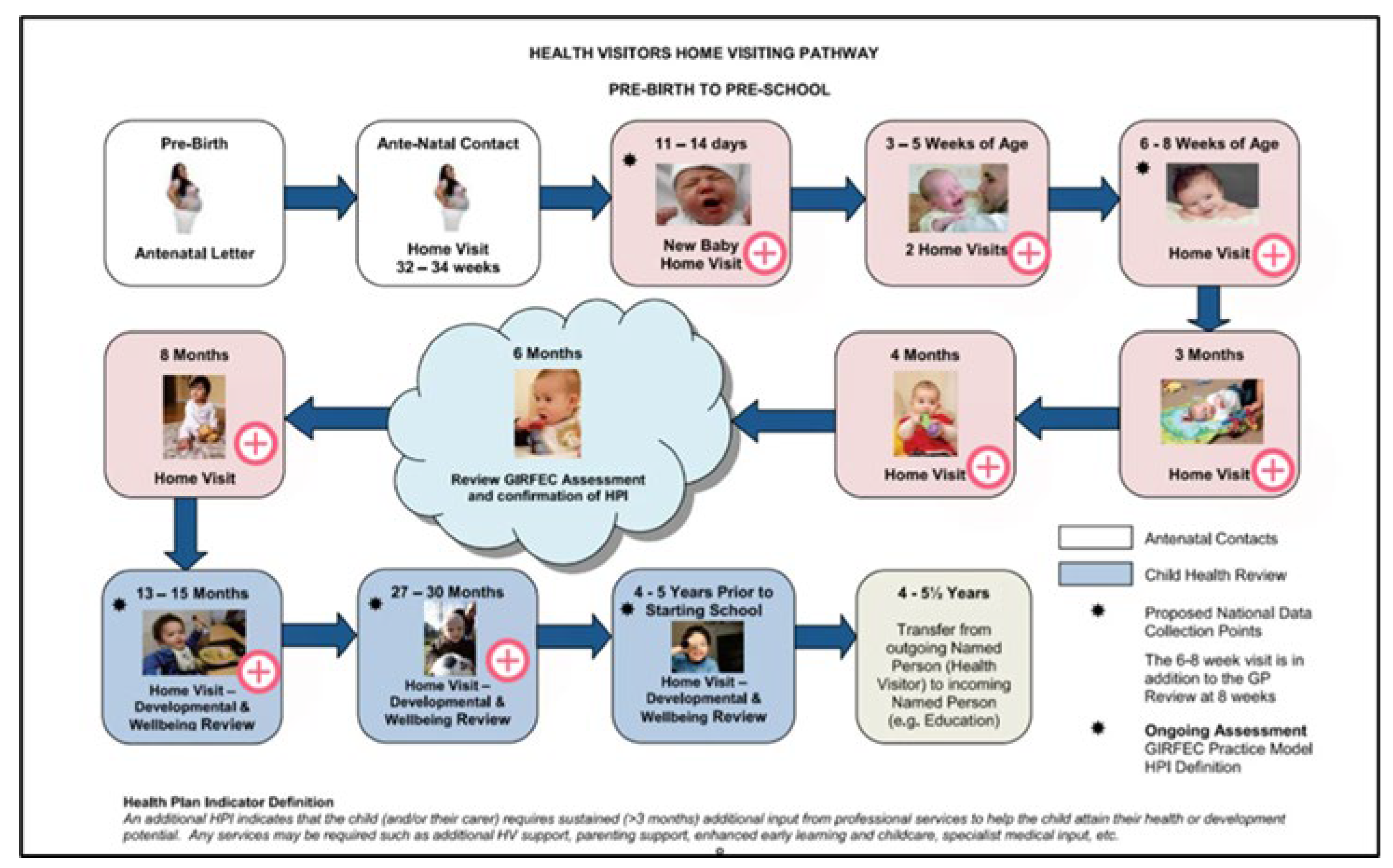
Figure 2.
Example of daily completion certificate.
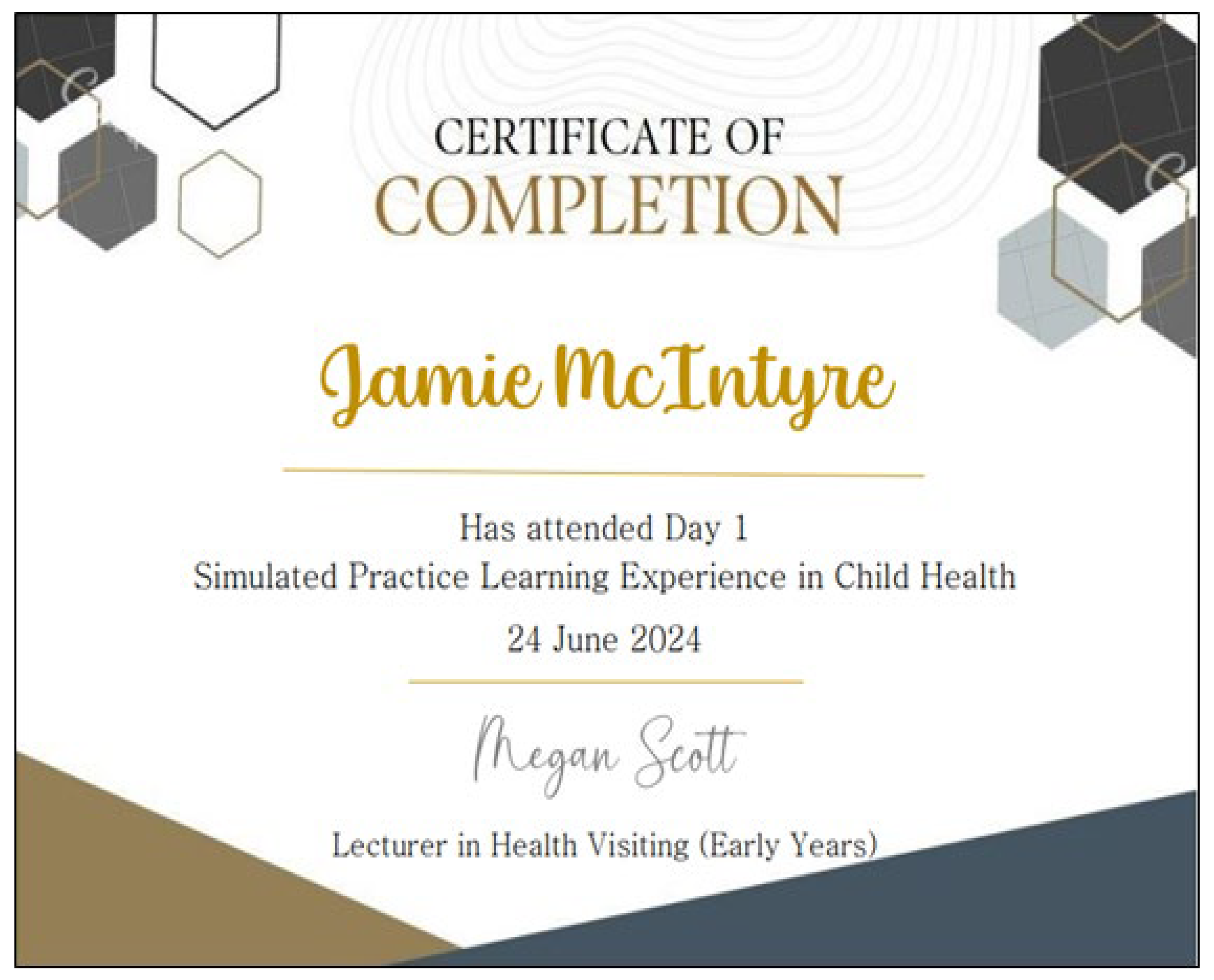
Figure 3.
Overall student SPLE satisfaction graph.
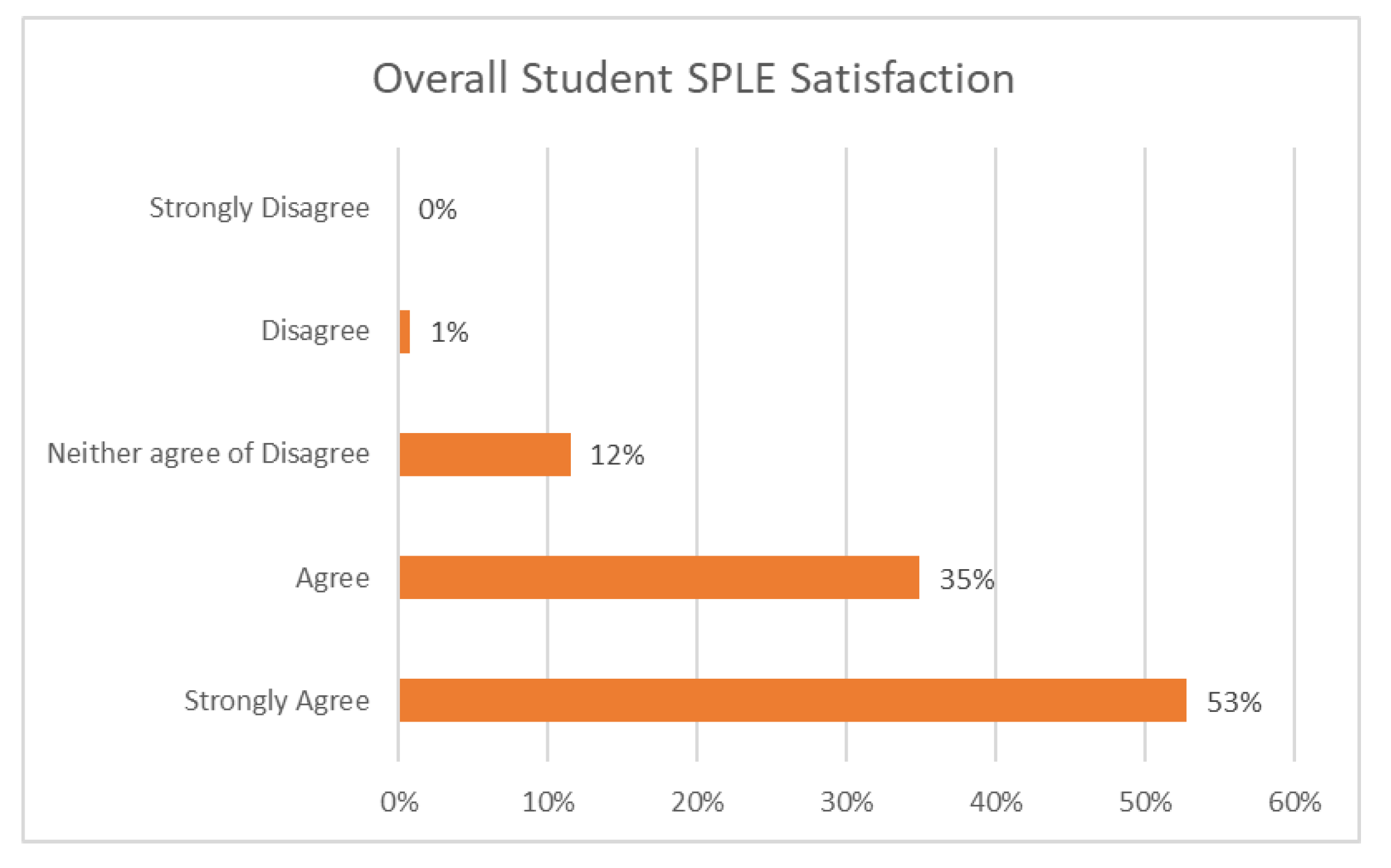
Figure 4.
Overall student satisfaction for each individual SPLE week graph.
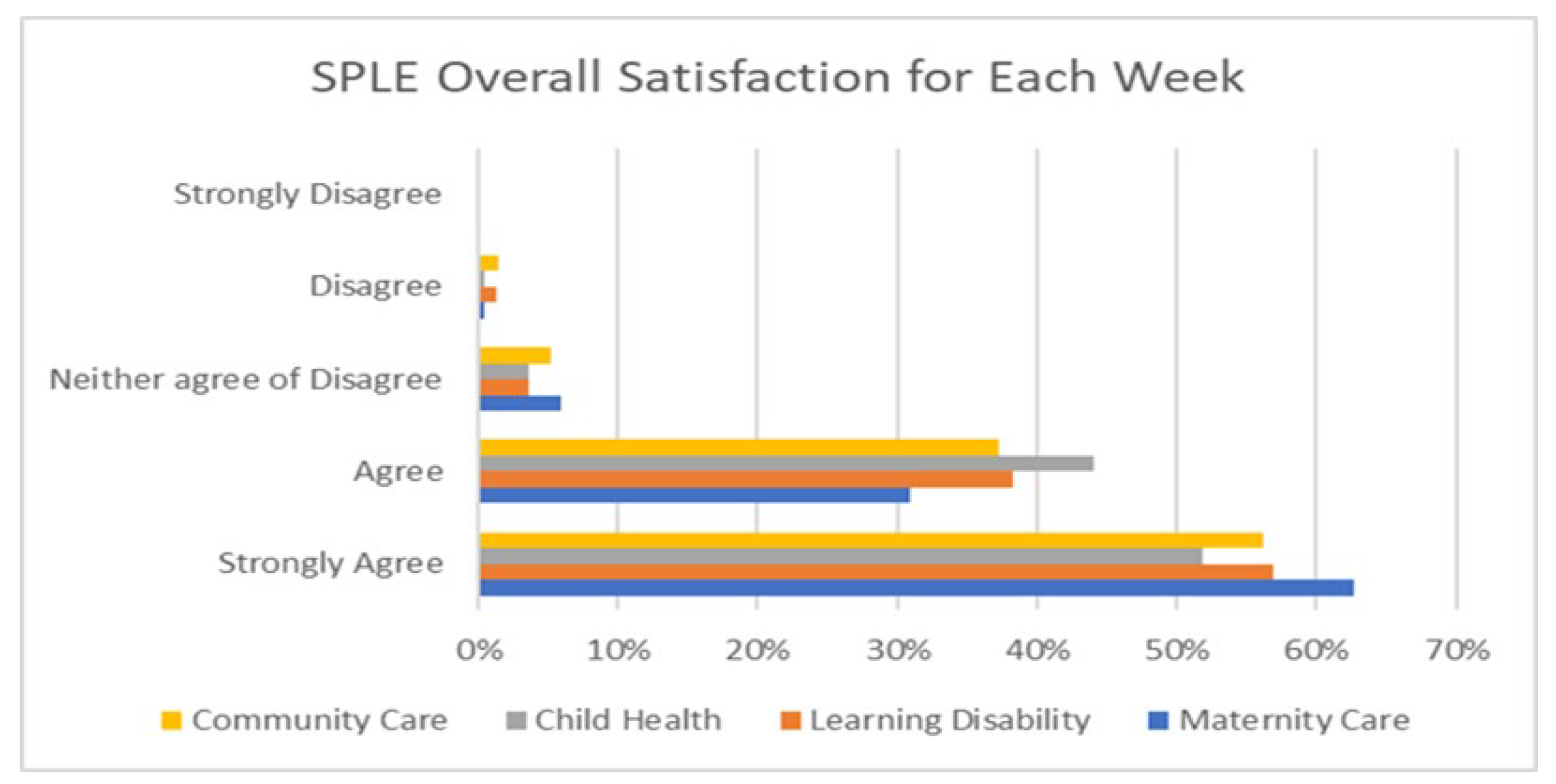
Figure 5.
Ease of navigating the virtual space graph.
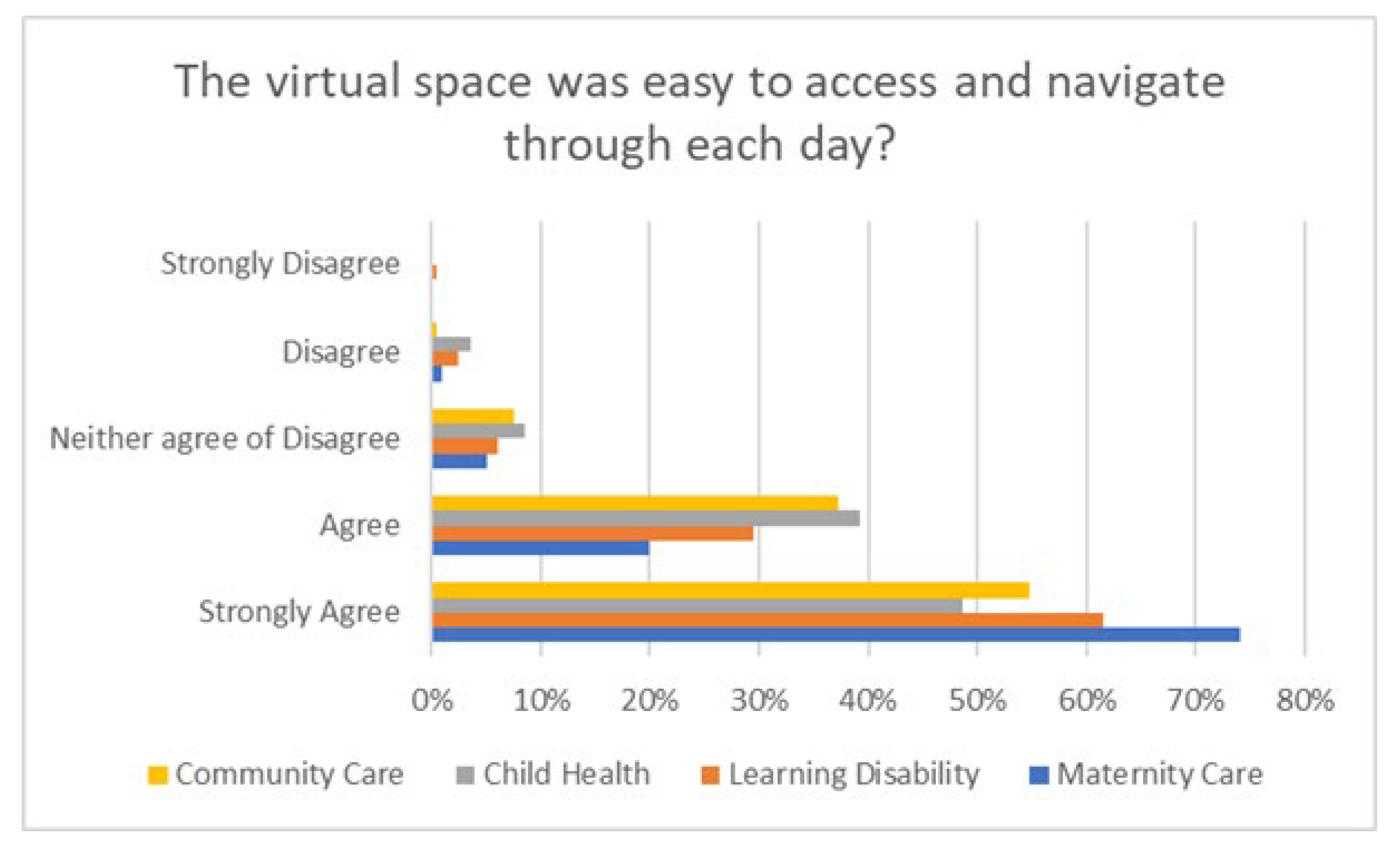
Figure 6.
Impact of SPLE on knowledge enhancement in each field graph.
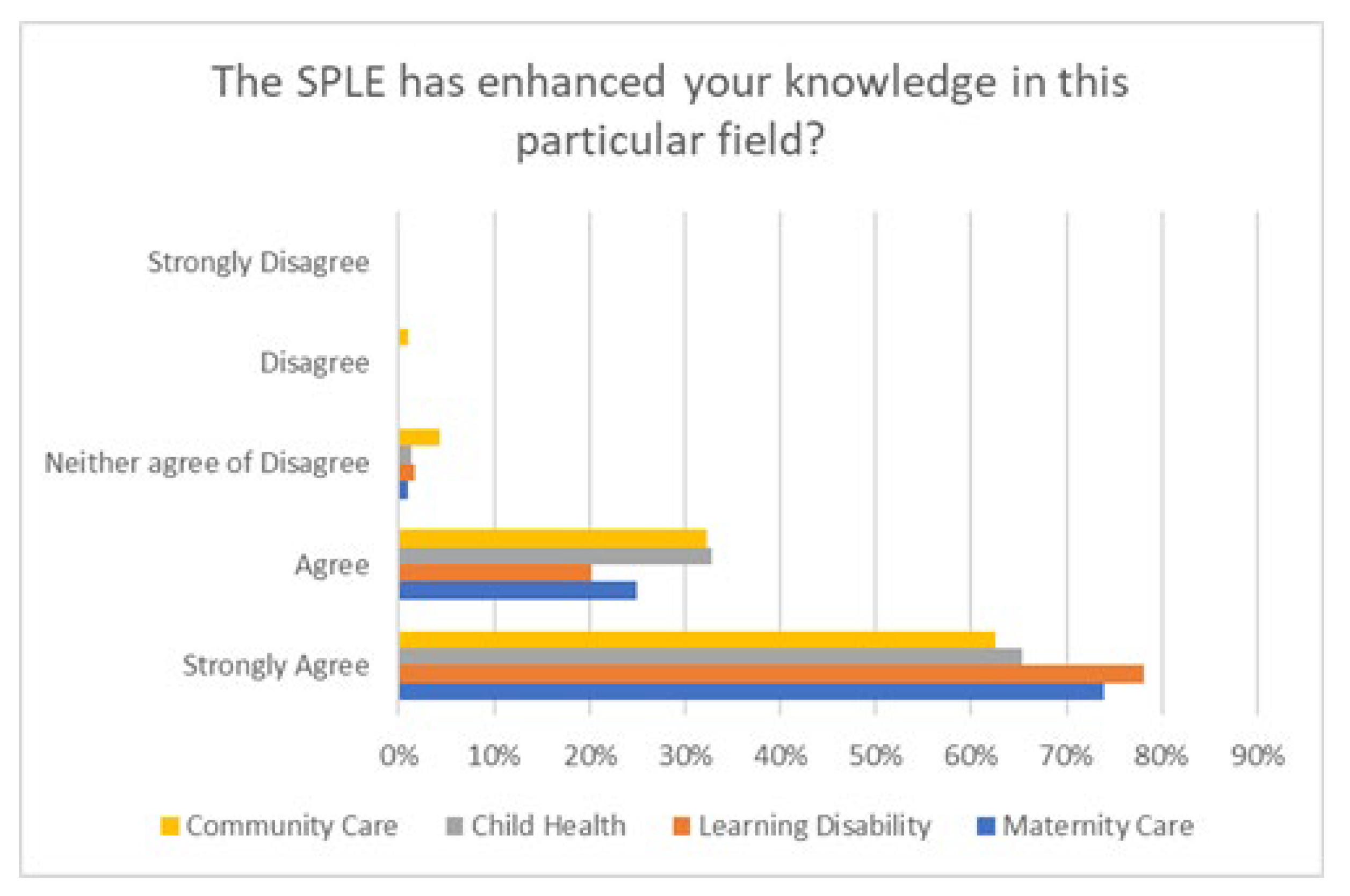

Table 1.
Numbers of students who completed SPLE evaluation questionnaire’s per week.
| SPLE Week | Completed Questionnaire |
|---|---|
| Maternity Care | 216 |
| Leaning Disability | 205 |
| Child Health | 198 |
| Community Care | 199 |
Disclaimer/Publisher’s Note: The statements, opinions and data contained in all publications are solely those of the individual author(s) and contributor(s) and not of MDPI and/or the editor(s). MDPI and/or the editor(s) disclaim responsibility for any injury to people or property resulting from any ideas, methods, instructions or products referred to in the content. |
© 2024 by the authors. Licensee MDPI, Basel, Switzerland. This article is an open access article distributed under the terms and conditions of the Creative Commons Attribution (CC BY) license (http://creativecommons.org/licenses/by/4.0/).
Copyright: This open access article is published under a Creative Commons CC BY 4.0 license, which permit the free download, distribution, and reuse, provided that the author and preprint are cited in any reuse.


