

Submitted:
16 October 2024
Posted:
21 October 2024
You are already at the latest version
Abstract
Community-based tourism (CBT) is recognised as a tool for sustainable development that empowers local communities to manage tourism initiatives while protecting their environment and culture. This paper explores and compares two Ecotourism models: Chambok Ecotourism Site in Cambodia and Kerujuk Village Ecotourism in North Lombok, Indonesia. Through a comparative analysis, we examine how each community integrates tourism with local resources, empowers residents, and addresses environmental and social challenges. The study highlights the benefits of CBT in poverty alleviation and environmental conservation while also discussing the unique challenges each location faces.
Keywords:
Community-Based Tourism (CBT)
; ecotourism
; sustainable development
; Chambok ecotourism
; Kerujuk village ecotourism
Introduction
The concept of community-based tourism (CBT) has garnered significant attention as a means of promoting sustainable development, especially in rural and ecologically sensitive areas. CBT empowers local communities by directly involving them in tourism, generating income and preserving cultural and natural resources. According to Giampiccoli and Saayman (2016), CBT is a form of tourism that supports sustainable development by involving local communities in decision-making processes and encouraging ownership and management of tourism resources. This study compares the Chambok Ecotourism Site in Cambodia and the Kerujuk Village Ecotourism in Indonesia, both of which have adopted CBT models to foster socio-economic and environmental improvements.
Methodology
This research utilises a qualitative approach by analysing secondary data from existing literature and reports on Chambok and Kerujuk. The data from field observations were supplemented by a review of academic literature on Ecotourism, CBT, and sustainable tourism development.
Discussion
Chambok Ecotourism Site, Cambodia
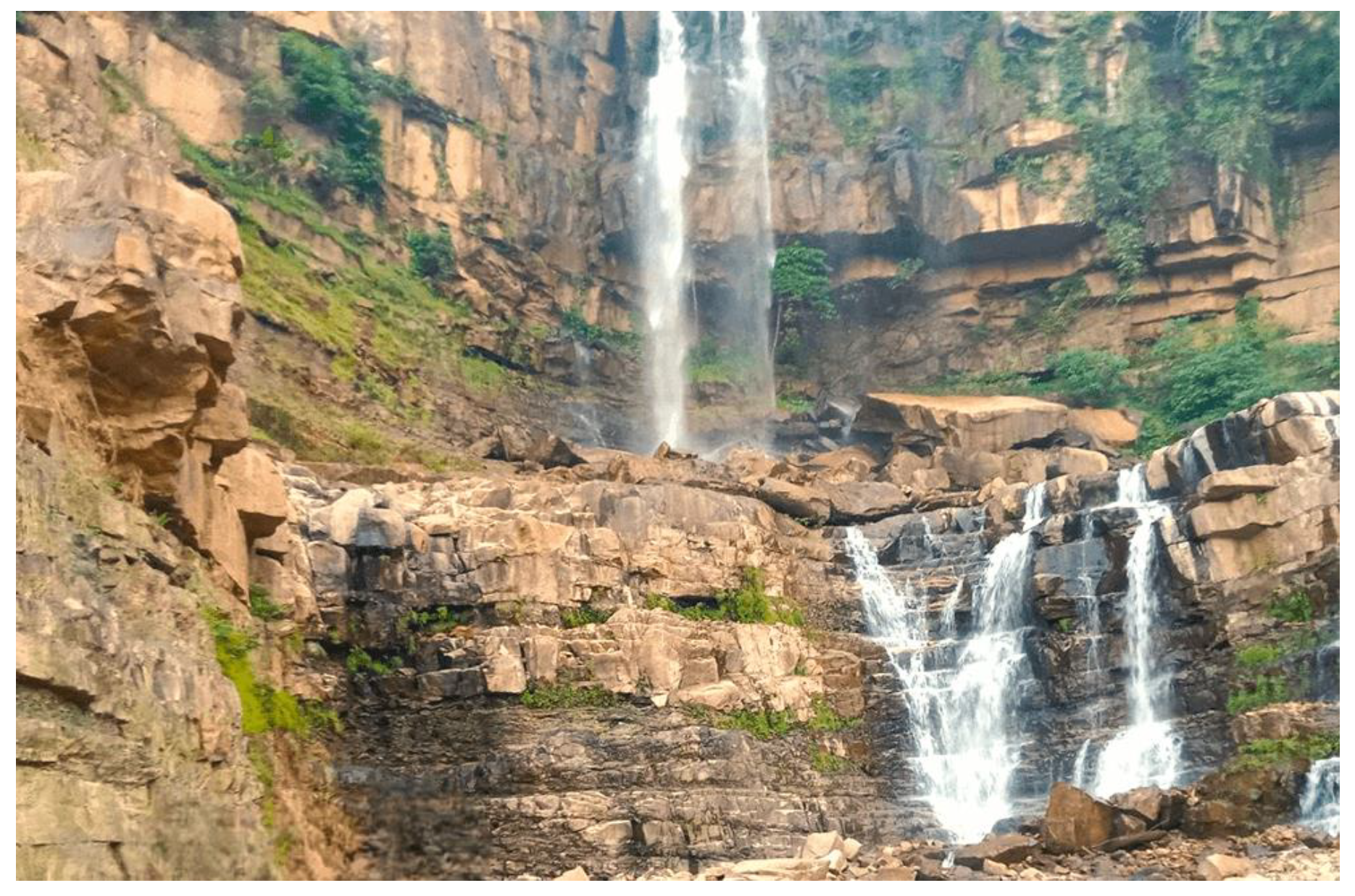
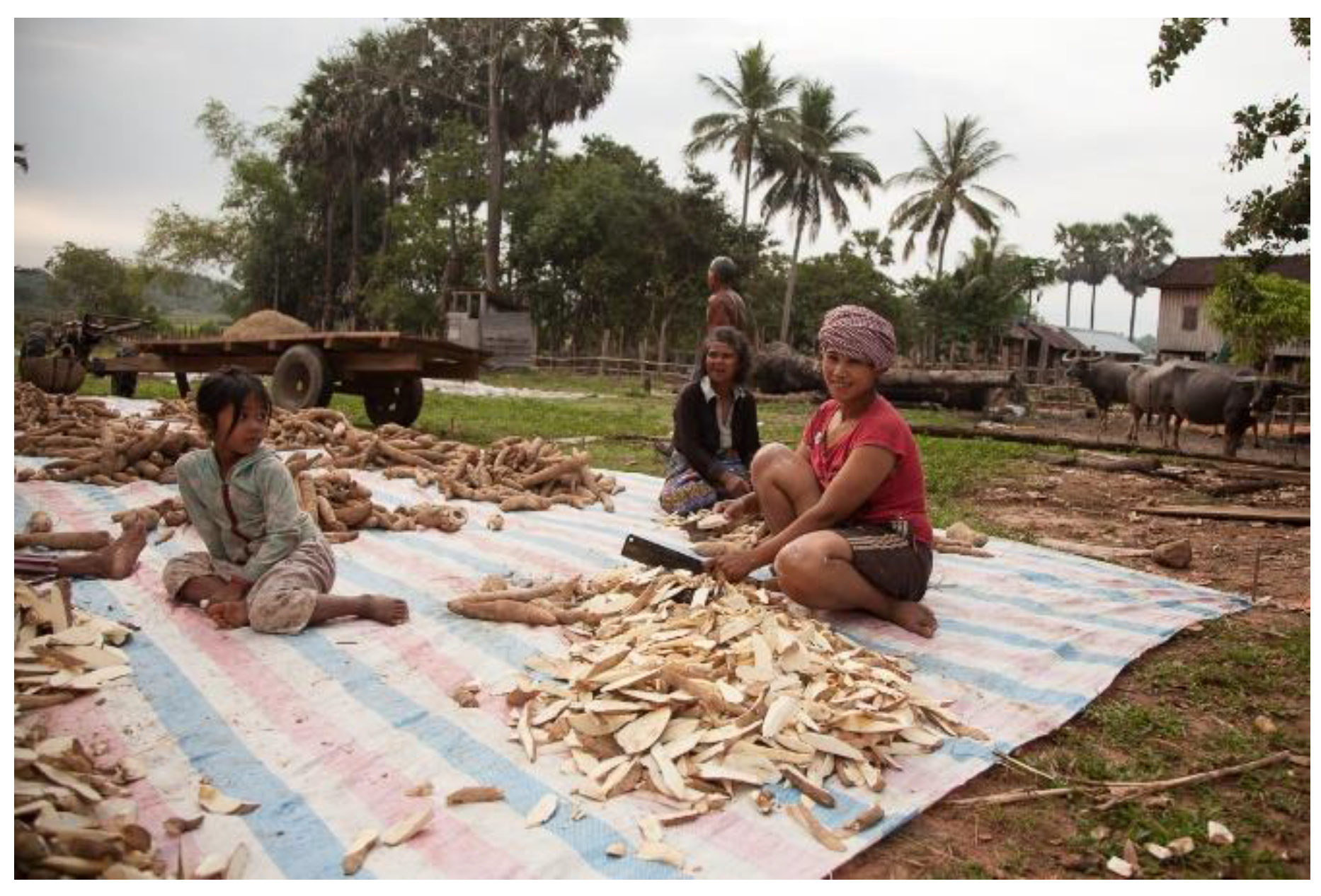
Chambok, located near Kirirom National Park, is Cambodia's sustainable community-based Ecotourism (CBET) model. Established in 2002 with the support of the NGO Mlup Baitong, Chambok has empowered local communities to protect their natural resources while creating a source of income (Mlup Baitong, 2008). The community manages tourism operations, including homestays, guided tours, and nature-based activities such as trekking, birdwatching, and waterfall excursions. This has provided an alternative to harmful practices like illegal logging, contributing to environmental conservation and poverty alleviation (Kiss, 2004).
Figure 1.
Kirirom National Park Waterfall.
Kerujuk Village Ecotourism, Indonesia
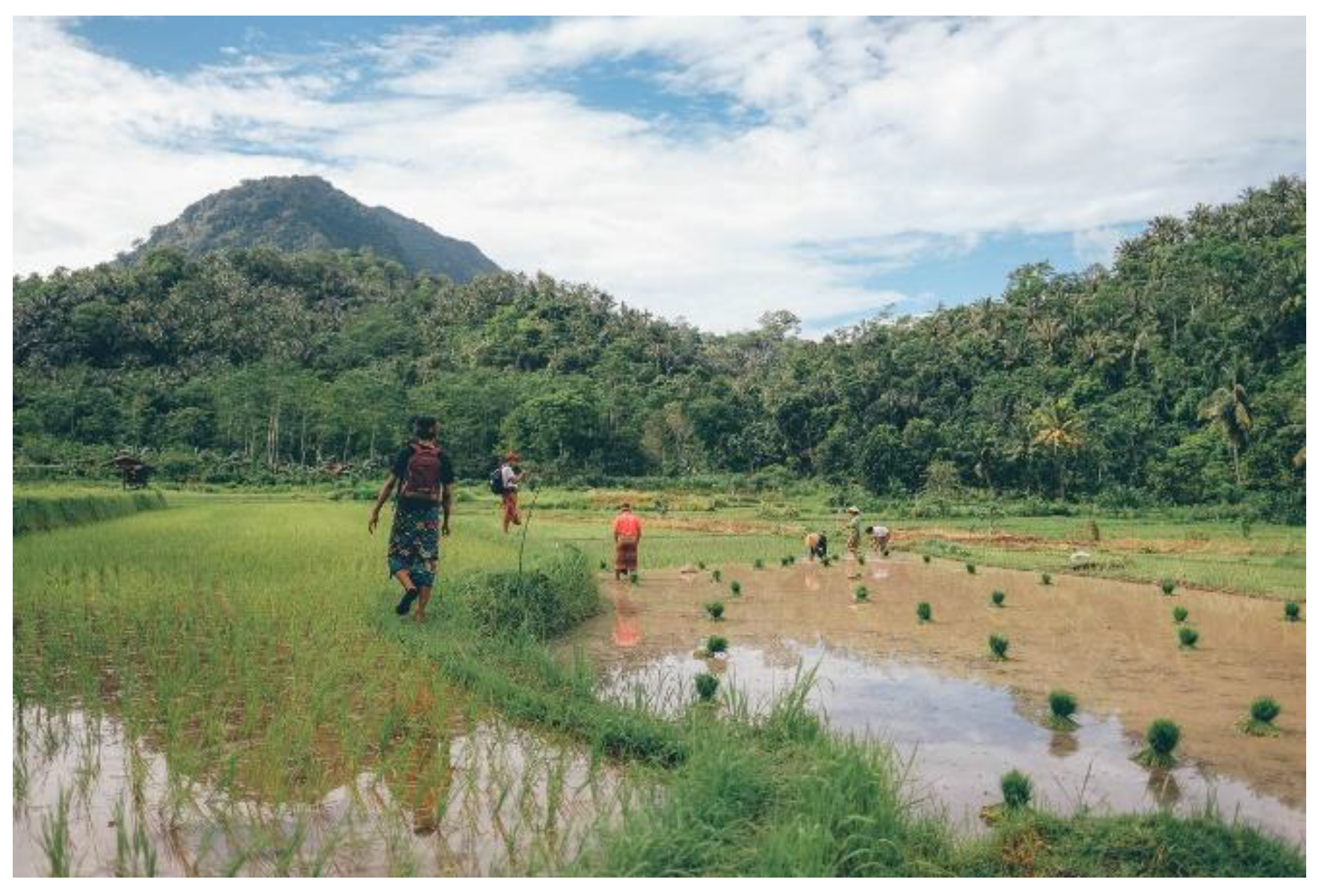
Kerujuk Village in North Lombok, Indonesia, adopted the CBT model in 2015, focusing on agro-tourism and cultural preservation. Initiated by local youth and supported by the Government, Kerujuk has developed tourism activities such as trekking, cycling, and local handicraft production. The Village also hosts a traditional culinary market every Sunday, where transactions are conducted using wooden tokens, promoting local economic activities (Yuniarti, 2021). Unlike Chambok, Kerujuk focuses more on agro-tourism, and while it aims to attract domestic and international tourists, its current reach is mostly domestic (Badan Pusat Statistik, 2022).
Figure 2.
Kerujuk Village Ecotourism.
Comparison of Chambok and Kerujuk
Chambok and Kerujuk share similarities in their focus on environmental conservation, community involvement, and poverty alleviation. However, key differences exist in how these two CBT sites operate. An NGO spearheaded Chambok's development, while Kerujuk's initiative was driven by local youth with Government support. Chambok targets an international market, whereas Kerujuk focuses more on the domestic market, although it is gradually expanding its reach. Furthermore, Chambok's tourism offerings include a broader range of Ecotourism activities, while Kerujuk emphasises agro-tourism and cultural experiences (Chambok Ecotourism, 2020).
Figure 3.
villagers in the chambok ecotourism area.
Challenges Faced by Each Site
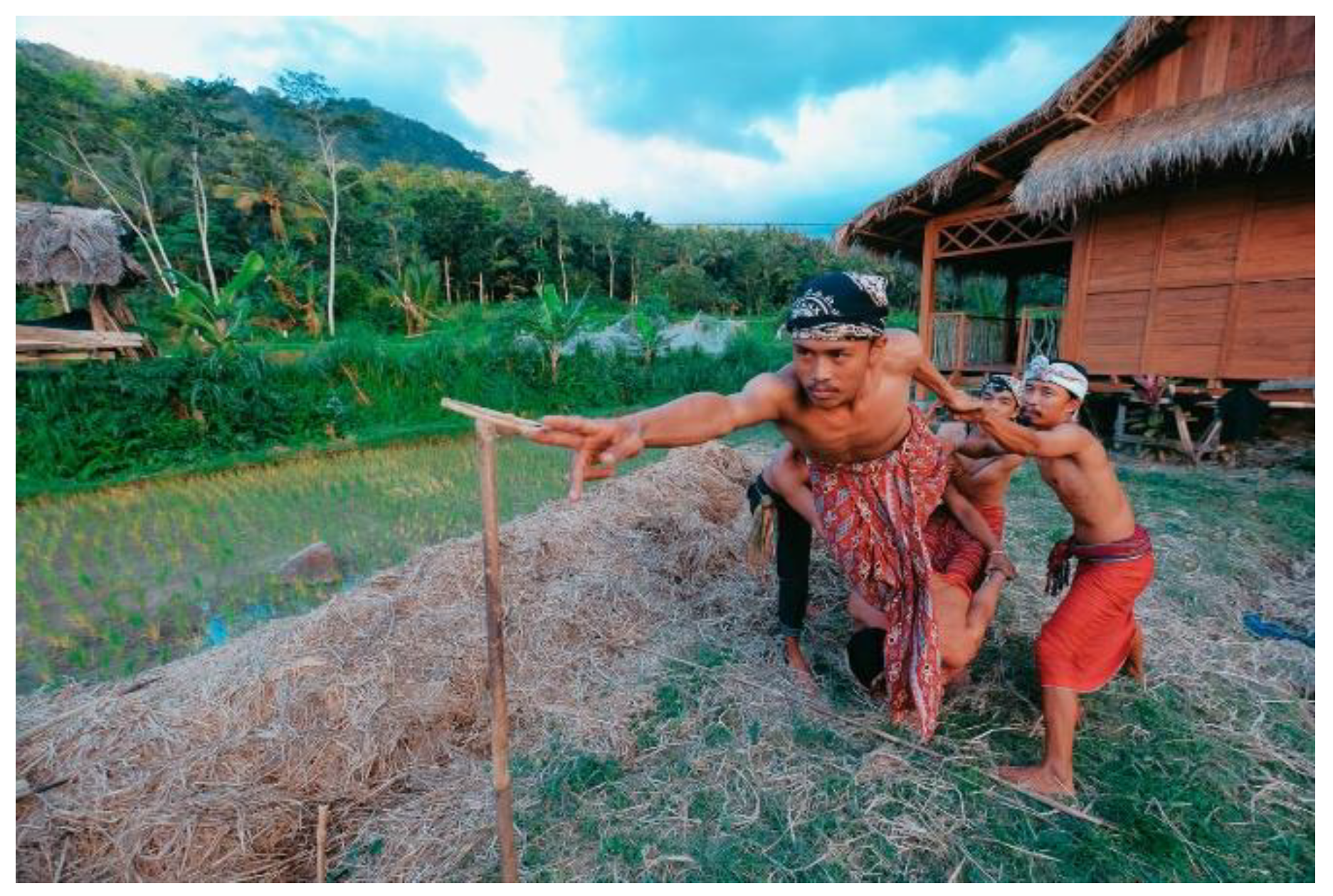
Chambok faces challenges maintaining community involvement and balancing tourism growth with conservation efforts. The community must continuously manage the risks of over-tourism, which could degrade natural resources and diminish the authenticity of cultural experiences (Dolezal & Burns, 2015). In contrast, Kerujuk has faced challenges such as damage from natural disasters and resistance from some villagers who still engage in illegal logging (Yuniarti, 2021). The narrow accessibility roads and lack of parking facilities for larger vehicles also pose limitations to Kerujuk's tourism growth.
Figure 4.
Traditional Game In Kerujuk Village.
Conclusions
As demonstrated by Chambok and Kerujuk, community-based tourism provides a viable, sustainable development model. Both sites have contributed to environmental conservation and poverty alleviation while enhancing local capacity through tourism. However, the success of such initiatives requires continuous community involvement, transparent management, and adaptive strategies to mitigate challenges like over-tourism or local resistance to change. The comparative study of these two Ecotourism sites offers valuable insights into how CBT can be adapted to different local contexts and highlights the importance of stakeholder cooperation and community empowerment in achieving sustainable outcomes.
References
- Badan Pusat Statistik. (2022). Tourism in Indonesia 2022. Jakarta: BPS.
- Chambok Ecotourism. (2020). Annual Report 2020: Achievements and Challenges. Cambodia: Chambok Ecotourism.
- Dolezal, C., & Burns, P. (2015). The tourism-development nexus in developing countries: Progress in tourism management. Tourism Management Perspectives, 16, 123-131. [CrossRef]
- Giampiccoli, A., & Saayman, M. (2016). Community-based tourism development model and tourism development in South Africa: Toward addressing the national tourism policy's objectives. African Journal of Hospitality, Tourism and Leisure, 5(1), 1-16.
- Kiss, A. (2004). Is community-based ecotourism a good use of biodiversity conservation funds? Trends in Ecology & Evolution, 19(5), 232–237. [CrossRef]
- Mlup Baitong. (2008). Sustainable Ecotourism: The Case of Chambok. Phnom Penh: Mlup Baitong.
- Yuniarti, S. (2021). Tourism and Sustainable Development in Rural Indonesia: Case Study of Kerujuk Village. Yogyakarta: Universitas Gadjah Mada Press.
Disclaimer/Publisher’s Note: The statements, opinions and data contained in all publications are solely those of the individual author(s) and contributor(s) and not of MDPI and/or the editor(s). MDPI and/or the editor(s) disclaim responsibility for any injury to people or property resulting from any ideas, methods, instructions or products referred to in the content. |
© 2024 by the authors. Licensee MDPI, Basel, Switzerland. This article is an open access article distributed under the terms and conditions of the Creative Commons Attribution (CC BY) license (http://creativecommons.org/licenses/by/4.0/).
Copyright: This open access article is published under a Creative Commons CC BY 4.0 license, which permit the free download, distribution, and reuse, provided that the author and preprint are cited in any reuse.


