
Submitted:
26 September 2024
Posted:
27 September 2024
You are already at the latest version
Abstract
There is a strong global demand for sulfate- free personal cleansing products. The objective of sulfate-free personal cleansing technology should not be aimed at the absence of “sulfate” wording in the ingredient listing, but on the true benefits to both people and the planet, including but not limited to safety, mildness, and sensory for the people perspective and renewability, low carbon footprint, low water footprint, biodegradability & sustainability for the planet perspective. In addition, some surfactants or their precursors contain 1,4-dioxane as a by-product in their manufacturing, which is a major safety concern. In this paper, several commonly used sulfate-free surfactants are compared based on a variety of desirable criteria from both the people and the planet perspective. There is also an important trend promoting green manufacturing processes using natural, renewable, safe, biodegradable & sustainable feedstocks to mitigate the challenges presented by climate change. It is concluded that the best options for the sulfate-free personal cleansing products of the future are glutamates for skin cleansing and alaninates for hair cleansing.
Keywords:
sulfate-free
; amino acid-based surfactant
; glutamates
; alaninates
; personal cleansing
; 1
; 4-dioxane
; sustainability
; biodegradability
; Natural Origin Index
1. Introduction
The modern consumer of personal care products naturally wants formulations that are safe and effective. Increasing numbers of consumers also want “free” products—paraben-free, phthalate-free, fragrance-free, and sulfate-free being commonly desired claims. There is also a demand for specific certifications like COSMOS or for less official claims like “clean beauty”. There is increased awareness of “greenwashing”, claims that are not backed by science. Consumers may also be looking backward in sourcing and manufacturing methods, wanting to know exactly how raw materials are made and how sustainable they are. Green chemistry [1,2], sustainability [3,4], biotechnology and upcycling have become key components of ingredient production. An important raw material, palm oil, is of high concern and protected by the RSPO (Roundtable for Sustainable Palm Oil). Cleansing products comprise a large percentage of the personal care products purchased, making the need for effective sulfate-free formulations a top priority for brands wishing to occupy a strong position in this demanding market. The successful raw materials of the future will consider sustainable sourcing, green chemistry, and biotechnology, with fermentation and upcycling as important emerging trends. The Natural Origin Index (NOI) as defined by ISO 16128 standard is a useful measurable for the sourcing of materials such as surfactants to quantify the naturality or how natural is natural. Biodegradability is also a critically desired feature, and a cradle-to-grave analysis can quantitatively determine just how effective these considerations will improve our stewardship of the planet. The quest for better cleansing products thus promises a greener Earth for future generations.
Ananthapadmanabhan [5] has written a useful review of the basic aspects of skin cleansing. Lukic et al. [6] also provided an overview of novel surfactants for formulation of cosmetics with an emphasis on amino acids. Schoenberg [7} looked at several options for sulfate-free cleansers. Sulfate-free surfactants are the vital part of the sulfate-free trend in personal cleansing products, and amino-acid based surfactants are the most important choices of the sulfate-free surfactants meeting the desirable attributes of both people and planet perspectives.
1.1. What Are Sulfates?
First it is necessary to understand what sulfates are, why they are so widely used, and what problems are associated with them. By far the most common sulfates are sodium lauryl sulfate (SLS), shown in Figure 1, and sodium laureth sulfate (SLES), most commonly the 2 mole ethoxylate shown in Figure 2. Sodium laureth sulfate is the most widely used and most problematic due to the adverse consequences of ethoxylation. Combinations of SLS and SLES are typically used to create a desired quality of foam and detergency.
1.2. Issues with Sulfates
Sulfates are economical, perform well as cleansers, produce copious foam, and are easy to thicken with salt. These characteristics have made them, especially SLS (sodium lauryl sulfate) and SLES (sodium lauryl ether sulfate), the work horses of personal cleansing. However, SLES is much more widely used than SLS in personal care due to its lower irritation, and thus SLES is referred to as sulfates thereafter. But sulfates have several disadvantages that make finding alternatives imperative.
During personal use, sulfates can excessively strip oil from the skin, scalp and hair, breaking barrier integrity and increasing Trans epidermal Water Loss (TEWL). They can irritate the eyes, skin and scalp. There is strong evidence that sulfates leave behind undesirable residues and cause skin adsorption with ac-cumulative adverse effects such as severe irritation, itchiness and inflammation because of sulfate absorption and accumulation. Irritation from sodium lauryl sulfate was studied by Löffler and Happle [8] and Aramaki et al. [9], among many others. In addition, sulfates weaken the hair follicles and hair strands and makes hair brittle and prone to breakage. Several papers deal with the problems of surfactants and the skin such as Ananthapadmanabhan, K. P. et al.,[10], and Morris, S. A. et al. [11].
Products with sulfates that get washed down the drain may also be toxic to aquatic animals. Many consumers and manufacturers are choosing to opt for more environmentally friendly alternatives.
Furthermore, numerous products with sulfates have been tested on animals to measure the level of irritation to human skin, lungs, and eyes. For this reason, many oppose using consumer products that contain SLS and SLES.
1.3. 1,4-Dioxane
SLES may be contaminated with a substance called 1,4-dioxane, which is known to cause cancer in laboratory animals. Bettenhausen [15] shows how this contamination occurs during the manufacturing process, as shown in Figure 3:
1,4-dioxane is subject to the New York State Dioxane Prohibition Bill [16]. Dioxane is not only a byproduct of the synthesis of the ethoxylation and sulfation processes, but ethylene oxide itself can dimerize to form 1,4-dioxane (Figure 3). It is worth noting that the sulfation process involved in the SLES manufacturing generates more than 50 times of 1,4-dioxane than the ethoxylation process as SO3 promotes the side reaction that produces 1,4-dioxane, as shown by Forster [17]. This makes SLES the riskiest surfactant for 1,4-dioxone concern and every surfactant made using ethylene oxide a potential 1,4-dioxane source. Other popular surfactants such as isethionates and taurates have dioxane risk concerns as their precursors involve ethoxylation.
Newer ethoxylation plants typically produce less dioxane, which can fall below 1 ppm in dioxane. This is done by controlling reaction conditions such as temperature, reaction time, and stoichiometric ratio. Foster [17] demonstrates the importance of mole ratio of SO3 to ethoxylated alcohol.
Alternatively, manufacturers can strip dioxane out of their products after sul-fation with stripping systems based on steam or nitrogen gas. Also, plant equipment companies offer production lines that both suppress formation and strip out what does form. Low-dioxane versions of conventional surfactants would avoid the need for reformulation, but with surfactant versions priced up to 30% higher than those made with older technology. Of course, this is clearly not a path to the “sulfate-free” products.
1.4. Amino Acid-Based Surfactants
The surfactants that are intrinsically free of 1.4-Dioxane concerns are the amino acid-based surfactants and sugar-based surfactants, such as Glutamates, Alan-inates and Alkyl Polyglycosides (known as “APG”). Amino acid-based sur-factants are a subgroup of biosurfactants, a larger group considered in the re-view by Nagtode et al. [18].
Many papers have been published on the benefits of amino acid-based surfac-tants in particular. A series of papers in the early 1970s [19,20,21,22,23] laid out the basic properties of the glutamate surfactants, but commercialization proceeded slowly due to high cost and the difficulty of achieving adequate viscosity. These issues have recently been resolved, making the glutamates a prime choice for cleansers.
Takehara, in an early paper from 1989 [24], include gel creation in his work, finding use in cleaning spilt marine oil. Bordes and Holmberg [25], in an oft-cited paper, conclude that amino acid-based surfactants are biodegradable, mild, and have many properties desired in consumer products.
Ananthapadmanabhan [26] wrote a review of commercially relevant surfactants where he examined the Krafft point, adsorption properties, foam and lather, rheology and skin mildness, finding them an excellent option for sulfate-free cleansing. Chandra and Tyagi [27], in another review ended with life science applications such as creation of liposomes, DNA transfection, antiviral properties and gene therapy.
A review by Infante et al. [28], synthesized and tested several variants of amino acid-based surfactants and found them to all have excellent surface properties, wide biological activity, low potential toxicity and low environmental impact.
Pinazo et al., [29] considered several amino acid-based surfactants including gemini surfactants based on cystine and arginine and double chain surfactants derived from lysine. They found a wide range of surfactants could be tailored to specific needs.
Tripathy et al. [30], in yet another review, found amino acid-based surfactants of great value in skin and hair products and also found their chirality useful. Clapes and Infante [31] reviewed the enzymatic synthesis, properties and applications of amino acid-based surfactants.
Zhao et al. [32] studied the foaming properties of sodium N-acyl glycinate and sodium N-acyl phenylalaninate at different alkyl chain lengths and found the glycinates superior in general. Wang, Q. [33] examined the properties such as N-acylglutamate/aspartate surfactants at different pH values, finding the ideal pH range for foam stability, emulsifying effect, and surfactant behavior.
Wang, C. et al. [34] looked at the effect of acyl chain length, presence of carbon double bonds and hydroxy groups on surfactant performance. They reported the structural characteristics of fatty acyl chains in vegetable oils and revealed the specific effects of these features on the interfacial properties of N-fatty acyl amino acid surfactants. It was pointed out that the results presented may be of great significance for the development and application of amino acid surfactants based on natural oils. Wang, Y. et al. [35] explored the α-Substituent effect on N-Lauroyl amino acid surfactants. It was found that hydrophobic α-substitution can reduce critical micelle temperature and critical micelle concentration. Consequently, this improves foamability, emulsifying function and wetting property, while hydrophilic α-substitution has the opposite effect. It was also pointed that the best detergency of all the surfactants tested was with sodium lauroyl glycinate.
Three categories of surfactants, Glutamates, Alaninates and Alkyl Polyglyco-sides, are the most sustainable with 100% natural origin index (NOI) and commercial availability in large scale at a reasonably affordable price. Therefore, they are the preferred choice for Sulfate-Free Personal Cleansing systems. It is worth noting that for the APG to be 100% NOI, the fatty alcohol used in the production must be of natural origin as fatty alcohol can be both petrol-based and also of natural origin, dependent upon its manufacturing process and feedstocks. The NOI will be discussed in detail later in this paper.
1.5. Current Sulfate-Free Commercial Products
An informal market survey by Google Search on “sulfate-free shampoo”, a process used by most consumers to find product information, reveals some trends in the alternative surfactants being employed. When consumers Google “sulfate free shampoo”, go to common sites like Walmart and Target sites, or read evaluations in the popular press, what do they find? An analysis of 25 products with high search results shows the following ingredients:

Table 1.
Analysis of commercial products.
| Ingredient | No. of Times Cited |
|---|---|
| Cocoamidopropyl Betaine | 15 |
| Isothionates | 11 |
| C14-16 Olefin Sulfonate (AOS) | 9 |
| Sulfosuccinate | 6 |
| Hydroxysultaine | 5 |
| Cocamide mipa/dipa | 5 |
| Taurate | 3 |
As can be seen from the study of commercial “sulfate-free” products, many of the primary surfactants have dioxane concerns, and some are sulfate-free by INCI name ingredient listing but not for real benefits, as in the case of AOS and isethionates. There are still many benefits to be desired from the current “sul-fate-free” cleansing products in the market. The best solutions for “sulfate-free” does not only mean no “sulfate” in INCI names on the ingredient list, but more importantly should provide the true benefits for the people and the planet. Sulfate-free products are highly desirable, and a market study has shown an annual grow rate of approximately 18% since 2010 in Marimon [14]. However, successful sulfate-free cleansing products must deliver the true benefits for both the people perspective and the planet perspective. The true benefits for the people perspective or simply put as “Consumer benefits” must include safety, mildness, and superior sensory attributes, whereas the true benefits for the planet perspective must include renewability, low carbon and water footprint, biodegradability and sustainability.
Amino-acid based surfactants have received extensive interest in sulfate-free personal cleansing products to meet the true benefits for both the people perspective and the planet perspective. The following paragraphs will elaborate these perspectives in more detail.
2. Personal Cleansing Technology of the Future: the People Perspective
2.1. Safety
Historically, safety testing on surfactants was performed on humans or animals while nowadays animal testing is no longer acceptable in the personal care industry. Alternatives for those methods are now used, with a variety of approaches available.
The MTT50 test is frequently used to measure the safety of a material, which employs MTT, (3-(4,5-dimethylthiazol-2-yl) Tr-2,5-diphenyltetrazolium- bromide), a colorimetric agent and it measures cell viability. HaCaT cells, a keratinocyte cell line from adult human skin is used. The higher the MTT50 number, the safer the surfactant. The results show the superior mildness of sodium cocoyl glutamate and alaninate (Figure 4):
SDS: Sodium dodecyl Sulfate
SLES: Sodium Lauryl Ether Sulfate
APG: Coco Glucoside
CAPB: Coamidopropyl Betaine
SCMT: Sodium cocoyl methyltaurate
ACS: Sodium Cocoyl Alaninate
UCS: Sodium Cocoyl Glutamate
YCS: Sodium Cocoyl Glycinate
As can be seen from Figure 4 above, sodium cocoyl glutamate has the highest MTT50 value followed by sodium cocoyl Alaninate and sodium cocoyl glycinate while AES/SLES has the lowest MTT50 value among the eight surfactants tested, indicating that sodium cocoyl glutamate is the safest surfactant while SLES, SDS and APG were the least safe among the eight surfactants tested.
2.2. Mildness
Apart from the safety attribute of a surfactant, mildness is another key attribute that will impact consumer preferences and user experience, and it is a critical factor for commercial success of a cleansing product. In modern times, consumers in many countries wash their Face, Hair, Hands and Body frequently as much as once a day or even more than once a day. Therefore, it is paramount for the consumers to use a super-mild cleanser with all the benefits of just the right amount of cleansing without stripping the essential oils and lipids away from the skin and hair.
A Red Blood Cell (RBC) test is a frequently used method of testing mildness and irritation potential. In this RBC test, blood cell membranes are disrupted, and the result correlated to irritation expressed as an L/D value, based on measuring cell membrane lysis and cell protein denaturation. The higher the L/D value, the milder the surfactant.
Figure 5 below shows the mildness data of various surfactants measured by Red Blood Cell test.
Total surfactants in each sample are maintained at 15%, pH adjusted to 5.2~5.4
AES: Alkyl Ether Sulfate refers to Sodium Lauryl Ether Sulfate (SLES)
APG: Alkyl polyglycosides
SCMT: Sodium cocoyl methyltaurate
ACS: Sodium Cocoyl Alaninate
UCS: Sodium Cocoyl Glutamate
YCS: Sodium Cocoyl Glycinate
As can be seen from Figure 5 above, sodium cocoyl glutamate has the highest L/D value followed by sodium cocoyl Alaninate and sodium cocoyl glycinate while AES/SLES has the lowest L/D value among the six surfactants tested, indicating that sodium cocoyl glutamate is the mildest surfactant while SLES is the least mild or most irritating surfactant among the 6 surfactants tested.
SKINTEX is an assay based on dermal irritating products provoking alterations and/or denaturalization of collagen, keratin and other protein structures. Dermal Irritation Assay imitates these biochemical interactions. The assay consists of two components: a semi-permeable membrane, containing keratin, collagen and a colorant, and a reactive solution containing proteins and glycoproteins. Samples are placed on the membrane, which is submerged in the solution. A reaction between the sample and proteins creates turbidity which can be measured by a spectrophotometer.
EYTEX is an in vitro test to predict the ocular irritation of chemicals and based on alterations in a protein matrix that exhibits a high correlation with the Draize test.
Kawasaki [36] carried out SKINTEX and EYETEX experiments to compare a number of common surfactants including SLS (Sodium lauryl sulfate), SMLP (Sodium lauryl phosphate), SCI (Sodium n-cocoyl isethionate), SSS (Disodium monolauryl sulfosuccinate), SCMT (Sodium n-cocoyl n-methyltaurate), SCG (Sodium cocoylglutamate) and SLG (Sodium lauroyl glutamate) and the test results were compared against the conventional Draize Score for skin irritation and Draize score for eye irritation. It was found that sodium cocoyl glutamate is the mildest surfactant of all surfactants tested and much milder than the Taurates and Sulfates, and these SKINTEXT and EYETEX data are in total agreement with our own mildness data obtained from the Red Blood Cell test.
The classic Draize test calculated erythema and edema responses into a Primary Irritation Index (PII): a substance producing PII of <2 is considered “mildly irritating”, 2-5 is “moderately irritating” and >5 is “severely irritating”. The Draize grading system showed that SLG is “mild” (PII < 2), SLS is “severe” (PII > 5) and other surfactants are “moderate” (2 ≦ PII ≦ 5).
It is clear from the tests shown above that Glutamates are the safest and mildest surfactants of all kinds tested, followed by Alaninates and Glycinates while SLES has shown to be of much lower safety and mildness in comparison.
2.3. Sensory -Foam and Foam Stability
Sensory properties such as foam and foam stability are important attributes that impact user experience directly for cleansing products. Figure 6 shows a comparison of the foam and the foam stability among several surfactants. The initial foam was generated with a self-foaming pump using 15% of the active surfactant solution and the foam photo was taken at around 30 seconds after pumping. The foam stability photo was taken after 15 min of the foam formation after pumping. As can be seen from Figure 6, SLES generated loose and flashy foam at 30 sec. with low foam stability as evidenced by the foam collapse at the 15 min while Sodium Cocoyl Glutamate (UCS) has the fullest foam body at 30 sec. and best foam stability as evidenced by its well-kept foam shape at the 15 min. Sodium Cocoyl Alaninate (ACS) exhibited good initial foam body at 30 sec. and better foam stability than SLES as evidenced by its best-kept foam shape at the 15 min while Cocoamidopropyl Betaine (CAPB) showed moderate initial foam body at 30 sec. but inferior foam stability with more collapsed foam body at 15 min even compared against SLES. The initial foam at 30 sec for coco glucoside (APG), sodium cocoyl methyl taurate (SCMT) and sodium cocoyl isethionate (SCI) showed significant inferior foam body compared to UCS or even SLES with a descending order while the foam stability at 15 min for APG, SCMT & SCI was among the lowest at the similar level to that of CAPB. It shall be noted that the SCI required an elevated temperature of about 50 ℃ to dissolve the material into a uniform state as it is paste-like and not uniform at room temperature.
In short, the comparison testing data in Figure 6 showed that glutamate has denser, creamier and more elastic stable foam vs. SLES, which delivers a superb luxu-rious user experience and is preferred by consumers for universal skin cleansing, while Alaninate delivers very well-balanced foam volume and density, which delivers a similar user experience to SLES and meets consumers preference for shampoo user experience. Therefore, Glutamate surfactants are highly recommended as a primary surfactant for universal skin cleansing including Face, Body, Hand and Baby Head-to-Toe cleansers while Alaninate surfactants are highly recommended as a primary surfactant for Hair Shampoo formulations. Of course, Glutamate and Alaninate Surfactants can also be used interchangeably or as a combination for both Skin and Hair cleansing, dependent upon the specific application requirements.
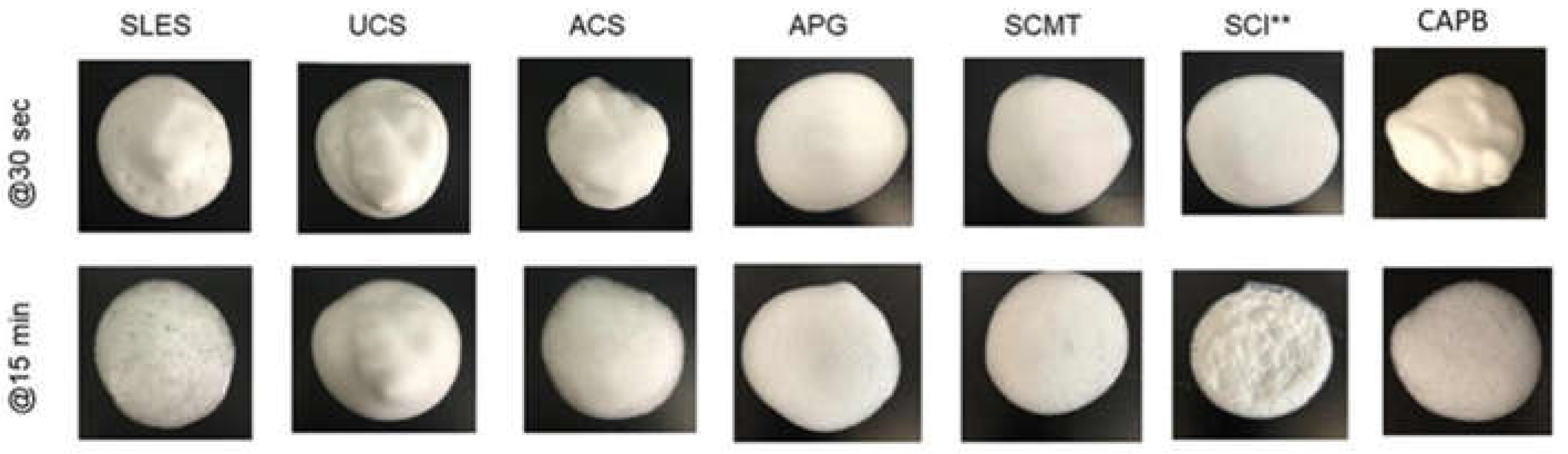
Figure 6.
Foam and Foam Stability.
SLES: Sodium Lauryl Ether Sulfate 2 mole All surfactants at 15% active content, pH 6
UCS: Sodium Cocoyl Glutamate aqueous solution
ACS: Sodium Cocoyl Alaninate
APG: Coco Glucoside ** at elevated temperature (50°)
SCMT: Sodium Cocoyl Methyl Taurate
SCI: Sodium Cocoyl Isethionat
CAP: Cocamidopropyl Betaine
2.4. Skin Absorption
Sulfates leave a residue on the skin, increasing the potential for irritation. Glutamates used as a co-surfactant have been shown to alleviate this situation, as was first shown by Lee [37]. Lee assessed the possible anti-irritating potential of a surfactant mixture on human skin, employing visual scores and the measurement of trans epidermal water loss (TEWL). He discovered that sodium lauroyl glutamate was a mild surfactant and its use can decrease the irritation potential of SLS. Later work by Sugar [38] showed that a). almost everybody among the 100 panelists tested carried quantifiable amounts of SLES on the skin, b). Adsorbed SLES remained on the skin for at least 5 days after single application, c). Adsorption of SLES can be significantly reduced by adding a mild co-surfactant-sodium cocoyl glutamate (SCG) and d). reduced SLES adsorption correlated with increased skin moisture. It was found that the addition of 2.5% sodium cocoyl glutamate (SCG) to a shower formulation containing 10% SLES resulted in a 55% decrease of the SLES adsorption and that the SCG-containing shower formulation exhibited improved mildness and superior performance with respect to foam characteristics and skin feel. Kanari [39] also studied the anti-irritant effect of acylglutamate and found similar results.
It is clear from these papers that Glutamate surfactants are not only the mildest but also deliver superior performance compared to the SLES, even with only a small amount of SCG addition to the conventional SLES/CAPB commercial body wash product.
2.5. Thickening
It is well-known in the personal care industry that sulfate-free surfactant systems are difficult to thicken or build viscosity in general, and it is especially challenging for glutamate-containing surfactant systems. Sodium lauroyl/cocoyl glutamate is the most economical amino acid-surfactant with excellent foaming and cleansing properties and is especially favorable for skin cleansing due to its luxurious user experience. One property that has restricted its wide application is its difficulty to thicken, due to its large, multicharged head group. Unlike conventional surfactants that exhibit viscosity response to the addition of salt, glutamates respond to changes in pH. Figure 7 shows the changes to the polar head at different pH values, which result in different head sizes and consequently different packing parameters.
Lauroyl glutamate Monosodium lauroyl glutamate Disodium lauroyl glutamate
Wu [40] showed the critical packing parameter of various amino acid-surfactants (Figure 8), and it was clear that the Glutamate has the lowest critical packing parameter among the four popular amino acid-based surfactants, i.e., Glutamate, Alaninate, Sarcosinate and Glycinate. The lower the critical packing parameter, the harder it is to thicken. This also explains from the theoretical point of view why glutamate surfactants are the most difficult to thicken among the four popular amino acid-based surfactants and among all sulfate-free surfactant system when the glutamate is used as a primary surfactant. To overcome this thickening challenge, the glutamate surfactant must be blended with other proper co-surfactant in the right ratio with the right amount and right pH range to successfully modify the overall effective critical packing parameter so that the surfactant blend can pack efficiently resulting in effective viscosity building.
Patented technologies have been developed by the Author’s research group to solve the glutamate viscosity-building challenge. Su et al. [41] in the US Patent US 11,045,404 “discloses self - thickening compositions comprising one or more N - acyl acidic amino acid and /or salts thereof and one or more amphoteric surfactant, methods of preparation thereof, and their applications in cosmetics and personal care, home care and other fields with excellent thickening performance and easy-to-use applicability, in particular in cleansing formulations to improve performance such as foam quality and mildness.”
Glutamate surfactants build viscosity under conditions which form worm-like micelles. The importance of worm-like micelles is well known, presented for example by Sakai, K. et al.,[42] and Lu, H. et al., [43]. Combining the glutamate with an amphoteric such as hydroxysultaine creates the pH dependence shown in Figure 10, which is a viscosity vs pH curve where viscosity is measured as a function of pH as various amounts of citric acid is added to a sulfate-free self-thickening Sodium Cocoyl Glutamate-Lauramidopropyl Hydroxysultaine surfactant system The change in pH alters the charge on the head and its size, changing the packing parameter and adding electrostatic repulsion. Only optimum conditions on the polar head provide the proper conditions to build viscosity.
As can be seen from Figure 9 and it is hypothesized that the sulfate-free, self-thickening glutamate-hydroxysultaine surfactant system experienced 4 basic phases from ① to ④. In phase ①, the pH is relatively high, and the Di-sodium species of the glutamate surfactant dominates with strong repulsion among head groups and large effective area of the head groups leading to the formation of spherical micelles and thus low viscosity. In phase ②, mono-sodium species of the glutamate increases and becomes dominate, repulsion is screened partially because of the formation of mono-sodium species and smaller effective section area of the head groups leading to formation of worm-like micelles and hence increased viscosity. In phase ③, acid form of glutamate surfactant becomes available, acid form and mono-sodium form bind together to form dimers with relatively large effective section area of the head groups leading to formation of spherical micelles and thus low viscosity. In phase ④, acid form of glutamate surfactant dominates with ordered packing of the acid species of glutamate, leading to formation of the dominating crystal nuclei and spherical micelles of the amphoteric molecules and hence low viscosity. It shall be noted that this viscosity-pH curve is reversable unlike the salt curve, and the viscosity can be recovered from overshoot of the citric acid by simply adjusting the pH with an alkaline solution such as sodium hydroxide so no batch will be wasted due to human errors in the adjustment of pH.
In addition to the learnings of the polymer-free, sulfate-free self-thickening of glutamate surfactant systems disclosed in the US Patent [41], the Author’s group has also studied the effect of co-surfactants on the Glutamate self-thickening system, with thickening companion co-surfactants, mainly composed of amphoterics represented by lauramiopropyl hydroxysultaine in this case, although the amphoteric compound can be of any types including but not limited to betaines or amphoacetates. The various experimental schemes in this case were designed in such a way where the cleansing solution of various schemes were compared against the control consisting of ~9% sodium cocoyl glutamate and ~ 6% lauramidopropyl hydroxysultaine as the glutamate surfactant self-thickening companion while other schemes had glutamate active content reduced by 3% to ~6% and the active contents of the various co-surfactants added to the cleansing solutions by 3% to keep the total active content of the surfactant system at ~15%. The co-surfactants studied included lauramidopropyl hydroxysultaine, cocamidopropyl betaine, sodium lauroamphoacetate, sodium lauroyl sarcosinate, and sodium cocoyl alaninate. It was found that all three amphoterics, i.e., lauramidopropyl hydroxysultaine, cocamidopropyl betaine, and sodium lauroamphoacetate increased the peak viscosity signicantly from approximately 20,000 cps of the control to about 27,000 cps, 31,000 cps and 30,000 cps. while shifting he peak viscosity pH lower, from about 5.1 to 4.7, 4.7 & 4.9 respectively. Sodium lauroyl sarconsinate and sodium cocoyl alaninate increased the peak viscosity to ~25,000 cps and 24,000 cps while shifting the peak viscosity pH higher, from 5.1 to 5.2 & 5.3 respectively.
It was clear from the results of these experimental schemes that the sulfate-free, polymer-free, glutamate self-thickening system with the thickening companion of lauramidopropyl hydroxysultaine can work not only on its own self-thickening system but also can work with many other co-surfactants. Some of these, mostly amphoterics, can enhance the peak viscosity further and shift the pH of the peak viscosity to the lower range while some other anionic surfactants can also enhance the peak viscosity but shift the pH of the peak viscosity to the higher range compared to the original control.
The Author’s Group [41] also studied the effect of polymers on the sulfate-free self-thickening surfactant system using various common polymers, including 0.3% polyquaternium-10, 0.3% hydroxyethylcellulose, 0.5% xanthan gum, 1% sodium alginate, 0.9% acrylates copolymer and 0.9% acrylates/steareth-20 methacrylate copolymer. It was found that all polymers were synergistic with the glutamate self-thickening surfactant systems. The peak viscosity increased significantly from approximately ~20000 cps for the control to 25,000 cps for 0.3% polyquaternium-10, 0.3% hydroxyethylcellulose, 0.5% xanthan gum, 1% sodium alginate while the peak viscosity pH remained the same at around 5.1. The peak viscosity increased even more dramatically for the acrylates, i.e., to 32,000 cps for 0.9% acrylates copolymer and to 38,000 cps for 0.9% acrylates/steareth-20 methacrylate copolymer with the peak viscosity pH shifted lower to ~5.0 and 4.9, respectively. In addition, the peak widths at half maximum of the Viscosity -pH curve were all broadened with the former four polymers broadened about 30% while that with the latter two polymers broadened more than 100%. This phenomenon is significant as it demonstrates that the polymers can work synergistically on top of the glutamate self-thickening system and also can broaden the viscosity-pH curve to make the formulation control during production even more robust.
In practice, the Author’s group has created two convenient easy to use surfactant blends. One is Glutamate Self-Thickening Surfactant Blend (called “Glutamix™” thereafter), and the other a Glutamate Surfactant Thickening Companion (called “Thickmate™” thereafter) consisting of mainly amphoteric surfactants and effective with a variety of sulfate-free anionic surfactants including but not limited to other amino acid-based surfactants such as Glycinate, Alaninate and Sarcosinate apart from Glutamate. The Glutamate Self-Thickening Surfactant blend, or Glutamix, is mainly composed of Deionized Water, Disodium Cocoyl Glutamate, Sodium Cocoyl Glutamate, Sodium Lauroyl Glycinate, Sodium Laurate, Sodium Chloride, Sodium Lauroamphoacetate, Lauramidopropyl Hydroxylsultaine, Stearamidopropyl dimethylamine. The Glutamate Surfactant Thickening Companion, or Thickmate, is mainly composed of Deionized Water, Sodium Laurate, Lauramidopropyl Hydroxylsultaine, Sodium Chloride, Stearamidopropyl dimethylamine, Citric Acid. As can be seen from these compositions, all components in these blends are common ingredients widely used in personal care formulations with global regulatory compliance. These two blends make the thickening of glutamate-containing surfactant system easy to achieve viscosity targets especially when glutamate is used as the primary surfactant for optimum performance.
It is clear from the discussions above that the thickening challenge of Glutamate Surfactant system, especially with Glutamate as the primary surfactant, has been largely resolved with the patented sulfate-free, polymer-free self-thickening technology.
3. Personal Cleansing Technology of the Future: The Planet Perspective
3.1. Water Savings
Water savings have been quantitatively established by Su et al. [44]. The studies of water saving were conducted on alkyl glutamates and alkyl alaninates because of their performance and commercial viability. A special test protocol was developed to quantify water use.
For Skin Cleansing, a panel test is used to evaluate sensory attributes, foam performance and water consumption. The panelists are instructed to wash their hands with the method below:
A group of eight (8) female subjects tested samples #1- #6 respectively on their left hand. They were all instructed to grade the performance of the test samples according to a score of 1 for worst to 5 for best for aspects such as foam speed, foam volume, rinse feel and after feel etc.
1. Pre-wash hands with the six-step hand-washing method (Figure 10) using 1g of a commercial product.
2. Place 1 g of test sample #1 and 3ml water on the back of the left hand, rub clockwise 25 times with the right hand. Evaluate foam speed, foam volume, foam size and water consumption.
3. Rinse with 600ml water from a separatory funnel with the flow rate controlled by opening/closing the valve. Close it when the hand is rinsed clean without any bubbles, measure the remaining water volume (Vf). Water used = 600ml-Vf. If no separatory funnel is available, use a volumetric cylinder instead.
4. Repeat step 1-3 for testing samples #2-#6, respectively.
* 1. Above water is tap water at room temperature; 2. Rinsing water ve-locity is controlled @ 0.9 L/min.
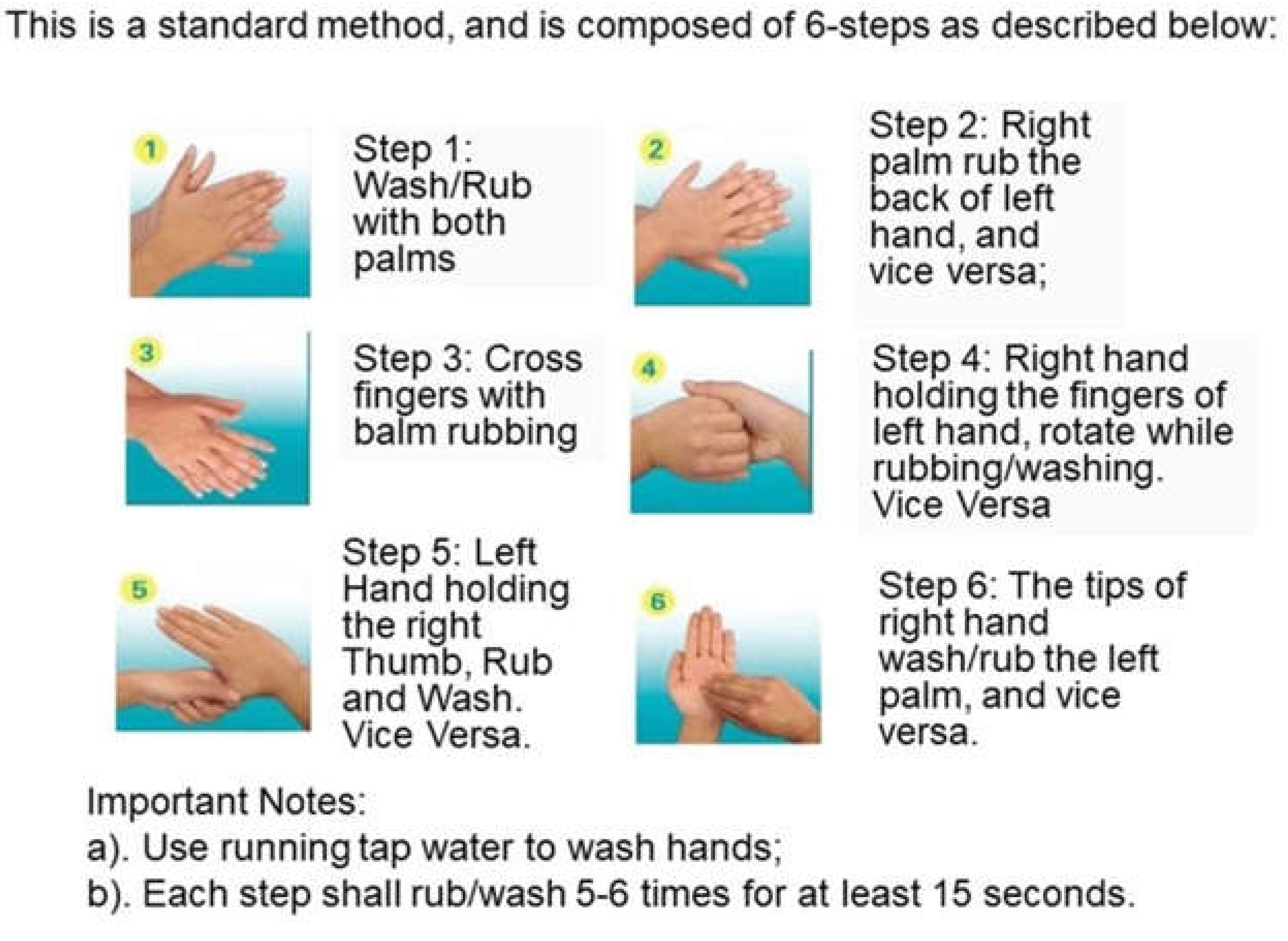
Figure 10.
Six-step hand wash method.
The standard 6 step and washing method is shown in Figure 10.
The hair cleansing protocol used hair tresses which were washed, and water usage assessed using the following steps:
- 1Measurement hair tress weight
- 2Pre-wash tresses
- 3Apply shampoo
- 4Wash tress
- Control water
- Rinse tress
- Collect unused water
- Calculate final water usage
The details are shown in Figure 11.
The conclusion reached was that glutamate and alaninate surfactants can reduce the amount of water used by consumers for water consumption compared to other surfactants, as shown in Figure 12.
This result has also been observed in finished formulations. An example formulation providing water saving results is shown in Table 5.
Table 2.
Formulation for full replacement of the sulfates in a cleanser.
| Ingredient | % w/w | Function |
|---|---|---|
| Glutamix™A-50 | 40.00 | Glutamate Surfactant Blend |
| Linoleamidopropyl PG-Dimonium Chloride Phosphate | 1.00 | Emollient |
| Deionized Water | 55.00 | Medium |
| Citric Acid (50% Solution) | q.s. | pH Adjuster |
| Total | 100 |
Water/Energy Consumption Analysis
Typical consumer use data and greenhouse gas emissions were calculated for showering for life cycle carbon footprint as well as water footprint analysis. The consumer use data was based on the following:
Amount of body wash product: 10.5g
Water used per shower: 40 L
Shower water temperature: 36° C
Hot water energy: 43% electricity; 43% natural gas and 14% solar.
The resultant greenhouse gas emissions are shown in Figure 14.
This shows that the reduced rinsing required by amino acid surfactants trans-lates directly into a reduction in greenhouse gas emissions, as 97% is created by heating the water used in a shower.
3.2. Natural Origin Index (NOI) and Sustainability
An important environmental concern for raw materials is how they are man-ufactured. Starting materials, reaction media, processing chemicals, energy use, and by-products are some of the major concerns. Manufacturing is the cause of dioxane in SLES and some other surfactants. Amino acid surfactants such as glutamates and alaninates can be made by much more environmentally friendly processes using the principles of Green Chemistry.
Amino acids of natural origin can be reacted with plant derived, renewable and sustainable fatty acids, typically cocoyl, lauroyl and myristoyl, in aqueous medium. The main impurities are amino acids, fatty acids and sodium chloride-table salt. The surfactants and byproducts are thus all safe, and of course dioxane-free.
A high Natural Origin Index (NOI) is also a very desirable property, and one mathematically precise, based on ISO 16128. All amino acid surfactants have a significantly high NOI value, but glutamates and alaninates are among the few surfactants available with a NOI of 100% (Figure 15, R=C12 chain). All the fatty chains can be naturally derived from palm oil among other sources, but the glutamates and alaninates have fermented natural amino acids as the polar heads, whereas the glycinates and sarcosinates have synthetically produced amino acids.
The glycinates have been extensively studied, for example by Zhang [45], Regan [46], and Huang [47].
Natural Origin Index Calculation: ISO 16128-2:
The natural origin index is a value indicating the extent to which a cosmetic ingredient meets the definitions of either natural ingredients in ISO 16128-1, Clause 2, derived natural ingredients from IOS 16128-1, Clause 3, or derived mineral ingredients from ISO 16128-1:2016, Clause 4.
The value is assigned to each ingredient according to the following guidance:
Natural origin index = 1: Ingredient meets the definition of natural ingredients, constitutive water, reconstitution water or formulation water. Extracts of natural ingredients using ingredient solvents that are natural or derived natural of wholly natural origin (according to 16128-1:2016, Table A.1) have a natural origin index of 1.
0.5 < Natural origin index ≤ 1: Ingredient meets the definition of derived natural ingredients or derived mineral ingredients. The value is calculated as the ratio of the natural origin moiety, as determined by molecular mass, renewable carbon content or any other relevant methods, to the total molecular composition of that ingredient.
Natural origin index = 0: Ingredient neither meets the definition of natural ingredients nor derived natural ingredients nor derived mineral ingredients, including those with natural origin indexes calculated the be ≤0.5.
“Natural” Standards by ISO 16128
• Natural Ingredients are cosmetic ingredients obtained only from plants, animals, microbiological, or mineral origin, including those obtained from these materials by physical processes, fermentation reactions.
• Derived from Natural Ingredients are cosmetics ingredients of greater than 50% by molecular weight natural origin, renewable carbon content, or any other relevant methods, obtained through defined chemicals and/or biological processes with the intention of chemical modification.
• Natural Derived Minerals are cosmetic ingredients obtained through chemical processing of inorganic substances occurring naturally in the earth, which have the same chemical composition as natural mineral ingredients.
• Non-natural ingredients are ingredients that are greater than or equal to 50% by molecular weight of fossil fuel origin or other ingredients which do not fall into one of the other categories defined in these guidelines.
Amino acid-surfactant synthesis is green and sustainable, as shown in Figure16. A procedure using water as a solvent with high conversion rates is described by Wang in [48] US 9,629,787. Valivety et al., [49] used lipases in the synthesis of amino acid-based surfactants, although the yield was low. Joondan et al. [50] also viewed amino acids as building blocks for the synthesis of green surfactants.
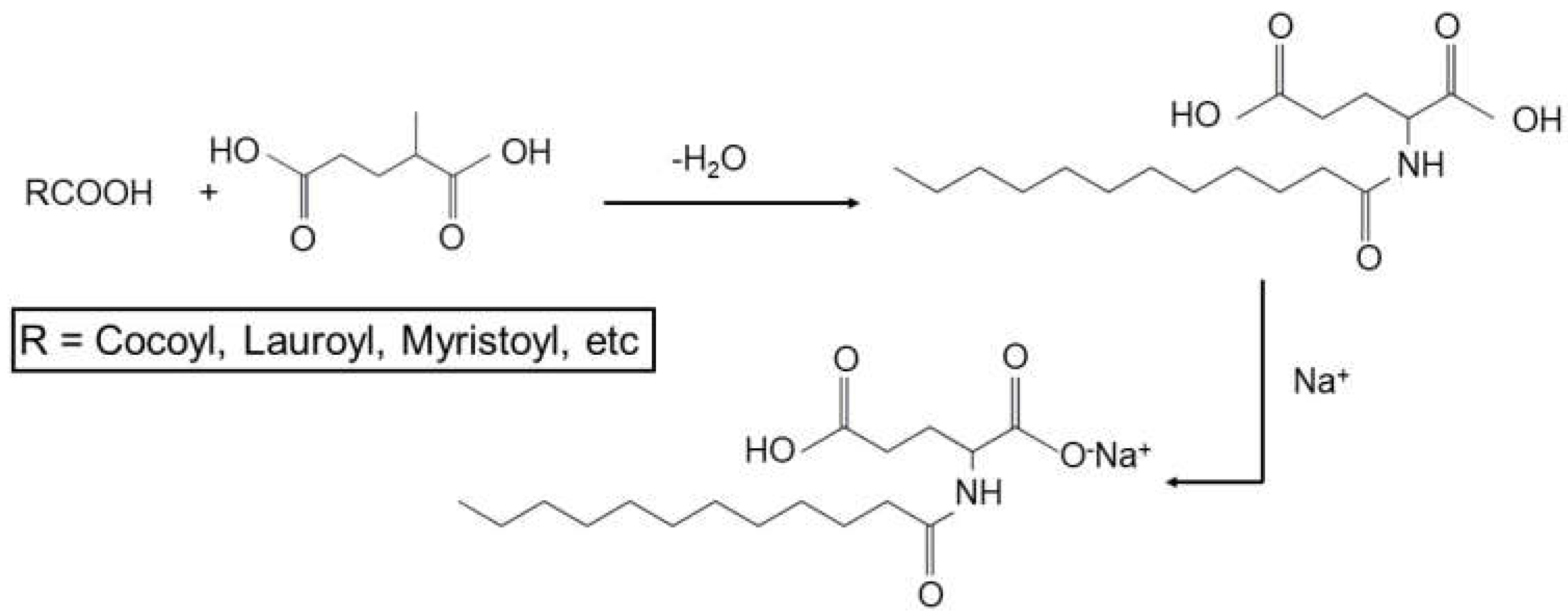
Figure 16.
Amino acid-surfactant synthesis.
Table 3 summarizes the relative benefits of amino acid-surfactants compared to the most common alternatives in terms of the comparative feedstocks and impurities. The amino acid-surfactants have safe impurities, use sustainable/renewable raw materials, and employ mild processes with no organic solvents. The other surfactants use raw materials that are not natural, sustainable, or renewable, have impurities that are toxic and irritating, and use organic solvents during synthesis.
3.3. Biodegradation
Biodegradability is an extremely critical environmental property. It can be experimentally determined by tests such as OECD 301A or OECD 301B. There are also ways to find data online or to make predictions using readily available programs such as EPI Suite. A valuable resource is the ECHA site, since part of REACH registration required environmental information including biodegradation. We will use sodium lauroyl glutamate as an example. The ECHA site describes it as Sodium hydrogen N-(1-oxododecyl)-L-glutamate [51], which can be confirmed as correct using the CAS number, 29923-31-7 (Figure 17).
Going to “Environmental fate and pathways, biodegradation, biodegradation in water: screening tests”, we find OECD 301 was employed. The result re-ported was “Test item is considered readily biodegradable because its biodegradability has been higher than 60%, within a 10d window during the test.”
Using EPI Suite requires input of the ingredients using SMILES (Simplified Molecular Input Line Entry System) notation, a common method for converting chemical structures to a form that can be inputted using a computer keyboard. SMILES information can be easily found using ChemSpider (www.chemspider.com) or PubChem (https://pubchem.ncbi.nlm.nih.gov/). For sodium lauroyl glutamate, SMILES is:
CCCCCCCCCCCC(=O)N[C@@H](CCC(=O)O)C(=O)[O-].[Na+]
Placing the required information into EPI Suite (Figure 18),
Hitting the “calculate” button produces a vast amount of predictive data, including biodegradation (Figure 19).
We see that just as the experimental data from ECHA, the predictive results from EPI Suite shows sodium lauroyl glutamate the be readily biodegradable. The same results can be found in a similar manner for all amino acid-based surfactants.
1.4. Antibacterial Properties
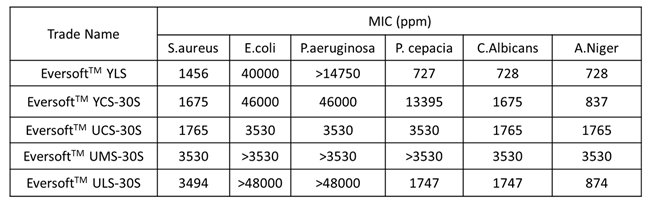
It is well known that amino acid-based surfactants have antibacterial properties [51,52]. Some recent internal studies from Author’s research group are shown in Table 4 and Figure 20.
Eversoft™ YLS (INCI Name: Sodium Lauroyl Glycinate)
Eversoft™ YCS (INCI Name: Sodium Cocoyl Glycinate)
Eversoft™ UCS-30S (INCI Name: Disodium Cocoyl Glutamate)
Eversoft™ UMS-30S (INCI Name: Sodium Myristoyl Glutamate)
Eversoft™ ULS-30S (INCI Name: Sodium Lauroyl Glutamate)
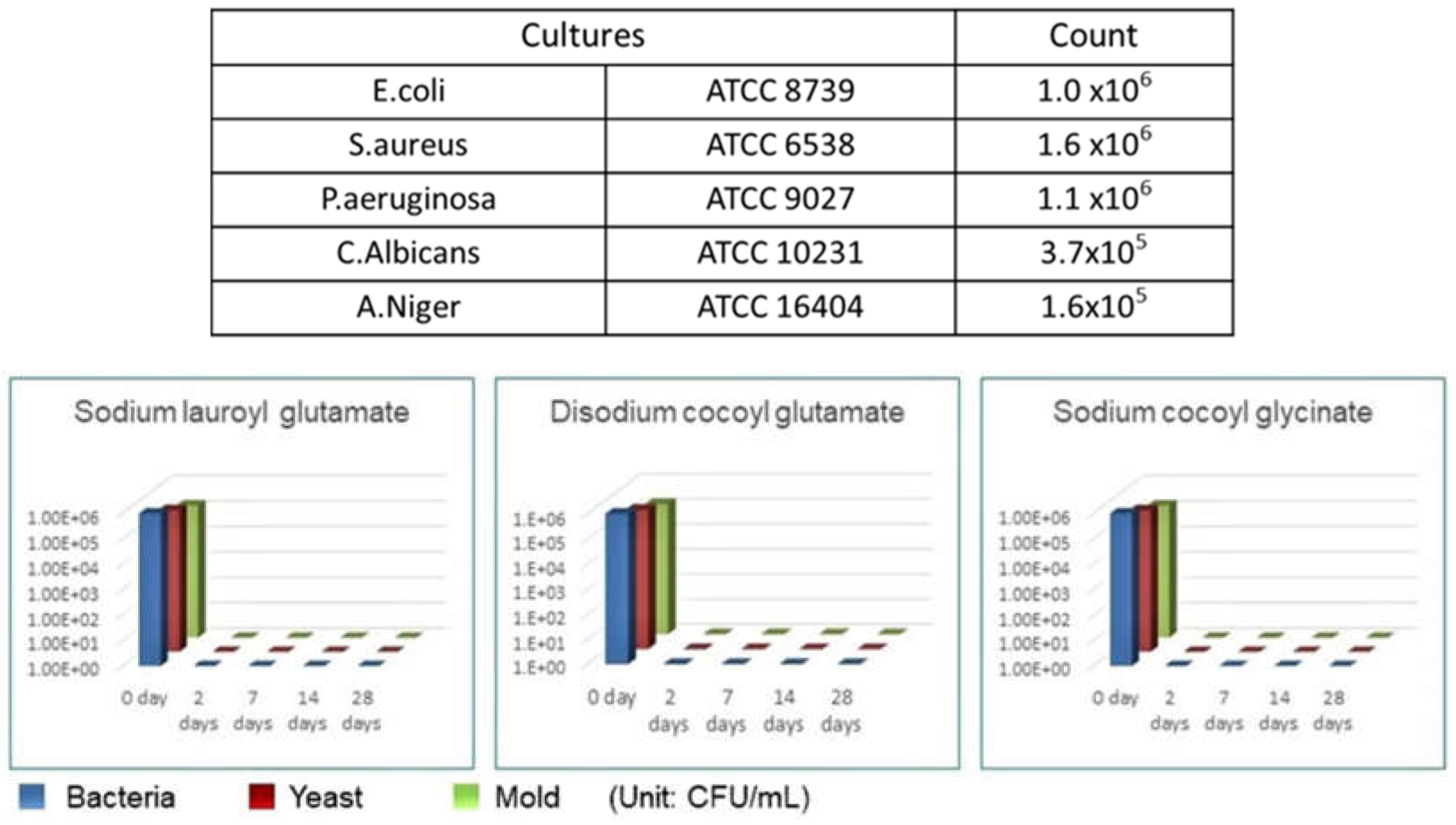
Figure 20.
Challenge Test.
Method: USA ASTM E640-06(2012) (Standard Test Method for Preservatives in Water-Containing Cosmetics) & Europea Pharmacopoeia 5.0
Consequently, amino acid-based surfactants allow the creation of preservative-free or reduced preservative formulations, producing safer and milder products.
4. Discussion and Conclusion
Glutamate and alaninate surfactants are thoroughly eco-friendly. They are made using renewable feedstocks and their transformations are performed by the principles of Green Chemistry. They are of 100% natural origin, 100% renewable and 100% sustainable. Not only are they readily biodegradable, but they also accelerate the biodegradation of petrochemicals, shown by Boshui [54]. There are no other surfactants for personal cleansing matching the totally benign profile of the glutamates and alaninates, and they are the most sustainable of all surfactants commercially available on a large scale.Economics must also be factored in, so a separate mass market and high-end solution are needed. For mass market, cocamidopropyl betaine as the main surfactant and sodium cocoyl glutamate or alaninate, and/or alkyl polyglucoside as co-surfactant are recommended. The amino acid alternative has the benefit of 100% natural origin Index (NOI). For high end products, the roles are reversed, with sodium cocoyl glutamate or alaninate as the primary surfactant and cocamidopropyl betaine or alkyl polyglucoside as cosurfactant. With increasingly widespread use of glutamate and alaninate surfactants, the cost is expected to be reduced significantly, enabling their application in mass market products.
The many advantages of glutamate and alaninate surfactants over a broad range of factors, both on the personal and environmental level, show they do meet the challenge of the most stringent requirements for “Beyond Sulfate-Free Personal Cleansing Technology”. The addition of green chelants and preservatives make entire formulations possible meeting the highest expectations of formulators and consumers.
Conflicts of Interest
The authors declare no conflict of interest. The funder had a role in the writing of the manuscript and the decision to publish the results.
References
- Anastas, P. T. & Warner, J. C. Green Chemistry: Theory and Practice. (New York: Oxford University Press, 1998).
- Moran, M. C. et al., “Green” amino acid-based surfactants, Green Chem. 2004, 6(5), 233-240. [CrossRef]
- Bhadani, A. et al., Current perspective of sustainable surfactants based on renewable building blocks. Curr. Opin. Colloid Interface Sci. 2020, 45, 124–135. [CrossRef]
- Reznik, G. O. et al., Use of sustainable chemistry to produce an acyl amino acid surfactant, Appl. Microbiol. Biotechnol. 2010, 86(5), 1387-1397. [CrossRef]
- Ananthapadmanabhan, K.P. et al., Cleansing without compromise: the impact of cleansers on the skin barrier and the technology of mild cleansing, Dermatol. Ther. 2004, 17 Suppl 1, 16-25. [CrossRef]
- Lukic, M., Pantelic, I., Savic, S., An overview of novel surfactants for for-mulation of cosmetics with certain emphasis on acidic active substances, Tenside, Surfactants, Deterg., 2016, 53, 1. [CrossRef]
- Schoenberg, T., Sulfate-free Cleansers, Cosmet. & Toil., 2006, 121, (12).
- Löffler, H., Happle, R. (2003), Profile of irritant patch testing with detergents: sodium lauryl sulfate, sodium laureth sulfate and alkyl polyglucoside. Contact Dermatitis, 48: 26-32. [CrossRef]
- Aramaki, J. et al. (2001), Irritant patch testing with sodium lauryl sulphate: interrelation between concentration and exposure time. British Journal of Dermatology, 145: 704-708. [CrossRef]
- Ananthapadmanabhan, K. P. et al., Binding of surfactants to stratum corneum, J. Soc. Cosmet. Chem. 1996, 47(4), 185-200.
- Morris, S. A. et al., Mechanisms of anionic surfactant penetration into hu-man skin: Investigating monomer, micelle and submicellar aggregate penetra-tion theories, Int. J. Cosmet. Sci. 2019, 41(1), 55-66. [CrossRef]
- Coots, R., Sodium Laurylglucosides Hydroxypropyl Sulfonate for Sulfate-free Formulations, Cosmet. & Toil., 2011, 126, (4).
- Kemp, B. and Reng, A., Developing Ether Sulfate-Free Surfactant Formu-lations, Cosmet. & Toil., 1989, 104, (4).
- Marimon, N., IFSCC Webinar Series, Key Factors When Choosing Sulfate-free Surfactants- Webinar 23 August. Available online: https://ifscc.org/news/key-factors-when-choosing-sulfate-free-surfactants-webinar-23-august/ 2023.
- Bettenhausen, C. A. How companies are getting 1,4-dioxane out of home and personal care products, C & EN, 2020 98 11 (110).
- NY State Senate Bill 4389B. https://legisla tion.nysenate.gov/pdf/bills/2019/S4389B.
- Foster, N. C. Foster, N. C. Sulfonation and Sulfation Processes, Chemithon, 1997. Available online: www.chemithon.com/Resources/pdfs/Technical_papers/Sulfo%20and%20Sulfa%201.pdf.
- Nagtode, V. S. et al., Green Surfactants (Biosurfactants): A Petroleum-Free Substitute for Sustainability-Comparison, Applications, Market, and Future Prospects, ACS Omega 2023, 8(13), 11674-11699. [CrossRef]
- Takehara, M. et al., Surface active N-acylglutamate: I. Preparation of long chain N-acylglutamic acid, JAOCS 1972, 49 (3). [CrossRef]
- akehara, M. et al., Surface active N-acylglutamate: II. Physicochemical properties of long chain N-acylglutamic acids and their sodium salts, JAOCS 1972 49 (3). [CrossRef]
- Takehara, M. et al., Surface active N-acylglutamate: III. Physicochemical properties of sodium long chain N-acylglutamates, JAOCS 1973 50, (7). [CrossRef]
- akehara, M., Yoshimura, I., Yoshida, R., Surface-active N-acylglutamate: IV. Physicochemical properties of triethanolamine long chain N-acylglutamates, JOACS 1974 51 (9). [CrossRef]
- Yoshida, R. et al., Surface active N-acylglutamate: V. Application of N-acylglutamates to detergent bars, JAOCS 1976 53 (4). [CrossRef]
- Takehara, M., Properties and applications of amino acid-based surfactants, Coll. Surf. 1989, 38(1-3), 149-67. [CrossRef]
- Bordes, R., Holmberg, K., Amino acid-based surfactants - do they deserve more attention?, Adv. Colloid Interface Sci. 2015, 222, 79-91. [CrossRef]
- Ananthapadmanabhan, K.P., Amino-acid surfactants in personal cleansing (review), Tenside, Surfactants, Deterg. 2019, 56(5), 378-386. [CrossRef]
- Chandra, Nimisha; Tyagi, V. K., Synthesis, Properties, and Applications of Amino Acids Based Surfactants: A Review, J. Dispersion Sci. Tech. 2013, 34(6), 800-808. [CrossRef]
- Infante, M. R. et al., Amino acid-based surfactants, C. R. Chim 2004, 7(6-7), 583-592. [CrossRef]
- Pinazo, A. et al., Amino Acids as Raw Material for Biocompatible Surfac-tants, Industrial & Ind. Eng. Chem. Res. 2011, 50(9), 4805-4817. [CrossRef]
- Tripathy, D.B. et al., Synthesis, chemistry, physicochemical properties and industrial applications of amino acid surfactants: A review, C. R. Chimie 2018, 2, 112-130. [CrossRef]
- Clapes, P., Infante, M. R., Amino acid-based surfactants: enzymatic synthesis, properties and potential applications, Biotechnol. Bioeng. 1999, 63, 215-233. [CrossRef]
- Zhao, H. et al., Study on foaming properties of Nacyl amino acid surfac-tants: sodium N-acyl glycinate and sodium N-acyl phenylalaninate, Colloids Surf. A 567 2019, 240–248. [CrossRef]
- Wang, Q. et al., Synthesis and properties of pH dependent N-acylglutamate/aspartate surfactants, Colloids Surf., A 640 2022, 128474. [CrossRef]
- Wang, C., et al., Effects of fatty acyl chains on the interfacial rheological behaviors of amino acid surfactants, J. Mol. Liq. 2021, 325, 114823. [CrossRef]
- Wang, Y et al., The α-Substituent effect of amino acids on performance of N-Lauroyl amino acid surfactants, J. Mol. Liq. 2024, 49, 1-9. [CrossRef]
- Kawasaki, Y., Skin Irritation Potential Study of Anionic Surfactants using Electron Paramagnetic Resonance (EPR) Spectroscopy, PhD Thesis, Chiba Institute of Science, 2014.
- Lee, C. H.; Kawasaki, Y.; Maibach, H. I., Effect of surfactant mixtures on irritant contact dermatitis potential in man: sodium lauroyl glutamate and sodium lauryl sulphate, Contact Derm. 1994, 30, 205-209. [CrossRef]
- Sugar, M., Schmucker, R., Reduction of Skin’s Surfactant Adsorption: An Effective Way to Improve Mildness and Performance of Bath Care Products, XXIth IFSCC International Congress 2000, Berlin – Proceedings.
- Kanari, M., Kawasaki, Y., Sakamoto, K., Acylglutamate as an anti-irritant for mild detergent system, J. Soc. Cosmet. Chem. Jpn. 1993, 27(3), 498-15. [CrossRef]
- Wu, J., , Greener Surface Active Reagents Structure, Property and Performance Relationships, PhD thesis, Columbia University, 2013. [CrossRef]
- Su, E.; Wang, H.; Sha, J. Thickening Cleansing Compositions and Applications and Method of Preparation Thereof (US Patent No. 11,045,404).
- Sakai, K. et al., Wormlike Micelle Formation by Acylglutamic Acid with Alkylamines, Langmuir 2012, 28(51), 17617-17622. [CrossRef]
- Lu, H. et al., Wormlike Micelles in Mixed Amino Acid-Based Anionic Surfactant and Zwitterionic Surfactant Systems, J. Surfact. Deterg. 2015, 18(4), 589-596. [CrossRef]
- Su, E. et al., Water Saving Grace, Cosmet. & Toil. 2020 135, (2).
- Zhang, G. et al., Green Synthesis, Composition Analysis and Surface Active Properties of Sodium Cocoyl Glycinate, Am. J. Anal. Chem. 2013, 4(9), 445-450. [CrossRef]
- Regan, J., Mollica, l-M., Ananthapadmanabhan, K. P., A Novel Glycinate-based Body Wash: Clinical Investigation into Ultra-mildness, Effective Conditioning, and Improved Consumer Benefits. J. Clin. Aesthet. Dermatol. 2013, 6(6), 23-30.
- Huang, J., Xu, H., Investigation of the synergistic effect and the mor-phology of the binary compound systems with potassium N-lauroyl glycinate, Tenside, Surfactants, Deterg. 2022, 59(2), 159-167. [CrossRef]
- Preparation Method and Use of N-Acyl Acidic Amino Acid or Salt Thereof (US Patent No. 9,629,787).
- Valivety, R., Jauregi, P., Gill I., Evgeny Vulfson, E., Chemo-enzymatic synthesis of amino acid-based surfactants,1997, JOCS 74, 7. [CrossRef]
- Joondan, N., Jhaumeer Laulloo, S., Caumul, P., Amino acids: Building blocks for the synthesis of greener amphiphiles, J. Disper. Sci. Technol., 2018, 39(11), 1550-1564. [CrossRef]
- Available online: https://echa.europa.eu/registration-dossier/-/registered-dossier/20719.
- Xia, J.; Xian, Y.; Nnanna, I. A., Structure-Function Relationship of Acyl Amino Acid Surfactants: Surface Activity and Antimicrobial properties, J. Agric. Food Chem. 1995, 43, 867-871. [CrossRef]
- Pinazo, A. et al., Amino acid-based surfactants: New antimicrobial agents, Adv. Colloid Interface Sci., 2016, 228 17-39. [CrossRef]
- Boshui C., Zhang, N., Sun, X., Enhanced Biodegradation of Lubricating Oil by Fatty Acyl Amino Acids, Proceedings of 2011 China Functional Materials Technology and Industry Forum (CTMTIF 2011).
Figure 1.
Sodium lauryl sulfate.

Figure 2.
Sodium laureth sulfate.

Figure 3.
The Origin of 1,4-Dioxane in Cosmetics (Modified from [15]).
Figure 3.
The Origin of 1,4-Dioxane in Cosmetics (Modified from [15]).
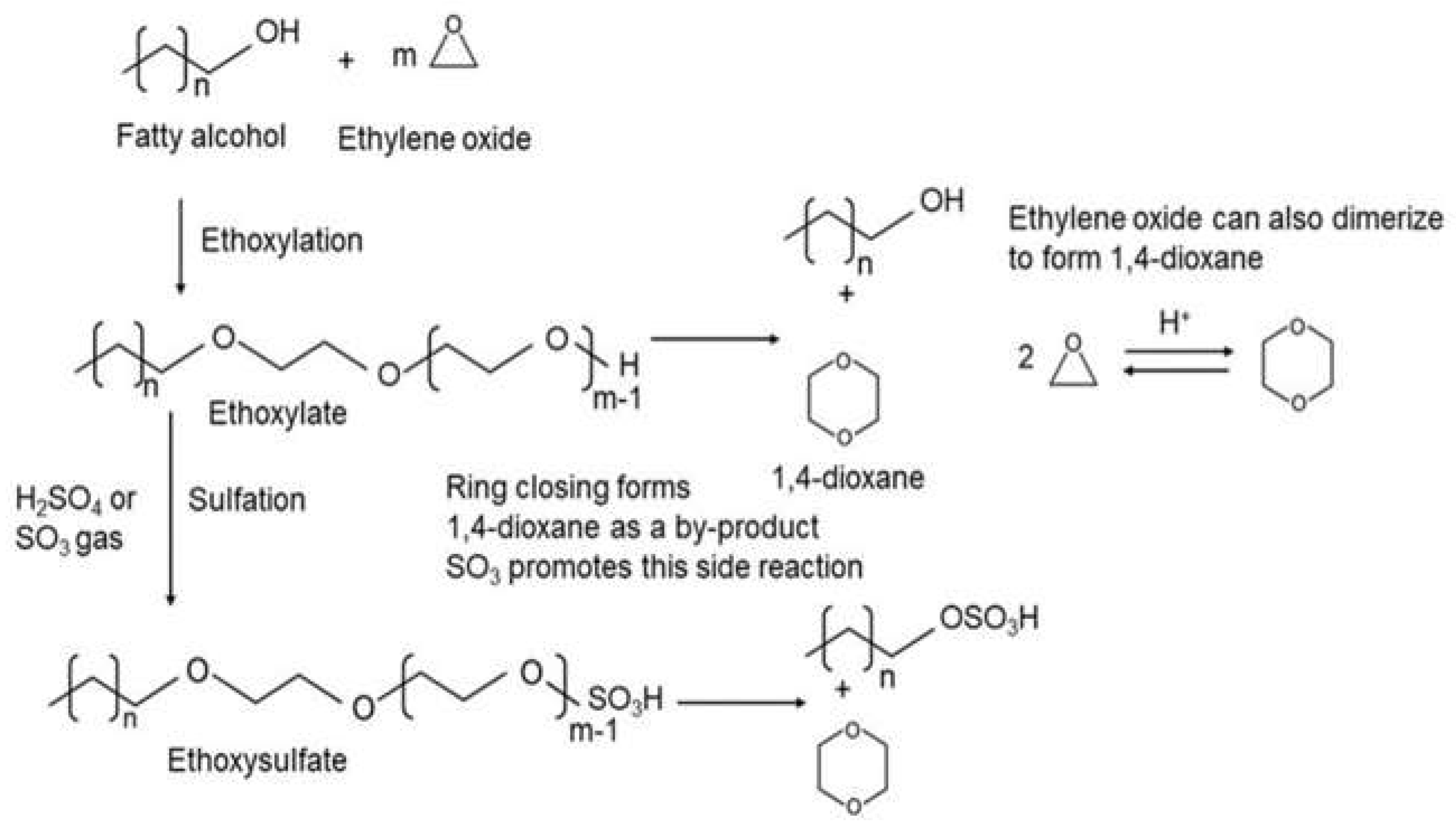
Figure 4.
MTT50 results.
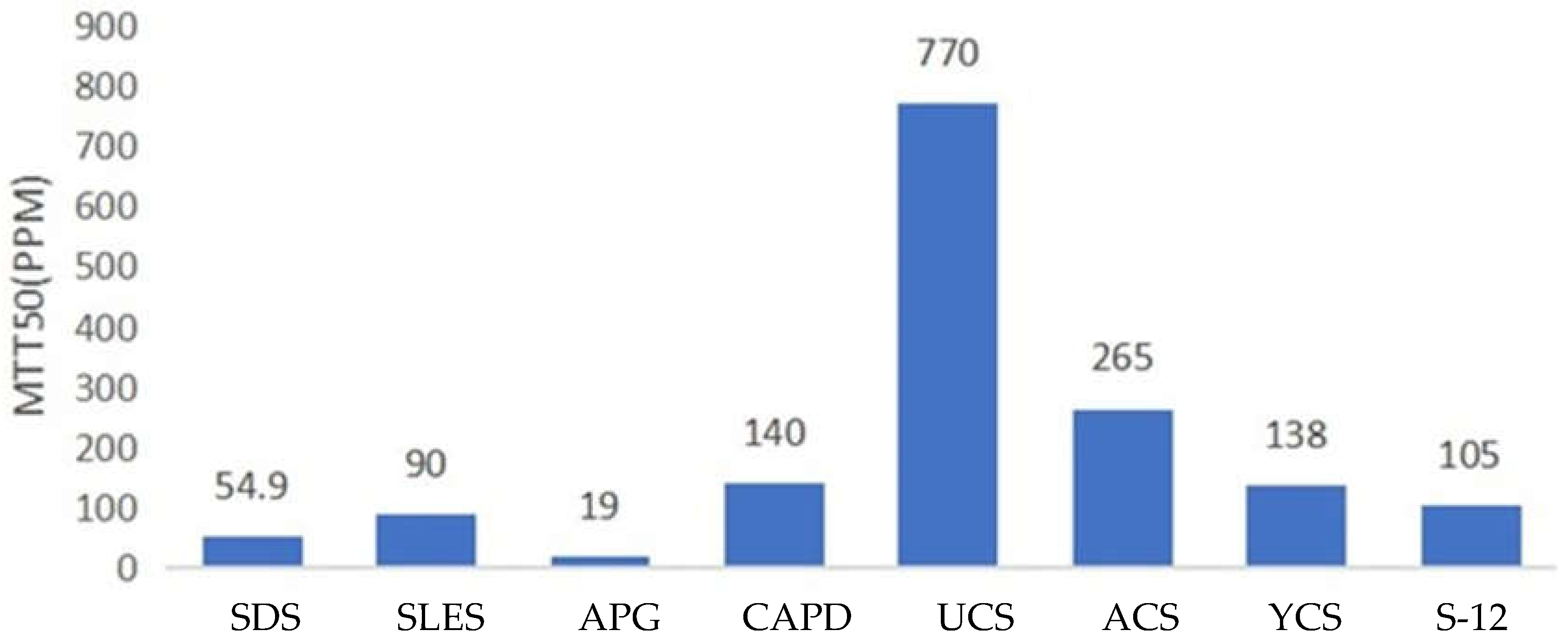
Figure 5.
L/D values of the Surfactants tested by Red Blood Cell Method.
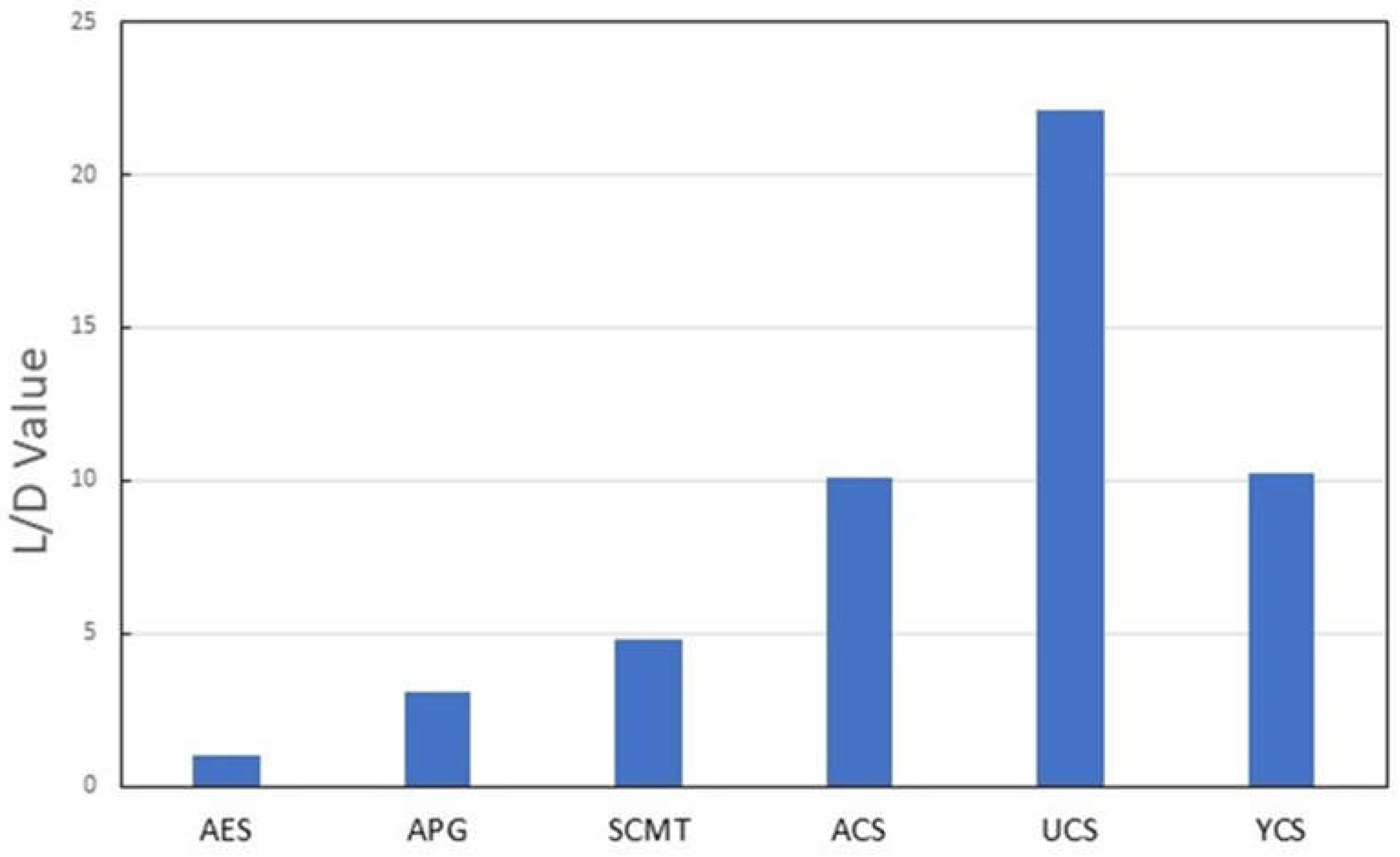
Figure 7.
pH dependence of glutamate surfactants.
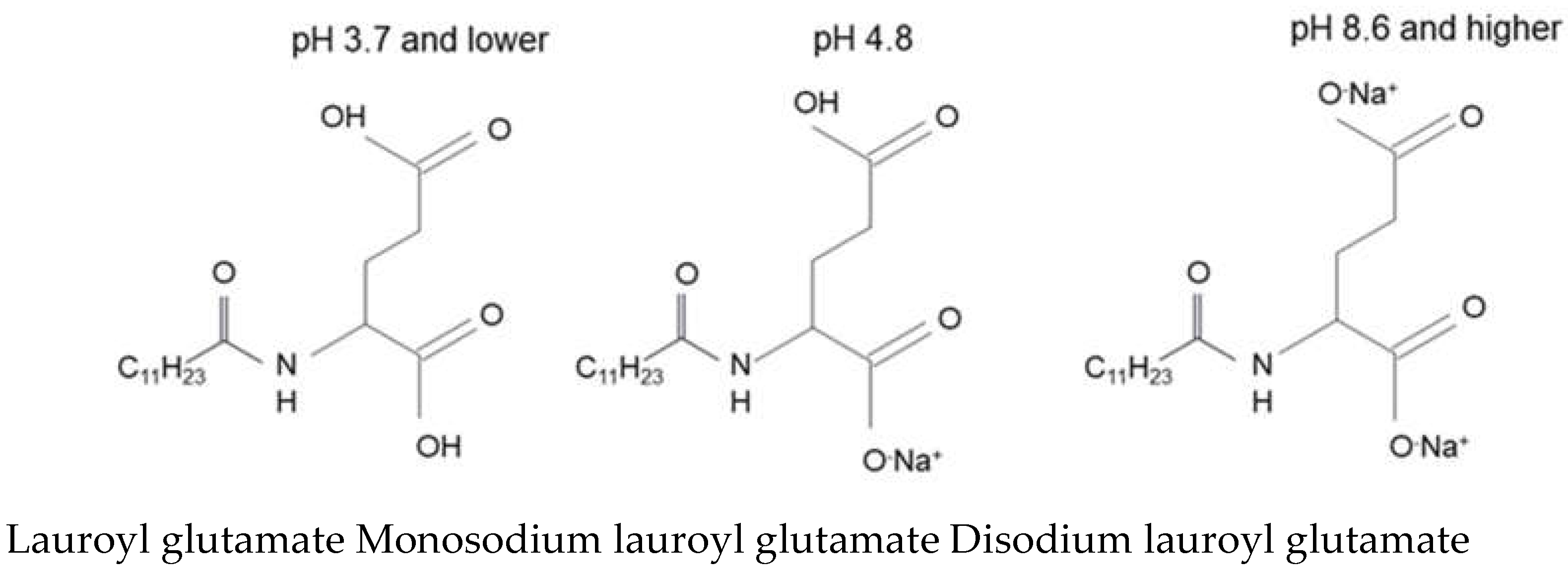
Figure 8.
Critical packing parameter of various amino acid-surfactants.
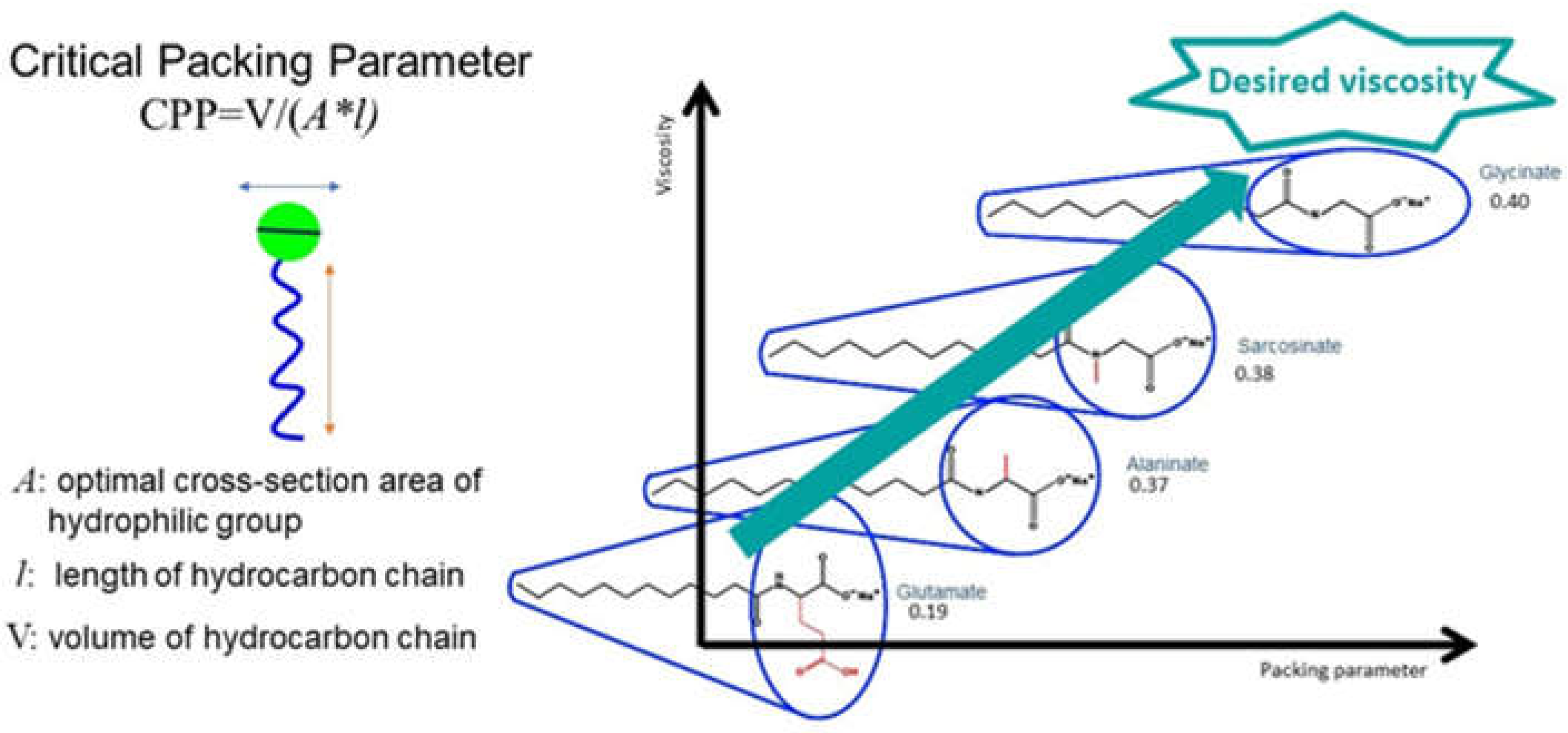
Figure 9.
Glutamate surfactant system thickening technology.
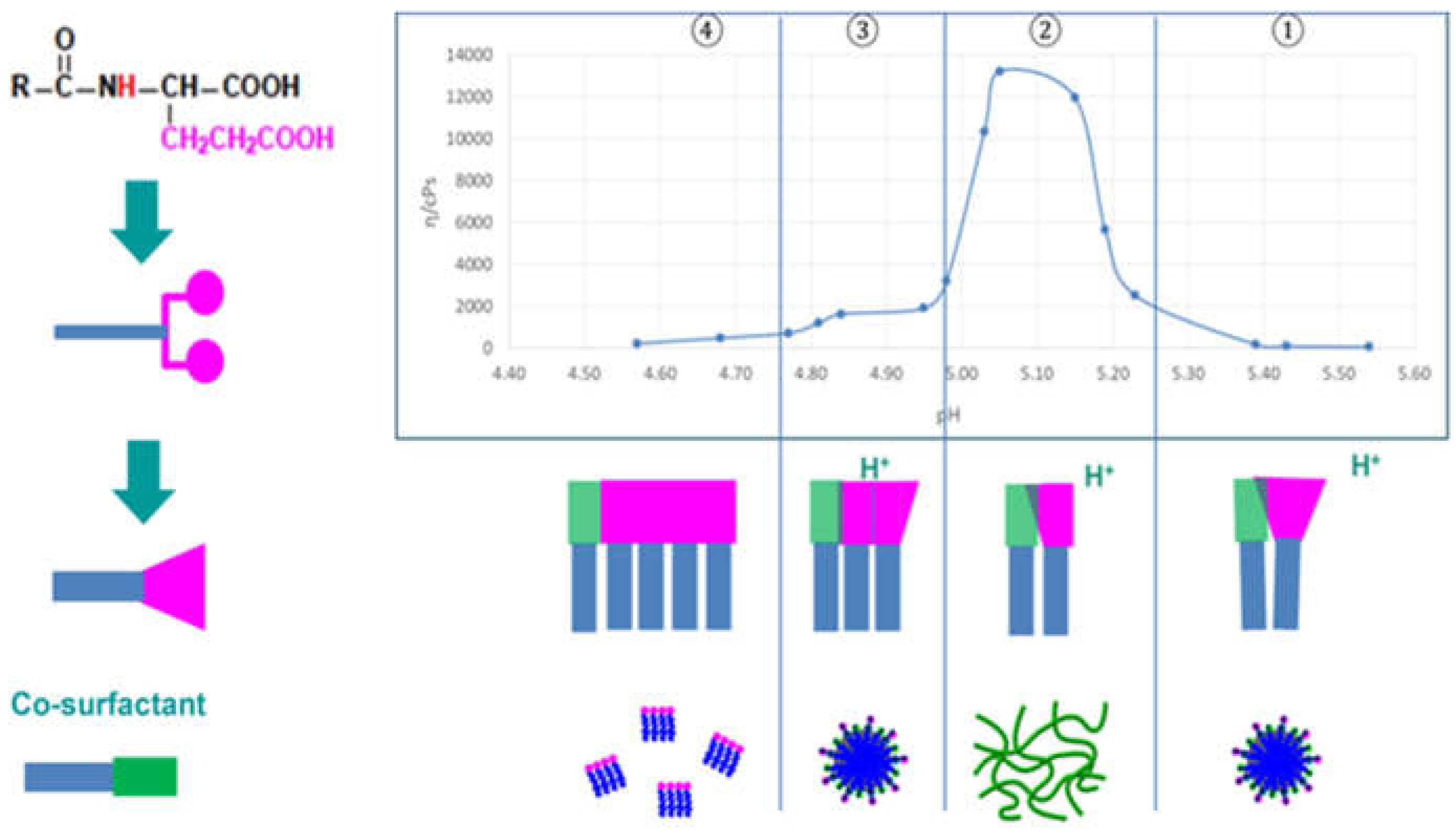
Figure 11.
Hair care water saving test protocol.
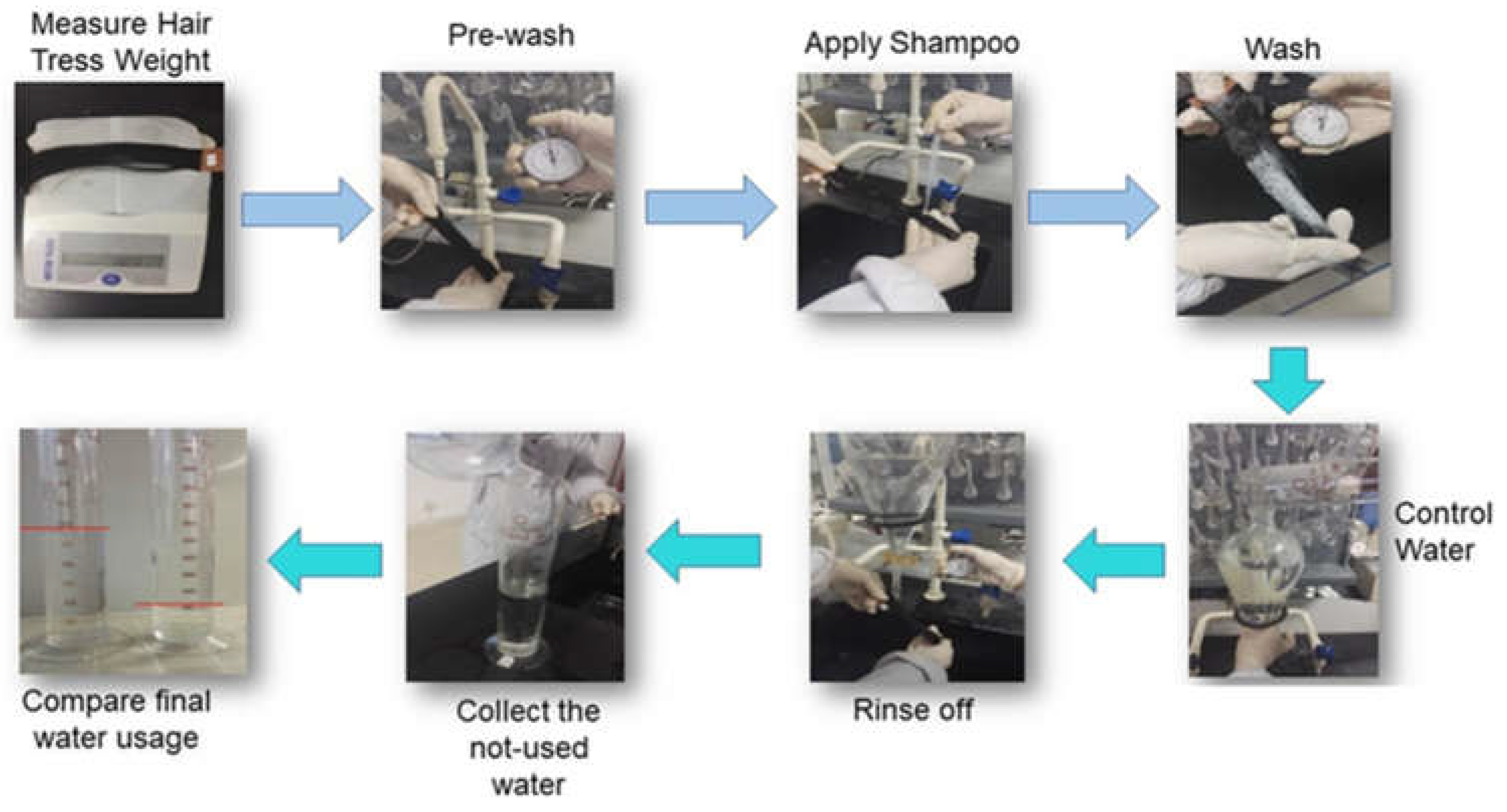
Figure 12.
Water saving with amino acid surfactants [41]. SLES (Sodium Laureth Sulfate), UOS-30S (Disodium Oleoyl Glutamate), CAPB (Cocamidopropyl Betaine), ULS-30S (Sodium Lauroyl Glutamate), UCS-30SG (Disodium Cocoyl Glutamate). ACS-30S (Sodium Cocoyl Alaninate), APG0814 (Coco Glucoside).
Figure 12.
Water saving with amino acid surfactants [41]. SLES (Sodium Laureth Sulfate), UOS-30S (Disodium Oleoyl Glutamate), CAPB (Cocamidopropyl Betaine), ULS-30S (Sodium Lauroyl Glutamate), UCS-30SG (Disodium Cocoyl Glutamate). ACS-30S (Sodium Cocoyl Alaninate), APG0814 (Coco Glucoside).
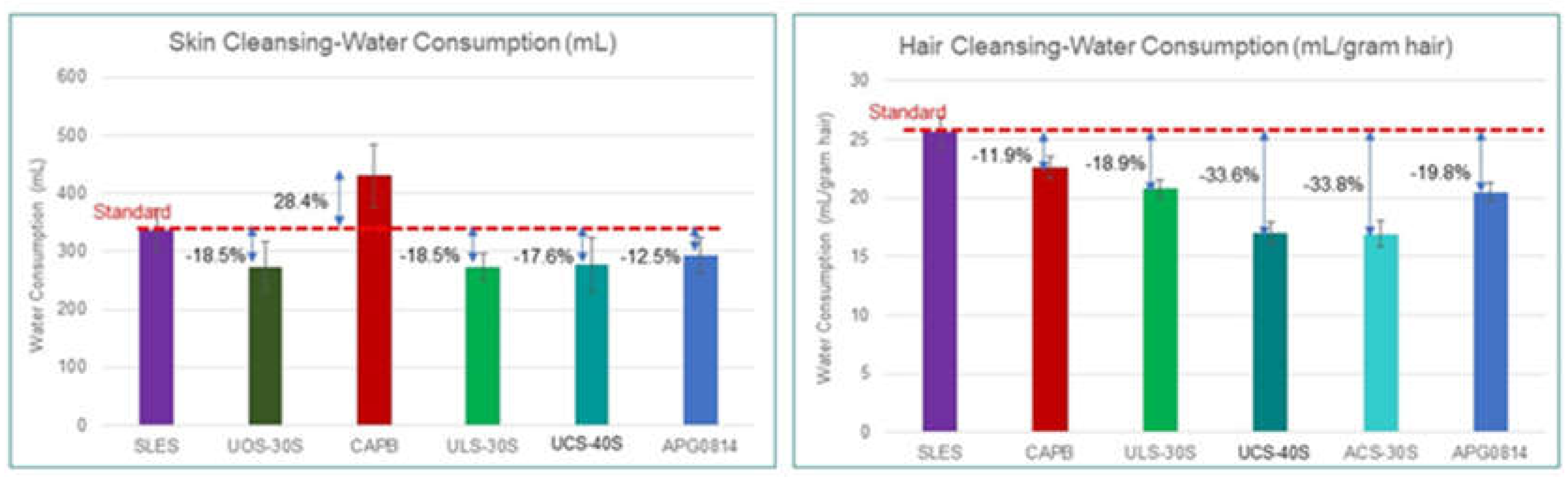
Figure 13.
water savings for full replacement of sulfates in a cleanser.
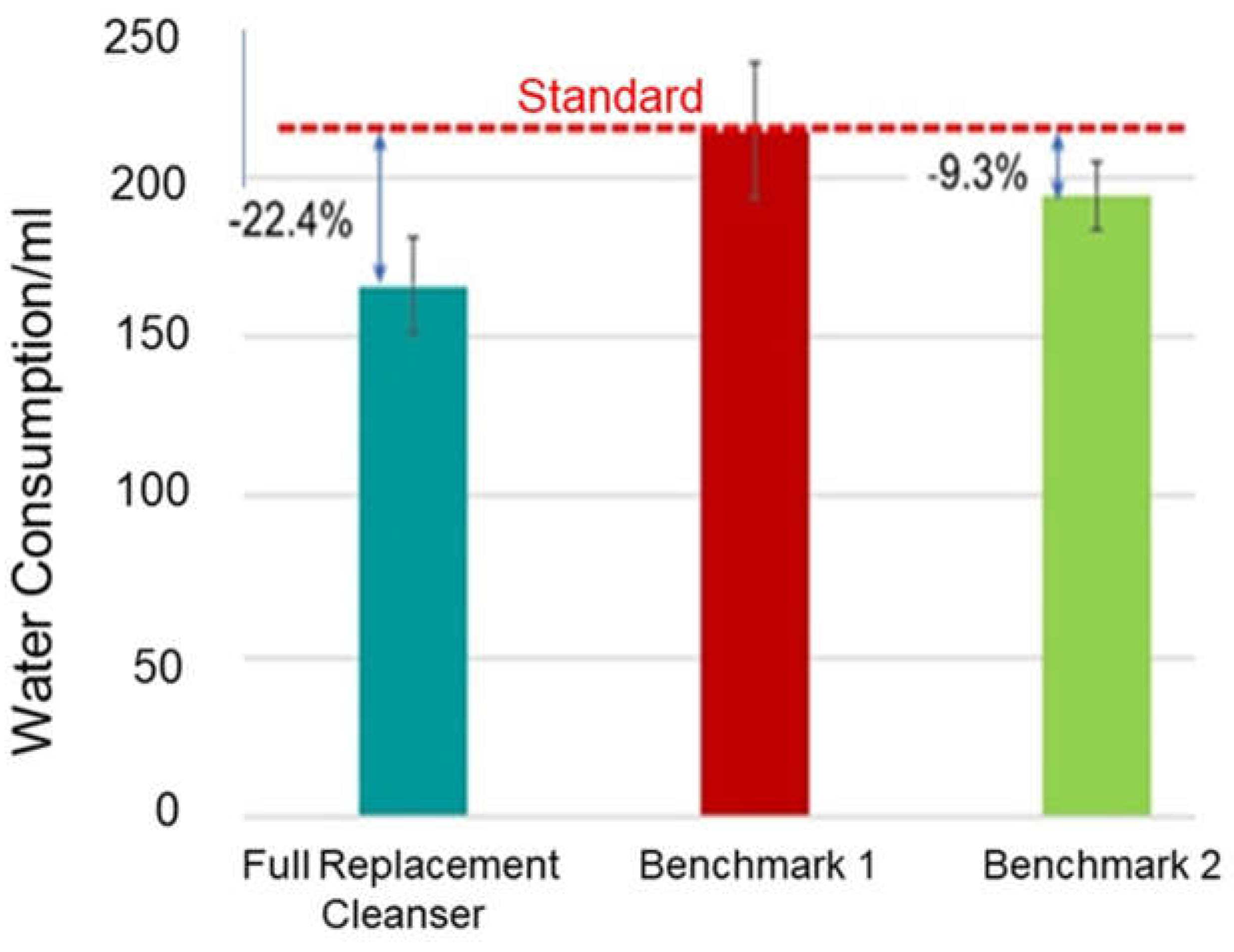
Figure 14.
Water/Energy consumption analysis.
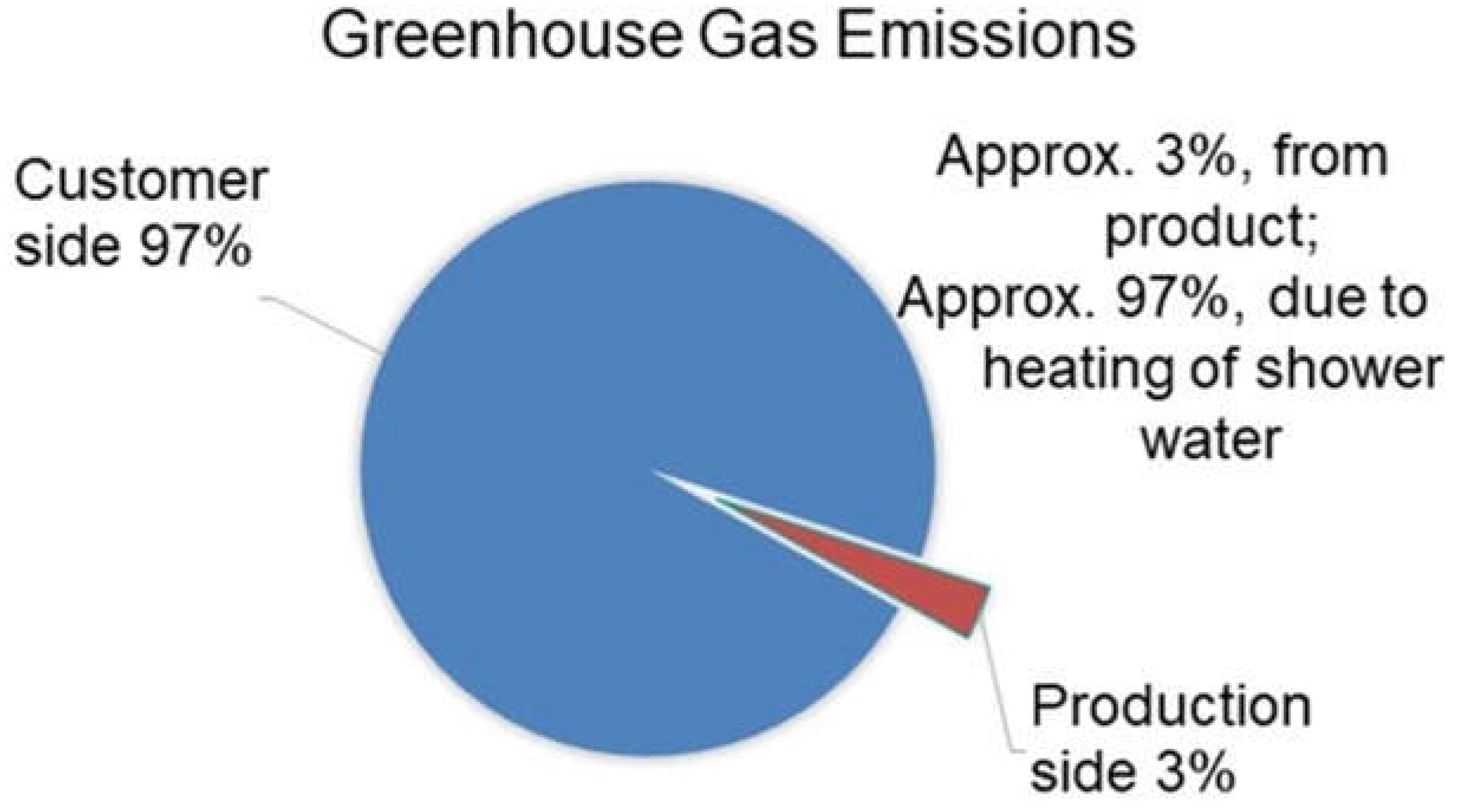
Figure 15.
Natural Origin Index of amino acid-based surfactants.
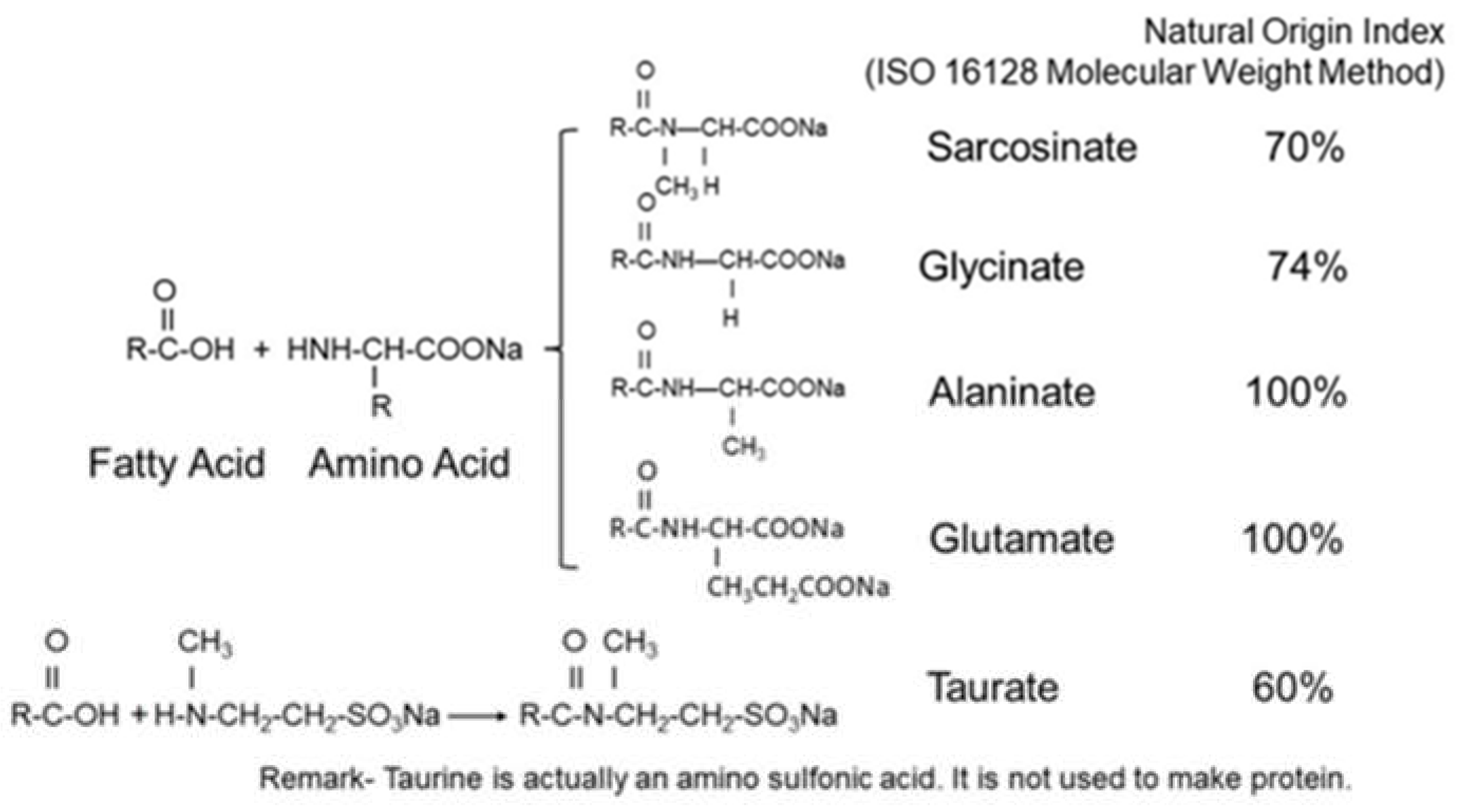
Figure 17.
ECHA registration dossier [51].
Figure 17.
ECHA registration dossier [51].
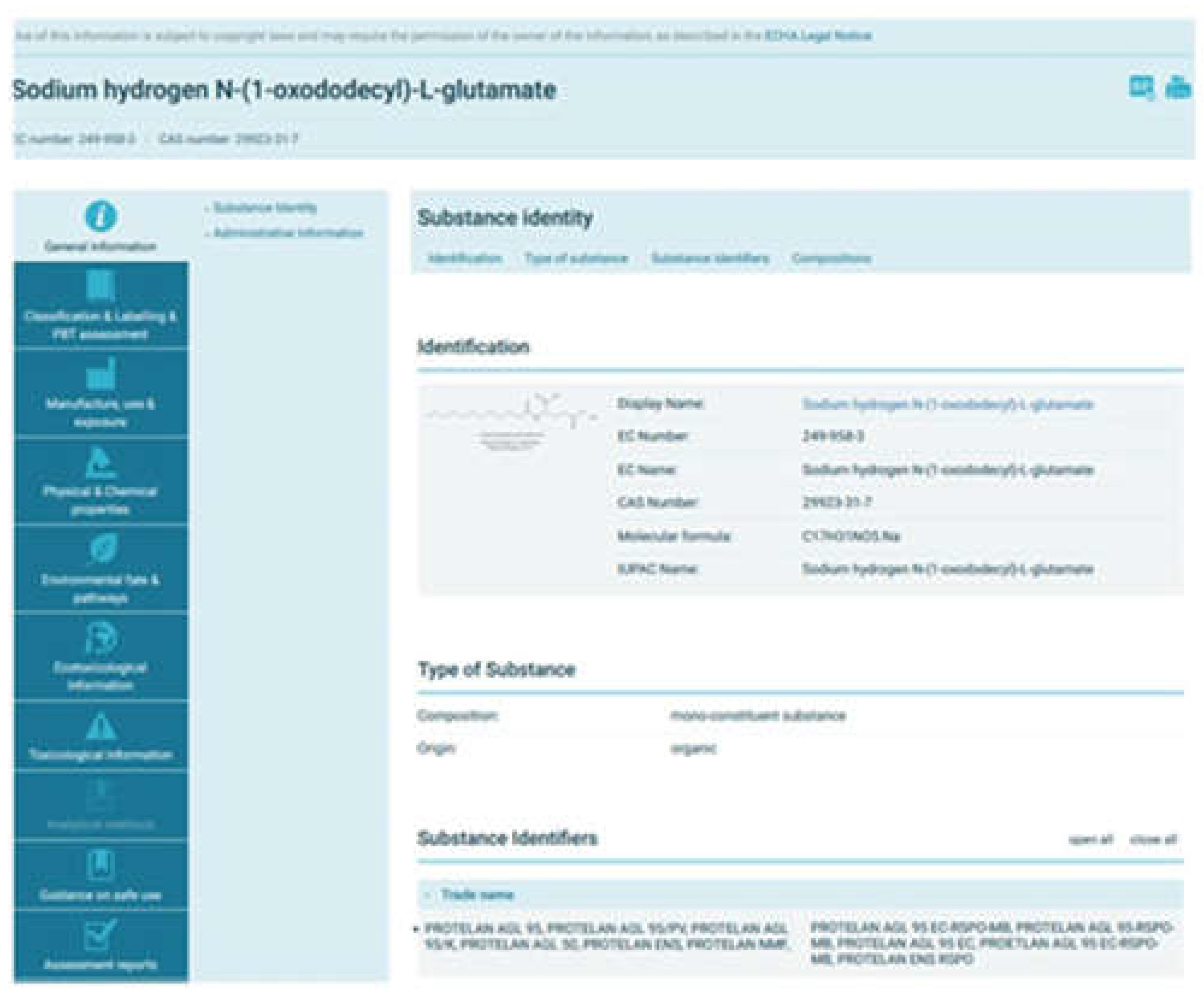
Figure 18.
EPI Suite Welcome Screen for sodium lauroyl glutamate.
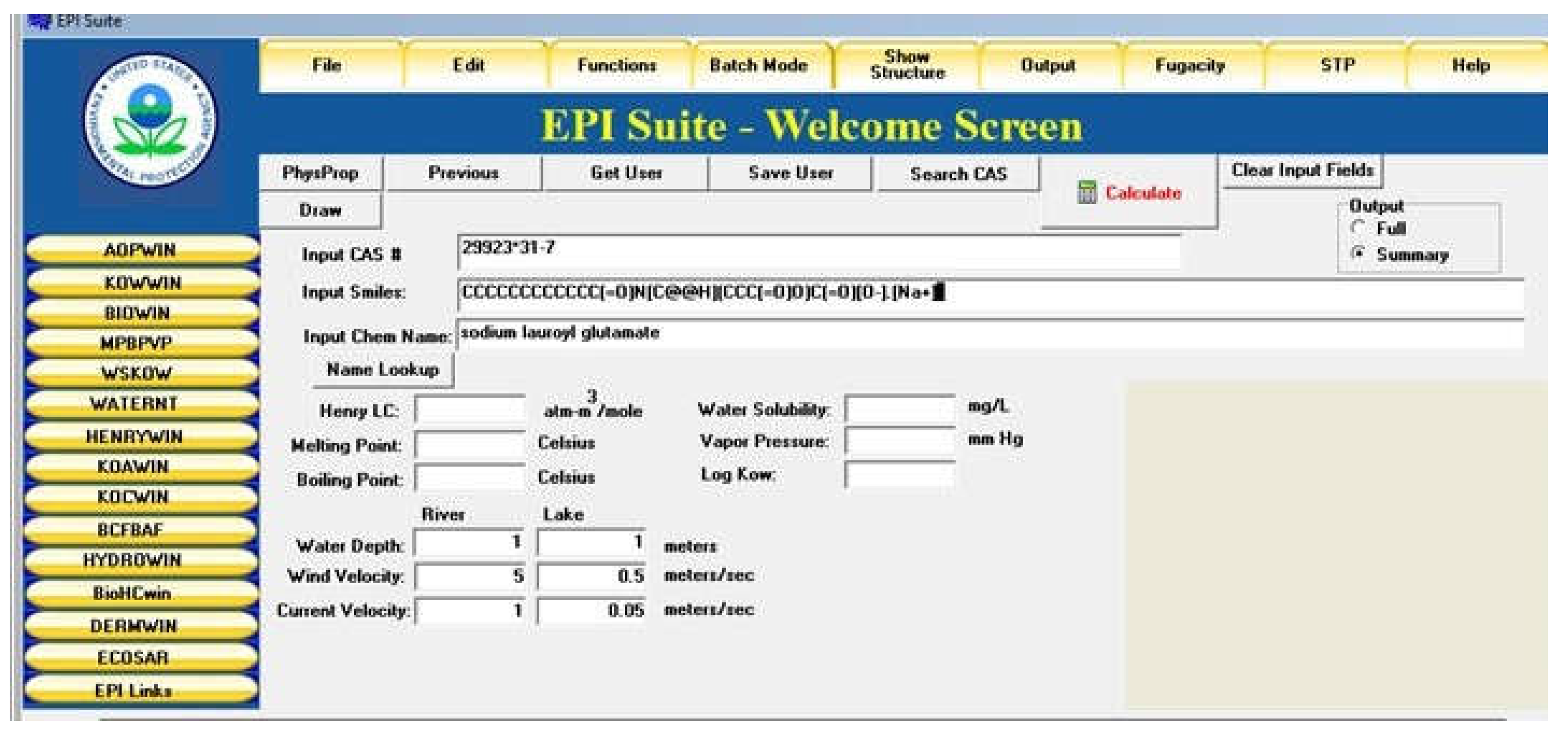
Figure 19.
EPI Suite biodegradability prediction.
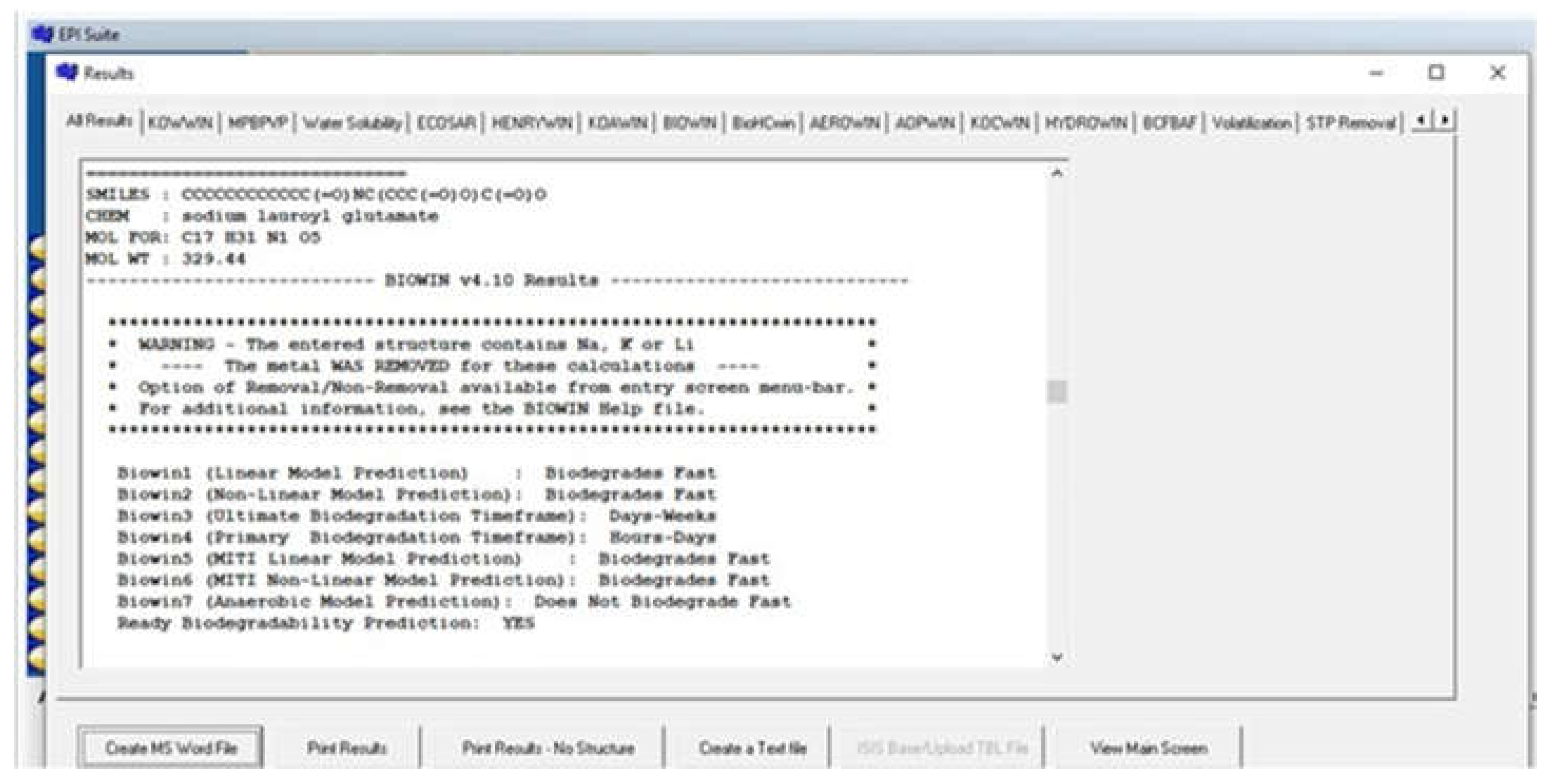
Table 3.
Comparison of synthesis feedstocks and impurities.
| Surfactant | Main Feed Stocks | Main Impurities |
|---|---|---|
| Glutamate, Alaninate | Fatty acids, amino acids | Amino acids, fatty acids, sodium chloride |
| APG | Fatty alcohol, glucose | Fatty alcohol, glucose |
| Betaines | Fatty amine, sodium chloroacetate, epichorohydrin | Fatty amine, sodium chloroacetate, epichorohydrin |
| Alkyl sulfosuccinate | Fatty acid, maleic anhydride, ethanolamine | Sodium maleate |
| Isethionates/ taurates | Fatty acid, EO, sodium sulfite/ same + methylamine | Dioxane, sodium isethionate/ same + sodium methyltaurine |
| SLES | Fatty alcohols, EO, SO3 | Dioxane |
| Imidazolidine/AmphoacetatesAOS | Fatty acid, alkyl diamine, sodium chloroacetateAlpha olefins, sulfur | Alkyl diamine, sodium chloroacetateSultone |
Table 4.
Minimal Inhibitory Concentration (MIC) Results of Sino Lion’s Amino Acid Surfactants (ppm).
Table 4.
Minimal Inhibitory Concentration (MIC) Results of Sino Lion’s Amino Acid Surfactants (ppm).
 |
Disclaimer/Publisher’s Note: The statements, opinions and data contained in all publications are solely those of the individual author(s) and contributor(s) and not of MDPI and/or the editor(s). MDPI and/or the editor(s) disclaim responsibility for any injury to people or property resulting from any ideas, methods, instructions or products referred to in the content. |
© 2024 by the authors. Licensee MDPI, Basel, Switzerland. This article is an open access article distributed under the terms and conditions of the Creative Commons Attribution (CC BY) license (http://creativecommons.org/licenses/by/4.0/).
Copyright: This open access article is published under a Creative Commons CC BY 4.0 license, which permit the free download, distribution, and reuse, provided that the author and preprint are cited in any reuse.