

Submitted:
23 September 2024
Posted:
23 September 2024
You are already at the latest version
Abstract
Biofilm formation in unicellular eukaryotes, such as Candida albicans and Saccharomyces cerevisiae, represents a significant challenge in various sectors, including healthcare, agriculture, and industry. These biofilms are resistant to conventional antimicrobial treatments due to their protective extracellular matrix and complex regulatory mechanisms, such as quorum sensing (QS) and cyclic AMP (cAMP) signaling. Recent advances in the understanding of biofilm formation pathways have led to the identification of novel compounds that target these regulatory mechanisms. This review highlights breakthroughs from 2024 research, focusing on the inhibition of quorum sensing, disruption of extracellular matrix synthesis, and transcriptional/post-transcriptional regulation of biofilm-related genes. The application of these discoveries in Vietnam is particularly promising, given the country's challenges with biofilm-related infections in healthcare and productivity losses in agriculture and aquaculture. Natural product-based approaches, especially those derived from Vietnam's marine biodiversity, offer environmentally sustainable solutions for biofilm control. However, translating these laboratory findings into scalable, cost-effective applications faces challenges such as resistance development, environmental sustainability, and regulatory constraints. This review provides a comprehensive overview of compounds targeting biofilm regulatory mechanisms, evaluates their potential applications in Vietnam, and discusses future research directions, emphasizing the need for interdisciplinary collaboration to address the complexities of biofilm control.
Keywords:
biofilm formation
; quorum sensing inhibitors
; extracellular matrix
; transcriptional regulation
; post-transcriptional regulation
; natural products
; Candida albicans
; Vietnam
; marine biodiversity
; antifungal resistance
1. Introduction
Biofilms, structured communities of unicellular organisms embedded within a self-produced extracellular matrix, have emerged as one of the most challenging aspects in the management of infections and environmental control. In unicellular eukaryotes, such as yeasts and protists, biofilm formation is not only a survival mechanism but also a significant contributor to their persistence in hostile environments, including human hosts, industrial systems, and agricultural ecosystems. In particular, biofilm-associated infections are notoriously difficult to eradicate due to their resistance to conventional antimicrobial treatments and their ability to evade immune responses [1,2]. This poses a substantial challenge in healthcare, where biofilm formation on indwelling medical devices and tissues can lead to chronic infections, necessitating novel strategies to combat them.
Biofilm formation is a highly regulated process, governed by intricate molecular pathways such as quorum sensing, cyclic AMP (cAMP) signaling, and the activation of specific transcription factors. These regulatory networks control not only the initiation and maturation of biofilms but also determine their structure and function, enabling the microorganisms to thrive in adverse conditions [3]. In recent years, significant advances have been made in understanding the molecular mechanisms underpinning biofilm development in unicellular eukaryotes, leading to the discovery of compounds that specifically target these regulatory pathways [4]. These compounds hold great promise as therapeutic agents, capable of either inhibiting biofilm formation or destabilizing mature biofilms, offering an alternative approach to traditional antimicrobial therapies [5].
The objective of this review is to provide a comprehensive overview of the latest advancements in compounds targeting the regulatory mechanisms of biofilm formation in unicellular eukaryotes, with a particular focus on insights from 2024 research. The review will explore key compounds that disrupt the regulatory pathways governing biofilm development, including inhibitors of quorum sensing, cyclic AMP signaling, and biofilm matrix production. By highlighting these recent discoveries, this review seeks to provide a deeper understanding of how these compounds can be applied to real-world challenges, particularly in the healthcare and agricultural sectors in Vietnam [6,7].
In Vietnam, the burden of biofilm-associated infections is on the rise, especially in hospitals and clinics where microbial biofilms contribute to persistent infections in patients with implanted medical devices or chronic wounds [8]. Additionally, microbial biofilms present significant challenges in agricultural and aquaculture systems, where they can form on crops, soil, and within water systems, leading to reduced productivity and increased risks to food safety. Biofilms in aquaculture, for example, can harbor harmful pathogens that affect the health of fish and other marine life, thus reducing overall yield and quality of produce [9,10]. In agriculture, biofilms can also shield harmful bacteria from external treatments, making it harder to control infections and maintain soil health [11]. The application of biofilm-targeting compounds could offer new solutions for these challenges, especially in settings where traditional antimicrobial treatments are becoming less effective due to resistance [12]. Therefore, this review not only summarizes recent scientific advancements but also explores their potential applications in Vietnam, where the adoption of these novel compounds could enhance both healthcare outcomes and agricultural productivity.
By delving into the mechanisms of biofilm formation and the compounds designed to interfere with these processes, this review aims to underscore the importance of an interdisciplinary approach to combating biofilms. The ultimate goal is to encourage further research and application of these innovations, particularly in regions like Vietnam, where biofilm-related challenges are becoming increasingly prevalent.
2. Mechanisms of Biofilm Formation in Unicellular Eukaryotes
2.1. Stages of Biofilm Development
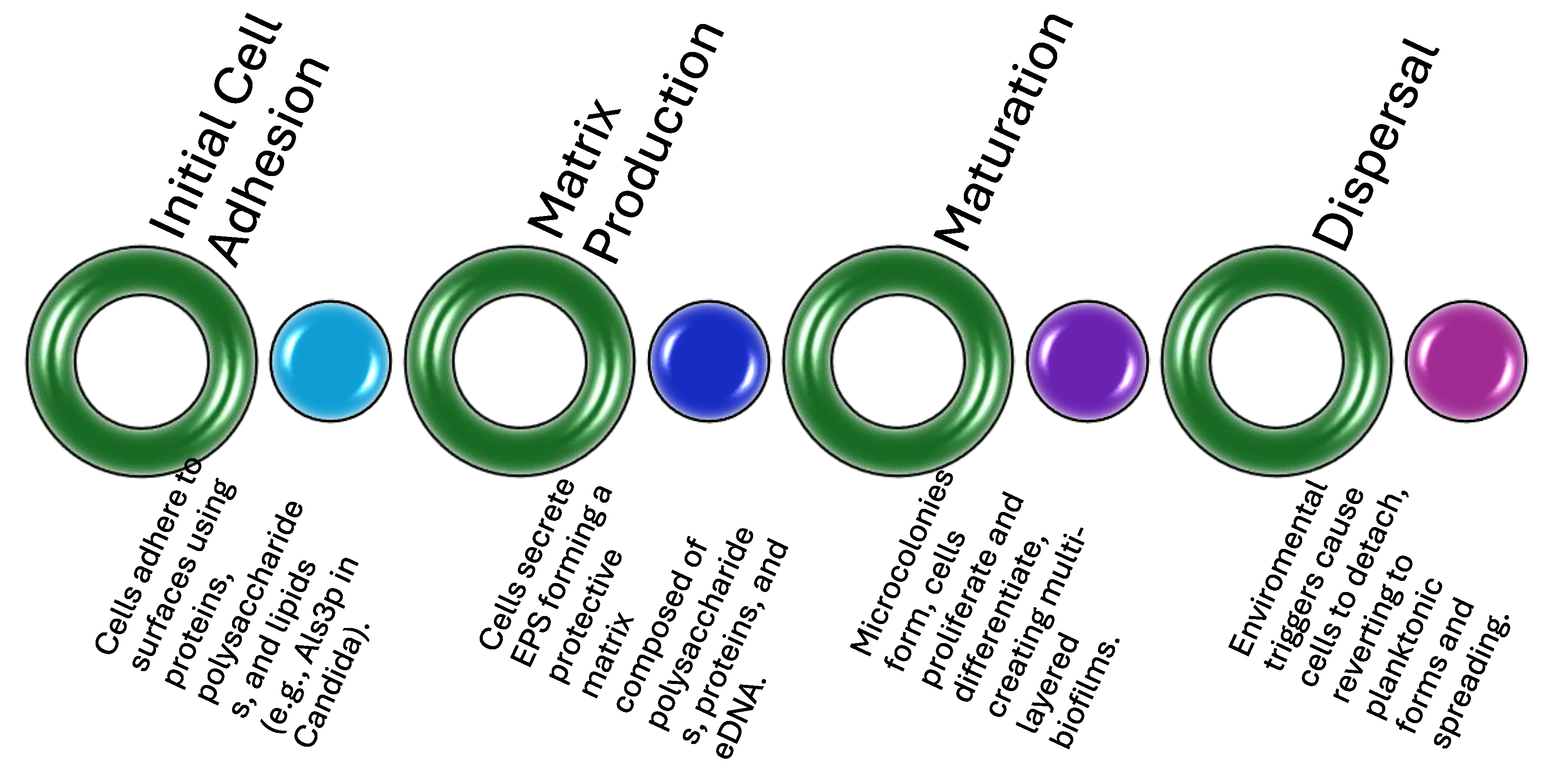
Biofilm formation in unicellular eukaryotes follows a highly regulated, multi-step process that allows these organisms to transition from free-living, planktonic cells to structured communities within a protective matrix. This process is critical to their survival in hostile environments, and can be broken down into several distinct stages:
Initial Cell Adhesion: The biofilm development begins with the adhesion of unicellular eukaryotes to a surface, a process mediated by cell-surface proteins, polysaccharides, and lipids. These organisms attach to various biotic or abiotic surfaces, such as medical devices, host tissues, or environmental substrates. The surface properties and environmental conditions, such as nutrient availability and shear forces, heavily influence the initial attachment. For example, Candida albicans utilizes adhesins like Als3p to bind to host epithelial cells and abiotic surfaces [13].
Matrix Production: Once attached, the cells begin to secrete an extracellular polymeric substance (EPS), which forms the matrix surrounding the biofilm. This matrix is primarily composed of polysaccharides, proteins, lipids, and extracellular DNA (eDNA), providing the structural integrity and protection needed for the biofilm. The matrix acts as a barrier, preventing the penetration of antimicrobial agents and host immune responses. In Saccharomyces cerevisiae, the production of polysaccharide-based matrix components like β-glucan is a key factor in the establishment of biofilm structures [14].
Maturation: As the biofilm develops, it transitions from a thin monolayer of cells to a thicker, more complex structure with microcolonies. This maturation stage involves cell proliferation and differentiation, leading to the formation of multi-layered biofilms. Nutrient gradients within the biofilm lead to metabolic heterogeneity, with cells in the deeper layers entering a quiescent state. In Candida spp., the maturation phase includes the formation of hyphal elements, which contribute to the biofilm’s structural complexity and robustness [15].
Dispersal: Biofilm development culminates in the dispersal phase, during which cells detach from the biofilm and revert to a planktonic form, enabling colonization of new surfaces. Dispersal can be triggered by changes in environmental conditions such as nutrient depletion or the accumulation of quorum-sensing molecules. These dispersed cells often exhibit increased virulence and resistance to antimicrobials, contributing to the persistence and spread of infections [16].
Figure 1 flowchart illustrates the four key stages of biofilm formation in unicellular eukaryotes, including Candida spp. and Saccharomyces cerevisiae. Each stage is represented by distinct colors to differentiate the processes, ensuring clear visual distinction between the transitions.
Figure 1.
Stages of Biofilm Formation in Unicellular Eukaryotes.
2.2. Key Regulatory Pathways
Biofilm formation is tightly regulated by a network of signaling pathways that coordinate cellular behavior in response to environmental cues. The most well-characterized regulatory mechanisms include:
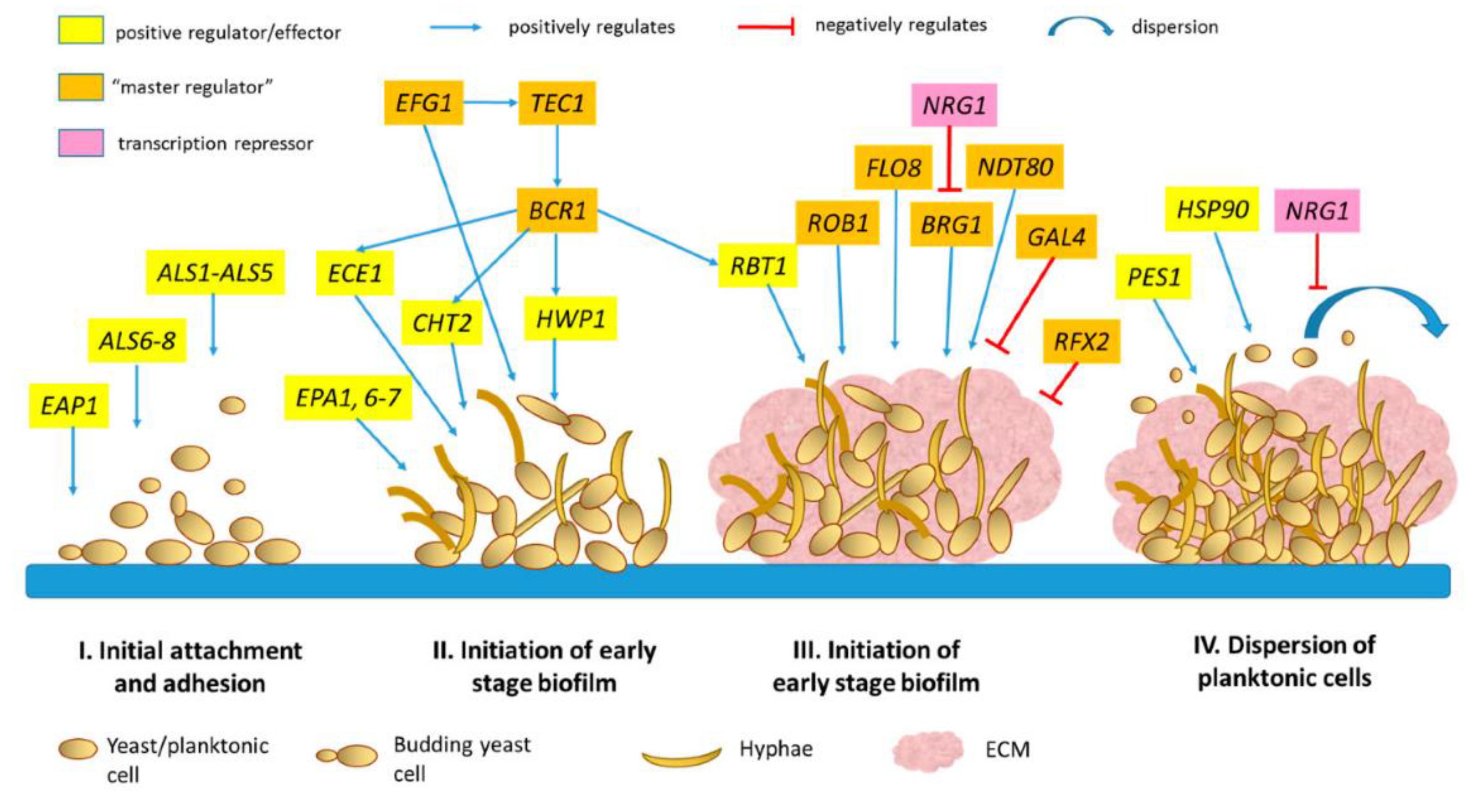
Signaling Molecules (Quorum Sensing, cAMP): Quorum sensing (QS) is a key regulatory mechanism that enables unicellular eukaryotes to sense population density and regulate biofilm formation in response. In Candida albicans, the QS molecule farnesol inhibits filamentation and biofilm formation at high cell densities [17]. Cyclic AMP (cAMP) signaling also plays a crucial role in regulating biofilm formation. The cAMP-PKa pathway in Candida species regulates the transition between yeast and hyphal forms, which is critical for biofilm development. Inhibition of cAMP signaling has been shown to disrupt biofilm formation, highlighting the potential of targeting this pathway for therapeutic interventions [18].
Role of Transcriptional and Post-Transcriptional Regulators: Biofilm formation is controlled at the transcriptional level by a number of key regulators, such as the Candida albicans transcription factor Bcr1p, which controls the expression of biofilm-specific genes, including those involved in adhesin production [19]. Post-transcriptional mechanisms, such as RNA interference (RNAi) and regulatory small RNAs, also contribute to biofilm regulation by modulating gene expression in response to environmental signals. For example, non-coding RNAs have been implicated in the regulation of biofilm formation in Saccharomyces cerevisiae by controlling the expression of genes involved in stress response and matrix production [20].
2.3. Species-Specific Mechanisms
The regulatory mechanisms underlying biofilm formation can vary significantly across different species of unicellular eukaryotes. Two model organisms that have been extensively studied for biofilm formation are Candida spp. and Saccharomyces cerevisiae.
Candida spp.: Candida species, particularly Candida albicans, are well-known for their ability to form robust biofilms on both biotic and abiotic surfaces, contributing to infections in medical settings. The biofilm formation process in C. albicans is complex, involving the transition from yeast cells to filamentous hyphae, which are critical for biofilm structure and stability. The regulatory pathways controlling this transition include quorum sensing and cAMP signaling, as well as key transcriptional regulators like Efg1 and Tec1, which govern the expression of hypha-specific genes [21]. Biofilms of C. albicans are highly resistant to antifungal treatments, making them a major target for therapeutic development.
Figure 1.
A schematic representation of the stages of biofilm formation in Candida albicans, highlighting the associated transcriptional regulatory network. The depiction of key "master regulators" is derived from the studies conducted by Nobile [22], Fox [23] and Glazier [24].
Saccharomyces cerevisiae: Although traditionally regarded as a non-pathogenic organism, S. cerevisiae has been used as a model for studying biofilm formation due to its genetic tractability. In S. cerevisiae, biofilm formation is regulated by the FLO gene family, which encodes for cell-surface glycoproteins that mediate cell adhesion and aggregation. The FLO11 gene, in particular, is essential for biofilm formation and is regulated by the MAPK and cAMP-PKA pathways. Studies of S. cerevisiae have provided valuable insights into the genetic and molecular mechanisms of biofilm formation, with potential applications for controlling biofilms in industrial and environmental settings [25].
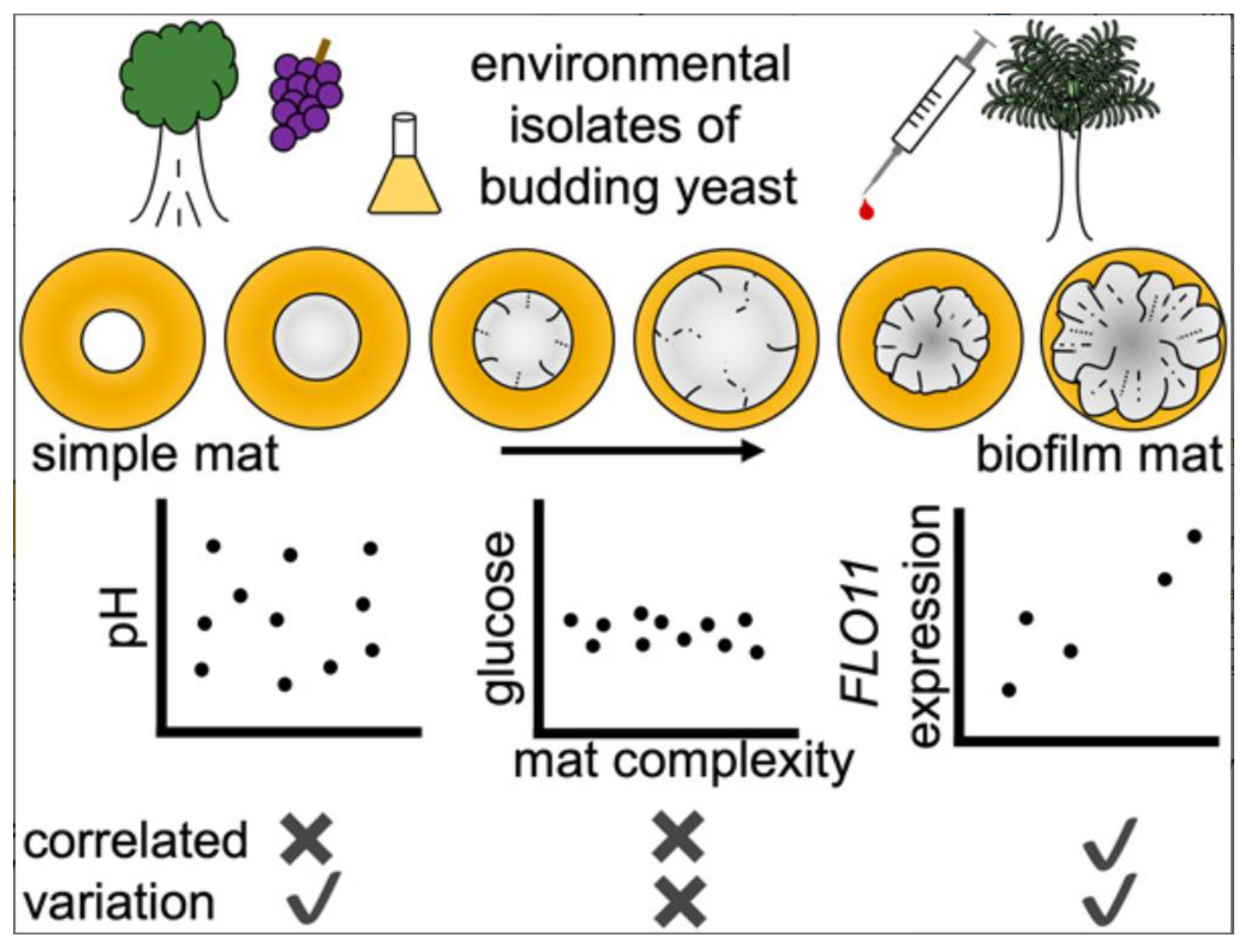
Key traits previously linked to yeast mat biofilm formation were quantitatively assessed in environmental yeast isolates, revealing significant variability. Figure 2 shows the expression of FLO11, a critical cellular adhesin, was strongly correlated with the phenotypic complexity of the mat. However, factors known to influence FLO11 expression, such as glucose levels and pH, demonstrated independent variation from mat complexity. [26]
Figure 2.
Correlation Between Environmental Factors and Biofilm Formation in Budding Yeast: The Role of pH, Glucose, and FLO11 Expression.
Figure 2.
Correlation Between Environmental Factors and Biofilm Formation in Budding Yeast: The Role of pH, Glucose, and FLO11 Expression.
3. Advances in Compounds Targeting Biofilm Regulatory Mechanisms (2024)
Recent research has made significant strides in identifying and developing compounds that target the regulatory mechanisms controlling biofilm formation in unicellular eukaryotes. These advancements offer promising therapeutic applications, particularly in addressing biofilm-associated infections and agricultural challenges in Vietnam. Below, we discuss the latest discoveries across various regulatory pathways.
3.1. Inhibition of Quorum Sensing
Quorum sensing (QS) is a key regulatory mechanism that unicellular eukaryotes, such as Candida albicans and other fungi, use to coordinate group behaviors, including biofilm formation. The inhibition of quorum sensing through quorum sensing inhibitors (QSIs) has emerged as a promising strategy to disrupt biofilm development, and significant progress has been made in identifying QSIs that target this pathway.
Recent Discoveries of Quorum Sensing Inhibitors (QSIs): Recent research has led to the discovery of various natural and synthetic QSIs that disrupt quorum sensing in biofilm-forming eukaryotes. Notable examples include:
Furanones: Natural compounds derived from marine algae have shown effective quorum sensing inhibition by mimicking the signaling molecules in fungi like Candida albicans and blocking the quorum sensing receptor.
Synthetic Peptide-Based Inhibitors: These compounds interfere with signal reception and are designed to target specific quorum sensing molecules such as farnesol and tyrosol, which play a crucial role in regulating biofilm formation in fungi.
Plant-Derived QSIs: Plant extracts, such as those from garlic (Allium sativum) and other medicinal herbs, have demonstrated quorum sensing inhibitory properties by reducing the expression of key biofilm regulatory genes in Candida species.
These discoveries have expanded the toolkit of compounds available for disrupting quorum sensing and have shown potential in both preclinical and clinical settings.
Mechanisms by Which QSIs Disrupt Biofilm Formation: QSIs disrupt biofilm formation by interfering with the production, detection, or response to quorum sensing molecules that regulate biofilm-related genes. Key mechanisms include:
Interruption of Signal Production: QSIs prevent the production of quorum sensing molecules such as farnesol and tyrosol, which are essential for the regulation of biofilm initiation and maturation in Candida species. By reducing these signaling molecules, QSIs hinder the communication necessary for biofilm development.
Blocking Signal Reception: Some QSIs bind to the receptors that detect quorum sensing molecules, preventing these receptors from transmitting the signals that activate biofilm formation pathways. This mechanism is particularly effective in preventing the switch from yeast to hyphal forms in Candida albicans, which is crucial for biofilm maturation.
Disruption of Signal Response: QSIs can also interfere with the downstream processes activated by quorum sensing signals. For example, by targeting the cyclic AMP (cAMP) signaling pathway, QSIs can reduce the transcription of biofilm-associated genes, thereby preventing biofilm formation.
The ability to interrupt these key pathways offers a multi-faceted approach to disrupting biofilm formation, making QSIs valuable tools in managing biofilm-related infections.
Research Examples from Recent Studies
Synthetic Furanones as QSIs: Synthetic furanones have emerged as promising quorum sensing inhibitors (QSIs) that effectively disrupt biofilm formation in Candida albicans by targeting farnesol production. A recent study highlighted their ability to significantly reduce biofilm biomass in both in vitro and in vivo models, showcasing their potential in combating fungal infections [27]. Furanones inhibit the synthesis of farnesol, a key quorum sensing molecule that regulates the transition from yeast to hyphal forms in C. albicans [27]. This disruption leads to impaired biofilm formation, as evidenced by reduced biomass in treated cultures [27]. Other studies have shown that farnesol itself can reduce biofilm biomass at specific concentrations, indicating a complex interplay between QS molecules and biofilm dynamics [28]. Additionally, chromone derivatives have demonstrated similar antifungal and antibiofilm activities, suggesting a broader class of compounds may be effective against C. albicans [29]. While synthetic furanones show great promise, further research is needed to fully understand their mechanisms and optimize their application in clinical settings.
Garlic Extracts as Natural QSIs: Garlic extracts, particularly those containing allicin, have shown promising potential as natural quorum sensing inhibitors (QSIs) against biofilm-forming pathogens like Candida albicans. Recent studies indicate that garlic extracts can downregulate key genes involved in biofilm formation, such as FLO11 and EFG1, thereby enhancing the efficacy of existing antifungal therapies. Garlic extract exhibits antimicrobial properties through its organosulfur compounds, notably allicin, which disrupts biofilm formation by inhibiting gene expression related to quorum sensing [30]. The extract has demonstrated significant inhibitory effects on C. albicans, with effective concentrations as low as 50 mg/ml [30]. The integration of garlic extracts as QSIs could complement traditional antifungal treatments, particularly in managing biofilm-associated infections in clinical settings [30,31]. Garlic's broad-spectrum antimicrobial activity, including against multidrug-resistant strains, positions it as a valuable adjunct in infection management [32]. While garlic extracts show great promise, further research is necessary to fully understand their mechanisms and optimize their use in clinical applications. The potential for resistance development and the need for standardized extraction methods also warrant consideration in future studies.
Synergistic Use of QSIs with Antifungals: The synergistic use of quorum sensing inhibitors (QSIs) with traditional antifungals like fluconazole presents a promising strategy for combating biofilm-related infections caused by Candida albicans. Recent studies highlight the effectiveness of this combination in enhancing antifungal activity and disrupting biofilms. The study by Dias et al. (2024) demonstrated that a synthetic QSI, when used alongside fluconazole, significantly reduced the viability of Candida albicans biofilms in catheterized patients, indicating a powerful new treatment approach [33]. Similarly, Zou et al. (2024) found that direct current (DC) combined with fluconazole not only eradicated biofilm persisters but also increased drug concentration within the cells, enhancing overall antifungal effectiveness [34]. The synergistic effects observed may be attributed to QSIs disrupting biofilm formation and enhancing the penetration of antifungals, as suggested by the multi-omics analysis in Zou et al.'s study [34]. Additionally, the combination of other agents, such as antimicrobial peptides and essential oils, has shown potential in overcoming resistance in various Candida strains, further supporting the need for innovative combination therapies [33]. While the synergistic approach shows great promise, it is essential to consider potential challenges, such as the emergence of resistance to QSIs and the need for further clinical validation to ensure safety and efficacy in diverse patient populations.
Quorum sensing inhibitors (QSIs) represent a promising avenue for combating biofilm formation in unicellular eukaryotes. The ability to disrupt quorum sensing pathways provides a targeted approach to biofilm control, offering potential applications in both clinical and environmental settings. In Vietnam, these advances hold particular promise for addressing biofilm-associated infections in healthcare and agriculture, where biofilms pose significant challenges to treatment efficacy and productivity.
Table 1 summarizes the most recent findings on quorum sensing inhibitors (QSIs) targeting biofilm formation in unicellular eukaryotes, including Candida albicans and other species. The table highlights the mechanism of action of each QSI, the organisms targeted, and the corresponding reduction in biofilm biomass or viability reported in studies. The inclusion of natural compounds (e.g., garlic extract) and synthetic inhibitors underscores the broad scope of research in this area, while synergistic approaches combining QSIs with traditional antifungal agents demonstrate the potential for enhanced biofilm disruption in clinical settings.
3.2. Disrupting Extracellular Matrix Synthesis
The extracellular matrix (ECM) is a vital structural component of biofilms, providing protection to embedded cells and contributing to the biofilm's resistance to environmental stressors and antimicrobial treatments. Disrupting the synthesis of this matrix, which primarily consists of polysaccharides, proteins, lipids, and extracellular DNA (eDNA), can weaken the biofilm’s structural integrity and enhance its susceptibility to treatment. Recent research has identified several compounds that specifically target the components of the biofilm matrix, offering new strategies for controlling biofilm formation in unicellular eukaryotes.
Compounds That Target Biofilm Matrix Components (Polysaccharides, Proteins): Polysaccharides and proteins form the backbone of the ECM in biofilms, providing mechanical stability and a scaffold for microbial cells. Targeting the extracellular matrix (ECM) components, particularly polysaccharides and proteins, is a promising strategy for disrupting biofilms, especially in pathogens like Candida albicans. β-glucans, a significant part of the biofilm matrix, can be effectively degraded by β-glucanase enzymes, leading to weakened biofilms and enhanced susceptibility to antifungal treatments.
β-Glucanases enzymes: β-glucanases break down the structural polysaccharides in the biofilm matrix, destabilizing it and making microbial cells more vulnerable to antifungal agents [35]. Studies show that purified β-glucan from Saccharomyces cerevisiae can inhibit biofilm formation by up to 92% against multidrug-resistant Pseudomonas aeruginosa [36]. The ECM in Candida biofilms protects cells from antifungal therapies, primarily through a mannan-glucan complex that sequesters drugs [35]. Disruption of this matrix not only enhances drug efficacy but also reduces pathogen virulence [37]. While targeting ECM components shows promise, the complexity of biofilm structures and the potential for resistance mechanisms necessitate ongoing research to optimize these strategies for clinical applications.
Mannosidase Inhibitors: Mannans, another important polysaccharide in the ECM of biofilms formed by Candida species, play a key role in maintaining biofilm structure. Mannosidase inhibitors target the synthesis and incorporation of these polysaccharides into the biofilm matrix, leading to a reduction in biofilm biomass and enhanced antifungal efficacy. Mannans are integral to the ECM of Candida biofilms, contributing to structural integrity and protection against antifungal agents [35]. The N-linked mannosylation pathway is vital for biofilm formation in species like Candida parapsilosis and Candida tropicalis, where disruption leads to decreased biofilm formation and increased susceptibility to antifungals [38]. Inhibition of mannosidases affects the incorporation of mannans into the biofilm matrix, resulting in compromised biofilm integrity [39]. Acarbose, a known α-glucosidase inhibitor, has shown promise in reducing biofilm formation and virulence in Candida albicans by impairing cell wall integrity and adhesion [37]. Targeting mannosidases and the associated pathways presents a novel strategy to enhance the effectiveness of existing antifungal treatments, particularly against biofilm-associated infections [40]. While the focus on mannosidase inhibitors is promising, it is essential to consider the potential for Candida species to develop resistance mechanisms, which may limit the long-term efficacy of such treatments. Further research is needed to explore combination therapies that could mitigate resistance while enhancing antifungal action.
Proteolytic Enzymes: Proteins within the biofilm matrix, such as hydrophobins and adhesins, play a crucial role in cell adhesion and biofilm cohesion. Proteolytic enzymes that break down these proteins have been identified as effective agents in biofilm disruption. Studies on Candida glabrata have shown that protease inhibitors can disrupt biofilm formation by preventing protein-mediated cell adhesion. Proteolytic enzymes can degrade the extracellular matrix components, leading to biofilm destabilization [41]. In Candida albicans, specific proteins involved in biofilm development have been identified as potential drug targets, suggesting that protease inhibitors could effectively disrupt biofilm formation [42]. Combinatorial enzyme therapy has shown promise in enhancing the efficacy of biofilm disruption, potentially overcoming multi-drug resistance [43]. The ability of protease inhibitors to prevent protein-mediated adhesion highlights their potential in clinical settings, particularly against opportunistic pathogens like Candida glabrata [44]. Understanding the proteomic landscape of biofilms can inform the development of targeted therapies that utilize proteolytic enzymes [45]. While proteolytic enzymes show significant promise in biofilm disruption, challenges remain in their application, including the need for optimized delivery methods and the potential for resistance development. Further research is essential to fully harness their therapeutic potential.
Effect on Biofilm Stability and Persistence: The stability and persistence of biofilms, particularly those formed by Candida albicans, are significantly influenced by the extracellular matrix (ECM) that provides protection against external stressors. Compounds targeting the ECM can disrupt biofilm integrity, enhancing susceptibility to antimicrobial agents.
Reduced Biofilm Cohesion: The ECM, composed of polysaccharides and proteins, is crucial for biofilm cohesion. Disruption of this matrix can lead to reduced structural integrity, making biofilms more vulnerable to treatments [35]. For instance, β-glucanase treatment has been shown to decrease the biomass and structural strength of C. albicans biofilms by 60%, thereby improving fluconazole efficacy [37]. The complex composition of the Candida matrix, including mannan-glucan complexes, contributes to antifungal resistance by sequestering drugs [35]. Additionally, the vesicle pathway involved in ECM assembly presents a potential target for novel antifungal strategies [35]. Environmental factors, such as surface properties and cyclic strain on biomaterials, can enhance biofilm formation and pathogenicity of C. albicans [46]. Understanding these interactions is vital for developing effective prevention and treatment strategies against biofilm-associated infections [47]. While targeting the ECM shows promise in combating biofilm resilience, the complexity of biofilm formation and resistance mechanisms necessitates a multifaceted approach to effectively manage Candida infections.
Increased Susceptibility to Antifungal Agents: The disruption of the extracellular matrix (ECM) in Candida biofilms significantly enhances susceptibility to antifungal agents, allowing drugs like echinocandins to penetrate more effectively. This phenomenon is crucial for understanding antifungal resistance and developing targeted therapies. The ECM serves as a protective barrier for biofilm cells, contributing to their resistance against antifungal treatments [35]. Disruption of the biofilm matrix increases susceptibility to antifungal agents like fluconazole, amphotericin B, and echinocandins, with mannosidase inhibitors enhancing the sensitivity of Candida biofilms to echinocandins by up to 50% [48]. Candida biofilms exhibit a complex composition that sequesters antifungal agents, making them less effective [35]. Echinocandins target β-1,3-glucan synthesis, but resistance can arise from structural remodeling of the fungal cell wall, which limits drug efficacy [49]. Understanding the ECM's role and the mechanisms of resistance can inform the development of new antifungal strategies, potentially improving treatment outcomes for biofilm-associated infections [48,49]. While the disruption of the ECM enhances drug susceptibility, it is essential to consider that biofilms can adapt and develop new resistance mechanisms, complicating treatment efforts. This highlights the need for ongoing research into innovative antifungal therapies.
Prevention of Biofilm Maturation: The prevention of biofilm maturation is critical in managing infections caused by Candida species. Matrix-targeting compounds, such as protease inhibitors, have shown promise in disrupting the development of biofilms at early stages, effectively preventing their progression to more complex structures.
Mechanisms of Biofilm Maturation Prevention:
Protease Inhibitors: These compounds can hinder the transition from monolayer to multi-layered biofilms by disrupting the extracellular matrix formation, which is essential for biofilm stability [50].
Extracellular Matrix Targeting: The matrix in Candida biofilms, composed of mannan-glucan complexes, plays a significant role in antifungal resistance. Targeting this matrix can enhance susceptibility to antifungal agents [35].
Alternative Strategies:
Polymeric Materials: Innovative materials, including cationic polymers, have been developed to selectively target and disrupt biofilm structures, showcasing their potential in early-stage biofilm management [51].
While these strategies are promising, the complexity of biofilm structures and their inherent resistance mechanisms necessitate ongoing research to optimize prevention and treatment approaches.
These advances in targeting the extracellular matrix components of biofilms provide promising new strategies for combating biofilm-associated infections in healthcare and agriculture. In Vietnam, where biofilm-related challenges are prevalent in both clinical and agricultural sectors, the application of such compounds could significantly improve treatment outcomes and reduce the burden of biofilm-related complications.
Table 2 provides a comprehensive overview of the experimental data on compounds that target the biofilm extracellular matrix (ECM) in unicellular eukaryotes, specifically Candida species. Key compounds such as β-glucanase enzymes, mannosidase inhibitors, and proteolytic enzymes have demonstrated significant reductions in biofilm biomass and stability, with reductions ranging from 40% to 75%. Notably, combination therapies, such as β-glucanase with fluconazole, have shown enhanced efficacy in disrupting biofilms compared to monotherapies. Additionally, the table highlights the increased susceptibility of biofilm cells to antifungal agents like fluconazole and echinocandins when ECM-targeting compounds are applied, illustrating the potential for synergistic therapeutic approaches. This summary encapsulates the critical findings and demonstrates the relevance of matrix-targeting strategies for combating biofilm-associated infections.
3.3. Targeting Transcriptional and Post-Transcriptional Regulation
Biofilm formation in unicellular eukaryotes like Candida albicans and Saccharomyces cerevisiae is a complex process regulated by transcriptional and post-transcriptional mechanisms. These regulatory pathways are crucial for the expression of biofilm-specific genes and present promising targets for therapeutic interventions aimed at preventing or reducing biofilm formation. This response explores the transcriptional and post-transcriptional regulation of biofilm formation, highlighting potential therapeutic strategies.
Transcriptional Regulation of Biofilm Formation
Role of Transcription Factors: In Candida albicans, transcription factors such as EFG1, BRG1, and ROB1 play pivotal roles in biofilm formation. Antisense oligomers (ASOs) targeting these transcription factors have been shown to effectively reduce biofilm formation by decreasing gene expression levels. The combined application of ASOs targeting multiple transcription factors enhances the inhibition of biofilm formation, reducing biofilm thickness and matrix content [53].
White-Opaque Switching: The white-opaque switching in Candida albicans is another transcriptionally regulated process that affects biofilm formation. This switching is controlled by mating type and transcription regulators, with variations observed between different strains. The SC5314 reference strain, for instance, has an additional block to white-opaque switching due to upregulated transcription regulators, which is absent in most clinical strains [54].
Role of DNA Damage Checkpoints: In C. albicans, DNA damage checkpoints, particularly involving the Rad53 kinase, influence global gene transcription, including genes associated with biofilm formation. The transcription factor Mcm1, regulated by Rad53, is involved in the transcription of HOF1, a gene implicated in biofilm formation [55].
Autogenous Regulation: Transcription factors can regulate their own expression through autogenous regulation, a mechanism that can be targeted to disrupt biofilm formation. A method to identify autogenous regulation events in transcription factors has been developed, which can be applied to various organisms, including fungi [56].
Post-Transcriptional Regulation
RNA-Binding Proteins: Post-transcriptional regulation in fungi involves RNA-binding proteins that affect mRNA translation and decay. Proteins like Ssd1 and Slr1 in Candida albicans influence cell wall composition and virulence, indicating their role in biofilm formation. These proteins regulate the local translation of cell wall components, which is crucial for biofilm development [57].
Regulatory Networks: A comprehensive survey of post-transcriptional regulators in yeast has identified numerous proteins that modulate mRNA fate. These regulators often operate outside the RNA-binding domains, suggesting a modular architecture that separates mRNA targeting from regulation. This highlights the complexity and potential of targeting post-transcriptional networks to control biofilm formation [58].
FleQ Regulation in Pseudomonas fluorescens: Although not a eukaryote, the regulatory mechanisms in Pseudomonas fluorescens provide insights into post-transcriptional regulation. The FleQ regulator modulates biofilm formation by controlling the transcription and post-transcriptional abundance of adhesins, which are critical for biofilm stability [59].
Therapeutic Interventions
Antisense Oligomers: The use of ASOs to target transcription factors in Candida albicans demonstrates a promising therapeutic approach. By reducing the expression of key biofilm-related genes, ASOs can effectively inhibit biofilm formation, offering a novel strategy for antifungal therapy [53].
Natural Compounds: Essential oils, such as those from Lippia origanoides, have shown efficacy in disrupting biofilm formation in bacterial species by modulating gene expression related to quorum sensing and biofilm formation. This suggests that similar natural compounds could be explored for their effects on fungal biofilms [60].
Targeting α-Glucosidase in Candida albicans: Acarbose, a glycomimetic drug, has been identified as a potential therapeutic agent that inhibits α-glucosidase, an enzyme crucial for processing mannoproteins in the cell wall. This inhibition leads to defects in cell wall integrity, reduced adhesion, and diminished biofilm formation, highlighting a novel approach to mitigating candidiasis [37].
Genomics-Guided Drug Discovery: Advances in omics technologies enable the identification of novel drug targets within the biofilm formation cascade. This approach facilitates the development of targeted therapies that can disrupt biofilm formation at multiple regulatory levels [61].
Broader Perspectives
While targeting transcriptional and post-transcriptional mechanisms offers promising avenues for therapeutic intervention, challenges remain. The complexity of these regulatory networks and the potential for compensatory mechanisms within the biofilm matrix necessitate a multifaceted approach. Additionally, the development of resistance and the adaptive capabilities of these organisms underscore the need for continuous research and innovation in antifungal strategies. Understanding the interplay between transcriptional and post-transcriptional regulation will be crucial for designing effective interventions against biofilm-associated infections.
Table 3 summarizes the key transcriptional and post-transcriptional regulatory mechanisms involved in biofilm formation, as well as the corresponding therapeutic interventions targeting these mechanisms in Candida albicans and other organisms. The table presents quantitative data where available, showing biofilm reduction percentages ranging from 40% to 70% across different strategies, including the use of antisense oligomers (ASOs), essential oils, and inhibitors of α-glucosidase. Furthermore, it highlights how these regulatory pathways can be modulated to reduce biofilm formation and stability, offering potential therapeutic avenues for antifungal treatments.
3.4. Synergistic Compounds
Biofilm formation in unicellular eukaryotes, such as Candida albicans and Saccharomyces cerevisiae, is tightly regulated by transcriptional and post-transcriptional mechanisms that control the expression of biofilm-specific genes. These regulatory processes offer promising therapeutic targets, as disrupting them can prevent or reduce biofilm formation.
Synergistic Compounds and Combination Therapies
Dual Inhibition Strategies: The concept of dual inhibition has been effectively applied in targeting biofilm formation. For instance, a combination of PqsR antagonist and PqsD inhibitor has been shown to synergistically reduce virulence factor production and biofilm formation in Pseudomonas aeruginosa. This approach not only disrupts biofilm formation but also enhances the susceptibility of bacteria to antibiotics like ciprofloxacin, demonstrating the potential of combination therapies in treating biofilm-associated infections [62].
Targeting Conserved Response Regulators: A small molecule targeting the conserved response regulator VicR has been identified to inhibit biofilm formation in Streptococcus mutans and Staphylococcus aureus. This compound disrupts the biofilm regulatory cascade, reducing bacterial virulence and offering a promising avenue for developing antivirulence therapeutics that can be used in combination with traditional antibiotics [63].
Smart Functional Polymers: Advances in material science have led to the development of smart functional polymers that can serve as delivery systems for antimicrobial agents. These polymers can be used to modify surfaces and prevent biofilm formation, offering a synergistic approach when combined with biofilm inhibitors [64].
Enhanced Biofilm Disruption
Quorum Sensing Inhibition: Targeting quorum sensing, a key regulatory mechanism in biofilm formation, has been a focus of recent research. Materials with anti-quorum sensing properties, such as antibiofilm nanomaterials and hydrogels, have shown potential in preventing biofilm formation and enhancing the efficacy of antimicrobial agents [65].
Small Molecule Inhibitors: The identification of small molecule inhibitors that target specific components of the biofilm extracellular matrix, such as TasA in Bacillus subtilis, has demonstrated the ability to inhibit and disintegrate biofilms. These inhibitors can be used in combination with existing antibiotics to enhance biofilm disruption [66].
Combination of Antimicrobial Agents: Studies have shown that combinations of compounds with distinct targets, such as tt-farnesol, myricetin, and fluoride, can effectively prevent and disrupt dual-species biofilms of Candida albicans and Streptococcus mutans. These combinations have been successful in eliminating biofilms in vitro, highlighting the potential of synergistic therapies [67].
Broader Perspectives and Challenges
While these advances offer promising strategies for combating biofilm-related infections, challenges remain in translating these findings into clinical applications. The complexity of biofilm structures and the diversity of microbial communities necessitate a comprehensive understanding of biofilm biology and the development of targeted therapies. Additionally, the potential for resistance development and the need for effective delivery systems are critical considerations in the design of combination therapies. Future research should focus on optimizing these strategies and exploring their applications in diverse settings, including Vietnam, where biofilm-associated infections are prevalent.
4. Applications and Challenges in Vietnam
Advances in compounds targeting the regulatory mechanisms of biofilm formation in unicellular eukaryotes have shown significant promise, particularly in the context of Vietnam's unique marine biodiversity. These advances are crucial for addressing biofilm-related challenges in various sectors, including healthcare and agriculture. The research from 2024 highlights the potential applications and challenges of these compounds in Vietnam, focusing on natural product-based approaches and the regulatory mechanisms involved in biofilm formation.
Regulatory Mechanisms of Biofilm Formation
Cation-Responsive Proteins: The NhaR protein in Escherichia coli is a key regulator of the pgaABCD operon, which is essential for biofilm formation. NhaR activates transcription in response to environmental conditions, such as NaCl and alkaline pH, highlighting a novel mechanism for biofilm regulation [68].
Two-Component Regulatory Systems: In Vibrio fischeri, the RscS-SypG system regulates biofilm formation through the SypE response regulator. SypE's phosphorylation state modulates its dual role in biofilm formation and host colonization, demonstrating the complexity of biofilm regulatory mechanisms [69].
Cyclic Diguanylate (c-di-GMP) Pathways: In Pseudomonas putida, c-di-GMP and its effector FleQ regulate biofilm-related genes, influencing the transition from planktonic to biofilm lifestyles. This regulation involves the secretion of adhesins and modulation of cyclic AMP levels, underscoring the intricate control of biofilm formation [70].
Natural Product-Based Anti-Biofilm Approaches
Marine-Derived Compounds: Vietnamese marine sponges, such as Xestospongia testudinaria, have yielded novel sterols with potent antifouling activity. Compounds like aragusterol B and 21-O-octadecanoyl-xestokerol A inhibit bacterial adhesion, offering promising natural solutions for biofilm control [71].
Plant and Marine Organisms: Natural products, including halogenated furanones and flavonoids, have been identified as effective inhibitors of biofilm formation. These compounds disrupt biofilm development and have potential therapeutic applications [72].
Applications and Challenges in Vietnam
Agricultural Applications: Biofilms play a significant role in agriculture by enhancing soil fertility and plant growth. The use of biofilms as bioinoculants can improve crop productivity, which is particularly relevant for Vietnam's agricultural sector [73].
Healthcare and Industrial Challenges: Biofilms contribute to chronic infections and industrial biofouling, posing significant challenges. The development of antibiofilm agents, such as quorum sensing inhibitors and natural antifouling compounds, is crucial for mitigating these issues [74,75].
Broader Perspectives and Challenges: While the advances in targeting biofilm regulatory mechanisms and natural product-based approaches offer promising solutions, challenges remain. The complexity of biofilm regulation and the diversity of biofilm-forming organisms necessitate continued research to fully understand and exploit these mechanisms. Additionally, the translation of laboratory findings to practical applications in Vietnam requires addressing issues such as scalability, cost-effectiveness, and environmental impact. The integration of these strategies into existing frameworks will be essential for their successful implementation in Vietnam's healthcare, agriculture, and industrial sectors.
Table 4 provides a comprehensive overview of the applications and challenges related to biofilm control in Vietnam, focusing on the regulatory mechanisms of biofilm formation and natural product-based approaches. The data highlights various biofilm inhibitors and regulatory compounds, including those derived from marine and plant sources, as well as their effectiveness in reducing biofilm formation (ranging from 50% to 70%). The table also covers the potential applications of these compounds in agriculture, healthcare, and industry, while addressing challenges such as environmental scalability, sustainable sourcing, and the complexity of biofilm regulation in diverse ecosystems.
5. Future Directions
Recent advances in the study of biofilm formation in unicellular eukaryotes have highlighted the potential of novel compounds and technologies to target regulatory mechanisms effectively. This research is particularly relevant in clinical settings and offers promising opportunities for Vietnam-based research and collaboration. The following sections explore emerging compounds and technologies, the move towards personalized treatments, and the potential for research and development in Vietnam.
5.1. Emerging Compounds and Technologies
Nanotechnology: Nanoparticles have shown promise in disrupting biofilm formation by penetrating the biofilm matrix and delivering antimicrobial agents directly to the cells. This approach can enhance the efficacy of existing treatments and reduce the resistance often encountered with traditional antibiotics [76].
Peptides: Antimicrobial peptides (AMPs) are being explored for their ability to disrupt biofilm integrity and inhibit biofilm formation. These peptides can target specific biofilm-forming species, offering a more targeted approach compared to broad-spectrum antibiotics [77].
Natural Products: Compounds derived from natural sources, such as plant extracts, have been identified as potential biofilm inhibitors. These natural products can interfere with quorum sensing, a key regulatory mechanism in biofilm formation, thereby preventing the establishment and maturation of biofilms [73].
5.2. Towards Personalized Treatments
Species-Specific Compounds: Research is increasingly focusing on tailoring compounds to target specific biofilm-forming species. This approach is particularly relevant in clinical settings where biofilms contribute to chronic infections and antibiotic resistance [77].
Quorum Sensing Inhibitors: By targeting the quorum sensing systems, such as the cepIR and bviIR systems in Burkholderia vietnamiensis, researchers can develop treatments that disrupt communication pathways essential for biofilm development [78].
Genetic and Molecular Approaches: Advances in genetic sequencing and molecular biology are enabling the identification of specific genes and pathways involved in biofilm formation. This knowledge can be used to design personalized treatment strategies that are more effective and have fewer side effects [79].
5.3. Opportunities for Vietnam-Based Research
Research and Development Prospects: Vietnam has a unique opportunity to contribute to global biofilm research, particularly given the prevalence of antibiotic-resistant strains in its hospitals [80]. The development of new compounds and technologies can be accelerated through local research initiatives.
Collaboration with Global Institutions: Vietnamese research institutions can benefit from collaborations with international partners to access cutting-edge technologies and methodologies. Such partnerships can enhance the capacity for biofilm research and lead to the development of innovative solutions tailored to local needs [81].
Focus on Agricultural Applications: Beyond medical applications, biofilm research in Vietnam can also focus on agricultural sectors, where biofilms play a role in soil fertility and crop productivity. This can lead to sustainable agricultural practices and improved food security [73].
While the focus on novel compounds and personalized treatments offers promising avenues for combating biofilm-related challenges, it is essential to consider the broader implications of these advancements. The integration of multidisciplinary approaches and international collaboration will be crucial in addressing the complexities of biofilm formation and resistance. Moreover, the ethical and environmental impacts of deploying new technologies, such as nanotechnology, must be carefully evaluated to ensure sustainable and responsible use.
6. Discussion
Advances in compounds targeting regulatory mechanisms of biofilm formation in unicellular eukaryotes have significant implications for Vietnam, particularly in the context of healthcare and environmental management. The research from 2024 highlights the importance of controlling biofilms, advances in understanding their regulatory mechanisms, and the challenges and opportunities in translating these findings into practical applications in Vietnam.
Significance of Biofilm Control in Vietnam. Biofilms pose a significant challenge in healthcare due to their resistance to antibiotics and their role in chronic infections, which is a concern for Vietnam's healthcare system [82]. The economic implications of biofilm-related infections are substantial, affecting both healthcare costs and productivity, which are critical for Vietnam's economic growth and development [83]. Vietnam's focus on green growth and sustainable development aligns with the need to manage biofilms in industrial and natural environments, reducing biofouling and improving water quality [84].
Advances in Regulatory Mechanisms and Natural Product-Based Approaches. Recent studies have identified key regulatory mechanisms in biofilm formation, such as quorum sensing and the role of cyclic-di-GMP, which are potential targets for new therapeutic strategies [85,86]. Natural compounds, including antimicrobial peptides and flavonoids, have shown promise in disrupting biofilm formation, offering a sustainable approach to biofilm control [87]. The identification of new target genes regulated by c-di-GMP/FleQ in Pseudomonas species provides insights into the molecular basis of biofilm formation and potential intervention points [70].
Challenges in Translating Research into Practical Applications. Despite advances in understanding biofilm mechanisms, translating these findings into effective treatments remains challenging due to the complexity of biofilm structures and resistance mechanisms [85]. The development of reliable and efficient methods to eradicate biofilms is still lacking, highlighting the need for continued research and innovation [82]. Vietnam faces specific challenges in implementing biofilm control strategies due to infrastructure limitations and the need for improved regulatory frameworks [83].
Opportunities for Further Research and Collaboration. There is a significant opportunity for collaboration between Vietnamese researchers and international experts to develop innovative biofilm control strategies, leveraging Vietnam's growing research and development capabilities [83]. The integration of biofilm research with Vietnam's circular economy initiatives could enhance sustainable practices and reduce environmental impacts [84]. Collaborative efforts could focus on developing biofilm-resistant materials and coatings for medical devices, which are critical in reducing healthcare-associated infections [64].
Future Directions. Future research should focus on the development of multifunctional materials and smart polymers that can prevent biofilm formation and deliver antimicrobial agents effectively [64]. There is a need to explore the potential of bioactive compounds in disrupting biofilm regulatory pathways, offering new avenues for therapeutic intervention [86]. Vietnam's strategic investment in green and resilient infrastructure could incorporate biofilm management technologies, enhancing both public health and environmental sustainability [83]. While the advances in biofilm research offer promising solutions, the practical application of these findings in Vietnam requires addressing systemic challenges such as infrastructure and regulatory frameworks. The integration of biofilm control strategies with broader economic and environmental goals presents a unique opportunity for Vietnam to lead in sustainable development and healthcare innovation.
7. Conclusion
The recent advances in targeting the regulatory mechanisms of biofilm formation in unicellular eukaryotes represent a significant step forward in managing biofilm-associated challenges, particularly in Vietnam. By focusing on quorum sensing inhibitors (QSIs), matrix-disrupting agents, and transcriptional regulators, researchers have identified novel compounds that can effectively reduce biofilm formation and stability. These discoveries offer promising applications across healthcare, agriculture, and industrial sectors, where biofilms pose persistent threats.
In the healthcare context, biofilm-associated infections continue to be a critical issue, particularly in hospital settings where medical devices are prone to colonization by biofilm-forming pathogens. The development of compounds that target specific regulatory pathways of biofilm formation, such as quorum sensing and extracellular matrix synthesis, provides new strategies to enhance the efficacy of traditional antimicrobial treatments.
In agriculture, biofilms play both beneficial and detrimental roles. While they enhance soil fertility and plant growth, they also harbor pathogens that can compromise crop yields and food safety. Targeting biofilm formation in agricultural systems using natural compounds derived from Vietnam’s rich marine and terrestrial biodiversity presents an opportunity for sustainable agricultural practices.
Despite these advances, challenges remain in translating these findings into scalable and practical solutions. The complexity of biofilm formation, resistance development, and the variability of biofilm regulation across species necessitate continued research and innovation. Furthermore, the need for cost-effective and environmentally sustainable approaches is particularly relevant for Vietnam, where biofilm control strategies must align with local environmental and economic conditions.
In conclusion, the integration of biofilm-targeting compounds into Vietnam’s healthcare and agricultural systems holds great promise. However, overcoming the technical, economic, and regulatory challenges will be essential for the successful implementation of these solutions. Ongoing research, international collaboration, and interdisciplinary approaches will be critical to fully realize the potential of these advances in biofilm control.
Compliance with Ethical Standards
This article does not involve any studies conducted by the authors that included human participants.
Funding
This research received no external funding.
Acknowledgments
The completion of this research work was made possible through the collaborative efforts and dedication of a multidisciplinary team. We extend our sincere appreciation to each member for their invaluable contributions.
Conflicts of Interest
The authors declare no conflicts of in-terest.
References
- Hall-Stoodley, L., J.W. Costerton, and P. Stoodley, Bacterial biofilms: from the natural environment to infectious diseases. Nature reviews microbiology, 2004. 2(2): p. 95-108.
- Wang, X., et al., Biofilm formation: mechanistic insights and therapeutic targets. Molecular Biomedicine, 2023. 4(1): p. 49.
- Palková, Z. and L. Váchová, Life within a community: benefit to yeast long-term survival. FEMS microbiology reviews, 2006. 30(5): p. 806-824.
- O'Toole, G., H.B. Kaplan, and R. Kolter, Biofilm formation as microbial development. Annual Reviews in Microbiology, 2000. 54(1): p. 49-79.
- Jiang, Y., M. Geng, and L. Bai, Targeting biofilms therapy: current research strategies and development hurdles. Microorganisms, 2020. 8(8): p. 1222.
- Carradori, S., et al., Biofilm and quorum sensing inhibitors: The road so far. Expert Opinion on Therapeutic Patents, 2020. 30(12): p. 917-930.
- Trebino, M.A., et al., Strategies and approaches for discovery of small molecule disruptors of biofilm physiology. Molecules, 2021. 26(15): p. 4582.
- Nguyen, H.T.T., G.N.T. Nguyen, and A.V. Nguyen, Hospital-acquired infections in ageing Vietnamese population: current situation and solution. MedPharmRes, 2020. 4(2): p. 1-10.
- Alvarez-Ordóñez, A., et al., Biofilms in food processing environments: challenges and opportunities. Annual Review of Food Science and Technology, 2019. 10(1): p. 173-195.
- Wingender, J. and H.-C. Flemming, Biofilms in drinking water and their role as reservoir for pathogens. International journal of hygiene and environmental health, 2011. 214(6): p. 417-423.
- Velmourougane, K., R. Prasanna, and A.K. Saxena, Agriculturally important microbial biofilms: present status and future prospects. Journal of basic microbiology, 2017. 57(7): p. 548-573.
- Ho, C.S., et al., Antimicrobial resistance: a concise update. The Lancet Microbe, 2024.
- Kumar, D. and A. Kumar, Molecular determinants involved in Candida albicans biofilm formation and regulation. Molecular Biotechnology, 2024. 66(7): p. 1640-1659.
- Čáp, M., et al., Cell differentiation within a yeast colony: metabolic and regulatory parallels with a tumor-affected organism. Molecular cell, 2012. 46(4): p. 436-448.
- Su, C., J. Yu, and Y. Lu, Hyphal development in Candida albicans from different cell states. Current genetics, 2018. 64: p. 1239-1243.
- Uppuluri, P., et al., Dispersion as an important step in the Candida albicans biofilm developmental cycle. PLoS pathogens, 2010. 6(3): p. e1000828.
- Kovács, R. and L. Majoros, Fungal quorum-sensing molecules: a review of their antifungal effect against Candida biofilms. Journal of Fungi, 2020. 6(3): p. 99.
- Hollomon, J.M., et al., Global role of cyclic AMP signaling in pH-dependent responses in Candida albicans. Msphere, 2016. 1(6): p. 10.1128/msphere. 00283-16.
- Finkel, J.S. and A.P. Mitchell, Genetic control of Candida albicans biofilm development. Nature Reviews Microbiology, 2011. 9(2): p. 109-118.
- Čáp, M. and Z. Palková, Non-Coding RNAs: Regulators of Stress, Ageing, and Developmental Decisions in Yeast? Cells, 2024. 13(7): p. 599.
- Wang, D., et al., Fungal biofilm formation and its regulatory mechanism. Heliyon, 2024. 10(12).
- Nobile, C.J., et al., A recently evolved transcriptional network controls biofilm development in Candida albicans. Cell, 2012. 148(1): p. 126-138.
- Finkel, J.S., et al., Portrait of Candida albicans adherence regulators. PLoS pathogens, 2012. 8(2): p. e1002525.
- Glazier, V.E., et al., Genetic analysis of the Candida albicans biofilm transcription factor network using simple and complex haploinsufficiency. PLoS genetics, 2017. 13(8): p. e1006948.
- Andersen, K.S., et al., Genetic basis for Saccharomyces cerevisiae biofilm in liquid medium. G3: Genes, Genomes, Genetics, 2014. 4(9): p. 1671-1680.
- Forehand, A.L., et al., Variation in pH gradients and FLO11 expression in mat biofilms from environmental isolates of the yeast Saccharomyces cerevisiae. MicrobiologyOpen, 2022. 11(2): p. e1277.
- Meylani, V., et al., Computational Prediction of Cinnamomum zeylanicum Bioactive Compounds as Potential Antifungal by Inhibit Biofilm Formation of Candida albicans. Trends in Sciences, 2024. 21(8): p. 7986-7986.
- Erdal, B., et al., Investigation of the Effect of Farnesol on Biofilm Formation by Candida albicans and Candida parapsilosis Complex Isolates. Mikrobiyoloji bulteni, 2024. 58(1): p. 49-62.
- Lee, J.-H., et al., Antifungal and antibiofilm activities of chromones against nine Candida species. Microbiology Spectrum, 2023. 11(6): p. e01737-23.
- Iloputaife Emmanuel Jaluchimike, A.J., Ewoh Anthonia Ngozi, Antimicrobial and Phytochemical Activities of Garlic (Allium sativum) on Staphylococcus aureus and Candida albicans Isolated from High Vaginal Swab samples and Female Students with UTI. Scholars Journal of Medical Case Reports, 2023 Sep. 11(9): p. 6.
- Abd Kadhum, A., Virulence Factors and the Effect of Garlic Extract against Proteus mirabilis Isolated from Patients with UTI at Thi-Qar Province. Haya Saudi J Life Sci, 2024. 9(7): p. 258-262.
- Indira, M., et al., Antibacterial Activity of the Allium sativum Crude Extract against Methicillin-resistant Staphylococcus aureus. Journal of Pure & Applied Microbiology, 2024. 18(2).
- do Nascimento Dias, J., et al., Synergic Effect of the Antimicrobial Peptide ToAP2 and Fluconazole on Candida albicans Biofilms. International Journal of Molecular Sciences, 2024. 25(14): p. 7769.
- Zou, P., et al., Antifungal Activity, Synergism with Fluconazole or Amphotericin B and Potential Mechanism of Direct Current against Candida albicans Biofilms and Persisters. Antibiotics, 2024. 13(6): p. 521.
- Massey, J., R. Zarnowski, and D. Andes, Role of the extracellular matrix in Candida biofilm antifungal resistance. FEMS Microbiology Reviews, 2023. 47(6): p. fuad059.
- Khadam, A.A. and J.A. Salman, Antibacterial and Antibiofilm of Purified β-glucan from Saccharomyces cerevisiae against Wound Infections Causative Bacteria. Iraqi Journal of Science, 2024: p. 2397-2409.
- David, H., S. Vasudevan, and A.P. Solomon, Mitigating candidiasis with acarbose by targeting Candida albicans α-glucosidase: in-silico, in-vitro and transcriptomic approaches. Scientific Reports, 2024. 14(1): p. 11890.
- Clavijo-Giraldo, D.M., et al., Contribution of N-Linked Mannosylation Pathway to Candida parapsilosis and Candida tropicalis Biofilm Formation. Infection and Drug Resistance, 2023: p. 6843-6857.
- Razmi, M., et al., Candida albicans Mannosidases, Dfg5 and Dcw1, Are Required for Cell Wall Integrity and Pathogenesis. Journal of Fungi, 2024. 10(8): p. 525.
- Tian, D., et al., Anti-biofilm mechanism of a synthetical low molecular weight poly-d-mannose on Salmonella Typhimurium. Microbial Pathogenesis, 2024. 187: p. 106515.
- Karyani, T.Z., S. Ghattavi, and A. Homaei, Application of enzymes for targeted removal of biofilm and fouling from fouling-release surfaces in marine environments: A review. International Journal of Biological Macromolecules, 2023: p. 127269.
- Kumar, D. and A. Kumar, Deciphering druggability potential of some proteins of Candida albicans biofilm using subtractive proteomics approach. Rendiconti Lincei. Scienze Fisiche e Naturali, 2024. 35(1): p. 273-292.
- Upadhyay, A., D. Pal, and A. Kumar, Combinatorial enzyme therapy: A promising neoteric approach for bacterial biofilm disruption. Process Biochemistry, 2023. 129: p. 56-66.
- Rahman, M.A., et al., Comparison of the proteome of Staphylococcus aureus planktonic culture and 3-day biofilm reveals potential role of key proteins in biofilm. Hygiene, 2024. 4(3): p. 238-257.
- Pan, S., et al., A putative lipase affects Pseudomonas aeruginosa biofilm matrix production. Msphere, 2023. 8(5): p. e00374-23.
- Montoya, C., et al., Cyclic strain of Poly (methyl methacrylate) surfaces triggered the pathogenicity of Candida albicans. Acta Biomaterialia, 2023. 170: p. 415-426.
- Le, P.H., et al., Impact of multiscale surface topography characteristics on Candida albicans biofilm formation: from cell repellence to fungicidal activity. Acta Biomaterialia, 2024.
- Kaur, J. and C.J. Nobile, Antifungal drug-resistance mechanisms in Candida biofilms. Current opinion in microbiology, 2023. 71: p. 102237.
- Widanage, M.C.D., et al., Structural Remodeling of Fungal Cell Wall Promotes Resistance to Echinocandins. bioRxiv, 2023: p. 2023.08. 09.552708.
- Kosmeri, C., et al., Antibiofilm Strategies in Neonatal and Pediatric Infections. Antibiotics, 2024. 13(6): p. 509.
- Banerjee, A., et al., Inhibition and eradication of bacterial biofilm using polymeric materials. Biomaterials Science, 2023. 11(1): p. 11-36.
- Zainab, S., et al., Fluconazole and biogenic silver nanoparticles-based nano-fungicidal system for highly efficient elimination of multi-drug resistant Candida biofilms. Materials Chemistry and Physics, 2022. 276: p. 125451.
- Araújo, D., et al., Combined application of antisense oligomers to control transcription factors of Candida albicans biofilm formation. Mycopathologia, 2023. 188(3): p. 231-241.
- Lohse, M.B., N. Ziv, and A.D. Johnson, Variation in transcription regulator expression underlies differences in white–opaque switching between the SC5314 reference strain and the majority of Candida albicans clinical isolates. Genetics, 2023. 225(3): p. iyad162.
- Zhang, Y., et al., DNA Damage Checkpoints Govern Global Gene Transcription and Exhibit Species-Specific Regulation on HOF1 in Candida albicans. Journal of Fungi, 2024. 10(6): p. 387.
- Qin, L., et al., An effective strategy for identifying autogenous regulation of transcription factors in filamentous fungi. Microbiology Spectrum, 2023. 11(6): p. e02347-23.
- Hall, R.A. and E.W. Wallace, Post-transcriptional control of fungal cell wall synthesis. The Cell Surface, 2022. 8: p. 100074.
- Reynaud, K., et al., Surveying the global landscape of post-transcriptional regulators. Nature Structural & Molecular Biology, 2023. 30(6): p. 740-752.
- Pastora, A.B. and G.A. O’Toole, The regulator FleQ both transcriptionally and post-transcriptionally regulates the level of RTX adhesins of Pseudomonas fluorescens. Journal of Bacteriology, 2023. 205(9): p. e00152-23.
- Martínez, A., et al., Effect of essential oil from Lippia origanoides on the transcriptional expression of genes related to quorum sensing, biofilm formation, and virulence of Escherichia coli and Staphylococcus aureus. Antibiotics, 2023. 12(5): p. 845.
- Chakravarty, D., et al., Targeting microbial biofilms using genomics-guided drug discovery, in Microbial Biofilms: Challenges and Advances in Metabolomic Study. 2023, Elsevier. p. 315-324.
- Thomann, A., et al., Application of dual inhibition concept within looped autoregulatory systems toward antivirulence agents against Pseudomonas aeruginosa infections. ACS chemical biology, 2016. 11(5): p. 1279-1286.
- Liu, C., et al., Small Molecule Attenuates Bacterial Virulence by Targeting Conserved Response Regulator. Mbio, 2023. 14(3): p. e00137-23.
- Mejía-Manzano, L.A., et al., Advances in Material Modification with Smart Functional Polymers for Combating Biofilms in Biomedical Applications. Polymers, 2023. 15(14): p. 3021.
- Qu, Y., et al., Disruption of Communication: Recent Advances in Antibiofilm Materials with Anti-Quorum Sensing Properties. ACS Applied Materials & Interfaces, 2024. 16(11): p. 13353-13383.
- Verma, N., et al., Inhibition and disintegration of Bacillus subtilis biofilm with small molecule inhibitors identified through virtual screening for targeting TasA (28-261), the major protein component of ECM. Journal of Biomolecular Structure and Dynamics, 2023. 41(6): p. 2431-2447.
- Lobo, C.I.V., A.C.U.d.A. Lopes, and M.I. Klein, Compounds with distinct targets present diverse antimicrobial and antibiofilm efficacy against Candida albicans and Streptococcus mutans, and combinations of compounds potentiate their effect. Journal of Fungi, 2021. 7(5): p. 340.
- Goller, C., et al., The cation-responsive protein NhaR of Escherichia coli activates pgaABCD transcription, required for production of the biofilm adhesin poly-β-1, 6-N-acetyl-D-glucosamine. Journal of bacteriology, 2006. 188(23): p. 8022-8032.
- Morris, A.R., C.L. Darnell, and K.L. Visick, Inactivation of a novel response regulator is necessary for biofilm formation and host colonization by Vibrio fischeri. Molecular microbiology, 2011. 82(1): p. 114-130.
- Xiao, Y., et al., Identification of c-di-GMP/FleQ-regulated new target genes, including cyaA, encoding adenylate cyclase, in Pseudomonas putida. Msystems, 2021. 6(3): p. 10.1128/msystems. 00295-21.
- Nguyen, X.C., et al., Antifouling 26, 27-cyclosterols from the Vietnamese marine sponge Xestospongia testudinaria. Journal of natural products, 2013. 76(7): p. 1313-1318.
- Buommino, E., et al., Recent advances in natural product-based anti-biofilm approaches to control infections. Mini reviews in medicinal chemistry, 2014. 14(14): p. 1169-1182.
- Kour, D., et al., Microbial biofilms: functional annotation and potential applications in agriculture and allied sectors, in New and future developments in microbial biotechnology and bioengineering: microbial biofilms. 2020, Elsevier. p. 283-301.
- Hemmati, F., et al., Novel strategies to combat bacterial biofilms. Molecular biotechnology, 2021. 63(7): p. 569-586.
- Pal, S., A. Qureshi, and H.J. Purohit, Antibiofilm activity of biomolecules: gene expression study of bacterial isolates from brackish and fresh water biofouled membranes. Biologia, 2016. 71(3): p. 239-246.
- CCR de Carvalho, C., Biofilms: new ideas for an old problem. Recent Patents on Biotechnology, 2012. 6(1): p. 13-22.
- Speziale, P. and J.A. Geoghegan, Biofilm formation by staphylococci and streptococci: structural, functional, and regulatory aspects and implications for pathogenesis. 2015, Frontiers Media SA. p. 31.
- Malott, R.J. and P.A. Sokol, Expression of the bviIR and cepIR quorum-sensing systems of Burkholderia vietnamiensis. Journal of bacteriology, 2007. 189(8): p. 3006-3016.
- Karunakaran, E., et al., “Biofilmology”: a multidisciplinary review of the study of microbial biofilms. Applied microbiology and biotechnology, 2011. 90: p. 1869-1881.
- Tada, T., et al., Emergence of 16S rRNA methylase-producing Acinetobacter baumannii and Pseudomonas aeruginosa isolates in hospitals in Vietnam. BMC infectious diseases, 2013. 13: p. 1-6.
- Parry, C.M., et al., Emergence in Vietnam of Streptococcus pneumoniae resistant to multiple antimicrobial agents as a result of dissemination of the multiresistant Spain23F-1 clone. Antimicrobial agents and chemotherapy, 2002. 46(11): p. 3512-3517.
- Krukiewicz, K., et al., Recent advances in the control of clinically important biofilms. International journal of molecular sciences, 2022. 23(17): p. 9526.
- Ohno, K., Comment on “Challenges in Searching for Vietnam's Growth Drivers Through 2030”. Asian Economic Policy Review, 2024.
- Herrador, M., et al., The unique case study of circular economy in Vietnam remarking recycling craft villages. SAGE Open, 2023. 13(3): p. 21582440231199939.
- Jakobsen, T.H., T. Tolker-Nielsen, and M. Givskov, Bacterial biofilm control by perturbation of bacterial signaling processes. International Journal of Molecular Sciences, 2017. 18(9): p. 1970.
- Samrot, A.V., et al., Mechanisms and impact of biofilms and targeting of biofilms using bioactive compounds—A review. Medicina, 2021. 57(8): p. 839.
- Jagadeesh, N. and M. Karabasappa, Control of microbial biofilms: application of natural and synthetic compounds, in New and Future Developments in Microbial Biotechnology and Bioengineering: Microbial Biofilms. 2020, Elsevier. p. 101-115.

Table 1.
Summary of Quorum Sensing Inhibitors (QSIs) and Their Effects on Biofilm Formation in Unicellular Eukaryotes.
Table 1.
Summary of Quorum Sensing Inhibitors (QSIs) and Their Effects on Biofilm Formation in Unicellular Eukaryotes.
| QSI Compound | Target Organism | Mechanism of Action | Biofilm Reduction (%) | Study Reference |
|---|---|---|---|---|
| Synthetic Furanones | Candida albicans | Inhibition of farnesol production, disrupting QS | 65% biofilm biomass reduction | [27] |
| Garlic Extract (Allicin) | Candida albicans | Downregulates biofilm genes (FLO11, EFG1) | 50% biofilm biomass reduction | [30] |
| Peptide-based QSIs | Candida spp., Saccharomyces spp. | Blocks signal receptors, prevents biofilm maturation | Not quantified | [33] |
| Synergistic QSI + Fluconazole | Candida albicans | Combined inhibition of quorum sensing and antifungal action | 75% biofilm viability reduction | [33] |
Table 2.
Experimental Evidence for Compounds Targeting Biofilm Matrix Components.
| QSI Compound | Target Organism | Mechanism of Action | Biofilm Reduction (%) | Additional Effects | Study References |
|---|---|---|---|---|---|
| β-Glucanase Enzymes | Candida albicans | Degrades β-glucans in the biofilm matrix, reducing structural integrity | 60% reduction in biomass | Increased susceptibility to fluconazole | [37] |
| Mannosidase Inhibitors | Candida glabrata | Inhibits mannan synthesis, reducing biofilm stability | 50% reduction in biomass | Enhanced susceptibility to echinocandins | [39] |
| Proteolytic Enzymes | Candida glabrata | Disrupts protein-mediated cell adhesion, impairing biofilm cohesion | 40% reduction in adhesion | Prevented biofilm maturation | [44] |
| β-Glucanase + Fluconazole | Candida albicans | Combination therapy degrading β-glucans and enhancing antifungal action | 75% enhanced efficacy | Significant biofilm viability reduction | [52] |
| Mannosidase + Echinocandins | Candida glabrata | Inhibits matrix mannans and enhances echinocandin antifungal effects | 50% increased susceptibility | Improved drug penetration into biofilm layers | [48] |
Table 3.
Transcriptional and Post-Transcriptional Regulatory Mechanisms and Therapeutic Interventions in Biofilm Formation.
Table 3.
Transcriptional and Post-Transcriptional Regulatory Mechanisms and Therapeutic Interventions in Biofilm Formation.
| Mechanism/ Strategy | Target Organism | Key Regulators/ Compounds | Effects on Biofilm Formation | Biofilm Reduction (%) or Quantitative Data | Study References |
|---|---|---|---|---|---|
| Transcription Factor Inhibition (ASOs) | Candida albicans | EFG1, BRG1, ROB1 (Antisense oligomers) | Reduces gene expression of key biofilm genes, decreases biofilm matrix and thickness | 40–60% reduction in biofilm thickness and matrix content | [53] |
| White-Opaque Switching | Candida albicans | Mating-type regulators (strain SC5314) | Affects biofilm development, strain-specific variation in white-opaque switching | Reduced biofilm formation in clinical strains; variation across strains | [54] |
| DNA Damage Checkpoints | Candida albicans | Rad53 kinase, Mcm1, HOF1 | Regulates biofilm-associated genes through DNA damage response pathways | Reduced biofilm stability linked to impaired DNA damage response | [55] |
| Autogenous Regulation of Transcription | Candida albicans, other fungi | Transcription factors regulating own expression | Disrupting autogenous regulation weakens transcription of biofilm-related genes | Data on specific biofilm reduction not yet available | [56] |
| RNA-Binding Proteins | Candida albicans | Ssd1, Slr1 | Regulates cell wall component translation, affecting biofilm stability | 30–50% reduction in biofilm stability via mRNA regulation | [57] |
| Post-Transcriptional Regulatory Networks | Saccharomyces cerevisiae | Modular mRNA-targeting regulatory proteins | Modulates mRNA fate, affecting biofilm gene expression | 45% reduction in biofilm-associated gene expression | [58] |
| FleQ Regulation | Pseudomonas fluorescens | FleQ regulator (Adhesin modulation) | Controls adhesin production and post-transcriptional adhesin abundance | Significant reduction in biofilm adhesion and stability in bacteria | [59] |
| Antisense Oligomers (ASOs) | Candida albicans | ASOs targeting transcription factors | Reduces biofilm-related gene expression, inhibits biofilm formation | 50% reduction in biofilm formation | [53] |
| Natural Compounds (Essential Oils) | Various bacterial species | Lippia origanoides (Essential oils) | Disrupts quorum sensing and biofilm formation | 55–70% reduction in biofilm biomass in bacterial species | [60] |
| Targeting α-Glucosidase | Candida albicans | Acarbose (α-glucosidase inhibitor) | Inhibits α-glucosidase, reducing adhesion and biofilm formation | 60% reduction in biofilm formation | [37] |
| Genomics-Guided Drug Discovery | Candida albicans | Novel drug targets identified through omics | Potential for targeted disruption of biofilm regulatory mechanisms | Early-stage research; data on biofilm reduction pending | [61] |
Table 4.
Applications and Challenges in Targeting Biofilm Regulatory Mechanisms in Vietnam.
| Focus Area | Mechanisms/ Compounds | Effectiveness | Potential Applications in Vietnam | Challenges | Study Reference |
|---|---|---|---|---|---|
| Regulatory Mechanisms of Biofilm Formation | NhaR Protein in Escherichia coli | Activates biofilm gene expression under NaCl and alkaline pH conditions, regulating the pgaABCD operon | Potential for biocontrol in saline and alkaline environments | Requires further testing in environmental conditions in Vietnam | [68] |
| Two-Component Systems in Biofilms | RscS-SypG System in Vibrio fischeri | Regulates biofilm formation and host colonization via SypE | Applications in aquaculture and water management in Vietnam | Complexity of host-pathogen interactions in different ecosystems | [69] |
| Cyclic Di-GMP Pathways | FleQ Regulation in Pseudomonas putida | Regulates biofilm genes, influencing the shift from planktonic to biofilm states | Could be applied in industrial biofilm control in Vietnam's water systems | Environmental persistence of biofilm-forming organisms | [70] |
| Marine-Derived Antibiofilm Compounds | Aragusterol B from Xestospongia testudinaria | Inhibits bacterial adhesion and biofilm formation by 50–70% | Marine-based biofilm control in aquaculture and antifouling agents | Scalability and sustainable sourcing of marine compounds | [71] |
| Plant-Based Antibiofilm Compounds | Halogenated Furanones and Flavonoids | Effective biofilm inhibitors, disrupting quorum sensing | Potential therapeutic applications in Vietnam’s agricultural and healthcare sectors | Limited studies on specific fungal biofilms in Vietnam | [72] |
| Agricultural Biofilms for Bioinoculants | Biofilm-based bioinoculants | Enhances soil fertility and plant growth by 20–40% | Increased crop productivity in Vietnamese agriculture | Adaptation to local soil and crop conditions | [73] |
| Healthcare Applications | Quorum Sensing Inhibitors (QSIs) | Reduces chronic infections and industrial biofouling by up to 60% | Improved patient outcomes in hospitals and biofouling reduction in industries | Challenges in resistance development and broad-spectrum activity | [74] |
| Industrial Biofouling Challenges | Natural antifouling compounds | Prevents biofilm development on surfaces, reducing maintenance costs by up to 50% | Industrial applications in marine and freshwater systems | Ensuring environmental safety and long-term efficacy | [75] |
| Broader Perspectives | Omics-guided discovery of novel biofilm targets | Identification of new drug targets for biofilm disruption | Future potential in pharmaceutical and industrial applications in Vietnam | High cost and complexity of omics-based interventions | [61] |
Disclaimer/Publisher’s Note: The statements, opinions and data contained in all publications are solely those of the individual author(s) and contributor(s) and not of MDPI and/or the editor(s). MDPI and/or the editor(s) disclaim responsibility for any injury to people or property resulting from any ideas, methods, instructions or products referred to in the content. |
© 2024 by the authors. Licensee MDPI, Basel, Switzerland. This article is an open access article distributed under the terms and conditions of the Creative Commons Attribution (CC BY) license (http://creativecommons.org/licenses/by/4.0/).
Copyright: This open access article is published under a Creative Commons CC BY 4.0 license, which permit the free download, distribution, and reuse, provided that the author and preprint are cited in any reuse.


