
Submitted:
01 September 2024
Posted:
03 September 2024
You are already at the latest version
Abstract
For the first time, this communication is intended to perform the possible biological role of natural compound Hypericin, in the Crystal Structure of dual-specificity tyrosine phosphorylation regulated kinase 2 (DYRK2), by Molecular and Dynamic Simulation. From Docking analysis by Autodock Vina and Autodock 4, Hypericin shows a significant ability to binds to DYRK2 protein, an important receptor for cell growth and development. Indeed, from docking studies Hypericin reports a binding energy value of about -13 kcal/mol and Estimated Inhibition Constant (Ki)of ca 1nM . Regarding MD simulation.From our results, this theoretical research it could has excellent future implications in the fight against cancer disease.
Keywords:
DYRK2
; MD simulation
; Autodock 4
; ADMET parameters
1. Introduction
Nowadays, Pharmacology plays a primary role, studying drugs and the interactions that take place between them and living organisms. Several online servers are available, in which it is possible to predict the different chemical-physical and pharmacological characteristics of drugs with excellent reliability, with the aim of lowering production costs and focusing in a targeted way in therapy research. One of the methods currently used by the scientific community to support medical and drug therapy is the use of various predictive software of biological properties and Molecular Docking. It predicts the preferred orientation of a molecule towards a second one when these bind together to form a stable complex. The latter, through well-known various score functions, for instance Autodock Vina and Autodock 4 , allows to accurately predict and estimate of the Binding Energy (kcal mol -1) and the constant inhibition Ki of small molecules complexed in the active site of protein targets, often over-expressed in different neoplastic processes. In fact, the Virtual Screening and Molecular Docking methods are often effective methods that allow time to obtain preliminary results, before carrying out the in Vitro or in Vivo tests in the Laboratories. Our work aims to investigate Dual specificity tyrosine-phosphorylation-regulated kinase 2 which it is an enzyme that in humans is encoded by the DYRK2 gene [1]. DYRK2 belongs to a family of protein kinases, a positive regulator of the 26S proteasome, whose members are presumed to be involved in cellular growth and development [2,3]. From scientific studies, this kinase is involved as a key protein in cancer development [4,5]. Some researchers report that this protein is involved in p53 through the phosphorylation of Ser46 in the apoptotic response to DNA damage [6]. This short communication lead to focus on possible role of Hypericin by Docking and MD Analysis. From several studies reported in Literature, Hypericin is an anthraquinone derivative that is naturally found in the yellow flower of Hypericum perforatum (St. John’s wort) with antidepressant, potential antiviral, antineoplastic and immunostimulating activities [7,8,9]. In addition it useful in case of panic attacks, anxiety, stress, nervousness and depression [7,8,9].
This natural compound has a chemical structure similar to Nogalaviketone, Myricetin, Quercetin, Tricetin, Gossypol, Pholoxine B and Rose Bengal. In fact, we have performed, through Swiss similarly prediction ( http://swisssimilarity.ch/) to confirm what has been said previously.
2. Computational Methods
2.1. Protein Preparation
DYRK2 protein were downloaded from Protein Data bank , https://www.rcsb.org ( “RCSB PDB - 3KVW: Crystal Structure of dual-specificity tyrosine phosphorylation regulated kinase 2 (DYRK2) in complex with an indirubin ligand”) .
The first step, was the removal of ligands and crystallized water molecules, using Chimera software (https://www.cgl.ucsf.edu/chimera/) [10] .Later, Polar Hydrogens, non-polar hydrogen are merged and Kollmann charges were added with AutoDock Tools,(https://ccsb.scripps.edu/mgltools) and converted to PDBQT format, before to run docking analysis.
2.2. Ligand Preparation
Regarding Ligand Preparation workflow, Hypericin compound, was downloaded from the PubChem database (https://pubchem.ncbi.nlm.nih.gov/) in 2D Conformer SDF format and it is builded and minimized by Avogandro program with FFFF94 force field, with Optimization Algorithm Decrescent and next step, all Hydrogens and Gasteiger charges were added by Autodock Tools. Final step, it is converted in pdbqt format, before to run Autodock Vina [11] and Autodock 4 docking analysis [12].
2.2.1. Center Grid Box for AutoDock Vina with Pyrx program
X ( 21.8760286502), Y (-32.9047743165), Z ( 21.7459929127); Size X = 15.7459829373, size Y = 15.7459829373, size Y = 15.7459829373, exhaustiveness = 8.
2.2.2. Center Grid Box for AutoDock 4 with Autodock Tools
X (22.379), Y ( -32.776), Z ( 21.529), number of points in x-y-z-dimensions A° (40,40,40), Spacing A° (0.375), run 1-10, number of population size 150, number of energy evaluations 25000000, Lamarckian Genetic Algorithm, LGA.
2.3. PkCSM Server
pkCMS ( biosig.unimelb.edu.au) is an integrated freely available web server platform for predicting small molecule pharmacokinetic properties using graph-based signatures. The pharmacokinetic properties such as molecular weight, number of hydrogen bond donors and acceptors, Log P, rotatable bonds, etc. and ADMET properties were predicted by pkCSM webserver [13]. In this case we aims to investige the natural compound Hypericin as it showed excellent Molecular Docking results DYRK2 protein.
2.4. Pharmacophoro Prediction by Pharmit Server Engine
It provides a comprehensive online platform for structure-based virtual screening. Unique to Pharmit is the ability to select from a number of provided compound libraries or to submit a custom library for screening [14].
2.5. PASS Online Server
PASS Online predicts over 4000 kinds of biological activity, including pharmacological effects, mechanisms of action, toxic and adverse effects, interaction with metabolic enzymes and transporters, influence on gene expression [15].
2.6. Swiss Target Prediction
This website allows you to estimate the most probable macromolecular targets of a small molecule, assumed as bioactive. The prediction is founded on a combination of 2D and 3D similarity with a library of 370’000 known actives on more than 3000 proteins from three different species [16].
Figure 1.
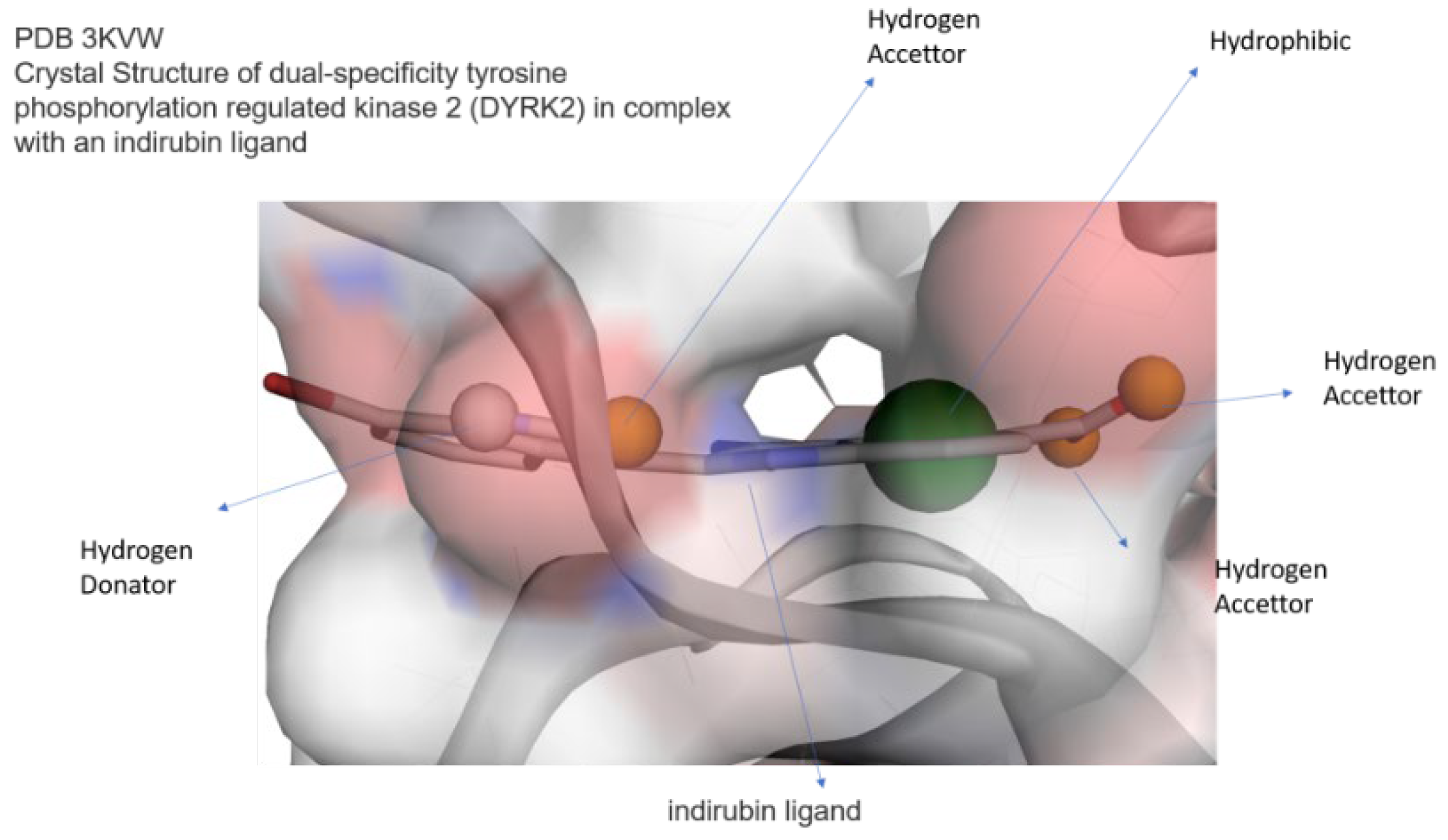
Pharmacophore model of Crystal Ligand IRB complexed in DYRK2 protein, ( PDB: 3KVW), estimated by Pharmit Server Engine ( https://pharmit.csb.pitt.edu/).
Figure 1.
Pharmacophore model of Crystal Ligand IRB complexed in DYRK2 protein, ( PDB: 3KVW), estimated by Pharmit Server Engine ( https://pharmit.csb.pitt.edu/).
Results and Discussion
The goal of this short computational analysis evaluated by Autodock Vina [12] with PyRx program (https://pyrx.sourceforge.io) 6and Autodock 4 [12] with Autodock Tools (http//:AutoDock.scripps.edu) was to find out one natural molecule that could have the effective biological role in the key protein of Structure of dual-specificity tyrosine phosphorylation regulated kinase 2 (DYRK2). This protein, according to several studies reported in the literature, is involved in different biological processes mainly in the cancer field [4,5] . The first step, before to perform docking analysis we focused on Ligand Binding site of this protein and we investigate the crystal ligand, through Validation Method in order to obtain good estimation values in terms of Binding Energy onto Active site of DYRK2 protein. Regarding Figure 2 we focused on Drug-likeness evaluation, according to Lipinski’s rule states Toxicity prediction and ADMET ( Absorption, Distribution, Metabolism, Excretion and Toxicity) parameters of natural compound Hypericin, evaluated by PkCSM Server [13]. while in Table 3 we report the chemical-physical characteristics of proposed best ZINC 95480894, according to Phamit Server 14 and Zinc 15 Database ( Http://zinc15.docking.org). In addition, we highlights which it could be the biological function of Hypericin, a carbopolycyclic compound. It has a role as an antidepressant. Moreover, it derives from a hydride of a bisanthene, through PASS Online Server ( http://www.way2drug.com) [15]. This analysis aims to predict biological activity profile , according to over screened 4000 kinds of biological activity. In short it estimates the probability that your compound is belonging to the particular classes of active compounds In our case PASS predict that the Hypericin has consisted of the possible probability values for CYP2C12 ( cytochrome P450, family 2, subfamily c, polypeptide 12 ) substrate with Pa value of about 0.898 % and Pi value of 0.012%. Regarding the possible adverse and toxic effects, the same prediction based on clinical manifestations, Hypericin could be negative effect on Reproductive Dysfunction with Pa value of ca 0.874 and Pi value 0.011 % score value, estimated by PASS analysis. Moreover, we have studied other predicted available methods to confirm the its biological activity. Indeed, we have investigate Swiss Target Prediction (http//:SwissTargetPrediction.ch/)[16] , developed by Swiss Istitute of Bioinformatics. From this computed analysis Hyperin could be target on with a probable score of ca 20% of Oxdorectase, ca 20% of Membrane receptor of Cytochrome 450, of ca 6,7%, Ligand-gated ion channel of ca 6,7%, of ca Surface Antigen of 6,7 % , of ca 6,7 % Protease , Primary active transporter of 13.3%, Kinase of 13.3 %. In fact, as we see in figure 3 we evaluate the quasi-perfect overlap ligand structures between Crystal ligand IRB and re-docked ligand with lower Reference RMSD, About 1 A° angstrom. The following step we have performed by Virtual screening method several repeatability tests by Docking analysis, onto Active site pocked of DYRK2 protein. Indeed, we report in Table 1-2 the best results in terms of binding energies poses of natural compound called Hypericn, an anthraquinone derivative product found in Hypericum olympicum and one of the best similar compound, analysed by Pharmit Server Engine and Zinc Database, complexed in Ligand Binding Site pocket of Tyrosine phosphorylation regulated kinase. Indeed, they have shown an excellent Binding energy value, of ca -12/-13 kcal/mol value and ca -10/-11 respectively in DYRK2 protein, estimated both by AutoDock Vina [6] and by AutoDock 4[7] , respectively ( See below Table 1-2). In Figure 4 we report the comparison of 2D a schematic diagram of the interactions, characterized by LIGPLOT software between protein DYRK2 between crystal ligand IRB ( Indirubicin), docked Hypericin and docked Zinc 95480894 residues interactions and also their 3D structure in Ligand Binding Site pocket, evaluated by Autodock Vina with Pyrx program. In figure 5 we show the same investigation, estimated by Autodock 4 with Autodock Tool.
In Figure 6 focused on Normal mode analysis [17], “NMA” of DYRK2-docked Hypericin complex, evaluated by versitile iMod Server ( iMod.chaconlab.org) to validate docking results. Generally speaking, NMA is a simulation technique used to sudy vibrational motion of a harmonic oscillating system in the vicinity of its equilibrium. In our case several parameters have been estimated of this protein-ligand complex, for instance Deformability, B-Factor, Eigenvalue, Valence %, Residue and Atom index.

Table 1.
Comparison repeability tests of Docking analysis by Autodock Vina of Crystal Structure of dual-specificity tyrosine phosphorylation regulated kinase 2 (DYRK2) in complex with Hypericin .
Table 1.
Comparison repeability tests of Docking analysis by Autodock Vina of Crystal Structure of dual-specificity tyrosine phosphorylation regulated kinase 2 (DYRK2) in complex with Hypericin .
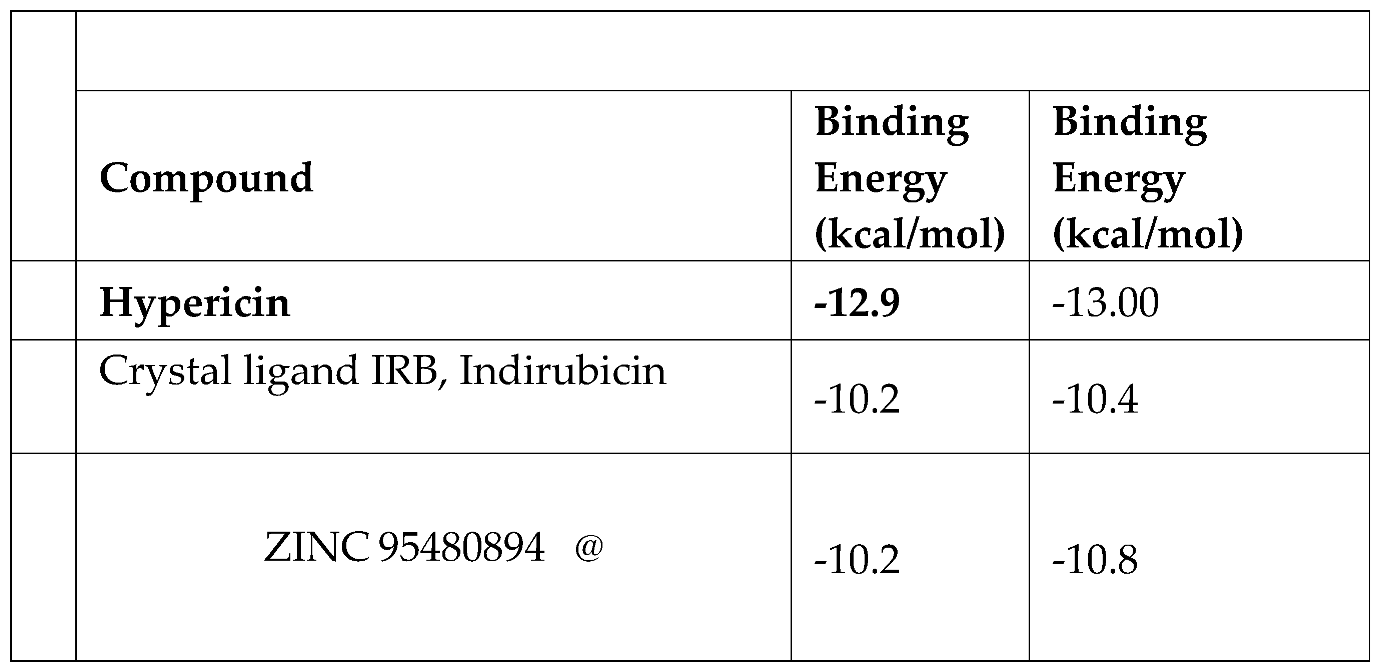
Note: @ estimated by Pharmit Search Engine ( Pharmit Search Engine.pitt.edu) according to the crystallized coordinates of the Ligand crystallized in the DYRK2protein.
Table 2.
Docking repeability analysis estimated by Autodock 4 with Autodock Tool of Crystal Structure of dual-specificity tyrosine phosphorylation regulated kinase 2 (DYRK2) in complex with Hypericin .
Table 2.
Docking repeability analysis estimated by Autodock 4 with Autodock Tool of Crystal Structure of dual-specificity tyrosine phosphorylation regulated kinase 2 (DYRK2) in complex with Hypericin .
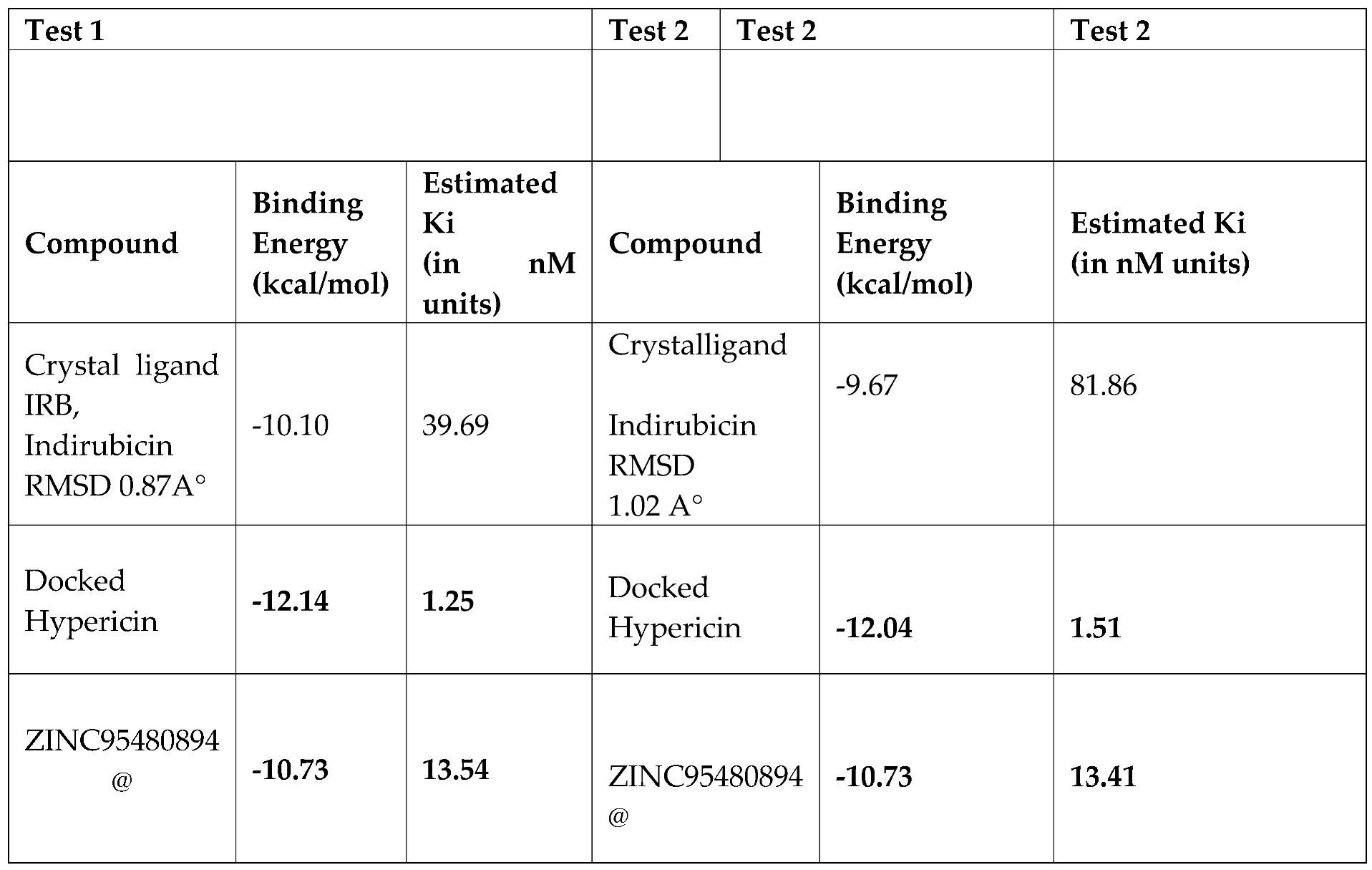
Note: @ estimated by Pharmit Search Engine ( Pharmit Search Engine.pitt.edu) according to the crystallized coordinates of the Ligand crystallized in the DYRK2 protein.
Figure 2.
A) Drug-likeness B) ADMET ( Absorption, Distribution, Metabolism, Excretion and Toxicity) parameters and C) Toxicity investigation of natural compound of Hypericin, estimatimated by PkCSM server .
Figure 2.
A) Drug-likeness B) ADMET ( Absorption, Distribution, Metabolism, Excretion and Toxicity) parameters and C) Toxicity investigation of natural compound of Hypericin, estimatimated by PkCSM server .
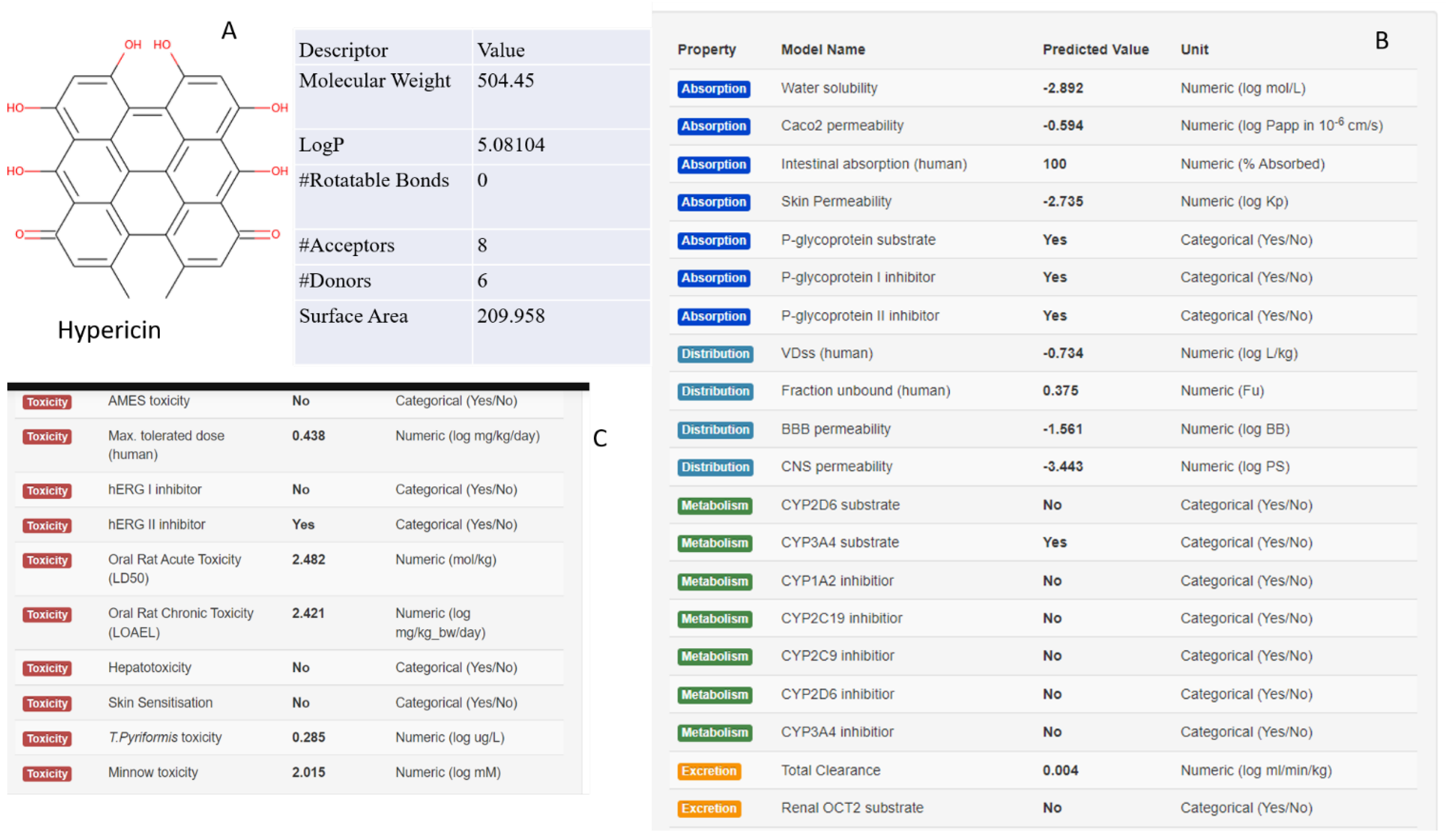
Table 3.
Chemical and physical characteristics of ZINC95480894 best proposed similar compound of Crystal Ligand IRB, evaluated by Zinc Database ( https://zinc15.docking.org/) and Pharmit Server Engine.
Table 3.
Chemical and physical characteristics of ZINC95480894 best proposed similar compound of Crystal Ligand IRB, evaluated by Zinc Database ( https://zinc15.docking.org/) and Pharmit Server Engine.
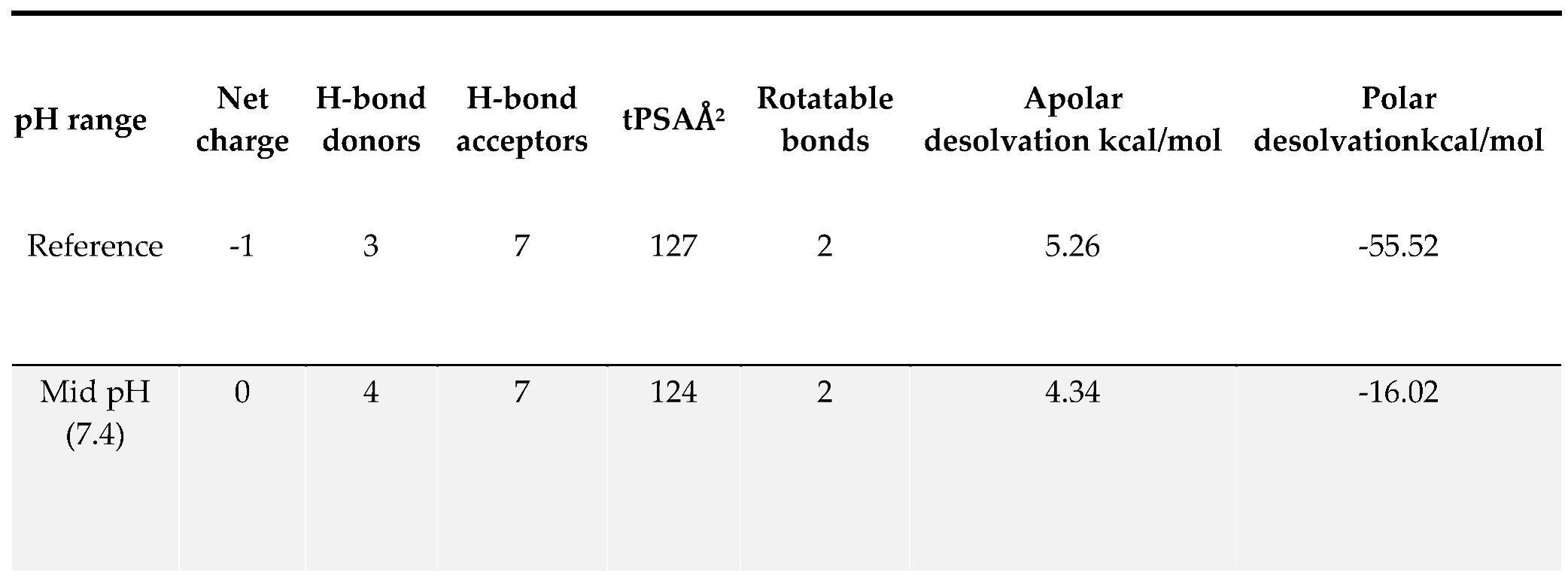
Figure 3.
Comparison and overlapping between Crystal Ligand B IRB and re-docked Ligand in Ligand Binding site Pocked of DYRK2protein. The figure was reproduced by the Pymol program.
Figure 3.
Comparison and overlapping between Crystal Ligand B IRB and re-docked Ligand in Ligand Binding site Pocked of DYRK2protein. The figure was reproduced by the Pymol program.
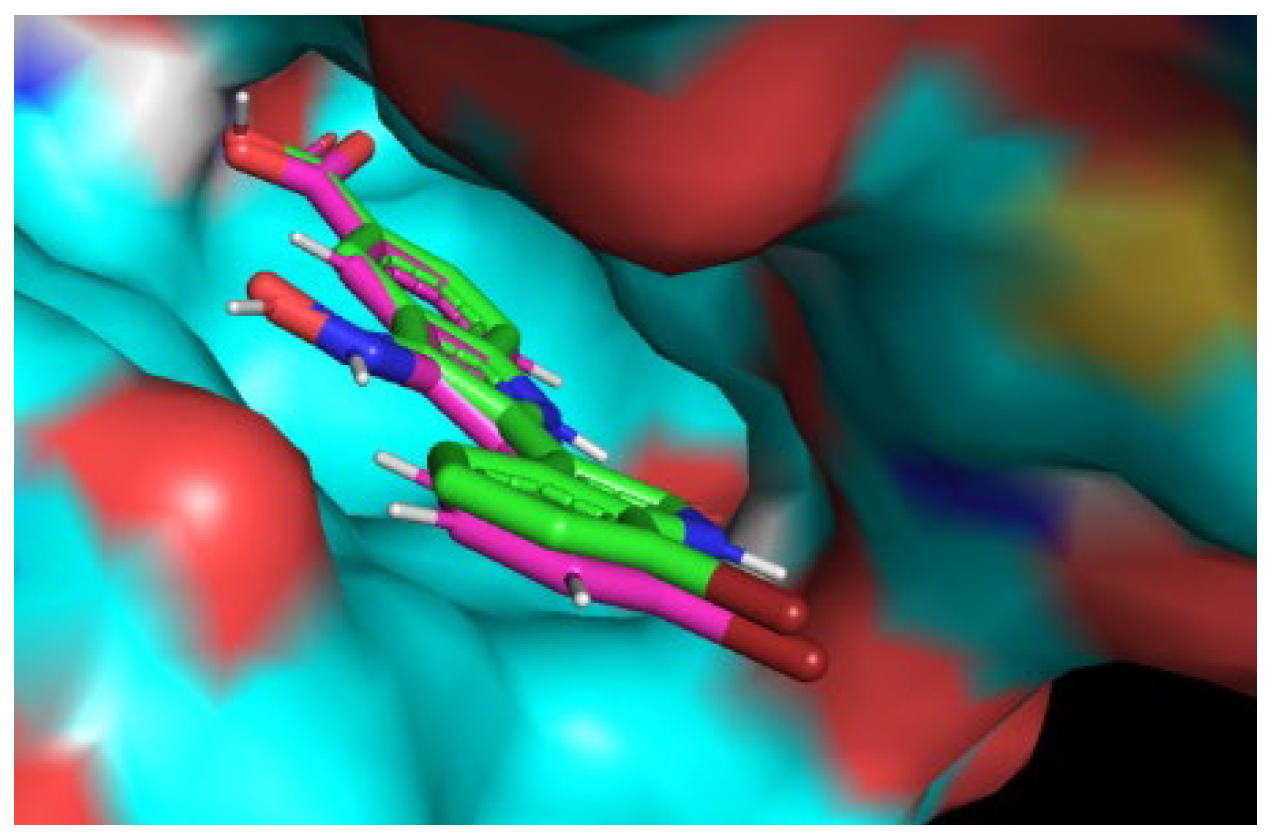
Figure 4.
Comparison 2D residues interactions and 3D structure of Crystal Structure of dual-specificity tyrosine phosphorylation regulated kinase 2 chain A (DYRK2), in complex with best pose proposed docked compound a) Crystal Ligand, b) docked Hypericin and c) ZINC95480894 respectively Autodock Vina with Autodock tool. This figure was reproduced by LIGPLOT program.
Figure 4.
Comparison 2D residues interactions and 3D structure of Crystal Structure of dual-specificity tyrosine phosphorylation regulated kinase 2 chain A (DYRK2), in complex with best pose proposed docked compound a) Crystal Ligand, b) docked Hypericin and c) ZINC95480894 respectively Autodock Vina with Autodock tool. This figure was reproduced by LIGPLOT program.
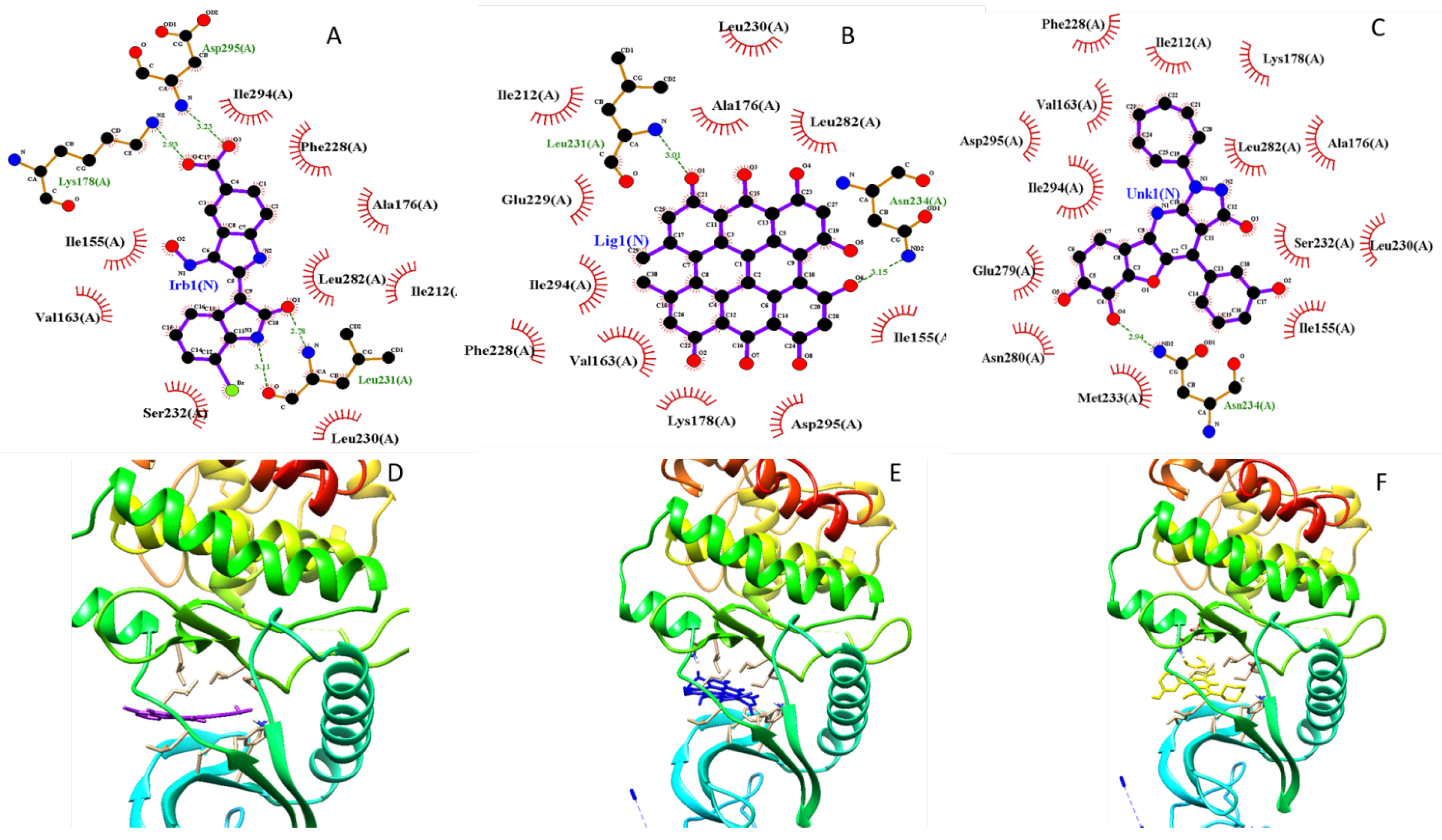
Figure 5.
Comparison 2D residues interactions and 3D structure of Crystal Structure of dual-specificity tyrosine phosphorylation regulated kinase 2 chain A (DYRK2), in complex with best pose proposed docked compound a) Crystal Ligand, b) docked Hypericin and ZINC95480894 respectively Autodock 4 with Autodock tool. This figure was reproduced by LIGPLOT program.
Figure 5.
Comparison 2D residues interactions and 3D structure of Crystal Structure of dual-specificity tyrosine phosphorylation regulated kinase 2 chain A (DYRK2), in complex with best pose proposed docked compound a) Crystal Ligand, b) docked Hypericin and ZINC95480894 respectively Autodock 4 with Autodock tool. This figure was reproduced by LIGPLOT program.
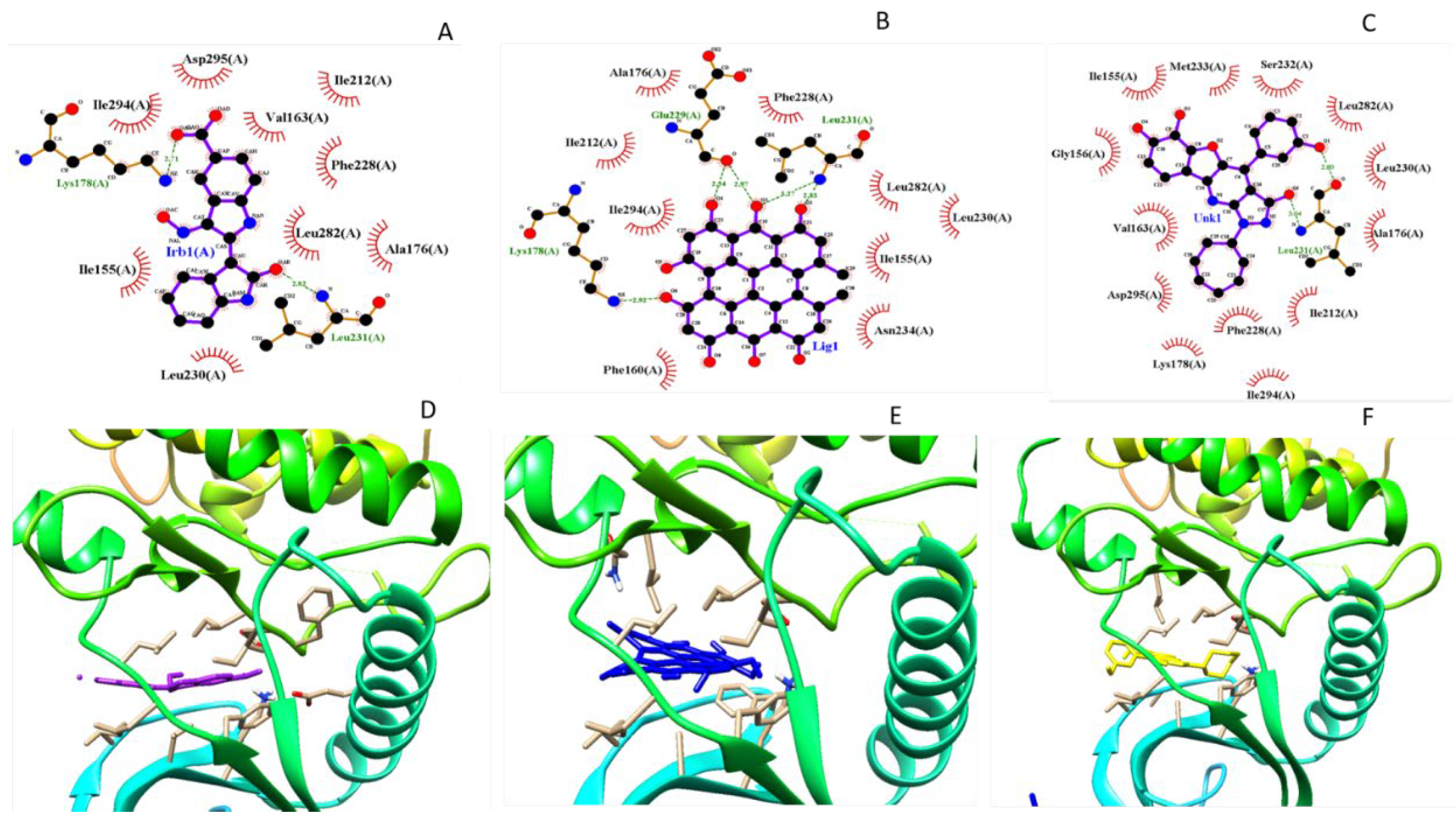
Figure 6.
Several predicted Parameters ( Deformability, B-Factor, Eigenvalue, Variance %, Residue index and atom-atom index) plotted of Crystal. chain A (DYRK2), in complex with docked Hypericin. This figure was reproduced by iMODS server.
Figure 6.
Several predicted Parameters ( Deformability, B-Factor, Eigenvalue, Variance %, Residue index and atom-atom index) plotted of Crystal. chain A (DYRK2), in complex with docked Hypericin. This figure was reproduced by iMODS server.
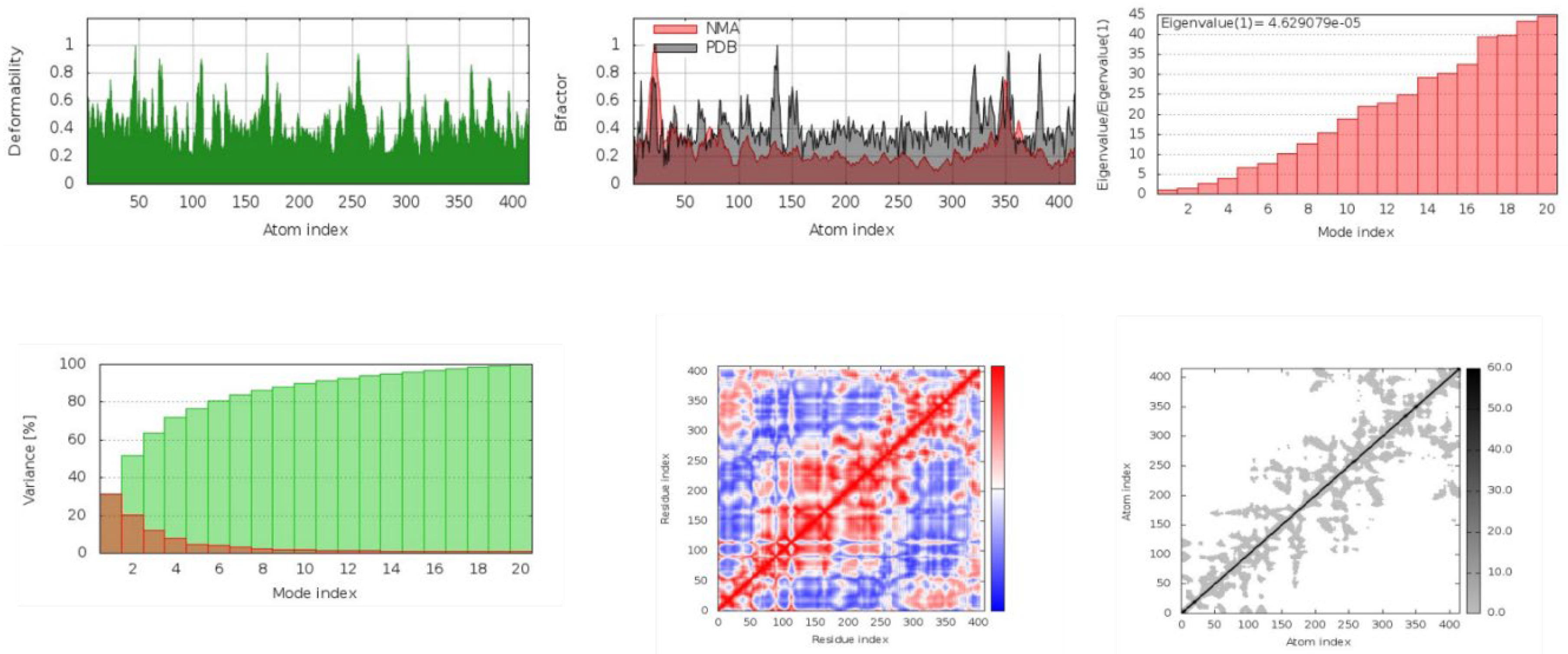
Figure 6 shows the prediction of the deformability parameter as a function of the atom index. The main-chain deformability is a measure of the capability of a given molecule to deform at each of its residues. The location of the chain ‘hinges’ can be derived from high deformability regions. The B-factor, also called the temperature factor, is one of the many parameters used to fit a potential structure to the electron density map obtained the B-factor, also called the temperature factor, from the corresponding PDB field and the calculated from NMA is obtained by multiplying the NMA mobility by (8pi^2). The eigenvalue associated with each normal mode representing the motion stiffness. Its value is directly related to the energy required to deform the structure. The lower the eigenvalue, the easier the deformation. In our case eigenvalue (1) is 4.629079 e-05. The variance associated with each normal mode is inversely related to the eigenvalue. Coloured bars show the individual (red) and cumulative (green) variances. Moreover the Reside index evaluates Covariance matrix indicates coupling between pairs of residues, i.e. whether they experience correlated (red), uncorrelated (white), or anti-correlated (blue) motions. The elastic network model defines which pairs of atoms are connected by springs. Each dot in the graph of atom-atom index represents one spring between the corresponding pair of atoms. Dots are coloured according to their stiffness, the darker greys indicate stiffer springs and vice versa.
4. Conclusions
First time, this investigation reports the potential active role of hypericin in dual-specificity tyrosine phosphorylation regulated kinase 2 (DYRK2), involved in cellular growth. From docking investigation and Normal mode analysis, NMA of Protein-ligand complex, evaluated by versatile iMod Server.
Author Contributions
Ivan Vito Ferrari conceived the idea, designed the studies, carried out the research, interpreted the results, and wrote the manuscript.
References
- Nomura, S., Suzuki, Y., Takahashi, R., Terasaki, M., Kimata, R., Terasaki, Y., & Kondo, Y. Dual-specificity tyrosine phosphorylation-regulated kinase 2 (DYRK2) as a novel marker in T1 high-grade and T2 bladder cancer patients receiving neoadjuvant chemotherapy. BMC urology 2015; 15:1-6. [CrossRef]
- Woods, Y. L., Cohen, P., Becker, W., Jakes, R., Goedert, M., Wang, X., Proud, C. G. The kinase DYRK phosphorylates protein-synthesis initiation factor eIF2Bɛ at Ser539 and the microtubule-associated protein tau at Thr212: potential role for DYRK as a glycogen synthase kinase 3-priming kinase. Biochemical Journal 2001;355:609-615. [CrossRef]
- Taira, N., Nihira, K., Yamaguchi, T., Miki, Y., Yoshida, K. DYRK2 is targeted to the nucleus and controls p53 via Ser46 phosphorylation in the apoptotic response to DNA damage. Molecular cell 2007;25: 725-738. [CrossRef]
- Citation for published version (APA): Tandon, V., de la Vega, L.,Banerjee, S. Emerging roles of DYRK2 in cancer. Journal of Biological Chemistry2021; 296 -100233.
- Correa-Sáez, A., Jiménez-Izquierdo, R., Garrido-Rodríguez, M., Morrugares, R., Muñoz, E., Calzado, M. A. Updating dual-specificity tyrosine-phosphorylation-regulated kinase 2 (DYRK2): molecular basis, functions and role in diseases. Cellular and Molecular Life Sciences 2020;77:4747-4763. [CrossRef]
- Yoshida, K. Role for DYRK family kinases on regulation of apoptosis. Biochemical pharmacology 2008; 76: 1389-1394. [CrossRef]
- Kubin, A., Wierrani, F., Burner, U., Alth, G., & Grunberger, W. (2005). Hypericin-the facts about a controversial agent. Current pharmaceutical design, 11(2), 233-253. [CrossRef]
- Palumbo, G. (2007). Photodynamic therapy and cancer: a brief sightseeing tour. Expert opinion on drug delivery, 4(2), 131-148. [CrossRef]
- Erdelmeier, C. A. J., Koch, E., & Hoerr, R. (2000). Hypericum perforatum-St. John’s Wort chemical, pharmacological and clinical aspects. In Studies in natural products chemistry (Vol. 22, pp. 643-716). Elsevier.
- Pettersen, E. F., Goddard, T. D., Huang, C. C., Couch, G. S., Greenblatt, D. M., Meng, E. C., Ferrin, T. E. ( UCSF Chimera—a visualization system for exploratory research and analysis. Journal of computational chemistry2004, 25: 1605-1612. [CrossRef]
- Trott, O., & Olson, A. J. AutoDock Vina: improving the speed and accuracy of docking with a new scoring function, efficient optimization, and multithreading. Journal of computational chemistry 2010; 31:455-461. [CrossRef]
- Huey, R., Morris, G. M., Forli, S. Using AutoDock 4 and AutoDock vina with AutoDockTools: a tutorial. The Scripps Research Institute Molecular Graphics Laboratory 2012; 10550:92037.
- Pires, D. E., Blundell, T. L., Ascher, D. B.pkCSM: predicting small-molecule pharmacokinetic and toxicity properties using graph-based signatures. Journal of medicinal chemistry2015, 58: 4066-4072. [CrossRef]
- Sunseri, J., & Koes, D. R. Pharmit: interactive exploration of chemical space. Nucleic acids research 2016, 44: W442-W448. [CrossRef]
- Lagunin, A., Stepanchikova, A., Filimonov, D., Poroikov, V. PASS: prediction of activity spectra for biologically active substances. Bioinformatics 2000, 16: 747-748. [CrossRef]
- Daina, A., Michielin, O., Zoete, V. SwissTargetPrediction: updated data and new features for efficient prediction of protein targets of small molecules. Nucleic acids research 2019, 47: W357-W364. [CrossRef]
- López-Blanco, J. R., Aliaga, J. I., Quintana-Ortí, E. S., Chacón, P. iMODS: internal coordinates normal mode analysis server. Nucleic acids research 2014; 42:W271-W276. [CrossRef]
Disclaimer/Publisher’s Note: The statements, opinions and data contained in all publications are solely those of the individual author(s) and contributor(s) and not of MDPI and/or the editor(s). MDPI and/or the editor(s) disclaim responsibility for any injury to people or property resulting from any ideas, methods, instructions or products referred to in the content. |
© 2024 by the authors. Licensee MDPI, Basel, Switzerland. This article is an open access article distributed under the terms and conditions of the Creative Commons Attribution (CC BY) license (http://creativecommons.org/licenses/by/4.0/).
Copyright: This open access article is published under a Creative Commons CC BY 4.0 license, which permit the free download, distribution, and reuse, provided that the author and preprint are cited in any reuse.