

Submitted:
19 July 2024
Posted:
22 July 2024
You are already at the latest version
Abstract
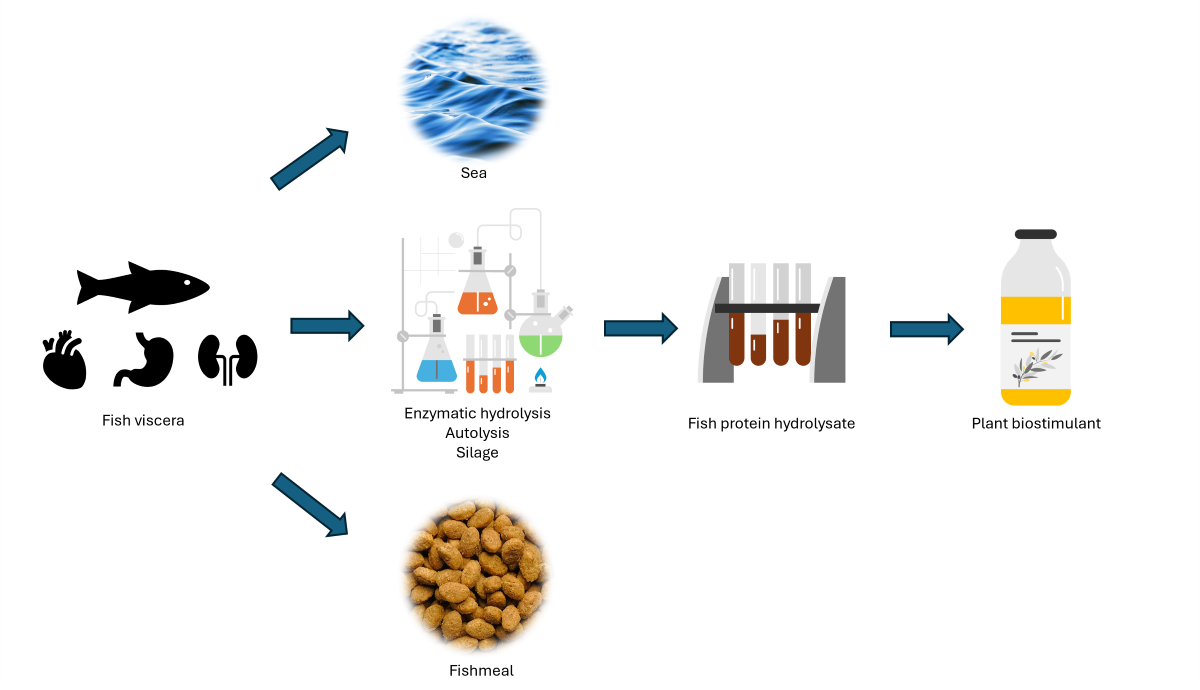
Crop production has become a priority issue in the last few years due to the exponential growth of the world population and the need to substitute chemical fertilizers. This last matter is under the spotlight to achieve a more sustainable approach in a cost-effective way. Biostimulants have gained attention as an alternative to chemical fertilizers. Although they are not considered fertilisers as inputs of nutrients, they stimulate plants’ nutrition and tolerance to stress, among other characteristics. Amino acid-based biostimulants have been found to be effective in literature. This review focuses on the effectiveness of biostimulants, their presence in the global market, and mainly in their production with fish by-products as a source, using enzymatic hydrolysis and autolysis, focusing especially on fish viscera, their possibilities in the agricultural sector and their availability in Europe for possible opportunities. Fish viscera protein hydrolysates for biostimulant production seems a feasible alternative to fishmeal production in Europe, mainly in areas located far away from fishmeal plants.
Keywords:
fish viscera
; enzymes
; hydrolysis
; autolysis
; biostimulant
; amino acids
1. Introduction
Fisheries can be economically the most important sector in many countries. Among them we can find China, Chile, Norway, Egypt, and Nigeria [1]. According to FAO [1], worldwide fishing and aquaculture production increased in 2020, reaching 90.3 million tonnes and 87.5 million tonnes, respectively. In parallel to fish, the volume of fish by-products is also growing consequently. Fish by-products (head, skin, scales, bones, and viscera) constitute between 60 and 70% of the whole fish's weight [2]. By-products can be disposed or used for other purposes, due to their high protein and oil content, such as production of fishmeal or fish protein hydrolysates with bioactive peptides. If not used, they may cause environmental, health, and economic problems [3]. Therefore, the valorisation of fish by-products, especially viscera, must be fully implemented to meet societal needs. As another example, transformed by-products can be used as ingredients for the formulation of bio-based fertilizers or biostimulants. This alternative may be interesting in areas where there are no fishmeal production plants in the nearby. Thus, nowadays there are already some fertilizers produced from fish by-products in the market, some of them even authorized for organic agriculture [4]. Additionally, the combination of hydroponics and biostimulants presents a promising environmentally friendly production strategy for the next decades for vegetable growth that requires further research [5].
2. Bio-Based Fertilizers for Plants
Due to the exponential growth of the human population, the exploitation of natural resources is rising. These resources are, in most cases, non-renewable and perishable. Therefore, the use of alternative sources for food production should be focused to maintain the stability of food availability [6].
In the case of fertilizers, most of them need phosphate rock to be produced. Around 90% of the phosphate rock is imported, which makes the EU very vulnerable with the rise of prices of raw materials. It is expected that the demand of phosphorus and nitrogen will increase in the next years, which could lead to geopolitical problems [6,7]. Also, the use of phosphorus and nitrates in fertilizers provokes leaky losses in soil, and nutrients can run off into surface waters, producing pollution of environments and causing harm to aquatic ecosystems [6]. To reduce the number of toxic nitrates in the soil, the EU Council Directive of 12 December 1991 concerning the protection of waters against pollution caused by nitrates from agricultural sources (91/676/EEC) called for a significant reduction in the number of nitrogen-containing fertilizers used in agriculture and horticulture. Therefore, it is necessary to find new alternatives to minerals, like recycled organic matter, and to improve the efficiency in the fertilization, reducing its environmental impact. There is also a need to recirculate nutrients, closing the loop and preventing their dissipation into the environment. For fertilizers, typically composed of minerals, part of the raw materials could be substituted with residual biomass coming from animals [8].
In this way, animal by-products that might otherwise end up in a landfill could be revalued and repurposed, enhancing resource efficiency. In fact, the availability of raw materials to produce bio-based fertilizers (BBFs) is abundant, and farmers from different countries within Europe have common preferences for BBFs with similar nutrient content but lower prices than chemical fertilizers [9]. BBFs are a promising alternative to traditional synthetic fertilizers and can help to promote sustainable agriculture practices.
However, several disadvantages and barriers have been identified with bio-based fertilizers. These include unpleasant odours, time-consuming processing, variable composition, and the slow mineralization and release of nutrients [6,10]. Additionally, BBFs face challenges related to the presence of antibiotic and microplastic residues, toxicity of heavy metals, pathogen exposure, and accumulation of salts. Despite these issues, BBFs offer opportunities to improve crop quality, enhance micronutrients uptake in plants, promote soil biodiversity, and aid in soil remediation [6].
2.1. EU Fertilizer Product Regulation
In the fertilizing product regulation 2019/1009 of the European Commission [11], broader types of products are covered apart from fertilizers. Also, end-of-waste status is laid down, with which material that constitutes waste can cease to be waste if it is contained in a compliant EU fertilizing product.
According to Regulation 2019/1009 [11] and as shown in Table 1, products are categorized into 7 Product Function Categories (PFCs). Fertilizers are products which function is to provide nutrients to plants or mushrooms, and they can be organic, organo-mineral, or inorganic. A liming material’s function is to correct soil acidity. Soil improvers (inorganic or organic) improve or protect the physical or chemical properties, structure, or biological activity of the soil to which it is added. Growing medium’s function is to maintain, improve or protect the physical or chemical properties, structure, or biological activity of the soil to which it is added. Inhibitors improve the nutrient release patterns of a product providing plants with nutrients by delaying or stopping the activity of specific groups of microorganisms or enzymes, related with nitrification, denitrification, or urease activity. Plant biostimulants’ function is to stimulate plant nutrition processes independently of the product’s nutrient content with the aim of improving one or more characteristics of the plant or plant rhizosphere (nutrient use efficiency, tolerance to abiotic stress, quality traits, and availability of confined nutrients in soil or rhizosphere), and they can be microbial or non-microbial. Fertilizing product blends are made of two or more fertilizing products that are already CE-marked.
An EU fertilizing product will consist only of component materials complying with the requirements for one or more of the Component Material Categories (CMCs) listed in Table 2. Products are composed of at least one CMC or might contain more than one CMC. CMC 3, 4, 5, 12, 13, 14, and 15 must undergo a defined recovery operation and resulting recovered materials must comply with relevant requirements.
Regarding safety of plant biostimulants, according to Regulation 2019/1009 of the European Commission [11] contaminants must not exceed the limit values established for certain elements (Table 3). The information provided by the producer must be the physical form of the biostimulant, the production and expiry date, application method, relevant instructions related to the efficacy, and the effect claimed in the target plants. The regulation 2019/1009 obliges to demonstrate with evidence the effects claimed on the label of the biostimulant, and such evidence can be that published in the literature or come from experimental data from field trials [12].
2.2. Biostimulants
As an alternative to chemical fertilizers we can find biostimulants, formulated products of biological origin which can be used to stimulate plant growth and increase yields [12]. Unlike bio-based fertilizers, they do not provide nutrients directly to the plants, but they facilitate acquisition of nutrients though. Biostimulants act on the metabolic and enzymatic processes of plants improving productivity and crop quality [13]. Animal sources for biostimulants are usually hydrolysates of by-products, normally produced using alkaline or enzymatic hydrolysis [13] and food waste streams are considered important precursors for biostimulant development.
Depending on the composition and the expected results, biostimulants can be soil-applied or leaf-applied, and their effects are species-specific and product-specific [14]. For addressing this specificity, information and data are required that would enable farmers to discriminate among products with different levels of effectiveness [15]. Leaf permeability is a crucial factor as well as the penetration of biostimulants into plant tissue is a necessary condition for a reliable efficiency [16]. Also, foliar application increases amino acid and peptide availability for plant uptake by reducing the competition with microorganisms comparing to soil application [17].
The biggest consumer and producer of biostimulants globally is the United States [18]. Farmers, investors, regulators, consumers, and scientists are still learning about biostimulants and their role in agriculture [19]. Among the most important barriers to introduce bio-based fertilizers and biostimulants in Europe are the low level of technological readiness, the biological wastes collection system (to ensure the availability of secondary raw materials) and the legislation [8].
2.3. Amino Acid-Based Biostimulants
Studies showed that organic compounds like amino acids promote the growth of several horticultural plants [20,21,22,23]. Synthesis of amino acids demands a high energy consumption in plants, so their foliar application in agriculture is a usual practice, as it allows plants to save energy on amino acid synthesis by regulating nitrogen acquisition in roots to increase the pace of their reconstruction, especially during critical times like transplantation or climatic stress [24,25]. Amino acids are also used as chelators of metal ions. Combination of essential micronutrients with amino acids in form of aminochelate fertilisers can accelerate their absorption and transport within the plant and thus enhance plant growth [26,27].
Glutamic acid plays an important role in the biosynthesis of proline and other nitrogen-containing compounds, apart from having a positive effect on the photosynthetic activity and major production of fruits in plants [22,28]. In literature, glutamic acid is found as the most abundant amino acid in fish protein hydrolysates produced from both enzymatic hydrolysis and silage [29,30,31].
Apart from glutamic acid, other amino acids have beneficial effects in crops. According to the work reviewed by Ashraf et al. [32], proline stimulates plant defences to biotic and abiotic stress. In fact, several studies have shown that proline accumulation was high in cells adapted to high concentrations of salt [33] that it mitigates the effect of sodium chloride on cell membrane disruption [34], and that proline neutralizes the increased ethylene production in stressed plants suffering from drought [35]. Flores et al. [36] reported that arginine plays an important role in nitrogen storage and transport in plants during both biotic and abiotic stress. However, tyrosine, methionine and lysine are the amino acids usually applied in biostimulants [23].
Some examples of commercially available amino acid-based plant biostimulants are Radifarm produced by Valagro (Atessa, Italy), which stimulates root growth, Megafol produced by Valagro (Atessa, Italy), that stimulates plant growth during abiotic stress, and C-BIO SeaActiv, produced by C-BIO (Dunkineely, Ireland) and derived from fish, it increases plant resistance to insects, heat, and drought).
3. Fish Protein Hydrolysates
After the production of fishmeal, the production of fish protein hydrolysates (FPHs) is the most common valorisation route for fish by-products. Fish protein hydrolysates are rich in soluble proteins, with high digestibility, and sometimes even antioxidant and antimicrobial properties [37], among others. FPHs contain mainly free amino acids and low molecular weight peptides, and hydrolysis can be alkaline, acidic, or enzymatic.
3.1. Chemical Hydrolysis
Alkaline and acidic hydrolysis require strong experimental conditions and extreme precautions [38,39], and such conditions attack all peptide bonds, getting a very high degree of hydrolysis and releasing free amino acids. However, it also brings the destruction of several amino acids: tryptophan is usually destroyed with acidic hydrolysis, cysteine, serine, and threonine are partially lost, and asparagine and glutamine are converted into their acidic forms [17]. Large use of acids and alkalis can lead to an increase in salinity in the FPH too. In addition, during chemical hydrolysis there is racemisation. This means that there is a conversion of the free amino acids from the L-form to D-form, which may cause some problems in terms of the effectivity of the FPHs, for example as biostimulants, as plants cannot directly use D-form amino acids in their metabolism [17].
3.2. Enzymatic Hydrolysis
Given the disadvantages associated with the chemical hydrolysis, enzymatic hydrolysis is the most widely used due to its mildness, ease of control and lack of residual organic solvents [40]. Enzymes hydrolyse proteins more gently than chemicals, allowing the production of low molecular weight peptides, dipeptides, or even free amino acids depending on the experimental conditions. A schematic flowchart of the production of fish protein hydrolysates using enzymes is shown in Figure 1.
Enzymes used in hydrolysis can be classified into two types based on their origin. Exogenous enzymes, which are commercially available, are added to the sample to be hydrolysed, and they are typically extracted from plants, animals, and microbes. Among these, Alcalase is the most referenced in literature [41,42,43,44,45], but others like Protamex [41,46] Flavourzyme [29,46] and Protana Prime [30] are also used. Some examples of published works on enzymatic hydrolysis of fish with commercial enzymes are shown in Table 4.
3.3. Endogenous Enzymes of Fish
Enzymes can also be naturally present in fish, known as endogenous enzymes. The largest group of enzymes in fish are proteases, and they catalyse the hydrolysis of peptide bonds using different mechanisms [47]. Proteases are classified into two groups depending on the substrate specificity. Exoproteases or peptidases cleave the peptide bond of the terminal amino acid (amino/carboxyl end) of the polypeptide chain, whereas endoproteases or proteinases cleave the internal bonds of the chain [47,48].
As explained by Vannabun et al. [49] and Sriket [50], fish viscera contain different types of digestive proteases: serine, aspartic/acid, cysteine/thiol and metallo-proteases. Inside the serine type, trypsin can be found, which is stable and active at a pH range between 7.5 and 8.5 and is in the fish pyloric caeca [51]. Trypsin not only cleaves ingested proteins but also activates precursor forms of several other digestive proteases like chymotrypsin [52]. Meanwhile, in the group of aspartic/acid, pepsin can be found, which is secreted in the fish stomach and its peak activity is under acidic conditions [52].
The use of fish proteases can reduce the economic cost of the process, as the price of commercial enzymes is high. The use of trypsin is rising due to its unique features: stability and activity in a wide range of pH (8-11) and temperature (38-70 °C) [47].
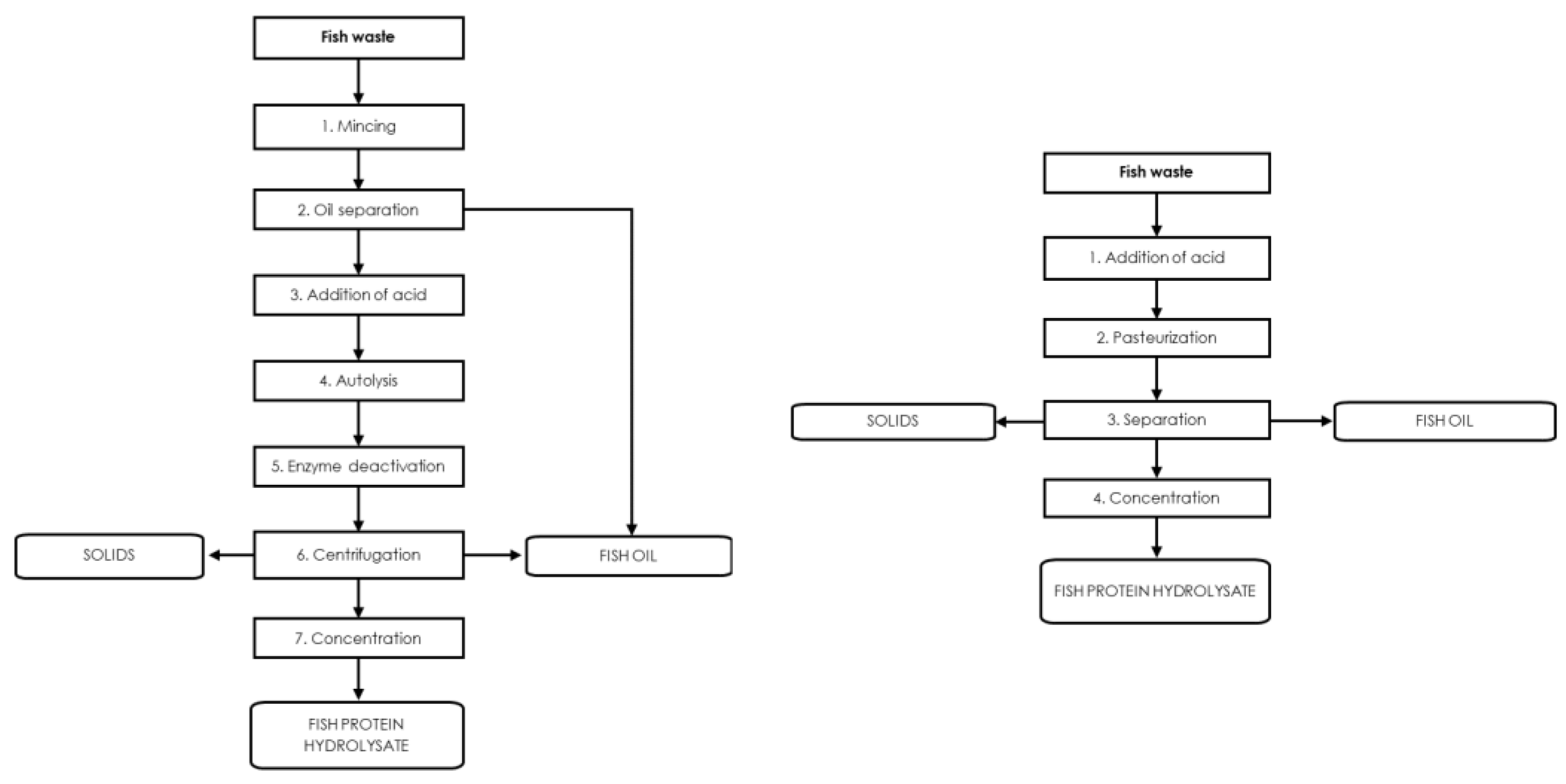
The process of hydrolysis using endogenous enzymes is known as autolysis, and it can be performed in two ways. The most common is silage or acid autolysis, typically used in areas with high densities of fisheries but where fishmeal processing plants are not economically viable [53]. As an example, in 2014 more than 250,000 tonnes of fish by-products were preserved by silage only in Norway, representing 41% of the total fish by-products generated in the country [54]. Silage is the process of liquefaction and stabilization of minced fish at room temperature (see flowchart of the process in Figure 2). Typically, formic acid is added to achieve a pH range of 3.5–4.5 to prevent microbial growth [55]. Protein hydrolysis occurs thanks to the aspartic endoproteases present in the fish viscera, particularly pepsin [52], which has been reported to be highly stable at pH values between 1 and 5 [49]. Pepsin triggers the breakdown of proteins and makes it possible to obtain low molecular weight peptides [56]. Acid-preserved fish silage can completely or partially replace fishmeal in feed for fish, as a 6-day-old silage can contain a similar protein content to good quality fishmeal [57]. However, due to chemical reactions between α amino and aldehyde groups present in amino acids, the concentration of some amino acids can lower over time [3].
Figure 2.
Schematic flowcharts pf acid autolysis or silage of fish waste. Compiled from Domínguez et al. [30] on the left and Arason et al. [58] on the right.
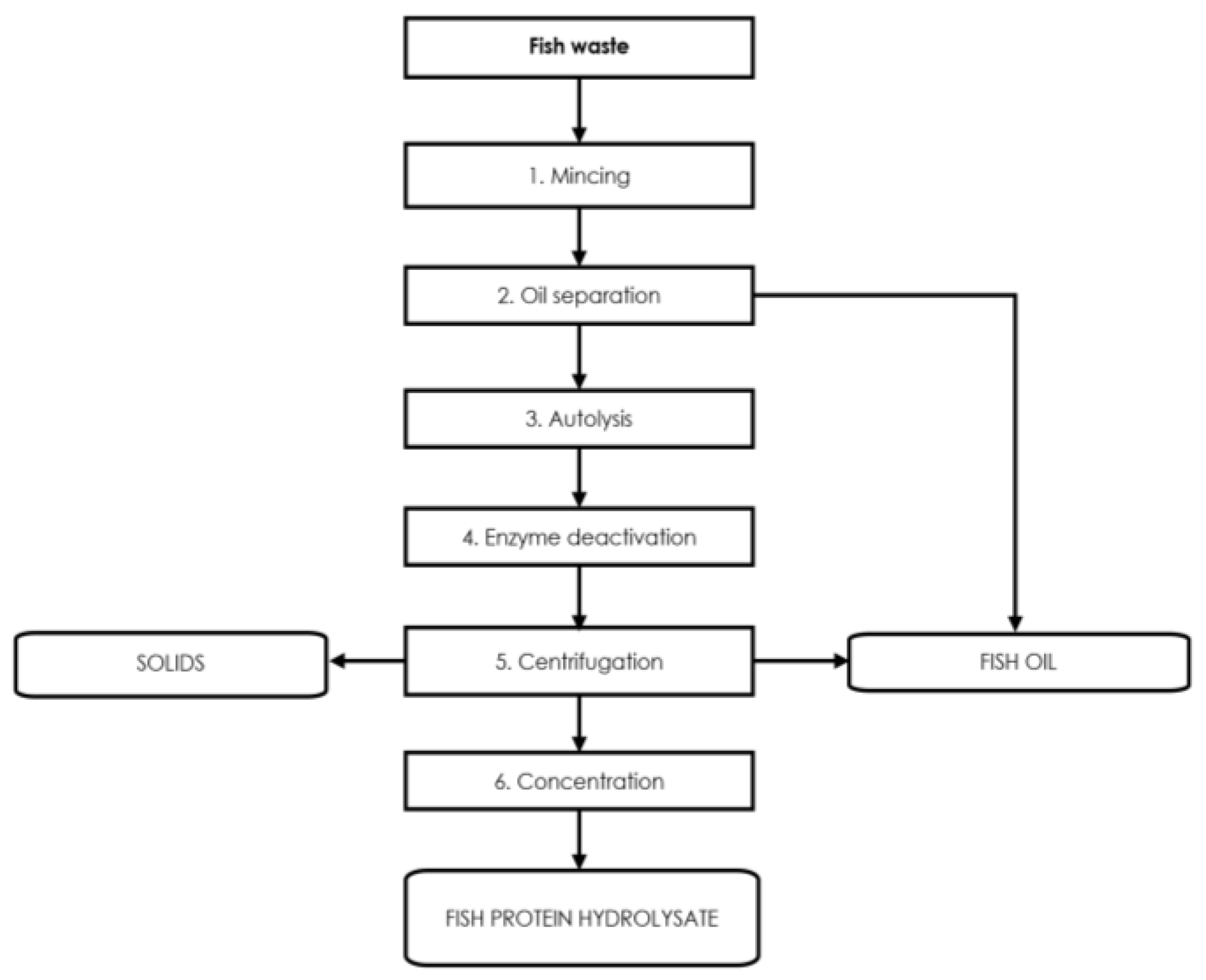
The other alternative method is autolysis, which requires higher temperatures than silage and not necessarily an acidic pH. The autolysis conditions (pH, solid: liquid ratio and temperature) usually need to be optimized for each raw material used. Response surface methodology is a common method used to optimize the experimental parameters of fish autolysis [59,60,61]. However, the efficiency in the production of free amino acids of both silage and autolysis can be low to medium compared with enzymatic hydrolysis.
Figure 3.
Schematic flowchart of autolysis of fish waste. Compiled from Domínguez et al. [60].
Figure 3.
Schematic flowchart of autolysis of fish waste. Compiled from Domínguez et al. [60].
3.4. Use of Fish Protein Hydrolysates in Agriculture
When fish byproducts do not meet the standards to be processed into fishmeal, they can be converted into liquid or solid forms of fertilizers, as when using fish viscera protein hydrolysates as ingredients. Historically, civilizations like Egyptians, Incas, Mayans and Norwegians have used fish by-products to fertilize their crops [62]. Fish protein hydrolysates can be used as biostimulants, enhancing plant nutrition, fruits and vegetables quality, and crop productivity [63,64]. However, phytotoxic effects and growth depression have also been reported [65]. In addition, there was some concern about the use of animal-derived protein hydrolysates as biostimulants, leading to the implementation of European Regulation 354/2014 and later European Regulation 2021/1165, which prohibit the application of these products on the edible parts of organic crops. However, Corte et al. [66] concluded in their work that protein hydrolysates did not negatively affect eukaryotic cells and soil ecosystems, and that they could be used in farming without causing any harm to the environment and human health.
Among the CMCs mentioned in the Regulation (EU) 2019/1009 [11], composting (CMC 3) is one of the most relevant methods to valorise fish by-products. Composting is a biotransformation process of organic materials into stable and complex macromolecules under the action of microorganisms such as fungi, bacteria, or enzymes [4]. It was reported that soil fertilization with compost produced with fish by-products increased leaf yield of lettuce and increased the content of nitrogen, phosphorus, potassium, sodium, calcium, and magnesium in leaves [4].
According to Ahuja et al [62], OMRI (Organic Materials Review Institute) has allowed 154 commercial fish fertilizers until 2020, but only a few have been deeply investigated in scientific research, most of them in the United States and Canada. Some examples are given by Madende & Hayes [12]. These fertilizers are produced in the form of pellets, hydrolysed powder, and emulsion-based liquid.
4. Fish Viscera
Viscera constitute 8-15% of the whole fish weight and contain high-quality proteins, long-chain omega-3 fatty acids, vitamins A and D, and minerals like Fe, Zn, and Se [55]. In Europe alone, it is estimated that between 200 and 400 million tonnes of fish viscera are generated annually from aquaculture, with over half originating from salmon produced in Norway [67]. In Table 5, it can be observed that in the whole picture of Europe, in 2021, more viscera were produced from captures rather than aquaculture (607,000-1,140,000 tonnes vs 216,000-406,000 tonnes, respectively). However, viscera obtained from captures can sometimes be thrown into the sea by fishermen in order to preserve better the captured fish and to save space, so that the real number of viscera weight landed is much lower than the one proposed in Table 5. Fish gutting at home, restaurants, and hotels instead of in processing plants can make the collection of viscera difficult logistically.
Among the fish species most farmed in Europe, salmon tops the list followed by trout, gilt-head bream, seabass, carp, and turbot (Table 6). Only from these species, between 1,554,000 and 1,813,000 tonnes of by-products and between 207,000 and 388,500 tonnes of viscera are generated in total. The production of salmon only in Norway supposed almost 1,600,000 tonnes of live weight in 2021 [67], which means that between 128,000 and 240,000 tonnes of viscera that can be valorised.
Fish Viscera Protein Hydrolysates
Generally, fish viscera are disposed to landfill, to the sea, or used in the production of fishmeal where rendering plants exist in the nearby. All the problems surrounding climatic change and the rise of the circular economy make the first two choices unacceptable. However, their processing in fishmeal plants can be difficult because they deteriorate very fast due to the high microbial load of the gastrointestinal tract, together with the storage and transportation to the fishmeal plants in inappropriate conditions, and because of their content of water, which can be as high as 80% [40], resulting in high energy costs in the rendering process [53,70]. For these reasons and due to their protein content, the production of fish viscera protein hydrolysates may be a suitable route for their valorisation. Moreover, the main advantage of using viscera for hydrolysis is the possibility of using the endogenous enzymes (pepsin, trypsin…) contained in the digestive system, which are very effective and can reduce the economic cost of the process by producing silage and autolysates, as mentioned in the previous Section. Among some studies that have used endogenous enzymes for autolysis and even optimized the experimental conditions are Domínguez et al. [60] and Nikoo et al. [61]. Enzymatic hydrolysis of fish viscera seems a promising and profitable process to valorise these by-products.
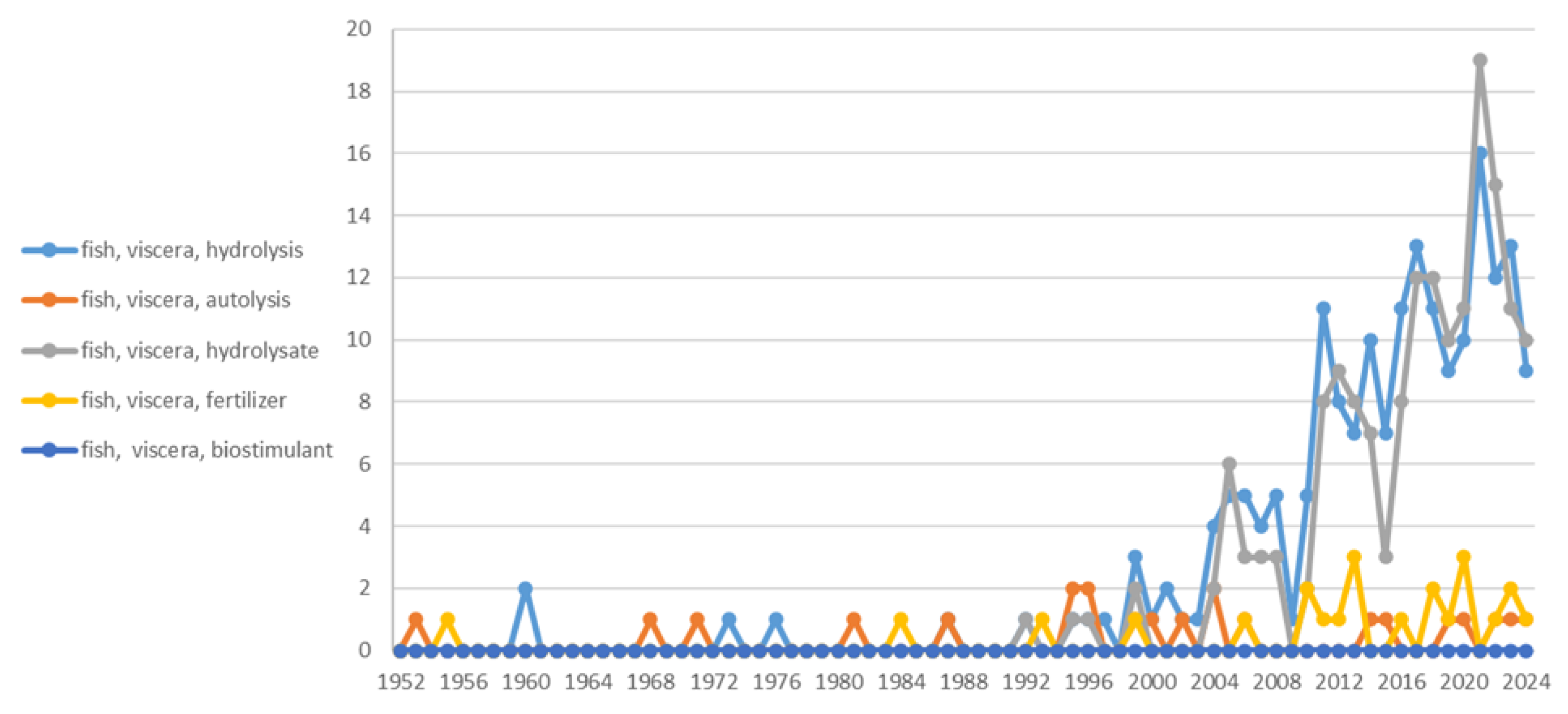
Viscera of some species may have a high oil content which can be used for feed and the protein content can be used for getting protein hydrolysates. There is no published work on the production of fish viscera hydrolysates for biostimulant purposes. In fact, some specific words related with this topic were searched in Scopus and the results are displayed in Fig. 4, where it can be observed that in the last 25 years, the publications about fish viscera hydrolysis and autolysis increased until reaching its peak during the last 5 years. However, publications about fertilizers produced from fish viscera did not increase and publications about biostimulant fertilizers produced from fish viscera are none. Meanwhile, viscera hydrolysates seem a feasible option to produce amino acid-based biostimulants as they can more than comply with the legislation. For example, the Spanish legislation (RD 506/2013) establishes a minimum of 6% of free amino acids in dry matter for the composition of a biostimulant labelled as amino acids, and the viscera hydrolysates obtained with enzymatic hydrolysis and silage by the authors of the present review achieved a percentage of free amino acids of 50.3 ± 3.7 and 49.2 ± 1.2 (D.M. basis) respectively [30]. Biostimulants formulated with viscera hydrolysates must also to comply with the European Regulation 2019/1009, mentioned in the Section “EU fertilizer product regulation”.
Figure 4.
Results of the search in Scopus of different keyword combinations from 1952 to 2024.
5. Conclusions and Future Outlook
Although fish viscera are mainly used for the production of fishmeal or simply disposed to landfill, using them for the production of protein hydrolysates, which can be used as ingredients for biostimulants, seems a promising alternative for areas where fishmeal plants are not accessible. Moreover, this option allows promoting the circular economy, as free amino acid-rich hydrolysates can enhance plant nutrition and crop productivity. Availability of raw material is assured for the next decades and the use of other fish by-products can also be brought to this value chain. The profitability of the production of fish viscera hydrolysates should be considered compared to the production of fishmeal in some cases. Amino-acid based biostimulants produced from fish by-products appear as promising and effective products that will grow in the global market in the next years. However, more studies on the biostimulant effect of the fish derived products are needed. The sustainability of the different ways to produce biobased fertilisers from fish by-products will have to be compared in terms of environmental, economic and social impact, also with the nowadays used fertilisers of mineral origin.
Author Contributions
Conceptualization, H.D., B.I., J.L. and C.B.; Investigation, H.D., B.I. and C.B.; Data curation, H.D.; writing – original draft preparation, H.D.; writing – review and editing, H.D., B.I., J.L. and C.B.; supervision, C.B.; funding acquisition, C.B. All authors have read and agreed to the published version of the manuscript.
Funding
This research has been developed within the SEA2LAND project which has received funding from the European Union Research and Innovation H2020 programme, contract No 101000402 (this work reflects the views of the author(s) only, and the European Union cannot be held responsible for any use which may be made of the information contained therein). This paper is contribution nº xxxx from AZTI, Food Research, Basque Research and Technology Alliance (BRTA).
Institutional Review Board Statement
Not applicable.
Informed Consent Statement
Not applicable.
Data Availability Statement
Not applicable.
Conflicts of Interest
The authors declare that they have no known competing financial interests or personal relationships that could have appeared to influence the work reported in this paper.
References
- FAO, 2022. The State of World Fisheries and Aquaculture. Available online: https://www.fao.org/documents/card/en/c/cc0461en.
- Moreira, T.F.M.; Pessoa, L.G.A.; Seixas, F.A.V.; Ineu, R.P.; Gonçalves, O.H.; Leimann, F.V.; Ribeiro, R.P. Chemometric evaluation of enzymatic hydrolysis in the production of fish protein hydrolysates with acetylcholinesterase inhibitory activity. Food Chem., 2022, 367, 130728, . [CrossRef]
- Vidotti, R.M.; Macedo Viegas, E.M.; Carneiro, D.J. Amino acid composition of processed fish silage using different raw materials. Anim. Feed Sci. Technol., 2003, 105, 199-204, . [CrossRef]
- Radziemska, M.; Vaverková, M.D.; Adamcová, D.; Brtnický, M.; Mazur, Z. Valorization of fish waste compost as a fertilizer for agricultural use. Waste Biomass Valori., 2019, 10, 2537-2545, . [CrossRef]
- Vernieri, P.; Borghesi, E., Ferrante, A.; Magnani, G. Application of biostimulants in floating system for improving rocket quality. J. Food Agric. Environ., 2005, 3, 86-88.
- Kurniawati, A.; Toth, G.; Ylivainio, K.; Toth, Z. Opportunities and challenges of bio-based fertilizers utilization for improving soil health. Org. Agric., 2023, 13, 335-350, . [CrossRef]
- European Commission, 2016. Circular economy: new regulation to boost the use of organic and waste-based fertilisers. Brussels, 17th March of 2016, https://ec.europa.eu/commission/presscorner/api/files/document/print/en/ip_16_827/IP_16_827_EN.pdf.
- Chojnacka, K.; Moustakas, K.; Witek-Krowiak, A. Bio-based fertilizers: a practical approach towards circular economy. Bioresour. Technol., 2020, 295, 122223, . [CrossRef]
- Tur-Cardona, J.; Bonnichsen, O.; Speelman, S.; Verspecht, A.; Carpentier, L.; Debruyne, L.; Marchand, F.; Jacobsen, B.H.; Buysse, J. Farmers' reasons to accept bio-based fertilizers: a choice experiment in seven different European countries. J. Clean. Prod., 2018, 197, 406-416, . [CrossRef]
- Jaies, I.; Qayoom, I.; Saba, F.; Khan, S. Fish wastes as source of fertilizers and manures. In Fish wastes to valuable products, 1st ed.; Maqsood, S., Naseer, M.N., Benjakul, S., Zaidi, A.A.; Springer, pp. 329-338.
- European Commission, 2019. Regulation 2019/1009 of the European Parliament and of the Council of 5 June 2019 laying down rules on the making available on the market of EU fertilising products and amending Regulations No 1069/2009 and repealing Regulation No 2003/2003. Official Journal of the European Union, https://eur-lex.europa.eu/eli/reg/2019/1009/oj.
- Madende, M.; Hayes, M. Fish by-product use as biostimulants: an overview of the current state of the art, including relevant legislation and regulations within the EU and USA. Molecules, 2020, 25, 1122, . [CrossRef]
- Drobek, M.; Frac, M.; Cybulska, J. Plant biostimulants: importance of the quality and yield of horticultural crops and the improvement of plant tolerance to abiotic stress — a review. Agronomy, 2019, 9(6), 355, . [CrossRef]
- Parađiković, N.; Teklić, T.; Zeljković, S.; Lisjak, M.; Špoljarević, M. Biostimulants research in some horticultural plant species - a review. Food Energy Secur., 2019, 8, e00162, . [CrossRef]
- Abbott, L.K.; Macdonald, L.M.; Wong, M.T.F.; Webb, M.J.; Jenkins, S.N.; Farrell, M. Potential roles of biological amendments for profitable grain production - a review. Agric. Ecosyst. Environ., 2018, 256, 34-50, . [CrossRef]
- Pecha, J.; Fürst, T.; Kolomazník, K.; Friebrová, V.; Svoboda, P. Protein biostimulant foliar uptake modelling: the impact of climatic conditions. AIChE, 2012, 58(7), 2010-2019, . [CrossRef]
- Colla, G.; Nardi, S.; Lucini, L.; Canaguier, R.; Rouphael, Y. Protein hydrolysates as biostimulants in horticulture. Sci. Hortic., 2015, 196, 28-38, . [CrossRef]
- Yakhin, O.I.; Lubyanov, A.A.; Yakhin, I.A.; Brown, P.H. (2017). Biostimulants in plant science: a global perspective. Front. Plant Sci., 2017, 7, 2049, . [CrossRef]
- European Biostimulants Industry Council, 2018, https://biostimulants.eu/ Access date: 24/04/2024.
- Du Jardin, P. Plant biostimulants: definition, concept, main categories and regulation. Sci. Hortic., 2015, 196, 3-14, . [CrossRef]
- Franzoni, G.; Cocetta, G.; Ferrante, A. Effect of glutamic acid foliar applications on lettuce under water stress. Physiol. Mol. Biol. Plants, 2021, 27(5), 1059-1072, . [CrossRef]
- Lv, D.G.; Yu, C.; Yang, L.; Qin, S.J.; Ma, H.Y.; Du, G.D.; Liu, G.C.; Khanizadeh, S. Effects of Foliar-Applied L-Glutamic Acid on the Diurnal Variations of Leaf Gas Exchange and Chlorophyll Fluorescence Parameters in Hawthorn (Crataegus pinnatifida Bge.). European Journal of Horticultural Science, 2009, 74(5), 204-209.
- Shahrajabian, M.H.; Cheng, Q.; Sun, W. The effects of amino acids, phenols and protein hydrolysates as biostimulants on sustainable crop production and alleviated stress. Recent Pat. Biotechnol., 2022, 16, 319-328, . [CrossRef]
- Bulgari, R.; Cocetta, G.; Trivellini, A.; Vernieri, P.; Ferrante, A. Biostimulants and crop responses: a review. Biol. Agric. Hortic., 2014, 31(1), 1-17, . [CrossRef]
- Vranova, V.; Rejsek, K.; Skene, K.R.; Formanek, P. Non-protein amino acids: plant, soil and ecosystem interactions. Plant Soil, 2011, 342, 31-48, . [CrossRef]
- Ashmead, H.D.; Ashmead, H.H.; Miller, G.W.; Hsu, H.H. (1986). Foliar feeding of plants with amino acid chelates. Park Ridge, NJ: Noyes Publications.
- Souri, M. K. Aminochelate fertilizers: the new approach to the old problem; a review. Open Agriculture, 2016, 1 (1), 118-123. [CrossRef]
- Serna-Rodríguez, J.R.; Castro-Brindis, R.; Colinas-León, M.T.; Sahagún-Castellanos, J.; Rodríguez-Pérez, J.E. Aplicación foliar de ácido glutámico en plantas de jitomate (Lycopersicon esculentum Mill.). RCHSH, 2011, 17(1), 9-13.
- Alahmad, K.; Noman, A.; Xia, W.; Jiang, Q.; Xu, Y. Influence of the Enzymatic Hydrolysis Using Flavourzyme Enzyme on Functional, Secondary Structure, and Antioxidant Characteristics of Protein Hydrolysates Produced from Bighead Carp (Hypophthalmichthys nobilis). Molecules, 2023, 28(2), 519, . [CrossRef]
- Domínguez, H.; Iñarra, B.; Labidi, J.; Mendiola, D.; Bald, C. Comparison of amino acid release between enzymatic hydrolysis and acid autolysis of rainbow trout viscera. Heliyon, 2024, 10, e27030, . [CrossRef]
- Opheim, M.; Slizyte, R.; Sterten, H; Provan, F.; Larssen, E.; Kjos, N.P. Hydrolysis of Atlantic salmon (Salmo salar) rest raw materials – Effect of raw material and processing on composition, nutritional value, and potential bioactive peptides in the hydrolysates. Process Biochem., 2015, 50, 1247-1257, . [CrossRef]
- Ashraf, M.; Foolad, M.R. Roles of glycine betaine and proline in improving plant abiotic stress resistance. Environ. Exp. Bot., 2007, 59, 206-216, . [CrossRef]
- Heyser, J.W.; De Bruin, D.; Kincaid, M.L.; Johnson, R.Y.; Rodriguez, M.M.; Robinson, N.J. Inhibition of NaCI-induced proline biosynthesis by exogenous proline in halophilic Distichlis spicata suspension cultures. J. Exp. Bot., 1989, 40(2), 225-232, . [CrossRef]
- Mansour, M. M. F. Protection of plasma membrane of onion epidermal cells by glycinebetaine and proline against NaCl stress. Plant Physiol. Biochem., 1998, 36(10), 767-772, . [CrossRef]
- Chrominski, A.; Halls, S.; Weber, D.J.; Smith, B.N. Proline affects ACC to ethylene conversion under salt and water stresses in the halophyte, Allenrolfea occidentalis. Environ. Exp. Bot, 1989, 29(3), 359-363, . [CrossRef]
- Flores, T.; Todd, C.D.; Tovar-Mendez, A.; Dhanoa, P.K.; Correa-Aragunde, N.; Hoyos, M.E.; Brownfield, D.M.; Mullen, R.T.; Lamattina, L.; Polacco, J.C. (2008). Arginase-negative mutants of arabidopsis exhibit increased nitric oxide signaling in root development. Plant Physiol., 2008, 147(4), 1936-1946, . [CrossRef]
- Vázquez, J.A.; Fraguas, J.; Mirón, J.; Valcárcel, J.; Pérez-Martín, R.I.; Antelo, L.T. Valorisation of fish discards assisted by enzymatic hydrolysis and microbial bioconversion: Lab and pilot plant studies and preliminary sustainability evaluation. J. Clean Prod., 2020, 246, 119027, . [CrossRef]
- Gao, M.T.; Hirata, M.; Toorisaka, E.; Hano, T. Acid-hydrolysis of fish wastes for lactic acid fermentation. Bioresour. Technol., 2006, 97, 2414-2420, . [CrossRef]
- Wisuthiphaet, N.; Kongruang, S. Production of fish protein hydrolysates by acid and enzymatic hydrolysis. JOMB, 2015, 4(6), 466-470, 10.12720/jomb.4.6.466-470.
- Villamil, O.; Váquiro, H.; Solanilla, J.F. Fish viscera protein hydrolysates: Production, potential applications and functional and bioactive properties. Food Chem., 2017, 224, 160-171, . [CrossRef]
- Aspmo, S.I.; Horn, S.J.; Eijsink, V.G.H. Enzymatic hydrolysis of Atlantic cod (Gadus morhua L.) viscera. Process Biochem., 2005, 40(5), 1957-1966, . [CrossRef]
- Garofalo, S.F.; Cavallini, N.; Demichelis, F.; Savorani, F.; Mancini, G.; Fino, D.; Tommasi, T. From tuna viscera to added-value products: A circular approach for fish-waste recovery by green enzymatic hydrolysis. Food Bioprod. Process., 2023, 137, 155-167, . [CrossRef]
- Ramakrishnan, V.V.; Ghaly, A.E.; Brooks, M.S.; Budge, S.M. Extraction of proteins from mackerel fish processing waste using Alcalase enzyme. J. Bioprocess. Biotechniq., 2013, 3, 130, . [CrossRef]
- Valcarcel, J.; Sanz, N.; Vázquez, J.A. Optimization of the enzymatic protein hydrolysis of by-products from seabream (Sparus aurata) and seabass (Dicentrarchus labrax), chemical and functional characterization. Foods, 2020, 9, 1503, . [CrossRef]
- Vázquez, J.A.; Sotelo, C.G.; Sanz, N.; Pérez-Martín, R.I.; Rodríguez Amado, I.; Valcarcel, J. Valorization of aquaculture by-products of salmonids to produce enzymatic hydrolysates: process optimization, chemical characterization and evaluation of bioactives. Mar. Drugs, 2019, 17, 676, . [CrossRef]
- Korkmaz, K.; Tokur, B. Optimization of hydrolysis conditions for the production of protein hydrolysates from fish wastes using response surface methodology. Food Biosci., 2022, 45, 101312, . [CrossRef]
- Coppola, D.; Lauritano, C.; Esposito, F.P.; Riccio, G.; Rizzo, C.; de Pascale, D. (2021). Fish waste: from problem to valuable resource. Mar. Drugs, 2021, 19, 116, . [CrossRef]
- Shahidi, F.; Varatharajan, V.; Peng, H.; Senadheera, R. Utilization of marine by-products for the recovery of value-added products. J. Food Bioact., 2019, 6, 10-61, . [CrossRef]
- Vannabun, A.; Ketnawa, S.; Phongthai, S.; Benjakul, S.; Rawdkuen, S. Characterization of acid and alkaline proteases from viscera of farmed giant catfish. Food Biosci., 2014, 6, 9-16, . [CrossRef]
- Sriket, C. (2014). Proteases in fish and shellfish: role on muscle softening and prevention. Int. Food Res. J., 2014, 21(2), 433-445.
- Fisheries processing (1994). Edited by A.M. Martin. 1st edition; Springer, 1994. 10.1007/978-1-4615-5303-8.
- Morrissey, M.T.; Okada, T. Marine enzymes from seafood by-products. In Maximising the value of marine by-products, 1st ed., Shahidi, F., Eds.; Woodhead Publishing Limited, Cambridge, England, 2007; pp. 374-396.
- Olsen, R.; Toppe, J. Fish silage hydrolysates: not only a feed nutrient, but also a useful feed additive. Trends Food Sci. Technol., 2017, 66, 93-97, . [CrossRef]
- Richardsen, R.; Nystøyl, N.; Strandheim, G.; Viken, A. Analyse marint restråstoff, 2014. Retrieved from https://sintef.brage.unit.no/sintef-xmlui/handle/11250/2454964?locale-attribute=en.
- Olsen, R.; Toppe, J.; Karunasagar, I. Challenges and realistic opportunities in the use of by-products from processing of fish and shellfish. Trends Food Sci. Technol., 2014, 36, 144-151, . [CrossRef]
- Prabha, J.; Narikimelli, A.; Sajini, M.I.; Vincent, S. Optimization for autolysis assisted production of fish protein hydrolysate from underutilized fish Pellona ditchela. Int. J. Sci. Eng. Res., 2013, 4(12), 1863-1869, ISSN 2229-5518.
- van't Land, M.; Vanderperren, E.; Raes, K. The effect of raw material combination on the nutritional composition and stability of four types of autolyzed fish silage. Anim. Feed Sci. Technol., 2017, 234, 284-294, . [CrossRef]
- Arason, S.; Thoroddsson, G.; Valdimarsson, G. (1990). The production of silage from waste and industrial fish: the Icelandic experience. Marketing profit out of seafood wastes. Proceedings of the International Conference on Fish By-products (ed. S. Keller), University of Alaska Fairbanks, Alaska, pp. 79-85.
- Cao, W.; Zhang, C.; Hong, P.; Ji, H. Response surface methodology for autolysis parameters optimization of shrimp head and amino acids released during autolysis. Food Chem., 2008, 109, 176-183, . [CrossRef]
- Domínguez, H.; Iñarra, B.; Labidi, J.; Bald, C. (2024). Optimization of the autolysis of rainbow trout viscera for amino acid release using response surface methodology. Open Research Europe, 2024, 4, 141, . [CrossRef]
- Nikoo, M.; Regenstein, J.M.; Noori, F.; Gheshlaghi, S.P. Autolysis of rainbow trout by-products: enzymatic activities, lipid and protein oxidation, and antioxidant activity of protein hydrolysates. LWT - Food Sci. Technol., 2021, 140, 110702, . [CrossRef]
- Ahuja, I.; Dauksas, E.; Remme, J.F.; Richardsen, R.; Løes, A.K. Fish and fish waste-based fertilizers in organic farming – with status in Norway: a review. Waste Manage., 2020, 115, 95-112, . [CrossRef]
- Ertani, A.; Pizzeghello, D.; Francioso, O.; Sambo, P.; Sanchez-Cortes, S.; Nardi, S. (2014). Capsicum chinensis L. growth and nutraceutical properties are enhanced by biostimulants in a long-term period: chemical and metabolomic approaches. Front. Plant Sci., 2014, 5, 1-12, 10.3389/fpls.2014.00375.
- Halpern, M.; Bar-Tal, A.; Ofek, M.; Minz, D.; Muller, T.; Yermiyahu, U. The use of biostimulants for enhancing nutrient uptake. In Advances in Agronomy, 2015; Sparks, D.L., Volume 130, pp. 141-174.
- Cerdán, M.; Sánchez-Sánchez, A.; Oliver, M.; Juárez, M.; Sánchez-Andreu, J.J. Effect of foliar and root applications of amino acids on iron uptake by tomato plants. Acta Hortic., 2009, 830, 481-488.
- Corte, L.; Dell'Abate, M.T.; Magini, A.; Migliore, M.; Felici, B.; Roscini, L.; Sardella, R.; Tancini, B.; Emiliani, C.; Cardinali, G.; Benedetti, A. Assessment of safety and efficiency of nitrogen organic fertilizers from animal-based protein hydrolysates – a laboratory multidisciplinary approach. J. Sci. Food Agr., 2014, 94, 235-245, 10.1002/jsfa.6239.
- FAO, 2023. Fishery and Aquaculture Statistics. Global aquaculture production 1950-2021 (FishStatJ). FAO Fisheries and Aquaculture Division [online]. Version 4.01.0, Rome. Update 2023, www.fao.org/fishery/es/statistics/software/fishstatj.
- FAO, 2023. Fishery and Aquaculture Statistics. Global catches 1950-2021 (FishStatJ). FAO Fisheries and Aquaculture Division [online]. Version 4.01.0, Rome. Update 2023, www.fao.org/fishery/es/statistics/software/fishstatj.
- APROMAR (La acuicultura en España, 2023). Available online: https://apromar.es/notas-de-prensa/apromar-publica-su-informe-anual-la-acuicultura-en-espana-2023/ (accessed on 17/03/2024).
- Singh, A.; Soottawat, B. Proteolysis and its control using protease inhibitors in fish and fish products: a review. Compr. Rev. Food Sci. F., 2018, 17(2), . [CrossRef]
Figure 1.
Different schematic flowcharts of enzymatic hydrolysis of fish waste. Compiled from Domínguez et al. [30] on the left and Vázquez et al. [37] on the right.
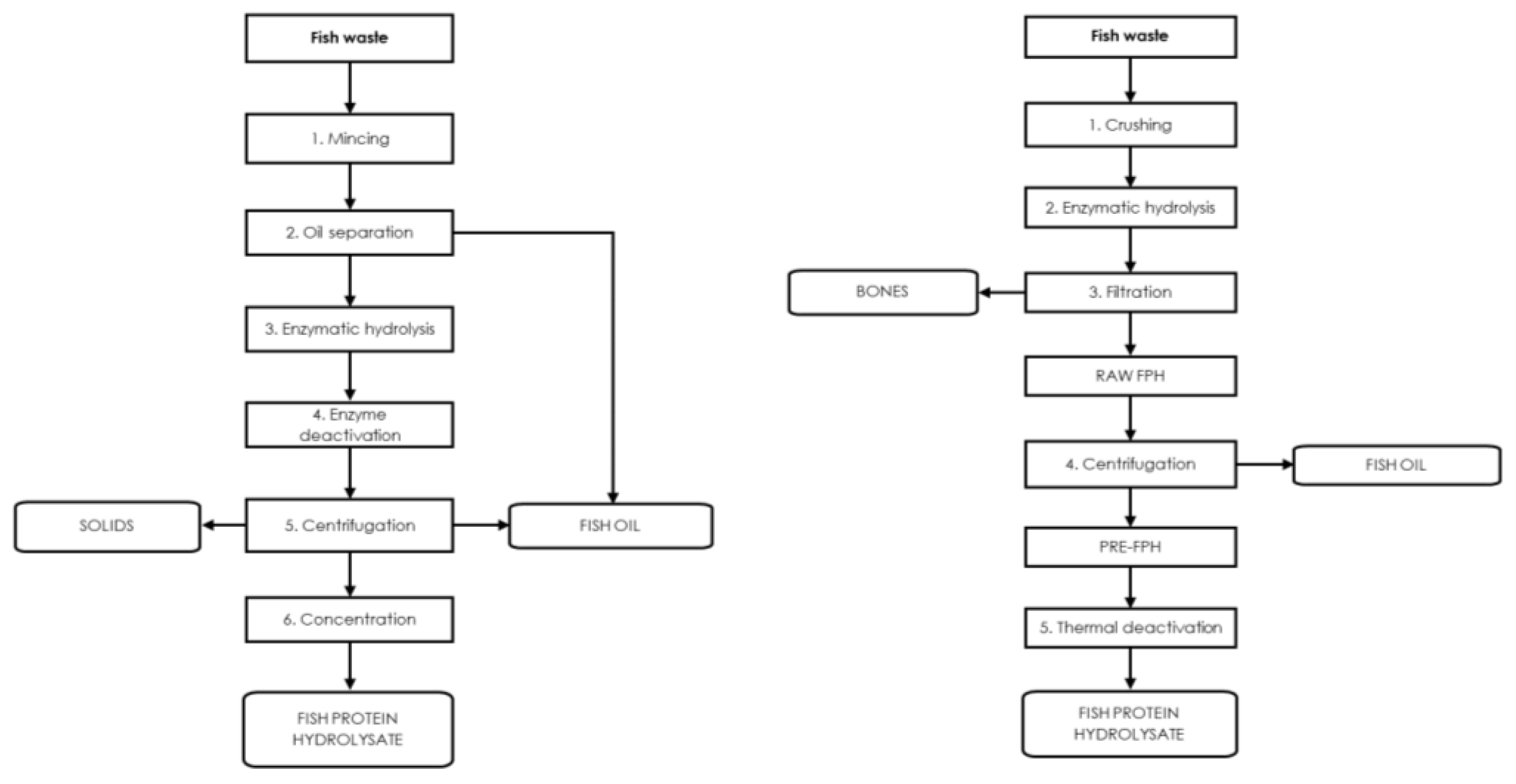

Table 1.
Product Function Category (PFC) of products according to Regulation 2019/1009 of the European Commission [11].
Table 1.
Product Function Category (PFC) of products according to Regulation 2019/1009 of the European Commission [11].
| Product Function Category (PFC) |
|
|
|
|
|
|
|
|
|
|
Table 2.
Component Material Category (CMC) of the products according to Regulation 2019/1009 of the European Commission [11].
Table 2.
Component Material Category (CMC) of the products according to Regulation 2019/1009 of the European Commission [11].
| Component Material Category (CMC) |
|
|
|
|
|
|
|
|
|
|
|
|
|
|
|
Table 3.
Contaminant limit values (mg/kg dry matter) for plant biostimulants according to Regulation 2019/1009 of the European Commission [11].
Table 3.
Contaminant limit values (mg/kg dry matter) for plant biostimulants according to Regulation 2019/1009 of the European Commission [11].
| Contaminant | Limit value (mg/kg dry matter) |
| Mercury (Hg) | 1 |
| Cadmium (Cd) | 1.5 |
| Hexavalent chromium (Cr VI) | 2 |
| Inorganic arsenic (As) | 40 |
| Nickel (Ni) | 50 |
| Lead (Pb) | 120 |
| Copper (Cu) | 600 |
| Zinc (Zn) | 1500 |
Table 4.
Examples of literature on the use of commercial enzymes to produce fish protein hydrolysates and the experimental conditions applied.
Table 4.
Examples of literature on the use of commercial enzymes to produce fish protein hydrolysates and the experimental conditions applied.
| Reference | Raw material | Enzyme | Dose (% of Protein) |
pH | Temperature (°C) |
Time | ||
|---|---|---|---|---|---|---|---|---|
| Valcarcel et al. [44] | Seabream heads Seabass heads |
Alcalase | 0.2 | 8.2 8.5 |
57.1 58.4 |
3 3 |
||
| Garofalo et al. [42] | Tuna viscera | Alcalase | 1 | 8.5 | 55 | 2 | ||
| Vázquez et al. [45] | Rainbow trout frames and trimmings Salmon heads |
Alcalase | 0.1 0.2 |
8.3 9 |
56 64 |
3 3 |
||
| Aspmo et al. [41] | Cod viscera | Alcalase | 1 g/100 g of sample |
Unadjusted | 55 | 24 | ||
| Ramakrishnan et al. [43] | Mackerel waste | Alcalase | 0.5 | 7.5 | 55 | 1 | ||
| Domínguez et al. [30] | Rainbow trout viscera | Alcalase + Protana Prime |
1 | 7 | 60 | 7 | ||
| Korkmaz et al. [46] | Trout waste | Alkaline protease | 1 (enzyme /substrate) |
8 | 60 | 1 | ||
| Aspmo et al. [41] | Cod viscera | Protamex | 1 g/100 g of sample |
Unadjusted | 55 | 24 | ||
| Alahmad et al. [29] | Bighead carp | Flavourzyme | 4% (enzyme /substrate) |
6.5 | 50 | 6 | ||
Table 5.
Quantification of captures, aquaculture production, and the estimated range of viscera weight for each case in every country of Europe. Data obtained from FishStatJ software [67,68].
| Tonnes by country, 2021 | Captures | Estimated range of by-products weight |
Estimated range of viscera weight |
Aquaculture | Estimated range of by-products weight |
Estimated range of viscera weight |
|---|---|---|---|---|---|---|
| Albania | 7,589 | 4,553 – 5,312 | 607 – 1,138 | 8,048 | 4,829 – 5,634 | 644 – 1,207 |
| Austria | 350 | 210 – 245 | 28 – 53 | 4,875 | 2,925 – 3,413 | 390 – 731 |
| Belgium | 13,805 | 8,283 – 9,664 | 1,104 – 20,171 | 223 | 134 – 156 | 18 – 33 |
| Belarus | 605 | 363 – 424 | 48 – 91 | 8,504 | 5,102 – 5,953 | 680 – 1,276 |
| Bosnia-Herzegovina | 305 | 183 – 214 | 24 – 46 | 3,819 | 2,291 – 2,673 | 305 – 573 |
| Bulgaria | 55,484 | 33,291 – 38,839 | 4,439 – 8,323 | 12,565 | 7,539 – 8,796 | 1,005 – 1,885 |
| Croatia | 59,960 | 35,976 – 41,982 | 4,797 – 8,994 | 25,970 | 15,582 – 18,179 | 2,078 – 3,896 |
| Cyprus | 1,357 | 814 – 950 | 109-204 | 7,845 | 4,707 – 5,492 | 628-1,177 |
| Czechia | 3,314 | 1,988 – 2320 | 265 – 497 | 20,991 | 12,595 – 14,694 | 1,679 – 3,149 |
| Denmark | 415,261 | 249,157 – 290,683 | 33,221 – 62,289 | 32,100 | 19,260 – 22,470 | 2,568 – 4,815 |
| Estonia | 63,189 | 37,913 – 44,232 | 5,055 – 9,478 | 849 | 509 – 594 | 68 – 127 |
| Faroe Islands | 532,282 | 319,369 – 372,597 | 42,583-79,842 | 115,650 | 69,390 – 80,955 | 9,252-17,348 |
| Finland | 124,835 | 74,901 – 87,384 | 9,987 – 18,725 | 14,399 | 8,639 – 10,079 | 1,152 – 2,160 |
| France | 362,379 | 217,427 – 253,665 | 28,990 – 54,357 | 47,910 | 28,746 – 33,537 | 3,833 – 7,187 |
| Germany | 176,847 | 106,108 – 123,793 | 14,148 –26,527 | 18,294 | 10,976 – 12,806 | 1,464 – 2,744 |
| Greece | 46,764 | 28,058 – 32,735 | 3,741 – 7,015 | 130,171 | 78,103 – 91,120 | 10,414 – 19,526 |
| Hungary | 4,601 | 2,761 – 3,221 | 368 – 690 | 17,847 | 10,708 – 12,493 | 1,428 – 2,677 |
| Iceland | 1,027,250 | 616,350 – 719,075 | 82,180 – 154,088 | 53,136 | 31,882 – 37,195 | 4,251 – 7,970 |
| Ireland | 184,761 | 110,857 – 129,333 | 14,781 – 27,714 | 13,381 | 8,029 – 9,367 | 1,070 – 2,007 |
| Italy | 94,016 | 56,410 – 65,811 | 7,521 – 14,102 | 60,484 | 36,290 – 42,339 | 4,839 – 9,073 |
| Latvia | 116,413 | 69,848 – 81,489 | 9,313 – 17,462 | 901 | 541 – 631 | 72 – 135 |
| Liechtenstein | 0 | 0 | 0 | 0 | 0 | 0 |
| Lithuania | 91,253 | 54,752 – 63,877 | 7,300 | 5,135 | 3,081 – 3,595 | 411 – 770 |
| Luxembourg | 0 | 0 | 0 | 0 | 0 | 0 |
| Moldova | 0 | 0 | 0 | 12,900 | 7,740 – 9,030 | 1,032 – 1,935 |
| Malta | 2,353 | 1,412 – 1,647 | 188 – 353 | 16,433 | 9,860 – 11,503 | 1,315 – 2,465 |
| Montenegro | 753 | 452 – 527 | 60 – 113 | 640 | 384 – 448 | 51 – 96 |
| Netherlands | 261,571 | 156,943 – 183,100 | 20,926 – 39,236 | 5,540 | 3,324 – 3,878 | 443 – 831 |
| North Macedonia | 514 | 308 – 360 | 41 – 77 | 3,169 | 1,901 – 2,218 | 254 – 475 |
| Norway | 2,115,496 | 1,269,298 – 1,480,847 | 169,240 – 317,324 | 1,662,675 | 997,605 – 1,163,873 | 133,014 – 249,401 |
| Poland | 201,321 | 120,793 – 140,925 | 16,106 – 30,198 | 44,786 | 26,872 – 31,350 | 3,583 – 6,718 |
| Portugal | 156,076 | 93,646 – 109,253 | 12,486 – 23,411 | 8,671 | 5,203 – 6,070 | 694 – 1,301 |
| Romania | 3,476 | 2,086 – 2,433 | 278 – 521 | 11,714 | 7,028 – 8,200 | 937 – 1,757 |
| Serbia | 2,354 | 1,412 – 1,648 | 188 – 353 | 7,308 | 4,385 – 5,116 | 585 – 1,096 |
| Slovakia | 1,815 | 1,089 – 1,271 | 145 – 272 | 2,304 | 1,382 – 1,613 | 184 – 346 |
| Slovenia | 241 | 145 – 169 | 19 – 36 | 1,256 | 754 – 879 | 100 – 188 |
| Spain | 743,530 | 446,118 – 520,471 | 59,482 – 111,530 | 70,285 | 42,171 – 49,200 | 5,623 – 10,543 |
| Sweden | 155,925 | 93,555 – 109,148 | 12,474 – 23,389 | 11,796 | 7,078 – 8,257 | 944 – 1769 |
| Switzerland | 1,486 | 892 – 1,040 | 119 – 223 | 2,334 | 1,400 – 1,634 | 187 – 350 |
| Ukraine | 34,507 | 20,704 – 24,155 | 2,761 – 5,176 | 16,882 | 10,129 – 11,817 | 1,351 – 2,532 |
| United Kingdom | 523,488 | 314,093 – 366,442 | 41,879 – 78,523 | 219,198 | 131,519 – 153,439 | 17,536 – 32,880 |
| TOTAL | 7,587,527 | 4,552,516 – 5,311,269 | 607,002 – 1,138,129 | 2,700,987 | 1,620,592 –1,890,691 | 216,079 – 405,148 |
Table 6.
Quantification of carp, seabass, gilt-head bream, salmon, trout, and turbot from aquaculture in every country of Europe. Data obtained from FishStatJ software [67] and APROMAR website [69]. The estimated weight of the viscera was calculated assuming that viscera account for 8-15% of the total weight.
Table 6.
Quantification of carp, seabass, gilt-head bream, salmon, trout, and turbot from aquaculture in every country of Europe. Data obtained from FishStatJ software [67] and APROMAR website [69]. The estimated weight of the viscera was calculated assuming that viscera account for 8-15% of the total weight.
| Tonnes by country, 2021 | Carp | Seabass | Gilt-head bream | Salmon | Trout | Turbot |
| Albania | - | 2,463 | 3,724 | - | 1,861 | - |
| Austria | 666 | - | - | 8 | 3,205 | - |
| Belgium | 7,557 | - | - | - | 127 | - |
| Belarus | 356.2 | 54 | 82 | - | 3,317 | - |
| Bosnia-Herzegovina | - | - | - | - | - | - |
| Bulgaria | 5,986 | - | - | 1 | 5,468 | - |
| Croatia | 3,630 | 9,039 | 7,519 | - | 350 | - |
| Cyprus | - | 2,680 | 5,097 | - | 52 | - |
| Czechia | 18,709 | - | - | - | 1,070 | - |
| Denmark | - | 14 | - | 1,668 | 28,476 | - |
| Estonia | - | - | - | - | 712 | - |
| Faroe Islands | - | - | - | 115,650 | - | - |
| Finland | - | - | - | - | 13,551 | - |
| France | 1,470 | 2,290 | 1,850 | - | 38,800 | - |
| Germany | 4610 | - | - | - | 8725 | - |
| Greece | 1 | 51,232 | 66,891 | - | 1,911 | - |
| Hungary | 12,707 | - | - | - | 74 | - |
| Iceland | - | - | - | 46,458 | 6,341 | - |
| Ireland | - | - | - | 12,844 | 537 | - |
| Italy | 199 | 7,394 | 8,176 | - | 41,971 | 30 |
| Latvia | 564 | - | - | - | 183 | - |
| Liechtenstein | - | - | - | - | - | - |
| Lithuania | 3,734 | - | - | - | 131 | - |
| Luxembourg | - | - | - | - | - | - |
| Moldova | - | 221 | 2,640 | - | - | - |
| Malta | 10,580 | - | - | - | - | - |
| Montenegro | - | 43 | 36 | - | 561 | - |
| Netherlands | - | - | - | - | 50 | 100 |
| North Macedonia | 299 | - | - | - | 2,828 | - |
| Norway | - | - | - | 1,562,415 | 97,774 | - |
| Poland | 18,941 | - | - | - | 19,298 | - |
| Portugal | - | 834 | 3,091 | - | 857 | 3,538 |
| Romania | 7,369 | - | - | - | 2,747 | - |
| Serbia | 5,649 | - | - | - | 1,556 | - |
| Slovakia | 740 | - | - | - | 800 | - |
| Slovenia | 131 | - | - | - | 921 | - |
| Spain | - | 23,037 | 7,823 | - | - | 7,629 |
| Sweden | - | - | - | - | 11,703 | - |
| Switzerland | - | - | - | 162 | 1,230 | - |
| Ukraine | 13,450 | - | - | - | 312 | - |
| United Kingdom | 168 | - | - | 205,000 | 13,253 | - |
| Total fish weight | 117,516 | 99,301 | 106,929 | 1,944,206 | 310,751 | 11,297 |
| Estimated range of by-products weight |
70,510 – 82,261 | 59,581 – 69,511 | 64,157 – 74,850 | 1,166,524 – 1,360,944 | 186,451 – 217,526 | 6,778 – 7,908 |
| Estimated range of viscera weight |
9,401 – 17,627 | 7,944 – 14,895 | 8,554 – 16,039 | 155,536 – 291,631 | 24,860 – 46,613 | 904 – 1,695 |
Disclaimer/Publisher’s Note: The statements, opinions and data contained in all publications are solely those of the individual author(s) and contributor(s) and not of MDPI and/or the editor(s). MDPI and/or the editor(s) disclaim responsibility for any injury to people or property resulting from any ideas, methods, instructions or products referred to in the content. |
© 2024 by the authors. Licensee MDPI, Basel, Switzerland. This article is an open access article distributed under the terms and conditions of the Creative Commons Attribution (CC BY) license (http://creativecommons.org/licenses/by/4.0/).
Copyright: This open access article is published under a Creative Commons CC BY 4.0 license, which permit the free download, distribution, and reuse, provided that the author and preprint are cited in any reuse.