

Submitted:
09 July 2024
Posted:
10 July 2024
You are already at the latest version
Abstract
Art therapy fosters emotional healing and growth. This process can offer healthcare professionals (HCPs) novel insights into patients’ medication experiences. We developed a Metaverse Art Gal-lery of Image Chronicles (MAGIC), which depicted patients’ medication experiences symbolically as hero-villain portrayals. This gallery aimed to enhance healthcare students’ learning through re-latable insights into patients’ medication therapies. A character sheet was used to craft patients’ personifications of their medication experiences. ChatGPT, NightCafe, Canva, HeyGen and Cam-tasia were used to generate hero-villain portraits based on the character traits and mounted in MAGIC, which consisted of three virtual realms, each with a unique theme. Alpha-testing among sixteen Generation Z healthcare learners indicated that the content in MAGIC enabled them to understand the concepts of medication adherence (93.7%), art therapy (87.5%) and how patients related to their medications (81.3%). Perceived playfulness (rs=0.925, p
Keywords:
Art Therapy
; Hero-Villain Portraits
; Medical Humanities
; Patient Medication Experiences
; Metaverse Art Gallery
; Pharmacy Education
; Digital Health Humanities
; Generative Artificial Intelligence
1. Introduction
Clinical Art Therapy (ATx) is defined by the British Association of Art Therapists as a “form of psychotherapy that uses visual and tactile media as a means of expression and communication” [1]. During therapy, many different art materials can be used as media, such as drawings, paintings, writings, and visual art, amongst others. ATx serves to foster self-esteem and self-awareness, cultivate emotional resilience, enhance social skills, reduce conflicts and distress, and even improve cognitive and sensorimotor functions [2]. As such, ATx can be used for patients with medical conditions, such as depression and anxiety, dementia and cognitive impairment, as well as cancer and other chronic diseases, whereby patients have difficulty expressing themselves in words [3].
ATx provides an indirect and safe way to connect patients with others, thus it is a useful therapeutic method to help them open up and share their opinions, feelings and experiences to complement the information obtained through conventional diagnostic tests [3]. Generally, in healthcare institutions, the customary process of documenting artworks produced during ATx sessions entails capturing photographs of the creations and transferring the visuals onto a secure encrypted hard drive. These recorded images are subsequently examined as singular and distinct works during case evaluations, either by the art therapist alone or in collaboration with other healthcare professionals (HCPs) involved in managing the patient [4]. Usually, the process of sieving through these records is cumbersome and it is difficult to recall individual images when viewed in isolation rather than as part of a larger, cohesive collection. Furthermore, the inability of the art therapist and/or the HCP to quickly sieve through these ATx records and view them holistically makes it difficult for the healthcare team to make holistic, well-informed decisions, which may lead to negative impacts on patient outcomes and satisfaction [5].
Much of the existing literature on ATx is rooted in traditional art media. Examples include blind and spiral drawings, drawing moods and self-portraits [3]. Interestingly, the COVID-19 pandemic accelerated the adoption of digital forms of art therapy worldwide [6]. Although technological media, such as online platforms, telehealth, digital photography, animation and art-making apps were not uncommon pre-COVID-19, there was a rapid adoption of applications like Zoom, Microsoft Teams, WhatsApp and Skype during the pandemic [6]. Another medium that attracted the ATx world was Virtual Reality (VR). Commercially available VR hardware (e.g. Oculus Rift/Quest, HTC Vive) and software (e.g. Google Tilt Brush) enabled an additional level of creative expression by users with physical limitations [7]. VR technology enabled users to have a sense of immersivity and presence – the illusion of “being there” in the virtual environment – which had advantages of fostering collaborative creativity and reducing short-term stress [8]. Neuroscientific studies reported that applications such as the Google Tilt Brush, calmed patients by lowering their prefrontal cortex activity [8,9]. In fact, adolescents were more expressive using the Tilt Brush than with traditional ATx methods, suggesting that the younger generations who are digital natives might feel more comfortable and confident using technology to express their creative sides [9]. With the advent of generative artificial intelligence (Gen AI) applications, such as ChatGPT (text-based AI chatbot based on large language models) and DALL-E (image-based application for AI-generated art) [10], digital art therapy could potentially be revolutionized as an innovative and supportive approach for a wider group of patients in the near future.
Traditionally, the fields of medicine and pharmacy have very much focused on the “hard” sciences. Even though the literature has described pharmacy as both an integration of art and science, with some authors describing this domain as the “art and science” of counselling patients [11], there hasn’t been much footway in terms of integrating the specialized fields of the arts and humanities inside pharmacy education curricula. It is becoming evident that in healthcare practice and education, there is a need for entwining both the “hard” sciences (which provides the scientific knowledge in medicine) and “soft” art (which provides the co-creative and relationship-building aspects of the patient-practitioner relationship) [11]. In a UK study that analyzed pharmacy undergraduates’ learning and assessment practices, thematic analysis of student interviews revealed an affective dimension of students’ perceptions of assessments based on Pierre Bonnard’s art [11]. Using Bonnard’s Coffee painting (https://www.tate.org.uk/art/artworks/bonnard-coffee-n05414) as an example, which showed an aerial view of his wife sitting at the end of a table with a dog and drinking coffee; the painting symbolized the artist’s feeling of isolation, even though when seen from the point-of-view in the painting, it was almost as if the viewer was actually at the table with her [12]. Similarly, in the study, the students echoed the same sentiment of ‘isolation’ with their assessments because they perceived their end-of-semester examinations as a routine event that had to be completed as part of their coursework, but was separate to their learning [11]. This same analogy can be said with the lived experiences of patients’ medical conditions and medication journeys. Besides therapists, the curricula of many healthcare professions, including that of pharmacy schools, lack the training for their learners to facilitate patient narrative sharing. This lack of training leads to an isolation of the head knowledge (i.e. medical content) of the learner and their understanding of the patients’ experiences surrounding their illness and medications. As such, many universities have begun to incorporate the training of empathetic responding into their curriculum. However, there are limitations of empathetic responding, especially when addressing the intricate narratives surrounding patients’ illnesses and medications. The HCP’s understanding of health conditions and prescribed treatments is influenced by their life experiences, which in turn, is affected by their interactions with the environmental systems – the microsystem, mesosystem, exosystem, macrosystem, and chronosystem [13]. These interactions can be substantially different from the patient’s lived experience; thus, it becomes a struggle for the younger HCP generations to truly put themselves in the patient’s shoes and understand the challenges faced by patients. To encourage the practice of shared decision making by healthcare learners, healthcare curricula must go beyond empathic responding – into the training of narrative competence, which is the competence to absorb, interpret and respond to patients’ stories [14]. This competence extends beyond just understanding the patient’s feelings about their medical conditions and medication therapies. Through narrative competence, the HCP learner is not only able to acknowledge the need for patients to be involved in the clinical decision-making process, but it also enhances their ability to foster a deeper connection through communication with the patient. While the ultimate goal for training narrative competence for HCP learners to be able to guide patients in expressing their medical narratives, and more importantly, be able to employ narrativity themselves; the first step is to enhance their understanding of the illnesses and medications from the lived experiences of patients.
ATx can provide a unique avenue to train these narrative skills. For patients, their thoughts and feelings about their medication therapies can be expressed through art, which can provide further insights into their attitudes and behavior towards their medications. Through patient-created art, HCPs may be able to gain insights to the personal and emotional aspects of their medical/medication journeys that are not usually revealed during the limited time in clinical consultations. By understanding the affective dimension of patients’ medication therapies, HCPs can potentially aid in dispelling the myths, clarifying the doubts, and allaying the fears of patients regarding their therapies, so as to improve their perceptions, comfort and adherence to their medication regimes. To this end, the use of Gen AI and the metaverse can offer promising solutions.
The “metaverse” has become a new buzzword after Mark Zuckerberg (CEO of Meta) presented his vision at the end of 2021 [15]. Since then, many tech companies and large organizations have jumped on the metaverse bandwagon, viewing it as a platform to bridge the physical and digital worlds by enhancing the immersive experiences of users. Unlike traditional video games and serious games for education which are primarily designed for entertainment and targeted at educational outcomes, the metaverse integrates these elements within an interconnected and scalable environment, such that users can seamlessly transition between various activities, such as work, education and entertainment, thus providing real-world interactions in a digital/virtual context. In fact, Gartner predicts that in less than five years, 25% of people will spend at least one hour per day carrying out their daily activities in the metaverse [16]. Among its potential applications, the metaverse was also envisioned to be applied to health prevention and treatment, education and training, and in healthcare research. For example, a virtual mode of care delivery was envisioned involving healthcare professional avatars providing consultations and personalized care to patients in a virtual clinic through telehealth services and tele-monitoring using wearable sensors and mobile apps [17]. Furthermore, the metaverse is envisioned to enhance immersive experiences through device-independent platforms [18], and enable remote communications and interactions in a more social and engaging manner through virtual chats/discussions and real-time collaborations [19,20], thus serving as a new social communication channel that provides more freedom for creation and sharing among users. For example, the Seoul National University Bundang Hospital introduced a training course on lung cancer surgery in a metaverse platform in 2021 [21]. In Singapore, we have also explored the metaverse for public health education [22]and for continuing education of pharmacy staff [23].
In order for the metaverse to fulfil its potential benefits, there is a need to integrate it with other technologies. With advancements in AI, it is anticipated that AI will play a vital role in enhancing the metaverse experience and user engagement [24]. The advantage of Gen AI is their ability to create new and potentially innovative content based on what they have learnt previously from existing content, which spans text, images, and audio [25,26]. The potential for Gen AI to produce dynamic content with various user-defined styles, virtual actor creation, video synthesis and avatar animations, empathy-driven large language models and multi-sensory interactions also imply that user avatars that are more interactive and realistic can be created, and users can also engage in more immersive and lifelike conversations with the AI-driven non-player characters [24,27].
In this study, we wanted to explore the potential of combining ATx, Gen AI and the metaverse, in healthcare education through the creation of an educational metaverse (i.e. “eduverse”) called the Metaverse Art Gallery of Image Chronicles (MAGIC) – to identify whether MAGIC could to help facilitate a deeper understanding among pharmacy/pharmaceutical science students on patients’ lived experiences of their medication therapies, through humanized personifications of their medications. Additionally, this study aimed to evaluate the receptiveness/acceptance of MAGIC by healthcare students, as well as to identify the main factors that could affect their intention to use MAGIC for education, based on the Technology Acceptance Model (TAM).
2. Materials and Methods
2.1. Design and Development of the Metaverse Art Gallery of Image Chronicles (MAGIC)
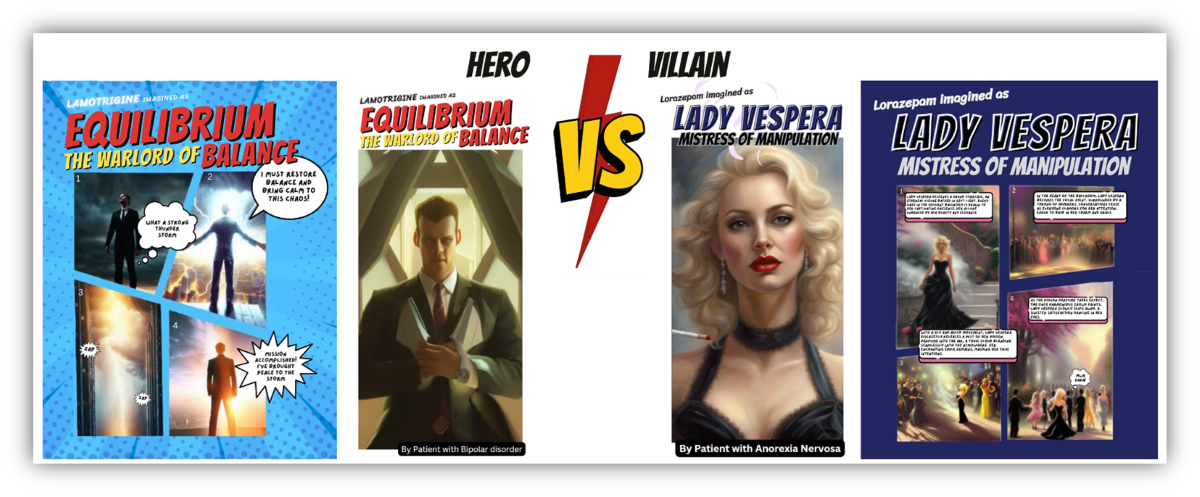
Through an art-based narrative therapy approach, a paper character sheet was developed and used to craft patients’ thoughts and feelings about their chosen medications through personifications of their lived medication experiences during their ATx sessions, including a hero/villain description summary, appearance, superpowers, backstory, and symbolism of the medication therapies. The selection criteria for patients were that they were diagnosed with at least one general psychiatric disorder for at least 6 months and taking prescriptive medications to manage their conditions. They were not in active crisis and had a meaningful ongoing engagement with an arts-based narrative therapy framework with the clinical art therapist (PT) for at least 6 months. Due to the nature of the project, the selected patients also needed to have a basic familiarity with the superhero/villain theme. A total of four female patients ranging from 25 to 36 years old volunteered to personify their medications as hero-villain characters. In collaboration with the clinical art therapist, the patients engaged in a narrative art-based creative process during their consultation sessions with the clinical art therapist to create unique descriptions of their characters, which symbolically represented their lived experiences with their chosen medications. The team then worked together to co-create the patients’ personifications of the medication characters in the form of hero or villain portraits based on their text inputs in the character sheets, using ChatGPT (v3.5), NightCafe (AI image generation tool) and Canva (design graphic software for images). Additionally, comic strips depicting the character traits and “superpowers” of the characters were designed and generated using Canva (Figure 1).
A total of six hero-villain portraits were then “brought to life” using Canva, Hey-Gen (AI voice and video generator) and Camtasia (video editing software), to describe the symbolisms to the patients’ medication journeys, in a way as if the medications would be talking to the viewer/user. Examples of a Hero and Villain character are shown in Figure 2. The QR codes can be scanned to watch videos of these portraits “come to life”.
MAGIC was developed as a virtual art exhibition on a metaverse event platform called Spatial.IO. The simulated environment was designed as a virtual art gallery, where the hero-villain portraits and comics were mounted as art exhibition pieces. Additionally, two-dimensional (2D) and three-dimensional (3D) artifacts representative of the character’s traits (e.g. traffic light for Calmguard), were also included to make the visitors’ experience more immersive. Three realms were designed and developed for MAGIC. Visitors (i.e. learners) could enter and explore a 360-degree view of the MAGIC realms as virtual avatars and interact with the portraits and artifacts in Realm 1, learn about medication adherence and art therapy and communicate with other avatars in real-time through text-based or voice chats in Realm 2, and self-test what they have learnt by navigating a maze in Realm 3.
2.2. Alpha Testing of MAGIC
In order to ensure that the first prototype of MAGIC would be functioning properly for learners, an alpha-test was conducted among a small group of polytechnic pharmacy and pharmaceutical science students and graduates via convenience sampling who were interested and volunteered to explore MAGIC as part of their self-learning experience outside their normal curriculum, during a short period between August and September 2023. The participants were tasked to self-explore the six hero/villain portraits and the three realms in the MAGIC eduverse, before completing an online usability survey, which obtained their demographics, interest and prior experience with the metaverse, as well as their perceptions of MAGIC. The demographics obtained included the participants’ gender, specialization, which age generation they belonged to, and their healthcare practice experience. Additionally, their prior experience with 4 metaverse characteristics (augmented reality, lifelogging, mirror worlds, and virtual worlds) were obtained. Their confidence levels of various digital knowledge and skills were rated on a 5-point Likert scale (Not confident at all, Slightly confident, Somewhat confident, Quite confident, Extremely confident). Participants’ perceptions of the content in MAGIC were obtained in terms of their favorite character portrait, the reason for their favorite character, and ratings of whether the content in MAGIC helped them understand about art therapy, medication adherence and how patients relate to their medications. The rating question was based on a 5-point scale (Not informative at all, Not very informative, Somewhat informative, Informative, Very informative). Participants also rated on whether they were interested to learn about art therapy and narrative storytelling after going through MAGIC based on a 5-point scale (Not interested at all, Not very interested, Neutral, Interested, Very interested).
In addition, participants rated their perceptions and experiences of MAGIC on a 7-point Likert agreement scale (1-Totally Disagree to 7-Totally Agree) consisting of 33 statements correlating their engagement, usefulness, ease-of-use, compatibility, and intention to use the eduverse, based on the Technology Acceptance Model (TAM). Cronbach’s alpha tests were used to identify the internal consistency of the statements, and a value of 0.6 or higher was considered an acceptable level of reliability due to the exploratory nature of this study [28].
2.2.1. Research Model
The proposed research model in this study (Figure 3) was an extension of the TAM, which investigates the users’ acceptance of a new technology in relation to its perceived usefulness (PU), perceived ease of use (PEU), attitude towards its use (ATT) and behavioral intention (BI) to use the technology [29,30]. In addition, several other variables were incorporated into the model. These included the individual’s intrinsic factors, external influences, anchors and an adjustment factor. Since technologies that are difficult to use are less likely to be considered enjoyable and motivate the individual to use it, an assumption was that the user’s intrinsic motivations, such as perceived playfulness (PP) and perceived enjoyment (PE), would affect their ATT and BI to use the eduverse. On the other hand, external influences like the user’s perceived image (PI) of the new technology in relation to their social status [31], and the impact of social norm (SN) on their decision to use the technology [32] might also impact their ATT and BI. The anchors in the model were perceived knowledge (KNOW) and perceived compatibility (PC). These factors could be influenced by previous experiences, pre-existing knowledge, past habits and existing values of related technologies, which might impact their subsequent intentions to use it [33,34,35]. Studies have shown that KNOW and PC can influence the individual’s decision to adopt that technology [34,35]. As the metaverse is a new and recent concept that comprises of four characteristics of augmented reality, lifelogging, mirror world and virtual worlds [32,36], we postulated that the user’s KNOW and PC of the metaverse would affect their PEU and PU respectively, and ultimately BI. Lastly, perceived trust (PT) was recently introduced as a factor that could potentially affect the acceptance of new technologies [34,37]. PT reflects one’s perception and comfort level with the security of the technology, which affects BI, especially since the user may have uncertainty regarding the use of the new technology due to limited interactions with it. However, PT may change as users gain more experiences with the new technology. As such, we postulated that PT would affect both PU and PEU of the eduverse. Combining these factors together in the model would provide a picture as to whether MAGIC would be useful and easy to use, and whether users would have the intention to use this eduverse for learning about patients’ lived experiences of their medications.
2.2.2. Statistical Analysis
Statistical analyses were performed using descriptive statistics and biostatistical tests. The demographic parameters of the participants and their perceptions regarding the content in MAGIC were reported using numbers of participants and percentages. The TAM statements/parameters were grouped into 9 measures describing the participants’ perceived experiences, and descriptive statistics like means and standard deviations (SD) were used for reporting. The TAM statement on “Using the eduverse requires a lot of mental effort to play” was converted to a reverse scale (1=Totally Agree to 7-Totally Disagree) for analysis to align all the PEU statements in one direction, except for the calculation of Cronbach’s alpha in which the normal scale was used instead, since the reverse scale would violate the model’s assumptions. Due to a small sample size, Spearman’s correlation coefficient (r s) was used to identify whether there was a significant correlation among the TAM measures that might affect the use of the eduverse. In addition, associations of the TAM measures with the participants’ confidence level of digital knowledge and skills, prior experiences with the metaverse characteristics (augmented reality, lifelogging, mirror worlds, and virtual worlds), and informativeness of the content in MAGIC were analyzed using Wilcoxon rank-sum tests (Mann-Whitney U test). Prior to analysis, participants’ confidence level of digital knowledge and skills were categorized into those who were “confident” (Quite confident, Extremely confident) and “not very confident” (Not confident at all, Slightly confident, Somewhat confident). Similarly, the informativeness of the MAGIC content were re-classified into “informative” (Informative, Very informative) and “not very informative” (Not informative at all, Not very informative, Somewhat informative). Participants’ interest in learning about art therapy and narrative storytelling were also re-categorized into “interested” (Interested, Very interested) and “not very interested” (Not interested at all, Not very interested, Neutral). Statistical significance for all tests was defined as p<0.05.
Exploratory factor analysis (EFA) was also used to identify the TAM parameters and measures that could explain the proposed model. EFA was performed using the correlation matrix and the factor loadings extracted based on eigenvalues greater than 1. A varimax rotation with Kaiser normalization was applied, and the analysis was done with a maximum of 50 iterations for convergence. As this was an exploratory analysis, a factor loading of 0.4 or higher was considered a minimally acceptable to be included in the model [38]. All statistical analyses were performed using IBM SPSS Statistics (version 29).
3. Results
3.1. The Three MAGIC Realms
MAGIC is a Metaverse Art Gallery of Image Chronicles that consists of three virtual realms, each with a unique theme. Realm 1 – called “Heroes vs Villains” – comprises of a virtual art exhibition showcasing the patients’ narratives of their medication experiences in the form of four hero and two villain characters (Figure 4). Each character is accompanied by symbolic artifacts that reflect their unique traits, such as their portrait videos, comics, images, and 3D artifacts.
Realm 2 is called the “Medication Humanities Nexus” – a virtual space that serves as a collaborative educational hub for visitors (i.e. learners) to gain insights into the fields of art therapy and medication adherence. Additionally, this realm is a focal point where learners can gather for exchange of ideas, knowledge, and perspectives, in order to bridge the gap between the medical sciences and medical humanities.
Realm 3, known as the Maze of Riddles, takes the shape of a maze where visitors must navigate and answer a series of “riddles” (i.e. quiz questions) about what they have learnt in the previous two realms, in order to escape. Figure 5 shows a screenshot of the three MAGIC realms, with a QR code that showcases a video walkthrough trailer from the perspective of a visitor’s avatar.
3.2. Learners’ Demographics and Perceptions of MAGIC
Sixteen polytechnic students and graduates in the pharmaceutical sciences (75.0%) and pharmacy (25.0%) specializations participated in MAGIC (Table 1). All of them (100.0%) belonged to the Generation Zs (born between 1997-2009). More than half (68.8%) had no healthcare practice experience, while one-third (31.3%) had up to 5 years of working experience. The gender distribution consisted of more females (68.8%) than males (31.3%), and over half (68.8%) had no healthcare practice experience. The majority had experienced the augmented reality (93.8%), lifelogging (87.5%), mirror world (93.8%) and virtual world (75.0%) characteristics of the metaverse before. In terms of their digital knowledge and skills, more than half were confident in sharing and interacting online (68.8%), adapting to new technologies, and managing their safety and well-being online (62.5% each). They had the least confidence in digital content creation (50.0%).
In general, the proportion of participants who preferred the hero characterizations of the patients’ medication experiences were doubled that of the villain characters (68.8% versus 31.3%). The most popular characters were Calmguard (hero representing propranolol, 31.3%) and Lady Vespera (villain representing lorazepam, 25.0%) (Table 2). One-third of the participants (31.3%) indicated that the reason for their favorite character portrait was because it allowed them to learn more about the medication in general. On the other hand, a quarter (25.0% each) indicated that their favorite character taught them more about the drug’s mechanism of action and provided a realistic analogy of the patient’s medication experience. Over three-quarters felt that the content in M.A.G.I.C. enabled them to understand the concepts of medication adherence (93.7%), the field of art therapy (87.5%), as well as how patients relate to their medications (81.3%). More than half of them (62.5%) were interested in learning more about art therapy and narrative storytelling after their MAGIC experience.
3.3. TAM Scale Reliability
Cronbach’s alpha was measured to elucidate the reliability of the TAM measures. The value for Cronbach’s alpha for the overall scale comprising of 33 statements/parameters was 0.961, which was considered adequate given the exploratory nature of this study. In terms of each individual TAM measure, the Cronbach’s alpha values were above 0.6 for nearly all of them, except for KNOW (α=0.414) (Table 3). As such, the KNOW measure was removed from all other analyses except for reporting of descriptive statistics.
3.4. Learners’ Perceptions of MAGIC
The top-rated TAM measures (Table 4) were perceived enjoyment (PE: 6.13 ± 0.67), perceived usefulness (PU: 5.85 ± 0.72) and behavioral intention to use MAGIC for their learning (BI: 5.81 ± 0.79). In contrast, the bottom-rated TAM measures were perceived ease-of-use (PEU: 5.11 ± 0.42) and perceived image (PI: 5.19 ± 1.15). In general, the participants enjoyed their experience in MAGIC (PE: 6.31 ± 0.70) and felt that MAGIC was interactive and engaging (6.25 ± 0.78). They felt that the design of the MAGIC realms in terms of the environment, elements and characters, was appealing (6.13 ± 0.62) and were actively exploring the realms (5.75 ± 1.07), such that they were immersed and lost track of time (5.06 ± 1.18). Their perceived knowledge of the metaverse was relatively good (KNOW: 5.66 ± 0.72), but they had lower perception scores for tech-savvyness (5.31 ± 1.14) and trendiness (5.13 ± 1.20) after exploring the MAGIC realms. In terms of perceived trust (PT), the participants believed that the metaverse platform that hosted MAGIC was reliable (5.81 ± 1.05) and trustworthy (5.81 ± 1.11). They indicated that MAGIC generally fitted well with their learning styles (5.44 ± 1.03) and had the potential to be more effective than traditional learning methods (5.94 ± 0.93). Even though most indicated that they had no trouble using the controls to perform tasks in the eduverse (5.94 ± 0.85), exploring the MAGIC realms did require a lot of mental effort (3.25 ± 1.73 based on a reverse scale). Nonetheless, they felt that their classmates (5.69 ± 0.79) and lecturers (5.56 ± 1.03) would welcome the use of the metaverse for education and learning. Overall, the participants were satisfied with their learning experience in MAGIC (5.81 ± 0.98) and would also recommend it to others for their education (5.94 ± 0.85). Furthermore, they would also like to explore the metaverse for their future learning (5.81 ± 0.91).
3.5. Correlation of TAM Measures with Participants’ Behavioral Intention to Use MAGIC
The top three TAM measures that were most correlated to the participants’ behavioral intention to use MAGIC for their education (Table 5) were PP (rs=0.925, p<0.001, CI: 0.749, 0.979), PC (rs=0.890, p<0.001, CI: 0.652, 0.968) and SN (rs=0.862, p<0.001, CI: 0.582, 0.959), all of which explained approximately 90% of the variance within Factor 1. Although not as strong, PU (rs=0.789, p<0.001, CI: 0.419, 0.934), PI (rs=0.680, p=0.004, CI: 0.222, 0.892), PT (rs=0.647, p=0.007, CI: 0.171, 0.878) and PE (rs=0.608, p=0.012, CI: 0.114, 0.861) were also significantly correlated to behavioral intention, explaining majority of the variance within Factor 1. In contrast, PEU (rs=0.249, p=0.352, CI: –0.289, 0.668) and ATT (rs=0.451, p=0.079, CI: –0.084, 0.784) showed weaker and non-significant correlations with the participants’ behavioral intention to use MAGIC for their education, as shown by their loadings accounting for over 80% of the variance within Factor 2. The strong associations of PP, SN and PC showed that interactivity, engagement, social influence and compatibility with users’ personal and educational needs played a more substantial role in influencing the participants’ behavioral intention to adopt MAGIC for their education, compared to features like usability and users’ perception/overall sentiment regarding the eduverse as a learning tool.
4. Discussion
The absence of narrative competence in most healthcare curricula signifies an educational gap that requires attention. Central to narrative competence are the patient’s narratives and stories of their lived experiences. Given the difference in narratives between HCPs and patients, there is a need for HCPs to go beyond empathetic responding and attempt to step outside their own narratives surrounding their knowledge of diseases and drugs to understand the lived experiences of illnesses and medications from the patients’ lens. In order to avoid the pitfall of HCPs adopting an advising or patronizing stance in the patient-practitioner relationship, their empathetic responses should be complemented with a broader understanding and a more holistic grasp of the patient’s perspective. While this does not mean that the HCP must be capable of completely understanding the patient’s narratives surrounding their illnesses and medications, having a sense of narrative competence is the first step to acknowledging the need for patients to be involved in the clinical decision-making process of their own care.
An ideal scenario of training narrative competence would involve healthcare students engaging in real-life therapy sessions guided by therapists, encountering patients’ narratives, and subsequently reflecting on these experiences. However, this approach can only be done as part of experiential learning, which is limited by time, manpower and patient load in the practice setting. Furthermore, variations in patient encounters imply that the learning experiences of healthcare students are not standardized, and it is not feasible to adopt this approach on a wider scale. Hence, the conception of MAGIC as an immersive metaverse art gallery comprising a collection of multiple medication character portrait artworks developed by Gen AI, yet based on patients’ lived experiences, was formed from an interdisciplinary collaboration trying to leverage on digital health technologies to address the “Three-Body Problem” in healthcare education.
Similar to the physics problem of the same name, where the prediction of the movements of three celestial bodies requires an intricate understanding of how each body influences the others in a complex, dynamic system [39]; in a healthcare education system aimed at providing holistic patient-centered care, HCPs also encounter a complex interplay of three primary “forces” in educational practice (Figure 6). The first “body” (medical knowledge – the “science”) shapes the core foundation of the learner’s understanding of health, diseases, and medication management. The second “body” (narrative competence – the “art” representing the arts and humanities) requires the learner to not just understand the science, but also absorb, interpret and relate to patients’ lived experiences and stories to connect with them on a humanistic level [14]. The third “body” (digital technologies – the “tech”) exerts its own unique pull and influences the HCP’s learning experience as healthcare education and delivery evolves. Each “body” influences the others, and finding a harmonious approach that incorporates medical knowledge, empathic and narrative skills, and the use of advanced technologies requires an intricate approach of balancing the science, art and tech components in healthcare education.
In our study, the student participants were from a pharmacy/pharmaceutical science specialization at a polytechnic educational institute in Singapore. During this period, their curriculum is mainly focused on first “body”, such as pharmacology, pharmacotherapy and pharmacy practice skills. There is little emphasis on the second and third “bodies”. By combining the “tech” with “art” components, our Metaverse Art Gallery of Image Chronicles (MAGIC) not only reinforced the students’ learning on medication adherence and the drug’s mechanism of action, but they were also able to interpret, understand and relate to the patients’ medication experiences through the hero-villain portraits. These results were encouraging to our team, as it provided an insight into how narrative competence could be imparted in the younger generations of healthcare students. However, our study requires further exploration with a larger sample size, and perhaps including learners at a higher educational level (i.e. university) and different healthcare specializations (e.g. medicine, nursing, allied health) could further elucidate whether this approach could be applicable to a wider cohort of healthcare students.
During COVID-19, it was reported that public exhibitions of art therapy expressions were able to promote a sense of connection and understanding amongst patients and HCPs, as well as foster a sense of community catharsis in support of the patient’s feelings of isolation and depression during the pandemic [40]. Although a balance was needed between protecting the privacy of the patients and the portrayal of their art in a public gallery, these exhibitions were able to provide therapeutic value by enabling patients to experience a soothing, central and organized focus for their lives [41]. In addition, the exhibited displays could also provide an effective way for HCPs to understand the patient’s lived experience from their art narratives. Hence, by leveraging the advancements of Gen AI and the metaverse to combine the fields of pharmacy practice and art therapy in MAGIC to display patients’ medication lived experiences in the form of hero-villain portraits, we hoped that these character portraits could offer an alternative learning approach to therapy sessions, which would not only be interactive and engaging, but also allowed healthcare students to be exposed to patients’ narratives of their lived experiences through a more advanced, yet personalized form of digital storytelling. To this end, the TAM results of our study supported our idea of this alternative learning approach.
Our findings were aligned with other recent studies using the metaverse for education [23,42,43,44], in terms of identifying perceived usefulness (PU), social norms/influence (SN) and perceived enjoyment (PE) as enablers of behavioral intention to use the eduverse. These factors were consistently highlighted as predictors of technology acceptance across different settings. Perceived compatibility (PC) was also significantly correlated to the intent to use MAGIC, which was also highlighted in the metaverse literature [34]. It has been suggested that PC affects the individual’s PU regarding the new technology [34]. As majority of our participants had prior experiences with applications containing some form of metaverse characteristic (e.g. augmented reality, lifelogging, mirror worlds and/or virtual worlds), it was expected that there would be a high correlation between their PC and intention to adopt MAGIC for education. The advent of metaverse technologies has also led to some studies identifying perceived trust (PT) to have a positive significant effect on behavioral intention [35,37]. Our findings corroborated with these studies, showing a moderately significant correlation to the intention to use MAGIC.
In contrast, our study presented a unique perspective on the role of perceived playfulness (PP) as a top predictor with the highest correlation to behavioral intention. Furthermore, perceived ease of use (PEU) had a lesser, non-significant correlation with behavioral intention. These findings contrasted with other TAM studies where functional features like PEU was a strong adoption factor [35,44]. We postulate that this factor was largely affected by our participants indicating that the MAGIC eduverse required a lot of mental effort to play. Considering that this was the first time that the participants were being trained on narrative competence, a soft skill that is substantially different from the traditional content knowledge that they are used to in their curriculum, it was expected that the low score obtained for this statement would negatively impact the PEU construct. Interestingly, it has been suggested that gender is a moderator of PEU – males tend to be more interested in exploring new things, while females have a tendency to prefer existing technological experiences [44]. The higher proportion of female students in this study could have biased our results since the metaverse platform and the novel learning approach through hero-villain portrayals of medications were both new to the participants. Nonetheless, our findings did show similarity with another study in Egypt, which identified that PEU also had a minor impact on their user intention to use their metaverse [37].
We envisioned that this digital health humanities approach of using digital/technological methods as objects of inquiry to pursue humanistic research [45], could enhance healthcare students’ narrative competence by providing a deeper context and facilitating a greater understanding of the patients’ lived experience of their medication therapies. From the results of our alpha-test, we could see that the combination of Gen AI and the metaverse to create a purposeful artwork visualization of the patients’ lived experience of their medications not only enhanced the learning experiences of the younger generations of healthcare students, but also enabled them to relate to patients’ medication therapies at a deeper level beyond their content knowledge.
5. Limitations and Future Work
The main limitation of this study is its small sample size, thus limiting the generalizability of our findings to a larger population. In addition, as the participants were students and graduates from pharmacy and the pharmaceutical sciences, our results may not represent the perceptions of other healthcare student populations (e.g. medical, nursing and allied health). Due to convenience sampling of the participants, of which there were more females than males, there is also a possibility of response bias towards participants of a certain gender, or who already had immersive experiences with some form of extended reality applications or had an inherent interest in trying out the metaverse. Hence, we propose that future work could include a larger and more diverse healthcare student population with similar proportions of males and females, as well as including participants who do not have prior experiences with immersive technologies, such as augmented reality and virtual worlds. Due to the time limitations of the project, we were not able to design an assessment to measure the learning that took place in our study. Furthermore, as perceptions and usage intentions of new technologies may evolve with time as participants become more familiar with the MAGIC platform, a longitudinal study involving the perceptions and experiences of participants who have previously used MAGIC for learning might elucidate some other interesting findings. Lastly, with the subjective responses of participants regarding the TAM self-reported data, there is a possibility that the predictors of behavioral intention to use MAGIC may change with a larger sample size and wider variety of healthcare students. As such, conducting an assessment to identify the narrative competence of participants pre- and post-MAGIC, and a user experience study over a longer period of time in a larger student population would be better able to identify their learning and the predictors of intention to use. Nevertheless, our study still contributes to the sparse literature on metaverse education/learning and digital health humanities. From our knowledge, this is the first study that has combined the use of the metaverse and Gen AI technologies to train narrative competence in healthcare students.
Qualitative feedback from the participants indicated that there were several areas that could be improved for MAGIC to enhance user experience. Even though participants indicated that navigating the maze in Realm 3 was fun, there were suggestions to improve its spatial design so that users would not feel so cramped while navigating. Providing wider corridors could also prevent abrupt camera movements, which might disorient users. In addition, there were suggestions to adjust the spawn points of the user’s avatars in the maze to prevent confusion, as well as enlarge the text sizes of the comics that depicted the heroes and villains to improve readability and engagement. Implementing these changes in future iterations of the MAGIC eduverse would make it more user-friendly, as well as potentially improving user acceptance to adopt it as an educational tool.
Despite the need to enhance certain aspects of the MAGIC eduverse, our team believes that the character artwork portrayed in MAGIC is a stepping stone for healthcare learners to gain narrative competence through integrated and holistic stories of patients’ medication journeys. These portraits can provide an insight into how patients view, think, and feel about their therapies, which can ultimately help in improving medication adherence by addressing the affective needs of the patient regarding their medications, thus leading to better clinical outcomes. In a post-pandemic world where it is becoming clear that hybrid and digital learning is the way to go for educating the younger generations of healthcare learners, the potential of harmonizing the “tech” like Gen AI and the metaverse to enhance the “science” of medical knowledge yet bring back the “humanity” of healthcare practices through “art”, is definitely attractive.
6. Conclusions
Digital art-based interventions, such as hero-villain art personifying medication therapies, can potentially serve as a powerful educational tool to gain deeper understanding of patients’ medication therapies and adherence patterns., Through visualization of the lived experiences of medications from patients’ perspectives in an immersive metaverse platform, such as the MAGIC eduverse, our study showed that innovative approaches that tap on prior experiences of immersive technologies to enable interaction and engagement can influence learners’ behavioral intentions towards adopting new learning technologies. Our participants appreciated the ability to explore the complexities of medication therapies through a different lens – from the patient’s perspective, thus bridging the gap between theoretical knowledge and practical understanding. We believe that our novel approach can encourage future generations of HCPs to empathize and connect with patients at a deeper level by virtually “putting themselves in the patient’s shoes”, which may lead to improved medication adherence. By integrating the art, science and tech “forces” in educational practice, our study not only provides insights into how the metaverse can be harnessed for healthcare education, but also contributes uniquely to the literature on digital health humanities by strategically addressing the “Three-Body Problem” in healthcare education to transform educational paradigms and enhance patient outcomes. We believe that our findings can be a building block to deeper understand how newer and upcoming digital health technologies, such as Gen AI and the metaverse, can influence learning behavior and user acceptance among the younger generations of healthcare learners.
Author Contributions
Conceptualization, P.T and K.Y.; methodology, J.H, P.T and K.Y.; formal analysis, J.H and K.Y.; investigation, J.H, P.T and K.Y.; writing—original draft preparation, J.H, P.T and K.Y.; writing—review and editing, K.Y.; visualization, J.H, P.T and K.Y.; supervision, P.T and K.Y.; project administration, J.H, P.T and K.Y. All authors have read and agreed to the published version of the manuscript.
Funding
This research received no external funding.
Conflicts of Interest
The authors declare no conflicts of interest.
References
- British Association of Art Therapists. Art therapy. British Association of Art Therapists, 2023. Available online: https://baat.org/art-therapy/ (accessed on 19 Apr 2023).
- American Art Therapy Association. About art therapy. American Art Therapy Association, 2022. Available online: https://arttherapy.org/about-art-therapy/ (accessed on 19 Apr 2023).
- Hu, J.; Zhang, J.; Hu, L.; Yu, H.; Xu, J. Art therapy: A complementary treatment for mental disorders. Front Psychol 2021, 12, 686005. [CrossRef]
- American Art Therapy Association. Ethical principles for art therapists; American Art Therapy Association, 2013, pp. 1-16.
- Malchiodi, C.A. Who owns the art? An ethical question for art therapists and clinicians. In Educational Resources Information Center (ERIC) Facility Report, US Department of Education; Educational Resources Information Center (ERIC) Facility, US Department of Education: Salt Lake City, UT, 1995, pp. 1-7.
- Miller, G.; McDonald, A. Online art therapy during the COVID-19 pandemic. Int J Art Therapy 2020, 25, 159-160. [CrossRef]
- Hacmun, I.; Regev, D.; Salomon, R. The principles of art therapy in virtual reality. Front Psychol 2018, 9, 2082. [CrossRef]
- Hogenmiller, M. How art and technology can work together to facilitate healing. Arts Management & Technology Laboratory, Carnegie Mellon University, 2021. Available online: https://amt-lab.org/blog/2021/11/art-therapy-meets-the-metaverse-how-can-art-and-technology-work-together-to-facilitate-healing (accessed on 19 Apr 2023).
- Korp, A. What the brain shows: The benefits of virtual reality in creative arts therapies. In Drexel News; Drexel University: Philadelphia, PA, 2021.
- McKinsey & Company. What is generative AI?, 2023. Available online: https://www.mckinsey.com/featured-insights/mckinsey-explainers/what-is-generative-ai (accessed on 27 Apr 2023).
- Edwards, R.M.; I’Anson, J. An innovative method of data analysis: Using art as a lens through which to view pharmacy undergraduate students’ learning and assessment practices. Res Social Adm Pharm 2022, 18, 2213-2221. [CrossRef]
- Kear, J. Pierre Bonnard Coffee 1915, 2016. Available online: https://www.tate.org.uk/art/artworks/bonnard-coffee-n05414 (accessed on 27 Apr 2023).
- Bronfenbrenner, U.; Morris, P.A. The bioecological model of human development. In Handbook of Child Psychology. Volume I. Theoretical Models of Human Development; John Wiley & Sons, 2007; Volume I, pp. 793-828.
- Charon, R. The patient-physician relationship. Narrative medicine: A model for empathy, reflection, profession, and trust. JAMA 2001, 286, 1897-1902. [CrossRef]
- Velazco, C. Mark Zuckerberg just laid out his vision for the metaverse. These are the five things you should know. The Washington Post, 2021. Available online: https://www.washingtonpost.com/technology/2021/10/28/facebook-meta-metaverse-explained/ (accessed on 29 Jun 2024).
- Wiles, J. What is a metaverse? And should you be buying it? Gartner, 2022. Available online: https://www.gartner.com/en/articles/what-is-a-metaverse (accessed on 16 Jan 2023).
- Mesko, B. The promise of the metaverse in cardiovascular health. Eur Heart J 2022, 43, 2647-2649. [CrossRef]
- Gupta, A. What is a Metaverse? Gartner Inc., 2022. Available online: https://www.gartner.com/en/articles/what-is-a-metaverse (accessed on Sep 14 2022).
- Kustiawan, P. Metaverse and its benefits for education. Global Millennial Group, 2022. Available online: https://gmillennial.com/metaverse-and-its-benefits-for-education/ (accessed on Sep 14 2022).
- Kye, B.; Han, N.; Kim, E.; Park, Y.; Jo, S. Educational applications of metaverse: Possibilities and limitations. J Educ Eval Health Prof 2021, 18, 32. [CrossRef]
- Koo, H. Training in lung cancer surgery through the metaverse, including extended reality, in the smart operating room of Seoul National University Bundang Hospital, Korea. J Educ Eval Health Prof 2021, 18, 33. [CrossRef]
- Ahmad, A.B.; Tan, S.; Yap, K. The Saltomachy War - A metaverse escape room on the War Against Salt. Stud Health Technol Inform 2024, 310, 1251-1255.
- Yap, K. Developing a digital health metacademy for continuing professional education. Stud Health Technol Inform 2024, 310, 1536-1537.
- Chamola, V.; Bansal, G.; Das, T.K.; Hassija, V.; Reddy, N.S.S.; Wang, J.; Zeadally, S.; Hussain, A.; Yu, F.R.; Guizani, M.; Niyato, D. Beyond reality: The pivotal role of generative AI in the metaverse. Cornell University, 2023. Available online: https://doi.org/10.48550/arXiv.2308.06272 (accessed on 2 Oct 2023).
- Shahriar, S. GAN computers generate arts? A survey on visual arts, music, and literary text generation using generative adversarial network. Displays 2022, 73, 102237.
- Cao, Y.; Li, S.; Liu, Y.; Yan, Z.; Dai, Y.; Yu, P.S.; Sun, L. A comprehensive survey of AI-generated content (AIGC): A history of generative AI from GAN to ChatGPT. ArXiv 2023, abs/2303.04226.
- Lathan, C. Generative AI in the metaverse. Psychology Today, 2023. Available online: https://www.psychologytoday.com/us/blog/inventing-the-future/202306/generative-ai-in-the-metaverse (accessed on 4 Oct 2023).
- Ursachi, G.; Horodnic, I.A.; Zait, A. How reliable are measurement scales? External factors with indirect influence on reliability estimators. Procedia Economics and Finance 2015, 20, 679-686. [CrossRef]
- Davis, F.D. Perceived usefulness, perceived ease of use, and user acceptance of information technology. MIS Quarterly 1989, 13, 319-340.
- Davis, F.D.; Granić, A. The Technology Acceptance Model - 30 Years of TAM; Springer Cham: Switzerland AG, 2024; pp. 1-117.
- Venkatesh, V.; Bala, H. Technology Acceptance Model 3 and a research agenda on interventions. Decision Sci 2008, 39, 273-315. [CrossRef]
- Aburbeian, A.M.; Owda, A.Y.; Owda, M. A Technology Acceptance Model survey of the metaverse prospects. AI 2022, 3, 285-302. [CrossRef]
- Gagnon, M.P.; Orruno, E.; Asua, J.; Abdeljelil, A.B.; Emparanza, J. Using a modified technology acceptance model to evaluate healthcare professionals’ adoption of a new telemonitoring system. Telemed J E Health 2012, 18, 54-59. [CrossRef]
- Toraman, Y.; Gecit, B.B. User acceptance of metaverse: An analysis for e-commerce in the framework of Technology Acceptance Model (TAM). Sosyoekonomi 2023, 31, 85-104. [CrossRef]
- Alsharhan, A.; Salloum, S.A.; Aburayya, A. Technology acceptance drivers for AR smart glasses in the middle east: A quantitative study. Int J Data Netw Sci 2022, 6, 193-208. [CrossRef]
- Suh, W.; Ahn, S. Utilizing the Metaverse for Learner-Centered Constructivist Education in the Post-Pandemic Era: An Analysis of Elementary School Students. J Intell 2022, 10.
- Mostafa, l. Measuring Technology Acceptance Model to use metaverse technology in Egypt. JSST 2022, 23, 118-142. [CrossRef]
- Hair Jr., J.F.; Black, W.C.; Babin, B.J.; Anderson, R.E. Multivariate Data Analysis, 7th ed.; Pearson College Div: USA, 2009; pp. 785.
- N.A. Three-body problem. Wikipedia, 2024. Available online: https://en.wikipedia.org/wiki/Three-body_problem (accessed on 5 Apr 2024).
- Devine, S. Therapeutic impact of public art exhibits during COVID-19. Art Therapy 2022, 40, 50-54. [CrossRef]
- Vick, R.M. Ethics on exhibit. Art Therapy 2011, 28, 152-158.
- Al-Adwan, A.S.; Li, N.; Al-Adwan, A.; Abbasi, G.A.; Albelbisi, N.A.; Habibi, A. “Extending the Technology Acceptance Model (TAM) to predict university students’ intentions to use metaverse-based learning platforms”. Educ Inf Technol (Dordr) 2023, 1-33.
- Kalinkara, Y.; Ozdemir, O. Anatomy in the metaverse: Exploring student technology acceptance through the UTAUT2 model. Anat Sci Educ 2024, 17, 319-336. [CrossRef]
- Ren, L.; Yang, F.; Gu, C.; Sun, J.; Liu, Y. A study of factors influencing Chinese college students’ intention of using metaverse technology for basketball learning: Extending the technology acceptance model. Front Psychol 2022, 13, 1049972. [CrossRef]
- Ostherr, K. Digital Health Humanities. In Research Methods in Health Humanities; Klugman, C.M., Lamb, E.G., Eds.; Oxford University Press: New York, NY, USA, 2019, pp. 182-198.
Figure 1.
Example of a Hero character portrait and a comic strip depicting the superpower of Calmguard, a personification of the drug propranolol for relieving anxiety.
Figure 1.
Example of a Hero character portrait and a comic strip depicting the superpower of Calmguard, a personification of the drug propranolol for relieving anxiety.
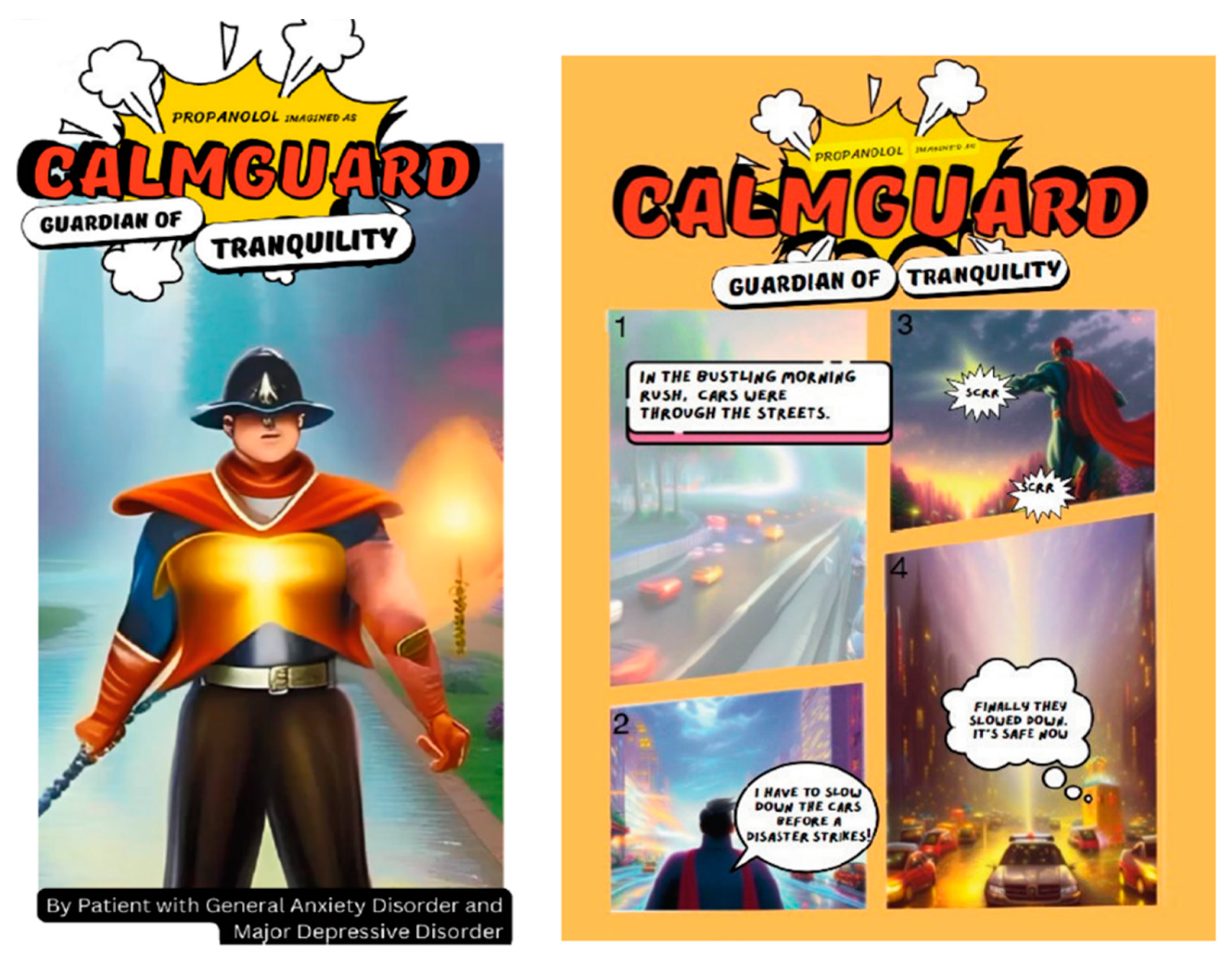
Figure 2.
Examples of a Hero (Calmguard) and Villain (Lady Vespera) medication character. (Scan the QR codes to watch the characters “come to life”.).
Figure 2.
Examples of a Hero (Calmguard) and Villain (Lady Vespera) medication character. (Scan the QR codes to watch the characters “come to life”.).
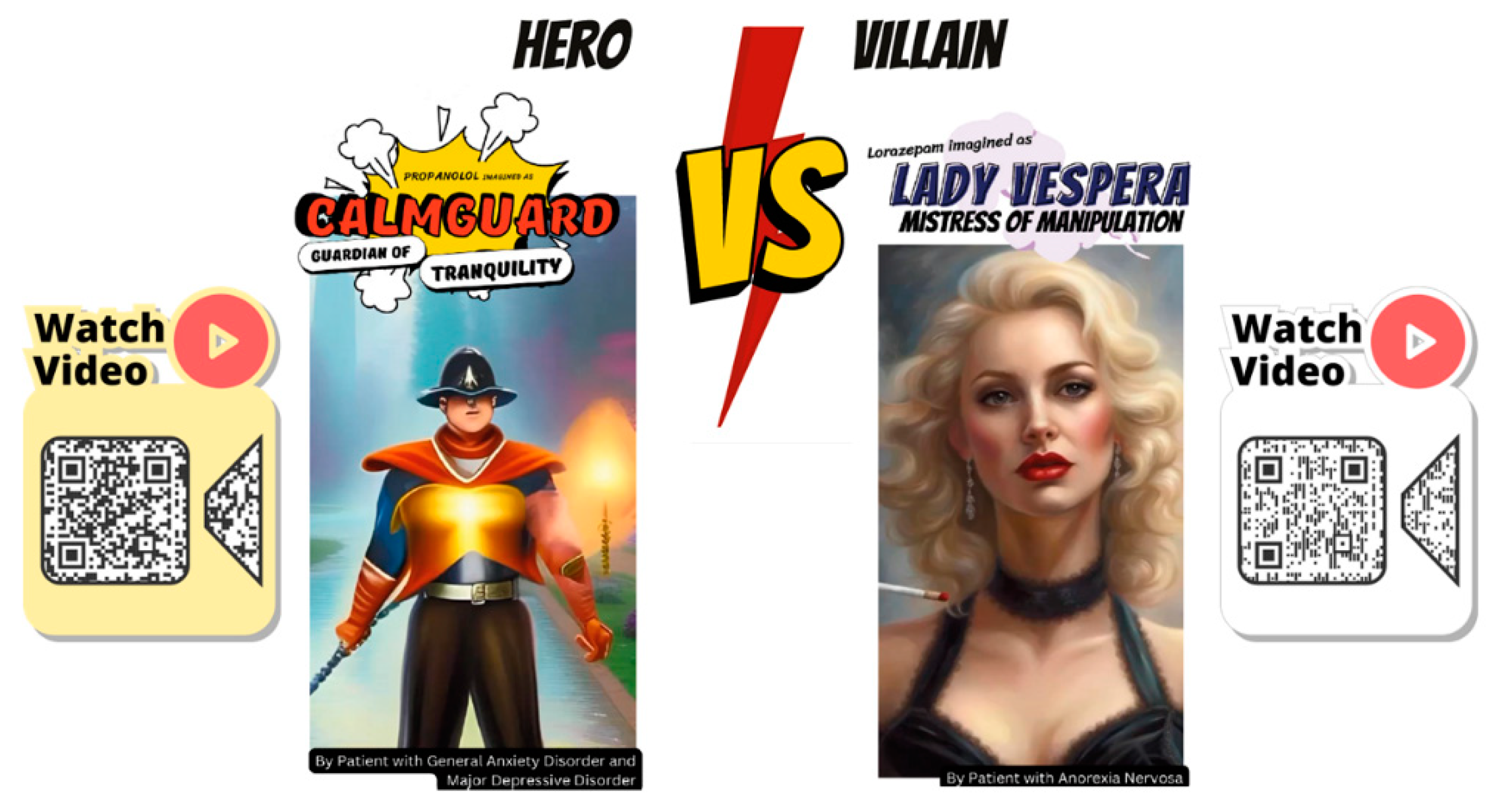
Figure 3.
Proposed research model used in this study.
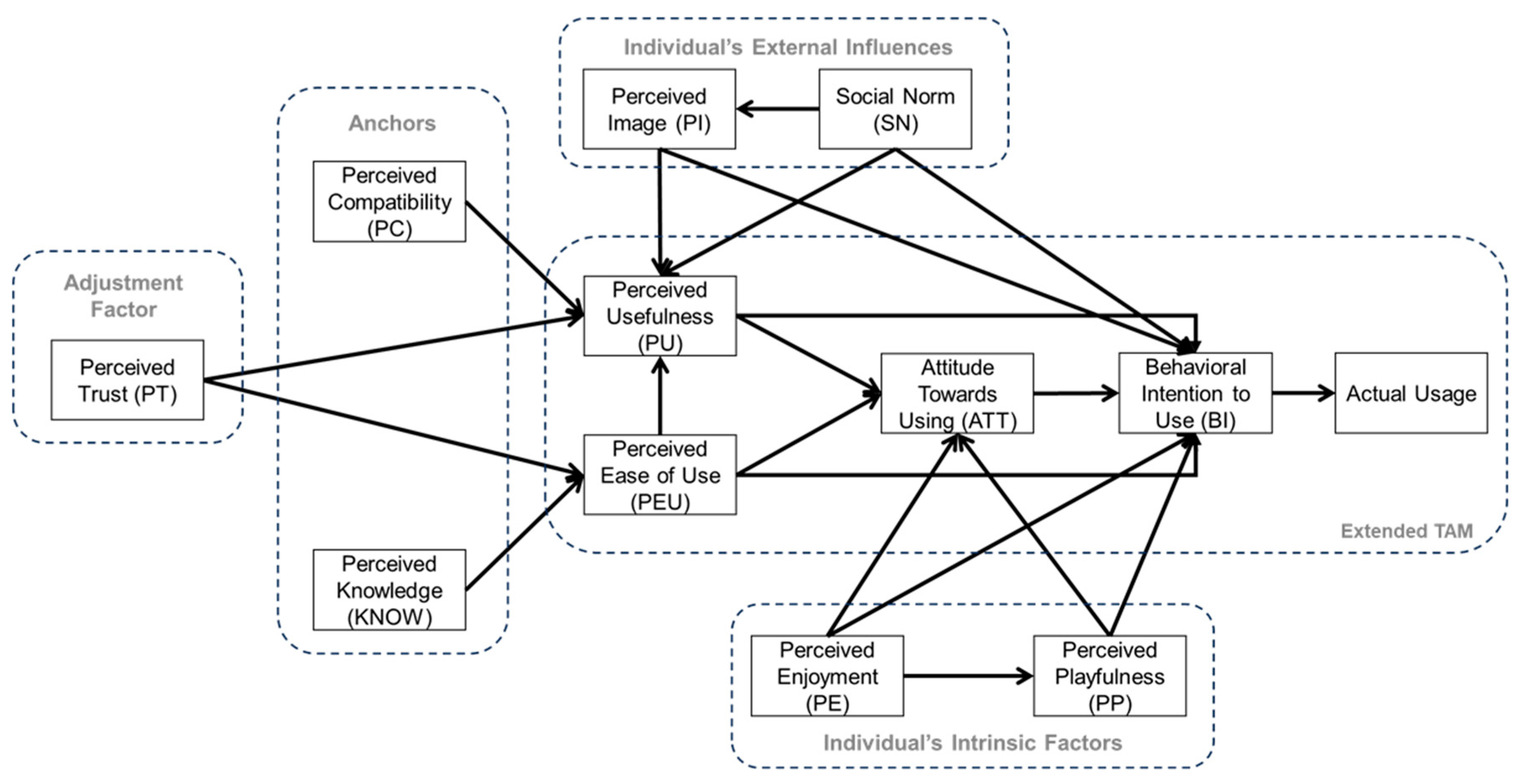
Figure 4.
The character portrayals of six medications in the form of Heroes and Villains.
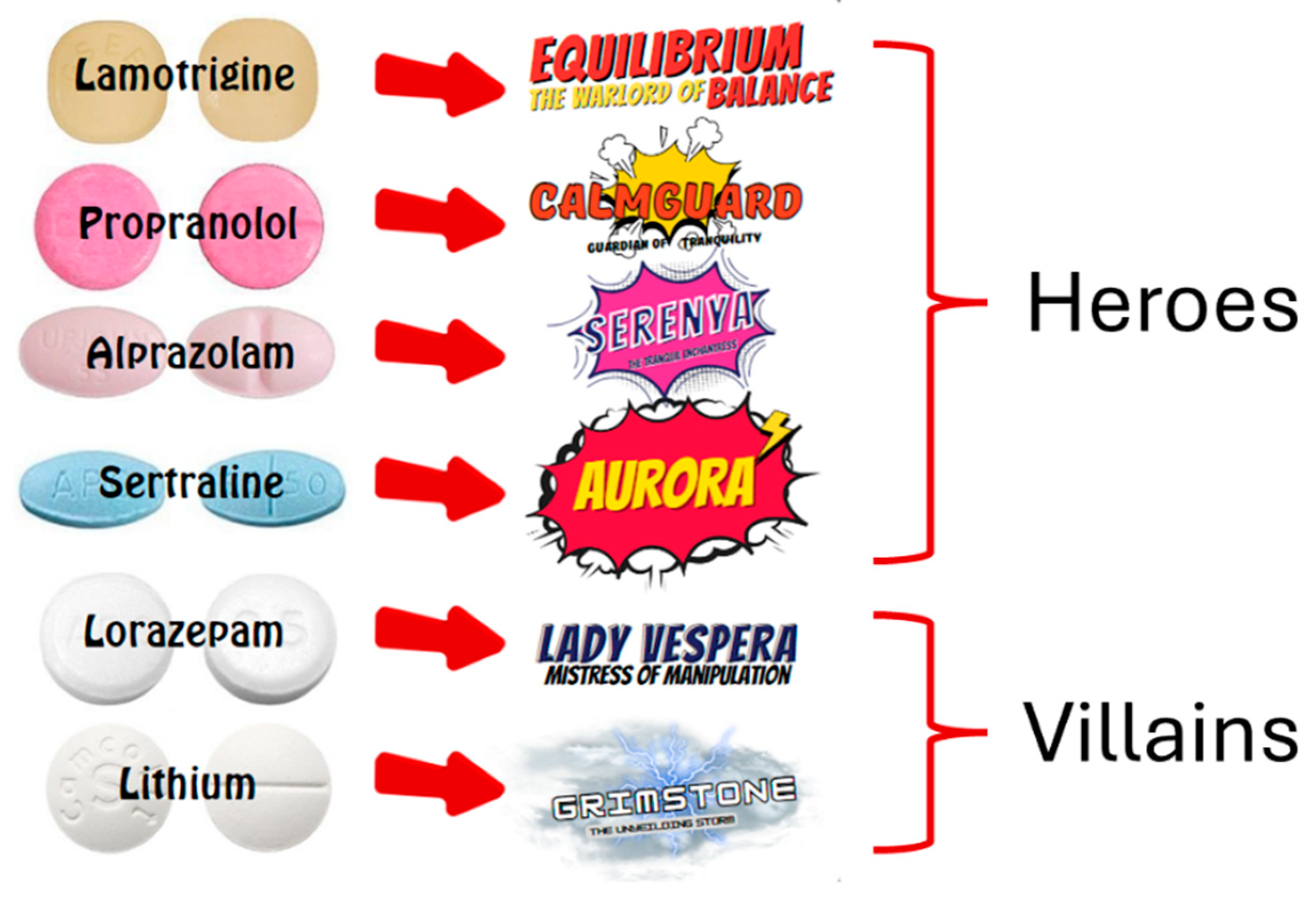
Figure 5.
The three realms of the Metaverse Art Gallery of Image Chronicles (MAGIC). (Scan the QR code to watch a video walkthrough trailer of the MAGIC realms.).
Figure 5.
The three realms of the Metaverse Art Gallery of Image Chronicles (MAGIC). (Scan the QR code to watch a video walkthrough trailer of the MAGIC realms.).
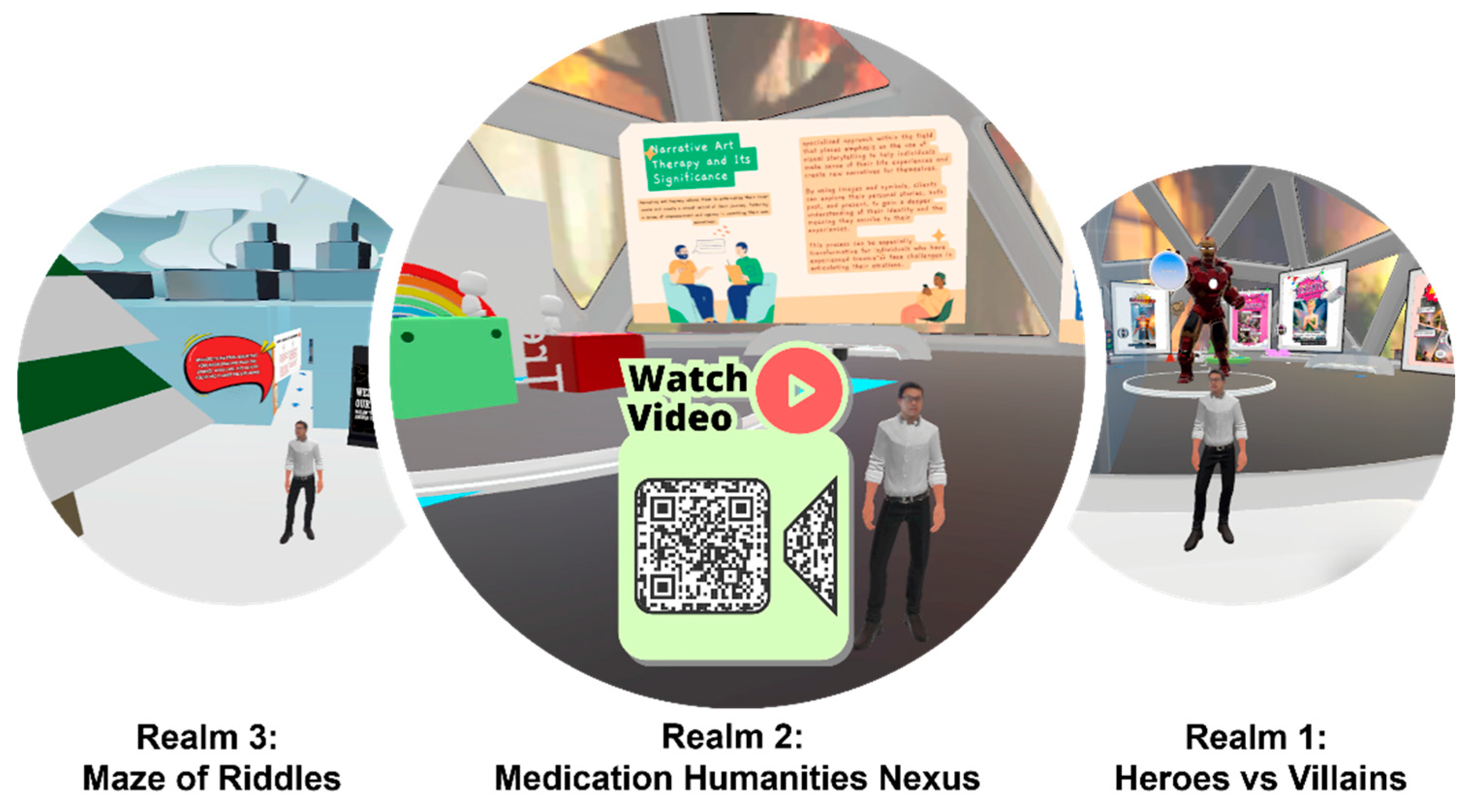
Figure 6.
The “Three-Body Problem” in healthcare education.
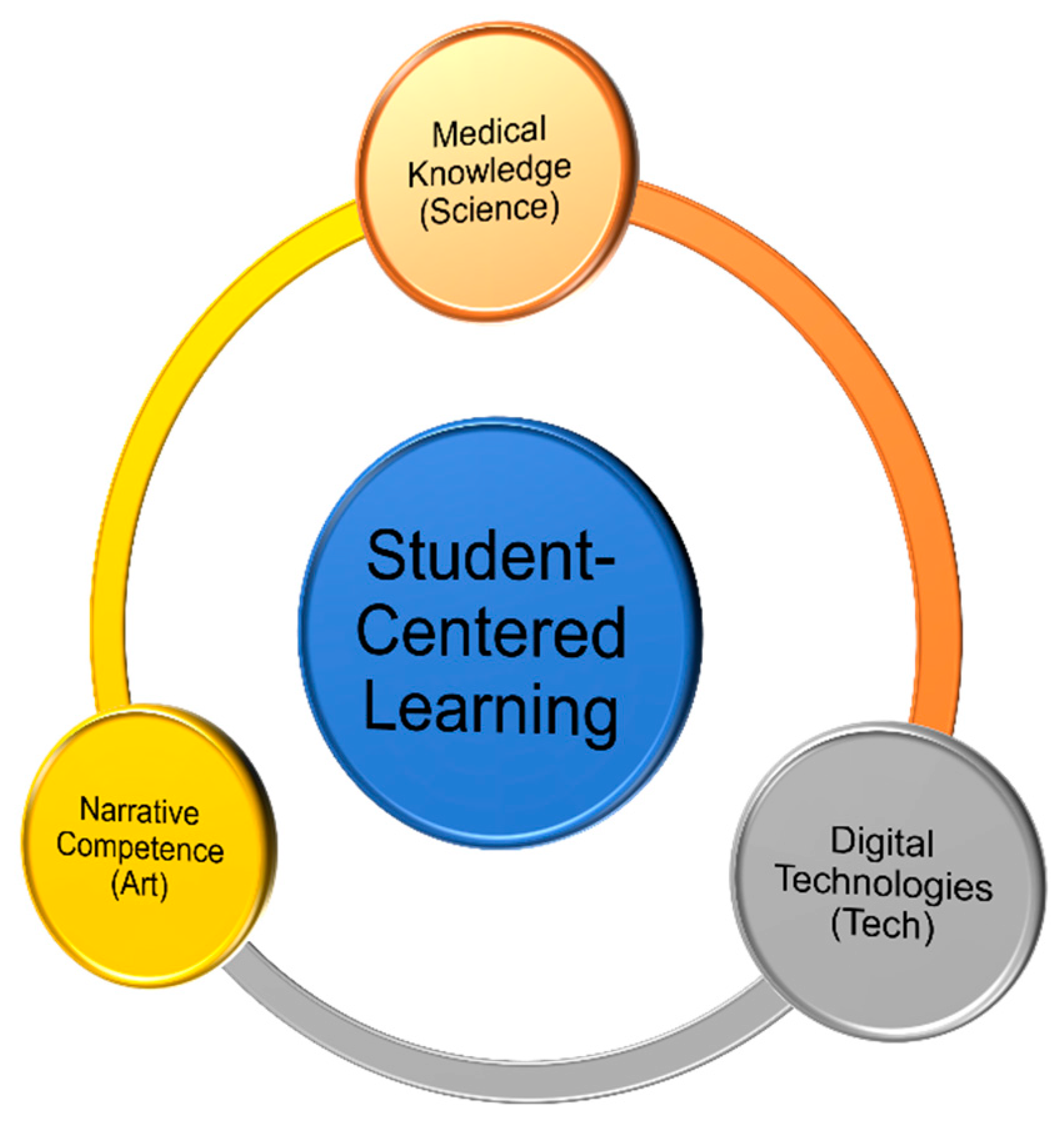

Table 1.
Demographics of participants in the alpha-test.
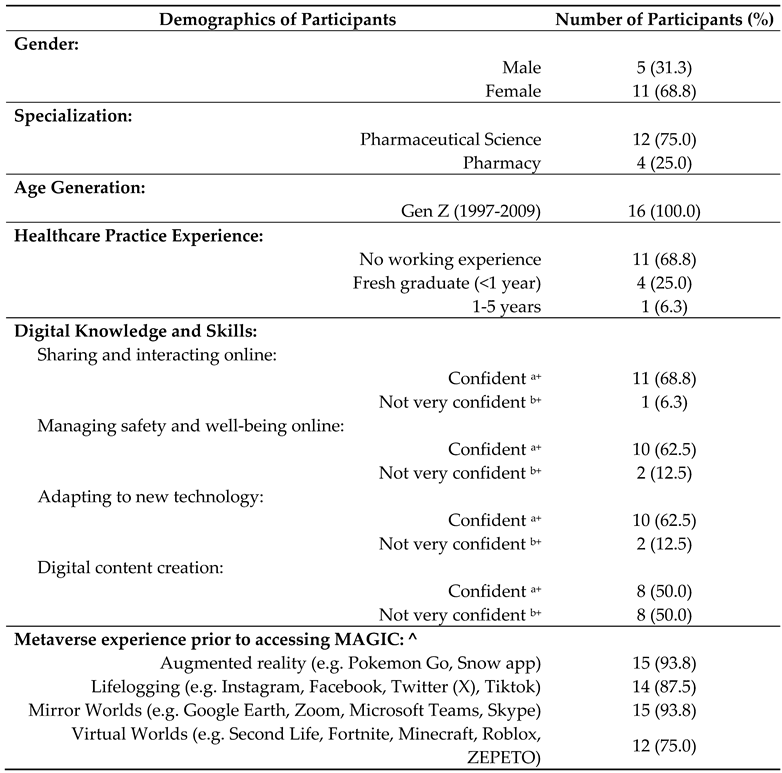
a Confident (Quite confident, Extremely confident). b Not Very Confident (Not confident at all, Slightly confident, Somewhat confident). + Numbers do not add up to 100% due to missing data. ^ Numbers do not add up to 100% due to multiple options being selected.
Table 2.
Participants’ perceptions of the content in MAGIC.
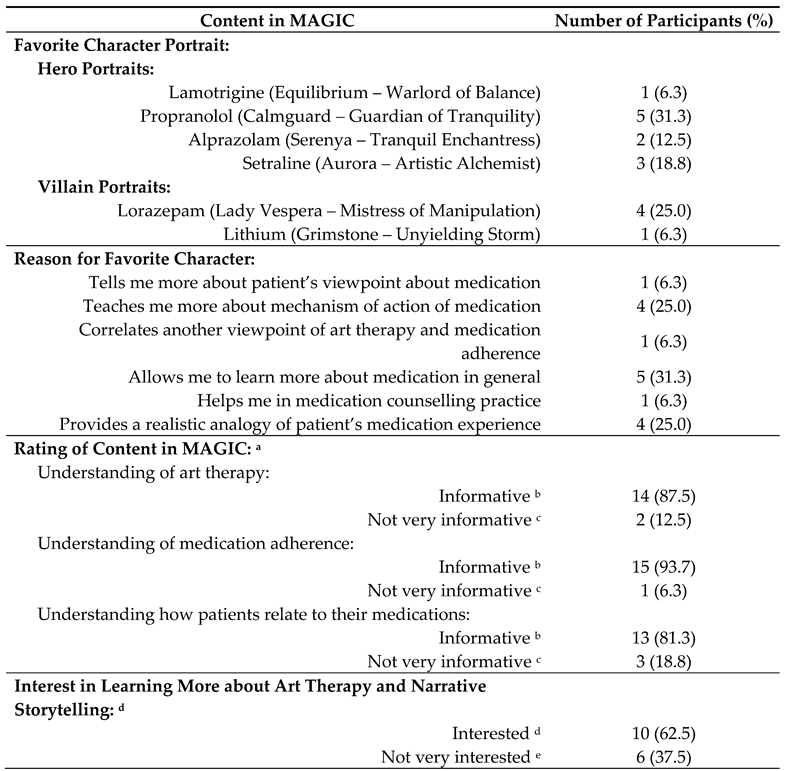
a None of the respondents rated “Not informative at all”. b Informative (Informative, Very informative) c Not Very Informative (Not informative at all, Not very informative, Somewhat informative). d Interested (Interested, Very interested). e Not Very Interested (Not interested at all, Not very interested, Neutral).
Table 3.
Cronbach’s alpha for TAM measures.
| TAM Measures | Number of Items/Statements | Cronbach’s Alpha (α) |
|---|---|---|
| Perceived Enjoyment (PE) | 2 | 0.639 |
| Perceived Usefulness (PU) | 3 | 0.670 |
| Perceived Playfulness (PP) | 4 | 0.760 |
| Perceived Trust (PT) | 3 | 0.857 |
| Perceived Knowledge (KNOW) | 2 | 0.414 |
| Social Norm (SN) | 3 | 0.746 |
| Perceived Compatibility (PC) | 3 | 0.787 |
| Perceived Image (PI) | 3 | 0.936 |
| Perceived Ease of Use (PEU) | 4 | 0.633 |
| Attitude Towards Use (ATT) | 3 | 0.910 |
| Behavioral Intention (BI) | 3 | 0.735 |
| Overall Total | 33 | 0.943 |
Table 4.
Participants’ ratings of MAGIC based on the Technology Acceptance Model (TAM) measures and parameters/statements.
Table 4.
Participants’ ratings of MAGIC based on the Technology Acceptance Model (TAM) measures and parameters/statements.
| TAM Measures | TAM Parameters/Statements | Scores for TAM Statements a (Average ± SD) |
Average Score for TAM Measures a (Average ± SD) |
|---|---|---|---|
| Perceived Enjoyment (PE) | • I find the eduverse enjoyable. | 6.31 ± 0.70 | 6.13 ± 0.67 |
| • The metaverse will enhance learning experiences of learners & make it more fun. | 5.94 ± 0.85 | ||
| Perceived Usefulness (PU) | • Learning through the eduverse has the potential to be more effective than traditional learning methods. | 5.94 ± 0.93 | 5.85 ± 0.72 |
| • I find the eduverse useful for education. | 6.13 ± 0.62 | ||
| • Using the eduverse can improve my learning performance. | 5.50 ± 1.16 | ||
| Perceived Playfulness (PP) | • Using the eduverse is an interactive & engaging experience. | 6.25 ± 0.78 | 5.80 ± 071 |
| • I do not realize that time has elapsed when in the eduverse. | 5.06 ± 1.18 | ||
| • I was actively exploring the eduverse. | 5.75 ± 1.07 | ||
| • The design of eduverse (environment, elements, characters) is appealing. | 6.13 ± 0.62 | ||
| Perceived Trust (PT) | • I trust that the metaverse platform that hosts the eduverse is secure. | 5.69 ± 0.79 | 5.77 ± 0.88 |
| • I trust that the metaverse platform that hosts the eduverse is reliable. | 5.81 ± 1.05 | ||
| • I believe that the metaverse platform that hosts the eduverse is trustworthy. | 5.81 ± 1.11 | ||
| Perceived Knowledge (KNOW) | • I have good knowledge about the metaverse. | 5.56 ± 0.81 | 5.66 ± 0.72 |
| • I know the difference between virtual reality and the metaverse. | 5.75 ± 1.00 | ||
| Social Norm (SN) | • Most of my classmates will welcome the use of metaverse for education & learning. | 5.69 ± 0.79 | 5.46 ± 0.85 |
| • Most of my lecturers will welcome the fact that I use metaverse for teaching/learning. | 5.56 ± 1.03 | ||
| • I want to try the metaverse due to its technological hype. | 5.13 ± 1.26 | ||
| Perceived Compatibility (PC) | • Using the eduverse fits well with my learning style. | 5.44 ± 1.03 | 5.44 ± 0.96 |
| • Using the eduverse fits well with my lifestyle. | 5.13 ± 1.41 | ||
| • Using the metaverse for education may imply major changes to the way in which education is carried out. | 5.75 ± 0.93 | ||
| Perceived Image (PI) | • People who have been in the metaverse are more trendy. | 5.13 ± 1.20 | 5.19 ± 1.15 |
| • I feel more tech-savvy compared to my friends after using the eduverse. | 5.31 ± 1.14 | ||
| • I am glad I am among the first in my organization to use the metaverse. | 5.13 ± 1.31 | ||
| Perceived Ease of Use (PEU) | • Learning how to navigate the eduverse is easy for me. | 5.81 ± 0.91 | 5.11 ± 0.42 |
| • I find it easy to do what I want to do in the eduverse. | 5.44 ± 0.89 | ||
| • Using the eduverse requires a lot of mental effort to play. b | 3.25 ± 1.73 | ||
| • The controls are intuitive & I have no trouble using the controls to perform tasks in the eduverse. | 5.94 ± 0.85 | ||
| Attitude Towards Use (ATT) c | • Using the eduverse for learning is a good / bad idea. | 5.44 ± 0.81 | 5.67 ± 0.82 |
| • I am positive / negative toward using the eduverse for learning. | 5.75 ± 0.86 | ||
| • I am satisfied / unsatisfied with my learning experience in the eduverse. | 5.81 ± 0.98 | ||
| Behavioral Intention (BI) | • I would like to explore the metaverse for my future learning. | 5.81 ± 0.91 | 5.81 ± 0.79 |
| • I would use the metaverse for learning/education on a more regular basis if I had access to it. | 5.69 ± 1.14 | ||
| • I would recommend the eduverse for learning to others for their education. | 5.94 ± 0.85 |
SD: Standard deviation. a Respondents rated each statement on a 7-point Likert scale ranging from 1 (Totally Disagree) to 7 (Totally Agree). b Respondents’ rating of statement was scored on a reverse scale from 7 (Totally Disagree) to 1 (Totally Agree). c Respondents’ ratings of their Attitude Towards Use was scored on a 7-point Likert scale ranging from a negative representation (1 – Bad, Negative or Unsatisfied) to positive representation (7 – Good, Positive or Satisfied) of the statement.
Table 5.
Correlation of TAM measures with behavioral intention to use.
| TAM Measures a | Spearman’s Correlation Coefficient (rs) b | P-value | 95% Confidence Interval | Exploratory Factor Analysis | ||
|---|---|---|---|---|---|---|
| Factor 1 Loadings | Factor 2 Loadings | Extraction Communalities c | ||||
| Perceived Enjoyment (PE) | 0.608 | 0.012* | 0.114, 0.861 | 0.583 | 0.535 | 0.627 |
| Perceived Usefulness (PU) | 0.789 | <0.001* | 0.419, 0.934 | 0.769 | 0.398 | 0.750 |
| Perceived Playfulness (PP) | 0.925 | <0.001* | 0.749, 0.979 | 0.890 | 0.291 | 0.877 |
| Perceived Trust (PT) | 0.647 | 0.007* | 0.171, 0.878 | 0.849 | –0.008 | 0.721 |
| Social Norm (SN) | 0.862 | <0.001* | 0.582, 0.959 | 0.961 | 0.106 | 0.935 |
| Perceived Compatibility (PC) | 0.890 | <0.001* | 0.652, 0.968 | 0.975 | –0.007 | 0.951 |
| Perceived Image (PI) | 0.680 | 0.004* | 0.222, 0.892 | 0.941 | –0.142 | 0.906 |
| Perceived Ease of Use (PEU) | 0.249 | 0.352 | –0.289, 0.668 | –0.112 | 0.917 | 0.853 |
| Attitude Towards Use (ATT) | 0.451 | 0.079 | –0.084, 0.784 | 0.094 | 0.885 | 0.791 |
| Behavioral Intention (BI) | -- | -- | -- | 0.892 | 0.270 | 0.869 |
a Perceived knowledge is not reported due to poor Cronbach’s alpha. b Spearman’s correlation coefficient (rs) is calculated in relation to participants’ behavioral intention to use the MAGIC eduverse. c A higher extraction communality value indicates that a larger part of the variance in the TAM measure is represented by the factors. A lower value indicates that the factors do not adequately represent the variable. * Statistical significance was defined as p<0.05.
Disclaimer/Publisher’s Note: The statements, opinions and data contained in all publications are solely those of the individual author(s) and contributor(s) and not of MDPI and/or the editor(s). MDPI and/or the editor(s) disclaim responsibility for any injury to people or property resulting from any ideas, methods, instructions or products referred to in the content. |
© 2024 by the authors. Licensee MDPI, Basel, Switzerland. This article is an open access article distributed under the terms and conditions of the Creative Commons Attribution (CC BY) license (http://creativecommons.org/licenses/by/4.0/).
Copyright: This open access article is published under a Creative Commons CC BY 4.0 license, which permit the free download, distribution, and reuse, provided that the author and preprint are cited in any reuse.


