

Submitted:
02 July 2024
Posted:
04 July 2024
You are already at the latest version
Abstract
This article examines illicit financial flows (IFFs) perpetuated in financial statements to develop a framework to curb IFFs. IFFs create opacity, impeding economic progress through investment deterrents and financial uncertainty. Through a comprehensive literature review and the synthesis of sets of qualitative propositions, the researchers previously developed a conceptual framework to address IFFs, and the purpose of the present article is to strengthen and validate the framework among stakeholders in the financial and audit sectors. Following a mixed inductive and deductive research approach and a qualitative methodological choice, the researchers conducted interviews among practitioners to enhance the framework, followed by a focus group to validate the framework. IFF challenges that emerged are tax evasion, for example, investments in untraceable offshore accounts, harming the economy, bitcoins not being subject to regulation everywhere in the world and being used by cryptocurrency criminals to transfer IFFs to nations with lax regulations. Internationally, IFF risks are also determined by geographical position, trade links and porous borders among countries emerged as further challenges, calling for entities to execute existing policies, improve tax enforcement methods, apply cross-border coordination, and practice financial reporting transparency aimed at combatting IFF practices. On the strength of these, the industry surveys significantly enhanced the conceptual framework.
Keywords:
Categories of illicit financial flows (IFFs)
; Causes of IFFs
; Characteristics of IFFs
; Countermeasures of IFFs
; Financial reporting
; Illicit financial flows
; Propositions
; Qualitative surveys
1. Introduction
International financial reporting standards (IFRS) (IFRS n.d.) are applied in companies to process transactions; these transactions report on the financial health of an entity at the end of a financial year through the financial statements (Bao, Lee and Romeo 2010). Current accounting standards largely fail to overcome certain obstacles in improving useful financial information (Lev 2018). We argue in this study that, should financial statements be transparent and devoid of biased information, the process of economic and investment decision-making will be more effective (Mashayekhi and Kalhornia 2016). To enhance transparency and curb IFFs, the researchers investigated IFFs that were perpetuated in the financial statements due to various obstacles, including inconsistent accounting standards and a lack of transparency in financial reporting.
IFFs breed in opacity, which hinders economic growth through investment deterrents, raised transaction costs, and financial uncertainty (Mwita et al. 2019). The global estimate of IFFs amounts to $1-1.5 trillion annually (Collin 2020). Given such amounts, IFFs are an international policy challenge. Regarding developing countries, Ndikumana, Boyce, and Ndiaye (2015) argue that the problem of IFFs from Africa is substantial and persistent. Furthermore, Africa loses about $89 billion annually in IFFs, like the continents’ 3.7% gross domestic product (GDP) (UNCTAD 2021a 2021b). IFF activities, such as state capture of resources and government decisions misreported by corrupt practices, potentially negatively impact developing and emerging economies (Collin 2020). In addition, there is compelling evidence to suggest that IFFs are happening on a grand scale in South Africa (Robb 2020). R11.4 billion of profits from South Africa shifted to 19 tax havens in 2014, resulting in a revenue loss of R3.2 billion (Wier and Reynolds 2018).
Countries experiencing higher IFFs are expected to demonstrate weak governance, higher inequalities, and poor public services (Cobham 2018). Despite the current regulatory attempts, financial misappropriation, such as embezzlement of funds, misappropriation and misrepresentation of financial reports are experienced (Onyabe et al. 2018). These are fundamental obstacles in refining the adequacy of financial reports (Dyer et al. 2017). The African Monitor (2017) concludes that substantial research is still done but with a focus on sub-regional and continental levels. Therefore, less attention has been paid to identifying possible characteristics of IFFs perpetuated in the financial statements as a control measure to curb IFFs. This embodies the need for a framework to curb IFFs. From this point of view, curbing IFFs may be the ethical solution to hindrances in economic development (Combes, Minea and Sawadogo 2021).
The risk for IFFs is also determined by geographical position and trade of links in an international environment. If one fails to curb IFFs, the abuse of an institution’s financial system for illicit purposes is a direct threat to the stability of the financial system. The IFFs problem is larger than what we can achieve through law enforcement. Furthermore, ethical behaviour and legal requirements are critical. Companies can have vast amounts of skills and knowledge, but if there are unethical employees, IFFs may well occur, that is, no one will detect and report IFFs if there is a lack of moral obligation. The technical capability for role players to potentially detect IFFs is also essential. Although there are specific detection systems in place, today's world is full of smart individuals who, with the aid of fourth industrial revolution software, for example, generative AI systems (Jo 2023), can advance the extrapolation of data that may be more pertinent to what watchdogs in an institution may be looking at.
Auditors and accountants can find several different areas associated with a client's risks with IFFs. It begins with a solid awareness of the regulatory frameworks, such as national and international rules, which will assist in identifying the warning signs of potentially illicit activities.
The above discussions lead to our problem statement.
1.1 Problem Statement
IFFs pose a significant challenge as they operate on a vast scale, making them harder to address. Various entities and multiple initiatives are dedicated to curbing several aspects of IFFs, and comprehensive international cooperation has been seen as a key ingredient in addressing IFFs (Montes 2020). Consequently, several countries have committed to significantly reducing IFFs by 2030, in accordance with the Sustainable Development Goal (SDG) target 16.4 (United Nations n.d.). Despite the current regulatory attempts, financial misappropriation, such as embezzlement of funds and misrepresentation of financial reports, is experienced (Onyabe et al. 2018). As a result, less emphasis has been placed on identifying potential IFF features perpetuated in financial statements as a control strategy to curb IFFs. These are important approaches in financial reporting that exemplify the necessity for a framework to curb IFFs.
1.2 Towards Addressing IFFs
The researchers developed a conceptual framework (Netshisaulu, van der Poll and van der Poll 2022) as a first step in addressing the IFF challenges above. Subsequently, a second review of scholarly literature revised the framework, which is presented in Section 2. The revised framework was further enhanced through qualitative interviews among industry stakeholders and finally validated by a focus group comprised of experts in IFFs. Consequently, the aim of this article is to enhance and validate the conceptual framework developed before.
The article's layout follows. Following the introduction, we present our research questions and objectives in Section 1.3 and 1.4 respectively. This is followed by our research methodology in the form of the materials and methods in Section 2, and the results in Section 3. The final deliverable of the results is the enhanced and validated framework. Section 4 reviews the new framework, followed by conclusions and future work in this area in Section 5. An appendix and a list of references conclude the article.
Our research questions and an objective follow next.
1.3. Research Question
RQ1: How may a qualitative survey in the industry enhance a previously developed conceptual framework to curb IFFs?
1.4. Research Objectives
RO1: Validate the resulting framework through an expert focus group.
2. Materials and Methods
Our research approach in this article follows the layout of the Saunders, Lewis and Thornhill (2023) Research Onion depicted in Figure 1. The onion's utility stems from its adaptability to most types of research methods and capacity to be applied in a wide range of circumstances, allowing for the collection of extensive and reliable information.
Following the onion from the outside towards the innermost layer, our research philosophy in this article is interpretivism since we interpret qualitative text and diagrams from the IFFs literature and interpret the responses from the interviews and the focus group. The next layer from the outside is the approach to theory development, and our approach is both inductive and deductive. It is inductive since the interviews discussed in Section 3 are aimed at enhancing the conceptual framework developed by Netshisaulu et al. (2022). Following the induction, we move to a deductive phase in which the enhanced framework is validated by the focus group.
At the third level, our methodological choice is, in line with the title of this article, multi-method qualitative since we are evaluating responses from the interviews and the focus group as a follow-up, hence multi-method qualitative. Our strategy at layer four would best be described by a survey instantiated by a narrative enquiry in which the respondents, both interviewees and focus group participants, rely on their knowledge, and lived experiences to provide feedback to the researchers. Our strategy would be expanded to include case-study research once we move into companies to exercise the validated framework in the respective companies (refer to our future work section).
At the fifth level, our time horizon is cross-sectional since the survey part of the research was conducted within an 18-month period, which is shorter than longitudinal research, typically conducted over several years. At the innermost layer, our procedures and techniques are characterised by a comprehensive ethical clearance application from our home institution.
Our research involves sampling, data collection, and analyses based on the strength of the interviews and a focus group. Hence, we obtained ethical clearance from the researchers’ home institution under certificate 2022_SBL_DBL_029_FA, bearing evidence of responsible research practices.
2.1. The Use of Qualitative Propositions
After conducting two rounds of reviewing scholarly literature, the researchers developed a conceptual framework. This framework is designed to identify IFF challenges and provide pointers for solutions. To develop this framework, we employed the technique of identifying qualitative propositions from the IFF literature developed by the researchers (van der Poll and van der Poll 2023). These propositions form the basis of the conceptual framework presented below.
The propositions developed in earlier work include, amongst others, the following (van der Poll and van der Poll 2023):
- Content propositions which present attributes of entities in a framework and are indicated by pCi, for i a natural number, i.e., i ∈ {1, 2, 3, …}.
- General propositions, which present general ideas and are indicated by pGj, for j a natural number, i.e., j ∈ {1, 2, 3, …}.
Content propositions denote by far the largest class of propositions in our work.
Several propositions were formulated to develop the conceptual framework. Table 1 and Table 2 respectively summarise our content and general propositions (Netshisaulu 2024).
The conceptual framework depicted in Figure 2 was synthesised from the above sets of propositions and an earlier version in Netshisaulu et al. (2022).
As indicated, the Figure 2 framework resulted from Table 1 and Table 2 propositions synthesised from scholarly literature.
Since this research examines IFFs perpetuated in financial statements involving numerous stakeholders, the next step is to collect industry perspectives on IFFs and the financial environment, followed by augmenting and validating the resultant framework. Two (2) surveys were conducted among two (2) auditing firms with practitioners responsible for checking financial records, identifying irregularities, and reporting on irregularities, and financial sector practitioners mandated to identify the proceeds of commercial crime, corruption, money laundering, terror financing, and other types of IFFs. First, 16 stakeholders were interviewed, followed by a focus group with four (4) participants.
The instrument in Appendix A was administered to the interviewees without presenting them with the conceptual framework in Figure 2. Subsequently, the framework was enhanced with the feedback from the interviews. Thereafter, focus group members were presented with the enhanced framework and led through a discussion of its components and their respective associations.
The outcomes of the interviews and the focus group are discussed next.
3. Results
Interviewees originated from auditing firm personnel in the wider Gauteng province in South Africa. Each interviewee received a participant information document outlining the objectives of the interview, their rights as participants, and the purpose of the study. Before the interview, each interviewee was requested to sign an informed consent form. They were also advised that their answers would be kept confidential and that they could withdraw from the interview at any time without providing a reason.
The demographics of the 16 interviewees are given in Table 3.
The interview guide in Appendix A subsequently guided the researcher during each interview. The questions had the objective of collecting information pertaining to the perceived IFF problems facing the companies, types of IFFs, possible characteristics of IFFs, their knowledge (if any) of benefits, processes, and role of financial reporting to curb IFFs, reasons for non-compliance with accounting standards and principles, and the controls needed to curb IFFs in the companies. As evidenced by the content of the instrument in Appendix A, the research was conducted at the financial reporting level rather than the scientific level. To avoid influencing their responses, interviewees were not shown the conceptual framework in Figure 2.
The findings of the interviews are presented next.
3.1. Interviews
Data on various themes were obtained during the administration of the instrument in Appendix A. The questions were posed to each interviewee in the order indicated in the instrument, but the subsections below are synthesised around the themes identified from the interviews, followed by some verbatim responses.
3.1.1. Identification of Types and Characteristics of IFFs
The questions asked were: “What are the possible characteristics of illicit financial flows perpetuated in the financial statements and financial reports?”; “What is the impact of an illicit financial flows report on financial reporting?”; and “Do you prepare illicit financial flows reports? If yes, what do you report on?”.
The synthesis of interview responses revealed the following information, as shown in Table 4.
The responses are consistent with Muslim et al. (2021), who stated that IFFs comprise the concealment of fraudulent activities such as money laundering, illicit loan issuance, or manipulation of financial statements within entities (Muslim, Al-Shimari and Jihad 2021). In addition, Kurniasih et al. (2017) argue that profit management has a considerable impact on the effective tax rate. For instance, aggressive tax evasion, which is not usually criminal, is included in the risk indicator as an illicit money flow because it can damage sustainable development in many countries (UNODC and UNCTAD, 2020). This is consistent with proposition pC3, which claims that tax evasion is the principal driver of cross-border transfers.
In support of the aforementioned, interviewee I10 indicated:
- "There is [are] high risks for price skimming, evading tax through abusive profit-shifting."
Likewise, I12 stated:
- “Investments in an offshore account that is not traceable, those are the things that you look into to see whether it is legit or is it a matter of just station some funds in an offshore account, but like I said, it's a bit tricky when it comes to a company tax. It's easier with an individual tax where you have access to the information you start asking questions, and that's when you can conclude that this transaction; it's definitely an offshore transaction, and there are no further details or proper documentation that has been provided to back up the taxpayer’s intention. And also, fictitious transactions to evade paying tax, so those are the kind of things that you look into when you're trying to figure out if it's a legit transaction or if it's sort of a fictitious transaction just to evade paying taxes.”
3.1.2 The Effectiveness of Financial Reporting in Curbing IFFs
The questions posed were: “Given the growth of illicit financial flows, is there anything that can be done from an accounting viewpoint?”; “How are illicit financial flows deterred in financial reporting?”; “What is the impact of an illicit financial flows report on financial reporting?”; and “What is the single most important objective of providing financial reports?”.
The synthesis of interview responses revealed the following information:
The effectiveness of financial reporting in curbing IFFs may result in trustworthy financial reports, assist users in making informed decisions, and potentially curb IFFs. Many participants advocated streamlining financial reporting to make these more uniform and clearer, enhancing access to and accuracy of financial information and more robust internal controls to assist in curbing IFFs. The studies also showed that good financial reporting minimises information asymmetry, increases investment efficiency, and improves corporate governance. Furthermore, financial openness through country-to-country reporting was identified as one of the most effective techniques for curbing IFFs arising from tax evasion.
In support of the aforementioned, interviewee I2 stated:
- “There may be an increase in transparency in terms of reporting, such as the topics covered. Potentially having a full income statement; you might have some form of lead schedule displaying the clearance or providing a description behind, say, the five highest transactions during the year.”
Also, I5 cited:
- “I'd say just everything on the financial statements, especially where users can make decisions based on financial statements, there [they] needs to be sufficiently disclosed.”
The findings above are consistent with propositions pC33 and pC34, which address the stewardship role within the company. To increase shareholder wealth and protect assets, the company should follow sound corporate governance guidelines in line with King IV. Similarly, good corporate governance ensures that management's primary focus is on maximising shareholder wealth, in line with proposition pC31.
3.1.3 The Countermeasures of IFFs
The questions asked were: “What illicit financial flow risks do entities face? If they occurred, how would you respond?”; “Are illicit financial flows clearly known?”; “What are the measures in place to curb illicit financial flows?”; “Which compliance factors do you have in place?”; and “What do you think about the role of gatekeepers, such as lawyers and auditors, in detecting financial misconduct?”.
Responses to these questions varied greatly; however, the researchers were able to put together the following information:
To prevent IFFs, entities should use internal and external auditors, have board oversight, require basic education on key personnel, segregate duties, establish a hotline and whistle-blower protection, conduct due diligence on key personnel recruitment, and consequence management for those found involved in IFFs. The findings indicate that the current South African General Anti-Avoidance Rule (GAAR) may need to be changed because it is based on or adapted from other countries and does not fully address the IFF difficulties that we face as a developing economy. Some participants proposed using SA bodies such as “Know your customers” (KYC) to confirm their clients, the Companies Intellectual Property Commission (CIPC) to identify transactions involving related parties, and the Financial Intelligence Centre Act (FICA) to curb IFFs.
Some interviewees agreed with the above, as indicated next.
Interviewee I2 said:
- “Management should put certain controls in place and then from the internal auditors to make sure that those controls are actually working and the external auditors to make sure that it's actually addressing or preventing or identifying illicit funds.”
I5 indicated:
- “I think, especially where the board is concerned, they need to be able to hold the finance directors and finance management accountable for what they've put in their financial statements.”
I5 continued:
- “When it comes to the consequences of such activities. Then it must be clearly specified, and then it must be clearly executed. So, it can't only be something declared to be a threat; it must also be appropriately performed in such instances.”
Interviewee I10 said:
- "I think education for taxpayers is important, more especially to the SMEs. I think most [of] SMEs should learn how to separate business accounts with their personal accounts. Some, they believe in transferring money to their personal accounts rather paying tax. So, we need to engage with the SMEs now and then to emphasise the importance of paying taxes to SARS and impact of not paying tax, which is severe”.
The above sentiments are in line with the findings of Salehi et al. (2023), who discovered a strong link between board competency, audit committee expertise, managerial ownership, and financial reporting transparency. These also align with our proposition pC35, which recommends that auditing services are critical for stakeholders and addressing IFFs.
3.1.4. Causes of Non-Compliance with Accounting Standards and Principles in Financial Reporting
The questions posed were: “What are the reasons for non-compliance with accounting standards and principles in financial reporting with regard to IFFs?”; “As auditing firms, do you think you are winning the battle to identify and curb illicit financial flows?”; “What are the fundamental obstacles to the usefulness of financial reports?”; “If you were in charge of developing accounting standards, what would you do differently to address IFFs perpetuated in the financial statements?”; and “What do you think needs to happen to curb IFFs?”.
A synthesis of the interviewees’ answers to the question yields the following:
The accounting standards' complexity, as well as a lack of knowledge and understanding of accounting standards, are causes of non-compliance. Furthermore, it was discovered that SMEs often have limited budgets and are hesitant to hire experts such as auditors and accountants who can detect and prevent IFFs. Some interviewees indicated that part of their work as auditing firms is trying their best to educate entities on paying taxes. It was also determined that several entities are hesitant to pay taxes due to illicit financial activities in state-owned enterprises (SOEs) and the public sector and that these entities would rather shift revenues to nations with lower taxes than fund corruption activities. Owing to the nature of IFFs, it is harder to fill gaps in the enabling environment, as the extent of IFFs is unknown. Another reason for noncompliance is the desire to keep technological techniques of addressing IFFs via bitcoins in other countries, owing to a lack of regulations in those countries.
Interviewee I1 indicated:
- “I believe the accounting standards are also making it harder to apply. I believe that the IFRS standards should be simplified so that they are easy to understand and applied, as well as removing parts where you have options to do an event and just stating, this is how we want you to do it.”
I5 claimed:
- “If the framework for financial reporting was less open to interpretation. So, for example, when we consider a cash basis financial framework, we can see that, while it has limitations, it also has advantages. For instance, statement of cash flows, there aren't many ways to manipulate that you have to record and present your cash flows as they are. So, if we could have a method that is not susceptible to manipulation, areas where there is judgments and estimates, I would propose very thorough disclosure.”
And I10 said:
- “I would say there is a lot of unwilling to comply with income tax payable to SARS.”
The information above supports Mahajan's (2019) claim that some entities are unwilling to pay tax owing to illicit financial operations activities in SOEs such as Transnet and Denel. This demonstrates that failure to comply with accounting norms and principles in financial reporting may generate a hostile environment for curbing IFFs. Given the responsibilities that entities play in capital and investment allocation, as well as economic performance, this would concern accounting standard setters, policymakers, and listing authorities such as the South African JSE, as well as academics and the society at large. This shows that adhering to accounting rules and standards may assist in eliminating IFFs. The above findings support our proposition pC33; namely, accounting principles and standards should be applied to reduce IFFs.
The interviews' findings enhanced the Figure 2 framework. However, we will hold off on presenting it until after the focus group validation, which is discussed next. The outcome of the above sets of interviews provides an answer to our research question, RQ1.
3.2. Focus Group
The researchers conducted a focus group through Microsoft Teams with personnel in a financial sector company who mainly deal with the company’s primary business. The researcher received organisational permission to discuss the enhanced framework and interact with the focus group.
Four (4) people participated in the focus group: two (2) males and two (2) females. Two (2) participants had between 16 and 20 years of experience in the company, and the other two (2) had between 21 and 30 years of experience. One (1) participant was an executive, one (1) was in finance, and two (2) were in the company's operations section.
The enhanced framework was presented to the group, and a comprehensive discussion of its layout and content was conducted. As discussed, next, insights around several themes emerged.
3.2.1. Characteristics and Types of IFFs- (Financial System Stability, Geographical Position, Trade of SA Links, Porous Borders and Crime-Related Profit-Making)
As a kick-off, the group was requested to discuss the characteristics and types of IFFs. Participants P1 and P3 agreed that the prospect of IFFs posed a significant risk to the growth of the South African economy. This underscores how IFFs restrict state resources, particularly revenue, and undermine governance, supporting our general proposition pG1. The group expressed concern that the financial system's stability will be directly threatened should we fail to prevent the fraudulent use of the financial system for illicit purposes. This supports proposition pC31, which suggested the establishment of a sound risk management system in all industries as a mechanism to curb IFFs.
Furthermore, they stated that criminal syndicates do not always have a direct relationship with businesses and accounting when transferring money out of the country. For example, they noted that organised criminal gangs' drug trafficking is one of the most significant sources of criminal proceeds and a critical source of illicit money flows. This indicates that a strong governance framework and effective anti-IFF efforts should be implemented in all sectors, in line with proposition pC31. When probing further, Participant P3 stated that our trade links and physical position both increase the danger of IFFs in the global environment. For example, South Africa has porous borders with other countries, exacerbating possible high rates of crime-related profit-making activities in neighbouring countries. The group indicated that these IFF components should be incorporated into the framework.
The researchers furthermore agree with participants P1 and P3 that the risk of IFFs is influenced by geography and trade links, for example, the porous borders between South Africa and other countries, and calls for urgent intervention from relevant governments. This supports proposition pC19, which found that resource-rich countries are susceptible to IFFs.
Conclusion: According to the focus group's findings, the types of IFFs (criminal, corrupt, and commercial activities) and their characteristics are possible risk indicators, paving the way for the following section on the utility of the framework.
3.2.2. The Enhanced Framework
All the participants expressed relative satisfaction with the enhanced framework as it incorporates IFF aspects, making it more practical. The group presented the following arguments:
Participant P1 stated that she liked the description of the propositions that led to the development of the conceptual framework. P1 also expressed: “The practical impact was one aspect I like, though it can be a little trickier at times.”
All participants appreciated the concept of the framework addressing IFFs. According to P1, another aspect of the framework that stood out was the ethical component. Participants P1, P2, and P3 subsequently discussed the code of ethics for the client-auditor interaction. When an auditor seeks to go deep, they should consider how far they can extend the scope. Auditors must be convinced that the company adheres to specific standards, both domestic and international.
As a result, the focus group concluded that auditing services are critical for stakeholders to address IFFs. This aligns with proposition pC35 since clients can be a little too evasive or obstructive in their explanations. This validates propositions pC4 and pC6, which elicit that funds are moved to other, lower-taxed destinations by wilful misreporting.
The above supports proposition pC23, which states that simpler financial reports, auditing, and transparency in financial statements might help eliminate IFFs. Participants P2 and P4 concurred on the importance of international cooperation, which is one of the framework's highlights. This supports proposition pC26, which recommends that the enhanced quality of all international commercial trade transactions be documented and shared with authorities in charge of commercial data. Furthermore, the focus groups supported propositions pC1 and pC26, which suggest that systematic controls and a robust international structure based on strong laws and regulations on financial intelligence at the global level are crucial to reducing IFFs.
Conclusion: Based on the focus group findings, the framework will address IFFs, which is anticipated to improve good corporate governance, provide insights, and develop ways of detecting them.
3.2.3. Specific Recommendations or Relevant Issues
The underlying question posed was: “Are there any specific recommendations or relevant issues we haven’t raised in the framework that you think we should know about?”
Participants P1 and P2 agreed that, despite the claim to be well-equipped, they felt there is a lack of technical skills, adequate tools, or competence in this subject. P2 argued that this is consistent with the South African Financial Action Task Force (FATF) assessment report 2023, which placed the country on the grey list. The report indicated that the country lacks the essential skills to focus on financial crimes or financial investigations, particularly complex issues concerning IFFs. Furthermore, the country lacks the knowledge and resources to focus on this issue. Participant P3 agreed that the framework addresses the majority of the IFF concerns and emphasised the need to research the countries from which the IFFs originate, as well as the ultimate or destination countries. This aids in interpreting trends and identifying the region most vulnerable to IFFs. Participants P2, P3, and P4 believe that the technological components have been thoroughly covered in the framework and agreed that technology's role is always changing. However, the general use of the Internet and digital payment methods has become difficult, as could the ability to analyse how technological improvements affect the size and complexity of IFFs, as well as global collaboration.
Conclusion: According to the focus group findings, IFFs have negative repercussions for both emerging and developed economies. This is congruent with propositions pC20 and pC21, which state that deficient institutional capacities, coupled with possible political instability, are associated with an optimum environment for IFFs. To put an end to these IFFs, a certain set of skills will be required. People who understand taxation, beneficial ownership, and economic operations, as well as maintaining high moral and legal standards to prevent professionals from forming corporations and working with offshore entities. To collaborate with other countries, it is required to collect information on these concerns, issue better risk assessments, engage in international cooperation, and understand the legal requirements, local regulations, and international legislation.
3.2.4. The Associations (Links) among the Entities (Shapes) in the Framework
The question was posed to consider the associations among the entities in the framework and whether the group would change any, add new associations, or remove any.
Participant P1 asserted that the team offered useful information such as drug trafficking by criminal groups, unregulated Bitcoins, and asset misuse due to a lack of current technologies. This enabled the researchers to expand on some of these components in the validated framework. The researchers agree with Participant P1 that the focus group provided useful ideas that support proposition pC13, which indicates that undeclared money transfers that violate currency laws should be identified. The group’s discussion uncovered and confirmed links between IFF categories, for example, transfer rates appropriate for IFF commercial operations. International environmental and economic links, notably along South Africa's porous border with neighbouring countries, are linked to favourable conditions for IFFs. They argued that understanding the drivers and indicators of IFFs connects controls like rules and regulations to curb IFFs. All participants supported the associations in the framework and do not believe anything needs to be modified. Participants hope to see the framework at an advanced stage to identify IFFs.
Conclusion: The focus group verified the framework by examining the associations between the entities in the framework. They believe that identifying potential characteristics of IFFs perpetuated in financial statements will result in benefits such as identifying IFFs and non-compliance with accounting rules, leading to a reassessment of controls to prevent IFFs.
3.2.5. Other Issues Relevant to the Framework
Lastly, the group was invited to share any last thoughts or discuss anything in connection with the framework that was not asked.
Participant P4 discussed the difficulties involved in keeping up with technological advancements. Participants P2 and P3 also stated that one of the challenges we have in keeping up with technological advancements is the new frontier of cryptocurrencies, Bitcoin. Not all governments in the world have regulated Bitcoin. As a result, criminal syndicates move bitcoins to nations where digital currencies are unregulated or have weak legislation.
This is in line with proposition pC22, which identified an inadequate regulatory structure to be conducive to widely spread IFFs. The major issue is that once money has left a country, it is very hard to repatriate it. Participant P2 stated that these currencies are regularly transferred to countries with liberal laws, and such governments are under no responsibility to return the funds to the country from which they originated. These sentiments support propositions pC4, pC6, and part of pC31.
As a result, foreign companies pose a considerable challenge in these types of activities in many countries around the world. The Caribbean is home to some of the world's most well-known tax havens (Dainoff 2021), which provide benefits such as low tax rates and financial secrecy. Countries use tax havens and foreign currency to boost their GDP. Often, these countries have little or no natural production except for possible tourism. Therefore, that money serves to boost the GDP. As a result, these are some of the most difficult issues confronting the globe today. So, when you see money going out, you may want to measure success by stating that you aim to retrieve it, but as Participant P2 pointed out, some countries do not want to help other countries in this area.
Conclusion: Bitcoin is not regulated everywhere. As a result, criminal groups use bitcoins to send IFFs to countries with low rules. Propositions pC18 and pC20 demonstrate that high tax rates support IFFs, whereas limited institutional capacity creates a favourable climate. This suggests that uncontrolled bitcoins are particularly vulnerable to IFFs and business and individual tax evasion. The researchers concur with the focus group that countries acting as global tax havens and providing incentives such as low taxes and financial secrecy exacerbate IFFs.
3.3. Enhanced and Validated Framework
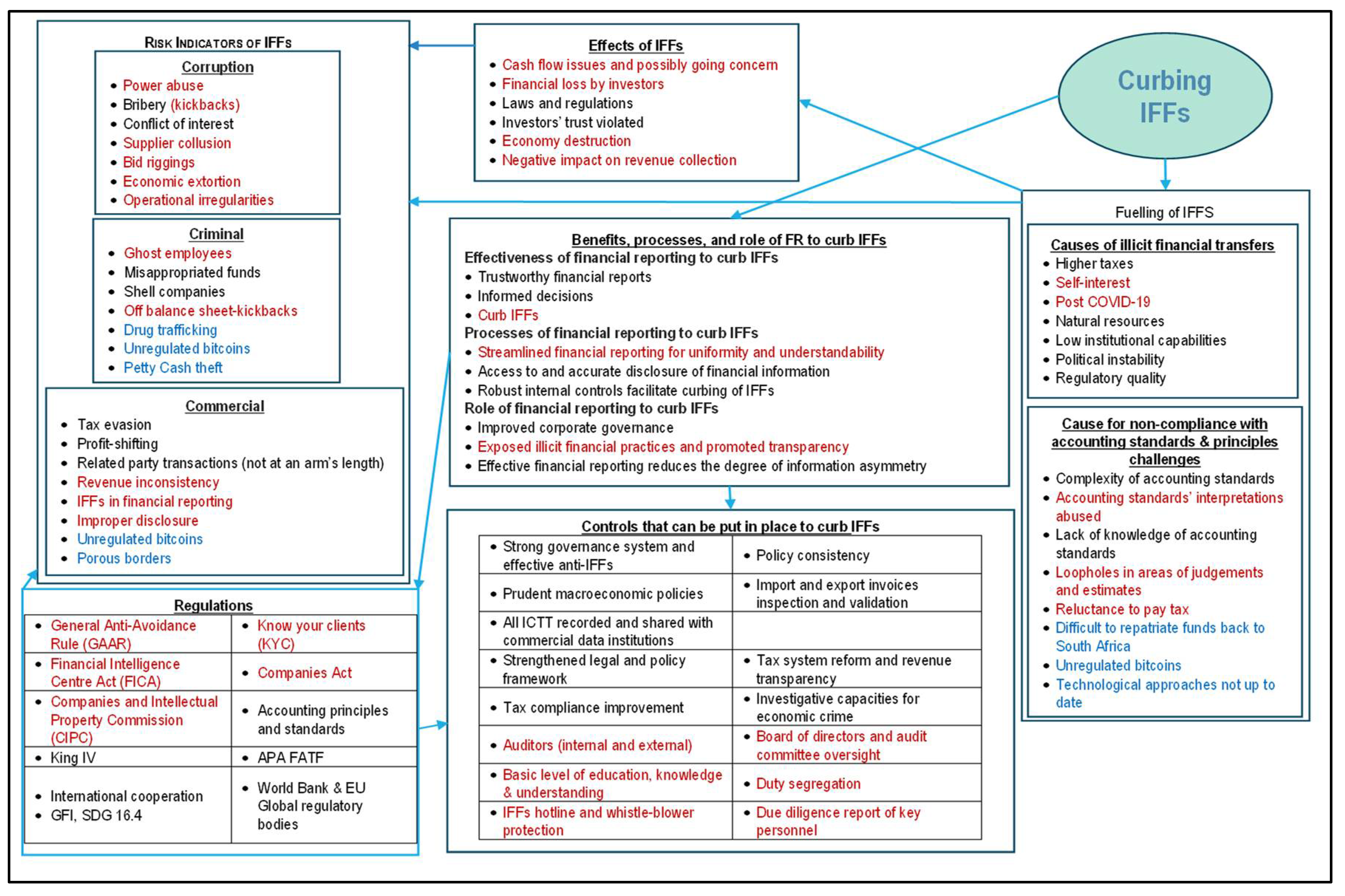
Figure 3 shows our final framework, which emerged from the interviews and the focus group.
Figure 3.
Final framework to curb IFFs
3.3.1. Final Framework Discussion
The developed conceptual framework presented in Figure 2 was greatly enhanced through the interviews, and thereafter, a focus group validated the enhanced framework. Both the interviews and the focus group discussions allowed the researchers to incorporate important components into the final framework for reducing IFFs.
The maroon (red) text in Figure 3 indicates the additions following the interviews. We further note that the content of some entities was rearranged, and the names of some entities changed, for example, Causes of illicit financial transfers. The blue arrows represent the associations between the entities that were validated by the focus group. They also provided useful insights regarding the content of some entities, also indicated in blue text. These include drug trafficking by criminal gangs, unregulated Bitcoins, porous borders, supplier collisions, and asset misuse due to a lack of modern technology. The focus group also stated that identifying potential characteristics of IFFs perpetuated in financial statements would result in benefits such as detecting IFFs earlier to avoid cross-border transactions, as repatriating IFF funds back to South Africa is difficult. They called for identifying non-compliance with accounting standards, which would lead to a review of controls to prevent IFFs.
Our final framework and the above developments meet our research objective, RO1.
4. Discussion
IFFs pose a significant threat to sound financial principles. The risk for IFFs is also impacted by a country’s geographical location and trade relations in an international environment. If entities are unable to control IFFs, the abuse of the financial system for criminal purposes poses a direct threat to the stability of their financial system. The IFF problem is much larger than what can be achieved through law enforcement; good ethics and compliance with the law are critical. Moral commitment and technological capacity are needed in addition to knowledge and a good skill set. Although detection systems are in place, today's innovative criminals are using 4IR-based, AI and customised programs to enhance the extrapolation of data that may be more relevant to what company watchdogs are looking at. This is consistent with Fanusie and Robinson's (2018) identification of patterns in the flow of bitcoins from various digital currency exchange providers to establish illicit operations clearly. Their research revealed that mixers and online gambling sites acquire a disproportionate number of illicit bitcoins, categorising them into two (2) different company groups that pose a significant risk for bitcoin money laundering, which in turn poses a threat to financial systems. This observation is consistent with proposition pC13, which states that transactions below the reporting point might remain silent and not be noticed as violations of currency control. Because transactions can take place across multiple countries and digital currency services provide relative obscurity, they are an appropriate instrument for evading currency controls (Dyntu and Dykyi 2019). Consequently, law enforcement faces challenges in identifying illicit activities. The use of virtual currencies is related to several potential risks and challenges that could harm countries, entities, and individuals (Khalaf and Alnwairan 2020).
The study's findings revealed that aggressive tax evasion, such as investing in untraceable offshore accounts, impedes tax revenue collection and causes significant economic impact. Aggressive tax evasion, which is not usually criminal, cf. proposition pC7 is included in the risk indicator as an illicit money flow because it can damage sustainable development in many countries (UNODC and UNCTAD 2020). According to our findings, profit management has a significant impact on the effective tax rate. This is consistent with proposition pC3, which states that tax evasion is the primary driver of cross-border transfers. Smoothing of illicit revenue, also known as cross-border transactions, occurs when companies invest in both financial and non-financial assets or purchase products and services. Flows resulting from licit activity for illicit objectives, as well as illicit transactions, are used to transfer funds to a licit source. Profits management, when utilised to shift money across borders or to evade taxes, may be considered an IFF as identified by proposition PC9. As a common stage in tax evasion, reducing tax payments demonstrates how corporations can manage their earnings to avoid paying taxes by identifying gaps between accounting standards and applicable tax legislation.
Profit management has been shown to significantly impact the effective tax rate (Kurniasih et al. 2017). This finding is consistent with a growing body of research asserting that embezzlement, financial misappropriation, and non-remittance of funds are examples of how revenue from financial misappropriation manifests itself. Mazikana (2023) concurs that management is inclined to misrepresent revenues to receive incentives and may even understate revenues to avoid paying taxes.
Our findings reveal that profits are transferred to countries with lower tax rates through transfer pricing, and funds are purposefully misreported to relocate these to other geographical areas. According to Rapanyane and Ngoepe (2020), the arm's length concept can prevent base erosion, profit shifting, and transfer pricing while being consistent with independent businesses. This indicates how IFFs continue to hurt the economy by using transfer pricing to shift money to developing countries. This shows that the number of transactions carried out within a company varies according to the transfer pricing regulations in the country. These findings show that tax enforcement risks being compromised whenever entities fail to apply the arm's length principle with their related parties in the local area, including family members, and in foreign countries with lower tax rates.
To evaluate the relevant controls and systems, the external auditors conduct risk analyses as part of the audit process. The literature concurred that internal controls give the board of directors, the audit committee, and senior management assurance that the company’s financial reporting is accurate and complies with all relevant laws and regulations. The major goal of this method is to identify ethical and standard violations (Elosiuba and Okaye 2018), suggesting that no significant stakeholders, including companies, boards, audit committees, management, internal and external auditors, and other relevant parties, deliberately overlook a major IFF.
Our findings show that it is critical to conduct rigorous risk analyses and due diligence to identify high-risk areas, companies, and individuals. IFFs may fluctuate over time, necessitating ongoing monitoring. For example, Participant P3 stated, "If you read the Baker report or the initial report, you'll see other reports published around 2004." Not only has information technology advanced in the cryptocurrency area, but the utilisation of the Internet and digital payment methods has become problematic. We should be able to assess how technological advancements affect the scale and complexity of IFFs and international cooperation.
5. Conclusions
This research originated from examining IFFs perpetuated in financial statements of companies to develop a conceptual framework to enhance transparency and address IFFs. The researchers' previous work in this field resulted in the conceptual framework in Figure 2, which is based on a comprehensive literature review and sets of qualitative propositions. The conceptual framework already contained many of the important concepts, yet the interviews vastly enhanced the framework's structure and entities. The focus group validated the framework and further enhanced the entities.
Because the interviews were conducted among auditing firms' practitioners in South Africa in the context of a developing economy, the researchers cannot claim global applicability, nor that it would hold in its entirety in a developed economy. Yet, a great deal of the original (conceptual) framework was constructed on international research works. The final Figure 3 the developed framework encourages good corporate governance and provides insights, as well as the identification of possible characteristics of IFFs perpetuated in entities' financial statements that would discourage entities from engaging in IFFs. The researchers hope that awareness has been created on issues to curb IFFs in financial reporting. It is furthermore anticipated that the framework will assist communities and companies in identifying potential IFF risk indicators.
There are several avenues for future research in this field. More information could be collected by further research to enable more safeguards in financial reporting to discourage illicit transactions. The framework could be strengthened to embed additional safeguards in financial reporting to discourage illicit transactions. Researchers could exercise the framework through case studies in industry by spending time in companies to determine the feasibility of the framework in addressing IFFs. It is important to study how IFFs may damage a company’s reputation and the going concern of entities within a company’s finance dimension.
The final framework does not indicate the countries from which the IFFs originate nor the ultimate or destination states. Therefore, a future evolution of the framework could focus on both the countries of origin of an IFF and the final or destination countries. This would aid in deciphering the trends and locating regions most susceptible to IFFs.
Author Contributions
The contributions to the final manuscript submitted for review by the respective authors are: Conceptualization, N.N.N. and H.M.v.d.P.; methodology, N.N.N., H.M.v.d.P. and J.A.v.d.P.; software, N.N.N.; validation, N.N.N., H.M.v.d.P. and J.A.v.d.P.; formal analysis, N.N.N., H.M.v.d.P. and J.A.v.d.P.; investigation, N.N.N.; resources, N.N.N. and H.M.v.d.P.; data curation, N.N.N.; writing—original draft preparation, N.N.N.; writing—review and editing, H.M.v.d.P. and J.A.v.d.P.; visualization, N.N.N., H.M.v.d.P. and J.A.v.d.P.; supervision, H.M.v.d.P. and J.A.v.d.P.; project administration, N.N.N., H.M.v.d.P. and J.A.v.d.P.; funding acquisition, H.M.v.d.P. and J.A.v.d.P. All authors have read and agreed to the published version of the manuscript.”
Funding
This research was funded by the University of South Africa (Unisa) under the category Masters and Doctoral Bursaries and the Unisa APC fund.
Data Availability Statement
Not applicable.
Acknowledgments
Not applicable.
Conflicts of Interest
The authors declare no conflicts of interest.
Appendix A: Interview Protocol
Dear Participant
Thank you for having agreed to this interview.
PARTICIPANT DEMOGRAPHICS
| Name and surname (optional) |
| Gender |
| Current Position |
| Working experience (in years and months) |
| Place |
| Date |
| Time |
1. Kindly tell me about your experience in the auditing industry.
2. What are the reasons for non-compliance with accounting standards and principles in financial reporting regarding IFFs?
3. As auditing firms, do you think you are winning the battle to identify and curb illicit financial flows?
4. What illicit financial flow risks do entities face? If they occurred, how would you respond?
5. Given the growth of illicit financial flows, is there anything that can be done from an accounting viewpoint?
6. Are illicit financial flows clearly known?
6.1 What are the measures in place to curb illicit financial flows?
6.2 Which compliance factors do you have in place?
7. What do you think about the role of gatekeepers, such as lawyers and auditors, in detecting financial misconduct?
8. What are the possible characteristics of illicit financial flows perpetuated in the financial statements and financial reports?
9. How are illicit financial flows deterred in financial reporting?
10. In your view, what is the single most important objective of providing financial reports?
11. What are the fundamental obstacles to the usefulness of financial reports?
12. If you were in charge of developing accounting standards, what would you do differently to address IFFs perpetuated in the financial statements?
13. What do you think needs to happen to curb IFFs?
14. Do you prepare illicit financial flows reports? If yes, what do you report on?
15. What is the impact of an illicit financial flows report on financial reporting?
Thank you for your participation.
References
- Bao, D-H.; ee; omeo. Comparisons on selected ratios between IFRS and US GAAP companies. Journal of Financial Reporting and Accounting. 8. Pp. 22–34 2010. [Google Scholar] [CrossRef]
- Cobham, A., 2018. Target 2030: illicit financial flows. Globalization, Development and Governance. Available online at: https://www.realinstitutoelcano.org/en/analyses/target-2030-illicit-financial-flows/.
- Collin, M. , 2020. Illicit financial flows: concepts, measurement, and evidence. The World Bank Research Observer, 35, 44–86. [CrossRef]
- Combes, J-L, , Minea, A. and Sawadogo, P.N. Do Illicit Financial Flows Hurt Tax Revenues Evidence from the Developing World (English). Policy Research working paper no. WPS 9781, Impact Evaluation series Washington, D.C.: World Bank Group. http://documents.worldbank.org/curated/en/920391632411569911/Do-Illicit-Financial-Flows-Hurt-Tax-Revenues-Evidence-from-the-Developing-World.
- Dainoff, C. A., 2021. Outlaw paradise: Why countries become tax havens. Rowman & Littlefield.
- Dyer, T., Lang, M. and Stice-Lawrence, L., 2017. The evolution of 10-K textual disclosure: Evidence from Latent Dirichlet Allocation. Journal of Accounting and Economics, 64, 221–245. [CrossRef]
- Dyntu, V. and Dykyi, O., 2018. Cryptocurrency in the system of money laundering. Baltic Journal of Economic Studies, 4, 75-81. [CrossRef]
- Elosiuba, J.N. and Okoye, E.I., 2018. Effects of international financial reporting standards on corporate performance of selected banks listed on Nigeria stock exchange. Annals of Spiru Haret University Economic Series, 19. [CrossRef]
- FATF, 2021. ‘FATF Annual Report 2020-2021. Available online at: https://www.fatf-gafi.org/en/publications/Fatfgeneral/Annual-Report-2021-2022.html.
- Fanusie, Y. J. and Robinson, T., 2018. Bitcoin Laundering: An Analysis of Illicit Flows into Digital Currency Services’, Center on Sanctions and Illicit Finance, 15. MEMO_Bitcoin_Laundering.pdf (fdd.org).
- IFRS, n.d., IFRS Home Page. Available online at: https://www.ifrs.org.
- Jo, A., 2023. The promise and peril of generative AI. Nature 614, 214–216.
- Khalaf, M.L.O. Khalaf, M.L.O. and Alnwairan, T.A., 2020. Virtual Currencies (Bitcoin): The Stand Of Islamic Economy On The Use Of Such Currencies. Journal Of Critical Reviews, 7. 61f2a8be5a5477.31100877.pdf (jcreview.com).
- Kurniasih, L. and Suranta, S., 2017. Earnings management, corporate governance and tax avoidance: The case in Indonesia. Corporate Governance and Tax Avoidance: The Case in Indonesia (December 9, 2017). Journal of Finance and Banking. Review, 2, 28-35. [CrossRef]
- Lev, B., 2018. The deteriorating usefulness of financial report information and how to reverse it. Accounting and Business Research, 48, 465-493. [CrossRef]
- Mahajan, K; 2019. ‘State Capture’: How the Gupta Brothers Hijacked South Africa Using Bribes Instead of Bullets. Vanity Fair, 3. How the Gupta Brothers Hijacked South Africa Using Bribes Instead of Bullets | Vanity Fair.
- Mashayekhi, B; and Kalhornia, H., 2016. Relationship between Financial Reporting Transparency and Investment Efficiency: Evidence from Iran, World Academy of Science, Engineering and Technology, International Journal of Economics and Management Engineering, 10(7), pp. 2433–2437.
- Mazikana, A.T., 2023. Causal Relationship Between Remittances and Industry Value: A Case of Selected Sub-Saharan Africa Countries. International Journal of African Studies. 3, 69-74. [CrossRef]
- Montes, M.F., 2020. The Role of South-South Cooperation in Combatting Illicit Financial Flows. Tax Cooperation Policy Brief núm, 11. TCPB11_The-Role-of-South-South-Cooperation-in-Combatting-Illicit-Financial-Flows_EN.pdf (southcentre.int).
- Muslim, H.S., Al-Shimari, K.K.J. and Jihad, J.F., 2021. Illicit financial flows and their impact on domestic resource mobilization in the Arab region. Journal of Global Scientific Research, 6, 1200–1210.
- Mwita, R.M., Chachage, B., Mashenene, R.G. and Msese, L.R., 2019. The role of Financial accounting information transparency in combating corruption in Tanzanian Saccos. African Journal of Applied Research, 5, 108-119. Retrieved from https://www.ajaronline.com/index.php/AJAR/article/view/310.
- Ndikumana, L., Boyce, J. K. and Ndiaye, A. S., 2015. Capital flight from Africa: Measurement and drivers. In S. I. Ajayi and L. Ndikumana (Eds.), Capital Flight from Africa: Causes, Effects and Policy Issues (pp. 15–54). Oxford: Oxford University Press.
- Netshisaulu, N.N.; Van der, Poll; Poll, H.M.; Van, der. A Conceptual Framework to Analyse Illicit Financial Flows (IFFs). Risks, 10, 172 2022. [Google Scholar] [CrossRef]
- Netshisaulu, N.N., 2024. A framework to curb illicit financial flows. DBL Thesis submitted for examination, Graduate School of Business Leadership (SBL), University of South Africa (Unisa), South Africa.
- Onyabe, J.M., Okpanachi, J., Nyor, T., Yahaya, O.A. and Ahmed, M., 2018. Effect of audit committee tenure on financial reporting quality of listed deposit money banks in Nigeria. European Scientific Journal, 14, 257-271. [CrossRef]
- Rapanyane, M.B. and Ngoepe, C.C., 2020. The impact of illicit financial flows on the South African political economy under Jacob Zuma, 2009–2018. Journal of Public Affairs, 20, e2020. [CrossRef]
- Robb, N., 2020. Policy Brief: Illicit financial flows and industrial development in South Africa : A discussion of policy options. Available online at: https://www.tips.org.za/policy-briefs/item/3980-illicit-financial-flows-and-industrial-development-in-south-africa-a-discussion-of-policy-options.
- Salehi, M., Ammar Ajel, R. and Zimon, G., 2023. The relationship between corporate governance and financial reporting transparency. Journal of Financial Reporting and Accounting, 21, 1049-1072. [CrossRef]
- Saunders, M.N.K., Lewis, P. and Thornhill, A. 2023. Research Methods for Business Students, 7th edition. Pearson Education Limited, Harlow.
- UNODC and UNCTAD, 2020. Conceptual framework for the Statistical Measurement of Illicit Financial Flows, October 2020, 28 pp., Available online at: https://unctad.org/publication/conceptual-framework-statistical-measurement-illicit-financial-flows.
- UNCTAD, 2021a. Promotion of international cooperation to combat illicit financial flows and strengthen good practices on assets return to foster sustainable development: Achievements, challenges and ways forward. Paper prepared by UNCTAD, in collaboration with UNODC, in compliance with A/RES/74/206. United Nations conference on trade and development. Available online at: https://unctad.org/system/files/official-document/webosg2021d1_en.pdf.
- UNCTAD, 2021b. SDG Pulse 2021: UNCTAD TAKES THE PULSE OF THE SDGS, United Nations Conference on Trade and Development, 275 pp. Available online at: https://unctad.org/system/files/official-document/SDGPulse2021_en.pdf.
- United Nations, n.d., Department of Economic and Social Affairs: Sustainable Development. Available online at https://sdgs.un.org/goals.
- Van der Poll, J.A. and van der Poll, H.M., 2023. Assisting Postgraduate Students to Synthesise Qualitative Propositions to Develop a Conceptual Framework. Journal for New Generation Sciences (JNGS), 21, 146–158. https://journals.co.za/doi/epdf/10.10520/ejc-newgen-v21-n1-a13.
- Wier, L. and Reynolds, H., 2018. Big and "unprofitable": How 10% of multinational firms do 98% of profit shifting (No. 2018/111). WIDER Working Paper. Big and ‘Unprofitable’: How 10% of MNEs do 98% of Profit Shifting (taxobservatory.eu).
- Wier, L., 2020. Tax-motivated transfer mispricing in South Africa: Direct evidence using transaction data. Journal of Public Economics, 184, 104153. [CrossRef]
Figure 1.
Saunders et al. (2023) Research Onion.
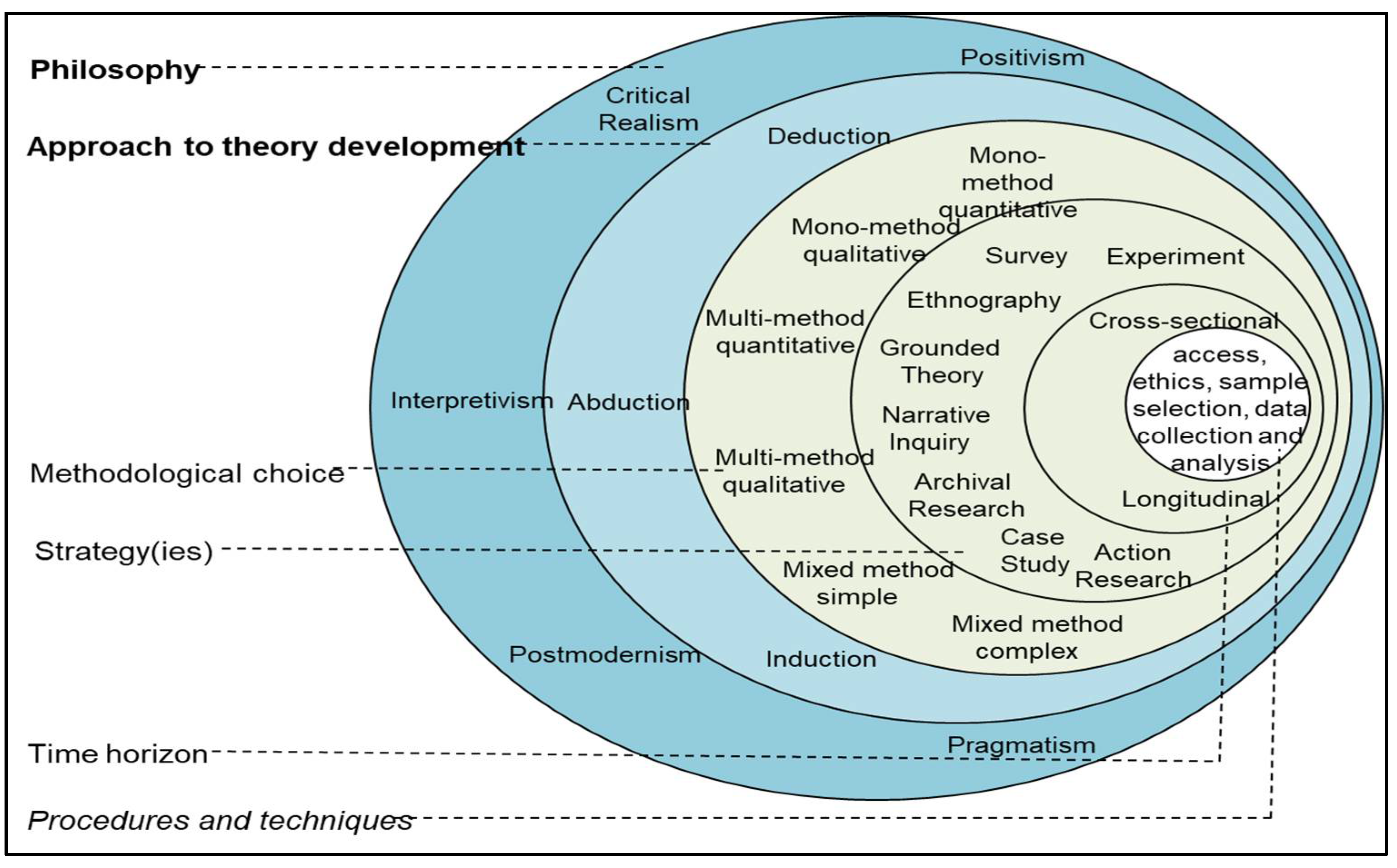
Figure 2.
Conceptual IFFs Framework (Reworked from Netshisaulu et al. (2022))
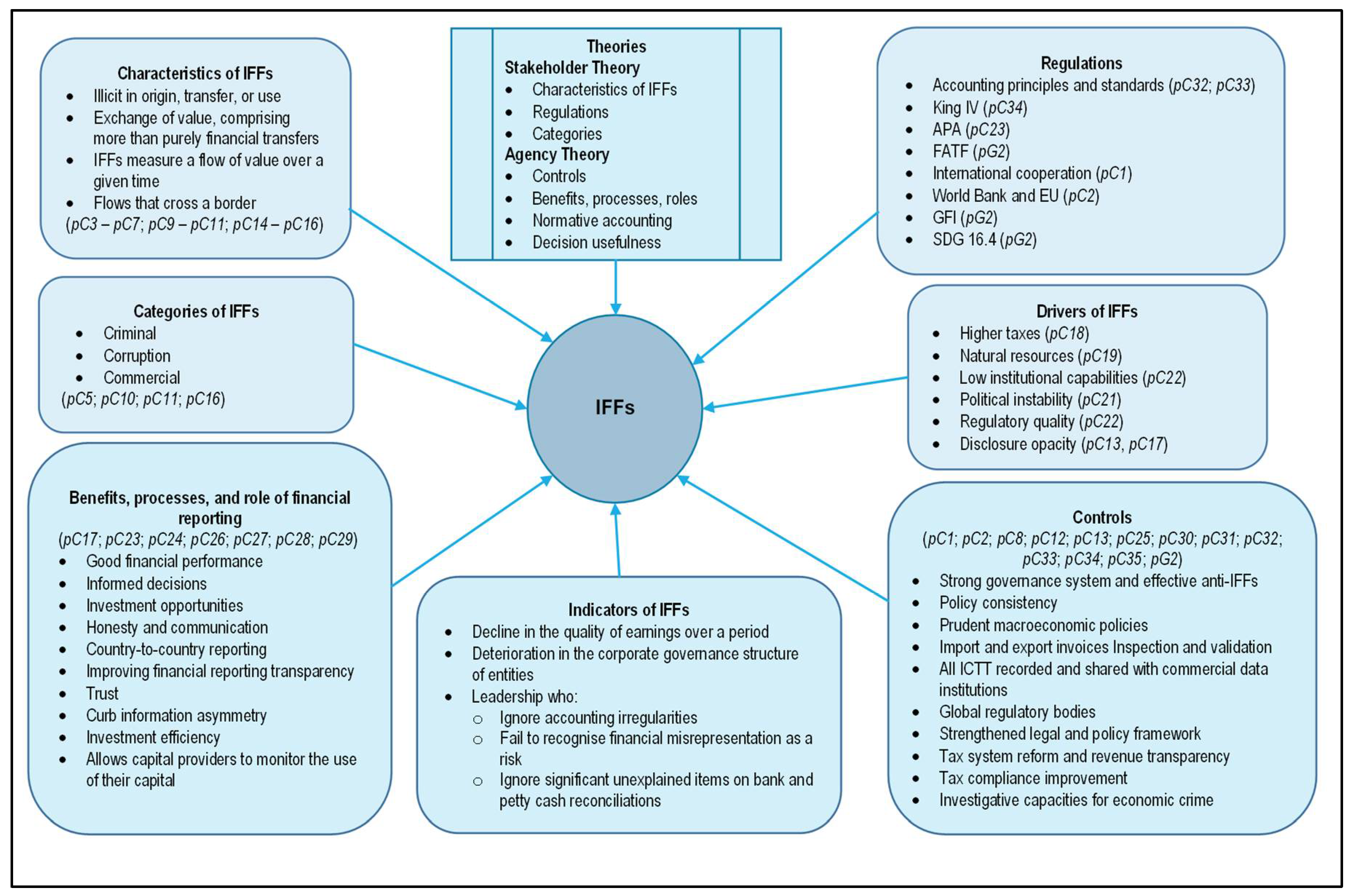

Table 1.
Content Propositions of the Conceptual Framework.
| Content Proposition# | Description |
|---|---|
| Proposition pC1 | IFFs require strong international cooperation and concerted efforts to facilitate the curbing of IFFs. |
| Proposition pC2 | The World Bank and the EU have a critical role in combating IFFs and can help curb them by ensuring a more transparent financial system. |
| Proposition pC3 | Tax evasion is the reason for cross-border transfers. |
| Proposition pC4 | Funds are moved to other destinations through deliberate misreporting. |
| Proposition pC5 | Trade transactions disguise the origins of proceeds from crime. |
| Proposition pC6 | Profits are shifted to countries with lower tax rates through transfer pricing. |
| Proposition pC7 | Aggressive tax avoidance is legal, but it is viewed as an IFF. |
| Proposition pC8 | A legal due diligence report can be a useful tool to remedy cross-border financial transactions associated with IFFs. |
| Proposition pC9 | When earnings management is employed to move funds across the border or to evade tax, it might be viewed as IFFs. |
| Proposition pC10 | Criminal enterprises profit from illicit activities. |
| Proposition pC11 | Engaging in complex transactions appears to be driven by the desire to create wealth through IFFs |
| Proposition pC12 | Undeclared money transfers in breach of currency controls need to be identified. |
| Proposition pC13 | Transactions that are lower than the reporting point can remain silent and not be detected as transactions in breach of currency control. |
| Proposition pC14 | Monies acquired through misappropriation of funds manifest mainly as IFFs. |
| Proposition pC15 | Accounting fraud, owing to the actions of managers and employees in a company, influences the occurrences of IFFs. |
| Proposition pC16 | Financial irregularities, such as falsification of information, misrepresentations, or omissions, create more room for IFFs. |
| Proposition pC17 | Transparency in financial reporting discourages disclosure opacity to assist with curbing IFFs. |
| Proposition pC18 | High tax rates are viewed as a major driver of IFFs. |
| Proposition pC19 | Resource-rich countries are prone to IFFs. |
| Proposition pC20 | Low institutional capabilities create a conducive environment for IFFs. |
| Proposition pC21 | Political instability leads to IFFs. |
| Proposition pC22 | A low regulatory framework allows IFFs to be widely spread. |
| Proposition pC23 | Simplified financial reports, auditing, and transparency in financial statements may assist in addressing IFFs. |
| Proposition pC24 | The lack of a commonly agreed-upon definition of financial reporting transparency could impact benefits that could curb IFFs. |
| Proposition pC25 | More robust internal control over financial reporting transparency may facilitate the curbing of IFFs. |
| Proposition pC26 | Regarding financial reporting transparency: Country-to-country reporting may be a significant tool to curb IFFs. Companies and policymakers should enhance their views or perceptions of crash risks. Regulation can have crucial effects on financing decisions around the globe, where trust has a greater impact in opaque information environments. |
| Proposition pC27 | Additionally, regarding financial reporting transparency: Improvement can assist in addressing the challenge of IFFs. It provides stakeholders with useful information to make informed decisions and combat IFFs. |
| Proposition pC28 | The quality of financial reporting: Alleviates the extent of information asymmetry and can boost investment efficiency. Enhances investment efficiency in entities with stronger corporate governance. |
| Proposition pC29 | Adopting IFRS by a country, results in more flexible reporting standards that create an environment that allows cultural pressures to influence illegal activities more freely and with less regulation practice. |
| Proposition pC30 | The stewardship role within the company should adhere to good corporate governance guidelines to maximise shareholder wealth and protect assets. |
| Proposition pC31 | To curb IFFs: Every sector should implement a sound risk management system, a strong governance system, and effective anti-IFF activities. Systematic controls and a robust global body that focuses on strong policies and regulations on financial intelligence at a global level are key to curbing IFFs. Effective controls should be implemented to eliminate the detrimental marginal repercussions of trade related IFFs. Inspection and validation of import and export invoices should be improved. IFFs should be regulated, and progressive tax policies applied to ensure that corporate taxes are paid by entities in the countries they operate. Policymakers should safeguard companies from IFF practices that hamper social and economic development. Local and cross-border information exchanges should be reinforced. The improved quality of all international commercial trade transactions should be recorded and shared with institutions responsible for commercial data. Attention should be paid to the use of holding/majority entities and proper analyses of cross-border ownership associations. Transfer pricing accounting practices to revenue collection agencies to encourage the curb of IFFs. |
| Proposition pC32 | Compliance with IFRS, IPSAS and GAAP will assist in curbing IFFs. |
| Proposition pC33 | Accounting principles and standards should be implemented to curb IFFs. |
| Proposition pC34 | To address IFFs, entities ought to adhere to rules and regulations, including corporate governance principles, as per King IV. |
| Proposition pC35 | Auditing services are vital for stakeholders and to address IFFs. |
Table 2.
General Propositions of Conceptual Framework.
| General Proposition# | Description |
|---|---|
| Proposition pG1 | IFFs hinder state resources and revenues and weaken governance. |
| Proposition pG2 | Collaboration with partners like GFI and FATF may assist in curbing IFFs in line with the UN Sustainable Development Goal 16.4.1. |
Table 3.
Demographic Profiles of Interviewees.
| Interviewee (Ix) | Position | Company | Working Years | Gender |
| Interviewee 1 | Senior IFRS Manager | Firm A | 20 Years | Female |
| Interviewee 2 | Manager | Firm A | 7 Years | Male |
| Interviewee 3 | Quality and Risk Management | Firm A | 24 Years | Female |
| Interviewee 4 | Manager | Firm A | 8 Years | Female |
| Interviewee 5 | Senior Manager | Firm A | 9 Years | Female |
| Interviewee 6 | Manager | Firm A | 8 Years | Female |
| Interviewee 7 | IFRS Manager | Firm A | 10 Years | Female |
| Interviewee 8 | Senior Manager | Firm A | 21 Years | Female |
| Interviewee 9 | Director and Head: Business Process Solutions | Firm B | 20 Years | Male |
| Interviewee 10 | Associate Director: Business Process Solutions | Firm B | 12 Years | Male |
| Interviewee 11 | Business Development Manager | Firm B | 32 Years | Female |
| Interviewee 12 | Tax Compliance Manager | Firm B | 14 Years | Female |
| Interviewee 13 | Cloud Accounting Manager | Firm B | 11 Years | Female |
| Interviewee 14 | Director-Assurance | Firm B | 13 Years | Female |
| Interviewee 15 | Manager: Business Process Solutions | Firm B | 7 Years | Female |
| Interviewee 16 | Director-Assurance | Firm B | 12 Years | Male |
Table 4.
Types and characteristics of IFFs
| Type of IFFs: Commercial |
Type of IFFs: Off-balance sheet financial crime |
Type of IFFs: Corruption |
|---|---|---|
|
Risk Indicators Tax evasion enabled by Tax havens. Profit shifting via offshore accounts. Related party transactions (not at an arm’s length). Financial system abuses for IFFs. |
Risk indicator of IFFs Drug trafficking by organised criminal gangs. Cash smuggling. Kickbacks. Collusion with suppliers. Bitcoin by criminal syndicates. Ghost employees. Shell companies. Misappropriation of assets. Petty cash theft. |
Risk indicators of IFFs Kickbacks (bribes). Collusion with suppliers. Operational irregularities. |
Disclaimer/Publisher’s Note: The statements, opinions and data contained in all publications are solely those of the individual author(s) and contributor(s) and not of MDPI and/or the editor(s). MDPI and/or the editor(s) disclaim responsibility for any injury to people or property resulting from any ideas, methods, instructions, or products referred to in the content. |
© 2024 by the authors. Licensee MDPI, Basel, Switzerland. This article is an open access article distributed under the terms and conditions of the Creative Commons Attribution (CC BY) license (http://creativecommons.org/licenses/by/4.0/).
Copyright: This open access article is published under a Creative Commons CC BY 4.0 license, which permit the free download, distribution, and reuse, provided that the author and preprint are cited in any reuse.


