

Submitted:
02 July 2024
Posted:
03 July 2024
You are already at the latest version
Abstract
The implementation of circular economy principles is increasingly seen as a viable way to promote sustainable development and reduce environmental impact. This case study examines the implementation of circular economy principles at Taiwan Sugar Company (TSC), a leading sugar manufacturer in Taiwan. The study analyses the company's efforts to redesign its production processes, develop closed-loop systems, and promote resource efficiency. It also explores the challenges and opportunities associated with implementing circular economy principles in the sugar industry, such as the complexity of supply chains, the need for stakeholder engagement, and the availability of sustainable technologies. This study follows the principle of British standard 8001:2017 to implement the concept of circular economy in the organization. The study finds that the Taiwan Sugar Company has made significant progress in implementing circular economy principles, including adopting renewable energy sources, using byproducts as raw materials, developing sustainable packaging solutions, and using the output products of the company to make another useful product for industrial or agricultural use. These initiatives will result in the reduction of waste, an increase in resource efficiency, and enhanced environmental performance. However, the study also identifies several challenges that the company faces in implementing circular economy principles, such as the lack of standardized regulations and guidelines, the need for investment in sustainable technologies, and the need for stakeholder collaboration. Overall, the case study provides valuable insights into the implementation of circular economy principles in the sugar industry and offers practical recommendations for other organizations seeking to adopt circular economy principles. The study highlights the importance of stakeholder engagement, technological innovation, and regulatory support in promoting the transition toward a more sustainable and circular economy.
Keywords:
Circular economy
; Sustainability
; Taiwan Sugar Company
1. Introduction
Since the late 1970s, the idea of a Circular Economy (CE) has been gathering the speed and attention of many researchers, customers, and companies(MacArthur, E, 2013). The circular economy is an innovative and sustainable approach to resource management that aims to minimize waste, maximize resource efficiency, and promote closed-loop systems(Andersen, 2007; Ghisellini et al., 2016). CE is a regenerative model that seeks to create a more circular and inclusive economy, where waste is reduced, and materials are continuously reused, recycled, or repurposed. The circular economy concept is gaining momentum worldwide, as it offers a viable alternative to the traditional linear model of consumption and waste(Pinheiro et al., 2019). CE can be defined as “The Circular Economy is a system of economics that seeks to replace the notion of end-of-life with a focus on minimizing waste and reusing, recycling, and recovering materials throughout the production, distribution, and consumption process“ (Kirchherr et al., 2017).
The ultimate goal of the Circular Economy is to achieve sustainable development, which would lead to environmental quality, economic prosperity, and social equity for both present and future generations. To achieve this, novel business models and responsible consumer behavior are crucial. Lewandowski (2016) introduced the designing business model for the circular economy. Implementing a circular economy approach in an organization can lead to several benefits, including increased resource efficiency, reduced waste, lower operating costs, and enhanced environmental performance(Tura et al., 2019). Sinha (2022) found out some of the enablers factors like Business model innovation, knowledge management, top management support, organizational resilience thinking, employee engagement, technological advancement, and organizational size which help to achieve the goal of circular economy in an organization.
This study aims to find the latest viable and economical way to implement a circular economy in an organization with a case study on one of the popular companies in Taiwan. A deep study on the British Standard (BS) 8001 for implementing circular economy was done and followed to successfully implement its principles. This paper creates a valuable method and plows a path for many other organizations that seek to contribute towards nature to achieve sustainability or a circular economy. The systematic framework developed for the case of the Taiwan Sugar Company includes all the possible combinations of methods and steps taken by the organization to show how it aims for the circular economy. Other organizations can follow the same or make some changes according to the nature of the business or situation to accomplish its objective.
2. Research Methodology
2.1. Theoretical Background
Circular economy principles refer to the practices that promote resource efficiency, waste reduction, and sustainable production and consumption patterns(Kirchherr et al., 2017). At its core, the circular economy is about closing the loop of the linear economy, where resources are extracted, used, and then disposed of as waste. In contrast, a circular economy seeks to design out waste and pollution, keep products and materials in use for as long as possible, and regenerate natural systems. Several researchers in the last few decades have proposed different circular economy principles which include “regenerative design” (Lyle, 1996), “Cradle-to-Cradle” (Braungart et al., 2007), and “industrial ecology” (Erkman, 1997), “reduction of resource use”(European Commission. Directorate General for Environment., 2017), “traditional ReSOLVE framework”(MacArthur, E, 2013), “closing resource loop”(Bocken et al., 2016), BS 8001:2017 and several others.
This study focuses on the implementation of Circular Economy principles outlined in BS 8001-2017 within an organization. Several factors make selecting the BS 8001-2017 Circular Economy principle framework for this study particularly suitable compared to other available frameworks. The BS 8001-2017 standard offers a comprehensive and structured approach to implementing circular economy principles within organizations, providing practical guidance and methodologies tailored to various industries and sectors. Unlike some other frameworks that may focus on specific aspects such as design or resource reduction, BS 8001:2017 offers a holistic perspective that encompasses multiple dimensions of circularity, including design, production, consumption, and end-of-life considerations.
One of the key strengths of BS 8001:2017 is its emphasis on integrating circular economy principles into organizational strategies, processes, and decision-making frameworks. This aligns closely with the objectives of the study, which seeks to explore the implementation of circular economy practices within a specific company context. By adopting the BS 8001-2017 framework, the study can systematically evaluate the company's performance against a set of internationally recognized standards and best practices, providing a robust basis for analysis and comparison.
Furthermore, the BS 8001:2017 standard promotes collaboration and stakeholder engagement, emphasizing the importance of involving employees, customers, suppliers, and other relevant parties in the transition towards a circular economy. The framework's focus on stakeholder engagement ensures that diverse perspectives and insights are considered in the development and implementation of circular economy strategies, enhancing their effectiveness and sustainability.
In contrast, other circular economy frameworks may have different emphases or scopes. For example, 'regenerative design' and 'Cradle-to-Cradle' frameworks may prioritize eco-design principles and materials cycling, while 'industrial ecology' may focus on optimizing resource flows within industrial ecosystems. The 'reduction of resource use' framework may emphasize efficiency improvements and waste minimization, while the 'traditional ReSOLVE framework' and 'closing resource loop' may have specific methodologies for resource recovery and reuse. While these frameworks offer valuable insights and methodologies, the BS 8001-2017 standard provides a comprehensive and adaptable framework that is well-suited for the study's objectives and context, facilitating a structured approach to implementing circular economy practices within the company.
British standard BS 8001:2017 introduces six principles of circular economy which are System thinking, Innovation, Stewardship, Collaboration, Value optimization, and Transparency (See Figure 1). These six challenges also serve as research themes and objectives for scholars interested in making progress in sustainable development through the usage of circular economy (Korhonen et al., 2018)
The first principle, System thinking, refers to thoroughly comprehending the organization's nature. This involves awareness of the customers, stakeholders, employees, suppliers, raw materials, output products, byproducts, and other essential factors. Such knowledge enables making decisions that add value to the organization. Innovation, the second principle, involves generating new concepts related to products, services, or processes while keeping the environment in mind. The third principle, stewardship, entails comprehending and accepting accountability for all actions and choices made by management. For instance, when creating a product, the organization must consider factors such as raw material availability, byproduct utilization, potential customers, environmental and social impact, and value creation within and outside the organization. Stewardship aims to distribute responsibility among everyone involved in the organization towards achieving a circular economy. Collaboration, the fourth principle, aims to create an environment where all internal and external parties, such as customers, suppliers, government, academia, society, stakeholders, and workers, realize their significance in the organization. This motivates them to support the organization's objectives. The fifth principle, value optimization, emphasizes maximizing the value of all the organization's products and exploring the use of byproducts to strengthen the organization financially and achieve circular economy goals. Finally, the sixth principle, transparency, advocates for openness and honesty in the organization's activities and decision-making, building a sense of ownership and motivation among everyone involved.
Organizations can utilize the six principles of the circular economy as a reference for their decision-making and conduct. Each organization does not need to follow only these six principles. According to the requirement or condition, they can also modify these for the sake of benefits. They can also regularly assess the degree to which their culture and actions align with these principles.
2.2. Implementation of Circular Economy
The implementation of a circular economy in an organization is not an easy process. (Korhonen et al., 2018) identified six different challenges to implementing the principle of the circular economy. Hence to effectively implement circular economy principles, planning is essential. This involves mapping out the entire value chain, identifying areas where waste can be reduced, and designing products for reuse and recycling. Planning also involves engaging with stakeholders, such as customers, suppliers, and local communities, to ensure buy-in and support for circular economy initiatives. BS 8001:2017 provides a flexible eight-stage framework to help an organization implement the principles of the circular economy. The framework is shown in Figure 2. While the eight stages have been presented in a specific order, this is only for the sake of presentation. In reality, companies can probably start from any stage or shift between the stages as their level of maturity in circularity progresses.
Stage 1: Framing entails comprehending the concept and significance of the circular economy within the organization. This involves understanding how resources are managed throughout the organization and identifying the associated risks and opportunities. It is important to recognize both internal and external stakeholders and consider their perspectives and concerns regarding the organization. Additionally, raising awareness and generating enthusiasm among stakeholders about the benefits and opportunities of the circular economy is crucial.
Stage 2: Scoping involves developing a strategic plan for implementing circular economy practices within the organization. This includes defining short-term, medium-term, and long-term goals. It is essential to consider potential risks, opportunities, and obstacles that may arise during the journey toward circularity. Establishing a dedicated team to continually work towards achieving the circular economy goals is also recommended.
Stage 3: Idea generation focuses on generating a list of options and solutions to address current and future challenges identified in Stage 2. This stage encourages the organization to foster a culture of innovation and creativity to continuously generate ideas for solving problems and improving practices.
Stage 4: Feasibility involves conducting a thorough assessment of the ideas and options identified in the previous stage. This assessment includes evaluating the value proposition, identifying required capabilities, and exploring revenue models. The help of famous proprietary tools such as Business Model Canvas (Osterwalder & Pigneur, 2010) and Value Proposition Canvas (Osterwalder et al., 2015) can be utilized to assess the feasibility of different ideas.
Stage 5: Business case emphasizes the importance of developing a well-defined business case in advance to ensure preparedness for implementing chosen initiatives. The business case encompasses market analysis, customer journey, logistics and supply chain information, financial considerations, identification of potential obstacles, and strategies for overcoming them.
Stage 6: Piloting and prototyping suggest conducting experiments to test the feasibility of developed ideas. This stage helps identify key stakeholders, validate objectives, and assess performance. It also aids in identifying necessary revisions to the existing business case.
Stage 7: Delivery and implementation stress the need to embrace and transition to new operational approaches aligned with the circular economy. If a specific plan demonstrates positive results toward the circular economy goals, the organization should develop and prepare for its implementation.
Stage 8: Monitor, review, and report entail continuously monitoring the performance of implemented initiatives and ensuring their success through ongoing improvements. This stage highlights the importance of maintaining a positive organizational culture and being open to reviewing reports and making transformative changes whenever necessary for the organization's success.
2.3. Research Procedure
This study follows a systematic and standard research procedure, which begins with an in-depth literature review to gain a comprehensive understanding of the topic and identify any gaps or areas for further investigation. In the case of the study on the implementation of circular economy principles, the literature review would involve examining relevant scholarly articles, books, reports, and other authoritative sources that discuss circular economy concepts and sustainable development.
Based on the findings from the literature review, appropriate principles and methods for implementing circular economy practices are selected and applied. This involves identifying the specific strategies and approaches that can be employed to promote resource efficiency, waste reduction, and sustainable production and consumption patterns within the organization. To effectively implement circular economy principles, short-term, mid-term, and long-term goals are formulated. These goals provide a roadmap for the organization, outlining the desired outcomes and milestones to be achieved at different stages of the implementation process. The goals are aligned with the selected principles and strategies, ensuring a coherent and focused approach toward circularity. As the implementation progresses, various changes and adjustments are made within the organization to align its operations and practices with circular economy principles. These changes can involve modifications to production processes, product design, supply chain management, waste management systems, and stakeholder engagement strategies.
Finally, a systematic framework is developed to guide the implementation process and ensure a holistic approach. This framework incorporates all the important factors, such as technological advancements, regulatory considerations, stakeholder collaboration, and measurement of environmental and social impacts. The framework serves as a roadmap that outlines the interconnections and dependencies between different elements of the implementation process, providing a comprehensive and structured approach to achieving the common goal of circularity. Overall, the research procedure for this study involves conducting a thorough literature review, selecting appropriate principles and methods, setting goals, making organizational changes, and developing a systematic framework. This approach ensures a rigorous and structured investigation into the implementation of circular economy principles and their impact on the organization.
To implement the principle of circular economy on the target organization of this research, detailed procedures are mentioned below for different stages implemented for achieving the goal of implementing circular economy by the organization.
Stage 1: A study was done to understand how the circular economy might be relevant to the organization by understanding the associated risks and opportunities of resources used by the organization. Circular economy and environmental education and training on 8/11-8/12, 2021 conducted in the organization by Professor Hong Yao Ming of Nanhua University, Taiwan to create awareness and a sense of enthusiasm among their employee or different stakeholders.
Stage 2: After a detailed study and strategic plan a roadmap was developed for short-term, mid-term, and long-term goals. The details of these goals are tabulated in Table No. 2. And to proper monitoring and implementation of this road map, a special team/ working group was formed.
Stage 3: To tackle the problems or opportunities identified in Stage 2, different studies were done, and later list of ideas/options was mentioned. The details are tabulated in Table No. 3.
Stage 4: This step involves the feasibility studies of the action or idea generated earlier. To do this a SWOT analysis was done. SWOT analysis is to identify a clear and comprehensive understanding of the current situation, which can then be used to inform strategic decision-making and make an action feasible. Different strategies for evaluation and selection are also crucial parts. More details about this stage are in section 4.2.
This study only focuses on the first four stages of implementation of the circular economy. Since it’s the inception of adopting circular economy in the organization, it is expected to implement other stages later when the organization fully adopts the changes.
3. Research Background and Information
3.1. Taiwan Sugar Company
Taiwan Sugar Industry Co. Ltd. (hereinafter referred to as "Taiwan Sugar Corporation(TSC)" or "Taiwan Sugar") was founded in 1946. It is a leading brand in the production and sales of sugar in Taiwan. In the early days, it mainly focused on the production and sales of sugar and sugar products and its by-products. Over the years, it has actively made diversification and transformation successively to establish 7 business divisions including sugar, biotechnology, refined agriculture, oil products, livestock breeding, leisure and recreation, and commodity marketing in 6 districts all over Taiwan as shown in Figure 3. TSC operates several sugar mills, refineries, and other production facilities across Taiwan, employing thousands of people and contributing significantly to the country's economy. The company's products range from refined sugar and molasses to industrial alcohol, biofuels, and bioplastics.
TSC has a strong commitment to sustainable development and environmental protection. The company has implemented various initiatives to reduce its environmental impacts, such as the use of renewable energy sources, the adoption of closed-loop systems, and the development of sustainable packaging solutions. TSC also promotes eco-tourism and operates several eco-parks and nature reserves across Taiwan. In recent years, TSC has also embraced the concept of circular economy and has implemented circular economy principles in its operations. The company's efforts to reduce waste, promote resource efficiency, and develop sustainable production processes have earned it recognition and awards from various organizations and industry groups.

Table 1.
Profile of TSC.
| Company name | Taiwan Sugar Corporation |
| Equity status/market type | State-owned enterprise under the Ministry of Economic Affairs(The government holds 96.51% of shares, private 3.49%; for related shareholding structure). |
| Establishment date | May 1, 1946 |
| Capital | NTD 56,367 million |
| Total assets | NTD 659,780 million (as of December 31, 2021) |
| Chairman | Chao-Yih Chen |
| President | Kuo-Hsi Wang |
| Number of employees | 3,241 (as of December 31, 2021) |
| TSC Headquarters | No. 68, Shengchan Road, East District, Tainan City |
Source: TSC 2022 sustainability report.
3.2. TSC’s Circular Economy Concept and Planning
When the demand and consumption of resources are increasing, and the limited resources of the earth are about to be exhausted within 50 to 100 years, the planned obsolescence business model of the traditional linear economy "Production→Use→Discard" has caused environmental damage, causing climate change and environmental pollution. Taiwan Sugar Corporation is well aware that circular economy is no longer an option, but an inevitable path. As a state-owned enterprise, Taiwan Sugar Corporation is obliged to play the leading role in Taiwan, and the development of a circular economy needs to be gradual. To promote the circular economy, Taiwan Sugar Corporation has formulated its mission, vision, and strategy, which are explained as follows:
- (a)
- Mission: To promote the sustainable development of the economy, society, and environment through a circular economy.
- (b)
- Vision: Create a zero-waste/zero-pollution energy and resource recycling model internally, create opportunities for recycling cooperation externally, and increase enterprise output value.
- (c)
- Strategy: In the short term, check the material flow first to improve the efficiency of resource use; in the medium term, strengthen energy efficiency and create a low-carbon operating model; in the long term, promote diversified development, increase performance revenue, and establish an industrial symbiosis structure to improve the circular economic system.
TSC has the confidence and ability to patiently promote changes, transform TSC from a linear economy to a circular economy, and create a "zero waste, zero pollution" industrial model. Taiwan Sugar’s development of a circular economy puts the priority on ensuring economic, ecological, environmental, energy, education, and employment opportunities. According to the vision, mission, and strategy of Taiwan Sugar Corporation's circular economy, the first task is to check the types and quantities of Taiwan Sugar's waste and how to turn them into resources. The next step is to redesign products, processes, and business models to reduce resource consumption and waste from the source. thing produced. Therefore, the task of the first stage is to carry out the "resource inventory" of Taiwan Sugar Corporation to understand the misplacement of resources, to take measures for subsequent diagnosis, and to establish a service platform to integrate information and technology. The ultimate goal is to accelerate Taiwan Sugar Corporation's transformation from a linear economy to a circular economy and create an industrial model of "zero waste, zero pollution".
3.3. Promote the Circular Economy Process of Oyster Shells
Calcium carbonate is a common substance found in rocks in all parts of the world (most notably as limestone) and is the main component of shells of marine organisms, snails, coal balls, pearls, and eggshells (Al Omari et al., 2016). The main sources of global calcium carbonate production are mining ore and calcining. The calcination of calcium carbonate (CaCO3) is a major contributor to carbon dioxide (CO2) emissions that are changing our climate(Hanein et al., 2021). Calcium carbonate produced by sintering is called ground calcium carbonate (GCC), which is an inorganic material because it comes from natural minerals. After secondary processing, adding water to dissolve, adding carbon dioxide and other reactions, and precipitation, a finer texture is obtained which is called precipitated calcium carbonate (PCC)(Tutuş et al., 2018). After this processing, the price can be higher, but it is still an inorganic material. In replacement of this it is found that the content of calcium carbonate in oyster shells is very high(Hamester et al., 2012). Calcium carbonate produced by recycling and processing cultivated oysters from oyster shells, helps in reducing energy consumption, absorbing carbon dioxide and sequestering carbon, and being more environmentally friendly. The biomass materials produced through this are organic. So countries in Europe, the United States, and Japan all use calcium carbonate materials made of oyster shells to make food-grade, health care materials or medical equipment materials. Commercially available calcium carbonate is widely used in various industries such as plastics, rubber, paper, paint, ink, industrial cosmetics, pharmaceuticals, and toothpaste. With the rise in the demand for calcium carbonate all over the world, the international price of calcium carbonate gradually increasing. The current estimated annual output of oyster shells in Taiwan is 169,000 tons(Environmental Impact Assessment, 2022). If the oyster shell recycling industry chain in Taiwan is successfully integrated, it will have the opportunity to become the largest supplier of bio-based calcium carbonate in Taiwan. Also, solve the environmental problems caused by local oyster shell stacking. Therefore, with the goal of "Oyster Shell Biotech Materials Factory" becoming a benchmark enterprise in Taiwan's circular economy and biorefining, first set up a circular economy promotion team, set the structure and scope, establish a business model and promotion strategy, conduct a feasibility assessment, and establish operations with the marketing strategy and the rolling adjustment of the operation and management methods. The oyster shell biotechnology material factory promotes the circular economy process as shown in Figure 4.
In 2017, Huang Minsheng became the CEO of the Biotechnology Division and was given responsibility for the promotion of the circular economy of oyster shells. Using the "Oyster Shell Biotech Material Factory" as a demonstration site, a circular economy promotion group was established. The concept of oyster shell circular economy was introduced to Taiwan Sugar Corporation to promote the oyster shell circular economy plan, to become a benchmark for circular economy and bio-refining in Taiwan. After the completion of the factory, in addition to replacing imported calcium carbonate, oyster shells will be converted into valuable resources, creating a positive cycle of jobs, capital, and resources flowing in the country.
TSC invested NTD 170 million in the “circular use of oyster shells” as an “innovation pioneer” and built an oyster shell biological material plant. Through collaboration with the Industrial Technology Research Institute (ITRI), the discarded oyster shells are recovered and calcined into raw materials of calcium carbonate or ground powder, turning the shells into valuable biomass materials, enabling them to not only supply materials for self-demands in the feed factories and farms but also provide calcium carbonate sources for domestic manufacturing of feed and fertilizers to replace imported materials. Different uses of oyster shells are shown in Figure 5.
3.4. Short, Medium, and Long-Term Goals of Oyster Shell Circular Economy
According to the 2019 investment plan for the calcium carbonate biotechnology material factory made from oyster shells, short-term, medium-term, and long-term goals were established. On December 15, 2021, the circular economy group held a meeting to revise the medium- and long-term goals as shown in Table 2, supporting measures found to respond to risks as shown in Table 3, the description is as follows:
3.4.1. Short-Term Goals for 2018-2020
The overall goal was to cooperate with the country to promote the "circular economy", to prepare for the establishment of an oyster shell processing plant, and to recycle the discarded oyster shells in the country. After the completion of the plant, it was expected that it would help to save electricity, energy, and water, reduce carbon emissions, build factories that meet the green building bronze standard, and install solar energy and flood storage tanks to store water, use natural gas as power, and install dust collection equipment to prevent dust emissions. To promote the application of oyster shell powder, a cooperation agreement was signed with the Industrial Technology Research Institute and Nanhua University for research cooperation. In response to the local government's doubts about environmental sanitation, it was finally installed in Yongkang Industrial Zone, Tainan City. The construction license was obtained in 2019, and unit trials began gradually in March 2020. The entire plant was completed on June 30, with a designed production capacity of 135 tons/day. The license for the production was obtained in November 2020.
In addition, the original site was selected in Dongshi Township, Chiayi County. On December 28, 2016, the Executive Yuan approved and agreed to move ahead in 2017. The original plan was implemented from January 2018 to December 2018. The original plan was to build a factory. The factory was built on Taisugar's farmland near Dongshi Township, Chiayi, and was finalized after two revisions of the factory site. The countermeasures are as follows:
(a) First revised plan
The content and execution period of the original plan remains unchanged, and the execution time is still from January 2018 to December 2018. The original application for changing the land of Dongshi Farm into a factory building base for a specific business purpose. On August 15, 2017, the Jiaxian government replied that according to the announcement of the Environmental Protection Agency on April 13, 2017, an environmental impact assessment must be done. Considering that the original factory site will be delayed if the environmental impact assessment is completed again, it is necessary to find another suitable location for the establishment, so the amendment plan was proposed, and the location was changed to No. 600, Dahu Section, Dalin Factory Area, Dalin Town, with a total of 1.2583 hectares of Type B industrial land, as the location of the factory. Except for the change in the location of the factory, other conditions remained unchanged.
(b) Second Amendment Plan
In September 2017, the basic design and planning of the Dahu section of the Dalin factory area were completed, and the land drilling and survey were completed. On November 24, 2017, the local elections replaced the new local chiefs, County Mayor Weng and Mayor Jian. The parties and positions of the two parties were different. They took office on January 3, 2018. Due to the disagreement between the two parties, Mayor Jian always expressed doubts and objected. On January 31st, the town office turned over the table to protest and asked Taiwan Sugar Corporation to cooperate with the local government to hold five briefing sessions within two months. Although the last three sessions were approved by the local government, there were not many opposition voices. However, on the morning of March 20, 2018, the mayor of Dalin Town, Chen Kang, took the lead and hung up white cloth strips, gathering people to oppose the establishment of a material factory for oyster shell processing in Dalin. The residence does not issue a confirmation letter for the construction line instruction. To take into account local harmony and the budget execution rate to rush to work and then find another suitable place, it is transferred to Yongkang Industrial Park address No. 761, Dongbianliao Section, Yongkang District, Tainan City, which is Taiwan Sugar's Type A industrial land is divided into 1.1 hectares for factory construction. The Tainan City Government issued the construction license on June 13. In this environment of many obstacles and uncertainties, it proposed a revised plan for the second time. In addition to changing the location of the factory, the southward transportation distance and There is not much difference in the transportation line of Dalin, and the schedule and finance of the rush plan are also adjusted accordingly.
Because the distance to the origin of raw materials is 54 kilometers longer than the originally planned Dongshi Township base, the cost of raw material transportation and purchase increased.
3.4.2. Mid-Term Goals for 2021-2023
The goal was to obtain an operating license, certification of mass production, operation, and stable sales. In 2021, obtained a factory registration certificate, reuse organization permit, stationary pollution source operation permits, and ISO 9001 quality management. It is expected to obtain ISO 45001 occupational safety and health management system in 2022 And BS8001 circular economy verification. The factory started trial operation in September 2021 and carried out work such as optimization and adjustment of the equipment manufacturing process, trial operation of packaging equipment, education and training of mechanical equipment operation, and establishment of basic operating standards. The products are used in feed, fertilizer, 3D printing, functional plastics, and plastic wood. The estimated production volume was set to 20,000 tons/year.
To promote the scope of application, the company continues to cooperate with research institutes and manufacturers to research fertilizers, feed, and 3D printing, increase research on filter materials, functional building materials, and horticultural landscaping, and promote cooperation agreements with the Academy of Agricultural Sciences. In addition, a 4-hour environmental education teaching plan and course were established, so that visitors can understand the circular economy and the application of oyster shell powder through environmental education, and it is expected to obtain a green building bronze certificate in 2022. At the same time, to meet the large demand in the future, the company was actively looking for oyster shell suppliers in Yunlin, Chiayi, and Tainan.
3.4.3. Long-Term Goals for 2024-2026
The overall strategy is to expand the annual production capacity to the upper limit of 50,000 tons per year, and actively apply for plant expansion. Therefore, the source of oyster shells will expand to the whole of Taiwan and the outlying islands of Penghu. Carbon inventory, ISO 14067 carbon footprint, and PAS2060 carbon neutral certification, a new application of functional building materials, research, and development expanded to functional fabrics and ceramics, while building an exhibition and sales center, passed the environmental education facility of the Environmental Protection Agency.
3.5. Business Objectives and Business Strategies
Based on the identification of major issues by stakeholders, and the survey on the impact of operation managers, it shows that environmental protection is the top priority, followed by economic aspects. The Taiwan Sugar Biotech Material Factory recycles and reuses discarded oyster shells, which does not only reduce the troubles caused by waste in the local area but also contribute to the ecological environment. It can also turn waste into resources, increase employment opportunities, and expand oyster shell processing. The multi-use of calcium carbonate is the best interpretation of the domestic practice of "circular economy" and "new agriculture". The future business strategy planning of the relevant implementation plan is as follows:
3.5.1. Utilization of Oyster Shell Raw Materials
- (a)
- The purchased oyster shells are brought into the site as dry materials
- (b)
- The oyster shells are first crushed and screened by the coarse crusher and then sent to the rotary calciner for calcination. The surface area of the coarsely crushed oyster shells increases, which can improve the calcination efficiency.
- (c)
- To save energy, the calcination temperature is controlled within 300 degrees. At this time, the oyster shells are dried and sterilized after high-temperature treatment. After calcination, the oyster shells are crushed with a fine crusher. Adjust and sieve the aperture to provide oyster shell powder products with different particle sizes to meet the needs of different customers.
3.5.2. The Operation and Management of the Whole Plant Are Moving towards the Three Zero Goals of "Zero Pollution", "Zero Waste" and "Zero Accident"
- (a)
- There are three sets of environmental protection dust collection equipment in the factory area. The total removal rate of granular matter can reach 99.91%. Through the remote control of the central control room, the dust in the processing and production process - coarse crushing, calcining, fine crushing, and packaging stages is collected and reused.
- (b)
- The rotary calciner uses natural gas for combustion, which is more environmentally friendly than traditional heavy oil combustion.
- (c)
- The calcining and heating equipment adopts proportional control, which saves energy and is more efficient.
3.5.3. Items and Specifications of the Biotechnology Material Factory
- (a)
- Items: oyster shell powder (agricultural use) and oyster shell powder (industrial use)
- (b)
- Packing specifications: 20 kg bag and 1 metric ton space bag.
3.5.4. Multiple Applications of Calcium Carbonate Produced from Oyster Shells
- (a)
- Recycling discarded oyster shells can not only reduce the disturbance of waste to the local area but also contribute to the ecological environment. It can also turn waste into resources and increase employment opportunities.
- (b)
- To expand the multiple applications of calcium carbonate processed from oyster shells, which is the best interpretation of the domestic practice of "circular economy" and "new agriculture".
3.5.5. Concretely Realize the Concept of Circular Economy and Establish a Model of Industrial Innovation
- (a)
-
The goal is to use the role of "innovation leader" to bring this circular resource industry to a healthier field of developmentInitially, a biotechnology factory will be built to produce raw materials in accordance with regulations to meet the needs for fertilizer and feed in the market. During the second phase, oyster shell powder is utilized to produce industrial-grade calcium carbonate raw materials, leading to the development of high-value multi-application pipelines and setting a benchmark for domestic and international production capacity and technology.
- (b)
-
Import substitution to make up for the short and broken chain of raw materials caused by the epidemic.The outbreak of COVID-19 in China has led to a severe shortage of essential raw materials like imported limestone or locally excavated minerals needed to produce calcium oxide (CaO), calcium carbonate (CaCo3), and other vital resources for daily life. This aligns with the factory's commencement of production, aiming to address material shortages, supply chain disruptions, and emerge as a cornerstone industry within the nation's six new strategic sectors. Aligned with the principles of green environmental protection and ecological sustainability, it promises a sustainable future for production and livelihoods.
4. Assessment and Results
Taiwan Sugar Corporation's Biotechnology Division was established in February 1992. Based on the existing sugar fermentation technology, it has installed equipment for microbial fermentation, natural product extraction, and product packaging. All processes are in line with international standards and specifications. In response to the advent of an aging society and fashion trends, the company actively invests in the development of healthy food, functional drinks, and beauty care products. At the same time, they provide domestic alcohol sales and carry out strategic alliances with major domestic biotechnology companies for customer processing. The Biotechnology Division strives to improve product quality and is more committed to food safety. In recent years, it has won the ISO 9001 quality management system, ISO 14001 environmental management system, ISO 22000 food safety management audit system, HACCP, TOSHMS, TQF, cosmetics GMP health food, etc. Certification spares no effort to protect consumers' health and rights and creates another peak biotechnology business for Taiwan Sugar Corporation. The biotechnology material factory was completed on June 30, 2019. It strives to practice the B2B business of circular economy, and combines the company's research institute technology, innovative materials and special materials, technical products, etc., and is also willing to cooperate with overseas technology, products, or whole plant output, to create a win-win future.
The company first plans to use the circular economy team to identify the degree of concern and impact through stakeholder surveys, produce the concept of circular economy, provide considerations in the feasibility assessment, establish operational objectives and business strategies, and define the promotion of biotechnology materials factories. The structure design and scope of circular economy are explained as follows:
4.1. Stakeholder Investigation and Analysis
Following the British Standard BS 8001:2017 six principles of systematic thinking on the circular economy and the requirement of the Global Reporting Initiative (GRI) Standard, the assessment of the current situation of the oyster shell biotechnology material factory is carried out, and the connection of the circular economy is constructed. The explanation is as follows:
4.1.1. Identification of Interested Parties
With the Dalin Biotechnology Factory of the Biotechnology Division as the center of the system, there are oyster shell powder factories, flood storage tanks, solar energy equipment, and environmental education fields. In this case, the oyster shell powder factory is the key point for promoting a circular economy. Firstly all of the stakeholders connected with the factory identified. The identification of interested parties is shown in Figure 6.
A. Operational managers and shareholders: Biotechnology Division, General Management Office, and Planning Office.
B. Suppliers and third parties: oyster shell suppliers Chiayi County Jijin Fishery Transportation and Marketing Cooperative, Jiesheng Environmental Protection Co., Ltd.; packaging material suppliers: Chengxin Industrial Co., Ltd., Changming Enterprise Co., Ltd.; third party Youheng Transportation Co., Ltd. company;
C. Waste carrier: Yinghe Company.
D. Customers: Internal customers include Taiwan Sugar Corporation's Animal Husbandry Division, Recreation Division, and various district offices. External customers: Nongsheng Enterprise Co., Ltd., Fushou Industrial Co., Ltd., Maosheng Agricultural Economics Co., Ltd., Formao Oil Co., Ltd., Taiwan Pokphand Enterprise Co., Ltd., Taiwan Plastic Industry Co., Ltd., Nanbao Resin Chemical Factory Co., Ltd., Uni-President Enterprise Co., Ltd., Great Great Wall Enterprise Co., Ltd., Jiexin Machinery Co., Ltd.
E. Employees: internal employees of the biotechnology material factory.
F. Media and NGO organizations,
G. Government agencies and representatives of public opinion
H. Community Residents.
4.1.2. Stakeholder Communication
Effective stakeholder communication is crucial in implementing circular economy practices within an organization. It plays a pivotal role in fostering understanding, alignment, and collaboration among various parties involved in transitioning towards a circular economy. By engaging with different stakeholders company aim to build trust, gather valuable insights, and garner support for circular economy initiatives. Through transparent and proactive communication, company address concerns, clarify objectives, and highlight the benefits of adopting circular economy principles, such as resource efficiency, waste reduction, and environmental sustainability. Table 4 provides detailed information on the specific communication channels utilized for each stakeholder group, including interview, telephone and email. These channels facilitate two-way communication, enabling stakeholders to actively participate in the co-creation of circular economy strategies and solutions. Prioritizing stakeholder communication ensures that research not only generates valuable insights but also catalyzes meaningful change towards a more sustainable and circular future for the organization and its stakeholders. In addition to direct communication channels, a questionnaire survey was conducted with stakeholders to further understand their concerns and gauge the potential impact of circular economy initiatives.
4.1.3. Structural Model Assessment
In the structural model assessment, questionnaire surveys were employed to investigate the interrelationship between economic, environmental, and social aspects concerning the sustainable operation of Taiwan Sugar Co., Ltd.'s Biotechnology Material Factory. Two sets of questionnaires were administered, each comprising 43 questions arranged into three sections. Where first section measure variable like economic aspects with 8 questions. The next sextion with 10 questions measure the environmental aspects and other section with rest 25 questions comprise the social aspect variable. The first set measure stakeholders' degree of concern regarding economic, environmental, and social aspects, with responses recorded on a 5-point Likert scale ranging from very low (1) to very high (5) concern. Conversely, the second set focused on measuring the impact of these aspects on the factory's sustainable operation. Respondents rated the impact on a 5-point Likert scale, where a score of 1 indicated very low impact and 5 signified very high impact, with 3 denoting a normal impact level. This structured approach provided valuable insights into stakeholders' perceptions and the relative importance of economic, environmental, and social considerations in driving sustainability within Taiwan Sugar Co., Ltd.'s operations. In each sets the first 8 questions are for economic aspects, the next 10 are for environmental aspects and the rest are for social aspects
(a) For Degree of Concern
For the assessment of the degree of concern of stakeholders, three variables were used to find the relationship among them. To establish the relationship and its verification different hypotheses were developed. The list of hypotheses is as below:
H1(a).Economical Aspects (EA) have a positive relationship with Environmental Aspects (ENVA)
H2(a).Environmental Aspects (ENVA) have a positive relationship with Social Aspects (SA)
H3(a).Economical Aspects (EA) have a positive relationship with Social Aspects (SA)
Table 5.
Result summary of regression for variable of degree of concern.
| Hypothesis | Regression Weights | Beta Coefficient | R2 | P value | Result |
|---|---|---|---|---|---|
| H1(a) | EA→ENVA | 0.855 | 0.730 | 0.000 | Supported |
| H2(a) | ENVA→SA | 0.839 | 0.814 | 0.000 | Supported |
| H3(a) | EA→SA | 0.902 | 0.703 | 0.000 | Supported |
The result of the analysis, clearly signifies that Economical aspects play a significant relationship with environmental aspects and social aspects. Environmental aspects also show a positive relationship with social aspects.
(b) For Degree of Impact
For the assessment of the degree of concern of stakeholders, three variables were used to find the relationship among them. To establish the relationship and its verification different hypotheses were developed. The list of hypotheses is as below:
H1(b).Economical Aspects (EA) have a positive relationship with Environmental Aspects (ENVA)
H2(b).Environmental Aspects (ENVA) have a positive relationship with Social Aspects (SA)
H3(b).Economical Aspects (EA) have a positive relationship with Social Aspects (SA)
Table 6.
Result summary of regression for variable of degree of impact.
| Hypothesis | Regression Weights | Beta Coefficient | R2 | P value | Hypothesis Result |
|---|---|---|---|---|---|
| H1(b) | EA→ENVA | 0.734 | 0.538 | 0.000 | Supported |
| H2(b) | ENVA→SA | 0.814 | 0.663 | 0.000 | Supported |
| H3(b) | EA→SA | 0.942 | 0.971 | 0.000 | Supported |
Figure 8.
Structural model result for the degree of concern.
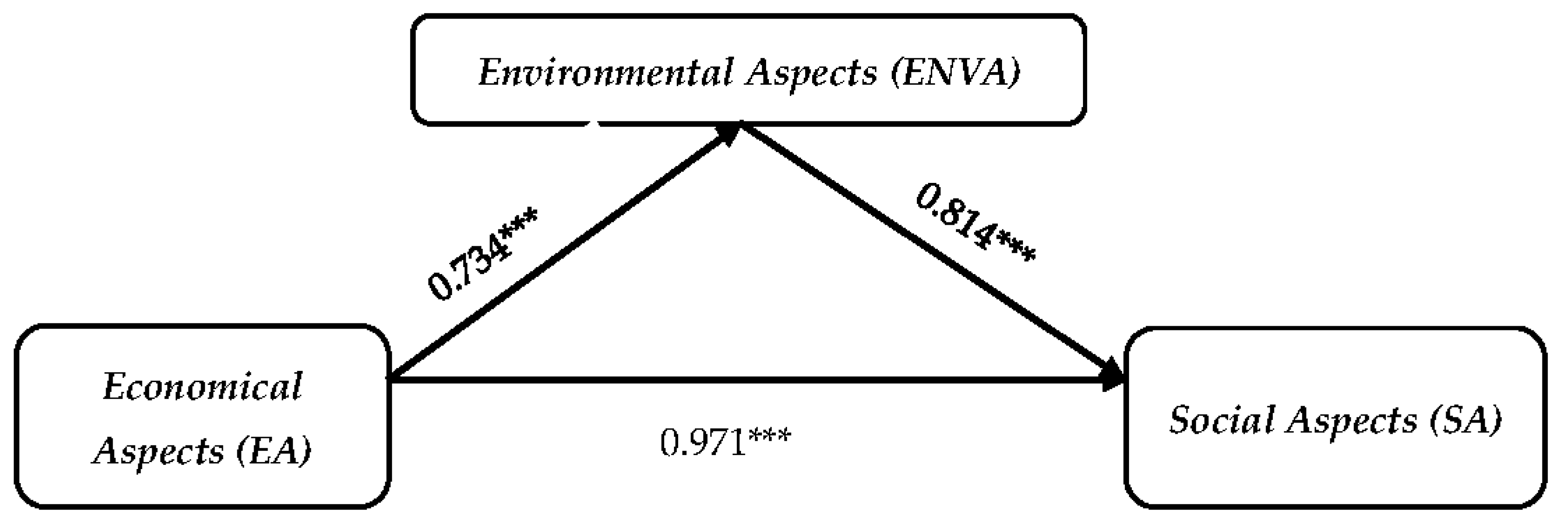
The result of the analysis, clearly signifies that Economical aspects play a significant relationship with environmental aspects and social aspects. Environmental aspects also show a positive relationship with social aspects.
The findings of the analysis, highlighting the significant relationships between economical, environmental, and social aspects, offer valuable insights that can guide and enhance the research in several ways. Firstly, understanding the strong relationship between economical aspects and environmental aspects underscores the importance of integrating economic considerations into environmental management strategies. This suggests that investing in environmentally sustainable practices can yield economic benefits, such as cost savings through resource efficiency and enhanced market competitiveness through green innovation. Secondly, the positive relationship between environmental aspects and social aspects emphasizes the interconnectedness between environmental stewardship and social well-being. This implies that environmental initiatives aimed at reducing pollution, conserving natural resources, and promoting ecosystem health can also contribute to societal welfare by improving public health, enhancing quality of life, and fostering community resilience. By recognizing and leveraging these interrelationships, the research can develop holistic and integrated approaches to sustainability that simultaneously address economic, environmental, and social objectives. Furthermore, these findings can inform the development of targeted interventions and policy measures aimed at maximizing synergies and minimizing trade-offs between different aspects of sustainability, ultimately facilitating the achievement of sustainable development goals for Taiwan Sugar Co., Ltd.'s Biotechnology Material Factory.
4.1.4. Identify the Degree of Attention and Impact
The Impact-Attention matrix was developed using data gathered from stakeholders through a questionnaire survey, allowing for the assessment of both the level of attention required and the impact of economical, environmental, and social aspects.The Impact-Attention Matrix is a strategic tool utilized across various domains to categorize tasks, projects, or ideas based on their impact and the level of attention they require. Impact signifies the potential effect or importance of a task, while attention refers to the effort or resources needed for its completion. The matrix typically comprises four quadrants: High Impact, High Attention (Top Right); High Impact, Low Attention (Top Left); Low Impact, High Attention (Bottom Right); and Low Impact, Low Attention (Bottom Left). Tasks falling in the high impact, high attention quadrant are critical priorities demanding immediate action and substantial resources, such as launching a product or resolving major customer issues. Conversely, low impact, low attention tasks involve minimal significance and effort, such as routine administrative chores. By plotting tasks on this matrix, individuals or teams can prioritize effectively, focusing on tasks with high impact while minimizing time spent on low-impact activities, thus ensuring alignment with strategic goals and efficient resource allocation.
The matrix diagram drawn for the Impact and attention is shown in Figure 9. The numbers depicted in the diagram correspond to the numerical entries in the questionnaire completed by stakeholders.
The top six issues with the highest attention and impact are as follows.
(1) Economic aspect: No. 5, which shows the concern about Procurement expenditure from local
(2) Economic aspect: No. 7, which shows the concern about unfair competition, antitrust, and monopoly behavior involvement of the company.
(3) Social aspects: No. 28, show the concern about human rights, education, and training of the security guards in the company.
(4) Economic aspect: No. 6, shows the concern about whether the company conducts an anti-corruption risk assessment and provides necessary education and training, and takes actions against corruption.
(5) Social aspects: No. 20, show the concern about shortest notice period for operational changes (such as closure, layoffs) or lost working hours due to industrial disputes, strikes, and factory closures
(6) Economic aspect: No. 8 shows that if the company discloses tax policy.
The six issues with the least attention and impact are as follows
(1) Social aspect: No. 31 shows the care about the communication, development plan, and negative impact assessment of the local community in the operation of the factory
(2) Social aspect: No. 34 evaluates the impact of products and services on health and safety, and whether there are incidents of products and services violating regulations
(3) Social aspects: No. 36 complaints about violation of customer privacy or loss of customer information
(4) Social aspects: No. 37 tells about the violations of major social and economic regulations
(5) Social aspect: No. 43 shows how much stakeholders care about the company making good use of land resources, helping to provide safe and nutritious food to eliminate hunger, and developing agricultural technology to promote sustainable agriculture
(6) Social aspects: No. 42 shows the concern about how much The factory invests in innovative research and development in products and services
If the average value is used to analyze, it shows that the environmental aspect is generally valued, followed by the economic aspect, and the social aspect is relatively low. The analysis results are shown in Table 5, which show that the environmental aspect needs to be included in the assessment items.
Table 5.
Result analysis for the degree of concern.
| Basic information | Economic aspect | Environmental aspect | Social aspect | Most concerned issue |
|---|---|---|---|---|
| Staff | 3.54 | 3.89 | 3.69 | 42 |
| Suppliers/partners/waste disposal | 2.96 | 3.43 | 2.55 | 9 |
| Client | 3 | 3.72 | 3.33 | 9 |
| Residents | 3.16 | 3.83 | 2.93 | 14 |
| Media and NGOs | 4.69 | 4.4 | 4.52 | 37 |
| Shareholder | 3.88 | 4 | 4 | 43 |
| Operation manager | 4.88 | 5 | 4.74 | 43 |
| Government agencies and representatives of public opinion | 4.69 | 4.4 | 4.52 | 41 |
| Average | 30.8 | 32.67 | 30.28 |
Topics of most concern in each category are explained as follows:
(1) Suppliers/third-party manufacturers/waste disposal and customers are most concerned about economic issues 9: the weight or volume of oyster shells used in the production process, the proportion of recycled materials as raw materials for production, and whether to recycle products and packaging materials
(2) Community residents are most concerned about environmental issue No. 14: waste management
(3) The media and NGOs pay the most attention to environmental issues No. 37: Violations of major social and economic regulations
(4) Government agencies and public opinion representatives are most concerned about social issues No. 41: The impact of historical culture and cultural assets preservation on society.
(5) Employees are most concerned about social issues No. 42: Invest in innovative research and development in products and services.
(6) Shareholders and operating managers are most concerned about social issues No. 43: Make good use of land resources, help provide safe and nutritious food to eliminate hunger, and develop agricultural technology to promote sustainable agriculture.
Overall, the analysis suggests a greater emphasis on environmental aspects, followed by economic concerns, while social considerations appear to receive comparatively less attention. This indicates a need for including environmental factors more prominently in assessment criteria.
4.2. Feasibility Assessment
Feasibility assemement involves a methodical process of examining and analyzing the viability of different choices, while considering factors like technical and organizational elements, as well as financial impacts(Singh et al., 2020). It offers important insights and details that guide decision-making and planning for effectively implementing circular economy practices in a company. It allows businesses to make well-informed decisions, distribute resources efficiently, and optimize the advantages of implementing circular business models. This study use SWOT analysis for feasibility assessment of implementing circular economy in TSC Biotech Material Factory.
4.2.1. SWOT Analysis of TSC Biotech Material Factory
A SWOT analysis is a strategic planning technique that evaluates internal Strengths and Weaknesses, along with external Opportunities and Threats. It assists organizations in recognizing factors that influence their goals and decision-making procedures. This SWOT analysis can help the company assess the feasibility of implementing circular economy practices by identifying internal strengths and weaknesses, as well as external opportunities and threats that may impact the transition process.
The results of the SWOT analysis of the Taiwan Sugar Biotech Material Factory are as follows
(1) Internal strength (S)
- A.
- By partnering with agricultural and fishery groups, academic institutions, and industry partners, the company can help farmers and fishermen turn local agricultural and fishery products into high-value health foods using biotechnology and equipment from Taiwan Sugar Biotechnology. This boosts the value of these products and supports public health.
- B.
- The company is swiftly utilizing oyster shells to create eco-friendly products and is actively pursuing BS 8001 circular economy certification. This demonstrates a commitment to sustainable practices and environmental education, aligning with global standards.
- C.
- The establishment of an oyster shell biotechnology material factory will improve the quality of life of residents and promote employment opportunities and economic development.
- D.
- The technology of recycling waste oyster shells to produce calcium carbonate can be used in agriculture and industry in multiple ways.
- E.
- Effectively improve the environmental pollution, odor spread, and landscape ecology, and even eliminate the source of germs caused by the random disposal of oyster shells in the western coastal areas.
- F.
- Through recycling technology, discarded oyster shells are transformed into calcium carbonate, serving as a "green mineral" resource for the company's livestock and agricultural operations. This reduces reliance on imported materials and supports domestic manufacturing of feed and fertilizer, fostering self-sufficiency and sustainability.
(2) Internal Weakness (W)
- A.
- The state-owned enterprise system has long service years employees resulting in high personnel costs, and the average age of employees is aging. Recent retirements and slow recruitment of new staff have led to gaps in manpower and the risk of losing core technical expertise.
- B.
- State-owned enterprises must cooperate with government policies. Production, sales, and quantity are restricted, which affects sales profitability, and restrictions on laws and regulations make raw material procurement and bargaining power weak.
- C.
- The company lacks prior experience in recycling and processing oyster shells, posing challenges in establishing it as a new industry. Despite challenges, securing suitable industrial land near the Biotechnology Division resolves environmental impact assessment concerns for the plant site.
- D.
- People’s awareness of environmental protection is on the rise. To eliminate residents’ doubts about environmental pollution, Taiwan Sugar has increased the depth and frequency of communication with local opinion leaders and residents, emphasizing that the overall planning of the plant is designed by the Industrial Technology Research Institute based on the most stringent environmental and ecological assessment. As a result, the production process will comply with legal norms.
(3) External Opportunities (O)
- A.
- The "Agricultural Waste Management Strategy" report prepared by the Environmental Protection Agency of the Executive Yuan in 2013 highlights the potential for innovative utilization of oyster shells, opening direction for new applications.
- B.
- With the advancement of science and technology and the improvement of the environmental protection concept of waste recycling, the development and diversification of related applications of oyster shells will help to increase the added value of oyster shells and promote the sustainable operation of the oyster farming industry.
- C.
- Addressing natural resource scarcity and mitigating long-distance transportation challenges through local utilization of oyster shells reduces carbon emissions and fosters the production of green, eco-friendly products. This trend will encourage to adopt sustainable practices and contributes to environmental conservation efforts.
- D.
- Leveraging oyster shell utilization promotes local economic development and employment opportunities, fostering a mutually beneficial scenario and actualizing the principles of the "circular economy." This not only supports regional growth but also ensures the efficient use of resources within the local ecosystem.
- E.
- TSC Biotech Materials Factory uses discarded oyster shells as raw materials. After high-temperature calcination and fine crushing, it can produce a maximum of 40,000 metric tons of calcium carbonate per year, which can replace the traditional mining of rocks or imported white stones.
(4) External threats (T)
- A.
- The accumulation of oyster shells makes it easy to breed mosquitoes and flies, and the odour produced by the heat can pollutes the nearby environment.
- B.
- The added value of oyster shells is low, and the selling price is only about two yuan per kilogram. This means the company can’t make more money from only this practice.
- C.
- National awareness of environmental protection is rising, and environmental protection laws and regulations are becoming more and more stringent. This means the company might have to spend more money on equipment to follow the rules, like setting up three special dust collectors.
4.2.3. Strategy Evaluation and Selection
Strategy evaluation and selection refer to the process of assessing and choosing the most suitable strategies for achieving organizational goals and objective. TSC Biotech Material Factory develop SO, WO, ST and WT strategies derived from the SWOT analysis by combining these internal (Strengths and Weaknesses) and external (Opportunites and Threats) factors. Where SO strategies emphasize strengths and opportunities, WO strategies tackle weaknesses and opportunities, ST strategies utilize strengths against threats, and WT strategies aim to minimize weaknesses and threats. These approaches assist organizations in matching their internal abilities with external conditions to improve their competitiveness and long-term success.
(1) SO Strategies (Strengths-Opportunities): Establish partnerships and increase employment opportunities
- A.
- Through the establishment of a cooperative relationship through strategic alliances, TSC Biotechnology cooperates with well-known enterprises and related health food industries to communicate with each other to create healthy and beautiful performances and promote a better environment.
- B.
- The construction of an oyster shell processing facility benefits the environment, economy, and industries by creating employment opportunities and adding value to waste.
(2) WO Strategies (Weaknesses-Opportunities): Promote the concepts of environmental protection and circular economy to achieve corporate social responsibility
- A.
- Integrate company resources and establish friendly environment measures and explanatory resources in the field, to promote and introduce to visiting people from all walks of life, enhance people's concept and knowledge of environmental protection and circular economy, and fulfill corporate social responsibility.
- B.
- Advocate and promote the industrial model of environmental recycling, and actively work towards the goals of waste reduction, zero-emission, carbon reduction, and creation of added value.
(3) ST strategies (Strengths-Threats): Strengthen the concept of waste utilization among colleagues to improve production efficiency
Assign colleagues to participate in the course credits of environmental education, which can effectively alleviate the problems caused by the random disposal of oyster shells.
(4) WT strategies (Weaknesses-Threats): In response to the trend, adjust the focus of operation and improve the overall efficiency
- A.
- The company collaborates with universities and researchers on projects related to the environment. It also joins global events about eco-friendly technologies to meet others and work together on making the world greener.
- B.
- The company acknowledges that the circular economy is gaining traction globally and is a fundamental concept for international development. Taking into account Taiwan's agriculture, which generates significant waste, oysters stand out for their ability to absorb carbon dioxide and purify seawater. Additionally, oyster shells present an endlessly recyclable resource. Establishing an oyster shell biotechnology material factory could enable the domestic oyster industry to achieve a closed-loop system, fostering a genuine circular economy. This initiative is not only a sound idea but also a lucrative business opportunity. It will mitigate landscape impact, environmental pollution, disease transmission, and odor associated with haphazard oyster shell disposal, thereby enhancing residents' quality of life and stimulating local economic development.
Each of these strategies plays a vital role in advancing the company's goals within the circular economy framework by leveraging its internal strengths, addressing weaknesses, capitalizing on opportunities, and mitigating threats. By integrating circular economy principles into strategic decision-making, the company can drive innovation, enhance competitiveness, and contribute to sustainable development.
4.3. TSC Circular Economy Systematic Thinking Framework Output
Based on the previous discussion and outcomes, the figure below illustrates the systematic thinking framework of TSC's circular economy (Figure 10). The framework addresses both upstream and downstream supply chains. Upstream activities encompass the oyster shell origin and the supplier of oyster shells, while downstream activities involve agricultural and industrial applications. Environmental protection regulations are given importance by implementing measures such as flood storage tanks, rooftop solar panels, environmental education facilities, and dust generated from oyster shells to prevent air pollution.
TSC also incorporates social and environmental policies by establishing a circular economy team to promote circular economy practices within the organization. This not only helps in achieving the circular economy goal but also aligns with the government's 5+2 industrial policies. Furthermore, TSC identifies the interested stakeholders and determines their concerns and expectations from the organization.
It is important to note that the current framework is subject to modification as per the changing needs of the organization and the evolving circumstances over time.
This framework is designed as keeping in mind to reach the goal of BS 8001:2017 based 6 principles of circular economy. For example, the first principle, the system thinking principle is reflected in the detailed analysis of upstream or downstream operations. This can be shown by how the input resource of oyster is collected keeping in mind that all the resource is from the sustainable source. For this recycled oyster shells are also used after grooming and cleaning as the main input resource. It is also taken into consideration that the downstream use of the product also meets the requirement of sustainability. In the downstream operation, the product is used in agriculture and industrial applications. In agriculture applications, the product is used as fertilizer for the land cycle and as animal food for the biological cycle. The product is also used for functional building materials, 3D printing, and other industrial applications.
The second principle about the innovation of new ideas or products is shown in all 4 phases of this framework. All four phases show fresh thinking for example using the recycled oyster shell, usage of byproducts as a functional building material, implantation of rooftop solar and flood storage tank, and doing impact and attention analysis for stakeholders are all the unique innovations implemented here.
The third principle of stewardship can be seen from the management decision taken from the upstream to the downstream, showing how the organization has taken into consideration about environmental and social impact of their resources. The fourth principle of collaboration is reflected in the phase of social and environmental policy. This shows how organization gives importance to their stakeholder and use their responses for the formation and shaping of the policy of the organization. Organizations also give the same importance to the nation or government goals which clearly shows how much the organization is open to collaboration from different parties for achieving their common goals.
The fifth principle of value optimization is shown from the innovative approach of finding different uses for the byproducts. Another finding of the installation of rooftop solar and flood storage adds value to all the resources that can be used or generated by the organization. And finally, the sixth principle, transparency can be found in the connection established between stakeholders. A proper communication channel was established between each stakeholder to get their response or suggestions.
5. Conclusions
This study has demonstrated how The Taiwan Sugar Company has successfully planned to implement circular economy principles in its operations by the principle of BS 8001:2017, which will help in reducing waste and promoting resource efficiency while enhancing its sustainability performance. Through the adoption of sustainable production and consumption patterns, TSC has been able to promote environmental protection, reduce its carbon footprint, and enhance its competitiveness in the market. The case study has identified several key success factors that have contributed to TSC's effective implementation of circular economy principles. These factors include the company's strong commitment to sustainability, the engagement of stakeholders, the adoption of innovative and sustainable technologies, and the development of sustainable packaging solutions. The company's ability to align its sustainability objectives with its business goals has also been a critical factor in promoting the adoption of circular economy principles across the organization. Furthermore, the study has identified some of the challenges and opportunities associated with implementing circular economy principles. These challenges include the complexity of supply chains, the lack of standardized regulations and guidelines, and the need for stakeholder collaboration. However, there are also opportunities for innovation, such as the development of new sustainable technologies and the creation of new markets for circular products. The case study has also demonstrated the importance of stakeholder engagement in the successful implementation of circular economy principles. TSC has engaged with a range of stakeholders, including customers, suppliers, and local communities, to promote the adoption of circular economy principles and to foster a culture of sustainability across the organization.
One limitation of this research lies in its focus on a single case study of Taiwan Sugar Company, potentially limiting the generalizability of findings to other organizational contexts. Additionally, reliance on qualitative data and the examination of only the initial stages of circular economy implementation may restrict the depth and breadth of insights obtained. Further, the study does not explore long-term impacts or outcomes of circular economy initiatives, and data availability and accuracy may pose constraints on the robustness of the analysis.
Overall, this case study provides valuable insights into the implementation of circular economy principles in the industry and offers practical recommendations for other organizations seeking to adopt circular economy principles. The study highlights the importance of stakeholder engagement, technological innovation, and regulatory support in promoting the transition toward a more sustainable and circular economy. In conclusion, the Taiwan Sugar Company has demonstrated that circular economy principles can be successfully implemented in the sugar industry, providing a model for other organizations seeking to promote sustainable development and environmental protection. The study highlights the need for a collaborative approach to sustainability, involving all stakeholders in the transition towards a more circular and sustainable future. The study also expects to do future research to find out the outcome of implementing the circular economy principle in the organization. And how it may help financially to the organization and what impact it can create in the lives of people and society.
References
- Al Omari MM, H.; Rashid, I.S.; Qinna, N.A.; Jaber, A.M.; Badwan, A.A. (2016). Chapter Two—Calcium Carbonate. In H. G. Brittain (Ed.), Profiles of Drug Substances, Excipients and Related Methodology (Vol. 41, pp. 31–132). Academic Press. [CrossRef]
- Andersen, M.S. An introductory note on the environmental economics of the circular economy. Sustainability Science 2007, 2, 133–140. [Google Scholar] [CrossRef]
- Bocken, N.M.P. , de Pauw, I., Bakker, C., & van der Grinten, B. Product design and business model strategies for a circular economy. Journal of Industrial and Production Engineering 2016, 33, 308–320. [Google Scholar] [CrossRef]
- Braungart, M.; McDonough, W.; Bollinger, A. Cradle-to-cradle design: Creating healthy emissions – a strategy for eco-effective product and system design. Journal of Cleaner Production 2007, 15, 1337–1348. [Google Scholar] [CrossRef]
- Environmental Impact Assessment: Taiwan’s circular-economy surprises - Taipei Times. (2022, ). (2022, June 8). https://www.taipeitimes.com/News/feat/archives/2022/06/08/2003779537.
- Erkman, S. Industrial ecology: An historical view. Journal of Cleaner Production 1997, 5, 1–10. [Google Scholar] [CrossRef]
- European Commission. Directorate General for Environment. (2017). Moving towards a circular economy with EMAS: Best practices to implement circular economy strategies (with case study examples). Publications Office. https://data.europa.eu/doi/10.2779/463312.
- Ghisellini, P.; Cialani, C.; Ulgiati, S. A review on circular economy: The expected transition to a balanced interplay of environmental and economic systems. Journal of Cleaner Production 2016, 114, 11–32. [Google Scholar] [CrossRef]
- Hamester MR, R.; Balzer, P.S.; Becker, D. Characterization of calcium carbonate obtained from oyster and mussel shells and incorporation in polypropylene. Materials Research 2012, 15, 204–208. [Google Scholar] [CrossRef]
- Hanein, T.; Simoni, M.; Long Woo, C.; LProvis, J.; Kinoshita, H. Decarbonisation of calcium carbonate at atmospheric temperatures and pressures, with simultaneous CO 2 capture, through production of sodium carbonate. Energy & Environmental Science 2021, 14, 6595–6604. [Google Scholar] [CrossRef]
- Kirchherr, J.; Reike, D.; Hekkert, M. Conceptualizing the circular economy: An analysis of 114 definitions. Resources, Conservation and Recycling 2017, 127, 221–232. [Google Scholar] [CrossRef]
- Korhonen, J.; Honkasalo, A.; Seppälä; J. Circular Economy: The Concept and its Limitations. Ecological Economics 2018, 143, 37–46. [Google Scholar] [CrossRef]
- Lewandowski, M. Designing the Business Models for Circular Economy—Towards the Conceptual Framework. Sustainability 2016, 8, 43. [Google Scholar] [CrossRef]
- Lyle, J.T. Regenerative Design for Sustainable Development.; John Wiley & Sons, 1996. [Google Scholar]
- MacArthur, E. Towards the circular economy: Vol. Journal of Industrial Ecology 2013, 2, 23–44. [Google Scholar]
- Osterwalder, A.; Pigneur, Y. Business Model Generation: A Handbook for Visionaries, Game Changers, and Challengers; John Wiley & Sons, 2010. [Google Scholar]
- Osterwalder, A.; Pigneur, Y.; Bernarda, G.; Smith, A. Value Proposition Design: How to Create Products and Services Customers Want; John Wiley & Sons, 2015. [Google Scholar]
- Pinheiro MA, P.; Seles BM, R.P.; De Camargo Fiorini, P.; Jugend, D.; Lopes de Sousa Jabbour, A.B.; da Silva HM, R.; Latan, H. The role of new product development in underpinning the circular economy: A systematic review and integrative framework. Management Decision 2019, 57, 840–862. [Google Scholar] [CrossRef]
- Singh, C.; Ford, J.; Ley, D.; Bazaz, A.; Revi, A. Assessing the feasibility of adaptation options: Methodological advancements and directions for climate adaptation research and practice. Climatic Change 2020, 162, 255–277. [Google Scholar] [CrossRef]
- Sinha, E. Identifying enablers and outcomes of circular economy for sustainable development: A systematic literature review. Business Strategy & Development 2022, 5, 232–244. [Google Scholar] [CrossRef]
- Tura, N.; Hanski, J.; Ahola, T.; Ståhle, M.; Piiparinen, S.; Valkokari, P. Unlocking circular business: A framework of barriers and drivers. Journal of Cleaner Production, 2019; 212, 90–98. [Google Scholar] [CrossRef]
- Tutuş, A.; Çiçekler, M.; Killi, U.; Kaplan, M. Comparison of GCC and PCC as Coating Material in Paper Production; 2018. [Google Scholar]
Figure 1.
BS 8001:2017 based Principle of circular economy.
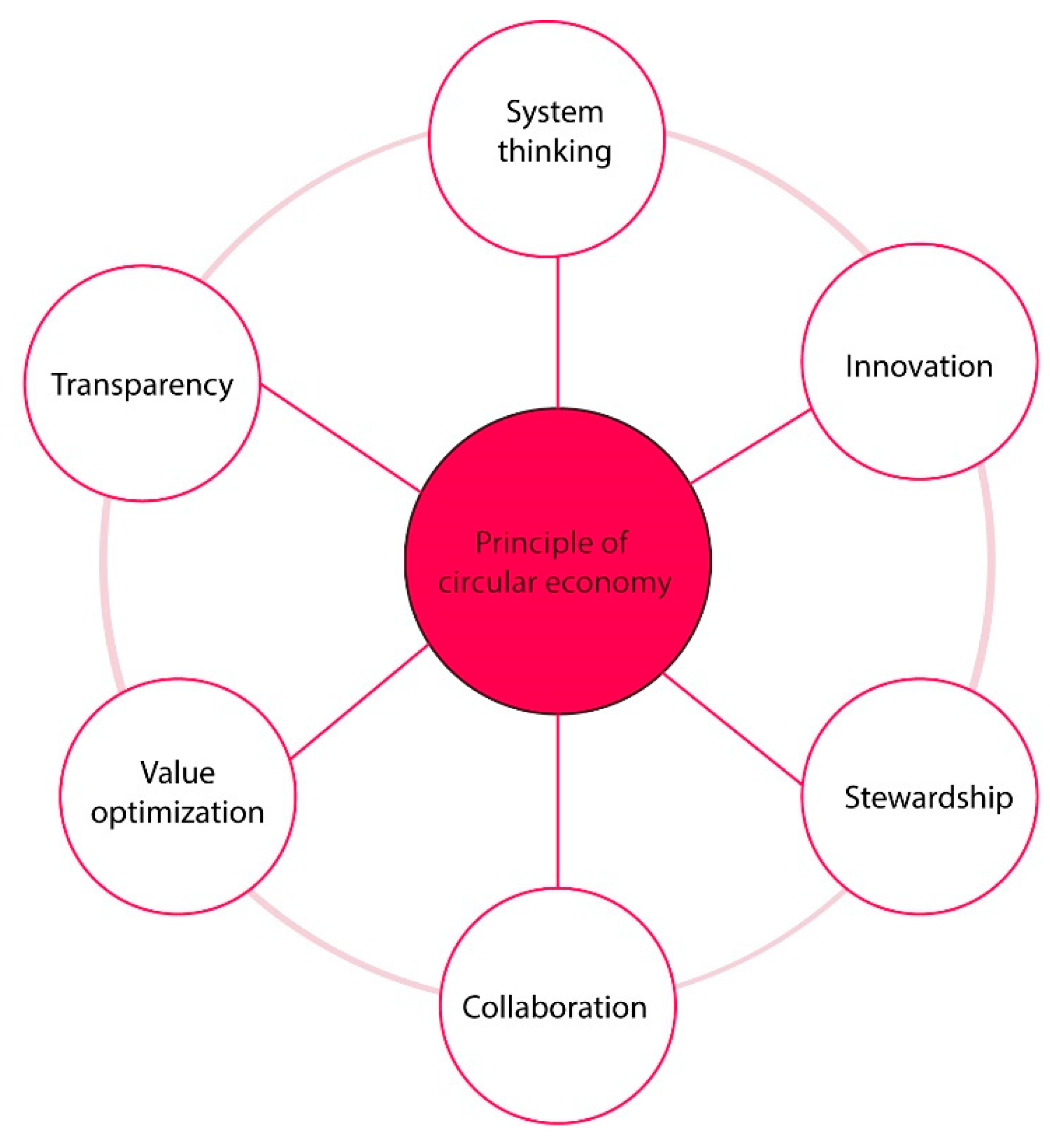
Figure 2.
Eight stage framework for implementation of circular economy.
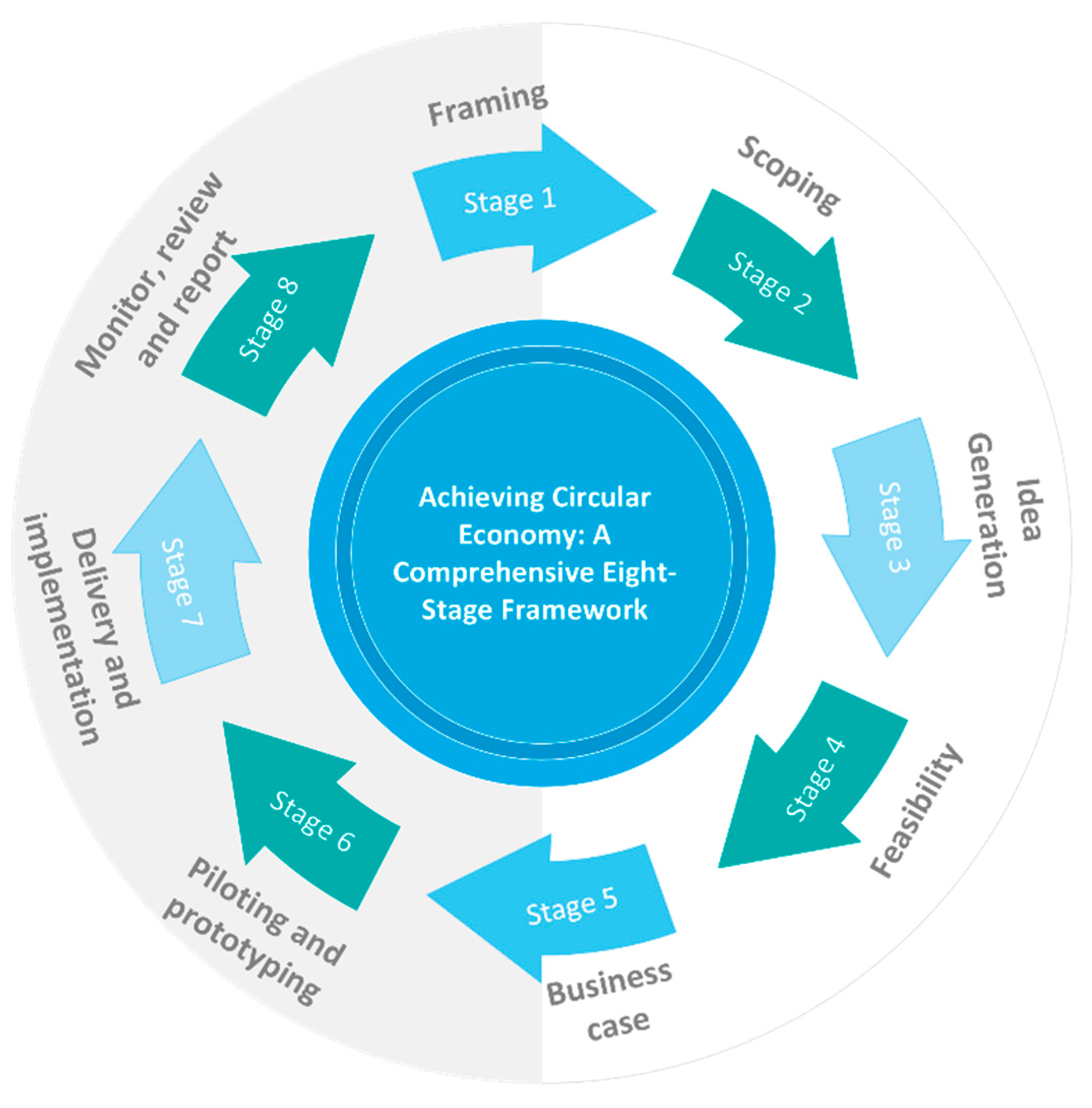
Figure 3.
Domestic operation bases of TSC.
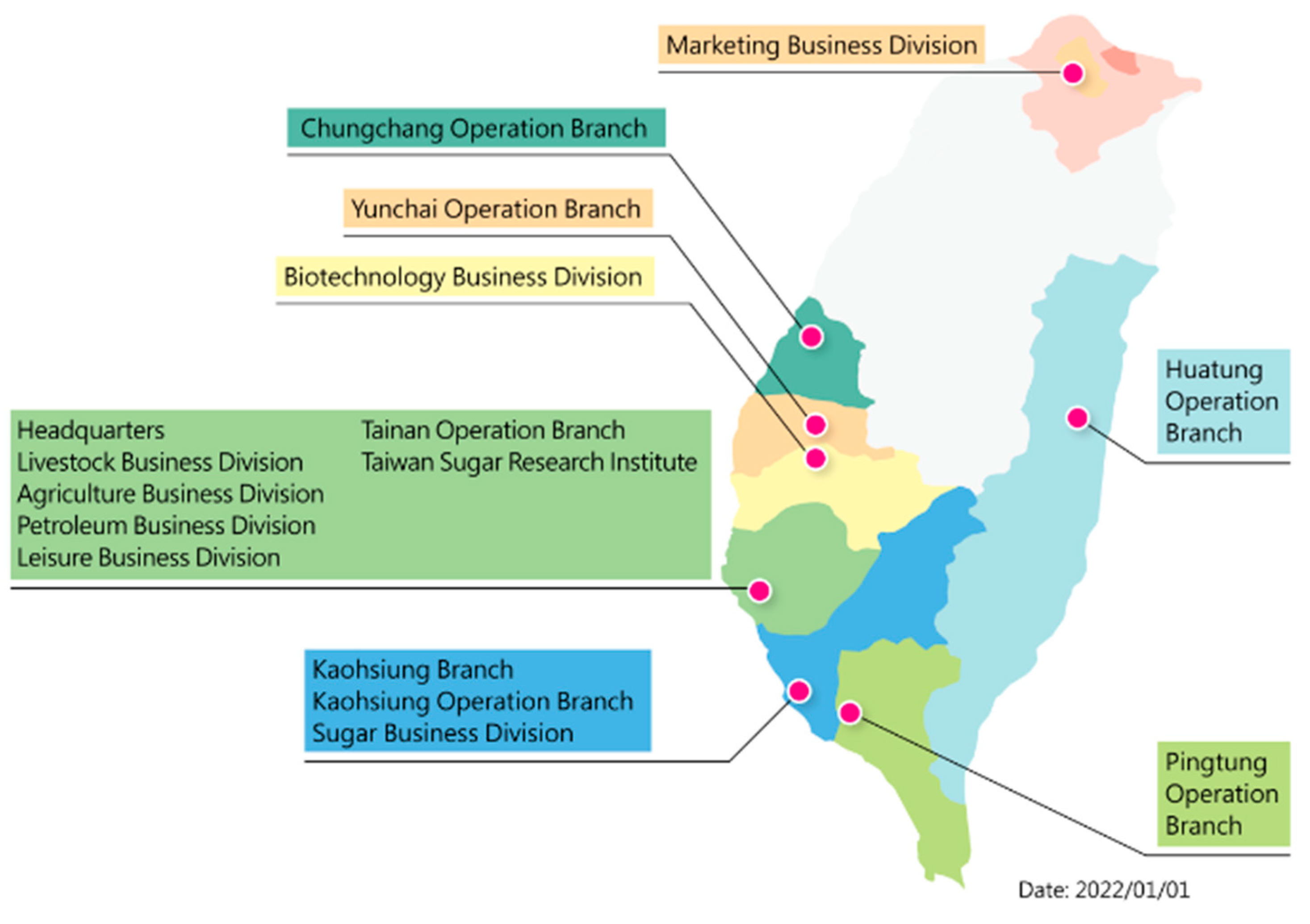
Figure 4.
TSC biotechnology material factory circular economy process.
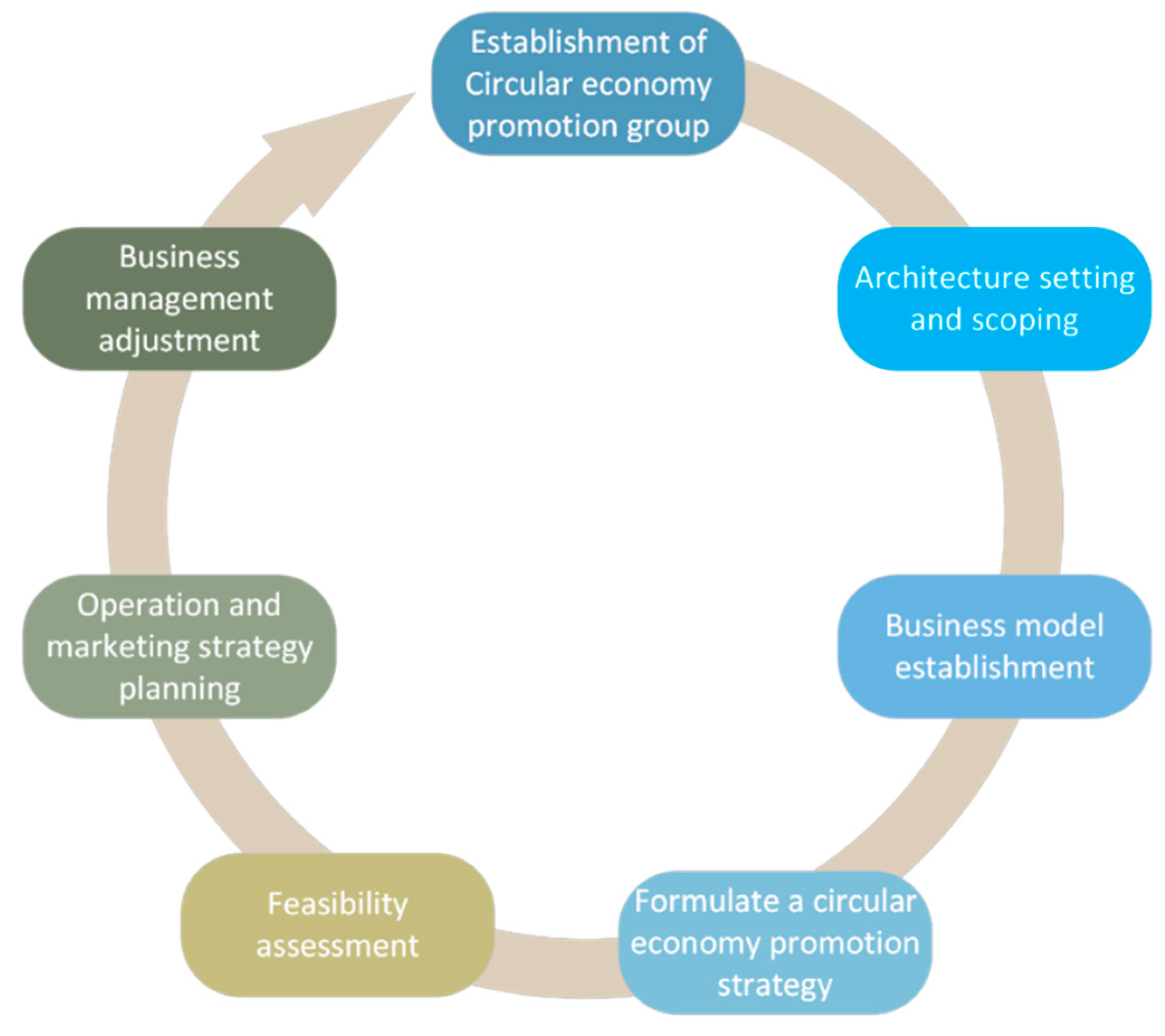
Figure 5.
Multiple uses of oyster shells.
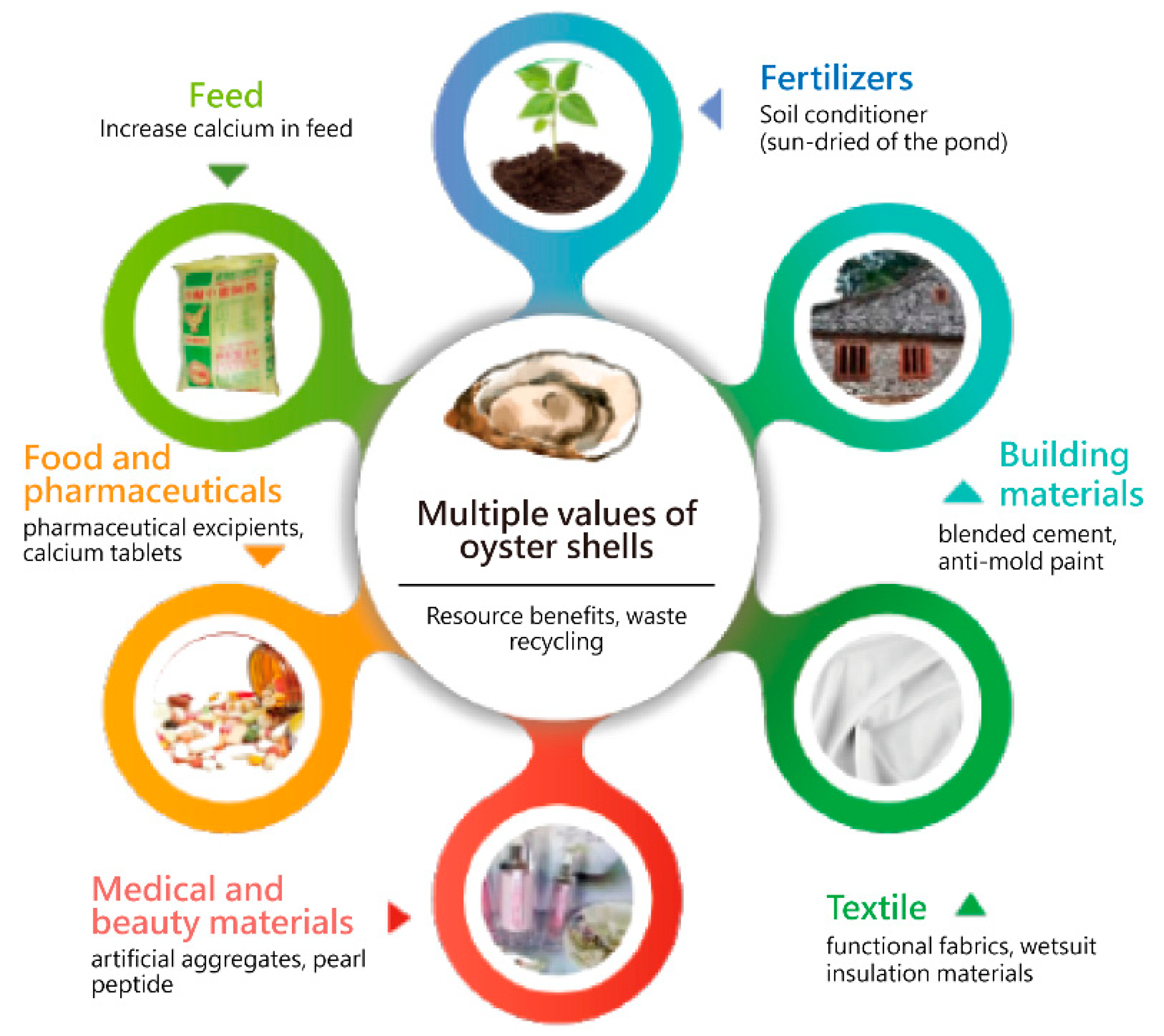
Figure 6.
Stakeholders of TSC biotechnology material factory.
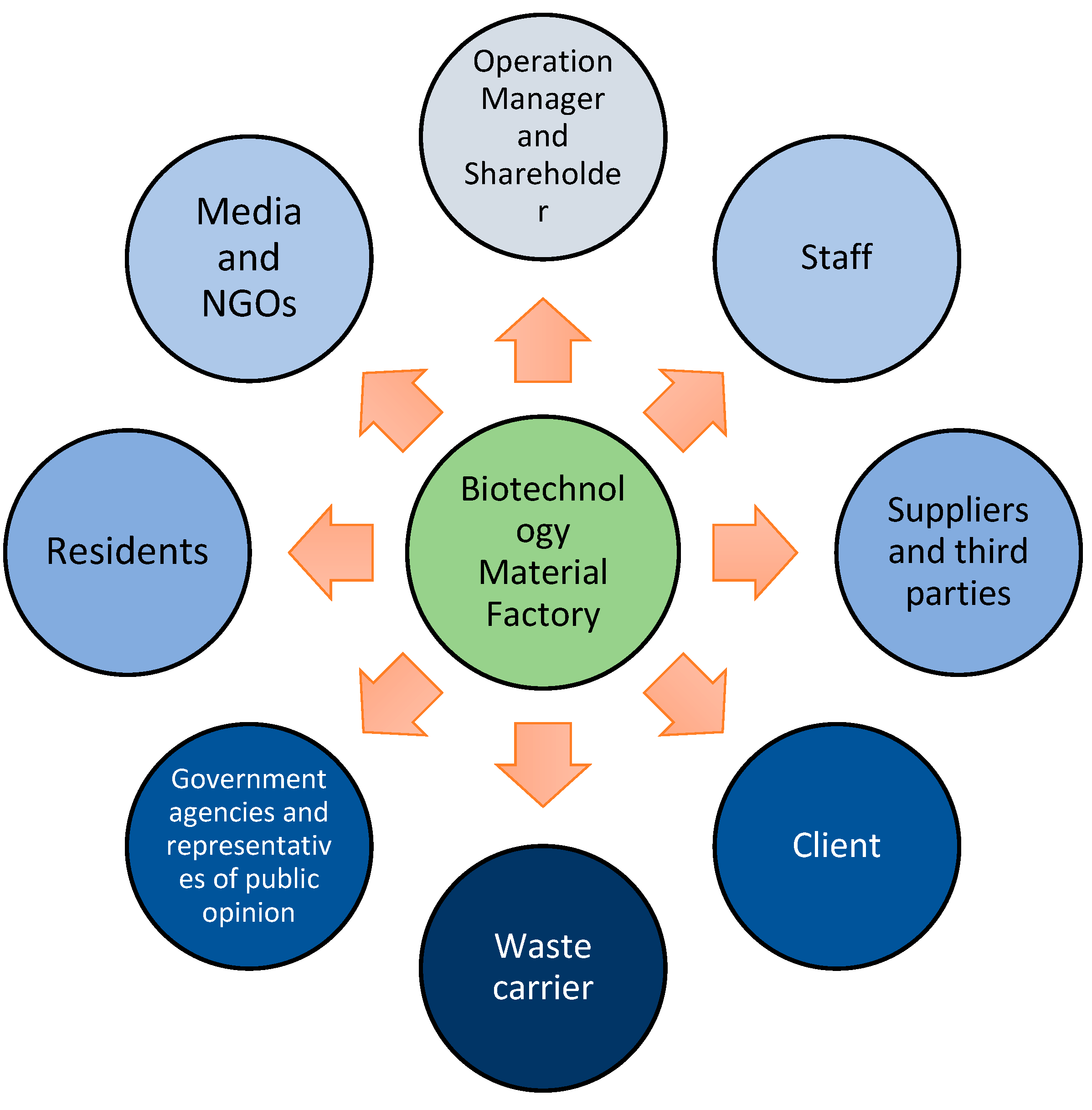
Figure 7.
Structural model result for the degree of concern.
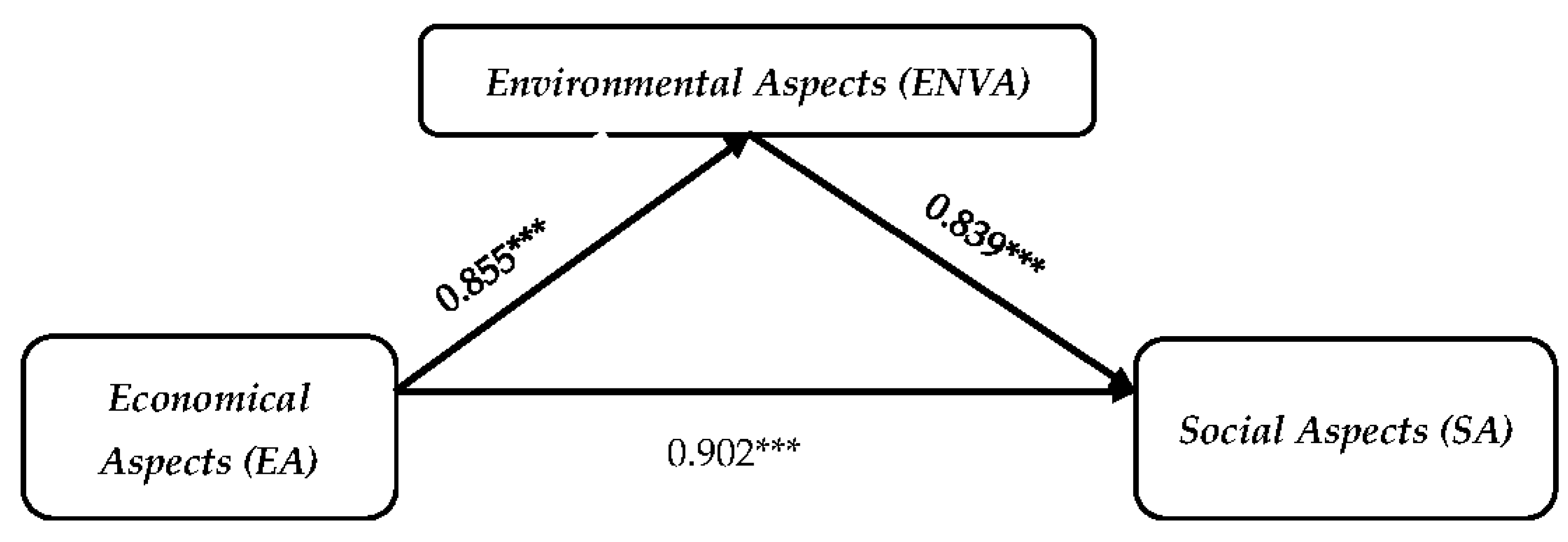
Figure 9.
Attention and Impact matrix.
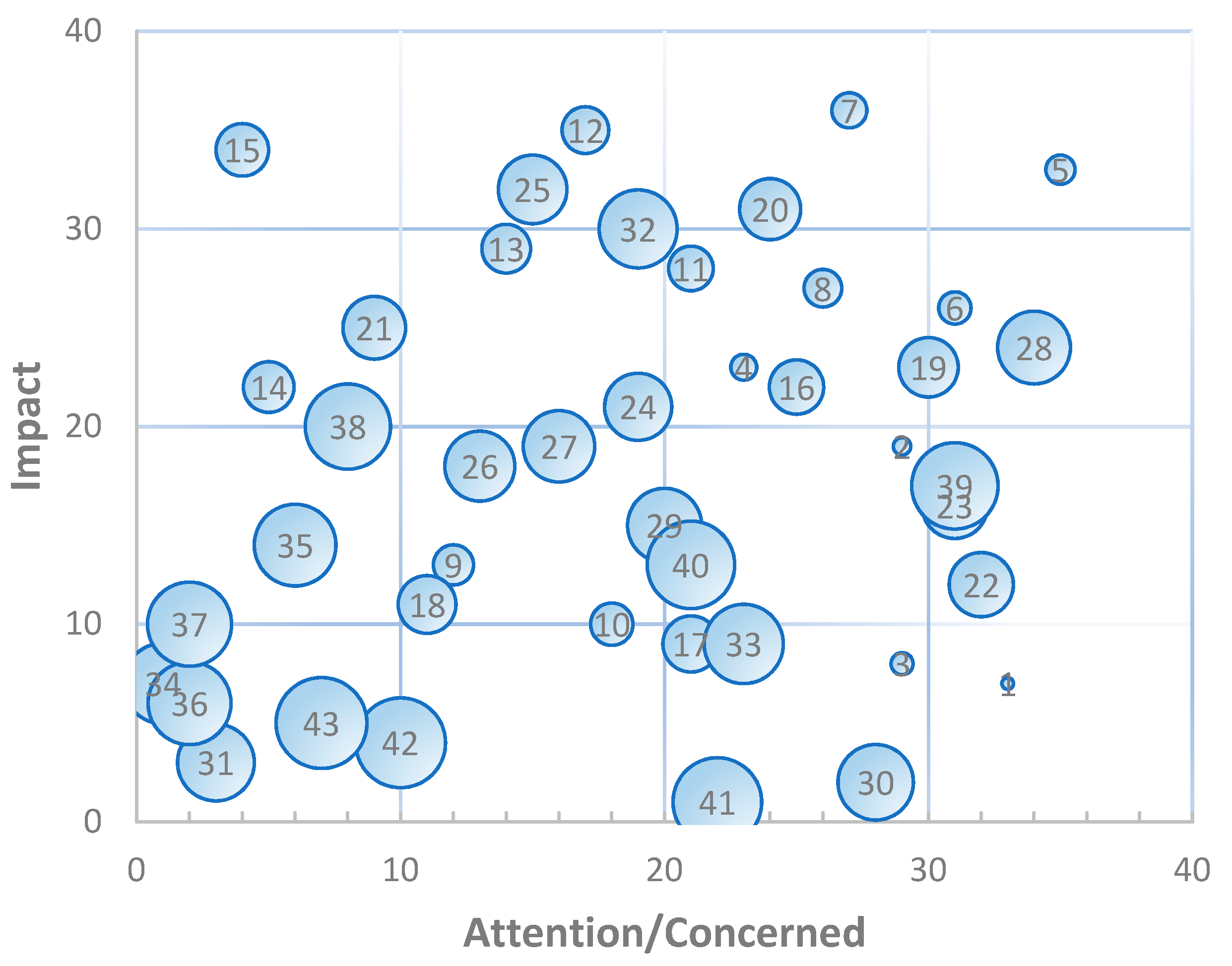
Figure 10.
Systematic Thinking Framework of TSC Circular Economy.
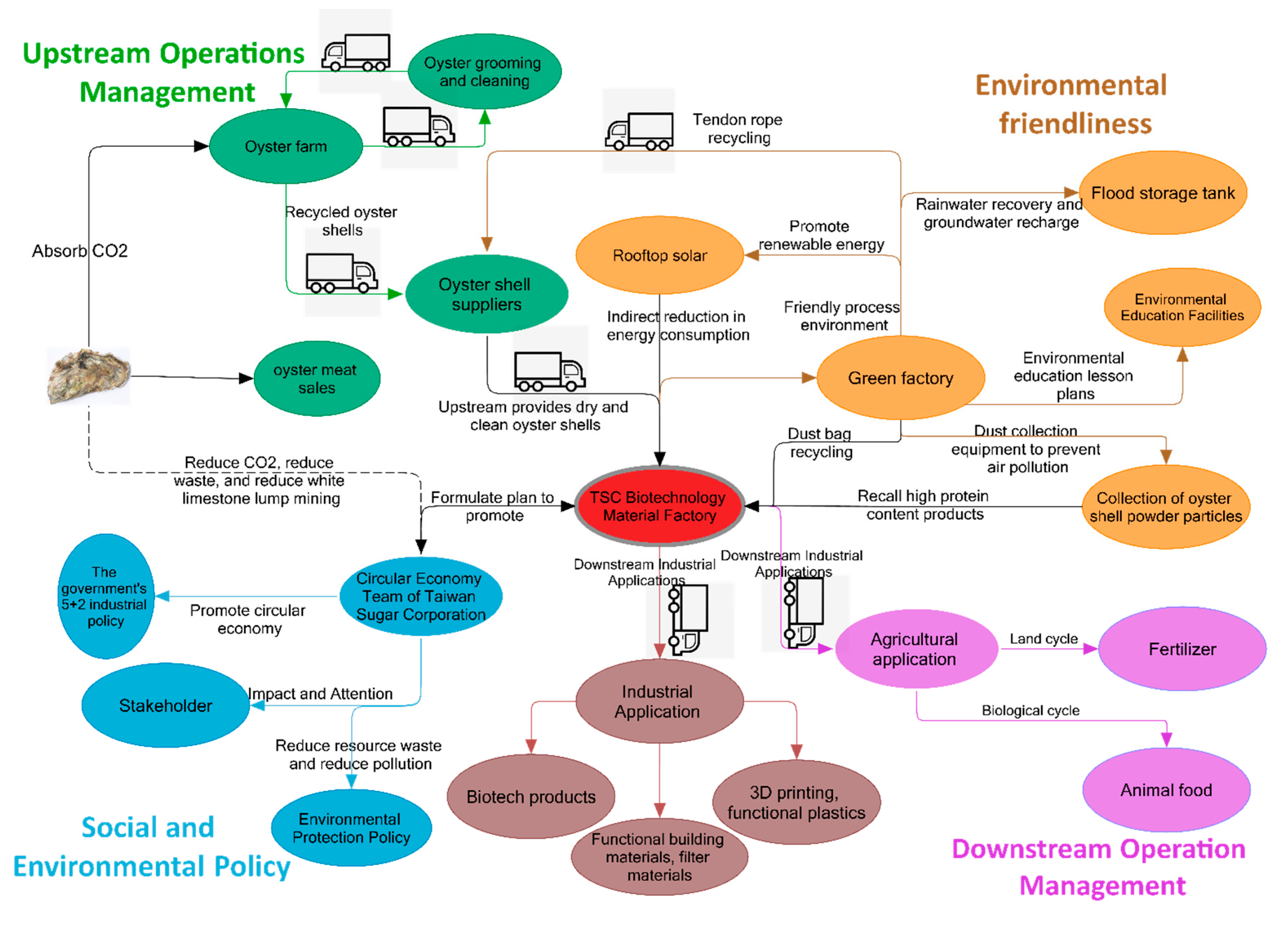
Table 2.
Short-term, medium-term, and long-term goals of the biotechnology material factory.
| Item | Short-term (2018-2020) | Mid-term (2021-2023) | Long-term (2024-2026) |
|---|---|---|---|
| Oyster shell source |
Chiayi |
Yunlin, Chiayi, Tainan |
All of Taiwan and the outlying islands of Penghu |
| Processing capacity | The design processing capacity is 135 tons/day for 12 hours | The processing capacity of incoming goods is 20,000 tons/year | The processing capacity of incoming goods is 50,000 tons/year |
| Revenue | - | Pre-tax loss of fewer than 5 million yuan/year | Pre-tax profit of more than 2.5 million yuan/year |
| Statutory operating license and certification | Construction license, use license | Factory Registration Certificate, Reuse Organization Permit, Stationary Pollution Source Operation Permit ISO 9001 quality management ISO 45001 Occupational Safety and Health Management System BS 8001 Circular Economy |
ISO 14064 Carbon Inventory ISO 14067 carbon footprint PAS2060 Carbon Neutrality |
| Research and development | ITRI and Nanhua University Promote Cooperation Agreement | Fertilizers, horticultural landscaping, feed, functional building materials, 3D printing, filter materials Increase the Academy of Agricultural Sciences to promote cooperation agreements |
Functional fabrics, ceramics |
| Industrial application | Feed, fertilizer, 3D printing, functional plastics, plastic wood | Functional Building Materials | |
| Environmental friendly | The design and construction meet the green building bronze standard Set up solar energy, flood storage tanks, natural gas as power, and dust collection equipment |
Environmental Education Teaching Plans and Curriculum Obtained the bronze certificate of green building |
Build an exhibition and sales center, and pass environmental education facilities |
Table 3.
Complementary Corrective Measures in Response to Risks and Opportunities.
| Period | Risk issue | Supporting measures |
|---|---|---|
| Short-term (2018-2020) | Political considerations of local governments, and doubts about environmental sanitation | The original evaluation site was moved from Dongshi to Yongkang District, Tainan City |
| Mid-term (2021-2023) | Low prices for agricultural use and fierce competition | Seek industrial use |
| Industrial use is expensive, low in usage, and slow in development time, and regulations need to be amended | Research and development in cooperation with academic institutions | |
| Long-term (2024-2026) | Applications in various industries require relevant technical documents and materials, and the threshold for use is relatively high | Looking for willing and capable manufacturers to cooperate |
Table 4.
Communication Channels of Stakeholders of Taiwan Sugar Biotech Material Factory.
| Category | Subcategory | Communication channel | Frequency of communication |
|---|---|---|---|
| Suppliers and third parties | Oyster shells and packaging materials suppliers | Telephone | Not fixed |
| Third-party | Interview, telephone, E-mail | 1-6 times/month | |
| Client | External customers | Interview, telephone, E-mail | 1-6 times/month |
| Internal customers | Interview, telephone, E-mail | 1-2 times/month | |
| Waste processor | Interview, telephone, E-mail | Not fixed | |
| Government agencies and representatives of public opinion | Interview, telephone, E-mail | 1-2 times/month | |
| Operation Manager and Shareholder | Interview, telephone, E-mail | 1-2 times/month | |
| Media and NGOs | Interview, telephone, E-mail | 1-2 times/month | |
| Residents | Interview, telephone, E-mail | Irregular | |
| Staff | Interview, telephone, E-mail | At any time | |
Disclaimer/Publisher’s Note: The statements, opinions and data contained in all publications are solely those of the individual author(s) and contributor(s) and not of MDPI and/or the editor(s). MDPI and/or the editor(s) disclaim responsibility for any injury to people or property resulting from any ideas, methods, instructions or products referred to in the content. |
© 2024 by the authors. Licensee MDPI, Basel, Switzerland. This article is an open access article distributed under the terms and conditions of the Creative Commons Attribution (CC BY) license (http://creativecommons.org/licenses/by/4.0/).
Copyright: This open access article is published under a Creative Commons CC BY 4.0 license, which permit the free download, distribution, and reuse, provided that the author and preprint are cited in any reuse.


