
Submitted:
21 June 2024
Posted:
24 June 2024
You are already at the latest version
Abstract
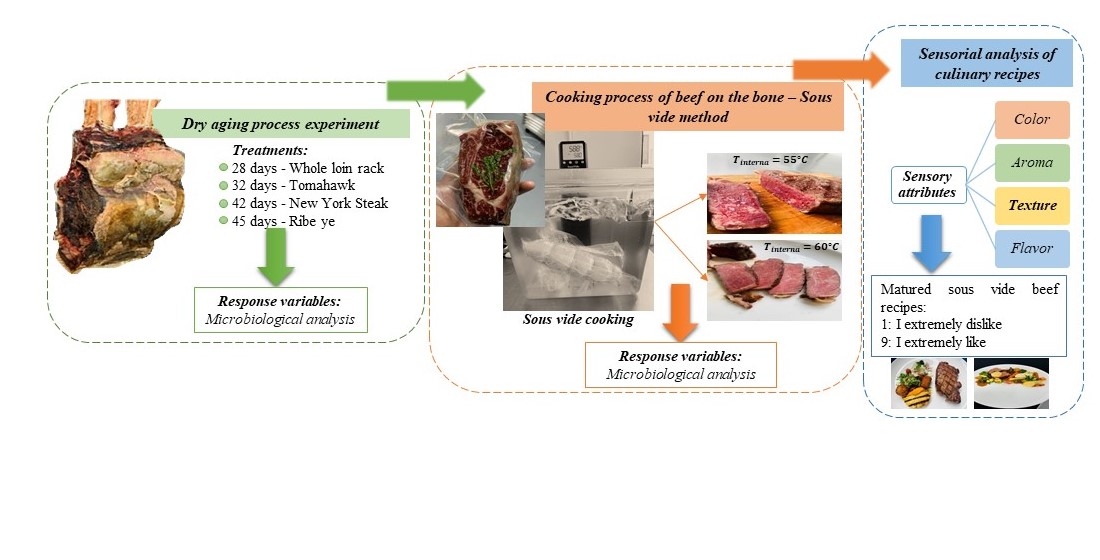
The science behind the curing process and the sous-vide cooking technique has advanced significantly in recent years. Variables such as temperature, time, and microbial growth, among others, have a substantial impact on the preparation and acceptance of culinary creations. This study focused on evaluating the dry aging method and the sous-vide cooking technique applied to various cuts of bone-in beef (Rack, Tomahawk, New York, and Rib Eye) subjected to different aging periods (28, 32, 42, and 45 days) under controlled temperature and storage conditions. The resulting samples underwent microbiological analysis after the curing method and the sous-vide cooking process, and they were also used in different culinary preparations to measure their degree of acceptability.
Keywords:
Dry maturation
; sous-vide cooking
; bone-in beef.
1. Introduction
Meat is considered a complete food due to its chemical composition, which is influenced by numerous internal and external factors [1]. According to the food pyramid, meat is an essential component of a healthy diet as it is rich in protein and micronutrients such as iron, zinc, and vitamin B [2]. It is also a source of bioactive compounds such as conjugated linoleic acid (CLA), taurine, creatine, betaine, and carnitine [3]. Meat is efficiently utilized by the body, assimilating almost all of its nutrients. Additionally, meat contains high-quality protein and provides an adequate balance of ten essential amino acids necessary for protein formation, accounting for up to 20% of its weight. It also stimulates the human body’s metabolism: 100 grams of red meat provides 20.7 g of protein, while the same amount of white meat provides 21.9 g of protein [4]. The quality of this product is affected by various factors, such as ante-mortem conditions, physicochemical properties, and the slaughter process, which influence the organoleptic quality of the meat and determine optimal aging [5].
The stress generated during this process produces lactic acid in the tissues, which characterizes dark red meat. After the animal’s death, the carcasses are cooled, sorted, and incorporated into the distribution and food processing chains; these procedures transform the muscle tissue into meat [1,2,3,4,5,6]. This process can be influenced by myofibrillar toughness, which undergoes three phases: the pre-rigor phase, the rigor mortis phase, and the softening phase [7]. Rigor mortis usually appears about three hours after slaughter (depending on the species), requiring approximately 48 hours (sometimes 72) in refrigerated environments for this phenomenon to disappear [1]. It is important to mention that rigor mortis, which includes a delayed phase and a fast phase, is one of the most important and complex biochemical processes in the conversion of muscle to meat [7]. Adequate meat quality for culinary processing depends largely on the degree of maturation or aging, i.e., the level of development of autolysis, a process where the chemical composition, structure, and properties of the meat change after the animal is slaughtered under the influence of its own enzymes [8].
Maturing conditions, such as time, temperature, humidity, and airflow, also have a significant influence in determining the edible quality of the product [9]. Post-mortem aging of fresh meat is a process recognized to improve its quality, especially in terms of tenderness and flavor, and is essential to enhance the sensory qualities and final flavor of the meat for consumption. To carry out this process, carcasses are subjected to controlled conditions of storage, air circulation, relative humidity, and refrigeration. It usually takes 10 to 20 days to reach the desirable tenderness through proteolysis. Maturation involves the breakdown of large molecules into smaller flavor fragments through proteolysis and lipolysis. This causes changes in various components such as sugars, lipids, organic acids, vitamins, sugar phosphates, and sugars bound to nucleotides. These degraded compounds contribute specific aromas and flavors, driving complex biochemical reactions during cooking, such as the Maillard reaction, oxidation, and their interactions [10]. That is why the meat maturation process is temperature-dependent, as it affects the speed of biochemical reactions. Two types of meat maturation can be considered: the first is dry-aged meat maturation, which involves leaving the meat carcasses in cold chambers at 0°C to 2°C for periods ranging from 7 to 30 days. This system requires large spaces and controlled conditions of humidity and air circulation because any failure in the cooling system can lead to the decomposition of the meat if the temperature rises, or the arrest of the process if the temperature drops excessively [11]. The second type is wet (vacuum) maturation, where the meat is packaged in a sealed barrier film and stored at a temperature above the freezing point of the meat [12,13].
Another important aspect to consider regarding the quality of meat for consumers is the cooking method used. One of these methods is sous-vide cooking, also known as vacuum cooking. This procedure involves packaging the product in a plastic bag with low oxygen permeability and resistance to high temperatures. It is an effective method of long-term low-temperature heating, which contributes to highlighting the characteristics and generating significant benefits, such as preserving juiciness and preventing overcooking. As a result, the food retains a variety of textures, natural liquids, and the main flavor of the product [14,15]. Sous-vide cooking can induce ideal changes in meat characteristics and preserve its condition, moisture content, nutritional value, natural flavor, and microbiological benefits. This method inhibits oxidative changes in the products due to the lack of oxygen in the bags, allows for microbiologically safe food preparation, and prevents cross-contamination after cooking [16].
Vacuum cooking stands out compared to conventional methods, as it allows greater activity of endogenous enzymes, such as cathepsin and calpain, which increase the tenderness of the meat by increasing the solubility of collagen [17]. The cooking time for foods of animal origin must allow the dissolution of collagen to reduce the hardness of the final product. Color is an indicator in the sensory evaluation of foods; in the case of meat, the color change is due to the denaturation of myoglobin [18]. In raw meat, myoglobin, the meat pigment, exists in three forms: oxymyoglobin, deoxymyoglobin, and metmyoglobin, which show bright red, purplish-red, and brown, respectively. As a result of the heat treatment, globin denatures and precipitates with other meat proteins, forming red ferrohaemochrome and brown ferrihaemochrome. Denaturation of myoglobin starts between 55°C and 65°C and is almost complete at 80°C [19,20,21]. It also contributes to food safety, offering advantages by eliminating the risk of contamination after cooking [22].
Sous-vide cooking is widely used in restaurants due to the advantages it provides [23], and the need for safe heat treatments that guarantee the inactivation of microorganisms, thereby ensuring safety and prolonging shelf life [24]. The selection of dry aging and sous-vide cooking methods impacts the characteristics of the final product as determined by consumer acceptability. Therefore, the objective of the study was to evaluate these two aspects in bone-in beef for the creation of culinary products, considering control variables such as time, temperature, and microbiological conditions, as well as determining the degree of acceptance by an untrained panel.
2. Materials and Methods
This study was carried out in the food laboratory of the Gastronomic Management Technology program at the Corporación Universitaria Comfacauca in the city of Popayán (Cauca - Colombia). Two important aspects for the acceptability of bone-in beef were studied: the first was maturation, and the second was the sous-vide cooking process.
For the dry maturation process of the beef, meat cuts were acquired from cattle herds and/or commercial establishments 24 hours after slaughter. They were transferred to the food laboratory to an exclusive area to begin the maturation process under refrigerated conditions (2°C), where the pieces of meat rested for a determined time. The cleaning of the space was complete and thorough, avoiding any type of contamination that could generate microorganisms. The response variables are shown in Table 1.
For the sous-vide cooking process, a vacuum packer and high-temperature resistant bags were used for the samples that required the application of this technique. Table 2 shows the experimental design and its respective response variables.
Treatments subjected to the dry aging and sous-vide cooking processes were microbiologically evaluated in a certified laboratory for pathogenic bacteria.
A standardization of innovative culinary recipes was carried out using the pieces obtained at different maturation times. Possible formulations were defined to be developed in the Corporation’s food laboratory, where the necessary equipment was used to conduct preliminary tests on the preparation of dishes using molecular cooking techniques. Some process control variables, such as time, temperature, and the quantity of food additives to be used, were also evaluated.
Finally, a sensory analysis was carried out using an untrained internal panel of 70 people composed of students from the Corporación Universitaria Comfacauca (Popayán, Colombia). Each consumer tasted 4 randomly coded samples, offered at room temperature (25°C) according to a completely randomized block design to avoid the effect of order. The sensory attributes of color, aroma, texture, and flavor were evaluated using a nine-point (9) hedonic scale, with one (1) being equivalent to “I extremely dislike” and nine (9) to “I extremely like”.
The statistical analysis of the quantitative data collected was evaluated using an analysis of variance (ANOVA) with 95% confidence (p < 0.05) to establish statistically significant differences. The means were then compared using the least significant difference (LSD) test.
3. Results
The research developed stages in which different variables were analyzed to evaluate the effect of maturation and sous-vide cooking on the sensory, nutritional, and microbiological characteristics of bone-in beef for the preparation of value-added culinary recipes.
3.1. Dry Aging Process for Bone-In Beef
Three bone-in meat cuts extracted from a whole piece (rack) of beef tenderloin (Tomahawk, New York Steak, Ribeye) were used to set up the treatments as fixed variables in the experiment. See Figure 1.
Subsequently, an analysis of the behavior of the type of bone-in meat maturation of the cuts was carried out using a completely randomized design, keeping the temperature constant at 2°C. See Figure 2. Each piece was labeled to start the process.
3.2. Microbiological Tests of the Dry-Aging Process
The microbiological analysis of the dry-aged samples at each of the established times (28, 32, 42, and 45 days) is presented in Table 3.
3.3. Cooking Process of Beef on the Bone - Sousvide Method
The bone-in meat maturation treatments were subjected to the sous vide cooking process, as shown in Figure 3.
During this process, the internal temperature of the product is monitored. The set temperature was 60°C, considering the meat doneness levels: rare (50°C), medium (55°C), and medium-well (63°C).
In Figure 4, two aged pieces subjected to sous-vide cooking are illustrated. An internal temperature of 55°C was achieved in a boneless aged piece cooked sous-vide (70°C for 20 minutes) and an internal temperature of 60°C with the same temperature for 25 minutes.
On the other hand, microbiological monitoring was carried out on each of the aged and cooked samples. See Table 4.
3.4. Standardization of Matured Sous Vide Beef Recipes
The recipes were standardized using the raw material obtained in the previous phases. After finalizing each recipe, the information was consolidated in standardized files. Subsequently, the level of acceptability of the developed culinary recipes was determined through sensory analysis. Four standard recipes were evaluated, representing the different maturation times (28, 32, 42, and 45 days), the meat cuts, and the sous-vide cooking technique. See Figure 5.
3.5. Sensorial Analysis of Culinary Recipes
Table 5 shows the results of the comparative evaluation of the sensory attributes of the four samples of the standardized preparations:
- New York Steak on a bed of vegetables with demi-glace sauce and sweet wine
- Grilled dry-aged New York Steak
- Ribe ye in beetroot reduction
- Grilled Toma hawk.
The samples were coded separately for each evaluation with three-digit codes and submitted for assessment. Figure 6 shows the degree of acceptability for each of the preparations.
4. Discussion
Dry aging process for bone-in beef: The maturation process applied to bone-in beef presents significant changes in its organoleptic characteristics, driven by enzymatic action on the proteins. After the animal is slaughtered, enzymes initiate the breakdown of large molecules into smaller fragments, breaking protein bonds into amino acids and fats, as well as converting fat-like membrane molecules into aromatic fatty acids [25], making the pieces more attractive to consumers. This process triggers constant enzymatic activity, breaking down the proteins inside the muscle after the rigor mortis phase. As a result, a product with optimal appearance, flavor, and texture for consumption is obtained [26].
In addition, evidence from various studies reveals the influence of specific variables in the maturation process. Temperature management is an important factor; as high temperatures facilitate bacterial growth. According to Meat technology update [27] meat initiates the freezing process at -1.5°C, with the optimum temperature for prolonged maturation being -0.5°C ± 1°C.
Time is another control variable since endogenous proteolytic enzymes remain active after 21 days, improving meat tenderness over time and generating changes such as evaporative loss, which contributes to flavor development due to the concentration and oxidation of aromatic compounds in the meat [28]. The suggested minimum dry aging time is 14 days to improve the flavor profile and achieve the desired tenderness. For the present investigation, four time periods (28, 32, 42, and 45 days) were used, as shown in Figure 2. Among these, the best dry-aged meat, which achieved the highest degree of acceptance, was New York Steak at 42 days. Thus, it can be affirmed that the dry aging process presents superior characteristics, resulting in beef with added value and unique flavor, according to Dashdorj et al. [29] and Lee et al. [30].
The protein degradation process, which occurs over approximately two weeks, involves enzymes known as calpains that promote proteolysis. These enzymes act during this period and then disintegrate, resulting in meat tenderization [31]. Studies on dry aging at different times (7, 16, 35, and 60 days) show an increase in dry matter content [32]. It can be stated that dry aging can achieve customized flavor profiles and consistent quality by manipulating several variables in favor of the final consumer [33]. Although dry-aged beef is gaining popularity in the culinary community, there is limited understanding of the impacts of environmental aging on final product quality [34].
Microbiological Tests of the Dry Aging Process (Dry-Aged): Recent studies indicate that the dry aging process involves the growth of several microorganisms on the meat surface. During a maturation period of 12, 30, 70, and 160 days, it was observed that bacterial growth was lowest on day 12 and increased as the maturation process progressed. However, the fungal profile did not show a significant trend with aging time [35]. In the study by Ryu et al. [36], the abundance of lactic acid bacteria increased to log 6 CFU on the surface of longissimus thoracis and biceps femoris dry-aged beef samples during 60-day aging. No Clostridium spores or Salmonella were detected, and fecal coliform and Staphylococcus counts were within acceptable ranges, suggesting that the samples were of adequate sanitary-hygienic quality for further processing.
Surface dehydration of meat pieces under dry aging may be responsible for the low presence of microorganisms. Ribeiro et al. [37] verified that meat aged by this method for 30 days showed significantly lower counts of total coliforms, aerobic mesophiles, psychrotrophs, and molds and yeasts. In a study by Gowda et al. [38] on beef aged for 21 days, large numbers of total aerobic psychrotrophic bacteria, Enterobacteria, and Pseudomonas spp., among others, were detected on the surface of beef tenderloins during aging. The variability in these counts could be due to a variety of factors, including differences in production parameters and meat-related factors such as pH and pre-process storage.
During the conversion of muscle to meat, the pH drops as hydrogen accumulates until the isoelectric point is reached. Meat pH can be important during the dry aging process, as it affects the muscle’s ability to retain water. Some studies have reported a pH similar to that of fresh meat, while others have found a positive correlation between pH and lactic acid bacteria growth in dark-cut samples. Throughout the drying process, a dynamic microbiome is created on the meat surface, composed primarily of various Lactobacillus spp., including L. sakei and L. plantarum, which limit bacterial growth and promote the emergence of beneficial molds. The continuous activity of bacteria, yeasts, and molds that metabolize and produce metabolites in meat affects its quality and safety.
However, foodborne pathogenic bacteria, such as Listeria monocytogenes, enterohemorrhagic Escherichia coli, and Salmonella spp., may be present and can proliferate during the dry aging process, as they are active at low temperatures [19,20,21]. Dry-aged samples showed a decrease in total bacterial counts, and only molds and yeasts presented significant growth during aging [40,41].
Another important characteristic is water retention, which translates into greater juiciness. Several studies have shown that dry-aged beef is characterized by better flavor, odor, and taste. It is also often considered to have more favorable palatability, with stronger notes of meaty, roast meat, and brown roast meat, as well as scoring higher for umami, buttery, caramelized, sweet, and nutty flavors [42].
Bone-in beef cooking process - Sousvide method: taking into account research [43], to ensure a six-decimal-place reduction in spore counts of non-proteolytic Clostridium botulinum and vegetative pathogens such as Listeria, Salmonella, and Escherichia coli, heat treatment at 90°C for 10 minutes is recommended, achieving an internal temperature of 65°C in the center of the product. However, these conditions can result in the loss of thermolabile vitamins and affect the nutritional and sensory quality of the meat. Therefore, treatments at lower temperatures and shorter times have been defined.
The 70/2 heat treatment, which involves reaching 70°C in the thickest part for 2 minutes, reduces 99.9999% of Listeria monocytogenes in sous-vide products. This treatment is recommended for the food service industry to guarantee the shelf life of products. Additionally, there is a category of sous-vide products cooked to a minimum temperature of 63°C, which ensures acceptance of taste, texture, and appearance in both restaurant and home-prepared dishes [44].
The sous-vide method improves the cooking yield of meat by approximately 7% in red meat and reduces water evaporation compared to conventional heat treatment methods. However, authors such as Cho et al. [45] and Xiong [46] suggest combining the sous-vide method with other thermal processing methods, such as frying or grilling, to improve the sensory quality of the products.
These treatments offer good hygienic and sanitary quality, which is essential for advancing recipe standardization. Recent studies on sous-vide cooking confirm its application in the home, in restaurants, in molecular gastronomy, and in the food industry. This technique, based on low temperature management and extended cooking times, has been used by renowned chefs for decades, generating increased demand for high-quality processed foods. Sous-vide has been shown to improve flavor and aroma, increase tenderness and desirable texture, reduce lipid oxidation and flavor losses, and enhance the color and visual appearance of foods [14]. Additionally, it reduces thermal damage to proteins and lipids, minimizing the loss of thermolabile liquids and nutrients, and improves texture compared to conventional cooking methods [47].
It is important to bear in mind that the type of meat, size, and intramuscular connective tissue influence the sous-vide cooking method. Tougher meats with more collagen require longer heat treatments for the collagen to transform into gelatin. Conversely, tender meats with less collagen and more myofibrillar protein require less cooking time to avoid loss of juiciness [48]. Rinaldi et al. [49] and Latoch et al. [50] found a higher content of aromatic compounds in beef cooked for 2 hours at 100°C compared to sous-vide samples. However, the sous-vide method retains aromas better during storage and reduces unpleasant aftertastes, such as hexanal and 3-octanone [34,35,36,37,38,39,40,41,42,43,44,45,46,47,48,49,50,51].
Sensory Analysis of Culinary Recipes: the sensory analysis of the preparations revealed statistically significant differences (p < 0.05) in the attributes of aroma, color, flavor, and texture, indicating that the panelists’ responses varied according to each attribute. In general, the preparation “New York steak on a bed of vegetables with demi-glace sauce and sweet wine” was the most accepted, standing out in the attributes of color, flavor, and texture.
This preparation was highly accepted by the seventy panelists, with an overall rating of 7.94 on the scale used, classified as “I like it very much.” It underwent a 28-day maturation process at 2°C, followed by a sous-vide cooking method with an internal temperature of 60°C. The microbiological analysis performed after the ripening and sous-vide cooking process showed no presence of pathogenic microorganisms, guaranteeing a balanced product in terms of safety, sensory, and nutritional quality [52].
The panelists’ comments particularly highlighted the tenderness and flavor of the dish, confirming the excellence of this preparation both in terms of food safety and sensory experience.
Funding
This study was financed by the Research Department of the Corporación Universitaria Comfacauca, executed by the Investigarte Research Group (code Colciencias COL015366), and the students of the Gastronomic Management Technology program of the GastroArte Research Semillero.
Conflicts of Interest
The manuscript was prepared and reviewed with the participation of all the authors, who declare that there is no conflict of interest that could jeopardize the validity of the results presented.
References
- Martínez, H. V. (2021). Mexican Meat Council. Retrieved from Denominación de carne y los procesos fisicoquímicos que ocurren en su maduración: https://comecarne.org/denominacion-de-carne-y-los-procesos-fisicoquimicos-que-ocurren-en-su-maduracion/.
- IPES-Food. (2022). The politics of protein: Examining claims about livestock, fish, ‘alternative proteins’ and sustainability. IPES-Food. Recuperado de http://www.ipes-food.org.
- Di Paolo, M.; Ambrosio, R.L.; Lambiase, C.; Vuoso, V.; Salzano, A.; Bifulco, G.; Barone, C.M.A.; Marrone, R. (2023). Effects of the Aging Period and Method on the Physicochemical, Microbiological and Rheological Characteristics of Two Cuts of Charolais Beef. Foods 2023, 12, 531. [Google Scholar] [CrossRef]
- Ayala Vargas, C. (2018). Nutritional importance of meat. Instituto de Investigaciones Agropecuarias y de recursos naturales, 54 - 61 pp.
- Bureš, D; Needham, T; Lebedová, N; Bartoň, L. (2023). Effects of Wet and Dry Ageing on the Physical, Chemical and Sensory Quality of Fleckvieh Cattle Meat. 69th International Congress of Meat Science and Technology, August 20-25, Padova, Italy. Available at: https://www.researchgate.net/publication/373900683.
- Ribeiro, J. C.; Cunha, I.G.; Pereira, B.; Augusto, W. F.; Rodrigues, E. M.; Chaves, F. R. (2022). Influencia de la maduración seca y húmeda de la carne de vacuno en la calidad microbiológica y seguridad. Semina: Cienc. Agrár. Londrina, v. 42, n. 1, p. 155-166.
- Ding, Z.; Wei, Q.; Liu, C.; Zhang, H.; Huang, F. (2022). The Quality Changes and Proteomic Analysis of Cattle Muscle Postmortem during Rigor Mortis. Foods, 11, 217. [CrossRef]
- Voitsekhivska., L; Franko., O; Verbytskyi., S; Okhrimenko., Y. (2022). Fermentation Process Of Beef Effected By Its Physical And Chemical Traits. Food Resources Vol. 10 (2022) № 18. [CrossRef]
- Terjung, N. , Witte, F., Volker, H. (2021). The dry aged beef paradox: Why dry aging is sometimes not better than wet aging. Meat Science 172: 108355.
- Renyu, Z.; Michelle J.Y., Y.; Alastair B., R.; Mustafa M., F. (2022). Mechanisms and strategies to tailor dry-aged meat flavour. Trends in Food Science & Technology, Volumen 119, Páginas 400-411, ISSN 0924-2244. [CrossRef]
- Guatava Redondo, C. , & Trujillo Trujillo, L. (2011). Standardization of maturation conditions at laboratory level of buffalo (Bubalus Bubalis) meat in second (flank) and third (lizard) quality cuts. Bogotá, Colombia: Universidad de la Salle.
- Ilze, G.; Raitis, K.; Liga, S.; Sanita, S. (2019). Changes of Physical Parameters of Meat During Wet Ageing. Foodbalt. Department of Food Technology, Faculty of Food Technology, Latvia University of Life Science and Technologies. p. 61-65.
- Kim, M; Choe, J; Jung Lee, H; Yoon, Y; Yoon, S; Jo, C. (2019). Efectos del envejecimiento y del método de envejecimiento sobre los rasgos fisicoquímicos y sensoriales de diferentes cortes de carne de vacuno. Food Sci. Anim. Resour. 2019 Febrero 39(1):54~64. [CrossRef]
- Zavadlav, Sandra, Marijana Blažić, Franco Van de Velde, Charito Vignatti, Cecilia Fenoglio, Andrea M. Piagentini, María E. Pirovani, Cristina M. Perotti, Danijela Bursać Kovačević, and Predrag Putnik. 2020. “Sous-Vide as a Technique for Preparing Healthy and High-Quality Vegetable and Seafood Products”. Foods 9, no. 11: 1537. [CrossRef]
- Urbani, V; Biolatto, A; Palladino, M. (2022). Influencia de la dieta con taninos y del almacenamiento refrigerado sobre la calidad sensorial del músculo semitendinosus cocido sous-vide de vaca de refugio. RIA Vol. 48 n. º 3 Noviembre 2022, Argentina.
- Kurp, L.; Danowska-Oziewicz, M.; Kebukowska, L. (2022). Sous Vide Cooking Effects on Physicochemical, Microbiological and Sensory Characteristics of Pork Loin. Appl. Sci. 2022, 12, 2365. [Google Scholar] [CrossRef]
- Gil, M.; Rudy, M.; Stanisławczyk, R.; Duma-Kocan, P. (2022). Effect of Traditional Cooking and Sous Vide Heat Treatment, Cold Storage Time and Muscle on Physicochemical and Sensory Properties of Beef. Molecules. 2022, 27, 7307. [Google Scholar] [CrossRef]
- ZhenKun Cui, Han Yan, Tatiana Manoli, Haizhen Mo, JiCai BI, and Hao Zhang. (2021). Review Advantages and challenges of sous vide cooking. Food Science and Technology Research, 27 (1), 25–34, 2021. [CrossRef]
- Geileskey, A. ; Rey, RD; Corte, D. ; Pinto, P.; Ledward, DA. (1998). The kinetics of hemoprotein formation of cooked meat hemoproteins in meat and model systems. Meat Science. 1998, 48, 189–199. [Google Scholar]
- King, N.J.; Whyte, R. (2006). ¿Parece cocinado? Una revisión de los factores que influyen en el color de la carne cocinada. J. Food Sci. 2006, 71, R31–R40. [Google Scholar]
- Coria H, J.; Meléndez P, R.; Méndez A, A.; & Arjona R, J. (2020). Changes in myoglobin content in porcine Longissimus thoracis muscle during frozen storage. Revista mexicana de ciencias pecuarias, 11(3), 651-668. 05 February 2021. [CrossRef]
- Xargayó, M. , Fernández, E., Borrisser, F., Trenchs, O., & Lagares, J. (2021). Sous vide: Una revolución en la cocción industrial [PDF]. Metalquimia. Recuperado de /mnt/data/sous-vide-una-revolucion-en-la-coccion-industrial.pdf.
- Lound, L. (2020). Design and development of food products with Sous Vide technology. National University of Entre Rios. ISSN 2250-4559. Eva Perón 24; 3260 FIB Concepción del Uruguay, Entre Ríos, Argentina. 83-96.
- Pacheco P, W. A. , Colorado A, Z. D., Agudelo C, E. L., Verbel M, M. L., Ruíz L, R., Palacio P, J. C., & Vélez A, L. M. (2023). Effect of two cooking systems on heat transfer and microbial lethality during cooking of hams. Agricultural Science and Technology, 24(1), e2834. [CrossRef]
- Perry, N. (2011). Dry aging beef. International Journal of Gastronomy and Food Science 1 (2012) 78-80.
- Oliván, M. , Sierra, V., & García, P. (2013). Effect of maturation time on the organoleptic quality of beef [PDF]. Regional Service for Agri-Food Research and Development. Retrieved from /mnt/data/olivanetal2013SERIDA.pdf.
- Meat technology update. Cutting edge technology for the meat processing industry (2010). Dry ageing of beef.
- Galletly, J. (2016). Design of dry-aged beef and review of good manufacturing practices. Project funded by donor company MLA.
- Dashdorj, D; Tripathi, V; Cho, S; Kim, Y; Hwang, I. Dry aging of beef; Review. Journal of Animal Science and Technology (2016) 58:20. [CrossRef]
- Lee, H; Jang, M; Park, S; Jeong, J; Shim, Y; Kim, J. (2016). Determination of indicators for dry-aged beef. Quality. Food Sci. Anim. Resour. 2019 Dec. 39(6):934~942. [CrossRef]
- Habtu, E. , Mekonnen, B., Kiros, H., Getachew, B., & Fesseha, H. (2020). Meat Tenderization of Efficiency of Papain, Bromelain and Zingiber officinale on Old Aged Beef Carcass of local Zebu cattle. Trends in Technical & Scientific Research, 4(1), 10-16. Recuperado de https://ideas.repec.org/a/adp/oattsr/v4y2020i1p10-16.html.
- Pierre, E.M.; Benoit, G.; Muriel, D.; Sandrine, P.; Patrick, S.; Jean-François, H.; Emmanuel, A. (2022). Evolution of Sensory Properties of Beef during Long Dry Ageing. Foods 2022, 11, 2822. [Google Scholar] [CrossRef]
- Zhang, R; Yoo, M; Ross, A; Farouk, M. (2022). Mechanisms and strategies to tailor dry-aged meat flavour. Trends in Food Science & Technology 119 (2022) 400–411. [CrossRef]
- Lancaster, J; Smart, J; Van Buren, J; Buseman, B; Weber, T; Insausti, K; Nasados, J; Glaze, B; Prince, W; Colle, M; Bass, P. (2022). Assessment of dry-aged beef from commercial aging locations across the United States. International Journal of Gastronomy and Food Science 27 (2022) 100466.
- Ryu, S; Shin, M; Cho, S; Hwang, I; Kim, Y; Oh, S. Molecular Characterization of Microbial and Fungal Communities on Dry-Aged Beef of Hanwoo Using Metagenomic Analysis. (2020). Foods 2020, 9, 1571; [CrossRef]
- Ryu, S.; Park, M.R.; Maburutse, B.E. ; Lee,W. J.; Park, D.-J.; Cho, S.; Hwang, I.; Oh, S.; Kim, Y. (2018). Diversidad y Características de la Comunidad Microbiológica de la Carne en la Carne de Res Envejecida en Seco. J. Microbiol. Biotechnol. 2018, 28, 105–108. [Google Scholar]
- Ribeiro, A.; Oliveira, I.; Soares, K.; Silva, F.; Teixeira, P.; Saraiva, C. (2023). Microbial, Physicochemical Profile and Sensory Perception of Dry-Aged Beef Quality: A Preliminary Portuguese Contribution to the Validation of the Dry Aging Process. Foods 2023, 12, 4514. [Google Scholar] [CrossRef]
- Gowda, T; Zutter, L; Royen, G; Damme, I. (2022). Exploring the microbiological quality and safety of dry-aged beef: A cross-sectional study of loin surfaces during ripening and dry-aged beef steaks from commercial meat companies in Belgium. Food Microbiology 102 (2022) 103919.
- da Silva, A.C.M.; Pena, P.d.O.; Pflanzer, S.B.; Nascimento, M.d.S.D. (2019). Effect of different dry aging temperatures on Listeria innocuaas surrogate for Listeria monocytogenes. Meat Sci. 2019, 157, 107884. [Google Scholar]
- Matos, L; Silva, A; Perez, V; Gonçalves, J; Silva, M; Bertelli, S; Rezende, J; Gini, C; Murad, N; Mendes, M; Girone, N. (2024). Comparison of bacterial diversity in wet- and dry-aged beef using traditional microbiology and next generation sequencing. The Microbe 2 (2024) 100035.
- Capouya, R. , Mitchell, T., Clark, D.I., Clark, D.L., Bass, P., (2020). A survey of microbial communities on dry-aged beef in commercial meat processing facilities. Meat Muscle Biol. 4. [CrossRef]
- Przybylski, W.; Jaworska, D.; Płecha, M.; Dukaczewska, K.; Ostrowski, G.; Sałek, P.; Sawicki, K.; Pawłowska, J. Fungal Biostarter. (2023). Effect on the Quality of Dry-Aged Beef. Foods 2023, 12, 1330. [Google Scholar] [CrossRef] [PubMed]
- ACMSF. Recommendations for the Production of Prepackaged Chilled Food. Advisory Committee on the Microbial Safety of Foods, 1995.
- NSW Food Authority. Sous Vide-Food Safety Precautions for Restaurants; NSW Food Authority: Silverwater, NSW, Australia, 2022; pp. 3-33; Available at: https://www.foodauthority.nsw.gov.au/sites/default/files/_Documents/scienceandtechnical/sousvide_food_safey_precautions.pdf.
- Cho, D.K.; Lee, B.; Oh, H.; Lee, J.S.; Kim, Y.S.; Choi, Y.M. (2020). Effect of searing process on quality characteristics and storage stability of sous-vide cooked pork patties. Foods 2020, 9, 1011. [Google Scholar]
- Xiong, Y.L. (2004). Chemical and physical characteristics of meat—Protein Functionality. In Encyclopedia of Meat Sciences; Jensen, W.K., Devine, C., Dikeman, M., Eds.; Academic Press: Cambridge, UK, 2004; pp. 218–225. [Google Scholar]
- Trees, E; Skytta, E; Mokkila, M; Kinnunen, A; Lindstro, M; Lahteenma, L; Ahvenainen, R; Korkeala, H. (2000). Safety Evaluation of Sous Vide-Processed Products with Respect to Nonproteolytic Clostridium botulinum by Use of Challenge Studies and Predictive Microbiological Models. Applied And Environmental Microbiology, Jan. 2000, p. 223 – 229.
- Diaz, M, P. (2009). Quality and Deterioration of Sous Vide Dishes Prepared From Meat and Fish and Stored in Refrigeration. Doctoral thesis. University of Murcia. Department of Food Technology, Nutrition and Bromatology.
- Rinaldi, M.; Dall’Asta, C.; Paciulli, M.; Cirlini, M.; Manzi, C.; Chiavaro, E. (2014). A novel time/temperature approach to sous vide cooking of beef muscle. Food Bioprocess Technol. 2014, 7, 2969–2977. [Google Scholar]
- Latoch, A.; Głuchowski, A.; Czarniecka-Skubina, E. (2023). Sous-Vide as an Alternative Method of Cooking to Improve the Quality of Meat: A Review. Foods 2023, 12, 3110. [Google Scholar] [CrossRef]
- Dry aging: Some guidelines (2020). An essential guide to approach meat maturation with INOX BIM Climatic Cabinets. Wirtex (Professional catering equipment).
- Kim, S.; Kim, J. C.; Park, S.; Kim, J.; Yoon, Y.; Lee, H. (2021). Identification of Microbial Flora in Dry Aged Beef to Evaluate the Rancidity during Dry Aging. Processes 2021, 9, 2049. [Google Scholar] [CrossRef]
Figure 1.
Cuts of bone-in meat removed from a whole loin of beef: (a) Whole rack of beef tenderloin; (b) Tomahawk; (c) New York Steak; (d) Ribeye. Source: Authors, 2022.
Figure 1.
Cuts of bone-in meat removed from a whole loin of beef: (a) Whole rack of beef tenderloin; (b) Tomahawk; (c) New York Steak; (d) Ribeye. Source: Authors, 2022.
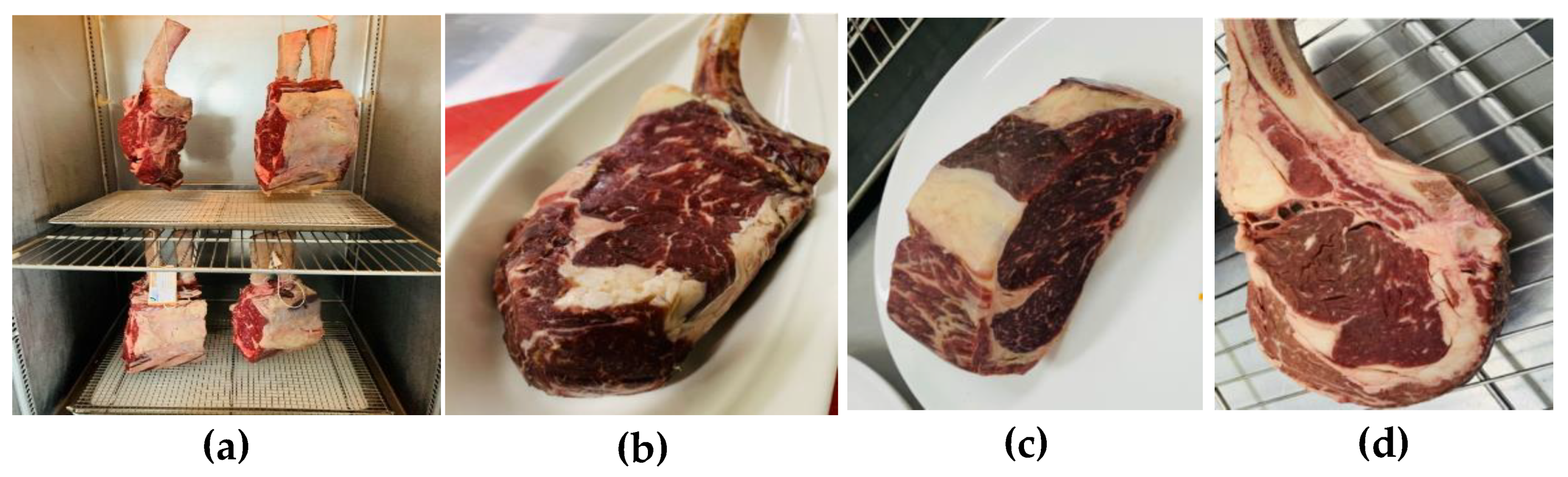
Figure 2.
Dry aging process experiment: (a) 28 days - Whole loin rack; (b) 32 days - Tomahawk; (c) 42 days - New York Steak; (d) 45 days – Ribe ye. Source: Authors, 2022.
Figure 2.
Dry aging process experiment: (a) 28 days - Whole loin rack; (b) 32 days - Tomahawk; (c) 42 days - New York Steak; (d) 45 days – Ribe ye. Source: Authors, 2022.
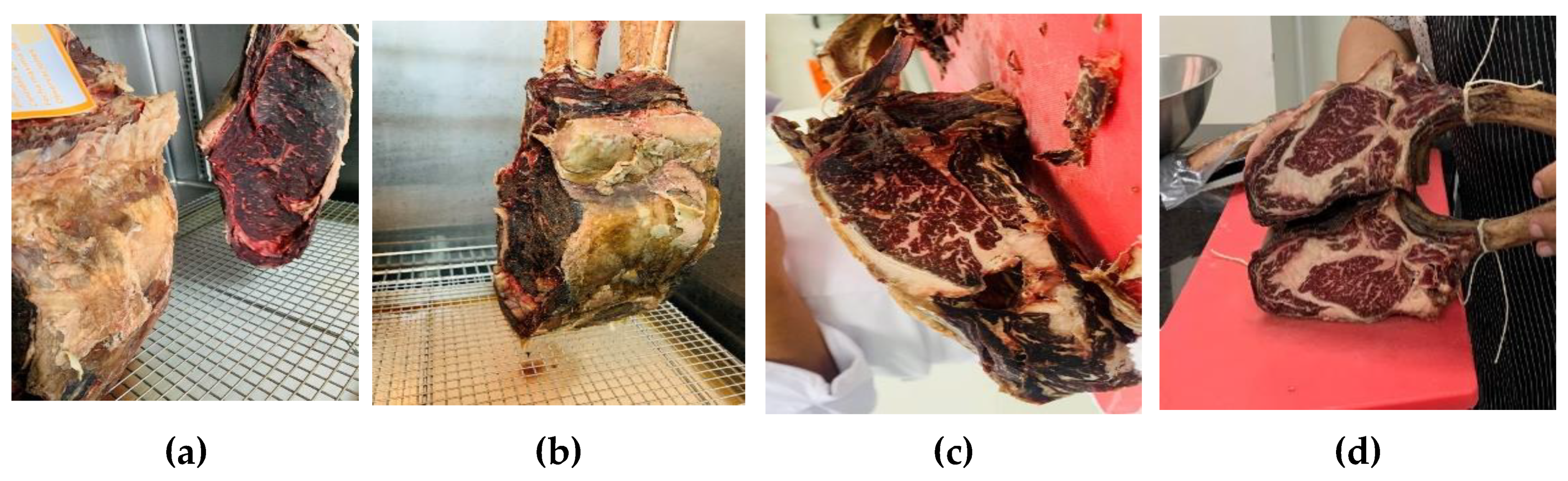
Figure 3.
300 g boneless piece, vacuum-packed (dry-aged), to be subjected to the sous-vide cooking process. Source: Authors, 2022.
Figure 3.
300 g boneless piece, vacuum-packed (dry-aged), to be subjected to the sous-vide cooking process. Source: Authors, 2022.
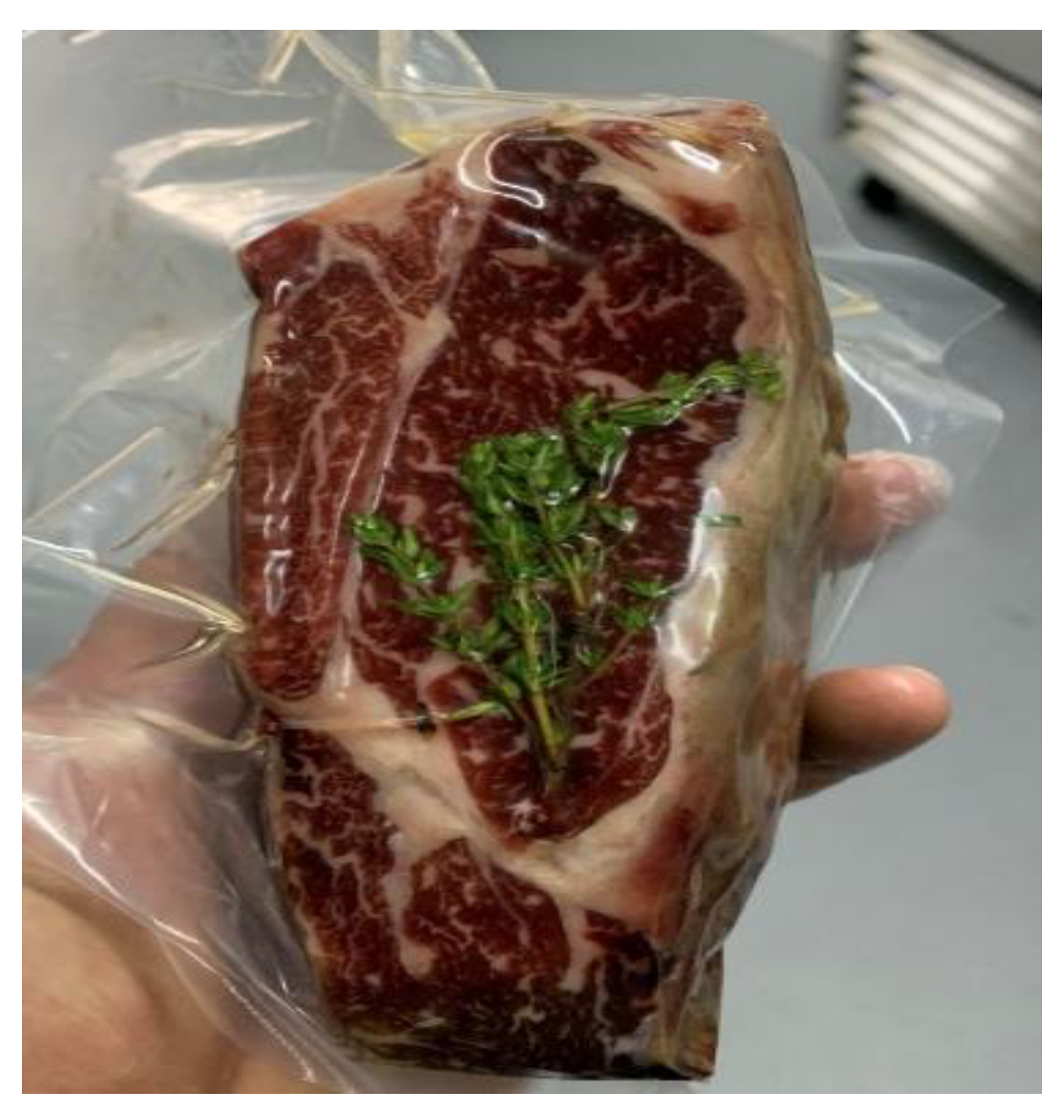
Figure 4.
Matured, sous-vide cooked piece cut in half: (a) Internal temperature 55°C y (b) Internal temperature 60°C. Source: Authors, 2022.
Figure 4.
Matured, sous-vide cooked piece cut in half: (a) Internal temperature 55°C y (b) Internal temperature 60°C. Source: Authors, 2022.
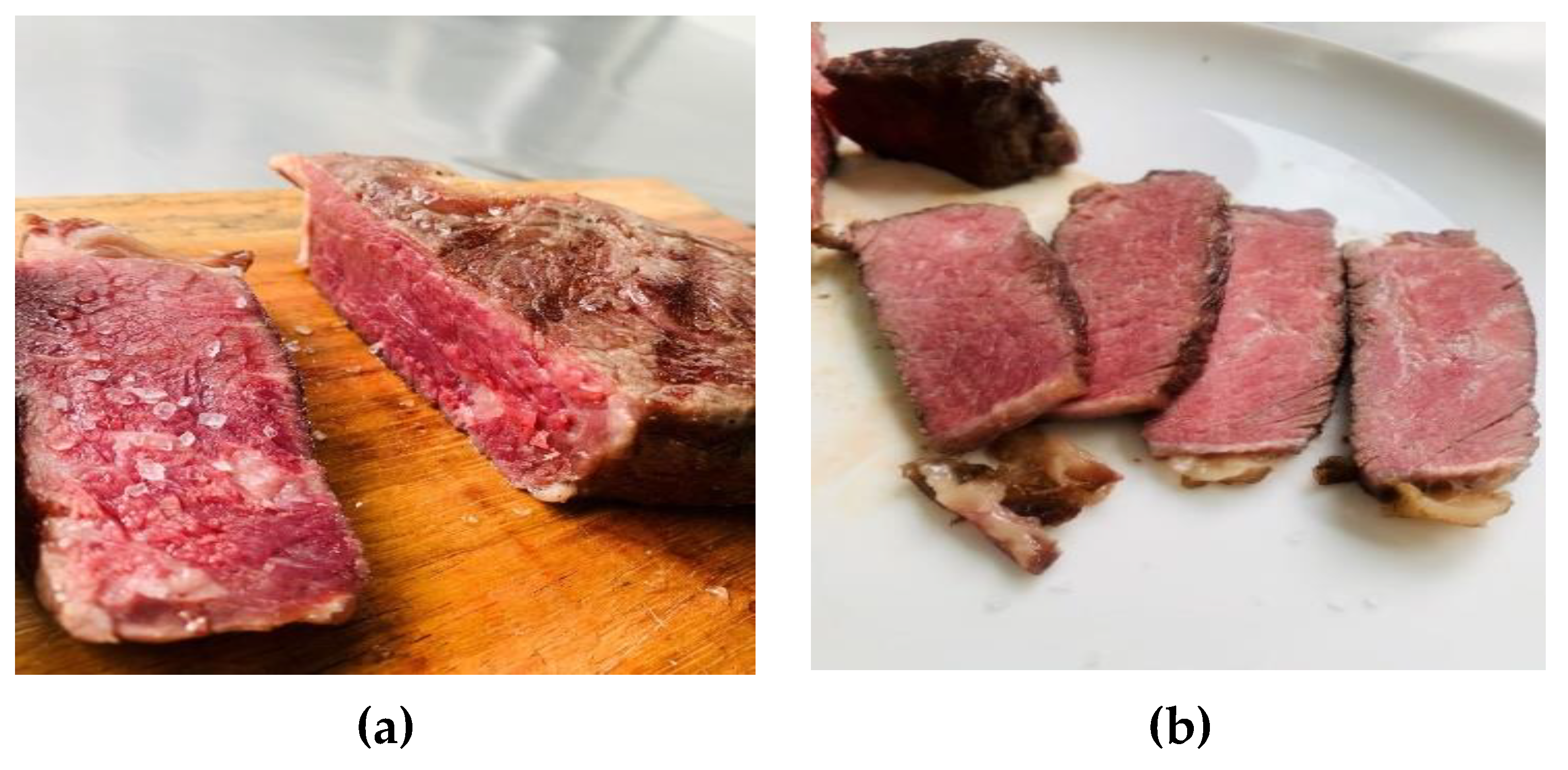
Figure 5.
Culinary recipes: (a) New York Steak on a bed of vegetables with demi-glace sauce and sweet wine, (b) Grilled dry-aged New York Steak, (c) Ribe ye in beetroot reduction, and (d) Grilled Toma hawk. Source: Authors, 2022.
Figure 5.
Culinary recipes: (a) New York Steak on a bed of vegetables with demi-glace sauce and sweet wine, (b) Grilled dry-aged New York Steak, (c) Ribe ye in beetroot reduction, and (d) Grilled Toma hawk. Source: Authors, 2022.
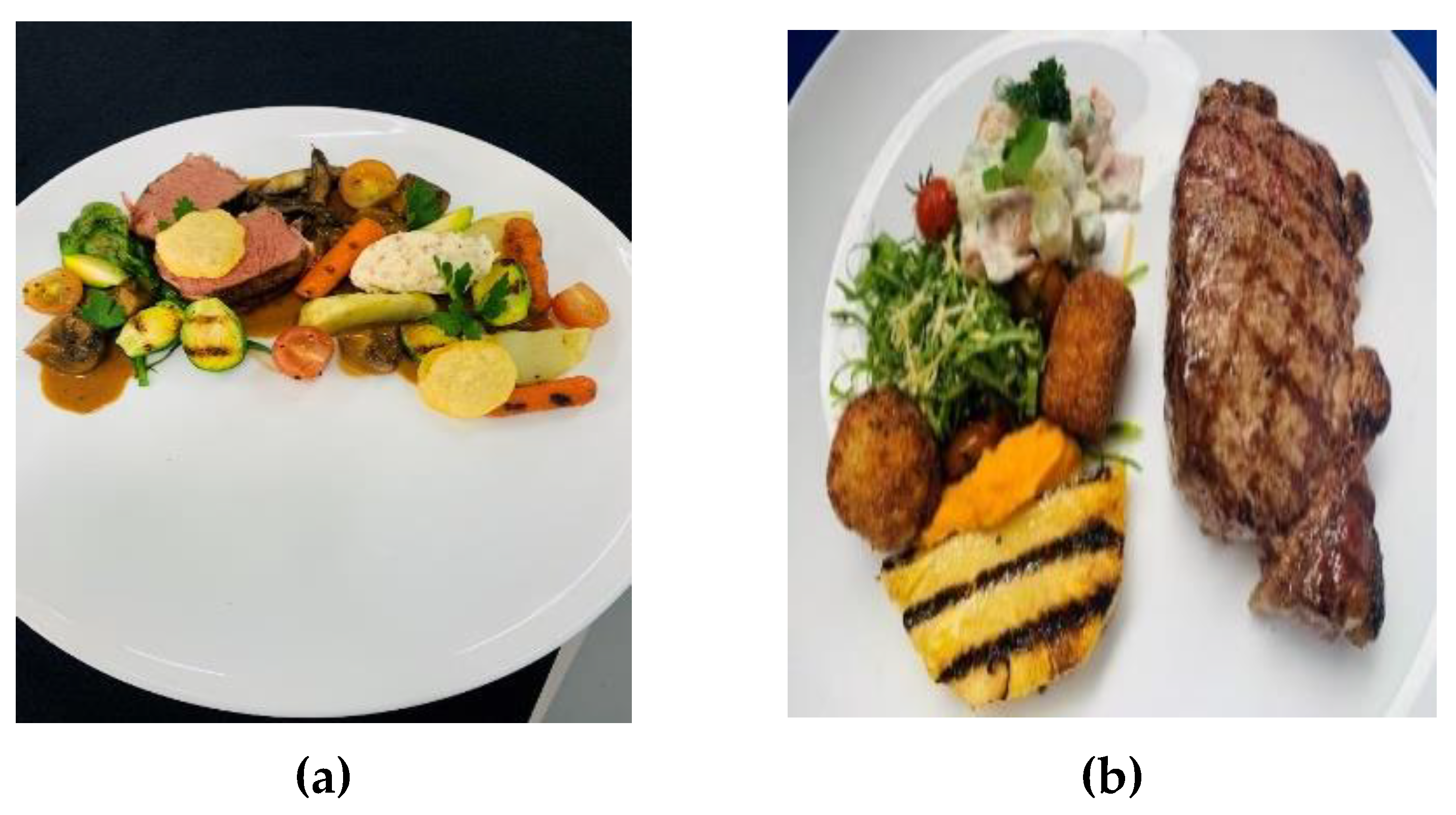
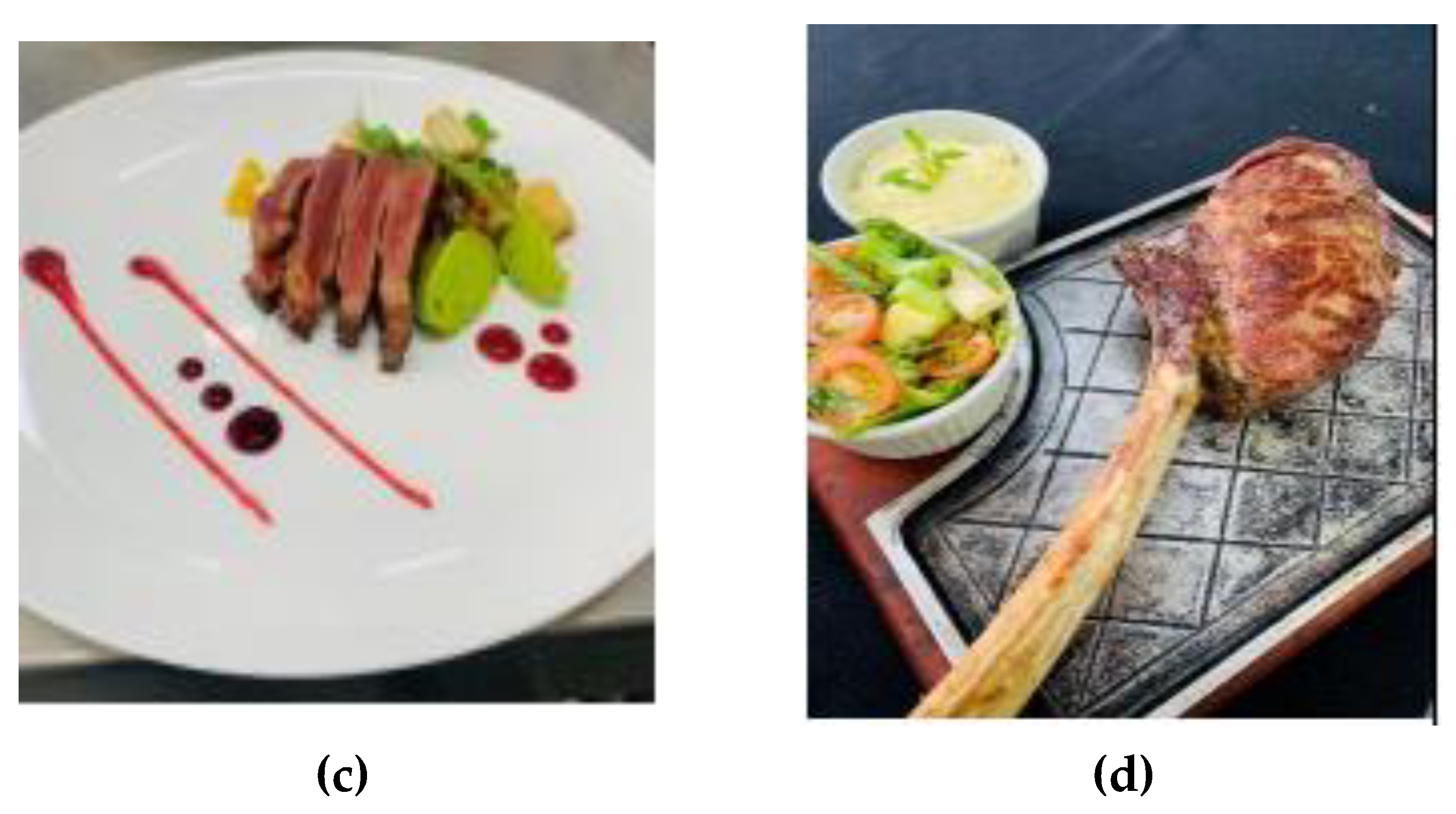
Figure 6.
General Degree of Acceptability of Culinary Recipes. Source: Authors, 2022.
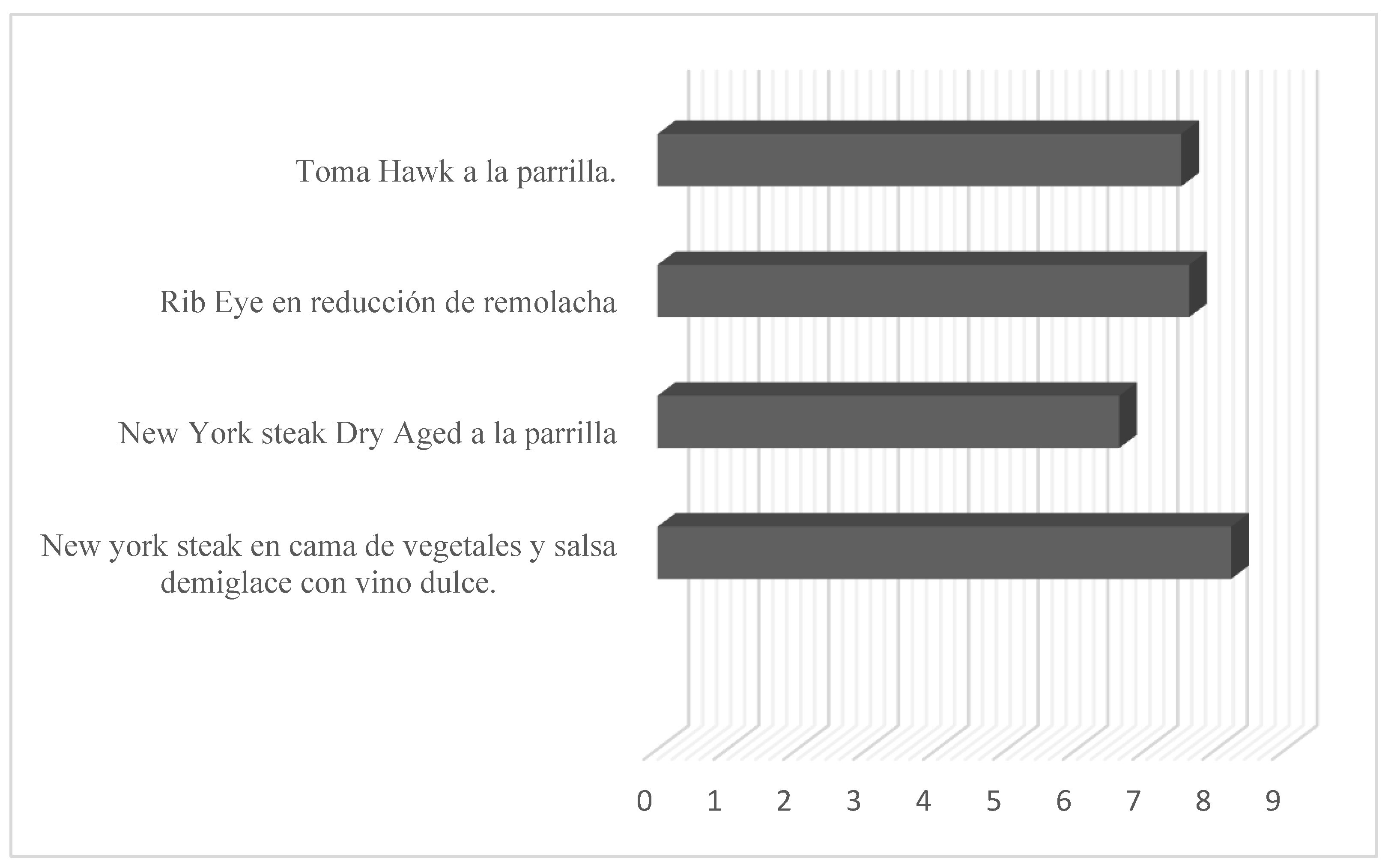

Table 1.
Experimental Design for Bone-In Beef Maturation.
| Factor | Level | Response variables |
|---|---|---|
| Dry aging of meat | 28 days 32 days 42 days 45 days |
Microbiological analysis |
Source: Authors, 2021.
Table 2.
Experimental design for cooking bone-in beef.
| Factor | Level | Response variables |
|---|---|---|
| Cooking | Sous vide | Sensory evaluation Microbiological analysis |
Source: Authors, 2021.
Table 3.
Microbiological Analysis of the Dry-Aging Process.
| Treatment | Microbiological analysis * | Result | ||
|---|---|---|---|---|
| Analysis | Method | Specification | ||
| Dry Aging (28 Days) | *NMP fecal coliforms 45 | ICMSF:2000 Method 1, Volume 1, Ed. 2:2000 | 120(m) - < 1.100(M) | 150 |
| *Coagulase-Positive Staphylococcus Count (CFU/g-mL) | UNE EN ISO 6888 – 1 2000 | 100(m) - 1.000(M) | <100 (+/- 1 CFU**) | |
| Clostridium Sulphite-Reducing Spore Count (CFU/g-mL) | INVIMA:1998. Cap. 2, Num. 10. | 100(m) - 1.000(M) | <10 | |
| Detection of Salmonella in 25g | AOAC OMA 2016.01 ED 21: 2019. | Absence | Absence | |
| Dry Aging (32 Days) | *NMP fecal coliforms 45 | ICMSF:2000 Method 1, Volume 1, Ed. 2:2000 | 120(m)- < 1.100(M) | 180 |
| *Coagulase-Positive Staphylococcus Count (CFU/g-mL) | UNE EN ISO 6888 – 1 2000 | 100(m) - 1.000(M) | <100 (+/- 1CFU**) | |
| Clostridium Sulphite-Reducing Spore Count (CFU/g-mL) | INVIMA:1998. Cap. 2, Num. 10 | 100(m) - 1.000(M) | <10 | |
| Detection of Salmonella in 25g | AOAC OMA 2016.01 ED 21: 2019. | Absence | Absence | |
| Dry Aging (42 days) | *NMP fecal coliforms 45 | ICMSF:2000 Method 1, Volume 1, Ed. 2:2000 | 120(m) - < 1.100(M) | 4 |
| *Coagulase-Positive Staphylococcus Count (CFU/g-mL) | UNE EN ISO 6888 – 1 2000 | 100(m) - 1.000(M) | <100 (+/- 1CFU**) | |
| Clostridium Sulphite-Reducing Spore Count (CFU/g-mL) | INVIMA:1998. Cap. 2, Num. 10 | 100(m) - 1.000(M) | <10 | |
| Detection of Salmonella in 25g | AOAC OMA 2016.01 ED 21: 2019. | Absence | Absence | |
| Dry Aging (45 days) | *NMP fecal coliforms 45 | ICMSF:2000 Method 1, Volume 1, Ed. 2:2000 | 120(m) - < 1.100(M) | 10 |
| *Coagulase-Positive Staphylococcus Count (CFU/g-mL) | UNE EN ISO 6888 – 1 2000 | 100(m) - 1.000(M) | <100 (+/- 1CFU**) | |
| Clostridium Sulphite-Reducing Spore Count (CFU/g-mL) | INVIMA:1998. Cap. 2, Num. 10 | 100(m) - 1.000(M) | <10 | |
| Detection of Salmonella in 25g | AOAC OMA 2016.01 ED 21: 2019 | Absence | Absence | |
* ISO 17025 Accredited Analysis. Source: Authors, 2022.
Table 4.
Microbiological Analysis of the Dry Aging and Sous-Vide Cooking Process.
| Treatment | Microbiological analysis * | Result | ||
|---|---|---|---|---|
| Analysis | Method | Specification | ||
| Dry Aging (28 Days) | Total Mesophilic Aerobic Count (CFU/g-mL) | AOAC 966.23 ED 21:2019 | <10.000 | (l) 85.000 |
| *NMP total coliform /g-mL | ICMSF:2000 Method 1, Volume 1, Ed. 2:2000 | <3 | (l) 9 | |
| *NMP fecal coliforms 45/g-mL | ICMSF:2000 Method 1, Volume 1, Ed. 2:2000 | <3 | (l) 9 | |
| *Coagulase-Positive Staphylococcus Count (CFU/g-mL) | UNE EN ISO 6888 – 1:2000 | <100 | <100 (+/- 1CFU**) | |
| *Bacillus aereus count CFU/g-mL L | UNE EN ISO 7932:2005 | <100 | <100 (+/- 1CFU**) | |
| * Detection of Salmonella in 25g | ISO 6579 – 1:2017 | Absence | Absence | |
| Dry Aging (32 Days) | Total Mesophilic Aerobic Count (CFU/g-mL) | AOAC 966.23 ED 21:2019 | <10.000 | (l) 80.000 |
| *NMP total coliform /g-mL | ICMSF:2000 Method 1, Volume 1, Ed. 2:2000 | <3 | (l) 10 | |
| *NMP fecal coliforms 45/g-mL | ICMSF:2000 Method 1, Volume 1, Ed. 2:2000 | <3 | (l) 10 | |
| *Coagulase-Positive Staphylococcus Count (CFU/g-mL) | UNE EN ISO 6888 – 1:2000 | <100 | <100 (+/- 1CFU**) | |
| *Bacillus aereus count CFU/g-mL L | UNE EN ISO 7932:2005 | <100 | <100 (+/- 1CFU**) | |
| * Detection of Salmonella in 25g | ISO 6579 – 1:2017 | Absence | Absence | |
| Dry Aging (42 days) | Total Mesophilic Aerobic Count (CFU/g-mL) | AOAC 966.23 ED 21:2019 | <10.000 | (l) 90.000 |
| *NMP total coliform /g-mL | ICMSF:2000 Method 1, Volume 1, Ed. 2:2000 | <3 | (l) 23 | |
| *NMP fecal coliforms 45/g-mL | ICMSF:2000 Method 1, Volume 1, Ed. 2:2000 | <3 | (l) 23 | |
| *Coagulase-Positive Staphylococcus Count (CFU/g-mL) | UNE EN ISO 6888 – 1:2000 | <100 | <100 (+/- 1CFU**) | |
| *Bacillus aereus count CFU/g-mL L | UNE EN ISO 7932:2005 | <100 | <100 (+/- 1CFU**) | |
| * Detection of Salmonella in 25g | ISO 6579 – 1:2017 | Absence | Absence | |
| Dry Aging (45 days) | Total Mesophilic Aerobic Count (CFU/g-mL) | AOAC 966.23 ED 21:2019 | <10.000 | (l) 90.000 |
| *NMP total coliform /g-mL | ICMSF:2000 Method 1, Volume 1, Ed. 2:2000 | <3 | (l) 23 | |
| *NMP fecal coliforms 45/g-mL | ICMSF:2000 Method 1, Volume 1, Ed. 2:2000 | <3 | (l) 23 | |
| *Coagulase-Positive Staphylococcus Count (CFU/g-mL) | UNE EN ISO 6888 – 1:2000 | <100 | <100 (+/- 1CFU**) | |
| *Bacillus aereus count CFU/g-mL L | UNE EN ISO 7932:2005 | <100 | <100 (+/- 1CFU**) | |
| * Detection of Salmonella in 25g | ISO 6579 – 1:2017 | Absence | Absence | |
*ISO 17025 Accredited Analysis. Source: Authors, 2022.
Table 5.
Evaluation of Sensory Attributes of Standardized Culinary Recipes.
| Culinary recipes | Sensory Attributes | General acceptability | |||
|---|---|---|---|---|---|
| Aroma | Colour | Flavour | Texture | ||
| New York Steak on a bed of vegetables and demiglace sauce with sweet wine | 7,94 ± 1,05 | 8,29 ± 1,01 | 8,37 ± 0,85 | 8,26 ± 1,05 | 8,215 ± 0,99 |
| Grilled dry-aged New York Steak | 6,50± 1,57 | 6,47 ± 1,59 | 6,6 ± 1,97 | 6,86 ± 2,09 | 6,61 ± 1,805 |
| Ribe ye in beetroot reduction | 7,21 ± 1,48 | 7,60 ± 1,16 | 7,77 ± 1,41 | 7,87 ± 1,05 | 7,612 ± 1,275 |
| Grilled Toma hawk | 7,29 ± 1,46 | 7,21 ± 1,40 | 7,21 ± 1,48 | 8,29 ± 1,01 | 7.5 ± 1,34 |
Source: Authors, 2022.
Disclaimer/Publisher’s Note: The statements, opinions and data contained in all publications are solely those of the individual author(s) and contributor(s) and not of MDPI and/or the editor(s). MDPI and/or the editor(s) disclaim responsibility for any injury to people or property resulting from any ideas, methods, instructions or products referred to in the content. |
© 2024 by the authors. Licensee MDPI, Basel, Switzerland. This article is an open access article distributed under the terms and conditions of the Creative Commons Attribution (CC BY) license (https://creativecommons.org/licenses/by/4.0/).
Copyright: This open access article is published under a Creative Commons CC BY 4.0 license, which permit the free download, distribution, and reuse, provided that the author and preprint are cited in any reuse.


