

Submitted:
14 May 2024
Posted:
15 May 2024
You are already at the latest version
Abstract
Agroforestry is often seen as a sustainable land-use system for agricultural production providing ecosystem services. Intercropping with food crops leads to equal or higher productivity than monoculture and results in food production for industry and subsistence. Low rubber price and low labor productivity in smallholdings have led to a dramatic conversion of rubber plantations to more profitable crops. The literature analysis performed in this paper aimed at better understanding the ins and outs that could make rubber-based agroforestry more attractive for farmers. A library was set-up consisting of 415 scientific references. Of the 232 journal articles, 141 studies were carried out on rubber agroforestry. Since 2011, the number of studies per year has increased. Studies on rubber-based agroforestry systems are performed in most rubber producing countries, in particular in Indonesia, Thailand, China and Brazil. These studies focus more or less equally on perennials (forest species and fruit trees), annual intercrops and mixed plantations. Of the 47 annual crops associated with rubber in the literature, 20 studies dealt with rice, maize, banana and cassava. Agronomy is the main discipline in the literature followed by socio-economy and then ecology. Only 4 papers are devoted to plant physiology and breeding. The discussion section has attempted to analyze the evolution of rubber agroforestry research, progress in the selection of food crop varieties adapted to agroforestry systems, and to draw some recommendations for rubber-based agroforestry systems associated with food crops.
Keywords:
industrial crop
; annual crop
; fruit tree
; intercropping
; plantation
1. Introduction
The United Nations created seventeen sustainable development goals (SDG) as part of the Post-2015 Development Agenda. Agroforestry can contribute to the implementation of nine out of the SDGs with four strongest potential impacts on poverty reduction (SDG 1), hunger alleviation (SDG 2), climate action (SDG 13), and life on land (SDG 15) (Burgess et al., 2022). Agroforestry refers to a sustainable method of land management using the integration of both agricultural and forestry practices in the same place (Nair et al., 2008). According to the Food and Agriculture Organization of the United Nations (FAO), there are three essential types of agroforestry systems: agrisilvicultural systems combining trees and crops, silvopastoral systems combining forestry and grazing of domesticated animals, and agrosilvopastoral combining trees, animals and crops (FAO, 2015). In many studies, income diversification in agroforestry systems (AFS) makes them more profitable than monocultures (Hougni et al., 2018; Polthanee et al., 2016). Agroforestry is recognized as a sustainable and environmentally-friendly practice playing a role in climate change mitigation (Abbas et al., 2017).
Hevea brasiliensis Muell. Arg. is the most economical source of natural rubber (NR). Rubber grows in subtropical zones in Asia, Africa and America. Rubber plantations are mostly a monoculture system. Rubber production faces socio-economic issues and climate change. Smallholders produce 85% of the natural rubber consumed in the world. Fluctuation and low rubber price make rubber plantations less attractive to farmers. Urbanization pressure in some areas and the growing demand for arable land for food production and more profitable crops have led to the conversion of rubber plantations. In 2016, an outbreak of the new disease called circular leaf disease involving Pestalotiopsis fungus species has led to a decline in the rubber production by 30% in Indonesia (Source: Indonesian Investment, 2018). Today, rubber processing plants are running at half capacity in Indonesia and could affect employment of more than 60,000 workers (Source: Gapkindo, 2023). In the context of climate change, the sustainability of the NR production is currently threatened.
Rubber-based agroforestry systems (RAS) can represent a solution to improve the profitability, sustainability and resilience of farmers. RAS reduces the vulnerability of smallholders to volatile markets (Huang et al., 2022). RAS showed better productivity through income diversification (Penot, 2001) and increased biodiversity in plantations (Diaz-Novellon et al., 2002; Warren-Thomas et al., 2019). In this way, agroforestry might be a solution to compensate for the low rubber price and low land productivity. Rubber cultivation includes a 5 to 7-year immature period before NR production and a 25 to 30-year production cycle using a standard plant spacing system of 6 m x 3 m (Cahyo et al., 2016). Smallholders often develop intercropping with other crop species during the first two years of the immature period, when the canopy is not closed (Sahuri, 2019). Tree or crop species can be associated with rubber for a longer period when they tolerate shade or when a wide spacing system between rubber rows provides greater sunlight for intercropping.
Global food production must increase by 70% to feed the rapidly growing population (Van Dijk et al., 2021). Land conversion from natural ecosystems to agriculture has historically been the largest way to increase arable land (Source: FAO, 2020). Today, land conversion is a major driver of biodiversity loss and land degradation. The use of available space in industrial crop monoculture plantations represent a challenge to increase food production and reduce deforestation. Huang and collaborators estimated that 12.3 M ha of rubber plantations are available for agroforestry systems in the world (Huang et al., 2022). The conversion of rubber plantations into efficient RAS is essential to contribute to food security through the extensification of food crops. This issue was particularly observed in Indonesia where agroforestry can help rubber farmers to improve their income as well as improve food security, health and environmental stability (Duffy et al., 2021).
The development of high-efficient RAS and the conversion of monoculture into RAS raise crucial questions about the adaptation of rubber clones and food varieties in relation to the competition for soil resources in a context of climate change. Little is yet known about the effect of competition in agroforestry systems for the use of water, nutrients and light utilization between species. The present study is a meta-analysis of the literature on agroforestry systems, in particular on rubber-based agroforestry associated with food crops, in order to review the knowledge on RAS and identify limiting factors and research gaps. Recommendations for efficient rubber-based agroforestry systems associated with food crops were attempted.
2. Materials and Methods
A comprehensive search of references was conducted in March 2023 using several methods including searching in international databases (AGRICOLA, CAB Abstracts, Econlit, Web of Science, PubMed, Google Scholar). This search was performed with several search equations with key words agroforest, food and crop, rubber or hevea. References were exported in RIS format and imported in an online Zotero group library (open-source reference management software, Corporation for Digital Scholarship). Reports, thesis manuscripts and proceedings from CIRAD, IRRI (Indonesian Rubber Research Institute), BRIN and UGM researchers were also collected and added in this Zotero library. Duplicates were eliminated. Soft copies of each reference were searched and attached to the references in the Zotero library. A total of 415 unique references have been stored in the Zotero library.
Papers of each reference were carefully read and then tagged for several categories: cropping system, country, main tree species, intercrop type, intercrop product, level of product use, discipline of the study, research topic, intercrop species. The tags for each category are described in Table 1. References of each paper were exported from the Zotero library in csv format. The dataset is presented in the Supplemental Table S1. The different tag categories were classified and counted after filtering. The data were used for the presentation of figures in the result section.
3. Results
3.1. Structure of the Library
The reference search resulted in 415 non-redundant scientific works on agroforestry systems associated with food crops (Supplemental Table S1). They have been collected from CAB Abstracts, Econlit and Agricola databases as well as from personal libraries. These references were saved in an online Zotero library. This library consists of references from books, book sections, conference papers, review papers (called encyclopedia), journal articles, presentations, reports, thesis, audio recordings, and magazine articles. The library counts 232 journal articles (55.9%) followed by 53 encyclopedia articles or review papers (12.8 %), 53 conference papers (12.8 %), 35 reports (8.4 %), and the remaining references represent less than 5 % (Figure 1). In order to reduce the bias related to the grey literature (reports, theses, etc.) mainly collected from Indonesian and Thai scientists, we focused further analyses on journal articles. Of the 232 journal articles, 141 papers were rubber studies used for further analysis (Supplemental Table S2). The grey literature was used in the discussion and prospect.
3.2. Evolution of the Number of Research Studies Related to Rubber-Based Agroforestry
The number of RAS-related research studies has evolved dynamically, with an upward trend over the last 30 years (Figure 2). The first publication in this library was released in 1989. Only one journal article per year was published in 1989, 1996, and 1997. A significant increase was observed from 2000 to 2006 with about five references per year. The number of publications has increased again from 2014 to peak at 16 references in 2021. The slight decrease in 2022 could be an effect of the Covid-19 pandemic. Most of references studied agroforestry (association during all the plantation cycle) and intercropping (association during the immature period of the plantation). Although twenty-four references were collected on jungle rubber, four journal articles were published on this topic.
The analysis of the cropping system revealed that 56.7% of journal articles deal with agroforestry systems during all the rubber production cycle, 40.4% on intercropping system during the immature period, and 2.8% of jungle rubber.
3.3. Number of Journal Articles on Rubber per Country
Countries with the highest number of journal articles on RAS were Indonesia (39), followed by Thailand (25), China (22), Brazil (17) and Sri Lanka (10) (Figure 3). Less than 6 journal articles were published in other countries, representing 24 papers, and 4 studies conducted in several countries. Less than 6 journal articles were published in other countries, representing 24 articles and 4 articles published in several countries.
3.4. Analysis of Intercrop Types in Rubber Agroforestry Systems
In RAS, rubber trees can be combined with perennial crops (trees and other non-tree perennial) only, with annually harvested crops only or with both types of crop, respectively referred to in this document as perennial intercrops, annual intercrops and multi-species intercrops. Annual intercrops are the intercrops which are harvested less than a year after planted. The proportion of journal articles per intercrop type shows that 34.8% of studies are on perennial intercrops, 34% on annual intercrops and 22.7% in multi-species intercrops (Figure 4).
Rubber is used as main tree crop in 127 journal articles and in combination with other perennial tree crops in 14 journal articles (Supplemental Table S2). Rubber is often found associated with cocoa in 8 articles, oil palm in 4 articles, and sometimes with albizia, arecanut, coconut, coffee, durian, gmelina, neem, palaquium, pongamia and simarouba (Table 2).
Food crop species can be planted between rows during the immature and mature periods of rubber plantations. Forty-seven annual crops were associated with rubber in the literature. Twenty species were studied in minimum 2 papers, and twenty-four additional species in only one paper (Figure 5). The most frequently studied crops are rice (33), maize (24), banana (16), cassava (15), soybean (10), plantain (7), peanut (7), pineapple (5), sorghum (4), vegetables (4), chili (4), sugarcane (3), etc. It indicated that these food crops are suitable to be planted with rubber as intercrops.
3.5. Analysis of Intercrop Products and Level of Usage in Rubber-Based Agroforestry Systems
The usage of the intercrop products is diverse and was categorized as food for human beings, fodder for animals, industrial for transformation in factories, medicine for medical applications and not determined when the papers did not clearly mention the usage of the products (Figure 6). Seventy-eight journal articles studied food crop for food production (41.3%), followed by 52 on industrial usage (28.8%), 18 journals on fodder (9.8%), 6 journals on medicine (3.3%), and 4 journal articles on fruit (2.2%). The similar proportion was also found on all references that studied on food products then on industrial products, except in books, which have more studies in industrial crops (Supplemental Table S1).
In order to understand if the farmers use their production for their self-consumption or for commercial activities, the library references were tagged with subsistence and commercial items, or both items. Intercrop products from agroforestry were firstly used for commercial activities (47.7% of journal article) and then both commercial and subsistence (21.9%) and only 14.6% of papers mentioned the usage of products for subsistence only (Figure 7).
3.6. Analysis of the Discipline Studied in Journal Articles
Disciplines were specified in tags for each reference of the library, namely agronomy, economy, sociology, ecology, plant physiology, breeding and forestry. A total of 135 journal articles have a tag for one or several disciplines (Table 3). Agronomy is the most studied discipline in RAS with 71 journal articles as unique discipline (63 journal articles) or in combination with other disciplines (8). Ecology is also an important discipline with 33 papers: 28 specifically on ecology and 4 with other disciplines. Economy and socio-economy were covered by 12 and 19 papers respectively plus 6 papers combining several disciplines, while sociology was studied in only 4 papers plus 5 in combination with other disciplines.
The percentage of journal articles ranges from 40.7% to 58.5% for all disciplines except for breeding, to which all studies were published in scientific journal articles. Apart plant physiology (3 journal articles), forestry and breeding were used two papers in combination with economy and agronomy, respectively.
In an attempt to better describe the implemented studies, journal articles have been tagged with 26 research topics (Figure 8). For some journal articles, it was difficult to detail the study and some general topics have been written such as socio-economic, ecosystem services, etc. Farming system, ecosystem services and cropping practices count the largest number of studies: 33, 33 and 35, respectively. Soil science and socio-economic studies were implemented in 11 and 20 journal articles. The other research topics were analyzed in only 1 to a maximum of 6 papers.
4. Discussion
Growing demand for food production is driving agricultural intensification and deforestation in particular for palm oil, soy, cocoa and cattle (Pendrill et al., 2022, Soyka 2022). Development of industrial crop-based agroforestry systems may offer huge land spaces for the cultivation of food crops by farmers. For many years, rubber farmers have had low income due to low rubber prices and low productivity in particular in Indonesia (Nugraha et al., 2018). Low rubber prices affect plantation conversion and tapper movements in different countries. Conversion from rubber to oil palm plantations was estimated at 1.9% and 2.6% for Indonesia and Malaysia, respectively (Jayathilake et al., 2023). In southern Thailand, the rubber plantation labour is being displaced by falling rubber prices. (Tongkaemkaew and Chambon, 2018).
Diversification of income by developing rubber-based agroforestry systems associated with food crops may be a solution to support both food, rubber and wood production as well as welfare of farmers and ecosystem services inherent to agroforestry. Rubber monoculture plantations are dominant and represent globally 14 million ha in 2021 (FAOSTAT, 2023). Little is known on the proportion of RAS in the world but Indonesia, Thailand, Sri Lanka, China are known to have such producing systems and active research. Twenty-eight rubber producing countries are present in South America, Africa and Asia (FAOSTAT, 2023). These plantations offer a huge potential for food when converted to agroforestry. Although RAS can improve the biodiversity in plantations, there is a lack of knowledge about the resilience of these systems to climate change.
The literature analysis performed in this paper led to organize this discussion section in four parts related to the evolution of research on rubber agroforestry, the breeding of food crops for agroforestry systems, the development of adapted crop management and drawing some recommendations for RAS with food crops.
4.1. Evolution of Research on Rubber Agroforestry
Four hundred and fifteen references reporting studies on agroforestry associated with food crops have been collected and analyzed. Of the 232 journal articles, 143 dealt with rubber as the main tree crop. One hundred twenty-four studies were conducted in Indonesia, Thailand, China and Brazil since 1989. The large number of publications from the main rubber producing countries, Indonesia and Thailand, is understandable. Interestingly, the number of studies in China, Brazil and Sri Lanka, which account for less than 1 M ha in total revealed a great interest for RAS by these countries. Rubber is associated with at least 12 perennial species including industrial crops like oil palm, cocoa and coffee, and forest tree species like teak (Tongkaemkaew et al., 2020), mahogany (Rodrigo et al., 2002; Tongkaemkaew et al., 2020), acacia (Silva-Parra, 2018), coffee (Huang et al., 2020), cocoa (Niether et al., 2020; Rodrigues et al., 2009), fruit trees (Penot and Ollivier, 2009), and oil palm (Rodrigues et al., 2009). The analysis of 12 economic papers revealed that shade-tolerant crops with small canopies such as coffee, bamboo and tea are ideal intercrop for RAS (Huang et al., 2022). Scientists from Brazil and China have published a lot of papers although rubber agroforestry was poorly implemented by smallholders in these countries. Interestingly, 34 papers reviewed RAS in China and Indonesia. From the first review papers performed from studies in China and Indonesia (Levang, 1991; Saint-Pierre, 1991), reviews were also published from Brazil, Nigeria, Thailand and Sri Lanka, as well as combining several countries in Africa and Asia. These review papers are often based on the grey literature (reports, thesis, etc.). Of the 48 references from the grey literature in the library set up in this study, 39 are from Indonesia and Thailand in the reference library (Supplemental Table S1). Most research articles reported studies on agronomy, economy, sociology and ecology. For agronomy, the studies on farming systems and cropping practices may reflect the need to improve the productivity of systems. For ecology, many studies showed the interest of agroforestry to improve biodiversity in plantations. Ecosystem services are particularly important in a context of climate change.
The first rubber agroforestry system was likely the jungle rubber in the wild Amazonian forest and then established as a plantation system using rubber seedlings. In Indonesia, jungle rubber was estimated at 3 Mha in 1990, representing 80% of rubber plantations (Penot 2001). In Nigeria, jungle rubber was planted on 300,000 ha 20 years ago. The current situation of jungle rubber plantations is not well known for these countries, but it still seems to be very significant. The development of efficient RAS requires the use of clonal material. Rubber was associated with 47 annual crops in these studies. Food crops are also often associated with rubber, for example rice (Sahuri, 2019), maize (Sahuri, 2018, 2019), banana (Rodrigo et al., 2005), cassava (Liu et al., 2020), soybean (Huang et al., 2020; Sahuri, 2019; Sundari and Purwantoro, 2014), and many others such as peanut, chili, corn, sesame, etc. (Penot, 2001). These research studies may reflect the demand for food safety and industry with 42% and 28% of journal articles on food crops and industrial applications, respectively.
Breeding rubber clones for RAS is necessary to develop efficient RAS. Some vegetables can grow in conditions of low sunlight such as beetroot, kale, radish, spinach, etc. But most essential food crops (rice, maize, soybean, etc.) need light penetration. Although most rubber clones can be used for intercropping during the immature period, a few of them are adapted to grow food crops during the mature period. Several studies showed that the clone RRIM 600 is the most suitable clone for agroforestry (Penot et al., 2021). In mature plantations, the canopy is not completely enclosed for this clone (60 to 80 %) allowing light to penetrate to the crops below. By contrast, clones with a dense canopy such as clone PB 260 are less adapted to agroforestry. Some strategies using leaf disease susceptible clones are also developed (Penot, Eric et al., 2019, 2022b). In that case, leaf fall improves light penetration below the canopy but severely affects the growth and rubber yield. For conventional planting density, it contributes to a better situation for associated crops during the mature period. Consequently, developing new rubber clones for RAS in conventional planting density requires characterizing tree architecture. In a context of climate change, extreme conditions of temperature, wind, water (drought and flooding) will increasingly affect plantations. Competition for resources between species of agroforestry systems is also a challenge for breeders in particular for water availability during the dry season. For these reasons, breeders have to consider a combination of traits in the breeding program.
Another approach is to develop new cropping systems to allow long-term association of rubber with food crops. Cropping system adaptation is also an alternative to conventional plantation density of RAS. A double row with wide spacing (DR) was set up with several intercrop species (Huang et al., 2020; Sahuri et al., 2016). This technology consists of three main planting designs: 18 m x 2 m x 2.5 m, 19 m x 4 m x 2 m, and 20 m x 4 m x 2 m. The planting density is respectively 400, 435, and 417 trees/ha. DR has been implemented with banana, rice, soybean, sugarcane, etc. (Sahuri, 2019). The still-high light intensity allows the intercropping system to grow over a longer period of time. To keep the area exposed to a light penetration longer, it is best to plant rubber clones with pine branch types, such as clones IRR 112, IRR 118, IRR 220, and IRR 230. The average light penetration in the center of the single-row (SR) system is 22.35%, while it is 15.6% for the narrow space of DR. This means that the light penetration is not more than 30% at each point measured on the SR system. Meanwhile, the penetration of light in the DR system is > 80% within 4 m of rubber rows. Thus, the DR system is more suitable for long-term food crop production than conventional RAS (Sahuri et al., 2019; Sahuri et al., 2021).
4.2. Breeding Food Crops for Agroforestry Systems
Competition within AFS between primary tree crops and secondary food crops for the same limited growth resources is readily apparent and has become a focal point for crop breeding programs. The annual food crops are typically cultivated as monoculture crops to maximize yields in favorable environments. In contrast, agroforestry systems in tropical regions often exist in acidic and infertile soils, where the primary crops consist of perennial woody vegetation that has adapted to these challenging conditions. These systems not only contribute to environmental conservation but also help prevent soil from erosion and runoff (Szott et al., 1991). In an AFS, secondary food crops must adapt to compete with primary crops as well as unfavorable conditions, including acidic soil, low nutrient levels and other limited resources. During the initial growth of the primary crops, the alley remains spacious, allowing shared access to environmental resources, thus the competition between tree crops and secondary food crops evanesced. However, several interconnected environmental factors such as microclimate, soil characteristics, and pest and diseases pressures, can elicit diverse responses on the growth and development of food crops.
Several environmental factors associated with AFS potentially affected growth and development of food crop including temperature, light, water, metal toxicity, and pest and disease (Table 4). Shading becomes a significant concern when larger tree crops are closely integrated, or tree plants grow rapidly in a narrow alley cropping system, outpacing the growth of food crops. The shade environment leads to lower temperature and reduced light interception quality. Lower temperatures also imply reduced evaporation and increased water retention by root of secondary food crops, enhancing water use efficiency. However, the extensive root systems of tree crops can pose a drought risk to food crops, which is contingent on the relative difference in soil water content (RDSW).
Metal toxicity can be a challenge in agroforestry system for food crops. Traditional agricultural practices like liming and inorganic nutrient applications have been suggested as solutions. Nevertheless, liming may not enhance root development in horizons with high levels of aluminum saturation for certain tree species not adapted to acidic soil conditions (Kanmegne et al., 2000). The best alternative is to cultivate adapted food crop varieties capable of developing tolerance mechanisms to thrive in unfavorable environments and provide reliable crop yields.
Breeding food crops to develop varieties better suited to RAS focuses on enhancing several important traits. These include shade tolerance, drought resistance, aluminum toxicity resistance and protection against pests and diseases. Additionally, the quality of the grains in these varieties should align with market preferences in the target region. The choice of breeding approaches hinges on the availability of genetic sources and underlying genetic mechanism for these traits. In some cases, genetic variation in annual food crops under adverse conditions can be naturally found in the form of wild relatives, sub-species or genus (Londo et al., 2006). Transferring tolerance genes from available genetic resources to adapt to unfavorable environments is challenging due to the broad genetic distance. Crossbreeding domesticated food crops with their wild relatives often results in F1 abortion and incompatibility (Stebbins, 1958). However, there have been successful instances of gene introgression using interspecific hybrids, alien introgression lines (AILs) and chromosome segment substitution lines (CSSLs) broaden the gene pool and enhance abiotic tolerance, as seen in rice (Brar and Khush, 2018). Genetic variation can also be induced through direct mutation using chemical mutagenesis and irradiation (Koundinya et al., 2023; Li et al., 2017).
Advancements in the understanding of genetic mechanism of important traits related to resistance against biotic and abiotic factors have paved the way for the utilization of modern breeding techniques, including marker-assisted selection, genomic selection and genome editing, to enhance the resistance of food crops resistance to both biotic and abiotic stresses (Deng et al., 2020; Gilliham et al., 2017; Mir et al., 2012). These techniques will accelerate breeders in developing new crop varieties suitable for AFS. Moreover, breeding food crops for AFS is an important approach to enhance agricultural productivity, sustainability and resilience. The combination of different plant types can provide numerous benefits, such as improved soil health, increase biodiversity and better climate adaptation.
The breeding strategy for genetic improvement of food crops under agroforestry system might follow the breeding strategies for unfavorable environment. The shuttle breeding scheme has been successfully adapted for selection breeding material where the targeted sites are difficult to access and located in remote area and less number of researchers involved compared to favorable ecosystem (Mallik et al., 2002). Shuttle breeding is growing of two or more generations in contrasting environments to advance the generations and shorten the breeding cycle. Two different environments, e.g. research stations and targeted location of agroforestry are very distinctive in terms of environment factor, as mentioned in Table 3. In developing suitable food crops cultivars for unfavorable environments such as agroforestry systems, direct selection on grain yield in the target environment apparently will be more effective compared to indirect selection under non stress conditions (Atlin et al., 2000; Venuprasad et al., 2007).
Participatory breeding process involving farmers is also imperative to establish a suitable farming system and employ farmers’ strategies for intercropping in AFS that depends both on soil/climate situations as well as existing markets for associated products. Implementing such a participatory breeding approach from the development of food crops varieties for unfavorable environments will boost the adoption of these cultivars in the target environment (Ceccarelli and Grando, 2007).
4.3. Crop Management for Food Crops in Agroforestry
Agroforestry is defined as a sustainable use of land that involves intentional introduction or mixture of trees or other woody plants in crop/animal production fields to benefit from the result of ecological and economic interactions (Nair, 1984), whereas Lundgren and Raintree defined agroforestry as a general name for land-use systems and technologies where woody plants are intentionally applied on the same land management area as agricultural crops and/ or animals, in some form of spatial arrangement or temporal sequence (Lundgren and Raintree, 1983). Agroforestry is considered as a sustainable agriculture system because of its ability to provide multiple ecosystem functions such as carbon sequestration, habitat for soil biological activity, and wind erosion resistance system (Veldkamp et al., 2023). Tree intercropping is the farming system which is practiced in the agroforestry system. Intercropping increases the land use efficiency, by planting different crops either at different periods or by varying harvesting times, and the land will be utilized in an efficient way with the same amount of irrigation or fertilizer application. There are different requirements in intercropping such as the second crops must have shorter ages and support the main crops, they must show low effect on the main crops and their nutrient needs must differ from the main crops. There are different crop types found in agroforestry systems, but food crops are the most common one (Figure 11).
In Indonesia, there were different food crops that have been found in agroforestry systems (Widodo, 2011). In Java, different species and cultivars showed different life cycles, which will determine the farming system (Table 5). Tuber species such as arrowroot, canna root, taro and yam which are considered as shading tolerant plants are among the potential species to be developed within forest stands in agroforestry systems (Sibuea et al., 2014) and as commodities for the diversification of carbohydrate-rich foods other than rice (Wahyono et al., 2017). Most tubers grow naturally, while some are deliberately planted by communities (Atiah et al., 2019). There is no irrigation in agroforestry systems. Crop life depends on daily rainfall. Cassava, pigeon pea and tuber species will therefore be the only food crops covering the above ground land in the whole of the year, except with special planting arrangements such as for cassava, pigeon pea and taro. They were normally cultivated close to tree rows.
When trees are grown regularly using wide spacing between tree rows, the area between tree rows can be used to cultivate some annual crops such as upland rice, corn, sorghum, soybean, mung bean and cowpea. There are different cultivars for rice, corn and sorghum which can be harvested for maximum 4 months, whereas legumes for 3 months. Cereals – legumes crop rotation therefore can be introduced to the area within 6 months of the rainy season. Interestingly, legumes can improve soil fertility, because they can fix free nitrogen. Growing annual food crops especially with legume crop rotations under agroforestry is recommended, because of the ability of the system to support carbon sequestration, habitat for soil biological activity and wind erosion tolerance. Crop rotation was recommended also to control pest especially diseases found that cop rotation could enhance natural pest control (Curl, 1963; Rusch et al., 2013). Choice of crops and or cultivars will determine the effectiveness due to the genetic heterogeneity and the use of resistance cultivar to pests and also optimal weed control. Legume-based rotation enhances biological nitrogen fixation, improves soil pores through the deep root system, P-availability, soil fertility and enhanced nutrient cycling, and reducing the use of external input and thereby minimizing greenhouse gas emission and groundwater pollution, improving water productivity, and minimizes diseases and pest incidence (Ariful Islam et al., 2023). Rice – pulse can reduce pathogens population in aerobic rice cultivation (Panneerselvam et al., 2023).
4.4. Tentative Recommendation for RAS with Food Crops
The implementation of rubber plantations associated with food crops requires some specific recommendations to make RAS efficient. Access to sunlight for food crops, the sharing of resources between trees and annual crops, the land and labor productivity, and the skills of farmers are all factors to be considered.
Canopy or planting density of rubber trees must be adapted to grow food crops during the immature and mature periods of rubber plantations. Rubber clones with a pine branching type, namely RRIM 600, IRR 112, IRR 118, IRR 220, and IRR 230 are particularly well-adapted to RAS. Their shading is estimated at 60% (Sahuri, 2017; Sahuri et al., 2021). These clones have a potential latex yield of about 2.5–3 tons per ha per year. These clones can be used for single-row as well as double-row systems with wide spacing (Sahuri et al., 2021, 2019). In the case of RAS with a DR system, more clones should be suitable.
Rubber smallholders often use high intensity tapping such as the daily tapping (S/2 d1) or every two days (S/2 d2). Clones with high sucrose content and low susceptibility to TPD, such as IRR 112, IRR 118, GT1 or RRIC 100, are well suited to this smallholder practice (Herlinawati et al., 2022). Nevertheless, frequent periods of low rubber price encourage low tapping frequency (LTF) and diversification of farmers' activities. LTF can be considered for tapping frequencies lower than 10 times a month (every 3 days (S/2 d3) with 4 to 6 stimulations/year for PB 260. Such clones suitable for LTF are under development at the Indonesian Rubber Research Institute (see website: www.rubis-project.org). The implementation of LTF will dramatically increase labor productivity. The time thus saved can be used by farmers to diversify their activities by growing food products or taking on outside jobs.
Implementation of RAS associated with food crops requires farmers to have good skills for rubber (land clearing, planting, manuring, harvesting, ethephon stimulation, pruning, etc.) and food crop management. Food crop species must be adapted to SR or DR rubber agroforestry particularly to shade. Rice, maize, soybean, banana, and cassava were intensively studied and sounds suitable to grow under rubber (Figure 11). Interestingly, new varieties adapted to shade have been developed by the Indonesian Center for Food Crops and could be promoted for RAS with conventional density and DR system. However, cassava was shown to favor development of white root disease in rubber tree plantations (Sahuri et al., 2019). Consequently, growing cassava under rubber trees is not recommended to control white root disease outbreaks.
Nowadays, most rubber plantation areas are in environmentally marginal zones reducing yield (Ahrends et al., 2015). The context of climate change , breeding efforts must be maintained for both rubber and food crops. . Many studies on drought tolerance (Cahyo et al., 2022), resistance to new diseases such as Pestalotiopsis (Darojat et al., 2023), tolerance to Tapping Panel Dryness (Herlinawati et al., 2022; Putranto et al., 2015), and wind damage (Qi et al., 2021) should foster the development of new adapted rubber clones. For annual crops, a number of varieties have been developed specifically for intercropping. In fact, thousands of food crop varieties have been marketed for specific characteristics such as soil acidity, drought and pest and disease resistance under monoculture, and on the basis of an adaptation study, these food crop varieties have been adapted under AFS (Sudomo et al., 2023). However, in the last two decades there is concerned to release food crops that specific for AFS. Based on the regulations for released varieties, in Indonesia, food crops released for AFS must be shade-tolerant. There are some crop varieties were released commercially having shading resistance and suitable for AFS including rice varieties, Rindang 1 and Rindang 2 (Hairmansis et al., 2021); soybean varieties, Dena 1 and Dena 2 (Wahyuningsih et al., 2021) and maize variety Jhana (Syahruddin et al., 2020), and cassava varieties Malang 6 and Adira 1 (Ngongo et al., 2022).
5. Conclusions
The analysis of the literature in this paper reveals that the development of efficient RAS associated with food crops is possible to address socio-economic, environmental and climate issues. The main research directions to achieve this are breeding for RAS and adaptation to climate change, developing new cropping systems for long-term intercropping such as DR systems, and sustainable intensive agriculture with low chemical inputs.
Rubber is intensively studied in agroforestry systems associated with food crops. Converting rubber monoculture plantations in rubber-based agroforestry systems instead of converting these plantations for other more profitable crops could be a sustainable way to overcome the low rubber price and low labor productivity of rubber plantations. More than 10 papers have been published every year on RAS since 2010. Scientific advances are mainly driven by four countries: Indonesia, Thailand, China and Brazil. Rubber is often associated with annual crops during the immature period (intercropping system) and fruit trees during all the rubber production cycle (RAS). Although little is known about the area planted in RAS among smallholders, intercropping is common in most countries during the immature period and RAS quite developed during the mature period in Indonesia, India, Thailand and Sri Lanka. For instance, a new policy in Thailand may foster the extension of RAS in the short term. Such a policy could be an example for other rubber producing countries.
Annual crops adapted to shade and drought, as well as new cropping systems such as double rows with wide spacing, should facilitate the implementation of long-term food production in rubber plantations. A better understanding of the interaction between rubber and annual crops, as well as the annual crop rotation, is necessary to improve long-term productivity in a context of low chemical input agro-ecology. This literature survey may give a bias since many studies have dealt with commercial activities of intercrop products likely supported by the food industry, while smallholders may grow food crops more for subsistence. Only coordinated socio-economic surveys will be able to better describe the real situation of RAS areas. Indeed, the analysis of grey literature gives another viewpoint of RAS in particular in Indonesia, where conservation areas and ecological studies are well represented.
Supplementary Materials
The following supporting information can be downloaded at the website of this paper posted on Preprints.org.
Author Contributions
Andi Nur Cahyo: Formal analysis, Investigation, Resources, Data curation, Writing. Ying Dong: Formal analysis, Investigation, Resources, Data curation. Taryono: Resources, writing. Sahuri: Resources, writing. Yudhistira Nugraha: Resources, writing. Junaidi: Data curation. Nur Eko Prasetyo: Data curation. Risal Ardika: Data curation. Andrea Akbar: Data curation. Hajar Asywadi: Data curation. Dwi Shinta Agustina: Resources.Taufan Alam: Resources, Writing. Yekti Asih Purwestri: Resources, Writing. Eric Penot: Resources, Writing. Aris Hairmansis: Resources, Writing. Fetrina Oktavia: Resources, Funding acquisition. Siti Subandiyah: Resource, funding acquisition. Pascal Montoro: Conceptualization, Methodology, Formal analysis, Resources, Investigation Supervision, Funding acquisition.
Declaration of Competing Interest: The authors declare that they have no known competing financial interests or personal relationships that could have appeared to influence the work reported in this paper.
Data availability: All raw data are described in the Supplementary Data file.
Acknowledgments
The authors thank the CIRAD-UGM-IRRI Consortium under the RUBIS Project framework supported by the LabexAgro 2011-LBX-002 coordinated by Agropolis Fondation for funding the research activities, and the CIRAD for providing access to International library databases.
References
- Al-Khatib: K., & Paulsen, G. M. (1999). High-Temperature Effects on Photosynthetic Processes in Temperate and Tropical Cereals. Crop Science, 39(1), ropsci1999.0011183X003900010019x. [CrossRef]
- Arunakumara, K. K. I. U., Walpola, B. C., & Yoon, M.-H. (2013). Aluminum toxicity and tolerance mechanism in cereals and legumes—A review. Journal of the Korean Society for Applied Biological Chemistry, 56(1), 1–9. [CrossRef]
- Atlin, G. N., Baker, R. J., McRae, K. B., & Lu, X. (2000). Selection Response in Subdivided Target Regions. Crop Science, 40(1), 7–13. [CrossRef]
- Bindumadhava, H., Nair, R. M., Nayyar, H., Riley, J. J., & Easdown, W. (2017). Mungbean production under a changing climate—Insights from growth physiology. Mysore Journal of Agricultural Sciences, 51(1), 21–26.
- Brar, D. S., & Khush, G. S. (2018). Wild Relatives of Rice: A Valuable Genetic Resource for Genomics and Breeding Research. In T. K. Mondal & R. J. Henry (Eds.), The Wild Oryza Genomes (pp. 1–25). Springer International Publishing. [CrossRef]
- Ceccarelli, S., & Grando, S. (2007). Decentralized-participatory plant breeding: An example of demand driven research. Euphytica, 155(3), 349–360. [CrossRef]
- Diaz-Novellon, S., Penot, E., & Arnaud, M. (2002). Characterisation of Biodiversity in Improved Rubber Agroforests in West-Kalimantan, Indonesia: Real and Potential Uses for Spontaneous Plants. Land Use, Nature Conservation and the Stability of Rainforest Margins in Southeast Asia, 427–444. [CrossRef]
- Gauthier, R. (1996). Vertebrate pests, crop and soil: The case for an agroforestry approach to agriculture on recently deforested land in North Lampung. Agrivita, 19(4), 206–212.
- Hougni, D.-G. J. M., Chambon, B., Penot, E., & Promkhambut, A. (2018). The household economics of rubber intercropping during the immature period in Northeast Thailand. Journal of Sustainable Forestry, 37(8), 787–803. [CrossRef]
- Kanmegne, J., Bayomock, L. A., Duguma, B., & Ladipo, D. O. (2000). Screening of 18 agroforestry species for highly acid and aluminum toxic soils of the humid tropics. Agroforestry Systems, 49(1), 31–39. [CrossRef]
- Koundinya, A. V. V., Das, A., & Hegde, V. (2023). Mutation Breeding in Tropical Root and Tuber Crops. In S. Penna & S. M. Jain (Eds.), Mutation Breeding for Sustainable Food Production and Climate Resilience (pp. 779–809). Springer Nature. [CrossRef]
- Li, W., Katin-Grazzini, L., Gu, X., Wang, X., El-Tanbouly, R., Yer, H., Thammina, C., Inguagiato, J., Guillard, K., McAvoy, R. J., Wegrzyn, J., Gu, T., & Li, Y. (2017). Transcriptome Analysis Reveals Differential Gene Expression and a Possible Role of Gibberellins in a Shade-Tolerant Mutant of Perennial Ryegrass. Frontiers in Plant Science, 8. https://www.frontiersin.org/articles/10.3389/fpls.2017.00868.
- Londo, J. P., Chiang, Y.-C., Hung, K.-H., Chiang, T.-Y., & Schaal, B. A. (2006). Phylogeography of Asian wild rice, Oryza rufipogon , reveals multiple independent domestications of cultivated rice, Oryza sativa. Proceedings of the National Academy of Sciences, 103(25), 9578–9583. [CrossRef]
- Nair, P. K. R., Gordon, A. M., & Mosquera-Losada, M. R. (2008). Agroforestry. In S. E. Jørgensen & B. D. Fath (Eds.), Ecological Engineering of Encyclopedia of Ecology (Vol. 1, pp. 101–110). Elsevier.
- Penot, E. (2001). Stratégies paysannes et évolution des savoirs: L’hévéaculture agro-forestière indonésienne. Universite Montpellier I.
- Polthanee, A., Promkhambut, A., & Khamla, N. (2016). Seeking security through rubber intercropping: A case study from northeastern Thailand. In Seeking security through rubber intercropping: A case study from northeastern Thailand (Vol. 21, pp. 1–11). http://www.tci-thaijo.org/index.php/kkurj/index.
- Pumariño, L., Sileshi, G. W., Gripenberg, S., Kaartinen, R., Barrios, E., Muchane, M. N., Midega, C., & Jonsson, M. (2015). Effects of agroforestry on pest, disease and weed control: A meta-analysis. Basic and Applied Ecology, 16(7), 573–582. [CrossRef]
- Sahuri. 2020. Improvement the growth and yield of rubber through rubber based intercropping system. Jurnal Penelitian Hutan Tanaman, 17(1): 27-40. DOI: 20886/jpht.2020.17.1.27.-40.
- Sahuri. 2019. Technology of rubber-crop intercropping: constraints and opportunities of sustainable development. Jurnal Penelitian dan Pengembangan Pertanian, 38(1): 23-34. [CrossRef]
- Sahuri. 2017. Improving planting pattern of rubber (Hevea brasiliensis muell.arg.) for long-term intercropping. Jurnal Ilmu Pertanian Indonesia, 22(1): 46-51. [CrossRef]
- Sahuri, Cahyo, A.N., Ardika, R., Nugraha, I.S., Alamsyah, A & Nurmansyah. 2019. Modification of rubber (Hevea brasiliensis Muell. Arg.) spacing for long-term intercropping. Journal of Tropical Crop Science, 6(1):50-59. [CrossRef]
- Sahuri, Ardika, R., Tistama, R., & Oktavia, F. 2021. A review: The development of double row spacing to improve land productivity and income of rubber smallholders. E3S Web of Conferences. (305): 9. [CrossRef]
- Sahuri. 2017. Corn (Zea mays L.) farming inside the juvenile rubber plantation. Analisis Kebijakan Pertanian. 15(2), 113–126.
- Schroth, G., Krauss, U., Gasparotto, L., Duarte Aguilar, J. A., & Vohland, K. (2000). Pests and diseases in agroforestry systems of the humid tropics. Agroforestry Systems, 50(3), 199–241. [CrossRef]
- Singh, U., Matthews, R. B., Griffin, T. S., Ritchie, J. T., Hunt, L. A., & Goenaga, R. (1998). Modeling growth and development of root and tuber crops. In G. Y. Tsuji, G. Hoogenboom, & P. K. Thornton (Eds.), Understanding Options for Agricultural Production (pp. 129–156). Springer Netherlands. [CrossRef]
- Sparkes, D. l., & King, M. (2008). Disentangling the effects of PAR and R:FR on lodging-associated characters of wheat (Triticum aestivum). Annals of Applied Biology, 152(1), 1–9. [CrossRef]
- Stebbins, G. L. (1958). The Inviability, Weakness, and Sterility of Interspecific Hybrids. In M. Demerec (Ed.), Advances in Genetics (Vol. 9, pp. 147–215). Academic Press. [CrossRef]
- Szott, L. T., Palm, C. A., & Sanchez, P. A. (1991). Agroforestry In Acid Soils Of The Humid Tropics. In N. C. Brady (Ed.), Advances in Agronomy (Vol. 45, pp. 275–301). Academic Press. [CrossRef]
- Venuprasad, R., Lafitte, H. R., & Atlin, G. N. (2007). Response to Direct Selection for Grain Yield under Drought Stress in Rice. Crop Science, 47(1), 285–293. [CrossRef]
- Warren-Thomas, E., Nelson, L., Juthong, W., Bumrungsri, S., Brattsrom, O., Stroesser, L., Chambon, B., Penot, E., Tongkaemkaew, U., & Dolman, P. M. (2019). Rubber agroforestry in Thailand provides some biodiversity benefits without reducing yields. Journal of Applied Ecology, 57, 17–30.
- Wen, Z., Wu, J., Yang, Y., Li, R., Ouyang, Z., & Zheng, H. (2022). Implementing intercropping maintains soil water balance while enhancing multiple ecosystem services. CATENA, 217, 106426. [CrossRef]
- Wille, W., Pipper, C. B., Rosenqvist, E., Andersen, S. B., & Weiner, J. (2017). Reducing shade avoidance responses in a cereal crop. AoB PLANTS, 9(5), plx039. [CrossRef]
- Yang, B., Meng, X., Singh, A. K., Wang, P., Song, L., Zakari, S., & Liu, W. (2020). Intercrops improve surface water availability in rubber-based agroforestry systems. Agriculture, Ecosystems & Environment, 298, 106937. [CrossRef]
Figure 1.
Proportion of references collected in this study.
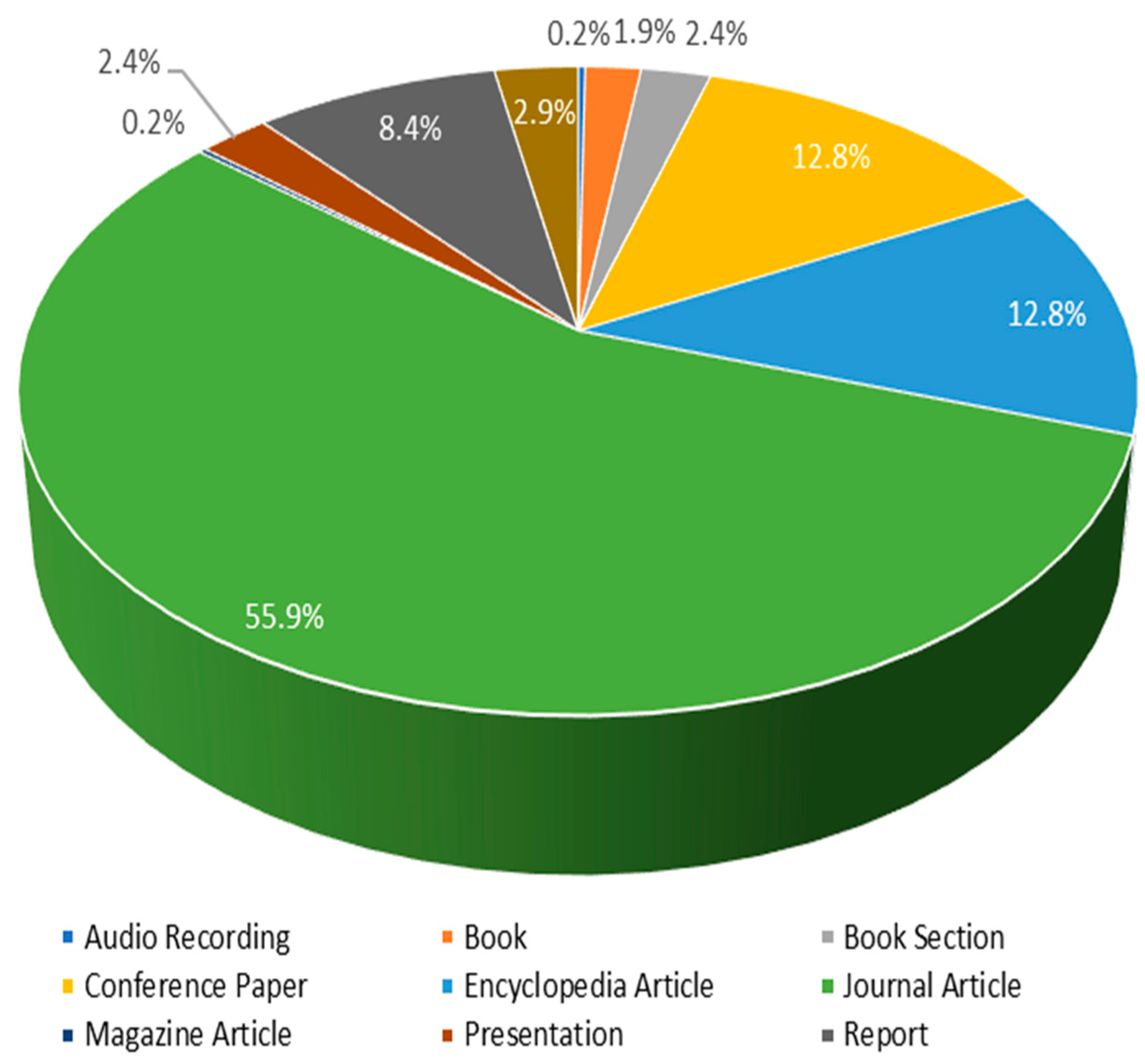
Figure 2.
Number of journal article per year and per intercropping system for rubber as main tree crop.
Figure 2.
Number of journal article per year and per intercropping system for rubber as main tree crop.
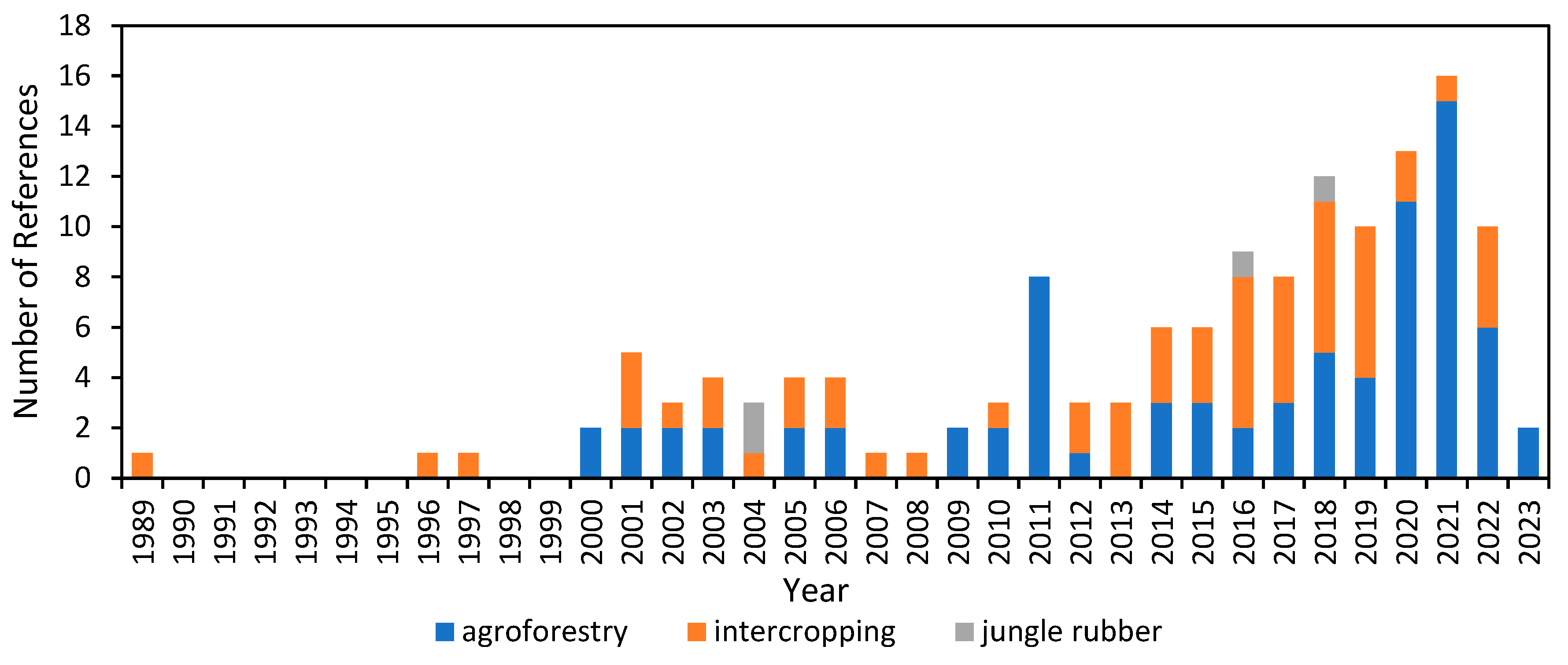
Figure 3.
Number of journal articles per country for rubber as main tree crop.
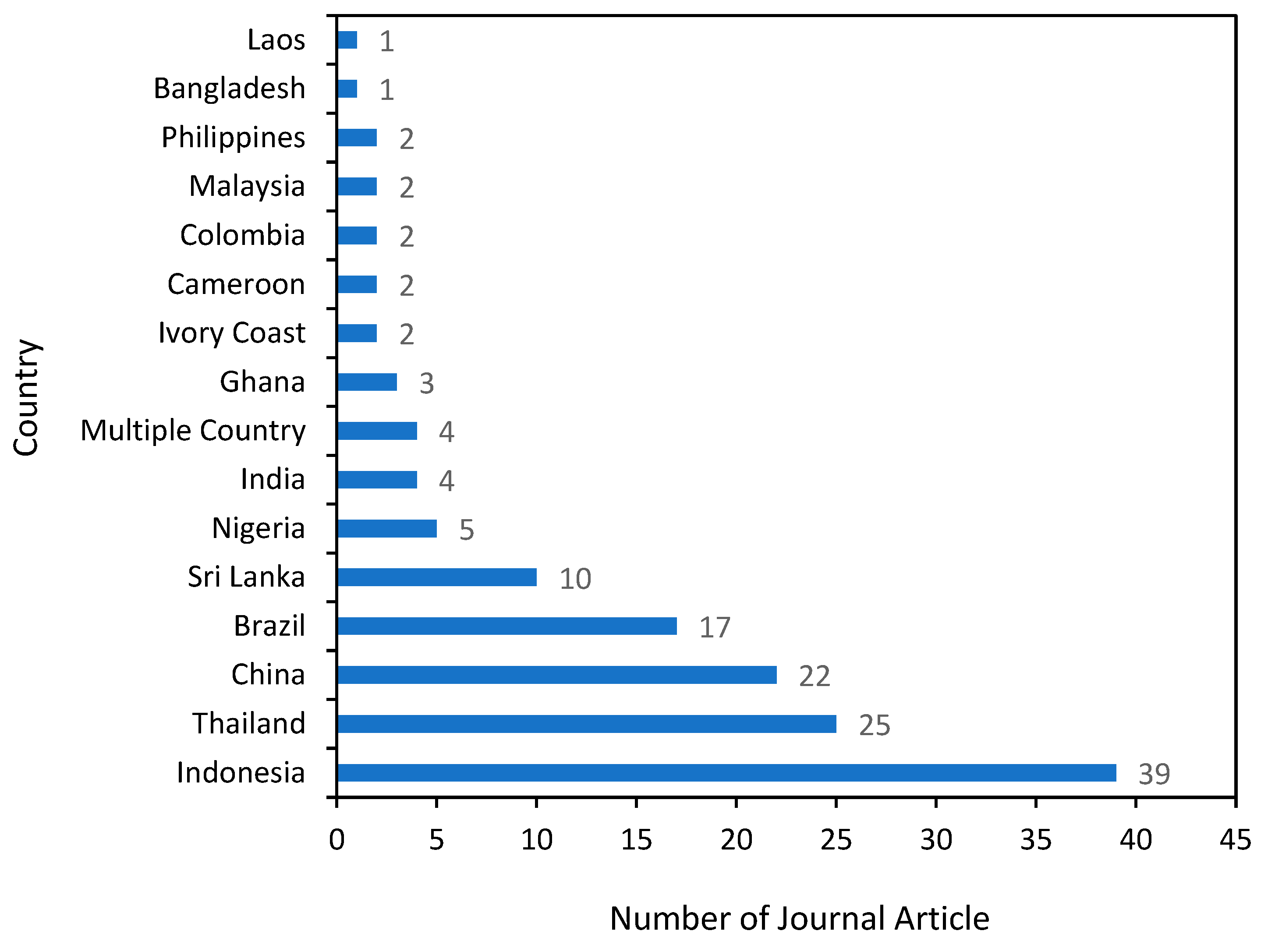
Figure 4.
Proportion of journal articles per intercrop type.
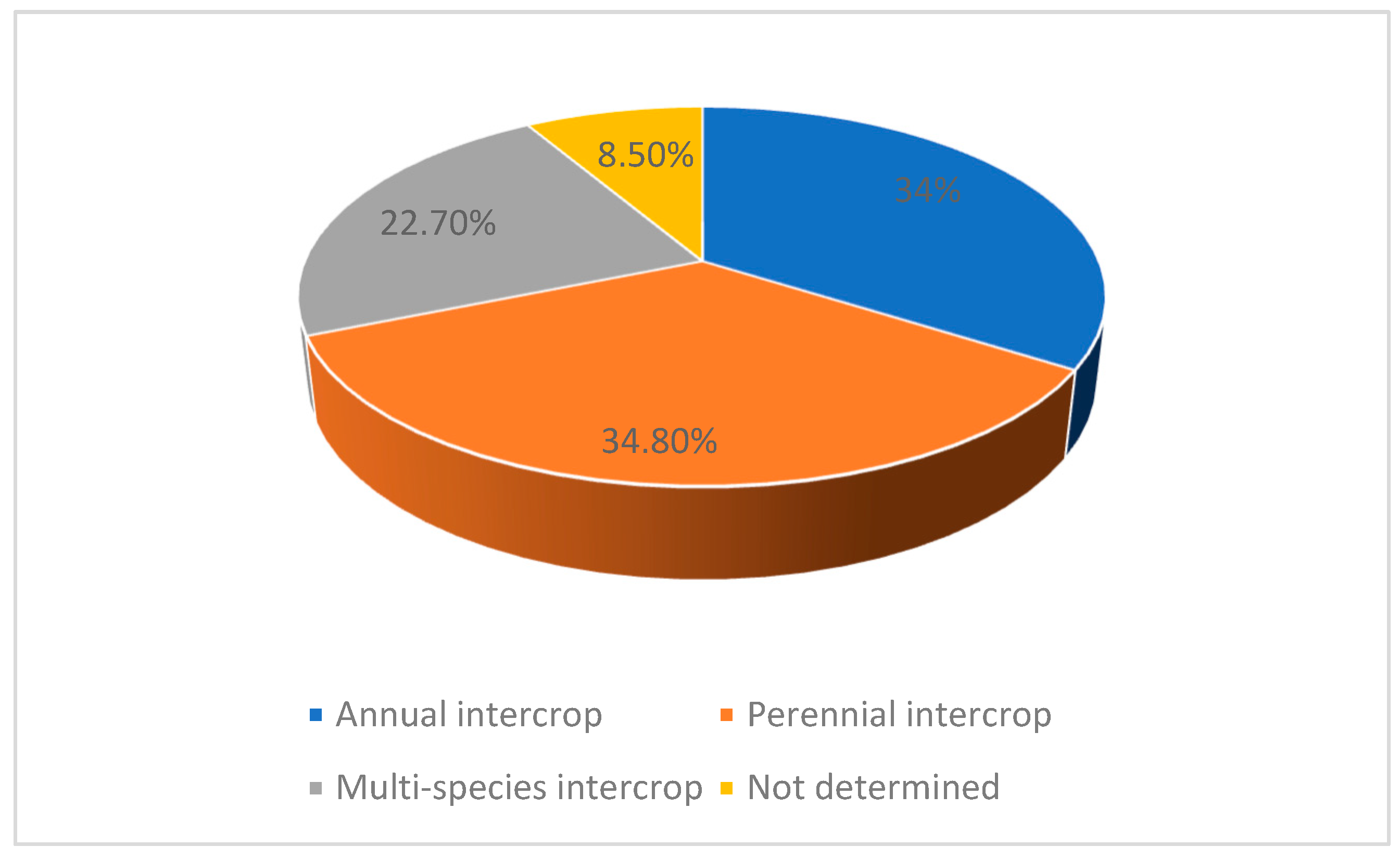
Figure 5.
Food intercrop species associated with rubber.
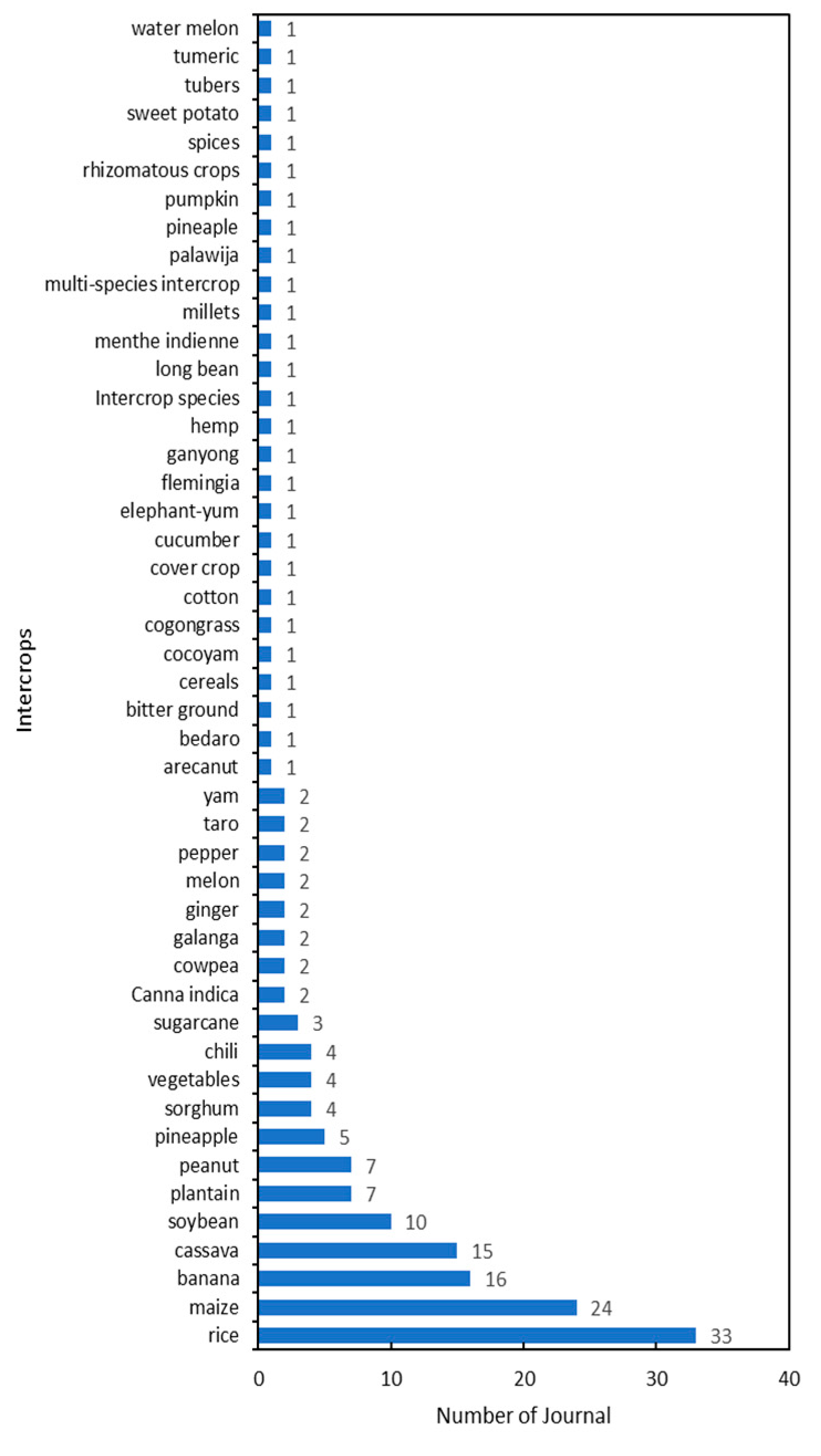
Figure 6.
Proportion of intercrop products.
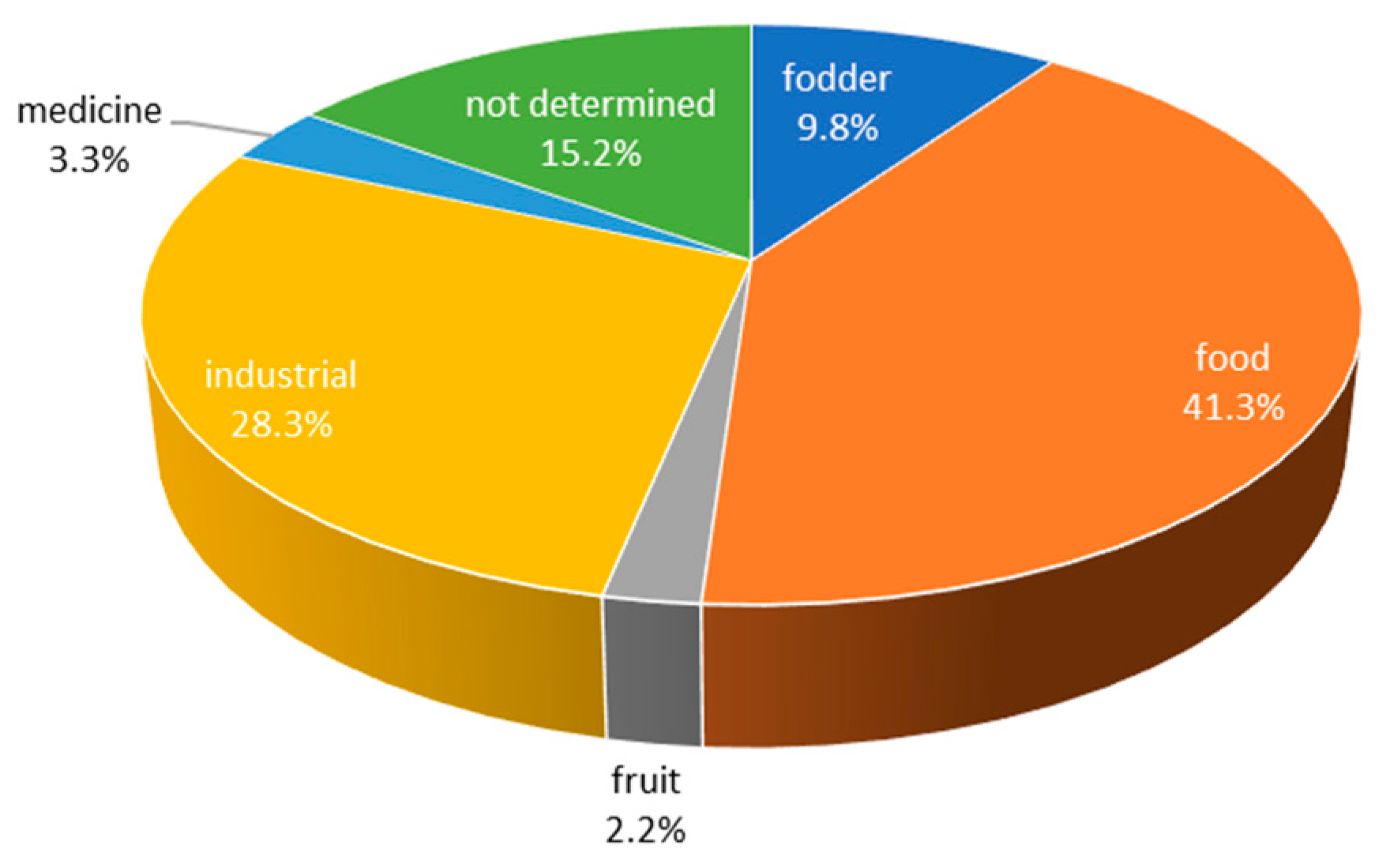
Figure 7.
Proportion of level of usage of intercrop products.

Figure 8.
Number of journal articles per research topic items.
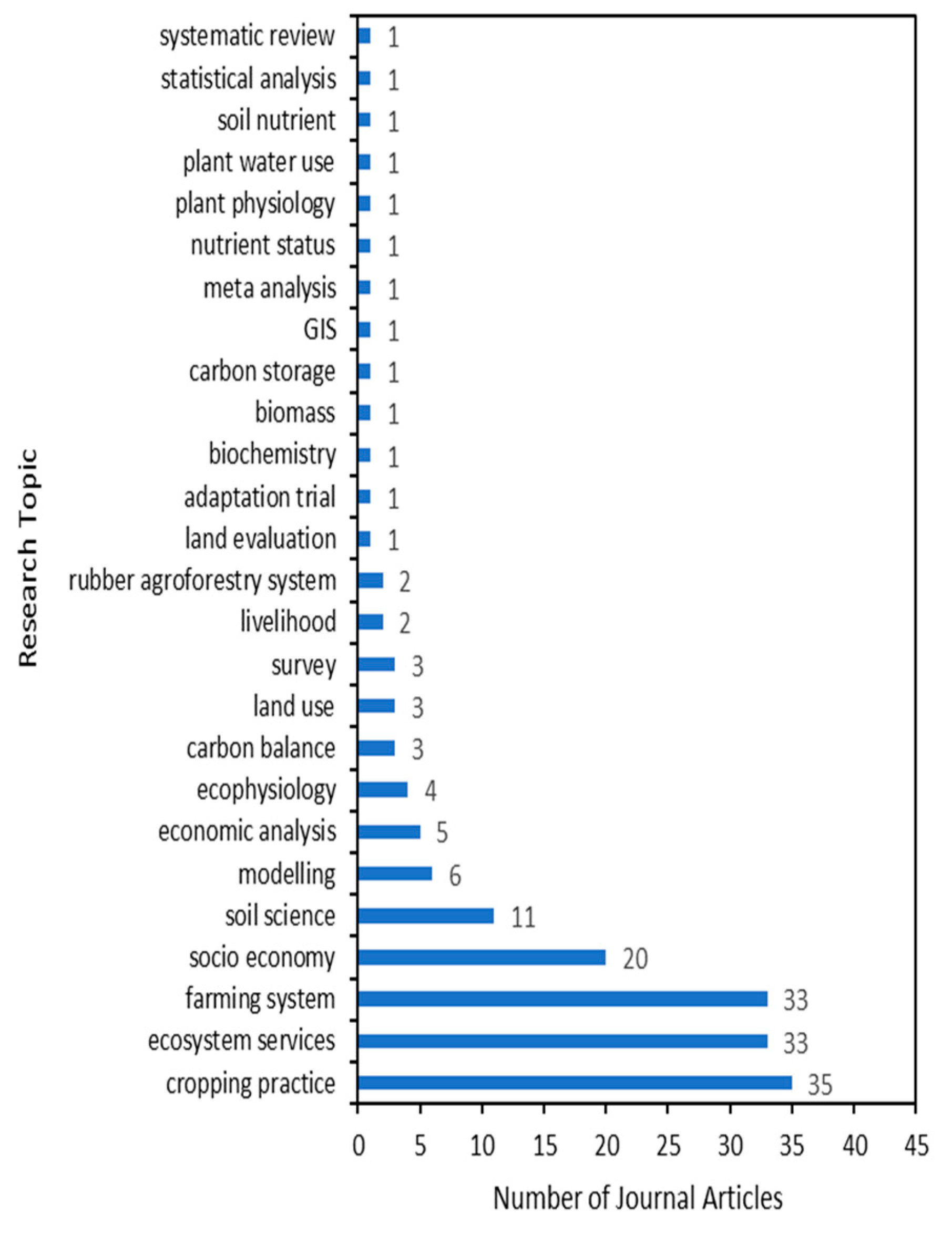

Table 1.
Description of tags used in the reference library.
| Category | Tag |
|---|---|
| Cropping system | Monoculture, intercropping, agroforestry, jungle rubber, annual associated crop, etc. |
| Country | Brazil, Cameroon, China, Colombia, Ghana, India, Indonesia, Laos, Malaysia, Thailand, etc. and world (for review papers combining research from several countries) |
| Main tree species | rubber, oil palm, cocoa, coffee, teak, kayu putih, eucalyptus, etc. |
| Intercrop type | Perennial intercrop, annual intercrop, multi-species intercrop, etc. |
| Intercrop product | industrial, medicinal purpose, food, timber, mushroom, fodder, etc. |
| Level of product use | commercial, subsistence, etc. |
| Discipline of the study | agronomy, plant protection, agro-ecology, sociology, economy, breeding, soil science, ecophysiology, etc. |
| Research topic | farming system, cropping practices, ecosystem services, socio-economic services, etc. |
| Intercrop species | rice, maize, soybean, elephant foot yam, coffee, pepper, etc. |
Table 2.
Number of journal articles for each perennial tree species planted with rubber.
| Tree species associated with rubber | Journal articles (No) |
|---|---|
| Albizia | 1 |
| Arecanut | 1 |
| Cocoa | 8 |
| Coconut | 1 |
| Coffee | 1 |
| Durian | 1 |
| Gmelina | 1 |
| Neem | 1 |
| Oil palm | 4 |
| Palaquium | 1 |
| Pongamia | 1 |
| Simarouba | 1 |
Table 3.
Disciplines used in journal articles.
| Disciplines covered by articles | Journal article (No) |
|---|---|
| Agronomy | 63 |
| Ecology | 28 |
| Economy | 12 |
| Plant physiology | 3 |
| sociology | 4 |
| Agronomy, breeding | 1 |
| Agronomy, ecology | 2 |
| Agronomy, economy | 1 |
| Forestry, economy | 1 |
| Sociology, economy | 19 |
| Agronomy, economy, sociology | 3 |
| Ecology, sociology, economy | 1 |
| Agronomy, ecology, sociology | 1 |
Table 4.
Generic potential effects of implementing agroforestry for food crop production.
| Factor | Growth and development of tropical food crops | Reference |
|---|---|---|
| Temperature | Optimum yield can be achieved at temperatures range of 22 and 32°C; beyond this range, at temperatures exceeding 42°C yields begin to decline. Extreme temperatures, both high and low, have a significant impact on the formation of starch in tubers, while pod development does not exhibit any signs of endothelial formation. | (Al-Khatib and Paulsen, 1999; Bindumadhava et al., 2017; Liu et al., 2019; Singh et al., 1998; Watts et al., 2022) |
| Light | The threshold for the Red/Far Red ratio is greater than 0.5. When this ratio is met, it leads to the elongation of stem-like structures, an upward orientation of leaves (hyponasty), reduced branching or tillering, and earlier flowering. However, it also diminishes the root anchorage capacity, making the crops more susceptible to lodging. | (Sparkes and King, 2008; Wille et al., 2017) |
| Water | Competition among plants for limited shallow water resources increases the susceptibility to drought stress. The extent of this competition is influenced by the relative difference in soil water content (RDSW) due to soil water absorption. | (Wen et al., 2022; Yang et al., 2020) |
| Metal toxicity | Mostly in the form of soluble aluminum, such as [Al(H2O)6]3+, which, in millimolar concentration can stimulate the division of root cells in cereal and legume crops. Aluminium also triggers increased accumulation of reactive oxygen species and higher fatty acid peroxidation, resulting in alteration of plasma membrane integrity. | (Arunakumara et al., 2013; Kanmegne et al., 2000) |
| Pest and disease | Certain insects and pathogens can be shared among related plant species. For instance, Bruchid, which are pantropical seed pests of grain legumes, commonly feed on the seeds of tree legumes as well. Additionally, various vertebrata pests, fungi, virus, nematodes and phytoplasmas have been identified as having relationships with both crop and tree species | (Gauthier, 1996; Pumariño et al., 2015; Schroth et al., 2000) |
Table 5.
Food crops found in agroforestry systems in Java.
| Food crop | Life cycle (month) |
|---|---|
| Upland rice | 3.5 – 7.0 |
| Maize | 3.0 – 5.0 |
| Sorghum | 3.0 – 5.0 |
| Soybean | 2.5 – 5.0 |
| Mung bean | 2.5 – 4.0 |
| Cowpea | 2.5 – 3.0 |
| Pigeon pea | 3.0 – 9.0 |
| Cassava | 6.0 – 12.0 |
| Sweet potato | 3.5 – 5.0 |
| Arrowroot | 8.0 – 12.0 |
| Canna root | 8.0 – 10.0 |
| Yam | 5.0 – 7.0 |
| Coco yam | 5.0 – 6.0 |
| Taro | 7.0 – 12.0 |
| Elephant foot yam | 7.0 – 9.0 |
Disclaimer/Publisher’s Note: The statements, opinions and data contained in all publications are solely those of the individual author(s) and contributor(s) and not of MDPI and/or the editor(s). MDPI and/or the editor(s) disclaim responsibility for any injury to people or property resulting from any ideas, methods, instructions or products referred to in the content. |
© 2024 by the authors. Licensee MDPI, Basel, Switzerland. This article is an open access article distributed under the terms and conditions of the Creative Commons Attribution (CC BY) license (http://creativecommons.org/licenses/by/4.0/).
Copyright: This open access article is published under a Creative Commons CC BY 4.0 license, which permit the free download, distribution, and reuse, provided that the author and preprint are cited in any reuse.