

Submitted:
15 May 2024
Posted:
15 May 2024
You are already at the latest version
Abstract
Solar pasteurization, as a means of treating milk in remote rural areas without electrical power, is based on using solar energy to thermally inactivate pathogenic microorganisms at temperatures below the boiling point to maintain or improve milk quality. A solar milk pasteurizer of flat‐plate water‐heating glass acting as the solar collector, connected to a stainless-steel cylindrical milk vat, was constructed and evaluated in Navrongo, in the tropical savanna zone of Ghana, West Africa. The novel approach taken in this project is to integrate the solar collection and heat exchanger into a single unit using materials and fabrication techniques readily available in the developing world. The vat comprises a 1.5 mm thick stainless steel cylindrical tank, a 2.2 cm wide hot water jacket, and an outer layer of 5.0 mm thick aluminium foil insulation. Hot water produced by the collector was used for pasteurizing milk. The optimum quantity of milk that this device could pasteurize under the study conditions was 8 L. The device could pasteurize raw milk to a maximum temperature of 74 °C at 14:00 h GMT. The ambient temperature during the pasteurization ranged from 30 °C to 43 °C. The microbial analysis before and after the pasteurization was done, and the result shows that the total bacteria count before pasteurization was 6.6x10⁶ log CFU/mL per unit volume, and the total bacteria count after pasteurization was 1.0x10² log CFU/mL. By acceptable standards, the total bacteria count after pasteurization is within a safe range for consumption, and coliform counts were negative. The solar milk pasteurization system is cost-effective. Hence, it is appropriate for milk producers in arid pastoral areas without electricity to adopt the solar pasteurizer as an alternative to firewood as a fuel source for milk pasteurization. This approach can potentially create a cottage industry that may also play a crucial role as a water treatment technology that will improve the health of rural populations.
Keywords:
pasteurization
; solar pasteurizer
; milk treatment
; coliform bacteria
; pathogens
1. Introduction
Pasteurization is a widely used heat treatment technique to counteract the influence of pathogenic organisms in the milk industry, other food and beverage industries. This technique is employed to annihilate pathological microorganisms in milk. Thus, pasteurization plays a crucial role in destroying bacteria, yeast, and mold present in milk. This is achieved by exposing the milk to different temperatures for a specified time point. Literature reveals that pasteurization can reduce the number of pathogenic organisms (bacteria, yeasts, and mold) in milk by 95%-99% [1,2]. These heat treatment methods play an instrumental role in extending the shelf-life of milk, as all the spoilage organisms are usually killed. Additionally, pasteurization may improve the organoleptic properties of milk and milk products. According to the US Food and Drug Administration, milk pasteurization should be carried out at 62.8 °C for 30 minutes, 71.6 °C for 15 seconds, 88.4 °C for 0.1 seconds, 95.6 °C for 0.05 seconds, or 100 °C for 0.01 seconds (flash pasteurization) [3]. The nutritional value of milk is widely reported in several pieces of research [4,5,6,7]. However, raw milk is susceptible to microbial contamination. Hence, the kind and source of milk people consume should be considered [8,9,10]. Raw food materials such as milk are rich in nutrients; however, some processing is needed for safety issues. Processing that is good enough to denature or kill pathogenic organisms such as bacteria, viruses, and parasites but weak enough to destroy product quality is desirable [11,12,13]. Raw milk may contain disease-causing organisms (pathogens) such as bacteria, viruses, and parasites. These pathogens can weaken the immune system, leading to sickness and even death [14]. Consequently, consumption of raw milk is often associated with higher health risks such as diarrhea, stomach cramping, and vomiting (most common). It can even lead to chronic disorders, kidney failure, paralysis, and death. Consuming raw milk poses a high health risk to everyone, mainly persons with weak immune systems, the aged, and children [15,16,17,18]. Raw milk is contaminated mainly through cow dung coming into direct contact with the milk, infections of the cow udder (mastitis), cow diseases of bovine tuberculosis, bacteria that live on the skin of cows, the environment (example, dirty processing tools), insects, rodents, including animal vectors as well as humans, resulting from cross-contamination from soiled clothing and foot wears [19]. Therefore, Pathogenic organisms can be catered for through pasteurization [14,20,21,22]. In many developing African countries, processes to reduce pathogens or spoilage microorganisms in milk include fermentation and heating using wood fuel as the primary energy source [19,23,24]. The lack of available wood resources creates an additional burden on the rural poor who rely on them, causing a vicious cycle in which essential soil nutrients (such as agricultural residues and cow dung) are burned rather than stored in the soil, producing an additional negative effect on the development of food crops. Thus, solar energy provides an alternative and cheap source of energy that can be used instead of wood or electricity to pasteurize milk in resource-poor countries [25,26]. Solar milk pasteurizers can be developed, considering essential parameters such as temperature and time [27]. This project aimed to develop and evaluate the performance of a solar milk pasteurizer using locally available cheap raw materials.
2. Materials and Methods
2.1. Design and Fabrication of the Pasteurization System
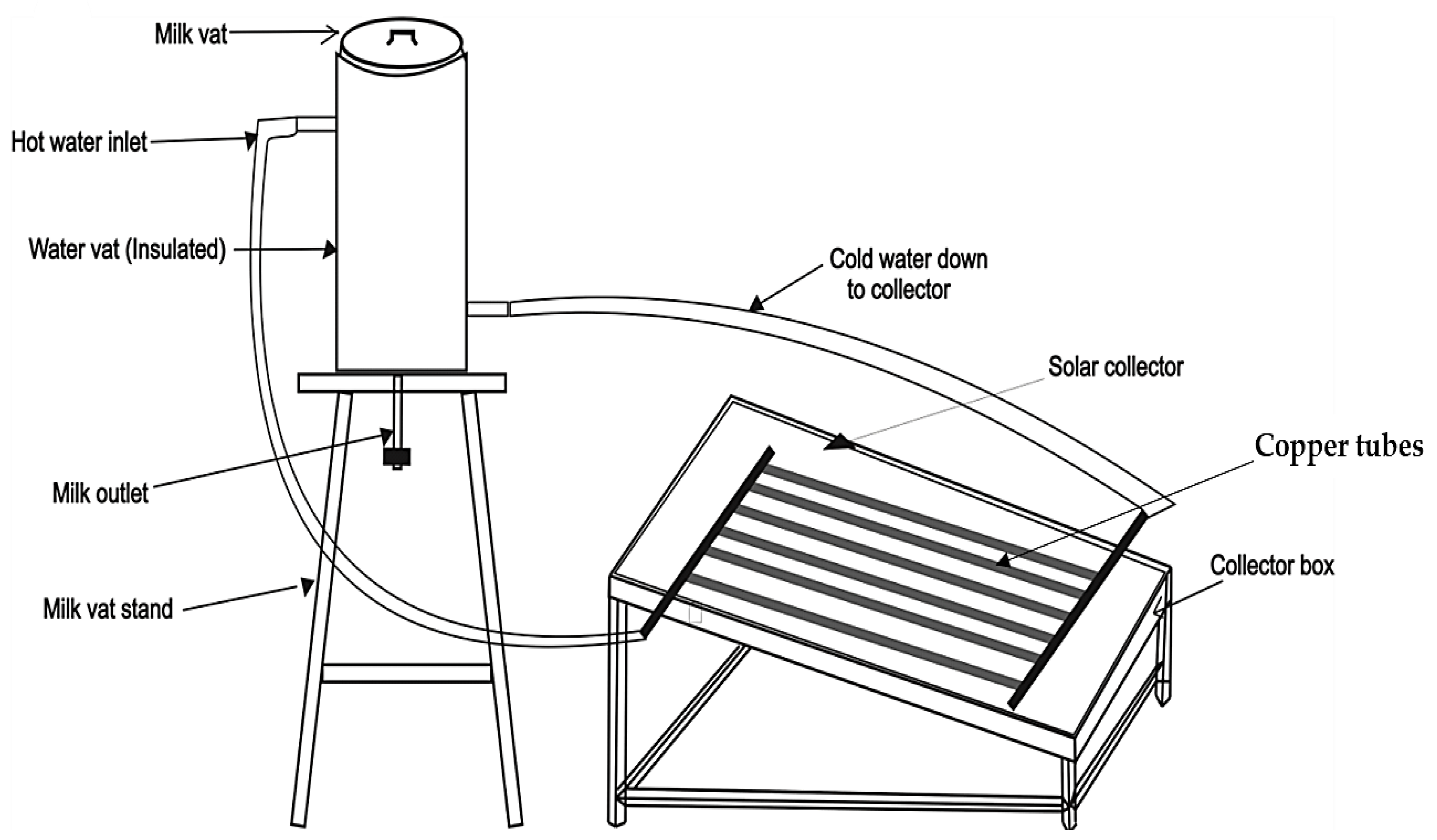
An 8L capacity solar pasteurization system was designed and built with locally available materials for small-scale cattle herders in northern Ghana; the pasteurization system is composed of a solar flat-plate solar energy collector that heats water running through copper pipes and circulates a cylindrical milk vat. Detailed description of the technical specifications of the solar pasteurization system are described subsequently. The system works as an incident solar radiation, comprising mainly visible light and infrared radiation, falls on the glass cover. Only visible light and short-wavelength infrared radiation pass through the glass. The glass is opaque to long-wavelength infrared radiation [28,29]. On reaching the flat plate, the metal absorbs the incident energy, heating to a relatively lower temperature. The plate then emits infrared radiation of long wavelengths that cannot pass (escape) through the glass to be lost to the surroundings. Heat is, therefore, trapped in the box where the copper tubes then absorb this heat. The hot copper tubes heat the water within the tubes, making it less dense and subsequently rises into the water jacket. The risen hot water is replaced by cooler water from the water vat. The hot water vat conducts heat to the milk vat, which also conducts heat to the milk, there raising the milk temperature. This process is known as thermosiphon circulation [28,29]. The process continues until the milk reaches pasteurization temperatures between 65 °C and 72 °C.
2.1.1. Flat Plate Solar Collector
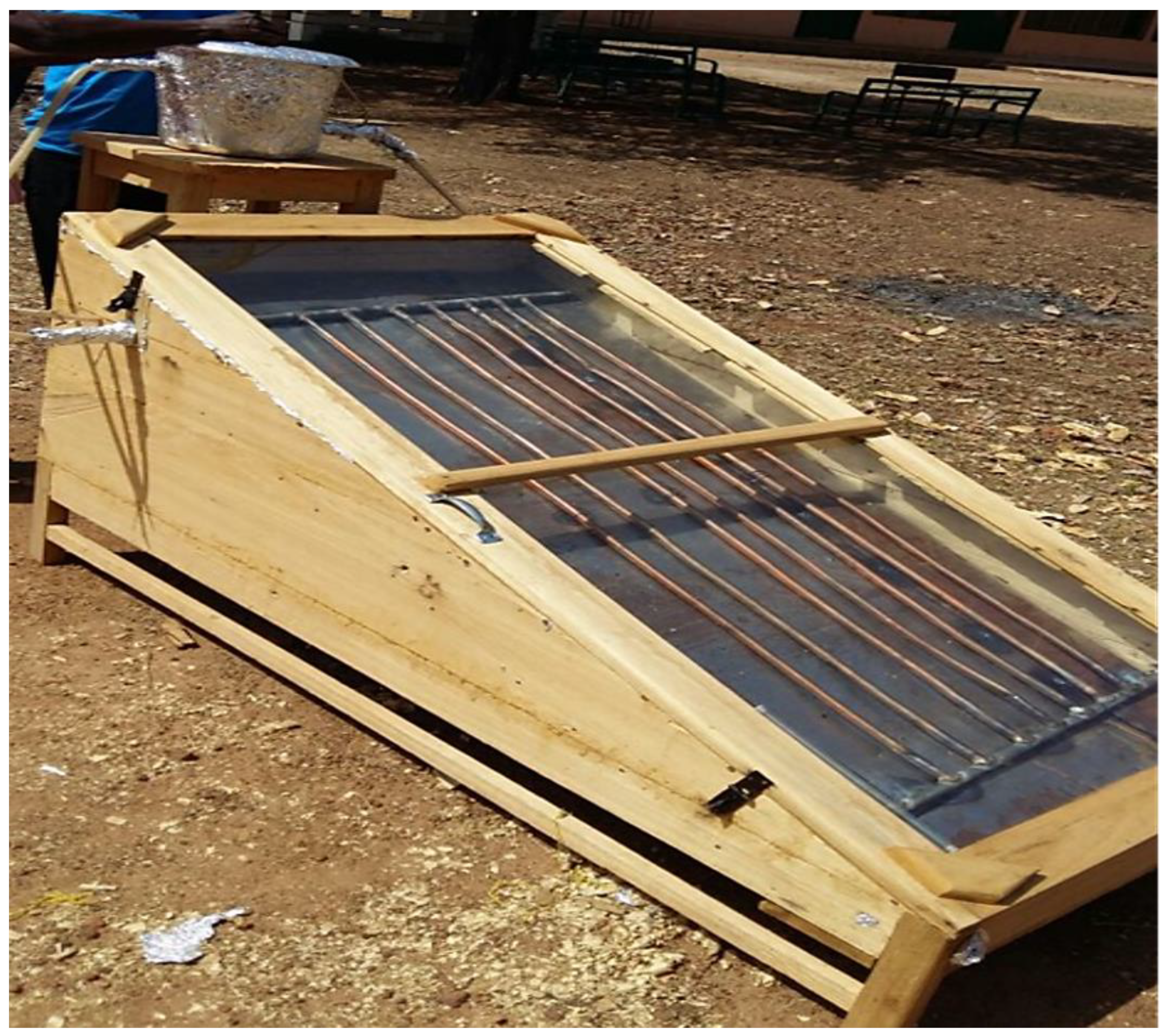
In this experiment, a clear transparent glass acting as a solar collector with gross and efficient areas of 1.45 m2 and 1.12 m2, respectively, was used. The absorber was made of a galvanized steel sheet to which nine 15.15 mm nominal diameter copper tubes were welded. Copper tubers were welded to the surface of the galvanized steel sheet (Figure 3). The surface of the plate and tubes were painted black to improve the absorption of solar radiation. The glazing was ordinary normal window glass of thickness 5.0mm. The insides of the casing (wooden frame) were lined with 5.0 mm thick aluminum foil to serve as insulation. The transparent glass (solar collector) was tilted to an angle of 17 °C horizontally facing the equator. The radiation reaching the glass cover passed through falling on the collector, transforming the solar radiation into heat energy. The pasteurizer’s frame and milk vat stand were constructed with wood (waawa boards) using the construction parameters shown in Figure 1. The heat energy is then conducted into the water from the collector through the collector pipes, whose ends are connected to two rubber tubes. One plastic tube from the collector circulates hot water from the collector to the top of the milk vat. Another plastic tube from the bottom of the milk vat circulates cooler water into the collector. The portions of metal tubes projecting from the collector and vat into the atmosphere were insulated with aluminum foil to minimize heat losses.
2.1.2. Milk Vat
The milk vat consists of a 1.5 mm thick stainless steel cylindrical tank, a 2.2 cm wide hot water jacket, and an outer layer (insulator) of 5.0 mm thick aluminum foil insulation. The milk vat was placed on a stand such that the bottom of the vat was 26 cm above the top of the collector (Figure 2). This enables water to flow freely at a maximum rate by convection from the collector tubes through the milk vat and back to the collector tubes. The capacity of the water was approximately 6.0 L. The collector and plastic tubes held about 1.0 L of water. The water jacket was directly heated by the solar collector, which, in turn, heated the milk to pasteurization temperatures. The vat had a lid that was insulated with 5.0 mm aluminum foil and could be opened; it also had a 15.5 mm nominal diameter copper pipe at the bottom, which acted as an outlet for pasteurized milk, with a customized stopper to control the flow of the milk (Figure 1).
2.2. Principles of Operation of the Solar Pasteurizer
The incident solar radiation, mainly visible and infrared, falls on the glass cover. Only visible light and short-wavelength infrared radiation pass through the glass. The glass is opaque to long-wavelength infrared radiation. On reaching the flat plate, the metal absorbs the incident energy, heating to a relatively lower temperature. The plate then emits infrared radiation of long wavelengths that cannot pass through the glass to be lost to the surroundings. Heat is, therefore, trapped in the box. The copper tubes then absorb this heat. The hot copper tubes heat the water in them to make them less dense, and it rises into the water jacket of the milk vat. The risen hot water is replaced by cooler water from the water jacket. The hot water jacket conducts heat to the milk vat, which also conducts heat to the milk to heat it. This process continues until the milk is heated to 60 °C and 75 °C. This process is known as thermosiphon circulation [28,29].
2.3. Experimental Set-Up and Evaluation of the Performance of Solar Milk Pasteurizer
Location of Trial
The system was installed in the space between the Applied Biology and Applied Biochemistry departments of the University for Development Studies, Navrongo, where the average ambient temperature ranged from 32 °C to 43 °C during the study period. Navrongo, located in the Upper East Region of northern Ghana, is the capital of the Kassena-Nankana District (Location Map and Satellite View). This town, bordering Burkina Faso, boasts a settlement population of 27,306 people as of 2012. Navrongo is a significant market town home to Ghana’s inaugural solar plant, the Navrongo Solar Power Station. Its geographical coordinates are 10°53′5″N 1°5′25″W. Notably, the town is characterized by a flat terrain and an ecology typical of the Sahel, characterized by arid grasslands interspersed with occasional shrubbery. In 2005, Navrongo’s estimated population was 25,470; by 2012, it was recorded as 27,306 residents [30].
Figure 3.
Complete diagram of the solar milk pasteurizer (Scalar system).
2.4. The Climate of Navrongo
Navrongo is a tropical region in Ghana, West Africa, in the Upper East Region. It is characterized by a savanna climate (tropical wet and dry climate). This is often known as the Aw category in the Köppen climate groups. Throughout the year, the climatic conditions of Navrongo are mainly regulated by two distinct seasons marked by temperature variations and rainfall disparities over the year. Temperature ranges from 19.6 °C to 41 °C, leading to warm climates all year round. This region experiences the hottest months between March to May, with temperatures averaging 41 °C. At the same time, November to January is when the region is the coolest, with an average temperature of 19.6 °C. The region also experiences contrasting rainfall patterns, with rain concentrations between May and September and heavy precipitations experienced in August reaching 130 mm of rainfall. November to March, on the other hand, are often very dry, with December and January having a negligible 2mm of rainfall. Furthermore, higher humidity levels in the region are observed from June to September, which aligns with the rainy season, with August as the peak month reaching 78%. Sunshine duration in Navrongo is a typical factor to consider. Between the months of December through to May, the region experiences an average of 7.7 to 11.9 h of sunshine daily. Also, the annual sunshine ranges from 8.6 days to 30.8 days in a typical month [30].
2.5. Source of Milk Samples
Fresh cow milk samples were collected immediately on harvesting from small-scale farmers in Navrongo in the Upper East Region of Ghana. The milk samples were aseptically collected from farmers into 10-L sterile plastic containers and immediately transported to the study site on ice. A portion (1L) of each collected milk sample was refrigerated (5 °C) for further microbial analysis, whereas the remaining portion was transferred into the solar pasteurizer vat.
2.6. Milk Pasteurization
The water jacket (outer jacket), including the copper tubes, was filled with water, and the milk vat (inner jacket) was filled with milk. Pasteurization occurs as hot water from the collector flows into the hot water jacket and back to the collector, a process known as thermosiphon circulation. A circulation loop was set up as the sun continued to heat water in the collector. Water flowed continuously from the bottom of the water jacket to the collector tubes and back into the water jacket. In the process, the water in the jacket was heated, which in turn caused the milk to boil mildly (pasteurized). The milk was stirred with a stainless stirrer at regular intervals (every 10 minutes). When the targeted temperature was observed, the water circulation was paused, and the milk remained in this state for 30 minutes (holding time) in the vat. During pasteurization, parameters measured included the temperature of milk, Tm/°C, the temperature of hot water, Tw/°C, ambient temperature, Ta/°C, and collector temperature, Tc/°C. These temperatures were measured approximately every 1 h using a liquid in a glass thermometer.
Figure 4.
Complete diagram of the solar milk pasteurizer (Actual system).
2.7. Microbial Analysis of Pasteurized and Unpasteurized Milk
The phosphatase test of the pasteurized milk was performed in the microbiology laboratory of the University for Development Studies, Navrongo. Adequacy of pasteurization was checked by strict time–temperature regulation and ascertaining of coliforms, total bacterial counts (TBC), and Staphylococcus aureus before and after pasteurization. The total bacterial counts were ascertained using plate count agar incubated at 37 °C for 48 h, violet-red bile glucose agar was used to measure coliforms incubated at 37 °C for 24 h, and Staphylococcus aureus was determined using Mannitol salt agar incubated at 37 °C for 24 h [31].
2.8. Statistical Analysis
All parameters considered in the study were measured in triplicates. The Data obtained were subjected to ANOVA (one-way analysis of variance), and the means were separated by Tukey’s family error rate multiple comparison test (𝑃 < 0.05) using the SPSS statistical software package (SPSS Inc. Version 20 for Windows operating system).
3. Results
3.1. Maximum Attainable Temperatures during Solar Pasteurization
Eight liters were chosen as the optimum quantity of milk that this device could pasteurize under the study conditions. Heating 8 L of milk to 70.0 °C took an average of 1.0 h at an average ambient temperature of 39.7 °C. Variations of Average temperature in the water jacket, the vat, solar collector tubes, and ambient during the solar pasteurization period, with an 8 L capacity solar milk pasteurizer are shown in Table 1.
This study analyzed temperature correlations between the parameters considered (ambient, collector, water, and milk temperatures) to ascertain how temperature differences/fluctuations influence pasteurization. We observed a poor correlation between the ambient temperature and the collector temperature but a solid/positive correlation between temperature and milk temperature, as shown in Figure 5A and B.
Figure 6 shows a strong correlation between ambient and milk temperatures. We observed a weak correlation between water and collector temperatures, as shown in A and B.
Figure 7 shows a positive correlation between ambient temperature and water temperature and a very poor correlation between collector temperature and milk temperature, as shown in A and B.
The total bacteria in the raw milk and the solar-pasteurized milk were compared on different days of pasteurization. On average, total bacteria count was reduced from 6.6x10⁶ to 1.0x10² CFU/mL, as shown in Figure 8, with a mean plus/minus standard deviation of 6.82±0.42 for raw milk and 2.01±0.37 for solar pasteurized milk as shown in Table 2.
The total coliform present in the raw milk and the solar pasteurized milk were compared on different days of pasteurization. On average, total bacteria count was reduced from 5.4x10² to 0.9x10 CFU/mL, as shown in Figure 9, with a mean plus/minus standard deviation of 2.73±0.47 for raw milk and 0.94±0.56 for solar pasteurized milk as shown in Table 2.
The total Staphylococcus Aureus count in the raw and solar-pasteurized milk was compared on the different days of pasteurization. On average, total bacteria count was reduced from 3.5x10⁴ to 0.5x10 CFU/mL, as shown in Figure 10, with a mean plus/minus standard deviation of 4.54±0.99 for raw milk and 0.67±0.15 for solar pasteurized milk as shown in Table 2.
4. Discussion
Developing countries/regions face a significant challenge with food pasteurization due to lack of or unstable electricity [32,33]. It is also true that village dwellers face a tremendous challenge when using traditional portable gadgets for pasteurization because of their complexity and technological advancement [34]. Therefore, millions of lives are lost to unsafe/unhygienic consumption of foods, especially water and milk [35,36]. To curb this menace, employing an easy yet effective system to treat foods (milk and or water) remains a viable alternative to treating foods thermally without having to depend on fossils or electricity. Given this, our research group fabricated a solar pasteurizer relying on locally available materials for milk pasteurization in pastoral communities where electricity is not stable or available. Milk pasteurization reduces the number of pathogenic bacteria present and makes milk safe for consumption [37]. Milk pasteurization has a profound impact on both nutrition and public health. In his 1943 paper, Wilson discussed some factors to consider during milk pasteurization. In his manuscript, the principal areas/questions raised and discussed included: “Why is there a milk problem?”, “To what extent is raw milk contaminated with pathogenic bacteria?” “How do pathogenic organisms reach the milk?” “How much disease is raw milk responsible for in the human population?” “Why do some practitioners belittle or deny the existence of milk-borne tuberculosis?” “How can milk be rendered safe for human consumption?” “What is pasteurization?” “What effect has pasteurization had on milk’s properties and nutritive value?”
“Does pasteurization destroy pathogenic organisms in the milk?” “Is pasteurization antagonistic to clean-milk production?” “Is pasteurization antagonistic to eradicating diseased animals from milking Herds?” “How often is pasteurization inefficient?” and “Does the consumption of raw infected milk in childhood protect against pulmonary tuberculosis in adult Life?”. Wilson concluded that pasteurization remains a primary viable option for making milk safe and devoid of disease-causing organisms [38]. The objectives of this study revolve around the thoughts and ideas raised in Wilson’s manuscript and many other manuscripts with similar ideologies. In other words, Wilson’s ideas serve as an “acid test” for the efficacy of the pasteurization system fabricated in this study.
On average, the pasteurization system could heat the milk to a temperature of 66.2 °C for 1.0 h from the beginning of the process; this implies that it could be used commercially to treat milk. Employing a solar concentrator, Franco et al. [39] reported in their study a “come-up” time of 1.25 h during solar pasteurization of goat milk. Compared to other reports on milk pasteurization, such “come-up times” are time-consuming [40]. As reported in this study, the long “come-up time” was because of the water bath method. However, the size of the milk vat (or quantity of milk to be pasteurized) could be reduced to shorten the pasteurization time. Additionally, two or more collectors can be connected in series to facilitate the pasteurization time. Similarly, da Silva et al. [41] fabricated a pasteurization system to treat milk. Their pasteurization system was able to treat water with temperatures of 55 °C at 3600s, 60 °C at the 2700s, 65 °C at 1800s, 75 °C at the 900s, and 85 °C at 15s. The temperature difference (mean standard deviation) between hot water and milk was 1.42 °C. Furthermore, Wayua et al. [42] in Kenya fabricated a similar system that could pasteurize 40 L of milk in a typical day. They recorded average temperatures between the milk and water vat at 8.1 ± 1.4 °C. They also recorded a coliform count of less than 10 CFU/mL in the pasteurized milk. In 1984, Ciochetti et al. [43] constructed a solar box pasteurizer to treat naturally contaminated water. They obtained pasteurization temperatures of over 60 °C in 1 h. Franco et al. [39] obtained similar results during solar pasteurization of goat milk; they reported a temperature variance of 10 °C. However, due to the small volume of the milk vat used in this study, it is necessary to maintain the volume, i.e., the volume should not be reduced during pasteurization.
The microbial quality of the milk before and after pasteurization is shown in Table 2 and Figure 8, Figure 9 and Figure 10. The microbial quality data conforms to the finding of Mulwa [44] who reported a reduction of total bacteria count (TBC) to less than 10 CFU/mL after the pasteurization of camel milk. Shelf-life tests for pasteurized cow milk were not investigated in this study. However, Mulwa [44] reported that pasteurized camel milk stored at 25 °C and 30 °C surpassed KEBS [38] specifications in less than 24 h and stayed 6 days at 20 °C. Pasteurization remains essential to food safety, quality, and organoleptic enhancement. The basic idea of pasteurization is to eliminate pathogenic microorganisms associated with food poison and to make food safe for consumption.
Additionally, food pasteurization extends the shelf life of most perishable foods, such as milk and other fresh fruits [46,47,48,49]. Another important factor considered in this study to assess the correlation between the pasteurization parameters such as ambient temperature, collector temperature, water temperature, and milk temperature. This was to enable us to ascertain which factor has a direct impact on what factor. This knowledge will enable us to fabricate a more potent and effective system when there is a need for an upgrade. Figure 5, Figure 6 and Figure 7 explain the various correlations between the pasteurization parameters considered in the study. We observed no correlation between the ambient and collector temperatures, as shown in Figure 5A. This implies that the effectiveness of the collector to maximize the received heat radiation was not reliant on the quantity of sun. The collector’s ability to translate and maximize any available sunlight to obtain pasteurization temperatures probably relied on the general design of the system, where the angle of inclination was paramount, as well as the ability of the system to trap and prevent the visible light from escaping. Figure 5B shows a strong correlation between water temperature and milk temperature. This made much sense to us because the milk’s ability to be pasteurized effectively directly and heavily depends on the temperatures of water in the water vat. Low water temperatures will lead to low milk temperatures and poor milk pasteurization. Additionally, the water temperature does not depend on the collector temperature, as shown in Figure 6B. However, Figure 6A demonstrates that ambient temperature correlates with the milk temperature. Furthermore, we did not observe any correlation between the solar collector and the milk temperature, as shown in Figure 7B. However, there was a correlation between ambient and water temperatures, as shown in Figure 7A.
5. Conclusions
In order to kill harmful bacteria, milk must undergo pasteurization. This process ensures that it is safe to drink. Pasteurization can eliminate pathogens such as Salmonella and E. coli. The process of pasteurization helps extend the shelf life and reduces the number of organisms that can spoil milk. It also helps prevent foodborne illnesses. Unfortunately, pasteurization is not always accessible in rural and off-grid regions. Milk pasteurizers powered by solar energy can be used to make the process more accessible. Through the use of renewable energy, solar pasteurizers can reduce the operational costs of pasteurization. They also require minimal maintenance. Furthermore, using solar energy, milk pasteurizers can help reduce greenhouse gas emissions. Additionally, solar pasteurizers can help empower local communities by making pasteurization of milk more accessible and sustainable. They can help small-scale dairy farmers process their milk and increase their income. In addition to making pasteurization safer and more sustainable, solar powered milk pasteurizers can also help ensure the accessibility of this process in areas where conventional methods are not feasible. In this work, a solar milk pasteurizer was successfully built using available local raw materials. The maximum attainable pasteurization temperature using the solar pasteurizer was 71.5 °C on average on the various test days at 14:00 GMT. Using the solar milk pasteurizer, coliforms and S. aureus, total bacterial counts in milk were significantly reduced to acceptable levels, making the milk safe for human consumption. Thus, the developed solar pasteurizer has been demonstrated to be very effective and useful for milk/water pasteurization in the savanna ecological zones to improve safety and quality of milk.
Funding
This research was funded by DANIDA-ENRECA project on capability building in research and quality assurance in traditional fermented foods of West Africa, the United States Department of Education, Title III-HBGI-RES, and National Science Foundation; and HBCU-RISE.
Institutional Review Board Statement
Not applicable.
Informed Consent Statement
Not applicable.
Data Availability Statement
Data is contained within the article.
Acknowledgments
The study was carried out with funding from Danida through the project: Preserving African Food Microorganisms for Green Growth (DFC No 13-04KU).
Conflicts of Interests
The authors declare that there is no conflict of interest regarding the publication of this paper.
References
- Arnold, N., (2019). How Is Pasteurization Used to Process Food? Food Science and Technology, 315.
- Escuder-vieco, D., Espinosa-martos, I., Rodríguez, J. M., & Corzo, N. (2018). High-Temperature Short-Time Pasteurization System for Donor Milk in a Human Milk Bank Setting. Frontiers in Microbiology, 9(May). [CrossRef]
- Zufall, B. C., & Wackerbauer, K. (2018). The Biological Impact of Flash Pasteurization Over a Wide Temperature Interval. 106(May 2000), 163–168. [CrossRef]
- Park, Y. W., & Haenlein, G. F. W. (2013). Milk and Dairy Products in Human Nutrition: Production, Composition and Health., November 2017, 1–700. [CrossRef]
- Guetouache, M., Guessas, Bettache, Medjekal, & Samir. (2014). Composition and nutritional value of raw milk. Issues in Biological Sciences and Pharmaceutical Research, 2(10), 115–122. [CrossRef]
- Górska-Warsewicz, H., Rejman, K., Laskowski, W., & Czeczotko, M. (2019). Milk and Dairy Products and Their Nutritional Contribution to the Average Polish Diet. Nutrients, 11(8), 1771. [CrossRef]
- Yvan Chouinard, P., & Girard, C. L. (2014). From the Editors—Nutritional interest of milk and dairy products: Some scientific data to fuel the debate. Animal Frontiers, 4(2), 4–6. [CrossRef]
- LeJeune, J. T., & Rajala-Schultz, P. J. (2009). Unpasteurized Milk: A Continued Public Health Threat. Clinical Infectious Diseases, 48(1), 93–100. [CrossRef]
- Lucey, J. A. (2015). Raw Milk Consumption: Risks and Benefits. Nutrition Today, 50(4), 189–193. [CrossRef]
- Vasavada, P. C. (1988). Pathogenic Bacteria in Milk — A Review. Journal of Dairy Science, 71(10), 2809–2816. [CrossRef]
- Kaferstein, F., & Abdussalam, M. (1999). Policy and Practice: Food Safety in the 21st Century. Bulletin of the World Health Organization, 77(4), 347–351.
- Bari, M. L., Grumezescu, A., Ukuku, D. O., Dey, G., & Miyaji, T. (2017). New food processing technologies and food safety. Journal of Food Quality, 2017, 2–4. [CrossRef]
- Uyttendaele, M., Franz, E., & Schlüter, O. (2015). Food safety, a global challenge. International Journal of Environmental Research and Public Health, 13(1), 2–7. [CrossRef]
- https://www.cdc.gov/, 2014.
- Vranješ, A. P., Popović, M., & Jevtić, M. (2015). Raw milk consumption and health. Srpski Arhiv Za Celokupno Lekarstvo, 143(1–2), 87–92. [CrossRef]
- Donkor, E., Aning, K., & Quaye, J. (2010). Bacterial contaminations of informally marketed raw milk in Ghana. Ghana Medical Journal, 41(2), 58–61. [CrossRef]
- Fatouma Mohamed, A. latif, AE, F., AA, O., CN, S., A, M., A, M., MK, S., & S, Y. (2017). Evaluation of Microbiological Quality of Raw Milk from Farmers and Dairy Producers in Six Districts of Djibouti. Journal of Food Microbiology, Safety & Hygiene, 02(03). [CrossRef]
- Verraes, C., Claeys, W., Cardoen, S., Daube, G., De Zutter, L., Imberechts, H., Dierick, K., & Herman, L. (2014). A review of the microbiological hazards of raw milk from animal species other than cows. International Dairy Journal, 39(1), 121–130. [CrossRef]
- Owusu-Kwarteng, J., Akabanda, F., Agyei, D. and Jespersen, L., 2020. Microbial safety of milk production and fermented dairy products in Africa. Microorganisms, 8(5), p.752.
- Orwa, J. D., Matofari, J. W., & Muliro, P. S. (2017). Handling practices and microbial contamination sources of raw milk in rural and peri urban small holder farms in Nakuru County, Kenya. International Journal of Livestock Production, 8(1), 5–11. [CrossRef]
- Cempírková, R. (2007). Contamination of cow’s raw milk by psychrotrophic and mesophilic microflora in relation to selected factors. Czech Journal of Animal Science, 52(11), 387–393. [CrossRef]
- Reta, M. A., Bereda, T. W., & Alemu, A. N. (2016). Bacterial contaminations of raw cow’s milk consumed at Jigjiga city of Somali regional state, Eastern Ethiopia. International Journal of Food Contamination, 3(1). [CrossRef]
- Agyei, D., Owusu-Kwarteng, J., Akabanda, F. and Akomea-Frempong, S., 2020. Indigenous African fermented dairy products: Processing technology, microbiology and health benefits. Critical reviews in food science and nutrition, 60(6), pp.991-1006.
- Ciochetti, D. A., & Metcalf, R. H. (1984). Pasteurization of naturally contaminated water with solar energy. Applied and Environmental Microbiology, 47(2), 223-228.
- Asumadu-sarkodie, S., & Owusu, P. A. (2016). A review of Ghana’ s solar energy potential. AIMS Energy, 4(September), 675–696. [CrossRef]
- Adra, F. (2014). Renewable Energy – An Eco-Friendly Alternative? Friedrich Ebert Stiftung, July.
- Al-hilphy, A. R. S., & Ali, H. I. (2013). Milk Flash Pasteurization by the Microwave and Study its Chemical, Microbiological and Thermo Physical Characteristics. 4(7). [CrossRef]
- Morrison, G. L. (2019). Thermosyphon circulation in solar collectors. Solar Energy, 24(February), 191–198. [CrossRef]
- Webster, T. (2015). Thermosiphon water heaters with heat exchangers Experimental Evaluation of Solar Thermosyphons with Heat Exchangers? Solar Energy, 38(July), 219–231.
- https://en.wikipedia.org/wiki/Navrongo, 2023.
- APHA. 1992. Standard Methods for the Examination of Water and Wastewater. 18th edition. American Public Health Association (APHA), American Water Works Association (AWWA) and Water Pollution Control Federation (WPCF), Washington, DC.
- Boye, J.I. and Arcand, Y., 2016. Current Trends in Green Technologies in Food Production and Processing. Sustainable Food and Beverage Industries: Assessments and Methodologies, p.1.
- Regattieri, A., Piana, F., Bortolini, M., Gamberi, M. and Ferrari, E., 2016. Innovative portable solar cooker using the packaging waste of humanitarian supplies. Renewable and Sustainable Energy Reviews, 57, pp.319-326.
- Manju, S. and Sagar, N., 2017. Progressing towards the development of sustainable energy: A critical review on the current status, applications, developmental barriers and prospects of solar photovoltaic systems in India. Renewable and Sustainable Energy Reviews, 70, pp.298-313.
- Das, S.R., 2008. Health impact assessment from food and water at BUET student dormitories.
- Jain, G., Singh, C., Coelho, K. and Malladi, T., 2017. Long-term implications of humanitarian responses: The case of Chennai.
- Brett, J., Kelton, D., Majowicz, S.E., Snedeker, K. and Sargeant, J.M., 2011. A systematic review and meta-analysis of the effects of pasteurization on milk vitamins, and evidence for raw milk consumption and other health-related outcomes. Journal of food protection, 74(11), pp.1814-1832.
- Wilson, G.S., 1943. The pasteurization of milk. British medical journal, 1(4286), p.261.
- Franco, Judith & Saravia, Luis & Javi, Verónica & Caso, Ricardo & Fernandez, Carlos. (2008). Pasteurization of goat milk using a low-cost solar concentrator. Solar Energy. 82. 1088-1094. [CrossRef]
- Walstra P., Wouters J.T.M., Geurts T.J., Dairy Science and Technology, 2006, CRC Press, Boca Raton, FL, USA, pp. 497–512.
- da Silva, G. C., Tiba, C., & Calazans, G. M. T. (2016). Solar pasteurizer for the microbiological decontamination of water. Renewable Energy, 87, 711-719.
- Wayua, F. O., Okoth, M. W., & Wangoh, J. (2013). Design and performance assessment of a flat-plate solar milk pasteurizer for arid pastoral areas of kenya. Journal of Food Processing and Preservation, 37(2), 120-125.
- Ciochetti, D.A. and Metcalf, R.H., 1984. Pasteurization of naturally contaminated water with solar energy. Applied and Environmental Microbiology, 47(2), pp.223-228.
- Mulwa DWK (2009). Microbiological quality of camel milk along the market chain and its correlation with food-borne illness among children and young adults in Isiolo, Kenya. M.Sc. Thesis, University of Nairobi, Kenya.
- KEBS (2007b); “Drinking Water – specification”, Kenya standard, KS 459-1: 2007, Third Edition, Pgs 1-7.
- Choudhary, R., & Bandla, S. (2012). Ultraviolet pasteurization for food industry. International Journal of Food Science and Nutrition Engineering, 2(1), 12-15.
- Sepulveda, D. R., Góngora-Nieto, M. M., Guerrero, J. A., & Barbosa-Cánovas, G. V. (2005). Production of extended-shelf-life milk by processing pasteurized milk with pulsed electric fields. Journal of Food Engineering, 67(1-2), 81-86.
- Dag, D., Singh, R. K., & Kong, F. (2020). Developments in radio frequency pasteurization of food powders. Food Reviews International, 1-18.
- Silva, F. V., & Gibbs, P. A. (2012). Thermal pasteurization requirements for the inactivation of Salmonella in foods. Food Research International, 45(2), 695-699.
Figure 1.
Cross-sectional view of the milk pasteurization vat.
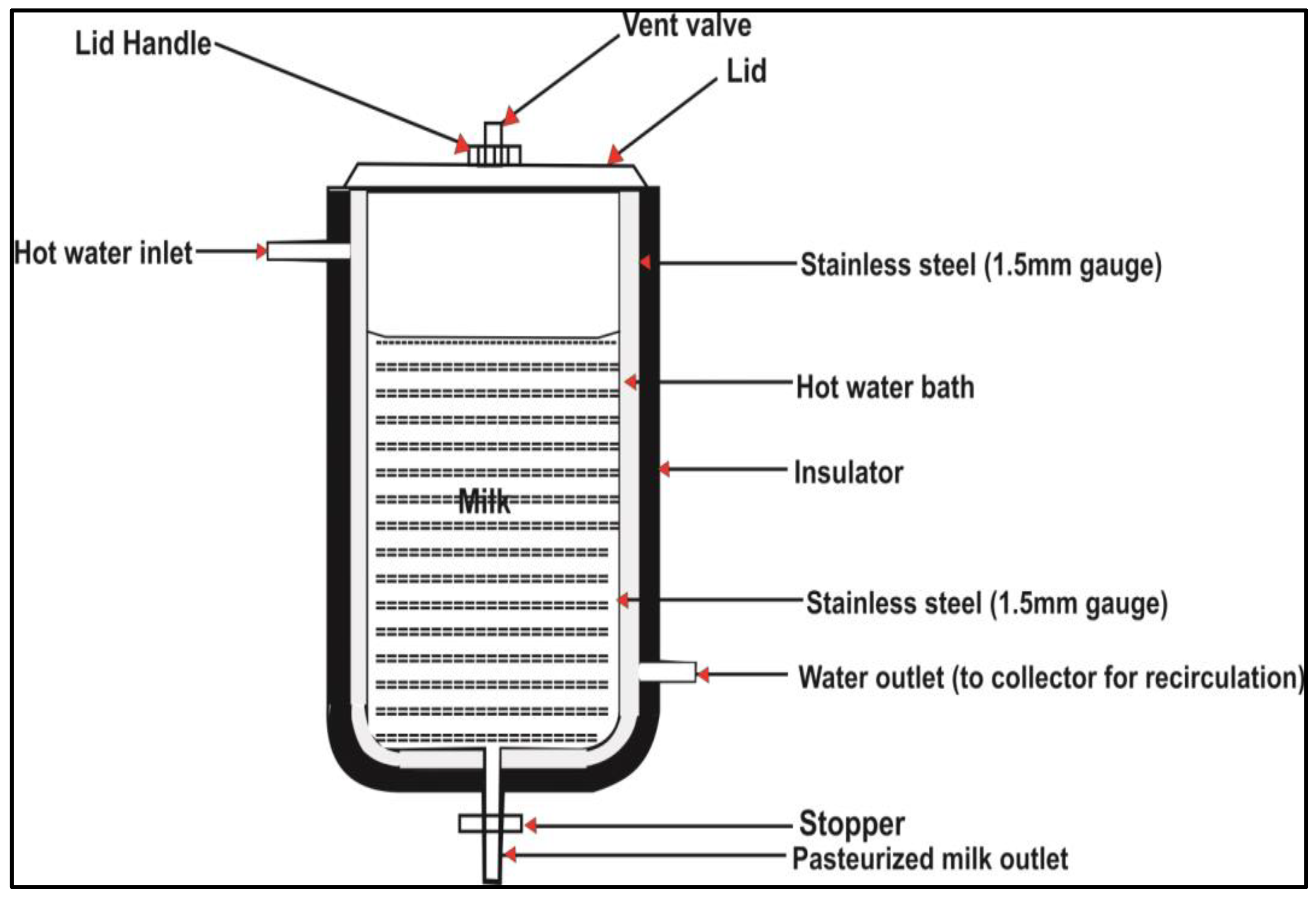
Figure 2.
Lateral view of the solar milk pasteurizer (measurements are in cm).
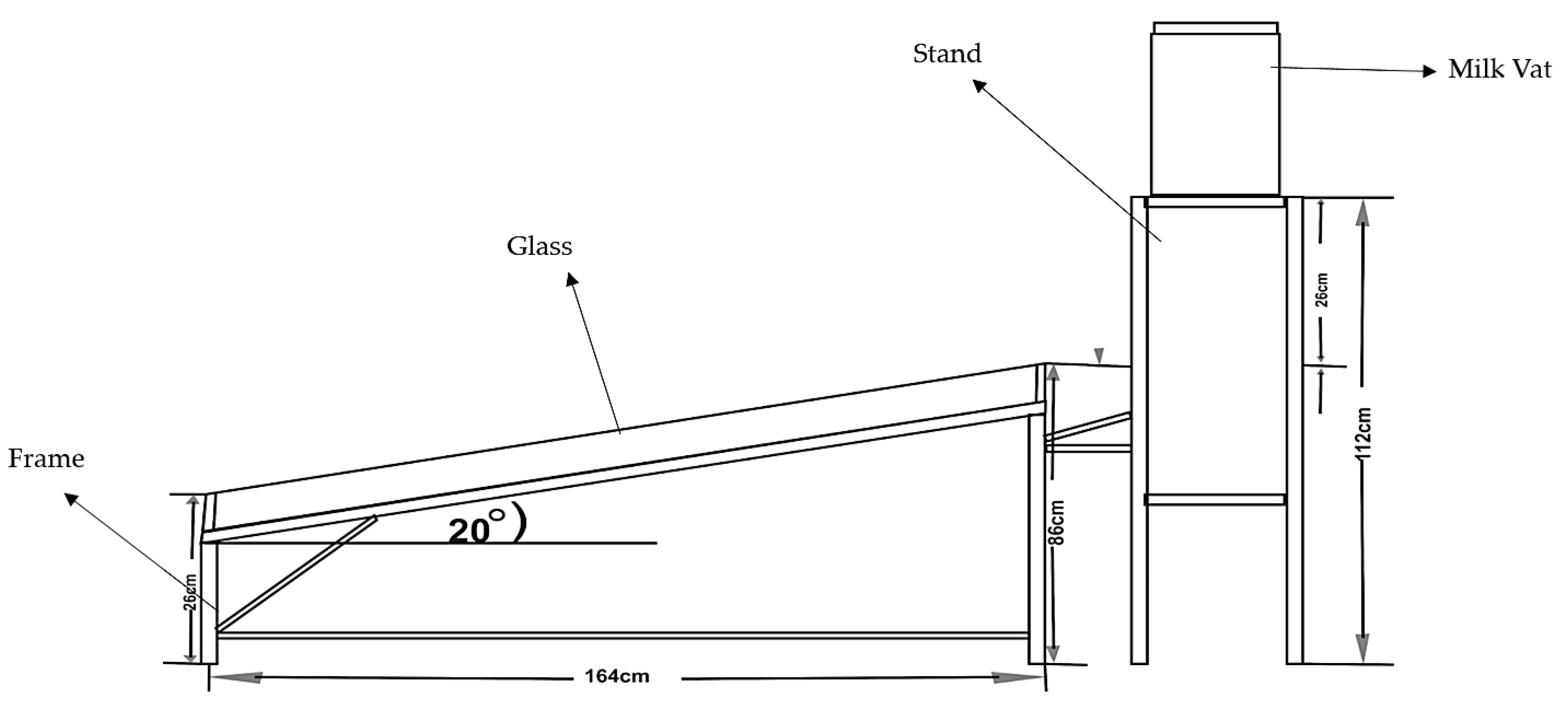
Figure 5.
Temperature correlation between, A. Ambient temperature verses collector temperature, B. Water temperature verses milk temperature.
Figure 5.
Temperature correlation between, A. Ambient temperature verses collector temperature, B. Water temperature verses milk temperature.
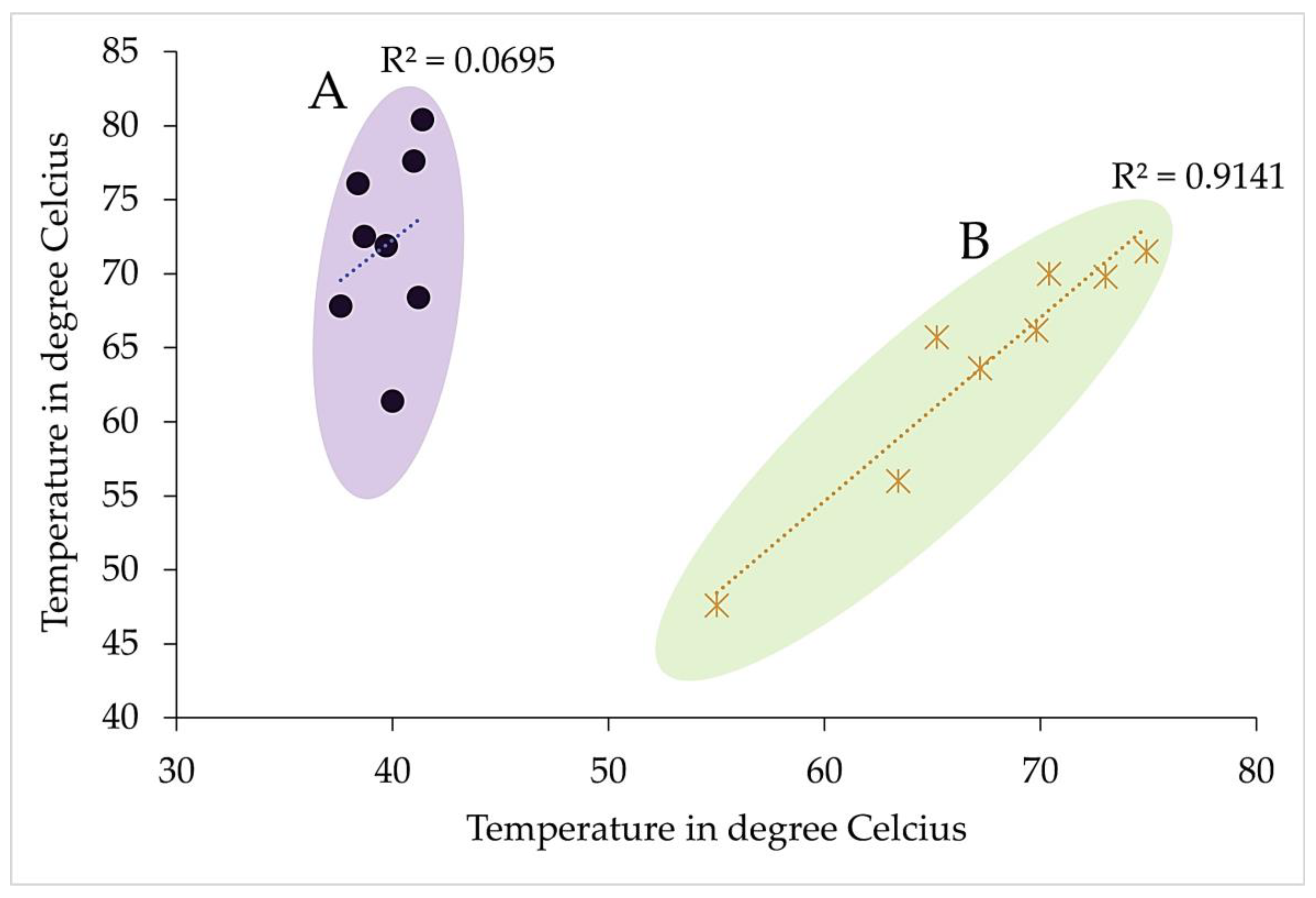
Figure 6.
Temperature correlation between, A. Ambient temperature verses milk temperature, B. Water temperature verses collector temperature.
Figure 6.
Temperature correlation between, A. Ambient temperature verses milk temperature, B. Water temperature verses collector temperature.
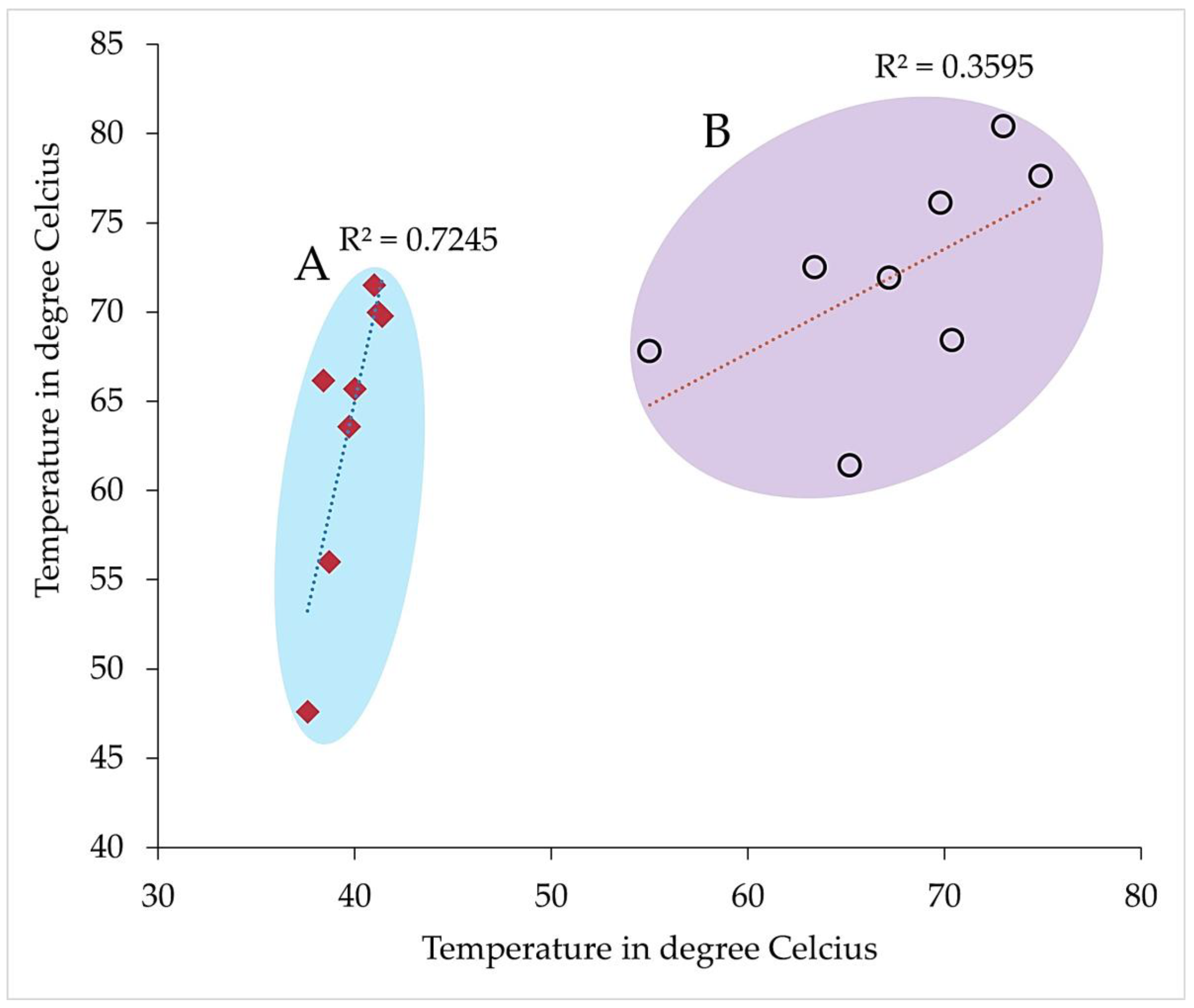
Figure 7.
Temperature correlation between, A. Ambient temperature verses water temperature, B. collector temperature verses milk temperature.
Figure 7.
Temperature correlation between, A. Ambient temperature verses water temperature, B. collector temperature verses milk temperature.
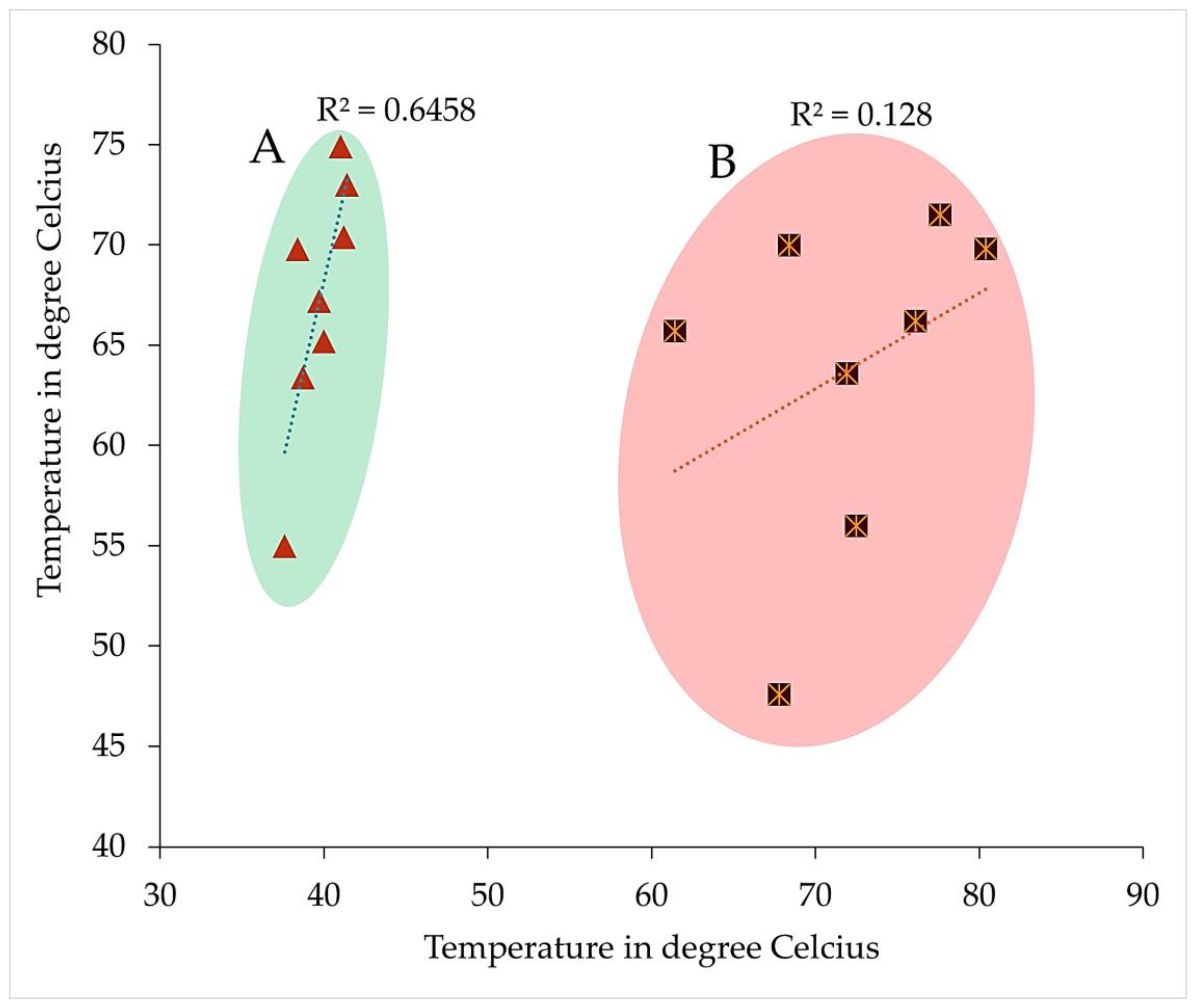
Figure 8.
Average total Bacteria Count in raw milk Vs solar pasteurized milk on different days.
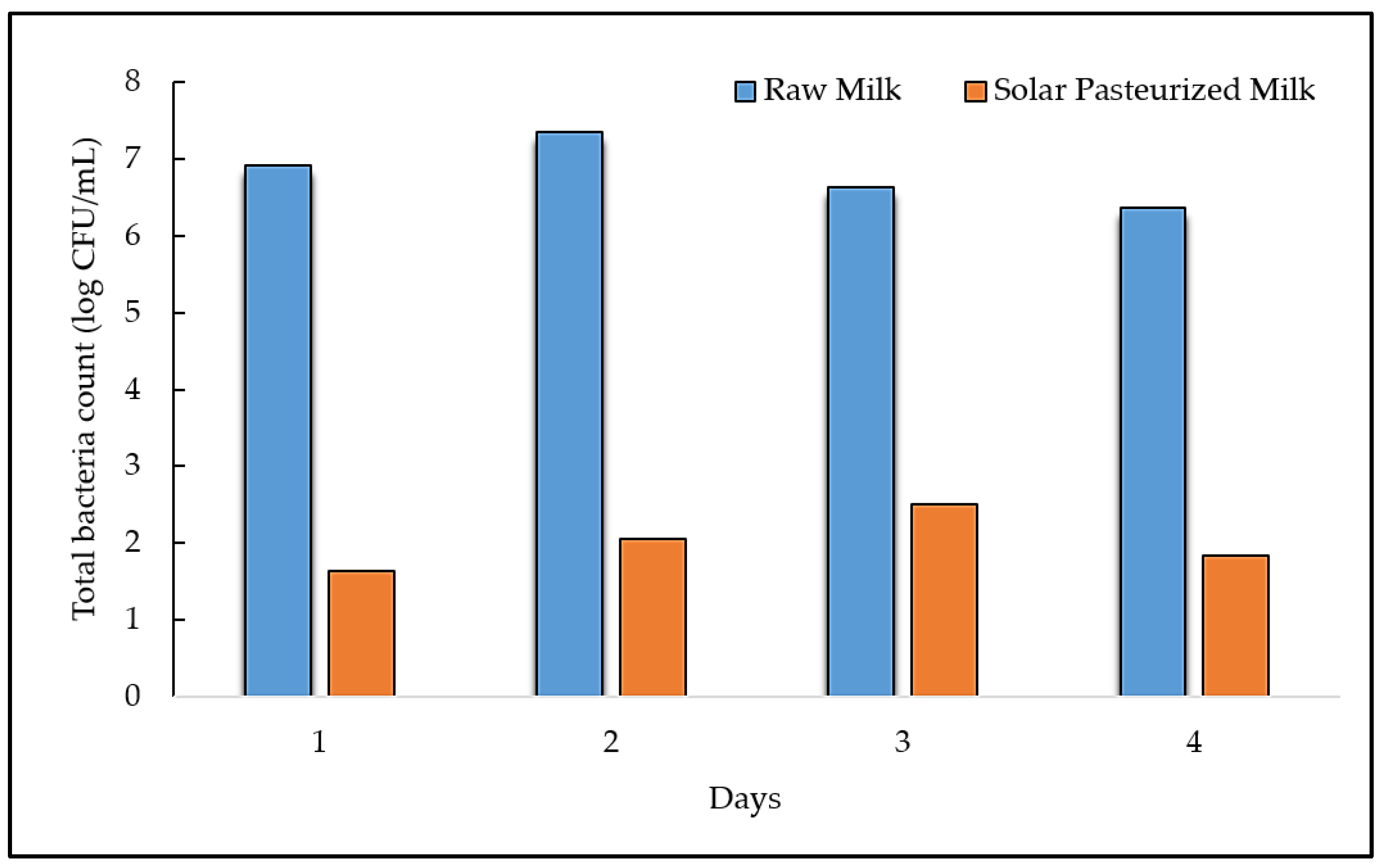
Figure 9.
Average total coliform Count in raw milk Vs solar pasteurized milk on different days.
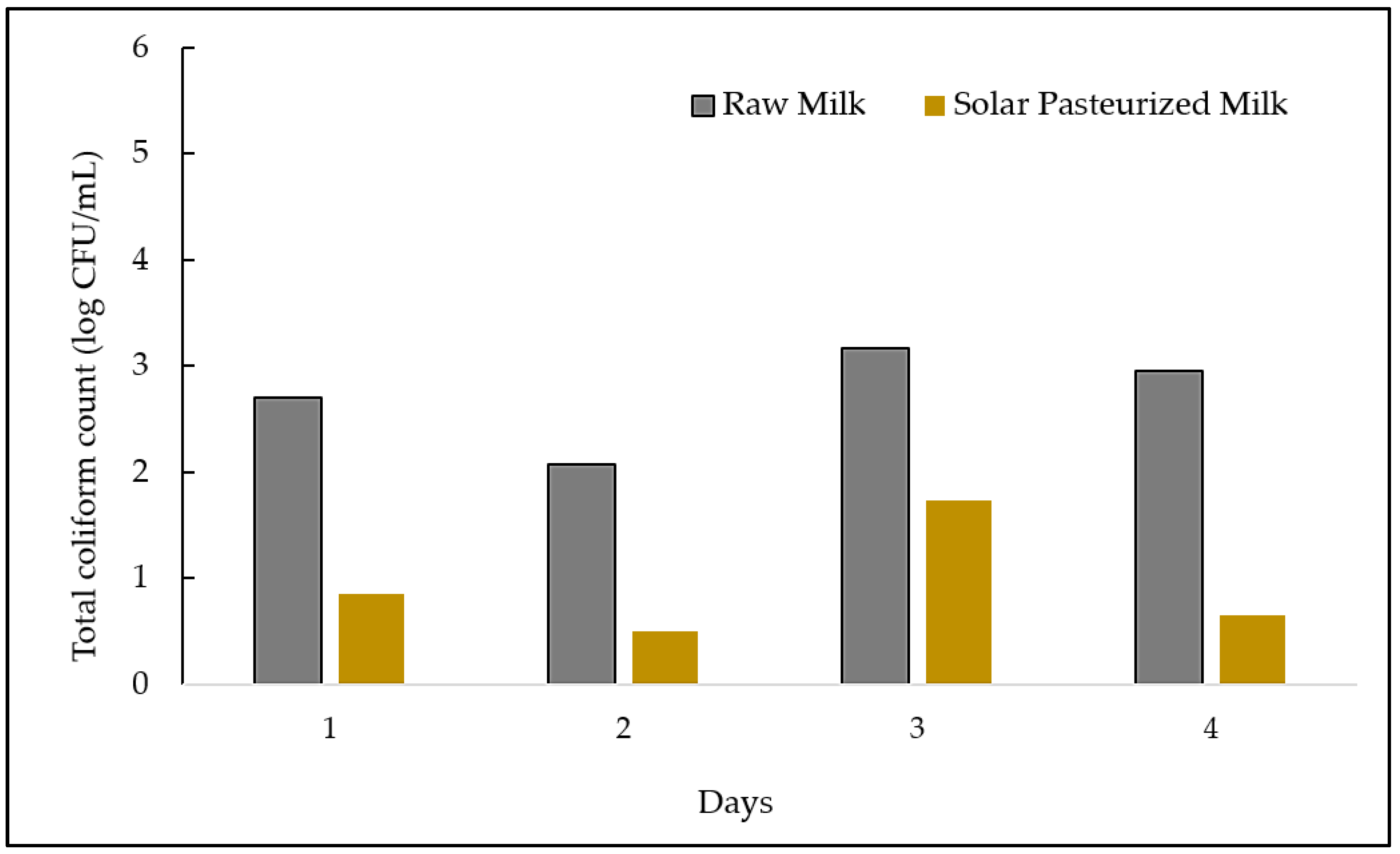
Figure 10.
Average Staphylococcus Aureus Count in raw milk Vs solar pasteurized milk on different days.
Figure 10.
Average Staphylococcus Aureus Count in raw milk Vs solar pasteurized milk on different days.
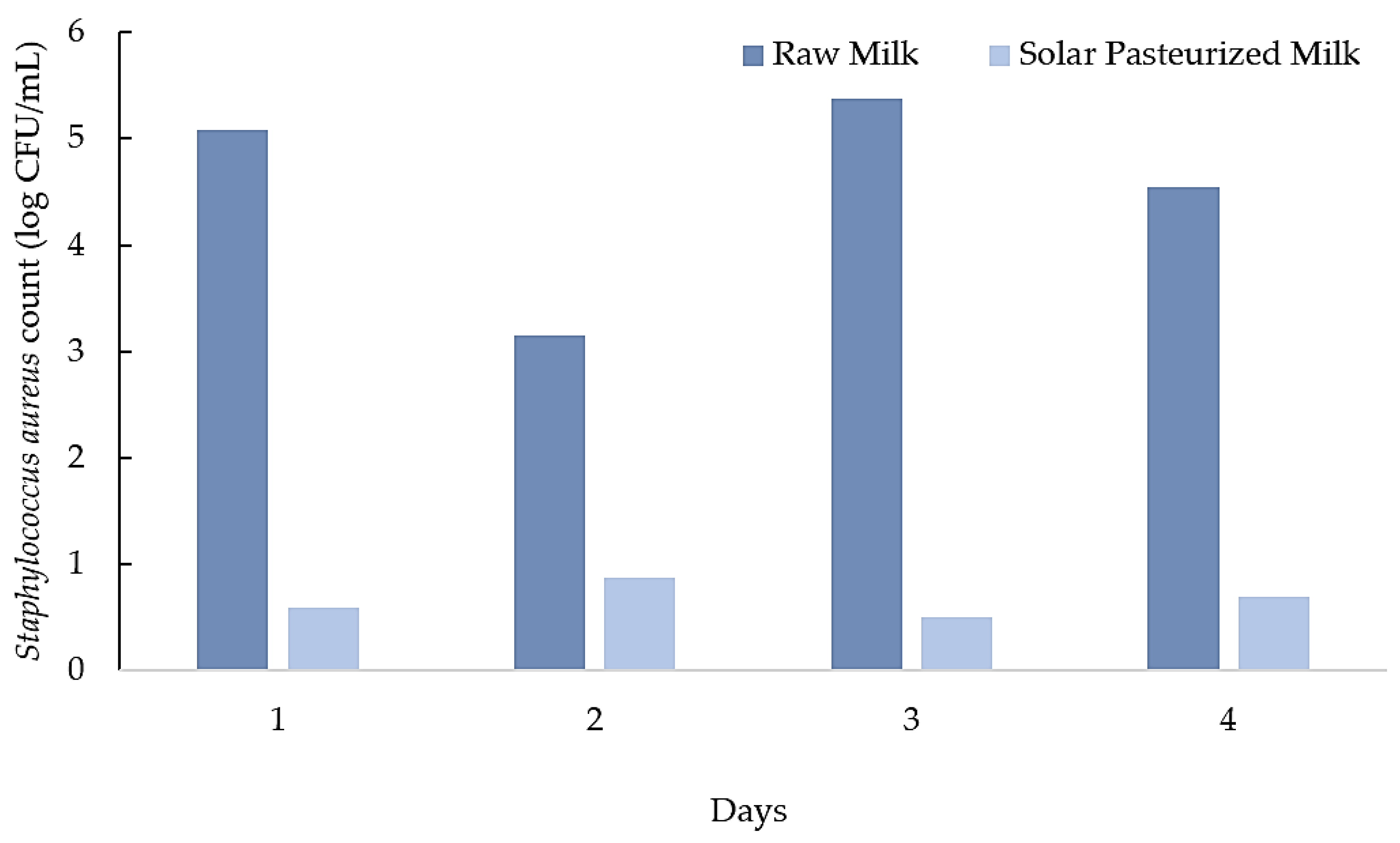

Table 1.
Average temperature during solar pasteurization.
| Time/GMT | Average Ambient Temp. /°C | Average collector Temp. / °C | Average Water Temp. / ˚C | Average Milk Temp. / °C |
|---|---|---|---|---|
| 10:00 | 37.6 ±0.89 | 67.8 ±7.73 | 55.0 ±8.03 | 47.6 ±4.93 |
| 11:00 | 38.7 ±1.20 | 72.5 ±4.66 | 63.4 ±4.04 | 56.0 ±6.44 |
| 12:00 | 38.4 ±5.41 | 76.1 ±2.13 | 69.8 ±4.09 | 66.2 ±2.59 |
| 13:00 | 41.4 ±0.55 | 80.4 ±2.71 | 73.0 ±3.39 | 69.8 ±2.28 |
| 14:00 | 41.0 ±0.82 | 77.6 ±5.02 | 74.9 ±2.39 | 71.5 ±1.91 |
| 15:00 | 41.2 ±0.45 | 68.4 ±6.88 | 70.4 ±3.85 | 70.0 ±1.58 |
| 16:00 | 40.0 ±0.00 | 61.4 ±4.98 | 65.2 ±2.17 | 65.7 ±2.49 |
| Total average | 39.7 ±2.45 | 71.9 ±7.87 | 67.2 ±7.50 | 63.6 ±8.92 |
Temp = Temperature.
Table 2.
Bacterial counts in raw milk and solar pasteurized cow milk.
| Experimental days | Bacterial counts (log CFU/mL) | |||||
|---|---|---|---|---|---|---|
| Total bacteria count | Total coliforms | Staphylococcus aureus | ||||
| RM | SPM | RM | SPM | RM | SPM | |
| 1. | 6.92 | 1.64 | 2.7 | 0.85 | 5.08 | 0.6 |
| 2. | 7.35 | 2.05 | 2.08 | 0.5 | 3.15 | 0.87 |
| 3. | 6.63 | 2.5 | 3.17 | 1.74 | 5.37 | 0.51 |
| 4. | 6.37 | 1.83 | 2.95 | 0.65 | 4.55 | 0.7 |
| Mean ±S.D | 6.82 ±0.42 | 2.01 ±0.37 | 2.73 ±0.47 | 0.94 ±0.56 | 4.54 ±0.99 | 0.67 ±0.15 |
| 6.6x10⁶ | 1.0x10² | 5.4x10² | 0.9x10 | 3.5x10⁴ | 0.5x10 | |
Key: RM – Raw milk, SPM – Solar pasteurized milk.
Disclaimer/Publisher’s Note: The statements, opinions and data contained in all publications are solely those of the individual author(s) and contributor(s) and not of MDPI and/or the editor(s). MDPI and/or the editor(s) disclaim responsibility for any injury to people or property resulting from any ideas, methods, instructions or products referred to in the content. |
© 2024 by the authors. Licensee MDPI, Basel, Switzerland. This article is an open access article distributed under the terms and conditions of the Creative Commons Attribution (CC BY) license (https://creativecommons.org/licenses/by/4.0/).
Copyright: This open access article is published under a Creative Commons CC BY 4.0 license, which permit the free download, distribution, and reuse, provided that the author and preprint are cited in any reuse.