
Submitted:
10 May 2024
Posted:
13 May 2024
You are already at the latest version
Abstract
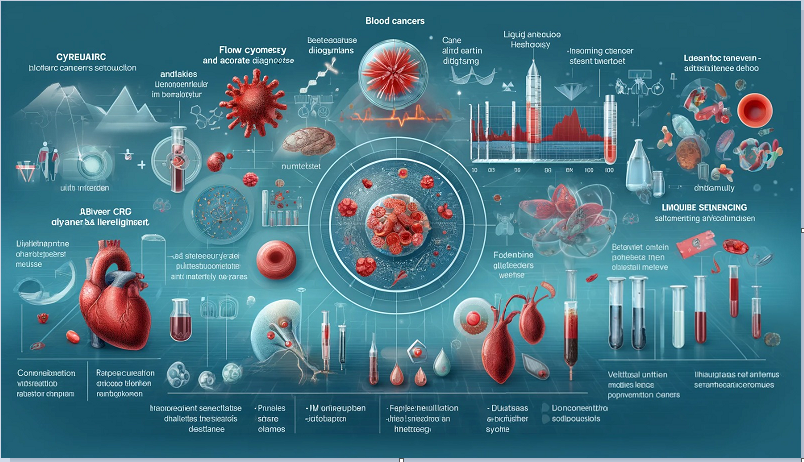
Blood cancers, including leukemia, lymphoma, and myeloma, pose significant diagnostic challenges due to their diverse and complex nature. Detecting these cancers early and accurately is crucial for timely intervention and improved patient outcomes. This review explores current and emerging detection methods for human blood cancers, focusing on their principles, advantages, limitations, and potential clinical applications.
Keywords:
cancer
; cell
; blood cancer
1. Introduction
Blood cancers, collectively known as hematological malignancies, encompass a diverse group of diseases arising from abnormal growth and function of blood cells or lymphatic tissues[1]. These cancers include leukemia, lymphoma, and myeloma, each characterized by unique pathophysiological features and clinical behaviors[2]. Detecting and diagnosing blood cancers accurately and efficiently are critical for guiding appropriate treatment strategies and improving patient outcomes[3].
Traditional diagnostic approaches for blood cancers have historically relied on invasive procedures such as bone marrow biopsy, cytogenetic analysis, and histological examination of tissue samples[4]. While these methods remain essential, they often have limitations in terms of sensitivity, specificity, and the ability to provide real-time monitoring of disease progression[5].
In recent years, significant advancements in technology and molecular biology have transformed the landscape of blood cancer detection[6]. Novel approaches, including flow cytometry, next-generation sequencing (NGS), polymerase chain reaction (PCR), advanced imaging techniques, and liquid biopsy, have revolutionized our ability to diagnose blood cancers with greater precision and sensitivity[7].
This review aims to provide an overview of current and emerging methods for detecting blood cancers, highlighting their principles, advantages, limitations, and potential clinical applications. By understanding these innovative approaches, clinicians and researchers can leverage them to improve early detection, prognostic stratification, and personalized treatment strategies for patients with blood cancers.
2. Detection Methods
2.1. Flow Cytometry
Flow cytometry is a powerful technique used extensively in the diagnosis and monitoring of hematological malignancies[8]. It enables the analysis of individual cells in a heterogeneous mixture based on various physical and chemical characteristics[9]. This section explores the principles and applications of flow cytometry in detecting blood cancers.
2.1.1. Principles of Flow Cytometry
Flow cytometry works by passing cells suspended in a fluid stream, one at a time, through a laser beam[10]. As cells flow through the beam, they scatter light and emit fluorescence based on their inherent properties or specific markers[11]. The instrument detects and analyzes this light to characterize and quantify different cell populations within a sample[12].
2.1.2. Applications in Blood Cancer Detection
2.1.2.1. Immunophenotyping
One of the primary applications of flow cytometry in hematology is immunophenotyping. This technique involves labeling cells with fluorescently-conjugated antibodies targeting specific surface antigens expressed on hematopoietic cells[13]. By analyzing the pattern of antigen expression, flow cytometry can identify and classify different cell types, allowing for the diagnosis and classification of leukemia and lymphoma subtypes[14].
2.1.2.2. Minimal Residual Disease (MRD) Monitoring
Flow cytometry is crucial for MRD monitoring, which assesses residual cancer cells after treatment[15]. By detecting rare abnormal cells among a large population of normal cells, flow cytometry can detect minimal levels of disease, aiding in treatment response assessment and disease management.
2.1.2.3. DNA Content Analysis
Flow cytometry can also be used for DNA content analysis to evaluate cell cycle phases and ploidy abnormalities[16]. This is particularly relevant in certain lymphomas and leukemias where abnormal DNA content is indicative of disease progression or prognosis.
2.1.3. Specific Markers Used in Blood Cancer Detection
Flow cytometry utilizes a panel of antibodies targeting specific antigens to identify and characterize abnormal cell populations associated with different blood cancers:
- -
- Leukemia: Different leukemias have distinct immunophenotypic profiles. For example, acute lymphoblastic leukemia (ALL) typically expresses CD19, CD10, and TdT, whereas chronic lymphocytic leukemia (CLL) is characterized by CD5, CD23, and dim surface immunoglobulin[17].
- -
- Lymphoma: Flow cytometry aids in differentiating between various lymphoma subtypes based on antigen expression. For instance, follicular lymphoma is positive for CD10 and CD20, while mantle cell lymphoma expresses CD5, CD19, and CD20[18].
2.1.4. Limitations and Considerations
While flow cytometry is a highly sensitive and versatile technique, it has certain limitations, including:
- -
- Requirement for fresh, viable cells, which may not always be obtainable from all sample types[19].
- -
- Limited ability to detect certain molecular abnormalities or genetic mutations[20].
- -
- Need for expertise in data interpretation and analysis, particularly in distinguishing abnormal from normal cell populations[21].
2.1.5. Future Directions
The future of flow cytometry in blood cancer detection lies in the development of more sophisticated multiparameter analysis, integration with molecular techniques (e.g., mass cytometry), and incorporation of artificial intelligence for data interpretation[22]. These advancements will enhance the sensitivity, specificity, and clinical utility of flow cytometry in diagnosing and monitoring blood cancers.
2.2. Next-Generation Sequencing (NGS)
Next-Generation Sequencing (NGS) has emerged as a transformative technology in the field of oncology, enabling comprehensive analysis of genetic alterations and molecular profiles in blood cancers[23]. This section explores the principles, applications, and impact of NGS in detecting hematological malignancies.
2.2.1. Principles of NGS
NGS refers to a set of high-throughput sequencing technologies that allow rapid and parallel sequencing of millions of DNA or RNA fragments. The process involves several key steps:
- -
- Library Preparation: DNA or RNA is extracted from patient samples and fragmented into smaller pieces. Adapters are ligated to the fragments to enable amplification and sequencing[24].
- -
- Sequencing: The library is sequenced using NGS platforms, generating vast amounts of sequence data[25].
- -
- Bioinformatics Analysis: Sequencing data is processed and analyzed to identify genetic variants, mutations, gene fusions, and other molecular alterations[26].
2.2.2. Applications in Blood Cancer Detection
2.2.2.1. Mutation Profiling
NGS enables comprehensive mutation profiling of blood cancers, allowing for the identification of driver mutations and therapeutic targets[27]. Commonly mutated genes in hematological malignancies, such as FLT3, NPM1, and IDH1/2 in acute myeloid leukemia (AML), can be detected using targeted sequencing panels[28].
2.2.2.2. Gene Fusions and Rearrangements
NGS facilitates the detection of gene fusions and chromosomal rearrangements characteristic of certain blood cancers, such as BCR-ABL1 in chronic myeloid leukemia (CML) or MYC-IGH in Burkitt lymphoma[29]. This information is critical for accurate diagnosis and prognostic assessment.
2.2.2.3. Clonal Heterogeneity
NGS can reveal clonal heterogeneity within blood cancers, identifying subclones with distinct genetic profiles that may influence disease progression and treatment response[30].
2.2.2.4. Minimal Residual Disease (MRD) Monitoring
NGS-based assays are increasingly used for MRD monitoring, offering higher sensitivity than conventional methods. Tracking residual disease burden post-therapy helps predict relapse and guide treatment decisions[31].
2.2.3. NGS Technologies and Platforms
Several NGS platforms are used in hematological oncology:
- -
- Targeted Gene Panels: Focus on specific genes associated with hematological malignancies, providing cost-effective and clinically relevant information[32].
- -
- Whole-Exome Sequencing (WES): Sequences all protein-coding regions of the genome, enabling comprehensive mutation profiling[33].
- -
- Whole-Genome Sequencing (WGS): Provides complete genomic information, allowing for the detection of structural variants and non-coding mutations[34].
2.2.4. Challenges and Considerations
Despite its promise, NGS has some limitations and considerations:
- -
- Data Analysis: NGS generates large datasets requiring sophisticated bioinformatics pipelines for accurate interpretation[35].
- -
- Tumor Heterogeneity: Sampling bias and intra-tumor heterogeneity can affect mutation detection and interpretation[36].
- -
- Standardization: Variability in sequencing protocols and data analysis workflows necessitates standardization for clinical adoption[37].
2.2.5. Future Directions
The future of NGS in blood cancer detection lies in integrating multi-omics data (e.g., genomics, transcriptomics, epigenomics) to gain a comprehensive understanding of disease biology. Advances in single-cell sequencing and liquid biopsy techniques will further enhance the sensitivity and clinical utility of NGS in diagnosing and monitoring hematological malignancies.
2.3. Polymerase Chain Reaction (PCR)
Polymerase Chain Reaction (PCR) is a fundamental molecular biology technique that amplifies specific DNA sequences, enabling sensitive detection of genetic abnormalities associated with blood cancers[38]. This section explores the principles, applications, and impact of PCR in the diagnosis and monitoring of hematological malignancies.
2.3.1. Principles of PCR
PCR is based on enzymatic amplification of a target DNA region using a heat-stable DNA polymerase. The process involves three main steps:
- -
- Denaturation: Heat is used to separate the double-stranded DNA template into single strands[39].
- -
- Annealing: Primers (short DNA sequences complementary to the target region) bind to the template DNA[40].
- -
- Extension: DNA polymerase synthesizes a new strand of DNA by extending from the primers[41].
These steps are repeated cyclically, resulting in exponential amplification of the target DNA sequence, which can then be analyzed for specific genetic alterations.
2.3.2. Applications in Blood Cancer Detection
PCR-based assays are widely used in hematology for various diagnostic and prognostic applications:
2.3.2.1. Detection of Fusion Genes and Mutations
PCR is employed to detect specific fusion genes and mutations characteristic of different blood cancers. For example:
2.3.2.2. Minimal Residual Disease (MRD) Monitoring
Quantitative PCR (qPCR) is used for MRD monitoring post-treatment, allowing for the detection of residual cancer cells at levels below the threshold of conventional methods. This helps assess treatment response and predict relapse[45].
2.3.2.3. Clonal Diversity Assessment
PCR-based techniques like multiplex PCR or allele-specific PCR can assess clonal diversity and evolution within hematological malignancies, providing insights into disease progression and response to therapy[46].
2.3.3. Types of PCR Assays
Various PCR-based assays are utilized in blood cancer diagnostics:
- -
- Conventional PCR: Standard PCR for amplifying specific DNA sequences[47].
- -
- Reverse Transcription PCR (RT-PCR): Converts RNA into complementary DNA (cDNA) for subsequent PCR amplification, used for detecting gene expression and fusion transcripts[48].
- -
- Nested PCR: Increases specificity by using two sets of primers to amplify the target region successively[49].
- -
- Digital PCR (dPCR): Provides absolute quantification of target DNA molecules, enhancing sensitivity for rare mutation detection[50].
2.3.4. Challenges and Considerations
Despite its widespread use, PCR has certain limitations and considerations:
- -
- Detection Sensitivity: PCR sensitivity can be affected by the quality and quantity of input DNA/RNA[51].
- -
- Target Selection: PCR assays require prior knowledge of target sequences, limiting their utility for detecting novel genetic alterations[52].
- -
- Contamination Risks: PCR is prone to contamination, necessitating stringent laboratory practices[53].
2.3.5. Future Directions
Advances in PCR technology, such as droplet digital PCR (ddPCR) and multiplex PCR panels, continue to improve the sensitivity and accuracy of blood cancer detection. Integration of PCR with other molecular techniques, such as NGS and flow cytometry, will further enhance our ability to diagnose and monitor hematological malignancies.
2.4. Imaging Techniques
Imaging plays a crucial role in the diagnosis, staging, and monitoring of blood cancers. Various advanced imaging modalities are employed to visualize anatomical structures, assess disease extent, and evaluate treatment response[54]. This section explores the principles, applications, and significance of imaging techniques in the context of hematological malignancies.
2.4.1. Imaging Modalities
Several imaging modalities are utilized in the evaluation of blood cancers:
2.4.1.1. Computed Tomography (CT)
CT imaging uses X-rays to create detailed cross-sectional images of the body. It is commonly used to assess lymph nodes, organs, and bones affected by hematological malignancies. CT scans provide valuable information for disease staging and treatment planning[55].
2.4.1.2. Magnetic Resonance Imaging (MRI)
MRI uses magnetic fields and radio waves to generate high-resolution images of soft tissues. It is particularly useful for evaluating the central nervous system (CNS) involvement in lymphomas and myelomas[56]. MRI provides detailed anatomical information without ionizing radiation exposure.
2.4.1.3. Positron Emission Tomography (PET)
PET imaging involves the injection of a radioactive tracer (e.g., fluorodeoxyglucose, FDG) that is taken up by metabolically active cells, including cancer cells[57]. PET scans are essential for staging, restaging, and monitoring treatment response in lymphomas and certain leukemias. Combined PET/CT scans offer comprehensive anatomical and functional information[57].
2.4.1.4. Bone Scintigraphy
Bone scintigraphy or bone scans use radioactive tracers (e.g., technetium-99m) to detect bone abnormalities indicative of metastatic disease or bone involvement in blood cancers like multiple myeloma[58]. This technique helps assess bone marrow infiltration and skeletal lesions.
2.4.2. Applications in Blood Cancer Detection
Imaging techniques have diverse applications in the management of hematological malignancies:
2.4.2.1. Disease Staging and Localization
Imaging plays a critical role in determining the extent of disease involvement, including lymph node enlargement, organ infiltration, and bone marrow infiltration. Accurate staging guides treatment planning and prognostication[59].
2.4.2.2. Treatment Response Assessment
Imaging is essential for evaluating treatment response and detecting residual disease post-therapy. Changes in tumor size, metabolic activity, and anatomical distribution on imaging studies inform clinicians about treatment efficacy and disease progression[60].
2.4.2.3. Assessment of Complications
Imaging helps identify disease-related complications, such as compression fractures in multiple myeloma or intracranial hemorrhage in acute leukemias. Early detection of complications guides supportive care strategies[61].
2.4.3. Emerging Imaging Technologies
Advancements in imaging technology continue to enhance our ability to detect and characterize blood cancers:
- -
- Functional MRI Techniques: Techniques like diffusion-weighted imaging (DWI) and dynamic contrast-enhanced MRI (DCE-MRI) provide insights into tumor biology and microenvironment[62].
- -
- Molecular Imaging: Novel imaging probes target specific molecular markers associated with blood cancers, enabling personalized diagnostics and therapy monitoring[63].
- -
- Artificial Intelligence (AI) Applications: AI-driven image analysis algorithms improve diagnostic accuracy, automate disease quantification, and facilitate radiomics-based prognostication[64].
2.4.4. Limitations and Considerations
Despite their utility, imaging techniques have limitations and considerations in the context of blood cancer detection:
- -
- Limited Tissue Sampling: Imaging provides anatomical and functional information but may not capture molecular or genetic heterogeneity within tumors.
- -
- Radiation Exposure: Modalities like CT and PET involve ionizing radiation, necessitating judicious use and consideration of cumulative dose[65].
- -
- Interpretation Challenges: Imaging findings must be interpreted in conjunction with clinical and laboratory data to avoid misdiagnosis or overinterpretation.
2.4.5. Future Directions
The future of imaging in blood cancer detection lies in multimodal approaches, precision imaging guided by molecular signatures, and integration with other diagnostic modalities like genomics and liquid biopsy. Continued innovation in imaging technology will further enhance our ability to diagnose, stage, and monitor hematological malignancies with improved accuracy and efficiency.
2.5. Liquid Biopsy
Liquid biopsy has emerged as a revolutionary non-invasive approach for detecting and monitoring hematological malignancies[66]. This section explores the principles, applications, and implications of liquid biopsy techniques in the context of blood cancer diagnosis and management.
2.5.1. Principles of Liquid Biopsy
Liquid biopsy involves the analysis of circulating tumor-derived materials, such as cell-free DNA (cfDNA), circulating tumor DNA (ctDNA), circulating tumor cells (CTCs), and extracellular vesicles (exosomes), in peripheral blood or other body fluids. The main components of liquid biopsy and their applications in blood cancer detection include:
- -
- Cell-Free DNA (cfDNA): DNA fragments released by tumor cells into the bloodstream. cfDNA harbors tumor-specific mutations and can be detected and analyzed using molecular techniques like PCR or NGS[67].
- -
- Circulating Tumor DNA (ctDNA): ctDNA represents the fraction of cfDNA originating from tumor cells[68]. It carries genetic alterations specific to the tumor, allowing for mutation profiling and monitoring of treatment response.
- -
- Circulating Tumor Cells (CTCs): Rare cancer cells shed from primary tumors or metastatic sites into the bloodstream[69]. CTC enumeration and characterization provide insights into disease dissemination and potential therapeutic targets.
- -
- Extracellular Vesicles (Exosomes): Small vesicles released by tumor cells containing proteins, nucleic acids, and other biomolecules reflective of tumor biology. Exosome analysis can reveal tumor-specific markers and facilitate disease monitoring[70].
2.5.2. Applications in Blood Cancer Detection
Liquid biopsy offers several advantages over traditional tissue biopsies in the context of hematological malignancies:
2.5.2.1. Early Detection and Diagnosis
Liquid biopsy enables early detection of blood cancers by detecting circulating tumor components before clinical manifestations or radiological abnormalities occur[71]. This is particularly valuable for asymptomatic patients or those at high risk of disease development.
2.5.2.2. Disease Monitoring and Prognostication
Monitoring changes in ctDNA levels or specific mutations over time allows for real-time assessment of treatment response, detection of minimal residual disease (MRD), and prediction of disease relapse[72]. Liquid biopsy-based biomarkers can inform prognostic stratification and guide personalized treatment decisions.
2.5.2.3. Treatment Response Assessment
Quantitative analysis of ctDNA dynamics during therapy provides insights into treatment efficacy and the emergence of resistance mechanisms[73]. Liquid biopsy complements imaging and other diagnostic modalities for comprehensive treatment response assessment.
2.5.3. Technologies and Techniques
Various technologies are employed for liquid biopsy analysis:
- -
- Digital PCR (dPCR): Provides absolute quantification of mutant alleles in cfDNA, enhancing sensitivity for detecting low-frequency mutations[74].
- -
- Next-Generation Sequencing (NGS): Enables comprehensive mutation profiling of ctDNA, revealing actionable genetic alterations and therapeutic targets[75].
- -
- Single-Cell Analysis: Facilitates the characterization of CTCs at the single-cell level, uncovering intra-tumor heterogeneity and metastatic potential[76].
2.5.4. Clinical Implications and Challenges
Despite its promise, liquid biopsy faces several challenges and considerations:
- -
- Sensitivity and Specificity: Detection of circulating tumor components can be challenging due to their low abundance and heterogeneity[77].
- -
- Standardization and Validation: Standardized protocols and robust analytical validation are essential for clinical implementation of liquid biopsy assays[78].
- -
- Cost and Accessibility: Adoption of liquid biopsy technologies in routine clinical practice may be limited by cost and accessibility considerations[78].
2.5.5. Future Directions
The future of liquid biopsy in blood cancer detection lies in refining analytical sensitivity, expanding biomarker repertoire, and integrating multi-omics data (e.g., genomics, proteomics) for comprehensive disease characterization. Advancements in technology and bioinformatics will further enhance the clinical utility of liquid biopsy in guiding precision oncology strategies.
3. Challenges and Future Directions
Detecting human blood cancers presents unique challenges due to the heterogeneity of these diseases and the need for precise, sensitive, and minimally invasive diagnostic methods. This section discusses the key challenges faced by current detection methods and outlines future directions to address these challenges.
3.1. Challenges in Blood Cancer Detection
3.1.1. Disease Heterogeneity
Blood cancers exhibit significant heterogeneity at the molecular, cellular, and clinical levels. This diversity complicates accurate diagnosis and requires comprehensive profiling of genetic, epigenetic, and proteomic alterations for precise classification and treatment stratification[79].
3.1.2. Sensitivity and Specificity
Existing diagnostic methods, such as bone marrow biopsy and blood smear examination, may lack the sensitivity to detect minimal residual disease (MRD) or rare subclones[80]. Improving the sensitivity and specificity of detection methods is crucial for early diagnosis and treatment monitoring.
3.1.3. Invasive Procedures
Traditional diagnostic approaches often involve invasive procedures (e.g., bone marrow aspiration), which can be uncomfortable for patients and carry risks of complications[81]. Non-invasive or minimally invasive methods are preferred for routine monitoring and follow-up.
3.1.4. Access to Advanced Technologies
Access to advanced diagnostic technologies, such as next-generation sequencing (NGS) and sophisticated imaging modalities, may be limited in certain healthcare settings or regions, affecting the timely and accurate diagnosis of blood cancers[82].
3.1.5. Cost and Affordability
The cost of implementing novel detection methods, especially high-throughput sequencing and advanced imaging, can be prohibitive, posing challenges to widespread adoption and accessibility for patients[83].
3.2. Future Directions and Innovations
3.2.1. Integration of Multi-Omics Approaches
Integrating genomics, transcriptomics, epigenomics, and proteomics data through multi-omics approaches will provide a comprehensive understanding of blood cancer biology. This holistic approach can facilitate more accurate diagnosis, personalized treatment selection, and prediction of treatment response[84].
3.2.2. Development of Non-Invasive Biomarkers
Research into non-invasive biomarkers, such as circulating tumor DNA (ctDNA), microRNAs, and exosomes, holds promise for developing blood-based tests that can detect and monitor blood cancers with high sensitivity and specificity.
3.2.3. Advancements in Imaging Technologies
Continued advancements in imaging technologies, including molecular imaging and functional MRI techniques, will enhance our ability to visualize disease manifestations, assess treatment response, and detect disease recurrence at earlier stages.
3.2.4. Implementation of Artificial Intelligence (AI)
Utilizing AI algorithms for data analysis and interpretation can improve the accuracy and efficiency of blood cancer detection methods. AI-driven diagnostic tools can handle large datasets, identify complex patterns, and assist in decision-making for clinicians.
3.2.5. Point-of-Care Diagnostics
Developing point-of-care diagnostic platforms that are portable, user-friendly, and cost-effective will enable rapid and decentralized testing for blood cancers, particularly in resource-limited settings or remote areas[85].
3.2.6. Collaborative Research and Standardization
Promoting collaborative research efforts and establishing standardized protocols for blood cancer detection methods will facilitate data sharing, benchmarking, and validation of novel technologies across different healthcare systems[86].
4. Clinical Implications
The review of detection methods for human blood cancers has significant clinical implications, impacting diagnosis, treatment selection, and patient outcomes. This section discusses the practical implications of utilizing advanced detection techniques in the clinical management of blood cancers.
4.1. Early and Accurate Diagnosis
The adoption of advanced detection methods, such as flow cytometry, next-generation sequencing (NGS), and liquid biopsy, enables earlier and more accurate diagnosis of blood cancers[87]. This facilitates prompt initiation of appropriate treatment strategies, improving prognosis and survival rates.
4.2. Disease Classification and Subtyping
Precise characterization of blood cancers through molecular profiling techniques like NGS and PCR aids in disease classification and subtype identification[88]. Accurate classification is essential for selecting targeted therapies and optimizing treatment approaches tailored to individual patients.
4.3. Personalized Treatment Selection
Comprehensive molecular profiling provided by advanced detection methods guides personalized treatment selection[88]. Identification of specific genetic mutations, fusion genes, or biomarkers informs the use of targeted therapies, immunotherapies, or novel agents, maximizing treatment efficacy while minimizing adverse effects.
4.4. Monitoring Treatment Response
Real-time monitoring of treatment response using liquid biopsy for MRD assessment or imaging techniques (e.g., PET-CT) informs clinicians about disease status and treatment effectiveness[89]. Early detection of treatment failure or disease progression allows timely adjustments in therapeutic regimens.
4.5. Prognostic Stratification
Advanced detection methods contribute to accurate prognostic stratification based on molecular risk factors and disease characteristics[90]. This facilitates risk-adapted treatment strategies and identifies high-risk patients who may benefit from more intensive therapies or clinical trials.
4.6. Minimal Residual Disease (MRD) Monitoring
The sensitive detection of MRD using techniques like flow cytometry and NGS has profound implications for long-term disease management[15]. MRD status serves as a predictive biomarker for relapse risk, guiding post-treatment surveillance and therapeutic interventions.
4.7. Facilitating Clinical Trials and Research
Incorporation of advanced detection methods in clinical practice fosters collaboration between clinicians and researchers[91]. Molecular profiling data generated from routine diagnostics contribute to the development of novel therapeutic agents, biomarker-driven clinical trials, and translational research.
4.8. Enhancing Patient Care and Quality of Life
By improving diagnostic accuracy and treatment tailoring, advanced detection methods optimize patient care and enhance quality of life[92]. Patients benefit from personalized therapies that are more effective and have fewer adverse effects, leading to improved outcomes and overall well-being.
4.9. Challenges and Future Directions
While the clinical implications of advanced detection methods for blood cancers are promising, challenges remain in terms of cost, accessibility, and standardization. Future directions should focus on overcoming these challenges through technological innovations, collaborative research efforts, and healthcare policy initiatives aimed at integrating precision medicine into routine clinical practice.
5. Conclusion
In conclusion, the evolving landscape of blood cancer detection is marked by the integration of advanced techniques such as flow cytometry, next-generation sequencing (NGS), polymerase chain reaction (PCR), imaging modalities, and liquid biopsy. These methods offer enhanced sensitivity, specificity, and clinical utility, enabling early diagnosis, precise disease classification, personalized treatment selection, and accurate monitoring of treatment response and minimal residual disease (MRD). Despite challenges related to cost, accessibility, and standardization, ongoing research and collaborative efforts are driving progress in the field. The future of blood cancer diagnostics lies in multi-omics integration, refinement of non-invasive biomarkers, and leveraging artificial intelligence (AI) for data analysis, all aimed at advancing precision medicine and improving outcomes for individuals with blood cancers. As technologies continue to evolve and translate into routine clinical practice, we anticipate significant strides towards personalized oncology and optimized patient care in hematology.
References
- Sankar, V. and A. Villa, Hematologic diseases. Burket's Oral Medicine, 2021: p. 627-664.
- Taylor, J.; Xiao, W.; Abdel-Wahab, O. Diagnosis and classification of hematologic malignancies on the basis of genetics. Blood 2017, 130, 410–423. [Google Scholar] [CrossRef] [PubMed]
- Lennon, A.M.; Buchanan, A.H.; Kinde, I.; Warren, A.; Honushefsky, A.; Cohain, A.T.; Ledbetter, D.H.; Sanfilippo, F.; Sheridan, K.; Rosica, D.; et al. Feasibility of blood testing combined with PET-CT to screen for cancer and guide intervention. Science 2020, 369, eabb9601. [Google Scholar] [CrossRef] [PubMed]
- Fend, F.; Tzankov, A.; Bink, K.; Seidl, S.; Quintanilla-Martinez, L.; Kremer, M.; Dirnhofer, S. Modern techniques for the diagnostic evaluation of the trephine bone marrow biopsy: Methodological aspects and applications. Prog. Histochem. Cytochem. 2008, 42, 203–252. [Google Scholar] [CrossRef] [PubMed]
- Bustin, S.A. and R. Mueller, Real-time reverse transcription PCR (qRT-PCR) and its potential use in clinical diagnosis. Clinical Science, 2005. 109(4): p. 365-379.
- Haber, D.A.; Velculescu, V.E. Blood-Based Analyses of Cancer: Circulating Tumor Cells and Circulating Tumor DNA. Cancer Discov. 2014, 4, 650–661. [Google Scholar] [CrossRef] [PubMed]
- Armakolas, A.; Kotsari, M.; Koskinas, J. Liquid Biopsies, Novel Approaches and Future Directions. Cancers 2023, 15, 1579. [Google Scholar] [CrossRef] [PubMed]
- Jennings, C.D.; Foon, K.A. Recent Advances in Flow Cytometry: Application to the Diagnosis of Hematologic Malignancy. Blood 1997, 90, 2863–2892. [Google Scholar] [CrossRef]
- Walling, M.A.; Shepard, J.R.E. Cellular heterogeneity and live cell arrays. Chem. Soc. Rev. 2011, 40, 4049–4076. [Google Scholar] [CrossRef] [PubMed]
- Givan, A.L. , Principles of flow cytometry: an overview. Methods in cell biology, 2001. 63: p. 19-50.
- Monici, M. , Cell and tissue autofluorescence research and diagnostic applications. Biotechnology annual review, 2005. 11: p. 227-256.
- Carpenter, A.E.; Jones, T.R.; Lamprecht, M.R.; Clarke, C.; Kang, I.H.; Friman, O.; Guertin, D.A.; Chang, J.H.; Lindquist, R.A.; Moffat, J.; et al. CellProfiler: Image analysis software for identifying and quantifying cell phenotypes. Genome Biol. 2006, 7, R100. [Google Scholar] [CrossRef] [PubMed]
- Maher, K.J.; Fletcher, M.A. Quantitative flow cytometry in the clinical laboratory. Clin. Appl. Immunol. Rev. 2005, 5, 353–372. [Google Scholar] [CrossRef]
- Dunphy, C.H. Applications of Flow Cytometry and Immunohistochemistry to Diagnostic Hematopathology. Arch. Pathol. Lab. Med. 2004, 128, 1004–1022. [Google Scholar] [CrossRef]
- Riva, G.; Nasillo, V.; Ottomano, A.M.; Bergonzini, G.; Paolini, A.; Forghieri, F.; Lusenti, B.; Barozzi, P.; Lagreca, I.; Fiorcari, S.; et al. Multiparametric Flow Cytometry for MRD Monitoring in Hematologic Malignancies: Clinical Applications and New Challenges. Cancers 2021, 13, 4582. [Google Scholar] [CrossRef] [PubMed]
- Jayat, C.; Ratinaud, M. Cell cycle analysis by flow cytometry: Principles and applications. Biol. Cell 1993, 78, 15–25. [Google Scholar] [CrossRef] [PubMed]
- Garand, R.; Robillard, N. Immunophenotypic characterization of acute leukemias and chronic lymphoproliferative disorders: practical recommendations and classifications. Hematol. Cell Ther. 1996, 38, 471–486. [Google Scholar] [CrossRef] [PubMed]
- Boyd, S.D. , et al., Selective immunophenotyping for diagnosis of B-cell neoplasms: immunohistochemistry and flow cytometry strategies and results. Applied immunohistochemistry & molecular morphology, 2013. 21(2): p. 116-131.
- Postgate, J. , Chapter XVIII viable counts and viability, in Methods in microbiology. 1969, Elsevier. p. 611-628.
- Korf, B.R.; Rehm, H.L. New Approaches to Molecular Diagnosis. JAMA 2013, 309, 1511–1521. [Google Scholar] [CrossRef] [PubMed]
- Silvestri, G.A. , et al., Methods for staging non-small cell lung cancer: Diagnosis and management of lung cancer: American College of Chest Physicians evidence-based clinical practice guidelines. Chest, 2013. 143(5): p. e211S-e250S.
- Fuda, F.; Chen, M.; Chen, W.; Cox, A. Artificial intelligence in clinical multiparameter flow cytometry and mass cytometry–key tools and progress. Semin. Diagn. Pathol. 2023, 40, 120–128. [Google Scholar] [CrossRef] [PubMed]
- Serratì, S.; De Summa, S.; Pilato, B.; Petriella, D.; Lacalamita, R.; Tommasi, S.; Pinto, R. Next-generation sequencing: advances and applications in cancer diagnosis. OncoTargets Ther. 2016, ume 9, 7355–7365. [Google Scholar] [CrossRef]
- Hedegaard, J.; Thorsen, K.; Lund, M.K.; Hein, A.-M.K.; Hamilton-Dutoit, S.J.; Vang, S.; Nordentoft, I.; Birkenkamp-Demtröder, K.; Kruhøffer, M.; Hager, H.; et al. Next-Generation Sequencing of RNA and DNA Isolated from Paired Fresh-Frozen and Formalin-Fixed Paraffin-Embedded Samples of Human Cancer and Normal Tissue. PLOS ONE 2014, 9, e98187. [Google Scholar] [CrossRef] [PubMed]
- Suzuki, S.; Ono, N.; Furusawa, C.; Ying, B.-W.; Yomo, T. Comparison of Sequence Reads Obtained from Three Next-Generation Sequencing Platforms. PLOS ONE 2011, 6, e19534. [Google Scholar] [CrossRef] [PubMed]
- Bueno, R.; Stawiski, E.W.; Goldstein, L.D.; Durinck, S.; De Rienzo, A.; Modrusan, Z.; Gnad, F.; Nguyen, T.T.; Jaiswal, B.S.; Chirieac, L.R.; et al. Comprehensive genomic analysis of malignant pleural mesothelioma identifies recurrent mutations, gene fusions and splicing alterations. Nat. Genet. 2016, 48, 407–416. [Google Scholar] [CrossRef]
- Bacher, U.; Shumilov, E.; Flach, J.; Porret, N.; Joncourt, R.; Wiedemann, G.; Fiedler, M.; Novak, U.; Amstutz, U.; Pabst, T. Challenges in the introduction of next-generation sequencing (NGS) for diagnostics of myeloid malignancies into clinical routine use. Blood Cancer J. 2018, 8, 1–10. [Google Scholar] [CrossRef]
- Yang, F.; Anekpuritanang, T.; Press, R.D. Clinical Utility of Next-Generation Sequencing in Acute Myeloid Leukemia. Mol. Diagn. Ther. 2020, 24, 1–13. [Google Scholar] [CrossRef]
- Zhang, Y. , Genetics in Hematologic Disorders: Implications of Recurring Chromosome Abnormalities and Gene Mutations. Concise Guide to Hematology, 2019: p. 277-297.
- Chu, M.P.; Kriangkum, J.; Venner, C.P.; Sandhu, I.; Hewitt, J.; Belch, A.R.; Pilarski, L.M. Addressing heterogeneity of individual blood cancers: the need for single cell analysis. Cell Biol. Toxicol. 2016, 33, 83–97. [Google Scholar] [CrossRef] [PubMed]
- Cuzzo, B.; Lipsky, A.; Cherng, H.-J.J. Measurable Residual Disease Monitoring in Lymphoma. Curr. Hematol. Malign- Rep. 2023, 18, 292–304. [Google Scholar] [CrossRef]
- Vu, M.; Degeling, K.; Thompson, E.R.; Blombery, P.; Westerman, D.; Ijzerman, M.J. Health economic evidence for the use of molecular biomarker tests in hematological malignancies: A systematic review. Eur. J. Haematol. 2022, 108, 469–485. [Google Scholar] [CrossRef] [PubMed]
- Cheng, F.; Zhao, J.; Zhao, Z. Advances in computational approaches for prioritizing driver mutations and significantly mutated genes in cancer genomes. Brief. Bioinform. 2016, 17, 642–656. [Google Scholar] [CrossRef] [PubMed]
- Khurana, E.; Fu, Y.; Chakravarty, D.; Demichelis, F.; Rubin, M.A.; Gerstein, M. Role of non-coding sequence variants in cancer. Nat. Rev. Genet. 2016, 17, 93–108. [Google Scholar] [CrossRef]
- Daber, R.; Sukhadia, S.; Morrissette, J.J. Understanding the limitations of next generation sequencing informatics, an approach to clinical pipeline validation using artificial data sets. Cancer Genet. 2013, 206, 441–448. [Google Scholar] [CrossRef]
- Swift, S.L.; Duffy, S.; Lang, S.H. Impact of tumor heterogeneity and tissue sampling for genetic mutation testing: a systematic review and post hoc analysis. J. Clin. Epidemiology 2020, 126, 45–55. [Google Scholar] [CrossRef]
- Conway, J.R.; Warner, J.L.; Rubinstein, W.S.; Miller, R.S. Next-Generation Sequencing and the Clinical Oncology Workflow: Data Challenges, Proposed Solutions, and a Call to Action. JCO Precis. Oncol. 2019, 3, 1–10. [Google Scholar] [CrossRef]
- Valones, M.A.A.; Guimarães, R.L.; Brandão, L.A.C.; de Souza, P.R.E.; Carvalho, A.D.A.T.; Crovela, S. Principles and applications of polymerase chain reaction in medical diagnostic fields: a review. Braz. J. Microbiol. 2009, 40, 1–11. [Google Scholar] [CrossRef]
- Stenerlöw, B.; Karlsson, K.H.; Cooper, B.; Rydberg, B. Measurement of Prompt DNA Double-Strand Breaks in Mammalian Cells without Including Heat-Labile Sites: Results for Cells Deficient in Nonhomologous End Joining. Radiat. Res. 2003, 159, 502–510. [Google Scholar] [CrossRef] [PubMed]
- van Pelt-Verkuil, E., A. van Belkum, and J.P. Hays, PCR primers. Principles and Technical Aspects of PCR Amplification, 2008: p. 63-90.
- Sanger, F.; Coulson, A.R. A rapid method for determining sequences in DNA by primed synthesis with DNA polymerase. J. Mol. Biol. 1975, 94, 441–448. [Google Scholar] [CrossRef] [PubMed]
- Dalfeor, R.; Tavares, D.d.O.; Bendit, I.; Nardinelli, L.; Tabak, D.G.; Gale, R.P. Rare BCR::ABL1 Fusion Gene in Chronic Myeloid Leukaemia: A Case Report. Oncol. Adv. 2024, 000, 000–000. [Google Scholar] [CrossRef]
- Kido, S.; Miyazaki, K.; Tokunaga, O. The Relationship Between Primary Gastric B-cell Lymphoma and Immunoglobulin Heavy Chain (IgH) Gene Rearrangement – A Histopathological Study of Primary Gastric Lymphomas. Pathol. - Res. Pr. 2003, 199, 647–658. [Google Scholar] [CrossRef] [PubMed]
- Monazma A, F. , et al., JAK2 V617F mutation in myeloproliferative neoplasms. 2013.
- Ommen, H.B. Monitoring minimal residual disease in acute myeloid leukaemia: a review of the current evolving strategies. Ther. Adv. Hematol. 2015, 7, 3–16. [Google Scholar] [CrossRef] [PubMed]
- Gazzola, A.; Mannu, C.; Rossi, M.; Laginestra, M.A.; Sapienza, M.R.; Fuligni, F.; Etebari, M.; Melle, F.; Sabattini, E.; Agostinelli, C.; et al. The evolution of clonality testing in the diagnosis and monitoring of hematological malignancies. Ther. Adv. Hematol. 2014, 5, 35–47. [Google Scholar] [CrossRef] [PubMed]
- Higuchi, R.; Dollinger, G.; Walsh, P.S.; Griffith, R. Simultaneous Amplification and Detection of Specific DNA Sequences. Bio/Technology 1992, 10, 413–417. [Google Scholar] [CrossRef] [PubMed]
- Mohr, S.; Ghanem, E.; Smith, W.; Sheeter, D.; Qin, Y.; King, O.; Polioudakis, D.; Iyer, V.R.; Hunicke-Smith, S.; Swamy, S.; et al. Thermostable group II intron reverse transcriptase fusion proteins and their use in cDNA synthesis and next-generation RNA sequencing. RNA 2013, 19, 958–970. [Google Scholar] [CrossRef] [PubMed]
- Yin, J.L.; Shackel, N.A.; Zekry, A.; McGuinness, P.H.; Richards, C.; Van Der Putten, K.; Mccaughan, G.; Eris, J.M.; Bishop, G.A. Real-time reverse transcriptase–polymerase chain reaction (RT–PCR) for measurement of cytokine and growth factor mRNA expression with fluorogenic probes or SYBR Green I. Immunol. Cell Biol. 2001, 79, 213–221. [Google Scholar] [CrossRef]
- Salk, J.J.; Schmitt, M.W.; Loeb, L.A. Enhancing the accuracy of next-generation sequencing for detecting rare and subclonal mutations. Nat. Rev. Genet. 2018, 19, 269–285. [Google Scholar] [CrossRef]
- Dang, J.; Mendez, P.; Lee, S.; Kim, J.W.; Yoon, J.-H.; Kim, T.W.; Sailey, C.J.; Jablons, D.M.; Kim, I.-J. Development of a robust DNA quality and quantity assessment qPCR assay for targeted next-generation sequencing library preparation. Int. J. Oncol. 2016, 49, 1755–1765. [Google Scholar] [CrossRef] [PubMed]
- Morlan, J.; Baker, J.; Sinicropi, D. Mutation Detection by Real-Time PCR: A Simple, Robust and Highly Selective Method. PLOS ONE 2009, 4, e4584. [Google Scholar] [CrossRef]
- Mackay, I. Real-time PCR in the microbiology laboratory. Clin. Microbiol. Infect. 2004, 10, 190–212. [Google Scholar] [CrossRef] [PubMed]
- Rhee, H.; Park, M.-S. The Role of Imaging in Current Treatment Strategies for Pancreatic Adenocarcinoma. Korean J. Radiol. 2021, 22, 23–40. [Google Scholar] [CrossRef]
- nbsp; Kekelidze, M. ; D'Errico, L.; Pansini, M.; Tyndall, A.; Hohmann, J. Colorectal cancer: Current imaging methods and future perspectives for the diagnosis, staging and therapeutic response evaluation. World J. Gastroenterol. 2013, 19, 8502–8514. [Google Scholar] [CrossRef] [PubMed]
- Maffei, M.E. , Magnetic fields and cancer: epidemiology, cellular biology, and theranostics. International Journal of Molecular Sciences, 2022. 23(3): p. 1339.
- Farwell, M.D.; Pryma, D.A.; Mankoff, D.A. PET/CT imaging in cancer: Current applications and future directions. Cancer 2014, 120, 3433–3445. [Google Scholar] [CrossRef] [PubMed]
- Brenner, A.I. , et al. The bone scan. in Seminars in nuclear medicine. 2012. Elsevier.
- Johnson, S.A.; Kumar, A.; Matasar, M.J.; Schöder, H.; Rademaker, J. Imaging for Staging and Response Assessment in Lymphoma. Radiology 2015, 276, 323–338. [Google Scholar] [CrossRef] [PubMed]
- Marcus, C.; Ladam-Marcus, V.; Cucu, C.; Bouché, O.; Lucas, L.; Hoeffel, C. Imaging techniques to evaluate the response to treatment in oncology: Current standards and perspectives. Crit. Rev. Oncol. 2009, 72, 217–238. [Google Scholar] [CrossRef] [PubMed]
- Geraldes, C.; Roque, A.; Sarmento-Ribeiro, A.B.; Neves, M.; Ionita, A.; Gerivaz, R.; Tomé, A.; Afonso, S.; Silveira, M.P.; Sousa, P.; et al. Practical management of disease-related manifestations and drug toxicities in patients with multiple myeloma. Front. Oncol. 2024, 14, 1282300. [Google Scholar] [CrossRef] [PubMed]
- Padhani, A.R. and A.A. Khan, Diffusion-weighted (DW) and dynamic contrast-enhanced (DCE) magnetic resonance imaging (MRI) for monitoring anticancer therapy. Targeted oncology, 2010. 5: p. 39-52.
- Hanash, S.M.; Baik, C.S.; Kallioniemi, O. Emerging molecular biomarkers—blood-based strategies to detect and monitor cancer. Nat. Rev. Clin. Oncol. 2011, 8, 142–150. [Google Scholar] [CrossRef]
- Bera, K.; Braman, N.; Gupta, A.; Velcheti, V.; Madabhushi, A. Predicting cancer outcomes with radiomics and artificial intelligence in radiology. Nat. Rev. Clin. Oncol. 2021, 19, 132–146. [Google Scholar] [CrossRef]
- Hirshfeld, J.W. , et al., 2018 ACC/HRS/NASCI/SCAI/SCCT expert consensus document on optimal use of ionizing radiation in cardiovascular imaging: best practices for safety and effectiveness: a report of the American College of Cardiology Task Force on Expert Consensus Decision Pathways. Journal of the American College of Cardiology, 2018. 71(24): p. e283-e351.
- Martins, I.; Ribeiro, I.P.; Jorge, J.; Gonçalves, A.C.; Sarmento-Ribeiro, A.B.; Melo, J.B.; Carreira, I.M. Liquid Biopsies: Applications for Cancer Diagnosis and Monitoring. Genes 2021, 12, 349. [Google Scholar] [CrossRef] [PubMed]
- Volckmar, A.-L.; Sueltmann, H.; Riediger, A.; Fioretos, T.; Schirmacher, P.; Endris, V.; Stenzinger, A.; Dietz, S. A field guide for cancer diagnostics using cell-free DNA: From principles to practice and clinical applications. Genes, Chromosom. Cancer 2018, 57, 123–139. [Google Scholar] [CrossRef]
- Bredno, J.; Lipson, J.; Venn, O.; Aravanis, A.M.; Jamshidi, A. Clinical correlates of circulating cell-free DNA tumor fraction. PLOS ONE 2021, 16, e0256436. [Google Scholar] [CrossRef] [PubMed]
- Nicolson, G.L. , Cancer metastasis. Scientific American, 1979. 240(3): p. 66-77.
- Principe, S.; Hui, A.B.; Bruce, J.; Sinha, A.; Liu, F.; Kislinger, T. Tumor-derived exosomes and microvesicles in head and neck cancer: Implications for tumor biology and biomarker discovery. Proteomics 2013, 13, 1608–1623. [Google Scholar] [CrossRef] [PubMed]
- Nikanjam, M.; Kato, S.; Kurzrock, R. Liquid biopsy: current technology and clinical applications. J. Hematol. Oncol. 2022, 15, 1–14. [Google Scholar] [CrossRef]
- Chin, R.-I.; Chen, K.; Usmani, A.; Chua, C.; Harris, P.K.; Binkley, M.S.; Azad, T.D.; Dudley, J.C.; Chaudhuri, A.A. Detection of Solid Tumor Molecular Residual Disease(MRD) Using Circulating Tumor DNA (ctDNA). Mol. Diagn. Ther. 2019, 23, 311–331. [Google Scholar] [CrossRef]
- Sanz-Garcia, E.; Zhao, E.; Bratman, S.V.; Siu, L.L. Monitoring and adapting cancer treatment using circulating tumor DNA kinetics: Current research, opportunities, and challenges. Sci. Adv. 2022, 8, eabi8618. [Google Scholar] [CrossRef]
- Chen, W.; Xu, H.; Dai, S.; Wang, J.; Yang, Z.; Jin, Y.; Zou, M.; Xiao, X.; Wu, T.; Yan, W.; et al. Detection of low-frequency mutations in clinical samples by increasing mutation abundance via the excision of wild-type sequences. Nat. Biomed. Eng. 2023, 7, 1602–1613. [Google Scholar] [CrossRef]
- Devarakonda, S.; Sankararaman, S.; Herzog, B.H.; Gold, K.A.; Waqar, S.N.; Ward, J.P.; Raymond, V.M.; Lanman, R.B.; Chaudhuri, A.A.; Owonikoko, T.K.; et al. Circulating Tumor DNA Profiling in Small-Cell Lung Cancer Identifies Potentially Targetable Alterations. Clin. Cancer Res. 2019, 25, 6119–6126. [Google Scholar] [CrossRef]
- Kan, T.; Wang, W.; Ip, P.P.; Zhou, S.; Wong, A.S.; Wang, X.; Yang, M. Single-cell EMT-related transcriptional analysis revealed intra-cluster heterogeneity of tumor cell clusters in epithelial ovarian cancer ascites. Oncogene 2020, 39, 4227–4240. [Google Scholar] [CrossRef]
- Hong, B.; Zu, Y. Detecting Circulating Tumor Cells: Current Challenges and New Trends. Theranostics 2013, 3, 377–394. [Google Scholar] [CrossRef]
- Ignatiadis, M.; Sledge, G.W.; Jeffrey, S.S. Liquid biopsy enters the clinic — implementation issues and future challenges. Nat. Rev. Clin. Oncol. 2021, 18, 297–312. [Google Scholar] [CrossRef]
- Menyhárt, O.; Győrffy, B. Multi-omics approaches in cancer research with applications in tumor subtyping, prognosis, and diagnosis. Comput. Struct. Biotechnol. J. 2021, 19, 949–960. [Google Scholar] [CrossRef] [PubMed]
- Blachly, J.S.; Walter, R.B.; Hourigan, C.S. The present and future of measurable residual disease testing in acute myeloid leukemia. Haematologica 2022, 107, 2810–2822. [Google Scholar] [CrossRef]
- Trewhitt, K.G. Bone marrow aspiration and biopsy: collection and interpretation. . 2001, 28, 1409. [Google Scholar] [PubMed]
- Walter, W.; Pfarr, N.; Meggendorfer, M.; Jost, P.; Haferlach, T.; Weichert, W. Next-generation diagnostics for precision oncology: Preanalytical considerations, technical challenges, and available technologies. Semin. Cancer Biol. 2020, 84, 3–15. [Google Scholar] [CrossRef] [PubMed]
- Anderson, M.W.; Schrijver, I. Next Generation DNA Sequencing and the Future of Genomic Medicine. Genes 2010, 1, 38–69. [Google Scholar] [CrossRef]
- Pineda, S.; Gomez-Rubio, P.; Picornell, A.; Bessonov, K.; Márquez, M.; Kogevinas, M.; Real, F.X.; Van Steen, K.; Malats, N. Framework for the Integration of Genomics, Epigenomics and Transcriptomics in Complex Diseases. Hum. Hered. 2015, 79, 124–136. [Google Scholar] [CrossRef] [PubMed]
- Heidt, B.; Siqueira, W.F.; Eersels, K.; Diliën, H.; van Grinsven, B.; Fujiwara, R.T.; Cleij, T.J. Point of Care Diagnostics in Resource-Limited Settings: A Review of the Present and Future of PoC in Its Most Needed Environment. Biosensors 2020, 10, 133. [Google Scholar] [CrossRef]
- Wood, W.A.; Marks, P.W.; Plovnick, R.M.; Hewitt, K.; Neuberg, D.S.; Walters, S.; Dolan, B.K.; Tucker, E.A.; Abrams, C.S.; Thompson, A.A.; et al. ASH Research Collaborative: a real-world data infrastructure to support real-world evidence development and learning healthcare systems in hematology. Blood Adv. 2021, 5, 5429–5438. [Google Scholar] [CrossRef] [PubMed]
- Daya, S.A.; Mahfouz, R. Circulating tumor DNA, liquid biopsy, and next generation sequencing: A comprehensive technical and clinical applications review. Meta Gene 2018, 17, 192–201. [Google Scholar] [CrossRef]
- Malone, E.R.; Oliva, M.; Sabatini, P.J.B.; Stockley, T.L.; Siu, L.L. Molecular profiling for precision cancer therapies. Genome Med. 2020, 12, 1–19. [Google Scholar] [CrossRef] [PubMed]
- Cohen, S.A.; Liu, M.C.; Aleshin, A. Practical recommendations for using ctDNA in clinical decision making. Nature 2023, 619, 259–268. [Google Scholar] [CrossRef] [PubMed]
- Johansson. ; Andreassen, O.A.; Brunak, S.; Franks, P.W.; Hedman, H.; Loos, R.J.F.; Meder, B.; Melén, E.; Wheelock, C.E.; Jacobsson, B. Precision medicine in complex diseases—Molecular subgrouping for improved prediction and treatment stratification. J. Intern. Med. 2023, 294, 378–396. [Google Scholar] [CrossRef]
- Levin, R.F. , et al., Fostering evidence-based practice to improve nurse and cost outcomes in a community health setting: a pilot test of the advancing research and clinical practice through close collaboration model. Nursing Administration Quarterly, 2011. 35(1): p. 21-33.
- Castaneda, C.; Nalley, K.; Mannion, C.; Bhattacharyya, P.; Blake, P.; Pecora, A.; Goy, A.; Suh, K.S. Clinical decision support systems for improving diagnostic accuracy and achieving precision medicine. J. Clin. Bioinform. 2015, 5, 4. [Google Scholar] [CrossRef]
Disclaimer/Publisher’s Note: The statements, opinions and data contained in all publications are solely those of the individual author(s) and contributor(s) and not of MDPI and/or the editor(s). MDPI and/or the editor(s) disclaim responsibility for any injury to people or property resulting from any ideas, methods, instructions or products referred to in the content. |
© 2024 by the authors. Licensee MDPI, Basel, Switzerland. This article is an open access article distributed under the terms and conditions of the Creative Commons Attribution (CC BY) license (http://creativecommons.org/licenses/by/4.0/).
Copyright: This open access article is published under a Creative Commons CC BY 4.0 license, which permit the free download, distribution, and reuse, provided that the author and preprint are cited in any reuse.