
Submitted:
26 April 2024
Posted:
28 April 2024
You are already at the latest version
Abstract
Due to various industrial developments and artificial inputs, there are emerging environmental contaminats(ECs) of serious concern in a wide range of environmental media. With recent advancements in scientific knowledge and industrial technology, the definition of emerging environmental contaminats has expanded. Among them, emerging contaminants are typically present in trace amounts and pose serious ecological risks and potential hazards to human health, animals and plants, with cumulative effects on organisms. However, Traditional treatment techniques have proven ineffective in eliminating and preventing subsequent environmental problems from new pollutants such as microplastics, antibiotics and fluorocarbons. Consequently, extensive research has been conducted to address these issues. Effective removal methods prioritize not only removal efficiency, but also environmental friendliness and regenerative capacity. The purpose of this paper is to summarize the sources, forms of presence, environmental and human health hazards, and removal technologies of ECs, and to provide various examples of different sources.
Keywords:
emerging contaminants
; removal technologies
; risk assessment
; environmental pollution
1. Introduction
In the past hundred years, the world has experienced great development. The rapid development of industry, agriculture and urbanization has brought economic benefits and aggravated environmental problems [1]. For example, toxic solid waste, incomplete sewage Treatment, the use of non-biodegradable materials, harmful greenhouse gases, etc. In the past, common pollutants included heavy metals, organochlorine pesticides, sulfur dioxide, PM2.5 and so on. Then, there are many kinds of pollutants without relevant laws and regulations, called emerging contaminants. Many classes of drugs are essential to today's society, such as antibiotics, endocrine disruptor, fluorocarbon and others.
A typical example is antibiotics, which have led to the antibiotic revolution since the discovery of penicillin by Alexander Fleming in 1929, as well as the subsequent development of purification of penicillin by Howard Florey and the Bavarian chain company Ernest of Bavaria chain during World War II [2]. Antibiotics exist in rivers, lakes, and oceans around the world, causing problems such as resistance genes and endocrine disorders. However, for China or some developing countries, these pollutants are not classified as pollutants. Like antibiotics, perfluorooctane sulfonate (PFOS) has been detected in estuarine sediments and water worldwide and has also been reported in mammalian tissues and human serum, and is widely recognized for its persistence in the environment [3]。
In addition, some endocrine disruptors are the main factors causing pollution today. In 1995, endocrine disruptors (EDs) became a scientific concept and it was discovered that these pollutants can cause harm to the biological reproductive system and hormone function [4]. Artificial sweeteners (ASs) are widely used as sugar substitutes in human diet and animal feed due to their high intensity of sweetness. The use of Cyc in all foods was banned by the US Food and Drug Administration (FDA) in 1970, because of its potential carcinogenic effect on experimental animals. However, in Asia, for example, China is the main user of artificial sweeteners [5]. Although AS has been found in various environmental media around the world due to its extensive and sustained consumption, its ecological toxicity has not received much attention [6]. Under the attention of scholars from around the world, the toxicity of some new pollutants can be estimated using formulas. However, in nature, research on mixed toxicity is not clear, including systematic detection of ECs and control measures. This phenomenon is more pronounced in developing countries.
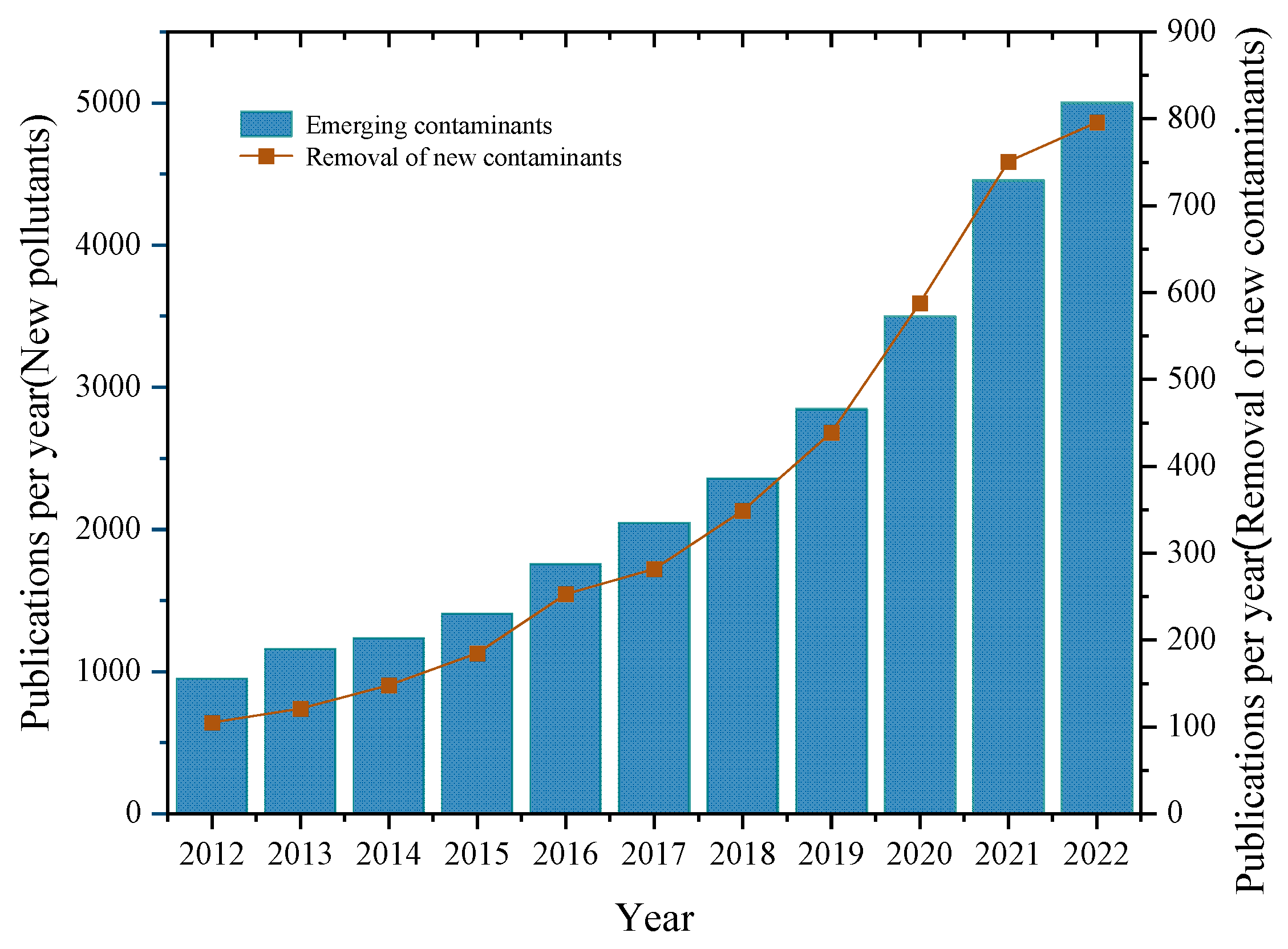
In recent years, the study of ECs has covered various aspects, and scholars' opinions constitute a valuable source of information. As can be seen in Figure 1, research related to new pollutant/new pollutant removal has been steadily increasing over the past decade. However, because of the wide coverage, multiple sources and complex pollution mechanism of ECs, the control and investigation of ECs require cooperation from various departments to reduce potential and direct risks to humans and ecology. Given the above situation, the aim of this study is to compile an inventory of emerging pollutants and to study their toxicity and removal processes, etc.
2. Sources and Routes of Emerging Pollutants
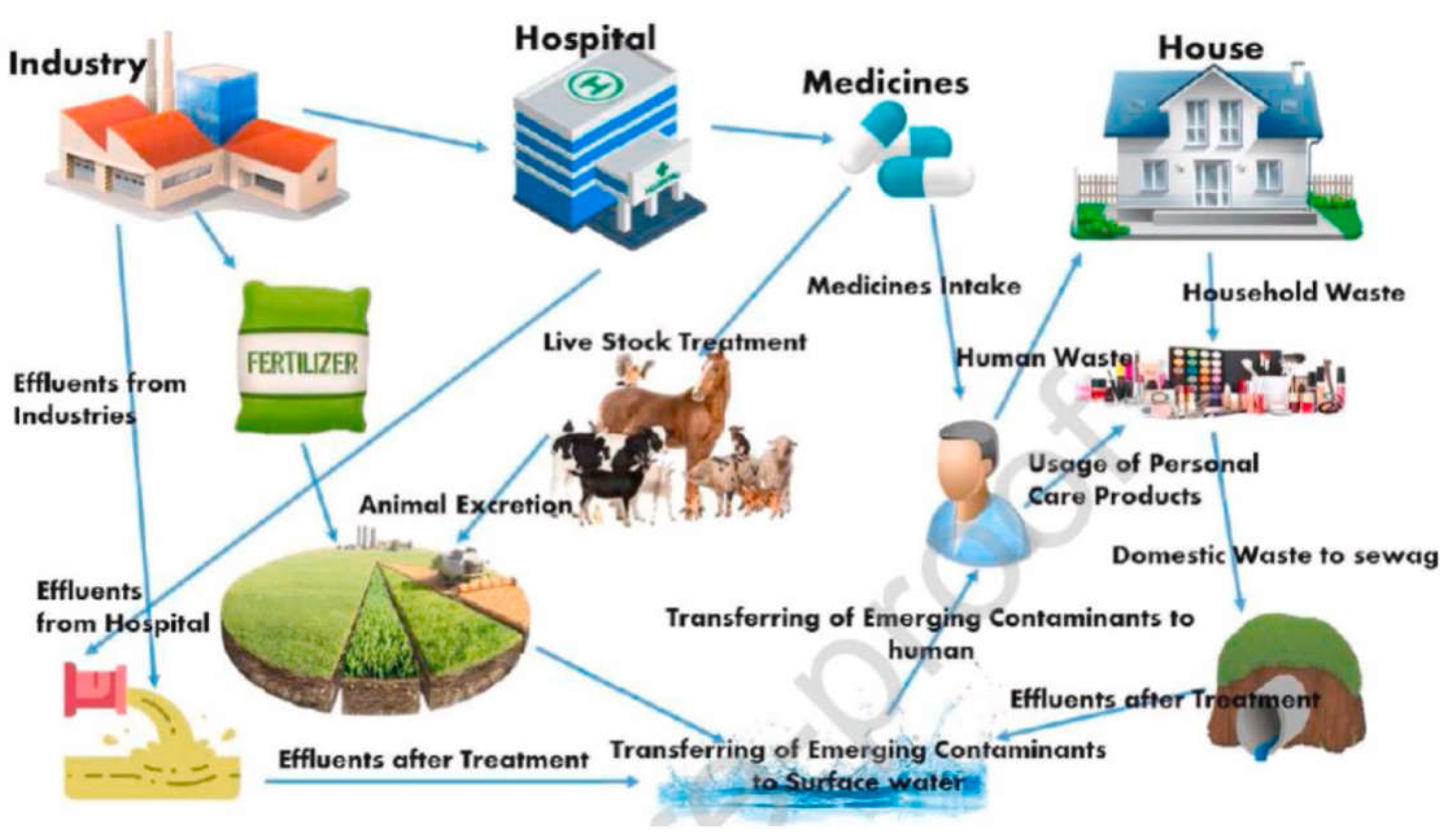
Emerging contaminants are known to be toxic, resistant to degradation, prone to bioaccumulation, and often capable of crossing international borders via air, water, and migratory species. They can deposit in regions far from their emission sites, subsequently accumulating in terrestrial and aquatic ecosystems. Industries such as pharmaceuticals, printing, electroplating, beauty products, chemical manufacturing, antibiotics, and cleaning agents contribute to the release of these pollutants into water, soil, and air. Similar to traditional sources of pollution, they pose significant threats to the environment. The toxicity and physicochemical properties of these materials, regardless of their form or source, play crucial roles in determining how they interact within the biosphere and influence natural transformation processes.
Figure 2.
Sources of emerging pollutants [7].
Figure 2.
Sources of emerging pollutants [7].
3. Known and New Emerging Contaminants
3.1. Polyfluorinated Compounds
Polyfluorinated Compounds (PFCs) are a new type of persistent organic pollutants. Each hydrogen atom in the carbon chain of a compound molecule is replaced by a fluorine atom. The general formula is F (CF2) N-R, where R is the hydrophilic functional group. PFCs have excellent physical and chemical properties and are widely used in industrial production and daily life. PFCs have been detected in the atmosphere, water, soil, sediment, organisms and even polar ice fields. Most PFAS are extremely durable because they do not hydrolyze, photodegrade, or biodegrade under various environmental conditions [8]. It is clear that the probability of finding Pfas in water bodies is quite high due to large discharges into rivers, lakes, groundwater, and other aquatic environments. In addition to the aquatic environment, PFAS is commonly found in other environmental media, including suspended particulate matter (SPM), sediment and so on [9]. PFCs are highly bioaccumulative and potentially toxic to reproduction. The accumulation of PCFCS in the environment also threatens the microbial community. The effect of long chain PFCs on soil bacterial community composition was greater than that of short chain PFCs. The results showed that PFCS pollution also greatly affected the survival of several major bacterial genera in aquatic ecosystems [10]. The solubility of PFCs in water plays an important role in its toxicity. In fact, slow dissolution processes may lead to slow accumulation and metabolism, as well as an increase in the half-life of PFC. In this regard, it must be emphasized that, in addition to the high absorptivity of PFCs in organics dispersed in water and aquatic species, the ubiquity and persistence of PFCs in water, for example, perfluorooctanoic acid (PFOA) and PFOS are about 40 and 90 years old, respectively, making these molecules difficult to eradicate. In aquatic organisms, half-lives can depend on the type of metabolism and are more sensitive to the type of functional group [11].

Table 1.
Types and structural Fluorocarbon.
| Type | Name | Abbreviation | Chemical structure |
|---|---|---|---|
| PFCA | Perfluorobutanoic acid | PFBA | 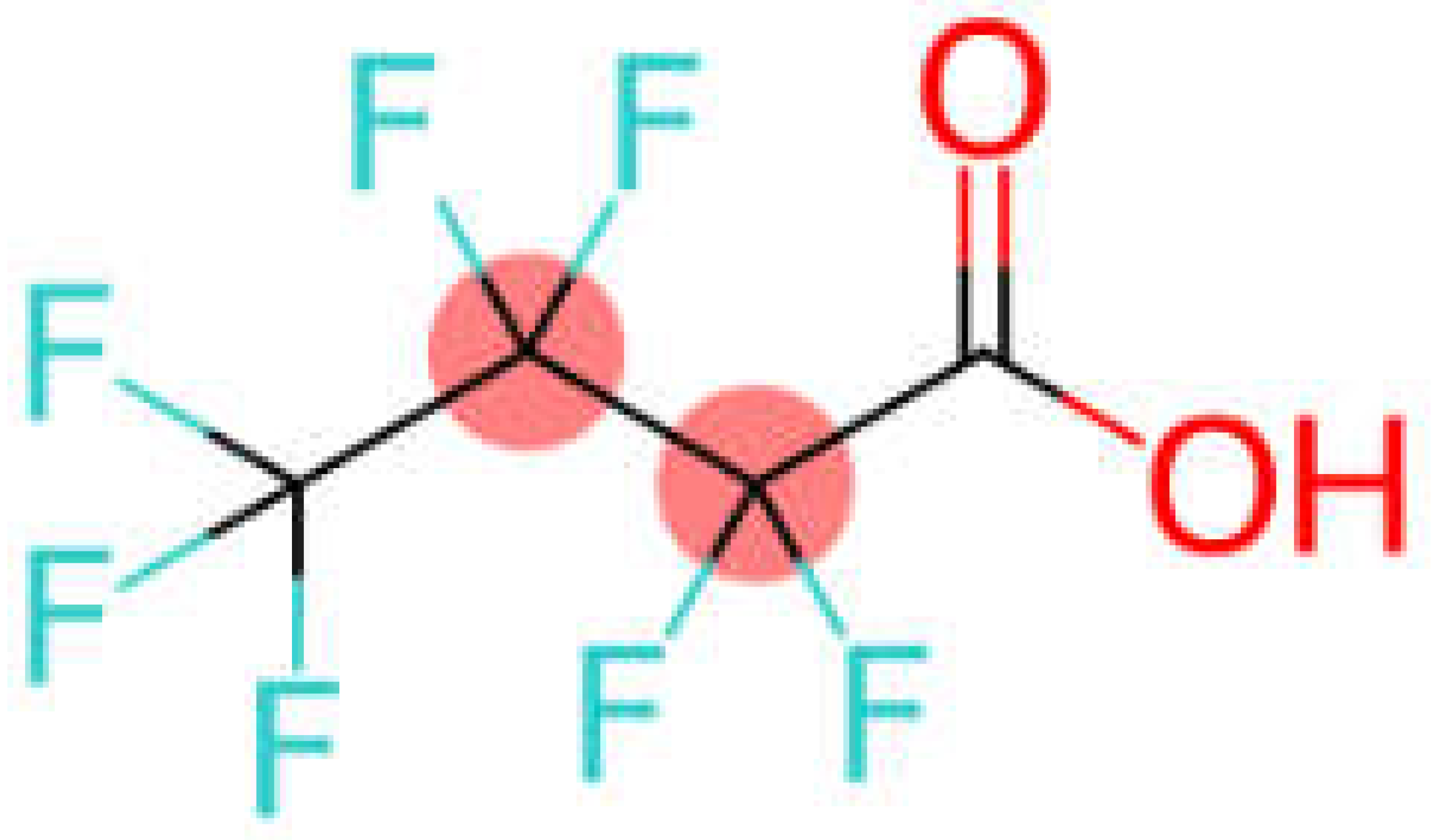 |
| Perfluoropentanoic acid | PFPeA | 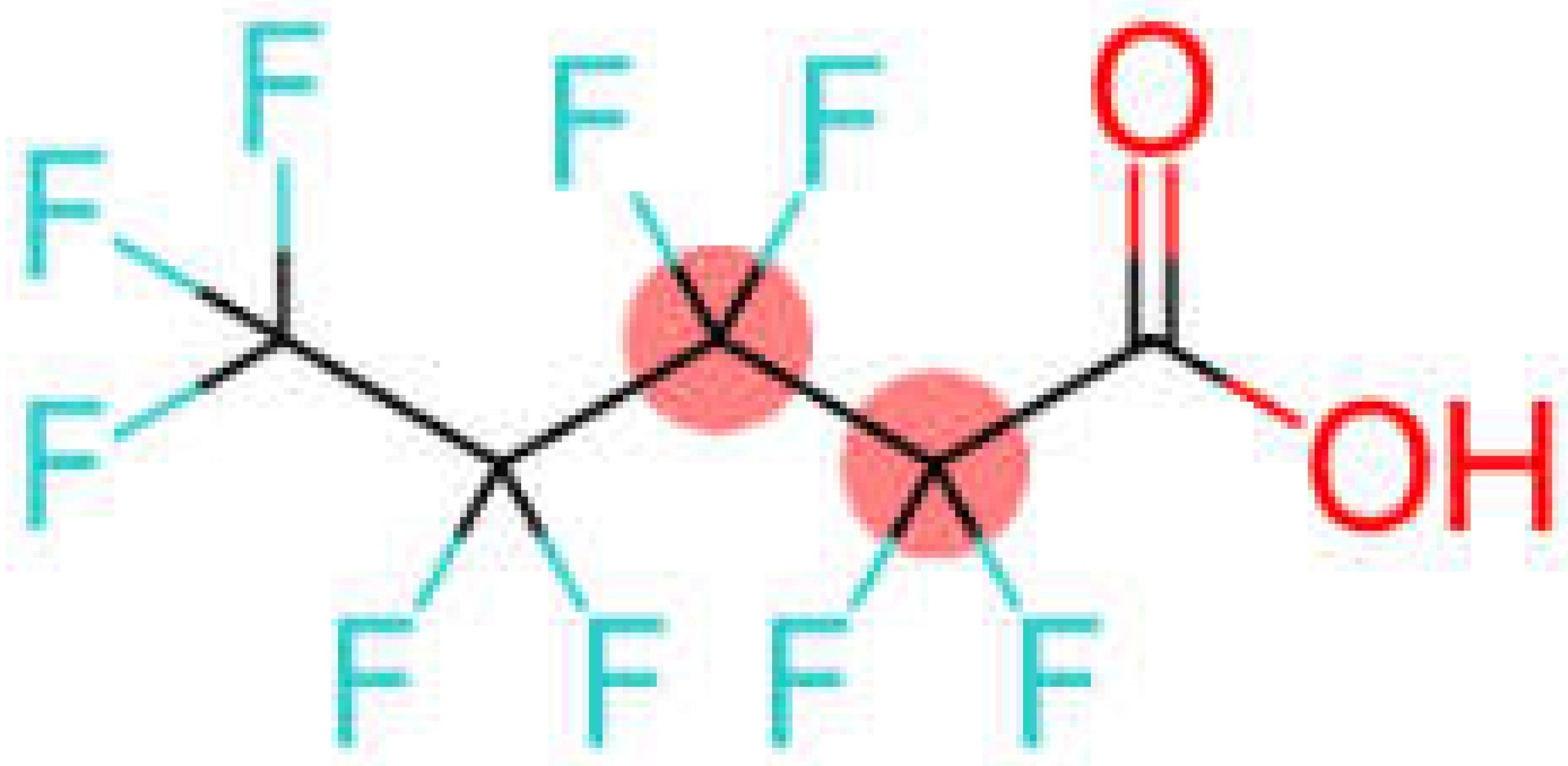 |
|
| Perfluorohexanoic acid | PFHxA | 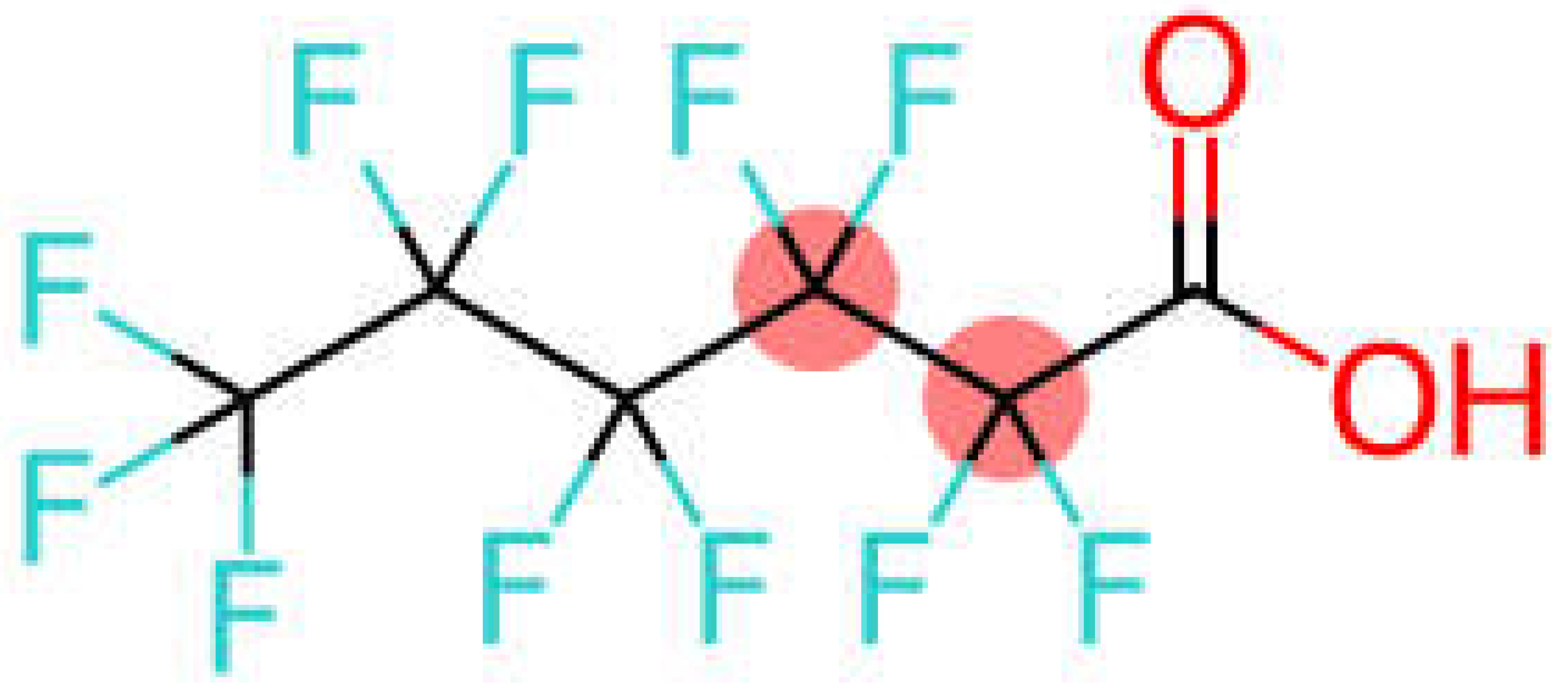 |
|
| Perfluorododecanoic acid | PFDoDA | 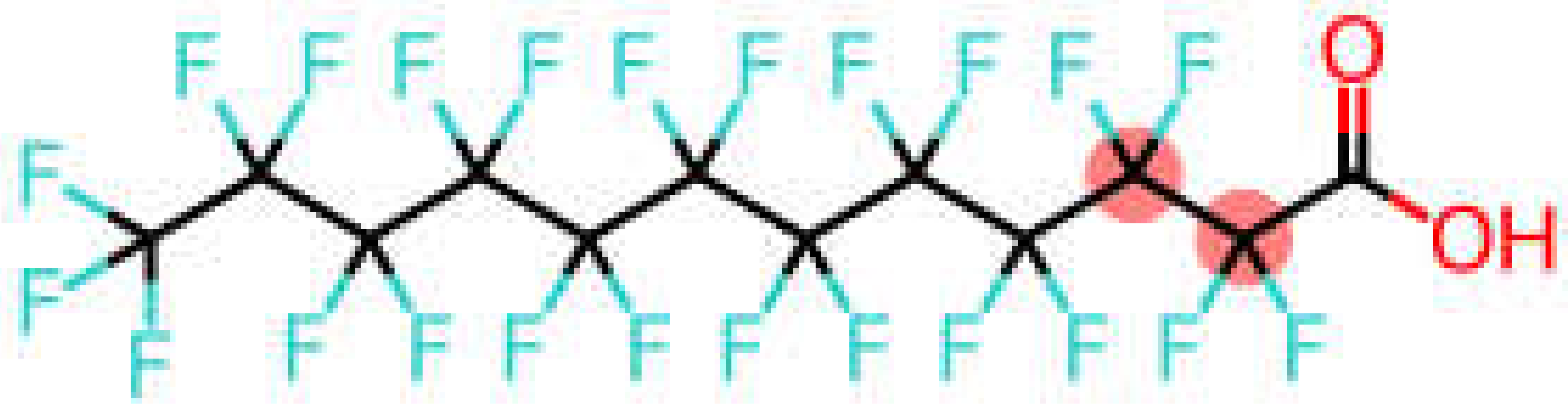 |
|
| Perfluorononanoic acid | PFNA | 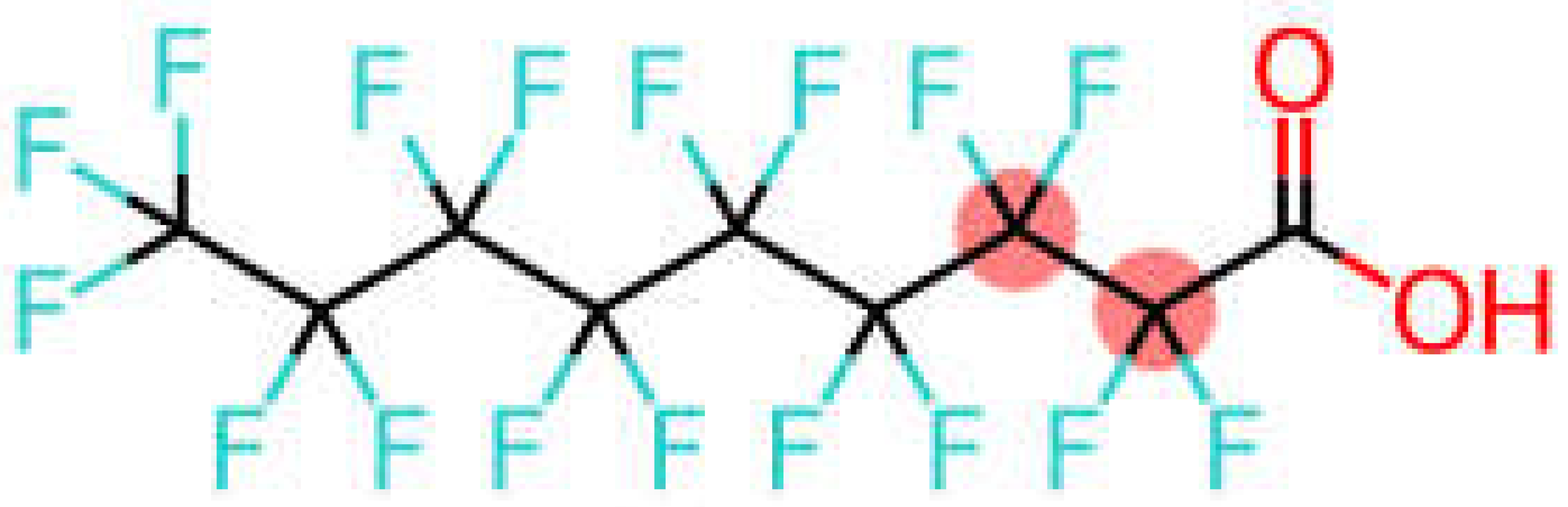 |
|
| PFSA | Perfluorobutane sulfonic acid | PFBS | 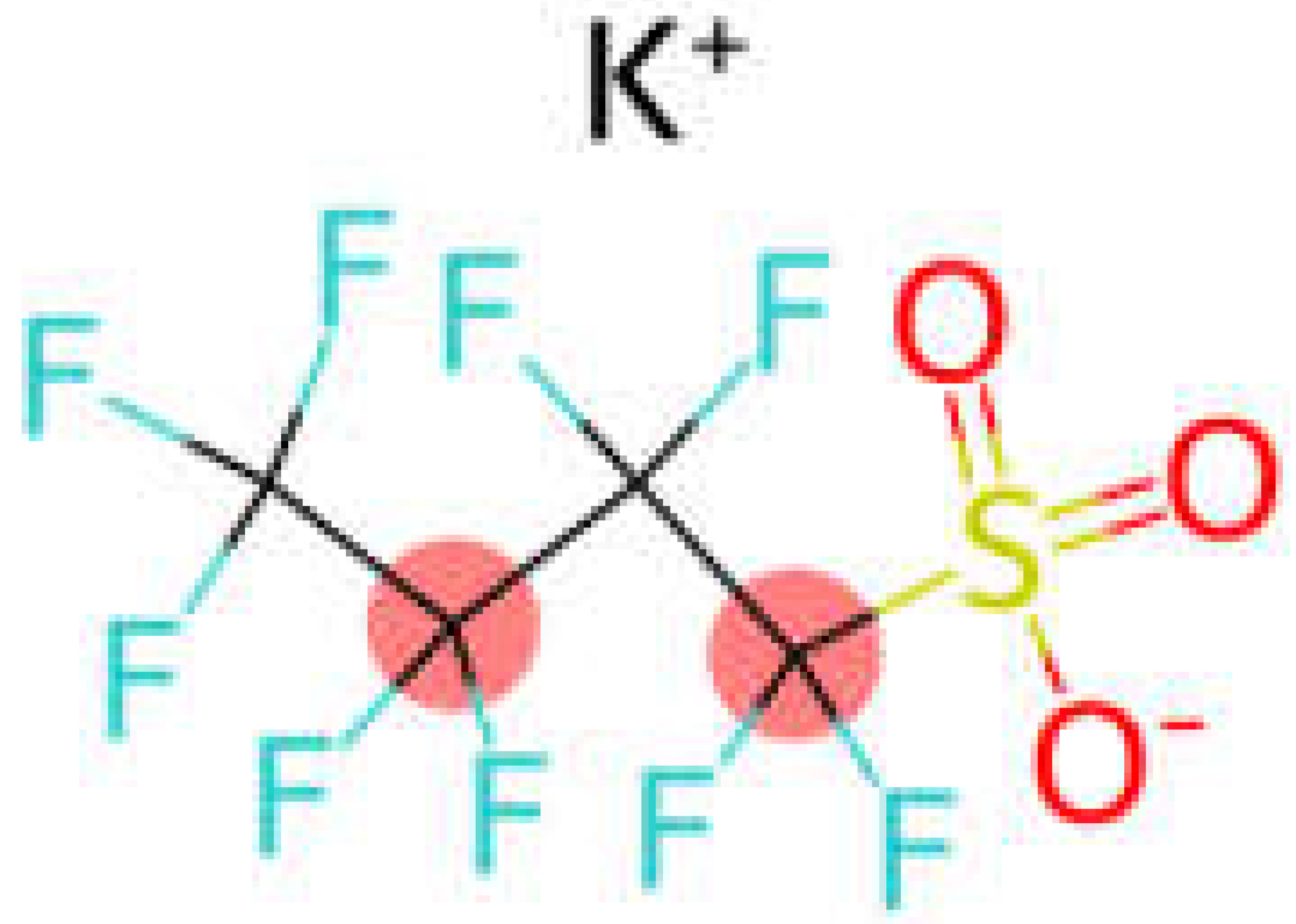 |
| Perfluorohexane sulfonic acid | PFHxS | 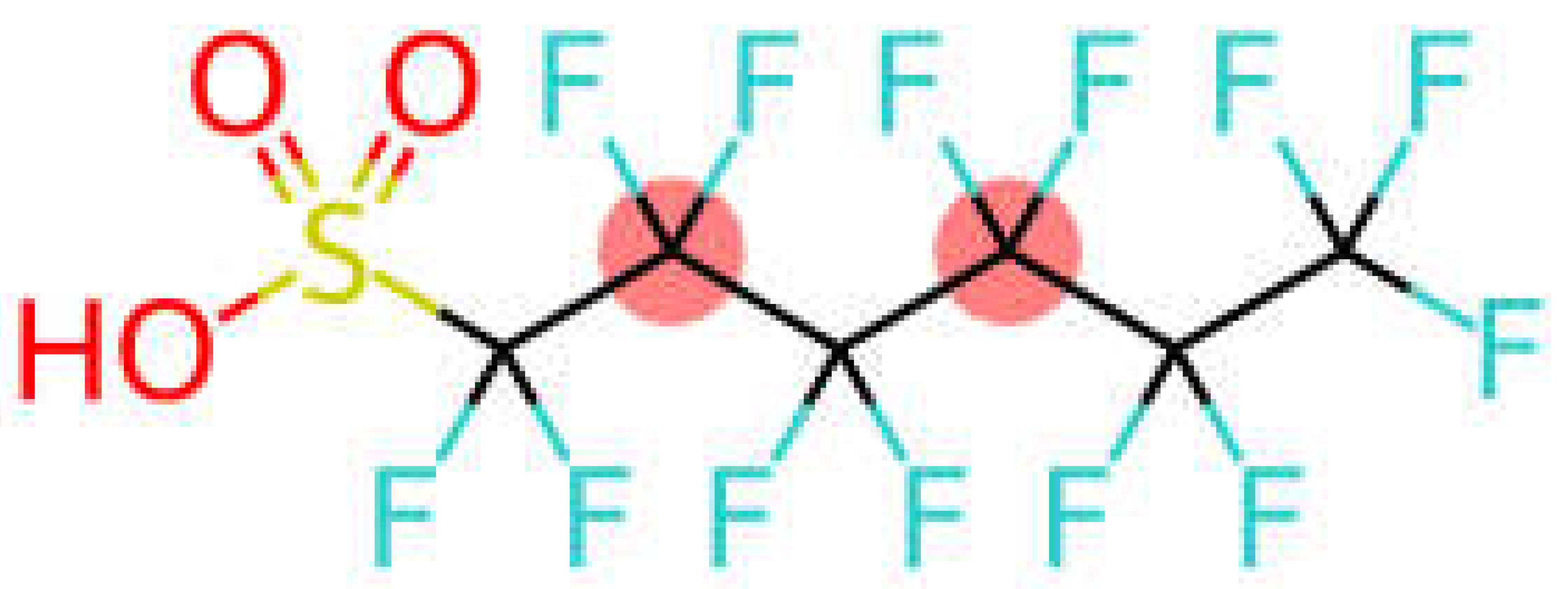 |
|
| Perfluorooctane sulfonic acid | PFOS | 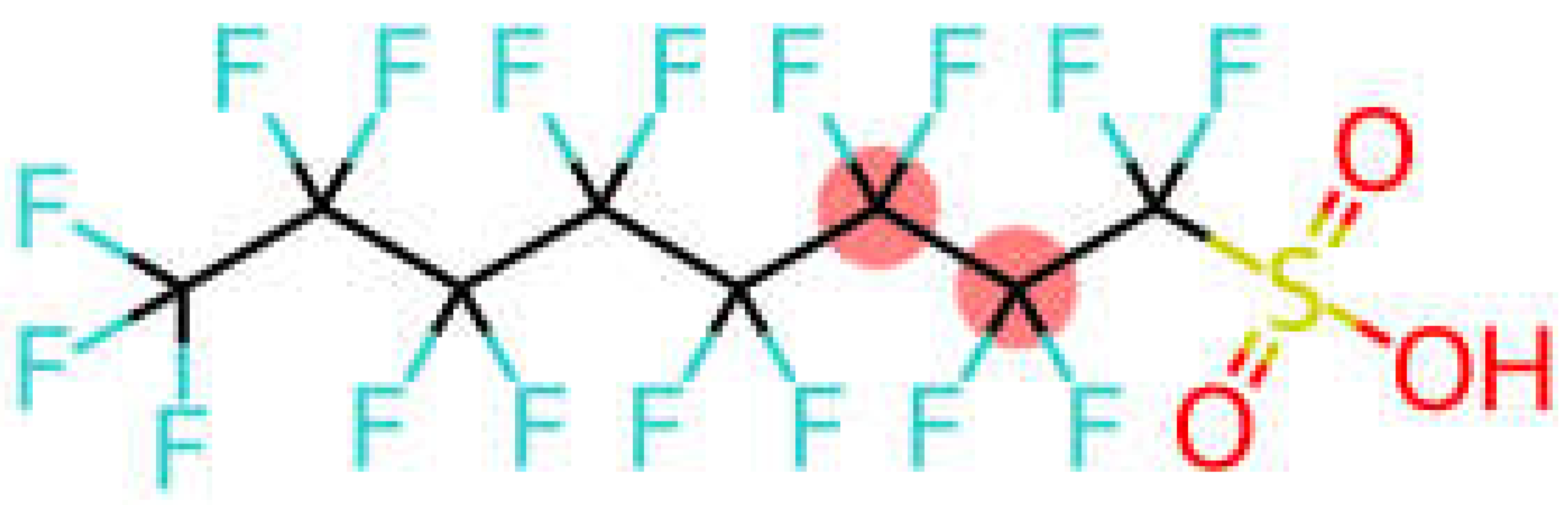 |
|
| Perfluorodecane sulfonic acid | PFDS | 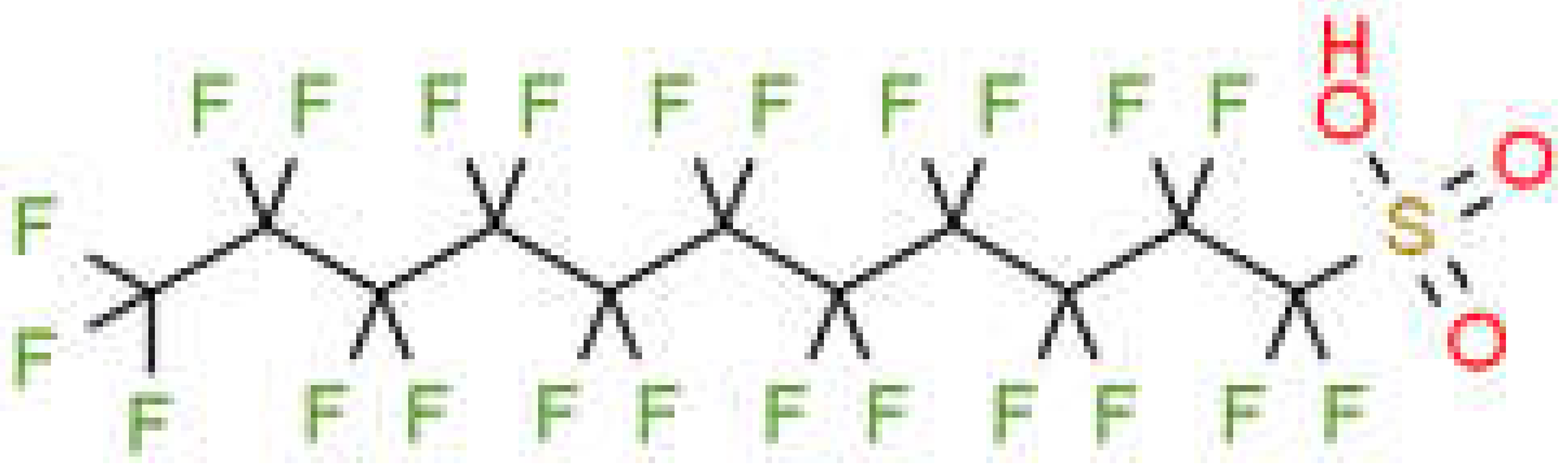 |
3.2. Antibiotic
The development of modern antibiotics can be traced back to 1929, when Fleming discovered penicillin, and 1935, when chemists discovered sulfonamide (SAs), the first broad-spectrum antibiotic in the clinic. In 1946, penicillin began to be produced on an industrial scale and commercialized on the open market. Since then, hundreds of antibiotics have been developed to fight infections, ushering in a new era of medicine called the antibiotic era [2]. Many antibiotics exist in water as amphoteric ions owing to their different Pka values, which affect the mechanisms by which antibiotics are adsorbed, thus altering their distribution in the environment. For example, tetracycline has three different Pkavalues and is readily adsorbed on different solid particles and sediments. Compared with other types of antibiotics, SAs has fewer functional groups, weaker interactions with soil and sediment, and lower biodegradability; therefore, they are generally detected more frequently in water [12]. What’s more, the solubility of antibiotics in water is also an important factor. For sulfonamide, the solubility of sulfadimidine in water is significantly higher than that of Sulfamethoxazole (1500 and 610 mg/L, respectively). In contrast, fluoroquinolones and Macrolide are less soluble in water and can’t be permanently present in surface water. At all events, these antibiotics can be strongly adsorbed on sediment particles, which means that sediment eventually becomes a sink for antibiotics. For example, this is observed in mangrove forests in Takahashi, China [13].
Many literatures have emphasized the influence of temperature on antibiotics, but in the natural environment, a variety of factors can affect the presence of antibiotics, even unstable β-lactam antibiotics, the longest half-life under natural conditions can also reach 27 days. The breakdown of antibiotics is highly dependent on pH, temperature, and the presence of hydrolysis-sensitive functional groups in the antibiotic structure [14]. pH affects the adsorption and desorption of antibiotics mainly by affecting the existing form of ions. Norfloxacin, for example, may repel Ca2+ and Mg2+ ions in water. Cause it to be detected in large quantities in the water body. In natural water samples, tetracycline and oxytetracycline inhibited photodegradation at pH 7.3, but the presence of Ca2+ and MG2+ made tetracycline and oxytetracycline form metal ion complexes. The kinetics of antibiotics in water are related to their own adsorptive solubility, and the degradation rate is largely dependent on the contribution of possible hydroxyl radicals and other unidentified reactive substances [15]. Complex adsorption mechanisms, including hydrogen bonding and ion exchange, also contribute to antibiotic migration [16]. However, the specific mechanisms and reasons of degradation or adsorption of different antibiotics need to be further studied.
3.3. Microplastics
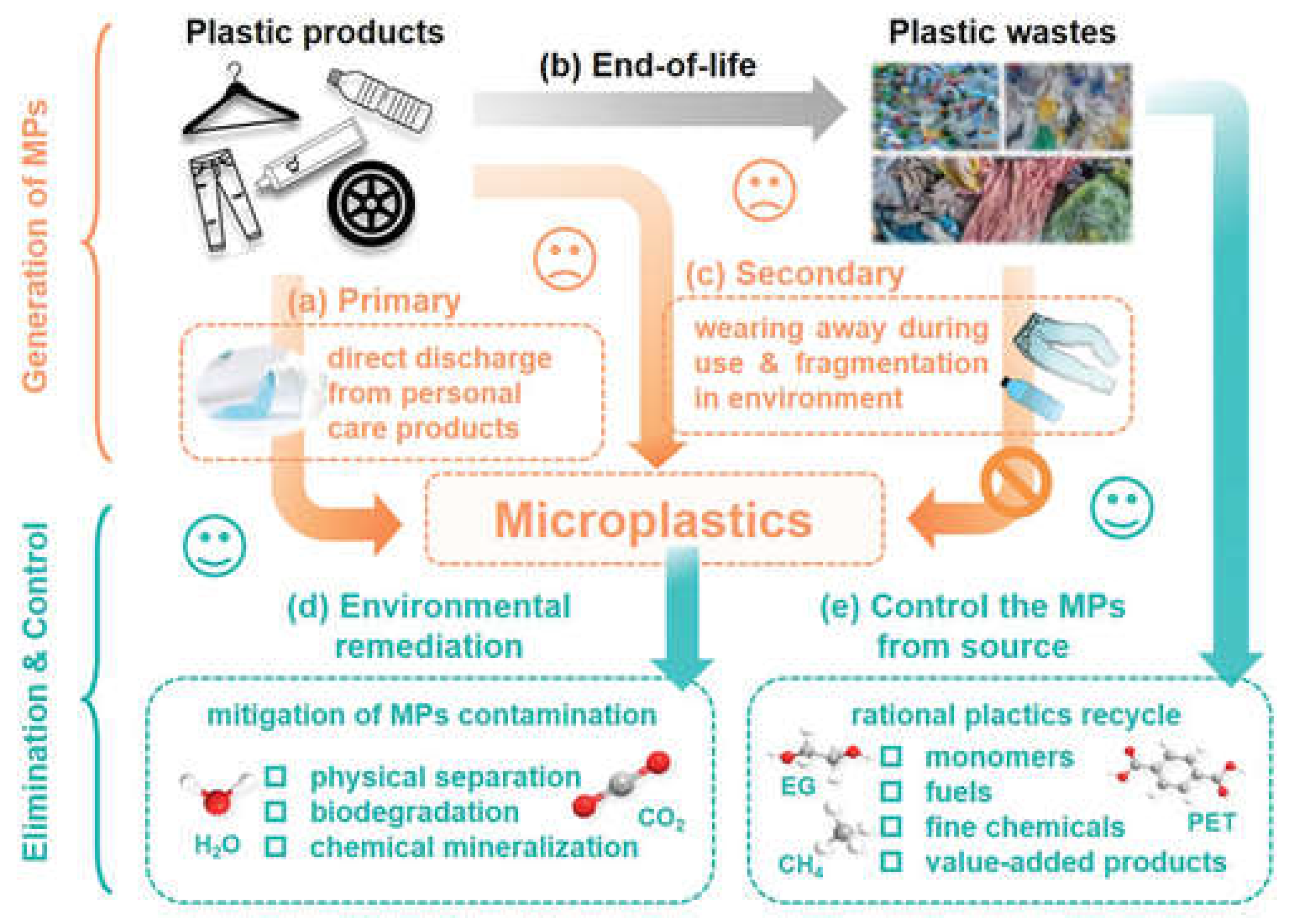
Plastics less than 5 mm in diameter are called microplastics (MPs). Microplastics can be produced by the breakdown of personal care products and large plastics. At the same time, due to poor management, plastic waste through photolysis, loss, microbial decomposition and other forms of secondary micro-plastics [17]. Plastic fragments smaller than 100 nanometers are known as nanopolyplastics, and they can be easily removed by any water purification process due to the relatively large specific surface area of MPs, easily adsorbed in a variety of environmental media, and migration in the environment [18]. Physical separation through wastewater treatment plants remains the primary mechanism for polyethylene removal. Unfortunately, sludge from physical separation is often recycled for landfill or agricultural applications, leading to the re-introduction of MPs into water systems [19]. According to Sharma, nanoplastics are more harmful than microplastics. The aquatic environment may be subject to more complex contamination due to the possible adsorption of heavy metals or organic pollutants on the surfaces of microplastics and nanomaterials. More seriously, nanoplastic particles are small in size and can act as adherents to microbial surfaces, or enter microorganisms, affecting local microbial communities or generating cascading toxicity [20]. Due to the lack of efficient MPs removal techniques in Sewage Treatment, many MPs can still enter the water environment via Sewage Treatment. In addition, the MP removed from wastewater treatment is mainly retained in bottom sludge, which is mostly directly buried or further processed as farmland fertilizer. These MPs can still be returned to natural waters through soil erosion or surface runoff.
Figure 3.
Microplastics production way, explain the process and management [18].
Figure 3.
Microplastics production way, explain the process and management [18].
3.5. Nonylphenol
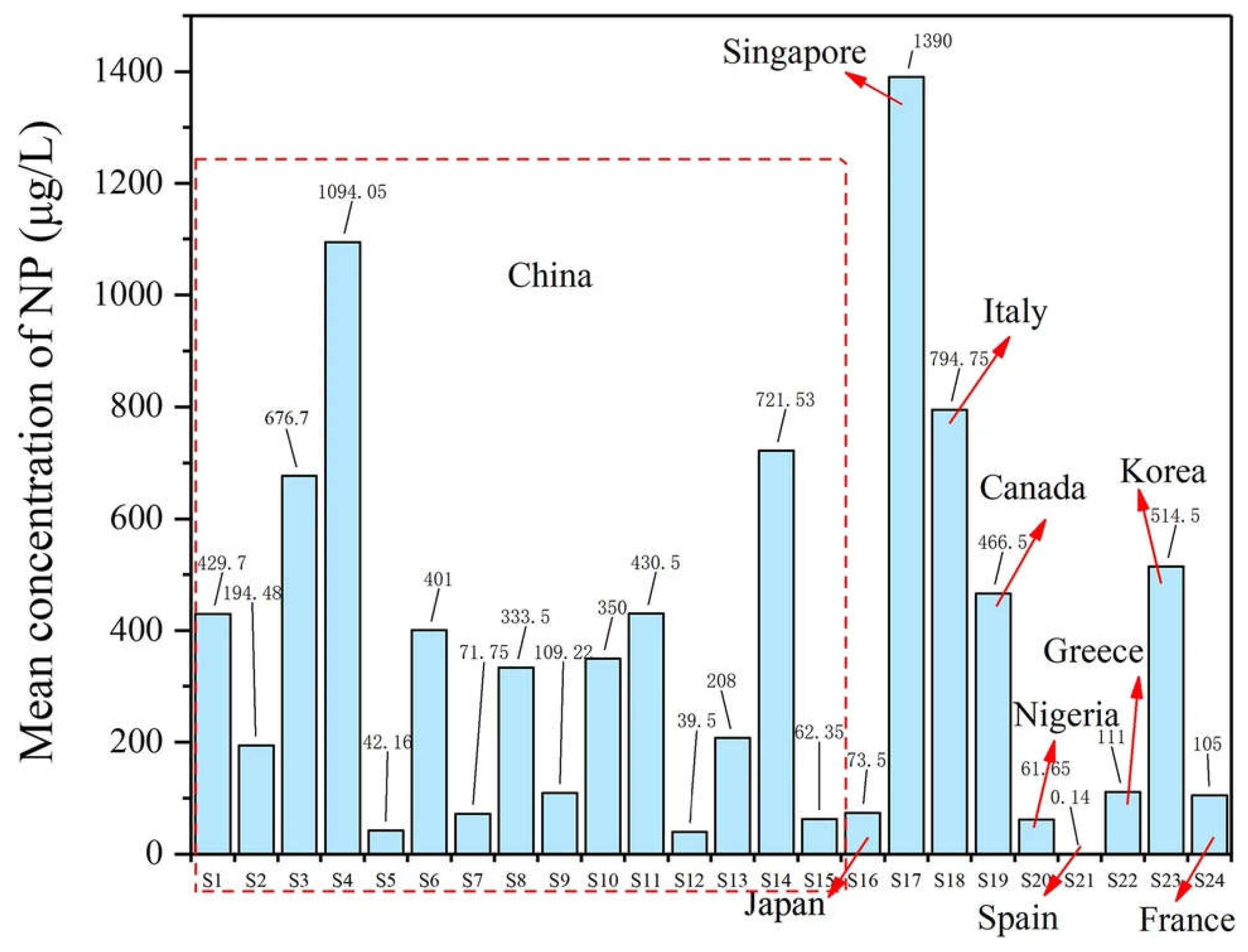
Nonylphenol (NP) is a broad class of isomeric compounds, each of which consists of a nine-carbon alkyl chain attached to the phenol ring, chemical formula C15H25O. The main derivative of NP is nonylphenol ethoxylates (NPE). Nonylphenol ethoxylates (NPE) are organic compounds consisting of phenol with a 9-carbon tail. The general formula is: C15h24o + (OCH2CH2) Noh, where n may range from 1 to 100, but most NPE contains 6 to 12 ethoxyl groups.NP is considered to be a potential endocrine disrupting chemical that affects humans and the environment. Nonylphenol was first manufactured and produced in 1940. So far, the production and application of NP continue. The United States produces approximately 154.200 tons of NP annually, compared with 73.500 tons in Europe, 16.500 tons in Japan and 16.000 tons in China. According to the present research, China is a big country of nonylphenol production [21]. In the environment, the most common form is branched-chain 4-nonylphenol. As an important step in the production of nonionic Surfactant, nonylphenol is widely found in water. However, water samples tend to underestimate the amount of hydrophobic organic matter transported to sediments by particles. In addition, one-time or infrequent surface water sampling does not explain the temporal variation in potential toxic concentrations [22]. In Japan, nonylphenol is specified as a parameter of environmental quality standards for water pollution. As a result, many countries restrict the use of these substances [23].
Figure 4.
Distribution of nonylphenol in water environment of China and other countries. NP: nonylphenol. (S1: Yangtze River (Nanjing Section), S2: Yangtze River, S3: Yellow River, S4: Liao River–River, S5: Liao River-Reservoir, S6: Pearl River–River, S7: Pearl River-Reservoir, S8: Haihe-River, S9: Haihe-Reservoir, S10: Daliao River Estuary-Seawater, S11: Daliao River Estuary-Freshwater, S12: Sishili Bay and Taozi Bay-Seawater, S13: Sishili Bay and Taozi Bay-Freshwater, S14: Taihu Lake, S15: Chaohu Lake, S16: Japan, S17: Singapore, S18: Italy, S19: Canada, S20: Nigeria, S21: Spain, S22: Greece, S23: Korea, S24: France) [23].
Figure 4.
Distribution of nonylphenol in water environment of China and other countries. NP: nonylphenol. (S1: Yangtze River (Nanjing Section), S2: Yangtze River, S3: Yellow River, S4: Liao River–River, S5: Liao River-Reservoir, S6: Pearl River–River, S7: Pearl River-Reservoir, S8: Haihe-River, S9: Haihe-Reservoir, S10: Daliao River Estuary-Seawater, S11: Daliao River Estuary-Freshwater, S12: Sishili Bay and Taozi Bay-Seawater, S13: Sishili Bay and Taozi Bay-Freshwater, S14: Taihu Lake, S15: Chaohu Lake, S16: Japan, S17: Singapore, S18: Italy, S19: Canada, S20: Nigeria, S21: Spain, S22: Greece, S23: Korea, S24: France) [23].
4. Effects of Chemical Structure on the Toxicity of ECs
The chemical structure of a chemical substance determines its molecular properties and chemical reaction properties, which in turn affects its toxicity and toxic effects on humans, animals, and the environment. In particular, the factors that affect the toxic properties of toxins include the following [24]: 1. The functional groups and types of chemical bonds; 2. The spatial structure of the chemical substance; 3. The water-solubility and fat-solubility of the chemical substance; 4. The Chemical substances with electrical properties, such as strong acids and bases, are prone to stimulation, while strong oxidants can cause oxidative stress reactions.
4.1. Ecological and Environmental Risks
The toxic substances that are excreted and left in the water body will become one of the main sources of antibiotics in the aquatic ecosystem. Researches have shown that the presence of chemical compounds in the water on a variety of fungi and aquatic animals and plants have varying degrees of impact, such as algae, fish, nitrifying bacteria, etc. In general, PNEC values for different classes of antibiotics can be calculated using ECOSAR models or literature values to derive the extent to which antibiotics affect aquatic organisms.
Where MEC is the measured environmental concentration and PNEC is the predicted unaffected concentration, PENC can be expressed as follows:
This was determined using the ECOSAR model (United States Environmental Protection Agency, 2011), which is widely used by researchers to assess the toxicity of organic compounds to aquatic organisms. General risk can be classified into three levels: high risk (RQ > 1), moderate risk (0.1 < RQ < 1), and low risk (0.01 < RQ < 0.1) [25].
Enrofloxacin and Ciprofloxacin have been found to pose a high risk to associated aquatic organisms in Laizhou Bay [26]. In fact, individual models can not predict actual harm, because compounds coexist in water and certain antibiotic combinations exhibit strong synergies. Liu et al found that the coexistence of erythromycin, Ciprofloxacin and Sulfamethoxazole significantly reduced the growth rate, chlorophyll content and photosynthetic rate of the freshwater algae Selenastrum capricornutum [27]. According to one recent study, sildenafil (RQ = 3048) , lovastatin (RQ = 320) , and trimethoprim (RQ = 74) in hospital wastewater pose high risks to animals and plants in the water body; However, the high risk of some compounds was attributed to high concentrations, notably the highly ecotoxic drug (PNEC) [28]. In general, algae are the most sensitive species to antibiotics in water due to their high PNEC.
4.2. Hazards to Human Health
For certain ECs, the adjusted concentration can be calculated based on the Toxicity Equivalence Factor (TEF), and the lifetime lung cancer risk can be calculated using the WHO method.
The calculation of non carcinogenic risk is as follows, divided into inhalation (2), non dietary intake (3), and skin contact (4). Commonly used carcinogenic risks include polycyclic aromatic hydrocarbons, pesticides, endocrine disruptors, etc.
5. Interaction of New Pollutants and Reactions with Metals
For antibiotics, the complexation with metal is affected by many factors, and the result of coordination is different. The main influencing factors include pH value, temperature, natural organic matter, salinity, properties of microplastics and coordination metal ions, etc. Different types of β-lactamases can render new-generation β-lactam antibiotics ineffective, among which metallo-β-lactamases (MBLs) are one of the main causes of widespread antibacterial resistance to carbapenem antibiotics. These metallohydrolases require at least one metal ion in the active site coordinated with the nucleophile required for hydrolysis [29]. Macrolide antibiotics usually act as monodentate ligands and bind to metal ions through the hydroxyl groups on the small rings, while most of the other antibiotics are multidentate ligands [30]. Tetracycline has many metal-binding sites, and its pharmacology mainly depends on metal coordination. Berton found that the proportion of antibiotics that do not bind to proteins in plasma occurs almost exclusively in the form of calcium and magnesium complexes. However, in the cells, the drugs are mainly coordinated with magnesium (II) ions, and calcium ions affect the absorption and bioavailability of tetracycline [31,32].
Microplastics, as an emerging environmental pollutant, may play a mediating role between polycyclic hydrocarbons and antibiotics under multiple adsorption interactions. The surface of microplastics can adsorb polycyclic aromatic hydrocarbons and antibiotics, promoting their physical and chemical interactions. This medium may alter the distribution, transportation, and bioavailability of these substances, thereby affecting the ecosystem in the environment. Tong found that in the presence of Cu, there was a significant change in the adsorption of tetracycline and ciprofloxacin on microplastics, due to Cu induced strong complexation between tetracycline and ciprofloxacin [33]. Zhang used ultraviolet light to simulate solar aging of microplastics, and found that the aging behavior could significantly enhance the adsorption capacity of microplastics to levofloxacin hydrochloride. And when the concentration of heavy metals in the environment is higher than that of antibiotics, heavy metals act as cation bridges and can form levofloxacin chromium complexes with levofloxacin, thereby promoting the adsorption process [34,35] .Some studies have shown that there is a significant positive correlation between microplastics and resistance genes. Microplastics significantly increased the transfer frequency of bacterial binding by 1.4-1.7 times, indicating that microplastics can exacerbate the spread of Arg in the environment [36]. However, due to the complex natural environment, the interaction between new pollutants needs further study.
6. Removal Methods
With the increasing maturity of technological means, there are various technologies for the treatment of new pollutants, such as metal-organic frameworks and biochar adsorption of organics. The following chapters summarize and study the removal means of pollutants.
6.1. Membrane Filtration Technology
A typical case provides comprehensive data on the occurrence of 19 antibiotics, 10 antibiotic-resistant bacteria and 15 ARGs in the initial influent and different treatment stages of conventional activated sludge (CAS) and membrane Bioreactor (MBR) systems. Compared with CAS, MBR shows more excellent removal ability. Among them, Amoxicillin, Ciprofloxacin, Chloramphenicol, Meropenem, Minocycline, Azithromycin, Oxytetracycline, Sulfadimidine and Vancomycin had the highest removal rates under CAS or MBR systems, the median removal efficiency (RE) was 70%. No Arb was detected in MF PERMEATE OF MBR system [37]. Compared with conventional membrane treatment technology, electrochemical membrane filtration(EMF), a combination of electrochemical advanced oxidation process and low pressure membrane filtration technology, has been proved to be effective in the degradation of organic pollutants in wastewater, especially those stubborn organic and micro-pollutants. Electrochemical membrane filtration technology can effectively remove pollutants in wastewater. The conventional membrane can only cut off the flow, while the electrochemical membrane can produce free radicals to degrade the pollutants and mineralize the pollutants into small molecules. For example, the good conductivity of carbon nanotubes is convenient for membrane filtration and electrochemical technology combined carbon nanotubes hollow fiber membrane [38]. Compared with membrane filtration alone, the permeation flux of electrochemically assisted CNTs/AL2O3 membrane filtration was increased by 1.6 times, and the removal efficiency of NOM was increased by 3.0 times [38].
Table 3.
Removal of new contaminants by membrane treatment.
| Types of pollutants | Membrane | Influent concentration(μg/L) | Time(h) | Removal efficiency (%) | Current density(mA/cm2) | Reference |
|---|---|---|---|---|---|---|
| Tetracycline Sulfamethoxazole |
CeO2@CNT-NaClO | - | 30 30 |
98.0 99.0 |
2.0 2.0 |
[39] |
| Sulfamethoxazole Ciprofloxacin Tetracycline carbamazepine |
CeO2@CNT | - | 240 | 91.3 94.4 99.3 89.4 |
0.5 | [40] |
| Sulfamethoxazole Trimethoprim |
Electrochemical membrane aeration biofilm reactor | 50 | 2160 | 40.1 32.8 |
2.0 | [41] |
| Benzotriazole | Titanium dioxide ceramic membrane | 14200 | 30 | 98.1 | 20 | [30] |
| Tetrabromobisphenol A | F-doped Tiso electroactive film | 3.5 | 90 | 99.7 | 7.8 | [42] |
| Bisphenol A | Coal-based carbon film | 50 | 0.88 | 97 | 2 | [43] |
6.2. Constructed Wetland
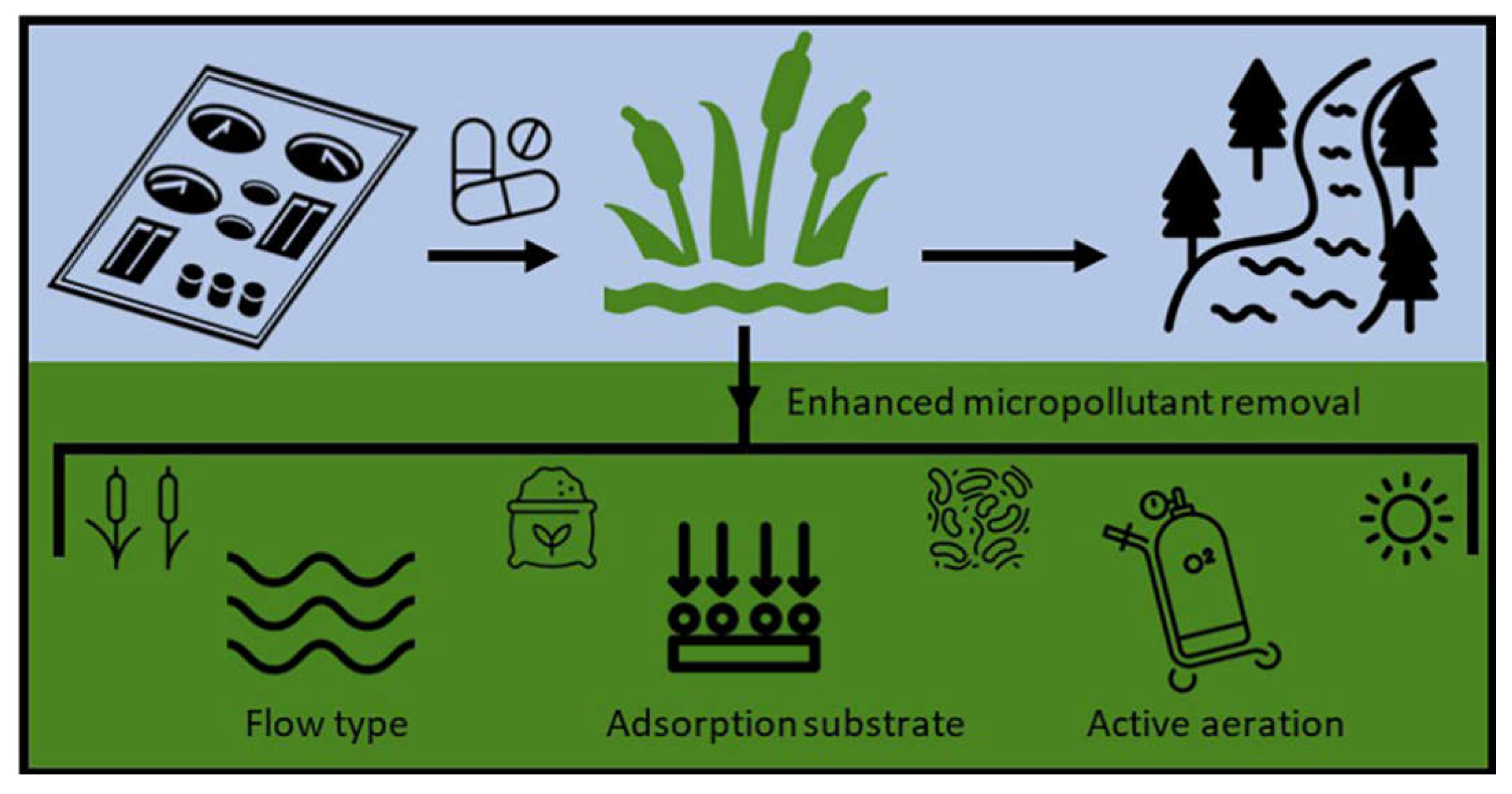
Constructed wetland (CW) is a kind of green treatment technology, which has been used to treat all kinds of metal and organic pollutants in wastewater. This technology does not require other energy sources, low operating costs. It has been used in landfill leachate treatment, hospital wastewater, municipal wastewater and so on. Hanwell et al., for example, studied the effect of active aeration on the removal of selected drugs in a simulated wetland. It is found that continuous aeration can remove about 99%of the two -meta duality and Sagastan, and at the same time, high -concentration drugs were detected in the hospital site. Atenolol and peso Lor were effectively removed (75% and 50%, respectively) [44]. Sabri uses the CW to Sewage Treatment wastewater and has found significant treatment with antibiotics, with an overall removal rate of 28% to 100% , depending on the type of antibiotic [45]. The CW is a multi -functional tool that can be used to improve water quality, hydrological buffer, reservoir and natural development/leisure areas. By simulating natural wetland systems, such as wetland plants, soil and soil microorganisms, continuous water treatment can remove various pollutants from different wastewater sources. Initially, continuous water was mainly used for secondary and third -level treatment of living/urban sewage, but after a large number of research, continuous water has been able to deal with various pollutants, and the treatment efficiency depends on the base material layer. Consider different targets (such as hydraulic penetration, types of pollutants, and treatment requirements), and different materials with different diameters of different diameters are used as continuous water substrates. Biological processes (biodegradation, plant absorption, etc.) and physical chemistry processes (adsorption, oxidation, chemical degradation, optical degradation, volatilization and hydrolysis, etc.) also affect the removal of water coal plasma pollutants [46].
Figure 5.
Constructed wetlands remove pollutants [47].
Figure 5.
Constructed wetlands remove pollutants [47].
6.3. Biochar Adsorption
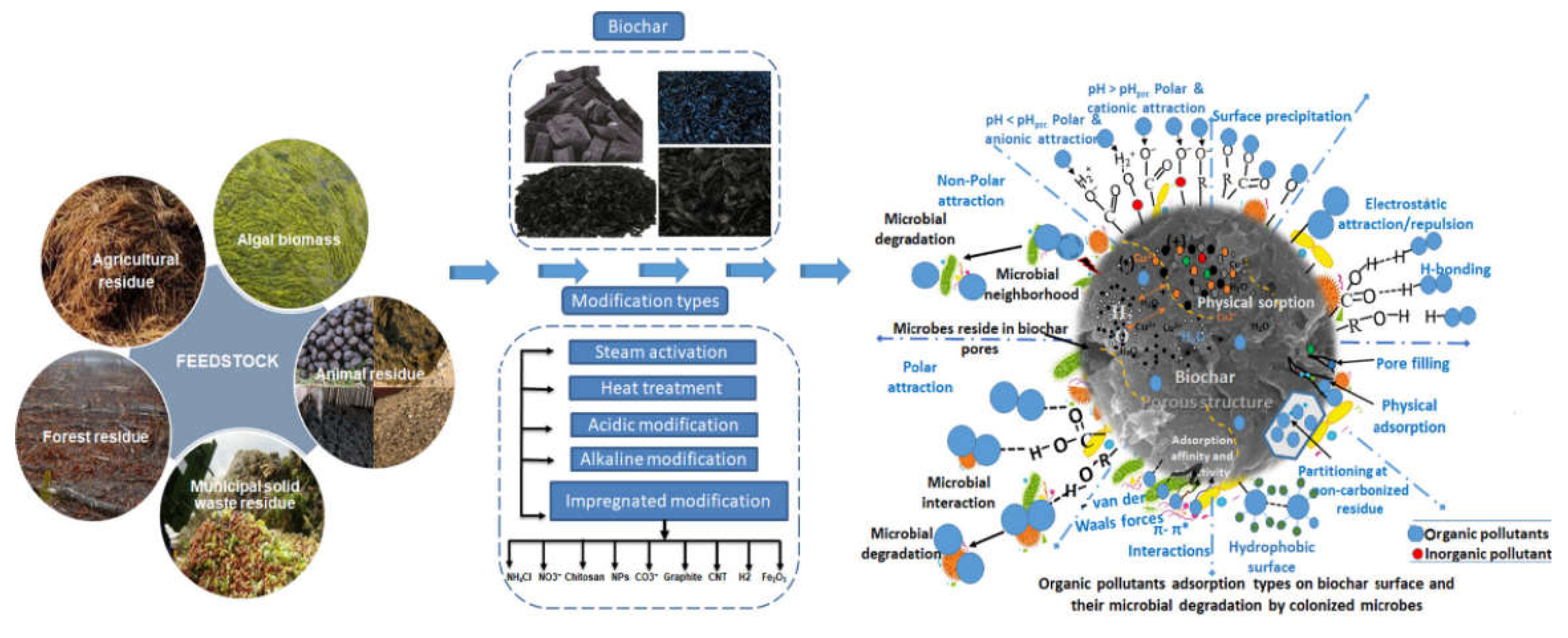
Biochar is a kind of material with multi-layer and fibrous porous structure, which is usually pyrolyzed under oxygen-limited conditions. According to the temperature range, three main pyrolysis processes were defined, namely, fast pyrolysis (temperature > 500°C), moderate pyrolysis (temperature 300-500°C) and slow pyrolysis (temperature < 300°C) [48]. In the process of adsorption, physical and chemical adsorption will occur, but the main adsorption mechanism may be different when different pollutants are adsorbed. There is usually a significant electron donor-receptor (EDA) contact between the aromatic ring of the π donor and the π protonated adsorbent on the surface of the modified biochar. In addition, electrostatic interactions, hydrogen bonding, surface complexation, cation exchange and non-specific Johannes Diderik van der Waals interactions may all occur in the adsorption process [49]. For example, a coke made from olive oil waste from the biochar-thermal carbonization process, which removes triclosan, ibuprofen, and diclofenac from wastewater. As with activated carbon, adsorption efficiency depends on the physical and chemical properties of pollutants, PKa of adsorbent, temperature, etc. Under the influence of oxygen-containing functional groups and solution PH, the removal efficiency of triclosan can reach 98% [50]. Due to the limitation of the application of original biochar in environmental remediation, more and more researches begin to produce biochar-based composites. Such as liquid precipitation method, nano-composite materials, magnetic field and so on. However, magnetic biochar composites are commonly used to adsorb metals [51]. In addition, biochar made from animal manure, chicken bones, bamboo and other raw materials is also popular because of its environmental characteristics [52]. The pyrolytic calcium-rich biochar made from crab shell shows great advantages in the removal of chlortetracycline. At low concentration, the adsorption was dominant, but at high concentration, the adsorption amount was up to 5048 mg/g, including adsorption and flocculation, and the better removal efficiency can still be displayed after 5 times of operation [53]. In terms of Polycyclic aromatic hydrocarbon, pyrolysis of biochar using sludge from a groundwater treatment plant can be very effective, with a degradation efficiency of 87 %. The biochar produced at 700C was mainly degraded by Fenton oxidation, in which Fe3 + /Fe2 + and MN3 + /Mn2 + contributed redox pairs and accelerated the formation of 2 −• and HO• radical [54]. In recent years, the research progress of biochar modification to remove organic pollutants has been recorded. More research is needed to design specific biocarbons that target specific pollutants and have clear interactions to achieve on-off regulation of cyclic remediation [52].
Figure 6.
Biochar removes organic matter [52].
Figure 6.
Biochar removes organic matter [52].
6.4. Algae Repair
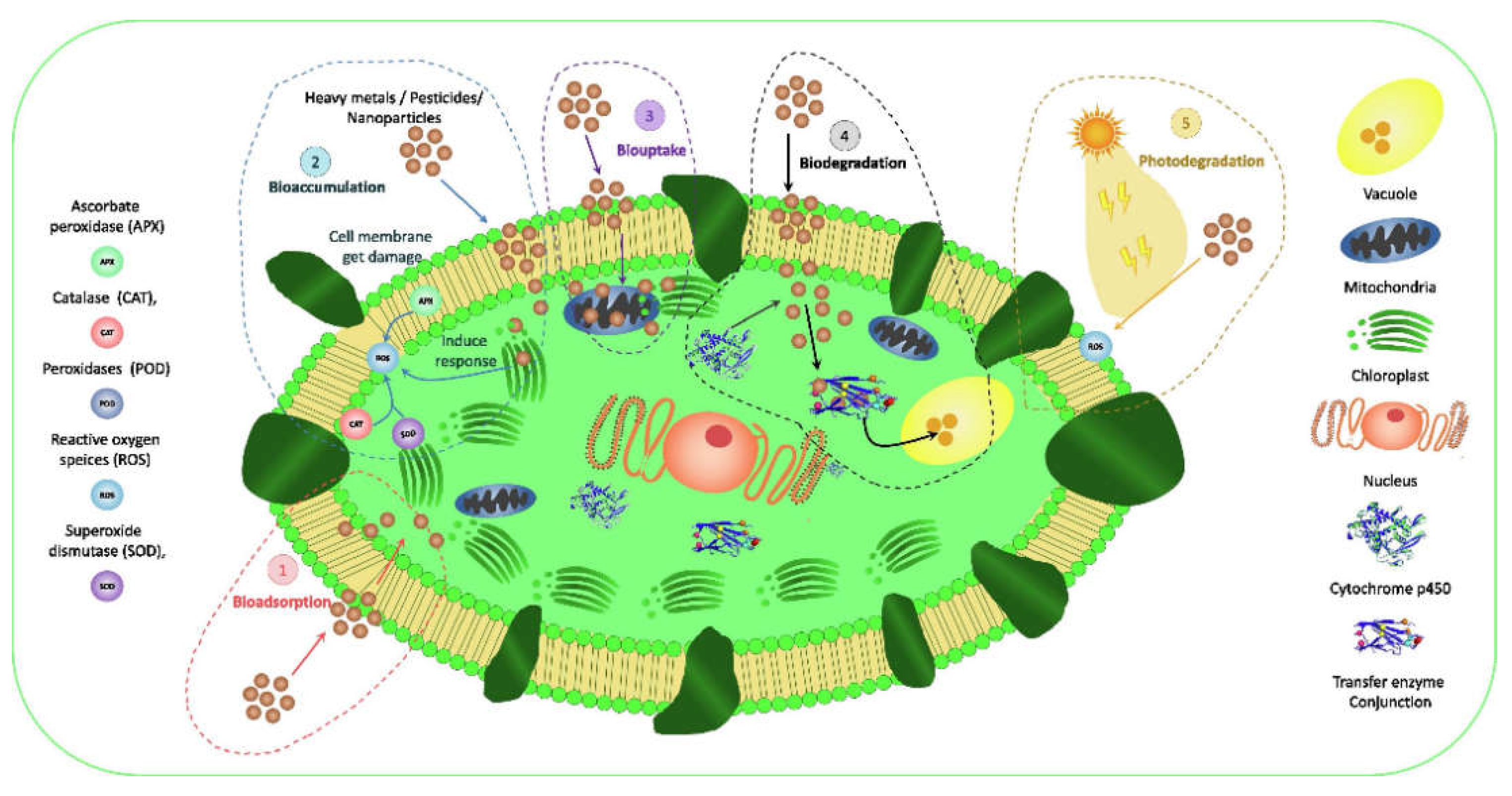
The most important processes in algal reactions are biodegradation, photodegradation, volatilization and adsorption [55]. Generally speaking, biodegradation and light degradation are the most related methods to remove organic micro -pollutants in urban wastewater [56]. For example, algal-mediated removal of five PPCP species (Trimethoprim, Sulfamethoxazole, carbamazepine, Ciprofloxacin and triclosan) from lake water. Significant removal efficiency was demonstrated under light conditions, with Ciprofloxacin and triclosan being highly sensitive to light resulting in a 100% removal efficiency [57]. Zhang et al found that both BPA and NP could be removed by intertidal algal blooms at ambient concentrations, with Ulva pertusa being the most efficient. The removal mechanism consists of initial rapid biosorption followed by slow accumulation and biodegradation [58]. In addition, biosorption and bioaccumulation are also important ways to remove the concentration of organic pollutants in the environment. The difference lies in the accumulation of pollutants attached to the surface or environment in the cytoplasm. Microalgae can grow even after absorbing pollutants. Clearly, bioaccumulation requires that microalgae be viable, rather than living algae more suitable for removing dyes and heavy metals [59]. Thus, due to the metabolic activity of the cell wall and the physical chemistry process on the surface of the cell wall, different wastewater organic and algae culture ingredients may help unique organic removal mechanisms.
Figure 7.
Mechanisms of bioremediation of new pollutants through microalgae-based treatment systems: (a) EP crosses the algal cell wall and binds to intracellular proteins in living cells during biouptake; And (B) in inactive cells during bioaccumulation (C) EP is adsorbed to algal cell wall or extra polymer (EPS) during bioadsorption (D) complex EP is decomposed into simpler and less toxic compounds during biodegradation (E) EP is exposed to UV light during direct or photodegradation. [59].
Figure 7.
Mechanisms of bioremediation of new pollutants through microalgae-based treatment systems: (a) EP crosses the algal cell wall and binds to intracellular proteins in living cells during biouptake; And (B) in inactive cells during bioaccumulation (C) EP is adsorbed to algal cell wall or extra polymer (EPS) during bioadsorption (D) complex EP is decomposed into simpler and less toxic compounds during biodegradation (E) EP is exposed to UV light during direct or photodegradation. [59].
7. Conclusion
The mass production and use of compounds such as PPCBs, PPAHs, etc. has led to their ubiquitous presence in the environment. Although there are many reports of their presence, the relative concentrations are higher in Asia and Europe. there are many studies in treatment technology, lack of corresponding innovation is also a huge problem. It is worth noting that the current research on the deprivation of new pollutants is mainly concentrated in the simulation of the laboratory. And despite the fruitful results, the effects of de-priming trace pollutants in the actual aqueous environment as well as coping with complex environmental matrices are yet to be investigated, and intermediates produced by degradation of parent neopollutants, for example, are likely to be more toxic. Considering the current situation, several factors need to be considered:
- Regulation: As the understanding of neo-pollutants deepens and monitoring technologies continue to develop, the regulatory system will become more comprehensive and refined. In the future, regulation will focus more on real-time monitoring and data sharing to detect and respond to the emergence of new pollutants in a more timely manner. At the same time, we will strengthen international cooperation and information sharing to jointly address transboundary pollution.
- discover and respond to the emergence of new pollutants in a timely manner. At the same time, we will strengthen international cooperation and information sharing to jointly cope with cross -border pollution.
- Removal technologies: Future removal technologies will be more efficient, environmentally friendly and economically viable. With the development of science and technology, more advanced pollutant removal technologies, such as nanomaterials and photocatalytic technology, may emerge. At the same time, emphasis will be placed on the practical application and sustainability of the technologies to ensure their effectiveness in the real environment and long-term sustainability.
- Environmental hazards: Future research will be more in-depth and comprehensive in response to the potential environmental hazards of new pollutants. The focus of research may include studies on the ecotoxicity, bioaccumulation and potential long-term effects of pollutants in order to comprehensively assess their impacts on the ecosystem and develop corresponding countermeasures.
Acknowledgments
This work was supported by the Key R & D projects of Department of Science and Technology of Anhui Province, China (2023t07020002)).
References
- Mafi, A.; Nejad, E. G.; Ashouri, A.; Nia, M. V. , Dinoflagellate cysts from the Upper Bajocian-Lower Oxfordian of the Dalichai Formation in Binalud Mountains (NE Iran): Their biostratigraphical and biogeographical significance. 2013.
- Carvalho, I. T.; Santos, L. , Antibiotics in the aquatic environments: A review of the European scenario. Environ Int 2016, 94, 736–757. [Google Scholar] [CrossRef]
- Fernandes, M. J.; Paiga, P.; Silva, A.; Llaguno, C. P.; Carvalho, M.; Vazquez, F. M.; Delerue-Matos, C. , Antibiotics and antidepressants occurrence in surface waters and sediments collected in the north of Portugal. Chemosphere 2020, 239, 124729. [Google Scholar] [CrossRef]
- Seralini, G. E.; Jungers, G. , Endocrine disruptors also function as nervous disruptors and can be renamed endocrine and nervous disruptors (ENDs). Toxicol Rep 2021, 8, 1538–1557. [Google Scholar] [CrossRef] [PubMed]
- Luo, J.; Zhang, Q.; Cao, M.; Wu, L.; Cao, J.; Fang, F.; Li, C.; Xue, Z.; Feng, Q. , Ecotoxicity and environmental fates of newly recognized contaminants-artificial sweeteners: A review. Sci Total Environ 2019, 653, 1149–1160. [Google Scholar] [CrossRef]
- Buerge, I. J.; Kasteel, R.; Poiger, T. , Leaching of herbicides and their metabolites in lysimeters filled with soils from railway tracks. Sci Total Environ 2024, 909, 168396. [Google Scholar] [CrossRef] [PubMed]
- Rathi, B. S.; Kumar, P. S.; Show, P. L. , A review on effective removal of emerging contaminants from aquatic systems: Current trends and scope for further research. J Hazard Mater 2021, 409, 124413. [Google Scholar] [CrossRef]
- Groffen, T.; Wepener, V.; Malherbe, W.; Bervoets, L. , Distribution of perfluorinated compounds (PFASs) in the aquatic environment of the industrially polluted Vaal River, South Africa. Sci Total Environ 2018, 627, 1334–1344. [Google Scholar] [CrossRef] [PubMed]
- Liu, X.; Li, L.; Gu, L.; Hua, Z.; Zhang, Y.; Xue, H. , Distribution and release of perfluorinated compounds (PFCs) in water-sediment systems: The effect of confluence channels. Science of The Total Environment 2021, 775. [Google Scholar] [CrossRef]
- Wu, J. Y.; Hua, Z. L.; Gu, L. , Planktonic microbial responses to perfluorinated compound (PFC) pollution: Integrating PFC distributions with community coalescence and metabolism. Sci Total Environ 2021, 788, 147743. [Google Scholar] [CrossRef]
- Savoca, D.; Pace, A. , Bioaccumulation, Biodistribution, Toxicology and Biomonitoring of Organofluorine Compounds in Aquatic Organisms. Int J Mol Sci 2021, 22. [Google Scholar]
- Fan, Z.; Casey, F. X. M.; Hakk, H.; Larsen, G. L.; Khan, E. , Sorption, Fate, and Mobility of Sulfonamides in Soils. Water, Air, & Soil Pollution, 2010; 218, 49–61. [Google Scholar]
- Li, B.; Zheng, M.; Xue, H.; Pang, H. , High performance electrochemical capacitor materials focusing on nickel based materials. Inorganic Chemistry Frontiers 2016, 3(2), 175–202. [Google Scholar] [CrossRef]
- Mitchell, S. M.; Ullman, J. L.; Teel, A. L.; Watts, R. J. , PH and temperature effects on the hydrolysis of three ??-lactam antibiotics: Ampicillin, cefalotin and cefoxitin. Science of The Total Environment, 2013; 466-467C, 547–555. [Google Scholar]
- Bahnmuller, S.; von Gunten, U.; Canonica, S. , Sunlight-induced transformation of sulfadiazine and sulfamethoxazole in surface waters and wastewater effluents. Water Res 2014, 57, 183–92. [Google Scholar] [CrossRef]
- Chen, K.; Zhou, J. L. , Occurrence and behavior of antibiotics in water and sediments from the Huangpu River, Shanghai, China. Chemosphere 2014, 95, 604–12. [Google Scholar] [CrossRef] [PubMed]
- Laskar, N.; Kumar, U. , Plastics and microplastics: A threat to environment. Environmental Technology & Innovation, 2019; 14. [Google Scholar]
- Chen, J.; Wu, J.; Sherrell, P. C.; Chen, J.; Wang, H.; Zhang, W. x.; Yang, J. , How to Build a Microplastics-Free Environment: Strategies for Microplastics Degradation and Plastics Recycling. Advanced Science, 2022; 9. [Google Scholar]
- Chen, J.; Wu, J.; Sherrell, P. C.; Chen, J.; Wang, H.; Zhang, W. X.; Yang, J. , How to Build a Microplastics-Free Environment: Strategies for Microplastics Degradation and Plastics Recycling. Advanced science (Weinheim, Baden-Wurttemberg, Germany), 2022; 9, e2103764. [Google Scholar]
- Sharma, V. K.; Ma, X.; Lichtfouse, E.; Robert, D. , Nanoplastics are potentially more dangerous than microplastics. Environmental Chemistry Letters 2022, 21(4), 1933–1936. [Google Scholar] [CrossRef]
- Bhandari, G.; Bagheri, A. R.; Bhatt, P.; Bilal, M. , Occurrence, potential ecological risks, and degradation of endocrine disrupter, nonylphenol, from the aqueous environment. Chemosphere 2021, 275, 130013. [Google Scholar] [CrossRef]
- Crane, J. L. , Distribution and toxic potential of alkylphenols, nonylphenol ethoxylates, and pyrethroids in Minnesota, USA lake sediments. Science of The Total Environment 2021, 776. [Google Scholar] [CrossRef]
- Hong, Y.; Feng, C.; Yan, Z.; Wang, Y.; Liu, D.; Liao, W.; Bai, Y. , Nonylphenol occurrence, distribution, toxicity and analytical methods in freshwater. Environmental Chemistry Letters 2020, 18(6), 2095–2106. [Google Scholar] [CrossRef]
- Parida, V. K.; Saidulu, D.; Majumder, A.; Srivastava, A.; Gupta, B.; Gupta, A. K. , Emerging contaminants in wastewater: A critical review on occurrence, existing legislations, risk assessment, and sustainable treatment alternatives. Journal of Environmental Chemical Engineering, 2021; 9. [Google Scholar]
- Krkstrm, M.; Saeid, S.; Tolvanen, P.; Salmi, T.; Kronberg, L. , Catalytic ozonation of the antibiotic sulfadiazine: Reaction kinetics and transformation mechanisms. Chemosphere 2020, 247, 125853. [Google Scholar] [CrossRef] [PubMed]
- Zhang, R.; Zhang, G.; Zheng, Q.; Tang, J.; Chen, Y.; Xu, W.; Zou, Y.; Chen, X. , Occurrence and risks of antibiotics in the Laizhou Bay, China: impacts of river discharge. Ecotoxicol Environ Saf 2012, 80, 208–15. [Google Scholar] [CrossRef] [PubMed]
- Liu, B.; Liu, W.; Nie, X.; Guan, C.; Yang, Y.; Wang, Z.; Liao, W. , Growth response and toxic effects of three antibiotics on Selenastrum capricornutum evaluated by photosynthetic rate and chlorophyll biosynthesis. Journal of Environmental Sciences 2011, 23(9), 1558–1563. [Google Scholar] [CrossRef]
- Rodriguez-Rodriguez, C. E.; Ramirez-Morales, D.; Masis-Mora, M.; Montiel-Mora, J. R.; Soto-Garita, C.; Araya-Valverde, E.; Cambronero-Heinrichs, J. C.; Sanchez-Melsio, A.; Briceno-Guevara, S.; Mendez-Rivera, M.; Balcazar, J. L. , Occurrence and risk assessment of pharmaceuticals in hospital wastewater in Costa Rica. Chemosphere 2023, 339, 139746. [Google Scholar] [CrossRef]
- Möhler, J. S.; Kolmar, T.; Synnatschke, K.; Hergert, M.; Wilson, L. A.; Ramu, S.; Elliott, A. G.; Blaskovich, M. A. T.; Sidjabat, H. E.; Paterson, D. L.; Schenk, G.; Cooper, M. A.; Ziora, Z. M. , Enhancement of antibiotic-activity through complexation with metal ions - Combined ITC, NMR, enzymatic and biological studies. Journal of Inorganic Biochemistry 2017, 167, 134–141. [Google Scholar] [CrossRef] [PubMed]
- Wang, Q.; He, X.; Xiong, H.; Chen, Y.; Huang, L. , Structure, mechanism, and toxicity in antibiotics metal complexation: Recent advances and perspectives. Science of The Total Environment 2022, 848. [Google Scholar] [CrossRef] [PubMed]
- 1-s2.0-S0010854516300017-main.pdf.
- 32. Wendell; Guerra; Priscila; P.; Silva-Caldeira; Hernán; Terenzi; Elene; C.; Pereira-Maia, Impact of metal coordination on the antibiotic and non-antibiotic activities of tetracycline-based drugs. Coordination Chemistry Reviews, 2016.
- Tong, F.; Liu, D.; Zhang, Z.; Chen, W.; Fan, G.; Gao, Y.; Gu, X.; Gu, C. , Heavy metal-mediated adsorption of antibiotic tetracycline and ciprofloxacin on two microplastics: Insights into the role of complexation. Environ Res 2023, 216 Pt 3, 114716. [Google Scholar] [CrossRef]
- Zhang, Y.; Li, Y.; Wang, Y.; Su, F.; Qian, J.; Liu, S. , Adsorption of levofloxacin by ultraviolet aging microplastics. Chemosphere 2023, 343, 140196. [Google Scholar] [CrossRef] [PubMed]
- Zhou, Z.; Sun, Y.; Wang, Y.; Yu, F.; Ma, J. , Adsorption behavior of Cu(II) and Cr(VI) on aged microplastics in antibiotics-heavy metals coexisting system. Chemosphere 2022, 291 Pt 1, 132794. [Google Scholar] [CrossRef]
- Yu, X.; Zhou, Z. C.; Shuai, X. Y.; Lin, Z. J.; Liu, Z.; Zhou, J. Y.; Lin, Y. H.; Zeng, G. S.; Ge, Z. Y.; Chen, H. , Microplastics exacerbate co-occurrence and horizontal transfer of antibiotic resistance genes. J Hazard Mater 2023, 451, 131130. [Google Scholar] [CrossRef] [PubMed]
- Le, T. H.; Ng, C.; Tran, N. H.; Chen, H.; Gin, K. Y. , Removal of antibiotic residues, antibiotic resistant bacteria and antibiotic resistance genes in municipal wastewater by membrane bioreactor systems. Water Res 2018, 145, 498–508. [Google Scholar] [CrossRef] [PubMed]
- Yang, Y.; Qiao, S.; Zheng, M.; Zhou, J.; Quan, X. , Enhanced permeability, contaminants removal and antifouling ability of CNTs-based hollow fiber membranes under electrochemical assistance. Journal of Membrane Science 2019, 582, 335–341. [Google Scholar] [CrossRef]
- Ni, X.; Hou, X.; Ma, D.; Li, Q.; Li, L.; Gao, B.; Wang, Y. , Simultaneous removal of antibiotics and antibiotic resistant genes using a CeO(2)@CNT electrochemical membrane-NaClO system. Chemosphere 2023, 338, 139457. [Google Scholar] [CrossRef]
- Ma, Q.; Chu, Y.; Ni, X.; Zhang, J.; Chen, H.; Xu, F.; Wang, Y. , CeO(2) modified carbon nanotube electrified membrane for the removal of antibiotics. Chemosphere 2023, 310, 136771. [Google Scholar] [CrossRef]
- Ren, L.; Chen, M.; Zheng, J.; Li, Z.; Tian, C.; Wang, Q.; Wang, Z. , Efficacy of a novel electrochemical membrane-aerated biofilm reactor for removal of antibiotics from micro-polluted surface water and suppression of antibiotic resistance genes. Bioresour Technol 2021, 338, 125527. [Google Scholar] [CrossRef] [PubMed]
- Pei, S.; Shi, H.; Zhang, J.; Wang, S.; Ren, N.; You, S. , Electrochemical removal of tetrabromobisphenol A by fluorine-doped titanium suboxide electrochemically reactive membrane. J Hazard Mater 2021, 419, 126434. [Google Scholar] [CrossRef] [PubMed]
- Pan, Z.; Yu, F.; Li, L.; Song, C.; Yang, J.; Wang, C.; Pan, Y.; Wang, T. , Electrochemical microfiltration treatment of bisphenol A wastewater using coal-based carbon membrane. Separation and Purification Technology 2019, 227. [Google Scholar] [CrossRef]
- Auvinen, H.; Havran, I.; Hubau, L.; Vanseveren, L.; Gebhardt, W.; Linnemann, V.; Van Oirschot, D.; Du Laing, G.; Rousseau, D. P. L. , Removal of pharmaceuticals by a pilot aerated sub-surface flow constructed wetland treating municipal and hospital wastewater. Ecological Engineering 2017, 100, 157–164. [Google Scholar] [CrossRef]
- Sabri, N. A.; Schmitt, H.; van der Zaan, B. M.; Gerritsen, H. W.; Rijnaarts, H. H. M.; Langenhoff, A. A. M. , Performance of full scale constructed wetlands in removing antibiotics and antibiotic resistance genes. Science of The Total Environment 2021, 786. [Google Scholar] [CrossRef] [PubMed]
- Ji, Z.; Tang, W.; Pei, Y. , Constructed wetland substrates: A review on development, function mechanisms, and application in contaminants removal. Chemosphere 2022, 286 Pt 1, 131564. [Google Scholar] [CrossRef]
- Wagner, T. V.; Rempe, F.; Hoek, M.; Schuman, E.; Langenhoff, A. , Key constructed wetland design features for maximized micropollutant removal from treated municipal wastewater: A literature study based on 16 indicator micropollutants. Water Res 2023, 244, 120534. [Google Scholar] [CrossRef] [PubMed]
- Luo, Z.; Yao, B.; Yang, X.; Wang, L.; Xu, Z.; Yan, X.; Tian, L.; Zhou, H.; Zhou, Y. , Novel insights into the adsorption of organic contaminants by biochar: A review. Chemosphere 2022, 287 (Pt 2) Pt 2, 132113. [Google Scholar] [CrossRef]
- Peiris, C.; Gunatilake, S. R.; Mlsna, T. E.; Mohan, D.; Vithanage, M. , Biochar based removal of antibiotic sulfonamides and tetracyclines in aquatic environments: A critical review. Bioresour Technol 2017, 246, 150–159. [Google Scholar] [CrossRef]
- Delgado-Moreno, L.; Bazhari, S.; Gasco, G.; Mendez, A.; El Azzouzi, M.; Romero, E. , New insights into the efficient removal of emerging contaminants by biochars and hydrochars derived from olive oil wastes. Sci Total Environ 2021, 752, 141838. [Google Scholar] [CrossRef]
- Liang, L.; Xi, F.; Tan, W.; Meng, X.; Hu, B.; Wang, X. , Review of organic and inorganic pollutants removal by biochar and biochar-based composites. Biochar 2021, 3(3), 255–281. [Google Scholar] [CrossRef]
- Patel, A. K.; Singhania, R. R.; Pal, A.; Chen, C. W.; Pandey, A.; Dong, C. D. , Advances on tailored biochar for bioremediation of antibiotics, pesticides and polycyclic aromatic hydrocarbon pollutants from aqueous and solid phases. Sci Total Environ 2022, 817, 153054. [Google Scholar] [CrossRef] [PubMed]
- Xu, Q.; Zhou, Q.; Pan, M.; Dai, L. , Interaction between chlortetracycline and calcium-rich biochar: Enhanced removal by adsorption coupled with flocculation. Chemical Engineering Journal 2020, 382. [Google Scholar] [CrossRef]
- Hung, C. M.; Huang, C. P.; Chen, C. W.; Wu, C. H.; Lin, Y. L.; Dong, C. D. , Activation of percarbonate by water treatment sludge-derived biochar for the remediation of PAH-contaminated sediments. Environ Pollut 2020, 265 (Pt B), 114914. [Google Scholar] [CrossRef]
- Gondi, R.; Kavitha, S.; Yukesh Kannah, R.; Parthiba Karthikeyan, O.; Kumar, G.; Kumar Tyagi, V.; Rajesh Banu, J. , Algal-based system for removal of emerging pollutants from wastewater: A review. Bioresour Technol 2022, 344 (Pt B), 126245. [Google Scholar] [CrossRef]
- Matamoros, V.; Gutierrez, R.; Ferrer, I.; Garcia, J.; Bayona, J. M. , Capability of microalgae-based wastewater treatment systems to remove emerging organic contaminants: a pilot-scale study. J Hazard Mater 2015, 288, 34–42. [Google Scholar] [CrossRef]
- Bai, X.; Acharya, K. , Algae-mediated removal of selected pharmaceutical and personal care products (PPCPs) from Lake Mead water. Sci Total Environ, 2017; 581-582, 734–740. [Google Scholar]
- Zhang, C.; Lu, J.; Wu, J. , Enhanced removal of phenolic endocrine disrupting chemicals from coastal waters by intertidal macroalgae. J Hazard Mater 2021, 411, 125105. [Google Scholar] [CrossRef]
- Ratnasari, A.; Syafiuddin, A.; Zaidi, N. S.; Hong Kueh, A. B.; Hadibarata, T.; Prastyo, D. D.; Ravikumar, R.; Sathishkumar, P. , Bioremediation of micropollutants using living and non-living algae - Current perspectives and challenges. Environ Pollut 2022, 292 (Pt B), 118474. [Google Scholar] [CrossRef]
Figure 1.
Evolution of the number of ECs and new pollutant removal publications between 2012 and 2022.
Figure 1.
Evolution of the number of ECs and new pollutant removal publications between 2012 and 2022.
Disclaimer/Publisher’s Note: The statements, opinions and data contained in all publications are solely those of the individual author(s) and contributor(s) and not of MDPI and/or the editor(s). MDPI and/or the editor(s) disclaim responsibility for any injury to people or property resulting from any ideas, methods, instructions or products referred to in the content. |
© 2024 by the authors. Licensee MDPI, Basel, Switzerland. This article is an open access article distributed under the terms and conditions of the Creative Commons Attribution (CC BY) license (http://creativecommons.org/licenses/by/4.0/).
Copyright: This open access article is published under a Creative Commons CC BY 4.0 license, which permit the free download, distribution, and reuse, provided that the author and preprint are cited in any reuse.