

Submitted:
26 April 2024
Posted:
28 April 2024
You are already at the latest version
Abstract
Abstract: With the growing integration of the Internet of Things (IoT) in smart buildings, it is crucial to ensure the precise implementation and operation of wireless sensor networks (WSNs). This paper aims to study the implementation aspect of Wireless Sensor Networks (WSNs) in a commercial multi-story building, specifically addressing the difficulty of dealing with variable environmental conditions on each floor. This research addresses the disparity between simulated situations and actual deployments, offering valuable insights that have the potential to signifi-cantly improve the efficiency and responsiveness of building management systems. We obtain real-time sensor data to analyze and evaluate the system’s performance. Our investigation is grounded in the growing importance of incorporating WSNs into buildings to create intelligent environments. By leveraging the capabilities of Contiki operating system, this study employs a specialized simulator to generate simulated data, allowing for a comparison between real-world and simulated scenarios. We provide an in-depth analysis to scrutinize the disparities and commonalities between the datasets obtained from real-world deployments and simulated en-vironments. We highlight the necessity of precise simulation to validate real-life sensor data, shedding light on the challenges and opportunities associated with implementing WSNs in in-telligent buildings. Results obtained show the significance of accurate simulation models for re-liable data representation, providing a roadmap for further developments in the integration of WSNs into intelligent building scenarios. The findings highlight the potential for optimizing living and working conditions based on the real-time monitoring of critical environmental pa-rameters. This includes insights into temperature, humidity, and light intensity, offering oppor-tunities for enhanced comfort and efficiency in intelligent environments.
Keywords:
wireless sensor network (WSN)
; intelligent buildings
; IoT
1. Introduction
In the contemporary technological landscape, the integration of wireless sensor networks (WSNs) into buildings represents a pivotal and transformative advancement [1]. This phenomenon is emblematic of the broader paradigm shift instigated by the Internet of Things (IoT), a revolution that has permeated nearly every facet of modern life. The advent of smart homes, smart buildings, and smart cities exemplifies this interconnected future, where the seamless exchange of information is orchestrated by a myriad of sensors strategically positioned within our living and working spaces. We use AS-XM1000 sensor networks for real-time monitoring of crucial environmental parameters such as temperature, humidity, and light intensity within the complex milieu of a multi-story commercial building environment.
The present-day is marked by the relentless evolution of technology, fostering a proliferation of interconnected devices. The IoT, as a driving force, has redefined the way we interact with our surroundings. It has created a web of interconnectivity, where devices communicate and collaborate to enhance efficiency, convenience, and overall user experience. The tangible manifestations of this interconnected future are evident in the emergence of smart homes, where devices seamlessly communicate to create an intelligent and responsive living environment. Smart buildings extend this concept to larger scales, incorporating sophisticated sensor networks to optimize energy usage, enhance security, and improve overall operational efficiency [2,3,4]. Furthermore, the vision of smart cities leverages IoT technologies to create urban spaces that are interconnected, efficient, and responsive to the needs of their inhabitants.
Building management system optimization in the era of smart buildings and IoT-enabled settings depends on the establishment of strong and dependable WSNs. The necessity to handle the difficulties caused by environmental unpredictability in multi-story structures, which can affect sensor network performance, is what spurs this research. Through the comparison of simulated results with real-world sensor data, this study seeks to improve WSN accuracy and dependability, enabling more flexible and effective building operations. It is anticipated that the results will offer critical insights that may result in more thoughtful, adaptable, and sustainable building settings.
In this paper, we use XM1000 sensors for deploying WSNs in commercial buildings. These sensors have programmable features and offer integrated wireless sensors, within the framework of a WSN for capturing real-time data related to temperature, humidity, and light intensity. The choice of environmental parameters underscores their significance in understanding and optimizing living and working conditions. Temperature and humidity are pivotal factors influencing human comfort and health, while light intensity impacts productivity and the overall ambiance of a space.
The deployment strategy within a multi-story building environment adds complexity to this research, mirroring the real-world challenges associated with diverse and dynamic architectural settings. The multi-level approach aims to capture the nuances of environmental variations across different floors, providing a comprehensive understanding of how these parameters fluctuate within the built environment. By utilizing Contiki operating system (OS) and a specialized simulator, this research incorporates a robust methodology to generate simulated data for comparison with real-world observations. This comparative analysis aims to unravel the intricacies of sensor data accuracy in both simulated and real scenarios, contributing to the broader discourse on the reliability and applicability of simulation models in the field of WSNs.
This research, therefore, explore the potential of sensors within the context of WSNs in buildings, shedding light on their practical applications, challenges, and the broader implications for the evolution of smart environments in the contemporary era of IoT-driven advancements.
1.1. Research Challenges
In this paper, we address the following three research questions/challenges.
- Research Question 1: What sensor networks can be deployed for real-time monitoring of environmental parameters in multi-story buildings?
To address Research Question 1, we strategically deployed XM1000 sensors within a WSN in a multi-story building. Using Contiki simulator, the sensors are programmed to monitor real-time data, focusing on critical environmental parameters like temperature, humidity, and light intensity. By adjusting the sampling interval to every five seconds, the study captures detailed environmental variations across different floors. The Contiki simulator is employed to generate simulated data, enabling a comparative analysis with real-world data. The findings not only contribute to a nuanced understanding of the deployment of sensors but also highlight implications for optimizing living and working conditions. The systematic approach, combining real-world monitoring, simulation, and comparative analysis, provides valuable insights into the practical applications of WSN in complex building environments.
- Research Question 2: What insights can be gained from the comparative analysis of real-world sensor data and simulated data generated through Contiki simulator, and how does this analysis inform our understanding of the reliability and accuracy of sensor networks in diverse architectural settings?
To address Research Question 2, we conducted a comparative analysis between real-world data collected by XM1000 sensors and simulated data. This approach involves utilizing the specialized Contiki simulator to emulate sensor behavior in controlled environments. Our analysis aims to uncover insights into the reliability and accuracy of sensor networks, particularly in diverse architectural settings. By comparing actual sensor data with simulated results, our research sheds light on the alignment or disparities between the two datasets. This comparative analysis informs a nuanced understanding of how well sensor networks perform in real-world scenarios, thereby contributing valuable insights to enhance the reliability and applicability of sensor networks in a variety of architectural environments.
- Research Question 3: In the context of the Internet of Things (IoT) and the evolution toward smart homes, smart buildings, and smart cities, how can the findings from the research on sensors be applied to enhance environmental surveillance, energy conservation, and overall building performance in intelligent environments?
To address Research Question 3, we investigate the application of sensors within the broader framework of the IoT and the development of smart homes, smart buildings, and smart cities. Through real-world monitoring and simulated data generation, this study provides insights into the deployment of XM1000 sensors in intelligent environments. The findings contribute to enhancing environmental surveillance, energy conservation, and overall building performance by offering a comprehensive understanding of how these sensors operate in diverse architectural settings. The study's implications extend to optimizing living and working conditions, with the potential to inform the development of IoT-driven technologies, providing tangible benefits for environmental sustainability and building efficiency in the evolving landscape of intelligent environments.
1.2. Research Contribution
The paper's main contribution is the creation and verification of a workable framework for installing wireless sensor networks (WSNs) in multi-story commercial buildings, improving Internet of Things (IoT)-based smart environments. The research offers significant perspectives on the integration of XM1000 sensors in WSNs and the intricate comprehension of these sensors' operations in diverse architectural configurations. By establishing a comparison between simulated scenarios and real-world data, the Contiki operating system facilitates the assessment of the accuracy and dependability of sensor networks in intricate contexts. This makes a substantial contribution to the real-world uses of WSNs in intelligent building management, especially when it comes to improving environmental monitoring, energy efficiency, and overall building performance.
The main contributions of this paper are summarized as follows.
- We provide analysis and valuable insights into the deployment of XM1000 sensors within a WSN in multi-story buildings, offering a detailed understanding of how these sensors function in diverse architectural settings.
- We develop a framework for the analysis of real-world data collected by sensors with simulated data generated through Contiki simulator. This framework contributes to assessing the reliability and accuracy of sensor networks in complex environments.
- In the context of IoT, we explore practical applications of sensors for enhancing environmental surveillance, energy conservation, and overall building performance in smart homes, smart buildings, and smart cities.
- The study establishes a foundational contribution to the development of IoT-driven technologies, adding to the ongoing discourse on intelligent residences and structures. It underscores the significance of wireless sensor networks in advancing the capabilities of smart homes and buildings.
1.3. Structure of the Article
The rest of this paper is organized as follows. The related work on the deployment of WSNs is presented in Section 2. The research method adopted in this paper is discussed in Section 3. The sensor network deployment scenarios and results are discussed in Section 4. The Simulation results are presented in Section 5. The paper concludes in Section 6.
2. Related Work
The emergence of WSNs has greatly advanced the progress of intelligent settings, utilizing the capacity to observe and manage many factors such as temperature, humidity, and light intensity. Research has focused on integrating WSNs into smart buildings and cities to improve efficiency, comfort, and sustainability.
The study conducted by Moreno, M.V. et al. [5] investigated the use of sensor networks in intelligent buildings, with a particular focus on optimizing energy consumption and enhancing the comfort of occupants. Their research emphasized the significance of strategically positioning sensors and the function of adaptive algorithms in optimizing environmental conditions. In [6], Nguyen, H.A. et al. expanded upon this discourse by investigating the application of WSNs in urban planning, with a particular focus on monitoring air quality. Their research demonstrated the adaptability of sensor networks in enhancing the intelligence and responsiveness of cities.
Simulation models have been developed in response to the complexity of real-world deployments in WSNs. In [7], Nayyar, A. and R. Singh conducted a thorough examination of simulation tools utilized in WSNs, including NS-2. Their primary focus was on the precise modelling capabilities of these tools in precisely representing network protocols and sensor behavior. Afloogee [8] developed a sophisticated simulation framework that integrates environmental variables, thereby improving the accuracy of predicting sensor performance under various scenarios.
Environmental monitoring has experienced notable progress through the utilization of WSNs. The study reported by Salaria, A., et al. [9] examined the implementation of WSNs for the purpose of detecting forest fires. They emphasized the significance of utilizing temperature and humidity sensors to forecast the occurrence of fire incidents. In a similar vein [10] investigated the application of sensor networks in agricultural environments for the purpose of monitoring soil moisture. Their study showcased the promising capabilities of WSNs in the field of precision agriculture.
Despite the advancements, there are still obstacles in the implementation and simulation of WSNs. The study conducted by Dogra, R., et al. [11] identified the challenges related to the scalability of sensor networks and their energy consumption. They proposed that future research should focus on developing energy-efficient sensor designs and network protocols. In [12] Said, O. and A. Tolba, have stressed the necessity for more advanced simulation models that can effectively replicate the intricacies of the actual world. They propose the integration of AI and machine learning approaches to enhance the accuracy of simulation results.
Existing literature emphasizes the crucial importance of WSNs in the advancement of smart environments, particularly in environmental monitoring. Simulations provide a potent means of comprehending the behaviors of sensor networks. However, the persistent issue lies in bridging the disparity between simulated and real data. Subsequent investigations should focus on resolving these inconsistencies by investigating novel methodologies to improve the precision, dependability, and relevance of WSNs in intelligent settings.
Ongoing research is investigating the effectiveness of Wireless Sensor Networks (WSNs) in optimizing energy usage and monitoring the environment intelligently. The study conducted in [13] introduces a sophisticated energy management system for intelligent buildings. This system utilizes sensor data to adaptively regulate energy usage in response to occupancy and usage patterns, resulting in a substantial reduction in energy wastage. The study conducted in [14] presents an enhanced simulation framework for Wireless Sensor Networks (WSNs) in the context of simulation tools. This framework takes into consideration real-time environmental changes and adjusts sensor operations, accordingly, resulting in a more precise representation of sensor performance under different conditions.
Another study [15] has contributed to the advancement of deploying Wireless Sensor Networks (WSNs) in urban areas. Their research showcases the potential of WSNs in traffic management systems for smart cities. By analyzing real-time data, WSNs can optimize traffic flow and alleviate congestion. Moreover, in [16] authors emphasize the practical use of Wireless Sensor Networks (WSNs) in agricultural environments. This study utilizes soil and climate sensors to provide information to irrigation systems, resulting in water conservation and improved crop yield.
These studies enhance the current body of knowledge by offering practical frameworks for the implementation and assessment of WSNs in intelligent environments. They emphasize the significance of precise simulation models and real-world testing.
The summary of the related work on WSN deployment scenarios is presented in Table 1. The main research contribution and year of publication are listed in Column 3 and 2, respectively. For each main contribution, we examined the aspects of sensor deployment, simulation performance study, IoT-based implementation, and system deployment cost. The sensor deployment, simulation study, IoT-based implementation, and system deployment cost are listed in Column 4–7, respectively.
3. Methods: System Design and Analysis
The research methodology employed in this study is to offer a thorough comprehension of the system design and analysis of sensor network deployment within a multi-story building setting. The field trial sensor data measurement is one of the main research methods adopted in this study. The process includes gathering device information, developing a network model, collecting sensor data, system simulation, and comparing real data with simulated data. The objective is to utilize a methodical strategy that integrates actual experimentation with simulation-based analysis to attain resilient and dependable outcomes.
The establishment of a WSN in the building context is a crucial element of this phase, with an emphasis on creating an environment that accurately replicates real-world situations. Figure 1 shows the research design and methodology employed for conducting this study. The adopted methodology is appropriate for investigation, especially system deployment and simulation study within a multi-floor University campus building settings. The following detailed steps outline the approach taken in each phase:
Our research begins with a planning phase that aims to explicitly define the research objectives, with a particular focus on the critical environmental elements of temperature, humidity, and light intensity. The multi-story building at Auckland University of Technology (AUT) was selected for sensor deployment and testbed measurements due to its availability and appropriateness for our study. Following the design stage, the study splits into two parallel directions: (i) Sensor network deployment; and (ii) system simulation.
The WSN topology is carefully designed during the deployment phase. This means designing the WSN architecture while accounting for the intricacies of spatial configuration, connectivity requirements, and potential disruptions. The AS-XM1000 sensor nodes are deployed on two multistory University buildings. More on building layouts and measurement locations are discussed in Section 4.
3.1. Hardware and Software Setup for Investigation
We developed a virtual client-server topology using the Contiki 2.7 simulator (Ubuntu operating system) for system performance study. The simulator is configured to precisely mimic the physical attributes of the University WA Library building. Additionally, a virtual representation of the WSN with preset node locations and communication channels was created. We program AS- XM1000 sensor nodes to generate simulated data for temperature, humidity, and light intensity for the Virtual WSN Deployment (Figure 2). After that, the Contiki simulator (http://www.contiki-os.org/start.html) was used to generate simulated data, ensuring adherence to the previously defined virtual WSN architecture.
The initial stage of the study entails a thorough investigation of the AS-XM1000 hardware platform. This involves comprehending the technical specifications of the device, its integration with Contiki, and the functions of the embedded sensors (temperature, humidity, and light intensity). The objective is to create groundwork for the eventual installation and programming of the devices in the WSN.
3.2. Sensor Data Collection and Analysis
A variety of sources including simulated and real-world data are gathered and combined to create a large amount of dataset. Real and simulated data are gathered methodically. The dataset is thoroughly analyzed to find patterns, similarities, and differences. The findings are consolidated at the "Results and Discussions" stage. A thorough summary of the findings and observations from the deployment and simulation phases are discussed in this paper. The significance of the findings for the dependability of sensor networks and their uses in intelligent environments is carefully considered while analyzing the ramifications of the findings. This creates a solid foundation for deriving insightful data and recommendations pertinent to upcoming sensor network deployments and simulations. Figure 3 shows a screenshot of WSN configuration for sensor data collection.
3.3. System Deployment Scenarios
Network Model: After obtaining the device information, we create network models. This encompasses the systematic creation of the experimental setting, which entails the installation of XM1000 platforms, uploading of applications, and programming of devices to obtain real-time sensor data.
In the deployment phase, we explore further into the real-world application of the WSN AUT WT Tower building, utilizing XM1000 sensors. It offers a thorough explanation of the implementation's several facets.
Figure 4 shows the network topology employed in this investigation, which also visually displays the placement of sensors on three floors of WT Tower Building. Three to four XM1000 platforms are placed strategically on each level to guarantee the best possible data collection.
A basic UDP connection is established between two XM1000 modules. One module function as the server, while the other functions as a node, demonstrating the essential communication framework that underlies the complete WSN. This study is being conducted using three topological scenarios, as discussed below:
Scenario 1: Topology of a Single Server and Client
In this configuration (Scenario 1), we had one client and a server. The client sensor is battery-powered for flexible deployment within its coverage area. The server is physically connected to a laptop. Scenario 1 offers a thorough investigation of the deployment of WSN. Communication and message exchange take place between the server and client, emphasizing the vital role that UDP plays in making this connection possible. The Contiki scripts are responsible for setting the server's node ID, IP address, port number, and MAC address. Figure 5 shows the screenshot of server's information when everything is operating as it should.
Scenario 2: Configuration of One Server and Two Clients
In this configuration (Scenario 2), we had two clients and one server located at a specific floor level in the WA Library building. Scenario 2 broadens the configuration of Scenario 1 as discussed earlier. The system provides a thorough understanding of the surrounding conditions by presenting data readings of temperature, humidity, and light intensity from various points within the same floor. Figure 6 shows the screenshot server’s information for Scenario 2.
Scenario 3: Topology of a Single Server and Multiple Clients
In this configuration (Scenario 3), we had multiple clients and one server. We deployed sensors on three floors of the WT Tower building. Nine sensors were deployed; unique node IDs and addresses are assigned to each sensor. These sensors are battery-operated. The deployment strategy entails sending real-time data to the server connected to the laptop at regular intervals once it has been systematically collected. It should be noted that the sensors were equipped with adequate battery capacity, which rendered battery replacements unnecessary throughout the experiments. The research findings are presented next.
4. Results and Discussion
This section explores the practical aspects of data collection within the WA Tower, specifically focusing on the early obstacles encountered and the subsequent decisions made. For data collection and analysis purposes, we have divided our experiments into multiple plans.
4.1. Study 1: Deployment of Sensor Nodes on Floor 6 of WA Library Building
Figure 7 shows the physical layout of Auckland University of Technology (AUT) WA Building. Figure 8 shows the deployment of wireless sensors nodes on Floor 6 of the WA Building. We obtained sensor data with a particular focus on important factors such as temperature, humidity, and light intensity. Analysis is a crucial element in assessing the effectiveness, dependability, and performance of the deployed WSN, offering useful insights for future discussion and interpretation of results.
Figure 9, Figure 10 and Figure 11 show temperature, humidity, and light intensity trends. The three-line charts use the same data. One chart compares temperature, humidity, and light intensity.
Figure 9 shows various temperatures observed on the sixth floor of the University WA Building (Library Building). In the graph, the x-axis represents sequential time intervals at which sensor data is recorded, while the y-axis denotes the temperature measured in degrees Celsius. Nine sensors were placed in nine bookcases on the 6th floor of the library building. Even on the same floor, the temperature of various bookshelves is discernible. Various factors such as the presence of students and the amount of sunshine might influence the temperature. This entails demonstrating the correlation between temperatures recorded by these sensors, indicating an examination of the spatial dispersion of heat or the reliability of the sensors' measurements.
Figure 10 establishes a connection between the data collected by these sensors and the levels of humidity, suggesting that each sensor may be capable of measuring both temperature and humidity. Understanding the interaction between these two environmental variables in the research area is of utmost importance. Figure 10 shows that the humidity levels are not uniform and air flow can be one of the reasons. The airflow has the potential to distribute moisture throughout all areas. This procedure may lead to varying levels of humidity in various bookcases.
Figure 11 shows the association between light intensity levels measured using nine sensors. It shows the spatial distribution of light intensity across various sites or the level of agreement between readings from multiple sensors. This figure illustrates the luminosity surrounding the nine bookshelves. They are also unique and dynamic. Certain areas surrounding the bookshelves are illuminated, such as those exposed to sunlight or those near light bulbs. Some are situated in obscure or dimly lit areas. Consequently, the levels of light intensity vary.
4.2. Study 2: Deployment of Sensor Nodes on Floors 3 and 4 of WT Tower Building
Study 2 deals with the sensor network deployment on the 3rd and 4th floors of WT Tower building. Figure 12 shows the external view of WT Tower Building. The layouts of WT Floors 3 and 4 are shown in Figure 13 (a) and 13 (b), respectively. A total of five sensors were deployed on Floor 3 and four sensors were deployed on Floor 4.
Additionally, one receiver node was deployed on Floor 3 to collect sensor data. Sensors 1 to 6 were placed on Floor 3, while sensors 7 to 9 were placed on Floor 4. The vertical distance between two floors is relatively shorter compared to that of WA Library Building. Therefore, despite the sensors being located at different elevations, the signal possessed sufficient strength to reach the Server located on a separate floor.
Upon analyzing the sensor data, we found that the temperature on Floor 3 was approximately 23.5 degrees Celsius and the temperature on Floor 4 about 22.5 degrees Celsius. The temperature varied based on the specific locations where the sensors were positioned on each Floor. A set of sensors were strategically positioned adjacent to the entrance, resulting in an accelerated airflow and a decrease in temperature. A few were stationed within the room. Consequently, the temperature was elevated. Figure 14 shows the sensors temperature readings on both Floors 3 and 4.
The humidity trend in WT Building was comparable to that of WA Building. The reason may be identical. The phenomenon is caused by air movement. Therefore, the moisture levels would vary and be subject to fluctuation. Figure 15 shows the sensors humidity readings.
The variation in light intensity on level four is more pronounced than on level three. There are more individuals on level four than on level three. As they walked past the sensors, their shadows loomed over the sensors. The luminosity underwent a variation. As the number of individuals increased, an increasing number of shadows loomed. Therefore, the light intensity varied. This is evident from the sensors’ readings of light intensity. Figure 16 shows the light intensity variations in level three and level four of the WT building.
We have verified the accuracy of our research findings by simulation. The following section provides an in-depth analysis of the simulation configuration and the outcomes we have achieved.
5. System Simulation and Results
This section discusses the simulation environment, where we have created multiple scenario plans and obtained appropriate results. Simulation results are generated for the variables of temperature, humidity, and light sensitivity. These results are then compared with the outcomes of our deployed network.
5.1. Simulation Environment and Setup
We use Contiki simulator for simulation of sensor networks. The process involves installation of nodes, adding motes and sending signals among the motes.
Figure 17 shows the simulation setup to measure the key parameters such as temperature, humidity, and light intensity data using Contiki Cooja [17] simulator operating on operating system. In simulation environment, we created 25 motes (equivalent to 25 sensor) for client (sensor) to server connectivity.
Figure 18 shows simulation results in the form of a line chart. The simulator emulated 25 sensor nodes in a WSN within a building or a home. The findings indicate consistent levels of temperature and humidity, although the measurements of light intensity exhibit fluctuations.
The simulation results (Figure 18a) show that the temperature readings maintained a consistent level of uniformity. The consistent nature of the simulated temperature data can be attributed to the regulated settings within the simulation environment. In contrast to real-world environments, simulations can control and keep constant environmental elements, such as airflow, sun radiation, and heat sources, that would normally cause fluctuations in temperature. The same is true for humidity, as shown in Figure 18 (b).
However, Figure 18 (c) and (d) indicate fluctuations in the light intensity. The observed variations in light sensitivity results in the simulation can be ascribed to the dynamic characteristics of light levels in an environment, which might undergo frequent and rapid changes due to many variables. The model is meant to accurately represent variations in light circumstances, including the shift from day to night, the influence of artificial lighting, and changes in natural light caused by weather conditions. These variations can lead to oscillations in the measured intensity of light.
5.2. Results Validation and Discussion
We compare simulation results to the results obtained from field trial (practical sensor network deployment scenarios). The details validation of Temperature, Humidity, and Light intensity results are discussed next.
- Temperature: When comparing the testbed and simulation results for temperature, there is a noticeable difference in the recorded values and how they are distributed. On Floor 3, the average temperature in the actual setting was around 23.5 degrees Celsius, slightly surpassing the average temperature of roughly 22.5 degrees Celsius on Floor 3. The discrepancy in temperature measurements obtained from the actual surroundings can be traced to the specific positions where the sensors were placed. For instance, sensors positioned near the door, where air circulation is more rapid, detected lower temperatures, whereas those situated within a room exhibited greater temperatures because of limited air movement.
In contrast, the simulated data exhibited consistency in temperature measurements among the sensors, although the values differed from those of the actual data. The simulation yielded temperature values that were markedly lower than those seen in the actual environment. The actual sensor data results had an average temperature of around 23 degrees Celsius, however, the simulated temperature data constantly remained below 61.6 degrees Celsius.
The disparity between the test and simulation outcomes may arise from the constraints of the simulation environment. The simulation does not consider all the intricate variables that influence temperature, such as air currents in proximity to doors, insulation characteristics of the rooms, heat discharges from equipment or individuals, and other microclimate conditions within the building. Thus, although the simulated temperature data remained constant, like the generally stable real-world data, it failed to replicate the true values and subtle changes that exist in the real environment.
- Humidity: The real-world test data suggests that the average humidity on level three and level four was influenced by air movement, demonstrating that environmental influences had an impact on the humidity levels reported by the sensors. Moreover, the humidity levels may vary due to factors such as ventilation and the presence of apertures such as doors and windows that facilitate air circulation. Conversely, the software's simulation findings demonstrated a consistent humidity level. The overall stability in the simulation matched the real-world data, with an average humidity fluctuating between 43% and 47%.
- Light Intensity: The test results revealed changes in light intensity, notably on level four, which were more pronounced in comparison to level three. The increase in foot traffic on level four was responsible for this phenomenon. As more individuals walked past the sensors, their shadows created momentary fluctuations in the reported light levels. The empirical data, thus, demonstrated a clear association between human activity and changes in light intensity. Similarly, the simulation results exhibited significant variations in light intensity.
5.3. Theoretical Analysis
The deployment of WSNs in multi-story buildings is theoretically supported by the requirements for precise modeling of environmental characteristics that have a significant impact on occupant comfort and energy usage. The examination of signal propagation through different building materials, the thermodynamic behavior of constructed environments, and the dynamic nature of environmental elements like temperature, humidity, and light intensity are all included in this.
In this work, we discussed the theoretical foundation for the actual implementation of XM1000 sensor deployment in a WSN. Our method carefully simulates the stochastic nature of environmental change, the physics of sensor signal attenuation over floors, and the temporal integrity of the sensor data. We created a virtual topology that replicates the physical characteristics of the deployment environment by using the Contiki operating system and its specific simulation capabilities. This enables predictive analytics and the fine-tuning of sensor placement for optimal data collecting.
To address the difficulties of implementing WSNs in intricate architectural settings, our theoretical study highlights the necessity of a multidisciplinary approach that incorporates concepts from wireless communications, building science, and systems engineering. Our investigation delves into the theoretical ramifications of the gathered sensor data, with a particular emphasis on verifying simulation models through empirical measurements for intelligent building management systems.
The investigation also looks at how machine learning algorithms might be used to process and understand massive datasets from sensor networks. This could result in more efficient predictive modelling and adaptive control systems for smart building energy efficiency. The foundation for our proposed WSN deployment's resilience is built in this part, paving the way for future developments in IoT applications for smart urban infrastructure.
5.4. Practical Implications
The practical implications of this study on WSNs implemented in commercial buildings for IoT-based smart cities are extensive. Our research has demonstrated that implementing WSNs is a feasible approach to enhance building management. The results presented in this paper provide some insights into the most effective positioning of sensors and the capacity for immediate environmental monitoring, facilitating the flexible control of building conditions.
The results obtained can be useful towards IoT based smart homes, buildings, and even smart cities. Each home or building could have one Server and multiple nodes. Nodes collect environmental data and send them to a Server that analyses data and compares threshold value and controls relative devices. For instance, if the temperature is lower than the threshold value, the server will turn on the heater. If humidity is a bit high, server will switch on drier. If it is dark in the room, the server will turn on lights or open electric curtains. In future, WSN could be deployed in every home and building. Servers transmit data to the main computer in the city. The computer could send commands to every server in commercial buildings to realize integrated maintenance.
Implementing such a system has the potential to result in significant financial savings for building operators by optimizing resource utilization and enhancing environmental conditions, hence positively impacting the inhabitants' well-being. These findings are crucial as they can provide valuable insights for future Internet of Things (IoT) deployments in intelligent buildings and cities, ultimately contributing to the overarching objective of establishing sustainable, efficient, and comfortable living and working environments.
5.5. High-Density Sensor Deployments – Issues and Challenges
The problem of range and potential collisions occurs while implementing WSNs in multi-story structures influenced by various crucial factors.
The sensor range is determined by its design and the climatic conditions of the structure. Obstacles like walls, floors, and ceilings might weaken signals, hence impacting the sensors' capacity to establish communication with the network. When sensors are placed in various locations and architectural environments, the range of their transmission can vary, resulting in possible areas where sensor data may not be properly sent.
Signal collisions become more likely in surroundings with a large concentration of sensors. Collision arises when numerous sensor nodes make simultaneous attempts to transmit data over the network, resulting in interference and the possibility of data loss. The probability of such occurrences increases in intricate deployments within multi-story structures where numerous sensors operate in proximity.
To address these problems, it is suggested to implement advanced network protocols and engage in careful planning. To decrease the danger of data collisions and range difficulties and ensure reliable data gathering and transmission inside the WSN, it is important to ensure that communication channels do not overlap, implement efficient time-division multiplexing, and utilize adaptive signal processing techniques. The document presents a systematic method for installing Wireless Sensor Networks (WSNs) in such situations. It serves as a basis for tackling these difficulties through real implementation and simulation.
6. Conclusion and Future Directions
This paper methodically investigated the deployment scenarios and emulation of WSNs in a multi-story commercial building setting, with a specific emphasis on temperature, humidity, and light intensity as crucial environmental factors. The paper outlined a thorough approach that included the selection of devices, the building of a network model, the gathering of data, and the comparison between real-world and simulated data. The key findings emphasized the disparities and resemblances between the actual deployment outcomes and the results of the simulation.
We found that although the simulation successfully represented the overall consistency of temperature and humidity, it was unable to precisely reproduce the subtle fluctuations detected in the real-world data. The simulation results demonstrated a lack of accuracy in representing the spatial changes and airflow effects observed in the physical environment, particularly in terms of temperature and humidity homogeneity. Conversely, the simulated outcomes for light intensity exhibited substantial oscillations, reflecting the anticipated variability in a real-life environment. In this paper we provided working knowledge on the deployment aspect of sensor networks in intelligent environments for smart buildings and cities. Developing a technique to improve system accuracy and dependability is suggested as future work.
In future research, we plan to deepen the comparative study between our XM1000 sensor based WSN framework and existing energy optimization technologies. We'll benchmark sensor performance, develop predictive energy management algorithms, and integrate with other IoT systems for comprehensive energy conservation assessments. Longitudinal studies and machine learning models will be utilized to predict and enhance energy efficiency, while also evaluating the economic impacts. This will help in not only validating the effectiveness of our approach but also in identifying enhancements to foster energy optimization in smart buildings.
Author Contributions
Conceptualization, N.I.S.; methodology, N.I.S.; software, N.I.S.; validation, N.I.S. and S.G.; formal analysis, N.I.S; investigation, N.I.S.; resources, N.I.S.; data curation, N.I.S.; writing—original draft preparation, N.I.S.; writing—review and editing, N.I.S. and S.G.; visualization, N.I.S. and S.G.; supervision, N.I.S.; project administration, N.I.S. All authors have read and agreed to the published version of the manuscript.
Funding
This research received no external funding.
Institutional Review Board Statement
Not applicable.
Informed Consent Statement
Not applicable.
Data Availability Statement
Not applicable.
Acknowledgments
We thank Diao Li and Bao Tran (Auckland University of Technology) for carrying out field experiments.
Conflicts of Interest
The authors declare no conflict of interest.
References
- Kumar, T.; Srinivasan, R.; Mani, M. An emergy-based approach to evaluate the effectiveness of integrating IoT-based sensing systems into smart buildings. Sustain. Energy Technol. Assess. 2022, 52, 102225. [Google Scholar] [CrossRef]
- Ahmed, A.A.; Belrzaeg, M.; Nassar, Y.; El-Khozondar, H.J.; Khaleel, M.; Alsharif, A. A comprehensive review towards smart homes and cities considering sustainability developments, concepts, and future trends. World J. Adv. Res. Rev. 2023, 19, 1482–1489. [Google Scholar] [CrossRef]
- Chataut, R.; Phoummalayvane, A.; Akl, R. Unleashing the power of IoT: A comprehensive review of IoT applications and future prospects in healthcare, agriculture, smart homes, smart cities, and industry 4.0. Sensors 2023, 23, 7194. [Google Scholar] [CrossRef] [PubMed]
- Tiwari, P.; Garg, V.; Agrawal, R. Changing world: Smart homes review and future. Smart IoT Res. Ind. 2022, 145–160. [Google Scholar]
- Moreno, M.V.; Úbeda, B.; Skarmeta, A.F.; Zamora, M.A. How can we tackle energy efficiency in IoT based smart buildings? Sensors 2014, 14, 9582–9614. [Google Scholar] [CrossRef] [PubMed]
- Nguyen, H.A.; Ha, Q.P. Wireless sensor network dependable monitoring for urban air quality. IEEE Access 2022, 10, 40051–40062. [Google Scholar] [CrossRef]
- Nayyar, A.; Singh, R. A comprehensive review of simulation tools for wireless sensor networks (WSNs). J. Wirel. Netw. Commun. 2015, 5, 19–47. [Google Scholar]
- Afloogee, A.H.N. Design and development of IoT based simulation framework for wireless sensor network towards environment monitoring. 2022.
- Salaria, A.; Singh, A.; Sharma, K.K. Wireless sensor networks for forest fire monitoring: Issues and Challenges. In Proceedings of Journal of Physics: Conference Series; p. 012030. [CrossRef]
- Lloret, J.; Sendra, S.; Garcia, L.; Jimenez, J.M. A wireless sensor network deployment for soil moisture monitoring in precision agriculture. Sensors 2021, 21, 7243. [Google Scholar] [CrossRef] [PubMed]
- Dogra, R.; Rani, S.; Sharma, B.; Verma, S. Essence of scalability in wireless sensor network for smart city applications. In Proceedings of IOP Conference Series: Materials Science and Engineering; p. 012094. [CrossRef]
- Said, O.; Tolba, A. Accurate performance prediction of IoT communication systems for smart cities: An efficient deep learning based solution. Sustain. Cities Soc. 2021, 69, 102830. [Google Scholar] [CrossRef]
- Marinakis, V.; Doukas, H. An advanced IoT-based system for intelligent energy management in buildings. Sensors 2018, 18, 610. [Google Scholar] [CrossRef] [PubMed]
- Mavromatis, I.; Jin, Y.; Stanoev, A.; Portelli, A.; Weeks, I.; Holden, B.; Glasspole, E.; Farnham, T.; Khan, A.; Raza, U. UMBRELLA: A One-Stop Shop Bridging the Gap From Lab to Real-World IoT Experimentation. IEEE Access 2024, 12, 42181–42213. [Google Scholar] [CrossRef]
- Hilmani, A.; Maizate, A.; Hassouni, L. Automated real-time intelligent traffic control system for smart cities using wireless sensor networks. Wirel. Commun. Mob. Comput. 2020, 2020, 1–28. [Google Scholar] [CrossRef]
- Khriji, S.; El Houssaini, D.; Kammoun, I.; Kanoun, O. Precision irrigation: An IoT-enabled wireless sensor network for smart irrigation systems. Women Precis. Agric. 2021, 107–129. [Google Scholar]
- project, n.-. CONTIKI DEVELOPERS NETWORK SIMULATOR. Available online: https://www.ns2project.com/contiki-developers-network-simulator/ (accessed on 4 February 2024).
Figure 1.
Research method adopted.
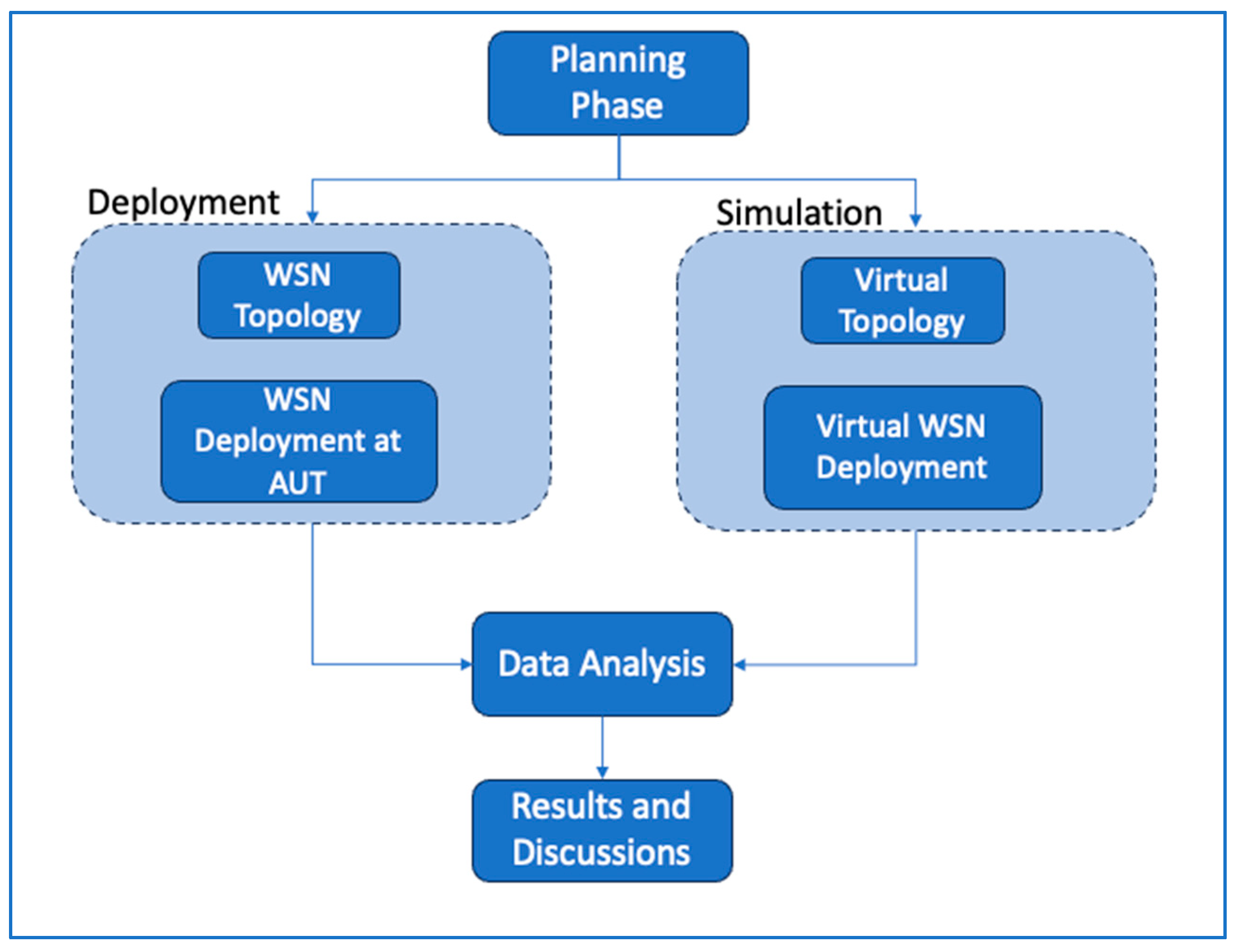
Figure 2.
Wireless sensor node (AS-XM1000) used in system deployment.
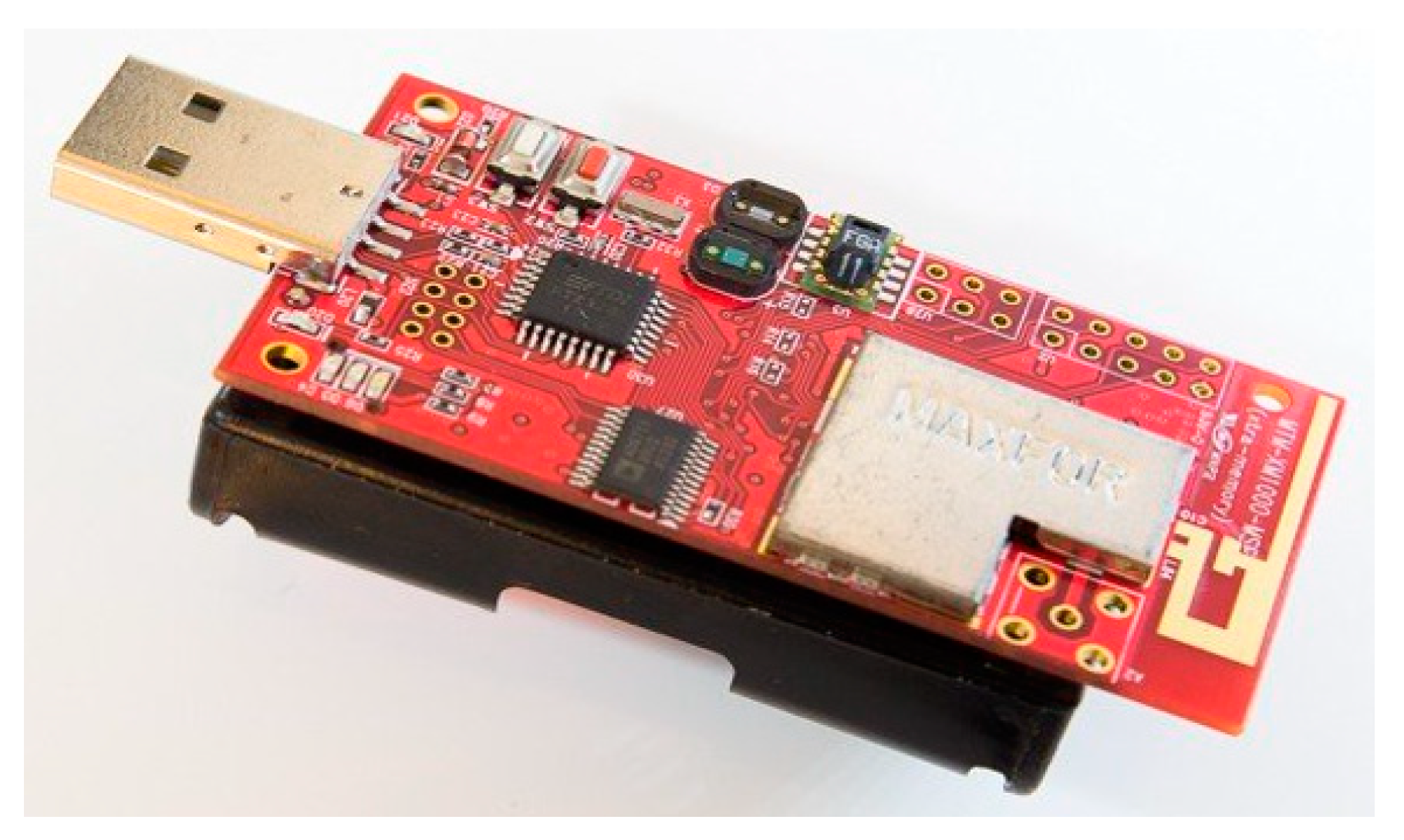
Figure 3.
WSN configuration setup for sensor data collection and validation.
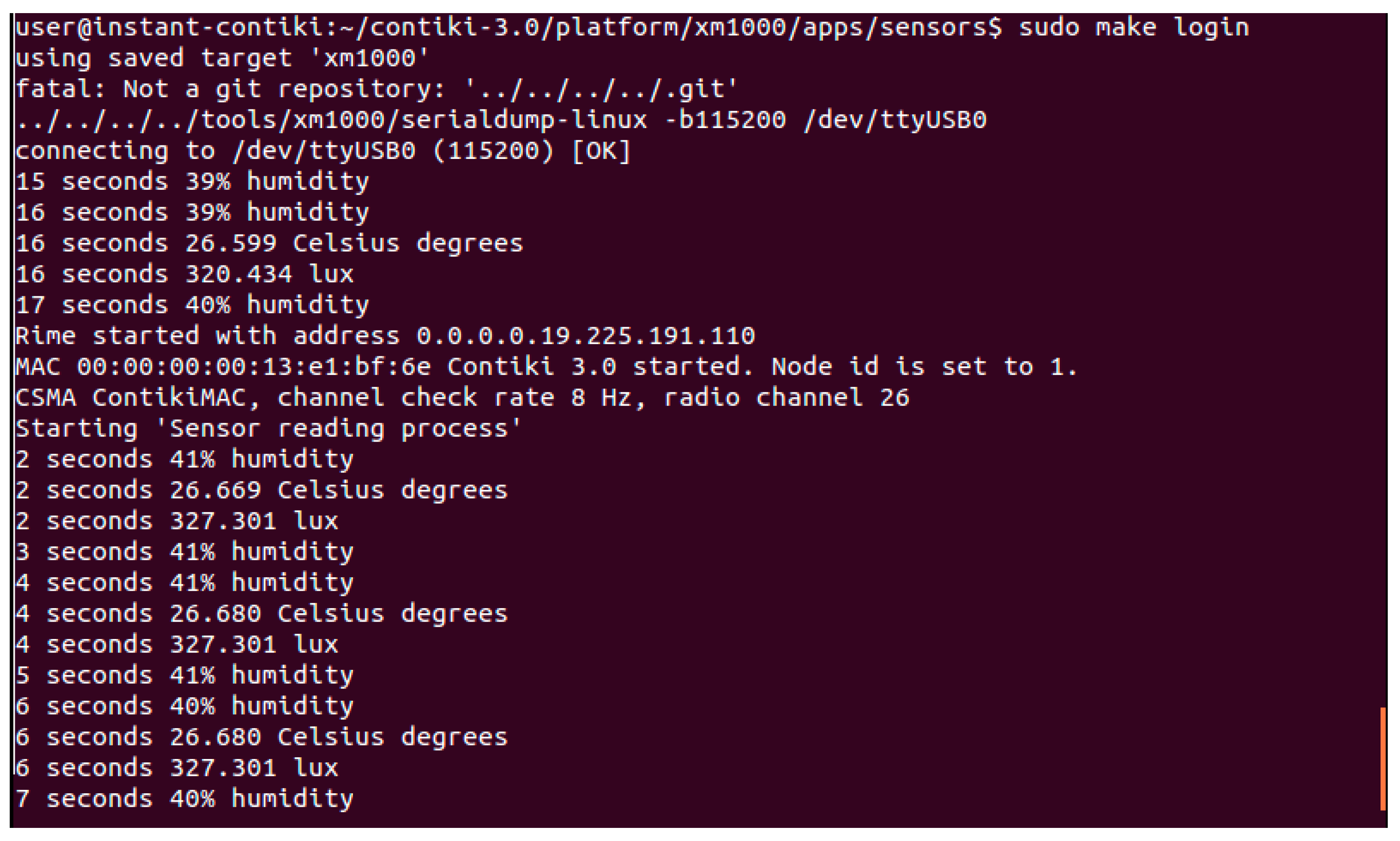
Figure 4.
The proposed WSN Deployment architecture.
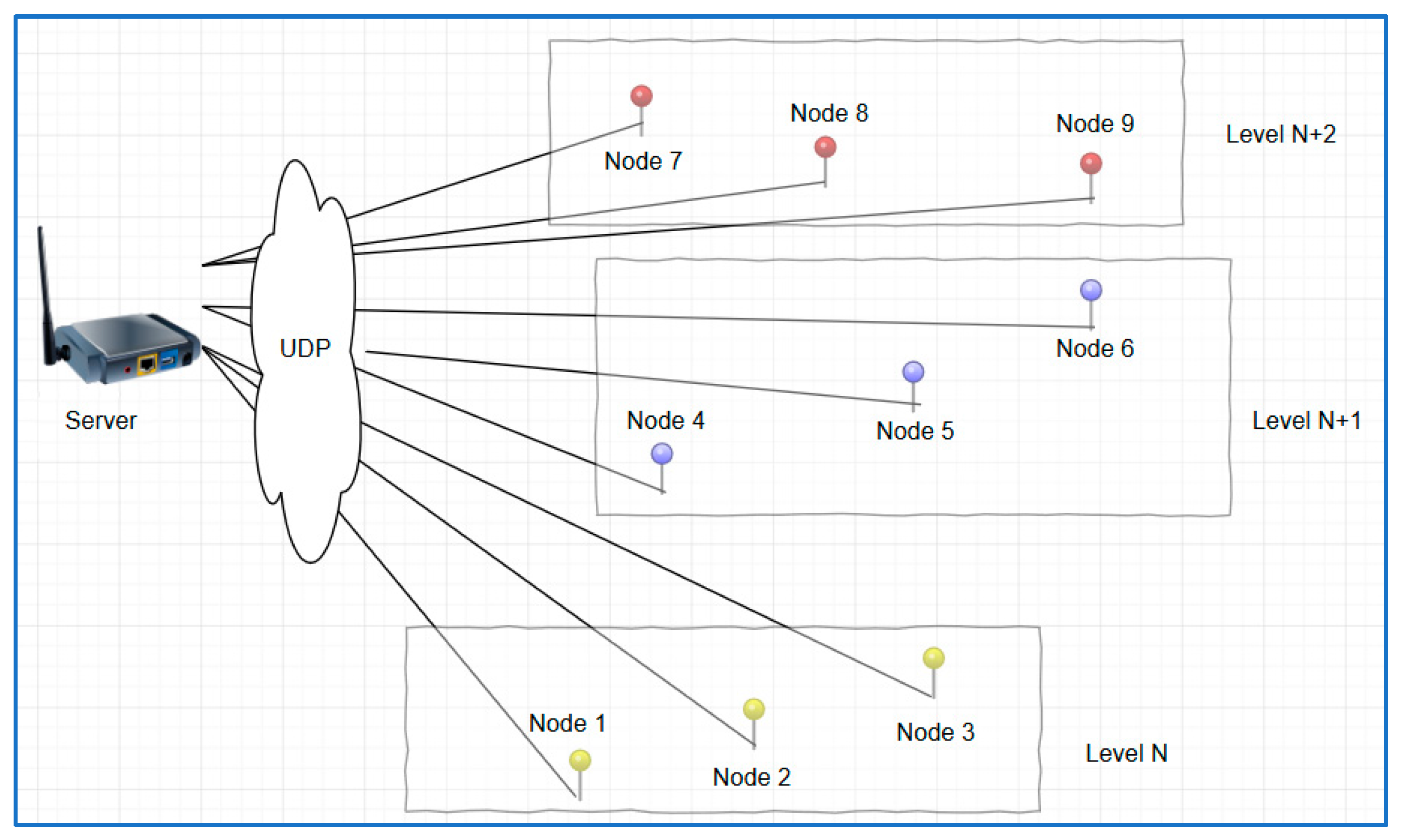
Figure 5.
Scenario 1 (Single server and a client).
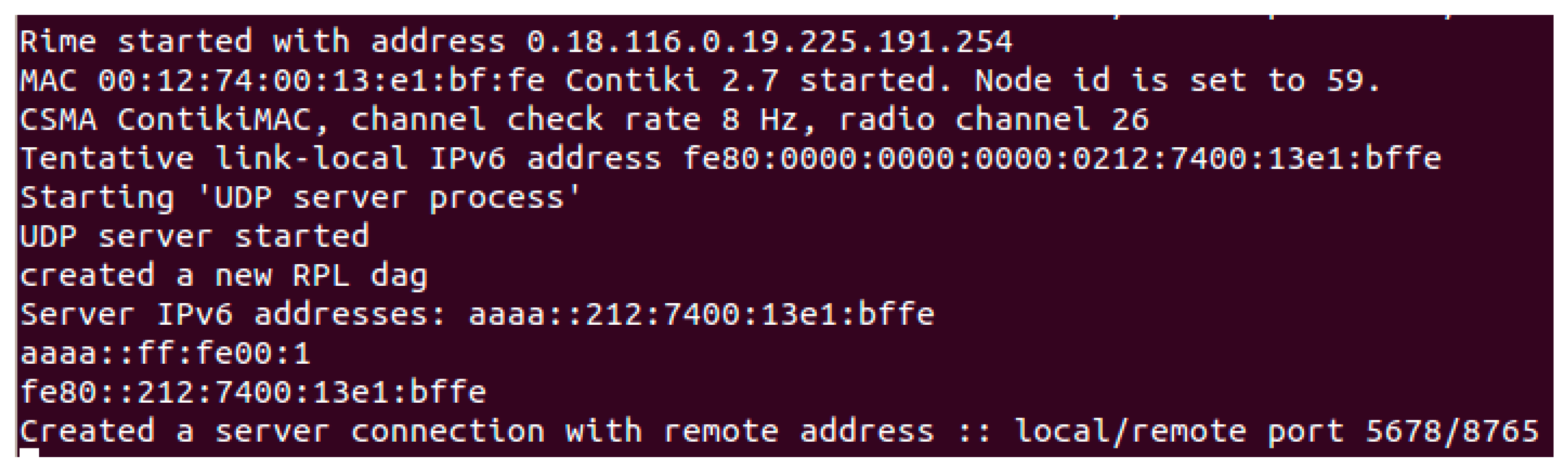
Figure 6.
Scenario 2 (One Server and Two Clients).
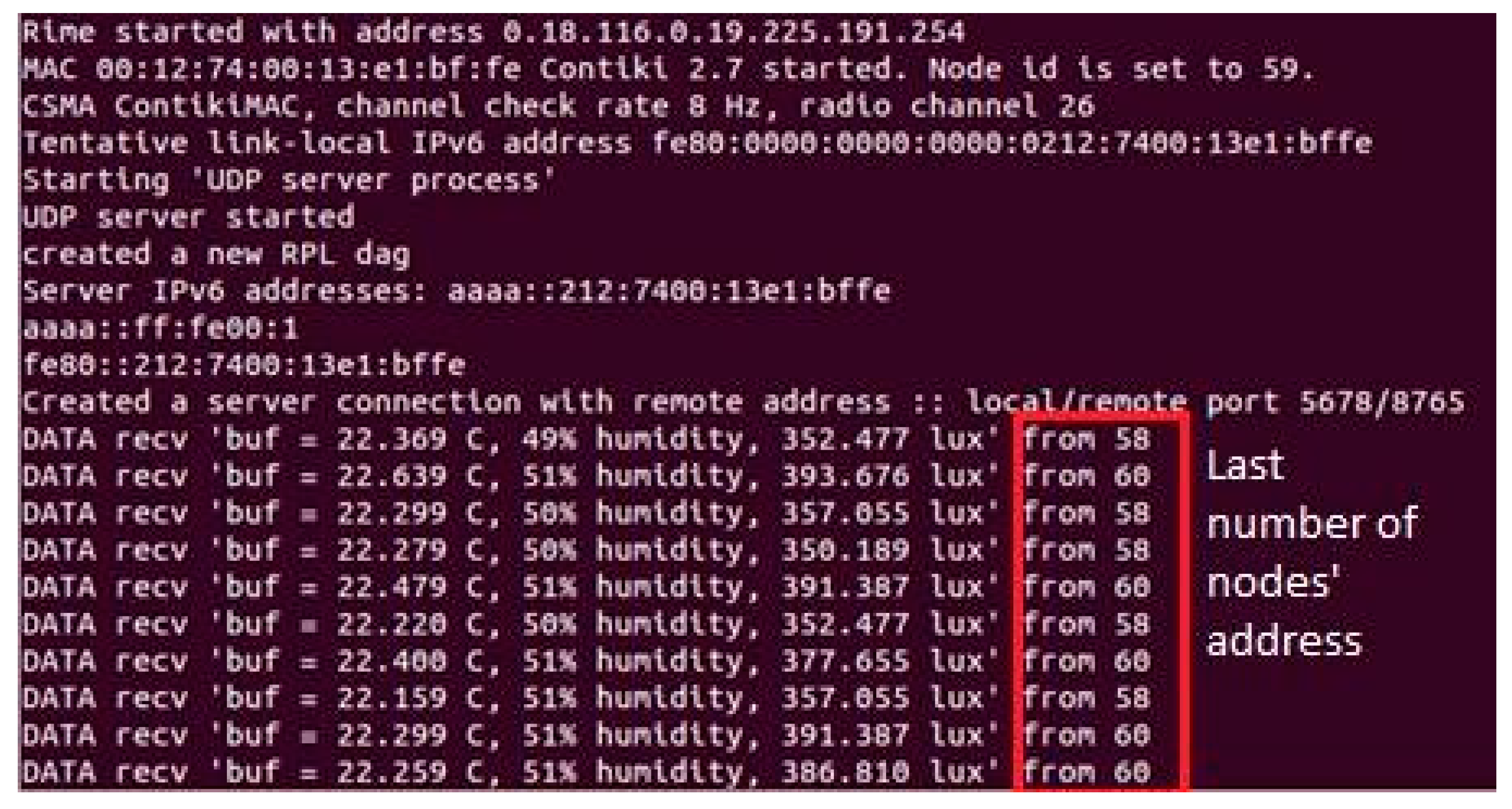
Figure 7.
External view of University WA Library Building.
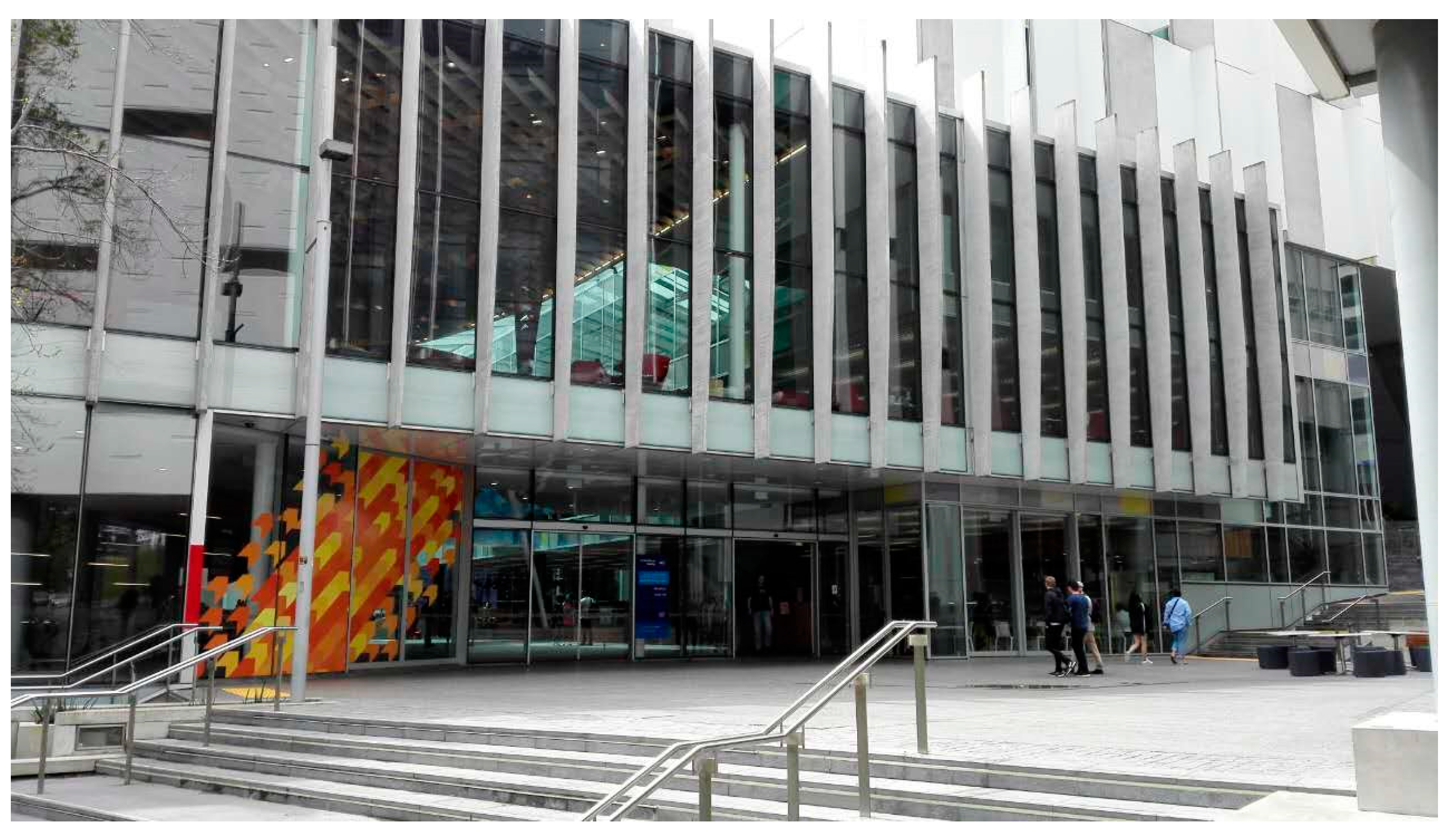
Figure 8.
Sensor nodes deployment on Floor 6 of WA Library Building.
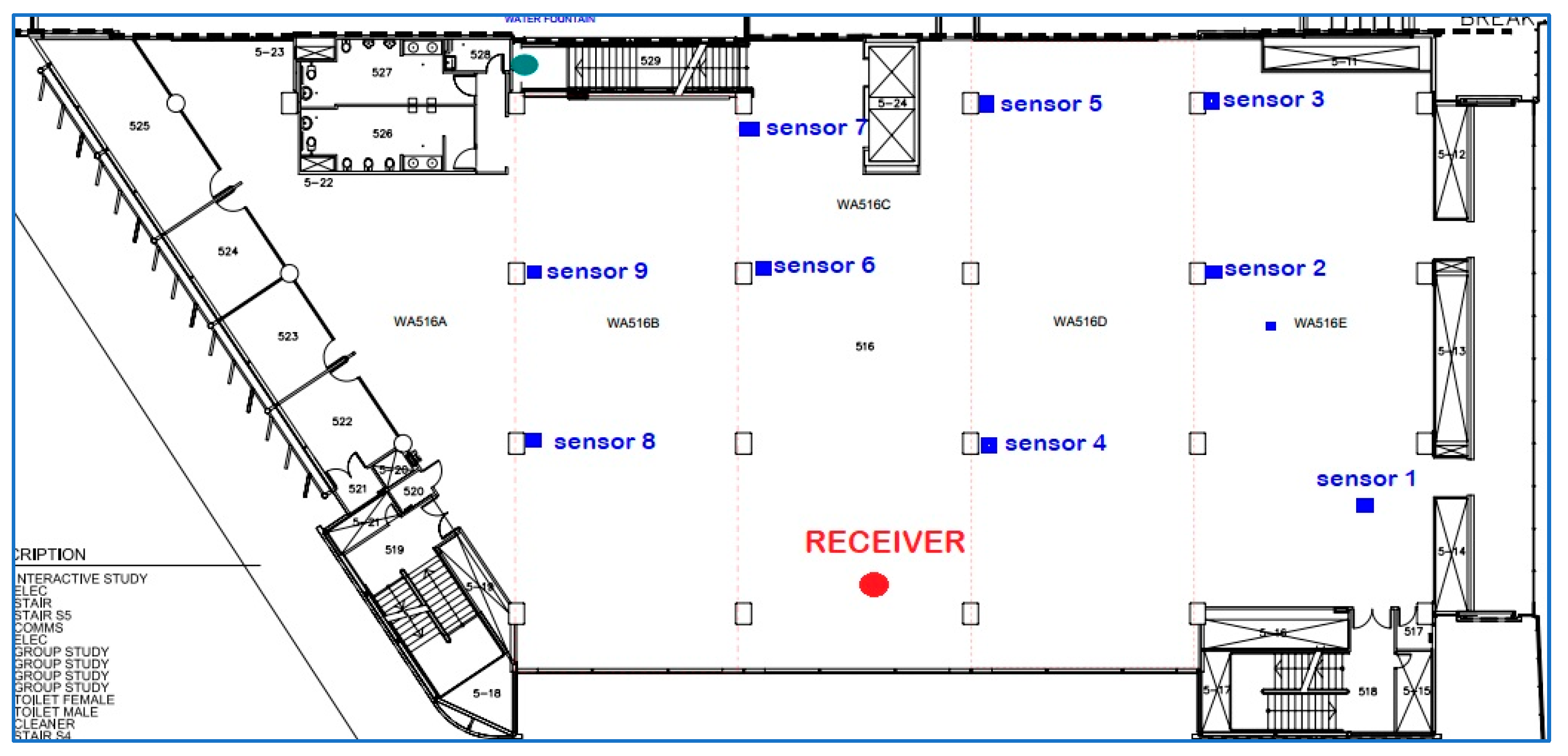
Figure 9.
Temperature sensor data measurement (3-dimension Line Chart).
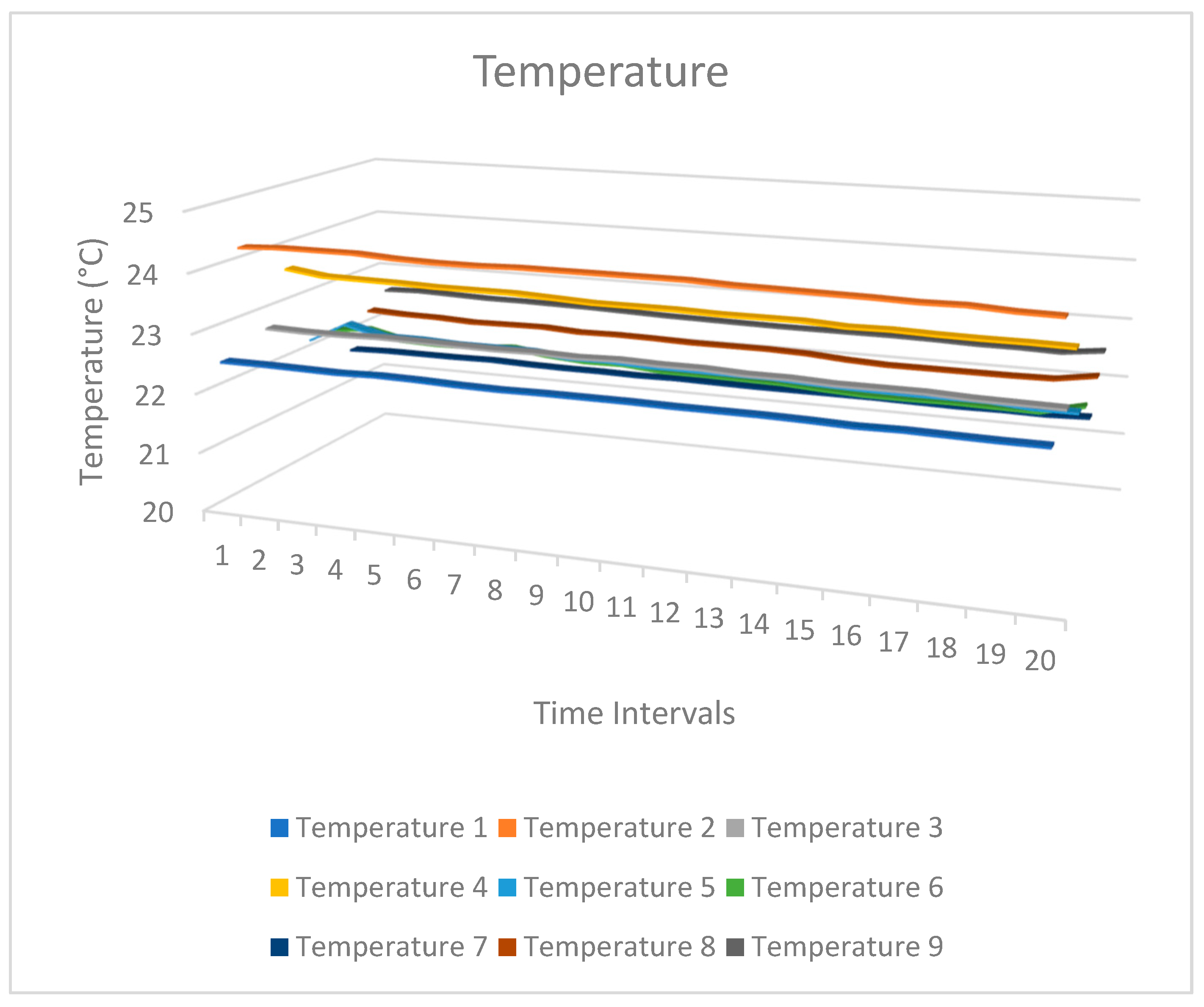
Figure 10.
Humidity sensor data measurement.
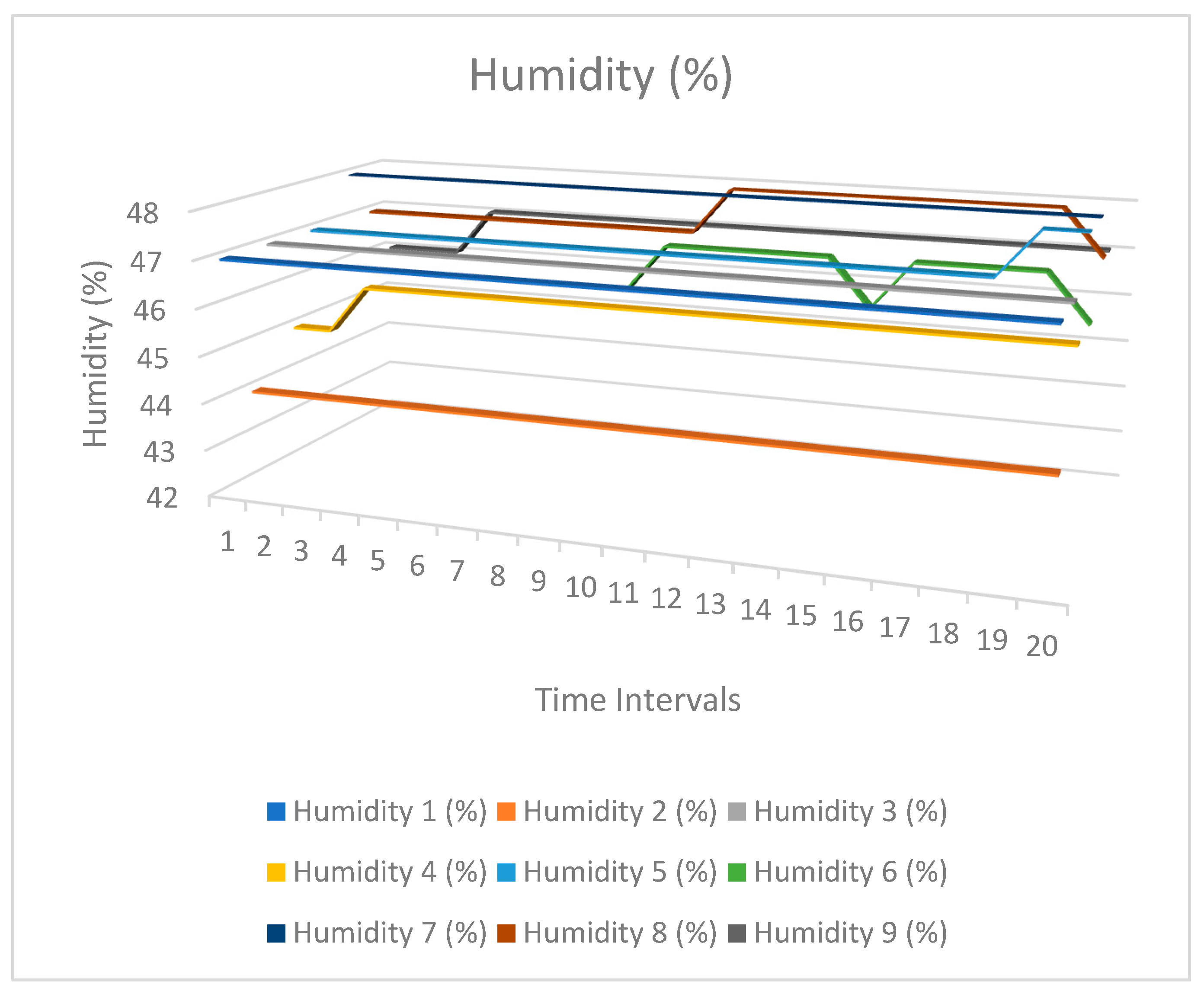
Figure 11.
Light Intensity sensor data measurement.
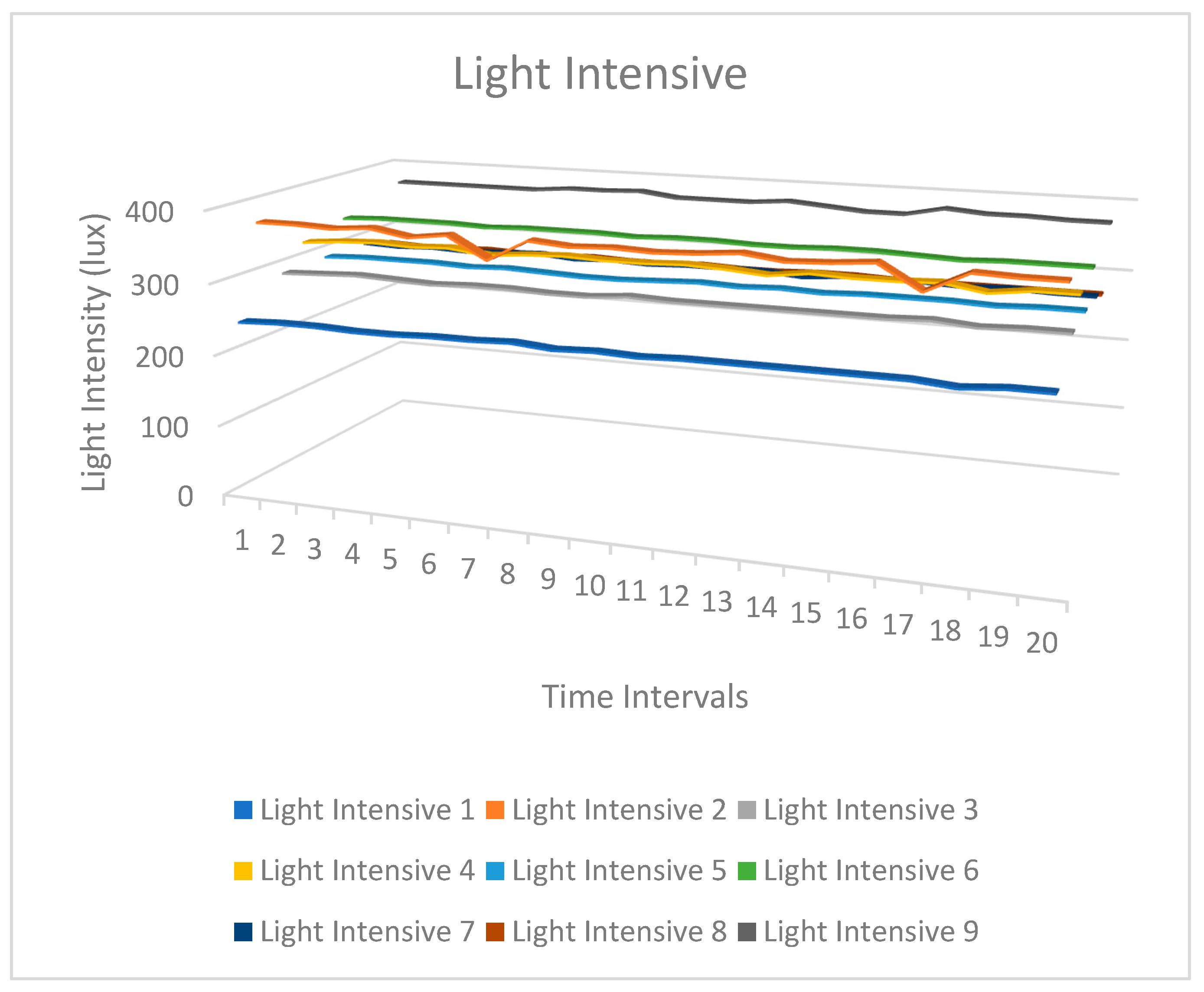
Figure 12.
External view of WT Tower Building.

Figure 13.
Deployment of sensor nodes on Floors 3 and 4 of WT Tower building.
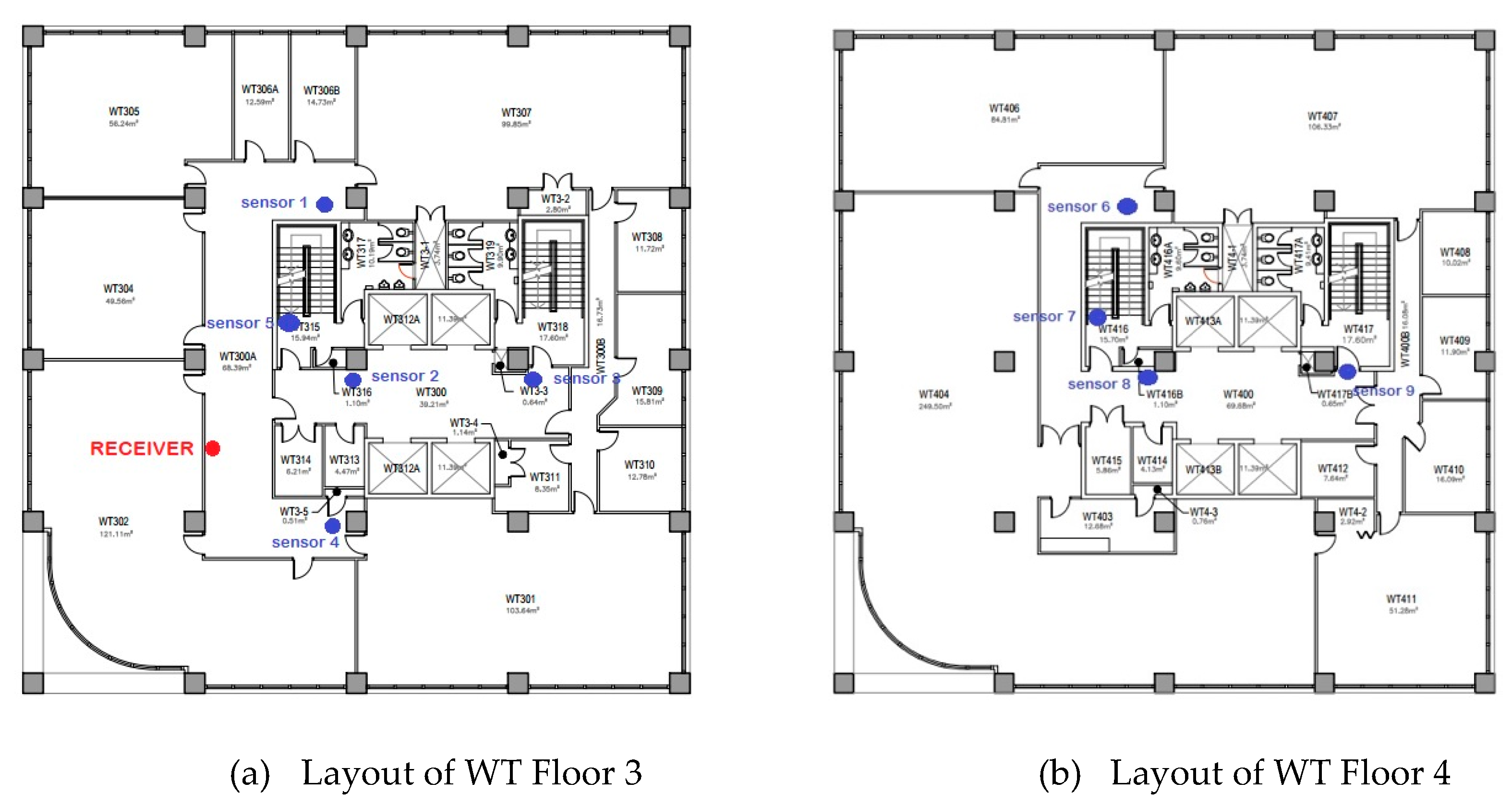
Figure 14.
Temperature sensor data from WT Tower building.
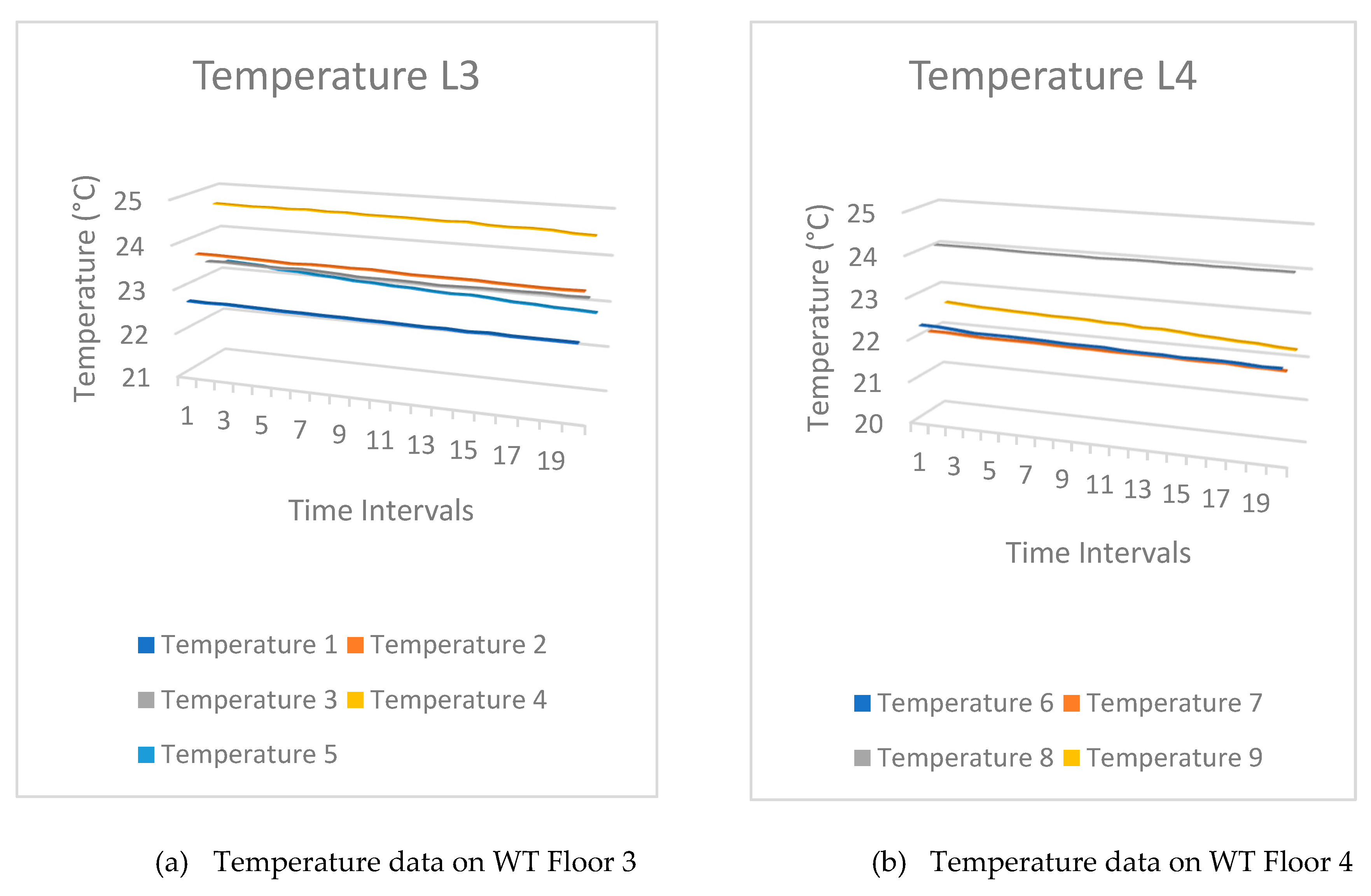
Figure 15.
Humidity sensor data measurement reading from sensors in WT Building.
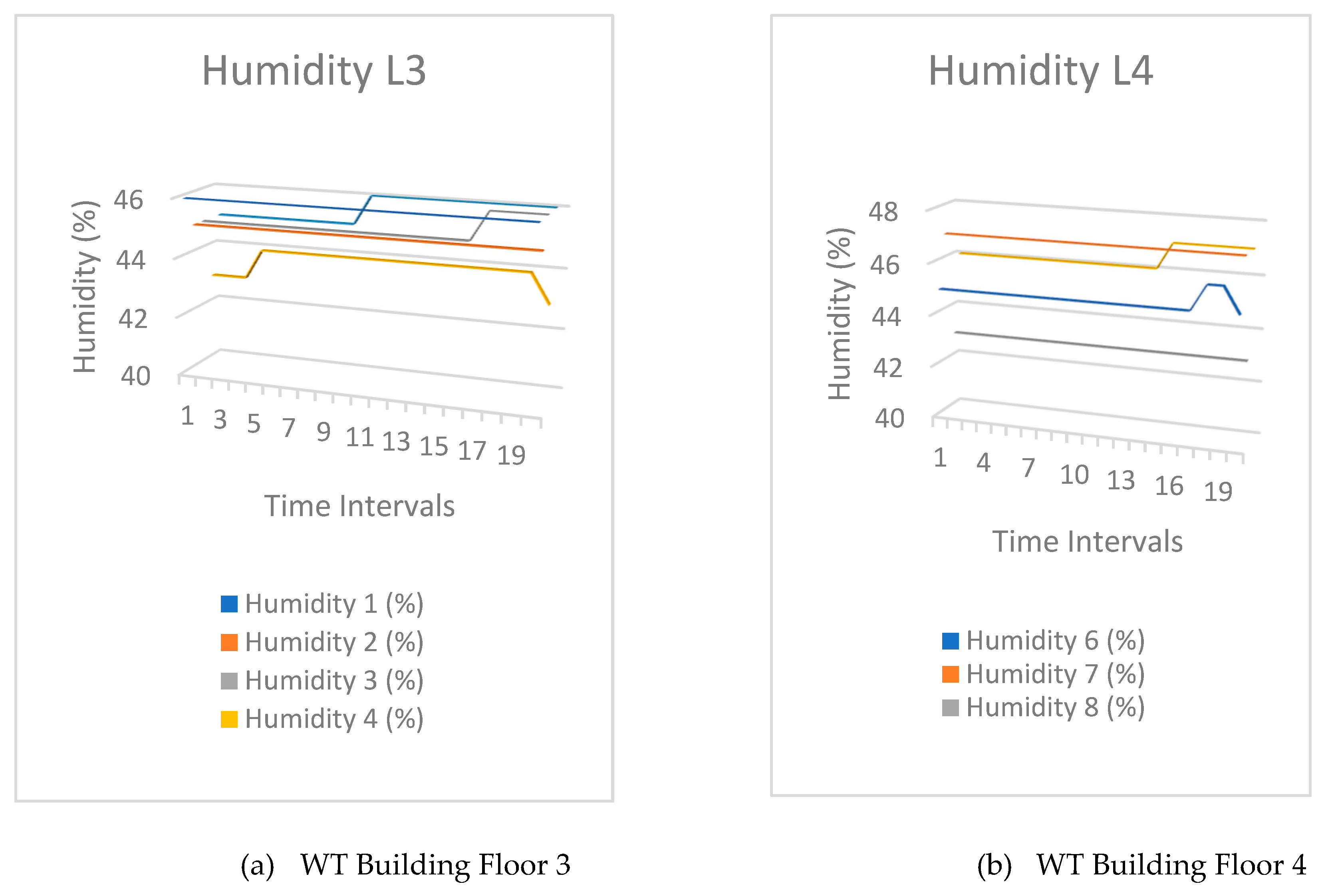
Figure 16.
Light intensity measurement from sensors data in WT Building.
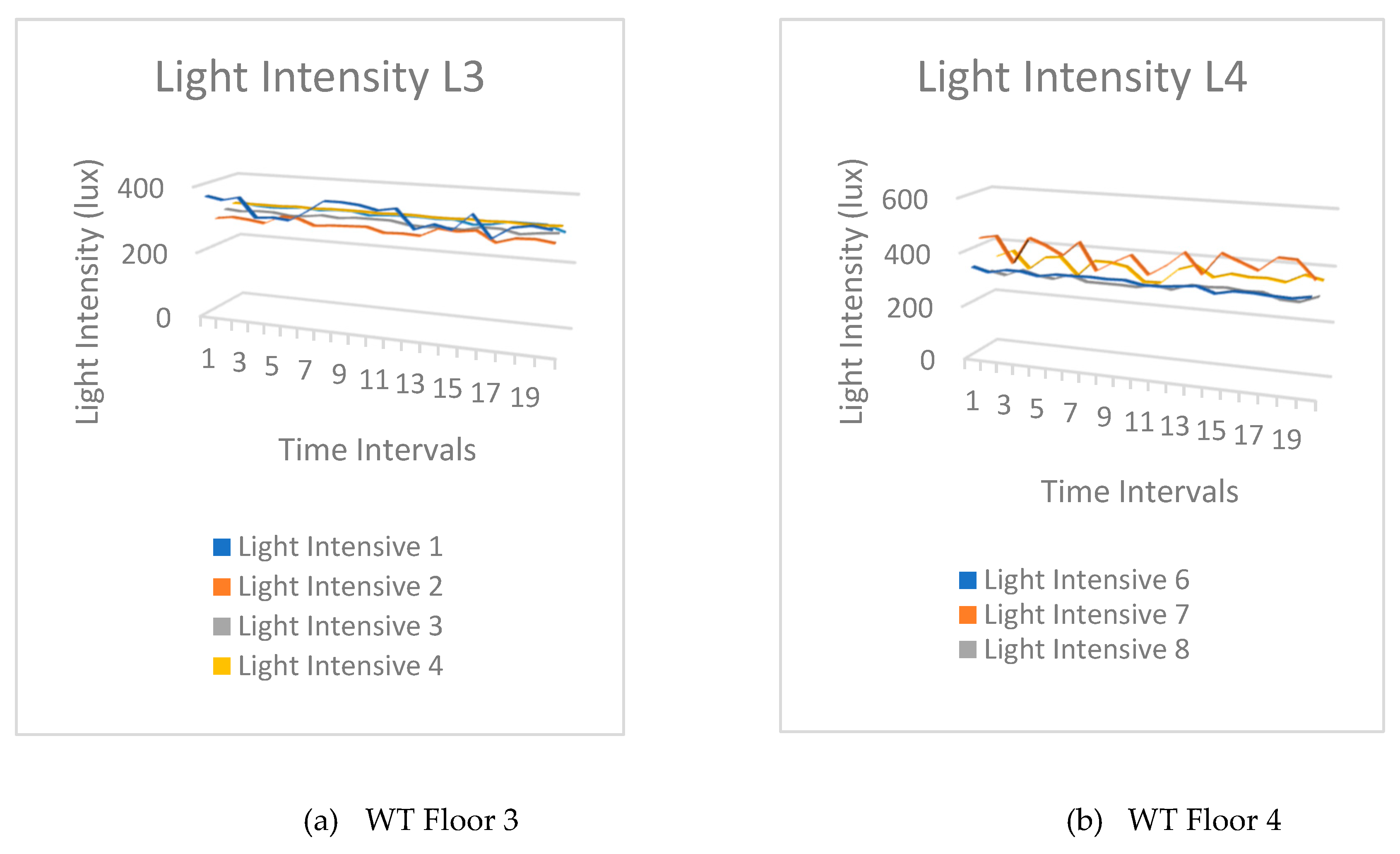
Figure 17.
Simulation setup (a) Temperature; (b) Humidity; (c) Light intensity 1; and (d) Light intensity 2.
Figure 17.
Simulation setup (a) Temperature; (b) Humidity; (c) Light intensity 1; and (d) Light intensity 2.
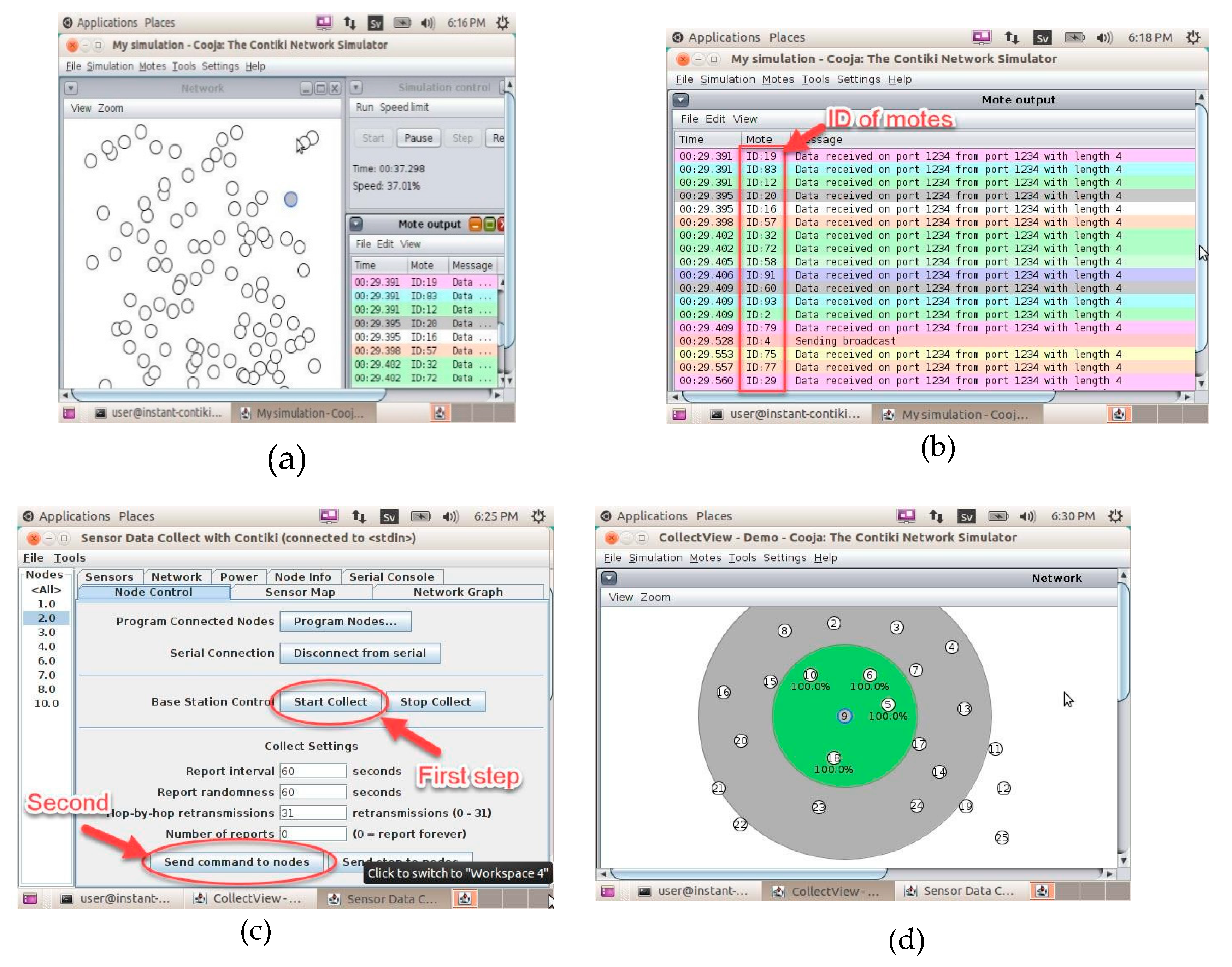
Figure 18.
Simulation Results: (a) Temperature; (b) Humidity; (c) Light intensity 1; and (d) Light intensity 2.
Figure 18.
Simulation Results: (a) Temperature; (b) Humidity; (c) Light intensity 1; and (d) Light intensity 2.
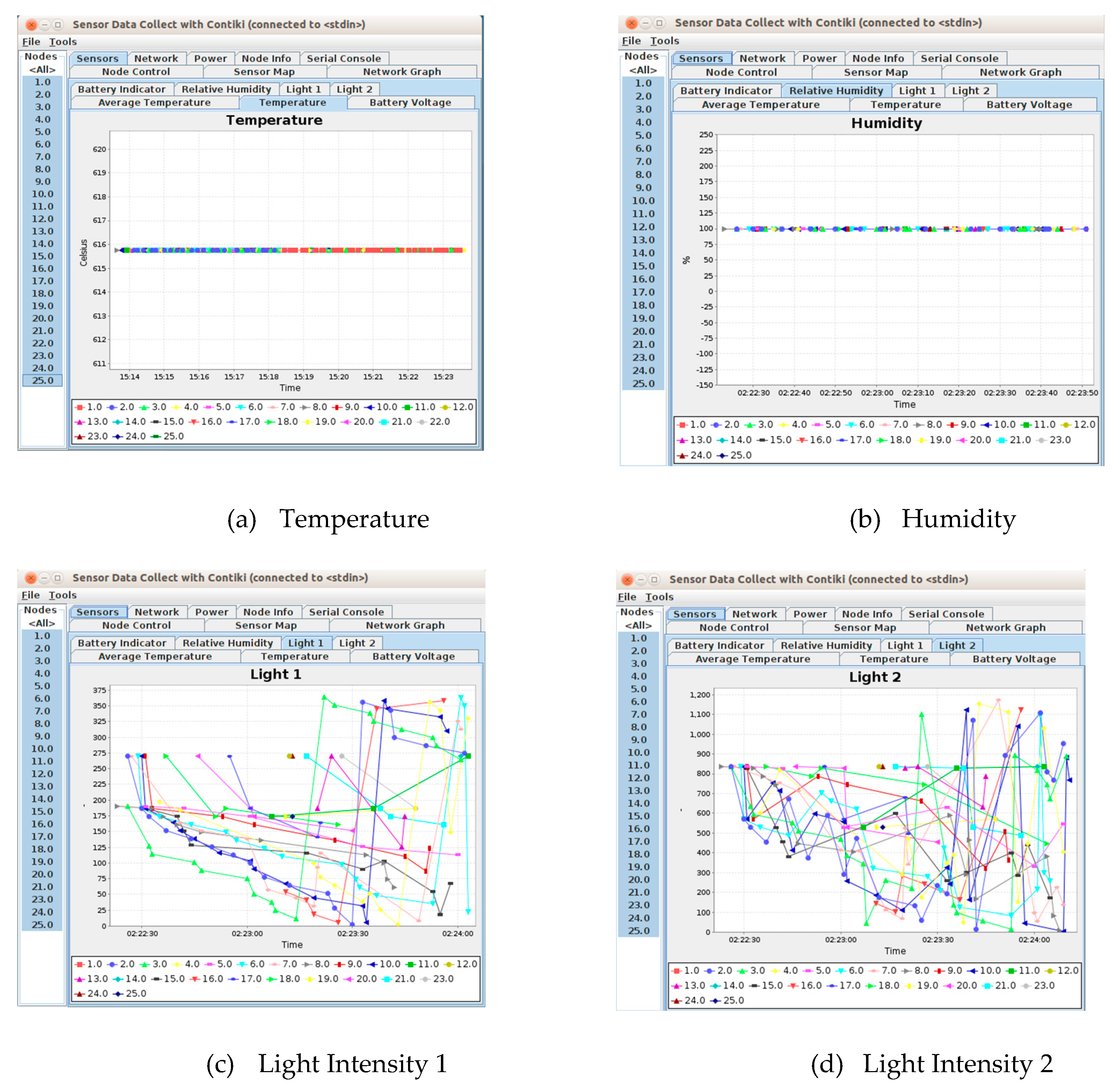

Table 1.
Summary of the related work on WSN deployment Scenarios.
| Reference | Year | Main Contribution | Sensor-deployment? | Simulation? | IoT-Based? | Low-Cost? |
|---|---|---|---|---|---|---|
| [5] | 2014 | Proposed a building automation platform, which controls the actuators built into the system and gathers and monitors all data related to the issue of building energy consumption. | Yes | No | Yes | No |
| [6] | 2022 | Proposed a low-cost wireless sensor network that is enabled by the Internet of Things that greatly enhances the dependability of air quality monitoring in suburban regions. | No | Yes | Yes | Yes |
| [7] | 2015 | This research article reviews wireless sensor network simulation tools to help researchers choose the best one for simulating and testing their study. | No | No | No | No |
| [8] | 2022 | Proposed an IoT simulation framework for wireless sensor networks that will be used for monitoring the environment. | No | Yes | Yes | No |
| [9] | 2022 | Forest fire causes, damages, and impacts are covered in this study. | No | No | No | No |
| [10] | 2021 | Proposed a cost-effective wireless sensor network consisting of sensor nodes designed to measure soil moisture. | Yes | No | Yes | Yes |
| [11] | 2021 | Proposed a cluster-based routing mechanism that can be implemented in the sensing layer of smart city IoT. | No | Yes | Yes | No |
| [13] | 2018 | Proposed a user-friendly, scalable IoT-based system that uses real-time sensor data to inform occupants of their energy consumption and provide personalized recommendations for energy savings and comfort optimization. | Yes | Yes | Yes | No |
| [14] | 2024 | Proposed an advanced IoT and IIoT (Industrial IoT) research and development by providing a diverse and realistic testing environment for Smart City innovations and a variety of technologies. | Yes | Yes | Yes | No |
| [15] | 2020 | Proposed a WSN-based intelligent traffic control system that uses IoT and mobile apps to notify drivers about traffic density and parking availability in smart cities to reduce congestion. | No | Yes | Yes | No |
| Our work | Deployment of wireless sensor networks in commercial buildings towards IoT-Based intelligent environments | Yes | Yes | Yes | Yes | |
Disclaimer/Publisher’s Note: The statements, opinions and data contained in all publications are solely those of the individual author(s) and contributor(s) and not of MDPI and/or the editor(s). MDPI and/or the editor(s) disclaim responsibility for any injury to people or property resulting from any ideas, methods, instructions or products referred to in the content. |
© 2024 by the authors. Licensee MDPI, Basel, Switzerland. This article is an open access article distributed under the terms and conditions of the Creative Commons Attribution (CC BY) license (http://creativecommons.org/licenses/by/4.0/).
Copyright: This open access article is published under a Creative Commons CC BY 4.0 license, which permit the free download, distribution, and reuse, provided that the author and preprint are cited in any reuse.


