

Submitted:
21 February 2024
Posted:
22 February 2024
You are already at the latest version
Abstract
Cancer, characterized by abnormal cell proliferation driven by genetic mutations, remains a significant health challenge. Tailoring effective therapies depends on factors like tumor location, grade, and stage, alongside patient condition. Leveraging Nano-carrier encapsulated drugs offers a promising avenue, as they accumulate preferentially at tumor sites, enhancing therapeutic efficacy while mitigating side effects. Polymeric Nano-carriers, with their customizable properties, further optimize drug delivery efficiency and specificity. Incorporating active targeting ligands such as antibodies, carbohydrates, peptides, folates, and aptamers-onto polymeric nanoparticle surfaces through techniques like functionalization, adsorption, and conjugation plays a pivotal role in directing therapeutic agents to tumor cells. Consequently, polymeric nanoparticles emerge as the carrier of choice for delivering drugs to various tumor types, including breast, colon, lung, prostate, liver, and spleen tumors.
Keywords:
Polymeric Nanoparticle
; Drug Delivery
; Cancer
; Ligands
; Antibodies
1. Introduction
Cancer represents a diverse group of diseases characterized by abnormal cell growth. Unlike the regulated growth of normal cells, cancer cells undergo uncontrolled proliferation. The progression of cancer involves a series of steps, including the acquisition of genetic changes driven by mechanisms like gene amplification or inactivation. Understanding the molecular origins of cancer is crucial in elucidating its pathogenesis. Proto-oncogenes, which are normal genes that can transform into oncogenes through mutations, play a pivotal role in this process. These altered genes can disrupt cellular functions such as cell division and programmed cell death, leading to unregulated growth characteristic of cancer [1].
Tumors exhibit significant heterogeneity, displaying elevated proliferation rates alongside necrosis or hemorrhages in the core. They are characterized by various hallmarks, including independence in growth signals, resistance to anti-growth signals, evasion of apoptosis, sustained replication, uninterrupted angiogenesis, tissue invasion, and metastasis. The vasculature surrounding tumors is highly permeable, facilitating the transport of macromolecules [2].
There are various staging systems for tumors, with the TNM system being the most common and useful. This system categorizes tumors based on their size, lymph node involvement, and metastasis to distant locations [3]. Treatment options for cancer depend on factors such as tumor location, grade, stage, and the patient’s overall health. These options include surgery, radiation therapy, chemotherapy, and immunotherapy. Chemotherapy, in particular, remains a significant approach in cancer treatment, but its effectiveness is hindered by drawbacks such as systemic toxicity [4].
Most conventional cancer chemotherapeutic agents lack selectivity for cancer cells, leading to increased systemic toxicity and reduced therapeutic efficacy. To address these limitations, optimal drug delivery systems are essential [5]. The use of polymeric nanoparticles as carriers for chemotherapeutic agents presents a promising strategy to enhance drug delivery efficiency and specificity, thereby improving therapeutic outcomes while minimizing side effects [5,6]. This review explores the role of polymeric nanoparticles in targeted drug delivery for various types of tumors, highlighting their potential in revolutionizing cancer treatment.
Over the past few decades, significant strides have been made in comprehending the molecular underpinnings of oncological diseases. Leveraging this extensive knowledge, numerous strategies have been developed and assessed for cancer treatment and targeted drug delivery to tumor cells. Some of these approaches capitalize on the overexpression of cancer-related surface markers on diseased cells or the presence of a dense yet leaky vascular system within tumors, forming the basis for tumor-targeting strategies [7].
Targeting drugs to tumor cells involves administering drug Nano-carriers that are surface-functionalized with ligands capable of selectively recognizing malignant tumor cells. Ligand or receptor-mediated drug delivery to tumor cells is achieved through the chemical conjugation of tumor-specific molecules such as; aptamers, folates, peptides, antibodies, and transferrin’s onto the nanoparticle surface. These ligands selectively bind to overexpressed receptors unique to cancer cells or minimally expressed on healthy cells [8].
Modern nanotechnology systems focus on developing target-specific and controlled drug release systems. This approach has led to the design of molecules with properties such as delivering various formulations using organic/inorganic materials, facile modification of targeting molecules, drugs, or other molecules, effective delivery to target sites, high therapeutic efficacy, control of drug release by external/internal stimuli, and minimization of unwanted side effects [6]. Common types of nano-carriers for targeted drug delivery include polymeric nanoparticles, liposomes, dendrimers, nano-shells, carbon nanotubes, and super paramagnetic nanoparticles [9].
Polymeric nanoparticles (PNPs) are emerging as ideal candidates for drug delivery systems due to their unique advantages. These engineered carriers facilitate the delivery of higher concentrations of pharmaceutical agents to desired locations, enhance drug stability, enable modification of drug release, and offer versatility in molecular design. Polymer-based nanoparticles serve as promising vehicles for drug delivery to target tumor cells, allowing for the effective delivery of drugs, proteins, and DNA. Their nanometer size facilitates efficient permeation through cell membranes and ensures stability in the bloodstream [10].
- Drug Delivery Using Polymeric Nanoparticles
Nanoparticle technologies have revolutionized drug development and hold immense potential for the pharmaceutical industry. Polymeric nanoparticles (PNPs) have garnered significant attention due to their unique physicochemical properties, which facilitate the delivery of various molecules to specific sites in the body. PNPs offer several advantages, including enhancing the therapeutic index of drugs by improving efficacy, increasing drug bioavailability, carrying large payloads, protecting therapeutic agents from physiological barriers, and mitigating adverse effects of drugs [11].
Polymeric nanoparticles exhibit controlled and sustained release properties, subcellular size, and biocompatibility with tissues and cells, making them promising drug delivery systems. Importantly, many of these carriers possess the advantage of preferentially targeting tumor cells through the enhanced permeability and retention (EPR) phenomenon observed in solid tumors compared to normal tissues. Additionally, PNPs boast properties such as higher therapeutic efficacy, biocompatibility, biodegradability, lower toxicity, and the ability to encapsulate and deliver poorly soluble drugs [12].
For targeted drug delivery one of the following mechanisms with polymeric systems generally can be done: drug and targeting moiety are conjugated to the polymer and physically entrapping of the drug with in a polymer carrier that has been modified with a targeting moiety [13].
- Preparation of Polymeric Nanoparticles (PNPs)
Polymeric nanoparticles can be prepared from natural and/or synthetic polymers. Natural polymers such as cellulose, starch, chitosan, carrageenan, alginates, and various gums offer biocompatibility, biodegradability, low toxicity, and ease of availability. Synthetic polymers including poly lactic acid (PLA), poly(D,L lactide-co-glycolide) acid (PLGA), polycaprolactone (PCL), poly cyanoacrylates, polyamides, and others, are commonly used FDA-approved biocompatible materials for PNP preparation [13].
PNPs can be prepared using preformed polymers or by direct polymerization of monomers through classical polymerization or poly reaction methods. The choice of preparation method depends on the nature of the drug to be incorporated [14] (Figure 1). For instance, hydrophilic drugs are encapsulated using techniques like double emulsion, while hydrophobic drugs are encapsulated using methods such as Nano-precipitation, single emulsion, and salting-out [15].
- Solvent Evaporation Technique
This technique involves dissolving both the drug and the carrier in a common solvent, followed by solvent evaporation under vacuum to produce a solid solution. It enables the production of a solid solution of the drug and the carrier [16] (Figure 2).
- Micro-Emulsion Polymerization Technique
Micro-emulsion polymerization is an effective approach for preparing Nano-sized polymer particles. It involves the creation of an optically clear pre-concentrate containing a mixture of oil, hydrophilic surfactant, hydrophilic solvent, and water-soluble drug. Upon contact with water, the formulations spontaneously disperse to form a clear emulsion of small and uniform oil droplets containing the solubilized drug [17].
- Supercritical Fluid (SCF) Technology
Supercritical fluid technology involves dissolving drugs and polymers in supercritical fluids (such as CO2) at temperatures and pressures above their critical points. This allows the fluid to exhibit properties of both a liquid and a gas (Figure 3). Drug particles and polymers solubilized within the supercritical fluid can be recrystallized at reduced particle sizes using techniques like rapid expansion of supercritical solution (RESS). These techniques offer versatile and efficient methods for preparing polymeric nanoparticles with controlled drug release properties, facilitating targeted drug delivery for various therapeutic applications [16,17].
- Salting-Out Technique
The salting-out technique is employed to prepare polymeric nanoparticles (PNPs) by separating a water-miscible solvent from an aqueous solution via the salting-out effect. The details regarding how the process works is mentioned as follows:
- a)
- Dissolution: The polymer and drug are initially dissolved in a solvent such as acetone.
- b)
- Emulsification: The solvent containing the dissolved polymer and drug is then emulsified into an aqueous gel. This gel contains a salting-out agent such as magnesium chloride, calcium chloride, magnesium acetate, or non-electrolytes like sucrose. Additionally, a colloidal stabilizer such as polyvinyl pyrrolidone or hydroxy ethyl cellulose may be included.
- c)
- Formation of Nano-spheres: The oil/water emulsion is diluted with water or an aqueous solution to enhance the diffusion of acetone into the aqueous phase. This induces the formation of nanoparticles.
- d)
- Elimination of Solvent and Salting-Out Agent: Finally, both the solvent and the salting-out agent are removed through cross-flow filtration. Thus, designing an effective drug delivery system using nanoparticles requires careful consideration of several factors such as: the quality and reliability, controlled drug release profile, and recognition of disease affected part [14,18].
- Designing of Targeted PNP’s towards Specific Tumor Cells
- a)
- Passive Targeting: this involves the transport and accumulation of PNPs through leaky tumor capillary fenestrations into the tumor interstitium via the enhanced permeability and retention (EPR) effect (Figure 4) [6]. This mechanism does not involve specific targeting ligands and relies on passive diffusion to tumor tissues [19].
- b)
- Ligand-Based Targeting of PNP’s (Active Targeting): Active targeting mechanisms involve the recognition of ligands by specific receptors on tumor cells, leading to receptor-mediated endocytosis. Several ligands have been explored for targeted drug delivery: Thus, ligands stand for a diverse class of molecules that can be exploited for targeted drug delivery because the ligand-receptor complex is the result of a specific molecular interaction that requires structural complementarity [5]. Design of actively-targeted PNP drug carriers is a complex process because the ligand conjugation chemistry, the NP architecture, the types of ligands available, route of administration and protein binding nature of the PNP’s all contribute to the success of the process and should be taken into account during designing [14].
- c)
- The formulation of a targeted drug delivery system relies on understanding the specific processes and characteristics of the disease state. This involves identifying key receptors, antigens, or binding domains associated with the disease, which can serve as targets for the drug delivery system. Once these targets are identified, ligands that can interact specifically with these targets are selected to enable receptor-mediated endocytosis. This interaction facilitates the uptake of the drug-loaded nanoparticles into the target cells, enhancing the therapeutic efficacy while minimizing off-target effects (Figure 5) [20].
- Antibodies and Antibody Fragments
The use of tumor-associated antigens for targeting antibodies in anticancer drug delivery has been a widely explored strategy. Tumor-associated antigens are proteins or other molecules expressed on the surface of cancer cells but not, or at much lower levels, on the surface of normal cells. This selective expression makes them attractive targets for antibody-based drug delivery systems because they can help direct therapeutic agents specifically to tumor cells while sparing healthy tissues. One example of a tumor-associated antigen is the carcino-embryonic antigen (CEA), which is found in higher levels in gastrointestinal (GI), lung, and breast tumors compared to normal tissues. CEA was one of the first tumor-associated antigens to be identified and has been extensively studied as a target for antibody-mediated drug delivery. Antibodies and antibody fragments are used as “homing devices” in this context because they can specifically bind to tumor-associated antigens on the surface of cancer cells. By conjugating therapeutic agents to these antibodies or antibody fragments, it is possible to deliver drugs directly to tumor cells, thereby increasing the efficacy of the treatment while reducing systemic side effects [21].
Selectins: Carbohydrate-binding selectins, such as sialyl-Lewis X (sLex) and sialyl-Lewis A (sLea), have been used as ligands to target selectin molecules on tumor cells [22].
Integrins: Integrins recognize specific peptide core sequences in the extracellular matrix and are up regulated in cancer cells. Disrupting integrin function using monoclonal antibodies, peptide antagonists, or small molecules can be used for targeted drug delivery [23].
Vitamins: Vitamins such as folic acid, riboflavin, biotin, and vitamin B6 have been evaluated as ligands for targeted drug delivery to specific cells [7,12].
Transferrin: Transferrin receptors are highly up regulated in tumor cells, making transferrin a promising ligand for targeted drug delivery [24].
Hormones: Hormone receptors present in hormone-sensitive cancers can be targeted using hormone-conjugated drugs [5].
Low-Density Lipoprotein (LDL): LDL receptors are overexpressed in various tumor cells, making LDL a potential ligand for targeted drug delivery (Figure 6) [25].
Targeted drug delivery systems aim to exploit specific ligand-receptor interactions to enhance the delivery of therapeutic agents to tumor cells while minimizing off-target effects. Various target molecules, including receptors and antigens, are overexpressed on diseased organs or tumor cells, providing opportunities for ligand-based targeting. Commercially available ligands and their targets are summarized for reference (Annex.1) [26].
- Mechanisms of Ligand-PNP Coupling
Specific ligands such as carbohydrates, folate, antibodies, and nucleic acids are coupled with preformed PNPs using a technique called surface functionalization (Figure 7). This process involves modifying the surface of PNPs with various chemical functional groups to facilitate the attachment of ligands. Surface functionalization can be achieved through various methods such as adsorption, functional surfactants, emulsification, polymerization, covalent bonding of functional molecules, and various forms of bio-conjugation [7,27].
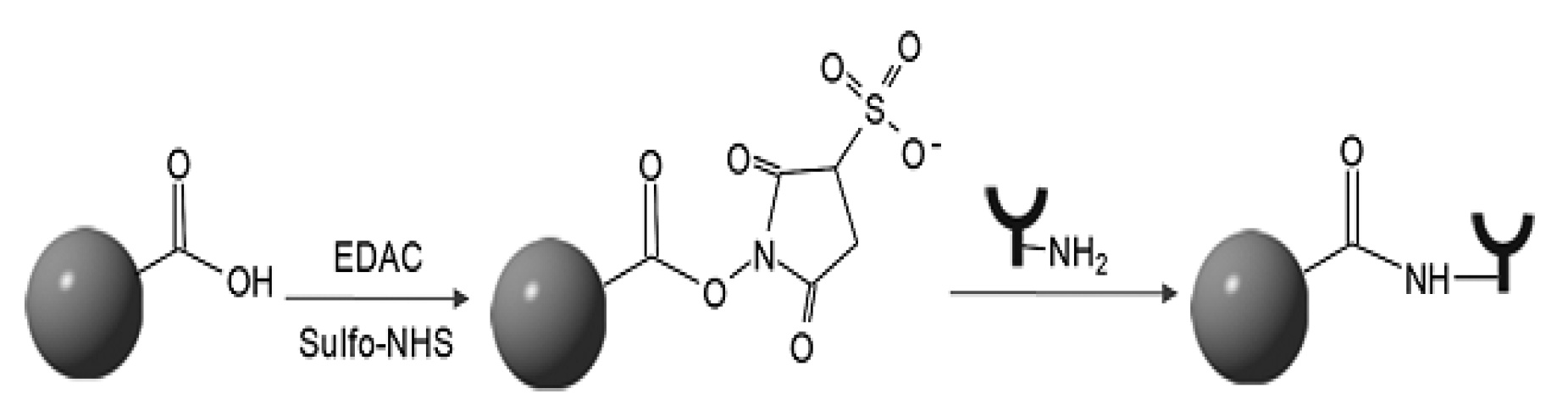
Chemical conjugation is preferred for attaching targeting ligands to PNPs (Figure 8) as it offers precise control over the density and orientation of attached ligands and forms stable linkages under in vivo conditions [23]. Targeting ligands are typically coupled to the terminal groups of hydrophilic polymer coronas, such as ‘stealth’ PEG corona, making them easily accessible for conjugation [6].
- Characterization of Polymeric Nanoparticles (PNPs)
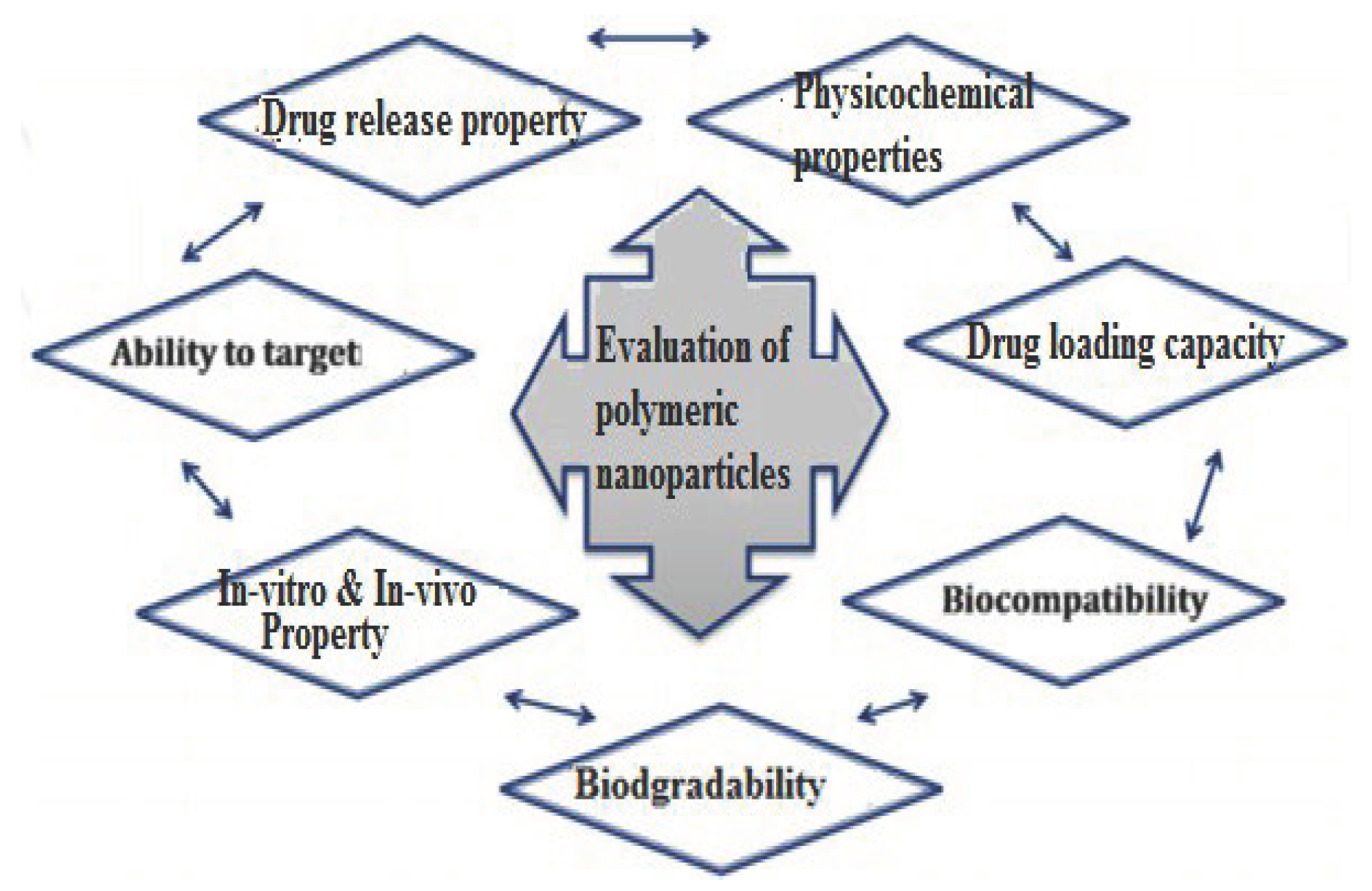
Evaluation of polymeric nanoparticle (PNP) based drug delivery systems involves a comprehensive assessment of various parameters to determine their efficacy, safety, and potential for clinical application (Figure 9) [28]. Some key aspects of this evaluation include:
Figure 9.
Schematic diagram of non-covalent or covalent ligand-drug conjugation and ligand- target. Interaction.
Figure 9.
Schematic diagram of non-covalent or covalent ligand-drug conjugation and ligand- target. Interaction.
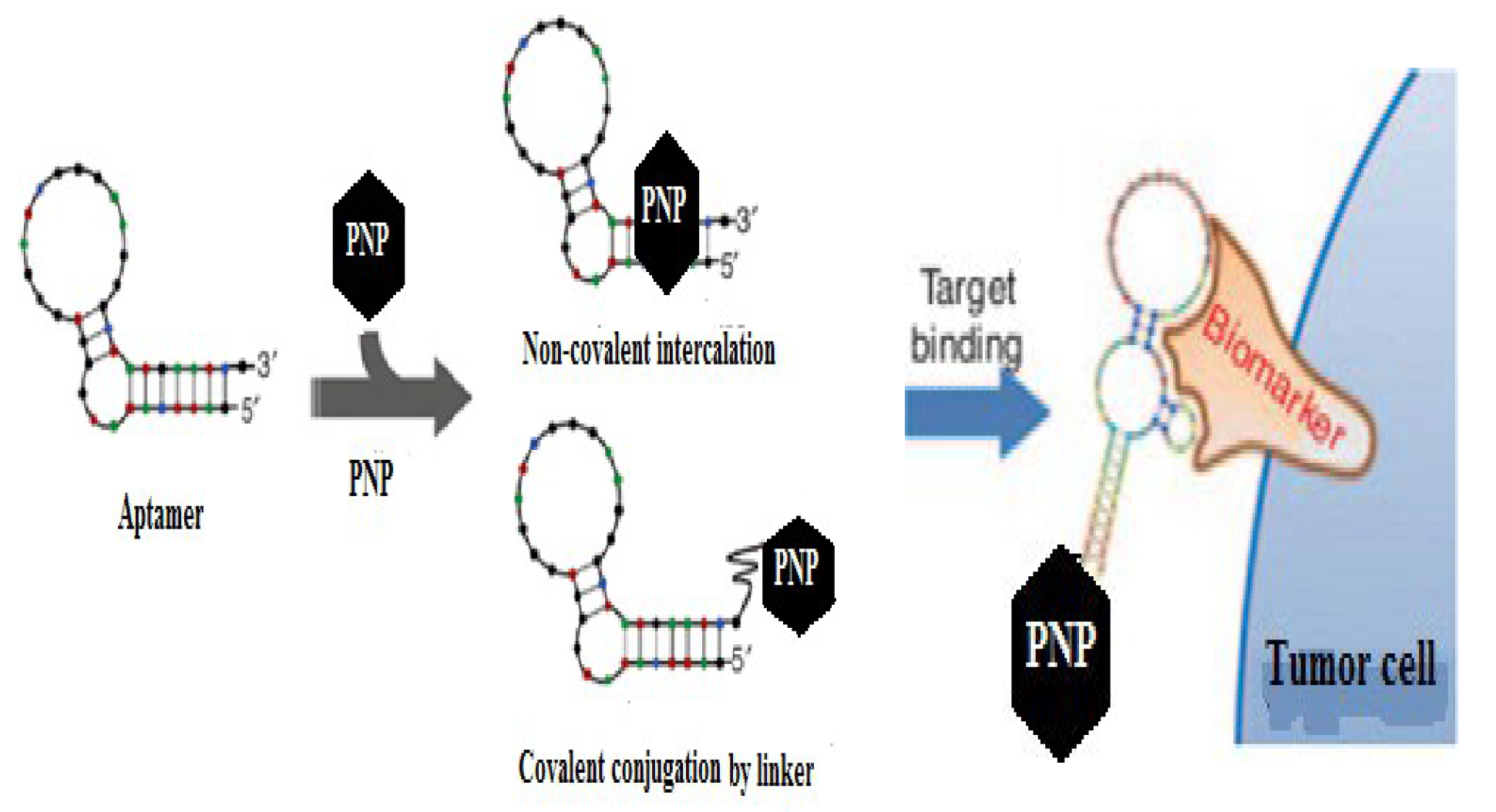
Figure 10.
Schematic representation for the characterization of polymeric nanoparticles.
Particle size and distribution: Determining the range of particle sizes in the nanoparticle formulation is essential as it can affect factors such as bio-distribution, cellular uptake, and drug release kinetics [1,28]. Besides size distribution, the average particle size of nanoparticles is important for determining their suitability for specific applications, such as tissue targeting or intravenous administration [29].
Solubility: Assessing the solubility of nanoparticles in different media is important for understanding their stability and dispersibility in biological fluids, which can impact their pharmacokinetics and bio-distribution.
Surface chemistry: The chemical composition of the nanoparticle surface, including functional groups and charges, affects interactions with biological molecules and cells. Surface chemistry plays a crucial role in targeting specificity, cellular uptake, and biocompatibility [1,23].
Stability: Evaluating the stability of nanoparticles under various conditions (e.g., temperature, pH, and storage duration) is crucial to ensure their integrity and functionality throughout their shelf life and in biological environments [24,25,26,27].
Purity: Assessing the purity of nanoparticle formulations ensures that they are free from contaminants or impurities that could affect their safety or efficacy [11].
Drug loading ability and release pattern: Determining the capacity of nanoparticles to encapsulate therapeutic agents and their release kinetics is critical for optimizing drug delivery efficiency and achieving desired therapeutic outcomes [1,5,16,17,18,19,20,21,22,23,24,25,26,27,28,29].
Safety, toxicity, and efficacy: Evaluating the biocompatibility, cytotoxicity, and pharmacological efficacy of nanoparticle formulations in vitro and in vivo provides insights into their potential clinical application and any adverse effects they may induce [30].
Structure-activity relationship: Understanding how the physicochemical properties of nanoparticles relate to their biological activity and therapeutic efficacy is essential for rational design and optimization of drug delivery systems [11].
- Applications of Targeted PNP’s in Different Tumors
Actively targeted PNPs have significant applications in managing various neoplastic diseases, including breast cancer, liver and spleen cancers, lung cancer, and colon cancer. Ligand-targeted PNPs enhance drug delivery efficiency and specificity, improving therapeutic outcomes while reducing side effects [1].
- Breast Cancer
Breast tumor is the most common tumor that affects females and one of the main causes of mortality in women. Most of the invasive type of breast tumors overexpresses the receptor called VEGFR human epidermal receptor (HER- 1, 2, 3 & 4). And this receptor has been the target of many ligands of monoclonal antibodies (such as transtuzumab and pertuzumab) that are conjugated with the PNP’s incorporated with drug like paclitaxel (PTX) or Doxorubicin (Dox) has shown to enhance tumor progression free survival of patients. Due to the enhanced folate requirements for DNA synthesis the majority of tumor cells overexpress folate receptors onto their surfaces. Hence, doxorubicin - loaded PNP’s surface engineered with PEG and folic acid were shown to have greater accumulation in the tumor cells and have greater antitumor activity by reducing the mean tumor volume [21].
- Liver and Spleen Cancers
Peptides that contain RGD domains can preferentially bind cells in tumor microvasculature that express the αvβ3 integrin. Integrin receptors are also expressed on the cell membrane of macrophages and it is shown that RGD bio-conjugates aggregate in spleen and liver tissues due to macrophage clearance. Using an RGD-targeted stealth system, NPs carrying Dox were found to accumulate faster and in higher concentrations in the liver and the spleen [31].
- Lung Cancer
Lung cancer (LC) involves signaling pathways that influence angiogenesis, tumor genesis and tumor growth, and different targeted agents have been used towards vascular endothelial growth factor receptor (VEGFR), platelet- derived growth factor receptor (PDGFR), EGFR and insulin-like growth factor 1 receptor (IGF-1R).Of these recetors IGF-1R is a key signaling pathway that leads to the growth and survival of tumor cells and is commonly overexpressed in lung cancer cells. Figitumumab is a fully human monoclonal antibody that is a specific and potent inhibitor of IGF-1R. In combination with PNP’s containing carboplatin/PTX, figitumumab has shown to be a promising antitumor agent as first line treatment of LC [1,20].
- Colon Cancer
In the case of colon cancer, it was investigated that the introduction of peptides containing the RGD sequence such as PR-b (a peptide sequence that mimics the cell adhesion domain of fibronectin) onto the surface of 5 - fluorouracil loaded PNP’s was found to be capable of targeting colon cancer cells that express the integrin α5β1, leading to a greater cytotoxicity compared to the non -targeted Nano platform [32].
- Summary
In summary, cancer is a group of diseases characterized by abnormal cell division and tissue proliferation, driven by genetic mutations that lead to malignant behaviors such as invasion and metastasis. The choice of therapy depends on factors such as tumor location, grade, stage, and patient health. Early-stage tumors may be treated with surgery or radiation, while advanced-stage cancers often require chemotherapy. Nano-carriers, particularly polymer-encapsulated drugs, offer advantages over free drugs by preferentially accumulating in tumor sites through the enhanced permeability and retention (EPR) effect, leading to improved therapeutic outcomes and reduced side effects. Further enhancement of drug delivery efficiency and specificity can be achieved through active targeting strategies, which involve incorporating targeting ligands such as antibodies, peptides, folates, or aptamers onto the surface of polymeric nanoparticles.
Polymer systems provide flexibility for customization and optimization of nanocarriers, particularly polymeric nanoparticles, to efficiently deliver therapeutics to specific targets. Techniques like functionalization, adsorption, and conjugation enable the incorporation of active targeting agents, allowing for precise delivery of therapeutic agents to tumor cells with overexpressed target molecules. Overall, the development of targeted polymeric nanocarriers holds great promise for improving cancer treatment outcomes while minimizing side effects. Continued research in this area is expected to lead to further advancements in cancer therapy.
Author Contributions
Conceptualization, Desta Mezgebo.; resources, Desta Mezgebo and Yohannes Tesfay.; writing—original draft preparation, Desta Mezgebo and Guruduta Pattnaik.; writing—review and editing, Yohannes Tesfay and Guruduta Pattnaik.; supervision, Guruduta Pattnaik.
Funding
This article received no external funding.
Data Availability Statement
Data pertaining to this review article can be found by reaching the principal investigator at (dtesfay462@gmail.com /desta.tesfay1@mu.edu.et).
Acknowledgments
I would like to acknowledge the co-authors who contributed their invaluable shares to the better enrichment of this article.
Conflicts of Interest
The authors declare no conflicts of interest.
Annex.1. Commercially available ligands and their targets for different types of target molecule expressing tumor cells.
| Ligand type | Target molecule or receptor | Site of target |
| Antibody fragments Antigen binding fragments (fab) Single chain variablefragments(scFv) |
Human epidermal receptor (HER-1,HER-2,HER-3 and HER-4) |
Breast, ovarian, bladder, prostate, head and neck tumors. |
Monoclonal antibodies
|
-Vascular endothelial growth factor receptor (VEGFR) -Epidermal growth factor receptor(EGFR) |
Colorectal tumor, breast tumor, prostate tumor and lung tumor [5]. |
| - Transferrin(Tf) -Low density lipoproteins(LDL) -Cell |
Transferring receptor 1 and 2 LDL- receptors | -Brain tumor, breast tumor, prostate tumor and squamous cell carcinomas and other tumors [14]. |
| A10 aptamer | Prostate specific membrane antigen (PSMA) | Prostate tumor |
| Vitamins (Folic acid, riboflavin and biotin) | Vitamin receptors (e.g folic acid receptor) | Colon, lung, Uterus, prostate, and brain tumors |
| Arginine-Glycine-Aspartic acid(RGD) or LDV |
α vβ3, αvβ5 integrin receptors | tumor-associated vascular endothelial cells [21]. |
Annex 2: Summary of types of reactions and functional groups used for PNP-ligand coupling.
| Types of Reactions | Functional Groups at Nano-carrier Surface | Functional Groups at Targeting Ligands |
| Electrophilic addition of thiol to alkene | Maleimide Carboxylic acid Pyridyldithiopropionate(PDP) Vinylsulfone |
Thiol Thiol Maleimide Thiol |
| Nucleophilic acyl substitution Reaction |
Carboxylic acid Amine P-nitrophenyl carbonyl |
Amine Amine Amine |
| Hydrazide copling Disulfide exchange Biotin-streptavidin Diel’s-Alder Click-chemistry |
Hydrazide PDP Biotin Furan Azide |
Aldehayde Thiol Streptavidin Malemide Alkyne |
References
- Panchangam, R.B.S.; Dutta, T. Engineered Nanoparticles for the Delivery of Anticancer Therapeutics. J Pharm Drug Deliv Res. 2015, 4(1), 1–16. [Google Scholar]
- Theresa, M.A. Ligand targeted therapeutics in anticancer therapy. Nature Publishing Group. 2002, 2, 750–763. [Google Scholar]
- Subhra, M. Polyelectrolyte based Nano-approaches for Cancer therapy or diagnostics. Statistical and Biological Physics. 2010, 3, 12–247. [Google Scholar]
- Malcolm, R.A. Cancer. Nature publishing group 2010, 5, 4–8. [Google Scholar]
- Deepak, K.; Deepti, J.; Vivek, S.; et al. Cancer Therapeutics, Opportunities, Challenges and Advances in Drug Delivery. Journal of Applied Pharmaceutical Science 2011, 1(9), 01–10. [Google Scholar]
- Meng, S.; Jiao, L.; Molly, S.S. Organic nanoscale drug carriers coupled with ligands for targeted drug delivery in cancer. Journal of Material Chemistry 2009, 19, 5485–5498. [Google Scholar]
- Monika Tk Justyna, M.; Lucyna, M.; et al. Toward a magic or imaginary bullet? Ligands for drug targeting to cancer cells: principles, hopes, and challenges. International Journal of Nano medicine 2015, 10, 1399–1414. [Google Scholar]
- Archana, S.; Jinjun, S.; Suresh, G.; et al. Nanoparticles for Targeted and Temporally Controlled Drug Delivery. Nanostructure Science and Technology 2012, 4, 9–29. [Google Scholar]
- Eun, K.L.; Eunji, J.; Kwangyeol, L.; et al. Delivery of Cancer Therapeutics Using Nanotechnology. Pharmaceutics. 2013, 5, 294–317. [Google Scholar]
- Nagavarma, B.V.; Hemant, k.S.; Ayaz, A.; et al. Different techniques for preparation of polymeric nanoparticles. Asian J Pharm Clin Res 2012, 5(3), 16–23. [Google Scholar]
- A Holgado, M.; Martín-B, L.; Álvarez-F, J. Drug Targeting to Cancer by Nanoparticles Surface Functionalized with Special Biomolecules. Bentham Science Publishers 2012, 19(19), 3188–3195. [Google Scholar] [CrossRef]
- Zhuo (Georgia), C. Small-molecule delivery by nanoparticles for anticancer therapy. Trends in Molecular Medicine 2010, 16(12), 594–601. [Google Scholar]
- C. Tuba, Ş.T.; Zerrin, S.B.; Ulya, B. preparation of polymeric nanoparticles using different stabilizing agents. J Fac Pharm Ankara 2009, 38(4), 257–268. [Google Scholar]
- Ida, I.M.; Suguna, S.; Nurul Asmak, M.L. Designing Polymeric Nanoparticles for Targeted Drug Delivery System. Journal of nanomedicine 2010, 11, 287–313. [Google Scholar]
- S,Ajay V. Polymer Nanoparticles: Newer Strategies towards Targeted CancerTherapy. JPhysChemBiophys 2013, 3(4), 2161–0398.
- Ketan, T.S.; Anuradha, K.G.; Jignasa, K.S. Drug Solubility: Importance and Enhancement Techniques. ISRN Pharmaceutics. 2012, 1–10. [Google Scholar]
- Varun, R.V.; Venkateshwarlu, L.; Srikanth, L. solubility enhancement techniques. International journal of pharmaceutical Sciences Review and Research 2010, 5(1), 41–51. [Google Scholar]
- Devasier, B.; Sanghyo, K. Polymer Nanoparticles for Smart Drug Delivery. Licensee InTech 2014, 258–296. [Google Scholar]
- You Han Bae, Kinam P. Targeted drug delivery to tumors: Myths, reality and possibility. Journal of Controlled Release 2011, 153, 198–205. [Google Scholar] [CrossRef]
- Nicolas, B.; Jun, W.u.; Xiaoyang, X.u.; et al. Cancer nanotechnology: The impact of passive and active targeting in the era of modern cancer biology. Advanced Drug Delivery Reviews 2013, 1–24. [Google Scholar]
- Saul, J.M.; Annapragada, A.V.; Bellamkonda, R.V. A dual-ligand approach for enhancing targeting selectivity of therapeutic nanocarriers. Journal of Controlled Release 2006, 114, 277–287. [Google Scholar] [CrossRef]
- Tang, M.F.; Lei, L.; Rong, S.G.; Wen Lin, H. Recent progress in nanotechnology for cancer therapy. Chinese Journal of Cancer 2010, 29(9), 775–780. [Google Scholar] [CrossRef] [PubMed]
- Srinivasan, M.; Rajabi, M.; Mousa, S.A. Multifunctional Nanomaterials and Their Applications in Drug Delivery and Cancer Therapy. Nanomaterials 2015, 5, 1690–1703. [Google Scholar] [CrossRef]
- Hongguang, S.; Xun, Z.; Patrick, Y.L.; et al. Oligonucleotide Aptamers: New Tools for Targeted Cancer Therapy. The American Society of Gene and Cell Therapy 2014, 3, 1–14. [Google Scholar]
- and Vinga D, S. Polymer-Nanoparticle Composites: From Synthesis to ModernApplications. Materials 2010, 3, 3468–3517. [Google Scholar]
- Bin, W.; Jenna, M.R.; Rabe’e, C.; et al. Towards a targeted multi-drug delivery approach to improve therapeutic efficacy in breast cancer. Expert Opinion Drug Delivery 2010, 7(10), 1159–1173. [Google Scholar]
- Biswajit, M.; Bhabani, S.S.; Laboni, M. Potentials and Challenges of Active Targeting at the Tumor Cells by Engineered Polymeric Nanoparticles. Current Pharmaceutical Biotechnology 2013, 14(15), 1250–1263. [Google Scholar]
- Wang, A.Z.; Frank, G.u.; Zhang, L.; et al. Biofunctionalized targeted nanoparticles for therapeutic applications. Expert Opin. Biol. Ther. 2008, 8(8), 1063–1070. [Google Scholar] [CrossRef]
- Danhier, F.; Ansorena, E.; Silva, J.M.; et al. PLGA-based nanoparticles: An overview of biomedical applications. Journal of Controlled Release 2012, 161, 505–522. [Google Scholar] [CrossRef]
- Mohanraj, V.J.; Chen, Y. Nanoparticles—A Review. Tropical Journal of Pharmaceutical Research 2006, 5(1), 561–573. [Google Scholar] [CrossRef]
- Blanco, M.D.; Teijón, C.; Olmo, R.M.; et al. Targeted nanoparticles for Cancer Therapy. License intech 2012, 7, 241–278. [Google Scholar]
- Priya, R.; Vasugi, R. Treatment of colorectal cancer using nanotechnology. International Journal of Pharmacy & Technology 2015, 7(2), 8977–8985. [Google Scholar]
Figure 1.
Various techniques used for the preparation of polymeric nanoparticle.
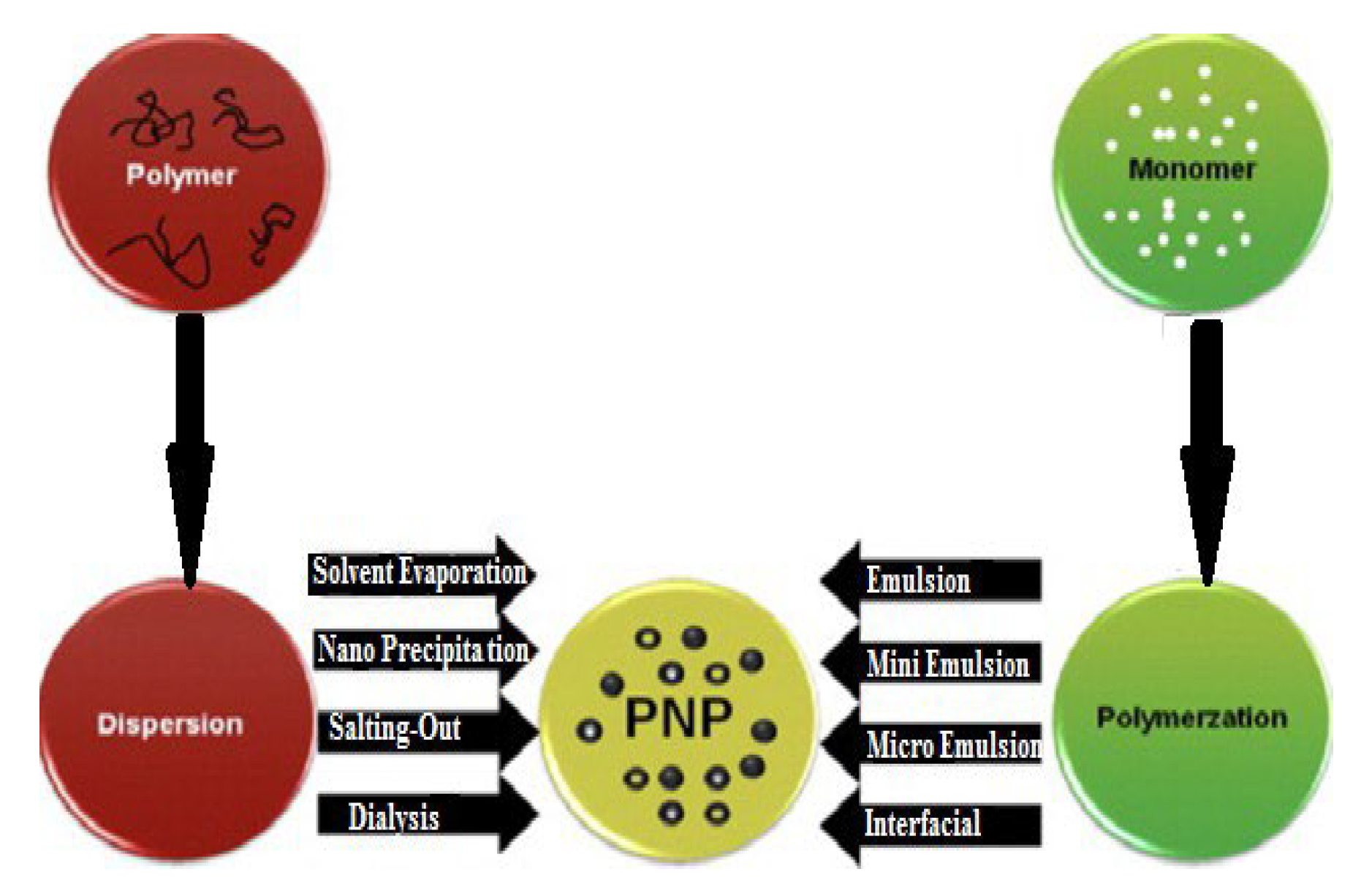
Figure 2.
Schematic representation of PNP preparation using solvent evaporation technique.
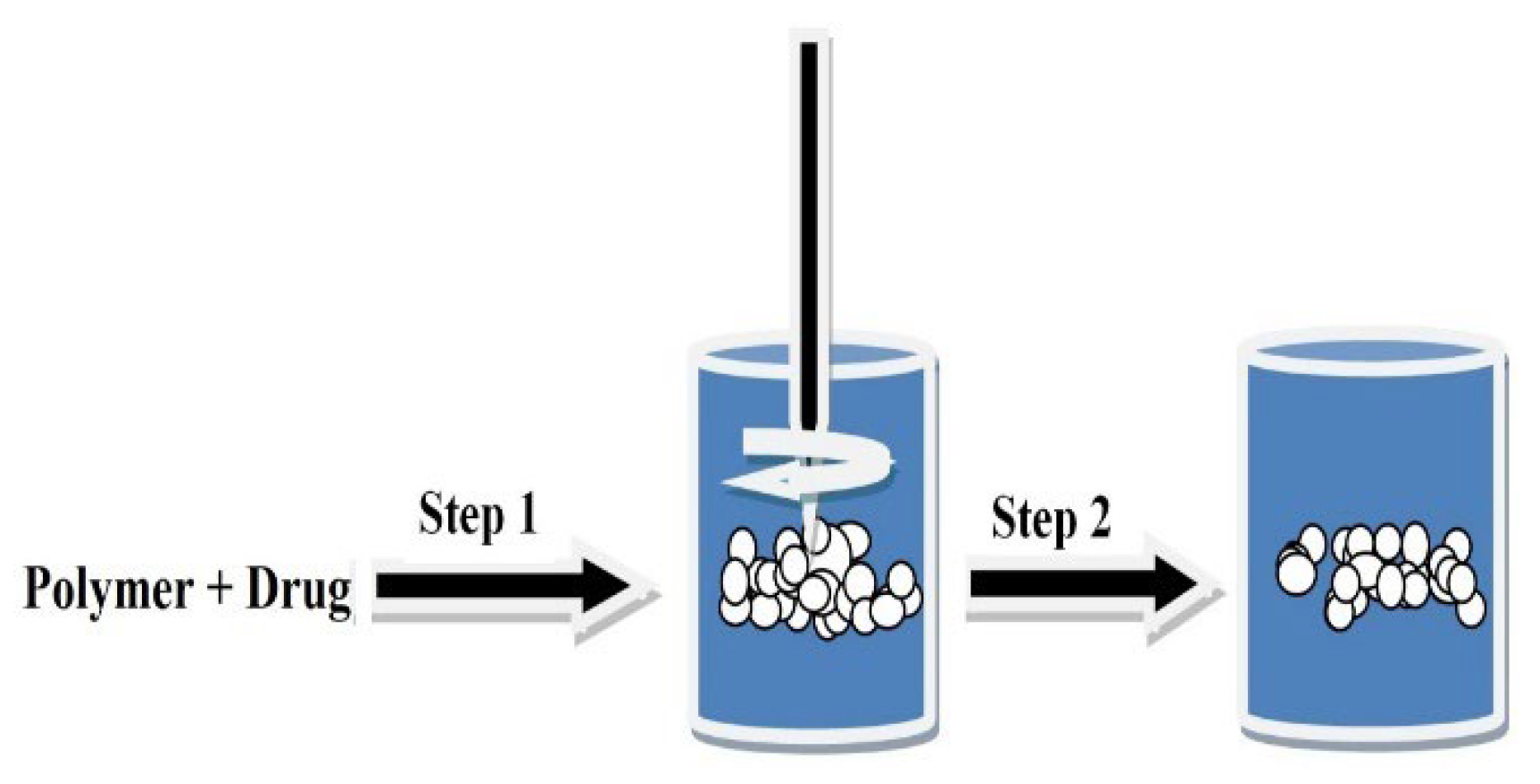
Figure 3.
Diagram showing the preparation of PNP’s using supercritical fluid technology Salting-out technique.
Figure 3.
Diagram showing the preparation of PNP’s using supercritical fluid technology Salting-out technique.
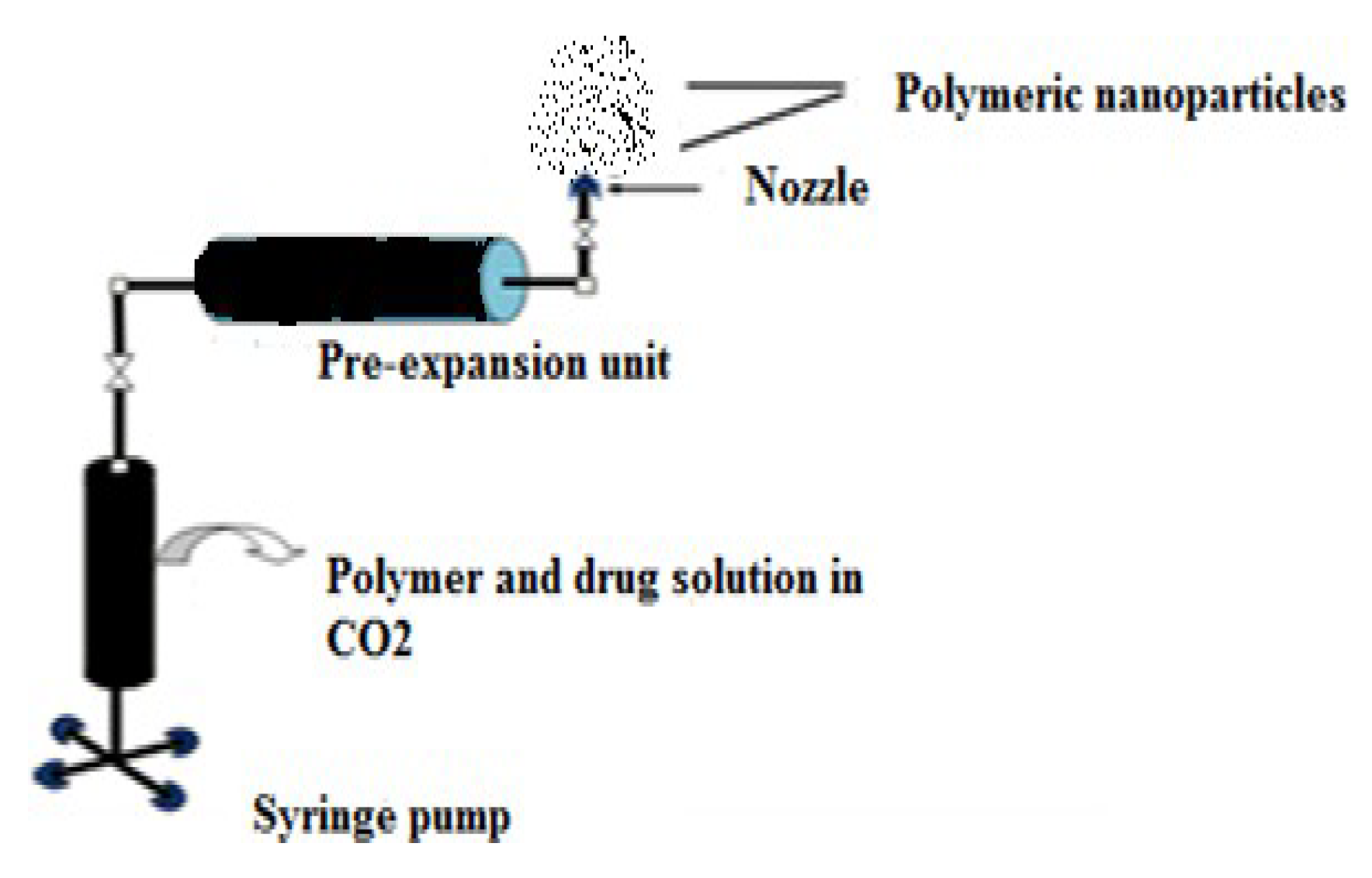
Figure 4.
Schematic representation of preparing PNP’s using salting out technique.
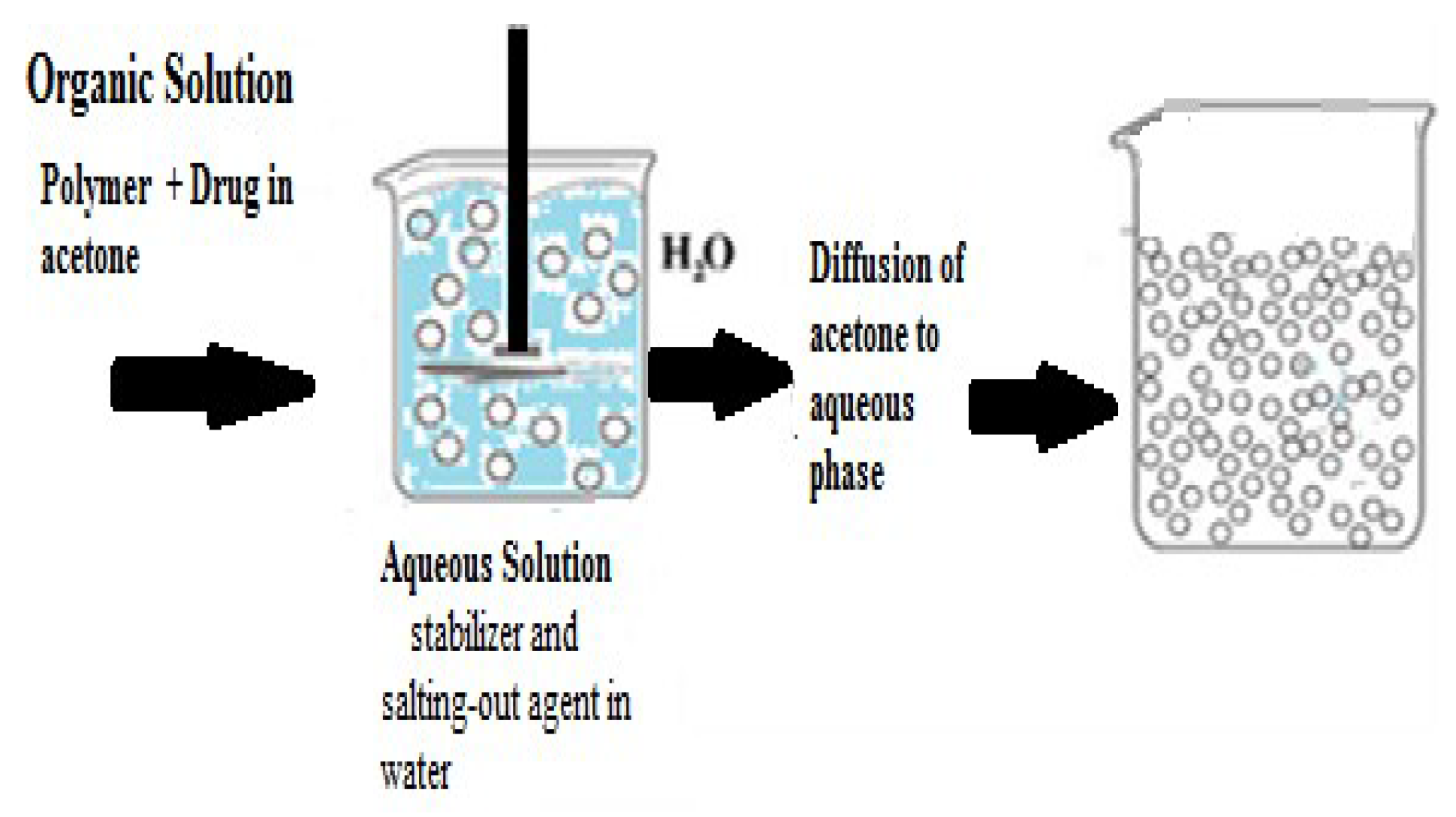
Figure 5.
passive tumor targeting of non- engineered PNPs by EPR effect.
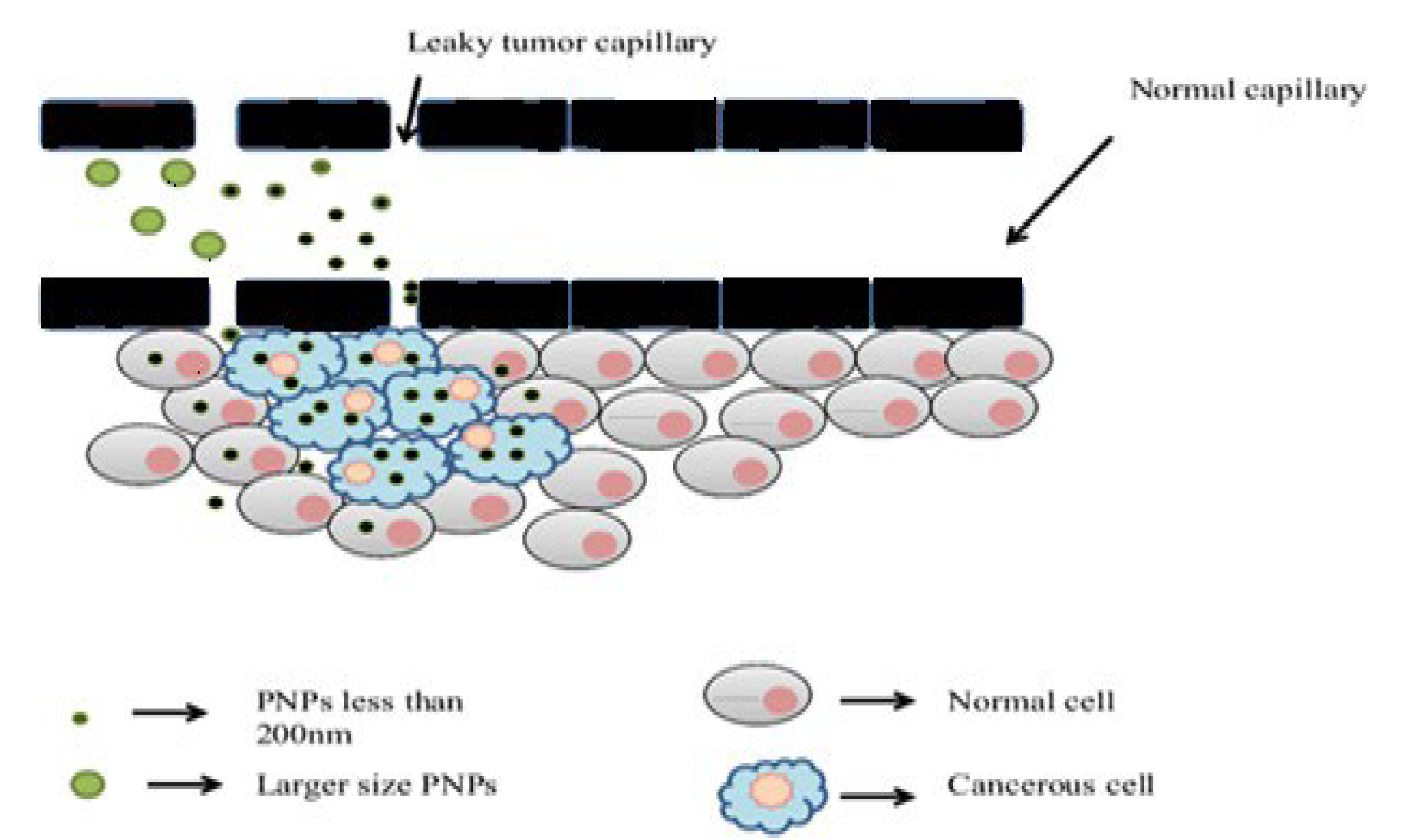
Figure 6.
Schematic representation of polymeric nanoparticle coupled with targeting ligands.
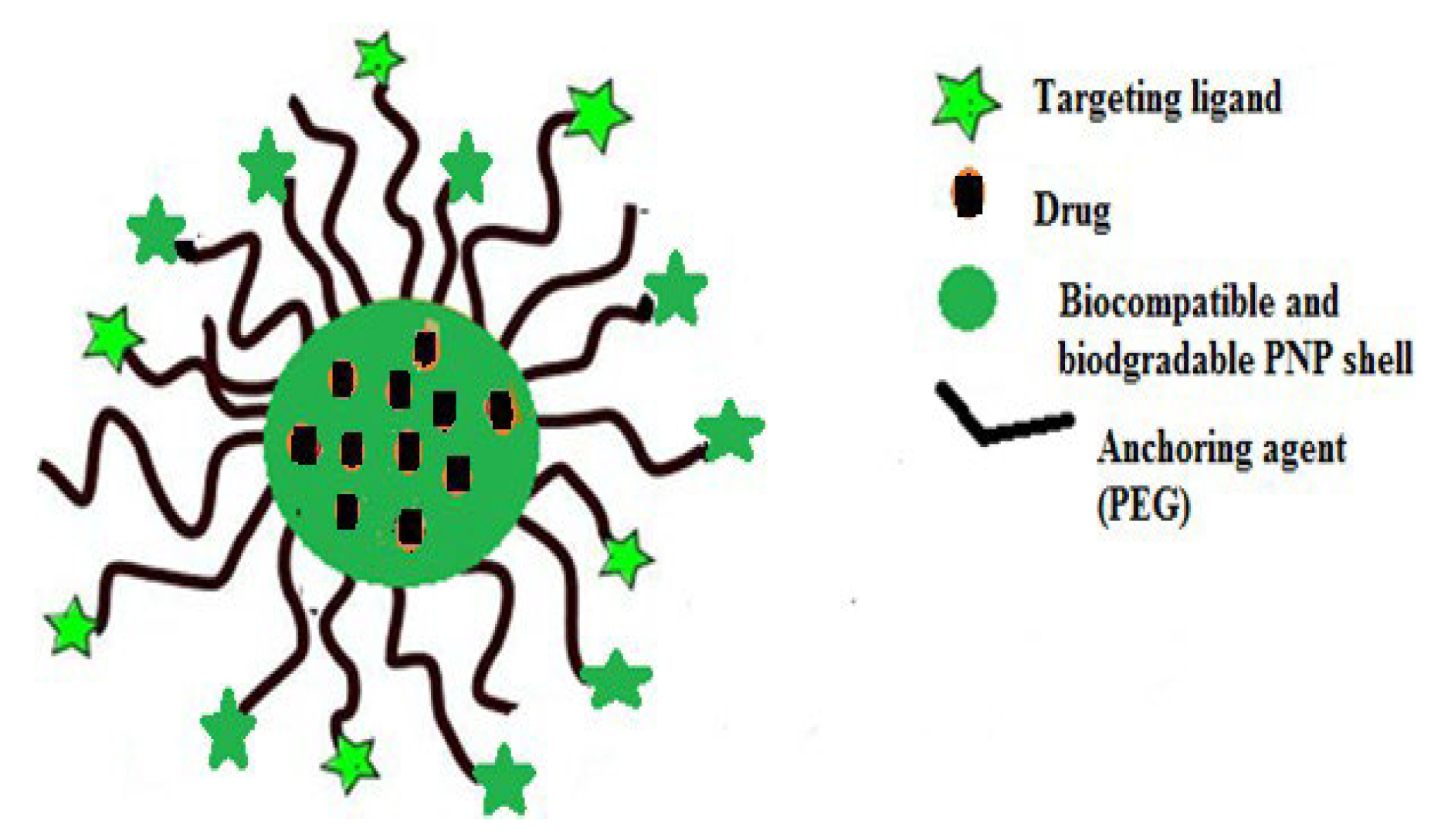
Figure 7.
Diagram of active tumor targeting of engineered PNPs.
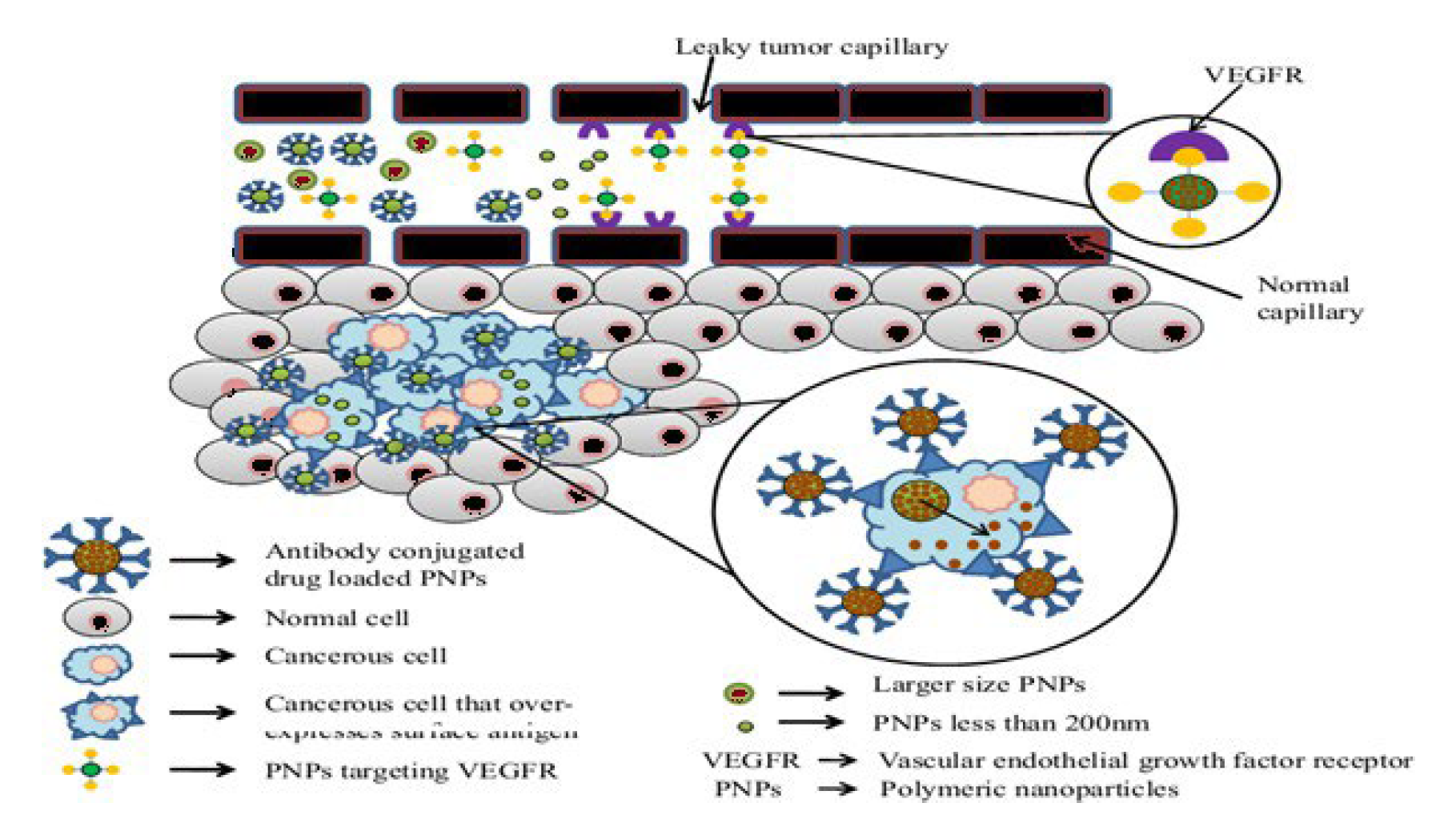
Figure 8.
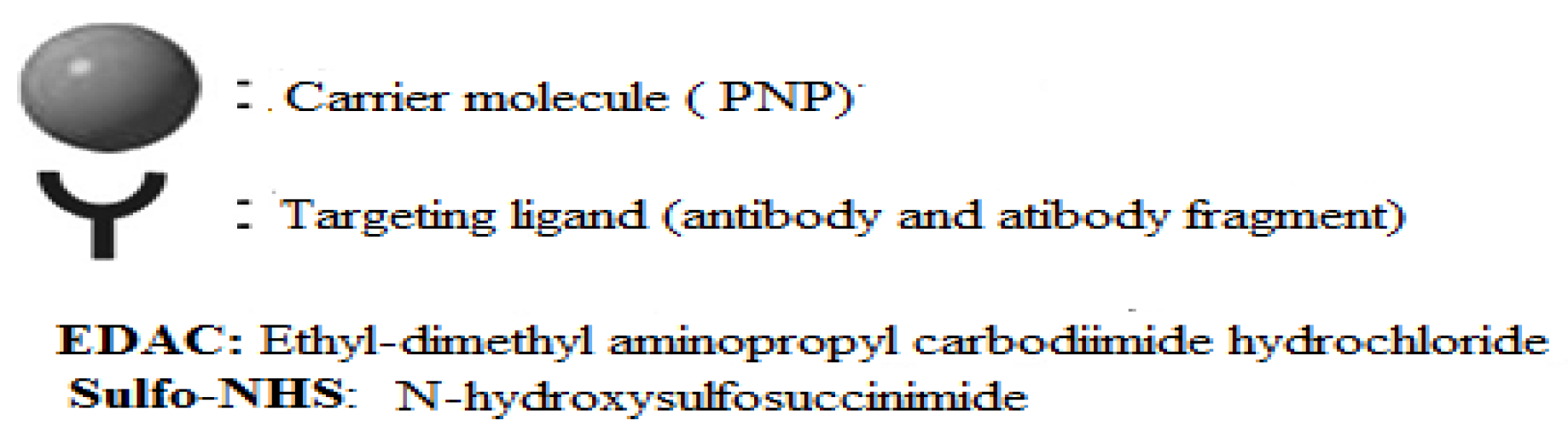
Schematic representation for the reaction of Nano-carriers with primary amine-containing targeting ligands.
Figure 8.
Schematic representation for the reaction of Nano-carriers with primary amine-containing targeting ligands.
Disclaimer/Publisher’s Note: The statements, opinions and data contained in all publications are solely those of the individual author(s) and contributor(s) and not of MDPI and/or the editor(s). MDPI and/or the editor(s) disclaim responsibility for any injury to people or property resulting from any ideas, methods, instructions or products referred to in the content. |
© 2024 by the authors. Licensee MDPI, Basel, Switzerland. This article is an open access article distributed under the terms and conditions of the Creative Commons Attribution (CC BY) license (http://creativecommons.org/licenses/by/4.0/).
Copyright: This open access article is published under a Creative Commons CC BY 4.0 license, which permit the free download, distribution, and reuse, provided that the author and preprint are cited in any reuse.


