

Submitted:
18 January 2024
Posted:
18 January 2024
You are already at the latest version
Abstract
Herbal cosmetics are cosmetics derived from plants. One example is bakuchiol. Bakuchiol is a meroterpene phenol from the seeds of the Psoralea corylifolia plant. Bakuchiol can be derived from Psoralea grandulosa, Pimelea drupaceae, Ulmus davidiana, Otholobium pubescens, and Piper longum. Bakuchiol has antioxidant, anti-inflammatory, and anti-aging activities such as retinol. Bakuchiol will replace retinol with much better safety. Bakuchiol and retinoids share similar cellular pathways, such as the regulation of retinoic acid, the expression of collagen, and extracellular matrix synthesis enzymes. Bakuchiol has many benefits for the skin, so cosmetics and skin therapy can use bakuchiol. This review aims to provide information about the activity of bakuchiol, which has benefits for facial skin, so that this review can be a reference in making cosmetics containing bakuchiol. Bakuchiol has many benefits for skincare such as anti-aging, anti-hyperpigmentation, anti-oxidant, anti-inflammatory, anti-acne, and anti-melanogenesis. Products containing bakuchiol on the market are cleansers, serum, nanoemulsion, and cream.
Keywords:
Bakuchiol
; anti-aging
; anti-hyperpigmentation
; anti-oxidant
; anti-inflammatory
; anti-acne
; and anti-melanogenesis
1. Introduction
The face, particularly on women, is the most significant part of the body. For women, cosmetics are a major need in daily life [1]. There are two types of cosmetics: synthetic and herbal cosmetics [2]. Herbal cosmetics are more desirable because they come from natural ingredients, are safe, can be used by all skin types, are inexpensive, have low side effects, and do not pollute the environment [3,4].
Herbal cosmetics are cosmetics derived from plants. One example is bakuchiol (Figure 1). Bakuchiol is a meroterpene phenol found in the seeds of the Psoralea corylifolia plant [5,6,7]. Bakuchiol can be derived from Psoralea grandulosa, Pimelea drupaceae, Ulmus davidiana, Otholobium pubescens, and Piper longum [8,9,10,11,12,13,14,15]. Bakuchiol has antioxidant, anti-inflammatory, and anti-aging activities such as retinol [6,7]. In addition, bakuchiol has biological activities such as anti-cancer, hepatoprotective, cardioprotective, and hypoglycemic [16].
Bakuchiol will replace retinol with much better safety. Bakuchiol and retinoids share similar cellular pathways, such as the regulation of retinoic acid, the expression of collagen, and extracellular matrix synthesis enzymes. Retinol can cause a burning feeling, itchy, dry skin, reddened skin, epidermal keratinization, and hypersensitivity to sunlight [17]. In addition, retinol causes increased sweating and hair loss and causes the mucous membranes of the nose and eyes to dry out [9,15]. Bakuchiol has many benefits for the skin, so cosmetics and skin therapy can use bakuchiol [18].
This review aims to provide information about the activity of bakuchiol, which has benefits for facial skin, so that this review can be a reference in making cosmetics containing bakuchiol. Information on the activity of bakuchiol in skincare and its mechanism of action is briefly presented in Table 1.
Recently, bakuchiol as an active ingredient in skincare and cosmetic products (Table 2). The functional ingredient bakuchiol products are marketed with claims to help treat acne and prevent skin aging and hyperpigmentation [29]. Indirectly, the use of bakuchiol in skincare and cosmetic products has begun to replace retinol, which prevents aging. Retinol has many side effects on the skin and is phototoxic, requiring sunscreen when used daily [19]. Thus, bakuchiol is an active substance that has better safety than retinol, and its use is increasing in skincare and cosmetic products.
2. Anti-aging
Bakuchiol is a monoterpene phenol that is available in abundance in the Psoralea corylifolia plant. Bakuchiol can work as anti-aging with a mechanism of action similar to retinol, although it does not have the same structure as retinol. This function is due to the similarity in regulating gene expression, which was confirmed compared to gene modulation and protein level by ELISA and histochemistry. In DNA microarray studies, bakuchiol can upregulate type I and IV collagen, and in an adult fibroblast model, it can stimulate type III collagen. In a 12-week clinical trial, skincare products using bakuchiol in their formulation were able to show significant improvements in lines and wrinkles, elasticity, pigmentation, and reduction of damage caused by retinol without the unwanted effects of retinol [6].
Cleanser and moisturizer products with the active substance of bakuchiol were clinically tested on 60 female subjects with sensitive skin such as eczema/atopic dermatitis or cosmetic intolerance syndrome. In this test, skincare products were acceptable. They had an effect with improvements in quality of the skin, overall appearance, global anti-aging, and increased moisture in the skin. In addition, the side effect of stinging and burning occurs in 10% of subjects with eczema after use. This skincare is well tolerated in subjects with sensitive skin, such as eczema, rosacea, and cosmetic intolerance syndrome [19].
Skin aging can occur due to exposure to ultraviolet (UV) radiation characterized by sagging and loss of elasticity in the skin. The presence of UVA induction can significantly increase the expression of p16 and interleukin-8 (IL-8), resulting in changes in fibroblasts’’ morphology [20]. Increased IL-8 can cause inflammation, and increased expression of p16, which is a specific inhibitor of the cell cycle, can stop cell proliferation so that it can cause aging of the skin [30,31,32]. A serum containing a combination of bakuchiol and vanilla tahitensis extract prevents the overexpression of IL-8 and p16 on skin exposed to UVA and provides a firming effect on the skin [20].
One of the causes of aging is photoaging. Photoaging can cause an increase in collagen degradation, especially collagen I and III, while collagen synthesis is inhibited by UV induction. As a result, there can be changes in the epidermis and dermis thickness due to dermal atrophy. One of the skincare products available is serum-containing bakuchiol, melatonin, and ascorbyl tetraisopalmitate. This serum can increase collagen I and III levels in vitro and improve type 1 procollagen precursors and tropoelastin ex vivo. In addition, cell apoptosis due to UV exposure was reduced when using this facial serum [28]. Clinical trials on hydrated and oily skin subjects found that 12 weeks of once-daily use significantly reduced wrinkles (11%), increased skin firmness, and improved skin quality. Subjects with all skin types can also tolerate this facial serum, including oily skin [23]. The study by Goldberg et al. found that after 24 weeks of use, there was an increase in dermal skin thickness, which could be due to changes in the structure of the extracellular matrix and an increase in collagen III levels. In addition, there was an increase in skin texture, skin tone, and facial lines, as well as a significant decrease in hyperpigmentation, the severity of facial wrinkles, and photodamage [33].
The latest development regarding bakuchiol is the manufacture of bioretiol, an oil-in-water nanoemulsion that aims to improve the delivery of bakuchiol to transdermal (Figure 2). It has been tested in vivo to increase the permeability to the skin and the anti-aging, moisturizing, and skin-rejuvenating abilities. This product can be a sustainable alternative with minimal health problems, skin irritation, and photosensitivity [21].
3. Antioxidant
Acne vulgaris often occurs in pilosebaceous induced by Propionibacterium acnes and is one of the chronic inflammatory diseases. Acne vulgaris is caused by the interaction of various factors with a complex pathophysiology. With this problem, there is a solution that can overcome it [34]. The solution is BGM which consists of bakuchiol, Ginkgo biloba extract, and mannitol complex. This BGM is used to provide special skin cosmetics for acne patients for use in addition to conventional treatments. In one study, this BGM complex has significant antibacterial, anti-inflammatory, anti-bacterial and anti-oxidant properties [24]. In addition, this BGM complex has shown the potential to reduce infection, inflammation, and oxidation [33,35,36,37,38]. This BGM complex can be developed and formulated to offer creams to acne-prone individuals. In addition, it can provide benefits that overcome dryness and is an adjunct to therapy.
Then the BGM complex against Propionibacterium acnes was found to have antibacterial properties, which was proven in vitro testing. These antibacterial properties are similar to others and can be recognized, such as BPO, zinc gluconate, and erythromycin, are similar to others and can be recognized. In conducting clinical trials of the cream, the method of photometric quantification through the fluorescence of ultraviolet light produced by Propionibacterium acnes was used. Later confirmed the results from in vitro that the BGM complex can significantly reduce the number of pores by inhibiting the growth of Propionibacterium acnes 28 days earlier. Then on the 84th day the efficacy did not survive significantly on the face due to the very small sample size, besides that there was the fact that at the end of the study, these three subjects had an increase in the number of porphyrins so that the current results were biased [24].
When the in vitro assay was performed, the concentration of the molecule was 3.9 mM. and in a position to reduce the oxidation of squalene, this bakuchiol has antioxidant potential up to twice that of vitamin E. This indicates that bakuchiol can be a temporary substitute for vitamin E, if produced naturally. in the individual. with acne. Then it can also rebalance the qualitative balance of sebum [24].
In addition, in patients with acne, this BGM complex can regulate the composition of sebum on the levels of sapienic, linolenic acids and can reduce oleic acid levels. Furthermore, the amount of porphyrins decreased on the surface of the skin and this indicates that they are quite effective against Propionibacterium acnes [24]. The antioxidant potential of this bakuchiol uses the squalene model, which previously could be oxidized with H2O2. Then, bakuchiol has a function to protect squalene with oxidation of 30.0% at a concentration of 3.9 mM and 36.9% at 19 mM, for vitamin E alone at concentrations of 15.2% and 40.3%, respectively [39].
In essence, this BGM complex works on acne, and its function is to reduce Propionibacterium acnes, and its inflammation can affect squalene oxidation and restore healthy fatty acid levels in sebum. With a good impact on acne, this BGM complex can provide a complete adjunct treatment for acne patients [24].
In addition to the above problems, in other studies, bakuchiol can affect several antioxidant processes. This is because bakuchiol has some of the anti-aging properties of retinoids. The trick is to contribute to its anti-aging effect and induce its own set of chemical pathways. Then on these skin cells, there is oxidative stress, both during internal metabolic processes and toxins and external environmental stressors, which contribute significantly to skin aging [40]. Furthermore, bakuchiol has been shown to activate erythroid nuclear-associated factor 2 (Nrf2). It is a transcription factor that may play an important role in cellular resistance to oxidative stress [41,42]. This additional antioxidant ability is to scavenge oxygen-free radicals and may also play a crucial role in the prevention of mitochondrial lipid peroxidation [43,44].
In addition to increasing the depth of wrinkles, during 12 weeks of treatment, this bakuchiol has the function of reducing the intensity of the pigment and the existing surface area. This is because it has the antioxidant effect of bakuchiol, as well as its ability to interfere with melanin synthesis. Then this bakuchiol can block the activity of alpha-melanocyte-stimulating hormone, tyrosinase (a rate-limiting enzyme) and interfere with the two-step pathway of melanin synthesis [45,46].
Then the suppressive effect of Bakuchiol on the production of skin melanin is as the main compound used in cosmetics, namely anti-hyperpigmentation and anti-aging. Then regarding tolerability, this bakuchiol has fewer adverse skin side effects than retinol and this can also be attributed to the anti-inflammatory effect of bakuchiol [35,47].
4. Anti-acne
Acne vulgaris appears with ductal hyperkeratinization, an increase in sebum production, an increase in keratinocyte cohesiveness, interactions with neuropeptides, a dysregulation of the hormonal microenvironment, and finally, excessive colonization by Propionibacterium acnes, and inflammation. So, it can be said that it is a multifactorial inflammatory disorder that occurs from the pilosebaceous unit [48,49]. To solve this problem there is a new dermo-cosmetic cream that contains three complexes consisting of bakuchiol, Ginkgo biloba extract, and mannitol (BGM). The function of Bakuchiol is regulating seborrhea, antibacterial, and anti-acne [30]. And this bakuchiol is one of the antibacterial agents from the BGM complex which has a solution to overcome the problem of Propionibacterium acnes strains which are increasingly resistant to antibiotics [26].
This BGM complex improves clinical outcomes for inflammatory lesions significantly. The fact that the BGM complex increases the anti-inflammatory potency of adapalene is due to its proper antibacterial binding to Propionibacterium acnes and its anti-irritating potential. Then for the number of inflammatory and non-inflammatory lesions confirmed by IGA, assessing global efficacy and intensity of seborrhea, which at the end of the trial were all significantly in favor of the BGM/adapalene complex regimen; This quality of life has significantly improved. Although the results were not shown, the subjects’’ perception of the excellent complex of BGM had contributed to their adherence to their medication when considering acne as a chronic disease [49].
As for abnormalities due to inflammatory lesions, post-inflammatory hyperpigmentation, and scarring often cause feelings of shame and damage self-confidence and lower self-esteem. Therefore, the degree of adherence to treatment reduces the sequelae of acne is very important for a positive treatment outcome. Then when the use of these topical antibiotics is limited, retinoids such as adapalene with benzoyl peroxide (BPO) can be combined. However, ODS can cause irritation so it is contraindicated in certain patients. As for ODS itself, Bakuchiol does not cause antibiotic resistance. Therefore, in such patients, the BGM complex can be considered as an alternative to BPO. To confirm this, future clinical trials Future studies could be conducted to evaluate the productivity of the BGM complex in combination with a topical retinoid compared to a combination of a topical antibacterial and a topical retinoid [50].
Authors should discuss the results and how they can be interpreted from the perspective of previous studies and of the working hypotheses. The findings and their implications should be discussed in the broadest context possible. Future research directions may also be highlighted.
5. Anti-hyperpigmentation
This Bakuchiol has the ability to enhance photoaging. Not only that, it is also comparable to retinol and better. Then bakuchiol can provide attraction because it is found in several types of plants. While retinol can also come from a variety of natural sources, those on the market are man-made and strong enough to cause unwanted side effects [7].
Bakuchiol can also be used as an alternative to retinol, and this is because it has fewer side effects. In the in vivo study, as well as these two studies, it was shown that the application of bakuchiol twice daily can lead to a marked improvement in anti-aging. Although bakuchiol and retinol are structurally different, these bakuchiol can show ability as functional analogues to retinol. In particular, the two compounds can induce gene expression. These are genes involved in retinol activation in the skin, cellular absorption of endogenous retinol, production of extracellular matrix proteins, and maintaining the integrity of the epidermis [6].
These related molecular results translate into clinical outcomes, such as studies showing a comparable increase in hyperpigmentation and wrinkling with any of the compounds present. Although bakuchiol with this retinoid has some anti-aging properties, it can induce its own set of chemical pathways. Not only that, but it can also contribute to the effects of aging. In some antioxidant processes, this bakuchiol affects it. Oxidative stress on skin cells, both from internal metabolic processes and toxins as well as external environmental stress, is known to have a significant impact on skin aging [40]. Bakuchiol has been proven to activate erythroid nuclear factor 2 associated factor 2 (Nrf2), a transcription factor that acts an important role in cellular resistance to oxidative stress [41,42]. With its additional antioxidant abilities, including its ability to scavenge oxygen free radicals, it has a good role in preventing mitochondrial lipid peroxidation [43].
Not only that, bakuchiol can also reduce the surface area and intensity of the pigment during the 12 weeks of starting the treatment phase. This is due to the antioxidant effect of bakuchiol and its existing ability to interfere with melanin synthesis. In the two-step synthesis pathway of melanin, this bakuchiol can interfere with both alphas. Then, Stimulates the activation of melanocyte hormones as well as tyrosinase (a rate limiting enzyme in melanin synthesis) [45,46]. The suppressive effect of Bakuchiol on the production of melanin, a skin compound primarily used in anti-hyperpigmentation and anti-aging cosmetics.
6. Anti-inflammatory
One of the problems with the skin is when experiencing postinflammatory hyperpigmentation (PIH). PIH is an acne problem and occurs after a skin injury, usually in patients of color [25]. PIH can occur in many skin conditions including inflammatory conditions, acne, burns, psoriasis, drug use and others [51,52].
In the formation of pigment, inflammation and oxidative stress have a very important role in the formation of pigment. Therefore, compounds are needed to overcome these problems and these are agents that target reactive oxygen species formation, inflammation, melanin production, keratinocyte turnover, and melanocyte transfer [53]. One of the interesting therapies is bakuchiol. This Bakuchiol extract is proven to have anti-acne, antimicrobial, anti-oxidant, and anti-inflammatory properties [54,55]. Therefore, it has been shown to reduce various problems such as inflammatory, non-inflammatory acne lesions and has an important role in reducing acne-induced PIH [36]. in this PIH, bakuchiol cream has a role in treating acne effectively from PIH caused by acne both during inflammation and while still in the acne lesion phase [56].
In addition, there is also psoriasis. This psoriasis is characterized by changes in epidermal homeostasis induced by cytokines, resulting in a shift from cellular differentiation to hyperproliferation and inflammation. In addition, it is an immune-mediated chronic disease that causes dangerous epidermal dysregulation [57,58,59]. In testing two surrogate models of psoriasis in vitro, bakusylan exhibited better transcriptional performance compared to control retinoids (without the retinoid signature). This bacusylan not only downregulates the expression of psoriasiform genes but can inhibit various expressions of IL-8 and CCLC3 in skin substitutes. Associated with these proinflammatory cytokines would be responsible for some AEs of retinoid irritation. This down-expressed gene for bakusylan would correlate with a gene whose expression was significantly increased in psoriatic skin and could negatively correlate with a gene whose expression could be increased by antipsoriatic treatment. Thus, this represents at least a partial release of pro-irritant AEs from retinoids. this is the normalizing effect of her skin. In addition, bakuchiol salicylate has anti-inflammatory properties. The mechanism of action itself consists of desensitization of keratinocytes to cytokines by inhibiting the inflammatory signaling pathway STAT1/3/interferon [41].
In another study when tested ex vivo, this anti-inflammatory potential could show a significant reduction in IL-8 and TNF-a cytokine synthesis induced by Propionibacterium acnes, which in turn may indicate a reduction in inflammation in acne lesions [24]. In addition, Lim and co-workers suggested that bakuchiol may be beneficial for various neuroinflammatory diseases. Bakuchiol significantly suppressed LPS-injected production of TNF-α and IL-6 in serum. These results indicate that the anti-neuroinflammatory effects of bakuchiol in activated microglia are mainly regulated by the inhibition of the p38 MAPK and ERK pathways (Figure 3) [60].
7. Anti-melanogenesis
This skin hyperpigmentation is usually characterized by various problems such as deposition of skin melanin and increased synthesis. Then there is UP256 which contains bakuchiol. This is a drug solution related to the problem of acne vulgaris. Bakuchiol (1-(4-hydroxyphenyl)-3,7-dimethyl-3-vinyl-1,6-octa-diene) is a monoterpene phenol and is derived from the seeds of Psoralea corylifolia. In addition, this bakuchiol is a known drug against acne vulgaris [56].
Then based on previous research, this bakuchiol has anti-cancer, anti-oxidant, and anti-microbial activity [55]. Then the occurrence of post-inflammatory hyperpigmentation (acne) which can cause the skin to darken. Not only that, there are discolorations that appear, such as patches or spots that are less pleasant. Then UP256 is here and is effective in treating various major problems in hyperpigmentation. This is due to the occurrence of black spots on the skin, these black spots are caused by acne. It is appropriate if cosmetic agents or drugs can serve as the treatment of inflammation and unwanted hyperpigmented conditions. Then the anti-melanogenic effect of UP256 which contains bakuchiol and its mechanism of action on melanogenesis in melanocytes. And finally, there is an anti-melanogenic effect of UP256 on 3D skin tissue and zebrafish embryos [27].
8. Clinical trial of bakuchiol in skincare and cosmetics
Bakuchiol will replace retinol with much better safety and it is under investigation in clinical trials. There had been some clinical studies and trials conducted on bakuchiol to evaluate its potential benefits and safety in skincare. It is important to keep in mind that the results of these clinical trials may vary, and more research is needed to fully understand the long-term effects and benefits of Bakuchiol in various skincare applications. The efficacy of bakuchiol may also depend on factors such as the concentration of bakuchiol in skincare products and the specific formulation used. Below, we have listed the bakuchiol currently clinical trials (Table 3).
9. Conclusions and future perspective
Bakuchiol is a natural compound that has gained popularity in the skincare and beauty industry as a potential alternative to retinol, a widely used and effective anti-aging ingredient. Bakuchiol is derived from the seeds of the Psoralea corylifolia plant, also known as the babchi plant, which has been used in traditional Ayurvedic medicine for various purposes. One of the main reasons for Bakuchiol’’s popularity is its retinol-like effects. Retinol, a form of vitamin A, is a well-established and effective anti-aging ingredient but can cause skin irritation and sensitivity in some individuals. Bakuchiol is considered a gentler alternative, making it suitable for people with sensitive skin. Bakuchiol is primarily known for its potential skin benefits. It is often promoted as an ingredient that can reduce the appearance of fine lines, wrinkles, and other signs of skin aging. It is also said to improve skin texture, firmness, and elasticity. Bakuchiol has many benefits for skin care such as anti-aging, anti-hyperpigmentation, anti-oxidant, anti-inflammatory, anti-acne, and anti-melanogenesis. Products containing bakuchiol on the market are cleansers, serum, nanoemulsion, and cream. It’’s important to note that while Bakuchiol has shown promise in early studies and is generally well-tolerated, more research is needed to fully understand its long-term effects and benefits. As with any skincare product, it’’s advisable to perform a patch test and consult with a dermatologist or skincare professional before incorporating Bakuchiol into a routine application, especially if someone has specific skin concerns or conditions
Acknowledgments
This work by was funded by Universitas Padjadjaran (Hibah Artikel Review) [grant nos. 1549/UN6.3.1/PT.00/2023].
Conflicts of Interest
The authors declare no conflict of interest.
References
- Masaki, H. Role of antioxidants in the skin: anti-aging effects. J Dermatol Sci 2010, 58, 85–90. [Google Scholar] [CrossRef]
- Agarwal, M.; Singh, A.; Mathur, N.; Sharma, S.J.I.J.o.S.; Research, T. Comparative Study Of Synthetic And Herbal Cosmetic Products For Their Toxicity Assessment By Microbial Bioassays. 2019, 8, 1128–1133. [Google Scholar]
- Goyal, A.; Sharma, A.; Kaur, J.; Kumari, S.; Garg, M.; Sindhu, R.K.; Rahman, M.H.; Akhtar, M.F.; Tagde, P.; Najda, A.; Banach-Albinska, B.; Masternak, K.; Alanazi, I.S.; Mohamed, H.R.H.; El-Kott, A.F.; Shah, M.; Germoush, M.O.; Al-Malky, H.S.; Abukhuwayjah, S.H.; Altyar, A.E.; Bungau, S.G.; Abdel-Daim, M.M. Bioactive-Based Cosmeceuticals: An Update on Emerging Trends. Molecules 2022, 27, 828. [Google Scholar] [CrossRef] [PubMed]
- Mansoor, K.; Aburjai, T.; Al-Mamoori, F.; Schmidt, M. Plants with cosmetic uses. Phytother Res 2023. [Google Scholar] [CrossRef] [PubMed]
- Adarsh Krishna, T.P.; Edachery, B.; Athalathil, S. Bakuchiol - a natural meroterpenoid: structure, isolation, synthesis and functionalization approaches. RSC Adv 2022, 12, 8815–8832. [Google Scholar] [CrossRef] [PubMed]
- Chaudhuri, R.K.; Bojanowski, K. Bakuchiol: a retinol-like functional compound revealed by gene expression profiling and clinically proven to have anti-aging effects. Int J Cosmet Sci 2014, 36, 221–230. [Google Scholar] [CrossRef] [PubMed]
- Dhaliwal, S.; Rybak, I.; Ellis, S.R.; Notay, M.; Trivedi, M.; Burney, W.; Vaughn, A.R.; Nguyen, M.; Reiter, P.; Bosanac, S.; Yan, H.; Foolad, N.; Sivamani, R.K. Prospective, randomized, double-blind assessment of topical bakuchiol and retinol for facial photoageing. Br J Dermatol 2019, 180, 289–296. [Google Scholar] [CrossRef]
- 8. Backhouse, C.N.; Delporte, C.L.; Negrete, R.E.; Erazo, S.; Zuniga, A.; Pinto, A.; Cassels, B.K. Active constituents isolated from Psoralea glandulosa L. with antiinflammatory and antipyretic activities. J Ethnopharmacol 2001, 78, 27–31. [Google Scholar] [CrossRef]
- Brecher, A.R.; Orlow, S.J. Oral retinoid therapy for dermatologic conditions in children and adolescents. J Am Acad Dermatol 2003, 49, 171-182; quiz 183-176. [Google Scholar] [CrossRef]
- Choi, S.Y.; Lee, S.; Choi, W.H.; Lee, Y.; Jo, Y.O.; Ha, T.Y. Isolation and anti-inflammatory activity of Bakuchiol from Ulmus davidiana var. japonica. J Med Food 2010, 13, 1019–1023. [Google Scholar] [CrossRef]
- Krenisky, J.M.; Luo, J.; Reed, M.J.; Carney, J.R. Isolation and antihyperglycemic activity of bakuchiol from Otholobium pubescens (Fabaceae), a Peruvian medicinal plant used for the treatment of diabetes. Biol Pharm Bull 1999, 22, 1137–1140. [Google Scholar] [CrossRef] [PubMed]
- Labbé, C. , Faini, F., Coll, J., Connolly, J.D. Bakuchiol derivatives from the leaves of Psoralea glandulosa. Phytochemistry 1996, 42, 1299–1303. [Google Scholar] [CrossRef]
- Lystvan, K.; Belokurova, V.; Sheludko, Y.; Ingham, J.L.; Prykhodko, V.; Kishchenko, O.; Paton, E.; Kuchuk, M. Production of bakuchiol by in vitro systems of Psoralea drupacea Bge. Plant Cell, Tissue and Organ Culture (PCTOC) 2010, 101, 99–103. [Google Scholar] [CrossRef]
- Ohno, O.; Watabe, T.; Nakamura, K.; Kawagoshi, M.; Uotsu, N.; Chiba, T.; Yamada, M.; Yamaguchi, K.; Yamada, K.; Miyamoto, K.; Uemura, D. Inhibitory effects of bakuchiol, bavachin, and isobavachalcone isolated from Piper longum on melanin production in B16 mouse melanoma cells. Biosci Biotechnol Biochem 2010, 74, 1504–1506. [Google Scholar] [CrossRef]
- Pramilla Sah, D.A.; SP Garg. Isolation and identification of furocoumarins from the seeds of Psoralea corylifolia linn. Indian J Pharm Sci 2006, 68. [Google Scholar] [CrossRef]
- Chopra, B.; Dhingra, A.K.; Dhar, K.L. Psoralea corylifolia L. (Buguchi) - folklore to modern evidence: review. Fitoterapia 2013, 90, 44–56. [Google Scholar] [CrossRef] [PubMed]
- Kim, B.H.; Lee, Y.S.; Kang, K.S. The mechanism of retinol-induced irritation and its application to anti-irritant development. Toxicol Lett 2003, 146, 65–73. [Google Scholar] [CrossRef]
- Jafernik, K.; Halina, E.; Ercisli, S.; Szopa, A. Characteristics of bakuchiol - the compound with high biological activity and the main source of its acquisition - Cullen corylifolium (L.) Medik. Nat Prod Res 2021, 35, 5828–5842. [Google Scholar] [CrossRef]
- Draelos, Z.D.; Gunt, H.; Zeichner, J.; Levy, S. Clinical Evaluation of a Nature-Based Bakuchiol Anti-Aging Moisturizer for Sensitive Skin. J Drugs Dermatol 2020, 19, 1181–1183. [Google Scholar] [CrossRef]
- Bacqueville, D.; Maret, A.; Noizet, M.; Duprat, L.; Coutanceau, C.; Georgescu, V.; Bessou-Touya, S.; Duplan, H. Efficacy of a Dermocosmetic Serum Combining Bakuchiol and Vanilla Tahitensis Extract to Prevent Skin Photoaging in vitro and to Improve Clinical Outcomes for Naturally Aged Skin. Clin Cosmet Investig Dermatol 2020, 13, 359–370. [Google Scholar] [CrossRef]
- Lewinska, A.; Domzal-Kedzia, M.; Maciejczyk, E.; Lukaszewicz, M.; Bazylinska, U. Design and Engineering of ““Green”” Nanoemulsions for Enhanced Topical Delivery of Bakuchiol Achieved in a Sustainable Manner: A Novel Eco-Friendly Approach to Bioretinol. Int J Mol Sci 2021, 22. [Google Scholar] [CrossRef]
- Goldberg, D.J.; Mraz-Robinson, D.; Granger, C. Efficacy and safety of a 3-in-1 antiaging night facial serum containing melatonin, bakuchiol, and ascorbyl tetraisopalmitate through clinical and histological analysis. J Cosmet Dermatol 2020, 19, 884–890. [Google Scholar] [CrossRef]
- Goldberg, D.J.; Robinson, D.M.; Granger, C. Clinical evidence of the efficacy and safety of a new 3-in-1 anti-aging topical night serum-in-oil containing melatonin, bakuchiol, and ascorbyl tetraisopalmitate: 103 females treated from 28 to 84 days. J Cosmet Dermatol 2019, 18, 806–814. [Google Scholar] [CrossRef]
- Trompezinski, S.; Weber, S.; Cadars, B.; Larue, F.; Ardiet, N.; Chavagnac-Bonneville, M.; Sayag, M.; Jourdan, E. Assessment of a new biological complex efficacy on dysseborrhea, inflammation, and Propionibacterium acnes proliferation. Clin Cosmet Investig Dermatol 2016, 9, 233–239. [Google Scholar] [CrossRef]
- Lyons, A.B.; Kohli, I.; Nahhas, A.F.; Braunberger, T.L.; Mohammad, T.F.; Nicholson, C.L.; Nartker, N.T.; Modi, K.; Matsui, M.S.; Lim, H.W.; Hamzavi, I.H. Trichloroacetic acid model to accurately capture the efficacy of treatments for postinflammatory hyperpigmentation. Arch Dermatol Res 2020, 312, 725–730. [Google Scholar] [CrossRef] [PubMed]
- Polakova, K.; Fauger, A.; Sayag, M.; Jourdan, E. A dermocosmetic containing bakuchiol, Ginkgo biloba extract and mannitol improves the efficacy of adapalene in patients with acne vulgaris: result from a controlled randomized trial. Clin Cosmet Investig Dermatol 2015, 8, 187–191. [Google Scholar] [CrossRef]
- Kang, M.C.; Lee, J.W.; Lee, T.H.; Subedi, L.; Wahedi, H.M.; Do, S.G.; Shin, E.; Moon, E.Y.; Kim, S.Y. UP256 Inhibits Hyperpigmentation by Tyrosinase Expression/Dendrite Formation via Rho-Dependent Signaling and by Primary Cilium Formation in Melanocytes. Int J Mol Sci 2020, 21. [Google Scholar] [CrossRef]
- Narda, M.; Brown, A.; Muscatelli-Groux, B.; Grimaud, J.A.; Granger, C. Epidermal and Dermal Hallmarks of Photoaging are Prevented by Treatment with Night Serum Containing Melatonin, Bakuchiol, and Ascorbyl Tetraisopalmitate: In Vitro and Ex Vivo Studies. Dermatol Ther (Heidelb) 2020, 10, 191–202. [Google Scholar] [CrossRef] [PubMed]
- Wang, J.V.; Schoenberg, E.; Saedi, N. Bakuchiol as a Trendy Ingredient in Skincare: Recent Evidence. Skinmed 2019, 17, 188–189. [Google Scholar] [PubMed]
- Beausejour, C.M.; Krtolica, A.; Galimi, F.; Narita, M.; Lowe, S.W.; Yaswen, P.; Campisi, J. Reversal of human cellular senescence: roles of the p53 and p16 pathways. EMBO J 2003, 22, 4212–4222. [Google Scholar] [CrossRef]
- Jeyapalan, J.C.; Ferreira, M.; Sedivy, J.M.; Herbig, U. Accumulation of senescent cells in mitotic tissue of aging primates. Mech Ageing Dev 2007, 128, 36–44. [Google Scholar] [CrossRef]
- Wolf, J.; Weinberger, B.; Arnold, C.R.; Maier, A.B.; Westendorp, R.G.; Grubeck-Loebenstein, B. The effect of chronological age on the inflammatory response of human fibroblasts. Exp Gerontol 2012, 47, 749–753. [Google Scholar] [CrossRef]
- Feng, X.; Zhang, L.; Zhu, H. Comparative anticancer and antioxidant activities of different ingredients of Ginkgo biloba extract (EGb 761). Planta Med 2009, 75, 792–796. [Google Scholar] [CrossRef]
- Goreshi, R.; Samrao, A.; Ehst, B.D. A double-blind, randomized, bilateral comparison of skin irritancy following application of the combination acne products clindamycin/tretinoin and benzoyl peroxide/adapalene. J Drugs Dermatol 2012, 11, 1422–1426. [Google Scholar]
- Ferrandiz, M.L.; Gil, B.; Sanz, M.J.; Ubeda, A.; Erazo, S.; Gonzalez, E.; Negrete, R.; Pacheco, S.; Paya, M.; Alcaraz, M.J. Effect of bakuchiol on leukocyte functions and some inflammatory responses in mice. J Pharm Pharmacol 1996, 48, 975–980. [Google Scholar] [CrossRef] [PubMed]
- Katsura, H.; Tsukiyama, R.I.; Suzuki, A.; Kobayashi, M. In vitro antimicrobial activities of bakuchiol against oral microorganisms. Antimicrob Agents Chemother 2001, 45, 3009–3013. [Google Scholar] [CrossRef] [PubMed]
- Kaul, R. [Kinetics of the anti-staphylococcal activity of bakuchiol in vitro (author’’s transl)]. Arzneimittelforschung 1976, 26, 486–489. [Google Scholar] [PubMed]
- Liu, J.H.; Chen, M.M.; Huang, J.W.; Wann, H.; Ho, L.K.; Pan, W.H.; Chen, Y.C.; Liu, C.M.; Yeh, M.Y.; Tsai, S.K.; Young, M.S.; Ho, L.T.; Kuo, C.D.; Chuang, H.Y.; Chao, F.P.; Chao, H.M. Therapeutic effects and mechanisms of action of mannitol during H2O2-induced oxidative stress in human retinal pigment epithelium cells. J Ocul Pharmacol Ther 2010, 26, 249–257. [Google Scholar] [CrossRef] [PubMed]
- Mohammad, T.F.; Burkhart, C.G. Acne therapeutics: a closer look at benzoyl peroxide. Skinmed 2015, 13, 94–96. [Google Scholar] [PubMed]
- Rinnerthaler, M.; Bischof, J.; Streubel, M.K.; Trost, A.; Richter, K. Oxidative stress in aging human skin. Biomolecules 2015, 5, 545–589. [Google Scholar] [CrossRef] [PubMed]
- Ma, Q. Role of nrf2 in oxidative stress and toxicity. Annu Rev Pharmacol Toxicol 2013, 53, 401–426. [Google Scholar] [CrossRef]
- Shoji, M.; Arakaki, Y.; Esumi, T.; Kohnomi, S.; Yamamoto, C.; Suzuki, Y.; Takahashi, E.; Konishi, S.; Kido, H.; Kuzuhara, T. Bakuchiol Is a Phenolic Isoprenoid with Novel Enantiomer-selective Anti-influenza A Virus Activity Involving Nrf2 Activation. J Biol Chem 2015, 290, 28001–28017. [Google Scholar] [CrossRef] [PubMed]
- Adhikari, S.; Joshi, R.; Patro, B.S.; Ghanty, T.K.; Chintalwar, G.J.; Sharma, A.; Chattopadhyay, S.; Mukherjee, T. Antioxidant activity of bakuchiol: experimental evidences and theoretical treatments on the possible involvement of the terpenoid chain. Chem Res Toxicol 2003, 16, 1062–1069. [Google Scholar] [CrossRef] [PubMed]
- Haraguchi, H.; Inoue, J.; Tamura, Y.; Mizutani, K. Inhibition of mitochondrial lipid peroxidation by Bakuchiol, a meroterpene from Psoralea corylifolia. Planta Med 2000, 66, 569–571. [Google Scholar] [CrossRef] [PubMed]
- Cheng, M.; Chen, Z. Screening of tyrosinase inhibitors by capillary electrophoresis with immobilized enzyme microreactor and molecular docking. Electrophoresis 2017, 38, 486–493. [Google Scholar] [CrossRef]
- Ohno, O.; Watabe, T.; Nakamura, K.; Kawagoshi, M.; Uotsu, N.; Chiba, T.; Yamada, M.; Yamaguchi, K.; Yamada, K.; Miyamoto, K.; Uemura, D. Inhibitory effects of bakuchiol, bavachin, and isobavachalcone isolated from Piper longum on melanin production in B16 mouse melanoma cells. Biosci Biotechnol Biochem 2010, 74, 1504–1506. [Google Scholar] [CrossRef] [PubMed]
- Klebanoff, S.J. Myeloperoxidase. Proc Assoc Am Physicians 1999, 111, 383–389. [Google Scholar] [CrossRef]
- Kurokawa, I.; Danby, F.W.; Ju, Q.; Wang, X.; Xiang, L.F.; Xia, L.; Chen, W.; Nagy, I.; Picardo, M.; Suh, D.H.; Ganceviciene, R.; Schagen, S.; Tsatsou, F.; Zouboulis, C.C. New developments in our understanding of acne pathogenesis and treatment. Exp Dermatol 2009, 18, 821–832. [Google Scholar] [CrossRef]
- Zouboulis, C.C.; Eady, A.; Philpott, M.; Goldsmith, L.A.; Orfanos, C.; Cunliffe, W.C.; Rosenfield, R. What is the pathogenesis of acne? Exp Dermatol 2005, 14, 143–152. [Google Scholar] [CrossRef]
- Dosik, J.S.; Homer, K.; Arsonnaud, S. Cumulative irritation potential of adapalene 0.1% cream and gel compared with tretinoin microsphere 0.04% and 0.1%. Cutis 2005, 75, 238–243. [Google Scholar]
- Davis, E.C.; Callender, V.D. Postinflammatory hyperpigmentation: a review of the epidemiology, clinical features, and treatment options in skin of color. J Clin Aesthet Dermatol 2010, 3, 20–31. [Google Scholar]
- Sofen, B.; Prado, G.; Emer, J. Melasma and Post Inflammatory Hyperpigmentation: Management Update and Expert Opinion. Skin Therapy Lett 2016, 21, 1–7. [Google Scholar]
- Chaowattanapanit, S.; Silpa-Archa, N.; Kohli, I.; Lim, H.W.; Hamzavi, I. Postinflammatory hyperpigmentation: A comprehensive overview: Treatment options and prevention. J Am Acad Dermatol 2017, 77, 607–621. [Google Scholar] [CrossRef] [PubMed]
- Haraguchi, H.; Inoue, J.; Tamura, Y.; Mizutani, K. Antioxidative components of Psoralea corylifolia (Leguminosae). Phytother Res 2002, 16, 539–544. [Google Scholar] [CrossRef] [PubMed]
- Polakova, K.; Fauger, A.; Sayag, M.; Jourdan, E. A dermocosmetic containing bakuchiol, Ginkgo biloba extract and mannitol improves the efficacy of adapalene in patients with acne vulgaris: result from a controlled randomized trial. Clin Cosmet Investig Dermatol 2015, 8, 187–191. [Google Scholar] [CrossRef] [PubMed]
- Brownell, L.; Geen, S.; E; Y; Lee, W. L. A Clinical Study Evaluating the Efficacy of Topical Bakuchiol (UP256) Cream on Facial Acne. J Drugs Dermatol 2021, 20, 307–310. [Google Scholar] [CrossRef] [PubMed]
- Saurat, J.H. Retinoids and psoriasis: novel issues in retinoid pharmacology and implications for psoriasis treatment. J Am Acad Dermatol 1999, 41, S2-6. [Google Scholar] [CrossRef]
- Schroeder, M.; Zouboulis, C.C. All-trans-retinoic acid and 13-cis-retinoic acid: pharmacokinetics and biological activity in different cell culture models of human keratinocytes. Horm Metab Res 2007, 39, 136–140. [Google Scholar] [CrossRef] [PubMed]
- Tjabringa, G.; Bergers, M.; van Rens, D.; de Boer, R.; Lamme, E.; Schalkwijk, J. Development and validation of human psoriatic skin equivalents. Am J Pathol 2008, 173, 815–823. [Google Scholar] [CrossRef]
- Lim, H.S.; Kim, Y.J.; Kim, B.Y.; Jeong, S.J. Bakuchiol Suppresses Inflammatory Responses Via the Downregulation of the p38 MAPK/ERK Signaling Pathway. Int J Mol Sci 2019, 20. [Google Scholar] [CrossRef]
- Herndon, J.H.; Jr Jiang, L.I.; Kononov, T.; Fox, T. An Open Label Clinical Trial to Evaluate the Efficacy and Tolerance of a Retinol and Vitamin C Facial Regimen in Women With Mild-to-Moderate Hyperpigmentation and Photodamaged Facial Skin. J Drugs Dermatol 2016, 15, 476–482. [Google Scholar] [PubMed]
Figure 1.
Chemical structure of bakuchiol.
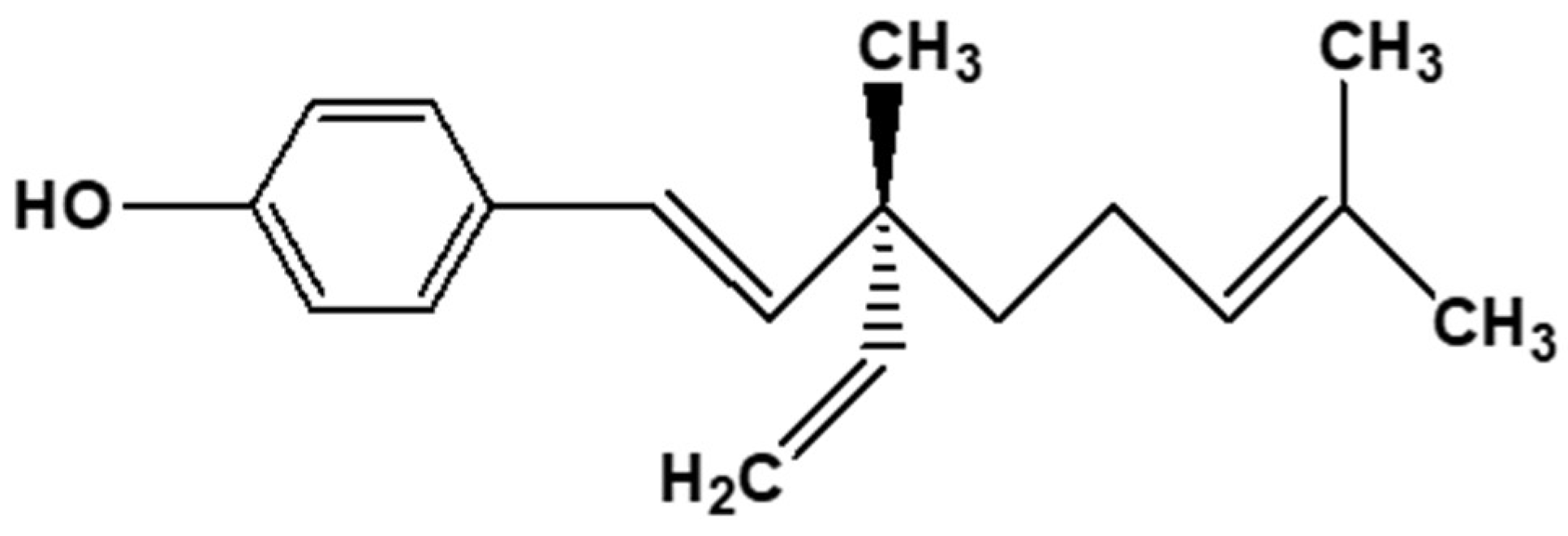
Figure 2.
Bakuchiol as bio retinol with the anti-aging activity. Reproduced with permission from Int J Mol Sci 2021 [21].
Figure 2.
Bakuchiol as bio retinol with the anti-aging activity. Reproduced with permission from Int J Mol Sci 2021 [21].
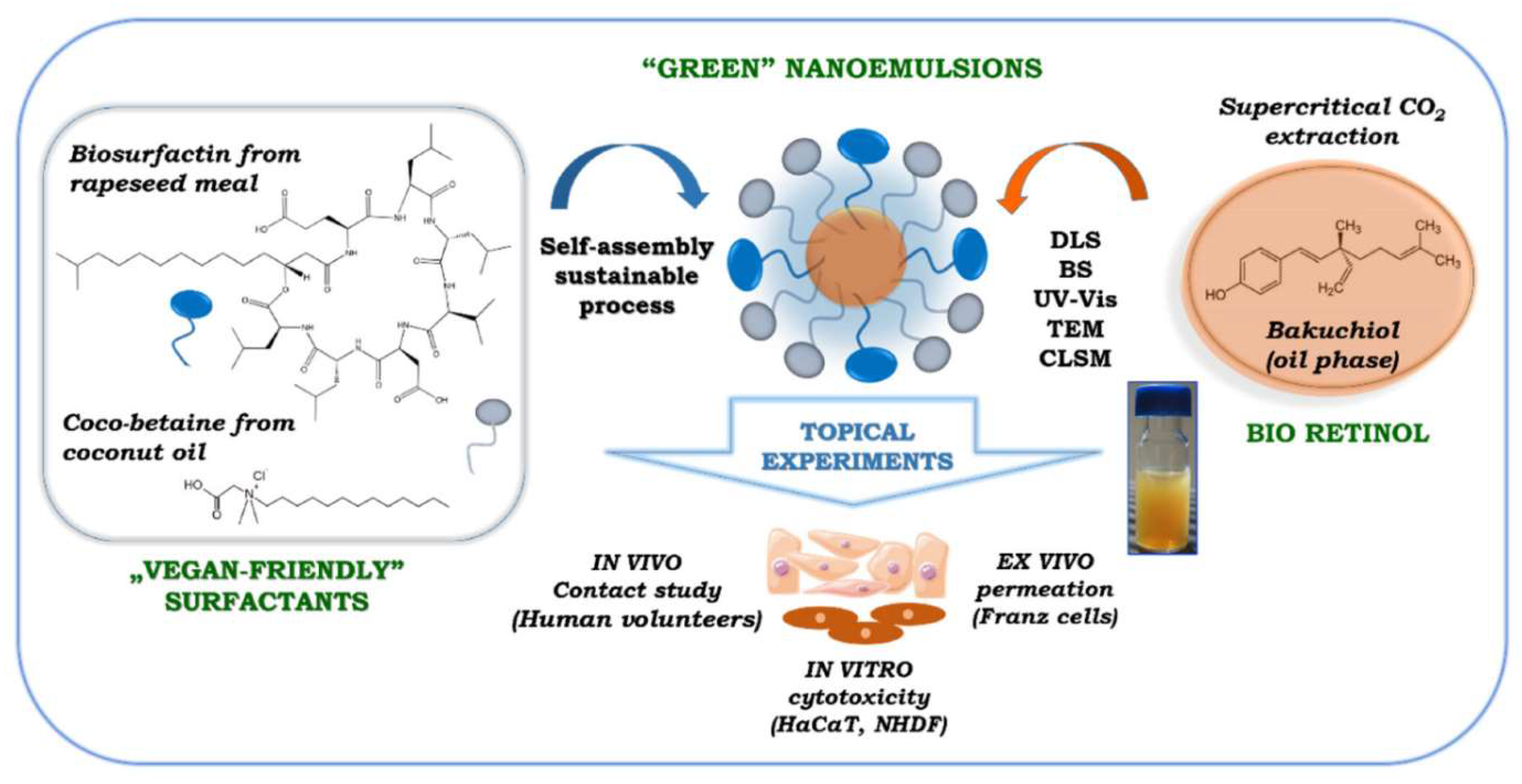
Figure 3.
Bakuchiol’s mechanism of action as an anti-inflammatory. Reproduced with permission from Int J Mol Sci 2019 [60].
Figure 3.
Bakuchiol’s mechanism of action as an anti-inflammatory. Reproduced with permission from Int J Mol Sci 2019 [60].
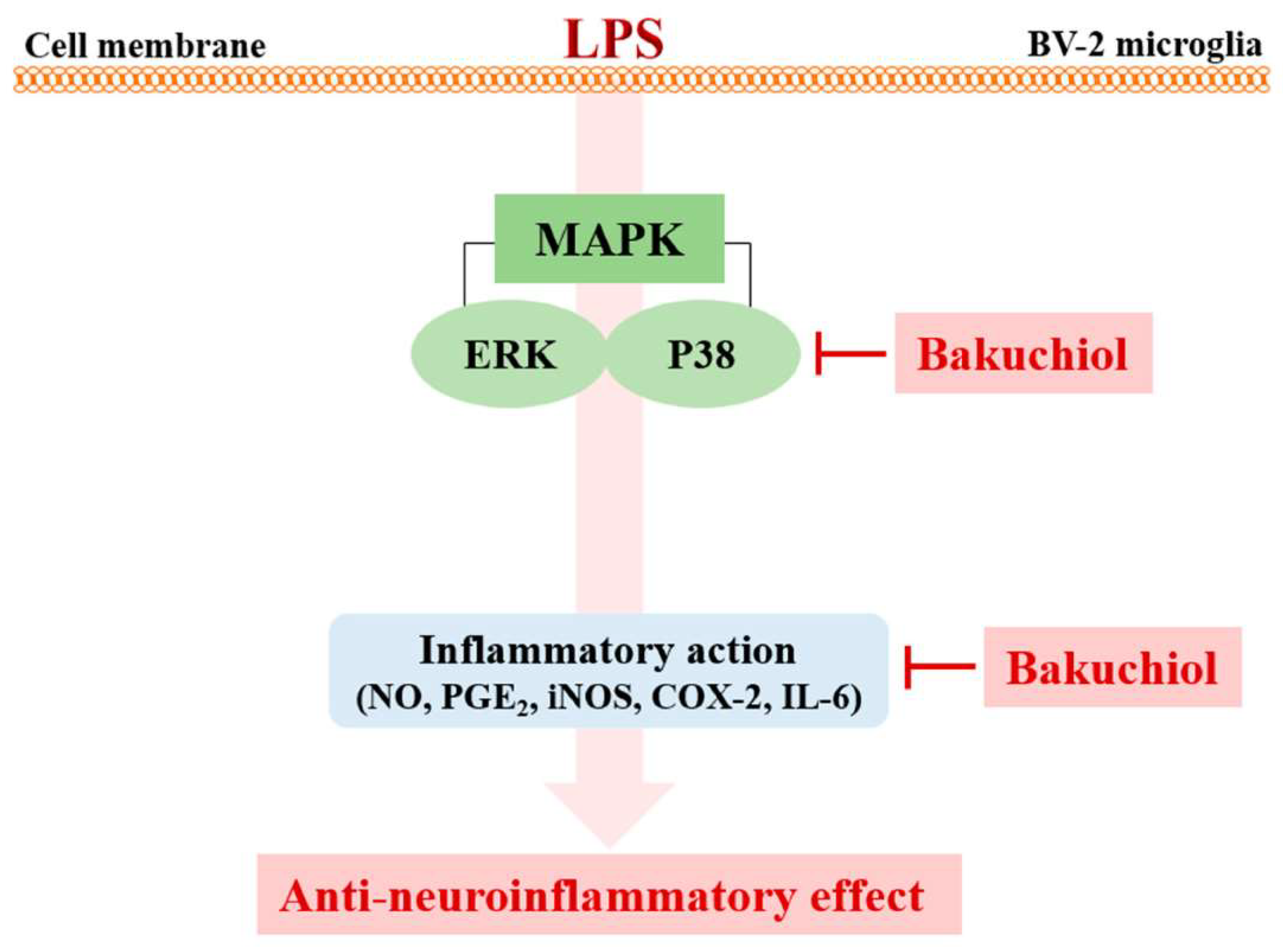

Table 1.
The activity of Bakuchiol in skincare and its mechanism of action.
| Mechanism of Action | Dosage of Bakuchiol | Ref. | |
|---|---|---|---|
| Anti-aging | Regulation of anti-aging genes and protein expression such as retinol; stimulating collagen synthesis in fibroblasts; prevents and reduce IL-8 and p16 expression in aging skin. | 1% (w/w) | [19] |
| 0.5% | [6] | ||
| 1.5% | [20] | ||
| 0.02-0.2 mg/mL | [21] | ||
| 0.5% | [22,23] | ||
| Anti-hyperpigmentation | Interferes with melanin synthesis through inhibition of tyrosinase and alpha-melanocyte activity to reduce the intensity of pigmentation on the skin surface | 0.5% | [7] |
| Anti-oxidant | It prevents and protects against oxidation with antioxidant effects that are two times greater than vitamin E, which is present in natural skin in acne-prone skin to help restore sebum balance. | - | [24] |
| Anti-inflammatory | Inhibits inflammation by inhibiting the STAT1/3/interferon inflammatory signaling pathway, thereby reducing keratinocyte sensitization to cytokines. | 0.6-1.5 μg/mL | [25] |
| Anti-acne | Bakuchiol regulates seborrhea, is antibacterial, and has anti-acne properties. | 0.1% (BGM) | [26] |
| Anti-melanogenesis | Melanogenesis inhibitory activity is derived from the inhibition of melanin synthesis and inhibition of primary cilia and dendritic formation, which involve Rho-dependent signaling and regulation of tyrosinase expression. | 77.02% | [27] |
Table 2.
Bakuchiol dosage form in skincare and cosmetics.
| Dosage Form | Formulation | Ref. |
|---|---|---|
| Cleanser/Moisturizer | Bakuchiol (1% w/w), cetyl alcohol, cetearyl alcohol, cornstarch, decyl cocoate, glycerin, beeswax, sunflower seed oil, soybean oil, xanthan gum. | [19] |
| Serum | Bakuchiol (1.5%), vanilla thitensis extract (1%), coco caprylate, glycerin, avene thermal spring water, tocopherol tocopheryl glucoside, capric triglyceride, sunflower seed oil, methyl gluceth 20, coconut ether propylene glycol, dimethicone, glyceryl linoleate jojoba seed oil, 1,2-hexanediol caprylyl glycol cetyl alcohol fragrance, hydrogenated starch hydrolysate, palmitic acid, glyceryl linolenate, stearic acid, glyceryl oleate, glyceryl palmitate, glyceryl stearate, glycine soja oil, hydrogenated polyisobutene, hydroxyethyl acrylate, copolymer lactic acid, PEG-7, trimethylpropane, sodium stearoyl, glutamate sorbitan isostearate, titanium dioxide, tropolone | [20] |
| Bakuchiol (0.5%), melatonin (0.1%), ascorbyl tetraisopalmitate (10%), alcohol denat, ascorbic acid, ascorbyl palmitate, aqua, carbonate, caprylic, citric acid, caprylyl glycol, dicaprylyl squalane, PEG-8, tocopherol, 1,2-hexanediol. | [28] | |
| Nanoemulsion | Bakuchiol, coco betaine, surfactin. | [21] |
| Topical lightening cream | Can be used as an active agent in topical skincare products. | [25] |
| Cream | BGM complex or the vehicle contains water (aqua), glycerin, hydroxyethyl acrylate/sodium acryloyldimethyl taurate copolymer, isohexadecane, titanium dioxide, phenoxyethanol, chlorphenesin, polysorbate 60, alumina, and stearic acid. | [26] |
Table 3.
Clinical trials of bakuchiol.
| Study title | Result/Conclusion | Ref. |
|---|---|---|
| Clinical Evaluation of a Nature-Based Bakuchiol Anti-Aging Moisturizer for Sensitive Skin. | A nature-based anti-aging moisturizer with bakuchiol is safe and beneficial for people with sensitive skin. | [19] |
| Epidermal and Dermal Hallmarks of Photoaging are Prevented by Treatment with Night Serum Containing Melatonin, Bakuchiol, and Ascorbyl Tetraisopalmitate: In Vitro and Ex Vivo Studies. | A 3-in-1 night facial serum (3-in-1 NFS) with the dual purposes of reducing UV-generated free radicals and promoting dermal protein synthesis is composed of both direct and indirect antioxidants as well as polyphenols. 3-in-1 NFS enhanced the appearance of photoaged skin in clinical testing. |
[28] |
| Prospective, randomized,double-blind assessment of topical bakuchiol and retinol for facial photoageing. | Bakuchiol is more well-tolerated than retinol and can improve photoaging in a manner similar to that of retinol.Bakuchiol appears to be a more acceptable substitute for retinol. | [7] |
| A dermocosmetic containing bakuchiol,Ginkgo biloba extract and mannitol improves the efficacy of adapalene in patients with acne vulgaris: result from a controlled randomized trial. | In patients with acne vulgaris, BGM (bakuchiol, Ginkgo biloba extract, and mannitol complex) enhances the effectiveness of adapalene 0.1% gel treatment. Overall, the BGM complex’’s safety and local tolerance were good. | [26] |
| An Open Label Clinical Trial to Evaluate the Efficacy and Tolerance of a Retinol and Vitamin C Facial Regimen in Women With Mild-to-Moderate Hyperpigmentation and Photodamaged Facial Skin | Bakuchiol, Ophiopogon japonicus root extract, and encapsulated retinol at a retinol concentration of 0.5% were effective components utilized in the 0.5% retinol treatment. | [61] |
Disclaimer/Publisher’s Note: The statements, opinions and data contained in all publications are solely those of the individual author(s) and contributor(s) and not of MDPI and/or the editor(s). MDPI and/or the editor(s) disclaim responsibility for any injury to people or property resulting from any ideas, methods, instructions or products referred to in the content. |
© 2024 by the authors. Licensee MDPI, Basel, Switzerland. This article is an open access article distributed under the terms and conditions of the Creative Commons Attribution (CC BY) license (http://creativecommons.org/licenses/by/4.0/).
Copyright: This open access article is published under a Creative Commons CC BY 4.0 license, which permit the free download, distribution, and reuse, provided that the author and preprint are cited in any reuse.