

Submitted:
16 December 2023
Posted:
18 December 2023
You are already at the latest version
Abstract
Fire hazards present a multifaceted global challenge that endangers human lives and environmental safety. Despite advancements in fire risk management technologies and methods, fires continue to be a prime concern for human security. The Arabian Gulf region, influenced by its climatic and environmental conditions, is especially susceptible to these threats. The Emirate of Sharjah, part of the United Arab Emirates, has made significant progress in reinforcing fire safety measures within residential structures, achieving a decrease in the number of fire-related accidents compared to neighboring Emirates. However, the incidence rate remains relatively high. This study undertook a thorough review and assessment of the existing Fire Management System (FMS) for Sharjah's residential sector, leading to the recommendation of a more robust framework. Through a series of literature reviews, interviews with stakeholders, and surveys, using analytical techniques such as the Delphi method and Failure Mode Effect and Criticality Analysis, vital factors that influence the FMS's effectiveness were pinpointed. The study exposed that the current FMS was largely reactive. In response, a proactive framework incorporating nine essential components was designed to strengthen the Sharjah FMS. These components span across various domains such as fire assurance, assessment of fire risks, management of accidents, evaluation of performance, training programs, research and development initiatives, digital services, monitoring of regulatory compliance, firefighting strategies, automated responses to fires, recovery processes, as well as the use of resilient materials and architectural design considerations. Furthermore, the research introduced two specific fire indexes, the HRBFI and the EFRI. Anchored in the principles of Systems Thinking and Industry 4.0, this proposed framework is aimed at streamlining Sharjah's approach to fire management in dwellings, with the objective of diminishing the frequency of fire incidents yearly. The ultimate aspiration of this framework is to enhance the Emirate's standing in terms of safety and to guarantee a living environment that is safeguarded against the risk of fires..
Keywords:
System
; Thinking
; Sharjah
; Framework
; Fire
1. Introduction
Building fire safety regulations cover crucial aspects such as ignition prevention, secure exit routes, firefighting support, structural integrity maintenance, and containment of fire spread to adjacent buildings (Himoto, 2021) . Fire safety designs for skyscrapers are grounded in the concept of “fire resistance” to ensure the endurance and stability of the building and its compartments post-combustion of flammable materials within them (Cowlard, Bittern, Abecassis-Empis, & Torero, 2013). These guidelines require buildings to adhere to certain safety norms in either prescriptive or performance-based criteria to protect lives and property in case of a fire (Himoto & Suzuki, 2021).
Fire safety regulations provide direction on implementing fire prevention and mitigation strategies to reduce casualties and property loss (Yang et al., 2023). Environmental changes during a fire, such as temperature spikes, flame, smoke, and toxic gas production, are often the cause of many fatalities in fire disasters (Smith, Hughes, DeJoy, & Dyal, 2018).
Systems thinking recognizes that human mistakes, regulatory breaches, and technological malfunctions are often the consequence of poorly designed and managed organizational systems. Incident reporting mechanisms must collect data on systemic contributory factors, beyond the immediate circumstances, to prevent accidents and injuries effectively (Allender et al., 2019). Over the past two decades, systems thinking has become a popular approach for analyzing accidents within sociotechnical frameworks, leading to suggestions for improved incident reporting and innovative accident analysis methods (Hulme, Stanton, Walker, Waterson, & Salmon, 2019).
With roots in various fields, systems thinking aids in understanding intricate human and environmental interactions and identifying dominant narratives within a system or issue (Davila, Dyball, & Amparo, 2018). It offers tools like causal loop diagrams, valuable for dissecting significant incidents and evaluating safety culture, mapping the systemic structures that underpin safety culture and pinpointing effective preventive measures for recurring events (Goh, Brown, & Spickett, 2010).
Systems thinking is predicated on the notion of cyclical patterns, which Western languages often find challenging to articulate. Yet, causal loop diagrams can effectively represent these cyclical cause-and-effect dynamics and visualize system behaviors over time. This thinking encompasses reinforcing feedback, balancing feedback, and delays, which are integral to understanding and responding to complex system failures described as “normal accidents” (Harris, 1990).
The International Fire Safety Standards consolidate core principles such as prevention, detection, communication, protection, containment, and extinguishment. These principles are vital throughout a building’s lifecycle, including its design, construction, use, alterations, and demolition, enhancing our ability to react, monitor, predict, and learn from historical patterns.
A system is a synergistic assembly of components functioning cohesively for a defined purpose. The specific function of a system distinguishes it and ensures its integrity, requiring all components to be in place for optimal operation. The system’s architecture influences its efficiency. Stability is sought through feedback mechanisms, with reinforcing processes driving one-directional change and balancing loops regulating system performance (Kim, 1999). In Sharjah, developing a fire prevention management framework informed by systems thinking and aligned with established fire safety practices signifies a notable progression.
2. Materials and Methods
A review of relevant literature was conducted to pinpoint elements that impact the Fire Prevention Management System. Specialists in the field were then consulted with these identified elements to discern specific factors that affect fire prevention in the Emirate of Sharjah. Following this, a benchmarking exercise was undertaken to determine optimal practices. The results from this analysis of factors and best practices have been utilized to formulate the Fire Prevention Management System in the Emirate of Sharjah, as depicted in Figure 1.
3. Results
An in-depth analysis of data concerning fire prevention management systems was conducted, examining a broad range of factors including fire-related regulations, enforcement, facilities management, policies, research and development, data analysis, accident investigations, and attitudes of the public and contractors. Other areas such as response times, staffing, human behavior, training, cultural attitudes towards fire safety, technological advancements, maintenance, equipment, building design, and the presence of combustible materials were also reviewed. This review was enriched by the expertise of seasoned professionals from the Emirate of Sharjah.
The insights from these experts indicated that some aspects were consistent with the literature, while others were specific to Sharjah’s context. They highlighted key factors like law enforcement effectiveness, urban layout, government oversight, adherence to health and safety standards, technological use in fire detection, system integration issues, resource allocation, resistance to new technologies, governmental organizational structure, non-functional fire safety installations, environmental concerns such as global warming, urban development flaws, congestion impacts on fire response, lack of green spaces, and the relative fire safety of newer versus older buildings.
Upon gathering data and expert opinions, a detailed analysis was carried out and its findings were reviewed by a focus group of specialists, who identified additional factors not previously noted in the literature. These included government structure, residential area planning, inter-agency coordination, efficient fire resource use, and the impact of urbanization.
Based on expert recommendations, the comprehensive list of factors that shape the fire management system in Sharjah encompasses: fire regulations and enforcement, management and policy of facilities, investigation of accidents, stakeholder attitudes, response times, resource distribution, governmental organization, urban design, human behavior, fire education, cultural perceptions of fire safety, technological solutions, maintenance concerns, fire equipment, architectural design, flammable materials, and the effects of urban growth.
Benchmarking
The benchmarking exercise drew from established best practices, including the Fire and Rescue National Framework for England 2018, International Fire Safety Standards 2020, The NFPA Fire & Life Safety Ecosystem, the Fire and Rescue Framework for Scotland 2016, and the Fire and Rescue National Framework for Wales 2016. The areas requiring enhancement were spotlighted during this benchmarking process, as detailed in Table 1.
4. Discussion
An analytical evaluation must be executed, utilizing systems thinking approaches to discern shortcomings within the fire management system currently in place in the Emirate of Sharjah. This involves leveraging the process maps in Figure 2 and Figure 3. When aligned against the best practices observed internationally, it emerges that the fire management system framework is underpinned by four pillars: prevention, protection, response, and resilience, as depicted in the system diagrams. It becomes evident that the preventive aspect requires strengthening within Sharjah’s fire management system. Therefore, the development of a fire prevention management system in Sharjah is imperative, one that integrates the influencing fire factors and the best practices identified through benchmarking.
The Rescue and Fire Service Act 2019 of the Republic of Nauru defines “fire prevention” as the assortment of services aimed at averting fires, encompassing activities like planning, raising public awareness, enforcing fire safety legislation, and educating on fire risks and their mitigation. Similarly, the United States Department of the Interior conceptualizes “fire prevention” as efforts to reduce human-caused fires through public education, law enforcement, engineering, information dissemination, and hazard reduction. The NFPA characterizes “fire prevention” as initiatives specifically designed to prevent the start of fires.
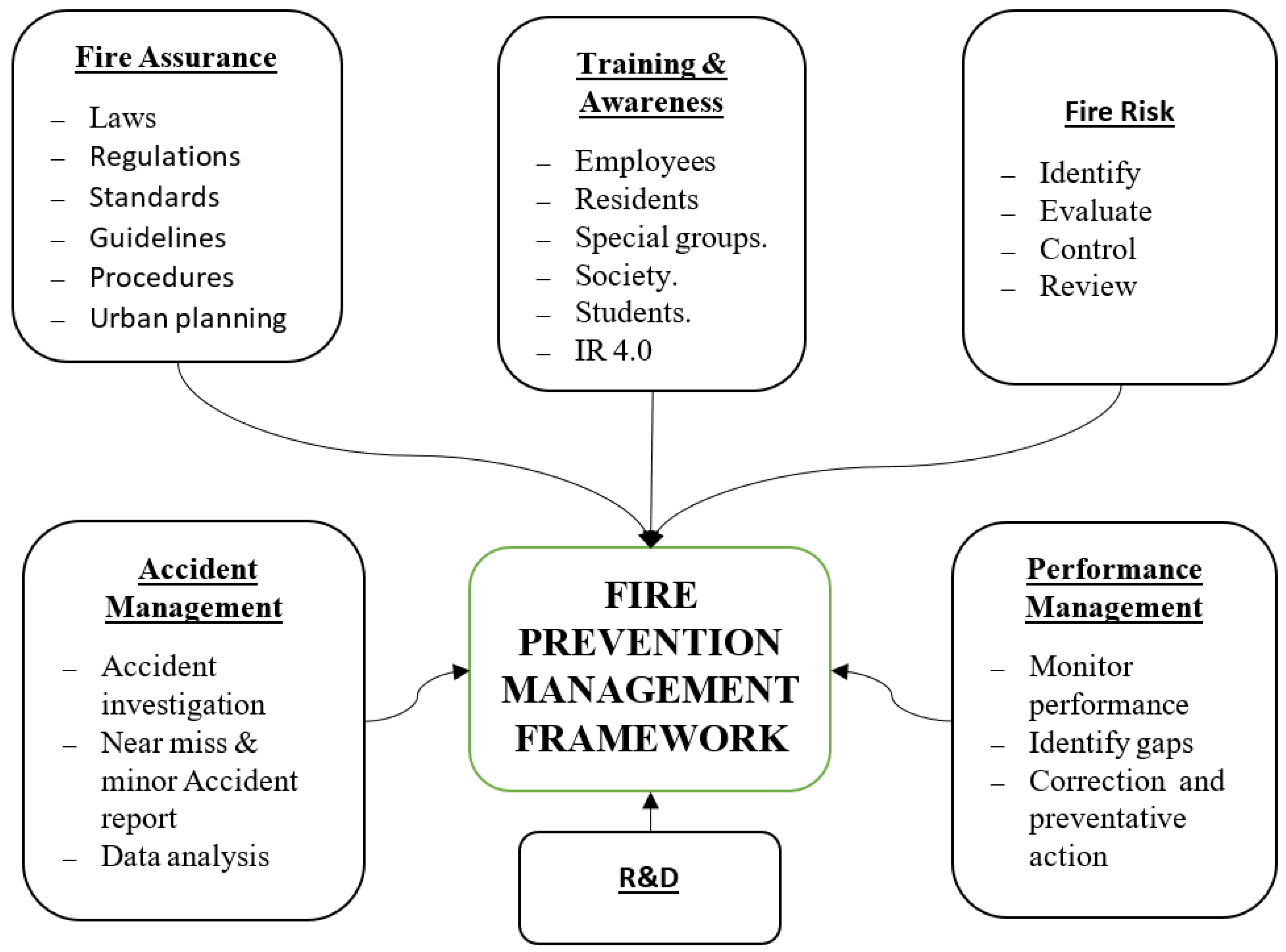
Drawing from the findings of this study, the framework for the fire prevention management system was constructed around five core elements: fire assurance, fire risk assessment, incident management, performance management, and training and awareness, along with research and development. These components are illustrated in Figures 3.
Figures 3.
4.1. Fire assurance
Fire System Integrity Assurance (FSIA) involves establishing performance standards for fire systems during the design phase and ensuring these standards can withstand anticipated fire events. In today’s rapidly evolving environment, a robust framework is essential to monitor and assess the efficacy of current fire-related laws and standards, especially considering the fast-paced advancements of the Fourth Industrial Revolution. Varied factors, such as construction materials, firefighting technologies, global health crises, human behavior, and research revealing deficiencies in fire management systems, necessitate adaptive legislative updates. Moreover, with the evolution of equipment and devices in residential settings, fire causes also shift, prompting a need to update fire-fighting regulations accordingly.
The Sharjah Civil Defense Authority, being a localized body, underscores the necessity for legislation that aligns with the unique fire characteristics of the Emirate, particularly in residential and industrial sectors. Laws must evolve swiftly to remain effective and encompass all residential structures within Sharjah’s fire management strategy. Procedures within the Sharjah Civil Defense should be in sync with the existing laws, ensuring comprehensive coverage of the legislative framework.
The fire assurance component is crucial for determining when new laws are needed or when existing ones require amendments. This aspect of fire assurance is about validating the efficiency of legal and regulatory measures and aligning them with best practices, as outlined in the International Fire Safety Standards Common Principles Framework, which classifies fire legislation into laws, regulations, codes, and standards.
In Sharjah, fire legislation is a pivotal aspect influencing the efficacy of the current fire management system. As suggested by the International Fire Safety Standards Common Principles, the structure of fire legislation should begin with laws, followed by regulations, standards, and guidelines.
Balancing loops in a system work to maintain a desired performance level. For Sharjah’s fire legislation and accident scenarios, these loops have a reciprocal impact: enhancing legislative efficiency leads to a reduction in fire incidents. Conversely, an uptick in fire incidents indicates gaps that need addressing, with subsequent improvements bolstering legislative efficiency, as illustrated in Figure 4.
In reinforcing loops, like those concerning the clarity of laws and regulations, positive feedback encourages changes in the same direction. This means that as regulations become clearer, a positive feedback loop enhances the clarity of standards, which in turn benefits the clarity of guidelines. Conversely, in a balancing loop, as seen in Figure 5, the clearness of procedures inversely affects the frequency of fire incidents: greater procedural clarity correlates with fewer fire accidents.
4.2. Fire risk
The fire prevention system is crucial in managing fire risks across the five stages of a residential building’s life cycle: design, construction, occupancy, modification, and demolition. Utilizing the hierarchy of controls can preclude a fire from escalating into a significant incident or accident. Effective fire prevention efforts will be reflected in the statistics for fire incidents, offering a transparent indicator of the strategy’s success.
Assessing fire risks in a residential building involves identifying potential fire hazards. Following hazard identification, it’s important to evaluate the likelihood and potential severity of resulting damage or injury, then decide on the best approach to mitigate the risk. High-risk hazards require immediate attention compared to lower risks. When evaluating hazards, consider the probability of different outcomes, prioritizing and addressing the most severe.
To mitigate risks, control measures should be implemented in a structured order of priority: a) Eliminate the fire hazard entirely; b) Replace it with a less hazardous alternative; c) Isolate people from the hazardous process, item, or equipment; d) Introduce engineering controls such as safety barriers; e) Adopt and enforce safe working practices, training, and oversight to lessen the fire risk. After implementing these measures, they should be monitored to ensure the risk of fire is reduced and no new hazards are introduced.
The success of identifying fire hazards in residential buildings directly influences the effectiveness of risk assessment. However, the assessment alone doesn’t manage the risk; it requires the application of suitable control measures, starting with elimination and moving through substitution, engineering controls, and administrative controls. A thorough risk assessment positively correlates with the control measures implemented to manage those risks. The impact of fire risk control measures is aimed at reducing the number of fire incidents in residential buildings within Sharjah, creating a balancing feedback loop, as depicted in Figure 6’s fire risk loop.
4.3. Fire Accident Management
Managing fire incidents is a pivotal element in the enhanced fire management framework proposed. Understanding the unique characteristics of fires in the Emirate of Sharjah is crucial and relies on robust accident investigation procedures. The nature of fires varies globally based on factors like construction materials, resident behavior, equipment, climate, and regulatory standards.
To improve fire accident investigations, it’s imperative that they are conducted by a fire expert investigator whose qualifications are fundamental to the process. An investigator from the Sharjah Civil Defense Authority must be adept at identifying the core cause of a fire. This component of the fire accident investigation is central to the fire management system in Sharjah, aiming to uncover the primary causes of fire incidents in residential buildings. Unlike the Public Prosecution Office, which seeks to determine liability, the Sharjah Civil Defense Authority’s investigations focus on the root cause to prevent recurrence in other buildings, independent of any disciplinary actions. For investigations to be successful, investigators must be highly trained and well-resourced to identify all fire causes, which in turn influences the overall accident rates in the Emirate.
Encouraging the reporting of near-misses and minor accidents by residents and building owners is key for monitoring the efficacy of the fire management system. Such incidents, including those resolved without activating alarms or Civil Defense intervention, serve as significant indicators of the system’s performance. Investigating these incidents is crucial to identifying and addressing their root causes, thus enabling proactive measures to avert severe accidents and highlighting flaws in the prevention system.
It is essential for residential building owners to implement and maintain a fire risk safety management system. Having a professional safety officer to manage fire risks, requiring internal investigations of accidents, and mandating regular fire safety inspections and record-keeping are all critical steps. Sharing the safety officer’s reports with the authorities can provide valuable insights into the nature of fires, helping to prevent them elsewhere.
Fire accidents typically occur at the intersection of unsafe acts and conditions, resulting from a combination of environmental factors and human decisions. A sustainable fire management framework must identify fire causes related to both the environment and human actions. Analyses of near-misses and accidents, whether minor or major, will expose system weaknesses, prompting necessary amendments and preventative actions to preclude future incidents.
The process of managing fire incidents directly impacts the effectiveness of preventive measures. An increase in fire incidents elevates the urgency for accident reporting. Timely reporting of near-misses and minor accidents is a proactive preventive measure, but it may be hindered by non-compliance among facility owners, necessitating innovative strategies to ensure prompt reporting, as indicated in Figure 7’s Accident Investigation loop.
A rise in reported accidents propels the accident investigation process, underscoring the need for thorough investigations to identify and address root causes. Failure to ascertain the root causes can lead to recurring fire incidents, increasing their frequency in a reinforcing loop. Conversely, effectively identifying and remedying root causes can decrease fire incidents, creating a balancing effect, as shown in Figure 7’s.
4.4. Performance Management
Monitoring performance during the operational phase is a standard procedure to assess the effectiveness of the framework, as depicted in the missing reference, encompassing all components within the framework. This includes evaluating the fire assurance element by examining legislative processes, such as changes or the introduction of new laws, the translation of laws into codes and standards, the achievement of strategic objectives, and regulatory activities to ensure real estate developers adhere to fire safety criteria linked to urban planning, as shown in Figure 8 Performance Management. It is essential to track the success of identifying, controlling, and reviewing fire hazards, verify the efficacy of the controls in place, and the impact of fire risk procedures on the fire incident rate in the Emirate of Sharjah, with the fire risk component’s performance having a direct effect on other framework components.
The functionality of the fire protection element is crucial for the firefighting system’s ability to safeguard residents against fires. Any deficiency in this area could significantly increase the risk of injuries or fatalities due to fire protection failures. The High Rise Building Fire Protection Indicator (HRBFI) assesses fire protection effectiveness in high-rise buildings, yet it’s also vital to measure the Civil Defense’s success in establishing stringent fire protection criteria.
The performance of automatic response systems is directly tied to the success of rescue operations, where any delays could be life-threatening. It is important to regularly review and assess the automatic response systems, setting performance indicators to ensure ongoing improvements. Digital service components also need regular checks to guarantee that services are provided electronically with high quality, remain uninterrupted, and are accessible 24/7, reducing errors and the need for human involvement.
Recovery processes following fire incidents must be evaluated to determine the effectiveness of the procedures and the outcomes of their implementation. This evaluation ensures the efficiency of the core components in the framework. Training and awareness are also critical elements that influence the behavior of individuals, which in turn directly impacts the overall efficiency of the framework.
4.5. Training & Awareness
Human behavior within residential buildings is a crucial aspect of fire management systems. Undesirable practices among occupants, such as the unsafe use of incense, can lead to fire incidents. To combat these risky habits, ongoing educational initiatives are essential. Educating building personnel about fire hazards not only helps eliminate potential causes of fires but also enhances the protocols for fire response and emergency operations. Elevating the community’s understanding of fire risks is key; greater awareness can significantly decrease the likelihood of fires starting.
Continuous efforts to enhance the community’s fire safety culture are required to dispel misconceptions about fire hazards. This educational journey begins with school students and extends to building employees and the wider community, fostering a proactive fire prevention mindset.
The training and awareness programs are critical for preventing fires and ensuring effective response during emergencies. However, these programs can be hindered by the reluctance of residential facility owners to invest in such initiatives, potentially leading to a lower participation rate in fire training sessions. Increasing the number of participants in fire safety training, including building staff, residents, and private sector groups, is imperative for improving emergency preparedness. This heightened awareness is inversely proportional to the number of fire incidents; as training and awareness increase, fire incidents typically decrease, a relationship depicted in Figure 9’s Training & Awareness loop as a balancing feedback mechanism.
4.6. Research and Development (R&D)
Continuous research and development are essential for the ongoing enhancement and performance of the framework. With vast amounts of fire data available, a deeper investigation into the nature and trends of fire incidents is necessary, which can only be achieved through dedicated research and development efforts.
5. Conclusion
Drawing from established best practices in fire management, the foundational structure of a fire framework is built upon four key elements: prevention, protection, response, and resilience. Of these, prevention is often regarded as the most critical, as it involves proactive measures to eliminate potential fire hazards before they become real threats. An assessment of the existing fire framework in the Emirate of Sharjah revealed a gap in the preventative measures. In response, the prevention component within this framework has been developed to enhance the existing system in Sharjah. This enhanced preventative component encompasses aspects such as fire assurance, risk assessment, accident management, training and awareness, performance management, and research and development, all of which are interconnected. For prevention to be effective, it must be seamlessly integrated with the framework’s other components, ensuring the framework’s overall objectives are met.
References
- Allender, S.; Brown, A.D.; Bolton, K.A.; Fraser, P.; Lowe, J.; Hovmand, P. Translating systems thinking into practice for community action on childhood obesity. Obes. Rev. 2019, 20, 179–184. [Google Scholar] [CrossRef] [PubMed]
- Davila, F.; Dyball, R.; Amparo, J.M. Transdisciplinary research for food and nutrition security: Examining research-policy understandings in Southeast Asia. Environ. Dev. 2018, 28, 67–82. [Google Scholar] [CrossRef]
- Goh, Y.M.; Brown, H.; Spickett, J. Applying systems thinking concepts in the analysis of major incidents and safety culture. Saf. Sci. 2010, 48, 302–309. [Google Scholar] [CrossRef]
- Harris, S.G. “The Fifth Discipline: The Art and Practice of the Learning Organization”, by Peter, M. Senge. Hum. Resour. Manag. 1990, 29, 343. [Google Scholar] [CrossRef]
- Himoto, K. Conceptual framework for quantifying fire resilience–a new perspective on fire safety performance of buildings. Fire Saf. J. 2021, 120, 103052. [Google Scholar] [CrossRef]
- Himoto, K.; Suzuki, K. Computational framework for assessing the fire resilience of buildings using the multi-layer zone model. Reliab. Eng. Syst. Saf. 2021, 216, 108023. [Google Scholar] [CrossRef]
- Hulme, A.; Stanton, N.A.; Walker, G.H.; Waterson, P.; Salmon, P.M. What do applications of systems thinking accident analysis methods tell us about accident causation? A systematic review of applications between 1990 and 2018. Saf. Sci. 2019, 117, 164–183. [Google Scholar] [CrossRef]
- Kim, D.H. Introduction to Systems Thinking; Pegasus Communications: Waltham, MA, USA, 1999; Volume 16. [Google Scholar]
- Smith, T.D.; Hughes, K.; DeJoy, D.M.; Dyal, M.-A. Assessment of relationships between work stress, work-family conflict, burnout and firefighter safety behavior outcomes. Saf. Sci. 2018, 103, 287–292. [Google Scholar] [CrossRef]
- Yang, R.; Zang, Y.; Yang, J.; Wakefield, R.; Nguyen, K.; Shi, L.; Frontini, F. Fire safety requirements for building integrated photovoltaics (BIPV): A cross-country comparison. Renew. Sustain. Energy Rev. 2023, 173, 113112. [Google Scholar] [CrossRef]
Figure 1.
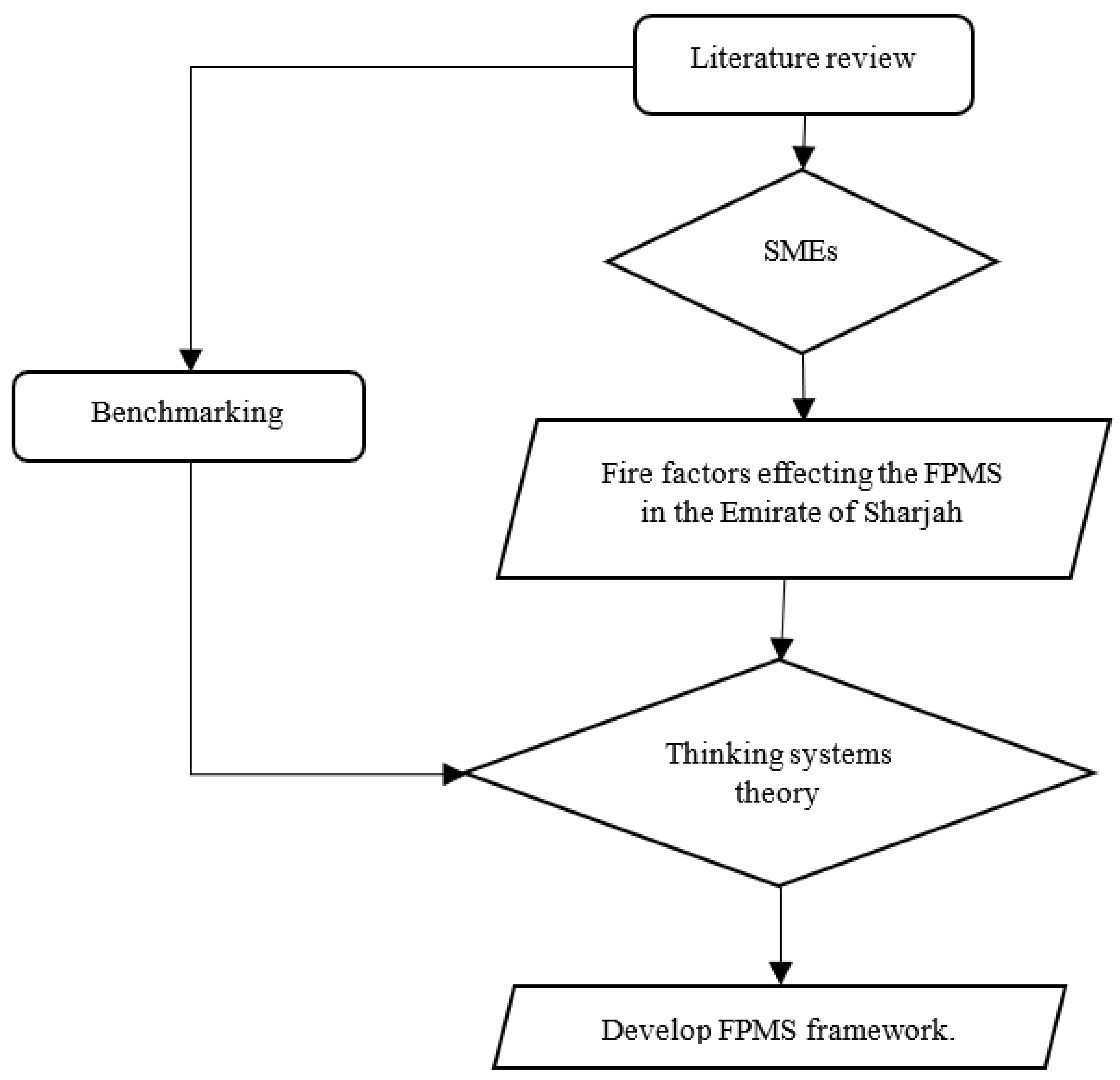
Figure 2.
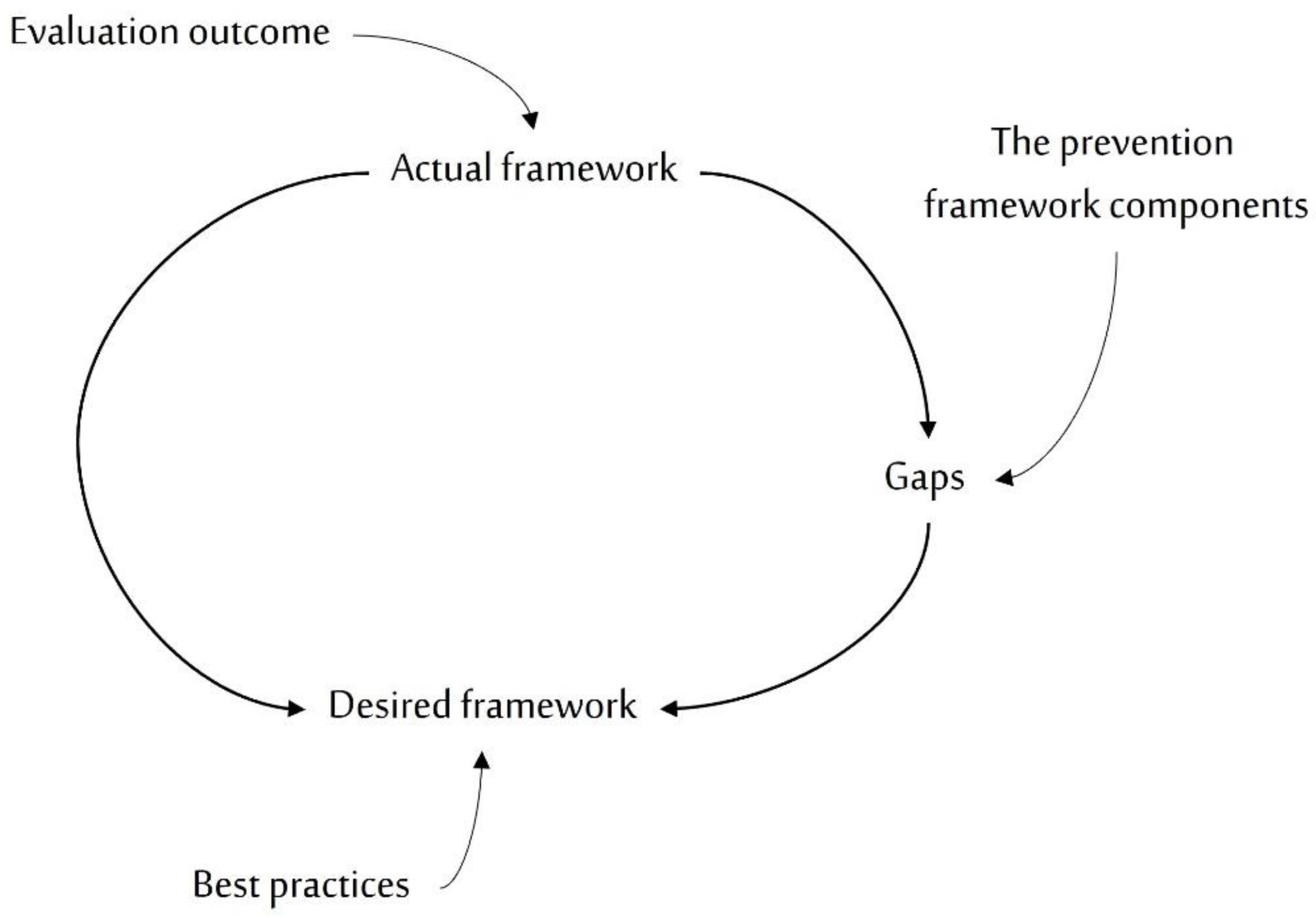
Figure 3.
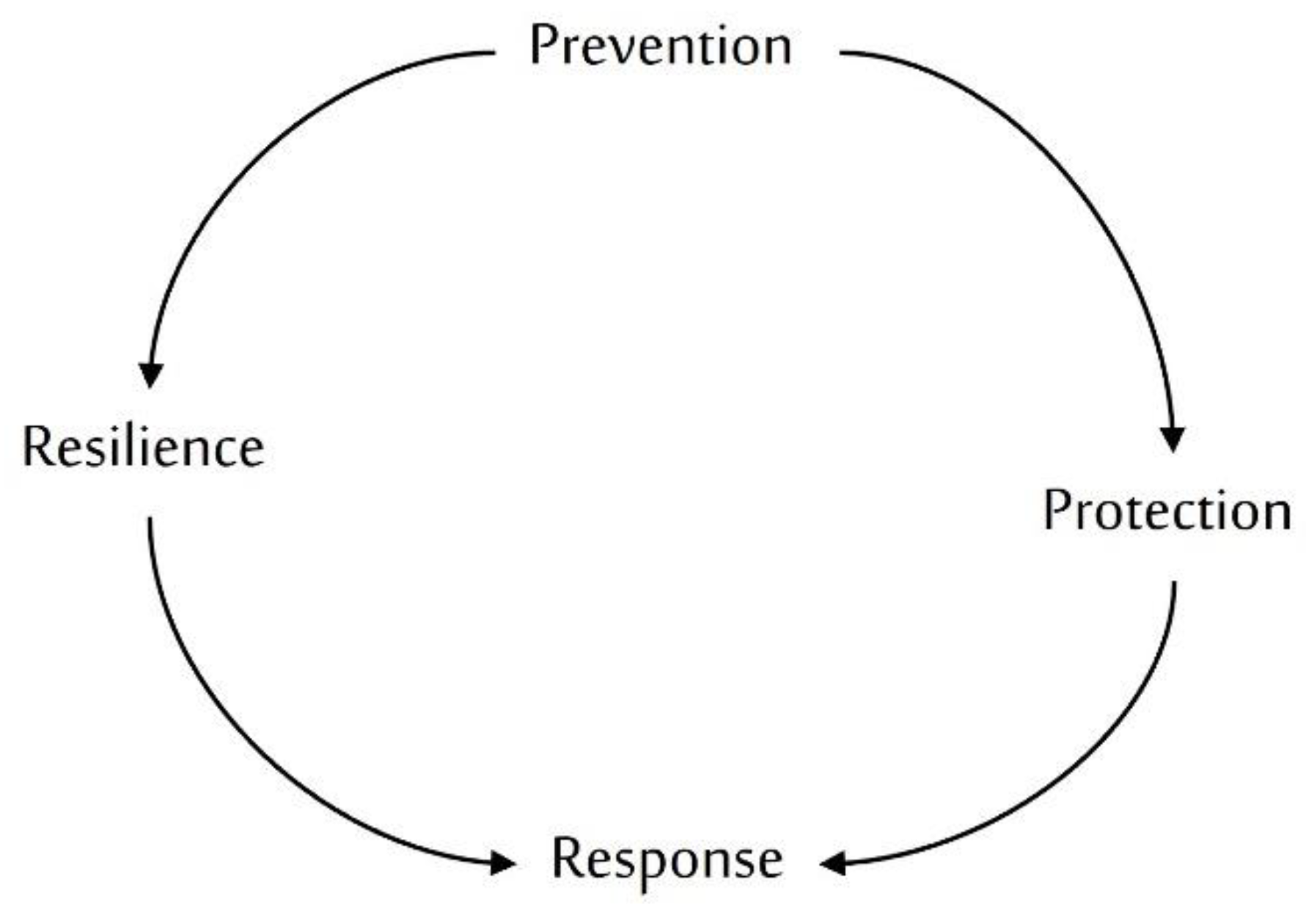
Figure 4.
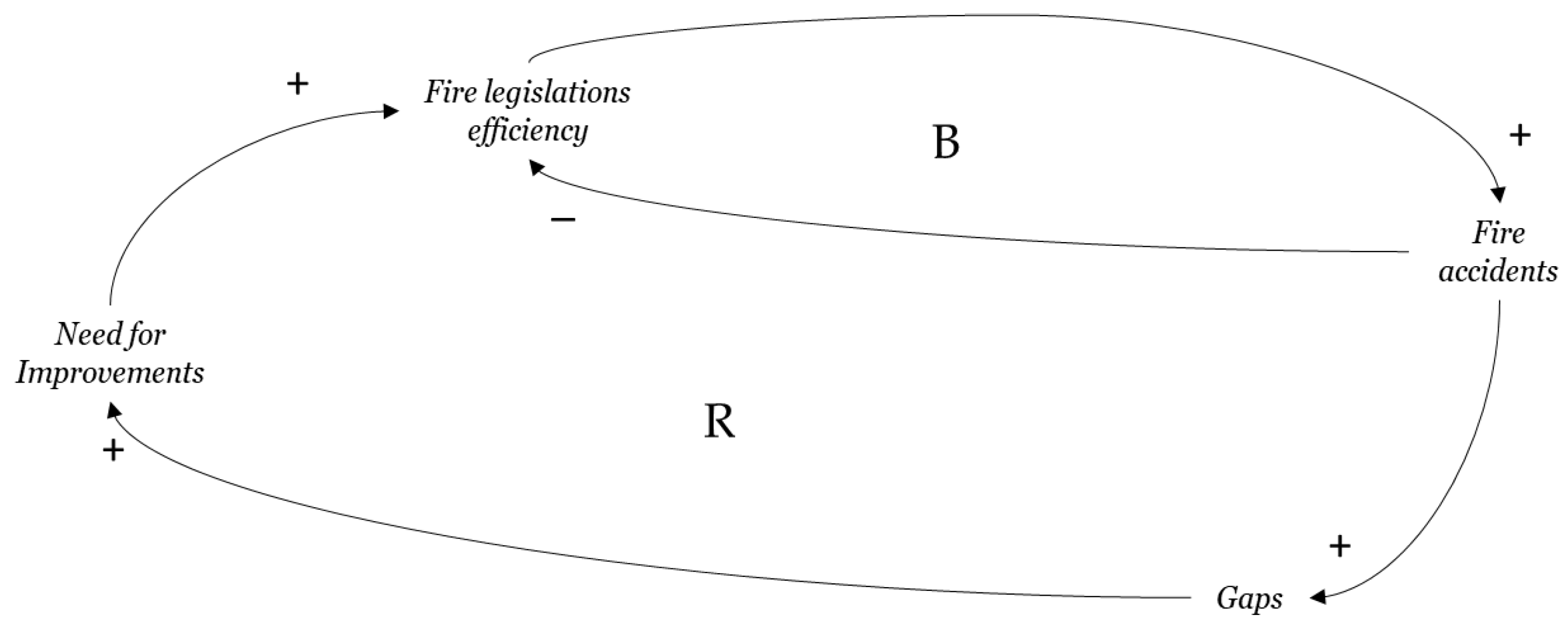
Figure 5.
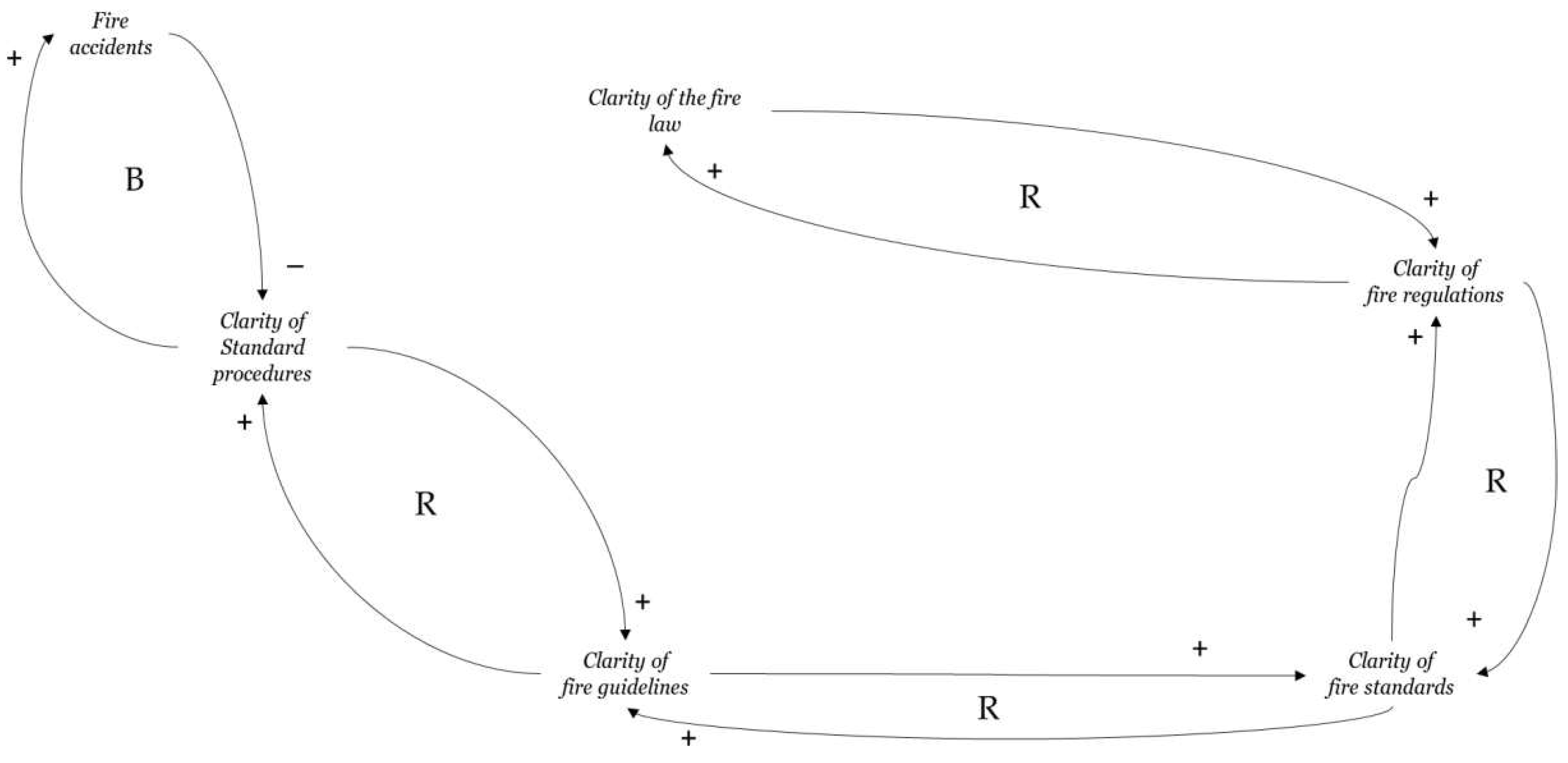
Figure 6.
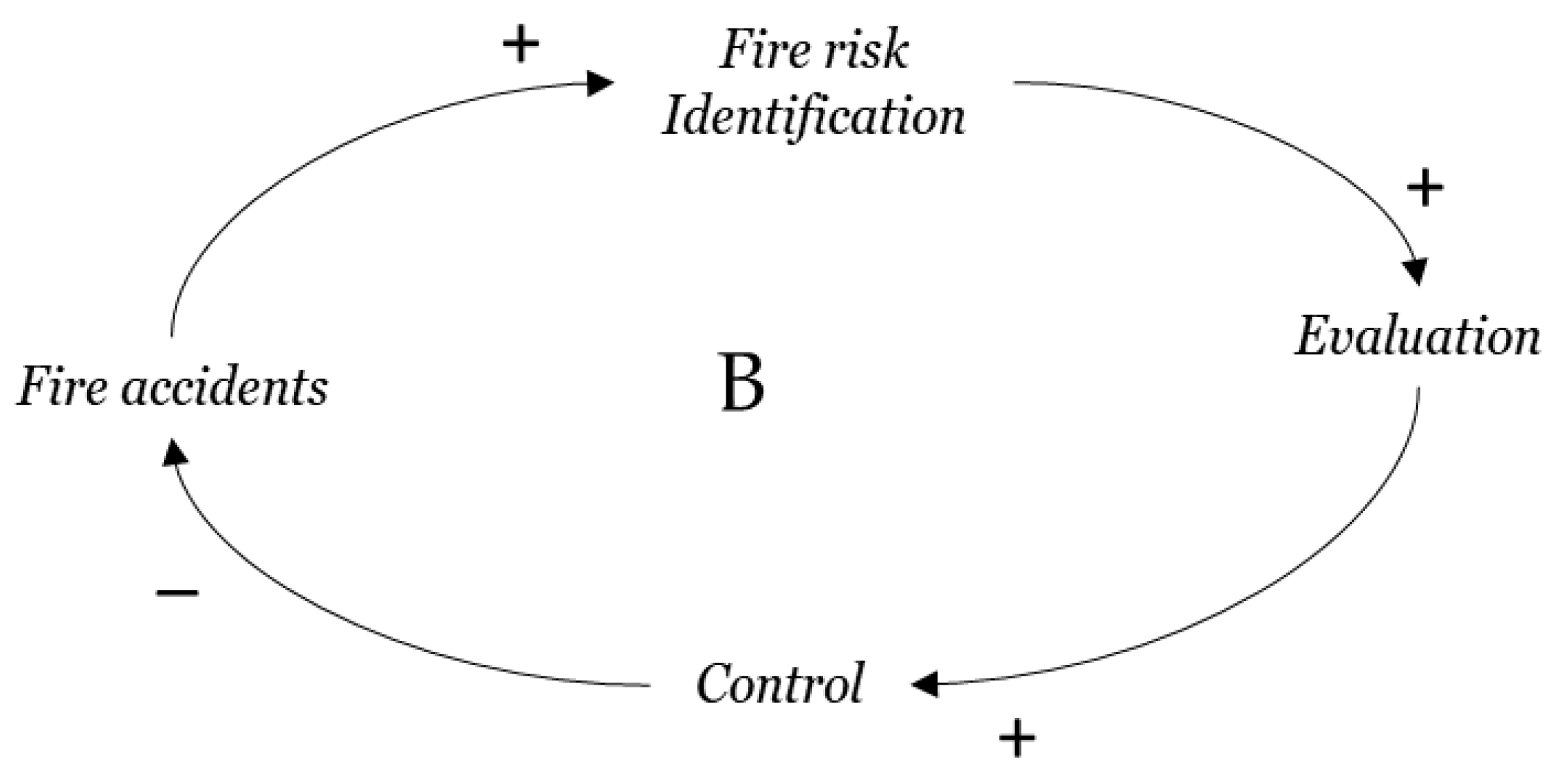
Figure 7.
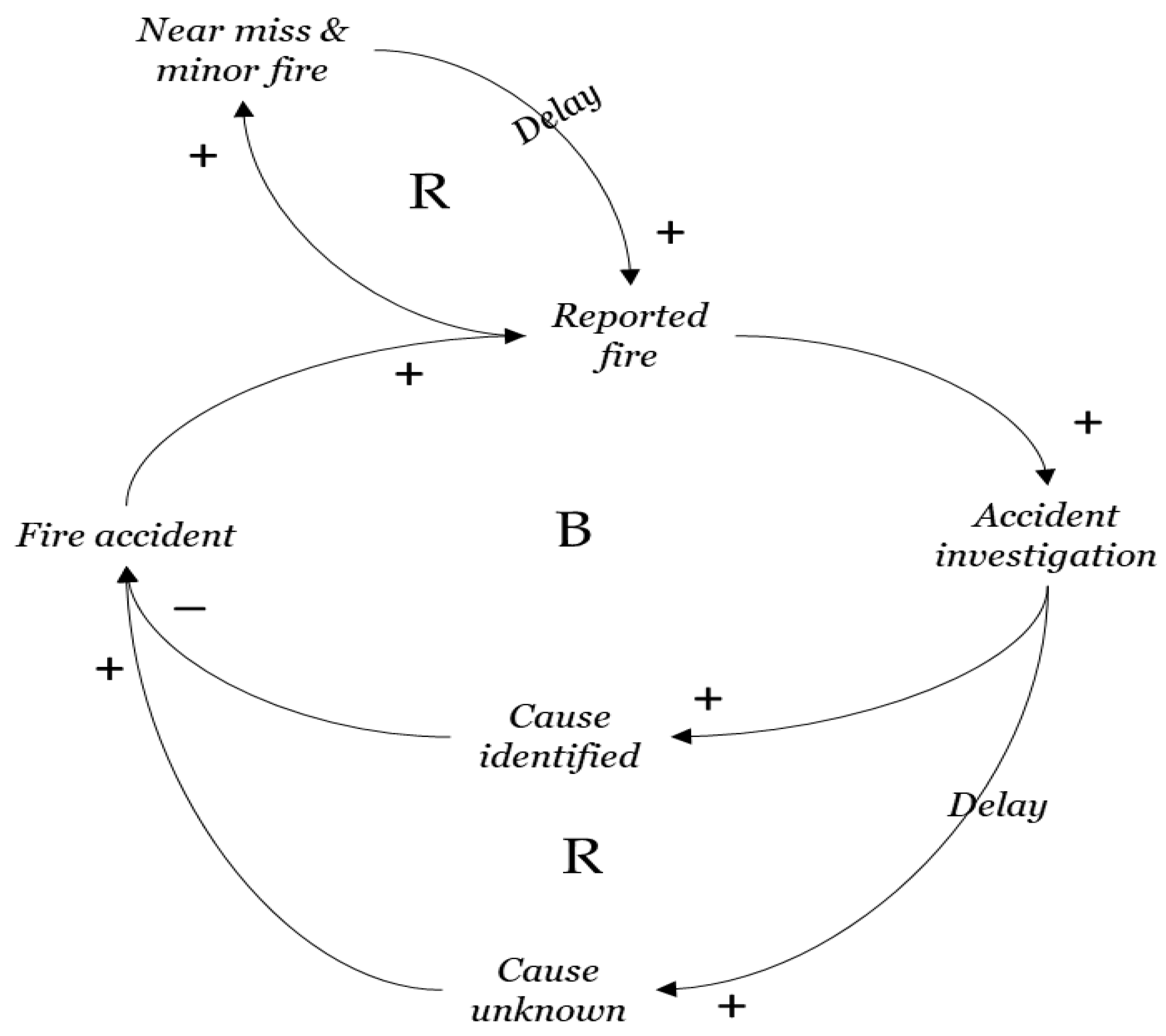
Figure 8.
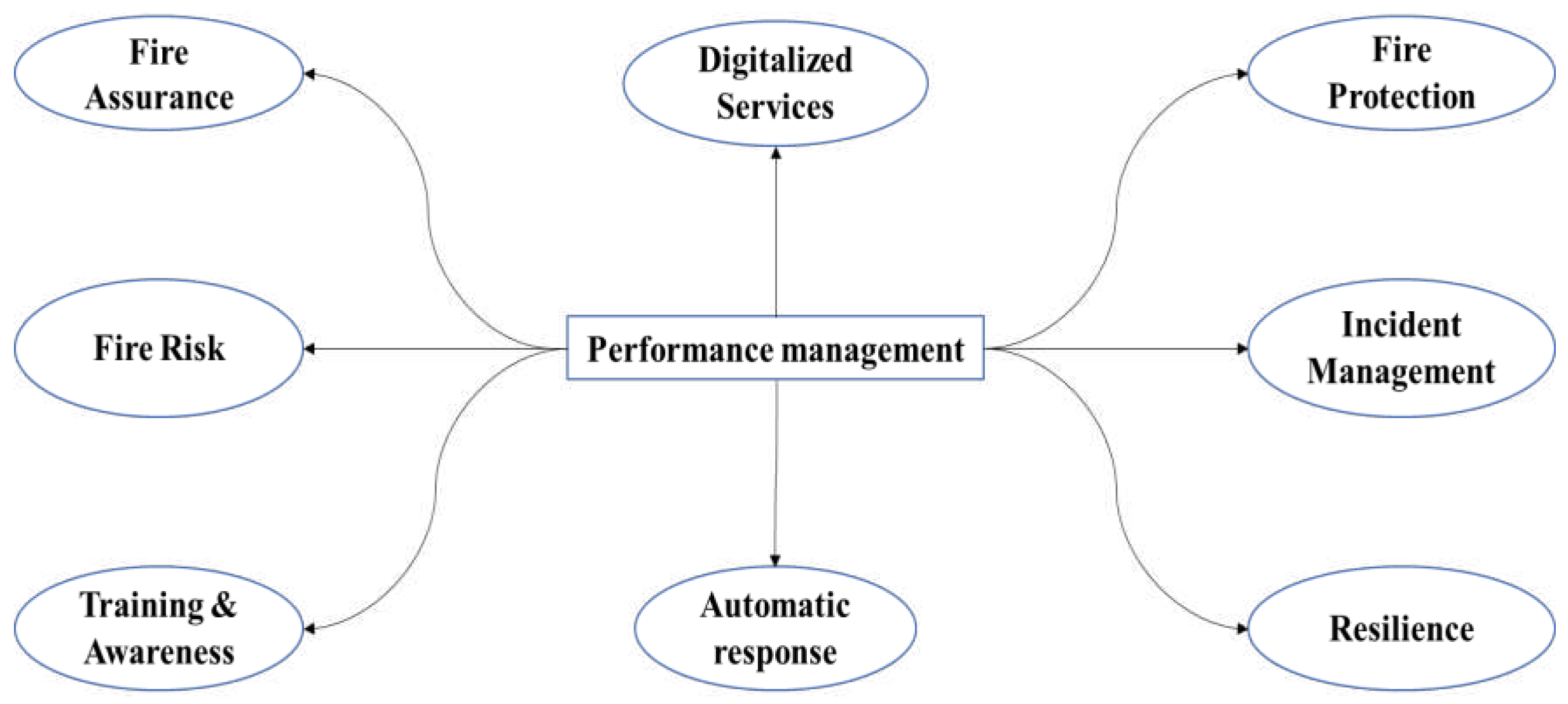
Figure 9.
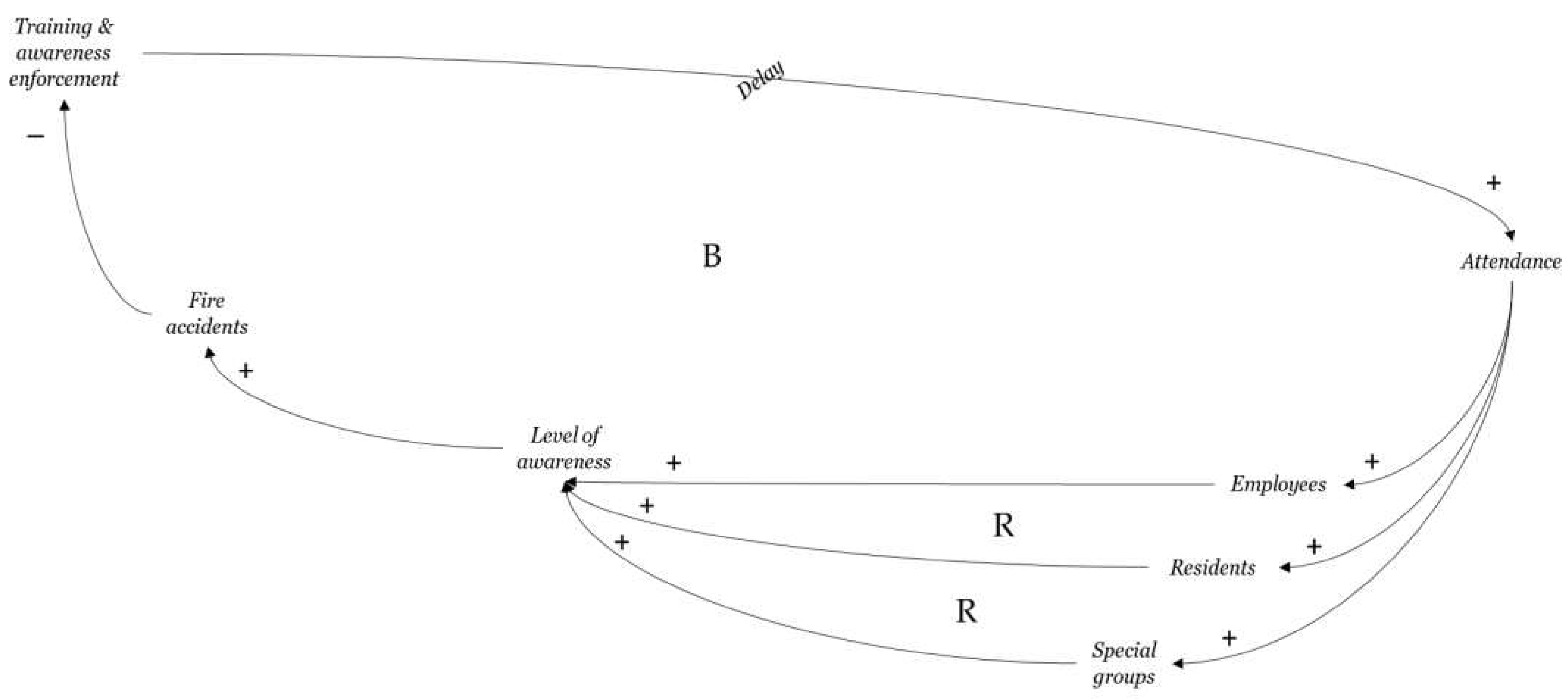

Table 1.
Best practices.
| Main Characteristics of the Available Frameworks |
|
Current Frameworks in the Emirate of Sharjah | Analysis of the current practice in Sharjah using System Theory Tool (Iceberg) | Areas need to be improved in the Current applied fire management system in the Emirate of Sharjah |
| Fire prevention involves assessing all foreseeable fire and rescue-related risks that could affect communities and putting in place arrangements to prevent and mitigate these risks. |
|
|
|
The critical factors effected the current fire management system in the Emirate of Sharjah around prevention:
|
| Fire protection to protect people from fire through firefighting systems and compliance monitoring |
|
|
|
The critical factors effected the current fire management system in the Emirate of Sharjah around protection:
|
| Response to fires must be effective and timely in order to control the fire and keep people safe. |
|
|
|
Rescue speed one of The critical factors effected the current fire management system in the Emirate of Sharjah. |
| Fire Resilience required to assess the risk of emergencies occurring and use this to inform contingency planning. |
|
|
|
The fire reliance needs to be improved as Sharjah Civil Defense need to deal as regulatory body regarding the fire resilience. |
Disclaimer/Publisher’s Note: The statements, opinions and data contained in all publications are solely those of the individual author(s) and contributor(s) and not of MDPI and/or the editor(s). MDPI and/or the editor(s) disclaim responsibility for any injury to people or property resulting from any ideas, methods, instructions or products referred to in the content. |
© 2023 by the authors. Licensee MDPI, Basel, Switzerland. This article is an open access article distributed under the terms and conditions of the Creative Commons Attribution (CC BY) license (http://creativecommons.org/licenses/by/4.0/).
Copyright: This open access article is published under a Creative Commons CC BY 4.0 license, which permit the free download, distribution, and reuse, provided that the author and preprint are cited in any reuse.