

Submitted:
09 December 2023
Posted:
11 December 2023
You are already at the latest version
Preprints on COVID-19 and SARS-CoV-2
Abstract
The following are three successful case studies that affected humanity during the COVID-19 pandemic. The key to their success was their swift adaptability to the new confinement regulations and the unyielding determination of those carrying out their plans. Various extraordinary and prompt efforts were required to make the essential logistical preparations and practice for distance learning a reality. The research activities were also reorganized so the thesis students might carry out a few simple experiments at home under the strict supervision of their advisers and supervisors. The findings revealed that the students who participated in these projects applied all the abilities they had gained before the epidemic. In addition, they included crucial knowledge about the project, problem-based, and research-based learning. Furthermore, because they were the primary implementers of the trials, they learned by planning and performing experiments. The culmination of these efforts was displayed in three scientific publications that were published in index journals with a high level of impact. This latter factor is essential for the prestige and visibility of the university, in addition to the acquisition of financing and grants for scientific research.
Keywords:
higher education
; engineering education
; educational strategies
; technical writing
1. Introduction
In recent years, one of the international occurrences that has been one of the most significant influences on all aspects of human society has been the COVID-19 pandemic [1].
Even while its impacts are still being felt, the period between 2020 and 2022 will be when its most devastating repercussions will have the most impact worldwide. Although many believe the numbers are substantially higher [2,3].
The impacts were also observed at the collegiate level [4]. Consequently, research was conducted to restructure the curricula of undergraduate and postgraduate programs at universities and to accelerate the transition from traditional education to online education [5,6].
It was necessary to provide students and teachers with the necessary training and resources as soon as possible to successfully adjust to new kinds of education as well as online platforms and technology. In addition, it was essential to acquire platforms that would enable utilizing these innovative new types of virtual distance education [6,7].
However, this also made it more difficult for universities to do scientific research [8,9]. Therefore, in Ecuador, as in other countries, measures are being taken to reduce and limit the capacity of laboratories and research centers to guarantee essential isolation, avoid contagion, and prevent the harmful effects of COVID-19 on the health of teachers, universities, researchers, and students in their final and postgraduate years [10]. This is done to avoid the harmful effects of COVID-19 on the health of teachers, researchers, and students in their final and postgraduate years.
The completion of many research projects has been pushed back or even halted entirely, which may have far-reaching repercussions for expanding scientific understanding and creating new technologies. Therefore, educational institutions must develop creative solutions to maintain their research activities without compromising the security of their faculty, staff, and students.
In addition, the restricted capacity of laboratories and research centers might have contributed to an increase in the amount of collaboration and virtual Communication that takes place between students and researchers. In addition, the challenging circumstances drive home the point that students must demonstrate self-initiative and creativity throughout the research process.
The current research shows three examples of effective academic research conducted during this period, eventually resulting in tangible products.
2. Materials and Methods
The challenges imposed by the COVID-19 pandemic forced the institution to rethink and reorder the processes implemented.
Fortunately, efforts had already been made to implement distance education in some courses and careers, given the social pressure due to the high demand of high school graduates in the province and the northern part of the country wishing to continue their third-level studies.
As for university research, the processes began to be reorganized and adapted to the new circumstances of the pandemic, which forced the necessary isolation and limited capacity of laboratory and university facilities in this period.
The case studies presented here are part of one of FICAYA’s research groups, focused on valorizing agricultural and agro-industrial wastes.
2.1. Participants
The case studies presented here involved three students involved in their undergraduate thesis research programs, accompanied by their supervising professors (two in total) and their advisors (two in each case).
2.2. Case Study No. 1: Valorization of coffee harvesting’ residues
Multi-objective statistical optimization for pectinolytic enzyme production by Aspergillus sp. on dehydrated coffee residues in solid-state fermentation was employed to produce pectinase and spores under optimal conditions. The results reached were 29.9 IU/g and 2.64·106 spores/g for enzymatic activity and spore count, respectively, like those obtained by other authors [11].
2.3. Case Study No. 2: Valorization of Goat’s milk whey
The goal of this study is to use a mixture of tree tomato, common strawberry juice, and goat’s milk whey to statically ferment milk and water kefir grains (WKG) for 48 hours. Experiments were conducted in San Gabriel, Ecuador, and the highest response values were reached. Complementary experiments demonstrated the validity of the models, and higher values were observed in the concentration of yeasts, suggesting they could be suitable functional beverage candidates [12].
2.4. Case Study No. 3: Valorization of cocoa harvesting residues
Ecuador is the world’s fifth-largest cocoa producer, generating hundreds of tons of residue from this fruit annually for pectin extraction. This work studied three different organic acids with the USFDA’s generally recognized as safe (GRAS) status, citric, malic, and fumaric acids, in a central composite design of experiments. The pectin obtained under optimal conditions was characterized similarly to commercial pectin. However, fumaric acid’s equivalent weight and esterification degree led to its classification as having a high equivalent weight and a low degree of esterification [13].
3. Results
3.1. Institutional Strategies Adopted by the University during the COVID-19 Pandemic
Before the COVID-19 pandemic, the “Universidad Técnica del Norte” was working, in its Virtual Learning or e-Learning Department, on implementing courses, programs, and even careers in the virtual teaching modality, to expand the deficient academic offer to the Ecuadorian youth, who demanded it. As a result, some qualified teachers on virtual learning platforms, such as Moodle, were already available [6].
All this had to be massively and quickly implemented since May 2019, when the number of infections and deaths with the SARS-CoV-2 virus in the country increased significantly, and it was decided to limit access to public and private sector institutions [14]. In a short time, hundreds of teachers took accelerated courses that gave them the knowledge they needed to switch from face-to-face to virtual distance education [7].
The latter was possible, first, due to the relatively high internet coverage the country had achieved, and the investments made in the telecommunications sector in the 2010–2016 period [15]. Moreover, due to the effort made in the same period by the authorities of the ‘Universidad Técnica del Norte’, who provided sufficient capacity to the Internet servers, together with the acquisition of collections of journals and books from the most renowned international publishing houses, they were able to cover the high demand of thousands of users who began to connect to the internal network of the university for long periods.
All this favored the availability of rooms for virtual classes in a short time, collaborative repositories where the generated materials could be deposited and shared, as well as the possibility of holding webinars and using other virtual resources such as the virtual library, where thousands of books, articles, and theses facilitated the educational process in this educational modality (Figure 1).
On the other hand, at FICAYA, students who choose the academic modality of the research thesis as a degree modality to get their third-level university degree must follow a series of well-defined steps based on their interests (Figure 2).
Among other things, they must select their research topic, prepare a preliminary project according to a previously agreed format, and then present it to an ad hoc panel of professors who will approve, reject, or agree on the recommendations that must be included. The ‘final product’ of this process will be the approval of the topic in question, the assignment of a supervisor or tutor for the degree work, and the assignment of one or two research advisory professors. Then, the student would be ready to do research for the degree work.
Due to the COVID-19 pandemic, this process was done through virtual platforms like Office 365 Teams. Students and teachers were carefully planned for in the labs, and the government took limited precautions to stop the virus from spreading.
At that time, it was decided to move many simple research tasks and experiments from universities to homes. So, for example, some research materials and solutions were made, and some experiments that needed to be watched repeatedly were done in the students’ homes, which cut down on the time they had to spend in the university labs.
A work schedule was established to effectively follow this process, including periodic meetings between the thesis student and his supervisor, to which supervisors were commonly invited.
In these virtual meetings, suggestions were made, and ideas were proposed to bring the experiments to a successful conclusion and to be able to fulfil the planned tasks as soon as possible and with the necessary rigor.
However, the two scientific meetings that the student, his supervisor, and the advisors had to attend were the most important parts of this planning. During these meetings, the research goals, conclusions, and evaluations had to be discussed and approved (Figure 3).
These milestones and their approval by the supervisor and the advisors allowed the thesis student to access the last two phases of their degree, the private pre-defense (test prior to the final act), the elaboration of a 10-minute audio-visual material, where the values of the research carried out by the thesis student are explained and promoted, and the public defense of their degree work (Figure 4a).
Unfortunately, the last solemn and unforgettable act of thesis defense for the thesis student had to be carried out virtually, and due to the pandemic, only the student, his family, and his closest friends could participate. Moreover, on the part of the university, the assigned court, the faculty lawyer, the supervisor, and the advisors of the titling work were all present virtually (Figure 4b).
With the help of the supervisor and advisers, the thesis student must also suggest which parts of his research are the most important and unique so that they can be included in a scientific article. Finding these “gaps” in the state of the art of knowledge is crucial for identifying the areas where the discoveries from the thesis research can be developed and discussed in well-written scientific articles.
Then, the thesis student must write a rough draught of the paper’s manuscript using the standard IMRaD format and APA rules for citing sources.
Of course, the journal selection process, the final writing of the article in English and the journal’s format, and its subsequent submission to be reviewed by academic pairs are all done, as a rule, after the public defense process of the BSc-degree thesis.
In this part of the process, as well as the review and response to the reviewers’ stage, the role of the supervising and the advisors’ professors is essential.
In such a manner, we proceeded with the three case studies presented here, prepared by students of the FICAYA agroindustry major.
3.2. Case Study No. 1
In Case Study No. 1 (Figure 5), the novelty consisted of valorizing coffee production wastes and using them as a substrate for producing pectinolytic enzymes and spores of a strain of Aspergillus sp. previously isolated in the biotechnology laboratories at the “Universidad Técnica del Norte” [11].
In addition, the student built a three-compartment tray-type reactor to perform the solid-state fermentation of the dehydrated waste with the fungal strain. This reactor also placed and controlled temperature and humidity sensors using an Arduino controller [11].
In this work, the student and his supervisor saw the need to deepen their understanding of the handling and installation of the Arduino controller. To do so, they meet virtually with engineers from the university’s mechatronics department, who trained him in handling, assembly, and programming.
After installing the device, several tests were necessary to adjust the experimental setup (tray reactor for solid-state fermentation) before performing the corresponding experiments.
3.3. Case Study No. 2
In Case Study No. 2 (Figure 6), the main waste from a small local cooperative producing goat milk and cheese was also valorized. With its high protein, lactose, and mineral salt content, goat whey proved to be an excellent substrate for producing fermented beverages based on milk kefir and water kefir granules. Furthermore, a statistical optimization study found the best conditions for producing such functional or nutraceutical beverages [12].
Surprisingly, the levels of the probiotic yeasts in some of these beverages were found to be unusually high. The novelty of these results allows us to ensure that goat milk whey could be used to produce nutraceutical functional beverages from water kefir granules and provide an excellent probiotic beverage for patients with gastric and digestive problems [12,13].
Given the impossibility of visiting the university laboratories daily due to their limited capacity during the pandemic, the student had to carry out the experiments in her own home with her supervisor’s and advisors’ advice. To do so, she used space in her home with infrequent access to place her experiments. After executing them, she obtained the necessary samples to perform the analyses in the laboratories, preparing them to be measured in the laboratory, thus minimizing the time spent and her presence in the institutional labs.
3.4. Case Study No. 3
In Case Study No. 3 (Figure 7), cocoa production residues from the canton of Lita in the province of Imbabura in Ecuador were valorized [14].
In this case, since Ecuador is the world’s fifth-largest cocoa producer, thousands of tons of cocoa waste are generated each year. Given the enormous bioavailability of this agricultural residue, its valorization is very attractive. Furthermore, pectin, one of the main components of this residue, has numerous applications in the food, pharmaceutical, and cosmetic industries.
This novel study demonstrated that other organic acids with GRAS status, besides the traditionally used citric acid, such as malic and fumaric acids, could extract pectin from this agricultural residue [14].
As in Case Study No. 2, the student adapted space in her home, which was not frequently accessed and used, to set up her experiments. Some of the analyses, in this case, were sent to external laboratories via local shipping agencies, and others, as in the previous case, were prepared in such a way that they would be ready to be measured on instruments in the university’s laboratories to minimize the time spent in the laboratories.
3.5. Publication of research results in indexed journals
The elaboration of scientific articles in peer-reviewed indexed journals is one of the main activities of any university.
For this, it is necessary that research is become of the essential and priority activities of the University, although this activity by itself does not directly guarantee that the results of its research will be published in the academic journals with the highest impact.
In short, it is not enough to do research, it is necessary that this research be of quality and whose results are of impact and interest to the scientific and academic community [15,16].
Publications have a decisive influence on knowledge transfer to industry [17], and the accreditation and ranking of universities at the national, regional, and world levels [18,19,20,21]. The visibility and, therefore, the access to national, regional, and international funds depend mostly on the number of publications that each university has [22,23,24,25].
However, converting academic research into scholarly scientific articles and getting them into high-impact academic journals is a very complex process.
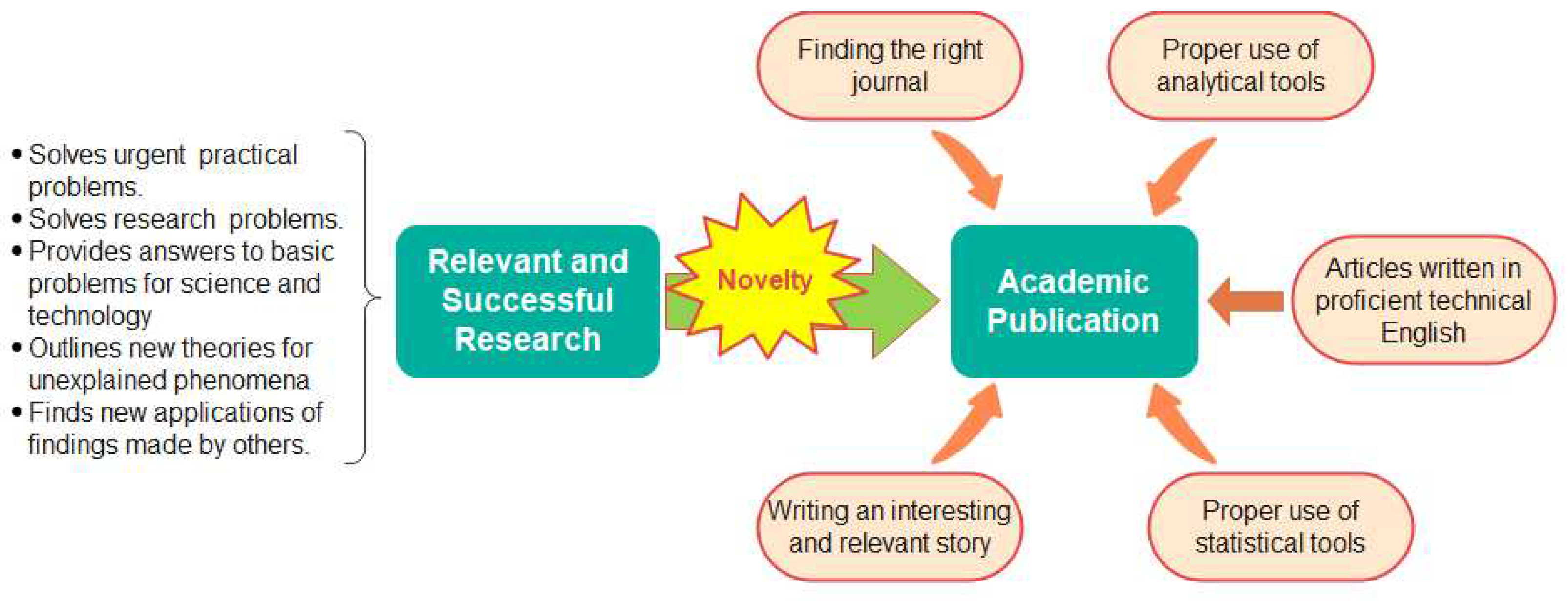
First, academic research must be relevant and successful, focusing on solving essential and unsolved theoretical or practical problems for industry, academia, and science (Figure 8).
The latter is the only thing that guarantees the relevance and importance of such academic research, and therefore the “novelty” of such research, and that it deserves to be disseminated to the rest of the academic and scientific community (Figure 8).
It is necessary to say that, to guarantee the novelty of academic scientific research, it is necessary, previously, to have a deep and systematic revision of the current “state of the art” of the field of research to be investigated to find the possible “gaps” or aspects of a specific area of knowledge that have not been sufficiently addressed, and that would need to be investigated. In this sense, the undergraduate students’ supervising teachers and advisors typically take the lead because of their knowledge and experience.
Thus, novel and completed research is the only way to guarantee the attention of the editors and reviewers of high-impact academic journals and, therefore, a triumphant final publication.
However, this is only the beginning of the complex process of manuscript selection, submission, and review, which can take several weeks, or even months before it is finally published.
This process can be challenging for non-native English speakers, as most academic journals in the Q1 and Q2 quartiles publish exclusively in English.
Another critical aspect of this process is selecting the right journal to submit the manuscript to from among the dozens and perhaps hundreds of candidate journals. In this sense, some of the most prominent scientific editorials have implemented the “journal finder” to suggest to researchers the most appropriate journals to publish their findings.
The last is the proper use of the available analytical and statistical tools. In this sense, many of the universities in our region of Latin America still need the first-class analytical equipment that most universities in the so-called first world have. One way to “solve” this drawback is by creating national and international collaborative networks through which these resources can be adequately shared, thus reducing the cost of research.
Something similar happens with access to software for the treatment and statistical analysis of experimental data. Unfortunately, teachers and students must pay prohibitively high prices to purchase some professional statistical packages. Fortunately, some open-source and free statistical package alternatives are available to solve this problem. In short, one could answer the question, “When to publish?” The answer is when it has something new to communicate and the right tools to do it.
4. Discussion
In the period of execution of the degree work, the three students involved (two girls and one boy) showed knowledge and skills that allowed them to complete their graduate educational work and be part of a scientific publication in high-impact journals.
During the execution of their work, various models of significant learning were harmoniously combined. The models used were problem-based learning (PBL) [26], project-based learning (PjBL) [27], learning by doing (LBD) [28], and research-based learning (RBL) [28,29].
PBL was revealed because the three studies addressed local and national problems in Ecuadorian agriculture, and therefore these studies were focused on providing possible solutions to specific problems [30].
This aspect of the graduates’ learning contributes to the formation that the university proposes as one of its primary missions: creating graduates with ethical and humanistic characteristics, with high capacities as entrepreneurs, and committed to solving Ecuador’s problems.
PjBL, for its part, became a reality due to the need to undertake the research projects themselves [31]. Therefore, it became necessary to propose the corresponding work hypotheses, objectives, and tasks to execute to respond to a particular problem. It was also evident in elaborating a schedule of tasks to be executed and fulfilled in this way--the schedule of completion of the titling work.
Finally, learning models of LBD and RBL became a reality throughout the theoretical and practical process of carrying out specific research tasks [32]. In this sense, the three students needed to adapt their domestic spaces to conduct some of the experiments and tests that their research demanded. Furthermore, they had to plan, execute, and analyze the experiments; therefore, they learned by researching and doing them.
PBL, PjBL, LBD, and RBL models contributed significantly to the successful completion of the professional training of future graduates. In addition, they provided them with the knowledge, skills, and self-confidence they needed for their future insertion into the complex world of work.
These learning models employed, along with interest in completing their academic studies, helped to lessen the natural anxiety that many students and their teachers felt during the prolonged confinement necessary during the time of the pandemic [33,34,35].
It should be noted that all the undergraduate students showed their future interest in continuing their fourth-level studies (in the master’s or doctorate degrees), thus showing their understanding of the importance of continuing postgraduate education, to which every professional should aspire to overcome the challenges in their changing professional field.
From the perspective of university professors, publishing their research results with students increases their prestige and that of the host university itself [36,37,38]. Furthermore, this increases their international visibility and the possibilities of research cooperation with other professors from national and international universities [39,40].
Because these experiences can be used as material in the educational processes of students interested in pursuing technical vocations, they can significantly improve the teaching and learning process [41].
In this sense, the research published papers themselves can be utilized, for instance, as didactic material in specific learning modalities, such as the so-called “flipped classroom”, in which the roles of teachers and students are reversed from what they are in a traditional classroom setting [36,41].
Also, it could be helpful for other types of demonstration classes, such as classes based on case studies, where it is exposed from the genesis of the problem to the project that led to the experiments conducted to the solution of the same.
In addition, the published papers that were gathered could serve as a source of motivation for students at lower academic levels, some of whom may aspire to reach the same kinds of success as their classmates who have already graduated.
This study’s positive experiences could be used to face calamitous situations such as those during the COVID-19 pandemic.
However, since they demonstrated how efficient they were, the experiences that were shown here could also be evaluated during “normal” times when there was no pandemic.
5. Conclusions
In summary, the three successful cases presented in this study show that the COVID-19 pandemic failed to stop completely, despite the severe human and economic consequences that this pandemic brought to all of Ecuador, the educational processes, and the researchers who prevailed among the students, professors, and authorities of the Universidad Técnica del Norte.
Author Contributions
Conceptualization, M.C.V and J.M.P.Ch.; methodology, J.N.P. and J.M.P.Ch.; software, J.N.P. and J.M.P.Ch.; validation, I.S.S.C., J.N.P. and J.M.P.Ch.; formal analysis, I.S.S.C., J.N.P., and J.M.P.Ch.; investigation, J.N.P. and J.M.P.Ch.; resources, M.C.V., J.N.P., and J.M.P.Ch.; data curation, I.S.S.C. and J.M.P.Ch.; writing—original draft preparation, M.C.V., I.S.S.C, J.N.P., and J.M.P.Ch.; writing—review and editing, M.C.V. and J.M.P.Ch.; visualization, J.M.P.Ch.; supervision, M.C.V. and J.M.P.Ch.; project administration, J.M.P.Ch.; funding acquisition, M.C.V. All authors have read and agreed to the published version of the manuscript.
Funding
This research received no external funding.
Data Availability Statement
Data is contained within the article.
Acknowledgments
The authors of the work wish to express their gratitude to the Rector, Miguel Naranjo Toro, for the support given to this research.
Conflicts of Interest
The authors declare no conflict of interest.
References
- Shrestha, N.; Shad, M.Y.; Ulvi, O.; Khan, M.H.; Karamehic-Muratovic, A.; Nguyen, U.S.D.T.; Baghbanzadeh, M.; Wardrup, R.; Aghamohammadi, N.; Cervantes, D.; et al. The Impact of COVID-19 on Globalization. One Health 2020, 11. [Google Scholar] [CrossRef] [PubMed]
- Biswas, R.K.; Afiaz, A.; Huq, S. Underreporting COVID-19: The Curious Case of Lower-Income Countries. Epidemiol Infect 2020. [Google Scholar] [CrossRef] [PubMed]
- Lau, H.; Khosrawipour, T.; Kocbach, P.; Ichii, H.; Bania, J.; Khosrawipour, V. Evaluating the Massive Underreporting and Undertesting of COVID-19 Cases in Multiple Global Epicenters. Pulmonology 2021, 27. [Google Scholar] [CrossRef] [PubMed]
- Pokhrel, S.; Chhetri, R. A Literature Review on Impact of COVID-19 Pandemic on Teaching and Learning. Higher Education for the Future 2021, 8. [Google Scholar] [CrossRef]
- Alyoussef, I. E-Learning System Use During Emergency: An Empirical Study During the COVID-19 Pandemic. Front Educ (Lausanne) 2021, 6. [Google Scholar] [CrossRef]
- Basantes-Andrade, A.; Cabezas-González, M.; Casillas-Martín, S. Digital Competences in E-Learning. Case Study: Ecuador. In Proceedings of the Advances in Intelligent Systems and Computing; 2020; Vol. 1110 AISC.
- Basantes-Andrade, A. V.; Cabezas-González, M.; Casillas-Martín, S. Digital Competencies in the Training of Virtual Tutors at the Universidad Técnica Del Norte, Ibarra (Ecuador). Formacion Universitaria 2020, 13. [Google Scholar] [CrossRef]
- Mendoza Velazco, D.J.; Cejas, M.N.; Cejas Martinez, M.F.; Vinueza Naranjo, P.G.; Falcón, V.V. Digital Andragogical Competences of Ecuadorian Higher Education Teachers during the COVID-19 Pandemic. European Journal of Educational Research 2021, 10. [Google Scholar] [CrossRef]
- Mercedes, N.C.; Francisca, C.M.M.; José, M.V.D.; Marieta, A.H.S.; Silvana, V.Á.G. Virtual Platforms and the Perception of University Students in Ecuadorian Higher Education during the Covid-19 Pandemic. RISTI - Revista Iberica de Sistemas e Tecnologias de Informacao 2021, 2021. [Google Scholar]
- Kapasia, N.; Paul, P.; Roy, A.; Saha, J.; Zaveri, A.; Mallick, R.; Barman, B.; Das, P.; Chouhan, P. Impact of Lockdown on Learning Status of Undergraduate and Postgraduate Students during COVID-19 Pandemic in West Bengal, India. Child Youth Serv Rev 2020, 116. [Google Scholar] [CrossRef]
- Núñez Pérez, J.; Chávez Arias, B.S.; de la Vega Quintero, J.C.; Zárate Baca, S.; Pais-Chanfrau, J.M. Multi-Objective Statistical Optimization of Pectinolytic Enzymes Production by an Aspergillus Sp. on Dehydrated Coffee Residues in Solid-State Fermentation. Fermentation 2022, 8, 170. [Google Scholar] [CrossRef]
- Nastar Marcillo, D.A.; Olmedo Galarza, V.; Pinto Mosquera, N.S.; Espin Valladares, R. del C.; Núñez Pérez, J.; Pais-Chanfrau, J.M. Multi-Objective Optimization of Beverage Based on Lactic Fermentation of Goat’s Milk Whey and Fruit Juice Mixes by Kefir Granules. Fermentation 2022, 8, 500. [Google Scholar] [CrossRef]
- Nastar-Marcillo, D.A. Producción de Una Bebida Funcional a Partir de Mezclas de Suero de Leche de Cabra y Jugos de Frutos Andinos, Fermentadas Con Gránulos de Kéfir. Bachelor’s Degree Thesis, Universidad Técnica del Norte (UTN), Ibarra, Ecuador, 2022. [Google Scholar]
- Jarrin-Chacón, J.P.; Núñez-Pérez, J.; Espin-Valladares, R. del C.; Manosalvas-Quiroz, L.A.; Rodriguez-Cabrera, H.M.; Pais-Chanfrau, J.M. Pectin Extraction from Residues of the Cocoa Fruit (Theobroma Cacao L.) by Different Organic Acids: A Comparative Study. Foods 2023, 12, 14. [Google Scholar] [CrossRef]
- Basantes-Andrade, A.; Cabezas-González, M.; Casillas-Martín, S. Nano-Moocs as a Training Tool for Digital Competence. RISTI - Revista Iberica de Sistemas e Tecnologias de Informacao 2020, 2020. [Google Scholar]
- Caicedo Plua, C.R.; Acuna Caicedo, R.W.; Rodriguez Gonzalez, A.D.C.; Castro Valeriano, K.P. Model of Communication System Through New Technologies Application for Strengthening of Internet Access. 3C TIC 2016, 5. [Google Scholar]
- Agrawal, A. University-to-Industry Knowledge Transfer: Literature Review and Unanswered Questions. International Journal of Management Reviews 2001, 3. [Google Scholar] [CrossRef]
- Kommey, B.; Gyimah, F.; Kponyo, J.J.; Andam-Akorful, S.A. A Web Based System for Easy and Secured Managing Process of University Accreditation Information. Indonesian Journal of Computing, Engineering and Design (IJoCED) 2022, 4. [Google Scholar] [CrossRef]
- Elbawab, R. University Rankings and Goals: A Cluster Analysis. Economies 2022, 10. [Google Scholar] [CrossRef]
- Li, H.; Yin, Z. Influence of Publication on University Ranking: Citation, Collaboration, and Level of Interdisciplinary Research. Journal of Librarianship and Information Science 2022. [Google Scholar] [CrossRef]
- Banász, Z.; Kosztyán, Z.T.; Csányi, V. V.; Telcs, A. University Leagues alongside Rankings. Qual Quant 2023, 57. [Google Scholar] [CrossRef]
- Stenbacka, R.; Tombak, M. University-Firm Competition in Basic Research and University Funding Policy. J Public Econ Theory 2020, 22. [Google Scholar] [CrossRef]
- Mergele, L.; Winkelmayer, F. The Relevance of the German Excellence Initiative for Inequality in University Funding. Higher Education Policy 2022, 35. [Google Scholar] [CrossRef]
- Babina, T.; He, A.X.; Howell, S.T.; Perlman, E.R.; Staudt, J. Cutting the Innovation Engine: How Federal Funding Shocks Affect University Patenting, Entrepreneurship, and Publications. Q J Econ 2023. [Google Scholar] [CrossRef]
- Krieger, B. Heterogeneous Regional University Funding and Firm Innovation: An Empirical Analysis of the German Excellence Initiative. SSRN Electronic Journal 2023. [Google Scholar] [CrossRef]
- Barrows, H.S. A Taxonomy of Problem-based Learning Methods. Med Educ 1986, 20. [Google Scholar] [CrossRef]
- Barron, B.J.S.; Schwartz, D.L.; Vye, N.J.; Moore, A.; Petrosino, A.; Zech, L.; Bransford, J.D. Doing with Understanding: Lessons from Research on Problem- and Project-Based Learning. Journal of the Learning Sciences 1998, 7. [Google Scholar] [CrossRef]
- Noguez, J.; Neri, L. Research-Based Learning: A Case Study for Engineering Students. International Journal on Interactive Design and Manufacturing 2019, 13. [Google Scholar] [CrossRef]
- Hmelo-Silver, C.E. Problem-Based Learning: What and How Do Students Learn? Educ Psychol Rev 2004, 16. [Google Scholar] [CrossRef]
- Guo, P.; Saab, N.; Post, L.S.; Admiraal, W. A Review of Project-Based Learning in Higher Education: Student Outcomes and Measures. Int J Educ Res 2020, 102. [Google Scholar] [CrossRef]
- Niiranen, S. Supporting the Development of Students’ Technological Understanding in Craft and Technology Education via the Learning-by-Doing Approach. Int J Technol Des Educ 2021, 31. [Google Scholar] [CrossRef]
- Kaparounaki, C.K.; Patsali, M.E.; Mousa, D.P. V.; Papadopoulou, E.V.K.; Papadopoulou, K.K.K.; Fountoulakis, K.N. University Students’ Mental Health amidst the COVID-19 Quarantine in Greece. Psychiatry Res 2020, 290. [Google Scholar] [CrossRef]
- Odriozola-González, P.; Planchuelo-Gómez, Á.; Irurtia, M.J.; de Luis-García, R. Psychological Effects of the COVID-19 Outbreak and Lockdown among Students and Workers of a Spanish University. Psychiatry Res 2020, 290. [Google Scholar] [CrossRef]
- Sundarasen, S.; Chinna, K.; Kamaludin, K.; Nurunnabi, M.; Baloch, G.M.; Khoshaim, H.B.; Hossain, S.F.A.; Sukayt, A. Psychological Impact of Covid-19 and Lockdown among University Students in Malaysia: Implications and Policy Recommendations. Int J Environ Res Public Health 2020, 17. [Google Scholar] [CrossRef]
- De-Juanas, A.; Navarro, E.; Ezquerra, A. Student’s Epistemological Beliefs and the Perception about University Professor. A Study with Science Students. Procedia Soc Behav Sci 2014, 116. [Google Scholar] [CrossRef]
- Ramírez-Asís, E.H.; Maguiña, M.E.; Infantes, S.E.; Naranjo-Toro, M. Emotional Intelligence, Competencies and Performance of the University Professor: Using the SEM-PLS Partial Least Squares Technique. Revista Electronica Interuniversitaria de Formacion del Profesorado 2020, 23. [Google Scholar] [CrossRef]
- Khurana, P.; Sharma, K. Impact of H-Index on Author’s Rankings: An Improvement to the h-Index for Lower-Ranked Authors. Scientometrics 2022, 127. [Google Scholar] [CrossRef]
- Fernandes, A.J.; Shukla, B.; Fardoun, H. Fostering Reputation of Higher Education Institutions in International Ranking by Means of Diversity of International Collaboration. Information Sciences Letters 2022, 11. [Google Scholar] [CrossRef]
- Repiso, R.; Moreno-Delgado, A. Spanish Scientific Output in Communication Indexed on Web of Science: Contextualization and Presence in the Shanghai Ranking. Profesional de la Informacion 2022, 31. [Google Scholar] [CrossRef]
- Bañuelos, N. Quality and Innovation in American Higher Education Accreditation: The Case of the University of Phoenix. Hist Educ 2021, 50. [Google Scholar] [CrossRef]
- Khan, S.; Shah, S.M.H.; Khan, T.M. An Investigation of Attitudes towards the Research Activities of University Teachers. Bulletin of Education and Research 2018, 40. [Google Scholar]
Figure 1.
Strategies and available resources during the COVID-19 pandemic.
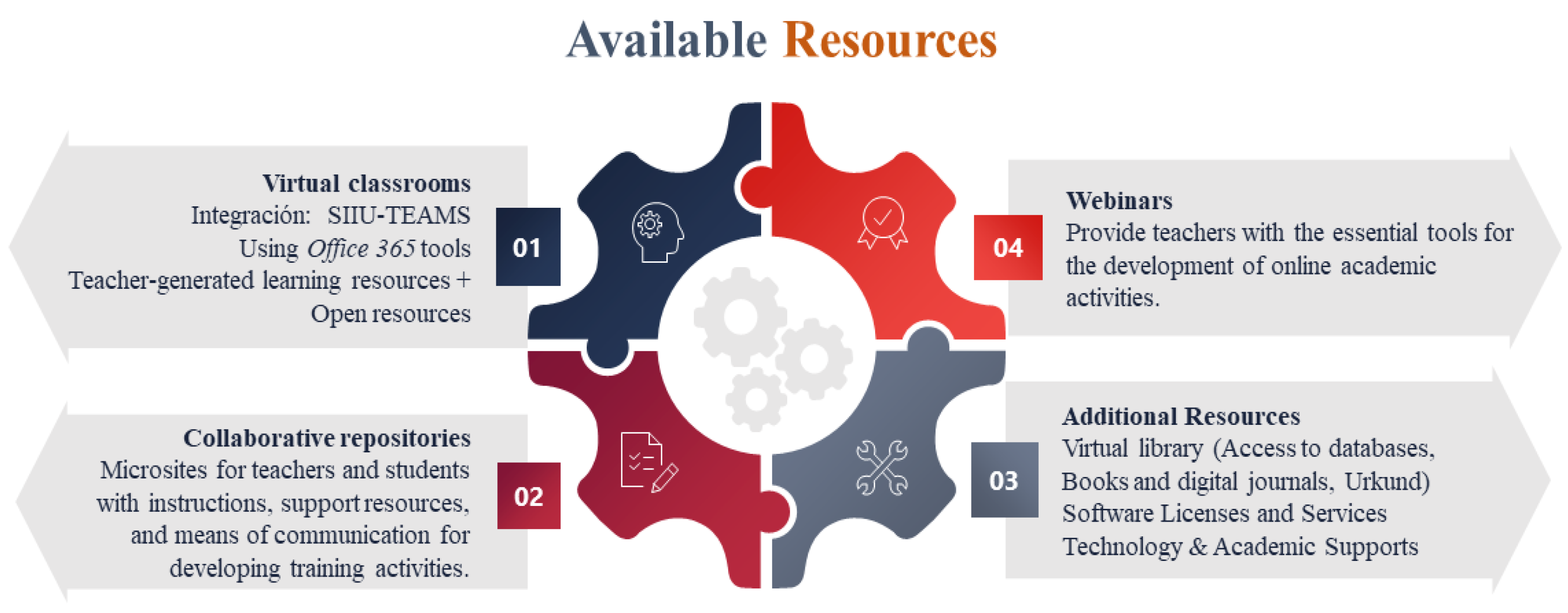
Figure 2.
Flowchart for the research project selection.

Figure 3.
Flowchart to achieve the project research to obtain the bachelor’s degree.
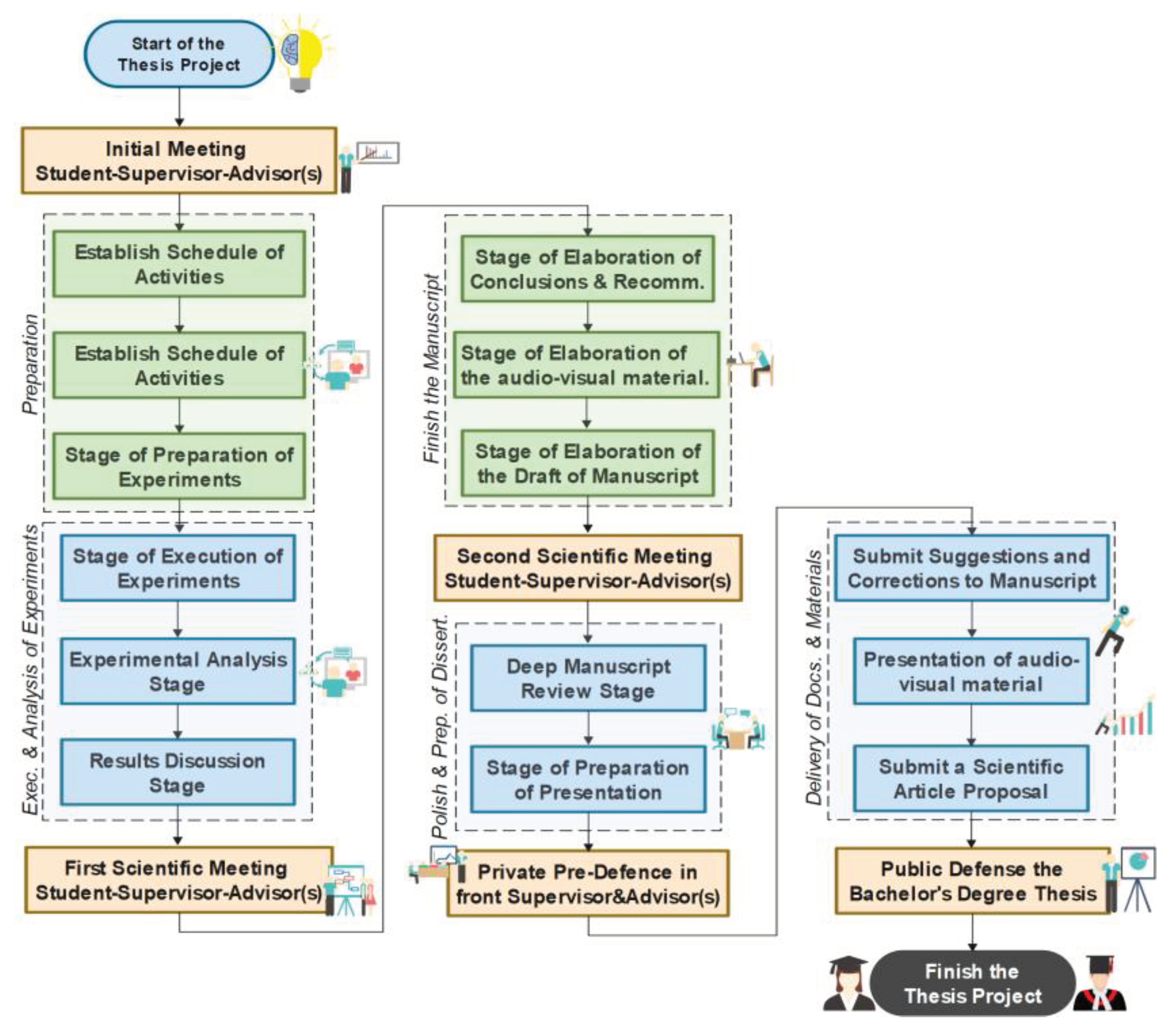
Figure 4.
Two essential components of the titling process were identified through research theses. (a) Elaboration of audio-visual material of 10 minutes explaining the thesis of the undergraduate degree investigation (Case Study No. 1); (b) BSc-in-Engineering degree Microsoft® Power-Point presentation before an ad hoc degree court with the presence of the supervisor, advisers, and authorities (Case Study No. 2).
Figure 4.
Two essential components of the titling process were identified through research theses. (a) Elaboration of audio-visual material of 10 minutes explaining the thesis of the undergraduate degree investigation (Case Study No. 1); (b) BSc-in-Engineering degree Microsoft® Power-Point presentation before an ad hoc degree court with the presence of the supervisor, advisers, and authorities (Case Study No. 2).
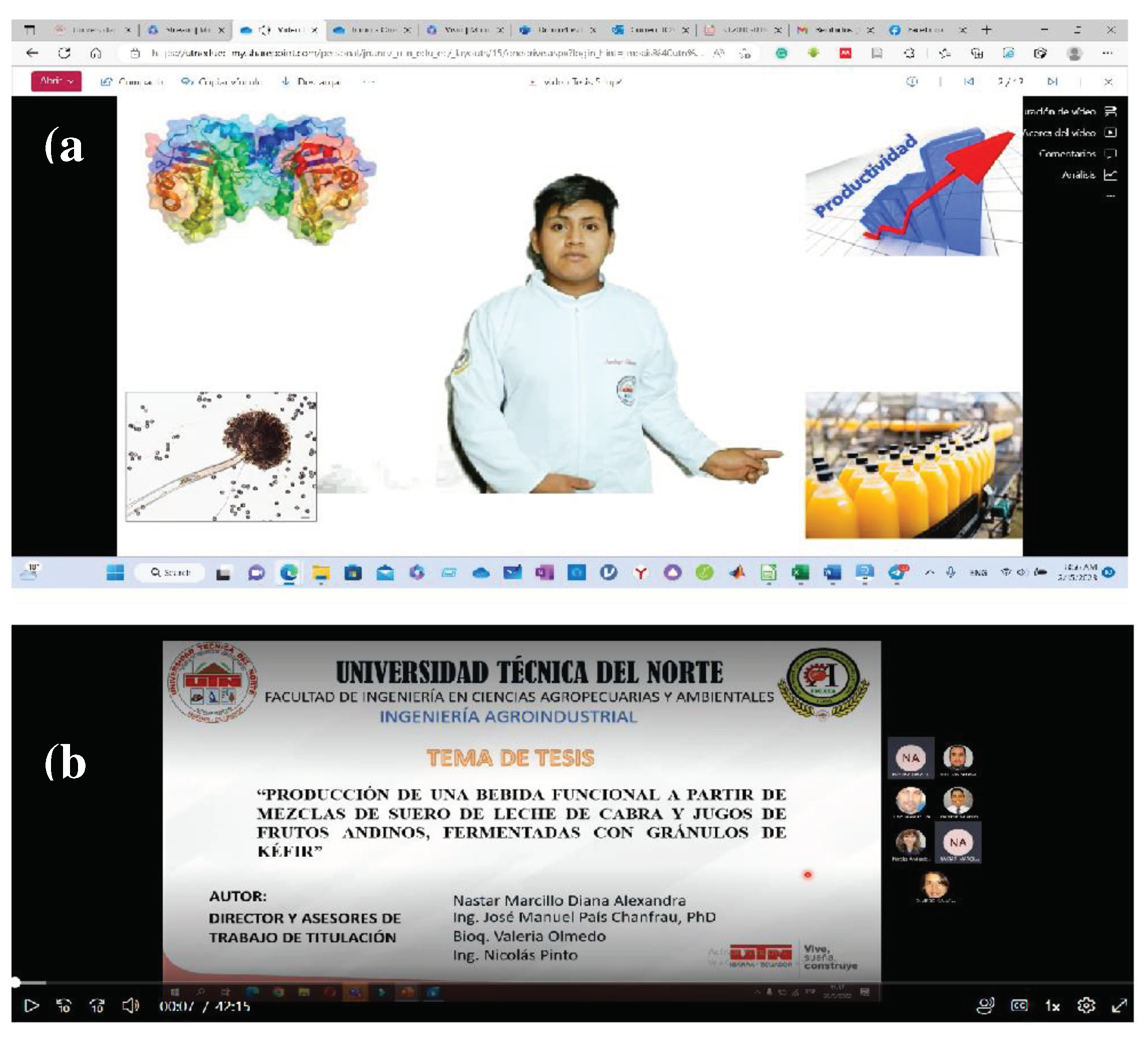
Figure 5.
Graphical Abstract Case Studio No. 1.
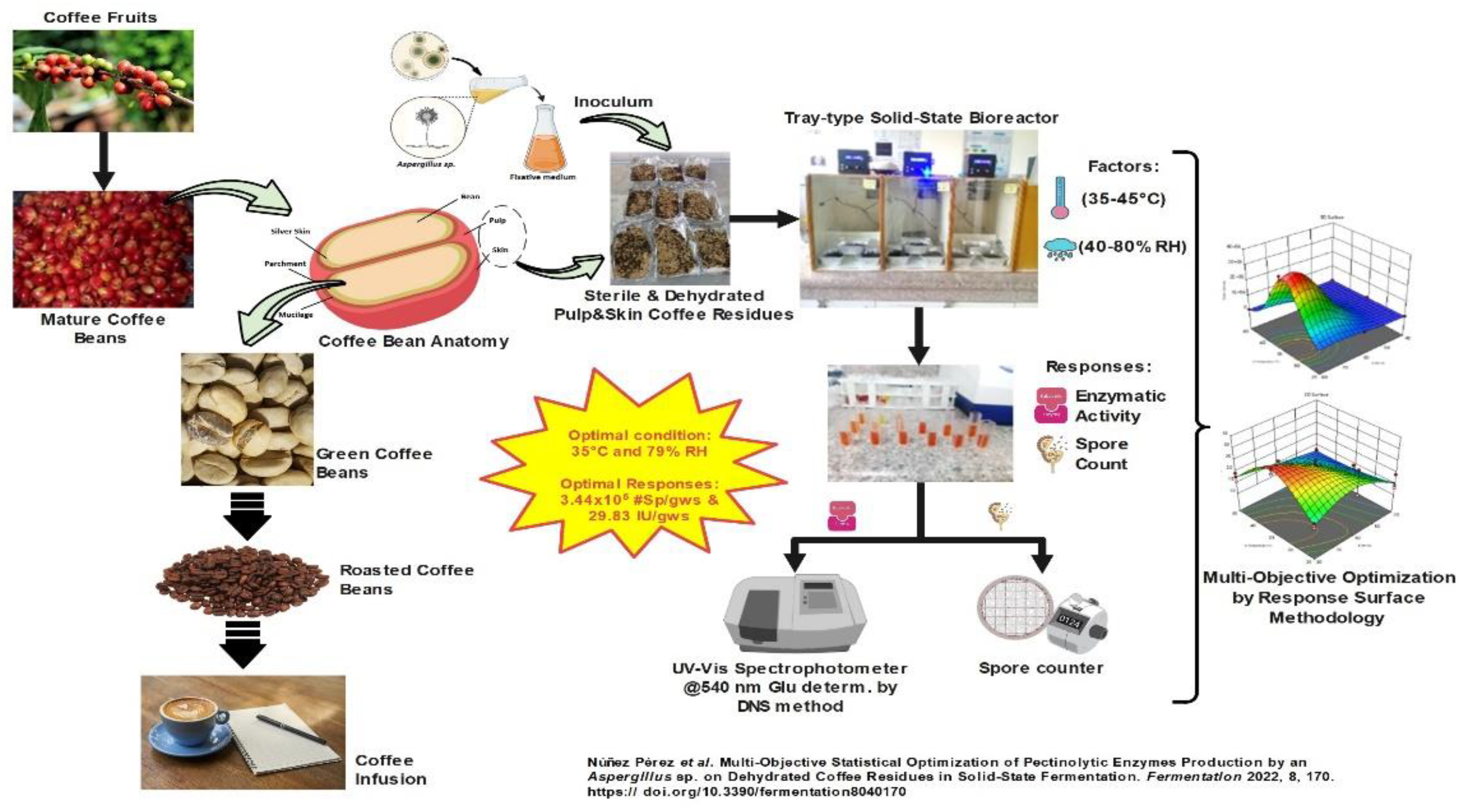
Figure 6.
Graphical Abstract Case Studio No. 2.
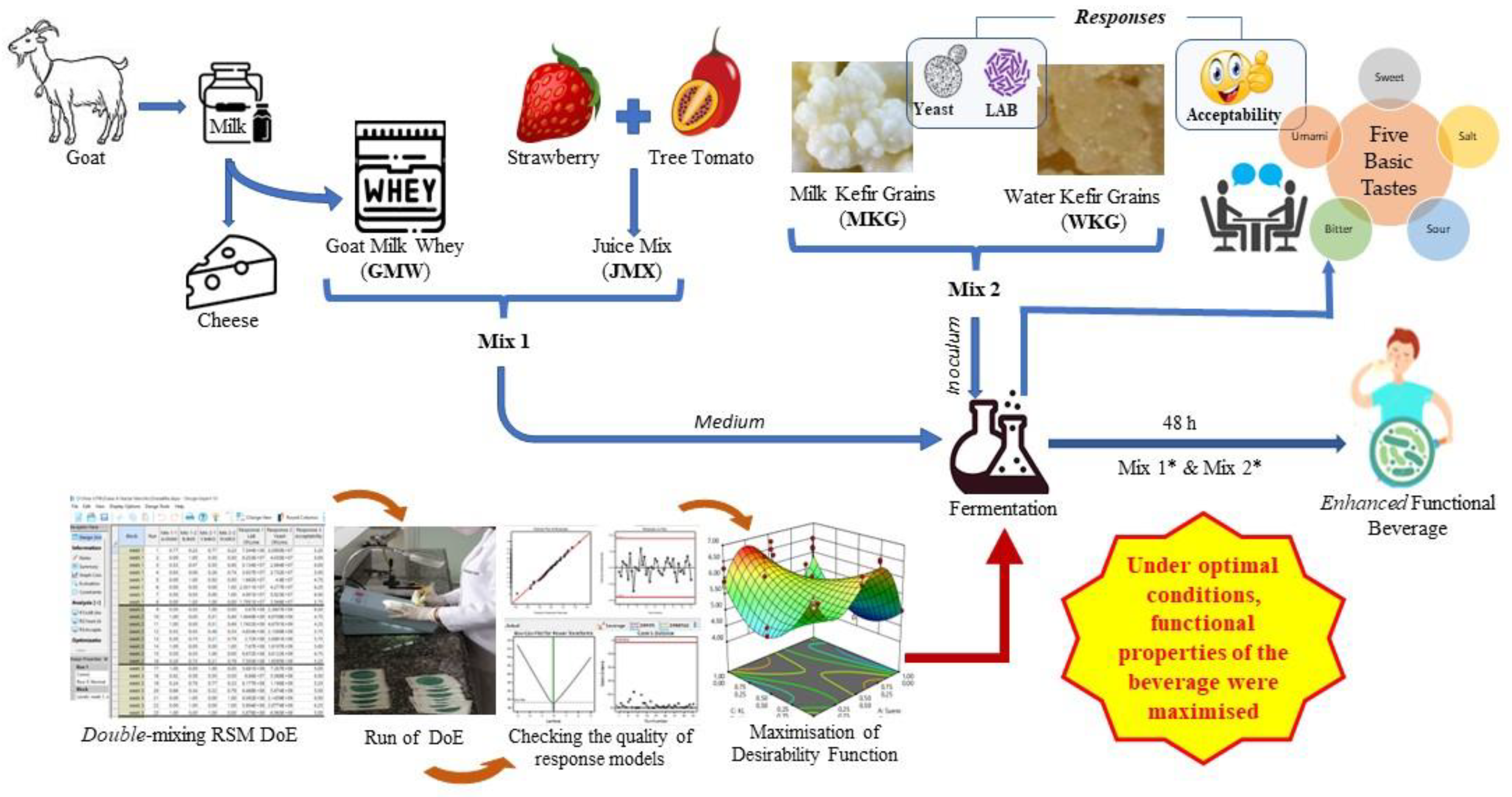
Figure 7.
Graphical Abstract Case Studio No. 3.
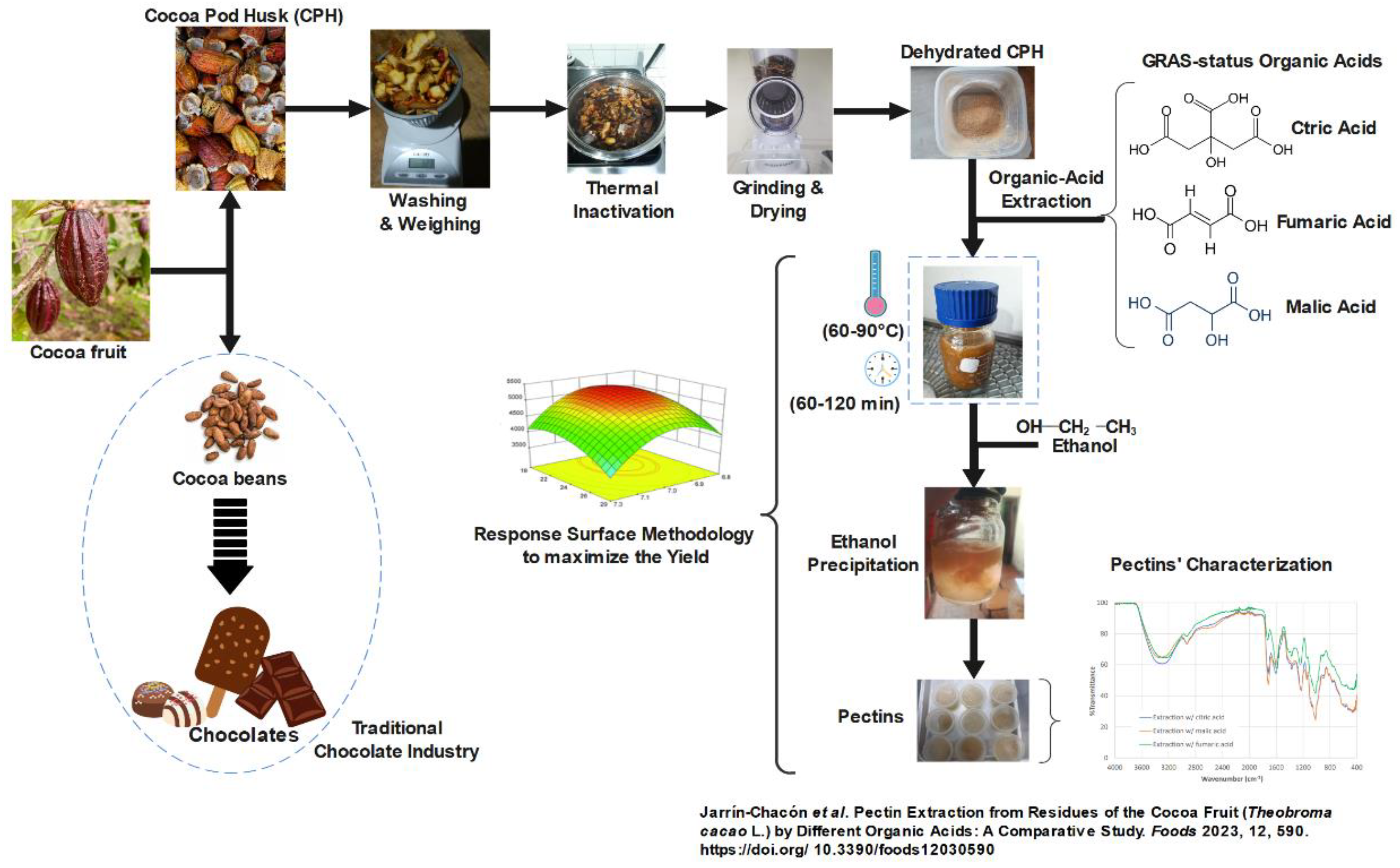
Figure 8.
Interrelation between successful and relevant academic research and peer-reviewed academic publication.
Figure 8.
Interrelation between successful and relevant academic research and peer-reviewed academic publication.
Disclaimer/Publisher’s Note: The statements, opinions and data contained in all publications are solely those of the individual author(s) and contributor(s) and not of MDPI and/or the editor(s). MDPI and/or the editor(s) disclaim responsibility for any injury to people or property resulting from any ideas, methods, instructions or products referred to in the content. |
© 2023 by the authors. Licensee MDPI, Basel, Switzerland. This article is an open access article distributed under the terms and conditions of the Creative Commons Attribution (CC BY) license (http://creativecommons.org/licenses/by/4.0/).
Copyright: This open access article is published under a Creative Commons CC BY 4.0 license, which permit the free download, distribution, and reuse, provided that the author and preprint are cited in any reuse.


