

Submitted:
29 November 2023
Posted:
30 November 2023
You are already at the latest version
Abstract
Optical wireless communication is a promising emerging technology that addresses the limitations of radio-frequency-based wireless technologies. This study presents a novel hybrid modulation for optical camera communication (OCC); it integrates two waveforms transmitted from a single transmitter light-emitting diode (LED) and received by two rolling-shutter camera devices. Then, a smart camera with a high-resolution image sensor captures the high-frequency signal, and a low-resolution image sensor from a smartphone camera captures the low-frequency signal. Through this hybrid scheme, two data streams are transmitted from a single LED lamp; this reduces the cost of the indoor OCC device compared to one that transmits two signals from two different LEDs. In proposed scheme, rolling-shutter orthogonal frequency-division multiplexing is used for the high-frequency signals, and M-ary frequency-shift keying is used for the low-frequency signals in the time domain. This proposed scheme is compatible with smart phone camera and USB camera. By controlling the OCC parameters, the hybrid scheme can be implemented with high performance for a communication distance of 10 m.
Keywords:
optical camera communication (OCC)
; hybrid OCC waveform
; IoT application
1. Introduction
Owing to the rigorous requirements for high-rate communications, technological improvements continue to increase in efficiency and overall performance. Communication systems based on wireless technologies are superior to wired communication systems because wireless communication systems are easier to construct and allow data transmission without wires. However, wireless technologies using radio frequencies (RFs) are used so frequently that they have saturated the frequency resources. Therefore, a higher frequency band is being used to increase the data rates. Many researchers are studying fifth generation (5G) mobile networks in the millimeter-wave frequency band, achieving data rates of 1–10 Gbps. However, higher frequencies can have potentially harmful side effects on human health.
Lately, there have been investigations into utilizing visible light waves for data transmission featuring three novel candidates: visible light communication (VLC), light fidelity (LiFi), and optical camera communication (OCC). These technologies have the ability to substitute RF communications. The advantages of visible light waveforms over RF for data transmission are as follows:
- Visible light waves do not harm human health if appropriate dimming and nonflicker methods are used. As mentioned in some results based on human health [1], if the optical modulation frequency exceeds 200 Hz, there is no adverse impact on the human eyes.
- The visible light bandwidth 1,000 times larger than the RF bandwidth.
- VLC is more cost-efficient than RF communication; as visible light already exists in the light infrastructure of streets and vehicles, the implementation cost is lower.
Optical wireless communication (OWC) technologies are standardized in the Institute of Electrical and Electronics Engineers (IEEE) 802.15.11 tutorial [2] and IEEE 802.15.7-2018 standard [3] for the aforementioned three candidates, namely VLC, LiFi, and OCC. Unlike VLC and LiFi that use photodiodes, OCC technology uses cameras to receive data. Previous studies [4,5] have determined that OCC system performances depend on the camera type and image quality. Two widely used camera types are presently available, namely rolling-shutter and global-shutter cameras. In the case of the global-shutter camera, the OCC data rate is contingent on the camera’s frame rate, ensuring that the sampling rate meets the Nyquist sampling criterion. On the other hand, in the rolling-shutter camera, the sampling rate is influenced by both the camera frame rate and rolling rate. VLC and LiFi have higher data rates owing to the use of photodiodes, whereas OCC has a lower data rate owing to the use of image sensors to receive the data. Nevertheless, the OCC system is preferable for applications requiring environmental mobility and long-range usage. The OCC system can be used for vehicle-to-vehicle applications [6,7], indoor localization [8,9], and Internet of Things applications [10,11,12]. The orthogonal frequency-division multiplexing (OFDM) technique is utilized to digitally encode data across numerous carrier frequencies. OFDM is often employed in high-speed communications owing to its partitioning of the bandwidth into orthogonal subcarriers, which minimizes interference-related distortions. Using the Fourier transform (FT), OFDM subcarriers can be overlapped without compromising the signal quality. Additionally, a cyclic prefix (CP) is added to the OFDM symbols to prevent distortion. In [13], a screen OCC system was presented based on 2D-OFDM with a high data rate. In [14], a rolling shutter OFDM (RS-OFDM) was proposed that had the advantages of the rolling-shutter effect of a rolling-shutter camera to transmit OFDM waveforms. A hybrid VLC/OCC was also proposed in [15], where a VLC signal was used with a different frequency to transmit a hybrid waveform at the high OCC signal level. A hybrid OOK and ACO-OFDM approach was presented for the VLC system in [16], in which the negative and positive clipping parts were used to broadcast two separate waveforms. If the signal-to-noise ratio (SNR) is low over a lengthy communication distance, this indicates certain issues with the ACO-OFDM signal in the low-level strength of the OOK signal. The present work proposes a hybrid OCC waveform that combines two OCC schemes, namely the RS-OFDM and continuous M-ary frequency-shift keying (CM-FSK). The proposed scheme uses two cameras to receive two different waveforms from a single light-emitting diode (LED) and is referred to as a hybrid OCC scheme herein.
The hybrid OCC waveform proposed here transmits two waveforms (a low-data-rate stream and a high-data-rate stream) from a single LED. Experimental results are presented to confirm that the proposed scheme can achieve high performance. While the hybrid OCC scheme is not a new concept, the main contributions of this study are as follows:
- Proposal of a new hybrid waveform combining two types of OCC waveforms, a low-frame-rate stream and a high-frame-rate stream, that is transmitted from a single LED. The two signals are transmitted simultaneously through the same optical channel with varying data rates by combining the two waveforms. Therefore, two different pieces of information from the two systems can be easily transmitted at the same time.
- Increased throughput: The total throughput of the proposed hybrid scheme is calculated by summing the individual throughputs from the two waveforms. The throughput is thus improved when compared with those of conventional schemes.
- Support for frame-rate variation: In an OCC system, frame-rate variation can be quite unpredictable. While many assume that a camera’s frame rate is fixed, such as 30 fps or 1,000 fps, each camera has a unique frame rate in reality that is determined by its technical parameters. This variability adds complexity to the task of synchronizing the transmission (Tx) and reception (Rx). However, by utilizing the sequence number in the OFDM scheme and by employing the Ab bit in the FSK scheme, any receiver with a frame rate greater than the transmitter’s packet rate can easily decode data by checking the sequence number value.
- Data merger algorithm: The sequence number and Ab bit support to address frame-rate variation and advance the OCC performance. This idea is to merge the packages into a whole data sequence in the right order.
- Using a single LED to transmit two different data streams, we can reduce cost while providing various services to users through low-complexity light sources in the communication network.
- Detecting missing packets: When the sequence number length in the OFDM scheme exceeds a certain threshold, it becomes simple to detect any missing packets by comparing the sequence numbers of two consecutive images captured by the camera.
- In an OCC system, it can be challenging to deal with complex noise, which includes issues like blurred images, interference, and irregular signal attenuation in the time domain. Nonetheless, these problems can be effectively addressed in the frequency domain by excluding the DC component of the high-data-rate stream using the RS-OFDM scheme.
- The complete hybrid OFDM–FSK symbols at the Tx are as follows: new physical protocol data unit format for the hybrid scheme and design of the pilots and channel equalization for RS-OFDM scheme.
The remainder of this manuscript is organized as follows. Section II introduces the system architecture of the proposed approach. Section III demonstrates the practical results of the hybrid OCC scheme. Section IV entails the concluding remarks of this work.
2. System Architecture
An OCC system mainly generates the intensity through which information is encoded in an optical signal. A potentially effective modulation method can improve the system’s communication capabilities. RS-OFDM scheme is used in the high-data-rate stream in the proposed system, while the CM-FSK scheme is applied to the low-data-rate stream. This section explains the different characteristics of the two OCC signals and creation of the hybrid OCC system. The schematic of the hybrid scheme is as shown in the following Figure 1.
2.1. OFDM Scheme
Depending on the concept of orthogonality, the FT was proposed in 1966 instead of a sinusoidal bank. The CP was proposed as an addition to the OFDM system in 1969 to combat intersignal interference (ISI). Researchers started deploying OFDM in wireless communications in 1980. The OFDM is calculated based on the FT as follows:
In an OWC system, especially an OCC system, the signals are encoded by the intensity of the light sources, and non-negative values are required. Thus, the OFDM signal should be preprocessed before applying the inverse discrete FT. At present, asymmetrically clipped optical OFDM and DC-biased optical-OFDM (DCO-OFDM) are two popular technologies for VLC/LiFi systems. Regardless, compared with the FT, the wavelet OFDM provides many advantages, such as no redundancy in the CP, decreased subchannel interference, and increased spectral separation. The IEEE Standard Association has standardized OFDM technology based on the wavelet transform. The advantage of the wavelet OFDM over another technology has been verified in [17], where it is demonstrated that wavelet OFDM has the spectral benefit that suppresses sidelobes and bit error rate (BER) performance better than the DCO-OFDM. In [18], wavelet OFDM applications to OWC systems are shown, where the peak-to-average power ratio of the wavelet OFDM is lesser and greater when handling channel conditions.
2.2. M-FSK Operation
M-FSK modulation technology for OCC was standardized in IEEE 802.15.7-2018 [3] based on the rolling-shutter effect. FSK is a frequency modulation scheme that transfers information through discrete frequency-signal changes. The M-FSK OCC scheme is a frequency-shift on-off keying modulation that operates with multiple frequency shifts as the light source is turned on and off. The conventional CM-FSK scheme is based on the on/off statuses of the LED, represented as the light signal’s intensity at each pixel. The LED transmits modulated data symbols that are represented by different on/off frequencies of the light source. A rolling-shutter camera then receives these with different roll pixel sizes. The bit classification is defined based on the subcarrier waveform frequency (represented by a group of rolling stripes at the image sensor).
Different frequencies correspond to various stripe features. However, given a subcarrier frequency, the width of the generating stripe will not be affected by the location, orientation, or size of the light source. To identify the subcarrier frequency of the image sensor’s captured image, fast Fourier transform is used to calculate the frequency of pixel intensity or image processing mechanisms that measure the widths of the stripes. Figure 2 represents the captured image of an M-FSK modulated signal at different subcarrier frequencies. The quantity of frequency alterations dictates how many bits are embedded in a single symbol. Meanwhile, the number of assigned frequencies specifies the number of bits concealed within a specific optical symbol signal frequency. F is the set of allocated frequencies for modulation, so each symbol represents embedded bits. The system can increase the data rate with more applied frequencies. The rolling-shutter system constrains the number of frequencies in the M-FSK scheme and number of multiple light sources. The number of pixel rows in the captured image varies inversely with distance for different communication distances. The system can accommodate various types of rolling-shutter image sensors, each with potentially different frame rates, sampling rates, and rolling-exposure durations. In this scheme, two brightness levels of the LED are used not only for the on and off statuses but also for low and high brightness levels. The purpose of this is to enhance the system data rate. Because of the two brightness statuses, the OFDM signal is embedded in all FSK signal envelopes. This cannot be applied in the OFF status of the LED.
The designed bandwidth and frequency separation of the system should be considered for compatibility with the image sensor, as defined by Equation (2):
where B is the upper bound of the modulation bandwidth, and is the frequency separation configured based on the camera parameters. The allocated frequencies also affect the maximum communication distance, which is represented by Equation (3).
where d is the communication distance, is the rolling rate of the image sensor pixel rows, L is the normalized length of the light source, and is the rolling-axis image width.
2.3. Hybrid OCC Scheme
As is shown in Figure 3, a hybrid OCC system is proposed herein that can communicate with both high and low data-rate streams using the same light source. Two OCC signals are transmitted at the same time through the hybrid waveform. This proposed system reduces cost while providing various services to users via a low-complexity light source for the communication network. Energy consumed is reduced as the required number of lamps for the communication system are reduced.
In the hybrid OCC scheme, OFDM packets of the high-frequency OCC signals are transmitted during the high period of the FSK signal and low period of the FSK signal, as is shown in Figure 7. In [15], the authors proposed a hybrid OCC system that allowed transmission of VLC signals during the high period of the OCC signal. In the proposed scheme, the high-frequency OCC signal is transmitted during both the high and low periods of the FSK signals. Therefore, the data rate increases by two times as compared to that of the conventional system. On the receiver side, two cameras detect the low-frequency and high-frequency signals, and this controls the exposure times for both the high-frequency and low-frequency waveforms. The image sensor functions as a lowpass filter, meaning that extending the exposure time results in attenuation of the high-frequency signals. As the exposure time increases, the communication bandwidth diminishes, leading to a reduction in the overall noise power distributed across the bandwidth.
- -
- Pilot
For estimating and equalizing the optical channel, the pilots should insert the OFDM signals before the OFDM waveforms are transmitted. Minimal pilot density and pilot position are important for the OFDM system for optimal performance. In [19], the pilot spacing used in each OFDM symbol was investigated and evaluated.
The maximum pilot spacing value of the OFDM symbol is , as shown in Equation (4).
where N stands for the OFDM symbol, is the frequency spacing between the subcarriers, is the OFDM bandwidth, is the time delay, and is the spatial sampling period.
The pilot spacing needs to be short for suitable interpolation performance. However, the estimation performance is not relative to the number of pilots. If the pilots are too close together, the system performance is reduced because they do not carry the desirable information. Figure 4 shows an example of the pilot positions.
- -
- Equalizer
Channel equalization is a procedure for reducing the amplitude and phase alterations. During channel equalization, the channel effect is decreased to increase system performance. The equalization technique is then applied to balance the tradeoff between the efficiency and complexity of the processes [20]. For example, this model has two adjacent pilot points: H0, H1. Based on linear interpolation, the H(x) point between H0 and is depicted as in Equation (5):
- -
- Rolling-Shutter OFDM Packet
The frame-rate variation is an important parameter in the OCC system. In most cases, it is supposed that a camera’s frame rate is fixed (e.g., 30 fps or 1,000 fps). In fact, all cameras have their own frame rates that differ based on the technical parameters. These parameters are unpredictable, making it even more difficult to synchronize the transmitter and receiver. To resolve this issue, a sequence number part is inserted into each OFDM packet, as shown in Figure 5. This assists the receiver side with assembling the packets in order and detecting any missing packets. The serial number of a packet is represented by SN. In reality, we can categorize situations based on the transmitter’s packet rate and camera’s frame rate into two scenarios. Case 1 pertains to undersampling, where the camera’s frame rate is lower than the transmitter’s (LED) packet rate. Case 2 corresponds to oversampling, where the camera’s frame rate significantly exceeds the packet rate of the transmitter. Our suggested data frame arrangement comprises numerous data packet frames, with each data subpacket (DS) containing payload data and a sequence number (SN). The DS components consist of multiple units. The SN serves as sequence information for a data packet, aiding a receiver in determining the arrival status of a new payload in situations with variable oversampling and detecting any missed payloads during undersampling conditions.
- -
- M-FSK Packet
The M-FSK modulation data structure is as shown in Figure 6 and includes two parts: the asynchronous bit (representing the clock information of the data packet) for synchronization and payload for communication data. This was proposed by us [3] as the CM-FSK scheme. The Ab bit is generated by a specific frequency of the optical light source. The data packet length should consider the image sensor frame rate and application scenario. The preamble frequency is generated by a specific frequency of the optical light source to synchronize the head and tail of the data packet, as represented by and in Table 1.
- -
- OFDM Symbol Synchronization
Before performing further activities required by the OFDM system, such as frequency synchronization and channel estimation, the symbol’s correct starting point must be determined. The goal of symbol synchronization is to achieve the start point of the OFDM symbol. In this work, we use two waveforms to transmit data based on a single LED, so that the confusion between two waveforms is reduced. The M-FSK waveform received by a smartphone can be easily detected and decoded by counting the row pixels between the “ON” and “OFF” statuses of M-FSK, as proposed in [5]. However, in the high-speed stream, we receive hybrid (O-OFDM and M-FSK) waveforms. To decode the OFDM signal in the hybrid waveform, we split the OFDM symbol from the hybrid waveform; then, the start of OFDM symbol detection is important before decoding the data. In this work, we introduced the Van de Beek [21] method for real-time detection of the O-OFDM symbol’s frame start, which relies on correlation with the CP part.
- -
- Hybrid Waveforms
As mentioned in [14], RS-OFDM scheme was designed based on intensity modulation/direct detection. It is applied to generate a multicarrier waveform, which is then converted to a voltage signage for driving the LED light source. With M-FSK, the data is transmitted based on different frequencies of the on/off statuses of the LED lamp. On the receiver side, based on the values and ranges of the on/off strips in the images, it is simple to decode the data. There are two options available to combine the FSK and OFDM waveforms. Case 1: As shown in Figure 7a, only the OFDM symbols will be placed in the high period of the FSK signal as the FSK signal is based on the LED’s on and off statuses. Since the value is 0 V in the FSK signal’s low period, no OFDM signals can be placed there. Case 2: The conventional M-FSK scheme will be updated. Two intensities are used to describe the on/off statuses on the transmitter side. For example, 5 V and 10 V are used to describe the on/off statuses instead of 0 V and 10 V in the conventional M-FSK scheme. Therefore, the OFDM symbols can be placed in both the high and low FSK signal periods. In case 2, the rate of the high data stream is increased by two times as compared to that of case 1. The hybrid waveform is shown in Figure 7b.
As mentioned previously, the hybrid waveform is created from two waveforms: M-FSK and RS-OFDM. Therefore, the M-FSK frequencies must carefully consider the clock rate of the RS-OFDM and OFDM symbol length (shown in Table 1). Table 1 illustrates the relationship between the clock rate and FSK frequencies. As n OFDM symbols (n = 1, 2, 3, 4, ...) are required in each period of the FSK signal, the illustrate the preamble frequency of the M-FSK signal. This signal is calculated based on the clock rate and length of the OFDM symbol as follows:
The clock rate of the hybrid scheme is , length of the OFDM frame is , and n is the number of OFDM symbols in each period (low or high) of the FSK signal (n = 1, 2, 3, ...). The cycle of a hybrid signal has two cases (mentioned above). These are shown in Equations (9) and (10).
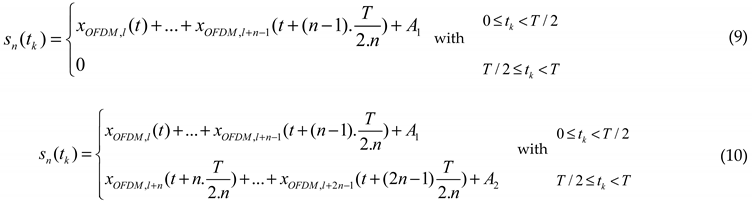
Figure 7.
Hybrid waveform: (a) OFDM symbols embedded only in the high period of the FSK signal; (b) OFDM symbols embedded in the high and low periods of the FSK signal.
Figure 7.
Hybrid waveform: (a) OFDM symbols embedded only in the high period of the FSK signal; (b) OFDM symbols embedded in the high and low periods of the FSK signal.
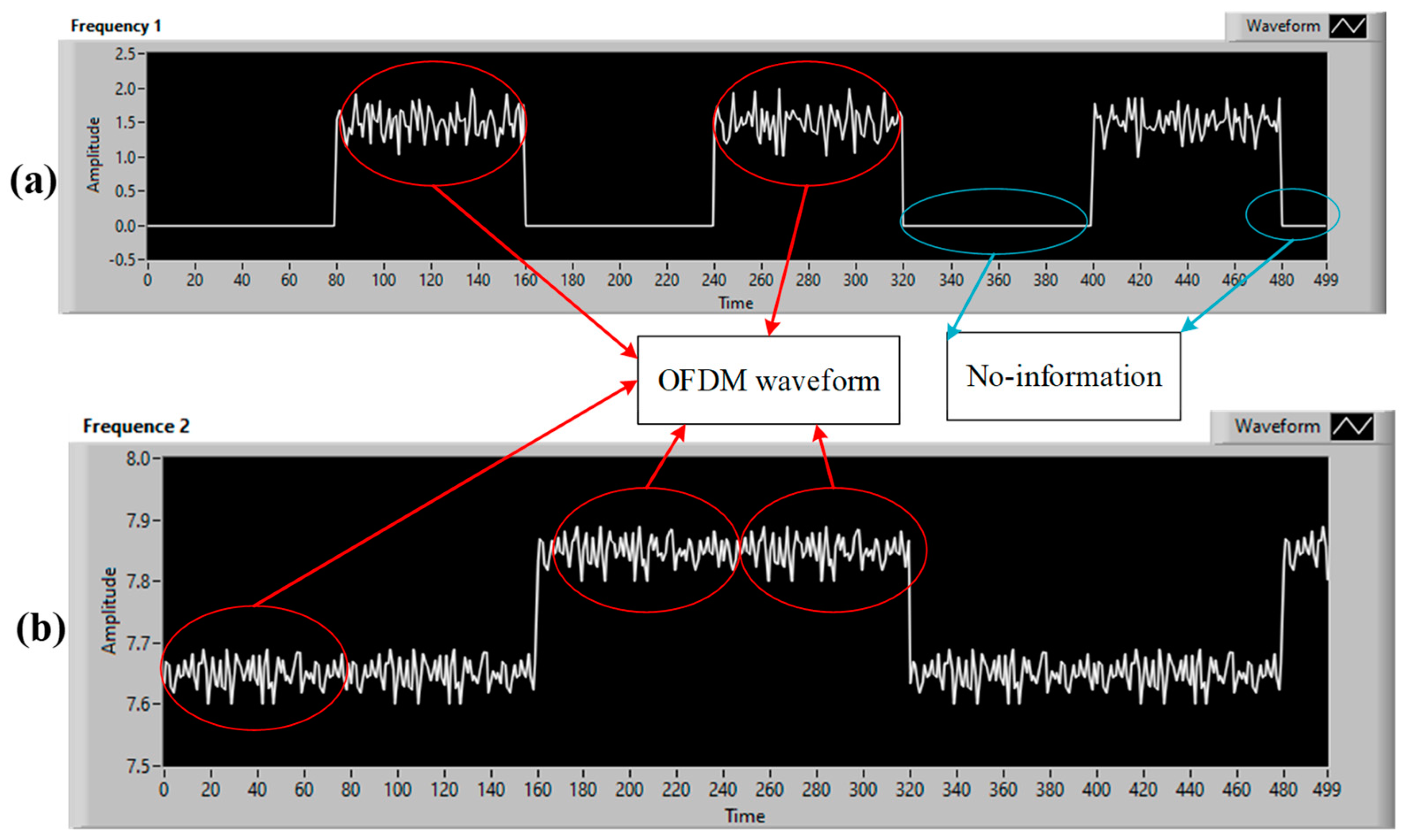

Table 1.
4-FSK encoding table.
| A packet of bits input | Frequency output |
|---|---|
| Preamble 1 | f0 |
| 00 | |
| 01 | |
| 10 | |
| 11 | |
| Preamble 2 (Ab bit frequency) |
Here, is the lth OFDM symbol, and n is the number of OFDM symbols in each FSK signal period; T is the cycle of FSK waveforms. The two direct current voltage bias values are () for the OFDM symbols. As is shown in Table 1, sn(tk) is the fn−1 waveform. As noted in Table 1, the six frequencies correspond to n = 1 to 6. The cycle of the OFDM symbol is . The relationship between the cycle of OFDM symbol and cycle of M-FSK waveform, T, is as in Equation (11).
To guarantee a flicker-free condition, the full hybrid waveform (multiple waveform cycles) is expressed as follows:
As shown in Equations (9) and (10), it is assumed that the OFDM symbol’s cycle is constant, so the cycle of the FSK signal is based on the number of OFDM symbols in each high period of the FSK signal. Accordingly, the frequencies of the FSK signal are shown in Table 1. The relationships between the optical clock rate (carrier frequency) and FSK scheme frequencies are depicted in Table 1.
3. Implementation Results
The hybrid OCC scheme proposed in this study was constructed several times with different cameras to verify the frame variation effects. Figure 8 presents the original captured image frame, top view of the illumination profile, and quantized intensity profile with the proposed hybrid OCC waveform. The experimental setup of the proposed scheme is depicted in Figure 9. The outputs of the hybrid system were created and provided by the NI USB-6351 DAQ board. An LED lamp (10 V, 5 W) was used to display the hybrid waveform. The LED was connected to the NI USB-6351 DAQ board. On the receiver side, two cameras were used; one was a USB camera (FL3-U3-132C-CS, frame rate 60 fps, focal lens 15 mm, image resolution 1,440 × 1,080), and the other was a smartphone camera (Samsung Galaxy S7 Edge, frame rate 240 fps, image resolution 1,028 × 960).
The signals received by the smartphone camera are shown in Figure 10, and the signals received by the USB camera are shown in Figure 11. Figure 11 demonstrates that the high-frequency OFDM signals are carried by both the high and low levels of the FSK signals. The starting point of the OFDM symbol can be detected accurately in real time by the Van de Beek algorithm, and the OFDM signal can be removed from the hybrid waveform before decoding. Then, the performances of the hybrid system in the two data streams can be guaranteed. The smartphone camera easily decodes the FSK signal. As shown in Figure 10 and Figure 11, the M-FSK receiver can easily decode data by measuring the black and white strips in the received images, but we have to split the OFDM symbol within the hybrid waveform in the OFDM receiver. Based on the correction between the CP parts in each of the OFDM symbols, we can find the start point of the OFDM symbol in real time so as to split and decode the OFDM waveform easily from the received hybrid waveform.
In the low data stream, a 4-FSK modulation scheme was applied. The detailed specifications of the 4-FSK scheme are presented with its six frequencies in Table 1. RS-OFDM scheme was applied (relationship between OFDM modulation and 4-FSK scheme is shown in Table 1). The length of SN was selected to be compatible with the asynchronous processes, such as asynchronous decoding, detection of missing data segments, and data merging technique. Table 2 presents the various experimental results and parameters. The hybrid OCC system experiments involved assessing the camera’s frame-rate variations, which ranged between 50 fps and 60 fps.
Table 2.
Hybrid OCC system parameters.
| Tx Side | ||
| Optical clock rate | 19.448 kHz | 43.413 kHz |
| OFDM symbol length | 64 | 128 |
| FEC | RS(15,11) | |
| Packet rate | 20 packet/s | |
| LED type | 12 V, 2.5 W | |
| Rx Side | ||
| Camera type | PointGrey rolling-shutter camera | |
| Camera frame rate | 60 fps | |
| Throughput | 2.560 kbps | 5.120 kbps |
| Camera type | Smartphone camera (Samsung S7 Edge) | |
| Camera frame rate | 240 fps | |
| Throughput | 40 bps | 80 bps |
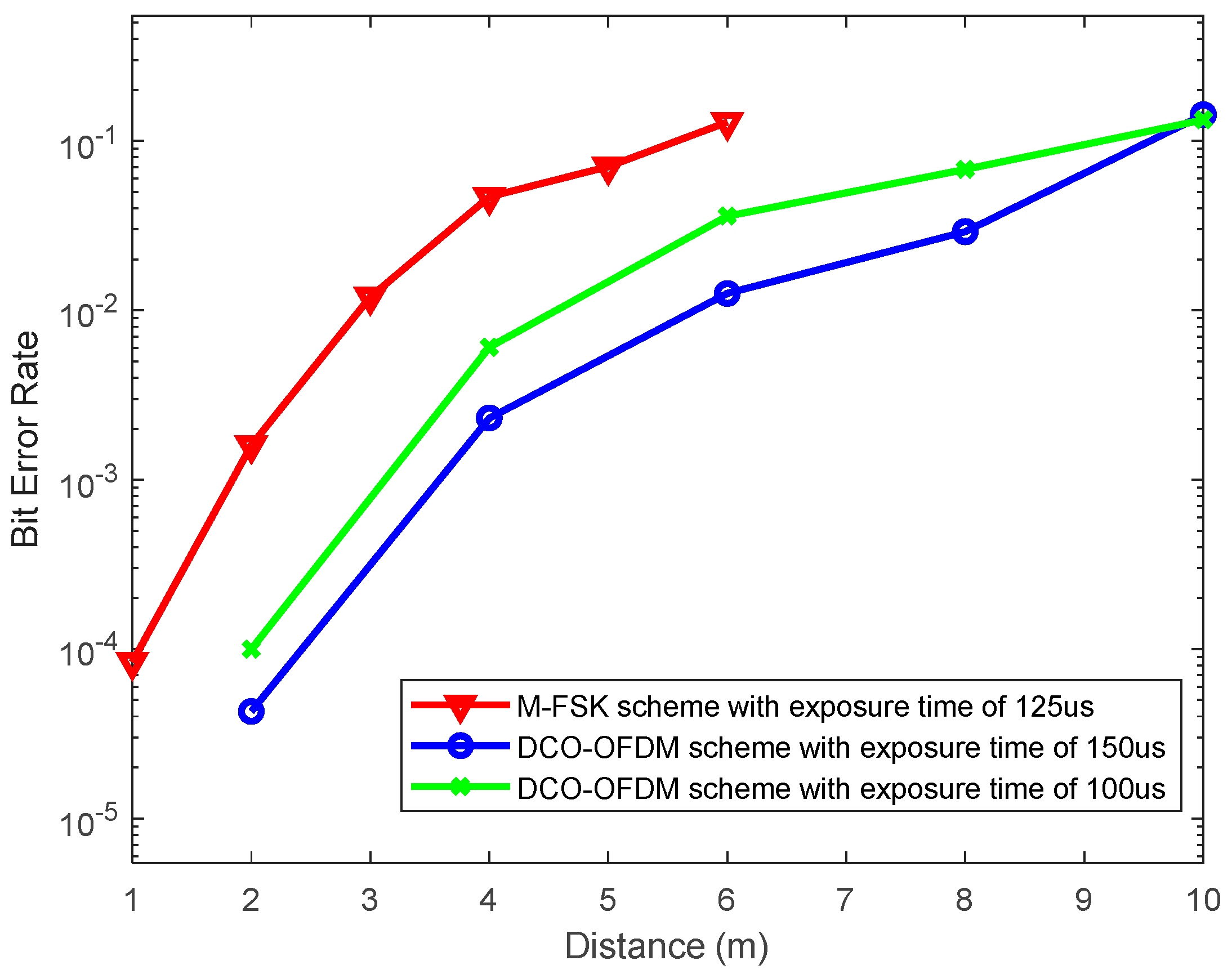
Figure 12 shows the hybrid OCC system’s implementation results for different communication distances and exposure times in the indoor scenario. Figure 12 demonstrates that the M-FSK scheme achieves a BER of at a communication distance of 1 m using the Samsung S7 Edge camera. The DCO-OFDM scheme achieves a BER of at a communication distance of 4 m with the PointGrey rolling-shutter camera with a focal length of 16 mm. As mentioned above, the pixel SNR values are regulated by controlling the exposure times to increase the communication distances. However, the shutter speeds can cause fuzziness on the receiver side, reducing the communication bandwidth. Using the C-mount lens specification for a flange back distance of 16 mm for the FL3-U3-132C-CS camera, we can achieve a communication distance of 10 m. As mentioned above, we can increase the exposure time to increase the communication distance, but the communication bandwidth is reduced, thereby reducing the total noise power spread over the bandwidth. Hence, we utilize the forward error correction technique to increase the hybrid OCC performance and mitigate the larger fraction of fuzzy states. The proposed hybrid scheme was implemented with a single LED at a communication distance of 0.5 m (our demonstration video can be found online at https://youtu.be/xaEDnNNrjW0).
4. Conclusions
This work presents and discusses a hybrid scheme using OCC that integrates two waveforms transmitted from a single transmitter LED and received by two different rolling camera devices. A smart camera with a high-resolution image sensor captures the high-frequency signal, and a low-resolution image sensor smartphone camera captures the low-frequency signal. This scheme enables various applications (two waveforms with two data streams) with low cost and low complexity owing to the use of a single LED to transmit two different data streams for different services. In the proposed scheme, M-FSK modulation was utilized for the low-rate OCC stream, while RS-OFDM scheme was utilized for the high-rate OCC stream. The RS-OFDM symbols increase the hybrid system’s data rate using both the high and low periods of the FSK waveform. The relationship between the FSK and OFDM signals is also discussed herein to highlight the study contributions. Additionally, a frame structure was proposed using sequence numbers and Ab bits in the OFDM and FSK signals to mitigate the frame-rate variation effect, which is a critical phenomenon in OCC systems.
Supplementary Materials
Supplementary Materials can be seen at: https://youtu.be/xaEDnNNrjW0. The supplementary material video shows the implementation of the proposed scheme at a distance of 0.5 m.
Author Contributions
All authors contributed to this paper: H.N. proposed the idea and implemented the methodology; N.T.L. reviewed the work, performed the experiments, and edited the paper; D.T.A.L. reviewed the work; Y.M.J. supervised the work and provided funding support. All authors have read and agreed to the published version of the manuscript.
Funding
This research was supported by the Ministry of Science and ICT (MSIT), Korea, under the Information Technology Research Center (ITRC) support program (IITP-2018-0-01396) supervised by the Institute for Information & communications Technology Promotion (IITP); this work was also supported by a National Research Foundation of Korea (NRF) grant funded by the Korean government (MSIT) (No. 2022R1A2C1007884).
Conflicts of Interest
The authors declare no conflict of interest.
References
- Rajagopal, S.; Roberts, R.D.; Lim, S.Kyu. IEEE 802.15.7 visible light communication: Modulation and dimming support. IEEE Commun. Mag. 2012, 50, 72–82. [CrossRef]
- An overview on high-speed optical wireless/light communications. Available online: https://mentor.ieee.org/802.11/dcn/17/11-17-0962-02-00lc-an-overview-on-high-speed-optical-wireless-light-communications.pdf (accessed on 27 October 2023).
- IEEE-SA. IEEE Std 802.15.7-2018-IEEE standard for local and metropolitan area networks-part 15.7: Short-range wireless optical communication using visible light, 2018.
- Nguyen, T.; Islam, A.; Hossan, T.; Jang, Y.M. Current status and performance analysis of optical camera communication technologies for 5G networks. IEEE Access 2017, 5, 4574–4594. [Google Scholar] [CrossRef]
- Nguyen, T.; Islam, A.; Yamazato, T.; Jang, Y.M. Technical issues on IEEE 802.15.7m image sensor communication standardization. IEEE Commun. Mag. 2018, 56, 213–218. [Google Scholar] [CrossRef]
- Yun-Han Chang, Shang-Yen Tsai, Chi-Wai Chow, Chih-Chun Wang, Deng-Cheng Tsai, Yang Liu, and Chien-Hung Yeh, "Unmanned-aerial-vehicle based optical camera communication system using light-diffusing fiber and rolling-shutter image-sensor," Opt. Express 31, 18670-18679, 2023. [CrossRef]
- Cahyadi, W.A.; Chung, Y.H.; Ghassemlooy, Z.; Hassan, N.B. Optical camera communications: Principles, modulations, potential and challenges. Electronics 2020, 9, 1339. [Google Scholar] [CrossRef]
- Feng, M.; Wang, Y.; Li, M.; Liu, S.; Huang, G.; Li, P. Design of OCC Indoor Positioning System Based on Flat Panel Light and Angle Sensor Assistance. Appl. Sci. 2023, 13, 4745. [Google Scholar] [CrossRef]
- White, I.; Curry, E.; Borah, D.K.; Stochaj, S.J.; Tang, W. An optical spatial localization algorithm using single temporal difference image sensor. IEEE Sens. Lett. 2019, 3, 1–4. [Google Scholar] [CrossRef]
- Nguyen, H.; Nguyen, V.L.; Tran, D.H.; Jang, Y.M. Rolling Shutter OFDM Scheme for Optical Camera Communication Considering Mobility Environment Based on Deep Learning. Applied Sciences 2022, 12, 8269. [Google Scholar] [CrossRef]
- S. R. Teli, C. S. R. Teli, C. Guerra-Yanez, V. M. Icaza, R. Perez-Jimenez, Z. Ghassemlooy and S. Zvanovec, "Hybrid Optical Wireless Communication for Versatile IoT Applications: Data Rate Improvement and Analysis," IEEE Access, vol. 11, pp. 55107-55116, 2023. [CrossRef]
- Shao, S.; Khreishah, A.; Khalil, I. Enabling real-time indoor tracking of IoT devices through visible light retroreflection. IEEE Trans. Mob. Comput. 2020, 19, 836–851. [Google Scholar] [CrossRef]
- Nguyen, T.; Thieu, M.D.; Jang, Y.M. 2D-OFDM for optical camera communication: Principle and implementation. IEEE Access 2019, 7, 29405–29424. [Google Scholar] [CrossRef]
- Nguyen, H.; Thieu, M.D.; Nguyen, T.; Jang, Y.M. Design and Implementation of RS-OFDM scheme for Optical Camera Communication based on Deep Learning. IEEE Photon. J. 2019, 11, 1–17. [Google Scholar] [CrossRef]
- Nguyen, D.T.; Park, S.; Chae, Y.; Park, Y. VLC/OCC hybrid optical wireless systems for versatile indoor applications. IEEE Access 2019, 7, 22371–22376. [Google Scholar] [CrossRef]
- Yang, F.; Gao, J.; Liu, S. Novel visible light communication approach based on hybrid OOK and ACO-OFDM. IEEE Photon. Technol. Lett. 2016, 28, 1585–1588. [Google Scholar] [CrossRef]
- Hosseini, H.; Fisal, N.; Syed-Yusof, S.K. Wavelet packet-based multicarrier modulation for cognitive UWB systems. SPIJ 2010, 4, 75–84. [Google Scholar]
- Huang, W.; Gong, C.; Xu, Z. System and waveform design for wavelet packet division multiplexing-based visible light communications. J. Lightwave Technol. 2015, 33, 3041–3051. [Google Scholar] [CrossRef]
- Hanzo, L.; Munster, M.; Choi, B.J.; Keller, T. OFDM and MC-CDMA for Broadband Multi-User Communications WLANs and Broadcasting, 1st ed.; John Wiley & Sons: New Jersey, USA, 2003. [Google Scholar]
- Dong, X.; Lu, W.; Soong, A.C.K. Linear interpolation in pilot symbol assisted channel estimation for OFDM. IEEE Trans. Wirel. Commun. 2007, 6, 1910–1920. [Google Scholar] [CrossRef]
- Van de Beek, J.; Sandell, M.; Borjesson, P.O. ML estimation of time and frequency offset in OFDM systems. IEEE Trans. Sig. Process. 1997, 45, 1800–1805. [Google Scholar] [CrossRef]
Figure 1.
Example of the hybrid OCC applications.
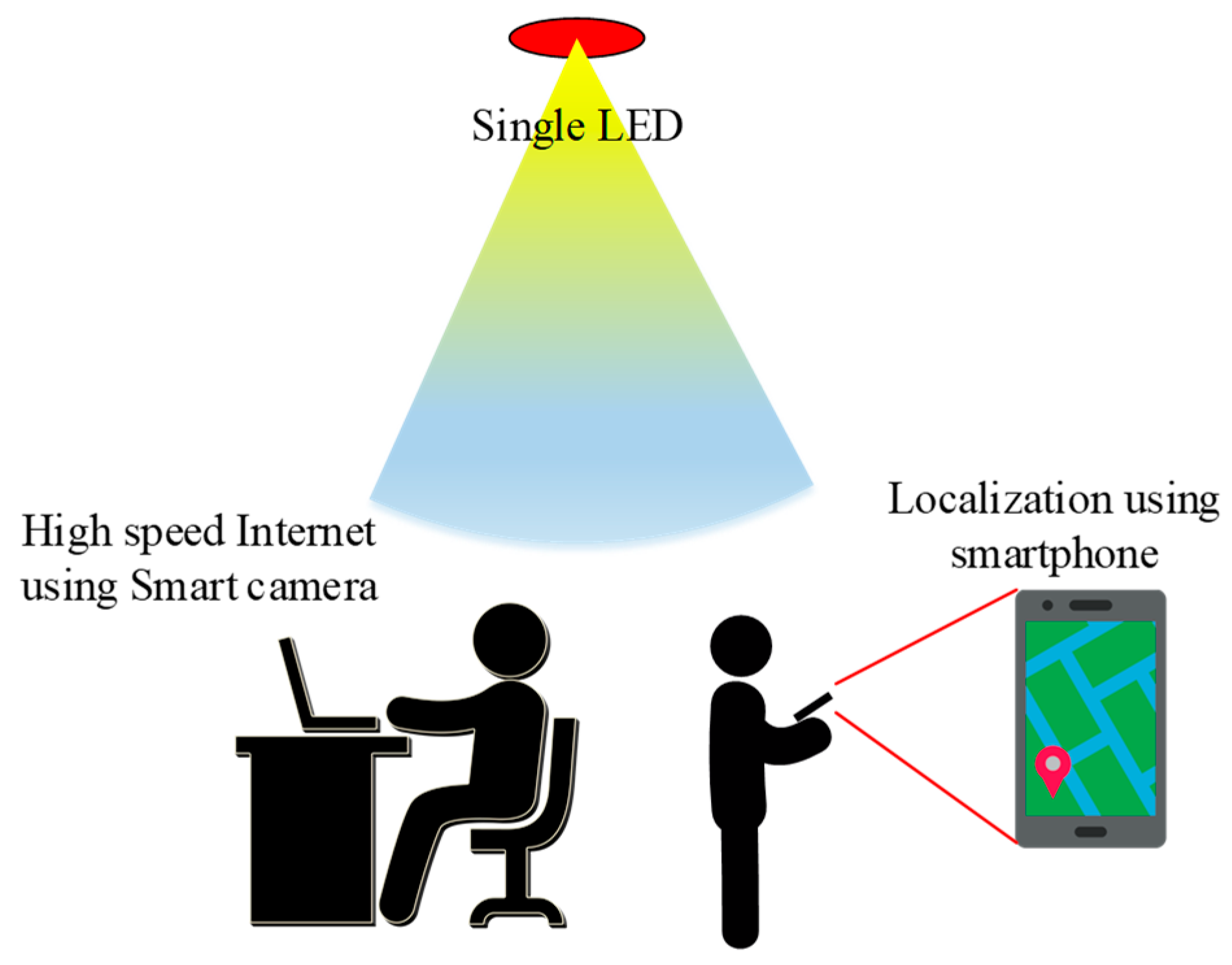
Figure 2.
M-FSK signals at (a) 2 kHz, (b) 1 kHz, and (c) 500Hz.
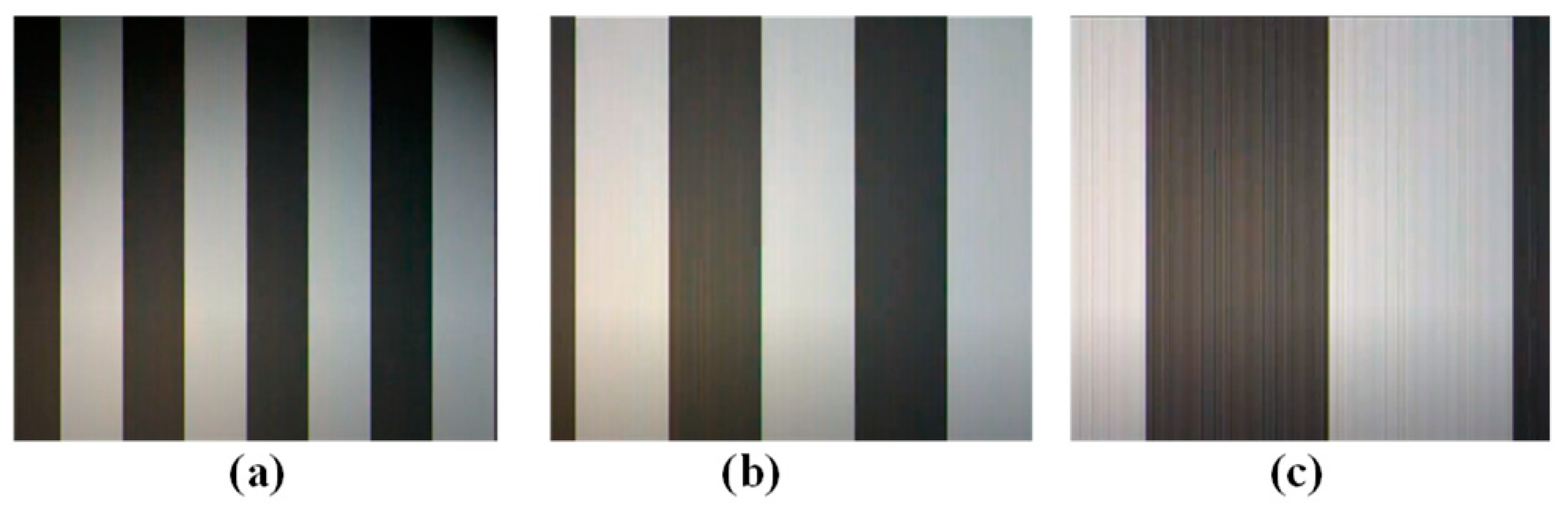
Figure 3.
System architecture of the proposed hybrid scheme.
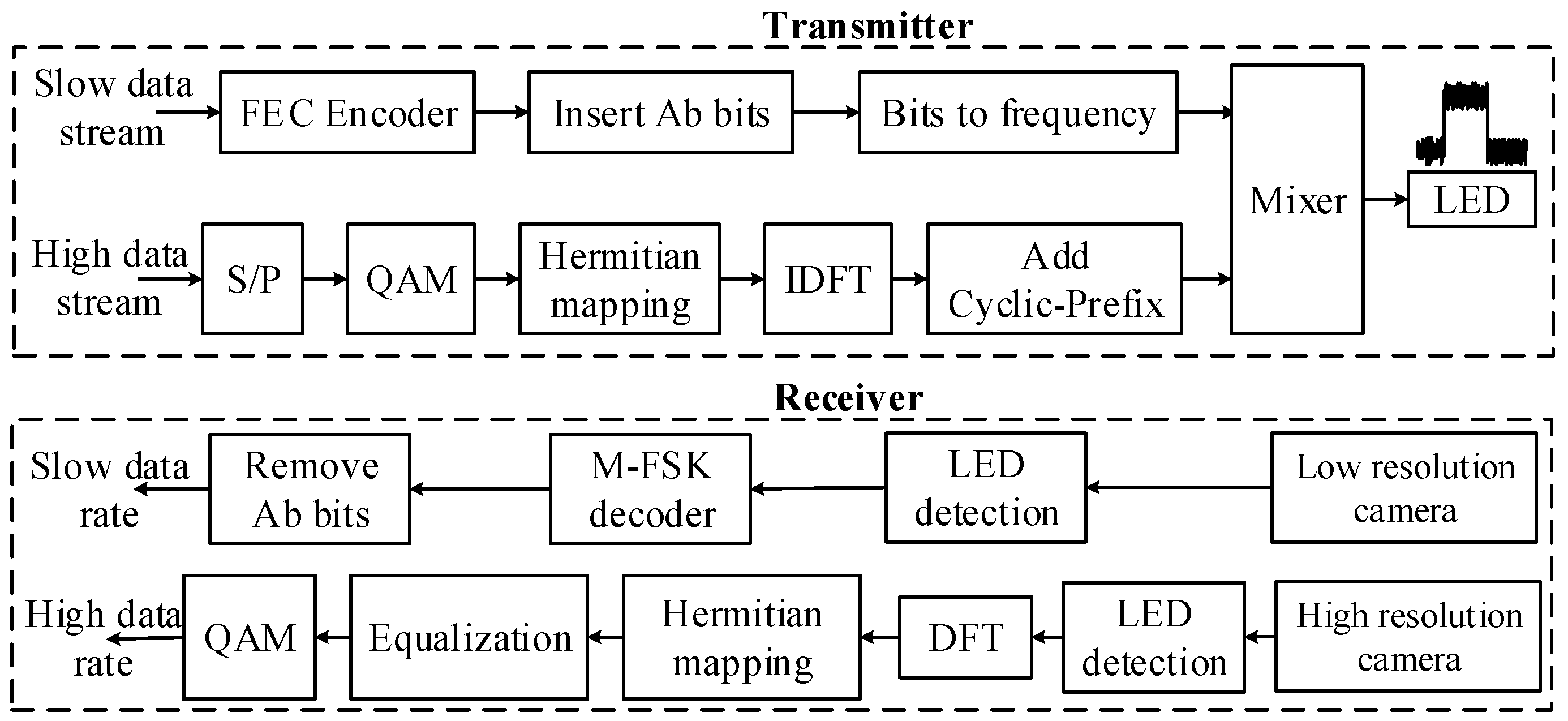
Figure 4.
Example of a pilot position in the rolling-shutter OFDM symbol.
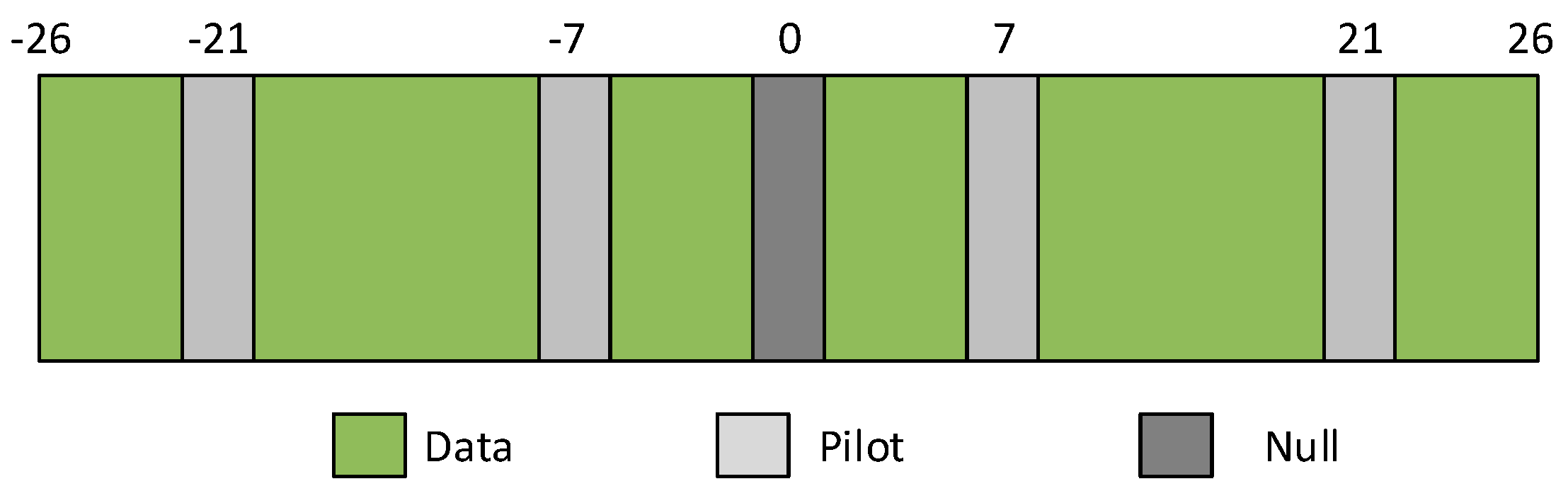
Figure 5.
Data frame structure of the rolling-shutter OFDM scheme.
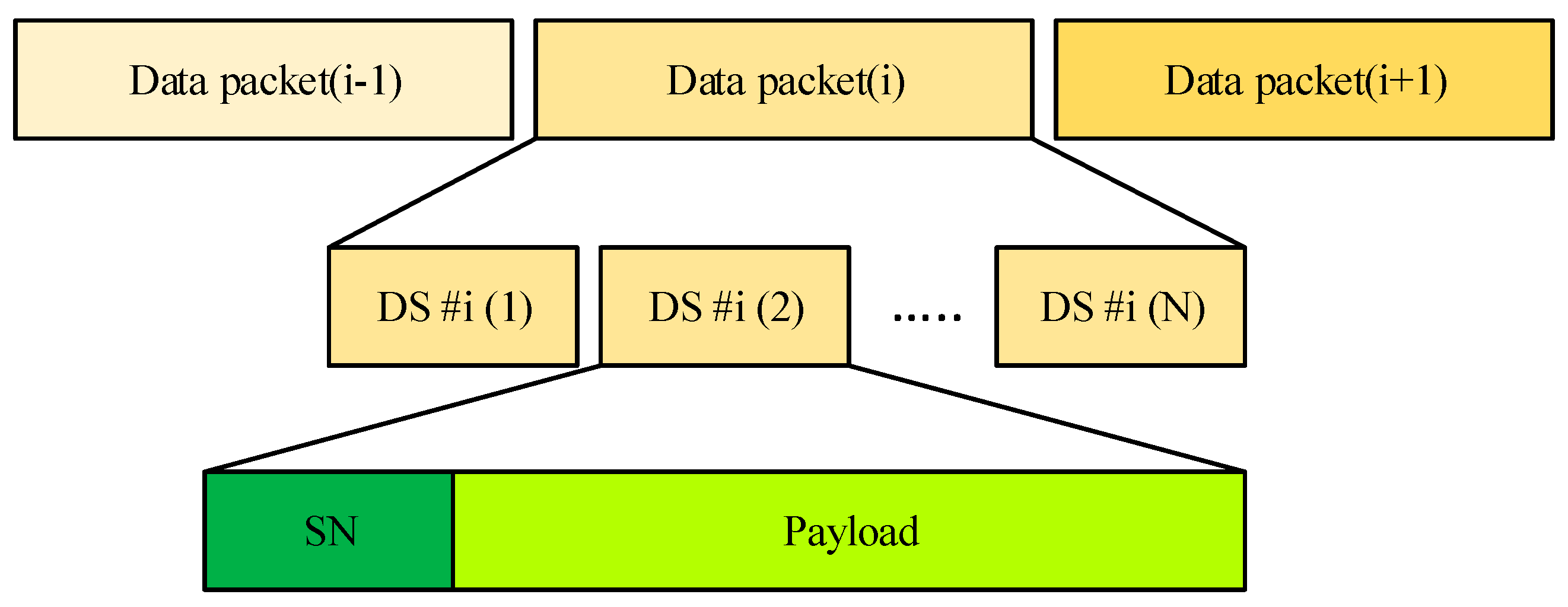
Figure 6.
Data frame structure of the M-FSK scheme.
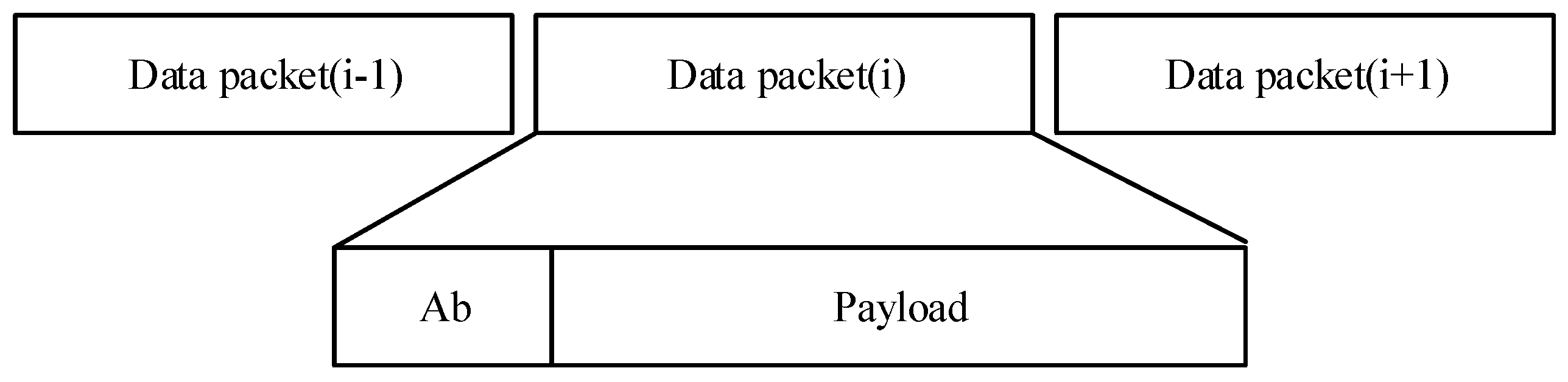
Figure 8.
Performance analysis of the proposed hybrid scheme with a single LED: (a) original captured images frame; (b) top view of the illumination profile; (c) quantized intensity profile at a distance of 50 cm using a smartphone camera.
Figure 8.
Performance analysis of the proposed hybrid scheme with a single LED: (a) original captured images frame; (b) top view of the illumination profile; (c) quantized intensity profile at a distance of 50 cm using a smartphone camera.
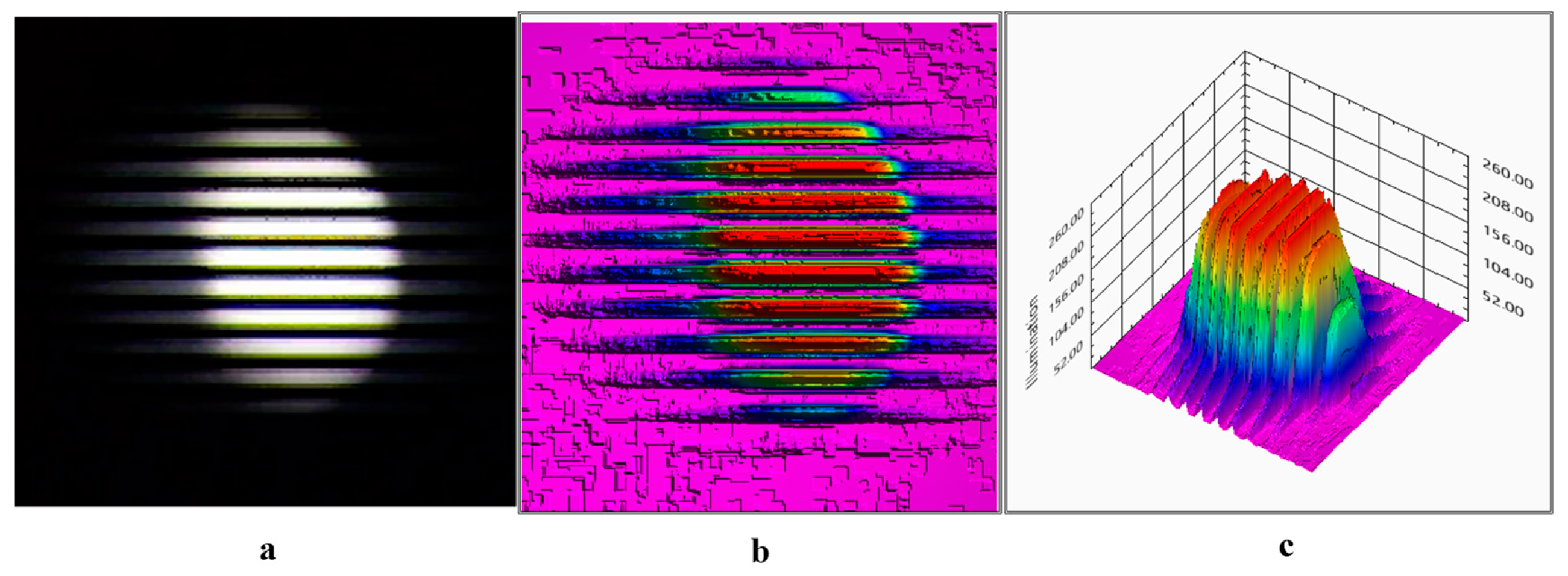
Figure 9.
Setup of the hybrid OCC system.
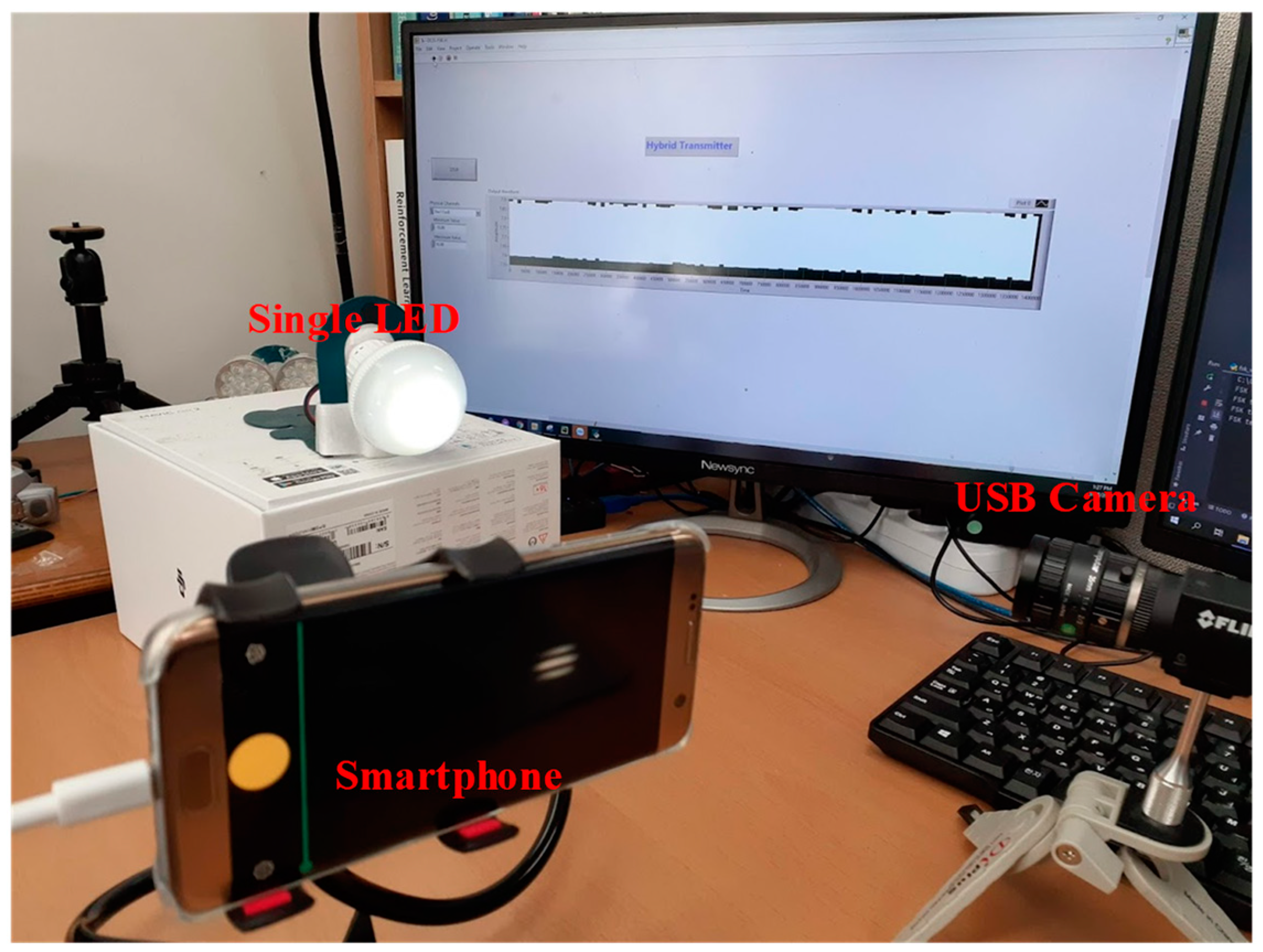
Figure 10.
Received signals by the smartphone camera at 1 m: (a) original pattern; (b) hybrid waveform.
Figure 10.
Received signals by the smartphone camera at 1 m: (a) original pattern; (b) hybrid waveform.
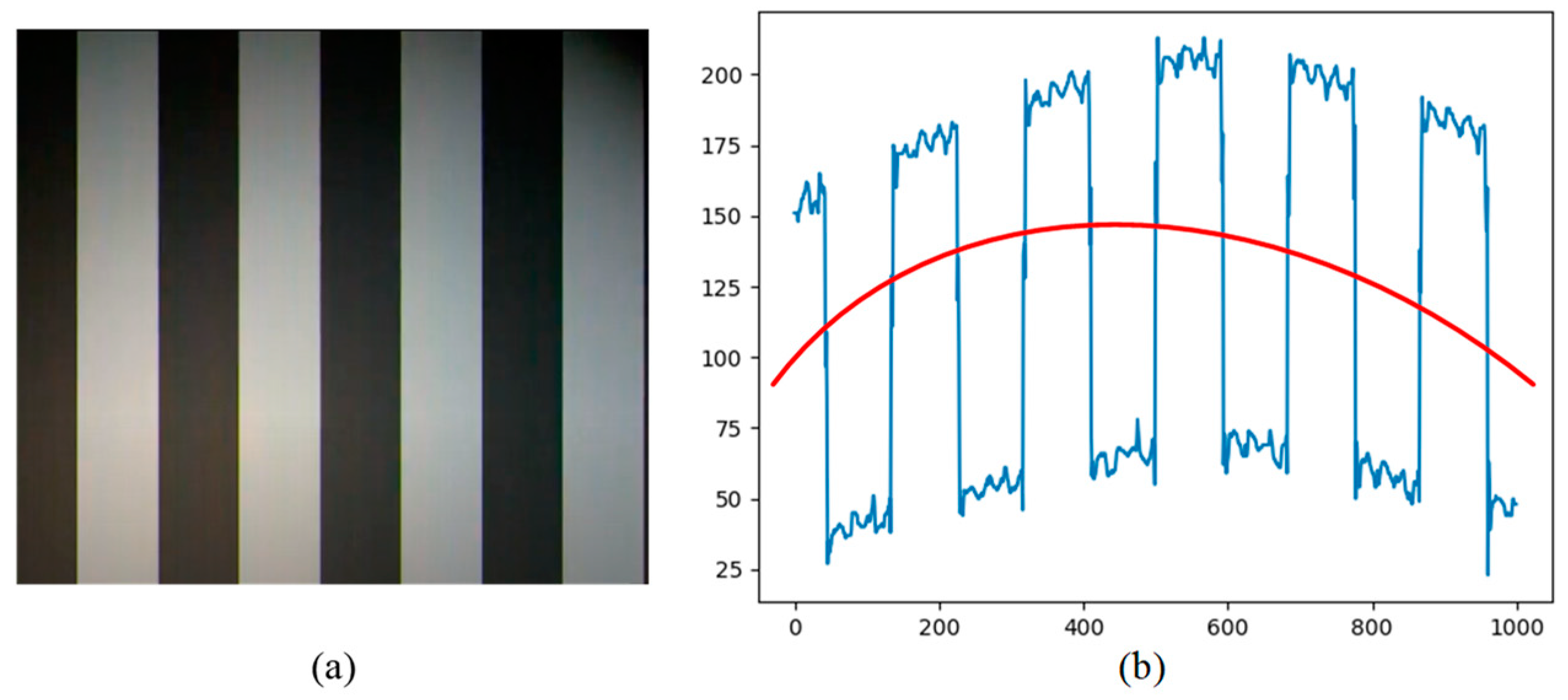
Figure 11.
Received signals by the USB camera FL3-U3-132C-CS (PointGrey rolling-shutter camera).
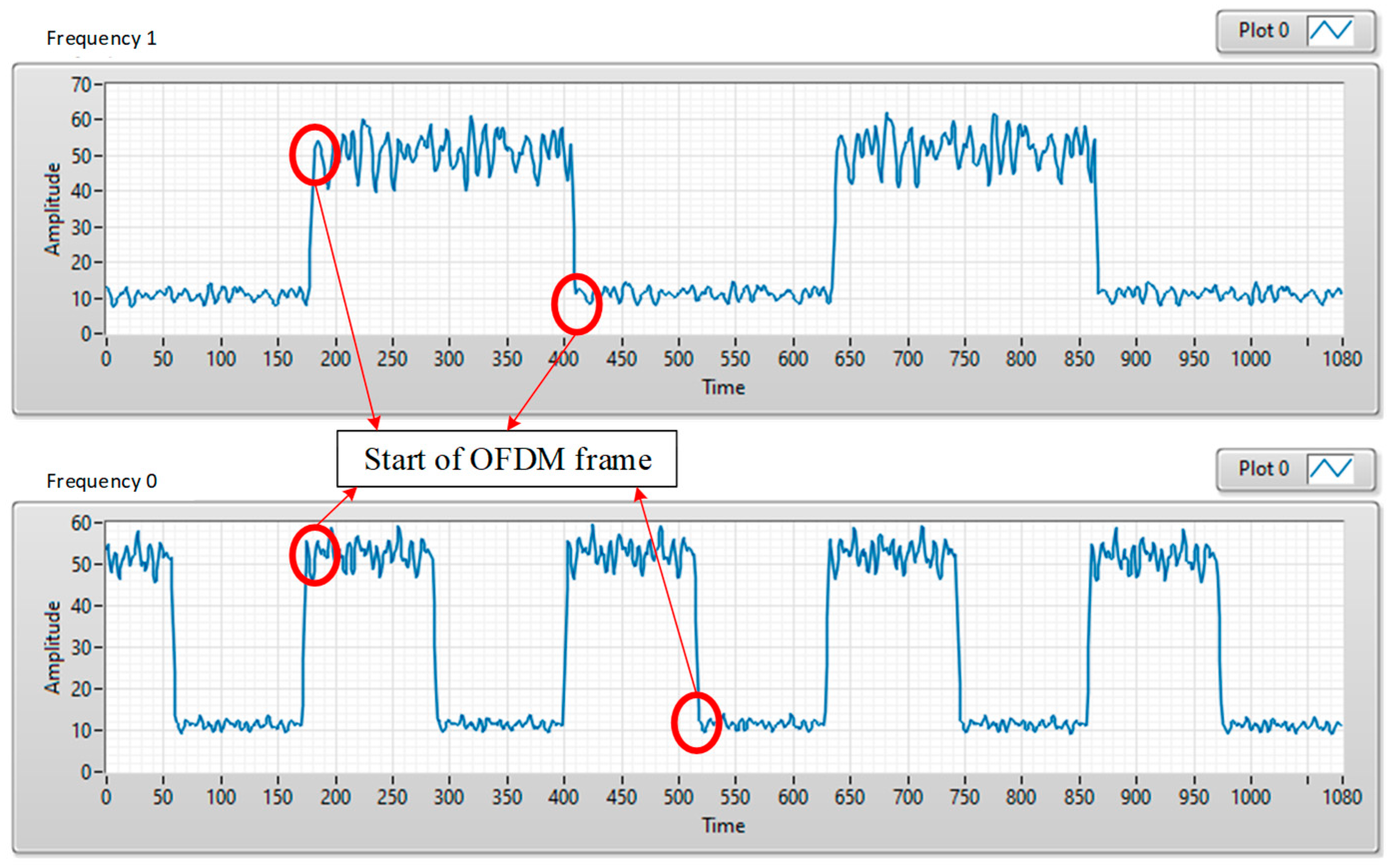
Figure 12.
Bit error rates of the hybrid OCC system for different communication distances.
Disclaimer/Publisher’s Note: The statements, opinions and data contained in all publications are solely those of the individual author(s) and contributor(s) and not of MDPI and/or the editor(s). MDPI and/or the editor(s) disclaim responsibility for any injury to people or property resulting from any ideas, methods, instructions or products referred to in the content. |
© 2023 by the authors. Licensee MDPI, Basel, Switzerland. This article is an open access article distributed under the terms and conditions of the Creative Commons Attribution (CC BY) license (http://creativecommons.org/licenses/by/4.0/).
Copyright: This open access article is published under a Creative Commons CC BY 4.0 license, which permit the free download, distribution, and reuse, provided that the author and preprint are cited in any reuse.


