
Submitted:
15 September 2023
Posted:
18 September 2023
You are already at the latest version
Abstract
The rapid growth of urban areas has led to a decline in the amount of green space available to residents. This has a number of negative consequences for human health and well-- being. Green spaces provide a number of benefits for human health, including improved physical, mental, and social health. They also have a number of economic benefits, such as increased property values and reduced crime rates. Given the many benefits of green spaces, it is clear that they are essential for the health and well-being of urban residents. Policymakers and planners should prioritize the creation and preservation of green spaces in urban areas.
Keywords:
green spaces
; urban sustainability
; physical activity
; mental health
; enviornmental health
1. Introduction
The evolution of architecture and planning, spanning from the Stone Age to contemporary times, has witnessed a fascinating transition where luxury has evolved into a fundamental necessity. In the present era, the rise of smart buildings has revolutionized the way individuals connect with their built environment. These sustainable structures leverage data networks to respond to user behaviors and needs, prioritizing human well-being in their design [8]. However, in the pursuit of creating seamless physical experiences, the digital world has, to a large extent, distanced individuals from nature, imposing an unanticipated burden on human health. In the glory of Grey structures importance of green spaces is often underestimated. The detachment from nature, facilitated by technological advancements, has disturbed internal functioning, leading to an array of physiological and psychological issues such as obesity, diabetes, heart disease, stress, depression, anxiety, bipolar disorder, and many more. While advancements in green, smart, and intelligent building technologies have made substantial progress in achieving quantitative goals, the focus on economic and environmental performance must be complemented with qualitative goals. Researchers say that urban areas are more prone to mental disorders as there is less scope for connection with nature. UN World Urbanization Prospects estimates that by 2050 more than two-thirds of the World will live in urban areas. The World Health Organization (WHO) estimates that 7.4 percent of global DALYs are caused by disorders in the mental and behavioral disorders category. It also reports that Ischaemic heart disease is the world’s leading cause of death, responsible for 16% of global fatalities. It experienced a staggering increase of over 2 million deaths in the past two decades, reaching a total of 8.9 million deaths in 2019. In 2019, Stroke, being at second position caused 11% of total deaths. Alzheimer’s disease and other forms of dementia ranked as the 7th leading cause of death. Diabetes has risen to the top 10 causes of death, with a substantial 70% increase since 2000. Kidney diseases have ascended from the 13th leading cause of death to the 10th position. Mortality rates have surged from 813,000 in 2000 to 1.3 million in 2019. For overall well-being eight pillars are very essential: physical, emotional, intellectual, social, financial, spiritual, occupational, and environmental (Nicolini E). There are tons of evidence that supports the incorporation of green spaces to acquire maximum benefits to human for overall well-being. To rekindle this essential connection, the promotion of green spaces should take precedence when formulating policies and designing any environment. In recent times, the concept of Biophilia has gained widespread recognition for its role in enhancing cognitive behavior and the overall well-being of individuals. Biophilia, first introduced by social psychologist Eric Fromm in "The Heart of Man" (1964) and popularized by biologist Edward Wilson in his book "Biophilia" (1984), posits that humans possess a biological need for a physical, mental, and social connection with nature. Initially, the focus of Biophilic designs was on the subjective outcomes of the built environment, with the primary goal of revitalizing the human connection with nature. To assess the effectiveness of these designs, researchers employed various methods such as surveys, feedback forms - Positive and Negative Affect Schedule (PANAS), State-Trait Anxiety Inventory (STAI-s), and psychometric charts to gauge individuals’ perceptions and experiences. Subsequently, physiological measures such as heart rate, pulse rate, blood pressure, and skin conductance resonance were incorporated to provide objective evidence supporting the positive impact of Biophilic elements on human well-being (Hossain Maghool A et al.).In parallel, the study of the relationship between humans and their environment gained popularity in the early 1900s, leading to the emergence of environmental psychology. This field aimed to comprehend how and why the environment influences human behavior and well-being and sought ways to enhance the interaction between people and their surroundings.
Designing green spaces considering the historical and cultural background of the place and also respecting the psychology of the user is very important as that provides a sense of belonging. Green spaces accelerate a sense of individuality and belonging [11]. Some authors reported that parks would probably stimulate physical activity due to motivational factors as individuals would feel happier exercising in a green route with trees than in empty spaces. There is also evidence that having access to these areas contributes to increased physical activity levels. The frequency of park visits rises with the better quality of urban parks for human and environmental health [14]. Studies suggest that even short-term exposure to nature had a positive effect on stress compared to the urban built environment [Tyrväinen L. et al. 2014]. A well-designed urban space has the following benefits and evidence of the same is discussed.
1.1. Physiological
Green spaces serve as activators for our five senses. They engage our sense of smell through fragrant scents, stimulate our sense of vision with a multitude of colors, tantalize our sense of taste with a variety of fruits, awaken our sense of touch with diverse textures, and enliven our sense of hearing through the soothing sounds of water and the melodic chirping of birds. Engaging with green spaces offers protection against several diseases, with even a weekly visit to such areas yielding positive effects [23]. Green infrastructure plays a vital role in lowering temperatures and purifying the air, thus enhancing human health [4]. Regular visits not only serve as a preventive measure against various diseases but also contribute to reducing nervous disorders, potentially reducing the need for medication [20].
Engaging in behavior change is a multifaceted and intricate process that involves interventions at individual, community, and societal levels. One approach to this is prescribing, where a specific action or task is officially recommended or endorsed. Nature prescriptions have emerged as a cost-effective and environmentally friendly complement to biomedical alternatives in various diverse settings. Notable examples include Canada’s BC Parks Foundation’s ’PaRx’ national program and Australia’s University of Wollongong’s ’Recovery Camp.’[1] Furthermore, ensuring the accessibility and proximity of green spaces to individuals of all backgrounds is of paramount importance. A study aimed at evaluating the satisfaction of Beijing’s residents with urban green spaces for their well-being revealed that people living within 1–5 kilometers of such spaces and those who were regular visitors reported better physical and mental fitness, as well as overall health, compared to residents residing 5–10 kilometers away [13]. Similarly, research conducted in London, UK, suggests that an ideal access range of 300 meters is recommended to fully enjoy the benefits of green spaces [10].
1.2. Psychological
Urban living places significant stress on residents due to its hectic and sedentary nature. However, when individuals visit green spaces or immerse themselves in natural landscapes for extended periods, they experience a sense of well-being and relaxation. It’s important to note that while nature cannot entirely resolve social and psychological issues, it can certainly contribute to their alleviation by fostering a stronger connection with the natural environment and green surroundings.
A study conducted by Southon and colleagues in their research has found that meadows have limited effects on human psychology, whereas the presence of a diverse array of trees strongly influences psychological well-being [18]. Furthermore, a study by Ronghua Wang in Hangzhou City, China, revealed that specific characteristics of urban green spaces have a positive impact on human aesthetic appreciation and stress recovery. The study emphasizes that green spaces enriched with abundant trees, clean water features, and vibrant flowers not only attract people but also assist in alleviating mental stress [21,22]. In Barcelona, Spain, researchers conducted a study to explore the long-term effects of exposure to green and blue spaces on depression and anxiety, taking into account the mediating role of air pollution. The findings suggest that green spaces have a beneficial impact on human health. They help reduce anxiety and alleviate depression by offering clean air, reducing noise levels, providing spaces for physical activities, and encouraging social interaction [6,15]. Therefore, it is recommended to prioritize green parks adorned with a profusion of trees and flowers when considering strategies for stress relief and aesthetic preferences.
1.3. Social
Social isolation has become a significant concern in the modern, fast-paced urban lifestyle. A cross-sectional study conducted in South Korea has shown that green spaces play a crucial role in enhancing social well-being by providing an ideal setting for social interactions [9]. Spending the maximum amount of time in green parks is considered essential for reaping the full benefits of social well-being. Urban green spaces offer a platform for humans to alleviate social isolation, leading to improved social connections, as demonstrated in a study conducted in Iran [3]. Engaging in recreational activities within urban parks offers valuable opportunities for social interaction and fosters stronger social cohesion, as indicated by research [20].
1.4. Economical
Urban green spaces offer not only ecological benefits but also significant economic advantages. Properties adorned with greenery tend to command higher market values. Moreover, an increase in green spaces within housing estates has been shown to correlate with a reduction in violence and aggression, leading to lower crime rates and improved interpersonal relationships. This transformation towards a greener environment within economically disadvantaged public housing estates not only mitigates mental fatigue but also enhances the psychological resources of residents in their struggle against poverty [12]. In essence, green spaces contribute to a more environmentally friendly and harmonious urban setting, benefiting both individuals and the broader community. Urban Green Spaces provides numerous other benefits, such as:
- Job Creation: Green spaces support employment opportunities, particularly in the landscaping and horticulture industry, offering jobs to individuals involved in designing, maintaining, and enhancing these spaces.
- Increased Property Value: Homes with well-designed landscapes tend to have higher property values compared to similar properties without attractive green features. This can benefit homeowners by increasing the potential resale value of their properties.
- Profit from Tourism: Hotels with rooms facing green landscapes often attract more guests and can charge higher rates for these rooms, leading to increased profits for property owners.
- Media Appeal: Entertainment media often includes scenes of beautiful landscapes to enhance visual appeal in their content, contributing to higher viewership and revenue.
- Enhanced Productivity: Green spaces within or around workplaces have been shown to reduce stress and create a more calming and comfortable environment for employees. This, in turn, can boost productivity and job satisfaction among workers.
- Job Satisfaction: Access to green areas and pleasant views can significantly improve job satisfaction, making it a popular trend in indoor landscaping to create more appealing work environments.
1.5. Environmental
Urbanization has ushered in numerous opportunities for the development of social and economic well-being. However, these benefits come at a significant cost. The high price of these services, if left unchecked, could potentially bankrupt communities, depleting their natural reserves entirely. One of the consequences of urbanization is deforestation, which transforms once-lush landscapes into barren patches of land. This transformation makes these areas vulnerable to harsh elements, including the scorching heat of the sun and the erosive forces of rain, resulting in soil erosion, desertification, and land degradation.
A study conducted in Wellington City, New Zealand, a region abundant in biodiversity, concluded that architecture when guided by ecosystem services and biophilic design framework, can play a beneficial role within ecosystems. This influence extends from a technical perspective to shaping user behavior (Maibritt Pedersen Zari, 2019)[2]. It is strongly advocated that green spaces be considered a fundamental component of urban planning, as they serve to mitigate environmental risks and safeguard human life [4]. The synergy between green spaces and biodiversity contributes to the enhancement of the natural environment and offers protection to various species against the adverse effects of climate change, ensuring the smooth functioning of human communities [Dong & Hauschild, 2017; Mavoa et al., 2019].
Urban vegetation serves multiple purposes, such as purifying the air, reducing local temperatures through shading, fostering social interactions, and regulating the climate. Street-level vegetation acts as a natural ventilator by filtering the air and providing much-needed cooling, all while enhancing the aesthetic appeal of the urban landscape. Urban greenery plays an essential role in removing pollutants from the atmosphere. In a study conducted in Strasbourg, France, it was observed that green spaces, covering 27.80% of the urban area, removed 7% of PM10 particles and a total of 88 tons of pollutants annually, underscoring their pivotal role in providing clean air for residents. While green spaces alone may not completely solve air pollution, they can help maintain a sustainable urban environment. Achieving the goal of a sustainable urban environment necessitates a balanced approach that considers both green spaces and anthropogenic sources [17].
The composition and structure of urban green spaces, including the presence of trees, have been identified as significant factors in air filtration and climate regulation [5]. In Almada, Portugal, studies have revealed positive correlations between urban green spaces, air purification, climate regulation, and human well-being. Proper management of green spaces has been shown to enhance their capacity to remove pollutants, reduce the urban heat island (UHI) effect, and provide nature-based solutions to environmental sustainability challenges [7,19]. Research conducted in Lisbon, Portugal, demonstrated that a 50 square meter area of vegetation cover could decrease the air temperature by 1 degree Celsius. In this way, urban green spaces contribute significantly to improving the well-being and livability of urban areas [16].
Urbanization also brings forth a range of environmental issues, including air, water, noise, and land pollution. Remarkably, the very urban landscapes that contribute to these problems can also serve as solutions, with a minimal investment in awareness and care.
Pollutant Filtration: Urban landscapes act as natural filters, capturing pollutants and preventing them from contaminating stormwater runoff. This filtration process not only safeguards the destination from pollution but also reduces the volume of water that requires treatment. The purified water gradually percolates into the earth through natural filtering media, playing a pivotal role in mitigating water pollution.
Air Pollution Control: Certain plant species, such as Turkey oak (Quercus cerris), Peepal tree (Ficus religiosa), Elm (Ulmus minor), Wild linden (Tilia cordata), among others, possess the ability to combat air pollution. Figure 1 indicates some of the air-purifying plants with their Common Names[CN], Botanical Names [BN], and Family [F].
Noise Reduction: Thoughtfully arranged trees, especially those with varying sizes of shrubs, can reduce noise levels by up to 50%. Constructing a "wall" of trees and shrubs not only provides shade and fruit but also acts as an effective noise barrier. This approach finds particular relevance in locations like hospitals and schools.
Land Pollution Management: Increased tree planting enhances soil quality and reduces land pollution. Tree roots have the capacity to stabilize soil, reducing erosion and improving soil fertility. Water Pollution Management: Urban green spaces play a significant role in stormwater management, offering several water-related sustainable landscape benefits:
- Flow Regulation: Vegetation within green spaces slows down the rate of water flow, allowing it to percolate into the ground gradually. This natural process helps prevent rapid runoff, which can lead to flooding and erosion.
- Groundwater Replenishment: The presence of vegetation aids in replenishing groundwater reserves as rainwater is allowed to infiltrate into the soil, eventually recharging aquifers. This is vital for maintaining a sustainable water supply.
- Reduced Irrigation Demand: Green spaces can reduce the demand for irrigation water by providing a source of natural moisture for plants. This water conservation measure contributes to overall water resource sustainability.
- Natural Filtration: Vegetation acts as a natural filtering medium, preventing debris and pollutants from entering water bodies. This filtration process helps maintain water quality and reduces the need for expensive water treatment.
- Soil Erosion Control: The roots of plants in green spaces stabilize the soil, effectively reducing soil erosion caused by heavy rainfall and runoff. This helps protect against land degradation and loss of valuable topsoil.
- Pollution Mitigation: By capturing and retaining pollutants, such as sediments and contaminants, urban green spaces minimize the amount of harmful substances carried off properties during storm events. This helps maintain the health of aquatic ecosystems downstream.
- Reduced Drainage Pressure: Incorporating green spaces into urban planning can alleviate pressure on stormwater drainage systems. By absorbing and retaining rainfall, green spaces reduce the volume of water that needs to be managed through conventional drainage infrastructure.
- Cost and Energy Savings: The reduced load on stormwater systems translates into cost savings for municipalities and property owners alike. There is also less energy required for the treatment and management of stormwater at centralized facilities, contributing to sustainability efforts.
Biodiversity: Urban green spaces play a crucial role in preserving biodiversity within densely populated urban environments. These pockets of nature provide habitats and refuges for various plant and animal species that might otherwise struggle to survive in the concrete jungles of cities. By offering a diverse range of vegetation and ecosystems, from parks and gardens to wetlands and forests, urban green spaces create a mosaic of interconnected habitats that support a wide array of flora and fauna. They serve as essential corridors for wildlife movement, enabling the exchange of genetic material between isolated populations. Additionally, these green spaces often incorporate native plant species, which attract local wildlife, including pollinators like bees and butterflies some such plants are shown in Figure 2.
The preservation of biodiversity in urban areas not only contributes to the health and resilience of local ecosystems but also enhances the overall quality of life for urban residents by providing opportunities for recreation, education, and a connection to the natural world.
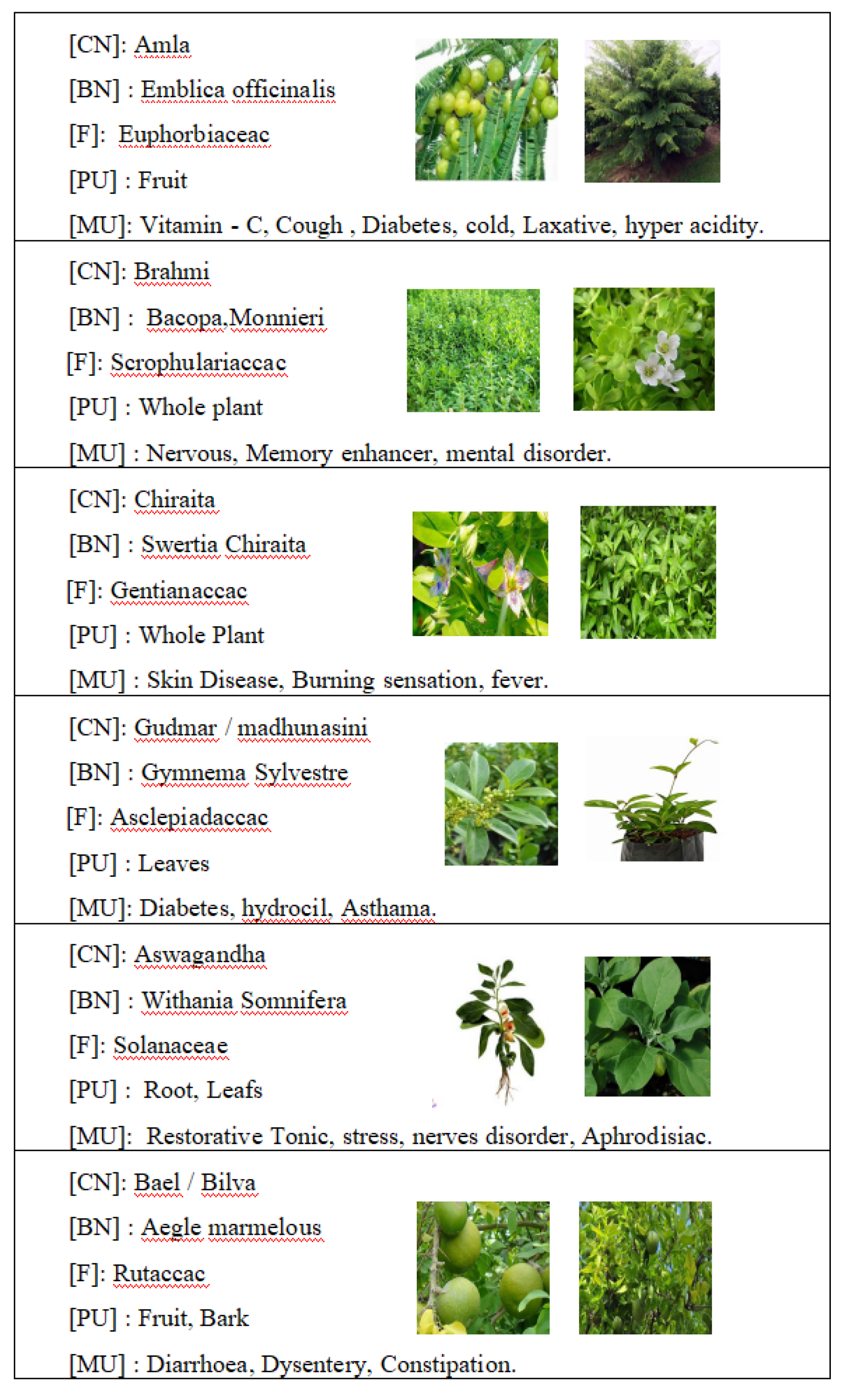
Plant material with Medicinal properties: Plant materials are indispensable in the creation of vibrant urban green spaces. These plants add a dynamic range of colors and textures to the scenery, which transforms with each changing season. Beyond their aesthetic value, they possess the potential to purify the atmosphere and offer remedies for various ailments. According to Ayurveda, many plants have parts, such as fruits, flowers, bark, and roots, that can be consumed or applied to treat a multitude of diseases. Additionally, these botanical resources find extensive use in the cosmetic industry. "Ayurveda," originated in India over 5000 years ago, one of the most ancient systems of natural healing stemming from the ancient Vedic culture. It is often regarded as the "mother of all healing." Urban green spaces can incorporate several common medicinal plants to facilitate healing and well-being. Some of the commonly available medicinal trees are listed in Figure 3 [PU] Part of tree Used for treatment, [MU] Medicinal use.
2. Conclusions
In conclusion, the integration of urban green spaces is paramount in urban planning and design. These spaces offer a diverse range of amenities and experiences tailored to meet the multifaceted needs of the community. The incorporation of green spaces represents not solely an aesthetic enhancement but a multidimensional endeavor with significant implications for physical health, mental well-being, sensory engagement, social cohesion, and inclusivity, thus reducing the burden on healthcare systems. While many researchers concentrate on improving building health and performance, establishing sustainable cities necessitates a multidisciplinary strategy. By embracing a comprehensive approach that considers both quantitative and qualitative aspects, the quality of life can be enhanced for urban residents and foster healthier, more sustainable urban environments. These spaces also serve as hubs for social interaction, relaxation, dining, and communal gatherings, simultaneously celebrating local culture and heritage through exhibitions and artisanal displays. With accessibility ensured through day and night lighting and a commitment to universal design principles, green spaces benefit individuals of all abilities.
However, despite the recognized significance of green spaces, their presence in urban areas remains inadequate. The integration of green spaces into city planning and design not only enhances environmental aesthetics but also yields a multitude of benefits spanning physiological, psychological, social, economic, and environmental dimensions.
In the face of rapid urbanization and the challenges it presents, the prioritization of the integration of green spaces is imperative for urban planners, policymakers, designers, and health professionals. These spaces are not considered mere luxuries but essential components that contribute to the resilience and vitality of our cities. The need for a concerted effort to ensure that green spaces are thoughtfully and inclusively integrated, enriching the lives of urban residents and promoting the well-being of our communities.
References
- Thomas Astell-Burt, J Aaron Hipp, Birgitta Gatersleben, Deepti Adlakha, Melissa Marselle, Katarzyna Olcoń, Evangelos Pappas, Michelle Kondo, Gillian Booth, Simon Bacon, et al. Need and interest in nature prescriptions to protect cardiovascular and mental health: a nationally-representative study with insights for future randomised trials. Heart, Lung and Circulation, 32(1):114–123, 2023. [CrossRef]
- Paul Blaschke, Ralph Chapman, Elaine Gyde, Philippa Howden-Chapman, Jenny Ombler, M Pedersen Zari, Meredith Perry, and E Randal. Green space in wellington’s central city: Current provision, and design for future wellbeing. A Report for Wellington City Council; New Zealand Centre for Sustainable Cities: Wellington, New Zealand, 2019.
- Payam Dadvand, Sanam Hariri, Behzad Abbasi, Ramin Heshmat, Mostafa Qorbani, Mohammad Esmaeil Motlagh, Xavier Basagaña, and Roya Kelishadi. Use of green spaces, self-satisfaction and social contacts in adolescents: A population-based caspian-v study. Environmental research, 168:171–177, 2019. [CrossRef]
- Junya Duan, Yafei Wang, Chen Fan, Beicheng Xia, and Rudolf de Groot. Perception of urban environmental risks and the effects of urban green infrastructures (ugis) on human well-being in four public green spaces of guangzhou, china. Environmental management, 62:500–517, 2018. [CrossRef]
- Friederike Enssle and Nadja Kabisch. Urban green spaces for the social interaction, health and well-being of older people—an integrated view of urban ecosystem services and socio-environmental justice. Environmental science & policy, 109:36–44, 2020. [CrossRef]
- Mireia Gascon, Gonzalo Sánchez-Benavides, Payam Dadvand, David Martínez, Nina Gramunt, Xavier Gotsens, Marta Cirach, Cristina Vert, José Luis Molinuevo, Marta Crous-Bou, et al. Long-term exposure to residential green and blue spaces and anxiety and depression in adults: A cross-sectional study. Environmental research, 162:231–239, 2018. [CrossRef]
- Julia N Georgi and Dimos Dimitriou. The contribution of urban green spaces to the improvement of environment in cities: Case study of chania, greece. Building and environment, 45(6):1401–1414, 2010. [CrossRef]
- Ali GhaffarianHoseini, Tongrui Zhang, Okechukwu Nwadigo, Amirhosein GhaffarianHoseini, Nicola Naismith, John Tookey, and Kaamran Raahemifar. Application of nd bim integrated knowledge-based building management system (bim-ikbms) for inspecting post-construction energy efficiency. Renewable and Sustainable Energy Reviews, 72:935–949, 2017. [CrossRef]
- Sung-Kwon Hong, Sang-Woo Lee, Hyun-Kil Jo, and Miyeon Yoo. Impact of frequency of visits and time spent in urban green space on subjective well-being. Sustainability, 11(15):4189, 2019. [CrossRef]
- Victoria Houlden, João Porto de Albuquerque, Scott Weich, and Stephen Jarvis. A spatial analysis of proximate greenspace and mental wellbeing in london. Applied Geography, 109:102036, 2019. [CrossRef]
- Cecil Cornelis Konijnendijk, Matilda Annerstedt, Anders Busse Nielsen, and Sreetheran Maruthaveeran. Benefits of urban parks: a systematic review. a report for ipfra. IPFRA. https://www. theparksalliance. org/benefits-of-urban-parks-a-systematic-review-areport-for-ifpra-published-in-january-2013, 2013.
- Frances E Kuo and William C Sullivan. Environment and crime in the inner city: Does vegetation reduce crime? Environment and behavior, 33(3):343–367, 2001. [CrossRef]
- Ben Ma, Tiantian Zhou, Shuo Lei, Yali Wen, and Theint Theint Htun. Effects of urban green spaces on residents’ well-being. Environment, Development and Sustainability, 21:2793–2809, 2019. [CrossRef]
- Ieva Misiune, Jason P Julian, and Darijus Veteikis. Pull and push factors for use of urban green spaces and priorities for their ecosystem services: Case study of vilnius, lithuania. Urban forestry & urban greening, 58:126899, 2021. [CrossRef]
- Daniel Nutsford, Amber L Pearson, and Simon Kingham. An ecological study investigating the association between access to urban green space and mental health. Public health, 127(11):1005–1011, 2013. [CrossRef]
- Cláudia Reis and António Lopes. Evaluating the cooling potential of urban green spaces to tackle urban climate change in lisbon. Sustainability, 11(9):2480, 2019. [CrossRef]
- Wissal Selmi, Christiane Weber, Emmanuel Rivière, Nadège Blond, Lotfi Mehdi, and David Nowak. Air pollution removal by trees in public green spaces in strasbourg city, france. Urban forestry & urban greening, 17:192–201, 2016. [CrossRef]
- Georgina E Southon, Anna Jorgensen, Nigel Dunnett, Helen Hoyle, and Karl L Evans. Perceived species-richness in urban green spaces: Cues, accuracy and well-being impacts. Landscape and Urban Planning, 172:1–10, 2018. [CrossRef]
- Joana Vieira, Paula Matos, Teresa Mexia, Patrícia Silva, Nuno Lopes, Catarina Freitas, Otília Correia, Margarida Santos-Reis, Cristina Branquinho, and Pedro Pinho. Green spaces are not all the same for the provision of air purification and climate regulation services: The case of urban parks. Environmental research, 160:306–313, 2018. [CrossRef]
- Maja Vujcic, Jelena Tomicevic-Dubljevic, Ivana Zivojinovic, and Oliver Toskovic. Connection between urban green areas and visitors’ physical and mental well-being. Urban forestry & urban greening, 40:299–307, 2019. [CrossRef]
- Ronghua Wang, Jingwei Zhao, Michael J Meitner, Yue Hu, and Xiaolin Xu. Characteristics of urban green spaces in relation to aesthetic preference and stress recovery. Urban Forestry & Urban Greening, 41:6–13, 2019a. [CrossRef]
- Ruoyu Wang, Marco Helbich, Yao Yao, Jinbao Zhang, Penghua Liu, Yuan Yuan, and Ye Liu. Urban greenery and mental wellbeing in adults: Cross-sectional mediation analyses on multiple pathways across different greenery measures. Environmental research, 176:108535, 2019b. [CrossRef]
- Mathew P White, Sabine Pahl, Benedict W Wheeler, Michael H Depledge, and Lora E Fleming. Natural environments and subjective wellbeing: Different types of exposure are associated with different aspects of wellbeing. Health & place, 45:77–84, 2017. [CrossRef]
Figure 1.
AIR PURIFYING PLANTS (Source: Author).
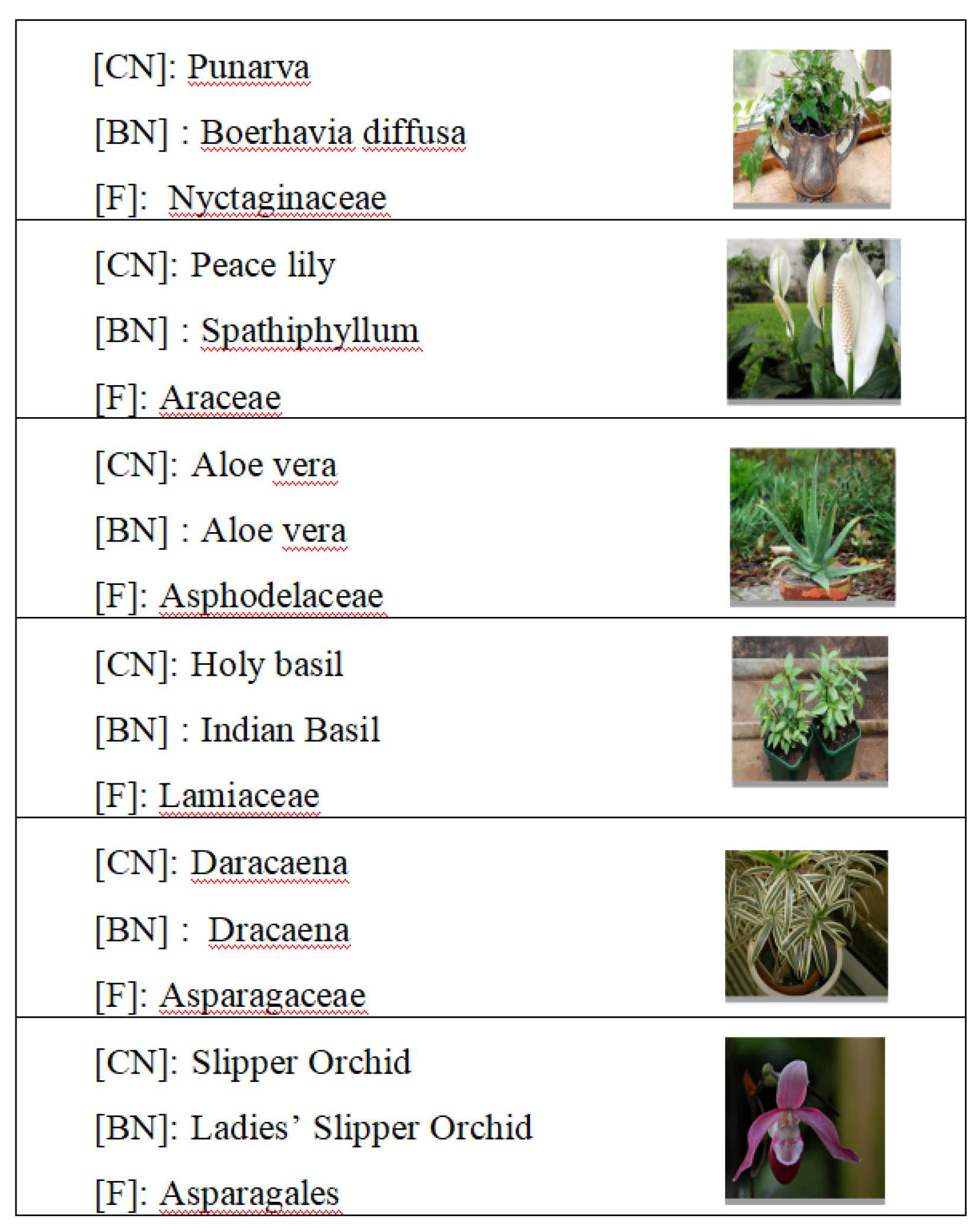
Figure 2.
BIRDS AND BUTTERFLIES ATTRACTING PLANTS (Source: Author).
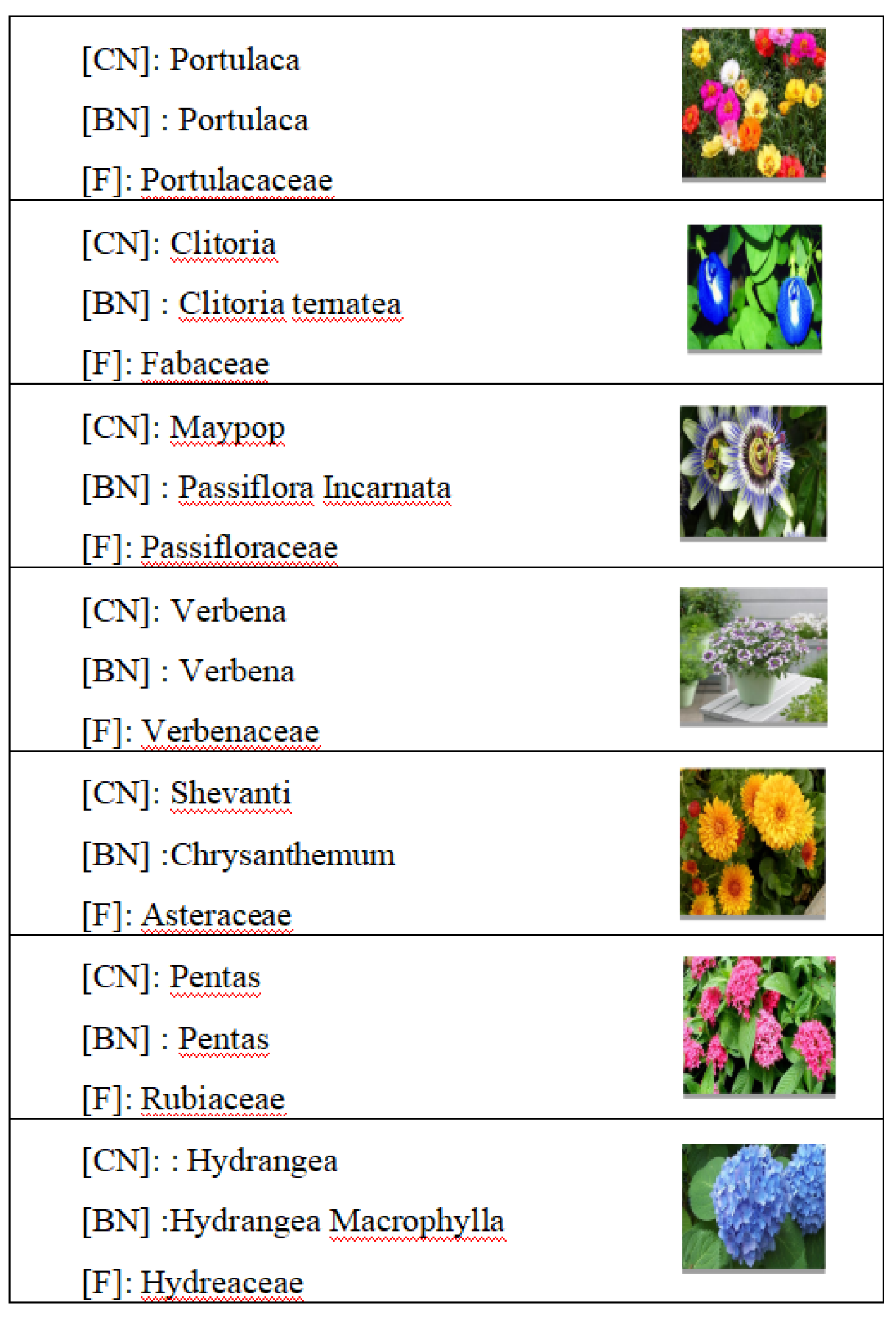
Figure 3.
MEDICINAL TREES (Source: Author).
Disclaimer/Publisher’s Note: The statements, opinions and data contained in all publications are solely those of the individual author(s) and contributor(s) and not of MDPI and/or the editor(s). MDPI and/or the editor(s) disclaim responsibility for any injury to people or property resulting from any ideas, methods, instructions or products referred to in the content. |
© 2023 by the authors. Licensee MDPI, Basel, Switzerland. This article is an open access article distributed under the terms and conditions of the Creative Commons Attribution (CC BY) license (http://creativecommons.org/licenses/by/4.0/).
Copyright: This open access article is published under a Creative Commons CC BY 4.0 license, which permit the free download, distribution, and reuse, provided that the author and preprint are cited in any reuse.


