
Submitted:
04 January 2026
Posted:
05 January 2026
Read the latest preprint version here
Abstract
The principles of regeneration are found in different types of cultures, from long time ago. As an interdisciplinary field of research, regenerative medicine, play a great role in tissues and organs damaged reparation with a higher potential in transplantation if necessary. The definition of stem cells can be extended. From this point of view, we can mention taking in consideration the idea in which it is known that these cells form the base of the building body.
Keywords:
regenerative medicine
; transplantation
; tissues
; organs
; reparations
1. Introduction
It is known a few about global anticipation for stem cell-based therapies that are safe and effective. So, various pre-clinical studies present encouraging results on the therapeutic potential of specific cell types including they tissue which who derived stem cells [1]. As a definition, stem cells are a population of undifferentiated cells characterized by the ability to extensively proliferate namely self-renewal., Usually starting from a single cell namely clona and differentiate into other different types of cells and tissue namely, potent cells. There are a lot of sources of stem cells with varying potencies. Pluripotent cells are embryonic stem cells. This cells derived from the inner cell mass of the embryo and induced pluripotent cells. Also are formed following reprogramming of somatic cells. Pluripotent cells can differentiate into tissue from all endoderm, mesoderm, and ectoderm [2]. Multipotent stem cells may differentiate into tissue derived from a mesenchymal stem cells. Mesenchymal stem cells form cartilage, bone, adipose tissue. Beside using stem cells in cellular therapy, as we mention previously, In addition, stem cells have expanded our understanding of development as well as the pathogenesis of specific disease. In this context, cell lines from specific pathology, can also be propagated and used in drug development [3] [4]. Stem cells are unspecialized cells that can give rise to specialized cells, through the differentiation process. Also, stem cells are characterized by two properties namely differentiation and selfrenewal [5]. The definition of stem cells can be extended. From this point of view, we can mention taking in consideration the idea in which it is known that these cells form the base of the building body. More than, we can mention that stem cells are characterized by two knowing properties namely differentiation and self renewal. Based on the observation that differentiation of adult stem cells into specific derivative scan be controlled by laboratory techniques, it is anticipated that adult stem cells may become the basis of therapies for many, and various types of medical conditions. Taking on stem cells, regenerative medicine (RM) it is known as being one of the hottest topics in biotechnology nowadays. From this purpose, stem cells can be used in regenerative medicine (RM). The principles of regeneration are found in different types of cultures, from long time ago.
2. Key Points in Stem Cells and Regenerative Medicine
The definition of stem cells can be extended, in the idea in which it is known that these cells form the base of the building body. From this point of view, stem cells are those that create tissues and organs, blood and immune system. Stem cells are divided into two categories, namely embryonic and adult [6]. Embryonic stem cells are only present in the early embryo and eventually give rise to all cells that they give constitute a whole organism. The advantage of embryonic stem cells for regenerative medicine is that they can be used for any type of tissue. It also should be noted that embryonic stem.
Cells are harvested from embryos in early stages of development. However embryonic stem cells as such are used in a limited way, since they are tumorigenic in vivo [7]. Adult stem cells are present in the body after birth. Although it has been hypothesized that adult stem cells can only turn into tissue cells, some studies suggest that they can also generate cells from other tissues, in which case we are talking about property called plasticity or transdifferentiation of these cells. Adult stem cells are harvested from adult tissues, particularly cord blood, peripheral blood, and bone marrow, as wells form such tissues as fat , skin, and skeletal striate muscle [8]. If most cells in the human body can give rise, only cells of the same type and in contrast, the stem cells are unique in being able to give rise to many types of cells. According to current hypotheses a single adult stem cell should be capable of giving rise to a clone of cells that are genetically identical. It is envisaged that further studies will show the possibility that a stem cell can produce a clone of cells in cell culture and also to prove that a population of stem cells purified able to repopulate a certain type of tissue after transplantation [9]. In this context, it has been shown that adult stem cells can be used for transplantations. In particular hematopoietic stem cells from bone marroware frequently used for treatment of blood diseases. In order to identify adult stem cells several methods can be used. One is aimed at labeling the cells in a living tissue with molecular markers and subsequently determine the specialized cells that they generate. The second method relates on the extraction of cells from a living animal body, followed by labeling the cell culture and, finally, carrying out a transplantation of these cells in an animal experiment, in order to determine the cells to repopulate the tissue of origin [10] [11]. .Following the isolation of stem cells, they can be cultured in vitro and treated with growth factors or transfected with new genes, to determine the types of cells that may become differentiated. Given the importance of involving adult stem cells in producing new cell types and their involvement in transplants, and the resulting use of adult stem cells for therapeutic purposes, the main potential of adult stem cells is in the field of regenerative medicine. Based on the observation that differentiation of adult stem cells into specific derivativescan be controlled by laboratory techniques, it is anticipated that adult stem cells may become the basis of therapies for many, and various types of medical conditions [12] [13]. Compared to adult stem cells, embryonic stem cells have the potential that they can give rise to all the hundreds of cell types in the human body. In this context, it can be exemplified by saying that while a blood stem cell can only give rise to blood, embryonic stem cell can make blood, bones, skin, brain, and others. Additionally, embryonic stem cells are programmed by nature in order to build tissues and organs, while adult stem cells are not programmed by nature, as described above. From this point of view it is estimated that embryonic stem cells have a greater natural ability in repairing diseased organs [14] [15]. Embryonic stem cells are obtained from left-over embryos from fertility treatments and are active only a few days. These cells are obtained usually in a vessel in specialized laboratories, which otherwise would have been discarded. Concerned by news on stem cells , researchers were attracted by stem cells called "iPS" cells. Results of studies have shown that this type of cell had similar properties as, but are not derived from an embryo. From this point of view, there are ethical issues related using of iPS stem cells. Additionally, it has to noted that iPS cells can be made from the patient’s own cells. Therefore, it seems that iPS cells could be given back to a patient without risk of an immune rejection, so in this case transplantation would not give rise to graft rejection. The is relevant given the various reported cases of deaths occurring due to stem cell therapies. This obliges open collaboration between patient and medical staff involved in transplantation, whereby decisions are made only by consent and by respecting the principles of medical ethics [16] [17].The idea of using stem cells for treatment of various pathological conditions, is exemplified by the transplantation of stem cells from a patient who suffered from a heart attack. In this case, the stem cell therapy would be applied to repair the part of the heart that has undergone structural and functional changes due to a myocardial infarction. Birth provides an opportunity to help families storing umbilical cord blood of the newborn. From this point of view it should be noted that patients who undergo a transplantation, recovered better when they receive stem cells from a related donor than from unrelated one. In this context, most ongoing studies are oriented towards regenerative medicine, with the aim to repair the body of the patient with their own stem cells.
Particularly, children who can be treated with their own stem cells from stored umbilical cord blood will have easy access to this type of therapies, also late in life [18]. Good to know a few about history of this study purpose, about stem cells and regenerative medicine. So from centuries, it is known the idea of regeneration that first started in myths and legends. Regenerative medicine is acknowledged that their research performance has been somewhat disappointing. Scientists and researchers, look at how the historical development of the regenerative medicine scientific field has changed the translational strategy. This is then linked to a discussion of the preclinical and postclinical challenges, which offer insights for the future progression of regenerative medicine field [19].
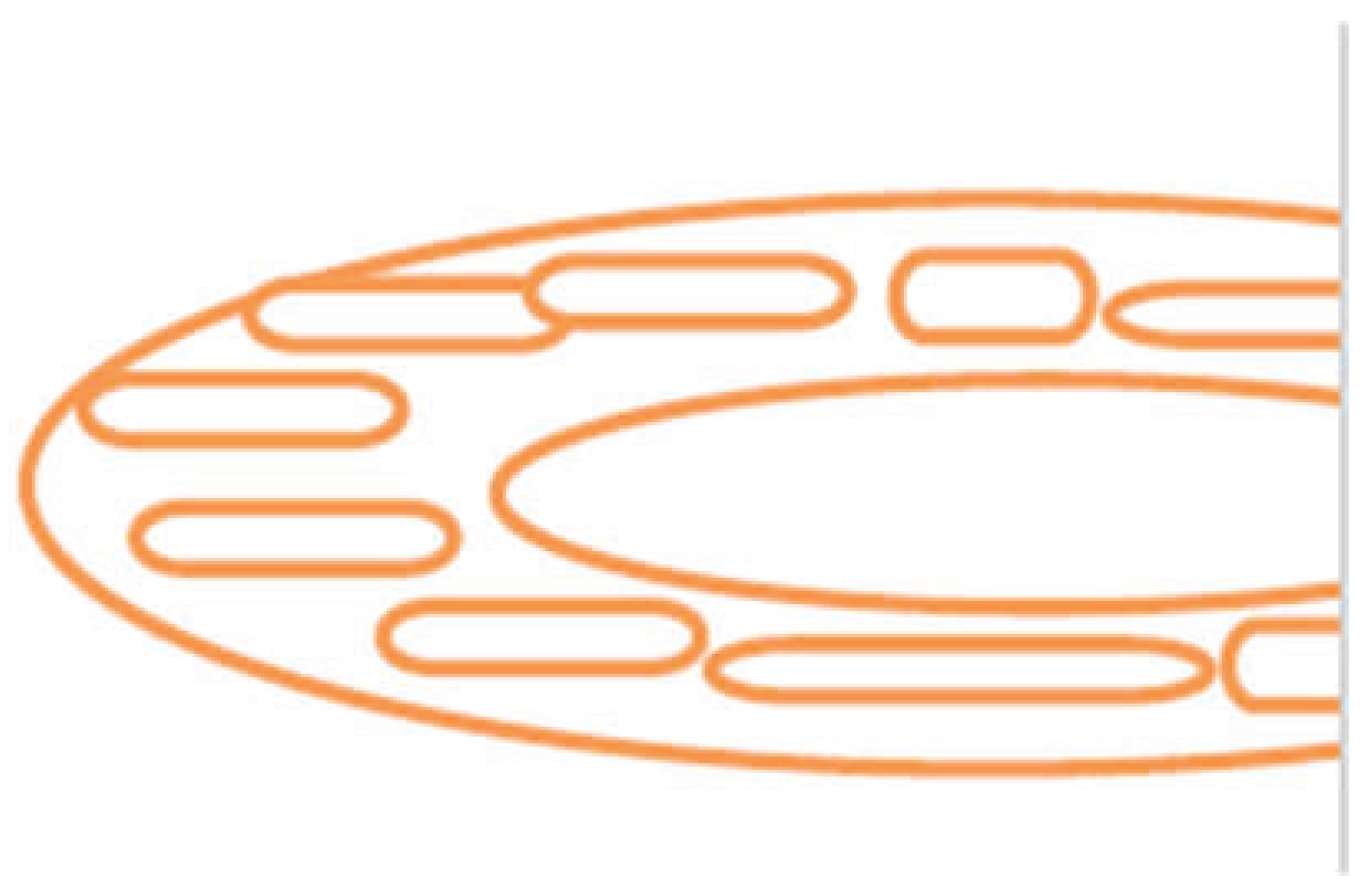
Figure 1.
Embrionar human stem cells colony.
3. Historical Data and a Few Key Points in Tissue Engineering
During centuries, in 1954, Dr. Joseph Murray performed the first transplant in a human body. He practice the transferred a kidney from one identical twin to another. This surgical procedure, had a great impact on medical history. This medical surgical point, was the culmination of > 50 years of transplantation and grafting research. Chronic pathologies, were on the rise and also the associated process of tissue degeneration was becoming evident. More than, the available clinical interventions were capable of treating symptoms, for curing the disease. Next point, once a loss of tissue function occurred, it was nearly impossible to regain. In the 1960s and 1970s created urgency for disruptive technologies and led to the creation of tissue engineering (TE) [20]. So, tissue engineering (TE) uses a combination of technological approaches that moves it in traditional transplantation and replacement therapies.
Reffering to regenerative medicine and tissue engineering, including stem cells use and also combining factors mentioned above, but also because researchers had been successfully keeping tissue alive in vitro and understanding the biological processes involved in regeneration and degeneration, possible therapeutic outcomes came into fruition [21]. The comparability of stem cell lines from different individuals is needed for iPSC lines. The impact is to be used in therapeutics - critical quality procedures. Viral testing is an important point. In this context, when assessing the quality of stem cells, all tests for harmful human adventitious agents must be performed. Bacterial or fungal sterility tests can be divided into specific lines, as culture- or broth-based tests [22]. Single nucleotide polymorphism arrays is a procedure using for typeing of DNA microarray. This procedure detects population polymorphisms by enabling the detection of subchromosomal changes. Also is a procedure for detection of the copy-neutral loss of heterozygosity. Finally, we can mention about DNA microarray technique, that is knowing as well as an indication of cellular transformation [23]. Flow cytometry is a modern technique. This method that use light, in practicum is perform to count and to detect, profile cells in a heterogeneous fluid mixture. Phenotypic pluripotency assay recognizing nondifferentiated cells with a great success in stem cell therapy [24]. Quality control can be achieved by using epigenetic analysis as histone modification or DNA methylation.Karyotype establish. In this scientific direction, a long-term culture of hESCs can accumulate culture-driven mutations. Because of that, it is nice, to give attention to genomic integrity [25].
Regenerative medicine strategies, nowadays has an impact in tissues and organs reparations, using modern techniques [26]. From the past, tissue engineering and regenerative medicine emerged as an industry. In this field, a number of therapies have received Food and Drug Administration (FDA) approval and are currently commercially available [27] [28].
The modern products used in regenerative medicine, with FDA approval, are better than previously similar products [29]. Nowaday, strategies for tissues and organs reparation, used in medical specialties, are currently explored [30]. Knowing that tissues and organs architectures are in connection with their function, the potential for recreate a new similar structure, with a similar functionality as previously, is essential for successful recapitulation of a new healthy tissue and organ [30]. From the future, we can talk a little bit about important issues for the advancement of regenerative medicine as a field of research, with applicability routinally . In conection, stem cells, isolated from tissues, are usefully and safety in transplantation and reparation [31,32,33]. The aim of regenerative medicine is to avoid rejection of the renewal tissue by the host immune system. So it is clear that the immune system play a great role in the process of regulating regeneration [34] [35]. Actually, modern techniques in regenerative medicine bring news with applicability in routinely practice. In this idea, nowadays innovations in regenerative medicine conduct to a great development with implications in diseases models with daily medical practice aplications.[36,37,38,39,40,41,42,43]The happy end of regenerative medicine is their applicationfor a proper purpose such as reparation or reconstruction. For practicum applicability, regenerative medicine is applied to cells, tissues, organs, that need their technical changes.
Doris Anita Taylor is an American scientist working in regenerative medicine and tissue engineering. She is a great scientific person. So she was the Director in regenerative field of research. One of Director function is Director of the Center for Cell and Organ Biotechnology at the Texas Heart Institute in Houston, Texas until March 2020. Doris Anita Taylor is also Co-Founder of Miromatrix Medical, Inc. and Co-Founder of Organamet Bio, Inc.[44].
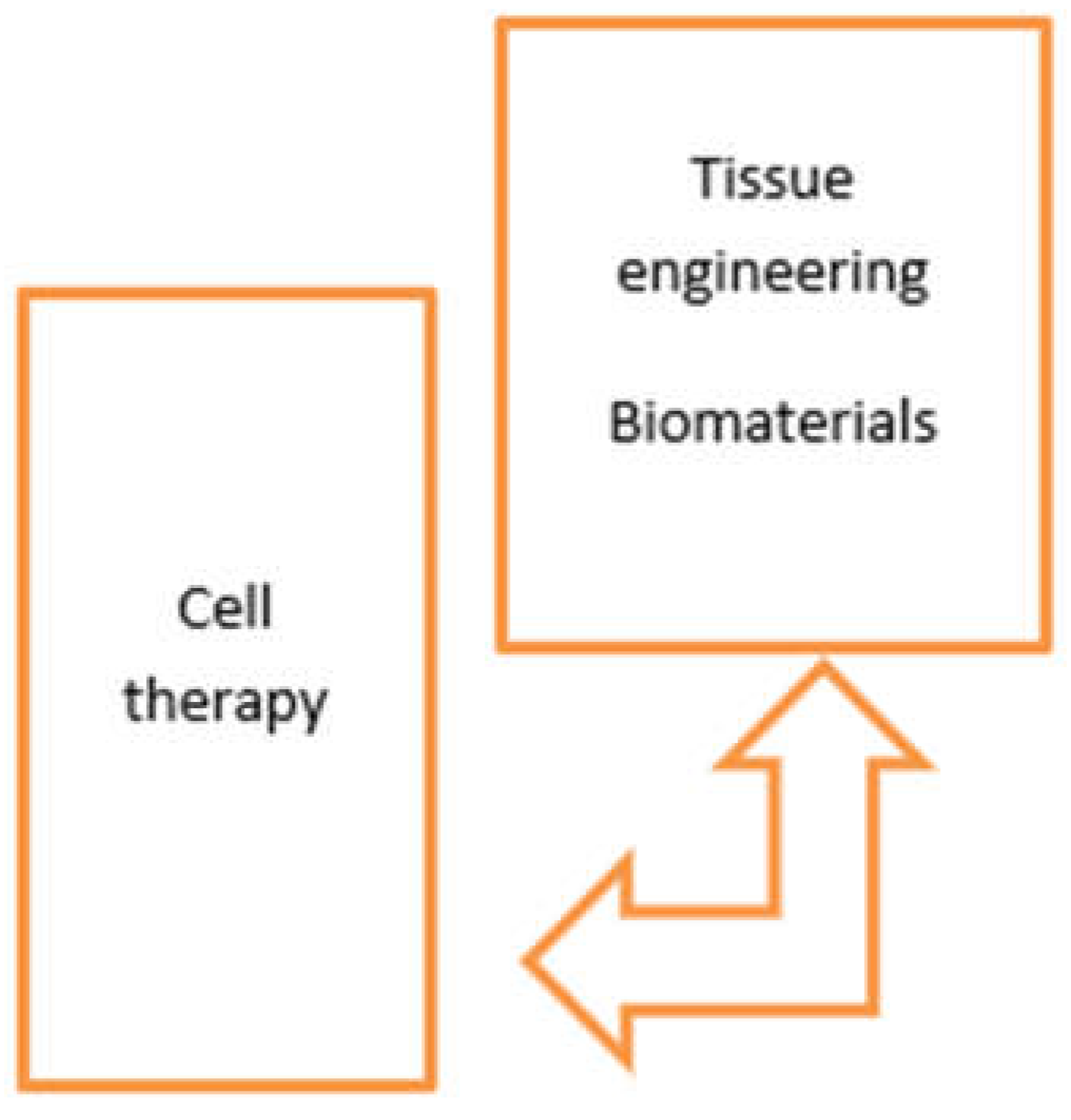
Figure 2.
Regenerative Medicine.
4. Conclusions
Concluding, the stem cells field of research and their applications in the treatment of different human diseases is a subject of intense study, nowadays and also in the future. Corroborating with previously mentioned info, regenerative medicine is consider such as an active field with considerable implications in human diseases. Because the regenerative medicine field of research, with applicability in medical practice, is essentially comprised of ideas on cell renewal and tissue healing. Nowadays, scientists look after the influence of regenerative medicine, using stem cells in routine medical practice for renews tissues and organs. Modern techniques are used in tissue reconstruction engineering. Stem cells are useful and play a great role in tissues and organs reparation.
References
- Li M., Ma J., Gao Y., Yang L. Cell sheet technology: a promising strategy in regenerative medicine. Cytotherapy. 2019;21(1):3–16. [CrossRef]
- Weinberg R.S. Transfusion medicine and hemostasis. Elsevier; 2019. Overview of cellular therapy; pp. 505–512.
- Mahla R.S. Stem cells applications in regenerative medicine and disease therapeutics. Int J Cell Biol. 2016;2016:6940283. [CrossRef]
- Barker, C.F. & Markmann, J.F. Historical overview of transplantation. Cold Spring Harb. Perspect. Med. 3, 1–18 (2013). [CrossRef]
- Sampogna, G. , Guraya, S.Y. & Forgione, A. Regenerative medicine: historical roots and potential strategies in modern medicine. J. Microsc. Ultrastruct. 3, 101–107 (2015). [CrossRef]
- Slingerland, A.S. , Smits, A.I.P.M. & Bouten, C.V.C. Then and now: hypes and hopes of regenerative medicine. Trends Biotechnol. 31, 121–123 (2013). [CrossRef]
- Park IH, Zhao R, West JA, et al. Reprogramming of human somatic cells to pluripotency with defined factors. Nature. 2008;451(7175):141–6. [CrossRef]
- Terzic, A., Pfenning, M.A., Gores, G.J. & Harper, C.M. Jr. Regenerative medicine build-out. Stem Cells Transl. Med. 4, 1373–1379 (2015). [CrossRef]
- Kaul, H. & Ventikos, Y. On the genealogy of tissue engineering and regenerative medicine. Tissue Eng. Part B Rev. 21, 203–217 (2015). [CrossRef]
- Broughton, K.M. & Sussman, M.A. Enhancement strategies for cardiac regenerative cell therapy. Circ. Res. 123, 177–187 (2018). [CrossRef]
- Allickson, J.G. Emerging translation of regenerative therapies. Clin. Pharmacol. Ther. 101, 28–30 (2017). [CrossRef]
- Heathman, T.R., Nienow, A.W., McCall, M.J., Coopman, K., Kara, B. & Hewitt, C.J. The translation of cellbased therapies: clinical landscape and manufacturing challenges. Regen. Med. 10, 49–64 (2015). 13. Aoi T, Yae K, Nakagawa M, et al. Generation of pluripotent stem cells from adult mouse liver and stomach cells. Science. 2008 Epub ahead of print. [CrossRef]
- Mount, N.M., Ward, S.J., Kefalas, P. & Hyllner, J. Cell-based therapy technology classifications and translational challenges. Philos. Trans. R. Soc. B Biol. Sci. 370, 20150017 (2015). [CrossRef]
- Yang L, Soonpaa MH, Adler ED, et al. Human cardiovascular progenitor cells develop from a KDR+ embryonic-stem-cell-derived population. Nature. 2008;453(7194):524. [CrossRef]
- Nakagawa M, Koyanagi M, Tanabe K, et al. Generation of induced pluripotent stem cells without Myc from mouse and human fibroblasts. Nature Biotech. 2008;26(1):101–106. [CrossRef]
- Smit, F.E. & Dohmen, P.M. Cardiovascular tissue engineering: where we come from and where are we now? Med. Sci. Monit. Basic Res. 20, 1–3 (2014). [CrossRef]
- Wernig M, Zhao JP, Pruszak J, et al. Neurons derived from reprogrammed fibroblasts functionally integrate into the fetal brain and improve symptoms of rats with parkinson’s disease. Proc Natl Acad Sci USA. 2008;105(15):5856 – 61. [CrossRef]
- Greenfield JP, Ayuso-Sacido A, Schwartz TH, et al. Use of human neural tissue for the generation of progenitors. Neurosurgery. 2008;62(1):21–37. [CrossRef]
- Yamanaka S, Jinliang Li, Kania G, et al. Pluripotency of embryonic stem cells. Cell Tissue Res. 2008;331:5–22. [CrossRef]
- Ptaszek L.M., Mansour M., Ruskin J.N., Chien K.R. Towards regenerative therapy for cardiac disease. Lancet. 2012;379(9819):933–942. 22. Li M., Ma J., Gao Y., Yang L. Cell sheet technology: a promising strategy in regenerative medicine. Cytotherapy. 2019;21(1):3–16.
- Li M., Ma J., Gao Y., Yang L. Cell sheet technology: a promising strategy in regenerative medicine. Cytotherapy. 2019;21(1):3–16. [CrossRef]
- Weinberg R.S. Transfusion medicine and hemostasis. Elsevier; 2019. Overview of cellular therapy; pp. 505–512.
- Mahla R.S. Stem cells applications in regenerative medicine and disease therapeutics. Int J Cell Biol. 2016;2016:6940283. [CrossRef]
- Kolios G., Moodley Y. Introduction to stem cells and regenerative medicine. Respiration. 2013;85(1):3–10. [CrossRef]
- Vacanti JP, Otte J-B, Wertheim JA. In: Introduction: Regenerative medicine and solid organ transplantation from a historical perspective. Regenerative Medicine Applications in Organ Transplantation. Orlando G, Lerut J, Soker S, Stratta RJ, editors. Elsevier; London: 2014. pp. 1–15.
- Buckler L. Opportunities in regenerative medicine. Bioprocess Int. 2011;2011(March):14–18.
- Fisher MB, Mauck RL. Tissue engineering and regenerative medicine: Recent innovations and the transition to translation. Tissue Eng Part B Rev. 2013;19(1):1–13. [CrossRef]
- Dewan AK, Gibson MA, Elisseeff JH, Trice ME. Evolution of autologous chondrocyte repair and comparison to other cartilage repair techniques. BioMed Res Int. 2014;2014:272481. [CrossRef]
- Nelson CM, Bissell MJ. Of extracellular matrix, scaffolds, and signaling: Tissue architecture regulates development, homeostasis, and cancer. Annu Rev Cell Dev Biol. 2006;22:287–309. [CrossRef]
- Oh J, Lee YD, Wagers AJ. Stem cell aging: Mechanisms, regulators and therapeutic opportunities. Nat Med. 2014;20(8):870–880. [CrossRef]
- Eming SA, Martin P, Tomic-Canic M. Wound repair and regeneration: Mechanisms, signaling, and translation. Sci Transl Med. 2014;6(265):265sr6. [CrossRef]
- Scales BS, Huffnagle GB. The microbiome in wound repair and tissue fibrosis. J Pathol. 2013;229(2):323–331. [CrossRef]
- Eming SA, Krieg T, Davidson JM. Inflammation in wound repair: Molecular and cellular mechanisms. J Invest Dermatol. 2007;127(3):514–525. [CrossRef]
- Schmidt-Bleek K, Kwee BJ, Mooney DJ, Duda GN. Boon and bane of inflammation in bone tissue regeneration and its link with angiogenesis. Tissue Eng Part B Rev. 2015;21(4):354–364. [CrossRef]
- Abo KM et al. (2020) Human iPSC-derived alveolar and airway epithelial cells can be cultured at air-liquid interface and express SARS-CoV-2 host factors bioRxiv.
- Bianchi F et al. (2018) Rapid and efficient differentiation of functional motor neurons from human iPSC for neural injury modelling Stem Cell Res 32:126–134. [CrossRef]
- Corbett JL, Duncan SA (2019) iPSC-Derived Hepatocytes as a Platform for Disease Modeling and Drug Discovery Front Med (Lausanne) 6:265. [CrossRef]
- Ehrlich M et al. (2017) Rapid and efficient generation of oligodendrocytes from human induced pluripotent stem cells using transcription factors Proc Natl Acad Sci U S A 114:E2243–E225. [CrossRef]
- Hallett PJ et al. (2015) Successful function of autologous iPSC-derived dopamine neurons following transplantation in a non-human primate model of Parkinson’s disease Cell Stem Cell 16:269–274. [CrossRef]
- Karakikes I, Ameen M, Termglinchan V, Wu JC (2015) Human induced pluripotent stem cell-derived cardiomyocytes: insights into molecular, cellular, and functional phenotypes Circ Res 117:80–88. [CrossRef]
- Ma H, Wert KJ, Shvartsman D, Melton DA, Jaenisch R (2018) Establishment of human pluripotent stem cell-derived pancreatic beta-like cells in the mouse pancreas Proc Natl Acad Sci U S A 115:3924–3929. [CrossRef]
- Soubannier V, Maussion G, Chaineau M, Sigutova V, Rouleau G, Durcan TM, Stifani S (2020) Characterization of human iPSC-derived astrocytes with potential for disease modeling and drug discovery Neurosci Lett 731:135028. [CrossRef]
- Doris A Taylor , Rohan B Parikh , Luiz C Sampaio, Bioengineering Hearts: Simple yet Complex, Curr Stem Cell Rep., 2017 Feb 10;3(1):35–44. [CrossRef]
Disclaimer/Publisher’s Note: The statements, opinions and data contained in all publications are solely those of the individual author(s) and contributor(s) and not of MDPI and/or the editor(s). MDPI and/or the editor(s) disclaim responsibility for any injury to people or property resulting from any ideas, methods, instructions or products referred to in the content. |
© 2026 by the authors. Licensee MDPI, Basel, Switzerland. This article is an open access article distributed under the terms and conditions of the Creative Commons Attribution (CC BY) license (http://creativecommons.org/licenses/by/4.0/).
Copyright: This open access article is published under a Creative Commons CC BY 4.0 license, which permit the free download, distribution, and reuse, provided that the author and preprint are cited in any reuse.


