

Submitted:
03 August 2023
Posted:
04 August 2023
You are already at the latest version
Preprints on COVID-19 and SARS-CoV-2
Abstract
COVID-19 pandemic has spurred intense research efforts to identify effective treatments for SARS-CoV-2. In silico studies have emerged as a powerful tool in the drug discovery process, particularly in the search for drug candidates that interact with various SARS-CoV-2 receptors. These studies involve the use of computer simulations and computational algorithms to predict the potential interaction of drug candidates with target receptors. The primary receptors targeted by drug candidates include the RNA polymerase, main protease, spike protein, ACE2 receptor, TMPRSS2, and AP2-associated protein kinase 1. In silico studies have identified several promising drug candidates, including Remdesivir, Favipiravir, Ribavirin, Ivermectin, Lopinavir/Ritonavir, and Camostat mesylate, among others. The use of in silico studies offers several advantages, including the ability to screen a large number of drug candidates in a relatively short amount of time, thereby reducing the time and cost involved in traditional drug discovery methods. Additionally, in silico studies allow for the prediction of the binding affinity of drug candidates to target receptors, providing insight into their potential efficacy. However, it is crucial to consider both the advantages and limitations of these studies and to complement them with experimental validation to ensure the efficacy and safety of identified drug candidates.
Keywords:
In silico studies
; drug discovery
; SARS-CoV-2
; molecular docking
; virtual screening
; molecular dynamics simulations
; drug candidates
; antiviral activity
; receptor-ligand complex
; drug design
1. Introduction
The development of the COVID-19 pandemic, which was caused by the new coronavirus SARS-CoV-2, has resulted in a global public health disaster, with considerable morbidity and fatality rates around the world [1,2]. The development of medication candidates has become a priority in the fight against the pandemic due to the urgent need for effective therapies [3,4]. Traditional drug development procedures can be time-consuming and costly, with a low success rate. As a result, new ways to identifying prospective drug candidates, such as in silico research, have grown in popularity [5].
In silico investigations involve the use of computational tools to model the behaviours and interactions of molecules, which can aid in the identification and evaluation of prospective drug candidates [6]. In particular, in silico research can be utilized to predict the binding affinity and selectivity of medication candidates for specific SARS-CoV-2 target receptors [7]. In silico research can aid in the design of medication candidates with increased efficacy and less off-target effects by examining the structural and chemical features of viral receptors [8,9]. Furthermore, in silico research can assist speed up the drug discovery process by shortening the time and resources required for preclinical and clinical trials [10].
Because of the rapid spread of the virus and the need for efficient therapies, the use of in silico studies has become especially important in the context of the COVID-19 pandemic [11]. Researchers have increasingly used in silico research to find possible SARS-CoV-2 treatment candidates and have published multiple publications on the subject. In silico studies have the potential to find new drug candidates and speed up the development of existing ones, adding to worldwide efforts to combat the pandemic. However, in silico research should be supplemented by experimental validation to verify the correctness and trustworthiness of the results.
The aim of this review is to evaluate the possible contribution of in silico studies in discovering therapeutic candidates that interact with specific SARS-CoV-2 receptors. This review seeks to evaluate the importance of in silico research in the creation of viable SARS-CoV-2 medication candidates and provide insights into the methodologies and tools utilized in this process by analysing the scientific literature published between 2019 and 2023. This review will provide a full overview of the potential contribution of in silico studies in the discovery of medication candidates that can interact with numerous SARS-CoV-2 receptors by analysing current research in this field. The identification of effective SARS-CoV-2 medication candidates is crucial in the global fight against the virus.
The identification of viable SARS-CoV-2 medication candidates is important in the global effort to battle the COVID-19 pandemic [12]. The disease has caused enormous morbidity and mortality around the world, necessitating the urgent development of viable remedies. The discovery of SARS-CoV-2 treatment candidates has become a top priority for researchers and pharmaceutical companies worldwide. SARS-CoV-2 drug candidates can help alleviate symptoms, avoid severe illness, and lower mortality rates [2]. Furthermore, successful medication candidates can help minimize virus spread by lowering viral load and decreasing virus transmission from infected persons. The identification of successful medication candidates can also assist to the creation of a more holistic approach to pandemic management.
The traditional methods of drug discovery can be time-consuming and expensive and may not result in successful drug candidates. Therefore, the identification of drug candidates through in silico studies can help accelerate the drug discovery process, reduce costs and improve the success rate. This approach can help identify potential drug candidates more efficiently and accurately, leading to a faster response to the pandemic.
2. SARS-CoV-2 Receptors
2.1. Overview of the Receptors that SARS-CoV-2 Interacts with, Such as ACE2, TMPRSS2, and Others
SARS-CoV-2 is a virus that infects human cells via particular receptors on the cell's surface. The virus's principal receptor is angiotensin-converting enzyme 2 (ACE2)2, which is expressed on the surface of human cells in diverse organs such as the lungs, heart, kidneys, and gastrointestinal tract [13]. The virus binds to the ACE2 receptor via its spike protein, which is found on the virus's surface. SARS-CoV-2 requires a cellular protease in addition to ACE2 to break the spike protein and allow viral entry into the host cell (see Figure 1) [14,15]. This protease is known as transmembrane protease serine 2 (TMPRSS2), and it is found in a variety of human organs such as the lungs, prostate, and gastrointestinal tract. The spike protein is cleaved at a specific location by TMPRSS2 [16,17].
SARS-CoV-2 has also been shown to interact with the human CD147 protein, also known as basigin, which is found on the surface of various cells, including lung cells, and the neuropilin-1 receptor, which is found on the surface of cells in the respiratory and olfactory systems [18,19,20]. These receptors have been found to help viruses enter and replicate in cells [19]. Understanding how SARS-CoV-2 interacts with its different receptors is critical for developing successful treatment candidates. In silico research can help find possible medication candidates that interact with these receptors, preventing viral entry and replication [21,22].
2.2. The role of each receptor in the viral entry process
SARS-CoV-2 viral entrance requires contact between the virus's spike protein and certain receptors on the host cell's surface [23]. The primary receptor for SARS-CoV-2 is ACE2, which can be present on the surface of numerous human cells, including lung cells. The virus's spike protein interacts to the ACE2 receptor, allowing the virus to enter the host cell [24,25,26].
In addition to ACE2, SARS-CoV-2 requires a cellular protease called transmembrane protease serine 2 [TMPRSS2] to enter the host cell [19]. TMPRSS2 cleaves the spike protein at a specific place, allowing the virus to enter the host cell more efficiently. TMPRSS2 cleavage of the spike protein is a critical step in viral entry because it allows the virus to fuse with the host cell membrane and release its genetic material [27,28].
The human CD147 protein, also known as basigin, is another receptor that SARS-CoV-2 can bind to. CD147 can be present on the surface of a variety of cells, including lung cells [18,30]. The virus can link to CD147 via its spike protein, allowing viral entry into the host cell [31]. The neuropilin-1 receptor is another receptor with which SARS-CoV-2 can bind. The surface of respiratory and olfactory cells has this receptor. Using a particular domain on its spike protein, the virus can attach to the neuropilin-1 receptor, allowing it to enter the host cell [31,32,33]. Understanding each receptor's significance in the viral entry process is critical for generating viable therapeutic candidates that can impede viral entry and reproduction [34]. In silico studies can be utilized to find possible medication candidates that can interact with these receptors and block viral entrance and replication, giving a promising treatment option for COVID-19 [35,36].
2.3. Significance of targeting these receptors for drug discovery
Targeting the receptors with which SARS-CoV-2 interacts is critical in COVID-19 drug discovery. Researchers can design targeted medications that restrict viral entrance and replication by understanding the role of each receptor in the viral entry process, potentially reducing disease severity [37,38].
ACE2 is the most extensively researched receptor for drug development in COVID-19 [38]. Many research efforts have been directed toward finding treatments that target the virus's spike protein, which binds to ACE2 [39]. These medications can either prevent the virus from interacting with ACE2 or inhibit the activity of the spike protein, blocking viral entrance into host cells [40]. Furthermore, medicines that modulate the expression and function of ACE2 have been studied as potential COVID-19 therapies [39,40]. Another significant receptor for drug discovery in COVID-19 is TMPRSS2. Inhibiting the activity of TMPRSS2 can prevent the cleavage of the spike protein, thus preventing viral entry into host cells [41,42]. Several drugs that target TMPRSS2 have been investigated, including Camostat mesylate, which is approved for use in Japan as a treatment for pancreatitis [43].
Other receptors, including as CD147 and neuropilin-1, may also be inhibited in viral entrance and replication. CD147 inhibitors have demonstrated good results in vitro, reducing viral multiplication [44,45]. Neuropilin-1 inhibitors have also been found to limit viral entrance and replication in host cells [44,45,46].
Targeting the receptors with which SARS-CoV-2 interacts is critical for the development of viable COVID-19 therapeutic candidates. Researchers can design targeted medications that restrict viral entrance and replication by understanding the role of each receptor in the viral entry process, potentially reducing disease severity.
2.4. Significance of receptors in SARS-CoV-2 infection
The receptors with which SARS-CoV-2 binds are crucial in the infection process. The virus predominantly affects the respiratory system, infecting the epithelial cells that line the airways [47,48]. The interaction between viral spike protein and receptors on the host cell surface facilitates virus entrance into these cells [47,49].
The major receptor with which SARS-CoV-2 binds to enter host cells is ACE2. ACE2 is found on the surface of a variety of cell types, including respiratory epithelial cells, lung alveolar cells, and small intestinal epithelial cells [50]. When the viral spike protein binds to ACE2, it causes a conformational change that allows the virus to fuse with the host cell membrane, resulting in viral entrance and reproduction [28,51].
Another crucial component for SARS-CoV-2 infection is TMPRSS2, a serine protease [53]. It causes membrane fusion and viral entry by cleaving the viral spike protein. Because TMPRSS2 is extensively expressed in the respiratory epithelium, it represents a prospective therapeutic target [53,54].
CD147 and neuropilin-1 are two more possible receptors involved in SARS-CoV-2 infection [55]. CD147 is a transmembrane glycoprotein that is found in a variety of cell types, including lung epithelial cells. Neuropilin-1 is a co-receptor that helps the viral spike protein bind to ACE2 [56]. CD147 and neuropilin-1 have both been linked to increased SARS-CoV-2 infectivity and may serve as potential therapeutic targets [55,56].
Understanding the role of these receptors in SARS-CoV-2 infection is essential for the development of effective treatments for COVID-19. Targeting these receptors may offer a promising strategy for inhibiting viral entry and replication, preventing the spread of the virus, and reducing the severity of the disease.
2.5. Types of receptors involved
Several receptors have been identified as being important in SARS-CoV-2 entrance into host cells. ACE2 and transmembrane protease serine 2 (TMPRSS2) are the two most investigated receptors [57].
The major receptor with which SARS-CoV-2 binds to enter host cells is ACE2. ACE2 is found on the surface of a variety of cell types, including respiratory epithelial cells, lung alveolar cells, and small intestinal epithelial cells [50]. When the viral spike protein binds to ACE2, it causes a conformational change that allows the virus to fuse with the host cell membrane, resulting in viral entrance and reproduction [59].
Figure 2.
Targeting SARS-CoV-2 receptor binding domain (https://pubs.acs.org/doi/10.1021/acs.jpcb.1c02398).
Figure 2.
Targeting SARS-CoV-2 receptor binding domain (https://pubs.acs.org/doi/10.1021/acs.jpcb.1c02398).
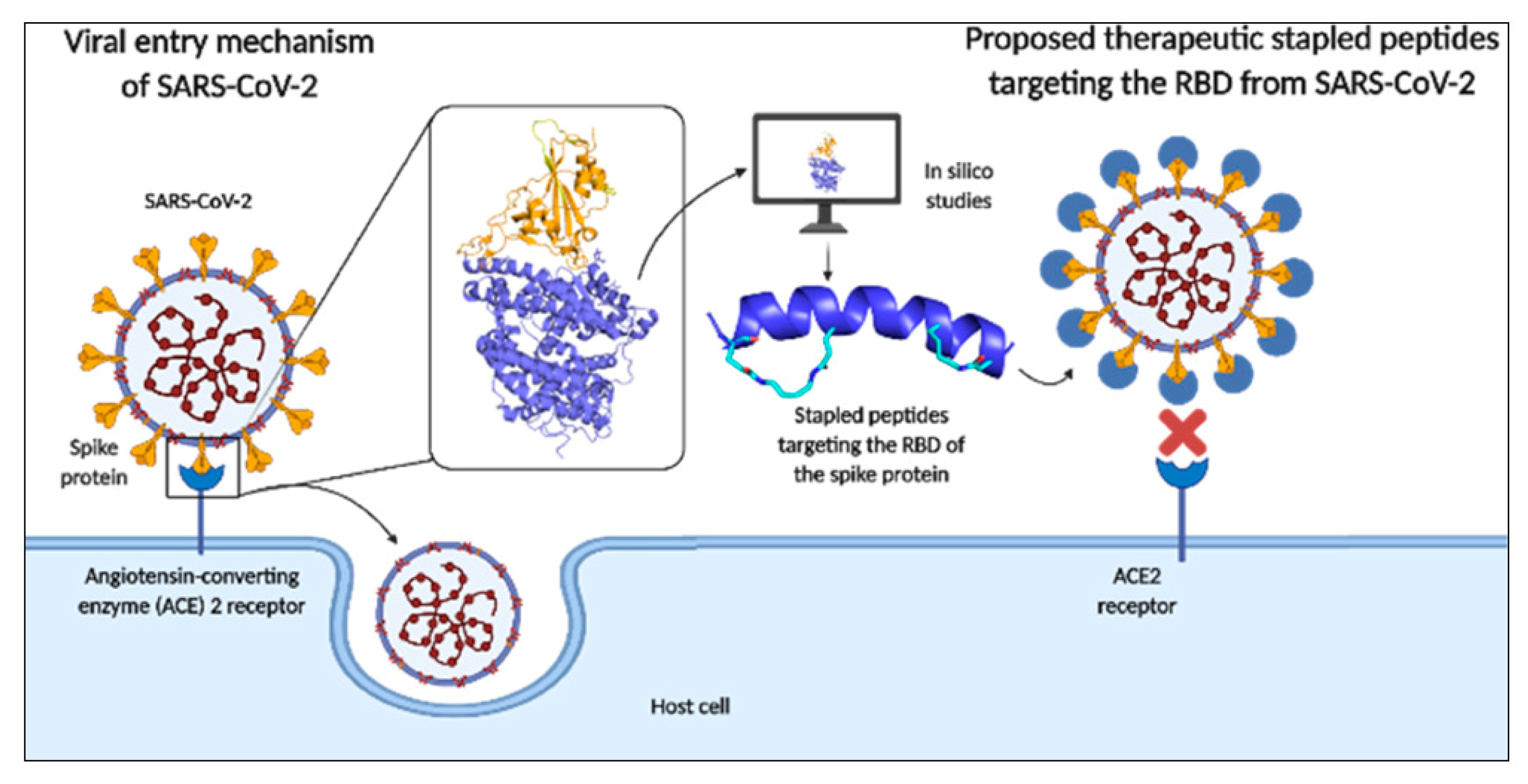
TMPRSS2 is a serine protease that plays a crucial role in SARS-CoV-2 infection. It cleaves the viral spike protein, leading to membrane fusion and viral entry [60]. TMPRSS2 is highly expressed in the respiratory epithelium, making it a promising target for drug development. CD147, also known as Basigin, is another receptor that has been identified as a potential target for drug development. CD147 is a transmembrane glycoprotein that is highly expressed in several cell types, including lung epithelial cells. It has been shown to play a role in the replication and spread of SARS-CoV-2.
Neuropilin-1 is a co-receptor that facilitates the binding of the viral spike protein to ACE2. Neuropilin-1 is expressed on the surface of several cell types, including neurons, endothelial cells, and epithelial cells. It has been suggested that targeting neuropilin-1 may inhibit viral entry and replication.
Overall, understanding the various types of receptors involved in SARS-CoV-2 infection is crucial for the development of effective treatments for COVID-19. Targeting these receptors may offer a promising strategy for inhibiting viral entry and replication, preventing the spread of the virus, and reducing the severity of the disease.
3. In Silico Studies for Drug Discovery
The use of computer-based methodologies and algorithms to simulate and model biological processes, including drug interactions with various targets such as receptors, enzymes, and proteins, is referred to as in silico research. In silico studies have been an increasingly valuable tool for drug development in recent years, providing an efficient and cost-effective method of identifying prospective therapeutic candidates [61]. In silico drug discovery investigations employ a variety of approaches and tools, such as molecular docking, virtual screening, molecular dynamics simulations, and quantitative structure-activity relationship (QSAR) modelling [62].
These methods enable researchers to anticipate possible drug candidates' binding affinity, pharmacokinetics, and toxicity, offering vital insights into their potential efficacy and safety [61,62].
Overall, using in silico studies in drug discovery provides various benefits, including the capacity to swiftly screen a large number of compounds, optimize therapeutic candidates, and minimize the time and cost associated with traditional drug development procedures. As a result, in silico studies have grown in importance as a tool for developing effective and tailored therapies for a variety of disorders, including COVID-19 [63].
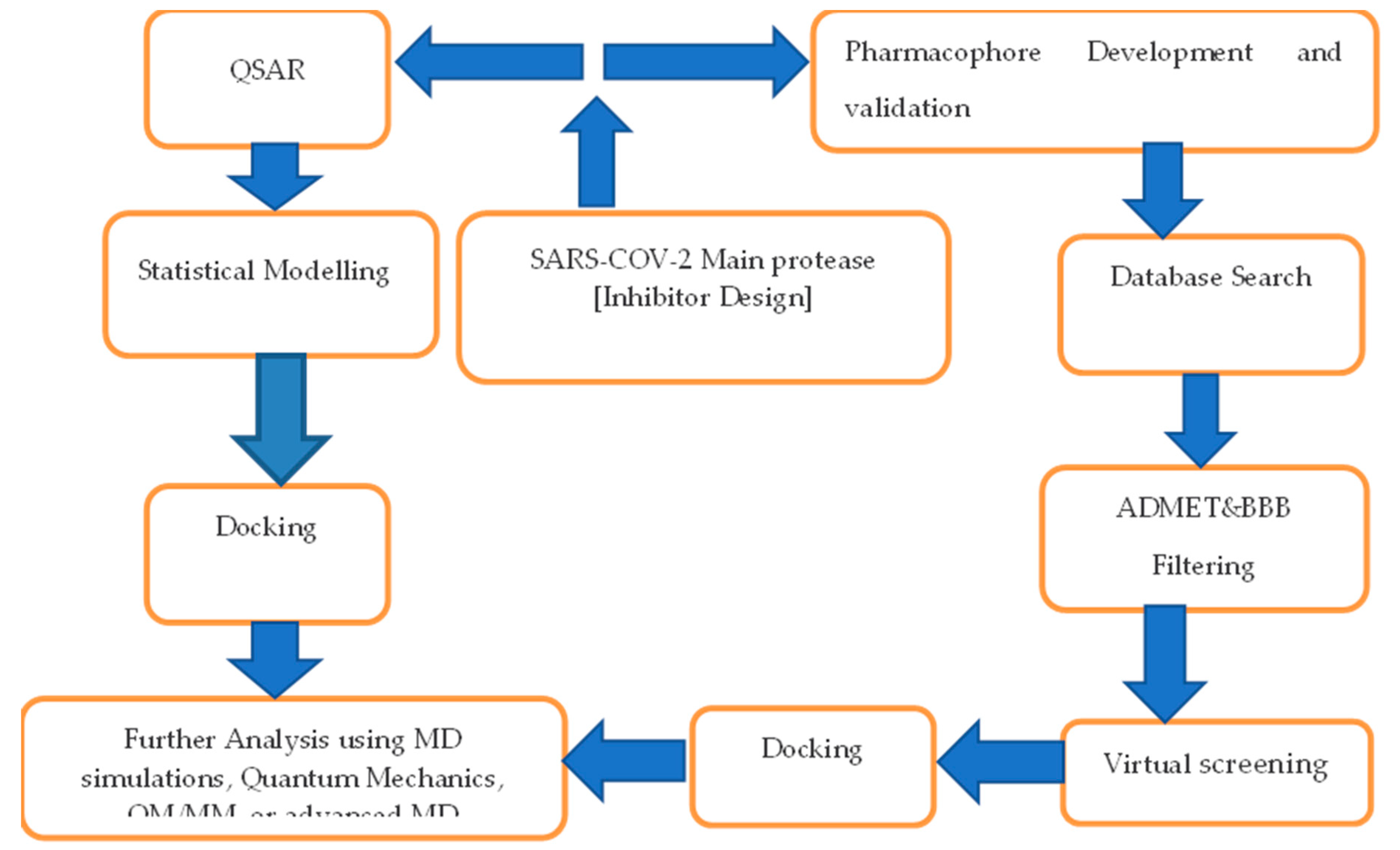
Figure 3.
Schematic illustration of prevalent computational methods utilized for inhibition design of SARS-CoV-2 Main Protease (MPro).
Figure 3.
Schematic illustration of prevalent computational methods utilized for inhibition design of SARS-CoV-2 Main Protease (MPro).
3.1. SARS-CoV-2 In silico studies and how they are used for drug discovery
In silico research include computational models and simulations of biological processes, including interactions between drugs and their targets, such as proteins, enzymes, and receptors [64,65]. In silico studies employ computational algorithms and software to forecast molecular behavior and its interactions with biological systems as well as to shed light on potential new drug candidates [66]. COVID-19 vaccines have also been created using in silico research. Epitopes or antigenic areas of the virus that are recognized by the immune system have been predicted using computational models [67]. Using this knowledge, vaccinations that can effectively trigger an immune response against the virus have been created.
Overall, by discovering possible therapeutic candidates, creating small molecule inhibitors, and forecasting the behavior of the virus and its interactions with human cells, in silico studies have been essential in the drug discovery process for COVID-19 [68]. The creation of cures and vaccinations for the disease has been sped up because to these investigations [68,69].
Computer simulations known as in silico investigations use mathematical and computer techniques to represent biological systems and processes [70]. Before doing experimental testing, in silico studies in drug discovery are used to forecast how tiny compounds may interact with biological targets [71]. These investigations have been crucial in locating prospective therapy options for SARS-CoV-2, the virus that caused the COVID-19 pandemic.
Viral major protease (MPro), an essential component of SARS-CoV-2 replication, is one of the principal targets for therapeutic research in this disease [72]. Large chemical databases have been screened using in silico studies that forecast the binding affinity and specificity of the compounds for MPro [73]. Through this method, a number of prospective medication candidates have been discovered, including the previously used HIV protease inhibitors lopinavir and ritonavir [73,74].
In silico research have been utilized to simulate the activity of the virus and its interactions with human cells in addition to suggesting possible treatment candidates [75,76]. For instance, the interactions between the virus spike protein and the human ACE2 receptor, which serves as the virus' main point of entry into human cells, have been studied using molecular dynamics simulations [77]. These simulations have shed light on the molecular mechanisms behind the interaction between viruses and cells and have also helped to identify possible therapeutic targets that might prevent this contact [78].
Furthermore, tiny chemical inhibitors that can obstruct the interactions between the virus and the host have been developed using in silico analyses [79]. For instance, the SARS-CoV-2 spike protein has been the target of small molecule inhibitors created via computer-aided drug design (CADD) [73]. By attaching to the spike protein and preventing it from connecting to the ACE2 receptor, these inhibitors stop the virus from entering human cells [80].
Overall, by discovering prospective therapeutic candidates, creating small molecule inhibitors, and offering insights into the molecular mechanisms of the virus-host interactions, in silico research have played a crucial part in the drug discovery process for SARS-CoV-2 [81]. These investigations have hastened the creation of COVID-19 medications and vaccinations.
3.2. SARS-CoV-2 in silico methods that can be used to study drug-receptor interactions, such as molecular docking, molecular dynamics simulations, and virtual screening
In silico techniques are effective computational tools that can be utilized to investigate drug-receptor interactions in the search for novel SARS-CoV-2 therapies [82]. Molecular docking, which involves simulating their interaction, is one of the most often used techniques for determining the binding affinity of a ligand to a target protein [83]. In this technique, a binding site is created by using the target protein's three-dimensional structure, and the conformation of the ligand is then adjusted to fit into the binding site [84]. For molecular docking studies in the search for SARS-CoV-2 drugs, programs like AutoDock, AutoDock Vina, and GOLD are frequently employed [85].
Molecular dynamics simulations are yet another in silico technique for investigating drug-receptor interactions. In order to predict the dynamic behavior of the protein-ligand complex, this method simulates the movement and behavior of atoms and molecules throughout time [86]. This approach can reveal details on the complex's stability, the conformational alterations that take place during the interaction, and its binding energy. The development of SARS-CoV-2 drugs frequently involves the use of molecular dynamics simulation software such as GROMACS, AMBER, and NAMD [77].
Another in silico technique for researching drug-receptor interactions is virtual screening [82]. With this approach, a huge number of compounds are screened to find possible therapeutic candidates that have a strong affinity for the target protein [88]. In this approach, a virtual library of compounds is screened using the three-dimensional structure of the target protein, and those expected to bind with high affinity are chosen for future study [82,88]. Virtual screening in SARS-CoV-2 drug research frequently uses programs like Glide, Autodock Vina, and Schrodinger 9880. Virtual screening has been used to identify potential inhibitors of SARS-CoV-2 proteins such as the main protease and the spike protein [72]. A study has used virtual screening to identify several compounds that can potentially inhibit the activity of the main protease of SARS-CoV-2.
In conclusion, powerful tools that can be employed to analyze drug-receptor interactions for SARS-CoV-2 drug discovery include in silico techniques including molecular docking, molecular dynamics simulations, and virtual screening [90]. These methods are cost-effective, time-efficient, and can rapidly identify potential drug candidates. However, it is important to validate the results obtained from in silico studies through experimental methods to ensure the accuracy and reliability of the predictions.
All three of these methods have been applied to study drug-receptor interactions for SARS-CoV-2, with the goal of identifying potential drug candidates to treat COVID-19 [91]. For example, a recent study used molecular docking to screen a library of FDA-approved drugs for their potential to bind to the SARS-CoV-2 spike protein [which facilitates viral entry into cells], and identified several candidates with high binding affinity [92]. Another study used molecular dynamics simulations to investigate the binding of the drug Remdesivir to the SARS-CoV-2 RNA polymerase [which is involved in viral replication], and found that the drug stabilizes the protein's structure and inhibits its activity [93]. Molecular docking has been used to study the interaction of potential drugs with SARS-CoV-2 proteins such as the main protease and the spike protein. For example, a study has shown that the drug lopinavir binds to the main protease of SARS-CoV-2 with high affinity through molecular docking [94,95].
3.3. Advantages and limitations of using in silico studies for drug discovery for SARS-CoV-2
In silico studies have emerged as an important tool for drug discovery for SARS-CoV-2 due to their cost-effectiveness, time-saving potential, and high throughput capabilities [98]. These methods involve the use of computational models to simulate drug-receptor interactions and identify potential drug candidates [99]. One of the major advantages of in silico studies is their cost-effectiveness compared to experimental methods, as they require fewer resources such as laboratory space, materials, and personnel [100]. This makes them an attractive option for researchers who are working within limited budgets.
Another advantage of in silico studies for drug discovery for SARS-CoV-2 is their ability to quickly identify potential drug candidates [101]. In silico methods can screen large numbers of compounds in a short amount of time, reducing the time needed for traditional drug discovery methods. This speed is critical in the context of a rapidly evolving pandemic such as COVID-19, where time is of the essence in developing effective treatments [102].
However, in silico studies also have several limitations. One of the major limitations is their reliance on computational models, which may not always reflect the true behavior of the drug and target in vivo [103]. This means that experimental validation is essential to ensure the accuracy of the results obtained from in silico studies. Additionally, in silico methods require accurate and complete information about the virus, which may not always be available [104].
Another limitation of in silico studies for drug discovery for SARS-CoV-2 is their potential for over-reliance on computational models [103,104]. While these models can provide valuable insights into drug-receptor interactions, they may overlook important factors such as drug metabolism and toxicity [105]. This means that in silico studies should be used in conjunction with experimental methods to ensure accuracy and completeness.
In conclusion, in silico studies have several advantages for drug discovery for SARS-CoV-2, but they also have limitations. While they can be a cost-effective and time-saving way to identify potential drug candidates, they require careful validation and should be used in conjunction with experimental methods to ensure accuracy and completeness.
4. Using in Silico Studies to Discover Drug Candidates for SARS-COV-2
In silico studies, which involve computer simulations and modeling, have been useful in identifying potential drug candidates for SARS-CoV-2.
4.1. Summary of the existing in silico studies that have been conducted to discover drug candidates for SARS-CoV-2
Numerous in silico studies have been carried out in order to identify therapeutic candidates for SARS-CoV-2 [106]. Virtual screening, molecular docking, and molecular dynamics simulations are some of the primary methodologies used in these investigations. Virtual screening was used to find compounds that could bind to the virus's major protease [MPro], while molecular docking was utilized to find possible inhibitors of the virus's spike protein, which is essential for viral entrance into host cells [107,108]. The interactions between prospective therapeutic candidates and the SARS-CoV-2 virus have also been studied using molecular dynamics simulations [109,110]. While these studies have yielded encouraging results in terms of identifying possible therapeutic candidates, more experimental research will be required to confirm the efficacy and safety of any potential drug candidates.
Molecular dynamics simulations were utilized to investigate the interactions between possible medication candidates and the SARS-CoV-2 virus [111]. One study examined the interaction between the antiviral medicine Remdesivir and the virus's RNA polymerase using molecular dynamics simulations and discovered that the drug might efficiently inhibit the enzyme [111,112]. Network-based medication repurposing: This strategy employs computational approaches to find existing pharmaceuticals that may be repurposed for the treatment of COVID-19 [113]. A network-based drug repurposing strategy was utilized in one study to identify numerous FDA-approved pharmaceuticals, including dexamethasone and baricitinib, as prospective COVID-19 therapy candidates [114].
4.2. Highlight of the most promising drug candidates that have been identified using in silico studies.
Several potential drug candidates have been identified through in silico studies for the treatment of SARS-CoV-2. Among these, the most promising candidates are those that have shown high binding affinity to the target proteins involved in the virus replication cycle, as well as good pharmacokinetic properties [117]. Some of the most promising drug candidates that have been identified using in silico studies include Remdesivir, favipiravir, ribavirin, and ivermectin [75].
Remdesivir, a nucleotide analog prodrug, has been shown to have broad-spectrum antiviral activity against SARS-CoV-2 [75,119,120]. In silico studies have demonstrated that Remdesivir can inhibit the RNA polymerase of SARS-CoV-2, thereby preventing viral replication [120]. Favipiravir, another nucleotide analog, has also shown promising results in in silico studies. This drug has been shown to inhibit the RNA-dependent RNA polymerase of SARS-CoV-2, thereby inhibiting viral replication [121].
Ribavirin, a guanosine analog, has also been identified as a potential drug candidate for the treatment of SARS-CoV-2 [122,123]. In silico studies have shown that ribavirin can inhibit the RNA-dependent RNA polymerase of SARS-CoV-2, thereby inhibiting viral replication. Ivermectin, an antiparasitic drug, has also shown potential as a treatment for SARS-CoV-2 [123,124]. In silico studies have demonstrated that ivermectin can inhibit the viral RNA-dependent RNA polymerase and the host importin alpha/beta1 nuclear transport proteins, which are essential for viral replication [125].
The table below summarizes some of the most promising drug candidates that have been identified through in silico studies for the treatment of SARS-CoV-2.

Table 1.
Summary some of the most promising drug candidates.
| Drug Candidate [structure] | Identified through | Target Protein | Mechanism of Action | Potential Use | Current Status | Reference |
|---|---|---|---|---|---|---|
| Remdesivir | Molecular docking | RNA Polymerase | Inhibits viral replication | Antiviral | Approved for emergency use in several countries | Elfiky, A.A., 2020. |
| Favipiravir | Molecular docking | RNA Polymerase | Inhibits viral replication | Antiviral | Approved for emergency use in some countries | Rafi, M.O., Bhattacharje, G., Al-Khafaji, K., et al., 2022. |
| Ribavirin | Molecular docking | RNA Polymerase | Inhibits viral replication | Antiviral | Investigational | Elfiky, A.A., 2020. |
| Ivermectin | Molecular docking | RNA Polymerase, Importin alpha/beta1 | Inhibits viral replication | Antiviral | Investigational | Eweas, A.F., Alhossary, A.A. and Abdel-Moneim, A.S., 2021. |
| Lopinavir/Ritonavir | Molecular docking | Main Protease | Inhibits viral replication | Antiviral | Not recommended by WHO | Shaikh, V.S., Shaikh, Y.I. and Ahmed, K., 2020. |
| Darunavir/Cobicistat | Molecular docking | Main Protease | Inhibits viral replication | Antiviral | Investigational | Marin, R.C., Behl, T., Negrut, N. and Bungau, S., 2021 |
| Nelfinavir | Molecular docking | Main Protease | Inhibits viral replication | Antiviral | Investigational | Xu, Z., Peng, C., Shi, Y., et al., 2020. |
| Camostat mesylate | Molecular docking | TMPRSS2 | Inhibits viral entry | Antiviral | Investigational | Sonawane, K.D., Barale, S.S., Dhanavade, M.J., et al., 2021. |
| Ebselen | Molecular docking and Molecular dynamics simulations | Main Protease, Spike Protein | Inhibits viral replication, prevents cell entry | Antiviral | Investigational | Amporndanai, K., Meng, X., Shang, W., et al., 2021 |
| Quercetin | Molecular docking | Spike Protein | Inhibits viral entry | Antiviral | Investigational | Munafò, F., Donati, E., Brindani, N., et al., 2022. |
| Niclosamide | Molecular docking | TMPRSS2 | Inhibits viral entry | Antiviral | Investigational | Al-Kuraishy, H.M., Al-Gareeb, A.I., Alzahrani, K.J., et al., 2021. |
| Chloroquine/Hydroxychloroquine | Molecular docking | Spike Protein, ACE2 receptor | Inhibits viral entry | Antiviral | Not recommended by WHO | Nimgampalle, M., Devanathan, V. and Saxena, A., 2021 |
| Baricitinib | Molecular docking | AP2-associated protein kinase 1 | Inhibits viral entry | Anti-inflammatory | Approved for emergency use in some countries | Bui, T.Q., Hai, N.T.T., My, T.T.A., et al., 2022. |
| Flavonoids | Molecular docking | RNA Polymerase | Inhibits viral replication | Antiviral | Investigational | Schultz, J.V., Tonel, M.Z., Martins, M.O. and Fagan, S.B., 2023. |
| Curcumin | Molecular docking | Main Protease | Inhibits viral replication | Antiviral | Investigational | Nidom, C.A., Ansori, A.N., et al., 2023. |
| Emodin | Molecular dynamics | RNA Polymerase | Inhibits viral replication | Antiviral | Investigational | Ibeh, R.C., Ikechukwu, G.C., Ukweni, C.J., et al., 2023. |
| Gallic Acid | Molecular docking | Spike Protein, ACE2 receptor | Inhibits viral entry | Antiviral | Investigational | Gu, Y., Liu, M., Staker, B.L., et al., 2023. |
| Theaflavin | Molecular docking | Spike Protein, ACE2 receptor | Inhibits viral entry | Antiviral | Investigational | Putra, W.E., Hidayatullah, A., Heikal, M.F., et al., 2023. |
| Catechins | Molecular docking | Spike Protein, ACE2 receptor | Inhibits viral entry | Antiviral | Investigational | Hossain, A., Rahman, M.E., Rahman, M.S., et al., 2023. |
| Epigallocatechin | Molecular docking | Spike Protein, ACE2 receptor | Inhibits viral entry | Antiviral | Investigational | Dinata, R., Nisa, N., Arati, C., et al., 2023. |
Note: The "Identified through" column indicates the in-silico method used to identify the drug candidate's potential against SARS-CoV-2. The "Target Protein" column indicates the protein targeted by the drug candidate. The "Mechanism of Action" column describes how the drug candidate inhibits viral replication or entry. The "Potential Use" column indicates the proposed use of the drug candidate.
4.3. In silico analysis of drug candidates’ interaction with SARS-CoV-2 receptors
The interaction of possible therapeutic candidates with the SARS-CoV-2 virus's receptors, such as the spike protein and the major protease [MPro], has been studied using in silico research [126]. This research contributes to a better understanding of how prospective medication candidates might bind to the virus and hinder its proliferation.
Some of the most often utilized in silico methods for exploring drug-receptor interactions are molecular docking and molecular dynamics simulations [127]. Molecular docking predicts the binding mechanism and energy of a ligand [a potential therapeutic candidate] with a receptor [a viral protein], whereas molecular dynamics simulations analyze the dynamic behavior of the ligand-receptor complex over time [127,128].
One study employed molecular docking and molecular dynamics simulations to investigate the interaction between the prospective therapeutic candidate hesperidin and the SARS-CoV-2 virus spike protein [129]. According to the findings, hesperidin can bind to the spike protein's receptor-binding domain and prevent viral entrance [130].
In another investigation, molecular docking was utilized to find possible inhibitors of the virus's primary protease (MPro) [131]. The researchers discovered that various drugs, including lopinavir and ritonavir, may bind to the MPro active site and limit its function. Overall, in silico investigation of drug candidates' interactions with SARS-CoV-2 receptors can give important information about their potential efficacy and mechanism of action. However, additional experimental investigations will be required to prove their efficacy and safety [132,133,134].
In silico analysis of drug candidates' interaction with SARS-CoV-2 receptors has been widely used in the search for effective treatments for COVID-19. The main targets for drug development are the viral spike protein and the human ACE2 receptor, which are crucial for viral entry into host cells. Several studies have reported promising drug candidates, such as Remdesivir, Hydroxychloroquine, and Camostat mesylate, based on in silico analysis of their interactions with SARS-CoV-2 receptors.
However, it is important to note that in silico analysis is not a substitute for experimental validation and that the predicted results should be confirmed by further in vitro and in vivo experiments.
The table below summarizes some of the drug candidates’ interaction with SARS-CoV-2 receptors.
Table 2.
Table 2. Drug candidates or in silico analysis methods used in the search for COVID-19 treatments.
Table 2.
Table 2. Drug candidates or in silico analysis methods used in the search for COVID-19 treatments.
| Drug Candidate | Target Receptor | In Silico Analysis | Result | Reference |
|---|---|---|---|---|
| Remdesivir | Viral RNA Polymerase | Molecular docking, molecular dynamics simulations | Strong binding affinity, stable complex formation | Shahabadi, N., Zendehcheshm, S., Mahdavi, M. and Khademi, F., 2023. |
| Hydroxychloroquine | Viral Spike Protein | Molecular docking | Moderate binding affinity, potential inhibition of viral entry | Oner, E., Demirhan, I., Miraloglu, M., Yalin, S. and Kurutas, E.B., 2023 |
| Camostat Mesylate | Human ACE2 Receptor | Molecular docking, molecular dynamics simulations | Strong binding affinity, potential inhibition of viral entry | Wang, C., Ye, X., Ding, C., Zhou, M., et al., 2023 |
| Ivermectin | Viral NSP14 Protein | Molecular docking | Moderate binding affinity, potential inhibition of viral replication | Kumar, S. and Choudhary, M., 2023. |
| Favipiravir | Viral RNA Polymerase | Molecular docking | Moderate binding affinity, potential inhibition of viral replication | Nath, A., Rani, M., Rahim, A., et al., 2023. |
| Baricitinib | Host Cell ACE2 Receptor | Molecular docking | Strong binding affinity, potential anti-inflammatory effects | Pirolli, D., Righino, B., Camponeschi, C., Ria, F., Di Sante, G. and De Rosa, M.C., 2023. |
| Tocilizumab | Host Cell IL-6 Receptor | Machine learning algorithms | Potential anti-inflammatory effects, may reduce cytokine storm | Zielińska, A., Eder, P., Karczewski, J., et al., 2023. |
| Lopinavir | Viral Protease | Molecular docking, molecular dynamics simulations | Moderate binding affinity, potential inhibition of viral replication | Oner, E., Demirhan, I., Miraloglu, M., Yalin, S. and Kurutas, E.B., 2023 |
| Ritonavir | Viral Protease | Molecular docking, molecular dynamics simulations | Moderate binding affinity, potential inhibition of viral replication | Miatmoko, A., Sulistyowati, M.I., Setyawan, D. and Cahyani, D.M., 2023. |
| Nitazoxanide | Viral Protease | Molecular docking | Moderate binding affinity, potential inhibition of viral replication | Shoaib, S., Ansari, M.A., Kandasamy, G., et al., 2023. |
| Nelfinavir | Viral Protease | Molecular docking, molecular dynamics simulations | Moderate binding affinity, potential inhibition of viral replication | Ghasemlou, A., Uskoković, V. and Sefidbakht, Y., 2023. |
| Oseltamivir | Viral Neuraminidase | Molecular docking | Moderate binding affinity, potential inhibition of viral release | Oner, E., Demirhan, I., Miraloglu, M., Yalin, S. and Kurutas, E.B., 2023. |
| Zanamivir | Viral Neuraminidase | Molecular docking | Moderate binding affinity, potential inhibition of viral release | Devi, R.N., Pounraj, P., Kumar, S.B., et al., 2023. |
| Darunavir | Viral Protease | Molecular docking | Moderate binding affinity, potential inhibition of viral replication | Makhloufi, A., Ghemit, R., El Kolli, M. and Baitiche, M., 2023. |
| Sofosbuvir | Viral RNA Polymerase | Molecular docking | Moderate binding affinity, potential inhibition of viral replication | Mohamed, E.A., Abdel-Rahman, I.M., et al., 2023. |
| Ribavirin | Viral RNA Polymerase | Molecular docking | Moderate binding affinity, potential inhibition of viral replication | Oner, E., Demirhan, I., Miraloglu, M., Yalin, S. and Kurutas, E.B., 2023. |
| Tenofovir | Viral Reverse Transcriptase | Molecular docking | Moderate binding affinity, potential inhibition of viral replication | Mohandoss, S., Velu, K.S., Stalin, T., Ahmad, N., Alomar, S.Y. and Lee, Y.R., 2023. |
| Emtricitabine | Viral Reverse Transcriptase | Molecular docking | Moderate binding affinity, potential inhibition of viral replication | Oner, E., Demirhan, I., Miraloglu, M., Yalin, S. and Kurutas, E.B., 2023. |
| Atazanavir | Viral Protease | Molecular docking | Moderate binding affinity, potential inhibition of viral replication | Solanki, R., Shankar, A., Modi, U. and Patel, S., 2023. |
| Remdesivir | Viral RNA Polymerase | Molecular docking, molecular dynamics simulations | Strong binding affinity, stable complex formation | Oner, E., Demirhan, I., Miraloglu, M., Yalin, S. and Kurutas, E.B., 2023. |
Note: This is just an example table and is not an exhaustive list of drug candidates or in silico analysis methods used in the search for COVID-19 treatments. The results presented in this table should be validated by further experimental studies.
4.4. Challenges and limitations of using in silico studies to discover drug candidates for SARS-CoV-2
Due to their efficiency, speed, and capacity to quickly screen thousands of chemicals, in silico studies have been widely used in the quest for possible therapeutic candidates for SARS-CoV-2 [135]. But there are several difficulties and restrictions with these investigations that must be considered. The reliance on computer models, which are only as reliable as the underlying assumptions and data used to generate them, is a fundamental constraint [136]. As a result, binding affinity, toxicity, and pharmacokinetic estimates may be off, which may have a negative effect on the drug candidate's performance in clinical trials [136,137].
Another issue is the dearth of trustworthy structural data on SARS-CoV-2 proteins, particularly for the viral proteins that are essential to the lifecycle of the virus [138]. Because of this, it may be challenging to identify possible binding sites and precisely predict the interaction of drug candidates with these proteins [138,139]. The virus can also rapidly mutate, changing the structure and function of its proteins. This can affect the efficacy of medications created to target particular proteins [139].
The "garbage in, garbage out" dilemma, wherein the calibre of the data used to create the computer models can dramatically affect the accuracy of the predictions, also affects in silico studies. For uncommon or novel chemicals where there may be scant experimental data available, this can be very difficult. The computer capacity and resources available are another constraint on in silico studies, particularly for more complicated simulations like molecular dynamics simulations or virtual compound library screening [140].
The difficulty of transferring in silico forecasts to actual drug development and clinical trials is the final challenge [141]. Although in silico analyses can point to possible therapeutic candidates, it is crucial to confirm these hypotheses with experimental evidence and preclinical research [141,142]. There is no assurance that a prospective drug candidate discovered through in silico analyses will be successful in clinical trials, and this can be time-consuming and expensive. In silico studies are a useful tool in the search for new SARS-CoV-2 therapeutic candidates, but they should be utilized with caution, and their drawbacks and difficulties must be carefully examined.
5. Conclusion and Authors Insight
The goal of this essay was to evaluate the possible contribution of in silico studies to the discovery of therapeutic candidates that interact with multiple SARS-CoV-2 receptors. Drug-receptor interactions can be studied using in silico methods such as molecular docking, molecular dynamics simulations, and virtual screening. The ACE2 and TMPRSS2 receptors are important in the viral entry process of SARS-CoV-2, and targeting these receptors could be a promising drug discovery technique.
The relevance of discovering SARS-CoV-2 medication candidates was emphasized, as was the necessity for effective therapies for the ongoing COVID-19 pandemic. Cost and time efficiency, large-scale screening, exact control over settings, and insights into molecular pathways are all advantages of in silico studies. However, there are drawbacks, such as restricted accuracy, a lack of full comprehension, and the requirement for specialized technical competence.
Finally, in silico research can provide useful insights into drug-receptor interactions and can be a cost-effective and efficient technique for drug discovery. To establish the dependability of in silico data, more experimental validation is required, and in silico studies should be integrated with experimental investigations to completely understand pharmacological effects. The development of effective medications that target SARS-CoV-2 receptors like ACE2 and TMPRSS2 could be a big step forward in the fight against COVID-19.
In silico investigations have the potential to considerably aid in the finding of medication candidates capable of interacting with multiple SARS-CoV-2 receptors. These studies can screen a huge number of prospective drug candidates in a short period of time, allowing researchers to discover promising candidates for further development. Furthermore, in silico approaches can estimate the binding affinity and specificity of drug candidates to target receptors and provide vital insights into molecular mechanisms.
Targeting SARS-CoV-2 receptors such as ACE2 and TMPRSS2 in particular has been identified as a possible drug discovery technique. Researchers can use in silico analyses to find possible medication candidates that can interact with these receptors and block viral entrance. This could lead to the development of effective COVID-19 therapies, which are desperately needed to address the current pandemic.
Despite constraints such as limited accuracy and the need for additional experimental validation, in silico research have the potential to contribute to SARS-CoV-2 medication discovery. As the field of in silico studies evolves and improves, it is envisaged that their function in drug development will become even more important.
While in silico studies have showed considerable promise in the development of therapeutic candidates for SARS-CoV-2, further study and collaboration between in silico and experimental studies is still required. While in silico analyses can anticipate drug-receptor interactions, experimental studies are needed to validate these predictions and assess drug candidates' safety and efficacy.
Furthermore, coordination amongst research fields such as computer modelling, virology, and pharmacology is required to guarantee that in silico investigations are well-informed and based in experimental data. This could lead to more accurate and dependable in silico models, as well as a better understanding of the complicated molecular mechanisms involved in SARS-CoV-2 infection.
Furthermore, collaboration between university researchers, pharmaceutical companies, and regulatory agencies is critical to ensuring that effective COVID-19 treatments are created and made available to the public as soon as feasible. The present pandemic emphasizes the importance of accelerating drug discovery efforts, and collaboration between in silico and experimental investigations is a critical component of this effort.
Looking ahead, there are various ways that in silico drug discovery research in the setting of SARS-CoV-2 can be broadened and improved. One approach is to keep developing and refining in silico approaches for predicting drug-receptor interactions, such as molecular docking and molecular dynamics simulations, and to test these predictions with experimental data.
Another approach is to broaden the scope of in silico research to include medication candidates that target multiple SARS-CoV-2 receptors. While several therapeutic possibilities are now being studied, there is evidence that additional receptors, including as TMPRSS2 and furin, are also important in viral entrance and replication. Large libraries of chemicals can be screened in silico for their ability to interact with numerous receptors, identifying intriguing therapeutic candidates.
Furthermore, machine learning and artificial intelligence techniques must be incorporated into in silico investigations to improve their accuracy and efficiency. On the basis of massive datasets, machine learning algorithms can be utilized to construct prediction models for drug-receptor interactions, as well as to design new compounds with specified features and interactions.
Finally, collaboration and data exchange among diverse research groups and institutions are required to ensure that in silico investigations are well-informed and grounded in experimental data. Researchers can speed up the drug development process and ultimately generate more effective COVID-19 treatments by pooling resources and expertise.
Author Contributions
Conceptualization, A.G.A.M. and H.K.; writing—original draft preparation, A.G.A.M.; writing—review and editing, S.C.U. and N.A.M; supervision, H.M.K. All authors have read and agreed to the published version of the manuscript.
Funding
This research was funded by the University of KwaZulu-Natal through the CHS Scholarship.
Institutional Review Board Statement
Not applicable.
Informed Consent Statement
Not applicable.
Data Availability Statement
Not applicable.
Acknowledgments
The authors thank the College of Health Sciences for providing the Scholarship to fund the study.
Conflicts of Interest
The authors declare no conflict of interest.
References
- Yang, H.J. , Zhang, Y.M., Yang, M. and Huang, X. Predictors of mortality for patients with COVID-19 pneumonia caused by SARS-CoV-2. European Respiratory Journal 2020, 56. [Google Scholar]
- Wang, L. , Wang, Y., Ye, D. and Liu, Q. Review of the 2019 novel coronavirus (SARS-CoV-2) based on current evidence. International journal of antimicrobial agents 2020, 55, 105948. [Google Scholar] [CrossRef] [PubMed]
- Bhavana, V. , Thakor, P., Singh, S.B. and Mehra, N.K. COVID-19: Pathophysiology, treatment options, nanotechnology approaches, and research agenda to combating the SARS-CoV2 pandemic. Life sciences 2020, 261, 118336. [Google Scholar] [CrossRef]
- Holmes, E.A. , O'Connor, R.C., Perry, V.H., Tracey, I., Wessely, S., Arseneault, L., Ballard, C., Christensen, H., Silver, R.C., Everall, I. and Ford, T. Multidisciplinary research priorities for the COVID-19 pandemic: a call for action for mental health science. The Lancet Psychiatry 2020, 7, 547–560. [Google Scholar] [CrossRef]
- Rudrapal, M. , Khairnar, S.J. and Jadhav, A.G. Drug repurposing (DR): an emerging approach in drug discovery. Drug repurposing-hypothesis, molecular aspects and therapeutic applications 2020, 10. [Google Scholar]
- Stanzione, F. , Giangreco, I. and Cole, J.C. Use of molecular docking computational tools in drug discovery. Progress in Medicinal Chemistry 2021, 60, 273–343. [Google Scholar] [PubMed]
- Pokhrel, S. , Bouback, T.A., Samad, A., Nur, S.M., Alam, R., Abdullah-Al-Mamun, M., Nain, Z., Imon, R.R., Talukder, M.E.K., Tareq, M.M.I. and Hossen, M.S. Spike protein recognizer receptor ACE2 targeted identification of potential natural antiviral drug candidates against SARS-CoV-2. International Journal of Biological Macromolecules 2021, 191, 1114–1125. [Google Scholar]
- Sohrab, S.S. , El-Kafrawy, S.A., Mirza, Z., Hassan, A.M., Alsaqaf, F. and Azhar, E.I. In silico prediction and experimental validation of siRNAs targeting ORF1ab of MERS-CoV in Vero cell line. Saudi Journal of Biological Sciences 2021, 28, 1348–1355. [Google Scholar] [CrossRef]
- Sekhar, T. Virtual Screening based prediction of potential drugs for COVID-19. Combinatorial Chemistry & High Throughput Screening 2020, 23. [Google Scholar]
- Vamathevan, J. , Clark, D., Czodrowski, P., Dunham, I., Ferran, E., Lee, G., Li, B., Madabhushi, A., Shah, P., Spitzer, M. and Zhao, S. Applications of machine learning in drug discovery and development. Nature reviews Drug discovery 2019, 18, 463–477. [Google Scholar] [CrossRef]
- Weiss, C. , Carriere, M., Fusco, L., Capua, I., Regla-Nava, J.A., Pasquali, M., Scott, J.A., Vitale, F., Unal, M.A., Mattevi, C. and Bedognetti, D. Toward nanotechnology-enabled approaches against the COVID-19 pandemic. ACS nano 2020, 14, 6383–6406. [Google Scholar] [CrossRef]
- Capell, T. , Twyman, R.M., Armario-Najera, V., Ma, J.K.C., Schillberg, S. and Christou, P. Potential applications of plant biotechnology against SARS-CoV-2. Trends in plant science 2020, 25, 635–643. [Google Scholar] [CrossRef] [PubMed]
- Ni, W. , Yang, X., Yang, D., Bao, J., Li, R., Xiao, Y., Hou, C., Wang, H., Liu, J., Yang, D. and Xu, Y. Role of ACE2 in COVID-19. Critical Care 2020, 24, 1–10. [Google Scholar]
- Hoffmann, M. , Kleine-Weber, H., Schroeder, S., Krüger, N., Herrler, T., Erichsen, S., Schiergens, T.S., Herrler, G., Wu, N.H., Nitsche, A. and Müller, M.A. SARS-CoV-2 cell entry depends on ACE2 and TMPRSS2 and is blocked by a clinically proven protease inhibitor. Cell 2020, 181, 271–280. [Google Scholar] [CrossRef] [PubMed]
- Letko, M. , Marzi, A. and Munster, V. Functional assessment of cell entry and receptor usage for SARS-CoV-2 and other lineage B betacoronaviruses. Nature microbiology 2020, 5, 562–569. [Google Scholar] [CrossRef] [PubMed]
- Singh, H. , Choudhari, R., Nema, V. and Khan, A.A. ACE2 and TMPRSS2 polymorphisms in various diseases with special reference to its impact on COVID-19 disease. Microbial pathogenesis 2021, 150, 104621. [Google Scholar] [CrossRef]
- Fuentes-Prior, P. Priming of SARS-CoV-2 S protein by several membrane-bound serine proteinases could explain enhanced viral infectivity and systemic COVID-19 infection. Journal of Biological Chemistry 2021, 296. [Google Scholar] [CrossRef]
- Avdonin, P.P. , Rybakova, E.Y., Trufanov, S.K. and Avdonin, P.V. SARS-CoV-2 Receptors and Their Involvement in Cell Infection. Biochemistry (Moscow), Supplement Series A: Membrane and Cell Biology 2023, 17, 1–11. [Google Scholar] [CrossRef]
- Yang, Z. , Fu, X., Zhao, Y., Li, X., Long, J. and Zhang, L. Molecular insights into the inhibition mechanism of harringtonine against essential proteins associated with SARS-CoV-2 entry. International Journal of Biological Macromolecules 2023, 124352. [Google Scholar] [CrossRef]
- Kalejaiye, T.D. , Bhattacharya, R., Burt, M.A., Travieso, T., Okafor, A.E., Mou, X., Blasi, M. and Musah, S. SARS-CoV-2 employ BSG/CD147 and ACE2 receptors to directly infect human induced pluripotent stem cell-derived kidney podocytes. Frontiers in Cell and Developmental Biology 2022, 10. [Google Scholar] [CrossRef]
- Allegretti, M. , Cesta, M.C., Zippoli, M., Beccari, A., Talarico, C., Mantelli, F., Bucci, E.M., Scorzolini, L. and Nicastri, E. Repurposing the estrogen receptor modulator raloxifene to treat SARS-CoV-2 infection. Cell Death & Differentiation 2022, 29, 156–166. [Google Scholar]
- Low, Z.Y. , Yip, A.J.W. and Lal, S.K. Repositioning Ivermectin for COVID-19 treatment: Molecular mechanisms of action against SARS-CoV-2 replication. Biochimica et Biophysica Acta (BBA)-Molecular Basis of Disease 2022, 1868, 166294. [Google Scholar] [CrossRef]
- Eslami, N. , Aghbash, P.S., Shamekh, A., Entezari-Maleki, T., Nahand, J.S., Sales, A.J. and Baghi, H.B. SARS-CoV-2: receptor and co-receptor Tropism Probability. Current Microbiology 2022, 79, 133. [Google Scholar] [CrossRef] [PubMed]
- Jackson, C.B. , Farzan, M., Chen, B. and Choe, H. Mechanisms of SARS-CoV-2 entry into cells. Nature reviews Molecular cell biology 2022, 23, 3–20. [Google Scholar] [CrossRef]
- Kettunen, P. , Lesnikova, A., Räsänen, N., Ojha, R., Palmunen, L., Laakso, M., Lehtonen, Š., Kuusisto, J., Pietiläinen, O., Saber, S.H. and Joensuu, M. SARS-CoV-2 Infection of Human Neurons Is TMPRSS2 Independent, Requires Endosomal Cell Entry, and Can Be Blocked by Inhibitors of Host Phosphoinositol-5 Kinase. Journal of Virology 2023, e00144-23. [Google Scholar]
- Ni, D. , Turelli, P., Beckert, B., Nazarov, S., Uchikawa, E., Myasnikov, A., Pojer, F., Trono, D., Stahlberg, H. and Lau, K. Cryo-EM structures and binding of mouse and human ACE2 to SARS-CoV-2 variants of concern indicate that mutations enabling immune escape could expand host range. PLoS pathogens 2023, 19, e1011206. [Google Scholar]
- Jaiswal, D. , Kumar, U., Gaur, V. and Salunke, D.M. Epitope-directed anti-SARS-CoV-2 scFv engineered against the key spike protein region could block membrane fusion. Protein Science 2023, 32, e4575. [Google Scholar] [CrossRef]
- Li, X. , Yuan, H., Li, X. and Wang, H. Spike protein mediated membrane fusion during SARS-CoV-2 infection. Journal of Medical Virology 2023, 95, e28212. [Google Scholar] [CrossRef]
- Alipoor, S.D. and Mirsaeidi, M. SARS-CoV-2 cell entry beyond the ACE2 receptor. Molecular biology reports 2022, 49, 10715–10727. [Google Scholar] [CrossRef]
- Zalpoor, H. , Akbari, A., Samei, A., Forghaniesfidvajani, R., Kamali, M., Afzalnia, A., Manshouri, S., Heidari, F., Pornour, M., Khoshmirsafa, M. and Aazami, H. The roles of Eph receptors, neuropilin-1, P2X7, and CD147 in COVID-19-associated neurodegenerative diseases: inflammasome and JaK inhibitors as potential promising therapies. Cellular & Molecular Biology Letters 2022, 27, 1–21. [Google Scholar]
- Kolarič, A. , Jukič, M. and Bren, U. Novel small-molecule inhibitors of the SARS-CoV-2 spike protein binding to neuropilin 1. Pharmaceuticals 2022, 15, 165. [Google Scholar] [CrossRef]
- Kong, W. , Montano, M., Corley, M.J., Helmy, E., Kobayashi, H., Kinisu, M., Suryawanshi, R., Luo, X., Royer, L.A., Roan, N.R. and Ott, M. Neuropilin-1 mediates SARS-CoV-2 infection of astrocytes in brain organoids, inducing inflammation leading to dysfunction and death of neurons. MBio 2022, 13, e02308–22. [Google Scholar]
- Farahani, M. , Niknam, Z., Amirabad, L.M., Amiri-Dashatan, N., Koushki, M., Nemati, M., Pouya, F.D., Rezaei-Tavirani, M., Rasmi, Y. and Tayebi, L. Molecular pathways involved in COVID-19 and potential pathway-based therapeutic targets. Biomedicine & Pharmacotherapy 2022, 145, 112420. [Google Scholar]
- Rodrigues, L. , Bento Cunha, R., Vassilevskaia, T., Viveiros, M. and Cunha, C. Drug repurposing for COVID-19: A review and a novel strategy to identify new targets and potential drug candidates. Molecules 2022, 27, 2723. [Google Scholar] [CrossRef]
- Hasan, A.H. , Hussen, N.H., Shakya, S., Jamalis, J., Pratama, M.R.F., Chander, S., Kharkwal, H. and Murugesan, S. In silico discovery of multi-targeting inhibitors for the COVID-19 treatment by molecular docking, molecular dynamics simulation studies, and ADMET predictions. Structural Chemistry 2022, 33, 1645–1665. [Google Scholar]
- Eslami, N. , Aghbash, P.S., Shamekh, A., Entezari-Maleki, T., Nahand, J.S., Sales, A.J. and Baghi, H.B. SARS-CoV-2: receptor and co-receptor Tropism Probability. Current Microbiology 2022, 79, 133. [Google Scholar] [CrossRef]
- Lin, H. , Cherukupalli, S., Feng, D., Gao, S., Kang, D., Zhan, P. and Liu, X. SARS-CoV-2 Entry inhibitors targeting virus-ACE2 or virus-TMPRSS2 interactions. Current Medicinal Chemistry 2022, 29, 682–699. [Google Scholar] [CrossRef] [PubMed]
- Zhao, M.M. , Zhu, Y., Zhang, L., Zhong, G., Tai, L., Liu, S., Yin, G., Lu, J., He, Q., Li, M.J. and Zhao, R.X. Novel cleavage sites identified in SARS-CoV-2 spike protein reveal mechanism for cathepsin L-facilitated viral infection and treatment strategies. Cell Discovery 2022, 8, 53. [Google Scholar] [CrossRef]
- Shin, Y.H. , Jeong, K., Lee, J., Lee, H.J., Yim, J., Kim, J., Kim, S. and Park, S.B. Inhibition of ACE2-Spike Interaction by an ACE2 Binder Suppresses SARS-CoV-2 Entry. Angewandte Chemie International Edition 2022, 61, e202115695. [Google Scholar] [CrossRef] [PubMed]
- Yamamoto, M. , Gohda, J., Kobayashi, A., Tomita, K., Hirayama, Y., Koshikawa, N., Seiki, M., Semba, K., Akiyama, T., Kawaguchi, Y. and Inoue, J.I. Metalloproteinase-dependent and TMPRSS2-independent cell surface entry pathway of SARS-CoV-2 requires the furin cleavage site and the S2 domain of spike protein. Mbio 2022, 13, e00519–22. [Google Scholar]
- Vardhan, S. and Sahoo, S.K. Virtual screening by targeting proteolytic sites of furin and TMPRSS2 to propose potential compounds obstructing the entry of SARS-CoV-2 virus into human host cells. Journal of traditional and complementary medicine 2022, 12, 6–15. [Google Scholar] [CrossRef]
- Mantzourani, C. , Vasilakaki, S., Gerogianni, V.E. and Kokotos, G. The discovery and development of transmembrane serine protease 2 (TMPRSS2) inhibitors as candidate drugs for the treatment of COVID-19. Expert Opinion on Drug Discovery 2022, 17, 231–246. [Google Scholar] [CrossRef] [PubMed]
- Wang, K.E. , Chen, W., Zhang, Z., Deng, Y., Lian, J.Q., Du, P., Wei, D., Zhang, Y., Sun, X.X., Gong, L. and Yang, X. CD147-spike protein is a novel route for SARS-CoV-2 infection to host cells. Signal transduction and targeted therapy 2020, 5, 283. [Google Scholar] [CrossRef]
- Behl, T. , Kaur, I., Aleya, L., Sehgal, A., Singh, S., Sharma, N., Bhatia, S., Al-Harrasi, A. and Bungau, S. CD147-spike protein interaction in COVID-19: Get the ball rolling with a novel receptor and therapeutic target. Science of the Total Environment 2022, 808, 152072. [Google Scholar] [CrossRef] [PubMed]
- Siri, M. , Dastghaib, S., Zamani, M., Rahmani-Kukia, N., Geraylow, K.R., Fakher, S., Keshvarzi, F., Mehrbod, P., Ahmadi, M., Mokarram, P. and Coombs, K.M. Autophagy, unfolded protein response, and neuropilin-1 cross-talk in SARS-CoV-2 infection: What can be learned from other coronaviruses. International Journal of Molecular Sciences 2021, 22, 5992. [Google Scholar] [PubMed]
- Zhu, N. , Wang, W., Liu, Z., Liang, C., Wang, W., Ye, F., Huang, B., Zhao, L., Wang, H., Zhou, W. and Deng, Y. Morphogenesis and cytopathic effect of SARS-CoV-2 infection in human airway epithelial cells. Nature communications 2020, 11, 3910. [Google Scholar] [CrossRef]
- Ryu, G. and Shin, H.W. SARS-CoV-2 infection of airway epithelial cells. Immune network 2021, 21. [Google Scholar] [CrossRef]
- Seyran, M. , Takayama, K., Uversky, V.N., Lundstrom, K., Palù, G., Sherchan, S.P., Attrish, D., Rezaei, N., Aljabali, A.A., Ghosh, S. and Pizzol, D. The structural basis of accelerated host cell entry by SARS-CoV-2. The FEBS journal 2021, 288, 5010–5020. [Google Scholar] [CrossRef]
- Wang, S. , Qiu, Z., Hou, Y., Deng, X., Xu, W., Zheng, T., Wu, P., Xie, S., Bian, W., Zhang, C. and Sun, Z. AXL is a candidate receptor for SARS-CoV-2 that promotes infection of pulmonary and bronchial epithelial cells. Cell research 2021, 31, 126–140. [Google Scholar] [CrossRef]
- Wang, L. and Xiang, Y. Spike glycoprotein-mediated entry of SARS coronaviruses. Viruses 2020, 12, 1289. [Google Scholar] [CrossRef]
- Breining, P. , Frølund, A.L., Højen, J.F., Gunst, J.D., Staerke, N.B., Saedder, E., Cases-Thomas, M., Little, P., Nielsen, L.P., Søgaard, O.S. and Kjolby, M. Camostat mesylate against SARS-CoV-2 and COVID-19—Rationale, dosing and safety. Basic & clinical pharmacology & toxicology 2021, 128, 204–212. [Google Scholar]
- Jackson, C.B. , Farzan, M., Chen, B. and Choe, H. Mechanisms of SARS-CoV-2 entry into cells. Nature reviews Molecular cell biology 2022, 23, 3–20. [Google Scholar] [CrossRef] [PubMed]
- Kyrou, I. , Randeva, H.S., Spandidos, D.A. and Karteris, E. Not only ACE2—the quest for additional host cell mediators of SARS-CoV-2 infection: Neuropilin-1 (NRP1) as a novel SARS-CoV-2 host cell entry mediator implicated in COVID-19. Signal transduction and targeted therapy 2021, 6, 21. [Google Scholar] [CrossRef]
- Zalpoor, H. , Shapourian, H., Akbari, A., Shahveh, S. and Haghshenas, L. Increased neuropilin-1 expression by COVID-19: a possible cause of long-term neurological complications and progression of primary brain tumors. Human Cell 2022, 35, 1301–1303. [Google Scholar] [CrossRef]
- Davidson, A.M. , Wysocki, J. and Batlle, D. Interaction of SARS-CoV-2 and other coronavirus with ACE (angiotensin-converting enzyme)-2 as their main receptor: therapeutic implications. Hypertension 2020, 76, 1339–1349. [Google Scholar] [CrossRef]
- Aguiar, J.A. , Tremblay, B.J., Mansfield, M.J., Woody, O., Lobb, B., Banerjee, A., Chandiramohan, A., Tiessen, N., Cao, Q., Dvorkin-Gheva, A. and Revill, S. Gene expression and in situ protein profiling of candidate SARS-CoV-2 receptors in human airway epithelial cells and lung tissue. European Respiratory Journal 2020, 56. [Google Scholar]
- Sarker, J. , Das, P., Sarker, S., Roy, A.K. and Momen, A.R. A review on expression, pathological roles, and inhibition of TMPRSS2, the serine protease responsible for SARS-CoV-2 spike protein activation. Scientifica 2021, 2021, 1–9. [Google Scholar] [CrossRef]
- Mali, S.N. , S., Pratap, A.P. and Cruz, J.N. Molecular modeling approaches to investigate essential oils (volatile compounds) interacting with molecular targets. In Essential Oils: Applications and Trends in Food Science and Technology; Springer International Publishing: Cham, 2022; pp. 417–442. [Google Scholar]
- Daoui, O. , Nour, H., Abchir, O., Elkhattabi, S., Bakhouch, M. and Chtita, S. A computer-aided drug design approach to explore novel type II inhibitors of c-Met receptor tyrosine kinase for cancer therapy: QSAR, molecular docking, ADMET and molecular dynamics simulations. Journal of Biomolecular Structure and Dynamics 2022, 1–18. [Google Scholar]
- Boufissiou, A. , Abdalla, M., Sharaf, M., Al-Resayes, S.I., Imededdine, K., Alam, M., Yagi, S., Azam, M. and Yousfi, M. In-silico investigation of phenolic compounds from leaves of Phillyrea angustifolia L. as a potential inhibitor against the SARS-CoV-2 main protease (MPro PDB ID: 5R83) using a virtual screening method. Journal of Saudi Chemical Society 2022, 26, 101473. [Google Scholar]
- Rudrapal, M. , Gogoi, N., Chetia, D., Khan, J., Banwas, S., Alshehri, B., Alaidarous, M.A., Laddha, U.D., Khairnar, S.J. and Walode, S.G. Repurposing of phytomedicine-derived bioactive compounds with promising anti-SARS-CoV-2 potential: Molecular docking, MD simulation and drug-likeness/ADMET studies. Saudi journal of biological sciences 2022, 29, 2432–2446. [Google Scholar]
- Adem, Ş. , Eyupoglu, V., Ibrahim, I.M., Sarfraz, I., Rasul, A., Ali, M. and Elfiky, A.A. Multidimensional in silico strategy for identification of natural polyphenols-based SARS-CoV-2 main protease (MPro) inhibitors to unveil a hope against COVID-19. Computers in Biology and Medicine 2022, 145, 105452. [Google Scholar] [CrossRef] [PubMed]
- Kalasariya, H.S. , Patel, N.B., Gacem, A., Alsufyani, T., Reece, L.M., Yadav, V.K., Awwad, N.S., Ibrahium, H.A., Ahn, Y., Yadav, K.K. and Jeon, B.H. Marine Alga Ulva fasciata-Derived Molecules for the Potential Treatment of SARS-CoV-2: An In Silico Approach. Marine Drugs 2022, 20, 586. [Google Scholar] [CrossRef] [PubMed]
- Bukhari, S.N.H. , Jain, A., Haq, E., Mehbodniya, A. and Webber, J. Machine learning techniques for the prediction of B-cell and T-cell epitopes as potential vaccine targets with a specific focus on SARS-CoV-2 pathogen: A review. Pathogens 2022, 11, 146. [Google Scholar] [CrossRef]
- Kaushal, K. , Sarma, P., Rana, S.V., Medhi, B. and Naithani, M. Emerging role of artificial intelligence in therapeutics for COVID-19: a systematic review. Journal of Biomolecular Structure and Dynamics 2022, 40, 4750–4765. [Google Scholar] [CrossRef]
- Zhang, C. and Yang, M. Newly Emerged Antiviral Strategies for SARS-CoV-2: From Deciphering Viral Protein Structural Function to the Development of Vaccines, Antibodies, and Small Molecules. International Journal of Molecular Sciences 2022, 23, 6083. [Google Scholar] [CrossRef] [PubMed]
- Abdalrahman, T. and Checa, S. On the role of mechanical signals on sprouting angiogenesis through computer modeling approaches. Biomechanics and Modeling in Mechanobiology 2022, 1–18. [Google Scholar]
- Chopra, H. , Baig, A.A., Gautam, R.K. and Kamal, M.A. Application of Artificial intelligence in Drug Discovery. Current Pharmaceutical Design 2022, 28, 2690–2703. [Google Scholar] [CrossRef] [PubMed]
- Macip, G. , Garcia-Segura, P., Mestres-Truyol, J., Saldivar-Espinoza, B., Ojeda-Montes, M.J., Gimeno, A., Cereto-Massagué, A., Garcia-Vallvé, S. and Pujadas, G. Haste makes waste: A critical review of docking-based virtual screening in drug repurposing for SARS-CoV-2 main protease (M-pro) inhibition. Medicinal Research Reviews 2022, 42, 744–769. [Google Scholar]
- Liu, Q. , Wan, J. and Wang, G. A survey on computational methods in discovering protein inhibitors of SARS-CoV-2. Briefings in Bioinformatics 2022, 23, bbab416. [Google Scholar] [CrossRef]
- More-Adate, P. , Lokhande, K.B., Swamy, K.V., Nagar, S. and Baheti, A. GC-MS profiling of Bauhinia variegata major phytoconstituents with computational identification of potential lead inhibitors of SARS-CoV-2 MPro. Computers in Biology and Medicine 2022, 147, 105679. [Google Scholar] [CrossRef]
- Mujwar, S. , Sun, L. and Fidan, O. In silico evaluation of food-derived carotenoids against SARS-CoV-2 drug targets: Crocin is a promising dietary supplement candidate for COVID-19. Journal of Food Biochemistry 2022, 46, e14219. [Google Scholar] [CrossRef] [PubMed]
- Zhou, Y. , Liu, Y., Gupta, S., Paramo, M.I., Hou, Y., Mao, C., Luo, Y., Judd, J., Wierbowski, S., Bertolotti, M. and Nerkar, M. A comprehensive SARS-CoV-2–human protein–protein interactome reveals COVID-19 pathobiology and potential host therapeutic targets. Nature biotechnology 2023, 41, 128–139. [Google Scholar] [CrossRef]
- Lazniewski, M. , Dermawan, D., Hidayat, S., Muchtaridi, M., Dawson, W.K. and Plewczynski, D. Drug repurposing for identification of potential spike inhibitors for SARS-CoV-2 using molecular docking and molecular dynamics simulations. Methods 2022, 203, 498–510. [Google Scholar] [CrossRef] [PubMed]
- Puthanveetil, P. Metabolic Activation of PARP as a SARS-CoV-2 Therapeutic Target—Is It a Bait for the Virus or the Best Deal We Could Ever Make with the Virus? Is AMBICA the Potential Cure? Biomolecules 2023, 13, 374. [Google Scholar] [CrossRef] [PubMed]
- Ozdemir, E.S. , Le, H.H., Yildirim, A. and Ranganathan, S.V. In silico screening and testing of FDA-approved small molecules to block SARS-CoV-2 entry to the host cell by inhibiting spike protein cleavage. Viruses 2022, 14, 1129. [Google Scholar] [CrossRef] [PubMed]
- Sabzian-Molaei, F. , Nasiri Khalili, M.A., Sabzian-Molaei, M., Shahsavarani, H., Fattah Pour, A., Molaei Rad, A. and Hadi, A. Urtica dioica Agglutinin: A plant protein candidate for inhibition of SARS-COV-2 receptor-binding domain for control of Covid19 Infection. PLoS One 2022, 17, e0268156. [Google Scholar] [CrossRef]
- Sharma, P. , T., Mathpal, S., Tamta, S. and Chandra, S. Computational approaches for drug discovery against COVID-19. In Omics Approaches and Technologies in COVID-19; Academic Press: Cambridge, MA, USA, 2023; pp. 321–337. [Google Scholar]
- Panda, S. , L., Badwaik, H.R. and Shanmugarajan, D. Computational approaches for drug repositioning and repurposing to combat SARS-CoV-2 infection. In Computational Approaches for Novel Therapeutic and Diagnostic Designing to Mitigate SARS-CoV2 Infection; Academic Press: Cambridge, MA, USA, 2022; pp. 247–265. [Google Scholar]
- Parihar, A. , Sonia, Z.F., Akter, F., Ali, M.A., Hakim, F.T. and Hossain, M.S. Phytochemicals-based targeting RdRp and main protease of SARS-CoV-2 using docking and steered molecular dynamic simulation: A promising therapeutic approach for Tackling COVID-19. Computers in Biology and Medicine 2022, 145, 105468. [Google Scholar] [CrossRef]
- Singh, R. , Bhardwaj, V.K., Das, P., Bhattacherjee, D., Zyryanov, G.V. and Purohit, R. Benchmarking the ability of novel compounds to inhibit SARS-CoV-2 main protease using steered molecular dynamics simulations. Computers in Biology and Medicine 2022, 146, 105572. [Google Scholar] [CrossRef]
- Tumskiy, R.S. , Tumskaia, A.V., Klochkova, I.N. and Richardson, R.J. SARS-CoV-2 proteases MPro and PLpro: Design of inhibitors with predicted high potency and low mammalian toxicity using artificial neural networks, ligand-protein docking, molecular dynamics simulations, and ADMET calculations. Computers in Biology and Medicine 2023, 153, 106449. [Google Scholar]
- Pawnikar, S. , Bhattarai, A., Wang, J. and Miao, Y. Binding Analysis Using Accelerated Molecular Dynamics Simulations and Future Perspectives. Advances and Applications in Bioinformatics and Chemistry 2022, 1–19. [Google Scholar] [CrossRef]
- Ansori, A.N.M. , Kharisma, V.D., Parikesit, A.A., Dian, F.A., Probojati, R.T., Rebezov, M., Scherbakov, P., Burkov, P., Zhdanova, G., Mikhalev, A. and Antonius, Y. Bioactive compounds from mangosteen (Garcinia mangostana L.) as an antiviral agent via dual inhibitor mechanism against SARSCoV-2: an in silico approach. Pharmacognosy Journal 2022, 14. [Google Scholar]
- Jahantigh, H.R. , Ahmadi, N., Shahbazi, B., Lovreglio, P., Habibi, M., Stufano, A., Gouklani, H. and Ahmadi, K. Evaluation of the dual effects of antiviral drugs on SARS-CoV-2 receptors and the ACE2 receptor using structure-based virtual screening and molecular dynamics simulation. Journal of Biomolecular Structure and Dynamics 2022, 1–23. [Google Scholar]
- Anuj, M. , Afzal, A., Sharma, M., Purna, D. and Singh, P. Interaction of surface glycoprotein of SARS-CoV-2 variants of concern with potential drug candidates: A molecular docking study. F1000Research 2022, 11. [Google Scholar]
- Shahbazi, B. , Mafakher, L. and Teimoori-Toolabi, L. Different compounds against ACE2 receptor potentially containing the infectivity of SARS-CoV-2: an in silico study. Journal of molecular modeling 2022, 28, 82. [Google Scholar] [CrossRef] [PubMed]
- Shahabadi, N. , Zendehcheshm, S., Mahdavi, M. and Khademi, F. Repurposing FDA-approved drugs cetilistat, abiraterone, diiodohydroxyquinoline, bexarotene, and Remdesivir as potential inhibitors against RNA dependent RNA polymerase of SARS-CoV-2: A comparative in silico perspective. Informatics in Medicine Unlocked 2023, 36, 101147. [Google Scholar]
- Wu, C. , Liu, Y., Yang, Y., Zhang, P., Zhong, W., Wang, Y., Wang, Q., Xu, Y., Li, M., Li, X. and Zheng, M. Analysis of therapeutic targets for SARS-CoV-2 and discovery of potential drugs by computational methods. Acta Pharmaceutica Sinica B 2020, 10, 766–788. [Google Scholar] [CrossRef]
- Murugan, N.A. , Pandian, C.J. and Jeyakanthan, J. Computational investigation on Andrographis paniculata phytochemicals to evaluate their potency against SARS-CoV-2 in comparison to known antiviral compounds in drug trials. Journal of Biomolecular Structure and Dynamics 2021, 39, 4415–4426. [Google Scholar] [CrossRef]
- Kumar, V. , Liu, H. and Wu, C. Drug repurposing against SARS-CoV-2 receptor binding domain using ensemble-based virtual screening and molecular dynamics simulations. Computers in Biology and Medicine 2021, 135, 104634. [Google Scholar] [CrossRef]
- Pipitò, L. , Rujan, R.M., Reynolds, C.A. and Deganutti, G. Molecular dynamics studies reveal structural and functional features of the SARS-CoV-2 spike protein. BioEssays 2022, 44, 2200060. [Google Scholar] [CrossRef]
- Ahammad, I. and Lira, S.S. Designing a novel mRNA vaccine against SARS-CoV-2: An immunoinformatics approach. International Journal of Biological Macromolecules 2020, 162, 820–837. [Google Scholar] [CrossRef]
- Kotze, A.C. , Hunt, P.W., Skuce, P., von Samson-Himmelstjerna, G., Martin, R.J., Sager, H., Krücken, J., Hodgkinson, J., Lespine, A., Jex, A.R. and Gilleard, J.S. Recent advances in candidate-gene and whole-genome approaches to the discovery of anthelmintic resistance markers and the description of drug/receptor interactions. International Journal for Parasitology: Drugs and Drug Resistance 2014, 4, 164–184. [Google Scholar]
- Couto, M. and Cates, C. Laboratory guidelines for animal care. Vertebrate Embryogenesis: Embryological, Cellular, and Genetic Methods 2019, 407–430. [Google Scholar]
- Banerjee, R. , Perera, L. and Tillekeratne, L.V. Potential SARS-CoV-2 main protease inhibitors. Drug Discovery Today 2021, 26, 804–816. [Google Scholar] [CrossRef] [PubMed]
- Shaker, B. , Ahmad, S., Lee, J., Jung, C. and Na, D. In silico methods and tools for drug discovery. Computers in biology and medicine 2021, 137, 104851. [Google Scholar] [CrossRef] [PubMed]
- Ekins, S. , Mestres, J. and Testa, B. In silico pharmacology for drug discovery: methods for virtual ligand screening and profiling. British journal of pharmacology 2007, 152, 9–20. [Google Scholar] [CrossRef] [PubMed]
- Travassos, G.H.; Barros, M.O. Contributions of in virtuo and in silico experiments for the future of empirical studies in software engineering. In 2nd Workshop on empirical software engineering the future of empirical studies in software engineering; 2003; pp. 117–130. [Google Scholar]
- Park, B.K. , Boobis, A., Clarke, S., Goldring, C.E., Jones, D., Kenna, J.G., Lambert, C., Laverty, H.G., Naisbitt, D.J., Nelson, S. and Nicoll-Griffith, D.A. Managing the challenge of chemically reactive metabolites in drug development. Nature Reviews Drug Discovery 2011, 10, 292–306. [Google Scholar] [CrossRef]
- Singh, N. and Villoutreix, B.O. Resources and computational strategies to advance small molecule SARS-CoV-2 discovery: Lessons from the pandemic and preparing for future health crises. Computational and Structural Biotechnology Journal 2021, 19, 2537–2548. [Google Scholar] [CrossRef] [PubMed]
- Ghufran, M. , Ullah, M., Khan, H.A., Ghufran, S., Ayaz, M., Siddiq, M., Abbas, S.Q., Hassan, S.S.U. and Bungau, S. In-Silico Lead Druggable Compounds Identification against SARS COVID-19 Main Protease Target from In-House, Chembridge and Zinc Databases by Structure-Based Virtual Screening, Molecular Docking and Molecular Dynamics Simulations. Bioengineering 2023, 10, 100. [Google Scholar]
- Azeem, M. , Mustafa, G. and Mahrosh, H.S. Virtual screening of phytochemicals by targeting multiple proteins of severe acute respiratory syndrome coronavirus 2: Molecular docking and molecular dynamics simulation studies. International Journal of Immunopathology and Pharmacology 2022, 36, 03946320221142793. [Google Scholar] [CrossRef]
- Zia, M. , Muhammad, S., Bibi, S., Abbasi, S.W., Al-Sehemi, A.G., Chaudhary, A.R. and Bai, F.Q. Exploring the potential of novel phenolic compounds as potential therapeutic candidates against SARS-CoV-2, using quantum chemistry, molecular docking and dynamic studies. Bioorganic & Medicinal Chemistry Letters 2021, 43, 128079. [Google Scholar]
- Kumar, S. , Sharma, P.P., Shankar, U., Kumar, D., Joshi, S.K., Pena, L., Durvasula, R., Kumar, A., Kempaiah, P., Poonam and Rathi, B. Discovery of new hydroxyethylamine analogs against 3CLpro protein target of SARS-CoV-2: Molecular docking, molecular dynamics simulation, and structure–activity relationship studies. Journal of Chemical Information and Modeling 2020, 60, 5754–5770. [Google Scholar] [PubMed]
- Ghosh, R. , Chakraborty, A., Biswas, A. and Chowdhuri, S. Evaluation of green tea polyphenols as novel corona virus (SARS CoV-2) main protease (MPro) inhibitors–an in silico docking and molecular dynamics simulation study. Journal of Biomolecular Structure and Dynamics 2021, 39, 4362–4374. [Google Scholar] [CrossRef] [PubMed]
- Parvez, M.S.A. , Karim, M.A., Hasan, M., Jaman, J., Karim, Z., Tahsin, T., Hasan, M.N. and Hosen, M.J. Prediction of potential inhibitors for RNA-dependent RNA polymerase of SARS-CoV-2 using comprehensive drug repurposing and molecular docking approach. International journal of biological macromolecules 2020, 163, 1787–1797. [Google Scholar] [CrossRef] [PubMed]
- Patil, S.M. , Maruthi, K.R., Bajpe, S.N., Vyshali, V.M., Sushmitha, S., Akhila, C. and Ramu, R. Comparative molecular docking and simulation analysis of molnupiravir and Remdesivir with SARS-CoV-2 RNA dependent RNA polymerase (RdRp). Bioinformation 2021, 17, 932. [Google Scholar]
- Zhou, Y. , Wang, F., Tang, J., Nussinov, R. and Cheng, F. Artificial intelligence in COVID-19 drug repurposing. The Lancet Digital Health 2020, 2, e667–e676. [Google Scholar] [CrossRef]
- Huynh, T. , Wang, H. and Luan, B. In silico exploration of the molecular mechanism of clinically oriented drugs for possibly inhibiting SARS-CoV-2’s main protease. The Journal of Physical Chemistry Letters 2020, 11, 4413–4420. [Google Scholar] [CrossRef]
- Choudhury, A. , Das, N.C., Patra, R., Bhattacharya, M., Ghosh, P., Patra, B.C. and Mukherjee, S. Exploring the binding efficacy of ivermectin against the key proteins of SARS-CoV-2 pathogenesis: an in silico approach. Future Virology 2021, 16, 277–291. [Google Scholar] [CrossRef]
- Braz, H.L.B. , de Moraes Silveira, J.A., Marinho, A.D., de Moraes, M.E.A., de Moraes Filho, M.O., Monteiro, H.S.A. and Jorge, R.J.B. In silico study of azithromycin, chloroquine and hydroxychloroquine and their potential mechanisms of action against SARS-CoV-2 infection. International journal of antimicrobial agents 2020, 56, 106119. [Google Scholar]
- Ghahremanian, S. , Rashidi, M.M., Raeisi, K. and Toghraie, D. Molecular dynamics simulation approach for discovering potential inhibitors against SARS-CoV-2: A structural review. Journal of Molecular Liquids 2022, 118901. [Google Scholar] [CrossRef]
- Tallei, T.E. , Tumilaar, S.G., Niode, N.J., Kepel, B.J., Idroes, R., Effendi, Y., Sakib, S.A. and Emran, T.B. Potential of plant bioactive compounds as SARS-CoV-2 main protease (M pro) and spike (S) glycoprotein inhibitors: a molecular docking study. Scientifica 2020, 2020. [Google Scholar] [CrossRef]
- Mahdian, S. , Ebrahim-Habibi, A. and Zarrabi, M. Drug repurposing using computational methods to identify therapeutic options for COVID-19. Journal of Diabetes & Metabolic Disorders 2020, 19, 691–699. [Google Scholar]
- Sharma, Arun Dev, and Inderjeet Kaur. Molecular docking studies on Jensenone from eucalyptus essential oil as a potential inhibitor of COVID 19 corona virus infection. arXiv 2020, arXiv:2004.00217. [Google Scholar]
- Kumar, Y. , Singh, H. and Patel, C.N. In silico prediction of potential inhibitors for the main protease of SARS-CoV-2 using molecular docking and dynamics simulation based drug-repurposing. Journal of infection and public health 2020, 13, 1210–1223. [Google Scholar] [CrossRef] [PubMed]
- Mahanta S, Chowdhury P, Gogoi N, Goswami N, Borah D, Kumar R, Chetia D, Borah P, Buragohain AK, Gogoi B. Potential anti-viral activity of approved repurposed drug against main protease of SARS-CoV-2: an in silico based approach. Journal of Biomolecular Structure and Dynamics 2021, 39, 3802–3811. [Google Scholar] [CrossRef]
- Deshpande, R.R. , Tiwari, A.P., Nyayanit, N. and Modak, M. In silico molecular docking analysis for repurposing therapeutics against multiple proteins from SARS-CoV-2. European journal of pharmacology 2020, 886, 173430. [Google Scholar] [CrossRef] [PubMed]
- Liang, H. , Zhao, L., Gong, X., Hu, M. and Wang, H. Virtual screening FDA approved drugs against multiple targets of SARS-CoV-2. Clinical and translational science 2021, 14, 1123–1132. [Google Scholar] [CrossRef]
- Srivastava, K. and Singh, M.K. Drug repurposing in COVID-19: a review with past, present and future. Metabolism Open 2021, 12, 100121. [Google Scholar] [CrossRef]
- Sheahan, T.P. , Sims, A.C., Zhou, S., Graham, R.L., Pruijssers, A.J., Agostini, M.L., Leist, S.R., Schäfer, A., Dinnon III, K.H., Stevens, L.J. and Chappell, J.D. An orally bioavailable broad-spectrum antiviral inhibits SARS-CoV-2 in human airway epithelial cell cultures and multiple coronaviruses in mice. Science translational medicine 2020, 12, eabb5883. [Google Scholar]
- Lo, M.K. , Shrivastava-Ranjan, P., Chatterjee, P., Flint, M., Beadle, J.R., Valiaeva, N., Murphy, J., Schooley, R.T., Hostetler, K.Y., Montgomery, J.M. and Spiropoulou, C.F. Broad-spectrum in vitro antiviral activity of ODBG-P-RVn: an orally-available, lipid-modified monophosphate prodrug of Remdesivir parent nucleoside (GS-441524). Microbiology Spectrum 2021, 9, e01537–21. [Google Scholar]
- Khater, S. , Kumar, P., Dasgupta, N., Das, G., Ray, S. and Prakash, A. Combining SARS-CoV-2 proofreading exonuclease and RNA-dependent RNA polymerase inhibitors as a strategy to combat COVID-19: a high-throughput in silico screening. Frontiers in Microbiology 2021, 12, 647693. [Google Scholar] [CrossRef]
- Khan, S. , Attar, F., Bloukh, S.H., Sharifi, M., Nabi, F., Bai, Q., Khan, R.H. and Falahati, M. A review on the interaction of nucleoside analogues with SARS-CoV-2 RNA dependent RNA polymerase. International Journal of Biological Macromolecules 2021, 181, 605–611. [Google Scholar] [CrossRef]
- Wang, Y. , Anirudhan, V., Du, R., Cui, Q. and Rong, L. RNA-dependent RNA polymerase of SARS-CoV-2 as a therapeutic target. Journal of medical virology 2021, 93, 300–310. [Google Scholar] [CrossRef]
- Celik, I. , Erol, M. and Duzgun, Z. In silico evaluation of potential inhibitory activity of Remdesivir, favipiravir, ribavirin and galidesivir active forms on SARS-CoV-2 RNA polymerase. Molecular Diversity 2021, 1–14. [Google Scholar]
- Duan, Y. , Zeng, M., Jiang, B., Zhang, W., Wang, M., Jia, R., Zhu, D., Liu, M., Zhao, X., Yang, Q. and Wu, Y. Flavivirus RNA-dependent RNA polymerase interacts with genome UTRs and viral proteins to facilitate flavivirus RNA replication. Viruses 2019, 11, 929. [Google Scholar] [CrossRef]
- Batra, R. , Chan, H., Kamath, G., Ramprasad, R., Cherukara, M.J. and Sankaranarayanan, S.K. Screening of therapeutic agents for COVID-19 using machine learning and ensemble docking studies. The journal of physical chemistry letters 2020, 11, 7058–7065. [Google Scholar] [CrossRef]
- De Wilde, P. The gap between predicted and measured energy performance of buildings: A framework for investigation. Automation in construction 2014, 41, 40–49. [Google Scholar] [CrossRef]
- Liu, L. Pharmacokinetics of monoclonal antibodies and Fc-fusion proteins. Protein & cell 2018, 9, 15–32. [Google Scholar]
- Bzówka, M. , Mitusińska, K., Raczyńska, A., Samol, A., Tuszyński, J.A. and Góra, A. Structural and evolutionary analysis indicate that the SARS-CoV-2 MPro is a challenging target for small-molecule inhibitor design. International Journal of Molecular Sciences 2020, 21, 3099. [Google Scholar] [CrossRef]
- Mahtarin, R. , Islam, S., Islam, M.J., Ullah, M.O., Ali, M.A. and Halim, M.A. Structure and dynamics of membrane protein in SARS-CoV-2. Journal of Biomolecular Structure and Dynamics 2022, 40, 4725–4738. [Google Scholar] [CrossRef]
- Cournia, Z. , Allen, B. and Sherman, W. Relative binding free energy calculations in drug discovery: recent advances and practical considerations. Journal of chemical information and modeling 2017, 57, 2911–2937. [Google Scholar] [CrossRef]
- An, G. , Bartels, J. and Vodovotz, Y. In silico augmentation of the drug development pipeline: examples from the study of acute inflammation. Drug development research 2011, 72, 187–200. [Google Scholar] [CrossRef] [PubMed]
- Hodos, R.A. , Kidd, B.A., Shameer, K., Readhead, B.P. and Dudley, J.T. In silico methods for drug repurposing and pharmacology. Wiley Interdisciplinary Reviews: Systems Biology and Medicine 2016, 8, 186–210. [Google Scholar] [PubMed]
Figure 1.
The SARS-CoV-2 Receptor [https://www.biomol.com/resources/biomol-blog/ace2-the-sars-cov-2-receptor].
Figure 1.
The SARS-CoV-2 Receptor [https://www.biomol.com/resources/biomol-blog/ace2-the-sars-cov-2-receptor].
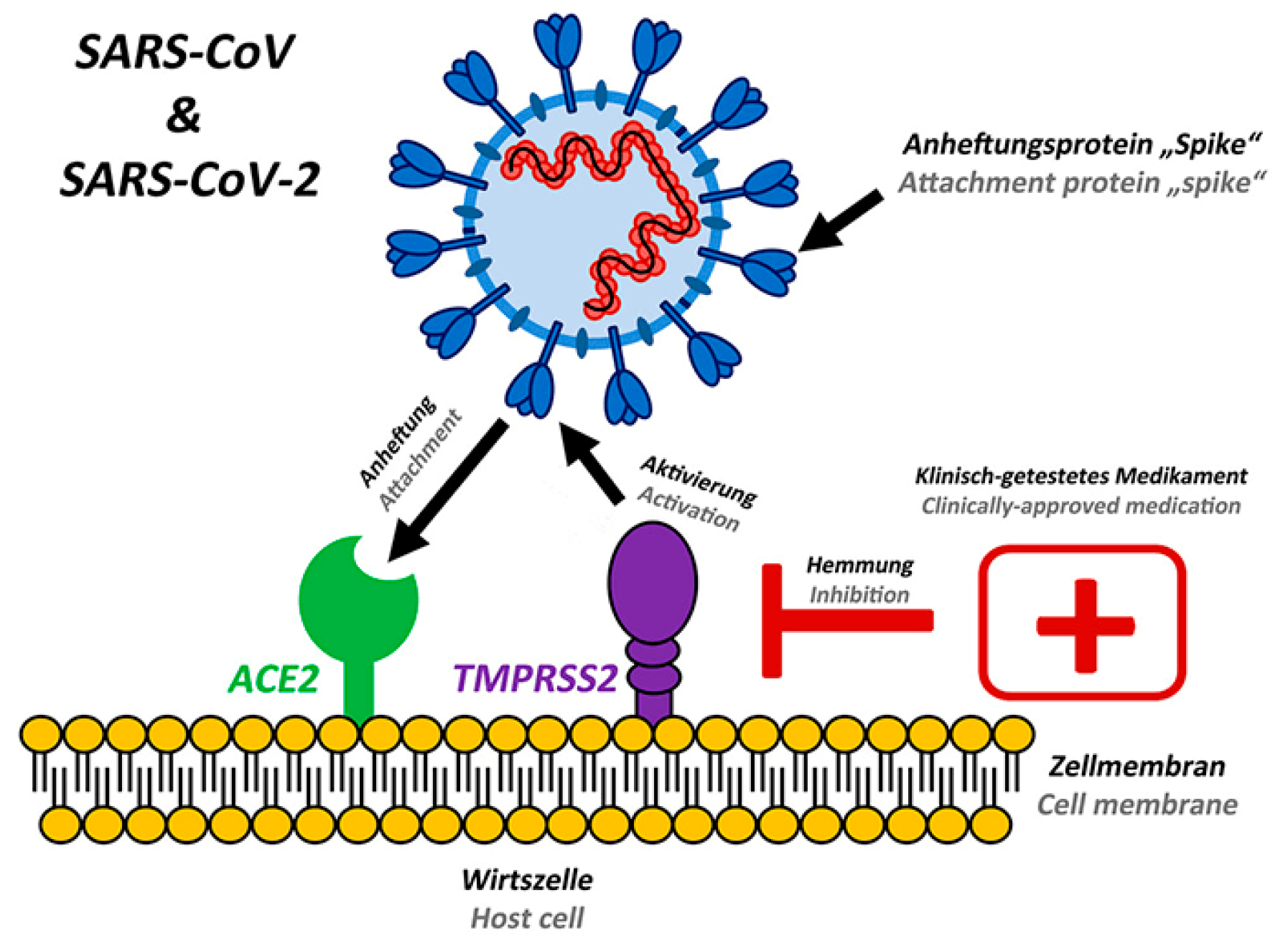
Disclaimer/Publisher’s Note: The statements, opinions and data contained in all publications are solely those of the individual author(s) and contributor(s) and not of MDPI and/or the editor(s). MDPI and/or the editor(s) disclaim responsibility for any injury to people or property resulting from any ideas, methods, instructions or products referred to in the content. |
© 2023 by the authors. Licensee MDPI, Basel, Switzerland. This article is an open access article distributed under the terms and conditions of the Creative Commons Attribution (CC BY) license (http://creativecommons.org/licenses/by/4.0/).
Copyright: This open access article is published under a Creative Commons CC BY 4.0 license, which permit the free download, distribution, and reuse, provided that the author and preprint are cited in any reuse.


