

Submitted:
01 August 2023
Posted:
02 August 2023
You are already at the latest version
Abstract
This study develops an efficient, low-temperature process for formulating a nanoemulsion-based gel encapsulating Pituranthos tortuosus's essential oil, investigating its wound healing potential. The novel process ensured stable encapsulation of the medicinal plant's oil. The nanoemulsion was characterized using dynamic light scattering and transmission electron microscopy, followed by in vitro and in vivo tests to examine wound healing efficacy. Results revealed the gel's excellent stability, high encapsulation efficiency, and significant wound-healing effects. This research provides a new method for formulating Pituranthos tortuosus's essential oil nanoemulsion-based gel, emphasizing the potential role of plant-based therapies in healthcare advancement, and invites further exploration into the therapeutic applications of essential oil-encapsulating nanoemulsions.
Keywords:
nanoemulsion
; wound healing effect
; essential oil
1. Introduction
Skin covers the whole human body; it is the largest organ with a surface of 2 m2 and weighs up to 5kg. It is one of the most complex organs. It plays a defensive role, regulates temperature, preserves hydration, ensures sensory perception, and maintains humeral equilibrium [1,2]
The skin surface can be damaged with loss of its functionality and its integrity, leading to affections [3]. The inflamed and infected wound evokes a danger to social, economic, and moral health, such as mandatory absences from work and psychosocial changes that reduce the quality of life and the need for long-term treatments, in some cases expensive and complex [4,5].
The inability to heal a wound has become a global problem. The reduced drug activity mainly causes the limitation of current devices and techniques and the multi-resistant bacteria. Thus, it is necessary to adopt the most effective treatment for patients suffering from infected lesions while preserving a quick and total recovery of the skin [6]. Clinicians require other in-depth knowledge to discover new drugs and find other desirable approaches.
Recently, research was focused on biocompatibility, ensuring that bacterial growth is inhibited, moisturizing the wound [7], reducing infection [8], minimizing pain [9], stimulating healing mechanisms [10], accelerating wound closure [11], and reducing scar formation [9]. Healing processes include four successive overlapping but coordinated stages of homeostasis [12], inflammation [13], re-epithelialization [14], and remodeling [14,15].
To overcome these drawbacks and develop low-cost approaches to wound healing, researchers have turned to plants [16] to exploit bioactive molecules to treat and heal damaged skin [17].
Traditional wound healing therapies have been studied experimentally and clinically. Several studies have highlighted the impact of green medicine in relieving and healing wounds [18,19,20,21]. For this reason, researchers have paid close attention to essential oils (EO) [22]. The high volatility and lipophilicity, easy degradability, low membrane permeability, and sensitivity to environmental variables of all these volatile fractions have limited their applications in the pharmacological field [23]. To overcome problems and difficulties, the essential oil has been loaded into nanoparticles to prevent its degradation [24], improve and facilitate its penetration, increase its affinity with targets, and accelerate its accumulation process in different cell types [25].
As part of the search for a natural therapy to heal wounds, our contribution focuses on choosing a plant of the genus Pituranthos. The genus Pituranthos or Deverra includes about 20 species [26]. It is characterized by many uses in traditional medicine [27,28,29]. Some plants of this genus are traditionally used as a natural remedy to cure many illnesses and symptoms like common rheumatic disorders, diabetes, digestive problems, asthma, and hepatitis [28,30]. Pituranthos tortuosus (Coss.) Maire is the most common species; it belongs to the Apiaceae family and has recently been classified as Deverra tortuosa (Desf.) DC. It is a small perennial woody aromatic plant with a characteristic pungent or aromatic scent. It is widely grown in the Northern coastal areas of Africa [31], in central and southern Tunisia [32,33], in Libya [31], in Egypt [34], and in Saudi Arabia [35]. P. tortuosus is rich in secondary metabolites in all its parts, such as terpenoids, steroids, flavonoids and glucosides [36,37], essentials oils [38,39,40], lactones [40], esters [41], furocoumarins [41,42] and marmin [41].
Thus, it has recently become of great interest to examine and discover the chemical composition of essential oils from aerial parts of P. tortuosus, which have shown interesting therapeutic potential and biological activities. Volatile fractions were extracted from aerial parts, analyzed, and identified by gas chromatography-mass spectrometry, resulting dominated by 4-terpineol, dillapiole, sabinene, (Z)-3-butylidenephthalide, (Z)-ligustilide, p-cymene, and limonene. Several studies report various properties for essential oils, being screened for their antimicrobial activity against Gram + and Gram - [32,36,43], antifungal activity [28], antioxidant activity [38,43], allelopathic potential [28], larvicidal activity, fumigant toxicity, and insecticidal activity [28,44].
Nanoemulsions (NEs) have gained increasing attention as vehicles for drug delivery due to their small size and ability to improve the bioavailability and efficacy of loaded bioactive compounds. NEs have been shown to have promising wound healing properties, including antimicrobial and anti-inflammatory effects and the ability to promote cell proliferation and tissue regeneration. The development of nanoemulsion encapsulating essential oils faces limitations due to high-temperature processes, leading to the evaporation and volatilization of phyto extracts. These challenges arise from the vulnerability of volatile compounds present in essential oils to degradation under elevated temperatures. To preserve their integrity and therapeutic properties, alternative methods are needed. This work aimed to develop an efficient low-temperature process for formulating P. tortuosus essential oil (EO) in a nanoemulsion (NE) based gel. The formulated NE was evaluated for its wound-healing potential in a rat model to provide a natural and cost-effective therapy for wound healing.
2. Materials and Methods
Chemicals: Tween® 80(HLB=15) and Span® 80 (HLB=4.3) were obtained from Sigma-Aldrich, SEPIMAX ZEN ™ was obtained from SEPPIC, Triacetin 1,2,3-propanetriol triacetate, paraffin oil (P.O), ethanol was obtained from Fluka Chemie.
2.1. Plant material
The P. tortuosus plant was harvested in Ben guerdan, south-eastern Tunisia, in April and early May 2019. The plant aerial part (leaves and tree stem) was collected in a clean cloth bag, dried away from light and moisture for 20 days then cut into small pieces.
2.2. Extraction of Essential Oil from P. tortuousus
Seventy g of plant material was hydrodistilled for four hours in a Clevenger apparatus. The essential oil (EO) was collected and kept at 4 °C in a glass bottle with an airtight lid.
2.3. GC-MS analysis of the EO
Gas chromatography–electron impact mass spectrometry (GC–EIMS) analyses were performed with an Agilent 7890B gas chromatograph (Agilent Technologies Inc., Santa Clara, CA, USA) equipped with an Agilent DB-5MS (Agilent Technologies Inc., Santa Clara, CA, USA) capillary column (30m × 0.25 mm; coating thickness 0.25μm) and an Agilent 5977B single quadrupole mass detector (Agilent Technologies Inc., Santa Clara, CA, USA). The analytical conditions were as follows: injector and transfer line temperatures 220 and 240 °C, respectively; oven temperature programmed from 60 to 240 °C at 3 °C/min; carrier gas helium at 1 ml/min; injection of 1 μl (5% HPLC grade n-hexane solution); split ratio 1:25. The acquisition parameters were as follows: full scan; scan range: 30–300 m/z; scan time: 1.0 sec. The constituents were identified using computer matching against commercial (NIST 98 and ADAMS) and homemade library mass spectra built up from pure substances and components of known oils and MS literature data, as well as a comparison of the linear retention indices of the constituents relative to the series of n-hydrocarbons and a comparison of their retention times with those of authentic samples (50-55).
2.4. Process development and formulation of the nanoemulsion (NE)
The oily phase was composed of the EO, the oily vehicle (P.O. or triacetin) *, co-surfactant (span80), and co-solvent (ethanol). The aqueous phase contained surfactant (Tween 80) and water. Seven nanoemulsions were prepared, as shown in Table 1. During the formulation step, three distinct processes (P1, P2, and P3) were employed to maintain a temperature below 30°C. These processes ensured that neither the oily nor aqueous phases were exposed to excessive heat. By implementing these controlled temperature conditions, we aimed to develop an efficient low-temperature method for formulating the P. tortuosus essential oil (EO) in a nanoemulsion (NE). The formulation parameters were the type of oily vehicles (P.O. and triacetin), the % of excipients and EO, and the surfactant/co-surfactant ratios that were determined based to fit the critical HLB values of the oily vehicle, using the following formula:
HLB mixture=HLB Tween80 * %Tween80 + HLB Span80 * %Span80/100, where %Tween 80 + %Span80 = 100.
The quality of the resulting nanoemulsions was assessed based on their visual appearance, particle size, and polydispersity index."
2.5. Characterization of the formulation
2.5.1. Particle size distribution and polydispersity index determinations
The particle size and the polydispersity index (PI) of all formulations were determined at 25°C by DLS (dynamic light scattering) using the Zetasizer Nano-S laser particle size analyzer (Malvern Instruments, United Kingdom). All measurements were performed in triplicates.
2.5.2. ZETA potential of optimal nanoemulsion (NE)
The Zeta potential of the optimal preparation was determined by a Malvern Zetasizer Nano-Z type apparatus (ZEN 3600) (Malvern Instruments Ltd, Malvern, and Worcestershire, UK). The analysis was repeated 3 times
2.5.3. Thermodynamic stability study of the optimal NE
The prepared NE was centrifuged at 3500 rpm for 15 minutes to check for signs of instability, such as creaming or coalescence, and to measure the droplet size. Additionally, three samples underwent temperature cycles and were visually inspected for instability.
2.5.4. Transmission electron microscopy study
The morphology of the optimal NE was performed by a JEM-100S Electron Microscope (JEOL Ltd, Tokyo, Japan). Magnification and diffraction modes were used to reveal the shape and size of NE. The diluted NE (1/10) was deposited on the holey film grid and observed after drying. The grid underwent negative staining using a 2% uranyl acetate solution. This technique was employed to enhance the visibility of light elements (such as C, O, H, N) in water-dispersed samples during transmission electron microscopy (TEM) observations. The introduction of a uranium salt solution created a surrounding medium for hydrophobic nanoemulsion droplets, exploiting the high electron density of uranium to produce a contrasting effect. Consequently, the structures of interest appeared bright against a dark background.
2.6. Gelification process of the nanoemulsion
The optimum NE was gelified using 2.25% Spimax Zen® as a gelling agent. The preparation of the Nanoemulsion-Gel (NE/Gel) was carried out at room temperature. Spimax Zen® was weighed, sieved, and added by a small fraction to the optimal NE. Moderate agitation was sustained until achieving a gel with the desired viscosity
2.7. Characterization of the Nanoemulsion-Gel
2.7.1. pH measurement
The pH of NE/Gel was measured by a pH meter in triplicate, and then the average was calculated. The formulation should have a pH that aligns with the inherent acidic pH of the skin, ensuring compatibility for optimal efficacy and inhibiting the development of bacterial infections on the skin's surface.
2.7.2. Rheological study
The study of the rheological behavior was carried out using a rotational rheometer Malvern® kinexus plate cartridge (Worcestershire, UK) equipped with a cone plate (geometry PU40 SR3300SS) which allows measurements with a small amount of sample and a constant shear rate on the entire surface of the cone. The flow behavior was studied by continuous shear investigations, which were performed to evaluate The shear stress (Pa) and the viscosity (cP) as a function of shear rate (s1). The study started with a shear rate of 1s-1 up to 10000 s-1. A minimum rest period of 1 minute was applied between each section. Measurements were performed at 25 °C by performing 5 repetitions; the data was recorded and processed by the Space software interface.
2.7.3. In-vivo wound healing study
Six groups of male Whistar rats were used, as described in Table 2. The animals' average mass was around 250-±-20 g. They were kept in a conventional laboratory setting with 12-hour light-dark cycles, a temperature of about +25 °C, and a standardized meal of water and granules designed for the diet of mice. Each intervention involved careful handling of the animals according to the PREPARE reference guide's instructions ("Planning Research and Experimental Procedures on Animals: Recommendations for Excellence") A3 to protect animal welfare, minimize unnecessary suffering, and avoid any negative impacts that could affect the experiment outcomes.
The backs of the anesthetized rats were first shaved with a PRITECH® electric trimmer, and the skin was then thoroughly cleaned and disinfected by rinsing with ether and alcohol.
Three circular incisions (7mm in diameter) were made on each rat's back using a sterilized chisel and a stainless steel delimiter. Daily observations of the lesions were made to track how they changed over time. Then fresh compresses and bandages were placed on top of them. Before each treatment, rats were put to sleep and photographed once a day at the same time for 11 days; the therapy was administered to the whole lesion in a rich layer about 2 mm thick. The groups were divided as follows in Table 2.
The areas of wounds were measured using photography combined with Image J. The wounds were photographed with a ruler to allow subsequent calibration on Image J as shown in Figure 1.
The image determined the wound outline; Image J software calculated the wound area [45] (Image-J, U.S. National Institutes of Health). WHR (wound healing rate) was calculated using the formula: WHR= initial area-final area/initial area.
3. Discussion
3.1. Essential oil yield
In this study, we obtained an average extraction yield of 0.45%. Comparing our results with previous research, we observed that the obtained yields were higher (R=0.45) than the reported value (0.25%) for P. tortuosus essential oil harvested during the flowering stage in the Monastir region (central Tunisia) [36]. A study showed that the EO yield is high during the fruiting stage of P. tortuosus collected in northern Egypt (0.4%). The difference in yield can be attributed to the maturity of the plant species, geographic and climatic conditions, portion of the plant extracted, extraction method, drying conditions, and management of the plant species. [28]
3.2. Chemical composition of the essential oils
The essential oils from P. tortuosus were analyzed using GC-MS, and 38 compounds were identified (Table 3). Monoterpenes were the most abundant compounds (57.8%), followed by non-terpene derivatives (18.9%) and phenylpropanoids (13.4%). In particular, myrtenol, sabinene, limonene, p-cymene, 3-butylidenephthalide, and α-pinene were identified as the primary constituents of the EO collected from Mazdour, Gouvernorate of Monastir, Center of Tunisia in November and April. Similarly, sabinene, myrcene, α-pinene, cis-verbenol, cis-ocimene, p-cymene, α-terpinene, and trans-ocimene were found to be the major compounds in the EO collected from fresh and dried herbs gathered in Beni-khedech, Medenine Southern Tunisia, respectively [32]. The chemical profile of the volatile oils gathered from Ben Guerdan, Medenine, South Tunisia, was distinct from other areas. The major compounds in the EO collected in the spring in Southern Sinai of Egypt were camphene, borneol, 1,8-cineole, α-pinene, and carvacrol. At the same time, dillapiole was found to be the main component of EO gathered from Egypt in another study [53].
The letters (a–m) indicate a significant difference between the different compounds' areas according to the Duncan test (p < 0.05).
3.3. NE formulation.
The NEs were formulated using different low-temperature nanoemulsification processes to prevent the evaporation and degradation of phytomolecules. The essential oil (EO) was solubilized in an oily vehicle (Paraffin oil and Triacetin were evaluated) to enhance stabilization and encapsulation efficiency. Three different processes were examined, and various formulation factors were modified throughout the experimentation, as documented in Table 4, to achieve the optimal nanoemulsion.
The first process used was based on sonication (15 min) followed by vortexing (3 min) to prepare two formulations (F1 and F2). The results showed that both NE had large droplet sizes and high polydispersity index (PI) values, indicating a wide range of particle sizes. These formulations also had a milky appearance and an onset of creaming, suggesting instability. Therefore, this process was deemed inadequate.
In the second process, the formulations (F1 and F2) were prepared again using vortexing at first (3 min) followed by prolonged sonication (20 min). Additionally, triacetin has been used instead of paraffin oil as the oily carrier in F3 and F4. The results showed that this process did not significantly improve particle size or PI for F1 and F2. However, the use of triacetin reduced particle size and PI for two formulations (F3 and F4) compared to the results obtained with paraffin oil. However, the PI values for these formulations were still higher than 0.4, indicating that further modifications were needed to narrow the particle sizes range.
In the third process, high-speed homogenization (13.000 rpm - 2 min) was used to prepare F4 again and 3 new formulations (F5, F6, and F7). All formulations showed nanometric sizes below 50, indicating the efficiency of Process 3. Co-solvent use, in F7, triacetin as oily vehicle and optimum concentration (20%) of Surf+CoS. helped increase the EO solubility and stabilize the dispersed phase. The formulation with the best results was F7, which had a particle size of 27±0.39 nm and an excellent PI value.
Overall, the results demonstrate that the preparation technique used for NE formulations significantly impacts the size and stability of the produced droplets. Using different lipophilic vehicles and surfactants also affects the nanoemulsification process, emulsion droplet size, and size distribution.
3.4. Selection and characterization of the optimal NE.
The Formulation 7 was selected as the optimal formulation due to its intriguing particle size and PI, which remained consistent throughout a 30-day study period as is showed in Figure 2.
3.4.1. ZETA potential
The polarity of emulsion droplets plays a crucial role in assessing the efficiency of emulsification. Increasing electrostatic repulsive forces among the nanoglobules effectively prevents coalescence within the formed nanoemulsion. Conversely, reducing electrostatic repulsion can lead to phase separation and impact the formulation's performance [15,17]. Comparative measurement of particles' electrophoretic mobility provides valuable insights into this aspect. This information is commonly expressed as zeta potential, utilizing the Smoluchowski equation. The optimal nanoemulsion exhibited a zeta potential value of -22.8 mV. These findings indicate that the formulation carried a negative charge, indicating a favorable zeta potential value.
3.4.2. Thermodynamic stability of the optimal NE
The optimal NE, F7, showed no signs of instability, such as phase separation, coalescence, or creaming, and retained its characteristic bluish appearance after preparation. Stability is a significant advantage as it can help preserve the therapeutic potential of phytochemicals.
3.4.3. Characterization by Transmission Electron Microscopy
TEM examinations were conducted to assess the surface morphology of the nanoemulsion, revealing well-dispersed spherical droplets within the nanometer size range, as represented in Figure 3. The formulation's observed stability and high efficacy were evident through the droplets' ability to resist the electronic beam, resulting in clear and distinct images. This resilience can be attributed to essential oil solubilized in triacetin, an oily vehicle that acts as a protective barrier against degradation of the EO by the electronic beam. This finding aligns with the results obtained from other characterization tests, further underscoring the quality and stability of our formulation. Overall, these findings validate the success of our low-temperature nanoemulsification technique in achieving a stable and high-quality product.
3.5. Gelification and Characterization of the Optimal Nanoemulsion Gel (NE/Gel).
The Gelification of the optimal NE is a critical process in topical treatments. The liquid NE is unsuitable for wound healing treatment due to its low viscosity, which can result in the loss of the applied formulation and a subsequent lack of efficiency. However, by undergoing gelification, the NE's viscosity increases, enhancing its adherence and making it more suitable for effective wound healing treatment. The Sepixmax Zen® was utilized as the gelling agent at a concentration of 2.25%. The resulting NE/Gel, illustrated in Figure 4., exhibited a homogeneous texture with a non-adhesive touch. The efficacy of the gelification step can be attributed to the selection of the gelling agent. Sepixmax Zen®, a nonionic polymer renowned for its thickening, stabilizing, and texturing properties, facilitated the creation of smooth and sophisticated gels with a velvety, translucent appearance.
3.5.1. pH measurement
In this study, the pH of the NE ranged from 6.0 to 6.3; after gelification, the pH of the formulation was within an acceptable range of 6.2 to 6.3. Therefore, the risk of skin irritation upon topical administration of the formulation is low. The pH can impact its compatibility with the skin and cause potential irritation. Maintaining a pH similar to the skin's is important, typically between 4.5 and 6.5. Polyphenolic components with an acidic character in the EOl could contribute to the formulation's acidity. Sepimax Zen, which does not affect the pH of the preparation, may also explain the measured pH range.
3.5.2. Rheology study
It is well known that the application and acceptance of topical formulation are greatly dependent on the flow properties of the final product [46,47]. The rheological behavior of the investigated formulations is shown in Figure 5.
Formulations showed decreasing viscosity with increasing shear rate. These results can give interesting insights in view of the development of formulations for topical applications with the desired spreadability. Regarding the plot of shear stress vs. shear rate (Figure 5a), all formulations present shear-thinning (or pseudoplastic) behavior, and this means that viscosity decreases with increasing shear rate (Figure 5b). Pseudoplastic characteristics are of real interest for topical formulations [48].
On the other hand, the viscosity of blank NE/Gel (without EO) is higher than that of the blank gel (composed of water and gelling agent) and the commercialized cream, indicating that the blank NE/Gel has a more viscous texture. The optimal NE/Gel viscosity is the highest among all samples, indicating that the gelification process has significantly increased the consistency of the liquid NE.
Overall, the rheological properties of the samples suggest that the addition of essential oil and gelification process have a significant impact on the consistency and texture of the NE. The optimal NE/Gel optimum has the most desirable consistency for topical application.
3.6. In-vivo wound healing study.
Using nanoemulsions is one of the contemporary drug delivery technologies that can remedy all these challenges and save essential oils while ensuring maximum effectiveness [55].
Thus, the present study examines the effects of P. tortuosus EO in vivo on wound healing. The results of the experiment are summarized in Figure 6 and Figure 7. Many formulations were tested, as listed in Table 5.
During the 11 days of observation, the untreated wounds slowly progressed toward healing. Acute signs of inflammation, with the presence of exudate, were observed on days 2 and 3, which is normal during the healing process but is an indicator of chronicity. Similar observations were made for wounds treated with Blank-gel and blank NE/Gel. Rat 1 showed suppuration, and the progression towards healing was very slow for wounds treated with blank NE/Gel, confirming that none of the components, other than EO, used in this preparation have an effect on wound healing.
For the treatment with the optimal NE/Gel, rapid progression towards healing was observed after only 9 days, and there was an absence of exudate on days 2 and 3 and no sign of secondary infections. Wounds treated with a thick preparation layer became hard from day 3 and were covered with slightly blackish crusts, gradually forming from day 5 to 8. From day 7, the various crusts formed began to come off, and the evolution of the wound surface towards healing was faster and greater with the test preparation after the 8th day. Observations on the 9th day showed total closure of the wounds and total healing on the 10th day.
The conventional EO cream showed a slower evolution towards healing than the optimal NE/Gel, but the wounds became hard from the 8th day and formed blackish crusts starting from day 9.
Overall, the study highlights the importance of using NE formulations incorporating P. tortuosus EO in wound healing therapies, as it can significantly enhance the healing rate and provide anti-inflammatory and antimicrobial effects. The optimal NE/Gel also showed an advantage in reducing exudation and preventing superinfection compared to the conventional EO cream. This suggests that the optimal NE/Gel could help improve wound healing outcomes by minimizing complications.
Several studies have emphasized the diversity of biological activities and therapeutic properties of P. tortuosus [28,32,36,53]. However, no preliminary tests for wound healing of this species are present.
Essential oils have a diverse potential for medicinal effects, but their direct application to the skin is not recommended and is limited as they can cause allergies and irritation. In addition, HEs are unstable and often easily oxidizable; heat and light can rapidly be after their constituents. Moreover, problems of solubility, bioavailability, limited diffusion, and their lipophilic nature and volatility prevent their direct use without medical vehicles [54]. To solve these problems, numerous studies have highlighted the advantages of nano-emulsions for the administration of plant extracts and plant essences.
Nanoemulsion-based encapsulation is one of the contemporary drug delivery technologies that can remedy all these challenges and save essential oils while ensuring maximum effectiveness [55].
The superiority of the nanoemulsions could be attributed to their ability to increase the solubility of lipophilic phytosubstances by encapsulating them in smaller droplets, which leads to a larger interfacial surface area. This property enhances their bioavailability, shields them from degradation, and improves their stability, thus maximizing their efficacy.
Nano-emulsions have the unique property of being easily detected by the immune system due to the larger interfacial surface area provided by their smaller droplet size. This property can activate various inflammatory cells, as observed in a study by Chevalier and Bolzinger [56]. Identifying these nanoglobules may explain the improvement of wound healing caused by the optimized preparation, as the immune system plays a crucial role in the wound healing process. Therefore, nano-emulsions in wound healing therapies can enhance the immune response and promote faster healing.
The molecules in essential oils are crucial in promoting wound healing. EO is composed of many substances that contribute to its ability to heal wounds. The wound-healing properties of Pithurantus EO can be linked to major and minor chemicals [57]. The results support the hypothesis that P. tortuosus EO significantly promotes wound healing. The chemical composition of the volatile fraction of this extract, which is rich in hydrocarbon and oxygenated monoterpenes, likely explains its therapeutic effects [58,59]. Numerous studies [60,61,62,63,64] support this hypothesis, demonstrating terpenoids' potential for cosmetic, antioxidant, anti-inflammatory, anti-tumorigenic, bactericidal, and insecticidal applications. Of the main components of P. tortuosus oil, 4-terpineol, dillapiole, sabinene, (Z)-3-butylenephthalide, (Z)-ligustilide, p-cymene, and limonene are likely to play an important role in wound healing. These substances exhibit free radical scavenging action and create a barrier against infections [58]. Sabinene (8.7%) has anti-inflammatory, antioxidant, and antifungal potential [65,66]. In addition, p-cymene (6%) can interact with the body's healing mechanisms, as observed in the repair of stomach ulcers in rats caused by acidified ethanol [67]. p-Cymene regulates oxidative stress and inflammation in Murine macrophages [68]. p-Cymene was characterized by its diverse potential of pharmacological activities, and it has exhibited many effects such as antimicrobial [69], antiparasitic [70], antidiabetic [71], antiviral [72], and antitumor [73].
Limonene (5.2%) has a gastroprotective property [74], reduces oxidative stress [74], prevents and controls injuries in the respiratory system by treatment of inflammation [75], and anticancer activity [76].
Dillapiole (13%) is a phenylpropanoid with diverse therapeutic effects and biological activities, including anti-inflammatory, bactericidal, and antifungal properties [77,78,79].
Our study successfully developed a low-temperature process, contributing to the formulation optimization and protection of the encapsulated Essential Oil (EO). The effectiveness of the nanoemulsion gel (NE/Gel) containing the EO of P. tortuosus in promoting wound healing was demonstrated. This can be attributed to the synergistic and complementary actions of the natural active components within the EO, which are further enhanced by the properties of the nanoemulsion. The optimized viscosity and gelification of the NE/Gel extended the contact time with the wound, creating an optimal humid environment that potentiated the healing process. These findings highlight the promising potential of nanoencapsulation and the EO of P. tortuosus in accelerating wound healing. This study contributes to advancing knowledge in wound healing therapeutics, emphasizing the importance of tailored formulations and process optimization to achieve optimal outcomes.
4. Conclusions
This work significantly enhances the healing potential of the essential oil extracted from the aerial part of Pituranthos tortuosus, a plant indigenous to Tunisia.
The synthesized nanoemulsion has demonstrated remarkable efficacy in accelerating the healing process through the synergistic activity of its constituents. This nanoemulsion has exhibited exceptional therapeutic potential by effectively opposing acute inflammations, reducing infections, and accelerating wound closure. Notably, its therapeutic effects were observed after only 10 days, surpassing those of commercially available healing creams. This nanoemulsion-based preparation offers a promising strategy for managing the healing process and holds great promise for treating various lesions and skin disorders in vivo.
Furthermore, developing a low-temperature process for formulating essential oil-based nanoemulsions presented in this study has broader implications. It is a valuable reference and model for future studies aiming to encapsulate essential oils in nanoemulsion and nanoemulsion-based gels for various therapeutic applications. By offering an innovative and efficient method for enhancing stability, preserving bioactivity, and ensuring optimal dispersion of the encapsulated oil, this study paves the way for advancing various therapies based on nanoemulsion encapsulation.
In conclusion, this work not only unveils the healing potential of the essential oil derived from Pituranthos tortuosus but also establishes the effectiveness of the formulated nanoemulsion gel in promoting wound healing. The low-temperature formulation process described herein is a pioneering contribution, enabling the development of nanoemulsion and nanoemulsion-based gel formulations encapsulating essential oils. This study is a pivotal reference and model for future research endeavors, providing a promising approach for managing healing processes and offering potential solutions for treating diverse lesions and skin disorders in vivo.
Author Contributions
In this collaborative study, the authors' contributions were as follows: B.B., and D. B. were involved in the conceptualization and methodology of the research. E.B.B. and A. A. contributed to the software’s application. A.H., A.A., and G.F. carried out the validation process. E.B.B., and A.H. performed formal data analysis. L.C., and N.K. conducted the investigation. G.F. and A.A. provided the necessary resources. L.C., N. K., and A.A. curated the research data. B.B., E.B.B., and N.K. were responsible for writing the original draft. N. M., G. F., and J.V.B. participated in reviewing and editing the manuscript. N.K. contributed to visualization. N.M. and J.V.B. supervised the project. G.F., and J.V.B. managed the project administration.
Funding
This research received no external funding.
Institutional Review Board Statement
“The animal study protocol was approved by the Ethics Committee of THE HIGHER INSTITUTE OF BIOTECHNOLOGY OF MONASTIR (protocol code CER-SVS/ISBM 002/2022, date of approval February 4, 2022)” for animal studies.
Conflicts of Interest
The authors declare no conflict of interest.
References
- Sabale, P.; Bhimani, B.; Prajapati, C.; & Sabale, V. An overview of medicinal plants as wound healers. J Appl Pharm Sci 2012, 2, 11, 143-150. [CrossRef]
- Dąbrowska, A.K.; Spano, F.; Derler, S.; Adlhart, C.; Spencer, N.D.; Rossi, R.M. The Relationship between Skin Function, Barrier Properties, and Body-Dependent Factors. Skin Res Technol 2018, 24, 165–174. [CrossRef]
- Velnar, T.; Bailey, T.; Smrkolj, V. The Wound Healing Process: An Overview of the Cellular and Molecular Mechanisms. J Int Med Res 2009, 37, 1528–1542. [CrossRef]
- Sen, C.K.; Gordillo, G.M.; Roy, S.; Kirsner, R.; Lambert, L.; Hunt, T.K.; Gottrup, F.; Gurtner, G.C.; Longaker, M.T. Human Skin Wounds: A Major and Snowballing Threat to Public Health and the Economy. Wound Repair Regen 2009, 17, 763–771. [CrossRef]
- Rice, J.B.; Desai, U.; Cummings, A.K.G.; Birnbaum, H.G.; Skornicki, M.; Parsons, N.B. Burden of Diabetic Foot Ulcers for Medicare and Private Insurers. Diabetes Care 2014, 37, 651–658. [CrossRef]
- Purohit, S.K.; Solanki, R.; Soni, M.K.; Mathur, V. Experimental Evaluation of Indian Aloe (Aloe Vera) Leaves Pulp as Topical Medicament on Wound Healing. Int J Pharm Res 2012, 2. [CrossRef]
- Sikka, M.P.; Midha, V.K. 16 - The Role of Biopolymers and Biodegradable Polymeric Dressings in Managing Chronic Wounds. In Advanced Textiles for Wound Care (Second Edition); Rajendran, S., Ed.; The Textile Institute Book Series; Woodhead Publishing, 2019; pp. 463–488 ISBN 978-0-08-102192-7. [CrossRef]
- Modarresi, M.; Farahpour, M.-R.; Baradaran, B. Topical Application of Mentha Piperita Essential Oil Accelerates Wound Healing in Infected Mice Model. Inflammopharmacology 2019, 27, 531–537. [CrossRef]
- Ashtikar, M.; Wacker, M.G. Nanopharmaceuticals for Wound Healing - Lost in Translation?. Adv Drug Deliv Rev 2018, 129, 194–218. [CrossRef]
- Sood, A.; Granick, M.S.; Tomaselli, N.L. Wound Dressings and Comparative Effectiveness Data. Adv Wound Care (New Rochelle) 2014, 3, 511–529. [CrossRef]
- Farahpour, M.R.; Vahid, M.; Oryan, A. Effectiveness of Topical Application of Ostrich Oil on the Healing of Staphylococcus Aureus- and Pseudomonas Aeruginosa-Infected Wounds. Connect Tissue Res 2018, 59, 212–222. [CrossRef]
- Pereira, M.; Vilela, G.; Costa, L.; Silva, R.; Fernandes, A.; Fonseca, E.; Piccoli, R. Inibição Do Desenvolvimento Fúngico Através Da Utilização de Óleos Essenciais de Condimentos. Ciencia E Agrotecnologia - CIENC AGROTEC 2006, 30. [CrossRef]
- Saghazadeh, S.; Rinoldi, C.; Schot, M.; Kashaf, S.S.; Sharifi, F.; Jalilian, E.; Nuutila, K.; Giatsidis, G.; Mostafalu, P.; Derakhshandeh, H.; et al. Drug Delivery Systems and Materials for Wound Healing Applications. Adv Drug Deliv Rev 2018, 127, 138–166. [CrossRef]
- Orlowski, P.; Zmigrodzka, M.; Tomaszewska, E.; Ranoszek-Soliwoda, K.; Czupryn, M.; Antos-Bielska, M.; Szemraj, J.; Celichowski, G.; Grobelny, J.; Krzyzowska, M. Tannic Acid-Modified Silver Nanoparticles for Wound Healing: The Importance of Size. Int J Nanomed 2018, 13, 991–1007. [CrossRef]
- Shedoeva, A.; Leavesley, D.; Upton, Z.; Fan, C. Wound Healing and the Use of Medicinal Plants. Evid Based Complement Alternat Med 2019, 2684108. [CrossRef]
- Nethi, S.K.; Das, S.; Patra, C.R.; Mukherjee, S. Recent Advances in Inorganic Nanomaterials for Wound-Healing Applications. Biomater Sci 2019, 7, 2652–2674. [CrossRef]
- Pazyar, N.; Yaghoobi, R.; Rafiee, E.; Mehrabian, A.; Feily, A. Skin Wound Healing and Phytomedicine: A Review. Skin Pharmacol Physiol 2014, 27, 303–310. [CrossRef]
- Selvaraj, S.; Fathima, N.N. Fenugreek Incorporated Silk Fibroin Nanofibers-A Potential Antioxidant Scaffold for Enhanced Wound Healing. ACS Appl Mater Interfaces 2017, 9, 5916–5926. [CrossRef]
- Cerchiara, T.; Abruzzo, A.; Ñahui Palomino, R.A.; Vitali, B.; De Rose, R.; Chidichimo, G.; Ceseracciu, L.; Athanassiou, A.; Saladini, B.; Dalena, F.; et al. Spanish Broom (Spartium Junceum L.) Fibers Impregnated with Vancomycin-Loaded Chitosan Nanoparticles as New Antibacterial Wound Dressing: Preparation, Characterization and Antibacterial Activity. Eur J Pharm Sci 2017, 99, 105–112. [CrossRef]
- Manca, M.L.; Manconi, M.; Nacher, A.; Carbone, C.; Valenti, D.; Maccioni, A.M.; Sinico, C.; Fadda, A.M. Development of Novel Diolein–Niosomes for Cutaneous Delivery of Tretinoin: Influence of Formulation and in Vitro Assessment. Int J Pharm 2014, 477, 176–186. [CrossRef]
- Manconi, M.; Manca, M.L.; Caddeo, C.; Cencetti, C.; di Meo, C.; Zoratto, N.; Nacher, A.; Fadda, A.M.; Matricardi, P. Preparation of Gellan-Cholesterol Nanohydrogels Embedding Baicalin and Evaluation of Their Wound Healing Activity. Eur J Pharm Biopharm 2018, 127, 244–249. [CrossRef]
- Montenegro, L.; Pasquinucci, L.; Zappalà, A.; Chiechio, S.; Turnaturi, R.; Parenti, C. Rosemary Essential Oil-Loaded Lipid Nanoparticles: In Vivo Topical Activity from Gel Vehicles. Pharmaceutics 2017, 9, 48. [CrossRef]
- And Alternative Medicine, E.-B.C. Retracted: Essential Oils Loaded in Nanosystems: A Developing Strategy for a Successful Therapeutic Approach. Evid Based Complement Alternat Med 2021, 2021, 7259208. [CrossRef]
- Feyzioglu, G.C.; Tornuk, F. Development of Chitosan Nanoparticles Loaded with Summer Savory (Satureja Hortensis L.) Essential Oil for Antimicrobial and Antioxidant Delivery Applications. LWT 2016, 70, 104–110. [CrossRef]
- Oberdörster, G.; Oberdörster, E.; Oberdörster, J. Nanotoxicology: An Emerging Discipline Evolving from Studies of Ultrafine Particles. Environ Health Perspect 2005, 113, 823–839. [CrossRef]
- Brahimi, s; Dahia, M.; Blel, A.; Laouer, H. Composition Chimique et Activité Antimicrobienne de l’huile Essentielle de Deverra Reboudii (Coss. & Durieu). Phytothérapie 2018, 18. [CrossRef]
- Yangui, T.; Bouaziz, M.; Dhouib, A.; Sayadi, S. Potential Use of Tunisian Pituranthos Chloranthus Essential Oils as a Natural Disinfectant. Lett Appl Microbiol 2009, 48, 112–117. [CrossRef]
- Krifa, M.; Gharad, T.; Haouala, R. Biological Activities of Essential Oil, Aqueous and Organic Extracts of Pituranthos Tortuosus (Coss.) Maire. Scientia Horticulturae 2011, 128, 61–67. [CrossRef]
- Lograda, T.; Ramdani, M.; Kiram, A.; Chalard, P. Variation of essential oils composition of Pituranthos scoparius in Algeria. Global J Res Med Plants Indigen Med 2013, 2, 1, 1-11.
- Vérité, P.; Nacer, A.; Kabouche, Z.; Seguin, E. Composition of Seeds and Stems Essential Oils of Pituranthos Scoparius (Coss. & Dur.) Schinz. Flavour Fragr J 2004, 19, 562–564. [CrossRef]
- Louhaichi, M.; A.K., S.; H.E., E.; S., B. Initial Assessment of Medicinal Plants Across the Libyan Mediterranean Coast. Adv Env Biol 2011, 5, 359–370.
- Hedi, M.; Sabri, K.; Eljeni, H.; Neffati, M.; Akrout, A. Chemical Composition and Antimicrobial Activity of Pituranthos Chloranthus (Benth.) Hook and Pituranthos Tortuosus (Coss.) Maire Essential Oils from Southern Tunisia. Adv Biol Chem 2016, 5, 273–278. [CrossRef]
- Chaieb, M.; Boukhris, M. Flore Succinte et Illustrée Des Zones Arides et Sahariennes de Tunisie.; Association pour la protection de la nature et de l'environnement ; L'Or du temps Pub., 1998; ISBN 9973757491.
- Boulos, L. Flora of Egypt; Cairo, Egypt : Al Hadara Pub., 1999; ISBN 978-977-5429-14-8.
- Guetat, A.; Boulila, A.; Boussaid, M. Phytochemical Profile and Biological Activities of Deverra Tortuosa (Desf.)DC.: A Desert Aromatic Shrub Widespread in Northern Region of Saudi Arabia. Nat Prod Res 2019, 33, 2708–2713. [CrossRef]
- Abdelwahed, A.; Hayder, N.; Kilani, S.; Mahmoud, A.; Chibani, J.; Hammami, M.; Chekir-Ghedira, L.; Ghedira, K. Chemical Composition and Antimicrobial Activity of Essential Oils from Tunisian Pituranthos Tortuosus (Coss.) Maire. Flavour Fragr J 2006, 21, 129–133. [CrossRef]
- Abdallah, H.M.; Ezzat, S.M. Effect of the Method of Preparation on the Composition and Cytotoxic Activity of the Essential Oil of Pituranthos Tortuosus. Z Naturforsch C J Biosci 2011, 66, 143–148. [CrossRef]
- Elshibani, F.; Alshalmani, S.; Mohammed, H.A. Pituranthos Tortuosus Essential Oil from Libya: Season Effect on the Composition and Antioxidant Activity. J Essent Oil Bear Plants 2020, 23, 1095–1104. [CrossRef]
- Aloui, L.; Kossentini, M.; Zouari, S. Characterization of Aromatic Compounds and Antioxidant Activity of Essential Oils from Tunisian Pituranthos Tortuosus (Coss.) Maire (Apiaceae). J Essent Oil Bear Plants 2018, 21, 769–778. [CrossRef]
- Abdel-Mogib, M.; S.N.Ayyad, M.A.M.; Dawidar, A. Lactones from Pituranthos Tortusus. Pak J Sci Ind Res 1992, 35, 39.
- Abdel-Kader, M. New Ester and Furocoumarins from the Roots of Pituranthos Tortuosus. J Braz Chem Soc 2003, 14. [CrossRef]
- Oueslati, M.H.; Guetat, A.; Bouajila, J.; Alzahrani, A.K.; Basha, J. Deverra Tortuosa (Desf.) DC from Saudi Arabia as a New Source of Marmin and Furanocoumarins Derivatives with α-Glucosidase, Antibacterial and Cytotoxic Activities. Heliyon 2021, 7, e06656. [CrossRef]
- Guesmi, F.; Ben Hadj, A.S.; Landoulsi, A. Investigation of Extracts from Tunisian Ethnomedicinal Plants as Antioxidants, Cytotoxins, and Antimicrobials. Biomed Environ Sci 2017, 30, 811–824. [CrossRef]
- Abdelgaleil, S.; Badawy, M.; Shawir, M.S.; Mohamed, M.I.E. Chemical Composition, Fumigant and Contact Toxicities of Essential Oils Isolated from Egyptian Plants against the Stored Grain Insects; Sitophilus Oryzae L. and Tribolium Castaneum (Herbst). Egypt J Biol Pest Control 2015.
- Chang, A.C.; Dearman, B.; Greenwood, J.E. A Comparison of Wound Area Measurement Techniques: Visitrak versus Photography. Eplasty 2011, 11, e18.
- Trapp, M. Is There Room for Improvement in the Emollients for Adjuvant Therapy? J Eur Acad Dermatol Venereol 2007, 21 Suppl 2, 14–18. [CrossRef]
- Yoon, W.H.; Lee, K.H. Rheological Properties and Efficacy of the Formulation of Hyaluronic Acid with Tamarind Seed Polysaccharide for Arthritis. Biorheology 2019, 56, 31–38. [CrossRef]
- Qwist, P.K.; Sander, C.; Okkels, F.; Jessen, V.; Baldursdottir, S.; Rantanen, J. On-Line Rheological Characterization of Semi-Solid Formulations. Eur J Pharm Sci 2019, 128, 36–42. [CrossRef]
- Shanley, A. Topical Formulation: Moving From Art to Science. Pharm Technol 2016, 2016 Supplement, s26–s29.
- Devaux, S.; Castela, A.; Archier, E.; Gallini, A.; Joly, P.; Misery, L.; Aractingi, S.; Aubin, F.; Bachelez, H.; Cribier, B.; et al. Adherence to Topical Treatment in Psoriasis: A Systematic Literature Review. J Eur Acad Dermatol Venereol 2012, 26 Suppl 3, 61–67. [CrossRef]
- Guest, S.; Ma, A.; Mehrabyan, A.; Essick, G.; Hopkinson, A.; McGlone, F. Perception of Fluids with Diverse Rheology Applied to the Underarm versus Forearm Skin. Somatosens Mot Res 2012, 29, 89–102. [CrossRef]
- J Mastropietro, D. Rheology in Pharmaceutical Formulations-A Perspective. J Dev Drugs 2013, 02. [CrossRef]
- Al-Gaby, A.M.; Allam, R.F. Chemical Analysis, Antimicrobial Activity, and the Essential Oils from Some Wild Herbs in Egypt. J Herbs Spices Med Plants 2000, 7, 15–23. [CrossRef]
- São Pedro, A.; Santo, I.; Detoni, C.; Silva, C.; Cabral-Albuquerque, E. The Use of Nanotechnology as an Approach for Essential Oil-Based Formulations with Antimicrobial Activity. In; 2013; pp. 1364–1374 ISBN 978-84-942134-0-3.
- Kazemi, M.; Pierson, R.A.; McBreairty, L.E.; Chilibeck, P.D.; Zello, G.A.; Chizen, D.R. A Randomized Controlled Trial of a Lifestyle Intervention with Longitudinal Follow-up on Ovarian Dysmorphology in Women with Polycystic Ovary Syndrome. Clin Endocrinol (Oxf) 2020, 92, 525–535. [CrossRef]
- Chevalier, Y.; Bolzinger, M.-A. Micelles and Nanoemulsions. In Nanocosmetics: From Ideas to Products; Cornier, J., Keck, C.M., Van de Voorde, M., Eds.; Springer International Publishing: Cham, 2019; pp. 47–72 ISBN 978-3-030-16573-4.
- Pérez-Recalde, M.; Ruiz Arias, I.E.; Hermida, É.B. Could Essential Oils Enhance Biopolymers Performance for Wound Healing? A Systematic Review. Phytomedicine 2018, 38, 57–65. [CrossRef]
- Ben Djemaa, F.G.; Bellassoued, K.; Zouari, S.; El Feki, A.; Ammar, E. Antioxidant and Wound Healing Activity of Lavandula Aspic L. Ointment. J Tissue Viability 2016, 25, 193–200. [CrossRef]
- Tümen, İ.; Akkol, E.K.; Taştan, H.; Süntar, I.; Kurtca, M. Research on the Antioxidant, Wound Healing, and Anti-Inflammatory Activities and the Phytochemical Composition of Maritime Pine (Pinus Pinaster Ait). J Ethnopharmacol 2018, 211, 235–246. [CrossRef]
- Gutiérrez-Del-Río, I.; Fernández, J.; Lombó, F. Plant Nutraceuticals as Antimicrobial Agents in Food Preservation: Terpenoids, Polyphenols and Thiols. Int J Antimicrob Agents 2018, 52, 309–315. [CrossRef]
- Hortelano, S.; González-Cofrade, L.; Cuadrado, I.; de Las Heras, B. Current Status of Terpenoids as Inflammasome Inhibitors. Biochem Pharmacol 2020, 172, 113739. [CrossRef]
- Ludwiczuk, A.; Asakawa, Y. Bryophytes as a Source of Bioactive Volatile Terpenoids - A Review. Food Chem Toxicol 2019, 132, 110649. [CrossRef]
- Ma, Y.-R.; Wang, K.-F.; Wang, W.-J.; Ding, Y.; Shi, T.-Q.; Huang, H.; Ji, X.-J. Advances in the Metabolic Engineering of Yarrowia Lipolytica for the Production of Terpenoids. Bioresour Technol 2019, 281, 449–456. [CrossRef]
- Sharma, S.H.; Thulasingam, S.; Nagarajan, S. Terpenoids as Anti-Colon Cancer Agents - A Comprehensive Review on Its Mechanistic Perspectives. Eur J Pharmacol 2017, 795, 169–178. [CrossRef]
- Valente, J.; Zuzarte, M.; Gonçalves, M.J.; Lopes, M.C.; Cavaleiro, C.; Salgueiro, L.; Cruz, M.T. Antifungal, Antioxidant and Anti-Inflammatory Activities of Oenanthe Crocata L. Essential Oil. Food Chem Toxicol 2013, 62, 349–354. [CrossRef]
- Shareef, S.; AL-Medhtiy, M.; Abdel, I.; Ibrahim, A.; Alzahrani, A.; Abduljabbar, A.; Galali, Y.; Shakir Agha, N.; Aziz, P.; Thabit, M.; et al. Gastroprophylactic Effects of P-Cymene in Ethanol-Induced Gastric Ulcer in Rats. Processes 2022, 10, 1314. [CrossRef]
- Periasamy, M.; Schafleitner, R.; Muthukalingan, K.; Ramasamy, S. Phylogeographical Structure in Mitochondrial DNA of Legume Pod Borer (Maruca Vitrata) Population in Tropical Asia and Sub-Saharan Africa. PLoS One 2015, 10, e0124057. [CrossRef]
- Wu, T.; Mazhar, Z.; Alsayrafi, D.; Garelnabi, M. P-Cymene Modulate Oxidative Stress and Inflammation in Murine Macrophages: Potential Implication in Atherosclerosis. Cardiovasc Hematol Agents Med Chem 2020, 18, 151–157. [CrossRef]
- Tian, F.; Woo, S.Y.; Lee, S.Y.; Chun, H.S. P-Cymene and Its Derivatives Exhibit Antiaflatoxigenic Activities against Aspergillus Flavus through Multiple Modes of Action. Appl Biol Chem 2018, 61, 489–497. [CrossRef]
- Shang, X.; Wang, Y.; Zhou, X.; Guo, X.; Dong, S.; Wang, D.; Zhang, J.; Pan, H.; Zhang, Y.; Miao, X. Acaricidal Activity of Oregano Oil and Its Major Component, Carvacrol, Thymol and p-Cymene against Psoroptes Cuniculi in Vitro and in Vivo. Vet Parasitol 2016, 226, 93–96. [CrossRef]
- Abbasi, S.; Gharaghani, S.; Benvidi, A.; Rezaeinasab, M. New Insights into the Efficiency of Thymol Synergistic Effect with P-Cymene in Inhibiting Advanced Glycation End Products: A Multi-Way Analysis Based on Spectroscopic and Electrochemical Methods in Combination with Molecular Docking Study. J Pharm Biomed Anal 2018, 150, 436–451. [CrossRef]
- Sharifi-Rad, J.; Salehi, B.; Schnitzler, P.; Ayatollahi, S.A.; Kobarfard, F.; Fathi, M.; Eisazadeh, M.; Sharifi-Rad, M. Susceptibility of Herpes Simplex Virus Type 1 to Monoterpenes Thymol, Carvacrol, p-Cymene and Essential Oils of Sinapis Arvensis L., Lallemantia Royleana Benth. and Pulicaria Vulgaris Gaertn. Cell Mol Biol (Noisy-le-grand) 2017, 63, 42–47. [CrossRef]
- Sikalov, A.A.; Pavlovskiy, V.V.; Kirilchuk, A.A. Ruthenium(II) p-Cymene Complexes Bearing 2-(1,2,4-triazol-3-yl)Pyridines: Linkage Isomerism and Related NMR/DFT Studies. Inorg Chem Commun 2019, 99, 156–159. [CrossRef]
- de Souza, M.C.; Vieira, A.J.; Beserra, F.P.; Pellizzon, C.H.; Nóbrega, R.H.; Rozza, A.L. Gastroprotective Effect of Limonene in Rats: Influence on Oxidative Stress, Inflammation and Gene Expression. Phytomedicine 2019, 53, 37–42. [CrossRef]
- Santana, H.S.R.; de Carvalho, F.O.; Silva, E.R.; Santos, N.G.L.; Shanmugam, S.; Santos, D.N.; Wisniewski, J.O.; Junior, J.S.C.; Nunes, P.S.; Araujo, A.A.S.; et al. Anti-Inflammatory Activity of Limonene in the Prevention and Control of Injuries in the Respiratory System: A Systematic Review. Curr Pharm Des 2020, 26, 2182–2191. [CrossRef]
- Araújo-Filho, H.G. de; Dos Santos, J.F.; Carvalho, M.T.B.; Picot, L.; Fruitier-Arnaudin, I.; Groult, H.; Quintans-Júnior, L.J.; Quintans, J.S.S. Anticancer Activity of Limonene: A Systematic Review of Target Signaling Pathways. Phytother Res 2021, 35, 4957–4970. [CrossRef]
- Parise-Filho, R.; Pastrello, M.; Pereira Camerlingo, C.E.; Silva, G.J.; Agostinho, L.A.; de Souza, T.; Motter Magri, F.M.; Ribeiro, R.R.; Brandt, C.A.; Polli, M.C. The Anti-Inflammatory Activity of Dillapiole and Some Semisynthetic Analogues. Pharm Biol 2011, 49, 1173–1179. [CrossRef]
- Brazão, M.A.B.; Brazão, F.V.; Maia, J.G.S.; Monteiro, M.C. Antibacterial Activity of the Piper Aduncum Oil and Dillapiole, Its Main Constituent, against Multidrug-Resistant Strains. Bol Latinoam Caribe Plantas Med Aromat 2014, 517–526.
- Monteiro, M. Antifungal Action of the Dillapiole-Rich Oil of Piper Aduncum against Dermatomycoses Caused by Filamentous Fungi. Br J Med Med Res 2016, 15, 1–10. [CrossRef]
Figure 1.
Wound healing rate WHR.
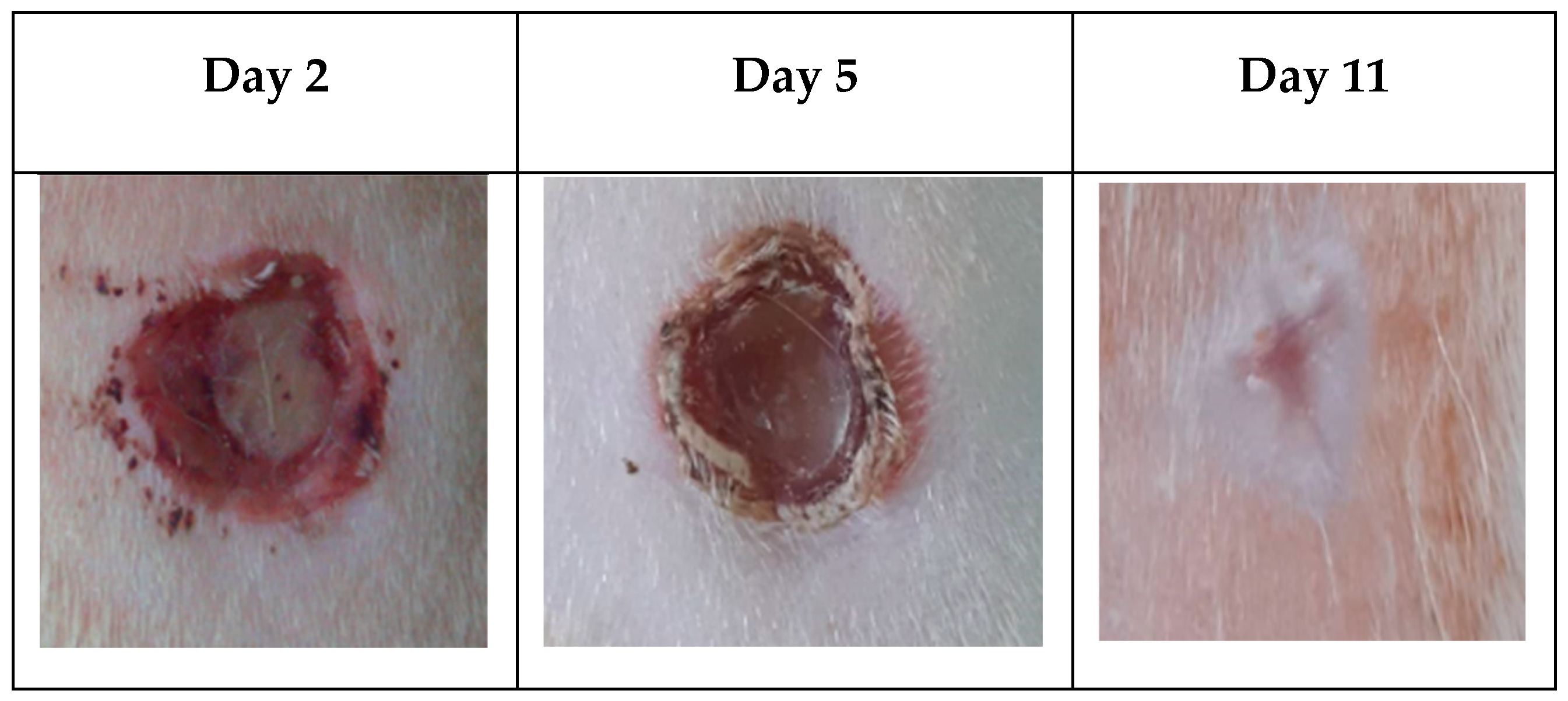
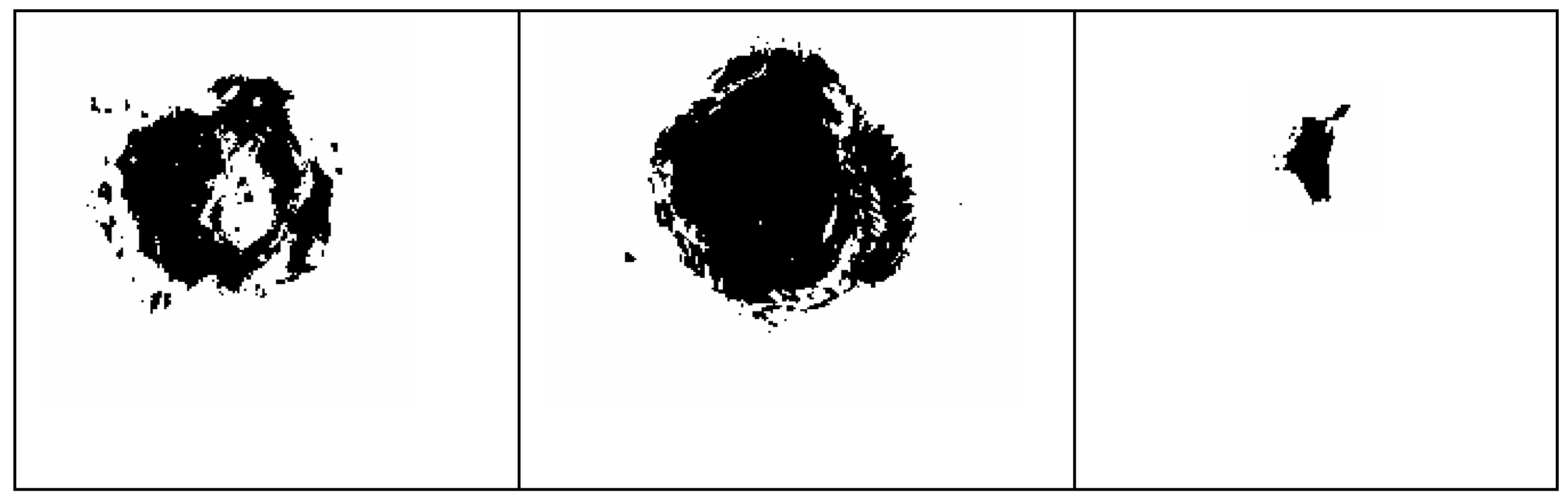
Figure 2.
Optimal nanoemulsion.
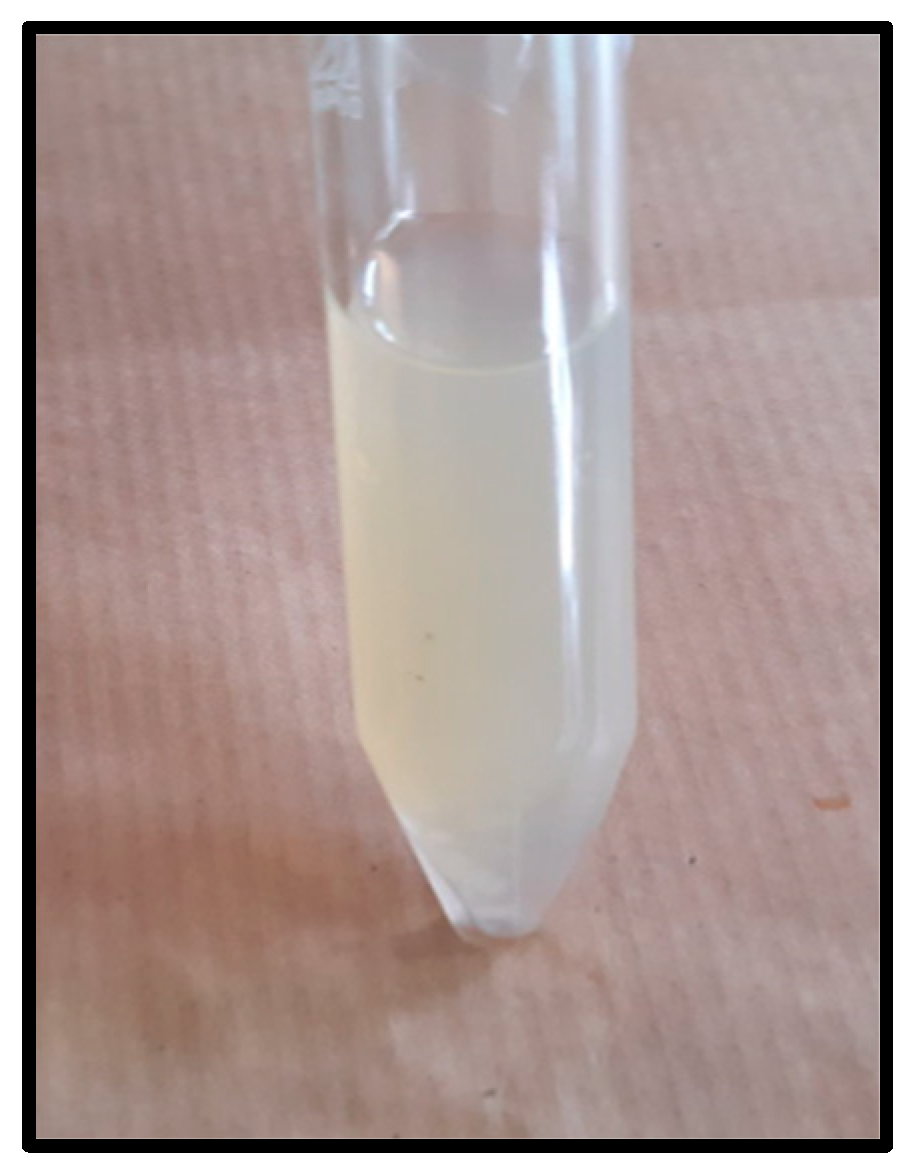
Figure 3.
Optimal NE surface morphology using transmission electron microscopy.
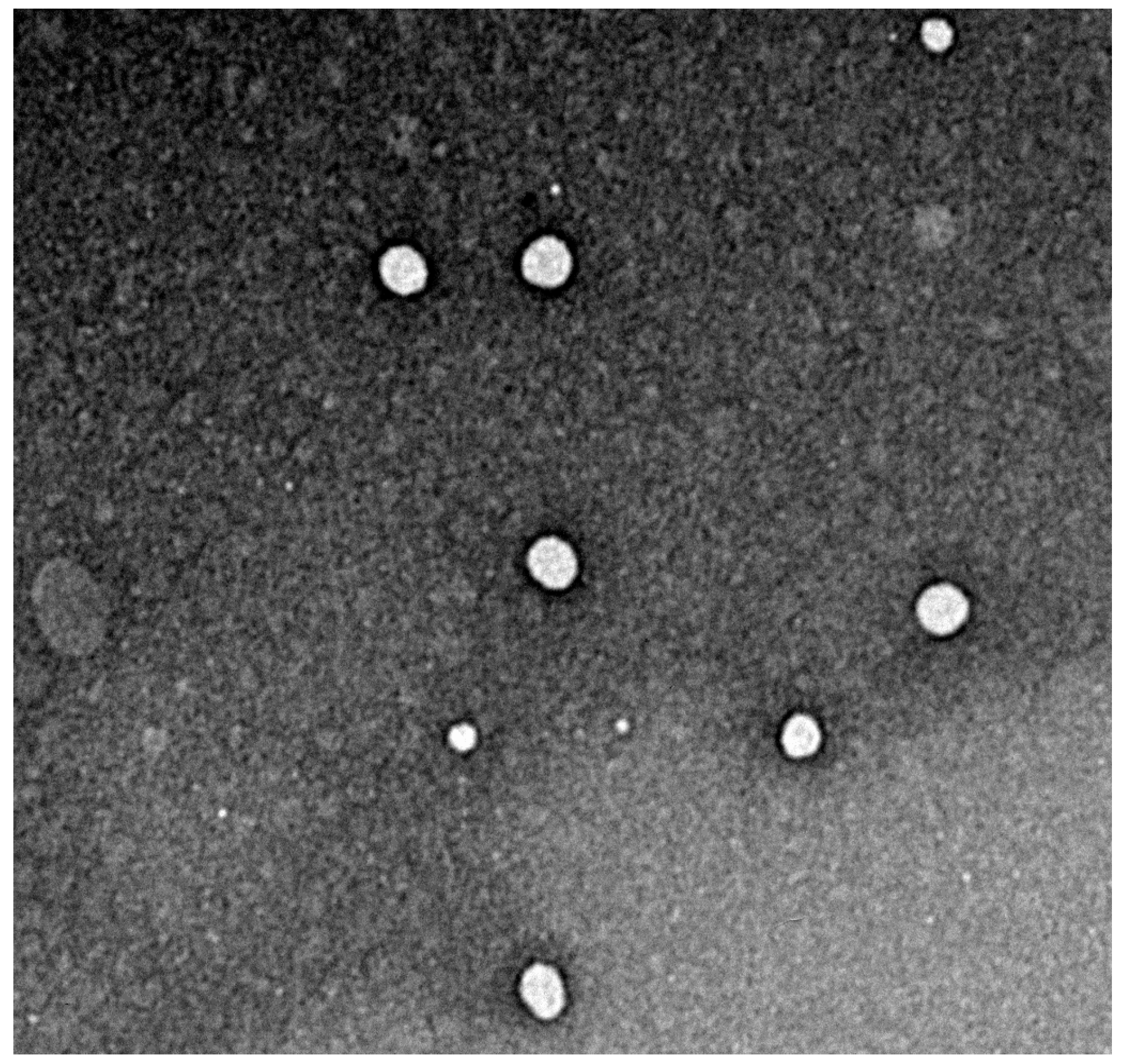
Figure 4.
Nanoemulsion gel encapsulating Pituranthos tortuosus’s EO.
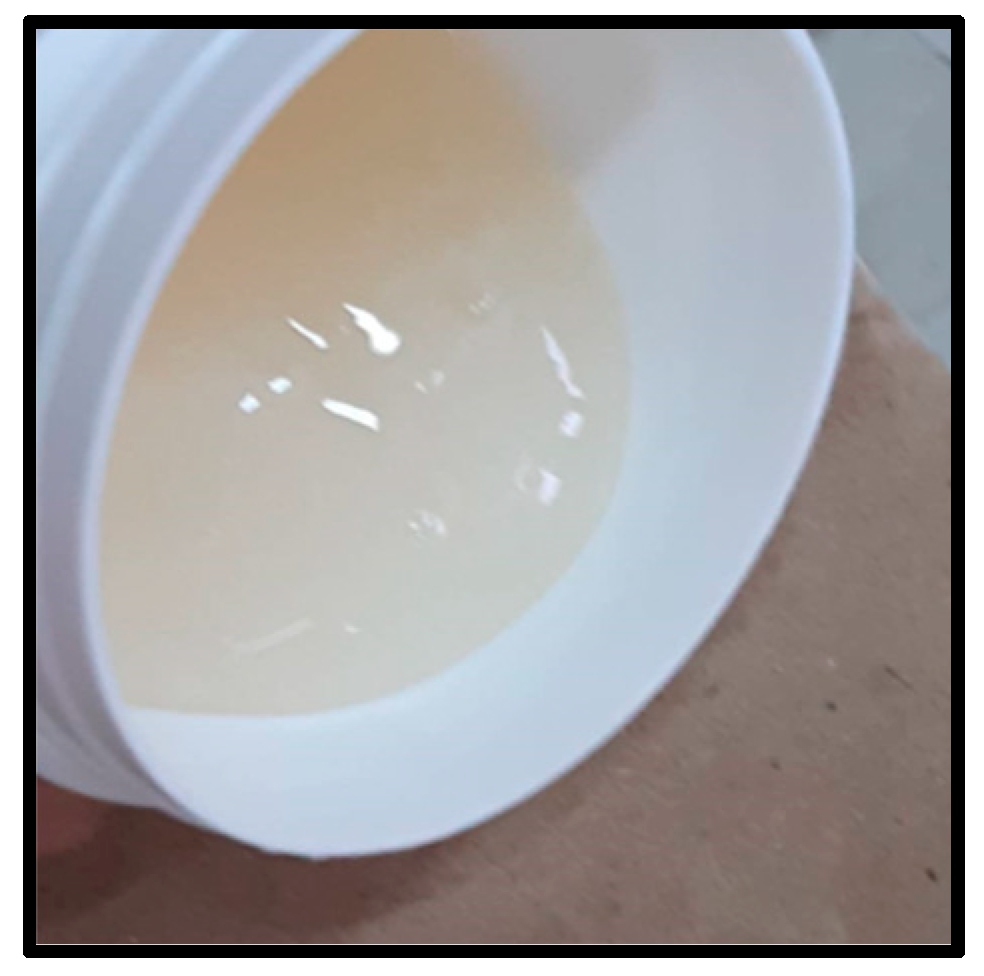
Figure 5.
The viscoelastic behavior of samples ((a). shear stress as a function of shear rate; (b). viscosity as a function of shear rate).
Figure 5.
The viscoelastic behavior of samples ((a). shear stress as a function of shear rate; (b). viscosity as a function of shear rate).
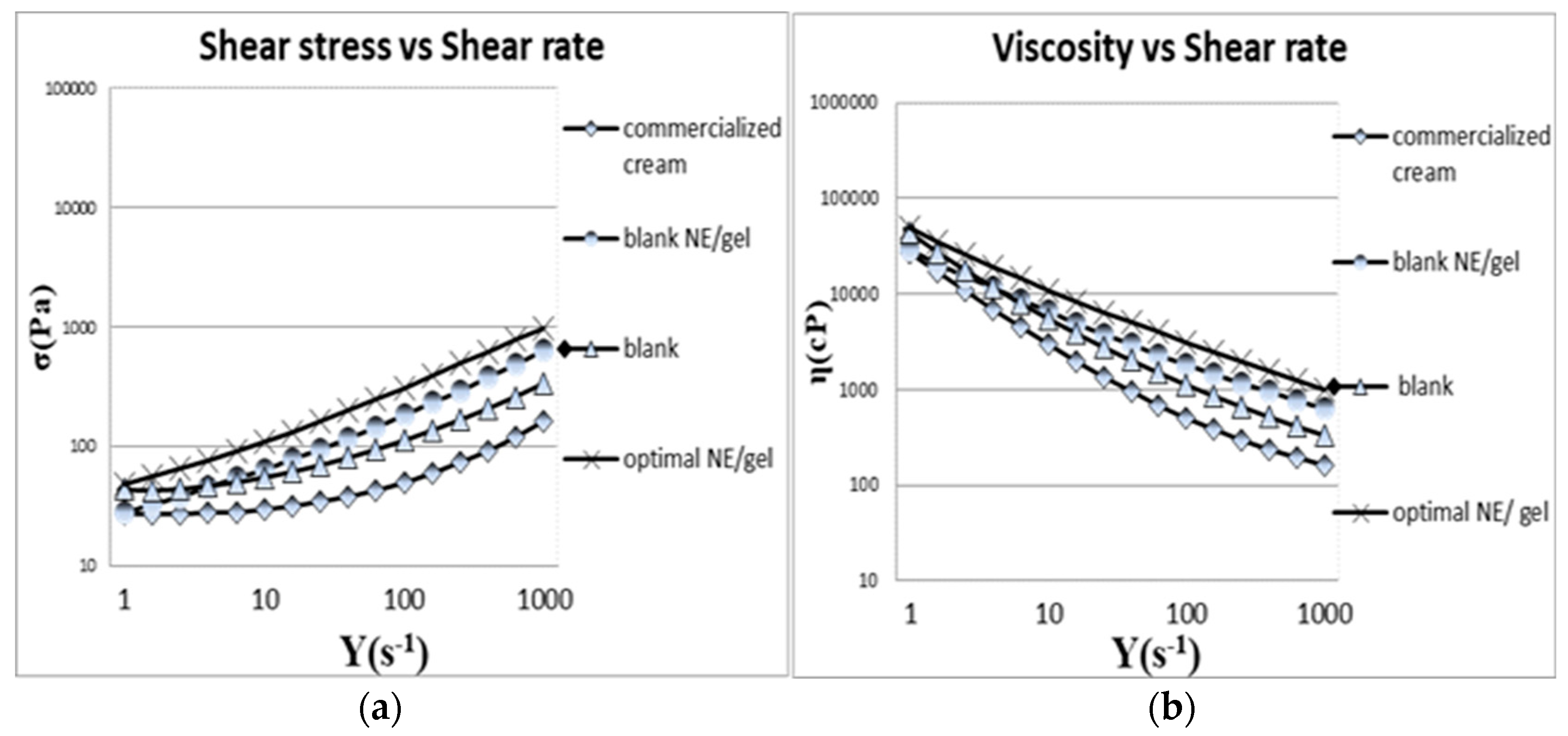
Figure 6.
Different phases of in vivo cicatrization.
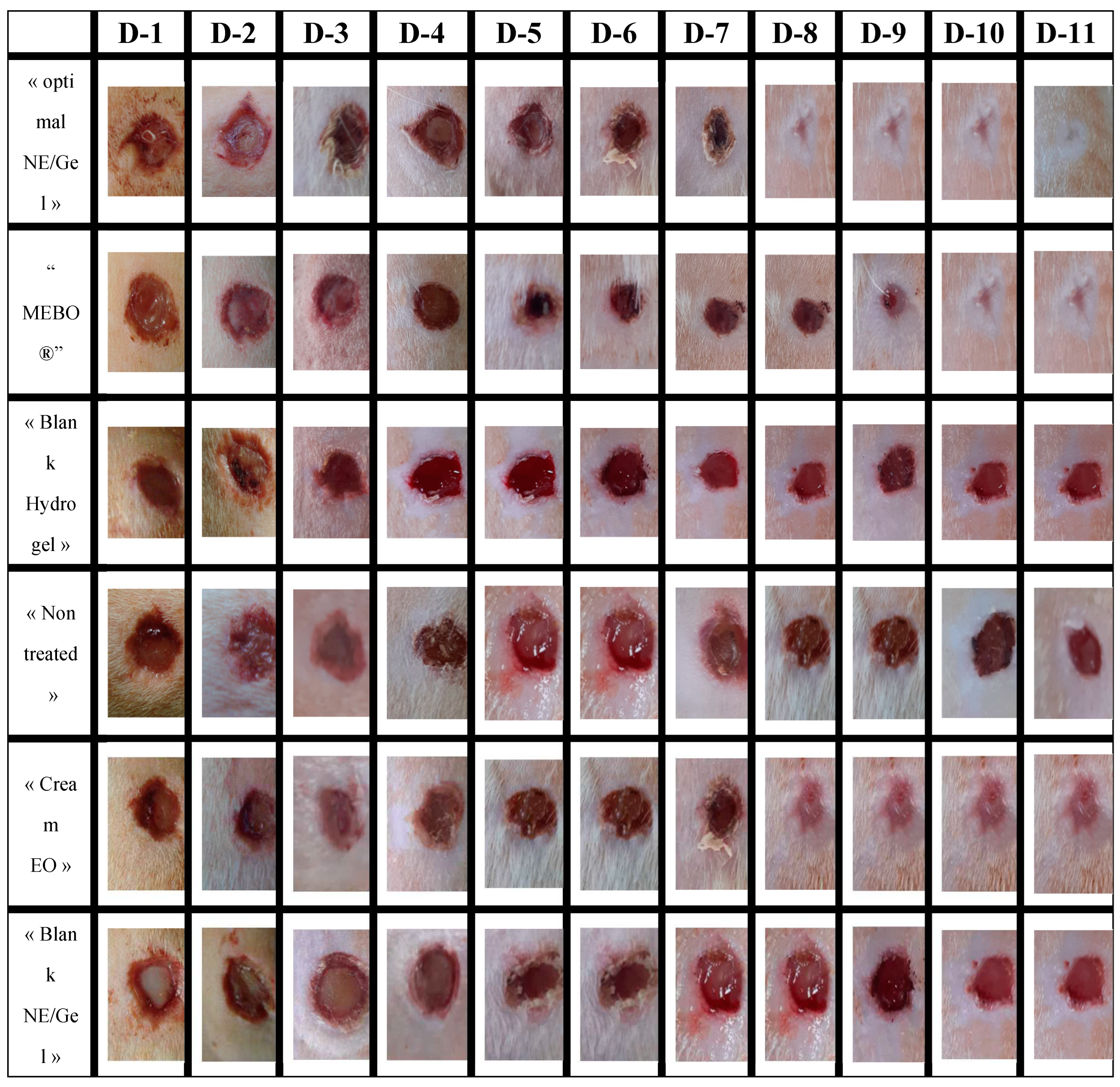
Figure 7.
Healing kinetics.
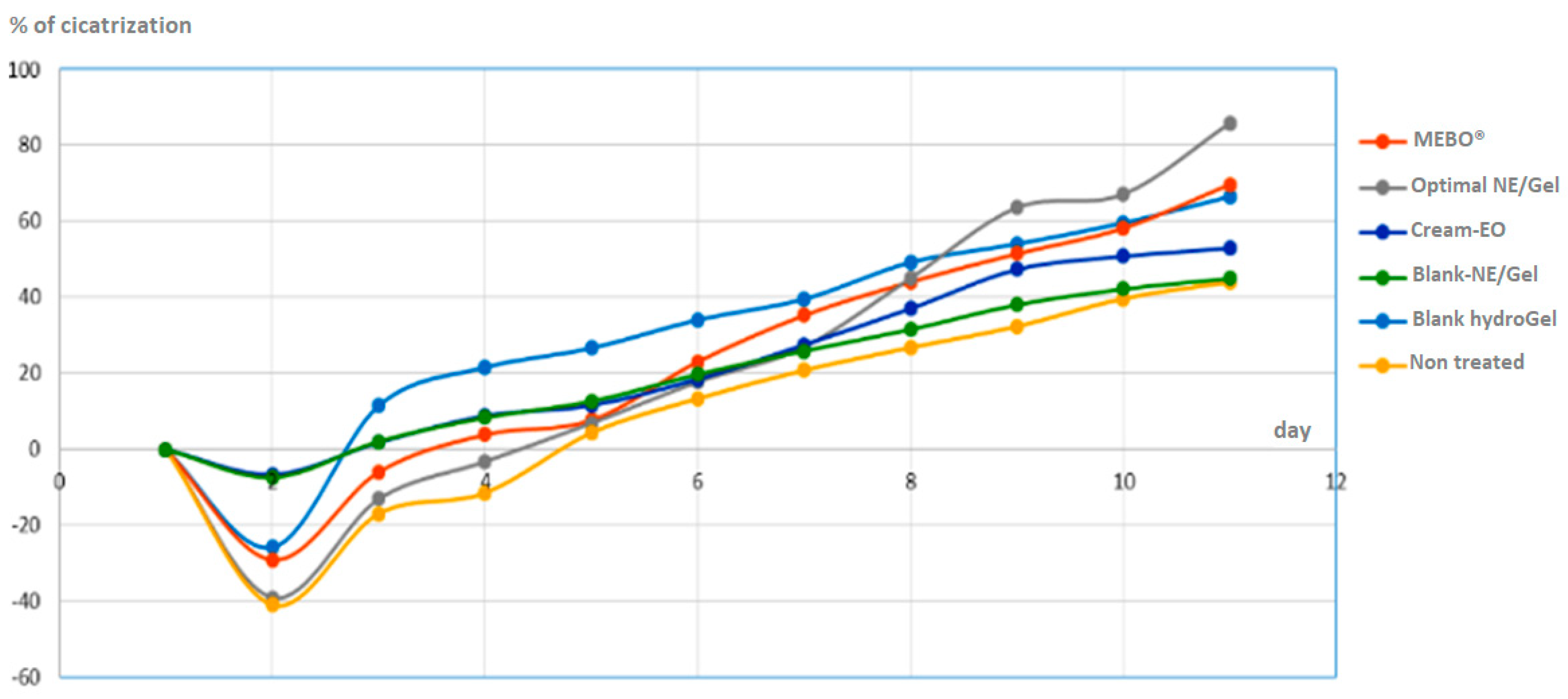

Table 1.
Nanoemulsion formulation.
| Formula | EO(%) | Oily Vehicle | Surf. + CoS. (%) | Cosolvent (%) | Water (QSP100%) | Process |
|---|---|---|---|---|---|---|
| F1 | 1 | P.O. 5% | 25 | - | QSP 100% | P1 : Sonication 15 min + vortex stir 3 min |
| F2 | 1 | P.O. 10% | 20 | - | QSP 100% | P1: Sonication 15 min + vortex stir 3 min |
| F1’ | 1 | P.O. 5% | 25 | - | QSP 100% | P2: vortex stir 3 min + sonication 20 min |
| F2’ | 1 | P.O. 10% | 20 | - | QSP 100% | P2: vortex stir 3 min + sonication 20 min |
| F3 | 1 | Triacetin 5% | 25 | - | QSP 100% | P2: vortex stir 3 min + sonication 20 min |
| F4 | 0.5 | Triacetin 5% | 30 | - | QSP 100% | P2: vortex stir 3 min + sonication 20 min |
| F4’ | 0.5 | Triacetin 5% | 30 | - | QSP 100% | P3: 13.000 rpm homogenization 2 min |
| F5 | 0.5 | Triacetin 5% | 25 | 1 | QSP 100% | P3: 13.000 rpm homogenization 2 min |
| F6 | 1 | Triacetin 10% | 20 | - | QSP 100% | P3: 13.000 rpm homogenization 2 min |
| F7 | 1 | Triacetin 10% | 20 | - | QSP 100% | P3: 13.000 rpm homogenization 2 min |
Table 2.
Tested formulations and corresponding rats group.
| Group | Titre |
|---|---|
| G1 | Optimal NE/Gel preparation « Optimal NE/Gel » |
| G2 | Blank NE/Gel (without EO) « Blank NE/Gel » |
| G3 | Conventional EO cream « Cream EO » |
| G4 | Blank gel « Blank Hydrogel » |
| G5 | Non treated « Non-treated » |
| G6 | Commercialized medicinal cream (API: ß-sitostérol ) « MEBO ®» |
Table 3.
Chemical composition of the essential oil from P. tortuosus.
| N° | Compounds | *LRI | **P. tortuos EO ±STDEVA |
N° | Compounds | *LRI | **P. tortuosus EO ±STDEVA |
|---|---|---|---|---|---|---|---|
| 1 | α-Thujene | 933 | 0.8 ±0.06abcd | 24 | Bornyl acetate | 1287 | 0.8±0.10abcd |
| 2 | α-Pinene | 941 | 2.1±0,15fg | 25 | p-Cymen-7-ol (syn. cumin alcohol) | 1290 | 0.9±0.21abcd |
| 3 | Sabinene | 977 | 8.7±0.81k | 26 | Carvacrol | 1299 | 1.7±0.10ef |
| 4 | β-Pinene | 982 | 0.6±0.06abc | 27 | Pinanediol | 1317 | 0.4±0.12abc |
| 5 | Myrcene | 992 | 0,6±0,06abc | 28 | p-Mentha-1,4-dien-7-ol | 1331 | 0.4±0.06ab |
| 6 | α-Phellandrene | 1006 | 0.3±0.06a | 29 | α-Longipinene | 1338 | 0.9±0.15abcd |
| 7 | α-Terpinene | 1020 | 0.9±0.06abcd | 30 | Methyl eugenol | 1403 | 0.4±0.06ab |
| 8 | p-Cymene | 1028 | 6.0±0.26j | 31 | β-Bisabolene | 1508 | 0.5±0.06abc |
| 9 | Limonene | 1032 | 5.2±0.38i | 32 | Spathulenol | 1576 | 0.7±0.06abc |
| 10 | γ-Terpinene | 1063 | 2.5±0.15g | 33 | Dillapiole | 1623 | 13.0±0.62l |
| 11 | Terpinolene | 1090 | 1.1±0.06bcd | 34 | β-Eudesmol | 1650 | 1.0±0.12abcd |
| 12 | cis-p-Menth-2-en-1-ol | 1123 | 1.8±0.10ef | 35 | (Z)-3-Butylidenephthalide | 1677 | 8.5±0.64k |
| 13 | α-Campholenal | 1125 | 0.4±0.06abc | 36 | (E)-3-Butylidenephthalide | 1716 | 3.9±0.47h |
| 14 | trans-p-Menth-2-en-1-ol | 1142 | 0.9±0.06abcd | 37 | (Z)-Ligustilide | 1737 | 6.4±0.62j |
| 15 | Camphor | 1145 | 0.4±0.06ab | 38 | Hexahydrofarnesylacetone | 1845 | 0.7±0.10abcd |
| 16 | Sabinaketone | 1159 | 0.8±0.06abcd | Monoterpene hydrocarbons | 28.9±1.97 | ||
| 17 | 4-Terpineol | 1179 | 16.2±1.46m | Oxygenated monoterpenes | 28.9±1.37 | ||
| 18 | p-Cymen-8-ol | 1185 | 1.4±0.06de | Sesquiterpene hydrocarbons | 1.4±0.20 | ||
| 19 | α-Terpineol | 1191 | 1.1±0.10cd | Oxygenated sesquiterpenes | 1.6±0.15 | ||
| 20 | p-Mentha-1,5-dien-7-ol | 1193 | 0.3±0.00a | Phenylpropanoids | 13.4±0.68 | ||
| 21 | Myrtenal | 1194 | 0.5±0.06abc | Apocarotenes | 0.7±0.10 | ||
| 22 | Carvone | 1244 | 0.5±0.00abc | Non-terpene derivatives | 18.9±1.74 | ||
| 23 | trans-Ascaridol glicol | 1271 | 0.4±0.06abc | Total identified | 93.8±0.51 |
* LRI: Linear retention indices. ** n=3.
Table 4.
Nanoemulsion formulation and characterization.
| Process | Formulation | EO (%) | Oily Vehicle ( %) |
Co-solvent (%) | Particle Size (nm) |
Polydispersity Index |
Visual Aspect |
|---|---|---|---|---|---|---|---|
| (P1): sonication 15min + vortex 3min | Formula 1 | 1.0 | 5 Paraffin oil |
107±0.68 | 0.6 | Milky yellowish |
|
| (P1) | Formula 2 | 1.0 | 10 Paraffin oil |
438±1.00 | 1.00 | Milky yellowish |
|
| (P2): Vortex 3min + sonication 20min |
Formula 1 | 1.0 | 5 Paraffin oil |
111±0.70 | 0.7 | Milky | |
| (P2) | Formula 2 | 1.0 | 10 Paraffin oil |
450±0.90 | 0.9 | Milky | |
| (P2) | Formula 3 | 1.0 | 5 Triacetin | 76±0.50 | 0.5 | Milky | |
| (P2) | Formula 4 | 0.5 | 5 Triacetin | 37±0.53 | 0.5 | Milky | |
| (P3): Homogenization at high-speed 13,000rpm | Formula 4 | 0.5 | 5 Triacetin | 47±0.42 | 0.4 | Bluish | |
| (P3) | Formula 5 | 0.5 | 5 Triacetin | 1 | 29±0.44 | 0.4 | Bluish |
| (P3) | Formula 6 | 1.0 | 10 Triacetin | 45±0.40 | 0.4 | Bluish | |
| (P3) | Formula 7 | 1.0 | 10 Triacetin | 1 | 27±0.39 | 0.3 | Bluish |
Table 5.
Percentage of EO in the tested formulations.
| Group | Formulation | EO content (%) |
|---|---|---|
| G1 | Optimal preparation « optimal NE/Gel » |
1 |
| G2 | NEs gelified without EO « Blank NE/Gel » |
0 |
| G3 | Conventional EO cream « Cream EO » |
1 |
| G4 | Blank gel « Blank Hydrogel » |
0 |
| G5 | Non treated « Non treated » |
0 |
| G6 | Commercialized medicinal cream (API : ß-sitostérol ) “ MEBO ®” |
0 |
Disclaimer/Publisher’s Note: The statements, opinions and data contained in all publications are solely those of the individual author(s) and contributor(s) and not of MDPI and/or the editor(s). MDPI and/or the editor(s) disclaim responsibility for any injury to people or property resulting from any ideas, methods, instructions or products referred to in the content. |
© 2023 by the authors. Licensee MDPI, Basel, Switzerland. This article is an open access article distributed under the terms and conditions of the Creative Commons Attribution (CC BY) license (http://creativecommons.org/licenses/by/4.0/).
Copyright: This open access article is published under a Creative Commons CC BY 4.0 license, which permit the free download, distribution, and reuse, provided that the author and preprint are cited in any reuse.


