

Submitted:
24 July 2023
Posted:
24 July 2023
You are already at the latest version
Abstract
A huge part of corrosion failures and even of catastrophes takes origin from a trivial mistake in either choice or connection of different materials, as well as from an inaccurate evaluation of the compatibility between materials an environment. The example shown in the present paper summarizes several wrong solutions due to the lack of knowledge of the basic rules of corrosion control. By chance, either the consequences of such mistakes were so precocious that it was possible to find a remedy during the construction, or they were happily so venial as to be tolerated. This paper is third in a series devoted to enhancing the need of a professional corrosion control design for infrastructures.
Keywords:
corrosion
; failures
; mistakes
; stadium
1. Introduction
The late XX Century is characterized by the massive exploitation of what was handed over by the industrial and social revolutions of the XIX century, with a few exceptions: the semiconductors, the atomic energy, the antibiotic, the polymers are among the main examples.
Because of the need to handle an enormous number of materials, it so happened that the turn-over of the objects, the competition, and finally the globalisation enhanced the need of suitable means and rules aimed to extend, or at least to control, the service life of the myriad of objects, facilities as well as infrastructures which became available.
Hence the development of the science and technology of materials corrosion and protection (first of all metals), almost totally ignored in the past centuries, because of the elitarian and careful use of the then scarcely available (and expansive) industrial, or better artisan, products. Corrosion science had a slow and difficult path mainly due to the widely shared misconception of the infinitive availability of both resources and energy. It was only after the second world war that the need for a more “scrooge” turnover was first evident and Professor H.H.Uhlig in1949 was allowed to demand the UN a strong effort to enhance both knowledge and awareness of the problem.
It is now true and evident that the first aim was reached since most of the mechanisms of corrosion are clear and the most sensitive and reliable test procedures are established. Unfortunately, the second one is far to be achieved. The cost of corrosion, estimation after estimation, always remains inside the 3 – 4% of GNP of an industrial nation. (1) However, it is estimated that the indirect cost to the end user can double the economic impact. This means that the overall cost to society could be as much as 6 percent of the GDP. Often, the indirect costs are ignored because only the direct costs are paid by the owner/operator.
Of the corrosion control methods, paints and corrosion-control coatings make up the largest portion (2, 3, 4). Other commonly used methods include the use of corrosion-resistant metals and alloys (5), the application of cathodic and anodic protection, (6,7) the use of corrosion inhibitors, (8,9)and the use of polymers or composite materials. The cost of corrosion-related services was estimated to be small.
The preventive strategies include:
(1) increase awareness of large corrosion costs and potential savings,
(2) change the misconception that nothing can be done about corrosion,
(3) change policies, regulations, standards, and management practices to increase corrosion cost-savings through sound corrosion management,
(4) advance design practices for better corrosion management,
(5) advance life prediction and performance assessment methods, and
(6) advance corrosion technology through research, development, and updating.
(7) improve education and training of staff in recognition of corrosion control.
A deep gap since ever exists between corrosion science and corrosion control. Another, consequent gap is between corrosion control technology and the widespread awareness of its practice. It follows that the priority needs of our field of interest are, mainly, education, continuing education at all levels of people involved; this is the most important item, since it is necessary to spread out knowledge of the very simple corrosion principles to avoid the most elementary mistakes!
During the long and busy career of the authors the role to be played was to be involved either in a project or in a failure analysis. The latter is unfortunately the more frequent case. In alternative, the involvement happened halfway, sometimes on-time to correct design or materials selection mistakes. The avoidable consequences of the lack of basic corrosion control in materials selection and design have been shown in previous papers (10, 11). The subject of the present paper is a case of an avoided disaster which might have happened in a monster construction as a consequence of the wrong choice of a component, called seeger or circlip weighing ten grams. Moreover, the paper will analyze several other construction details where the choice of material, connection as well as surface finishing was unaware of possible misfunction. These ones were unable to affect the correct function but caused the appearance of ugly corrosion spots.
2. Corrosion problems on Al-Bayt Stadium
2.1. Material solutions in the stadium
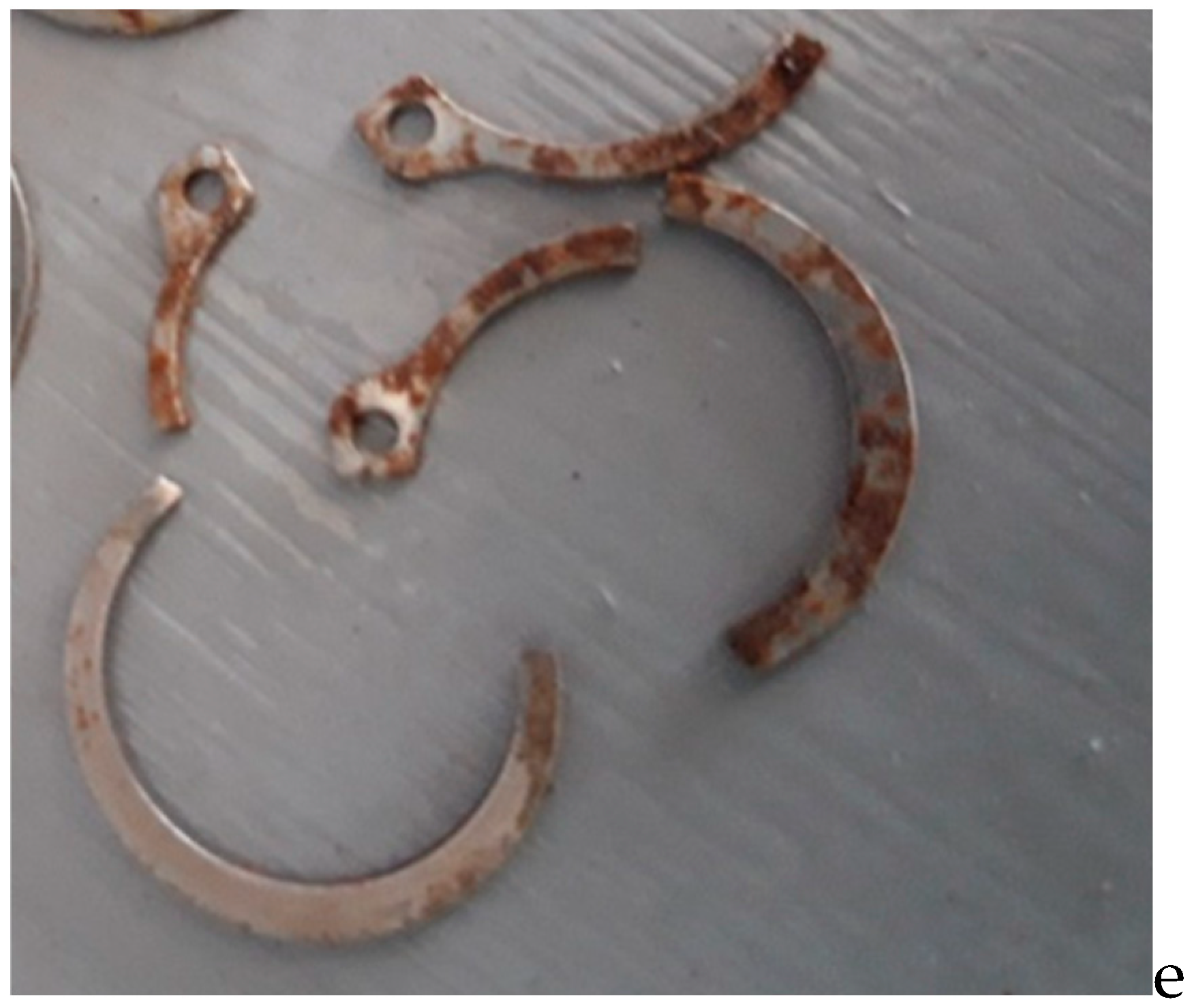
Al-Bayt Stadium (Figure 1)(ʾIstād al-Bayt, i.e. ’The House Stadium’) is a football stadium in Qatar, which was opened in time for matches in the 2022 FIFA World Cup. The stadium has a retractable roof (Figure 2) that can close completely within 20 minutes, to enable play throughout the year. The roof weighs around 1,600 tons – the equivalent of almost 380 medium sized motor cars. Each roof truss measures 94.4 meters and weighs between 82 and 104 tons. It is possible to close the roof at the touch of a button, in a three-phase movement. The movement for locking / unlocking the trolleys is obtained through sixty four actuators (Figure 3 ), a couple at the end of each one of the 32 trolleys of the movable ceiling. The following (Figure 4) shows the apparatus for the transmission of motion from the motor to the trolley (left) and for blocking the motor (right). Pins allow the continuity of the structure, and they are kept in place by means of mechanical stops called “seegers" or "circlips", (Figure 5). By design, the 384 pins (six in each actuator) were made out of AISI 316 stainless steel. It was observed that many of them showed signs of corrosion and break after a relatively short service period (less than 1 year), (Figure 6).
Figure 1.
The design of the stadium reflects the inside of a Bedouin tent: coloured red, white, and black. These tents, the bayt al sha’ar, are also where the stadium gets its name from. The roof is retractable, opening and closing in 20 minutes. Al Bayt Stadium has a capacity of roughly 60,000 seats, divided over three tiers. After the World Cup, the top tier will be removed, reducing capacity to 32,000 seats.
Figure 1.
The design of the stadium reflects the inside of a Bedouin tent: coloured red, white, and black. These tents, the bayt al sha’ar, are also where the stadium gets its name from. The roof is retractable, opening and closing in 20 minutes. Al Bayt Stadium has a capacity of roughly 60,000 seats, divided over three tiers. After the World Cup, the top tier will be removed, reducing capacity to 32,000 seats.
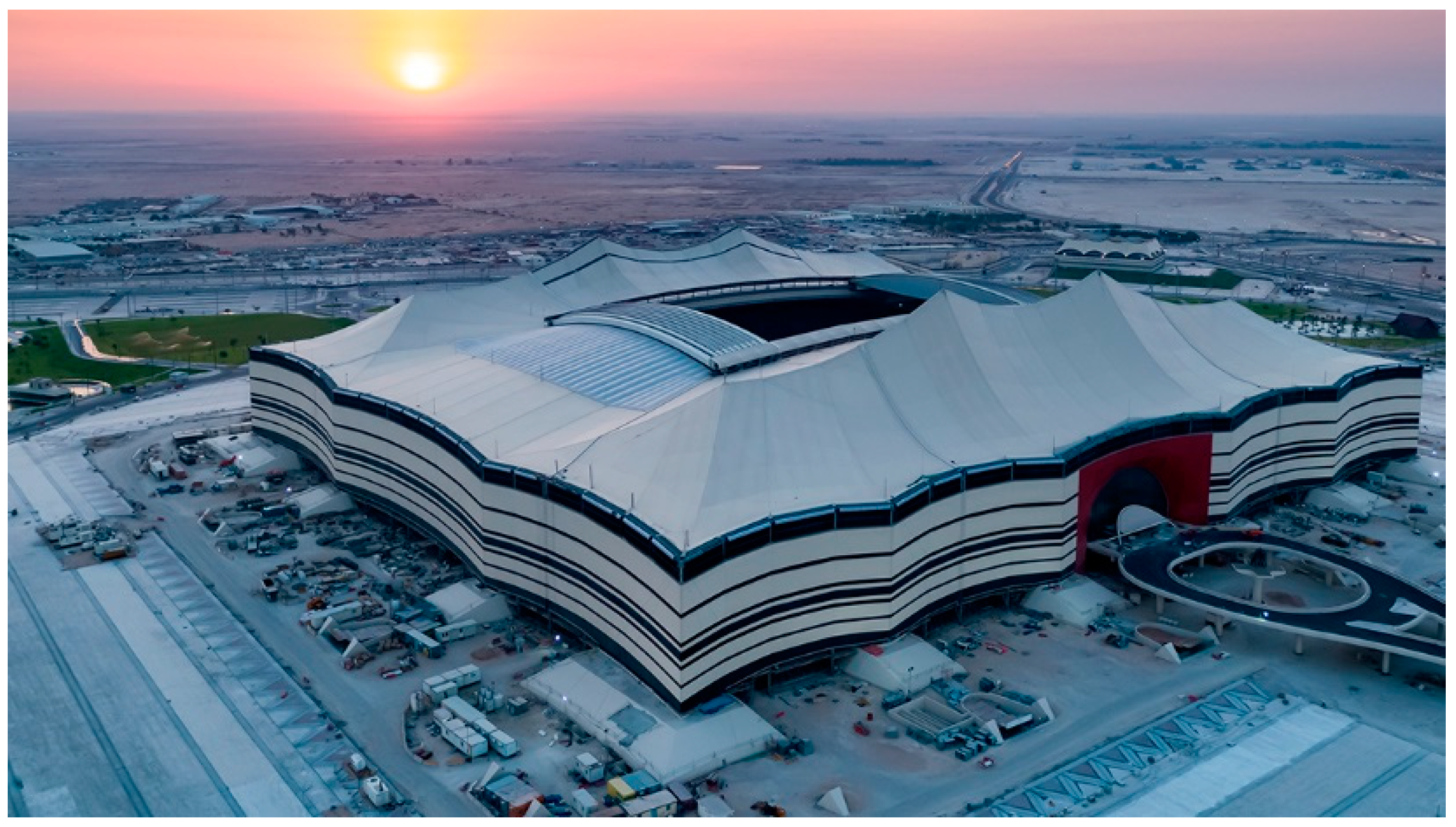
Figure 2.
The retractable roof built in polytetrafluoroethylene (PTFE) woven fiberglass membrane is moved by 64 synchronized engines through actuators.
Figure 2.
The retractable roof built in polytetrafluoroethylene (PTFE) woven fiberglass membrane is moved by 64 synchronized engines through actuators.
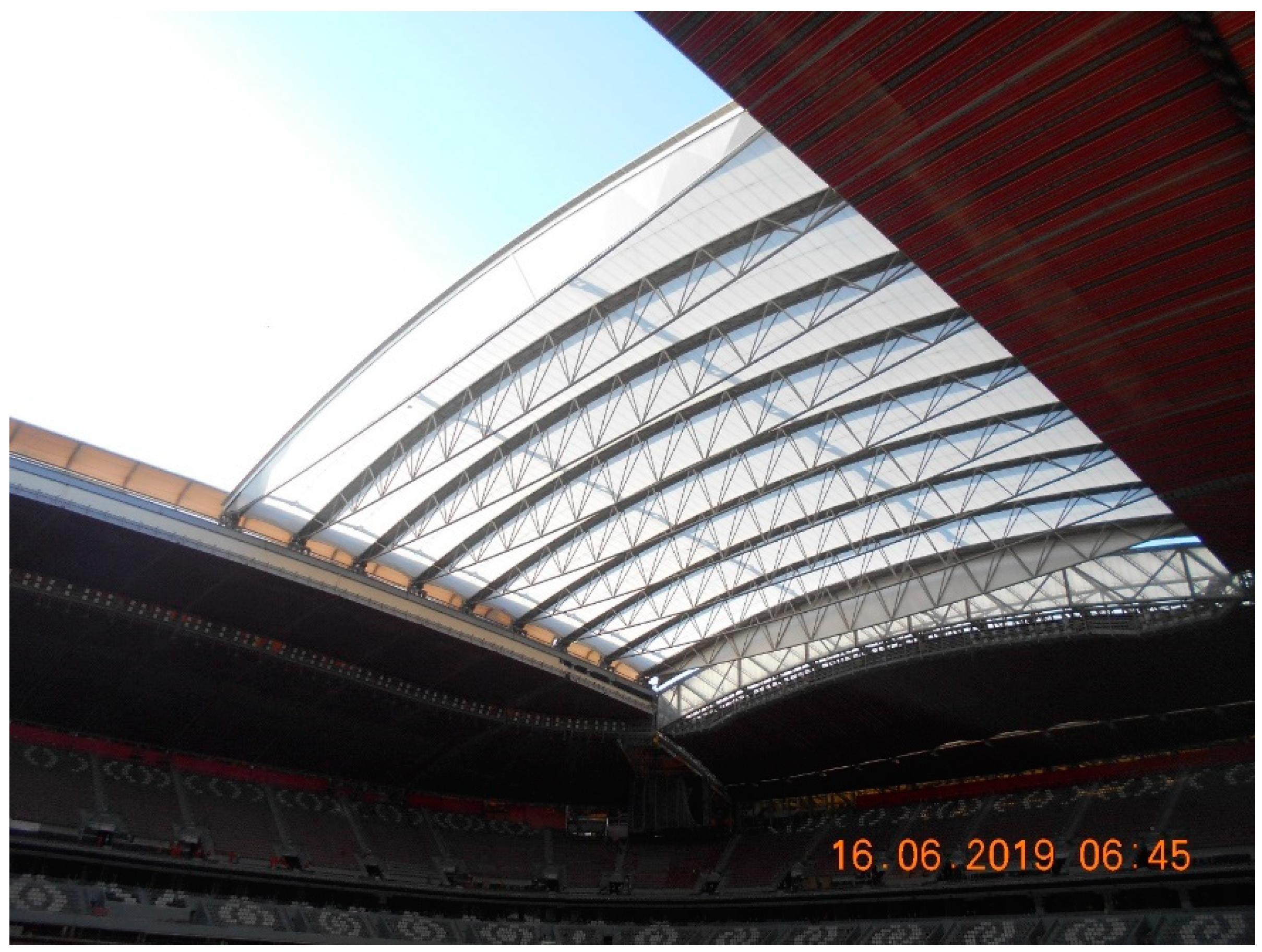
Figure 3.
Actuator for the rolling/enrolling of the retractable roof with details of the motion transmission devices.
Figure 3.
Actuator for the rolling/enrolling of the retractable roof with details of the motion transmission devices.
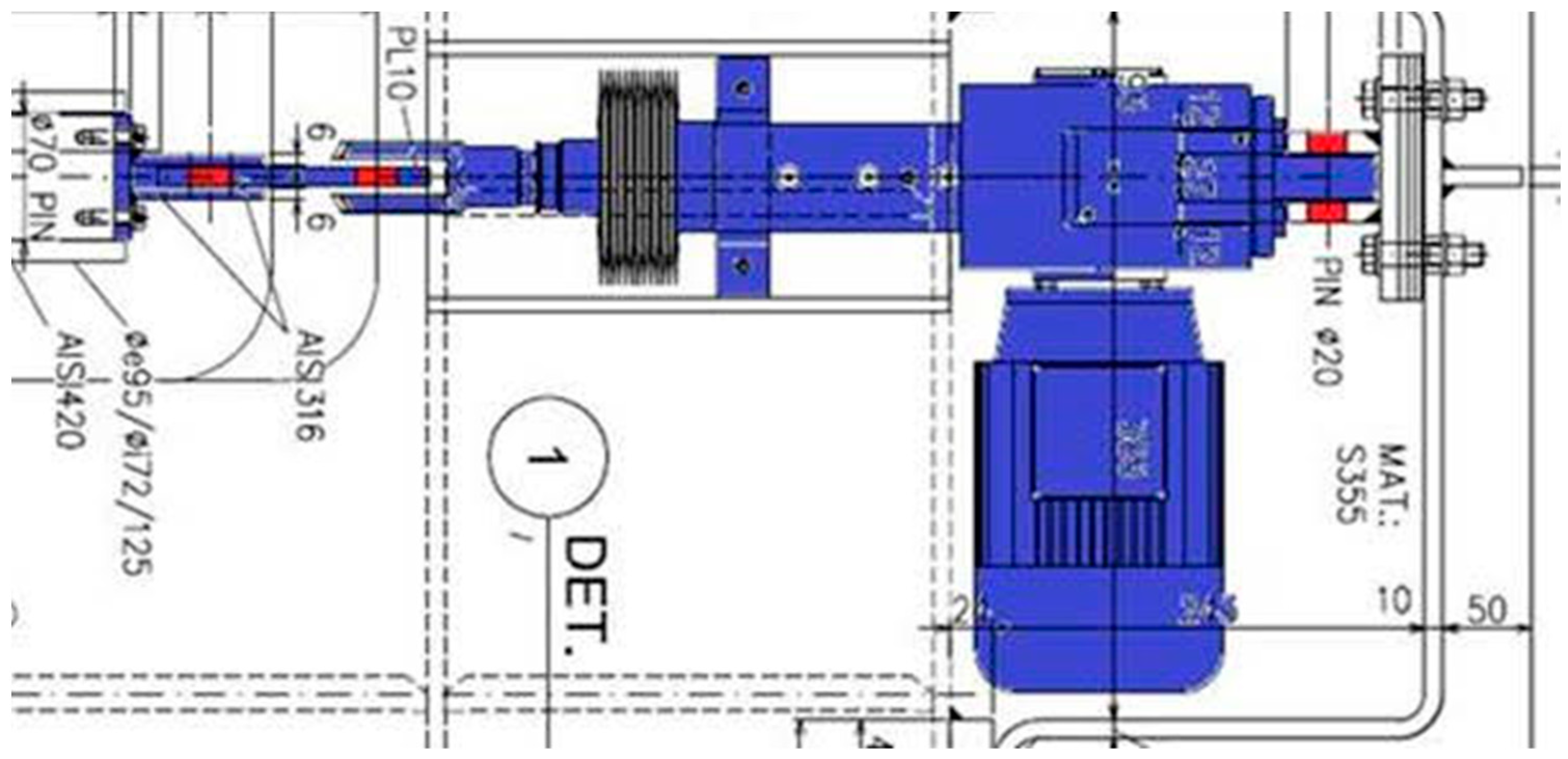
Figure 4.
Details of the actuator showing the locations of the seegers.
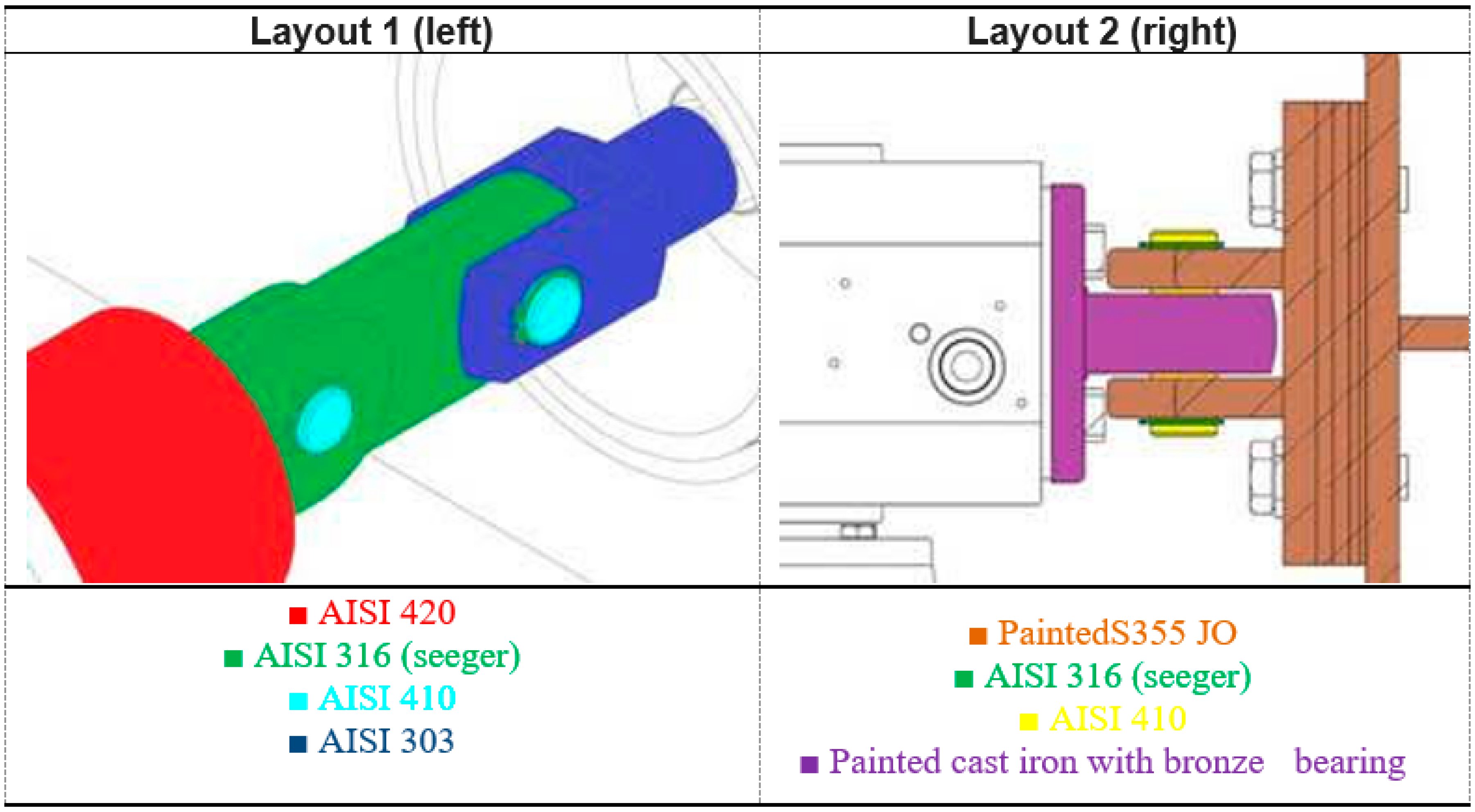
Figure 5.
A seeger is a retaining ring consisting of a metal ring with open ends which can be forced into place, into a machined groove in order to allow rotation but to prevent lateral movement.
Figure 5.
A seeger is a retaining ring consisting of a metal ring with open ends which can be forced into place, into a machined groove in order to allow rotation but to prevent lateral movement.
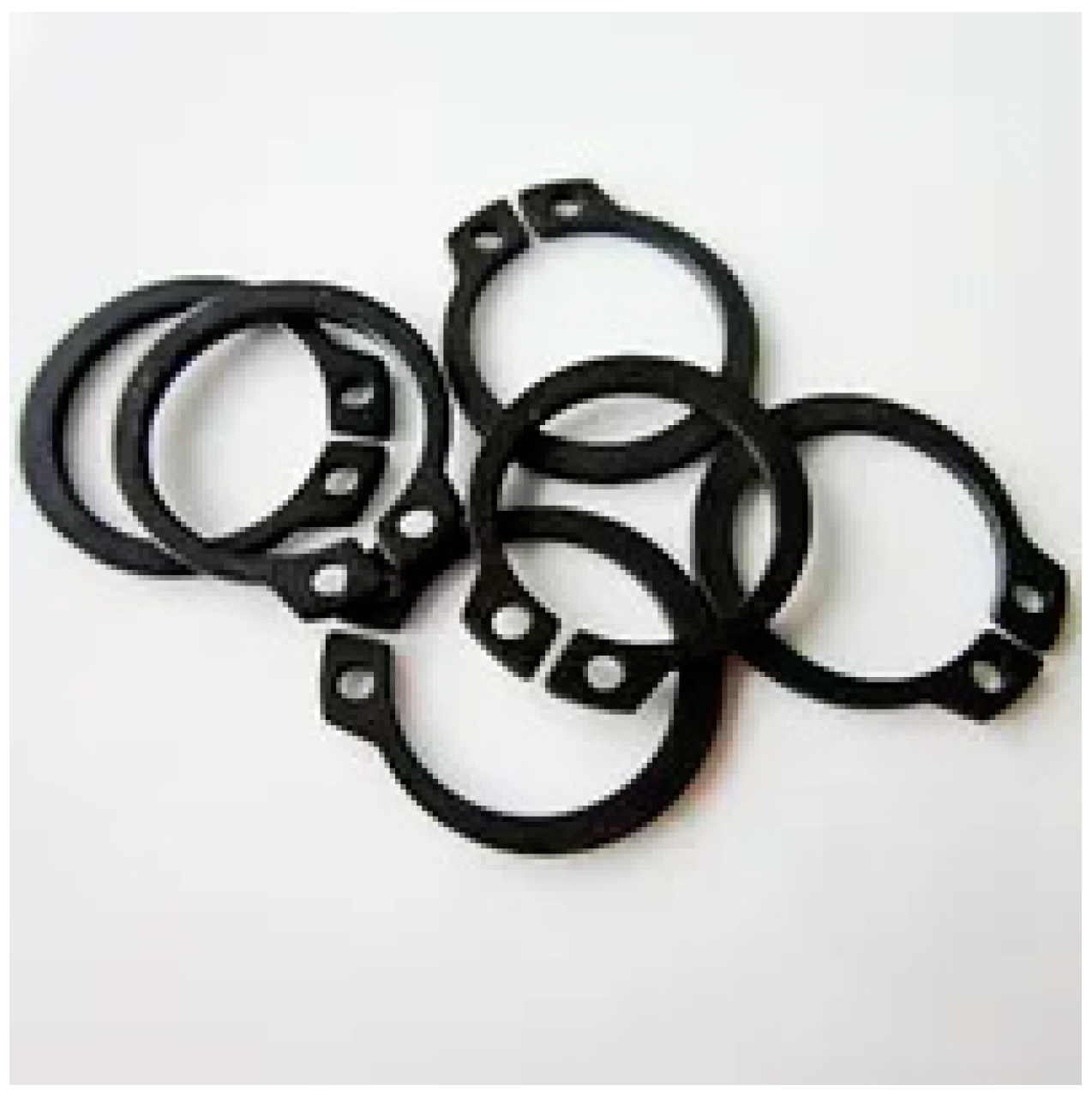
Figure 6.
Examples of stress corrosion cracked seegers.
2.2. Description of the corrosion phenomena in the stadium
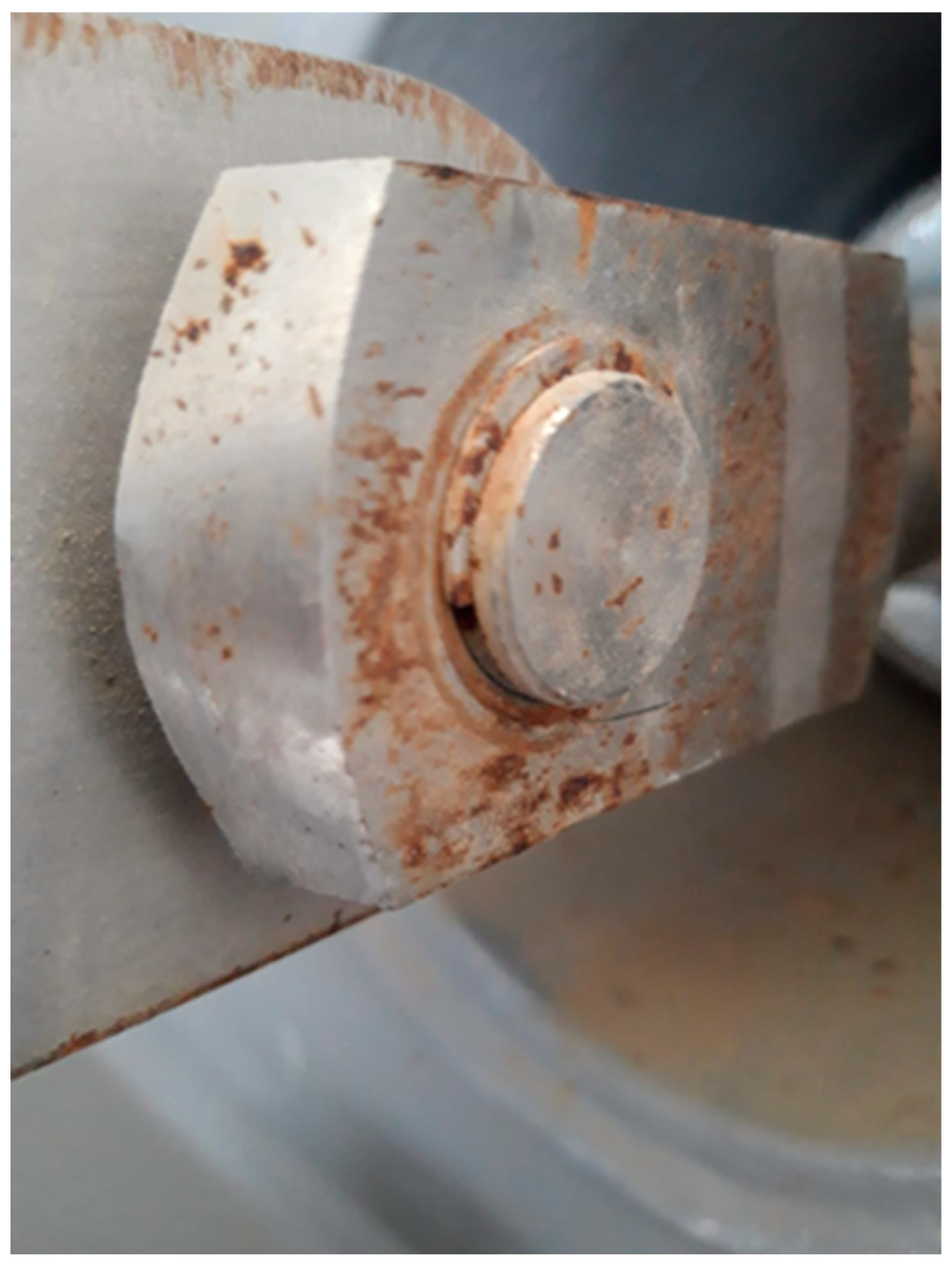
The aim of the present paper is to show how important and sometimes critical is the conscious choice of both materials and their connections, even in the smallest details, especially when such details are present in very large number. We took as a significant example the movement mechanisms of the movable roof, in particular of the actuators for locking / unlocking the trolleys (Figure 7).
Figure 7.
Detail of the support roller showing the seeger located in a carved narrow groove. Localized corrosion and rusting are show.
Figure 7.
Detail of the support roller showing the seeger located in a carved narrow groove. Localized corrosion and rusting are show.
3. Discussion of the design mistakes and of the causes of damages
From the analysis of the photos, from the study of the existing layouts of the actuator, it appears that the object is composed of a chain of different stainless steels of different composition and structure with obvious difference in behavior towards corrosion, and namely two austenitic (AISI 316 and AISI 303) and two martensitic (AISI 410 and AISI 420) alloys. There is no apparent reason for such a choice, while it is possible for a designer to consult many sources of information (data-bases) about the suitable metallic material for a given use. (12)
The martensitic stainless steels have a reduced and competitive price and high mechanical strength when compared to other classes of stainless steel. The yield strength ranges from 275 MPa in annealed condition up to 1900 MPa in the quenched and tempered condition. Comparing AISI 410 with AISI 420 we learn that both of them are hardenable, with 420 reaching the highest hardness combined with good toughness. Both of them show corrosion resistance in the atmosphere, fresh water, steam, oil, petrol, alcohol, organic solvents and resist heat oxidation up to 650°C (furnace parts, turbine blades, burners, valve parts) and good weldability. They are used in the construction of components for hydroelectric, petrochemical and general mechanical plants such as scissors, knives, measuring instruments, flanges and fittings, etc.
The couple of austenitic stainless steels AISI316 and AISI303 do not allow a selective comparison between each other, since the difference in both features and performances is very high. The 316 gets an increase in mechanical strength through cold deformation; it has good weldability, good corrosion resistance to a wide variety of salts and organic acids, fair to weak solutions of reducing acids. Resists intergranular corrosion up to 300°C. It is used in the petroleum, chemical, food, textile industries, in parts for ovens and naval equipment.
AISI 303 includes a high sulfur content to improve its mechanical processing. Corrosion resistance is reduced due to the presence of sulfur but still satisfactory in the atmosphere and towards foodstuffs and organic chemical products. It is not solderable. Used for working on high-speed machines in the production of pins, bushings, screws, nuts, tie rods, etc. It follows that the use of both, as for performances and cost is not justified in comparison with the suitable and cheaper AISI 410 or 420. (13)
Figure 7 shows that the object is pervaded by the presence of generalized rusting and widespread pitting phenomena denoting a particularly aggressive environment, the effects of which are enhanced by some mistakes in both design and construction, namely:
- a)
- The object is composed of a chain of different stainless steels of different composition and structure with obvious difference in behavior towards corrosion (5, 12): AISI 316 steel is the noblest one and acts as a cathode compared to AISI 303 steel, which is not recommended for use in highly corrosive environments due to the presence of sulfur in the composition.
- b)
- The electrochemical corrosion due to the presence of a galvanic chain of different corrosion potentials of the differently “noble” components might have been minimized by the peculiar property of stainless steels to be “passivable alloys”: the main feature of all stainless steels is that they are suitable to build a nanometric surface layer consisting mainly of chromium oxide, named passive layer. It is self-healing and the rate of restoring passivity after damage is a feature of the quality of the alloy. Nevertheless, heat treatments, mechanical working, handling cause many surface defects to be produced, hence reducing the corrosion resistance of the passive layer. In order to increase and optimize the formation of the chromium oxide layer it is necessary to perform a repassivation procedure. Immersion of stainless steel in an acid bath dissolves free iron from the surface while leaving the chromium intact (14). The acid chemically removes the free iron, leaving behind a uniform surface with a higher proportion of chromium than the underlying material. This treatment was not performed on the structure. In our case, the AISI 303 s.s, both for the galvanic coupling and for the poor finish is subject to widespread pitting.
- c)
- The poor surface finishing is the third construction mistake. Both reliability and durability of the passive layer are strictly connected with the smoothness of the surface; it is not obviously possible to reach the perfectly planar surface, and at the crystallographic level all surfaces are rough. Hence, passivity is a dynamic situation where activation phenomena happen in a very high number of sites, quickly followed by repassivation. The speed of reestablishing passivity is a function of both surface uniformity and quality of the alloy.
- d)
- All edges should be rounded, not only to allow more uniform distribution of possible coatings, but also to avoid accumulation of current density on sharp edges, enhancing localized both rust and pitting, as clearly shown in Figure 7.
- e)
- Moreover, the designer coated the cast iron and SS355JO steel components which are anodic to both the joined S.S. and the bronze bearings: huge cathode, small anode, high corrosion current density through the pores of the paint (see the archetypic example of such a mistake in the book: Corrosion Engineering, by M. Fontana, N.Green) (15).
Regardless of the above-mentioned phenomena, the most pressing problem concerns the behavior of the seegers located in a narrow groove carved on the support roller for the movement of the mechanism, (Figure 5) which is built in AISI 410 steel with good resistance characteristics, even if it is not recommended to use in highly corrosive environments. It is however anodic with respect to the material used for the seegers (AISI 316) and, in principle, it might provide the seeger with some form of cathodic protection. The galvanic chain is however irrelevant in this case in view of another phenomenon much more serious and directly responsible for the early breaking of the seegers. It is dependent on construction and the aggressiveness of the environment and is called crevice corrosion.
Figure 8.
Mechanism of crevice corrosion.
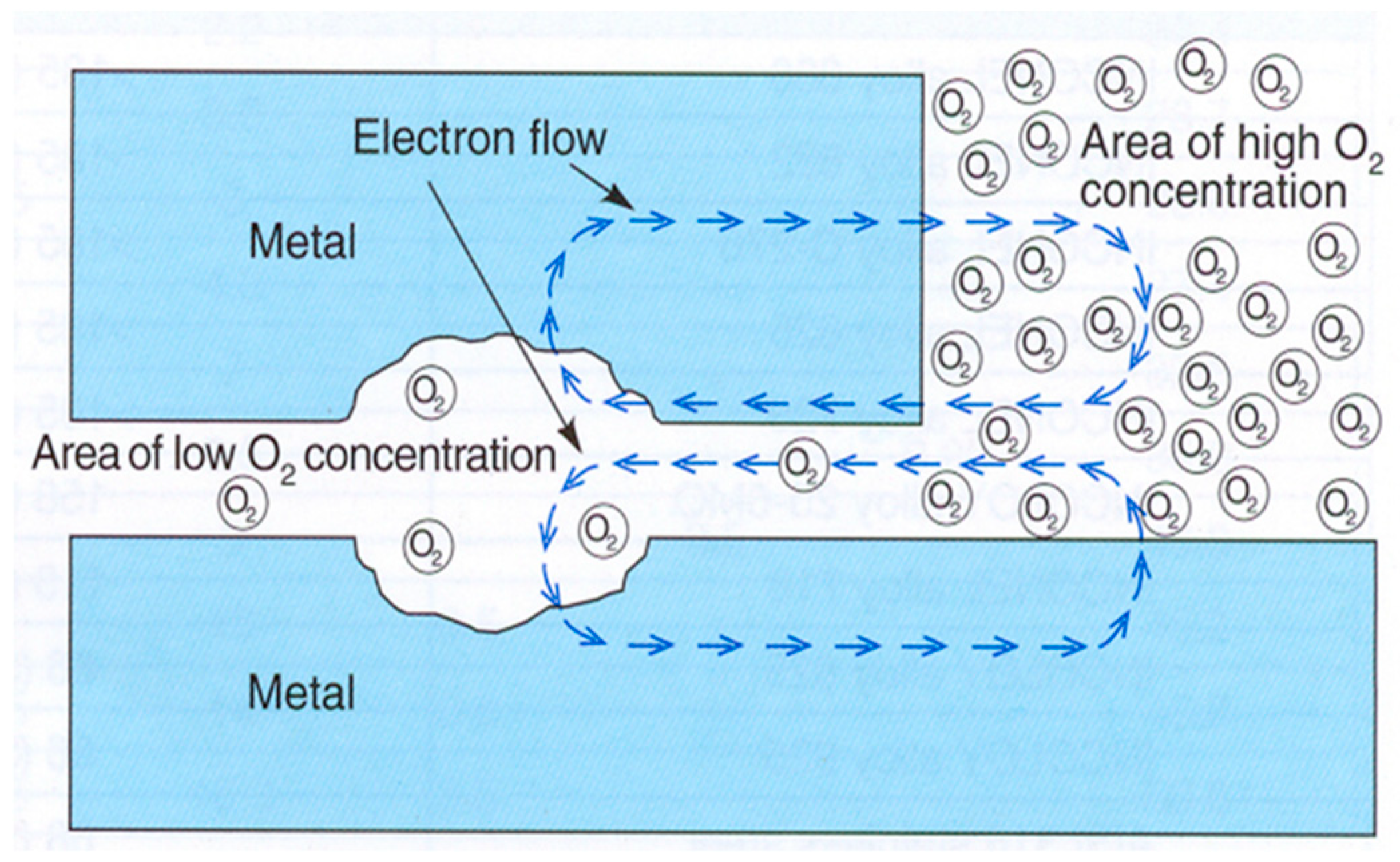
Crevice corrosion (16,17) occurs in those hidden sites where oxygen does not circulate freely. In these areas, oxygen is progressively consumed and cannot be renewed by diffusion or convection. Outside the confined area, the cathodic reaction of oxygen reduction still occurs on the metal surface, whereas, in the confined area, the metal surface becomes the anode. The corrosion processes lead to the modification of the chemical composition of the electrolyte in the crevice with simultaneous acidification and an increase of chloride ion concentration. When the pH and the Cl− concentration in the crevice solution reach critical values, depassivation of the stainless steel with active dissolution occurs which is localized in the points where passivation is weakest, i.e. in the anodic areas. In the specific case, the seeger was designed to be built in AISI, a passively alloy that critically depends on the passive ceramic oxide layer that covers it and which by default should reform itself in a very short time in case of damage. The ring is inserted under tension in the thin groove engraved in the cylinder. Inside the cavity, the conditions described above are very suitable for crevice corrosion. The attack on metal occurs mainly in those more anodic areas, that is, where the oxide is most damaged and the metal structure most weakened. These areas are mainly located where the effects of the applied mechanical tension are more pronounced and there will begin a localized self-stimulating corrosion, until (in very short time) the crack formed does not produce the fracture of the arc according to the mechanism of corrosion under tension (stress corrosion).
Figure 9.
Mechanism of stress corrosion.
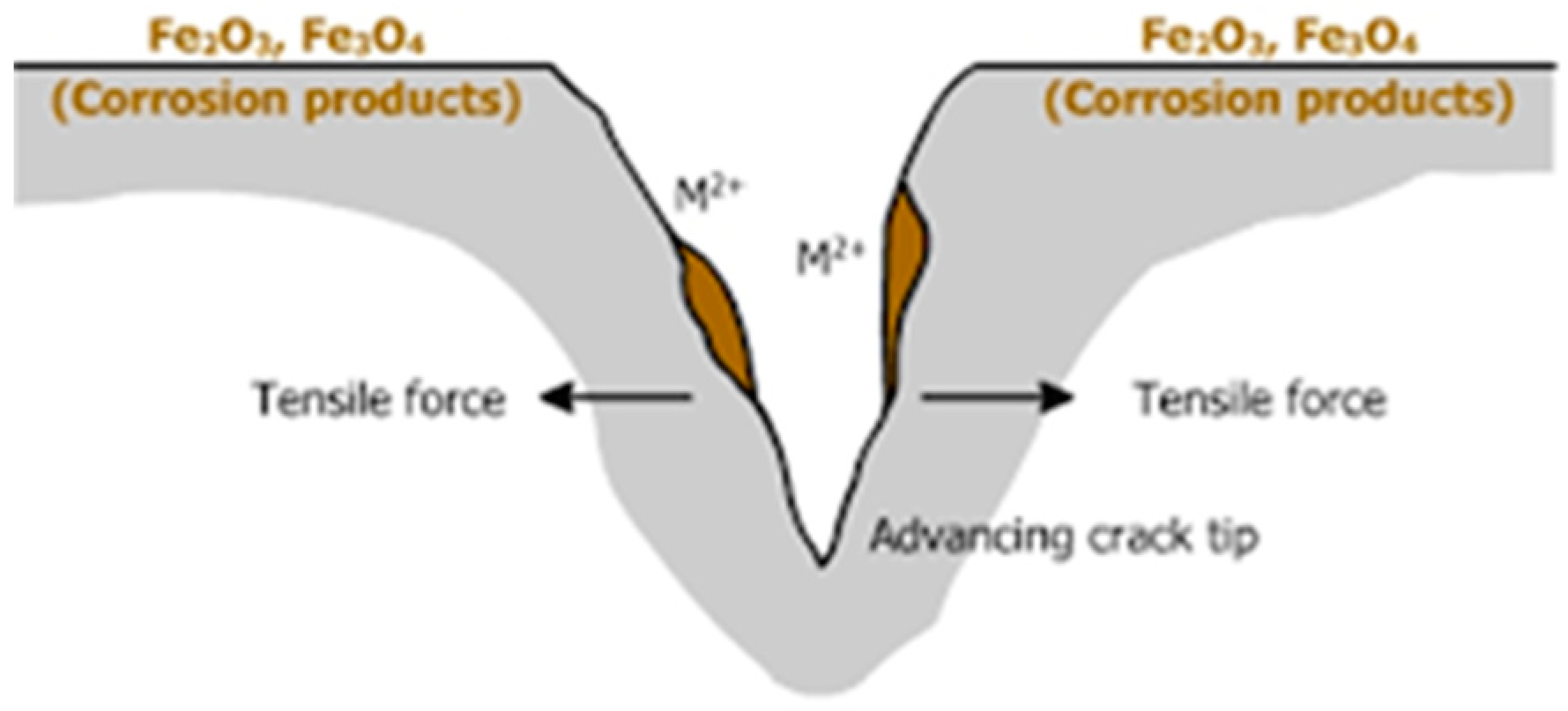
Here are therefore overlapping the most dangerous corrosion conditions: a cell with differential aeration: oxygen rich external cathodic areas, asphyctic, acidic, chlorides rich anodic internal areas; breakdown of local passivity producing pitting; applied mechanical tension giving rise to stress corrosion. Under such conditions, it could be deduced that a non-passivated spring steel seeger could resist longer because the attack would be distributed over the entire surface of the seeger with lower current density and much less risk of stress corrosion. The unknown factor is given by the corrosion rate (rust and general thinning) of the metal. It is therefore better decision to choose an alternative alloy with low corrosion rate.
4. Solutions to reduce further corrosion
Considering the critical role of the seegers, the safest possible solution is the use of beryllium bronze, a non-passivated material with a much greater resistance to generalized corrosion than spring steel. However, the problem of the cavity remains, which causes the differential aeration cell to act. The stressed bronze, although not passivated, nevertheless presents areas with less noble potential where the tension accumulates, and the risk of preferentially localized breakage remains.
It is then possible to try to inert all the elements of the cell by means of surface protection. By covering both the slot and the seeger, both anode and cathode can be disengaged. The problem now remains limited to the duration of protection provided by the coating. The operating conditions exclude any painting, with the risk of staining the white tissue of the ceiling.
The only possibility is given by the use of a viscous protecting creams widely used in the automotive building procedures, for example in spot-welded sheets or in the hidden underbody. Those creams are very adherent, do not drip, contain products such as Teflon and Lithium soaps which ensure its stability over time, allowing therefore to propose only a five-year monitoring.
The procedure should be:
- -
- Disassembly of the seeger,
- -
- Cleaning the seat and adjacent areas with a bronze brush,
- -
- Spraying of the entire surface area of the roller,
- -
- Spraying or immersion of the seeger,
- -
- Assembly of the seeger.
The high viscosity of the product should avoid any dripping or pollution of the surrounding areas, even for temperatures exceeding 70°C.
In principle, this solution could avoid the use of more noble materials than spring steel. However, as they used to say: belt and suspenders...So, the final solution was actually beryllium copper.
5. Conclusive remark
It seemed to the authors that the analysis of the components of the functional detail described above represents the paradigm of the infinite combinations of materials, applied stresses, protections, forecasting of durability, innovative solutions that the designer encounters in large infrastructural works. Before assuming any final decision, it should be necessary to consult the expert in anticorrosion, since the general and basic knowledge in this matter are often a source of innocent mistakes because the right choice is anti-instinctive. In our case, e.g., the concept of “stainless steel” often neglects the existence of thousands of passivable alloys with a wide span of performances.
Happily, all the above mentioned carelessnesses were venial sins without heavy effects on durability, but undoubtedly affecting the aesthetics. Happily, again, the fracture of the AISI 316 seegers was so quick that happened while the stadium was steel under construction, and a remedy was found without harm.
References
- International Measures of Prevention, Application and Economics of Corrosion Technology (IMPACT) – NACE International Report – 2016 http://impact.nace.org/documents/Nace-International-Report.pdf.
- Beach M.; Davey T.; Such G. - Self-healing organic coatings – Fundamental chemistry to commercial application, POC, vol.183, 2023, 107759.
- ZHANG T; Zhang T: Bi Y - Corrosion and aging of organic aviation coatings: A review - Chinese Journal of Aeronautics, vol. 36, 2023, 1.
- Nazari M.H.; Zhang Y.; Sh, X – Nanocomposite organic coatings for corrosion protection of metals: A review of recent advances - POC, vol.162, 2022, 106573.
- Metals Handbook Desk Edition, 2nd Edition. Editor: Joseph R. Davis. Product code: 06542G ISBN: 978-0-87170-654-.
- Mohammad Mobin M.; Saman Zehra S - Chapter 13 : Corrosion control by cathodic protection - Electrochemical and Analytical Techniques for Sustainable Corrosion Monitoring - Advances, Challenges and Opportunities - 2023, pp 265-279.
- Hussain A.K. ; Seetharamaiah N.; Shilpa Chakra Ch.- Research progress in organic zinc rich primer coatings for cathodic protection of metals – A comprehensive review - POC , vol. 153, 2021, 106040.
- Al Jahdaly B.; Maghraby Y.R.; El-Shabasy R. - Role of green chemistry in sustainable corrosion inhibition: a review on recent developments - Materials Today Sustainability – vol 20, 2022, 100242.
- Sharma S.; Kumar A.; Recent advances in metallic corrosion inhibition: A review - Journal of Molecular Liquids - vol.322, 2021, 114862.
- Królikowska A ; Bonora P.L.; Lack of basic corrosion control results in catastrophes. Materials Performance, vol. 54, 2015, 1.
- Królikowska A.; Komorowski L.; Bonora P.L. - The effect of size and distribution of inert pigment on the performance of organic coatings. Corrosion Engineering Science and Technology, on line 29 sept 2022.
- makeitfrom.com - https://www.makeitfrom.com b) matweb.com- https://www.matweb.com c) matdat.com - https://www.matdat.com d) Totalmateria.com - http://www.totalmateria.com.
- Neves de Moura A.; Moreira de Alcântara, C.; Aparecido Vieira E. ; da Silva Labiapari W.; da Cunha M.A.; Reis de Oliveira T., D'Azeredo Orlando M.T. - Microstructure, crystallographic aspects and mechanical properties of AISI 420 martensitic stainless steel after different thermomechanical process routes. Matchemphys, vol.305, 2023, 33.
- Li T.; Wu,J.; Frenkel G.S. -Localized corrosion: Passive film breakdown vs. Pit growth stability, Part VI: Pit dissolution kinetics of different alloys and a model for pitting and repassivation potentials – Corr.Sci. vol. 182, 2021, 109277.
- Fontana M.; Green N.; Corrosion Engineering - McGraw-Hill Education; 2 Revised Edition 1981, 187.
- Wu X.; Liu Y.; Sun Y.; Dai N.; Li J. Jiang Y. -A discussion on evaluation criteria for crevice corrosion of various stainless steels – Journal of Materials Science & Technology vol. 64, 2021, pag, 29.
- Marcelin S.; Pebere N.;Regnier S. - Electrochemical investigations on crevice corrosion of a martensitic stainless steel in a thin-layer cell - Journal of Electroanalytical Chemistry, vol. 737, 2015, 198.
Disclaimer/Publisher’s Note: The statements, opinions and data contained in all publications are solely those of the individual author(s) and contributor(s) and not of MDPI and/or the editor(s). MDPI and/or the editor(s) disclaim responsibility for any injury to people or property resulting from any ideas, methods, instructions or products referred to in the content. |
© 2023 by the authors. Licensee MDPI, Basel, Switzerland. This article is an open access article distributed under the terms and conditions of the Creative Commons Attribution (CC BY) license (http://creativecommons.org/licenses/by/4.0/).
Copyright: This open access article is published under a Creative Commons CC BY 4.0 license, which permit the free download, distribution, and reuse, provided that the author and preprint are cited in any reuse.


