

Submitted:
20 July 2023
Posted:
21 July 2023
You are already at the latest version
Abstract
Worldwide, the demand for natural and synthetic sweeteners in the food industry as an alternative to refined sugar is increasing. This prompted more research to estimate its safety and effect on health. The gut microbiome is critical in metabolizing selected sweeteners, which might affect overall health. Recently, more studies evaluated the relationship between sweeteners and the gut microbiome. This review summarizes the current knowledge addressing the role played by the gut microbiome in metabolizing selected sweeteners. It also addresses the influence of the five selected sweeteners or their metabolites on GI cancer-related pathways. Overall, the observed positive effect of sweetener consumption on GI cancer pathways, such as apoptosis and cell cycle arrest, requires further investigation to understand the underlying mechanism. Furthermore, more research is needed to address the main challenges of studying the field, thus advancing it further.
Keywords:
sweeteners
; non-nutritive sweeteners
; steviol
; saccharin
; gut microbiome
1. Introduction
1.1. Natural and Synthetic Sweeteners
Worldwide, the consumption of sugars of glucose or fructose syrup and sucrose has dramatically increased [1,2]. This prompted scientific discussions about their diverse effects on health and diseases, which motivated people to use natural and zero-caloric sweeteners as an alternative [3]. Sweeteners substitute for sugar as they mimic their sweet taste [4]. Non-nutritive sweeteners (NNS) are often used to substitute refined sugar in the food industry and human diet since they provide the aspired sweet taste while having a lower calorie content [5,6]. They can be naturally or synthetically produced, with the formal having a higher quality, sweetness intensity, and quantity [7]. The consumption of NNS is not limited to people with metabolic conditions such as diabetes but also to the general population, as they are commonly found in publicly available food products [8]. As a result, efforts are made to measure and ensure the safety of those products. For example, the US FDA follows a specific process to approve new sweeteners, which includes determining the appropriate intake amounts, estimating toxicity levels, and evaluating the cumulative effects of the sweeteners [9]. Examples of approved natural and synthetic sweeteners include steviol glycoside and saccharin, respectively [10]. Despite that, more efforts are required to investigate the mechanistic effects of those sweeteners on health.
1.2. Metabolization of Sweeteners by Gut Microbiome
Recent findings have linked the gut microbiome to multiple health implications, from diabetes to colorectal cancer [11]. The gastrointestinal tract is inhabited by prevalent microbial species such as bacteria, viruses, and fungi [12]. Those communities play an important role in the host's metabolism, growth, and immunity [13]. Diet is an important factor that modulates the gut flora's composition, metabolism, and function [14]. Global interest in NNS products metabolized by the gut microbiome and their potential biological effects has increased recently [15]. The administration of acesulfame K depleted Akkermansia muciniphilia, which was associated with increased glucose intolerance [16].
Additionally, administering 0.3 mg/kg of neotame in mice reduced the abundance of Firmicutes while enhancing the abundance of Bacteroidetes [17]. Collectively, those results suggest an effect of NNS on the gut microbiome and an impact on the host's physiological status. Possible mechanisms of interactions may be i) interactions between NNS and taste receptors with high affinity to gut microbes and ii) NNS acts directly on the gut barrier [18,19]. More efforts are required to support those possible mechanistic interactions.
1.3. Sweeteners and GI Cancers
Linking the usage of sweeteners in the food industry as an alternative to sugar to safety concerns is widely debated, with conflicting findings regarding their role in disease etiology [20]. Various research studies have investigated the potential risk of using sweeteners for gastrointestinal cancer [21]. A meta-analysis reviewed the data of eight studies on 1,043,496 individuals diagnosed with different types of GI (3271 pancreatic, 304 esophageal, 395 gastric, 3008 colorectal, and 598 oropharyngeal). The analysis results indicated a 19% reduction in the risk of developing luminal GI cancer after consuming sweeteners [22]. Additionally, a study of 1,010 participants from Italy with different types of GI cancers reported the absence of the effects of using commonly available sweeteners on GI cancer development [23].
Moreover, in another meta-analysis study that evaluated 25 observational studies, the reported results supported the lack of a link between overall cancer incidence and mortality with the consumption of artificial sweeteners [24]. Despite that, recent findings reported an association between sweetener intake and the risk of cancer development. In a large French cohort, the consumption of sweeteners, especially aspartame, and acesulfame-K, was associated with the risk of cancers according to the Cox proportional hazards models they followed [25]. Those controversial results indicate the urgent need for unified efforts to standardize protocols, develop statistical methods, reduce confounding results and biases to advance the field further and re-evaluate food additives' safety and quality as it highly affects people’s life and health.
The literature discusses the role of the gut microbiome in metabolizing selected sweeteners and their influence on GI cancer development. Here, we evaluate and analyze published studies that report the influence of bacterial species on both natural and artificial sweeteners (Steviol glycoside, Glycyrrhizin, Neohesperidine dihydrochalcone, Saccharin, and Sucralose) and GI cancers. Furthermore, we assess the impact of their effect on specific pathways. Finally, we identify gaps in the current research.
2. Search Strategy and Selection Criteria
Medline, Scopus, and PubMed were searched for manuscripts published from 2000 to 2023 using the search terms “GI cancers”, “microbiota”, “sweeteners”, “microbiome profile AND sweeteners”, “gut microbiota enzymes”, “Steviol glycoside AND GI cancers”, “Glycyrrhizin AND GI cancers”, “Neohesperidine dihydrochalcone AND GI cancers”, “Saccharin AND GI cancers”, and “Sucralose AND GI cancers”. We selected 104 articles and analyzed them in detail for this review. Eligible studies included in vivo, in vitro, and clinical trial publications addressing the metabolism of selected bacteria on sweeteners and their role in GI cancers development and complications.
3. Sweeteners and the Gut Microbiome
Throughout our research, the relationship between three natural sweeteners (Steviol glycoside, Glycyrrhizin, Neohesperidine dihydrochalcone) and two synthetic sweeteners (Saccharin and Sucralose) with the gut microbiome has been discussed. Here, we discuss those results and examine that relation in detail and provide insight into the mechanisms and metabolization.
3.1. Steviol glycoside
Stevia rebaudiana is a shrub found mainly in South America, specifically in Brazil and Paraguay [26]. It belongs to the family Asteraceae, and it is used as a natural and non-caloric sweetener because of its high sweetness intensity caused by steviol glycosides [27]. Purified steviol glycoside extracts have been used in the food industry as a sweetener in many regions [28]. The European Food Safety Authority (EFSA) thus reported the acceptable daily intake of steviol glycosides to 4 mg/kg/day [29,30]. The leaves of Stevia rebaudiana contain several diterpene glycosides, such as rubusoside and steviolbioside [31]. Multiple in vitro studies supported the metabolization of stevia extracts by the gut microbiome [32]. Bacteroides species in the gut play an important role in metabolizing two of the main components of Stevia rebaudiana by hydrolyzing rebaudioside A and stevioside to steviol in the gut [33]. This suggests that both components are not absorbed in the upper gastrointestinal tract [34]. Using the portal vein, the absorbed steviol reaches the liver for further metabolism to steviol glucuronide and is excreted in the urine [35].
3.2. Glycyrrhizin
One of the 300 active licorice compounds is glycyrrhizin, a triterpene saponin glycoside [36]. It is used as an herbal product in medicine due to its anticancer and anti-inflammatory activities [37]. It has a high sweetness intensity (up to 200 times sweeter than sucrose) [38]. Ingestion of less than 100 mg/day of glycyrrhizin is considered safe [39]. Due to its poor oral bioavailability, glycyrrhizin is metabolized by the gut microbiome [40]. Both Eubacterium and Bacteroides species are involved in the de-glycosylation of glycyrrhizin to a major product, glycyrrhizic acid, and a minor product, 18β-glycyrrhetic acid 3-O-monoglucuronide [41]. After that, both products reach the liver for further conjugation and reduction [42]. Both biliary and urinary excretions occur to the major and parts of the products, respectively [43].
3.3. Neohesperidin dihydrochalcone
Neohesperidin dihydrochalcone (NHDC) is a natural sweetener found mainly in the skin of citrus fruits possesses high stability and solubility [44]. It is obtained and processed from its parent flavanone, neohesperidin, and has a sweetness intensity of 250–1800 times higher than sucrose[45]. Despite that, the usage of NHDC as a replacement for sucrose is limited in the food industry due to its flavor formulation, texture, and size [46]. Although not widely known, the metabolism of NHDC by the gut microbiome has been discussed in the literature [47]. The metabolism starts with NHDC being deglycosylated to hesperidin dihydrochalcone 4’-β-glycoside, transforming into an aglycone. The final step of NHDC metabolism is the hydrolysis of the aglycone to propionic acid and phloroglucinol [48]. The products are then excreted either through urine or bile [49]. Figure 1 and Figure 2 summarize and provide an overview of the three natural sweeteners and their metabolism by the gut microbiome.
3.4. Saccharin
Saccharin (1,1-dioxo-1,2-benzothiazol-3-one), also known as E954, is a non-caloric sweetener used widely in the food industry [50]. It is found either in an acid form or bound to calcium or sodium (higher stability and solubility) [51]. Saccharin’s sweetness intensity is 300 times more than sucrose [52]. The FDA considers saccharin consumption safe due to its inability to be metabolized by the body [53]. Once consumed, most of the ingested saccharin (85–95%) is absorbed and bound reversibly to plasma proteins while excreted in the urine. The rest passes through the GI tract to be eliminated unchanged in the feces [34]. Due to that, studies have investigated the influence of saccharin on gut microbiome composition. The administration of 90 mg of saccharin in rats did not alter the total number of anaerobic bacteria but eliminated specific anaerobic groups in the cecal contents [54].
Additionally, rats receiving a 2.5% dose of saccharin inhibited the growth of 3 Escherichia coli strains and 3 Lactobacillus species [55]. These studies may suggest that even if the body does not metabolize the sweeteners, their consumption impacts the gut microbiome composition and function, which might alter the host's health status. However, recent studies using advanced technologies are required to assess saccharin's safety and effectiveness and address the controversial results in the literature.
3.5. Sucralose
Sucralose, or E-955, is a low-caloric, non-nutritive synthetic sweetener and is very similar in structure to sucrose [56]. However, sucralose is formed when the three hydroxyl groups attached to the sucrose molecule are replaced by chlorine atoms [57]. It is 600 times sweeter than sucrose [58]. Like saccharin, sucralose is not metabolized by the body; however, unlike saccharin, most ingested sucralose passes through the GI tract to be eliminated by the feces. The rest reaches the kidney for urinary excretion [59]. The administration of sucralose influences the gut microbiome abundance. The relative abundance of Clostridium cluster XIVa was affected in mice given 15 mg of sucralose/kg [9].
Additionally, sucralose administration for six months influenced the abundance of 14 different taxonomic levels, regulation of amino acids, and chronic inflammation in C57BL/6 mice [60]. This shows the urgent need for further research to investigate the observed effects on humans. Figure 3 and Figure 4 summarize and provide an overview of the two synthetic sweeteners and their metabolism by the gut microbiome.
4. Sweeteners' Role in Gastrointestinal Cancers
The effect of natural and synthetic sweeteners on the development of organ-specific cancer has been discussed for years [61]. With the continued rise in sweeteners consumption rate worldwide, several reports supported the positive influence of sweeteners on GI cancer development and progression [62]. Here, we will discuss the effect of the five sweeteners and, if available and supported by the literature, their metabolites on the major pathways impaired in GI cancers (apoptosis, NF-KB, and cellular arrest).
4.1. Apoptosis
Apoptosis is a programmed cell death characterized by morphological and biochemical changes [63]. Its involvement in various processes, such as immune system development, makes it an essential physiological process [64]. When unregulated, it plays a role in developing several diseases, such as autoimmune diseases, neurodegenerative disorders, and cancers [65]. Sweeteners have been reported to influence the process of apoptosis in cancers [66]. Steviol, a colonic metabolite, inhibits apoptosis in GI cancer cells as effectively as 5-fluorouracil (100 ug/ml) through the mitochondrial apoptotic pathway [67]. Additionally, steviol administration at a 1000ug/ml concentration effectively reduced cell viability and induced apoptosis in colon cancer cells [68,69]. The results of a study that investigated the effect of 17 steviol derivatives on different cancer cell lines showed a potent cytotoxic effect of those derivatives on cell lines [70]. Glycyrrhizin is also reported to possess apoptotic activities on GI cancers [71]. The administration of glycyrrhizin on SW48 colorectal cancer cells induced apoptosis as the level of Bax expression increased, and Bcl-2 level decreased [72]. HT-29 colon cancer cells treated with different concentrations of glycyrrhiza glabra L. reported induction of apoptosis at a concentration of 200 μg/ml [73,74]. Additionally, Wister rats administered 15 mg/kg of glycyrrhizic acid were reported to induce apoptosis, suppress precancerous lesion development, and reduce inflammation [75]. In a different study, the oral administration of glycyrrhizic acid (15 mg/kg) in Wister rats once a week for 15 weeks induced apoptosis by enhancing the expression of cleaved caspase 3 [76]. The induction of apoptosis through pro-caspases 3, 8, and 9 was reported on gastric cells treated with glycyrrhizic acid [77]. The sweetener neohesperidin dihydrochalcone administered to APC min/+ transgenic mouse model inhibited colorectal tumorigenesis and induced apoptosis [78]. Phloroglucinol (PG), a metabolite of NHDC, induced apoptosis in HT-29 cells via overexpressed caspase-3 and caspase-8, modified Bcl-2 family proteins, and cytochrome c release.[79]. In another study, PG protected mice's intestinal damage from ionizing radiation by increasing apoptosis by affecting p53, Bax, Bak, Bcl-2, and Bcl-XS/L proteins.[80] The literature still lacks more evidence to show the underlying mechanism of the observed effect of sweeteners on GI cancers. Figure 5 summarizes the effect of sweeteners on the apoptotic pathway.
4.2. NF-KB Pathway
The nuclear factor-κB (NF-κB) pathway regulates genes that regulate inflammatory and immune responses [81]. In cancer, NF-κB promotes cellular proliferation and metastasis and suppresses apoptosis [82]. Although not abundantly discussed in the literature, multiple reports support the role of sweeteners on NF-κB pathway regulation [83]. Stevioside administration to colon carcinoma cell line (Caco-2) suppressed IL-6, TNF-a, and NF-κB expression [84]. Additionally, the administration of glycyrrhizic acid inhibited NF-κB expression, which led to the deactivation of inflammatory mediators in colon cells [74,85]. In Wister rats, the administration of 15 mg/kg of oral glycyrrhizic acid reduced the expression of NF-κB, nitric oxide synthase (iNOS), and cyclooxygenase-2 (COX-2) [76]. Neohesperidin dihydrochalcone, along with the two other sweeteners, influences NF-κB expression. Oral administration of neohesperidin dihydrochalcone in mice for six days attenuated the expression of NF-κB [86]. Neohesperidin dihydrochalcone inhibited induced NF-κB expression in paraquat-induced acute liver injury [87]. More efforts and standardized steps are required to obtain more research in this field and to understand the underlying mechanism of this effect. Figure 6 summarizes the effect of sweeteners on NF-κB expression.
4.3. Cellular Cycle Arrest
The development and function of every tissue depend on the cellular decision to transition from a proliferative to an arrested state [88]. Cancerous cells dysregulate the cell cycle arrest and continue to undergo uncontrolled cellular growth [89]. The effect of sweeteners on cellular cycle arrest is scarcely reported in the literature. In a study that investigated the effect of steviol on gastric (HGC-27) and colorectal (Caco-2) cancer cells reported an increase in the expression of p53 and a decrease in the level of cyclin D. Additionally, the researcher reported that steviol treatment caused G1 arrest in both cell lines [67,68]. Glycyrrhizic acid administration to different gastric cancer cell lines (MGC-803, BGC-823, SGC-7901) induces cell cycle arrest through the downregulation of G1 phase proteins such as cyclin D1, D2, D3, E1, and E2 [74,77]. In addition, 18β-glycyrrhetinic acid, another metabolite of glycyrrhizin promoted gastric cancer cell autophagy and induced cell cycle arrest in the G0/G1 phase in transplanted nude mouse model modulating miR-328-3p/STAT3 signaling pathway [90]. Similar results were also reported for other cancers, such as cervical cancer [91]. Additional information about the observed effect was not reported for other sweeteners, which shows that more collaborative efforts are needed to pursue more research in this field. Figure 7 summarizes the effect of sweeteners on cell cycle arrest.
4.4. Synthetic Sweeteners and GI Cancers
Due to controversial results available in the literature about the effect of saccharin and sucralose on GI cancer, we decided to discuss them in a separate paragraph. Discussing those two sweeteners raises many questions about their associated risk with gastrointestinal cancers. In an Italian cohort with 230 patients with histologically confirmed gastric cancer, after correcting confounding factors, they reported a lack of adverse effects of saccharin on the risk of developing neoplasm [23]. Additionally, a review paper that discussed 22 cohorts and 46 case-control studies on the effect of sweeteners on different cancers concluded the lack of evidence and a link between saccharin, sucralose, and other sweeteners and cancer risks [92]. Not only that, but a study that used the intestinal epithelial cell line, Caco-2, to investigate the effect of commonly used sweeteners reported that the administration of saccharin induced apoptosis at a lower concentration (100uM) while at a higher concentration (1000uM) it induced cellular death. The same effect was not observed for sucralose [93]. However, other reports reported the negative effect of sucralose on colorectal cancer. The murine model administered 1.5 mg/ml of sucralose for six weeks reported a significant increase in the number and size of colorectal tumors. Also, they reported an effect on the gut microbiome and inflammatory markers (TNFa, IL-1b, IL-6, IL-10, and TLR4/Myd88/NF-kB signaling) [94]. The list of studies discussing this effect is growing. However, more efforts from the research community are needed to address those differences in a systemic and mechanistic way, standardize the protocol followed, and the appropriate dosage used as it directly affects people’s health through food intake. Figure 8 illustrates the effect of synthetic sweeteners on GI cancers. Table 1 summarizes the available literature on the observed effects of all the discussed sweeteners.
5. Discussion
5.1. Safety of Sweeteners and Challenges in the Field
Recently, the discussion about the safety of one of the commonly used sweeteners in the food industry, “aspartame,” and its possibility to be a carcinogen raised more questions about the safety of the other sweeteners. In most of the reported articles, consuming those natural and synthetic sweeteners lacks genotoxicity and carcinogenicity, and it is safe when consumed in moderation [96,97,98,99]. Throughout our research in the literature, most of the used concentrations/dosages of the sweeteners did not show adverse negative effects on the model used. However, some reports linked the consumption of specific sweeteners to cancer development [94]. Those results show the urgent need to address the field's main issues. First, protocol standardization, starting from the model used, mode of administration of sweeteners, duration of the experiment, bioinformatics tools to interpret the results, and safety measures estimation, is critical to ensure productivity and reproducibility. Second, “recommended dosage” determination while considering other factors such as geographical location and age might help understand those sweeteners' consumption rate. Third, guidelines and regulatory process evaluation are crucial to ensure manufacturing safety. Fourth, the possible synergistic effects of sweeteners need further investigation as it might happen when consuming different products that contain different sweetener types and dosages.
Nowadays, people are more aware of their health through food and always search for “healthier” and low-caloric options as alternatives while maintaining the sweet taste. Those controversial regarding the safety of sweeteners raise another important question: what would be the alternative to using sweeteners? Is it back to refined sugar, or move toward natural compounds such as flavonoids and phytochemicals? What are the safety and taste estimates of the consumption of those alternatives compared to sweeteners? We reported the positive effects of flavonoids on GI cancers and gut microbiome for years. However, more efforts are required to evaluate whether it will be a “better” alternative considering its bioavailability [100,101,102,103]. Additionally, the effect of this “better” alternative on the gut microbiome needs more attention.
Although we encourage more research to be conducted, there are limitations associated with the field. First, the misreporting of participants to the amount/ type/ quantity of sweeteners consumed might affect the interpretation of the results. Second, selection bias of the experiment conducted/ population tested, thus affecting the generalization of the results to the general population. Third, residual confounding shows the urgent need to develop bioinformatics tools that correct for those factors. Fourth, causality concerns and how to correctly evaluate causality and differentiate it from correlation. Addressing those limitations in future studies could help improve the research outcomes.
5.2. Sweeteners' Role in Cancer Therapy Development
Based on the available results so far, the consumption of sweeteners in moderation considered an alternative to refined sugar. Also, using sweeteners is safe and positively influences the development and progression of cancer. What about using those sweeteners to design a therapeutic agent for cancer? A study published in 2014 used isosteviol, a diterpenoid product of the acidic hydrolysis of steviol glycoside, as a potential anti-tumor agent [104]. They synthesized novel isosteviol triazole conjugates using the chemistry method “click”, and they tested the effect of the conjugates on different cancer cell lines such as colorectal cancer, breast cancer, and prostate cancer. They reported that the constructed conjugates showed anti-proliferative activities against cancer cell lines. Although this seems promising, more efforts are required to evaluate this method and ensure the stability and safety of using such an agent.
6. Conclusions
Sweeteners are intense substances used in the food industry as an alternative to table sugar. Debates about the safety and the effect of using those sweeteners on the gut microbiome and the overall health status have gained attention recently. Throughout our study, we reported the relationship between three natural sweeteners (Steviol glycoside, Glycyrrhizin, Neohesperidine dihydrochalcone) and two synthetic sweeteners (Saccharin and Sucralose) with the gut microbiome. We also discussed the effect of either the five sweeteners alone or, if supported by the literature, their metabolites in cancer-related pathways such as apoptosis and cell cycle arrest.
There are differences between countries regarding the various NNS types that are considered safe for human consumption; however, on the other hand, there is no proven linkage to cancer. Further efforts are required to improve the field through protocol standardization and guidelines regulations. Generally, the gut microbiome involvement in sweetener metabolism might be an interesting and promising field for futuristic cancer treatments, primarily when combined with the currently available therapeutics.
Author Contributions
Conceptualization, R.K.A.-I. and D.B.; literature review and resources, R.K.A.-I.; writing—original draft preparation, R.K.A.-I.; writing—review and editing, R.K.A.-I., and D.B.; figure preparation and editing, R.K.A.-I. and D.B.; visualization, R.K.A.-I. and D.B.; supervision, D.B.; project administration, D.B.; funding acquisition, D.B. All authors have read and agreed to the published version of the manuscript.
Funding
This work was supported by a National Priorities Research Program grant (NPRP 14S-0311-210033; awarded to Professor Dr. Dietrich Büsselberg, January 2023-Current) from the Qatar National Research Fund (QNRF, a member of Qatar Foundation). The statements made herein are solely the responsibility of the authors.
Institutional Review Board Statement
Not applicable.
Informed Consent Statement
Not applicable.
Data Availability Statement
Data sharing is not applicable.
Conflicts of Interest
The authors declare no conflict of interest. The funders had no role in the design of the study; in the collection, analysis, or interpretation of data; in the writing of the manuscript, or in the decision to publish the article.
Abbreviations
| NNS | non-nutritive sweeteners |
| GI | gastrointestinal |
| NHDC | neohesperidin dihydrochalcone |
| IL-6 | interleukin 6 |
| NF-B | nuclear Factor kappa-light-chain-enhancer of activated B cells |
| Bcl-2 | B-cell lymphoma 2 |
| TNF | tumor necrosis factor |
References
- Stanhope, K.L. Sugar consumption, metabolic disease and obesity: The state of the controversy. Crit. Rev. Clin. Lab. Sci. 2016, 53, 52–67. [Google Scholar] [CrossRef] [PubMed]
- Lohner, S.; Toews, I.; Meerpohl, J.J. Health outcomes of non-nutritive sweeteners: Analysis of the research landscape. Nutr. J. 2017, 16, 55. [Google Scholar] [CrossRef] [PubMed]
- Saraiva, A.; Carrascosa, C.; Raheem, D.; Ramos, F.; Raposo, A. Natural Sweeteners: The Relevance of Food Naturalness for Consumers, Food Security Aspects, Sustainability and Health Impacts. Int. J. Environ. Res. Public Health 2020, 17, 6285. [Google Scholar] [CrossRef]
- Grembecka, M. Natural sweeteners in a human diet. Rocz. Panstw. Zakl. Hig. 2015, 66, 195–202. [Google Scholar]
- Carocho, M.; Morales, P.; Ferreira, I. Sweeteners as food additives in the XXI century: A review of what is known, and what is to come. Food Chem. Toxicol. 2017, 107, 302–317. [Google Scholar] [CrossRef] [PubMed]
- Arshad, S.; Rehman, T.; Saif, S.; Rajoka, M.S.R.; Ranjha, M.; Hassoun, A.; Cropotova, J.; Trif, M.; Younas, A.; Aadil, R.M. Replacement of refined sugar by natural sweeteners: Focus on potential health benefits. Heliyon 2022, 8, e10711. [Google Scholar] [CrossRef] [PubMed]
- Castro-Muñoz, R.; Correa-Delgado, M.; Córdova-Almeida, R.; Lara-Nava, D.; Chávez-Muñoz, M.; Velásquez-Chávez, V.F.; Hernández-Torres, C.E.; Gontarek-Castro, E.; Ahmad, M.Z. Natural sweeteners: Sources, extraction and current uses in foods and food industries. Food Chem. 2022, 370, 130991. [Google Scholar] [CrossRef]
- Sylvetsky, A.C.; Jin, Y.; Clark, E.J.; Welsh, J.A.; Rother, K.I.; Talegawkar, S.A. Consumption of Low-Calorie Sweeteners among Children and Adults in the United States. J. Acad. Nutr. Diet. 2017, 117, 441–448.e442. [Google Scholar] [CrossRef]
- Ruiz-Ojeda, F.J.; Plaza-Díaz, J.; Sáez-Lara, M.J.; Gil, A. Effects of Sweeteners on the Gut Microbiota: A Review of Experimental Studies and Clinical Trials. Adv. Nutr. 2019, 10, S31–S48. [Google Scholar] [CrossRef]
- Mora, M.R.; Dando, R. The sensory properties and metabolic impact of natural and synthetic sweeteners. Compr. Rev. Food Sci. Food Saf. 2021, 20, 1554–1583. [Google Scholar] [CrossRef]
- Conlon, M.A.; Bird, A.R. The impact of diet and lifestyle on gut microbiota and human health. Nutrients 2014, 7, 17–44. [Google Scholar] [CrossRef]
- Valdes, A.M.; Walter, J.; Segal, E.; Spector, T.D. Role of the gut microbiota in nutrition and health. Br. Med. J. 2018, 361, k2179. [Google Scholar] [CrossRef] [PubMed]
- Hills, R.D., Jr.; Pontefract, B.A.; Mishcon, H.R.; Black, C.A.; Sutton, S.C.; Theberge, C.R. Gut Microbiome: Profound Implications for Diet and Disease. Nutrients 2019, 11, 1613. [Google Scholar] [CrossRef]
- Suez, J.; Korem, T.; Zilberman-Schapira, G.; Segal, E.; Elinav, E. Non-caloric artificial sweeteners and the microbiome: Findings and challenges. Gut Microbes 2015, 6, 149–155. [Google Scholar] [CrossRef] [PubMed]
- Richardson, I.L.; Frese, S.A. Non-nutritive sweeteners and their impacts on the gut microbiome and host physiology. Front. Nutr. 2022, 9, 988144. [Google Scholar] [CrossRef] [PubMed]
- Suez, J.; Korem, T.; Zeevi, D.; Zilberman-Schapira, G.; Thaiss, C.A.; Maza, O.; Israeli, D.; Zmora, N.; Gilad, S.; Weinberger, A.; et al. Artificial sweeteners induce glucose intolerance by altering the gut microbiota. Nature 2014, 514, 181–186. [Google Scholar] [CrossRef]
- Chi, L.; Bian, X.; Gao, B.; Tu, P.; Lai, Y.; Ru, H.; Lu, K. Effects of the Artificial Sweetener Neotame on the Gut Microbiome and Fecal Metabolites in Mice. Molecules 2018, 23, 367. [Google Scholar] [CrossRef]
- Pepino, M.Y.; Bourne, C. Non-nutritive sweeteners, energy balance, and glucose homeostasis. Curr. Opin. Clin. Nutr. Metab. Care 2011, 14, 391–395. [Google Scholar] [CrossRef]
- Van den Abbeele, P.; Van de Wiele, T.; Verstraete, W.; Possemiers, S. The host selects mucosal and luminal associations of coevolved gut microorganisms: A novel concept. FEMS Microbiol. Rev. 2011, 35, 681–704. [Google Scholar] [CrossRef]
- Schernhammer, E.S.; Bertrand, K.A.; Birmann, B.M.; Sampson, L.; Willett, W.C.; Feskanich, D. Consumption of artificial sweetener- and sugar-containing soda and risk of lymphoma and leukemia in men and women. Am. J. Clin. Nutr. 2012, 96, 1419–1428. [Google Scholar] [CrossRef]
- Liu, L.; Zhang, P.; Wang, Y.; Cui, W.; Li, D. The relationship between the use of artificial sweeteners and cancer: A meta-analysis of case-control studies. Food Sci. Nutr. 2021, 9, 4589–4597. [Google Scholar] [CrossRef] [PubMed]
- Tepler, A.; Hoffman, G.; Jindal, S.; Narula, N.; Shah, S.C. Intake of artificial sweeteners among adults is associated with reduced odds of gastrointestinal luminal cancers: A meta-analysis of cohort and case-control studies. Nutr. Res. 2021, 93, 87–98. [Google Scholar] [CrossRef] [PubMed]
- Bosetti, C.; Gallus, S.; Talamini, R.; Montella, M.; Franceschi, S.; Negri, E.; La Vecchia, C. Artificial sweeteners and the risk of gastric, pancreatic, and endometrial cancers in Italy. Cancer Epidemiol. Biomark. Prev. 2009, 18, 2235–2238. [Google Scholar] [CrossRef] [PubMed]
- Yan, S.; Yan, F.; Liu, L.; Li, B.; Liu, S.; Cui, W. Can Artificial Sweeteners Increase the Risk of Cancer Incidence and Mortality: Evidence from Prospective Studies. Nutrients 2022, 14, 3742. [Google Scholar] [CrossRef]
- Debras, C.; Chazelas, E.; Srour, B.; Druesne-Pecollo, N.; Esseddik, Y.; Szabo de Edelenyi, F.; Agaësse, C.; De Sa, A.; Lutchia, R.; Gigandet, S.; et al. Artificial sweeteners and cancer risk: Results from the NutriNet-Santé population-based cohort study. PLoS Med. 2022, 19, e1003950. [Google Scholar] [CrossRef]
- Brahmachari, G.; Mandal, L.C.; Roy, R.; Mondal, S.; Brahmachari, A.K. Stevioside and related compounds—Molecules of pharmaceutical promise: A critical overview. Arch. Pharm. 2011, 344, 5–19. [Google Scholar] [CrossRef]
- Carakostas, M.C.; Curry, L.L.; Boileau, A.C.; Brusick, D.J. Overview: The history, technical function and safety of rebaudioside A, a naturally occurring steviol glycoside, for use in food and beverages. Food Chem. Toxicol. 2008, 46 (Suppl. 7), S1–S10. [Google Scholar] [CrossRef]
- Samuel, P.; Ayoob, K.T.; Magnuson, B.A.; Wölwer-Rieck, U.; Jeppesen, P.B.; Rogers, P.J.; Rowland, I.; Mathews, R. Stevia Leaf to Stevia Sweetener: Exploring Its Science, Benefits, and Future Potential. J. Nutr. 2018, 148, 1186s–1205s. [Google Scholar] [CrossRef]
- Orellana-Paucar, A.M. Steviol Glycosides from Stevia rebaudiana: An Updated Overview of Their Sweetening Activity, Pharmacological Properties, and Safety Aspects. Molecules 2023, 28, 1258. [Google Scholar] [CrossRef]
- Bundgaard Anker, C.C.; Rafiq, S.; Jeppesen, P.B. Effect of Steviol Glycosides on Human Health with Emphasis on Type 2 Diabetic Biomarkers: A Systematic Review and Meta-Analysis of Randomized Controlled Trials. Nutrients 2019, 11, 1965. [Google Scholar] [CrossRef]
- Soejima, A.; Tanabe, A.S.; Takayama, I.; Kawahara, T.; Watanabe, K.; Nakazawa, M.; Mishima, M.; Yahara, T. Phylogeny and biogeography of the genus Stevia (Asteraceae: Eupatorieae): An example of diversification in the Asteraceae in the new world. J. Plant Res. 2017, 130, 953–972. [Google Scholar] [CrossRef] [PubMed]
- Renwick, A.G.; Tarka, S.M. Microbial hydrolysis of steviol glycosides. Food Chem. Toxicol. 2008, 46 (Suppl. 7), S70–S74. [Google Scholar] [CrossRef] [PubMed]
- Gardana, C.; Simonetti, P.; Canzi, E.; Zanchi, R.; Pietta, P. Metabolism of stevioside and rebaudioside A from Stevia rebaudiana extracts by human microflora. J. Agric. Food Chem. 2003, 51, 6618–6622. [Google Scholar] [CrossRef] [PubMed]
- Magnuson, B.A.; Carakostas, M.C.; Moore, N.H.; Poulos, S.P.; Renwick, A.G. Biological fate of low-calorie sweeteners. Nutr. Rev. 2016, 74, 670–689. [Google Scholar] [CrossRef]
- Ashwell, M. Stevia, Nature’s Zero-Calorie Sustainable Sweetener: A New Player in the Fight Against Obesity. Nutr. Today 2015, 50, 129–134. [Google Scholar] [CrossRef]
- Schröfelbauer, B.; Raffetseder, J.; Hauner, M.; Wolkerstorfer, A.; Ernst, W.; Szolar, O.H. Glycyrrhizin, the main active compound in liquorice, attenuates pro-inflammatory responses by interfering with membrane-dependent receptor signalling. Biochem. J. 2009, 421, 473–482. [Google Scholar] [CrossRef]
- Luo, P.; Liu, D.; Li, J. Pharmacological perspective: Glycyrrhizin may be an efficacious therapeutic agent for COVID-19. Int. J. Antimicrob. Agents 2020, 55, 105995. [Google Scholar] [CrossRef]
- Roohbakhsh, A.; Iranshahy, M.; Iranshahi, M. Glycyrrhetinic Acid and Its Derivatives: Anticancer and Cancer Chemopreventive Properties, Mechanisms of Action and Structure-Cytotoxic Activity Relationship. Curr. Med. Chem. 2016, 23, 498–517. [Google Scholar] [CrossRef]
- Omar, H.R.; Komarova, I.; El-Ghonemi, M.; Fathy, A.; Rashad, R.; Abdelmalak, H.D.; Yerramadha, M.R.; Ali, Y.; Helal, E.; Camporesi, E.M. Licorice abuse: Time to send a warning message. Ther. Adv. Endocrinol. Metab. 2012, 3, 125–138. [Google Scholar] [CrossRef]
- Kwon, Y.J.; Son, D.H.; Chung, T.H.; Lee, Y.J. A Review of the Pharmacological Efficacy and Safety of Licorice Root from Corroborative Clinical Trial Findings. J. Med. Food 2020, 23, 12–20. [Google Scholar] [CrossRef]
- Kim, Y.S.; Kim, J.J.; Cho, K.H.; Jung, W.S.; Moon, S.K.; Park, E.K.; Kim, D.H. Biotransformation of ginsenoside Rb1, crocin, amygdalin, geniposide, puerarin, ginsenoside Re, hesperidin, poncirin, glycyrrhizin, and baicalin by human fecal microflora and its relation to cytotoxicity against tumor cells. J. Microbiol. Biotechnol. 2008, 18, 1109–1114. [Google Scholar] [PubMed]
- Deutch, M.R.; Grimm, D.; Wehland, M.; Infanger, M.; Krüger, M. Bioactive Candy: Effects of Licorice on the Cardiovascular System. Foods 2019, 8, 495. [Google Scholar] [CrossRef] [PubMed]
- Isbrucker, R.A.; Burdock, G.A. Risk and safety assessment on the consumption of Licorice root (Glycyrrhiza sp.), its extract and powder as a food ingredient, with emphasis on the pharmacology and toxicology of glycyrrhizin. Regul. Toxicol. Pharmacol. 2006, 46, 167–192. [Google Scholar] [CrossRef]
- Choi, S.; Yu, S.; Lee, J.; Kim, W. Effects of Neohesperidin Dihydrochalcone (NHDC) on Oxidative Phosphorylation, Cytokine Production, and Lipid Deposition. Foods 2021, 10, 1408. [Google Scholar] [CrossRef]
- Winnig, M.; Bufe, B.; Kratochwil, N.A.; Slack, J.P.; Meyerhof, W. The binding site for neohesperidin dihydrochalcone at the human sweet taste receptor. BMC Struct. Biol. 2007, 7, 66. [Google Scholar] [CrossRef]
- Prinz, P. The role of dietary sugars in health: Molecular composition or just calories? Eur. J. Clin. Nutr. 2019, 73, 1216–1223. [Google Scholar] [CrossRef] [PubMed]
- Williamson, G.; Clifford, M.N. Role of the small intestine, colon and microbiota in determining the metabolic fate of polyphenols. Biochem. Pharmacol. 2017, 139, 24–39. [Google Scholar] [CrossRef]
- Gómez-Fernández, A.R.; Santacruz, A.; Jacobo-Velázquez, D.A. The complex relationship between metabolic syndrome and sweeteners. J. Food Sci. 2021, 86, 1511–1531. [Google Scholar] [CrossRef]
- Kwon, M.; Kim, Y.; Lee, J.; Manthey, J.A.; Kim, Y.; Kim, Y. Neohesperidin Dihydrochalcone and Neohesperidin Dihydrochalcone-O-Glycoside Attenuate Subcutaneous Fat and Lipid Accumulation by Regulating PI3K/AKT/mTOR Pathway In Vivo and In Vitro. Nutrients 2022, 14, 1087. [Google Scholar] [CrossRef]
- Del Pozo, S.; Gómez-Martínez, S.; Díaz, L.E.; Nova, E.; Urrialde, R.; Marcos, A. Potential Effects of Sucralose and Saccharin on Gut Microbiota: A Review. Nutrients 2022, 14, 1682. [Google Scholar] [CrossRef]
- Amin, K.A.; AlMuzafar, H.M. Alterations in lipid profile, oxidative stress and hepatic function in rat fed with saccharin and methyl-salicylates. Int. J. Clin. Exp. Med. 2015, 8, 6133–6144. [Google Scholar] [PubMed]
- Azeez, O.H.; Alkass, S.Y.; Persike, D.S. Long-Term Saccharin Consumption and Increased Risk of Obesity, Diabetes, Hepatic Dysfunction, and Renal Impairment in Rats. Medicina 2019, 55, 681. [Google Scholar] [CrossRef] [PubMed]
- Abdelaziz, I.; Ashour Ael, R. Effect of saccharin on albino rats’ blood indices and the therapeutic action of vitamins C and E. Hum. Exp. Toxicol. 2011, 30, 129–137. [Google Scholar] [CrossRef] [PubMed]
- Anderson, R.L.; Kirkland, J.J. The effect of sodium saccharin in the diet on caecal microflora. Food Cosmet. Toxicol. 1980, 18, 353–355. [Google Scholar] [CrossRef]
- Naim, M.; Zechman, J.M.; Brand, J.G.; Kare, M.R.; Sandovsky, V. Effects of sodium saccharin on the activity of trypsin, chymotrypsin, and amylase and upon bacteria in small intestinal contents of rats. Proc. Soc. Exp. Biol. Med. 1985, 178, 392–401. [Google Scholar] [CrossRef]
- Magnuson, B.A.; Roberts, A.; Nestmann, E.R. Critical review of the current literature on the safety of sucralose. Food Chem. Toxicol. 2017, 106, 324–355. [Google Scholar] [CrossRef]
- AlDeeb, O.A.; Mahgoub, H.; Foda, N.H. Sucralose. Profiles Drug Subst. Excip. Relat. Methodol. 2013, 38, 423–462. [Google Scholar] [CrossRef]
- Thomson, P.; Santibañez, R.; Aguirre, C.; Galgani, J.E.; Garrido, D. Short-term impact of sucralose consumption on the metabolic response and gut microbiome of healthy adults. Br. J. Nutr. 2019, 122, 856–862. [Google Scholar] [CrossRef]
- Knight, I. The development and applications of sucralose, a new high-intensity sweetener. Can. J. Physiol. Pharmacol. 1994, 72, 435–439. [Google Scholar] [CrossRef]
- Bian, X.; Chi, L.; Gao, B.; Tu, P.; Ru, H.; Lu, K. Gut Microbiome Response to Sucralose and Its Potential Role in Inducing Liver Inflammation in Mice. Front. Physiol. 2017, 8, 487. [Google Scholar] [CrossRef]
- Sylvetsky, A.C.; Rother, K.I. Trends in the consumption of low-calorie sweeteners. Physiol. Behav. 2016, 164, 446–450. [Google Scholar] [CrossRef]
- Pan, B.; Ge, L.; Lai, H.; Wang, Q.; Wang, Q.; Zhang, Q.; Yin, M.; Li, S.; Tian, J.; Yang, K.; et al. Association of soft drink and 100% fruit juice consumption with all-cause mortality, cardiovascular diseases mortality, and cancer mortality: A systematic review and dose-response meta-analysis of prospective cohort studies. Crit. Rev. Food Sci. Nutr. 2022, 62, 8908–8919. [Google Scholar] [CrossRef] [PubMed]
- Norbury, C.J.; Hickson, I.D. Cellular responses to DNA damage. Annu. Rev. Pharmacol. Toxicol. 2001, 41, 367–401. [Google Scholar] [CrossRef] [PubMed]
- Elmore, S. Apoptosis: A review of programmed cell death. Toxicol. Pathol. 2007, 35, 495–516. [Google Scholar] [CrossRef] [PubMed]
- Zeiss, C.J. The apoptosis-necrosis continuum: Insights from genetically altered mice. Vet. Pathol. 2003, 40, 481–495. [Google Scholar] [CrossRef] [PubMed]
- Paul, S.; Sengupta, S.; Bandyopadhyay, T.K.; Bhattacharyya, A. Stevioside induced ROS-mediated apoptosis through mitochondrial pathway in human breast cancer cell line MCF-7. Nutr. Cancer 2012, 64, 1087–1094. [Google Scholar] [CrossRef]
- Chen, J.; Xia, Y.; Sui, X.; Peng, Q.; Zhang, T.; Li, J.; Zhang, J. Steviol, a natural product inhibits proliferation of the gastrointestinal cancer cells intensively. Oncotarget 2018, 9, 26299–26308. [Google Scholar] [CrossRef]
- Iatridis, N.; Kougioumtzi, A.; Vlataki, K.; Papadaki, S.; Magklara, A. Anti-Cancer Properties of Stevia rebaudiana; More than a Sweetener. Molecules 2022, 27, 1362. [Google Scholar] [CrossRef]
- Vaško, L.; Vašková, J.; Fejerčáková, A.; Mojžišová, G.; Poráčová, J. Comparison of some antioxidant properties of plant extracts from Origanum vulgare, Salvia officinalis, Eleutherococcus senticosus and Stevia rebaudiana. In Vitro Cell. Dev. Biol. Anim. 2014, 50, 614–622. [Google Scholar] [CrossRef]
- Ukiya, M.; Sawada, S.; Kikuchi, T.; Kushi, Y.; Fukatsu, M.; Akihisa, T. Cytotoxic and apoptosis-inducing activities of steviol and isosteviol derivatives against human cancer cell lines. Chem. Biodivers. 2013, 10, 177–188. [Google Scholar] [CrossRef]
- Kabe, Y.; Koike, I.; Yamamoto, T.; Hirai, M.; Kanai, A.; Furuhata, R.; Tsugawa, H.; Harada, E.; Sugase, K.; Hanadate, K.; et al. Glycyrrhizin Derivatives Suppress Cancer Chemoresistance by Inhibiting Progesterone Receptor Membrane Component 1. Cancers 2021, 13, 3265. [Google Scholar] [CrossRef] [PubMed]
- Zhang, Z.; Xu, M.; Sun, X.; Guo, X. Naturally occurring glycyrrhizin triterpene exerts anticancer effects on colorectal cancer cells via induction of apoptosis and autophagy and suppression of cell migration and invasion by targeting MMP-9 and MMP-2 expression. J. BUON 2020, 25, 188–193. [Google Scholar] [PubMed]
- Nourazarian, S.M.; Nourazarian, A.; Majidinia, M.; Roshaniasl, E. Effect of Root Extracts of Medicinal Herb Glycyrrhiza glabra on HSP90 Gene Expression and Apoptosis in the HT-29 Colon Cancer Cell Line. Asian Pac. J. Cancer Prev. 2015, 16, 8563–8566. [Google Scholar] [CrossRef] [PubMed]
- Tuli, H.S.; Garg, V.K.; Mehta, J.K.; Kaur, G.; Mohapatra, R.K.; Dhama, K.; Sak, K.; Kumar, A.; Varol, M.; Aggarwal, D.; et al. Licorice (Glycyrrhiza glabra L.)-Derived Phytochemicals Target Multiple Signaling Pathways to Confer Oncopreventive and Oncotherapeutic Effects. Onco Targets Ther. 2022, 15, 1419–1448. [Google Scholar] [CrossRef]
- Khan, R.; Khan, A.Q.; Lateef, A.; Rehman, M.U.; Tahir, M.; Ali, F.; Hamiza, O.O.; Sultana, S. Glycyrrhizic acid suppresses the development of precancerous lesions via regulating the hyperproliferation, inflammation, angiogenesis and apoptosis in the colon of Wistar rats. PLoS ONE 2013, 8, e56020. [Google Scholar] [CrossRef]
- Khan, R.; Rehman, M.U.; Khan, A.Q.; Tahir, M.; Sultana, S. Glycyrrhizic acid suppresses 1,2-dimethylhydrazine-induced colon tumorigenesis in Wistar rats: Alleviation of inflammatory, proliferation, angiogenic, and apoptotic markers. Environ. Toxicol. 2018, 33, 1272–1283. [Google Scholar] [CrossRef]
- Wang, H.; Ge, X.; Qu, H.; Wang, N.; Zhou, J.; Xu, W.; Xie, J.; Zhou, Y.; Shi, L.; Qin, Z.; et al. Glycyrrhizic Acid Inhibits Proliferation of Gastric Cancer Cells by Inducing Cell Cycle Arrest and Apoptosis. Cancer Manag. Res. 2020, 12, 2853–2861. [Google Scholar] [CrossRef]
- Gong, Y.; Dong, R.; Gao, X.; Li, J.; Jiang, L.; Zheng, J.; Cui, S.; Ying, M.; Yang, B.; Cao, J.; et al. Neohesperidin prevents colorectal tumorigenesis by altering the gut microbiota. Pharmacol. Res. 2019, 148, 104460. [Google Scholar] [CrossRef]
- Kang, M.H.; Kim, I.H.; Nam, T.J. Phloroglucinol induces apoptosis via apoptotic signaling pathways in HT-29 colon cancer cells. Oncol. Rep. 2014, 32, 1341–1346. [Google Scholar] [CrossRef]
- Ha, D.; Bing, S.J.; Cho, J.; Ahn, G.; Kim, D.S.; Al-Amin, M.; Park, S.J.; Jee, Y. Phloroglucinol protects small intestines of mice from ionizing radiation by regulating apoptosis-related molecules: A comparative immunohistochemical study. J. Histochem. Cytochem. 2013, 61, 63–74. [Google Scholar] [CrossRef]
- Liu, T.; Zhang, L.; Joo, D.; Sun, S.C. NF-κB signaling in inflammation. Signal Transduct. Target. Ther. 2017, 2, 17023. [Google Scholar] [CrossRef] [PubMed]
- Xia, Y.; Shen, S.; Verma, I.M. NF-κB, an active player in human cancers. Cancer Immunol. Res. 2014, 2, 823–830. [Google Scholar] [CrossRef] [PubMed]
- Kasti, A.N.; Nikolaki, M.D.; Synodinou, K.D.; Katsas, K.N.; Petsis, K.; Lambrinou, S.; Pyrousis, I.A.; Triantafyllou, K. The Effects of Stevia Consumption on Gut Bacteria: Friend or Foe? Microorganisms 2022, 10, 744. [Google Scholar] [CrossRef]
- Boonkaewwan, C.; Burodom, A. Anti-inflammatory and immunomodulatory activities of stevioside and steviol on colonic epithelial cells. J. Sci. Food Agric. 2013, 93, 3820–3825. [Google Scholar] [CrossRef]
- Jain, R.; Hussein, M.A.; Pierce, S.; Martens, C.; Shahagadkar, P.; Munirathinam, G. Oncopreventive and oncotherapeutic potential of licorice triterpenoid compound glycyrrhizin and its derivatives: Molecular insights. Pharmacol. Res. 2022, 178, 106138. [Google Scholar] [CrossRef]
- Xia, X.; Fu, J.; Song, X.; Shi, Q.; Su, C.; Song, E.; Song, Y. Neohesperidin dihydrochalcone down-regulates MyD88-dependent and -independent signaling by inhibiting endotoxin-induced trafficking of TLR4 to lipid rafts. Free Radic. Biol. Med. 2015, 89, 522–532. [Google Scholar] [CrossRef] [PubMed]
- Shi, Q.; Song, X.; Fu, J.; Su, C.; Xia, X.; Song, E.; Song, Y. Artificial sweetener neohesperidin dihydrochalcone showed antioxidative, anti-inflammatory and anti-apoptosis effects against paraquat-induced liver injury in mice. Int. Immunopharmacol. 2015, 29, 722–729. [Google Scholar] [CrossRef]
- Stallaert, W.; Taylor, S.R.; Kedziora, K.M.; Taylor, C.D.; Sobon, H.K.; Young, C.L.; Limas, J.C.; Varblow Holloway, J.; Johnson, M.S.; Cook, J.G.; et al. The molecular architecture of cell cycle arrest. Mol. Syst. Biol. 2022, 18, e11087. [Google Scholar] [CrossRef]
- Schwartz, G.K.; Shah, M.A. Targeting the cell cycle: A new approach to cancer therapy. J. Clin. Oncol. 2005, 23, 9408–9421. [Google Scholar] [CrossRef]
- Li, X.; Ma, X.L.; Nan, Y.; Du, Y.H.; Yang, Y.; Lu, D.D.; Zhang, J.F.; Chen, Y.; Zhang, L.; Niu, Y.; et al. 18β-glycyrrhetinic acid inhibits proliferation of gastric cancer cells through regulating the miR-345-5p/TGM2 signaling pathway. World J. Gastroenterol. 2023, 29, 3622–3644. [Google Scholar] [CrossRef]
- Farooqui, A.; Khan, F.; Khan, I.; Ansari, I.A. Glycyrrhizin induces reactive oxygen species-dependent apoptosis and cell cycle arrest at G(0)/G(1) in HPV18(+) human cervical cancer HeLa cell line. Biomed. Pharmacother. 2018, 97, 752–764. [Google Scholar] [CrossRef]
- Pavanello, S.; Moretto, A.; La Vecchia, C.; Alicandro, G. Non-sugar sweeteners and cancer: Toxicological and epidemiological evidence. Regul. Toxicol. Pharmacol. 2023, 139, 105369. [Google Scholar] [CrossRef]
- Shil, A.; Olusanya, O.; Ghufoor, Z.; Forson, B.; Marks, J.; Chichger, H. Artificial Sweeteners Disrupt Tight Junctions and Barrier Function in the Intestinal Epithelium through Activation of the Sweet Taste Receptor, T1R3. Nutrients 2020, 12, 1862. [Google Scholar] [CrossRef]
- Li, X.; Liu, Y.; Wang, Y.; Li, X.; Liu, X.; Guo, M.; Tan, Y.; Qin, X.; Wang, X.; Jiang, M. Sucralose Promotes Colitis-Associated Colorectal Cancer Risk in a Murine Model Along With Changes in Microbiota. Front. Oncol. 2020, 10, 710. [Google Scholar] [CrossRef] [PubMed]
- Wang, G.; Hiramoto, K.; Ma, N.; Yoshikawa, N.; Ohnishi, S.; Murata, M.; Kawanishi, S. Glycyrrhizin Attenuates Carcinogenesis by Inhibiting the Inflammatory Response in a Murine Model of Colorectal Cancer. Int. J. Mol. Sci. 2021, 22, 2609. [Google Scholar] [CrossRef] [PubMed]
- Qurratul, A.; Khan, S.A. Artificial sweeteners: Safe or unsafe? J. Pak. Med. Assoc. 2015, 65, 225–227. [Google Scholar]
- Roberts, A. The safety and regulatory process for low calorie sweeteners in the United States. Physiol. Behav. 2016, 164, 439–444. [Google Scholar] [CrossRef]
- Chappell, G.A.; Heintz, M.M.; Borghoff, S.J.; Doepker, C.L.; Wikoff, D.S. Lack of potential carcinogenicity for steviol glycosides—Systematic evaluation and integration of mechanistic data into the totality of evidence. Food Chem. Toxicol. 2021, 150, 112045. [Google Scholar] [CrossRef]
- Lea, I.A.; Chappell, G.A.; Wikoff, D.S. Overall lack of genotoxic activity among five common low- and no-calorie sweeteners: A contemporary review of the collective evidence. Mutat. Res. Genet. Toxicol. Environ. Mutagen. 2021, 868–869, 503389. [Google Scholar] [CrossRef]
- Al-Ishaq, R.K.; Overy, A.J.; Büsselberg, D. Phytochemicals and Gastrointestinal Cancer: Cellular Mechanisms and Effects to Change Cancer Progression. Biomolecules 2020, 10, 105. [Google Scholar] [CrossRef]
- Al-Ishaq, R.K.; Liskova, A.; Kubatka, P.; Büsselberg, D. Enzymatic Metabolism of Flavonoids by Gut Microbiota and Its Impact on Gastrointestinal Cancer. Cancers 2021, 13, 3934. [Google Scholar] [CrossRef] [PubMed]
- Al-Ishaq, R.K.; Koklesova, L.; Kubatka, P.; Büsselberg, D. Immunomodulation by Gut Microbiome on Gastrointestinal Cancers: Focusing on Colorectal Cancer. Cancers 2022, 14, 2140. [Google Scholar] [CrossRef] [PubMed]
- Samec, M.; Mazurakova, A.; Lucansky, V.; Koklesova, L.; Pecova, R.; Pec, M.; Golubnitschaja, O.; Al-Ishaq, R.K.; Caprnda, M.; Gaspar, L.; et al. Flavonoids attenuate cancer metabolism by modulating Lipid metabolism, amino acids, ketone bodies and redox state mediated by Nrf2. Eur. J. Pharmacol. 2023, 949, 175655. [Google Scholar] [CrossRef] [PubMed]
- Khaybullin, R.N.; Zhang, M.; Fu, J.; Liang, X.; Li, T.; Katritzky, A.R.; Okunieff, P.; Qi, X. Design and synthesis of isosteviol triazole conjugates for cancer therapy. Molecules 2014, 19, 18676–18689. [Google Scholar] [CrossRef]
Figure 1.
Overview illustration of natural sweeteners. The figure describes two of the main features of natural sweeteners. It also shows the sweetness intensity, the source of natural sweeteners, their metabolism by the gut microbiome, and their main biological effects. Created with BioRender.com.
Figure 1.
Overview illustration of natural sweeteners. The figure describes two of the main features of natural sweeteners. It also shows the sweetness intensity, the source of natural sweeteners, their metabolism by the gut microbiome, and their main biological effects. Created with BioRender.com.
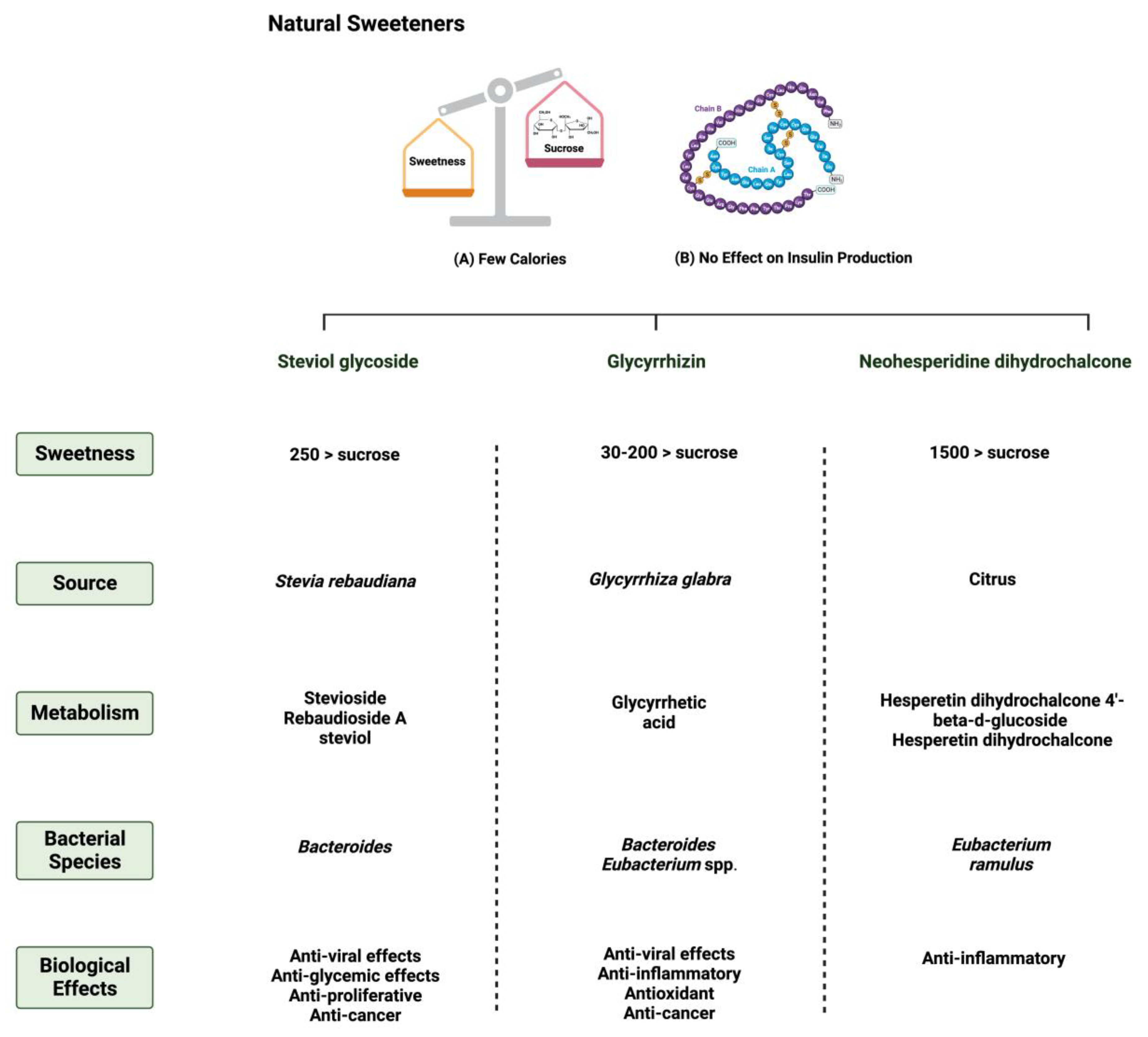
Figure 2.
Overview illustration of natural sweetener consumption and metabolism. The figure is divided into different sites of metabolism for each of the natural sweeteners. Created with BioRender.com.
Figure 2.
Overview illustration of natural sweetener consumption and metabolism. The figure is divided into different sites of metabolism for each of the natural sweeteners. Created with BioRender.com.
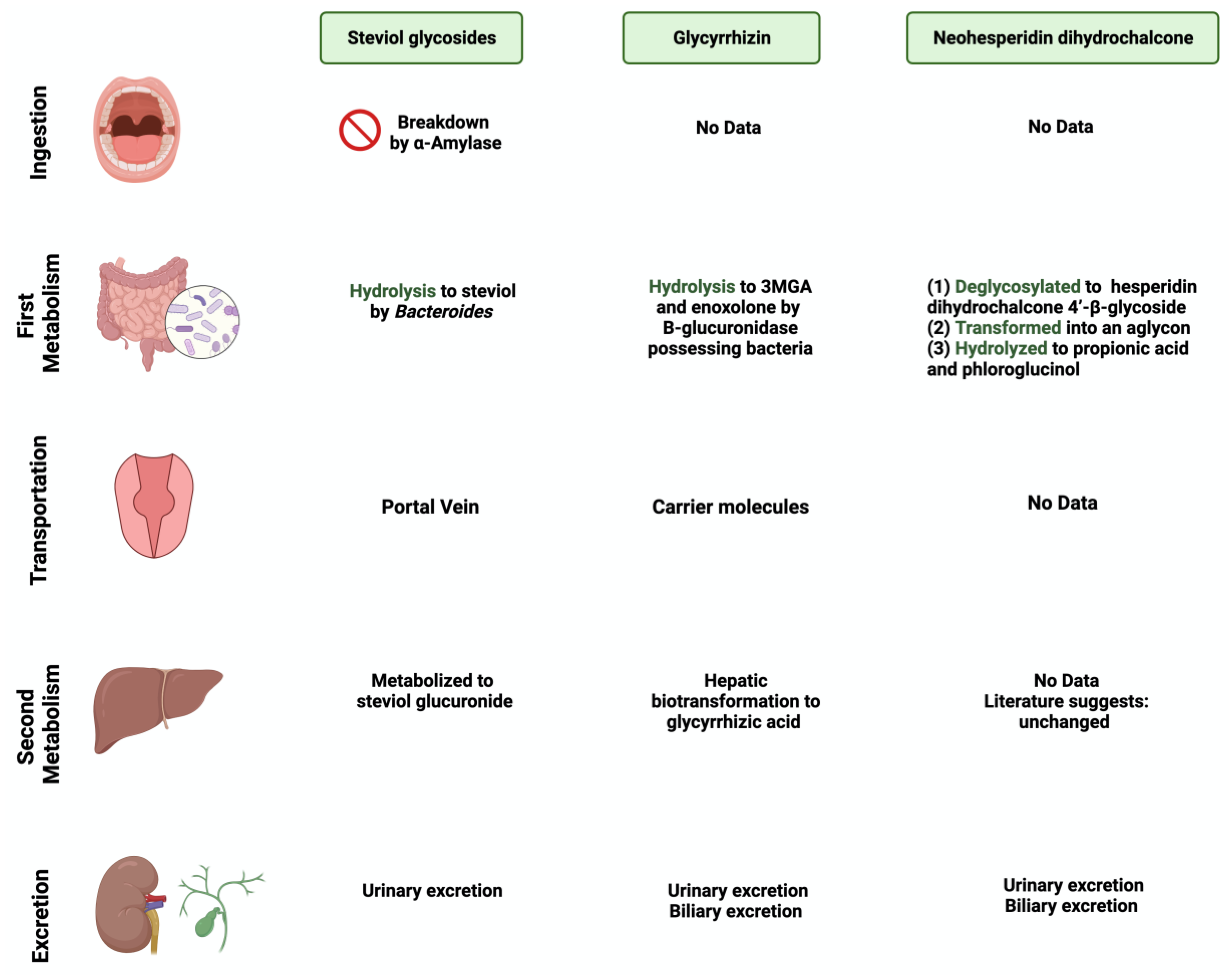
Figure 3.
Overview illustration of synthetic sweeteners. The figure describes the main features of synthetic sweeteners. It also shows the sweetness intensity, the source of synthetic sweeteners, their metabolism by the gut microbiome, and their main biological effects. Created with BioRender.com.
Figure 3.
Overview illustration of synthetic sweeteners. The figure describes the main features of synthetic sweeteners. It also shows the sweetness intensity, the source of synthetic sweeteners, their metabolism by the gut microbiome, and their main biological effects. Created with BioRender.com.
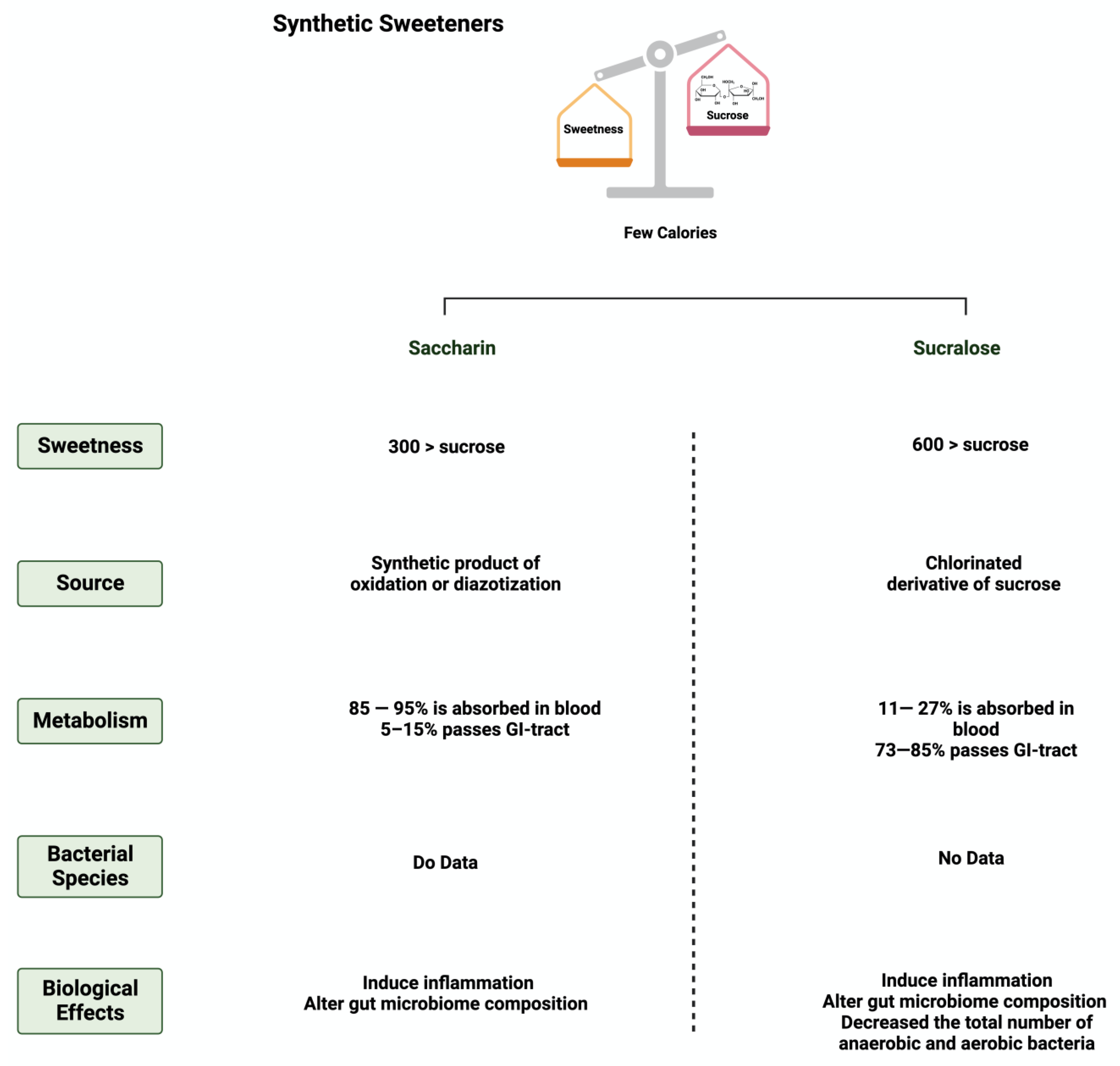
Figure 4.
Overview illustration of synthetic sweetener consumption and metabolism. The figure is divided into different sites of metabolism for each of the synthetic sweeteners. Created with BioRender.com.
Figure 4.
Overview illustration of synthetic sweetener consumption and metabolism. The figure is divided into different sites of metabolism for each of the synthetic sweeteners. Created with BioRender.com.
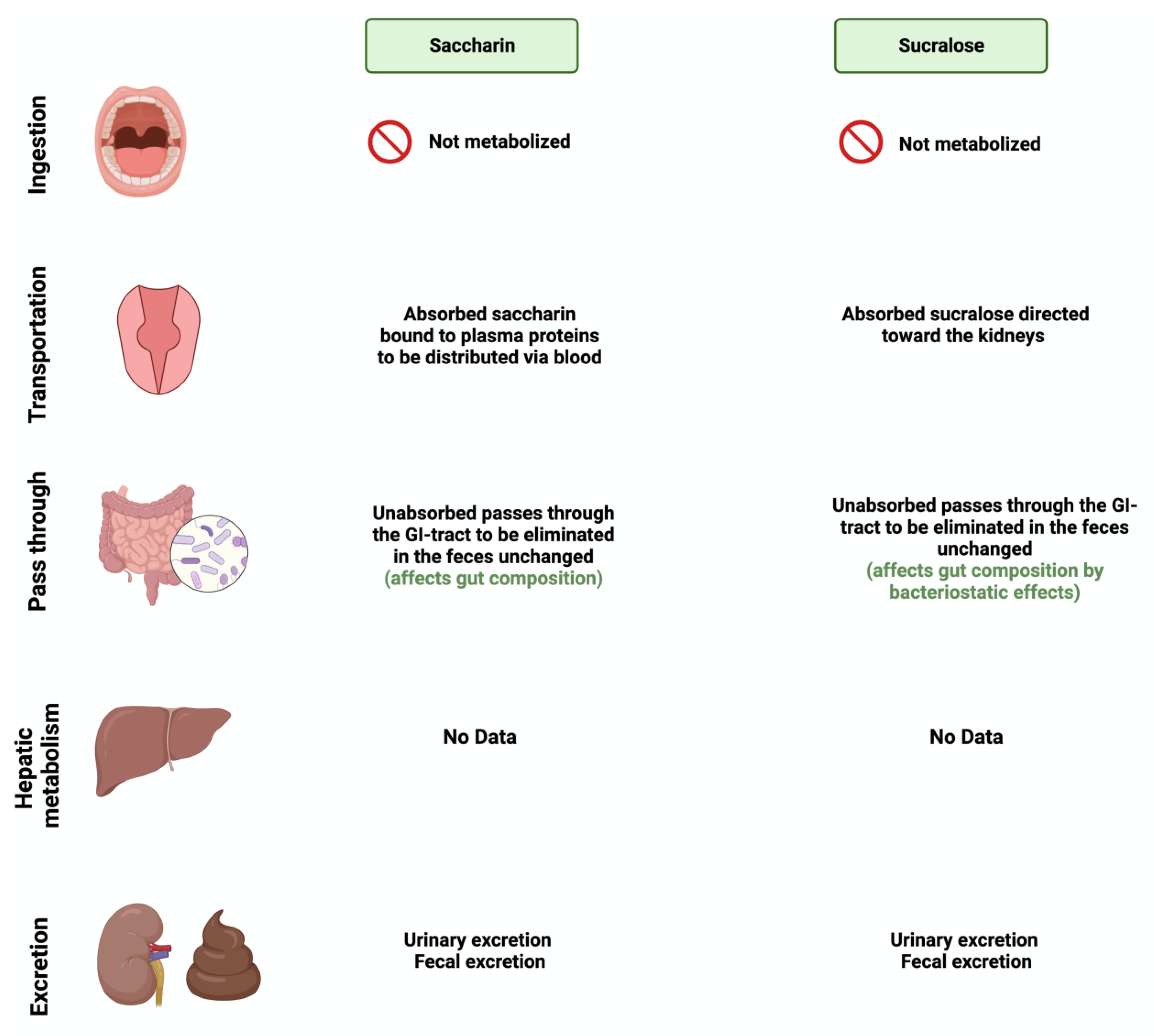
Figure 5.
Illustrations of the influence of sweeteners on the apoptotic pathway in GI cancers. The figure highlights the pathological changes in apoptosis during GI cancer, the sweeteners effect, and the mechanisms through which the sweeteners target the pathway. Created with BioRender.com.
Figure 5.
Illustrations of the influence of sweeteners on the apoptotic pathway in GI cancers. The figure highlights the pathological changes in apoptosis during GI cancer, the sweeteners effect, and the mechanisms through which the sweeteners target the pathway. Created with BioRender.com.
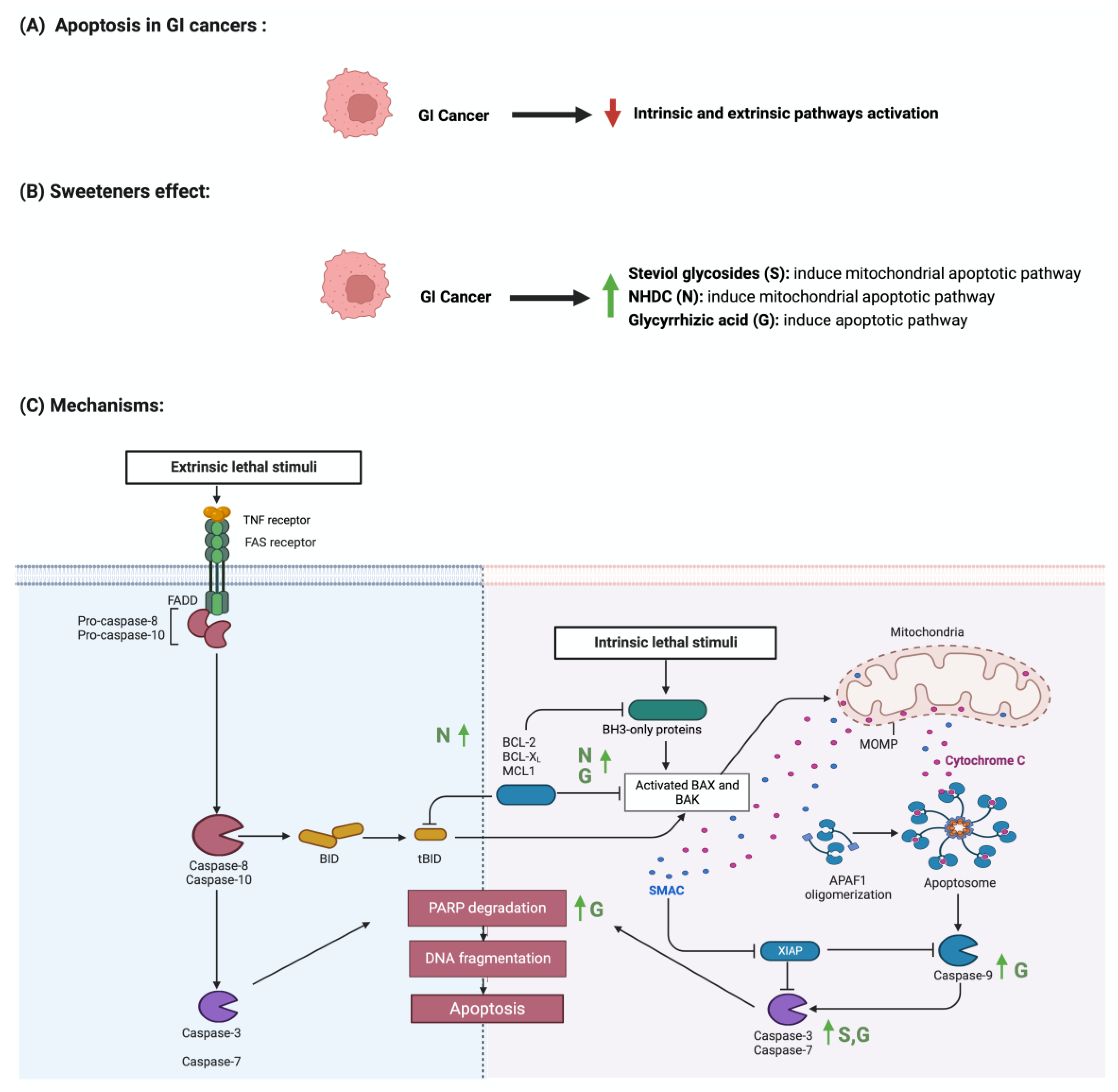
Figure 6.
Illustrations of the influence of sweeteners on NF-κB in GI cancers. The figure highlights the pathological changes in NF-κB during GI cancer, the sweeteners effect, and the mechanisms through which the sweeteners target the pathway. Created with BioRender.com.
Figure 6.
Illustrations of the influence of sweeteners on NF-κB in GI cancers. The figure highlights the pathological changes in NF-κB during GI cancer, the sweeteners effect, and the mechanisms through which the sweeteners target the pathway. Created with BioRender.com.
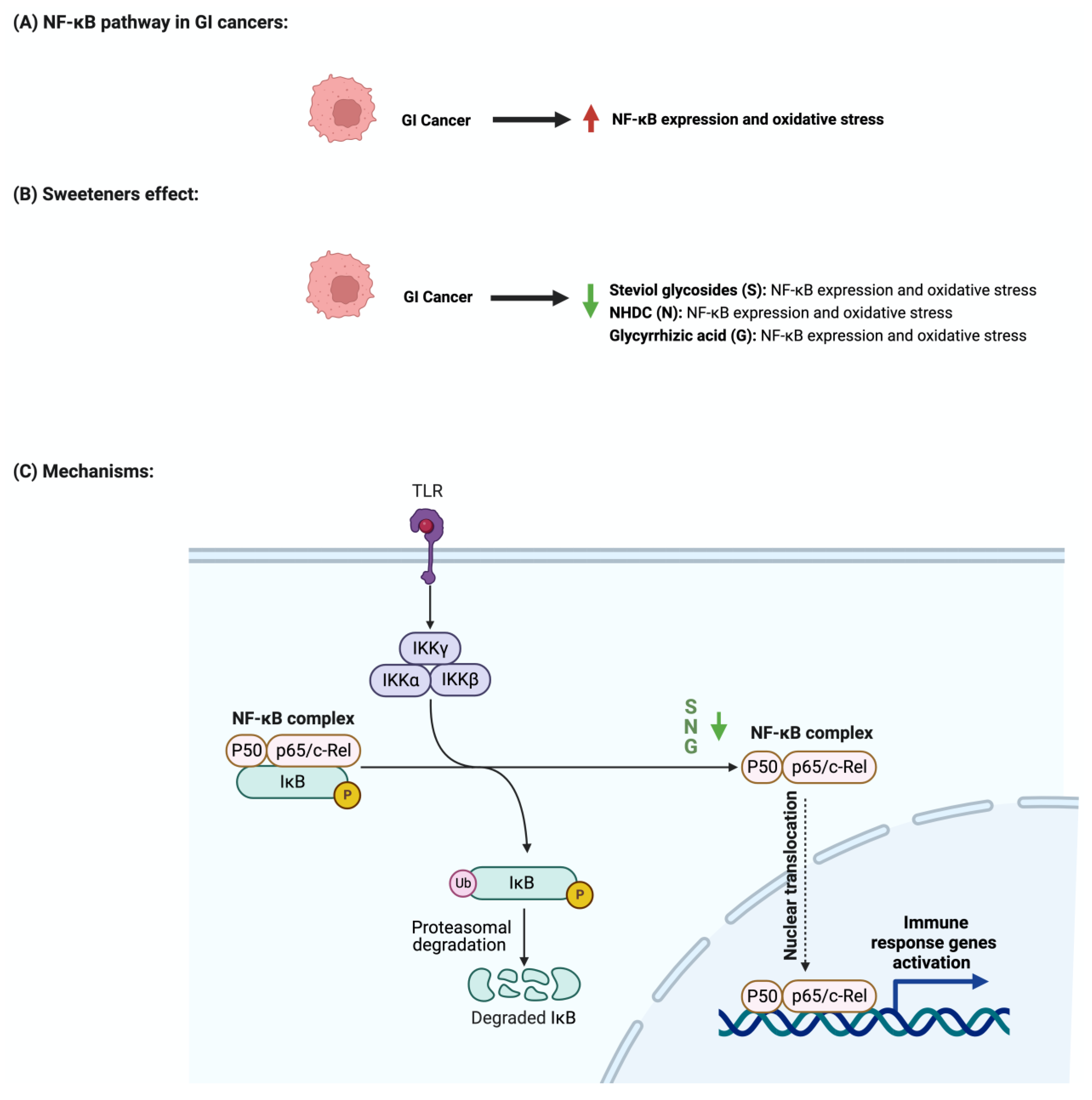
Figure 7.
Illustrations of the influence of sweeteners on cell cycle arrest in GI cancers. The figure highlights the pathological changes in cell cycle arrest during GI cancer, the sweeteners effect, and the mechanisms through which the sweeteners target the pathway. Created with BioRender.com.
Figure 7.
Illustrations of the influence of sweeteners on cell cycle arrest in GI cancers. The figure highlights the pathological changes in cell cycle arrest during GI cancer, the sweeteners effect, and the mechanisms through which the sweeteners target the pathway. Created with BioRender.com.
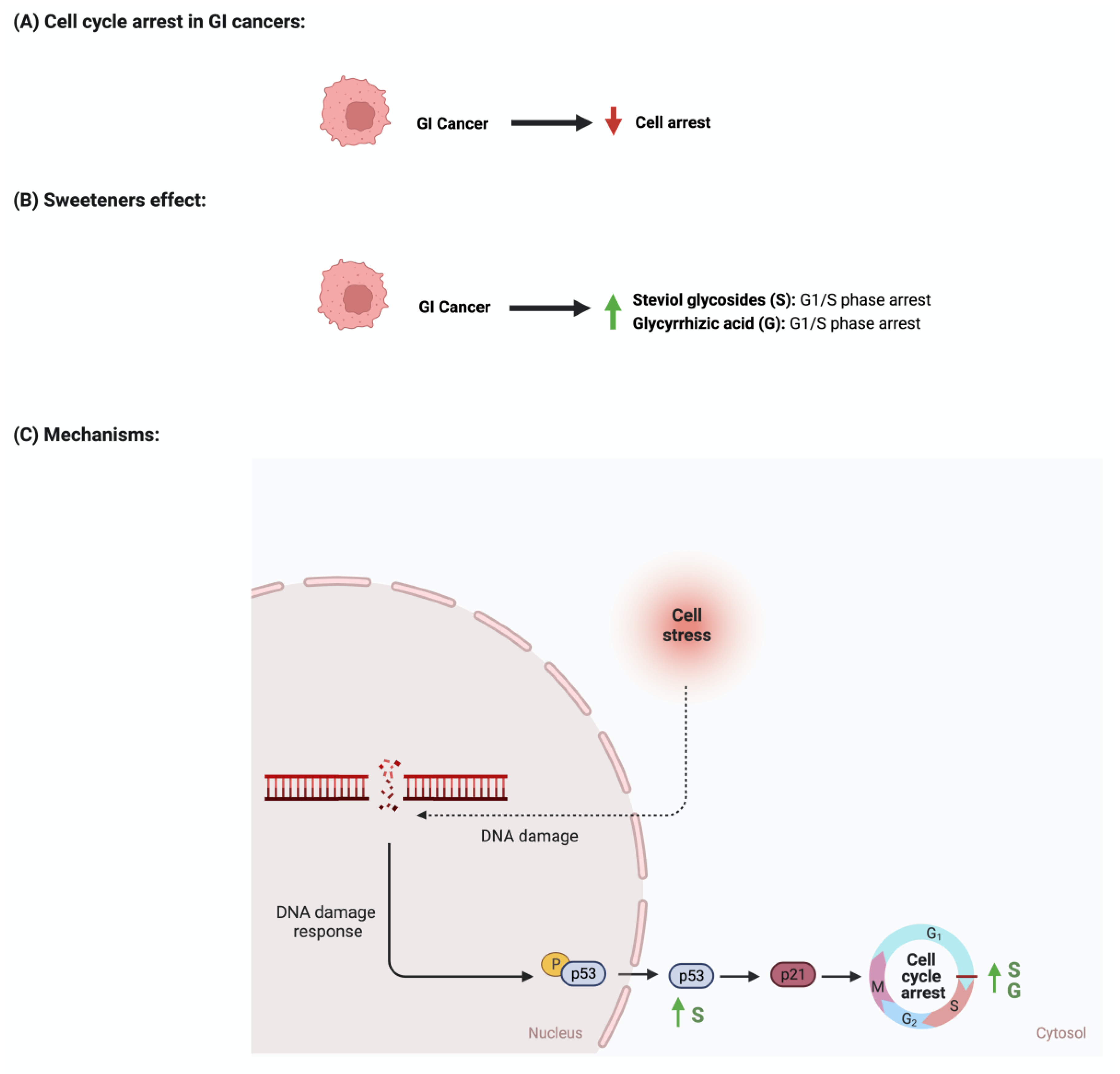
Figure 8.
Summary of the influence of synthetic sweeteners on GI cancers. The figure highlights the sweeteners' positive or negative effects on GI-targeted pathways. Created with BioRender.com.
Figure 8.
Summary of the influence of synthetic sweeteners on GI cancers. The figure highlights the sweeteners' positive or negative effects on GI-targeted pathways. Created with BioRender.com.
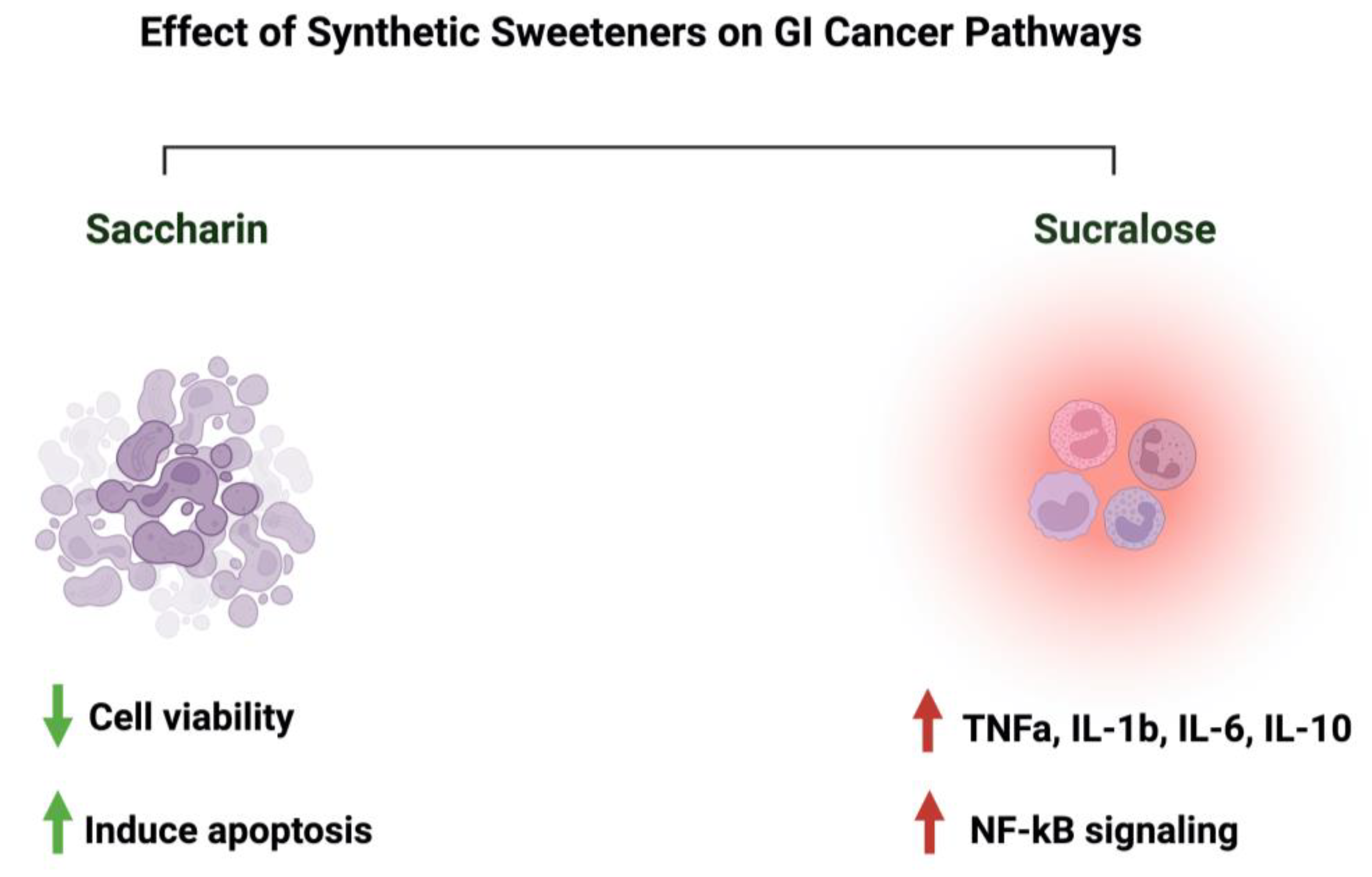

Table 1.
Summary of representative sweeteners/ their metabolites and their underlying effects on cancer.
Table 1.
Summary of representative sweeteners/ their metabolites and their underlying effects on cancer.
| Sweetener Type | Targeted Metabolites/Proteins/Genes/Pathway | Targeted Disease/Tissue | Mechanism of Action | Methods of Testing | Model Used | References | |
|---|---|---|---|---|---|---|---|
| In Vivo | In Vitro | ||||||
| Steviol glycosides | Apoptosis Cellular proliferation |
Gastric cancer Colon cancer |
- Steviol inhibited mitochondrial apoptotic pathway - The administration of steviol-activated p21 and p53 - It increased Bax/Bcl-2 ratio |
MTT assay Western blot miRNA analysis Flow cytometry |
- HGC-27 cells - Caco-2 cells - HCT-8 cells - HCT 116 cells - MKN-45 cells - MGC-803 cells |
[67] | |
| Cytotoxic Apoptosis |
Stomach cancer | - Induced apoptosis cell death - Increased cytotoxicity |
MTT assay Apoptotic assays Flow cytometry |
- AZ521 cells | [70] | ||
| Apoptosis | Colon cancer | - The administration of steviol decreased cell viability in colorectal cancer cell line | MTT assay Bicinchoninic acid assay |
- Wistar rats | - Caco-2 cells | [69] | |
| Neohesperidin dihydrochalcone |
Apoptosis Angiogenesis |
Colon cancer | - The administration of Neohesperidin dihydrochalcone induced apoptosis and blocked angiogenesis - The administration of Neohesperidin dihydrochalcone altered the gut microbiota |
PCR Western blot Luciferase assay Cell survival assay TUNEL assay |
- C57BL/6 J - APCmin/+ mice |
- HCT116 cells - SW480 cells - CT26 cells |
[78] |
| Glycyrrhizin | Apoptosis | Colon cancer | - The administration of glycyrrhizin inhibited cellular growth in a dose-dependent manner - It also induced apoptosis through nuclear fragmentation and chromatin condensation |
Transmission electron microscopy Apoptotic assay Cell invasion assay Western blot |
- SW48 cells | [72] | |
| Apoptosis Inflammation |
Colon cancer | - Treatment with glycyrrhizic acid suppressed the development of early markers of colon cancer - It also suppressed the development of precancerous lesions - Suppressed the immunostaining of NF-Kb and p65 |
Immunohistochemical staining ELISA Aberrant Crypt Foci (ACF) assay |
- Albino rats | [75] | ||
| Inflammation | Colon cancer | - The administration of glycyrrhizin reduced the plasma level of IL-6 and TNF-a - Glycyrrhizin significantly reduced the expression of 8- NitroG, 8-OxodG, COX-2, and HMGB1 |
ELISA Immunohistochemical staining |
- ICR mice | [95] | ||
| Apoptosis Inflammation |
Colon cancer | - Treatment with glycyrrhizic acid reduced the expression of NF-kB and COX-2 - It enhanced the expression of cleaved caspase 3 - It also reduced mast cells infiltration |
ELISA Immunohistochemical staining Mast cell staining |
- Albino rats | [76] | ||
| Apoptosis Cellular proliferation |
Gastric cancer | - Treatment with glycyrrhizic acid downregulated the level of G1 phase-related proteins in a dose and time-dependent manner - It also upregulated the levels of Bax, cleaved PARP, and pro-caspase-3, -8, -9 |
CCK-8 assay Apoptotic assay EdU assay Cell cycle assay Western blot |
- MGC-803 cells - BGC-823 cells - SGC-7901 cells |
[77] | ||
| Saccharin | Apoptosis Cell viability |
Intestinal epithelium | - The administration of saccharin at a lower concentration (up to 100 uM) induced apoptosis, while at a higher concentration (<=1000 uM) induced cell death - Saccharin administration decreases cell viability and disrupts the intestinal epithelial barrier through the binding to the sweet taste receptors |
RT-PCR Annexin V assay siRNA and cDNA Transfections ROS assay ELISA |
- C57BL/6 mice | - Caco-2 cells | [93] |
| Sucralose | Inflammation | Colitis-associated colorectal cancer | - Sucralose significantly increased the number and size of colorectal tumor - The administration of sucralose significantly increased expressions of TNFa and TLR4 - Sucralose significantly increased the abundance of Firmicures, Clostridium symbiosum, and Peptostreptococcus anaerobius while it decreased the abundance of Solobacterium moorei and Bifidobacteria |
Spectrophotometry qRT-PCR Western blot ELISA |
- C57BL/6 mice | [94] | |
Disclaimer/Publisher’s Note: The statements, opinions and data contained in all publications are solely those of the individual author(s) and contributor(s) and not of MDPI and/or the editor(s). MDPI and/or the editor(s) disclaim responsibility for any injury to people or property resulting from any ideas, methods, instructions or products referred to in the content. |
© 2023 by the authors. Licensee MDPI, Basel, Switzerland. This article is an open access article distributed under the terms and conditions of the Creative Commons Attribution (CC BY) license (http://creativecommons.org/licenses/by/4.0/).
Copyright: This open access article is published under a Creative Commons CC BY 4.0 license, which permit the free download, distribution, and reuse, provided that the author and preprint are cited in any reuse.


