

Submitted:
10 July 2023
Posted:
11 July 2023
You are already at the latest version
Preprints on COVID-19 and SARS-CoV-2
Abstract
Abstract: The COVID-19 pandemic has disrupted global energy markets and caused significant socio-economic impacts worldwide. The pandemic has also impacted the energy sector, with demand for energy reducing due to lockdowns and reduced economic activity. Hence, this paper aims to provide a comprehensive and analytical review of the impact of COVID-19 on the energy sector and discuss the potential role of artificial intelligence (AI) in mitigating some of these effects. This review examines the changes in energy demand patterns resulting from the pandemic and the implications for the energy industry, including the shifts in policymaking, communication, digital technology, energy conversion, environmental, energy market, and power system operation. The analysis of the energy pattern is discussed according to the timeframes which include pre-, mid-, and post-pandemic periods. Furthermore, we explore how AI can be used to improve energy efficiency, optimize energy use, and reduce energy wastages. The potential for AI to contribute to developing more efficient and sustainable energy systems has also been addressed. Lastly, we highlighted AI’s challenges, which play a significant role in the energy sector's response to the COVID-19 pandemic. The recommendations for AI applications in the energy sector for the transition to a more sustainable energy future are outlined. Information corroborated in this review is expected to provide important guidelines for crafting future research areas and directions in preparing the energy sector for any unforeseen circumstances or pandemic-like situations.
Keywords:
COVID-19
; pandemic
; energy
; artificial intelligence
; digital technology
; power system
1. Introduction
The world was surprised with a global scale COVID-19 pandemic in early 2020 which has caused countless lockdowns to be implemented with hope of slowing down the infectious rate. The initial affected location is originally detected in a specific region of China called Wuhan and has later emerged over hundreds of countries across the globe. The effect of national restrictions on public gathering has shaped a new norm of living. A sharp decline in energy demand due to the lockdowns implementation including travel restrictions and business closures significantly impacted various economic sectors. According to the reports by International Energy Agency (IEA), the dramatic impact of COVID-19 lockdowns on global electricity use caused a slump in demand where the usage typically fell by up to 20% for each month a nation’s lockdown persisted. Generally, the fall in energy demand was due to the reduced level of economic activity. However, with more people working from home, there was a rise in residential load demand [1].
Before the COVID-19 pandemic, there was a steady increase in energy demand globally as a results of population growth, economic development, and urbanization. In fact, the energy demand growth was relatively stable in developed countries, such as the United States of America. Moreover, the efforts to reduce energy intensity and increase energy efficiency by developing renewable energy had some level of success in reducing rising energy demand. Pre-pandemic also marked the energy demand trends by adopting clean and green technology, and policies targeted to decrease carbon emissions, which align with environmental targets set by countries and international organizations such as United Nations Environment Programme (UNEP). The spread of COVID-19 worldwide has affected the entire global energy system in a good and bad ways. For instance, the COVID-19 crisis has negatively affected the economic growth due to the decreased electricity demand and industrial production. In addition, it also badly impacts on oil price fluctuations, supply chain disruptions, and changes in job markets within the energy industry. However, a significant reduction in pollutants due to factories closure and decreased in transportation demand has shown a positive impact especially for carbon mitigation pathways envisioned under the Paris Agreement.
On the other side of the perspective, lesser consumption of power during the pandemic has opened more doors for renewable energy (RE) penetration into the existing power system as the dependency on coal and gas power production has weakened. The effort to fight monopolism of conventional energy generation source is definitely a challenge before pandemic. Some countries such as India, China and European countries has grabbed the opportunity of this gap to shift from the traditional way of producing energy to a cleaner way of power production [2]. Importance of practising green energy sentiments has grown among human society and the number of studied cases on smart RE has escalated two times greater since COVID-19 case officially reported. The focus of the energy sector on long-term sustainability and cleaner energy sources has also presented the opportunity for the integration of Artificial Intelligence (AI) in the sector. As countries begin to recover from the pandemic, the use of AI in the energy sector can play a crucial role in improving efficiency and reducing costs. Adapting to the fast-moving in energy development, allowing a power system to be monitored remotely or virtually is charming area to be explored and closely followed up. The changes in energy industry during COVID-19 has been reviewed to properly discuss the impact and revolutionary [2,3].
Table 1 shows the collective of review papers published in Scopus based on the search using the keyword “artificial intelligence” AND “energy sector”. The search was refined where only “review” documents were selected from 2015 to 2023. Only “full access” documents in “English” language are presented. Based on the refined search, 18 review papers were found that related to the utilization of AI in the energy sector. Reviews on AI in the energy sector started to be published in 2019, where 3 papers were found. Then, it increases to 7 papers in 2021, followed by 6 papers in 2022. We believe that the number of review papers on AI in the energy sector will keep increasing since the growing interest in using AI to enhance energy efficiency, reduce energy costs, and optimize energy management across various industries. Moreover, the development of new AI technologies and the increasing ease of implementing AI applications have led to more industries adopting these systems, further increasing interest in this area, finally leading to more publications. To get an insight into the new revolution of AI in the energy sector, especially after the pandemic crisis, we have presented this review that aims to analyse and compare the change in energy demand in three timeframes which is pre-pandemic, mid-pandemic, and post-pandemic crisis. A detailed analysis of the COVID-19 impact in the energy-related sector is discussed, including policy making, communication, digital technology, energy conversion, environmental, energy market, and power system operation. To the best of our knowledge, this review is the first to analyse the impacts of COVID-19 in various energy sectors in a different timeframe of the pandemic crisis with the revolution of AI for the energy recovery process after the pandemic crisis. This review includes the methodology and scope of the research that was discussed in Section 2. Then, Section 3 is discussed on the impact of COVID-19 to the energy sector, including policy-making, communication, power system, and others. A summary of AI applications in the energy sectors is discussed in Section 4, followed by recommendations in Section 5, and finally the conclusion in Section 6.
2. Review Methodology and Scope
This review paper focuses on the effect of COVID-19 on the energy sector. To clearly compare pre, mid, and post-pandemic, we have limited the search from 2015 to 2022. By limiting the search results from 2015-2022, we can achieve our aim to compare the impact of the pandemic on the energy sector by focusing on the most up-to-date and relevant materials. In addition, the publications and data analyzed within the limited years are current and reflect the most current status of the energy sector, besides helping to narrow the search focus. The referenced articles and the data presented in this review are collected from reputable journal search engines such as Scopus, Google Scholar, and others. A few keywords used to find the related articles and data are ‘policy on energy sector’, ‘digital technology’, ‘energy conversion’, ‘environmental effect’, ‘economy’, and ‘power system operation’.
Figure 1 shows the number of published articles related to the energy sector from 2015 to 2022. The graph shows increasing trends in articles published from the pre-pandemic until the post-pandemic period. The results proved that research on the energy sector is still actively performed despite the world must face pandemic crisis. No doubt, the priority on finding alternative and renewable sources of energy, such as wind, solar, and hydro power, has resulted in a growth in research and development in the energy sector, leading to more publications. Additionally, government policies and regulations have played a role in the increase in publications in the energy sector. A large investment has been made for innovation and improvements in technology related to energy production, transmission, and storage that encourage more research and publications in the industry.
Among the published articles presented in Figure 1, we have analyzed the articles in different timeframes, pre-pandemic, mid-pandemic, and post-pandemic. Based on the publications from 2015-2022, we have extracted the top 10 highest-citation journal articles. Then, for the purpose of our review, we have listed only the review paper, as shown in Table 2. Seven review papers were published during the pre-pandemic period, followed by four reviews in the mid-pandemic and five publications in 2022, marked as post-pandemic. We found two review papers written by Krarti et al. and Nundy S. et al. that discussed the impact of COVID-19 on the energy sector. It should be noted that the search results are only based on the keywords used in the years of 2015-2022 published in the Scopus search engine.
For the purpose of the discussion in this paper, we define the timeframe as follows:
Pre-pandemic: Refers to the time before the WHO declared COVID-19 a global pandemic on March 11, 2020. This could range from before 2020 to March 2020, depending on the country and region.
Mid-pandemic: Refers to the period during the pandemic, which began in March 2020 and continued until the end of 2021. Some people may consider the period from the beginning of widespread vaccine distribution in late 2020 to mid-2021 as the mid-pandemic period. This period is characterized by a global health crisis, economic slowdowns, travel restrictions, and various public health measures put in place to slow the spread of the virus.
Post-pandemic: Refers to the current period after the pandemic, where most countries have declared to be over or significantly controlled. The exact timeframe for the post-pandemic period is difficult to predict and may vary by countries, but some experts predict that it begins when the majority of the population is vaccinated, the easing of restrictions, the recovery of global economies, and daily COVID-19 cases and deaths are consistently low. In this review, we consider as 2022 as a post-pandemic period.
Analyzing and comparing the effects of COVID-19 to the energy sectors between pre-, mid-, and post-pandemic can provide an essential foundation for developing policies and strategies to navigate a similar public health crisis, as well as continue to develop and shape the energy industry to meet the needs of the future better. However, several limitations and challenges to analyzing and comparing the results between the timeframe need to be noted. Since the COVID-19 pandemic is still a new phenomenon, there is limited research to reference on this topic. Therefore, there may be a lack of available data to conclude the true impact of the pandemic on the energy sector. Besides, it is challenging to have a comprehensive perspective in this review due to constantly emerging information and changing government policies and market trends.
3. Analysis of Covid-19 Impact towards Energy Sector: Pre-Mid-Post Pandemic
This section is divided into seven sub-sections that detail the analysis of COVID-19’s impact on the various energy sectors. This analysis includes the obvious changes experienced by the energy industry, which bring positive and negative effects to society.
3.1. Policy making in energy sector.
Policy making in the energy sector plays a crucial role for achieving various objectives including energy security, economic growth, technological innovation, and global cooperation. The specific policies and approaches adopted by governments can vary depending on national priorities, available resources, technological advancements, and political contexts. Table 3 shows the general policy adopted by different countries prior to different timeframe. Effective energy policies provide a roadmap for a sustainable and resilient energy future, benefiting both current and future generations.
Prior to the pandemic, there were already in progress efforts to address the impact of energy production and consumption on the environment and to transition towards RE sources. These efforts of transitioning were driven by variety of factors, including concern about climate change [4], air pollution [5,6], and energy security [7]. Policy approaches on these issues have varied across different countries and regions, but typically involve a mix of regulatory measures, financial incentives, and educational campaigns. One example of policy efforts towards the energy sector is the Paris Agreement [8] an international deal that was signed in 2015 that aims to limit global warming to well below 2oC by 2030. Under the agreement, countries commit to reducing their greenhouse gas emissions, particularly on the energy sector that is responsible for a significant portion of global emissions. To achieve the goal, France has applied an Act on Energy Transition for Green Growth in 2019 to reduce greenhouse gas emissions and improve energy efficiency [9]. In addition, the US federal law enforces the Clean Air Act in the 70s that establishes air quality standards and regulates the emission of air pollutants which includes those from the energy sector [10]. Other policy approaches towards the energy sector have included financial incentives such as subsidies and tax credits, and regulatory measures such as energy efficiency standards and renewable portfolio standards. These measures have been adopted by countries around the world, including the United States, China, India, Germany, France, the United Kingdom, and Japan. Furthermore, the operation of the energy sector is working on normal operating condition of power system and usual business activity is conducted by executing previous or existing strategy plan [11,12] In addition, normal budget allocation by the government in the world for energy sector with no preparation of global pandemic [13,14]. Experts in the power and energy sector have already predicted that the existing business model would transform in the future due to SDGs regulation by UN that has been promoted since 2015 [15]. However, most signatories had failed to meet the agreed targets of the SDGs. This is due to the high cost to deploy RE and digital energy system and the mechanism for recycling and reusing retired units of conventional plant was not yet established [16].
During the mid-pandemic phase, policy makers faced the challenge of responding to the rapid and unprecedented changes in the energy demand and supply. On the demand side, lockdowns and other measures to contain the spread of the virus have led to a sharp drop in energy consumption around the world in the 2020, particularly in the transportation and industrial sectors. The energy consumption in the US shows an example of the sharp drop as can be observed in Figure 2.
In response to the drop in demand, many governments have implemented policies to support the energy sector, including measures to stabilize prices and provide financial assistance to affected companies [14,15,16,17]. Some governments have also used the pandemic as an opportunity to accelerate the transition to renewable energy sources, recognizing the potential long-term benefits of this shift in terms of both economic and environmental sustainability. One example of a policy measure implemented in response to the pandemic is the extension of tax credits and other incentives for renewable energy projects. US and France have expanded the tax credits for EV and charging infrastructure to escalate the usage of EV in the community. Additionally, the pandemic has seen an increase in the cost of maintaining normal operation of the power system, with the IEA estimating an increase of 5% in 2020 compared to the previous year [18]. This has led to many state-investigated energy projects and plans for new facilities and infrastructure being delayed or shelved, as well as a significant reduction in investment in the energy sector, with an estimated drop of 18% in 2020.
In the wake of the COVID-19 pandemic, policy-making related to energy security has been revised and improved to better prepare for a potential global infectious virus outbreak in the future. This involves a heightened awareness of energy security and the need to be able to adapt to changing circumstances quickly. Policymakers also had to scramble to create laws and regulations that can ensure a gradual transition to renewable energy sources, rather than a revolutionary change. Such a transition requires careful consideration of the various factors involved, including the potential for job losses, social stability, economic growth, and the energy market. According to a report by IEA, the deployment of renewable energy sources has been boosted by high motivation from governments, businesses, and individuals to transition to cleaner energy sources faster [19]. This is due to a combination of factors, including the declining cost of renewable energy technologies, the need to meet climate targets, and the need for energy security. In response to the economic downturn caused by the COVID-19 pandemic, many countries have implemented policies to encourage investment in renewable energy and digital energy systems [15]. In the United States, the federal government provided more than $90 billion in investment and tax incentives for renewable energy projects from 2009 to 2019. This has led to significant growth in the sector, with renewable energy sources accounting for more than 20% of the country’s total energy production in 2020. It is also important to develop new cost-effective strategies that reflect the current domestic and international realities. Such strategies can help various audiences be more innovative and proactive by rethinking and reshaping global energy strategies based on trend-based insights and big data. Additionally, data from the United Nations Environment Programme shows that the share of renewable energy in global energy consumption grew from 16.1% in 2010 to 18.4% in 2021 [20]. This suggests that renewable energy is becoming increasingly cost-effective and viable in many countries.
Policy making on energy sector post-pandemic has been driven by a more vigorous push to promote sustainability and achieve the SDGs. This has been reflected in increased funding for research and development in the renewable energy sector, as well as a focus on investing in sustainable energy technologies and infrastructure The progress, impact analysis, challenges and new perceptions for electric power and energy sectors in the light of the COVID-19 pandemic [14,15,16,17] This has also enabled the quick growth of renewable energy sources in order to maintain air quality during the COVID-19 pandemic. However, the impact of the pandemic on the energy sector was initially viewed as temporary, and it remains to be seen whether the progress towards SDG 7 (affordable and clean energy) by nations will be significantly affected in the long term. There is also the potential for serious employment issues to arise if the transition to renewable energy happens too quickly, as many workers in the fossil fuel industry may be displaced. According to a report by the International Labour Organization (ILO), the global transition to renewable energy could result in the displacement of up to 6.5 million workers in the fossil fuel industry. This number could be even higher if the transition happens too quickly, and the ILO estimates that up to 17 million jobs could be at risk. Additionally, the report argues that the transition to renewable energy could also create up to 24 million new jobs, but warns that these jobs may not be accessible to all workers, as they may require specific skills or qualifications.
However, not all countries are able to implement such policies. Countries with large financial funds are often able to execute proposed policies more quickly and effectively than those with limited resources. Therefore, while countries with strong financial resources are in the best position to take advantage of policy incentives for renewable energy and digital energy systems, those with limited resources are still able to make progress in this area. By implementing policies that are tailored to their specific needs and resources, such as providing tax exemptions and incentives to local businesses, they can still make progress towards a more sustainable energy future. Additionally, international collaboration between countries can help to ensure that all countries are able to benefit from the advances in renewable energy technologies and digital energy systems.
At the same time, it is important to note that these initiatives and strategies provide only a general insight into the global energy market. A detailed analysis is needed to test and refine these strategies based on local circumstances in order to obtain a more accurate and realistic insight. As an example, the International Energy Agency has conducted research which suggests that the cost of renewable energy varies significantly between countries and regions. While some countries, such as Germany and Denmark, have been able to achieve a significant share of renewable energy in their energy mix, other countries have struggled to keep up. Additionally, the cost of energy storage has been identified as a major obstacle to the global adoption of renewable energy. To address these issues, governments can look to implement policies and regulations that incentivize investment in renewable energy and energy storage technologies. Additionally, countries can look to collaborate with businesses and organizations to develop innovative solutions that reduce the cost and increase the efficiency of renewable energy sources.
The introduction of RE and distributed energy resources (DER) into retired units of conventional power plants has become increasingly popular in the aftermath of the pandemic [21]. By introducing RE and DER into retired units of conventional power plants, it can avoid from serious resource waste while also creating a more sustainable future. Additionally, this approach provides an opportunity for innovative businesses models such as leasing out space within a plant site or providing services related to maintenance of equipment associated with RE/DER installations at sites where they have been installed previously. By retrofitting these units, it is possible to improve their efficiency and reduce their carbon emissions. It is important however that when considering installing RE/DER systems at any site careful consideration must be taken regarding safety issues especially if there are hazardous materials present such as those found in nuclear power plants which may affect how suitable a particular location may be for installation purposes. Furthermore, since many retired systems will already have aged components, it can make them less attractive from both cost and efficiency standpoints making it difficult for their saleability or recyclability even after retrofitting with newer technologies has been completed successfully.
The US has implemented various policy initiatives and incentives in favor of production of bio-ethanol from corn [14], which has helped to increase corn prices and farmers’ income, enhance rural employment, and encourage value-added businesses. In addition to these benefits, the production of bio-ethanol has also helped to increase energy security and reduce pollutants and greenhouse gases. To further improve energy efficiency, the US government should develop and implement policies and incentives that encourage energy efficiency in buildings, industry, and transportation. This could include incentives for energy-efficient appliances, investments in public transportation, and regulations that require buildings to meet certain energy efficiency standards. Additionally, the US should invest in research and development to develop new technologies that can further improve energy efficiency. A shift to renewable energy sources will reduce the amount of pollution emitted into the atmosphere and help to combat climate change. This shift will also create jobs and stimulate economic growth in many countries. Therefore, it is important for government and lawmakers to consider the potential implications of their decisions, and to ensure that they create policies that are designed to promote economic growth, energy security, and sustainability.
3.2. Communication
Figure 3 shows different timeframe and the use of communication medium. Before the pandemic happened, face-to-face communication is the normal or usual way for humans to communicate. Face-to-face communication requires the physical presence of an individuals and may involve the use of transportation and buildings, which contribute to low electricity usage but high energy usage on transportation and traveling. In contrast, electronic communications medium such as telephone calls, emails, and online meetings can be conducted remotely and may have a lower energy footprint [22]. During the COVID-19 pandemic, the medium through which human communication occurred has had an impact on the energy consumption. One key trend during the pandemic has been the shift towards electronic communication mediums such as telephone calls, emails, and online meetings, which can be conducted remotely and may contribute to lower energy footprint compared to face-to-face communication [16]. Zoom reported that it had surpassed 300 million daily meeting participants in April 2020, which was up from 10 million daily meeting participants in December 2019 [23]. In addition, more than 91% of registered students worldwide are affected by the closure of academic institutes according to the United Nations Education, Scientific and Cultural Organization (UNESCO). Thus, they have shifted to online/virtual meeting due to the need for social distancing and the widespread adoption of remote work and online education [16]. In addition, the way in which different communication mediums are used can also impact the energy usage. The use of energy-intensive devices such as laptops and smartphones can contribute to energy consumption [24]. For example, using a laptop or desktop computer with a high-performance processor can result in a higher energy usage than a smartphone or tablet with a lower-powered processor. This is also proven by the increase in electricity in the residential area as people were required to stay at home.
Nonetheless, the shift to virtual communications has higher impact to mankind as it can reduce cost of travelling and lesser time is wasted for travelling. In addition, people are forced to equip with computational knowledge/skill of going virtual allow daily activity to be resumed, contactless meet up. However, some people have struggled to adapt to the online environment and have found it difficult to absorb knowledge and complete assignments effectively. This has led to a decrease in the quality of work in some sectors, as people who may not be fully proficient in using online platforms may be producing lower quality output. Additionally, the online experience is not the same as in-person interactions, and some people may feel disconnected or isolated due to the lack of physical presence. Therefore, in certain sector, the quality of work has dropped due to generating low quality staff/students through online training/studies.
The rise of digital technologies has had a significant impact on the development of virtual power plants (VPPs). A VPP is a system that allows for the integration and control of DERs such as solar panels, wind turbines, and energy storage systems. This integration allows for the optimization of DERs and the efficient management of the power grid. Advancements in digital technologies such as smart grids, blockchain, and the internet of things (IoT) have enabled the concept of VPPs. Smart grids are intelligent power grids that use advanced communication and control technologies to optimize the efficiency and reliability of the power grid. Blockchain technologies provide a secure and decentralized platform for energy trading and management. IoT solutions enable the integration and control of connected devices in the energy sector, allowing for the optimization of energy usage and the management of power grids. However, there are also concerns surrounding the use of digital technologies in the energy sector, particularly with regards to data breach and cybersecurity as highlighted in [25]. Furthermore, many studies stated that hackers have targeted energy companies and utilities in the past, leading to disruptions in the power grid and potentially posing a risk to public safety [12,13,15,17,26,27]. It is important for energy companies to prioritize cybersecurity and implement robust measures to protect against potential attacks. Overall, the adoption of digital technologies in the energy sector has brought about significant innovations and improvements in the efficiency and reliability of the power grid.
3.3. Digital technology
Before the COVID-19 pandemic, the normal operating condition of power systems was heavily reliant on the constant and fixed load consumption behaviour of energy consumers [28,29,30]. For power utilities to correctly plan and manage their generation capacity, as well as to optimise the operation of their transmission and distribution networks, it is important that they have a thorough understanding of the constant and fixed load consumption behaviour of energy customers. Power utilities can maintain the power system’s normal operational state and deliver a reliable and steady supply of electricity to customers by precisely forecasting the load demand and effectively managing the generation and distribution of electricity. However, one major challenge was the neglect of electrical energy wastages which were often overlooked in traditional energy systems [16,31].
Next, digital technology was already having a major effect on how energy companies operated their businesses by allowing them access real time information related to market trends, customer demand forecasts or even supply chain management issues from anywhere in the world at any given time. By using advanced analytics tools such as predictive modelling or machine learning algorithms, they could also identify potential problems before they arose so that corrective action could be taken swiftly if necessary. Moreover, with increasing adoption of renewable sources like solar power, smart grids were being implemented which allowed utilities providers better control over electricity distribution networks while also enabling customers more flexibility when it came down choosing their preferred supplier. Furthermore, the reliance on manual logbooks and traditional meters to track the energy consumption is one of the challenges [31]. These methods were prone to errors and inconsistencies. Thus, making it difficult to accurately measure and monitor energy use. Jiang et al. (2021) reported that the exact effectiveness of digitization and its energy consumption have remained uncertain due to complex assessment of the datasets and the underdeveloped methods to define its benefits [24].
Other than that, the energy sector faced a challenge that is related to the integration of renewable energy sources (RES) into the power grid. One major challenge was the instability and inconsistency of RES production which made it difficult to rely on these sources as a primary source of power [32,33]. This was often due to the variability of RES, such as solar and wind power that can be affected by weather conditions. To address this challenge, many energy companies implemented grid modernization plans to handle bidirectional power flow from distributed generators based on renewable energy sources. By enabling real-time monitoring and control of power flow, digital technologies helped to improve the integration of RES into the grid and to reduce the reliance on fossil fuels.
Another challenge faced by the energy sector in the pre-pandemic period was the dependence of energy consumers on the grid [17,32,34]. Many energy consumers were grid-dependent, meaning that they relied on the grid for their energy needs and had limited options for generating their own power. This made them vulnerable to disruptions in the grid and to fluctuations in energy prices. In addition, the ineffective communication between the electric energy providers and the end customers presented another difficulty. It was frequently impossible for end users to acquire the data they needed in order to control their energy consumption because communication was typically restricted to a one-way flow of information from the power energy provider to the end user.
The pandemic situation created an unprecedented opportunity for digital technologies to be utilized in order to reduce costs, increase efficiency, and improve safety within the energy industry. In particular, a few studies claimed that data analytics have played a major role in helping energy companies to make better decisions by providing them with real-time insights into their operations. This helps the energy companies to identify areas where they can optimize processes or develop new strategies that are more cost effective or efficient than traditional methods. Additionally, predictive analytics can help companies anticipate future trends which allows them to plan ahead accordingly. Furthermore, cloud computing provides access to massive amounts of data which then enables further analysis and decision making on this information at scale.
Next, AI is being used as well in the energy sector. From automated systems monitoring production levels across various sites remotely through sensors; to robots performing tasks such as drilling wells safely under hazardous conditions; AI offers improved accuracy over manual labour while reducing human errors associated with it [35]. All these advances demonstrate how important digital technologies have become during mid-pandemic times when physical contact needs to be minimized. As we move forward it will only become even more crucial for organizations within this sector leverage these tools effectively if they want to remain competitive going forward.
The energy sector has seen significant changes in the post-covid period as a result of the rise of digital technologies which help in reshaping the load curves and increasing the demand for load forecast technology to collect and record real-time data [36,37,38]. This shift has enabled the energy sector to better anticipate and prepare for changes in energy demand. The access to real-time data on energy consumption helps energy companies and policy makers to plan and respond to changes in energy demand, leading to more efficient and reliable energy systems and a reduced risk of disruptions in energy supply.
Additionally, a lot of energy companies have set up systems for two-way communication between power providers and end users [17,26,27,31,32]. This brings benefits for the energy sector, including the ability to use the grid, renewable energy sources, and power systems more efficiently. Energy companies are able to optimise the performance of their systems and recognize potential for waste reduction due to access to real-time data on energy consumption. This also enabled real-time data exchange and enabling end users to access information about their energy consumption. Two-way communication between power providers and end users also enables shorter response times and better customer service, which boosts the effectiveness of energy systems.
To increase the precision and dependability of data on energy usage, smart metres with digital technology have also been widely adopted [17,32,34]. The International Energy Agency reported in 2020 that as of the end of 2019, over 27% of all power users worldwide have smart metres installed in their homes. By the end of 2025, this figure is anticipated to reach over 50%. Figure 4 shows the percentage of electricity customers in different regions with a smart meter installed [39]. While the penetration rate is expected to be highest in North America and Europe, reaching up to 80% and 60% respectively, installations in East Asia and the Pacific and in Latin America are also expected to increase steadily. The differences in the percentage of smart meter installed is due to different government policies, economic factors, technological infrastructure, consumer awareness and demand, and energy usage patterns [17,32,34]. Smajla et al. (2021) reported that if more than 10 000 smart meters were installed, deviation between average estimated natural gas consumption and the real data would be less than 2.96 % [40]. However, the adoption of smart metres has also highlighted the lack of availability of past load data and corresponding prediction models pre-pandemic. Many energy companies were unable to access data on historical trends of energy consumption or create precise forecasting models for future demand. This made it challenging to evaluate whether adding renewable energy sources to the energy mix was feasible or to improve the efficiency of energy systems.
In addition, digital technologies have enabled utilities providers create smarter grids which enable them monitor usage patterns more accurately [42]. This helps them respond faster when there’s an outage. Furthermore, smart grids help consumers track their electricity consumption thus leading towards conservation efforts due increased awareness about individual contribution towards environment protection initiatives. In conclusion, the use of modern-day computing capabilities combined with advanced analytics tools have allowed organizations within this domain achieve unprecedented levels success apart from providing tangible benefits both economically and environmentally speaking.
Digital technology has had a major impact on the energy sector in recent years, especially in terms of stabilized RES production, improved energy efficiency and cost savings, and greater environmental considerations [15,32,33]. This has allowed more people to invest in and deploy RES, as the stable output and smart management technology has given investors more confidence in the technology. Many energy consumers have become self-sustaining "prosumers," generating their own power and reducing their dependence on the grid [17,32,34]. This has allowed consumers to drastically reduce their electricity bills, as they no longer need to rely on the grid for their energy needs. However, some developing countries have had to pause or hold back on some RE plant investment due to financial constraints caused by the pandemic, with a focus on the health sector to survive. On the other hand, this has resulted in a massive loss of revenue for power utilities, as more consumers are turning to self-generated energy sources.
In addition, to address the challenges of energy pricing, many energy companies have adopted digital technology and introduced electricity price forecasting (EPF) systems [36,37]. These systems use data analytics and machine learning to predict future energy prices and to enable more effective management of energy resources. This has allowed for easier study and analysis of energy market data from providers and lawmakers, as well as for owners of RE sources to make a profit through energy trading. This has weakened grid dependence, but has had a negative effect on the power providers’ business.
Furthermore, during the transition to endemic phase, there has been an increased awareness of the need to efficiently use energy and to practice smart energy systems [24,33,34]. Coordinating the use of energy can reduce the load on the national grid, thereby decreasing the need for load shedding. Additionally, Smart Energy Systems can be operated remotely, with the presence of the internet, thus eliminating some traditional job positions. This shift towards digital technology in the energy sector is not only beneficial for the environment, but also for businesses and consumers, as it helps to reduce costs and increase efficiency. However, the implementation of these systems has been challenging due to the financial impact of the pandemic.
Despite these challenges, the data recorded by AI in the coal, oil, and gas upstream industry can be studied and analyzed for future reference and to improve operations [43,44,45]. This has allowed for the removal of human errors and for operations to be conducted in a more time and cost-efficient manner, thus allowing for the maximization of cumulative production. Additionally, the use of AI-enabled solutions has motivated oil and gas production, as the traditional skills of the past have become less relevant. Digital technology has also been used to quantify the development of renewable energy sources before and during the pandemic, enabling energy companies to better understand the performance and reliability of these sources under different conditions. This has allowed policy makers to easily analyze data and make better decisions regarding the energy sector. This data has also allowed for an obvious distinction between the financial states of developed countries and developing countries, based on the results of their renewable energy development. With the use of digital technology, policy makers can have access to more accurate and up-to-date information that can help them make informed decisions about the energy sector.
Finally, digital technology in energy sector is also used for increasing operational efficiency [46]. Companies are using big data analysis techniques to identify areas where they can save money or increase production levels with minimal investment costs. For example, predictive maintenance algorithms allow companies to detect problems before they occur so that corrective action can be taken quickly and efficiently without having an adverse effect on operations or customers’ experience with services being provided by those companies. Additionally, automation solutions are also becoming increasingly popular as a way of reducing labour costs while still maintaining high standards of quality assurance across all processes involved in energy production activities such as drilling sites or power plants operating at peak capacity throughout their lifecycle period.
3.4. Energy conversion
Energy conversion is a critical process in the energy sector, as it involves the transformation of one form of energy into another. There are various sources of energy that are commonly used in the energy sector, including fossil fuels such as coal and oil, as well as renewable energy sources such as solar, wind, and hydroelectric power [43,44,45]. The use of fossil fuels, particularly coal, has long been a dominant source of energy for many countries around the world. However, in recent years, there has been a growing recognition of the negative environmental and health impacts of fossil fuel use, leading to a shift towards renewable energy sources. This transition has been driven by a number of factors, including concerns about energy security, environmental sustainability, and economic competitiveness operations [43,44,45]. Despite the many challenges associated with energy conversion, the use of renewable energy sources is increasingly being seen as a viable and necessary alternative to fossil fuels.
It can be observed in Figure 5 that coal has been a major energy production resource in many countries around the world, particularly in developing countries (India & China) where it is often the primary source of electricity. According to data from the World Bank, coal accounted for approximately 38% of global electricity generation in 2019, making it the most widely used fossil fuel for power generation [48]. In developing countries (US, Japan & Europe), the reliance on coal is often even higher, with many countries relying on coal for more than 50% of their electricity generation [47]. The use of coal for electricity generation has significant environmental impacts, including the release of greenhouse gases and other pollutants, which contribute to climate change and air pollution. Despite these impacts, the use of coal has continued to grow in many parts of the world, particularly in developing countries where economic growth and increasing energy demand have driven the expansion of coal-fired power plants. However, the U.S Energy Information Administration reported that the coal demand for electricity generation dropped to 10.7 quadrillion BTU from 14.26 quadrillion BTU in the previous year [49].
Other than coal, oil also has been one of the major energy production resources for many countries. During the early stages of the COVID-19 pandemic, major oil-producing countries, including Russia and Saudi Arabia, refused to reduce their production levels, leading to a surplus of oil on the global market [15,16,21,50]. This surplus, combined with a significant drop in global demand for oil due to the economic downturn caused by the pandemic, resulted in a sharp decrease in international oil prices. According to data from the International Energy Agency, the price of crude oil fell by more than 50% in the first quarter of 2020, reaching its lowest level in more than two decades market [15,16,21,50]. The drop in oil prices had a major impact on the global energy sector, leading to financial losses for many oil-producing countries and companies, as well as job losses and economic downturns in regions heavily reliant on the oil industry.
In response to these challenges, there has been a renewed focus on investing in building a more resilient power system that is based on RES. RES, such as solar and wind power, have the potential to provide a reliable source of energy that is cleaner and more sustainable than fossil fuels. According to data from the International Energy Agency (IEA), global investment in renewable energy reached a record high of $318.4 billion in 2015 and continued to increase in the following years. In 2017, the IEA reported that renewable energy capacity had reached a new record, with around 161 GW of renewable capacity added globally, representing an increase of almost 9% over the previous year. These investments in RE were driven by a variety of factors, including concerns about climate change, the increasing cost competitiveness of RE compared to fossil fuels, and the potential for economic and job growth in the RE sector. Overall, the trend towards increased investment in RE and the building of a more resilient power system with RE sources was already well underway in the pre-pandemic period.
Other than that, one area of the energy sector that has seen significant growth in recent years is the adoption of electric vehicles (EVs). EVs are powered by electricity rather than fossil fuels, and they offer a number of benefits over traditional gasoline-powered vehicles. However, the widespread adoption of EVs has been slow, and many people continue to rely on gasoline-powered vehicles. This was due to a variety of factors, including the higher upfront cost of EVs compared to traditional gasoline-powered vehicles, limited availability of charging infrastructure, and concerns about the range and performance of EVs. Figure 6 shows the number of EV sales in different countries. China has the highest number of EV sales for over 3 millions in 2021 followed by US with over 600 thousand. Based on the figure, it can be observed that in 2021, the EV sales from most of the countries increased significantly except of South Africa. According to data from the International Energy Agency (IEA), the global market share of electric cars was just 2.2% in 2019, and the majority of electric car sales were concentrated in a few countries, such as China, the United States, and Europe [51]. There were also significant differences in the adoption of EVs between developed and developing countries. In developed countries, the uptake of EVs was generally higher due to the presence of supportive policies and incentives, as well as the availability of charging infrastructure.
In contrast, the adoption of EVs in developing countries such as South Africa was often limited by the lack of supportive policies, infrastructure, and consumer awareness. In many parts of the world, there were limited options for charging EVs, and gasoline-powered vehicles were more convenient and practical for most consumers. As a result, petrol stations were the dominant fuel source for transportation during this time, with most people relying on gasoline or diesel to power their vehicles. Petrol stations were a common feature of the energy sector, serving as the primary means of supplying fuel to vehicles. According to data from the International Energy Agency, global consumption of petroleum products reached 95 million barrels per day in 2019, with much of this consumption taking place at petrol stations [18]. In many countries, petrol stations are an integral part of the transportation infrastructure, providing a convenient and accessible source of fuel for cars, trucks, and other vehicles.
The energy sector saw a sharp decline in oil and gas demand in 2020 as a result of the pandemic, with global oil demand declining by 8.5% and natural gas demand declining by 2.5% [51] In response to the decline in oil demand and prices, there have been efforts to transform the oil and gas market from a seller’s market to a buyer’s market and to re-boost the economy through the use of renewable energy alternatives [15,16,21,50]. Throughout 2020, there have been numerous initiatives undertaken by governments around the world that aim at reducing emissions from burning fossil fuels through increasing investments in renewable energies such as solar and wind power generation technologies. However, the pandemic has also led to delays and stoppages of renewable energy initiatives, causing stress on national budgets and affecting project developers, investors, and renewable energy industries.
As part of the effort towards achieving climate goals set by United Nations Framework Convention Climate Change (UNFCCC), energy storage systems must also be improved so that intermittent renewables can become viable options when it comes providing baseload electricity demand. In terms practical solutions, there are several approaches currently being explored including advanced battery storage systems combined with smart grid management techniques. These strategies allow utilities companies manage their load according customer needs while maintaining reliable service even during times high peak demand periods or unexpected weather events. Additionally, thermal storage units using materials like molten salts provide large scale opportunities storing excess solar thermal generated throughout day for later release night when needed most. Finally emerging hydrogen fuel cell technology provides potential future solution allowing convert electrical current directly into hydrogen gas then stored until needed again converted back into usable electric form via electrolysis reaction.
One notable change has been the transformation of the oil and gas market from a seller’s market to a buyer’s market, as the pandemic has led to a significant drop in international oil prices. On the other hand, the transformation of the oil and gas market into a buyer’s market has provided advantages to buyers, as it has weakened the political and monopolistic attributes of oil and gas, opening up more opportunities for new energy sources, such as renewables. This shift has also led some countries to take steps to re-boost their economies by investing in renewable energy alternatives, in an effort to reduce their reliance on oil and gas. However, it is important to note that the reduction in carbon emissions and pollution that has occurred during the pandemic will likely be only temporary, and the adverse factors associated with fossil fuel use will likely rebound quickly after the pandemic ends if no policies are put in place to support a transition to cleaner, more sustainable energy sources.
Many RE projects have been delayed or stopped due to the pandemic, which has had a range of consequences. One effect has been the emergence of new research areas in emergency medical management, disaster management, and power system management as a result of the pandemic. This has led to a greater focus on resilience and sustainability in the energy sector, and has highlighted the importance of developing systems that are better equipped to cope with crisis situations. The delay or stoppage of RE initiatives has also had a significant financial impact, particularly on project developers, investors, and RE industries. Many of these parties have been deeply affected by the pandemic and have faced significant challenges as a result of the economic downturn and reduced demand for energy. This has had a knock-on effect on the national budget, and has put stress on lawmakers, governments, and the politics of different countries to decide how to allocate resources and support the energy sector. According to International Renewable Energy Agency (IRENA), the pandemic has had a particularly negative impact on the solar and wind energy sectors, with many projects experiencing delays or cancellations as a result of the pandemic. The organization estimates that the total investment in renewable energy fell by almost 20% in 2020, with the solar and wind sectors being the most heavily impacted.
3.5. Environmental
Sustainable energy development is critically important to reduce climate change, which is one of the greatest challenges nowadays. Besides, sustainable energy development is important to ensure access to energy for quality of life and for economic development. Generally, the changes in the concentration of greenhouse gases, such as carbon dioxide, led to increased environmental temperature, finally causing the risk of global climate change. To lower the impact of climate change, energy utilities have played a key role in the energy transition by contributing to a secure energy supply and decarbonisation. In addition to concerns about climate change, there were also concerns about air and water pollution caused by burning fossil fuels and extracting oil and gas. These concerns led to stricter regulations on the energy industry and a shift towards cleaner forms of energy. Governments and organizations worldwide had been implementing policies and initiatives to reduce carbon emissions, increase the use of renewable energy and shift towards a low-carbon economy, before the outbreak of COVID-19. This led to an increased focus on developing and using renewable energy sources, such as solar, wind, and hydropower, as well as efforts to improve energy efficiency. Furthermore, there was also a growing awareness and concern among consumers and investors about the impact of energy production and consumption on the environment, which led to increased demand for sustainable energy options. Based on the data from The World Bank Group regarding the carbon dioxide (CO2) emissions, China, USA, India, Russia, and India are the world’s largest CO2 emitters [52]. The trend of CO2 emissions from these countries keep increasing every year as shown in Figure 7. China is the largest emitter of CO2 in the world where the primary source of CO2 emissions is come from fossil fuels, most notably those that burn coal in power and industrial plants. Whereas, the USA is the second largest emitter of CO2 that came from transportation, power generation, and industry. Coal is the main energy source for India that contributes to CO2 emissions, meanwhile natural gas is the primary source of energy and power generation in Russia that make it the fourth-largest contributor to CO2 emissions in the world. In contrast, the primary source of CO2 emissions in Japan is came from oil and nuclear gas [53].
The outbreak of the COVID-19 pandemic on December 2019 in the Chinese city of Wuhan has had a significant impact on the environment, which globally decreased of CO2 emission. As can be seen in Figure 7, all five major CO2 emitters has reduced in comparison to 2019. Russia has decreased significantly by 12% of CO2 emissions during the pandemic, followed by a 7.4% reduction from India, 6% from Japan, 4% from China, and USA reduced by only 0.7%. One of the most notable impacts has been a decrease in energy demand and a corresponding reduction in greenhouse gas emissions, which is the primary reason towards a sustainability environment. This decrease in energy demand and emissions can be attributed to the lockdowns, travel restrictions and economic downturn since they have decreased the use of fossil fuels for transportation and industry. During the early stages of the pandemic, many countries implemented lockdowns to reduce the crowding of people, which increased the possibility of massive virus transmission to the community. Lockdown involves restricting movements, shutdown of economic activities and restriction of social engagements, including airports for international and local air travel, schools, markets and industries, and limiting social activities such as weddings and sports [14]. Only essential activities such as medicals, food business, banks, communication, and utilities are allowed to operate during the pandemic. However, they must strictly follow the Standard Operating Procedure (SOP) implemented by the government.
The lockdown implementation of the work-from-home policy apparently affected transportation energy consumption. For example, in the United States, transportation energy consumption fell by 27% in April 2020 compared to the same month in 2019 [54]. In fact, the decreasing number is the lowest monthly transportation energy consumption in the United States since May 1983. Other countries such as Japan, Brazil, and Italy also experienced the lowest energy consumption during the pandemic due to the implementation of the work-from-home policy [13]. This decrease in transportation energy consumption, especially for highly populated countries, led to a reduction in overall energy demand and the vehicles combustion by-products particularly carbon dioxide and nitrogen dioxide dropped accordingly.
The positive impacts of lockdown implementation during a pandemic is not only towards air quality but also affected other aspects of the environment, such as water, noise pollution and waste management. Many studies have discussed the impact of lockdown on the environment on highly populated countries such as China, India, Spain, and the USA [55]. While most commonly has discussed CO2 emissions, a greenhouse gas that plays a major role in global warming, there are also studies about the emission of nitrogen oxide that play a role in atmospheric reactions that produce ozone and fine particulates which harm health. Generally, the reduction in concentrations of carbon dioxide and nitrogen dioxide across the major cities of the world positively impacts the environment where the air quality is highly improved. Wang et al. [15,16,21,50] reported the sudden drop of nitrogen dioxide over China in early 2020, during the COVID-19 outbreak and the lockdown period. Similar to other countries such as Spain and the USA where the nitrogen dioxide level reduced compared to the same month (Jan-May 2020) of the previous year. Another study by Zambrano-Monserrate et al. has discussed the other aspect of the environment, where they reported the reduction of noise pollution due to a reduction in commercial activities and public transportation [55,56]. The study also reported the reduction in contamination on beaches and in coastal water has been seen globally where quarantine measures exist due to fewer commercial activities, industrial contamination, and agricultural wastewater. Obviously, the suddenly shut off all types of industrial, economic, and social activity due to the COVID-19 outbreak has given advantages to nature with the improvement in air quality, cleaner water and less noise pollution.
Besides the positive impact, the lockdown implementation due to COVID-19 transmission also has negative impacts. During the pandemic, the government enforced a new policy where wearing a mask is necessary to prevent COVID-19 transmission. On the other hand, it is also encouraged to put on gloves to avoid virus transmission. The frequent use of masks and gloves has become an additional source of plastic usage which led to plastic contamination during the pandemic [57]. Additionally, plastic contamination increases with poor disposal management during the lockdown. Patricio Silva et al. discussed the impact of plastic pollution due to COVID-19 in their review paper [58]. Even though plastic pollution was highlighted as an environmental problem a few years ago, the COVID-19 incidence has made it worse because of the increase in the use of personal protective equipment (PPE) such as face masks and gloves by medical staffs and healthcare workers, and later on by ordinary citizens.
Apart from that, the negative impacts of the COVID-19 can be seen when there is an increase in the water consumption and energy consumption. A study by Rouleau and Gosselin showed that energy consumption changed drastically for the first two months of the lockdown when the most intensive movement restrictions were applied [59]. It was observed that the increased energy expenditures are 46% higher throughout the day than before lockdown, resulting in higher energy bills for consumers. Therefore, stay at home policy during the lockdown comes with a cost, especially for those living in large suburban houses. These homes are not as energy efficient on average as schools and offices. Indeed, the COVID-19 outbreak has significantly impacted environmental conditions, indoors or outdoors.
The study on the positive and negative environmental impact can be a useful guideline to governments in planning and developing new policies to control global environmental pollution and carbon emissions with strategies for sustainability in the pandemic period, which may continue for long periods in the future. Different from during the pandemic, the post-COVID-19 period is more significant to highlight as worldwide struggles to live in a new normal to the new future. The focus on economic recovery has disadvantages towards environmental conditions when the industries is allowing to continue with their normal practices that are harmful to the environment. These positive environmental effects, as discussed in the previous paragraph, have started to vanish as various activities resume to normal levels [60]. The energy demand increases, and highly polluted atmosphere gas emits again. For example, as shown in Figure 7, the five largest CO2 emitter’s countries have increased their CO2 emissions in 2021, with Russia and India having the largest increases in relative terms (10.5% and 8.1%, respectively) [61]. However, because of COVID-19, many countries have announced ambitious plans to invest more in renewable energy and sustainable infrastructure. Even though the effects of the pandemic towards the environment is hard to determine as the pandemic is still ongoing, but it is clear that the pandemic has highlighted the importance of environmental protection and the urgent need to address climate change.
3.6. Energy market
A number of trends have characterized the global energy market since before COVID-19 hit the world where the major trend was the increasing use of renewable energy sources. Many countries had set the targets for increasing their use of renewable energy, including wind and solar electricity as it offers several benefits compared to fossil-fuelled electricity generation. As shown in Figure 8, the largest sources of CO2 came from the energy sector, which includes electricity, heat and transport. Therefore, the government put more effort into decarbonizing the energy sector such as supporting the growth of renewable energy to reach net-zero emissions in the near future. According to the forecast from International Energy Agency (IEA) in the Renewables 2018 reports, the energy market based on renewable energy will have the fastest growth in the electricity sector, providing almost 30% of power demand in 2023, up from 24% in 2017 [62]. During this period, renewables are forecast to meet more than 70% of global electricity generation growth, led by solar PV and followed by wind, hydropower, and bioenergy. Hydropower remains the largest renewable source, meeting 16% of global electricity demand by 2023, followed by wind (6%), solar PV (4%), and bioenergy (3%). In our opinion, single solutions such as replacing fossil fuels with renewable energy is insufficient to reach net-zero emissions because other sectors, as shown in Figure 8 also need solutions to reduce CO2 emissions.
The unexpected outbreak of COVID-19 has witnessed changes in the energy market when the energy demand has decreased significantly. This resulted in lower prices for oil, natural gas, and other energy sources, leading to financial loss in energy businesses. The reason is due to the new policy implemented to control the spread of the virus, such as lockdowns, travel and social restrictions, and economic recession. The reduced electricity demand during the lockdown tends to lift the share of renewables in the electricity supply, such as the raise in the direct contribution of electric heating and heat pumps to renewable heat consumption. However, the effect in overall is insignificant. In fact, renewable energy production and consumption have been severely influenced by the COVID-19 pandemic. More specifically, the unexpected decline in energy production caused a serious disruption in worldwide renewable energy production. Since before the pandemic, governments worldwide have recognized the importance of transitioning to renewable energy sources to address the environmental problems caused by carbon dioxide emissions. The government has implemented many policies and programs to encourage the use of renewable energy sources such as solar, wind, hydroelectric power, and biomass. For this purpose, the government offer incentives such as tax credits, subsidies, or grants to encourage the adoption of renewable energy technologies. However, the unexpected pandemic of COVID-19 has slowed down the progress of renewable energy development. For example, the pandemic has interrupted renewable energy projects, especially in actively involved countries such as USA, China, India, and EU, because of the lack of funding allocation due to lockdown measures [64]. Moreover, the supply chain of renewable energy is also seriously disrupted due to the large-scale closure of economic activities. Lack of support from the government also seemed to be a factor that has distracted the developers of this energy [65].
From the environmental perspective, as discussed in Section 3.5, COVID-19 has mainly helped to achieve what the global efforts over the years have failed to achieve with the environment where carbon emission is greatly reduced. Still, the spread of the pandemic had a more negative impact towards the economic sector which caused the energy market to collapse, the stock market crashed and the global economy slowed [66]. One of the factor that triggered panic in the global market economy is the decline in crude oil and coal prices. On April 20, 2020, where the high number of COVID-19 cases, the crude oil fell to a negative value, which was the first time in history [67]. The price of the coal also fell on April 27, 2020 which caused the market entered a depression. Since then, many papers have been published to analyse the impact of COVID-19 to the energy market. For example, a study by Szczygielski et al. found that COVID-19 has added uncertainty to the energy markets of all countries [68]. Narayan analyzed the impact of COVID-19 and fluctuations in oil prices on future oil prices [69]. In addition, Huang and Zheng focused on the relationship between investor sentiment and crude oil futures prices during the COVID-19 [70].
Furthermore, studies by [71,72] observed the negative impacts of the pandemic, such as inflation, unemployment and bankruptcy. Also, unstable politics and war might happen if the COVID-19 pandemic is not controlled. Due to the economic recession during the pandemic, industries could stop manual operations. Hence it will affect the finances of ordinary citizens who work in the industrial sector. Moreover, the pandemic era has witnessed a heavily dependent on internet connectivity. For example, before the pandemic, payment transaction was based on physical payment; however, due to COVID-19 incidence, most transactions are preferred online payment. Undoubtedly, online transaction is easier, faster, and improves customer service experience. Besides, contactless payment is an excellent way to prevent COVID-19 transmission. Nevertheless, the dependency on internet connectivity makes people from isolated or not congested areas experience few difficulties such as lag in online payment due to low internet speed.
Overall, the COVID-19 pandemic has significantly impacted the energy market, leading to a decrease in energy demand and a corresponding reduction in prices for many energy supplies. Renewable energy sources such as wind and solar also decrease in investment and construction activity as the pandemic caused supply chain disruptions and made it difficult for workers to safely continue building projects [73]. It is important to note, however, that these impacts are likely to be temporary, and it will be important for the energy sector to adapt to the challenges posed by the pandemic in order to continue to meet the energy needs of societies around the world. As the world economy recovers, energy demand is also recoveries, but in different rate among different countries and energy forms. For example, China has recovered much quicker than other countries which may lead to the different recovery rate for the oil, coal, and natural gas market. The analysis of the energy market from time to time is necessary to get the updates so that it can be a reference and guideline for the future energy market to shift towards more sustainable and secure energy systems.
3.7. Power system operation
Power system operation is the process of controlling and coordinating the generation, transmission, and distribution of electricity in a power system which is a vital function that helps to ensure the reliable, stable, and efficient delivery of electricity to consumers. Before the pandemic, power prices were relatively stable, as reported by EIA from 2016 to 2018 [54]. Power generators were also able to earn consistent profits. In addition, power companies were able to plan and predict future demand and supply with a certain level of accuracy. Conventional power plants are currently the predominant source of system flexibility in modern power systems [74]. To maintain a power system’s reliability, stability, and efficiency of a power system it is necessary to do periodic maintenance for the power system, usually done by physical or on-site work.
The COVID-19 pandemic is not just a global health crisis but may signal the beginning of a new era of economic activity, including in the power energy sector. The lockdown implementation during the COVID-19 pandemic have big consequences for power system operation where the physical maintenance work for power plants were suspended to prevent the threat of COVID-19 for employees during pandemic [16]. It was a challenging phase to the power system industry as the flexibility resources is not fully developed to replace the conventional power plants.
Many strategies are available to further develop the power plants’ flexibility resources, including wind and solar photovoltaic power plants. However, as COVID-19 spreads further, power consumption continues to drop and also caused many companies to dump more solar photovoltaic generation [75]. Since then, nurturing VPP technologies, a plan for sustainable energy, has been pushed forward to adapt to the pandemic era. VPPs used advanced algorithms and control technologies, such as a decentralized network of distributed energy resources, to provide the same services as a traditional power plant, such as generation, transmission, and electricity distribution [17]. As a relatively new concept, developing and operating VPP, especially during the pandemic, is quite challenging in overcoming regulatory and technical issues. Some potential impacts of the COVID-19 pandemic on VPPs implementation include cost increases due to supply chain disruptions, changes in labour costs, or other economic impacts. In addition, the VPPs projects may have experienced delays due to difficulties coordinating remote teams. Regardless of the challenges in developing VPPs, it is worth continuing with the plan as VPPs can transform the way electricity is generated and distributed and could play a significant role in the future energy system. Virtual working practices take advantage of COVID-19 incidence and highlight novel practices in operating and managing power systems such as no-operator substations [16]. However, regular operation maintenance costs of the system are higher than normal practices before the pandemic.
Power system operation can also play a role in promoting sustainable energy practices. For example, power system operators can prioritize using renewable energy sources and implement demand-side management strategies to reduce energy consumption and greenhouse gas emissions. The challenge to stabilize the power system with renewable energy has existed and been discussed since before the pandemic. One major challenge is the intermittent nature of renewable energy sources [76]. Solar panels and wind turbines do not produce electricity constantly, as they rely on the availability of sunlight and wind, respectively. This means that the power output from these sources can vary significantly over short periods of time. To address this issue, grid operators must find ways to store excess energy when it is available and quickly ramp up conventional power sources when renewable energy production drops.
Another challenge is the integration of RES into the power grid. A study conducted by Swain et al. [77] has addressed this issue and looked for a solution, particularly the stability of voltage, through controlling reactive and active power. The power grid was designed to transmit electricity from a central generation source to consumers, but renewable energy sources are often distributed and located closer to the end users. This can create issues with the transmission and distribution of power, as well as the overall stability of the grid. A study by Rajvikram et al. [78] has reported that sudden load demand reduction during lockdown causes overvoltage in transmission and distribution networks in India. Due to this reason, the voltage must be controlled by raising the grid stability and retaining a constant voltage at the power stations. To overcome those problem, the Indian power sector took a few precautionary measures such as put all the reactors into service for overvoltage control to maintain the grid stability. Additionally, they use a capacitor bank that were equipped with wind generators and the reactive power to the system for grid stability.
Meanwhile, Japan has increased the renewable energy power generation, such as photovoltaic (PV), in the public grid to overcome the total-load demand reduction [79]. However, the increased use of PV power generation has reduced the electricity price. Considering the economic constraints, it is necessary to maintain PV power generation with lower marginal costs by adjusting the generation structure, for example, increasing the energy storage capacity of non-schedulable continuous generation units. Strengthening power grid stability also has caught the attention of ASEAN’s countries to tackle the demand for power that has increased in 2021, during the post-COVID-19 period. Several approaches were taken, including the digitalisation of the power sector to ensure a stable and resilient power system. Malaysia has announced that it uses Capgemini and Google Cloud software to implement an Application Programming Interface (API) infrastructure for the nation’s largest power provider Tenaga Nasional Berhad [80]. In addition, Vietnam’s National Power Development Plan 8 (PDP8) revision includes allocating $32.9 billion over 2021-2030 to improve grid infrastructure [81]. Furthermore, Philippines plans to scale up its battery storage capacity to secure power stability [82].
Finally, the pandemic has taught that power operation systems have had to adapt to changes in the supply and demand of electricity. Some systems have had to reduce their electricity generation or find alternative sources of energy in order to meet the reduced demand. In some cases, power operation systems have had to implement measures to manage the excess capacity that has resulted from the decrease in demand. After the critical period of the pandemic, the energy demand is recovered slowly, which may not be a serious challenge. However, the huge amount of power changes after the pandemic is important to be highlighted. In this regard, load profile changes must be monitored carefully. In conclusion, power operation systems must continue to be flexible and adaptable to meet the changing energy needs of societies worldwide, especially to adapt to the new pandemic.
3.8. Application of Artificial intelligence in Energy Sector
Energy systems with various energy sectors are undergoing a paradigm shift toward clean and sustainable energy sources that involve technological upgrades such as energy generation, transmission, and distribution. The application of AI-based techniques is becoming popular in solving the planning and operation of the energy system as it has the potential to overcome the limitations of conventional modeling techniques. Besides, the study shows that AI has numerous applications and potential benefits in the energy sector, which could bring significant benefits in terms of efficiency, cost-effectiveness, and sustainability. For example, AI can be used to develop smart energy management systems that optimize energy usage and minimize waste. Advanced algorithms and machine learning can help identify patterns in energy consumption and predict future energy demands, allowing energy providers to optimize their supply chain and grid management [83]. In addition, robotics systems and automation can be utilized in predictive maintenance, where robots can be used to monitor equipment and predict potential failures or maintenance needs, ensuring that equipment is maintained before a failure occurs. This can reduce downtime, extend equipment lifespan, and improve safety [84]. Collecting and analyzing large volumes of data can also assist energy providers in optimizing operations, improving energy efficiency, and enhancing customer satisfaction. Handling big data analysis in a short time is only possible with AI-based technology. Furthermore, enabling technologies of IoT in the energy sector, including cloud computing and different platforms for data analysis, can improve energy efficiency, increase the share of renewable energy, and reduce the environmental impacts of energy use [83,84].
Today, AI technologies play a key role in every aspect of the COVID-19 crisis, including the energy sector. A SEIS model incorporating artificial intelligence has been developed to forecast energy demand based on hour, day and week time series [85,86]. Artificial Neural Network (ANN) technique is a common structure to formulate the mathematical algorithm of AI [85,86,87]. In addition, automation and virtual operation became more popular during COVID-19 because the government restricted social movement to minimize virus infection through physical interaction. When human activity is halted, they begin to consume their needs from online platforms, which led to logistic limitations because the demand requested could not be satisfied. Robotic system technology has eased the concern and helped resume usual business operations. Autonomous robots are the executors of intelligent digital technology [88,89]. This is one of the motivations for maintaining supply chain survivability in the O&G industry mentioned by the paper [90]. During COVID-19, the oil and gas industry can be mobilised though these robotic systems are programmed with AI algorithms. ExxonMobil and MIT are robots powered by AI to detect oil seeps located at the seabed and has widened their coverage area by allowing deeper exploration reaching extreme sport without risking any life [91]. The lesser human intervention also reduces human error which also another justification of its efficiency point.
The advent of IoT allows a system to be managed and automate remotely. A study paper has applied IoT in the lighting system as a response to COVID-19 pandemic to address the issue of rising electricity bills that are affected by stay-at-home orders implementation [92]. They experimented on ESKOM’s billing system, a power provider company located in South Africa, to investigate energy wastage by observing two factors which are light intensity and powered-on duration. Lesser carbon gas emitted into the air due to low power generation is seen as a solution to one of the many environmental problems. Plus, it is understood that majority of South Africa’s energy mix are from non-sustainable product [93]. Aside from lighting system, this technology also typically found in buildings integrated with RE system for a similar objective [85,86,94]. It aids in securing human interactions during COVID-19 pandemic when most communication happened digitally. Big data efficiency has proven to facilitate the speed of processing an image/data, the capacity to process data at a time and data arrays are taken into cogitation to help supervise social harmony in the heat of COVID-19 [95]. To conclude this section, AI application in the energy sector has been established since IR 4.0 were practised in the industry. The COVID-19 incident only strengthened the practise and forced more nations into integrated green energy systems. Figure 9(a) shows the number of publications in AI-related to the energy sector from 2015 to 2023. It shows the increasing trends in the number of publications from 2015 to 2022, which proved that the research and development on AI is getting more attention in parallel with the rapidly increased energy demand. Due to the importance of managing this demand without compromising on the environment, the utilization of AI in the energy sector is essential to help optimize and reduce energy consumption with minimal environmental impact on energy production. This will lead to numerous research works and a high number of future publications. Therefore, it is predicted that the number of publications will be increased towards the end of 2023. Figure 9(b) also proved that the research and development in AI technologies is actively performed where the number of articles published is 48%, followed by 41% from conference papers.
4. Recommendation
The energy sector is one industry that stands to gain significantly from implementing AI technologies after the pandemic crisis. Analysing everything from energy production to delivery, customer engagement, and strategic planning is the most significant to ensure energy system management’s efficiency. Developing the AI strategy can improve operational efficiency, safety, and regulatory compliance while balancing the potential implementation costs. It is also important for policy makers and energy companies to work together to develop strategies for building a more resilient and sustainable energy system - to withstand the challenges posed by future crises. Besides, energy companies and policy makers must invest in data collection, data analytics (to provide knowledge / profiling) and analysis technologies to improve understanding of past and present energy consumption patterns and prepare for future changes. They must ensure that the data they collect is accurate, complete, and reliable to obtain accurate insights. Furthermore, it is highly recommended that customer privacy regulations be considered when implementing new technologies within the energy sector to ensure compliance with relevant laws and guidelines. Addressing these concerns early in the AI implementation process is crucial to ensuring a smooth and effective implementation. Additionally, energy companies should focus on energy security for developing countries – improving access to energy and increasing the actions toward moving towards RE. Like many other energy sectors, RE industry also has been severely impacted by the COVID-19 pandemic. It is highly recommended that the RE sector to focus on investing in digital technologies to facilitate remote operations, such as implementing cloud technology, AI, and automation which can assist the industry in streamlining their process and improve their capabilities to manage the RE assets. In addition, there should be more innovation in the RE sector as a key role in driving the success of the RE sector during and after the pandemic. More investment in the research and development is required to achieve this goal. More collaboration and public-private partnerships should be created to help generate investment in the sector, promote large-scale adoption of RE sources, and achieve RE policies. Furthermore, government or private organizations should continue to invest in AI talent to deliver the necessary expertise needed to implement AI in the energy sector.
5. Conclusions
In conclusion, the COVID-19 pandemic has significantly impacted the energy sector by disrupting supply chains, causing a decrease in demand, and affecting oil prices. The pandemic crisis also has created new challenges for the energy sector, where there is a need for greater resilience and adaptability in the sector during a global health and economic crisis. However, the pandemic has also presented an opportunity for the integration of AI-based technology in the energy sector. Research have shown that AI has the potential to help utilities and energy companies optimize their operations, reduce costs, and increase efficiency. Through the use of digital technologies like cloud computing, automation, and machine learning, AI systems can improve the efficiency of energy production and distribution, reducing costs and carbon footprints. In conjunction with the global policies to achieve a sustainable and cleaner energy source, implementation of AI in the energy sector can play a vital role in achieving these goals. With the right applications of AI in the energy sector, sustainability issues can be addressed while simultaneously meeting energy demands. While AI adoption in the energy sector is still in its early stages, the potential benefits are vast, and the adoption trend is rising. Renewable energy and sustainability have become more prominent than ever, and AI can help achieve these goals. The review of the impact of the pandemic in the energy sector and the implementation of AI in energy has shown that there is a need for the industry to be more adaptive, innovative and flexible in the face of the emerging challenges. In the future, it is crucial that the industry continues to invest in digital transformation and leverages the power of AI to drive innovation and sustainability. Only through such strategic measures can the industry overcome the challenges posed by the pandemic and successfully transition to a more sustainable future.
Acknowledgments
The authors extend their appreciation to the International Development Research Centre (IDRC), Canada, for funding this work under the project code: 20210101IDRC. This work was also supported by Tenaga Nasional Berhad (TNB) and UNITEN through the BOLD Refresh Publication Fund under the project code of J510050002-IC-6 BOLDREFRESH2025-Centre of Excellence.
References
- S. Bielecki, P. Dukat, T. Skoczkowski, L. Sobczak, J. Buchoski, and Ł. Maciag, “Impact of the Lockdown during the COVID-19 Pandemic on Electricity Use by Residential Users,” Energies 2021, Vol. 14, Page 980, vol. 14, no. 4, p. 980, Feb. 2021. [CrossRef]
- D. Çeli̇k, M. E. Meral, and M. Waseem, “The progress, impact analysis, challenges and new perceptions for electric power and energy sectors in the light of the COVID-19 pandemic,” Sustainable Energy, Grids and Networks, vol. 31, p. 100728, Sep. 2022. [CrossRef]
- B. Wang, Z. Yang, J. Xuan, and K. Jiao, “Crises and opportunities in terms of energy and AI technologies during the COVID-19 pandemic,” Energy and AI, vol. 1, p. 100013, Aug. 2020. [CrossRef]
- S. Iqbal, A. R. Bilal, M. Nurunnabi, W. Iqbal, Y. Alfakhri, and N. Iqbal, “It is time to control the worst: testing COVID-19 outbreak, energy consumption and CO2 emission,” Environmental Science and Pollution Research, vol. 28, no. 15, pp. 19008–19020, Apr. 2021. [CrossRef]
- U. A. Bhatti, Z. Zeeshan, M. M. Nizamani, S. Bazai, Z. Yu, and L. Yuan, “Assessing the change of ambient air quality patterns in Jiangsu Province of China pre-to post-COVID-19,” Chemosphere, vol. 288, p. 132569, Feb. 2022. [CrossRef]
- Y. Zhang, W. Li, and F. Wu, “Does energy transition improve air quality? Evidence derived from China’s Winter Clean Heating Pilot (WCHP) project,” Energy, vol. 206, p. 118130, Sep. 2020. [CrossRef]
- T. Memmott, S. Carley, M. Graff, and D. M. Konisky, “Sociodemographic disparities in energy insecurity among low-income households before and during the COVID-19 pandemic,” Nat Energy, vol. 6, no. 2, pp. 186–193, Jan. 2021. [CrossRef]
- M. Meinshausen et al., “Realization of Paris Agreement pledges may limit warming just below 2 °C,” Nature, vol. 604, no. 7905, pp. 2022. [CrossRef]
- I. Dialga, “Evaluating Normandy’s sustainable development and energy transition policies,” J Clean Prod, vol. 305, p. 127096, 2021. [CrossRef]
- J. L. Hand, A. J. Prenni, S. Copeland, B. A. Schichtel, and W. C. Malm, “Thirty years of the Clean Air Act Amendments: Impacts on haze in remote regions of the United States (1990–2018),” Atmos Environ, vol. 243, no. August, p. 117865, 2020. [CrossRef]
- B. Wu, L. Wang, S. Wang, and Y. R. Zeng, “Forecasting the U.S. oil markets based on social media information during the COVID-19 pandemic,” Energy, vol. 226, p. 120403, 2021. [CrossRef]
- A. Sharifi, M. Ahmadi, and A. Ala, “The impact of artificial intelligence and digital style on industry and energy post-COVID-19 pandemic,” Environmental Science and Pollution Research, vol. 28, no. 34, pp. 46964–46984, 2021. [CrossRef]
- D. Zhang et al., “Impact of COVID-19 on Urban Energy Consumption of Commercial Tourism City,” Sustain Cities Soc, vol. 73, no. July, p. 103133, 2021. [CrossRef]
- E. Rita, E. Chizoo, and U. S. Cyril, “Sustaining COVID-19 pandemic lockdown era air pollution impact through utilization of more renewable energy resources,” Heliyon, vol. 7, no. 7, p. e07455, 2021. [CrossRef]
- R. Madurai Elavarasan et al., “Envisioning the UN Sustainable Development Goals (SDGs) through the lens of energy sustainability (SDG 7) in the post-COVID-19 world,” Appl Energy, vol. 292, no. August 2020, p. 116665, 2021. [CrossRef]
- D. Çeli̇k, M. E. Meral, and M. Waseem, “The progress, impact analysis, challenges and new perceptions for electric power and energy sectors in the light of the COVID-19 pandemic,” Sustainable Energy, Grids and Networks, vol. 31, 2022. [CrossRef]
- T. Ahmad et al., “Energetics Systems and artificial intelligence: Applications of industry 4.0,” Energy Reports, vol. 8, pp. 334–361, 2022. [CrossRef]
- IEA, “Global Energy Review 2021,” 2021. Available online: https://www.iea.org/reports/global-energy-review-2021.
- IEA, “Renewables 2020,” 2020.
- REN 21, “Global Status Report 2021: Renewables 2021 - Analysis and Key Findings,” 2021. Available online: https://www.ren21.net/wp-content/uploads/2019/05/GSR2021_Full_Report.pdf.
- Y. Li, K. Zhao, and F. Zhang, “Identification of key influencing factors to Chinese coal power enterprises transition in the context of carbon neutrality: A modified fuzzy DEMATEL approach,” Energy, vol. 263, p. 125427, Jan. 2023. [CrossRef]
- D. D’Agostino, I. Merelli, M. Aldinucci, and D. Cesini, “Hardware and Software Solutions for Energy-Efficient Computing in Scientific Programming,” Sci Program, vol. 2021, 2021. [CrossRef]
- Zoom Video Communications, “90-Day Security Plan Progress Report: April 22,” 2020. Available online: https://blog.zoom.us/90-day-security-plan-progress-report-april-22/.
- P. Jiang, Y. Van Fan, and J. J. Klemeš, “Impacts of COVID-19 on energy demand and consumption: Challenges, lessons and emerging opportunities,” Appl Energy, vol. 285, no. November 2020, 2021. [CrossRef]
- M. K. Hasan, A. A. Habib, Z. Shukur, F. Ibrahim, S. Islam, and M. A. Razzaque, “Review on cyber-physical and cyber-security system in smart grid: Standards, protocols, constraints, and recommendations,” Journal of Network and Computer Applications, vol. 209, no. October 2022, p. 103540, 2023. [CrossRef]
- S. Lakshminarayana, J. Ospina, and C. Konstantinou, “Load-Altering Attacks Against Power Grids Under COVID-19 Low-Inertia Conditions,” IEEE Open Access Journal of Power and Energy, vol. 9, no. February, pp. 226–240, 2022. [CrossRef]
- W. Shin, J. Han, and W. Rhee, “AI-assistance for predictive maintenance of renewable energy systems,” Energy, vol. 221, p. 119775, 2021. [CrossRef]
- K. Theodorakos, O. M. Agudelo, M. Espinoza, and B. De Moor, “Decomposition-Residuals Neural Networks: Hybrid System Identification Applied to Electricity Demand Forecasting,” IEEE Open Access Journal of Power and Energy, vol. 9, no. June, pp. 241–253, 2022. [CrossRef]
- H. U. Manzoor et al., “Energy Management in an Agile Workspace using AI-driven Forecasting and Anomaly Detection,” Proceedings - 2022 IEEE 4th Global Power, Energy and Communication Conference, GPECOM 2022, no. June, pp. 644–649, 2022. [CrossRef]
- M. Farrokhabadi, J. Browell, Y. Wang, S. Makonin, W. Su, and H. Zareipour, “Day-Ahead Electricity Demand Forecasting Competition: Post-COVID Paradigm,” IEEE Open Access Journal of Power and Energy, vol. 9, no. February, pp. 185–191, 2022. [CrossRef]
- A. Ajitha, M. Goel, M. Assudani, S. Radhika, and S. Goel, “Design and development of Residential Sector Load Prediction model during COVID-19 Pandemic using LSTM based RNN,” Electric Power Systems Research, vol. 212, no. July, p. 108635, 2022. [CrossRef]
- S. A. Nabavi, N. H. Motlagh, M. A. Zaidan, A. Aslani, and B. Zakeri, “Deep Learning in Energy Modeling: Application in Smart Buildings with Distributed Energy Generation,” IEEE Access, vol. 9, pp. 125439–125461, 2021. [CrossRef]
- F. Mehmood, M. U. Ghani, H. Ghafoor, R. Shahzadi, M. N. Asim, and W. Mahmood, “EGD-SNet: A computational search engine for predicting an end-to-end machine learning pipeline for Energy Generation & Demand Forecasting,” Appl Energy, vol. 324, 2022. [CrossRef]
- F. T. Nigel and O. M. Longe, “Smart energy efficient lighting system for smart buildings,” 2021 IEEE PES/IAS PowerAfrica, PowerAfrica 2021, pp. 1–5, 2021. [CrossRef]
- W. Lyu and J. Liu, “Artificial Intelligence and emerging digital technologies in the energy sector,” Appl Energy, vol. 303, no. August, p. 117615, 2021. [CrossRef]
- K. Shu, X. Ai, J. Wen, J. Fang, Z. Chen, and C. Luo, “Optimal Energy Management for the Integrated Power and Gas Systems via Real-time Pricing,” IEEE Power and Energy Society General Meeting, vol. 2018-Augus, no. 2, pp. 1–5, 2018. [CrossRef]
- L. Tschora, E. Pierre, M. Plantevit, and C. Robardet, “Electricity price forecasting on the day-ahead market using machine learning,” Appl Energy, vol. 313, no. February, p. 118752, 2022. [CrossRef]
- S. Kılıç Depren, M. T. Kartal, H. M. Ertuğrul, and Ö. Depren, “The role of data frequency and method selection in electricity price estimation: Comparative evidence from Turkey in pre-pandemic and pandemic periods,” Renew Energy, vol. 186, pp. 217–225, Mar. 2022. [CrossRef]
- The World Bank, “Harnessing Digital Technologies in Support of the Belt and Road Initiative: A Knowledge Note (Live Wire Series No. 09),” 2019. Available online: https://documents1.worldbank.org/curated/en/979981468940285618/pdf/107120-BRI-ADD-SERIES-Live-Wire-Series-09-Knowledge-Note-PUBLIC.pdf.
- I. Smajla, D. K. Sedlar, D. Vulin, and L. Jukić, “Influence of smart meters on the accuracy of methods for forecasting natural gas consumption,” Energy Reports, vol. 7, pp. 8287–8297, Nov. 2021. [CrossRef]
- IEA, “Energy Technology Perspectives 2015,” Paris, 2015.
- T. Knayer and N. Kryvinska, “An analysis of smart meter technologies for efficient energy management in households and organizations,” Energy Reports, vol. 8, pp. 4022–4040, Nov. 2022. [CrossRef]
- D. Koroteev and Z. Tekic, “Artificial intelligence in oil and gas upstream: Trends, challenges, and scenarios for the future,” Energy and AI, vol. 3, p. 100041, Mar. 2021. [CrossRef]
- A. Sircar, K. Yadav, K. Rayavarapu, N. Bist, and H. Oza, “Application of machine learning and artificial intelligence in oil and gas industry,” Petroleum Research, vol. 6, no. 4, pp. 379–391, Dec. 2021. [CrossRef]
- Y. Li, K. Zhao, and F. Zhang, “Identification of key influencing factors to Chinese coal power enterprises transition in the context of carbon neutrality: A modified fuzzy DEMATEL approach,” Energy, vol. 263, p. 125427, Jan. 2023. [CrossRef]
- S. Li, Q. Wang, X. Jiang, and R. Li, “The negative impact of the COVID-19 on renewable energy growth in developing countries: Underestimated,” J Clean Prod, vol. 367, p. 132996, Sep. 2022. [CrossRef]
- IEA, “Electricity,” 2023.
- IEA, “World Energy Balances Overview,” 2021. Available online: https://www.iea.org/reports/world-energy-balances-overview/world.
- U.S. Energy Information Administration, “U.S. Energy Fact Explained,” 2022.
- B. Wang, Z. Yang, J. Xuan, and K. Jiao, “Crises and opportunities in terms of energy and AI technologies during the COVID-19 pandemic,” Energy and AI, vol. 1, p. 100013, Aug. 2020. [CrossRef]
- IEA, “Global EV Data Explorer,” 2022. Available online: https://www.iea.org/data-and-statistics/data-tools/global-ev-data-explorer.
- The World Bank, “CO2 Emissions,” 2020. CO2 emissions (kt) - Russian Federation %7C Data (worldbank.org).
- A. Blokhin, “The 5 Countries That Produce the Most Carbon Dioxide (CO2),” Investopedia, 2022. Available online: https://www.investopedia.com/articles/investing/092915/5-countries-produce-most-carbon-dioxide-co2.asp.
- B. Marohl and O. Comstock, “EIA: U.S. Energy Consumption in April 2020 Fell to Its Lowest Level in More Than 30 Years,” Fuels Market News, 2020. Available online: https://fuelsmarketnews.com/eia-u-s-energy-consumption-in-april-2020-fell-to-its-lowest-level-in-more-than-30-years/.
- M. F. Bashir et al., “Correlation between climate indicators and COVID-19 pandemic in New York, USA,” Science of the Total Environment, vol. 728, p. 138835, 2020. [CrossRef]
- M. A. Zambrano-Monserrate and M. A. Ruano, “Does environmental noise affect housing rental prices in developing countries? Evidence from Ecuador,” Land use policy, vol. 87, no. June, p. 104059, 2019. [CrossRef]
- F. I. Ormaza-Gonzaìlez, D. Castro-Rodas, and P. J. Statham, “COVID-19 Impacts on Beaches and Coastal Water Pollution at Selected Sites in Ecuador, and Management Proposals Post-pandemic,” Front Mar Sci, vol. 8, no. July, pp. 1–16, 2021. [CrossRef]
- A. L. Patrício Silva et al., “Increased plastic pollution due to COVID-19 pandemic: Challenges and recommendations,” Chemical Engineering Journal, vol. 405, p. 126683, Feb. 2021. [CrossRef]
- J. Rouleau, L. Gosselin, and P. Blanchet, “Understanding energy consumption in high-performance social housing buildings: A case study from Canada,” Energy, vol. 145, pp. 677–690, Feb. 2018. [CrossRef]
- Ankit et al., “Environmental impact of COVID-19 pandemic: more negatives than positives,” Environmental Sustainability, vol. 4, no. 3, pp. 447–454, 2021. [CrossRef]
- M. Crippa et al., “CO2 emissions of all world countries,” 2022. CO2 emissions of all world countries. [CrossRef]
- IEA, “Renewables 2018,” Paris, 2018. [Online]. Available online: https://www.iea.org/reports/renewables-2018.
- H. Ritchie, M. Roser, and P. Rosado, “CO₂ and Greenhouse Gas Emissions,” Our World in Data, 2020. Available online: https://ourworldindata.org/co2-and-greenhouse-gas-emissions.
- V. Olabi, T. Wilberforce, K. Elsaid, E. T. Sayed, and M. A. Abdelkareem, “Impact of COVID-19 on the Renewable Energy Sector and Mitigation Strategies,” Chem Eng Technol, vol. 45, no. 4, pp. 558–571, 2022. [CrossRef]
- C. L. Karmaker, T. Ahmed, S. Ahmed, S. M. Ali, M. A. Moktadir, and G. Kabir, “Improving supply chain sustainability in the context of COVID-19 pandemic in an emerging economy: Exploring drivers using an integrated model,” Sustain Prod Consum, vol. 26, pp. 411–427, 2021. [CrossRef]
- D. Zhang, M. Hu, and Q. Ji, “Financial markets under the global pandemic of COVID-19,” Financ Res Lett, vol. 36, no. April, p. 101528, 2020. [CrossRef]
- C. Gharib, S. Mefteh-Wali, and S. Ben Jabeur, “The bubble contagion effect of COVID-19 outbreak: Evidence from crude oil and gold markets,” Financ Res Lett, vol. 38, no. May 2020, p. 101703, 2021. [CrossRef]
- J. J. Szczygielski, J. Brzeszczyński, A. Charteris, and P. R. Bwanya, “The COVID-19 storm and the energy sector: The impact and role of uncertainty,” Energy Econ, vol. 109, no. January, 2022. [CrossRef]
- P. K. Narayan, “Oil Price News and COVID-19—Is There Any Connection?,” Energy RESEARCH LETTERS, vol. 1, no. 1, pp. 1–5, 2020. [CrossRef]
- W. Huang and Y. Zheng, “COVID-19: Structural Changes in the Relationship Between Investor Sentiment and Crude Oil Futures Price,” Energy RESEARCH LETTERS, vol. 1, no. 2, pp. 1–5, 2020. [CrossRef]
- D. Çeli̇k, M. E. Meral, and M. Waseem, “The progress, impact analysis, challenges and new perceptions for electric power and energy sectors in the light of the COVID-19 pandemic,” Sustainable Energy, Grids and Networks, vol. 31, p. 100728, Sep. 2022. [CrossRef]
- S. Li, Q. Wang, X. Jiang, and R. Li, “The negative impact of the COVID-19 on renewable energy growth in developing countries: Underestimated,” J Clean Prod, vol. 367, p. 132996, Sep. 2022. [CrossRef]
- IEA, “Covid-19 impact on renewable energy growth,” 2020.
- IEA, “Status of Power System Transformation 2019,” Paris, 2019. Available online: https://www.iea.org/reports/status-of-power-system-transformation-2019.
- T. Ding, Q. Zhou, and M. Shahidehpour, “Impact of COVID-19 on Power System Operation Planning,” IEEE Smart Grid Community, 2020. Available online: https://smartgrid.ieee.org/bulletins/may-2020/impact-of-covid-19-on-power-system-operation-planning.
- D. Ahuja and M. Tatsutani, “Sustainable energy for developing countries,” Surveys and Perspectives Integrating Environment and Society, vol. 2.1, pp. 1–48, 2008. Available online: http://sapiens.revues.org/823%5Cnwww.twas.org.
- P. Swain, S. Jagadish, and K. N. S. U. Mahesh, “Integration of renewable sources of energy into power grid,” 2017 IEEE Region 10 Symposium (TENSYMP), pp. 3–7, 2017. [CrossRef]
- R. Madurai Elavarasan et al., “COVID-19: Impact analysis and recommendations for power sector operation,” Appl Energy, vol. 279, no. May, p. 115739, 2020. [CrossRef]
- A. Tingting Xu, B. Weijun Gao, C. Yanxue Li, and D. Fanyue Qian, “Impact of the COVID-19 pandemic on the reduction of electricity demand and the integration of renewable energy into the power grid,” Journal of Renewable and Sustainable Energy, vol. 13, no. 2, 2021. [CrossRef]
- R. Morris-Read, “Google Cloud and Capgemini collaborate with Malaysia’s largest electricity utility,” Data Center News, 2021. Available online: https://datacenternews.asia/story/google-cloud-and-capgemini-collaborate-with-malaysia-s-largest-electricity-utility.
- D. Rivera, “Meralco to scale up battery energy storage portfolio,” The Philippine Star, 2021. Available online: https://www.philstar.com/business/2021/11/02/2138278/meralco-scale-battery-energy-storage-portfolio.
- S. G. Liasi, A. Shahbazian, and M. T. Bina, “COVID-19 Pandemic; Challenges and Opportunities in Power Systems,” IEEE Smart Grid Community, 2020. Available online: https://smartgrid.ieee.org/bulletins/may-2020/covid-19-pandemic-challenges-and-opportunities-in-power-systems.
- S. Bourhnane, M. R. Abid, R. Lghoul, K. Zine-Dine, N. Elkamoun, and D. Benhaddou, “Machine learning for energy consumption prediction and scheduling in smart buildings,” SN Appl Sci, vol. 2, no. 2, p. 297, Feb. 2020. [CrossRef]
- T. Ahmad et al., “Artificial intelligence in sustainable energy industry: Status Quo, challenges and opportunities,” J Clean Prod, vol. 289, p. 125834, Mar. 2021. [CrossRef]
- S. A. Nabavi, N. H. Motlagh, M. A. Zaidan, A. Aslani, and B. Zakeri, “Deep Learning in Energy Modeling: Application in Smart Buildings with Distributed Energy Generation,” IEEE Access, vol. 9, pp. 125439–125461, 2021. [CrossRef]
- H. U. Manzoor et al., “Energy Management in an Agile Workspace using AI-driven Forecasting and Anomaly Detection,” Proceedings - 2022 IEEE 4th Global Power, Energy and Communication Conference, GPECOM 2022, pp. 644–649, 2022. [CrossRef]
- J. Runge, R. Zmeureanu, and M. Le Cam, “Hybrid short-term forecasting of the electric demand of supply fans using machine learning,” Journal of Building Engineering, vol. 29, p. 101144, May 2020. 20 May. [CrossRef]
- D. Koroteev and Z. Tekic, “Artificial intelligence in oil and gas upstream: Trends, challenges, and scenarios for the future,” Energy and AI, vol. 3, p. 100041, Mar. 2021. [CrossRef]
- H. D. MSFC, “What Is Robotics?,” 2015.
- S. Piya, A. Shamsuzzoha, and M. Khadem, “Analysis of supply chain resilience drivers in oil and gas industries during the COVID-19 pandemic using an integrated approach,” Appl Soft Comput, vol. 121, p. 108756, May 2022. 20 May. [CrossRef]
- A. Sircar, K. Yadav, K. Rayavarapu, N. Bist, and H. Oza, “Application of machine learning and artificial intelligence in oil and gas industry,” 2021. [CrossRef]
- F. T. Nigel and O. M. Longe, “Smart energy efficient lighting system for smart buildings,” 2021 IEEE PES/IAS PowerAfrica, PowerAfrica 2021, Aug. 2021. [CrossRef]
- “Power Africa in South Africa | Power Africa | U.S. Agency for International Development.”. Available online: https://www.usaid.gov/powerafrica/south-africa (accessed on 9 November 2022).
- T. Ahmad et al., “Energetics Systems and artificial intelligence: Applications of industry 4.0,” Energy Reports, vol. 8, pp. 334–361, Nov. 2022. [CrossRef]
- A. Sharifi, M. Ahmadi, and A. Ala, “The impact of artificial intelligence and digital style on industry and energy post-COVID-19 pandemic,” Environmental Science and Pollution Research, vol. 28, no. 34, pp. 46964–46984, Sep. 2021. [CrossRef]
Figure 1.
The number of articles published in energy sector from 2015-2022.
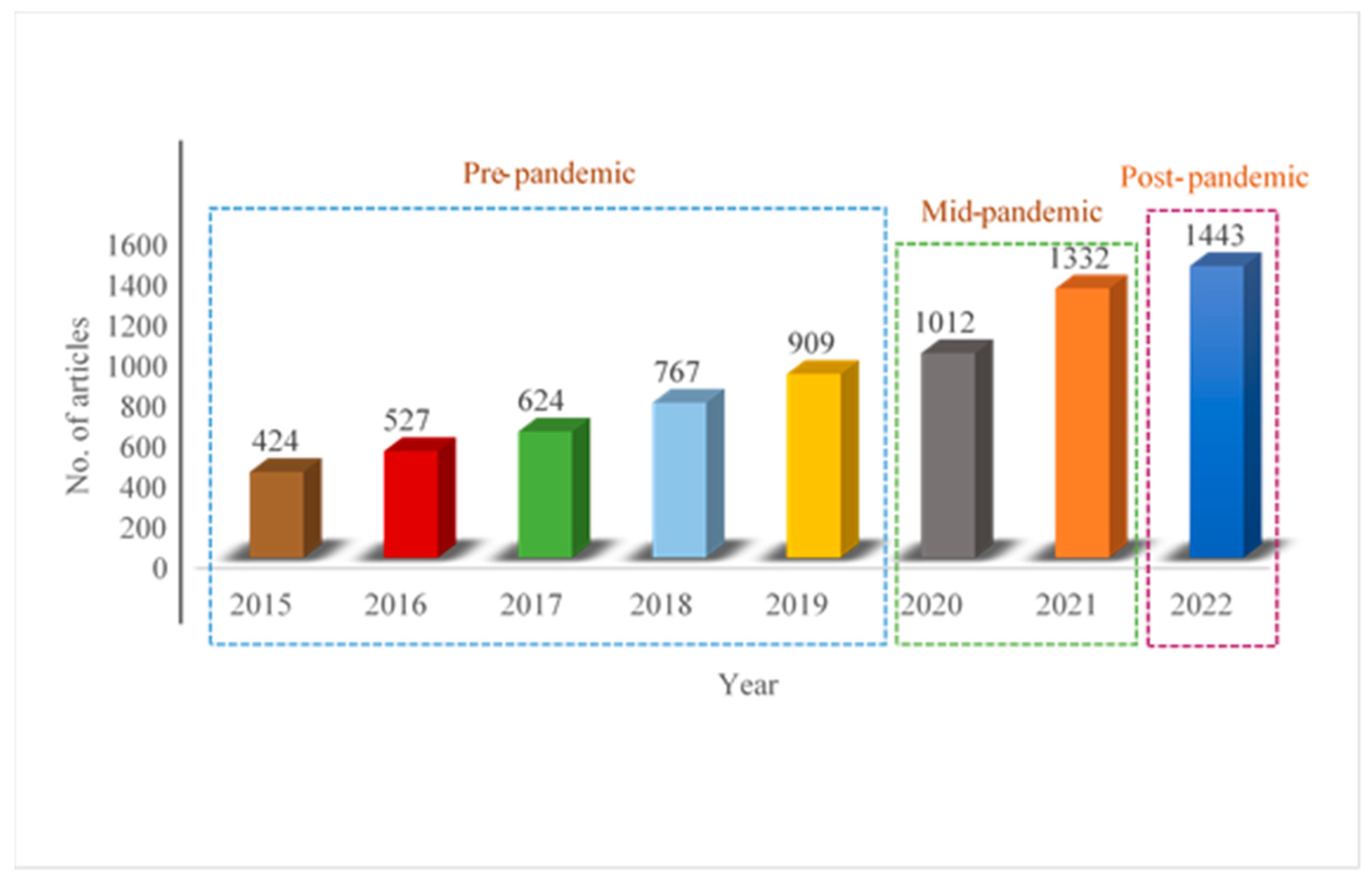
Figure 2.
Energy consumption by different sectors in the US.
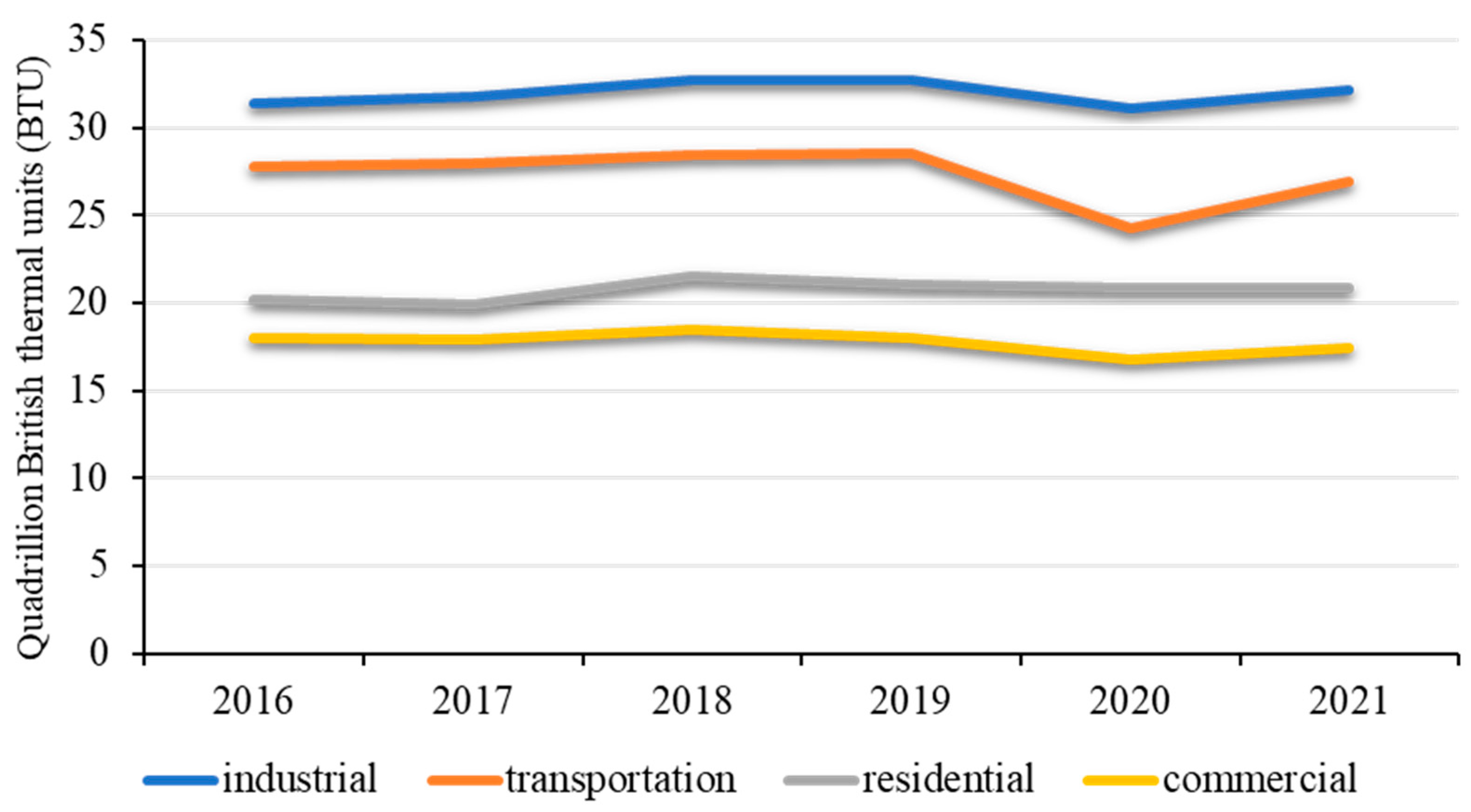
Figure 3.
The use of different communication medium and its effect on energy usage for different timeframe.
Figure 3.
The use of different communication medium and its effect on energy usage for different timeframe.
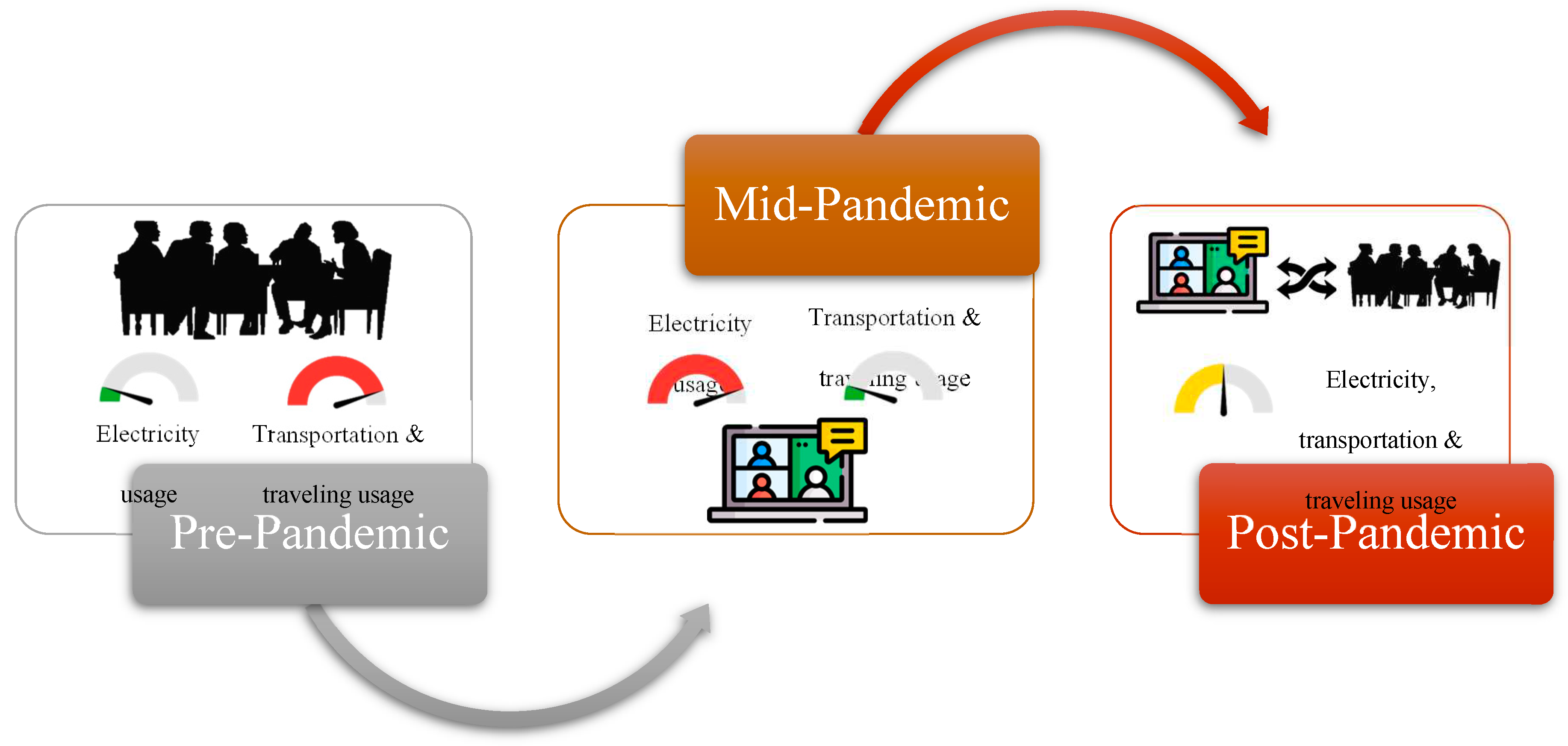
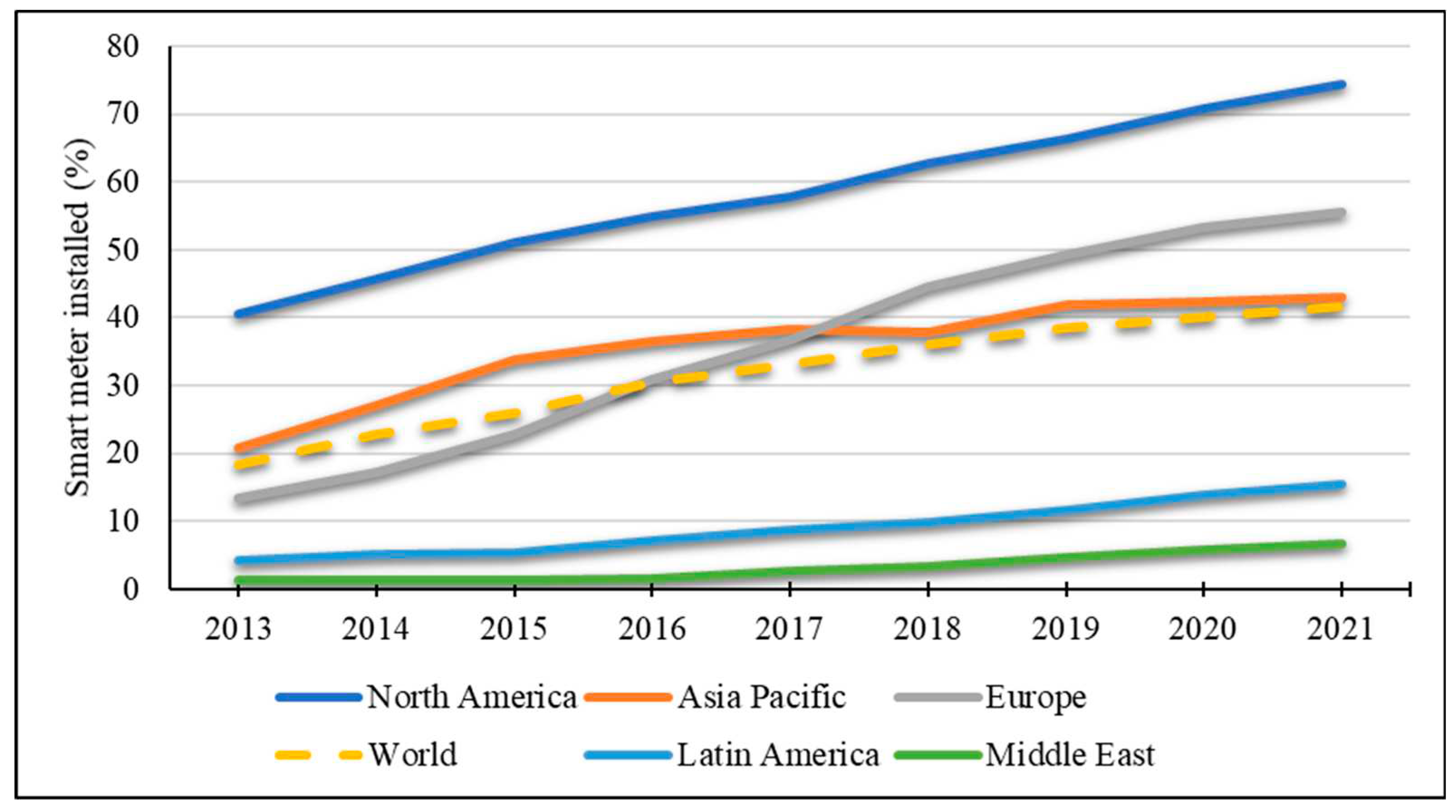
Figure 5.
Energy usage for different countries in 2020 [47].
Figure 5.
Energy usage for different countries in 2020 [47].
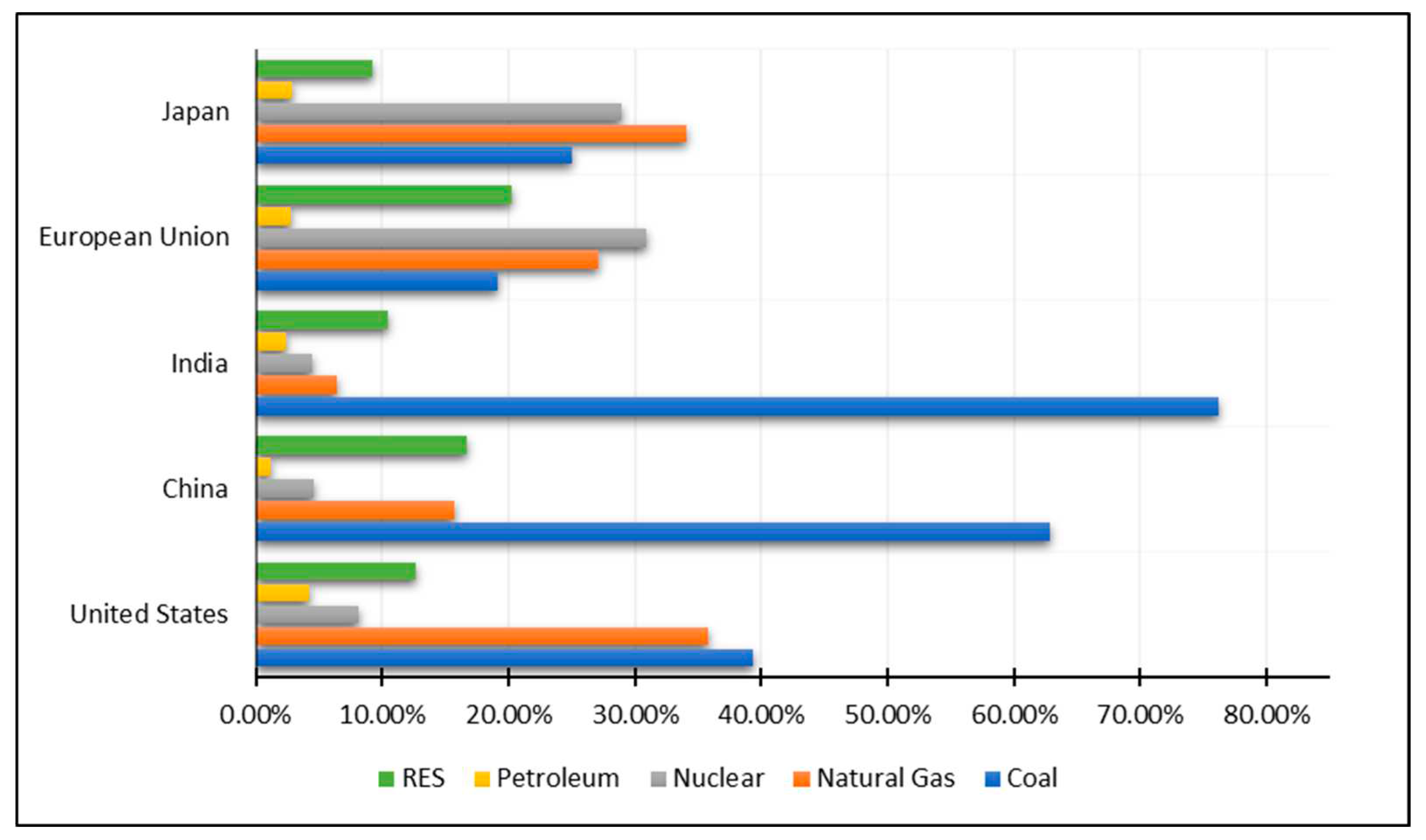
Figure 6.
EV sales for developed countries (US) and developing countries (Brazil, South Africa & China) from 2018 to 2021 [51].
Figure 6.
EV sales for developed countries (US) and developing countries (Brazil, South Africa & China) from 2018 to 2021 [51].
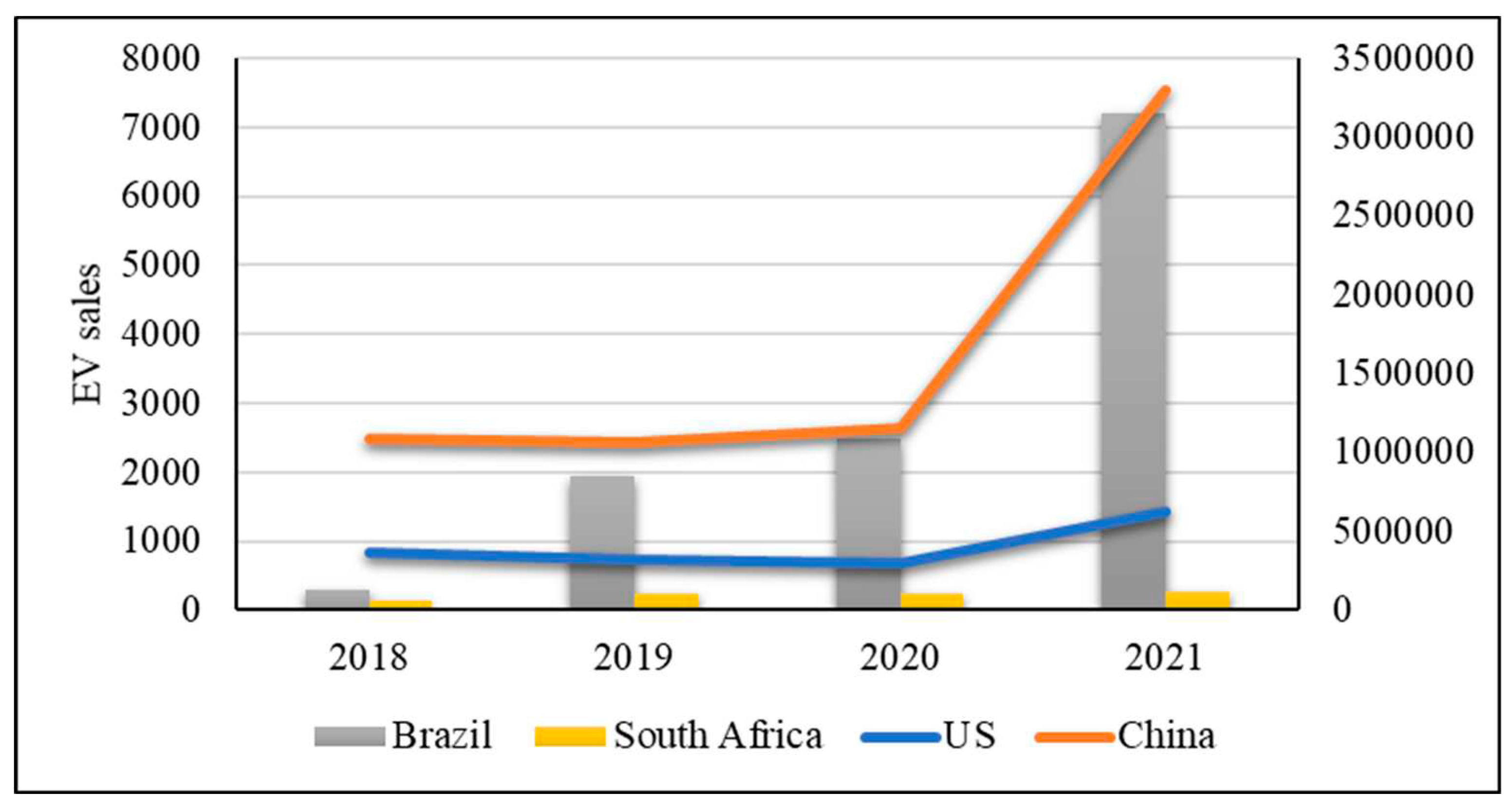
Figure 7.
CO2 emission from five largest emitter’s countries from 2017-2021.
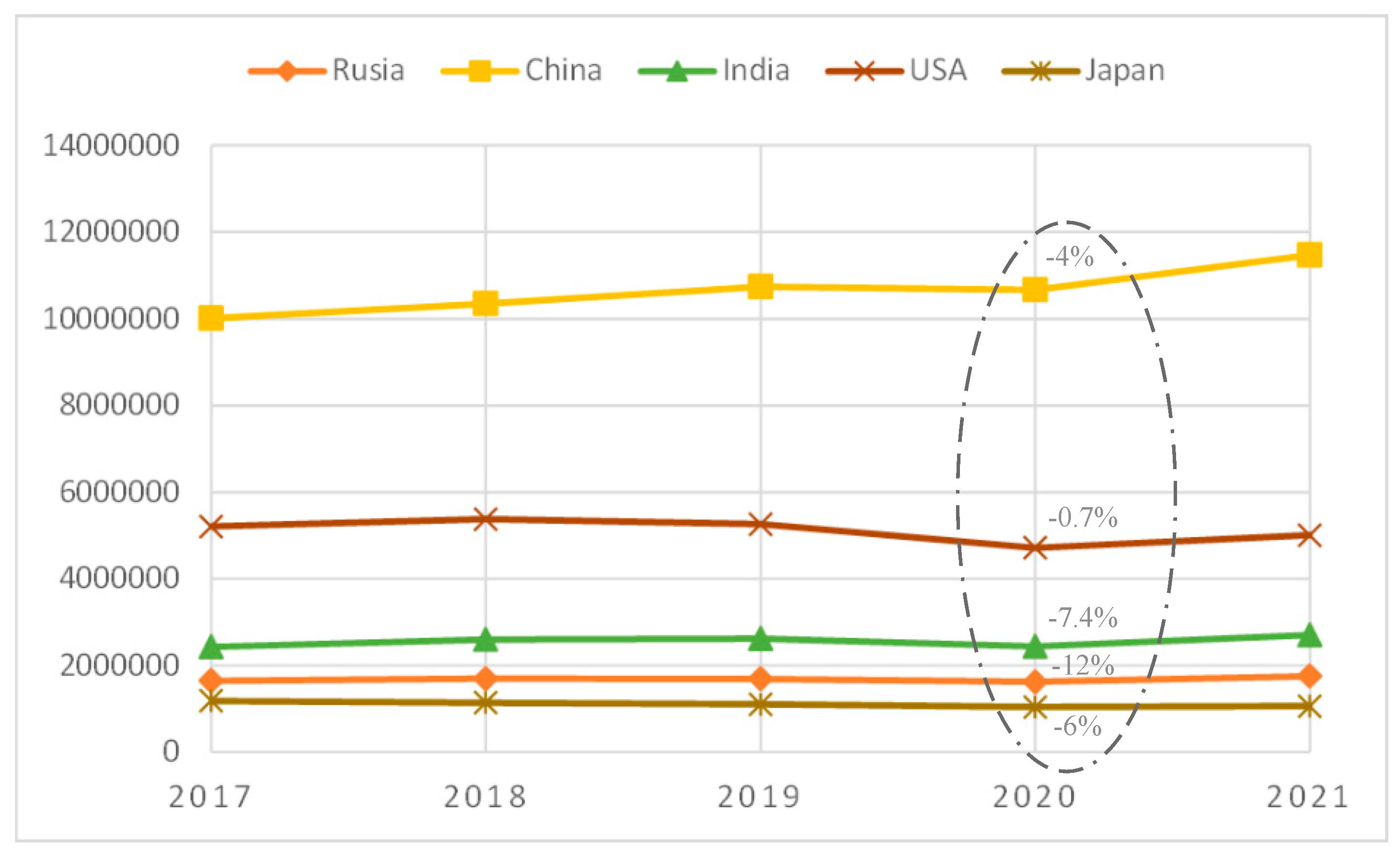
Figure 8.
Sources of CO2 emissions by sector [63].
Figure 8.
Sources of CO2 emissions by sector [63].
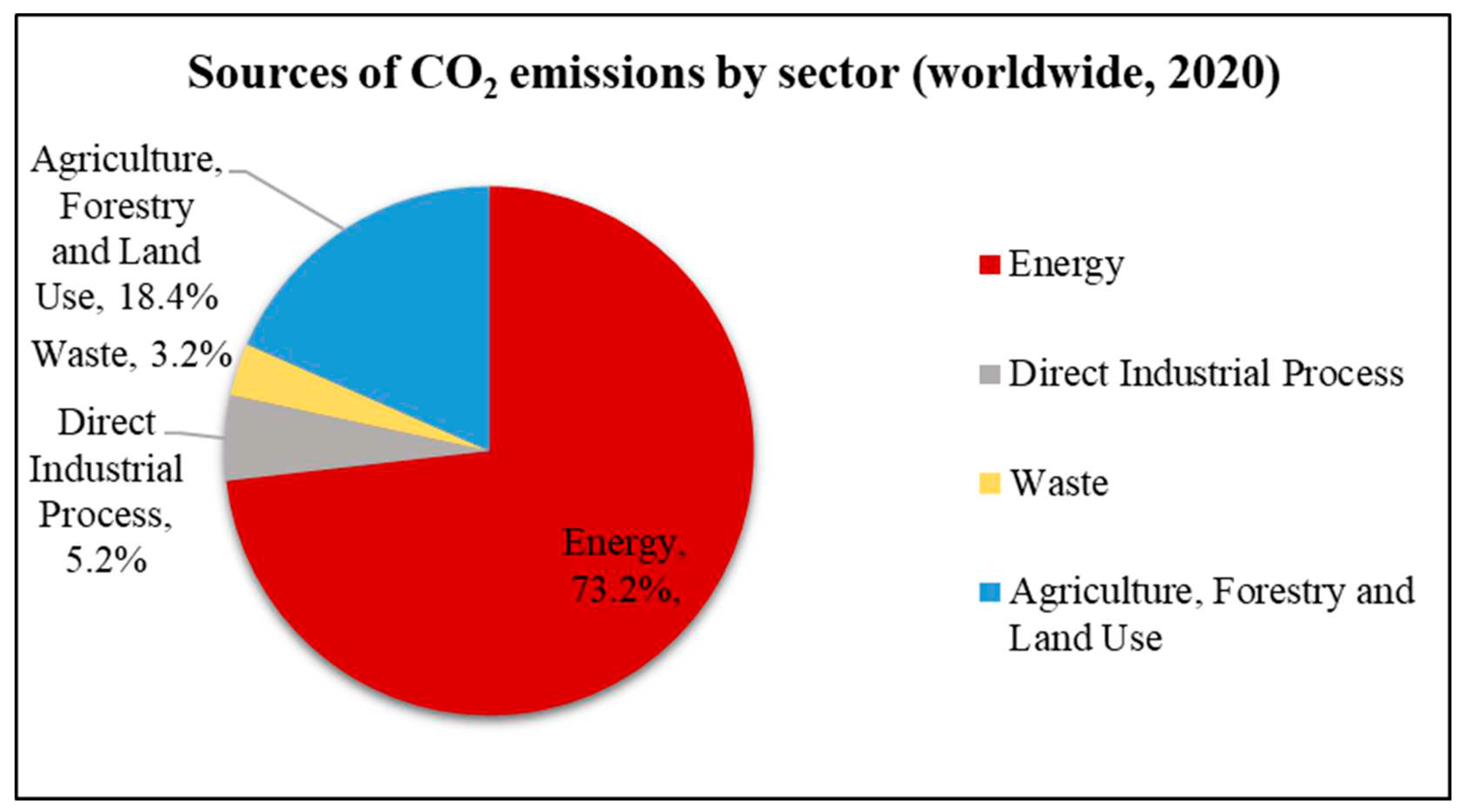
Figure 9.
(a)Number of articles published on AI within the energy sector from 2015 to 2023. (b)Type of documents published based on the number in (a).
Figure 9.
(a)Number of articles published on AI within the energy sector from 2015 to 2023. (b)Type of documents published based on the number in (a).
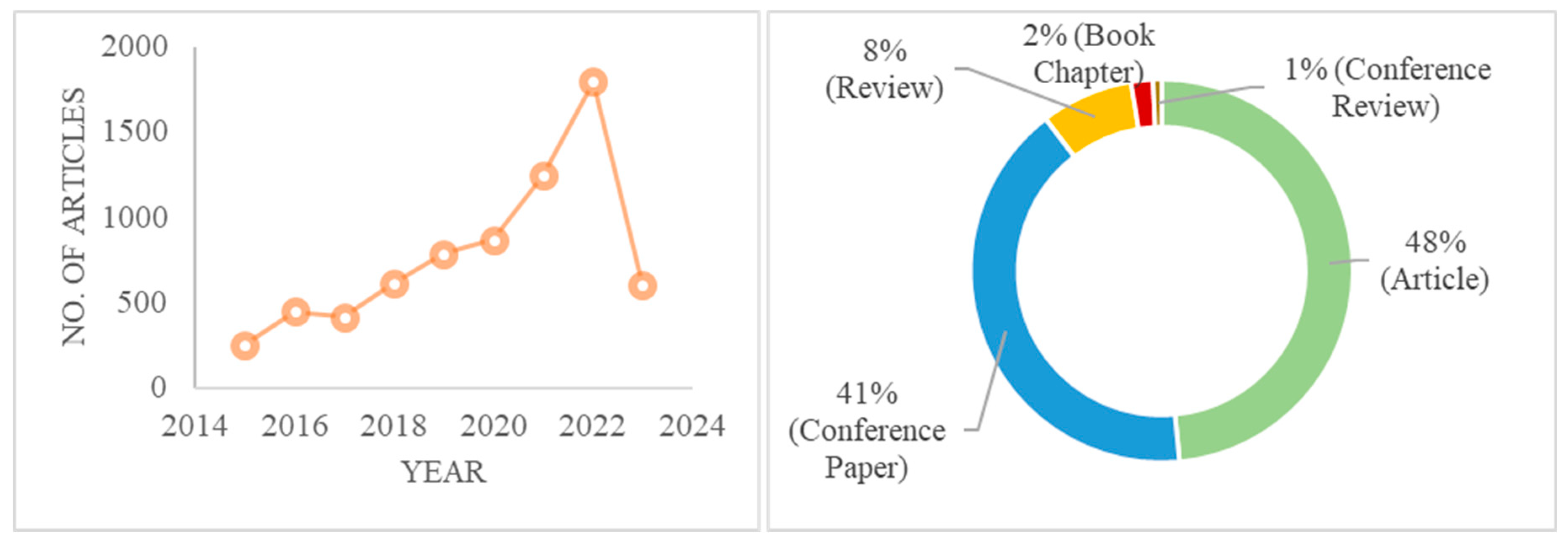

Table 1.
Review papers on AI in energy sectors.
| No | Authors | Title | Year | Source title | Cited by | DOI |
|---|---|---|---|---|---|---|
| 1 | Zhao N. et al. | Emerging information and communication technologies for smart energy systems and renewable transition | 2023 | Advances in Applied Energy | 2 | 10.1016/j.adapen.2023.100125 |
| 2 | Li J. et al. | Methods and applications for Artificial Intelligence, Big Data, Internet of Things, and Blockchain in smart energy management | 2023 | Energy and AI | 4 | 10.1016/j.egyai.2022.100208 |
| 3 | Bojanovský J. et al. | Rotary Kiln, a Unit on the Border of the Process and Energy Industry—Current State and Perspectives | 2022 | Sustainability (Switzerland) | 1 | 10.3390/su142113903 |
| 4 | Liu Z. et al. | Artificial intelligence powered large-scale renewable integrations in multi-energy systems for carbon neutrality transition: Challenges and future perspectives | 2022 | Energy and AI | 4 | 10.1016/j.egyai.2022.100195 |
| 5 | Singh R. et al. | Energy System 4.0: Digitalization of the Energy Sector with Inclination towards Sustainability | 2022 | Sensors | 9 | 10.3390/s22176619 |
| 6 | Amir M. and Khan S.Z. | Assessment of renewable energy: Status, challenges, COVID-19 impacts, opportunities, and sustainable energy solutions in Africa | 2022 | Energy and Built Environment | 25 | 10.1016/j.enbenv.2021.03.002 |
| 7 | Mitchell D. et al. | A review: Challenges and opportunities for artificial intelligence and robotics in the offshore wind sector | 2022 | Energy and AI | 10 | 10.1016/j.egyai.2022.100146 |
| 8 | Chawla Y. et al. | Artificial intelligence and information management in the energy transition of India: lessons from the global IT heart | 2022 | Digital Policy, Regulation and Governance | 7 | 10.1108/DPRG-05-2021-0062 |
| 9 | Kumbhar A. et al. | A comprehensive review: Machine learning and its application in integrated power system | 2021 | Energy Reports | 22 | 10.1016/j.egyr.2021.08.133 |
| 10 | Adekanbi M.L. | Optimization and digitization of wind farms using internet of things: A review | 2021 | International Journal of Energy Research | 10 | 10.1002/er.6942 |
| 11 | Mabina P. et al. | Sustainability matchmaking: Linking renewable sources to electric water heating through machine learning | 2021 | Energy and Buildings | 5 | 10.1016/j.enbuild.2021.111085 |
| 12 | Baashar Y. et al. | Toward blockchain technology in the energy environment | 2021 | Sustainability (Switzerland) | 8 | 10.3390/su13169008 |
| 13 | Chatterjee J. and Dethlefs N. | Scientometric review of artificial intelligence for operations & maintenance of wind turbines: The past, present and future | 2021 | Renewable and Sustainable Energy Reviews | 25 | 10.1016/j.rser.2021.111051 |
| 14 | Halhoul Merabet G. et al. | Intelligent building control systems for thermal comfort and energy-efficiency: A systematic review of artificial intelligence-assisted techniques | 2021 | Renewable and Sustainable Energy Reviews | 68 | 10.1016/j.rser.2021.110969 |
| 15 | Ahmad T. et al. | Artificial intelligence in sustainable energy industry: Status Quo, challenges and opportunities | 2021 | Journal of Cleaner Production | 111 | 10.1016/j.jclepro.2021.125834 |
| 16 | O’Dwyer E. et al. | Smart energy systems for sustainable smart cities: Current developments, trends and future directions | 2019 | Applied Energy | 187 | 10.1016/j.apenergy.2019.01.024 |
| 17 | Shafiee M. et al. | Decision support methods and applications in the upstream oil and gas sector | 2019 | Journal of Petroleum Science and Engineering | 37 | 10.1016/j.petrol.2018.10.050 |
| 18 | Fallah S.N. et al. | Computational intelligence on short-term load forecasting: A methodological overview | 2019 | Energies | 72 | 10.3390/en12030393 |
Table 2.
Review paper published during pre-, mid-, and post-pandemic related to energy research field.
Table 2.
Review paper published during pre-, mid-, and post-pandemic related to energy research field.
| Pre-pandemic | Mid-pandemic | Post-pandemic |
|---|---|---|
| Year: 2015 Author: Guo M. et al. Title: Bioenergy and biofuels:History, status, and perspective.Cited by: 554 DOI: 10.1016/j.rser.2014.10.013 |
Year: 2021 Author: Krauklis A.E. et al. Title: Composite material recycling technology—state-of-the-art and sustainable development for the 2020s Cited by: 94 DOI: 10.3390/jcs5010028 |
Year: 2022 Author: Ahmed A. et al. Title: Assessment of the renewable energy generation towards net-zero energy buildings: A review. Cited by: 59 DOI: 10.1016/j.enbuild.2021.111755 |
| Year: 2015 Author: Ürge-Vorsatz D. et al. Title: Heating and cooling energy trends and drivers in buildings. Cited by: 569 DOI: 10.1016/j.rser.2014.08.039 |
Year: 2021 Author: Krarti M. and Aldubyan M. Title: Review analysis of COVID-19 impact on electricity demand for residential buildings. Cited by: 118 DOI: 10.1016/j.rser.2021.110888 |
Year: 2022 Author: Osman A.I. et al. Title: Hydrogen production, storage, utilisation, and environmental impacts: a review. Cited by: 92 DOI:10.1007/s10311-021-01322-8 |
| Year: 2016 Author: Souayfane F. et al. Title: Phase change materials (PCM) for cooling applications in buildings: A review. Cited by: 491 DOI: 10.1016/j.enconman.2016.02.037 |
Year: 2021 Author: Nundy S. et al. Title: Impact of COVID-19 pandemic on socio-economic, energy-environment and transport sector globally and sustainable development goal (SDG). Cited by: 87 DOI: 10.1016/j.jclepro.2021.127705 |
Year: 2022 Author: Khezri R. et al. Title: Optimal planning of solar photovoltaic and battery storage systems for grid-connected residential sector: Review, challenges, and new perspectivesCited by: 69 DOI: 10.1016/j.rser.2021.111763 |
| Year: 2016 Author: Anuar Sharuddin S.D. et al. Title: A review on pyrolysis of plastic wastes Cited by: 997 DOI: 10.1016/j.enconman.2016.02.037 |
Year: 2021 Author: Sepasgozar S.M.E. Title: Differentiating digital twin from digital shadow: Elucidating a paradigm shift to expedite a smart, sustainable built environment. Cited by: 79 DOI:10.3390/buildings11040151 |
Year: 2022 Author: Kebede A.A. et al. Title: A comprehensive review of stationary energy storage devices for large scale renewable energy sources grid integration. Cited by: 96 DOI: 10.1016/j.rser.2022.112213 |
| Year: 2016 Author: Hosseini S.E. and Wahid M.A. Title: Hydrogen production from renewable and sustainable energy resources: Promising green energy carrier for clean development. Cited by: 1214 DOI: 10.1016/j.rser.2015.12.112 |
- | Year: 2022 Author: Ravi S.S. and Aziz M. Title: Utilization of Electric Vehicles for Vehicle-to-Grid Services: Progress and Perspectives. Cited by: 52 DOI:10.3390/en15020589 |
| Year: 2017 Author: Olivetti E.A. et al. Title: Lithium-Ion Battery Supply Chain Considerations: Analysis of Potential Bottlenecks in Critical Metals Cited by: 707 DOI: 10.1016/j.joule.2017.08.019 |
- | - |
| Year: 2017 Author: Al-Salem S.M. et al. Title: A review on thermal and catalytic pyrolysis of plastic solid waste (PSW) Cited by: 597 DOI: 10.1016/j.jenvman.2017.03.084 |
- | - |
Table 3.
Policy implementation on energy sector by US, France, and Switzerland from 2019 to 2021.
| 2019 | 2020 | 2021 | |
|---|---|---|---|
| US |
|
|
|
| France |
|
|
|
| Switzerland |
|
|
|
Disclaimer/Publisher’s Note: The statements, opinions and data contained in all publications are solely those of the individual author(s) and contributor(s) and not of MDPI and/or the editor(s). MDPI and/or the editor(s) disclaim responsibility for any injury to people or property resulting from any ideas, methods, instructions or products referred to in the content. |
© 2023 by the authors. Licensee MDPI, Basel, Switzerland. This article is an open access article distributed under the terms and conditions of the Creative Commons Attribution (CC BY) license (https://creativecommons.org/licenses/by/4.0/).
Copyright: This open access article is published under a Creative Commons CC BY 4.0 license, which permit the free download, distribution, and reuse, provided that the author and preprint are cited in any reuse.


