

Submitted:
16 June 2023
Posted:
19 June 2023
You are already at the latest version
Abstract
There are several Amazonian plant species with potential pharmacological validation for the treatment of acute kidney injury, a condition in which the kidneys are unable to adequately filter the blood, resulting in the accumulation of toxins and waste in the body. Scientific production on plant compounds capable of preventing or attenuating acute kidney injury, caused by several factors, including ischemia, toxins and inflammation, has shown promising results in animal models of acute kidney injury and some preliminary studies in humans. Despite the popular use of Amazonian plant species for kidney disorders, further pharmacological studies are needed to identify active compounds and subsequently conduct more complex preclinical trials. Thus, this review aimed to describe the pharmacological properties of phytocompounds from Amazonian plant species and their effectiveness in the prevention and treatment of Acute Kidney Injury. (AKI). The classes of Amazonian plant compounds with significant biological activities most evident in the consulted literature were alkaloids, flavonoids, tannins, steroids and terpenoids. An expressive phytochemical and pharmacological relevance of the studied species was identified, although many of them with insufficiently explored potential, mainly in face of AKI, a clinical condition with high morbidity and mortality.
Keywords:
Traditional medicine
; phytotherapy
; hypoxia
; oxidative stress
; nephroprotection
; antioxidant
; anti-inflammatory
; diuretic.
1. Introduction
Natural products have been a source of important biologically active substances, and this is due to the diversity of chemical compounds that can be found in plants, fungi, bacteria, among other organisms [1]. These compounds have a wide variety of structures and biological activities, which makes them potential candidates for the development of new drugs [2]. Products derived from plant species, in particular those from the Amazonian biodiversity, are a rich source of compounds with promising pharmacological properties, including nephroprotective, anti-inflammatory and antioxidant activity [3].
Some of the classes of Amazonian plant compounds have been investigated for their potential activity in kidney protection, among them, plant species belonging to the alkaloid classes, for their nephroprotective effects in experimental models of Acute Kidney Injury (AKI); flavonoids, due to antioxidant and anti-inflammatory properties with renal protective activity; tannins, due to their antioxidant and anti-inflammatory potential, with probable prevention or reduction of kidney damage induced by toxins and other substances; steroids, with anti-inflammatory and antioxidant activity, which may help to prevent acute kidney injury induced by oxidative stress; in addition to terpenoids, for their potent anti-inflammatory, antioxidant and immunomodulatory activity [4,5,6].
Therefore, knowing this Amazonian biodiversity allows us to exploit it in the best way and protect it. Mainly due to the existence of great expectations regarding the environmentally correct exploitation of natural resources, both for production and processing, as well as a fair return for the traditional population that lent its know-how [7].
These natural compounds can be isolated and used as models for the development of new drugs, or they can be chemically modified to improve their pharmacokinetic and pharmacodynamic properties, resulting in new compounds with potential therapeutic activity against AKI [8,9,10]. A medical condition that can lead to acute renal failure, with a high risk of morbidity and mortality [11]. AKI is characterized by an abrupt reduction in renal function, with accumulation of toxic metabolites and electrolytes in the body, triggering serious complications such as hemodynamic disorders, pulmonary edema, metabolic disorders and even death [12].
AKI can affect up to 7% of hospitalized patients and up to 50% of critically ill patients, being one of the main causes of mortality in this group of patients. The dysfunction comes from a variety of factors, including the use of nephrotoxic drugs, renal ischemia, heart failure, hypovolemia, sepsis, among others [13]. Advanced age, the presence of comorbidities such as diabetes and hypertension, and the use of invasive procedures such as cardiac surgery are also associated with a higher risk of developing AKI [12].
This clinical condition generates several social problems, especially in countries with precarious health systems, resulting in: a) increased health costs, due to the need for intensive and prolonged treatment, including intensive care, and, in some cases, dialysis; b) reduced quality of life, especially in the most serious cases, where recovery can be slow and complicated, resulting in loss of productivity, inability to work and the need for special care; c) socioeconomic inequalities, disproportionately affecting more vulnerable populations, including elderly patients, people with low socioeconomic status or with limited access to adequate health care; d) overload of health systems, especially in countries with limited resources, due to the requirement for intensive and long-term care [14].
AKI involves a series of complex mechanisms, including hemodynamic disturbances, in which there is a reduction in renal perfusion, with consequent hypoxia and ischemia, resulting in cell damage and inflammation [12]. AKI is often accompanied by kidney inflammation, which can contribute to cell damage and tubular dysfunction. This reduction in kidney function with damage to the epithelial cells of the renal tubules, releases toxic metabolites and electrolytes into the body, resulting in serious complications. In addition to tubular dysfunction, by reducing the ability to reabsorb water and electrolytes and reducing the ability to excrete toxic metabolites [13].
Based on its pathophysiology, it is classified into three types, pre-renal, due to a reduction in renal perfusion due to hypovolemia, heart failure or hypotension, resulting in hypoxia and cell damage; intrinsic: due to direct damage to the kidneys, including nephrotoxicity from medications, exposure to toxic chemicals, infections, or autoimmune diseases; postrenal, caused by kidney stones, tumors, or other obstructions to the flow of urine, resulting in accumulation of urine in the kidneys and subsequent damage [15].
Therefore, AKI can be potentially fatal if not treated properly, and conventional treatments often have significant side effects [12]. In this context, the Amazonian population uses several plant species with bioactive compounds to treat diseases of the renal and urinary system [16]. Traditional Amazonian medicine has contributed to the discovery of new bioactive products [1]. Therefore, developing drugs from plant species from the Amazon against AKI can help combat resistance to existing drugs; as well as minimizing significant side effects, including damage to the liver and other organs; improve effectiveness and provide new treatment options for AKI.
In this sense, this study constitutes, methodologically, an analytical bibliographic review related to the mapping of secondary metabolites found in Amazonian plant species with potential to treat AKI, belonging to the classes of alkaloid compounds, flavonoids, tannins, terpenoids and steroids, among the species highlighted are: Banisteriopsis caapi (Spruce ex Griseb.) Morton, Peganum harmala L., Passiflora edulis Sims, Annona muricata L., Uncaria tomentosa (Willd.) DC., Hymenaea courbaril L., Echinodorus macrophyllus (Kunth) Micheli, Acmella oleracea (L.) R. K. Jansen, Rosmarinus officinalis L., in addition to studies on its potential nephroprotective effects. Data collection was carried out from September 2022 to February 2023, using the following databases: CAPES journals, PubMed, Science Direct from Elsevier, Wiley Online Library, Springer-Nature, Taylor and Francis, BMC, Hindawi, Scielo, ACS—American Chemical Society, and Scholar Google, as well as databases of scientific articles and patents “The LENS” and “ORBIT Intelligence”.
The inclusion criteria for this work were: original articles exclusive to the genus and species studied, with full text available in Portuguese, English or other languages. Exclusion criteria were: abstracts, online sites without scientific sources, incomplete texts, unrelated and repeated articles.
As for the search strategy, the descriptive words used in this work were: species Banisteriopsis caapi (Spruce ex Griseb.) Morton; Peganum harmala L.; Passiflora edulis Sims; Annona muricata L.; Uncaria tomentosa (Willd.) DC.; Hymenaea courbaril L.; Echinodorus macrophyllus (Kunth) Micheli; Acmella oleracea (L.) R. K. Jansen; Rosmarinus officinalis L., correlated with secondary metabolites and their nephroprotective potential. The articles were selected by reading the titles and abstracts of the publications, associated with the Boolean descriptor “AND”, in order to refine the samples.
The review is based primarily on articles published after 2010. However, some older articles were also mentioned to provide relevant background or when providing well-documented information. The study shows the expressive phytochemical and pharmacological relevance of the studied species, although many of them with insufficiently explored potential, mainly in face of the AKI.
2. Secondary Metabolites and Nephroprotective Potential in Amazonian Plant Species
2.1. Classes of Compounds Present in Amazonian Plant Species
2.1.1. Alkaloids
Alkaloids are a class of nitrogenous organic compounds that occur naturally in plant species [17]. Such constituents are a class of chemical compounds with alkaline properties and that contain at least one nitrogen atom in their structure, being produced by plants as a form of defense against herbivores and pathogens [18].
Alkaloids are characterized by having a heterocyclic ring structure with at least one nitrogen atom, unlike aliphatic nitrogen compounds which are non-cyclic [19]. These substances can occur as homoligomeric or heteroligomeric monomers, dimers, trimers or tetramers. There are two main groups of alkaloids: those with a heterocyclic or non-heterocyclic chemical structure, and those of biological or natural origin, which come from specific sources [20].
Alkaloids can be divided into different classes or groups based on their chemical structures and properties: indole (serotonin, melatonin and tryptamine), isoquinoline (morphine, codeine and papaverine), terpenic (atropine, scopolamine and ephedrine), pyrrolizidine (senecionin and retronecin) [21].
Many alkaloids have pharmacological properties such as analgesics [22], hallucinogens [23], anesthetics [24], antidiabetic [25], anticancer [18]. Some studies suggest that plants that produce harmine, harmaline and tetrahydroharmine alkaloids may have nephroprotective biological activities, that is, they may protect the kidneys against damage [26].
2.1.2. Flavonoids
Flavonoids are a class of organic compounds widely distributed in nature. Characterized by their flavone chemical structure, which includes two aromatic rings joined by a three-carbon bridge. It has been the subject of studies due to the wide range of biological properties derived from its bioactive compounds [27]. Based on their chemical structures and biological properties, flavonoids are divided into several subclasses, such as flavones (a hydroxyl group at the 4 position of the B ring: luteolin and apigenin), flavonols (a hydroxyl group at the 3 position of the C ring: quercetin and kaempferol), flavanones (without a hydroxyl group at position 3 of the C ring: hesperidin and naringin), flavanols (a hydroxyl group at position 3 and a hydroxyl group at position 4 of the C ring: catechin and epicatechin), anthocyanins (water-soluble pigments responsible for the red, purple, and blue colors of many fruits and vegetables), isoflavones (found primarily in legumes) [28].
Several pre-clinical and clinical studies have documented the pharmacological activities of flavonoids, mainly their antioxidant properties [29,30], antidiabetics [31], ant obesity [32], antihyperlipidemic [33], anti-inflammatory [34], anti-osteoporotic effects [35], antiallergic and antithrombotic [36], in addition to being hepatoprotective [37], neuroprotective [38] and nephroprotectors [39,40,41], chemopreventives and anticancers [42], as well as having antibacterial, antifungal and antiviral activities [43]. Flavonoids can inhibit in vitro proliferation of several cancer cell lines and reduce tumor growth in animal models [42]. They are recognized as antioxidants and have properties that eliminate free radicals. Thus, they act as divalent cation chelators and have free radical scavenging properties, inhibiting lipid peroxidation, capillary permeability and platelet aggregation and fragility [44]. In addition, flavonoids regulate biological systems through the inhibition of several enzymes, including hydrolase, lipase, α-glucosidase, aldose reductase, cyclooxygenase, xanthine oxidase, hyaluronidase, alkaline phosphatase, arylsulfatase, lipoxygenase, Ca+2-ATPase, cAMP phosphodiesterase and various kinases [45].
2.1.3. Tannins
Tannins are the most abundant secondary metabolites produced by plants [46]. Tannins are widespread in the plant kingdom and occur in different concentrations in all parts of plant material, be it bark, fruit, wood or roots [47]. Vegetable tannins are generally classified into two groups: pyrogallol tannins or hydrolysable tannins and catechol tannins or condensable tannins. Those of the hydrolysable type, in turn, are subdivided into two groups, gallotannins, which produce gallic acid and glucose, and ellagitannins, which provide ellagic acid and glucose. Whereas, condensable tannins are not prone to hydrolysis but are amenable to oxidation and polymerization to form insoluble products known as red tannins/phlobaphenes [48].
Tannins have been the subject of several studies due to their potential pharmacological effects. They are known to have antioxidant activity, protecting the body's cells against oxidative damage caused by free radicals [49]; promote anti-inflammatory action [50]; are also able to kill or inhibit the growth of bacteria, fungi and viruses, thus exhibiting antimicrobial activity [51]; tannins have been studied for their potential antitumor effect by inhibiting the growth and proliferation of tumor cells [52]; also has hypoglycemic effects in vivo [53]; are excellent promoters of hepatoprotection, against damage caused by toxins and other harmful substances [54]; Among the cardiovascular effects, some studies suggest that tannins can help reduce the risk of cardiovascular diseases, including atherosclerosis and hypertension [55].
In terms of nephroprotection, the tannins obtained from the methanolic extract of the Jatropha tanjorensis leaf, improved the serum levels of the renal metabolites urea, uric acid and creatinine, in animals exposed to renal damage by sodium benzoate, treatment with the extract reversed significantly changes these important markers of kidney damage in a dose-dependent manner [56].
2.1.4. Steroids
Steroids are organic compounds that occur naturally in plants, have a characteristic sterol ring molecular structure [57]. Each type of steroid has a specific function, playing important roles in the physiology and biochemistry of those plant species in which they are found. such as phytosterols, which play an important role in regulating cell membrane permeability, while brassinosteroids act as growth and development hormones [58]. Although natural products are often associated with deleterious health effects, plant steroids have many medicinal applications and research continues to explore these secondary metabolites as potential leaders in drug design and discovery [59].
Several natural steroids have been extensively studied for pharmacological efficacy as antihormones [60], contraceptive drugs [61], anticancer agents [62], cardiovascular agents [63], osteoporosis medications [64], antibiotics, anesthetics, anti-inflammatories and antiasthmatics [65].
Important roles for steroids have been evaluated, in diuresis and renal protection, from secondary metabolites of plant species traditionally used by the Amazonian population [66]. Studies in animal models of nephrotoxicity have shown nephroprotective activity [67], reduction of lipid peroxidation and renal fibrosis, improvement of renal function in models of acute kidney injury [68].
2.1.5. Terpenoids
Terpenoids constitute the largest class of secondary metabolites and generally do not contain nitrogen or sulfur in their structures. As a consequence, many terpenoids have pronounced pharmacological activities and are therefore interesting for medicine and biotechnology [69].
Terpenoids are classified by the number of five-carbon (isoprene) units they contain. Thus, the smallest terpenes contain a single isoprene, being named hemiterpene, the monoterpenoids (with two isoprene units), sesquiterpenoids (three units), diterpenoids (four units), triterpenoids (six units), tetraterpenoids (eight units) and polyterpenoids (more than eight units). Each group of terpenoids has distinct physical and chemical properties, which influence their biological and pharmacological activities [70].
Several studies, in vitro, preclinical and clinical studies have confirmed that this class of compounds exhibits a wide range of very important pharmacological properties: analgesic, anti-inflammatory, anticancer, anticonvulsant, antibacterial, antiparasitic, nutraceutical activity [71,72].
Hence, the diverse collection of terpenoid structures and functions triggers increased interest in their commercial use, resulting in some with well-established medical applications being registered as drugs on the market [71].
2.2. Nefroprotective Potential of Amazonian Plant Species
There is a growing interest in the nephroprotective potential of Amazonian plant species. Several studies have investigated the potential of these species to prevent or treat kidney disease [73], Figure 1.
2.2.1. Banisteriopsis caapi (Spruce ex Griseb.) Morton
Banisteriopsis caapi (Spruce ex Griseb.) Morton is a woody liana, common around the Amazon Basin, belonging to the kingdom Plantae, class Equisetopsida C. Agardh, order Malpighiales Juss. Former Bercht. & J. Presl, family Malpighiaceae Juss., genus Banisteriopsis CB Rob. and species Banisteriopsis caapi (Spruce ex Griseb.) Morton, which has broad ethnopharmacological use by the Amazonian people [74]. It is a species used as the main ingredient of the hallucinogenic drink, called ayahuasca, consumed by religious groups in Brazil to treat various ailments [75]. Its consumption comes from the hallucinogenic properties known by many of the indigenous peoples of the Amazon for centuries [76].
Some species of the Malpighiaceae family are known to produce alkaloids, among them B. caapi (Spruce ex Griseb.) Morton. Harmine, one of the main alkaloids, found in B. caapi (Spruce ex Griseb.) Morton, A plant widely consumed by traditional peoples in the Ayahuasca drink, it is a β-carboline alkaloid widely disseminated due to its monoaminoxidase (MAO) inhibitory activity. As seen in the studies by Samoylenko et al. [77], in which they demonstrated potent effects of harmine and harmaline (obtained from aqueous extracts of fresh and dried branches of B. caapi (Spruce ex Griseb.) Morton on MAO inhibitory and antioxidant activity. In addition, strong antioxidant activity for inhibition of cellular Reactive Oxygen Species (ROS) generation by phorbol-12-myristate-13-acetate (PMA) has also been observed.
The effects of harmine against nicotine-induced damage in mouse kidneys were detailed by Salahshoor et al. [26]. In the study, administration of harmine to nicotine-treated animals significantly improved renal malondialdehyde (MDA), blood urea nitrogen (BUN), creatinine, and nitrite oxide levels and increased the number of glomeruli and the level of power. tissue ferric reducer/antioxidant (FRAP) compared to the nicotine group (p < 0.05), Table 1.
2.2.2. Peganum harmala L.
The studied group belongs to the kingdom Plantae, class Equisetopsida C. Agardh, order Sapindales Juss. ex Bercht. & J. Presl, family Nitrariaceae Lindl., genus Peganum L. and species Peganum harmala L. [102]The herbaceous P. harmala L. is perennial, branched, with leaves sectioned into 3 to 5 linear lobes, produces whitish-yellow flowers, and fruits in globular capsules with 3 chambers, containing black angular seeds [103]. It is commonly called wild rue, Syrian rue, African rue [104].
Most species of the Nitrariaceae family contain alkaloids, which have been the subject of studies for their possible biological and pharmacological activities. For example, the studies by Niu et al. [105], when investigating the protective effect of harmine – the major compound isolated from P. harmala L., in renal inflammation induced by lipopolysaccharide (LPS), as well as the respective molecular mechanisms involved, they showed that pre-treatment with harmine markedly alleviated the lesion kidney, reducing the release of renal biomarkers, inflammatory mediators and the formation of malondialdehyde (MDA) and myeloperoxidase (MPO), while increasing superoxide dismutase (SOD) and glutathione (GSH) and reducing renal histopathological changes. Furthermore, in immunohistochemical staining and western blot analysist, the study indicated that the treatment with harmine suppressed the expression of the toll-like receptor 4 (TLR4), phosphorylation of nuclear factor kappa B (NF-κB) p65 and κBα inhibitor (IκBα), while the referred treatment also inhibited the expression of NLRP3, caspase-1 and interleukin-1β (IL-1β). In summary, pretreatment with harmine extracted from P. harmala L. can protect against LPS-induced acute kidney injury by attenuating oxidative stress and inflammatory responses and increasing antioxidant activity. The underlying mechanisms of harmine in mice with LPS-induced acute kidney injury may be related to the inhibition of the TLR4-NF-κB and NLRP3 pathway of the inflammasome.
Another study observed the effects of harmine on the renal activity of mice after cisplatin administration. The researchers demonstrated that there was a significant decrease in the total antioxidant capacity of the renal tissue, in the diameter of the renal corpuscles and in the level of IL-10 expression in the group treated with cisplatin in relation to the control group, while the values of these parameters were significantly similar to those of the control group in the moderate or high dose groups of the groups treated with harmine + cisplatin. In addition, they noted significant increases in serum levels of urea and creatinine, Bowman's space, amount of malondialdehyde, apoptosis rate and gene expressions of TNF-α, NF-κB, IL-1β and caspase-3 in the renal tissue of the cisplatin group compared to the control group, while these criteria did not differ in the harmine + cisplatin moderate or high dose groups. Thus, the study considered that harmine protected the kidneys against damage induced by cisplatin, and the antioxidant, anti-inflammatory and anti-apoptotic properties of this compound were involved in the observed curative effect [79].
2.2.3. Passiflora edulis Sims
The species under study belongs to the kingdom Plantae, class Equisetopsida C. Agardh, order Malpighiales Juss. ex Bercht. & J. Presl, family Passifloraceae Juss. ex Roussel, genus Passiflora L. and species Passiflora edulis Sims, with wide ethnopharmacological use by the peoples of the Amazon. Passiflora edulis Sims is a vine, supported by axillary tendrils [106,106]. It consists of palmate leaves, usually three-lobed with serrated margins; large flowers, with long peduncles, whitish, with a purple and pink triple crown; fruits oval-shaped berries, containing abundant flat ovoid seeds, covered by a yellowish or brownish aril [107]. It has a vast geographic distribution: Brazil, Paraguay, Argentina, Antilles (West Indies islands), Central America, Venezuela and Ecuador. Commonly called passion fruit, passion fruit [84].
Pharmacological trials have shown numerous activities from compounds obtained from P. edulis Sims, including anxiolytic, sedative, neuropathic pain [81], activities linked to alcoholism and narcotics use [108], anticonvulsant and anxiolytic activity [82], cognitive function and degenerative diseases [83], antioxidant, antitumor action, hypoglycemic action, obesity, insomnia [84].
The species is rich in natural bioactive compounds, among them a significant content of flavonoids. Such as orientin and isoorientin, compounds with potential hypoglycemic effect, pointed out in the study by Galdino et al. [80] when evaluating the therapeutic effect of the aqueous extract of the fruit peel of P. edulis Sims as an adjuvant to insulin, to confer nephroprotection against diabetes induced by streptozotocin in Wistar rats. In the study, those animals treated with P. edulis extract showed superior glycemic control, which resulted in a reduction in the urinary albumin/creatinine ratio, maintenance of basal levels of mRNA expression of Nphs1, Nphs2, Wt1n in the renal tissue, expression of mRNA Lrp2, prevention of protein loss from the renal tissue to the urinary space, together with the maintenance of glomerular basement membrane thickness, hyalinization, glomerular and tubulointerstitial fibrosis in values close to those of the control group and significantly lower than those in the diabetic group. Therefore, the extract of P. edulis revealed potential therapeutic action of nephroprotection, due to the reduction and prevention of the development of diabetic kidney disease.
The protective effect of flavonoids from P. edulis Sims was evaluated in alloxan-induced diabetic Rattus norvegicus. In which researchers observed renal dysfunction in uncontrolled diabetic groups, given the increased production of free radicals, with probable cellular damage and tubular damage, resulting in renal inflammation. In the study, biomarkers urea and creatinine were measured in the animals' bloodstream. Thus, diabetic animals that received the flavonoid fraction of P. edulis Sims had lower urea and creatinine values when compared to the control group [109].
2.2.4. Annona muricata L.
This plant species belongs to the kingdom Plantae, class Equisetopsida C. Agardh, order Magnoliales Bromhead, family Annonaceae Juss., genus Annona L. and species Annona muricata L., with various uses in traditional indigenous medicine [110], It is medium to large in size, reaching up to 10 meters in height. Its leaves are green and shiny, with an oval shape and smooth texture, while its flowers are large and solitary, with thick, yellowish petals [111]. The species is widely distributed geographically, being found in several tropical regions of the world, including Central and South America, Africa and Asia. It is known by several popular names, such as soursop, fruit of the count and heart of queen, and is cultivated for its edible fruits, which have a sweet and slightly acidic taste [112].
In addition to its gastronomic uses, A. muricata L. is also consumed due to its medicinal properties. Many of them come from bioactive compounds present in its leaves, seeds and fruits, with antioxidant, anti-inflammatory, anti-parasitic and anticancer activity [87].
A well-described example in the scientific literature is the species A. muricata L. This species has been studied for its bioactive metabolites, including acetogenins, and its constituents may have anticancer, hepatoprotective, neurotoxic, antinociceptive, antiulcerative and chemopreventive activity [85].
A study of veterinary pharmacology and toxicology [113] demonstrated that A. muricata L. attenuates glycerol-induced nephrotoxicity in male albino rats through angiotensin-converting enzyme (ACE) signaling pathways. The methanolic extract of the leaves of A. muricata L., in that study, caused a significant decrease in the expression of the kidney injury molecule 1 (KIM-1) and exhibited antioxidant properties. This nephroprotective effect of the extract was observed by improving the levels of enzymatic and non-enzymatic antioxidants, suppressing inflammatory processes and inhibiting lipid peroxidation, revealing such antioxidant and anti-inflammatory properties.
2.2.5. Uncaria tomentosa (Willd.) DC.
O The group studied has wide ethnopharmacological use in the Amazon, belongs to the kingdom Plantae, class Equisetopsida C. Agardh, order Gentianales Juss. ex Bercht. & J. Presl, family Rubiaceae Juss., genus Uncaria Schreb. and species Uncaria tomentosa (Willd.) DC [114]. Preliminary phytochemical screenings demonstrated the marked presence of tannins in species belonging to the Rubiaceae family. These plant species are widely disseminated in the culture of traditional peoples and communities, due to their richness in the production of bioactive compounds [115,116].
Other phytochemical studies have found tetracyclic and pentacyclic oxindole alkaloids; indole and β-carbonyl alkaloids; flavonoids [117]; coumarins [118]; proanthocyanidins, steroids, ursan-derived triterpenoids and quinovic acid glycosides [119].
The species U. tomentosa (Willd.) DC. has been associated with several health benefits, such as antioxidant and immunomodulatory, anti-inflammatory, analgesic and anticancer action, in addition to other medicinal properties. In traditional medicine the plant is used to treat a variety of conditions, including infections, arthritis, diabetes, gastrointestinal problems and “kidney cleansing” [89].
The renal benefits of herbal medicines such as U. tomentosa (Willd.) DC. have been demonstrated in the studies by Vattimo and Silva [120], when performing a pre-treatment with U. tomentosa (Willd.) DC. in experimental models of ischemia/reperfusion, in which there was functional protection assessed by increased creatinine clearance, reduced peroxidation and urinary thiobarbituric acid reactive substances (TBARS), probably related to the anti-oxidant activities of the herbal medicine.
2.2.6. Hymenaea courbaril L.
The studied group belongs to the kingdom Plantae, class Equisetopsida C. Agardh, order Fabales Bromhead, family Fabaceae Lindl., genus Hymenaea L. and species Hy-menaea courbaril L. [121] The Fabaceae family is known to produce a wide variety of bioactive compounds, including tannins. The tannins present in Hymenaea courbaril L. have been the object of research for their potential biological effects, such as antioxidant, antiulcerogenic, anti-inflammatory and antitumor properties [91]. Some studies also report the antiviral and antibacterial activity of these compounds [122].
Hymenaea courbaril L. has a wide distribution in South America and Central America, it is a large tree, reaching 15 to 20 m in height and the trunk can be up to 1 m in diameter [123]. The flowers are pollinated by bats. Ripe fruits are much appreciated by rodents, birds and monkeys, which, when breaking the fruits, release the seeds [124]. Its wood is considered valuable due to its high density and resistance to attack by xylophagous organisms. In the Amazon region, the species is known as jassaí, jataí, jataíba, jataíba stone, jataúba, jatel, jati, jatobá de anta, jutaí, jutaí açu, jutaí white, jutaí grande, jutaí catinga [125].
The main phytochemical constituents found in the species are flavonoids, such as quercetin, kaempferol and isorhamnetin, present in the leaves and fruits; tannins, such as catechins and proanthocyanidins, most commonly found in bark and seeds; fatty acids, including oleic and linoleic acid (seeds); stilbenes, such as trans-resveratrol, found in the bark and fruit [126,127].
The tea produced from the bark of H. courbaril L. is indicated to treat kidney problems [128]. Pereira et al. [129] demonstrated the oxidizing activity of the methanolic fraction of H. courbaril L. seeds in mice treated with acetaminophen, the study showed the probable restoration of renal glutathione (GSH) levels in animals treated with the extract, in addition to reversing the increase in carbonylated proteins. Another study, using aqueous extracts of seed or bark of H. courbaril L., observed a reduction in renal levels of reactive substances to thiobarbituric acid in 7 days after treatment [130].
2.2.7. Echinodorus macrophyllus (Kunth) Micheli
This species belongs to the kingdom Plantae, class Equisetopsida C. Agardh, order Alismatales R. Br. ex Bercht. & J. Presl, family Alismataceae Vent., genus Echinodorus Rich. and the species Echinodorus macrophyllus (Kunth) Micheli, widely used by traditional medicine in Brazil [131]. The Alismataceae family is known for the presence of several bioactive compounds. Many Alismataceae species have traditionally been used in folk medicine for the treatment of a vast range of diseases, due to their diuretic and anti-inflammatory effects, as well as in kidney and liver disorders [94]. Some of the bioactive compounds present in plants of this family, such as Echinodorus macrophyllus, have been the object of scientific investigation for their pharmacological properties and possible therapeutic applications [132].
Echinodorus macrophyllus is a perennial plant, herbaceous or subshrub, of aquatic origin and emerging from the water. It has rhizomes and can reach between 1 and 2 meters in height. Its leaves are petiolate, oval, with a heart-shaped base and a sharp tip [133]. Popularly, the species is known as leather hat, water hyacinth, campanha tea, brejo tea, poor man's tea, mineiro tea, congonha do brejo, brejo herb, swamp herb [134].
According to Silva et al. [92], among the constituents produced by the species, the terpenic profile containing linalool, α- and β-caryophyllene, E-nerolidol, phytol as predominant, as well as a variety of diterpenoids belonging to the same classes, such as the chapecoderines of the group of labdanos. Furthermore, a (+)-3-carene derivative was detected along with a significant proportion of carotenoids. Gasparotto et al. [93] demonstrated the presence of the flavonoids vitexin and isovitexin. While Garcia et al. [135] found the presence of phenylpropanoids in the species, such as ferulic and E-caffeoyl tartronic acid (2-E-caffeoyloxymalonic acid).
Traditionally, the Amazonian population uses extracts from the leaves of E. mac-rophyllus, from infusion, decoction or maceration methods, in water or alcohol, to treat urinary system disorders, as it is known as a powerful diuretic agent. In view of popular usage, Nascimento et al. [136] demonstrated that preconditioning with E. macrophyllus attenuated cyclophosphamide-induced acute kidney injury in rats as evidenced by increased creatinine clearance and reduced oxidative metabolites in urine and increased reserve of antioxidant enzymes in renal tissue.
Studies carried out in a model of acute kidney injury induced by gentamicin found similar results of antioxidant protection of E. macrophyllus, when administering crude ethanolic extract of leaves and fractions of E. macrophyllus by endogastric route, in normal rats or with acute tubular necrosis induced by gentamicin -cine. They thus demonstrated that it produced a dose-dependent reduction in urine output. The extracts in question were effective in reversing all changes induced by gentamicin, such as polyuria and reduction in the glomerular filtration rate, in addition, the morphological changes induced by gentamicin were not observed in animals that extracts of E. macrophyllus concomitantly with gentamycin [132]
2.2.8. Acmella oleracea (L.) R. K. Jansen
The studied group belongs to the kingdom Plantae, class Equisetopsida C. Agardh, order Asterales Link, family Asteraceae Bercht. & J. Presl, genus Acmella Rich. ex Pers. and the species Acmella oleracea (L.) R. K. Jansen, which is widely used in medicine and cooking by traditional Amazonian peoples [137]. The Asteraceae family is known for the presence of bioactive compounds, such as sesquiterpene lactones and flavonoids [138]. Primarily for their medicinal properties, species in this family have traditionally been used to treat a wide range of ailments, including respiratory problems, inflammation, headaches, gastrointestinal problems and infectious diseases [24]. Scientific research has focused on some of the bioactive compounds present in plants of this family, such as Acmella oleracea, in search of possible therapeutic applications, such as analgesic, anti-inflammatory, antimicrobial and antioxidant activity [99].
Acmella oleracea is an important medicinal herb, which occurs in tropical and subtropical regions of the planet. It is an annual, perennial herbaceous, 30-40 cm high, semi-straight, or creeping, with cylindrical, fleshy stem and decumbent branches, usually without roots at the nodes. The main root is pivotal, with abundant lateral branches. The leaves are opposite, membranous and petiolate [139]. The species is popularly known as jambu, cress from pará, abecedária, cress bravo, cress from Brazil, cress from the north, buttercup, crazy herb, jabuaçu, nhambu [99].
Acmella oleracea is used in northern Brazil for the treatment of various diseases, such as tuberculosis, flu, cough, rheumatism and as an anti-inflammatory; in addition, hydroethanolic formulations with this species are popularly used as a female aphrodisiac, treatment of male sexual dysfunctions, in addition to diuretic [98,99].
Regarding the production of metabolites, A. oleracea is a rich source of secondary metabolites, and its phytochemistry has been widely investigated [140]. Borges et al. [141] observed an increase of 31.6% in the content of spilanthol and 16.8% of flavonoids in the in-florescences and higher contents of total phenols, carotenoids, spermidine and spermine in the leaves and flowers of jambú. The work by Abeysiri et al. [95] revealed that alkaloids, flavonoids, saponins, steroid glycosides and tannins are distributed in all parts of the plant. Going in more detail into the phytochemical composition of A. oleracea, several triterpenoids were found, such as 3-acetylaleuritolic acid, β-sitostenone and stigmasterol. Furthermore, steroidal glycosides, namely stigmasteryl-3-O-β-D-glucopyranoside and β-sitosteryl-3-O-β-D-glucopyranoside have been identified. Furthermore, several phenolic compounds were detected, such as vanillic, trans-ferulic and trans-isoferulic acids; scopoletin; and fatty acids such as n-hexadecanoic and n-tetradecanoic acids [95,96,97].
Some studies have observed a marked diuretic action of aqueous extract of A. oleracea inflorescences in rats, the authors have described an increase in Na+ and K+ levels and a reduction in osmolarity in the urine of animals treated with the extract [142]. While Yadav and collaborators [143] showed that the ethanolic extract of A. oleracea in rats provided diuresis similar to that produced by the action of furosemide. Gerbino et al. [144] consider that the inhibition of cyclic AMP induced by spilanthol negatively modulates the mechanisms of urine concentration. Furthermore, the mechanisms of action on the kidney show that A. oleracea is a promising source of compounds with diuretic activity.
2.2.9. Rosmarinus officinalis L.
The species belongs to the kingdom Plantae, class Equisetopsida C. Agardh, order Lamiales Bromhead, family Lamiaceae Martinov, genus Rosmarinus L. and species Rosma-rinus officinalis L., which has wide ethnopharmacological use [145]. The Lamiaceae family is one of the most important herbaceous families, it is composed of an immense variety of plant species with biological and medicinal applications [101]. This family includes numerous aromatic spices, including Rosmarinus officinalis L., a plant species commonly known as rosemary, useful in cooking due to its characteristic aroma, it is a plant widely used by indigenous populations where it grows spontaneously [146].
Rosmarinus officinalis is a shrubby herb, widely used in culinary, medicinal and commercial uses, including the fragrance and food industries [147]. The leaves (fresh or dried) are consumed due to the characteristic odor that they offer to the dish, as well as they are consumed in small amounts in the form of tea, while extracts of R. officinalis are regularly used for their active natural antioxidant properties to improve shelf life of perishable foods [148].
Phytochemical screenings carried out on the species revealed 0.5% to 2.5% volatile oil in the leaves. Among the phytocompounds, the species exhibits the presence of monoterpene hydrocarbons (alpha and beta-pinene), camphene, limonene, camphor (10% to 20%), borneol, cineol, linalool and verbinol [100]. In addition to numerous volatile and aromatic components. The species has flavonoids, such as diosmetin, diosmin, genkwanin, luteolin, hispidulin and apigenin. As well as terpenoid compounds such as triterpenes (oleanolic and ursolic acid) and diterpene carnosol. Among the phenols found in the species, there are caffeic, chlorogenic, labiatic, neochlorogenic and rosmarinic acids. As well as a considerable number of salicylates [147,148,149].
Among the ethnomedicinal applications R. officinalis has analgesic, anti-inflammatory, anticarcinogenic, antirheumatic, nephroprotective, spasmolytic, anti-hepatotoxic, atherosclerotic, carminative and choleretic action, there is also protection against UV and gamma radiation and improvement of stress [101].
Zohrabi et al. [150] investigated the effect of oral extract of R. officinalis on acute renal failure (ARF) disorders induced by ischemia/reperfusion in rats. The authors showed that the aqueous extract of R. officinalis suffered the oxidative stress marker malondialdehyde (MDA), increased the ferric antioxidant reducing power (FRAP) compared to the vehicle groups and, regarding the histopathological analyses, observed a significant reduction in vessel management, disturbance of the tubules and Bowman's Capsule space in the R. officinalis group compared to the vehicle groups.
Another study evaluated the effectiveness of R. officinalis essential oil (REO) against changes induced by potassium dichromate in the kidneys of male rats. In which they injected hexavalent chromium to induce renal dysfunction (oxidative damage and alterations in the antioxidant defense system, histopathological and immunohistochemical alterations). The animals were treated with REO before/or after the induction of renal dysfunction, resulting in an improvement in the toxic effect by extinguishing, chelating and detoxifying free radicals and enhancing the state of antioxidant defense [151].
2.3. Nefroprotective Potential of Compounds from Amazonian Plant Species
Ischemic injury is a complex process of severe vasoconstriction, hypoxia, mainly in the renal cortex, with impairment of cellular integrity. The pathogenesis of ischemia and reperfusion injury involves multiple cellular and extracellular mechanisms [152].
Certain classes of plant compounds present in the Amazon, such as alkaloids, flavonoids, tannins, steroids and terpenoids, have been investigated for their promising nephroprotective activity, including the modulation of different cellular mechanisms, thus promoting antioxidant activity, as well as anti-inflammatory [153].
The renal inflammatory process is characterized by an increase in chemotactic factors, including the chemokine protein chemotaxic protein-1 for monocytes (MCP-1) [154] and granulocyte and macrophage colony-stimulating factor (GM-CSF) [155]. Endothelial damage favors the formation of intercellular adhesion molecules (ICAM-1), adhesion molecules (VCAM) and P and E selectins, which promote leukocyte-endothelium interaction, platelet adhesion and mechanical obstruction of the renal microvasculature. Monocytes cross the vascular endothelium and migrate to the damaged tissue, generating macrophages that produce inflammatory mediators, including transforming growth factor beta (TGF-β), tumor necrosis factor alpha (TNF-α) and interleukins 1, 6 and 12, Figure 2 [156].
CXC motif chemokine ligand 1 (CXCL1) is a cytokine belonging to the CXC subfamily of chemokines whose main receptor is CXC motif chemokine 2 (CXCR2), causing the migration and infiltration of neutrophils to sites of high expression [157]. CXCL1 plays a role in many adverse conditions associated with inflammation and neutrophil accumulation. Neutrophils phagocytose using reactive oxygen species (ROS), reactive nitrogen species (RNS) and other reactive small molecule compounds in affected tissues [158].
Factors such as pro-inflammatory cytokines, such as interleukin-1β (IL-1β) and tumor necrosis factor α (TNF-α) act to increase the expression of CXCL1, these cytokines activate the nuclear factor κB (NF-κB), which also attenuated in the increase of its expression [159]. The most significant CXCL1 receptor is CXCR2, a G protein-coupled receptor that acts in signal transduction by activating several signaling pathways such as extracellular signal-regulated kinase (ERK), mitogen-activated protein kinase (MAPK), focal adhesion kinase (FAK) [160].
Toll-like receptors (TLR), especially subtype 4 (TLR4) and the protein cluster of differentiation 14 (CD14) existing on the surface of monocytes, macrophages, dendritic cells and neutrophils act in the immunomodulatory activity [161]. TLR4 is responsible for initiating the production of inflammatory cytokines, increasing renal oxidative stress, macrophage-mediated inflammation, as well as activating the nuclear factor κB (NF-κB), essential in initiating the intrarenal inflammatory response in the event of of nephrotoxicity [162,163].
NLR family pyrin domain containing 3 (NLRP3) are investigated for their association with chronic metabolic and inflammatory diseases [164]. This receptor regulates post-transcriptional processes, with formation of the inflammasome, composed of active caspase-1 and ASC adapter protein (apoptosis-associated speck-like protein containing a CARD domain), which promote the cleavage of inactive pro-IL-1β interleukins and pro-IL-18 in their active forms [165,166].
NF-κB activation requires the transcription of specific genes that intervene in the encoding of inflammatory mediators, promoting immune, proliferative, anti-apoptotic and inflammatory responses [167]. This causes increased expression of tumor necrosis factor-α (TNF-α) in renal tubular cells, an important cytokine involved in systemic inflammation that coordinates the activation of a large network of pro-inflammatory cytokines, such as interleukin- 1, 4, 6 (IL-1β, IL-4, IL-6), transforming growth factor β-1 (TGF-β 1) and the chemokine chemotaxic protein-1 for monocytes (MCP-1) [168,169].
As well as the increased expression of renal injury molecule 1 (KIM-1) a tubular transmembrane protein, which has a signaling function, due to being associated with the activation of T cells and the immune response. When chronically expressed, it results in progressive renal fibrosis and chronic renal failure [170].
The inflammatory response with release of TNF-α, interferon-γ (IFN-γ) and IL-1 induces the expression of the enzyme inducible nitric oxide synthase (iNOS) in the renal medulla, in the glomerular mesangial cells and in the endothelium cells of the renal vasculature [171]. The release of inflammatory enzymes such as COX-2, whose transcription is dependent on NK-κB [172], as well as nitric oxide (NO), the free radical has the ability to interact with ROS and form toxic molecules such as peroxidonitrite, which oxidize and damage cell membrane proteins with even greater toxicity [171]. Therefore, phytochemical constituents found in Amazonian species may act to inhibit or attenuate these pathways.
The mitogen-activated protein kinases (MAPKs) signaling system consists of protein pathways with serine/threonine kinase activity. MAPKs are induced by cellular stress, inflammatory responses, and apoptotic pathways initiated by a variety of biological stressors [173]. MAPKs lead to the degradation of Iκβ (NF-κβ inhibitor), consequently, they act in the activation and migration of NF-κβ to the nucleus, producing pro-inflammatory cytokines including TNF-α [174].
Flavonoids and other classes of compounds also regulate many pathways such as MAPK, extracellular signal-regulated kinase (ERK), phosphoinositide 3 kinase (PI3K)/Akt, and protein kinase-related pathways to reduce oxidative stress and inflammation, potentially having effects nephroprotectors [175].
Additionally, these natural compounds can reduce inflammation by acting on many regulatory substances. These include inhibition of NF-κB, activator protein-1 (AP-1), interleukin-1beta (IL-1β), tumor necrosis factor alpha (TNF-α), IL-6, IL-8 and COX2 [175,176].
Likewise, they act on promising and potent antioxidant molecules that confer anti-inflammatory activity, inducing transcription factors such as Nrf2, an antioxidant responsive element (ARE), which mediates the expression of antioxidant proteins. Nrf2 acts by suppressing the expression of MCP-1 and VCAM-1 and, thus, decreasing monocyte adhesion and transmigration to endothelial cells, which consequently reduces MAPK expression [177,178].
Therefore, mechanisms involving the activity of compounds such as alkaloids, flavonoids, tannins, steroids and terpenoids may promote the ability to increase antioxidant enzymes, such as superoxide dismutase (SOD), chloramphenicol acetyltransferase (CAT) and plasma glutathione peroxidase (GSH-Px) and reduce the expression of inducible NO synthase (iNOS) and nitrites in the cell, thus protecting the renal cells [179,180].
3. Conclusions
The traditional Amazonian knowledge of treating different ailments that disturb/affect the health of the kidneys is generally passed on over generations by healers, healers, healers, housewives and elderly people from riverside communities, who due to limited access to health services, use this precious information about the natural resources of the Amazon as their only resource. The pharmacotoxicological validation of this information is highly necessary, considering that it subsidizes the knowledge of the medicinal potential of the Amazonian flora, substantially helping in the phytochemical and pharmacological relevance of these species. Especially in the face of AKI, a clinical condition with high morbidity and mortality. Although much of the research on the nephroprotective potential of Amazonian plant species is still in the preclinical stage, these plants show promise as a potential source of new therapies for kidney disease. However, more research is needed to fully understand its mechanisms of action and possible side effects, as well as to develop safe and effective dosages for human use.
Supplementary Materials
The following supporting information can be downloaded at the website of this paper posted on Preprints.org, Figure S1: Potential of Amazonian Phytocompounds against Acute Kidney Injury.
Author Contributions
For research articles with several authors, a short paragraph specifying their individual contributions must be provided. The following statements should be used “Conceptualization, A.S.P. and R.C.R.K; writing—original draft preparation, A.S.P.; P.F.S.; R.C.R.K and H.K.S.A.; writing—review and editing, R.C.R.K.; T.A.C.C.T. and J.C.T.C.; supervision, J.C.T.C. All authors have read and agreed to the published version of the manuscript.”
Funding
National Council for Scientific and Technological Development – CNPq No. 12/2020 – Proc.: 403587/2020-4, Master's and Doctoral Program for Innovation - MAI/DAI.
Acknowledgments
Funding
This work was supported in part by National Council for Scientific and Technological Development – CNPq No. 12/2020 – Proc.: 403587/2020-4, Master's and Doctoral Program for Innovation - MAI/DAI.
Conflicts of Interest
The authors declare no conflict of interest.
References
- Koga, R. de C.R.; Teixeira dos Santos, A.V.T. de L.; Rodrigues Sarquis, R. do S.F.; Carvalho, J.C.T. Bauhinia Guianensis Aubl., a Plant from Amazon Biome with Promising Biologically Active Properties: A Systematic Review. Pharmacogn Rev 2021, 15, 76–81. [CrossRef]
- Sales, P.F.; Koga, R. de C.R.; de Souza, A.A.; do Nascimento, A.L.; Pinheiro, F.C.; Alberto, A.K.M.; da Costa, M.J.; Carvalho, J.C.T. Pharmacological Potential and Mechanisms of Action Involved in Oil Species from the Brazilian Amazon: The Case of Abelmoschus Esculentus L. Moench, Euterpe Oleracea Martius and Bixa Orellana Linné. Pharmacogn Rev 2023, 24–42. [CrossRef]
- Méril-Mamert, V.; Ponce-Mora, A.; Sylvestre, M.; Lawrence, G.; Bejarano, E.; Cebrián-Torrejón, G. Antidiabetic Potential of Plants from the Caribbean Basin. Plants 2022, 11, 1360. [CrossRef]
- Rates, S.M.K. Plants as Source of Drugs. Toxicon 2001, 39, 603–613. [CrossRef]
- Heitor, R. da S.; Daniele, da C. de A.; Ariadna, L.P.; Hady, K.; Jesus, R.R.A.; José, C.T.C. Euterpe Oleracea Mart. (Aai): An Old Known Plant with a New Perspective. Afr J Pharm Pharmacol 2016, 10, 995–1006. [CrossRef]
- Carvalho J Fitoterápicos Anti-Inflamatórios; 2nd ed.; Pharmabooks: São Paulo, 2017; ISBN 139788589731805.
- Carvalho, J.C.T.; Perazzo, F.F.; Machado, L.; Bereau, D. Biologic Activity and Biotechnological Development of Natural Products. Biomed Res Int 2013, 2013, 1–4. [CrossRef]
- Isgut, M.; Rao, M.; Yang, C.; Subrahmanyam, V.; Rida, P.C.G.; Aneja, R. Application of Combination High-Throughput Phenotypic Screening and Target Identification Methods for the Discovery of Natural Product-Based Combination Drugs. Med Res Rev 2018, 38, 504–524. [CrossRef]
- Najmi, A.; Javed, S.A.; al Bratty, M.; Alhazmi, H.A. Modern Approaches in the Discovery and Development of Plant-Based Natural Products and Their Analogues as Potential Therapeutic Agents. Molecules 2022, 27, 349. [CrossRef]
- Kang, H.G.; Lee, H.K.; Cho, K.B.; Park, S. il A Review of Natural Products for Prevention of Acute Kidney Injury. Medicina (B Aires) 2021, 57, 1266. [CrossRef]
- Neyra, J.A.; Chawla, L.S. Acute Kidney Disease to Chronic Kidney Disease. Crit Care Clin 2021, 37, 453–474. [CrossRef]
- Kellum, J.A.; Romagnani, P.; Ashuntantang, G.; Ronco, C.; Zarbock, A.; Anders, H.-J. Acute Kidney Injury. Nat Rev Dis Primers 2021, 7, 52. [CrossRef]
- Macedo, E.; Bouchard, J.; Soroko, S.H.; Chertow, G.M.; Himmelfarb, J.; Ikizker, T.A.; Paganini, E.P.; Mehta, R.L. Fluid Accumulation, Recognition and Staging of Acute Kidney Injury in Critically-Ill Patients. Crit Care 2010, 14, R82. [CrossRef]
- Lewington, A.J.P.; Cerdá, J.; Mehta, R.L. Raising Awareness of Acute Kidney Injury: A Global Perspective of a Silent Killer. Kidney Int 2013, 84, 457–467. [CrossRef]
- Makris, K.; Spanou, L. Acute Kidney Injury: Definition, Pathophysiology and Clinical Phenotypes. Clin Biochem Rev 2016, 37, 85–98.
- Pamunuwa, G.; Karunaratne, D.N.; Waisundara, V.Y. Antidiabetic Properties, Bioactive Constituents, and Other Therapeutic Effects of Scoparia Dulcis. Evidence-Based Complementary and Alternative Medicine 2016, 2016, 1–11. [CrossRef]
- Yang, L.; Stöckigt, J. Trends for Diverse Production Strategies of Plant Medicinal Alkaloids. Nat Prod Rep 2010, 27, 1469. [CrossRef]
- Zenk, M.H.; Juenger, M. Evolution and Current Status of the Phytochemistry of Nitrogenous Compounds. Phytochemistry 2007, 68, 2757–2772. [CrossRef]
- Adhikari, B. Roles of Alkaloids from Medicinal Plants in the Management of Diabetes Mellitus. J Chem 2021, 2021, 1–10. [CrossRef]
- Putra, I.M.W.A.; Fakhrudin, N.; Nurrochmad, A.; Wahyuono, S. A Review of Medicinal Plants with Renoprotective Activity in Diabetic Nephropathy Animal Models. Life 2023, 13, 560. [CrossRef]
- Gangasani, J.K.; Pemmaraju, D.B.; Murthy, U.S.N.; Rengan, A.K.; Naidu, V.G.M. Chemistry of Herbal Biomolecules. In Herbal Biomolecules in Healthcare Applications; Elsevier, 2022; pp. 63–79.
- Sawant, M.; Isaac, J.C.; Narayanan, S. Analgesic Studies on Total Alkaloids and Alcohol Extracts of Eclipta Alba (Linn.) Hassk. Phytotherapy Research 2004, 18, 111–113. [CrossRef]
- Morales-García, J.A.; de la Fuente Revenga, M.; Alonso-Gil, S.; Rodríguez-Franco, M.I.; Feilding, A.; Perez-Castillo, A.; Riba, J. The Alkaloids of Banisteriopsis Caapi, the Plant Source of the Amazonian Hallucinogen Ayahuasca, Stimulate Adult Neurogenesis in Vitro. Sci Rep 2017, 7, 5309. [CrossRef]
- Batista, L.L.; Nascimento, L.C. do; Guimarães, G.F.; Matias Pereira, A.C.; Koga, R. de C.R.; Teixeira dos Santos, A.V.T. de L.; Fernandes, C.P.; Teixeira, T.A.; Hu, Y.; Hu, X.; et al. A Review of Medicinal Plants Traditionally Used to Treat Male Sexual Dysfunctions – the Overlooked Potential of Acmella Oleracea (L.) R.K. Jansen. Pharmacogn Rev 2021, 15, 01–11. [CrossRef]
- Rasouli, H.; Yarani, R.; Pociot, F.; Popović-Djordjević, J. Anti-Diabetic Potential of Plant Alkaloids: Revisiting Current Findings and Future Perspectives. Pharmacol Res 2020, 155, 104723. [CrossRef]
- Salahshoor, M.; Roshankhah, S.; Motavalian, V.; Jalili, C. Effect of Harmine on Nicotine-Induced Kidney Dysfunction in Male Mice. Int J Prev Med 2019, 10, 97. [CrossRef]
- Sharma, V.; Boonen, J.; Chauhan, N.S.; Thakur, M.; de Spiegeleer, B.; Dixit, V.K. Spilanthes Acmella Ethanolic Flower Extract: LC–MS Alkylamide Profiling and Its Effects on Sexual Behavior in Male Rats. Phytomedicine 2011, 18, 1161–1169. [CrossRef]
- Beecher, G.R. Overview of Dietary Flavonoids: Nomenclature, Occurrence and Intake. J Nutr 2003, 133, S3248–S3254. [CrossRef]
- Banjarnahor, S.D.S.; Artanti, N. Antioxidant Properties of Flavonoids. Medical Journal of Indonesia 2015, 23, 239–244. [CrossRef]
- Van Acker, S.A.B.E.; Van Den Berg, D.; Tromp, M.N.J.L.; Griffioen, D.H.; Van Bennekom, W.P.; Van Der Vijgh, W.J.F.; Bast, A. Structural Aspects of Antioxidant Activity of Flavonoids. Free Radic Biol Med 1996, 20, 331–342. [CrossRef]
- Vinayagam, R.; Xu, B. Antidiabetic Properties of Dietary Flavonoids: A Cellular Mechanism Review. Nutr Metab (Lond) 2015, 12, 60. [CrossRef]
- Rufino, A.T.; Costa, V.M.; Carvalho, F.; Fernandes, E. Flavonoids as Antiobesity Agents: A Review. Med Res Rev 2021, 41, 556–585. [CrossRef]
- Unnikrishnan, M.K.; Veerapur, V.; Nayak, Y.; Mudgal, P.P.; Mathew, G. Antidiabetic, Antihyperlipidemic and Antioxidant Effects of the Flavonoids. In Polyphenols in Human Health and Disease; Elsevier, 2014; pp. 143–161.
- Maleki, S.J.; Crespo, J.F.; Cabanillas, B. Anti-Inflammatory Effects of Flavonoids. Food Chem 2019, 299, 125124. [CrossRef]
- Di Carlo, G.; Mascolo, N.; Izzo, A.A.; Capasso, F. Flavonoids: Old and New Aspects of a Class of Natural Therapeutic Drugs. Life Sci 1999, 65, 337–353. [CrossRef]
- Al Aboody, M.S.; Mickymaray, S. Anti-Fungal Efficacy and Mechanisms of Flavonoids. Antibiotics 2020, 9, 45. [CrossRef]
- Lu, X.; Liu, T.; Chen, K.; Xia, Y.; Dai, W.; Xu, S.; Xu, L.; Wang, F.; Wu, L.; Li, J.; et al. Isorhamnetin: A Hepatoprotective Flavonoid Inhibits Apoptosis and Autophagy via P38/PPAR-α Pathway in Mice. Biomedicine & Pharmacotherapy 2018, 103, 800–811. [CrossRef]
- Vauzour, D.; Vafeiadou, K.; Rodriguez-Mateos, A.; Rendeiro, C.; Spencer, J.P.E. The Neuroprotective Potential of Flavonoids: A Multiplicity of Effects. Genes Nutr 2008, 3, 115–126. [CrossRef]
- Al-Khayri, J.M.; Sahana, G.R.; Nagella, P.; Joseph, B. V.; Alessa, F.M.; Al-Mssallem, M.Q. Flavonoids as Potential Anti-Inflammatory Molecules: A Review. Molecules 2022, 27, 2901. [CrossRef]
- Vargas, F.; Romecín, P.; García-Guillén, A.I.; Wangesteen, R.; Vargas-Tendero, P.; Paredes, M.D.; Atucha, N.M.; García-Estañ, J. Flavonoids in Kidney Health and Disease. Front Physiol 2018, 9. [CrossRef]
- Silva, W.T.; Santos, J.G. dos; Watanabe, M.; Vattimo, M. de F.F. Efeito Renoprotetor Dos Flavonoides Do Vinho Na Nefrotoxicidade Do Imunossupressor Tacrolimus. Acta Paulista de Enfermagem 2011, 24, 388–392. [CrossRef]
- Galati, G.; O’Brien, P.J. Potential Toxicity of Flavonoids and Other Dietary Phenolics: Significance for Their Chemopreventive and Anticancer Properties. Free Radic Biol Med 2004, 37, 287–303. [CrossRef]
- Orhan, D.D.; Özçelik, B.; Özgen, S.; Ergun, F. Antibacterial, Antifungal, and Antiviral Activities of Some Flavonoids. Microbiol Res 2010, 165, 496–504. [CrossRef]
- Kumar, G.; Banu, G.S.; Pappa, P.V.; Sundararajan, M.; Pandian, M.R. Hepatoprotective Activity of Trianthema Portulacastrum L. against Paracetamol and Thioacetamide Intoxication in Albino Rats. J Ethnopharmacol 2004, 92, 37–40. [CrossRef]
- Kumar, G.; Murugesan, A.G. Hypolipidaemic Activity of Helicteres Isora L. Bark Extracts in Streptozotocin Induced Diabetic Rats. J Ethnopharmacol 2008, 116, 161–166. [CrossRef]
- Barbehenn, R. V.; Peter Constabel, C. Tannins in Plant–Herbivore Interactions. Phytochemistry 2011, 72, 1551–1565. [CrossRef]
- White, T. Tannins—Their Occurrence and Significance. J Sci Food Agric 1957, 8, 377–385. [CrossRef]
- Bacelo, H.A.M.; Santos, S.C.R.; Botelho, C.M.S. Tannin-Based Biosorbents for Environmental Applications – A Review. Chemical Engineering Journal 2016, 303, 575–587. [CrossRef]
- Zhang, L.; Lin, Y. Tannins from Canarium Album with Potent Antioxidant Activity. J Zhejiang Univ Sci B 2008, 9, 407–415. [CrossRef]
- Liu, J.-B.; Ding, Y.-S.; Zhang, Y.; Chen, J.-B.; Cui, B.-S.; Bai, J.-Y.; Lin, M.-B.; Hou, Q.; Zhang, P.-C.; Li, S. Anti-Inflammatory Hydrolyzable Tannins from Myricaria Bracteata. J Nat Prod 2015, 78, 1015–1025. [CrossRef]
- Tamokou, J.D.D.; Mbaveng, A.T.; Kuete, V. Antimicrobial Activities of African Medicinal Spices and Vegetables. In Medicinal Spices and Vegetables from Africa; Elsevier, 2017; pp. 207–237.
- Okuda, T. Systematics and Health Effects of Chemically Distinct Tannins in Medicinal Plants. Phytochemistry 2005, 66, 2012–2031. [CrossRef]
- Ajebli, M.; Eddouks, M. The Promising Role of Plant Tannins as Bioactive Antidiabetic Agents. Curr Med Chem 2019, 26, 4852–4884. [CrossRef]
- Wei, X.; Luo, C.; He, Y.; Huang, H.; Ran, F.; Liao, W.; Tan, P.; Fan, S.; Cheng, Y.; Zhang, D.; et al. Hepatoprotective Effects of Different Extracts From Triphala Against CCl4-Induced Acute Liver Injury in Mice. Front Pharmacol 2021, 12. [CrossRef]
- Smeriglio, A.; Barreca, D.; Bellocco, E.; Trombetta, D. Proanthocyanidins and Hydrolysable Tannins: Occurrence, Dietary Intake and Pharmacological Effects. Br J Pharmacol 2017, 174, 1244–1262. [CrossRef]
- Oladele, J.O.; Oladele, O.T.; Ademiluyi, A.O.; Oyeleke, O.M.; Awosanya, O.O.; Oyewole, O.I. Chaya (Jatropha Tanjorensis) Leafs Protect against Sodium Benzoate Mediated Renal Dysfunction and Hepatic Damage in Rats. Clinical Phytoscience 2020, 6, 13. [CrossRef]
- Kolekar, S.M.; Jain, B.U.; Kondawarkar, M.S. A Review on Steroids and Terpenoids (Stereochemistry, Structural Elucidation, Isolation of Steroids and Terpenoids). Research Journal of Pharmaceutical Dosage Forms and Technology 2019, 11, 126. [CrossRef]
- Moreau, R.A.; Nyström, L.; Whitaker, B.D.; Winkler-Moser, J.K.; Baer, D.J.; Gebauer, S.K.; Hicks, K.B. Phytosterols and Their Derivatives: Structural Diversity, Distribution, Metabolism, Analysis, and Health-Promoting Uses. Prog Lipid Res 2018, 70, 35–61. [CrossRef]
- Asami, T. Brassinosteroid Biosynthesis Inhibitors. Trends Plant Sci 1999, 4, 348–353. [CrossRef]
- Jovanović-Šanta, S.S.; Petri, E.T.; Klisurić, O.R.; Szécsi, M.; Kovačević, R.; Petrović, J.A. Antihormonal Potential of Selected D-Homo and D-Seco Estratriene Derivatives. Steroids 2015, 97, 45–53. [CrossRef]
- Singh A R; Bajaj V K; Shekhawat P S; Singh K Screening of Potential Male Contraceptive Drugs from Natural Resources: An Overview. Int J Pharm Sci Res 2013, 4, 1654–1668.
- Thao, N.P.; Luyen, B.T.T.; Kim, E.J.; Kang, J. Il; Kang, H.K.; Cuong, N.X.; Nam, N.H.; Kiem, P. Van; Minh, C. Van; Kim, Y.H. Steroidal Constituents from the Edible Sea Urchin Diadema Savignyi Michelin Induce Apoptosis in Human Cancer Cells. J Med Food 2015, 18, 45–53. [CrossRef]
- Rattanasopa, C.; Phungphong, S.; Wattanapermpool, J.; Bupha-Intr, T. Significant Role of Estrogen in Maintaining Cardiac Mitochondrial Functions. J Steroid Biochem Mol Biol 2015, 147, 1–9. [CrossRef]
- Sultan, A. Steroids: A Diverse Class of Secondary Metabolites. Med Chem (Los Angeles) 2015, 5. [CrossRef]
- Aav, R.; Kanger, T.; Pehk, T.; Lopp, M. Unexpected Reactivity of Ethyl 2-(Diethylphosphono)Propionate Toward 2,2-Disubstituted-1,3-Cyclopentanediones. Phosphorus Sulfur Silicon Relat Elem 2005, 180, 1739–1748. [CrossRef]
- Espirito Santo, B.L.S. do; Santana, L.F.; Kato Junior, W.H.; de Araújo, F. de O.; Bogo, D.; Freitas, K. de C.; Guimarães, R. de C.A.; Hiane, P.A.; Pott, A.; Filiú, W.F. de O.; et al. Medicinal Potential of Garcinia Species and Their Compounds. Molecules 2020, 25, 4513. [CrossRef]
- Mahipal, P.; Pawar, R.S. Nephroprotective Effect of Murraya Koenigii on Cyclophosphamide Induced Nephrotoxicity in Rats. Asian Pac J Trop Med 2017, 10, 808–812. [CrossRef]
- Dennis, J.; Witting, P. Protective Role for Antioxidants in Acute Kidney Disease. Nutrients 2017, 9, 718. [CrossRef]
- Ashour, M.; Wink, M.; Gershenzon, J. Biochemistry of Terpenoids: Monoterpenes, Sesquiterpenes and Diterpenes. In Biochemistry of Plant Secondary Metabolism; Wiley-Blackwell: Oxford, UK; pp. 258–303.
- Croteau R; Kutchan T M; Lewis N G Natural Products (Secondary Metabolites). In Biochemistry And molecular Biology of Plants; BUCHANAN B B, GRUISSEM W, JONES R L, Eds.; American Society of Plant Physiologists: Rockville, 2000; Vol. 24, pp. 1250–1319.
- Ludwiczuk, A.; Skalicka-Woźniak, K.; Georgiev, M.I. Terpenoids. In Pharmacognosy; Elsevier, 2017; pp. 233–266.
- Jahangeer, M.; Fatima, R.; Ashiq, M.; Basharat, A.; Qamar, S.A.; Bilal, M.; Iqbal, H.M.N. Therapeutic and Biomedical Potentialities of Terpenoids – A Review. J Pure Appl Microbiol 2021, 15, 471–483. [CrossRef]
- Vattimo, M. de F.F.; Silva, N.O. da Uncária Tomentosa e a Lesão Renal Aguda Isquêmica Em Ratos. Revista da Escola de Enfermagem da USP 2011, 45, 194–198. [CrossRef]
- Morton C V. Tropicos.Org. Missouri Botanical Garden.
- Schwarz, M.J.; Houghton, P.J.; Rose, S.; Jenner, P.; Lees, A.D. Activities of Extract and Constituents of Banisteriopsis Caapi Relevant to Parkinsonism. Pharmacol Biochem Behav 2003, 75, 627–633. [CrossRef]
- Pic-Taylor, A.; da Motta, L.G.; de Morais, J.A.; Junior, W.M.; Santos, A. de F.A.; Campos, L.A.; Mortari, M.R.; von Zuben, M.V.; Caldas, E.D. Behavioural and Neurotoxic Effects of Ayahuasca Infusion (Banisteriopsis Caapi and Psychotria Viridis) in Female Wistar Rat. Behavioural Processes 2015, 118, 102–110. [CrossRef]
- Samoylenko, V.; Rahman, Md.M.; Tekwani, B.L.; Tripathi, L.M.; Wang, Y.-H.; Khan, S.I.; Khan, I.A.; Miller, L.S.; Joshi, V.C.; Muhammad, I. Banisteriopsis Caapi, a Unique Combination of MAO Inhibitory and Antioxidative Constituents for the Activities Relevant to Neurodegenerative Disorders and Parkinson’s Disease. J Ethnopharmacol 2010, 127, 357–367. [CrossRef]
- Santos, B.W.L.; Moreira, D.C.; Borges, T.K. dos S.; Caldas, E.D. Components of Banisteriopsis Caapi, a Plant Used in the Preparation of the Psychoactive Ayahuasca, Induce Anti-Inflammatory Effects in Microglial Cells. Molecules 2022, 27, 2500. [CrossRef]
- Ghanbari, A.; Jalili, C.; Salahshoor, M.; Javanmardy, S.; Ravankhah, S.; Akhshi, N. Harmine Mitigates Cisplatin-Induced Renal Injury in Male Mice through Antioxidant, Anti-Inflammatory, and Anti-Apoptosis Effects. Res Pharm Sci 2022, 17, 417. [CrossRef]
- Araújo Galdino, O.; de Souza Gomes, I.; Ferreira de Almeida Júnior, R.; Conceição Ferreira de Carvalho, M.I.; Abreu, B.J.; Abbott Galvão Ururahy, M.; Cabral, B.; Zucolotto Langassner, S.M.; Costa de Souza, K.S.; Augusto de Rezende, A. The Nephroprotective Action of Passiflora Edulis in Streptozotocin-Induced Diabetes. Sci Rep 2022, 12, 17546. [CrossRef]
- Deng, J.; Zhou, Y.; Bai, M.; Li, H.; Li, L. Anxiolytic and Sedative Activities of Passiflora Edulis f. Flavicarpa. J Ethnopharmacol 2010, 128, 148–153. [CrossRef]
- Sena, L.M.; Zucolotto, S.M.; Reginatto, F.H.; Schenkel, E.P.; De Lima, T.C.M. Neuropharmacological Activity of the Pericarp of Passiflora Edulis Flavicarpa Degener: Putative Involvement of C -Glycosylflavonoids. Exp Biol Med 2009, 234, 967–975. [CrossRef]
- Doungue, H.T.; Kengne, A.P.N.; Kuate, D. Neuroprotective Effect and Antioxidant Activity of Passiflora Edulis Fruit Flavonoid Fraction, Aqueous Extract, and Juice in Aluminum Chloride-Induced Alzheimer’s Disease Rats. Nutrire 2018, 43, 23. [CrossRef]
- Taïwe, G.S.; Kuete, V. Passiflora Edulis. In Medicinal Spices and Vegetables from Africa; Elsevier, 2017; pp. 513–526.
- Chan, W.-J.J.; McLachlan, A.J.; Hanrahan, J.R.; Harnett, J.E. The Safety and Tolerability of Annona Muricata Leaf Extract: A Systematic Review. Journal of Pharmacy and Pharmacology 2019, 72, 1–16. [CrossRef]
- Gyesi, J.N.; Opoku, R.; Borquaye, L.S. Chemical Composition, Total Phenolic Content, and Antioxidant Activities of the Essential Oils of the Leaves and Fruit Pulp of Annona Muricata L. (Soursop) from Ghana. Biochem Res Int 2019, 2019, 1–9. [CrossRef]
- Adewole, S.; Caxton-Martins, E. Morphological Changes and Hypoglycemic Effects of Annona Muricata Linn. (Annonaceae) Leaf Aqueous Extract on Pancreatic β-Cells of Streptozotocin-Treated Diabetic Rats. African Journal of Biomedical Research 2009, 9. [CrossRef]
- Pilarski, R.; Zieliński, H.; Ciesiołka, D.; Gulewicz, K. Antioxidant Activity of Ethanolic and Aqueous Extracts of Uncaria Tomentosa (Willd.) DC. J Ethnopharmacol 2006, 104, 18–23. [CrossRef]
- Batiha, G.E.-S.; Magdy Beshbishy, A.; Wasef, L.; Elewa, Y.H.A.; Abd El-Hack, M.E.; Taha, A.E.; Al-Sagheer, A.A.; Devkota, H.P.; Tufarelli, V. Uncaria Tomentosa (Willd. Ex Schult.) DC.: A Review on Chemical Constituents and Biological Activities. Applied Sciences 2020, 10, 2668. [CrossRef]
- Khoo, S.F.; Oehlschlager, A.C.; Ourisson, G. Structure and Stereochemistry of the Diterpenes of Hymenaea Courbaril (Caesalpinioideae) Seed Pod Resin. Tetrahedron 1973, 29, 3379–3388. [CrossRef]
- SPERA, K.D.; FIGUEIREDO, P.A.; SANTOS, P.C.E.; BARBOSA, F.C.; ALVES, C.P.; DOKKEDAL, A.L.; SALDANHA, L.L.; SILVA, L.P.; FIGUEIREDO, C.R.; FERREIRA, P.C.; et al. Genotoxicity, Anti-Melanoma and Antioxidant Activities of Hymenaea Courbaril L. Seed Extract. An Acad Bras Cienc 2019, 91. [CrossRef]
- Silva, T.M.; Miranda, R.R.S.; Ferraz, V.P.; Pereira, M.T.; de Siqueira, E.P.; Alcântara, A.F.C. Changes in the Essential Oil Composition of Leaves of Echinodorus Macrophyllus Exposed to γ-Radiation. Revista Brasileira de Farmacognosia 2013, 23, 600–607. [CrossRef]
- Gasparotto, F.; Lívero, F.; Palozi, R.; Ames, M.; Nunes, B.; Donadel, G.; Ribeiro, R.; Lourenço, E.; Kassuya, C.; Junior, A. Heart-Protective Effects of Echinodorus Grandiflorus in Rabbits That Are Fed a High-Cholesterol Diet. Planta Med 2018, 84, 1271–1279. [CrossRef]
- Fernandes, D.C.; Martins, B.P.M.P.; Medeiros, D.L.; Santos, S. V.; Gayer, C.R.; Velozo, L.S.; Coelho, M.G. Antinociceptive and Anti-Inflammatory Activities of the Hexanic Extract of" Echinodorus Macrophyllus"(Kunth) Micheli in Mice. Brazilian Journal of Health and Biomedical Sciences 2019, 18, 25–32.
- Spinozzi, E.; Ferrati, M.; Baldassarri, C.; Cappellacci, L.; Marmugi, M.; Caselli, A.; Benelli, G.; Maggi, F.; Petrelli, R. A Review of the Chemistry and Biological Activities of Acmella Oleracea (“Jambù”, Asteraceae), with a View to the Development of Bioinsecticides and Acaricides. Plants 2022, 11, 2721. [CrossRef]
- Abeysiri, G.R.P.I.; Dharmadasa, R.M.; Abeysinghe, D.C.; Samarasinghe, K. Screening of Phytochemical, Physico-Chemical and Bioactivity of Different Parts of Acmella Oleraceae Murr. (Asteraceae), a Natural Remedy for Toothache. Ind Crops Prod 2013, 50, 852–856. [CrossRef]
- Prachayasittikul, S.; Suphapong, S.; Worachartcheewan, A.; Lawung, R.; Ruchirawat, S.; Prachayasittikul, V. Bioactive Metabolites from Spilanthes Acmella Murr. Molecules 2009, 14, 850–867. [CrossRef]
- Batista, L.L.; Koga, R. de C.R.; Teixeira, A.V.T. de L.; Teixeira, T.A.; de Melo, E.L.; Carvalho, J.C.T. Clinical Safety of a Pharmaceutical Formulation Containing an Extract of Acmella Oleracea (L.) in Patients With Premature Ejaculation: A Pilot Study. Am J Mens Health 2023, 17, 155798832311678. [CrossRef]
- Souza, G.; Dias Ribeiro da Silva, I.; Duarte Viana, M.; Costa de Melo, N.; Sánchez-Ortiz, B.; Maia Rebelo de Oliveira, M.; Ramos Barbosa, W.; Maciel Ferreira, I.; Tavares Carvalho, J. Acute Toxicity of the Hydroethanolic Extract of the Flowers of Acmella Oleracea L. in Zebrafish (Danio Rerio): Behavioral and Histopathological Studies. Pharmaceuticals 2019, 12, 173. [CrossRef]
- Borges, R.S.; Ortiz, B.L.S.; Pereira, A.C.M.; Keita, H.; Carvalho, J.C.T. Rosmarinus Officinalis Essential Oil: A Review of Its Phytochemistry, Anti-Inflammatory Activity, and Mechanisms of Action Involved. J Ethnopharmacol 2019, 229, 29–45. [CrossRef]
- Uritu, C.M.; Mihai, C.T.; Stanciu, G.-D.; Dodi, G.; Alexa-Stratulat, T.; Luca, A.; Leon-Constantin, M.-M.; Stefanescu, R.; Bild, V.; Melnic, S.; et al. Medicinal Plants of the Family Lamiaceae in Pain Therapy: A Review. Pain Res Manag 2018, 2018, 1–44. [CrossRef]
- Linnaeus C V. Tropicos.Org. Missouri Botanical Garden.
- Shahrajabian, M.H.; Sun, W.; Cheng, Q. Improving Health Benefits with Considering Traditional and Modern Health Benefits of Peganum Harmala. Clinical Phytoscience 2021, 7, 18. [CrossRef]
- Niroumand, M.C.; Farzaei, M.H.; Amin, G. Medicinal Properties of Peganum Harmala L. in Traditional Iranian Medicine and Modern Phytotherapy: A Review. Journal of Traditional Chinese Medicine 2015, 35, 104–109. [CrossRef]
- Niu, X.; Yao, Q.; Li, W.; Zang, L.; Li, W.; Zhao, J.; Liu, F.; Zhi, W. Harmine Mitigates LPS-Induced Acute Kidney Injury through Inhibition of the TLR4-NF-ΚB/NLRP3 Inflammasome Signalling Pathway in Mice. Eur J Pharmacol 2019, 849, 160–169. [CrossRef]
- Sims J Tropicos.Org. Missouri Botanical Garden. .
- De Melo, N.F.; Cervi, A.C.; Guerra, M. Karyology and Cytotaxonomy of the Genus Passiflora L. (Passifloraceae). Plant Systematics and Evolution 2001, 226, 69–84. [CrossRef]
- Zhang, Y.-J.; Zhou, T.; Wang, F.; Zhou, Y.; Li, Y.; Zhang, J.-J.; Zheng, J.; Xu, D.-P.; Li, H.-B. The Effects of Syzygium Samarangense, Passiflora Edulis and Solanum Muricatum on Alcohol-Induced Liver Injury. Int J Mol Sci 2016, 17, 1616. [CrossRef]
- Salles, B.C.C.; Leme, K.C.; da Silva, M.A.; da Rocha, C.Q.; Tangerina, M.M.P.; Vilegas, W.; Figueiredo, S.A.; Duarte, S.M. da S.; Rodrigues, M.R.; de Araújo Paula, F.B. Protective Effect of Flavonoids from Passiflora Edulis Sims on Diabetic Complications in Rats. Journal of Pharmacy and Pharmacology 2021, 73, 1361–1368. [CrossRef]
- Linnaeus C V. Tropicos.Org. Missouri Botanical Garden.
- Leboeuf, M.; Cavé, A.; Bhaumik, P.K.; Mukherjee, B.; Mukherjee, R. The Phytochemistry of the Annonaceae. Phytochemistry 1980, 21, 2783–2813. [CrossRef]
- Moghadamtousi, S.; Fadaeinasab, M.; Nikzad, S.; Mohan, G.; Ali, H.; Kadir, H. Annona Muricata (Annonaceae): A Review of Its Traditional Uses, Isolated Acetogenins and Biological Activities. Int J Mol Sci 2015, 16, 15625–15658. [CrossRef]
- Adedapo, A.A.; Oni, O.A.; Falayi, O.O.; Ogunmiluyi, I.O.; Ogunpolu, B.S.; Omobowale, T.O.; Oyagbemi, A.A.; Oguntibeju, O.O.; Yakubu, M.A. Annona Muricata Mitigates Glycerol-Induced Nephrotoxicities in Male Albino Rats through Signaling Pathways of Angiotensin Conversion Enzyme, Kidney Injury Molecule-1, and Antioxidant Properties. Sci Afr 2022, 16, e01225. [CrossRef]
- Bremekamp C E B. Tropicos.Org. Missouri Botanical Garden.
- Conserva, L.; Ferreira, J. Borreria and Spermacoce Species (Rubiaceae): A Review of Their Ethnomedicinal Properties, Chemical Constituents, and Biological Activities. Pharmacogn Rev 2012, 6, 46. [CrossRef]
- Kala, S.C. Medicinal Attributes of Family Rubiaceae. International Journal of Pharmacy and Biological Science 2015, 5, 179–181.
- Phytochemistry 2005, 66, 5–29. [CrossRef]
- Valente, L.M.M.; Bizarri, C.H.B.; Liechocki, S.; Barboza, R.S.; Paixão, D. da; Almeida, M.B.S.; Benevides, P.J.C.; Magalhães, A.; Siani, A.C. Kaempferitrin from Uncaria Guianensis (Rubiaceae) and Its Potential as a Chemical Marker for the Species. J Braz Chem Soc 2009, 20, 1041–1045. [CrossRef]
- Pilarski, R.; Zieliński, H.; Ciesiołka, D.; Gulewicz, K. Antioxidant Activity of Ethanolic and Aqueous Extracts of Uncaria Tomentosa (Willd.) DC. J Ethnopharmacol 2006, 104, 18–23. [CrossRef]
- Machado, D.I.; de Oliveira Silva, E.; Ventura, S.; Vattimo, M. de F.F. The Effect of Curcumin on Renal Ischemia/Reperfusion Injury in Diabetic Rats. Nutrients 2022, 14, 2798. [CrossRef]
- Mostacedo C B; Uslar Y Plantas Silvestres Con Frutos y Semillas Comestibles Del Departamento de Santa Cruz, Bolivia: Un Inventario Preliminar. Revista de la Sociedad Boliviana de Botánica 1999, 2, 203–226.
- Sales, G.W.P.; Batista, A.H.M.; Rocha, L.Q.; Nogueira, N.A.P. Efeito Antimicrobiano e Modulador Do Óleo Essencial Extraído Da Casca de Frutos Da Hymenaea Courbaril L. Revista de Ciências Farmacêuticas Básica e Aplicada 2014, 35, 709–715.
- Tiago, P.V.; Larocca, D.; Silva, I.V. da; Carpejani, A.A.; Tiago, A.V.; Dardengo, J. de F.E.; Rossi, A.A.B. Caracterização Morfoanatômica, Fitoquímica e Histoquímica de Hymenaea Courbaril (Leguminosae), Ocorrente Na Amazônia Meridional. Rodriguésia 2020, 71. [CrossRef]
- Duarte, M.M.; Paula, S.R.P. de; Ferreira, F.R. de L.; Nogueira, A.C. Morphological Characterization of Fruit, Seed and Seedling and Germination of Hymenaea Courbaril L. (Fabaceae) ('Jatobá’). Journal of Seed Science 2016, 38, 204–211. [CrossRef]
- Gorchov, D.L.; Palmeirim, J.M.; Ascorra, C.F. Dispersal of Seeds of Hymenaea Courbaril (Fabaceae) in a Logged Rain Forest in the Peruvian Amazonian. Acta Amazon 2004, 34, 251–259. [CrossRef]
- Santos, A.G. dos; Sivieri, K.; Miglioli da Mata, B.P.; Salgaço, M.K.; Silva do Sacramento, L.V. Jatobá ( Hymenaea Courbaril L.). In Handbook of Phytonutrients in Indigenous Fruits and Vegetables; CABI: GB, 2022; pp. 266–280.
- Delgado, C.; Mendez-Callejas, G.; Celis, C. Caryophyllene Oxide, the Active Compound Isolated from Leaves of Hymenaea Courbaril L. (Fabaceae) with Antiproliferative and Apoptotic Effects on PC-3 Androgen-Independent Prostate Cancer Cell Line. Molecules 2021, 26, 6142. [CrossRef]
- Campelo, D.S.; Campelo, T.P.T.; Ferraz, A.B.F. Avaliação Das Características Químicas e Biológicas Da Garrafada de Carobinha; Digital Editora: Canoas, 2021;
- Gindri-Sinhorin, V. Avaliação Antioxidante Do Extrato Da Semente de Hymenaea Courbaril l. (Jatobá) Em Camundongos Tratados Com Acetaminofeno. Revista Cubana de Plantas Medicinales 2020, 25.
- Lisboa, E.M. de J.; Albiero, L.R.; Melchiors, N.; Borges, W.S. de P.; Lima, V. da S.; Rodrigues, F.D.; Sinhorin, V.D.G.; Castoldi, L. Evaluation of the Antitumor and Antioxidant Effects of Jatobá (Hymenaea Courbaril) Extracts / Avaliação Do Efeito Antitumoral e Antioxidante de Extratos Do Jatobá (Hymenaea Courbaril). Brazilian Journal of Development 2021, 7, 116001–116018. [CrossRef]
- Micheli M Tropicos.Org. Missouri Botanical Garden.
- Portella, V.G.; Cosenza, G.P.; Diniz, L.R.L.; Pacheco, L.F.; Cassali, G.D.; Caliari, M.V.; Brandão, M. das G.L.; Vieira, M.A.R. Nephroprotective Effect of Echinodorus Macrophyllus Micheli on Gentamicin-Induced Nephrotoxicity in Rats. Nephron Extra 2012, 2, 177–183. [CrossRef]
- Dutra, R.C.; Tavares, C.Z.; Ferraz, S.O.; Sousa, O. V.; Pimenta, D.S. Investigação Das Atividades Analgésica e Antiinflamatória Do Extrato Metanólico Dos Rizomas de Echinodorus Grandiflorus. Revista Brasileira de Farmacognosia 2006, 16, 469–474. [CrossRef]
- Marques, A.M.; Provance, D.W.; Kaplan, M.A.C.; Figueiredo, M.R. Echinodorus Grandiflorus : Ethnobotanical, Phytochemical and Pharmacological Overview of a Medicinal Plant Used in Brazil. Food and Chemical Toxicology 2017, 109, 1032–1047. [CrossRef]
- Garcia, E. de F.; de Oliveira, M.A.; Godin, A.M.; Ferreira, W.C.; Bastos, L.F.S.; Coelho, M. de M.; Braga, F.C. Antiedematogenic Activity and Phytochemical Composition of Preparations from Echinodorus Grandiflorus Leaves. Phytomedicine 2010, 18, 80–86. [CrossRef]
- Nascimento, E.L. do; Watanabe, M.; Fonseca, C.D. da; Schlottfeldt, F. dos S.; Vattimo, M. de F.F. Renoprotective Effect of the Echinodorus Macrophyllus in Induced Renal Injury. Acta Paulista de Enfermagem 2014, 27, 12–17. [CrossRef]
- Jansen R K. Tropicos.Org. Missouri Botanical Garden.
- Kostić, A.Ž.; Janaćković, P.; Kolašinac, S.M.; Dajić Stevanović, Z.P. Balkans’ Asteraceae Species as a Source of Biologically Active Compounds for the Pharmaceutical and Food Industry. Chem Biodivers 2020, 17. [CrossRef]
- de Oliveira, P.R.; Anholeto, L.; Ferreira Rodrigues, R.; Arnosti, A.; Bechara, G.; de Carvalho Castro, K.; Camargo-Mathias, M. Cytotoxic Effects of Extract of Acmella Oleracea in the Ovaries and Midgut of Rhipicephalus Sanguineus Latreille, 1806 (Acari: Ixodidae) Female Ticks. J Microsc Ultrastruct 2019, 7, 28. [CrossRef]
- S. Borges, L. da; A.R. Vieir, M.; O.M. Marqu, M.; Vianello, F.; P.P. Lima, G. Influence of Organic and Mineral Soil Fertilization on Essential Oil of Spilanthes Oleracea Cv. Jambuarana. American Journal of Plant Physiology 2012, 7, 135–142. [CrossRef]
- da Silva Borges, L.; de Souza Vieira, M.C.; Vianello, F.; Goto, R.; Lima, G.P.P. Antioxidant Compounds of Organically and Conventionally Fertilized Jambu ( Acmella Oleracea ). Biological Agriculture & Horticulture 2016, 32, 149–158. [CrossRef]
- Ratnasooriya, W.D.; Pieris, K.P.P.; Samaratunga, U.; Jayakody, J.R.A.C. Diuretic Activity of Spilanthes Acmella Flowers in Rats. J Ethnopharmacol 2004, 91, 317–320. [CrossRef]
- Yadav R; Kharya M D; Yadav N; Savadi R Diuretic Activity of <i>Spilanthes Acmella<i> Murr. Leaves Extract in Rats. International Journal Of Research in Pharmacy and Chemistry 2011, 1, 57–61.
- Gerbino, A.; Schena, G.; Milano, S.; Milella, L.; Barbosa, A.F.; Armentano, F.; Procino, G.; Svelto, M.; Carmosino, M. Spilanthol from Acmella Oleracea Lowers the Intracellular Levels of CAMP Impairing NKCC2 Phosphorylation and Water Channel AQP2 Membrane Expression in Mouse Kidney. PLoS One 2016, 11, e0156021. [CrossRef]
- Zappi, D.C.; Filardi, F.L.R.; Leitman, P.; Souza, V.C.; Walter, B.M.T.; Pirani, J.R.; Morim, M.P.; Queiroz, L.P.; Cavalcanti, T.B.; Mansano, V.F.; et al. Growing Knowledge: An Overview of Seed Plant Diversity in Brazil. Rodriguésia 2015, 66, 1085–1113. [CrossRef]
- Fernandez, L.; Duque, S.; Sanchez, I.; Quiñones, D.; Rodriguez, F.; Garcia-Abujeta, J.L. Allergic Contact Dermatitis from Rosemary ( Rosmarinus Officinalis L.). Contact Dermatitis 1997, 37, 248–249. [CrossRef]
- Emami, F.; Ali-Beig, H.; Farahbakhs, S.; Mojabi, N.; Rastegar-M, B.; Arbabian, S.; Kazemi, M.; Tekieh, E.; Golmanesh, L.; Ranjbaran, M.; et al. Hydroalcoholic Extract of Rosemary (Rosmarinus Officinalis L.) and Its Constituent Carnosol Inhibit Formalin-Induced Pain and Inflammation in Mice. Pakistan Journal of Biological Sciences 2013, 16, 309–316. [CrossRef]
- Sotelo-Félix, J.I.; Martinez-Fong, D.; Muriel, P.; Santillán, R.L.; Castillo, D.; Yahuaca, P. Evaluation of the Effectiveness of Rosmarinus Officinalis (Lamiaceae) in the Alleviation of Carbon Tetrachloride-Induced Acute Hepatotoxicity in the Rat. J Ethnopharmacol 2002, 81, 145–154. [CrossRef]
- Almela, L.; Sánchez-Muñoz, B.; Fernández-López, J.A.; Roca, M.J.; Rabe, V. Liquid Chromatograpic–Mass Spectrometric Analysis of Phenolics and Free Radical Scavenging Activity of Rosemary Extract from Different Raw Material. J Chromatogr A 2006, 1120, 221–229. [CrossRef]
- Marzieh Zohrabi The Study of 24 h Post Treatment Effects of the Aqueous Extract of Rosmarinus Officinalis after Renal Ischemia/Reperfusion in Rat. Journal of Physiology and Pathophysiology 2012, 3. [CrossRef]
- El-Demerdash, F.M.; El-Sayed, R.A.; Abdel-Daim, M.M. Rosmarinus Officinalis Essential Oil Modulates Renal Toxicity and Oxidative Stress Induced by Potassium Dichromate in Rats. Journal of Trace Elements in Medicine and Biology 2021, 67, 126791. [CrossRef]
- Orban, J.-C.; Quintard, H.; Cassuto, E.; Jambou, P.; Samat-Long, C.; Ichai, C. Effect of N-Acetylcysteine Pretreatment of Deceased Organ Donors on Renal Allograft Function. Transplantation 2015, 99, 746–753. [CrossRef]
- Méril-Mamert, V.; Ponce-Mora, A.; Sylvestre, M.; Lawrence, G.; Bejarano, E.; Cebrián-Torrejón, G. Antidiabetic Potential of Plants from the Caribbean Basin. Plants 2022, 11, 1360. [CrossRef]
- Jo, S.-K.; Sung, S.-A.; Cho, W.-Y.; Go, K.-J.; Kim, H.-K. Macrophages Contribute to the Initiation of Ischaemic Acute Renal Failure in Rats. Nephrology Dialysis Transplantation 2006, 21, 1231–1239. [CrossRef]
- Ricardo, S.D.; van Goor, H.; Eddy, A.A. Macrophage Diversity in Renal Injury and Repair. Journal of Clinical Investigation 2008, 118, 3522–3530. [CrossRef]
- Bonventre, J. V.; Zuk, A. Ischemic Acute Renal Failure: An Inflammatory Disease? Kidney Int 2004, 66, 480–485. [CrossRef]
- Jablonska, J.; Wu, C.-F.; Andzinski, L.; Leschner, S.; Weiss, S. CXCR2-Mediated Tumor-Associated Neutrophil Recruitment Is Regulated by IFN-β. Int J Cancer 2014, 134, 1346–1358. [CrossRef]
- Glennon-Alty, L.; Hackett, A.P.; Chapman, E.A.; Wright, H.L. Neutrophils and Redox Stress in the Pathogenesis of Autoimmune Disease. Free Radic Biol Med 2018, 125, 25–35. [CrossRef]
- Issa, R.; Xie, S.; Lee, K.-Y.; Stanbridge, R.D.; Bhavsar, P.; Sukkar, M.B.; Chung, K.F. GRO-α Regulation in Airway Smooth Muscle by IL-1β and TNF-α: Role of NF-ΚB and MAP Kinases. American Journal of Physiology-Lung Cellular and Molecular Physiology 2006, 291, L66–L74. [CrossRef]
- Korbecki, J.; Kupnicka, P.; Chlubek, M.; Gorący, J.; Gutowska, I.; Baranowska-Bosiacka, I. CXCR2 Receptor: Regulation of Expression, Signal Transduction, and Involvement in Cancer. Int J Mol Sci 2022, 23, 2168. [CrossRef]
- Gay, N.J.; Symmons, M.F.; Gangloff, M.; Bryant, C.E. Assembly and Localization of Toll-like Receptor Signalling Complexes. Nat Rev Immunol 2014, 14, 546–558. [CrossRef]
- Sollinger, D.; Eißler, R.; Lorenz, S.; Strand, S.; Chmielewski, S.; Aoqui, C.; Schmaderer, C.; Bluyssen, H.; Zicha, J.; Witzke, O.; et al. Damage-Associated Molecular Pattern Activated Toll-like Receptor 4 Signalling Modulates Blood Pressure in l-NAME-Induced Hypertension. Cardiovasc Res 2014, 101, 464–472. [CrossRef]
- Bomfim, G.F.; Santos, R.A. Dos; Oliveira, M.A.; Giachini, F.R.; Akamine, E.H.; Tostes, R.C.; Fortes, Z.B.; Webb, R.C.; Carvalho, M.H.C. Toll-like Receptor 4 Contributes to Blood Pressure Regulation and Vascular Contraction in Spontaneously Hypertensive Rats. Clin Sci 2012, 122, 535–543. [CrossRef]
- Kim, S.-M.; Lee, S.-H.; Kim, Y.-G.; Kim, S.-Y.; Seo, J.-W.; Choi, Y.-W.; Kim, D.-J.; Jeong, K.-H.; Lee, T.-W.; Ihm, C.-G.; et al. Hyperuricemia-Induced NLRP3 Activation of Macrophages Contributes to the Progression of Diabetic Nephropathy. American Journal of Physiology-Renal Physiology 2015, 308, F993–F1003. [CrossRef]
- Anders, H.-J.; Schaefer, L. Beyond Tissue Injury—Damage-Associated Molecular Patterns, Toll-Like Receptors, and Inflammasomes Also Drive Regeneration and Fibrosis. Journal of the American Society of Nephrology 2014, 25, 1387–1400. [CrossRef]
- Bauernfeind, F.G.; Horvath, G.; Stutz, A.; Alnemri, E.S.; MacDonald, K.; Speert, D.; Fernandes-Alnemri, T.; Wu, J.; Monks, B.G.; Fitzgerald, K.A.; et al. Cutting Edge: NF-ΚB Activating Pattern Recognition and Cytokine Receptors License NLRP3 Inflammasome Activation by Regulating NLRP3 Expression. The Journal of Immunology 2009, 183, 787–791. [CrossRef]
- Miller, R.P.; Tadagavadi, R.K.; Ramesh, G.; Reeves, W.B. Mechanisms of Cisplatin Nephrotoxicity. Toxins (Basel) 2010, 2, 2490–2518. [CrossRef]
- Zhang, B.; Ramesh, G.; Norbury, C.C.; Reeves, W.B. Cisplatin-Induced Nephrotoxicity Is Mediated by Tumor Necrosis Factor-α Produced by Renal Parenchymal Cells. Kidney Int 2007, 72, 37–44. [CrossRef]
- Peres, L.A.B.; Cunha Júnior, A.D. da Acute Nephrotoxicity of Cisplatin: Molecular Mechanisms. Jornal Brasileiro de Nefrologia 2013, 35, 332–340. [CrossRef]
- Han, W.K.; Bailly, V.; Abichandani, R.; Thadhani, R.; Bonventre, J. V. Kidney Injury Molecule-1 (KIM-1): A Novel Biomarker for Human Renal Proximal Tubule Injury. Kidney Int 2002, 62, 237–244. [CrossRef]
- Regueira, T.; Andresen, M.; Mercado, M.; Downey, P. Fisiopatología de La Insuficiencia Renal Aguda Durante La Sepsis. Med Intensiva 2011, 35, 424–432.
- Bastos, V.P.D.; Gomes, A.S.; Lima, F.J.B.; Brito, T.S.; Soares, P.M.G.; Pinho, J.P.M.; Silva, C.S.; Santos, A.A.; Souza, M.H.L.P.; Magalhães, P.J.C. Inhaled 1,8-Cineole Reduces Inflammatory Parameters in Airways of Ovalbumin-Challenged Guinea Pigs. Basic Clin Pharmacol Toxicol 2011, 108, 34–39. [CrossRef]
- dos Santos, N.A.G.; Carvalho Rodrigues, M.A.; Martins, N.M.; dos Santos, A.C. Cisplatin-Induced Nephrotoxicity and Targets of Nephroprotection: An Update. Arch Toxicol 2012, 86, 1233–1250. [CrossRef]
- Ramesh, G.; Reeves, W.B. P38 MAP Kinase Inhibition Ameliorates Cisplatin Nephrotoxicity in Mice. Am J Physiol Renal Physiol 2005, 289, F166-74. [CrossRef]
- Ullah, A.; Munir, S.; Badshah, S.L.; Khan, N.; Ghani, L.; Poulson, B.G.; Emwas, A.-H.; Jaremko, M. Important Flavonoids and Their Role as a Therapeutic Agent. Molecules 2020, 25, 5243. [CrossRef]
- Leyva-López, N.; Gutierrez-Grijalva, E.; Ambriz-Perez, D.; Heredia, J. Flavonoids as Cytokine Modulators: A Possible Therapy for Inflammation-Related Diseases. Int J Mol Sci 2016, 17, 921. [CrossRef]
- Ye, M.; Wang, Q.; Zhang, W.; Li, Z.; Wang, Y.; Hu, R. Oroxylin A Exerts Anti-Inflammatory Activity on Lipopolysaccharide-Induced Mouse Macrophage via Nrf2/ARE Activation. Biochemistry and Cell Biology 2014, 92, 337–348. [CrossRef]
- Chen, X.-L.; Dodd, G.; Thomas, S.; Zhang, X.; Wasserman, M.A.; Rovin, B.H.; Kunsch, C. Activation of Nrf2/ARE Pathway Protects Endothelial Cells from Oxidant Injury and Inhibits Inflammatory Gene Expression. American Journal of Physiology-Heart and Circulatory Physiology 2006, 290, H1862–H1870. [CrossRef]
- Al-Khayri, J.M.; Sahana, G.R.; Nagella, P.; Joseph, B. V.; Alessa, F.M.; Al-Mssallem, M.Q. Flavonoids as Potential Anti-Inflammatory Molecules: A Review. Molecules 2022, 27, 2901. [CrossRef]
- Yu, J.S.; Lim, S.H.; Lee, S.R.; Choi, C.-I.; Kim, K.H. Antioxidant and Anti-Inflammatory Effects of White Mulberry (Morus Alba L.) Fruits on Lipopolysaccharide-Stimulated RAW 264.7 Macrophages. Molecules 2021, 26, 920. [CrossRef]
Figure 1.
Potential of Amazonian Phytocompounds against Acute Kidney Injury.
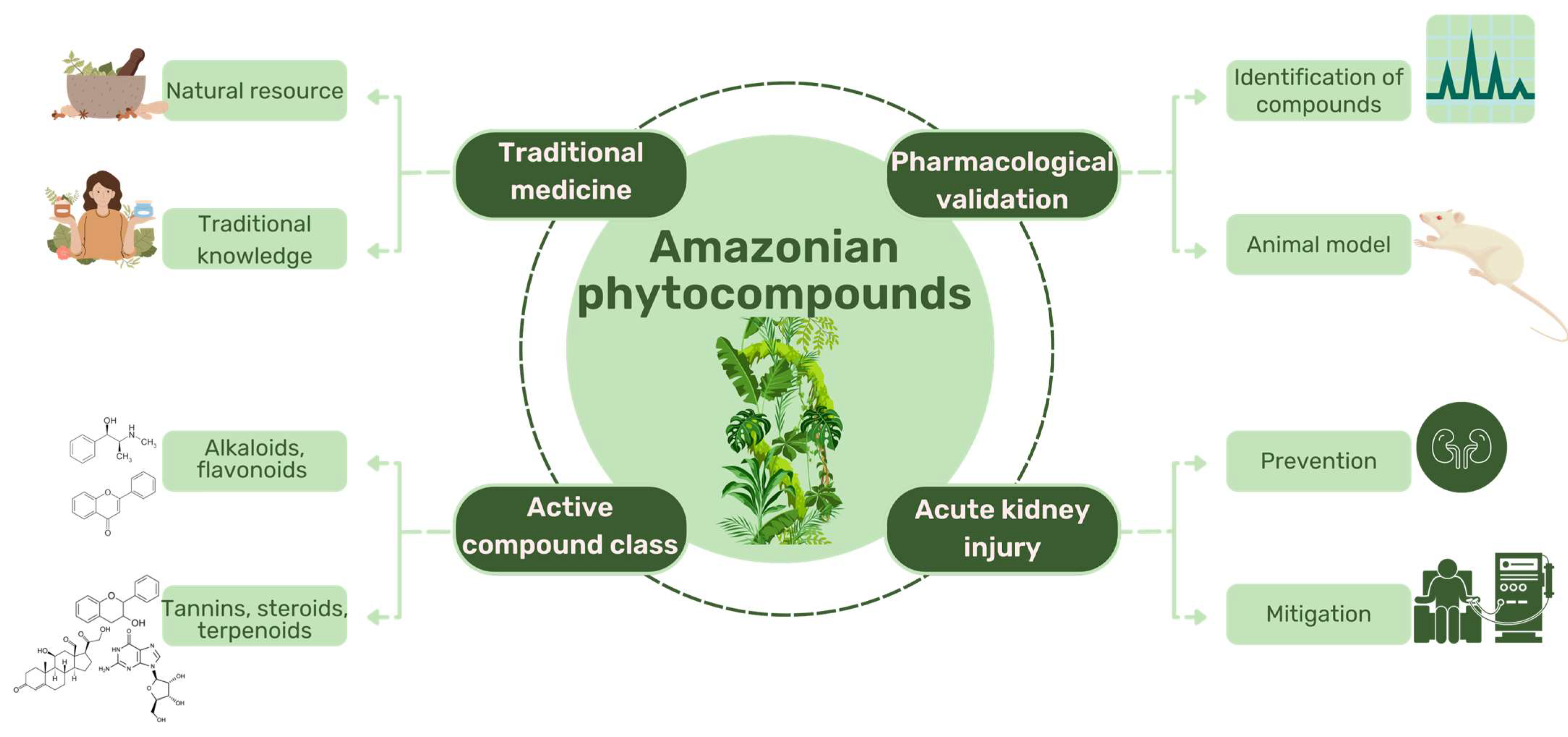
Figure 2.
Amazonian phytocompounds against Acute Kidney Injury. The proposed mechanism applies mainly to the kidneys. Classes of Amazonian plant compounds such as alkaloids, flavonoids, tannins, steroids and terpenoids have significant biological activities especially for the treatment of Acute Kidney Injury (AKI). Endothelial injury in induced AKI favors the formation of intercellular adhesion molecules (ICAM-1), adhesion molecules (VCAM), chemokine chemotaxic protein-1 for monocytes (MCP-1), transforming growth factor β-1 (TGF -β 1) and P and E selectins, which promote leukocyte-endothelium interaction, platelet adhesion and mechanical obstruction of the renal microvasculature, however, active biological substances can act in the expressive reduction of these chemokines. CXC motif chemokine ligand 1 (CXCL1), a cytokine belonging to the CXC subfamily of chemokines, whose main receptor is CXC motif chemokine 2 (CXCR2), a G protein-coupled receptor that causes neutrophil migration and infiltration. Activation of CXCR2 results in signal transduction through multiple pathways. Flavonoids and tannins act to reduce this expression, as well as pro-inflammatory cytokines, such as interleukin-1β (IL-1β) and tumor necrosis factor α (TNF-α), activate the nuclear factor κB (NF-κB), which increases the expression of the CXCL1 gene. CXCL1/CXCR2 mediates the activation of phosphatidylinositol-4,5-bisphosphate 3-kinase (PI3K), and C-β phospholipase (PLC-β). PI3K induces activation of protein kinase B (PKB)/Akt, and in signaling pathways including extracellular signal-regulated kinase (ERK), mitogen-activated protein kinase (MAPK), focal adhesion kinase (FAK). Toll-like receptor 4 (TLR4) is responsible for initiating the production of inflammatory cytokines, its inhibition results in decreased inflammation and renal dysfunction during nephrotoxicity. The NLRP3 receptor regulates post-transcriptional processes, which lead to the formation of inflammasome, responsible for the maturation of the inactive forms pro-IL-1β and pro-IL-18, the decrease of its expression leads to the inactivation of macrophages and lymphocytes. The activation of NF-κB promotes the transcription of specific genes that encode inflammatory mediators, however, the exogenous induction of active compounds decreases the expression of inflammatory mediators such as interferon-γ (IFN-γ), which leads to a reduction in the expression of renal injury molecule 1 (KIM-1), tumor necrosis factor-α (TNF-α) in renal tubular cells, and consequently the inactivation of a large network of pro-inflammatory cytokines, such as interleukin-1, 4 , 6 (IL-1β, IL-4, IL-6, IL-18), macrophage inflammatory protein 2 (MIP-2) chemokines, among others, and induce a decrease in the expression of the inflammatory enzyme cyclooxygenase (COX-2) and oxide nitric synthase (iNOS), in the renal medulla, in the glomerular mesangial cells and in the endothelial cells of the renal vasculature, thereby reducing the tubular stress marker lipocalin associated with neutrophil gelatinase (NGAL). The signaling system of mitogen-activated protein kinases (MAPKs) are induced by cellular stress, by inflammatory responses . MAPk activation leads to the degradation of Iκβ (NF-κβ inhibitor), consequently promoting NF-κβ activation and migration to the nucleus. Flavonoids, tannins, steroids and terpenoids also regulate many pathways such as MAPK, extracellular signal-regulated kinase (ERK), phosphoinositide 3 kinase (PI3K)/Akt and related protein kinase pathways to reduce oxidative stress and inflammation, may have nephroprotective effects. These compounds also induce transcription factors such as Nrf2, an antioxidant responsive element (ARE), which mediates the expression of antioxidant proteins. Nrf2 suppresses MCP-1 and VCAM-1 expression and thus decreases monocyte adhesion and transmigration to endothelial cells, which reduces MAPK expression. These mechanisms enhance the activities of endogenous antioxidants such as catalase (CAT), superoxide dismutase (SOD), glutathione peroxidase (GPX) and glutathione S-transferase (GST), which act together to provide a line of defense against oxidative damage.
Figure 2.
Amazonian phytocompounds against Acute Kidney Injury. The proposed mechanism applies mainly to the kidneys. Classes of Amazonian plant compounds such as alkaloids, flavonoids, tannins, steroids and terpenoids have significant biological activities especially for the treatment of Acute Kidney Injury (AKI). Endothelial injury in induced AKI favors the formation of intercellular adhesion molecules (ICAM-1), adhesion molecules (VCAM), chemokine chemotaxic protein-1 for monocytes (MCP-1), transforming growth factor β-1 (TGF -β 1) and P and E selectins, which promote leukocyte-endothelium interaction, platelet adhesion and mechanical obstruction of the renal microvasculature, however, active biological substances can act in the expressive reduction of these chemokines. CXC motif chemokine ligand 1 (CXCL1), a cytokine belonging to the CXC subfamily of chemokines, whose main receptor is CXC motif chemokine 2 (CXCR2), a G protein-coupled receptor that causes neutrophil migration and infiltration. Activation of CXCR2 results in signal transduction through multiple pathways. Flavonoids and tannins act to reduce this expression, as well as pro-inflammatory cytokines, such as interleukin-1β (IL-1β) and tumor necrosis factor α (TNF-α), activate the nuclear factor κB (NF-κB), which increases the expression of the CXCL1 gene. CXCL1/CXCR2 mediates the activation of phosphatidylinositol-4,5-bisphosphate 3-kinase (PI3K), and C-β phospholipase (PLC-β). PI3K induces activation of protein kinase B (PKB)/Akt, and in signaling pathways including extracellular signal-regulated kinase (ERK), mitogen-activated protein kinase (MAPK), focal adhesion kinase (FAK). Toll-like receptor 4 (TLR4) is responsible for initiating the production of inflammatory cytokines, its inhibition results in decreased inflammation and renal dysfunction during nephrotoxicity. The NLRP3 receptor regulates post-transcriptional processes, which lead to the formation of inflammasome, responsible for the maturation of the inactive forms pro-IL-1β and pro-IL-18, the decrease of its expression leads to the inactivation of macrophages and lymphocytes. The activation of NF-κB promotes the transcription of specific genes that encode inflammatory mediators, however, the exogenous induction of active compounds decreases the expression of inflammatory mediators such as interferon-γ (IFN-γ), which leads to a reduction in the expression of renal injury molecule 1 (KIM-1), tumor necrosis factor-α (TNF-α) in renal tubular cells, and consequently the inactivation of a large network of pro-inflammatory cytokines, such as interleukin-1, 4 , 6 (IL-1β, IL-4, IL-6, IL-18), macrophage inflammatory protein 2 (MIP-2) chemokines, among others, and induce a decrease in the expression of the inflammatory enzyme cyclooxygenase (COX-2) and oxide nitric synthase (iNOS), in the renal medulla, in the glomerular mesangial cells and in the endothelial cells of the renal vasculature, thereby reducing the tubular stress marker lipocalin associated with neutrophil gelatinase (NGAL). The signaling system of mitogen-activated protein kinases (MAPKs) are induced by cellular stress, by inflammatory responses . MAPk activation leads to the degradation of Iκβ (NF-κβ inhibitor), consequently promoting NF-κβ activation and migration to the nucleus. Flavonoids, tannins, steroids and terpenoids also regulate many pathways such as MAPK, extracellular signal-regulated kinase (ERK), phosphoinositide 3 kinase (PI3K)/Akt and related protein kinase pathways to reduce oxidative stress and inflammation, may have nephroprotective effects. These compounds also induce transcription factors such as Nrf2, an antioxidant responsive element (ARE), which mediates the expression of antioxidant proteins. Nrf2 suppresses MCP-1 and VCAM-1 expression and thus decreases monocyte adhesion and transmigration to endothelial cells, which reduces MAPK expression. These mechanisms enhance the activities of endogenous antioxidants such as catalase (CAT), superoxide dismutase (SOD), glutathione peroxidase (GPX) and glutathione S-transferase (GST), which act together to provide a line of defense against oxidative damage.
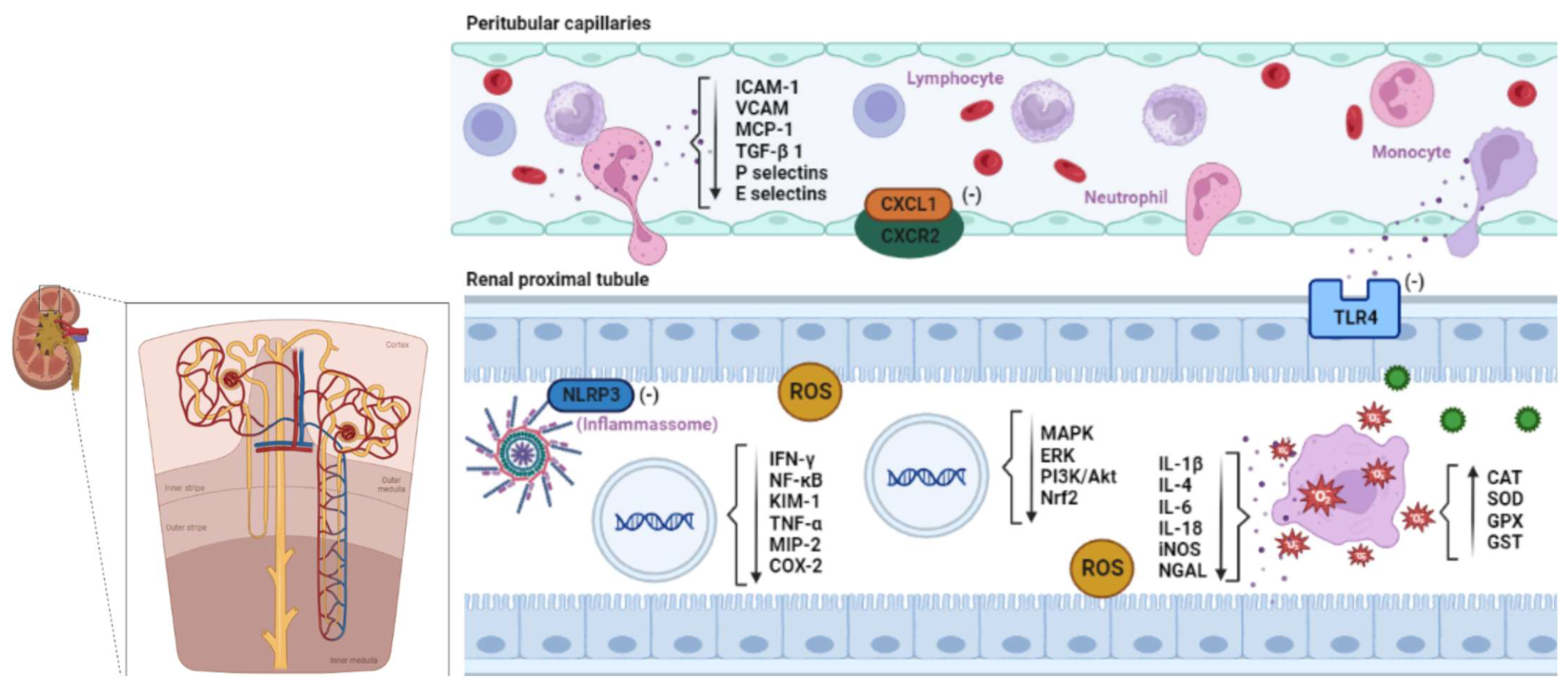

Table 1.
Phytocompounds from Amazonian Plant Species and their pharmacological activities.
| Species | Parts Used | Isolated or Characterized Constituents | Pharmacological activity | ||
|---|---|---|---|---|---|
| Banisteriopsis caapi (Spruce ex Griseb.) Morton | Stem | Harmine (1), harmaline (2) [77], tetrahydroharmine (3) and harmalinic acid (4) [78] | Analgesic [22], hallucinogen [23], anesthetic [24], antidiabetic [25], anticancerogenic [18], nephroprotective, diuretic [26] | ||
| Peganum harmala L. | Seeds | Harmol (5), harmalol (6), harmine (1) and harmaline (2) [79] | Antioxidant, nephroprotective, anti-inflammatory, anti-apoptotic [79] | ||
| Passiflora edulis Sims | Fruit peel, leaves, flowers, seeds | Orientin (7) and isoorientin (8) [80] | Anxiolytic, sedative, neuropathic pain [81], anticonvulsant [82], cognitive function and degenerative diseases [83], antioxidant action, antitumor action, hypoglycemic action, obesity, insomnia, nephroprotector [84] | ||
| Annona muricata L. | Leaves | Acetogenin (9) [85], δ-Cadinene (10) and α-Muurolene (11) [86] | Anticancerogenic, hepatoprotective, neurotoxic, antinociceptive, antiulcerative, chemopreventive, nephroprotective [87] | ||
| Uncaria tomentosa (Willd.) DC. | Stem | Uncarine F (12), speciophylline (13) and mitraphylline (14) [88] | Antioxidant and immunomodulator, anti-inflammatory, analgesic, anticancer and diuretic [89] | ||
| Hymenaea courbaril L. | Stem and leaves | Fisetin (15), cyclosativene (16), caryophyllene (17) and α-himachalene (18) [90] | Antioxidant, antiulcerogenic, anti-inflammatory, antitumor and diuretic [91] | ||
| Echinodorus macrophyllus (Kunth) Micheli | Leaves | Linalool (19), α-caryophyllene (20), β- caryophyllene (21) [92], isovitexin (22) and isoorientin (8) [93] | Diuretic, anti-inflammatory, treatment of kidney and liver disorders [94] | ||
| Acmella oleracea (L.) R. K. Jansen | Flowers and leaves | Spilanthol (23), spermidine (24), spermine (25) and 3-acetylaleuritolic acid (26) [95,96,97] | Aphrodisiac, treatment of male sexual dysfunctions, diuretic and anti-inflammatory [98,99] | ||
| Rosmarinus officinalis L. | Leaves | Camphene (27), limonene (28), camphor (29), borneol (30), cineol (31) and linalool (19) [100] | Analgesic, anti-inflammatory, anticarcinogenic, antirheumatic, nephroprotective, spasmolytic, antihepatotoxic, atherosclerotic [101] | ||
Harmine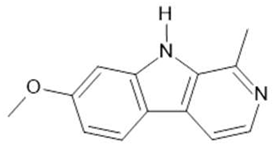 (1) |
Harmaline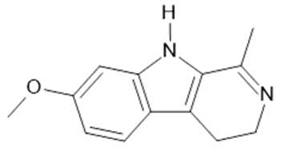 (2) |
Tetrahydroharmine 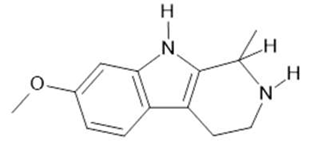 (3) |
Harmalinic acid 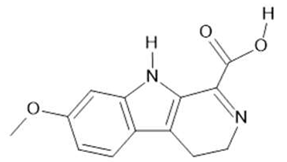 (4) |
Harmol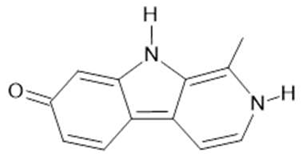 (5) |
|
Harmalol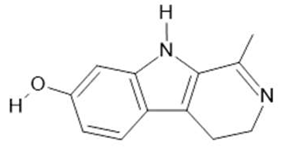 (6) |
Orientin 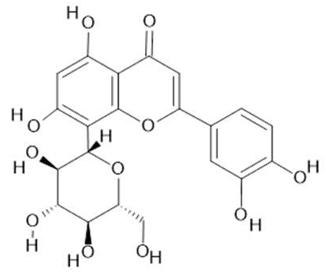 (7) |
Isoorientin 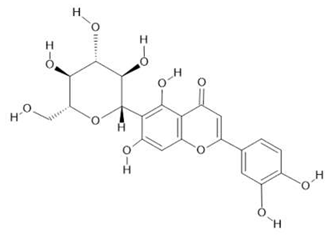 (8) |
Acetogenin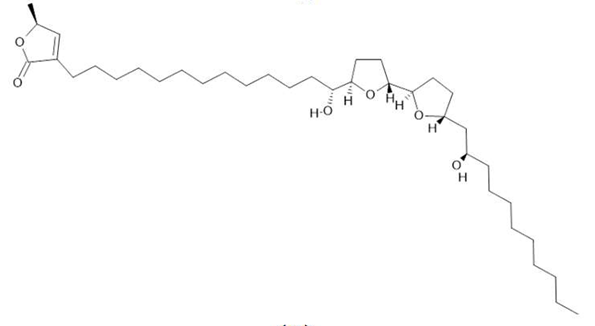 (9) |
||
δ-Cadinene 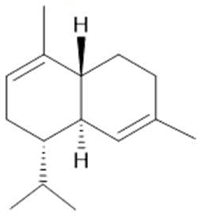 (10) |
α-Muurolene 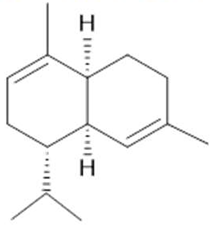 (11) |
Uncarine F 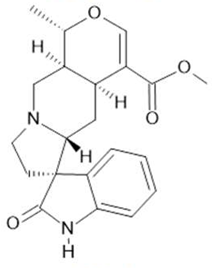 (12) |
Speciophylline 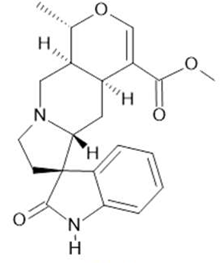 (13) |
Mitraphylline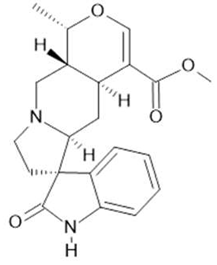 (14) |
|
Fisetin 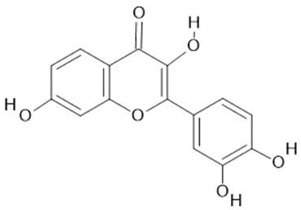 (15) |
Cyclosativene 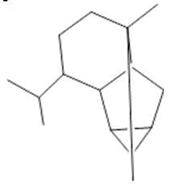 (16) |
Caryophyllene 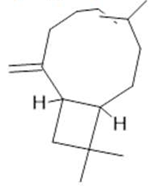 (17) |
α-himachalene 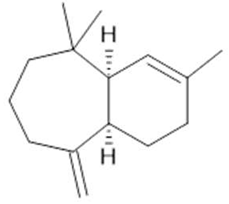 (18) |
Linalool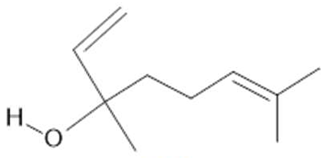 (19) |
|
α-caryophyllene 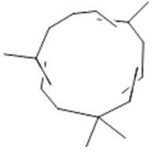 (20) |
β- caryophyllene 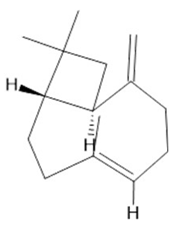 (21) |
Isovitexin 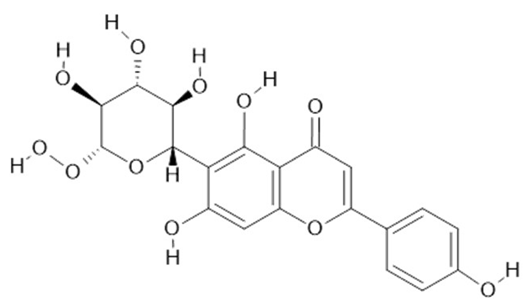 (22) |
Spilanthol 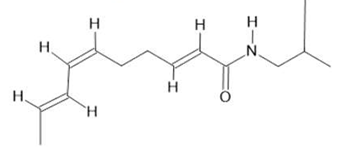 (23) |
||
Spermidine 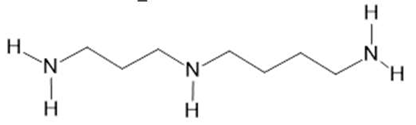 (24) |
Spermine 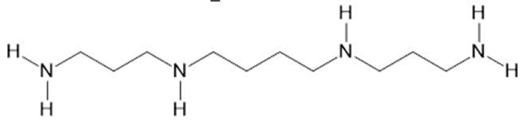 (25) |
3-acetylaleuritolic acid 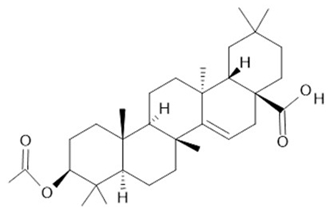 (26) |
Camphene 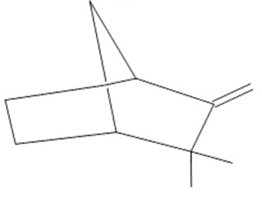 (27) |
||
Limonene 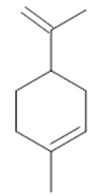 (28) |
Camphor 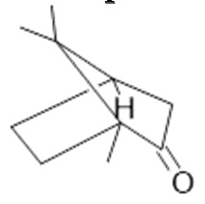 (29) |
Borneol 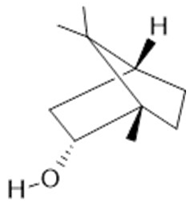 (30) |
Cineol  (31) |
||
Disclaimer/Publisher’s Note: The statements, opinions and data contained in all publications are solely those of the individual author(s) and contributor(s) and not of MDPI and/or the editor(s). MDPI and/or the editor(s) disclaim responsibility for any injury to people or property resulting from any ideas, methods, instructions or products referred to in the content. |
© 2023 by the authors. Licensee MDPI, Basel, Switzerland. This article is an open access article distributed under the terms and conditions of the Creative Commons Attribution (CC BY) license (http://creativecommons.org/licenses/by/4.0/).
Copyright: This open access article is published under a Creative Commons CC BY 4.0 license, which permit the free download, distribution, and reuse, provided that the author and preprint are cited in any reuse.


