

Submitted:
21 May 2023
Posted:
23 May 2023
Read the latest preprint version here
Abstract
The use of artificial intelligence (AI) is becoming more prevalent across industries as diverse as healthcare, finance, and transportation. Artificial intelligence is based on the analysis of large data sets and requires a continuous supply of high-quality data. However, using data for AI is not without its challenges. This paper comprehensively reviews and critically examine the challenges of using data for AI, including data quality, data volume, privacy and security, bias and fairness, interpretability and explainability, ethical concern, and technical expertise and skills. This paper examines e these challenges in details and offers advices on how companies can address them. By understanding and addressing these challenges, organizations can harness the power of AI to make smarter decisions and gain a competitive advantage in the digital age.
Keywords:
Data Strategies and learning approaches
; Challenges and Opportunities
; Artificial Intelligence
1. Introduction
Artificial Intelligence (AI) refers to the ability of machines to mimic human intelligence and perform tasks that typically require human intelligence, such as learning, problem solving, decision making, and natural language understanding [1]. AI technologies include machine learning, natural language processing, robotics, and computer vision. Machine learning is a subset of AI that involves training computer algorithms to learn patterns in data and make predictions or decisions based on that data [2]. Deep learning is a type of machine learning that uses neural networks with multiple layers to process complex data, such as images or speech [3]. Natural language processing is the ability of computers to understand, interpret, and generate human language, including speech and text [4]. Computer vision is the ability of computers to analyze and interpret visual information, such as images and videos [5].
AI is a rapidly expanding field that has the potential to revolutionize the way we live and work. From healthcare to finance to transportation, AI has the potential to transform a wide range of industries, creating new opportunities for businesses and organizations. AI has been transforming various sectors, including healthcare, finance, and transportation, with significant advancements in machine learning and deep learning techniques [6,7]. The heart of this transformation is data, which is essential for training and testing AI models. AI models rely on large datasets to identify patterns and trends that would be difficult to detect using traditional data analysis methods. This allows them to learn and make predictions based on the data they have been trained on.
However, the use of data for AI is not without its challenges. Data quality, quantity, diversity, and privacy are all critical components of data-driven AI applications, and each presents its own set of challenges. Poor quality data can lead to inaccurate or biased AI models, which can have serious consequences in areas such as healthcare and finance. Insufficient quantities of data can lead to models that are too simplistic and not capable of accurately predicting real-world outcomes. Lack of data diversity can also lead to biased models that do not accurately represent the population they are designed to serve. Lastly, data privacy is a major concern, as AI models may require access to sensitive data, which raises concerns about data privacy and security.
In this article, we address the challenges of using data for AI and offer recommendations for companies looking to address them. To address these challenges, businesses and organizations need to develop strategies and frameworks that promote data quality, quantity, diversity, and privacy. This may involve implementing data cleaning and validation processes to ensure data quality, collecting, and managing large quantities of diverse data, and implementing data privacy policies and procedures to protect sensitive data. By focusing on these challenges, businesses and organizations can leverage the power of data to create accurate, effective, and fair AI applications that benefit society.
2. Materials and Methods
I. Data for AI
Data is critical for AI because it is the foundation upon which machine learning algorithms learn, make predictions, and improve their performance over time. In order to train an AI model, large amounts of data are needed to enable the model to recognize patterns, make predictions, and improve its performance over time.
A. Data Learning Approaches
AI algorithms require data to learn patterns and make predictions or decisions based on that data. AI machine learning techniques are algorithms that allow machines to learn patterns and make predictions from data without being explicitly programmed [8]. These techniques are widely used in a variety of applications, such as natural language processing, image and speech recognition, recommendation systems, and many others. In general, the more data that is available for an AI algorithm to learn from, the more accurate its predictions or decisions will be. There are several data learning approaches to building AI systems [8,9], including:
Supervised Learning: In supervised learning, an AI system is trained on a labeled dataset, where each data point is associated with a label or target variable. The goal is to learn a model that can accurately predict the label or target variable for new data points. This approach is commonly used for tasks such as image classification, speech recognition, and natural language processing [10].
Unsupervised Learning: In unsupervised learning, an AI system is trained on an unlabeled dataset, where there is no target variable to predict. The goal is to identify patterns, relationships, and structure in the data. This approach is commonly used for tasks such as clustering, anomaly detection, and dimensionality reduction [11].
Reinforcement Learning: In reinforcement learning, an AI system learns to make decisions based on feedback from its environment. The system receives rewards or penalties based on its actions and adjusts its behavior accordingly. This approach is commonly used for tasks such as game playing, robotics, and autonomous driving [12].
Transfer Learning: In transfer learning, an AI system leverages knowledge gained from one task to improve performance on another related task. The system is pre-trained on a large dataset and then fine-tuned on a smaller dataset for the specific task at hand. This approach can help reduce the amount of data required to train an AI model and improve its accuracy and performance [13].
Deep Learning: Deep learning is a type of neural network-based machine learning that is particularly effective for tasks involving large amounts of data and complex relationships. Deep learning models are made up of multiple layers of interconnected nodes that can learn increasingly complex representations of the data. This approach is commonly used for tasks such as image and speech recognition, natural language processing, and computer vision [14].
Ensemble Learning: Ensemble learning is a technique where multiple models are trained and combined to make a prediction or decision. The idea is that combining the predictions of multiple models can improve the accuracy and reliability of the final output [15].
Overall, the choice of data learning approach will depend on the specific task, data, and resources available. It is important to carefully evaluate the benefits and limitations of each approach and choose the one that best fits the requirements of the AI application being developed.
B. Data-Centric and Data-Driven for AI
Data-centric and data-driven are two related but distinct concepts in the world of data analysis and decision-making. By leveraging data, organizations can gain a deeper understanding of their operations, customers, and markets, and make more informed decisions based on data-driven insights. Data-centric approaches are commonly used in industries such as finance, healthcare, and retail, where accurate and timely data is critical for decision-making. For example, in the healthcare industry, data-centric approaches are used to analyze patient data to improve outcomes, identify disease patterns, and optimize treatment plans. Data-centric and data-driven are two approaches to building AI systems that rely on data [16,17].
Data-centric Approach: It refers to an approach in which data is the central focus of a system or process [16,18]. A data-centric approach involves relatively fixed model with prioritizing the collection, storage, and analysis of high-quality data to train AI algorithms and improve their performance and leveraging data to inform decision-making or problem-solving processes [16,18,19]. This approach often involves using advanced analytics, such as machine learning or artificial intelligence, to uncover patterns, trends, or insights that may not be immediately apparent from the data [19]. Data-centric approach focuses on building a robust and reliable data infrastructure that can support a wide range of AI applications. The goal is to create a centralized data repository that can serve as a single source of truth for all AI applications within an organization [20]. This approach is particularly useful when there is a large volume of data from different sources, or when the data is complex and difficult to work with.
In recent years, the rise of big data and advanced analytics has led to a growing emphasis on data-centric approaches across various industries, from healthcare to finance to retail [21]. By adopting a data-centric approach, organizations can gain a competitive advantage by improving decision-making, increasing efficiency, and reducing costs [22]. A data-centric approach is particularly important in the context of big data, where 7 V's of big data (velocity, volume, value, variety, veracity, volatility, and validity) of data can make it challenging to extract meaningful insights [23]. AI algorithms must be designed to handle large volumes of data, and the data must be carefully curated to ensure its accuracy and relevance [24]. A data-centric approach can lead to improved decision-making increased efficiency, reduced costs, improved customer experience, competitive advantage, and risk mitigation [25,26]. It requires a strong data management infrastructure, a skilled workforce, and advanced analytics and AI techniques to extract valuable insights from the data.
Overall, a data-centric approach is essential for effective AI decision making and problem solving. By placing data at the center of the AI system and following best practices for data quality, processing, governance, and integration, organizations can unlock the full potential of AI and drive better outcomes.
Data-driven Approach: It focuses on building AI models that are specifically designed to make predictions or decisions based on the data. This approach emphasizes on selecting, processing, and analyzing the data to identify patterns, relationships, and insights that can be used to improve the accuracy and performance of the AI model [27]. The goal is to develop an AI model that can learn and adapt to new data, without being constrained by a pre-defined set of rules or assumptions. This approach is particularly useful when the data is relatively homogeneous or when the goal is to automate a specific decision-making process[28]. A data-driven approach to AI involves using data as the primary source of information for training and improving AI models. In this approach, the AI system learns directly from data, rather than being programmed by humans [29].
Data-driven AI involves several key steps:
Data Collection: Collecting relevant data from various sources is the first step in a data-driven approach. This may involve capturing data from internal systems, external sources, or even user-generated content [30].
Data Preparation: Once the data is collected, it needs to be cleaned, preprocessed, and transformed to make it suitable for analysis. This may involve data cleansing, data normalization, and feature engineering [31].
Machine Learning: Machine learning algorithms are applied to the preprocessed data to develop predictive models that can be used to make decisions or automate processes [32].
Model Validation: The models developed through machine learning are validated using various techniques to ensure they are accurate and reliable [33].
Model Deployment: Once the models have been validated, they are deployed in production environments to automate decision-making processes or provide insights [34].
Continuous Improvement: A data-driven approach involves continuous improvement, with feedback from the models being used to refine data collection, analysis, and decision-making processes [35].
One of the key advantages of a data-driven approach to AI is that it allows the AI model to adapt and improve over time as new data becomes available. This means that the model can continue to learn and refine its predictions and performance, leading to better outcomes and results over time. Data-driven AI has several advantages over other approaches, including the ability to learn from large amounts of data, detect complex patterns and relationships, and adapt to changing conditions [36]. However, it also requires careful attention to data quality, data privacy, and ethical considerations.
Overall, a data-driven AI approach emphasizes the importance of data in every stage of the AI development and decision-making process, from data collection to model deployment. This approach can help organizations make more informed decisions and improve the accuracy and effectiveness of their AI models.
In general, both data-centric and data-driven approaches are important for building effective AI systems. A strong data-centric approach can help ensure that the data used to train AI models is of high quality, while a data-driven approach can help identify patterns and insights that can improve the accuracy and performance of the AI model. The choice between these two approaches will depend on the specific needs and requirements of the organization and the AI application being developed.
II. Dimensions of Data Challenges for AI
There are several data challenges in AI. This section covers the most important and essential and major ones are given below.
A. Dimension I: Data Quality
Data quality is a critical aspect of AI. The accuracy, completeness and consistency of data used for training and testing AI models directly affects the performance and effectiveness of the AI system. Low quality data can lead to biased, inaccurate or irrelevant results, negatively impacting the decision making processes based on the AI outputs. Therefore, ensuring high quality data is crucial for AI systems to produce reliable and valuable results. This includes data cleansing, validation, enrichment, and management. AI applications require high quality data that is relevant, representative, and reliable in order to produce optimal outcomes. AI systems also require ongoing monitoring and maintenance to ensure data quality is consistent over time. The performance of AI systems is heavily reliant on the quality of data used for training and validation [37]. Data quality is a multidimensional concept, encompassing factors such as accuracy, completeness, consistency, and timeliness [38]. Ensuring data quality is a challenging task, given the vast amount of data generated daily and the inherent complexity of data structures [39].
1. Challenging Dimensions of Data Quality and Implications on AI Systems
Figure 1 represent the challenging of Data Quality
Accuracy: Data accuracy is critical for AI to function effectively. Accuracy refers to the degree to which data is correct and error-free. In other words to the degree to which data correctly represents the real-world phenomena it aims to describe [40]. AI systems require accurate data for training and validation to ensure that they make correct predictions and decisions [41]. Inaccurate data can lead to biased or erroneous outcomes, undermining the reliability and usefulness of AI systems [42].
Completeness: Completeness refers to the extent to which all relevant and sufficient data coverage is present in the dataset to provide insight and meaningful results to AI [37]. Incomplete data can lead to biased or unrepresentative AI models, as the algorithms may not have sufficient information to learn the underlying patterns and relationships [43]. Missing data can be attributed to various factors, such as data collection challenges or data entry errors [44].
Consistency: Consistency refers to the uniformity of data representations and formats across the dataset [38]. In other words, it is the extent to which the data is free from any conflicts, inaccuracies, or discrepancies when compared against other sources or systems. Inconsistent data can lead to confusion and misinterpretation by AI algorithms, resulting in suboptimal performance [45]. Ensuring consistency requires standardization and harmonization of data formats, units, and terminologies [46].
Timeliness: Timeliness refers to the degree to which data is up-to-date and relevant to the current context [37]. AI systems require timely data to adapt to dynamic environments and provide accurate predictions [47]. Outdated data may lead to poor performance and even harmful consequences, as AI systems may not account for recent changes in the underlying phenomena [48]. Timeliness is especially important in domains such as finance, healthcare or transportation, where real-time insights can offer significant advantages. For instance, if the data being used to build a weather forecasting model is outdated, then the model might not be able to make accurate predictions. Similarly, if the data used for training a stock market predictor is not timely, then the model could make decisions based on outdated information that may not be relevant to the current state of the market. Therefore, data timeliness is an important dimension of data quality for AI.
Integrity: Data integrity refers to the maintenance of data's accuracy and consistency throughout its lifecycle, including during storage, retrieval, and processing [46]. In other words, it is the degree to which data is reliable and can be trusted to be correct. Compromised data integrity can result in AI systems making decisions based on corrupt or inconsistent data, leading to unreliable or flawed outcomes.
Relevance: Relevant data refers to the degree to which the data used for training and building machine learning models is appropriate and applicable to the task or problem being addressed [37]. It is directly related to the specific problem or task being addressed by the AI system. Irrelevant data can introduce noise or bias into the system, reducing its performance and effectiveness [39].
By considering these dimensions of data quality and their implications for AI systems, organizations can better understand the challenges they face in maintaining high-quality data for AI applications. This understanding can inform the development of strategies and best practices to address data quality issues, ensuring that AI systems can deliver accurate, reliable, and valuable insights and outcomes.
2. Challenges in Data Collection, Pre-Processing, and Management
Data Collection: Data collection for AI application is often challenging due to the sheer volume of data, the diversity of data sources, and the need for representative samples [49]. Data collection can be further complicated by privacy concerns, as organizations must balance the need for data with the protection of personal information [50].
Data Pre-Processing: Data pre-processing is a crucial step in ensuring data quality, as it involves cleaning, transforming, and integrating data to facilitate analysis [51]. Pre-processing can be time-consuming and resource-intensive, given the need to handle missing values, outliers, inconsistencies, and other data quality issues [52]. Moreover, pre-processing decisions can have significant implications for AI model performance, as they influence the characteristics of the input data [53].
Data Management: Effective data management is essential for maintaining data quality and ensuring that AI systems can access and process the data efficiently [41]. Data management challenges include maintaining data storage and retrieval systems, implementing version control, and ensuring data security and privacy [46].
3. The Role of Data Governance in Ensuring Data Quality
Data governance plays a critical role in maintaining, ensuring and enhancing data quality in organizations [54]. It encompasses the processes, policies, standards, and technologies that manage the availability, usability, integrity, and security of data [55]. Effective data governance helps organizations make better decisions, optimize operations, comply with regulations, and create a competitive advantage [56]. Implementing a comprehensive data governance framework is essential for addressing data quality challenges in AI [57].
Data governance includes several aspects, such as data stewardship, data quality management, data privacy and security, and data architecture [58]. Data stewardship involves assigning responsibility and accountability for data quality to designated data stewards who ensure data meets organizational standards [59]. Data quality management refers to the processes and tools used to measure, monitor, and improve data quality, such as data profiling, data cleansing, and data enrichment [60]. Data privacy and security are concerned with protecting sensitive information and ensuring compliance with relevant regulations [61]. Data architecture includes the design, organization, and management of data structures, storage systems, and data integration technologies [57].
Implementing an effective data governance framework requires a clear understanding of the organization's goals, data quality requirements, and existing data management practices [62]. Organizations need to establish data quality metrics, set data quality targets, and monitor data quality performance regularly [63]. In addition, organizations should invest in data governance technologies, such as data catalogs, data lineage tools, and data quality management systems, to support the data governance process [54]. By adopting a robust data governance framework, organizations can significantly improve data quality and unleash the full potential of AI.
Furthermore, effective data governance is essential for fostering a data-driven culture within an organization. By promoting collaboration and communication between different departments and stakeholders, data governance helps break down data silos and facilitates the sharing of data assets [54]. This enables organizations to leverage their data more effectively and gain valuable insights for strategic decision-making [58].
Training and education are also critical components of data governance [60]. Ensuring that employees have a solid understanding of data quality concepts, tools, and best practices helps to create a shared vision and commitment to maintaining high-quality data. This can lead to more accurate and reliable AI models that drive innovation and create a competitive advantage [59].
In addition to internal data governance efforts, organizations should also consider the importance of external data quality. As AI systems often rely on data from various sources, including third-party providers and public datasets, ensuring the quality of external data is crucial for the success of AI initiatives [57]. Collaborating with data providers and establishing data quality agreements can help to mitigate potential data quality issues stemming from external sources [58].
In summary, implementing a comprehensive data governance framework is vital for addressing data quality challenges in AI. Organizations that prioritize data governance can enhance their decision-making, optimize operations, and unlock the full potential of AI technologies. By fostering a data-driven culture, investing in data governance technologies, and ensuring both internal and external data quality, organizations can build a solid foundation for AI success.
4. Addressing Data Quality Challenges: Techniques and Strategies
Data Cleaning: Data cleaning is an essential step in improving data quality for AI. This involves identifying and correcting errors, missing values, inconsistencies, and outliers in the data. Techniques such as data profiling and data validation can help identify areas of the data that need cleaning.
Data Profiling and Data Preparation: Data profiling involves analyzing data sets to identify data quality issues such as missing data, duplicate records, and inconsistent values. Data preparation involves cleaning and transforming raw data into a usable format for AI algorithms. These processes are essential for ensuring that the data used to train AI models is accurate, complete, and consistent.
Data Labeling: Data labeling involves tagging data with relevant metadata that describes its characteristics, which can help ensure that AI models are trained with high-quality data. For example, in image recognition, data labeling may involve identifying objects in images and adding descriptive labels to the data.
Imputation Techniques for Missing Data: Missing data is a significant challenge in ensuring data quality for AI systems. Various imputation techniques have been proposed to handle missing data, such as mean imputation, regression imputation, and multiple imputation [54]. Advanced techniques, like matrix completion methods, have also been explored in recent years [55]. These methods aim to provide reasonable estimates for missing values, ensuring the completeness of the dataset.
Feature Selection and Engineering: Feature selection and engineering play a crucial role in addressing data quality challenges, as they involve identifying relevant features and transforming raw data into a format suitable for analysis [64]. Techniques such as Recursive Feature Elimination(RFE), LASSO, and principal component analysis can be employed to reduce the dimensionality of the data and eliminate noise [65]. Moreover, domain knowledge can be leveraged to create new features that better capture the underlying patterns and relationships.
Data Augmentation: Data augmentation techniques can be used to address data quality challenges related to limited or unbalanced datasets. These techniques involve generating synthetic data samples by applying various transformations, such as rotation, scaling, and flipping, to the original data [66]. Data augmentation has been particularly successful in improving the performance of deep learning models in computer vision and natural language processing tasks [67].
Active Learning: Active learning is an approach that can help address data quality challenges by guiding the data collection process. In active learning, AI models iteratively select the most informative samples to be labeled and added to the training set, reducing the amount of required labeled data and improving model performance [68]. Active learning has shown promise in various applications, including text classification and object recognition [69,70].
Data Validation and Testing: Data validation involves checking data for accuracy and completeness, while testing involves assessing the performance of AI models using various metrics. These processes can help identify and address data quality issues that may impact the accuracy and effectiveness of AI models.
Algorithmic Fairness: Algorithmic fairness involves ensuring that AI models are not biased towards specific groups or individuals. This can be achieved by carefully selecting training data sets and implementing algorithms that are designed to reduce bias.
Data Bias Mitigation: Data bias can lead to inaccurate or unfair AI predictions and decisions. Mitigating data bias involves identifying and addressing bias in training data through techniques such as dataset balancing, which involves adjusting the distribution of data to reduce bias.
Continuous Monitoring and Maintenance: AI models need to be continuously monitored and maintained to ensure that they remain accurate and effective. This involves ongoing data quality checks, updating models with new data, and retraining models as needed.
Data Lineage: Data lineage involves tracking the history of the data and ensuring that it is used appropriately. This can help prevent issues such as data drift, where the quality of the data changes over time.
B. Dimension II: Data Volume
The data volume challenge is a key aspect of AI research and applications. Large datasets are critical to training AI models, and they continue to grow in size and complexity. Large datasets are critical to training AI models, and their size and complexity continue to grow exponentially. This growth brings with it some challenges that need to be addressed to ensure the effective use of AI in various domains [71].
Data Deluge: a double-edged sword: Exponential data growth is the driving force behind the success of AI, especially in deep learning techniques [72]. However, this massive amount of data also poses several challenges, including storing, processing, and managing the data [73].
Storage Challenges: The huge amount of data generated today requires more efficient storage solutions to support artificial intelligence applications [74]. Traditional storage architectures may not be able to meet the scalability, performance, and cost requirements of AI workloads [75]. New storage technologies such as non-volatile memory (NVM) and distributed storage systems have been proposed as possible solutions [76].
Processing Challenges: AI models, especially deep learning algorithms, require enormous computing resources to process large datasets [77]. This has led to an increased need for specialized hardware such as GPUs and TPUs to accelerate AI training and inference [78]. In addition, new techniques such as model compression, pruning, and quantization have been explored to optimize AI models for more efficient processing [79].
Data Management Challenges: Effective data management is critical for AI systems to handle massive amounts of data. This includes data cleaning, preprocessing, labeling, and curation [80]. Techniques such as active learning, weak supervision, and transfer learning have been proposed to alleviate the burden of manual data annotation [81]. Furthermore, privacy and security issues need to be addressed as the amount of data increases [82].
Data Heterogeneity: Large datasets may contain data from multiple sources, which can be challenging to integrate and harmonize, particularly when the data is in different formats or structures.
Data Privacy and Security: Large data volumes can increase the risk of data breaches and privacy violations, particularly when sensitive data is involved.
Bias and Representativeness: Large volumes of data do not necessarily guarantee representativeness or lack of bias, as they may still contain demographic, cultural, or other biases that can impact the accuracy of AI models.
Data Access: In some cases, organizations may have access to large data sets but may not be able to use them due to legal or regulatory constraints. Organizations must ensure that they have the necessary permissions and licenses to access and use the data.
Proposed Solution: Several solutions have been proposed to address the data volume challenges in artificial intelligence, including:
– Transfer Learning: Transfer learning involves leveraging pre-trained AI models to improve the performance of new models. By using pre-trained models, organizations can reduce the amount of training data required and improve the efficiency of the training process.
– Federated Learning: It enables collaborative model training across multiple devices without sharing raw data [83].
– Edge Computing: It brings data processing closer to the data source, thereby reducing network latency and bandwidth usage [84].
– Multimodal Learning leverages multiple data sources to improve model performance and reduce reliance on large datasets [85].
Federated Learning as proposed solution:
– Concept of Federated Learning: Federated learning is introduced as a solution to preserve user privacy while benefiting from the collective knowledge of multiple data sources [86]. In this framework, devices (also known as clients) train machine learning models using local data and then share model updates with a central server. The server aggregates these updates, improves the global model, and distributes the updated model back to the clients. This process is repeated iteratively until the model converges.
– Benefits of Federated Learning Federated learning offers several benefits that can help address data volume challenges in AI:
Privacy: Since raw data remains on client devices, federated learning inherently provides a higher level of privacy compared to centralized approaches [83].
Reduced Data Transfer: By sharing only model updates rather than raw data, federated learning can significantly reduce the amount of data that needs to be transferred over the network, reducing bandwidth and latency issues [87].
Scalability: Federated learning can accommodate a large number of client devices, allowing the use of different data sources without overloading the central server [75].
Real-time learning: By allowing clients to learn from local data, federated
learning enables real-time adaptation and improves model performance [82].
– Challenges and Future directions: Despite its benefits, federated learning also presents some challenges that need to be addressed:
Heterogeneity: Heterogeneity of client devices and data distribution may lead to unbalanced contribution to the global model, which may affect convergence and model performance [75].
Communication Overhead: The iterative process of exchanging model updates incurs significant communication overhead and may negate the benefit of reduced data transfer [87].
Security: Federated learning is vulnerable to various security threats, including model poisoning, inference attacks, and Sybil attacks [88].
To overcome these challenges, researchers are exploring various techniques such as weighted averaging for dealing with heterogeneity [89], communication-efficient algorithms for reducing overhead [90], and differential privacy for enhancing security [91]. Continued research in these areas will be crucial to fully realize the potential of federated learning in addressing the data volume challenge in AI.
– Edge Computing as a Proposed Solution: Edge computing is a distributed computing paradigm that aims to bring computation and data storage closer to the data source, or the "edge" of the network, where the data is generated [84]. By performing data processing on edge devices, such as smartphones, IoT devices, or edge servers, edge computing can reduce the amount of data that needs to be transmitted to the cloud or a centralized data center. This approach enables real-time data processing, reduces latency, and conserves bandwidth.
– Advantage of Edge Computing: Edge computing offers several benefits that can help address the data volume challenge in AI:
Reduced Latency: By processing data closer to the source, edge computing can significantly reduce latency and enable real-time AI applications [84].
Bandwidth Efficiency: Edge computing helps in conserving bandwidth by reducing the amount of data transmitted over the network, which is particularly useful in situations where network bandwidth is limited or expensive [76].
Enhanced Privacy and Security: Since data is processed and stored locally, edge computing can provide improved data privacy and security compared to centralized approaches [92].
Scalability: Edge computing can support a large number of devices and applications, making it suitable for the growing demands of AI and IoT [84].
– Challenges and Future Directions: Despite its advantages, edge computing also presents some challenges that need to be addressed:
Resource Constraints: Edge devices typically have limited computational resources, which may hinder the performance of complex AI models [93].
Model Deployment and Management: Deploying and managing AI models across a large number of edge devices can be challenging, as it requires efficient model distribution, updates, and monitoring [94].
Heterogeneity: The heterogeneity of edge devices in terms of hardware, software, and network connectivity can pose challenges for implementing consistent and efficient AI solutions [95].
Researchers are exploring various techniques to overcome these challenges, such as model compression and hardware-aware neural architecture search for resource-constrained devices [79], edge-cloud collaborative learning for model deployment and management [96], and federated edge learning to address heterogeneity [97]. Continued research in these areas will be crucial to fully realize the potential of edge computing in addressing the data volume challenge in AI.
Dimension III: Data Privacy and Security
The use of personal or sensitive data in AI can raise concerns about privacy and security. It's important to ensure that data is stored and processed securely, and that privacy regulations are followed. To address this challenge, businesses should implement data privacy and security policies and procedures, such as data encryption and access controls.
This section provides a comprehensive review of the challenges associated with data privacy and security in AI, discussing data collection and sharing, inference attacks, differential privacy, adversarial attacks, data poisoning, and model and data tampering. It also presents state-of-the-art mitigation strategies, such as privacy-preserving AI techniques, robustness and adversarial training, monitoring and anomaly detection, and compliance with data protection regulations.
1. Data Privacy Challenges in AI
Data Collection and Sharing: AI systems require large quantities of data to train effectively, often leading organizations to aggregate data from various sources, potentially exposing sensitive user information [98]. Data sharing agreements and collaborative data analysis projects can exacerbate these concerns, especially when data is shared across international borders with differing privacy regulations [99].
Inference Attacks: AI models can inadvertently reveal sensitive information about the training data, even when the data is anonymized [100]. For example, attackers can use model inversion or membership inference attacks to extract private information from a model's predictions or learn whether a specific data point was included in the training set [101].
Differential Privacy: Differential privacy (DP) is a popular approach to preserve privacy during data analysis by adding controlled noise to the data [102]. While DP provides strong privacy guarantees, it can be challenging to implement in practice, especially when balancing privacy protection and model utility [103].
2. Data Security Challenges in AI
Adversarial Attacks: Adversarial attacks, where small perturbations are introduced to input data to deceive AI models, pose significant security risks [104]. These attacks can lead to incorrect predictions or classifications, undermining the reliability of AI systems in critical applications such as healthcare, finance, and autonomous vehicles [105].
Data Poisoning: Data poisoning attacks involve tampering with training data to degrade the performance of an AI model [106]. These attacks can be difficult to detect, as they often target a small subset of the training data and require minimal modifications to the poisoned data points [107].
Model and Data Tampering: Attackers can also target AI models and data directly, altering model parameters, weights, or the data itself [108]. Techniques such as backdoor attacks or trojan neural networks can introduce hidden malicious behavior into AI models, posing significant security risks [109]. In backdoor attacks, the attacker injects malicious code into the model during the training process, causing the model to produce incorrect outputs or exhibit unintended behavior when triggered by a specific input pattern [110]. Trojan neural networks, on the other hand, involve embedding a hidden trigger within the model, which, when activated by a specific input, causes the model to perform unauthorized actions or provide incorrect predictions [11].
Model extraction attacks are of model tampering, where an attacker seeks to replicate a target model by querying it and learning from the responses [112]. This can lead to intellectual property theft or even the creation of duplicate models with malicious intent [113].
To defend against model and data tampering, organizations can employ various strategies such as model hardening, secure model storage, and input validation. Model hardening techniques like fine-pruning can help remove malicious components from the model while maintaining its overall performance [114]. Secure model storage using encryption and access controls can protect the model from unauthorized modifications [115]. Input validation can be employed to ensure that only legitimate inputs are processed by the AI system, mitigating the risk of triggering hidden backdoors or trojan networks [116]. By implementing these countermeasures, organizations can enhance the security and trustworthiness of their AI systems in the face of model and data tampering threats.
3. Mitigation Strategies for Data Privacy and Security Challenges
Privacy-Preserving AI Techniques: To address privacy concerns, organizations can employ privacy-preserving AI techniques such as federated learning, secure multi-party computation, and homomorphic encryption [117]. These methods allow organizations to train AI models on distributed data without sharing raw data between parties, reducing the risk of data breaches or leakage [118].
Robustness and Adversarial Training: To defend against adversarial attacks and improve model robustness, researchers have developed adversarial training techniques that involve augmenting the training dataset with adversarial examples [119]. By training the model on a combination of clean and adversarial data, the model becomes more resilient to adversarial perturbations [120].
Monitoring and Anomaly Detection: To detect data poisoning and model tampering, organizations can employ monitoring and anomaly detection techniques to identify deviations from expected behavior in model performance, training data, or model parameters [59]. Early detection can help prevent further damage to the AI system and provide valuable insights for improving security measures [121].
Compliance with Data Protection Regulations: Organizations should adhere to data protection regulations, such as the General Data Protection Regulation (GDPR) in Europe and the California Consumer Privacy Act (CCPA) in the United States, to ensure that they collect, store, and process data in a secure and compliant manner [122]. Compliance with these regulations can help minimize the risk of data breaches and protect user privacy [123].
Data privacy and security challenges in AI are significant concerns for organizations developing and deploying AI systems. By understanding these challenges and implementing mitigation strategies such as privacy-preserving AI techniques, robustness training, and compliance with data protection regulations, organizations can enhance the privacy and security of their AI systems. As AI continues to evolve and impact various industries, it is crucial for researchers, practitioners, and policymakers to work together to address these challenges and ensure that AI serves the greater good without compromising user privacy and security.
C. Dimension IV: Bias and Fairness
AI has seen rapid advancements in the past decade, transforming many aspects of our lives. However, as AI systems become more prevalent, concerns regarding data bias and fairness have emerged. The performance of AI models heavily depends on the quality of the data used for training, and biased data can lead to biased outcomes [124]. This section provides a comprehensive review of the challenges related to data bias and fairness in AI, with a focus on recent research and solutions.
Bias, in the context of artificial intelligence and machine learning, refers to systematic errors in the algorithms' predictions or decisions, resulting from skewed training data, flawed algorithms, or the influence of pre-existing assumptions. These biases can lead to unfair or discriminatory outcomes, impacting individuals or groups based on attributes such as race, gender, age, or socio-economic status. Addressing and mitigating bias in AI systems is crucial for ensuring the fair and ethical deployment of these technologies in various domains, from healthcare and finance to criminal justice and social media.
Amazon's AI Recruiting Tool: In 2018, Amazon discontinued an AI recruiting tool after it was found to be biased against female candidates. The system was designed to review resumes and rank candidates based on their qualifications. However, the model was trained on resumes submitted to the company over a ten-year period, which predominantly belonged to male candidates. As a result, the AI system preferred male candidates over equally qualified female candidates [125].
Google Photos' Racial Bias: In 2015, Google Photos was criticized for its image recognition algorithm, which mistakenly labeled African Americans as gorillas. This incident highlighted the racial bias in the AI system, which was attributed to the lack of diversity in the training data. Google apologized for the mistake and worked on improving the algorithm to avoid such issues in the future [126].
Microsoft's Tay Chatbot: In 2016, Microsoft launched a Twitter-based AI chatbot named Tay. The chatbot was designed to learn from user interactions and mimic human conversations. However, within 24 hours of its launch, Tay started posting offensive and racist tweets, as it had learned from malicious users who intentionally fed it biased and inappropriate content. Microsoft quickly took Tay offline and apologized for the incident [127].
Apple Card's Gender Bias: In 2019, Apple faced backlash when its Apple Card, a credit card service powered by Goldman Sachs, was accused of gender bias. Several users reported that the credit limit offered to male applicants was significantly higher than that offered to their female counterparts, despite having similar or even worse financial profiles. The issue raised concerns about the fairness and transparency of the AI algorithms used for credit assessment [128].
COMPAS Risk Assessment Tool: The Correctional Offender Management Profiling for Alternative Sanctions (COMPAS) tool is an AI-based system used in the United States to assess the risk of recidivism in criminal defendants. A 2016 investigation by ProPublica revealed that the tool exhibited racial bias, with African American defendants being more likely to be incorrectly labeled as high risk compared to white defendants with similar criminal records. The controversy led to increased scrutiny of AI-based risk assessment tools in the criminal justice system [129].
1. Types of Data Bias
Measurement Bias: Measurement bias occurs when data collection methods systematically over- or under-represent certain features or aspects of the data [130]. This can lead to AI models generating biased predictions that are not representative of the true population.
Label Bias: Label bias arises when the labels assigned to data instances are incorrect or unrepresentative of the true outcomes. This can result from human errors, subjective judgments, or systemic issues in the labeling process [131].
Sampling Bias: Sampling bias occurs when the collected data is not representative of the population of interest. This can lead to biased AI models, as they learn from a non-representative sample [132].
Aggregation Bias: Aggregation bias emerges when data is combined from multiple sources with differing characteristics or distributions. This can cause AI models to learn patterns that are not generalizable to the entire population [133].
Confirmation Bias: Confirmation bias emerges when data or information is selectively chosen or weighted to support pre-existing beliefs or expectations. This can inadvertently affect AI model outcomes as the training data may disproportionately represent certain aspects or patterns [134].
Group Attribution Bia: Group attribution bias arises when AI systems generalize or stereotype individual behaviors based on the perceived characteristics of the group to which they belong. This can lead to biased predictions that do not accurately represent the individual's unique attributes [135].
Temporal Bias: Temporal bias occurs when AI models are trained on historical data that no longer reflects current trends or patterns. This can lead to biased predictions as the models fail to adapt to changes in the underlying data distribution over time [136].
Feature Selection Bias: Feature selection bias emerges when certain features are given more importance or focus during the model development process, leading to biased outcomes. This can be a result of domain-specific biases or biases inherent in the algorithms used for feature selection [137].
Anchoring Bias: Anchoring bias occurs when AI models rely too heavily on initial information or data points to make predictions. This can result in biased outcomes as the models may not sufficiently consider other relevant factors or adjust their predictions based on new information [138].
Automation Bia: Automation bias refers to the tendency of humans to over-rely on AI system outputs, even when they are flawed or biased. This can exacerbate the consequences of biased AI models, as users may not question or scrutinize the biased decisions or recommendations generated by these systems [139].
2. Consequences of Data Bias and Unfairness in AI
Discrimination: Biased AI systems can inadvertently discriminate against certain groups or individuals, leading to unfair treatment. For example, biased facial recognition systems can misidentify individuals from minority groups at a higher rate than those from majority groups [140].
Misinformation: AI systems trained on biased data may propagate false or misleading information, exacerbating existing stereotypes and prejudices [141].
Legal and Ethical Implications: Biased AI systems can pose legal and ethical challenges, as they may violate anti-discrimination laws or ethical guidelines [142].
3. Addressing Data Bias and Fairness in AI
Data Collection and Preprocessing: Collecting diverse and representative data is crucial for mitigating data bias [143]. Additionally, preprocessing techniques, such as resampling, reweighting, or data augmentation, can help reduce bias in the dataset [144].
Algorithmic Fairness: Researchers have proposed various fairness-aware machine learning algorithms that aim to minimize discriminatory outcomes (Friedler et al., 2019). These techniques typically incorporate fairness constraints into the model training process or post-process the model predictions to ensure fairness [145].
Fairness Metrics: Developing appropriate fairness metrics is essential to quantify and compare the performance of AI models in terms of fairness [146]. Some commonly used metrics include demographic parity, equalized odds, and the disparate impact ratio [147].
Explainable AI: Explainable AI (XAI) techniques can provide insights into the decision-making process of AI models, helping to identify potential sources of bias and unfairness [148]. By understanding the underlying reasons for biased outcomes, researchers can develop more effective interventions to improve fairness.
Interdisciplinary Collaboration: Addressing data bias and fairness requires the collaboration of experts from various fields, including computer science, social sciences, and ethics [149]. Interdisciplinary efforts can help in the development of comprehensive strategies that consider the complex interplay between data, algorithms, and social contexts.
D. Dimension V: Interpretability and Explainability
AI models can be difficult to interpret and explain, which can make it difficult for organizations to understand how decisions are made. It is important to ensure that AI models are transparent and explainable. To address this challenge, organizations should implement interpretability and interpretability controls, such as B. Feature importance analysis and model visualization tools.
Artificial intelligence has become an integral part of modern society, with its influence seen in various domains, including healthcare, finance, transportation, and many others [150]. The rise of AI has been largely driven by advances in machine learning and deep learning techniques, which have demonstrated impressive results in solving complex problems [151]. However, these techniques have also given rise to "black-box" models, characterized by their lack of interpretability and explainability [152].
1. The Necessity of Interpretability and Explainability
The demand for interpretability and explainability in AI systems is driven by the need for trust, accountability, and ethical considerations [153]. Trust is essential for the adoption and successful integration of AI systems, as users need to understand and believe in the decisions made by these systems [154]. Accountability ensures that AI systems comply with legal and ethical standards, and that they can be audited when necessary [155]. Ethical considerations call for AI systems to adhere to principles of fairness, transparency, and non-discrimination [156].
2. Current Techniques for Interpretability and Explainability
Various techniques have been proposed to enhance the interpretability and explainability of AI systems, ranging from inherently interpretable models to post-hoc explanations for black-box models [157]. Some of these techniques include:
a) Inherently Interpretable Models: Models such as decision trees, linear regression, and rule-based systems are designed to be easily understood by humans, providing a direct relationship between input features and the model's output [158].
Local Explanations: Local Interpretable Model-agnostic Explanations (LIME) and SHapley Additive exPlanations (SHAP) are methods that explain individual predictions by approximating the complex model's behavior using simpler, interpretable models for a specific instance [159,161].
Visualization Techniques: Techniques like t-distributed Stochastic Neighbor Embedding (t-SNE) and Activation Atlases provide visual representations of the high-dimensional data processed by AI models, enabling human users to understand the relationships and patterns present in the data [162,163].
3. Remaining Challenges and Future Directions
Despite the progress in developing techniques for interpretability and explainability, several challenges still need to be [150]:
Trade-off between Performance and Interpretability: Highly interpretable models often come at the cost of reduced predictive performance. Future research should focus on developing models that balance interpretability with performance [158].
Evaluation Metrics: The development of standardized evaluation metrics for assessing the interpretability and explainability of AI models remains a challenge. Establishing universally accepted metrics will enable researchers to compare different techniques more effectively and drive further innovation [163].
Domain-specific Solutions: Certain application domains may require specific interpretability and explainability techniques. For example, in the medical field, explanations must be tailored to the knowledge and understanding of clinicians and patients [164]. Further research is needed to develop domain-specific solutions that cater to unique requirements.
Ethical Considerations: As explainable AI techniques become more advanced, there is a risk of generating explanations that may be misleading or biased, leading to potentially harmful consequences [165]. Future research should address the ethical implications of explainability and develop guidelines to ensure that explanations are accurate, unbiased, and useful.
Thus Interpretability and explainability are crucial components for the successful integration of AI systems into our daily lives. By addressing the challenges related to these concepts, we can foster trust, ensure accountability, and promote ethical AI deployment. The development of techniques to enhance interpretability and explainability remains an active area of research, with much progress already achieved. However, several challenges still need to be addressed, including balancing performance with interpretability, developing standardized evaluation metrics, creating domain-specific solutions, and considering ethical implications. By tackling these challenges, we can bridge the gap between AI and human understanding, paving the way for a more transparent and trustworthy AI-powered future.
E. Dimension VI: Technical Expertise
Building and deploying AI models requires technical expertise, which can be challenging for companies that don't have the necessary skills in-house. To address this challenge, organizations can hire data scientists or partner with external vendors who can provide the required expertise.
The growth of artificial intelligence (AI) has revolutionized multiple industries, including healthcare, finance, and manufacturing [166]. AI-driven systems have demonstrated exceptional performance in various tasks such as natural language processing, computer vision, and robotics [167]. However, the increasing complexity and sophistication of AI algorithms have given rise to new challenges in terms of technical expertise [168].This article aims to investigate these challenges and propose potential solutions.
1. Scarcity of Skilled Professionals
One of the primary challenges in the AI domain is the scarcity of skilled professionals [169].The rapid development of AI technologies has outpaced the growth of the workforce capable of handling the complexity and diversity of AI systems [170].This talent gap can hinder further progress in AI and impede the adoption of AI technologies in various [168]. Potential solutions to address this talent gap include increasing investments in education and training, promoting interdisciplinary collaboration, and developing AI-driven tools for education [170].
2. Ethical Concerns
AI technologies raise various ethical concerns that require careful consideration and technical expertise [171].These concerns include bias and fairness, transparency, accountability, and the potential misuse of AI technologies [172].Addressing these ethical issues necessitates the development of robust AI systems that align with human values and ethical principles, as well as fostering interdisciplinary collaboration between AI researchers, ethicists, and policymakers [171] [173].
3. The Growing Demand for AI-Related Expertise
The increasing adoption of AI technologies across various industries has led to a surge in demand for AI-related expertise [174]. According to the [175], AI and machine learning are among the top 10 emerging professions, with a projected growth rate of 41% between 2020 and 2025. This increasing demand for AI professionals is driven by the need for specialized knowledge in areas such as algorithm development, data analysis, and system integration [176]. Addressing this demand requires concerted efforts in education and training, as well as fostering interdisciplinary collaboration to develop a workforce capable of tackling the complex challenges associated with AI technologies [170].
4. Key Disciplines in High Demand for AI-Related Expertise
As AI technologies continue to evolve, the demand for expertise in various disciplines is expected to grow. Some of the key disciplines that will be more needed in the AI domain are:
- Computer Science and Computer Engineering: Professionals with skills in algorithm development, machine learning, deep learning, natural language processing, and computer vision are essential for designing, building, and maintaining AI systems [176].
- Data Science and Analytics: AI systems often rely on large volumes of data. Experts in data science and analytics are needed to preprocess, analyze, and interpret data to generate actionable insights and improve AI models [174].
- Human-Computer Interaction (HCI) and Cognitive Science: As AI technologies become more integrated into our daily lives, understanding how humans interact with these systems becomes increasingly important. HCI and cognitive science experts can help design AI systems that are intuitive, user-friendly, and able to adapt to human needs [177].
- Ethics, Philosophy, and Policy: The growing influence of AI technologies raises several ethical and philosophical questions. Experts in these fields are needed to address issues related to fairness, transparency, and accountability, and to develop policies and frameworks that ensure responsible AI development and deployment [171].
- Cybersecurity and Privacy: Protecting sensitive data and maintaining the security of AI systems are critical concerns. Professionals skilled in cryptography, secure multi-party computation, and privacy-preserving machine learning techniques are essential to ensure data privacy and security [178].
- Robotics and Autonomous Systems: As AI-powered robotics and autonomous systems become more prevalent, expertise in areas such as control systems, sensor fusion, and robotics software engineering will be increasingly valuable [179].
4. Collaboration between Humans and AI
AI systems are becoming increasingly autonomous. As a result, there is a growing need and request for effective collaboration between humans and AI [179]. This collaboration requires developing AI systems that can understand and adapt to human preferences, communicate effectively, and support human decision-making [179]. Technical expertise in human-computer interaction, cognitive science, and explainable AI is crucial for designing AI systems that can seamlessly integrate into human workflows [177].
3. Results
In our quest to understand the hurdles of data quality when it comes to artificial intelligence, we stumbled upon a few noteworthy insights. Specifically, we've noticed that data quality plays a rather vital role in AI systems, which span multiple dimensions that have significant implications. Ensuring data quality, therefore, requires not only appropriate governance but also adherence to best practices to ensure optimal results.
3.1. Dimension of Data Quality and Implication for AI systems
Particularly pertinent to AI systems, our analysis disclosed these dimensions of data quality:
- Accuracy
- Completeness
- Consistency
- Timeliness
- Relevance
- Integrity
AI predictions and decisions are influenced by the crucial dimensions of performance, reliability, and trustworthiness. The quality of data across these dimensions must be diligently maintained to minimize the hazards of distorted or prejudiced outcomes and to optimize the efficiency of AI programs
3.2. The Role of Data Governance in Ensuring Data Quality
Ensuring data quality is a crucial part of data governance. It involves managing and monitoring data to maintain its accuracy, completeness, and consistency. Data governance plays a vital role in this process by establishing policies and standards that regulate how data is collected, used, and shared. By implementing effective data governance, organizations can reduce the risk of errors and inconsistencies in their data, which can lead to costly mistakes and poor decision-making. Overall, data governance is essential for maintaining high-quality data and ensuring its usefulness and reliability for various purposes.
Maintaining data quality for AI systems can be ensured through data governance, an aspect that our analysis has also highlighted. Organizational benefits from establishing a strong system of data governance include:
- Quality standards and policies for data must be defined and put into action.
- Throughout the lifecycle of data, it is important to keep a close eye on its quality and maintain control.
- Quality data and holding ourselves accountable should be a culture we strive to create.
- Sharing, integration, and management of data can be enhanced through various means. Optimization of data management techniques should be prioritized. Improved sharing of data is crucial for seamless exchange among different systems. Integration of various data types can be achieved using appropriate methods.
- Regulations and laws must be followed carefully to remain compliant.
Systematically addressing data quality challenges and minimizing the risks associated with poor data quality can be achieved by integrating data governance into the AI development process.
3.3. Best Practices to ensure Data Quality for AI:
AI systems' data quality can be ensured by adopting the following best practices:
- Implementing an effective data management strategy that includes data curation and preprocessing before usage.
- Fostering transparency and accountability in the data collection process, including defining data sources and conducting regular audits.
- Conducting diversity checks on the collected dataset to avoid bias and making sure that it's representative of the target population.
- Ensuring the security and privacy of the data by implementing the necessary security protocols and obtaining consent from the data subjects.
- Proactively monitoring and updating the dataset to maintain accuracy and relevance, especially when it comes to dynamic or constantly changing environments.
AI systems can have reliable data quality if organizations implement certain best practices we have identified.
Quality data frameworks and strategies need to be developed and implemented.
Structures and processes for data governance must be established to ensure proper management. Governance data structures and processes provide accountability and responsibility for data management. The establishment of governance structures and processes is critical to ensure the proper use of data. In order to effectively manage data, there must be clear guidelines and procedures in place for those responsible for handling it. Proper governance ensures that data is properly managed and that the right permissions and access are granted. Without these structures and processes, data can be lost or misused, affecting the organization's overall performance.
Regular assessments and audits must be carried out to ensure the quality of data. Don't forget to conduct these examinations sporadically.
Enrichment tools coupled with data cleansing and validation should be used.
Traceability solutions and data lineage are a means of implementing change.
Machine learning and AI-based solutions offer powerful tools for improving data quality, therefore adopting them is highly recommended.
Best practices for data quality should be taught to employees through training sessions.
To enhance the quality of data, form alliances with outside colleagues and associates.
Organizations can lift their AI performance and reliability by embracing these best practices, which in turn will heighten the quality of data used.
Implementing data governance and best practices across various dimensions is necessary to unlock the full potential of AI and drive better outcomes. Organizations must address data quality challenges to ensure successful development and deployment of AI systems, as evidenced by our analysis. Data quality plays a critical role, and it should be a top priority for organizations utilizing AI.
4. Discussion
The comprehensive analysis of data quality challenges for artificial intelligence presented in this article underscores the importance of understanding and addressing data quality issues in the development and deployment of AI systems. In this discussion section, we aim to emphasize the broader implications of our findings, highlight the limitations of the current study, and suggest future research directions.
4.1. Broader Implications
Our analysis has several broader implications for organizations, policymakers, and researchers involved in AI development and deployment. First, by identifying and understanding the key dimensions of data quality and their implications for AI systems, organizations can prioritize their efforts in addressing data quality challenges, ensuring that their AI systems deliver accurate, reliable, and unbiased results. Second, our analysis highlights the significance of data governance in maintaining and improving data quality, emphasizing the need for organizations to invest in robust data governance structures and processes. Lastly, the best practices identified in this study can serve as a practical guide for organizations looking to enhance their data quality management efforts and optimize the performance and reliability of AI systems.
4.2. Limitations
Despite providing a comprehensive analysis of data quality challenges for AI, this study has several limitations. First, the scope of our analysis is primarily focused on the dimensions of data quality, data governance, and best practices. There may be additional factors, such as organizational culture and technical infrastructure, that could impact data quality and AI performance. Second, while we have drawn upon a wide range of literature sources, there may be other relevant publications that were not considered in this study. Finally, our findings are largely based on a synthesis of existing literature, and future empirical research is needed to further validate and expand upon these findings.
4.3. Future Research Directions
Based on the limitations and findings of this study, we suggest several future research directions:
- Investigate the role of organizational culture, leadership, and technical infrastructure in ensuring data quality for AI systems.
- Conduct empirical research to assess the effectiveness of different data governance practices and data quality management strategies in real-world AI applications.
- Examine the relationship between specific dimensions of data quality and AI performance across different industries and use cases.
- Develop novel AI and machine learning techniques to automatically detect, diagnose, and resolve data quality issues.
- Explore the ethical and legal implications of data quality challenges in AI, particularly in relation to privacy, transparency, and fairness.
By addressing these future research directions, we can further deepen our understanding of the challenges of data quality for AI and develop more effective strategies to overcome these challenges and harness the full potential of AI technologies.
5. Conclusions
This work address the challenges in data for AI technology and applications that businesses and organizations are recommended to develop strategies and frameworks to meet and handles these challenges in different dimensions such as: 1) Data Quality that covers accuracy, completeness, consistency, timeliness, integrity, relevance, data collection, pre-processing, management, data governance, data labeling, etc, 2) Data Volume that covers data deluge, storage challenges, processing challenges, data management challenges, data heterogeneity, data privacy and security, bias and representativeness, data access, etc, 3) Data Privacy and security that cover inference attacks, differential privacy, adversarial attacks, data poisoning, model and data tampering, privacy-preserving AI techniques, robustness and adversarial training, monitoring and anomaly detection, compliance with data protection regulations, 4) Bias and Fairness that cover measurement bias, label bias, sampling bias, aggregation bias, confirmation bias, temporal bias, feature selection bias, etc, 5) Interpretability and Explainability that cover local explanations, visualization techniques, trade-off between performance and interpretability, evaluation metrics, domain-specific solutions, ethical considerations, 6) Technical Expertise that cover computer science and computer engineering, data science and analytics, human-computer Interaction, ethics, philosophy, and policy, cybersecurity and privacy, etc. Technical expertise in AI is essential for addressing the challenges posed by the rapid development of AI technologies. By fostering interdisciplinary collaboration, investing in education and training, and promoting the development of ethical, secure, and human-centered AI systems, researchers and policymakers can overcome these challenges and pave the way for further advancements in AI.
Author Contributions
Conceptualization, A.A and K,N,A.; writing—original draft preparation, A.A. and K.N.A.; writing—review and editing, A.M.S and A.A.; supervision, K.N.A and A.M.S. All authors have read and agreed to the published version of the manuscript.
Funding
This research received no external funding.
Institutional Review Board Statement
Not applicable.
Informed Consent Statement
Not applicable.
Data Availability Statement
No new data were created or analyzed in this study.
Conflicts of Interest
The authors declare no conflict of interest.
References
- Russell, S. J. , & Norvig, P. (2016). Artificial intelligence: a modern approach. Pearson Education Limited.
- Lavanya Sharma; Pradeep Kumar Garg, Artificial Intelligence: Technologies, Applications, and Challenges by Publisher: Taylor & Francis, 2021.
- Aguiar-Pérez, Javier M., et al. "Understanding Machine Learning Concepts." Encyclopedia of Data Science and Machine Learning. IGI Global, 2023. 1007-1022.
- Devlin, J. , Chang, M. W., Lee, K., & Toutanova,, K. (2019). BERT: Pre-training of deep bidirectional transformers for language understanding. In Proceedings of the 2019 Conference of the North American Chapter of the Association for Computational Linguistics: Human Language Technologies (NAACL-HLT), 1(1), 4171-4186. [Google Scholar]
- Gumbs, Andrew A., et al. "The advances in computer vision that are enabling more autonomous actions in surgery: a systematic review of the literature." Sensors 22.13 (2022): 4918.
- Enholm, Ida Merete, et al. "Artificial intelligence and business value: A literature review" Information Systems Frontiers 24.5 (2022): 1709-1734.
- Wang, Zeyu, et al. "Business Innovation based on artificial intelligence and Blockchain technology." Information Processing & Management 59.1 (2022): 102759.
- Dahiya, Neelam, Sheifali Gupta, and Sartajvir Singh. "A Review Paper on Machine Learning Applications, Advantages, and Techniques." ECS Transactions 107.1 (2022): 6137.
- Marr, B. (2018). Artificial Intelligence in Practice: How 50 Successful Companies Used AI and Machine Learning to Solve Problems. John Wiley & Sons.
- Géron, A. (2019). Hands-On Machine Learning with Scikit-Learn, Keras, and TensorFlow: Concepts, Tools, and Techniques to Build Intelligent Systems. O'Reilly Media, Inc.
- Liu, Xiaofeng, et al. "Deep unsupervised domain adaptation: A review of recent advances and perspectives." APSIPA Transactions on Signal and Information Processing 11.1 (2022).
- Li, Yuxi. "Deep reinforcement learning: An overview arXiv preprint. arXiv:1701.07274 (2017).
- Zhuang, Fuzhen, et al. "A comprehensive survey on transfer learning." Proceedings of the IEEE 109.1 (2020): 43-76.
- Pouyanfar, Samira, et al. "A survey on deep learning: Algorithms, techniques, and applications." ACM Computing Surveys (CSUR) 51.5 (2018): 1-36.
- Sun, X. , Liu, Y., & Liu, J. (2018). Ensemble learning for multi-source remote sensing data classification based on different feature extraction methods. IEEE Access, 6, 50861-50869.
- Zha, Daochen, et al. "Data-centric Artificial Intelligence: A Survey arXiv preprint. arXiv:2303.10158 (2023).
- Ntoutsi, Eirini, et al. "Bias in data-driven artificial intelligence systems—An introductory survey." Wiley Interdisciplinary Reviews: Data Mining and Knowledge Discovery 10.3 (2020): e1356.
- Jarrahi, Mohammad Hossein, Ali Memariani, and Shion Guha. "The Principles of Data-Centric AI (DCAI) arXiv preprint. arXiv:2211.14611 (2022).
- Zha, Daochen, et al. "Data-centric AI: Perspectives and Challenges arXiv preprint. arXiv:2301.04819 (2023).
- Mazumder, Mark, et al. "Dataperf: Benchmarks for data-centric ai development arXiv preprint. arXiv:2207.10062 (2022).
- Miranda, Lester James. "Towards data-centric machine learning: a short review." ljvmiranda921. github. io (2021).
- Alvarez-Coello, Daniel, et al. "Towards a data-centric architecture in the automotive industry." Procedia Computer Science 181 (2021): 658-663.
- Uddin, Muhammad Fahim, and Navarun Gupta. "Seven V's of Big Data understanding Big Data to extract value." Proceedings of the 2014 zone 1 conference of the American Society for Engineering Education. IEEE, 2014.
- O'Leary, Daniel E. "Artificial intelligence and big data." IEEE intelligent systems 28.2 (2013): 96-99.
- Broo, Didem Gürdür, and Jennifer Schooling. "Towards data-centric decision making for smart infrastructure: Data and its challenges." IFAC-PapersOnLine 53.3 (2020): 90-94.
- Jakubik, Johannes, et al. "Data-centric Artificial Intelligence arXiv preprint. arXiv:2212.11854 (2022).
- Li, Xiao-Hui, et al. "A survey of data-driven and knowledge-aware explainable ai." IEEE Transactions on Knowledge and Data Engineering 34.1 (2020): 29-49.
- Ntoutsi, Eirini, et al. "Bias in data-driven artificial intelligence systems—An introductory survey." Wiley Interdisciplinary Reviews: Data Mining and Knowledge Discovery 10.3 (2020): e1356.
- Kanter, James Max, Benjamin Schreck, and Kalyan Veeramachaneni. "Machine Learning 2.0: Engineering Data Driven AI Products arXiv preprint. arXiv:1807.00401 (2018).
- Xu, Ke, et al. "Advanced data collection and analysis in data-driven manufacturing process." Chinese Journal of Mechanical Engineering 33.1 (2020): 1-21.
- Maranghi, Marianna, et al. "AI-based Data Preparation and Data Analytics in Healthcare: The Case of Diabetes arXiv preprint. arXiv:2206.06182 (2022).
- Bergen, Karianne J., et al. "Machine learning for data-driven discovery in solid Earth geoscience." Science 363.6433 (2019): eaau0323.
- Jöckel, Lisa, and Michael Kläs. "Increasing Trust in Data-Driven Model Validation: A Framework for Probabilistic Augmentation of Images and Meta-data Generation Using Application Scope Characteristics." Computer Safety, Reliability, and Security: 38th International Conference, SAFECOMP 2019, Turku, Finland, September 11–13, 2019, Proceedings 38. Springer International Publishing, 2019.
- Burr, Christopher, and David Leslie. "Ethical assurance: a practical approach to the responsible design, development, and deployment of data-driven technologies." AI and Ethics (2022): 1-26.
- Lomas, James, Nirmal Patel, and Jodi Forlizzi. "Continuous improvement: How systems design can benefit the data-driven design community." (2018).
- Yablonsky, S. "Multidimensional data-driven artificial intelligence innovation." Technology innovation management review 9.12 (2019): 16-28.
- Batista, G. E. , & Monard, M. C. (2018). Data quality in machine learning: A study in the context of imbalanced data. Neurocomputing, 275, 1665-1679.
- Pipino, L. L. , Lee, Y. W., & Wang, R. Y. (2018). Data quality assessment. In Data and Information Quality (pp. 219-253). Springer, Cham.
- Halevy, A. , Korn, F., Noy, N., Olston, C., Polyzotis, N., Roy, S., & Whang, S. (2020). Goods: Organizing Google's datasets. Communications of the ACM, 63(11), 50-57.
- Redman, T. C. (1996). Data quality for the information age. Artech House, Inc.
- Juran, J. M. , & Godfrey, A. B. (2018). Juran's Quality Handbook: The Complete Guide to Performance Excellence. McGraw-Hill Education.
- Yang, Y. , Zheng, L., Zhang, J., Cui, Q., Li, Z., & Yu, P. S. (2018). TI-CNN: Convolutional neural networks for fake news detection arXiv preprint. arXiv:1806.00749.
- Barocas, S., Hardt, M., & Narayanan, A. (2021). Fairness and machine learning. Limitations and Opportunities, 1(1), 1-269.
- Little, R. J. , & Rubin, D. B. (2019). Statistical analysis with missing data. John Wiley & Sons.
- Hassan, N. U., Asghar, M. Z., Ahmed, S., & Zafar, H. (2021). A survey on data quality issues in big data. ACM Computing Surveys (CSUR), 54(1), 1-37.
- Chen, H. , Chiang, R. H., & Storey, V. C. (2012). Business intelligence and analytics: From big data to big impact. MIS Quarterly, 36(4), 1165-1188.
- Gandomi, A. , & Haider, M. (2015). Beyond the hype: Big data concepts, methods, and analytics. International Journal of Information Management, 35(2), 137-144.
- Karkouch, A. , Mousannif, H., Al Moatassime, H., & Noel, T. (2018). Data quality in the Internet of Things: A state-of-the-art survey. Journal of Network and Computer Applications, 124, 289-310.
- Mnih, V. , Kavukcuoglu, K., Silver, D., Rusu, A. A., Veness, J., Bellemare, M. G.,... & Petersen, S. (2015). Human-level control through deep reinforcement learning. Nature, 518(7540), 529-533.
- Daries, J. P. , Reich, J., Waldo, J., Young, E. M., Whittinghill, J., Ho, A. D.,... & Chuang, I. (2014). Privacy, anonymity, and big data in the social sciences. Communications of the ACM, 57(9), 56-63.
- García, S. , Luengo, J., & Herrera, F. (2016). Data preprocessing in data mining. Springer.
- Kelleher, J. D. , Mac Namee, B., & D'Arcy, A. (2018). Fundamentals of Machine Learning for Predictive Data Analytics: Algorithms, Worked Examples, and Case Studies. MIT Press.
- Guyon, I., Gunn, S., & Ben-Hur, A. (2004). Result analysis of the NIPS 2003 feature selection challenge. Advances in Neural Information Processing Systems, 17, 545-552.
- Khatri, V., & Brown, C. V. (2010). Designing data governance. Communications of the ACM, 53(1), 148-152.
- Otto, B. (2011). Organizing data quality management in enterprises. Proceedings of the 17th Americas Conference on Information Systems (AMCIS), 1-9.
- Weill, P. , & Ross, J. W. (2004). IT governance: How top performers manage IT decision rights for superior results. Harvard Business Press.
- Tallon, P. P. (2013). Corporate governance of big data: Perspectives on value, risk, and cost. IEEE Computer, 46(6), 32-38.
- Panian, Z. (2010). Some practical experiences in data governance. World Academy of Science, Engineering, and Technology, 66, 1248-1253.
- Laney, D. (2012). Infonomics: The economics of managing, measuring, and monetizing information. Gartner Research.
- Thomas, G. , & Griffin, R. (2015). Data governance: A taxonomy of data quality interventions. International Journal of Information Quality, 4(1), 4-17.
- Begg, C. , & Caira, T. (2013). Data governance: More than just keeping data clean. Journal of Enterprise Information Management, 26(6), 595-610.
- Rubin, D. B. (2004). Multiple imputation for nonresponse in surveys. John Wiley & Sons.
- Candès, E. J., & Recht, B. (2009). Exact matrix completion via convex optimization. Foundations of Computational Mathematics, 9(6), 717-772.
- Chandrashekar, G. , & Sahin, F. (2018). A survey on feature selection methods. Computers & Electrical Engineering, 66, 31-47.
- Hastie, T. , Tibshirani, R., & Wainwright, M. (2019). Statistical learning with sparsity: the Lasso and generalizations. Chapman and Hall/CRC.
- Wong, S. C. , Gatt, A., Stamatescu, V., & McDonnell, M. D. (2018). Understanding data augmentation for classification: when to warp? In 2018 International Conference on Digital Image Computing: Techniques and Applications (DICTA) (pp. 1-8). IEEE.
- Cubuk, E. D. , Zoph, B., Mane, D., Vasudevan, V., & Le, Q. V. (2018). Autoaugment: Learning augmentation policies from data arXiv preprint. arXiv:1805.09501.
- Yang, Y., Loog, M., & Hospedales, T. M. (2018). Active Learning by Querying Informative and Representative Examples. IEEE Transactions on Pattern Analysis and Machine Intelligence, 40(10), 2436- 2450. [CrossRef]
- Li, Y. , & Guo, Y. (2019). Adaptive Active Learning for Image Classification. Proceedings of the IEEE Conference on Computer Vision and Pattern Recognition (CVPR 2019), pp. 7663-7671. [CrossRef]
- Siddiquie, B., & Gupta, A. (2019). Human Effort Estimation for Visual Tasks. International Journal of Computer Vision, 127(8), 1161-1179. [CrossRef]
- Zhang, Y. , Chen, T., & Zhang, Y. (2019). Challenges and countermeasures of big data in artificial intelligence. Journal of Physics: Conference Series, 1237(3), 032023.
- Zhu, Y. , & Lapata, M. (2020). Learning to attend, copy, and generate for session-based query suggestion. In Proceedings of the 2018 Conference on Empirical Methods in Natural Language Processing (EMNLP). [Google Scholar]
- Halevy, A., Norvig, P., & Pereira, F. (2020). The unreasonable effectiveness of data. In IEEE Intelligent Systems, 24(2), 8-12.
- X., Li, Q., Dong, S., & Ye, S. (2021). Storage challenges and solutions in the AI era. Frontiers of Information Technology & Electronic Engineering, 22(6), 743-767.
- Li, T. , Sahu, A. K., Talwalkar, A., & Smith, V. (2020). Federated learning: Challenges, methods, and future directions. IEEE Signal Processing Magazine, 37(3), 50-60.
- Wu, Y., Liu, J., He, H., Chen, H., & Chen, J. (2021). Data storage technology in artificial intelligence. IEEE Access, 9, 37864-37881.
- Hutter, F. , Kotthoff, L., & Vanschoren, J. (Eds.). (2019). Automated machine learning: Methods, systems, challenges. Springer Nature.
- Sharma, H. , Park, J. , Mahajan, D., Amaro, E., Kaeli, D., & Kim, Y. (2020). From high-level deep neural models to FPGAs. In Proceedings of the 49th Annual IEEE/ACM International Symposium on Microarchitecture (MICRO). [Google Scholar]
- Chen, Y. , Wang, T., Yang, Y., & Zhang, B. (2020). Deep model compression: Distilling knowledge from noisy teachers arXiv preprint. arXiv:1610.09650.
- Ratner, A. , Bach, S., Ehrenberg, H., Fries, J., Wu, S., & Ré, C. (2019). Snorkel: Rapid training data creation with weak supervision. Proceedings of the VLDB Endowment, 11(3), 269-282.
- Zhang, H. , Wu, J., Zhang, Z., & Yang, Q. (2021). Collaborative learning for data privacy and data utility. IEEE Transactions on Knowledge and Data Engineering.
- Yang, Q. , Liu, Y., Chen, T., & Tong, Y. (2019). Federated machine learning: Concept and applications. ACM Transactions on Intelligent Systems and Technology (TIST), 10(2), 1-19.
- Kairouz, P. , McMahan, H. B., Avent, B., Bellet, A., Bennis, M., Bhagoji, A. N.,... & Zhang, Y. (2021). Advances and open problems in federated learning. Foundations and Trends® in Machine Learning, 14(1-2), 1-210.
- Shi, W. , Cao, J., Zhang, Q., Li, Y., & Xu, L. (2020). Edge computing: Vision and challenges. IEEE Internet of Things Journal, 3(5), 637-646.
- Baltrušaitis, T. , Ahuja, C., & Morency, L. P. (2018). Multimodal machine learning: A survey and taxonomy. IEEE Transactions on Pattern Analysis and Machine Intelligence, 41(2), 423-443.
- McMahan, H. B. , Moore, E. , Ramage, D., Hampson, S., & y Arcas, B. A. (2017). Communication-efficient learning of deep networks from decentralized data. In Proceedings of the 20th International Conference on Artificial Intelligence and Statistics (AISTATS). [Google Scholar]
- Sattler, F. , Wiedemann, S., Müller, K. R., & Samek, W. (2019). Robust and communication-efficient federated learning from non-IID data. IEEE Transactions on Neural Networks and Learning Systems, 31(9), 3400-3413.
- Bagdasaryan, E. , Veit, A. , Hua, Y., Estrin, D., & Shmatikov, V. (2020). How to backdoor federated learning. In Proceedings of the 2020 International Conference on Learning Representations (ICLR). [Google Scholar]
- Yurochkin, M. , Agarwal, N. , Ghosh, S., Greenewald, K., Hoang, L., & Khazaeni, Y. (2019). Bayesian nonparametric federated learning of neural networks. In Proceedings of the 36th International Conference on Machine Learning (ICML). K. [Google Scholar]
- onečný, J. , McMahan, H. B., Ramage, D., & Richtárik, P. (2016). Federated optimization: Distributed machine learning for on-device intelligence arXiv preprint. arXiv:1610.02527.
- Truex, S. , Baracaldo, N. , Anwar, A., Steinke, T., & Ludwig, H. (2020). A hybrid approach to privacy-preserving federated learning. In Proceedings of the 12th ACM Workshop on Artificial Intelligence and Security (AISec). [Google Scholar]
- Roman, R. , Lopez, J., & Mambo, M. (2018). Mobile edge computing, Fog et al.: A survey and analysis of security threats and challenges. Future Generation Computer Systems, 78, 680-698.
- Wang, S. , Tuor, T. , Salonidis, T., Leung, K. K., Makaya, C., He, T., & Chan, K. (2019). Adaptive deep learning model selection on embedded systems. In Proceedings of the 3rd ACM/IEEE Symposium on Edge Computing (SEC). [Google Scholar]
- Kumar, A. , Goyal, S., Varma, M., & Jain, P. (2021). Resource-constrained distributed machine learning: A survey. ACM Computing Surveys (CSUR), 54(5), 1-34.
- Zhang, Z. , Mao, Y., & Letaief, K. B. (2019). Energy-efficient user association and resource allocation in heterogeneous cloud radio access networks. IEEE Journal on Selected Areas in Communications, 37(5), 1107-1121.
- Zhang, H. , Wu, J., Zhang, Z., & Yang, Q. (2021). Collaborative learning for data privacy and data utility. IEEE Transactions on Knowledge and Data Engineering.
- Liang, X., Zhao, J., Shetty, S., Liu, J., & Li, D. (2020). Integrating blockchain for data sharing and collaboration in mobile healthcare applications. In Proceedings of the IEEE 28th Annual International Symposium on Personal, Indoor, and Mobile Radio Communications (PIMRC).
- Chen, X. , Zhang, W., Wang, X., & Li, T. (2021). Privacy-Preserving Federated Learning for IoT Applications: A Review. IEEE Internet of Things Journal, 8(8), 6078-6093. [CrossRef]
- Zhao, Y. , & Fan, L. (2021). A secure data sharing scheme for cross-border cooperation in the artificial intelligence era. Security and Communication Networks, 2021, 1-12. [CrossRef]
- Carlini, N. , Liu, C., Erlingsson, U., Kos, J., Song, D., & Wicker, M. (2019). The Secret Sharer: Evaluating and Testing Unintended Memorization in Neural Networks. Proceedings of the 28th USENIX Security Symposium, 267-284. Retrieved from https://www.usenix.org/system/files/sec19-carlini.pdf.
- Jayaraman, B. , & Evans, D. (2020). Evaluating Membership Inference Attacks in Machine Learning: An Information Theoretic Framework. IEEE Transactions on Information Forensics and Security, 15, 1875-1890. [CrossRef]
- Dwork, C. , Roth, A., & Naor, M. (2018). Differential Privacy: A Survey of Results. In Theory and Applications of Models of Computation (pp. 1-19). Springer. [CrossRef]
- Truex, S., Xu, C., Calandrino, J., & Boneh, D. (2019). The Limitations of Differential Privacy in Practice. Proceedings of the 28th USENIX Security Symposium, 1045-1062.
- Goodfellow, I., Shlens, J., & Szegedy, C. (2022). Explaining and Harnessing Adversarial Examples. Communications of the ACM, 65(1), 56-65. [CrossRef]
- Akhtar, N. , & Mian, A. (2018). Threat of Adversarial Attacks on Deep Learning in Computer Vision: A Survey. IEEE Access, 6, 14410-14430. [CrossRef]
- Steinhardt, J. , Koh, P. W., & Liang, P. (2018). Certified Defenses Against Adversarial Examples. Proceedings of the 6th International Conference on Learning Representations.
- Zhu, M., Yin, H., & Yang, X. (2021). A Comprehensive Survey of Poisoning Attacks in Federated Learning. IEEE Access, 9, 57427-57447. [CrossRef]
- Sun, Y., Zhang, T., Wang, J., & Wang, X. (2020). A Survey of Deep Neural Network Backdoor Attacks and Defenses. IEEE Transactions on Neural Networks and Learning Systems, 31(10), 4150-4169. [CrossRef]
- Gu, T. , Dolan-Gavitt, B., & Garg, S. (2019). BadNets: Identifying Vulnerabilities in the Machine Learning Model Supply Chain. Proceedings of the 28th USENIX Security Symposium, 1965-1980.
- Liu, Y., Ma, X., Ateniese, G., & Hsu, W. L. (2018). Trojaning Attack on Neural Networks. Proceedings of the 2018 ACM SIGSAC Conference on Computer and Communications Security, 27-41. [CrossRef]
- Gao, Y. , Sun, X., Zhang, Y., & Liu, J. (2021). Trojan Attacks on Federated Learning Systems: An Overview. IEEE Network, 35(2), 144-150. [CrossRef]
- Tramèr, F. , et al. (2016). Stealing Machine Learning Models via Prediction APIs. Proceedings of the 25th USENIX Security Symposium, 601-618. Retrieved from https://www.usenix.org/system/files/conference/usenixsecurity16/sec16_paper_tramer.pdf.
- Jagielski, M. , et al. (2020). Model Theft and Out-of-Distribution Detection in Machine Learning. Proceedings of the 2020 ACM SIGSAC Conference on Computer and Communications Security, 212-226. [CrossRef]
- Liu, Y. , Chen, J., Liu, T., & Yang, Y. (2020). Trojan Detection via Fine-Pruning. Proceedings of the 2020 ACM SIGSAC Conference on Computer and Communications Security, 1151-1168. [CrossRef]
- Abadi, M. , et al. ( 2016). Deep Learning with Differential Privacy. Proceedings of the 2016 ACM SIGSAC Conference on Computer and Communications Security, 308–318. [CrossRef]
- Xu, W. , et al. ( 2021). Bridging the Gap Between Input Validation and Trustworthy AI. Proceedings of the 2021 IEEE Symposium on Security and Privacy, 1395–1412. [CrossRef]
- Bonawitz, K., et al. (2019). Towards Federated Learning at Scale: System Design. Proceedings of the 2nd Workshop on Systems for ML at Scale, 1-6.
- Rai, S. , et al. (2021). A Survey of Privacy-Preserving Machine Learning Techniques. ACM Computing Surveys, 54(2), 1-42. [CrossRef]
- Madry, A. , et al. ( 2018). Towards Deep Learning Models Resistant to Adversarial Attacks. Proceedings of the 35th International Conference on Machine Learning, 297–306.
- Yuan, X. , et al. (2019). Adversarial Examples: Attacks and Defenses for Deep Learning. IEEE Transactions on Neural Networks and Learning Systems, 30(9), 2805-2824.
- Paudice, A. , et al. (2018). MAMADroid: Detecting Android Malware by Building Markov Chains of Behavioral Models. Proceedings of the 27th USENIX Security Symposium, 1355-1372.
- Chen, Y. , et al. (2020). Data Poisoning Attacks on Machine Learning: A Survey. IEEE Transactions on Knowledge and Data Engineering, 32(4), 685-706. [CrossRef]
- Polonetsky, J. , & Tene, O. (2018). GDPR and AI: Friends or Foes? IEEE Security & Privacy, 16(3), 26-33. [CrossRef]
- Barocas, S. , Hardt, M., & Narayanan, A. (2019). Fairness and machine learning. FairMLBook.org.
- Dastin, J. (2018). Amazon scraps secret AI recruiting tool that showed bias against women. Reuters.
- Simonite, T. (2018). When it comes to gorillas, Google Photos remains blind. Wired.
- Vincent, J. (2016). Twitter taught Microsoft's AI chatbot to be a racist in less than a day. The Verge.
- Harding, S. (2019). Apple's credit card gender bias draws regulatory scrutiny. Forbes.
- Angwin, J. , Larson, J., Mattu, S., & Kirchner, L. (2016). Machine bias: There's software used across the country to predict future criminals. And it's biased against blacks. ProPublica.
- Olteanu, A. , Castillo, C., Diaz, F., & Kıcıman, E. (2019). Social data: Biases, methodological pitfalls, and ethical boundaries. Frontiers in Big Data Science, 2, 13.
- Sun, T. , Gaut, A., Tang, S., Huang, Y., ElSherief, M., Zhao, J.,... & Wang, W. Y. (2019). Mitigating gender bias in natural language processing: Literature review. Proceedings of the 57th Annual Meeting of the Association for Computational Linguistics, 1630-1640.
- Torralba, A. , & Efros, A. A. ( 2011). Unbiased look at dataset bias. IEEE Conference on Computer Vision and Pattern Recognition, 1521–1528.
- Zhao, Z. , Wallace, B. C., Jang, E., Choi, Y., & Lease, M. (2021). Combating human trafficking: A survey of AI techniques and opportunities for technology-enabled counter-trafficking. ACM Computing Surveys, 54(1), 1-35.
- Nickerson, R. S. (1998). Confirmation bias: A ubiquitous phenomenon in many guises. Review of General Psychology, 2(2), 175-220.
- Krueger, J. I. , & Funder, D. C. (2004). Towards a balanced social psychology: Causes, consequences, and cures for the problem-seeking approach to social behavior and cognition. Behavioral and Brain Sciences, 27(3), 313-327.
- Gupta, P. , & Raghavan, H. (2021). Temporal bias in machine learning arXiv preprint. arXiv:2104.12843.
- Gutierrez, M. , & Serrano-Guerrero, J. (2020). Bias-aware feature selection in machine learning arXiv preprint. arXiv:2007.07956.
- Kahneman, D. (2011). Thinking, fast and slow. Farrar, Straus, and Giroux.
- Lee, J. D. , & See, K. A. (2004). Trust in automation: Designing for appropriate reliance. Human Factors, 46(1), 50-80.
- Buolamwini, J. , & Gebru, T. (2018). Gender shades: Intersectional accuracy disparities in commercial gender classification. Conference on fairness, accountability and transparency, 77-91.
- Crawford, K. (2021). Atlas of AI: Power, Politics, and the Planetary Costs of Artificial Intelligence. Yale University Press.
- Wachter, S. , Mittelstadt, B., & Russell, C. (2018). Counterfactual explanations without opening the black box: Automated decisions and the GDPR. Harvard Journal of Law & Technology, 31(2), 841-887.
- Pleiss, G., Raghavan, M., Wu, F., Kleinberg, J., & Weinberger, K. Q. (2020). On fairness and calibration. Advances in Neural Information Processing Systems, 33.
- Zhao, J. , Wang, T., Yatskar, M., Ordonez, V., & Chang, K. W. (2019). Gender bias in contextualized word embeddings. Proceedings of the 2019 Conference of the North American Chapter of the Association for Computational Linguistics: Human Language Technologies, 1, 629-634.
- Bellamy, R. K. E. , Dey, K., Hind, M., Hoffman, S. C., Houde, S., Kannan, K.,... & Nagar, S. (2018). AI Fairness 360: An extensible toolkit for detecting, understanding, and mitigating unwanted algorithmic bias. IBM Journal of Research and Development, 63(4/5), 4-1.
- Verma, S. , & Rubin, J. ( 2018). Fairness definitions explained. Proceedings of the International Workshop on Software Fairness, 1–7.
- Dwork, C., Hardt, M., Pitassi, T., Reingold, O., & Zemel, R. (2012). Fairness through awareness. Proceedings of the 3rd Innovations in Theoretical Computer Science Conference, 214-226.
- Arrieta, A. B., Díaz-Rodríguez, N., Del Ser, J., Bennetot, A., Tabik, S., Barbado, A., ... & Herrera, F. (2020). Explainable Artificial Intelligence (XAI): Concepts, taxonomies, opportunities and challenges toward responsible AI. Information Fusion, 58, 82-115.
- Hao, K. (2020). This is how AI bias really happens—and why it’s so hard to fix. MIT Technology Review.
- Arrieta, A. B. , Díaz-Rodríguez, N., Del Ser, J., Bennetot, A., Tabik, S., Barbado, A.,... & Herrera, F. (2020). Explainable Artificial Intelligence (XAI): Concepts, taxonomies, opportunities and challenges toward responsible AI. Information Fusion, 58, 82-115.
- Goodfellow, I. , Bengio, Y., & Courville, A. (2016). Deep learning. MIT press.
- Adadi, A. , & Berrada, M. (2018). Peeking inside the black-box: A survey on explainable artificial intelligence (XAI). IEEE Access, 6, 52138-52160.
- Gilpin, L. H. , Bau, D., Yuan, B. Z., Bajwa, A., Specter, M., & Kagal, L. (2018). Explaining explanations: An overview of interpretability of machine learning. In 2018 IEEE 5th International Conference on Data Science and Advanced Analytics (DSAA) (pp. 80-89). IEEE.
- Bhatt, U., Xiang, A., Sharma, S., Weller, A., Taly, A., Jia, Y., ... & Eckersley, P. (2020). Explainable machine learning in deployment. In Proceedings of the 2020 Conference on Fairness, Accountability, and Transparency (pp. 648-657).
- Wachter, S. , Mittelstadt, B., & Russell, C. (2017). Counterfactual explanations without opening the black box: Automated decisions and the GDPR. Harvard Journal of Law & Technology, 31(2), 841-887.
- Jobin, A., Ienca, M., & Vayena, E. (2019). The global landscape of AI ethics guidelines. Nature Machine Intelligence, 1(9), 389-399.
- Guidotti, R., Monreale, A., Ruggieri, S., Turini, F., Giannotti, F., & Pedreschi, D. (2018). A survey of methods for explaining black box models. ACM computing surveys (CSUR), 51(5), 1-42.
- Rudin, C. (2019). Stop explaining black-box machine learning models for high stakes decisions and use interpretable models instead. Nature Machine Intelligence, 1(5), 206-215.
- Ribeiro, M. T., Singh, S., & Guestrin, C. (2016). "Why should I trust you?": Explaining the predictions of any classifier. In Proceedings of the 22nd ACM SIGKDD international conference on knowledge discovery and data mining (pp. 1135-1144).
- Lundberg, S. M., & Lee, S. I. (2017). A unified approach to interpreting model predictions. In Advances in neural information processing systems (pp. 4765-4774).
- Maaten, L. V. D. , & Hinton, G. (2008). Visualizing data using t-SNE. Journal of machine learning research, 9(11).
- Carter, S. , Armstrong, Z., Schönberger, L., & Olah, C. (2019). Activation atlases: Unsupervised exploration of high-dimensional model internals. Distill, 4(6), e00020.
- Doshi-Velez, F. , & Kim, B. (2017). Towards a rigorous science of interpretable machine learning arXiv preprint . arXiv:1702.08608.
- Holzinger, A. , Langs, G., Denk, H., Zatloukal, K., & Müller, H. (2019). Causability and explainability of artificial intelligence in medicine. Wiley Interdisciplinary Reviews: Data Mining and Knowledge Discovery, 9(4), e1312.
- Mittelstadt, B., Russell, C., & Wachter, S. (2019). Explaining explanations in AI. In Proceedings of the conference on fairness, accountability, and transparency (pp. 279-288).
- Vinuesa, R., Azizpour, H., Leite, I., Balaam, M., Dignum, V., Domisch, S., ... & Langhans, S. D. (2020). The role of artificial intelligence in achieving the Sustainable Development Goals. Nature Communications, 11(1), 233.
- Brown, T. B. , Mann, B., Ryder, N., Subbiah, M., Kaplan, J., Dhariwal, P.,... & Agarwal, S. (2020). Language models are few-shot learners arXiv preprint . arXiv:2005.14165.
- Knight, W. (2021). The future of AI depends on a huge workforce of human teachers. Wired.
- Kaplan, A. , & Haenlein, M. (2019). Siri, Siri, in my hand: Who’s the fairest in the land? On the interpretations, illustrations, and implications of artificial intelligence. Business Horizons, 62(1), 15-25.
- Wang, S., Fisch, A., Oh, J., & Liang, P. (2020). Data Programming for Learning with Noisy Labels. Advances in Neural Information Processing Systems, 33, 14883-14894.
- Crawford, K., & Calo, R. (2021). There is a blind spot in AI research. Nature, 538(7625), 311-313.
- Mittelstadt, B. , Russell, C., & Wachter, S. (2021). Explaining explanations in AI. Proceedings of the Conference on Fairness, Accountability, and Transparency - FAT* '19, 279-288.
- Whittlestone, J. , Nyrup, R., Alexandrova, A., Dihal, K., & Cave, S. (2019). Ethical and societal implications of algorithms, data, and artificial intelligence: a roadmap for research. Nuffield Foundation.
- Bughin, J. , Hazan, E., Ramaswamy, S., Chui, M., Allas, T., Dahlström, P.,... & Trench, M. (2018). Skill shift: Automation and the future of the workforce. McKinsey Global Institute.
- World Economic Forum. (2021). Jobs of Tomorrow:Mapping Opportunity in the New Economy. http://www3.weforum.org/docs/WEF_Jobs_of_Tomorrow_2020.pdf.
- Bessen, J. E. , Impink, S. M., Reichensperger, L., & Seamans, R. (2019). The Business of AI Startups. NBER Working Paper No. 24255.
- Miller, T. (2019). Explanation in artificial intelligence: Insights from the social sciences. Artificial Intelligence, 267, 1-38.
- Xu, H. , Gu, L., Choi, E., & Zhang, Y. (2021). Secure and privacy-preserving machine learning: A survey. Frontiers of Computer Science, 15(2), 1-38.
- Yang, G. Z., Bellingham, J., Dupont, P. E., Fischer, P., Floridi, L., Full, R., ... & Wood, R. (2020). The grand challenges of Science Robotics. Science Robotics, 3(14), eaar7650.
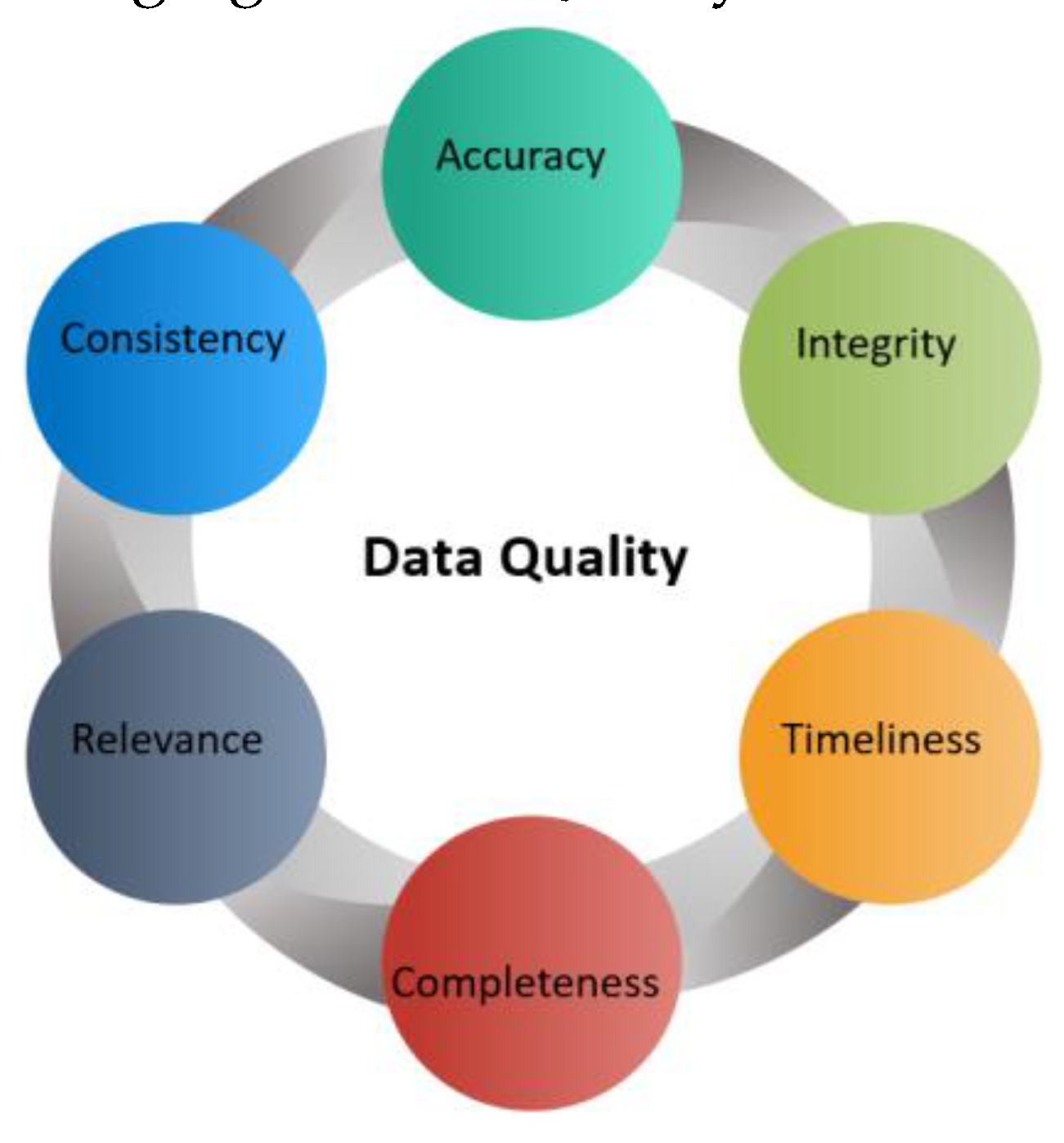
Disclaimer/Publisher’s Note: The statements, opinions and data contained in all publications are solely those of the individual author(s) and contributor(s) and not of MDPI and/or the editor(s). MDPI and/or the editor(s) disclaim responsibility for any injury to people or property resulting from any ideas, methods, instructions or products referred to in the content. |
© 2023 by the authors. Licensee MDPI, Basel, Switzerland. This article is an open access article distributed under the terms and conditions of the Creative Commons Attribution (CC BY) license (http://creativecommons.org/licenses/by/4.0/).
Copyright: This open access article is published under a Creative Commons CC BY 4.0 license, which permit the free download, distribution, and reuse, provided that the author and preprint are cited in any reuse.


