

Submitted:
13 October 2020
Posted:
13 October 2020
You are already at the latest version
Abstract
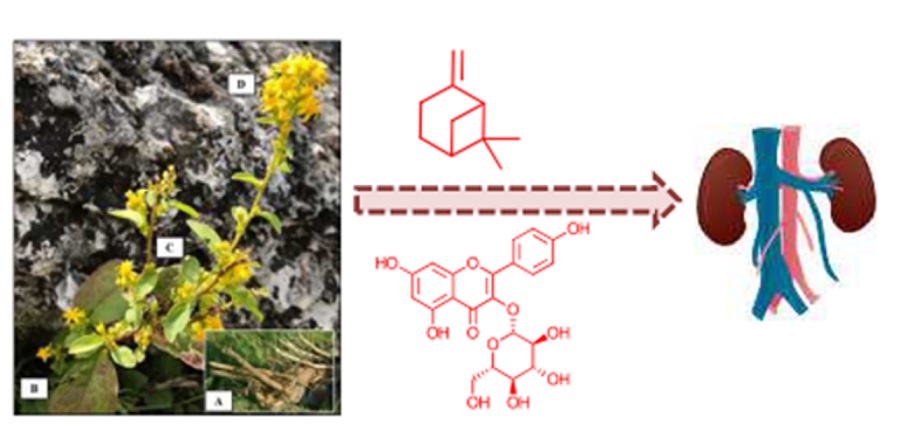
Solidago virgaurea L. (European goldenrod, Woundwort), Asteraceae, is a familiar medicinal plant in Europe and other parts of the world, widely used and among the most researched species from its genus. The aerial parts of European goldenrod have long been used for urinary tract conditions and as an anti-inflammatory agent in the traditional medicine of different peoples. Its main chemical constituents are flavonoids (mainly derived from quercetin and kaempferol), C6-C1 and C6-C3 compounds, terpenes (mostly from the essential oil), and a large number of saponin molecules (mainly virgaureasaponins and solidagosaponins). Published research on its potential activities is critically reviewed here: antioxidant, antiinflammatory, analgesic, spasmolitic, antihypertensive, diuretic, antibacterial, antifungal, antiparasite, cytotoxic and antitumor, antimutagenic, antiadipogenic, antidiabetic, cardioprotective, and antisenescence. The evidence concerning its potential benefits is mainly derived from non-clinical studies, some effects are rather modest, whereas others are more promising, but need more confirmation in both non-clinical models and clinical trials.
Keywords:
Solidago vigaurea L.
; European goldenrod
; Asteraceae
; ethnomedicinal
; phytochemistry
; distribution
; pharmacological activity
Copyright: This open access article is published under a Creative Commons CC BY 4.0 license, which permit the free download, distribution, and reuse, provided that the author and preprint are cited in any reuse.


