
Submitted:
12 November 2026
Posted:
13 November 2026
You are already at the latest version
Abstract
Schistosomiasis morbidity and mortality are essentially due to the sequelae of granulomatous inflammation around worms’ eggs trapped in tissues of the mammalian final stage, notably man. Eggs that reach the excreta are the means of pathogen transmission to the snail intermediate stage, responsible for releasing thousands of cercariae. The cercaria with intact head and forked tail is the infective agent for man and animals. Radiation-attenuated (RA) cercariae are able to navigate the epidermis, dermis and the lung capillaries but die therein, and do not access the liver to grow, mate, and start producing eggs. Experimental immunization with RA cercariae consistently elicited remarkable reduction in challenge worm counts and worm egg burden. Ethical and logistic concerns urged the scientific community to select and identify worm-derived subunit antigens, to substitute for the RA cercariae. Numerous Schistosoma-derived molecules were identified, characterized, and prepared as synthetic constructs, recombinant proteins, or plasmid DNA, incorporated into diverse adjuvants, and used for experimental immunization. Several molecules elicited similar or higher levels of protection than the RA vaccine model, up to 80% reduction in challenge worm and worm eggs counts. Like for the RA model, eggs remained in host tissues and excreta to elicit disease, secure transmission, and induce immune responses favorable for reinfection. Thus, vaccination may apparently be of no use for schistosomiasis control. In contrast, severing cercariae tail from head via using water pumps’ pressure as reported by Korir Sisca and Essendi Walter at Egerton University, Kenya may well be the road to elimination of schistosomiasis.
Keywords:
schistosomiasis
; schistosomiasis vaccines
; Schistosoma mansoni
; Schistosoma haematobium
; Schistosoma japonicum
; radiation vaccine
; cercariae
; schistosoma
; development of a schistosomiasis vaccine
1. Introduction
Schistosomiasis, a neglected tropical disease, is predominantly caused by Schistosoma mansoni, Schistosoma haematobium, and Schistosoma japonicum (Platyhelminthes, Trematoda, Digenea), also termed blood flukes as they develop, grow, copulate, deposit eggs, and permanently reside in the blood stream of susceptible mammalian hosts. Schistosomes are dioecious and need two environmental media, two hosts, and two reproduction modes to complete their life cycle. Asexual reproduction in a specific, intermediate snail host that dwells near freshwater streams, leads to the release of thousands of cercariae, the infective stage for the definitive hosts, notably man, striving in or near freshwater bodies [1]. Therefore, several approaches were used for water treatment seeking to eliminate viable cercariae from water bodies, and were found efficacious and useful but only for household and recreational water activities, besides that reliable design guidelines for treating water do not exist [2,3,4,5,6,7]. The infection is percutaneous. After losing their tail, the cercariae now called schistosomula navigate the host epidermal layers, and exchange their trilaminate, one lipid bilayer surface membrane for a heptalaminated, two lipid bilayers cover before accessing the dermis and the blood stream, their final abode [8,9]. The epidermis is blood- and lymph-free, virtually lacks complement components and antibodies [10], and thus, provides the newly transformed schistosomula with a provisional safe habitat. Indeed, the tailless cercariae and newly transformed schistosomula are extremely sensitive in vitro to the action of the lectin and alternate complement pathways and antibody-dependent complement and cell-mediated cytotoxicity (ADCC) [11,12,13,14]. This vulnerability, however, has absolutely no relevance in vivo because it is not detrimental to the fluke epidermal stages. Nevertheless, numerous articles have used this model to prove the functional activity, efficacy and usefulness of vaccine-induced antibodies until of today [15,16,17,18]. Additionally, innumerable articles reported on the loss of susceptibility to complement-mediated and ADCC within hours of in vitro schistosomula transformation and in ex vivo skin- and lung-stage schistosomula, and juvenile migrating worms [14,19,20,21,22,23]. Nevertheless, ADCC is still considered a major mechanism underlying the efficacy of a subunit vaccine, even when the immunogen is not located on the worm apical surface membrane [24,25,26,27,28,29,30], and was, thus, rightly termed ‘the ADCC juggernaut’ [31].
After leaving the dermis, the schistosomula reach the lungs via the right side of the heart and pulmonary artery, and need elongation, thinning (width 15-25 mm), and slow navigation of the convoluted lung blood capillaries of 5-8 mm diameter. Additionally, only one or two epithelial layers (Figure 1A) to which they closely adhere prevent their extravasation, and host exit via coughing and swallowing [32]. Schistosomula of S. japonicum show early establishment in and a rapid departure from the lungs, perhaps explaining the high worm recovery. Low S. haematobium recovery could be attributed to persistence in the lungs to up to 3 weeks, while S. mansoni schistosomula arrive in the lungs about 3 days post infection (PI), peaking at around days 6-7 [33,34,35]. From the lungs, schistosomula can flow via the pulmonary veins through the left side of the heart, and may reach the liver directly via the hepatic artery or indirectly via the hepatic portal vein [35,36], to end into the liver sinusoids, which arise at the portal triad where the terminal branches of the hepatic artery and hepatic portal vein merge [37]. The sinusoids are leaky, large diameter capillaries (Figure 1B) that barely can accommodate the juvenile worms, which again would be under severe extravasation threat, and thus anchor themselves into the terminal venules of the hepatic portal vein [38,39]. However, squeezing through the sinusoids is a biological prerequisite that allows the schistosomula reaching the liver via the hepatic artery to successfully access the hepatic portal venules. Here the worms start feeding, grow, mate and the pair migrates against the flow of blood through the portal vein system to reach the venous vasculature at their preferred egg-laying site, where sexual reproduction takes place [35,36,38,39]. Despite their habitat in a medium, which should rightfully be considered a lymphatic tissue, organ or system [40], and among powerful, parasite-specific immune responses the male holding the female in its gynecophoral canal, live unscathed by immune effectors, often for decades [41].
In human infections, the daily egg laying of an adult worm pair is 250-400 for S. mansoni, 200-1000 for S. haematobium and 1500-3500 for S. japonicum [36,42,43]. The immature eggs deposited by females against endothelia of venules will develop within 7 days to contain a viable ciliated larva, called miracidium [43]. One-third to one-half of the eggs are able to exit the host by traversing the walls of the venules and the mucosa of the intestines or urinary bladder toward the exterior. The miracidium hatches from the egg in freshwater and swim seeking out the appropriate snail host where the parasite asexual reproduction leads, via mother and daughter sporocyst stages, to shedding of thousands of cercariae [41]. Eggs are the sole means by which the infection is transmitted from the definitive to the intermediate snail host. Distinct circadian rhythm for egg excretion in humans peaking typically around midday, in direct alignment with the time the intermediate host snails are highly active and human-water work and recreational contacts are highest, has been confirmed regarding S. haematobium [44,45]. Schistosome-derived eggs and incidence and distribution of suitable freshwater snails are responsible for the prevalence of schistosomiasis in 79 countries in tropical and sub-tropical regions [1,41].
Otherwise, the eggs are trapped predominantly in the liver and wall of the intestines and urinary bladder, but also the lungs, kidney, and other ectopic sites, the brain, spinal cord, and genital organs, and secrete a plethora of highly immunogenic molecules. Eggs-derived immunogens cause considerable granulomatous reactions characterized by the accumulation of neutrophils, eosinophils, macrophages and lymphocytes [41,46,47]. In the liver, granulomas block the hepatotoxic effects of antigen released from the parasite eggs. Continuous egg trapping in the liver and increase in granuloma number and distribution lead to neo angiogenesis, excessive accumulation of collagen and extracellular matrix proteins and, subsequently, fibrosis in the periportal space, portal hypertension, splenomegaly and esophageal varices. Schistosoma mansoni and S. japonicum egg deposition and granuloma formation in the intestine submucosa evoke edema, polyp and nodule formation, necrosis, ulceration, and fibrosis manifested by colitis, abdominal pain, diarrhea, malnutrition and weight loss [48]. Schistosoma haematobium infection leads to granulomatous inflammation in the bladder, lower ureters, seminal vesicles, and the female genital system. In the urinary bladder and ureters, granulomas coalesce to form tubercles, nodules or masses, lead to excessive fibrosis, ulceration, strictures, calcifications, hyperemia and urodynamic abnormalities, and clinically present as hematuria [49,50]. Trapping of the eggs of S. haematobium in the reproductive organs lead to male and female genital schistosomiasis characterized by hypertrophic and ulcerative lesions of the ovaries, fallopian tubes, cervix and vagina, and in men affect the epididymis, testicles, spermatic cord, and prostate [49,50,51,52,53]. Neuro schistosomiasis remains the most severe and under-recognized clinical syndrome associated with schistosomal infection, and is often associated with S. japonicum, whereby the small size of the eggs facilitates their sweeping towards the brain cortex, subcortical white matter, basal ganglia, and internal capsule [41,49,54]. In S. mansoni and S. haematobium infections, granulomatous inflammation around eggs usually impacts the spinal cord [41,49,54,55,56]. Praziquantel (PZQ) is used with efficacy for chemotherapy and preventive therapy of the disease [41].
Specific antibodies to soluble adult worm antigens of the IgG1, IgG2a, IgG2b isotype are barely detectable in the serum of S. mansoni-infected mice until 5 weeks, and IgG3, IgA and IgE antibodies until 6 weeks PI, indicating that migrating schistosomula, juvenile and adult worms elicit modest humoral immune responses. Following egg deposition, there is a considerable surge in the level of serum specific antibodies of all isotypes, notably IgG1 and IgE [57]. Similar results were obtained with baboons exposed to S. mansoni for up to 14 weeks [58]. Patients with early S. mansoni infection show variable responses to adult worm and egg soluble antigens, while cured and not re-exposed individuals harbor very high levels of antibodies to soluble egg antigens (SEA) [59,60]. Additionally, eggs trapped in host tissues elicit the production of considerable levels of Th1, Th2 and Th17 cytokines [47,60,61,62,63,64,65,66]. These powerful immune responses likely antagonize and oppose each other [63,66] as they fail to prevent reinfection even following chemotherapeutic cure with PZQ. Indeed, re-infection rates with S. mansoni, S. haematobium, and S. japonicum rates are high. Resistance to reinfection can develop, however it typically takes several years following numerous rounds of treatment and re-infection [41,63,67,68,69,70,71,72,73,74]. The persistence of eggs in the host tissues upon infection and reinfection and despite multiple rounds of treatment still lead, until of today, to anemia, growth stunting, impaired cognition, decreased physical fitness, severe illness, morbidity, even mortality, in upwards of 230 million people and 1.53 million to 3.31 million disability-adjusted life years (DALYs) annually, whereby DALY combines the years of life lost due to premature mortality and the years lived with disability or illness [72,73,74,75]. Efforts were directed to curb the infection via the use of chemicals or plant-derived molluscicides, with little success [76,77]. Yet, from as early as the eighties, hopes arose for eradicating disease and halting pathogen transmission via the development of a safe and efficacious vaccine [78].
2. The Radiation-Attenuated Larva Vaccine
Immunization of mice with radiation-attenuated (RA) S. mansoni cercariae consistently induced reduction in challenge worm burden compared to unimmunized mice, igniting hopes that vaccination against the helminth parasite is possible [79]. Encouraging results have already been reached upon immunization of calves with RA schistosomula of Schistosoma bovis, whereby significantly lower fecal egg outputs, lower tissue egg burden and adult worm counts were recorded in vaccinated versus control animals [80,81]. An explosion of articles followed regarding the use of different schistosome species and life cycle stages, preferably cercariae and mechanically-transformed and lung-stage schistosomula, various types and doses of irradiation, numbers of immunizing larvae, numbers and time course of immunizations, and experimental hosts, notably rodents, field animals, and non-human primates [82]. Bickle [83] and You et al. [84] provided a fascinating historical perspective of the efforts that established the protective efficacy of the RA schistosome vaccination, for short the RA vaccine model, against challenge infection with S. mansoni, S. haematobium, and S. japonicum. Reduction of challenge worm burden often varied between 35 and 60% for S. japonicum and S. mansoni, but reached up to 90% for S. haematobium. Data regarding tissue and excreta egg counts indicated more or less significant reduction, and revealed that surviving worms invariably continued to produce and deposit eggs that reached the liver, small intestine and excreta [85,86,87,88,89,90,91,92,93,94,95].
Controversy arose concerning several aspects among which the site responsible for attrition of challenge parasite following exposure to the RA vaccine, notably the skin, the lungs and/or the liver [31,82,83,96,97,98,99], but consensus was reached that the protection against challenge infection was invariably partial, with reduction, but not elimination of challenge worm burden associated with detection of worm eggs in the host tissues. Numerous articles attempted to decipher whether T cell-mediated or humoral immunity are responsible for the RA vaccine-induced protection [82,83]. Intravascular lung-stage larvae appeared to attract lymphocyte-, macrophage- as well as eosinophil-rich foci that could be responsible for exit of the challenge larvae from the pulmonary capillaries to the alveoli [98,100,101,102,103]. Humoral immunity was proven to be fundamental for inducing protection in the RA vaccine model via passive transfer experiments of serum from RA-vaccinated animals to unimmunized, schistosome-infected hosts, especially at around the first week PI, but resistance to infection following passive transfer of RA vaccine-induced antibodies was partial as usual [82,83,104,105,106,107,108]. The findings additionally documented the importance of T cell-mediated immunity because humoral antibody responses to schistosome-derived larval proteins are T cell-dependent. The exact mechanism via which RA vaccine-induced immune antibodies leads to reduction in challenge worms and worm eggs was not identified. Additionally, several studies conclusively demonstrated that optimal protection in the RA vaccine model is dependent on the induction of both type-1 and type-2-associated immune responses [82,83,109,110,111,112,113,114]. Nevertheless, and despite it is known that pre-patent schistosome infection primarily elicits Th1 responses [115], it was long recommended and preferred that efficacious vaccination against schistosome infection should induce Th1, and not Th2, immune responses.
Ethical and logistical concerns prevented the use of RA larvae in humans. Additionally, the RA vaccine essentially elicits reduction in the number of challenge worms, but the more or less numerous surviving worms consistently deliver in the host tissues and excreta loads of worm eggs, sole responsible for disease and pathogen transmission, respectively. Accordingly, the RA vaccine is more akin to a drug than a vaccine expected to prevent, not only alleviate, disease and pathogen transmission. A vaccine is also used in order to direct the host immune system towards eradication of any further incoming infection. However, the RA vaccine entirely fails in that respect because the output of eggs in the host tissues leads to considerable antibody production and cell-mediated reactivities that oppose, antagonize, and obliterate the efficacy of the vaccine-induced, partially protective immune responses. Accordingly, such vaccine may not be used repeatedly to even reduce worms and worm eggs burden and transmission, and thus is actually less useful than a drug, like PZQ, which repeated use is the cornerstone of the anti-schistosomiasis campaigns worldwide. Nevertheless, the scientific community under the guidance of the World Health Organization (WHO)- the Special Program for Research and Training in Tropical Diseases (TDR) was urged to develop a safe and easily available, defined subunit protein formula that would use strategies that seek to replicate the mechanisms of the RA vaccine [116]. It was stated that sterile immunity is not required since the parasites do not multiply in the human host, and even a partial reduction in challenge worm burden should be useful [116,117,118]. During the 1990s, ten antigens in multiple antigen peptide (MAP) or full-length recombinant protein constructs were deemed close to clinical trials, based on reports of consistent delivery of high levels of protection in experimental animals, and availability [116,117,118]. However, independent laboratory testing in C57BL/6 and BALB/c mice revealed that none of the antigen preparations investigated reached the stated goal of consistent induction of 40% protection [116,117,118]. Nevertheless, and despite Bruno Gryseels’s and James Bennett pleas [119,120,121], it was recommended that all of the molecules tested could be considered candidates for further development (116,122,123).
3. Following the RA Vaccine Strategy and Roadmap
3.1. The Truncated Parcourse of IrV-5
Wideworld efforts were made to identify the molecules recognized by sera and T cells of experimental hosts and non-human primates immunized with the RA vaccine. Antibodies of mice vaccinated twice with RA cercariae over a period of 7 to 11 weeks specifically bound to high molecular weight glycoproteins of schistosomula, adult worms, and eggs [124]. Recognized adult worm molecules, among them a 200 kDa antigen, were purified by preparative sequential immunoaffinity chromatography, and used to prepare the anti-IrV serum [125]. Among the cloned Schistosoma proteins reactive with the anti-IrV serum the peptide epitopes most relevant to immune-protection belonged to a fragment of the 200 kDa antigen, S. mansoni 62 kDa myosin, the SmIrV-5 vaccine candidate, which elicited 32 to 72% protection levels in mice, depending on the antigen formulation and the number of immunizations [126,127]. That immunogen was, however, shown to elicit less than 40% protection in S. mansoni-challenged BALB/c and C57BL/6 mice [117]. The S. japonicum recombinant homologue of 62 kDa myosin fragment, rSj62, was incorporated into different adjuvants and used to immunize several cohorts of mice and rats. A significant (P < 0.05) reduction of 27% was obtained in only one group [128]. Additionally, pigs were immunized with rSj62 incorporated in Freund’s adjuvant, or Sj26 in a micellar preparation or naked DNA construct. None of Sj62-immunised pig groups showed significant resistance to challenge infection with S. japonicum, and it was concluded that Sj62 shows little promise as a schistosomiasis vaccine candidate [129]. Additionally, vaccination of mice with Sj62-derived B cell epitope elicited only partial protection against S. japonicum challenge infection in mice measured by worm and worm eggs burden [130]. Schistosoma mansoni IrV-5, recommended as a vaccine candidate by WHO-TDR, was subsequently discarded and forgotten.
3.2. Paramyosin
An adult S. mansoni worm protein of 94-97 kDa, Sm-97, recognized by sera of mice immunized with RA cercariae [124,125,131], was identified as paramyosin, which was also specifically recognized by mice protectively immunized with intradermally-injected S. mansoni extracts combined with BCG (bacillus Calmette-Guerin) as adjuvant [132,133]. Paramyosin is an alpha-helical protein that forms the core for myosin filaments in invertebrate muscles. Intradermal immunization of C57BL/6 mice with purified native or recombinant paramyosin combined with BCG elicited robust T cell-mediated immunity associated with 30-40% reduction in challenge (100-150 viable cercariae) S. mansoni worms, estimated 6 weeks PI [134], because otherwise all control and vaccinated mice would die before perfusion for worm counts. Purified paramyosin also elicited 24-53% protection in CF1 mice in the absence of adjuvant and 53% when combined with BCG [135]. Since these protection levels were akin to those uniformly achieved in the RA vaccine model, S. japonicum paramyosin was cloned and sequenced [136,137], and the recombinant product shown to elicit significant (P < 0.001) resistance against S. japonicum cercarial challenge compared to controls [138,139). However, the full-length native paramyosin failed to elicit 40% protection against S. mansoni infection in BALB/c and C57BL/6 mice [117], despite its ability to inducing robust cytokine responses in peripheral blood lymphocytes of humans resistant and susceptible to reinfection following chemotherapy cure [140,141]. Additionally, T cell immunity-inducing paramyosin epitopes, alone or in conjunction with peptides from different presumably protective vaccine antigens recognized by RA cercariae vaccinated animals, failed to protect mice from subsequent schistosome challenge infection [142,143]. Nevertheless, every effort was delivered to produce S. japonicum recombinant paramyosin on a pilot-scale [144], and propose a developmental plan to move paramyosin toward Phase I clinical trials [145], before that one of the candidates selected by the WHO for the development of a vaccine against schistosomiasis goes into oblivion.
3.3. The Rise and Fall of Glutathione S- Transferase
Controversy arose regarding whether schistosome glutathione S-transferase (GST) is a promising vaccine candidate able to elicit reduction in challenge S. mansoni and S. japonicum worm and worm egg burden [146,147,148,149], despite that it appeared to be one of the molecules that stimulate the most intense humoral and cell-mediated immune responses in the murine RA vaccine model [131,150,151]. Glutathione S-transferase was the first defined subunit vaccine candidate considered for the development of a vaccine against schistosomiasis in China. The initial approach to the development of an anti-schistosomiasis vaccine in China relied predominantly on live attenuated larval vaccines. These vaccines were found suitable for inducing protection in laboratory hosts but were not considered for vaccinating humans or domestic animals in the field for economic, logistic and ethical reasons. There was no mention of the caveat of eliciting only a partial immunity with significant differences between RA larval vaccine-immunized and controls in recovered challenge worm and worm egg burdens ranging between P < 0.05 to P < 0.005, and a maximum of 80% reduction. These findings are exactly as those reached with treatment of the most efficient, safe, and cost-effective chemotherapeutic drug, PZQ. However, PZQ treatment cannot prevent reinfection and progressive development of the pathology [41]. Likewise, the major aim of extensive biochemical, immunological, and protection studies with GST was to reduce the morbidity of schistosomiasis via decreasing the number of schistosome worm pairs and limiting egg deposition in the liver, intestine, and excreta And today, 25 years later, there were no reports on the efficacy of recombinant S. japonicum GST being tested in water buffaloes under natural field conditions, and the prospect of the vaccine regarding interruption of the pathogen transmission [152].
Over three decades, French Team directed by Andre Capron delivered extensive research studies that promoted schistosome GSH to the forefront of the subunit vaccine candidates, the substitutes for the RA cercarial vaccine. The genes encoding the S. mansoni 26 kDa and 28 kDa GSH were cloned and characterized, and found to show 82% and 77% identity with S. japonicum 26 and 28 kDa GST, respectively, while homology between the 26 and 28 kDa GST genes did not exceed 20% [153,154,155]. Recombinant Sm28GST was found to protect rodents and baboons against challenge infection with S. mansoni, whereby protection was translated by around 40% to 70% reduction (P < 0.05) in recovered worn numbers and liver and fecal egg counts [156[, outcomes that could easily be reached by a single PZQ dose [41]. The protection was estimated to essentially be ascribed to interferon-gamma (IFN-g)-producing CD4+ and CD8+ lymphocytes, [157], and quite obscurely to cytotoxic T lymphocytes response to Sm28GST epitopes [158]. However, mice immunized with the antigen combined with alum or Freund adjuvant or expressed in BCG or Salmonella typhimurium produced high titers of anti-Sm28GST IgG2a, less IgG2b and IgG1 protective antibodies, i.e., type 1, type 2, and mixed antibody responses [159,160]. Similar results, notably robust production of IgG1 and IgA antibodies, were obtained upon immunization of mice and in patas monkeys immunized with recombinant GST of S. haematobium, rSh28GST. There were, however, no clear association between the levels of serum specific antibodies and protection, which was remarkable with respect to the number of eggs in the urine, but not regarding the burden of the challenge surviving worms, leading to conclude that Sh28GST is a promising anti-schistosome fecundity vaccine candidate [161,162,163,164,165]. Thereafter, a randomized clinical study was implemented involving two groups each of eight healthy volunteers and two immunizations of 100 or 300 mg of rSh28GST emulsified in alum. The vaccine candidate was safe, tolerable and principally induced type 2 cytokines (IL-5 and IL-13) and a mixture of type 1 and type 2 antibodies [166]. The safety and efficacy of rSh28GSTor bilhvax were investigated upon immunization of 6-9 years-old children of Senegal with the vaccine combined with alum, or alum alone [167]. Of note, all children were treated with two doses of PZQ to clear previous infection before the immunization regimen. There was no need to wait for week 152 to know the results. Perhaps not worms but certainly eggs killed following exposure to PZQ would induce a storm of cytokines and antibodies of every immune type and specificity, including to 28kDaGST, which expression level is highly elevated in the egg stage [168]. What could immune responses to rSh28GST, emulsified or not with alum, possibly do amid this chaos of immunological reactions?
3.4. The Short Journey of Triose Phosphate Isomerase and Sm23
Schistosoma mansoni triose phosphate isomerase (TPI) was another molecule readily recognized by the humoral and cell-mediated immune responses of RA cercariae-vaccinated mice and proposed to substitute for the RA vaccine [131,150,151]. Despite the gene encoding S. mansoni TPI was cloned [169], and expressed, and the recombinant product fully characterized [170], immunogenicity studies were performed based on TPI-based peptides in MAP constructs [171,172,173]. Schistosoma japonicum TPI carried ahead the flag along the road leading to protection levels akin to those achieved by the RA vaccine. Genes encoding TPI of the Chinese and Philippine strains of S. japonicum were cloned, characterized, and expressed [174,175,176], but reports of vaccine potential involved DNA, rather than recombinant, formats. Immunization of C57BL/6 and BALB/c mice, pigs and water buffaloes with S. japonicum plasmid DNA led to weak antibody production and limited protection levels against challenge S. japonicum in mice differently from the farm animals where adult worm and liver worm egg counts were reduced by 40 to 50%, and fecal miracidial hatching by more than 30% [177,178,179,180]. Combination of TPI DNA plasmids with other plasmids of different promising vaccine candidates or with purified and enzymatically active TPI elicited increase in protective efficacy and worm or egg reduction rate reaching up to 60-70% [84,181,182,183].
Fortunately, like for TPI, Sm23 did not fully exhaust the efforts, time and life of involved researchers and scientists. While aiming to identify candidate vaccine antigens relevant to the RA vaccine said to induce the highest levels of resistance to homologous worm challenge, the surface membrane protein of 22-23 kDa, Sm23, was found to be readily recognized by sera of C57BL/6J and CBA/J vaccinated with irradiated cercariae of S. mansoni [131]. First believed to be an integral membrane protein, Sm23 was reported to additionally contain a glycosyl- phosphatidylinositol anchor. Location of Sm23 on the surface membrane of schistomula, lung-stage larvae and juvenile worms was verified together with the presence of several T and B cell epitopes [184,185,186]. The ideal vaccine candidate for the advocates of the critically important need to target host-parasite interface for demise of blood-resident flukes. The gene encoding Sm23 was, therefore, cloned, characterized, and expressed [187,188]. People infected with S. mansoni displayed robust serological reactivity to several regions of Sm23 [187], a proof that infection with schistosomes produce a plethora of antibodies to schistosome antigens, among which those induced by vaccination that will then be flooded, and likely overwhelmed and outcompeted, following a single, partial immunity-inducing vaccine, use. Several experiments using DNA plasmid constructs encoding Sm23 (Sm23-pcDNA) convincingly revealed that Sm23-induced parasite-specific IFN-g and antibody responses failed to evoke optimal vaccine efficacy [189,190,191,192], thus sparing Patrick Skelly for subsequent prodigious additions to the biology of schistosomes.
3.5. The Ascension of the Fatty Acid-Binding Protein Sm14
The discovery of 14 kDa fatty acid-binding protein vaccine candidate was not related to the RA vaccine model, but followed its path, strategy and roadmap in modifying the immunogen constructs, varying adjuvants, changing experiments hosts, assessing humoral and cell-mediated immune responses, and neglecting the partial immunity outcome. The gene encoding S. mansoni Sm14 was identified, cloned, characterized and expressed in Escherichia coli or Mycobacterium bovis. Immunization of rabbits and Swiss mice with recombinant Sm14, whether or not combined with alum or Freund’s adjuvant, elicited considerable reduction in challenge worm counts; egg counts in tissue or excreta were totally overlooked [193,194,195,196]. Additionally, protection following two or three cercarial challenges decreased to less than 40% [196], an indication that these RA model-like vaccine candidates are useful for only a single immunization/challenge trial. But the reduction of vaccine efficacy over time was attributed to a cysteine-related protein dimerization and subsequent aggregation, while a correct fold is critically important for inducing protection. The amino acid cysteine was replaced leading to a protective Sm14 mutated version [197]. Fully folded conformation is critical for a therapeutic but not for a vaccine protein, which must be accessed by lysosomal enzymes in B cells, dendritic cells or macrophages for effective peptide presentation on their surface and igniting cellular and humoral immune responses. Nevertheless, Sm14 rapidly progressed to scale-up level and industrial production in the yeast Pichia pastoris [198,199,200,201], and supported by an endemic but rich and progressive country, already underwent Phase I and Phase II clinical trials that documented the safety and immunogenicity of the candidate vaccine [202,203,204]. Its efficacy will only be ascertained after obtaining and revealing the outcome of Phase III clinical trial, amid alarms and alerts raised by competent Brazilian teams on the efficacy of Sm14 vaccination against S. mansoni infection [205,206,207,208,209,210].
3.6. The Bright Trajectory of Tetraspanin (TSP)-2
The integral membrane tetraspanin protein (TSP)-2 was first advocated on 2006 as a potential schistosomiasis vaccine candidate, because it was putatively located on the worm surface membrane, specifically recognized by IgG1 and IgG3 antibodies of humans naturally resistant to schistosome infection (endemic controls), and like the RA model, its large extracellular (EC-2) loop, in a recombinant form, elicited up to 65% reduction in challenge worms, and worm egg burden in tissue and excreta of CBA/CaH mice. The proposed mechanism of action is vaccine-induced antibodies interfering with TSP-2 interaction with protective host MHC molecules, binding to the apical surface of the worm in the lung capillaries and hepatic portal veins, followed by mediating ADCC [211]. This is how misconceptions in science are propagated and entrenched, specially that the article was published in the eminent journal Nature Medicine [211]. Additionally, the vaccine potential of TSP-2 was challenged following discovery of the polymorphism of its EC-2 loop, tegumental but not apical surface membrane location, and controversial protective efficacy against challenge with S. japonicum and S. mansoni [212,213,214,215,216]. It is not very important whether TSP-2 is a true surface molecule, because it would not in any case be the target of ADCC, and is prominent in schistosome-secreted extracellular vesicles, and like excretory-secretory products (ESP), may initiate immune responses and be targeted by immune effectors [217]. The problem is that one considers a vaccine, an immunogen that induces only around 35- 70% reduction in challenge worm counts and leaves considerable numbers of eggs in host tissues, whether presented in a DNA, mRNA, or recombinant protein format, linked with various immunomodulatory molecules or combined with different adjuvants [218,219,220,221,222,223]. That is the outcome of a moderately efficacious drug, not a proper vaccine. Moreover, the worm eggs in host tissues will induce antibodies and cytokines among which memory immune responses to the vaccine candidate will hardly be of consequence upon a subsequent infection. Accordingly, such vaccine is only for a single use, differently from PZQ that may be administered yearly, often for decades [41]. Nevertheless, TSP-2 rapidly proceeded to Phase 1 and Phase 1b clinical trials with promising results, which have led to initiation of a Phase 2 clinical trial in Uganda [224,225,226,227].
3.7. Calpain Smp-80 Past, Present and Future
Strenuous efforts for development of the calcium-dependent neutral cysteine peptidase, calpain, for schistosomiasis prophylaxis started as early as 1990 and continued, interruptedly, until of today. The genome of schistosomes encodes 7 calpain family members. An S. mansoni calpain large subunit (80 kDa, Smp-80) was shown to be localized in the surface syncytium epithelium and underlying musculature, functioning as a mediator of the worm surface membrane biogenesis and synthetic processes, showing no cross-reactivity with the counterpart human enzymes, while possessing epitopes shared with S. japonicum calpain [228,229,230,231,232]. Baculovirus-expressed Sm-p80 was reported to be recognized by serum IgM, IgG1, IgG3, and IgA of S. mansoni-infected patients, but upon immunization of mice it elicited a mere 29-39% reduction in challenge S. mansoni worms, and [233]. These data together suggest that immunization of parasitologically naïve humans with Sm-p80 would elicit memory responses to the immunogen and partial protection against putative infection. The surviving worms and the considerable egg numbers they will deposit in the host tissues will direct the generation of a plethora of cytokines and antibodies to Sm-p80 as recorded, and to very many other molecules and specificities, rendering Sm-p80 memory immune reactivities to subsequent infection entirely superfluous and inconsequent. Accordingly, partial immunity-inducing vaccine, like the RA model, believed to reduce morbidity and transmission via decreasing the infection worm and worm egg load, achieves that only once and entirely fails to interfere with reinfection. The RA model strategy and roadmap should have been disregarded from the start, and discarded as with poorly or moderately effective schistosomicides and molluscicides. The Team produced heroic efforts in order to investigate and increase the immune protective impact of Sm-p80, prove that it is highly effective in experimental animals and non-human primates, not only against infection with S. mansoni, but against S. japonicum and S. haematobium as well [17,18,233,234,235,236,237,238,239,240,241,242,243,244,245,246,247,248,249,250].
Along the road, Sm-p80 formulations, notably DNA plasmid and recombinant protein, were reported to elicit around 70 to 75% decrease in worm and worm egg burdens in C57BL/6 mice and 46% and 28% in baboons (Papio anubis), and boasted as achieving levels previously attainable only by the irradiated cercarial vaccine [241,242], indeed very much like the RA vaccine. The Sm-p80-mediated protection was advocated as due to ADCC activity via using lung lavage cells and sera from immunized mice and mechanically-transformed, not lung-stage, schistosomula, and, accordingly ADCC has been suggested as one of the important means of Sm-p80 mediated protection [29]. Malaterre et al. [251] have recently clarified from where stem scientific misconceptions, entrenched beliefs that contradict established scientific facts and evidence. Apart from ADCC, and induction of vaccinees’ generation of copious amounts of type 1, type 2, and type 17 cytokines and antibodies, the exact mechanisms of Sm-p80 prophylactic and putatively therapeutic impact on infection with schistosomes was not clarified [252,253,254,255,256,257,258]. Nevertheless, the vaccine appeared safe and immunogenic in Phase I clinical trials, and Phase1b are currently ongoing in Madagascar and Burkina Faso [259]. Despite the very significant hurdles facing transitioning a partial immunity-inducing vaccine to endemic settings [260], the Sm-p80-based SchistoShield® remains the last hope, hopefully the last, regarding control of schistosomiasis via a vaccine that substitutes for the RA vaccine, believed until nowadays as the gold standard for the induction of protective immunity against schistosomiasis [261,262,263]. “Indeed, repeatedly sharing a false statement makes it sound believable, even if it was initially recognized as a hoax” [251].
3.8. In Search of Lost Efforts and Time
We energetically joined the race and attempted to discover a substitute for the RA vaccine, via identification of subunit antigens putatively responsible for the protection. The antigens that evoke T cell-mediated immunity in this model are vaccine antigen candidates since T lymphocytes mediate critical immune responses and control the production of most antibodies. Therefore, spleen cells and sera from C57BL/6 and outbred Swiss naïve mice and mice immunized twice with optimally irradiated S. mansoni cercariae were incubated with electro separated adult worm antigens in T cell Western and Western blotting assays, respectively. Extensive sets of experiments ended by identifying S. mansoni enolase and calreticulin as potential vaccine candidates [264,265,266,267]. The protective efficacy of the RA model in mice was often variable and consistently partial. Accordingly, the best source for protective molecules was thought to be the schistosomula or adult worm antigens specifically recognized by peripheral blood mononuclear cells (PBMC) and sera of humans resistant to reinfection with S. mansoni and S. haematobium following chemotherapy. Another set of extensive experiments delivered glyceraldehyde 3-phosphate dehydrogenase (SG3PDH) as the winner molecule [268,269,270,271,272], which was previously identified by Dessein Group as the molecule preferentially recognized by Brazilian donors, resistant to S. mansoni reinfection following chemotherapeutic cure [273]. The data implied that following PZQ treatment humans are readily reinfected and display cellular and humoral immune responses to a plethora of worm-derived antigens, and it was assumed that protection from reinfection was associated with lasting or memory immune response to SG3PDH. Nevertheless, SG3PDH in a full-length, enzymatically active recombinant form failed to elicit but barely significant (P < 0.05) 30% reduction in challenge worm burden, despite being combined with type 1 immunity-inducing adjuvant [274,275,276,277]. Induction of preponderant type 1 cytokine and antibody responses remained for decades an absolute necessity for achieving protective immunity against schistosomiasis. That concept was entrenched despite the RA model protection appeared to be due to mixed type 1 and type 2 immunity [82], and schistosome infection is rodents and man induces only conspicuously non-protective type 1 immune responses until patency [115]. In order to avoid the consequences of extensive sharing with mouse and human G3PDH, six SG3PDH-derived peptides were selected based on lowest identity to the mammalian enzyme and recognition by humans resistant to reinfection after chemotherapy. The selected amino acid sequences synthesized as linear, dipeptidic and MAP constructs were combined with type 1 immunity-inducing adjuvants, notably Freund’ adjuvant. Protection in BALB/c, C57BL/6 and Swiss mice was invariably modest, but importantly revealed, for the first time, that the peptides derived from the same precursor molecule display opposing impact on recovery of challenge schistosome worm counts and burden of worm eggs in liver [274,275,276,277]. This phenomenon termed functional antagonism, peptide interference or intermolecular counter-regulation is well-established for several proteins [278,279,280] but was not taken into consideration in devising schistosomiasis vaccines. Another misconception that lagged for decades was derived from the ADCC juggernaut’ [31] and advocated the fundamental importance of surface membrane antigens as candidate vaccines because they are located at the host-pathogen interface. However, SG3PDH, a cytosolic and surface membrane antigen as well (281,282) and the S. mansoni apical membrane-located glucose transporter, SGTP4, combined with Freund’s adjuvant, induced in inbred and outbred mice remarkable levels of type1 and type 2 cytokines and specific antibodies, and marginal protection levels [283]. In contrast to the worm cytosolic and surface membrane antigens, which are equally inaccessible to immune effectors, ESP are the ideal potential schistosomiasis vaccines as they are able to induce T and B cell primary and memory immune responses and readily be targeted by immune effectors, notably specific antibodies [284,285].
Worms-released ESP and extracellular vesicles are soon swept away with the blood flow, and the immune responses they induce and their interaction with immune effectors are of no interest or consequence to the worms. The only exceptions are in the stalemate of the convoluted lung capillaries and narrow liver sinusoids, whereby released ESP and exosomes-antibody complexes bind to immune cells in the vicinity of the larval lung-stage schistosomula and juvenile liver-stage worms. Activated immune cells may then pursue, chase, surround the migrating worms, attempting to harm them with toxic molecules or impact the permeability of the blood capillaries to enhance the worms’ extravasation to a certain demise [100,286,287]. The most active immune cells in those respects are the eosinophils and basophils, which are recruited and activated by type 2 cytokines and antibodies. Accordingly preponderant type 2, not type 1, immunity should be induced upon developing ESP as potential vaccine candidates [284,285,286]. In support, SG3PDH combined with type 2-inducing cytokines or papain, and adjuvant-free schistosome gut cysteine peptidases, cathepsin B or cathepsin L, elicited production of specific IgG1 antibodies associated with highly significant (P < 0.005) reduction of up to 80% in challenge S. mansoni and S. haematobium worms in experimental rodents. Reduction in worm egg counts in liver and intestine was, however, consistently suboptimal [288,289,290,291,292,293]. It was remarked that chemically-inactivated papain, mutant helminth cathepsin L and enzymatically-inactive S. haematobium cathepsin L robustly deliver as potential vaccine candidates [289,293,294]. It was, thus, believed that peptides may substitute for the full-length molecule in inducing protective immunity against schistosome infection. Accordingly, peptides shared between prominent cysteine peptidases, notably papain and schistosome gut-derived cathepsin B and cathepsin L were synthesized as linear peptides or MAP constructs and used alone and in mixture, adjuvant-free, or combined with alum for immunization of outbred mice against challenge S. mansoni. These experiments aimed to elicit memory immune responses to cysteine peptidases released from worms at the liver stage. Significant reduction in challenge worm burden and worm egg load in liver and intestine were obtained with some but not all peptides, which revealed functional antagonism, an example of cysteine peptidases intermolecular counter-regulation. These findings helped to select peptides that do not oppose each other, notably in evoking immune responses that impact the fecundity of survivor worms [295,296,297]. The inclusion of alum adjuvant promoted the cytokine and antibody responses and protective potential. However, antagonism between immune effectors, notably specific type 2 antibodies, arachidonic acid, the nutrient and schistosomicide and ovocide; uric acid, the oxidant- and anti-oxidant; and reactive oxygen species, that oxidize the surface membrane lipids and activate critical enzymes, in the site where worms begin to feed, grow, and develop their reproductive organs [295,296]. That explained why the protection against S. mansoni challenge infection in these experiments was highly significant (P < 0.005), but never exceeded 60%. Accordingly, it was resorted to protective peptides from lung-stage schistomula ESP, notably SG3PDH and thioredoxin peroxidase, in order to transfer the memory immune response fight away from the site where the worm reproductive functions develop. The mixture of peptides targeting the worm lung- and liver stage induced significant reduction in challenge lung-stage larvae similar to that obtained with adult worms at the end of the experiment [297]. Our approach appeared to be a perfect substitute for the RA vaccine model whereby irradiated larvae dying in the lung release molecules, which induce local and systemic immunity but provoke worms’ attrition in the lung that is not followed by further worm demise elsewhere [82,96].
In an aim to circumvent all these caveats and produce a cost-effective and easy to produce vaccine formulation, the ultimate substitute for the RA larval vaccine, the four selected peptides were linked in a single polypeptide of 70 amino acids and the encoding DNA expressed as an endotoxin-free recombinant protein (Figure 2). The polypeptide in a synthetic peptide or recombinant protein combined with alum consistently elicited highly significant (P < 0.0001) reduction of up to 82% in challenge S. mansoni and S. haematobium worm counts following two immunizations and significant reduction of around 30% in worm egg loads in liver and intestine. Similarly to the RA model, increasing the number of immunizations to three failed to increase the protection parameters. In hamsters, the recombinant protein elicited 80% reduction in S. mansoni challenge worms and egg burden in liver and intestines [299]. These are the levels the WHO now stipulates for a vaccine formula to proceed to clinical trials. But we shall proceed no further. Because a schistosomiasis vaccine, which elicits only partial protection, leaving surviving worms to produce considerable number of eggs that initiate disease, secure transmission, and induce reinfection-promoting immune responses, is not a proper vaccine. It is a hoax.
4. Schistosomiasis May Be Eradicated Before the End of 2030
Arachidonic acid has been shown to kill every schistosome life stage, notably within the body of the intermediate stage snail, thus preventing asexual reproduction of the parasite, and elimination of released cercariae [287]. If snails in the fields and around water bodies are surrounded with cultures of algae rich in arachidonic acid and still are able to release cercariae, then these will be waited for by the breakthrough of Korir Sisca and Essendi Walter at Egerton University, Kenya, who succeeded in translating to the field the most basic notion in schistosomiasis biology, namely the loss of infectivity and viability of cercariae upon applying pressure [300]. If the organizational, engineering, epidemiological and medical logistics are in place for providing pumps delivering 12,000 psi (pounds per square inch) along each infested waterfront, stagnant water body, river banks, lake shores, and field lanes, then infection and reinfection with the parasite will be halted and transmission of schistosomiasis eliminated before the end of 2030. What a magnificent, incredible solace for the lost efforts, time and life!
5. Conclusions and Future Directions
Five decades of toils worldwide towards the goal of developing a schistosomiasis vaccine failed to deliver a single instance of sterilizing immunity. The protection was invariably partial, reducing the number of rather innocuous worms, but always leaving survivors to daily deposit considerable numbers of the schistosomiasis virulent factor, the eggs. It appeared impossible to eliminate all challenge worms, because they are not liable to a direct lytic hit. The mechanism of killing is apparently via exhaustion and extravasation following a chase by optimally-activated immune cells. Chases and hunts are never proof especially when schistosomes are involved because intense antagonism and opposition inter- and intramolecularly, among immune effectors, and between potential attrition sites often favor the worm not the host. In support, schistosomes do not grow, thrive, and deposit healthy eggs in immune-suppressed or deficient hosts. They are in need of immune responses and vaccination means induction of immune responses. However, schistosomiasis infection and reinfection may be eliminated via implementing the discovery of Korir Sisca and Essendi Walter at Egerton University, Kenya. Epidemiological and malacological studies must be initiated to map the freshwater sites of endemicity, PZQ cure of all infected children and adults (and animals in areas endemic for S. japonicum) must be achieved, while elimination of reinfection could be entrusted to engineers and manufacturers for the distribution of pumps of the size and force necessary for separating the head from the tail of cercariae swimming within and near the shores and banks of every lake, river, tributaries, and field lanes.
Funding
This review received no external funding.
Institutional Review Board Statement
This study did not require ethical approval.
Informed Consent Statement
Not applicable.
Data Availability Statement
No new data were created or analyzed in this study. Data sharing is not applicable to this article.
Acknowledgments
I acknowledge the support and encouragement of Dr. Hatem Tallima and the Director and Staff of the Academy of Scientific Research and Technology Science and Technology Center (STC).
Conflicts of Interest
The author declares no conflicts of interest.
References
- Sule, M.N.; El Lahham, I.; Munkombwe, M.N.; Nasike, P.; Gouvras, A.; Rollinson, D.; Mbaziira, R.; Kanshio, C.; De Leo, G.A. Schistosomiasis and water resources development in Africa: A scoping review and multi-case evaluation of associated snail control. PLoS Negl. Trop. Dis. 2025, 19(6), e0013180. [Google Scholar] [CrossRef] [PubMed]
- Braun, L.; Grimes, J.E.T.; Templeton, M.R. The effectiveness of water treatment processes against schistosome cercariae: A systematic review. PLoS Negl. Trop. Dis. 2018, 12(4), e0006364. [Google Scholar] [CrossRef] [PubMed]
- Braun, L.; Sylivester, Y.D.; Zerefa, M.D.; Maru, M.; Allan, F.; Zewge, F.; Emery, A.M.; Kinung’hi, S.; Templeton, M.R. Chlorination of Schistosoma mansoni cercariae. PLoS Negl. Trop. Dis. 2020, 14(8), e0008665. [Google Scholar] [CrossRef] [PubMed]
- Hazell, L.; Allan, F.; Emery, A.M.; Templeton, M.R. Ultraviolet disinfection of Schistosoma mansoni cercariae in water. PLoS Negl. Trop. Dis. 2021, 15(7), e0009572. [Google Scholar] [CrossRef] [PubMed]
- Zhang, J.; Pitol, A.K.; Braun, L.; Hazell, L.; Templeton, M.R. The efficacy of soap against schistosome cercariae: A systematic review. PLoS Negl. Trop. Dis. 2022, 16(10), e0010820. [Google Scholar] [CrossRef] [PubMed]
- Zhang, J.; Pitol, A.K.; Kinung’hi, S.; Angelo, T.; Emery, A.M.; Cieplinski, A.; Templeton, M.R.; Braun, L. The lethal effect of soap on Schistosoma mansoni cercariae in water. PLoS Negl. Trop. Dis. 2024, 18(7), e0012372. [Google Scholar] [CrossRef] [PubMed]
- Rupp, A.; Templeton, M.R.; Sioné, L.; Pitol-Garcia, A.; Braun, L. Detection of schistosome cercariae in water: A systematic review of traps and attractants. PLoS Negl. Trop. Dis. 2026, 20(8), e0014625. [Google Scholar] [CrossRef] [PubMed]
- Hockley, D.; McLaren, D. The outer membrane of Schistosoma mansoni. Trans. R. Soc. Trop. Med. Hyg. 1971, 65(4), 432. [Google Scholar] [CrossRef] [PubMed]
- Mclaren, D.J.; Hockley, D.J. Blood flukes have a double outer membrane. Nature 1977, 269(5624), 147–149. [Google Scholar] [CrossRef] [PubMed]
- Mutasim, D.F.; Adams, B.B. Immunofluorescence in dermatology. J. Am. Acad. Dermatol. 2001, 45(6), 803–822. [Google Scholar] [CrossRef] [PubMed]
- Mackenzie, C.D.; Ramalho-Pinto, F.J.; McLaren, D.J.; Smithers, S.R. Antibody-mediated adherence of rat eosinophils to schistosomula of Schistosoma mansoni in vitro. Clin. Exp. Immunol. 1977, 30(1), 97–104. [Google Scholar]
- McLaren, D.J.; Ramalho-Pinto, F.J.; Smithers, S.R. Ultrastructural evidence for complement and antibody-dependent damage to schistosomula of Schistosoma mansoni by rat eosinophils in vitro. Parasitology 1978, 77(3), 313–324. [Google Scholar] [CrossRef] [PubMed]
- Kassis, A.I.; Aikawa, M.; Mahmoud, A.F. Mouse antibody-dependent eosinophil and macrophage adherence and damage to schistosomula of Schistosoma mansoni. J. Immunol. 1979, 122(2), 398–405. [Google Scholar] [CrossRef]
- van Beek, A.E.; Jeanguenat, H.; Häberli, C.; Pouw, R.B.; Lamers, C.; Pál, G.; Gál, P.; Schmidt, C.Q.; Ricklin, D.; Keiser, J. Praziquantel and factor H recruitment differentially affect the susceptibility of Schistosoma mansoni to complement-mediated damage. Front. Immunol. 2024, 15, 1474358. [Google Scholar] [CrossRef] [PubMed]
- Grezel, D.; Capron, M.; Grzych, J.M.; Fontaine, J.; Lecocq, J.P.; Capron, A. Protective immunity induced in rat schistosomiasis by a single dose of the Sm28GST recombinant antigen: effector mechanisms involving IgE and IgA antibodies. Eur. J. Immunol. 1993, 23(2), 454–460. [Google Scholar] [CrossRef] [PubMed]
- Melo, T.T.; Sena, I.C.; Araujo, N.; Fonseca, C.T. Antibodies are involved in the protective immunity induced in mice by Schistosoma mansoni schistosomula tegument (Smteg) immunization. Parasite Immunol. 2014, 36(2), 107–111. [Google Scholar] [CrossRef] [PubMed]
- Zhang, W.; Le, L.; Ahmad, G.; Molehin, A.J.; Siddiqui, A.J.; Torben, W.; Karmakar, S.; Rojo, J.U.; Sennoune, S.; Lazarus, S.; et al. fifteen years of Sm-p80-based vaccine trials in nonhuman primates: antibodies from vaccinated baboons confer protection in vivo and in vitro from Schistosoma mansoni and identification of putative correlative markers of protection. Front. Immunol. 2020, 11, 1246. [Google Scholar] [CrossRef] [PubMed]
- Kalyanasundaram, A.; Kifle, D.W.; Davis, J.; Balkhi, M.Y.; Arya, A.; Mayer, B.T.; Lemire, G.; Krishnappa, D.; Siribie, M.; Jeon, H.; et al. Antibody-mediated functional responses induced by the SchistoShield schistosomiasis, in disease-naive and endemic human populations. Vaccine 2026, 92, 129129. [Google Scholar] [CrossRef] [PubMed]
- Smithers, S.R.; McLaren, D.J.; Ramalho-Pinto, F.J. Immunity to schistosomes: the target. Am. J. Trop. Med. Hyg. 1977, 26 6 Pt 2, 11–19. [Google Scholar] [CrossRef]
- Samuelson, J.C.; Sher, A.; Caulfield, J.P. Newly transformed schistosomula spontaneously lose surface antigens and C3 acceptor sites during culture. J. Immunol. 1980, 124(4), 2055–2057. [Google Scholar] [CrossRef]
- McLaren, D.J.; Incani, R.N. Schistosoma mansoni: acquired resistance of developing schistosomula to immune attack in vitro. Exp. Parasitol. 1982, 53(2), 285–298. [Google Scholar] [CrossRef] [PubMed]
- Sher, A.; James, S.L.; Simpson, A.J.; Lazdins, J.K.; Meltzer, M.S. Macrophages as effector cells of protective immunity in murine schistosomiasis. III. Loss of susceptibility to macrophage-mediated killing during maturation of S. mansoni schistosomula from the skin to the lung stage. J. Immunol. 1982, 128(4), 1876–1879. [Google Scholar] [CrossRef]
- Bickle, Q.D.; Ford, M.J. Studies on the surface antigenicity and susceptibility to antibody-dependent killing of developing schistosomula using sera from chronically infected mice and mice vaccinated with irradiated cercariae. J. Immunol. 1982, 128(5), 2101–2106. [Google Scholar] [CrossRef]
- Hagan, P.; Moore, P.J.; Adjukiewicz, A.B.; Greenwood, B.M.; Wilkins, H.A. In-vitro antibody-dependent killing of schistosomula of Schistosoma haematobium by human eosinophils. Parasite Immunol. 1985, 7(6), 617–624. [Google Scholar] [CrossRef] [PubMed]
- Capron, A.; Dessaint, J.P.; Capron, M.; Ouma, J.H.; Butterworth, A.E. Immunity to schistosomes: progress toward vaccine. Science 1987, 238(4830), 1065–1072. [Google Scholar] [CrossRef]
- Vignali, D.A.; Bickle, Q.D.; Crocker, P.; Taylor, M.G. Antibody-dependent killing of Schistosoma mansoni schistosomula in vitro by starch-elicited murine macrophages. Critical role of the cell surface integrin Mac-1 in killing mediated by the anti-Mr 16,000 mAb B3A. J. Immunol. 1990, 144(10), 4030–4037. [Google Scholar] [CrossRef]
- Taylor, D.W. Schistosome vaccines. Experientia 1991, 47(2), 152–1257. [Google Scholar] [CrossRef] [PubMed]
- Zhou, S.; Liu, S.; Song, G.; Xu, Y.; Sun, W. Vaccine. Protective immunity induced by the full-length cDNA encoding paramyosin of Chinese. Schistosoma Jpn. Vaccine 2000, 18(27), 3196–3204. [Google Scholar] [CrossRef] [PubMed]
- Torben, W.; Ahmad, G.; Zhang, W.; Nash, S.; Le, L.; Karmakar, S.; Siddiqui, A.A. Role of antibody dependent cell mediated cytotoxicity (ADCC) in Sm-p80-mediated protection against Schistosoma mansoni. Vaccine 2012, 30(48), 6753–6758. [Google Scholar] [CrossRef] [PubMed]
- Huang, W.; Gu, M.; Cheng, W.; Zhao, Q.P.; Ming, Z.; Dong, H. Characteristics and function of cathepsin L3 from. Schistosoma Jpn. Parasitol. Res. 2020, 119(5), 1619–1628. [Google Scholar] [CrossRef] [PubMed]
- Wilson, R.A. Models of protective immunity against schistosomes: Implications for vaccine development. Pathogens 2023, 12(10), 1215. [Google Scholar] [CrossRef] [PubMed]
- Crabtree, J.E.; Wilson, R.A. Schistosoma mansoni: an ultrastructural examination of pulmonary migration. Parasitology 1986, 92 Pt 2, 343–354. [Google Scholar] [CrossRef] [PubMed]
- Rheinberg, C.E.; Moné, H.; Caffrey, C.R.; Imbert-Establet, D.; Jourdane, J.; Ruppel, A. Schistosoma haematobium, S. intercalatum, S. japonicum, S. mansoni, and S. rodhaini in mice: relationship between patterns of lung migration by schistosomula and perfusion recovery of adult worms. Parasitol. Res. 1998, 84(4), 338–342. [Google Scholar] [CrossRef] [PubMed]
- He, Y.X.; Salafsky, B.; Ramaswamy, K. Comparison of skin invasion among three major species of Schistosoma. Trends Parasitol. 2005, 21(5), 201–203. [Google Scholar] [CrossRef] [PubMed]
- Wilson, R.A. The saga of schistosome migration and attrition. Parasitology 2009, 136(12), 1581–92. [Google Scholar] [CrossRef] [PubMed]
- Nation, C.S.; Da’dara, A.A.; Marchant, J.K.; Skelly, P.J. Schistosome migration in the definitive host. PLoS Negl.Trop. Dis. 2020, 14, e0007951. [Google Scholar] [CrossRef] [PubMed]
- Mitten, E.K.; Baffy, G. Mechanobiology in the development and progression of nonalcoholic fatty liver disease: an updated review. Metab. Target Organ Damage 2023, 2. [Google Scholar] [CrossRef]
- Bloch, E.H. In vivo microscopy of schistosomiasis. II. Migration of Schistosoma mansoni in the lungs, liver, and intestine. Am. J. Trop. Med. Hyg. 1980, 29(1), 62–70. [Google Scholar]
- Skelly, P.J. The use of imaging to detect schistosomes and diagnose schistosomiasis. Parasite Immunol. 2013, 35(9-10), 295–301. [Google Scholar] [CrossRef]
- Aird, W. How do we categorize blood? The Blood Project. 2023. Available online: https://www.thebloodproject.com/how-do-we-categorize-blood/.
- Richter, J.; da Costa, C.P. The Parasite’s life cycle and the patient. In Praziquantel; Spangenberg, T., Ed.; Springer: Cham, 2026; pp. 21–40. [Google Scholar] [CrossRef]
- Cheever, A.W.; Macedonia, J.G.; Mosimann, J.E.; Cheever, E.A. Kinetics of egg production and egg excretion by Schistosoma mansoni and S. japonicum in mice infected with a single pair of worms. Am. J. Trop. Med. Hyg. 1994, 50(3), 281–295. [Google Scholar] [CrossRef] [PubMed]
- Jurberg, A.D.; Gonçalves, T.; Costa, T.A.; de Mattos, A.C.; Pascarelli, B.M.; de Manso, P.P.; Ribeiro-Alves, M.; Pelajo-Machado, M.; Peralta, J.M.; Coelho, P.M.; Lenzi, H.L. The embryonic development of Schistosoma mansoni eggs: proposal for a new staging system. Dev. Genes Evol. 2009, 219(5), 219–234. [Google Scholar] [CrossRef] [PubMed]
- Doehring, E.; Feldmeier, H.; Daffalla, A.A. Day-to-day variation and circadian rhythm of egg excretion in urinary schistosomiasis in the Sudan. Ann. Trop. Med. Parasitol. 1983, 77(6), 587–594. [Google Scholar] [CrossRef]
- Doehring, E.; Vester, U.; Ehrich, J.H.; Feldmeier, H. Circadian variation of ova excretion, proteinuria, hematuria, and leukocyturia in urinary schistosomiasis. Kidney Int. 1985, 27(4), 667–671. [Google Scholar] [CrossRef] [PubMed]
- El Ridi, R.; Velupillai, P.; Harn, D.A. Regulation of schistosome egg granuloma formation: host-soluble L-selectin enters tissue-trapped eggs and binds to carbohydrate antigens on surface membranes of miracidia. Infect. Immun. 1996, 64(11), 4700–4705. [Google Scholar] [CrossRef] [PubMed]
- Montasser, A.; Dakrory, A.E.; Ibrahim, M.I.M.; El Zayyat, E.; Tallima, H.; El Ridi, R. Differential murine responses to Schistosoma mansoni eggs in the liver and small intestine lead to downmodulation of hepatic but not intestinal periovular granulomas. Infect. Immun. 2024, 92(12), e0036224. [Google Scholar] [CrossRef]
- Elbaz, T.; Esmat, G. Hepatic and intestinal schistosomiasis: review. J. Adv. Res. 2013, 4(5), 445–452. [Google Scholar] [CrossRef] [PubMed]
- Barsoum, R.S.; Esmat, G.; El-Baz, T. Human schistosomiasis: clinical perspective: review. J. Adv. Res. 2013, 433–444. [Google Scholar] [CrossRef]
- Barsoum, R.S. Urinary schistosomiasis: review. J. Adv. Res. 2013, 4(5), 453–459. [Google Scholar] [CrossRef] [PubMed]
- Nyamwanza, O.; Mavhu, W.; Stothard, J.R.; Gyapong, M.; Theobald, S. Scoping a social science agenda for male genital schistosomiasis in sub-Saharan Africa: posing key questions to frame appropriate research themes. Parasitology 2025, 152(14), 1459–1464. [Google Scholar] [CrossRef]
- Maganga, J.K.; Yussuph, A.; Mbabazi, P.S.; Tchuenté, L.T.; Sturt, A.S.; Secor, W.E.; Downs, J.A. Sex-specific presentation, epidemiology, and control of schistosomiasis in women and adolescent girls. Lancet Glob. Health 2026, 14(7), 103907. [Google Scholar] [CrossRef] [PubMed]
- Rafferty, H.; Bustinduy, A. Finding hybrid schistosomes in genital schistosomiasis: are we missing their clinical relevance? Philos. Trans. R. Soc. Lond. B Biol. Sci. 2026, 381(1941), 20250086. [Google Scholar] [CrossRef] [PubMed]
- Yankey, K.P.; Awoonor-William, R.; Owusu, D.N.; Sackeyfio, A.; Nyarko, V.; Gross-Fenandez, L.; Addai, F.; Wulff, I.; Boachie-Adjei, O.; FOCOS Research Group. Neuroschistosomiasis: A case report and review of literature. J. West Afr. Coll. Surg. 2024, 14(4), 450–454. [Google Scholar] [CrossRef]
- Lu, Q.; Gao, S.; Li, G.; He, X.; Chen, P.; Tu, C. Diagnostic challenges in cerebral Schistosomiasis: A case of Schistosoma japonicum misinterpretation. Am. J. Case Rep. 2025, 26, e948044. [Google Scholar] [CrossRef] [PubMed]
- Shemsu, E.S.; Atnafu, T.A.; Azerefegne, E.F.; Aliye, I.A. Spinal cord schistosomiasis: A rare and severe presentation of a common disease-A case report and review of literature. Clin. Case Rep. 2026, 14(7), e73179. [Google Scholar] [CrossRef] [PubMed]
- El Ridi, R.; Ragab, S.; Lewis, S.; Afifi, A. Role of IgE in primary murine Schistosomiasis mansoni. Scand. J. Immunol. 2001, 53(1), 24–31. [Google Scholar] [CrossRef] [PubMed]
- Nyindo, M.; Kariuki, T.M.; Mola, P.W.; Farah, I.O.; Elson, L.; Blanton, R.E.; King, C.L. Role of adult worm antigen-specific immunoglobulin E in acquired immunity to Schistosoma mansoni infection in baboons. Infect. Immun. 1999, 67(2), 636–642. [Google Scholar] [CrossRef] [PubMed]
- Gazzinelli, G.; Viana, I.R.; Bahia-Oliveira, L.M.; Silveira, A.M.; Queiroz, C.C.; Carvalho Odos, S.; Massara, C.L.; Fraga, L.A.; Colley, D.G.; Correa-Oliveira, R. Immunological profiles of patients from endemic areas infected with Schistosoma mansoni. Mem. Inst. Oswaldo Cruz. 1992, 87 (Suppl 4), 139–142. [Google Scholar] [CrossRef] [PubMed]
- Caldas, I.R.; Campi-Azevedo, A.C.; Oliveira, L.F.; Silveira, A.M.; Oliveira, R.C.; Gazzinelli, G. Human schistosomiasis mansoni: immune responses during acute and chronic phases of the infection. Acta Trop. 2008, 108(2-3), 109–117. [Google Scholar] [CrossRef] [PubMed]
- Grzych, J.M.; Pearce, E.; Cheever, A.; Caulada, Z.A.; Caspar, P.; Heiny, S.; Lewis, F.; Sher, A. Egg deposition is the major stimulus for the production of Th2 cytokines in murine schistosomiasis mansoni. J. Immunol. 1991, 146(4), 1322–1327. [Google Scholar] [CrossRef]
- Pearce, E.J. Priming of the immune response by schistosome eggs. Parasite Immunol. 2005, 27(7-8), 265–270. [Google Scholar] [CrossRef] [PubMed]
- Wilson, M.S.; Cheever, A.W.; White, S.D.; Thompson, R.W.; Wynn, T.A. IL-10 blocks the development of resistance to re-infection with Schistosoma mansoni. PLoS Pathog. 2011, 7(8), e1002171. [Google Scholar] [CrossRef] [PubMed]
- Allam, G.; Abuelsaad, A.S.; Alblihed, M.A.; Alsulaimani, A.A. Ellagic acid reduces murine schistosomiasis mansoni immunopathology via up-regulation of IL-10 and down-modulation of pro-inflammatory cytokines production. Immunopharmacol. Immunotoxicol. 2016, 38(4), 286–297. [Google Scholar] [CrossRef] [PubMed]
- Mayer, J.U.; Brown, S.L.; MacDonald, A.S.; Milling, S.W. Defined intestinal regions are drained by specific lymph nodes that mount distinct Th1 and Th2 responses against Schistosoma mansoni eggs. Front. Immunol. 2020, 11, 592325. [Google Scholar] [CrossRef] [PubMed]
- Carson, J.P.; Gobert, G.N. Modulation of the host immune response by schistosome egg-secreted proteins is a critical avenue of host-parasite communication. Pathogens 2021, 10(7), 863. [Google Scholar] [CrossRef] [PubMed]
- Guidi, A.; Andolina, C.; Makame Ame, S.; Albonico, M.; Cioli, D.; Juma Haji, H. Praziquantel efficacy and long-term appraisal of schistosomiasis control in Pemba Island. Trop. Med. Int. Health 2010, 15(5), 614–618. [Google Scholar] [CrossRef] [PubMed]
- Garba, A.; Lamine, M.S.; Barkiré, N.; Djibo, A.; Sofo, B.; Gouvras, A.N.; Labbo, R.; Sebangou, H.; Webster, J.P.; Fenwick, A.; Utzinger, J. Efficacy and safety of two closely spaced doses of praziquantel against Schistosoma haematobium and S. mansoni and re-infection patterns in school-aged children in Niger. Acta Trop. 2013, 128(2), 334–344. [Google Scholar] [CrossRef] [PubMed]
- Tchuem Tchuenté, L.A.; Momo, S.C.; Stothard, J.R.; Rollinson, D. Efficacy of praziquantel and reinfection patterns in single and mixed infection foci for intestinal and urogenital schistosomiasis in Cameroon. Acta Trop. 2013, 128(2), 275–283. [Google Scholar] [CrossRef] [PubMed]
- Trippler, L.; Ame, S.M.; Hattendorf, J.; Juma, S.; Abubakar, S.; Ali, S.M.; Kabole, F.; Rollinson, D.; Knopp, S. Impact of seven years of mass drug administration and recrudescence of Schistosoma haematobium infections after one year of treatment gap in Zanzibar: Repeated cross-sectional studies. PLoS Negl. Trop. Dis. 2021, 15(2), e0009127. [Google Scholar] [CrossRef] [PubMed]
- Muhsin, M.A.; Wang, X.; Kabole, F.M.; Zilabumba, J.; Yang, K. The indispensability of snail control for accelerating schistosomiasis elimination: evidence from Zanzibar. Trop. Med. Infect. Dis. 2022, 7(11), 347. [Google Scholar] [CrossRef] [PubMed]
- Danso-Appiah, T.; Immurana, M.; Manyeh, A.K.; Anyan, W.K.; Gyapong, J.O. Schistosomiasis. In Neglected Tropical Diseases - Sub-Saharan Africa. Neglected Tropical Diseases.; Gyapong, J.O., Boatin, B.A., Eds.; Springer: Cham, 2024. [Google Scholar] [CrossRef]
- Shen, Z.; Luo, H. The impact of schistosomiasis on the Global Disease Burden: a systematic analysis based on the 2021 Global Burden of Disease study. Parasite 2025, 32, 12. [Google Scholar] [CrossRef] [PubMed]
- Abdul-Ghani, R.; Azazy, A.A.; Al-Mikhlafy, A.A.; Al-Haidari, S.A. Schistosomiasis in Yemen: focal persistence, possible resurgence, and challenges to elimination. Res. Rep. Trop. Med. 2026, 17, 630948. [Google Scholar] [CrossRef] [PubMed]
- Izah, S.C.; Alum, E.U. Schistosomiasis (Bilharzia): Sustainable disease control in aquatic environments. In Sustainable Health Practices for Emerging Tropical Diseases. Health Information Science.; Izah, S.C., Ogwu, M.C., Eds.; Springer: Cham, 2026. [Google Scholar] [CrossRef]
- Zheng, L.; Deng, L.; Zhong, Y.; Wang, Y.; Guo, W.; Fan, X. Molluscicides against the snail-intermediate host of Schistosoma: a review. Parasitol. Res. 2021, 120(10), 3355–3393. [Google Scholar] [CrossRef] [PubMed]
- Samoo, N.; Nyangacha, R.; Mbugua, A.; Mwangi, I.; Syengo, C.K.; Laidemitt, M.; Mutuku, M.J. Molluscicidal activity of Camellia Sinensis (Green Tea) and Camellia sinensis var. Assamica (Purple Tea) extracts against Biomphalaria pfeifferi, the major vector snail of human schistosomiasis in Sub-Saharan Africa. Parasitol. Res. 2026, 2026, 9932058. [Google Scholar] [CrossRef] [PubMed]
- Minard, P.; Dean, D.A.; Jacobson, R.H.; Vannier, W.E.; Murrell, K.D. Immunization of mice with cobalt-60 irradiated Schistosoma mansoni cercariae. Am. J. Trop. Med. Hyg. 1978, 27 1 Pt 1, 76–86. [Google Scholar] [CrossRef] [PubMed]
- Taylor, M.G.; Bickle, Q.D. Progress in the development of radiation-attenuated vaccines for schistosomiasis. Int. J. Nucl. Med. Biol. 1980, 7(2), 97–103. [Google Scholar] [CrossRef] [PubMed]
- Bushara, H.O.; Hussein, M.F.; Saad, A.M.; Taylor, M.G.; Dargie, J.D.; Marshall, T.F.; Nelson, G.S. Immunization of calves against Schistosoma bovis using irradiated cercariae of schistosomula of S. bovis. Parasitology 1978, 77(3), 303–311. [Google Scholar] [CrossRef] [PubMed]
- Majid, A.A.; Bushara, H.O.; Saad, A.M.; Hussein, M.F.; Taylor, M.G.; Dargie, J.D.; Marshall, T.F.; Nelson, G.S. Observations on cattle schistosomiasis in the Sudan, a study in comparative medicine. III. Field testing of an irradiated Schistosoma bovis vaccine. Am. J. Trop. Med. Hyg. 1980, 29(3), 452–455. [Google Scholar] [CrossRef] [PubMed]
- El Ridi, R.; Tallima, H. Why the radiation-attenuated cercarial immunization studies failed to guide the road for an effective schistosomiasis vaccine: A review. J. Adv. Res. 2015, 6(3), 255–267. [Google Scholar] [CrossRef] [PubMed]
- Bickle, Q.D. Radiation-attenuated schistosome vaccination--a brief historical perspective. Parasitology 2009, 136(12), 1621–1632. [Google Scholar] [CrossRef] [PubMed]
- You, H.; Cai, P.; Tebeje, B.M.; Li, Y.; McManus, D.P. Schistosome vaccines for domestic animals. Trop. Med. Infect. Dis. 2018, 3(2), 68. [Google Scholar] [CrossRef] [PubMed]
- Webbe, G.; Sturrock, R.F.; James, E.R.; James, C. Schistosoma haematobium in the baboon (Papio anubis): effect of vaccination with irradiated larvae on the subsequent infection with percutaneously applied cercariae. Trans. R. Soc. Trop. Med. Hyg. 1982, 76, 354–361. [Google Scholar] [CrossRef] [PubMed]
- Damian, R.T.; Powell, M.R.; Roberts, M.L.; Clark, J.D.; Stirewalt, M.A.; Lewis, F.A. Schistosoma mansoni: parasitology and immunology of baboons vaccinated with irradiated cryopreserved schistosomula. Int. J. Parasitol. 1985, 15, 333–344. [Google Scholar] [CrossRef] [PubMed]
- Vignali, D.A.; Devey, M.E.; Bickle, Q.D.; Taylor, M.G. The role of antibody affinity and titre in immunity to Schistosoma mansoni following vaccination with highly irradiated cercariae. Immunology 1990, 69(2), 195–201. [Google Scholar] [PubMed]
- Harrison, R.A.; Bickle, Q.D.; Kiare, S.; James, E.R.; Andrews, B.J.; Sturrock, R.F.; Taylor, M.G.; Webbe, G. Immunization of baboons with attenuated schistosomula of Schistosoma haematobium: levels of protection induced by immunization with larvae irradiated with 20 and 60 krad. Trans. R. Soc. Trop. Med. Hyg. 1990, 84(1), 89–99. [Google Scholar] [CrossRef] [PubMed]
- Reynolds, S.R.; Harn, D.A. Comparison of irradiated-cercaria schistosome vaccine models that use 15- and 50-kilorad doses: the 15-kilorad dose gives greater protection, smaller liver sizes, and higher gamma interferon levels after challenge. Infect. Immun. 1992, 60(1), 90–94. [Google Scholar] [CrossRef] [PubMed]
- Yole, D.S.; Pemberton, R.; Reid, G.D.; Wilson, R.A. Protective immunity to Schistosoma mansoni induced in the olive baboon Papio anubis by the irradiated cercaria vaccine. Parasitology 1996, 112 Pt 1, 37–46. [Google Scholar] [CrossRef] [PubMed]
- El Ridi, R.; Ozaki, T.; Sato, H.; Inaba, T.; Kamiya, H. Immunization of mice with ultraviolet-attenuated cercariae of Schistosoma mansoni transiently reduces the fecundity of challenge worms. Int. J. Parasitol. 1997, 27(5), 581–586. [Google Scholar] [CrossRef] [PubMed]
- Zhang, Y.; Taylor, M.G.; Bickle, Q.D.; Wang, H.; Ge, J. Vaccination of mice with gamma-irradiated Schistosoma japonicum cercariae. Parasite Immunol. 1999, 21(2), 111–7. [Google Scholar] [CrossRef] [PubMed]
- Kariuki, T.M.; Farah, I.O.; Yole, D.S.; Mwenda, J.M.; Van Dam, G.J.; Deelder, A.M.; Wilson, R.A.; Coulson, P.S. Parameters of the attenuated schistosome vaccine evaluated in the olive baboon. Infect. Immun. 2004, 72(9), 5526–5529. [Google Scholar] [CrossRef] [PubMed]
- Tian, F.; Lin, D.; Wu, J.; Gao, Y.; Zhang, D.; Ji, M.; Wu, G. Immune events associated with high level protection against Schistosoma japonicum infection in pigs immunized with UV-attenuated cercariae. PLoS ONE 2010, 5(10), e13408. [Google Scholar] [CrossRef] [PubMed]
- Lin, D.; Tian, F.; Wu, H.; Gao, Y.; Wu, J.; Zhang, D.; Ji, M.; McManus, D.P.; Driguez, P.; Wu, G. Multiple vaccinations with UV- attenuated cercariae in pig enhance protective immunity against Schistosoma japonicum infection as compared to single vaccination. Parasit. Vectors 2011, 4, 103. [Google Scholar] [CrossRef] [PubMed]
- Wilson, R.A.; Coulson, P.S.; Dixon, B. Migration of the schistosomula of Schistosoma mansoni in mice vaccinated with radiation-attenuated cercariae, and normal mice: an attempt to identify the timing and site of parasite death. Parasitology 1986, 92 Pt 1, 101–116. [Google Scholar] [CrossRef] [PubMed]
- Kamiya, H.; Smithers, S.R.; McLaren, D.J. Schistosoma mansoni: autoradiographic tracking studies of isotopically-labelled challenge parasites in naive and vaccinated CBA/Ca mice. Parasite Immunol. 1987, 9(4), 515–529. [Google Scholar] [CrossRef] [PubMed]
- McLaren, D.J. Experimental animal models in vaccination against schistosomiasis. Mem. Inst. Oswaldo Cruz 1989, 84 (Suppl 1), 188–196. [Google Scholar] [CrossRef] [PubMed]
- Wilson, R.A.; Li, X.H.; Castro-Borges, W. Schistosome vaccines: Problems, pitfalls and prospects. Emerg. Top. Life Sci. 2017, 1(6), 641–650. [Google Scholar] [CrossRef] [PubMed]
- Von Lichtenberg, F.; Correa-Oliveira, R.; Sher, A. The fate of challenge schistosomula in the murine anti-schistosome vaccine model. Am. J. Trop. Med. Hyg. 1985, 34(1), 96–106. [Google Scholar] [CrossRef] [PubMed]
- Crabtree, J.E.; Wilson, R.A. The role of pulmonary cellular reactions in the resistance of vaccinated mice to Schistosoma mansoni. Parasite Immunol. 1986, 8(3), 265–285. [Google Scholar] [CrossRef] [PubMed]
- Smythies, L.E.; Pemberton, R.M.; Coulson, P.S.; Mountford, A.P.; Wilson, R.A. T cell-derived cytokines associated with pulmonary immune mechanisms in mice vaccinated with irradiated cercariae of Schistosoma mansoni. J. Immunol. 1992, 148(5), 512–518. [Google Scholar] [CrossRef]
- Constant, S.L.; Wilson, R.A. In vivo lymphocyte responses in the draining lymph nodes of mice exposed to Schistosoma mansoni: preferential proliferation of T cells is central to the induction of protective immunity. Cell. Immunol. 1992, 139(1), 145–161. [Google Scholar] [CrossRef] [PubMed]
- Mangold, B.L.; Dean, D.A. Passive transfer with serum and IgG antibodies of irradiated cercaria-induced resistance against Schistosoma mansoni in mice. J. Immunol. 1986, 136(7), 2644–2648. [Google Scholar] [CrossRef]
- Jwo, J.; LoVerde, P.T. The ability of fractionated sera from animals vaccinated with irradiated cercariae of Schistosoma mansoni to transfer immunity to mice. J. Parasitol. 1989, 75(2), 252–260. [Google Scholar] [CrossRef]
- Mangold, B.L.; Dean, D.A. The role of IgG antibodies from irradiated cercaria-immunized rabbits in the passive transfer of immunity to Schistosoma mansoni-infected mice. Am. J. Trop. Med. Hyg. 1992, 47(6), 821–829. [Google Scholar] [CrossRef] [PubMed]
- Dunne, D.W.; Jones, F.M.; Cook, L.; Moloney, N.A. Passively transferable protection against Schistosoma japonicum induced in the mouse by multiple vaccination with attenuated larvae: the development of immunity, antibody isotype responses and antigen recognition. Parasite Immunol. 1994, 16(12), 655–668. [Google Scholar] [CrossRef] [PubMed]
- Fallon, P.G.; Fookes, R.E.; Doenhoff, M.J. Protection of mice against Schistosoma mansoni infection by passive transfer of sera from infected rabbits. Parasite Immunol. 1996, 18(1), 7–14. [Google Scholar] [CrossRef] [PubMed]
- Anderson, S.; Shires, V.L.; Wilson, R.A.; Mountford, A.P. In the absence of IL-12, the induction of Th1-mediated protective immunity by the attenuated schistosome vaccine is impaired, revealing an alternative pathway with Th2-type characteristics. Eur. J. Immunol. 1998, 28(9), 2827–238. [Google Scholar] [CrossRef]
- Jankovic, D.; Wynn, T.A.; Kullberg, M.C.; Hieny, S.; Caspar, P.; James, S.; Cheever, A.W.; Sher, A. Optimal vaccination against Schistosoma mansoni requires the induction of both B cell- and IFN-gamma-dependent effector mechanisms. J. Immunol. 1999, 162(1), 345–351. [Google Scholar] [CrossRef]
- Hoffmann, K.F.; James, S.L.; Cheever, A.W.; Wynn, T.A. Studies with double cytokine-deficient mice reveal that highly polarized Th1- and Th2-type cytokine and antibody responses contribute equally to vaccine-induced immunity to Schistosoma mansoni. J. Immunol. 1999, 15, 163(2):927–938. [Google Scholar] [CrossRef]
- Wynn, T.A.; Hoffmann, K.F. Defining a schistosomiasis vaccination strategy - is it really Th1 versus Th2? Parasitol. Today. 2000, 16(11), 497–501. [Google Scholar] [CrossRef] [PubMed]
- Hewitson, J.P.; Hamblin, P.A.; Mountford, A.P. Immunity induced by the radiation-attenuated schistosome vaccine. Parasite Immunol. 2005, 27(7-8), 271–280. [Google Scholar] [CrossRef] [PubMed]
- Farias, L.P.; Vitoriano-Souza, J.; Cardozo, L.E.; Gama, L.D.R.; Singh, Y.; Miyasato, P.A.; Almeida, G.T.; Rodriguez, D.; Barbosa, M.M.F.; Fernandes, R.S.; et al. Systems biology analysis of the radiation-attenuated schistosome vaccine reveals a role for growth factors in protection and hemostasis inhibition in parasite survival. Front. Immunol. 2021, 12, 624191. [Google Scholar] [CrossRef] [PubMed]
- Pearce, E.J.; Pedras-Vasconcelos, J. Schistosoma mansoni infection induces a type 1 CD8+ cell response. Behring Inst. Mitt. 1997, 99, 79–84. [Google Scholar]
- Bergquist, R.; Al-Sherbiny, M.; Barakat, R.; Olds, R. Blueprint for schistosomiasis vaccine development. Acta Trop. 2002, 82, 183–192. [Google Scholar] [CrossRef] [PubMed]
- Bergquist, N.R.; Colley, D.G. Schistosomiasis vaccine: research to development. Parasitol. Today 1998, 14, 99–104. [Google Scholar] [CrossRef] [PubMed]
- Bergquist, R.; McManus, D.P. Schistosomiasis vaccine development: The missing link IN Schistosoma; CRC press, 2016; Volume Chapter 24, pp. P. 462–478. [Google Scholar] [CrossRef]
- Gryseels, B. Schistosomiasis vaccines: a devils’ advocate view. Parasitol. Today 2000, 16, 46–48. [Google Scholar] [CrossRef] [PubMed]
- Gryseels, B. Schistosomiasis vaccines: the Devils’ Advocate’s final plea. Parasitol. Today 2000, 16, 357–358. [Google Scholar] [CrossRef] [PubMed]
- Bennett, J.L. Schistosomiasis vaccines: what parasitology can do for immunology. Parasitol. Today. 2000, 16(8), 356; author reply 357–8. [Google Scholar] [CrossRef] [PubMed]
- Hagan, P.; Doenhoff, M.J.; Wilson, R.A.; Al-Sherbiny, M.; Bergquist, R. Schistosomiasis vaccines: a response to a devils’ advocate’s view. Parasitol. Today 2000, 16, 322–323. [Google Scholar] [CrossRef] [PubMed]
- McManus, D. The Schistosoma japonicum angle on vaccine research. Parasitol. Today. 2000, 16(8), 357–358. [Google Scholar] [CrossRef] [PubMed]
- Dalton, J.P.; Strand, M.; Mangold, B.L.; Dean, D.A. Identification of Schistosoma mansoni glycoproteins recognized by protective antibodies from mice immunized with irradiated cercariae. J. Immunol. 1986, 136(12), 4689–4694. [Google Scholar] [CrossRef]
- Dalton, J.P.; Strand, M. Schistosoma mansoni polypeptides immunogenic in mice vaccinated with radiation-attenuated cercariae. J. Immunol. 1987, 139(7), 2474–2481. [Google Scholar] [CrossRef]
- Strand, M.; Dalton, J.P.; Tom, T.D. Characterization and cloning of Schistosoma mansoni immunogens recognized by protective antibodies. Acta Trop. Suppl. 1987, 12, 75–82. [Google Scholar] [PubMed]
- Soisson, L.M.; Masterson, C.P.; Tom, T.D.; McNally, M.T.; Lowell, G.H.; Strand, M. Induction of protective immunity in mice using a 62-kDa recombinant fragment of a Schistosoma mansoni surface antigen. J. Immunol. 1992, 149(11), 3612–3620. [Google Scholar] [CrossRef]
- Zhang, Y.; Taylor, M.G.; Bickle, Q.D. Schistosoma japonicum myosin: cloning, expression and vaccination studies with the homologue of the S. mansoni myosin fragment IrV-5. Parasite Immunol. 1998, 20(12), 583–594. [Google Scholar] [CrossRef] [PubMed]
- Bickle, Q.D.; Bøgh, H.O.; Johansen, M.V.; Zhang, Y. Comparison of the vaccine efficacy of gamma-irradiated Schistosoma japonicum cercariae with the defined antigen Sj62 (IrV-5) in pigs. Vet. Parasitol. 2001, 100(1-2), 51–62. [Google Scholar] [CrossRef] [PubMed]
- Zhang, L.; Yang, X.; Yang, Y.; Zhao, J.; Yang, J.; Liu, F.; Zhang, Z.; Wu, G.; Su, C. Characterization of a partially protective B-cell epitope within the 62 kDa antigen of Schistosoma japonicum. Acta Biochim. Biophys. Sin. 2007, 39(10), 770–778. [Google Scholar] [CrossRef] [PubMed]
- Richter, D.; Harn, D.A. Candidate vaccine antigens identified by antibodies from mice vaccinated with 15- or 50-kilorad-irradiated cercariae of Schistosoma mansoni. Infect. Immun. 1993, 61(1), 146–154. [Google Scholar] [CrossRef] [PubMed]
- Pearce, E.J.; James, S.L.; Dalton, J.; Barrall, A.; Ramos, C.; Strand, M.; Sher, A. Immunochemical characterization and purification of Sm-97, a Schistosoma mansoni antigen monospecifically recognized by antibodies from mice protectively immunized with a nonliving vaccine. J. Immunol. 1986, 137(11), 3593–600. [Google Scholar] [CrossRef]
- Lanar, D.E.; Pearce, E.J.; James, S.L.; Sher, A. Identification of paramyosin as schistosome antigen recognized by intradermally vaccinated mice. Science 1986, 234(4776), 593–596. [Google Scholar] [CrossRef] [PubMed]
- Pearce, E.J.; James, S.L.; Hieny, S.; Lanar, D.E.; Sher, A. Induction of protective immunity against Schistosoma mansoni by vaccination with schistosome paramyosin (Sm97), a nonsurface parasite antigen. Proc. Natl. Acad. Sci. U S A. 1988, 85(15), 5678–5682. [Google Scholar] [CrossRef] [PubMed]
- Flanigan, T.P.; King, C.H.; Lett, R.R.; Nanduri, J.; Mahmoud, A.A. Induction of resistance to Schistosoma mansoni infection in mice by purified parasite paramyosin. J. Clin. Invest. 1989, 83(3), 1010–1014. [Google Scholar] [CrossRef] [PubMed]
- Yang, W.; Waine, G.J.; Sculley, D.G.; Liu, X.; McManus, D.P. Cloning and partial nucleotide sequence of Schistosoma japonicum paramyosin: a potential vaccine candidate against schistosomiasis. Int. J. Parasitol. 1992, 22(8), 1187–1191. [Google Scholar] [CrossRef] [PubMed]
- Zhou, S.; Liu, S.; Song, G.; Xu, Y.; Sun, W. Protective immunity induced by the full-length cDNA encoding paramyosin of Chinese Schistosoma japonicum. Vaccine 2000, 18(27), 3196–3204. [Google Scholar] [CrossRef] [PubMed]
- Ramirez, B.L.; Kurtis, J.D.; Wiest, P.M.; Arias, P.; Aligui, F.; Acosta, L.; Peters, P.; Olds, G.R. Paramyosin: a candidate vaccine antigen against Schistosoma japonicum. Parasite Immunol. 1996, 18(1), 49–52. [Google Scholar] [CrossRef]
- Kalinna, B.H.; McManus, D.P. A vaccine against the Asian schistosome, Schistosoma japonicum: an update on paramyosin as a target of protective immunity. Int. J. Parasitol. 1997, 27(10), 1213–1219. [Google Scholar] [CrossRef] [PubMed]
- Al-Sherbiny, M.; Osman, A.; Barakat, R.; El Morshedy, H.; Bergquist, R.; Olds, R. In vitro cellular and humoral responses to Schistosoma mansoni vaccine candidate antigens. Acta Trop. 2003, 88(2), 117–130. [Google Scholar] [CrossRef] [PubMed]
- Fonseca, C.T.; Cunha-Neto, E.; Goldberg, A.C.; Kalil, J.; de Jesus, A.R.; Carvalho, E.M.; Correa-Oliveira, R.; Hammer, J.; Sidney, J.; Sette, A.; Oliveira, S.C. Identification of paramyosin T cell epitopes associated with human resistance to Schistosoma mansoni reinfection. Clin. Exp. Immunol. 2005, 142(3), 539–547. [Google Scholar] [CrossRef] [PubMed]
- Yang, W.; Jackson, D.C.; Zeng, Q.; McManus, D.P. Multi-epitope schistosome vaccine candidates tested for protective immunogenicity in mice. Vaccine 2000, 19(1), 103–113. [Google Scholar] [CrossRef] [PubMed]
- Garcia, T.C.; Fonseca, C.T.; Pacifico, L.G.; Durães Fdo, V.; Marinho, F.A.; Penido, M.L.; Caliari, M.V.; de Melo, A.L.; Pinto, H.A.; Barsante, M.M.; Cunha-Neto, E.; Oliveira, S.C. Peptides containing T cell epitopes, derived from Sm14, but not from paramyosin, induce a Th1 type of immune response, reduction in liver pathology and partial protection against Schistosoma mansoni infection in mice. Acta Trop. 2008, 106(3), 162–167. [Google Scholar] [CrossRef] [PubMed]
- Jiz, M.; Wu, H.W.; Meng, R.; Pond-Tor, S.; Reynolds, M.; Friedman, J.F.; Olveda, R.; Acosta, L.; Kurtis, J.D. Pilot-scale production and characterization of paramyosin, a vaccine candidate for schistosomiasis japonica. Infect. Immun. 2008, 76(7), 3164–3169. [Google Scholar] [CrossRef] [PubMed]
- Jiz, M.A.; Wu, H.; Olveda, R.; Jarilla, B.; Kurtis, J.D. Development of paramyosin as a vaccine candidate for schistosomiasis. Front. Immunol. 2015, 6, 347. [Google Scholar] [CrossRef] [PubMed]
- Davern, K.M.; Tiu, W.U.; Morahan, G.; Wright, M.D.; Garcia, E.G.; Mitchell, G.F. Responses in mice to Sj26, a glutathione S-transferase of Schistosoma japonicum worms. Immunol. Cell. Biol. 1987, 65 Pt 6, 473–482. [Google Scholar] [CrossRef] [PubMed]
- Mitchell, G.F.; Garcia, E.G.; Davern, K.M.; Tiu, W.U.; Smith, D.B. Sensitization against the parasite antigen Sj26 is not sufficient for consistent expression of resistance to Schistosoma japonicum in mice. Trans. R. Soc. Trop. Med. Hyg. 1988, 82(6), 885–889. [Google Scholar] [CrossRef] [PubMed]
- Smith, D.B.; Rubira, M.R.; Simpson, R.J.; Davern, K.M.; Tiu, W.U.; Board, P.G.; Mitchell, G.F. Expression of an enzymatically active parasite molecule in Escherichia coli: Schistosoma japonicum glutathione S-transferase. Mol. Biochem. Parasitol. 1988, 27(2-3), 249–256. [Google Scholar] [CrossRef] [PubMed]
- Tiu, W.U.; Davern, K.M.; Wright, M.D.; Board, P.G.; Mitchell, G.F. Molecular and serological characteristics of the glutathione S-transferases of Schistosoma japonicum and Schistosoma mansoni. Parasite Immunol. 1988, 10(6), 693–706. [Google Scholar] [CrossRef] [PubMed]
- Richter, D.; Reynolds, S.R.; Harn, D.A. Candidate vaccine antigens that stimulate the cellular immune response of mice vaccinated with irradiated cercariae of Schistosoma mansoni. J. Immunol. 1993, 151(1), 256–265. [Google Scholar] [CrossRef]
- Richter, D.; Incani, R.N.; Harn, D.A. Isotype responses to candidate vaccine antigens in protective sera obtained from mice vaccinated with irradiated cercariae of Schistosoma mansoni. Infect. Immun. 1993, 61(7), 3003–3011. [Google Scholar] [CrossRef] [PubMed]
- Shuxian, L.; Guangchen, S.; Yuxin, X.; McManus, D.P.; Hotez, P.J. Progress in the development of a vaccine against schistosomiasis in China. Int. J. Infect. Dis. 1998, 2(3), 176–180. [Google Scholar] [CrossRef] [PubMed]
- Trottein, F.; Kieny, M.P.; Verwaerde, C.; Torpier, G.; Pierce, R.J.; Balloul, J.M.; Schmitt, D.; Lecocq, J.P.; Capron, A. Molecular cloning and tissue distribution of a 26-kilodalton Schistosoma mansoni glutathione S-transferase. Mol. Biochem. Parasitol. 1990, 41(1), 35–44. [Google Scholar] [CrossRef] [PubMed]
- McNair, A.T.; Dissous, C.; Duvaux-Miret, O.; Capron, A. Cloning and characterization of the gene encoding the 28-kDa glutathione S-transferase of Schistosoma mansoni. Gene 1993, 124(2), 245–249. [Google Scholar] [CrossRef] [PubMed]
- Henkle, K.J.; Davern, K.M.; Wright, M.D.; Ramos, A.J.; Mitchell, G.F. Comparison of the cloned genes of the 26- and 28-kilodalton glutathione S-transferases of Schistosoma japonicum and Schistosoma mansoni. Mol. Biochem. Parasitol. 1990, 40(1), 23–34. [Google Scholar] [CrossRef] [PubMed]
- Boulanger, D.; Reid, G.D.; Sturrock, R.F.; Wolowczuk, I.; Balloul, J.M.; Grezel, D.; Pierce, R.J.; Otieno, M.F.; Guerret, S.; Grimaud, J.A.; et al. Immunization of mice and baboons with the recombinant Sm28GST affects both worm viability and fecundity after experimental infection with Schistosoma mansoni. Parasite Immunol. 1991, 13(5), 473–490. [Google Scholar] [CrossRef]
- Pancre, V.; Wolowczuk, I.; Guerret, S.; Copin, M.C.; Delanoye, A.; Capron, A.; Auriault, C. Protective effect of rSm28GST-specific T cells in schistosomiasis: role of gamma interferon. Infect. Immun. 1994, 62(9), 3723–3730. [Google Scholar] [CrossRef] [PubMed]
- Pancré, V.; Gras-Masse, H.; Delanoye, A.; Herno, J.; Capron, A.; Auriault, C. Induction of cytotoxic T-cell activity by the protective antigen of Schistosoma mansoni Sm28GST or its derived C-terminal lipopeptide. Scand. J. Immunol. 1996, 44(5), 485–92. [Google Scholar] [CrossRef] [PubMed]
- Kremer, L.; Riveau, G.; Baulard, A.; Capron, A.; Locht, C. Neutralizing antibody responses elicited in mice immunized with recombinant bacillus Calmette-Guerin producing the Schistosoma mansoni glutathione S-transferase. J. Immunol. 1996, 156(11), 4309–4317. [Google Scholar] [CrossRef]
- Comoy, E.E.; Capron, A.; Thyphronitis, G. Adjuvant is the major parameter influencing the isotype profiles generated during immunization with a protein antigen, the Schistosoma mansoni Sm28-GST. Scand. J. Immunol. 1998, 47(5), 444–452. [Google Scholar] [CrossRef] [PubMed]
- Boulanger, D.; Warter, A.; Sellin, B.; Lindner, V.; Pierce, R.J.; Chippaux, J.P.; Capron, A. Vaccine potential of a recombinant glutathione S-transferase cloned from Schistosoma haematobium in primates experimentally infected with an homologous challenge. Vaccine 1999, 17(4), 319–326. [Google Scholar] [CrossRef] [PubMed]
- Hervé, M.; Dupré, L.; Ban, E.; Schacht, A.M.; Capron, A.; Riveau, G. Features of the antibody response attributable to plasmid backbone adjuvanticity after DNA immunization. Vaccine 2001, 19(31), 4549–4556. [Google Scholar] [CrossRef] [PubMed]
- Johnson, K.A.; Angelucci, F.; Bellelli, A.; Hervé, M.; Fontaine, J.; Tsernoglou, D.; Capron, A.; Trottein, F.; Brunori, M. Crystal structure of the 28 kDa glutathione S-transferase from Schistosoma haematobium. Biochemistry 2003, 42(34), 10084–10094. [Google Scholar] [CrossRef] [PubMed]
- Capron, A.; Capron, M.; Dombrowicz, D.; Riveau, G. Vaccine strategies against schistosomiasis: from concepts to clinical trials. Int. Arch. Allergy Immunol. 2001, 124(1-3), 9–15. [Google Scholar] [CrossRef] [PubMed]
- Capron, A.; Riveau, G.; Capron, M.; Trottein, F. Schistosomes: the road from host-parasite interactions to vaccines in clinical trials. Trends Parasitol. 2005, 21(3), 143–149. [Google Scholar] [CrossRef] [PubMed]
- Riveau, G.; Deplanque, D.; Remoué, F.; Schacht, A.M.; Vodougnon, H.; Capron, M.; Thiry, M.; Martial, J.; Libersa, C.; Capron, A. Safety and immunogenicity of rSh28GST antigen in humans: phase 1 randomized clinical study of a vaccine candidate against urinary schistosomiasis. PLoS Negl. Trop. Dis. 2012, 6(7), e1704. [Google Scholar] [CrossRef] [PubMed]
- Riveau, G.; Schacht, A.M.; Dompnier, J.P.; Deplanque, D.; Seck, M.; Waucquier, N.; Senghor, S.; Delcroix-Genete, D.; Hermann, E.; Idris-Khodja, N.; Levy-Marchal, C.; Capron, M.; Capron, A. Safety and efficacy of the rSh28GST urinary schistosomiasis vaccine: A phase 3 randomized, controlled trial in Senegalese children. PLoS. Negl. Trop. Dis. 2018, 12(12), e0006968. [Google Scholar] [CrossRef] [PubMed]
- Mathieson, W.; Wilson, R.A. A comparative proteomic study of the undeveloped and developed Schistosoma mansoni egg and its contents: the miracidium, hatch fluid and secretions. Int. J. Parasitol. 2010, 40(5), 617–628. [Google Scholar] [CrossRef] [PubMed]
- dos Reis, M.G.; Davis, R.E.; Singh, H.; Skelly, P.J.; Shoemaker, C.B. Characterization of the Schistosoma mansoni gene encoding the glycolytic enzyme, triosephosphate isomerase. Mol. Biochem. Parasitol. 1993, 59(2), 235–242. [Google Scholar] [CrossRef] [PubMed]
- Zinsser, V.L.; Farnell, E.; Dunne, D.W.; Timson, D.J. Triose phosphate isomerase from the blood fluke Schistosoma mansoni: biochemical characterization of a potential drug and vaccine target. FEBS Lett. 2013, 587(21), 3422–93427. [Google Scholar] [CrossRef] [PubMed]
- Ferru, I.; Georges, B.; Bossus, M.; Estaquier, J.; Delacre, M.; Harn, D.A.; Tartar, A.; Capron, A.; Grassmasse, H.; Auriault, C. Analysis of the immune response elicited by a multiple antigen peptide (MAP) composed of two distinct protective antigens derived from the parasite Schistosoma mansoni. Parasite Immunol. 1997, 19(1), 1–11. [Google Scholar] [CrossRef] [PubMed]
- Reynolds, S.R.; Dahl, C.E.; Harn, D.A. T and B epitope determination and analysis of multiple antigenic peptides for the Schistosoma mansoni experimental vaccine triose-phosphate isomerase. J. Immunol. 1994, 152(1), 193–200. [Google Scholar] [CrossRef]
- Reis, E.A.; Mauadi Carmo, T.A.; Athanazio, R.; Reis, M.G.; Harn, D.A., Jr. Schistosoma mansoni triose phosphate isomerase peptide MAP4 is able to trigger naive donor immune response towards a type-1 cytokine profile. Scand. J. Immunol. 2008, 68(2), 169–176. [Google Scholar] [CrossRef] [PubMed]
- Hooker, C.W.; Brindley, P.J. Cloning and characterisation of strain-specific transcripts encoding triosephosphate isomerase, a candidate vaccine antigen from Schistosoma japonicum. Mol. Biochem. Parasitol. 1996, 82(2), 265–269. [Google Scholar] [CrossRef] [PubMed]
- Yinchang, Z.; Chuanxin, Y.; Xuren, Y.; Jin, S. Gene cloning and amino acid sequence analysis of triose-phosphate isomerase of Schistosoma japonicum Chinese strain. Southeast Asian J. Trop. Med. Public Health 1998, 29(3), 615–621. [Google Scholar] [PubMed]
- Sun, W.; Liu, S.; Brindley, P.J.; McManus, D.P. Bacterial expression and characterization of functional recombinant triosephosphate isomerase from Schistosoma japonicum. Protein Expr. Purif. 1999, 17(3), 410–413. [Google Scholar] [CrossRef] [PubMed]
- Zhu, Y.; Si, J.; Harn, D.A.; Yu, C.; He, W.; Hua, W.; Yin, X.; Liang, Y.; Xu, M.; Xu, R. The protective immunity produced in infected C57BL/6 mice of a DNA vaccine encoding Schistosoma japonicum Chinese strain triose-phosphate isomerase. Southeast Asian J. Trop. Med. Public Health 2002, 33(2), 207–213. [Google Scholar] [PubMed]
- Zhu, Y.; Si, J.; Harn, D.A.; Yu, C.; Liang, Y.; Ren, J.; Yin, X.; He, W.; Hua, W. The protective immunity of a DNA vaccine encoding Schistosoma japonicum Chinese strain triose-phosphate isomerase in infected BALB/C mice. Southeast Asian J. Trop. Med. Public Health 2004, 35(3), 518–522. [Google Scholar] [PubMed]
- Zhu, Y.; Si, J.; Harn, D.A.; Xu, M.; Ren, J.; Yu, C.; Liang, Y.; Yin, X.; He, W.; Cao, G. Schistosoma japonicum triose-phosphate isomerase plasmid DNA vaccine protects pigs against challenge infection. Parasitology 2006, 132 Pt 1, 67–71. [Google Scholar] [CrossRef] [PubMed]
- Da’dara, A.A.; Li, Y.S.; Xiong, T.; Zhou, J.; Williams, G.M.; McManus, D.P.; Feng, Z.; Yu, X.L.; Gray, D.J.; Harn, D.A. DNA-based vaccines protect against zoonotic schistosomiasis in water buffalo. Vaccine 2008, 26(29-30), 3617–3625. [Google Scholar] [CrossRef] [PubMed]
- Dai, Y.; Zhu, Y.; Harn, D.A.; Wang, X.; Tang, J.; Zhao, S.; Lu, F.; Guan, X. DNA vaccination by electroporation and boosting with recombinant proteins enhances the efficacy of DNA vaccines for Schistosomiasis japonica. Clin. Vaccine Immunol. 2009, 16(12), 1796–1803. [Google Scholar] [CrossRef] [PubMed]
- Dai, Y.; Zhao, S.; Tang, J.; Xing, Y.; Qu, G.; Dai, J.; Jin, X.; Wang, X. Evaluation of protective efficacy induced by different heterologous prime-boost strategies encoding triosephosphate isomerase against Schistosoma japonicum in mice. Parasit. Vectors 2017, 10(1), 111. [Google Scholar] [CrossRef] [PubMed]
- McManus, D.P. The Search for a schistosomiasis vaccine: Australia’s contribution. Vaccines 2021, 9(8), 872. [Google Scholar] [CrossRef] [PubMed]
- Dalton, J.P.; Tom, T.D.; Strand, M. Cloning of a cDNA encoding a surface antigen of Schistosoma mansoni schistosomula recognized by sera of vaccinated mice. Proc. Natl. Acad. Sci. U S A. 1987, 84(12), 4268–4272. [Google Scholar] [CrossRef] [PubMed]
- Reynolds, S.R.; Shoemaker, C.B.; Harn, D.A. T and B cell epitope mapping of SM23, an integral membrane protein of Schistosoma mansoni. J. Immunol. 1992, 149(12), 3995–4001. [Google Scholar] [CrossRef]
- Köster, B.; Strand, M. Schistosoma mansoni: Sm23 is a transmembrane protein that also contains a glycosylphosphatidylinositol anchor. Arch. Biochem. Biophys. 1994, 310(1), 108–117. [Google Scholar] [CrossRef] [PubMed]
- Köster, B.; Hall, M.R.; Strand, M. Schistosoma mansoni: immunoreactivity of human sera with the surface antigen Sm23. Exp. Parasitol. 1993, 77(3), 282–294. [Google Scholar] [CrossRef] [PubMed]
- Lee, K.W.; Shalaby, K.A.; Medhat, A.M.; Shi, H.; Yang, Q.; Karim, A.M.; LoVerde, P.T. Schistosoma mansoni: characterization of the gene encoding Sm23, an integral membrane protein. Exp. Parasitol. 1995, 80(1), 155–158. [Google Scholar] [CrossRef] [PubMed]
- Da’dara, A.A.; Skelly, P.J.; Wang, M.M.; Harn, D.A. Immunization with plasmid DNA encoding the integral membrane protein, Sm23, elicits a protective immune response against schistosome infection in mice. Vaccine 2001, 20(3-4), 359–369. [Google Scholar] [CrossRef] [PubMed]
- Da’dara, A.A.; Skelly, P.J.; Fatakdawala, M.; Visovatti, S.; Eriksson, E.; Harn, D.A. Comparative efficacy of the Schistosoma mansoni nucleic acid vaccine, Sm23, following microseeding or gene gun delivery. Parasite Immunol. 2002, 24(4), 179–187. [Google Scholar] [CrossRef] [PubMed]
- Da’Dara, A.A.; Skelly, P.J.; Walker, C.M.; Harn, D.A. A DNA-prime/protein-boost vaccination regimen enhances Th2 immune responses but not protection following Schistosoma mansoni infection. Parasite Immunol. 2003, 25(8-9), 429–437. [Google Scholar] [CrossRef] [PubMed]
- Ganley-Leal, L.M.; Guarner, J.; Todd, C.W.; Da’Dara, A.A.; Freeman, G.L., Jr.; Boyer, A.E.; Harn, D.A.; Secor, W.E. Comparison of Schistosoma mansoni irradiated cercariae and Sm23 DNA vaccines. Parasite Immunol. 2005, 27(9), 341–349. [Google Scholar] [CrossRef] [PubMed]
- Ramos, C.R.; Figueredo, R.C.; Pertinhez, T.A.; Vilar, M.M.; do Nascimento, A.L.; Tendler, M.; Raw, I.; Spisni, A.; Ho, P.L. Gene structure and M20T polymorphism of the Schistosoma mansoni Sm14 f atty acid-binding protein. Molecular, functional, and immunoprotection analysis. J. Biol. Chem. 2003, 278(15), 12745–12751. [Google Scholar] [CrossRef] [PubMed]
- Tendler, M.; Vilar, M.M.; Brito, C.A.; Freire, N.M.; Katz, N.; Simpson, A. Vaccination against schistosomiasis and fascioliasis with the new recombinant antigen Sm14: potential basis of a multi-valent anti-helminth vaccine? Mem. Inst. Oswaldo Cruz. 1995, 90(2), 255–256. [Google Scholar] [CrossRef] [PubMed]
- Varaldo, P.B.; Leite, L.C.; Dias, W.O.; Miyaji, E.N.; Torres, F.I.; Gebara, V.C.; Armôa, G.R.; Campos, A.S.; Matos, D.C.; Winter, N.; Gicquel, B.; Vilar, M.M.; McFadden, J.; Almeida, M.S.; Tendler, M.; McIntosh, D. Recombinant Mycobacterium bovis BCG expressing the Sm14 antigen of Schistosoma mansoni protects mice from cercarial challenge. Infect. Immun. 2004, 72(6), 3336–3343. [Google Scholar] [CrossRef] [PubMed]
- Tendler, M.; Brito, C.A.; Vilar, M.M.; Serra-Freire, N.; Diogo, C.M.; Almeida, M.S.; Delbem, A.C.; Da Silva, J.F.; Savino, W.; Garratt, R.C.; Katz, N.; Simpson, A.S. A Schistosoma mansoni fatty acid-binding protein, Sm14, is the potential basis of a dual-purpose anti-helminth vaccine. Proc. Natl. Acad. Sci. U S A. 1996, 93(1), 269–273. [Google Scholar] [CrossRef] [PubMed]
- Ramos, C.R.; Spisni, A.; Oyama, S., Jr.; Sforça, M.L.; Ramos, H.R.; Vilar, M.M.; Alves, A.C.; Figueredo, R.C.; Tendler, M.; Zanchin, N.I.; Pertinhez, T.A.; Ho, P.L. Stability improvement of the fatty acid binding protein Sm14 from S. mansoni by Cys replacement: structural and functional characterization of a vaccine candidate. Biochim. Biophys. Acta 2009, 1794(4), 655–662. [Google Scholar] [CrossRef] [PubMed]
- Tendler, M.; Simpson, A.J. The biotechnology-value chain: development of Sm14 as a schistosomiasis vaccine. Acta Trop. 2008, 108(2-3), 263–266. [Google Scholar] [CrossRef] [PubMed]
- Damasceno, L.; Ritter, G.; Batt, C.A. Process development for production and purification of the Schistosoma mansoni Sm14 antigen. Protein Expr. Purif. 2017, 134, 72–81. [Google Scholar] [CrossRef] [PubMed]
- Tendler, M.; Almeida, M.; Simpson, A. Development of the Brazilian anti schistosomiasis vaccine based on the recombinant fatty acid binding protein Sm14 plus GLA-SE adjuvant. Front. Immunol. 2015, 6, 218. [Google Scholar] [CrossRef] [PubMed]
- Tendler, M.; Almeida, M.S.; Vilar, M.M.; Pinto, P.M.; Limaverde-Sousa, G. Current status of the Sm14/GLA-SE schistosomiasis vaccine: overcoming barriers and paradigms towards the first anti-parasitic human(itarian) vaccine. Trop. Med. Infect. Dis. 2018, 3(4), 121. [Google Scholar] [CrossRef] [PubMed]
- Santini-Oliveira, M.; Coler, R.N.; Parra, J.; Veloso, V.; Jayashankar, L.; Pinto, P.M.; Ciol, M.A.; Bergquist, R.; Reed, S.G.; Tendler, M. Schistosomiasis vaccine candidate Sm14/GLA-SE: Phase 1 safety and immunogenicity clinical trial in healthy, male adults. Vaccine 2016, 34(4), 586–594. [Google Scholar] [CrossRef] [PubMed]
- Santini-Oliveira, M.; Machado Pinto, P.; Santos, T.D.; Vilar, M.M.; Grinsztejn, B.; Veloso, V.; Paes-de-Almeida, E.C.; Amaral, M.A.Z.; Ramos, C.R.; Marroquin-Quelopana, M.; et al. Development of the Sm14/GLA-SE schistosomiasis vaccine candidate: an open, non-placebo-controlled, standardized-dose immunization Phase Ib Clinical Trial targeting healthy young women. Vaccines 2022, 10(10), 1724. [Google Scholar] [CrossRef] [PubMed]
- Ly, A.T.; Diop, D.; Diop, M.; Schacht, A.M.; Mbengue, A.; Diagne, R.; Guisse, M.; Dompnier, J.P.; Messias, C.; Coler, R.N.; et al. The Sm14+GLA-SE recombinant Vaccine against Schistosoma mansoni and S. haematobium in adults and school children: Phase II Clinical Trials in West Africa. Vaccines 2025, 13(3), 316. [Google Scholar] [CrossRef] [PubMed]
- Brito, C.F.; Fonseca, C.T.; Goes, A.M.; Azevedo, V.; Simpson, A.J.; Oliveira, S.C. Human IgG1 and IgG3 recognition of Schistosoma mansoni 14kDa fatty acid-binding recombinant protein. Parasite Immunol. 2000, 22(1), 41–48. [Google Scholar] [PubMed]
- Brito, C.F.; Oliveira, G.C.; Oliveira, S.C.; Street, M.; Riengrojpitak, S.; Wilson, R.A.; Simpson, A.J.; Correa-Oliveira, R. Sm14 gene expression in different stages of the Schistosoma mansoni life cycle and immunolocalization of the Sm14 protein within the adult worm. Braz. J. Med. Biol. Res. 2002, 35(3), 377–381. [Google Scholar] [CrossRef] [PubMed]
- Angelucci, F.; Johnson, K.A.; Baiocco, P.; Miele, A.E.; Brunori, M.; Valle, C.; Vigorosi, F.; Troiani, A.R.; Liberti, P.; Cioli, D.; Klinkert, M.Q.; Bellelli, A. Schistosoma mansoni fatty acid binding protein: specificity and functional control as revealed by crystallographic structure. Biochemistry 2004, 43(41), 13000–13011. [Google Scholar] [CrossRef] [PubMed]
- Fonseca, C.T.; Cunha-Neto, E.; Goldberg, A.C.; Kalil, J.; de Jesus, A.R.; Carvalho, E.M.; Correa-Oliveira, R.; Oliveira, S.C. Human T cell epitope mapping of the Schistosoma mansoni 14-kDa fatty acid-binding protein using cells from patients living in areas endemic for schistosomiasis. Microbes Infect. 2005, 7(2), 204–212. [Google Scholar] [CrossRef] [PubMed]
- Fonseca, C.T.; Pacífico, L.G.; Barsante, M.M.; Rassi, T.; Cassali, G.D.; Oliveira, S.C. Co-administration of plasmid expressing IL-12 with 14-kDa Schistosoma mansoni fatty acid-binding protein cDNA alters immune response profiles and fails to enhance protection induced by Sm14 DNA vaccine alone. Microbes Infect. 2006, 8(9-10), 2509–2516. [Google Scholar] [CrossRef] [PubMed]
- Maciel, P.S.; Almeida, G.G.; Carvalho, G.B.F.; Silva-Pereira, R.A.D.; Antonelli, L.R.D.V.; Fonseca, C.T. Exploring the immune responses triggered by vaccine formulations containing the recombinant Schistosoma mansoni 14kDa fatty acid-binding protein. PLoS ONE 2025, 20(12), e0338310. [Google Scholar] [CrossRef] [PubMed]
- Tran, M.H.; Pearson, M.S.; Bethony, J.M.; Smyth, D.J.; Jones, M.K.; Duke, M.; Don, T.A.; McManus, D.P.; Correa-Oliveira, R.; Loukas, A. Tetraspanins on the surface of Schistosoma mansoni are protective antigens against schistosomiasis. Nat. Med. 2006, 12(7), 835–840. [Google Scholar] [CrossRef] [PubMed]
- Yuan, C.; Fu, Y.J.; Li, J.; Yue, Y.F.; Cai, L.L.; Xiao, W.J.; Chen, J.P.; Yang, L. Schistosoma japonicum: efficient and rapid purification of the tetraspanin extracellular loop 2, a potential protective antigen against schistosomiasis in mammalian. Exp. Parasitol. 2010, 126(4), 456–461. [Google Scholar] [CrossRef] [PubMed]
- Cai, P.; Bu, L.; Wang, J.; Wang, Z.; Zhong, X.; Wang, H. Molecular characterization of Schistosoma japonicum tegument protein tetraspanin-2: sequence variation and possible implications for immune evasion. Biochem. Biophys. Res. Commun. 2008, 372(1), 197–202. [Google Scholar] [CrossRef] [PubMed]
- Cupit, P.M.; Steinauer, M.L.; Tonnessen, B.W.; Eric Agola, L.; Kinuthia, J.M.; Mwangi, I.N.; Mutuku, M.W.; Mkoji, G.M.; Loker, E.S.; Cunningham, C. Polymorphism associated with the Schistosoma mansoni tetraspanin-2 gene. Int. J. Parasitol. 2011, 41(12), 1249–1252. [Google Scholar] [CrossRef] [PubMed]
- Zhang, W.; Li, J.; Duke, M.; Jones, M.K.; Kuang, L.; Zhang, J.; Blair, D.; Li, Y.; McManus, D.P. Inconsistent protective efficacy and marked polymorphism limits the value of Schistosoma japonicum tetraspanin-2 as a vaccine target. PLoS. Negl. Trop. Dis. 2011, 5(5), e1166. [Google Scholar] [CrossRef] [PubMed]
- Schulte, L.; Lovas, E.; Green, K.; Mulvenna, J.; Gobert, G.N.; Morgan, G.; Jones, M.K. Tetraspanin-2 localisation in high pressure frozen and freeze-substituted Schistosoma mansoni adult males reveals its distribution in membranes of tegumentary vesicles. Int. J. Parasitol. 2013, 43(10), 785–793. [Google Scholar] [CrossRef] [PubMed]
- Kifle, D.W.; Pearson, M.S.; Becker, L.; Pickering, D.; Loukas, A.; Sotillo, J. Proteomic analysis of two populations of Schistosoma mansoni-derived extracellular vesicles: 15k pellet and 120k pellet vesicles. Mol. Biochem. Parasitol. 2020, 236, 111264. [Google Scholar] [CrossRef]
- Pearson, M.S.; Pickering, D.A.; McSorley, H.J.; Bethony, J.M.; Tribolet, L.; Dougall, A.M.; Hotez, P.J.; Loukas, A. Enhanced protective efficacy of a chimeric form of the schistosomiasis vaccine antigen Sm-TSP-2. PLoS. Negl. Trop. Dis. 2012, 6(3), e1564. [Google Scholar] [CrossRef] [PubMed]
- Cheng, W.; Curti, E.; Rezende, W.C.; Kwityn, C.; Zhan, B.; Gillespie, P.; Plieskatt, J.; Joshi, S.B.; Volkin, D.B.; Hotez, P.J.; Middaugh, C.R.; Bottazzi, M.E. Biophysical and formulation studies of the Schistosoma mansoni TSP-2 extracellular domain recombinant protein, a lead vaccine candidate antigen for intestinal schistosomiasis. Hum. Vaccin. Immunother. 2013, 9(11), 2351–2361. [Google Scholar] [CrossRef] [PubMed]
- Jia, X.; Schulte, L.; Loukas, A.; Pickering, D.; Pearson, M.; Mobli, M.; Jones, A.; Rosengren, K.J.; Daly, N.L.; Gobert, G.N.; Jones, M.K.; Craik, D.J.; Mulvenna, J.J. Solution structure, membrane interactions, and protein binding partners of the tetraspanin Sm-TSP-2, a vaccine antigen from the human blood fluke Schistosoma mansoni. Biol. Chem. 2014, 289(10), 7151–7163. [Google Scholar] [CrossRef] [PubMed]
- Pinheiro, C.S.; Ribeiro, A.P.; Cardoso, F.C.; Martins, V.P.; Figueiredo, B.C.; Assis, N.R.; Morais, S.B.; Caliari, M.V.; Loukas, A.; Oliveira, S.C. A multivalent chimeric vaccine composed of Schistosoma mansoni SmTSP-2 and Sm29 was able to induce protection against infection in mice. Parasite Immunol. 2014, 36(7), 303–312. [Google Scholar] [CrossRef] [PubMed]
- Gonçalves de Assis, N.R.; Batistoni de Morais, S.; Figueiredo, B.C.; Ricci, N.D.; de Almeida, L.A.; da Silva Pinheiro, C.; Martins Vde, P.; Oliveira, S.C. DNA vaccine encoding the chimeric form of Schistosoma mansoni Sm-TSP-2 and sm29 confers partial protection against challenge infection. PLoS ONE 2015, 10(5), e0125075. [Google Scholar] [CrossRef] [PubMed]
- de Oliveira, A.S.; Alwan, S.; LoVerde, P.T.; Shaheed, R.; Mandyam, P.; Adhikari, R.; Hotez, P.; Bottazzi, M.E.; Pollet, J. mRNA vaccines encoding variant forms of Sm-TSP-2 confer protective immunity against Schistosoma mansoni. npj Vaccines 2025, 10(1), 257. [Google Scholar] [CrossRef] [PubMed]
- Curti, E.; Kwityn, C.; Zhan, B.; Gillespie, P.; Brelsford, J.; Deumic, V.; Plieskatt, J.; Rezende, W.C.; Tsao, E.; Kalampanayil, B.; Hotez, P.J.; Bottazzi, M.E. Expression at a 20L scale and purification of the extracellular domain of the Schistosoma mansoni TSP-2 recombinant protein: a vaccine candidate for human intestinal schistosomiasis. Hum. Vaccin. Immunother. 2013, 9(11), 2342–2350. [Google Scholar] [CrossRef] [PubMed]
- Keitel, W.A.; Potter, G.E.; Diemert, D.; Bethony, J.; El Sahly, H.M.; Kennedy, J.K.; Patel, S.M.; Plieskatt, J.L.; Jones, W.; Deye, G.; Bottazzi, M.E.; Hotez, P.J.; Atmar, R.L. A phase 1 study of the safety, reactogenicity, and immunogenicity of a Schistosoma mansoni vaccine with or without glucopyranosyl lipid A aqueous formulation (GLA-AF) in healthy adults from a non-endemic area. Vaccine 2019, 37(43), 6500–6509. [Google Scholar] [CrossRef] [PubMed]
- Li, G.; Hoeweler, L.; Keegan, B.; Peng, J.; Scholte, L.; Hotez, P.; Bottazzi, M.E.; Diemert, D.; Bethony, J. Potency testing for a recombinant protein vaccine early in clinical development: Lessons from the Schistosoma mansoni tetraspanin 2 vaccine. Vaccine X 2021, 8, 100100. [Google Scholar] [CrossRef] [PubMed]
- Diemert, D.J.; Correa-Oliveira, R.; Fraga, C.G.; Talles, F.; Silva, M.R.; Patel, S.M.; Galbiati, S.; Kennedy, J.K.; Lundeen, J.S.; et al. A randomized, controlled Phase 1b trial of the Sm-TSP-2 vaccine for intestinal schistosomiasis in healthy Brazilian adults living in an endemic area. PLoS Negl. Trop. Dis. 2023, 17(3), e0011236. [Google Scholar] [CrossRef] [PubMed]
- Siddiqui, A.A.; Podesta, R.B.; Clarke, M.W. Schistosoma mansoni: characterization and identification of calcium-binding proteins associated with the apical plasma membrane and envelope. Exp. Parasitol. 1991, 72(1), 63–68. [Google Scholar] [CrossRef]
- Karcz, S.R.; Podesta, R.B.; Siddiqui, A.A.; Dekaban, G.A.; Strejan, G.H.; Clarke, M.W. Molecular cloning and sequence analysis of a calcium-activated neutral protease (calpain) from Schistosoma mansoni. Mol. Biochem. Parasitol. 1991, 49(2), 333–336. [Google Scholar] [CrossRef] [PubMed]
- Siddiqui, A.A.; Zhou, Y.; Podesta, R.B.; Karcz, S.R.; Tognon, C.E.; Strejan, G.H.; Dekaban, G.A.; Clarke, M.W. Characterization of Ca(2+)-dependent neutral protease (calpain) from human blood flukes, Schistosoma mansoni. Biochim. Biophys. Acta 1993, 1181(1), 37–44. [Google Scholar] [CrossRef] [PubMed]
- Scott, J.C.; McManus, D.P. Characterisation and expression of a cDNA encoding the 80-kDa large subunit of Schistosoma japonicum calpain. Parasitol. Int. 2000, 48(3), 205–214. [Google Scholar] [CrossRef] [PubMed]
- Zhang, R.; Suzuki, T.; Takahashi, S.; Yoshida, A.; Kawaguchi, H.; Maruyama, H.; Yabu, Y.; Fu, J.; Shirai, T.; Ohta, N. Cloning and molecular characterization of calpain, a calcium-activated neutral proteinase, from different strains of Schistosoma japonicum. Parasitol. Int. 2000, 48(3), 232–242. [Google Scholar] [CrossRef] [PubMed]
- Hota-Mitchell, S.; Siddiqui, A.A.; Dekaban, G.A.; Smith, J.; Tognon, C.; Podesta, R.B. Protection against Schistosoma mansoni infection with a recombinant baculovirus-expressed subunit of calpain. Vaccine 1997, 15(15), 1631–140. [Google Scholar] [CrossRef] [PubMed]
- Zhang, R.; Yoshida, A.; Kumagai, T.; Kawaguchi, H.; Maruyama, H.; Suzuki, T.; Itoh, M.; El-Malky, M.; Ohta, N. Vaccination with calpain induces a Th1-biased protective immune response against Schistosoma japonicum. Infect. Immun. 2001, 69(1), 386–391. [Google Scholar] [CrossRef] [PubMed]
- Siddiqui, A.A.; Phillips, T.; Charest, H.; Podesta, R.B.; Quinlin, M.L.; Pinkston, J.R.; Lloyd, J.D.; Pompa, J.; Villalovos, R.M.; Paz, M. Enhancement of Sm-p80 (large subunit of calpain) induced protective immunity against Schistosoma mansoni through co-delivery of interleukin-2 and interleukin-12 in a DNA vaccine formulation. Vaccine 2003, 21(21-22), 2882–2889. [Google Scholar] [CrossRef] [PubMed]
- Siddiqui, A.A.; Phillips, T.; Charest, H.; Podesta, R.B.; Quinlin, M.L.; Pinkston, J.R.; Lloyd, J.D.; Paz, M.; Villalovos, R.M.; Pompa, J. Induction of protective immunity against Schistosoma mansoni via DNA priming and boosting with the large subunit of calpain (Sm-p80): adjuvant effects of granulocyte-macrophage colony-stimulating factor and interleukin-4. Infect. Immun. 2003, 71(7), 3844–3851. [Google Scholar] [CrossRef] [PubMed]
- Siddiqui, A.A.; Pinkston, J.R.; Quinlin, M.L.; Kavikondala, V.; Rewers-Felkins, K.A.; Phillips, T.; Pompa, J. Characterization of protective immunity induced against Schistosoma mansoni via DNA priming with the large subunit of calpain (Sm-p80) in the presence of genetic adjuvants. Parasite 2005, 12(1), 3–8. [Google Scholar] [CrossRef] [PubMed]
- Siddiqui, A.A.; Pinkston, J.R.; Quinlin, M.L.; Saeed, Q.; White, G.L.; Shearer, M.H.; Kennedy, R.C. Characterization of the immune response to DNA vaccination strategies for schistosomiasis candidate antigen, Sm-p80 in the baboon. Vaccine 2005, 23(12), 1451–1456. [Google Scholar] [CrossRef] [PubMed]
- Ahmad, G.; Torben, W.; Zhang, W.; Wyatt, M.; Siddiqui, A.A. Sm-p80-based DNA vaccine formulation induces potent protective immunity against Schistosoma mansoni. Parasite Immunol. 2009, 31(3), 156–161. [Google Scholar] [CrossRef] [PubMed]
- Ahmad, G.; Zhang, W.; Torben, W.; Damian, R.T.; Wolf, R.F.; White, G.L.; Chavez-Suarez, M.; Kennedy, R.C.; Siddiqui, A.A. Protective and antifecundity effects of Sm-p80-based DNA vaccine formulation against Schistosoma mansoni in a nonhuman primate model. Vaccine 2009, 27(21), 2830–2837. [Google Scholar] [CrossRef] [PubMed]
- Ahmad, G.; Zhang, W.; Torben, W.; Haskins, C.; Diggs, S.; Noor, Z.; Le, L.; Siddiqui, A.A. Prime-boost and recombinant protein vaccination strategies using Sm-p80 protects against Schistosoma mansoni infection in the mouse model to levels previously attainable only by the irradiated cercarial vaccine. Parasitol. Res. 2009, 105(6), 1767–1777. [Google Scholar] [CrossRef] [PubMed]
- Zhang, W.; Ahmad, G.; Torben, W.; Noor, Z.; Le, L.; Damian, R.T.; Wolf, R.F.; White, G.L.; Chavez-Suarez, M.; Podesta, R.B.; Kennedy, R.C.; Siddiqui, A.A. Sm-p80-based DNA vaccine provides baboons with levels of protection against Schistosoma mansoni infection comparable to those achieved by the irradiated cercarial vaccine. J. Infect. Dis. 2010, 201(7), 1105–1112. [Google Scholar] [CrossRef] [PubMed]
- Zhang, W.; Ahmad, G.; Torben, W.; Siddiqui, A.A. Sm-p80-based DNA vaccine made in a human use approved vector VR1020 protects against challenge infection with Schistosoma mansoni in mouse. Parasite Immunol. 2010, 32(4), 252–258. [Google Scholar] [CrossRef] [PubMed]
- Ahmad, G.; Zhang, W.; Torben, W.; Noor, Z.; Siddiqui, A.A. Protective effects of Sm-p80 in the presence of resiquimod as an adjuvant against challenge infection with Schistosoma mansoni in mice. Int. J. Infect. Dis. 2010, 14(9), e781-787. [Google Scholar] [CrossRef] [PubMed]
- Karmakar, S.; Zhang, W.; Ahmad, G.; Torben, W.; Alam, M.U.; Le, L.; Damian, R.T.; Wolf, R.F.; White, G.L.; Carey, D.W.; Carter, D.; Reed, S.G.; Siddiqui, A.A. Cross-species protection: Schistosoma Sm-p80 vaccine confers protection against Schistosoma haematobium in hamsters and baboons. Vaccine 2014, 32(11), 1296–1303. [Google Scholar] [CrossRef] [PubMed]
- Molehin, A.J.; Sennoune, S.R.; Zhang, W.; Rojo, J.U.; Siddiqui, A.J.; Herrera, K.A.; Johnson, L.; Sudduth, J.; May, J.; Siddiqui, A.A. Cross-species prophylactic efficacy of Sm-p80-based vaccine and intracellular localization of Sm-p80/Sm-p80 ortholog proteins during development in Schistosoma mansoni, Schistosoma japonicum, and Schistosoma haematobium. Parasitol. Res. 2017, 116(11), 3175–3188. [Google Scholar] [CrossRef] [PubMed]
- Zhang, W.; Ahmad, G.; Molehin, A.J.; Torben, W.; Le, L.; Kim, E.; Lazarus, S.; Siddiqui, A.J.; Carter, D.; Siddiqui, A.A. Schistosoma mansoni antigen Sm-p80: prophylactic efficacy using TLR4 agonist vaccine adjuvant glucopyranosyl lipid A-Alum in murine and non-human primate models. J. Investig. Med. 2018, 66(8), 1124–1132. [Google Scholar] [CrossRef] [PubMed]
- Zhang, W.; Molehin, A.J.; Rojo, J.U.; Sudduth, J.; Ganapathy, P.K.; Kim, E.; Siddiqui, A.J.; Freeborn, J.; Sennoune, S.R.; May, J.; et al. Sm-p80-based schistosomiasis vaccine: double-blind preclinical trial in baboons demonstrates comprehensive prophylactic and parasite transmission-blocking efficacy. Ann. N. Y. Acad. Sci. 2018, 1425(1), 38–51. [Google Scholar] [CrossRef] [PubMed]
- Le, L.; Molehin, A.J.; Nash, S.; Sennoune, S.R.; Ahmad, G.; Torben, W.; Zhang, W.; Siddiqui, A.A. Schistosoma egg-induced liver pathology resolution by Sm-p80-based schistosomiasis vaccine in baboons. Pathology 2018, 50(4), 442–449. [Google Scholar] [CrossRef] [PubMed]
- Zhang, W.; Molehin, A.J.; Rojo, J.U.; Sudduth, J.; Ganapathy, P.K.; Kim, E.; Siddiqui, A.J.; Freeborn, J.; Sennoune, S.R.; May, J.; et al. Sm-p80-based schistosomiasis vaccine: double-blind preclinical trial in baboons demonstrates comprehensive prophylactic and parasite transmission-blocking efficacy. Ann. N. Y. Acad. Sci. 2018, 1425(1), 38–51. [Google Scholar] [CrossRef] [PubMed]
- Malaterre, C.; Javaux, E.J.; Lopez-Garcia, P. Misconceptions in Science. Perspect. Sci. 2023, 31, 717–743. [Google Scholar] [CrossRef]
- Karmakar, S.; Zhang, W.; Ahmad, G.; Alam, M.U.; Winn, R.; Torben, W.; Le, L.; Tillery, K.A.; Siddiqui, A.A. Complement plays a minimal role in Sm-p80-mediated protection against Schistosoma mansoni. Hum. Vaccin. Immunother. 2014, 10(3), 640–647. [Google Scholar] [CrossRef] [PubMed]
- Karmakar, S.; Zhang, W.; Ahmad, G.; Torben, W.; Alam, M.U.; Le, L.; Damian, R.T.; Wolf, R.F.; White, G.L.; Carey, D.W.; Carter, D.; Reed, S.G.; Siddiqui, A.A. Use of an Sm-p80-based therapeutic vaccine to kill established adult schistosome parasites in chronically infected baboons. J. Infect. Dis. 2014, 209(12), 1929–1940. [Google Scholar] [CrossRef] [PubMed]
- Molehin, A.J.; Rojo, J.U.; Siddiqui, S.Z.; Gray, S.A.; Carter, D.; Siddiqui, A.A. Development of a schistosomiasis vaccine. Expert Rev. Vaccines 2016, 15(5), 619–627. [Google Scholar] [CrossRef] [PubMed]
- Rojo, J.U.; Melkus, M.W.; Kottapalli, K.R.; Okiya, O.E.; Sudduth, J.; Zhang, W.; Molehin, A.J.; Carter, D.; Siddiqui, A.A. Sm-p80-based schistosomiasis vaccine mediated epistatic interactions identified potential immune signatures for vaccine efficacy in mice and baboons. PLoS ONE 2017, 12(2), e0171677. [Google Scholar] [CrossRef] [PubMed]
- Kifle, D.W.; Balkhi, M.Y.; Ono, Y.; Davis, J.; Doi, N.; Arya, A.; Kim, J.; Kalyanasundaram, A.; Nandy, S.; Rakotozandrindrainy, N.; et al. A functional enzymatic assay as potential readout for a clinical trial of a schistosomiasis vaccine. npj Vaccines 2025, 10(1), 48. [Google Scholar] [CrossRef] [PubMed]
- Kalyanasundaram, A.; Kifle, D.W.; Davis, J.; Balkhi, M.Y.; Arya, A.; Mayer, B.T.; Lemire, G.; Krishnappa, D.; Siribie, M.; Jeon, H.; et al. A functional enzymatic assay as potential readout for a clinical trial of a schistosomiasis vaccine. Vaccine 2026, 92, 129129. [Google Scholar] [CrossRef] [PubMed]
- Balkhi, M.Y.; Kalyanasundaram, A.; Arya, A.; Kifle, D.W.; Mckinnon, M.; Krishnappa, D.; Shrivastava, H.; Siribie, M.; Aziz, A.; Jeon, H.; et al. Schistosomiasis vaccine SchistoShield® induces functional immune memory responses in US and African populations. npj Vaccines 2026, 11(1), 173. [Google Scholar] [CrossRef] [PubMed]
- Jackson, L.A.; Coler, R.N.; Deye, G.A.; Carter, D.; Gray, S.A.; Pecor, T.; Davis, J.; Larsen, S.E.; Posavad, C.M.; Cox, C.; Watanabe, A.; Lundeen, J.S.; Gill, R.; Kalyanasundaram, A.; Siddiqui, A.A. Safety and immunogenicity of the Sm-p80 GLA-SE schistosomiasis vaccine. npj Vaccines 2025, 10(1), 247. [Google Scholar] [CrossRef] [PubMed]
- Driciru, E.; Koopman, J.P.R.; Cose, S.; Siddiqui, A.A.; Yazdanbakhsh, M.; Elliott, A.M.; Roestenberg, M. Immunological considerations for Schistosoma vaccine development: Transitioning to endemic settings. Front. Immunol. 2021, 12, 635985. [Google Scholar] [CrossRef] [PubMed]
- Farias, L.P.; Vance, G.M.; Coulson, P.S.; Vitoriano-Souza, J.; Neto, A.P.D.S.; Wangwiwatsin, A.; Neves, L.X.; Castro-Borges, W.; McNicholas, S.; Wilson, K.S.; Leite, L.C.C.; Wilson, R.A. Epitope mapping of exposed tegument and alimentary tract proteins identifies putative antigenic targets of the attenuated schistosome vaccine. Front. Immunol. 2021, 11, 624613. [Google Scholar] [CrossRef] [PubMed]
- Farias, L.P.; Vitoriano-Souza, J.; Cardozo, L.E.; Gama, L.D.R.; Singh, Y.; Miyasato, P.A.; Almeida, G.T.; Rodriguez, D.; Barbosa, M.M.F.; Fernandes, R.S. Systems biology analysis of the radiation-attenuated schistosome vaccine reveals a role for growth factors in protection and hemostasis inhibition in parasite survival. Front. Immunol. 2021, 12, 624191. [Google Scholar] [CrossRef] [PubMed]
- Neto, A.P.D.S.; Vitoriano-Souza, J.; Khouri, M.I.; Favaro, R.D.; Wilson, R.A.; Leite, L.C.C.; Ramos, P.I.P.; Farias, L.P. Co-expression gene module analysis in response to attenuated cercaria vaccine reveals a critical role for NK cells in protection against Schistosoma mansoni. Parasit. Vectors. 2024, 17(1), 476. [Google Scholar] [CrossRef] [PubMed]
- El Ridi, R.; Abdel Tawab, N.; Guirguis, N. Schistosoma mansoni: identification and protective immunity of adult worm antigens recognized by T lymphocytes of outbred Swiss mice immunized with irradiated cercariae. Exp. Parasitol. 1993, 76(3), 265–277. [Google Scholar] [CrossRef] [PubMed]
- Osman, A.; El Ridi, R.; Guirguis, N.; Dean, D.A. Identification of Schistosoma mansoni antigens recognized by T cells of C57BL/6 mice immunized with gamma-irradiated cercariae. J. Parasitol. 1994, 80(3), 421–431. [Google Scholar] [CrossRef]
- Osman, A.; El Ridi, R.; Guirguis, N.; Dean, D.A. Identification of Schistosoma mansoni antigens recognized by spleen cells of C57B1/6 mice immunized with ultraviolet-irradiated cercariae. Int. J. Parasitol. 1994, 24(7), 943–950. [Google Scholar] [CrossRef] [PubMed]
- El Gengehi, N.; El Ridi, R.; Tawab, N.A.; El Demellawy, M.; Mangold, B.L. A Schistosoma mansoni 62-kDa band is identified as an irradiated vaccine T-cell antigen and characterized as calreticulin. J. Parasitol. 2000, 86(5), 993–1000. [Google Scholar] [CrossRef]
- Gaafar, T.; Helmy, M.; Ismail, S.; Afifi, A.; Guirguis, N.; El Ridi, R. Identification of the Schistosoma haematobium soluble egg antigens inducing antibody production and/or T cell proliferation in humans. J. Egypt. Soc. Parasitol. 1992, 22(2), 441–451. [Google Scholar] [PubMed]
- Al-Sherbiny, M.; El Ridi, R.; Guirguis, N.I.; Dean, D.A. Identification and characterization of Schistosoma mansoni antigens recognized by T and B lymphocytes of humans with early active intestinal and/or urinary schistosomiasis. Int. J. Parasitol. 1995, 25(1), 113–121. [Google Scholar] [CrossRef] [PubMed]
- El Ridi, R.; Ismail, S.; Gaafar, T.; El Demellawy, M. Differential responsiveness of humans with early-stage schistosomiasis haematobium to Schistosoma haematobium soluble adult-worm and egg antigens. Parasitol. Res. 1997, 83(5), 471–477. [Google Scholar] [CrossRef] [PubMed]
- El Ridi, R.; Farouk, F.; Sherif, M.; Al-Sherbiny, M.; Osman, A.; El Gengehi, N.; Shoemaker, C.B. T and B cell reactivity to a 42-kDa protein is associated with human resistance to both schistosomiasis mansoni and haematobium. J. Infect. Dis. 1998, 177(5), 1364–1372. [Google Scholar] [CrossRef] [PubMed]
- El Ridi, R.; Shoemaker, C.B.; Farouk, F.; El Sherif, N.H.; Afifi, A. Human T- and B-cell responses to Schistosoma mansoni recombinant glyceraldehyde 3-phosphate dehydrogenase correlate with resistance to reinfection with S. mansoni or Schistosoma haematobium after chemotherapy. Infect. Immun. 2001, 69(1), 237–244. [Google Scholar] [CrossRef] [PubMed]
- Dessein, A.J.; Begley, M.; Demeure, C.; Caillol, D.; Fueri, J.; dos Reis, M.G.; Andrade, Z.A.; Prata, A.; Bina, J.C. Human resistance to Schistosoma mansoni is associated with IgG reactivity to a 37-kDa larval surface antigen. J. Immunol. 1988, 140(8), 2727–2736. [Google Scholar] [CrossRef]
- El Ridi, R.; Mahrous, A.; Afifi, A.; Montash, M.; Velek, J.; Jezek, J. Human and murine humoral immune recognition of multiple peptides from Schistosoma mansoni glyceraldehyde 3-P dehydrogenase is associated with resistance to Schistosomiasis. Scand. J. Immunol. 2001, 54(5), 477–485. [Google Scholar] [CrossRef] [PubMed]
- Tallima, H.; Montash, M.; Veprek, P.; Velek, J.; Jezek, J.; El Ridi, R. Differences in immunogenicity and vaccine potential of peptides from Schistosoma mansoni glyceraldehyde 3-phosphate dehydrogenase. Vaccine 2003, 21(23), 3290–3300. [Google Scholar] [CrossRef] [PubMed]
- Veprek, P.; Jezek, J.; Velek, J.; Tallima, H.; Montash, M.; El Ridi, R. Peptides and multiple antigen peptides from Schistosoma mansoni glyceraldehyde 3-phosphate dehydrogenase: preparation, immunogenicity and immunoprotective capacity in C57BL/6 mice. J. Pept. Sci. 2004, 10(6), 350–362. [Google Scholar] [CrossRef] [PubMed]
- El Ridi, R.; Montash, M.; Tallima, H. Immunogenicity and vaccine potential of dipeptidic multiple antigen peptides from Schistosoma mansoni glyceraldehyde 3-phosphate dehydrogenase. Scand. J. Immunol. 2004, 60(4), 392–402. [Google Scholar] [CrossRef] [PubMed]
- Zhang, J.V.; Ren, P.G.; Avsian-Kretchmer, O.; Luo, C.W.; Rauch, R.; Klein, C.; Hsueh, A.J. Obestatin, a peptide encoded by the ghrelin gene, opposes ghrelin’s effects on food intake. Science 2005, 310(5750), 996–999. [Google Scholar] [CrossRef] [PubMed]
- Villarreal, D.; Pradhan, G.; Zhou, Y.; Xue, B.; Sun, Y. Diverse and complementary effects of ghrelin and obestatin. Biomolecules 2022, 12(4), 517. [Google Scholar] [CrossRef] [PubMed]
- Carson, J.P.; Robinson, M.W.; Ramm, G.A.; Gobert, G.N. Synthetic peptides derived from the Schistosoma mansoni secretory protein Sm16 induce contrasting responses in hepatic stellate cells. Exp. Parasitol. 2022, 236-237, 108255. [Google Scholar] [CrossRef] [PubMed]
- Goudot-Crozel, V.; Caillol, D.; Djabali, M.; Dessein, A.J. The major parasite surface antigen associated with human resistance to schistosomiasis is a 37-kD glyceraldehyde-3P-dehydrogenase. J. Exp. Med. 1989, 170, 2065–2080. [Google Scholar] [CrossRef] [PubMed]
- Tallima, H.; El Ridi, R. Schistosoma mansoni glyceraldehyde 3-phosphate dehydrogenase is a lung-stage schistosomula surface membrane antigen. Folia Parasitol. (Praha) 2008, 55, 180–186. [Google Scholar] [CrossRef] [PubMed]
- Al-Naseri, A.; Al-Absi, S.; El Ridi, R.; Mahana, N. A comprehensive and critical overview of schistosomiasis vaccine candidates. J. Parasit. Dis. 2021, 45(2), 557–580. [Google Scholar] [CrossRef] [PubMed]
- El Ridi, R.; Tallima, H.; Mahana, N.; Dalton, J.P. Innate immunogenicity and in vitro protective potential of Schistosoma mansoni lung schistosomula excretory-secretory candidate vaccine antigens. Microbes Infect. 2010, 12, 700–709. [Google Scholar] [CrossRef] [PubMed]
- El Ridi, R.; Tallima, H. Schistosoma mansoni ex vivo lung-stage larvae excretory-secretory antigens as vaccine candidates against schistosomiasis. Vaccine 2009, 27, 666–673. [Google Scholar] [CrossRef] [PubMed]
- El Ridi, R.A.; Tallima, H.A. Novel therapeutic and prevention approaches for schistosomiasis: review. J. Adv. Res. 2013, 4, 467–478. [Google Scholar] [CrossRef] [PubMed]
- Tallima, H.; El Ridi, R. An update on schistosomicide and tumoricide in the future: arachidonic acid. Lipids Health Dis. 2025, 25(1), 21. [Google Scholar] [CrossRef] [PubMed]
- El Ridi, R.; Tallima, H. Vaccine-induced protection against murine schistosomiasis mansoni with larval excretory-secretory antigens and papain or type-2 cytokines. J. Parasitol. 2013, 99, 194–202. [Google Scholar] [CrossRef]
- El Ridi, R.; Tallima, H.; Selim, S.; Donnelly, S.; Cotton, S.; Gonzales Santana, B.; Dalton, J.P. Cysteine peptidases as schistosomiasis vaccines with inbuilt adjuvanticity. PLoS ONE 2014, 9(1), e85401. [Google Scholar] [CrossRef] [PubMed]
- Tallima, H.; Dalton, J.P.; El Ridi, R. Induction of protective immune responses against schistosomiasis haematobium in hamsters and mice using cysteine peptidase-based vaccine. Front. Immunol. 2015, 6, 130. [Google Scholar] [CrossRef] [PubMed]
- Tallima, H.; Dvořák, J.; Kareem, S.; Abou El Dahab, M.; Abdel Aziz, N.; Dalton, J.P.; El Ridi, R. Protective immune responses against Schistosoma mansoni infection by immunization with functionally active gut-derived cysteine peptidases alone and in combination with glyceraldehyde 3-phosphate dehydrogenase. PLoS. Negl. Trop. Dis. 2017, 11(3), e0005443. [Google Scholar] [CrossRef] [PubMed]
- Tallima, H.; Abou El Dahab, M.; Kareem, S.; Dalton, J.P.; El Ridi, R. Protection against Schistosoma haematobium infection in hamsters by immunization with Schistosoma mansoni gut-derived cysteine peptidases, SmCB1 and SmCL3. Vaccine 2017, 35(50), 6977–6983. [Google Scholar] [CrossRef] [PubMed]
- Tallima, H.; Abou El Dahab, M.; El Ridi, R. Role of T lymphocytes and papain enzymatic activity in the protection induced by the cysteine protease against Schistosoma mansoni in mice. J. Adv. Res. 2019, 17, 73–84. [Google Scholar] [CrossRef] [PubMed]
- Abdel Aziz, N.; Tallima, H.; Abou El Dahab, M.; El Ridi, R. Immunogenicity and protective capacity of Schistosoma haematobium recombinant cathepsin L against infection of hamsters with S. haematobium. Vaccine Res. 2019, 6, 1–8. Available online: http://doi.vacres.pasteur.ac.ir/article-1-164-en.pdf. [CrossRef]
- Al-Naseri, A.; Al-Absi, S.; Mahana, N.; Tallima, H.; El Ridi, R. Protective immune potential of multiple antigenic peptide (MAP) constructs comprising peptides that are shared by several cysteine peptidases against Schistosoma mansoni infection in mice. Mol. Biochem. Parasitol. 2022, 248, 111459. [Google Scholar] [CrossRef] [PubMed]
- Tallima, H.; El Ridi, R. Increased hepatic interleukin-1, arachidonic acid, and reactive oxygen species mediate the protective potential of peptides shared by gut cysteine peptidases against Schistosoma mansoni infection in mice. PLoS. Negl. Trop. Dis. 2023, 17, e0011164. [Google Scholar] [CrossRef] [PubMed]
- Tallima, H.; Tadros, M. M.; El Ridi, R. Differential protective impact of peptide vaccine formulae targeting the lung- and liver-stage of challenge Schistosoma mansoni infection in mice. Acta Trop. 2024, 254, 107208. [Google Scholar] [CrossRef] [PubMed]
- Zhang, C.; Freddolino, P.L.; Zhang, Y. COFACTOR: improved protein function prediction by combining structure, sequence and protein-protein interaction information. Nucleic Acids Res. 2017, 45(W1), W291–299. [Google Scholar] [CrossRef] [PubMed]
- Tallima, H.; Tadros, M.M.; El Ridi, R. A schistosomicidally potent chimeric polypeptide vaccine fails to elicit sterilizing immunity in mice and hamsters. submitted for publication. 2026. [Google Scholar]
- Sisca, K.; Walter, E. Effects of water pressure on viability and infectivity of Schistosoma mansoni cercariae. ResearchSquare 2026. [Google Scholar] [CrossRef] [PubMed]
Figure 1.
The difficult journey of the migrating schistosomula in the lung capillaries (A) and liver sinusoids (B).
Figure 1.
The difficult journey of the migrating schistosomula in the lung capillaries (A) and liver sinusoids (B).
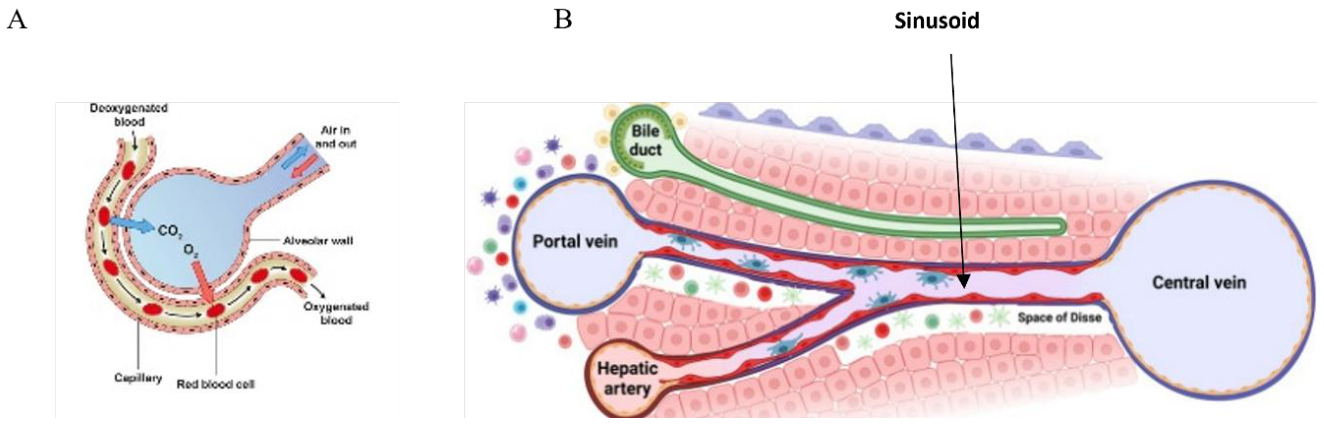
Figure 2.
The synthetic polypeptide of 70 amino acids and recombinant protein. I-TASSER [298].
Figure 2.
The synthetic polypeptide of 70 amino acids and recombinant protein. I-TASSER [298].
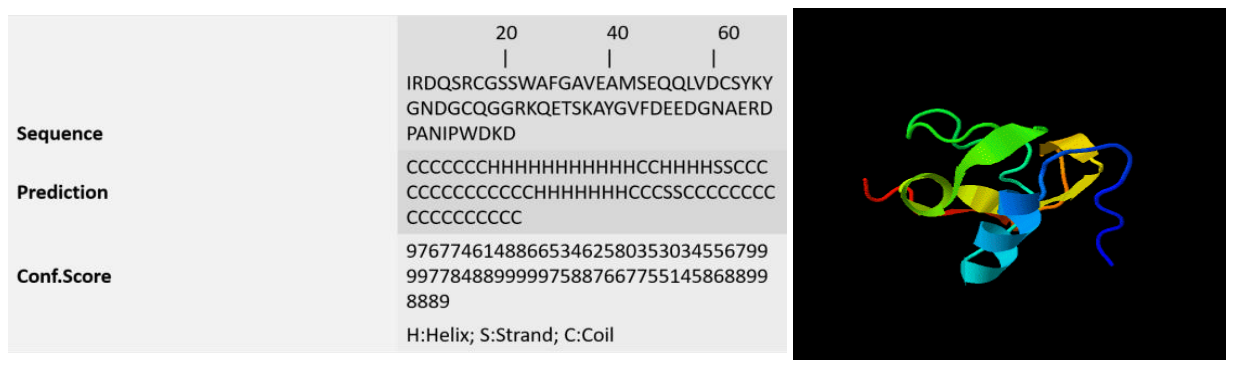
Disclaimer/Publisher’s Note: The statements, opinions and data contained in all publications are solely those of the individual author(s) and contributor(s) and not of MDPI and/or the editor(s). MDPI and/or the editor(s) disclaim responsibility for any injury to people or property resulting from any ideas, methods, instructions or products referred to in the content. |
© 2026 by the authors. Licensee MDPI, Basel, Switzerland. This article is an open access article distributed under the terms and conditions of the Creative Commons Attribution (CC BY) license (http://creativecommons.org/licenses/by/4.0/).
Copyright: This open access article is published under a Creative Commons CC BY 4.0 license, which permit the free download, distribution, and reuse, provided that the author and preprint are cited in any reuse.