
Submitted:
07 November 2026
Posted:
09 November 2026
You are already at the latest version
Abstract
The present study investigates the sustainable dyeing of cotton fabric using a natural dye extracted from Acacia catechu, popularly called as Khair, and explores the colorimetric effects of three metallic mordants: alum, ferrous sulphate, and copper sulphate. The aqueous extract of Khair, characterized by a neutral pH, was comprehensively analyzed to confirm its suitability for textile application. UV-Vis spectroscopy revealed distinct absorption maxima at 216 nm and a broad band between 245–285 nm, confirming the presence of π→π* transitions characteristic of polyphenolic compounds like catechin and tannins. Particle size analysis demonstrated a nanoscale distribution (D50 = 80 nm) with exceptional homogeneity, indicating high potential for deep fabric penetration. FTIR analysis further validated the polyphenolic profile, identifying key functional groups (O-H, C=C) responsible for complexing with mordants. The mordanting process significantly influenced the final shades, producing a pale yellowish-green with alum, a light brownish-yellow with copper sulphate, and a khaki brown with ferrous sulphate. The research establishes that the color development is governed by the formation of stable coordination complexes between the metal ions and the phenolic hydroxyl groups of the dye. This work successfully underscores the potential of Khair as a viable source of natural dye for cotton fabric, offering a sustainable coloration method with a tunable color palette through the strategic selection of eco-friendly mordants.
Keywords:
UV-Vis spectroscopy
; FTIR
; particle size analyzer
; mordant
; colorimetric analysis
; quantitative analysis
; color fastness
; dyeing mechanism
2. Introduction
The textile industry, one of the largest global consumers of synthetic dyes [1], faces intensifying regulatory pressure due to the significant environmental footprint of its coloration processes [2,3]. The discharge of effluent from synthetic dyeing processes introduces hazardous substances into aquatic ecosystems, posing serious risks to environmental and human health [4,5,6]. In response to growing ecological regulations and consumer demand for sustainable products, there has been a resurgence of interest in natural colorants derived from plant, mineral, and microbial sources [6,7,8,9].
Natural dyes offer a compelling, eco-friendly alternative, characterized by their biodegradability, non-toxicity, and generally benign environmental profile [6]. Beyond their coloring properties, many natural dyes impart valuable functional characteristics to textiles, including antimicrobial, antioxidant, and ultraviolet protection capabilities [2,7,10]. However, their widespread industrial adoption, particularly on cellulosic fibers like cotton, is hampered by several challenges. A primary limitation is the inherently low affinity of most natural dyes for cellulosic fiber which lacks the ionic amino and carboxyl groups [2,5]. This often results in inadequate dye uptake and poor fastness properties.
A solution can be the use of mordants-substances that form a stable coordination complex between the dye and the fiber is effective [5]. Traditional mordanting has relied heavily on metal salts such as alum, ferrous sulfate, and copper sulfate. Researchers are increasingly exploring bio-mordants derived from natural tannin-rich sources like pomegranate peel and oak galls. However, metallic mordants remain prevalent for their efficacy and reliability [5].
Acacia catechu, commonly known as Khair, is an Asian tree whose heartwood is rich in polyphenols like catechin and tannins [5,11]. Its extract, known as cutch, is not only a significant natural colorant but also a key ingredient in ‘paan’ and traditional Ayurvedic medicine, attributed to its bioactive properties [5]; popular to be used as anticancer, antioxidant, anti-diabetic, indigestion, bronchitis, and skin ailments [9,12,13,14].
While Khair has been investigated for dyeing silk and for its halochromic effects [15,16] a systematic study exploring its application on cotton fabric in conjunction with different metallic mordants represents a valuable contribution to the field.
This research aims to investigate the dyeing potential of a natural colorant extracted from Khair for cotton fabrics. The study will employ common metallic mordants-alum (aluminum potassium sulfate), ferrous sulfate, and copper sulfate-applied via a pre-mordanting technique. The work will evaluate the impact of each mordant on the resulting color strength (K/S), color coordinates i.e., L*,a*,b*, and fastness properties such as wash, light, and rub fastness of the dyed cotton. By elucidating the dye-mordant-fiber interaction, this study seeks to advance the application of Khair as a viable and sustainable dye for the cotton textile industry, aligning with the global shift towards greener production technologies.
3. Material and Methods
3.1. Material
3.2. Chemicals
All the chemicals are of analytical grade and are employed without further purification. The metallic mordants; alum (potassium aluminum sulfate dodecahydrate, KAl(SO₄)₂·12H₂O), ferrous sulfate (FeSO₄·7H₂O), and copper sulfate (CuSO₄·5H₂O), were sourced from commercial suppliers. Sodium hydroxide (NaOH) and hydrogen peroxide (H₂O₂) were used for fabric preparation. The process also utilized standard textile auxiliaries, including a stabilizer, a wetting agent, and a sequestering agent. All solutions were prepared using deionized water.
3.3. Fabric Preparation
The cotton fabric was first prepared through a combined scouring and bleaching process with a material-to-liquor ratio of 1:20, containing sodium hydroxide (10 mL/L), hydrogen peroxide (35 mL/L), a stabilizer (2.5 mL/L), a wetting agent (2 mL/L), and a sequestering agent (2 mL/L). The treatment was conducted at 80 °C for 60 minutes, after which the fabric was rinsed thoroughly with warm and cold water, air-dried, and subsequently prepared for mordanting and dyeing Figure 1c.
3.4. Mordanting
Mordanting was performed using alum (KAl(SO₄)₂·12H₂O), ferrous sulfate (FeSO₄·7H₂O), and copper sulfate (CuSO₄·5H₂O) at a concentration of 40% for both pre- and post-mordanting methods. The process was conducted at 90 °C with a material-to-liquor ratio of 1:40, wherein the bath temperature was raised gradually to 90 °C over a span of 30 minutes and maintained for further 30 minutes. The mordanted fabrics (Figure 1d) were then rinsed and air-dried prior to dyeing (Table 1).
3.5. Dye Extraction
The natural dyes were extracted using alkaline media. For extraction, 10g of raw Khair heartwood chips was added to 100 ml 20 g/L NaOH solution and boiled at 90ºC for 120 min. Following to filtering, the extracted dye solution was dried in a rotary dryer machine at 60–70ºC (Figure 2a).
3.6. UV-Vis Spectroscopic Measurement
The UV-Vis absorption spectra of the Khair dye solution were recorded using a UV-Vis spectrophotometer (e.g., Shimadzu UV-1800) in the wavelength range of 200–800 nm. For UV–visible absorption spectrum, dye solution was prepared by dissolving extracted dye (0.5g) in 50ml methanol, and was added with distilled water.
3.7. FTIR Spectroscopy
Fourier Transform Infrared (FTIR) spectroscopy of the dried Khair dye extract was performed using a PerkinElmer Spectrum Two spectrometer. Finely ground samples were analyzed across the 4000–400 cm⁻¹ wavenumber range to characterize the functional groups present such as hydroxyl (-OH), carbonyl (C=O), aromatic C=C, and others that contribute to the dyeing properties at DCE lab, BUTEX.
3.8. Particle Size Characterization
Particle size distribution was done using FRITSCH ANALYSETTE 22 NeXT by Laser diffraction analysis method at DCE lab, BUTEX.
3.9. Dyeing Process
The pre-treated cotton fabrics were dyed using the concentrated alkaline extract of Khair in a laboratory-scale overflow dyeing machine (Figure 2b). The process was conducted at a material-to-liquor (M:L) ratio of 1:20 and a pH of 7.5. The dye bath temperature was raised from 30 °C to 90 °C and maintained for 60 minutes to ensure optimal dye fixation. Following the dyeing process, the fabrics were rinsed thoroughly with distilled water and then air-dried. Figure 3a shows the pre-mordanting and dyeing curve, and Figure 3b shows the dyeing and post-mordanting curve.
3.10. Colorimetric Measurements
CIE L*a*b*
The CIE L*a*b* color coordinates light–dark (L*), green–red (a*), yellow–blue b*, chroma (C*), hue (H*) and average color difference (∆E*) of the dyed samples was measured using a Spectrophotometer (Model: CI7830, Brand: X-Rite, Country of Origin: USA).
The depth of shade of the dyed fabric was evaluated according to the AATCC test method 173-2006 under illuminant D65, large area view and CIE 10 standard observer (Basel: ISO, 1984) AATCC Technical Manual (2006).
3.11. Color Fastness Test
Color fastness to wash, perspiration and rub of the dyed fabrics was assessed.
The color fastness properties of the dyed cotton fabrics were evaluated according to established international standards. Tests were conducted for fastness to washing (ISO 105-C04), fastness to perspiration (ISO 105-E04:2013), and fastness to rubbing (ISO 105-X12:2016).The assessments were performed using a Rotawash machine and a Perspirometer (SDL Atlas), while rubbing fastness was determined with a Crockmeter.
For the wash and perspiration tests, fabric specimens (40 × 100 mm) were attached to a multifiber fabric and treated under controlled conditions. Changes in the shade of the dyed fabric and the degree of staining on the adjacent multifiber fabric were evaluated using the appropriate grey scales under standard lighting (D65). The results are reported on a standard 1–5 scale, where higher grades indicate superior fastness.
3.11.1 Color Fastness Testing
The color fastness of the dyed cotton fabrics was evaluated against ISO/AATCC test methods. Fastness to washing was assessed according to ISO 105-C04 using a Rotawash machine (SDL Atlas), where samples were treated with AATCC soap and soda solution at 95 °C. Fastness to perspiration was tested following ISO 105-E04:2013 for both acidic and alkaline conditions using a Perspirometer. Fastness to rubbing (dry and wet) was determined in accordance with ISO 105-X12:2016 using a Crockmeter.
For all tests, changes in the color shade of the dyed fabric and the degree of staining of the multifiber or cotton cloth were evaluated using the appropriate AATCC grey scales for color change and staining.
4. Result and Discussion
4.1. Extraction of Natural Dyes
The pH of the extracted dye was found 7.5 owing to the fact that dye was extracted in alkaline medium. Table 1 shows the shades that were achieved upon dyeing cotton fabric with the various mordants. Khair dye extract, when mordanted with alum, produced a pale yellowish-green shade; with copper sulphate, it produced a light brownish-yellow hue; and with ferrous sulphate, it produced a khaki brown color.
4.2. UV–Vis Spectroscopic Analysis of Khair Extract
The UV-Vis spectrum of Khair extract exhibited distinct absorption maxima at 216 nm and 245–285 nm, consistent with its polyphenolic composition (Figure 4). The 216 nm peak likely corresponds to π→π* electronic aromatic chromophore transitions in aromatic rings and conjugated double bonds, commonly observed in phenolic acids such as gallic acid (a key constituent of Khair), protocatechuic acid, and ellagic acid. These compounds demonstrate strong UV absorption due to their benzene ring structures and carboxyl substituents, which are abundant in Khair heartwood and bark extracts (6),(7).
The UV-Vis spectrum exhibited a broad absorption band in the 245-285 nm regions, consistent with the characteristic absorbance of phenolic compounds present in Khair, particularly catechins and related flavonoids. This absorption profile arises from π→π* electronic transitions within the flavonoid structure, where the B-ring (cinnamoyl system) typically absorbs at 250-280 nm while the A-ring (benzoyl system) contributes to lower wavelength absorption (6),(4). The observed spectral features reflect the extended π-conjugation and hydroxyl substitution patterns of these polyphenolic compounds. The UV absorption profile of Khair reflects its biofunctional properties, including antioxidant activity (6), antimicrobial effects via membrane disruption (8) and UV-blocking capacity (9).
4.3. Particle Size Characterization of Khair Extract
Laser diffraction analysis revealed a uniform submicron particle size distribution in the Khair extract (Figure 5). The D50 value of 0.08 μm (80 nm) and D90 < 0.1 μm indicate a nanoscale distribution, with more than 99% of particles are below 1 μm.
The extract exhibited exceptional homogeneity, demonstrated by near-zero coefficient of variation (CV = 0.00%) across triplicates (M566-M568), and monomodal distribution in Q3(x) curves indicated minimal particle aggregation. The combination of submicron particle size and high dispersion stability, make the extract ideal for textile dyeing applications requiring deep penetration.
4.4. FTIR Analysis of Khair Extract
The FTIR spectrum revealed characteristic absorptions attributable to its polyphenolic constituents, primarily tannins and catechins. A broad absorption band at 3334 cm⁻¹ is assigned to the O–H stretching vibration, typical of O-H linkage of phenolic groups and intermolecular H-bonded phenolic OH-groups [14,17] as shown in the Figure 6. The band at 1640 cm⁻¹ corresponds to the C=C stretching vibration of aromatic rings, consistent with the conjugated structures present in flavonoids and condensed tannins [18,19]. The absorption at 1391 cm⁻¹ is attributed to CH₃ and CH₂ bending (deformation) modes commonly observed in plant-derived alkyl substituents [20]. A strong band at 1013 cm⁻¹ is assigned to C–O stretching vibrations of alcohols or aryl–alkyl ethers, with possible contributions from aromatic C–H in-plane bending [17].
4.4.1 Proposed Mechanism of Dye Binding and Color Change
The Khair dye (Figure 7) contains catechin and tannin compounds, which have definite mordantable functional groups capable of forming metal complexes while dyeing [15]. When applied to textile fibres, the metal salts initially anchor to the fabric surface and then attract dye molecules to form a bridging link between the dye’s phenolic hydroxyl groups and the metal ions (Mn⁺) [15].
The resulting metal-dye complex attaches to the fibre through hydrogen bonding, covalent bonds, and interactional forces, enhancing the color fastness and shade depth of the dyed fabric as shown in Figure 8. The presence of mordant not only improves dye uptake but also alters the final shade by affecting the dye’s delocalized electron system.
Khair dye, like the most other natural dyes, has little to no inherent substantivity to textile fibres and needs a mordant. The mordant can be natural or manufactured, preferably a metal salt or a suitably coordinating complex-forming agent to form an affinity between the fibre and the extracted coloring agent or pigment molecule. Metallic mordants not only impact the shade and depth of the dyed samples but also form stable metal complexes with both the fibres and the dye molecules.
Upon mordanting, these metal salts anchor themselves to the yarn or fabric, subsequently attract the dye molecules, which then bind to the textile material via the bridging interaction between the dye’s functional groups (like phenolic hydroxyls from catechin and tannins) and the metal salt through coordinating complex formation [15].
4.5. Colorimetric Measurement Analysis
The colors produced from Khair dye using different mordants showed distinct color directions. The dyed samples were analyzed using the CIE L*a*b* color space system to evaluate the brightness (L*) and the color coordinates (a* and b*) influenced by the mordants. Table 2 shows the CIE L*a*b* value of dyed fabrics with various mordant.
The L* value, which represents lightness (0 = black, 100 = white), indicates that the FeSO₄ mordanted sample produced the darkest shade (L* = 67.08), while alum mordant produced the lightest (L* = 77.17). The a* values, which represents red-green direction (+ = redder, – = greener), ranged from 10.26 with FeSO₄ (reddest shade) to –0.01 with CuSO₄ (neutral to slightly greenish). The b* values, which represents yellow-blue direction (+ = yellower, – = bluer), showed the highest value of 31.99 with FeSO₄, suggesting a strong yellowish tint, while the lowest was 14.47 with CuSO₄. Figure 9 shows the bar chart placing L*, a* and b* values side by side for all three samples.
In general, alum mordant produced a relatively light yellowish shade, CuSO4 produced a medium shade with a pale yellowish tone, and FeSO4 produced a deeper, darker shade with strong reddish-yellow tones. The result confirms that mordant type significantly affects the final shade depth and tone when dyeing with khair extract. Particularly, FeSO4 darkens the fabric while boosting reddish-yellow hues, while CuSO4 and alum yield lighter, more neutral to yellowish shades.
4.6. 3 Fastness Properties of the Dyed Fabrics
The fastness properties i.e., fastness to wash, perspiration, and rubbing of the Khair dyed fabrics are presented in Table 3 and Table 4.
All three selected mordants exhibited good fastness performances, with FeSO₄ mordant showing slightly superior results in wash fastness and rubbing fastness (dry) compared to other ones.
3.1. Fastness to Wash
The mordant type plays a crucial role in influencing the color fastness properties of naturally dyed cotton fabrics by affecting the dye-fibre association. Most of the khair dyed samples showed fairly good to very good wash fastness grades, with FeSO₄ mordanted fabrics achieving the best (4), followed by Alum and CuSO₄ (3/4). These results confirm that these mordants are appropriate to impart satisfactory wash fastness property comparing unmordanted Khair dyed fabric rarely retain any color after wash which ratify the findings of study of Jothi et al. [21]
In addition, Khair dyed fabrics mordanted with Alum and CuSO₄ showed slight staining on adjacent white fabrics. According to the standard greyscale assessment, these fabrics experienced a slight change in shade, indicating that fabrics dyed with Khair and mordanted with Alum and CuSO₄ should not be washed together with other fabrics, as this might cause color transfer.
3.2. Fastness to Perspiration
Fastness to perspiration results was consistent across all the mordants, achieving a grade of 4. This indicates good resistance to perspiration for the Khair dyed fabrics regardless of mordant type, demonstrating the relative stability of the dye-mordant-fabric complexes against acidic and alkaline sweat conditions.
3.3. Fastness to Rubbing
The dyed fabrics exhibited good to excellent dry rubbing fastness (4–4/5) across all mordants. Under wet conditions, FeSO₄ and alum mordanted samples demonstrated a good rating (3/4), while the CuSO₄ mordanted fabric achieved a fair rating (3). This disparity is likely attributable to the differential solubility of the dye-metal complexes in water [22].
The overall satisfactory fastness is attributed to the mordanting process, which enhances color retention by forming stable coordination complexes (chelates) between the metal ions and the dye’s anionic functional groups (e.g., phenolic –OH), effectively bridging and stabilizing the dye within the cotton fiber [23].
5. Conclusion
This study demonstrates the viability of Khair aka Acacia Catechu as a potent natural dye for cotton fabrics, establishing a clear correlation between the extract’s physicochemical properties and its dyeing performance. The optimal alkaline extraction method yielded a dye bath rich in polyphenolic compounds, as confirmed by UV-Vis and FTIR spectroscopy, which identified key functional groups (–OH, C=C, C–O) responsible for complexation with metallic mordants. The nanoscale particle size distribution (D50 = 80 nm) of the extract further confirmed its excellent suitability for achieving deep and uniform penetration into cotton fibers.
The choice of mordant proved to be a critical factor in determining the coloristic and fastness properties of the dyed fabrics. A distinct and tunable color palette was achieved: alum produced light yellowish shades, CuSO4 yielded medium brownish-yellow tones, and FeSO₄ generated deep khaki browns with the highest color depth. This variation is attributed to the formation of distinct coordination complexes between the metal ions (Al³⁺, Cu²⁺, Fe²⁺) and the phenolic hydroxyl groups of the dye’s catechin and tannin constituents.
Furthermore, all mordants imparted satisfactory to good fastness properties. Fabrics mordanted with ferrous sulphate exhibited superior wash fastness (rating of 4), while all samples demonstrated excellent resistance to perspiration (rating of 4) and good to excellent dry rubbing fastness (4-4/5). The slightly lower wet rubbing fastness observed with CuSO4 underscores the influence of the metal-dye complex’s stability and solubility.
Khair presents a sustainable and effective alternative to synthetic dyes for cotton, with the added value of generating a range of eco-friendly shades through selective mordanting. The findings of this work provide a scientific foundation for the application of Khair in the textile industry, contributing to the development of greener dyeing processes. Future research should focus on quantifying the antioxidant and UV-protection properties of the dyed fabrics and exploring the use of bio-mordants to further enhance the environmental profile of this promising dyeing system.
References
- Nagendrappa, G. Sir William Henry Perkin: The man and his ‘Mauve. Resonance 2010, vol. 15(no. 9), 779–793. [Google Scholar] [CrossRef]
- Brudzyńska, P.; Sionkowska, A.; Grisel, M. Cotton Textile Dyeing by Plant-Derived Colorants in the Presence of Natural Additives. Fibers Polym. 2023, vol. 24(no. 10), 3641–3655. [Google Scholar] [CrossRef]
- Ogugbue, C. J.; Sawidis, T. Bioremediation and Detoxification of Synthetic Wastewater Containing Triarylmethane Dyes by Aeromonas hydrophila Isolated from Industrial Effluent. Biotechnol. Res. Int. 2011, vol. 2011, 1–11. [Google Scholar] [CrossRef] [PubMed]
- Kant, R. Textile dyeing industry an environmental hazard. Nat. Sci. 2012, vol. 04(no. 01), 22–26. [Google Scholar] [CrossRef]
- Benli, H. Bio - mordants: a review. Environ. Sci. Pollut. Res. 2024, vol. 31(no. 14), 20714–20771. [Google Scholar] [CrossRef] [PubMed]
- Ohifueme, E.; Olatunde, T. A review of history, properties, classification, applications and challenges of natural and synthetic dyes. Heliyon 2024, vol. 10(no. 13), e33646. [Google Scholar] [CrossRef] [PubMed]
- Yadav, S.; Prajapati, H. C.; Sonkar, S. P.; Nigam, R. S. Innovations in natural dye production: bridging tradition and modern technology. 2025, no. August, 1–7. [Google Scholar] [CrossRef] [PubMed]
- Wang, B.; et al. Eco-friendly dyeing of cotton fabrics with microbial pigments: Anionic modification for superior color, antibacterial, hydrophobic and UV protection properties. Ind. Crops Prod. 2024, vol. 223, 120276, 2025. [Google Scholar] [CrossRef]
- Samanta, K.; Agarwal, P. Application of natural dyes on textiles. Indian J. Fibre Text. Res. 2009. [Google Scholar] [CrossRef]
- Samant, L.; Jose, S.; Rose, N. M.; Shakyawar, D. B. Antimicrobial and UV Protection Properties of Cotton Fabric Using Enzymatic Pretreatment and Dyeing with Acacia Catechu. J. Nat. Fibers 2022, vol. 19(no. 6), 2243–2253. [Google Scholar] [CrossRef]
- Kumari, M.; et al. Acacia catechu (L.f.) Willd.: A Review on Bioactive Compounds and Their Health Promoting Functionalities. Plants 2022 2022, Vol. 11, Page 3091, vol. 11(no. 22), 3091. [Google Scholar] [CrossRef] [PubMed]
- Rana, N.; et al. A Systematic Review Exploring the Phytochemical Composition and Anticancer Activities of Acacia catechu. Med. Sci. 2025, vol. 13(no. 3), 1–10. [Google Scholar] [CrossRef] [PubMed]
- Dnyaneshwar, B. C.; Tushar, C. P.; Tnshar, A. S.; Raichurkar, P. “Development of natural dyes extracted from catechu (kattha),” Colorage. 2019. [Google Scholar]
- Lakshmi, T.; Ramasamy, R.; Thirumalaikumaran, R. Preliminary phytochemical analysis and In vitro antioxidant, FTIR spectroscopy, anti-diabetic activity of Acacia catechu ethanolic seed extract. Pharmacogn. J. 2015, vol. 7(no. 6), 356–362. [Google Scholar] [CrossRef]
- (PDF) OPTIMIZATION OF ALKALINE EXTRACTION OF NATURAL DYE FROM Acacia catechu AND ITS DYEING ON SILK FABRICS
- Kabir, S. M. M.; Dhar, A. K.; Bhattacharjee, M. The use of natural Areca catechu dyes for silk and nylon and its halochromic effect. J. Text. Inst. 2020, vol. 111(no. 6), 882–889. [Google Scholar] [CrossRef]
- Yaneva, Z.; Ivanova, D.; Beev, G.; Besheva, K. Quantification of catechin in Acacia catechu extract by non-derivative, first derivative UV/Vis spectrophotometry and FT-IR spectroscopy. Bulg. Chem. Commun. 2020, vol. 52, no. D, 41–47. [Google Scholar]
- Haldhar, R.; Prasad, D.; Bhardwaj, N. Experimental and Theoretical Evaluation of Acacia catechu Extract as a Natural, Economical and Effective Corrosion Inhibitor for Mild Steel in an Acidic Environment. J. Bio-Tribo-Corros. 2020, vol. 6(no. 3), 1–11. [Google Scholar] [CrossRef]
- R. Study, “Clinoptilolite Microparticles as Carriers of Catechin-Rich Acacia catechu Extracts: Microencapsulation and In Vitro,” 2021. [CrossRef] [PubMed]
- Gupta, P.; Das, S. S.; Singh, N. B. Introduction to spectroscopy; 2023. [Google Scholar] [CrossRef]
- Yusuf, M.; Shahid, M.; Khan, M. I.; Khan, S. A.; Khan, M. A.; Mohammad, F. Dyeing studies with henna and madder: A research on effect of tin (II) chloride mordant. J. Saudi Chem. Soc. 2015, vol. 19(no. 1), 64–72. [Google Scholar] [CrossRef]
- Haji. Functional dyeing of wool with natural dye extracted from Berberis vulgaris wood and Rumex Hymenosepolus root as biomordant. Iran. J. Chem. Chem. Eng. 2010. [Google Scholar]
- Mihalick, J. E.; Donnelly, K. M. Using metals to change the colors of natural dyes. J. Chem. Educ. 2006. [Google Scholar] [CrossRef]
Figure 1.
(a) Raw Khair chips, (b) Plain woven cotton fabric, (c) Pre-mordanted Fabric sample, and (d) Post-mordanted Fabric sample.
Figure 1.
(a) Raw Khair chips, (b) Plain woven cotton fabric, (c) Pre-mordanted Fabric sample, and (d) Post-mordanted Fabric sample.
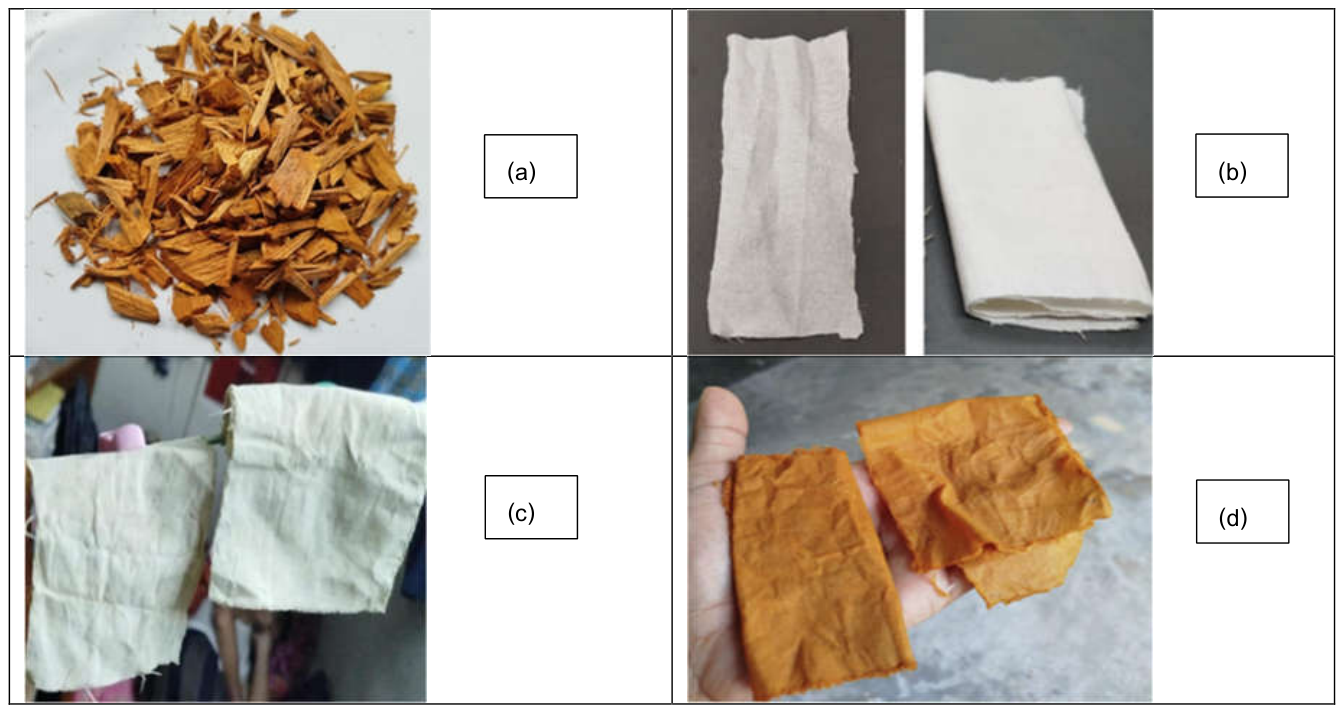
Figure 2.
(a) Extracted dye solution from Khair through alkaline process, (b) Overflow-dyeing machine.
Figure 2.
(a) Extracted dye solution from Khair through alkaline process, (b) Overflow-dyeing machine.
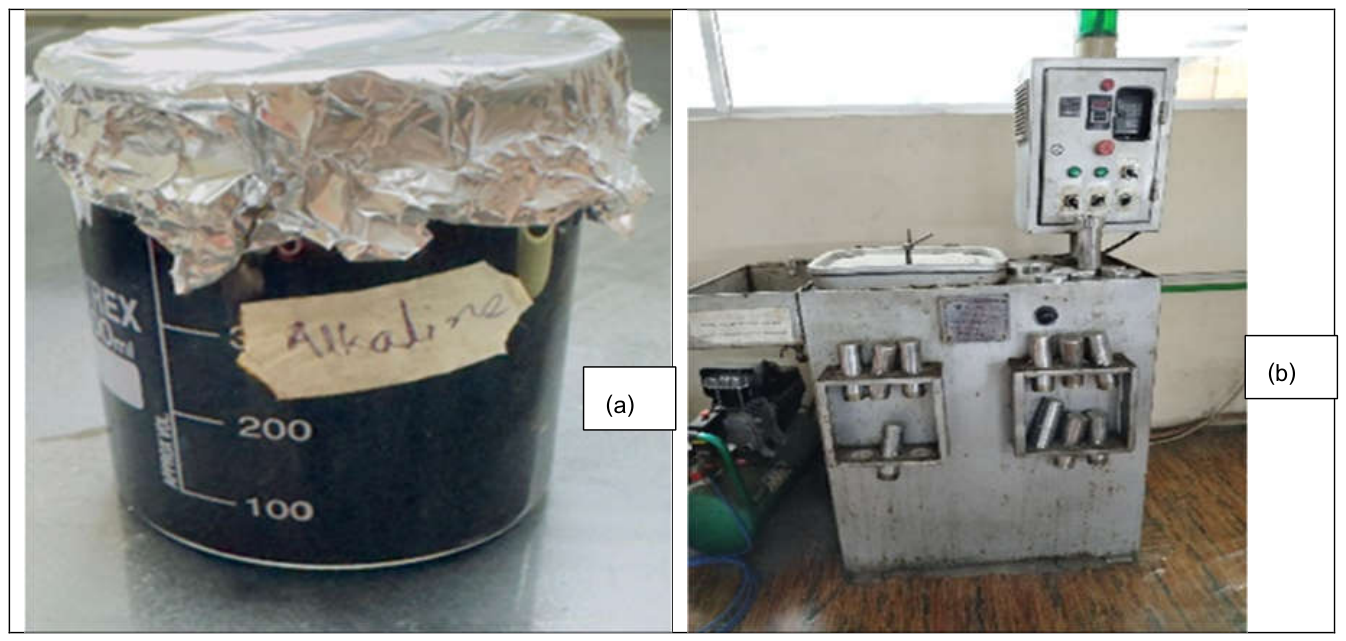
Figure 3.
(a) Pre-mordanting and dyeing process curve, and (b) Dyeing and Post mordanting process curve.
Figure 3.
(a) Pre-mordanting and dyeing process curve, and (b) Dyeing and Post mordanting process curve.
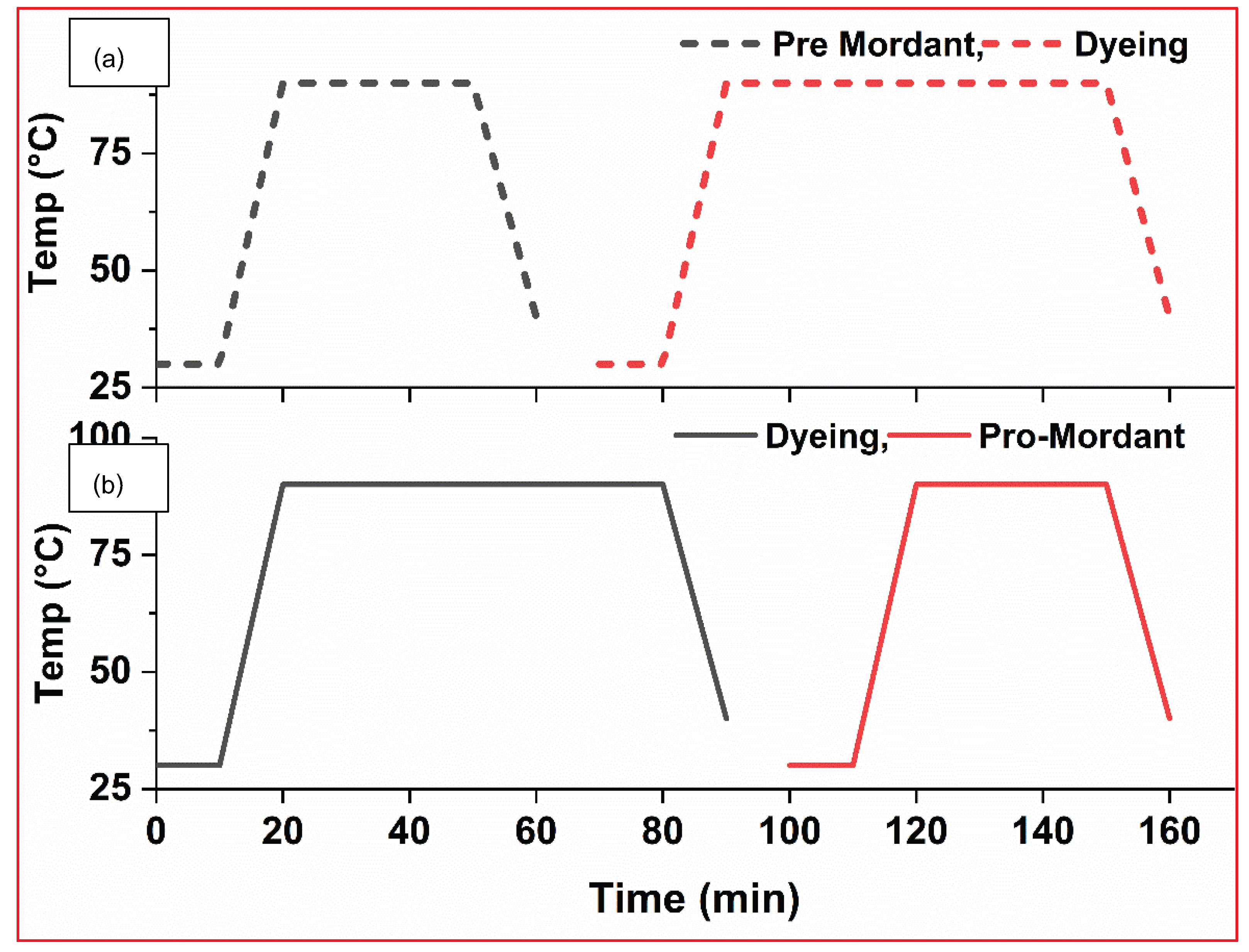
Figure 4.
UV–Vis of Khair extract.
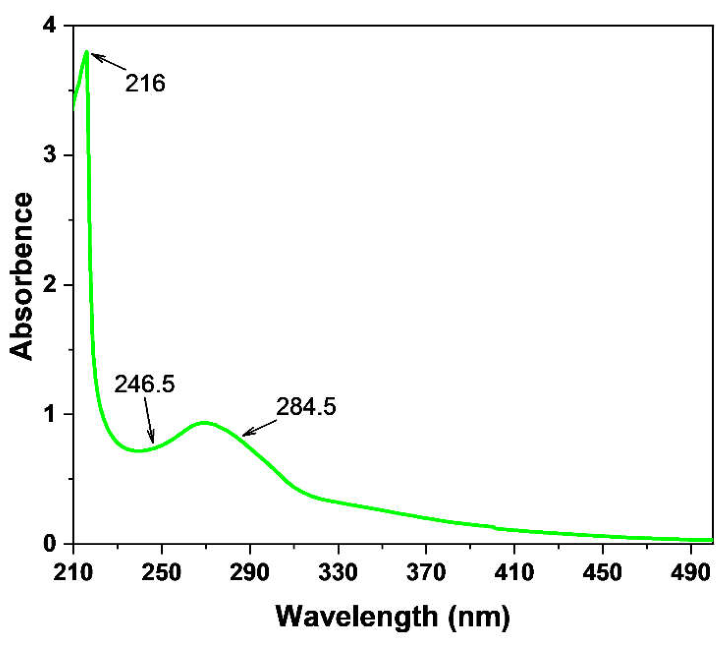
Figure 5.
Particle size distribution of Khair extract.
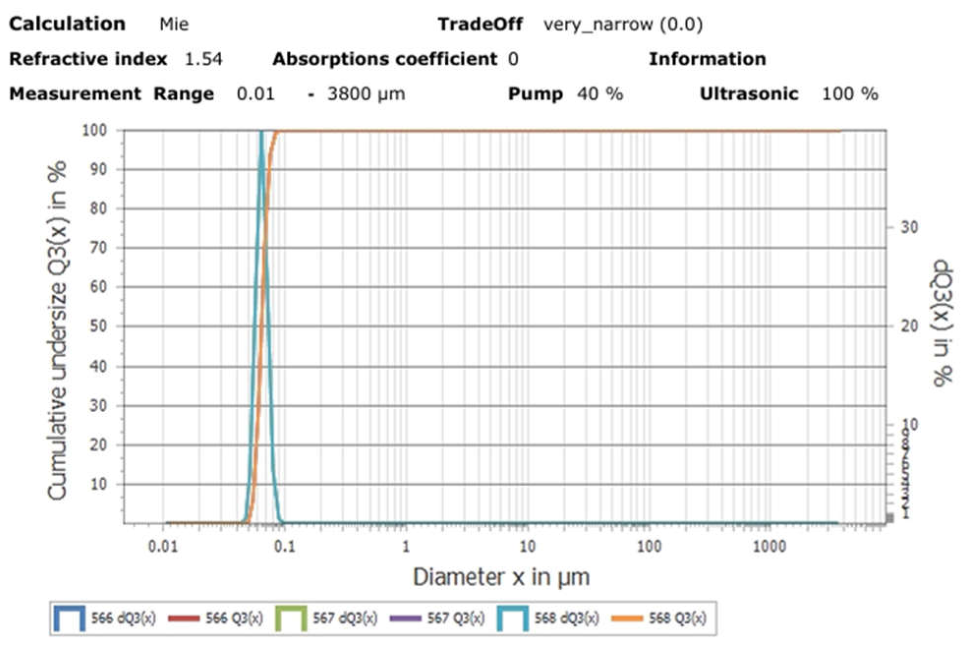
Figure 6.
FTIR of Khair (Acacia Catechu) extract.
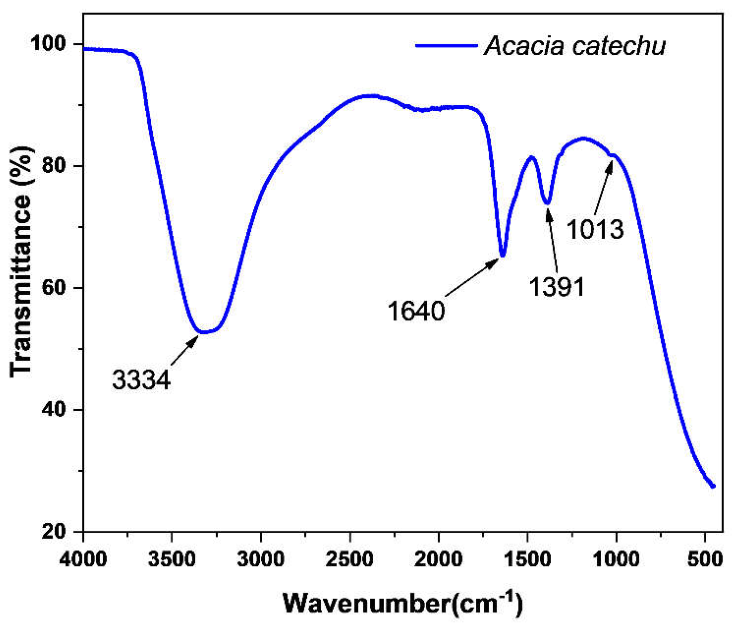
Figure 7.
Chemical structure of catechin in Khair [15].
Figure 7.
Chemical structure of catechin in Khair [15].
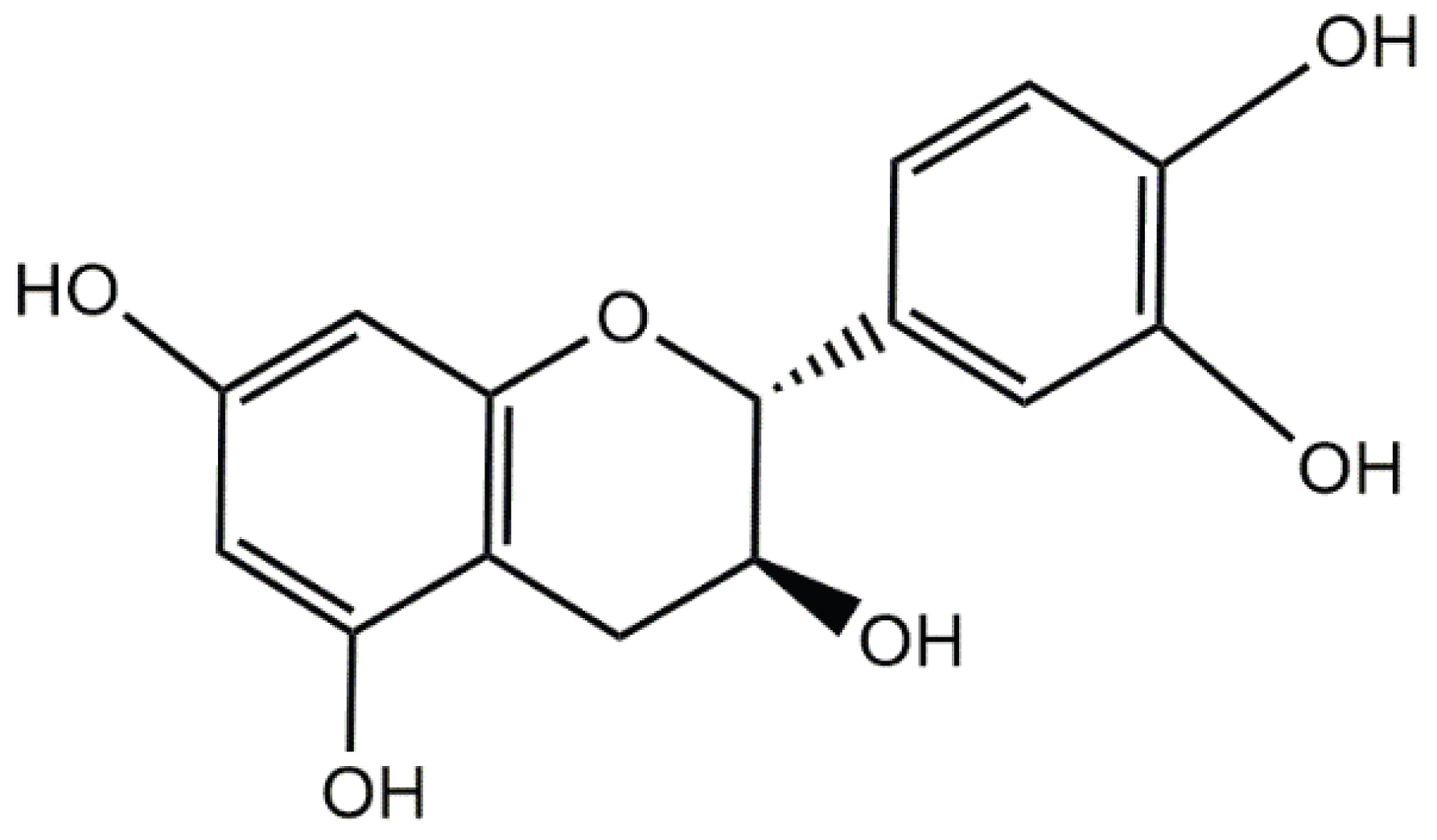
Figure 8.
Proposed dyeing mechanism of cotton fabric and extracted Khair dye.
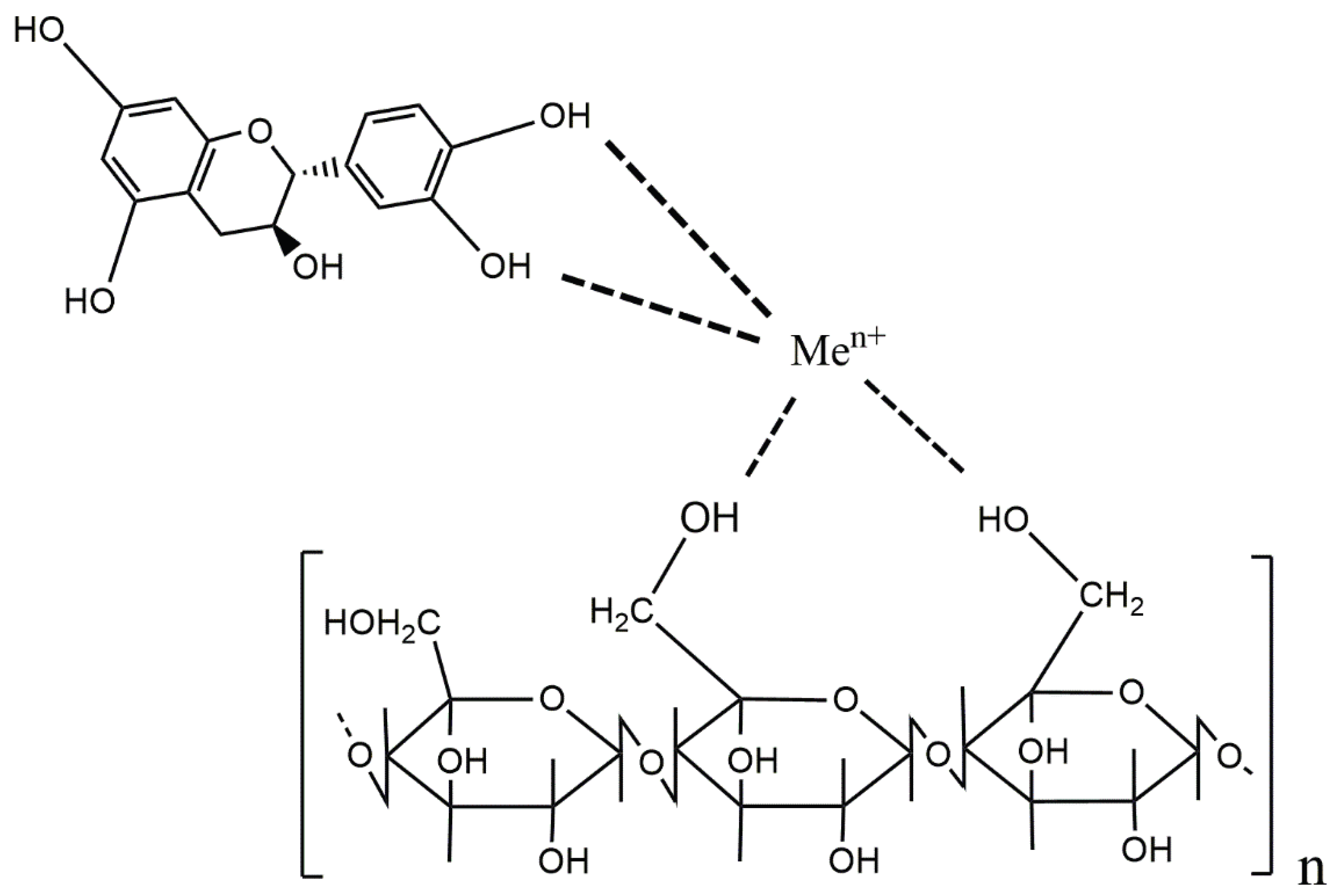
Figure 9.
L*, a* and b* values side by side for all three samples.
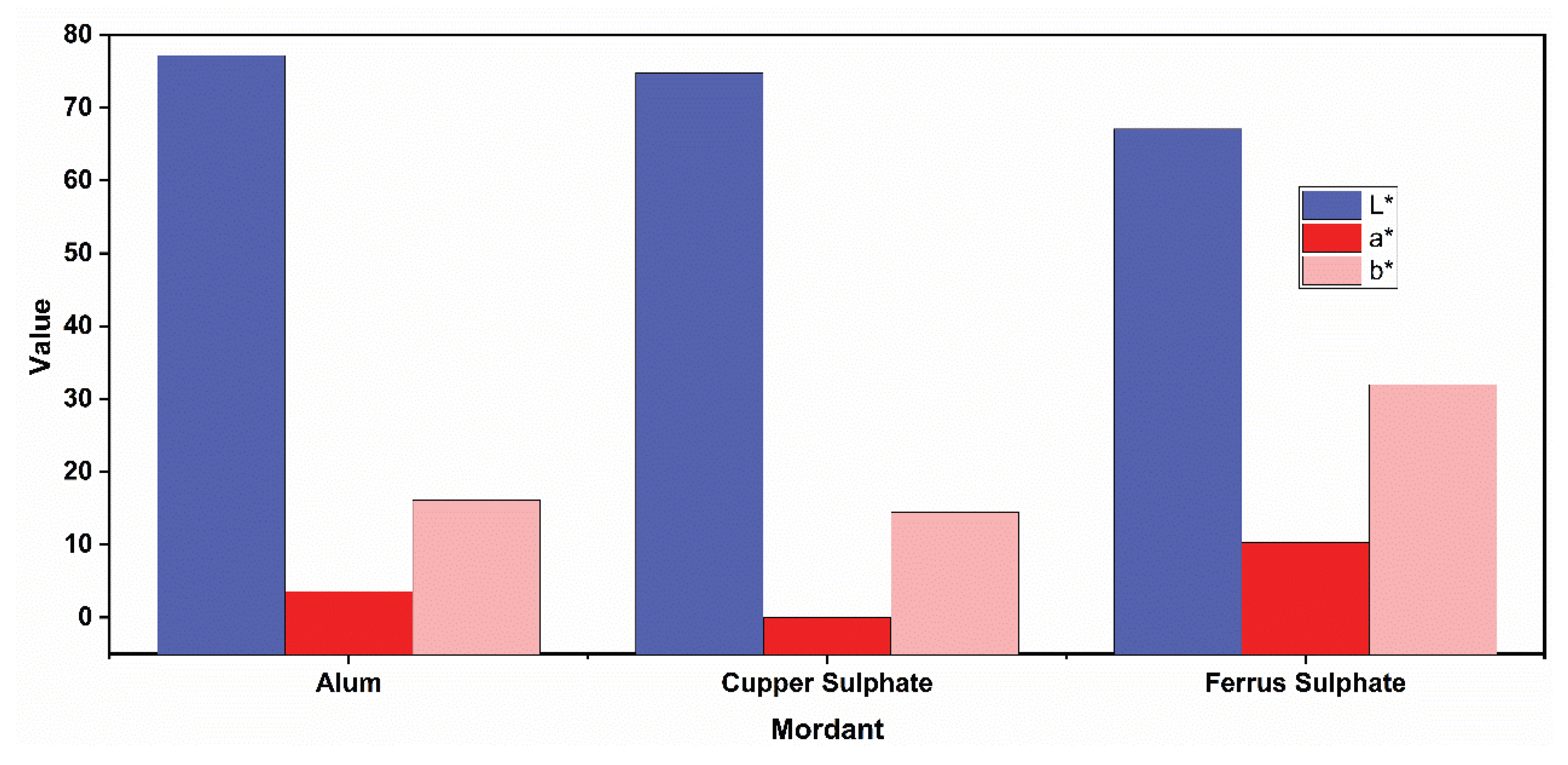

Table 1.
The dyed samples with relevant recipes.
| Mordant Used | Image of Dyed Sample | Recipe |
|---|---|---|
| Alum | 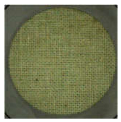 |
Post Mordanted with Alum (Simmering) Alum: 40% owf. M:L = 1:40; Dyeing Method: Exhaust Temperature: 90°, Time : 60 Minutes |
| Copper Sulphate | 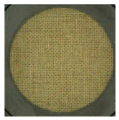 |
Post Mordanted with CuSO4 (Simmering). Copper Sulphate: 40% owf. M:L=1:40; Dyeing Method: Exhaust, Temperature: 90°, Time : 60 minutes |
| Ferrous Sulphate | 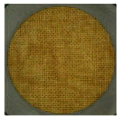 |
Post Mordanted with FeSO4 (Simmering) Ferrous Sulphate: 40% owf. M:L=1:40; Dyeing Method: Exhaust, Temperature : 90°, Time : 60 minutes |
Table 2.
CIE L*a*b* values of the dyed fabrics.
| Mordant | L* | a* | b* |
|---|---|---|---|
| Alum | 77.17 | 3.58 | 16.13 |
| CuSO4 | 74.77 | -0.01 | 14.47 |
| FeSO4 | 67.08 | 10.26 | 31.99 |
Table 3.
Fastness properties to color change of cotton fabrics dyed with khair extracts.
| Dye Extracted | Mordant | Fastness to Wash | Fastness to Perspiration | Fastness to Rubbing | ||
| Wet | Dry | |||||
| Khair Dye | Alum | 3/4 | 4 | 3/4 | 4/5 | |
| CuSO4 | 3/4 | 4 | 3 | 4 | ||
| FeSO4 | 4 | 4 | 3/4 | 4/5 | ||
Table 4.
Fastness properties to stain of cotton fabrics dyed with Khair extracts.
| Dye Extracted | Mordant | Fiber (Multi-fiber DW) | Wash Fastness | Perspiration Fastness |
|---|---|---|---|---|
| Khair Dye | Alum | Acetate | 4 | 4 |
| Cotton | 4 | 4 | ||
| Nylon | 4 | 4 | ||
| Polyester | 4 | 4 | ||
| Acrylic | 4 | 4 | ||
| Wool | 4 | 4 | ||
| CuSO₄ | Acetate | 3/4 | 3 | |
| Cotton | 3/4 | 3 | ||
| Nylon | 3/4 | 3 | ||
| Polyester | 3/4 | 3 | ||
| Acrylic | 3/4 | 3 | ||
| Wool | 3/4 | 3 | ||
| FeSO₄ | Acetate | 4 | 4/5 | |
| Cotton | 4 | 4/5 | ||
| Nylon | 4 | 4/5 | ||
| Polyester | 4 | 4/5 | ||
| Acrylic | 4 | 4/5 | ||
| Wool | 4 | 4/5 |
*5= Excellent, 4=Good, 3=Fair/ Moderate, 2=Poor, 1= Very Poor.
Disclaimer/Publisher’s Note: The statements, opinions and data contained in all publications are solely those of the individual author(s) and contributor(s) and not of MDPI and/or the editor(s). MDPI and/or the editor(s) disclaim responsibility for any injury to people or property resulting from any ideas, methods, instructions or products referred to in the content. |
© 2026 by the authors. Licensee MDPI, Basel, Switzerland. This article is an open access article distributed under the terms and conditions of the Creative Commons Attribution (CC BY) license.
Copyright: This open access article is published under a Creative Commons CC BY 4.0 license, which permit the free download, distribution, and reuse, provided that the author and preprint are cited in any reuse.