
Submitted:
02 November 2026
Posted:
04 November 2026
You are already at the latest version
Abstract
Hip resurfacing arthroplasty (HRA) preserves femoral bone and was widely adopted for young, active patients with hip osteoarthritis before the decline of large-diameter metal-on-metal (MoM) bearings, which was driven by adverse reactions to metal debris (ARMD) and raised cobalt and chromium levels. New bearing couples, notably ceramic-on-ceramic (CoC) and metal-on-polyethylene (MoP), together with lessons learned from registries, have renewed interest in the procedure. This narrative review summarizes the historical evolution of HRA, current indications and contraindications, the learning curve, and the documented biomechanical and functional advantages (bone preservation, sta-bility, return to sport, gait), and compares contemporary implants using registry and published data. Long-term registry data support selected MoM implants only in men with large femoral heads (Birmingham Hip Resurfacing: 88.5% survival at 20 years; ADEPT: 94.1% at 15 years). The CoC ReCerf (MatOrtho) shows 5-year survival of 98.0–99.6% irrespective of sex and head size, but follow-up is short (mean 4 years) and evidence is limited to level III–IV. Data on cementless CoC H1 (Zimmer) and metal-on-polyethylene designs remain preliminary. HRA should be restricted to experienced surgeons in high-volume centres, with rigorous patient selection. Long-term registry surveillance and prospective comparative studies, including comparisons with short-stem and dual-mobility total hip arthroplasty, are needed.
Keywords:
hip resurfacing arthroplasty
; ceramic-on-ceramic
; metal-on-metal
; adverse reaction to metal debris
; bearing surface
; arthroplasty registry
; young adult
; hip osteoarthritis
; bone preservation
1. Introduction
Hip resurfacing arthroplasty (HRA) is an anatomical, bone-conserving alternative to total hip arthroplasty (THA) for young patients with symptomatic hip osteoarthritis. Although THA remains the reference standard, HRA retains the femoral neck and most of the femoral head, aims at a more physiological load transfer and, in selected patients, allows a return to high-impact activities [1,2]. Recent systematic reviews and meta-analyses, most of them dominated by MoM implants, report lower dislocation and infection rates than with standard-stem THA, and broadly similar patient-reported outcomes and revision rates (level III) [3,4].
After the widespread adoption of large-diameter MoM bearings at the end of the 1990s, HRA declined markedly because of adverse local tissue reactions—adverse reactions to metal debris (ARMD), also termed adverse local tissue reactions (ALTR)—pseudotumors and elevated serum cobalt and chromium concentrations [5,6]. These complications were concentrated in specific implant designs, unfavorable mechanical configurations (e.g., component malposition, small components) and inappropriate indications. Over the past decade, refined surgical technique, improved implant design and new bearing couples other than MoM—mainly CoC and MoP —have renewed interest in HRA among arthroplasty surgeons.
This narrative review outlines the history of HRA, its contemporary indications, the evidence supporting its biomechanical and functional advantages, and the characteristics and outcomes of currently available implants, including data from national arthroplasty registries. Levels of evidence are indicated where possible, and uncertain, debated or extrapolated data are explicitly identified.
2. Literature Review Approach
This is a narrative review, not a systematic review. The core literature was selected by the authors for clinical relevance in August 2026 and, for the present version, was supplemented and cross-checked in October 2026 using PubMed searches (combinations of “hip resurfacing”, “ceramic-on-ceramic”, “metal-on-metal”, “conversion”, “dislocation”, “gait”, “registry”, “dysplasia”, “meta-analysis”) and reference lists of recent reviews. Registry figures were taken from the Australian Orthopaedic Association National Joint Replacement Registry (AOANJRR) 2025 Annual Report [7]. Levels of evidence follow the Oxford Centre for Evidence-Based Medicine scheme (levels I–V), and grades of recommendation (A–D) are given in Table 1 where applicable. Most data on contemporary bearings come from retrospective or short-term series, frequently involving designer-affiliated authors; these limitations are discussed in Section 7. Studies were selected according to their clinical relevance, with priority given to national registry reports, systematic reviews, meta-analyses, comparative studies, and contemporary clinical series. No formal systematic screening or quantitative synthesis was performed.
3. Historical Evolution of Hip Resurfacing
The concept of resurfacing the femoral head is not new. From the 1920s, several surgeons attempted to preserve femoral bone by replacing only the articular surfaces (Figure 1). First-generation implants—glass and other early mould arthroplasties, an acrylic femoral head introduced by the Judet brothers in 1946, and later polytetrafluoroethylene (Teflon) double-cup designs—failed because of unsuitable materials, excessive wear, osteolysis and inadequate fixation [8]. Gérard’s paired cobalt–chromium (CoCr) cups (1970) and the subsequent polyethylene-cup design (1972) were largely abandoned by 1975 [8].
Modern resurfacing began with the introduction of large-diameter MoM bearings. The work of Wagner, Amstutz and McMinn, and the development of the Birmingham Hip Resurfacing (BHR) (CE marked in 1997), constituted a decisive step: improved understanding of hip biomechanics, better metallurgy and manufacturing processes yielded results clearly superior to earlier generations. Survival of 90–95% at 10 years was reported in carefully selected patients in expert-centre series and national registries [1,7] (level III–IV).
Enthusiasm waned with the recognition of wear-debris-related complications—ARMD presenting as pseudotumors, periarticular soft-tissue damage, or elevated blood cobalt and chromium levels [5,6]. The registry-documented failure of specific designs (the ASR implant was recalled; its 10-year revision rate approached 45% in registry data [8]) led many surgeons to abandon both MoM bearings and resurfacing. Importantly, in a long-term series from our institution, MoM resurfacing had a higher survivorship than large-head MoM THA at 10 years (96% versus 89%) and 15 years (83% versus 73%), with a significantly lower rate of ARMD in HRA, which supports the role of head–neck taper corrosion in THA rather than of the resurfacing concept itself [9] (level III, retrospective).
Resurfacing never disappeared altogether. In specialized centres, with validated implants, a mastered technique and rigorous patient selection, long-term results remained excellent, particularly in young men with primary osteoarthritis; recent registry analyses continue to confirm good results with certain historical implants in this population [7,10]. The decline of HRA over the past decade therefore appears to be related more to the limitations of specific bearings and designs than to the concept itself. Since about 2018, new bearing couples—CoC and metal-on-polyethylene—together with refined design have been introduced with the aim of preserving the biomechanical advantages of resurfacing while limiting metal-related complications [11,12]. Longer follow-up is required to determine their durability.
4. Patient Selection: Indications, Contraindications and Learning Curve
4.1. Indications
HRA is not a universal alternative to THA. Selection takes into account age, activity level, bone quality, the etiology of osteoarthritis and femoral anatomy. With MoM implants, the best results were obtained in young, active men with primary osteoarthritis and a sufficiently large femoral head; a head diameter ≥ 48–50 mm was generally considered favorable, whereas small sizes were associated with increased wear, higher metal-ion levels and failure [1,7]. Current selection criteria remain principally:
- young age (generally <55–60 years);
- high activity level or wish to maintain physically demanding activities;
- good bone quality;
- favorable femoral anatomy without dysplasia;
- absence of lesions compromising the femoral neck and head.
Primary osteoarthritis is the best-documented indication. Conversely, the principal contraindications—factors that may compromise results—are severe hip dysplasia, extensive avascular necrosis, major femoral bone loss or large cysts, active inflammatory joint disease, and osteoporosis or poor bone quality (expert opinion and mixed-quality evidence; grade C–D). Recent series nuance two frequently cited limits. First, age alone is not an absolute barrier: in a high-volume single-surgeon MoM series, 395 patients aged ≥ 65 years had a survivorship of 98.6% at 10 years and 98.2% at 16 years, with a 1.3% femoral fracture rate [13] (level IV; one expert surgeon, so not generalizable). Second, developmental dysplasia of the hip (DDH) should be approached cautiously: a meta-analysis of 11 studies (1006 hips, mean follow-up 7.1 years) found pooled survivorship of 93% and a 13% complication rate, supporting selective use in Crowe I–II DDH only (level III) [14], while a single-surgeon MoM series with a minimum 14-year follow-up reported 100% 15-year survivorship in primary osteoarthritis and in non-osteoarthritis diagnoses including avascular necrosis, but 82.8% in DDH; all five revisions occurred in women with DDH and cups ≤ 50 mm, and these three factors were too collinear to be separated (level IV) [15]. Finally, in 103 HRAs in patients younger than 30 years (mean follow-up 10.4 years), 10.8-year survival was 98% with two revisions and no dislocation (level IV) [16].
4.2. Learning Curve and Volume
HRA is a specialized procedure with a substantial learning curve. In a series of 650 HRAs performed by five experienced hip surgeons, the major complication rate was higher in the first 25 cases than in the next 25 (5.6% versus 1.6%), and all fractures occurred in the first 25 cases (level II); however, 75–100 procedures or more were required to achieve the desired radiographic femoral component positioning [17]. Based on this and other data, the Sixth Advanced Hip Resurfacing Consensus Meeting reportedly recommended at least 50 procedures to overcome the learning curve (61% agreement) and, as a prerequisite, a minimum annual volume of 100 THAs [18] (level V, expert opinion). A minimum of 25 HRAs per year and per center has been cited in that review as an AOANJRR recommendation, and a period of at least 6 months of training in a high-volume center with a mentor represents the authors’ opinion in the same review [18] (level V). These data derive almost exclusively from MoM (BHR and Conserve Plus) series published before 2012; to our knowledge, and on the basis of non-exhaustive PubMed searches, no specific learning-curve data have been published for new-generation CoC implants.
5. Advantages of Hip Resurfacing
In correctly selected patients, HRA has several theoretical and clinical advantages that explain its persistent interest, particularly in young and active patients (Figure 2). The evidence supporting each is summarized below and graded; a balanced reading must also consider the long-term randomized evidence, which shows comparable overall revision and complication rates between HRA and THA but of different types [19,20].
5.1. Bone Preservation and Conversion to THA
The principal advantage of HRA is the preservation of femoral bone stock: the femoral neck and most of the femoral head are retained, a potential advantage in young patients likely to need revision during their lifetime (the lifetime revision risk of young arthroplasty patients is reported to reach 35% in registry data summarized in a recent narrative review [21]). Femoral neck bone mineral density appears to normalize after HRA owing to a more physiological load transfer [1] (level IV, mechanistic data). Acetabular bone preservation is design-dependent: in a three-dimensional simulation study of 12 hips, an anatomically designed cementless CoC resurfacing (H1) required 35% less acetabular bone resection than a conventional MoM HRA (BHR), mainly through less medialization of the cup (level V, simulation) [22].
The outcome of conversion of a failed HRA to THA is more nuanced than often stated. In a propensity-matched comparison from our institution, based on 17 conversions among 207 HRAs (8%), clinical and functional outcomes of converted hips were closer to those of primary THA than to those of revision THA, but the complication rate (29.4%) was intermediate between primary THA (11.8%) and revision THA (37.3%) (p = 0.01), and blood loss was higher than in primary THA [23] (level III, small retrospective series). A recent systematic review (19 studies, 1698 patients; level III) reported a pooled complication rate of 10.5%, survivorship of 69–92% at 10 years, and less favorable outcomes after conversion for ARMD or aseptic loosening than after mechanically driven failures [24]. Small series suggest that revision of the acetabular component to a dual-mobility construct may mitigate instability (15 conversions, 93% revision-free survival through 13 years [25]), whereas conversion with retention of a well-fixed cup (40 hips) gave 81.2% revision-free survival at 10 years, with infection and reoperation rates closer to revision than to primary THA [26] (level IV).
5.2. Anatomical and Biomechanical Restoration
HRA reproduces the native femoral head–neck relationship more closely than stemmed THA: the center of rotation is preserved and the proximal femoral anatomy is retained [1]. The claim that femoral offset is “restored” should, however, be qualified. In a radiographic and gait case-control study (12 HRAs and 40 THAs), HRA tended to reduce femoral and global horizontal offset relative to the contralateral hip, whereas THA tended to increase them; gait symmetry at high walking speed was numerically better after HRA (symmetry index 2.09% versus 5.74%) but the difference was not significant (p = 0.159), and radiographic restoration did not predict gait performance [27] (level III). In the 15-year randomized trial comparing HRA with 28-mm MoM THA (203 hips), the authors concluded that HRA offers better femoral bone preservation and biomechanical reconstruction, but this was not accompanied by a clinical-score advantage (WOMAC 10.7 versus 8.8; UCLA 6.3 versus 6.4; both non-significant), and aseptic survivorship was lower with HRA (89.2% versus 97.4%, p = 0.033), mainly because of femoral head loosening (7 hips) [19] (level I; specific MoM implants of that era).
5.3. Joint Stability
The use of large femoral heads with a favorable head–neck ratio confers high intrinsic stability. A meta-analysis of eight randomized trials (844 patients; mean follow-up 7.7 years) found a significantly lower dislocation rate with HRA than with THA (p = 0.04), with no significant difference in revision, infection, aseptic loosening, pseudotumor, UCLA or WOMAC scores [20] (level I evidence from small, predominantly MoM trials; heterogeneity and risk of bias should be considered). In the 15-year randomized trial, no dislocation occurred after HRA versus four after THA (p = 0.058) [19]. Dislocation data for contemporary CoC resurfacing are sparse; the 2-year multicenter cohort reported two revisions, neither of them for instability [28].
5.4. Return to Sport
The possibility of resuming demanding physical activities is one of the principal arguments for HRA in young active patients. In a randomized study of 205 hips with MoM bearings, the overall activity score one year after surgery was higher after HRA than THA (17.9 versus 12.4; p = 0.001), although UCLA scores at last follow-up were similar (7.17 versus 6.75; p = 0.174) [2] (level II). In a single-surgeon series of 48 triathletes who had ceased long-distance triathlon because of osteoarthritis (Conserve Plus MoM implant; mean follow-up 4.7 years), 94% returned to sport and 28 (58%) took part in an Ironman-labeled event (21 half-distance, 7 full-distance) at a mean of 4.7 years, with no significant change in competition performance, and with no dislocation or revision [29] (level IV). Among 200 patients with a CoC implant followed for at least 2 years, 45% reported a return to high-impact activity [28] (level IV). These results must be interpreted in the context of rigorous patient selection and apply mainly to men with MoM implants.
5.5. Function, Proprioception and Gait
Preservation of the femoral neck and periarticular structures may contribute to better joint perception and more physiological neuromuscular recovery than after THA; however, direct evidence on proprioception is limited. A stabilometry study of three cohorts of 20 patients found a single-leg balance area half as large after HRA as after THA (p < 0.001), with two-leg balance comparable to healthy controls in the HRA group [30] (level III). More recent instrumented-treadmill gait studies from one group found that top walking speed improved after both CoC and MoM HRA but not after THA, with a weaker push-off after THA and no significant difference from healthy controls after either HRA [31] (19, 19 and 18 matched patients, level III). In 82 patients with a CoC resurfacing, top walking speed improved from 5.75 to 7.27 km/h, the ground-reaction-force symmetry index from 10.6% to 0.9% and hip range of motion from 31.7° to 45.9° at 12 months, values not statistically distinguishable from those of matched controls [32] (level IV, short-term, designer-affiliated authors).
6. Contemporary Implants and Registry Data
After the withdrawal of first-generation MoM implants, three families of HRA implants coexist, defined by the bearing couple (Table 1).
6.1. Metal-on-Metal Implants
The historical MoM implants (BHR, Smith & Nephew; ADEPT, MatOrtho) remain the best documented over the long term in registries, with survival of 88.5% at 20 years for the BHR (n = 12,318) and 94.1% at 15 years for the ADEPT (n = 3832) in the AOANJRR [7] (level III, grade B). A registry analysis of the ADEPT up to 17 years reported survival of 94.0% [10]. Registry data, however, show a significant effect of sex (female versus male hazard ratio [HR] 3.02; 95% confidence interval [CI] 2.69–3.39) and of femoral head size (HR 4.34 for ≤ 44 versus ≥ 55 mm; 95% CI 2.84–6.64), which currently justifies restricting MoM HRA to men with a head size of 50 mm or more [7].
A recent 25-year retrospective analysis from the BHR design centre, including 4,513 procedures, reported 392 revisions (8.7%). Revision rates were significantly higher in women than in men (17.8% versus 4.7%, p < 0.001) and in patients with femoral head diameters < 50 mm compared with ≥ 50 mm (17.4% versus 4.7%, p < 0.001). Aseptic loosening was the leading indication for revision (2.2%), followed by adverse reactions to metal debris (ARMD, 2.0%). Notably, ARMD-related revision occurred in only 0.4% of men with femoral heads ≥ 50 mm over the study period. These findings further support the importance of patient selection and implant sizing in achieving durable outcomes with MoM resurfacing [33].
An independent, non-designer, single-center series confirmed satisfactory very-long-term results: 94.3% survival at a minimum of 15 years in 105 BHRs (mean age at surgery 51.4 years), with cobalt and chromium within normal limits or less than twice the upper limit in 98.4% of tested patients (60 of 61) [34] (level IV). A recent publication from a single high-volume surgeon (6114 MoM HRAs, 2–19 years of follow-up; survivorship 97.5% at 19 years) did not find a sex difference in survivorship for procedures performed since 2012 [35] (level IV). This contrasts with the registry-based sex effect and should be interpreted as the result of exceptional experience, selection and component sizing rather than as evidence that the registry finding is obsolete; it cannot be extrapolated to average-volume practice. A 2025 meta-analysis of 21 studies (3197 HRAs and 5545 large-head MoM THAs) found lower cobalt and chromium levels with HRA (standardized mean difference for cobalt 1.07 and for chromium 0.53 in favor of HRA) and a non-significant trend to lower revision risk (odds ratio 1.75 for THA) [36] (level III), which supports the choice of HRA over large-head MoM THA but does not address modern THA.
6.2. Metal- or Titanium-on-Polyethylene Implants
Metal/titanium-on-polyethylene couples (Polymotion, JointMedica/Exactech; ROMAX, Medacta) are still poorly documented. The Polymotion does not hold CE marking—the marking that attests conformity with European requirements and conditions marketing in the European Union—and is currently used through exceptional-use pathways in the United Kingdom, Canada and Australia and in a clinical trial under an Investigational Device Exemption in the United States. Available data are preliminary: in 88 hips (84 patients, 73% women; mean follow-up 1.6 years, range 0.7–3.9), there was no revision or reoperation and median Oxford Hip Score rose from 24 to 48, but the series is small and includes the designer surgeon [12] (level IV, grade D). The ROMAX has held CE marking since May 2021 and is used in Switzerland and Italy, but we are not aware of any published clinical study (manufacturer: Medacta International SA) (level not assessable).
6.3. Ceramic-on-Ceramic Implants
CoC implants (ReCerf, MatOrtho; H1, Embody/Zimmer Biomet) represent the most significant evolution, because they potentially remove the historical constraint of a femoral head diameter of 48 mm or more. The ReCerf is a hybrid implant (cemented ceramic head); the H1 is a cementless two-component design. The most robust published data concern the ReCerf. In the AOANJRR 2025 report, 643 procedures were recorded with 2 revisions (cumulative survival 99.6%; 95% CI 98.1–99.9, at 5 years) [7] (level III; figures to be re-verified against the registry tables). In an international retrospective multicenter study of 604 consecutive patients (336 men, 268 women; mean age 50.1 years; mean follow-up 4.04 years, maximum 6.35), five-year survival was 98.0% (95% CI 96.3–99.0; 128 hips at risk at 5 years): 97.6% in men and 98.5% in women, 98.5% for femoral heads < 50 mm and 97.5% for ≥ 50 mm, with no significant effect of sex (female HR 0.79; 95% CI 0.14–4.26) or head size (HR 1.01 per mm; 95% CI 0.83–1.23); Oxford Hip Score rose from 22.3 to 45.0 and UCLA activity score from 4.96 to 7.97 [11] (level III–IV, grade C). These findings are consistent with the 2-year results from the same international cohort (200 patients, mean follow-up 3.5 years; 2 revisions, no fracture, migration, osteolysis or loosening) [28]. Early imaging data introduce a note of caution: in a small series of 12 ReCerf hips (9 patients; mean follow-up 37 months) with MRI, features suggestive of avascular necrosis were seen in 2 of 11 hips (18%) and femoral neck thinning in 3 of 11 (27%), despite a rise in the Oxford Hip Score from 24 to 43 [37] (level IV; very small series). Their clinical significance is unknown and warrants larger imaging cohorts. Results must also be interpreted with caution because of limited follow-up (maximum about 6 years), modest numbers at risk at 5 years, retrospective design and designer-surgeon participation.
For the H1, a survival of 96.3% at 8 years was reported in a multicenter series of 250 patients treated between 2017 and 2022 and presented at a congress (minimum follow-up 3 years; 8 reoperations, five of them for periprosthetic fracture) [38]. These findings have not been peer reviewed and should be regarded as preliminary evidence (grade D). No registry survival is available for the H1, and its design differs from that of the ReCerf (cementless, two components), so results cannot be extrapolated between the two.
Although these results require long-term confirmation, they suggest that with new bearings—particularly CoC—selection criteria could in future be less dependent on sex and femoral head diameter than with MoM implants (extrapolation; level IV). This would be particularly relevant for women, who have so far been less often eligible for resurfacing.
7. Discussion
7.1. Practical Points
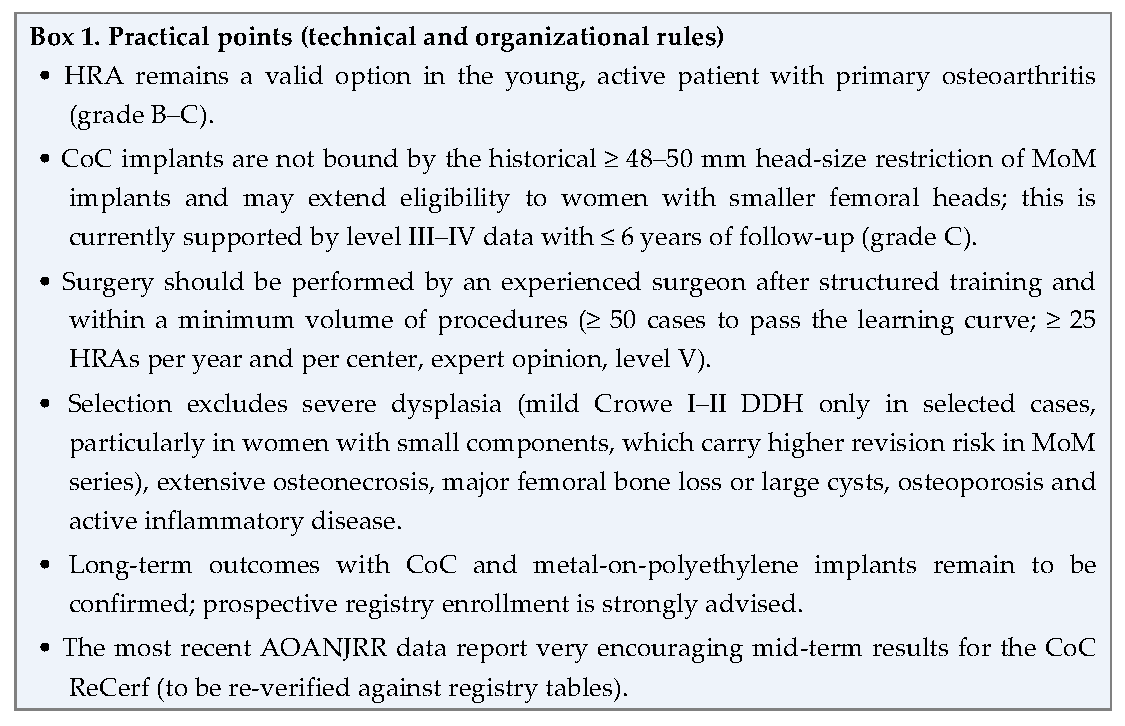
7.2. Perspective: Modern Alternatives
HRA should not be considered in isolation from other bone-preserving strategies. A recent narrative review of 99 studies identified two femoral strategies for young, active patients—HRA and short-stem THA—that address proximal bone loss through distinct biomechanical principles, with different selection criteria, complication profiles and revision implications [21]. Conventional diaphyseal stems produce predictable proximal stress shielding, while modern bearings and constructs (highly cross-linked polyethylene, ceramic, dual mobility) are now widely used in conventional THA. To our knowledge, and on the basis of a PubMed search performed on 23 October 2026, no randomized comparison of contemporary CoC HRA with short-stem or dual-mobility THA has been published. A 2025 Bayesian network meta-analysis (72 studies, 793,593 patients) found lower dislocation (risk ratio 13.45 for standard THA versus HRA) and infection rates with HRA than with standard-stem THA, shorter operative time than both standard and short-stem THA, and no difference in functional outcomes between the three options; it was dominated by standard-stem versus HRA comparisons (94.4% of studies) and is therefore of limited use for modern short-stem constructs [3] (level III). Existing randomized evidence compares HRA with MoM THA [19,20] and therefore cannot be transposed to modern THA constructs. In this context, the potential advantage of CoC HRA lies in a combination of bone preservation, stability, near-normal gait [31,32] and the avoidance of metal-on-metal bearing-related cobalt and chromium exposure, but this remains to be demonstrated against the best-performing contemporary THA.
7.3. Limitations of the Evidence
Several limitations apply. First, evidence for contemporary bearings is mostly retrospective or non-comparative, short-term (mean follow-up about 4 years for the ReCerf) and often produced by designer-affiliated authors or industry-supported studies; conflicts of interest and publication bias are therefore possible. Second, registry data (AOANJRR) provide the strongest evidence for historical MoM implants, but the numbers of ReCerf procedures at risk at 5 years are small, and the registry does not capture patient-reported outcomes or imaging. Third, the learning-curve and volume recommendations derive from MoM series and expert opinion. Fourth, randomized trials comparing HRA with THA used MoM implants and older THA technology. Fifth, most pooled analyses are dominated by MoM series and heterogeneous comparators, and high-volume single-surgeon series may overestimate what is achievable in routine practice. Sixth, conversion to THA after failed HRA is not equivalent to primary THA, as complication rates and re-revision risk are higher than for primary THA, particularly after failure related to ARMD [23,24]. This narrative review was not designed as a systematic synthesis and may be subject to selection bias.
7.4. Research Priorities
Priorities include: (i) registry surveillance of CoC and metal-on-polyethylene implants beyond 10 years, with systematic reporting by sex and head size; (ii) prospective, multicenter, independently conducted studies, ideally randomized, comparing CoC HRA with contemporary THA (short-stem, dual-mobility) in patients matched for age and activity; (iii) standardized reporting of fracture, loosening and ceramic-related complications (including squeaking and fracture), of MRI findings such as osteonecrosis and neck thinning with CoC resurfacing, and of conversion outcomes; (iv) defined training pathways and volume thresholds for CoC implants; and (v) assessment of acetabular and femoral bone-stock consequences at revision.
8. Conclusions
HRA, long discredited by the complications of MoM bearings, is experiencing a genuine re-emergence thanks to better patient selection, refined surgical technique and new bearing couples, in particular CoC. In the young, active patient, it offers biomechanical and functional advantages (bone preservation, stability, return to sport), albeit with a different, not lower, complication profile than THA. Contemporary CoC implants (ReCerf and H1) open interesting perspectives, including for women and smaller femoral heads; metal-on-polyethylene designs (Polymotion, ROMAX) are at an earlier stage of evaluation. Rigorous registry follow-up and independent prospective studies remain indispensable to confirm these results in the long term.
Author Contributions
Conceptualization, A.A. and J.W.; methodology, A.A. and J.W.; validation, A.A., D.W., J.M. and J.W.; investigation, A.A., J.W., D.W., A.F., J.M. and Y.D.; data curation, A.A. and J.W.; writing—original draft preparation, J.W., A.A., D.W., A.F., J.M. and Y.D.; writing—review and editing, J.W., A.A., D.W., A.F., J.M. and Y.D.; visualization, D.W., Y.D. and J.M.; supervision, J.W. All authors have read and agreed to the published version of the manuscript.
Funding
This research received no external funding.
Institutional Review Board Statement
Not applicable (narrative review).
Informed Consent Statement
Written informed consent for publication of the clinical images presented in Figure 2 was obtained from the patient.
Data Availability Statement
No new data were created or analyzed in this study. Data sharing is not applicable to this article.
Acknowledgments
During the preparation of this manuscript, the authors used Claude (Anthropic) for translation from the French original, restructuring, language editing and assistance with literature verification. The authors reviewed and edited the output and take full responsibility for the content of this publication.
Conflicts of Interest
The authors declare no conflicts of interest.
Permissions: Permission to reproduce third-party images and illustrations was obtained from the respective copyright holders, where required. Appropriate acknowledgments are provided in the corresponding figure and table captions.
Note on prior publication: No.
Abbreviations
The following abbreviations are used in this manuscript:
| ALTR | Adverse local tissue reaction |
| AOANJRR | Australian Orthopaedic Association National Joint Replacement Registry |
| ARMD | Adverse reaction to metal debris |
| BHR | Birmingham Hip Resurfacing |
| CE | Conformité Européenne |
| CI | Confidence interval |
| CoC | Ceramic-on-ceramic |
| CoCr | Cobalt–chromium |
| HR | Hazard ratio |
| HRA | Hip resurfacing arthroplasty |
| MoM MoP |
Metal-on-metal Metal-on-polyethylene |
| PE | Polyethylene |
| THA | Total hip arthroplasty |
| UCLA | University of California, Los Angeles (activity score) |
| WOMAC | Western Ontario and McMaster Universities Osteoarthritis Index |
| XLPE | Highly cross-linked polyethylene |
References
- Girard, J.; De Smet, K. Reproducing the Proximal Femur Anatomy Using Hip Resurfacing Implants. In Personalized Hip and Knee Joint Replacement; Rivière, C., Vendittoli, P.-A., Eds.; Springer: Cham, Switzerland, 2020; Available online: https://www.ncbi.nlm.nih.gov/books/NBK565777/ (accessed on 5 August 2026).
- Lavigne, M.; Masse, V.; Girard, J.; Roy, A.G.; Vendittoli, P.-A. Return to Sport after Hip Resurfacing or Total Hip Arthroplasty: A Randomized Study. [in French] Rev. Chir. Orthop. Reparatrice Appar. Mot. 2008, 94, 361–367. [Google Scholar] [CrossRef]
- Riché, L.; Baccon, N.; Girard, J.; Migaud, H.; Bouché, P.-A. Hip Resurfacing Arthroplasty Reduces Dislocation and Infection Rates without Differences in Clinical Outcomes Compared to Short and Standard Stems: A Network Meta-Analysis. Orthop. Traumatol. Surg. Res. 2025, 111(8), 104239. [Google Scholar] [CrossRef]
- Demosthenous, C.; Pittalis, C.; Orphanides, G.A.; Antoniou, K.; Demetriou, E.; Kyriakou, P.; Stylianides, V.; Moniati, F. Comparative Outcomes of Resurfacing vs Total Hip Arthroplasty: A Systematic Review and Meta-Analysis. Adv. Orthop. 2026, 2026, 4661645. [Google Scholar] [CrossRef]
- De Smet, K.A.; Van Der Straeten, C.; Van Orsouw, M.; Doubi, R.; Backers, K.; Grammatopoulos, G. Revisions of Metal-on-Metal Hip Resurfacing: Lessons Learned and Improved Outcome. Orthop. Clin. North Am. 2011, 42, 259–269. [Google Scholar] [CrossRef]
- Van Der Straeten, C.; Van Quickenborne, D.; De Roest, B.; Calistri, A.; Victor, J.; De Smet, K. Metal Ion Levels from Well-Functioning Birmingham Hip Resurfacings Decline Significantly at Ten Years. Bone Jt. J. 2013, 95-B, 1332–1338. [Google Scholar] [CrossRef]
- Australian Orthopaedic Association National Joint Replacement Registry (AOANJRR). Hip, Knee & Shoulder Arthroplasty: 2025 Annual Report; AOA . 2025 Adelaide, Australia (data to 31 December 2024; Tables HT106/HT108/HT114). Available online: https://aoanjrr.sahmri.com (accessed on 22 October 2026).
- Al-Jabri, T.; Ridha, M.; McCulloch, R.A.; Kayani, B.; Arif, A.; Habad, M.; Kosuge, D.; Jayadev, C.; Donaldson, J.; Skinner, J.A. Hip Resurfacing Arthroplasty: Past, Present and Future. Orthop. Rev. 2023, 15, 77745. [Google Scholar] [CrossRef]
- Palazzuolo, M.; Antoniadis, A.; Delaune, L.; Tornare, I.; Wegrzyn, J. Comparison of the Long-Term Cause of Failure and Survivorship of Four Hundred and Twenty Seven Metal-on-Metal Hip Arthroplasties: Resurfacing versus Large Head Total Hip Arthroplasty. Int. Orthop. 2021, 45, 3075–3081. [Google Scholar] [CrossRef]
- Wilson, C.J.; Lorimer, M.F.; Holder, C.; Stoney, J.D.; Weinrauch, P.C.L. Seventeen-Year Outcomes for a Contemporary Total Hip Resurfacing Prosthesis in Australia: An Analysis of Registry Data with Comparison to Best Performing Conventional and Most Prevalent Resurfacing Prostheses. J. Orthop. 2025, 67, 299–307. [Google Scholar] [CrossRef]
- Koh, C.K.; Walter, W.L.; Yates, P.; Manktelow, A.; De Smet, K.; Holland, J.; et al. Influence of Head Size and Sex on the Five-Year Survival of Ceramic-on-Ceramic Hip Resurfacing: An International Multicentre Study. Bone Jt. J. 2025, 107-B, 691–697. [Google Scholar] [CrossRef]
- Treacy, R.B.C.; Holland, J.P.; Daniel, J.; Ziaee, H.; McMinn, D.J.W. Preliminary Report of Clinical Experience with Metal-on-Highly-Crosslinked-Polyethylene Hip Resurfacing. Bone Jt. Res. 2019, 8, 443–450. [Google Scholar] [CrossRef]
- Gaillard-Campbell, D.; Gross, T. Uncemented Hip Resurfacing in Patients over 65: 16-Year Outcomes from a Large, Single-Surgeon Series. Musculoskelet. Surg. 2025, 110(3), 325–333. [Google Scholar] [CrossRef]
- Shanaa, J.; Bernstein, E.; Shanaa, N.; Bahador, M.; Di Pauli von Treuheim, T.; Marwin, S. Balancing Risk and Reward in Hip Resurfacing for Developmental Dysplasia of the Hip: A Systematic Review and Meta-Analysis. JBJS Rev. 2025, 13(7). [Google Scholar] [CrossRef]
- Lin, Y.-C.; Chang, C.-H.; Hsieh, P.-H.; Huang, Y.-Y.; Chen, D.W.; Lau, N.-C. Hip Resurfacing Arthroplasty at a Minimum of 14 Years: Revision Is Concentrated among Female Patients with Dysplasia and Small Components. Arch. Orthop. Trauma Surg. 2026, 146(1). [Google Scholar] [CrossRef]
- Girard, J.; Putman, S.; Migaud, H.; Urbain, A.; Faure, P.A. Ten Year Follow-Up of Hip Resurfacing in Patients under Thirty Years Old. Int. Orthop. 2025, 49(8), 1853–1860. [Google Scholar] [CrossRef]
- Nunley, R.M.; Zhu, J.; Brooks, P.J.; Engh, C.A.; Raterman, S.J.; Rogerson, J.S.; Barrack, R.L. The Learning Curve for Adopting Hip Resurfacing among Hip Specialists. Clin. Orthop. Relat. Res. 2010, 468, 382–391. [Google Scholar] [CrossRef]
- Slullitel, P.; Grammatopoulos, G.; Calistri, A.; Van Der Straeten, C. What Is the Learning Curve Associated with a Hip Resurfacing? Ann. Jt. 2019, 4, 42. [Google Scholar] [CrossRef]
- Vendittoli, P.-A.; Shahin, M.; Rivière, C.; Roy, A.G.; Barry, J.; Lavigne, M. Hip Resurfacing Compared with 28-mm Metal-on-Metal Total Hip Replacement: A Randomized Study with 15 Years of Follow-Up. J. Bone Jt. Surg. Am. 2020, 102 (Suppl. 2), 80–90. [Google Scholar] [CrossRef]
- Za, P.; Casciaro, C.; Papalia, G.F.; Parisi, F.R.; Longo, U.G.; Falez, F.; Papalia, R. Hip Resurfacing versus Total Hip Arthroplasty: A Systematic Review and Meta-Analysis of Randomized Clinical Trials. Int. Orthop. 2024, 48, 2589–2601. [Google Scholar] [CrossRef]
- Perulli, R.; Graci, C.; Vitiello, R.; El Motassime, A.; et al. Bone-Sparing Hip Arthroplasty in Young and Active Patients: A Narrative Review. J. Clin. Med. 2026, 15(15), 5894. [Google Scholar] [CrossRef]
- Yamamuro, Y.; Harris, S.; Nasser, R.; Ardakani, A.; Cobb, J. Acetabular Bone Preservation in H1 Ceramic Hip Resurfacing: A Comparison with a Conventional Metal-on-Metal Hip Resurfacing. J. Orthop. Res. 2026, 44, e70221. [Google Scholar] [CrossRef]
- Mutschler, M.; Massazza, A.; Antoniadis, A.; Palazzuolo, M.; Wegrzyn, J. Conversion of Hip Resurfacing to Total Hip Arthroplasty: Is the Outcome Closer to Primary or Revision Total Hip Arthroplasty? Orthop. Traumatol. Surg. Res. 2024, 110, 103950. [Google Scholar] [CrossRef]
- Lari, A.; Ashkanani, A.; Ashkanani, M.; Howard, L.C.; Wignadasan, W.; Masri, B.A. Clinical Outcomes and Survivorship after Conversion of Metal-on-Metal Hip Resurfacing to Total Hip Arthroplasty: A Systematic Review. JBJS Rev. 2026, 14. [Google Scholar] [CrossRef]
- Kennedy, M.F.; Bussey-Sutton, C.; Antonioli, S.S.; Marwin, S.; Schwarzkopf, R.; Macaulay, W. Outcomes of Conversion of Hip Resurfacing Arthroplasty to Total Hip Arthroplasty with Acetabular Component Revision. Hip Int. 2026, 36, 705–712. [Google Scholar] [CrossRef]
- Antonioli, S.S.; Kennedy, M.F.; Bussey-Sutton, C.R.; Marwin, S.E.; Schwarzkopf, R.; Macaulay, W. Outcomes of Conversion of Hip Resurfacing Arthroplasty to Total Hip Arthroplasty with Retention of the Acetabular Component. J. Arthroplast. (online ahead of print). 2026. [Google Scholar] [CrossRef]
- Maillot, C.; Auvinet, E.; Harman, C.; Cobb, J.; Rivière, C. Hip Resurfacing Generates a More Physiological Gait than Total Hip Replacement: A Case-Control Study. Orthop. Traumatol. Surg. Res. 2020, 106, 527–534. [Google Scholar] [CrossRef]
- Lin, D.; Xu, J.; Weinrauch, P.; Young, D.A.; De Smet, K.; Manktelow, A.; Beaulé, P.E.; Walter, W.L. Two-Year Results of Ceramic-on-Ceramic Hip Resurfacing in an International Multicenter Cohort. J. Arthroplast. 2024, 39, 2800–2806. [Google Scholar] [CrossRef]
- Girard, J.; Lons, A.; Pommepuy, T.; Isida, R.; Benad, K.; Putman, S. High-Impact Sport after Hip Resurfacing: The Ironman Triathlon. Orthop. Traumatol. Surg. Res. 2017, 103, 675–678. [Google Scholar] [CrossRef]
- Szymanski, C.; Thouvarecq, R.; Dujardin, F.; Migaud, H.; Maynou, C.; Girard, J. Functional Performance after Hip Resurfacing or Total Hip Replacement: A Comparative Assessment with Non-Operated Subjects. Orthop. Traumatol. Surg. Res. 2012, 98, 1–7. [Google Scholar] [CrossRef]
- Leon, D.; Maslivec, A.; Guest, B.; Allott, N.; Cobb, J. The Effect of Hip Arthroplasty on Gait Function: Comparison of Ceramic-on-Ceramic Hip Resurfacing, Metal-on-Metal Hip Resurfacing, and Total Hip Arthroplasty. J. Orthop. Res. 2026, 44, e70112. [Google Scholar] [CrossRef]
- Maslivec, A.; Allott, N.; Guest, B.; Halewood, C.; Cobb, J.P. Functional Assessment of Ceramic-on-Ceramic Hip Resurfacing Arthroplasty: Improvement in Gait at 12 Months. Bone Jt. J. 2026, 108-B, 447–454. [Google Scholar] [CrossRef]
- Nasser, A.A.H.H.; Samra, I.; Treacy, R.B.C.; Hussain, S. Indications for Revision Following Birmingham Hip Resurfacing: Insights from the Largest 25-Year Series from a Design Centre. Bone Jt. J. 2026, 108-B, 1224–1230. [Google Scholar] [CrossRef]
- Davey, M.S.; Farrell, C.; Kilkenny, C.; Medlar, C.; McGoldrick, N.P.; Quinlan, J.F. Birmingham Hip Resurfacing: A Retrospective Cohort Study of Clinical, Biochemical, and Radiological Outcomes in a Non-Designer Centre at Minimum 15 Years' Follow-Up. Bone Jt. Open 2025, 6, 413–418. [Google Scholar] [CrossRef]
- Gross, T.P.; Gaillard-Campbell, M.D. Outcomes of Metal-on-Metal Hip Resurfacing Arthroplasty: A Single-Surgeon Series of 6114 Cases with 2–19 Year Follow-Up. J. Orthop. Surg. Res. 2025, 20(1), 974. [Google Scholar] [CrossRef]
- Shanaa, J.; Amar, O.; Asad, S.; Pauli von Treuheim, T.D.; Aggarwal, V.K.; Marwin, S. Hip Resurfacing Arthroplasty Is Associated with Lower Metal Ion Levels and Revision Risk Compared with Large-Head Metal-on-Metal Total Hip Arthroplasty: A Systematic Review and Meta-Analysis. JBJS Rev. 2025, 13(12). [Google Scholar] [CrossRef]
- Grewal, U.S.; Wambeek, N.; Yates, P. Ceramic Resurfacing: Postoperative Magnetic Resonance Imaging and Clinical Outcomes. Hip Int. 2026, 36(2), 209–217. [Google Scholar] [CrossRef]
- Cobb, J.P.; et al. Cementless Ceramic Hip Resurfacing: Minimum Three-Year Follow-Up of a 250 Patient Multicenter Study; Oral presentation (Paper 11); AAHKS Annual Meeting 2025 : Dallas, TX, USA, 25 October 2025. [Google Scholar]
Figure 1.
Historical evolution of hip resurfacing arthroplasty: from early mould and polymer arthroplasties to modern metal-on-metal designs, the metal-on-metal crisis, and the new generation of ceramic and polyethylene bearings. Dates are as given in the cited sources. MoM, metal-on-metal; ARMD, adverse reaction to metal debris; ALTR, adverse local tissue reaction; XLPE, highly cross-linked polyethylene; CoC, ceramic-on-ceramic.
Figure 1.
Historical evolution of hip resurfacing arthroplasty: from early mould and polymer arthroplasties to modern metal-on-metal designs, the metal-on-metal crisis, and the new generation of ceramic and polyethylene bearings. Dates are as given in the cited sources. MoM, metal-on-metal; ARMD, adverse reaction to metal debris; ALTR, adverse local tissue reaction; XLPE, highly cross-linked polyethylene; CoC, ceramic-on-ceramic.
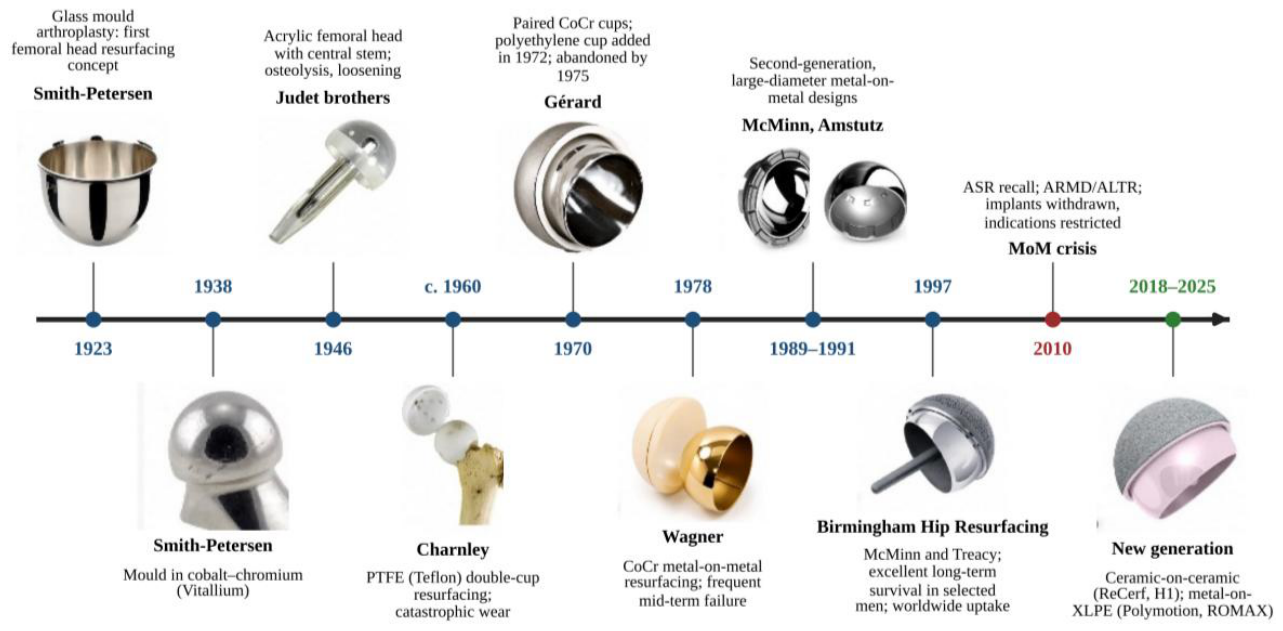
Figure 2.
Left hip resurfacing with a ceramic-on-ceramic implant (ReCerf, MatOrtho) in an active 58-year-old patient with bilateral osteoarthritis, more symptomatic on the left, in whom conservative treatment had failed. (A) Preoperative anteroposterior pelvic radiograph. (B) Postoperative anteroposterior pelvic radiograph. (C) Intraoperative view of the ceramic femoral head component before cementing (ReCerf, MatOrtho). (D) Postoperative lateral radiograph of the left hip.
Figure 2.
Left hip resurfacing with a ceramic-on-ceramic implant (ReCerf, MatOrtho) in an active 58-year-old patient with bilateral osteoarthritis, more symptomatic on the left, in whom conservative treatment had failed. (A) Preoperative anteroposterior pelvic radiograph. (B) Postoperative anteroposterior pelvic radiograph. (C) Intraoperative view of the ceramic femoral head component before cementing (ReCerf, MatOrtho). (D) Postoperative lateral radiograph of the left hip.
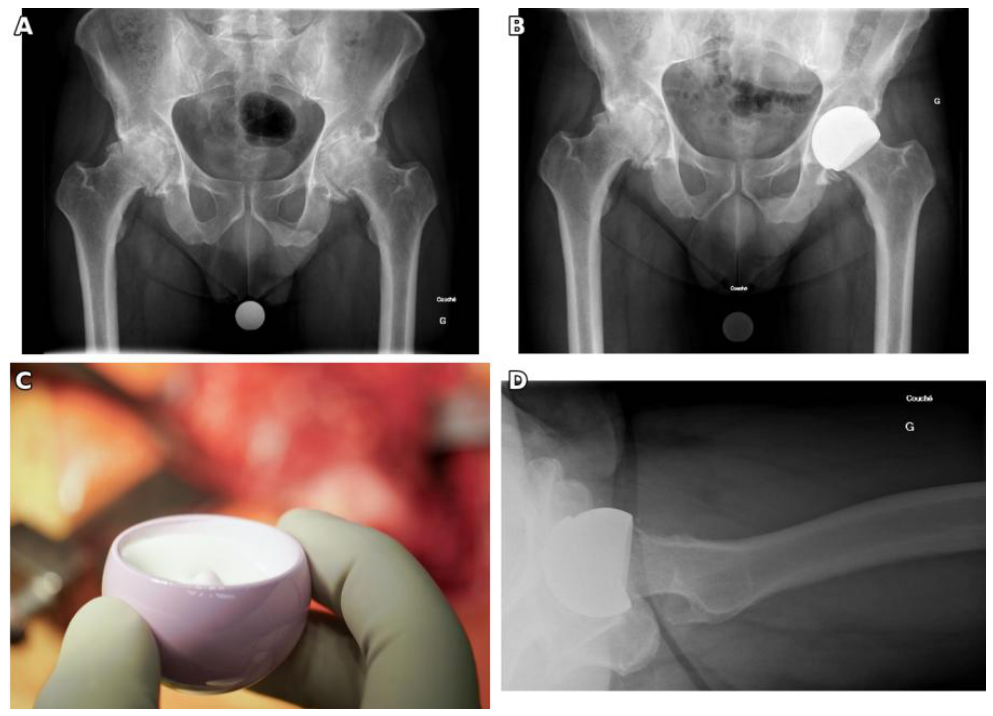

Table 1.
Current hip resurfacing implants by bearing couple.
| Ceramic-on-ceramic | Metal/titanium-on-polyethylene | Metal-on-metal | ||||
| Model | ReCerf | H1 | Polymotion | ROMAX | BHR | ADEPT |
| Manufacturer | MatOrtho | Embody / Zimmer Biomet | JointMedica / Exactech | Medacta | Smith & Nephew | MatOrtho |
| Illustration |
 Image reproduced with permission of MatOrtho Ltd. |
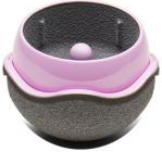 H1 Implant, Embody Orthopaedic Limited, London, UK |
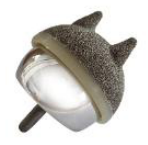 Polymotion, JointMedica / Exactech |
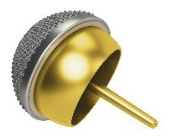 Courtesy of Medacta International SA. © 2026. All rights reserved |
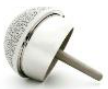 BHR, Smith & Nephew |
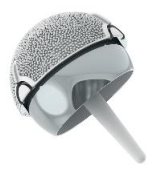 Image reproduced with permission of MatOrtho Ltd. |
| Fixation | Hybrid (cemented head) | Cementless (2 components) | Hybrid (cemented head) | Cementless | Hybrid (cemented head) | Hybrid (cemented head) |
| Bearing materials | BIOLOX delta / BIOLOX delta | BIOLOX delta / BIOLOX delta | CoCr / vitamin E PE | Titanium / cross-linked PE | CoCr / CoCr | CoCr / CoCr |
| CE marking † | Yes (July 2025; available earlier in Australia) | Yes (July 2025) | No | Yes (May 2021) | Yes (January 1997) | Yes (November 2004, Finsbury Orthopaedics; renewed September 2011, MatOrtho) |
| Availability † | Australia, UK, Canada, Belgium; CHUV from 2026 ‡ | UK; European roll-out 2025–2026 | UK, Canada, Australia (exceptional-use pathways); USA (IDE trial) | Switzerland, Italy | Worldwide | Australia, UK |
| AOANJRR 2025 survival § | N = 643; 99.6% at 5 y (95% CI 98.1–99.9) | Not available | N < 100; not analyzable | Not available | N = 12,318; 88.5% at 20 y (95% CI 87.8–89.1) | N = 3832; 94.1% at 15 y (95% CI 92.5–95.4) |
| Published series | 98.0% at 5 y (95% CI 96.3–99.0; n = 604; mean FU 4.04 y; 128 hips at risk at 5 y) [11]; 2-y cohort n = 200 [28] | 96.3% at 8 y (250 patients, 2017–2022; min. FU 3 y; 8 reoperations; conference abstract) [38] | No revision (n = 88 hips; mean FU 1.6 y, range 0.7–3.9) [12] | No published clinical data | 94.3% at ≥ 15 y (n = 105; non-designer center) [34] | 94.0% at 17 y (registry) [10] |
| Sex effect | No: 97.6% (M) vs 98.5% (F); NS [11] | Not documented | Not documented | Not documented | Yes: F vs M HR 3.02 (2.69–3.39) [7] | Yes (MoM bearing) [7] |
| Head-size effect | No: 98.5% (< 50 mm) vs 97.5% (≥ 50 mm); NS [11] | Not documented | Not documented | Not documented | Yes: ≤ 44 vs ≥ 55 mm HR 4.34 (2.84–6.64) [7] | Yes (MoM bearing) [7] |
| Level of evidence (grade) | III (registry); IV (series) (C) | IV (C/D) | IV (D) | Not assessable | III (B) | III (B) |
| Main limitations | Maximum FU ≈ 6 y; limited numbers at risk; designer-affiliated authors | Unpublished survival; promoter/designer involvement; no registry data | No mid-term data; no registry; designer center | No published clinical data | ARMD/ALTR, metal ions; restricted to men with head ≥ 50 mm | Same as BHR |
Abbreviations: ALTR, adverse local tissue reaction; AOANJRR, Australian Orthopaedic Association National Joint Replacement Registry; ARMD, adverse reaction to metal debris; BHR, Birmingham Hip Resurfacing; CE, Conformité Européenne; CI, confidence interval; CoCr, cobalt–chromium; F, female; FU, follow-up; HR, hazard ratio; IDE, Investigational Device Exemption; M, male; MoM, metal-on-metal; NS, not significant; PE, polyethylene. † CE-marking dates and availability. ‡ Start date at CHUV. § Registry figures extracted from the AOANJRR 2025 Annual Report (Tables HT106/HT108/HT114).
Disclaimer/Publisher’s Note: The statements, opinions and data contained in all publications are solely those of the individual author(s) and contributor(s) and not of MDPI and/or the editor(s). MDPI and/or the editor(s) disclaim responsibility for any injury to people or property resulting from any ideas, methods, instructions or products referred to in the content. |
© 2026 by the authors. Licensee MDPI, Basel, Switzerland. This article is an open access article distributed under the terms and conditions of the Creative Commons Attribution (CC BY) license.
Copyright: This open access article is published under a Creative Commons CC BY 4.0 license, which permit the free download, distribution, and reuse, provided that the author and preprint are cited in any reuse.