

Submitted:
28 October 2026
Posted:
29 October 2026
You are already at the latest version
Abstract
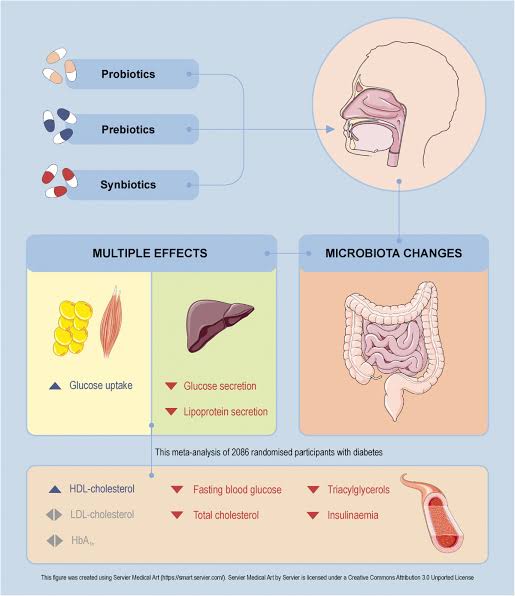
Metabolic syndrome is a clinically recognized group of concurrent physiological dis-orders. They include insulin resistance, high blood pressure, dyslipidemia, and obesity. These conditions interact synergistically, enhancing the pathological effect of each other. It significantly increases the risk of developing autoimmune disorders and the development of malignant tumors. Emerging evidence has positioned the gut micro-biome as a pivotal determinant of systemic health. Disruption of this microbial eco-system (bacterial imbalance) has been mechanically linked to many disease conditions. This review critically evaluates the therapeutic efficacy of prebiotics, probiotics, and synbiotics in the management of metabolic syndrome. These interventions share a common ability to target gut microorganisms as a modifiable therapeutic axis. To cap-ture an unlimited amount of research on this topic. This review analyzes the mecha-nisms of action of probiotics, prebiotics, and synbiotics, linking them to metabolic syndrome and associated diseases, their functional benefits, and their association with nutrition. These effects also target the primary pathways for managing metabolic syn-drome. However, the large variability between existing studies limits reaching defini-tive conclusions. Standardized and carefully designed clinical trials remain essential for future research.
Keywords:
chronic diseases
; microbiota
; disorders
; MetS
; nutrient pharmacologicals
1. Introduction
Metabolic syndrome (MetS) is a well-established clinical entity characterised by coexisting metabolic disturbances. Its principal components include insulin resistance, abdominal obesity, hypertension, and dyslipidaemia. Persistent low-grade inflammatory conditions are equally recognized as defining features of MetS [1]. The pathological conditions associated with metabolic syndrome and its comorbidities are summarized in Figure 1. The global burden of MetS has grown substantially over recent decades. Accelerated economic expansion and profound shifts in population lifestyle behaviors are principal contributing factors. The global prevalence of MetS is estimated at 20–25%, representing a substantial public health burden [2]. This figure alone underscores the urgency of coordinated preventive strategies. The World Health Organization (WHO) projects that 300 million individuals will be affected by MetS and its associated complications by 2025 [3]. Correcting the aberrant metabolic profile observed in MetS patients remains a primary therapeutic objective. However, available pharmacological agents capable of comprehensively addressing this dysfunction are notably limited. No single treatment has demonstrated consistent efficacy across all metabolic abnormalities associated with MetS [4]. The intestinal microbiome has emerged as a compelling therapeutic target in the context of MetS amelioration. This complex ecosystem comprises approximately 100 trillion microorganisms residing within the gastrointestinal tract. These include diverse populations of bacteria, viruses, and yeast. Collectively, these organisms maintain intricate mutualistic and symbiotic relationships with the host. Such relationships are fundamental to sustaining both local intestinal and broader systemic physiological homeostasis [5]. These microorganisms are equally responsible for the biotransformation of dietary constituents into physiologically active compounds. Principal among these are vitamins, short-chain fatty acids (SCFAs), and an array of secondary metabolites. Each of these compounds exerts well-documented functional effects upon host health and metabolic regulation [5,6]. The gut microbiota participates actively in shaping several fundamental physiological processes. These encompass the maturation and regulation of the immune system. Maintenance of intestinal homeostasis is equally contingent upon microbial community integrity. Emerging evidence further implicates the microbiota in modulating host behavior through gut-brain axis signaling [7,8]. Disruptions in gut microbiome composition have been implicated in the pathogenesis of a broad disease spectrum. Within the gastrointestinal tract, such imbalances are associated with inflammatory bowel disease and colon cancer. Neurological manifestations are equally recognized, most notably in the context of Parkinson's disease. Furthermore, cardiometabolic disorders represent a clinically significant category of microbiome-associated pathology [9]. Probiotics exert well-established beneficial effects through direct modulation of the host gut microbiota [10]. Their clinical application has expanded considerably, particularly in restoring gut microbiota homeostasis [11]. Pathogenic bacterial populations may be effectively suppressed through targeted probiotic intervention. Microbial community equilibrium can similarly be re-established via such therapeutic strategies. The concurrent administration of prebiotics and probiotics as synbiotics further consolidates these restorative effects [12]. The defining characteristics and conceptual distinctions among prebiotics, probiotics, and synbiotics are illustrated in Figure 2. The present review was accordingly undertaken with a clearly defined primary objective. It sought to provide a comprehensive and critically informed appraisal of currently available evidence. Particular attention was directed towards the nutritional and therapeutic potential of prebiotics, probiotics, and synbiotics. Their prospective roles in the management of MetS were examined in considerable depth. Associated diseases and health disorders linked to MetS were equally considered within this evaluative framework.
2. Metabolic Syndrome
Metabolic syndrome (MetS) poses a formidable challenge to both clinical practice and public health [13]. It constitutes a multiplex of modifiable risk factors predisposing individuals to cardiovascular disease and type 2 diabetes mellitus. Fundamentally, MetS represents a constellation of interacting risk factors rather than a discrete disease entity [14,15]. Its pathogenesis involves numerous intricate and incompletely understood biological pathways. Whether its constituent components represent distinct conditions or facets of a unified disease process remains contested [16]. Recognized diagnostic criteria, as proposed by the American Heart Association/National Heart, Lung, and Blood Institute and the International Diabetes Federation, encompass hypertension, dyslipidaemia (elevated triglycerides and reduced HDL cholesterol), hyperglycaemia, and central obesity [14,17]. The hallmark features of MetS further include insulin resistance, abdominal obesity, and a pro-inflammatory and thrombotic state [15]. Dyslipidaemia in this context manifests as elevated triglycerides, elevated apolipoprotein B, elevated LDL-p, and reduced HDL-c.
Disruption of the gut microbiota a condition termed dysbiosis arises from diverse environmental triggers. These include infections, antibiotic exposure, systemic illness, dietary patterns, and lifestyle behaviors [18,19]. Dysbiosis promotes pathological microbial expansion and heightens susceptibility to MetS through amplified oxidative stress and systemic inflammation [20]. Elevated reactive oxygen species further compound this metabolic burden. Intestinal dysbiosis additionally compromises mucosal barrier integrity, culminating in metabolic endotoxemia. This process sustains chronic low-grade systemic inflammation, a central mechanistic driver of MetS [20]. Therapeutic modulation of dysbiosis through dietary intervention and probiotic supplementation represents a promising management strategy [15]. Plant-based dietary patterns have attracted considerable attention in this regard. They are characterized by reduced caloric density, low saturated fat content, and abundance of dietary fiber, phytochemicals, and micronutrients [21]. These nutritional attributes confer measurable immunomodulatory effects and support both metabolic and cardiovascular health [21]. Furthermore, sustained adherence to plant-based diets is associated with reduced incidence of type 2 diabetes and cardiovascular disease [22]. Recognition of the gut microbiota as a modifiable therapeutic axis has prompted considerable industrial investment. Food manufacturers have directed resources toward developing innovative nutritional strategies capable of restoring healthy microbiota composition [23]. Within this context, prebiotics, probiotics, and synbiotics have gained substantial prominence in the functional food sector. Their expanding recognition reflects both their favorable safety profiles and their documented health-promoting properties [5,23]. Researchers have insufficiently investigated the combined influence of physical exercise and plant-based dietary patterns on MetS, despite the well-established individual benefits [24]. Elucidating their synergistic effects could meaningfully inform clinical management strategies. It may equally strengthen evidence-based public health recommendations for MetS prevention and control.
3. Nutrition and Health Through Nutrients
Functional foods constitute a nutritionally significant category of dietary agents. Beyond supplying energy, vitamins, minerals, and trace elements, they actively suppress microbial imbalances within the gut [25]. Their capacity to impede disease development has rendered them subjects of considerable scientific and industrial interest. Within the food industry, the incorporation of probiotic bacteria as formulation ingredients has driven substantial growth in functional food development [26]. Figure 2 (A) illustrates examples of functional foods and the health benefits pathway. Foods enriched with prebiotics and synbiotics carry a well-documented history of health-promoting properties [27]. Regular consumption of such products has been consistently associated with meaningful improvements in human health outcomes. The rise of health-conscious consumer behavior has further stimulated research into synbiotic food product development [28]. Products incorporating synbiotic properties have gained considerable market traction. This growing popularity reflects their recognized functional, nutritional, physiological, and therapeutic attributes [28]. The nutraceutical advantages of functional foods and dietary supplements have broadened consumer access to fermented foods and beverages [29]. Incorporating fermented foods and drinks across the human lifespan demonstrably enhances nutritional status [30]. Functional foods extend beyond their basic nutritional role, delivering additional or enhanced physiological benefits [31]. Figure 2 (B) illustrates examples of functional foods and the health benefits pathway. Probiotics, prebiotics, and their combinations constitute the principal bioactive components underpinning these benefits [29]. Diverse functional food preparations have been developed and consumed across varied geographical and cultural settings [29]. Notable examples include fermented wheat products such as sourdough bread, kefir, and fermented milk [32]. Cereal-based preparations similarly represent an established category of health-promoting traditional foods. Advancing our understanding of prebiotics, probiotics, and synbiotics remains a central challenge in nutritional science [30]. Both traditional and contemporary food components exert measurable influence over biological and physiological processes throughout life [32]. Selected food sources containing probiotics are presented in Table 1. Representative prebiotic preparation types are outlined in Table 2. Investigating these nutritional agents is essential for preserving metabolic health and supporting musculoskeletal function [30]. Their study equally informs recovery strategies for gastrointestinal disorders and associated infections. Commercially available synbiotic formulations are catalogued in Table 3.
4. Action Mechanisms and Effects of Probiotics
Probiotics encompass diverse microbial species, notably from the Lactobacillus and Bifidobacterium genera, alongside yeasts such as Saccharomyces cerevisiae [47]. When administered appropriately, these organisms confer substantial and reproducible health benefits Figure 2. Among their most clinically recognized contributions is the maintenance of gut microbiota integrity and digestive homeostasis [1]. Disruptions to the gut microbiota are increasingly implicated in the progression of conditions such as diabetes mellitus. The gastrointestinal tract, frequently designated the "second brain," occupies a position of central importance in metabolic health [48]. Combined probiotic therapy, alongside regulated dietary modification and prebiotics, offers meaningful potential for restoring gut microbiota balance [49]. Such interventions may concurrently ameliorate insulin resistance and reinforce gut barrier integrity. Attenuation of systemic inflammation represents an equally important therapeutic outcome. Probiotics have further demonstrated the capacity to improve insulin sensitivity and reduce circulating lipopolysaccharide levels [48]. Suppression of endoplasmic reticulum stress has similarly been documented, positioning probiotics as a promising strategy in type 2 diabetes management. Probiotics support systemic health through several distinct but complementary mechanisms. They promote the establishment of a diverse and balanced gut microbiome, optimizing digestion and nutrient absorption [50]. Certain strains additionally produce short-chain fatty acids and bioactive metabolites exerting systemic physiological effects [48,51]. Probiotics modulate immune system function and attenuate inflammatory cascades. Cognitive performance and muscular recovery have equally been reported to benefit from probiotic supplementation [51]. The mechanisms underlying probiotic efficacy are well characterized. They include the secretion of antimicrobial compounds, competitive exclusion from adhesion sites, and deprivation of nutritional resources available to pathogens. Enhancement of intestinal barrier function and immunomodulation represent additional mechanistic pillars. Through these pathways, probiotics demonstrably strengthen host defenses against gastrointestinal pathogens [52]. Preservation of intestinal epithelial barrier integrity affords protection against irritable bowel syndrome, inflammatory bowel disease, and obesity [53]. This protective effect is mediated, in part, through upregulation of tight junction signaling-related gene expression. Probiotics constitute a natural component of the intestinal flora. They regulate the human immune system, suppress pathogenic bacterial proliferation, and exert direct effects upon host health. Their metabolic activity, however, is contingent upon an adequate carbohydrate carbon source [54] Beyond barrier preservation, probiotics actively contribute to the repair of damaged intestinal barriers. Lactobacillus acidophilus and Streptococcus thermophilus, for instance, inhibited adhesion and invasion by Escherichia coli within the intestinal epithelium [53]. These strains additionally enhanced cytoskeletal protein phosphorylation and transepithelial electrical resistance. Four principal mechanisms account for the beneficial systemic effects of probiotics [55]. First, they inhibit the establishment and proliferation of potential pathogens. Second, they reinforce gut barrier function. Third, they modulate host immune system responses. Fourth, they synthesize neurotransmitters capable of influencing host physiology. Probiotics interact directly with immune and somatic cells, augmenting host immunity through multiple pathways. They further generate nutrient-rich and antimicrobial compounds, often produced through cooperative antimicrobial interactions [54].
5. Action Mechanisms and Effects of Prebiotics
Prebiotics are non-digestible food constituents that resist degradation by gastric acid and digestive enzymes [54]. Within the colon, they undergo selective fermentation by indigenous intestinal bacteria. Unlike conventional nutrients, prebiotics are not absorbed through the digestive mucosa. Their principal function lies in selectively stimulating specific bacterial populations within the colon [54]. (Figure 2). In this capacity, they serve as fermentable substrates promoting the proliferation of beneficial microorganisms. Notable beneficiaries include Bifidobacterium and Faecalibacterium prausnitzii [48]. Chemically, prebiotics predominantly comprise oligosaccharide carbohydrates. These include xylo-oligosaccharides, galacto-oligosaccharides, lactulose, inulin, and its fructose derivatives [56,57]. Non-carbohydrate materials such as peptide polymers and polyphenols are equally recognised as prebiotic compounds. Galacto-oligosaccharides, xylo-oligosaccharides, and fructo-oligosaccharides rank among the most extensively utilised prebiotics in food and pharmaceutical applications [57,58]. Microbial enzymes and substrates hold considerable potential for industrial prebiotic production. Their application across food and pharmaceutical sectors continues to expand significantly [11]. The therapeutic scope of prebiotics extends across several clinically relevant domains. They contribute to the management of inflammatory bowel disease and demonstrate capacity to reduce triglycerides and total cholesterol [16]. Inulin specifically has been shown to reduce hydroxycorticosteroid levels in hypercholesterolaemic individuals. Prebiotics further enhance probiotic efficacy against pathogenic gut bacteria. They promote short-chain fatty acid (SCFA) synthesis and expand probiotic bacterial populations, thereby alleviating constipation and improving colon health [59]. Several distinct mechanisms account for prebiotic benefits in inflammatory bowel disease [42]. Primarily, prebiotics selectively accelerate the growth of native gut microbiota bacteria. Their characteristically large surface area and loose molecular structure simultaneously impede pathogen proliferation [42]. These structural properties additionally provide favourable colonisation conditions for beneficial microorganisms. A secondary mechanism involves augmented synthesis of SCFAs, including propionate, butyrate, and acetate [60]. Earlier research confirms that prebiotics enhance intestinal microbial diversity and stimulate probiotic growth [61]. Human digestive juices cannot hydrolyse prebiotic compounds. Instead, indigestible prebiotics are converted into carbon sources utilised by gut probiotics [61]. This conversion encourages beneficial bacterial growth and regulates microbial community composition. Prebiotics additionally stimulate mucus production and accelerate intestinal epithelial cell regeneration [62]. Maintenance of appropriate intestinal pH represents a further mechanistic contribution. Adherence of pathogenic bacteria to enterocytes is concurrently suppressed. Acetate functions primarily as a cellular energy substrate supporting colonic and muscle tissue development. Butyrate merits particular attention for its diverse host-directed benefits. These include enhancement of metabolic function, regulation of host immune system responses, and promotion of anti-inflammatory activity [60]. Collectively, prebiotic consumption has been demonstrated to improve colonic integrity and reduce infection rates [62]. Host immune function is correspondingly augmented, and allergic responses are suppressed. Importantly, these effects are not direct consequences of prebiotic ingestion alone. Rather, prebiotics operate indirectly by fostering probiotic growth [42]. Enhanced probiotic activity subsequently fortifies epithelial defence mechanisms and strengthens the mucosal barrier.
6. Action Mechanisms and Effects of Synbiotics
Synbiotics represent purposeful combinations of prebiotics and probiotics, designed to confer advantages surpassing those of either component administered independently [1]. They have been formally characterised as combinations of live microorganisms and selectively utilised substrates that collectively enhance host health [5]. Synbiotics are classified into two principal categories: synergistic and complementary formulations [16]. In synergistic synbiotics, the prebiotic substrate is specifically selected to support the co-administered microorganisms. Complementary synbiotics, by contrast, pair a probiotic with a prebiotic targeting the host's indigenous microorganisms [63,64] (Figure 3). Mechanistically, synbiotics integrate the biochemical attributes of prebiotics with the functional properties of probiotics [58]. Specific probiotic strains ensure direct interaction with host physiology. Prebiotics concurrently and selectively stimulate beneficial microbial proliferation [58,64]. Their combined action produces broader metabolic and immunological benefits than either component achieves independently [64]. Two distinct formulation strategies exist: synergistic and complementary synbiotic preparations [1]. By restoring gut microbiota equilibrium, synbiotics offer a comprehensive dietary therapeutic approach to diabetes management [49]. In vitro investigations indicate that synbiotics exert predominantly anti-inflammatory effects alongside modest anti-proliferative activity. Interpreting the synbiotic literature remains challenging, however. Attributing observed benefits specifically to prebiotics, probiotics, or their synergistic interaction is frequently difficult [42]. Clinical evidence nevertheless supports their efficacy. In biopsy samples from ulcerative colitis (UC) patients, prebiotic Synergy 1 combined with Bifidobacterium longum improved sigmoidoscopy scores [42,65]. Reductions in β-defensins, TNF-α, and IL-1α were concurrently documented. Patients receiving Bifidobacterium longum with a fructooligosaccharide/inulin blend demonstrated significant histological improvement relative to the placebo group. These findings suggest that synbiotic combinations exert favourable effects upon the intestinal mucosa. Probiotics demonstrate clinical utility across a spectrum of conditions. These include skin disorders, neuropsychiatric conditions, metabolic disorders, and digestive diseases [58]. Probiotic supplements containing fructo-oligosaccharides combined with Bifidobacteria and Lactobacillus strains delayed weight plateauing in metabolic syndrome patients following a weight-loss intervention [5,66]. This effect was associated with a measurable reduction in caloric intake [5]. Corroborating these findings, a 60-day supplementation trial employing multiple Lactobacillus strains alongside fructo-oligosaccharides and inulin yielded improvements in waist circumference and visceral obesity index in elderly metabolic syndrome volunteers [67]. Furthermore, daily supplementation with a capsule containing Lactobacillus acidophilus, Lactobacillus casei, Bifidobacterium bifidum, and inulin over eight weeks produced significant reductions in body weight, waist circumference, and body mass index [68]. Synbiotic formulations derived from probiotic and prebiotic combinations, together with their targeted disease applications, are presented in (Table 4).
7. Roles of Prebiotics, Probiotics, and Synbiotic on Metabolic Syndrome and Related Diseases
Indigenous gut bacteria serve a critical protective role against pathogenic invasion of the intestinal mucosa [73]. They simultaneously defend the digestive tract against colonisation by exogenous microbial species. Any perturbation of this finely maintained equilibrium predisposes the host to microbial imbalance [1]. Such imbalance has been mechanistically linked to a spectrum of clinically significant diseases [74]. Diverse therapeutic strategies are accordingly being pursued to address this dysregulated state. These approaches collectively aim to reconstruct and restore intestinal ecosystem balance through functional nutrition [73]. Displacement of pathogenic microorganisms by probiotics, prebiotics, or their combination as synbiotics represents a central therapeutic strategy [74]. This substitution effectively restores microbial community equilibrium and mitigates disease-associated consequences.
Some diseases associated with metabolic syndrome can be summarised as follows:
7.1. Obesity
Overweight and obesity have attained unprecedented global prevalence, emerging as among the most pressing contemporary public health challenges. Their aetiology reflects a complex interplay among genetic predisposition, metabolic dysregulation, dietary patterns, physical inactivity, and environmental determinants. The gut microbiome exerts both direct and metabolite-mediated influences upon host physiological function [75]. Its impact may be either beneficial or detrimental, depending upon microbial community composition. Obesity constitutes a clinically serious condition driving metabolic disorders and chronic systemic illness. Microbial diversity is characteristically reduced in obese individuals. Weight loss interventions have demonstrated capacity to partially reverse this diminished diversity [1,75]. Substantial evidence supports the therapeutic potential of probiotics in modulating obesity-related parameters [76]. Documented benefits encompass improvements in lipid profiles, body weight, body mass index, waist circumference, fat accumulation, and chronic inflammation. Probiotic and synbiotic supplementation have gained considerable clinical interest for regulating gut microbiota composition and body weight [1]. These agents promote short-chain fatty acid production, which modulates appetite-regulating hormones and enhances resting energy expenditure. Beneficial bacteria produce peptides including tyrosine-tyrosine peptide, which suppresses appetite [75,77]. This peptide additionally triggers glucagon-like peptide-1 release, stimulating insulin secretion. Gastric emptying and intestinal transit time are concurrently inhibited. These intestinal hormones collectively suppress energy expenditure, enhance satiety, and reduce intestinal motility. Short-chain fatty acid interactions stimulate leptin secretion from adipocytes [77]. They concurrently modulate inflammatory responses implicated in obesity-related metabolic disorders. Conditions including insulin resistance, lipogenesis, and elevated triglyceride accumulation are particularly affected. A higher metabolic rate is additionally promoted, raising overall energy expenditure [75]. Lactobacillus plantarum demonstrated notable reductions in total blood cholesterol and low-density lipoprotein cholesterol [68]. A significant decrease in the atherosclerosis index was equally documented, reflecting a positive synergistic anti-obesity effect. Obesity is further associated with systemic oxidative stress arising from heightened enzymatic activity and endoplasmic reticulum stress within adipocytes [15]. Consequent pathological manifestations include postprandial metabolic disorders, reactive oxygen species overproduction, and hyperleptinaemia. Chronic inflammation, tissue dysfunction, and diminished antioxidant defences are similarly observed. Oxidative stress and inflammation maintain a mutually reinforcing relationship in obesity [15]. In adipocytes of obese individuals, oxidation-reduction-sensitive transcription factors activate pro-inflammatory signalling cascades. Released inflammatory cytokines include tumour necrosis factor-alpha (TNF-α), interleukin-1 beta (IL-1β), and interleukin-6 (IL-6) [15,78]. These cytokines subsequently stimulate further reactive oxygen species production, perpetuating a self-reinforcing pathological cycle. Oxidative stress and inflammation are integral to the pathophysiology of obesity-related diseases. These include atherosclerosis, insulin resistance, type 2 diabetes, and malignancy [15].
7.2. Diabetes
Diabetes mellitus represents a global public health challenge of considerable and growing magnitude. In nutritional science, probiotics, prebiotics, synbiotics, and postbiotics have attracted substantial research interest [79]. Their potential roles in diabetes prevention and management have been progressively documented. Type 1 diabetes is characterised by immune-mediated destruction of pancreatic beta cells, resulting in insulin insufficiency [80]. Alterations in gut microbiota composition and aberrant autoimmune responses are implicated in its pathogenesis. Type 2 diabetes, by contrast, is defined by insulin resistance and associated metabolic dysregulation [81]. Gut microbial imbalance contributes to increased intestinal permeability and perpetuation of chronic inflammation. Probiotics facilitate normalisation of disrupted gut flora and metabolic disturbances in diabetic patients [1]. Their capacity to reduce pre-meal insulin and fasting glucose levels varies according to strain type, potency, and dosage. Prebiotics selectively stimulate probiotic bacterial populations, thereby modulating immunological and metabolic imbalances [82]. Such imbalances are characteristically observed in both type 1 and type 2 diabetes. Fermentation of prebiotics by probiotics yields short-chain fatty acids, including acetate, propionate, and butyrate [83]. These metabolites are mechanistically central to the therapeutic effects on diabetes. They additionally remodel gut microbiota composition in clinically favourable ways. Collectively, these interactions attenuate systemic inflammation and reinforce intestinal barrier integrity [84]. Immunological and metabolic outcomes are correspondingly improved. Prebiotics such as galacto-oligosaccharides demonstrate capacity to modulate autoimmunity in type 1 diabetes [85]. They prevent autoreactive T cell activation by stimulating probiotic growth and enhancing intestinal barrier function. Transmission of autoantigens is concurrently suppressed. Integrated probiotic supplements combining probiotics and prebiotics provide a synergistic strategy for gut microbiota regulation [73]. They simultaneously support intestinal health and preserve immune system equilibrium. Supplementation with an integrated probiotic containing Bifidobacterium lactis, Lactobacillus rhamnosus, and fructooligosaccharides markedly enhanced immune responses in healthy adults [86]. Concurrent expansion of beneficial Bifidobacteria and Lactobacillus populations was documented. A corresponding reduction in pro-inflammatory Parabacteroides was equally observed, affirming the immunomodulatory potential of integrated probiotic supplements [87]. The combined strategy simultaneously delivers live probiotic strains alongside compatible prebiotic substrates [86,88]. This approach supports microbial survival and activity within the gastrointestinal tract. More pronounced improvements in gut health, metabolic regulation, and diabetes management may consequently be achieved. Nevertheless, evidence from meta-analyses remains heterogeneous. Some studies report significant improvements in glycaemic parameters following synbiotic intervention. Others yield less conclusive findings, underscoring the need for further standardised clinical investigation [48].
7.3. Cancer
Cancer remains one of the leading causes of mortality worldwide. Emerging evidence implicates gut microbes in approximately 20% of cancer cases [89,90]. The gut microbiota contributes to human health through nutrient provision, metabolic regulation, and pathogen defence [90]. It additionally supports immune system development and epithelial mucosal homeostasis. Cancer encompasses a heterogeneous group of disorders characterised by uncontrolled cellular proliferation [1]. Its clinical management necessitates diverse and often combined therapeutic approaches. Chemotherapy constitutes a cornerstone of oncological treatment [91]. Development of novel anticancer agents remains a priority within pharmaceutical research. A fundamental limitation of chemotherapy lies in its inherent cytotoxicity. It cannot reliably distinguish between malignant cells and rapidly dividing normal cells. Immune system competence may consequently be compromised, impairing host defences against infection. Probiotics modulate immune responses by influencing dendritic cells, macrophages, and T and B lymphocytes [1]. They promote antitumour activity through immune function modulation. Inhibition of harmful bacterial enzymes including beta glucuronidase, urease, coluylglycine hydrolase, and nitroreductase represents an additional anticancer mechanism [74]. Chemotherapy damages the intestinal mucosa, resulting in depletion of commensal intestinal bacteria. Probiotics restore beneficial microbial populations by adhering to mucosal surfaces [1]. Probiotic bacteria suppress malignancy through several distinct mechanisms [92]. These include polarisation of natural killer cells and cytotoxic T cells. Induction of oxidative stress-mediated apoptosis within the tumour microenvironment is equally documented. The primary objective of chemotherapy is maximal reduction of viable cancer cell populations. The partial cell-killing hypothesis, initially formulated for haematological and lymphatic cancers, has since been adopted for solid tumour management [92]. Probiotic administration during chemotherapy has yielded promising clinical outcomes through restoration of gut microbial balance [93]. Patients receiving probiotics concurrently with chemotherapy reported significantly reduced gastrointestinal side effects [92,94]. These included lower incidences of diarrhoea and mucositis relative to untreated controls. Co-administration of probiotics with prebiotics formulated as synbiotics further enhances probiotic survival within the gut microbiome [95]. This combination strategy consequently amplifies the therapeutic efficacy of probiotic intervention
7.4. Inflammatory Bowel Disorder IBD
inflammatory bowel disease (IBD) is among the most prevalent conditions attributable to environmentally induced microbial imbalance [96]. The precise inflammatory pathways underlying its pathogenesis, however, remain incompletely characterised. IBD encompasses two principal clinical entities: ulcerative colitis (UC) and Crohn's disease (CD) [97]. Both are chronic, progressive, and relapsing conditions defined by persistent mucosal inflammation. In ulcerative colitis, inflammatory involvement is typically confined to the colon and rectum [98]. Crohn's disease, by contrast, may extend throughout the digestive tract, including the stomach and anus. Clinically, both conditions share overlapping symptoms. Ulcerative colitis is more frequently associated with diarrhoea and rectal bleeding [99].. Crohn's disease typically presents with watery diarrhoea and nonspecific systemic manifestations. IBD arises from a multifactorial interplay of genetic, host, and environmental determinants [97]. Quantitative and qualitative alterations in gut microbiota composition are consistently observed in affected patients [1]. A characteristic reduction in bacterial species and genera diversity further compounds this dysregulation. Probiotics have been investigated in clinical trials as therapeutic agents for IBD management [100]. Their utility in preventing dysbiosis during immunosuppressive or prolonged antibiotic therapy has been specifically evaluated. They have additionally demonstrated benefit in managing dysbiosis associated with newly diagnosed or relapsing IBD [97]. Prebiotics show particular promise for patients with low IBD disease activity or those in clinical remission [48]. The majority of prebiotics investigated in IBD research are oligosaccharide and inulin-based formulations. Experimental animal studies revealed that prebiotic fructans and resveratrol increased colonic populations of Bifidobacterium and Lactobacillus in IBD-induced rodent models [1]. A synbiotic formulation comprising Bifidobacterium longum and oligofructose-enriched inulin reduced macroscopic and microscopic inflammatory lesions within the colon [101]. Assessment was conducted via sigmoidoscopy and histopathology, respectively. Short-term synbiotic treatment of active UC produced meaningful improvement in the clinical manifestations of chronic mucosal inflammation [101].
7.5. Diarrhea
The intestinal epithelium serves primarily to regulate fluid transport between the gut lumen and surrounding tissues [102]. Under physiological conditions, absorption and secretion are tightly balanced, with absorption predominating [103]. This equilibrium permits daily passage of substantial fluid volumes through the intestinal tract [104]. In secretory diarrhea, however, this balance is fundamentally disrupted. Excessive fluid secretion, driven principally by chloride ion excretion, surpasses absorptive capacity [102,104]. The consequence is markedly elevated faecal water loss. Secretory diarrhea arises from diverse alethiological triggers [103,104]. These include pathogenic bacteria and viruses, dietary allergens, bile acid dysregulation, and adverse pharmacological effects. Probiotics exert three principal therapeutic effects upon diarrhea [1,105]. They reduce mean diarrhea duration and diminish the frequency of diarrheal episodes over at least four days. Diarrhea bowel movement frequency on the second day is similarly attenuated. Globally, diarrhea affects an estimated 20–60% of international travellers [1]. Lactobacillus GG demonstrates efficacy against both viral and bacterial diarrhea [42]. Saccharomyces boulardii, however, exhibits superior efficacy specifically against bacterial diarrhea. Lactobacillus, Bifidobacterium, Enterococci, and Streptococci are administered prophylactically to prevent traveller's diarrhea [42]. Non-digestible prebiotics within the upper digestive tract exert significant modulatory effects upon intestinal microbiota [106]. Upon fermentation, prebiotics such as inulin, fructooligosaccharides, and lactulose generate short-chain fatty acids [60]. These include butyrate, propionate, and acetate. The resultant acidification of colonic pH suppresses pathogenic bacterial proliferation. Growth of Bifidobacteria and Lactobacillus is simultaneously stimulated [106]. Pathogenic organisms including Escherichia coli and Enterococcus faecalis are correspondingly inhibited. Combined probiotic and prebiotic therapy formulated as synbiotics demonstrates superior efficacy over isolated strain administration [107]. Reductions in both diarrhea duration and hospital stay are more pronounced with synbiotic treatment. Combined administration of Saccharomyces boulardii and Bifidobacterium outperformed single-strain Lactobacillus therapy in clinical outcomes [106,107].
7.6. Cardiovascular Diseases CVDs
Cardiovascular diseases (CVDs) represent a broad category of disorders affecting the cardiovascular system [108]. Principal manifestations include coronary heart disease, cerebrovascular disease, and peripheral vascular disease. Despite considerable pharmacological advances, the global prevalence of CVDs continues to escalate [109]. They remain the foremost cause of morbidity and mortality worldwide. Available pharmacotherapeutic agents frequently demonstrate limited efficacy and carry significant adverse effect profiles [108]. Novel preventive and therapeutic strategies are therefore urgently warranted. Lifestyle modification and nutritional intervention have consequently emerged as clinically imperative approaches [110]. Microbial imbalance is directly implicated in the pathogenesis of multiple cardiovascular risk factors [111]. Probiotics, prebiotics, and synbiotics serve as important modulators of this imbalance. They promote colonization of beneficial bacteria and favorably remodel gut microbiota composition [111]. Probiotics demonstrate capacity to reduce elevated cholesterol levels and mitigate certain cardiovascular disease risk factors [1]. In hypercholesterolemia individuals, significant reductions in total and LDL cholesterol have been documented [112]. Synbiotics have similarly demonstrated therapeutic promise in managing dyslipidaemia. Clinical evidence indicates that dialysis patients receiving synbiotic supplementation for 12 weeks exhibited reduced ICAM-1 levels [1]. Elevated ICAM-1 constitutes a recognized independent risk factor for cardiovascular disease. The precise mechanisms underlying probiotic, prebiotic, and synbiotic activity remain incompletely elucidated [1]. Substantial mechanistic and clinical knowledge gaps persist. Rigorous experimental investigation is therefore indispensable before these interventions can be reliably applied. Well-designed clinical trials are particularly essential to validate their efficacy in metabolic syndrome prevention and management. Only through such evidence can probiotics, prebiotics, and synbiotics be responsibly integrated into clinical therapeutic frameworks.
8. Conclusions
Accumulating research evidence supports a meaningful therapeutic role for prebiotics, probiotics, and synbiotics in metabolic syndrome and its associated conditions. These interventions demonstrably modulate gut microbiome composition, thereby influencing a broad range of metabolic and clinical parameters. Probiotics, particularly Lactobacillus and Bifidobacterium, contribute to the restoration and maintenance of microbial balance. Prebiotics such as inulin and fructooligosaccharides selectively stimulate the proliferation of beneficial gut bacteria. Synbiotics, integrating both components, further enhance beneficial microbial growth and functional activity. In the context of obesity, these supplements have demonstrated capacity to improve key metabolic biomarkers. Probiotics have yielded promising outcomes in regulating glucose homeostasis and insulin levels in diabetes management. Synbiotics may confer additional and complementary metabolic benefits. Their clinical utility extends to attenuating gastrointestinal complications associated with cancer therapies. Potential contributions to cardiovascular disease prevention and diarrhea management have equally been documented. Notwithstanding these encouraging findings, significant knowledge gaps remain. Large-scale, methodologically rigorous studies are required to substantiate the observed benefits. A deeper mechanistic understanding of how these interventions exert their effects is equally necessary. Treatment protocols must be refined to account for inter-individual biological variability. Interactions with concurrent pharmacological therapies warrant systematic investigation. Validating existing findings through well-designed clinical trials remains an urgent scientific priority. Only through such investigations can probiotics, prebiotics, and synbiotics be responsibly translated into effective clinical practice.
9. New Statement
This research is new in Probiotics, prebiotics, and synbiotics may contribute to metabolic health by modulating gut microbiota and improving intestinal function. Current evidence suggests potential benefits in obesity, insulin resistance, dyslipidemia, and other metabolic disorders.
Author Contributions
For research articles with several authors, the following statements should be used “Conceptualization, Hassan Saad Shalak ; software, Dhurgham Ismael Baqer Al-Alnabi ; resources, Wael Ali Swadi; data curation, Khalaf Abdalrazak Hassan; writing—original draft preparation, Raghad Saad Al Musa; writing—review and editing, Sadiq Jaafir Aziz Alneamah, and Haider Ibrahim Ali; supervision, Raghad Saad Al Musa; project administration, Sadiq Jaafir Aziz Alneamah, and Haider Ibrahim Ali; All authors have read and agreed to the published version of the manuscript.”.
Funding
This research received no specific grant from any funding agency in the public, commercial, or not-for-profit sectors. The study was conducted using the available institutional resources.
Institutional Review Board Statement
Not applicable. This study did not involve human or animal .
Informed Consent Statement
Not applicable. The sensory evaluation was conducted in accordance with the relevant institutional guidelines, and informed consent was obtained from all participants before their participation in the sensory assessment.
Data Availability Statement
Informed verbal consent was obtained from the participants. Verbal consent was deemed sufficient—in lieu of written consent—given that the data for this manuscript were gathered by all the co-authors from sources published on reputable, internationally recognized platforms. Furthermore, informed consent for publication was obtained from all participants whose identities could be determined.
Acknowledgments
We extend our sincere thanks to all the heads of departments in the College of Agriculture, University of Basrah, the College of Agriculture, University of Kufa, for facilitating our work in their respective laboratories, and to all the staff working in these laboratories.
Conflicts of Interest
The authors have declared no conflict of interest.
References
- Ganu, G.; Nagore, D.; Rede, S.; Lohani, R.; Chaudhari, N. D. The Impact of Prebiotics, Probiotics and Synbiotics on Metabolic Syndrome and Chronic Diseases: A Review. Int. J. Nutr. Sci. 2025, 10(1), 11–21. [Google Scholar] [CrossRef]
- Mazidi, M.; Rezaie, P.; Kengne, A. P.; Mobarhan, M. G.; Ferns, G. A. Gut microbiome and metabolic syndrome. Diabetes Metab. Syndr. Clin. Res. Rev. 2016, 10(2), S150–S157. [Google Scholar] [CrossRef] [PubMed]
- Liu, J.; Mao, H.; Wu, Z.; Zhuang, W.; Weng, Y.; Lin, J.; ...; Hua, Z. The timing of surgery for elderly patients with locally advanced breast cancer. Transl. Cancer Res. 2025, 14(10), 6195–6206. [Google Scholar] [CrossRef] [PubMed]
- Wang, P. X.; Deng, X. R.; Zhang, C. H.; Yuan, H. J. Gut microbiota and metabolic syndrome. Chin. Med. J. 2020, 133(07), 808–816. [Google Scholar] [CrossRef] [PubMed]
- Nunez-Sanchez, M. A.; Herisson, F. M.; Cluzel, G. L.; Caplice, N. M. Metabolic syndrome and synbiotic targeting of the gut microbiome. Curr. Opin. Food Sci. 2021, 41, 60–69. [Google Scholar] [CrossRef]
- AL-Galiby, M. K.; Mohsin, R. H.; Al-Galbi, H. A. Impact of Supplementation of Probiotic or Prebiotic in the diet on growth performance, nutrient digestibility, and rumen parameters of Iraqi goats’ kids. Basrah J. Agric. Sci. 2025, 38(1), 115–124. [Google Scholar] [CrossRef]
- Joyce, S. A.; Gahan, C. G. The gut microbiota and the metabolic health of the host. Curr. Opin. Gastroenterol. 2014, 30(2), 120–127. [Google Scholar] [CrossRef] [PubMed]
- Álvarez, J.; Real, J. M. F.; Guarner, F.; Gueimonde, M.; Rodríguez, J. M.; de Pipaon, M. S.; Sanz, Y. Gut microbes and health. Gastroenterol. Y Hepatol. (English Edition) 2021, 44(7), 519–535. [Google Scholar] [CrossRef]
- Carding, S.; Verbeke, K.; Vipond, D. T.; Corfe, B. M.; Owen, L. J. Dysbiosis of the gut microbiota in disease. Microb. Ecol. Health Dis. 2015, 26(1), 26191. [Google Scholar] [CrossRef] [PubMed]
- Gasbarrini, G.; Bonvicini, F.; Gramenzi, A. Probiotics history. J. Clin. Gastroenterol. 2016, 50, S116–S119. [Google Scholar] [CrossRef] [PubMed]
- Sanders, M. E.; Merenstein, D. J.; Reid, G.; Gibson, G. R.; Rastall, R. A. Probiotics and prebiotics in intestinal health and disease: from biology to the clinic. Nat. Rev. Gastroenterol. Hepatol. 2019, 16(10), 605–616. [Google Scholar] [CrossRef] [PubMed]
- Rabiee, M. R.; Babajafari, S. Probiotics and diabetes: A review. Int. J. Nutr. Sci. 2018, 3(2), 73–81. Available online: https://ijns.sums.ac.ir/article_43446.html.
- Neeland, I. J.; Lim, S.; Tchernof, A.; Gastaldelli, A.; Rangaswami, J.; Ndumele, C. E.; ...; Després, J. P. Metabolic syndrome. Nat. Rev. Dis. Primers 2024, 10(1), 77. [Google Scholar] [CrossRef] [PubMed]
- Fahed, G.; Aoun, L.; Bou Zerdan, M.; Allam, S.; Bou Zerdan, M.; Bouferraa, Y.; Assi, H. I. Metabolic syndrome: updates on pathophysiology and management in 2021. Int. J. Mol. Sci. 2022, 23(2), 786. [Google Scholar] [CrossRef] [PubMed]
- Masenga, S. K.; Kabwe, L. S.; Chakulya, M.; Kirabo, A. Mechanisms of oxidative stress in metabolic syndrome. Int. J. Mol. Sci. 2023, 24(9), 7898. [Google Scholar] [CrossRef] [PubMed]
- Akanda, M. K. M.; Mehjabin, S. Potential Role of Probiotics, Prebiotics, and Synbiotics in Management of Metabolic Syndrome and Chronic Metabolic Disease. In Synbiotics in Metabolic Disorders; CRC Press, 2024; pp. 39–54. [Google Scholar] [CrossRef]
- Nasser, E. K.; Majeed, K. R.; Ali, H. I. Effect of some strains of lactic acid bacteria and their mixture on the level of fats and cholesterol in albino rats (Rattus norvegicus) male with hypothyroidism induced using carbimazole. Basrah J. Agric. Sci. 2021, 34(1), 139–146. [Google Scholar] [CrossRef]
- Ramirez, J.; Guarner, F.; Bustos Fernandez, L.; Maruy, A.; Sdepanian, V. L.; Cohen, H. Antibiotics as major disruptors of gut microbiota. Front. Cell. Infect. Microbiol. 2020, 10, 572912. [Google Scholar] [CrossRef] [PubMed]
- Ijomone, O. M.; Iroegbu, J. D.; Aschner, M.; Bornhorst, J. Impact of environmental toxicants on p38-and ERK-MAPK signaling pathways in the central nervous system. Neurotoxicology 2021, 86, 166–171. [Google Scholar] [CrossRef] [PubMed]
- Croci, S.; D’Apolito, L. I.; Gasperi, V.; Catani, M. V.; Savini, I. Dietary strategies for management of metabolic syndrome: role of gut microbiota metabolites. Nutrients 2021, 13(5), 1389. [Google Scholar] [CrossRef] [PubMed]
- Thomas, M. S.; Calle, M.; Fernandez, M. L. Healthy plant-based diets improve dyslipidemias, insulin resistance, and inflammation in metabolic syndrome. A narrative review. Adv. Nutr. 2023, 14(1), 44–54. [Google Scholar] [CrossRef] [PubMed]
- Zamani, B.; Daneshzad, E.; Siassi, F.; Guilani, B.; Bellissimo, N.; Azadbakht, L. Association of plant-based dietary patterns with psychological profile and obesity in Iranian women. Clin. Nutr. 2020, 39(6), 1799–1808. [Google Scholar] [CrossRef] [PubMed]
- Edwards, P. T.; Kashyap, P. C.; Preidis, G. A. Microbiota on biotics: probiotics, prebiotics, and synbiotics to optimize growth and metabolism. Am. J. Physiol.-Gastrointest. Liver Physiol. 2020, 319(3), G382–G390. [Google Scholar] [CrossRef] [PubMed]
- Stavitz, J.; Porcelli, R.; Gentile, J. The Role of Plant-Based Nutrition and Exercise in Metabolic Syndrome: A Narrative Review. Nutrients 2025, 17(9), 1498. [Google Scholar] [CrossRef] [PubMed]
- Ballini, A.; Charitos, I. A.; Cantore, S.; Topi, S.; Bottalico, L.; Santacroce, L. About functional foods: The probiotics and prebiotics state of art. Antibiotics 2023, 12(4), 635. [Google Scholar] [CrossRef] [PubMed]
- Khalaf, A. T.; Wei, Y.; Alneamah, S. J. A.; Al-Shawi, S. G.; Kadir, S. Y. A.; Zainol, J.; Liu, X. What is new in the preventive and therapeutic role of dairy products as nutraceuticals and functional foods? BioMed Res. Int. 2021, (1), 8823222. [Google Scholar] [CrossRef] [PubMed]
- Barros, C. P.; Silva, R.; Guimarães, J. T.; Balhtazar, C. F.; Verruck, S.; Pimentel, T. C.; ...; da Cruz, A. G. Prebiotics and synbiotics in functional foods. In Functional foods; 2022; pp. 21–53. [Google Scholar] [CrossRef]
- Kumar, D.; Lal, M. K.; Dutt, S.; Raigond, P.; Changan, S. S.; Tiwari, R. K.; ...; Singh, B. Functional fermented probiotics, prebiotics, and Synbiotics from non-dairy products: A perspective from nutraceutical. Mol. Nutr. Food Res. 2022, 66(14), 2101059. [Google Scholar] [CrossRef] [PubMed]
- Spizzirri, U. G.; Abduvakhidov, A.; Caputo, P.; Crupi, P.; Muraglia, M.; Oliviero Rossi, C.; ...; Restuccia, D. Kefir enriched with carob (Ceratonia siliqua L.) leaves extract as a new ingredient during a gluten-free bread-making process. Fermentation 2022, 8(7), 305. [Google Scholar] [CrossRef]
- Dahiya, D.; Nigam, P. S. Probiotics, prebiotics, synbiotics, and fermented foods as potential biotics in nutrition improving health via microbiome-gut-brain axis. Fermentation 2022, 8(7), 303. [Google Scholar] [CrossRef]
- Ganatsios, V.; Nigam, P.; Plessas, S.; Terpou, A. Kefir as a functional beverage gaining momentum towards its health promoting attributes. Beverages 2021, 7(3), 48. [Google Scholar] [CrossRef]
- Xue, Z.; Han, W.; Zhuang, X.; Miao, H.; Chen, H.; Luo, X.; Li, X. Analysis of Sourdough's Microbial Community and Flavor Components in Traditional Chinese Steamed Bread. Agric. Sci. Food Process. 2025, 2(2), 106–115. [Google Scholar] [CrossRef]
- Ma, S.; Vidanarachchi, J. K.; Ranadheera, C. S. Probiotic fermented milk. In Probiotic Foods and Beverages: Technologies and Protocols; Springer US: New York, NY, 2023; pp. 1–33. [Google Scholar] [CrossRef]
- Balthazar, C. F.; Chamberland, J.; Gentès, M. C. Probiotic Cheeses. In Probiotic Foods and Beverages: Technologies and Protocols; Springer US: New York, NY, 2023; pp. 35–52. [Google Scholar] [CrossRef]
- Udayakumar, S.; Rasika, D. M.; Priyashantha, H.; Vidanarachchi, J. K.; Ranadheera, C. S. Probiotics and beneficial microorganisms in biopreservation of plant-based foods and beverages. Appl. Sci. 2022, 12(22). [Google Scholar] [CrossRef]
- Alneamah, S. J. A.; Ali, H. I.; Al-Shawi, S. G. Manufacturing functional like-butter Product and studying its Chemical, Microbiological and physical Properties. 2026. [Google Scholar] [CrossRef]
- Alneamah, S. J. A.; Al-Jannah, S. M.; Aldhalemi, A. A. J.; Gazal, M. M. A.; Abd, N. S. Production of Yoghurt Fortified With Many Aqueous Extracts as a New Functional Dairy Product. In IOP Conference Series: Earth and Environmental Science; IOP Publishing, 2024; Vol. 1371, No. 6, p. 062032. [Google Scholar] [CrossRef]
- D’Amico, A.; Buzzanca, C.; Pistorio, E.; Melilli, M. G.; Di Stefano, V. Fruit juices as alternative to dairy products for probiotics’ intake. Beverages 2024, 10(4), 100. [Google Scholar] [CrossRef]
- Borrego-Ruiz, A.; Gonzalez-Domenech, C. M.; Borrego, J. J. The role of fermented vegetables as a sustainable and health-promoting nutritional resource. Appl. Sci. 2024, 14(23), 10853. [Google Scholar] [CrossRef]
- Shan, K.; Yao, Y.; Wang, J.; Zhou, T.; Zeng, X.; Zhang, M.; ...; Li, C. Effect of probiotic Bacillus cereus DM423 on the flavor formation of fermented sausage. Food Res. Int. 2023, 172, 113210. [Google Scholar] [CrossRef] [PubMed]
- De Melo, A. P. Z.; de Oliveira, T.; Barreto, P. L. M.; Verruck, S. Probiotic in Bakery. In Probiotic Foods and Beverages: Technologies and Protocols; Springer US: New York, NY, 2023; pp. 165–177. [Google Scholar] [CrossRef]
- Roy, S.; Dhaneshwar, S. Role of prebiotics, probiotics, and synbiotics in management of inflammatory bowel disease: Current perspectives. World J. Gastroenterol. 2023, 29(14), 2078. [Google Scholar] [CrossRef] [PubMed]
- González-Morelo, K. J.; Vega-Sagardía, M.; Garrido, D. Molecular insights into O-linked glycan utilization by gut microbes. Front. Microbiol. 2020, 11, 591568. [Google Scholar] [CrossRef] [PubMed]
- Hernández, Y.; Medina, B.; Mendoza, E.; Vargas, L. O. S.; Alvarado, D.; Romo, S. A. Short-term effect of a synbiotic in salivary viscosity and buffering capacity; a quasi-experimental study. J. Oral Res. 2020, 9(2), 98–103. [Google Scholar] [CrossRef]
- Trindade, L. M.; Martins, V. D.; Rodrigues, N. M.; Souza, E. L. S.; Martins, F. S.; Costa, G. M. F.; ...; Generoso, S. V. Oral administration of Simbioflora®(synbiotic) attenuates intestinal damage in a mouse model of 5-fluorouracil-induced mucositis. Benef. Microbes 2018, 9(3), 477–486. [Google Scholar] [CrossRef] [PubMed]
- Mousavi, S. A.; Seidavi, A.; Dadashbeiki, M.; Kilonzo-Nthenge, A.; Nahashon, S. N.; Laudadio, V.; Tufarelli, V. I. N. C. E. N. Z. O. Effect of a synbiotic (Biomin® IMBO) on growth performance traits of broiler chickens. Eur. Poult. Sci. 2015, 79, 1–15. [Google Scholar] [CrossRef]
- Rittiphairoj, T.; Pongpirul, K.; Janchot, K.; Mueller, N. T.; Li, T. Probiotics contribute to glycemic control in patients with type 2 diabetes mellitus: a systematic review and meta-analysis. Adv. Nutr. 2021, 12(3), 722–734. [Google Scholar] [CrossRef] [PubMed]
- Ghafouri, D. The Effects of Probiotics, Prebiotics and Synbiotics on Glycemic Control in Diabetic Patients: A Narrative and Meta-Analysis Study. Int. J. Nutr. Sci. 2025, 10(2), 199–207. [Google Scholar] [CrossRef]
- Baroni, I.; Fabrizi, D.; Luciani, M.; Magon, A.; Conte, G.; De Angeli, G.; ...; Caruso, R. Probiotics and synbiotics for glycemic control in diabetes: A systematic review and meta-analysis of randomized controlled trials. Clin. Nutr. 2024, 43(4), 1041–1061. [Google Scholar] [CrossRef] [PubMed]
- Wosinska, L.; Cotter, P. D.; O’Sullivan, O.; Guinane, C. The potential impact of probiotics on the gut microbiome of athletes. Nutrients 2019, 11(10), 2270. [Google Scholar] [CrossRef] [PubMed]
- Izadi, M. A.; Daryanoosh, F.; Rabiee, M. R. The Effect of Probiotics on Sport Performance of Athletes: A Review on Best Probiotics. Int. J. Nutr. Sci. 2025, 10(3), 406–415. [Google Scholar] [CrossRef]
- Ashaolu, T. J. Immune boosting functional foods and their mechanisms: A critical evaluation of probiotics and prebiotics. Biomed. Pharmacother. 2020, 130, 110625. [Google Scholar] [CrossRef] [PubMed]
- Wan, M. L. Y.; Forsythe, S. J.; El-Nezami, H. Probiotics interaction with foodborne pathogens: a potential alternative to antibiotics and future challenges. Crit. Rev. Food Sci. Nutr. 2019, 59(20), 3320–3333. [Google Scholar] [CrossRef] [PubMed]
- You, S.; Ma, Y.; Yan, B.; Pei, W.; Wu, Q.; Ding, C.; Huang, C. The promotion mechanism of prebiotics for probiotics: A review. Front. Nutr. 2022, 9, 1000517. [Google Scholar] [CrossRef] [PubMed]
- Aleman, R. S.; Yadav, A. Systematic review of probiotics and their potential for developing functional nondairy foods. Appl. Microbiol. 2023, 4(1), 47–69. [Google Scholar] [CrossRef]
- Gu, J.; Thomas-Ahner, J. M.; Riedl, K. M.; Bailey, M. T.; Vodovotz, Y.; Schwartz, S. J.; Clinton, S. K. Dietary black raspberries impact the colonic microbiome and phytochemical metabolites in mice. Mol. Nutr. Food Res. 2019, 63(8), 1800636. [Google Scholar] [CrossRef] [PubMed]
- Cui, L.; Guan, X.; Ding, W.; Luo, Y.; Wang, W.; Bu, W.; ...; Feng, L. Scutellaria baicalensis Georgi polysaccharide ameliorates DSS-induced ulcerative colitis by improving intestinal barrier function and modulating gut microbiota. Int. J. Biol. Macromol. 2021, 166, 1035–1045. [Google Scholar] [CrossRef] [PubMed]
- Kezer, G.; Paramithiotis, S.; Khwaldia, K.; Harahap, I. A.; Čagalj, M.; Šimat, V.; ...; Esatbeyoglu, T. A comprehensive overview of the effects of probiotics, prebiotics and synbiotics on the gut-brain axis. Front. Microbiol. 2025, 16, 1651965. [Google Scholar] [CrossRef] [PubMed]
- Huang, Z.; Zhu, J.; Bu, X.; Lu, S.; Luo, Y.; Liu, T.; ...; Wang, X. Probiotics and prebiotics: new treatment strategies for oral potentially malignant disorders and gastrointestinal precancerous lesions. npj Biofilms Microbiomes 2025, 11(1), 55. [Google Scholar] [CrossRef] [PubMed]
- Guarino, M. P. L.; Altomare, A.; Emerenziani, S.; Di Rosa, C.; Ribolsi, M.; Balestrieri, P.; ...; Cicala, M. Mechanisms of action of prebiotics and their effects on gastro-intestinal disorders in adults. Nutrients 2020, 12(4), 1037. [Google Scholar] [CrossRef] [PubMed]
- Yadav, M. K.; Kumari, I.; Singh, B.; Sharma, K. K.; Tiwari, S. K. Probiotics, prebiotics and synbiotics: Safe options for next-generation therapeutics. Appl. Microbiol. Biotechnol. 2022, 106(2), 505–521. [Google Scholar] [CrossRef] [PubMed]
- Guandalini, S.; Sansotta, N. Probiotics in the treatment of inflammatory bowel disease. Probiotics Child Gastrointest. Health Adv. Microbiol. Infect. Dis. Public Health 2019, 10, 101–107. [Google Scholar] [CrossRef] [PubMed]
- Kleerebezem, M.; Führen, J. Synergistic vs. complementary synbiotics: the complexity of discriminating synbiotic concepts using a Lactiplantibacillus plantarum exemplary study. Microbiome Res. Rep. 2024, 3(4), 46. [Google Scholar] [CrossRef] [PubMed]
- Swanson, K. S.; Gibson, G. R.; Hutkins, R.; Reimer, R. A.; Reid, G.; Verbeke, K.; ...; Sanders, M. E. The International Scientific Association for Probiotics and Prebiotics (ISAPP) consensus statement on the definition and scope of synbiotics. Nat. Rev. Gastroenterol. Hepatol. 2020, 17(11), 687–701. [Google Scholar] [CrossRef] [PubMed]
- Damaskos, D.; Kolios, G. Probiotics and prebiotics in inflammatory bowel disease: microflora ‘on the scope’. Br. J. Clin. Pharmacol. 2008, 65(4), 453–467. [Google Scholar] [CrossRef]
- Rabiei, S.; Hedayati, M.; Rashidkhani, B.; Saadat, N.; Shakerhossini, R. The effects of synbiotic supplementation on body mass index, metabolic and inflammatory biomarkers, and appetite in patients with metabolic syndrome: A triple-blind randomized controlled trial. J. Diet. Suppl. 2019, 16(3), 294–306. [Google Scholar] [CrossRef] [PubMed]
- Cicero, A. F.; Fogacci, F.; Bove, M.; Giovannini, M.; Borghi, C. Impact of a short-term synbiotic supplementation on metabolic syndrome and systemic inflammation in elderly patients: a randomized placebo-controlled clinical trial. Eur. J. Nutr. 2021, 60(2), 655–663. [Google Scholar] [CrossRef] [PubMed]
- Hadi, A.; Sepandi, M.; Marx, W.; Moradi, S.; Parastouei, K. Clinical and psychological responses to synbiotic supplementation in obese or overweight adults: A randomized clinical trial. Complement. Ther. Med. 2019, 47, 102216. [Google Scholar] [CrossRef] [PubMed]
- Thiennimitr, P.; Yasom, S.; Tunapong, W.; Chunchai, T.; Wanchai, K.; Pongchaidecha, A.; ...; Chattipakorn, S. C. Lactobacillus paracasei HII01, xylooligosaccharides, and synbiotics reduce gut disturbance in obese rats. Nutrition 2018, 54, 40–47. [Google Scholar] [CrossRef] [PubMed]
- Zhang, J.; Sun, J.; Chen, X.; Nie, C.; Zhao, J.; Guan, W.; ...; Ma, X. Combination of Clostridium butyricum and corn bran optimized intestinal microbial fermentation using a weaned pig model. Front. Microbiol. 2018, 9, 3091. [Google Scholar] [CrossRef] [PubMed]
- Horvath, A.; Leber, B.; Feldbacher, N.; Tripolt, N.; Rainer, F.; Blesl, A.; ...; Stadlbauer, V. Effects of a multispecies synbiotic on glucose metabolism, lipid marker, gut microbiome composition, gut permeability, and quality of life in diabesity: a randomized, double-blind, placebo-controlled pilot study. Eur. J. Nutr. 2020, 59(7), 2969–2983. [Google Scholar] [CrossRef] [PubMed]
- Ebrahimi, Z. S.; Nasli-Esfahani, E.; Nadjarzade, A.; Mozaffari-Khosravi, H. Effect of symbiotic supplementation on glycemic control, lipid profiles and microalbuminuria in patients with non-obese type 2 diabetes: a randomized, double-blind, clinical trial. J. Diabetes Metab. Disord. 2017, 16(1), 23. [Google Scholar] [CrossRef] [PubMed]
- Al-Habsi, N.; Al-Khalili, M.; Haque, S. A.; Elias, M.; Olqi, N. A.; Al Uraimi, T. Health Benefits of Prebiotics, Probiotics, Synbiotics, and Postbiotics. Nutrients 2024, 16(22), 3955. [Google Scholar] [CrossRef] [PubMed]
- Palai, S.; Derecho, C. M. P.; Kesh, S. S.; Egbuna, C.; Onyeike, P. C. Prebiotics, probiotics, synbiotics and its importance in the management of diseases. In Functional foods and nutraceuticals: bioactive components, formulations and innovations; Springer International Publishing: Cham, 2020; pp. 173–196. [Google Scholar] [CrossRef]
- Hijová, E. Synbiotic supplements in the prevention of obesity and obesity-related diseases. Metabolites 2022, 12(4), 313. [Google Scholar] [CrossRef] [PubMed]
- Alam, M. D.; Islam, M.; MD, Z.; Tayab, M. D.; Kamrul Alam, H. S.; Kamrul, M. D.; ...; Haque, A. T. M. Role of probiotic Lactobacillus reuteri in improving Gut Health and Immunity in infants and toddlers: a review. Int. J. Nutr. Sci. 2022, 7(2), 75–80. [Google Scholar] [CrossRef]
- Cunningham, A. L.; Stephens, J. W.; Harris, D. A. A review on gut microbiota: a central factor in the pathophysiology of obesity. Lipids Health Dis. 2021, 20(1), 65. [Google Scholar] [CrossRef] [PubMed]
- Şenol, A.; Alayunt, N. Ö.; Solmaz, Ö. A. Role of tumor necrosis factor-α, interleukin-1β, interleukin-6 in liver inflammation in chronic hepatitis B and chronic hepatitis C. In Gulhane Medical Journal; 2021. [Google Scholar]
- Xie, M. X.; Ye, J. L.; Chen, H. Q.; Huang, S. Y.; Cheng, J.; Li, H. B.; ...; Zhu, H. L. Effects and Mechanisms of Probiotics, Prebiotics, Synbiotics and Postbiotics for the Prevention and Management of Type 2 Diabetes Mellitus. Food Rev. Int. 2025, 41(7), 2203–2218. [Google Scholar] [CrossRef]
- Gurung, M.; Li, Z.; You, H.; Rodrigues, R.; Jump, D. B.; Morgun, A.; Shulzhenko, N. Role of gut microbiota in type 2 diabetes pathophysiology. EBioMedicine 2020, 51. [Google Scholar] [CrossRef] [PubMed]
- Massoumi, S. J.; Nekooeian, A. A.; Tanideh, N.; Najafi, N.; Mehrabani, D. Effect of Allium porrum on streptozotocin-induced diabetes mellitus hyperglycemia and insulin resistance in male Sprague Dawley rats. J. Vet. Res. 2020, 24(10), 573–577. Available online: http://onljvetres.com/alliumabs2020.htm.
- Bedu-Ferrari, C.; Biscarrat, P.; Langella, P.; Cherbuy, C. Prebiotics and the Human Gut Microbiota: From Breakdown Mechanisms to the Impact on Metabolic Health. Nutrients 2022, 14(10), 2096. [Google Scholar] [CrossRef] [PubMed]
- Ney, L. M.; Wipplinger, M.; Grossmann, M.; Engert, N.; Wegner, V. D.; Mosig, A. S. Short chain fatty acids: key regulators of the local and systemic immune response in inflammatory diseases and infections. Open Biol. 2023, 13(3), 230014. [Google Scholar] [CrossRef] [PubMed]
- Megur, A.; Daliri, E. B. M.; Baltriukienė, D.; Burokas, A. Prebiotics as a tool for the prevention and treatment of obesity and diabetes: classification and ability to modulate the gut microbiota. Int. J. Mol. Sci. 2022, 23(11), 6097. [Google Scholar] [CrossRef] [PubMed]
- Zou, Y.; Wang, J.; Wang, Y.; Peng, B.; Liu, J.; Zhang, B.; ...; Wang, S. Protection of galacto-oligosaccharide against E. coli O157 colonization through enhancing gut barrier function and modulating gut microbiota. Foods 2020, 9(11), 1710. [Google Scholar] [CrossRef] [PubMed]
- Wang, Y.; Tian, L.; Fabi, J. P.; de Vos, P. The potential of prebiotics, probiotics, and synbiotics for ameliorating intestinal barrier dysfunction and modulating inflammatory responses as dietary supplements in diabetes mellitus management. Food Biosci. 2025, 72, 107539. [Google Scholar] [CrossRef]
- Li, X.; Hu, S.; Yin, J.; Peng, X.; King, L.; Li, L.; ...; Liu, L. Effect of synbiotic supplementation on immune parameters and gut microbiota in healthy adults: a double-blind randomized controlled trial. Gut Microbes 2023, 15(2), 2247025. [Google Scholar] [CrossRef] [PubMed]
- Pandey, K.; Naik, S.; Vakil, B. Probiotics, prebiotics and synbiotics-a review. J. Food Sci. Technol. 2015, 52(12), 7577–7587. [Google Scholar] [CrossRef] [PubMed]
- Pevsner-Fischer, M.; Tuganbaev, T.; Meijer, M.; Zhang, S. H.; Zeng, Z. R.; Chen, M. H.; Elinav, E. Role of the microbiome in non-gastrointestinal cancers. World J. Clin. Oncol. 2016, 7(2), 200. [Google Scholar] [CrossRef] [PubMed]
- Duan, D.; Chen, M.; Cui, W.; Liu, W.; Chen, X. Application of probiotics, prebiotics and synbiotics in patients with breast cancer: a systematic review and meta-analysis protocol for randomised controlled trials. BMJ Open 2022, 12(11), e064417. [Google Scholar] [CrossRef] [PubMed]
- Pearce, A.; Haas, M.; Viney, R.; Pearson, S. A.; Haywood, P.; Brown, C.; Ward, R. Incidence and severity of self-reported chemotherapy side effects in routine care: A prospective cohort study. PLoS ONE 2017, 12(10), e0184360. [Google Scholar] [CrossRef] [PubMed]
- Singh, N. K.; Beckett, J. M.; Kalpurath, K.; Ishaq, M.; Ahmad, T.; Eri, R. D. Synbiotics as supplemental therapy for the alleviation of chemotherapy-associated symptoms in patients with solid tumours. Nutrients 2023, 15(7), 1759. [Google Scholar] [CrossRef] [PubMed]
- Huang, F.; Li, S.; Chen, W.; Han, Y.; Yao, Y.; Yang, L.; ...; Deng, X. Postoperative probiotics administration attenuates gastrointestinal complications and gut microbiota dysbiosis caused by chemotherapy in colorectal cancer patients. Nutrients 2023, 15(2), 356. [Google Scholar] [CrossRef] [PubMed]
- Feng, J.; Gao, M.; Zhao, C.; Yang, J.; Gao, H.; Lu, X.; ...; Zhang, Y. Oral administration of probiotics reduces chemotherapy-induced diarrhea and oral mucositis: a systematic review and meta-analysis. Front. Nutr. 2022, 9, 823288. [Google Scholar] [CrossRef] [PubMed]
- Olas, B. Probiotics, prebiotics and synbiotics—a promising strategy in prevention and treatment of cardiovascular diseases? Int. J. Mol. Sci. 2020, 21(24), 9737. [Google Scholar] [CrossRef] [PubMed]
- Hosseini-Asl, S. K.; Mehrabani, D.; Karimi-Busheri, F. Therapeutic effect of mesenchymal stem cells in ulcerative colitis: a review on achievements and challenges. J. Clin. Med. 2020, 9(12), 3922. [Google Scholar] [CrossRef] [PubMed]
- Baldi, S.; Sarikaya, D.; Lotti, S.; Cuffaro, F.; Fink, D.; Colombini, B.; ...; Amedei, A. From Traditional to Artificial Intelligence-driven Approaches: Revolutionizing Personalized and Precision Nutrition in Inflammatory Bowel Disease. Clin. Nutr. ESPEN 2025, 68, 106–117. [Google Scholar] [CrossRef] [PubMed]
- Cohen, N. A.; Rubin, D. T. New targets in inflammatory bowel disease therapy: 2021. Curr. Opin. Gastroenterol. 2021, 37(4), 357–363. [Google Scholar] [CrossRef] [PubMed]
- Flynn, S.; Eisenstein, S. Inflammatory bowel disease presentation and diagnosis. Surg. Clin. 2019, 99(6), 1051–1062. [Google Scholar] [CrossRef] [PubMed]
- Tekin, L.; Genç, D. CCR2 overexpressing gingiva mesenchymal stem cells provide high intestinal regeneration in a rat model of ulcerative colitis. PLoS ONE 2025, 20(6), e0325566. [Google Scholar] [CrossRef] [PubMed]
- Furrie, E.; Macfarlane, S.; Kennedy, A.; Cummings, J. H.; Walsh, S. V.; O’neil, D. A.; Macfarlane, G. T. Synbiotic therapy (Bifidobacterium longum/Synergy 1) initiates resolution of inflammation in patients with active ulcerative colitis: a randomised controlled pilot trial. Gut 2005, 54(2), 242–249. [Google Scholar] [CrossRef] [PubMed]
- Keely, S. J.; Barrett, K. E. Intestinal secretory mechanisms and diarrhea. Am. J. Physiol.-Gastrointest. Liver Physiol. 2022, 322(4), G405–G420. [Google Scholar] [CrossRef] [PubMed]
- Nightingale, J. M.; Spiller, R. Normal intestinal anatomy and physiology. In Intestinal Failure; Springer International Publishing: Cham, 2023; pp. 13–33. [Google Scholar] [CrossRef]
- Jensen, B. A. H.; Heyndrickx, M.; Jonkers, D.; Mackie, A.; Millet, S.; Naghibi, M.; ...; Ouwehand, A. C. Small intestine vs. colon ecology and physiology: Why it matters in probiotic administration. Cell Rep. Med. 2023, 4(9). [Google Scholar] [CrossRef] [PubMed]
- Chieng, J. Y.; Pan, Y. The role of probiotics, prebiotics and synbiotics in adult gastrointestinal health. Gastroenterol. Hepatol. Lett. 2021, 3(2), 5–12. [Google Scholar] [CrossRef]
- Martins, E. M. S.; Nascimento da Silva, L. C.; Carmo, M. S. Probiotics, prebiotics, and synbiotics in childhood diarrhea. Braz. J. Med. Biol. Res. 2024, 57, e13205. [Google Scholar] [CrossRef] [PubMed]
- Yang, B.; Lu, P.; Li, M. X.; Cai, X. L.; Xiong, W. Y.; Hou, H. J.; Ha, X. Q. A meta-analysis of the effects of probiotics and synbiotics in children with acute diarrhea. Medicine 2019, 98(37), e16618. [Google Scholar] [CrossRef] [PubMed]
- Romero, M.; Duarte, J. Probiotics and prebiotics in cardiovascular diseases. Nutrients 2023, 15(17), 3686. [Google Scholar] [CrossRef] [PubMed]
- Flora, G. D.; Nayak, M. K. A brief review of cardiovascular diseases, associated risk factors and current treatment regimes. Curr. Pharm. Des. 2019, 25(38), 4063–4084. [Google Scholar] [CrossRef] [PubMed]
- Aggarwal, M.; Bozkurt, B.; Panjrath, G.; Aggarwal, B.; Ostfeld, R. J.; Barnard, N. D.; ...; American College of Cardiology’s Nutrition and Lifestyle Committee of the Prevention of Cardiovascular Disease Council. Lifestyle modifications for preventing and treating heart failure. J. Am. Coll. Cardiol. 2018, 72(19), 2391–2405. [Google Scholar] [CrossRef] [PubMed]
- Ghanbari, F.; Hasani, S.; Aghili, Z. S.; Asgary, S. The potential preventive effect of probiotics, prebiotics, and synbiotics on cardiovascular risk factors through modulation of gut microbiota: A review. Food Sci. Nutr. 2024, 12(7), 4569–4580. [Google Scholar] [CrossRef] [PubMed]
- Haghighat, N.; Mohammadshahi, M.; Shayanpour, S.; Haghighizadeh, M. H. Effect of synbiotic and probiotic supplementation on serum levels of endothelial cell adhesion molecules in hemodialysis patients: a randomized control study. Probiotics Antimicrob. Proteins 2019, 11(4), 1210–1218. [Google Scholar] [CrossRef] [PubMed]
Figure 1.
Metabolic Syndrome and Related Diseases.
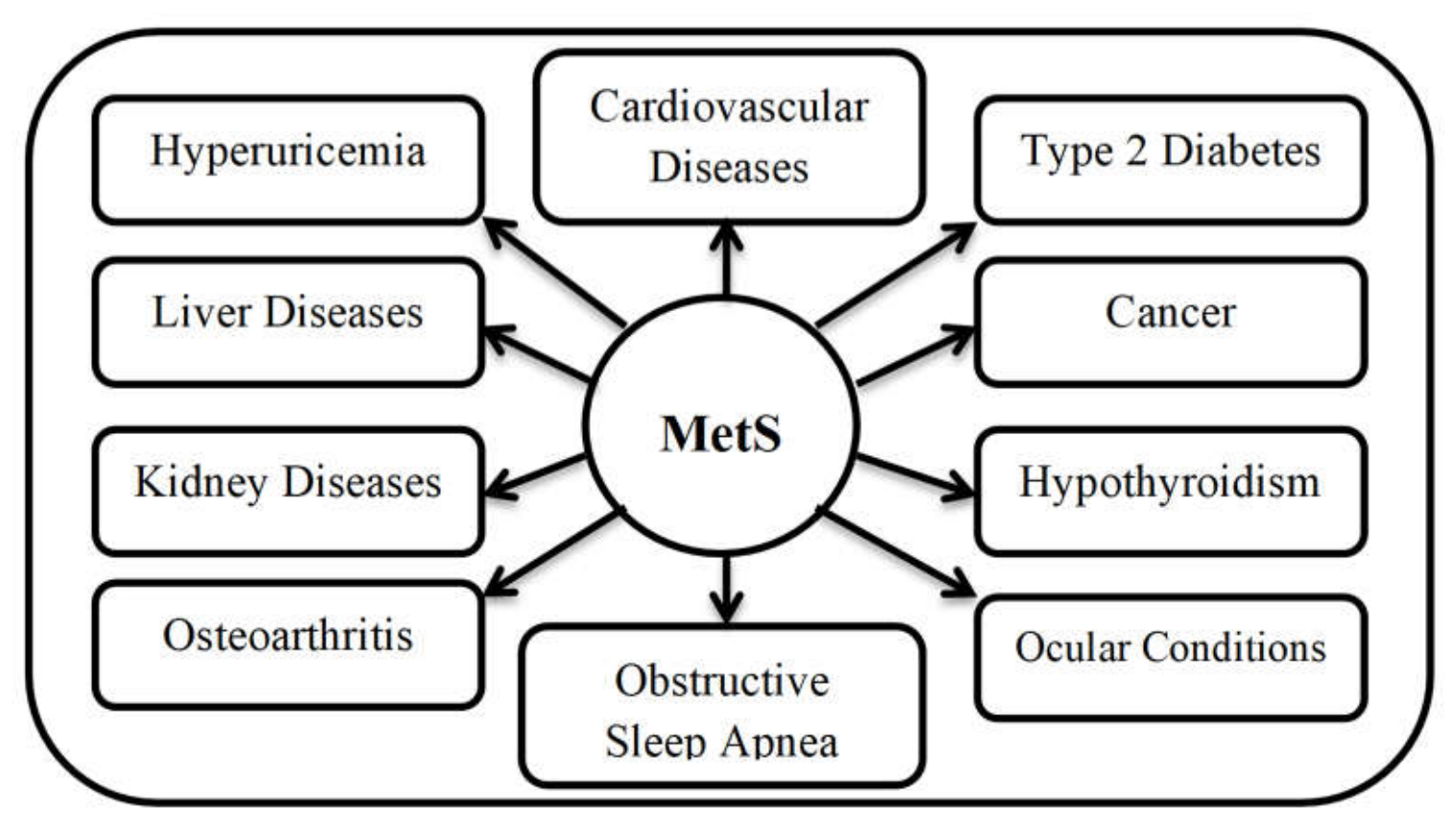
Figure 2.
Illustrates examples of functional foods and the health benefits pathway.
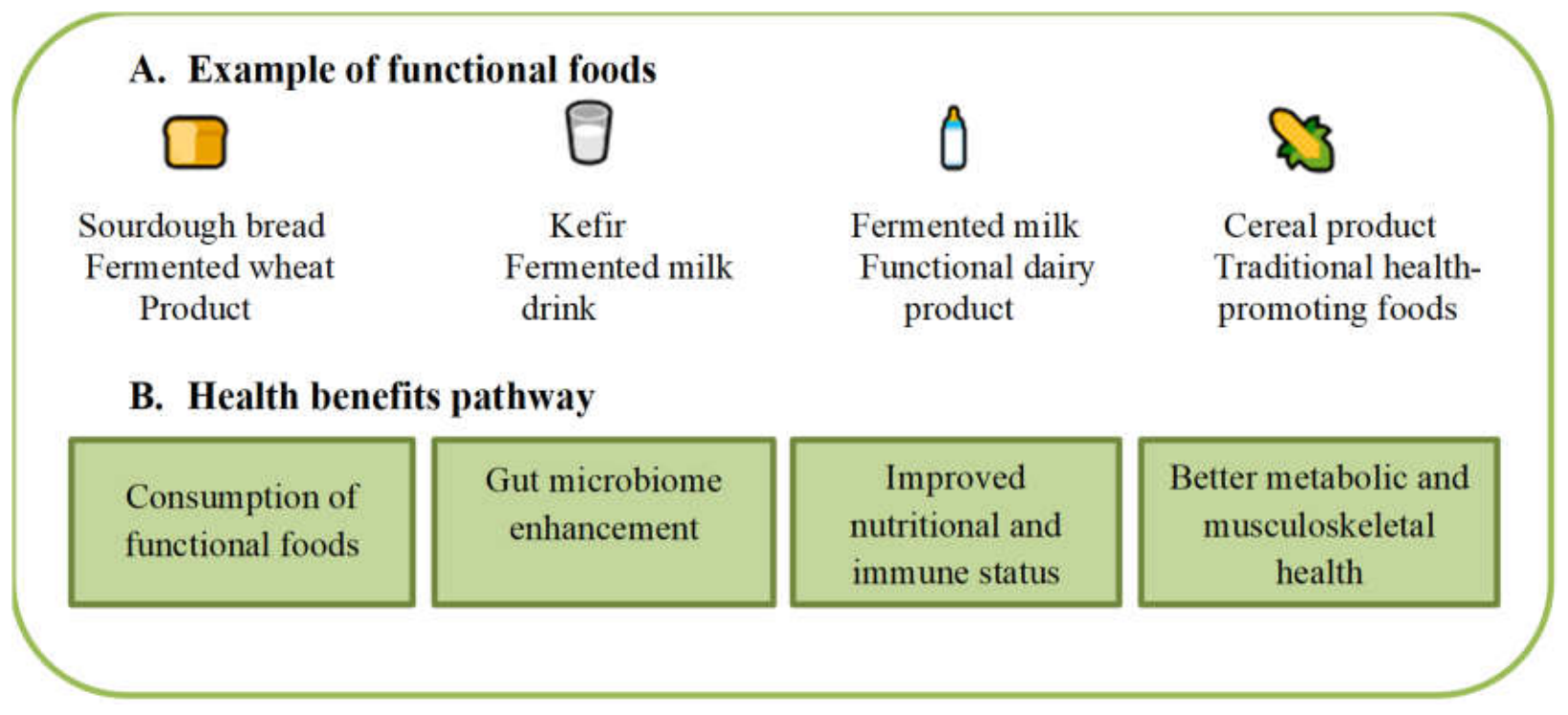
Figure 3.
A summary explaining the differences between probiotics, prebiotics, and synbiotics.
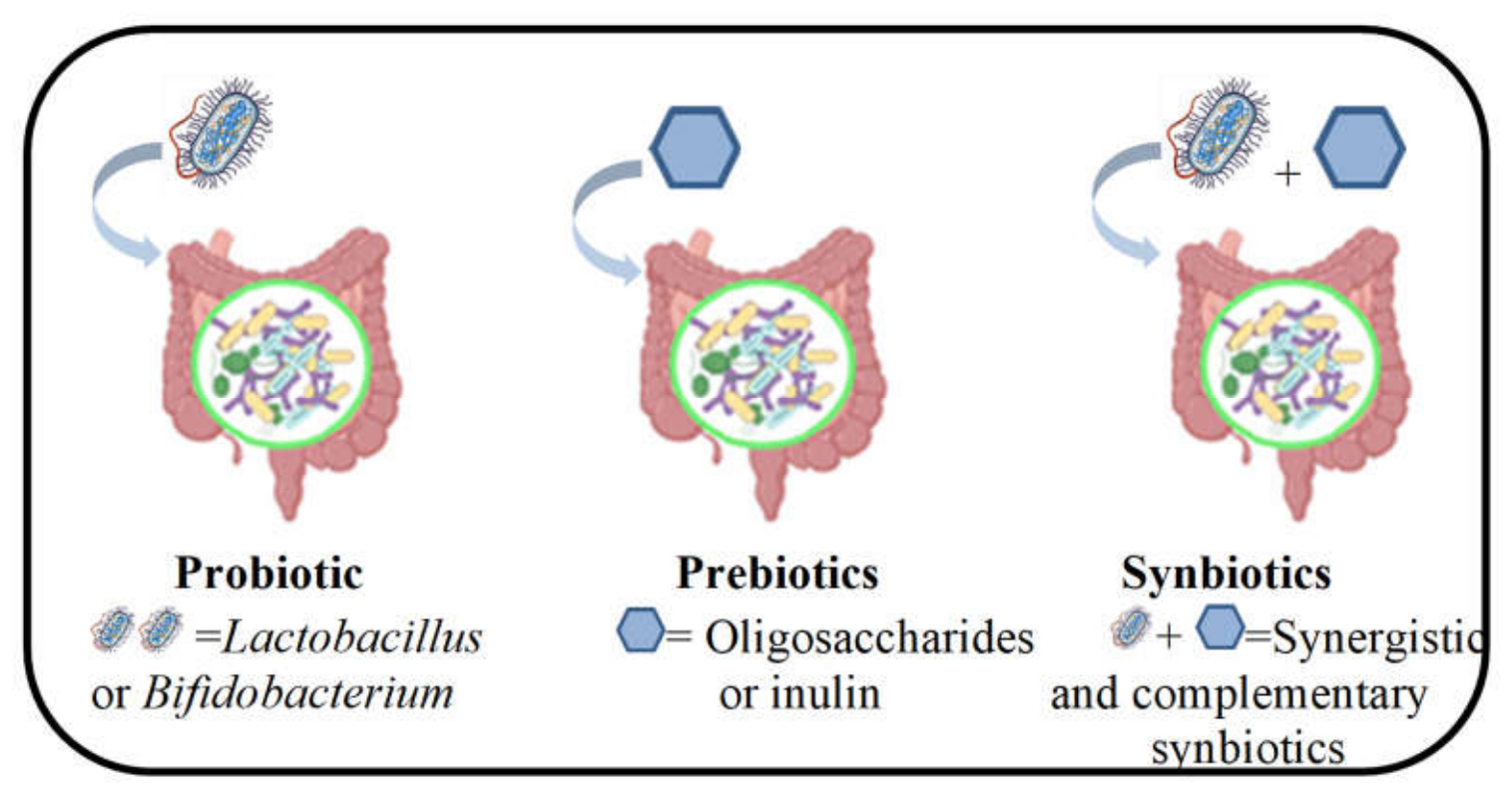

Table 1.
Types of foods containing probiotics.
| foods containing probiotics | Micro-organisms | References |
|---|---|---|
| Probiotic fermented milk |
Lactobacillus plantarum, Streptococcus thermophilus, Kluyveromyces marxianus |
[33] |
| Probiotic cheeses | Lactobacillus salivarius | [34] |
| Probiotic plant-based beverages | Lactobacillus fermentum, Lactobacillus acidophilus, Streptococcus thermophilus | [35] |
| Probiotic butter | Lactobacillus acidophilus, Bifidobacterium bifidum | [36] |
| Probiotic plant-based cheese | Streptococcus thermophilus, Lactobacillus fermentum | [35] |
| Probiotic yoghurt |
Lactobacillus plantarum Saccharomyces boulardii |
[37] |
| Probiotic fruit juices | Lactobacillus paracasei, Lactobacillus plantarum | [38] |
| Probiotic fermented vegetables | Pediococcus pentosaceus, Limosilactobacillus reuteri | [39] |
| Probiotic fermented sausages | Lactobacillus plantarum | [40] |
| Probiotic in bakery | Lactobacillus plantarum | [41] |
Table 2.
Types of prebiotic preparations.
| Prebiotic preparations | Composition | References |
|---|---|---|
| Polysaccharide | Mannose, Ribose, Rhamnose, Glucuronic acid, Xylose, Arabinose |
[42] |
| Glycans | Galactooligosaccharides, Fructooligosaccharides, Xylooligosaccharide, Glucopyranose | [43] |
| Carbohydrates | Inulin , fructo-oligosaccharides | [42] |
Table 3.
Some of available synbiotic formulations in the market.
| Synbiotic preparations | Application | References |
|---|---|---|
| Lactiv® | Salivary buffer capacity was found to be enhanced in individuals presenting with active dental caries. A concurrent reduction in salivary viscosity was equally documented following intervention. | [44] |
| Simbioflora® | Intervention yielded a measurable reduction in intestinal permeability. Synthesis of short-chain fatty acids (SCFAs), including butyrate and acetate, was substantially enhanced. Histological assessment confirmed appreciable improvement of the intestinal mucosa. Eosinophil infiltration was correspondingly diminished. Body weight loss was attenuated, and epithelial architecture was effectively preserved. | [45] |
| Biomin®IMBO | The effects of this intervention were evaluated in relation to broiler chicken growth performance characteristics. | [46] |
Table 4.
Types of synbiotics , and the diseases targeted.
| Prebiotic preparations | Target Disease | References |
|---|---|---|
| Lactobacillus plantarum, Chia seeds | Obesity | [16] |
| Lactobacillus paracasei. Xylooligosaccharides | Obesity | [69] |
| Clostridium butyricum, Corn bran | Metabolic intestinal disability | [70] |
|
Lactobacillus Acidophilus, Lactobacillus Plantarum, Lactobacillus Reuteri, inulin, fructo-oligosaccharides |
Metabolic disorder | [16] |
| Bifidobacterium bifidum, galacto-oligosaccharides, fructo-oligosaccharides | Type 2 diabetes | [71] |
|
Lactobacillus, and Streptococus thermophilus plus fructo-oligosaccharide |
Type 2 diabetes | [72] |
|
Bifidobacterium lactis , fructo-oligosaccharides |
Digestive disorder | [16] |
Disclaimer/Publisher’s Note: The statements, opinions and data contained in all publications are solely those of the individual author(s) and contributor(s) and not of MDPI and/or the editor(s). MDPI and/or the editor(s) disclaim responsibility for any injury to people or property resulting from any ideas, methods, instructions or products referred to in the content. |
© 2026 by the authors. Licensee MDPI, Basel, Switzerland. This article is an open access article distributed under the terms and conditions of the Creative Commons Attribution (CC BY) license (http://creativecommons.org/licenses/by/4.0/).
Copyright: This open access article is published under a Creative Commons CC BY 4.0 license, which permit the free download, distribution, and reuse, provided that the author and preprint are cited in any reuse.