

Submitted:
28 October 2026
Posted:
29 October 2026
You are already at the latest version
Abstract
Substance use disorder (SUD) is a chronic, treatable condition with wide-ranging effects on health and functioning, and recovery involves restoring the biological, psychological, and social systems affected by substance use. Diet influences many biological and behavioral processes relevant to recovery, yet nutrition remains largely absent from SUD care, and existing research has focused primarily on nutrient deficiencies and overall diet quality rather than food processing. In this Perspective, we propose that early recovery represents a critical nutritional transition during which ultra-processed food (UPF) intake may influence recovery trajectories and long-term health. After the acute withdrawal phase, appetite and energy intake often increase, but diet quality frequently remains poor. Limited evidence, largely from alcohol use disorder, suggests that UPFs contribute a substantial proportion of total energy intake during early abstinence. We examine how UPF intake may influence four recovery-relevant domains affected by chronic substance use: neurobehavioral function, cardiometabolic health, gut-immune interactions, and affective well-being. We also discuss structural, clinical, workforce, and evidentiary barriers to integrating nutrition into SUD care, including challenges in dietary assessment, limited treatment reach, and food-access constraints, particularly in rural settings. At the same time, emerging opportunities in policy, patient engagement, digital health, and food-is-medicine initiatives may support greater integration of nutrition into recovery care. Although direct evidence remains limited and no trial has evaluated UPF reduction as an adjunct to SUD treatment, the biological plausibility, observed dietary patterns, and broader health implications warrant investigation. We conclude by outlining research priorities, including improved assessment of UPF exposure, prospective cohorts beginning at treatment entry, and intervention trials extending beyond discharge, to determine whether reducing UPF intake can support recovery and long-term health.
Keywords:
ultra-processed food
; NOVA
; substance use disorder
; recovery
; alcohol use disorder
; opioid agonist treatment
; metabolic syndrome
; gut–brain axis
Introduction
Substance use disorder (SUD) is a chronic, treatable condition characterized by compulsive substance use and impaired control over use despite adverse consequences [1,2]. Diagnosis requires at least 2 of 11 criteria in the Diagnostic and Statistical Manual of Mental Disorders, Fifth Edition, Text Revision (DSM-5-TR) within 12 months, with severity graded by the number of criteria met [1]. In 2025, an estimated 42.7 million US adults (16.1%) had a past-year SUD [3,4] (Figure 1), and an estimated 69,973 people died of drug overdose [6]. Chronic substance exposure produces multisystem alterations affecting neural, cardiovascular, metabolic, gastrointestinal, immune, infectious disease, and psychiatric health [5,7], many of which extend beyond active use and may influence long-term health.
Recovery is a process of change through which individuals improve their health and wellness [8], extending beyond reduced substance use to restoration of the biological, psychological, and social systems that substance use disrupts. Evidence-based treatments, including behavioral therapies (e.g., cognitive behavioral therapy and contingency management), medications (e.g., methadone, buprenorphine, and naltrexone), and psychosocial support, reduce substance use and associated mortality [9,10]. However, 40–60% of individuals return to use following treatment [9], with the greatest risk in the first year [11], so SUD, like hypertension and asthma, often requires long-term management rather than a single episode of care [9]. Yet nutrition remains largely absent from SUD care, and no evidence-based dietary guidelines exist for this population [12,13].
During active substance use, disrupted eating patterns often compromise both the quantity and quality of dietary intake. As individuals enter treatment and recovery, appetite and energy intake typically increase, but diet quality may remain poor. Weight gain, greater preference for sweet and energy-dense foods, and persistently low consumption of nutrient-dense foods are common [13,14]. As a result, the nutritional burden may shift from undernutrition during active use to excess energy intake without a corresponding improvement in dietary quality.
What people eat as appetite returns therefore matters. In the contemporary US food environment, recovery-related increases in appetite occur alongside widespread exposure to ultra-processed foods (UPFs), defined by the NOVA classification as industrially formulated products made primarily from refined ingredients and additives, with limited intact whole foods [15]. Examples include packaged snacks, sugar-sweetened beverages, confectionery, and ready-to-eat meals. UPFs account for approximately 70% of packaged foods in the US food supply and more than half of energy intake among US adults [16,17].
Emerging evidence suggests that UPFs are more than a marker of poor diet quality. In controlled feeding trials, UPF-rich diets increased energy intake and weight gain, with adverse effects on cardiometabolic markers, compared with minimally processed diets of similar macronutrient composition [18,19,20,21]. In a randomized crossover feeding trial in older adults, reducing UPF intake from approximately 50% to 13% of energy decreased energy intake and adiposity and improved cardiometabolic, inflammatory, and hormonal markers without prescribed caloric restriction [22]. At the population level, higher UPF consumption is consistently associated with cardiovascular disease, type 2 diabetes, anxiety, and common mental disorders [23].
In SUD, however, most nutrition research has focused on nutrients, diet quality, or eating behaviors rather than food processing, and the limited UPF evidence is largely observational and concentrated in alcohol use disorder (AUD). We propose that high UPF exposure during early recovery may hinder restoration of the physiological systems disrupted by chronic substance use. We define early recovery as the first 12 months after treatment entry or substance cessation, encompassing the DSM-5-TR early remission period (at least 3 but less than 12 months without meeting any criterion other than craving) [1]. Building on a recent review of shared neurocognitive mechanisms linking UPF consumption and SUD [24], we extend the discussion to cardiometabolic, gut–immune, and affective domains and consider whether reducing UPF intake could be a novel adjunct strategy to support recovery and long-term health.
The center shows the prevalence of any substance use disorder (SUD). The dark inner band separates alcohol and drug use disorders. The next ring shows past-year use disorder prevalence for alcohol and individual drug categories, ordered clockwise from most to least common, with subcategories shown where available. The outer ring summarizes selected acute and long-term health effects. Sectors are equal in size and are not scaled to prevalence.
Prevalence estimates are for adults aged ≥18 years from the 2025 National Survey on Drug Use and Health (NSDUH) and are based on DSM-5 criteria [3,4]. Category definitions follow NSDUH, and prescription drug categories refer to misuse. Prevalence estimates are not additive because individuals may meet criteria for multiple disorders. NSDUH does not report nicotine use disorder; therefore, nicotine is not shown. The figure is not intended as an exhaustive classification of psychoactive substances.
Figure 1.
Substance Use Disorders in U.S. Adults: Prevalence and Health Burden.
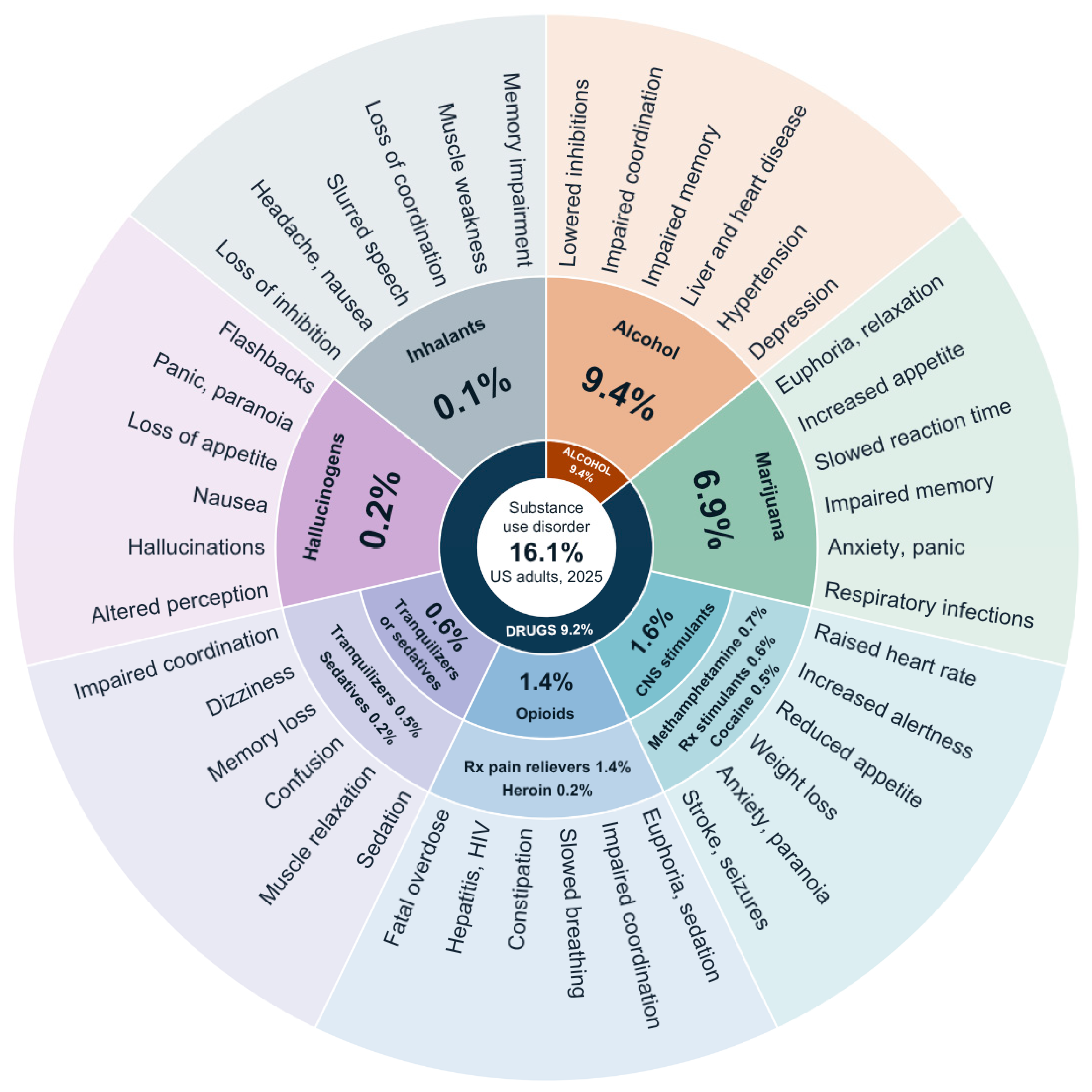
Health effects were adapted from the National Institute on Drug Abuse [5] and represent selected rather than comprehensive outcomes. Original figure created by the authors from publicly available US government data.
Dietary transitions across the SUD continuum
Active substance use
Undernutrition and malnutrition are common in SUD. Across substance types, inadequate energy and protein intake frequently coexist with low intake of fruits, vegetables, legumes, and whole grains and with inadequate intakes of B vitamins, vitamins C, D, E, and K, iron, zinc, selenium, and magnesium [12,13]. Among people who regularly inject drugs in Norway, added sugars supplied 30% of energy intake, three times the recommended maximum of 10% [25], and sandwiches and snacks supplied 60% [26]. Preference for sweet foods and reliance on inexpensive, convenient, packaged foods are frequently reported [13,14,26]. Many of these foods are likely ultra-processed, yet food processing in SUD has received limited attention. In a large UK cohort, higher UPF intake was associated with a higher risk of incident SUD [27].
Dietary intake in SUD is shaped by biological, behavioral, and environmental factors. Substance use can disrupt appetite regulation, taste perception, oral and gastrointestinal health, and nutrient absorption, and poor dentition and dental pain may further limit food choices. Alterations in ghrelin, leptin, and insulin signaling have been reported across multiple SUDs and may influence both craving and appetite [28,29,30]. Low motivation, limited nutrition knowledge and food-preparation skills, prioritization of substance use over food, and social isolation can further impair diet quality, as can limited access to affordable, nutritious foods and inadequate facilities for food storage and preparation. Together, these factors contribute to the high burden of undernutrition and poor diet quality observed in SUD (Table 1)
Treatment and recovery
Treatment entry and early recovery are often accompanied by a nutritional transition, although control over food varies by treatment setting. Meals are usually provided in inpatient withdrawal management and residential programs, whereas individuals obtain and prepare their own food in intensive outpatient and outpatient care, including opioid agonist treatment (OAT) [45]. As withdrawal-related nausea and anorexia resolve, appetite, meal frequency, and body weight commonly increase, particularly in residential settings [13,14,46]. During a 21-day inpatient program, energy and nutrient intakes increased alongside sweet cravings and consumption [47]. Among men in treatment in Lebanon, two-thirds gained weight, more in residential rehabilitation than in outpatient OAT (mean 10.6 vs. 2.0 kg), paralleling higher energy and protein intakes [46,48]. Individuals receiving methadone or buprenorphine frequently report high intakes of sugary foods and cravings for sweets and fast foods, while micronutrient inadequacies, including folate deficiency, may persist [36,38,39,41].
Although weight restoration after undernutrition may be clinically appropriate, whether it reflects nutritional recovery is less clear. Energy and macronutrient intakes generally increase during treatment, and most individuals appear well nourished on standard screening [47,48], yet diet quality remains poor. Among women receiving methadone maintenance, sugars provided 31% of energy, whereas mean fiber intake was 10.7 g/day [36], less than half the adequate intake of 25 g/day for women [49]. Newly abstinent adults with AUD had a mean Healthy Eating Index (HEI)-2015 score of 47.9 of 100 [43], below the averages of 53 to 58 for US adults aged 19–59 years [50], and men with heroin or cocaine use disorder in treatment had a mean nutrient adequacy ratio of 55%, compared with 94% among non-users [51].
Recovery may therefore be characterized by adequate, or even excess, energy intake without corresponding improvements in diet quality. Direct evidence on food processing is limited to two NOVA-based studies in AUD, in which UPF consumption during detoxification was more than twice that of controls [35] and UPFs contributed more than half of non-alcohol energy intake during both active drinking and early abstinence [43]. These observations suggest that dietary patterns during recovery are an important but understudied exposure rather than merely a consequence of treatment, with potential effects extending beyond nutrient composition to endocrine pathways involved in food preference and reward.
UPFs and neurobehavioral recovery
Repeated substance use produces lasting changes in brain function, particularly in dopaminergic neurotransmission within circuits governing reward, stress, and executive control [2,52]. These changes blunt responses to natural rewards, heighten stress reactivity, and impair decision-making, inhibitory control, and memory, making behavior increasingly cue-driven. These neuroadaptations persist beyond cessation and recover at different rates. Brain volume partially recovers within 2 weeks of alcohol abstinence [53], whereas recovery of striatal dopamine transporters after methamphetamine use can take more than a year and may not be matched by improvement in motor and memory performance [54]. Early recovery is thus characterized by ongoing but incomplete restoration of brain structure and function.
This makes early recovery particularly relevant to UPF exposure, because appetite and food intake increase while reward and control systems are still recovering. Cabral et al. [24] proposed that UPFs may reinforce the imbalance between reward-driven and executive-control systems implicated in SUD. Building on that framework, we focus on timing and ask whether exposure to highly rewarding foods during early recovery alters the trajectory of neural recovery. Daily intake of a high-fat, high-sugar snack altered reward-related brain responses in healthy adults within 8 weeks [55], and in mice, an omega-3 fatty acid–enriched diet reduced oxycodone seeking and anxiety-like behavior [56]. Although these exposures are not NOVA-defined UPFs, they show that diet can modify behaviors relevant to recovery.
Human studies provide complementary evidence. Sugar craving and intake increase in some individuals during AUD treatment [57,58], and poorer eating habits during recovery have been associated with greater delay discounting (preferring smaller, immediate rewards over larger, delayed ones), lower quality of life, and lower odds of remission [44]. UPFs need not replicate the effects of drugs to be relevant, because repeated exposure may reinforce reward-seeking and habitual behavior while recovery remains incomplete. One potential mechanism involves fibroblast growth factor 21 (FGF21), a liver-derived hormone that regulates sweet preference. In preclinical studies, FGF21 reduced preference for sweets and alcohol, accompanied by lower dopamine concentrations in the nucleus accumbens [59,60]. In the feeding trial described above, reducing UPF intake increased circulating FGF21 [22]. Although evidence linking UPF reduction, FGF21, and SUD outcomes is lacking, dietary change during recovery could plausibly influence reward-related behaviors through endocrine pathways. A critical next step is determining whether UPF exposure predicts slower neural recovery and poorer recovery outcomes independent of abstinence.
UPFs and cardiometabolic recovery
Cardiometabolic burden during active SUD can be underestimated because low body weight and seemingly healthy laboratory values may mask underlying dysfunction. Several SUDs have been associated with lower adiposity and, in some cases, lower glucose and lipid concentrations [61,62], yet US age-adjusted mortality from deaths involving both substance use and cardiovascular disease more than doubled between 1999 and 2019 [63]. Chronic substance exposure can disrupt autonomic regulation, hepatic metabolism, glucose homeostasis, vascular function, and inflammatory signaling. In AUD, abnormal lipid profiles often accompany hepatic and inflammatory stress, whereas opioid exposure has been linked to insulin resistance despite lower body weight [64], possibly through opioid receptors expressed in pancreatic β-cells [65].
Cessation removes ongoing exposure but does not immediately restore cardiometabolic health. Long-term data are most robust for tobacco, and in former smokers, cardiovascular risk remains elevated for years after quitting [66], illustrating that physiological recovery can lag behind exposure removal. Recovery may also introduce new metabolic pressures as appetite and body weight increase. During methadone treatment for opioid use disorder (OUD), weight gain can continue after dose stabilization [38] and has been associated with low HDL cholesterol, hypertriglyceridemia, hypertension, and elevated fasting glucose, with risk increasing with years in treatment [67,68]. Among Lebanese men receiving residential rehabilitation or OAT for various SUDs, 23% had metabolic syndrome, and low HDL cholesterol and elevated blood pressure each affected more than half [69]. Risk may also increase with age. Among older adults receiving methadone for OUD, low HDL cholesterol, hypertriglyceridemia, and atherogenic dyslipidemia were more common than in population controls [70].
UPF exposure may be particularly relevant during this transition from undernutrition to weight regain. In populations without SUD, UPF-rich diets increase energy intake and body weight within weeks, and higher UPF intake is prospectively linked to hypertriglyceridemia, low HDL cholesterol, hypertension, type 2 diabetes, metabolic syndrome, and systemic inflammation [18,23,71,72]. No study has examined UPF exposure and cardiometabolic recovery in SUD, but UPFs may compound preexisting metabolic vulnerabilities during recovery.
We therefore hypothesize that the metabolic quality of weight restoration may be as important as the amount regained. Weight gain can be beneficial after undernutrition, but a UPF-dominant diet may favor visceral and ectopic fat accumulation, worsen insulin resistance, and reinforce the high-triglyceride/low-HDL phenotype increasingly observed during recovery. The key question is whether UPF exposure during recovery predicts poorer cardiometabolic outcomes independent of abstinence and weight gain itself.
UPFs and gut–immune recovery
The gut microbiome comprises trillions of microorganisms whose composition is shaped by factors such as diet, medications, and antibiotics [73]. Substance use may perturb microbiome–host interactions, including gut–brain communication, immune regulation, and short-chain fatty acid (SCFA) production, thereby influencing physiological and behavioral processes relevant to recovery [74].
The intestinal epithelium normally separates the microbiota from the immune system. In AUD, increased intestinal permeability allows bacterial products such as lipopolysaccharide to enter the circulation, contributing to low-grade inflammation, and pro-inflammatory cytokines correlate with alcohol craving [75,76]. In animal models, opioid exposure similarly promotes dysbiosis and barrier dysfunction [77]. These neuroimmune interactions may influence addiction-related behaviors. After alcohol withdrawal, the anti-inflammatory cytokine IL-10 was inversely correlated with depression, anxiety, and craving [75], and IL-10 signaling in the amygdala reduced binge-like alcohol intake in mice [78].
Beyond immune signaling, the gut microbiome may influence SUD through neurotransmitter and epigenetic pathways involved in reward, stress, and behavioral regulation [74]. Gut bacteria can produce and consume neurotransmitters, including dopamine, serotonin, and GABA [79]. Although the extent to which microbially produced neurotransmitters directly affect the brain remains uncertain, gut–brain communication may occur through vagal, metabolic, immune, and neuroendocrine pathways [73].
Microbiome-derived metabolites may also contribute to epigenetic regulation. Drugs such as cocaine, opioids, and alcohol alter gene expression in reward-related brain regions through histone acetylation and other chromatin modifications [80], while microbial SCFAs, particularly butyrate, can modulate similar pathways by inhibiting histone deacetylases [81]. In AUD, patient-derived gut microbiota increased anxiety- and depression-like behaviors in rats [82], and microbial tryptophan metabolites at admission predicted return to alcohol use 3 months after discharge [83]. Individuals entering recovery may therefore carry persistent dysbiosis that could influence recovery and long-term health [74,84].
Diet may influence whether gut barrier dysfunction, dysbiosis, and inflammation resolve after cessation. Many UPF-dominant diets are low in fermentable fiber and high in additives that alter the intestinal environment. In a controlled-feeding trial, the emulsifier carboxymethylcellulose reduced microbial diversity and SCFA production and induced bacterial encroachment into the mucus layer in some participants [85]. Conversely, microbiota-directed interventions restored SCFA-producing taxa, improved barrier function, normalized serotonin metabolism, and attenuated anxiety- and depression-like behaviors in models of alcohol withdrawal and opioid exposure [77,86,87], and fecal microbiota transplantation reduced alcohol craving and consumption in patients with AUD [88].
These findings suggest that diet quality may influence the extent and pace of physiological recovery after cessation through effects on microbial metabolism, barrier integrity, and gut–brain signaling.
UPFs and affective recovery
Depression, anxiety, and other psychiatric conditions are highly prevalent among individuals with SUD [89]. With repeated exposure, motivation shifts from reward seeking to relief of withdrawal-related negative affect [52]. Across substances, anhedonia is elevated at treatment entry, typically diminishes with abstinence, and predicts craving and return to use [90]. In AUD, depression, anxiety, and state anhedonia decrease during the first weeks of withdrawal, but anhedonia at treatment entry predicted residual depressive symptoms in women [91]. Early recovery therefore remains characterized by blunted reward function and persistent negative affect in some individuals.
Several components that characterize UPFs may influence mood. In experimental models, saturated fats promote neuroinflammation and alter neurochemical pathways involved in mood regulation, and high sugar intake has been linked to anxiety- and depressive-like behaviors [92,93]. Emulsifiers such as carboxymethylcellulose and polysorbate 80 alter the gut microbiota and induce anxiety-like behavior in mice, and aspartame has been associated with altered glutamatergic and GABAergic signaling and anxiety-like behavior [94,95]. Although most mechanistic evidence is preclinical and causal human findings are inconsistent [96], these exposures co-occur in UPFs, and higher habitual UPF intake is associated with depression and anxiety [23,27]. Dietary change may also act within the timescale of recovery. In a 12-week trial, dietary improvement led to remission of depressive symptoms in 32% of adults with major depression, compared with 8% of controls receiving social support [97].
The relationship may also operate in reverse. Depression and anxiety drive emotional eating, in which food is used to regulate negative affect, often favoring sweet, high-fat, energy-dense foods [98,99,100]. This may be particularly relevant during early recovery, when reward responsiveness remains blunted. Consistent with this possibility, preference for sweeter solutions has been associated with longer opioid abstinence, and individuals receiving OAT commonly report cravings for sweets and fast foods [39,42]. Low mood may therefore promote UPF consumption, while UPF intake may sustain affective symptoms, creating a feedback loop that reinforces craving and hinders recovery. A key question is whether diet quality during recovery predicts improvements in depression, anxiety, and anhedonia independent of baseline psychiatric burden and substance use outcomes.
Barriers, opportunities, and future directions
Barriers to integrating UPF reduction into SUD care, as a potential strategy to support recovery and reduce related comorbidities, are structural, clinical, workforce-related, and evidentiary.
No SUD-specific dietary guidelines exist, and nutrition is rarely integrated into treatment protocols [12]. The nutrition workforce is also limited. Among SUD treatment facilities surveyed in Los Angeles, only 31% offered any nutrition services, and fewer than 7% used a registered dietitian [101]. Few clinical trials have evaluated dietary interventions during recovery, and much of the literature is observational, preclinical, or focused on single-nutrient supplementation [12,13]. Missing data, loss to follow-up, and heterogeneity in substance type further complicate interpretation [102]. To our knowledge, no trial has evaluated UPF reduction as an adjunct to SUD treatment, and observational UPF evidence is largely restricted to AUD. NOVA classification requires detailed information on ingredients, brands, and preparation methods that is rarely collected, and ongoing debate about its consistency highlights the need for careful characterization of food processing [103,104]. Intake measured in residential settings may also reflect institutional food provision rather than individual choice. Without formal guidelines, nutrition advice in recovery is often experience-based. For example, individuals with AUD are frequently encouraged to eat sweets to manage alcohol cravings [58], yet increased sweet consumption during inpatient treatment was not associated with reduced craving [47], and the long-term health implications of this practice are unclear.
Dietary assessment is a further challenge. Twenty-four-hour recalls and food-frequency questionnaires rely on memory [105] and may be particularly prone to error in this population, in which cognitive impairment is common [106], and to our knowledge, no dietary assessment tool has been validated specifically for individuals with SUD [107]. Irregular, episodic eating further limits the ability of brief assessments to capture usual intake. In one cohort, reported energy intake on the recall day ranged from approximately 0 to 8,843 kcal [26], a spread reflecting genuine day-to-day variability, reporting error, or both, which a single recall cannot distinguish. Small sample sizes further limit generalizability. Smartphone-based image capture combined with artificial intelligence–enabled food identification and nutrient analysis could reduce reliance on memory and allow large-scale monitoring of UPF intake during recovery.
Acute clinical needs and competing priorities often take precedence in SUD care. Comorbidities further complicate care. In 2025, 43.3% of adults with a past-year SUD also had a mental illness [3], and cardiovascular disease, type 2 diabetes, and chronic pain add to the clinical burden [7]. Yet diet quality and UPF intake may influence many of these same conditions [23,108]. Pain and withdrawal-related symptoms may also reduce appetite and interfere with eating [109]. Limited treatment reach is a further challenge, because even standard evidence-based care reaches few people. In 2025, only about one in six people who needed SUD treatment received it, and only 15.7% of people with OUD and 2.6% of those with AUD received medication for their disorder [3]. Nutrition strategies delivered only within formal treatment would therefore reach few of those who could benefit, underscoring the need for approaches that extend into outpatient care, recovery support services, and community settings.
Translating nutrition recommendations into practice may also be constrained by social determinants of health. After discharge, limited income, housing instability, inadequate cooking facilities, and limited food-preparation skills may constrain food choices, while the affordability, convenience, and long shelf life of UPFs make them difficult to avoid. Food insecurity and transportation barriers may further increase reliance on highly processed products. These challenges may be amplified in rural communities, where access to treatment, nutrition services, and full-service grocery stores is often limited [110,111] and where cardiovascular deaths involving substance use have risen sharply [63]. Many individuals in recovery may therefore face structural barriers to both treatment engagement and UPF reduction.
Despite these barriers, opportunities exist. The 2026 Great American Recovery Initiative recognized addiction as a chronic, treatable disease [112], creating opportunities to incorporate nutrition into care from treatment entry through long-term recovery. Food-is-medicine programs offer adaptable models. Produce prescriptions have improved fruit and vegetable intake, food security, and cardiometabolic markers [113], and medically tailored meals have been associated with reduced health care use [114]. Telehealth-delivered dietary interventions have improved diet quality in adults with chronic disease [115] and could extend nutrition support beyond discharge, particularly in rural areas.
Patients also appear receptive to nutrition support during recovery. Individuals receiving OAT have identified limitations in their diets and expressed interest in improving them [116,117], while participants in residential rehabilitation have requested nutrition education and accepted healthier food options when offered [14,40]. Although intervention evidence remains limited, nutrition education has been associated with improvements in psychological, medical, family, and social outcomes in SUD treatment settings [118].
Many treatment programs already screen for social determinants of health, including food insecurity. Extending these screenings to include diet quality, nutritional risk, and factors that influence food choice could help tailor nutrition support from treatment entry. The modified Yale Food Addiction Scale 2.0 (mYFAS 2.0) [119] may add insight into addictive-like eating, although its utility for guiding UPF-focused interventions in SUD remains unclear.
Advancing this agenda will require collaboration among people with lived experience, peer recovery specialists, treatment providers, dietitians, social workers, extension educators, food-assistance programs, and researchers, so that interventions are biologically informed, patient-centered, and feasible within the realities of recovery. Although evidence specific to UPF reduction is lacking, nutritional interventions have shown promise. In a 10-week pilot study in an inpatient SUD treatment program, a whole-food, plant-based diet improved diet quality, with modest benefits for self-esteem and resilience [120], and a scoping review identified plant-based nutrition as a promising but understudied approach in SUD care [121]. Together with evidence linking UPF intake to neurobehavioral, cardiometabolic, and mental health outcomes, these findings support investigating UPF reduction as a complementary component of recovery care. Key research priorities are summarized in Box 1.
Box 1. Research priorities for UPF exposure during SUD recovery.
| Possible direction | Suggested knowledge development |
| Validate measurement tools | Validate NOVA-based dietary assessments and candidate biomarkers of UPF exposure in SUD populations. |
| Establish temporal relationships | Begin prospective cohorts at treatment entry and repeatedly assess diet, treatment, social conditions, and recovery outcomes, including craving, return to use, and cardiometabolic and mental health. |
| Test dietary interventions | Evaluate UPF reduction alongside standard care, starting at treatment entry in inpatient, residential, or outpatient settings and extending support after discharge. |
| Identify mechanisms | Separate the effects of food structure, additives, fiber displacement, eating rate, nutrient composition, and energy intake. |
| Determine dose and subgroup effects | Identify relevant levels and categories of UPF exposure across substances, medications, and recovery stages. |
| Evaluate implementation |
Assess feasibility, cost, acceptability, and sustainability, particularly in rural and resource-constrained settings. |
| Engage communities | Partner with people in recovery, peer recovery specialists, and recovery organizations to co-design research, interventions, and recovery-informed guidance. |
Conclusion
During SUD recovery, the quantity of food intake is restored before its quality. In the limited NOVA-based data, mostly from AUD, the foods that fill this quality gap are largely ultra-processed, and UPF intake is associated with outcomes in the same neurobehavioral, cardiometabolic, gut–immune, and affective systems that substance use disrupts and recovery seeks to restore. Unlike many risk factors in this population, such as genetic predisposition or adverse childhood experiences, UPF intake is a modifiable behavior that can be addressed during treatment and after discharge. UPF reduction is unlikely to be a standalone treatment for SUD, and current evidence does not yet justify clinical recommendations. It does, however, justify testing whether diet quality across the recovery continuum, assessed with attention to food processing, shapes long-term outcomes. If it does, food-is-medicine approaches that reduce reliance on UPFs could become a practical adjunct to SUD care, lessening cardiometabolic and psychiatric burden and potentially reducing the risk of return to use.
Author Contributions
The authors’ responsibilities were as follows – SV, MD: conceived the original idea; SV, MD: designed the Perspective; SV: led manuscript development and wrote the first draft; EM: contributed expertise on substance use disorder treatment and recovery populations and reviewed the manuscript for content accuracy; MD: guided the intellectual development of the Perspective and had primary responsibility for final content; and all authors: critically revised the manuscript and read and approved the final version.
Funding
NA.
Conflicts of Interest
The authors report no conflicts of interest.
Declaration of generative AI and AI-assisted technologies in the writing process
During the preparation of this manuscript, the authors used Claude (Anthropic) for grammar checking and language editing. Following the use of this tool, the authors reviewed and revised the content as necessary and assume full responsibility for the content of the published article.
Abbreviations
AUD, alcohol use disorder; DSM-5-TR, Diagnostic and Statistical Manual of Mental Disorders, Fifth Edition, Text Revision; FGF21, fibroblast growth factor 21; HEI, Healthy Eating Index; mYFAS 2.0, modified Yale Food Addiction Scale 2.0; NSDUH, National Survey on Drug Use and Health; OAT, opioid agonist treatment; OUD, opioid use disorder; SCFA, short-chain fatty acid; SUD, substance use disorder; UPF, ultra-processed food.
References
- American Psychiatric Association. Diagnostic and statistical manual of mental disorders. 5th ed., text rev. Washington (DC): American Psychiatric Association Publishing; 2022. [CrossRef]
- Volkow ND, Koob GF, McLellan AT. Neurobiologic advances from the brain disease model of addiction. N Engl J Med. 2016;374(4):363-371. [CrossRef]
- Substance Abuse and Mental Health Services Administration. Key substance use and mental health indicators in the United States: results from the 2025 National Survey on Drug Use and Health. HHS Publication No. PEP26-07-010, NSDUH Series H-61. Rockville (MD): Center for Behavioral Health Statistics and Quality, Substance Abuse and Mental Health Services Administration; 2026. Available from: https://www.samhsa.gov/data/sites/default/files/reports/rpt57150/2025-nsduh-annual-national-report.pdf.
- Substance Abuse and Mental Health Services Administration. Results from the 2025 National Survey on Drug Use and Health: detailed tables [Internet]. Rockville (MD): Center for Behavioral Health Statistics and Quality, Substance Abuse and Mental Health Services Administration; 2026 [cited 2026 Oct 28]. Available from: https://www.samhsa.gov/data/sites/default/files/reports/rpt57152/2025-nsduh-detailed-tabs/2025-nsduh-detailed-tables-toc.htm.
- National Institute on Drug Abuse. Commonly used drugs charts [Internet]. Bethesda (MD): National Institutes of Health; [cited 2026 Oct 5]. Available from: https://nida.nih.gov/research-topics/commonly-used-drugs-charts.
- National Center for Health Statistics. U.S. overdose deaths decrease for third consecutive year in 2025 [Internet]. Hyattsville (MD): Centers for Disease Control and Prevention; 2026 May 13 [cited 2026 Oct 28]. Available from: https://www.cdc.gov/nchs/pressroom/releases/20260513.html.
- Schulte MT, Hser YI. Substance use and associated health conditions throughout the lifespan. Public Health Rev. 2014;35(2). [CrossRef]
- Substance Abuse and Mental Health Services Administration. SAMHSA’s working definition of recovery: 10 guiding principles of recovery. HHS Publication No. PEP12-RECDEF. Rockville (MD): Substance Abuse and Mental Health Services Administration; 2012.
- McLellan AT, Lewis DC, O’Brien CP, Kleber HD. Drug dependence, a chronic medical illness: implications for treatment, insurance, and outcomes evaluation. JAMA. 2000;284(13):1689-1695. [CrossRef]
- Santo T, Clark B, Hickman M, Grebely J, Campbell G, Sordo L, et al. Association of opioid agonist treatment with all-cause mortality and specific causes of death among people with opioid dependence: a systematic review and meta-analysis. JAMA Psychiatry. 2021;78(9):979-993. [CrossRef]
- Dennis ML, Foss MA, Scott CK. An eight-year perspective on the relationship between the duration of abstinence and other aspects of recovery. Eval Rev. 2007;31(6):585-612. [CrossRef]
- Jeynes KD, Gibson EL. The importance of nutrition in aiding recovery from substance use disorders: A review. Drug Alcohol Depend. 2017;179:229-239. [CrossRef]
- Mahboub N, Rizk R, Karavetian M, de Vries N. Nutritional status and eating habits of people who use drugs and/or are undergoing treatment for recovery: a narrative review. Nutr Rev. 2021;79(6):627-635. [CrossRef]
- Neale J, Nettleton S, Pickering L, Fischer J. Eating patterns among heroin users: a qualitative study with implications for nutritional interventions. Addiction. 2012;107(3):635-641. [CrossRef]
- Monteiro CA, Levy RB, Claro RM, Castro IR, Cannon G. A new classification of foods based on the extent and purpose of their processing. Cad Saude Publica. 2010;26(11):2039-2049. [CrossRef]
- Baldridge AS, Huffman MD, Taylor F, Xavier D, Bright B, Van Horn LV, et al. The healthfulness of the US packaged food and beverage supply: a cross-sectional study. Nutrients. 2019;11(8):1704. [CrossRef]
- Juul F, Parekh N, Martinez-Steele E, Monteiro CA, Chang VW. Ultra-processed food consumption among US adults from 2001 to 2018. Am J Clin Nutr. 2022;115(1):211-221. [CrossRef]
- Hall KD, Ayuketah A, Brychta R, Cai H, Cassimatis T, Chen KY, et al. Ultra-processed diets cause excess calorie intake and weight gain: an inpatient randomized controlled trial of ad libitum food intake. Cell Metab. 2019;30(1):67-77.e3. [CrossRef]
- Hamano S, Sawada M, Aihara M, Sakurai Y, Sekine R, Usami S, et al. Ultra-processed foods cause weight gain and increased energy intake associated with reduced chewing frequency: A randomized, open-label, crossover study. Diabetes Obes Metab. 2024;26(11):5431-5443. [CrossRef]
- Dicken SJ, Jassil FC, Brown A, Kalis M, Stanley C, Ranson C, et al. Ultraprocessed or minimally processed diets following healthy dietary guidelines on weight and cardiometabolic health: a randomized, crossover trial. Nat Med. 2025;31(10):3297-3308. [CrossRef]
- Preston JM, Iversen J, Hufnagel A, Hjort L, Taylor J, Sanchez C, et al. Effect of ultra-processed food consumption on male reproductive and metabolic health. Cell Metab. 2025;37(10):1950-1960.e2. [CrossRef]
- Vaezi S, Freeling JL, de Vargas BO, Weidauer L, Shoemaker ME, Sanders WM, et al. Impacts of minimally-processed omnivorous vs lacto-ovo-vegetarian diets on insulin sensitivity, lipid profile, and adiposity in older adults: secondary findings from a randomized crossover feeding trial. Clin Nutr. 2025;55:90-103. [CrossRef]
- Lane MM, Gamage E, Du S, Ashtree DN, McGuinness AJ, Gauci S, et al. Ultra-processed food exposure and adverse health outcomes: umbrella review of epidemiological meta-analyses. BMJ. 2024;384:e077310. [CrossRef]
- Cabral DAR, Rego MLM, Freitas-Lemos R, Buckman JF. Are ultra-processed foods associated with substance use behaviors and addiction recovery outcomes? A narrative review. Curr Addict Rep. 2026;13(1):23. [CrossRef]
- World Health Organization. Guideline: sugars intake for adults and children. Geneva: World Health Organization; 2015.
- Saeland M, Haugen M, Eriksen FL, Wandel M, Smehaugen A, Böhmer T, et al. High sugar consumption and poor nutrient intake among drug addicts in Oslo, Norway. Br J Nutr. 2011;105(4):618-624. [CrossRef]
- Yuan S, Zhu T, Gu J, Hua L, Sun J, Deng X, et al. Associations of ultra-processed food intake and its circulating metabolomic signature with mental disorders in middle-aged and older adults. Nutrients. 2025;17(9):1582. [CrossRef]
- Leggio L, Ferrulli A, Cardone S, Nesci A, Miceli A, Malandrino N, et al. Ghrelin system in alcohol-dependent subjects: role of plasma ghrelin levels in alcohol drinking and craving. Addict Biol. 2012;17(2):452-464. [CrossRef]
- Koopmann A, Schuster R, Kiefer F. The impact of the appetite-regulating, orexigenic peptide ghrelin on alcohol use disorders: A systematic review of preclinical and clinical data. Biol Psychol. 2018;131:14-30. [CrossRef]
- Bach P, Koopmann A, Kiefer F. The impact of appetite-regulating neuropeptide leptin on alcohol use, alcohol craving and addictive behavior: a systematic review of preclinical and clinical data. Alcohol Alcohol. 2021;56(2):149-165. [CrossRef]
- Morabia A, Fabre J, Chee E, Zeger S, Orsat E, Robert A. Diet and opiate addiction: a quantitative assessment of the diet of non-institutionalized opiate addicts. Br J Addict. 1989;84(2):173-180. [CrossRef]
- Santolaria-Fernández FJ, Gómez-Sirvent JL, González-Reimers CE, Batista-López JN, Jorge-Hernández JA, Rodríguez-Moreno F, et al. Nutritional assessment of drug addicts. Drug Alcohol Depend. 1995;38(1):11-18. [CrossRef]
- Himmelgreen DA, Pérez-Escamilla R, Segura-Millán S, Romero-Daza N, Tanasescu M, Singer M. A comparison of the nutritional status and food security of drug-using and non-drug-using Hispanic women in Hartford, Connecticut. Am J Phys Anthropol. 1998;107(3):351-361. [CrossRef]
- Canan F, Karaca S, Sogucak S, Gecici O, Kuloglu M. Eating disorders and food addiction in men with heroin use disorder: a controlled study. Eat Weight Disord. 2017;22(2):249-257. [CrossRef]
- Amadieu C, Leclercq S, Coste V, Thijssen V, Neyrinck AM, Bindels LB, et al. Dietary fiber deficiency as a component of malnutrition associated with psychological alterations in alcohol use disorder. Clin Nutr. 2021;40(5):2673-2682. [CrossRef]
- Zador D, Lyons Wall PM, Webster I. High sugar intake in a group of women on methadone maintenance in south western Sydney, Australia. Addiction. 1996;91(7):1053-1061.
- Szpanowska-Wohn A, Kolarzyk E, Pach D, Targosz D. [Nutritional status of opiate-dependent persons before and during methadone maintenance therapy]. Przegl Lek. 2004;61(4):339-344. Polish.
- Peles E, Schreiber S, Sason A, Adelson M. Risk factors for weight gain during methadone maintenance treatment. Subst Abus. 2016;37(4):613-618. [CrossRef]
- McDonald E, Laurent J. Hedonic eating behaviors and food preferences associated with medication-assisted treatment for opioid use disorder. J Opioid Manag. 2019;15(6):487-494. [CrossRef]
- Mahboub N, Honein-AbouHaidar G, Rizk R, de Vries N. People who use drugs in rehabilitation, from chaos to discipline: advantages and pitfalls: A qualitative study. PLoS One. 2021;16(2):e0245346. [CrossRef]
- Bemanian M, Vold JH, Chowdhury R, Aas CF, Gjestad R, Johansson KA, et al. Folate status as a nutritional indicator among people with substance use disorder; a prospective cohort study in Norway. Int J Environ Res Public Health. 2022;19(9):5754. [CrossRef]
- Garfield JBB, Lubman DI. Associations between opioid dependence and sweet taste preference. Psychopharmacology (Berl). 2021;238(6):1473-1484. [CrossRef]
- Barb JJ, King LC, Yang S, Turner S, Vizioli C, Tyler RE, et al. An exploratory analysis of the relationship between ultraprocessed food consumption, alcohol intake, body composition, and cardiometabolic markers in individuals with alcohol use disorder. Alcohol Clin Exp Res (Hoboken). 2025;49(10):2184-2198. [CrossRef]
- Cabral DAR, Nist AN, Fontes RM, Bruckner LE, Bovo ACL, Bickel WK. Food for thought: the relationship between poor eating habits, delay discounting, and quality of life in substance use recovery. Eat Behav. 2025;57:101972. [CrossRef]
- Waller RC, editor. The ASAM criteria. 4th ed. Vol 1, Adults. Center City (MN): Hazelden Betty Ford Foundation; 2023.
- Mahboub N, Rizk R, Farsoun CG, de Vries N. Patterns and determinants of weight gain among people who use drugs undergoing treatment for recovery in Lebanon. Nutrients. 2023;15(4):990. [CrossRef]
- Karaagac Y, Özçelik AÖ. Nutritional status changes in the treatment of substance use disorder: relationship with substance craving. Nutr Res. 2024;123:120-129. [CrossRef]
- Mahboub N, Rizk R, de Vries N. Nutritional parameters and lifestyle practices of people who use drugs undergoing treatment for recovery in Lebanon: a descriptive study. J Nutr Sci. 2021;10:e16. [CrossRef]
- Institute of Medicine. Dietary reference intakes for energy, carbohydrate, fiber, fat, fatty acids, cholesterol, protein, and amino acids. Washington (DC): National Academies Press; 2005. [CrossRef]
- U.S. Department of Agriculture, Food and Nutrition Service. Average Healthy Eating Index-2015 scores for adults by age groups, WWEIA, NHANES 2017-2018 [Internet]. Alexandria (VA): USDA Food and Nutrition Service; [cited 2026 Oct 28]. Available from: https://www.fns.usda.gov/cnpp/hei-scores-americans.
- Urhan M, Gezmen Karadağ M. Diet quality, nutritional status and taste recognition are impaired in men with substance use disorder. Nutr Bull. 2024;49(1):40-51. [CrossRef]
- Koob GF, Volkow ND. Neurobiology of addiction: a neurocircuitry analysis. Lancet Psychiatry. 2016;3(8):760-773. [CrossRef]
- van Eijk J, Demirakca T, Frischknecht U, Hermann D, Mann K, Ende G. Rapid partial regeneration of brain volume during the first 14 days of abstinence from alcohol. Alcohol Clin Exp Res. 2013;37(1):67-74. [CrossRef]
- Volkow ND, Chang L, Wang GJ, Fowler JS, Franceschi D, Sedler M, et al. Loss of dopamine transporters in methamphetamine abusers recovers with protracted abstinence. J Neurosci. 2001;21(23):9414-9418. [CrossRef]
- Edwin Thanarajah S, DiFeliceantonio AG, Albus K, Kuzmanovic B, Rigoux L, Iglesias S, et al. Habitual daily intake of a sweet and fatty snack modulates reward processing in humans. Cell Metab. 2023;35(4):571-584.e6. [CrossRef]
- Hakimian JK, Dong TS, Barahona JA, Lagishetty V, Tiwari S, Azani D, et al. Dietary supplementation with omega-3 polyunsaturated fatty acids reduces opioid-seeking behaviors and alters the gut microbiome. Nutrients. 2019;11(8):1900. [CrossRef]
- Stickel A, Rohdemann M, Landes T, Engel K, Banas R, Heinz A, et al. Changes in nutrition-related behaviors in alcohol-dependent patients after outpatient detoxification: the role of chocolate. Subst Use Misuse. 2016;51(5):545-552. [CrossRef]
- Braun TD, Kunicki ZJ, Blevins CE, Stein MD, Marsh E, Feltus S, et al. Prospective associations between attitudes toward sweet foods, sugar consumption, and cravings for alcohol and sweets in early recovery from alcohol use disorders. Alcohol Treat Q. 2021;39(3):269-281. [CrossRef]
- Talukdar S, Owen BM, Song P, Hernandez G, Zhang Y, Zhou Y, et al. FGF21 regulates sweet and alcohol preference. Cell Metab. 2016;23(2):344-349. [CrossRef]
- von Holstein-Rathlou S, BonDurant LD, Peltekian L, Naber MC, Yin TC, Claflin KE, et al. FGF21 mediates endocrine control of simple sugar intake and sweet taste preference by the liver. Cell Metab. 2016;23(2):335-343. [CrossRef]
- Hu L, Oden N, Tai B, VanVeldhuisen P. Prevalence of obesity among U.S. population with substance dependence. Drug Alcohol Depend. 2020;217:108293. [CrossRef]
- Zhang M, Lv D, Zhou W, Ji L, Zhou B, Chen H, et al. The levels of triglyceride and total cholesterol in methamphetamine dependence. Medicine (Baltimore). 2017;96(16):e6631. [CrossRef]
- Minhas AMK, Kewcharoen J, Hall ME, Warraich HJ, Greene SJ, Shapiro MD, et al. Temporal trends in substance use and cardiovascular disease-related mortality in the United States. J Am Heart Assoc. 2024;13(2):e030969. [CrossRef]
- Byanyima JI, Li X, Vesslee SA, Kranzler HR, Shi Z, Wiers CE. Metabolic profiles associated with opioid use and opioid use disorder: a narrative review of the literature. Curr Addict Rep. 2023;10(3):581-593. [CrossRef]
- Meulebrouck S, Merrheim J, Queniat G, Bourouh C, Derhourhi M, Boissel M, et al. Functional genetics reveals the contribution of delta opioid receptor to type 2 diabetes and beta-cell function. Nat Commun. 2024;15(1):6627. [CrossRef]
- Duncan MS, Freiberg MS, Greevy RA, Kundu S, Vasan RS, Tindle HA. Association of smoking cessation with subsequent risk of cardiovascular disease. JAMA. 2019;322(7):642-650. [CrossRef]
- Vallecillo G, Robles MJ, Torrens M, Samos P, Roquer A, Martires PK, et al. Metabolic syndrome among individuals with heroin use disorders on methadone therapy: prevalence, characteristics, and related factors. Subst Abus. 2018;39(1):46-51. [CrossRef]
- Sason A, Adelson M, Leshno D, Schreiber S, Peles E. Occurrence of hypertension among patients with opioid use disorder in methadone maintenance treatment. J Hypertens. 2024;42(8):1364-1372. [CrossRef]
- Mahboub N, Ayoub E, Mounzer C, Baltagi TK, Papandreou D, de Vries N, et al. Metabolic syndrome as a risk factor among Lebanese patients with substance use disorder undergoing treatment for recovery through rehabilitation or opioid substitution treatment. Clin Pract. 2024;14(6):2661-2680. [CrossRef]
- Vallecillo G, Pedro-Botet J, Fernandez S, Román I, Elosua R, Camps A, et al. High cardiovascular risk in older patients with opioid use disorder: differences with the general population. Drug Alcohol Rev. 2022;41(5):1078-1084. [CrossRef]
- Lane MM, Davis JA, Beattie S, Gómez-Donoso C, Loughman A, O’Neil A, et al. Ultraprocessed food and chronic noncommunicable diseases: A systematic review and meta-analysis of 43 observational studies. Obes Rev. 2021;22(3):e13146. [CrossRef]
- Vitale M, Costabile G, Testa R, D’Abbronzo G, Nettore IC, Macchia PE, et al. Ultra-processed foods and human health: a systematic review and meta-analysis of prospective cohort studies. Adv Nutr. 2024;15(1):100121. [CrossRef]
- Cryan JF, O’Riordan KJ, Cowan CSM, Sandhu KV, Bastiaanssen TFS, Boehme M, et al. The microbiota-gut-brain axis. Physiol Rev. 2019;99(4):1877-2013. [CrossRef]
- Russell JT, Zhou Y, Weinstock GM, Bubier JA. The gut microbiome and substance use disorder. Front Neurosci. 2021;15:725500. [CrossRef]
- Leclercq S, Cani PD, Neyrinck AM, Stärkel P, Jamar F, Mikolajczak M, et al. Role of intestinal permeability and inflammation in the biological and behavioral control of alcohol-dependent subjects. Brain Behav Immun. 2012;26(6):911-918. [CrossRef]
- Leclercq S, Matamoros S, Cani PD, Neyrinck AM, Jamar F, Stärkel P, et al. Intestinal permeability, gut-bacterial dysbiosis, and behavioral markers of alcohol-dependence severity. Proc Natl Acad Sci U S A. 2014;111(42):E4485-E4493. [CrossRef]
- Muchhala KH, Kallurkar PS, Kang M, Koseli E, Poklis JL, Xu Q, et al. The role of morphine- and fentanyl-induced impairment of intestinal epithelial antibacterial activity in dysbiosis and its impact on the microbiota-gut-brain axis. FASEB J. 2024;38(8):e23603. [CrossRef]
- Marshall SA, McKnight KH, Blose AK, Lysle DT, Thiele TE. Modulation of binge-like ethanol consumption by IL-10 signaling in the basolateral amygdala. J Neuroimmune Pharmacol. 2017;12(2):249-259. [CrossRef]
- Strandwitz P. Neurotransmitter modulation by the gut microbiota. Brain Res. 2018;1693(Pt B):128-133. [CrossRef]
- Walker DM, Nestler EJ. Neuroepigenetics and addiction. Handb Clin Neurol. 2018;148:747-765. [CrossRef]
- Stilling RM, van de Wouw M, Clarke G, Stanton C, Dinan TG, Cryan JF. The neuropharmacology of butyrate: the bread and butter of the microbiota-gut-brain axis? Neurochem Int. 2016;99:110-132. [CrossRef]
- Wang C, Yan J, Du K, Liu S, Wang J, Wang Q, et al. Intestinal microbiome dysbiosis in alcohol-dependent patients and its effect on rat behaviors. mBio. 2023;14(6):e0239223. [CrossRef]
- Forton C, DeVries J, Lou M, Brundin S, Cave T, Anis E, et al. Gut microbiome-derived tryptophan metabolites predict relapse in alcohol use disorder. Brain Behav Immun. 2026;131:106161. [CrossRef]
- Wang SC, Chen YC, Chen SJ, Lee CH, Cheng CM. Alcohol addiction, gut microbiota, and alcoholism treatment: a review. Int J Mol Sci. 2020;21(17):6413. [CrossRef]
- Chassaing B, Compher C, Bonhomme B, Liu Q, Tian Y, Walters W, et al. Randomized controlled-feeding study of dietary emulsifier carboxymethylcellulose reveals detrimental impacts on the gut microbiota and metabolome. Gastroenterology. 2022;162(3):743-756. [CrossRef]
- Li K, Wei W, Xu C, Lian X, Bao J, Yang S, et al. Prebiotic inulin alleviates anxiety and depression-like behavior in alcohol withdrawal mice by modulating the gut microbiota and 5-HT metabolism. Phytomedicine. 2024;135:156181. [CrossRef]
- Yu DY, Gao JQ, Yang XX, Gao FF, Liu JL, Shen MQ, et al. Antibiotic treatment improves gut dysbiosis and depression-like behavior induced by morphine withdrawal. Neuropharmacology. 2025;278:110579. [CrossRef]
- Wolstenholme JT, Saunders JM, Smith M, Kang JD, Hylemon PB, González-Maeso J, et al. Reduced alcohol preference and intake after fecal transplant in patients with alcohol use disorder is transmissible to germ-free mice. Nat Commun. 2022;13(1):6198. [CrossRef]
- Lai HM, Cleary M, Sitharthan T, Hunt GE. Prevalence of comorbid substance use, anxiety and mood disorders in epidemiological surveys, 1990-2014: A systematic review and meta-analysis. Drug Alcohol Depend. 2015;154:1-13. [CrossRef]
- Garfield JBB, Lubman DI, Yücel M. Anhedonia in substance use disorders: a systematic review of its nature, course and clinical correlates. Aust N Z J Psychiatry. 2014;48(1):36-51. [CrossRef]
- Petit G, Deschietere G, Loas G, Luminet O, de Timary P. Link between anhedonia and depression during early alcohol abstinence: gender matters. Alcohol Alcohol. 2020;55(1):71-77. [CrossRef]
- Wang P, Tan Y, Fan Z, He S, Chen C, Sun Y, et al. High-sugar consumption induces anxiety-like behavior via activating the glutamatergic neurons in the nucleus of the solitary tract in mice. Biology (Basel). 2026;15(8):646. [CrossRef]
- Xiong J, Wang L, Huang H, Xiong S, Zhang S, Fu Q, et al. Association of sugar consumption with risk of depression and anxiety: a systematic review and meta-analysis. Front Nutr. 2024;11:1472612. [CrossRef]
- Holder MK, Peters NV, Whylings J, Fields CT, Gewirtz AT, Chassaing B, et al. Dietary emulsifiers consumption alters anxiety-like and social-related behaviors in mice in a sex-dependent manner. Sci Rep. 2019;9(1):172. [CrossRef]
- Jones SK, McCarthy DM, Vied C, Stanwood GD, Schatschneider C, Bhide PG. Transgenerational transmission of aspartame-induced anxiety and changes in glutamate-GABA signaling and gene expression in the amygdala. Proc Natl Acad Sci U S A. 2022;119(49):e2213120119. [CrossRef]
- Buczkowska M, Iob E. Testing the causal relationship of fat and sugar intake with depression and cortisol: a Mendelian Randomisation study. Transl Psychiatry. 2024;14(1):368. [CrossRef]
- Jacka FN, O’Neil A, Opie R, Itsiopoulos C, Cotton S, Mohebbi M, et al. A randomised controlled trial of dietary improvement for adults with major depression (the ‘SMILES’ trial). BMC Med. 2017;15(1):23. [CrossRef]
- Camilleri GM, Méjean C, Kesse-Guyot E, Andreeva VA, Bellisle F, Hercberg S, et al. The associations between emotional eating and consumption of energy-dense snack foods are modified by sex and depressive symptomatology. J Nutr. 2014;144(8):1264-1273. [CrossRef]
- Konttinen H, van Strien T, Männistö S, Jousilahti P, Haukkala A. Depression, emotional eating and long-term weight changes: a population-based prospective study. Int J Behav Nutr Phys Act. 2019;16(1):28. [CrossRef]
- Yau YH, Potenza MN. Stress and eating behaviors. Minerva Endocrinol. 2013;38(3):255-267.
- Wiss DA, Schellenberger M, Prelip ML. Rapid assessment of nutrition services in Los Angeles substance use disorder treatment centers. J Community Health. 2019;44(1):88-94. [CrossRef]
- Hansten ML, Downey L, Rosengren DB, Donovan DM. Relationship between follow-up rates and treatment outcomes in substance abuse research: more is better but when is “enough” enough? Addiction. 2000;95(9):1403-1416. [CrossRef]
- Gibney MJ, Forde CG, Mullally D, Gibney ER. Ultra-processed foods in human health: a critical appraisal. Am J Clin Nutr. 2017;106(3):717-724. [CrossRef]
- Braesco V, Souchon I, Sauvant P, Haurogné T, Maillot M, Féart C, et al. Ultra-processed foods: how functional is the NOVA system? Eur J Clin Nutr. 2022;76(9):1245-1253. [CrossRef]
- Shim JS, Oh K, Kim HC. Dietary assessment methods in epidemiologic studies. Epidemiol Health. 2014;36:e2014009. [CrossRef]
- Bruijnen CJWH, Dijkstra BAG, Walvoort SJW, Markus W, VanDerNagel JEL, Kessels RPC, et al. Prevalence of cognitive impairment in patients with substance use disorder. Drug Alcohol Rev. 2019;38(4):435-442. [CrossRef]
- Waddington F, Naunton M, Thomas J, Kyle G, Wheatley B, Oguoma V. Examination of the nutritional intake of patients undergoing opioid replacement therapy: a systematic review. Nutr Diet. 2023;80(1):55-64. [CrossRef]
- Cordova R, Viallon V, Fontvieille E, Peruchet-Noray L, Jansana A, Wagner KH, et al. Consumption of ultra-processed foods and risk of multimorbidity of cancer and cardiometabolic diseases: a multinational cohort study. Lancet Reg Health Eur. 2023;35:100771. [CrossRef]
- Elma Ö, Yilmaz ST, Deliens T, Coppieters I, Clarys P, Nijs J, et al. Do nutritional factors interact with chronic musculoskeletal pain? A systematic review. J Clin Med. 2020;9(3):702. [CrossRef]
- Lister JJ, Weaver A, Ellis JD, Himle JA, Ledgerwood DM. A systematic review of rural-specific barriers to medication treatment for opioid use disorder in the United States. Am J Drug Alcohol Abuse. 2020;46(3):273-288. [CrossRef]
- Larson NI, Story MT, Nelson MC. Neighborhood environments: disparities in access to healthy foods in the U.S. Am J Prev Med. 2009;36(1):74-81. [CrossRef]
- Executive Order 14379 of January 29, 2026: addressing addiction through the Great American Recovery Initiative. Fed Regist. 2026 Feb 3;91(22):5081-5083.
- Hager K, Du M, Li Z, Mozaffarian D, Chui K, Shi P, et al. Impact of produce prescriptions on diet, food security, and cardiometabolic health outcomes: a multisite evaluation of 9 produce prescription programs in the United States. Circ Cardiovasc Qual Outcomes. 2023;16(9):e009520. [CrossRef]
- Berkowitz SA, Terranova J, Randall L, Cranston K, Waters DB, Hsu J. Association between receipt of a medically tailored meal program and health care use. JAMA Intern Med. 2019;179(6):786-793. [CrossRef]
- Kelly JT, Reidlinger DP, Hoffmann TC, Campbell KL. Telehealth methods to deliver dietary interventions in adults with chronic disease: a systematic review and meta-analysis. Am J Clin Nutr. 2016;104(6):1693-1702. [CrossRef]
- Furulund E, Druckrey-Fiskaaen KT, Carlsen SL, Madebo T, Fadnes LT, Lid TG. Healthy eating among people on opioid agonist therapy: a qualitative study of patients’ experiences and perspectives. BMC Nutr. 2024;10(1):70. [CrossRef]
- Al-Shibli MK, Fadnes LT, Henriksen HB, Arjmand EJ, Thomassen LM, Lid TG, et al. Experiences with healthy eating among individuals with opioid dependence: insights from a dietary assessment. BMC Nutr. 2025;11(1):111. [CrossRef]
- Grant LP, Haughton B, Sachan DS. Nutrition education is positively associated with substance abuse treatment program outcomes. J Am Diet Assoc. 2004;104(4):604-610. [CrossRef]
- Schulte EM, Gearhardt AN. Development of the Modified Yale Food Addiction Scale Version 2.0. Eur Eat Disord Rev. 2017;25(4):302-308. [CrossRef]
- Kemp T, Lopez NV, Ward S, Sherzai D, Sherzai A, Sutliffe J. The INFINITE study: pilot research exploring plant-based nutrition in treatment for substance use disorders. Am J Lifestyle Med. 2025;19(4):572-584. [CrossRef]
- Lewis JE, Georgestone K, Mutindori C, Nicanord EJ. Exploring plant-based nutrition for patients with substance use disorders: a scoping review of dietary intake and potential applications. Subst Use Addctn J. 2025;46(3):746-756. [CrossRef]

Table 1.
Selected studies of nutritional status across the SUD continuum.
| Study (country of origin) | Population and SUD phase | Design | Key findings | Relevance to UPF exposure¹ |
|---|---|---|---|---|
| Active use and treatment entry | ||||
| Morabia et al., 1989 [31] (Switzerland) | 38 non-institutionalized people with chronic opiate use (30 M, 8 F) vs. population controls | Cross-sectional; dietary history | Men: similar energy intake after adjustment for age and alcohol; less protein (−14 g/d), fat (−26 g/d), fiber, iron, and thiamin; more sucrose (+32 g/d). | Sucrose-rich foods, sweets, and sodas replaced protein- and fat-rich foods. |
| Santolaria-Fernández et al., 1995 [32] (Spain) | 158 inpatients who used drugs, admitted for detoxification | Cross-sectional; anthropometry, intake recall | 55.7% had >5% weight loss; 66.4% anorexia. Energy intake 978 (F) and 1,265 (M) kcal/d. | Energy deficit at treatment entry |
| Himmelgreen et al., 1998 [33] (USA) | 41 out-of-treatment Puerto Rican women who used drugs vs. 41 matched controls | Cross-sectional; FFQ, food security | More food insecurity; fewer meals per week (11.4 vs. 15.6); fewer vegetables; lower anthropometric measures. | More sweets and desserts and more frying than controls. |
| Saeland et al., 2011 [26] (Norway) | 195 people who regularly inject drugs (123 M, 72 F) | Cross-sectional; 24-h recall, blood samples | 64% limited food access. <30% ate vegetables, fruit, or fish. Only 20–30% met recommended intakes for most vitamins and minerals. | Added sugar 30% of energy; sandwiches and snacks 60% of energy; 61% preferred sweet foods. |
| Neale et al., 2012 [14] (UK) | 40 people with current or former heroin use; active use through recovery | Qualitative, 3-month follow-up | Infrequent eating during use; appetite returns quickly in residential treatment; weight gain welcomed, then a concern; more regular eating after cessation. | Preference for quick, cheap, convenient, sweet foods during use. |
| Canan et al., 2017 [34] (Turkey) | 100 men with heroin use disorder at detoxification entry vs. 100 controls | Cross-sectional; DSM-5 screening, YFAS | Binge eating disorder 21% vs. 8%; food addiction 28% vs. 12%. | Food addiction, typically directed at highly palatable foods, linked to more severe craving. |
| Amadieu et al., 2021 [35] (Belgium) | 50 inpatients with AUD in a 3-week detoxification program vs. healthy controls | Cross-sectional; three 24-h recalls; NOVA | Lower energy (excluding alcohol), protein, fat, and fiber intake than controls; 90% below the fiber recommendation. | NOVA-classified: more than twice the UPF consumption of controls. |
| During treatment (opioid agonist treatment and residential rehabilitation) | ||||
| Zador et al., 1996 [36] (Australia) | 86 women on methadone maintenance | Cross-sectional; two 24-h recalls | Low energy intake (1,549 kcal/d); fiber 10.7 g/d. | Sugars 122 g/d (31% of energy). |
| Szpanowska-Wohn et al., 2004 [37] (Poland) | 48 patients at 0, 2 and 9 months into methadone maintenance | Prospective; anthropometry, bioimpedance | Significant weight gain from fat and muscle mass; fewer underweight, more overweight; obesity in some men. | Rapid weight and fat gain in the first months of treatment. |
| Peles et al., 2016 [38] (Israel) | 114 newly admitted and 109 long-term methadone patients | Retrospective; BMI, eating habits | BMI rose from 22.5 to 24.4 kg/m² in the first year and further once stabilized, independent of methadone dose. | Sweet-food preference associated with higher BMI. |
| McDonald & Laurent, 2019 [39] (USA) | 116 adults on methadone or buprenorphine ≥6 months | Cross-sectional; YFAS, craving scales | 13.3% met food addiction criteria; >1/3 overconsumed highly palatable foods. | Strongest cravings for sweets and fast foods. |
| Mahboub et al., 2021 [40] (Lebanon) | 27 people in residential rehabilitation | Qualitative | Early treatment: increased intake and weight gain; later: structured meals, weight-loss efforts. Nutrition education requested in the first 0–6 months. | Early treatment described as a period of unrestrained eating and weight gain. |
| Bemanian et al., 2022 [41] (Norway) | 663 patients in OAT and SUD clinics | Prospective cohort; serum folate | 48% low folate, 23% deficient; 60% remained low at follow-up. | Persistent low folate consistent with low nutrient density. |
| Recovery and abstinence | ||||
| Garfield & Lubman, 2021 [42] (Australia) | 36 receiving OAT, 18 abstinent from opioids, 29 controls | Cross-sectional; sucrose taste testing | No group differences in sweetness perception or liking. | Longer abstinence and higher methadone dose associated with preference for sweeter concentrations. |
| Barb et al., 2025 [43] (USA) | 10 newly abstinent (≥6 weeks, after inpatient treatment) and 9 currently drinking adults with AUD vs. 12 healthy controls | Cross-sectional; 2-week food records; NOVA | UPFs supplied 57%, 55%, and 58% of non-alcohol energy, respectively; diet quality similarly poor across groups. | NOVA-classified: UPFs supplied more than half of energy in early abstinence and active drinking, similar to controls. |
| Cabral et al., 2025 [44] (USA) | 257 people in recovery from SUD | Cross-sectional; Health Behaviors Questionnaire (food domain) | Poor eating habits associated with lower likelihood of remission, greater delay discounting, and lower quality of life. | Poor eating habits linked to recovery outcomes. |
¹Except for Amadieu et al. [35] and Barb et al. [43], both of which involved AUD, no study classified foods by degree of processing (e.g., NOVA). For the other studies, entries describe dietary patterns that serve as proxies for UPF exposure, such as added sugar, sweets, snacks, fast food, and highly palatable foods. Abbreviations: AUD, alcohol use disorder; BMI, body mass index; DSM-5, Diagnostic and Statistical Manual of Mental Disorders, Fifth Edition; F, female; FFQ, food frequency questionnaire; M, male; OAT, opioid agonist treatment; SUD, substance use disorder; UPF, ultra-processed food; YFAS, Yale Food Addiction Scale.
Disclaimer/Publisher’s Note: The statements, opinions and data contained in all publications are solely those of the individual author(s) and contributor(s) and not of MDPI and/or the editor(s). MDPI and/or the editor(s) disclaim responsibility for any injury to people or property resulting from any ideas, methods, instructions or products referred to in the content. |
© 2026 by the authors. Licensee MDPI, Basel, Switzerland. This article is an open access article distributed under the terms and conditions of the Creative Commons Attribution (CC BY) license (http://creativecommons.org/licenses/by/4.0/).
Copyright: This open access article is published under a Creative Commons CC BY 4.0 license, which permit the free download, distribution, and reuse, provided that the author and preprint are cited in any reuse.