

Submitted:
12 October 2026
Posted:
13 October 2026
You are already at the latest version
Abstract
According to the list of Traditional agri-food products (TAPs) of the Italian Minis-try of Agriculture, Food Sovereignty and Forestry, 1636 plant-based TAPs are currently registered in Italy. This study aimed at identifying strengths and constraints associated with the production, commercialization, and conservation status of plant-based TAPs selected in Campania. Data on all 246 TAPs recorded in the region were collected and analysed to assess their distribution in the 5 provinces. The conservation status was assessed by cross-referencing the TAPs list with the Regional Register of Plant Genetic Resources at Risk of Extinction and the National Register of Conservation Varieties. The study was conducted on a sample of 13 products, selected by edible organ (leaf, fruit, inflorescence, seed, and tuber/rhizome). Questionnaires concerning production and commercialization were distributed to two farmers per product. Most farms showed limited surfaces (< 1 ha in 69.2%), with low yearly production levels (< 10 q in 27% and 10–50 q in 38%). Cultivation mainly consists in organic farming (58%), reflecting the widespread adoption of low-input and environmentally sustainable practices, but entailing higher production costs and operational constraints, affecting farm economic sustainability and competitiveness in broader markets. All farms distribute products at the local level, while only a minority reaches the national (15%) and Euro-pean (23%) markets. Our results highlight the potential role of TAPs in supporting the sustainable utilisation of local plant genetic resources, the territorial identity and the rural food tourism. Strengthening the economic viability of plant-based TAPs may contribute to reducing the risk of genetic erosion and preserving Campania's plant biodiversity and cultural heritage.
Keywords:
cultural heritage
; organic farming
; short supply chains
; small-scale farming
; local varieties
; plant genetic resources
; conservation strategies
; agrobiodiversity
1. Introduction
The spread of Large-Scale Retail Distribution (LSRC) produced relevant changes in horticultural supply chains and in the consumption of plant products [1]. The expansion of LSRC chains and the implementation of logistics and trade strategies geared toward standardization promoted the continuous and extensive availability of fruits and vegetables, decreasing the distribution costs and improving accessibility for a larger proportion of the population [2]. However, this approach implies varietal selection, standardization of supply, and policies promoting products with extended shelf-life, with negative consequences on biodiversity, local production systems, and small farms economy [3,4].
In this regard, alternative and local food systems (ALFS) showed an emerging role in assuring the strength and sustainability of agri-food supply chains, notably during the COVID-19 pandemic [5]. Cross-country studies highlighted how ALFS could quickly adapt to social and technological changes by fostering a greater participation among consumers and retailers in sustainable food approaches, while enhancing the production and consumption of traditional agri-food products. Accordingly, ALFS represent a strategic approach to promote healthier diets, preserving agricultural biodiversity, and strengthening local economies, thereby reducing certain risks related to the LSRC model.
In this scenario, one of the novel initiatives receiving increasing attention is the development and diffusion of Short Food Supply Chains (SFSCs), together with other channels such as local markets, agricultural cooperatives, on-farm sales, and community-based platforms. These can promote a closer relationship between producers and consumers, can also imply supporting the marketing of products with unique features [6]. Recent studies also highlight the role of local labels and certification schemes in increasing the consumer awareness and the commercialization of these products. At the same time, the literature points to several restrictions including producers’ limited access to distribution channels, low production capacity, and restricted marketing skills [7,8].
From this point of view, traditional agri-food products (TAPs) represent an essential part of Campania’s agricultural, cultural, and economic heritage (Renna et al. 2018) [9]. Owing to the fertility of volcanic soils, climatic variability, and a deeply rooted rural tradition, many typical agricultural crops including vegetables, legumes, fruits, and cereals, have evolved over the centuries, still comprising a defining feature of Campanian agri-food identity [10]. These products result from agricultural practices handed down over time and tightly related to the territory, playing a crucial role in safeguarding biodiversity. Recent studies highlight how traditional products are an important tool to ensure agrobiodiversity protection and regional rural heritage [11].
Beyond their cultural and economic importance, plant-based TAPs may contribute to the conservation of agrobiodiversity through the continued cultivation of local plant genetic resources, including traditional varieties and landraces [12]. However, the abandonment of traditional crops and the replacement of locally adapted varieties with modern cultivars may contribute to genetic erosion and the loss of crop diversity [13]. In this context, on-farm conservation represents an important strategy for maintaining plant genetic resources within their traditional agricultural environments, while supporting their sustainable utilisation and the preservation of local agricultural knowledge [12].
Plant TAPs have a crucial function in enhancing local economies and preserving traditional agricultural techniques. The existence of small farms and local supply chains allow to safeguard sustainable production methods and support the connection between product and territory. Consistently, according to several studies on the Campanian agri-food system, the protection of traditional products is a key factor for territorial competitiveness and sustainability [14,15]. In addition, the integration of TAPs into touristic activities contribute to the resilient development of rural communities by supporting the local economy and strengthening the connection between travellers and territories, through an increasing attention to the distinctive features and geographical origin of local products [16,17]. Within these experiences, typical food becomes a tool for sharing cultural heritage of local communities [18].
Specifically, the expression “Traditional Agri-food Products” denotes those products whose processing, preservation, and ripening techniques have been reinforced over time [19]. In addition, these terms refer to products cultivated according to traditional rules, over a period of no less than 25 years [20]. TAPs are categorized into 10 groups: non-alcoholic beverages, spirits, and liquors; cheeses; condiments; fats (butter, margarine, oils); fishes, mollusks, and crustacean products and their specific aquaculture techniques; fresh meats (and offal) and their preparations; fresh pasta and bakery products, including biscuits, confectionery, and pastries; plant products, processed or unprocessed; products of animal origin; specialty food products.
This study aimed at characterizing plant-based TAPs of the Campania region by distinguishing in products marketed in their natural state and processed products. The TAPs marketed in their natural state were further classified according to plant type in herbaceous or tree species, with herbaceous species additionally categorized based on the edible plant organ. Subsequently, 13 plant-based TAPs from Campania were investigated to examine their production and commercialization characteristics, considering different farms.
2. Results and Discussion
2.1. Characterization of All Plants-Based TAPs of Campania Region
2.1.1. Classification
The dataset of plant product consisted of 93% unprocessed plant products and 7% processed products (Figure 2a). The predominance of unprocessed products reflects the close relationship between traditional food heritage and the use of minimally processed plant-based resources [11]. Unprocessed plant products were further classified according to plant type, with 60% of the products deriving from herbaceous species, 37% from arboreous species, and only 3% from fungi (Figure 2b).
Focusing on herbaceous species, the most represented category consisted of seed-based products, which counted for 40% of the total, followed by fruits (26%), hypogeous organs of geophytes (13%), leaves (7%), inflorescences (6%), sprouts (4%), and aromatic herbs (3%) (Figure 2c).
- Year of recognition and production classification
The systematic review of all the TAPs official lists from 2000 to 2026 reveals a clear and consistent increase in the number of TAPs recorded in Campania, particularly in the number of plant-based products. These products showed different production statuses across the region.
The total number of TAPs in Campania rose from 111 in 2000 to 614 in 2026, a more than 5-fold increase (Figure 3) [21,22]. This trend demonstrates a progressive enrichment of the regional food resources, driven by enhanced identification processes, greater attention to rural biodiversity, and increasing appreciation of cultural and culinary heritage [23,24].
A similar pattern was observed in this Italian region for plant-based TAPs, which showed a considerable increase from 20 products recorded in 2000 to 246 in 2026. This growth reflects the increasing attention to the valorisation of local products as a relevant component of the regional agri-food traditions [11] and suggests a greater scientific and institutional attention to the preservation of local heritage [25]. Overall, these chronological trends show a gradual expansion of the TAPs framework in Campania, both in total recognized products and within the plant-based category, highlighting the evolving recognition of traditional agri-food heritage. However, formal recognition alone may not be sufficient to ensure the long-term preservation and valorisation of these products. In Campania, agricultural districts provide a territorial framework through which local production can relate to broader rural development strategies [26]. Particularly, Quality Agri-food Districts (DAQs) may facilitate cooperation among farmers, institutions, and other territorial actors, fostering knowledge exchange, innovation, and collective strategies for product valorisation. This perspective is consistent with the increasing emphasis of agricultural and rural development policies on multi-actor cooperation and innovation, particularly within the Agricultural Knowledge and Innovation System (AKIS) framework [27]. District-based networks may therefore represent a relevant opportunity for Campania’s plant-based TAPs, particularly for small-scale producers, by supporting product valorisation and value-chain integration while maintaining the strong territorial identity of traditional productions.
In addition, the status of conservation and production of plant TAPs shows that the products are distributed across three different categories: active, vulnerable, and extinct (Figure 4a). Almost half of the plant-based products (48%) are currently classified in an active production status, indicating that they are still regularly produced and commercialized. A similar portion (48%) falls into vulnerable status, indicating that these products face different levels of risk due to several factors such as reduced production scale, generational loss of traditional knowledge, and market marginalization. A small fraction (4%) of plant TAPs is classified as extinct, indicating that their production has stopped or that they are no longer reported in current traditional practices. The occurrence of extinct products, together with the high proportion of vulnerable ones, highlights the ongoing risk of erosion of agrobiodiversity and landrace heritage [28].
Generally, this distribution describes a system in which a relevant part of local production may be recoverable, while also emphasizes the fragility of those currently at risk and the need for targeted conservation strategies to prevent further loss.
The cross-referencing of plant-based TAPs included in the National List with the Regional Register of Plant Genetic Resources at Risk of Extinction revealed that 42% of TAPs were associated with plant genotypes subjected to formal conservation frameworks (Figure 4b). Specifically, 14% were at risk of extinction and 28% were associated with conservation varieties, while the remaining 58% were not included in none of these categories. This finding highlights an important effort of local traditional plant products. Indeed, for a proportion of TAPs, preserving typical productions is closely linked to the maintenance of the underlying local genetic resources. Their inclusion in the Regional Register provides a formal framework for conservation actions aimed at preventing the genetic erosion and loss of locally adapted plant genotypes. In Campania, these resources are supported through an integrated conservation system involving in situ/on-farm conservation by custodian farmers and ex situ conservation in regional germplasm banks.
2.2. Selected Plant-Based TAPs
The analysis of 13 TAPs shows small-scale production, predominant local markets, widespread sustainable practices, and limited production capacity. This results in low scalability and a restricted presence at national and European market levels (Table 1).
- Production status and other recognition of selected TAPs
The production status of the 13 investigated products reveals that 54% are presently classified as regularly produced and 46% are considered at risk of extinction (Table 1; Figure 5a). This distribution reflects trends occurring in small-scale and traditional agri-food systems, where limited economic viability and generational turnover negatively affect the continuity of farming activities [24].
Strambi (2010) [29] highlighted that the preservation of traditional products can be supported by the intergenerational transmission of production methods and knowledge within local communities, closely related to their territories of origin. Many TAPs were often characterized by a critical conservation status or limited production levels, placing them in a particularly vulnerable state of abandonment, due to agricultural modernization processes and the widespread adoption of more productive commercial varieties.
Considering other labels, 38% of the companies present no additional certifications or recognition, while 62% are part of the Slow Food Presidia network, and 23% hold certified organic status (Figure 5b; Figure 6a). The prominence of Slow Food participation emphasizes the crucial role of labels in local food heritage [30,31].
- Cultivation Practices, production capacity, and market distribution of selected TAPs
In terms of cultivation practices, 42% of the selected farms adopt integrated farming systems, while 58% declare organic management, but only 23% of them present organic certification (Figure 6a). This moderate frequency of organic practices is in line with the growing transition toward low-impact agricultural systems observed in Mediterranean agroecosystems [32]. In addition, the coexistence of integrated and organic systems points to a different uptake of sustainability standards across producers.
Taps are strongly related to local traditions and rural identity, as well as products defined by limited cultivation areas or reduced commercial availability, which may be at risk of genetic erosion or progressive abandonment. The 69.2% of the selected farms, the cultivated area allocated to TAPs products is smaller than 1 hectare, confirming a strongly smallholder-based production structure (Figure 6b). This segmentation is widely recognised as a constraining factor for scaling production and enhancing market competitiveness [33,34]. This limitation is consistent with the low annual production observed, which highlights the vulnerability of these production systems.
Particularly, 38% of farms show annual production between 10 and 50 quintals, while 27% present less than 10 quintals and more than 100 quintals, respectively. Only 8% of farmers achieve production levels between 50 and 100 quintals (Figure 6c). This mixed distribution suggests a deficit of mid-scale production systems, which is often evaluated as a crucial element to regulate supply chains and improve market access [34].
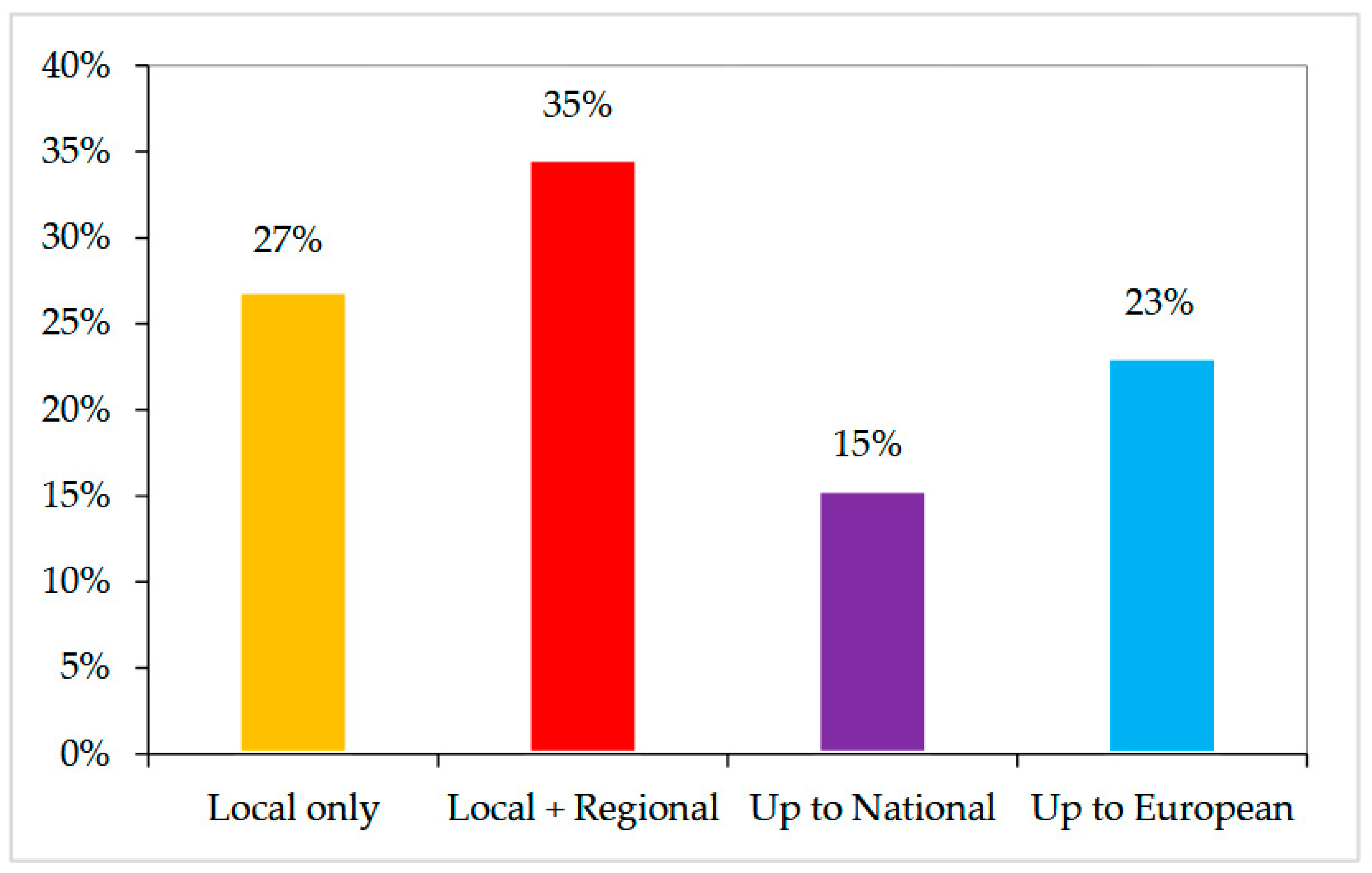
The constrained production capacity, in combination with inadequate marketing strategies, limits these products primarily to niche or local markets (Figure 7). Indeed, 27% of selected farms operate only at the local market, and 35% also reach regional markets. Participation decreases progressively as geographical scale expands only 15% reach national markets, while just 23% reach European market. Overall, this evidence suggests that the predominance of small-scale farms in Campania limits the exploitation of economies of scale and constrains productivity growth, thereby reducing the capacity of farms to compete effectively in wider national and international markets [16].
- Strategies for TAPs valorisation
For producers operating on a limited scale, collective initiatives represent an opportunity to improve visibility and market access while preserving the strong territorial identity characterising traditional agri-food products. In this regard, Agri-food Quality Districts (DAQs) could provide a useful setting for encouraging dialogue and cooperation among farmers, local institutions, and other stakeholders involved in rural development.
At the same time, several instruments already available within the Campania Rural Development Complement 2023-2027 (CSR) offer opportunities that are relevant, albeit indirectly, to traditional products. Measures supporting innovation, cooperation, and quality enhancement could help producers address some of the challenges associated with small-scale production, particularly in terms of market access and product recognition. Investments in traceability systems, digital communication, and supply-chain coordination may be especially important for increasing consumer awareness without weakening the connection between products and their territories of origin.
Promotion represents another key aspect. Despite their cultural and historical significance, many traditional products remain little known outside local contexts. Initiatives such as Promotion of Quality Products (SRG10), supporting collective communication and advertising activities, suggest the potential value of coordinated actions aimed at increasing the visibility of local products and their distinctive attributes to a wider audience.
2.3. Figures, Tables and Schemes
Figure 1.
Plant-based TAPs selected for the study. a—Solanum lycopersicum L. ‘Seccagno di Gesualdo’; b—Capsicum annuum L. ‘Quarantino di San Salvatore’; c—Solanum lycopersicum L. ‘Rofrano’; d—Brassica oleracea L. var. acephala ‘Torzella’; e—Cynara cardunculus L. var. scolymus ‘Pietrelcina’; f—Cynara cardunculus L. var. scolymus ‘Castellammare’; g—Cicer arietinum L. ‘Cicerale’; h—Lens culinaris Medik ‘Valle Agricola’; i—Apium graveolens L. ‘Gesualdo’; j—Asparagus officinalis L. ‘Napoletano’; k—Allium sativum L. ‘Ufita’; l—Allium cepa L. ‘Alifana’; m—Salvia rosmarinus L. ‘Cilento’.
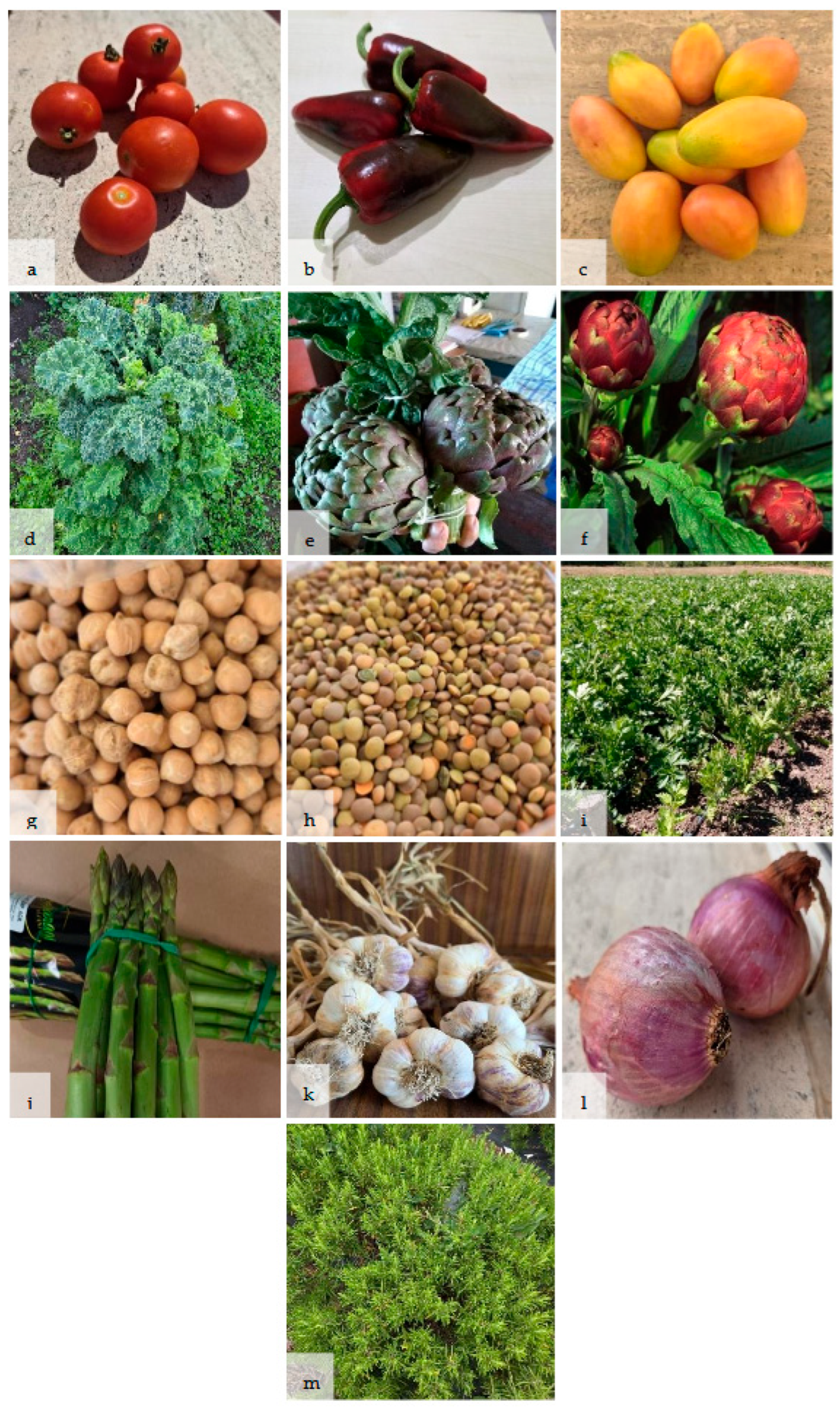

Table 1.
Overview of the main features of 13 selected plant-based TAPs from the Campania region.
| Species | Local variety | Product category | Province of production | Production status | Year of recognition |
| Solanum lycopersicum L. | ‘Seccagno di Gesualdo’ | Fruit | Avellino | at risk | 2012 |
| ‘Rofrano’ | Fruit | Salerno | at risk | 2012 | |
| Capsicum annuum L. | ‘Quarantino di San Salvatore’ |
Fruit | Benevento | active | 2012 |
| Brassica oleracea L. var. acephala | ‘Torzella’ | Leaf | Napoli | at risk | 2007 |
| Cynara cardunculus L. var. scolymus | ‘Castellammare’ | Inflorescence | Napoli | at risk | 2001 |
| ‘Pietrelcina’ | Inflorescence | Benevento | active | 2000 | |
| Lens culinaris Medik | ‘Valle agricola’ | Seed | Caserta | at risk | 2001 |
| Cicer arietinum L. | ‘Cicerale’ | Seed | Salerno | active | 2002 |
| Asparagus officinalis L. | ‘Napoletano’ | Sprout | Napoli | active | 2024 |
| Apium graveolens L. | ‘Gesualdo’ | Sprout | Avellino | at risk | 2017 |
| Salvia rosmarinus L. | ‘Cilento’ | Aromatic herb | Salerno | active | 2024 |
| Allium cepa L. | ‘Alifana’ | Geophyte | Caserta | active | 2013 |
| A. sativum L. | ‘Ufita’ | Geophyte | Avellino | active | 2001 |
Figure 2.
Classification of plant-based TAPs of Campania by processing status, growth form, and edible plant part, based on data from the 26th revision of the TAPs list (MASAF Ministerial Decree, 6 February 2026).
Figure 2.
Classification of plant-based TAPs of Campania by processing status, growth form, and edible plant part, based on data from the 26th revision of the TAPs list (MASAF Ministerial Decree, 6 February 2026).
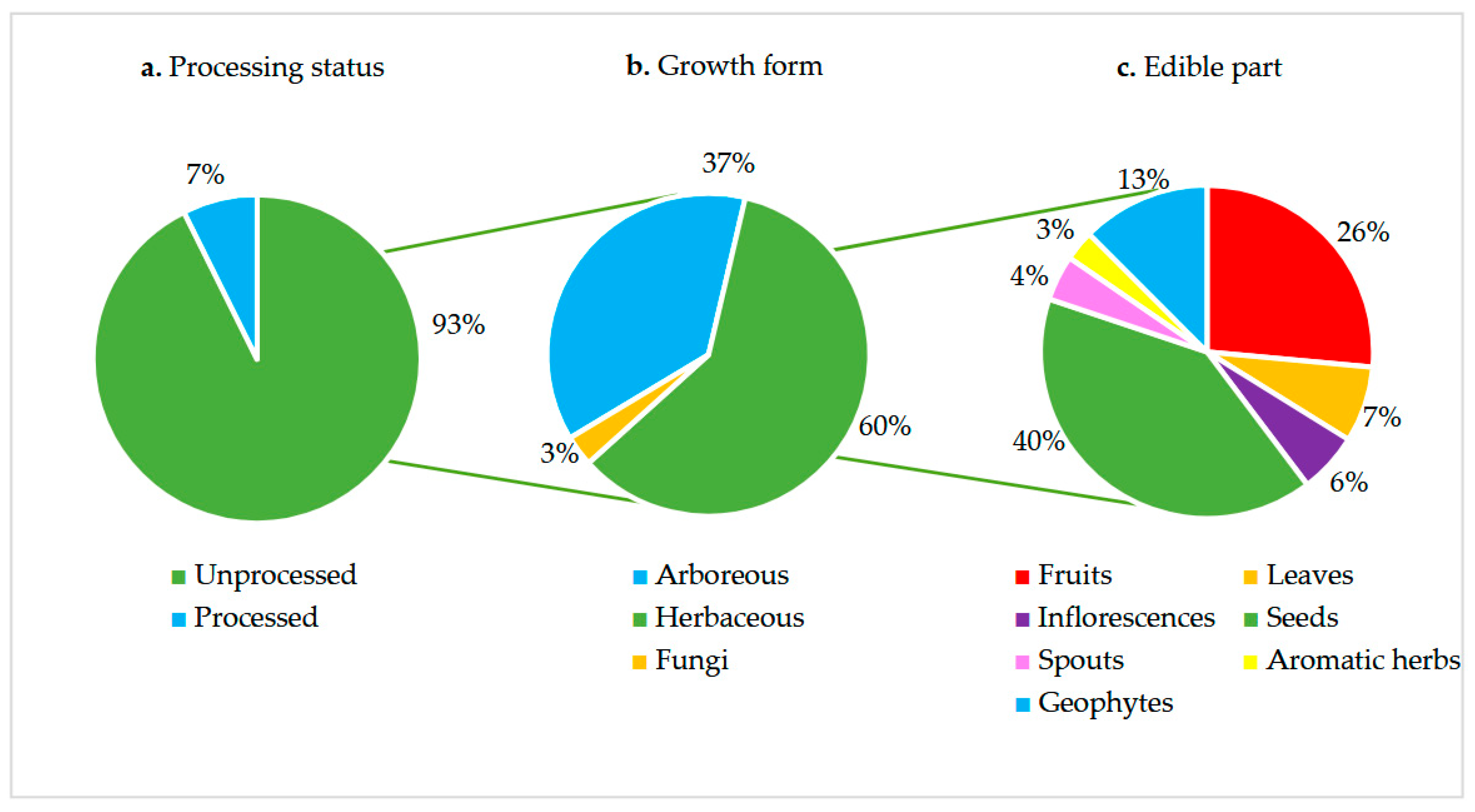
Figure 3.
Temporal distribution of total TAPs and plant-based TAPs in Campania region, according to the year of recognition.
Figure 3.
Temporal distribution of total TAPs and plant-based TAPs in Campania region, according to the year of recognition.
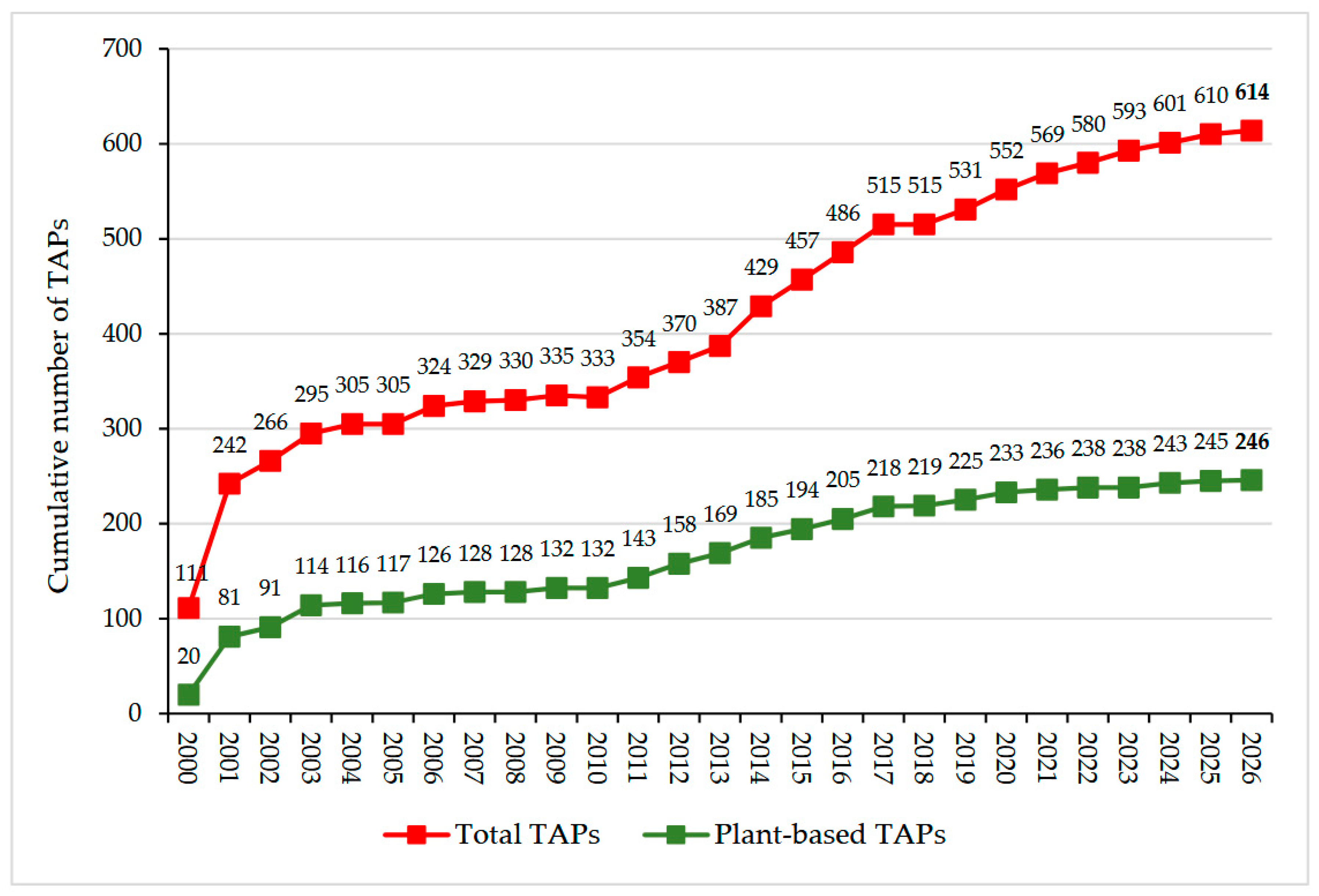
Figure 4.
Production and conservation status of plant genetic resources associated with Campania’s plant-based TAPs. Production status was assessed using institutional documents published by the Campania Regional Department of Agriculture, while conservation grade was determined by cross-referencing the plant genetic resources associated with each TAP against the Regional Register of Plant Genetic Resources at Risk of Extinction and the National Register of Conservation Varieties.
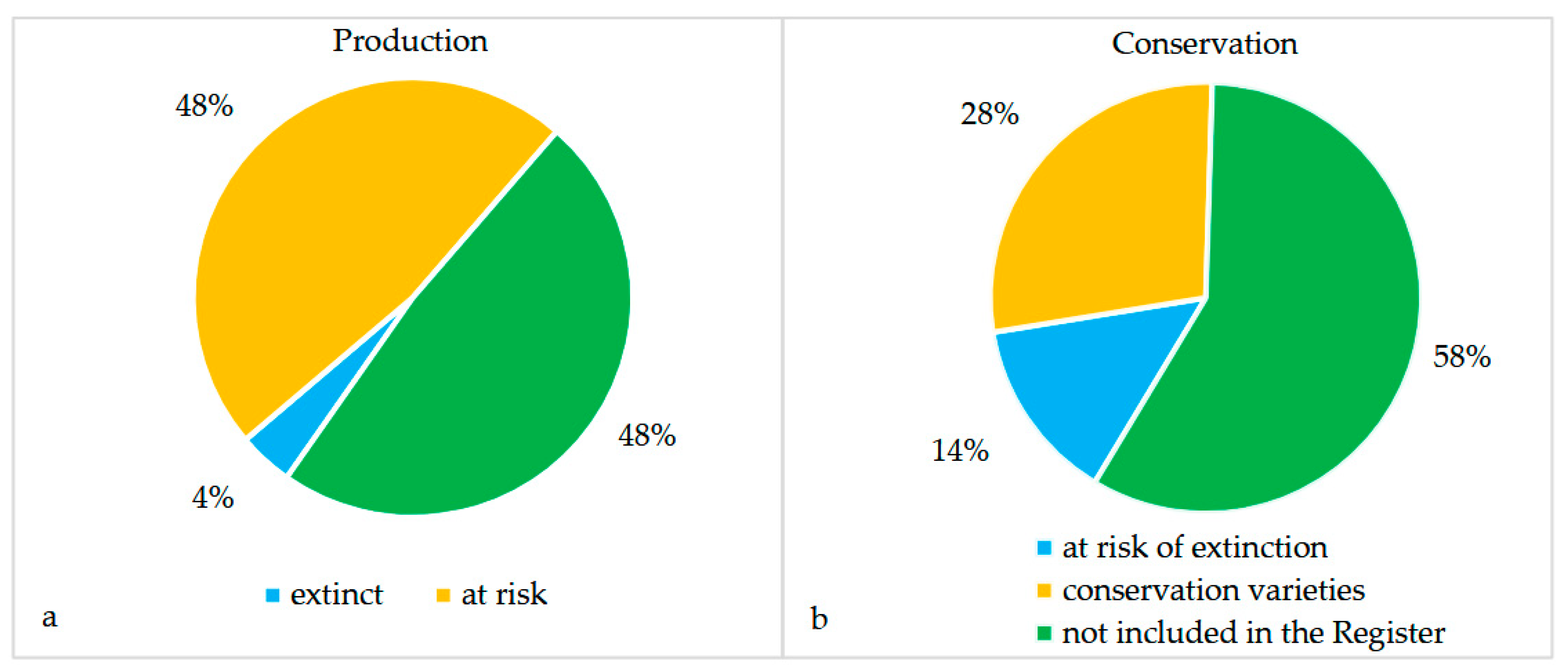
Figure 5.
Production status and additional recognitions of 13 selected plant-based TAPs in 2026, according to survey data collected from 26 farms in Campania.
Figure 5.
Production status and additional recognitions of 13 selected plant-based TAPs in 2026, according to survey data collected from 26 farms in Campania.
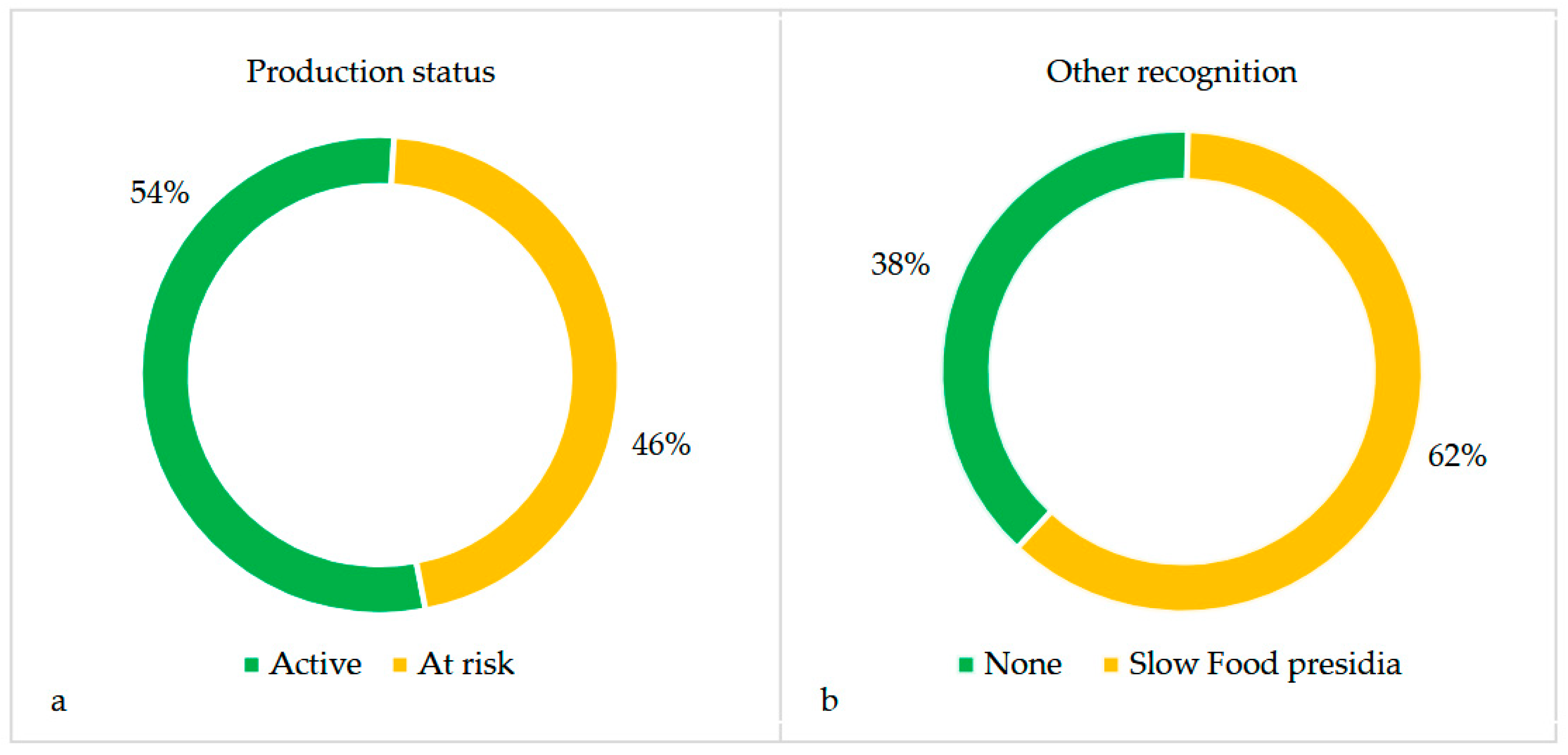
Figure 6.
Agronomic practices and production characteristics of 13 selected plant-based TAPs in 2026, based on survey data from 26 farms in Campania.
Figure 6.
Agronomic practices and production characteristics of 13 selected plant-based TAPs in 2026, based on survey data from 26 farms in Campania.
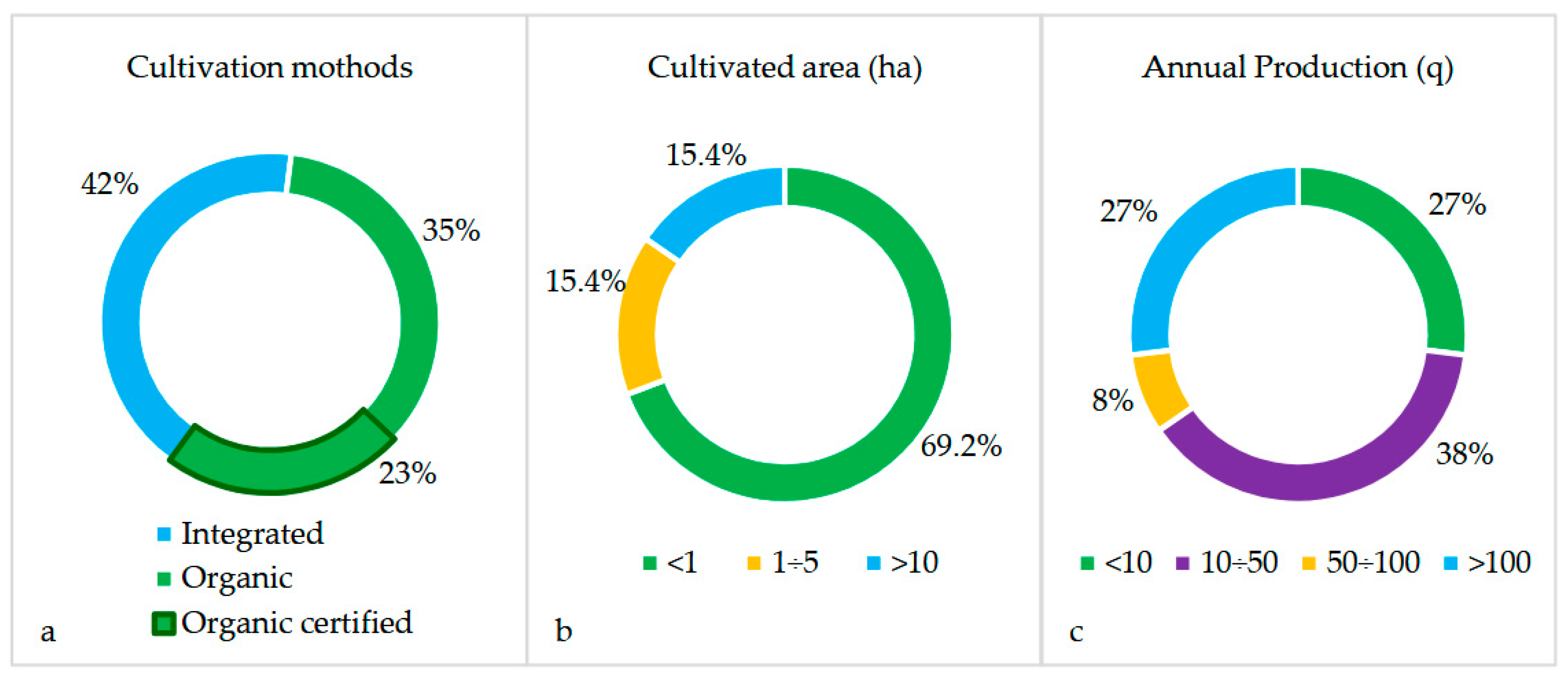
Figure 7.
Market distribution level of 13 selected plant-based TAPs in 2026, according to survey data collected from 26 farms in Campania.
Figure 7.
Market distribution level of 13 selected plant-based TAPs in 2026, according to survey data collected from 26 farms in Campania.
3. Materials and Methods
The study was carried out in the Campania region, in the south of Italy, a territory characterised by a great agrobiodiversity and a long-standing tradition of typical plant products. The research focused on the 26th list of Traditional Agri-food Products (TAPs), officially recognized by the Italian Ministry of Agriculture, Food Sovereignty and Forestry—MASAF [22].
3.1. Characterization of All Plants-Based TAPs of Campania Region
Data elaboration was based on regional institutional sources and all official TAPs lists issued by MASAF from 2000 to 2026, including the ministerial revisions published during the study period. The previous official lists were considered to assess the annual increase in the total number of TAPs in Campania and in those belonging to the category of “processed or unprocessed plant-based products” (Figure 3), while the 2026 official list was used as the reference for the characterization of the TAPs included in the study. For each TAPs of Campania, information was collected considering the category of “processed or unprocessed plant-based products” and edible plant organs, such as fruit, leaf, bulb, tuber, seed, inflorescence, stem, and root.
In addition, a chronological analysis of TAPs recognition was conducted by comparing recognized plant-based TAPs with the total number of TAPs registered in Campania from 2000 to 2026, to highlight the trends in the institutional recognition and valorisation of TAPs over time.
The production classification of plant-based TAPs was reviewed using institutional documents (Campania Regional Department of Agriculture), bibliographic sources, and on-site verification with local farmers. Products were classified as active, exposed to the risk of extinction, or extinct.
Finally, to further assess the conservation status of plant-based TAPs, those included in the Italian National List were cross-referenced with the Regional Register of Plant Genetic Resources at Risk of Extinction (Repertorio regionale delle risorse genetiche vegetali a rischio di estinzione) of the Campania Region [35]. The register, established within the regional framework for the conservation of agricultural genetic resources, includes plant genotypes of regional interest considered at risk of extinction and represents one of the main tools adopted by the Campania Region for safeguarding agricultural biodiversity. The comparison was performed by matching the plant genetic resource associated with each TAP with the resources officially included in the Regional Register.
3.2. Characterization of All Plants-Based TAPs of Campania Region
A sample of 13 plant products was selected within the TAPs list of the 26th revision of MASAF for the farm-level investigation (Figure 1). The selection process aimed at including distinct products in terms of geographical distribution, cultivation features, level of market diffusion, and conservation status.
The selected TAPs included only unprocessed products from the 5 provinces of Campania: Avellino, Benevento, Caserta, Napoli, and Salerno, thus representing biodiversity, pedoclimatic conditions and farming contexts across the region.
For each selected product, based on the type of edible organ, 2 farms were selected based on the continuity of cultivation methods, the representativeness of local production systems, historical knowledge of the traditional product, and willingness of farmers to participate to the study. Data collection was performed through a questionnaire, aim at collecting information about cultivation practices and area, production characteristics, additional certification, and marketing channels.
The farmers were contacted personally, and each company finalized the questionnaire specifically related to its corresponding TAP. Overall, 26 questionnaires were collected, corresponding to two companies for each of the 13 selected products.
3.3. Data Processing
Data were organized into a specific database based on botanical classification, production status, cultivation method, cultivated surface, average annual production, and marketing channels.
Data were analysed using a descriptive data analysis and presented through summary tables and graphical representations, to describe the distribution of the selected TAPs across the Campania region and their main characteristics.
5. Conclusions
Most of the selected farms are characterized by small, cultivated areas (<1 ha in 69.2%) and primarily operate in small-scale markets (local and regional for 62%). These features may limit their economic sustainability and commercial competitiveness in national and international markets. On the other hand, local farms acting in marginal contexts contribute to enhancing landscape diversity and preserving traditional methods. Accordingly, the leading trend towards local and regional markets confirms the distinctive territorial identity of Traditional Agrifood Products (TAPs) and displays the importance of improving promotional activities and amplifying comprehensive marketing policies. Furthermore, the widespread application of integrated farming practices and long-established organic agriculture (both formally established for over 25 years) exhibits an increasing focus on sustainability. The expansion of marketing channels, beyond local and regional commercial areas, may offer opportunities to increase product visibility and strengthen the economic viability of plant-based TAPs.
Cultivation of plant-based TAPs associated with local plant genetic resources may contribute to the on-farm conservation and the sustainable utilisation of agrobiodiversity. Supporting traditional production systems and their economic viability could therefore help reduce the risk of genetic erosion while preserving Campania’s agricultural and cultural heritage. In this context, the Regional Register of Plant Genetic Resources at Risk of Extinction represents an important tool for safeguarding plant genetic resources. Furthermore, the involvement of institutions, producers, and consumers emerges as an essential condition to safeguard the preservation, valorisation, and transmission of plant-based TAPs.
The prevalence of small farms appears consistent with the historical and productive characteristics of the regional agricultural landscape. However, the concentration of commercial activities within local and regional markets raises questions about how the economic potential of plant-based TAPs could be further enhanced while preserving their strong connection to place and tradition.
In this context, institutional policies and initiatives, such as Agri-food Quality Districts (DAQs), Campania Rural Development Complement 2023-2027 (CSR), Promotion of Quality Products (SRG10), represent valuable tools to sustain traditional products while protecting agrobiodiversity and genetic resources and helping local economies.
More broadly, the results of this work highlight that the value of traditional agri-food products cannot be understood solely in economic terms. These products embody local knowledge, agricultural traditions, genetic resources, and landscapes with cultural value that have developed over time through the interaction between communities and their environment. In this sense, traditional products appear to represent both an economic resource and an important component of the cultural and environmental heritage of rural areas.
Author Contributions
Conceptualization, R.P.; methodology, R.P. and A.B.; investigation, formal analysis, and data curation A.B.; writing—original draft preparation, A.B.; writing—review and editing, R.P., F.Z. and A.B.; funding acquisition, R.P. All authors have read and agreed to the published version of the manuscript.
Funding
This work was funded by “Regione Campania”, project “Attività programmate per l’anno 2024 del Centro di Riferimento Regionale per la Sicurezza della Ristorazione Pubblica e Collettiva e delle Produzioni Agro Alimentari Tradizionali” (acronym CRiPAT, CUP E77G24000300002).
Data and material Availability Statement
Literature sources of this review article will be made available by the authors, upon request.
Acknowledgments
The authors thank Giuseppina Olivieri (University of Naples Federico II, Naples, Italy) for the critical lecture of the text and the precious contribution about economical aspects.
Conflicts of Interest
The authors declare that the research was conducted in the absence of any commercial or financial relationships that could be construed as a potential conflict of interest.
Abbreviations
| TAPs | Traditional agri-food products |
| LSRC | Large-scale retail distribution |
References
- Fardet, A.; Rock, E. Ultra-processed foods and food system sustainability: What are the links? Sustainability 2020, 12, 6280. [CrossRef]
- Arcidiacono, D. Promises and failures of the cooperative food retail system in Italy. Soc. Sci. 2018, 7, 232. [CrossRef]
- Hufnagel, J.; Reckling, M.; Ewert, F. Diverse approaches to crop diversification in agricultural research. A review. Agron. Sustain. Dev. 2020, 40, 14. [CrossRef]
- Marín, J.; Garnatje, T.; Vallès, J. Agro-food supply chains in peri-urban agricultural areas: Do they contribute to preserve local biodiversity? The case of Baix Llobregat Agrarian Park. Sustainability 2024, 16, 2882. [CrossRef]
- Nemes, G.; Chiffoleau, Y.; Zollet, S.; Collison, M.; Benedek, Z.; Colantuono, F.; Dulsrud, A.; Fiore, M.; Holtkamp, C.; Kim, T.Y.; Korzun, M.; Mesa-Manzano, R.; Reckinger, R.; Ruiz-Martínez, I.; Smith, K.; Tamura, N.; Viteri, M.L.; Orbán, É. The impact of COVID-19 on alternative and local food systems and the potential for the sustainability transition: Insights from 13 countries. Sustain. Prod. Consum. 2021, 28, 591–599. [CrossRef] [PubMed]
- Herzig, J.; Zander, K. Determinants of consumer behavior in short food supply chains: A systematic literature review. Agric. Food Econ. 2025, 13, 21. [CrossRef]
- Fontefrancesco, M.F. Traditional food for a sustainable future? Exploring vulnerabilities and strengths in Italy’s foodscape and short agrifood chains. Sustain. Earth Rev. 2023, 6, 7. [CrossRef]
- De Rosa, M.; Charatsari, C.; Lioutas, E.D.; Vecchio, Y.; Masi, M. Staging value creation processes in short food supply chains of Italy. Agric. Food Econ. 2024, 12, 47. [CrossRef]
- Renna, M.; Signore, A.; Santamaria, P. Traditional agrifood products: An expression of Italian cultural heritage. Italus Hortus 2018, 25, 1–13. [CrossRef]
- Cicchella, D.; Ambrosino, M.; Albanese, S.; Guarino, A.; Lima, A.; De Vivo, B.; Guagliardi, I. Major elements concentration in soils. A case study from Campania Region (Italy). J. Geochem. Explor. 2023, 247, 107179. [CrossRef]
- Didonna, A.; Renna, M.; Santamaria, P. Traditional Italian agri-food products: A unique tool with untapped potential. Agriculture. 2023, 13, 1313. [CrossRef]
- Raggi, L.; Spataro, G.; Negri, V. Landrace in situ (on-farm) conservation: European Union achievements. Biodivers. Conserv. 2024, 33, 2709–2738. [CrossRef]
- Khoury, C.K.; Brush, S.; Costich, D.E.; Curry, H.A.; de Haan, S.; Engels, J.M.M.; Guarino, L.; Hoban, S.; Mercer, K.L.; Miller, A.J.; Nabhan, G.P.; Perales, H.R.; Richards, C.; Riggins, C.; Thormann, I. Crop genetic erosion: Understanding and responding to loss of crop diversity. New Phytol. 2022, 233, 84–118. [CrossRef] [PubMed]
- Scarpato, D.; Ardeleanu, M.P.; Borrelli, I.P.; Ianuario, S.; Misso, R.; Viola, I. The Italian agri-food system between competitiveness and territorial sustainability: The case of Campania region. Econ. Agric. 2012, 59, 246–251.
- Manganiello, V. Food system and territorial sustainability: The case study of Campanian certified companies. Agric. Agric. Sci. Procedia. 2016, 8, 276–281. [CrossRef]
- Antonelli, G.; Viganò, E. L’economia dei prodotti agroalimentari tipici tra vincoli tecnici e sfide organizzative. Ital. J. Agron. 2009, 4, 125–136. [CrossRef]
- Scalacci, R.; Vergari, D.; Panchetti, F. Prodotti agroalimentari tradizionali: Un’opportunità da valorizzare. Presentazione del progetto per il recupero di alcune produzioni tradizionali della Toscana; AGIA Toscana: Firenze, Italy, 2009.
- Cafiero, C.; Palladino, M.; Marcianò, C.; Romeo, G. Traditional agri-food products as a leverage to motivate tourists: A meta-analysis of tourism-information websites. J. Place Manag. Dev.2020, 13, 195–214. [CrossRef]
- Italian Ministry of Agriculture, Food Sovereignty and Forestry (MASAF). (1999, September 8). Ministerial Decree No. 350 of 8 September 1999 (art. 1, para. 1). Official Gazette of the Italian Republic, No. 240, October 12, 1999.
- Italian Ministry of Agriculture, Food Sovereignty and Forestry (MASAF). (1999, September 8). Ministerial Decree No. 350 of 8 September 1999 (art. 1, para. 2). Official Gazette of the Italian Republic, No. 240, October 12, 1999.
- Italian Ministry of Agriculture, Food Sovereignty and Forestry (MASAF). (2000, July 18). Ministerial Decree of 18 July 2000. Official Gazette of the Italian Republic.
- Italian Ministry of Agriculture, Food Sovereignty and Forestry (MASAF). (2026, February 6). Ministerial Decree of 6 February 2026. Official Gazette of the Italian Republic.
- Chessa, I.; Sambo, P.; Romano, D. I prodotti agroalimentari e floricoli tipici tra conservazione e innovazione. Ital. J. Agron. 2009, 4, 87–92. [CrossRef]
- Ponti, L.; Gutierrez, A.P.; Altieri, M.A. Preserving the Mediterranean diet through holistic strategies for the conservation of traditional farming systems. In Environmental History in the Making; Springer: Cham, Switzerland, 2016; Volume 5, pp. 453–469. [CrossRef]
- Fontefrancesco, M.F.; Zocchi, D.M.; Pieroni, A. Scouting for food heritage for achieving sustainable development: The methodological approach of the Atlas of the Ark of Taste. Heritage 2022, 5, 526–544. [CrossRef]
- Del Puente, F.; Menna, C.; Olivieri, G.; Moino, F.; Liguori, T.; Borrelli, I.P.; Gandolfi, F.; Passari, M.; La Sala, P.; Del Giudice, T. Campania districts and new challenges for agriculture: Preliminary evaluation of coherence with new European rural development policy. In Innovation and Knowledge in Agri-Food and Environmental Systems; Cavicchi, A., et al., Eds.; Springer: Cham, Switzerland, 2024; pp. 45–51. [CrossRef]
- Del Puente, F.; Del Giudice, T.; Alessandro, S.; Menna, C. Rethinking agricultural district as an innovation system. Agric. Food Econ. 2026, 14, 12. [CrossRef]
- Giupponi, L.; Pedrali, D.; Leoni, V.; Rodari, A.; Giorgi, A. The analysis of Italian plant agrobiodiversity databases reveals that hilly and sub-mountain areas are hotspots of herbaceous landraces. Diversity 2021, 13, 70. [CrossRef]
- Strambi, G. I prodotti tradizionali e la politica di qualità dell’Unione europea. Riv. Dirit. Aliment. 2010, 1, 17–25. Available online: www.rivistadirittoalimentare.it.
- Peano, C.; Migliorini, P.; Sottile, F. A methodology for the sustainability assessment of agri-food systems: An application to the Slow Food Presidia project. Ecol. Soc. 2014, 19, 24. [CrossRef]
- Mariani, M.; Casabianca, F.; Cerdan, C.; Peri, I. Protecting food cultural biodiversity: From theory to practice. Challenging the geographical indications and the Slow Food models. Sustainability 2021, 13, 5265. [CrossRef]
- Migliorini, P.; Moschini, V.; Tittarelli, F.; Ciaccia, C.; Benedettelli, S.; Vazzana, C.; Canali, S. Agronomic performance, carbon storage and nitrogen utilisation of long-term organic and conventional stockless arable systems in Mediterranean area. Eur. J. Agron. 2014, 52, 138–145. [CrossRef]
- Sckokai, P. Case study: Italy. In Agricultural Land Market Regulations in the EU Member States; JRC Technical Reports; Publications Office of the European Union: Luxembourg, 2021; pp. 47–49.
- Sciortino, C.; Sgroi, F.; Modica, F. Economic dynamics of the Italian agricultural land structure. Land Use Policy 2025, 159, 107816. [CrossRef]
- Campania Region. Regional Regulation No. 6 of 3 July 2012 Implementing Article 33 of Regional Law No. 1/2007 on the Conservation of Agricultural Genetic Resources at Risk of Extinction; Campania Region: Naples, Italy, 2012.
Disclaimer/Publisher’s Note: The statements, opinions and data contained in all publications are solely those of the individual author(s) and contributor(s) and not of MDPI and/or the editor(s). MDPI and/or the editor(s) disclaim responsibility for any injury to people or property resulting from any ideas, methods, instructions or products referred to in the content. |
© 2026 by the authors. Licensee MDPI, Basel, Switzerland. This article is an open access article distributed under the terms and conditions of the Creative Commons Attribution (CC BY) license (http://creativecommons.org/licenses/by/4.0/).
Copyright: This open access article is published under a Creative Commons CC BY 4.0 license, which permit the free download, distribution, and reuse, provided that the author and preprint are cited in any reuse.