
Submitted:
09 October 2026
Posted:
10 October 2026
You are already at the latest version
Abstract
The persistence Postharvest losses of Tomato and other perishable fruits rise an urgenet need biodegradable and environmentally benign preservation methods. Polysaccharide-based edible coatings have shown great potential as alternatives to conventional synthetic methods for postharvest treatments due to their film-forming ability, biodegradability, biocompatibility, antimicrobial, and antioxidant carrier capabilities. This review examines the application of polysaccharide edible coatings as a sustainable preservation technique for tomatoes and other selected perishable fruits by considering their sources, functional and structural properties, in edible coating applications, focusing on their concentrations and preservation outcomes. Findings from published studies reveal that polysaccharide-based coatings reduce physiological weight loss, respiration rate, softening, ethylene production, colour change, and microbial damage, while enhancing nutritional constituents, hence extending the overall postharvest shelf life. Depending on the polymer concentration, molecular properties, fruit species, storage temperature, and coating formulation, it further demonstrated that, incorporating coatings with two or more polysaccharides, essential oils, plant extracts, and nanoparticles show improved preservative properties. The study suggests further studies on the development of low-cost, multifunctional, food-safe, polysaccharide-based coatings, especially those sourced from agricultural waste and other locally available resources. Such innovations could significantly contribute to sustainable postharvest control, food security, and environmentally benign food packaging systems.
Keywords:
polysaccharides
; edible coating
; chitosan
; starch
; pectin
; alginate
; shelf life
; tomatoes
; postharvest losses
; perishable fruits
1. Introduction
Tomato (Solanum lycopersicum L.) represents an important aspect of agricultural production and global food security and is one of the most important cultivated horticultural crops in Nigeria because of its nutritional, economic significance, and bioactivity [1]. It is rich in vitamins, minerals, dietary fibre, organic acids, and bioactive compounds such as lycopene, β-carotene, flavonoids, and phenolic constituents, which are essential for a balanced diet, health-promoting properties, as well as antioxidant efficacies [2,3]. The risks of certain cardiovascular diseases, cancers, and oxidative stress-related disorders have been reported to be reduced appreciably by Tomato consumption [3,4]. This, among many reasons, has promoted the cultivation and consumption of tomato, either fresh or processed into products such as paste, ketchup, puree, sauces, soups, and juices globally, thus increasing global production due to high demand and commercial value in both the local and international domain [4,5].
Tomato has a relatively short post-harvest shelf life due to the combination of factors highlighted by Ayomide et al. (2019), including Biological, Microbiological, Chemical, Mechanical, physical, and Physiological factors resulting from its climacteric nature, where it continues to respire and produce ethylene after harvest, facilitated by high water content and delicate epidermal tissues, especially under tropical conditions [6,7,8,9]. This accelerates ripening, softening, senescence, moisture loss, and spoilage during transportation and storage. Postharvest Losses lead to severe food insecurity, reduced market value and economic losses of the crop. In recent reports, postharvest losses of fruits and vegetables in developing countries range between 30–50%, with tomatoes ranking among the most affected products [10,11].
Since time immemorial, many research studies, including reviews, have explored postharvest prevention strategies to manage the crop postharvest challenges. These include refrigeration, controlled atmosphere storage, modified atmosphere packaging, dehydration, irradiation, waxing, chemical preservatives, and synthetic packaging materials [12,13]. These methods show varying effectiveness; some are costly and technologically demanding, while others, like chemical preservatives, are associated with environmental and health problems [14]. Over the past decades, global demand for safer foods free from synthetic chemical residues has grown, driving the adoption of edible coatings as a preferred alternative for enhancing the postharvest quality and storage stability of fresh fruits and vegetables [10,15].
Edible coatings are a suspension or an emulsion of an edible material, which is applied directly to the food surface and later transformed into a film to preserve it against rapid damage [16]. These coatings are sourced and produced from lipids, polysaccharides, proteins, or used in combination [17]. Edible coatings enhance food shelf life by providing a semi-permeable membrane around fruits and vegetables, which reduces respiration rates, ripening, and sustains firmness [18]. Additionally, they have active antimicrobial, antioxidant, essential oils, and several bioactive compounds, which in synergy with it environmentally benign nature and biodegradability gained scientific recommendations as sustainable alternatives to conventional synthetic packaging systems [10,16].
Polysaccharide-based edible coating materials, such as chitin and chitosan, starch and modified starch, cellulose and modified cellulose, pectin, pullulan, alginate and gellan gum, have gained remarkable scientific and industrial attention because of their multifunctional properties [19]. exhibit unique characteristics including biodegradability, biocompatibility, non-toxicity, film-forming ability, antimicrobial activity, antioxidant properties, and excellent mechanical strength [16,20,21]. Recent studies have reported the effectiveness of polysaccharide-based coatings for shelf-life extension of tomatoes and other horticultural commodities. For instance Cruz-Monterrosa et al. (2023); Il’ina et al. (2024) reported improved quality properties of tomatoes and other perishable products with polysaccharide-based edible coatings, which increased shelf life period, lower respiration rates, maintained firmness, reduced weight loss, preserved soluble solids, vitamins, and bioactive compounds such as flavonoids, anthocyanins, and phenolic compounds, as well as inhibiting microbial growth and maintaining antioxidant enzyme activities [22,23,24]). They have also demonstrated that coating performance on preservative efficiency is improved when combined with plant extracts, essential oils, and nanoparticles [25,26,27,28].
The polysaccharide-based edible coating has appreciable relevance to post-harvest technology in that it is sourced from abandoned agricultural waste, which contributes to sustainable agriculture and circular bioeconomy initiatives [21]. This waste valorisation approach promotes environmental sustainability and reduces pollution associated with waste disposal. Similarly, the biodegradable nature of polysaccharide coatings reduces environmental hazards associated with synthetic plastic packaging materials and simultaneously promotes food safety [28,29,30].
Given the enormous nutritional, medicinal and economic relevance of tomatoes to global food security and development, and their prevalent associated postharvest losses [11,29,30], it becomes pertinent to explore effective, accessible, affordable, and environmentally benign preservation strategies to control their occurrence.
This review seeks to critically examine the potential of polysaccharide-based edible coatings for postharvest shelf-life extension and spoilage control of tomatoes it will explore the economic, nutritional, and Post-harvest Physiology of Tomato (Solanum Lycopersicon), edible coatings and their mechanisms of preservation of Tomato Fruits and other perishable products, findings of recent research on polysaccharide coatings for tomato and other fruit preservation will be reviewed; findings will be harvested and critically harmonised for the aim of the review
2. Materials and Methods
2.0. Tomato (Solanum lycopersicum)
Tomato, Solanum lycopersicum L., is a climacteric fruit and a member of the family Solanaceae, meaning a family of common vegetables, in the genus Solanum, which is the most widely grown and the leading non-grain crop in the global production system, with a global annual production of over 186.1 million tons [31,32]. China leads the world in tomato production with about 50 million tonnes, followed by India with 17.5 million tonnes [33]. In Africa, total tomato production accumulates to 17.938 million tons, with Egypt topping the rank with the production of over 8.625 million tons, followed by Nigeria with over 1.56 million tons [33,34] and ranked 13th on the global tomato production scale. According to the Food and Agriculture Organisation, Arah et al. (2015), tomato is one of the most important and widely grown vegetables in Nigeria, representing approximately 18 per cent of the average daily vegetable intake [33,35,36], Each small-scale farming unit produces a substantial quantity of fresh market tomatoes. [37]. They are referred to as Climacteric fruits due to a sharp rise in respiration rate and ethylene production during post-harvest changes, a behaviour that promotes softening, pigment changes, and biochemical degradation after harvest [8].
| Taxonomical Classification of Tomato [38]. | |
| Kingdom Phylum Class Order Family Genus Species |
plantae Angiosperms Magnoliopsida Solanales Solanaceae Solanum Solanum lycopersicum |
2.1. Nutritional Composition and Health Impacts of Tomato
Tomato (Solanum lycopersicum) is a reservoir of minerals, proteins, vitamins, essential amino acids, monounsaturated fatty acids, and phytosterols, with 80–90% Lycopene and 7–10% β-carotene of the total carotenoid content and ascorbic acids [4,39]. Lycopene (Figure 1) possesses strong oxygen-scavenging properties and has strong antioxidant properties, while β-carotene is associated with provitamin A activity [40,41]. The Macronutrients, energy value and sugar composition of four different tomato varieties were analysed by Pinela et al. (2012) and revealed a variation across parameters, including Ash content 0.59–0.74 g/100 g, and protein content ranged from 0.40–0.61 g/100 g. Fat levels were generally low, ranging from 0.03–0.17 g/100 g. Carbohydrate content showed moderate variation, with values between 5.14–7.99 g/100 g, which corresponded to the observed energy values ranging from 23.72–34.67 kcal/100 g. Overall, total sugars varied between 3.91–6.62 g/100 g, suggesting differences in sweetness and flavour profiles among the tomato varieties [42].
The study also identified some non-essential dietary compounds such as phenolics, flavonols and anthocyanins [42,43]. The main phenolic compounds found in tomato are the flavonols quercetin and kaempferol and the hydroxycinnamic acids, particularly the caffeic and chlorogenic acids [42,44]. Phenolic compounds have associated inhibitory properties against atherosclerosis and cancer due to their ability to chelate metals, inhibit lipid peroxidation and scavenge free radicals [4,40,45].
Tomatoes are also an important source of essential minerals (Table 1), particularly potassium, which plays a central role in regulating electrolyte balance, muscle contraction and nerve conduction. Potassium, when present adequately in the diet, lowers blood pressure and reduces the risk of cardiovascular disease, especially when combined with low sodium intake [46,47,48,49].
In their separates studies Nam et al., (2025); Ali et al., (2020) and Shafe et al., (2024) shows that daily intake of one to two raw tomatoes which is equivalent to lycopene 5–30 mg, is shown to lower systolic blood pressure, improved metabolic function, which may reduce the risk of type 2 diabetes and metabolic syndrome, and improved anticancer effects [46,47,51]. Consuming tomatoes with a source of dietary fat (e.g., olive oil) further enhances the bioaccessibility of lycopene due to its fat-soluble nature [52]. These nutritional efficacies make Solanum lycopersicum not only a cookery product but also a valuable functional food in health promotion and disease prevention.
2.2. Economic Value of Tomato (Solanum lycopersicum)
Tomato (Solanum lycopersicum) is one of the most significant horticultural crops that is greatly valued both as a key raw material in industries for the processing of products such as paste, sauces, juices, and ketchups, and as a fresh vegetable as well as an exported agricultural product. It is ranked by the Mexican Ministry of Agriculture and Rural Development as one of the Top 5 most exported agricultural products in 2023, with estimated US$2.7 billion in generated revenue [55,56,57,58], with global sales for tomatoes exported by all countries totalling US$12.4 billion for 2024 [53]. According to Akinbola et al. (2023A), tomato is the third fruit in economic priority in India after Potato and onion but ranks second after potatoes in the world [54].
Mexico, the Netherlands, Morocco, Spain and France are the world’s 5 most lucrative exporters of tomatoes in 202 [60,61]. Mexico, the world’s biggest exporter of tomatoes, accounted for 26.8% of the world’s exported tomatoes and on the continental level, Africa contributes 15% of global tomato exports, with a share of 9.5% by providers from Asia; while Europe is ranked first with 39.7%, and North America contributed 35.2% of the worldwide Tomato export [53]. Post-harvest loss is among the factors affecting African Tomato exports. For example, a study in Ibadan, Nigeria, quantified that post-harvest losses account for nearly 18.9% of purchase value (approx. ₦124,800/day) among tomato marketers, underscoring how post-harvest control inefficiencies undermine economic returns along the value chain [55].
The economic footprint of the tomato industry spans several sectors, from farm production to processing, distribution, and retail, which is a source of employment across the value chain. In Nigeria, especially in Benue State, referred to as the “food basket of the nation,” and in many other parts of the country, tomatoes are a major agricultural commodity, often relied on as a cash crop, enabling income diversification far beyond total dependence on cereal crops [37,56,57] 2024.
In their study on the economic analysis of Tomato in Ondo State, Nigeria, Akinbola et al. (2023) show that tomato marketing contributes notable profit margins for farmers and intermediaries, with determinants of profitability including purchase price, labour cost, and transport costs [54]. These studies find that for every ₦100 invested in the tomato marketing business, the average wholesaler and retailer make profits of ₦61.0 and ₦86.0, respectively, making tomato not only a subsistence crop but also a commercial enterprise with measurable economic impact on rural development. Separately, the economic performance of tomato in south-western Nigeria: findings revealed that tomato production is a profitable enterprise, generating a net profit of ₦170,552.00 and a return on investment (ROI) of 0.54, meaning every ₦1 invested yields 54 kobo in return [58]. Overall, all tomato value chain activities are found profitable, with input supply being the most rewarding due to the lower perishability and ease of storage [58,59,60,61].
2.3. Factors Responsible for Post-Harvest Losses of Tomato (Solanum lycopersicum L.)
Tomato (Solanum lycopersicum) is a highly perishable climacteric fruit whose postharvest behaviour is largely governed by physiological, microbiological, and mechanical processes that continue after it has been detached from the source, largely classified as on-farm causes and off-farm causes. [6,62]. Unlike non-climacteric fruits, tomatoes undergo an exacerbated respiratory climacteric rise accompanied by increased ethylene production, which accelerates ripening, senescence, and eventual deterioration [63,64]. Understanding these post-harvest behavioural processes is fundamental to developing suitable post-harvest preservation strategies, such as edible coatings
I: Physiological Factors: Physiological processes such as respiration, ethylene production, and transpiration largely determine the postharvest quality of tomatoes. After harvest, the fruit remains metabolically active and progresses through ripening and senescence. Because it is detached from the parent plant, it cannot replenish depleted energy reserves, leading to gradual deterioration in quality [14,65]. Respiration rate, ethylene production, and weight loss associated with transpiration are the major factors known to regulate the postharvest physiology of fruits and vegetables and are critical in the postharvest management of fresh products [64,66].
In a study by Alonso-Salinas et al. (2024), Respiration, water loss, and ethylene biosynthesis were identified as factors that accelerate tomato ripening and spoilage, especially at room temperature (20–25 °C). Cold storage below 12 °C slows these processes and extends shelf life. However, excessively low temperatures can cause chilling injury, reducing fruit quality and limiting storage potential [67,68].
II: Mechanical Factors: Mechanical damage is a major factor that affects the postharvest quality of fresh tomatoes. The fruits are highly vulnerable to physical injuries during harvesting, handling, packaging, and transportation. It’s revealed that Tomato damage assessment at wholesale markets often surpasses that of other vegetables, which indicates the severity and peculiarity of the issue of tomato postharvest losses [65,69]. Storage conditions, transportation facilities, diseases and insect pests are also causative factors contributing to its postharvest losses, necessitating careful handling methods and postharvest practices to minimise bruising, crushing, or other forms of injury caused by equipment and containers [62,70]. Inadequate transportation systems and poor packaging have been identified as significantly increasing postharvest losses along the distribution chain [9]. Damage may occur during loading, unloading, stacking, or transit (Figure 2). Such injuries can trigger physiological and structural changes in tomatoes, often appearing as skin discolouration, internal bruising, and development of off-flavours [71]. Physical injury has been recognised as a major contributor to postharvest losses. It stimulates ethylene production and increases respiration rate, thereby accelerating ripening and senescence. Consequently, mitigating mechanical stress throughout postharvest handling is essential to maintaining tomato quality and extending shelf-life [71,72].
I: Microbiological Factors: Microbial spoilage is a major cause of postharvest losses in tomatoes. Contamination may occur either before or after harvest. The former is referred to as quiescent infections, meaning pathogens invade the fruit before harvest but remain asymptomatic until favourable conditions, such as optimal temperature and fruit ripening, reactivate their growth. A classic example is anthracnose caused by Colletotrichum gloeosporioides, which often remains undetected until storage, leading to rapid deterioration [73,74].
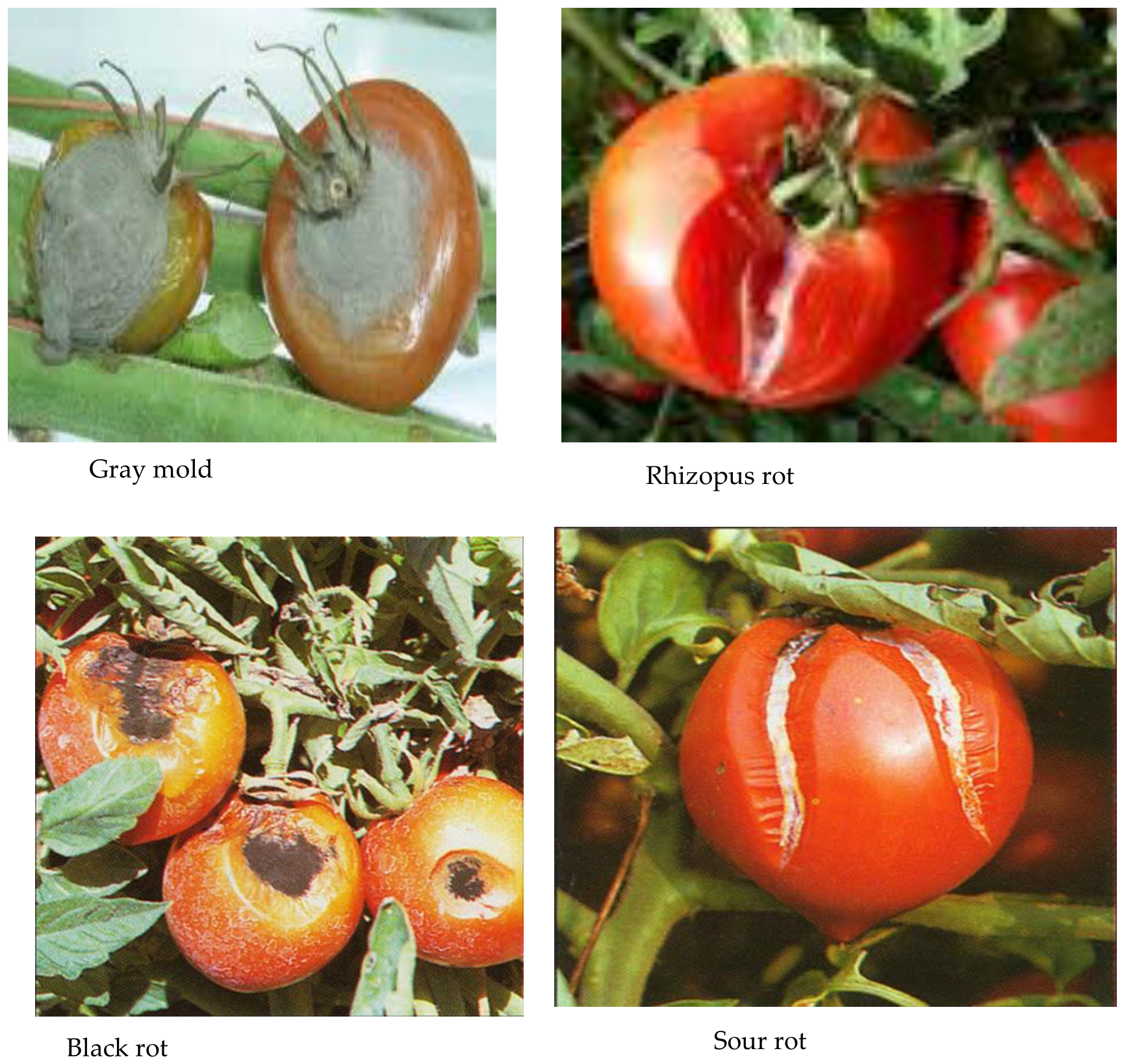
Due to high moisture, nutrient content and limited postharvest defense mechanisms, pathogens proliferate, predominantly fungi, including Buckeye rot, Alternaria solani, Rhyzopus stolonifera, Botrytis cinerea, Alternaria alternata, Colletotrichum coccodes, and Phytophthora infestans [75,76,77]. These cause fruit spoilage, with overripe fruits being more vulnerable than mature green fruits [81,83]. Bacterial strains (Table 2) have also been widely reported as contributors to microbial deterioration of tomatoes. Some earlier researchers observed bacteria such as Bacillus Laterosporus and Bacillus megaterium, as well as Bacillus subtilis, Bacillus cereus, Bacillus aureus, Lactobacillus fermenti, Pseudomonas stutzeri, Leuconostoc spp and Rothia spp [74,76].
Figure 3.
Infected Tomatoe by Gray mold (Botrytis cinerea), Rhizopus rot (Rhizopus stolonifera) Black rot (Alternaria alternata), Sour rot (Geotrichum candidum). Source and modified from [76].
Figure 3.
Infected Tomatoe by Gray mold (Botrytis cinerea), Rhizopus rot (Rhizopus stolonifera) Black rot (Alternaria alternata), Sour rot (Geotrichum candidum). Source and modified from [76].
2.4. Polysaccharides Base-Edible Coating as Sustainable Preservative Technique for Postharvest Shelf-Life Extension of Tomatoes and Other Selected Perishable Crops
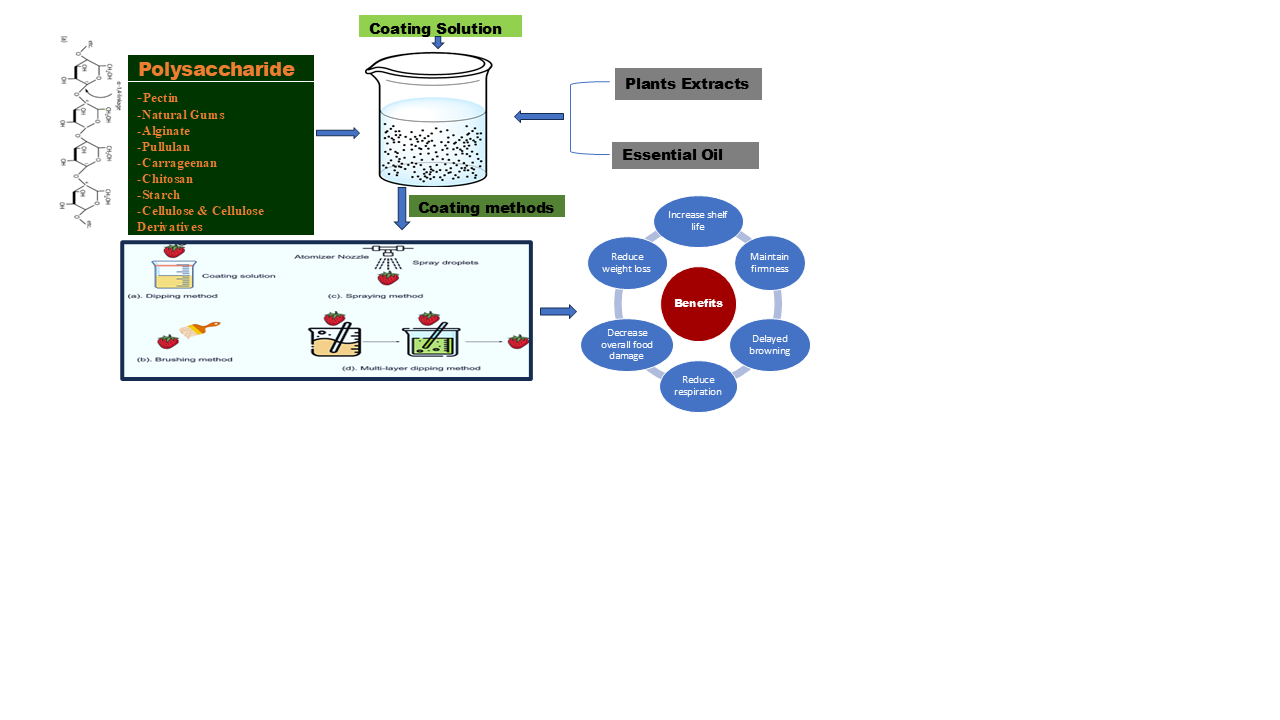
The terms edible coatings and edible films are often used interchangeably; however, distinguishing between them is imperative for clarity. A coating is a suspension or an emulsion, which is applied directly to the food surface and later transformed into a film, whereas a film is a thin skin, which has been formed by casting a biopolymer solution separately from the food and then applying it to the food [81]. The common factor is that films and coatings must contain one component capable of forming a cohesive, three-dimensional structural matrix, thus requiring a polymer as a key material.
Polysaccharides are well-known polymers with good film-forming properties after solubilization in an acidic medium. Other properties of polysaccharides and their derivatives in producing Edible Coatings and Films for food preservation (Figure 4) include: Surface Properties/Adhesion Properties for Coatings [82], Possibility of using the Layer-by-Layer Technique (LbL) [83], Mechanical and Barrier Properties [84], Inherent Antimicrobial Properties [85] and carrier properties [86,87].
Edible films and coatings are created to obtain durable, homogeneous, and thin materials using either Wet or dry methods. In the wet method, the macromolecules (polysaccharides) of the film-forming solution are dissolved in a solvent (ethyl alcohol, acetic acid, water) in combination with other additives and the film-forming solution is poured in a thin layer, dried and then removed from the surface [88]. Coatings, on the other hand, are formed on the surface of the food products from a liquid solution by spraying or lubricating the surface and by dipping in a film-forming mixture [89,90]. The overall effectiveness of either method is influenced by the properties of the coating solution, such as surface tension, viscosity and the speed at which the food is immersed.
2.5. Types of Polysaccharides used in Edible Coating Development
2.5.1. Pectin
Pectin, naturally present in the primary cell walls and middle lamella of higher plants.is a complex heteropolysaccharide predominantly abundant in the processing residues of citrus peels (Figure 5), apple pomace and other fruit. Structurally, pectin is composed of α-(1→4)-linked D-galacturonic acid, with sometimes rhamnose, arabinose, galactose and other neutral sugars on it branched structure [91,92,93]. The degree of esterification, molecular weight, charge density, and viscosity are the physicochemical properties that strongly influence its film-forming and coating properties (Valdés et al. 2015).
Pectin is a good polysaccharide for edible coating because it is biodegradable, non-toxic, a carrier for antioxidants, and antimicrobial compounds capable of forming transparent films [89]. Its performance is improved by blending with carboxymethyl cellulose (CsMC), plant extracts, chitosan, and calcium salts, due to its limited resistance to water vapour.
In their studies, Menezes and Athmaselvi investigated a pectin-based coating containing 3% pectin, 1.25% polyvinyl alcohol, 2.5% glycerol, and 1% citric acid on sapota fruit stored at 30 °C. and observed a delay in postharvest deterioration without altering the physicochemical quality of the fruit [95]. Similarly, Panahirad et al. (2020), reported a favourable effect on firmness, Vitamin C and TSS in Cold storage of plum at pectin coating concentrations of 1.5% and 1% CMC [96]. 2020. It has also been used in varying concentrations as a coating solution in the preservation of mango [97], strawberry [98].
2.3.2. Cellulose and Cellulose Derivatives
Cellulose is structurally composed of linear chains of β-(1→4)-linked D-glucose units (Figure 6). It’s the most abundant structural polysaccharide in plants, found predominantly in the cell walls of higher plants and in agricultural residues, cotton, wood, and other lignocellulosic biomass [99]. Cellulose has weak solubility in water which limits it direct application as an edible coating excepts its water-soluble derivatives such as methyl cellulose (MC), carboxymethyl cellulose (CMC), hydroxypropyl cellulose (HPC) and hydroxypropyl methylcellulose (HPMC) [100,101]. However, provides high mechanical strength, structural and thermal stability due to extensive hydrogen bonding between cellulose chains, which, in combination with its derivatives, provides forming characteristics, flexibility, transparency, and compatibility with other food-grade ingredients [102,103].
Several studies have investigated the effectiveness of CMC edible coatings. For example, Hussain et al. (2016) evaluated CMC edible coatings on Cherry Fruit at concentrations of 0.5–1.0% (w/v) and found that the treatment improves the storage quality of the Cherry fruit and decreases fungal growth [105]. In another work, food-grade CMC from banana rachis was produced by Abdullah et al. (2023) for strawberry fruit preservation and resulting coating extended the storage life of strawberries to 6 days at 22 °C and 16 days at 4 °C, while firmness, ascorbic acid, anthocyanins and other quality characteristics were maintained [102].
2.3.3. Starch
Starch is the second most abundant, low-cost, renewable and biodegradable polysaccharide obtained mainly from cereals, tubers, roots and other plant storage tissues [106]. It is structurally composed of amylose (Figure 7), a linear molecule containing α-(1→4) glycosidic linkages, and amylopectin, a branched molecule containing α-(1→4) and α-(1→6) linkages [106,107]. Starch coatings form continuous films after gelatinisation and drying, thus restricting gas exchange, reducing moisture loss and lowering physiological changes related to ripening [108]. Though starch possesses good oxygen-barrier its high affinity for water limit is its major drawback as high humidity may increase swelling, plasticization and water-vapour transmission, as consequences starch is frequently blended with other polymers or hydrophobic substances to improve its moisture resistance [109].
Starch base edible coating was produced from mango-kernel and used in 4% with other plasticizers on Tomatoes preservation [110], and was found to delaying tomato ripening and deterioration, while extending the shelf to 20 days without negatively affecting sensory characteristics. Escamilla-García et al. (2018), synthesised a chitosan: starch coating at a 1:3 chitosan-starch for papaya preservation and after 15 days at room temperature, coated fruit retained greater firmness than untreated fruit, and microbial populations were lower and fermentation-associated volatile compounds were reduced [111]. Such findings indicate that starch can serve not only as a passive barrier but also as a structural component of multifunctional coatings.
2.3.4. Chitosan
Chitosan is a cationic linear polysaccharide derived from deacetylation of chitin, its structurally made up of β-(1→4)-linked D-glucosamine units together with varying proportions of N-acetyl-D-glucosamine depending on the degree of deacetylation. Chitin is abundant found from the shells of shrimp, crab and crustaceans and other insects. Chitosan is particularly desirable for edible coating applications due to its film-forming ability, intrinsic antimicrobial activity, non-toxic, mechanical properties and Biodegradable properties [112,113].
Figure 8.
Structure of Chitosan.
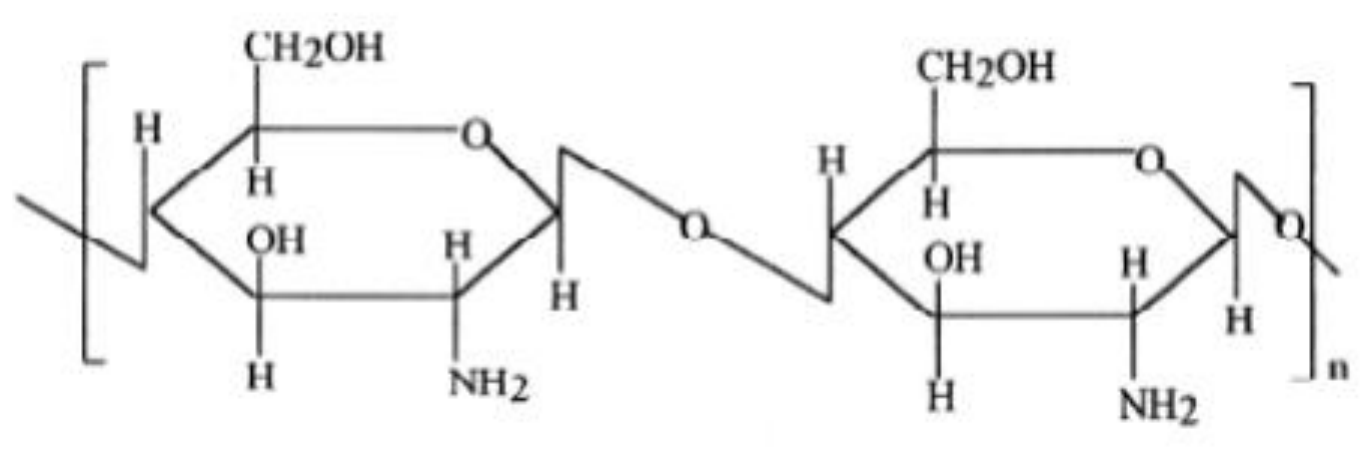
Unlike most neutral polysaccharides, the amino groups in chitosan become protonated under acidic medium, giving the polymer a positive charge which interacts with negatively charged microbial cell surfaces and contributes to its antimicrobial activity. These characteristics, among others, make chitosan one of the most investigated polysaccharides for postharvest preservation [114].
2.3.5. Carrageenan
Carrageenan is a group of sulfated galactan polysaccharides obtained from red seaweeds, including species belonging to Kappaphycus and Eucheuma. Its structural backbone consists mainly of alternating galactose-derived units, with different positions and degrees of sulfation depending on whether the material is dominated by κ-, ι- or λ-carrageenan. The biopolymer has excellent thickening, gel-forming and film-forming properties and is widely used in food coating formulations [119,120,121]. Carrageenan is suited for edible coatings due its ability to form cohesive films and gels that can adhere to food surfaces and its antioxidants, and antimicrobial properties. However, when used alone, it can affect water barrier performance due to its hydrophilic nature.
Dwivany et al. (2020). investigated 0.5, 1.0 and 1.5% carrageenan coatings on Cavendish banana and found the best preservation with 1.5% carrageenan, which demonstrated delayed ripening and improved fruit quality [122]. Carrageenan and green tea extract have also been utilised as coatings for enhancing the shelf life of blueberries and raspberries [123], by offering antimicrobial effects, thus contributing to their preservation and quality improvement.
2.3.7. Pullulan
Pullulan is a water-soluble, odourless, transparent, tasteless and non-ionic polysaccharide. The primary function of pullulan in the cell is to resist desiccation and predation, and it also facilitates the diffusion of molecules into and out of the cell. It’s produced from starch by the yeast called Aureobasidium pullulans, which is capable of producing flexible films [124,125]. Structurally, it is composed of maltotriose units connected by α-(1→6) glycosidic linkages with an excellent oxygen-barrier capacity, making the polymer particularly attractive for applications where oxidative deterioration and excessive gas exchange must be controlled [126].
The film-forming ability and oxygen-barrier properties of pullulan allow it to reduce respiration and delay physiological deterioration by forming a transparent protective layer over fruit without substantially altering appearance [127]. The Pullulan coatings have been investigated on highbush blueberries to reduce respiration, delay deterioration and control microbial growth during storage at 4 and 16 °C [128]. A pullulan-based active coating containing potassium metabisulfite was also shown to retard soft rot and maintain physicochemical quality, including TSS, firmness, respiration rate and weight loss [129]. Recent research has shifted from native pullulan toward chemical modification, including Oxidized and acetylated pullulan derivatives [130] and chitosan–pullulan composite coating [131]. When compared with starch, chitosan and cellulose, the findings on pullulan-based fruit coatings are comparatively smaller, which cannot be interpreted as weak performance; instead, they represent a research gap for exploration.
2.3.8. Alginate
Alginate is an anionic polysaccharide extracted mainly from brown seaweeds. It occurs naturally and is composed principally of β-D-mannuronic acid and α-L-guluronic acid residues arranged in varying proportions and sequential patterns. Its viscosity, gel strength and film-forming behaviour are strongly influenced by the ratio and distribution of β-D-mannuronic acid and α-L-guluronic acid monomers. Sodium alginate is the most widely investigated polysaccharide for edible coatings because of its abundance, biodegradability, biocompatibility and excellent film-forming capacity [132,133].
Alginate coatings can therefore reduce dehydration, moderate respiration and provide a matrix for antimicrobial and antioxidant compounds due to its ability to cross-link with divalent cations. Valero et al. (2013) investigated alginate coatings on four plum cultivars at 1 and 3% and demonstrated the potential of alginate treatment to preserve postharvest quality [134]. It has also been combined with chitosan and plant extracts by Zam (2019) on sweet cherries and exhibited enhanced antimicrobial and antioxidant properties of the fruits, thus improving it shelf life. Its weakness principally remains its hydrophilicity, meaning it can be combined with other hydrophobic components to obtain stronger moisture barriers [135].
2.3.8. Natural Gums
Natural gums are obtained from plant exudates, seeds, microbial fermentation. They are known as hydrocolloid polysaccharides. Important examples used in food coating applications include gum arabic, tragacanth gum locust bean gum, guar gum, xanthan gum, tara gum. Their high molecular weight, viscosity, biodegradability, biocompatible water-binding capacity and ability to form films or gels make them useful as edible coating materials [136,137].
The gum arabic coating solutions at 5, 10, 15 and 20% on green-mature tomatoes and mango stored at 20 °C have been evaluated by Ali et al. 2010 [138] and have been found to delay changes in weight, acidity, soluble solids, firmness, titratable ascorbic acid, decay and colour compared with untreated Tomato fruit. Similarly, Guar gum [139], and xanthan gum [140]. These studies demonstrate that natural gums can be highly effective coating matrices, but there is no universal optimum concentration. Gum arabic may require approximately 10–20%, guar gum around 1.5–6% in reported applications, whereas xanthan gum may provide effective coating performance below 1%. Such differences are attributable to molecular structure, viscosity, film-forming behaviour and interactions with plasticisers and active ingredients [141,142,143]. Natural gums therefore represent particularly promising candidates for low-cost, biodegradable coating systems, especially when combined with plant extracts, essential oils or other polysaccharides.

Table 2.
Recent Studies on Polysaccharide-based edible coating for preservation of Tomato and other perishable fruits.
Table 2.
Recent Studies on Polysaccharide-based edible coating for preservation of Tomato and other perishable fruits.
| Polysaccharides Used | Products Tested | Conc. Used | Best Treatment | Main Result |
Ref. |
|---|---|---|---|---|---|
| Xanthan gum | Mango | 0.5–2% | Pomegranate extract | Enhance Physicochemical & antioxidant Properties | [140] |
| Guar gum | Tomato | 4–10% | 6% | Quality properties maintained for up 32 days | [139] |
| Gum Arabic | Tomato | 5–20 | 10% | Delayed colour changes and other Physiochemical properties | [138] |
| Pullulan derivatives | Strawberry/Blueberry | Pullulan modified | Acetylated/oxidized pullulan | Enhance preservation performance | [130] |
| Pullulan | Kiwifruit | Active Composite | Pullulan and potassium metabisulfite | Maintained kiwi fruit quality and delayed soft rot | [129] |
| Carrageenan | Banana | 0.5–1.5% | 1.5% at 20 °C | Delayed ripening and improved quality preservation | [122] |
| Alginate | Plum | 1–3% | 3% Alginate | Excellently inhibited ethylene production, softening and acidity loss | [134] |
| Guar gum | Tomato | 1.5% | 1.5% + glycerol | Enhanced firmness, reduced weight loss, TSS, retarded loss of total acidity | [139] |
| Alginate & chitosan | Sweet cherry | Composite | Composite + with olive-leaf extract | Delayed ripening and the increase in anthocyanin | [135] |
| CMC | Cherry | 0.5–1.0% | CMC+ Irradiation | Delayed decay during post-refrigeration storage and improved shelf life | [105] |
| CMC | Guava | 1–2 g/L | CMC | Significantly extended the storage life and maintained the fruit quality | [144] |
| Pectin | Sapota | 3% | Pectin + PVA/citric acid/glycerol/ | The shelf life of coated sapota fruits was extended up to 11 days | [95] |
| Pectin | mango | 2–4% | 2–4% mango-peel pectin | Fruits remain free from diseases until day 24 with reduced rate of physical and chemical changes | [97] |
| Starch | Tomato | 4% | Mango-kernel Starch | Delayed Ripening to 20 Days | [110] |
| Starch | Tomato | 3–4% | 4% arrowroot Starch | Extended shelf life to 26 days | [145] |
| Starch | Papaya | 1–5% | Starch base coating | Reduced weight loss, firmness and improved Vit. C preservation | [146] |
| Chitosan | Sapota | 0.5–1.3% | 1.5% | Reduced weight loss and respiration with no visible deterioration after 14 days | [147] |
| Chitosan | mango | 0.5–2% | 2% | Excellently enhanced shelf | [115] |
| Chitosan + starch | Papaya | 1:3 | Composite | Inhibited microbial growth and maintained firmness | [111] |
| Chitosan | Tomato | 0–2.5% | 2.5% | Delayed ripening and extended shelf life up to 30 days | [148] |
3.0. Conclusions
Edible coatings derived from polysaccharides represent an emerging environmentally sustainable approach for the control of postharvest losses in tomatoes and other highly perishable fruits. This reviewed Article demonstrates that polysaccharides such as pectin, starch, cellulose and its derivatives, chitosan, alginate, pullulan, natural gums, and carrageenan have significant functional properties that support their use in formulating edible coatings. Their ability to form films around products restricts excessive moisture loss and controls gas exchange, thereby slowing ripening, respiration, senescence, and other physicochemical changes. More so, polysaccharides serve as matrices for incorporating antimicrobial and antioxidant substances; others, especially chitosan, possess inherent antimicrobial activity, which synergically improves firmness, reduces weight loss and decay, maintains colour, soluble solids, acidity, vitamins and antioxidant compounds, and enhances postharvest shelf life in general. This review therefore supports polysaccharide-based coatings as suitable alternatives to conventional postharvest preservation methods.
Also, the review observed that the effectiveness of these polysaccharide coatings is not uniform and cannot be attributed solely to the type of polymer used. Considerable differences exist in the reported optimum concentrations among polymers and commodities. It further indicates that loading of two or more components and active coatings represent the most promising direction for future development. Combining polysaccharides such as chitosan, alginate, pectin, starch and cellulose derivatives can provide complementary mechanical, barrier and antimicrobial properties, while the incorporation of plant extracts, essential oils, antioxidants and nanoparticles can introduce additional biological functionality.
In conclusion, the future of polysaccharide-based edible coatings is not wholly on identifying a single principal polymer but in developing optimised, multi-constituent coating systems tailored to specific products and storage conditions. Greater valorisation of agricultural and food-processing residues as polysaccharide edible coating sources could further improve the sustainability and economic feasibility of these technologies by linking postharvest preservation with waste valorisation and circular bioeconomy principles.
Author Contributions
Conceptualisation, Aho T. Nathaniel. resources, Barnabas A. Ikyenge; data curation, Barnabas A. Ikyenge; writing—original draft preparation, Aho T. Nathaniel; writing—review and editing, Egbeneje V. Victor and Aho T. Nathaniel; supervision, Barnabas A. Ikyenge. All authors have read and agreed to the published version of the manuscript.
Data Availability Statement
Not applicable. No new data were created or analysed in this study. All data discussed in this review are available from the cited published sources.
Acknowledgments
We acknowledge all authors whose work was used to synthesise information used for this review. We also acknowledge the use of GenAI such as Chat GPT as well as Grammarly for study design, spelling and grammar checks. During the preparation of this manuscript/study. The authors have reviewed and edited the output and take full responsibility for the content of this publication.
Conflicts of Interest
“The authors declare no conflicts of interest.” polysaccharide.
References
- Szabo, K.; Varvara, R.-A.; Ciont, C.; Macri, A.M.; Vodnar, D.C. An updated overview on the revalorization of bioactive compounds derived from tomato production and processing by-products. J. Clean. Prod. 2025, 497, 145151. [Google Scholar] [CrossRef]
- Szabo, K.; Cătoi, A.-F.; Vodnar, D.C. Bioactive Compounds Extracted from Tomato Processing by-Products as a Source of Valuable Nutrients. Plant Foods Hum. Nutr. 2018, 73, 268–277. [Google Scholar] [CrossRef] [PubMed]
- Lu, Z.; Wang, J.; Gao, R.; Ye, F.; Zhao, G. Sustainable valorisation of tomato pomace: A comprehensive review. Trends Food Sci. Technol. 2019, 86, 172–187. [Google Scholar] [CrossRef]
- Collins, E.J.; Bowyer, C.; Tsouza, A.; Chopra, M. Tomatoes: An Extensive Review of the Associated Health Impacts of Tomatoes and Factors That Can Affect Their Cultivation. Biology 2022, 11, 239. [Google Scholar] [CrossRef] [PubMed]
- Chandrasekaran; Geetha, P. Post harvest technology and value addition of tomatoes—A REVIEW. FOOD Sci. Res. J. 2020, 11, 217–229. [Google Scholar] [CrossRef]
- Ayomide, B.; Ajayi, O.O.; Ajayi, A.A. Advances in the development of a tomato postharvest storage system: Towards eradicating postharvest losses. J. Phys. Conf. Ser. 1378, 022064. Available online: https://iopscience.iop.org/article/10.1088/1742-6596/1378/2/022064/meta (accessed on 6 October 2026). [CrossRef]
- DWI, N.; Ardiningtyas, S.A. Comparative analysis of ethylene-induced ripening in climacteric and non-climacteric fruits: implications for post-harvest management. SOCIAL AGRICULTURE, FOOD SYSTEM, AND ENVIRONMENTAL SUSTAINABILITY Учредители: Institute for Advanced Science, Social, and Sustainable Future 2024, 1, 90–100. [Google Scholar] [CrossRef]
- Tolasa, M.; Gedamu, F.; Woldetsadik, K. Impacts of harvesting stages and pre-storage treatments on shelf life and quality of tomato ( Solanum lycopersicum L.). Cogent Food Agric. 2021, 7, 1863620. [Google Scholar] [CrossRef]
- Sibomana, M.S.; Workneh, T.S.; Audain, K. A review of postharvest handling and losses in the fresh tomato supply chain: A focus on Sub-Saharan Africa. Food Sec. 2016, 8, 389–404. [Google Scholar] [CrossRef]
- Pham, T.T.; Nguyen, L.L.P.; Dam, M.S.; Baranyai, L. Application of edible coating in extension of fruit shelf life. AgriEngineering 2023, 5, 520–536. [Google Scholar] [CrossRef]
- Lal, B. A review study on tomato and its health benefits. Asian J. Res. Soc. Sci. Humanit 2021, 11, 197–202. [Google Scholar] [CrossRef]
- Etebu, E. Postharvest spoilage of tomato (Lycopersicon esculentum Mill.) and control strategies in Nigeria. Journal of Biology, Agriculture and Healthcare 2013, 3, 51–62. Available online: https://www.academia.edu/download/121395189/234659011.pdf (accessed on 6 October 2026).
- Mohan; Krishnan, R.; Arshinder, K.; Vandore, J.; Ramanathan, U. Management of postharvest losses and wastages in the Indian tomato supply chain—a temperature-controlled storage perspective. Sustainability 2023, 15, 1331. [Google Scholar] [CrossRef]
- Khalid, S.; et al. Factors responsible for spoilage, drawbacks of conventional packaging, and advanced packaging systems for tomatoes. J. Agric. Food Res. 2024, 15, 100962. [Google Scholar] [CrossRef]
- Perez-Vazquez; Barciela, P.; Carpena, M.; Prieto, M.A. Edible Coatings as a Natural Packaging System to Improve Fruit and Vegetable Shelf Life and Quality. Foods 2023, 12, 3570. [Google Scholar] [CrossRef] [PubMed]
- Da Silva, S.B.; De Souza, D.; Lacerda, L.D. Food Applications of Chitosan and its Derivatives. In Chitin and Chitosan, 1st ed.; Broek, L.A.M., Boeriu, C.G., Eds.; Wiley: Hoboken, NJ, USA, 2019; pp. 315–347. [Google Scholar] [CrossRef]
- Surolia, R.; Singh, A. Underutilized sources of pectin as edible coating. Seed 2022, 4, 12. [Google Scholar]
- Šuput, D.Z.; Lazić, V.L.; Popović, S.Z.; Hromiš, N.M. Edible films and coatings: Sources, properties and application. Food Feed Res. 2015, 42, 11–22. [Google Scholar] [CrossRef]
- Stevens, C.V. Chitin and Chitosan: Properties and Applications. 2020. Available online: https://books.google.com/books?hl=en&lr=&id=Zie7DwAAQBAJ&oi=fnd&pg=PA17&dq=tevens,+C.+V.+(2020).+Chitin+and+chitosan:+Properties+and+applications&ots=x3TaLxJlGL&sig=z1T0EILksI6AQ6U18L3-p8RNVSQ (accessed on 7 October 2026).
- Cazón, P.; Velazquez, G.; Ramírez, J.A.; Vázquez, M. Polysaccharide-based films and coatings for food packaging: A review. Food Hydrocoll. 2017, 68, 136–148. [Google Scholar] [CrossRef]
- Kumar, N.; Neeraj. Polysaccharide-based component and their relevance in edible film/coating: A review. Nutr. Food Sci. 2019, 49, 793–823. [Google Scholar] [CrossRef]
- Cruz-Monterrosa, R.G.; Rayas-Amor, A.A.; González-Reza, R.M.; Zambrano-Zaragoza, M.L.; Aguilar-Toalá, J.E.; Liceaga, A.M. Application of polysaccharide-based edible coatings on fruits and vegetables: Improvement of food quality and bioactivities. Polysaccharides 2023, 4, 99–115. [Google Scholar] [CrossRef]
- Il’ina, V.; Shagdarova, B.T.; Zubareva, A.A.; Varlamov, V.P. Chitosan-Based Functional Coatings for Postharvest Processing of Tomatoes. Appl. Biochem. Microbiol. 2024, 60, 175–184. [Google Scholar] [CrossRef]
- Baraiya, N.S.; Gol, N.B.; Rao, T.R. Influence of polysaccharide-based edible coatings on the shelf life and nutritional quality of tomato fruit. Food 2012, 6, 22–27. [Google Scholar]
- De Souza, E.L.; Lundgren, G.A.; De Oliveira, K.Á.R.; Berger, L.R.R.; Magnani, M. An Analysis of the Published Literature on the Effects of Edible Coatings Formed by Polysaccharides and Essential Oils on Postharvest Microbial Control and Overall Quality of Fruit. Comp. Rev. Food Sci. Food Safe 2019, 18, 1947–1967. [Google Scholar] [CrossRef] [PubMed]
- Singh, K. Recent advancements in polysaccharides, proteins and lipids based edible coatings to enhance guava fruit shelf-life: A review. Int. J. Biol. Macromol. 2024, 262, 129826. [Google Scholar] [CrossRef] [PubMed]
- Shiekh, K.A.; Ngiwngam, K.; Tongdeesoontorn, W. Google Scholar. Available online: https://scholar.google.com/scholar?hl=en&as_sdt=0%2C5&q=Shiekh%2C+K.+A.%2C+Ngiwngam%2C+K.%2C+%26+Tongdeesoontorn%2C+W.+%282021%29.+Polysaccharide-based+active+coatings+incorporated+with+bioactive+compounds+for+reducing+postharvest+losses+of+fresh+fruits.+Coatings%2C+12%281%29%2C+8.&btnG= (accessed on 7 October 2026).
- Tomatoes: An Extensive Review of the Associated Health Impacts of Tomatoes and Factors that can Affect Their Cultivation. Available online: https://www.mdpi.com/2079-7737/11/2/239 (accessed on 6 October 2026).
- Szabo, K.; Varvara, R.-A.; Ciont, C.; Macri, A.M.; Vodnar, D.C. An updated overview on the revalorization of bioactive compounds derived from tomato production and processing by-products. J. Clean. Prod. 2025, 497, 145151. [Google Scholar] [CrossRef]
- Zhao, Y.; et al. Comprehensive review of polysaccharide-based materials in edible packaging: A sustainable approach. Foods 2021, 10, 1845. [Google Scholar] [CrossRef] [PubMed]
- Riseh, R.S.; Vatankhah, M.; Hassanisaadi, M.; Kennedy, J.F. Chitosan-based nanocomposites as coatings and packaging materials for the postharvest improvement of agricultural product: A review. Carbohydr. Polym. 2023, 309, 120666. [Google Scholar] [CrossRef] [PubMed]
- Szabo, K.; Varvara, R.-A.; Ciont, C.; Macri, A.M.; Vodnar, D.C. An updated overview on the revalorization of bioactive compounds derived from tomato production and processing by-products. J. Clean. Prod. 2025, 497, 145151. [Google Scholar] [CrossRef]
- Kumar, V.K.; Gull, A.; Nayik, G.A. Tomato (Solanum Lycopersicon). In Antioxidants in Vegetables and Nuts—Properties and Health Benefits; Nayik, G.A., Gull, A., Eds.; Springer: Singapore, 2020; pp. 191–207. [Google Scholar] [CrossRef]
- Tomato Food Value Chain: Managing Postharvest Losses in Cameroon—IOPscience. Available online: https://iopscience.iop.org/article/10.1088/1755-1315/542/1/012021/meta (accessed on 7 October 2026).
- Arah, K.; Kumah, E.K.; Anku, E.K.; Amaglo, H. An Overview of Post-Harvest Losses in Tomato Production in Africa: Causes and Possible Prevention Strategies. 2015. Available online: https://www.cabidigitallibrary.org/doi/full/10.5555/20153367838 (accessed on 7 October 2026).
- Olayide; Obe, D.; Obisesan, O. Assessing post-harvest loss of tomato and its implications for food systems transformation in Nigeria. J. Hortic. For. 2024, 16, 39–49. [Google Scholar] [CrossRef]
- Fagbemi Olu, L.E.; Sekyere, A.; Cornelia, T. Assessment of Post-Harvest Handling Practices of Tomatoes Farmers and Retailers in Some Selected Districts in the Upper West Region of Ghana. Turk. Online J. Qual. Inq. 2022, 13, 1357. [Google Scholar]
- Exploring Post-Harvest Losses and Waste in Tomato Supply Chains: Insights from Kaduna State, Nigeria—ProQuest. Available online: https://www.proquest.com/openview/9aefb3b20ecd74bb20921cf6c471673c/1?pq-origsite=gscholar&cbl=2026366&diss=y (accessed on 7 October 2026).
- Suleiman, N.J.; Abdulsalam, Z.; Hassan, A.A.; Yakubu, L.L. Evaluation of postharvest losses in physical and economic perspectives along tomato value chain in Kano State, Nigeria. J. Agripreneurship Sustain. Dev. 2024, 7, 120–131. [Google Scholar] [CrossRef]
- Gautam, G.K. A review on the taxonomy, ethnobotany, chemistry and pharmacology of solanum lycopersicum linn. Int. J. Chem. Pharm. Sci. 2013, 1, 521–527. [Google Scholar]
- Raza, B.; Hameed, A. “profiling of diverse tomato (Solanum lycopersicum L.),” Bioactive Compounds, Functional Ingredients, Antioxidants, and Health Benefits of Edible Plants, p. 22, 2024.
- Raza, B.; Hameed, A.; Saleem, M.Y. Fruit nutritional composition, antioxidant and biochemical profiling of diverse tomato (Solanum lycopersicum L.) genetic resource. Front. Plant Sci. 2022, 13, 1035163. [Google Scholar] [CrossRef] [PubMed]
- Guil-Guerrero, J.L.; Rebolloso-Fuentes, M.M. Nutrient composition and antioxidant activity of eight tomato (Lycopersicon esculentum) varieties. J. Food Compos. Anal. 2009, 22, 123–129. [Google Scholar] [CrossRef]
- Pinela, J.; Barros, L.; Carvalho, A.M.; Ferreira, I.C. Nutritional composition and antioxidant activity of four tomato (Lycopersicon esculentum L.) farmer’varieties in Northeastern Portugal homegardens. Food Chem. Toxicol. 2012, 50, 829–834. [Google Scholar] [CrossRef] [PubMed]
- Review of flavonoids and other phenolics from fruits of different tomato (Lycopersicon esculentum Mill.) cultivars. Journal of the Science of Food and Agriculture 2009, 89, 1255–1270. Available online: https://scijournals.onlinelibrary.wiley.com/doi/abs/10.1002/jsfa.3605 (accessed on 7 October 2026). [CrossRef]
- Wahab, J.; Ibrahim, H.I.; Ekpa, D. Analysis of tomato ( Lycopersicum esculentum ) consumption pattern in Kano state, Nigeria: A consumer preference ranking model approach. J. Agric. Environ. 2025, 21, 117–125. [Google Scholar] [CrossRef]
- Perea-Domínguez, X.P.; Hernández-Gastelum, L.Z.; Olivas-Olguin, H.R.; Espinosa-Alonso, L.G.; Valdez-Morales, M.; Medina-Godoy, S. Phenolic composition of tomato varieties and an industrial tomato by-product: Free, conjugated and bound phenolics and antioxidant activity. J. Food Sci. Technol. 2018, 55, 3453–3461. [Google Scholar] [CrossRef] [PubMed]
- Shafe, M.O.; Gumede, N.M.; Nyakudya, T.T.; Chivandi, E. Lycopene: A Potent Antioxidant with Multiple Health Benefits. J. Nutr. Metab. 2024, 2024, 6252426. [Google Scholar] [CrossRef] [PubMed]
- Nam, Y.; Hwang, I.-G.; Jang, H.-H. Role of lycopene from tomato on cardiovascular risk: An umbrella review of systematic reviews and meta-analyses of intervention studies. Food Funct. 2026, 17, 622–630. [Google Scholar] [CrossRef] [PubMed]
- Sanusi, J.; Habsatu, S.; Abubakar, N.; Suleiman, I.; Musa, D.D. Comparative study of proximate and minerals composition of tomato cultivars in Sokoto, Sokoto state, Nigeria. FUDMA J. Sci. 2020, 4, 409–414. [Google Scholar] [CrossRef]
- Ulug‘bekovich, X.N.; Ilxomovich, P.B. DON TARKIBIDAGI MAKRO VA MIKROELEMENT MIQDORINI RENTGEN-FLUORESSENT USULIDA ANIQLASH. FIZIKA-MATEMATIKA 98.
- Raw, P. Composition of Foods Raw, Processed, Prepared USDA National Nutrient Database for Standard Reference, Release 28 (2015) Documentation and User Guide. United States. 2015. Available online: https://www.ars.usda.gov/ARSUserFiles/80400535/Data/SR/SR28/sr28_doc.pdf (accessed on 7 October 2026).
- Ali, M.Y.; et al. Nutritional composition and bioactive compounds in tomatoes and their impact on human health and disease: A review. Foods 2020, 10, 45. [Google Scholar] [CrossRef] [PubMed]
- Yao, Y.; Tan, P.; Kim, J.E. Effects of dietary fats on the bioaccessibility and bioavailability of carotenoids: A systematic review and meta-analysis of in vitro studies and randomized controlled trials. Nutrition Reviews 2022, 80, 741–761. Available online: https://academic.oup.com/nutritionreviews/article-abstract/80/4/741/6460160 (accessed on 7 October 2026).
- Tomatoes Exports by Country 2025. Available online: https://www.worldstopexports.com/tomatoes-exports-country/ (accessed on 7 October 2026).
- Barron, M.A.; Rello, F. The impact of the tomato agroindustry on the rural poor in Mexico. Agricultural Economics 2000, 23, 289–297. Available online: https://onlinelibrary.wiley.com/doi/abs/10.1111/j.1574-0862.2000.tb00280.x (accessed on 7 October 2026). [CrossRef]
- R. Kb and M. A.V., Tomato Value Chain Marketing Systems in Karnataka. 2016.
- Govindasamy, R.; Ceylan, R.F.; Özkan, B. Global Tomato Production: Price Sensitivity and Policy Impact in Mexico, Türkiye, and the United States. Horticulturae 2025, 11, 84. [Google Scholar] [CrossRef]
- Akinbola, E.; Borokini, E.A.; Ijigbade, J.O.; Ilesanmi, J.O. Economic analysis of tomato (Solanum lycopersicum) marketing in Ondo State, Nigeria. Asian J. Agric. Hortic. Res. 2023, 10, 383–393. [Google Scholar] [CrossRef]
- CIA—The World Factbook—Field Listing—Exports—Commodities. Available online: https://user.iiasa.ac.at/~marek/fbook/04/fields/2049.html (accessed on 7 October 2026).
- B—University of Florida 2021 Mexican Govt Support to Agriculture Industry.pdf. Available online: https://ustr.gov/sites/default/files/enforcement/301Investigations/B%20-%20University%20of%20Florida%202021%20Mexican%20Govt%20Support%20to%20Agriculture%20Industry.pdf (accessed on 7 October 2026).
- Ojimi, K.O.; et al. Postharvest losses of tomato (Solanum lycopersicum) in the open markets in Ibadan metropolis. Agric. Food Sci. Res. 2021, 8, 15–19. [Google Scholar] [CrossRef]
- Ugonna, C.U.; Jolaoso, M.A.; Onwualu, A.P. Tomato value chain in Nigeria: Issues, challenges and strategies. J. Sci. Res. Rep. 2015, 7, 501–515. [Google Scholar] [CrossRef] [PubMed]
- Abu; Alumunku, M.; Tsue, P.T. Can small-scale tomato farmers flourish in Benue State, Nigeria? J. Agric. Sci. 2011, 2, 77–82. [Google Scholar] [CrossRef]
- Agbede, T.M.; Ijigbade, J.O.; Johnson, S.B.; Olabode, O.G.; Oyeleye, T.A. Tomato value chain in Southwest Nigeria: An assessment of economic performance. Sci. Rep. Life Sci. 2023, 4, 45–57. [Google Scholar]
- Adeoyolanu, D.T.; Babalola, D.; Wineman, A.; Reardon, T.; Liverpool-Tasie LSO, S. Benefit-Cost Analysis of Tomato Processing Enterprises in Nigeria. VeriXiv 2026, 3, 138. [Google Scholar] [CrossRef]
- Abbas, O.; Shittu, K.A.; Adeeko-Bakare, F.A. ECONOMIC ANALYSIS OF COST AND RETURNS AMONG COOPERATIVE TOMATO FARMERS IN ODEDA LOCAL GOVERNMENT AREA OF OGUN-STATE, NIGERIA. Fudma J. Sci. 2025, 9, 221–226. [Google Scholar]
- Sheleru, K.M.; Nwali, C.S.; Agude, T.; Eyitayo, A. Economic Analysis of Tomato Marketing in Ibadan South East Local Government Area of Oyo State. Niger. Agric. Policy Res. J. (NAPReJ) 2023, 10, 223–230. [Google Scholar]
- Wakene, D.M.; Sharew, T. A comprehensive review of tomato post-harvest losses: Understanding impacts and contributing factors in Ethiopia. Asian Sci. Bull. 2024, 2, 525–535. [Google Scholar] [CrossRef]
- Alidu, A.-F.; Ali, E.B.; Aminu, H. Determinants of post harvest losses among tomato farmers in the Navrongo Municipality in The Upper East Region. Journal of Biology, Agriculture and Healthcare 2016, 6, 14–20. Available online: https://worldveg.tind.io/record/57634/ (accessed on 7 October 2026).
- Hossain, M.I.; et al. Postharvest physiology of fruits and vegetables and their management technology: A review. J. Anim. Plant Sci. 2024, 34, 291–303. [Google Scholar] [CrossRef]
- Firdous, N. Post-harvest losses in different fresh produces and vegetables in Pakistan with particular focus on tomatoes. J. Hortic. Postharvest Res. 2021, 4, 71–86. [Google Scholar] [CrossRef]
- Kefas, E.B.; Aliyu, B.; Tashiwa, Y.I. Postharvest losses, causes and mitigation in tomato transportation: A systematic review. J. Hortic. Postharvest Res. 2024, 7, 223–236. [Google Scholar]
- Ashinya, G.T.; Nwankwo, F.O.; Olagunju, O.E. Postharvest losses of tomatoes and pumpkin: The women farmers socio-economic mix in Benue State, Nigeria. Forshen Hub. Int. J. Entrep. Coop. Stud. 2021, 4, 27–39. [Google Scholar]
- Alonso-Salinas, R.; López-Miranda, S.; Pérez-López, A.J.; Acosta-Motos, J.R. Strategies to delay ethylene-mediated ripening in climacteric fruits: Implications for shelf life extension and postharvest quality. Horticulturae 2024, 10, 840. [Google Scholar] [CrossRef]
- Shiru, M.I. Usage of Post Harvest Management Practices Among Banana (Musa paradisica) and Plantain (Musa paradiciaca) Marketers in Kwara State, Nigeria. Master’s Thesis, Kwara State University, Malete, Nigeria, 2023. Available online: https://search.proquest.com/openview/b0e4934b1dd1edd324cad55454800f8f/1?pq-origsite=gscholar&cbl=2026366&diss=y (accessed on 7 October 2026).
- Pokhrel, B. Review on post-harvest handling to reduce loss of fruits and vegetables. Int. J. Hortic. Food Sci. 2021, 2, 48–52. [Google Scholar] [CrossRef]
- Elik; Yanik, D.K.; Istanbullu, Y.; Guzelsoy, N.A.; Yavuz, A.; Gogus, F. Strategies to reduce post-harvest losses for fruits and vegetables. Strategies 2019, 5, 29–39. [Google Scholar] [CrossRef]
- Pathare, P.B.; Dairi, M.A.; Al-Mahdouri, A. Effect of storage conditions on postharvest quality of tomatoes: A case study at market-level. J. Agric. Mar. Sci. 2021, 26, 13–20. [Google Scholar]
- Khadka, R.B.; Marasini, M.; Rawal, R.; Gautam, D.M.; Acedo, A.L. Effects of Variety and Postharvest Handling Practices on Microbial Population at Different Stages of the Value Chain of Fresh Tomato (Solanum lycopersicum) in Western Terai of Nepal. BioMed Res. Int. 2017, 2017, 1–6. [Google Scholar] [CrossRef] [PubMed]
- Bello, B.O.; Olawuyi, O. Microorganisms causing post-harvest tomato (Solanum lycopersicum L.) fruit decay in Nigeria. 2016. Available online: https://www.academia.edu/download/55199825/32._TOMATO__POST_HARVEST.pdf (accessed on 7 October 2026).
- Danaski, I.; Shugaba, A.; Milala, M.A.; Ndirmbula, J.B.; Gidado, A. Isolation, identification and pathogenicity study of the microbes causing tomato post-harvest spoilage in Maiduguri Metropolis, Maiduguri, Nigeria. Niger. J. Biochem. Mol. Biol. 2022, 37, 303–313. [Google Scholar]
- Panno, S.; et al. A review of the most common and economically important diseases that undermine the cultivation of tomato crop in the mediterranean basin. Agronomy 2021, 11, 2188. [Google Scholar] [CrossRef]
- Davino, S.W.; et al. (Eds.) “Viruses,” Tomato Diseases. Viruses and Soilborne Fungi; Edizioni L’Informatore Agrario srl: Verona, Italy, 2018; pp. 11–137. [Google Scholar]
- Tao, R.; Sedman, J.; Ismail, A. Antimicrobial activity of various essential oils and their application in active packaging of frozen vegetable products. Food Chem. 2021, 360, 129956. [Google Scholar] [CrossRef] [PubMed]
- Wang, H.; et al. First Report of Tomato Sour Rot Caused by Geotrichum candidum in Heilongjiang Province, China. Plant Dis. 2025, 109, 2434. [Google Scholar] [CrossRef] [PubMed]
- Liu, Q.; et al. Rhizopus stolonifer and related control strategies in postharvest fruit: A review. Heliyon 2024, 10. Available online: https://www.cell.com/heliyon/fulltext/S2405-8440(24)05553-1 (accessed on 8 October 2026). [CrossRef] [PubMed]
- Kocira; Kozłowicz, K.; Panasiewicz, K.; Staniak, M.; Szpunar-Krok, E.; Hortyńska, P. Polysaccharides as edible films and coatings: Characteristics and influence on fruit and vegetable quality—A review. Agronomy 2021, 11, 813. [Google Scholar] [CrossRef]
- Moncayo, D.; Buitrago, G.; Algecira, N. The surface properties of biopolymer-coated fruit: A review. Ing. E Investig. 2013, 33, 11–16. [Google Scholar] [CrossRef]
- Arnon-Rips, H.; Poverenov, E. Improving food products’ quality and storability by using Layer by Layer edible coatings. Trends Food Sci. Technol. 2018, 75, 81–92. [Google Scholar] [CrossRef]
- Poverenov, E.; Danino, S.; Horev, B.; Granit, R.; Vinokur, Y.; Rodov, V. Layer-by-Layer Electrostatic Deposition of Edible Coating on Fresh Cut Melon Model: Anticipated and Unexpected Effects of Alginate–Chitosan Combination. Food Bioprocess Technol. 2014, 7, 1424–1432. [Google Scholar] [CrossRef]
- Verlee; Mincke, S.; Stevens, C.V. Recent developments in antibacterial and antifungal chitosan and its derivatives. Carbohydr. Polym. 2017, 164, 268–283. [Google Scholar] [CrossRef] [PubMed]
- Hajji, S.; Younes, I.; Affes, S.; Boufi, S.; Nasri, M. Optimization of the formulation of chitosan edible coatings supplemented with carotenoproteins and their use for extending strawberries postharvest life. Food Hydrocoll. 2018, 83, 375–392. [Google Scholar] [CrossRef]
- Ventura-Aguilar, R.I.; Bautista-Baños, S.; Flores-García, G.; Zavaleta-Avejar, L. Impact of chitosan based edible coatings functionalized with natural compounds on Colletotrichum fragariae development and the quality of strawberries. Food Chem. 2018, 262, 142–149. [Google Scholar] [CrossRef] [PubMed]
- Yousuf, B.; Qadri, O.S.; Srivastava, A.K. Recent developments in shelf-life extension of fresh-cut fruits and vegetables by application of different edible coatings: A review. LWT 2018, 89, 198–209. [Google Scholar] [CrossRef]
- Valdés; Ramos, M.; Beltrán, A.; Jiménez, A.; Garrigós, M.C. State of the Art of Antimicrobial Edible Coatings for Food Packaging Applications. Coatings 2017, 7, 56. [Google Scholar] [CrossRef]
- Edible Coating Deposition Methods. Food Coatings and Preservation Technologies. Available online: https://onlinelibrary.wiley.com/doi/abs/10.1002/9781394237623.ch14 (accessed on 8 October 2026). [CrossRef]
- Mohnen, D. Pectin structure and biosynthesis. Curr. Opin. Plant Biol. 2008, 11, 266–277. [Google Scholar] [CrossRef] [PubMed]
- Voragen, G.J.; Coenen, G.-J.; Verhoef, R.P.; Schols, H.A. Pectin, a versatile polysaccharide present in plant cell walls. Struct. Chem. 2009, 20, 263–275. [Google Scholar] [CrossRef]
- Zdunek; Pieczywek, P.M.; Cybulska, J. The primary, secondary, and structures of higher levels of pectin polysaccharides. Comp. Rev. Food Sci. Food Safe 2021, 20, 1101–1117. [Google Scholar] [CrossRef] [PubMed]
- Kitir, N.; et al. Peat Use in Horticulture; IntechOpen: London, UK, 2018; Available online: https://books.google.com/books?hl=en&lr=&id=9GiQDwAAQBAJ&oi=fnd&pg=PA75&dq=Kitir,+N.,+Yildirim,+E.,+%C5%9Eahin,+%C3%9C.,+Turan,+M.,+Ekinci,+M.,+Ors,+S.,+...+%26+%C3%9Cnl%C3%BC,+H.+(2018).+Peat+use+in+horticulture+(pp.+75-90).+London,+UK:+IntechOpen.&ots=Oblbo_Deif&sig=CLUP1NUW_0xPNv5jnEPiM_4R8c8 (accessed on 8 October 2026).
- Menezes, J.; Athmaselvi, K.A. Study on effect of pectin based edible coating on the shelf life of sapota fruits. Biosci. Biotechnol. Res. Asia 2016, 13, 1195–1199. [Google Scholar] [CrossRef]
- Panahirad, S.; Naghshiband-Hassani, R.; Mahna, N. Pectin-based edible coating preserves antioxidative capacity of plum fruit during shelf life. Food Sci. Technol. Int. 2020, 26, 583–592. [Google Scholar] [CrossRef] [PubMed]
- Gragasin, M.B.; Villota, S.M. Pectin from Mango Peels as Edible Coating to Extend the Shelf Life of Fresh Mango. 2022. Available online: https://li04.tci-thaijo.org/index.php/IJAT/article/download/8547/1601/47367 (accessed on 8 October 2026).
- Hernández-Carrillo, J.G.; Orta-Zavalza, E.; González-Rodríguez, S.E.; Montoya-Torres, C.; Sepúlveda-Ahumada, D.R.; Ortiz-Rivera, Y. Evaluation of the effectivity of reuterin in pectin edible coatings to extend the shelf-life of strawberries during cold storage. Food Packag. Shelf Life 2021, 30, 100760. [Google Scholar] [CrossRef]
- Gopinath, V.; Saravanan, S.; Al-Maleki, A.R.; Ramesh, M.; Vadivelu, J. A review of natural polysaccharides for drug delivery applications: Special focus on cellulose, starch and glycogen. Biomed. Pharmacother. 2018, 107, 96–108. [Google Scholar] [CrossRef] [PubMed]
- Perspective Chapter: Cellulose in Food Production. In Principles and Innovations; IntechOpen: London, UK; Available online: https://www.intechopen.com/chapters/85429 (accessed on 8 October 2026).
- Wuestenberg, T. Cellulose and Cellulose Derivatives in the Food Industry: Fundamentals and Applications; Wiley: Hoboken, NJ, USA, 2014. [Google Scholar]
- Abdullah, H.; Awad-Allah, M.A.; Abd-Elkarim, N.A.; Ahmed, Z.F.; Taha, E.M. Carboxymethyl cellulose from banana rachis: A potential edible coating to extend the shelf life of strawberry fruit. Agriculture 2023, 13, 1058. [Google Scholar]
- Yu, T.-Y.; et al. Effect of cellulose compositions and fabrication methods on mechanical properties of polyurethane-cellulose composites. Carbohydr. Polym. 2022, 291, 119549. [Google Scholar] [CrossRef] [PubMed]
- Swift, L.M. Enzymatic Degradation of Cellulosic Wastes, Texas University Retrieved on 12:44 am 2026—Google Search. Available online: https://www.google.com.ng/search?tbm=bks&hl=en&q=Luther+M.+Swift%2C+%282008%29+enzymatic+degradation+of+cellulosic+wastes%2C+Texas+University+retrieved+on+12%3A44+am+2026+ (accessed on 8 October 2026).
- Hussain, P.R.; Rather, S.A.; Suradkar, P.; Parveen, S.; Mir, M.A.; Shafi, F. Potential of carboxymethyl cellulose coating and low-dose gamma irradiation to maintain storage quality, inhibit fungal growth, and extend the shelf life of cherry fruit. Journal of food science and technology 2016, 53. Available online: https://www.google.com.ng/search?q=Hussain%2C+P.+R.%2C+Rather%2C+S.+A.%2C+Suradkar%2C+P.%2C+Parveen%2C+S.%2C+Mir%2C+M.+A.%2C+%26+Shafi%2C+F.+%282016%29.+Potential+of+carboxymethyl+cellulose+coating+and+low-dose+gamma+irradiation+to+maintain+storage+quality%2C+inhibit+fungal+growth%2C+and+extend+the+shelf+life+of+cherry+fruit.+Journal+of+food+science+and+technology%2C+53%287%29%2C+2966-2986.&sca_esv=e2130cf16db8d2a2&hl=en&udm=36&sxsrf=APpeQntkNRSmAHo-qf_9cVR5Yr5hxA0qjA%3A1791453653860&ei=1WnHarb_M4ubhbIP37SUqQ8&biw=1600&bih=773&ved=2ahUKEwj2va31lKqXAxWLTUEAHV8aJfUQ4dUDegQIBBAM&uact=5&oq=Hussain%2C+P.+R. &gs_lp=Eg1nd3Mtd2l6LWJvb2tzIr4CSHVzc2FpbiwgUC4gUi4sIFJhdGhlciwgUy4gQS4sIFN1cmFka2FyLCBQLiwgUGFydmVlbiwgUy4sIE1pciwgTS4gQS4sICYgU2hhZmksIEYuICgyMDE2KS4gUG90ZW50aWFsIG9mIGNhcmJveHltZXRoeWwgY2VsbHVsb3NlIGNvYXRpbmcgYW5kIGxvdy1kb3NlIGdhbW1hIGlycmFkaWF0aW9uIHRvIG1haW50YWluIHN0b3JhZ2UgcXVhbGl0eSwgaW5oaWJpdCBmdW5nYWwgZ3Jvd3RoLCBhbmQgZXh0ZW5kIHRoZSBzaGVsZiBsaWZlIG9mIGNoZXJyeSBmcnVpdC4gSm91cm5hbCBvZiBmb29kIHNjaWVuY2UgYW5kIHRlY2hub2xvZ3ksIDUzKDcpLCAyOTY2LTI5ODYuSABQAFgAcAB4AJABAJgBAKABAKoBALABALgBA8gBAPgBAvgBAZgCAKACAJgDAOIDBBgAIF3iAwQYACBe4gMEGAAgX-IDBBgAIGDiAwQYACBh4gMEGAAgYpIHAKAHALIHALgHAMIHAMgHAIAIAQ&sclient=gws-wiz-books (accessed on 8 October 2026). [CrossRef] [PubMed]
- Villa Zabala, C.C. An Overview on Starch Structure and Chemical Nature. In Starch-Based Nanomaterials; SpringerBriefs in Food, Health, and Nutrition; Springer: Cham, Switzerland, 2020; Available online: https://www.google.com.ng/search?q=Villa+Zabala%2C+C.C.+%282020%29.+An+Overview+on+Starch+Structure+and+Chemical+Nature.+In%3A+Starch-based+Nanomaterials.+SpringerBriefs+in+Food%2C+Health%2C+and+Nutrition.+Springer%2C+Cham.+https%3A%2F%2Fdoi.org%2F10.1007%2F978-3-030-42542-5_2&sca_esv=e2130cf16db8d2a2&hl=en&udm=36&biw=1600&bih=773&sxsrf=APpeQnsqxCPvzOOZSWdY6hEr2CEtMtZJ9A%3A1791453747617&ei=M2rHavuSJcW5hbIPmvSuqAo&ved=2ahUKEwi7-IeilaqXAxXFXEEAHRq6C6UQ4dUDegQIBBAM&uact=5&oq=Villa+Zabala%2C+C.C.+%282020%29.+An+Overview+on+Starch+Structure+and+Chemical+Nature.+In%3A+Starch-based+Nanomaterials.+SpringerBriefs+in+Food%2C+Health%2C+and+Nutrition.+Springer%2C+Cham.+https%3A%2F%2Fdoi.org%2F10.1007%2F978-3-030-42542-5_2 (accessed on 8 October 2026).
- Phukan, M.; Nongkhlaw, F.T. Starch: An overview of its conventional and unconventional sources, pharmaceutical and industrial applications. Curr. Trends Pharm. Res. 2022, 9, 140–161. [Google Scholar]
- Santhosh, R.; Ahmed, J.; Thakur, R.; Sarkar, P. Starch-based edible packaging: Rheological, thermal, mechanical, microstructural, and barrier properties–a review. Sustain. Food Technol. 2024, 2, 307–330. [Google Scholar] [CrossRef]
- Sapper, M.; Chiralt, A. Starch-based coatings for preservation of fruits and vegetables. Coatings 2018, 8, 152. [Google Scholar] [CrossRef]
- Nawab, A.; Alam, F.; Hasnain, A. Mango kernel starch as a novel edible coating for enhancing shelf-life of tomato (Solanum lycopersicum) fruit. International Journal of Biological Macromolecules 2017, 103, 581–586. Available online: https://www.google.com.ng/search?q=Nawab%2C+A.%2C+Alam%2C+F.%2C+%26+Hasnain%2C+A.+%282017%29.+Mango+kernel+starch+as+a+novel+edible+coating+for+enhancing+shelf-life+of+tomato+%28Solanum+lycopersicum%29+fruit.+International+Journal+of+Biological+Macromolecules%2C+103%2C+581-586.&sca_esv=e2130cf16db8d2a2&hl=en&udm=36&biw=1600&bih=773&sxsrf=APpeQnt3f3ulZy71n-pkrr1Tn7R1APZ_YQ%3A1791454853720&ei=hW7HaoO1K8SdhbIPot7TyQg&ved=2ahUKEwjDi7-xmaqXAxXETkEAHSLvNIkQ4dUDegQIBBAM&uact=5&oq=Nawab%2C+A.%2C+Alam%2C+F.%2C+%26+Hasnain%2C+A.+%282017%29.+Mango+kernel+starch+as+a+novel+edible+coating+for+enhancing+shelf-life+of+tomato+%28Solanum+lycopersicum%29+fruit.+International+Journal+of+Biological+Macromolecules%2C+103%2C+581-586.&gs_lp=EhBnd3Mtd2l6LW1vZGVsZXNzItsBTmF3YWIsIEEuLCBBbGFtLCBGLiwgJiBIYXNuYWluLCBBLiAoMjAxNykuIE1hbmdvIGtlcm5lbCBzdGFyY2ggYXMgYSBub3ZlbCBlZGlibGUgY29hdGluZyBmb3IgZW5oYW5jaW5nIHNoZWxmLWxpZmUgb2YgdG9tYXRvIChTb2xhbnVtIGx5Y29wZXJzaWN1bSkgZnJ1aXQuIEludGVybmF0aW9uYWwgSm91cm5hbCBvZiBCaW9sb2dpY2FsIE1hY3JvbW9sZWN1bGVzLCAxMDMsIDU4MS01ODYuSABQAFgAcAB4AJABAJgBAKABAKoBALABALgBA8gBAPgBAvgBAZgCAKACAJgDAOIDBBgAIF3iAwQYACBe4gMEGAAgX-IDBBgAIGDiAwQYACBh4gMEGAAgYpIHAKAHALIHALgHAMIHAMgHAIAIAQ&sclient=gws-wiz-modeless (accessed on 8 October 2026). [CrossRef] [PubMed]
- Escamilla-García, M.; Rodríguez-Hernández, M.J.; Hernández-Hernández, H.M.; Delgado-Sánchez, L.F.; García-Almendárez, B.E.; Amaro-Reyes, A.; Regalado-González, C. Effect of an Edible Coating Based on Chitosan and Oxidised Starch on Shelf Life of Carica papaya L., and Its Physicochemical and Antimicrobial Properties. Coatings 2018, 8, 318. [Google Scholar] [CrossRef]
- Sandeep, A.; Sangameshwar, K.; Mukesh, G.; Chandrakant, R.; Avinash, D. A brief overview on chitosan applications. Indo Am. J. Pharmacutical Res. 2013, 13, 1564–1574. Available online: https://www.google.com.ng/search?q=Sandeep%2C+A.%2C+Sangameshwar%2C+K.%2C+Mukesh%2C+G.%2C+Chandrakant%2C+R.%2C+%26+Avinash%2C+D.+%282013%29.+A+brief+overview+on+chitosan+applications.+Indo+Am+J+Pharmacutical+Res%2C+13%282%29%2C+1564-1574.&sca_esv=e2130cf16db8d2a2&hl=en&udm=36&biw=1600&bih=773&sxsrf=APpeQnsZmbw7s8dJNQTnq9_apoDdthiMvw%3A1791457379250&ei=Y3jHapHoDpTOhbIPqJmN2A8&ved=2ahUKEwjRpeHloqqXAxUUZ0EAHahMA_sQ4dUDegQIBBAM&uact=5&oq=Sandeep%2C+A.%2C+Sangameshwar%2C+K.%2C+Mukesh%2C+G.%2C+Chandrakant%2C+R.%2C+%26+Avinash%2C+D.+%282013%29.+A+brief+overview+on+chitosan+applications.+Indo+Am+J+Pharmacutical+Res%2C+13%282%29%2C+1564-1574.&gs_lp=EhBnd3Mtd2l6LW1vZGVsZXNzIqsBU2FuZGVlcCwgQS4sIFNhbmdhbWVzaHdhciwgSy4sIE11a2VzaCwgRy4sIENoYW5kcmFrYW50LCBSLiwgJiBBdmluYXNoLCBELiAoMjAxMykuIEEgYnJpZWYgb3ZlcnZpZXcgb24gY2hpdG9zYW4gYXBwbGljYXRpb25zLiBJbmRvIEFtIEogUGhhcm1hY3V0aWNhbCBSZXMsIDEzKDIpLCAxNTY0LTE1NzQuSABQAFgAcAB4AJABAJgBAKABAKoBALABALgBA8gBAPgBAvgBAZgCAKACAJgDAOIDBBgAIF3iAwQYACBe4gMEGAAgX-IDBBgAIGDiAwQYACBh4gMEGAAgYpIHAKAHALIHALgHAMIHAMgHAIAIAQ&sclient=gws-wiz-modeless (accessed on 8 October 2026).
- Aranaz, I.; Alcántara, A.R.; Civera, M.C.; Arias, C.; Elorza, B.; Heras Caballero, A.; Acosta, N. Chitosan: An overview of its properties and applications. Polymers 2021, 13, 3256. Available online: https://www.google.com.ng/search?q=Aranaz%2C+I.%2C+Alc%C3%A1ntara%2C+A.+R.%2C+Civera%2C+M.+C.%2C+Arias%2C+C.%2C+Elorza%2C+B.%2C+Heras+Caballero%2C+A.%2C+%26+Acosta%2C+N.+%282021%29.+Chitosan%3A+An+overview+of+its+properties+and+applications.+Polymers%2C+13%2819%29%2C+3256.&sca_esv=e2130cf16db8d2a2&hl=en&udm=36&biw=1600&bih=773&sxsrf=APpeQntIEuUeJAFs4y_Kx-4nr_CjKfxXkA%3A1791457503070&ei=33jHarHmA8uuhbIP4rLHqAI&ved=2ahUKEwjx0eago6qXAxVLV0EAHWLZESUQ4dUDegQIBBAM&uact=5&oq=Aranaz%2C+I.%2C+Alc%C3%A1ntara%2C+A.+R.%2C+Civera%2C+M.+C.%2C+Arias%2C+C.%2C+Elorza%2C+B.%2C+Heras+Caballero%2C+A.%2C+%26+Acosta%2C+N. &gs_lp=EhBnd3Mtd2l6LW1vZGVsZXNzIsABQXJhbmF6LCBJLiwgQWxjw6FudGFyYSwgQS4gUi4sIENpdmVyYSwgTS4gQy4sIEFyaWFzLCBDLiwgRWxvcnphLCBCLiwgSGVyYXMgQ2FiYWxsZXJvLCBBLiwgJiBBY29zdGEsIE4uICgyMDIxKS4gQ2hpdG9zYW46IEFuIG92ZXJ2aWV3IG9mIGl0cyBwcm9wZXJ0aWVzIGFuZCBhcHBsaWNhdGlvbnMuIFBvbHltZXJzLCAxMygxOSksIDMyNTYuSABQAFgAcAB4AJABAJgBAKABAKoBALABALgBA8gBAPgBAvgBAZgCAKACAJgDAOIDBBgAIF3iAwQYACBe4gMEGAAgX-IDBBgAIGDiAwQYACBh4gMEGAAgYpIHAKAHALIHALgHAMIHAMgHAIAIAQ&sclient=gws-wiz-modeless (accessed on 8 October 2026). [CrossRef] [PubMed]
- Tian; Liu, Y. Chitosan-based biomaterials: From discovery to food application. Polym. Adv. Technol. 2020, 31, 2408–2421. [Google Scholar] [CrossRef]
- Hasan, M.Z.; Morshed, M.N.; Islam, M.A.; Hera, M.H.R.; Hassan, M.K. Effects of different concentrations of chitosan on shelf life and quality of mango. Sustain. Food Agric. (SFNA) 2020, 1, 21–26. [Google Scholar] [CrossRef]
- Singh, K. Recent advancements in polysaccharides, proteins and lipids based edible coatings to enhance guava fruit shelf-life: A review. Int. J. Biol. Macromol. 2024, 262, 129826. [Google Scholar] [CrossRef] [PubMed]
- Won JinSung, W.J.; Lee SeungJo, L.S.; Park HyeonHwa, P.H.; Song Kyung, S.K.; Min, S.C. Edible Coating Using a Chitosan-Based Colloid Incorporating Grapefruit Seed Extract for Cherry Tomato Safety and Preservation. 2018. Available online: https://www.cabidigitallibrary.org/doi/full/10.5555/20183219028 (accessed on 8 October 2026).
- Won, J.S.; Lee, S.J.; Park, H.H.; Song, K.B.; Min, S.C. Edible Coating Using a Chitosan-Based Colloid Incorporating Grapefruit Seed Extract for Cherry Tomato Safety and Preservation. J. Food Sci. 2018, 83, 138–146. [Google Scholar] [CrossRef] [PubMed]
- THERKELSEN, G.H. Carrageenan. In Industrial Gums; Elsevier: Amsterdam, The Netherlands, 1993; pp. 145–180. Available online: https://www.sciencedirect.com/science/article/pii/B9780080926544500115 (accessed on 8 October 2026).
- Wang, X.; Guo, C.; Guo, H. Progress of carrageenan-based films and coatings for food packaging applications. Packag. Technol. Sci. 2024, 37, 533–550. [Google Scholar] [CrossRef]
- Necas, J.; Bartosikova, L. Carrageenan: A review. Vet. Med. 2013, 58, 187. [Google Scholar] [CrossRef]
- Dwivany, F.M.; Aprilyandi, A.N.; Suendo, V.; Sukriandi, N. Carrageenan Edible Coating Application Prolongs Cavendish Banana Shelf Life. Int. J. Food Sci. 2020, 2020, 1–11. [Google Scholar] [CrossRef] [PubMed]
- Sanchez-García, M.D. Carrageenan polysaccharides for food packaging. In Multifunctional and Nanoreinforced Polymers for Food Packaging; Elsevier: Amsterdam, The Netherlands, 2011; pp. 594–609. Available online: https://www.sciencedirect.com/science/chapter/edited-volume/pii/B9781845697389500215 (accessed on 8 October 2026).
- Prajapati, V.D.; Jani, G.K.; Khanda, S.M. Pullulan: An exopolysaccharide and its various applications. Carbohydr. Polym. 2013, 95, 540–549. [Google Scholar] [CrossRef] [PubMed]
- Cheng, K.-C.; Demirci, A.; Catchmark, J.M. Pullulan: Biosynthesis, production, and applications. Appl. Microbiol. Biotechnol. 2011, 92, 29–44. [Google Scholar] [CrossRef] [PubMed]
- Gao, W.; Liu, Y.; Wu, S. Properties of pullulan and its effects on starch gelatinization, retrogradation, and protein interaction: A review. Food Chem. 2025, 483, 144337. [Google Scholar] [CrossRef] [PubMed]
- Synowiec; Gniewosz, M.; Kraśniewska, K.; Przybył, J.L.; Bączek, K.; Węglarz, Z. Antimicrobial and antioxidant properties of pullulan film containing sweet basil extract and an evaluation of coating effectiveness in the prolongation of the shelf life of apples stored in refrigeration conditions. Innov. Food Sci. Emerg. Technol. 2014, 23, 171–181. [Google Scholar] [CrossRef]
- Diab, T.; Biliaderis, C.G.; Gerasopoulos, D.; Sfakiotakis, E. Physicochemical properties and application of pullulan edible films and coatings in fruit preservation. J. Sci. Food Agric. 2001, 81, 988–1000. [Google Scholar] [CrossRef]
- Tian, Y.; et al. Pullulan-based active coating incorporating potassium metabisulfite maintains postharvest quality and induces disease resistance to soft rot in kiwifruit. Foods 2023, 12, 3197. [Google Scholar] [CrossRef] [PubMed]
- Hernandez-Tenorio, F.; Giraldo-Estrada, C. Synthesis of pullulan derivatives: Postharvest application in fruit preservation. Carbohydr. Res. 2025, 109711. [Google Scholar] [CrossRef] [PubMed]
- Gasti, T.; et al. Chitosan/pullulan based films incorporated with clove essential oil loaded chitosan-ZnO hybrid nanoparticles for active food packaging. Carbohydr. Polym. 2022, 277, 118866. [Google Scholar] [CrossRef] [PubMed]
- Rinaudo, M. Biomaterials based on a natural polysaccharide: Alginate. TIP Rev. Espec. Cienc. Quím.-Biológicas 2014, 17, 92–96. [Google Scholar] [CrossRef]
- Yan, P.; Lan, W.; Xie, J. Modification on sodium alginate for food preservation: A review. Trends Food Sci. Technol. 2024, 143, 104217. [Google Scholar] [CrossRef]
- Valero, D.; et al. Effects of alginate edible coating on preserving fruit quality in four plum cultivars during postharvest storage. Postharvest Biol. Technol. 2013, 77, 1–6. [Google Scholar] [CrossRef]
- Zam, W. Effect of Alginate and Chitosan Edible Coating Enriched with Olive Leaves Extract on the Shelf Life of Sweet Cherries ( Prunus avium L.). J. Food Qual. 2019, 2019, 1–7. [Google Scholar] [CrossRef]
- Bhardwaj, T.R.; Kanwar, M.; Lal, R.; Gupta, A. Natural Gums and Modified Natural Gums as Sustained-Release Carriers. Drug Dev. Ind. Pharm. 2000, 26, 1025–1038. [Google Scholar] [CrossRef] [PubMed]
- Izydorczyk, M.; Cui, S.W.; Wang, Q. Polysaccharide gums: Structures, functional properties, and applications. Food Carbohydr. Chem. Phys. Prop. Appl. 2005, 293, 299. [Google Scholar]
- Ali; Maqbool, M.; Ramachandran, S.; Alderson, P.G. Gum arabic as a novel edible coating for enhancing shelf-life and improving postharvest quality of tomato (Solanum lycopersicum L.) fruit. Postharvest Biol. Technol. 2010, 58, 42–47. [Google Scholar] [CrossRef]
- Ruelas-Chacon, X.; et al. Guar Gum as an Edible Coating for Enhancing Shelf-Life and Improving Postharvest Quality of Roma Tomato ( Solanum lycopersicum L.). J. Food Qual. 2017, 2017, 1–9. [Google Scholar] [CrossRef]
- Prasad, K.; et al. Hydrocolloid edible coatings extend shelf life, reduce postharvest decay, and maintain keeping quality of mango fruits ( Mangifera indica L.) under ambient storage. J. Food Biochem. 2022, 46. [Google Scholar] [CrossRef] [PubMed]
- Nieto, M.B. Structure and Function of Polysaccharide Gum-Based Edible Films and Coatings. In Edible Films and Coatings for Food Applications; Huber, K.C., Embuscado, M.E., Eds.; Springer: New York, NY, USA, 2009; pp. 57–112. [Google Scholar] [CrossRef]
- Saha; Tyagi, S.; Gupta, R.K.; Tyagi, Y.K. Natural gums of plant origin as edible coatings for food industry applications. Crit. Rev. Biotechnol. 2017, 37, 959–973. [Google Scholar] [CrossRef] [PubMed]
- Mahunu, G.K.; Sarpong, P.; Osei-Kwarteng, M.; Tahir, H.E.; Afoakwah, N.A.; Mariod, A.A. Mechanism of action of gum films and edible coatings. In Natural Gums as a Sustainable Material for Food Packaging and Preservation; Elsevier: Amsterdam, The Netherlands, 2026; pp. 119–142. Available online: https://www.sciencedirect.com/science/chapter/edited-volume/pii/B9780443406287000043 (accessed on 8 October 2026).
- Kumar, S.; Baswal, A.K.; Ramezanian, A.; Gill, K.S.; Mirza, A.A. Impact of carboxymethyl cellulose based edible coating on storage life and quality of guava fruit cv. ‘Allahabad Safeda’ under ambient storage conditions. Food Meas. 2021, 15, 4805–4812. [Google Scholar] [CrossRef]
- Marta, H.; et al. Arrowroot (Maranta arundinaceae L.) starch-based edible coating formulation and its application to shelf-life extension of tomato (Solanum lycopersicum L.). Carbohydr. Polym. Technol. Appl. 2025, 9, 100674. [Google Scholar] [CrossRef]
- Sharma, M.; Bains, A.; Dhull, S.B.; Chawla, P.; Goksen, G.; Ali, N. Extraction, characterization, and utilization of mung bean starch as an edible coating material for papaya fruit shelf-life enhancement. Food Sci. Nutr. 2024, 12, 5188–5200. [Google Scholar] [CrossRef] [PubMed]
- Ahlawat, A.A.; Saha, A.S.A.; Tyagi, Y.K.; Gupta, R.K. Development of Chitosan Based Edible Coatings to Study Sapota (Manilkara zapota) Fruit Shelf Life. 2015. Available online: https://www.cabidigitallibrary.org/doi/full/10.5555/20153084540 (accessed on 8 October 2026).
- Sree, K.P.; Sree, M.S.; Samreen, P.S. Application of chitosan edible coating for preservation of tomato. Int. J. Chem. Stud. 2020, 8, 3281–3285. [Google Scholar] [CrossRef]
Figure 1.
Structure of Solanum lycopersicum and Essential Bioactive Compounds.
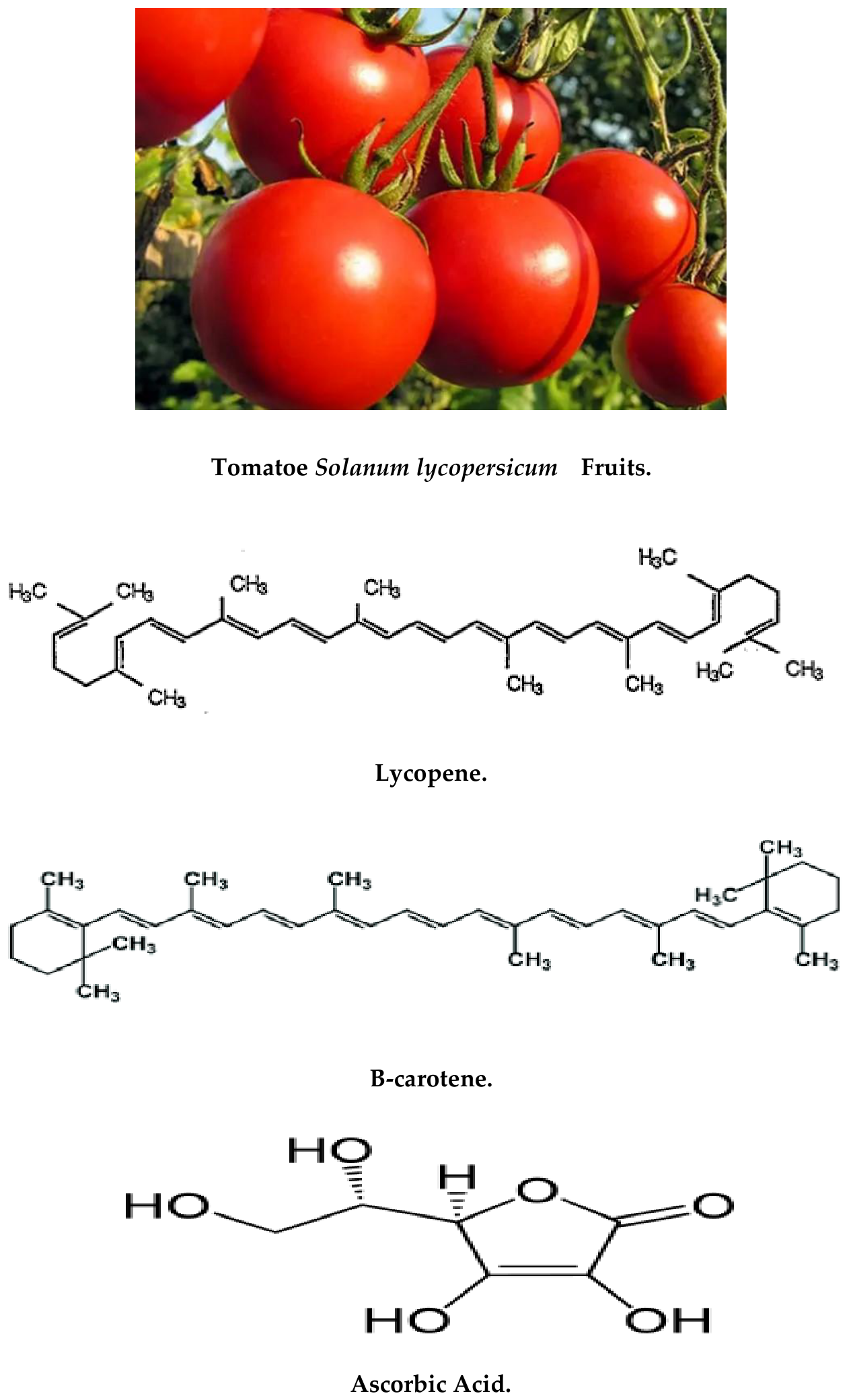
Figure 2.
Storage, Transportation and loading of Tomatoes in Woven cane Baskets (A strategy to minimise post-harvest losses). Sourced and modified from [62].
Figure 2.
Storage, Transportation and loading of Tomatoes in Woven cane Baskets (A strategy to minimise post-harvest losses). Sourced and modified from [62].
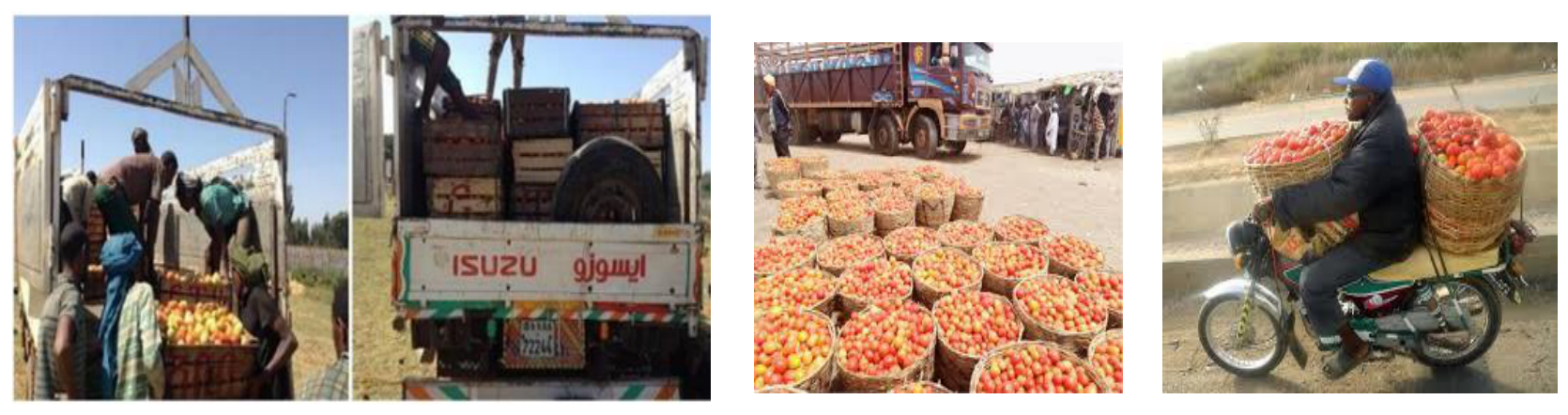
Figure 4.
Properties of Polysaccharide-Based Edible Coatings for Fruit Preservation.
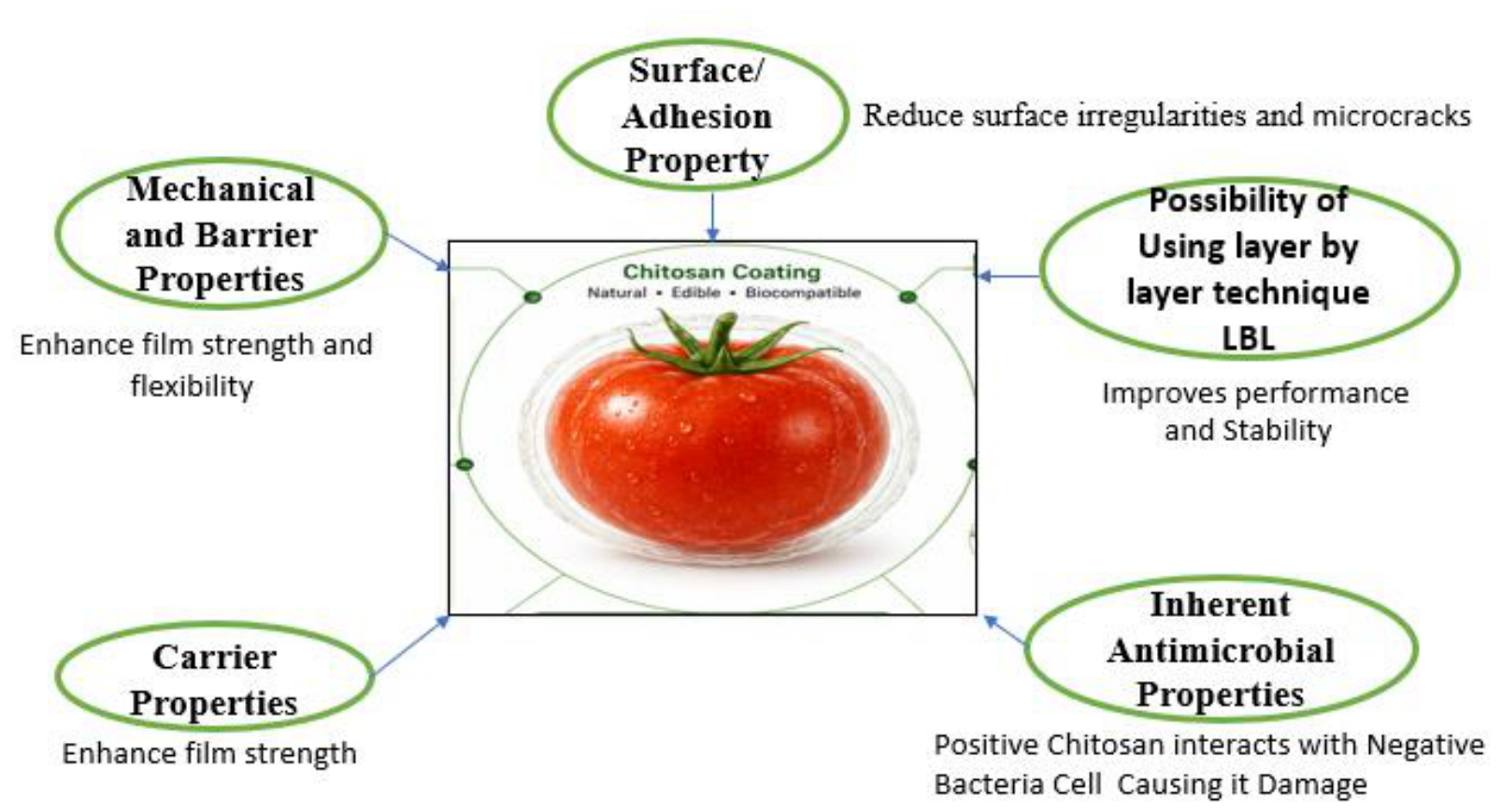
Figure 5.
Chemical Structure of Pectin. Source: Kitir et al. 2018 [94].
Figure 5.
Chemical Structure of Pectin. Source: Kitir et al. 2018 [94].
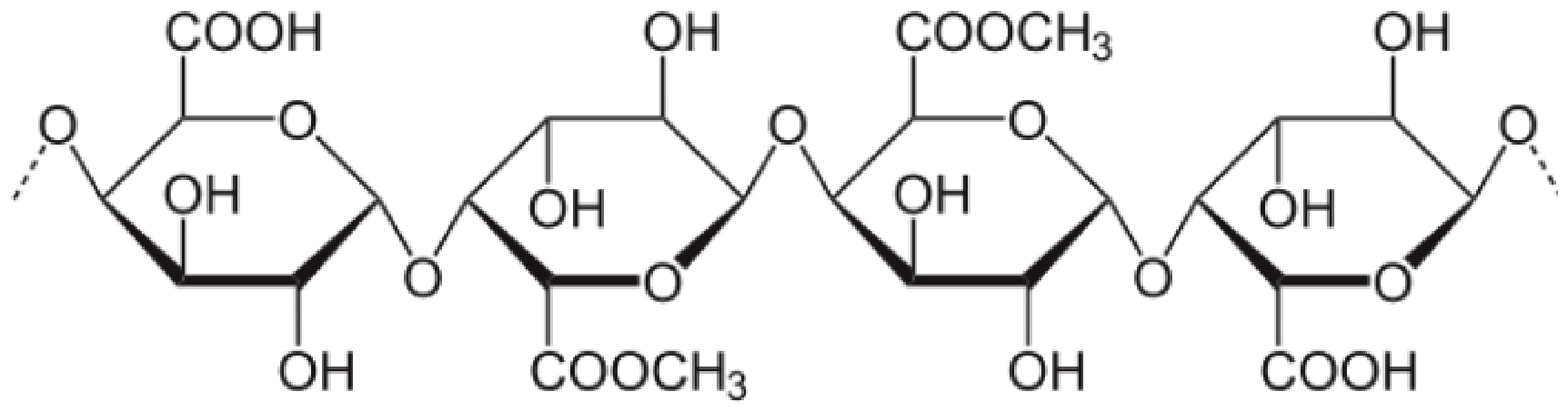
Figure 6.
Cellulose Structure. Source: [104].
Figure 6.
Cellulose Structure. Source: [104].
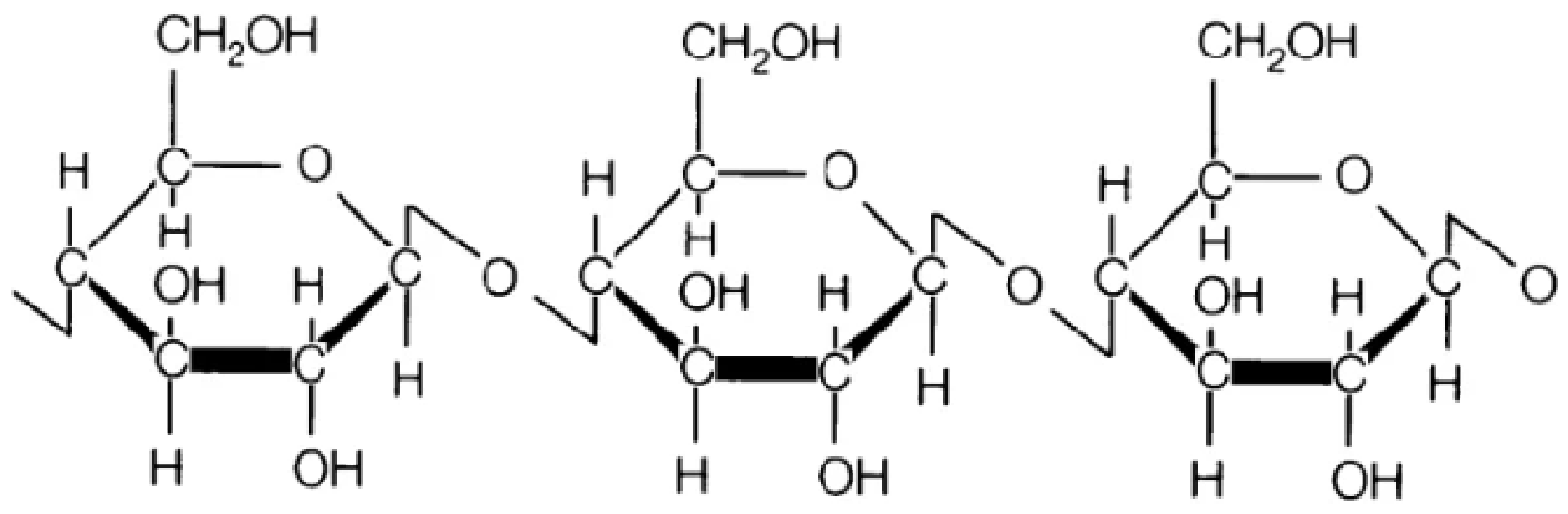
Figure 7.
Structure of Starch. Source: [106].
Figure 7.
Structure of Starch. Source: [106].
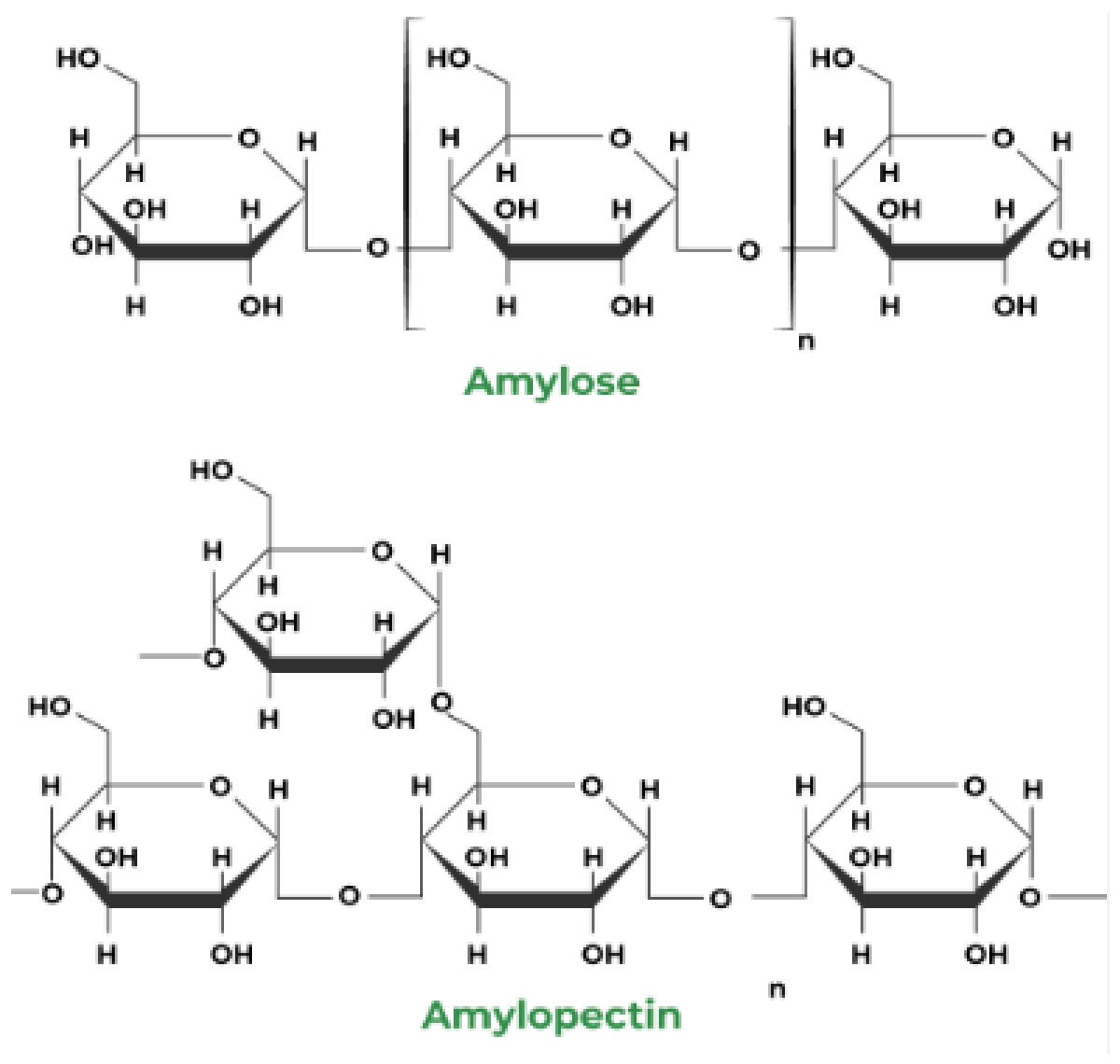
Table 1.
Major Mineral and Nutritional composition of tomato.
| Nutrients | Amount (mg) |
|---|---|
| Calcium | 1.2 |
| Potassium | 1.0 g |
| Magnesium | 1.4 mg |
| Phosphorous | 292 mg |
| Copper | 0.073 mg |
| Carbohydrate | 4.7 g |
| Fat | 0.2 g |
| Dietary fiber | 1.5 g |
| Protein | 1.0 g |
| Niacin | 0.731 mg |
| Thiamin | 0.046 g |
| Total Sugars | 3.23 g |
| Vitamin C | 16.9 mg |
| Energy (kcal/100 g) | 26.60 kcal/100 g |
Table 2.
Selected Tomato Microbial Disorders, Causative agents and their symptoms and preventive measures.
Table 2.
Selected Tomato Microbial Disorders, Causative agents and their symptoms and preventive measures.
| Microbiological Disorder |
Causative Agent | Symptoms | Preventive Measures | Ref. |
|---|---|---|---|---|
| Black mould or alternaria rot | Alternaria alternata | They are flat or sunken with black mycelium | Prevent mechanical injury and chilling conditions | [12] |
| Grey mould | Botrytis cinerea | Typically, the damaged tissue is hard, dry, and brown to black in colour | Removal of infected debris and avoidance of plant wounding and physical harm. | [76] |
| Pectobacterium carotovorum | soft areas which appear soaked with water, which eventually turn to liquid. Scars and pores on the flower | Use of crop rotation, resistant varieties, sanitation and disease exclusion | [78] | |
| Sour rot | Geotrichum candidum | Fully mature tomatoes with pale blemishes that are dull, wet, and have a sour (vinegar) odour. | Avoid mechanical injuries after harvest | [79] |
| Rhizopus rot | Rhizopus stolonifera | Rapidly growing mycelium observed on the surface, Wounded tissue softened, skin broke and fluid constantly exuded | Low temperature storage, Irradiation treatment, and heat treatment, use of fungicide and nanomaterial | [80] |
Disclaimer/Publisher’s Note: The statements, opinions and data contained in all publications are solely those of the individual author(s) and contributor(s) and not of MDPI and/or the editor(s). MDPI and/or the editor(s) disclaim responsibility for any injury to people or property resulting from any ideas, methods, instructions or products referred to in the content. |
© 2026 by the authors. Licensee MDPI, Basel, Switzerland. This article is an open access article distributed under the terms and conditions of the Creative Commons Attribution (CC BY) license (http://creativecommons.org/licenses/by/4.0/).
Copyright: This open access article is published under a Creative Commons CC BY 4.0 license, which permit the free download, distribution, and reuse, provided that the author and preprint are cited in any reuse.