

Submitted:
06 October 2026
Posted:
08 October 2026
You are already at the latest version
Abstract
Despite advances in treating breast cancer with modern therapeutic approaches, it still causes significant morbidity and mortality in patients. Like many other diseases, oxidative stress has significant risk factor for initiation and progression of breast cancer. Redox-sensitive transcription factors, nuclear factor-kappa B (NF-κB), activator protein-1 (AP-1), and hypoxia-induced regulators promote chronic inflammation, proliferation, angiogenesis, and metabolic adaptation of cancer cells. Therefore, regulating oxidative stress is necessary to repair cellular damage and slow or inhibit cancer progression. However, current therapeutic approaches for treating breast cancer have limitations that necessitate the development of new treatment strategies. Cannabidiol (CBD), a non-psychoactive lipophilic phytocannabinoid, acts as a context-dependent redox modulator and selectively exploits oxidative vulnerabilities in breast malignancies. It demonstrates strong antioxidant capabilities, modulating redox balance and also disrupts multiple oncogenic pathways. There is also increasing interest in developing synthetic CBD derivatives with improved therapeutic potential for cancer treatment. Inhibiting the molecular targets of cancer cell development and progression by these derivatives may provide an effective therapeutic strategy. This review provides an understanding of CBD’s potential in reducing cancer cell proliferation, metastasis, inducing apoptosis and inhibiting angiogenesis. It also highlights novel approaches of CBD analogues on molecular targets in breast cancer cell lines.
Keywords:
cannabidiol
; breast cancer
; oxidative stress
; antioxidant
; reactive oxygen species (ROS)
1. Introduction
Breast cancer is one of the most prevalent malignancies globally, with an estimated 2.3 million new cases and around 670,000 deaths reported in 2022 [1]. Early detection through screening and established treatment strategies, including surgery, chemotherapy, and radiation therapy, have significantly improved breast cancer survival; however, treatment failure remains a major clinical challenge [2]. Each chemotherapeutic agent within a given class possesses a distinct set of adverse reactions. As a result, patient adherence is negatively affected, leading to further deterioration of quality of life [3]. A primary factor contributing to the adverse reactions, particularly among drugs that interact with DNA, is excessive generation of reactive oxygen species (ROS). Oxidative stress, caused by the imbalance between elevated ROS levels and diminution of the cellular antioxidant defense mechanisms, is a significant determinant for tumorigenesis [4]. The generated free radicals turn on pro-oncogenic pathways that support the survival of cancer cells, angiogenesis, and metastasis [5]. A higher level of ROS promotes the development of chemoresistance, especially in triple-negative breast cancer (TNBC) [6]. Several clinical studies consistently demonstrate increased markers of lipid peroxidation, diminished glutathione levels, and reduced antioxidant enzyme activity in individuals with breast cancer, reinforcing the pathogenic link between oxidative imbalance and cancer [7,8]. Earlier studies have suggested that antioxidants can reduce oxidative stress induced by cancer cells and restore the body’s natural antioxidant levels, thereby reducing the adverse effects of chemotherapy [9,10]. Therefore, regulation of ROS is essential for protecting cells from damage, slowing or inhibiting cancer progression, and guiding the development of treatment strategies.
Cannabinoids are active compounds found in the Cannabis sativa plant, with over 100 known types, including tetrahydrocannabinol (THC) (intoxicating) and cannabidiol (CBD) (non-intoxicating). CBD is a major non-psychoactive cannabinoid that has strong potential for reducing inflammation as well as oxidative stress [11]. It activates cannabinoid receptors, which regulate tumor cell growth, induce apoptosis, and inhibit tumor vascularization, thereby leading to a reduction in tumor cell proliferation and metastasis [12]. Moreover, CBD interacts with multiple molecular targets for breast cancer, including transient receptor potential (TRP) channels, serotonin receptors, and peroxisome proliferator-activated receptors (PPARs). It exerts antioxidant activity by direct ROS scavenging, upregulation of endogenous antioxidant enzymes, and mitigation of lipid peroxidation and protein oxidation [13]. Crucially, CBD’s capacity to control oxidative stress—either by lowering excessive ROS in specific situations or causing deadly ROS accumulation in cancer cells—makes it a viable option for addressing the redox vulnerabilities of breast cancer [14]. This review attempts to thoroughly analyze the current scientific evidence on the use of cannabidiol and its analogues in breast cancer, with a particular emphasis on its antioxidant processes in mitigating cancer-associated exacerbation of oxidative stress. By analyzing in vitro, in vivo, and accessible clinical data, we have explored studies investigating molecular pathways, potential combinations with conventional therapies, challenges, and future research perspectives to present CBD as a potential adjuvant therapeutic candidate in the management of breast cancer.
2. Materials and Methods
An extensive literature search was conducted using PubMed, Google Scholar, and other valid online sources to identify original and review articles relevant to the topics of our interest on cannabidiol. The articles covered publications from 2002 to 2026, and the final search was performed on 11 September 2026. The strategy involved using Medical Subject Headings (MeSH), such as ‘Reactive oxygen species (ROS)’, ‘Cannabinoid’, ‘Cannabidiol’, ‘Breast cancer’, ‘Superoxide’, etc. Initially, 286 articles were selected, of which 114 articles were finally included in this review. The remaining 172 articles were removed for various reasons, such as (i) studies containing irrelevant titles, abstracts, and/or content, (ii) duplicate articles, (iii) articles including study design, clinical settings, and cohort size, etc., that do not match the objective of this review. A flow diagram illustrating the article selection process is presented in Figure 1.
3. Reactive Oxygen Species and Their Role in Cancer Progression: A Brief Overview
Oxidative stress plays a fundamental role in the initiation, progression, and therapeutic behavior of breast cancer. It arises when reactive oxygen and nitrogen species (ROS/RNS) accumulate beyond the neutralizing capacity of endogenous antioxidant systems [15]. This imbalance disrupts cellular homeostasis, drives genomic instability, and remodels the tumor microenvironment in ways that support malignant evolution [16]. The earliest carcinogenic impact of oxidative stress is mediated through ROS-induced DNA and lipid damage [4]. Mitochondrial respiration, chronic inflammation, metabolic alterations, and upregulation of ROS-producing enzymes generate a higher level of ROS that attacks nucleic acids, producing strand breaks, base oxidation, and DNA–protein crosslinks [17,18]. Such lesions impair genomic integrity, induce mutations in tumor-suppressor genes, and promote activation of oncogenic pathways. Moreover, oxidation of lipids in the membrane results in the formation of reactive aldehydes and DNA adducts, further enhancing the mutational load [19].
ROS are particularly involved in different stages of the progression of breast cancer [20,21]. Moderate or low ROS levels play a role in cancer cell initiation and progression. At this stage, metabolic adaptation and mitochondrial dysfunction are key factors for cancer cell survival and proliferation. Cancer cells maintain moderately elevated ROS levels to support a tumorigenic state, and the use of antioxidants may reduce excessive ROS. On the other hand, intentionally elevating ROS to a toxic level can be used to target and damage cancer cells [22].
Oxidative stress also alters various intracellular signaling networks of the established tumor microenvironment. ROS acts as signaling molecule that triggers redox-sensitive transcription factors, such as nuclear factor-kappa B (NF-kB), activator protein-1 (AP-1), and hypoxia-inducible factors (HIFs) [23]. These mechanisms promote chronic inflammation, proliferation, angiogenesis, and metabolic adaptation [24]. NF-kB-induced inflammatory mediators support the survival of the malignant cells, and hypoxia-induced signaling facilitates the vascularization of cancer cells [25,26]. Additionally, ROS regulate PI3K/Akt and MAPK signaling pathways, further enhancing proliferative and anti-apoptotic phenotype (Figure 2) [27].
Interestingly, tumor cells tend to have a lower oxidative stress score compared to normal or pre-neoplastic cells [28]. This is a survival mechanism adopted by cancer cells, where these cells elevate antioxidant defenses to counteract the extreme oxidative conditions within the tumor microenvironment. This serves as one of the key factors that lead to chemotherapy- and radiation-resistance by stimulating survival signaling pathways and enhancing antioxidant defense mechanisms [29]. Together, oxidative stress causes breast cancer through integrated systems of various pathways involving genomic injury, redox homeostasis impairment, and microenvironmental reprogramming [21].
4. Cannabidiol (CBD) and Its Role as an Antioxidant in Breast Cancer
4.1. Chemistry and Structure Activity Relationships (SARs) of CBD
The antioxidant property of CBD is attributed to its terpenoid and phenolic structure (Figure 3). Cannabidiol, chemically known as 2 [1R-3-methyl-6R-(1-methylethenyl)-2-cyclohexen-1-yl]-5-pentyl-1,3-benzenediol, is a 21-carbon-atom-containing terpenophenol compound with a molecular weight of 314.464 g/mol [30]. The CBD molecule contains a cyclohexene terpenic ring (A), a phenolic ring (B), and a pentyl side chain. The chemical activity of this molecule is supposedly attributed to the presence of a methyl (CH3) group at the C-1 position of the terpenoid ring (A) and the location and surroundings of the hydroxyl groups (-OH) and the pentyl chain on the phenolic ring (B). The presence of the -OH groups (in the B ring) enables CBD to bind to amino acids, such as glutamic acid, glutamine, threonine, and tyrosine, through the formation of polar hydrogen bonds [30]. Opening of the CBD ring, however, renders the molecule inactive. Both the rings (A and B) and the substitutions attached to these rings contribute to the potent antioxidant properties of CBD.
4.2. Cannabinoid Receptors and CBD
Cannabinoids primarily exert their effects on the human body by binding to two G-protein coupled receptors (GPCRs) - cannabinoid receptor 1 (CB1) and cannabinoid receptor 2 (CB2) [32]. Although these receptors vary in their total number of amino acids (472 amino acids in the CB1 receptor and 360 amino acids in the CB2 receptor in the human body), they share 44% structural similarity in their overall amino acid sequence and 68% in seven transmembrane (TM) alpha helices [32,33]. The CB1 and CB2 receptors exhibit differences in the amino acid sequences of their cannabinoid binding site (the extracellular loop II of the N-terminal) as well as in the C-terminal sequence of TM7 and the internal C-terminus.
CB1 receptors are mostly located in the brain and other parts of the central nervous system (CNS), and CB2 receptors are predominantly found in the immune system. Activation of CB1 receptors inside the CNS can regulate all hypothalamic–pituitary axes [34] while activation of peripheral CB2 receptors is linked to neuro-defensive roles and reduction of inflammation [32]. CBD has been reported for its partial agonistic activity at several receptors, including CB2 receptors, PPARγ, 5-HT1A receptors, and transient receptor potential vanilloid 1 (TRPV1) cation channels. It is an antagonist of GPR55 and inhibits fatty acid amide hydrolase (FAAH). It can also provide positive allosteric modulation at the μ- and δ-opioid receptors [35,36]. Despite having poor affinity for both CB1 and CB2 receptors [37] CBD can act as a negative allosteric modulator (NAM) and show antagonistic effects at CB1 receptors at much lower concentrations, indicating the existence of a distinct binding site with higher affinity on CB1 receptors [35]. It can also act as an inverse agonist at the CB2 receptor [37].
Activation of CB1 receptors can induce ROS production and pro-inflammatory response, whereas activation of the CB2 receptor can lead to decreased levels of ROS and pro-inflammatory cytokines and an increase in anti-inflammatory mediators [38,39]. Han et al. reported that CB1 receptors on macrophages caused pro-inflammatory responses by producing ROS and by synthesizing TNF-α and MCP-1 via phosphorylation of MAPK, while an opposite effect was shown by macrophage CB2 through activation of Rap1 [39]. Thus, both CB1 receptor blockade and CB2 receptor activation can together reduce inflammation and oxidative stress [34,39].
4.3. CBD’s Role as an Antioxidant
CBD demonstrates robust antioxidant activity through both direct and indirect mechanisms (Figure 4), effectively modulating the body’s redox balance. It is considered a more potent antioxidant than vitamins A, C, or E in some studies [30].
Cancer cells adopt a reversed pH gradient, showing acidic extracellular pH (~6.7–7.1) and alkaline intracellular pH (≥7.4) [40,41]. This acidic tumor microenvironment favors the occurrence of the iron-catalyzed Fenton reaction (Fe2+ + H2O2 → •OH + OH- + Fe3+) that amplifies oxidative stress via ROS generation, specifically highly reactive hydroxyl radicals (•OH) [41]. Moreover, iron is highly accumulated across solid tumor cancers, including breast cancers [42]. In breast cancer cells, deregulation of iron regulatory proteins, such as hepcidin and ferroportin, and overexpression of transferrin receptor-1 alter iron homeostasis and increase intracellular iron accumulation [42,43].
CBD acts as a direct scavenger of free radicals due to the presence of hydroxyl (-OH) groups on its phenolic ring [44]. It interferes with free radical chain reactions, transforming ROS into less reactive species. The resulting free radicals are stabilized by resonance structures, again involving the phenolic ring. CBD can also cause chelation of transition metal ions, viz., iron (Fe2+) and others, which are involved in the highly reactive Fenton reaction, thereby preventing the formation of extremely destructive radicals. Owing to its lipophilic nature, CBD can accumulate in cellular membranes, providing localized protection against the oxidative modification of membrane lipids (aka. lipid peroxidation) and membrane proteins [45].
CBD is also reported to modulate cellular systems to enhance overall antioxidant defense action via indirect mechanisms. By inhibiting the expression of NADPH oxidases (viz. NOX1 and NOX4), and xanthine oxidase (XO), CBD interferes with the functions of these pro-oxidant enzymes and thus decreases the formation of superoxide radicals (O2●-) and xanthine oxidase (XO) [46]. Additionally, it increases the levels and activity of endogenous antioxidant enzymes, viz., catalases (CATs), glutathione peroxidase (GPx), glutathione reductase (GR), glutathione-disulfide reductase (GSR), and superoxide dismutases (SODs) [47]. It also stimulates Nrf2, a key regulator implicated in producing cellular antioxidant response [48,49], further augmenting the cellular intrinsic resistance in the face of an oxidative stress. Activation of the Nrf2 transcription factor triggers the expression of numerous cytoprotective and antioxidant genes [50,51,52,53,54] that can collectively contribute to the indirect antioxidant mechanism of CBD (Table 1).
Apart from direct and indirect mechanisms, CBD also helps to preserve the levels of non-enzymatic antioxidants like GSH [10,62] and non-protein-bound metal ions, including iron (II) ions (Fe2+), by lowering ROS levels and preventing the reduction of microelements like zinc and selenium (essential for some enzyme activities). Chelation of free Fe2+ ions can augment the activity of iron-containing enzymes, viz., prolyl hydroxylase (PHD)-dependent proteasomal system, which plays a pivotal role in the degradation of HIF-1α, a key modulator associated with transcriptional activation of HIF-1α-mediated cellular adaptive responses to hypoxia and oxidative stress [63].
4.4. CBD as a Redox Modulator in Breast Cancer
Malignant breast carcinoma cells exhibit constant oxidative and endoplasmic reticulum (ER) stress, where CBD plays a redox modulatory role. CBD acts as a selective pro-oxidant, increases mitochondrial ROS, alters Ca2+ homeostasis, and induces apoptosis and autophagy. In MCF-7 breast cancer cells, CBD at 20 µM was found to elevate mitochondrial ROS and Ca2+ levels by more than 160%, demonstrating its pro-oxidant effect at higher concentrations [64]. Another study demonstrated that it activates TRPV1 channels, increases Ca2+ influx, elevates ROS levels, and induces ER stress in MCF-7 cells. While regular antioxidants or TRPV1 antagonists neutralise these effects, CBD triggers ER stress burden via the TRPV1 receptor in the tumor microenvironment [65]. CBD has been found to induce apoptosis and autophagy in MDA-MB-231 breast cancer cells, where cell death occurs via activation of cannabinoid and vanilloid receptors. It also increases the association between beclin1 and Vps34, which regulates autophagy, and disrupts the interaction between beclin1 and Bcl-2, leading to apoptosis. CBD induces ROS production and activates pathways for apoptosis and autophagy, confirming its ROS-mediated cell death induction in breast cancer [66]. CBD’s context-dependent redox modulating activity is further proven by its dual role in the regulation of Nrf2 signaling pathway in normal and breast cancer cells. In normal cellular environment, CBD upregulates Nrf2-mediated cytoprotective enzyme (e.g., HO-1 and SOD) expression at comparatively low doses; however, in cancer cells, it downregulates Nrf2 and increases oxidative stress, suggesting its pro-oxidant role in the malignant environment [48].
5. Multi-Pathway Modulation by CBD in Breast Cancer
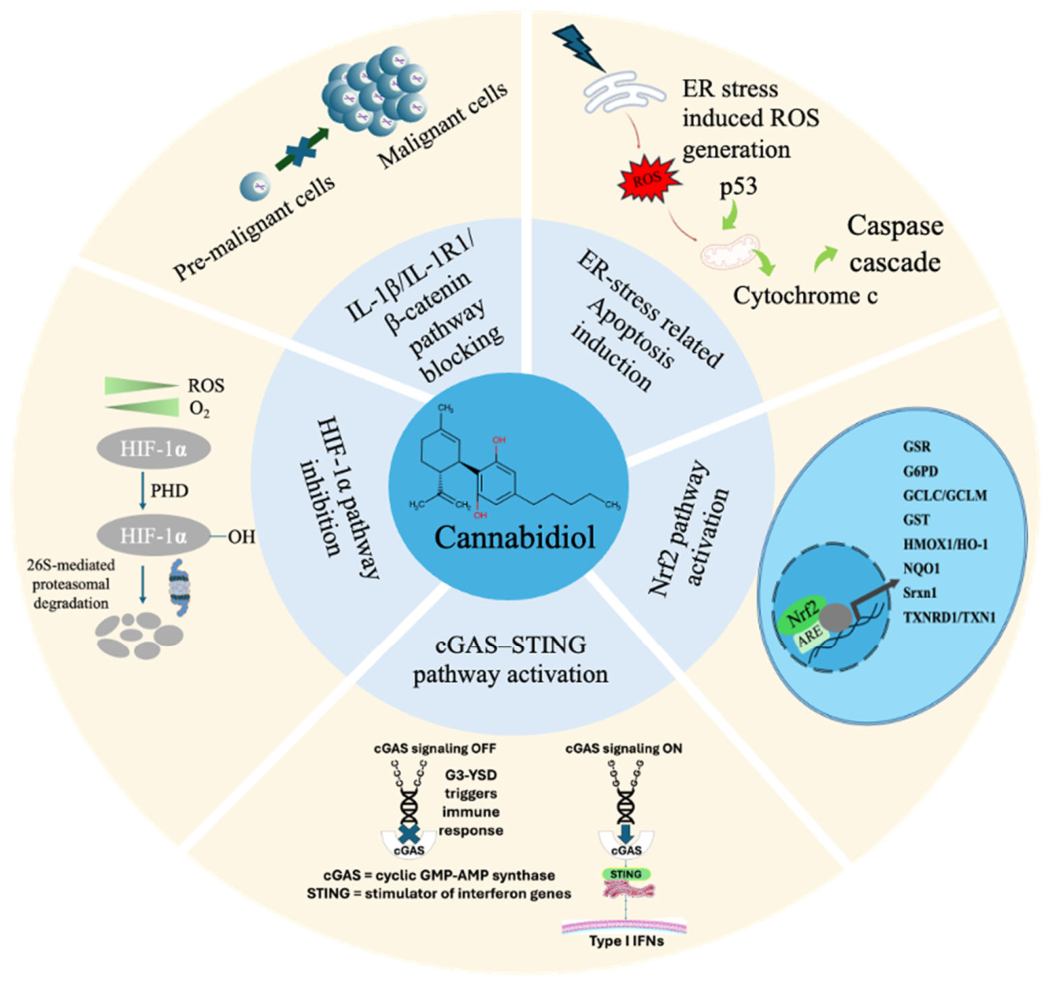
CBD can modulate different pathways of cancer cells and demonstrate its potential as an anticancer and chemo-adjuvant agent (Figure 5).
5.1. Induction of Programmed Cell Death
The induction of ER stress by CBD inhibits the Akt and mTOR signaling pathways by decreasing phosphorylated mTOR and 4EBP1, and lowering cyclin D1 level, which in turn induces apoptosis and autophagy in MDA-MB-231 breast cancer cells. It reduces mitochondrial membrane potential, triggers the release of cytochrome c into the cytosol, and activates caspases, resulting in a mitochondria-mediated apoptotic pathway [66]. Moreover, a combination of CBD and gold-nanoparticle-mediated photodynamic therapy demonstrated an apoptotic effect in MCF-7 breast cancer cells through the upregulation of p53 and cytochrome c [67].
5.2. Downregulation of Inflammatory Cytokines in Tumor Microenvironment
Inflammatory cytokines in the tumor microenvironment have been linked to an aggressive phenotype in cancer cells, especially increased levels of the inflammatory cytokine IL-1β derived from the microenvironment of malignant cells, which activate an inflammatory response that promotes invasiveness. In non-invasive MCF-7 breast cancer cells, IL-1β was shown to bind with its receptor IL-1RI and subsequently trigger epithelial–mesenchymal transition (EMT) through activation of the IL-1β/IL-1R/β-catenin signaling pathway, resulting in a malignant phenotype known as 6D cells [68]. CBD can reverse such IL-1β-induced EMT by downregulating protein kinase B (Akt) and IL-1β/IL-1R/β-catenin pathway. Additionally, CBD-mediated Akt inactivation blocked β-catenin nuclear translocation and downregulated genes and proteins identified as markers of malignancy [69]. A recent study on an in vivo breast cancer model showed that CBD can inhibit the development of tumors and IL-1-mediated transition to malignancy. Collectively, these findings confirmed the anti-inflammatory activity of CBD and supported its use as a potential therapeutic anticancer drug [69].
Figure 5.
Modulation of signaling pathways by CBD.
5.3. Inhibition of Cancer Cell Proliferation and Invasion
Stimulation of inhibitor of differentiation 1 (ID-1), an inhibitor of basic helix-loop-helix transcription factor, was found to be a key regulator in metastatic breast cancer. Studies conducted on human breast cancer cell lines (MDA-MB231) revealed that CBD inhibits cell proliferation and invasion via differential modulation of the extracellular signal-regulated kinase (ERK) pathway, which results in downregulation of ID-1 expression [70]. A breakthrough study developed a long-acting CBD-loaded injectable implant that provides controlled release for up to two months. This implant was shown to inhibit tumor growth and migration while significantly decreasing angiogenesis in tumor models [71].
5.4. Inhibition of Angiogenesis and Stemness
Downregulating the expression of HIF-1α by CBD suppressed angiogenesis and stemness in breast cancer cells. It also inhibits angiogenesis in estrogen receptor-positive breast cancer by inactivating proangiogenic factors such as matrix metalloproteinase-2/9 (MMP-2/9), vascular endothelial growth factor (VEGF), endothelin-1 (ET-1), integrins or angiopoietins, platelet-derived growth factor-AA (PDGF-AA), and urokinase-type plasminogen activator (uPA) [72].
5.5. Immune Modulation Activity via cGAS–STING Pathway
High levels of programmed death-ligand 1 (PD-L1) are present in TNBC, one of the most immunogenic subtypes of breast cancer. Atezolizumab, an anti–PD-L1, in combination with paclitaxel, has been approved as a first-line therapy for PD-L1–positive patients with locally progressive and metastatic TNBC [73]. One of the important areas of CBD research is its potential role in activating the cyclic guanosine monophosphate-adenosine monophosphate synthase–stimulator of interferon genes (cGAS–STING) pathway. This activation is associated with increased PD-L1 expression, which in turn enhances the efficacy of checkpoint inhibitor (atezolizumab) in TNBC cells. Moreover, CBD suppressed the production of anticancer cytokines by T-cells due to upregulation of PD-L1 in tumor cells [74].
6. Mechanistic Insights of CBD in Non-Breast Cancer Models
A recent review reported the effects of CBD and THC on ovarian cancer cells in both in vitro and in vivo experiments. Both CBD and THC induced apoptosis and caused G0/G1 cell-cycle arrest [75]. Another study reported that the broad-spectrum CBD reduced the viability of high-grade serous carcinoma (HGSC) cells through activating PI3K/Akt/mTOR-mediated apoptotic pathways [76]. Additionally, CBD, functioning as a partial agonist of both CB1 and CB2 receptors of the endocannabinoid system as well as an antagonist of GPR55, may suppress mTOR/Akt signaling pathways and enhance the activation and expression of proapoptotic proteins in colon cancer cells [77].
CBD has been shown to reduce the viability, proliferation, survival, and invasiveness of both androgen-insensitive (DU145 ACC 261, PC-3 ACC 465) and androgen-sensitive (LNCaP ACC 256) human prostate cancer cell lines. The antiproliferative effects of CBD on prostate cancer cells were associated with reduced expression of Cyclin D3 and several other Cyclin-Dependent Kinases (CDKs). Phosphorylation of protein kinase B, i.e., Akt, has also been shown to be reduced. Moreover, CBD demonstrated anti-invasive properties on prostate cancer cell lines, which were linked to upregulated expression of E-cadherin [78]. Administration of a laboratory preparation containing equal concentrations of THC and CBD induced both autophagy and apoptosis in chemo-resistant tumors in mice bearing BRAF wild-type melanoma, thereby inhibiting the survival of melanoma cells. Furthermore, the combination treatment inhibited the proliferation and growth of tumors compared with temozolomide alone [79].
CBD also exerts its anticancer activity in combination with other therapeutic agents across various cancer types, including hepatocellular carcinoma, ovarian cancer, etc., through modulation of multiple signaling pathway-based mechanisms. CBD in combination with cabozantinib, a tyrosine kinase inhibitor, activated p53 and upregulated different types of apoptotic marker proteins in human hepatocellular carcinoma cell lines (HepG2 and Hep3B). In addition, the apoptosis regulatory protein, Bcl-2, was downregulated by the action of both CBD and cabozantinib [80]. Another example of combination treatment demonstrated that CBD, when administered together with cisplatin or paclitaxel, induced apoptosis rather than necrosis in ovarian cancer cell lines [81]. Human epidermal growth factor receptor 2 (HER2) is involved in the progression of several aggressive cancers, which frequently exhibit resistance to conventional chemotherapies. In HER2-positive ovarian cancer cells, CBD has demonstrated strong binding affinity (KD = 6.16 μM) towards HER2-tyrosine kinase, leading to disruption of HER2-mediated signaling pathways. This therapeutic potential of CBD can be regarded as an alternative or adjunct therapeutic approach for HER2-positive cancers [82].
7. Advancing Future Research on CBD
Future research should focus on the effectiveness of CBD for treating breast cancer, exploring its use in conjunction with other chemotherapies. In the last 5 years, data on pre-clinical studies with CBD have shown its effectiveness in treating breast cancers. For example, in the TNBC cell lines MDA-MB-468 and MDA-MB-231, CBD significantly increased FAS expression, a pivotal regulator of apoptosis. It also inhibited the EGFR signaling pathway and enhanced NK-92 cell cytotoxicity, thereby reducing cell viability to 52% compared to 11.3% in the control [83]. Moreover, high doses of CBD lead to a cell death characterized by bubbling, a non-apoptotic programmed cell death [84]. It also significantly increased the sensitivity of the cancer cells to doxorubicin, as demonstrated in 2D (monolayer) and 3D (spheroid) cultures of MDA-MB-468 and MDA-MB-231 cell lines [85]. A study on the combination of CBD and tetrahydrocannabivarin demonstrated the restoration of doxorubicin’s chemosensitivity in drug-resistant MDA-MB-231 xenografts [86]. Another study showed improved sensitivity of MDA-MB-231 cell lines by encapsulated CBD in extracellular vesicles. Both encapsulated CBD and doxorubicin significantly reduced tumor burden [87].
Besides the preclinical studies, we identified a total of 8 clinical studies (Table 2) investigating Cannabidiol (CBD) in different stages of cancer.
Two of these clinical studies investigated the effects of cannabidiol oil in alleviating the side effects associated with tamoxifen or providing symptom relief in patients with advanced cancer [93,94]. Of the two unpublished studies, one was designed to assess the effects of oral CBD on cell proliferation and apoptotic processes in the primary tumors of breast cancer patients [88]. The other study was designed to focus on the effectiveness of a combination therapy that includes CBD in early breast cancers [95]. Although the results of these studies have not yet been published, they may provide some valuable insights into the potential benefits of incorporating CBD for patients with early/primary breast cancers.
8. A Novel Area of Future Research: Synthetic CBD Analogues
In addition to CBD, it is now high time to explore the therapeutic approach involving CBD analogues. Because of low water solubility and reduced bioavailability, CBD may limit its high therapeutic potential in treating cancers [96]. Therefore, researchers have shown increasing interest in developing synthetic CBD analogues with improved therapeutic potential as a novel approach for cancer treatment. It is also important to identify the molecular targets responsible for the development and progression of cancers. Inhibiting these molecular targets may provide a potential therapeutic strategy for improving treatment outcomes and eventually improving patient survival.
Different studies demonstrate druggable oncoprotein targets of synthetic CBD analogues with promising activity, particularly against triple-negative breast cancer (TNBC) cells. For example, Neyder Contreras-Puentes et al. (2024) reported that CBD and its two analogues, Pubchem CID: 44409296 (Figure 6A) and 166505341 (Figure 6B), can target CtBP2-regulated TNBC by interacting with RPL7A, NHP2L1, and PSMD11 [97]. In another study, MCPB-21, a CBD derivative (Figure 6C), was investigated as a small-molecule ligand for the GYG2 protein, which is involved in glycogen synthesis and has a potential role in cancer progression. The in silico molecular docking analysis revealed a good binding affinity between MCPB-21 and GYG2. Subsequent in vitro treatment with MCPB-21 showed increased expression of GYG2 in MDA-MB-231 and MCF-7 cancer cell lines, and was associated with suppression of cancer cell proliferation and invasive growth of tumor cells. This study also revealed that MCPB-21 induced apoptosis and ferroptosis in cancer cell lines [98].
A synthetic derivative of CBD, HU-331 (Figure 6D), a cannabinoid quinone, showed anticancer activity through a highly specific mechanistic pathway. Unlike MCBP-21, HU-331 works by inhibiting topoisomerase II enzymes, inducing cell cycle arrest [99]. In vitro inhibitory effect on the growth of breast cancer cell lines (MCF-7) with an IC50 value of 3.125 µg/ml was observed when treated with HU-331 [100]. Another analogue, O-1663 (Figure 6E), has been investigated as a potent compound in treating advanced metastatic breast cancer by targeting CBD-associated anti-tumor mechanisms shown in mouse 4T1 and MDA-MB231 breast cancer cell lines. It acted as a selective and potent agonist of the CB2 receptor and had low affinity for CB1 receptors, thereby limiting its psychoactive effects. The O-1663 was shown to reduce tumor aggressiveness via the upregulation of autophagy and induction of apoptosis. Another proposed mechanism was attributed to the potent down-regulation of Id1 gene expression compared with the parent compound CBD, resulting in increased ROS generation, inhibition of cellular proliferation and invasion [101].
Few other semi-synthetic analogues of CBD were produced by introducing aminomethyl groups in CBD via Mannich-type modification, yielding oxazine derivatives. One analogue, N-butyl benzoxazine (Figure 6F), exhibited notable antiproliferative effects against MCF7 breast cancer cells, whereas other analogues were less potent than the CBD itself. The activity appears to be strongly dependent on the benzoxazine scaffold, though the precise molecular mechanism remains yet to be elucidated [102]. In another study, CBD was cyclized and structurally rearranged under POCl3-mediated acid catalysis, affording several CBD-derived analogues that were found highly cytotoxic against MCF-7 breast cancer cells, having IC50 values between 5.6 and 60 μM [103].
A recent study demonstrated enhanced metabolic stability and anticancer potential of synthetic fluorinated oxazine derivatives of CBD. By incorporating mono-, di-, and trifluoroethylamine as well as fluorinated aniline moieties into the core cannabinoid architecture, these chemical modifications mitigate primary pharmacological limitations of native CBD, notably the higher lipophilicity, lower oral bioavailability, and extensive first-pass hepatic metabolism [104]. Further, two synthetic CBD derivatives with mono-substituted oxazoline ring (Figure 6G and 6H which were originally designated as 6M and 9M in the study), have shown superior anti-proliferative activities on TNBC cell line, namely MDA-MB-231, as demonstrated by their ability to reduce cell viability significantly at 30 μM concentrations [104].
Similar to the above findings, Cham et al. demonstrated that novel synthetic ring-annulated oxazinyl analogues of CBD, as shown in Figure 6I and 6J originally mentioned as 4d and 4h, exhibited superior antiproliferative efficacy against MCF-7 breast cancer cells (IC50 values of 5.3 µM and 4.4 µM, respectively) compared to native CBD (IC50 = 14.6 µM) [105]. The anticancer activities of these ring-annulated candidates were attributed to their ability to arrest cell cycle progression at the G1 phase and induce apoptosis through the intrinsic pathway. Additionally, they also disrupted mitochondrial membrane potential and primed intracellular ROS production at nearly three-fold lower concentrations than natural CBD [105].
Additionally, research on synthetic atypical CBD regioisomers, namely abnormal cannabidiol, designated Abn-CBD (Figure 6K) and its analogue O-1602 (Figure 6L), showed that both compounds reduced cell viability and induced apoptosis via GPR55 and GPR18 receptor activation in both paclitaxel-sensitive and paclitaxel-resistant MCF-7 and MDA-MB-231 breast cancer cell lines [106]. In addition to generating ROS and suppressing epidermal growth factor (EGF)-directed cell migration and invasion in vitro, Abn-CBD and O-1602 significantly reduced human taxol-resistant breast tumor cell growth by approximately 50% in zebrafish xenograft models without central psychoactive effects [106].
8. Translational Aspects of CBD and Its Analogues
CBD demonstrates considerable therapeutic effectiveness in a limited number of clinical trials (Table 2), which have evaluated its clinical applications, dosing regimens, and dosage forms. This limited number of clinical trials on CBD, however, is not adequate to prove its efficacy in cancer and hence its translational value in clinical settings. The US FDA approved Epidiolex® (a pharmaceutical preparation of CBD) for treatment-resistant epilepsy syndromes with a dose of 5-10 mg/kg PO twice daily. In the case of breast cancer, clinical studies have demonstrated the effects of highly variable doses of this drug, ranging from 50 mg to 600 mg daily [88,89,93,94]. Moreover, the pharmacokinetic behaviors of CBD are highly, and a wide range of different dosages, such as oral oil, capsule, solution, sublingual preparation, inhaled preparation, and pharmaceutical-grade purified CBD formulations such as Epidiolex®, and topical balm have already been used in different clinical trials [107].
CBD showed poor oral bioavailability (6%) due to its highly hydrophobic nature and being a substrate of the extensive first-pass metabolism process. In the case of the respiratory route, improved bioavailability was reported, ranging from 11% to 45% (mean 31%), due to the avoidance of first-pass hepatic metabolism. Hydrophobicity of this molecule also limits its diffusion through the aqueous layer of skin. However, strategies such as chemical penetration enhancers, microemulsions and physical enhancers improved its permeability, bioavailability, and plasma concentration [108].
Clinical trials have also been conducted to investigate potential drug-drug interactions demonstrated by CBD, which is mainly metabolized by CYP3A4, CYP2C9, and CYP2C19. These enzymes also metabolize most prescription medicines, thereby raising concerns about drug-drug interactions, especially for drugs with a narrow therapeutic index [109]. A crossover clinical trial confirmed this concern, where co-administration of CBD with a cocktail of omeprazole, losartan, midazolam, and caffeine increased the area under curve (AUC) by 207%, 77%, 56%, and 39%, respectively, compared to placebo [110]. Moreover, CBD itself is a potent inhibitor of CYP3A4, CYP2C19, CYP2C9, and CYP2D6 isoenzymes that increase the risk of elevated plasma concentrations of concurrently administered medications metabolized by these enzymes [111].
Despite having a favorable safety profile like many other conventional pharmacotherapies, CBD is not devoid of adverse reactions. Commonly reported adverse events include fatigue, diarrhea, nausea, somnolence, dizziness, dyspnea, decreased appetite, and dry mouth [89,112]. Clinically significant liver enzyme elevations and drug-induced liver injury associated with CBD have also been reported [113].
Evidence from different clinical studies with relatively small sample sizes for short durations revealed the therapeutic potential of CBD in the management of several conditions, including epilepsy [114], chronic pain associated with AIMSS [89,91], anxiety disorder [89], symptoms associated with cancer and adverse effects of anticancer agents. Many such studies supported considerable clinical evidence on CBD’s effectiveness and warrant further research combining CBD with standard chemotherapies for treating breast cancers. Therefore, large-scale randomized controlled trials with extended follow-up periods are necessary to investigate the efficacy, safety, and other parameters of CBD in the treatment of various breast cancer subtypes. Such evidence is required to facilitate translation of the therapeutic potential of CBD to evidence-based clinical practice. The findings from future research will ultimately support CBD’s integration into standard breast cancer treatment.
Several synthetic CBD analogues have demonstrated prominent anticancer activities against various forms of breast carcinoma. These studies were mainly conducted in silico and on cancer cell lines. These novel synthetic congeners of CBD may have potential therapeutic roles against aggressive and therapy-resistant breast cancers, for example, triple-negative breast carcinoma. Like the parent molecule, synthetic CBD analogues also hold promising potential as safer drug candidates, as demonstrated in preliminary in silico studies on breast cancer cell lines. Notwithstanding, research involving synthetic CBD analogues is still at a very preliminary stage and should be extended with proper preclinical studies followed by clinical trials to establish these molecules as novel therapeutics for breast cancer treatment.
9. Conclusion
CBD possesses potential chemo-adjuvant effects when combined with standard chemotherapeutics (e.g., paclitaxel, doxorubicin, docetaxel) and may reduce the toxicities of chemotherapeutic agents. However, these are evidenced from preclinical studies, and further extensive clinical studies are required to validate the findings. An important priority area of research involving CBD is its potential application in stage IV TNBC in conjunction with other chemotherapeutic agents.
Taken together, large-scale randomized placebo-controlled studies are warranted using a standard formulation for a long duration to identify an optimal dosing regimen and confirm the efficacy of CBD against the reported disease conditions. This approach would enhance the understanding of the beneficial effects of CBD in the treatment of breast cancer with different tumor heterogeneity. Examining various combinations of antineoplastic agents with CBD in the treatment of breast cancer may help to identify potential synergistic effects of the anticancer agents. Additionally, it is essential to study the effects of different doses of CBD in TNBC to optimize the therapeutic benefits while minimizing the adverse effects.
Some CBD analogues showed efficacy as anticancer agents when investigated via computational approaches and/or using breast cancer cell lines. Therefore, future research, including in vivo experiments, is urgently needed for the validation of their anticancer effects, safety profiles, and pharmacokinetic parameters, as well as multi-path mechanisms of action before their clinical applications. This novel approach can be considered a top priority in drug development for effective therapy for breast cancers.
AI Disclosure Statement
Generative artificial intelligence (AI) tools, specifically Grammarly’s free AI writing assistance, were used solely for text polishing and refinement purposes. This tool was limited to grammar and spelling corrections. This manuscript was entirely written, reviewed, and finalized by the authors.
Author Contributions
SI: Concept, manuscript writing, revision, supervision; ASD: manuscript writing, revision, supervision; NN: manuscript writing, revision, formatting, NZH manuscript writing, revision, referencing; NGST: manuscript writing, revision; FKH: manuscript writing, revision, chemical structure drawing; and CHL: Concept and overall supervision.
Disclosure of Conflict of Interest
The authors declare no conflicts of interest.
References
- Kim, J.; Harper, A.; McCormack, V.; Sung, H.; Houssami, N.; Morgan, E.; Mutebi, M.; Garvey, G.; Soerjomataram, I.; Fidler-Benaoudia, M.M. Global patterns and trends in breast cancer incidence and mortality across 185 countries. Nat. Med. 2025, 31, 1154–1162. [Google Scholar] [CrossRef] [PubMed]
- Łukasiewicz, S.; Czeczelewski, M.; Forma, A.; Baj, J.; Sitarz, R.; Stanisławek, A. Breast cancer—epidemiology, risk factors, classification, prognostic markers, and current treatment strategies—an updated review. Cancers 2021, 13, 4287. [Google Scholar] [CrossRef] [PubMed]
- van den Boogaard, W.M.; Komninos, D.S.; Vermeij, W.P. Chemotherapy side-effects: not all DNA damage is equal. Cancers 2022, 14, 627. [Google Scholar] [CrossRef] [PubMed]
- Zhao, Y.; Ye, X.; Xiong, Z.; Ihsan, A.; Ares, I.; Martínez, M.; Lopez-Torres, B.; Martínez-Larrañaga, M.-R.; Anadón, A.; Wang, X. Cancer metabolism: the role of ROS in DNA damage and induction of apoptosis in cancer cells. Metabolites 2023, 13, 796. [Google Scholar] [CrossRef] [PubMed]
- Gorrini, C.; Harris, I.S.; Mak, T.W. Modulation of oxidative stress as an anticancer strategy. Nat. Rev. Drug Discov. 2013, 12, 931–947. [Google Scholar] [CrossRef] [PubMed]
- Malla, R.; Surepalli, N.; Farran, B.; Malhotra, S.V.; Nagaraju, G.P. Reactive oxygen species (ROS): Critical roles in breast tumor microenvironment. Crit. Rev. Oncol. 2021, 160, 103285. [Google Scholar] [CrossRef] [PubMed]
- Jablonska, E.; Gromadzinska, J.; Peplonska, B.; Fendler, W.; Reszka, E.; Krol, M.B.; Wieczorek, E.; Bukowska, A.; Gresner, P.; Galicki, M. Lipid peroxidation and glutathione peroxidase activity relationship in breast cancer depends on functional polymorphism of GPX1. BMC Cancer 2015, 15, 657. [Google Scholar] [CrossRef] [PubMed]
- Kasapović, J.; Pejić, S.; Todorović, A.; Stojiljković, V.; Pajović, S.B. Antioxidant status and lipid peroxidation in the blood of breast cancer patients of different ages. Cell Biochemistry and Function: Cellular biochemistry and its modulation by active agents or disease 2008, 26, 723–730. [Google Scholar] [CrossRef] [PubMed]
- Khurana, R.K.; Jain, A.; Jain, A.; Sharma, T.; Singh, B.; Kesharwani, P. Administration of antioxidants in cancer: debate of the decade. Drug Discov. Today 2018, 23, 763–770. [Google Scholar] [CrossRef] [PubMed]
- Atta, E.M.; Mohamed, N.H.; Abdelgawad, A.A. Antioxidants: An overview on the natural and synthetic types. Eur. Chem. Bull. 2017, 6, 365–375. [Google Scholar] [CrossRef]
- Pagano, C.; Savarese, B.; Coppola, L.; Navarra, G.; Avilia, G.; Laezza, C.; Bifulco, M. Cannabinoids in the modulation of oxidative signaling. Int. J. Mol. Sci. 2023, 24, 2513. [Google Scholar] [CrossRef] [PubMed]
- Aylar, A.; Hassan, M. The molecular targets of cannabinoids in the treatment of cancer and inflammation. Curr. Pharm. Des. 2021, 27, 2881–2892. [Google Scholar] [CrossRef] [PubMed]
- Duan, S.; Liu, M.; An, Z.; Zhong, Z.; Guan, X.; Liu, X.; Zhang, Z.; Yang, F. Unlocking the Potential: Cannabidiol (CBD) as a Promising Anti-Tumor Agent. Phytomedicine 2025, 157737. [Google Scholar] [CrossRef] [PubMed]
- Esmaeli, M.; Dehabadi, M.D.; Khaleghi, A.A. Cannabidiol as a novel therapeutic agent in breast cancer: evidence from literature. BMC Cancer 2025, 25, 772. [Google Scholar] [CrossRef] [PubMed]
- Moldogazieva, N.T.; Lutsenko, S.V.; Terentiev, A.A. Reactive oxygen and nitrogen species–induced protein modifications: implication in carcinogenesis and anticancer therapy. Cancer Res. 2018, 78, 6040–6047. [Google Scholar] [CrossRef] [PubMed]
- Suvac, A.; Ashton, J.; Bristow, R.G. Tumour hypoxia in driving genomic instability and tumour evolution. Nat. Rev. Cancer 2025, 25, 167–188. [Google Scholar] [CrossRef] [PubMed]
- Cheung, E.C.; Vousden, K.H. The role of ROS in tumour development and progression. Nat. Rev. Cancer 2022, 22, 280–297. [Google Scholar] [CrossRef] [PubMed]
- Juan, C.A.; Pérez de la Lastra, J.M.; Plou, F.J.; Pérez-Lebeña, E. The chemistry of reactive oxygen species (ROS) revisited: outlining their role in biological macromolecules (DNA, lipids and proteins) and induced pathologies. Int. J. Mol. Sci. 2021, 22, 4642. [Google Scholar] [CrossRef] [PubMed]
- Eckl, P.M.; Bresgen, N. Genotoxicity of lipid oxidation compounds. Free Radic. Biol. Med. 2017, 111, 244–252. [Google Scholar] [CrossRef] [PubMed]
- Bel’skaya, L.V.; Dyachenko, E.I. Oxidative stress in breast cancer: a biochemical map of reactive oxygen species production. Curr. Issues Mol. Biol. 2024, 46, 4646–4687. [Google Scholar] [CrossRef] [PubMed]
- Dong, R.; Wang, J.; Guan, R.; Sun, J.; Jin, P.; Shen, J. Role of oxidative stress in the occurrence, development, and treatment of breast cancer. Antioxidants 2025, 14, 104. [Google Scholar] [CrossRef] [PubMed]
- Galadari, S.; Rahman, A.; Pallichankandy, S.; Thayyullathil, F. Reactive oxygen species and cancer paradox: To promote or to suppress? Free Radic. Biol. Med. 2017, 104, 144–164. [Google Scholar] [CrossRef] [PubMed]
- Jiang, J.; Wang, K.; Chen, Y.; Chen, H.; Nice, E.C.; Huang, C. Redox regulation in tumor cell epithelial–mesenchymal transition: molecular basis and therapeutic strategy. Signal Transduct. Target. Ther. 2017, 2, 17036. [Google Scholar] [CrossRef] [PubMed]
- Tas, S.W.; Maracle, C.X.; Balogh, E.; Szekanecz, Z. Targeting of proangiogenic signalling pathways in chronic inflammation. Nat. Rev. Rheumatol. 2016, 12, 111–122. [Google Scholar] [CrossRef] [PubMed]
- Ben-Neriah, Y.; Karin, M. Inflammation meets cancer, with NF-κB as the matchmaker. Nat. Immunol. 2011, 12, 715–723. [Google Scholar] [CrossRef] [PubMed]
- Bai, R.; Li, Y.; Jian, L.; Yang, Y.; Zhao, L.; Wei, M. The hypoxia-driven crosstalk between tumor and tumor-associated macrophages: mechanisms and clinical treatment strategies. Mol. Cancer 2022, 21, 177. [Google Scholar] [CrossRef] [PubMed]
- Mi, Y.; Xiao, C.; Du, Q.; Wu, W.; Qi, G.; Liu, X. Momordin Ic couples apoptosis with autophagy in human hepatoblastoma cancer cells by reactive oxygen species (ROS)-mediated PI3K/Akt and MAPK signaling pathways. Free Radic. Biol. Med. 2016, 90, 230–242. [Google Scholar] [CrossRef] [PubMed]
- Hayes, J.D.; Dinkova-Kostova, A.T.; Tew, K.D. Oxidative stress in cancer. Cancer Cell 2020, 38, 167–197. [Google Scholar] [CrossRef] [PubMed]
- Gu, X.; Mu, C.; Zheng, R.; Zhang, Z.; Zhang, Q.; Liang, T. The cancer antioxidant regulation system in therapeutic resistance. Antioxidants 2024, 13, 778. [Google Scholar] [CrossRef] [PubMed]
- Atalay, S.; Jarocka-Karpowicz, I.; Skrzydlewska, E. Antioxidative and anti-inflammatory properties of cannabidiol. Antioxidants 2019, 9, 21. [Google Scholar] [CrossRef] [PubMed]
- DrugBank Online. Available online: https://go.drugbank.com/drugs/DB09061 (accessed on 12 May 2026).
- Shahbazi, F.; Grandi, V.; Banerjee, A.; Trant, J.F. Cannabinoids and cannabinoid receptors: the story so far. IScience 2020, 23. [Google Scholar] [CrossRef] [PubMed]
- Zou, S.; Kumar, U. Cannabinoid receptors and the endocannabinoid system: signaling and function in the central nervous system. Int. J. Mol. Sci. 2018, 19, 833. [Google Scholar] [CrossRef] [PubMed]
- Simankowicz, P.; Stępniewska, J. The role of endocannabinoids in physiological processes and disease pathology: a comprehensive review. J. Clin. Med. 2025, 14, 2851. [Google Scholar] [CrossRef] [PubMed]
- Tham, M.; Yilmaz, O.; Alaverdashvili, M.; Kelly, M.E.; Denovan-Wright, E.M.; Laprairie, R.B. Allosteric and orthosteric pharmacology of cannabidiol and cannabidiol-dimethylheptyl at the type 1 and type 2 cannabinoid receptors. Br. J. Pharmacol. 2019, 176, 1455–1469. [Google Scholar] [CrossRef] [PubMed]
- Laprairie, R.B.; Bagher, A.M.; Kelly, M.; Denovan-Wright, E.M. Cannabidiol is a negative allosteric modulator of the cannabinoid CB1 receptor. Br. J. Pharmacol. 2015, 172, 4790–4805. [Google Scholar] [CrossRef] [PubMed]
- Thomas, A.; Baillie, G.; Phillips, A.; Razdan, R.; Ross, R.A.; Pertwee, R. Cannabidiol displays unexpectedly high potency as an antagonist of CB1 and CB2 receptor agonists in vitro. Br. J. Pharmacol. 2007, 150, 613–623. [Google Scholar] [PubMed]
- Ceresa, C.; Delsignore, M.; Maly, M.; Carrà, F.; Beneš, F.; Sansotera, A.C.; Camola, A.; Arlorio, M.; Porta, C.; Fracchia, L. Targeting the antioxidant, antimicrobial and anti-inflammatory activity of non-psychotropic Cannabis sativa L.: a comparison with chemotype V. J. Cannabis Res. 2025, 7, 79. [Google Scholar] [CrossRef] [PubMed]
- Han, K.H.; Lim, S.; Ryu, J.; Lee, C.-W.; Kim, Y.; Kang, J.-H.; Kang, S.-S.; Ahn, Y.K.; Park, C.-S.; Kim, J.J. CB1 and CB2 cannabinoid receptors differentially regulate the production of reactive oxygen species by macrophages. Cardiovasc. Res. 2009, 84, 378–386. [Google Scholar] [CrossRef] [PubMed]
- Webb, B.A.; Chimenti, M.; Jacobson, M.P.; Barber, D.L. Dysregulated pH: a perfect storm for cancer progression. Nat. Rev. Cancer 2011, 11, 671–677. [Google Scholar] [CrossRef] [PubMed]
- Sun, H.; Zhang, C.; Cao, S.; Sheng, T.; Dong, N.; Xu, Y. Fenton reactions drive nucleotide and ATP syntheses in cancer. J. Mol. Cell Biol. 2018, 10, 448–459. [Google Scholar] [CrossRef] [PubMed]
- Torti, S.V.; Torti, F.M. Cellular iron metabolism in prognosis and therapy of breast cancer. Crit. Rev. Oncog. 2013, 18. [Google Scholar] [CrossRef] [PubMed]
- Pinnix, Z.K.; Miller, L.D.; Wang, W.; D’Agostino, R., Jr.; Kute, T.; Willingham, M.C.; Hatcher, H.; Tesfay, L.; Sui, G.; Di, X. Ferroportin and iron regulation in breast cancer progression and prognosis. Sci. Transl. Med. 2010, 2, 43ra56–43ra56. [Google Scholar] [CrossRef] [PubMed]
- Borges, R.S.; Batista, J., Jr.; Viana, R.B.; Baetas, A.C.; Orestes, E.; Andrade, M.A.; Honório, K.M.; Da Silva, A.B. Understanding the molecular aspects of tetrahydrocannabinol and cannabidiol as antioxidants. Molecules 2013, 18, 12663–12674. [Google Scholar] [CrossRef] [PubMed]
- Wroński, A.; Dobrzyńska, I.; Sękowski, S.; Łuczaj, W.; Olchowik-Grabarek, E.; Skrzydlewska, E. Cannabidiol and cannabigerol modify the composition and physicochemical properties of keratinocyte membranes exposed to UVA. Int. J. Mol. Sci. 2023, 24, 12424. [Google Scholar] [CrossRef] [PubMed]
- Pan, H.; Mukhopadhyay, P.; Rajesh, M.; Patel, V.; Mukhopadhyay, B.; Gao, B.; Haskó, G.; Pacher, P. Cannabidiol attenuates cisplatin-induced nephrotoxicity by decreasing oxidative/nitrosative stress, inflammation, and cell death. J. Pharmacol. Exp. Ther. 2009, 328, 708–714. [Google Scholar] [CrossRef] [PubMed]
- Iffland, K.; Grotenhermen, F. An update on safety and side effects of cannabidiol: a review of clinical data and relevant animal studies. Cannabis Cannabinoid Res. 2017, 2, 139–154. [Google Scholar] [CrossRef] [PubMed]
- Ekiner, S.A.; Gęgotek, A.; Skrzydlewska, E. The molecular activity of cannabidiol in the regulation of Nrf2 system interacting with NF-κB pathway under oxidative stress. Redox Biol. 2022, 57, 102489. [Google Scholar] [CrossRef] [PubMed]
- Rybarczyk, A.; Majchrzak-Celińska, A.; Krajka-Kuźniak, V. Targeting Nrf2 signaling pathway in cancer prevention and treatment: the role of cannabis compounds. Antioxidants 2023, 12, 2052. [Google Scholar] [CrossRef] [PubMed]
- Vomund, S.; Schäfer, A.; Parnham, M.J.; Brüne, B.; Von Knethen, A. Nrf2, the master regulator of anti-oxidative responses. Int. J. Mol. Sci. 2017, 18, 2772. [Google Scholar] [CrossRef] [PubMed]
- Chio, I.I.C.; Tuveson, D.A. ROS in cancer: the burning question. Trends Mol. Med. 2017, 23, 411–429. [Google Scholar] [CrossRef] [PubMed]
- Cho, H.-Y.; Gladwell, W.; Wang, X.; Chorley, B.; Bell, D.; Reddy, S.P.; Kleeberger, S.R. Nrf2-regulated PPARγ expression is critical to protection against acute lung injury in mice. Am. J. Respir. Crit. Care Med. 2010, 182, 170–182. [Google Scholar] [CrossRef] [PubMed]
- Lee, C. Collaborative power of Nrf2 and PPARγ activators against metabolic and drug-induced oxidative injury. Oxidative Med. Cell. Longev. 2017, 2017, 1378175. [Google Scholar] [CrossRef] [PubMed]
- Pizzino, G.; Irrera, N.; Cucinotta, M.; Pallio, G.; Mannino, F.; Arcoraci, V.; Squadrito, F.; Altavilla, D.; Bitto, A. Oxidative stress: harms and benefits for human health. Oxidative Med. Cell. Longev. 2017, 2017, 8416763. [Google Scholar] [CrossRef] [PubMed]
- Shelton, L.M.; Xu, Y.; Ghayee, H.; Buko, A.M. CBD Disrupts Malme-3M Cell Metabolism via Glycolytic Shift and Redox Imbalance. Curr. Issues Mol. Biol. 2025, 47, 928. [Google Scholar] [CrossRef] [PubMed]
- Pereira, S.R.; Hackett, B.; O’Driscoll, D.N.; Sun, M.C.; Downer, E.J. Cannabidiol modulation of oxidative stress and signalling. Neuronal Signal. 2021, 5, NS20200080. [Google Scholar] [CrossRef] [PubMed]
- Marini, P.; Maccarrone, M.; Saso, L.; Tucci, P. The effect of phytocannabinoids and endocannabinoids on Nrf2 activity in the central nervous system and periphery. Neurol. Int. 2024, 16, 776–789. [Google Scholar] [CrossRef] [PubMed]
- Nasrin, S. Potential Interactions of Cannabinoids and Their Metabolites on Major Drug Metabolizing Enzymes: Implication on Co-use of Tobacco and Cannabis; Washington State University, 2022. [Google Scholar]
- Casares, L.; García, V.; Garrido-Rodríguez, M.; Millán, E.; Collado, J.A.; García-Martín, A.; Peñarando, J.; Calzado, M.A.; de la Vega, L.; Muñoz, E. Cannabidiol induces antioxidant pathways in keratinocytes by targeting BACH1. Redox Biol. 2020, 28, 101321. [Google Scholar] [CrossRef] [PubMed]
- Sharma, R.P.; Loonstra-Wolters, L.; Ter Braak, B.; Niemeijer, M.; White, A.; van de Water, B.; Middleton, A.M.; Beltman, J.B. Deciphering the quantitative relationship between NRF2 and SRXN1 through semi-mechanistic computational modeling. Toxicology 2025, 154284. [Google Scholar] [CrossRef] [PubMed]
- Chepikova, O.E.; Malin, D.; Strekalova, E.; Lukasheva, E.V.; Zamyatnin, A.A., Jr.; Cryns, V.L. Lysine oxidase exposes a dependency on the thioredoxin antioxidant pathway in triple-negative breast cancer cells. Breast Cancer Res. Treat. 2020, 183, 549–564. [Google Scholar] [CrossRef] [PubMed]
- Kozlov, A.V.; Javadov, S.; Sommer, N. Cellular ROS and antioxidants: physiological and pathological role. 2024, 13, 602. [Google Scholar] [CrossRef] [PubMed]
- Hou, Y.; Zhang, Z.-H.; Li, W.-Q.; Han, G.-X.; Shen, K.; Xie, Y.-B. Prolyl hydroxylase domain proteins: Localization, regulation, function and their role in erythropoiesis. Mol. Med. Rep. 2026, 33, 82. [Google Scholar] [CrossRef] [PubMed]
- Mould, R.R.; Botchway, S.W.; Parkinson, J.R.; Thomas, E.L.; Guy, G.W.; Bell, J.D.; Nunn, A.V. Cannabidiol modulates mitochondrial redox and dynamics in MCF7 cancer cells: A study using fluorescence lifetime imaging microscopy of NAD (P) H. Front. Mol. Biosci. 2021, 8, 630107. [Google Scholar] [CrossRef] [PubMed]
- de la Harpe, A.; Beukes, N.; Frost, C.L. CBD activation of TRPV1 induces oxidative signaling and subsequent ER stress in breast cancer cell lines. Biotechnol. Appl. Biochem. 2022, 69, 420–430. [Google Scholar] [CrossRef] [PubMed]
- Shrivastava, A.; Kuzontkoski, P.M.; Groopman, J.E.; Prasad, A. Cannabidiol induces programmed cell death in breast cancer cells by coordinating the cross-talk between apoptosis and autophagy. Mol. Cancer Ther. 2011, 10, 1161–1172. [Google Scholar] [CrossRef] [PubMed]
- Mokoena, D.; George, B.P.; Abrahamse, H. Cannabidiol combination enhances photodynamic therapy effects on MCF-7 breast cancer cells. Cells 2024, 13, 187. [Google Scholar] [CrossRef] [PubMed]
- Perez-Yepez, E.A.; Ayala-Sumuano, J.-T.; Lezama, R.; Meza, I. A novel β-catenin signaling pathway activated by IL-1β leads to the onset of epithelial–mesenchymal transition in breast cancer cells. Cancer Lett. 2014, 354, 164–171. [Google Scholar] [CrossRef] [PubMed]
- García-Morales, L.; Castillo, A.M.; Tapia Ramirez, J.; Zamudio-Meza, H.; Domínguez-Robles, M.d.C.; Meza, I. CBD reverts the mesenchymal invasive phenotype of breast cancer cells induced by the inflammatory cytokine IL-1β. Int. J. Mol. Sci. 2020, 21, 2429. [Google Scholar] [CrossRef] [PubMed]
- McAllister, S.D.; Murase, R.; Christian, R.T.; Lau, D.; Zielinski, A.J.; Allison, J.; Almanza, C.; Pakdel, A.; Lee, J.; Limbad, C. Pathways mediating the effects of cannabidiol on the reduction of breast cancer cell proliferation, invasion, and metastasis. Breast Cancer Res. Treat. 2011, 129, 37–47. [Google Scholar] [CrossRef] [PubMed]
- Lozza, I.; Martin-Sabroso, C.; Hurtado-Marcos, C.; Montejo-Rubio, C.; Fraguas-Sanchez, A.I.; Torres-Suarez, A.I. Cannabidiol-loaded-injectable depot formulation for the treatment of triple-negative breast cancer: design, development, in-vitro and in-ovo evaluation of its anticancer activity. Int. J. Pharm. 2025, 678, 125710. [Google Scholar] [CrossRef] [PubMed]
- Jo, M.J.; Kim, B.G.; Kim, W.Y.; Lee, D.-H.; Yun, H.K.; Jeong, S.; Park, S.H.; Kim, B.R.; Kim, J.L.; Kim, D.Y. Cannabidiol suppresses angiogenesis and stemness of breast cancer cells by downregulation of hypoxia-inducible factors-1α. Cancers 2021, 13, 5667. [Google Scholar] [CrossRef] [PubMed]
- de Moura, A.; Vuagnat, P.; Renouf, B.; Pierga, J.-Y.; Loirat, D.; Vaflard, P.; Lafayolle de la Bruyère, C.; Chaumard-Billotey, N.; Hajjaji, N.; Ladoire, S. Atezolizumab and paclitaxel as first line therapy in advanced triple-negative breast cancer patients included in the French early access program. Sci. Rep. 2023, 13, 13427. [Google Scholar] [CrossRef] [PubMed]
- Kim, B.G.; Kim, B.R.; Kim, D.Y.; Kim, W.Y.; Kang, S.; Lee, S.I.; Oh, S.C. Cannabidiol enhances Atezolizumab efficacy by upregulating PD-L1 expression via the cGAS–STING pathway in triple-negative breast cancer cells. Cancer Immunol. Res. 2024, 12, 1796–1807. [Google Scholar] [CrossRef] [PubMed]
- Tong, S.; Loilome, W.; Namwat, N.; Klanrit, P.; Wangwiwatsin, A.; Win, Z.Z.; Koyabuth, P.; Chumworathayi, B. Cannabidiol and tetrahydrocannabinol in ovarian cancer: A systematic review and Meta-analysis of anticancer efficacy. Oncologie 2026, 28, 299–314. [Google Scholar] [CrossRef]
- Greenwood, A.; Yamamoto, T.M.; Joshi, M.; Hutchison, K.; Bitler, B.G. Cannabidiol promotes apoptosis and downregulation of oncogenic factors. bioRxiv 2024. [Google Scholar] [CrossRef] [PubMed]
- Pellati, F.; Borgonetti, V.; Brighenti, V.; Biagi, M.; Benvenuti, S.; Corsi, L. Cannabis sativa L. and nonpsychoactive cannabinoids: their chemistry and role against oxidative stress, inflammation, and cancer. BioMed Res. Int. 2018, 2018, 1691428. [Google Scholar] [CrossRef] [PubMed]
- O’Reilly, E.; Khalifa, K.; Cosgrave, J.; Azam, H.; Prencipe, M.; Simpson, J.C.; Gallagher, W.M.; Perry, A.S. Cannabidiol inhibits the proliferation and invasiveness of prostate cancer cells. J. Nat. Prod. 2023, 86, 2151–2161. [Google Scholar] [CrossRef] [PubMed]
- Armstrong, J.L.; Hill, D.S.; McKee, C.S.; Hernandez-Tiedra, S.; Lorente, M.; Lopez-Valero, I.; Anagnostou, M.E.; Babatunde, F.; Corazzari, M.; Redfern, C.P. Exploiting cannabinoid-induced cytotoxic autophagy to drive melanoma cell death. J. Investig. Dermatol. 2015, 135, 1629–1637. [Google Scholar] [CrossRef] [PubMed]
- Jeon, Y.; Kim, T.; Kwon, H.; Kim, J.-K.; Park, Y.-T.; Ham, J.; Kim, Y.-J. Cannabidiol enhances cabozantinib-induced apoptotic cell death via phosphorylation of p53 regulated by ER stress in hepatocellular carcinoma. Cancers 2023, 15, 3987. [Google Scholar] [CrossRef] [PubMed]
- Lin, Y.-S.; Huang, W.-H.; Hsu, K.-F.; Tang, M.-J.; Chiu, W.-T. Reversion of chemoresistance by endocannabinoid-induced ER stress and autophagy activation in ovarian cancer. Am. J. Cancer Res. 2023, 13, 4163. [Google Scholar] [PubMed]
- Lamtha, T.; Jongkon, N.; Lertvanithphol, T.; Horprathum, M.; Seetaha, S.; Choowongkomon, K. Cannabinoids as promising inhibitors of HER2-tyrosine kinase: a novel strategy for targeting HER2-positive ovarian cancer. ACS Omega 2025, 10, 6191–6200. [Google Scholar] [CrossRef] [PubMed]
- Garunyapakun, P.; Ramwarungkura, B.; Natungnuy, K.; Turbpaiboon, C.; Yenchitsomanus, P.-t.; Junking, M. Cannabidiol sensitizes triple-negative breast cancer cells to NK cell-mediated killing via EGFR inhibition and FAS upregulation. J. Cannabis Res. 2025, 7, 1–12. [Google Scholar] [CrossRef] [PubMed]
- D’Aloia, A.; Ceriani, M.; Tisi, R.; Stucchi, S.; Sacco, E.; Costa, B. Cannabidiol antiproliferative effect in triple-negative breast cancer MDA-MB-231 cells is modulated by its physical state and by IGF-1. Int. J. Mol. Sci. 2022, 23, 7145. [Google Scholar] [CrossRef] [PubMed]
- Surapaneni, S.K.; Patel, N.; Sun, L.; Kommineni, N.; Kalvala, A.K.; Gebeyehu, A.; Arthur, P.; Duke, L.C.; Nimma, R.; G Meckes, D., Jr. Anticancer and chemosensitization effects of cannabidiol in 2D and 3D cultures of TNBC: involvement of GADD45α, integrin-α5,-β5,-β1, and autophagy. Drug Deliv. Transl. Res. 2022, 12, 2762–2777. [Google Scholar] [CrossRef] [PubMed]
- Kalvala, A.K.; Nimma, R.; Bagde, A.; Surapaneni, S.K.; Patel, N.; Arthur, P.; Sun, L.; Singh, R.; Kommineni, N.; Nathani, A. The role of Cannabidiol and tetrahydrocannabivarin to overcome doxorubicin resistance in MDA-MB-231 xenografts in athymic nude mice. Biochimie 2023, 208, 19–30. [Google Scholar] [CrossRef] [PubMed]
- Patel, N.; Kommineni, N.; Surapaneni, S.K.; Kalvala, A.; Yaun, X.; Gebeyehu, A.; Arthur, P.; Duke, L.C.; York, S.B.; Bagde, A. Cannabidiol loaded extracellular vesicles sensitize triple-negative breast cancer to doxorubicin in both in-vitro and in vivo models. Int. J. Pharm. 2021, 607, 120943. [Google Scholar] [CrossRef] [PubMed]
- Nayak, M.M.; Chai, P.; Catalano, P.J.; Pirl, W.F.; Tulsky, J.A.; Tung, S.C.; Lin, N.U.; Andrade, N.; Johns, S.; Vaz, C. Cannabidiol for scan-related anxiety in women with advanced breast cancer: a randomized clinical trial. JAMA Netw. Open 2024, 7, e2450391. [Google Scholar] [PubMed]
- Fleege, N.M.; Miller, E.A.; Kidwell, K.M.; Zacharias, Z.R.; Houtman, J.; Scheu, K.; Kemmer, K.; Boehnke, K.F.; Henry, N.L. Pilot Study of Cannabidiol for Treatment of Aromatase Inhibitor-Associated Musculoskeletal Symptoms in Breast Cancer. Cancer Med. 2025, 14, e71117. [Google Scholar] [CrossRef] [PubMed]
- ClinicalTrials.gov. CBD for Breast Cancer Primary Tumors (NCT06148038). Available online: https://clinicaltrials.gov/study/NCT06148038 (accessed on 22 June 2026).
- Zylla, D.M.; Idossa, D.; Borrero, M.; Napurski, C.; Dahmer, S.; Cowger, J.; Gilmore, G.; Luo, X.; Blaes, A.H. A randomized trial of topical cannabis balms for the treatment of aromatase inhibitor–associated musculoskeletal syndrome (AIMSS). 2024. [Google Scholar] [CrossRef]
- Aguzzi, C.; Zuccoli, P.; Fanelli, A.; Mammone, A.; Nabissi, M.; Luongo, M. Integrative Use of Cannabidiol, Melatonin, and Oxygen–Ozone Therapy in Triple-Negative Breast Cancer with Lung and Mediastinal Metastases. A Case Report. Reports 2026, 9, 28. [Google Scholar] [CrossRef] [PubMed]
- Buijs, S.M.; Braal, C.L.; Buck, S.A.; van Maanen, N.F.; van der Meijden-Erkelens, L.M.; Kuijper-Tissot van Patot, H.A.; Hoop, E.O.-d.; Saes, L.; van den Boogerd, S.J.; Struik, L.E. CBD-oil as a potential solution in case of severe tamoxifen-related side effects. npj Breast Cancer 2023, 9, 63. [Google Scholar] [CrossRef] [PubMed]
- Hardy, J.; Greer, R.; Huggett, G.; Kearney, A.; Gurgenci, T.; Good, P. Phase IIb randomized, placebo-controlled, dose-escalating, double-blind study of cannabidiol oil for the relief of symptoms in advanced cancer (MedCan1-CBD). J. Clin. Oncol. 2023, 41, 1444–1452. [Google Scholar] [CrossRef] [PubMed]
- ClinicalTrials.gov. Investigating the Potential Role of a Novel Quadrate Combination Therapy Mifepristone (Antiprogestrone), Tamoxifen, Retinoic Acid and Cannabidiol (Selective CYP26 Inhibitor) for Treating Early Breast Cancer. Available online: https://clinicaltrials.gov/study/NCT05016349 (accessed on 26 June 2026).
- Paczkowska-Walendowska, M.; Trzaskoma, P.; Dziopa, A.; Moeini, A.; Soczawa, M.; Krasiński, Z.; Cielecka-Piontek, J. Innovative strategies to enhance the bioavailability of cannabidiol: nanotechnology and advanced delivery systems. Pharmaceuticals 2025, 18, 1637. [Google Scholar] [CrossRef] [PubMed]
- Contreras-Puentes, N.; Alviz-Amador, A.; Zabaleta-Guzman, J.A.; Pineda-Aleman, R.; Taron-Dunoyer, A. Identification of Genes Hub Associated with Triple-Negative Breast Cancer and Cannabidiol Analogs Potential Inhibitory Agents: An In-silico Study. Asian Pac. J. Cancer Prev. APJCP 2024, 25, 1649. [Google Scholar] [CrossRef] [PubMed]
- Mao, M.; Wang, C.; Lu, Y.; Tao, Q.; Zeng, L.; Li, J.; Liu, B. MCPB-21 targets glycogenin-2 to regulate fatty acid oxidation and promote ferroptosis of breast cancer. Am. J. Cancer Res. 2026, 16, 2763. [Google Scholar] [CrossRef] [PubMed]
- Kogan, N.M.; Schlesinger, M.; Priel, E.; Rabinowitz, R.; Berenshtein, E.; Chevion, M.; Mechoulam, R. HU-331, a novel cannabinoid-based anticancer topoisomerase II inhibitor. Mol. Cancer Ther. 2007, 6, 173–183. [Google Scholar] [CrossRef] [PubMed]
- Kogan, N.M.; Rabinowitz, R.; Levi, P.; Gibson, D.; Sandor, P.; Schlesinger, M.; Mechoulam, R. Synthesis and antitumor activity of quinonoid derivatives of cannabinoids. J. Med. Chem. 2004, 47, 3800–3806. [Google Scholar] [CrossRef] [PubMed]
- Murase, R.; Kawamura, R.; Singer, E.; Pakdel, A.; Sarma, P.; Judkins, J.; Elwakeel, E.; Dayal, S.; Martinez-Martinez, E.; Amere, M. Targeting multiple cannabinoid anti-tumour pathways with a resorcinol derivative leads to inhibition of advanced stages of breast cancer. Br. J. Pharmacol. 2014, 171, 4464–4477. [Google Scholar] [CrossRef] [PubMed]
- Lőrincz, E.B.; Tóth, G.; Spolárics, J.; Herczeg, M.; Hodek, J.; Zupkó, I.; Minorics, R.; Ádám, D.; Oláh, A.; Zouboulis, C.C. Mannich-type modifications of (−)-cannabidiol and (−)-cannabigerol leading to new, bioactive derivatives. Sci. Rep. 2023, 13, 19618. [Google Scholar] [CrossRef] [PubMed]
- Nalli, Y.; Jan, S.; Lauro, G.; Ur Rasool, J.; Lone, W.I.; Sarkar, A.R.; Banday, J.; Bifulco, G.; Laatsch, H.; Syed, S.H. Isolation, synthesis and structure determination of cannabidiol derivatives and their cytotoxic activities. Nat. Product. Res. 2021, 35, 471–480. [Google Scholar] [CrossRef] [PubMed]
- Petróczi, F.D.; Tótik, A.; Bege, M.; Király, J.; Szabó, E.; Szabó, Z.; Dobos, N.; Kattoub, R.G.; Upadhyay, C.; Ostorházi, E. Design, synthesis, and biological profiling of fluorinated cannabidiol and cannabigerol derivatives as promising therapeutic agents. J. Cannabis Res. 2026, 8, 34. [Google Scholar] [CrossRef] [PubMed]
- Cham, P.S.; Singh, A.; Jamwal, A.; Singh, R.; Anand, R.; Manhas, D.; Sharma, S.; Singh, V.P.; Nandi, U.; Singh, S.K. Discovery of ring-annulated analogues of cannabidiol as potential anticancer agents: synthesis and biological evaluation. ACS Med. Chem. Lett. 2024, 15, 1832. [Google Scholar] [CrossRef] [PubMed]
- Tomko, A.; O’Leary, L.; Trask, H.; Achenbach, J.C.; Hall, S.R.; Goralski, K.B.; Ellis, L.D.; Dupré, D.J. Antitumor activity of abnormal cannabidiol and its analog O-1602 in taxol-resistant preclinical models of breast cancer. Front. Pharmacol. 2019, 10, 1124. [Google Scholar] [CrossRef] [PubMed]
- O’Sullivan, S.E.; Jensen, S.S.; Kolli, A.R.; Nikolajsen, G.N.; Bruun, H.Z.; Hoeng, J. Strategies to improve cannabidiol bioavailability and drug delivery. Pharmaceuticals 2024, 17, 244. [Google Scholar] [CrossRef] [PubMed]
- Martinez Naya, N.; Kelly, J.; Corna, G.; Golino, M.; Polizio, A.H.; Abbate, A.; Toldo, S.; Mezzaroma, E. An overview of cannabidiol as a multifunctional drug: pharmacokinetics and cellular effects. Molecules 2024, 29, 473. [Google Scholar] [CrossRef] [PubMed]
- Nachnani, R.; Knehans, A.; Neighbors, J.D.; Kocis, P.T.; Lee, T.; Tegeler, K.; Trite, T.; Raup-Konsavage, W.M.; Vrana, K.E. Systematic review of drug-drug interactions of delta-9-tetrahydrocannabinol, cannabidiol, and Cannabis. Front. Pharmacol. 2024, 15, 1282831. [Google Scholar] [CrossRef] [PubMed]
- Bansal, S.; Zamarripa, C.A.; Spindle, T.R.; Weerts, E.M.; Thummel, K.E.; Vandrey, R.; Paine, M.F.; Unadkat, J.D. Evaluation of cytochrome P450-mediated cannabinoid-drug interactions in healthy adult participants. Clin. Pharmacol. Ther. 2023, 114, 693–703. [Google Scholar] [CrossRef] [PubMed]
- Geneau, H.; Kovasala, M.; Brown, G.; Holmes, S.; Hime, O.; McNally, M.; McFayden, M.; Brewer, K.; Jones, G.K. Prevalence of Cannabidiol (CBD) Use Among Patients Taking Medications with Known Drug–Drug Interactions: A Cross-Sectional Analysis. J. Clin. Med. 2025, 14, 7776. [Google Scholar] [CrossRef] [PubMed]
- Myint, Z.W.; St. Clair, W.H.; Strup, S.E.; Yan, D.; Li, N.; Allison, D.B.; McLouth, L.E.; Ellis, C.S.; Wang, P.; James, A.C. A phase I dose escalation and expansion study of epidiolex (cannabidiol) in patients with biochemically recurrent prostate cancer. Cancers 2023, 15, 2505. [Google Scholar] [CrossRef] [PubMed]
- Eadie, L.; Lo, L.A.; Boivin, M.; Deol, J.K.; MacCallum, C.A. Clinical guidance for cannabidiol-associated hepatotoxicity: A narrative review. J. Gastroenterol. Hepatol. 2024, 39, 2522–2532. [Google Scholar] [CrossRef] [PubMed]
- Wechsler, R.T.; Burdette, D.E.; Gidal, B.E.; Hyslop, A.; McGoldrick, P.E.; Thiele, E.A.; Valeriano, J. Consensus panel recommendations for the optimization of EPIDIOLEX® treatment for seizures associated with Lennox–Gastaut syndrome, Dravet syndrome, and tuberous sclerosis complex. Epilepsia Open 2024, 9, 1632–1642. [Google Scholar] [CrossRef] [PubMed]
Figure 1.
Flow diagram of the article selection process.
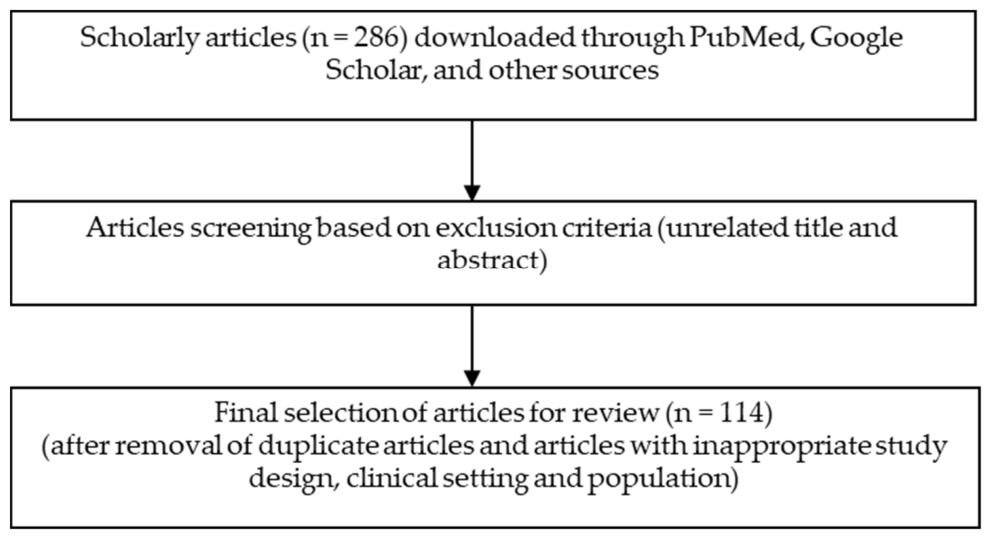
Figure 2.
Mechanism of oxidative stress in breast cancer.
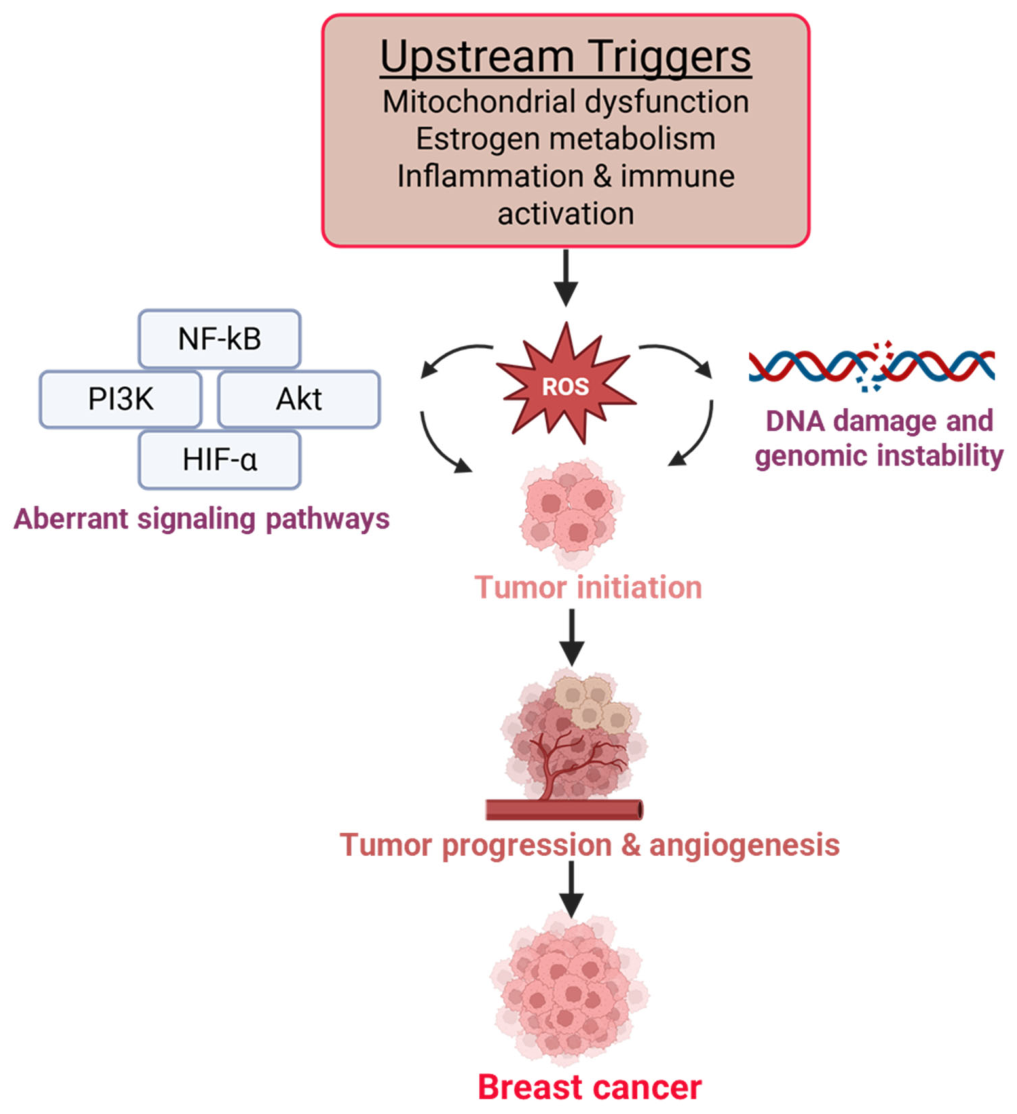
Figure 3.
Chemical structure of Cannabidiol (DB09061) adapted from DrugBank [31].
Figure 3.
Chemical structure of Cannabidiol (DB09061) adapted from DrugBank [31].
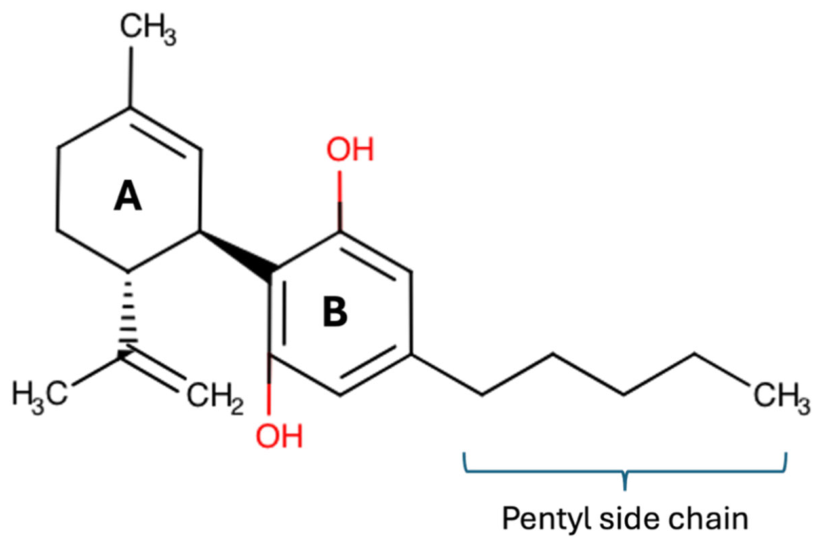
Figure 4.
Antioxidant mechanisms of CBD.
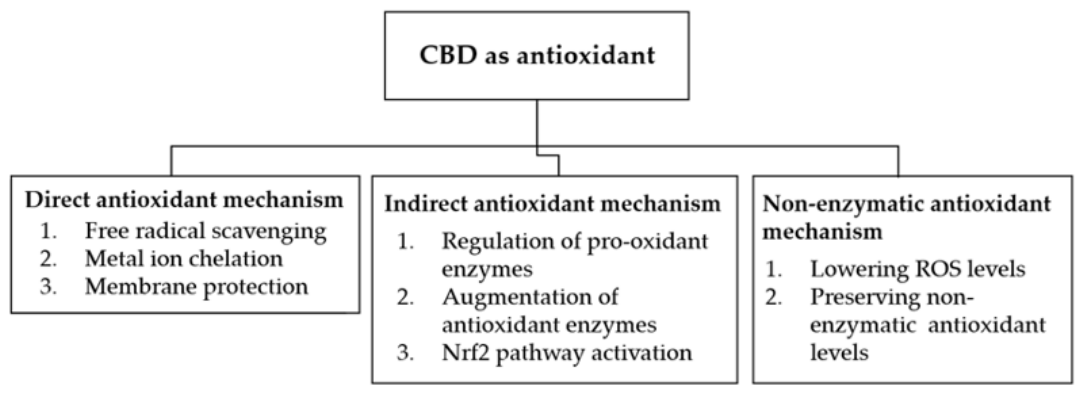
Figure 6.
Synthetic analogues of CBD: (A) Pubchem CID 44409296, (B) Pubchem CID 166505341, (C) MCPB-21, (D) HU-331, (E) O-1663, (F) N-butyl benzoxazine, (G) 6M, (H) 9M, (I) 4d (I), (J) 4h, (K) Abn CBD and (L) O-1602.
Figure 6.
Synthetic analogues of CBD: (A) Pubchem CID 44409296, (B) Pubchem CID 166505341, (C) MCPB-21, (D) HU-331, (E) O-1663, (F) N-butyl benzoxazine, (G) 6M, (H) 9M, (I) 4d (I), (J) 4h, (K) Abn CBD and (L) O-1602.
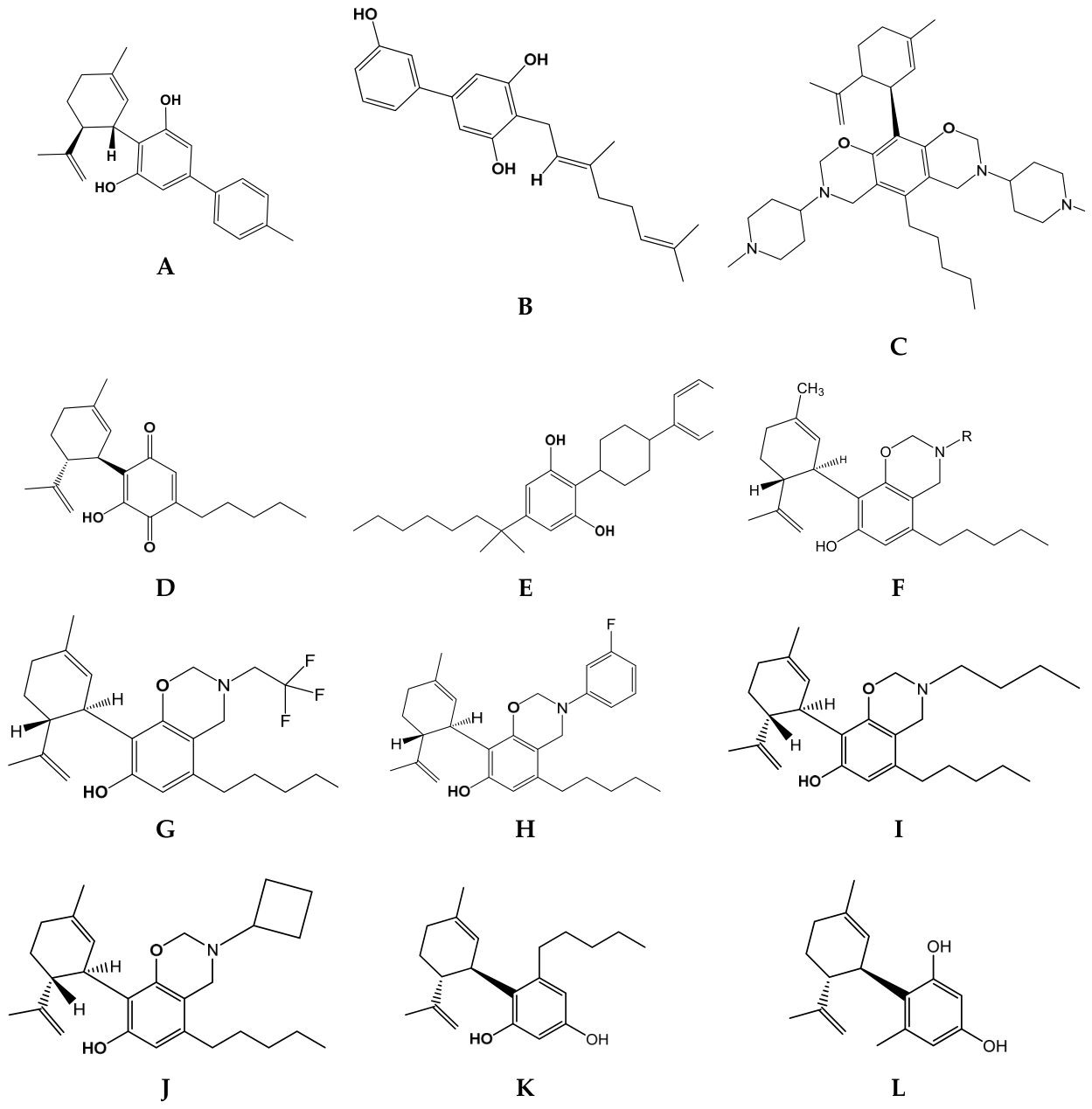

Table 1.
Nrf2 target genes activated by CBD and their cellular effects.
| Gene(s) Activated | Protein Expressed | Effects of Gene Expression |
|---|---|---|
| Glutathione reductase (GSR) | Glutathione reductase | Regeneration of cellular master antioxidant: oxidized glutathione (GSSG) back to its active form (GSH) [55]. |
| Glucose-6-phosphate dehydrogenase (G6PD) | Glucose-6-phosphate dehydrogenase | Formation of NADPH (via pentose-phosphate pathway) required for GSH regeneration from GSSG [56]. |
| Glutamate cysteine ligase (GCLC and GCLM) | Glutamate-cysteine ligase | Activation of both catalytic (GCLC) and modifier (GCLM) subunits essential for synthesizing GSH [57]. |
| Glutathione S-transferase (GST) | Glutathione S-transferases |
Conjugation of electrophilic toxic compounds and products of oxidative stress to glutathione (GSH), with consequent detoxification and excretion from the cell [58]. |
| Hemeoxygenase-1 (HMOX1/HO-1) | Heme oxygenase-1 | Formation of biliverdin (converts to bilirubin, a potent antioxidant), carbon monoxide (contributing to anti-inflammatory and antioxidant effects), and iron (sequestered by ferritin) [59]. |
| NADPH quinone oxidoreductase 1 (NQO1) | NAD(P)H quinone oxidoreductase 1 | Reduction of quinones to hydroquinones, thus preventing their redox cycling and ROS generating activity (68, 69, 70) and potentiation of the action of p53 by preventing its degradation [48]. |
| Sulfiredoxin (Srxn1) | Sulfiredoxin | Restoration of antioxidant function of peroxiredoxin by reduction of their oxidized forms [60]. |
| Thioredoxin reductase (TXNRD1) and Thioredoxin (TXN1) | Thioredoxin reductase and thioredoxin | Regeneration of other antioxidants via reduction of protein disulfide bonds [61]. |
Table 2.
A list of studies conducted in the last five years investigating Cannabidiol (CBD) in different stages of cancer.
Table 2.
A list of studies conducted in the last five years investigating Cannabidiol (CBD) in different stages of cancer.
| Sl. No. | Study Title | Study Type | Cancer Type | Result |
|---|---|---|---|---|
| 01 | Cannabidiol for scan-related anxiety in women [88]. | Randomized clinical trial | Stage IV/metastatic breast cancer (MBC) | Significantly lower anxiety levels, suggesting a possible anxiolytic effect. |
| 02 | Treatment of aromatase inhibitor-associated musculoskeletal symptoms in breast cancer [89]. | Phase II open-label single-arm clinical trial | Stage 0–3 hormone receptor-positive breast cancer | CBD was safe and tolerable; 44% of patients met the primary endpoint (≥2-point pain reduction). |
| 03 | A phase 1a window trial on CBD for breast cancer primary tumors [90]. | Phase 1a randomized, placebo-controlled, partially-blinded trial | Breast cancer primary tumors | Only 84 patients will be enrolled, and the study will mainly assess whether oral CBD causes biological changes in cell proliferation and apoptosis. No results have been published yet. |
| 04 | Topical cannabis balms for the treatment of aromatase inhibitor-associated musculoskeletal syndrome (AIMSS) [91]. | Phase II randomized controlled trial (pilot) | Stage 1–3 HR+ breast cancer | Both topical CBD and THC balms were well tolerated and appeared to reduce AIMSS severity. Larger confirmatory studies were recommended. |
| 05 | Integrative use of cannabidiol, melatonin, and oxygen-ozone therapy in TNBC [92]. | Clinical case report | Metastatic TNBC (Lung + mediastinal metastases) | Patients remained disease-free five years after diagnosis of lung and mediastinal metastases. |
| 06 | CBD-oil as a potential solution in cases of severe tamoxifen-related side effects [93]. | Open-label, single-arm, pharmacokinetic & symptom intervention study | Hormone receptor-positive breast cancer | Low-dose CBD-oil does not need to be discouraged in tamoxifen-treated patients as insomnia improved in 42% of patients; arthralgia and hot flashes improved in 24%. |
| 07 | Cannabidiol oil for the relief of symptoms in advanced cancer (MedCan1-CBD) [94]. | Phase IIb randomized, placebo-controlled, dose-escalating, double-blind | Advanced cancer with symptom distress (includes breast cancer — palliative care population) | CBD oil did not significantly reduce total symptom distress vs placebo (p=0.24). No significant adverse events except slightly more dyspnea with CBD. |
| 08 | Quadruple combination therapy: mifepristone, tamoxifen, retinoic acid, and cannabidiol (cyp26 inhibitor) for early breast cancer [95] | Phase 2 trial | Early breast cancer | This study will investigate and test the safety and effectiveness of a novel combination therapy consisting of Mifepristone, Tamoxifen, Retinoic Acid, and Cannabidiol for treating early breast cancer. The results of the study have not been published yet. |
Disclaimer/Publisher’s Note: The statements, opinions and data contained in all publications are solely those of the individual author(s) and contributor(s) and not of MDPI and/or the editor(s). MDPI and/or the editor(s) disclaim responsibility for any injury to people or property resulting from any ideas, methods, instructions or products referred to in the content. |
© 2026 by the authors. Licensee MDPI, Basel, Switzerland. This article is an open access article distributed under the terms and conditions of the Creative Commons Attribution (CC BY) license (http://creativecommons.org/licenses/by/4.0/).
Copyright: This open access article is published under a Creative Commons CC BY 4.0 license, which permit the free download, distribution, and reuse, provided that the author and preprint are cited in any reuse.