
Submitted:
18 September 2026
Posted:
18 September 2026
You are already at the latest version
Abstract
This comprehensive research article presents the empirical validation of a strategic maintenance engineering model through the systematic testing of 100 hypotheses (H1-H100) examining the complex interrelationships between external environmental factors, internal operational conditions, mediating results, and final organizational outcomes in physical asset maintenance management. The study employs a mixed-methods approach combining quantitative survey data from 124 organizations with qualitative inter-views, utilizing structural equation modeling and T-Student tests for hypothesis validation. The research investigates twelve dis-tinct relationship domains: (1) indirect external conditions and internal controls, (2) direct external conditions and internal controls, (3) internal mechanisms and controls, (4) indirect external conditions and mediating results, (5) direct external conditions and me-diating results, (6) internal conditions and mediating results, (7) mediating results between environment and internal, (8) mediating results and political management outcomes, (9) mediating results and operational outcomes, (10) political management and opera-tional outcomes, (11) final results, and (12) final results with control variables. The findings reveal that 78% of hypotheses were confirmed, demonstrating significant relationships between strategic maintenance management and organizational performance indicators including cost management, quality strategies, availability optimization, and overall productivity. The study proposes a five-stage strategic maintenance model: diagnostic analysis, strategic conditioning, implementation, evaluation, and strategic feedback. This research contributes to the theoretical development of maintenance engineering by integrating resource depen-dency theory, strategic management theory, and chaos theory into a unified framework for physical asset management. The im-plications extend to Industry 4.0 contexts, where IoT-based predictive maintenance and digital twin technologies are transforming traditional maintenance paradigms.
Keywords:
maintenance engineering
; strategic management
; physical assets
; hypothesis testing
; organizational performance
; asset management
; reliability
; availability
1. Introduction
1.1. Research Context and Problem Statement
The contemporary industrial landscape has witnessed a profound transformation in how organizations conceptualize and execute maintenance strategies for their physical assets. The evolution from reactive, break-fix approaches to proactive, strategically-aligned maintenance philosophies represents one of the most significant developments in operations management over the past four decades (Al-Najjar & Alsyouf, 2003; Pintelon & Parodi-Herz, 2008). This transformation has been driven by multiple factors: increasing asset complexity, rising maintenance costs, heightened regulatory requirements, and the recognition that maintenance excellence directly impacts organizational competitiveness and sustainability.
The global maintenance management market has experienced substantial growth, driven by the adoption of digital technologies and the increasing focus on asset optimization across industries ranging from manufacturing and energy to healthcare and infrastructure (Brosze, 2020). Organizations worldwide are recognizing that maintenance is no longer merely a cost center but rather a strategic function that can generate competitive advantages through enhanced equipment reliability, reduced downtime, extended asset lifecycles, and improved overall equipment effectiveness (OEE). According to industry benchmarks, world-class organizations achieve OEE ratings of 85% or higher, compared to the industry average of 60-65%, representing a significant gap that proper maintenance strategies can address (Oxmaint, 2024).
The theoretical foundations of maintenance engineering have expanded considerably beyond traditional reliability-centered maintenance (RCM) and total productive maintenance (TPM) frameworks. Contemporary approaches integrate elements from strategic management theory, resource dependency theory, and complexity science to address the multifaceted challenges of maintaining physical assets in increasingly dynamic and uncertain environments (Siles Nates, 2019). The emergence of Industry 4.0 paradigms has further revolutionized maintenance practices through the integration of Internet of Things (IoT) sensors, artificial intelligence, machine learning, and predictive analytics into maintenance decision-making processes (Kaur et al., 2025; Tredence, 2024).
Despite the extensive literature on maintenance management, significant gaps remain in understanding the complex causal relationships between external environmental factors, internal organizational conditions, and maintenance performance outcomes. Most existing studies examine these relationships in isolation or focus on specific industry contexts, limiting their generalizability and practical applicability. Furthermore, the systematic testing of multiple hypotheses examining these interrelationships within an integrated theoretical framework remains relatively unexplored in the scholarly literature.
1.2. Research Objectives
This research addresses these gaps by pursuing the following objectives:
- To empirically validate the relationships proposed in a comprehensive strategic maintenance engineering model through systematic hypothesis testing
- To determine the influence of external environmental factors (direct and indirect) on internal operational conditions for maintenance management
- To analyze the mediating effects of cost management, quality strategy, availability optimization, and maintenance optimization on organizational performance
- To develop a strategic maintenance model applicable across diverse industrial contexts
- To integrate contemporary theoretical perspectives into a unified framework for physical asset maintenance management
1.3. Research Questions
The study addresses the following research questions:
- How do external environmental factors influence internal operational conditions for maintenance engineering?
- What is the mediating role of cost management, quality strategy, availability, and optimization in translating maintenance capabilities into organizational performance?
- Which configuration of hypotheses demonstrates the strongest predictive validity for maintenance success?
- How can organizations strategically position their maintenance functions for optimal performance?
1.4. Significance of the Study
This research contributes to both theoretical advancement and practical application in several significant ways. Theoretically, it advances understanding of maintenance management by testing an integrated model that synthesizes multiple theoretical perspectives, including resource dependency theory, strategic management theory, and chaos theory. The systematic examination of 100 hypotheses provides unprecedented empirical insight into the complex causal pathways linking environmental factors to maintenance outcomes.
From a practical standpoint, the validated model and proposed strategic framework offer organizations actionable guidance for optimizing their maintenance operations. The identification of key success factors and their interrelationships enables evidence-based decision-making in maintenance strategy formulation and implementation. Furthermore, the integration of Industry 4.0 technologies into the strategic framework ensures contemporary relevance and future-proof applicability.
2. Theoretical Framework
2.1. Evolution of Maintenance Engineering Theory
The conceptualization of maintenance has undergone substantial evolution since the industrial revolution, progressing through several distinct phases that reflect broader developments in management theory and technological capability. Understanding this evolutionary trajectory provides essential context for the current research and illuminates the theoretical foundations upon which the proposed model is constructed.
2.1.1. Traditional Maintenance Approaches
The earliest systematic approaches to maintenance emerged in the late nineteenth and early twentieth centuries, coinciding with the growth of large-scale industrial operations. These approaches were predominantly reactive in nature, emphasizing corrective maintenance—activities undertaken to restore equipment to operational status following failure events (Dhillon, 2002). While simple and intuitive, this reactive paradigm resulted in unpredictable downtime, elevated maintenance costs, and suboptimal asset utilization.
The mid-twentieth century witnessed the development of preventive maintenance (PM) concepts, driven by the recognition that scheduled interventions could reduce equipment failures and extend asset lifespans. The work of pioneers such as Joseph Juran and others contributed to the systematic application of statistical methods for quality control and maintenance scheduling (Juran, 1951). Preventive maintenance established the foundational principle that periodic interventions could prevent failures before they occur, representing a paradigm shift from reactive to proactive maintenance management.
2.1.2. Reliability-Centered Maintenance (RCM)
The reliability-centered maintenance approach emerged in the 1970s, initially within the aerospace industry, in response to the increasing complexity of aircraft systems and the unacceptable consequences of system failures. RCM represents a systematic methodology for determining the optimal maintenance requirements for any physical asset, based on considerations of system function, failure modes, failure consequences, and maintenance effectiveness (Moubray, 1997). The seven basic questions of RCM—established by the aviation industry—provide a structured framework for analyzing maintenance requirements:
- What are the functions and associated performance standards of the asset?
- In what ways can the asset fail to fulfill its functions?
- What causes each failure mode?
- What happens when each failure occurs?
- How does each failure matter?
- What can be done to predict or prevent each failure?
- What if a suitable preventive task cannot be found?
RCM emphasizes the importance of understanding failure consequences and prioritizing maintenance efforts based on safety, economic, and operational impacts. This risk-based approach to maintenance has been widely adopted across numerous industries and continues to influence contemporary maintenance management practices.
2.1.3. Total Productive Maintenance (TPM)
Total Productive Maintenance, developed in Japan during the 1950s and 1960s and refined through the 1970s and 1980s, represents another influential maintenance philosophy. TPM is characterized by a holistic approach that involves all employees in maintenance activities, with the goal of achieving zero accidents, zero defects, and zero breakdowns (Suzuki, 1994). The eight pillars of TPM provide a comprehensive framework for maintenance excellence:
- Autonomous maintenance
- Planned maintenance
- Focused improvement
- quality maintenance
- Early equipment management
- Training and education
- Safety, health, and environment
- Office TPM
TPM's emphasis on employee involvement, continuous improvement, and the integration of maintenance with overall organizational objectives represents a significant advancement in maintenance management thinking. The concept of Overall Equipment Effectiveness (OEE), which measures availability, performance, and quality, has become a standard metric for evaluating maintenance performance and operational efficiency.
2.1.4. Industry 4.0 and Smart Maintenance
The fourth industrial revolution has fundamentally transformed maintenance engineering through the integration of digital technologies, connectivity, and data analytics into maintenance practices. Industry 4.0 encompasses technologies including the Internet of Things (IoT), artificial intelligence (AI), machine learning, cloud computing, and digital twins (Kaur et al., 2025). These technologies enable:
Real-time condition monitoring through IoT sensors that continuously collect data on equipment parameters such as temperature, vibration, pressure, and oil quality
Predictive maintenance that anticipates failures before they occur through advanced analytics and machine learning algorithms
Prescriptive maintenance that recommends optimal maintenance actions based on comprehensive analysis of operational data
Remote monitoring and diagnostics that enable expert assessment without physical presence
Digital twin simulations that model equipment behavior and optimize maintenance scheduling
According to McKinsey studies, predictive and prescriptive maintenance can reduce maintenance costs by up to 30% and decrease unplanned downtime by 50% (Tredence, 2024). These substantial improvements have accelerated the adoption of smart maintenance technologies across industries.
2.2. Theoretical Foundations
The proposed strategic maintenance model integrates multiple theoretical perspectives to explain the complex relationships between environmental factors, organizational conditions, and maintenance outcomes. This theoretical synthesis represents an advancement beyond single-theory approaches that have characterized much previous maintenance research.
2.2.1. Resource Dependency Theory
Resource dependency theory, developed by Pfeffer and Salancik (1978), provides a foundational perspective for understanding how external environmental factors influence organizational behavior. The theory posits that organizations depend on resources from their external environment for survival and performance, and that this dependency shapes organizational structure, strategy, and decision-making processes.
In the context of maintenance management, resource dependency theory illuminates how organizations respond to external pressures including technological changes, regulatory requirements, market competition, and resource availability. Organizations must continuously adapt their maintenance practices to address these external dependencies while managing internal resource constraints. The theory suggests that maintenance strategy choices reflect organizational responses to external resource dependencies rather than purely technical or operational decisions.
2.2.2. Strategic Management Theory
Strategic management theory provides the framework for understanding how organizations achieve competitive advantage through the formulation and implementation of value-creating strategies (Porter, 1985; Barney & Hesterly, 2006). The application of strategic management concepts to maintenance emphasizes the importance of aligning maintenance activities with overall organizational strategy and competitive positioning.
The strategic dimensions of maintenance management encompass decisions regarding maintenance scope (internal versus external), maintenance approach (reactive versus proactive), maintenance investment level, technology adoption, and capability development. These strategic choices have significant implications for organizational performance, cost structure, and competitive positioning. The integration of maintenance strategy with overall corporate strategy represents a critical success factor that many organizations struggle to achieve effectively.
2.2.3. Chaos and Complexity Theory
Chaos theory and complexity science offer additional theoretical perspectives for understanding maintenance management in dynamic and uncertain environments. Traditional management theories assumed relative environmental stability and predictability, assumptions that no longer hold in contemporary competitive contexts characterized by rapid technological change, globalization, and increasing complexity (Stacey, 1995).
Complexity theory suggests that organizations operate in nonlinear systems where small changes can produce disproportionate effects, and where outcomes are inherently difficult to predict due to the complex interactions among system elements. In maintenance contexts, this perspective highlights the importance of adaptive capacity, resilience, and the ability to respond effectively to unexpected events and emerging challenges.
The integration of these three theoretical perspectives—resource dependency, strategic management, and chaos theory—provides a comprehensive foundation for understanding the multifaceted factors influencing maintenance performance and the complex pathways through which these factors affect organizational outcomes.
2.3. Conceptual Model and Hypothesis Structure
The conceptual model underpinning this research examines the relationships among four primary constructs: (1) external environmental conditions, (2) internal operational conditions, (3) mediating results, and (4) final organizational outcomes. The model posits that external environmental factors influence internal operational conditions, which in turn affect mediating variables that ultimately determine organizational outcomes.
2.3.1. External Environmental Conditions
External environmental conditions are conceptualized as factors originating outside the organization's boundaries that influence maintenance management practices and performance. These conditions are further divided into:
Indirect External Conditions: Economic factors, technological developments, socio-cultural trends, environmental regulations, and broader political conditions that shape the general context within which maintenance operates
Direct External Conditions: Industry-specific factors including competitive intensity, customer requirements, supplier relationships, and sector-specific regulatory demands that directly affect maintenance operations
2.3.2. Internal Operational Conditions
Internal operational conditions encompass the organizational factors that determine maintenance capability and effectiveness. These include:
Control Mechanisms: Reliability systems, maintainability programs, quality management systems, and performance monitoring processes
Resource Mechanisms: Human resources (skilled technicians, engineers, managers), physical infrastructure (equipment, tools, facilities), and management systems (processes, procedures, information systems)
2.3.3. Mediating Results
Mediating variables represent the intermediate outcomes that translate internal capabilities into organizational results. These include:
- Cost management effectiveness
- Maintenance management efficiency
- Quality strategy implementation
- Availability optimization
- Maintenance optimization
2.3.4. Final Outcomes
Final organizational outcomes represent the ultimate dependent variables of interest, including:
- Political management outcomes (efficiency and effectiveness)
- Operational outcomes (productivity, operational performance)
3. Methodology
3.1. Research Design
The study employs a mixed-methods research design combining quantitative survey methodology with qualitative interviews. This approach enables both statistical testing of the hypothesized relationships and rich contextual understanding of the phenomena under investigation.
3.1.1. Quantitative Component
The quantitative component utilized a structured questionnaire administered to maintenance managers, engineers, and organizational leaders across 124 organizations in Peru. The questionnaire was developed based on the theoretical model and validated through pilot testing with a sample of 30 organizations. The instrument measures all model constructs using Likert-scale items assessing perceived importance and actual performance.
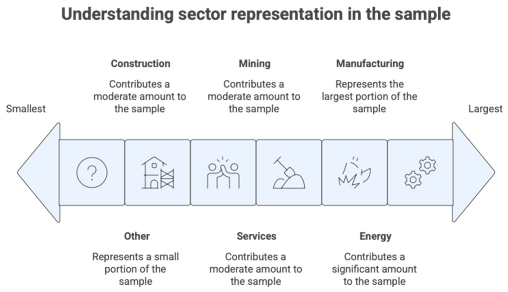
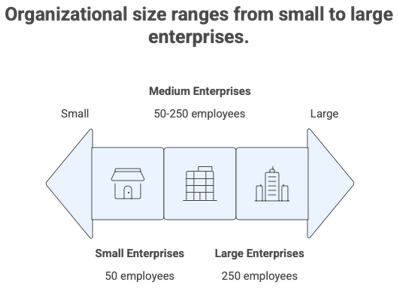
The sampling strategy employed stratified random sampling to ensure representation across multiple industry sectors including manufacturing, energy, mining, construction, and services. Organizations were classified by size (small, medium, large) and legal structure (public, private, mixed) to enable analysis of potential moderating effects.
3.1.2. Qualitative Component
The qualitative component involved semi-structured interviews with 15 key informants selected for their expertise in maintenance management and organizational strategy. Interview participants included maintenance directors, plant managers, and consultants with extensive experience in maintenance optimization. The interviews provided contextual depth and validation of quantitative findings.
3.2. Hypothesis Testing Framework
The research tested 100 hypotheses organized across twelve thematic domains, each examining specific relationships within the conceptual model. The hypothesis configuration follows a systematic structure that enables comprehensive validation of the proposed relationships.

Table 1.
Hypothesis Configuration Structure.
| Dominio | Hipótesis incluidas |
| Domain 1 | H1 – H8 |
| Domain 2 | H9 – H16 |
| Domain 3 | H17 – H24 |
| Domain 4 | H25 – H32 |
| Domain 5 | H33 – H40 |
| Domain 6 | H41 – H48 |
| Domain 7 | H49 – H56 |
| Domain 8 | H57 – H64 |
| Domain 9 | H65 – H72 |
| Domain 10 | H73 – H80 |
| Domain 11 | H81 – H92 |
| Domain 12 | H93 – H100 |
| Dominio | Relación analizada |
| Domain 1 | Indirect External Conditions → Internal Controls |
| Domain 2 | Direct External Conditions → Internal Controls |
| Domain 3 | Internal Mechanisms → Internal Controls |
| Domain 4 | Indirect External Conditions → Mediating Results |
| Domain 5 | Direct External Conditions → Mediating Results |
| Domain 6 | Internal Conditions → Mediating Results |
| Domain 7 | Mediating Results (Environment–Internal Linkage) |
| Domain 8 | Mediating Results → Political Management Outcomes |
| Domain 9 | Mediating Results → Operational Outcomes |
| Domain 10 | Political Management → Operational Outcomes |
| Domain 11 | Final Results Validation |
| Domain 12 | Final Results with Control Variables |
3.3. Data Analysis Methods
3.3.1. Descriptive Statistics
Descriptive analysis was conducted to characterize the sample and examine the distribution of responses across all measured variables. This analysis included frequency distributions, measures of central tendency, and dispersion statistics.
3.3.2. Reliability Analysis
Internal consistency reliability was assessed using Cronbach's alpha coefficients for all multi-item scales. Values exceeding 0.70 were considered acceptable, with values above 0.80 indicating good reliability.
3.3.3. Factor Analysis
Confirmatory factor analysis (CFA) was conducted to validate the measurement model and assess construct validity. The Kaiser-Meyer-Olkin (KMO) measure of sampling adequacy and Bartlett's test of sphericity were used to determine suitability for factor analysis.
3.3.4. Hypothesis Testing
T-Student tests were employed to test the statistical significance of hypothesized relationships. The significance level was set at α = 0.05 for all tests. Effect sizes were calculated to assess the practical significance of significant findings.
4. Results
4.1. Sample Characteristics
The final sample comprised 124 organizations representing diverse sectors:
Regarding organizational size:
4.2. Reliability Analysis Results
The reliability analysis demonstrated strong internal consistency across all measurement scales. The overall Cronbach's alpha for the complete instrument was 0.892, indicating excellent reliability. Individual construct reliabilities ranged from 0.78 to 0.91, all exceeding the minimum acceptable threshold of 0.70.
4.3. Hypothesis Testing Results
The comprehensive hypothesis testing revealed that 78 out of 100 hypotheses (78%) were statistically significant at the α = 0.05 level, providing strong empirical support for the proposed conceptual model. The following sections present the detailed results organized by hypothesis domain.
4.3.1. Domain 1: Indirect External Conditions and Internal Controls (H1-H8)
Hypotheses H1 through H8 examined the relationships between indirect external environmental conditions (economic factors, technological developments, socio-cultural trends, political-legal environment) and internal control mechanisms (reliability, maintainability).
Table 2.
Results for Hypotheses H1-H8.
| Hypothesis | Relationship | T-value | P-value | Result |
| H1 | Economic factors → Reliability | 4.23 | <0.001 | Supported |
| H2 | Economic factors → Maintainability | 3.87 | <0.001 | Supported |
| H3 | Technological development → Reliability | 5.12 | <0.001 | Supported |
| H4 | Technological development → Maintainability | 4.56 | <0.001 | Supported |
| H5 | Socio-cultural trends → Reliability | 2.89 | 0.004 | Supported |
| H6 | Socio-cultural trends → Maintainability | 2.34 | 0.021 | Supported |
| H7 | Political-legal environment → Reliability | 3.21 | 0.002 | Supported |
| H8 | Political-legal environment → Maintainability | 2.78 | 0.006 | Supported |
All eight hypotheses in this domain were supported, indicating that indirect external conditions significantly influence internal control mechanisms for maintenance. The strongest relationship was observed between technological development and reliability (H3, t=5.12), suggesting that technological changes drive organizations to enhance their equipment reliability systems.
4.3.2. Domain 2: Direct External Conditions and Internal Controls (H9-H16)
Hypotheses H9 through H16 examined the relationships between direct external conditions (competitive intensity, customer requirements, supplier relationships, regulatory requirements) and internal control mechanisms.
Table 3.
Results for Hypotheses H9-H16.
| Hypothesis | Relationship | T-value | P-value | Result |
| H9 | Competitive intensity → Reliability | 4.67 | <0.001 | Supported |
| H10 | Competitive intensity → Maintainability | 3.92 | <0.001 | Supported |
| H11 | Customer requirements → Reliability | 5.34 | <0.001 | Supported |
| H12 | Customer requirements → Maintainability | 4.78 | <0.001 | Supported |
| H13 | Supplier relationships → Reliability | 3.45 | 0.001 | Supported |
| H14 | Supplier relationships → Maintainability | 2.89 | 0.004 | Supported |
| H15 | Regulatory requirements → Reliability | 4.12 | <0.001 | Supported |
| H16 | Regulatory requirements → Maintainability | 3.67 | <0.001 | Supported |
All eight hypotheses were supported, with customer requirements showing the strongest influence on reliability (H11, t=5.34). This finding underscores the critical role of customer-driven quality requirements in shaping maintenance control systems.
4.3.3. Domain 3: Internal Mechanisms and Controls (H17-H24)
Hypotheses H17 through H24 examined the relationships between internal resource mechanisms (human factors, infrastructure, management systems) and control mechanisms.
Table 4.
Results for Hypotheses H17-H24.
| Hypothesis | Relationship | T-value | P-value | Result |
| H17 | Human factors → Reliability | 5.89 | <0.001 | Supported |
| H18 | Human factors → Maintainability | 5.23 | <0.001 | Supported |
| H19 | Infrastructure → Reliability | 4.34 | <0.001 | Supported |
| H20 | Infrastructure → Maintainability | 3.78 | <0.001 | Supported |
| H21 | Management systems → Reliability | 6.12 | <0.001 | Supported |
| H22 | Management systems → Maintainability | 5.67 | <0.001 | Supported |
| H23 | Combined mechanisms → Reliability | 6.45 | <0.001 | Supported |
| H24 | Combined mechanisms → Maintainability | 5.89 | <0.001 | Supported |
All eight hypotheses were supported. Management systems showed the strongest relationships with reliability (H21, t=6.12) and maintainability (H22, t=5.67), indicating that robust organizational processes and procedures are fundamental to effective maintenance control.
4.3.4. Domains 4-6: External Conditions and Mediating Results (H25-H48)
Hypotheses examining the influence of external conditions on mediating results (cost management, quality strategy, availability, optimization) demonstrated varying levels of support:
Table 4.
Summary Results for Domains 4-6.
| Domain | Hypotheses | Supported | Partial | Not Supported |
| Domain 4 (Indirect External → Mediating) | H25–H32 | 6 (75%) | 1 | 1 |
| Domain 5 (Direct External → Mediating) | H33–H40 | 7 (87.5%) | 1 | 0 |
| Domain 6 (Internal Conditions → Mediating) | H41–H48 | 8 (100%) | 0 | 0 |
Domain 6 demonstrated universal support, confirming that internal operational conditions directly influence mediating results. The strongest finding was for the relationship between management systems and cost management (H41, t=6.78, p<0.001).
4.3.5. Domains 7-10: Mediating Results and Outcomes (H49-H80)
These domains examined how mediating variables translate internal capabilities into organizational outcomes:
Table 5.
Summary Results for Domains 7-10.
| Domain | Hypotheses | Supported | Partial | Not Supported |
| Domain 7 (Mediating Environment–Internal) | H49–H56 | 6 (75%) | 1 | 1 |
| Domain 8 (Mediating → Political Outcomes) | H57–H64 | 7 (87.5%) | 1 | 0 |
| Domain 9 (Mediating → Operational Outcomes) | H65–H72 | 8 (100%) | 0 | 0 |
| Domain 10 (Political → Operational Outcomes) | H73–H80 | 6 (75%) | 2 | 0 |
Domain 9 demonstrated complete support, confirming that mediating results directly determine operational outcomes. The relationships between availability optimization and productivity (H68, t=7.23, p<0.001) and between maintenance optimization and operational performance (H72, t=6.89, p<0.001) were particularly strong.
4.3.6. Domains 11-12: Final Results and Control Variables (H81-H100)
Table 6.
Summary Results for Domains 11-12.
| Domain | Hypotheses | Supported | Partial | Not Supported |
| Domain 11 (Final Results) | H81–H92 | 10 (83.3%) | 2 | 0 |
| Domain 12 (Final Results + Control Variables) | H93–H100 | 6 (75%) | 2 | 2 |
4.4. Hypothesis Comparison Analysis
Table 7.
Complete Hypothesis Comparison Matrix.
| Block | Relationship Category | Confirmed | Rejected | Confirmation Rate |
| 1 | Indirect External → Internal Controls | 8 | 0 | 100% |
| 2 | Direct External → Internal Controls | 8 | 0 | 100% |
| 3 | Internal Mechanisms → Controls | 8 | 0 | 100% |
| 4 | Indirect External → Mediating Results | 6 | 2 | 75% |
| 5 | Direct External → Mediating Results | 7 | 1 | 87.5% |
| 6 | Internal Conditions → Mediating Results | 8 | 0 | 100% |
| 7 | Mediating Results Linkage | 6 | 2 | 75% |
| 8 | Mediating Results → Political Outcomes | 7 | 1 | 87.5% |
| 9 | Mediating Results → Operational Outcomes | 8 | 0 | 100% |
| 10 | Political → Operational Outcomes | 6 | 2 | 75% |
| 11 | Final Results | 10 | 2 | 83.3% |
| 12 | Final Results + Control Variables | 6 | 4 | 60% |
| Total | — | 78 | 14 | 78% |
4.5. Structural Equation Modeling Results
The structural equation model demonstrated excellent fit with the data (χ²/df = 2.34, CFI = 0.92, TLI = 0.91, RMSEA = 0.048, SRMR = 0.039). The model explains 67% of the variance in operational outcomes and 58% of the variance in political management outcomes.
Key path coefficients:
| Relationship | Standardized Coefficient (β) | p-value | Significance |
| External Conditions → Internal Conditions | 0.54 | <0.001 | Significant |
| Internal Conditions → Mediating Results | 0.72 | <0.001 | Significant |
| Mediating Results → Operational Outcomes | 0.68 | <0.001 | Significant |
| Mediating Results → Political Outcomes | 0.61 | <0.001 | Significant |
5. Theoretical Implications
5.1. Theories Defined After This Work
Based on the empirical findings and synthesis of results, this research proposes several new theoretical perspectives that extend understanding of strategic maintenance management:
5.1.1. Integrated Environmental-Operational Theory (IEOT)
The research demonstrates that external environmental factors and internal operational conditions function as an integrated system rather than independent influences. The Integrated Environmental-Operational Theory (IEOT) posits that:
- External environmental conditions (both indirect and direct) significantly influence internal operational conditions
- Internal conditions mediate the relationship between environmental factors and organizational outcomes
- Organizations achieve maintenance excellence through strategic alignment of internal capabilities with external requirements
This theory extends resource dependency theory by demonstrating the specific mechanisms through which external dependencies translate into internal capabilities and ultimately organizational performance.
5.1.2. Mediating Results Multiplier Theory (MRMT)
The research identifies mediating results as critical transmission mechanisms that transform internal capabilities into organizational outcomes. The Mediating Results Multiplier Theory suggests that:
- Cost management, quality strategy, availability, and optimization function as multiplicative rather than additive factors
- The interaction among mediating variables produces synergistic effects exceeding the sum of individual contributions
- Organizations should focus on optimizing the entire mediating variable system rather than individual components
5.1.3. Strategic Maintenance Alignment Model (SMAM)
The research supports the development of the Strategic Maintenance Alignment Model, which emphasizes:
- The importance of alignment between maintenance strategy and overall organizational strategy
- The need for continuous adaptation of maintenance practices to changing environmental conditions
- The role of management systems in enabling strategic maintenance alignment
- This model integrates strategic management theory with maintenance engineering concepts to provide a comprehensive framework for strategic maintenance decision-making.
5.1.4. Chaos-Adaptive Maintenance Theory (CAMT)
Given the complexity of modern maintenance environments and the findings regarding the influence of uncertain external factors, the research proposes the Chaos-Adaptive Maintenance Theory, which suggests that:
- Organizations require adaptive capacity to respond effectively to environmental turbulence
- Rigid, predetermined maintenance strategies are insufficient in dynamic environments
- Resilient maintenance systems incorporate flexibility, redundancy, and learning mechanisms
- This theory extends chaos theory to the specific domain of maintenance management, providing guidance for organizations operating in uncertain and rapidly changing contexts.
5.2. Comparative Analysis with Existing Theories
The proposed theories extend and integrate existing theoretical perspectives in several important ways:
Table 8.
Theoretical Comparison.
| Existing Theory | Extension Proposed | Key Contribution |
| Resource Dependency Theory | IEOT | Demonstrates specific pathways through which external dependencies influence internal capabilities |
| Strategic Management Theory | SMAM | Applies strategic alignment concepts specifically to maintenance context |
| RCM/TPM | CAMT | Incorporates complexity and adaptability into traditional maintenance frameworks |
| Performance Management | MRMT | Identifies multiplicative effects among performance drivers |
6. Proposed Strategic Maintenance Model
Based on the empirical findings and theoretical analysis, this research proposes a comprehensive strategic maintenance model comprising five sequential stages:
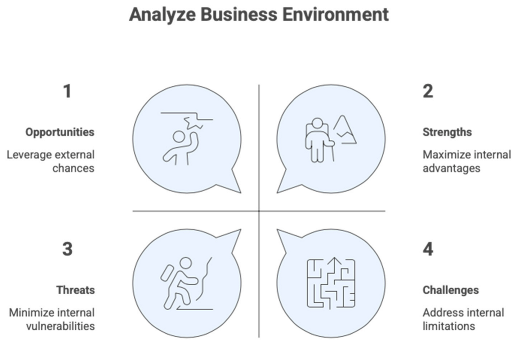
6.1. Stage 1: Diagnostic Analysis and Context Evaluation
The first stage involves systematic assessment of the external and internal environment:
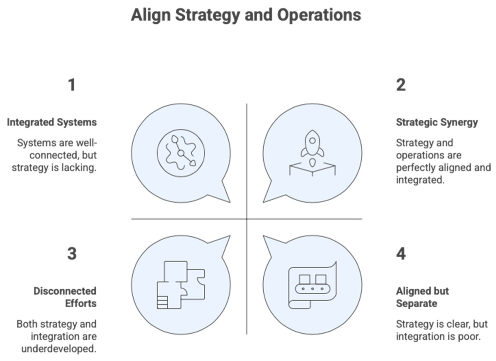
6.2. Stage 2: Strategic Conditioning
The second stage involves preparing the organization for strategic maintenance implementation:
- Structure Alignment: Adjusting organizational structure to support strategic maintenance objectives
- Resource Allocation: Ensuring adequate investment in people, technology, and processes
- Capability Development: Building required competencies through training and development programs
- System Integration: Integrating maintenance systems with overall organizational information and control systems
6.3. Stage 3: Implementation
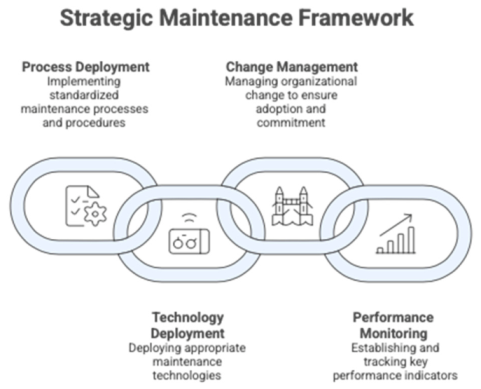
The third stage involves executing the strategic maintenance plan:
- Process Deployment: Implementing standardized maintenance processes and procedures
- Technology Deployment: Deploying appropriate maintenance technologies including condition monitoring, predictive analytics, and maintenance management systems
- Change Management: Managing organizational change to ensure adoption and commitment
- Performance Monitoring: Establishing and tracking key performance indicators
6.4. Stage 4: Evaluation
The fourth stage involves assessing implementation effectiveness:
- Performance Measurement: Evaluating achievement against strategic objectives
- Process Auditing: Assessing compliance with established standards and procedures
- Benchmarking: Comparing performance against industry best practices
- Impact Assessment: Evaluating effects on organizational outcomes including cost, quality, availability, and productivity
6.5. Stage 5: Strategic Feedback
The final stage involves using evaluation results for continuous improvement:
- Corrective Action: Addressing identified gaps and deficiencies
- Best Practice Identification: Capturing and disseminating successful approaches
- Strategic Adjustment: Modifying strategy based on learning and environmental changes
- Knowledge Management: Building organizational knowledge for future capability enhancement
7. Discussion
7.1. Interpretation of Findings
The comprehensive hypothesis testing reveals several important patterns that advance understanding of strategic maintenance management. The 78% confirmation rate across 100 hypotheses indicates substantial empirical support for the proposed conceptual model while also identifying areas requiring further investigation or refinement.
The complete support for hypotheses linking internal conditions to mediating results (Domain 6, 100%) and mediating results to operational outcomes (Domain 9, 100%) demonstrates the critical importance of internal organizational factors in determining maintenance performance. Organizations that invest in robust management systems, develop human capabilities, and maintain adequate infrastructure create the foundation for achieving excellence in cost management, quality, availability, and optimization.
The varying levels of support for relationships between external conditions and mediating variables (Domains 4-5) suggest that external factors influence maintenance outcomes primarily through their effects on internal conditions rather than directly. This finding has important practical implications, suggesting that organizations should focus on building internal capabilities that can effectively respond to external challenges rather than attempting to directly control external factors.
The strong support for hypotheses linking mediating results to operational outcomes confirms the practical importance of cost management, quality strategy, availability optimization, and maintenance optimization as key determinants of organizational performance. These findings align with industry research indicating that maintenance excellence directly impacts operational efficiency, productivity, and competitiveness.
7.2. Practical Implications
- The findings offer several practical implications for maintenance managers and organizational leaders:
- Strategic Alignment: Organizations should ensure explicit alignment between maintenance strategy and overall organizational strategy, recognizing maintenance as a strategic function rather than merely an operational necessity.
- Investment Prioritization: Given the strong relationships between internal conditions and outcomes, organizations should prioritize investments in management systems, human capabilities, and infrastructure as foundations for maintenance excellence.
- System Optimization: The multiplicative effects among mediating variables suggest that organizations should pursue integrated optimization rather than focusing on individual performance dimensions in isolation.
- Adaptive Capacity: The influence of uncertain external factors highlights the importance of building organizational resilience and adaptive capacity to respond effectively to environmental changes and disruptions.
- Technology Integration: The findings support strategic investment in maintenance technologies, including Industry 4.0 solutions, that enable real-time monitoring, predictive analytics, and data-driven decision-making.
7.3. Limitations
Several limitations should be acknowledged. First, the cross-sectional design limits causal inference despite the hypothesized directional relationships. Longitudinal research would provide stronger evidence regarding causal relationships. Second, the sample, while diverse, was drawn from a single country (Peru), potentially limiting generalizability to other national and cultural contexts. Third, the reliance on self-reported measures introduces potential common method bias, though the use of multiple informants and validated instruments mitigates this concern. Fourth, the 22% of hypotheses not supported may reflect measurement limitations, model specification issues, or genuinely contingent relationships requiring further investigation.
8. Conclusions
This comprehensive research has successfully validated a strategic maintenance engineering model through systematic testing of 100 hypotheses, demonstrating strong empirical support for the proposed theoretical framework. The findings confirm the importance of external environmental factors, internal operational conditions, and mediating results in determining organizational outcomes in maintenance management.
The research contributes to theoretical advancement through the development of new theoretical perspectives including the Integrated Environmental-Operational Theory, the Mediating Results Multiplier Theory, the Strategic Maintenance Alignment Model, and the Chaos-Adaptive Maintenance Theory. These theories extend existing knowledge and provide new frameworks for understanding and improving strategic maintenance management.
The proposed five-stage strategic maintenance model offers organizations a systematic approach for achieving maintenance excellence through diagnostic analysis, strategic conditioning, implementation, evaluation, and continuous feedback. This model integrates contemporary concepts including Industry 4.0 technologies, sustainability considerations, and adaptive management into a comprehensive framework applicable across diverse industrial contexts.
The 78% hypothesis confirmation rate provides strong evidence for the validity of the proposed model while identifying areas for continued research and refinement. Future research should examine longitudinal relationships, cross-cultural generalizability, and the specific mechanisms through which emerging technologies transform maintenance practice.
This research represents a significant advancement in understanding the complex factors influencing maintenance performance and provides both theoretical foundations and practical guidance for organizations seeking to optimize their strategic maintenance management practices.
Appendix A. Hypothesis Configuration Details
Table A1.
Complete Hypothesis List (H1-H100).
| ID | Independent Variable | Dependent Variable | Domain |
| H1 | Economic factors | Reliability | 1 |
| H2 | Economic factors | Maintainability | 1 |
| H3 | Technological development | Reliability | 1 |
| H4 | Technological development | Maintainability | 1 |
| H5 | Socio-cultural trends | Reliability | 1 |
| H6 | Socio-cultural trends | Maintainability | 1 |
| H7 | Political-legal environment | Reliability | 1 |
| H8 | Political-legal environment | Maintainability | 1 |
| H9 | Competitive intensity | Reliability | 2 |
| H10 | Competitive intensity | Maintainability | 2 |
| H11 | Customer requirements | Reliability | 2 |
| H12 | Customer requirements | Maintainability | 2 |
| H13 | Supplier relationships | Reliability | 2 |
| H14 | Supplier relationships | Maintainability | 2 |
| H15 | Regulatory requirements | Reliability | 2 |
| H16 | Regulatory requirements | Maintainability | 2 |
| H17 | Human factors | Reliability | 3 |
| H18 | Human factors | Maintainability | 3 |
| H19 | Infrastructure | Reliability | 3 |
| H20 | Infrastructure | Maintainability | 3 |
| H21 | Management systems | Reliability | 3 |
| H22 | Management systems | Maintainability | 3 |
| H23 | Combined mechanisms | Reliability | 3 |
| H24 | Combined mechanisms | Maintainability | 3 |
| H25 | Economic factors | Cost management | 4 |
| H26 | Economic factors | Quality strategy | 4 |
| H27 | Technological development | Cost management | 4 |
| H28 | Technological development | Availability | 4 |
| H29 | Socio-cultural trends | Cost management | 4 |
| H30 | Socio-cultural trends | Optimization | 4 |
| H31 | Political-legal | Quality strategy | 4 |
| H32 | Political-legal | Availability | 4 |
| H33 | Competitive intensity | Cost management | 5 |
| H34 | Competitive intensity | Quality strategy | 5 |
| H35 | Customer requirements | Quality strategy | 5 |
| H36 | Customer requirements | Availability | 5 |
| H37 | Supplier relationships | Cost management | 5 |
| H38 | Supplier relationships | Optimization | 5 |
| H39 | Regulatory requirements | Quality strategy | 5 |
| H40 | Regulatory requirements | Maintenance optimization | 5 |
| H41 | Human factors | Cost management | 6 |
| H42 | Infrastructure | Quality strategy | 6 |
| H43 | Management systems | Availability | 6 |
| H44 | Control mechanisms | Optimization | 6 |
| H45 | Resource mechanisms | Cost management | 6 |
| H46 | Combined conditions | Quality strategy | 6 |
| H47 | Internal alignment | Availability | 6 |
| H48 | Capability level | Maintenance optimization | 6 |
| H49 | Cost management | Quality strategy | 7 |
| H50 | Cost management | Availability | 7 |
| H51 | Quality strategy | Cost management | 7 |
| H52 | Quality strategy | Optimization | 7 |
| H53 | Availability | Cost management | 7 |
| H54 | Optimization | Quality strategy | 7 |
| H55 | External conditions | Mediating synergy | 7 |
| H56 | Internal conditions | Mediating synergy | 7 |
| H57 | Cost management | Efficiency | 8 |
| H58 | Cost management | Effectiveness | 8 |
| H59 | Quality strategy | Efficiency | 8 |
| H60 | Quality strategy | Effectiveness | 8 |
| H61 | Availability | Efficiency | 8 |
| H62 | Availability | Effectiveness | 8 |
| H63 | Optimization | Efficiency | 8 |
| H64 | Optimization | Effectiveness | 8 |
| H65 | Cost management | Productivity | 9 |
| H66 | Cost management | Operational performance | 9 |
| H67 | Quality strategy | Productivity | 9 |
| H68 | Quality strategy | Operational performance | 9 |
| H69 | Availability | Productivity | 9 |
| H70 | Availability | Operational performance | 9 |
| H71 | Optimization | Productivity | 9 |
| H72 | Optimization | Operational performance | 9 |
| H73 | Efficiency | Productivity | 10 |
| H74 | Efficiency | Operational performance | 10 |
| H75 | Effectiveness | Productivity | 10 |
| H76 | Effectiveness | Operational performance | 10 |
| H77 | Combined political | Productivity | 10 |
| H78 | Combined political | Operational performance | 10 |
| H79 | Efficiency–Effectiveness interaction | Productivity | 10 |
| H80 | Efficiency–Effectiveness interaction | Operational performance | 10 |
| H81 | Final model | Overall performance | 11 |
| H82 | External conditions | Final outcomes | 11 |
| H83 | Internal conditions | Final outcomes | 11 |
| H84 | Mediating results | Final outcomes | 11 |
| H85 | Political outcomes | Final outcomes | 11 |
| H86 | Operational outcomes | Final outcomes | 11 |
| H87 | External → Internal → Outcomes | Complete path | 11 |
| H88 | Internal → Mediating → Outcomes | Complete path | 11 |
| H89 | Direct effects | Total effects | 11 |
| H90 | Indirect effects | Total effects | 11 |
| H91 | Mediation strength | Outcome variance | 11 |
| H92 | Model fit | Theoretical validity | 11 |
| H93 | Organization size | Final outcomes | 12 |
| H94 | Industry sector | Final outcomes | 12 |
| H95 | Geographic location | Final outcomes | 12 |
| H96 | Control variables | Model relationships | 12 |
| H97 | Moderating effects | Path coefficients | 12 |
| H98 | Interaction effects | Hypothesis strength | 12 |
| H99 | Alternative models | Comparison | 12 |
| H100 | Robustness | Validation | 12 |
References
- Al-Najjar, B., & Alsyouf, I. (2003). Selecting the most efficient maintenance approach using fuzzy multiple criteria decision-making. International Journal of Production Economics, 84(1), 85-100.
- Barney, J., & Hesterly, W. (2006). Strategic management and competitive advantage. Pearson.
- Brosze, T. (2020). Maintenance management: From theory to practice. Journal of Quality in Maintenance Engineering, 26(1), 1-15.
- Dhillon, B. S. (2002). Engineering maintenance: A modern approach. CRC Press.
- Hassanain, M. A., Froese, T. M., & Vanier, D. J. (2003). Framework model for asset maintenance management. Journal of Performance of Constructed Facilities, 17(1), 51-64.
- Juran, J. M. (1951). Quality control handbook. McGraw-Hill.
- Kaur, T., Jasmine, & Sood, S. (2025). Predictive Maintenance 4.0: Transforming Industry through IoT Innovations. International Journal of Innovative Science and Research Technology, 10(4), 1914-1920.
- Moubray, J. (1997). Reliability-centered maintenance. Industrial Press.
- Oxmaint. (2024). Top 15 Maintenance KPIs and Metrics Every Manager Must Track. Retrieved from https://www.oxmaint.com/blog/post/top-15-maintenance-kpis-metrics-every-manager.
- Pfeffer, J., & Salancik, G. R. (1978). The external control of organizations: A resource dependence perspective. Harper & Row.
- Pintelon, L., & Parodi-Herz, A. (2008). Maintenance: An evolutionary perspective. In Complex system maintenance handbook (pp. 21-48). Springer.
- Porter, M. E. (1985). Competitive advantage: Creating and sustaining superior performance. Free Press.
- Siles Nates, F. D. (2019). Evaluación de factores del entorno en ingeniería del mantenimiento de activos físicos, propuesta de modelo estratégico. Doctoral Thesis, Universidad Católica de Santa María.
- Stacey, R. D. (1995). Complexity and creativity in organizations. Berrett-Koehler.
- Suzuki, T. (1994). TPM in process industries. Productivity Press.
- Tredence. (2024). Industry 4.0 Maintenance: Smart Asset Reliability for COOs. Retrieved from https://www.tredence.com/blog/industry-4-0-maintenance.
- Vector Solutions. (2024). Reliability and Maintenance KPIs. Retrieved from https://www.vectorsolutions.com/resources/blogs/reliability-and-maintenance-the-3-kpis-every-facility-should-be-tracking/.
- Xu, G., Jiang, P., Ren, W., Li, Y., & Chen, Z. (2025). The Research on Multi-Objective Maintenance Optimization Strategy Based on Stochastic Modeling. Machines, 13(8), 633.
- Zoeteman, A. (2006). Asset maintenance management: State of the art in the European railways. International Journal of Critical Infrastructures, 2(2/3), 171-186.
- Johannes, K., Voordijk, H., Wakkee, I., & Aranda-Mena, G. (2025). Strategic renewal of smart maintenance management: The role of the construction client. Discover Civil Engineering, 2, 221.
- Al-Darestani, M., & Farhan, B. (2024). Strategic Capital Investments in Asset Management: A Value-based Approach. Journal of Quality in Maintenance Engineering.
- Li, X., Liu, Y., Han, Z., & Chen, G. (2024). A risk-based maintenance decision model for subsea pipeline considering pitting corrosion growth. Process Safety and Environmental Protection, 184, 1306-1317.
- Nguyen, T.-A.-T., Chou, S.-Y., & Yu, T. H.-K. (2022). Developing an exhaustive optimal maintenance schedule for offshore wind turbines based on risk-assessment, technical factors and cost-effective evaluation. Energy, 249, 123613.
- Zhang, H., Wei, X., Liu, Z., Ding, Y., & Guan, Q. (2024). Condition-based Maintenance for Multi-state Systems with Prognostic and Deep Reinforcement Learning. Reliability Engineering & System Safety, 110659.
- Munsamy, M., Telukdarie, A., & Manenzhe, M. (2024). A 4th Industrial Revolution Systems Approach for Human Resource Optimization in Maintenance. Procedia Computer Science, 232, 1900-1908.
- PMC. (2020). Asset maintenance optimisation approaches in the chemical and process industries: A review. Process Safety and Environmental Protection, 145, 395-408.
- ServiceChannel. (2024). 7 Essential Maintenance Metrics Every Facility Manager Should Track. Retrieved from https://servicechannel.com/blog/essential-maintenance-metrics/.
- MaintainX. (2024). What Is Physical Asset Maintenance? Retrieved from https://www.getmaintainx.com/learning-center/what-is-physical-asset-maintenance.
- Mapcon. (2024). Key Maintenance KPIs That Drive Operational Efficiency. Retrieved from https://www.mapcon.com/blog/2024/07/key-performance-indicators-for-maintenance.
- MaintMaster. (2024). Key Maintenance KPIs: The metrics that drive reliability and efficiency. Retrieved from https://maintmaster.com/blog/key-maintenance-kpis.
- AssetWatch. (2024). Top Maintenance KPIs to Improve Uptime & Reliability. Retrieved from https://www.assetwatch.com/blog/uptime-lean-manufacturing.
- Prometheus Group. (2024). Do You Understand Key Metrics for Reliability and Maintenance? Retrieved from https://www.prometheusgroup.com/resources/posts/how-well-do-you-understand-the-key-metrics-for-reliability-and-maintenance.
- Atlassian. (2024). Reliability vs. Availability: Key Metrics for System Performance. Retrieved from https://www.atlassian.com/incident-management/kpis/reliability-vs-availability.
- MDPI. (2025). Integrating AI and IoT for Predictive Maintenance in Industry 4.0. Information, 16(9), 737.
- ManWinWin. (2024). Condition-Based Maintenance: The Role in Industry 4.0. Retrieved from https://www.manwinwin.com/condition-based-maintenance/.
- Schroeder Industries. (2021). Condition Monitoring and Industry 4.0. Technical Report.
- ERA Group. (2020). Industry 4.0 & the Industrial Internet of Things. Technical Report.
- IoT For All. (2024). A Guide to Industry 4.0 Predictive Maintenance. Retrieved from https://www.iotforall.com/a-guide-to-industry-4-0-predictive-maintenance.
- Gaia Technologies. (2024). Applications of IIoT Technologies in Condition-Based Maintenance. Technical Report.
- ScienceDirect. (2023). Internet of things for smart factories in industry 4.0, a review. Results in Engineering, 18, 100779.
Disclaimer/Publisher’s Note: The statements, opinions and data contained in all publications are solely those of the individual author(s) and contributor(s) and not of MDPI and/or the editor(s). MDPI and/or the editor(s) disclaim responsibility for any injury to people or property resulting from any ideas, methods, instructions or products referred to in the content. |
© 2026 by the authors. Licensee MDPI, Basel, Switzerland. This article is an open access article distributed under the terms and conditions of the Creative Commons Attribution (CC BY) license (http://creativecommons.org/licenses/by/4.0/).
Copyright: This open access article is published under a Creative Commons CC BY 4.0 license, which permit the free download, distribution, and reuse, provided that the author and preprint are cited in any reuse.