

Submitted:
13 September 2026
Posted:
15 September 2026
You are already at the latest version
Abstract
Background Drug-drug interactions (DDIs) are an emerging issue in oncological patients, given the risk of increased toxicities and reduced efficacy from oncological treatments. This is particularly relevant in recurrent-metastatic (RM) head and neck cancer (HNC), where patients are often older, multimorbid, and receiving multiple home medications. While most DDIs are known for chemotherapy and targeted therapies, data on immune checkpoint inhibitors (ICIs) remain limited. Therefore, RM HNC patients represent a target population to investigate DDIs effects on ICIs. Material and Methods We conducted a retrospective, multicenter study to evaluate if polypharmacy affected safety and efficacy in RM HNC patients treated with ICIs, given alone (pembrolizumab or nivolumab) or in combination (combo) with chemotherapy (pembrolizumab-platinum-5-fluoruracil). DDIs were assessed using the Drug-PIN® platform, which provides for each patient two parameters: a Drug-PIN score, i.e. a continuous variable - the greater the number, the greater the likelihood of DDI; and a Drug-PIN level, with 5 levels ranging from green, meaning no interaction found, to red, meaning high potential for interaction. The relationship between Drug-PIN parameters and immune-related adverse events (irAEs) was tested using Student’s t-test. The correlation between Drug-PIN parameters and patients’ survival was assessed with the Kaplan-Meier method. Results We analysed 180 RM HNC (128 males) patients treated between June 2017 and July 2022 with ICIs (49 pembrolizumab alone, 89 nivolumab alone, 42 combo) at three different institutions. The median age was 65 years old (range: 33-89). Every patient took a median of 5 medications (0-15). Median Charlson Comorbidity Index score was 8 (2-14). IrAEs of any grade were observed in 55 patients (31%). Median PFS and OS were 5.9 and 6.5 months for pembrolizumab alone, 7.8 and 11.1 months for combo, 5 and 11.4 months for nivolumab. Median Drug-PIN score was 39.4 (0-214,3); Drug-PIN levels were green, light yellow, dark yellow, orange and red in 56, 27, 32, 9, 56 pts, respectively. Dichotomizing patients according to median Drug-PIN score, no difference was found in irAEs incidence (p 0.48), PFS (p. 0.82), or OS (p 0.89). No differences in irAEs incidence or in survival outcomes could be elucidated by stratifying patients according to Drug-PIN levels. Conclusions ICIs safety and efficacy in the treatment of RM HNC seem not to be affected by polypharmacy and DDIs.
Keywords:
drug-drug interaction
; head and neck cancer
; outcome
; toxicity
; immune checkpoint inhibitors
1. Introduction
Head and neck squamous cell carcinoma (HNSCC), accounting for more than 90% of all head and neck malignant tumors, represents a significant public health challenge because of its aggressive nature and limited treatment options [1]. Globally, HNSCC is the sixth most common cancer, with approximately 900,000 new cases diagnosed each year [2]. The etiology of HNSCC is multifactorial, with well-established risk factors including tobacco and alcohol consumption, occupational exposures, or viral infections (particularly HPV and EBV)[3,4]. Thus, it is a multifactorial disease, where the interaction between genetics and environmental exposure plays a crucial role [5].
Despite the multimodal treatment for early-stage tumours, disease recurrence and/or metastasis (R/M) are frequent and commonly associated with a poor prognosis[6].
The advent of immune checkpoint inhibitors (ICIs) has remarkably changed the management of R/M HNSCC [7,8]. However, only a minority of patients benefits from immunotherapy [9,10,11]. Beyond the limited response rates, patients with HNSCC are often clinically vulnerable, frequently present with multiple comorbidities, and may therefore require concomitant medications [12,13,14]. Consequently, home polipharmacotherapy use may influence the efficacy and safety of immunotherapy, administered either alone or in combination with chemotherapy [15]. Drug-drug interactions (DDIs) can, on one hand, enhance therapeutic benefits, while on the other, may lead to adverse events, increasing morbidity and mortality[16]. Furthermore, understanding a patient's pharmacogenomic profile is crucial, particularly genetic variants affecting the cytochrome P450 (CYP) enzyme superfamily and other genes involved in drug metabolism and response, such as P-glycoprotein, ATP-binding cassette transporters, as well as detoxifying enzymes and DNA repair enzymes[17,18]. DDIs are particularly relevant in oncological patients, as they typically take multiple concomitant medications for not only cancer treatment but also for disease-related symptoms such as pain, emesis, depression, and seizures, resulting in a higher risk of pharmacological interactions compared to the general population[19,20]. Additionally, DDIs can affect drug monitoring at the plasma level, which is crucial for optimizing antitumor effects and minimizing drug toxicity. This is particularly significant in the case of therapy with ICIs [16]; indeed, other drugs with potential immunomodulatory effects may interact with the pharmacodynamics of ICIs, thereby altering their efficacy or enhancing their toxicity. One of the platforms for accurately assessing pharmacological interactions is the Drug-PIN® software [21]. This system represents the first approach that combines data regarding the medications taken by the patient with their pharmacogenomic profile, DDIs, and metabolic data. Drug-PIN integrates various aspects of the patient, including gender, age, weight, lifestyle habits, as well as medications taken and pharmacogenomics. This information is summarized into an overall score that represents the pharmacological profile of the patient and aids in predicting DDIs and, consequently, potential severe toxicities, with the possibility of modifying the therapeutic regimen [16,21]. The primary objective of the study is to evaluate the impact of DDIs in terms of Drug-PIN Score and Drug-PIN Level on outcomes and the incidence of immune-related adverse events (irAEs) in a large cohort of patients with R/M HNSCC treated with immunotherapy (either alone or in combination with chemotherapy).
2. Materials and Methods
This is a retrospective, observational, multicenter study, including patients with age 18 years or older and with a histologically confirmed diagnosis of R/M HNSCC treated from June 2017 to July 2022. We considered for the study only patients treated with pembrolizumab in combination with 5-fluorouracil and cisplatin or carboplatin, or with pembrolizumab or nivolumab as single agents . The study involved Oncology Unit A of the Policlinico Umberto I in Rome, the Medical Oncology Unit of the Policlinico Sant’Orsola Malpighi in Bologna and the Medical Oncology Department of ASST Spedali Civili in Brescia.
The study was conducted following the Declaration of Helsinki, and the protocol was approved by the Ethics Committee of the Coordinating Center (Sapienza University of Rome Prot. 0435/2021 Rif. 6332). Radiological evaluations were performed according to local practice including contrast-enhanced computed tomography (CT) scan and, when indicated, magnetic resonance imaging (MRI) and whole body (WB) PET/CT.
All patients were evaluated in terms of safety and outcomes. Toxicities were assessed according to the National Cancer Institute Common Toxicity Criteria (CTCAE), version 5.0. Symptomatic improvement was defined as a patient-reported reduction in pain and/or clinically documented improvement in symptoms, as determined through retrospective review of medical records [22]. Progression-free survival (PFS) was defined as the time from the start of therapy to disease progression or patient death. Overall survival (OS) was defined as the time from the start of therapy to patient death. Patients who did not experience events were considered censored at the last follow-up for PFS and OS, with a cutoff date of November 30, 2022. Informed written consent was obtained from all patients for data processing for research purposes.Assessment of Drug Interactions
Drug–drug interactions were assessed using Drug-PIN® software (https://www. Drug-PIN.com; request a free trial for research at hello@drug-pin.com). A Drug-PIN score of DDIs based on multiple patient drug interactions was performed for each patient. The medical Drug-PIN® software allows to highlight drug interactions by combining them with demographic, clinical and biochemical data of patients. Thus, the Drug-PIN tool includes the full spectrum of variables influencing drug response: age, body mass index (BMI), race, kidney, and liver function, smoking habits, alcohol use, type and number of medications taken as chronic therapy and pharmacogenomics profile if available. In addition, the grade of interaction was evaluated according to the score obtained corresponding to the Drug-PIN traffic light and classified as low including green or yellow light (score 0–20 and 20–30, respectively) or high including dark yellow, orange, or red light (score 30–70, 60–70 or >70, respectively).
Statistical Analysis
Statistical analyses were performed using R statistical software (R: A Language and Environment for Statistical Computing. R Core Team, R Foundation for Statistical Computing, Vienna, Austria, https://www.R-project.org; V 4.3.1). Drug-PIN score and Drug-PIN traffic light variables were analysed about toxicities for a cohort of 180 patients. To investigate the relationship between the toxicity variables and the drug interaction variables, a heatmap was built by calculating the Pearson correlation coefficients (and their corresponding p-values) among each pair of variables of toxicity with the drug interaction ones for all patients. Then, the differences in Drug-PIN score and Drug-PIN traffic light variables were tested for statistical significance between groups of patients with and without different types of toxicities using the Student’s t-test. Chi-square (for large-sized samples) and Fisher’s exact tests (for small-sized samples) were also exploited to test the relationship between two classification factors, i.e., to assess for independence between Drug-PIN score and toxicity variables [23].
A p-value of 0.05 or less was considered statistically significant, meaning there is a relation between the two classification factors. To analyse the correlation between the Drug-PIN traffic light and toxicity variable with OS and PFS, the cumulative survival rates were computed according to the Kaplan–Meier (KM) method. The survival outcomes of the different patient groups separated by Drug-PIN traffic light class (i.e., green or yellow versus dark yellow, orange or red) or by the presence of toxicity were compared by the median of the log-rank test, with a p-value ≤ 0.05 considered as statistically significant.
A multiple linear regression analysis was then performed to assess the prediction of the cardiotoxicity outcome variable based on the combination of different predictor variables (e.g., age, Drug-PIN score or Drug-PIN traffic light, number of drugs, comorbidity, and performance status).
3. Results
3.1. Sample Characteristics
A total of 180 patients met the inclusion criteria and were included in the analysis. The median age at diagnosis was 65 years (range: 33–89). The main clinical and pathological characteristics are summarized in Table 1.
The median number of immunotherapy administrations was 5 (range 1–58). The median Drug-PIN score was 39.4 (range 0–214.3), with a mean value of 59.04 (SD 55.66). According to Drug-PIN level, 56 patients (31.1%) were classified as green, 27 (15.0%) as light yellow, 32 (17.8%) as dark yellow, 9 (5.0%) as orange, and 56 (31.1%) as red.
Symptomatic improvement was assessable in 176 patients and was observed in 92 (52.3%), whereas 84 patients (47.7%) did not experience improvement. Disease progression was assessable in 159 patients, of whom 118 (74.2%) experienced progression. At 3 months after immunotherapy initiation, progression was observed in 81 of 164 evaluable patients (49.4%).
Best response according to RECIST v1.1 was available for 127 patients: 10 (7.9%) achieved a complete response, 31 (24.4%) a partial response, 23 (18.1%) stable disease, 58 (45.7%) progressive disease, and 5 (3.9%) a mixed response. Median progression-free survival was 4 months and median overall survival was 6 months.
Immune-related adverse events of any grade were reported in 55 patients (30.6%). The most frequent were gastrointestinal (43.6% of patients with irAEs), cutaneous (34.5%), endocrine (16.4%), musculoskeletal (12.7%), and pulmonary events (10.9%). One patient developed neurological toxicity (1.8%).
Oncological treatment was discontinued in 136 patients (75.6%): of these, 77 discontinued due to disease progression (56.6%), 45 died (33.1%), 10 suspended treatment due to unacceptable toxicity according to the clinical judgment (7.4%), and 4 were lost to follow-up (2.9%).
3.2. Primary Objectives
3.2.1. Drug-PIN Score
To investigate the presence of a correlation between the Drug-PIN Score value and the incidence of irAEs, patients were divided into two categories based on the median Drug-PIN Score value (39.7 points): patients with a high Drug-PIN Score, defined as those with a value above the median, and patients with a low Drug-PIN Score, defined as those with a value below the median.
This analysis did not reveal a statistically significant difference between the two populations in terms of the incidence of irAEs (p = 0.480) (Figure 1).
3.2.2. Drug-PIN Level
Subsequently, the existence of a correlation between the incidence of irAEs and the distribution of patients in terms of Drug-PIN Level was assessed.
This analysis did not reveal a statistically significant correlation between the two variables considered (p = 0.345) (Table 2) (Table 3).
The distribution in terms of Drug-PIN Level was then dichotomized: the correlation between the incidence of immune-related toxicities and the division between a population composed of patients with green and light yellow Drug-PIN Levels and a population composed of patients with dark yellow, orange, and red Drug-PIN Levels was assessed.
3.3. Secondary Objectives
3.3.1. Correlation Between Drug-PIN and Survival Outcomes
The relationship between Drug-PIN Score and survival outcomes (PFS and OS) was studied using log-rank test models and graphically represented as Kaplan-Meier curves.Patients were dichotomized according to the median Drug-PIN score (39.7) into a lower-score group (≤39.7) and a higher-score group (>39.7). No statistically significant difference in PFS was observed between the lower- and higher-score groups (median PFS, 4.4 months [95% CI, 3.1–5.7] vs 5.4 months [95% CI, 2.6–8.2], respectively; P = .82) (Figure 2). Similarly, OS did not differ significantly between the two groups (median OS, 35.6 months [95% CI, 21.6–49.6] in the lower-score group vs not reached in the higher-score group; P = .89) (Figure 3).
Similarly, the association between Drug-PIN Level and survival outcomes was investigated by comparing patients with green or light yellow Drug-PIN Levels with those classified as dark yellow, orange, or red. No statistically significant difference in PFS was observed between the green/light yellow group (median, 4.4 months; 95% CI, 3.1–5.7) and the dark yellow/orange/red group (median, 4.6 months; 95% CI, 1.2–8.0; HR, 0.961; 95% CI, 0.67–1.38; p = 0.829) (Figure 4; Table 6). Similarly, OS did not differ significantly between the green/light yellow group (median, 35.6 months; 95% CI, 18.9–52.3) and the dark yellow/orange/red group (median not reached; HR, 1.145; 95% CI, 0.41–3.22; p = 0.798) (Figure 5; Table 7).
3.3.2. Impact of Clinical Factors on DDIs
The associations of the Drug-PIN Score and Drug-PIN Level with the number of concomitant medications, number of comorbidities, alcohol consumption, pack-years, age at diagnosis, age at treatment initiation, BMI, sex, HPV status, disease progression at 3 months, and treatment-related toxicities were also investigated. The results were summarized in a correlation plot. Statistically significant positive correlations, represented in blue and marked with an asterisk, were observed between both Drug-PIN measures and the number of concomitant medications, number of comorbidities, alcohol consumption, and pack-years. Conversely, both the Drug-PIN Score and Drug-PIN Level were negatively correlated with the occurrence of treatment-related toxicities, as represented in red (Figure 6).
3.3.3. Correlation Between Immune-Related Toxicities and Response to Immunotherapy
The association between the development of irAEs and treatment efficacy was also investigated. Patients were stratified according to the occurrence of irAEs, and survival outcomes were compared using the log-rank test. No statistically significant difference in PFS was observed between patients who developed irAEs and those who did not (p = 0.98) (Figure 7).
Subgroup analyses were also performed according to treatment regimen. No statistically significant differences according to irAE occurrence were observed for either PFS (combination therapy: p = 0.64; monotherapy: p = 0.77) or OS (combination therapy: p = 0.75; monotherapy: p = 0.34) (Figure 9).
3.3.4. Correlation Between Pain Therapy and Response to Immunotherapy
4. Discussion
DDIs represent an emerging concern in oncology, driven by the increasing number of therapeutic agents available in clinical practice and the aging cancer population, which is often affected by multiple comorbidities and consequently exposed to polypharmacy [13,15,16,24]. Indeed, alongside anticancer treatments, patients often receive several medications to prevent or manage tumor-related symptoms, treatment-related toxicities, and other concomitant conditions, further increasing the risk of potentially relevant interactions [24].
These interactions may alter drug pharmacokinetics, potentially leading to increased toxicity or reduced efficacy of anticancer treatments [16,25]. Although DDIs are mostly documented for conventional chemotherapy and tyrosine kinase inhibitors [16,21,26,27], evidence regarding immunotherapy remains limited. Their assessment may be particularly challenging because ICIs exert their effects through modulation of the immune system and may therefore be influenced by concomitant immunomodulatory medications [28].
In this study, we evaluated the impact of DDIs, assessed through Drug-PIN Score and Drug-PIN Level, in patients with R/M HNSCC treated with ICIs. Both Drug-PIN measures were significantly associated with the number of concomitant medications, comorbidities, alcohol use, and pack-year exposure, reflecting the greater pharmacological complexity of patients with a higher clinical burden.
Building on these findings, the primary objective was to determine whether a higher degree of pharmacological interaction was associated with an increased incidence of irAEs. The results do not appear to support the existence of a correlation between Drug-PIN Score and Drug-PIN Level and immune-related toxicities: indeed, patients with different values of Drug-PIN Score and Drug-PIN Level developed irAEs with a nearly overlapping incidence.
This study also investigated the association between Drug-PIN indices and survival outcomes to assess the potential impact of DDIs on the efficacy of immunotherapy. No significant association was observed between either Drug-PIN Score or Drug-PIN Level and treatment efficacy, as the survival curves of patients across the different Drug-PIN categories were nearly overlapping.
To date, no studies have specifically evaluated the impact of DDIs on immunotherapy outcomes in this patient population. However, similar analyses have been conducted in other tumor types. As previously mentioned, the Drug-PIN® software was used in an Italian study of 150 patients with colorectal cancer. Although the mean DDI score did not differ between patients who experienced toxicity and those who did not, 38% of patients showed a significant difference between the Drug-PIN1 score, which integrates the patient’s concomitant medications and genomic profile, and the Drug-PIN2 score, which additionally incorporates chemotherapy. Notably, a higher Drug-PIN2 score was associated with a significantly greater incidence of grade 3–4 toxicities (91% vs 9%; p < 0.0001) [29].
Another Italian study that used the Drug-PIN® software involved 173 patients from 12 hospitals with metastatic HR+/HER2- breast cancer who received treatment with abemaciclib: this study demonstrated that the concomitant use of various medications is associated with a greater risk of toxicity. In the univariate analysis, the number of medications (p = 0.003), best response (p < 0.0001), elevated Drug-PIN Score (p = 0.015), and Drug-PIN Level (from dark yellow to red, p = 0.039) were associated with a decrease in PFS. Correcting for the significant variables identified in the univariate analysis, only the association between best response (p < 0.0001), Drug-PIN Level (from dark yellow to red, p = 0.007), and the reduction in PFS was demonstrated in the multivariate analysis (p < 0.0001) [30].
The Drug-PIN® software was also utilized in a recent retrospective Italian study involving 177 patients with metastatic BRAF-mutated cutaneous melanoma treated with BRAF and MEK inhibitors (BRAFi/MEKi). This study highlighted that, in patients with advanced melanoma treated with BRAFi/MEKi, the presence of DDIs promotes the development of adverse drug reactions; in particular, DDIs appeared to be significantly associated with an increased risk of cardiotoxicity [20]. Additionally, DDIs showed a prognostic value as they were associated with poorer survival outcomes, likely because on one hand they influence the efficacy of the considered drugs and on the other hand the adherence to treatment [19].
Various studies have analyzed DDIs without utilizing the Drug-PIN® software: one study conducted with 70 geriatric patients (aged 65 years or older) with advanced-stage cancer undergoing ICIs and taking five or more medications demonstrated that OS and irAEs were similar regardless of polypharmacy; however, in patients taking seven or more medications, an increased risk of developing renal damage was observed (HR 4.667; p = 0.038). Additionally, this study found that patients with a higher Charlson Comorbidity Index had a significantly greater risk of DDIs (CCI ≤10 vs >10, p = 0.017)[31].
Another study involving 20 older patients (aged 75–94 years) treated with ICIs evaluated both clinical outcomes and toxicity profiles. The incidence of adverse events was comparable between older and younger patients; however, the occurrence of laboratory abnormalities, including elevated transaminase levels and altered thyroid function tests, was associated with the number of concomitant medications prescribed (p = 0.010). However, no statistically significant correlation emerged between comorbidities (CCI) and the number of adverse events. The CCI was also not correlated with the response to therapy (p = 0.625)[32].
In contrast, there are studies demonstrating the role of chemotherapeutic agents in increasing the development of toxicities due to changes in drug metabolism and pharmacokinetics[26,21].It is known, for example, that the metabolism of tyrosine kinase inhibitors is impacted by CYP3A and hence is subject to interference with drugs that are inducers or inhibitors of this cytochrome [26,21,27]. In particular, one study demonstrated that the use of lapatinib (a substrate of cytochrome P450 CYP3A) interferes with dexamethasone, leading to an increase in the production of hepatotoxic active metabolites [33]. It is also well known that the pharmacokinetic profile of CDK4/6 inhibitors can be altered by DDIs, resulting in changes to the safety profile that may influence drug selection at the time of prescription [26,34].
This study also aimed to investigate the association between irAEs and survival outcomes, assessing whether the development of these toxicities could serve as a marker of immunotherapy efficacy, given that both antitumor activity and irAEs result from enhanced immune-system activation [35]. Again, no correlation was found between the development of toxicities and survival. Despite several studies regarding therapy with ICIs demonstrating an association between the development of irAEs and long-term survival, particularly in patients with melanoma [36], non-small cell lung cancer (NSCLC) [37] and urothelial carcinoma [38], a recent review that included 62 randomized trials with 42,247 patients found no significant association between the development of toxicities and the effects of immunotherapeutic treatment. This review concluded that the rates of development of irAEs should not be considered valid surrogates for OS in the evaluation of the efficacy of ICI therapy across various types of solid tumors[39].
The main limitations of this study include its retrospective design and the absence of plasma drug concentration measurements. An additional limitation concerns the method used to assess DDIs. Although the Drug-PIN® system integrates patients’ biometric and clinical characteristics into the evaluation of potential interactions, it remains a predictive tool and cannot directly determine the pharmacokinetic consequences of a specific drug combination. Indeed, the magnitude and clinical relevance of pharmacokinetic interactions are difficult to predict without prospective therapeutic drug monitoring to establish whether they result in plasma concentrations outside the therapeutic range. Moreover, pharmacogenomic analyses were not performed; therefore, the potential influence of genetic variants affecting drug-metabolizing enzymes and transporters could not be assessed. Future prospective studies should integrate DDI evaluation, plasma drug concentration measurements, and pharmacogenomic profiling to characterize drug–drug–gene interactions more comprehensively and clarify their potential impact on treatment efficacy, toxicity, and patient outcomes [16,29].
5. Conclusions
DDIs were not associated with the safety or efficacy of ICIs in patients with R/M HNSCC. Prospective studies integrating pharmacokinetic and pharmacogenomic data are warranted to confirm these findings and improve the personalized management of polypharmacy in this clinically complex population.
Author Contributions
Conceptualization, A.C., D.M.F., P.M., P.B. and A.B.; methodology, A.C., G.F. and A.B.; software, G.F. and L.F.; formal analysis, G.F. and L.F.; investigation, A.C., D.M.F., D.S., C.A., A.A., E.N., F.V. and S.S.; data curation, A.C., D.M.F., G.F. and L.F.; writing—original draft preparation, A.C. and D.M.F.; writing—review and editing, all authors; supervision, P.B. and A.B. All authors have read and agreed to the published version of the manuscript.
Funding
This research received no external funding.
Institutional Review Board Statement
The study was conducted in accordance with the Declaration of Helsinki and approved by the Ethics Committee.
Informed Consent Statement
Written informed consent was obtained from all patients for the processing of their data for research purposes.
Data Availability Statement
The data supporting the findings of this study are available from the corresponding author upon reasonable request, subject to applicable ethical and privacy regulations.
Conflicts of Interest
The authors declare no conflicts of interest.
Abbreviations
BMI, Body Mass Index; BRAFi, BRAF inhibitor; CCI, Charlson Comorbidity Index; CDK4/6, Cyclin-Dependent Kinases 4 and 6; CR, Complete Response; CT, Computed Tomography; CTCAE, Common Terminology Criteria for Adverse Events; CYP, Cytochrome P450; DDGIs, Drug–Drug–Gene Interactions; DDIs, Drug–Drug Interactions; EBV, Epstein–Barr Virus; HNC, Head and Neck Cancer; HNSCC, Head and Neck Squamous Cell Carcinoma; HPV, Human Papillomavirus; HR, Hazard Ratio; ICIs, Immune Checkpoint Inhibitors; irAEs, Immune-Related Adverse Events; KM, Kaplan–Meier; MEKi, MEK inhibitor; MRI, Magnetic Resonance Imaging; NSCLC, Non-Small Cell Lung Cancer; OS, Overall Survival; PD, Progressive Disease; PET/CT, Positron Emission Tomography/Computed Tomography; PFS, Progression-Free Survival; PR, Partial Response; R/M, Recurrent/Metastatic; RECIST, Response Evaluation Criteria in Solid Tumors; SD, Stable Disease; WB, Whole Body.
References
- Sun K, Tan JY, Thomson PJ, Choi SW. Influence of time between surgery and adjuvant radiotherapy on prognosis for patients with head and neck squamous cell carcinoma: A systematic review. Head Neck. 2023 Aug;45(8):2108–19. PubMed PMID: 37194205. [CrossRef]
- Bray F, Laversanne M, Sung H, Ferlay J, Siegel RL, Soerjomataram I, et al. Global cancer statistics 2022: GLOBOCAN estimates of incidence and mortality worldwide for 36 cancers in 185 countries. CA Cancer J Clin. 2024 May;74(3):229–63. [CrossRef]
- Hayes DN, Van Waes C, Seiwert TY. Genetic Landscape of Human Papillomavirus-Associated Head and Neck Cancer and Comparison to Tobacco-Related Tumors. J Clin Oncol Off J Am Soc Clin Oncol. 2015 Oct 10;33(29):3227–34. PubMed PMID: 26351353; PubMed Central PMCID: PMC4586167. [CrossRef]
- Alfieri S, Romanò R, Marceglia S, Sciortino C, Ferrari Bravo W, Zucchini M, et al. Longitudinal assessment of plasma EBV-DNA in non-endemic EBV-related nasopharyngeal cancer (NPC): the LEA study. Eur J Cancer. 2025 Aug 26;226:115625. PubMed PMID: 40729842. [CrossRef]
- Miranda-Galvis M, Loveless R, Kowalski LP, Teng Y. Impacts of Environmental Factors on Head and Neck Cancer Pathogenesis and Progression. Cells. 2021 Feb 13;10(2):389. PubMed PMID: 33668576; PubMed Central PMCID: PMC7917998. [CrossRef]
- Botticelli A, Cirillo A, Strigari L, Valentini F, Cerbelli B, Scagnoli S, et al. Anti-PD-1 and Anti-PD-L1 in Head and Neck Cancer: A Network Meta-Analysis. Front Immunol. 2021;12:705096. PubMed PMID: 34434192; PubMed Central PMCID: PMC8380817. [CrossRef]
- Burtness B, Harrington KJ, Greil R, Soulières D, Tahara M, de Castro G, et al. Pembrolizumab alone or with chemotherapy versus cetuximab with chemotherapy for recurrent or metastatic squamous cell carcinoma of the head and neck (KEYNOTE-048): a randomised, open-label, phase 3 study. Lancet. 2019 Nov 23;394(10212):1915–28. PubMed PMID: 31679945. [CrossRef]
- Tahara M, Greil R, Rischin D, Harrington KJ, Burtness B, de Castro G, et al. Pembrolizumab with or without chemotherapy in recurrent or metastatic head and neck squamous cell carcinoma: 5-year follow-up from the randomized phase III KEYNOTE-048 study. Eur J Cancer. 2025 May 15;221:115395. PubMed PMID: 40262400. [CrossRef]
- Botticelli A, Cirillo A, d’Amati G, Di Gioia C, Corsi A, Della Rocca C, et al. The role of CD73 in predicting the response to immunotherapy in head and neck cancer patients. Pathol Res Pract. 2024 Aug;260:155415. PubMed PMID: 38996615. [CrossRef]
- Huang Z, Zheng S, Ding S, Wei Y, Chen C, Liu X, et al. Prognostic role of programmed cell death ligand-1 expression in head and neck cancer treated with programmed cell death protein-1/programmed cell death ligand-1 inhibitors: A meta-analysis based on clinical trials. J Cancer Res Ther. 2021 Jul;17(3):676–87. PubMed PMID: 34269299. [CrossRef]
- Cavalieri S, Filippini DM, Ottini A, Bergamini C, Resteghini C, Colombo E, et al. Immunotherapy in head and neck squamous cell carcinoma and rare head and neck malignancies. Explor Target Anti-Tumor Ther. 2021;2(6):522–42. PubMed PMID: 36046116; PubMed Central PMCID: PMC9400733. [CrossRef]
- Martinez MC, Finegersh A, Baik FM, Holsinger FC, Starmer HM, Orloff LA, et al. Comorbid Depression in Patients With Head and Neck Cancer Compared With Other Cancers. JAMA Otolaryngol-- Head Neck Surg. 2024 Dec 1;150(12):1097–104. PubMed PMID: 39446380; PubMed Central PMCID: PMC11581613. [CrossRef]
- Ishii R, Ohkoshi A, Kiyota N, Matsuura K, Yasuda K, Imamura Y, et al. Management of elderly patients with head and neck cancer. Jpn J Clin Oncol. 2022 Apr 6;52(4):313–21. PubMed PMID: 35165732. [CrossRef]
- Filippini DM, Carosi F, Panepinto O, Neri G, Nobili E, Tober N, et al. Health-related quality of life assessment in head and neck cancer: A systematic review of phase II and III clinical trials. Heliyon. 2024 Dec 15;10(23):e40671. PubMed PMID: 39687101; PubMed Central PMCID: PMC11647859. [CrossRef]
- Guller M, Cooper DJ, Alkhatib H, Suru A, Blancaflor A, Maroun CA, et al. Impact of comorbidities on outcomes in patients with advanced head and neck cancer undergoing immunotherapy. Head Neck. 2023 Nov;45(11):2789–97. PubMed PMID: 37682116; PubMed Central PMCID: PMC10634321. [CrossRef]
- Santamaria F, Roberto M, Buccilli D, Di Civita MA, Giancontieri P, Maltese G, et al. Clinical implications of the Drug-Drug Interaction in Cancer Patients treated with innovative oncological treatments. Crit Rev Oncol Hematol. 2024 Aug;200:104405. PubMed PMID: 38838928. [CrossRef]
- Presa D, Khurram SA, Zubir AZA, Smarakan S, Cooper PA, Morais GR, et al. Cytochrome P450 isoforms 1A1, 1B1 AND 2W1 as targets for therapeutic intervention in head and neck cancer. Sci Rep. 2021 Sep 23;11(1):18930. PubMed PMID: 34556703; PubMed Central PMCID: PMC8460628. [CrossRef]
- Doukas SG, Vageli DP, Lazopoulos G, Spandidos DA, Sasaki CT, Tsatsakis A. The Effect of NNK, A Tobacco Smoke Carcinogen, on the miRNA and Mismatch DNA Repair Expression Profiles in Lung and Head and Neck Squamous Cancer Cells. Cells. 2020 Apr 21;9(4):1031. PubMed PMID: 32326378; PubMed Central PMCID: PMC7226174. [CrossRef]
- Mezi S, Botticelli A, Scagnoli S, Pomati G, Fiscon G, De Galitiis F, et al. The Impact of Drug-Drug Interactions on the Toxicity Profile of Combined Treatment with BRAF and MEK Inhibitors in Patients with BRAF-Mutated Metastatic Melanoma. Cancers. 2023 Sep 15;15(18):4587. PubMed PMID: 37760556; PubMed Central PMCID: PMC10526382. [CrossRef]
- Mezi S, Botticelli A, Pomati G, Scagnoli S, Fiscon G, de Galitiis F, et al. Impact of Drug-Drug Interactions on Clinical Outcomes in Metastatic Melanoma Patients Treated With Combined BRAF/MEK Inhibitors: A Real-World Study. Pigment Cell Melanoma Res. 2025 Jul;38(4):e70026. PubMed PMID: 40451782; PubMed Central PMCID: PMC12127241. [CrossRef]
- Occhipinti M, Brambilla M, Galli G, Manglaviti S, Giammaruco M, Prelaj A, et al. Evaluation of Drug-Drug Interactions in EGFR-Mutated Non-Small-Cell Lung Cancer Patients during Treatment with Tyrosine-Kinase Inhibitors. J Pers Med. 2021 May 18;11(5):424. PubMed PMID: 34069851; PubMed Central PMCID: PMC8157378. [CrossRef]
- Oldenburger E, Jomy J, Navarro-Domenech I, Lee SF, Van der Velden JM, Wong HCY, et al. International consensus on palliative radiotherapy endpoints for future clinical trials in bone metastases: A second update. Radiother Oncol J Eur Soc Ther Radiol Oncol. 2026 Jan;214:111300. PubMed PMID: 41285182. [CrossRef]
- Campbell I. Chi-squared and Fisher-Irwin tests of two-by-two tables with small sample recommendations. Stat Med. 2007 Aug 30;26(19):3661–75. PubMed PMID: 17315184. [CrossRef]
- Riechelmann R. Potential for drug interactions in hospitalized cancer patients. Cancer Chemotherapy and Pharmacology. 2005. [CrossRef]
- Yu J, Wang Y, Ragueneau-Majlessi I. Pharmacokinetic Drug-Drug Interactions with Drugs Approved by the US Food and Drug Administration in 2020: Mechanistic Understanding and Clinical Recommendations. Drug Metab Dispos Biol Fate Chem. 2022 Jan;50(1):1–7. PubMed PMID: 34620694. [CrossRef]
- Santamaria F, Roberto M, Maltese G, Nicolella F, Torchia A, Buccilli D, et al. Tyrosine-kinase inhibitors for lung or breast cancer and drug-drug interactions: a clinical guide. Oncol Rev. 2025;19:1612249. PubMed PMID: 41059172; PubMed Central PMCID: PMC12497703. [CrossRef]
- Teo YL, Ho HK, Chan A. Metabolism-related pharmacokinetic drug-drug interactions with tyrosine kinase inhibitors: current understanding, challenges and recommendations. Br J Clin Pharmacol. 2015 Feb;79(2):241–53. PubMed PMID: 25125025; PubMed Central PMCID: PMC4309630. [CrossRef]
- Hussain N, Naeem M, Pinato DJ. Concomitant medications and immune checkpoint inhibitor therapy for cancer: causation or association? Hum Vaccines Immunother. 2021 Jan 2;17(1):55–61. PubMed PMID: 32574106; PubMed Central PMCID: PMC7872020. [CrossRef]
- Roberto M, Rossi A, Panebianco M, Pomes LM, Arrivi G, Ierinò D, et al. Drug-Drug Interactions and Pharmacogenomic Evaluation in Colorectal Cancer Patients: The New Drug-PIN® System Comprehensive Approach. Pharmaceuticals. 2021 Jan 15;14(1):67. PubMed PMID: 33467633; PubMed Central PMCID: PMC7830292. [CrossRef]
- Scagnoli S, Pisegna S, Toss A, Caputo R, De Laurentiis M, Palleschi M, et al. Clinical impact of drug-drug interactions on abemaciclib in the real-world experience of AB-ITALY study. NPJ Breast Cancer. 2024 Jul 17;10(1):58. PubMed PMID: 39019916; PubMed Central PMCID: PMC11254918. [CrossRef]
- Guven DC, Kavgaci G, Aktepe OH, Yildirim HC, Sahin TK, Aksoy S, et al. The burden of polypharmacy and drug-drug interactions in older cancer patients treated with immunotherapy. J Oncol Pharm Pract Off Publ Int Soc Oncol Pharm Pract. 2022 Jun;28(4):785–93. PubMed PMID: 33878976. [CrossRef]
- Fox B, de Toro Carmena M, Álvarez Álvarez R, Calles Blanco A, López López C, Pérez Ramírez S, et al. Efficacy and safety of immune checkpoint inhibitor immunotherapy in elderly cancer patients. Clin Transl Oncol Off Publ Fed Span Oncol Soc Natl Cancer Inst Mex. 2020 Apr;22(4):555–62. PubMed PMID: 31256362. [CrossRef]
- Teo YL, Saetaew M, Chanthawong S, Yap YS, Chan ECY, Ho HK, et al. Effect of CYP3A4 inducer dexamethasone on hepatotoxicity of lapatinib: clinical and in vitro evidence. Breast Cancer Res Treat. 2012 Jun;133(2):703–11. PubMed PMID: 22370628. [CrossRef]
- Fogli S, Del Re M, Curigliano G, van Schaik RH, Lancellotti P, Danesi R. Drug-drug interactions in breast cancer patients treated with CDK4/6 inhibitors. Cancer Treat Rev. 2019 Mar;74:21–8. PubMed PMID: 30685576. [CrossRef]
- Kennedy LB, Salama AKS. A review of cancer immunotherapy toxicity. CA Cancer J Clin. 2020 Mar;70(2):86–104. PubMed PMID: 31944278. [CrossRef]
- Otsuka M, Sugihara S, Mori S, Hamada K, Sasaki Y, Yoshikawa S, et al. Immune-related adverse events correlate with improved survival in patients with advanced mucosal melanoma treated with nivolumab: A single-center retrospective study in Japan. J Dermatol. 2020 Apr;47(4):356–62. [CrossRef]
- Berner F, Bomze D, Diem S, Ali OH, Fässler M, Ring S, et al. Association of Checkpoint Inhibitor-Induced Toxic Effects With Shared Cancer and Tissue Antigens in Non-Small Cell Lung Cancer. JAMA Oncol. 2019 Jul 1;5(7):1043–7. PubMed PMID: 31021392; PubMed Central PMCID: PMC6487908. [CrossRef]
- Sanda GE, Shabto JM, Goyal S, Liu Y, Martini DJ, Nazha B, et al. Immune-Related Adverse Events and Clinical Outcomes in Advanced Urothelial Cancer Patients Treated With Immune Checkpoint Inhibitors. The Oncologist. 2023 Dec 11;28(12):1072–8. PubMed PMID: 37285524; PubMed Central PMCID: PMC10712712. [CrossRef]
- Amoroso V, Gallo F, Alberti A, Paloschi D, Ferrari Bravo W, Esposito A, et al. Immune-related adverse events as potential surrogates of immune checkpoint inhibitors’ efficacy: a systematic review and meta-analysis of randomized studies. ESMO Open. 2023 Apr;8(2):100787. PubMed PMID: 36842300; PubMed Central PMCID: PMC9984799. [CrossRef]
Figure 1.
Correlation between Drug-PIN Score and incidence of immune-related toxicities. P-value: 0.480.
Figure 1.
Correlation between Drug-PIN Score and incidence of immune-related toxicities. P-value: 0.480.
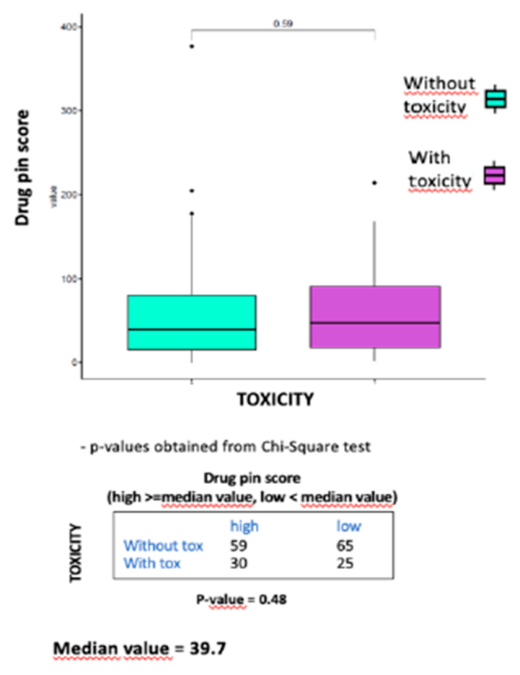
Figure 2.
Correlation between Drug-PIN Score and PFS. P-value: 0.82.
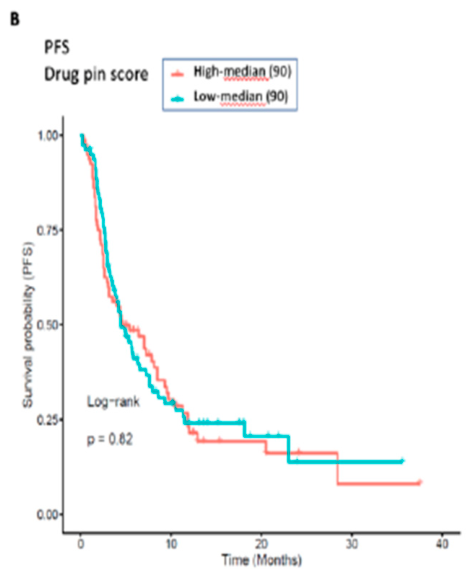
Figure 3.
Correlation between Drug-PIN Score and OS. P-value: 0.89.
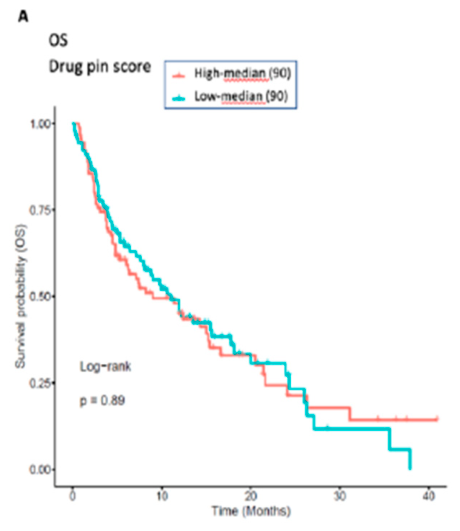
Figure 4.
Progression-free survival (PFS) according to Drug-PIN Level: green and light yellow levels (group 0) versus dark yellow, orange, and red levels (group 1).P-value: 0.829.
Figure 4.
Progression-free survival (PFS) according to Drug-PIN Level: green and light yellow levels (group 0) versus dark yellow, orange, and red levels (group 1).P-value: 0.829.
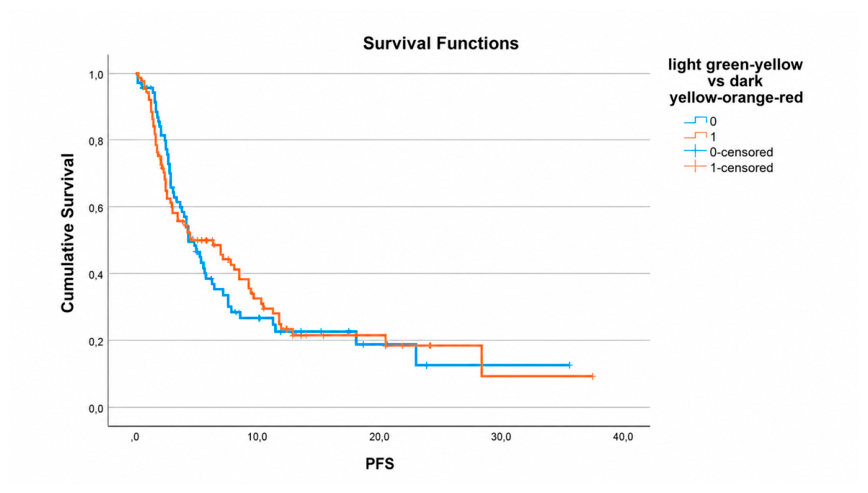
Figure 5.
Overall survival according to Drug-PIN Level: green/light yellow (group 0) versus dark yellow/orange/red (group 1). P-value: 0.798.
Figure 5.
Overall survival according to Drug-PIN Level: green/light yellow (group 0) versus dark yellow/orange/red (group 1). P-value: 0.798.
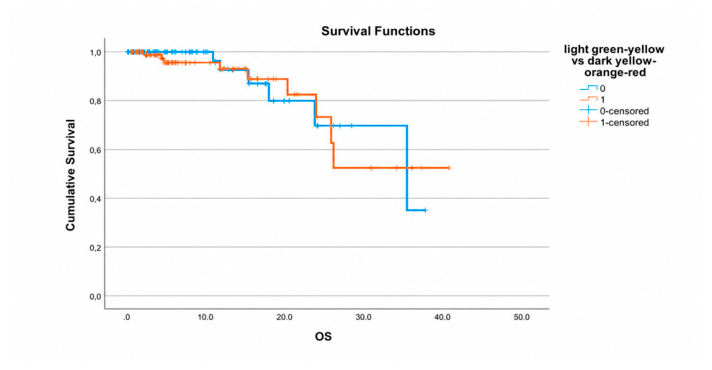
Figure 6.
Pearson correlation between Drug-PIN and clinical factors.
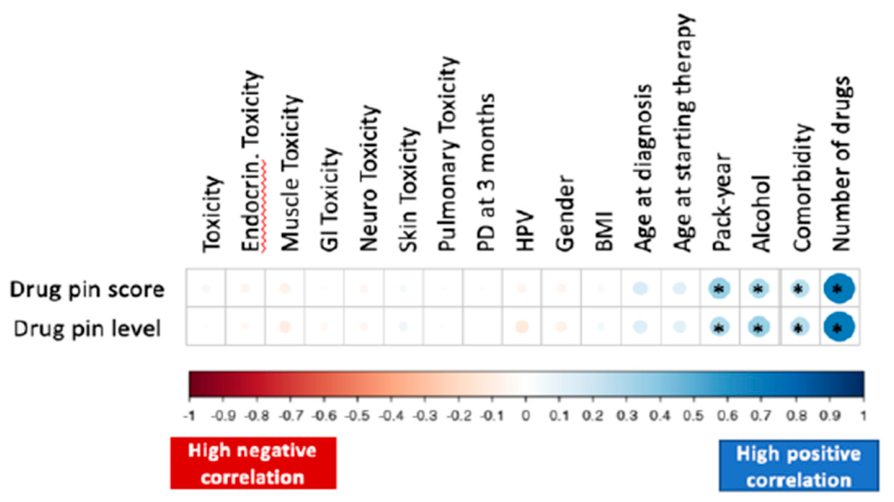
Figure 7.
Correlation between toxicities and PFS. P-value: 0.96.
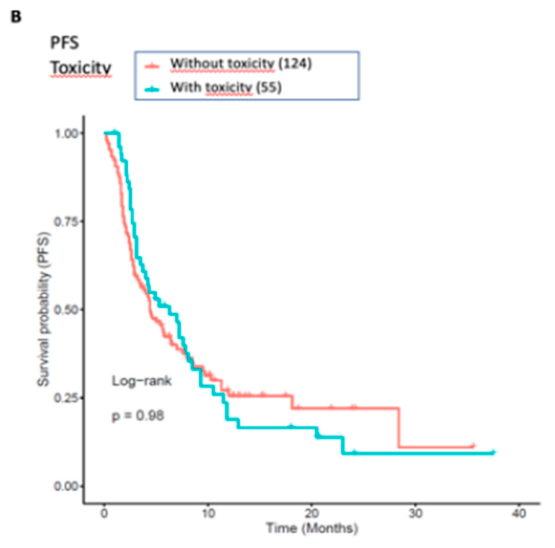
Figure 8.
Correlation between toxicities and OS. P-value: 0.11.
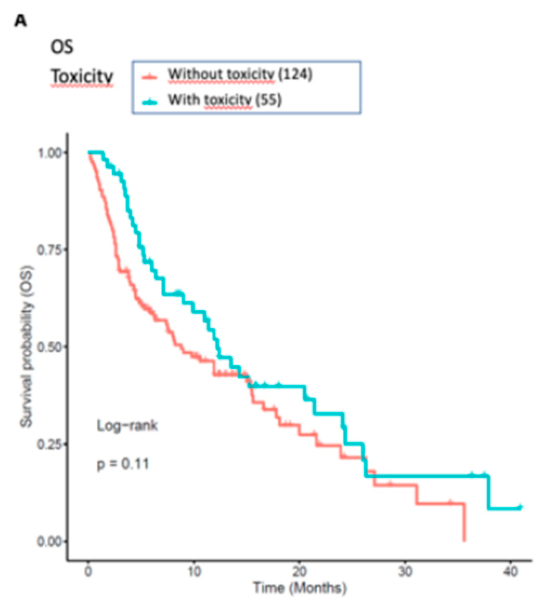
Figure 9.
Correlation between toxicities and PFS and OS.
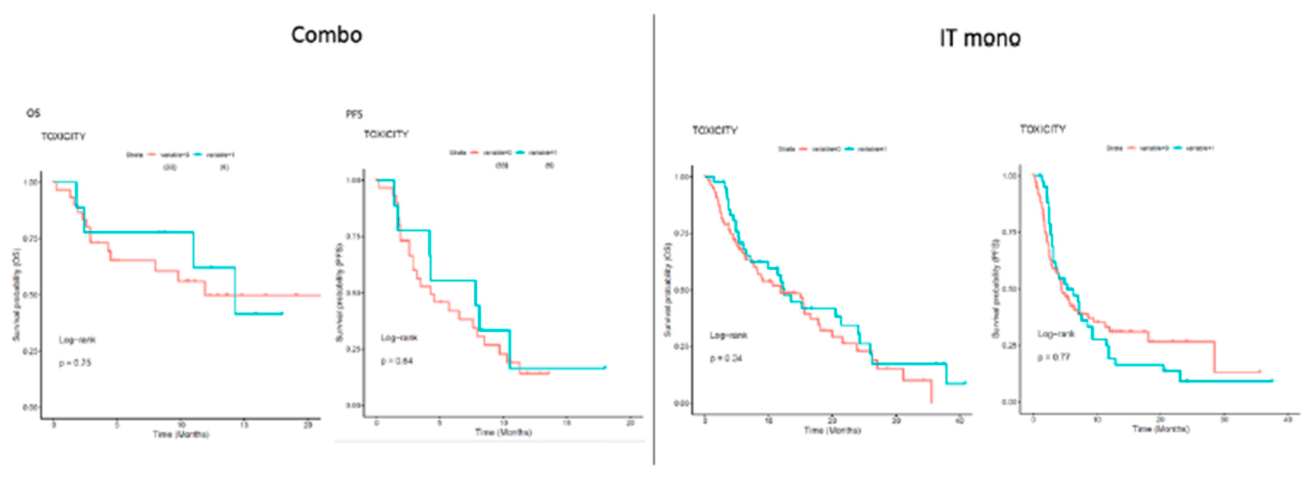

Table 1.
Clinical and pathological characteristics.
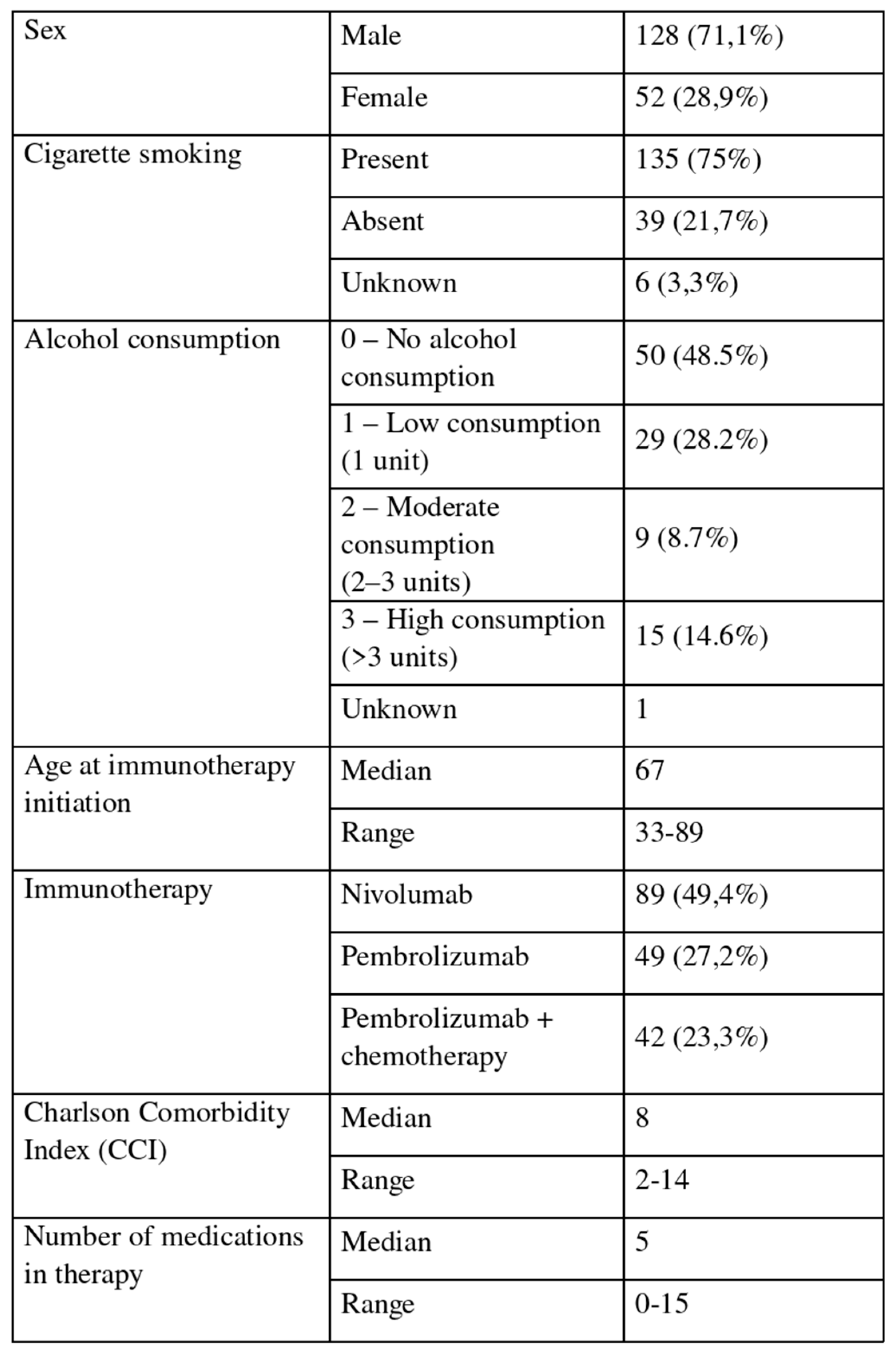 |
Table 2.
Correlation between the incidence of immune-related toxicities and Drug-PIN Level (Green Drug-PIN Level is indicated as 0, light yellow as 1, dark yellow as 2, orange as 3, and red as 4).
Table 2.
Correlation between the incidence of immune-related toxicities and Drug-PIN Level (Green Drug-PIN Level is indicated as 0, light yellow as 1, dark yellow as 2, orange as 3, and red as 4).
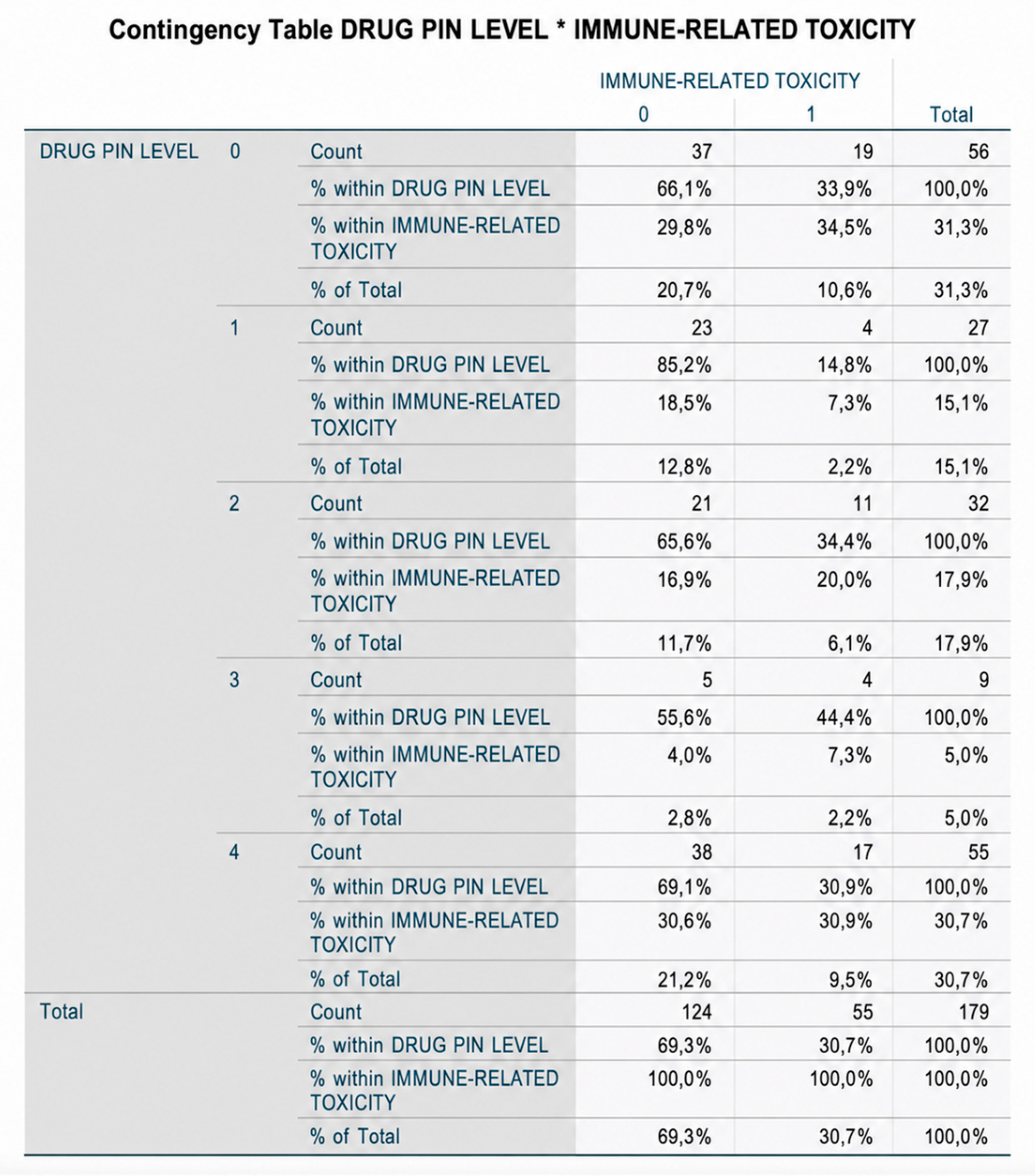 |
Table 3.
Chi-square test regarding the correlation between the incidence of immune-related toxicities and Drug-PIN Level. P-value: 0.345.
Table 3.
Chi-square test regarding the correlation between the incidence of immune-related toxicities and Drug-PIN Level. P-value: 0.345.
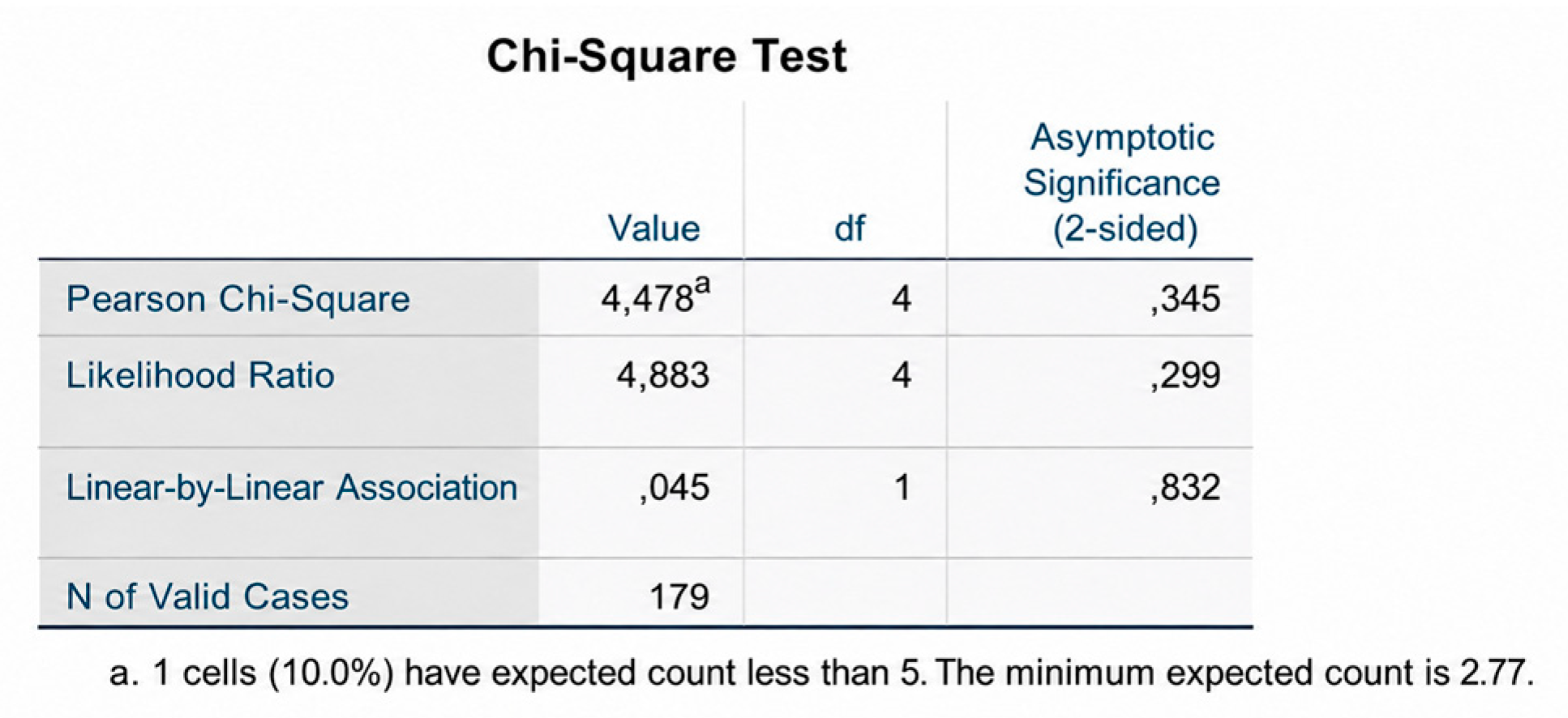 |
Table 4.
Correlation between the incidence of immune-related toxicities and the division between a population with green and light yellow Drug-PIN Levels, indicated as 0, and a population with dark yellow, orange, and red Drug-PIN Levels, indicated as 1.
Table 4.
Correlation between the incidence of immune-related toxicities and the division between a population with green and light yellow Drug-PIN Levels, indicated as 0, and a population with dark yellow, orange, and red Drug-PIN Levels, indicated as 1.
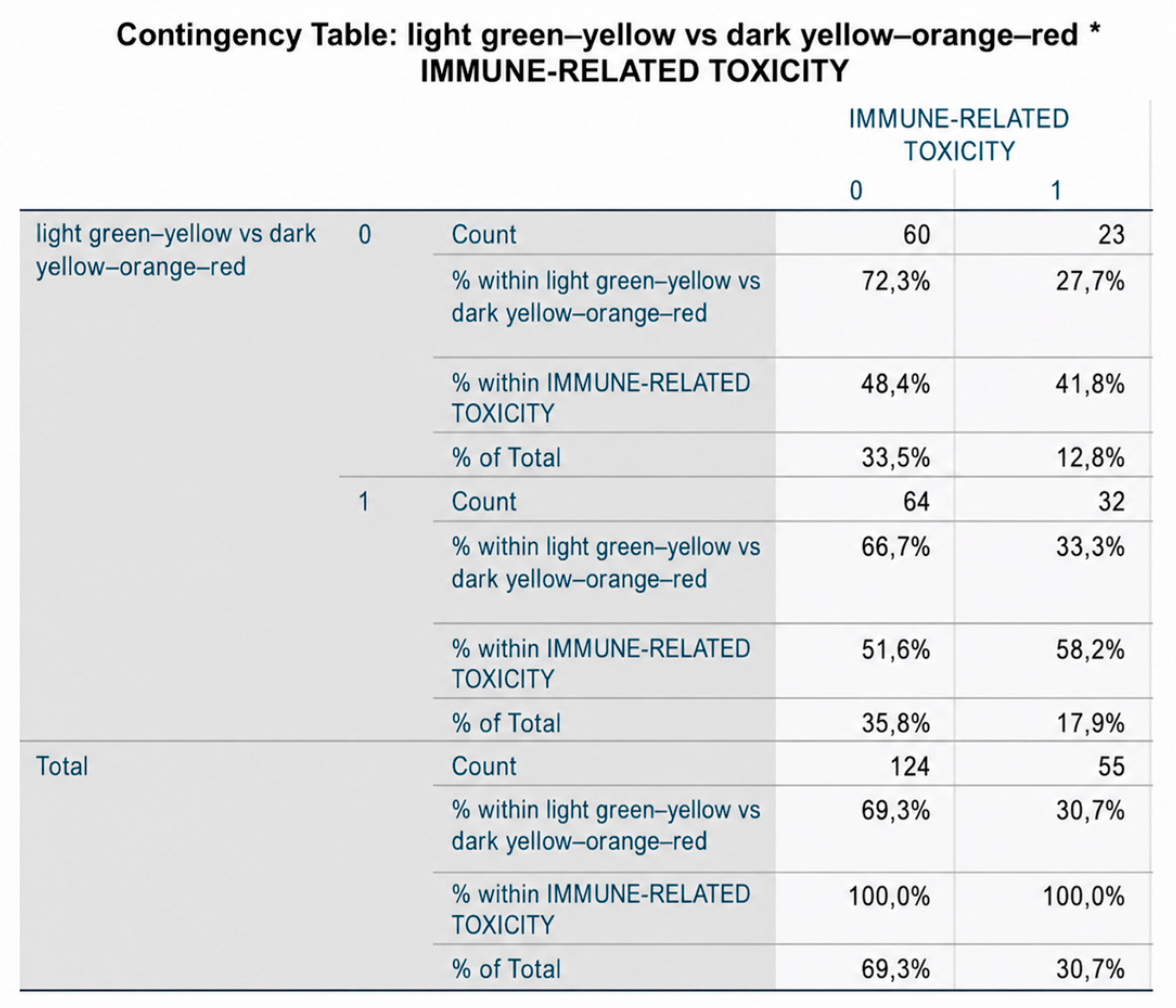 |
Table 5.
Chi-square test regarding the correlation between the incidence of immune-related toxicities and the division between a population with green and light yellow Drug-PIN Levels and a population with dark yellow, orange, and red Drug-PIN Levels. P-value: 0.416.
Table 5.
Chi-square test regarding the correlation between the incidence of immune-related toxicities and the division between a population with green and light yellow Drug-PIN Levels and a population with dark yellow, orange, and red Drug-PIN Levels. P-value: 0.416.
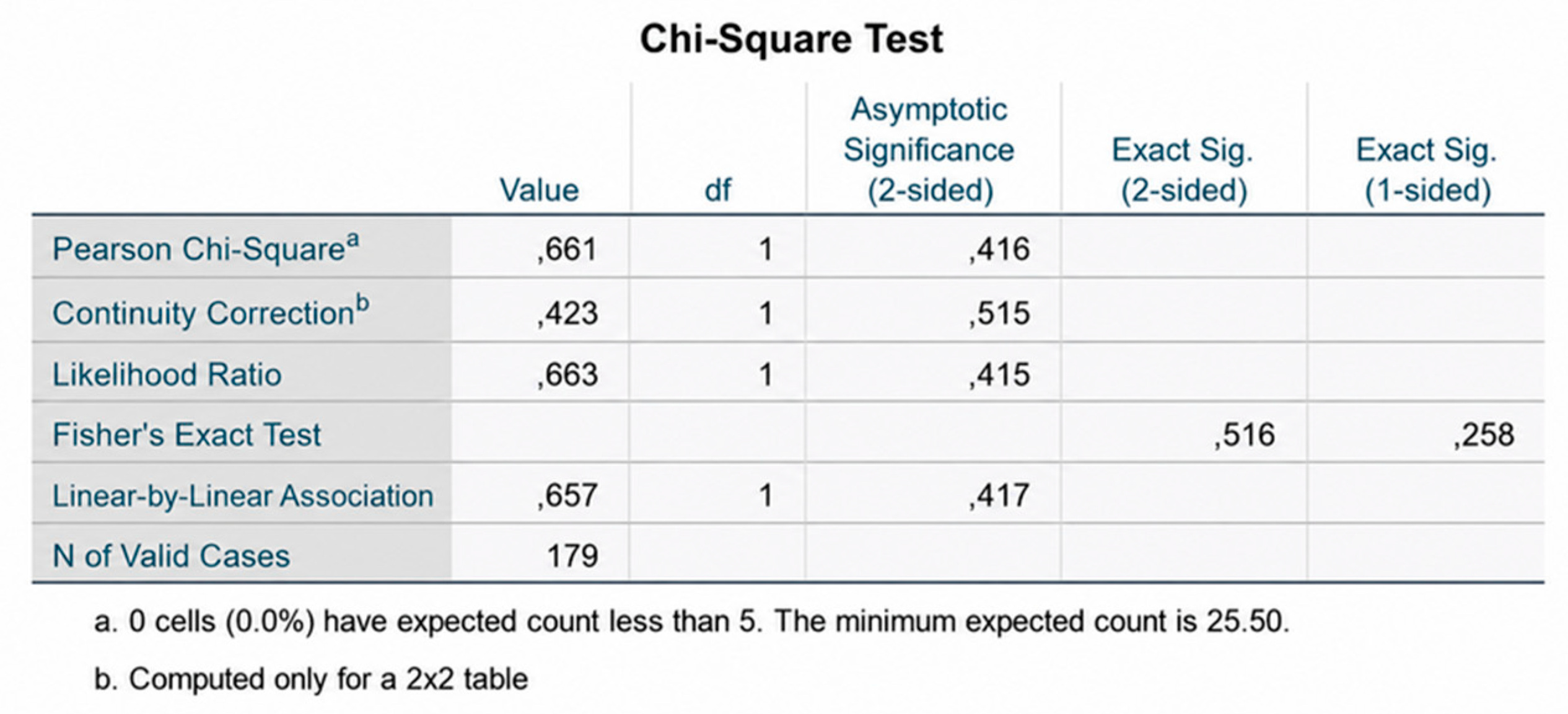 |
Table 6.
PFS and Drug-PIN Level HR: 0.961 (0.67-1.38).
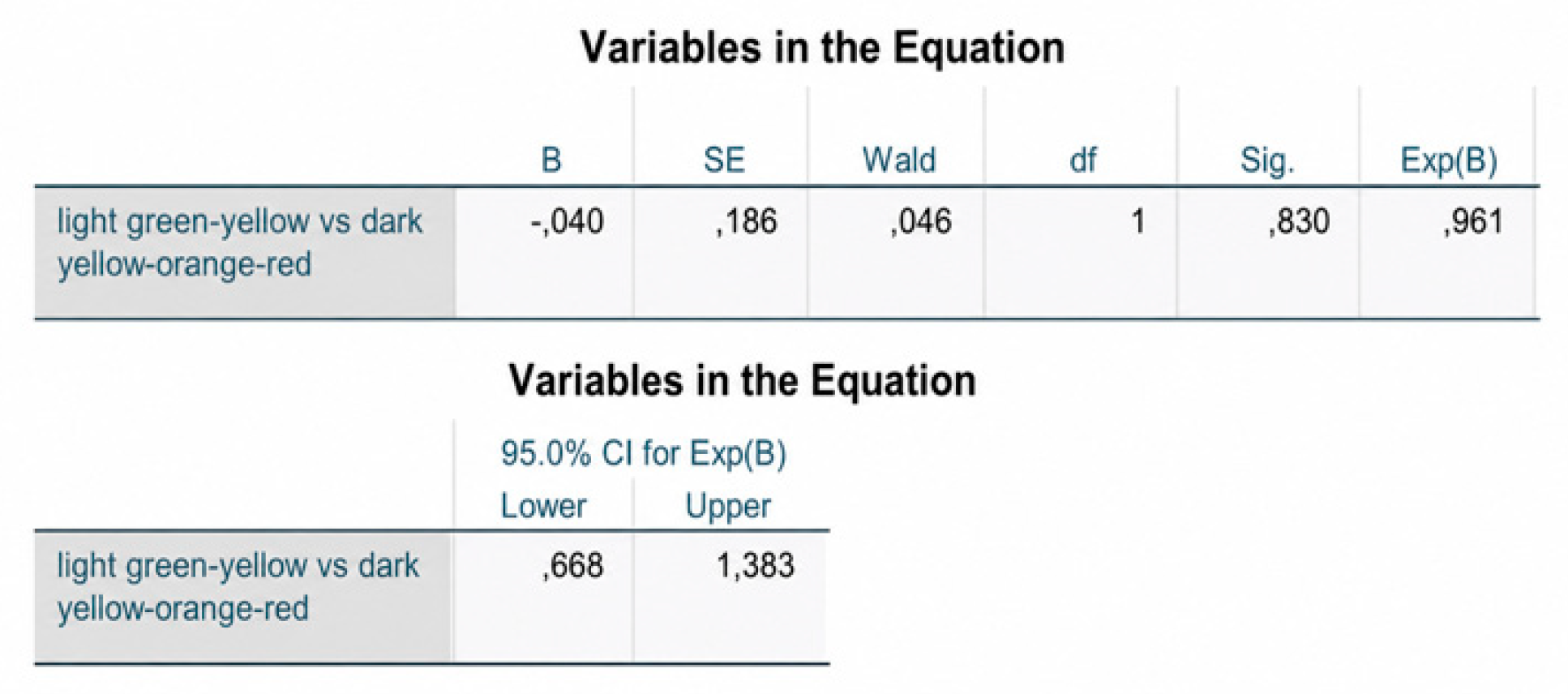 |
Table 7.
OS and Drug-PIN Level HR: 1.145 (0.41-3.22).
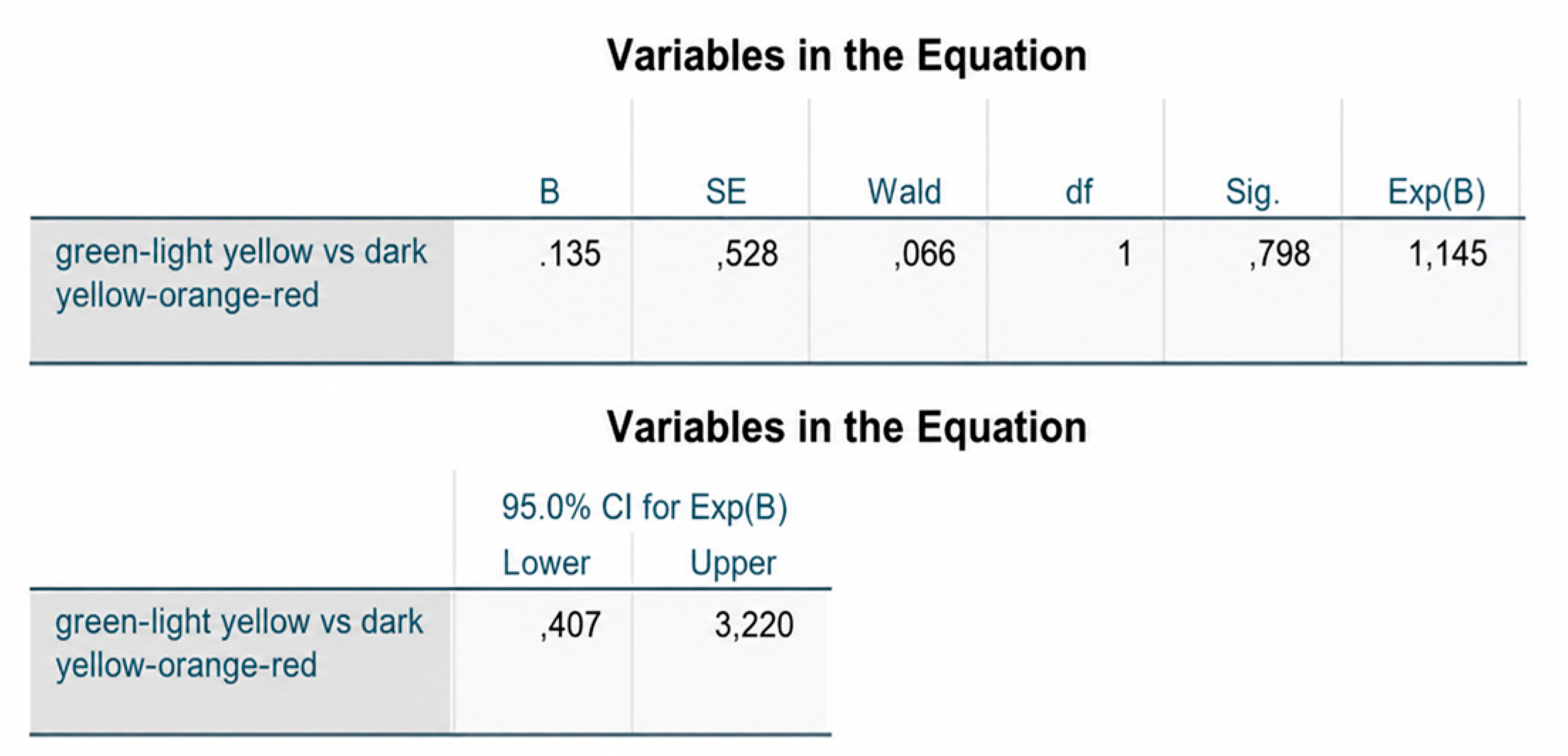 |
Table 8.
Contingency table of Pain Therapy - Best Response (patients who responded (CR/PR) indicated by 1, and non-responders (SD/PD) indicated by 0).
Table 8.
Contingency table of Pain Therapy - Best Response (patients who responded (CR/PR) indicated by 1, and non-responders (SD/PD) indicated by 0).
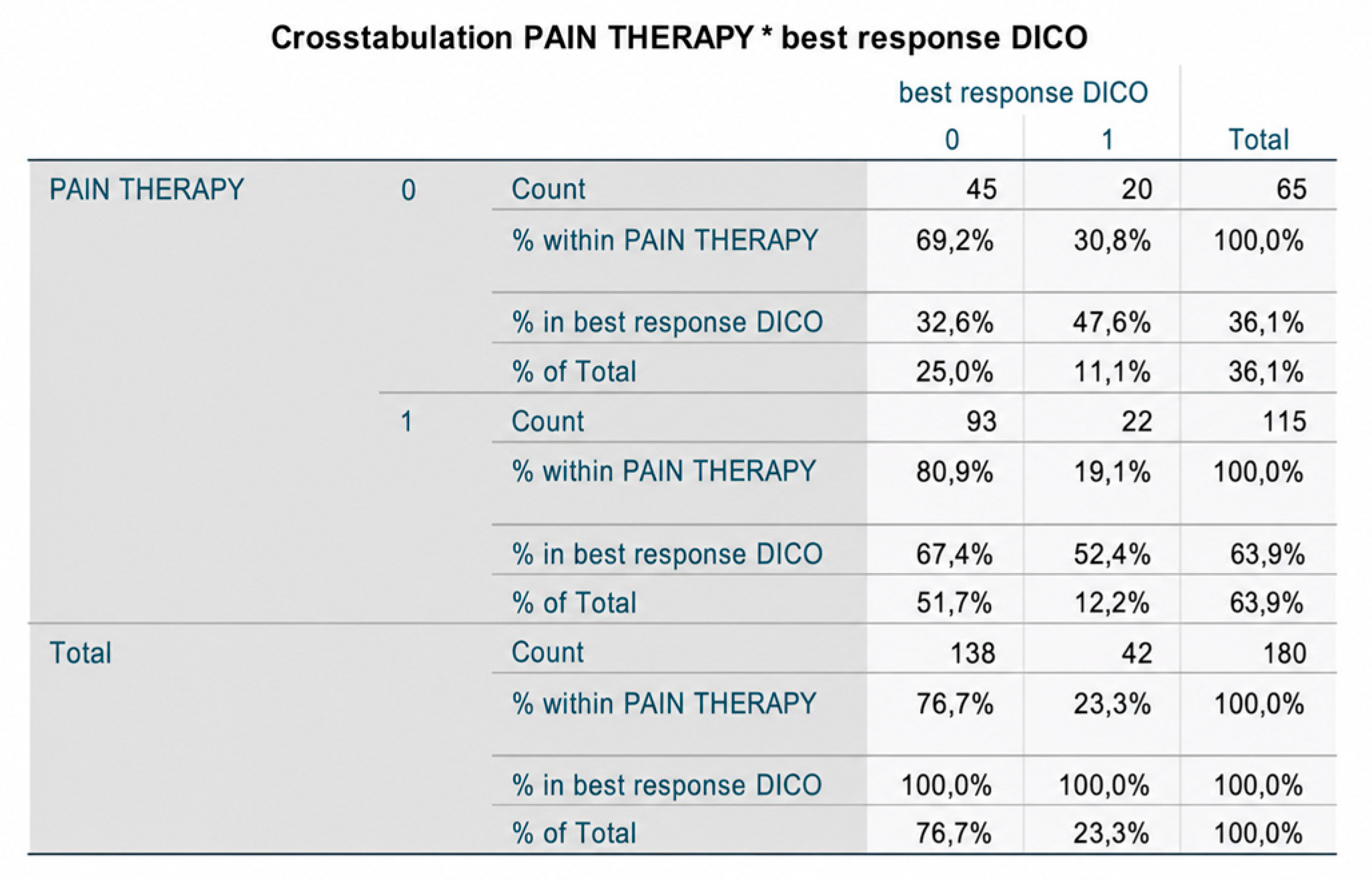 |
Table 9.
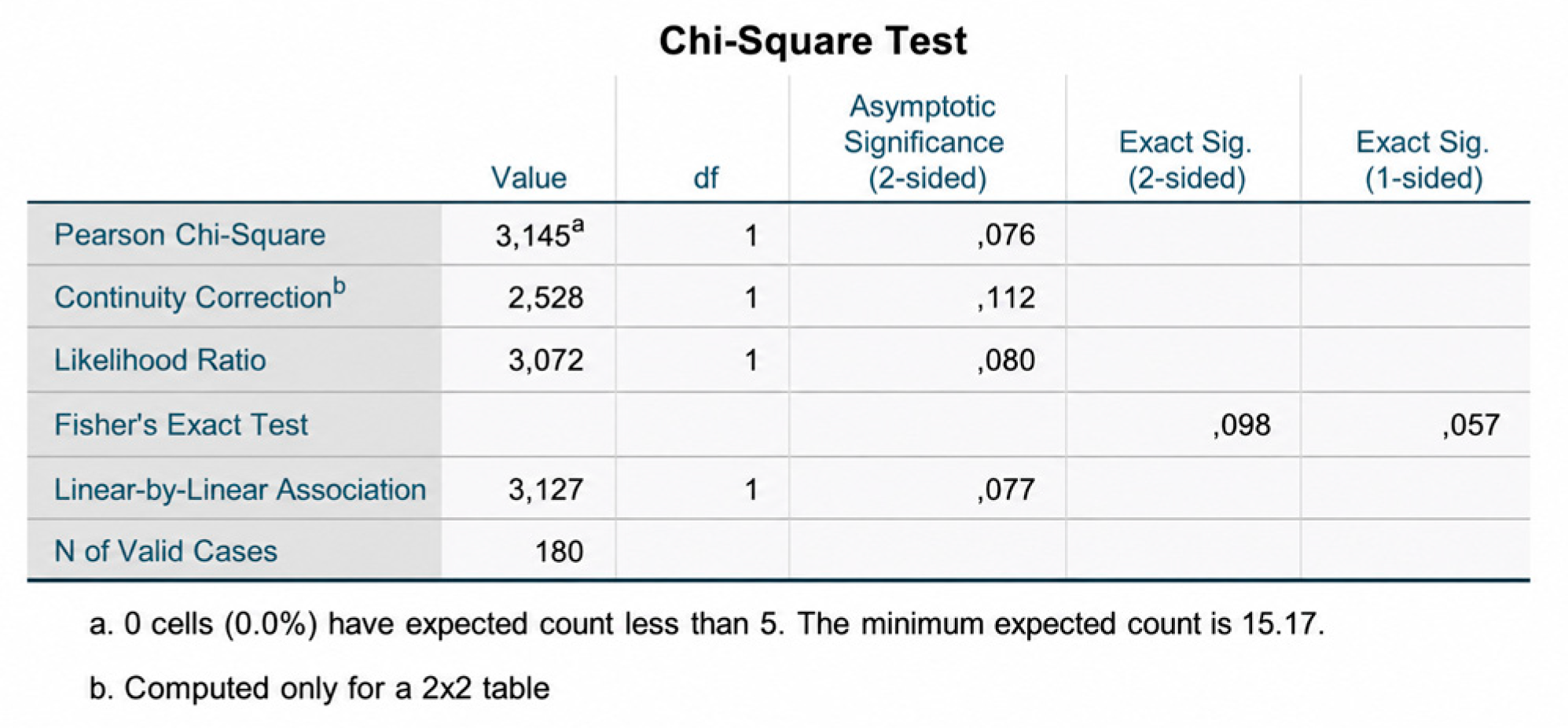
Chi-square test regarding the correlation between Pain Therapy and Best Response. P-value: 0.098.
Table 9.
Chi-square test regarding the correlation between Pain Therapy and Best Response. P-value: 0.098.
 |
Disclaimer/Publisher’s Note: The statements, opinions and data contained in all publications are solely those of the individual author(s) and contributor(s) and not of MDPI and/or the editor(s). MDPI and/or the editor(s) disclaim responsibility for any injury to people or property resulting from any ideas, methods, instructions or products referred to in the content. |
© 2026 by the authors. Licensee MDPI, Basel, Switzerland. This article is an open access article distributed under the terms and conditions of the Creative Commons Attribution (CC BY) license (http://creativecommons.org/licenses/by/4.0/).
Copyright: This open access article is published under a Creative Commons CC BY 4.0 license, which permit the free download, distribution, and reuse, provided that the author and preprint are cited in any reuse.