
Submitted:
10 September 2026
Posted:
15 September 2026
You are already at the latest version
Abstract
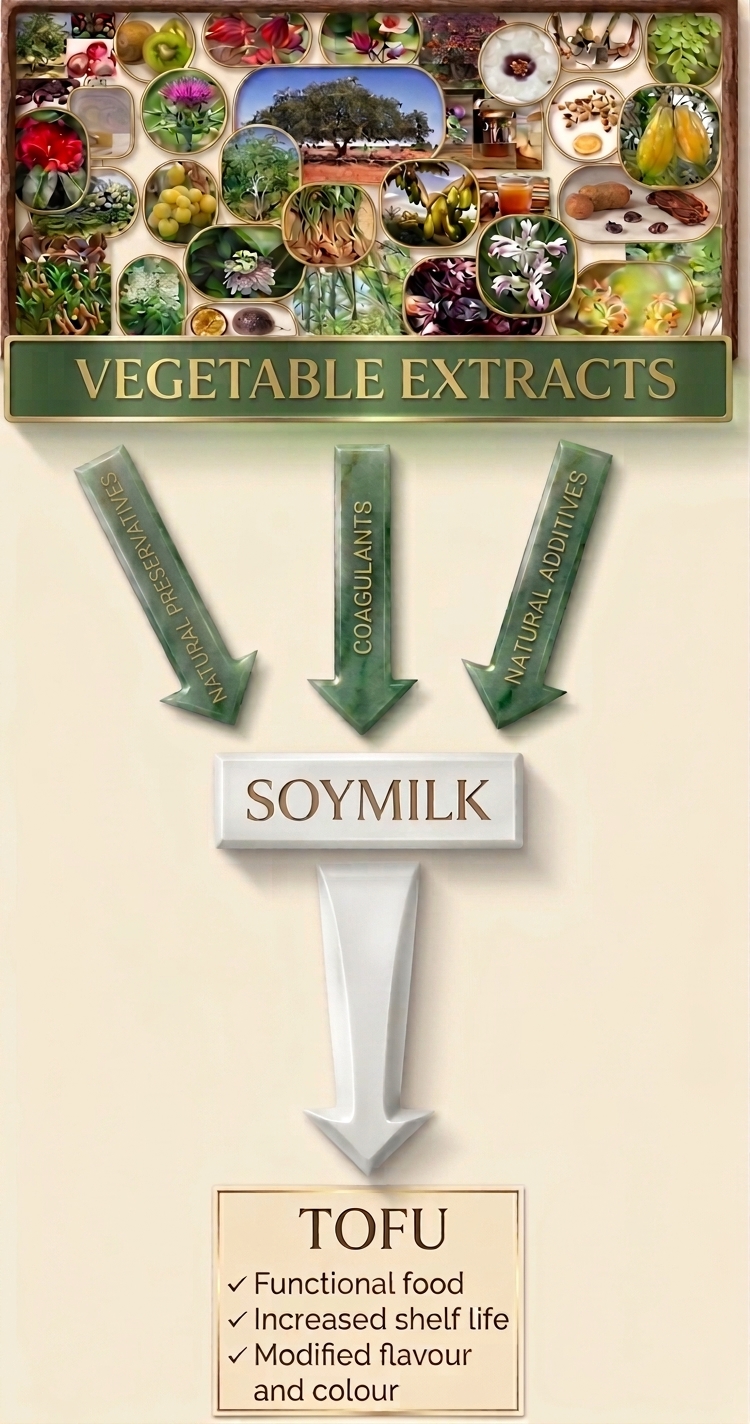
Tofu is a traditional staple food widely consumed in Asian countries, that is currently experienced rapid growth and consumer demand across other continents. Conventional tofu production relies on the coagulation of soy proteins using established mineral salts or organic acids. In recent years, research has increasingly focused on exploring plant-based coagulants as natural alternatives to align with clean-label trends. Various plant extracts rich in proteolytic enzymes, organic acids, and other bioactive compounds, such as those derived from lime, Tamarindus, Hibiscus, Calotropis, Moringa, ginger, Phyllanthus, and Passiflora, have been investigated for their efficacy in inducing soymilk coagulation, alongside their effects on product yield, structural properties, and sensory attributes. In parallel, the incorporation of functional plant extracts, either during or post-coagulation, represents an innovative strategy to enhance the nutritional profile of tofu. Extracts rich in polyphenols, flavonoids, and antioxidants can confer valuable health-promoting properties; however, these additions may concurrently modify colour, flavour, texture and shelf-life of the final product, thereby requiring careful formulation optimization. The combined use of plant-based coagulants and functional plant-derived ingredients constitutes a promising avenue for developing next-generation soy-based products. This review provides a comprehensive overview of the current state of the art concerning the application of plant extracts in tofu manufacturing, highlighting technological challenges, product modifications, and future research perspectives.
Keywords:
1. Introduction
1.1. Soymilk and Tofu Characteristics
1.2. Tofu Benefits
1.3. Tofu Making
1.4. Plant-Derived Coagulants
2. Vegetables as Natural Coagulants in Tofu Preparation
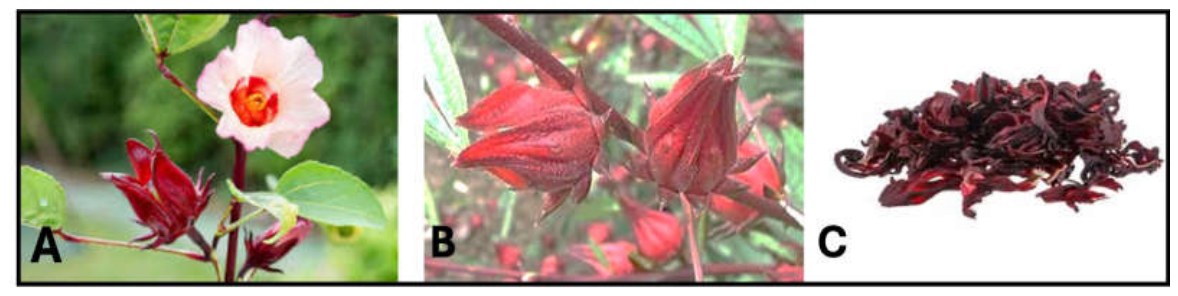
2.1. Hibiscus sabdariffa L./Roselle
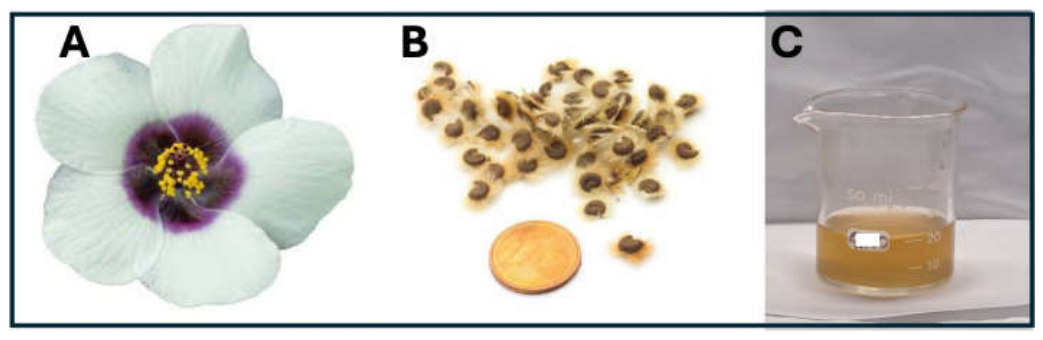
2.2. Hibiscus cannabinus Seeds Tofu
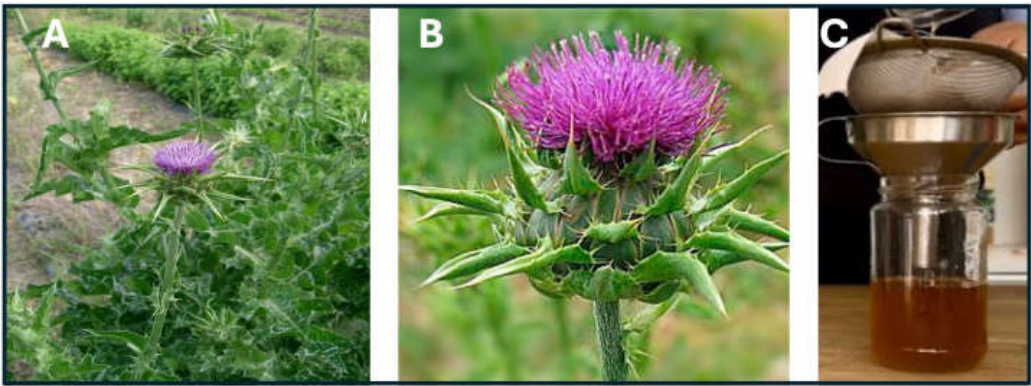
2.3. Cynara cardunculus
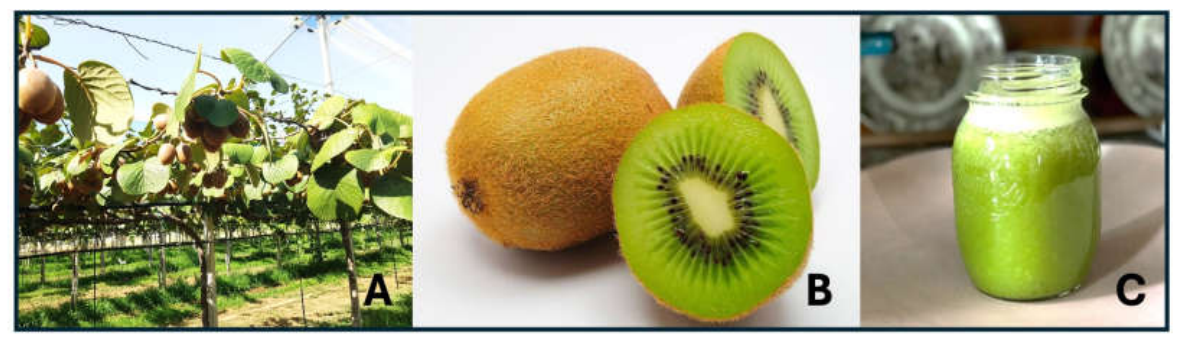
2.4. Kiwi fruit
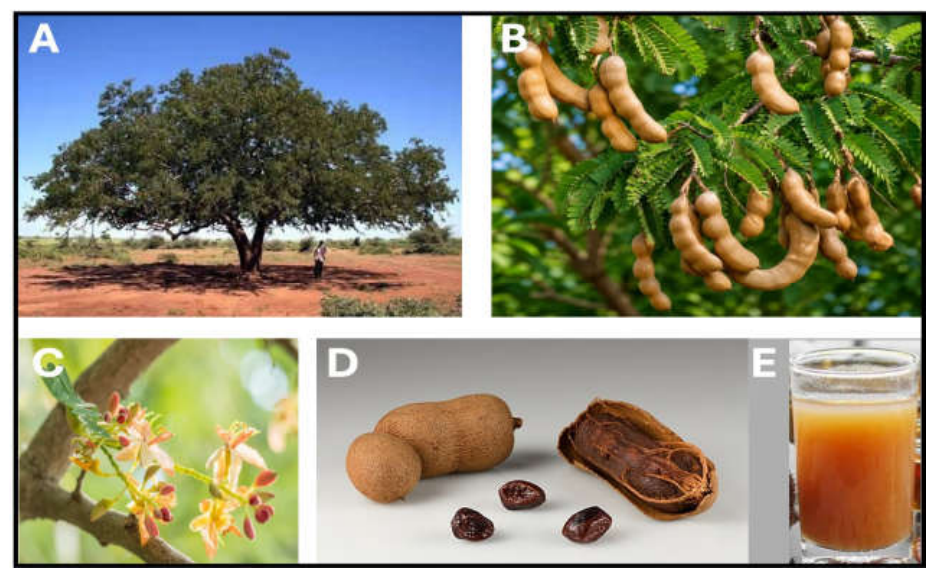
2.5. Tamarindus indica
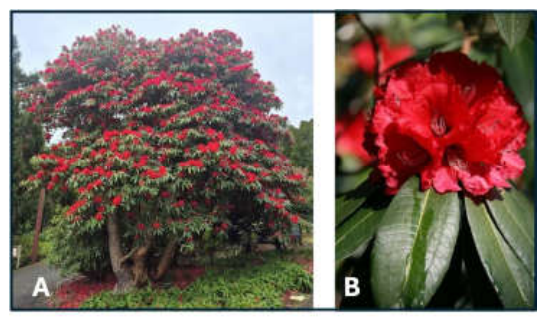
2.6. Rhododendron arboreum
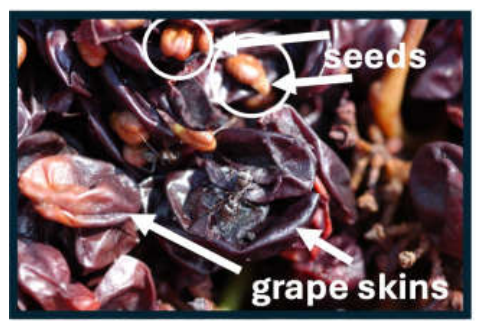
2.7. Grape pomace
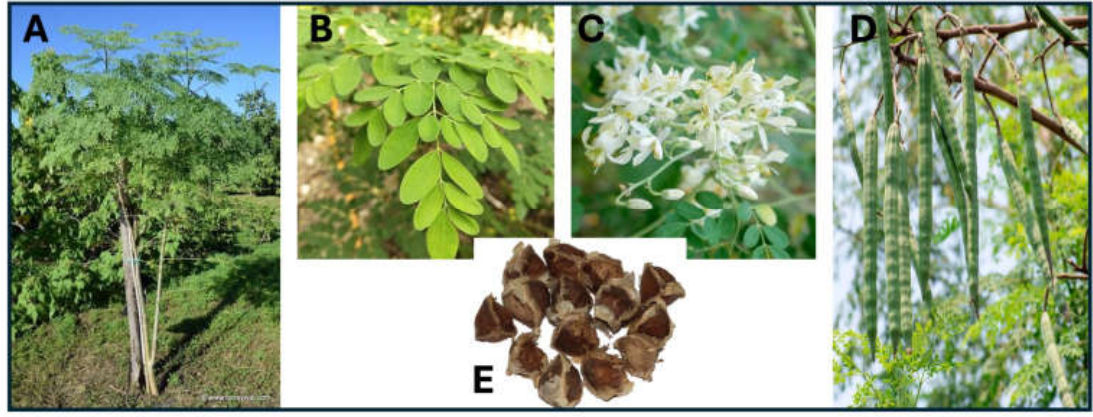
2.8. Moringa olifera
2.9. Maize
2.10. Different Vegetables
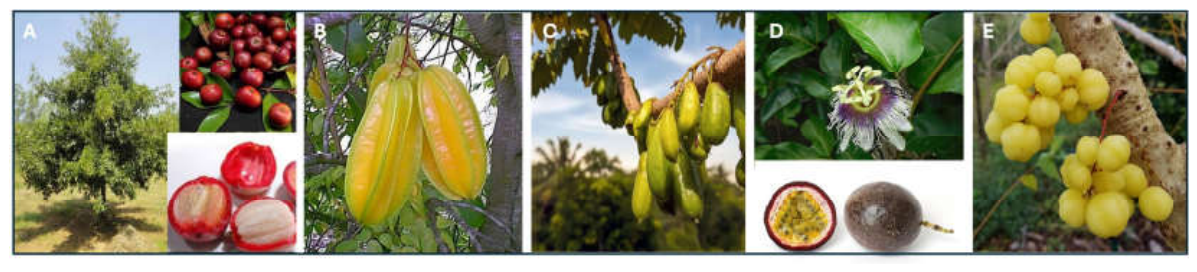
2.10.1. Garcinia indica
2.10.2. Averrhoa carambola and bilimbi
2.10.3. Passiflora edulis
2.10.4. Phyllantus distichus
3. Vegetables in tofu shelf live
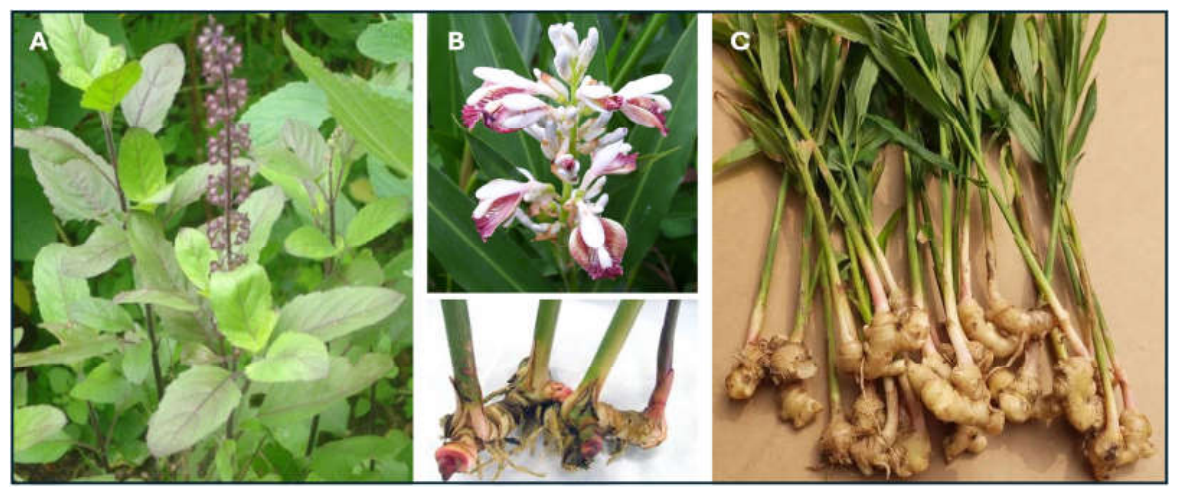
3.1. Ocimum sanctum/Holy Basil
3.2. Alpinia galanga/Galangal
3.3. Zingiber officinale/Ginger
3.4. Hibiscus sabdariffa L./Roselle
4. Vegetables as Tofu Additives
4.1. Plant-Derived Ingredients for Flavour Enhancement
4.2. Plant-Derived Pigments and Colorants
5. Discussion
6. Conclusions
Author Contributions
Funding
Institutional Review Board Statement
Informed Consent Statement
Data Availability Statement
Acknowledgments
Conflicts of Interest
References
- Olías, R.; Delgado-Andrade, C.; Padial, M.; Marín-Manzano, M.C.; Clemente, A. An Updated Review of Soy-Derived Beverages: Nutrition, Processing, and Bioactivity. Foods 2023, 12, 2665. [CrossRef]
- Anbarasu, K.; Vijayalakshmi, G. Improved shelf life of protein-rich tofu using Ocimum sanctum (tulsi) extracts to benefit Indian rural population. J Food Sci 2007, 72(8), M300-5. [CrossRef]
- Awoyale, W.; Williams-Ngegba, M.S.E.; Laoye, C.I.; Sanni, L.O.; Maziya-Dixon, B. Relationship between the chemical composition, textural attributes, and sensory acceptability of Tofu as influenced by different coagulants. Frontiers in Nutrition 2025, 12, 1724587. [CrossRef]
- Sanjay, K.R.; Subramanian, R.; Senthil, A.; Vijayalakshmi, G. Use of natural coagulants of plant origin in production of soycurd (tofu). International Journal of food Engineering 2008, 4(1), article 8. [CrossRef]
- Sarani, R.; MohtadiNia, J.; Jafarabadi, M.A. The effect of Withania coagulans as a coagulant on the quality and sensorial properties of tofu. African Journal of Food Science 2014, 8(3), 112-115. [CrossRef]
- Zeppa, G.; Tedesco, M.; Bertolino, M.; Çilek Tatar, B. Grape Pomace as a New Coagulant for Tofu Production: Physicochemical and Sensory Effects. Foods 2021, 10, 1857. [CrossRef]
- Anjum, S.; Agnihotri, V.; Rana, S. Comparison of coagulant-induced changes in isoflavone content, and texture profile of Himalayan black soybean-based tofu. Frontiers in Sustainable Food Systems 2025, 9, 1639151. [CrossRef]
- da Silva Scherer, G.C.R.; Colet, R.; Cavalheiro, D.; Valduga, E.; Carrao-Panizzi, M.C.; Steffens, J.; Zeni, J.; Steffens, C. Technological characteristics of tofu from soybean coagulated with cardoon flower extract. J Food Sci Technol 2023, 60(4), 1323-1331. [CrossRef]
- Kuda, T.; Yano, T. Mineral Composition of Seawater Bittern Nigari Products and Their Effects on Changing of Browning and Antioxidant Activity in the Glucose/Lysine Maillard Reaction. Appl Biochem Biotechnol 2014, 172, 2989–2997. [CrossRef]
- Pacifico, S.; Caputo, E.; Piccolella, S.; Diglio, C.; Zenone, T.; Bertolini, T.; Mandrich, L. Exploiting vegetarian and vegan cheeses with hibiscus extract: Functional and nutritional perspectives. Future Foods, 2026, 13: 100981. doi.org/10.1016/j.fufo.2026.100981.
- Ndife, J.; Imade, I.; Samalia, J. Production and quality evaluation of soy cheese (tofu) using various coagulants. Croatian Journal of Food Science and Technology 2021, 13(1), 36-42. [CrossRef]
- Schmidt, J.; Cantelli, K.C.; Steffens, C.; Steffens, J.; Zeni, J. Effect of vegetable coagulants in the production and storage of tofu. Global Science and Technology 2017, 10(1), 188-198.
- Ezeama, C.F.; Dobson G.N. Effect of coagulants on the physicochemical properties of fresh tofu. African Journal of Food Science 2019, 13(12), 287-296. [CrossRef]
- Hamad, A.; Djalil, A.D.; Hartanti, D. Galangal and ginger essential oils exerted microbial growth inhibitory activity and preservation potential on tofu. Food Research 2023, 7(1), 27-34. [CrossRef]
- Giwa Ibrahim, S.; Eneji Sadiq, M.; Dauda Kida, F.; Rabe Musa, A.; Jumare Ibrahim, F. Effect of coagulants on yield and quality characteristics of Hibiscus cannabinus seed tofu. International Journal of Agriculture and food Science Technology 2022, 1381):1-12.
- Poysa, V.; Woodrow, L. Stability of soybean seed composition and its effect on soymilk and tofu yield and quality. Food Research International 2002, 35(4): 337-345. [CrossRef]
- Rekha, C.R.; Vijayalakshmi, G. Influence of processing parameters on the quality of soycurd (tofu). J Food Sci Technol 2013, 50(1): 176-180. [CrossRef]
- Fasoyiro, S.B. Physical, chemical and sensory qualities of roselle water extract-coagulated tofu compared with tofu from two natural coagulants. Nigerian Food Journal 2014, 32(2): 97-102.
- Babalola, S.; Babalola, A.; Aworh, O. Compositional Attributes of the Calyces of Roselle (Hibiscus sabdariffa L.). Journal of Food Technology in Africa 2004, 6(4), 133–134. [CrossRef]
- Wong, P., Yusof, S., Ghazali, H., Che Man, Y. Physico-chemical characteristics of roselle (Hibiscus sabdariffa L.). Nutrition & Food Science, 2002, 32(2): 68–73. [CrossRef]
- Hopkins, A.L.; Lamm, M.G.; Funk, J.L.; Ritenbaugh, C. Hibiscus sabdariffa L. in the treatment of hypertension and hyperlipidemia: a comprehensive review of animal and human studies. Fitoterapia, 2013, 85:84-94. [CrossRef]
- Silalahi, M. Hibiscus sabdariffa (traditional medicine and food ingredients). GSC Biological and Pharmaceutical Sciences, 2024, 29(02), 114-122. [CrossRef]
- Khaghani, S.; Razi, F.; Yajloo, M.; Paknejad, M.; Shariftabrizi A.; Pasalar, P. Selective Cytotoxicity and Apoptogenic Activity of Hibiscus Sabdariffa Aqueous Extract Against MCF-7 Human Breast Cancer Cell Line. Journal of Cancer Therapy, 2011, 2(3): 394-400. [CrossRef]
- Pacifico, S.; Caputo, E.; Piccolella, S.; Mandrich, L. Exploring new fruit- and vegetables-derived rennet for cheese making. Applied Sciences 2024, 14: 2257. [CrossRef]
- Porro, C.; Benameur, T.; Cianciulli, A.; Vacca, M.; Chiarini, M.; De Angelis, M.; Panaro, M.A. Functional and Therapeutic Potential of Cynara scolymus in Health Benefits. Nutrients 2024,16:872. https:// doi.org/10.3390/nu16060872.
- de Barros, É.A.; Costa, V.E.; Bressan, D.F., dos Santos Coscolin, R.B.; Lopes Vietes, R.; Broetto, F. Biochemical characterization of irradiated soybean and nutritional and sensory evaluation of water-soluble soybean extract. SN Applied Sciences 2019, 1: 1570. doi.org/10.1007/s42452-019-1621-y.
- Kim, H.; Chin, K.B. Evaluation of green kiwifruit juice extract on physicochemical properties, antioxidant activity, and tenderness of beef M. semitendinosus with in vitro digestion. J Food Sci 2024, 89(10):6443-6454. [CrossRef]
- Azani, N.; Babineau, M.; Bailey, C.D.; Banks, H.; Barbosa, A.R.; Barbosa Pinto, R.; Boatwright, J.S.; Borges, L.M.; Brown, G.K.; et al. A new subfamily classification of the Leguminosae based on a taxonomically comprehensive phylogeny: The Legume Phylogeny Working Group (LPWG). Taxon 2017, 66(1): 44-77. doi.org/10.12705/661.3.
- Imbabi, E.S.; Ibrahim, K.E.; Ahmed, B.M.; Abu Al Futuh, I.M.; Hulbert, P. Chemical Characterization of Tamarind Bitter Principle, Tamarindineal (Tamarindienal). Fitoterapia 1992, 63:537-538.
- Suozzi R.M. “Le piante medicinali”. Editor Newton Compton Editori, 1994, pp 100, ISBN: 978-8879835282.
- Singh, A.K. Rhododendron arboreum flower extract-mediated chitosan films: Physicochemical and antioxidant properties. Next Materials 2026, 10: 101419. [CrossRef]
- Rao, K.N.; Gopalakrishnan, V.; Loganathan, V. Anti-inflammatory activity of Moringa oliefera. Lam. Ancient Science of Life 1999, 18(3-4) 195-198.
- Segwatibe, M.K.; Cosa, S.; Bassey, K. Antioxidant and Antimicrobial Evaluations of Moringa oleifera Lam Leaves Extract and Isolated Compounds. Molecules (Basel, Switzerland) 2023, 28(2), 899. [CrossRef]
- L. Pari, L.; Kumar, N.K. Hepatoprotective activity of Moringa oleifera on antitubercular drug-induced liver damage in rats, in Journal of Medicinal Food 2002, 5(3), 171-177. [CrossRef]
- Pareek, A.; Pant, M.; Gupta, M.M. Moringa oleifera: An Updated Comprehensive Review of Its Pharmacological Activities, Ethnomedicinal, Phytopharmaceutical Formulation, Clinical, Phytochemical, and Toxicological Aspects. International Journal of Molecular Sciences, 2023, 24(3), 2098. [CrossRef]
- Patra, M.; Bashir, O.; Amin, T.; Wani, A.W.; Shams, R.; Chaudhary, K.S.; Mirza, A.A.; Manzoor, S. A. comprehensive review on functional beverages from cereal grains-characterization of nutraceutical potential, processing technologies and product types. Heliyon, 2023, 9(6):e16804. [CrossRef]
- Maitra, S.; & Singh, V. Emerging trends of maize biorefineries in the 21st century: scientific and technological advancements in biofuel and bio-sustainable market. Journal of Cereal Science 2021, 101, 103272. [CrossRef]
- Žilić, S.; Serpen, A.; Akıllıoğlu, G.; Gökmen, V.; Vančetović, J. (2012). Phenolic compounds, carotenoids, anthocyanins, and antioxidant capacity of colored maize (Zea mays L.) kernels. Journal of Agricultural and Food Chemistry 2012, 60(5), 1224–1231. [CrossRef]
- Omueti, O.; Jaiyeola, O. Effects of chemical and plant based coagulants on yield and some quality attributes of tofu Available to Purchase. Nutrition & Food Science 2006, 36(3): 169–176. [CrossRef]
- Lim, S.H.; Lee, H.S.; Lee, C.H.; Choi, C.-I. Pharmacological Activity of Garcinia indica (Kokum): An Updated Review. Pharmaceuticals 2021,14,1338. [CrossRef]
- Leivas, C.L.; Nascimento, L.F.; Barros, W.M.; Santos, A.R.; Iacomini, M.; Cordeiro, L.M. Substituted galacturonan from starfruit: Chemical structure and antinociceptive and anti-inflammatory effects. Int J Biol Macromol 2016, 84:295–300. [CrossRef]
- Pereira, Z.C.; Cruz, J.M.D.A.; Corrêa, R.F.; Sanches, E.A.; Campelo, P.H.; Bezerra, J.A. Passion fruit (Passiflora spp.) pulp: A review on bioactive properties, health benefits and technological potential. Food Res Int 2023, 166:112626. [CrossRef]
- Hazarika, T.K.; Ningombam, L.; Debbarma, P.; Momin, M.D.; Lalrinzuala, P.; Devi, L.S. Genetic diversity analysis of Phyllanthus acidus Skeels of north-east India: Insights from multivariate analysis. Sci Rep 2025, 15(1):6647. [CrossRef]
- Singh, V.; Amdekar, S.; Verma, O. Ocimum sanctum (Tulsi): Biopharmacological Activities. WebmedCentral Pharmacology 2010, 1(10).
- Chouni, A.; Paul, S. A Review on Phytochemical and Pharmacological Potential of Alpinia galanga. Pharmacognosy Journal 2018, 10(1):9–15. [CrossRef]
- Xiang, S.; Jian, Q.; Chen, W.; Xu, Q.; Li, J.; Wang, C.; Wang, R.; Zhang, D.; Lin, J.; Zheng, C. Pharmacodynamic components and mechanisms of ginger (Zingiber officinale) in the prevention and treatment of colorectal cancer. Journal of Ethnopharmacology 2024, 324:117733. [CrossRef]
- Kim, S.-D.; Kwang, E.-B.; Yang, M.-X.; Yoo, H.-S. Efficacy and safety of ginger on the side effects of chemotherapy in breast cancer patients: systematic review and meta-analysis. International Journal of Molecular Sciences 2022, 23:11267. [CrossRef]
- Ajewole, A.; Olusegum, A.S.; Mo, R. (2023). Evaluation of the effect of inclusion of cocoa powder on yield, colour and proximate composition of ‘beske’- a tofu-like cheese, made from soyabean milk. African Journal of Food Science and Technology 2023, 14(1): 1-4. [CrossRef]
- Wu, Y.; Ma, Z.; Jia, L.; Qiao F.; Liu, C. Preparation and characterization of colored Tofu with high antioxidant activity. Journal of Food Measurement and Characterization 2025, 19, 9460–9468. [CrossRef]
- Kaur, A.; Batish, D.R.; Kaur, S.; Chauhan, B.S. An Overview of the Characteristics and Potential of Calotropis procera From Botanical, Ecological, and Economic Perspectives. Front Plant Sci 2021, 12:690806. [CrossRef]

| Amount (g/100g) | ||
| Components | Soymilk* | Tofu** |
| water | 92–94 g | 80-85 g |
| Proteins | 3–3,5 g | 8-15 g |
| Total fats | 1,8–2,2 g | 4-8 g |
| Carbohydrates | 0,7–2,2 g | 0,5-2 g |
| Fibers | 0,3–0,6 g | 0,4-2 g |
| Sodium | 30–50 mg | 10-150 mg |
| Potassium | 120–180 mg | 120-150 mg |
| Type of extract |
Yield (g/100 ml soymilk) |
Main features |
| NIGARI a | 17.6 | Medium texture with a delicate bitter finish |
| Calcium sulphate b | 17.5 | Very soft texture with a neutral flavour |
| Allum c | 11.3 | Firm texture with a slightly bitter aftertaste |
| Citric acid a | 11.4 | Very soft and velvety, with a neutral flavor |
| Hibiscus sabdariffaa | 16.5 | Medium texture, with a slightly tangy aftertaste and floral notes |
| Hibiscus cannabinusd* | 15.3 | Compact texture, with a high fat content |
| Cardoon e | 19.5 | Smooth and velvety, with a delicate herbal aftertaste |
| Kiwi f | 20.0 | Firm texture, with a slightly acidic aftertaste |
| Tamarind fruit b | 21.0 | Firm texture, with a pleasantly tangy flavor |
| Tamarind seed b | 26.7 | Firm texture |
| Tamarind flower b | 16.5 | Firm texture |
|
Rododendrum arboreumg |
13.5 | Smooth texture, complemented by a subtle fresh and herbaceous aftertaste |
| Grape pomace h | 17.0 | Medium-bodied texture, mildly sweet, with a slight acidic aftertaste |
| Moringa oliferac | 12.8 | Good texture, with a delicate fresh horseradish aftertaste |
|
Zea maisi,l (fermented water-ogi) |
18.8 | Good texture, white colour and very pleasant flavour |
| Garcinia indicab | 24.5 | Firm consistency, with an aftertaste featuring exotic flavour notes |
| Averrhoa carambolab | 21.3 | Soft and smooth texture, with an aftertaste featuring exotic flavour notes |
| Averrhoa bilimbib | 21.6 | Medium-bodies texture, with an aftertaste featuring exotic flavour notes |
|
Passiflora edulisb (passion fruit) |
21.3 | Soft and smooth texture, with an aftertaste featuring exotic flavour notes |
| Phyllantus distichusb | 15.6 | Firm texture, with an aftertaste featuring exotic flavour notes |
Disclaimer/Publisher’s Note: The statements, opinions and data contained in all publications are solely those of the individual author(s) and contributor(s) and not of MDPI and/or the editor(s). MDPI and/or the editor(s) disclaim responsibility for any injury to people or property resulting from any ideas, methods, instructions or products referred to in the content. |
© 2026 by the authors. Licensee MDPI, Basel, Switzerland. This article is an open access article distributed under the terms and conditions of the Creative Commons Attribution (CC BY) license (http://creativecommons.org/licenses/by/4.0/).