

Submitted:
06 September 2026
Posted:
07 September 2026
You are already at the latest version
Abstract
Purpose: Chemotherapy can be a viable option for patients with relapsed-refractory melanoma (RRM) who do not have access to advanced treatments or clinical trials. We report our experience with a modified Vinblastine-Cisplatin-Temozolomide (mVCT) regimen in patients with RRM and barriers to their enrollment in clinical trials.
Methods: We conducted a retrospective review of patients with RRM who received mVCT for metastatic melanoma. The primary endpoint was overall response rate (ORR) following the last cycle. Secondary endpoints included complete response (CR), partial response (PR), stable disease (SD), clinical benefit rate (CBR), progression-free survival (PFS), intracranial (IC) PFS, ICCBR, ICRR, and toxicity.
Results:
Ten patients received mVCT for a median of 4.5 cycles (IQR: 3-6). Median follow-up was 7.5 months (IQR: 2-14). The ORR was 50% (CR-1, PR-4) and CBR was 70%. The median PFS was 7 months (IQR: 1.5-9.25). Among eight patients with brain metastasis, six underwent gamma-knife radiosurgery (GKRS); three achieved PR, and three had SD. Two patients without GKRS achieved CR, leading to an ICRR of 62.5% and an ICCBR of 100%. The median ICPFS was 7.5 months (IQR: 6-9.75). Three patients experienced grade 3 fatigue and myelosuppression; two required dose reductions and one discontinued treatment. Two patients with PD later enrolled in phase 1 clinical trials. Brain metastasis (80%), immunotherapy-related toxicity (60%), acral/mucosal melanoma (50%), and social barriers (40%) were the major reasons for trial ineligibility.
Conclusions: mVCT is an effective and well-tolerated regimen for patients with RRM and can serve as a bridge while they await access to advanced treatments or a clinical trial.
Keywords:
chemotherapy
; metastatic melanoma
1. Introduction
Melanoma accounts for 1-4% of all skin cancers yet is the deadliest of all skin cancers [1]. Despite an increase in incidence, melanoma-related deaths have experienced a sharp decline [2]. American Cancer Society lists melanoma as the fifth most common cancer in 2026 but does not count it among the top 10 causes of cancer-related death [3]. Whilst the treatment for early-stage melanoma is rooted in wide local excision ( WLE) with or without sentinel node biopsy (SLNB), the treatment for advanced melanoma has undergone several advancements in the last decade [2,4,5,6,7,8]. Immune checkpoint inhibitor (ICI) therapy has become an integral part of melanoma therapeutics used in neoadjuvant, adjuvant, and metastatic settings. Likewise, in patients with melanoma expressing the BRAF V600E/K mutation, BRAF (B-Raf proto-oncogene, serine/threonine kinase) and MEK (mitogen-activated extracellular signal-regulated kinase) inhibitors (BRAF/MEK-I) can be useful in sequence with checkpoint inhibitors [2,4]. In patients with resistance to both, tumor-infiltrating lymphocyte (TIL) therapy is an option, although access to this resource-intensive, multidisciplinary treatment remains privileged [2,4]. Oncolytic viral therapies, with or without ICI, are used in a select few patients under special circumstances (such as in-transit disease, primary resistance to ICI monotherapy, etc.) [9]. When available, national guidelines recommend enrollment in clinical trials, regardless of standard treatment options [4]. Several new agents, such as chimeric antigen receptor (CAR) T-cell therapy, T-cell receptor (TCR)-based therapies, and intratumoral cytokines, have been gaining significant traction in the treatment paradigm for patients with advanced melanoma [10,11,12,13]. A recent spate of tissue-agnostic approvals for several agents has created additional options for patients with melanoma when the tumor expresses these mutations (like NTRK fusions, ERBB2 expression, and RET Gene fusions) [14].
Chemotherapy has fallen out of favor for patients with advanced melanoma. Poor tolerance, inferior responses, and non-durability of response are the known downsides of chemotherapy [15,16,17]. However, chemotherapy is a readily accessible treatment available to patients with metastatic melanoma, especially those who are unable to participate in clinical trials and have poor access to TIL therapy. The unavailability of clinical trials at the treating institution, untreated or symptomatic brain metastasis, the presence of autoimmune disease or transplant status requiring immunosuppression, and a previous history of grade 3/4 immunotherapy-related adverse events (IRAE) are among the most common causes of ineligibility for clinical trials [18,19,20,21]. For similar reasons, many patients will also not be able to receive advanced treatments like TIL therapy or intratumoral oncolytic viral or cytokine therapy [9,13]. The presence of symptomatic autoimmune diseases requiring immunosuppression, solid organ or bone marrow transplant, and symptomatic brain metastasis requiring use of corticosteroids are usual barriers to successful use of any immunotherapy. In this manuscript, we present our experience with a modified version of vinblastine-cisplatin-temozolomide (mVCT) chemotherapy regimen in patients with metastatic melanoma. We will also present the reasons and scenarios in which such patients may benefit from this chemotherapy regimen. The purpose of this manuscript is to present a tolerable and accessible regimen for patients while they wait for the availability of a better, preferably immunotherapy-based, regimen.
2. Materials and Methods
This single-center, retrospective, observational review was conducted at the University Hospitals Seidman Cancer Center in Cleveland for patients with relapsed/refractory melanoma (RRM) between January 1, 2019, and June 30, 2024. We defined RRM as patients in whom melanoma had progressed despite dual checkpoint inhibition and BRAF-MEK-I (for BRAF V600E/K-mutant melanoma). Patients were included if they were at least 18 years old, had pathologically confirmed metastatic sites, discontinued their previous treatments due to disease progression or grade 3/4 toxicities, and received at least 1 cycle of VCT chemotherapy because they were ineligible for a clinical trial. Patients with inadequate medical records were excluded. We collected demographic information, tumor type/stage at first diagnosis and at the start of VCT chemotherapy, previous treatments, reasons for trial ineligibility, and toxicities from the VCT regimen. This study was approved by the University Hospitals Institutional Review Board and performed in accordance with the ethical standards of the 1964 Declaration of Helsinki and all relevant United States Health Insurance Portability and Accountability Act regulations.
We reviewed ten patients with the above criteria who received the modified VCT (mVCT) regimen: Cisplatin (20 mg/m2; on Day 1-3), Vinblastine (1.5 mg/m2; on Day 1-3), and Temozolomide (125 mg/m2; on Day 1-5) with peg-filgrastim support and Pneumocystis jirovecii prophylaxis. We first identified various reasons why these patients could not participate in clinical trials (Figure 1). Next, tumor response was reviewed by radiologists and then cross-checked by all listed investigators according to RECIST 1.1. Complete response (CR), partial response (PR), stable disease (SD), and progressive disease (PD) were recorded. Overall response rate (ORR = CR + PR) following the last cycle was defined as the primary endpoint. For secondary endpoints, we assessed progression-free survival (PFS), clinical benefit rate (CBR = CR + PR + SD), intracranial response rate (ICRR), intracranial clinical benefit rate (ICCBR), and intracranial progression-free survival (ICPFS). We also reviewed toxicities after the last cycle of mVCT and whether these required dose reduction or discontinuation during the course. Toxicities were graded according to the Common Terminology Criteria for Adverse Events version 5.0. Finally, we tracked the tumor response over the course and the best tumor response in non-brain lesions and brain lesions. The continuous variables were described as mean ± standard deviation or median with interquartile range, and the categorical variables were reported as number of cases with relative frequencies. We used IBM SPSS 23 and Graph Prism 10.1.1 for statistical analysis and data visualization.
3. Results
3.1. Baseline Characteristics of the Study Population
The mean age of the study population was 60.2 ± 14.8 years, with six being men and nine being white (Table 1). Five patients had non-acral cutaneous melanoma, three had acral, and two had mucosal melanoma. All patients previously received ICI (anti-PD1 (programmed cell death protein 1) and/or anti-CTLA4 (cytotoxic T-lymphocyte-associated protein 4), and four of them also had other treatments, including targeted therapies (BRAF-MEK-I, PARP (poly (ADP-ribose) polymerase) inhibitor, or multiple tyrosine kinase inhibitors), chemotherapies besides mVCT, and other types of immunotherapies (interferon, peg-interleukin-12, or TVEC (talimogene laherparepvec) indicating their relapsed refractory disease. Upon their disease progression prior to the mVCT, nine patients had metastatic disease, with eight having brain metastasis (M1d) and one having lung metastasis (M1b). The remaining patient had locally advanced, unresectable stage 3 disease. Among those with brain metastasis, six patients had previously received gamma-knife radiosurgery (GKRS).
Reasons for trial ineligibility
The various reasons for trial ineligibility are shown in Figure 1. The most common reasons were untreated brain metastasis (8 out of 10, 80%) and previous grade 3 or 4 ICI-related toxicities (6 out of 10, 60%), such as hepatitis, colitis, pneumonitis, dermatitis, and hematologic and neurologic toxicities, followed by the rarer melanoma subtypes (5 out of 10, 50%), including acral and mucosal melanoma. In addition, social issues were significant barriers, including insurance issues (n = 2), poor performance status (n = 2), and a long commute leading to transportation issues (n = 2). One patient could not participate in a trial due to being on dual antiplatelet therapy essential for her cardiovascular condition. (Table 2)
mVCT as an effective therapeutic option for RRM
The study population received the mVCT regimen for a median of 4.5 cycles (Interquartile range (IQR): 3-6; Table 1). Median follow-up duration after starting mVCT was 7.5 months (IQR: 2-14). Following the last cycle, 1, 4, and 2 patients achieved CR, PR, and SD, respectively, with an ORR of 50% and a CBR of 70% (Figure 2A). These patients showed durable tumor response over the course of treatment (Figure 2B) with a median PFS of 7 months (IQR: 1.5-9.25; Table 1). Among the eight patients with brain metastases, two who did not receive GKRS achieved CR with mVCT. Of the six patients with prior GKRS, three maintained PR, and three had SD with mVCT, resulting in an ICRR of 62.5% and an ICCBR of 100% (Table 1 and Figure 3A). Similar to extracranial responses, brain lesions showed durable response over time (Figure 3B) with a median ICPFS of 7.5 months (IQR: 6-9.75; Table 1). Lastly, the two patients with acral melanoma who showed PD on the mVCT were later able to participate in a phase 1 clinical trial for TIL therapy and a pan-RAF inhibitor, respectively, upon availability (patients 7 and 9; Table 1). Patient 7 received TIL therapy at an outside institution, but unfortunately, hard ICI-related encephalitis followed by PD and death. Patient 9 responded well to the pan-RAF inhibitor on the trial for nearly 6 months, but the company stopped the trial due to excessive dose-limiting toxicities. He subsequently received TILs at an outside institution but experienced PD and passed away.
3.2. Tolerability of the VCT regimen
The most common toxicity of the mVCT was fatigue in seven patients, and two of them developed greater than grade 3 (20%), leading to its dose reduction (patient 2) and discontinuation (patient 10) (Table 1). Only two patients developed significant myelosuppression, with one requiring a dose reduction (patient 5). Patient 10 tolerated ten cycles of Temozolomide (TMZ) monotherapy in combination with pembrolizumab afterward, followed by pembrolizumab monotherapy, and is currently in CR, with a different timeline of skin biopsies showing dense infiltration of melanophages consistent with regressed melanoma.
4. Discussion
RRM is a devastating disease with a 5-year survival rate of 16-18% [22]. While ICI-based regimens are the mainstay of treatment, about 40% of patients show innate resistance to immunotherapy [23]. In patients with BRAF V600E/K-mutated melanoma, BRAF-MEK-I provides a viable alternative [24,25,26]. The median duration of response with BRAF-MEK-I in treatment-naïve patients is 18.6 months [27]. However, in patients with IO-refractory melanoma, BRAF-MEK-I adds a median of 9.8 months of overall survival (OS) [28]. The USFDA (United States Food and Drug Administration) recently approved Lifileucel®, the first TIL therapy, for patients with melanoma that has progressed on anti-PD1 monotherapy and on BRAF/MEK-I (in BRAF V600E/K-mutated melanoma). TIL therapy is a resource-intensive treatment associated with multiple challenges and requires careful patient selection [29]. Intralesional oncolytic virus therapy, TVEC (Talimogene Laherparepvec), is an FDA-approved intratumoral therapy that provides modest benefits in patients with anti-PD1-resistant melanoma [9]. For patients with immunotherapy-resistant melanomas, clinical trials provide the best avenue for treatment. However, there are several challenges in clinical trial enrollment.
4.1. Chemotherapy as a Viable Option?
The impact of chemotherapy on the prognosis of patients with RRM is not clearly understood. In our study, we examined the efficacy and safety of mVCT, a regimen utilized in the pre-IO era, as a salvage therapy for trial-ineligible patients, including those with brain metastases. We find that this regimen is safe and active in patients with RRM and may serve as an alternative till a clinical trial becomes available to the patient.
In patients with ICI-refractory metastatic melanoma, dacarbazine (DITC) monotherapy, fotemustine, or DITC in combination with other cytotoxic agents have been reported to have a median PFS of 2.4-5.4 months [30,31]. In a cohort of patients with predominantly ICI-refractory, BRAF wild-type melanoma, the median PFS with chemotherapy was reported to be 1.6 months [32]. Combinations of chemotherapy with biologics have also been tested in the salvage setting. Treatment of RRM with TMZ or Abraxane combined with antiangiogenic therapy has been found to have a median PFS of 3 months [33]. Similarly, a combination of chemotherapy (mostly carboplatin/paclitaxel) with immunotherapy in RRM has had a median event-free survival (EFS) of 7.6 months, extending to 9 months in those with BRAF WT melanoma [34]. On the other hand, rechallenge with MAPK combinations in patients who have progressed on MAPK-targeted therapy has a median PFS of around 5-5.9 months [35,36,37]. In our cohort of patients, we had a 50% overall response rate (ORR) with the mVCT regimen and a median PFS of 7 months. Overall, we find that mVCT shows a comparable or better response to other chemotherapy regimens or MAPK-targeted therapy rechallenge in the salvage setting for patients with metastatic melanoma.
4.2. Vinblastine-Cisplatin-Dacarbazine or Vinblastine-Cisplatin-Temozolomide Chemotherapy in Patients with Metastatic Melanoma
Vinblastine-Cisplatin-Dacarbazine (VCD) is the classic cytotoxic regimen devised at MD Anderson Cancer Center (MDACC) [38]. The phase II trial recommended DITC at 800 mg/m2 IV (Day 1), Vinblastine 1.6 mg/m2/day (Day 1-5), and Cisplatin 20 mg/m2/day (Days 2-5) [38]. The phase II study showed an ORR of 40%, a median duration of response of 9 months, and a median OS of 9 months [38]. However, randomized trials (like ECOG/Intergroup E3695) have used VCD as the control arm since then, and the results have been underwhelming (ORR 13.8%, median PFS 2.9 months, and median OS 8.7 months) [39]. The substitution of DTIC with TMZ was later tried in the original bio-chemotherapy regimen from MDACC (adding interferon-alpha and interleukin-2 to VCD) [40]. This led to an improvement in the median OS from 11.8 months (VCD backbone) to 18.6 months (with VCT backbone) [41]. In addition, this trial showed that substituting TMZ for DTIC affected the dissemination of brain metastasis, had equal activity in non-brain metastasis, and suggested lower toxicity when TMZ was administered orally [41].
The combination of TMZ and cisplatin has been evaluated in the Hellenic Cooperative Group (HECOG) Phase II trial of Temozolomide-Cisplatin versus TMZ alone [42]. In this trial, TMZ was administered at 200 mg/m2/day from Day 1-5 and Cisplatin on Day 1 at 75 mg/m2. Although there was no difference in the time to progression or OS between the two arms, grade 3 and higher toxicities were significantly higher in the combination arm [42]. Subsequently, HECOG conducted a phase II study of Vinblastine, cisplatin, and TMZ based on the positive signal obtained in bio-chemotherapy trials, using VCT as the backbone [41,43,44]. The trial used cisplatin 30 mg/m2/day (days 1-3), vinblastine 2 mg/m2 (days 1-3), and TMZ 150 mg/m2/day (days 1-5) orally. This trial enrolled 35 treatment-naïve patients. The authors reported an ORR of 34% (1 CR and 11 PR), and a CBR of 60% (9 patients had SD). The majority of patients had grade 3 or higher neutropenia, anemia, and fatigue, and a few patients had febrile neutropenia. In contrast, the mVCT regimen afforded an ORR of 50% and a CBR of 70%. Only one of ten patients required dose reduction due to myelotoxicity, and one due to excessive fatigue. None of the patients reported vomiting or hearing loss (cisplatin-induced adverse events). One of our patients was a high-functioning nonagenarian who tolerated the mVCT regimen and achieved a metabolic PR (assessed by PET-CT). Although a dose reduction was needed due to excessive fatigue, the patient received six cycles and had a PFS of 12 months after stopping chemotherapy.
4.3. Why Temozolomide Instead of Dacarbazine
TMZ is often referred to as the oral analog of DITC [45]. They are both imidazole-tetrazine alkylating agents that require conversion to the same active metabolite, 3-methyl-(triazen-1-yl)imidazole-4-carboximide (MTIC) [46,47]. Both drugs work by methylation of the purine bases of deoxyribonucleic acid (DNA) (O6-guanine, N7-guanine, and N3-adenine) [46,47]. They also share the same resistance pathway, which is through MGMT (O6-methylguanine–DNA methyltransferase), which directly repairs DNA and renders the drug ineffective [48]. Despite the similarities between the two drugs, there are significant differences in pharmacokinetics. TMZ is an oral drug with ~100% bioavailability, while DITC is an intravenous drug requiring a visit to an infusion center [49]. DITC requires CYP450-mediated liver metabolism to convert to active metabolites, whereas TMZ undergoes pH-dependent conversion. Hence, DITC, when administered as 1000 mg/m2, is associated with severe nausea, vomiting, and the possibility of hepatic toxicity. TMZ can also cross the blood-brain barrier, thus making it more attractive in patients with melanoma brain metastasis. Thirty percent of patients with melanoma have brain metastasis at the time of presentation, and 80% will have progression at the time of death [50]. In our cohort, the majority of patients had brain metastasis, making TMZ a logical choice over DITC. A phase III randomized controlled trial (RCT) comparing TMZ with DITC in advanced melanoma reported a significantly longer PFS and a better quality of life, along with improved physical function, with TMZ [45]. TMZ also has reasonable intracranial activity in patients with melanoma brain metastasis [51].
Therapeutic challenge from Melanoma Brain Metastasis
Symptomatic melanoma brain metastasis is a therapeutic challenge, especially in patients with RRM. Symptomatic and untreated brain metastasis is an exclusion criterion in all clinical trials [20]. CHECKMATE 204 is the only immunotherapy-based trial with a long-term follow-up [50]. In this trial, patients with asymptomatic brain metastasis had the worst outcome (OS less than 6 months), which was attributed to the use of high doses of corticosteroids [52]. High doses of corticosteroids interfere with the activity of ICI and present a unique challenge in managing patients with brain metastasis from melanoma [52]. In such a scenario, chemotherapy can serve as a bridge to switching to immunotherapy or to an immunotherapy-based trial, as steroids do not impair chemotherapy activity. We had a similar experience with several of our patients receiving mVCT, where dexamethasone was used at various intervals to control the edema in the brain.
In our experience, mVCT also seems to perform better for intracranial metastasis. Previous experience with chemotherapy for melanoma-associated brain metastasis dated from the pre-IO era and mostly showed dismal responses. The combination of single-agent fotemustine (a nitrosourea) with radiation showed only a 16% ORR and a median time to progression of 56 days [53]. Although TMZ was superior to DITC in prolonging PFS with better health-related quality of life,[54] the median PFS for TMZ monotherapy was 2.4 to 5 months [55,56,57]. A phase II trial combining TMZ with lomustine showed no responses [58]. In our study, 8 out of 10 patients had brain metastasis upon progression after previous therapies. The median ICPFS with mVCT was 7.5 months, with an ICRR of 62.5% and an ICCBR of 100%, suggesting that mVCT is an effective regimen in patients with RRM and brain metastasis who are not eligible for clinical trials. This is a unique feature of our study, as the HECOG Phase II trial did not include patients with brain metastasis [44].
This better response compared to the previous reports is probably because cisplatin has been shown to attenuate the activity of MGMT,[59,60,61], which is responsible for acquired tumor resistance to TMZ, thereby enhancing its antitumor activity when combined [62]. In addition, the ICI that all our patients received prior to the mVCT might sensitize tumor cells by removing inhibitory signals of T-cell activation and promoting infiltration of immune cells into the tumor [63]. Chemotherapy could potentiate these effects by debulking the primary tumor, thereby further inhibiting tumor evasion and directly stimulating the immune cells already infiltrating the tumor [64]. Consistently, many recent studies have reported good outcomes with chemotherapy following ICI in other types of cancers [65,66,67,68,69]. Although single-cell RNA sequencing has led to a better interpretation of immune cells and their interaction with tumor/stromal cells in the tumor microenvironment, shaping the spatial landscape of anti-tumor immunity and understanding its relationship with intratumor heterogeneity of cancer cells will be our next challenge to decipher the mechanisms of ICI, define biomarkers, and identify key therapeutic targets [70].
4.4. Identifying Barriers to Tumor Infiltrating Lymphocyte Therapy and Clinical Trials.
The patients in our cohort received mVCT before TILs became available at our institution. However, our institution does offer several clinical trials, and yet these patients were found ineligible. Some of these patients were referred to other institutions for TIL therapy; however, they faced several challenges along the way. Although TILs and clinical trial enrollment are the recognized steps in the journey of a patient with RRM, there are several challenges in enrolling patients in either program.
Limitations of Tumor Infiltrating Lymphocyte Therapy
Adoptive cell therapy (ACT), the umbrella term for TIL therapy, has been in development since 1986 [71,72]. The approval of checkpoint inhibitors in the early 21st century put a lid on ACT development for a while, until the need to develop treatment for IO-refractory cancers became apparent by mid-2010. The first approval for TIL therapy came in February 2024, when the USFDA approved Lifileucel®, based on the results of the phase 2 C-144-01 trial [73]. At 5-year follow-up, the ORR was 31.4%, with 5.9% of patients achieving a CR and 25.5% a PR [74]. The 5-year OS was 19.7%, and the median OS was 13.9 months [74]. To date, Lifileucel® is the first and only ACT-based, US FDA-approved therapy in the treatment-refractory setting for patients with melanoma who have progressed on an anti-PD1 agent and BRAF/MEK-I (in those with BRAF V600E/K-positive melanoma) [73]. NCCN also recognizes escalation to dual checkpoint inhibitors, intratumoral TVEC injections (in specific circumstances), and the combination of pembrolizumab (anti-PD1) and lenvatinib (VEGF-TKI) as IO-based treatments in RRM; however, they are not USFDA-approved specifically for the relapsed-refractory setting [4].
Despite the success of ACT with Lifileucel®, there are several limitations. Access to TIL therapy is a challenge for several patients, especially those managed outside an IOVANCE-approved center (such as community oncology or a non-IOVANCE-approved cancer center) [75,76,77,78]. Lifileucel® based TIL therapy is only available at centers approved by IOVANCE [76,77,78]. This is done to identify appropriate multidisciplinary teams, coordinate tissue collection, and maintain the standard of care for delivering the TIL therapy [76,78]. Delivering TIL therapy is a coordinated effort among surgical oncology (tumor harvest), cell therapy teams (lymphocyte depletion therapy and administration of high-dose interleukin-2), and medical oncology (bridging therapy, post-TIL monitoring, and management of immunotherapy-related adverse events) [75,76,77,78,79]. As with any other cell therapy product, enormous resources are required to obtain third-party approvals and manage inpatient care [75,76,77,78]. Even with coordinated care, there are delays in initial consultations with the cell therapy and surgical teams and in scheduling the tumor harvest date, which must be coordinated with IOVANCE [75,77,78,79].
Not all patients with melanoma experiencing progression on ICI or BRAF/MEK-I are offered TIL therapy. Stringent criteria are followed to select the most appropriate patients [76,79]. Patients with poor performance status, rapidly progressing disease, or symptomatic or active brain metastasis are not considered appropriate for TIL therapy [76]. Selection of an appropriate location for tumor harvest and removing at least a 1.5 cm tumor are surgical barriers to TIL therapy [78,80]. In addition, the final product must meet specific requirements set by the USFDA (a cell dose between 7.5 x 10⁹ and 72 x 109 viable cells) [73]. The finalized TIL product may be out of specification in up to 10-28.5% of patients [75,77]. Despite meeting all the above requirements, several patients would not receive TILs due to rapid progression of the melanoma in the bridging time period, which leads to rapid decline in the performance status, organ damage, or death of the patient [75,76,77]. Depending on the study, the time from referral to TIL infusion averages 106-128 days in IOVANCE-approved centers [75,77]. In a rapidly progressing disease, this unintended delay in treatment proves fatal for several patients. Hence, there is a need for an effective bridging therapy to prevent progression, especially after tumor harvest is complete.
Can mVCT serve as a bridging therapy?
Given its modest toxicity and reasonable efficacy (especially intracranial efficacy), mVCT may appear to be a reasonable bridging therapy. The effect of TMZ on the tumor microenvironment (TME) has been extensively studied in brain tumors (glioblastoma and high-grade gliomas), as numerous attempts have been made to convert these ‘immune-cold’ tumors into ‘immune-hot’ tumors [81]. Although TMZ does not seem to be an effective adjunct to ICI in brain tumors, in melanoma, the addition of high-dose TMZ to Ipilimumab yielded favorable results in the pre-doublet immunotherapy era [82]. The combination of ipilimumab 10 mg/kg and TMZ 200 mg/m2/day (Day 1-4) yielded an ORR of ~30%, which was higher than Ipilimumab 10 mg/kg monotherapy [82]. The authors attributed this benefit to preferential killing of T-regulator cells, rather than the T-effector cells, although no correlative studies were done during the trial [82,83,84]. Small case series have elucidated the benefit of low-dose metronomic TMZ (75 mg/m2/day for 6 weeks in an 8-week cycle) [85,86]. This clinical observation ties into earlier studies in which a low dose of TMZ administered prior to a dendritic cell vaccine reduced the population of circulating Foxp3+ Tregs by 60%, thereby improving antigen presentation and immune response [83]. Overall, it appears that the use of TMZ-based combination chemotherapy to bridge between tumor harvest and receipt of TIL may be a favorable option. However, more studies are needed prior to a wider adoption of mVCT in this regard.
Principal reasons for clinical trial ineligibility
National guidelines for any malignancy list clinical trial enrollment as a top priority. Clinical trials not only improve the efficacy of existing treatments but also provide additional options for patients beyond approved medicines [87,88]. However, there are several barriers to clinical trial enrollment. It is estimated that only 2-3% of all adult patients would participate in clinical trials despite Americans viewing trial participation favorably [89,90,91]. Unavailability of the trial at the treating center, patient ineligibility despite the trial being available, and refusal to enroll are among the top barriers to clinical trial enrollment [87]. Apart from institutional barriers to enrollment, there are eligibility barriers to clinical trials, especially those evaluating immunotherapies [18,92]. Active or untreated brain metastasis, poor performance status, organ dysfunction, active treatment for a concurrent malignancy, or receiving treatment for another malignancy within the last five years are some of the prominent reasons for excluding patients from trials [19,20,93]. With the success of immunotherapy in patients with melanoma, all trials have focused on the inclusion of checkpoint inhibitors or some form of immunotherapy [94]. This creates additional challenges in recruitment. Patients with existing autoimmune disease, or those requiring immunosuppressants for any reason (transplant status, autoimmune condition, etc.), are excluded [95].
Socioeconomic factors play a major role in clinical trial enrollment. Distance from the trial center, third-party coverage, and literacy status are important barriers to clinical trial enrollment [91]. Patients with an income less than $50,000 were 32% less likely to participate in a clinical trial, with participation decreasing across lower-income subgroups [96]. Only 41% of insurance plans had networks that included NCI-funded cancer centers,[97] and concern about insurance denial is a reason for 8% of eligible patients to decline trials [97,98,99]. Traveling to a tertiary care center to participate in a trial is a significant financial burden on the patient [100,101]. A longer distance from the trial center is a recognized barrier to clinical trial enrollment [102]. In patients with metastatic melanoma, rural zip codes are linked to poor trial access, and distance from a cancer center is the second most common reason for trial-eligible patients to decline participation in a clinical trial [98,103]. In addition, phase 1 trials are associated with frequent and longer hospital visits, which are associated with additional financial toxicity for the patient, especially those living far from the trial center [104,105]. Demographic factors are also a barrier to clinical trial enrollment. Black or Hispanic patients with cancer have lower participation rates relative to white patients across multiple oncology trials [106]. This group of patients is more likely to be treated at community practices with little or no access to trials [107]. In our experience, inability to speak, read, or write English is also a barrier to clinical trial enrollment [108]. Small studies indicate that patients treated by bilingual physicians are more likely to enroll in clinical trials [109]. For patients who do not speak English as their native language (mostly minorities), inability to understand the consent process and a general mistrust of research are major barriers to clinical trial enrollment [110]. In our cohort, several patients had one or the other issue that prevented clinical trial enrollment, hence forcing us to choose a cytotoxic chemotherapy-based option (Figure 1).
5. Conclusion
The purpose of this manuscript is to demonstrate that mVCT is a safe and effective regimen in patients with RRM and those with active brain metastasis who are not eligible for clinical trials, either due to physical conditions (brain metastasis, requirement of continuous immunosuppression, etc.) or social determinants. In such patients, the mVCT regimen can serve as an effective salvage regimen and a bridge till a clinical trial becomes available. We also identify social issues as significant barriers to trial enrollment alongside ICI-related toxicities. This highlights the need for future investigations to enhance patient access to clinical trials, thereby improving clinical outcomes.
Author Contributions
.
Funding
.
Institutional Review Board Statement
This study was approved by the University Hospitals Institutional Review Board and performed in accordance with the ethical standards of the 1964 Declaration of Helsinki and all relevant United States Health Insurance Portability and Accountability Act regulations.
Informed Consent Statement
.
Data Availability Statement
.
Conflicts of Interest
The authors declare no conflict of interest.
Abbreviations
ACT Adoptive cell therapy
BRAF B-Raf proto-oncogene, serine/threonine kinase
BRAF/MEK-I BRAF and MEK inhibitors
CAR-T Chimeric antigen receptor T-cell therapy
CBR Clinical benefit rate
CR Complete response
CTLA-4 Cytotoxic T-lymphocyte-associated protein 4
CYP450 Cytochrome P450
DNA Deoxyribonucleic acid
DTIC Dacarbazine
ECOG Eastern Cooperative Oncology Group
EFS Event-free survival
ERBB2 Erb-B2 receptor tyrosine kinase 2
FDA Food and Drug Administration
Foxp3 Forkhead box P3
GKRS Gamma-knife radiosurgery
HECOG Hellenic Cooperative Oncology Group
IC Intracranial
ICCBR Intracranial clinical benefit rate
ICI Immune checkpoint inhibitor
ICPFS Intracranial progression-free survival
ICRR Intracranial response rate
IO Immunotherapy
IQR Interquartile range
IRAE Immunotherapy-related adverse event
M1b AJCC stage M1b melanoma (lung metastasis)
M1d AJCC stage M1d melanoma (CNS metastasis)
MDACC MD Anderson Cancer Center
MEK Mitogen-activated extracellular signal-regulated kinase
MGMT O6 -methylguanine–DNA methyltransferase
MTIC 3-methyl-(triazen-1-yl)imidazole-4-carboximid e
mVCT Modified vinblastine-cisplatin-temozolomide
NCCN National Comprehensive Cancer Network
NTRK Neurotrophic tyrosine receptor kinase
ORR Overall response rate
OS Overall survival
PARP Poly ADP-ribose polymerase
PD Progressive disease
PD-1 Programmed cell death protein 1
PFS Progression-free survival rate
PR Partial response
RCT Randomized controlled trial
RECIST Response Evaluation Criteria in Solid Tumors
RET Rearranged during transfection
RRM Relapsed-refractory melanoma
SD Stable disease
SLNB Sentinel lymph node biopsy
SPSS Statistical Package for the Social Sciences
TCR T-cell receptor
TIL Tumor-infiltrating lymphocyte
TKI Tyrosine kinase inhibitor
TME Tumor microenvironment
TMZ Temozolomide
Tregs Regulatory T cells
T-VEC Talimogene laherparepvec
VCD Vinblastine-cisplatin-dacarbazine
VCT Vinblastine-cisplatin-temozolomide
VEGF-TKI Vascular endothelial growth factor tyrosine kinase inhibitor
WLE Wide local excision
References
- Saginala, K.; Barsouk, A.; Aluru, J.S.; et al. Epidemiology of Melanoma. Med. Sci. 2021, 9(4). [Google Scholar] [CrossRef]
- Joshi, U.M.; Kashani-Sabet, M.; Kirkwood, J.M. Cutaneous Melanoma: A Review; Jama, 2025. [Google Scholar]
- Siegel, R.L.; Kratzer, T.B.; Wagle, N.S.; et al. Cancer statistics, 2026. CA A Cancer J. Clin. 2026, 76(1), e70043. [Google Scholar] [CrossRef]
- NCCN. Melanoma: Cutaneous. Available online: https://www.nccn.org/professionals/physician_gls/pdf/cutaneous_melanoma.pdf (accessed on 04/08 2026).
- Patel, S.P.; Othus, M.; Chen, Y.; et al. Neoadjuvant–Adjuvant or Adjuvant-Only Pembrolizumab in Advanced Melanoma. N. Engl. J. Med. 2023, 388(9), 813–823. [Google Scholar] [CrossRef]
- Blank, C.U.; Lucas, M.W.; Scolyer, R.A.; et al. Neoadjuvant Nivolumab and Ipilimumab in Resectable Stage III Melanoma. N. Engl. J. Med. 2024, 391(18), 1696–1708. [Google Scholar] [CrossRef]
- Tawbi, H.A.; Schadendorf, D.; Lipson, E.J.; et al. Relatlimab and Nivolumab versus Nivolumab in Untreated Advanced Melanoma. N. Engl. J. Med. 2022, 386(1), 24–34. [Google Scholar] [CrossRef]
- Wolchok, J.D.; Chiarion-Sileni, V.; Gonzalez, R.; et al. Long-Term Outcomes With Nivolumab Plus Ipilimumab or Nivolumab Alone Versus Ipilimumab in Patients With Advanced Melanoma. J. Clin. Oncol. 2022, 40(2), 127–137. [Google Scholar] [CrossRef]
- Garg, A.; Rao, R.; Tejawinata, F.; et al. Advances in Oncolytic Viral Therapy in Melanoma: A Comprehensive Review. Vaccines 2025, 13(7). [Google Scholar] [CrossRef]
- Shet, P.; Ghosh, P.; Varshney, K.; et al. Chimeric Antigen Receptor T-Cell Therapy for the Treatment of Melanoma: A Systematic Review of Phase One Clinical Trials. Technol. Cancer Res. Treat. 2026, 25, 15330338261452884. [Google Scholar] [CrossRef]
- Sun, Q.; Zhang, X.; Wang, L.; et al. T-cell receptor gene therapy targeting melanoma-associated antigen-A4 by silencing of endogenous TCR inhibits tumor growth in mice and human. Cell Death Dis. 2019, 10(7), 475. [Google Scholar] [CrossRef]
- Wermke, M.; Araujo, D.M.; Chatterjee, M.; et al. Autologous T cell therapy for PRAME+ advanced solid tumors in HLA-A*02+ patients: a phase 1 trial. Nat. Med. 2025, 31(7), 2365–2374. [Google Scholar] [CrossRef]
- Ma, V.T.; Steimle, A.K.; Patel, J.D.; et al. Updates on intratumoral therapies in melanoma. Cancer 2026, 132(13), e70400. [Google Scholar] [CrossRef]
- Subbiah, V. Tissue-agnostic cancer therapies: promise, reality, and the path forward. Nat. Commun. 2025, 16(1), 4972. [Google Scholar] [CrossRef]
- Long, G.V.; Atkinson, V.; Ascierto, P.A.; et al. Nivolumab improved survival vs dacarbazine in patients with untreated advanced melanoma. J. Transl. Med. 2015, 13(1), O6. [Google Scholar] [CrossRef]
- Maio, M.; Grob, J.J.; Aamdal, S.; et al. Five-year survival rates for treatment-naive patients with advanced melanoma who received ipilimumab plus dacarbazine in a phase III trial. J. Clin. Oncol. 2015, 33(10), 1191–1196. [Google Scholar] [CrossRef]
- Larkin, J.; Minor, D.; D’Angelo, S.; et al. Overall Survival in Patients With Advanced Melanoma Who Received Nivolumab Versus Investigator’s Choice Chemotherapy in CheckMate 037: A Randomized, Controlled, Open-Label Phase III Trial. J. Clin. Oncol. 2018, 36(4), 383–390. [Google Scholar] [CrossRef]
- Kim, E.S.; Uldrick, T.S.; Schenkel, C.; et al. Continuing to Broaden Eligibility Criteria to Make Clinical Trials More Representative and Inclusive: ASCO-Friends of Cancer Research Joint Research Statement. Clin. Cancer Res. 2021, 27(9), 2394–2399. [Google Scholar] [CrossRef]
- Lichtman, S.M.; Harvey, R.D.; Smit, M.-A.D.; et al. Modernizing Clinical Trial Eligibility Criteria: Recommendations of the American Society of Clinical Oncology–Friends of Cancer Research Organ Dysfunction, Prior or Concurrent Malignancy, and Comorbidities Working Group. J. Clin. Oncol. 2017, 35(33), 3753–3759. [Google Scholar] [CrossRef]
- Lin, N.U.; Prowell, T.; Tan, A.R.; et al. Modernizing Clinical Trial Eligibility Criteria: Recommendations of the American Society of Clinical Oncology–Friends of Cancer Research Brain Metastases Working Group. J. Clin. Oncol. 2017, 35(33), 3760–3773. [Google Scholar] [CrossRef]
- Minasian, L.M.; Unger, J.M. What Keeps Patients Out of Clinical Trials? JCO Oncol. Pract. 2020, 16(3), 125–127. [Google Scholar] [CrossRef]
- Nguyen, K.; Hignett, E.; Khachemoune, A. Current and emerging treatment options for metastatic melanoma: a focused review. Dermatol. Online J. 2020, 26(7). [Google Scholar] [CrossRef]
- Lim, S.Y.; Shklovskaya, E.; Lee, J.H.; et al. The molecular and functional landscape of resistance to immune checkpoint blockade in melanoma. Nat. Commun. 2023, 14(1), 1516. [Google Scholar] [CrossRef]
- Ascierto, P.A.; Dreno, B.; Larkin, J.; et al. 5-Year Outcomes with Cobimetinib plus Vemurafenib in BRAFV600 Mutation-Positive Advanced Melanoma: Extended Follow-up of the coBRIM Study. Clin. Cancer Res. 2021, 27(19), 5225–5235. [Google Scholar] [CrossRef]
- Dummer, R.; Ascierto, P.A.; Gogas, H.J.; et al. Encorafenib plus binimetinib versus vemurafenib or encorafenib in patients with BRAF-mutant melanoma (COLUMBUS): a multicentre, open-label, randomised phase 3 trial. Lancet Oncol. 2018, 19(5), 603–615. [Google Scholar] [CrossRef]
- Flaherty, K.T.; Infante, J.R.; Daud, A.; et al. Combined BRAF and MEK inhibition in melanoma with BRAF V600 mutations. N Engl. J. Med. 2012, 367(18), 1694–1703. [Google Scholar] [CrossRef]
- Schadendorf, D.; Dummer, R.; Flaherty, K.T.; et al. COLUMBUS 7-year update: A randomized, open-label, phase III trial of encorafenib plus binimetinib versus vemurafenib or encorafenib in patients with BRAF V600E/K-mutant melanoma. Eur. J. Cancer 2024, 204, 114073. [Google Scholar] [CrossRef]
- Priantti, J.N.; Vilbert, M.; Madeira, T.; et al. Efficacy and Safety of Rechallenge with BRAF/MEK Inhibitors in Advanced Melanoma Patients: A Systematic Review and Meta-Analysis. Cancers 2023, 15(15). [Google Scholar] [CrossRef]
- Allison Betof, W.; Omid, H.; Krishna, K.; et al. Expert consensus guidelines on management and best practices for tumor-infiltrating lymphocyte cell therapy. J. Immunother. Cancer 2024, 12(2), e008735. [Google Scholar] [CrossRef]
- Saint-Jean, M.; Fronteau, C.; Peuvrel, L.; et al. Chemotherapy efficacy after first-line immunotherapy in 18 advanced melanoma patients. Medicine 2020, 99(29), e21329. [Google Scholar] [CrossRef]
- Mangin, M.A.; Boespflug, A.; Maucort Boulch, D.; et al. Decreased survival in patients treated by chemotherapy after targeted therapy compared to immunotherapy in metastatic melanoma. Cancer Med. 2021, 10(10), 3155–3164. [Google Scholar] [CrossRef]
- Karachaliou, G.S.; Ayvali, F.; Collichio, F.A.; et al. Chemotherapy Following PD-1 Inhibitor Blockade in Patients with Unresectable Stage III/Stage IV Metastatic Melanoma: A Single Academic Institution Experience. Oncology 2020, 98(3), 174–178. [Google Scholar] [CrossRef]
- Wang, X.; Xu, W.; Chi, Z.; et al. Chemotherapy combined with antiangiogenic drugs as salvage therapy in advanced melanoma patients progressing on PD-1 immunotherapy. Transl. Oncol. 2021, 14(1), 100949. [Google Scholar] [CrossRef]
- Vera Aguilera, J.; Paludo, J.; McWilliams, R.R.; et al. Chemo-immunotherapy combination after PD-1 inhibitor failure improves clinical outcomes in metastatic melanoma patients. Melanoma Res. 2020, 30(4), 364–375. [Google Scholar] [CrossRef]
- Stagno, A.; Vari, S.; Annovazzi, A.; et al. Case Report: Rechallenge With BRAF and MEK Inhibitors in Metastatic Melanoma: A Further Therapeutic Option in Salvage Setting? Front Oncol. 2021, 11, 645008. [Google Scholar] [CrossRef]
- Tietze, J.K.; Forschner, A.; Loquai, C.; et al. The efficacy of re-challenge with BRAF inhibitors after previous progression to BRAF inhibitors in melanoma: A retrospective multicenter study. Oncotarget 2018, 9(76), 34336–34346. [Google Scholar] [CrossRef]
- Cybulska-Stopa, B.; Rogala, P.; Czarnecka, A.M.; et al. BRAF and MEK inhibitors rechallenge as effective treatment for patients with metastatic melanoma. Melanoma Res. 2020, 30(5), 465–471. [Google Scholar] [CrossRef]
- Legha, S.S.; Ring, S.; Papadopoulos, N.; et al. A prospective evaluation of a triple-drug regimen containing cisplatin, vinblastine, and dacarbazine (CVD) for metastatic melanoma. Cancer 1989, 64(10), 2024–2029. [Google Scholar] [CrossRef]
- Atkins, M.B.; Hsu, J.; Lee, S.; et al. Phase III trial comparing concurrent biochemotherapy with cisplatin, vinblastine, dacarbazine, interleukin-2, and interferon alfa-2b with cisplatin, vinblastine, and dacarbazine alone in patients with metastatic malignant melanoma (E3695): a trial coordinated by the Eastern Cooperative Oncology Group. J. Clin. Oncol. 2008, 26(35), 5748–5754. [Google Scholar] [CrossRef]
- Legha, S.S.; Ring, S.; Bedikian, A.; et al. Treatment of metastatic melanoma with combined chemotherapy containing cisplatin, vinblastine and dacarbazine (CVD) and biotherapy using interleukin-2 and interferon-alpha. Ann. Oncol. 1996, 7(8), 827–835. [Google Scholar] [CrossRef]
- Ron, I.G.; Sarid, D.; Ryvo, L.; et al. A biochemotherapy regimen with concurrent administration of cisplatin, vinblastine, temozolomide (Temodal), interferon-alfa and interleukin-2 for metastatic melanoma: a phase II study. Melanoma Res. 2006, 16(1), 65–69. [Google Scholar] [CrossRef]
- Bafaloukos, D.; Tsoutsos, D.; Kalofonos, H.; et al. Temozolomide and cisplatin versus temozolomide in patients with advanced melanoma: a randomized phase II study of the Hellenic Cooperative Oncology Group. Ann. Oncol. 2005, 16(6), 950–957. [Google Scholar] [CrossRef]
- Cao, M.G.; Malvehy, J.; Martí, R.; et al. Biochemotherapy with temozolomide, cisplatin, vinblastine, subcutaneous interleukin-2 and interferon-α in patients with metastatic melanoma. Melanoma Res. 2006, 16(1), 59–64. [Google Scholar] [CrossRef]
- Linardou, H.; Pentheroudakis, G.; Varthalitis, I.; et al. Predictive biomarkers to chemotherapy in patients with advanced melanoma receiving the combination of cisplatin--vinblastine--temozolomide (PVT) as first-line treatment: a study of the Hellenic Cooperative Oncology Group (HECOG). Anticancer Res. 2015, 35(2), 1105–1113. [Google Scholar]
- Middleton, M.R.; Grob, J.J.; Aaronson, N.; et al. Randomized phase III study of temozolomide versus dacarbazine in the treatment of patients with advanced metastatic malignant melanoma. J. Clin. Oncol. 2000, 18(1), 158–166. [Google Scholar] [CrossRef]
- Amirmostofian, M.; Pourahmad Jaktaji, J.; Soleimani, Z.; et al. Synthesis and Molecular-cellular Mechanistic Study of Pyridine Derivative of Dacarbazine. Iran. J. Pharm. Res. 2013, 12(3), 255–265. [Google Scholar]
- Zhang, J.; Stevens, M.F.; Bradshaw, T.D. Temozolomide: mechanisms of action, repair and resistance. Curr. Mol. Pharmacol. 2012, 5(1), 102–114. [Google Scholar] [CrossRef]
- Hegi, M.E.; Diserens, A.C.; Gorlia, T.; et al. MGMT gene silencing and benefit from temozolomide in glioblastoma. N Engl. J. Med. 2005, 352(10), 997–1003. [Google Scholar]
- Brada, M.; Judson, I.; Beale, P.; et al. Phase I dose-escalation and pharmacokinetic study of temozolomide (SCH 52365) for refractory or relapsing malignancies. Br. J. Cancer 1999, 81(6), 1022–1030. [Google Scholar] [CrossRef]
- Tawbi, H.A.; Forsyth, P.A.; Algazi, A.; et al. Combined Nivolumab and Ipilimumab in Melanoma Metastatic to the Brain; New England Journal of Medicine, 2018; Volume 379, 8, pp. 722–730. [Google Scholar]
- Agarwala, S.S.; Kirkwood, J.M.; Gore, M.; et al. Temozolomide for the Treatment of Brain Metastases Associated With Metastatic Melanoma: A Phase II Study. J. Clin. Oncol. 2004, 22(11), 2101–2107. [Google Scholar] [CrossRef]
- Tawbi, H.A.; Forsyth, P.A.; Hodi, F.S.; et al. Long-term outcomes of patients with active melanoma brain metastases treated with combination nivolumab plus ipilimumab (CheckMate 204): final results of an open-label, multicentre, phase 2 study. Lancet Oncol. 2021, 22(12), 1692–1704. [Google Scholar] [CrossRef]
- Mornex, F.; Thomas, L.; Mohr, P.; et al. A prospective randomized multicentre phase III trial of fotemustine plus whole brain irradiation versus fotemustine alone in cerebral metastases of malignant melanoma. Melanoma Res. 2003, 13(1), 97–103. [Google Scholar] [CrossRef]
- Middleton, M.R.; Grob, J.; Aaronson, N.; et al. Randomized phase III study of temozolomide versus dacarbazine in the treatment of patients with advanced metastatic malignant melanoma. J. Clin. Oncol. 2000, 18(1), 158–158. [Google Scholar] [CrossRef]
- Agarwala, S.S.; Kirkwood, J.M.; Gore, M.; et al. Temozolomide for the treatment of brain metastases associated with metastatic melanoma: a phase II study. J. Clin. Oncol. 2004, 22(11), 2101–2107. [Google Scholar] [CrossRef]
- Hofmann, M.; Kiecker, F.; Wurm, R.; et al. Temozolomide with or without radiotherapy in melanoma with unresectable brain metastases. J. Neurooncol 2006, 76(1), 59–64. [Google Scholar] [CrossRef]
- Margolin, K.; Atkins, B.; Thompson, A.; et al. Temozolomide and whole brain irradiation in melanoma metastatic to the brain: a phase II trial of the Cytokine Working Group. J. Cancer Res. Clin. Oncol. 2002, 128(4), 214–218. [Google Scholar] [CrossRef]
- Larkin, J.M.; Hughes, S.A.; Beirne, D.A.; et al. A phase I/II study of lomustine and temozolomide in patients with cerebral metastases from malignant melanoma. Br. J. Cancer 2007, 96(1), 44–48. [Google Scholar] [CrossRef]
- Piccioni, D.; D’atri, S.; Papa, G.; et al. Cisplatin increases sensitivity of human leukemic blasts to triazene compounds. J. Chemother. 1995, 7(3), 224–229. [Google Scholar] [CrossRef]
- D’Atri, S.; Graziani, G.; Lacal, P.M.; et al. Attenuation of O 6-methylguanine-DNA methyltransferase activity and mRNA levels by cisplatin and temozolomide in Jurkat cells. J. Pharmacol. Exp. Ther. 2000, 294(2), 664–671. [Google Scholar] [CrossRef]
- Wang, L-g; Setlow, R.B. Inactivation of O 6-alkylguanine-DNA alkyltransferase in HeLa cells by cisplatin. Carcinogenesis 1989, 10(9), 1681–1684. [Google Scholar] [CrossRef]
- Hegi, M.E.; Diserens, A.-C.; Gorlia, T.; et al. MGMT gene silencing and benefit from temozolomide in glioblastoma. N. Engl. J. Med. 2005, 352(10), 997–1003. [Google Scholar]
- Wei, S.C.; Duffy, C.R.; Allison, J.P. Fundamental mechanisms of immune checkpoint blockade therapy. Cancer Discov. 2018, 8(9), 1069–1086. [Google Scholar] [CrossRef]
- Sordo-Bahamonde, C.; Lorenzo-Herrero, S.; Gonzalez-Rodriguez, A.P.; et al. Chemo-immunotherapy: a new trend in cancer treatment. Cancers 2023, 15(11), 2912. [Google Scholar] [CrossRef]
- Kato, R.; Hayashi, H.; Chiba, Y.; et al. Propensity score–weighted analysis of chemotherapy after PD-1 inhibitors versus chemotherapy alone in patients with non–small cell lung cancer (WJOG10217L). J. Immunother. Cancer 2020, 8(1). [Google Scholar] [CrossRef]
- Bersanelli, M.; Buti, S.; Giannarelli, D.; et al. Chemotherapy in non-small cell lung cancer patients after prior immunotherapy: the multicenter retrospective CLARITY study. Lung Cancer 2020, 150, 123–131. [Google Scholar] [CrossRef]
- Park, S.E.; Lee, S.H.; Ahn, J.S.; et al. Increased response rates to salvage chemotherapy administered after PD-1/PD-L1 inhibitors in patients with non–small cell lung cancer. J. Thorac. Oncol. 2018, 13(1), 106–111. [Google Scholar] [CrossRef]
- Saleh, K.; Daste, A.; Martin, N.; et al. Response to salvage chemotherapy after progression on immune checkpoint inhibitors in patients with recurrent and/or metastatic squamous cell carcinoma of the head and neck. Eur. J. Cancer 2019, 121, 123–129. [Google Scholar] [CrossRef]
- Szabados, B.; van Dijk, N.; Tang, Y.Z.; et al. Response rate to chemotherapy after immune checkpoint inhibition in metastatic urothelial cancer. Eur. Urol. 2018, 73(2), 149–152. [Google Scholar] [CrossRef]
- Zhang, Y.; Zhang, Z. The history and advances in cancer immunotherapy: understanding the characteristics of tumor-infiltrating immune cells and their therapeutic implications. Cell. Mol. Immunol. 2020, 17(8), 807–821. [Google Scholar] [CrossRef]
- Rosenberg, S.A.; Spiess, P.; Lafreniere, R. A new approach to the adoptive immunotherapy of cancer with tumor-infiltrating lymphocytes. Science 1986, 233(4770), 1318–1321. [Google Scholar] [CrossRef]
- Rosenberg, S.A.; Packard, B.S.; Aebersold, P.M.; et al. Use of tumor-infiltrating lymphocytes and interleukin-2 in the immunotherapy of patients with metastatic melanoma; New England Journal of Medicine, 1988; Volume 319, 25, pp. 1676–1680. [Google Scholar]
- Hu, L.; Fan, C.; Bross, P.; et al. FDA Approval Summary: Lifileucel for Unresectable or Metastatic Melanoma Previously Treated with an Anti-PD-1-Based Immunotherapy. Clin. Cancer Res. 2025, 31(19), 4004–4009. [Google Scholar] [CrossRef]
- Medina, T.; Chesney, J.A.; Kluger, H.M.; et al. Long-Term Efficacy and Safety of Lifileucel Tumor-Infiltrating Lymphocyte Cell Therapy in Patients With Advanced Melanoma: A 5-Year Analysis of the C-144-01 Study. J. Clin. Oncol. 2025, 43(33), 3565–3572. [Google Scholar] [CrossRef]
- Huynh, D.; Cabrera, G.; Crystal, J.S.; et al. Identifying Factors That Limit Access to Tumor-Infiltrating Lymphocytes (TILs) for Advanced Melanoma at a High Volume Academic Center. Transplant. Cell. Ther. 2026, 32(2 Supplement, S187–S188. [Google Scholar] [CrossRef]
- Betof Warner, A.; Hamid, O.; Komanduri, K.; et al. Expert consensus guidelines on management and best practices for tumor-infiltrating lymphocyte cell therapy. J. Immunother. Cancer 2024, 12(2), e008735. [Google Scholar] [CrossRef]
- Desai, A.; Valenzuela, C.D.; Christmas, K.; et al. Real-World Clinical Outcomes in Melanoma Patients Treated at a Single-Center Tumor Infiltrating Lymphocyte (TIL) Therapy Program Using Commercial Lifileucel. Transpl. Cell Ther. 2026. [Google Scholar] [CrossRef]
- Turcotte, S.; Donia, M.; Gastman, B.; et al. Art of TIL immunotherapy: SITC’s perspective on demystifying a complex treatment. J. Immunother. Cancer 2025, 13(1). [Google Scholar] [CrossRef]
- Kottschade, L.; Rodriguez, E.W.; Harding, S.; et al. Tumor-Infiltrating Lymphocyte Cell Therapy for the Treatment of Advanced Melanoma: From Patient Identification to Posttreatment Management. J. Adv. Pract. Oncol. 2025, 1–14. [Google Scholar] [CrossRef]
- Mullinax, J.E.; Egger, M.E.; McCarter, M.; et al. Surgical considerations for tumor tissue procurement to obtain tumor-infiltrating lymphocytes for adoptive cell therapy. Cancer Journal. 2022, 28(4), 285–293. [Google Scholar] [CrossRef]
- Hotchkiss, K.M.; Sampson, J.H. Temozolomide treatment outcomes and immunotherapy efficacy in brain tumor. J. Neurooncol 2021, 151(1), 55–62. [Google Scholar] [CrossRef]
- Patel, S.P.; Kim, D.W.; Bassett, R.L.; et al. A phase II study of ipilimumab plus temozolomide in patients with metastatic melanoma. Cancer Immunol. Immunother. 2017, 66(10), 1359–1366. [Google Scholar] [CrossRef]
- Ridolfi, L.; Petrini, M.; Granato, A.M.; et al. Low-dose temozolomide before dendritic-cell vaccination reduces (specifically) CD4+ CD25++ Foxp3+ regulatory T-cells in advanced melanoma patients. J. Transl. Med. 2013, 11(1), 135. [Google Scholar] [CrossRef]
- Banissi, C.; Ghiringhelli, F.; Chen, L.; et al. Treg depletion with a low-dose metronomic temozolomide regimen in a rat glioma model. Cancer Immunol. Immunother. 2009, 58(10), 1627–1634. [Google Scholar] [CrossRef]
- Swami, U.; Monga, V.; Freesmeier, M.; et al. Exceptional responses with sequential metronomic temozolomide after pembrolizumab failure in patients with metastatic melanoma. Melanoma Res. 2019, 29(6), 643–647. [Google Scholar] [CrossRef]
- Goodman, R.S.; Jung, S.; Quintos, J.; et al. Therapeutic Responses to Combination Nivolumab and Temozolomide as Salvage Therapy for Metastatic Melanoma: A Case Series. Oncologist 2023, 28(9), e839–e842. [Google Scholar] [CrossRef]
- Unger, J.M.; Vaidya, R.; Hershman, D.L.; et al. Systematic Review and Meta-Analysis of the Magnitude of Structural, Clinical, and Physician and Patient Barriers to Cancer Clinical Trial Participation. JNCI J. Natl. Cancer Inst. 2019, 111(3), 245–255. [Google Scholar] [CrossRef]
- Zhang, H.; Jiang, X. Importance of clinical trials and contributions to contemporary medicine: commentary. Ann. Med. 2025, 57(1), 2451190. [Google Scholar] [CrossRef]
- Comis, R.L.; Miller, J.D.; Aldigé, C.R.; et al. Public attitudes toward participation in cancer clinical trials. J. Clin. Oncol. 2003, 21(5), 830–835. [Google Scholar] [CrossRef]
- Giffin, R.B.; Lebovitz, Y.; English, R.A. Transforming clinical research in the United States: challenges and opportunities: workshop summary. 2010. [Google Scholar]
- Sateren, W.B.; Trimble, E.L.; Abrams, J.; et al. How sociodemographics, presence of oncology specialists, and hospital cancer programs affect accrual to cancer treatment trials. J. Clin. Oncol. 2002, 20(8), 2109–2117. [Google Scholar] [CrossRef]
- Stefaniak, N.; Walker, J.; Murphy, M.L.; et al. Do eligibility criteria restrict access to clinical trials? J. Clin. Oncol. 2020, 38((29_) suppl, 94–94. [Google Scholar] [CrossRef]
- Patel, R.R.; Verma, V.; Miller, A.B.; et al. Exclusion of patients with brain metastases from cancer clinical trials. Neuro Oncol. 2020, 22(4), 577–579. [Google Scholar] [CrossRef]
- Weiss, S.A.; Wolchok, J.D.; Sznol, M. Immunotherapy of Melanoma: Facts and Hopes. Clin. Cancer Res. 2019, 25(17), 5191–5201. [Google Scholar] [CrossRef]
- Haanen, J.; Ernstoff, M.S.; Wang, Y.; et al. Autoimmune diseases and immune-checkpoint inhibitors for cancer therapy: review of the literature and personalized risk-based prevention strategy. Ann. Oncol. 2020, 31(6), 724–744. [Google Scholar] [CrossRef]
- Unger, J.M.; Gralow, J.R.; Albain, K.S.; et al. Patient Income Level and Cancer Clinical Trial Participation: A Prospective Survey Study. JAMA Oncol. 2016, 2(1), 137–139. [Google Scholar]
- Kehl, K.L.; Liao, K.P.; Krause, T.M.; et al. Access to Accredited Cancer Hospitals Within Federal Exchange Plans Under the Affordable Care Act. J. Clin. Oncol. 2017, 35(6), 645–651. [Google Scholar] [CrossRef]
- Lara, P.N., Jr.; Higdon, R.; Lim, N.; et al. Prospective evaluation of cancer clinical trial accrual patterns: identifying potential barriers to enrollment. J. Clin. Oncol. 2001, 19(6), 1728–1733. [Google Scholar] [CrossRef]
- Chino, F.; Zafar, S.Y. Financial Toxicity and Equitable Access to Clinical Trials. Am. Soc. Clin. Oncol. Educ. Book. 2019, 39, 11–18. [Google Scholar] [CrossRef]
- Nipp, R.D.; Lee, H.; Powell, E.; et al. Financial burden of cancer clinical trial participation and the impact of a cancer care equity program. The Oncologist 2016, 21(4), 467–474. [Google Scholar] [CrossRef]
- Nipp, R.D.; Powell, E.; Chabner, B.; et al. Recognizing the financial burden of cancer patients in clinical trials; Oxford University Press, 2015; pp. 572–575. [Google Scholar]
- Ambroggi, M.; Biasini, C.; Del Giovane, C.; et al. Distance as a barrier to cancer diagnosis and treatment: review of the literature. The oncologist 2015, 20(12), 1378–1385. [Google Scholar] [CrossRef]
- Mulligan, K.M.; Zheng, D.X.; Xu, J.R.; et al. Geographic disparities in access to immunotherapy clinical trials for metastatic melanoma. Arch. Dermatol. Res. 2023, 315(4), 1033–1036. [Google Scholar] [CrossRef]
- Perni, S.; Moy, B.; Nipp, R.D. Disparities in phase 1 cancer clinical trial enrollment. Cancer 2021, 127(23), 4464–4469. [Google Scholar] [CrossRef]
- Uehara, Y.; Koyama, T.; Katsuya, Y.; et al. Travel Time and Distance and Participation in Precision Oncology Trials at the National Cancer Center Hospital. JAMA Netw. Open 2023, 6(9), e2333188–e2333188. [Google Scholar] [CrossRef]
- Pittell, H.; Calip, G.S.; Pierre, A.; et al. Racial and Ethnic Inequities in US Oncology Clinical Trial Participation From 2017 to 2022. JAMA Netw. Open 2023, 6(7), e2322515. [Google Scholar] [CrossRef]
- Altomare, I.; Wang, X.; Kaur, M.; et al. Are community oncology practices with or without clinical research programs different? A comparison of patient and practice characteristics. JNCI Cancer Spectr. 2024, 8(4). [Google Scholar] [CrossRef]
- Muthukumar, A.V.; Morrell, W.; Bierer, B.E. Evaluating the frequency of English language requirements in clinical trial eligibility criteria: A systematic analysis using ClinicalTrials.gov. PLoS Med. 2021, 18(9), e1003758. [Google Scholar] [CrossRef]
- Rivelli, A.; Ozoani-Lohrer, O.; Lefaiver, C.; et al. Patient participation in clinical trials conducted by principal investigators who speak one or more language(s) beyond english: Exploring ethnicity as proxy for language. Contemp. Clin. Trials Commun. 2024, 41, 101353. [Google Scholar] [CrossRef]
- Quay, T.A.W.; Frimer, L.; Janssen, P.A.; et al. Barriers and facilitators to recruitment of South Asians to health research: a scoping review. BMJ Open 2017, 7(5), e014889. [Google Scholar] [CrossRef]
Figure 1.
The bar graphs showing frequencies of the various reasons for trial ineligibility.
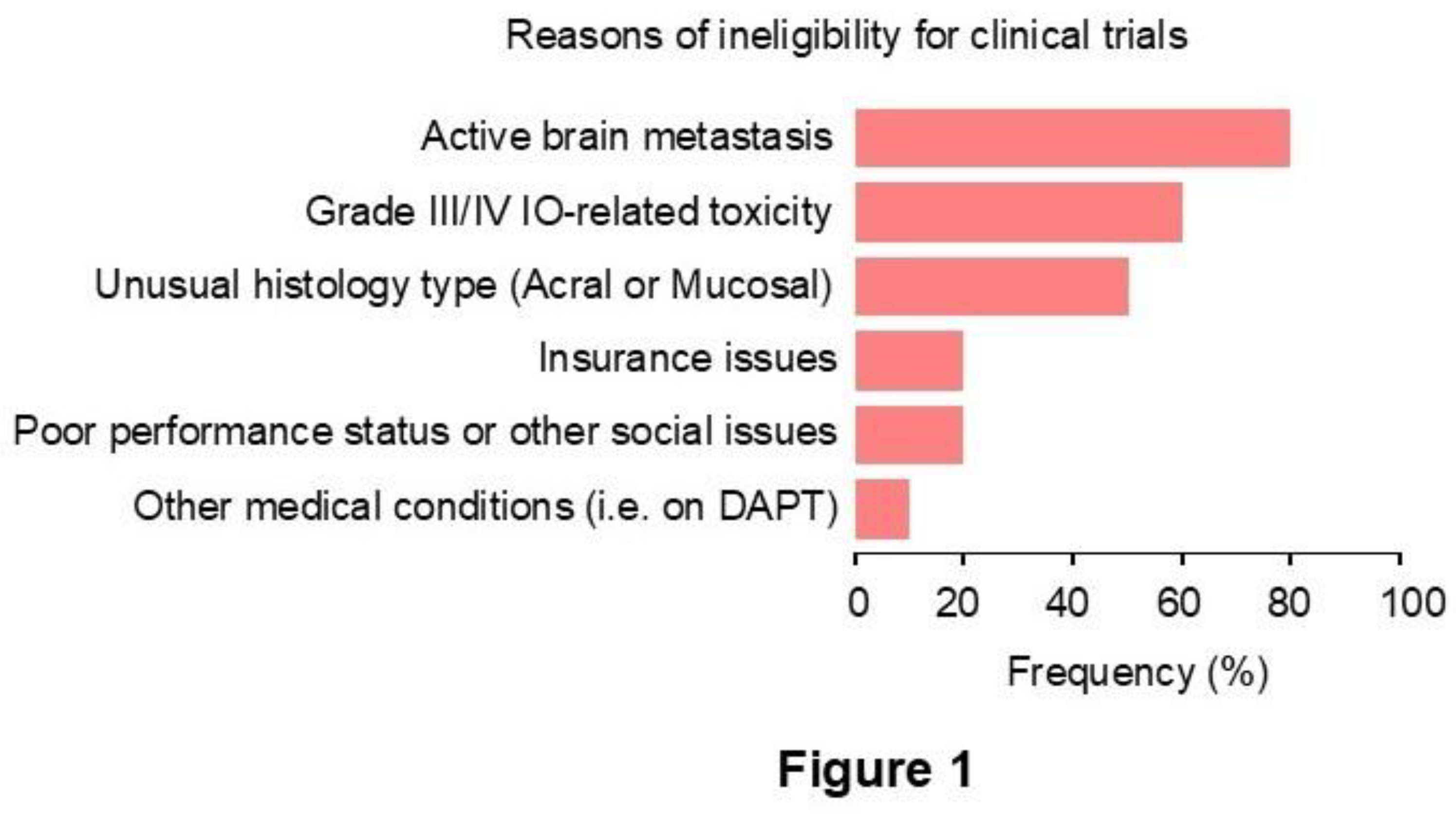
Figure 2.
A waterfall plot (A) and a spider plot (B) showing the best tumor response and tumor burden of non-brain lesions over the course of mVCT.
Figure 2.
A waterfall plot (A) and a spider plot (B) showing the best tumor response and tumor burden of non-brain lesions over the course of mVCT.
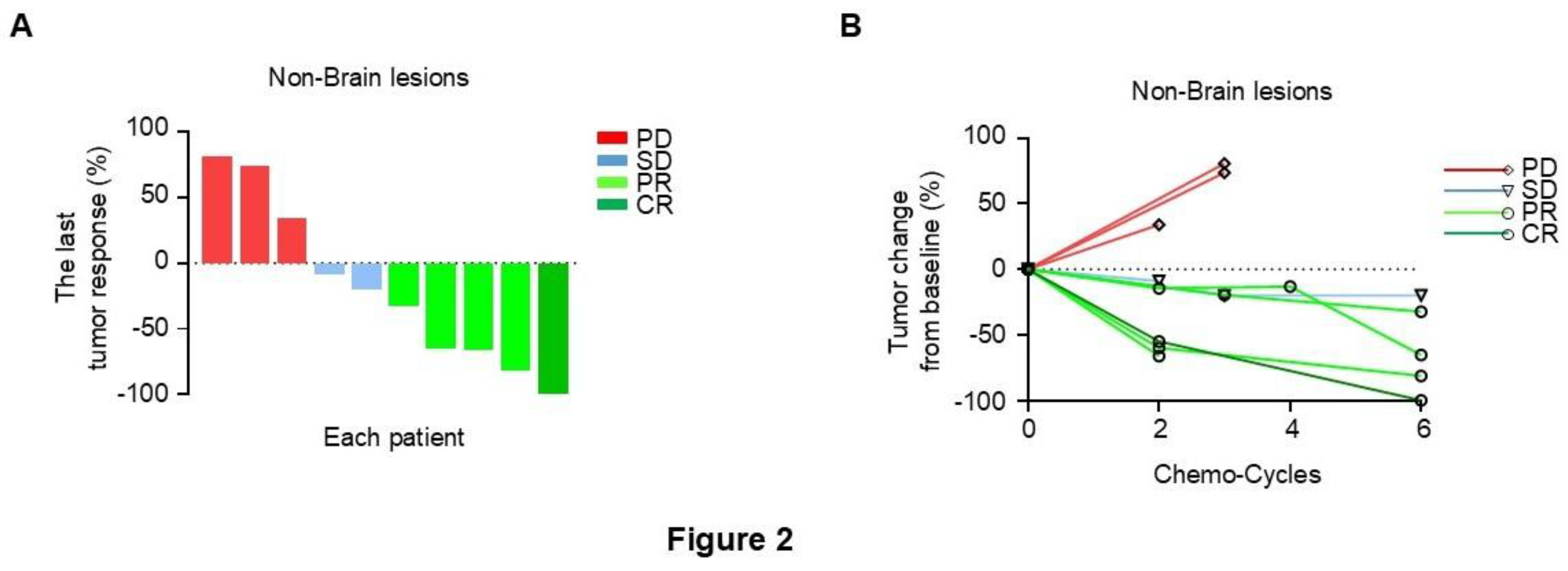
Figure 3.
A waterfall plot (A) and a spider plot (B) showing the best tumor response and tumor burden of brain lesions over the course of mVCT.
Figure 3.
A waterfall plot (A) and a spider plot (B) showing the best tumor response and tumor burden of brain lesions over the course of mVCT.
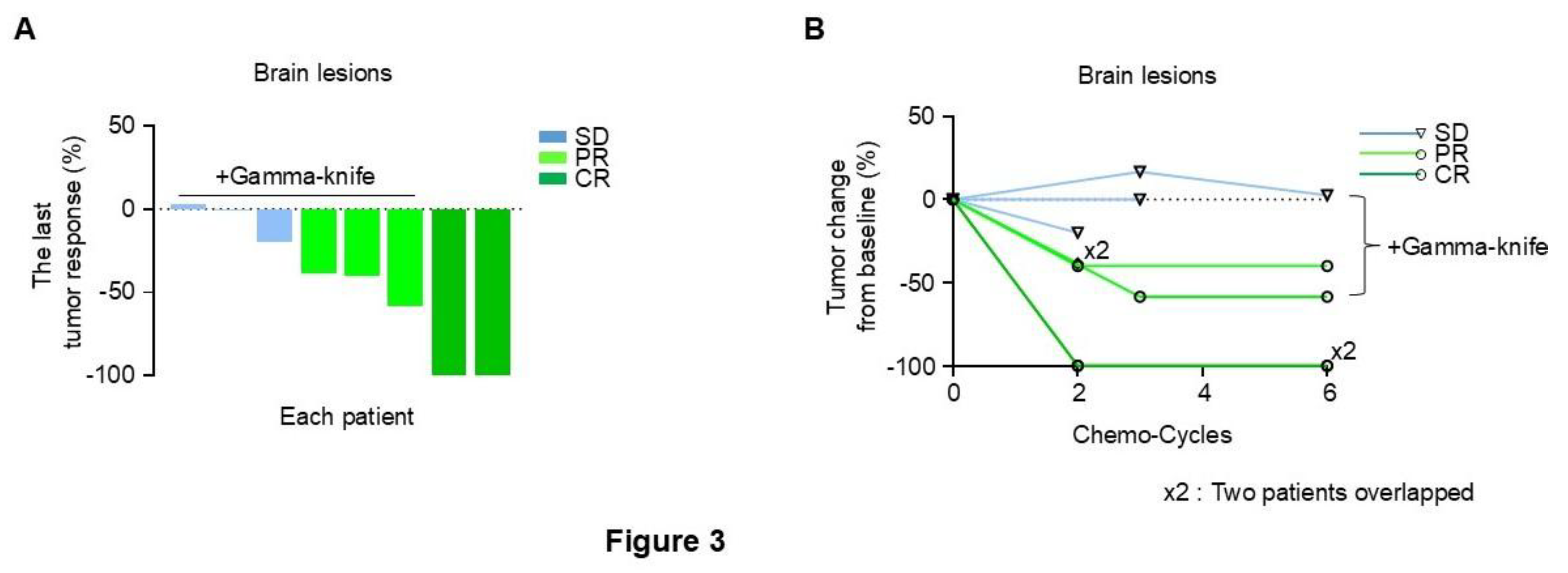

Table 1.
Baseline characteristics of the study population and response/toxicity of CVT regimen.
| Pt | Age/ Sex |
Race | Type of melanoma | Previous therapies | Stage at starting CVT | Hx. of GKRS | Number of CVT cycles received |
Overall response | Intracranial response | PFS (months) | ICPFS (months) | Toxicity |
| 1 | 59/M | White | Cutaneous | Pembrolizumab (neoadjuvant) Ipilimumab + Nivolumab |
4 (M1d) | Yes | 6 | CR | PR | 7 | 7 | G2 Fatigue |
| 2 | 91/M | White | Cutaneous | Ipilimumab + Nivolumab | 4 (M1d) | No | 6 | PR | CR | 12 | 15 | *G4 Fatigue |
| 3 | 48/F | White | Mucosal | Pembrolizumab, Ipilimumab + Nivolumab | 4 (M1d) | No | 6 | PR | CR | 10 | 12 | G3 myelosuppression |
| 4 | 72/M | White | Mucosal | Pembrolizumab, Carbo/Paclitaxel, PARPi | 4 (M1d) | Yes | 6 | PR | SD | 7 | 9 | G2 Fatigue |
| 5 | 49/F | White | Cutaneous | BRAFi+MEKi, Ipilimumab + Nivolumab | 4 (M1d) | Yes | 3 | SD | SD | 3 | 6 | *G4 Myelosuppression |
| 6 | 51/F | Black | Acral | Ipilimumab + Nivolumab | 4 (M1d) | Yes | 7 | SD | PR | 7 | 8 | G2 Fatigue |
| 7 | 70/M | White | Acral | Nivolumab, TVECs, MEKi | 4 (M1d) | Yes | 3 | PD | SD | 1 | 6 | None |
| 8 | 41/M | White | Cutaneous | Interferon, Ipilimumab + Nivolumab BRAFi+MEKi, PEG-IL12, Pembrolizumab + Lenvatinib, Carbo/Paclitaxel | 4 (M1d) | Yes | 2 | PD | PR | 0 | 6 | G1 Fatigue |
| 9 | 49/M | White | Acral | Pembrolizumab, Ipilimumab + Nivolumab | 4 (M1b) | No | 3 | PD | N/A | 1 | N/A | G2 Fatigue |
| 10 | 72/F | White | Cutaneous | Ipilimumab + Nivolumab | 3 LAUR | No | 2 | PR | N/A | 10 | N/A | **G3 Fatigue |
*These patients required a dose reduction of chemotherapy due to the side effects. **The toxicity led to discontinuation of Cisplatin and Vinblastine, but the patient was tolerating 10 cycles of Temozolomide in combination with Pembrolizumab afterward, followed by Pembrolizumab monotherapy, and is currently in CR. Abbreviations: Pt- patient; IO- immunotherapy; TVEC- talimogene laherparepvec; PFS- progression-free survival; LAUR- locally advanced unresectable; N/A- not applicable.
Table 2.
Reasons for clinical trial ineligibility and eventual outcome with mCVT.
| No. | Stage at Presentation | Previous treatment | BRAF status | Stage at starting Chemotherapy | Reasons for Chemotherapy over clinical trial | Adverse Events | Brain metastasis Management | Chemotherapy Outcome |
| 1 | Stage III (Clinical) | Pembrolizumab (neoadjuvant)- No response → I3+N1 → No response | WT | Stage IV (M1D) | Progressive brain metastasis, Travel issues, No target lesion outside brain |
Fatigue, Dysgeusia, Fluid overload |
GKRS + TMZ concurrently | SD |
| 2 | Stage III (LAUR) | I1+N3→ No response | WT | Stage III (LAUR) | Advanced age (>90 years old), Travel issues, Cardiac comorbidities |
Fatigue, Myelosuppression, Nausea. |
-- | PR |
| 3 | Stage IVA (Mucosal melanoma) | Adjuvant Pembrolizumab→ Relapse (M1D) → I3+N1 → Grade 3 pneumonitis → Progression → Pembrolizumab rechallenge → Pneumonitis | WT | Stage IV (M1D) | Grade 3 irAE (No trials) | Fatigue, Myelosuppression, Nausea, Fluid overload |
-- | CR |
| 4 | Stage III (Mucosal) |
Adjuvant Pembrolizumab → Grade III hepatitis → Progression to M1D disease. | WT | Stage IV (M1D) | Grade III irAE excluded from trials Progressive brain metastasis |
Fatigue, Nausea | GKRS + TMZ concurrently | PR |
| 5 | Stage IV (M1D)- Visceral crises | Encorafenib+Binimetinib → Progression → I3 + N1 | Present | Stage IV (M1D) | Progressive Brain metastasis | Fatigue, Nausea, Myelosuppression | GKRS, SRS, WBRT | PD after 6th cycle |
| 6 | Stage IIC → M1D (Acral) |
Clinical trial (I3 + N1) → Grade 4 irAE → Progression | Non-BRAF V600E | Stage IV (M1D) | Progressive Brain metastasis, Acral histology, No Target lesions | Fatigue, Nausea, Myelosuppression | GKRS + TMZ concurrently | SD → PD after stopping |
| 7 | Stage IIID → LAUR | Adjuvant Nivolumab → Grade 3 colitis, encephalitis | WT | Stage III (LAUR) | Several irAE, Acral histology | Fatigue, Nausea | -- | SD → Joined clinical trial upon availability |
| 8 | Stage IIIB --> M1B | Adjuvant Interferon → BRAF/MEK-I → 3 Phase 1 clinical trials → Pembrolizumab + Lenvatinib | Present | Stage IV (M1B) | No more clinical trials available. Insurance declined to cover the trial outside the state. | Fatigue, Nausea, Myelosuppression | GKRS + TMZ concurrently | PD after 4 cycles |
| 9 | Stage IIIC → M1B | Adjuvant pembrolizumab → progression → I3+N1 → Grade 3 irAE (Colitis) → Progression | Non-BRAF V600E | Stage IV (M1B) | No available clinical trial. Acral histology | Fatigue, Nausea | -- | PD → Joined clinical trial upon availability |
| 10 | Stage III (LAUR)- in-transit metastasis | I3 + N1 → Progression | WT | Stage III (LAUR) | No target lesion, No TVEC due to need for dual antiplatelet agents | Fatigue, nausea, poor diabetes control | -- | CR → switched to pembrolizumab and TMZ |
Abbreviations: CR- Complete response; GKRS- Gamma Knife Radiosurgery; I3+N1- Ipilimumab 3 mg/kg and Nivolumab 1mg/kg; LAUR- Locally advanced unresectable; PR- Partial Response; SD- Stable Disease; SRS- Stereotactic Surgery; TMZ- Temozolomide; WBRT- Whole-brain radiotherapy; WT- Wid type.
Disclaimer/Publisher’s Note: The statements, opinions and data contained in all publications are solely those of the individual author(s) and contributor(s) and not of MDPI and/or the editor(s). MDPI and/or the editor(s) disclaim responsibility for any injury to people or property resulting from any ideas, methods, instructions or products referred to in the content. |
© 2026 by the authors. Licensee MDPI, Basel, Switzerland. This article is an open access article distributed under the terms and conditions of the Creative Commons Attribution (CC BY) license (http://creativecommons.org/licenses/by/4.0/).
Copyright: This open access article is published under a Creative Commons CC BY 4.0 license, which permit the free download, distribution, and reuse, provided that the author and preprint are cited in any reuse.