

Submitted:
18 August 2026
Posted:
19 August 2026
You are already at the latest version
Abstract
Increasing soil contamination by potentially toxic elements (PTEs) threatens environmental quality and ecosystem health, reinforcing the need for effective remediation strategies. Phytoremediation uses plants to remove, immobilize, or neutralize contaminants and represents a sustainable approach for restoring contaminated soils. Although nickel (Ni) is an essential plant micronutrient, elevated concentrations can cause phytotoxicity. This review synthesized data from field and controlled-condition studies on the effects of soil Ni concentrations and the phytoremediation performance of plant species. A Web of Science search identified 230 studies, of which 94 met the predefined inclusion criteria. Plant responses varied according to species and Ni concentration. More than 86% of the 449 plant records corresponded to herbaceous plants; Poaceae accounted for over 26% of the reported Ni-phytoremediating taxa, followed by Brassicaceae at approximately 18%. Brassica juncea showed the most consistent performance, combining Ni tolerance with phytoextraction and hyperaccumulation. Alyssum murale exhibited the highest phytoextraction capacity and the highest Ni concentration among the hyperaccumulators. Overall, the reviewed evidence supports phytoremediation as a sustainable strategy for Ni-contaminated environments. However, further research is required to support large-scale implementation and ensure alignment with global environmental sustainability objectives.
Keywords:
nickel
; potentially toxic elements
; phytoremediation
; soil contamination
; phytoextraction
; phytostabilization
; hyperaccumulation
; metal bioavailability
; soil properties
1. Introduction
Environmental contamination by potentially toxic elements (PTEs) is a global concern that poses significant threats to human health, biodiversity, and ecosystem stability (Vischetti et al., 2022; Yao et al., 2024). Originating from both natural and anthropogenic sources, PTEs can contaminate soils through improper disposal of industrial waste, mining residues, inappropriate use of agrochemicals, and other human activities that contribute to ongoing and accelerated environmental degradation (Palansooriya et al., 2020; Kaur et al., 2024). PTEs include heavy metals, which, even at low concentrations, may cause adverse effects due to their bioaccumulation in living organisms (Kaur et al., 2024; Yao et al., 2024). Some metals, such as nickel (Ni), are essential micronutrients for plant growth and development; however, when present at elevated concentrations, they become phytotoxic (Vischetti et al., 2022).
It is estimated that up to 17% of the world's agricultural land exceeds the intervention guideline values established for agricultural areas for at least one toxic metal (Hou et al., 2025). However, there is significant variation in these guideline values among countries, depending on their regulatory standards for heavy metals in agricultural soils (Vischetti et al., 2022). In Finland, the Ministry of the Environment has established a soil Ni threshold value of 50 mg kg⁻¹ and a lower guideline value of 100 mg kg⁻¹ for non-industrial land uses (Ministry of the Environment, 2007). In Brazil, CONAMA Resolution No. 420/2009 establishes a prevention value of 30 mg kg⁻¹ and an agricultural investigation value of 70 mg kg⁻¹. Increases in Ni concentrations in agricultural soils, even at low to moderate levels, may result from the presence of Ni in chemical fertilizers, pesticides, and sewage, as well as from the improper use of these materials in agricultural practices (Mohammadpour et al., 2016). Despite these established guideline values, assessing PTE concentrations in agricultural soils remains a complex challenge, particularly in understanding how different contamination levels interact with environmental processes and agricultural production. Consequently, more comprehensive studies are required to support the development of effective remediation strategies (Vischetti et al., 2022).
Phytoremediation, a technology that employs plants capable of removing, immobilizing, or neutralizing PTEs from the environment, has gained considerable attention within the scientific community as a promising remediation strategy (Barroso et al., 2023). Compared with conventional remediation methods, phytoremediation offers several advantages, including low implementation costs, high efficiency in areas with low to moderate levels of contamination, and environmental sustainability, making it a more socially acceptable remediation approach (Liu et al., 2018; Barroso et al., 2023).
Although numerous studies on phytoremediation have been conducted and published in recent years, several important questions regarding heavy metal contamination remain unanswered: (a) Can phytoremediation be established as a viable technology for the remediation of Ni-contaminated areas? (b) Which plant species have the potential to act as barriers against Ni contamination in soils? (c) Which plant groups can be recommended for specific phytoremediation applications?
Previous reviews have addressed phytoremediation from a broad perspective; however, no review has specifically synthesized the available knowledge on nickel phytoremediation by simultaneously considering soil type, plant groups, and remediation mechanisms. Therefore, this review examines phytoremediation as a green technology for Ni-contaminated environments, emphasizing the principal plant species used for Ni remediation, the effects of different soil Ni concentrations, and the characteristics of the soil types evaluated.
2. Materials and Methods
The literature search was conducted using the keywords "nickel AND phytoremediation AND soil AND contamination" in the Web of Science database. For this comprehensive review of the occurrence of Ni in soils and its potential environmental impacts, approximately 230 articles published between 2000 and 2026 were retrieved, of which 94 met the selection criteria and were included.
Studies were selected through a full-text screening process. Only studies that specifically addressed Ni phytoremediation were included, and duplicate bibliographic records were excluded. For data synthesis, each occurrence of a plant taxon within an included study was treated as one plant record; thus, the 94 included studies generated 449 plant records. Subsequently, the extracted data were compiled, analyzed using descriptive statistics, and presented in tables and figures according to plant species and families, soil Ni concentrations, soil types, phytoremediation mechanisms, and the geographical distribution of the studies. Percentage calculations and statistical analyses were performed using Microsoft Office Excel 2024, whereas graphical representations were generated using R® software version 4.5.1 and SigmaPlot® version 14.5.
3. Effects of Nickel Toxicity
Nickel (Ni) is a mineral element classified as a heavy metal and is essential for plant growth and development because it participates in important metabolic functions (Vischetti et al., 2022; Shahzad et al., 2018). Nickel is also essential for certain microorganisms and is involved in a wide range of cellular processes (Mulrooney & Hausinger, 2003).
The toxic potential of Ni is associated with several factors, including its concentration and chemical speciation in the soil. Consequently, its behavior is directly influenced by soil pH, organic matter content, and the presence of metal oxides (Begum et al., 2022). The different chemical and mineral forms of Ni in soil determine its bioavailability to plants and its mobility in the environment.
Most plant species require relatively low Ni concentrations for normal growth and development, generally ranging from 0.1 to 5.0 mg kg⁻¹ on a dry-matter basis, although this requirement may vary considerably depending on the plant species and Ni availability in the soil. Nickel is primarily involved in nitrogen metabolism, iron uptake, and the activity of specific enzymes, including urease, glyoxalase-I, hydrogenase, and superoxide dismutase (Shahzad et al., 2018). Therefore, in the absence of Ni, plants are unable to complete their life cycle.
However, elevated Ni concentrations can induce phytotoxicity in crops because Ni promotes the production of reactive oxygen species (ROS), thereby impairing several physiological and biochemical processes, including photosynthesis, transpiration, and mineral nutrition. Numerous studies have reported that excessive accumulation of Ni causes symptoms such as leaf chlorosis, growth inhibition, nutrient imbalances, and reduced photosynthetic activity. Ionic imbalances under Ni stress also delay the uptake of several cations, impair plant water relations, and reduce sodium and potassium concentrations in the shoots and roots of Cynodon dactylon and Cenchrus ciliaris (Mukhtar et al., 2026).
Critical Ni toxicity levels are generally defined as concentrations exceeding 10 mg kg⁻¹ on a dry-matter basis in sensitive species, 50 mg kg⁻¹ in moderately tolerant species, and 1,000 mg kg⁻¹ in Ni-hyperaccumulator plants (Küpper et al., 2001; Van der Pas et al., 2019). Nickel concentrations above these thresholds induce a wide range of phytotoxic symptoms in crop species (Muhammad et al., 2013; Vischetti et al., 2022), including reduced carbon dioxide (CO₂) uptake, decreased photosynthetic rate, lower chlorophyll content, inhibition of cell division and elongation, reduced plant growth, impaired enzymatic activity, and disruption of nutrient metabolism (Moosavi et al., 2014; Saleh et al., 2019; Leskova et al., 2022). Nevertheless, establishing a universal soil Ni concentration threshold for phytotoxicity in cultivated plants remains a complex challenge.
Numerous studies have investigated the effects of Ni on agricultural crops over the past decades. In an experiment conducted by Aguilar (2023) with upland cotton (Gossypium hirsutum L.), plants received foliar applications of urea [4% and 8% (w/v)] combined with five Ni concentrations (0, 0.15, 0.30, 0.60, and 1.20 g L⁻¹). Gas-exchange parameters and selected metabolites responded positively to intermediate Ni concentrations (0.30 and 0.60 g L⁻¹), resulting in increased photosynthetic rates, whereas the highest Ni concentration reduced these responses. To determine the phytotoxic threshold of Ni, the same author conducted an additional experiment and found that plant growth was significantly reduced at a soil Ni concentration of 180 mg kg⁻¹. These findings suggest that excessive Ni likely disrupts the uptake and accumulation of other essential nutrients, leading to nutritional imbalances.
A soil Ni concentration of 40 mg kg⁻¹ was reported to impair tomato plant growth and productivity, as reflected in reduced dry biomass production (Rehman et al., 2016). In another study using cherry tomato (Lycopersicon esculentum), crop productivity remained unaffected at a low Ni concentration (40 mg kg⁻¹) but declined significantly when the soil Ni concentration reached 100 mg kg⁻¹ (Matraszek et al., 2010). The activation of antioxidant enzymes, particularly ascorbate peroxidase (APX), in tomato seedlings exposed to increasing Ni concentrations (15 and 30 mg L⁻¹) was shown to be an effective mechanism for attenuating salt stress, thereby improving plant growth and productivity (Subhani et al., 2023). Similar responses have also been reported in rice (Maheshwari et al., 2009), wheat (Gajewska et al., 2006), and maize (Baccouch et al., 1998), all of which exhibited significant increases in APX activity when exposed to different Ni concentrations.
Toxic effects of Ni have also been reported in Hordeum vulgare when cultivated in soils containing Ni concentrations above 10 mg kg⁻¹. However, this concentration also resulted in a significant increase in crop productivity, highlighting the dual role of Ni as both an essential micronutrient and a potentially toxic element (Kumar et al., 2018). In a study evaluating sunflower (Helianthus annuus L.), the application of 80 mg kg⁻¹ Ni to the soil did not affect plant growth, whereas concentrations exceeding 120 mg kg⁻¹ induced phytotoxicity and plant mortality (Ranieri et al., 2025). In another experiment, maize plants grown under hydroponic conditions and exposed to different Ni concentrations (0, 20, and 40 mg L⁻¹) exhibited increased activities of several antioxidant enzymes, including superoxide dismutase (SOD), catalase (CAT), glutathione reductase (GR), ascorbate peroxidase (APX), and peroxidases (POX), as well as enhanced nutrient translocation from roots to shoots compared with the control after exposure to Ni (Amjad et al., 2020). Nevertheless, the findings of this study indicate that Ni toxicity severely impairs maize physiology by inducing oxidative damage and disrupting nutrient uptake and translocation.
4. Phytoremediation
The use of plants for phytoremediation has emerged as a viable strategy for the remediation and restoration of contaminated soils because of its low implementation cost, ease of establishment and application, and ability to mitigate the adverse effects of heavy metals in soil (Bernardino et al., 2016; Silva et al., 2020). Compared with conventional remediation technologies, phytoremediation offers several advantages, including the cost-effective remediation of large contaminated areas, the ability to remediate contaminated water, soil, and subsurface environments (Yan et al., 2020), and reduced visual disturbance to the landscape.
However, several factors should be considered when selecting plant species for soil decontamination, including the plant developmental stage, the capacity to absorb and accumulate heavy metals in plant tissues, the duration of exposure to PTEs, and the different chemical species of these elements (Marques et al., 2011; Da Silva et al., 2023). Furthermore, achieving satisfactory remediation through phytoremediation may require extended periods, and there is a potential risk associated with the entry of contaminated plant biomass into the food chain. Therefore, these limitations should be carefully considered when implementing this remediation strategy.
This behavior depends not only on the chemical forms in which the metal occurs in soil but also on several soil properties, including pH, redox potential, texture, mineral composition, particularly the content and types of clay minerals and Fe, Al, and Mn oxides, cation exchange capacity (CEC), the quantity and composition of organic matter in the soil and soil solution, the presence of other heavy metals, soil temperature, macro- and micropore distribution, soil moisture, and other factors affecting microbial activity. (Peijnenburg, 2025).
Phytoremediation involves either the direct action of plants or indirect processes mediated by the stimulation of rhizosphere microorganisms, thereby promoting environmental decontamination through the extraction, stabilization, volatilization, or degradation of contaminants. These processes are generally classified as phytoextraction, phytodegradation, phytovolatilization, phytostimulation, and phytostabilization (Accioly & Siqueira, 2000; Shen et al., 2022).
4.1. Phytoextraction
Plants used in phytoextraction are generally referred to as hyperaccumulators because of their ability to accumulate high concentrations of heavy metals in their tissues, typically ranging from 100 to 10,000 mg kg⁻¹ on a dry-matter basis, depending on the specific metal (Raskin et al., 1994; Accioly & Siqueira, 2000; Pollard et al., 2014; Kanwar et al., 2023; Sharma et al., 2024). For Ni, hyperaccumulator plants are defined as those capable of extracting and accumulating more than 1,000 mg kg⁻¹ Ni in their dry biomass (Kriti et al., 2021; Sharma et al., 2024).
Phytoextraction is currently one of the most extensively investigated phytoremediation techniques. This approach relies on hyperaccumulator species and high-biomass-producing plants that are capable of growing in soils containing elevated concentrations of heavy metals while removing these contaminants from the affected area. However, the efficiency of phytoextraction is directly dependent on the plant's capacity to absorb contaminants from the soil and accumulate them in its roots or aboveground tissues. Consequently, prolonged remediation periods are often required to achieve substantial reductions in soil contaminant concentrations (Auchterlonie et al., 2021; Da Silva et al., 2023).
4.2. Phytodegradation
Phytodegradation is primarily associated with the remediation of organic contaminants; however, it may also involve inorganic substances, such as nitrate, through their uptake and metabolism by plants. These contaminants may either be degraded or absorbed by plant tissues (Morita & Moreno, 2022). In experiments conducted on petroleum-contaminated soils using alfalfa (Medicago sativa L.) and Italian ryegrass (Lolium multiflorum Lam.), with or without inoculation with bacteria of the genus Ochrobactrum, the combined use of plants and bacteria resulted in greater degradation of the target contaminants, with alfalfa showing the highest remediation efficiency. Furthermore, the ability of this species to absorb and metabolize compounds such as nitrate and ammonium highlights its relevance for the remediation of contaminated sites, reinforcing its potential for use in phytoremediation strategies (Xu et al., 2020).
4.3. Phytovolatilization
Phytovolatilization is a phytoremediation strategy applied to the removal of volatile organic contaminants and certain inorganic elements that can be metabolically converted into gaseous forms. In this process, contaminants are absorbed by the roots, translocated to plant tissues, and subsequently transformed through plant metabolic pathways, often in association with rhizosphere microorganisms, into volatile compounds that are released into the atmosphere (Yan et al., 2020). Although this release was initially considered a potential source of secondary pollution, more recent studies indicate that, depending on the plant species, the contaminant involved, and the emission rate, phytovolatilization can substantially reduce environmental toxicity, particularly when contaminants are converted into less toxic chemical forms.
In addition to plant metabolism, the rhizosphere microbiota plays a fundamental role in the biochemical transformation of contaminants, thereby enhancing the efficiency of the phytovolatilization process. Nevertheless, the ecological safety of phytovolatilization requires case-specific assessments to ensure that plants effectively remove and volatilize contaminants while reducing atmospheric toxicity and minimizing the potential redistribution of volatilized compounds (Yan et al., 2020; Montreemuk et al., 2024).
4.4. Phytostimulation
Phytostimulation, also referred to as rhizodegradation, involves the use of plants to stimulate microbial activity in the rhizosphere, thereby enhancing the degradation of organic contaminants in soil, including petroleum hydrocarbons, pesticides, herbicides, and industrial solvents. Plant roots release exudates composed of sugars, amino acids, enzymes, and phenolic compounds, which serve as substrates for contaminant-degrading microorganisms and promote the biodegradation of pollutants. This mechanism is particularly important in sites contaminated with persistent organic compounds, where plant–microorganism interactions can substantially improve remediation efficiency (Gerhardt et al., 2009). Species such as Brassica napus have demonstrated the ability to stimulate microbial communities capable of degrading contaminants such as diesel fuel, thereby promoting the functional diversity of soil microbial communities (Lacalle et al., 2018).
4.5. Phytostabilization
Phytostabilization involves the use of plants to immobilize pollutants through adsorption onto roots, precipitation within the rhizosphere, chemical complexation, or accumulation in roots. In addition, phytostabilizing plants contribute to the control of wind and water erosion in degraded areas (Shikha and Singh, 2021). Consequently, this strategy minimizes leaching, groundwater contamination, and the entry of potentially toxic metals into the food chain (Vangronsveld et al., 2009; Mahar et al., 2016).
Recent studies have demonstrated that certain plant species can simultaneously operate through multiple phytoremediation mechanisms, depending on the type and concentration of the contaminant. In a pot experiment evaluating the phytoremediation potential of Conocarpus erectus in soils contaminated with up to 200 mg kg⁻¹ Ni in combination with other heavy metals, including lead (Pb), chromium (Cr), and cadmium (Cd), the species behaved as a Pb hyperaccumulator while acting as a phytostabilizer for Cr, Ni, and Cd (Tauqeer et al., 2019). These findings demonstrate that a single plant species may employ different phytoremediation mechanisms depending on the contaminating element.
For the remediation of Ni-contaminated sites, phytoextraction and phytostabilization are the most widely applied and extensively investigated phytoremediation strategies. Phytoextraction predominates because of the availability of hyperaccumulator species capable of absorbing high concentrations of Ni and translocating it to aboveground tissues, thereby enabling its gradual removal from the soil through biomass harvesting. In contrast, phytostabilization represents an important alternative for sites with high Ni concentrations or where complete metal removal is impractical, as it reduces Ni mobility and bioavailability, thereby minimizing leaching, environmental dispersion, and entry into the food chain.
In contrast, phytodegradation and phytostimulation (rhizodegradation) have limited applicability for Ni remediation because these mechanisms were primarily developed for the degradation of organic contaminants, such as hydrocarbons, pesticides, and industrial solvents. Since Ni is a chemical element and cannot be biologically degraded, these mechanisms do not remove it from the environment but may only indirectly influence its bioavailability through microbial activity in the rhizosphere.
Phytovolatilization is the least applicable phytoremediation mechanism for Ni. This process depends on the plant's ability to convert contaminants into volatile compounds, a characteristic that has been demonstrated for elements such as mercury (Hg), selenium (Se), and arsenic (As), but not to any significant extent for Ni. Consequently, the application of phytovolatilization for the remediation of Ni-contaminated soils is virtually nonexistent.
Therefore, the selection of an appropriate phytoremediation strategy for Ni-contaminated soils should consider the chemical form, concentration, and bioavailability of Ni in the soil. Phytoextraction is the preferred approach when the objective is to remove Ni from contaminated sites, whereas phytostabilization is more suitable for reducing Ni mobility and mitigating environmental risks in heavily contaminated areas.
5. Evolution of Research on Nickel Phytoremediation
Using the keywords “nickel,” “phytoremediation,” “soil,” and “contamination,” the literature review identified 94 studies published between 2000 and 2026. Based on the bibliometric analysis of the retrieved literature, a keyword co-occurrence map ("word cloud") was generated to identify the most relevant and frequently associated keywords related to phytoremediation within the selected database (Figure 1A). The map was constructed using the 50 most frequently occurring keywords and their connections (i.e., clusters). The most common keywords identified in this research field were phytoremediation, accumulation, cadmium, nickel, heavy metals, plants, contamination, soil, phytoextraction, lead, and zinc (Figure 1A). The different colors in the keyword map represent distinct clusters of related terms, while the connecting lines indicate the strongest co-occurrence relationships among the keywords (Figure 1A).
Analysis of the retrieved publications indicates that scientific research on the phytoremediation of Ni-contaminated areas began in the early 2000s, when only one study (1.0%) was identified. However, the number of publications increased markedly after 2020, reaching its highest level in 2023, with 14 studies accounting for 15% of all publications included in this review (Figure 1B).
This increase can be primarily attributed to the intensification of the global energy transition, which has substantially increased the demand for nickel due to its widespread use in the manufacture of rechargeable batteries for electric vehicles and energy storage systems. The expansion of nickel mining, processing, and recycling activities has heightened concerns regarding the environmental impacts associated with its exploitation, particularly the risk of soil and water contamination. In this context, several remediation approaches have been developed in response to the global ecological transition, with particular emphasis on phytoremediation, a strategy that employs plants to remove, immobilize, or neutralize PTEs from the environment.
Furthermore, the strengthening of environmental policies and the global agenda aimed at restoring degraded areas and mitigating pollution caused by PTEs has further stimulated research in this field. As a result, studies on Ni phytoremediation have become geographically widespread, reflecting the growing interest of researchers from different countries in developing effective strategies for the remediation of Ni-contaminated environments (Figure 1C).
Studies published from 2000 to 2009 accounted for 9.6% of the total. Thirty-four studies (36.2%) were published between 2010 and 2020, and 51 studies (54.2%) between 2021 and 2026 (Figure 1B). This trend highlights the growing scientific interest in Ni phytoremediation, paralleling increasing global concerns regarding environmental conservation.
The studies published between 2000 and 2026 are broadly distributed across different regions of the world (Figure 2). Most of the research has been conducted in Asia (56%), particularly in India, Iran, and China, followed by Europe (32%), where Poland, Italy, and Germany were the major contributors. This distribution reflects the strong interest among researchers in these regions in using plant species to mitigate environmental contamination. A smaller proportion of studies was conducted in Africa (9%), followed by the Americas (2%, represented by Brazil and Canada) and Oceania (1%, represented by Australia). This geographical distribution demonstrates the global effort to develop sustainable strategies to mitigate environmental threats and restore contaminated ecosystems (Figure 2).
Despite the economic importance of Ni to the steel industry and the manufacture of rechargeable batteries, Ni extraction without adequate environmental planning and management can have substantial impacts on ecosystems (Singh and Kumar, 2022). Among the principal environmental consequences are the generation of large volumes of mining waste and the leaching of potentially toxic metals, processes that promote the contamination of soils and water resources, thereby compromising biodiversity, water quality, and agricultural productivity (Zapico et al., 2021).
In this context, it is noteworthy that a substantial proportion of the studies included in this review were conducted outside the world's major Ni-producing regions (Figure 2). This finding reveals an important scientific gap in the very countries where mining activities are most intensive and, consequently, where the risks of environmental degradation are greatest. In major Ni-producing regions, such as Indonesia, the Philippines, and New Caledonia, nickel mining plays a strategic role in economic growth, employment generation, and integration into the global supply chain supporting the energy transition. Therefore, strengthening environmental monitoring programs, promoting the restoration of degraded areas, and developing effective remediation technologies are essential to reconcile mineral exploitation with the conservation of natural resources.
The limited number of studies focusing on the remediation of Ni-contaminated sites in these regions may reflect constraints related to investment in research, the high technical complexity of remediation processes, and the prioritization of efforts toward expanding mineral production. However, considering that the greatest environmental impacts are expected to occur in the principal Ni-producing countries, these nations should play a leading role in advancing research and implementing environmental mitigation programs. Strengthening initiatives aimed at assessing the environmental impacts of mining, monitoring environmental quality, and improving remediation strategies, particularly phytoremediation, is essential for reducing the environmental liabilities associated with nickel mining and promoting more sustainable Ni exploitation in accordance with the principles of the circular economy. Consequently, increasing the participation of the world's leading Ni-producing countries in this field represents an important priority for future research.
6. Classification of Plant Species
The 449 plant records identified in the literature indicate that a wide range of plant groups have been investigated for Ni phytoremediation. Herbaceous species were the most frequently reported, accounting for 86.20% of all records, followed by shrubs (7.60%), trees (4.90%), and aquatic macrophytes (1.34%) (Figure 3).
Shrub vegetation, composed of intermediate-sized woody species, represents an important structural component for ecological connectivity and the provision of ecosystem services in natural, agricultural, and restored landscapes (Johann and Arnold, 2021). Shrubs form a transitional layer between the herbaceous and arboreal strata, increasing habitat heterogeneity while providing shelter, nesting sites, and food resources for a wide range of animal taxa, thereby substantially enhancing biodiversity. Shrub communities also play an important role in water conservation, as their root systems stabilize slopes, reduce soil erosion, control sediment transport, and improve water infiltration and retention within the soil profile (Wei et al., 2020). Furthermore, recent research has demonstrated that shrub communities can contribute to climate change mitigation by storing carbon, reducing land surface temperatures, and regulating biogeochemical processes, including greenhouse gas emissions, particularly in degraded landscapes and ecological restoration sites (Livingstone et al., 2022; He et al., 2023).
Arboreal vegetation comprises tree species of varying sizes, preferably native species adapted to local environmental conditions; these species are fundamental to ecosystem stability and sustainability (De Castro Oliveira et al., 2019; Riley, 2021). The presence of native tree species enhances ecological resilience, promotes biodiversity, and supports essential ecosystem processes, including nutrient cycling, soil conservation, and hydrological regulation (Brancalion et al., 2019; Riley, 2021).
This vegetation layer performs several strategic ecological functions by acting as a natural windbreak, reducing soil erosion, enhancing water and nutrient retention, and improving water quality through soil stabilization and the reduction of surface runoff (Ellison et al., 2017; Udawatta et al., 2022; Lindenmayer et al., 2022). In addition, trees provide habitat and ecological connectivity for wildlife, thereby increasing biological diversity and enhancing the ecological functionality of landscapes (Lewis et al., 2019).
Arboreal vegetation also plays a key role in climate regulation and air-quality improvement because of its capacity to sequester carbon, remove atmospheric pollutants, and reduce local temperatures through shading and evapotranspiration. These processes create more stable microclimates and contribute to climate change mitigation (Nowak et al., 2018; Riley, 2021; Lindenmayer et al., 2022).
Aquatic macrophytes have been extensively investigated as a means of remediating environments contaminated with heavy metals because of their favorable characteristics for this purpose. These plants are widely used in wastewater treatment systems for domestic sewage and industrial effluents because they can reduce the concentrations of pollutants such as nickel, iron, manganese, lead, and other PTEs. For example, Silva et al. (2021) reported that the aquatic species Spirodela polyrhiza and Ricciocarpos natans were effective in reducing iron and manganese concentrations. This approach has also been widely applied for the treatment of wastewater and municipal sewage, particularly in countries where constructed wetlands have been implemented. Constructed wetlands are engineered ecosystems composed of aquatic plants and suitable substrates designed to simulate natural wetlands and incorporated into one or more stages of wastewater treatment. Their purpose is to improve effluent treatment by integrating physical, chemical, and biological processes (Vymazal, 2010).
The integration of different vegetation strata provides synergistic benefits by creating an effective transitional zone between cultivated areas and adjacent water bodies (Wu et al., 2023). The diversity of plant species with phytoremediation potential varies among vegetation types, with herbaceous species being the most highly represented, particularly those belonging to the genus Brassica (Figure 3).
6.1. Plant Families and Species
Among the 94 publications analyzed, several studies evaluated plant groups belonging to more than one family and exhibiting different growth habits. For example, Alghamdi and El-Zohri (2024) assessed the Ni tolerance of herbaceous species (Aerva javanica, Portulaca oleracea, Eleusine indica, Cenchrus ciliaris, Pennisetum divisum, Tetraena coccinea, and Fagonia indica) as well as subshrub species (Tephrosia nubica and Dipterygium glaucum) grown in Ni-contaminated soil.
Based on the studies reviewed, Trifolium alexandrinum exhibited the highest bioaccumulation potential (Fayek et al., 2023), followed by Jatropha curcas, which maintained its phytoremediation capacity up to the highest Ni concentration evaluated (23.0 mg kg⁻¹) (Borah et al., 2023). The grass Cymbopogon citratus also demonstrated remarkable phytoremediation performance by effectively phytostabilizing soils containing up to 699.1 mg kg⁻¹ Ni derived from battery waste (Kriti et al., 2021). Among all species evaluated, Alyssum murale var. chlorocarpum Hausskn exhibited the greatest Ni phytoextraction capacity, accumulating up to 25,500 mg kg⁻¹ Ni in its dry biomass (Cullaj et al., 2004). The phytoremediation potential of A. murale for metals commonly used in lithium-ion battery components has also been investigated, revealing distinct patterns of metal translocation and sequestration, together with promising levels of Ni and cobalt (Co) accumulation, thereby confirming its exceptional hyperaccumulation potential (Henschel et al., 2020).
A wide diversity of Ni-tolerant plant species has been reported, many of which are capable of extracting Ni and other heavy metals present at elevated concentrations in contaminated soils and accumulating them in their tissues. The ability of Chromolaena odorata (L.) to grow across a range of Cd, Ni, and zinc (Zn) concentrations in crude oil-contaminated soils was demonstrated by Atagana (2011), who reported that this species was capable of growing and phytoaccumulating heavy metals under these conditions, thereby facilitating the remediation of crude oil-contaminated soils. The species exhibited tolerance to soil Ni concentrations of up to 2,000 mg kg⁻¹. For studies in which the phytoremediation mechanism was classified as not determined (N.D.), it is important to note that, although the mechanisms involved were not explicitly identified, all studies reported that the plant species listed in Table 1 were able to establish and grow in the presence of Ni, supporting their potential effectiveness in phytoremediation.
Regarding the taxonomic distribution of the species evaluated, the herbaceous plant group was dominated by the family Poaceae (26%), which comprised a diverse range of species. Within this family, Cymbopogon spp. (4.2%), Miscanthus spp. (2.7%), and Oryza sativa (2.0%) were the most frequently investigated taxa. Other genera and species reported within Poaceae included Festuca spp. (1.8%), Hordeum vulgare (1.8%), Sorghum spp. (1.6%), Urochloa spp. (1.6%), Zea mays (1.3%), Cenchrus ciliaris (1.3%), Megathyrsus maximus (1.3%), and Vetiveria spp. (1.1%), among others.
The family Brassicaceae accounted for 17% of the records, with Brassica spp. (8.7%) being the most frequently reported taxon, followed by Alyssum spp. (2.7%), Raphanus sativus (1.3%), and Lepidium sativum (1.1%). Within the Asteraceae (10.5%), the most frequently investigated taxa were Tagetes spp. (3.1%), Helianthus annuus (1.6%), and Carthamus spp. (1.1%). In the Amaranthaceae (5.0%), Chenopodium quinoa (1.3%) and Beta vulgaris (1.3%) were the most frequently evaluated species. Several other herbaceous plant families were also represented in the literature, although with lower frequencies of occurrence.
Among shrub and subshrub species, several studies evaluated combinations of different plant families and genera. The family Euphorbiaceae was the most frequently represented (1.8%), with Ricinus spp. (1.1%) being the most commonly reported taxon. The family Araliaceae was also represented, primarily by species of the genus Hedera (1.3%). Among arboreal species, the family Fabaceae (1.8%) included studies involving Pongamia pinnata (0.9%), Albizia lebbeck (0.7%), and Leucaena leucocephala (0.2%). Additional tree families represented in the literature included Salicaceae (0.9%), Sapindaceae (0.9%), Euphorbiaceae (0.9%), Betulaceae (0.2%), and Moraceae (0.2%). Regarding aquatic macrophytes, Lemna minor (Araceae) was reported in 0.7% of the studies. Other macrophyte species belonged to the families Pontederiaceae, Typhaceae, and Poaceae, including Eichhornia spp. (0.2%), Typha spp. (0.2%), and Phragmites australis (0.2%), respectively.
Species belonging to the family Poaceae were reported in 0.2% of the studies involving aquatic macrophytes and in 25.8% of those involving herbaceous plants. These included lemongrass (Kriti et al., 2021), silvergrass (Wu et al., 2021; Nurzhanova et al., 2025), brachiaria (Silva et al., 2024), rice (Jamil et al., 2014; Zhou et al., 2025), sorghum (Al Chami et al., 2015; Turkovskaya et al., 2024), and maize (Boros-Lajszner et al., 2021; Tipu et al., 2021). These grasses are frequently used to prevent soil erosion owing to their extensive root systems and high biomass production. Furthermore, maize not only contributes to nutrient and contaminant retention and uptake but also has potential for bioenergy production (Tian et al., 2012; Tipu et al., 2021).
The family Brassicaceae, representing 17.1% of the herbaceous species and 0.7% of the shrub species reported in the literature, includes taxa such as Alyssum spp. (Henschel et al., 2020) and Brassica spp. (Bernardi et al., 2020; Sharma et al., 2024; Kamal and Alali, 2025), which are generally recognized as hyperaccumulators of heavy metals, particularly Ni. In a study comparing the phytoremediation efficiency of three Brassica genotypes, only B. juncea demonstrated promising hyperaccumulation potential in Ni-contaminated soils. In contrast, Brassica napus and Brassica campestris were adversely affected by Ni phytotoxicity, exhibiting metabolic and physiological disturbances that impaired nutrient homeostasis and consequently reduced plant growth and productivity (Sharma et al., 2024).
The family Asteraceae, represented by 0.5% of the shrub species and 10.5% of the herbaceous species included in this review, comprises a wide range of plants, including marigold (Tagetes spp.) (Biswal et al., 2022), sunflower (Kacálková et al., 2014; Ranieri et al., 2025), and safflower (Carthamus spp.) (Al Chami et al., 2015), which have been widely investigated for use in ecological restoration programs. Their morphological, physiological, and reproductive characteristics facilitate establishment in disturbed environments, making these species highly valuable for the phytoremediation of contaminated soils and water bodies (Sabir et al., 2022).
The family Fabaceae accounted for 4.5% of the studies involving herbaceous species, 1.8% involving tree species, and 0.9% involving shrub species. One of the principal attributes of this family for phytoremediation is its high capacity for biological nitrogen fixation. In addition, many Fabaceae species produce large amounts of aboveground biomass and possess deep, extensive root systems that enhance phytostabilization by reducing soil erosion and improving soil physical structure, as demonstrated for leucaena (Ho et al., 2013). The family includes numerous species with recognized phytoremediation potential, such as clover (Kluk and Steliga, 2016; Manke et al., 2024), mung bean (Reddy et al., 2024), alfalfa (Manke et al., 2024), and Crotalaria spp., which are also widely used as green manure crops (Santoyo-Martínez et al., 2024). Together, these characteristics confer high tolerance to environmental stress and effective mechanisms for pollutant stabilization and, in some cases, degradation, making Fabaceae species particularly suitable for sustainable and cost-effective phytoremediation strategies.
7. Nickel Concentrations and Soil Types Evaluated
Knowledge of soil type and heavy metal concentration is essential for the success of phytoremediation studies, as these factors determine contaminant bioavailability and directly influence plant establishment, growth, and survival.
According to Resolution No. 420/2009 of the Brazilian National Council for the Environment (CONAMA), which establishes the Soil Quality Reference Values (QRVs) for naturally occurring inorganic substances in Brazilian soils, the prevention value for Ni is 30 mg kg⁻¹ dry weight. Concentrations above this threshold indicate the potential for adverse environmental impacts and trigger the need for further investigation. The reference values established for Ni are 70 mg kg⁻¹ for agricultural investigation, 100 mg kg⁻¹ for residential investigation, and 130 mg kg⁻¹ for industrial investigation. For groundwater, the intervention value is 20 µg L⁻¹.
A total of 230 different Ni concentrations were reported in the studies included in this review. Of these, 32.2% evaluated Ni concentrations of up to 30 mg kg⁻¹, 17.4% investigated concentrations ranging from 30 to 70 mg kg⁻¹, 11.3% evaluated concentrations between 70 and 100 mg kg⁻¹, 8.3% assessed concentrations up to 130 mg kg⁻¹, and 30.9% investigated concentrations exceeding 130 mg kg⁻¹ (Figure 4A). Because QRVs represent the natural background concentrations of a given substance in soil under conditions unaffected by anthropogenic activities, comparing measured heavy metal concentrations in soils and groundwater with the CONAMA QRVs is fundamental for environmental management in Brazil. This approach enables the differentiation of anthropogenic contamination from naturally occurring (geogenic) metal concentrations.
Regarding the substrates used in the studies reviewed, a wide diversity of soil types was identified. Sandy soils were the most frequently investigated, accounting for 21.2% of the studies, followed by sandy loam soils (16.3%). For descriptive purposes, some substrates were grouped under the category Special Soil Conditions (14.9%), which included hydroponic experiments and studies using substrates such as sand mixed with perlite, bedrock and rock outcrops, carbonate-rich substrates, serpentine soils, and calcareous soils. Another category, Anthropogenic Soils (14.4%), comprised substrates collected from agricultural lands, landfills, mining waste deposits, industrial sites, and sewage sludge. Clay loam soils accounted for 7.2% of the studies, whereas clay soils represented 5.3%. In 13.9% of the publications analyzed, the substrate used was not reported (N.D.). The remaining studies were conducted under other conditions, including natural environments (3.4%), silty soils (1.4%), medium-textured soils (1.0%), and silt loam soils (0.5%) (Figure 4B).
Sandy soils are composed predominantly of sand (>70%) and contain relatively low amounts of clay (<15%). Their coarse and loose texture results in high permeability, while they generally exhibit low fertility, low organic matter content, and acidic pH. These characteristics tend to increase the bioavailability of heavy metals, making sandy soils particularly suitable for phytoremediation studies aimed at identifying species with high phytoextraction potential. However, the principal challenges associated with these soils are maintaining adequate soil moisture and plant nutrition, whereas their major advantages include greater contaminant availability to plant roots and improved soil aeration, which favors microbial activity. In one study, B. juncea effectively phytoremediated sandy soil contaminated with up to 480 mg kg⁻¹ Ni (Kästner et al., 2025). In another study conducted under the same soil conditions, Cannabis sativa exhibited pronounced phytotoxic effects of Ni, with a significant reduction in biomass production observed even at the lowest Ni concentration evaluated (500 mg kg⁻¹) (Testa et al., 2023).
Clay soils possess unique physical and chemical properties that directly influence the efficiency of phytoremediation. Containing more than 30% clay, these soils exhibit high CEC, which promotes the retention of nutrients, water, and other elements, including contaminants. They are generally characterized by low permeability and limited aeration and are typically rich in iron and aluminum oxides, factors that influence both the stability and chemical speciation of pollutants in the soil. However, phytoremediation in clay soils may be challenging because the strong adsorption of contaminants reduces their bioavailability to plants. Conversely, this high retention capacity makes these soils particularly suitable for phytostabilization strategies. In a study evaluating different quinoa genotypes (Q-6, Q-7, Q-50, Q-51, Q-76, and Q-82), the Q-50, Q-76, and Q-82 genotypes accumulated the highest concentrations of heavy metals in older leaves, with Q-76 exhibiting the greatest potential for the phytoextraction of Cd, Pb, Cu, and Ni (Ghous et al., 2022).
PTEs released through industrial emissions, mining activities, and agricultural practices have become a major source of environmental contamination worldwide (Zhang et al., 2020). In anthropogenic soils, phytoremediation represents a promising remediation strategy because it is both sustainable and cost-effective, relying on plants to remove or immobilize heavy metals in industrially contaminated soils and other disturbed environments. Nevertheless, plant species combining rapid growth with high biomass production are generally considered the most suitable for successful phytoremediation. When evaluating the phytoremediation potential of Sesuvium portulacastrum L. for the removal of heavy metals from industrially contaminated soils, Kumawat et al. (2025) reported Ni removal efficiencies exceeding 79%, demonstrating that this approach is both economically viable and environmentally sustainable. Likewise, Eragrostis curvula cultivars grown in mining-contaminated soils were shown to promote the proliferation of plant growth-promoting bacterial genera. The activity of these bacteria and their associated soil enzymes may have contributed to the ability of this species to maintain normal growth under contaminated conditions, highlighting its tolerance to soils polluted by multiple heavy metals (Motsomane and Magadlela, 2025).
The studies reviewed indicate that B. juncea consistently demonstrated high Ni phytoremediation efficiency across different soil types. The species exhibited high phytoextraction capacity in anthropogenic (industrial) soils (Kamal and Alali, 2025) and sandy soils (Kästner et al., 2025), behaved as a Ni hyperaccumulator in sandy loam soils (Sharma et al., 2024), and exhibited Ni tolerance in another study in which the soil type was not reported (Bauddh and Singh, 2015). In contrast, B. campestris and B. napus grown in sandy loam soils (Sharma et al., 2024), as well as Brassica oleracea cultivated in clay loam soil (Davari et al., 2015), showed limited effectiveness for Ni phytoremediation. These findings indicate that, in addition to soil physicochemical properties such as pH, texture, nutrient status, and organic matter content, the biological characteristics of the plant varieties evaluated strongly influence phytoremediation performance, highlighting the complexity of the interaction between phytoremediating species and soil type (Figure 5).
Soil texture plays a decisive role in Ni mobility and, consequently, in the effectiveness of phytoremediation strategies. In sandy soils, the low adsorption capacity, resulting from reduced clay and organic matter contents and a low CEC, increases the bioavailability of Ni to plants. This condition makes sandy soils particularly suitable for phytoextraction, as Ni remains in chemical forms that are more readily absorbed by plant roots. However, the high mobility of Ni also increases the risks of leaching, phytotoxicity, and reduced biomass production, while requiring more intensive management of irrigation and soil fertility.
In contrast, clay soils exhibit a high capacity to adsorb Ni because of their higher contents of clay minerals and iron and aluminum oxides, as well as their higher CEC. Although these characteristics reduce Ni bioavailability and may limit the efficiency of phytoextraction, they also decrease Ni mobility within the soil, making phytostabilization a more appropriate remediation strategy. Therefore, the choice between phytoextraction and phytostabilization should be based on the physicochemical properties of the soil, since the greater Ni bioavailability in sandy soils favors its uptake and removal by plants, whereas the stronger retention of Ni in clay soils promotes its immobilization and reduces the risk of environmental dispersion.
Foliar application of salicylic acid to P. oleracea cultivated in sandy clay loam soil contaminated with 330 mg kg⁻¹ Ni proved effective in mitigating the effects of Ni and Pb contamination while maintaining satisfactory phytoremediation potential (Rasouli et al., 2024). However, the same species, when grown in sandy soil containing 30 mg kg⁻¹ Ni, exhibited impaired growth and was therefore not considered suitable for the remediation of heavy metal-contaminated soils under the evaluated conditions (Alghamdi and El-Zohri, 2024). These findings are consistent with those of Erkoç et al. (2024), who observed similar responses in P. oleracea exposed to soil Ni concentrations of up to 80 mg kg⁻¹, although the soil type was not reported. Overall, soil properties determine contaminant bioavailability and, consequently, exert a strong influence on plant establishment, growth, and survival under contaminated conditions.
8. Future Perspectives
Advances over recent decades demonstrate that phytoremediation has evolved from an experimental approach into a promising strategy for restoring Ni-contaminated sites. Nevertheless, translating the results obtained under controlled conditions into large-scale applications remains one of the major challenges in this field. Overcoming this limitation will require research that integrates agronomic, environmental, microbiological, and economic aspects, thereby improving the efficiency and applicability of this technology across a wide range of contamination scenarios.
Among the main priorities are the standardization of experimental protocols, which would enable more robust comparisons among studies, and the expansion of field-based and long-term experiments, both of which are essential for validating the performance of phytoremediating species under real-world contamination conditions.
Another important research direction involves integrating phytoremediation with complementary remediation strategies, including the use of plant growth-promoting microorganisms, mycorrhizal fungi, biochar, soil amendments, and other soil conditioners to either enhance Ni bioavailability or promote its immobilization, depending on the remediation objective. In addition, studies addressing soil–plant–microbiota interactions remain limited, despite their considerable potential to improve the efficiency of phytoextraction and phytostabilization processes.
From a technological perspective, the identification of new hyperaccumulator species, the genetic improvement of Ni-tolerant plants, and the application of omics approaches (including genomics, transcriptomics, proteomics, and metabolomics) represent promising opportunities to improve our understanding of the mechanisms underlying Ni tolerance, uptake, and translocation. Such advances will support the development of more efficient plant materials for environmental restoration programs.
Finally, future research should incorporate cost–benefit analyses, life cycle assessments, and sustainability indicators to evaluate the economic and environmental feasibility of large-scale phytoremediation. At the same time, greater participation of the world's major Ni-producing countries in research and environmental monitoring programs is essential, as these regions face the highest risks of environmental degradation associated with Ni mining. Progress in these areas will contribute to the development of more efficient, reproducible, and sustainable remediation strategies aligned with the principles of the circular economy and sustainable mining.
9. Conclusion
At the global scale, the high heterogeneity of the experimental designs used to evaluate Ni toxicity and phytoremediation, including differences in soil types, plant species, chemical forms of Ni, and environmental conditions, remains a major obstacle to comparing results and establishing standardized protocols. The behavior of Ni in terrestrial ecosystems is closely associated with soil–plant–microorganism interactions, as soil properties such as pH, texture, organic matter content, and CEC regulate its bioavailability, mobility, and plant uptake. Nevertheless, despite the recognized importance of the soil microbiota in nutrient cycling, Ni bioavailability, and plant growth promotion, its role in phytoremediation processes remains insufficiently investigated.
Nickel contamination represents an increasingly important environmental challenge, driven by the expansion of mining and industrial activities and by the growing global demand associated with the energy transition. Although phytoremediation has become established as a sustainable alternative for the restoration of contaminated sites, significant knowledge gaps remain in the current literature.
Among the most important limitations are the lack of standardized methodologies for quantifying phytoremediation efficiency, the predominance of experiments conducted under controlled greenhouse conditions, and the scarcity of field studies and long-term assessments that can demonstrate the stability and persistence of remediation performance under real environmental conditions. Furthermore, investigations evaluating the economic feasibility of large-scale phytoremediation remain limited, despite being essential for the widespread adoption of this technology in environmental restoration.
Among the species evaluated, B. juncea stood out because of its high tolerance to Ni and its strong phytoextraction potential, whereas A. murale exhibited the greatest Ni accumulation capacity, confirming its status as one of the principal Ni hyperaccumulator species reported in the literature.
Therefore, further advances in Ni phytoremediation will depend on the development of more integrated and standardized research approaches that encompass diverse edaphoclimatic conditions, validate findings through field-based and long-term experiments, incorporate assessments of interactions among plants, soil, and microbial communities, and assess the technical and economic feasibility of this technology. Addressing these knowledge gaps will facilitate the development of more efficient, reproducible, and environmentally sound remediation strategies, thereby supporting the large-scale application of phytoremediation for the restoration of Ni-contaminated sites.
Author Contributions
Conceptualization, S.A.N., W.C.L.S., T.S.D. and W.C.S.; methodology, S.A.N., W.C.L.S., A.C.N., T.S.D. and I.R.S.B.; validation, S.A.N., E.B.S., T.S.D., W.C.S. and L.L.S.; formal analysis, S.A.N. and T.S.D.; investigation, S.A.N., W.C.L.S., A.C.N., T.S.D. and I.R.S.B.; resources, E.B.S.; data curation, T.S.D., W.C.L.S. and A.C.N.; writing—original draft preparation, S.A.N., T.S.D. and L.L.S.; writing—review and editing, S.A.N., T.S.D. and W.C.S.; visualization, S.A.N. and T.S.D.; supervision, E.B.S. All authors have read and agreed to the published version of the manuscript.
Funding
This research received no external funding.
Institutional Review Board Statement
Not applicable.
Informed Consent Statement
Not applicable.
Data Availability Statement
The data supporting the findings of this review were derived from the published studies cited in the article. The compiled dataset generated during the review is available from the corresponding author upon reasonable request.
Acknowledgments
The authors acknowledge the Federal University of Jequitinhonha and Mucuri Valleys (UFVJM) for institutional support. The authors gratefully acknowledge the National Council for Scientific and Technological Development (CNPq) for the Research Productivity Fellowship awarded to E.B.S., the Minas Gerais State Research Foundation (FAPEMIG) for the Postdoctoral Fellowship awarded to L.L.S., and CNPq and the Coordination for the Improvement of Higher Education Personnel (CAPES) for granting the graduate scholarships to the other collaborators.
Conflicts of Interest
The authors declare no conflict of interest.
References
- Accioly, A.M.D.A.; Siqueira, J.O. Contaminação química e biorremediação do solo. In Tópicos em Ciência do Solo; Nogueira, T.A.R.; Cherubin, M.R.; Pereira, A.P.A.; Tiecher, T., Eds.; Sociedade Brasileira de Ciência do Solo: Viçosa, MG, Brazil, 2000; Volume 1, pp. 299–351.
- Aguilar, J. V.; Ferreira, T. C.; Bomfim, N. C. P.; Mendes, T. F. S.; Lapaz, A. M.; Brambilla, M. R.; Coscione, A. R.; Souza, L. A.; Furlani Junior, E.; Camargos, L. S. Different responses to phenological stages: a role for nickel in growth and physiology of herbaceous cotton. Plant Growth Regul. 2023, 101, 663–678. [CrossRef]
- Ajoudani, A.; Hassanpouraghdam, M.B.; Rasouli, F.; Mehrabani, L.V.; Aazami, M.A.; Shokati, M.; Vaseghi, N. Putrescine mitigates combined drought and nickel stress in Tanacetum balsamita L. through modulation of physiological and biochemical responses. Sci. Rep. 2026, 16, 4208. [CrossRef]
- Akhtar, M.J.; Ullah, S.; Ahmad, I.; Rauf, A.; Nadeem, S.M.; Khan, M.Y.; Hussain, S.; Bulgariu, L. Nickel phytoextraction through bacterial inoculation in Raphanus sativus. Chemosphere 2018, 190, 234–242. [CrossRef]
- Al Chami, Z.; Amer, N.; Al Bitar, L.; Cavoski, I. Potential use of Sorghum bicolor and Carthamus tinctorius in phytoremediation of nickel, lead and zinc. Int. J. Environ. Sci. Technol. 2015, 12, 3957–3970. [CrossRef]
- Alghamdi, S.A.; El-Zohri, M. Phytoremediation Characterization of Heavy Metals by Some Native Plants at Anthropogenic Polluted Sites in Jeddah, Saudi Arabia. Resources 2024, 13, 98. [CrossRef]
- Alsherif, E.A.; Al-Shaikh, T.M.; Almaghrabi, O.; AbdElgawad, H. High Redox Status as the Basis for Heavy Metal Tolerance of Sesuvium portulacastrum L. Inhabiting Contaminated Soil in Jeddah, Saudi Arabia. Antioxidants 2022, 11, 19. [CrossRef]
- Al-Solaimani, S.G.M.; Alkurashi, A.; Abohassan, R.A.; Ibrahim, O.H.M.; Mousa, M.A.A. A Green Approach to Landfill Remediation: The Efficacy of Indigenous Zygophyllum coccineum L. and Leptadenia pyrotechnica L. in Phytoremediating a Heavy Oil Flay Ash-contaminated Landfill in Rabigh, Saudi Arabia. HortScience 2025, 60, 287–296. [CrossRef]
- Amjad, M.; Raza, H.; Murtaza, B.; Abbas, G.; Imran, M.; Shahid, M.; Naeem, M.A.; Zakir, A.; Iqbal, M.M. Nickel Toxicity Induced Changes in Nutrient Dynamics and Antioxidant Profiling in Two Maize (Zea mays L.) Hybrids. Plants 2020, 9, 5. [CrossRef]
- Andrades-Moreno, L.; Cambrollé, J.; Figueroa, M.E.; Mateos-Naranjo, E. Growth and survival of Halimione portulacoides stem cuttings in heavy metal contaminated soils. Mar. Pollut. Bull. 2013, 75, 28–32. [CrossRef]
- Atagana, H.I. Bioremediation of Co-contamination of Crude Oil and Heavy Metals in Soil by Phytoremediation Using Chromolaena odorata (L) King & H.E. Robinson. Water Air Soil Pollut. 2011, 215, 261–271. [CrossRef]
- Auchterlonie, J.; Eden, C.-L.; Sheridan, C. The phytoremediation potential of water hyacinth: A case study from Hartbeespoort Dam, South Africa. S. Afr. J. Chem. Eng. 2021, 37, 31–36. [CrossRef]
- Baccouch, S.; Chaoui, A.; Ferjani, E.E. Nickel-induced oxidative damage and antioxidant responses in Zea mays shoots. Plant Physiol. Biochem. 1998, 36, 689–694. [CrossRef]
- Barbafieri, M. The Importance of Nickel Phytoavailable Chemical Species Characterization in Soil for Phytoremediation Applicability. Int. J. Phytoremediat. 2000, 2, 105–115. [CrossRef]
- Barroso, G.M.; Dos Santos, E.A.; Pires, F.R.; Galon, L.; Cabral, C.M.; Dos Santos, J.B. Phytoremediation: A green and low-cost technology to remediate herbicides in the environment. Chemosphere 2023, 334, 138943. [CrossRef]
- Bauddh, K.; Singh, R.P. Assessment of Metal Uptake Capacity of Castor Bean and Mustard for Phytoremediation of Nickel from Contaminated Soil. Bioremediat. J. 2015, 19, 124–138. [CrossRef]
- Begum, W.; Rai, S.; Banerjee, S.; Bhattacharjee, S.; Mondal, M.H.; Bhattarai, A.; Saha, B. A comprehensive review on the sources, essentiality and toxicological profile of nickel. RSC Adv. 2022, 12, 9139–9153. [CrossRef]
- Bernardino, C.A.R.; Mahler, C.F.; Preussler, K.H.; Novo, L.A. State of the Art of Phytoremediation in Brazil—Review and Perspectives. Water Air Soil Pollut. 2016, 227, 272. [CrossRef]
- Biswal, B.; Singh, S.K.; Patra, A.; Mohapatra, K.K. Evaluation of phytoremediation capability of French marigold (Tagetes patula) and African marigold (Tagetes erecta) under heavy metals contaminated soils. Int. J. Phytoremediat. 2022, 24, 945–954. [CrossRef]
- Borah, P.; Rene, E.R.; Rangan, L.; Mitra, S. Phytoremediation of nickel and zinc using Jatropha curcas and Pongamia pinnata from the soils contaminated by municipal solid wastes and paper mill wastes. Environ. Res. 2023, 219, 115055. [CrossRef]
- Boros-Lajszner, E.; Wyszkowska, J.; Kucharski, J. Phytoremediation of soil contaminated with nickel, cadmium and cobalt. Int. J. Phytoremediat. 2021, 23, 252–262. [CrossRef]
- Bosiacki, M. Influence of increasing nickel content in soil on Miscanthus × giganteus Greef and Deu. yielding and on the content of nickel in above-ground biomass. Arch. Environ. Prot. 2015, 41, 72–79. [CrossRef]
- Bosiacki, M.; Zieleziński, Ł. Phytoextraction of nickel by selected species of lawn grasses from substrates contaminated with heavy metals. Acta Sci. Pol. Hortorum Cultus 2011, 10, 155–173.
- Brancalion, P.H.S.; Niamir, A.; Broadbent, E.; Crouzeilles, R.; Barros, F.S.M.; Almeyda Zambrano, A.M.; Baccini, A.; Aronson, J.; Goetz, S.; Reid, J.L.; Strassburg, B.B.N.; Wilson, S.; Chazdon, R.L. Global restoration opportunities in tropical rainforest landscapes. Sci. Adv. 2019, 5, eaav3223. [CrossRef]
- Cano-Ruiz, J.; Ruiz Galea, M.; Amorós, M.C.; Alonso, J.; Mauri, P.V.; Lobo, M.C. Assessing Arundo donax L. in vitro-tolerance for phytoremediation purposes. Chemosphere 2020, 252, 126576. [CrossRef]
- Çolak, S.; Akça Yılmaz, Ş.B.; Öztekin, E. Bioaccumulation Factors of Heavy Metal(loid)s in Some Medicinal and Aromatic Plant Species: Example of Zonguldak/Türkiye. Water Air Soil Pollut. 2023, 234, 522. [CrossRef]
- Conselho Nacional do Meio Ambiente (CONAMA). Resolução CONAMA No. 420, de 28 de dezembro de 2009: Dispõe sobre critérios e valores orientadores de qualidade do solo quanto à presença de substâncias químicas e estabelece diretrizes para o gerenciamento ambiental de áreas contaminadas por essas substâncias em decorrência de atividades antrópicas. Diário Oficial da União: Brasília, Brazil, 2009. Available online: http://conama.mma.gov.br/index.php?option=com_sisconama&task=documento.download&id=17379 (accessed on 5 January 2026).
- Cullaj, A.; Hasko, A.; McBow, I.; Kongoli, F. Investigation of the potential of several plants for phytoremediation of nickel contaminated soils and for nickel phytoextraction. Eur. J. Miner. Process. Environ. Prot. 2004, 4, 144–151.
- da Silva, J.; Bachega Rosa, G.; Sganzerla, W.G.; Peruzzo Ferrareze, J.; Simioni, F.J.; Campos, M.L. Strategies and prospects in the recovery of contaminated soils by phytoremediation: an updated overview. Commun. Plant Sci. 2023, 13. [CrossRef]
- Dahlawi, S.; Sadiq, M.; Sabir, M.; Farooqi, Z.U.R.; Saifullah; Qadir, A.A.; Faraj, T.K. Differential Response of Brassica Cultivars to Potentially Toxic Elements and Their Distribution in Different Plant Parts Irrigated with Metal-Contaminated Water. Sustainability 2023, 15, 1966. [CrossRef]
- Davari, M.; Homaee, M.; Rahnemaie, R. An analytical deterministic model for simultaneous phytoremediation of Ni and Cd from contaminated soils. Environ. Sci. Pollut. Res. 2015, 22, 4609–4620. [CrossRef]
- de Bernardi, A.; Casucci, C.; Businelli, D.; D’Amato, R.; Beone, G.M.; Fontanella, M.C.; Vischetti, C. Phytoremediation Potential of Crop Plants in Countering Nickel Contamination in Carbonation Lime Coming from the Sugar Industry. Plants 2020, 9, 580. [CrossRef]
- de Castro Oliveira, G.; Francelino, M.R.; Arruda, D.M.; Fernandes-Filho, E.I.; Schaefer, C.E.G.R. Climate and soils at the Brazilian semiarid and the forest-Caatinga problem: new insights and implications for conservation. Environ. Res. Lett. 2019, 14, 104007. [CrossRef]
- Ellison, D.; Morris, C.E.; Locatelli, B.; Sheil, D.; Cohen, J.; Murdiyarso, D.; Gutierrez, V.; van Noordwijk, M.; Creed, I.F.; Pokorny, J.; Gaveau, D.; Spracklen, D.V.; Bargués Tobella, A.; Ilstedt, U.; Teuling, A.J.; Gebreyohannis, S.G.; Sands, D.C.; Muys, B.; Verbist, B.; Springgay, E.; Sugandi, Y.; Sullivan, C.A. Trees, forests and water: Cool insights for a hot world. Glob. Environ. Chang. 2017, 43, 51–61. [CrossRef]
- Erkoç, H.A.; Esetlili, B.Ç. Potential of Purslane (Portulaca oleracea L.) in Phytoremediation: A Study on the Bioaccumulation and Bio-Transfer of Cadmium, Nickel, and Copper in Contaminated Soils. J. Agric. Sci. 2024, 30, 284–292. [CrossRef]
- Fayek, N.; Tawfik, W.; Khalafallah, A.; Hamed, S.; Mousa, W.; Fikry, M. Evaluation of Heavy Metal Presence in Agricultural Samples of Lactuca sativa and Trifolium alexandrinum Using Picosecond Laser-Induced Breakdown Spectroscopy and Flame Atomic Absorption Spectroscopy in Banha and Giza Governorates, Egypt. Minerals 2023, 13, 1300. [CrossRef]
- Gajewska, E.; Skłodowska, M.; Słaba, M.; Mazur, J. Effect of nickel on antioxidative enzyme activities, proline and chlorophyll contents in wheat shoots. Biol. Plant. 2006, 50, 653–659. [CrossRef]
- Gerhardt, K.E.; Huang, X.D.; Glick, B.R.; Greenberg, B.M. Phytoremediation and rhizoremediation of organic soil contaminants: Potential and challenges. Plant Sci. 2009, 176, 20–30. [CrossRef]
- Ghous, M.; Iqbal, S.; Bakhtavar, M.A.; Nawaz, F.; Haq, T.U.; Khan, S. Halophyte quinoa: A potential hyperaccumulator of heavy metals for phytoremediation. Asian J. Agric. Biol. 2022, 2022, 2021444. [CrossRef]
- Gilardelli, F.; Vergani, C.; Gentili, R.; Bonis, A.; Chanteloup, P.; Citterio, S.; Chiaradia, E.A. Root Characteristics of Herbaceous Species for Topsoil Stabilization in Restoration Projects. Land Degrad. Dev. 2017, 28, 2074–2085. [CrossRef]
- Gravand, F.; Rahnavard, A.; Mohammad Pour, G. Investigation of Vetiver Grass Capability in Phytoremediation of Contaminated Soils with Heavy Metals (Pb, Cd, Mn, and Ni). Soil Sediment Contam. 2021, 30, 163–186. [CrossRef]
- Hasanović, M.; Čakar, J.H.; Hajro, A.A.; Murtić, S.; Subašić, M.; Bajrović, K.; Durmić-Pašić, A. Physiological parameters indicate remarkable survival mechanisms of Sanguisorba minor Scop. on metalliferous and non-metalliferous sites. Biologia 2022, 77, 1915–1929. [CrossRef]
- He, S.; Chen, W.; Wang, D.; Chen, X.; Qi, Y.; Zhao, P.; Li, Y.; Lin, Y.; Jamali, A.A. Experimental investigation of the effects of shrub filter strips on debris flow trapping and interception. Int. J. Sediment Res. 2023, 38, 265–278. [CrossRef]
- Heisi, H.D.; Awosusi, A.A.; Nkuna, R.; Matambo, T.S. Phytoextraction of anthropogenic heavy metal contamination of the Blesbokspruit wetland: Potential of wetland macrophytes. J. Contam. Hydrol. 2023, 253, 104101. [CrossRef]
- Henschel, J.; Mense, M.; Harte, P.; Diehl, M.; Buchmann, J.; Kux, F.; Schlatt, L.; Karst, U.; Hensel, A.; Winter, M.; Nowak, S. Phytoremediation of Soil Contaminated with Lithium Ion Battery Active Materials—A Proof-of-Concept Study. Recycling 2020, 5, 26. [CrossRef]
- Ho, C.-P.; Hseu, Z.Y.; Chen, N.C.; Tsai, C.C. Evaluating heavy metal concentration of plants on a serpentine site for phytoremediation applications. Environ. Earth Sci. 2013, 70, 191–199. [CrossRef]
- Hou, D.; Jia, X.; Wang, L.; McGrath, S.P.; Zhu, Y.-G.; Hu, Q.; Zhao, F.-J.; Bank, M.S.; O’Connor, D.; Nriagu, J. Global soil pollution by toxic metals threatens agriculture and human health. Science 2025, 388, 316–321. [CrossRef]
- Hu, Y.; Zhang, F.; Luo, Z.; Badreldin, N.; Benoy, G.; Xing, Z. Soil and water conservation effects of different types of vegetation cover on runoff and erosion driven by climate and underlying surface conditions. Catena 2023, 231, 107347. [CrossRef]
- Instituto Brasileiro de Mineração (IBRAM). Mineração do Brasil; Instituto Brasileiro de Mineração: Brasília, Brazil, 2025. Available online: https://ibram.org.br/wp-content/uploads/2025/03/IBRAM_Relatorio-Anual-2024_completo_web.pdf (accessed on 13 February 2026).
- Iyama, W.A.; Okpara, K.; Techato, K. Assessment of Heavy Metals in Agricultural Soils and Plant (Vernonia amygdalina Delile) in Port Harcourt Metropolis, Nigeria. Agriculture 2022, 12, 27. [CrossRef]
- Jamil, M.; Zeb, S.; Anees, M.; Roohi, A.; Ahmed, I.; ur Rehman, S.; Rha, E.S. Role of Bacillus licheniformis in Phytoremediation of Nickel Contaminated Soil Cultivated with Rice. Int. J. Phytoremediat. 2014, 16, 554–571. [CrossRef]
- Johann, F.; Arnold, J. Scattered woody vegetation promotes European brown hare population. Basic Appl. Ecol. 2021, 56, 322–334. [CrossRef]
- Kacálková, L.; Tlustoš, P.; Száková, J. Chromium, nickel, cadmium, and lead accumulation in maize, sunflower, willow, and poplar. Pol. J. Environ. Stud. 2014, 23, 753–761.
- Kachenko, A.G.; Singh, B.; Bhatia, N.P. Heavy metal tolerance in common fern species. Aust. J. Bot. 2007, 55, 63–73. [CrossRef]
- Kalubi, K.N.; Mehes-Smith, M.; Omri, A. Comparative analysis of metal translocation in red maple (Acer rubrum) and trembling aspen (Populus tremuloides) populations from stressed ecosystems contaminated with metals. Chem. Ecol. 2016, 32, 312–323. [CrossRef]
- Kamal, M.A.; Alali, A.F. Kinetic modeling of heavy metal uptake and translocation in Brassica juncea L. for phytoremediation engineering. Discover Environ. 2025, 3, 296. [CrossRef]
- Kanwar, P.; Kumar, M.; Srivastava, S. Investigation of phytoextraction and tolerance capacity of Calotropis procera for the detoxification of hexavalent chromium, nickel, and lead. Environ. Technol. Innov. 2023, 32, 103238. [CrossRef]
- Kästner, F.; Kuester, T.; Feilhauer, H.; Sut-Lohmann, M. Monitoring nickel and zinc accumulation in phytoremediation plants using spectroscopy and spectral indices: a pot study with Brassica juncea (Indian Mustard). Int. J. Remote Sens. 2025, 46, 3618–3641. [CrossRef]
- Kaur, H.; Srivastava, S.; Goyal, N.; Walia, S. Behavior of zinc in soils and recent advances on strategies for ameliorating zinc phyto-toxicity. Environ. Exp. Bot. 2024, 220, 105676. [CrossRef]
- Khan, M.A.; Wani, G.A.; Majid, H.; Ul Farooq, F.; Reshi, Z.A.; Husaini, A.M.; Shah, M.A. Differential Bioaccumulation of Select Heavy Metals from Wastewater by Lemna minor. Bull. Environ. Contam. Toxicol. 2020, 105, 777–783. [CrossRef]
- Kluk, D.; Steliga, T. Ocena zmian toksyczności gleby skażonej niklem i substancjami ropopochodnymi w procesach fitoremediacji. Nafta-Gaz 2016, 72, 230–241. [CrossRef]
- Kocoń, A.; Jurga, B. The evaluation of growth and phytoextraction potential of Miscanthus × giganteus and Sida hermaphrodita on soil contaminated simultaneously with Cd, Cu, Ni, Pb, and Zn. Environ. Sci. Pollut. Res. 2017, 24, 4990–5000. [CrossRef]
- Konakci, N.; Sasmaz Kislioglu, M.; Sasmaz, A. Ni, Cr and Co Phytoremediations by Alyssum murale Grown in the Serpentine Soils Around Guleman Cr Deposits, Elazig Turkey. Bull. Environ. Contam. Toxicol. 2023, 110, 97. [CrossRef]
- Kotoula, D.; Papazoglou, E.G.; Alexopoulou, E.; Bouranis, D.L. Phytomanagement potential of two kenaf varieties under varying irrigation and fertilization regimes in contaminated and uncontaminated Mediterranean field conditions. Ind. Crops Prod. 2025, 235, 121798. [CrossRef]
- Kriti; Basant, N.; Singh, J.; Kumari, B.; Sinam, G.; Gautam, A.; Singh, G.; Swapnil; Mishra, K.; Mallick, S. Nickel and cadmium phytoextraction efficiencies of vetiver and lemongrass grown on Ni–Cd battery waste contaminated soil: A comparative study of linear and nonlinear models. J. Environ. Manag. 2021, 295, 113144. [CrossRef]
- Krstić, B.; Stanković, D.; Igić, R.; Nikolić, N. The potential of different plant species for nickel accumulation. Biotechnol. Biotechnol. Equip. 2007, 21, 431–436. [CrossRef]
- Kumar, O.; Singh, S.K.; Singh, A.P.; Yadav, S.N.; Latare, A.M. Effect of soil application of nickel on growth, micronutrient concentration and uptake in barley (Hordeum vulgare L.) grown in Inceptisols of Varanasi. J. Plant Nutr. 2018, 41, 50–66. [CrossRef]
- Kumawat, A.K.; Vaish, S.; Pathak, B. Harnessing Nature: The Phytoremediation Potential of Sesuvium portulacastrum L. for Heavy Metal Removal from Industrially Contaminated Soil. Soil Sediment Contam. 2025, 34, 2619–2637. [CrossRef]
- Küpper, H.; Lombi, E.; Zhao, F.J.; Wieshammer, G.; McGrath, S.P. Cellular compartmentation of nickel in the hyperaccumulators Alyssum lesbiacum, Alyssum bertolonii and Thlaspi goesingense. J. Exp. Bot. 2001, 52, 2291–2300. [CrossRef]
- Lacalle, R.G.; Gómez-Sagasti, M.T.; Artetxe, U.; Garbisu, C.; Becerril, J.M. Brassica napus has a key role in the recovery of the health of soils contaminated with metals and diesel by rhizoremediation. Sci. Total Environ. 2018, 618, 347–356. [CrossRef]
- Lešková, A.; Javot, H.; Giehl, R.F.H. Metal crossroads in plants: modulation of nutrient acquisition and root development by essential trace metals. J. Exp. Bot. 2022, 73, 1751–1765. [CrossRef]
- Lewis, S.L.; Wheeler, C.E.; Mitchard, E.T.; Koch, A. Restoring natural forests is the best way to remove atmospheric carbon. Nature 2019, 568, 25–28. [CrossRef]
- Li, G.-Y.; Hu, N.-Y.; Ding, D.-X.; Zheng, J.-F. Screening of Plant Species for Phytoremediation of Uranium, Thorium, Barium, Nickel, Strontium and Lead Contaminated Soils from a Uranium Mill Tailings Repository in South China. Bull. Environ. Contam. Toxicol. 2011, 86, 646–652. [CrossRef]
- Lindenmayer, D.B.; McBurney, L.; Blanchard, W.; Marsh, K.; Bowd, E.; Watchorn, D.; Taylor, C.; Youngentob, K. Elevation, disturbance, and forest type drive the occurrence of a specialist arboreal folivore. PLoS ONE 2022, 17, e0265963. [CrossRef]
- Lino, J.; Fernando, A.L.; Barbosa, B.; Boléo, S.; Costa, J.; Duarte, M.P.; Mendes, B. Phytoremediation of Cd and Ni Contaminated Wastewaters by Miscanthus. In Proceedings of the 22nd European Biomass Conference and Exhibition, Hamburg, Germany, 23–26 June 2014; pp. 303–307. [CrossRef]
- Liu, L.; Li, W.; Song, W.; Guo, M. Remediation techniques for heavy metal-contaminated soils: Principles and applicability. Sci. Total Environ. 2018, 633, 206–219. [CrossRef]
- Livingstone, D.; Smyth, B.M.; Lyons, G.; Foley, A.M.; Murray, S.T.; Johnston, C. Life cycle assessment of a short-rotation coppice willow riparian buffer strip for farm nutrient mitigation and renewable energy production. Renew. Sustain. Energy Rev. 2022, 158, 112154. [CrossRef]
- Mahar, A.; Wang, P.; Ali, A.; Awasthi, M.K.; Lahori, A.H.; Wang, Q.; Li, R.; Zhang, Z. Challenges and opportunities in the phytoremediation of heavy metals contaminated soils: A review. Ecotoxicol. Environ. Saf. 2016, 126, 111–121. [CrossRef]
- Maheshwari, R.; Dubey, R.S. Nickel-induced oxidative stress and the role of antioxidant defence in rice seedlings. Plant Growth Regul. 2009, 59, 37–49. [CrossRef]
- Mankė, J.; Praspaliauskas, M.; Pedišius, N.; Sujetovienė, G. Evaluation of phytoremediation efficiency of shooting range soil using the bioaccumulation potential and sensitivity of different plant species. Ecol. Eng. 2024, 198, 107134. [CrossRef]
- Marques, M.; Aguiar, C.R.C.; Silva, J.J.L.S. Desafios técnicos e barreiras sociais,econômicas e regulatórias na fitorremediação de solos contaminados. Rev. Bras. Cienc. Solo 2011, 35, 1–11. [CrossRef]
- Matraszek, R.; Szymańska, M.; Chomczyńska, M.; Soldatov, V.S. Productivity and Chemical Composition of Tomato and Cucumber Plants Growing in Nickel-Polluted Soils Fertilized with Biona-312. Commun. Soil Sci. Plant Anal. 2010, 41, 155–172. [CrossRef]
- Ministry of the Environment. Government Decree on the Assessment of Soil Contamination and Remediation Needs (Decree No. 214/2007). Available online: https://www.finlex.fi/en/legislation/translations/2007/eng/214 (accessed on 13 February 2026).
- Mohammadpour, G.; Karbassi, A.; Baghvand, A. Pollution intensity of nickel in agricultural soil of Hamedan region. Caspian J. Environ. Sci. 2016, 14, 15–24.
- Molas, J.; Baran, S. Relationship between the chemical form of nickel applied to the soil and its uptake and toxicity to barley plants (Hordeum vulgare L.). Geoderma 2004, 122, 247–255. [CrossRef]
- Montreemuk, J.; Stewart, T.N.; Prapagdee, B. Bacterial-assisted phytoremediation of heavy metals: Concepts, current knowledge, and future directions. Environ. Technol. Innov. 2024, 33, 103488. [CrossRef]
- Moosavi, A.A.; Mansouri, S.; Zahedifar, M.; Sadikhani, M.R. Effect of water stress and nickel application on yield components and agronomic characteristics of canola grown on two calcareous soils. Arch. Agron. Soil Sci. 2014, 60, 1747–1764. [CrossRef]
- Morita, A.K.M.; Moreno, F.N. Fitorremediação aplicada a áreas de disposição final de resíduos sólidos urbanos. Eng. Sanit. Ambient. 2022, 27, 377–384. [CrossRef]
- Motsomane, N.; Magadlela, A. Soil Beneath the Grass: Eragrostis Curvula Cultivars Reduce Metal Contamination and Improve Soil Health. Water Air Soil Pollut. 2025, 237, 268. [CrossRef]
- Muhammad, B.H.; Ali, S.; Azam, A.; Hina, S.; Farooq, M.A.; Ali, B.; Bharwana, S.A.; Gill, M.B. Morphological, physiological and biochemical responses of plants to nickel stress: A review. Afr. J. Agric. Res. 2013, 8, 1596–1602. [CrossRef]
- Mukhtar, N.; Abbas, Z.; Umbreen, S.; Harun, N.; Hameed, M.; Dias, D.; Semary, H.E.; Abideen, Z. Phytoremediation Potential of Cynodon dactylon and Cenchrus ciliaris for Nickel-Contaminated Soils: A Promising Approach for Land Restoration. Land Degrad. Dev. 2026, 37, 3068–3083. [CrossRef]
- Mulrooney, S.B.; Hausinger, R.P. Nickel uptake and utilization by microorganisms. FEMS Microbiol. Rev. 2003, 27, 239–261. [CrossRef]
- Nowak, D.J.; Hirabayashi, S.; Doyle, M.; McGovern, M.; Pasher, J. Air pollution removal by urban forests in Canada and its effect on air quality and human health. Urban For. Urban Green. 2018, 29, 40–48. [CrossRef]
- Nurzhanova, A.; Pidlisnyuk, V.; Nurmagambetova, A.; Zhumasheva, Z.; Naizabayeva, L.; Mamirova, A. Biochar as a tool to optimise Miscanthus sinensis resilience and phytoremediation efficiency: Case study of contamination by mixture of Ni and 4.4′-DDE. Environ. Chem. Ecotoxicol. 2025, 7, 802–818. [CrossRef]
- Palansooriya, K.N.; Shaheen, S.M.; Chen, S.S.; Tsang, D.C.W.; Hashimoto, Y.; Hou, D.; Bolan, N.S.; Rinklebe, J.; Ok, Y.S. Soil amendments for immobilization of potentially toxic elements in contaminated soils: A critical review. Environ. Int. 2020, 134, 105046. [CrossRef]
- Pandey, J.; Verma, R.K.; Singh, S. Trace element accumulation potential in lemongrass varieties (Cymbopogon species) and prediction through regression model equations followed by path analysis: A field study. Chemosphere 2020, 257, 127102. [CrossRef]
- Papazoglou, E.G.; Fernando, A.L. Preliminary studies on the growth, tolerance and phytoremediation ability of sugarbeet (Beta vulgaris L.) grown on heavy metal contaminated soil. Ind. Crops Prod. 2017, 107, 463–471. [CrossRef]
- Parnian, A.; Chorom, M.; Jaafarzadeh, N.; Pirasteh Anosheh, H.; Ozturk, M.; Unal, D.; Demirezen Yilmaz, D.; Altay, V. Bioremediation of Cadmium and Nickel from a Saline Aquatic Environment Using Ceratophyllum demersum. Chiang Mai J. Sci. 2022, 49, 339–347. [CrossRef]
- Peijnenburg, W.J.G.M. Bioavailability of heavy metals in soil: a review of tools, models, and regulatory applications. Environ. Biogeochem. Process. 2025, 1, e011. [CrossRef]
- Pollard, A.J.; Reeves, R.D.; Baker, A.J.M. Facultative hyperaccumulation of heavy metals and metalloids. Plant Sci. 2014, 217–218, 8–17. [CrossRef]
- Prasad, A.; Chand, S.; Kumar, S.; Chattopadhyay, A.; Patra, D.D. Heavy Metals Affect Yield, Essential Oil Compound, and Rhizosphere Microflora of Vetiver (Vetiveria zizanioides Linn. nash) Grass. Commun. Soil Sci. Plant Anal. 2014, 45, 1511–1522. [CrossRef]
- Ramachandra, T.V.; Sudarshan, P.B.; Mahesh, M.K.; Vinay, S. Spatial patterns of heavy metal accumulation in sediments and macrophytes of Bellandur wetland, Bangalore. J. Environ. Manag. 2018, 206, 1204–1210. [CrossRef]
- Ranieri, A.C.; Lopopolo, L.; D’Onghia, G.; Herrera Melián, J.A.; Ranieri, F.; Gregorio, S.; Ranieri, E. Phytoremediation of Nickel-Contamination Using Helianthus annuus L. in Mediterranean Conditions. Environments 2025, 12, 487. [CrossRef]
- Raskin, I.; Kumar, P.N.; Dushenkov, S.; Salt, D.E. Bioconcentration of heavy metals by plants. Curr. Opin. Biotechnol. 1994, 5, 285–290. [CrossRef]
- Rasouli, F.; Jalalian, S.; Hayati, F.; Hassanpouraghdam, M.B.; Asadi, M.; Ebrahimzadeh, A.; Puglisi, I.; Baglieri, A. Salicylic acid foliar application meliorates Portulaca oleraceae L. growth responses under Pb and Ni over-availability while keeping reliable phytoremediation potential. Int. J. Phytoremediat. 2024, 26, 1787–1801. [CrossRef]
- Rasti, S.; Rajabzadeh, M.A.; Park, J.K. Effective phytoremediation of soil contamination through native Iranian hyperaccumulator plant species. Int. J. Environ. Sci. Technol. 2025, 22, 16991–17012. [CrossRef]
- Reddy, S.H.; Al-Kalbani, H.; Al-Qalhati, S.; Al-Kahtani, A.A.; Al-Hoqani, U.; Azmi, S.N.H.; Kumar, A.; Kumar, S.; Settaluri, V.S. Proline and other physiological changes as an indicator of abiotic stress caused by heavy metal contamination. J. King Saud Univ. Sci. 2024, 36, 103313. [CrossRef]
- Rehman, F.; Khan, F.; Irfan, M.; Dar, M.; Naushin, F. Impact of nickel on the growth of Lycopersicon esculentum var. Navodaya. Int. J. Environ. Sci. 2016, 7, 100–106.
- Riley, I.T. A case for assessing Allocasuarina and Casuarina spp. for use in agroecosystem improvement in semi-arid areas with a focus on Central Anatolia, Turkey. Front. Agric. Sci. Eng. 2021, 8, 568–582. [CrossRef]
- Sabir, M.; Baltrėnaitė-Gedienė, E.; Ditta, A.; Ullah, H.; Kanwal, A.; Ullah, S.; Faraj, T.K. Bioaccumulation of Heavy Metals in a Soil–Plant System from an Open Dumpsite and the Associated Health Risks through Multiple Routes. Sustainability 2022, 14, 13223. [CrossRef]
- Saleh, A.M.; Hassan, Y.M.; Selim, S.; Abd Elgawad, H. NiO-nanoparticles induce reduced phytotoxic hazards in wheat (Triticum aestivum L.) grown under future climate CO2. Chemosphere 2019, 220, 1047–1057. [CrossRef]
- Santoyo-Martínez, M.; Mussali-Galante, P.; Hernández-Plata, I.; Valencia-Cuevas, L.; Rodríguez, A.; Castrejón-Godínez, M.L.; Tovar-Sánchez, E. Phytoremediation Potential of Crotalaria pumila (Fabaceae) in Soils Polluted with Heavy Metals: Evidence from Field and Controlled Experiments. Plants 2024, 13, 1947. [CrossRef]
- Saracin, A.-P.; Constantinescu, E.; Bonea, D.; Saracin, I.-A.; Saracin, I.; Chirigiu, L.-M.-E. Assessment of the phytoremediation potential of Amaranthus retroflexus L. grown on ash dumps. Chil. J. Agric. Res. 2026, 86, 1–8. [CrossRef]
- Seddiki, A.; Atma, W.; Bekhti, N.; Mahmood, Q.; Zeggai, F.Z.; Ghalem, B.R. Phytoremediation efficacy of Nerium oleander L. for removal of Cd, Ni, and Pb-contaminated soil. Soil Environ. 2023, 42, 154–164. [CrossRef]
- Shahzad, B.; Tanveer, M.; Rehman, A.; Cheema, S.A.; Fahad, S.; Rehman, S.; Sharma, A. Nickel; whether toxic or essential for plants and environment - A review. Plant Physiol. Biochem. 2018, 132, 641–651. [CrossRef]
- Sharma, V.; Kaur, J.; Dhaliwal, S.S.; Kaur, M.; Behera, S.K.; Verma, V.; Singh, P. Screening the Potential of Different Brassica Genotypes for Phytoremediation of Nickel (Ni) Spiked Soil. Water Air Soil Pollut. 2024, 235, 432. [CrossRef]
- Shen, X.; Dai, M.; Yang, J.; Sun, L.; Tan, X.; Peng, C.; Ali, I.; Naz, I. A critical review on the phytoremediation of heavy metals from environment: Performance and challenges. Chemosphere 2022, 291, 132979. [CrossRef]
- Shikha, D.; Singh, P.K. In situ phytoremediation of heavy metal–contaminated soil and groundwater: a green inventive approach. Environ. Sci. Pollut. Res. 2021, 28, 4104–4124. [CrossRef]
- Silva, D.M.; Lizieri, C.; Júnior, E.S.O. Plantas aquáticas em ecotecnologias: perspectivas para fitorremediação de ferro e manganês. Res. Soc. Dev. 2021, 10, e29510313320. [CrossRef]
- Silva, E.B.; Alves, I.S.; Alleoni, L.R.F.; Grazziotti, P.H.; Farnezi, M.M.M.; Santos, L.L.; Prochnow, J.T.; Fontan, I.C.I. Availability and Toxic Level of Cadmium, Lead and Nickel in Contaminated Soils. Commun. Soil Sci. Plant Anal. 2020, 51, 1341–1356. [CrossRef]
- Silva, E.B.; Farnezi, M.M.D.M.; Santos, L.L.; Silva, A.C.; Grazziotti, P.H.; Alleoni, L.R.F.; Horák-Terra, I.; Nascimento, S.A.; Uane, B.G. Nickel Effects on Growth and Phytolith Yield of Grasses in Contaminated Soils. Soil Syst. 2024, 8, 17. [CrossRef]
- Singh, A.N.; Kumar, A. Comparative soil restoration potential of exotic and native woody plantations on coal mine spoil in a dry tropical environment of India: A case-study. Land Degrad. Dev. 2022, 33, 1971–1984. [CrossRef]
- Subhani, M.A.; Amjad, M.; Iqbal, M.M.; Murtaza, B.; Imran, M.; Naeem, M.A.; Abbas, G.; Andersen, M.N. Nickel toxicity pretreatment attenuates salt stress by activating antioxidative system and ion homeostasis in tomato (Solanum lycopersicon L.): an interplay from mild to severe stress. Environ. Geochem. Health 2023, 45, 227–246. [CrossRef]
- Tan, S.; Xiang, G.; Xu, X.; Liu, T. Mechanical characteristics of herbaceous plant root system and slope stability research. Sci. Rep. 2025, 15, 24916. [CrossRef]
- Tauqeer, H.M.; Mahmood-ur-Rahman; Hussain, S.; Abbas, F.; Iqbal, M. The potential of an energy crop “Conocarpus erectus” for lead phytoextraction and phytostabilization of chromium, nickel, and cadmium: An excellent option for the management of multi-metal contaminated soils. Ecotoxicol. Environ. Saf. 2019, 173, 273–284. [CrossRef]
- Tepecik, M.; Irget, M.E. The effects of increasing doses of nickel and lead applications on some oriental tobacco varieties. Turk. J. Agric. For. 2021, 45, 510–521. [CrossRef]
- Testa, G.; Corinzia, S.A.; Cosentino, S.L.; Ciaramella, B.R. Phytoremediation of Cadmium, Lead, and Nickel- Polluted Soils by Industrial Hemp. Agronomy 2023, 13, 995. [CrossRef]
- Tian, Y.; Zhang, H.; Guo, W.; Chen, Z.; Wei, X.; Zhang, L.; Han, L.; Dai, L. Assessment of the phytoremediation potential of bioenergy crop maize (Zea mays) in soil contaminated by cadmium: Morphology, photosynthesis and accumulation. Fresenius Environ. Bull. 2012, 21, 3575–3581.
- Tipu, M.I.; Ashraf, M.Y.; Sarwar, N.; Akhtar, M.; Shaheen, M.R.; Ali, S.; Damalas, C.A. Growth and Physiology of Maize (Zea mays L.) in a Nickel-Contaminated Soil and Phytoremediation Efficiency Using EDTA. J. Plant Growth Regul. 2021, 40, 774–786. [CrossRef]
- Turkovskaya, O.V.; Bondarenkova, A.D.; Golubev, S.N.; Pozdnyakova, N.N.; Dubrovskaya, E.V.; Sungurtseva, I.Y.; Muratova, A.Y. Physiological-Biochemical Reactions of Sorghum bicolor to Bacterization and Impact of Pollutants. Russ. J. Plant Physiol. 2024, 71, 32. [CrossRef]
- U.S. Geological Survey. Mineral Commodity Summaries 2024: Nickel; U.S. Geological Survey: Reston, VA, USA, 2025. Available online: https://pubs.usgs.gov/periodicals/mcs2024/mcs2024-nickel.pdf (accessed on 10 April 2026).
- Udawatta, R.P.; Walter, D.; Jose, S. Carbon sequestration by forests and agroforests: A reality check for the United States. Carbon Footpr. 2022, 2, 2. [CrossRef]
- Van der Pas, L.; Ingle, R.A. Towards an Understanding of the Molecular Basis of Nickel Hyperaccumulation in Plants. Plants 2019, 8, 11. [CrossRef]
- Vangronsveld, J.; Herzig, R.; Weyens, N.; Boulet, J.; Adriaensen, K.; Ruttens, A.; Thewys, T.; Vassilev, A.; Meers, E.; Nehnevajova, E.; van der Lelie, D.; Mench, M. Phytoremediation of contaminated soils and groundwater: lessons from the field. Environ. Sci. Pollut. Res. 2009, 16, 765–794. [CrossRef]
- Vischetti, C.; Marini, E.; Casucci, C.; de Bernardi, A. Nickel in the Environment: Bioremediation Techniques for Soils with Low or Moderate Contamination in European Union. Environments 2022, 9, 133. [CrossRef]
- Vivas, A.; Biró, B.; Németh, T.; Barea, J.M.; Azcón, R. Nickel-tolerant Brevibacillus brevis and arbuscular mycorrhizal fungus can reduce metal acquisition and nickel toxicity effects in plant growing in nickel supplemented soil. Soil Biol. Biochem. 2006, 38, 2694–2704. [CrossRef]
- Vymazal, J. Constructed wetlands for wastewater treatment. Water 2010, 2, 530–549. [CrossRef]
- Wang, D.; Wang, Z.; Zhang, Q.; Zhang, Q.; Tian, N.; Liu, J.E. Sheet erosion rates and erosion control on steep rangelands in loess regions. Earth Surf. Process. Landf. 2018, 43, 2926–2934. [CrossRef]
- Wei, W.; Wang, B.; Niu, X. Soil Erosion Reduction by Grain for Green Project in Desertification Areas of Northern China. Forests 2020, 11, 473. [CrossRef]
- Wu, B.; Peng, H.; Sheng, M.; Luo, H.; Wang, X.; Zhang, R.; Xu, F.; Xu, H. Evaluation of phytoremediation potential of native dominant plants and spatial distribution of heavy metals in abandoned mining area in Southwest China. Ecotoxicol. Environ. Saf. 2021, 220, 112368. [CrossRef]
- Wu, S.; Chui, T.F.M.; Chen, L.; Chow, C.H.C. Modelling sediment trapping in vegetative filter strips on steep slopes. Hydrol. Process. 2023, 37, e14793. [CrossRef]
- Xu, C.; Yang, W.; Wei, L.; Huang, Z.; Wei, W.; Lin, A. Enhanced phytoremediation of PAHs-contaminated soil from an industrial relocation site by Ochrobactrum sp. Environ. Sci. Pollut. Res. 2020, 27, 8991–8999. [CrossRef]
- Yan, A.; Wang, Y.; Tan, S.N.; Mohd Yusof, M.L.; Ghosh, S.; Chen, Z. Phytoremediation: A Promising Approach for Revegetation of Heavy Metal-Polluted Land. Front. Plant Sci. 2020, 11, 359. [CrossRef]
- Yao, R.; Zhang, Y.; Yan, Y.; Wu, X.; Uddin, M.G.; Wei, D.; Huang, X.; Tang, L. Natural background level, source apportionment and health risk assessment of potentially toxic elements in multi-layer aquifers of arid area in Northwest China. J. Hazard. Mater. 2024, 479, 135663. [CrossRef]
- Zapico, I.; Laronne, J.B.; Sánchez Castillo, L.; Martín Duque, J.F. Improvement of Workflow for Topographic Surveys in Long Highwalls of Open Pit Mines with an Unmanned Aerial Vehicle and Structure from Motion. Remote Sens. 2021, 13, 3353. [CrossRef]
- Zhang, H.; Yuan, X.; Xiong, T.; Wang, H.; Jiang, L. Bioremediation of co-contaminated soil with heavy metals and pesticides: Influence factors, mechanisms and evaluation methods. Chem. Eng. J. 2020a, 398, 125657. [CrossRef]
- Zhang, X.; Su, C.; Liu, X.; Liu, Z.; Liang, X.; Zhang, Y.; Feng, Y. Effect of plant-growth-promoting rhizobacteria on phytoremediation efficiency of Scirpus triqueter in pyrene-Ni co-contaminated soils. Chemosphere 2020b, 241, 125027. [CrossRef]
- Zhou, W.; Zheng, L.; Guan, H.; Hao, T.; Chen, K.; Qi, L.; Yang, J.; Guan, C. Multi-walled carbon nanotubes-assisted phytoremediation strategy: Regulating rice (Oryza sativa L.) growth, soil quality, and rhizosphere microbial communities in Cd-Ni contaminated soil. J. Environ. Chem. Eng. 2025, 13, 116980. [CrossRef]
- Ziarati, P.; Nazif, M.; Khandehrouy, M. Decreasing bio-toxicity of fume particles produced in welding process by Aloe vera L. Orient. J. Chem. 2015, 31 (Special Issue 1), 113–120. [CrossRef]
Figure 1.
(A) Keyword co-occurrence map showing the different clusters, (B) number of articles by year, and (C) number of studies by country.
Figure 1.
(A) Keyword co-occurrence map showing the different clusters, (B) number of articles by year, and (C) number of studies by country.
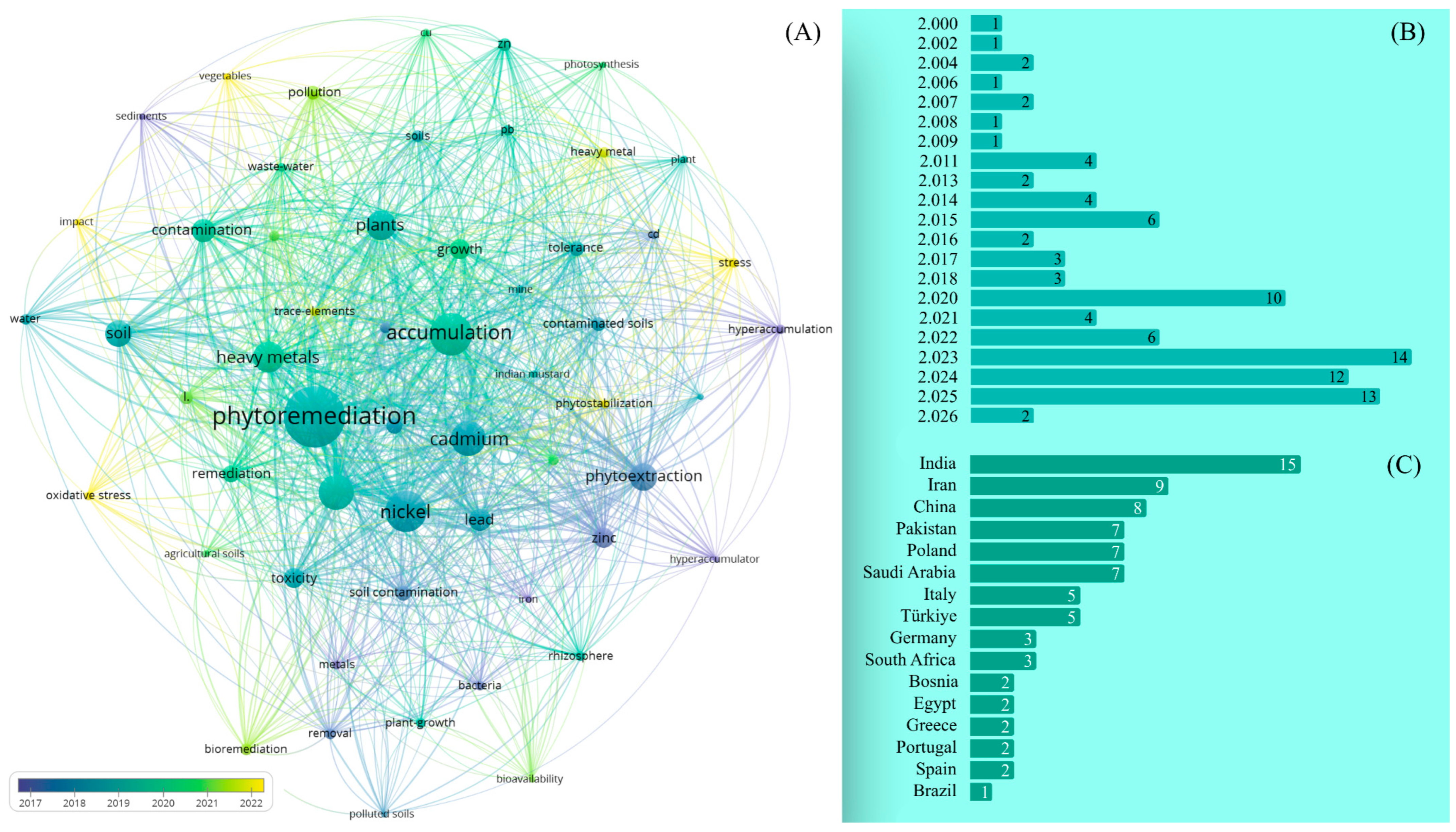
Figure 2.
Global distribution of nickel occurrences (green spots) and of the studies included in the review (yellow dots). Source: Data obtained from the MRDS (Mineral Resources Data System), a global database maintained by the United States Geological Survey that contains records of mineral deposits and occurrences. Only records associated with Ni were selected.The world's largest Ni reserves are primarily concentrated in Indonesia, Australia, Brazil, Russia, Canada, and New Caledonia, countries that host extensive lateritic and sulfide deposits (Figure 2). Indonesia is currently the world's leading Ni producer due to its vast laterite reserves, whereas Australia and Canada are recognized for the exploitation of high-grade sulfide deposits (USGS, 2025). In Brazil, Ni reserves are mainly distributed across the states of Goiás, Pará, and Bahia, placing the country among the world's leading nickel producers (IBRAM, 2025).
Figure 2.
Global distribution of nickel occurrences (green spots) and of the studies included in the review (yellow dots). Source: Data obtained from the MRDS (Mineral Resources Data System), a global database maintained by the United States Geological Survey that contains records of mineral deposits and occurrences. Only records associated with Ni were selected.The world's largest Ni reserves are primarily concentrated in Indonesia, Australia, Brazil, Russia, Canada, and New Caledonia, countries that host extensive lateritic and sulfide deposits (Figure 2). Indonesia is currently the world's leading Ni producer due to its vast laterite reserves, whereas Australia and Canada are recognized for the exploitation of high-grade sulfide deposits (USGS, 2025). In Brazil, Ni reserves are mainly distributed across the states of Goiás, Pará, and Bahia, placing the country among the world's leading nickel producers (IBRAM, 2025).
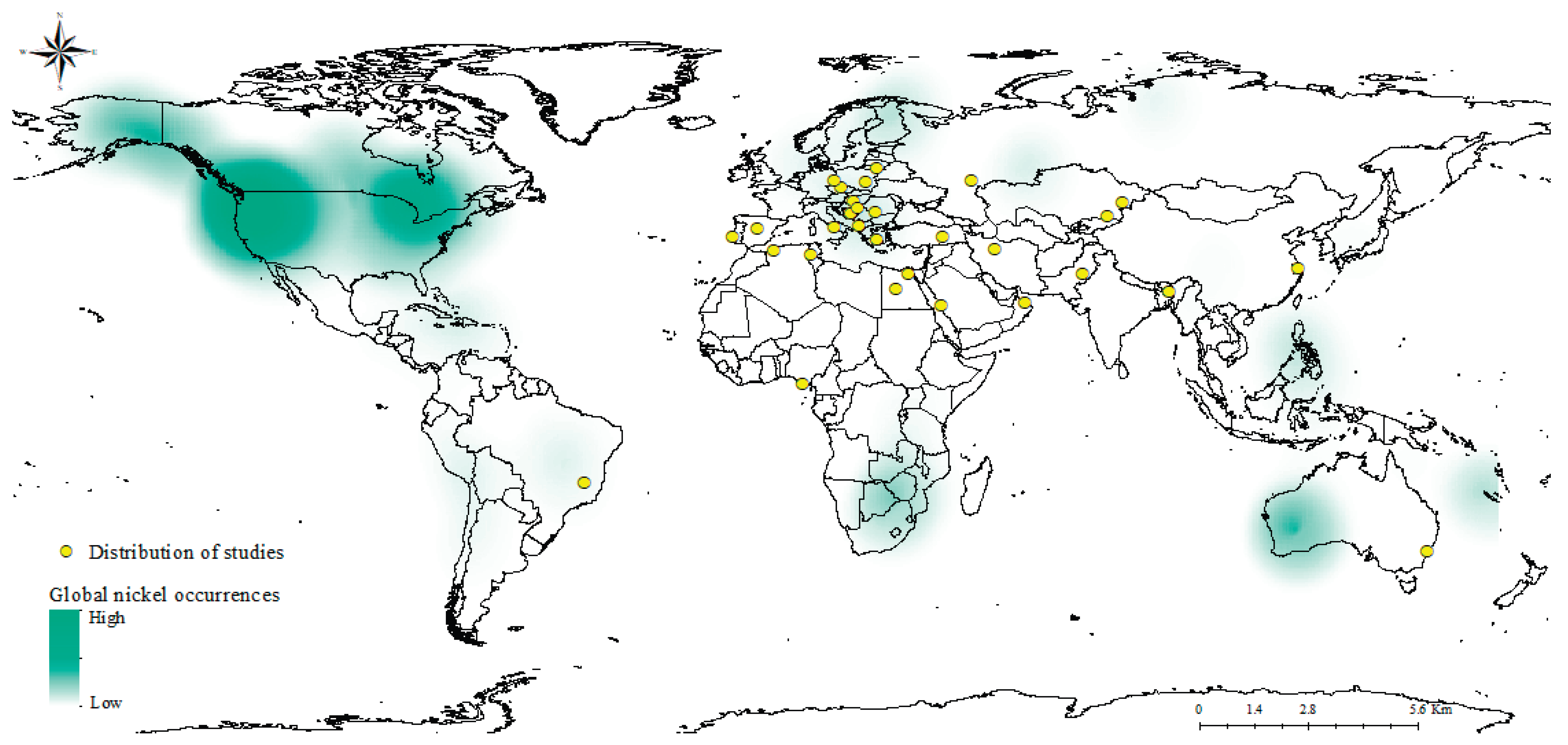
Figure 3.
Vegetation groups and main species studied.Herbaceous vegetation is characterized by the predominance of low-growing species, including grasses, forbs, and other ground-cover plants, which are adapted to local edaphoclimatic conditions and play a fundamental role in maintaining the ecological stability of diverse landscapes. In addition to their high colonization capacity and extensive soil cover, herbaceous plants contribute significantly to soil conservation by acting as a physical barrier against erosion, reducing both the direct impact of rainfall and the velocity of surface runoff (Wang et al., 2018; Hu et al., 2023). The fibrous root systems of herbaceous species also improve soil structure, enhance water infiltration, and promote nutrient cycling, thereby contributing to nitrogen and phosphorus retention and improving water quality in both natural and restored ecosystems (Gilardelli et al., 2017; Tan et al., 2025). Recent studies have further emphasized the importance of herbaceous vegetation in maintaining functional biodiversity, enhancing carbon sequestration in rapidly regenerating ecosystems, and increasing ecological resilience to climate change (Hu et al., 2023; Tan et al., 2025).
Figure 3.
Vegetation groups and main species studied.Herbaceous vegetation is characterized by the predominance of low-growing species, including grasses, forbs, and other ground-cover plants, which are adapted to local edaphoclimatic conditions and play a fundamental role in maintaining the ecological stability of diverse landscapes. In addition to their high colonization capacity and extensive soil cover, herbaceous plants contribute significantly to soil conservation by acting as a physical barrier against erosion, reducing both the direct impact of rainfall and the velocity of surface runoff (Wang et al., 2018; Hu et al., 2023). The fibrous root systems of herbaceous species also improve soil structure, enhance water infiltration, and promote nutrient cycling, thereby contributing to nitrogen and phosphorus retention and improving water quality in both natural and restored ecosystems (Gilardelli et al., 2017; Tan et al., 2025). Recent studies have further emphasized the importance of herbaceous vegetation in maintaining functional biodiversity, enhancing carbon sequestration in rapidly regenerating ecosystems, and increasing ecological resilience to climate change (Hu et al., 2023; Tan et al., 2025).
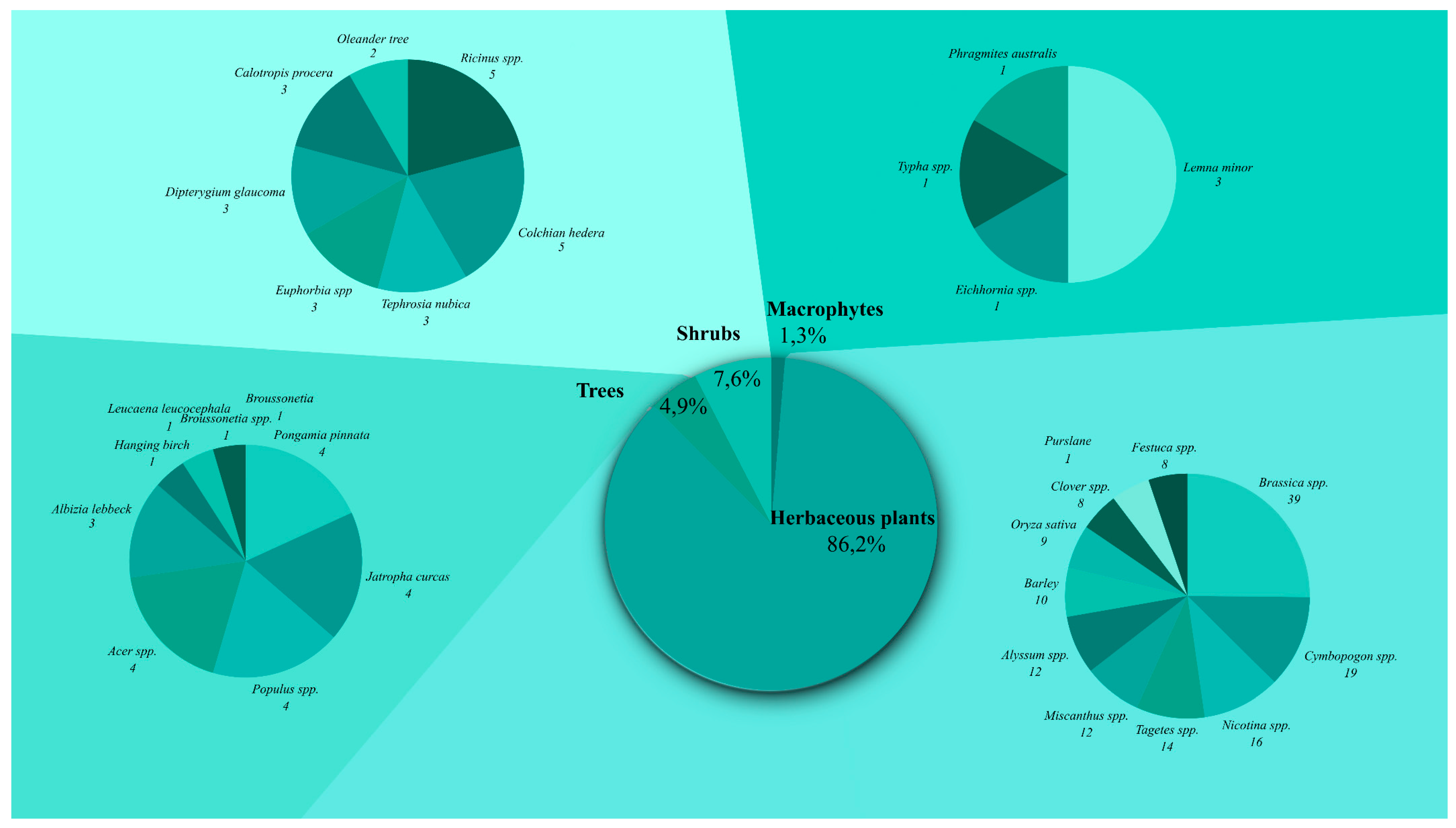
Figure 4.
Measured Ni concentrations (A) and classification of the soils studied (B).
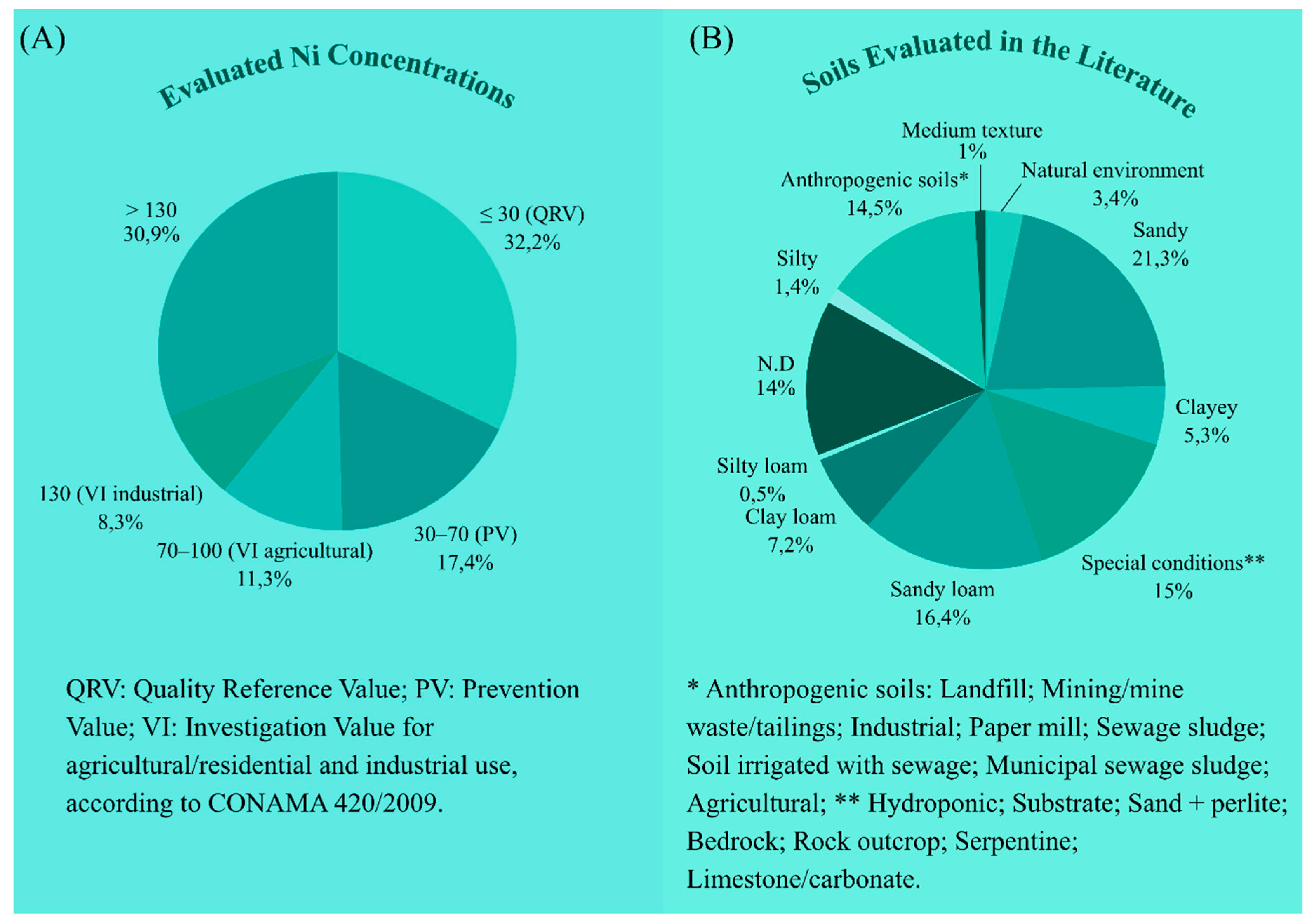
Figure 5.
Interaction between plant species and soil type.
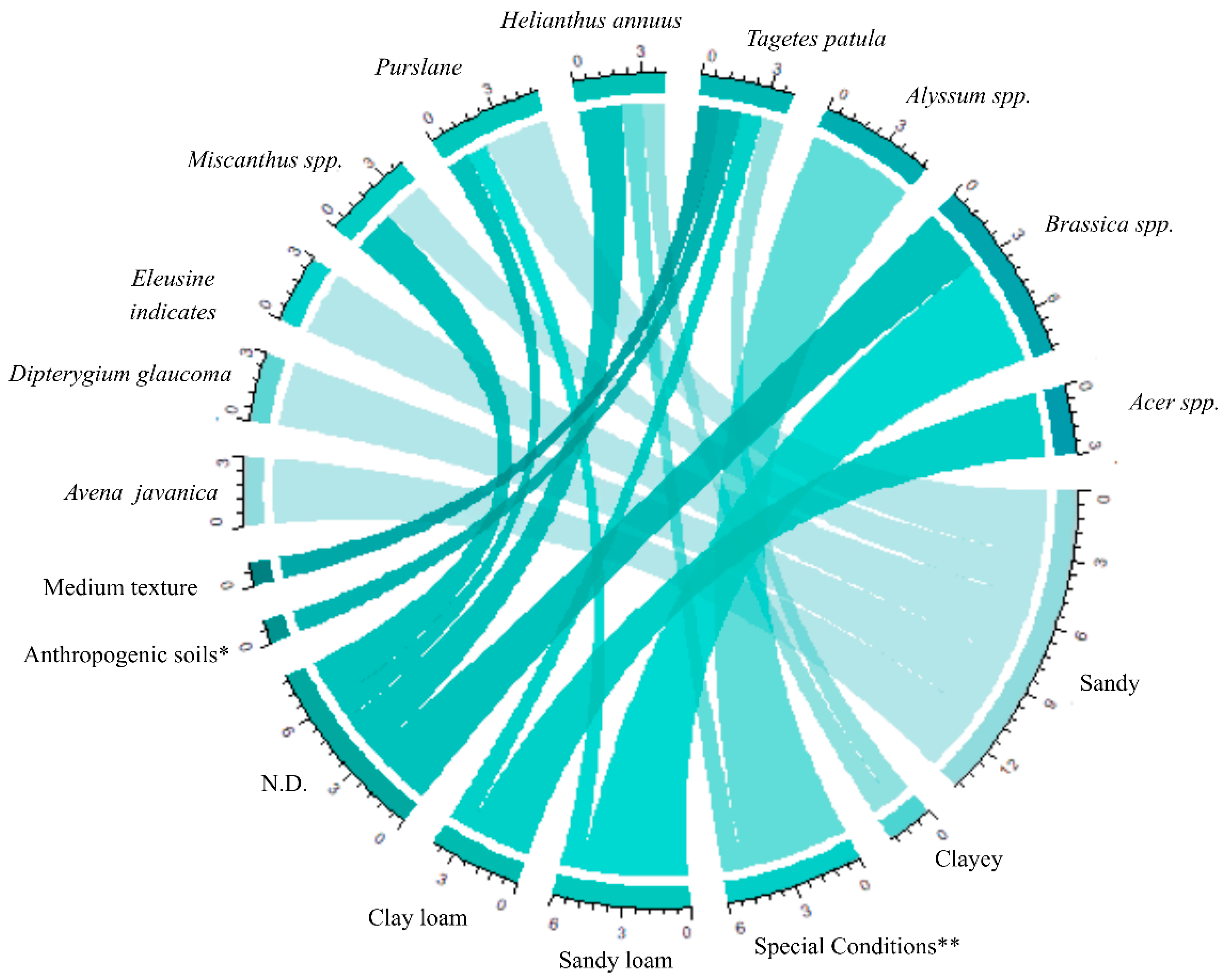

Table 1.
Genera and species classified in the literature as Ni phytoremediators.
| Genus/Species | Family | Maximum concentration (mg kg⁻¹) | Phytoremediation classification | Reference |
|---|---|---|---|---|
| Arundo donax | Poaceae | 282 | Rhizofiltration | Cano-ruiz et al., 2020 |
| Aloe vera | Asphodelaceae | N.D | Hyperaccumulator | Ziarati et al., 2015 |
| Alternanthera spp. | Amaranthaceae | 138.4 | Ni-tolerant | Ramachandra et al., 2018 |
| Alyssum spp. | Brassicaceae | 25,500 | Phytoextraction/ Hyperaccumulator | Cullaj et al., 2004; Henschel et al., 2020; Konakci et. al., 2023. |
| Amaranthus spp. | Amaranthaceae | 58.9 | Phytostabilization | Saracin et al., 2026 |
| Ambrosia spp. | Asteraceae | 150 | Hyperaccumulator | Krstić, B. et al., 2007 |
| Arthraxon hispidus | Poaceae | 89.46 | Phytostabilization | Wu et al., 2021 |
| Beta vulgaris L. | Amaranthaceae | 384.6 | N.D | Papazoglou & Fernando, 2017 |
| Bidens pilosa | Asteraceae | 14.4 | Phytoextraction | Ho et. al., 2013 |
| Boehmeria nivea | Urticaceae | 89.46 | Phytostabilization | Wu et al., 2021 |
| Bornmuellera baldacci | Brassicaceae | 19,200 | Phytoextraction | Cullaj et al., 2004 |
| Brassica spp. | Brassicaceae | 480 | Ni-tolerant/ Phytostabilization / Phytoextraction / Hyperaccumulator | Bauddh & Singh, 2015; Bernardi et al., 2020; Sharma et. al., 2024; Kästner et. al., 2025; Sharma et. al., 2025; Kamal e Alali, 2025 |
| Calotropis procera | Apocynaceae | 150 | Hyperaccumulator | Kanwar et. al., 2023 |
| Cenchrus ciliaris | Poaceae | 60 | Ni-tolerant | Mukhtar et. al., 2026 |
| Centaurea intricata | Asteraceae | 266.06 | Phytostabilization | Rasti et. al., 2025 |
| Ceratophyllum spp. | Ceratophyllaceae | 1 | N.D | Parnian et al., 2022 |
| Chromolaena odorata | Asteraceae | 2.000 | Ni-tolerant | Atagana, 2011 |
| Chrysanthemum spp. | Asteraceae | 89.46 | Phytostabilization | Wu et al., 2021 |
| Chrysopogon spp. | Poaceae | 699.1 | Hyperaccumulator | Kriti et al., 2021 |
| Conyza canadensis | Asteraceae | 89.46 | Phytostabilization/ Phytoextraction | Ho et. al., 2013; Wu et al., 2021 |
| Crotalaria micans | Fabaceae | 14.4 | Phytoextraction | Ho et. al., 2013 |
| Cymbopogon spp. | Poaceae | 699.1 | Ni-tolerant/ Phytostabilization/ Hyperaccumulator | Pandey et al., 2020; Kriti et al., 2021; Mukhtar et al., 2026. |
| Cynodon dactylon | Poaceae | 60 | Ni-tolerant | Mukhtar et al., 2026 |
| Eichhornia crassipes | Pontederiaceae | 138.4 | Ni-tolerant/ Bioaccumulation | Ramachandra et al., 2018; Heisi et al., 2023 |
| Elymus elongatus | Poaceae | 400 | Phytostabilization | Boros-Lajszner et al., 2021; Wyszkowska; Kucharski, 2020 |
| Eragrostis spp. | Poaceae | 75 | Ni-tolerant | Motsomane and Magadlela, 2025 |
| Euphorbia marginata | Euphorbiaceae | 100 | N.D | Zhou et. al., 2024 |
| Festuca arundinacea | Poaceae | 150 | N.D | Bosiacki and Zielezinski, 2011 |
| Halimione portulacoides | Amaranthaceae | 26.2 | Phytostabilization | Andrades-Moreno et, al., 2013 |
| Helianthus annuus | Asteraceae | 80 | Ni-tolerant/ Phytoextraction | Ranieri et. al., 2025; Bernardi et al., 2020. |
| Hibiscus cannabinus | Malvaceae | 271 | Phytoextraction | Kotoula et. al., 2025 |
| Hordeum vulgare | Poaceae | 75 | Phytoextraction | Molas and Baran, 2004 |
| Hypolepis muelleri | Dennstaedtiaceae | 500 | Phytostabilization | Kachenko et al., 2007 |
| Jatropha curcas | Euphorbiaceae | 23 | Bioaccumulation | Borah et. al., 2023 |
| Khanpur raya | Brassicaceae | 90 | Ni-tolerant | Dahlawi et. al., 2023 |
| Lactuca sativa | Asteraceae | 22.5 | Bioaccumulation | Fayek et. al., 2023 |
| Lavender angustifolia | Lamiaceae | 75.36 | N.D | Çolak et. al., 2023 |
| Lemna minor | Araceae | 5 | Hyperaccumulator | Khan et al., 2020 |
| Leptadenia pyrotechnica | Apocynaceae | 17,1 | Phytostabilization | Al-Solaimani et. al., 2025 |
| Lettuce iceberg | Asteraceae | 500 | N.D | Kluk D. and Steliga T., 2016 |
| Leucaena leucocephala | Fabaceae | 14.4 | Phytoextraction | Ho et. al., 2013 |
| Medicago sativa L. | Fabaceae | N.D | N.D | Barbafieri, 2000 |
| Megathyrsus maximus | Poaceae | 40 | Ni-tolerant | Silva et. Al., 2024 |
| Melilotus SPP. | Fabaceae | 500 | Phytostabilization | Ho et. al., 2013; Kluk D. and Steliga T., 2016. |
| Miscanthus spp. | Poaceae | 600 | Ni-tolerant/ Phytostabilization | Li et al., 2011; Ho et. al., 2013; Lino et. al., 2014; Bosiacki, 2015; Kocoń e Jurga, 2017; Wu et al., 2021; Nurzhanova et. al., 2025. |
| Nephrolepis cordifolia | Nephrolepidaceae | 500 | Phytostabilization | Kachenko et al., 2007 |
| Nerium oleander L. | Apocynaceae | 50 | Phytoextraction | Seddiki et. al., 2023 |
| Nicotina spp. | Solanaceae | 150 | N.D | Tepecik and Irget, 2021 |
| Origanum vulgare | Lamiaceae | 75.36 | N.D | Çolak et. al., 2023 |
| Oryza sativa | Poaceae | 250 | Phytostabilization | Jamil et. al., 2014; Zhou et. al., 2025. |
| Parthenium spp. | Asteraceae | 742 | Hyperaccumulator | Sabir et. al., 2022 |
| Phragmites australis | Poaceae | N.D | Bioaccumulation | Heisi et. al., 2023 |
| Poa pratensis | Poaceae | 150 | N.D | Bosiacki and Zielezinski, 2011 |
| Polygonum capitatum | Polygonaceae | 89.46 | Phytoextraction | Wu et al., 2021 |
| Pongamia pinnata | Fabaceae | 19 | Bioaccumulation | Borah et. al., 2023 |
| Populus tremuloides | Salicaceae | 88.2 | Phytoextraction | Kalubi et. al., 2016 |
| Portulaca oleracea | Portulacaceae | 330 | Ni-tolerant | Rasouli et. al., 2024 |
| Pueraria lobata | Fabaceae | 14.4 | Phytoextraction | Ho et. al., 2013 |
| Quinoa | Amaranthaceae | 5.9 | N.D | Ghous et. al., 2022 |
| Raphanas sativus spp. | Brassicaceae | 150 | Phytoextraction | Akhtar et al., 2018 |
| Ricinus communis | Euphorbiaceae | 150 | Ni-tolerant | Bauddh and Singh, 2015 |
| Rubus spp. | Rosaceae | 89.46 | Ni-tolerant/ Phytostabilization | Marques et al. ,2009; Wu et al., 2021. |
| Sanguisorba minor. | Rosaceae | 23.21 | Ni-tolerant | Hasanovic et. al., 2022 |
| Scirpus triqueter | Cyperaceae | 301 | Ni-tolerant | Zhang, et al., 2020 |
| Senecio scandens | Asteraceae | 89.46 | Phytostabilization | Wu et al., 2021 |
| Sesuvium spp. | Aizoaceae | 1.26 | Bioaccumulation/ Phytoextraction. | Alsherif et. al., 2022; Kumawat,et. al., 2025. |
| Sorghum spp. | Poaceae | 5 | Ni-tolerant/ Phytostabilization | Al Chami et al., 2015; Bernardi et al., 2020. |
| Spinacia oleracea L. | Amaranthaceae | 2.62 | Phytoextraction | Bernardi et al., 2020 |
| Tagetes spp. | Asteraceae | 10 | Hyperaccumulator | Biswal et al., 2022 |
| Tanacetum balsamita | Asteraceae | 220 | Ni-tolerant | Ajoudani et al., 2026 |
| Taraxacum officinale | Asteraceae | 150 | Hyperaccumulator | Krstić, B. et al., 2007 |
| Trifolium spp. | Fabaceae | 270 | Bioremediation/ Bioaccumulation | Vivas et al., 2006; Fayek et. al., 2023 |
| Typha angustata | Typhaceae | 138.4 | Ni-tolerant | Ramachandra et al., 2018 |
| Urochloa spp. | Poaceae | 138.4 | Ni-tolerant | Ramachandra et al., 2018; Silva et. Al., 2024. |
| Urtica dioica | Urticaceae | 222.84 | Phytoextraction | Sharma et. al., 2025 |
| Vernonia amygdalina | Asteraceae | 5.31 | N.D | Iyama et. al., 2022 |
| Vetiveria spp. | Poaceae | 200 | Phytostabilization; Phytoextraction | Prasad et al., 2014; Gravand et al., 2021. |
| Zea mays L. | Poaceae | 400 | Ni-tolerant/ Phytostabilization | Boros-Lajszner et al., 2021; Tipu et al. ,2021. |
| Zygophyllum spp. | Zygophyllaceae | 16.46 | Phytostabilization | Al-Solaimani et. al., 2025 |
N.D. = Phytoremediation mechanism not determined.
Disclaimer/Publisher’s Note: The statements, opinions and data contained in all publications are solely those of the individual author(s) and contributor(s) and not of MDPI and/or the editor(s). MDPI and/or the editor(s) disclaim responsibility for any injury to people or property resulting from any ideas, methods, instructions or products referred to in the content. |
© 2026 by the authors. Licensee MDPI, Basel, Switzerland. This article is an open access article distributed under the terms and conditions of the Creative Commons Attribution (CC BY) license (http://creativecommons.org/licenses/by/4.0/).
Copyright: This open access article is published under a Creative Commons CC BY 4.0 license, which permit the free download, distribution, and reuse, provided that the author and preprint are cited in any reuse.