

Submitted:
16 August 2026
Posted:
18 August 2026
You are already at the latest version
Abstract
Definition
The term high-readability, dyslexia-friendly font refers to a typeface specifically designed or configured to reduce the cognitive effort associated with reading, thereby improving text accessibility for individuals with dyslexia without compromising overall readability. Such typefaces aim to facilitate the accurate mapping between graphemes and phonemes during the reading process. In addition, for individuals with dysorthographia, they may support the inverse process by facilitating the encoding of phonemes into their corresponding graphemes during writing.
Abstract
This entry examines the pedagogical relevance of typographic design as a compensatory strategy for improving accessibility in reading and writing for individuals with dyslexia and related Specific Learning Disorders (SLDs). A high-readability, dyslexia-friendly font is defined as a typeface designed to reduce the cognitive effort associated with reading while facilitating the mapping between graphemes and phonemes, without compromising readability for the general population. Grounded in the principal cognitive and neurophysiological models of dyslexia, this work analyzes how specific typographic features can mitigate cognitive load and support more efficient text processing. Cross-linguistic considerations further emphasize the need for culturally and linguistically responsive design solutions. Based on the evidence reviewed, a user-centered workflow for the development of high-readability, dyslexia-friendly fonts is proposed. Although specialized typefaces such as OpenDyslexic have introduced innovative design principles, current empirical evidence does not conclusively demonstrate their superiority over carefully designed and appropriately configured conventional fonts. The findings highlight the importance of typography as a key component of inclusive design and educational accessibility, reinforcing its role in reducing learning barriers, promoting equitable access to written information, and supporting more inclusive digital learning environments. Drawing on cognitive, neuropsychological, anthropological, and technological perspectives, the work examines how reading, as a culturally acquired technology, interacts with human cognitive processes. It analyzes the potential of high-readability and dyslexia-friendly fonts and it discusses the integration of typography with Artificial Intelligence and adaptive learning technologies to develop personalized and inclusive educational environments.
Keywords:
dyslexia
; dysorthographia
; inclusive technologies
; readability
; font
; design
1. The Enduring Role of Reading in Human Learning
The emergence of written language represents one of the most transformative milestones in human history. Before the development of writing systems, the knowledge accumulated through generations (including customs, traditions, technical skills, and survival strategies shaped by environmental adaptation) could only be transmitted orally. As the volume and complexity of this collective heritage increased, oral transmission imposed an unsustainable mnemonic burden, making the preservation and dissemination of knowledge increasingly difficult. Consequently, humans devoted considerable effort to developing a system capable of preserving and transmitting what had become their most valuable resource: knowledge. The invention of writing, together with the complementary practice of reading, provided the principal means through which knowledge could be recorded, accessed, and shared, thereby fostering not only individual intellectual development but also expanding human communicative and expressive capacities. The significance of writing extends beyond its contribution to the preservation of artistic and technical traditions. It also provides a framework for understanding why a technology that is universally adopted is often perceived as almost invisible. Once fully integrated into everyday life, writing becomes so deeply embedded within human activity that it is no longer regarded as an external technology but rather as an intrinsic component of human cognition and social interaction, functioning as an adaptive strategy to the environment [1]. In this sense, writing and reading are often perceived as natural abilities. However, reading does not emerge spontaneously during human development; rather, it is a culturally acquired cognitive skill that requires explicit learning and instruction [2]. Today, only a limited number of societies exist without this technology. Across most cultures, literacy has become an essential prerequisite for social participation, making the acquisition of reading and writing skills a priority as soon as the learner’s cognitive development permits. This places substantial responsibility on educators, who are expected to foster these competencies within a relatively limited developmental window while acknowledging the considerable individual variability that characterizes the learning process. The diversity of students’ cognitive profiles represents only one of the many sources of complexity in pedagogical research. Educational contexts themselves introduce multiple interacting variables that influence both learning outcomes and instructional effectiveness. Over time, pedagogical research has progressively refined its understanding of the cognitive mechanisms underlying reading while continuously adapting instructional approaches to exploit the opportunities offered by successive technological revolutions. These transformations include the transition from iconographic to alphabetic writing systems, from handwritten to printed texts, and more recently to digital media. Among contemporary technological innovations, artificial intelligence has introduced an extensive range of tools capable of generating diverse forms of digital content, including images, videos, audio, and three-dimensional models. Despite this broad spectrum of applications, educational practice has been particularly influenced by text-generation systems. Their widespread adoption can largely be attributed to their accessibility, as interaction with conversational agents typically occurs through a simple exchange of written prompts and textual responses on digital devices. This widespread mode of interaction underscores that, even within an increasingly sophisticated technological landscape, written language continues to constitute the primary and irreplaceable medium for communication, knowledge acquisition, and human–computer interaction. Technological innovation has therefore transformed the modalities through which information is produced and accessed, while leaving the central role of written language fundamentally unchanged. The remainder of this work is organized as follows. Section 2 presents an overview of the principal theoretical models of the reading process and the mechanisms through which reading is acquired. Section 3 reviews the major core-deficit theories of dyslexia, highlighting the common error patterns observed in individuals with dyslexia. Section 4 synthesizes findings from studies conducted across different writing systems that have investigated typefaces incorporating design features intended to improve readability, increase reading comfort, and reduce dyslexia-related reading errors. Finally, Section 5 proposes a systematic workflow to guide the design of highly readable, dyslexia-friendly typefaces.
2. The Cognitive Processes Underlying Reading and Its Acquisition
Teaching the effective use of a technology requires more than demonstrating its observable functions. A comprehensive understanding of the mechanisms underlying its operation and the reasons for its specific functioning enables more flexible, adaptive, and problem-oriented applications. As argued by Di Tore [3], the written word can itself be regarded as a technology. Consequently, educators have the responsibility to develop a thorough understanding of the cognitive and linguistic mechanisms that make reading possible, thereby fostering more effective teaching and learning practices. Indeed, the apparently effortless act of reading (which individuals perform countless times each day, even when processing a single word) relies on a complex set of cognitive mechanisms that have been extensively investigated in the scientific literature.
2.1. Models for reading process
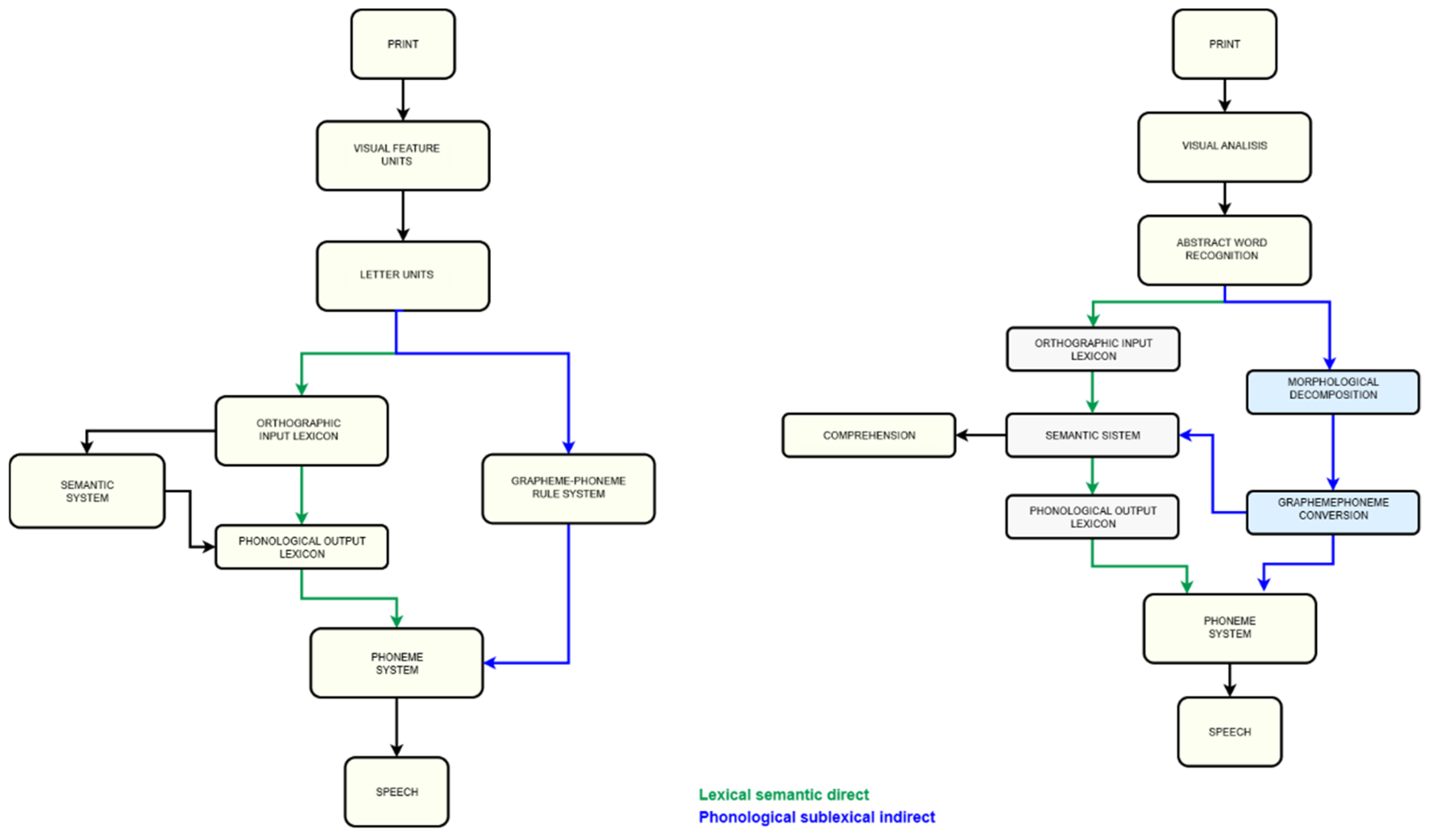
Among the theoretical frameworks proposed to explain the reading process, the Dual-Route Cascaded (DRC) model developed by Coltheart and colleagues remains one of the most influential and widely adopted [4]. This model conceptualizes reading as a sequence of interconnected cognitive processes and distinguishes between two functionally independent pathways responsible for processing familiar words and unfamiliar letter strings (i.e., nonwords). Subsequent refinements further clarified the architecture of these pathways [5,6], extending the earlier framework proposed by Job and Sartori [7] by providing a more detailed account of the cognitive components involved in reading. According to the dual-route model, reading can be accomplished through two alternative, although complementary, processing routes: (i) the first is the lexical-semantic-direct route, through which a familiar written word is recognized as an orthographic representation stored in the orthographic input lexicon. Once identified, the corresponding semantic representation is activated, followed by retrieval of its phonological form from the phonological output lexicon, ultimately enabling articulation. This route supports the rapid and accurate reading of familiar words by relying on previously acquired lexical knowledge; (ii) the second pathway is the phonological-sublexical-indirect route, which is primarily engaged when processing unfamiliar words or nonwords. Rather than relying on stored lexical representations, this route decomposes the written input into its constituent graphemes and systematically converts each grapheme into its corresponding phoneme according to the orthographic rules of the language. The resulting phonological sequence is then assembled to produce pronunciation independently of semantic processing.
Thus, within this theoretical framework, the acquisition of novel written words necessarily depends on the phonological-sublexical route. Consequently, grapheme-to-phoneme conversion constitutes a fundamental mechanism during the early stages of reading acquisition, providing the basis upon which lexical representations are progressively established and automatized [8,9].
2.2. Models for reading ability learning
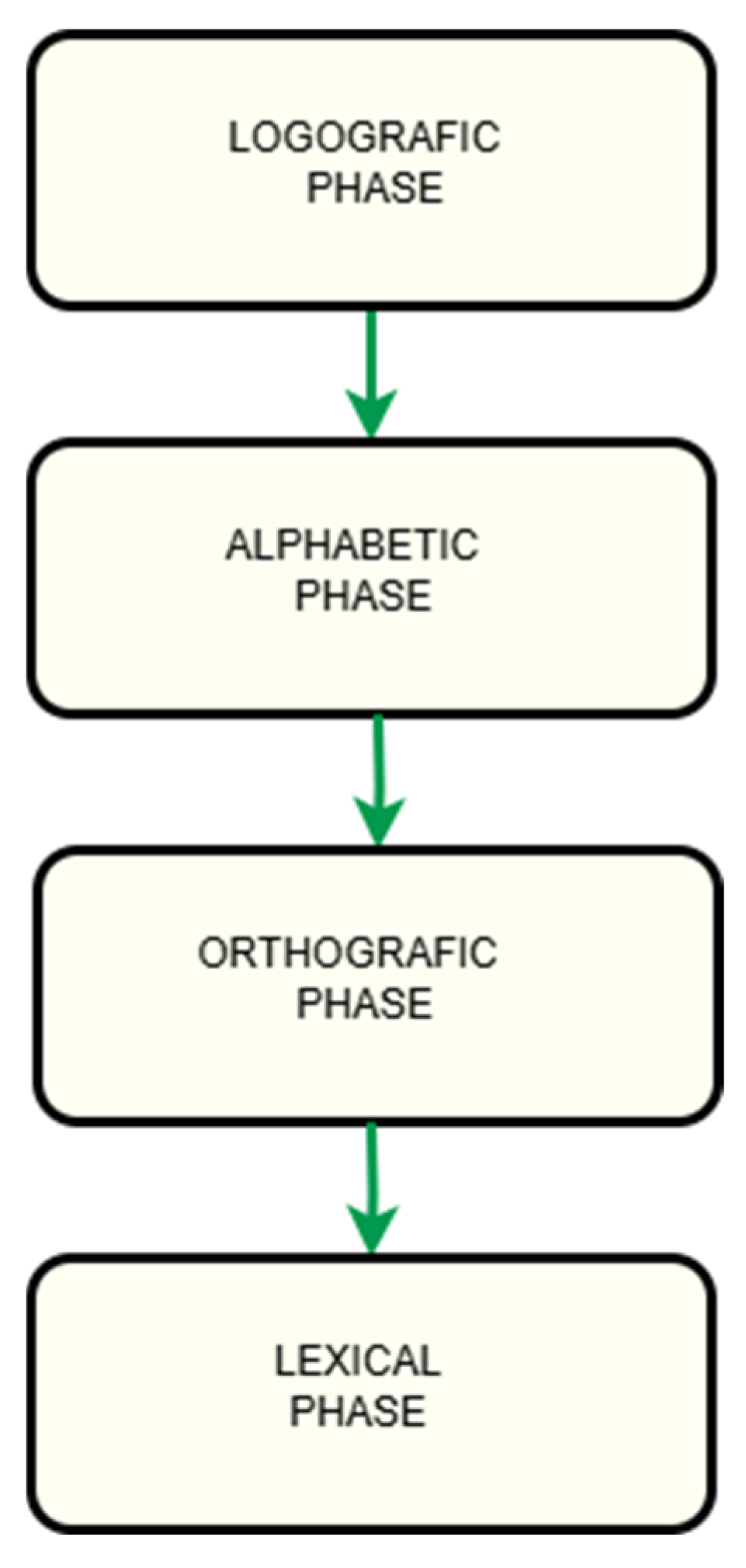
Having identified the principal cognitive mechanisms involved in reading, the next step is to determine the developmental stages during which specific educational interventions are most effective. One of the most influential developmental accounts is the model proposed by Frith [10], which conceptualizes reading acquisition as a progression through three successive stages: (i) the logographic stage, in which learners recognize words as holistic visual configurations rather than as combinations of individual letters. At this stage, familiar words are identified based on their overall visual appearance, while individual graphemes are not yet consistently recognized. For example, a learner may correctly recognize the word cat while failing to identify that the letter c is the same as the one appearing in cheese; (ii) the alphabetic stage, during which grapheme–phoneme conversion emerges, enabling learners to decode words through the sequential correspondence between letters and sounds; and (iii) the orthographic stage, characterized by the development of sensitivity to larger orthographic and morphological units, allowing readers to process groups of letters as integrated linguistic structures rather than as isolated graphemes. Consequently, pronunciation increasingly depends on orthographic regularities that extend beyond simple letter-by-letter decoding. Ehri [11] proposed a more articulated developmental account consisting of four phases: (i) the pre-alphabetic phase, in which words are recognized primarily through associations between their visual appearance and previously memorized phonological forms. Reading at this stage depends heavily on visual memory, and errors frequently occur when different words share similar visual characteristics; (ii) the partial alphabetic phase, during which learners begin to employ emerging alphabetic knowledge by identifying selected graphemes and their corresponding phonemes, although decoding remains incomplete and often relies on partial letter cues; (iii) the fully alphabetic phase, characterized by the systematic acquisition of grapheme–phoneme correspondences, enabling accurate decoding of unfamiliar words and a rapid expansion of sight vocabulary; and (iv) the consolidated alphabetic phase, in which readers process increasingly larger orthographic units (including prefixes, suffixes, syllables, and subsyllabic patterns) thereby accelerating word recognition and facilitating the acquisition of new lexical representations.
Beech [12] compared the developmental models proposed by Frith and Ehri, identifying substantial conceptual correspondence between them. Specifically, the logographic stage aligns with Ehri’s pre-alphabetic phase, whereas the orthographic stage corresponds to the consolidated alphabetic phase. Frith’s alphabetic stage is further differentiated into Ehri’s partial alphabetic and fully alphabetic phases, providing a more detailed description of the gradual refinement of decoding skills during reading acquisition. The study of reading development across different writing systems has further enriched our understanding of these developmental processes. Moving beyond the analysis of a single orthographic system has revealed how the structural characteristics of different orthographies influence reading strategies and literacy acquisition, thereby providing a broader and more nuanced understanding of the cognitive mechanisms underlying reading.
An important distinction concerns the transparency of the orthographic system. Transparent orthographies are characterized by a high degree of correspondence between graphemes and phonemes, whereas opaque orthographies exhibit less predictable relationships between spelling and pronunciation. This distinction has important implications for the strategies adopted during reading acquisition. The comparison between different writing systems illustrates this variability: (i) Italian represents a highly transparent orthography in which the word casa can be accurately decoded by sequentially reading its two syllables, ca and sa; (ii) Spanish exhibits a similarly consistent grapheme–phoneme correspondence, allowing the word casa to be pronounced exactly as it is written; (iii) French constitutes a markedly opaque orthography, as words such as beaucoup cannot be accurately pronounced through simple grapheme-to-phoneme conversion because letter combinations such as eau and the silent final consonant do not transparently reflect their phonological realization; and (iv) German occupies an intermediate position, since words such as Vater and schön require readers to apply language-specific orthographic conventions involving letter clusters (e.g., sch) and vowel-length rules despite the relatively transparent nature of the writing system. By contrast, English presents an even greater degree of orthographic opacity, as identical spellings may correspond to different pronunciations depending on lexical or grammatical context; i.e. , the word record is written identically when functioning as either a noun or a verb, yet its pronunciation changes according to its syntactic role. More in deep, Italian and Spanish are considered highly transparent orthographies because they exhibit a consistent correspondence between graphemes and phonemes. French, by contrast, represents a prototypical opaque orthography, where pronunciation often cannot be inferred directly from spelling. German occupies an intermediate position: although its grapheme–phoneme correspondences are generally regular, accurate reading still requires the acquisition of language-specific orthographic conventions, such as digraphs and vowel-length rules. For these reasons, in transparent orthographies, syllabification typically serves as an effective support strategy during the fully alphabetic phase, facilitating accurate decoding and reading fluency. As reading proficiency develops and learners enter the consolidated alphabetic phase, reliance on syllabification progressively decreases as lexical access becomes increasingly automatic. Conversely, readers of opaque orthographies generally rely earlier on lexical and orthographic processing because grapheme-to-phoneme conversion alone is often insufficient to ensure accurate pronunciation. These developmental perspectives were further synthesized by Di Tore [3], who extended Frith’s original framework by integrating contributions from subsequent research. In particular, Di Tore incorporated the lexical stage described by Tressoldi et al. [13] and the distinction between transparent and opaque orthographies proposed by Stella [14]. The resulting integrated model identifies four developmental phases: (i) the logographic phase, during which learners recognize words as holistic visual configurations and associate them with their corresponding spoken forms; (ii) the alphabetic phase, in which grapheme–phoneme correspondence rules are acquired, enabling the decoding of both regular words and nonwords; (iii) the orthographic phase, characterized by the acquisition of language-specific orthographic conventions required for reading irregular words and increasingly complex orthographic patterns; and (iv) the semantic-lexical phase, in which reading becomes highly automatized, allowing direct lexical access without reliance on syllabification or sequential grapheme-to-phoneme conversion. This integrated framework demonstrates that reading acquisition emerges from the interaction between universal cognitive mechanisms and the structural properties of specific writing systems, thereby providing a robust theoretical foundation for understanding both typical literacy development and reading difficulties.
2.3. Towards a unified model
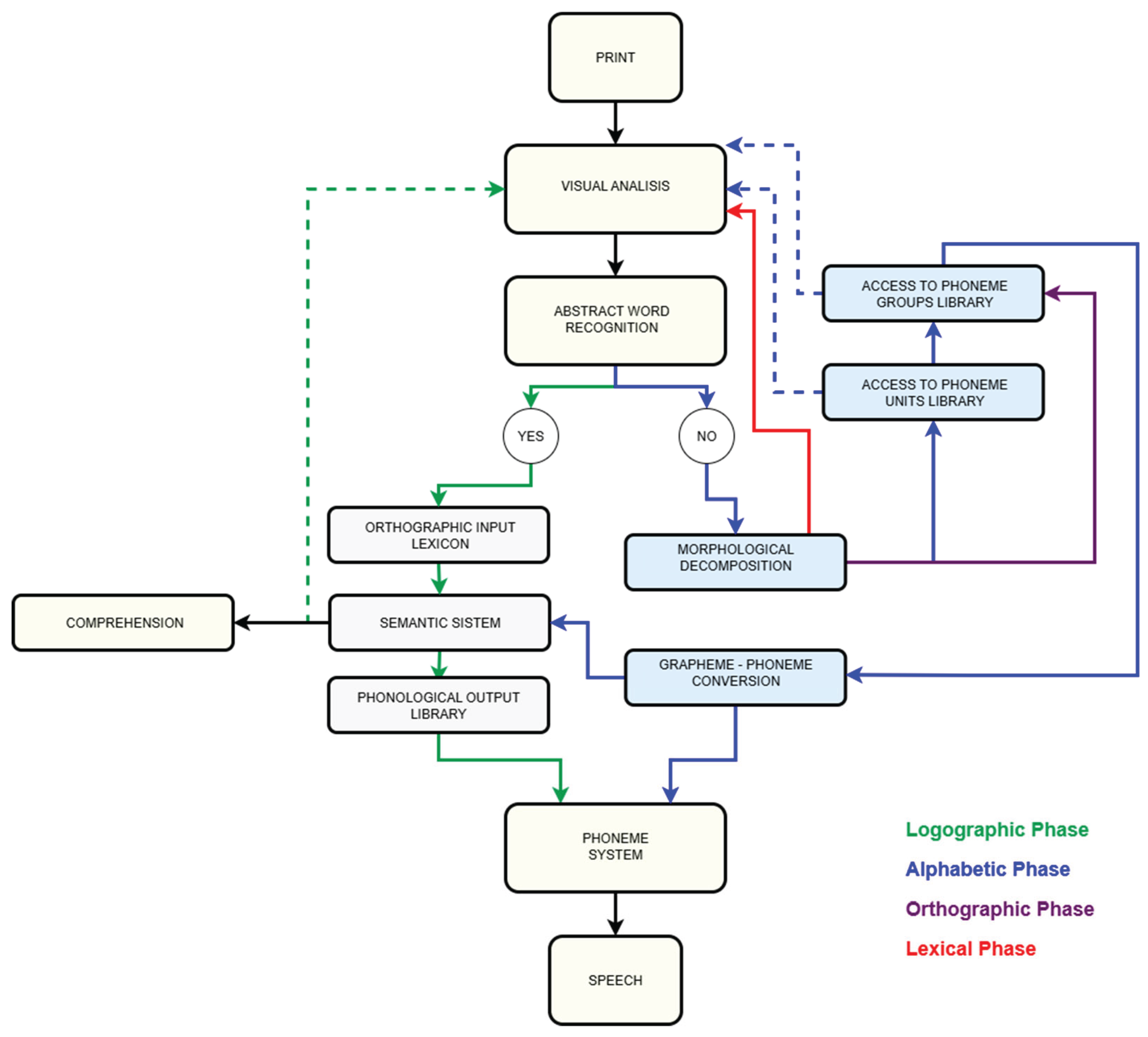
Advances in reading research have substantially improved our understanding of both the cognitive mechanisms underlying reading and the developmental processes through which reading proficiency is acquired. At the same time, these advances have raised new theoretical questions that require a more comprehensive and integrative conceptual framework. Accordingly, the model presented in Figure (Fig. 3) seeks to synthesize the consolidated evidence on both the reading process and its developmental progression into a unified account. The model assumes that reading begins with access to the orthographic input lexicon, a specialized cognitive system that stores the orthographic representations of familiar words. Once a written stimulus is perceived, its visual form is rapidly compared with the representations stored in this lexicon to determine whether it corresponds to a previously learned word.
This recognition process establishes whether the stimulus can be processed through direct lexical access or requires phonological decoding. Consequently, the reading process proceeds either through the direct (lexical) route, which progressively develops from the logographic stage, or through the indirect (phonological) route, which emerges during the alphabetic stage and supports the decoding of unfamiliar words and nonwords. Within this framework, the word decomposition phase represents the clearest indicator of reading proficiency, as it reflects the developmental transition from sequential grapheme–phoneme conversion to increasingly automatic lexical processing.
Figure 3.
Proposed integrative model of the cognitive processes underlying reading. The model illustrates the functional organization of the cognitive mechanisms involved in reading and highlights the processing pathways that become progressively available across the different stages of reading acquisition.
Figure 3.
Proposed integrative model of the cognitive processes underlying reading. The model illustrates the functional organization of the cognitive mechanisms involved in reading and highlights the processing pathways that become progressively available across the different stages of reading acquisition.
3. Understanding Dyslexia
Reading difficulties have profound educational, social, and economic consequences for both individuals and society [15]. For example, the school dropout rate among students with reading difficulties may reach 35%, nearly twice the national average reported in many countries [16]. Furthermore, individuals with limited reading proficiency generally earn between 30% and 42% less than their literate peers and have reduced access to higher levels of education, thereby limiting their long-term socioeconomic opportunities [17]. Despite substantial advances in our understanding of reading development and the implementation of increasingly effective instructional approaches, reading difficulties continue to affect a considerable proportion of learners worldwide [18]. The Diagnostic and Statistical Manual of Mental Disorders (DSM-5; APA, 2013) defines Specific Learning Disorder with Impairment in Reading, commonly associated with dyslexia [19], as a persistent difficulty in accurate or fluent word reading, decoding, and spelling that remains despite at least six months of targeted intervention. A diagnosis of dyslexia is appropriate only when reading difficulties cannot be explained by intellectual disability, socioeconomic disadvantage, sensory impairments, or neurological disorders, and when general intellectual functioning falls within the normal range. Clinically, the diagnosis is established by demonstrating a significant discrepancy between the individual’s reading performance and that expected for their chronological age. This discrepancy is typically evaluated through two complementary parameters: (i) reading speed, usually measured as the number of syllables read per second (or, conversely, the time required to read a single syllable); and (ii) reading accuracy, assessed through the frequency and typology of reading errors. The identification of this discrepancy relies on standardized psychometric assessments. In Italy, for example, reading performance is considered significantly impaired when it falls more than two standard deviations below the normative mean or below the fifth percentile of the reference population [20]. Given the multidimensional nature of reading, the development of effective technological tools to support literacy is inherently complex. Designing evidence-based interventions requires a thorough understanding of the cognitive mechanisms that underlie reading difficulties. Consequently, before discussing the typographic design principles proposed in this chapter, it is essential to review the principal theoretical accounts of the core deficit underlying dyslexia. These theories can be broadly categorized into three major perspectives: (i) phonological deficit theories, which attribute dyslexia primarily to impairments in phonological processing; (ii) visual-attentional theories, which emphasize deficits in visual processing and attentional allocation during reading; and (iii) multifactorial accounts, which conceptualize dyslexia as the outcome of interacting cognitive, perceptual, and environmental factors.
3.1. Magnocellular Theory
Neurobiological investigations have provided substantial evidence that dyslexia is associated with atypical patterns of brain organization and functioning. In typical readers, complex reading tasks generally involve a greater contribution of the left hemisphere compared with the right hemisphere. However, this lateralization is not absolute, as less demanding reading activities (which constitute the majority of everyday reading experiences) tend to involve a more balanced activation of both hemispheres. Post-mortem studies of individuals with dyslexia have revealed structural differences in regions traditionally associated with reading processes. In particular, the expected asymmetry of the planum temporale, commonly observed in non-dyslexic readers, appears to be reduced or absent in dyslexic individuals. Moreover, cortical abnormalities have been identified, particularly in the left perisylvian regions, although these alterations are not exclusively restricted to this area. Additional evidence indicates the presence of asymmetrical cortical anomalies involving inferior frontal and superior temporal regions, predominantly within the left hemisphere [21]. Subsequent neuroimaging studies further contributed to the understanding of the neural mechanisms associated with dyslexia. Experiments conducted by Eden [22] demonstrated that individuals with dyslexia exhibit reduced activation in specific visual areas belonging to the dorsal visual stream when exposed to moving visual stimuli. In other words, the neural response to visual motion appears to be less efficient compared with that observed in typical readers. These findings contributed to the formulation of Stein’s magnocellular deficit theory [23]. According to the current understanding of visual processing, information received by the visual system after leaving the occipital cortex is primarily distributed through two major pathways: the dorsal stream and the ventral stream [24]. The dorsal stream, often described as the “where” pathway, is mainly involved in the processing of spatial information and the coordination of eye and limb movements. It extends toward the supramarginal and angular gyri within the posterior parietal cortex and is largely supported by the activity of magnocellular neurons.
Magnocellular neurons differ from other visual neurons in several relevant characteristics. They are typically larger in size (approximately 10% larger than other neuronal populations) and are specialized in detecting rapid temporal changes, motion, and low-contrast visual information. Conversely, they are less involved in processing fine spatial details and color information. Based on these characteristics, the magnocellular deficit hypothesis proposes that impaired functioning of this neural pathway may contribute to some of the visual processing difficulties experienced by individuals with dyslexia, particularly those related to efficient visual tracking and the rapid sequential processing required during reading.
3.2. Phonological Deficit Theory
Although many of the reading errors observed in individuals with dyslexia can be interpreted as consequences of sensory-visual impairments, such as those proposed by the magnocellular deficit theory, an alternative theoretical perspective emerged with the aim of providing more effective frameworks for the early identification and diagnosis of the disorder. One of the main limitations that motivated the development of additional explanatory models was the traditional, and potentially restrictive, definition of dyslexia based primarily on a discrepancy criterion. According to this approach, an individual was considered dyslexic when their reading performance deviated significantly from a predefined normative standard. However, subsequent research demonstrated that the adoption of a single universal threshold could not provide a definitive diagnostic criterion, as performance cut-offs are influenced by multiple contextual variables, including cultural background, language characteristics, educational practices, and school systems [25]. Consequently, rather than focusing exclusively on the quantitative number of errors distinguishing dyslexic readers within a specific geographical or educational context, researchers increasingly emphasized the analysis of the qualitative characteristics and recurrence patterns of reading errors across different populations. Comparative studies conducted in diverse linguistic contexts revealed that many of the most frequently observed difficulties belong to the domain of phonological encoding, which refers to the ability to encode, store, and manipulate linguistic information through phonological representations, allowing individuals to mentally represent and process spoken forms of words and their constituent units [26]. This perspective led to the development of phonological deficit theories, which identify impaired phonological processing as a central mechanism underlying dyslexia. According to these models, difficulties in establishing and manipulating phonological representations compromise the acquisition and automatization of grapheme–phoneme correspondences, thereby affecting reading accuracy and fluency.
3.3. Cerebellar Theory
Another perspective on dyslexia might, on the other hand, arise from this question: are phonological and magnocellular deficits mutually exclusive explanations of dyslexia, or do they represent complementary components of a more complex neurocognitive disorder? According to some researchers, phonological difficulties may, in certain cases, result from underlying magnocellular dysfunctions, while other individuals with dyslexia may simultaneously present both types of impairments. Since these two perspectives are not necessarily mutually exclusive, research has attempted to develop broader theoretical frameworks capable of integrating both accounts. However, recent evidence suggests that phonological impairment alone does not provide a complete explanation of the complex cognitive profile associated with dyslexia [27,28]. An additional explanatory framework is provided by the Cerebellar Theory of Dyslexia, which proposes that reading difficulties may be associated with dysfunctions in the cerebellum, a brain structure traditionally involved in motor control, coordination, and procedural learning. According to this perspective, cerebellar abnormalities may affect the automatization of cognitive and motor skills that are essential for fluent reading. These include the rapid establishment of grapheme–phoneme associations, the precise coordination of eye movements during text processing, and the temporal synchronization of the multiple cognitive operations involved in reading. Several studies [29,30] have highlighted associations between cerebellar dysfunction and the presence of motor coordination difficulties, impaired procedural learning, and atypical timing abilities in individuals with dyslexia. Within this framework, reading difficulties are therefore interpreted not solely as a consequence of impaired phonological processing, but as part of a broader deficit affecting the automatization and efficiency of complex sequential skills required for fluent reading.
3.4. Attention Deficit Theory
To conclude this overview of possible theories, there is one that arises from this research question (or questions similar to this one), what role do attentional processes play in dyslexia, and to what extent can attentional deficits contribute independently to reading difficulties? The Attentional Deficit Theory proposes that the reading difficulties associated with dyslexia may partially originate from impairments in attentional mechanisms involved in the efficient processing of written information. In particular, this perspective highlights potential deficits in selective attention, which enables individuals to filter out irrelevant visual information; sustained attention, which supports the maintenance of focus during prolonged reading activities; and attentional shifting, which allows the rapid and flexible transition of attention between letters, syllables, and words. According to this framework, limitations in attentional control may negatively affect reading fluency and comprehension by increasing the cognitive demands required to process textual information. Research, including the study reported in [31], has emphasized the importance of visuo-spatial attention in supporting successful phonological decoding and efficient reading acquisition. Although this perspective acknowledges the central contribution of phonological processing mechanisms, findings such as those presented in [31] suggest that a purely phonological account may not fully explain the heterogeneity of dyslexic profiles. Instead, visuo-spatial attentional impairments may represent an independent contributing factor to reading difficulties in a subset of individuals with dyslexia.
4. Readability Enhancement Strategies
The theoretical frameworks developed and refined through decades of empirical investigation have enabled the pedagogical community to formulate a wide range of instructional strategies aimed at supporting the acquisition and development of reading skills. As a result, teacher education has progressively benefited from a broader evidence base and from the availability of increasingly differentiated and proactive approaches to literacy instruction. Once a specific educational need is identified, educators are required to implement timely and targeted interventions capable of integrating multiple strategies tailored to individual learners’ profiles. To support the educational well-being of students with dyslexia, instructional practices should promote the progressive development of reading competence while reducing unnecessary cognitive overload associated with reading and writing demands. In this perspective, effective teaching approaches include limiting the quantity of written material to be processed, favoring oral forms of assessment, reducing the volume of assignments and study resources, and encouraging the adoption of compensatory tools that minimize the need for decoding and handwriting tasks, as well as activities directly dependent on these processes [32]. Within this framework, the production and presentation of digital textual materials by both teachers and students should not follow a standardized or uniform approach. Instead, digital content should be designed according to the specific cognitive characteristics and accessibility needs of individual learners, adopting flexible solutions capable of supporting different reading profiles.
Recommended formatting
Understanding text readability requires consideration of multiple interacting factors, including the physical or digital context in which the text is presented, the characteristics of the display medium (e.g., printed page, desktop screen, or smaller digital devices) [33], the linguistic features of the text, and the characteristics of the intended readers. Because readability is a multidimensional construct, its study has involved contributions from several scientific domains, and extensive research has demonstrated the significant role of typographic and formatting choices in facilitating access to written information. The primary objective of readability-oriented design is to promote accessibility and inclusion by identifying configurations that do not negatively affect typical readers while simultaneously reducing barriers for individuals with reading difficulties. It is important to recognize that many typographic parameters (such as font size, spacing, and kerning) directly influence the visual structure and spatial organization of text, both in printed and digital environments. Consequently, their implementation requires careful calibration, as excessive modification of any single parameter may increase visual complexity and impose additional cognitive demands during reading. For this reason, educators should first analyze the specific needs of their learners before selecting appropriate formatting solutions. According to [34], the main parameters that can be adjusted include: (i) font size, for which research indicates an effective range generally between 12 and 18 points, depending on the reading context and the characteristics of the learner; (ii) word spacing, which can be improved by increasing the width of the space character. Since spaces function as visual boundaries between lexical units, appropriate spacing enhances word segmentation and facilitates recognition; (iii) line spacing (leading), which should generally be adjusted within a range of approximately 1 to 2.5 cm to support visual tracking and reduce crowding effects; (iv) text alignment, for which left-aligned text is generally recommended, while justified alignment should be avoided because automatic adjustments to word spacing may interfere with manually optimized spacing configurations, particularly those involving the space character; and (v) color combinations, as the relationship between foreground and background colors influences visual recognition. Although combinations such as yellow text on a blue background or white text on a black background may provide high contrast and improve recognition in some contexts, they may also generate visual discomfort for typical readers and should therefore be selected carefully.
Recommended fonts and fonts designed for dyslexic readers
Although many typographic parameters can be modified relatively easily, selecting an appropriate font or typeface remains a complex and still partially unresolved challenge. One of the main constraints influencing font design and selection is the structural nature of the writing system in which the font is intended to operate. Different scripts impose distinct perceptual and cognitive requirements on readers, meaning that principles developed for one orthographic system cannot always be directly transferred to another. In logographic writing systems, such as Chinese, characters are composed of complex visual configurations containing multiple graphic components. Interestingly, this complexity does not necessarily represent an obstacle to reading. On the contrary, the high degree of visual distinctiveness among characters may facilitate recognition by providing richer perceptual cues. However, research has shown that in digital reading environments, particularly on desktop displays, simplified character structures may improve legibility and reduce visual processing demands [35]. Consequently, minimalist typefaces such as Hei have frequently been adopted in experimental research to isolate the effects of specific typographic variables, including stroke thickness and structural features, on reading performance [36]. The design of fonts for character-dense writing systems such as Chinese and Japanese presents additional technical challenges, as it requires the creation of thousands of glyphs (often exceeding 6,000 characters) resulting in substantial design, linguistic, and computational demands. To overcome these limitations, researchers have investigated automated font-generation approaches based on (i) interpolation techniques between existing typefaces, which allow the generation of new stylistic variations [37], and (ii) synthesis methods based on limited character samples, enabling the creation of additional glyphs while reducing the required design effort [38]. These approaches represent promising directions for developing scalable and adaptive typographic solutions. For writing systems that are not logographic, including syllabic and alphabetic scripts, the primary design challenges are different and are often related to perceptual similarity between characters. For example, in the Sinhala script, the visual similarity among glyphs may increase confusion during reading. In response, research has proposed specific design principles aimed at enhancing character distinctiveness and improving readability [39]. Similarly, for the Devanagari script, eye-tracking methodologies have been employed to evaluate the readability of different font designs by examining variables such as the frequency and duration of visual fixations during reading tasks [40]. Other writing systems, such as Arabic, introduce additional complexities due to both structural and cultural factors. The cursive nature of Arabic script, the presence of connected graphic elements, and conventions related to typographic style make the identification of universally effective font recommendations particularly challenging [41,42]. These examples demonstrate that the development of accessible fonts cannot be separated from the linguistic and cultural characteristics of the writing system in which they are applied. Within Latin-based writing systems, several recommendations have emerged regarding fonts considered potentially beneficial for readers with dyslexia. The British Dyslexia Association recommends typefaces such as Arial and Comic Sans, while also suggesting alternatives including Verdana, Tahoma, Century Gothic, and Trebuchet [43]. Experimental studies conducted across languages using the Latin alphabet have generally confirmed the good readability performance of these fonts in English, French, Italian, and Spanish. Moreover, positive outcomes have also been reported for other alphabetic systems with visually similar characters, such as Greek and Cyrillic, particularly when using Arial. The selection of an appropriate typeface is therefore not an issue limited to English-language contexts but represents a broader challenge involving multiple writing systems, including widely used scripts such as Chinese and Arabic. Based on existing evidence, it is possible to identify recurring characteristics associated with preferred fonts by (i) extracting common design features shared among highly readable typefaces, (ii) developing fonts specifically aimed at reducing error categories identified in dyslexia research, and (iii) applying reverse-engineering approaches to infer the visual properties most likely to support reading accessibility. However, although this analytical process may help identify potentially beneficial design principles, the “distillation” of specific font features associated with dyslexia-friendly design does not necessarily guarantee superior reading performance compared with currently recommended typefaces. The development of the OpenDyslexic font represents a significant example in this context. Rather than prioritizing aesthetic considerations, its design focuses on modifying glyph structures with the explicit aim of reducing common reading difficulties, including letter reversals and visual crowding effects. Regardless of the extent to which its effectiveness has been empirically validated, OpenDyslexic has highlighted the importance of developing freely accessible typographic solutions that can support not only readers with dyslexia but also all actors involved in educational processes, particularly teachers.
The conceptual approach introduced by OpenDyslexic has subsequently inspired the development of numerous similar fonts, not only for Neo-Latin languages sharing the same alphabet [44,45], but also for other writing systems characterized by visually similar letter forms [46,47]. These developments emphasize that accessible typography represents an interdisciplinary field in which linguistic characteristics, cognitive processes, technological constraints, and educational needs must be considered simultaneously.

Table 1.
Some examples of fonts designed for dyslexic readers.
| Paper | Year | Language | Font developed |
|---|---|---|---|
| [48] | 2016 | English | OpenDyslexic |
| [45] | 2023 | French | Luciole |
| [49] | 2008 | English | Sylexiad |
| [50] | 2003 | English | Read Regular |
| [51] | 2010 | English | Dyslexie |
| [44] | 2015 | Italian | D-Font |
| [46] | 2023 | Greek | GreekDyslexic |
| [42] | 2017 | Arabic | Arabolexia |
| Not avaiable | 2025 | Arabic | Maqroo |
| [39] | 2024 | Sinhala | Noto Sans Sinhala modified |
| [47] | 2020 | Cirillic | LexiaD |
5. Guidelines for Designing a High-Readability Font
Designing a high-readability typeface, particularly for readers with difficulties such as dyslexia, requires consideration of a complex and interconnected set of variables. A universally applicable solution cannot be assumed, as readability is influenced by multiple factors, including the structural characteristics of the writing system (e.g., alphabetic, syllabic, or logographic scripts), the effects of perceptual and cognitive habituation resulting from prolonged exposure to traditional writing practices and established typeface conventions, and the broader typographic organization of the text. Consequently, the development of accessible fonts should not be approached as a purely aesthetic or technical task, but rather as a multidisciplinary design process grounded in evidence from cognitive psychology, linguistics, and educational research. By beginning with a systematic analysis of the most frequent reading errors associated with dyslexia and other reading difficulties, it becomes possible to identify specific typographic features and formulate targeted design guidelines aimed at improving visual discrimination, reducing perceptual interference, and supporting more efficient reading processes.
5.1. Sans-Serif Base
Several studies conducted over the years have consistently indicated that sans-serif typefaces are generally preferable for enhancing readability, as they are characterized by simplified glyph structures with reduced decorative elements and lower visual complexity [52,34,53,54]. However, the preference for sans-serif designs should not be interpreted as a purely minimalist or economical approach aimed at producing glyphs derived from a limited set of repetitive geometric components. Rather, the adoption of a sans-serif style should be understood as an optimization strategy that seeks to achieve a balance between two complementary objectives: (i) reducing the perceptual and cognitive load associated with the processing of individual glyphs by minimizing unnecessary visual complexity; and (ii) increasing the visual distinctiveness among characters to facilitate accurate identification and reduce potential confusion between similar letter forms. Therefore, an effective high-readability typeface should not merely simplify glyph construction but should carefully preserve distinctive features that support efficient visual recognition during reading.
5.2. Monospaced
Most typefaces commonly used in everyday reading environments, such as Times New Roman, Arial, and Calibri, are proportional fonts, meaning that each character occupies a variable amount of horizontal space according to its intrinsic width. For example, the letter i requires considerably less horizontal space than wider characters such as m or w. This typographic approach has traditionally been optimized to achieve a balance between visual aesthetics, text density, and reading efficiency in continuous prose. By contrast, monospaced fonts (also referred to as fixed-width or fixed-pitch fonts) assign an identical horizontal space to every character, regardless of its visual width. Consequently, narrow characters such as i and wider characters such as m occupy the same amount of space, resulting in a more uniform spatial distribution of glyphs. Historically, monospaced typefaces were developed for specific technical applications, such as computer programming and text-based interfaces, where consistent character alignment facilitates the organization of information, error detection, and the interpretation of structured content. However, research has challenged the assumption that proportional fonts are always optimal for reading performance. In particular, Rello and Baeza-Yates [48] demonstrated that monospaced fonts may provide advantages for readers with dyslexia, as the regular spatial structure between characters can support visual processing and reduce potential interference between adjacent glyphs. These findings suggest that uniform character spacing may represent a relevant typographic strategy for improving reading performance, particularly in contexts where visual discrimination and letter identification constitute significant challenges.
5.3. Anti-Reversal Errors
This category of reading errors has been identified in several studies and is consistent with both sensory-visual deficit accounts and theories emphasizing impaired automatization processes, such as the cerebellar theory of dyslexia [55]. In alphabetic writing systems, such as English, certain glyph configurations may increase the likelihood of visual confusion, particularly when characters share similar structural features. Examples include visually similar symbols such as the numeral 1 and the lowercase letter l, or letters that become highly similar when reflected or rotated, such as the lowercase forms b, p, d, and q. These similarities may contribute to letter substitution errors during reading. For instance, the sentence “The bog was too muddy to cross” could potentially be misread as “The dog was too muddy to cross” due to the visual similarity between the letters b and d. To reduce this type of confusion, some dyslexia-oriented typefaces incorporate specific glyph modifications designed to increase character distinctiveness. The OpenDyslexic typeface (https://opendyslexic.org/), for example, introduces heavier strokes and increased weight in the lower portions of glyphs, creating a stronger visual anchor that may help readers maintain letter orientation and discriminate between visually similar characters. These design strategies aim not to alter the fundamental structure of alphabetic writing, but rather to enhance the perceptual cues available during reading, supporting more accurate character identification and reducing the probability of visual substitution errors.
5.4. Anti-Crowdind Effect
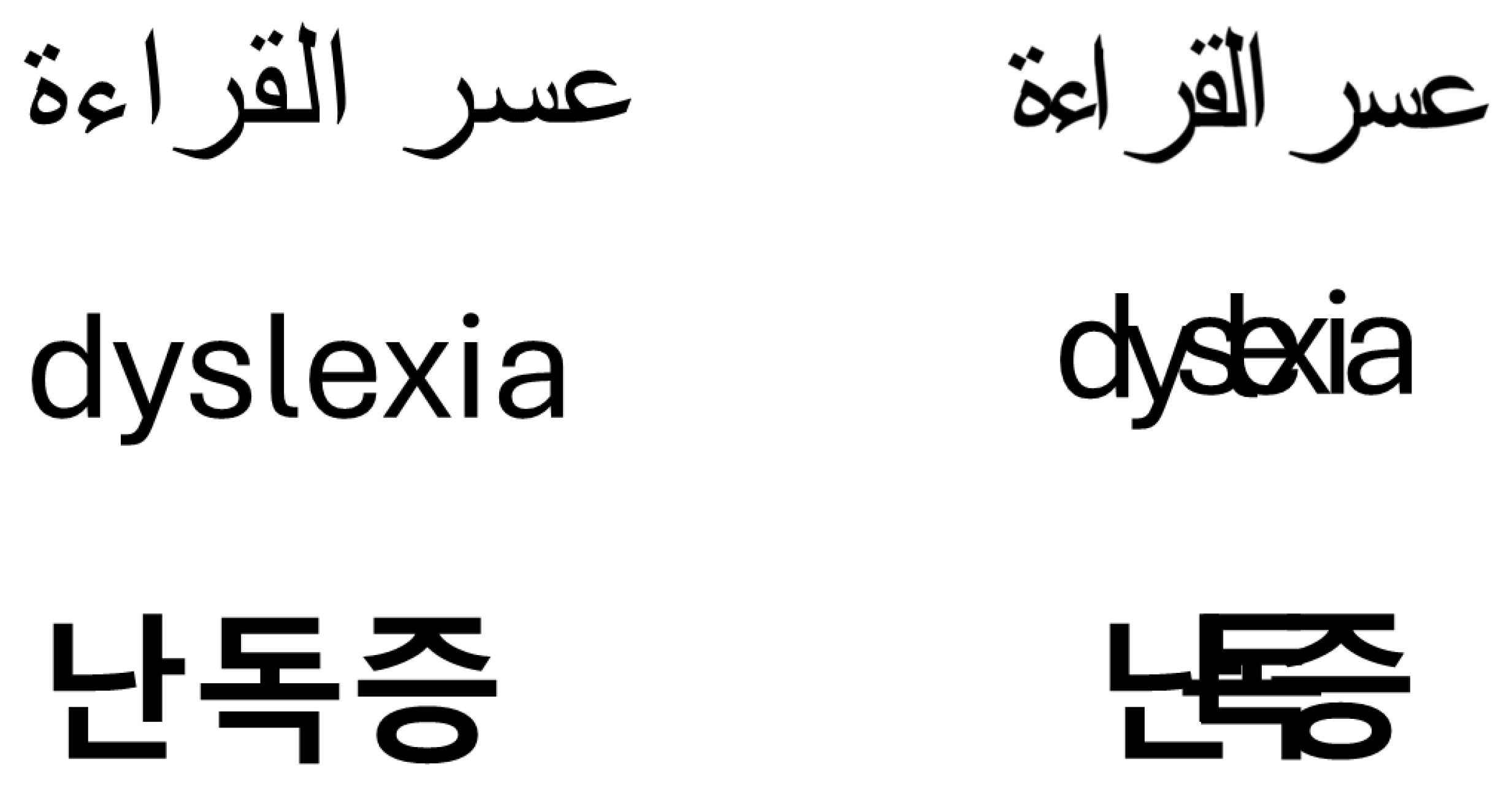
The visual phenomenon known as crowding refers to a perceptual condition in which the recognition of an individual letter is impaired when other letters are positioned in close proximity, due to the lateral masking effects generated by neighboring visual elements [56]. This phenomenon is particularly relevant in reading research because it can interfere with accurate letter identification and fluent word recognition. Studies conducted by Martelli et al. [57] have demonstrated that crowding effects negatively influence reading performance in individuals with dyslexia, suggesting that increased perceptual interference may contribute to some of the difficulties experienced by these readers. One of the most common strategies proposed to reduce crowding consists of increasing the spatial separation between visual elements while preserving the overall perceptual integrity of the word. This can be achieved by adjusting (i) intra-letter spacing, in order to reduce interference among adjacent glyph components; and (ii) inter-word spacing, by enlarging the visual distance between consecutive words to facilitate lexical segmentation. However, excessive spacing modifications must be carefully calibrated, as an inappropriate increase in visual distance may disrupt word recognition and reduce reading efficiency. An alternative approach was proposed by Di Tore [44], who suggested enclosing each glyph within a distinct visual boundary, thereby providing a clearer perceptual separation between individual characters. This strategy aims to reduce the influence of surrounding letters by strengthening the perceptual independence of each glyph. Because crowding is fundamentally related to sensory-visual processing mechanisms, its impact may vary considerably depending on the structural characteristics of the writing system. Alphabetic writing systems based on sequential arrangements of individual letters may present lower levels of crowding compared with scripts characterized by more complex visual organizations. For example, syllabic systems such as Hangul involve the construction of syllabic blocks composed of multiple graphic elements arranged in different spatial directions [58,59]. In these systems, the interaction among vertically and horizontally distributed components may generate additional perceptual challenges, making the relationship between glyph design, spacing, and readability particularly complex (Fig. 4).
Figure 4.
The left column presents the word dyslexia rendered in different writing systems using the same font size (36 pt). The right column displays the corresponding examples with overlapping glyphs, illustrating a hypothetical representation of the visual crowding phenomenon.
Figure 4.
The left column presents the word dyslexia rendered in different writing systems using the same font size (36 pt). The right column displays the corresponding examples with overlapping glyphs, illustrating a hypothetical representation of the visual crowding phenomenon.
5.5. A workflow for high-readability font design
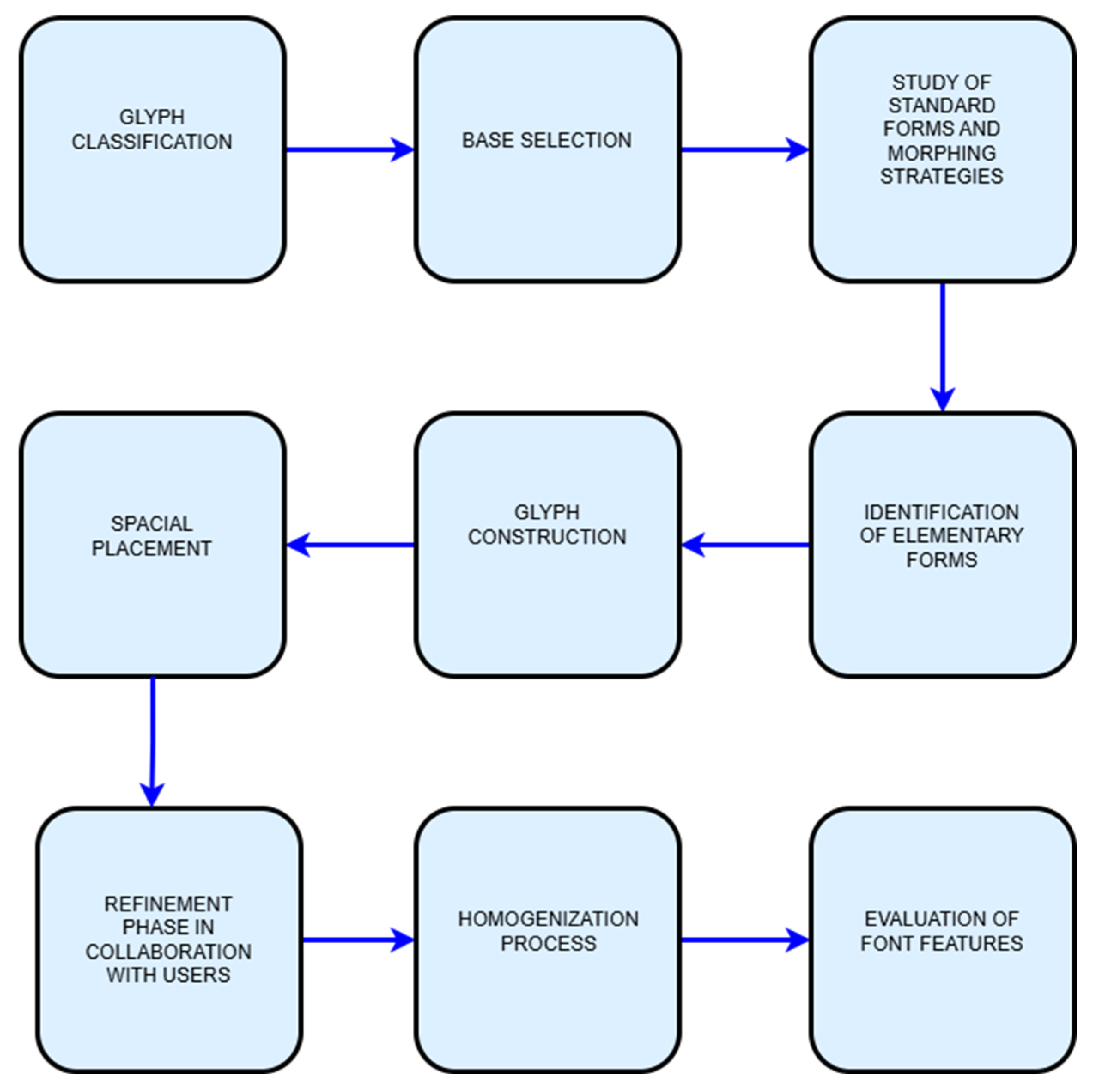
A possible workflow for designing a font focused on readability may consist of four main phases (Fig. 6): (i) Preliminary analysis and design begins with the classification of glyphs according to their position relative to the writing line (e.g., ascenders, descenders, and glyphs extending in both directions, as found in some writing systems such as Greek [60]). At this stage, an existing typeface with demonstrated readability performance may be selected as a reference, providing a reliable basis for the development of a derived font. The selected font(s) can then be analyzed to identify their structural and morphological characteristics, while automatic font generation or morphing techniques may be employed to combine features from multiple high-performing typefaces and generate new design alternatives; (ii) glyph development and construction involves identifying the elementary geometric components that constitute individual glyphs, such as lines, curves, or circular elements. Fonts such as Arial, whose letters are built from a limited set of recurring basic shapes arranged in different configurations, illustrate the potential advantages of this modular approach. Once these elementary forms have been defined, complete glyphs can be reconstructed using standardized measurements, thereby ensuring both internal consistency and homogeneity across the entire typeface. The reconstructed glyphs must then be positioned and refined within the spatial constraints defined by their respective classes, taking into account alignment, spacing, and overall visual balance; (iii) user-centred refinement and homogenization follows the development of an initial font prototype. At this stage, involving a representative group of end users, particularly readers from the target writing system and individuals with dyslexia, can provide valuable feedback for improving readability and usability. User evaluation may be integrated throughout the design process rather than being limited to the final stages. Based on this feedback, a homogenization process can be performed to ensure visual consistency among all glyphs within the writing system and, where applicable, across multiple writing systems if multilingual support is envisaged; (iv) evaluation and iterative optimization consists of assessing both the typographic and functional characteristics of the proposed font. Relevant parameters include overall font weight, x-height, stroke thickness, spacing, serif presence, and other design features known to influence readability. Comparative evaluation against existing typefaces can provide an objective measure of the font’s performance. This stage should not be regarded as the conclusion of the design process but rather as part of an iterative development cycle, in which empirical testing and user feedback continuously inform subsequent refinements.
Figure 5.
OpenDyslexic and GreekDyslexic compared in the same sentence.
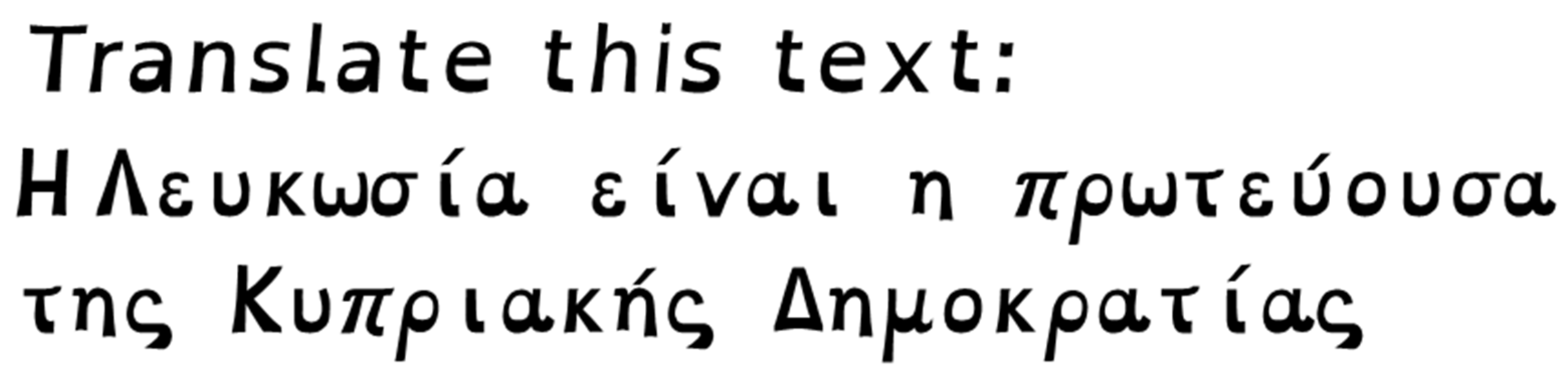
Figure 6.
The proposed workflow for designing dyslexic-friendly fonts.
6. Discussion
Reading is an acquired skill rather than an innate human ability. For individuals with dyslexia, the acquisition of reading is further complicated by cognitive, linguistic, and sensory processing differences that affect the decoding and comprehension of written language. As highlighted by the cognitive and neurophysiological models reviewed in this study, dyslexia cannot be explained by a single underlying mechanism but instead arises from the complex interaction of multiple cognitive, perceptual, and neurological factors [21,22,23,24,25,26,27,28,29,30,31]. Such complexity calls for equally multifaceted approaches to the design of reading support technologies, particularly in digital environments. Within this framework, typography represents a strategic domain for both educational and technological innovation. The interdisciplinary analysis presented in this paper suggests that specific typographic features can substantially improve the readability and accessibility of digital texts for readers with dyslexia [34,48,52,53]. Building on these findings, this work proposes a workflow for the design and development of fonts that combine high readability with dyslexia-friendly characteristics, providing practical guidelines for creating more accessible typographic solutions [43,44,46,47]. Nevertheless, the search for a universally effective dyslexia-friendly font remains an open research challenge. Although existing dyslexia-friendly typefaces offer valuable design solutions and have demonstrated positive effects in specific contexts, current evidence does not conclusively demonstrate their superiority over carefully selected and appropriately configured conventional fonts [48,49,50,51,53,54]. This finding underscores the need for further empirical research aimed at developing adaptive, evidence-based, culturally sensitive, and user-centered typographic solutions capable of addressing the heterogeneous nature of dyslexia. Ultimately, improving the readability of digital content extends beyond considerations of aesthetics or usability; it is fundamentally an issue of accessibility, inclusion, and equal educational opportunity. In this perspective, typographic design should be regarded as a core component of inclusive digital design and educational strategies, contributing to the creation of learning environments that support the diverse cognitive profiles of all users [1,3,44].
Figure 7.
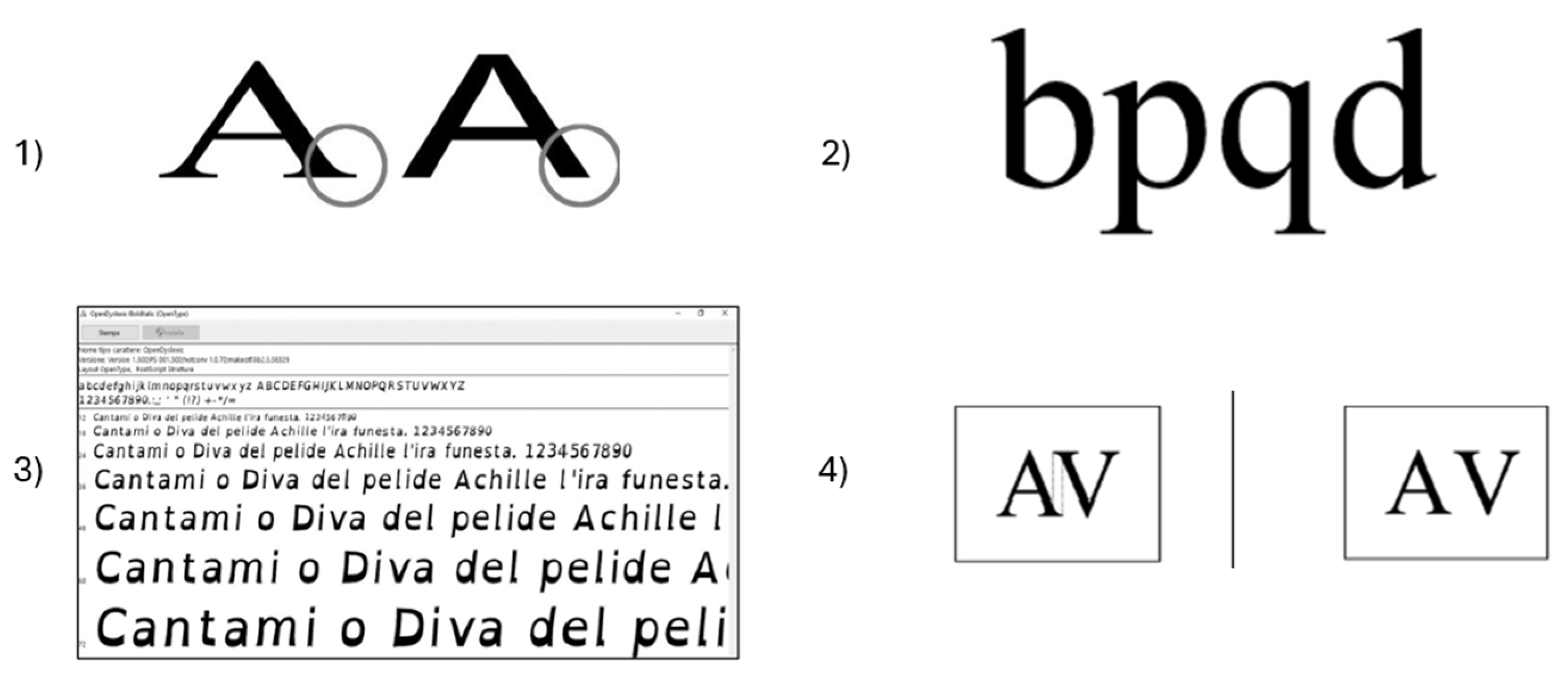
This figure, consisting of four subfigures, is intended to provide further clarification of several concepts discussed in the paper. Specifically, it illustrates: (1) the distinction between serif and sans-serif fonts; (2) examples of characters that differ not in shape but in their spatial orientation; (3) a preview of the OpenDyslexic font in Italian, featuring the opening line of the Iliad; and (4) the concept of kerning, which refers to the adjustment of spacing between specific pairs of characters. Kerning parameters are generally embedded within the font and are designed to reduce excessive white space, thereby improving the visual cohesion of the text. In written text, characters are typically not equidistant from one another. Instead, the spacing between particular letter pairs (e.g., AV, W–a, p–j) is often reduced, allowing the shape of the second letter to partially occupy the visual space of the first. As illustrated in Figure 41, if an imaginary bounding box is drawn around the glyph A, it becomes apparent that the letter V extends into its space. Removing kerning eliminates this overlap, producing a more regular graphic arrangement in which all glyphs within a word are equally spaced. This uniformity may facilitate the recognition of individual glyphs [3].
Figure 7.
This figure, consisting of four subfigures, is intended to provide further clarification of several concepts discussed in the paper. Specifically, it illustrates: (1) the distinction between serif and sans-serif fonts; (2) examples of characters that differ not in shape but in their spatial orientation; (3) a preview of the OpenDyslexic font in Italian, featuring the opening line of the Iliad; and (4) the concept of kerning, which refers to the adjustment of spacing between specific pairs of characters. Kerning parameters are generally embedded within the font and are designed to reduce excessive white space, thereby improving the visual cohesion of the text. In written text, characters are typically not equidistant from one another. Instead, the spacing between particular letter pairs (e.g., AV, W–a, p–j) is often reduced, allowing the shape of the second letter to partially occupy the visual space of the first. As illustrated in Figure 41, if an imaginary bounding box is drawn around the glyph A, it becomes apparent that the letter V extends into its space. Removing kerning eliminates this overlap, producing a more regular graphic arrangement in which all glyphs within a word are equally spaced. This uniformity may facilitate the recognition of individual glyphs [3].
7. Why Did Serifs Emerge? Beyond Aesthetics: The Technological Origins of Modern Typography
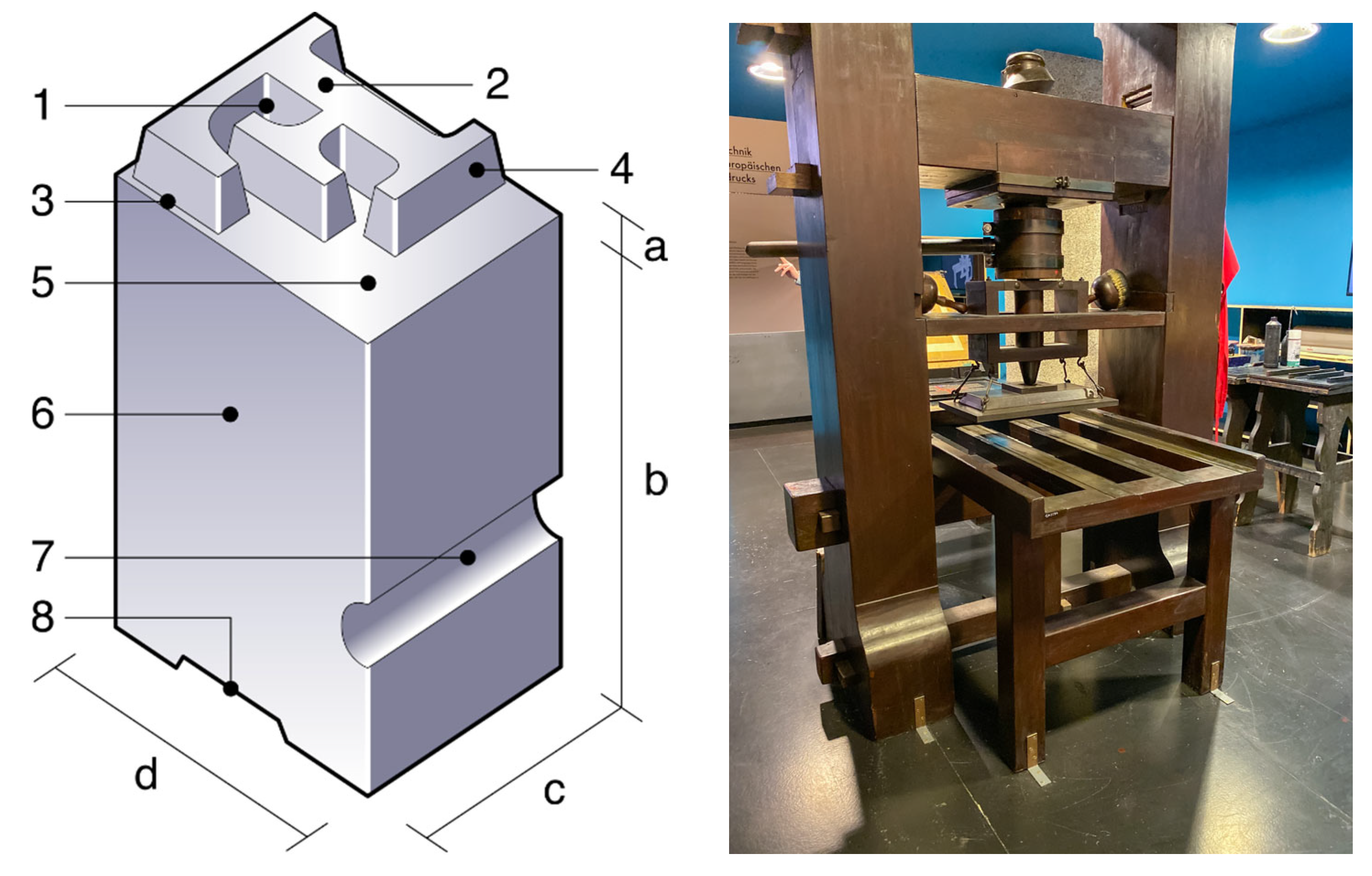
Why did serifs emerge? Were they merely an aesthetic choice? Understanding the historical and technological context that shaped typographic design is essential, particularly because decisions originally driven by technical constraints have, in some respects, become disadvantageous for readers with dyslexia. The origins of modern typography are conventionally traced back to the mid-fifteenth century with Johannes Gutenberg's invention of movable-type printing [61,62]. His system relied on the production of thousands of reusable metal types, each bearing a single raised glyph. The manufacture of these types was entrusted to goldsmiths, engravers, and metal founders, whose expertise enabled them to engrave steel punches with exceptional precision, produce copper matrices, and cast individual types using alloys of lead, tin, and antimony. Producing a complete typeface represented a substantial economic investment, while the continuous wear of metal types (subjected to repeated cycles of inking, compression, and handling) constituted one of the principal operating costs of early printing houses. Within this technological framework, type design had to satisfy aesthetic, functional, and manufacturing requirements simultaneously. Serifs were not originally introduced to enhance reading performance; rather, they derived from the visual conventions of Roman monumental inscriptions and humanistic calligraphy, which early printers sought to reproduce in printed books. Nevertheless, these typographic features also proved compatible with the mechanical constraints of early printing technology. The printing press exerted considerable force on each metal type, and according to the physical relationship defining pressure as the ratio between applied force and contact area (P = F/A), the same force produces greater pressure when distributed over a smaller surface.
Figure 8.
This figure, illustrates the mechanical principle underlying the structural limitations of early movable type. When the printing press applies the same compressive force to different typographic elements, the resulting pressure depends on the size of the contact area. According to the physical relationship , reducing the contact surface while maintaining the same applied force increases the pressure exerted on the material. Consequently, very thin strokes, sharp corners, and delicate terminals concentrate the applied load over smaller areas, making them significantly more susceptible to deformation, wear, and fracture during repeated printing cycles. Conversely, thicker strokes and serif-like terminals distribute the force across a larger contact surface, reducing localized pressure and increasing the mechanical durability of the metal type. This engineering constraint helps explain why many early typographic forms evolved toward more robust geometries: the morphology of the glyph was influenced not only by aesthetic traditions but also by the need to withstand the repetitive mechanical stresses imposed by the printing press. Such historical constraints, however, were driven by manufacturing requirements rather than by considerations of visual perception or reading accessibility.
Figure 8.
This figure, illustrates the mechanical principle underlying the structural limitations of early movable type. When the printing press applies the same compressive force to different typographic elements, the resulting pressure depends on the size of the contact area. According to the physical relationship , reducing the contact surface while maintaining the same applied force increases the pressure exerted on the material. Consequently, very thin strokes, sharp corners, and delicate terminals concentrate the applied load over smaller areas, making them significantly more susceptible to deformation, wear, and fracture during repeated printing cycles. Conversely, thicker strokes and serif-like terminals distribute the force across a larger contact surface, reducing localized pressure and increasing the mechanical durability of the metal type. This engineering constraint helps explain why many early typographic forms evolved toward more robust geometries: the morphology of the glyph was influenced not only by aesthetic traditions but also by the need to withstand the repetitive mechanical stresses imposed by the printing press. Such historical constraints, however, were driven by manufacturing requirements rather than by considerations of visual perception or reading accessibility.
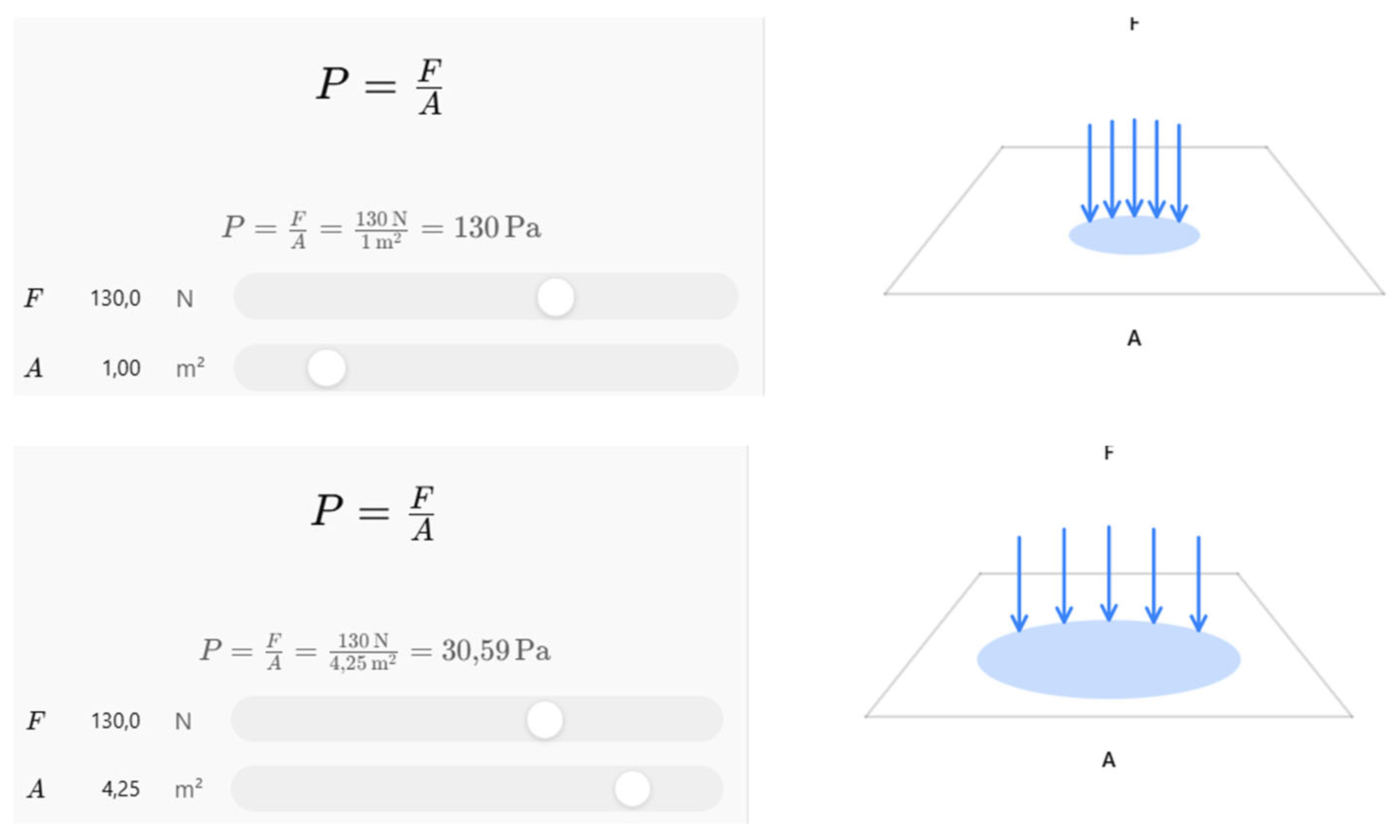
Figure 9.
On the left, diagram of a movable lead type representing the uppercase serif letter "F". Source: https://fr.wikipedia.org/wiki/Caract%C3%A8re_(typographie)#/media/Fichier:Bleiletter.svg, on the left, printing press invented by Johannes Gutenberg (l. c. 1398-1468), Gutenberg Museum, Mainz. Source: https://www.worldhistory.org/image/16159/gutenberg-printing-press/.
Figure 9.
On the left, diagram of a movable lead type representing the uppercase serif letter "F". Source: https://fr.wikipedia.org/wiki/Caract%C3%A8re_(typographie)#/media/Fichier:Bleiletter.svg, on the left, printing press invented by Johannes Gutenberg (l. c. 1398-1468), Gutenberg Museum, Mainz. Source: https://www.worldhistory.org/image/16159/gutenberg-printing-press/.
Consequently, extremely thin strokes, sharp corners, and delicate terminals experienced higher localized mechanical stress, making them more susceptible to deformation or fracture during repeated printing cycles. Slightly thickened and smoothly connected terminals helped distribute these stresses more evenly, increasing the structural durability of the type while reducing replacement frequency and, consequently, production costs. From this perspective, the morphology of early typefaces should be understood primarily as a compromise between aesthetic quality [63,64,65,66,67], manufacturing constraints, and material durability rather than as a design explicitly optimized for human reading. In other words, many typographic conventions that later became standard were initially determined by the engineering limitations of fifteenth-century printing technology rather than by empirical knowledge of visual perception or cognitive processing. Only during the twentieth century, with the emergence of cognitive psychology, ergonomics, and the neurosciences of reading, did typography gradually shift its focus from optimizing the printing process to optimizing the reading process. This paradigm shift has led to the development of typefaces explicitly designed around the characteristics of the human visual and cognitive systems. Contemporary high-legibility fonts, including OpenDyslexic, exemplify this transition: their design principles are no longer dictated by the technological constraints of movable metal type but instead by the goal of improving accessibility, reducing perceptual and cognitive load, and fostering inclusive reading experiences for diverse populations, including individuals with dyslexia.
8. Conclusions and Outlook
The discussion presented throughout this work aims to demonstrate that high-readability and dyslexia-friendly fonts constitute an essential component of inclusive design, significantly improving readability, reducing cognitive load, and facilitating access to written information for people with dyslexia and other Specific Learning Disorders (SLDs) [34,44,46,52,53]. Nevertheless, typography alone should no longer be considered the final objective of accessibility research, but rather the starting point for the development of more comprehensive and intelligent inclusive systems [3,44]. Current implementations of dyslexia-friendly fonts are still largely confined to traditional environments such as word processors, presentation software (e.g., PowerPoint), or static digital documents (e.g., Excel spreadsheets). However, recent advances in Artificial Intelligence, adaptive interfaces, and human-computer interaction suggest a broader vision in which these fonts become an integral part of dynamic digital ecosystems. Rather than being manually selected by users, high-readability fonts could be automatically activated according to individual accessibility profiles and combined with AI-based Digital Personal Tutor technologies [3], capable of personalizing the entire interaction with digital content [3]. This integration naturally aligns with the principles of Universal Design for Learning (UDL), where accessibility is achieved by providing multiple means of representation, action and expression, and engagement [1].
8.1. A Multifactorial Perspective on the Cognitive Processes Underlying Dyslexia
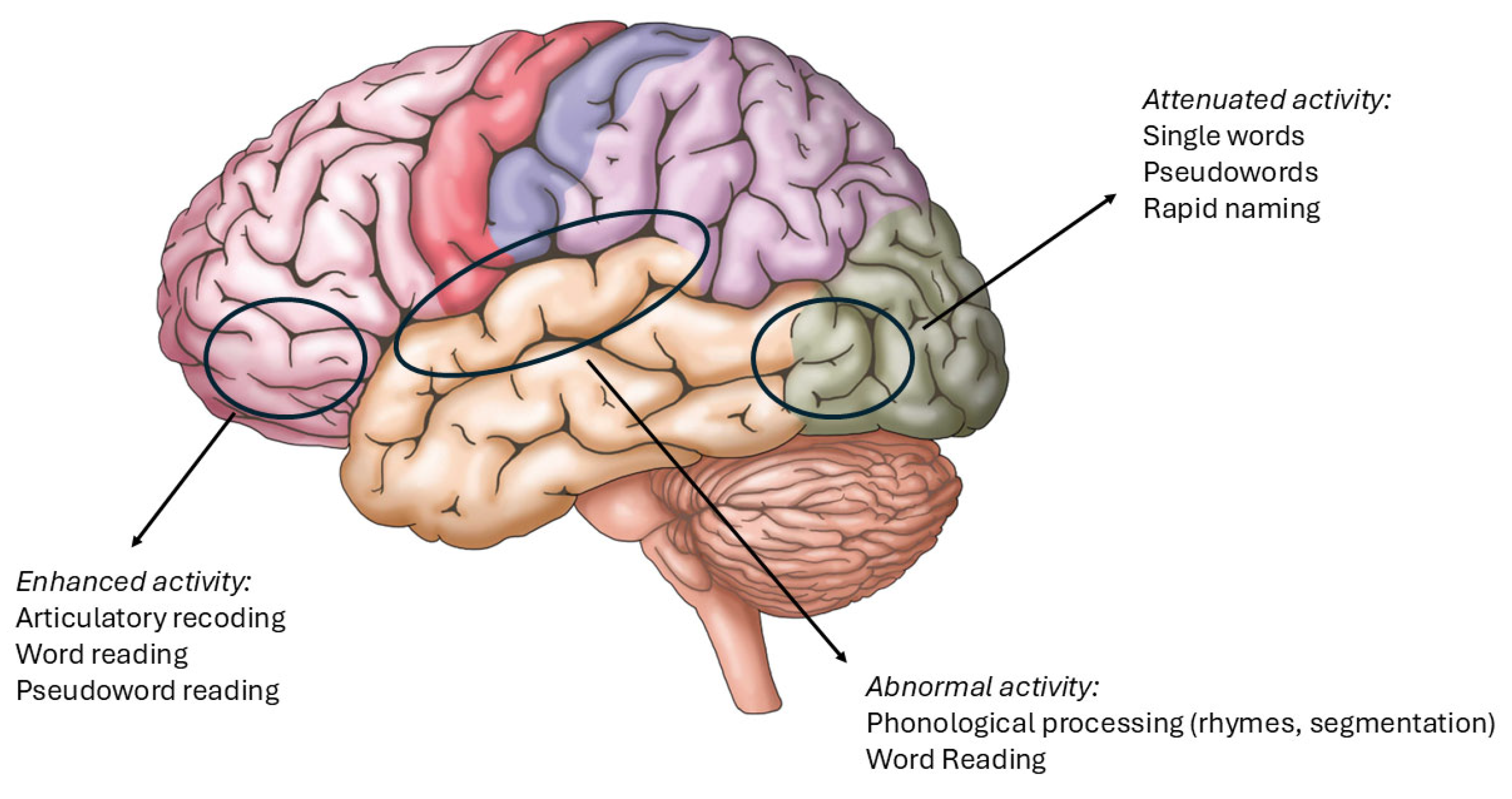
Although several theoretical models have attempted to identify a primary cognitive mechanism underlying dyslexia, current evidence increasingly supports a multifactorial perspective in which reading and spelling difficulties emerge from the interaction of multiple cognitive, linguistic, and neurobiological processes. In this context, Schulte-Körne and colleagues [68] point out that extensive neuropsychological research has demonstrated that dyslexia does not exclusively concern the final acquisition of literacy skills but also involves a broad range of underlying cognitive mechanisms that support their development. Consequently, rather than being attributable to a single isolated impairment, dyslexia should be understood as a complex developmental condition involving multiple components of the reading system. Among these components, phonological processing represents one of the most consistently investigated and empirically supported factors [68]. It encompasses the ability to identify and manipulate phonemes (the smallest distinctive units of sound within a language) as well as the capacity to discriminate between phonological representations, retrieve phonological information from memory, and establish reliable mappings between graphemes and phonemes. These mechanisms are fundamental for the acquisition of accurate and fluent reading and spelling skills and provide the cognitive basis for the decoding processes described within phonological theories of dyslexia [25,26]. A substantial body of evidence reviewed as early as 2007 [68] highlights the importance of early phonological development in predicting later literacy outcomes. In particular, interventions aimed at strengthening phonological awareness before formal schooling have demonstrated positive effects in reducing the risk of persistent reading difficulties and supporting the development of decoding and spelling abilities among children with dyslexia. Similarly, instructional approaches based on explicit phonics teaching and systematic phonological training have been shown to improve reading accuracy, fluency, and written language performance [68], supporting the relevance of structured grapheme–phoneme instruction emphasized in cognitive models of reading acquisition [8]. However, phonological processing alone does not provide a complete explanation of dyslexia. Literacy acquisition requires the progressive development of additional cognitive representations, particularly those related to orthographic knowledge. Orthographic processing involves the ability to recognize, store, and apply written language representations, including knowledge of spelling conventions, structural characteristics of the writing system, and morphological patterns [68]. Difficulties in this domain represent another important component of dyslexia, particularly in relation to persistent spelling impairments. Accordingly, interventions targeting orthographic knowledge have demonstrated beneficial effects in improving spelling performance and consolidating written language representations [68], thus, the relevance of lexical access mechanisms, particularly rapid automatized naming (RAN), as a significant predictor of reading development. RAN refers to the speed and accuracy with which individuals retrieve verbal labels associated with familiar visual stimuli, including letters, numbers, symbols, or objects [68]. Efficient lexical retrieval supports fluent reading by reducing dependence on effortful decoding processes and facilitating automatic access to stored word representations. Difficulties in rapid naming have been observed both in children with dyslexia and in adults with persistent reading impairments, suggesting that inefficient access to phonological and lexical representations may represent a stable characteristic affecting literacy performance across the lifespan [68]. Beyond phonological, orthographic, and lexical mechanisms, Schulte-Körne and colleagues [68] also identify additional cognitive domains that may contribute to reading development, including short-term auditory memory, visuospatial abilities, visual attention, motor coordination, and basic auditory and visual perceptual processes. These findings are consistent with broader neurocognitive models of dyslexia, including magnocellular accounts [21,22,23], cerebellar explanations focusing on automatization processes [29,30], and attentional theories emphasizing the role of visual-spatial attention in reading performance [69].
Figure 10.
Neurobiological correlates of cognitive processes in dyslexia. Adapted from Schulte-Körne, G.; Ludwig, K.U.; El Sharkawy, J.; Nöthen, M.M.; Müller-Myhsok, B.; Hoffmann, P. Genetics and neuroscience in dyslexia: implications for education and rehabilitation. Mind, Brain, Educ. 2007, 1, 162–172, https://doi.org/10.1111/j.1751-228x.2007.00017.x.
Figure 10.
Neurobiological correlates of cognitive processes in dyslexia. Adapted from Schulte-Körne, G.; Ludwig, K.U.; El Sharkawy, J.; Nöthen, M.M.; Müller-Myhsok, B.; Hoffmann, P. Genetics and neuroscience in dyslexia: implications for education and rehabilitation. Mind, Brain, Educ. 2007, 1, 162–172, https://doi.org/10.1111/j.1751-228x.2007.00017.x.
8.2. Writing as a Human-Invented Cultural τέχνη (téchne)
Anthropological perspectives can contribute to elucidating fundamental principles that remind us of the relatively recent emergence of writing within human history. Unlike biologically evolved capacities such as vision, touch, hearing, and taste, writing does not constitute an innate human faculty but rather a culturally acquired technology to which our species is still adapting. As an external symbolic system, writing introduces an additional layer of cognitive and cultural complexity; at the same time, it has enabled new forms of knowledge preservation and transmission by extending the human capacity for long-term information storage and collective memory [1]. Writing represents a much more limited dimension compared with what Bickerton [70] identifies as the broader function for which the human brain has been evolutionarily predisposed: namely, the generation of representations of symbolic units within the brain. Through this capacity, the brain is able to reorganize environmental stimuli by reshaping its own connections in order to associate words with the appropriate concepts. At the cultural level, this process is complemented by grammatical elaboration, through which elementary syntactic units are progressively developed into more complex and extensive structures. It is essential to recognize that writing is a τέχνη (téchne), a humanly devised cultural technology that has emerged independently on multiple occasions throughout history [71,72], reflecting diverse ways in which societies have externalized, organized, and transmitted knowledge. The word τέχνη (téchne) derives from the ancient Greek concept encompassing art, skill, craftsmanship, and technical knowledge, referring not merely to the production of artefacts but to the intentional application of practical expertise guided by principles, methods, and forms of understanding. Writing represents one of the most significant cognitive technologies developed by humankind, as it has profoundly transformed the ways in which human beings preserve, organize, and transmit knowledge. As Diamond [71] argues, “knowledge is power,” and writing constitutes one of the primary sources of such power in complex societies because it enables knowledge to be transmitted “better, faster, and farther.” However, the history of writing should not be interpreted as the outcome of a single foundational invention attributable to a specific individual or historical moment. Rather, it should be understood as the result of multiple, independent, and recurrent processes through which different societies developed symbolic solutions in response to emerging cognitive, administrative, and communicative needs. From this perspective, writing is a technology that was, in a sense, “born” several times throughout human history. The idea of a plural emergence of writing is consistent with a broader anthropological understanding of human technologies. Diamond [71] emphasizes that technological innovations rarely originate from isolated acts of individual genius; instead, they emerge through the cumulative accumulation of experiences, practices, and knowledge developed by many generations. Technologies evolve through processes of adaptation, modification, and recombination of previous solutions. Sometimes they arise in response to already perceived needs, while in other cases they generate new possibilities and applications only after their emergence. Writing represents a paradigmatic example of this process: rather than being a single invention subsequently disseminated across cultures, it can be understood as a technological response independently developed by different civilizations when they encountered the need to overcome the limitations of oral memory and interpersonal transmission. Before the diffusion of writing, memory constituted the primary instrument for preserving and transmitting knowledge. As Manacorda [72] observes, in oral societies “memory was the indispensable and unique instrument of learning,” supported by rhythmic and performative practices such as verse, music, and chant, which strengthened memorization and ensured cultural continuity. The emergence of writing therefore represented a profound anthropological transformation: it enabled human beings to externalize part of their memory, creating a stable system for preserving information beyond the physical presence of the individual who produced it. The first writing systems that emerged in different cultural contexts (from Mesopotamia and Egypt to later alphabetic traditions) can therefore be interpreted as independent responses to similar challenges: managing resources, recording economic exchanges, organizing political and religious institutions, and transmitting knowledge beyond the temporal and spatial limits of oral communication. From this perspective, writing does not belong exclusively to a single civilization; rather, it represents a recurrent possibility of human intelligence, emerging whenever societies reach a level of complexity that requires more efficient systems of symbolic representation [74]. This interpretation aligns with Diamond’s broader reflection on the development of technologies. According to the anthropologist [71] many inventions have emerged independently in different regions through processes of experimentation, manipulation of available materials, and gradual optimization. Technology does not generally advance through sudden moments of individual inspiration, but through the cumulative contribution of multiple actors and generations. An invention may spread because societies copy and modify existing solutions, or because they reinvent an original idea through different technical approaches. Writing follows the same evolutionary logic: its historical forms should not be considered merely variations of a single original model, but rather different manifestations of the same anthropological need—the construction of stable symbolic representations capable of expanding human cognitive capacities. From this perspective, writing can be considered a particular form of τέχνη, that is, a cultural technology invented by human beings multiple times throughout history. Its technological nature does not diminish its cultural significance; rather, it highlights its designed and constructed character. Like every technology, writing emerged from the interaction between cognitive abilities, available materials, social requirements, and historical conditions. For this reason, writing should not be understood as a neutral instrument for recording thought, but as a cognitive environment capable of transforming the ways in which individuals learn, remember, and construct knowledge [74]. The anthropological dimension of writing also allows us to understand its relationship with contemporary communication technologies. Indeed, the emergence of writing represents one of the first major transformations in the relationship between human beings and information technologies. Its function of extending memory and overcoming spatial and temporal limitations finds a significant parallel in current digital technologies. As Diamond [71] states, writing enables knowledge to be transmitted “better, faster, and farther”; if applied to the contemporary digital ecosystem, this principle can be extended further: through the Internet, knowledge can potentially circulate everywhere and “faster” becomes almost equivalent to real-time transmission. The transition from clay tablets, scrolls, and papyri to digital storage systems based on microprocessors and electronic memories demonstrates a continuous process of technological evolution in which previous forms are not necessarily eliminated but transformed and integrated into new configurations [75]. Plato already recognized the ambivalent nature of writing in the fourth century BCE, expressing skepticism toward its use for literary and philosophical purposes and preferring living dialogue, because written texts cannot answer questions or immediately adapt to the needs of the interlocutor [73]. This observation anticipates contemporary reflections on media directionality: writing, like traditional broadcasting systems, is fundamentally characterized by a predominantly one-way transmission model, whereas contemporary digital environments increasingly introduce interactive forms of communication and immediate feedback. The historical trajectory of writing therefore demonstrates that literacy cannot be considered a natural biological function in the same way as vision, speech, or other capacities that are directly rooted in human evolution. Rather, writing is a relatively recent cultural invention that has required the progressive adaptation of pre-existing cognitive mechanisms to new symbolic demands. Human beings evolved the capacity to generate and manipulate complex representations, but the specific ability to read and write emerged only through prolonged cultural exposure to this technology. Literacy is thus the result of a dynamic interaction between biological predispositions and cultural environments, in which the brain reorganizes itself to respond to the demands imposed by written language. This perspective is particularly relevant for understanding dyslexia. If writing is recognized as a cultural technology that emerged multiple times in human history but remains evolutionarily recent compared with other cognitive functions, difficulties in acquiring literacy should not be interpreted as evidence of a general cognitive deficiency. Rather, they should be understood as the consequence of the complex interaction between individual neurocognitive characteristics and the specific demands generated by a highly specialized symbolic system. For this reason, dyslexia should not be conceptualized as a deficit, but as a specific learning disorder resulting from the relationship between human cognition and the cultural technology of writing. The challenges experienced by individuals with dyslexia are not attributable to a lack of intelligence or a failure of cognitive functioning, but to differences in the processes involved in acquiring and processing written language. As writing represents one of the most influential technologies created by humankind, the difficulties associated with its acquisition must be interpreted within the broader framework of the encounter between the human brain and a historically recent cultural artifact. Dyslexia therefore reflects not a deficiency of the individual, but a specific neurocognitive condition emerging from the demands imposed by the extensive and pervasive use of writing as a fundamental technology for knowledge transmission, education, and social participation.
8.3. From Dyslexia-Friendly Fonts to Intelligent Inclusive Learning Environments: The Role of Artificial Intelligence in Accessibility
Recognizing that, for approximately two decades, scientific research has provided substantial evidence on the relationship between dyslexia and brain functioning, demonstrating that reading abilities can be improved through targeted interventions and appropriate educational strategies [76,77], typography becomes one element of a multimodal support system that may include speech synthesis, speech recognition, intelligent spelling correction, predictive writing, automatic text simplification, visual concept maps, adaptive layouts, personalized feedback, and multimodal interaction. The objective is no longer simply to make text easier to read, as is the case with the Easy-to-Read approach, but to create digital environments capable of adapting to the cognitive characteristics of each individual user [3,44]. The educational domain represents one of the most promising application scenarios. AI-powered platforms could combine dyslexia-friendly typography with technologies such as Microsoft Immersive Reader, Speechify, NaturalReader, Grammarly, LanguageTool, and voice-based interaction systems to provide personalized assistance throughout the entire learning process. In the future, these technologies could also be integrated with tools such as Google Lens, further extending accessibility and learning support. Reading assistance could be enhanced through automatic summarization, simplified language, interactive questioning, visual organization of concepts, intelligent note restructuring, and personalized exercises targeting specific learning difficulties. Similarly, students with dysgraphia and dysorthographia could benefit from voice dictation, AI-assisted writing, contextual error explanations, and adaptive tutoring systems capable of reducing the cognitive burden associated with writing while preserving the student’s original ideas and promoting autonomous learning [3,18]. The potential applications are not limited to education. High-readability fonts integrated with intelligent accessibility systems could significantly improve usability across websites, e-government services, healthcare portals, workplace applications, digital publishing platforms, and mobile devices [34,52]. Modern web technologies already enable interfaces to dynamically adapt typography, spacing, color contrast, navigation structure, and content presentation according to users’ preferences or detected accessibility requirements. These developments also reinforce the transition from compensatory technologies toward truly assistive intelligent systems. Rather than merely correcting errors or simplifying text, AI can support reading comprehension, writing, knowledge organization, communication, and decision-making, allowing users to focus on understanding concepts instead of overcoming the mechanical barriers imposed by traditional interfaces. From this perspective, accessibility evolves from a static feature into an adaptive process capable of responding to the diversity of human cognition [1,3]. Despite these technological opportunities, the human dimension remains fundamental. Artificial Intelligence and accessible typography should be regarded as tools that augment, rather than replace, educators, accessibility experts, and designers [1,3]. This naturally raises an important question: what will be the role of educators and teachers in this evolving technological landscape? Their role will remain central in selecting appropriate technologies, interpreting learners’ needs, fostering critical thinking, and ensuring that AI is used ethically, responsibly, and inclusively [1,18]. Consequently, future research should focus not only on improving the design of dyslexia-friendly fonts but also on investigating how typography, artificial intelligence, adaptive web technologies, and inclusive instructional design can converge into integrated ecosystems that fully embody the principles of Universal Design for Learning. Such an approach has the potential to transform accessibility from a collection of isolated tools into an intelligent, personalized, and universally inclusive digital experience.
Author Contributions
Although this work is the result of a collaborative scientific effort involving all authors, the individual contributions can be described as follows. M.D.T. was responsible for the development and writing of Section 1, The Enduring Role of Reading in Human Learning, Section 6, Discussion, Section 7, Why Did Serifs Emerge? Beyond Aesthetics: The Technological Origins of Modern Typography and Section 8, Conclusions and Outlook. U.B. contributed to the writing of Section 3, Understanding Dyslexia, Section 4, Readability Enhancement Strategies, and Section 5, Guidelines for Designing a High-Readability Font. L.C. was responsible for Section 2, The Cognitive Processes Underlying Reading and Its Acquisition. S.D.T. acted as the scientific coordinator of the research project and supervised the overall conceptual and methodological development of the work. All authors contributed to the scientific discussion, critical revision, and final approval of the manuscript.
Funding
This research received no external funding.
Institutional Review Board Statement
The research was conducted in accordance with the ethical principles and institutional regulations of the universities and institutions to which the authors are affiliated, as well as with the applicable national and European legislation in force in the countries where the authors reside. This study did not involve animal subjects.
Conflicts of Interest
The authors declare no conflicts of interest.
References
- Sibilio, M. La didattica semplessa: Una traiettoria non lineare della ricerca educativa. Rev. De Synth. 2015, 136, 477–493. [Google Scholar]
- Stella, G.; Apolito, A. Lo screening precoce nella scuola elementare. Puo Una Prova Di 2004, 16, 111–118. [Google Scholar]
- Di Tore, S. La tecnologia della parola. In Didattica inclusiva e lettura; FrancoAngeli, 2016. [Google Scholar]
- Coltheart, M. Disorders of reading and their implications for models of normal reading. Visible Lang. 1981, 15, 245. [Google Scholar]
- Coltheart, M.; Rastle, K.; Perry, C.; Langdon, R.; Ziegler, J. DRC: a dual route cascaded model of visual word recognition and reading aloud. Psychol. Rev. 2001, 108, 204. [Google Scholar] [CrossRef] [PubMed]
- Ziegler, J.C.; Castel, C.; Pech-Georgel, C.; George, F.; Alario, F.X.; Perry, C. Developmental dyslexia and the dual route model of reading: Simulating individual differences and subtypes. Cognition 2008, 107, 151–178. [Google Scholar] [CrossRef] [PubMed]
- Job, R.; Sartori, G. Morphological decomposition: Evidence from crossed phonological dyslexia. Q. J. Exp. Psychol. 1984, 36, 435–458. [Google Scholar] [CrossRef] [PubMed]
- Share, D.L. Phonological recoding and self-teaching: Sine qua non of reading acquisition. Cognition 1995, 55, 151–218. [Google Scholar] [CrossRef] [PubMed]
- Franceschini, S.; Bertoni, S.; Ronconi, L.; Molteni, M.; Gori, S.; Facoetti, A. “Shall we play a game?”: Improving reading throughaction video games in developmental dyslexia. Curr. Dev. Disord. Rep. 2015, 2, 318–329. [Google Scholar] [CrossRef]
- Frith, U. A developmental framework for developmental dyslexia. Ann. Dyslexia 1986, 36, 67–81. [Google Scholar] [CrossRef] [PubMed]
- Ehri, L.C. Phases of development in learning to read words by sight. J. Res. Read. 1995. [Google Scholar] [CrossRef]
- Beech, J.R. Ehri’s model of phases of learning to read: a brief critique. J. Res. Read. 2005, 28, 50–58. [Google Scholar] [CrossRef]
- Tressoldi, P.E.; Vio, C.; Scotti, P. Effects of simultaneous auditory feedback on reading accuracy during reading development. Read. Writ. 1991, 3, 151–158. [Google Scholar] [CrossRef]
- Stella, G.; Savelli, E. Dislessia oggi. Prospettive di diagnosi e intervento in Italia dopo la legge 170; Edizioni Erickson, 2011. [Google Scholar]
- Andresen, A.; Monsrud, M.B. Assessment of dyslexia–why, when, and with what? Scand. J. Educ. Res. 2022, 66, 1063–1075. [Google Scholar] [CrossRef]
- Al-Lamki, L. Dyslexia: Its impact on the individual, parents and society. Sultan Qaboos Univ. Med. J. 2012, 12, 269. [Google Scholar] [CrossRef]
- Martinez, R.; Fernandez, A.; et al. The social and economic impact of illiteracy: Analytical model and pilot study 2010. [PubMed]
- Vaughn, S.; Miciak, J.; Clemens, N.; Fletcher, J.M. The critical role of instructional response in defining and identifying students with dyslexia: A case for updating existing definitions. Ann. Dyslexia 2024, 74, 325–336. [Google Scholar] [CrossRef] [PubMed]
- Snowling, M.; Hulme, C. Do we really need a new definition of dyslexia? A commentary. Ann. Dyslexia 2024, 74, 355–362. [Google Scholar] [CrossRef] [PubMed]
- Cornoldi, C.; Tressoldi, P.E.; Perini, N.; et al. Valutare la rapidità e la correttezza della lettura di brani: nuove norme e alcunechiarificazioni per l’uso delle prove MT. Dislessia 2010, 7, 89–100. [Google Scholar]
- Galaburda, A.M.; Sherman, G.F.; Rosen, G.D.; Aboitiz, F.; Geschwind, N. Developmental dyslexia: four consecutive patients with cortical anomalies. Annals of Neurology: Official Journal of the American Neurological Association and the Child Neurology Society 1985, 18, 222–233. [Google Scholar] [CrossRef] [PubMed]
- Eden, G.F.; VanMeter, J.W.; Rumsey, J.M.; Maisog, J.M.; Woods, R.P.; Zeffiro, T.A. Abnormal processing of visual motion in dyslexia revealed by functional brain imaging. Nature 1996, 382, 66–69. [Google Scholar] [CrossRef] [PubMed]
- Stein, J. The magnocellular theory of developmental dyslexia. Reading and dyslexia: From basic functions to higher order cognition 2018, 103–134. [Google Scholar] [CrossRef]
- Ungerleider, L.; Mishkin, M. Two cortical visual systems. In The Analysis of Visual Behaviour; MIT Press: Cambridge, MA, 1982; Volume chapter 18, pp. 549–586. [Google Scholar]
- Snowling, M. Dyslexia as a phonological deficit: Evidence and implications. Child Psychol. Psychiatry Rev. 1998, 3, 4–11. [Google Scholar] [CrossRef]
- Vellutino, F.R.; Fletcher, J.M.; Snowling, M.J.; Scanlon, D.M. Specific reading disability (dyslexia): What have we learned in the past four decades? J. Child Psychol. Psychiatry 2004, 45, 2–40. [Google Scholar] [CrossRef] [PubMed]
- Fella, A.; Christoforou, C.; Loizou, M.; Papadopoulos, T.C. Investigating the relationship between phonological awareness and reading using Event-Related Potentials. In Psychology: The Journal of the Hellenic Psychological Society; 2022. [Google Scholar]
- Zoccolotti, P. Success is not the entire story for a scientific theory: The case of the Phonological Deficit Theory of dyslexia. Brain Sci. 2022, 12, 425. [Google Scholar] [CrossRef] [PubMed]
- Rae, C.; Harasty, J.A.; Dzendrowskyj, T.E.; Talcott, J.B.; Simpson, J.M.; Blamire, A.M.; Dixon, R.M.; Lee, M.A.; Thompson, C.H. [CrossRef]
- Ramus, F.; Rosen, S.; Dakin, S.C.; Day, B.L.; Castellote, J.M.; White, S.; Frith, U. Theories of developmental dyslexia: insights from a multiple case study of dyslexic adults. Brain 2003, 126, 841–865. [Google Scholar] [CrossRef] [PubMed]
- Facoetti, A.; Zorzi, M.; Cestnick, L.; Lorusso, M.L.; Molteni, M.; Paganoni, P.; Umilta, C.; Mascetti, G.G. The relationship between visuo-spatial attention and nonword reading in developmental dyslexia. Cogn. Neuropsychol. 2006, 23, 841–855. [Google Scholar] [CrossRef] [PubMed]
- Cornoldi, C.; Giofrè, D.; Martini, A. Problems in deriving Italian regional differences in intelligence from 2009 PISA data. Intelligence 2013, 41, 25–33. [Google Scholar] [CrossRef]
- Huang, S.M. Effects of font size and font style of Traditional Chinese characters on readability on smartphones. Int. J. Ind. Ergon. 2019, 69, 66–72. [Google Scholar] [CrossRef]
- Rello, L.; Baeza-Yates, R. How to present more readable text for people with dyslexia. Univers. Access Inf. Soc. 2017, 16, 29–49. [Google Scholar] [CrossRef]
- Dobres, J.; Chahine, N.; Reimer, B.; Gould, D.; Zhao, N. The effects of Chinese typeface design, stroke weight, and contrast polarity on glance based legibility. Displays 2016, 41, 42–49. [Google Scholar] [CrossRef]
- Liu, N.; Yu, R.; Zhang, Y. Effects of font size, stroke width, and character complexity on the legibility of Chinese characters. Hum. Factors Ergon. Manuf. Serv. Ind. 2016, 26, 381–392. [Google Scholar] [CrossRef]
- Lian, Z.; Xiao, J. Automatic shape morphing for chinese characters. SIGGRAPH Asia 2012 technical briefs, 2012; pp. 1–4. [Google Scholar]
- Miyazaki, T.; Tsuchiya, T.; Sugaya, Y.; Omachi, S.; Iwamura, M.; Uchida, S.; Kise, K. Automatic generation of typographic font from small font subset. IEEE Comput. Graph. Appl. 2019, 40, 99–111. [Google Scholar] [CrossRef] [PubMed]
- Subasinghe, R.; Samarawickrama, S. Legibility of Noto Sans Sinhala Font Features for Small-Scale Digital Device Screens. In Proceedings of the 2024 Moratuwa Engineering Research Conference (MERCon); IEEE, 2024; pp. 590–594. [Google Scholar]
- Ralekar, C.; Saha, P.; Gandhi, T.K.; Chaudhury, S. Effect of devanagari font type in reading comprehension: An eye tracking study. In Proceedings of the Intelligent Human Computer Interaction: 10th International Conference, IHCI 2018 Proceedings 10, Allahabad, India, December 7–9, 2018; Springer, 2018; pp. 136–147. [Google Scholar]
- Al Rowais, F.; Wald, M.; Wills, G. An Arabic framework for dyslexia training tools. J. Res. Spec. Educ. Needs 2013. [Google Scholar] [CrossRef]
- Benmarrakchi, F.; El Kafi, J.; Elhore, A.; Haie, S. Exploring the use of the ICT in supporting dyslexic students’ preferred learning styles: A preliminary evaluation. Educ. Inf. Technol. 2017, 22, 2939–2957. [Google Scholar] [CrossRef]
- British Dyslexia Association. Dyslexia Style Guide 2023, 2023.
- Di Tore, S.; Sibilio, M. L’invisibile tecnologia della parola: design e sviluppo di un font per dislessici. Ital. J. Educ. Technol. 2015, 23, 33–41. [Google Scholar] [CrossRef] [PubMed]
- Galiano, A.R.; Augereau-Depoix, V.; Baltenneck, N.; Latour, L.; Drissi, H. Luciole, a new font for people with low vision. Acta Psychol. 2023, 236, 103926. [Google Scholar] [CrossRef] [PubMed]
- Bilotti, U.; Todino, M.D.; Fella, A. Implementation of Greek alphabet characters according to the OpenDyslexic standard and teacher’s guide for font use. J. Incl. Methodol. Technol. Learn. Teach. 2023, 3. [Google Scholar]
- Alexeeva, S.; Dobrego, A.; Zubov, V. Towards the first dyslexic font in Russian. In Proceedings of the Language Resources and Evaluation Conference. European Language Resources Association (ELRA), 2020; pp. 9–14. [Google Scholar]
- Rello, L.; Baeza-Yates, R. Good fonts for dyslexia. In Proceedings of the Proceedings of the 15th International ACM SIGACCESS Conference on Computers and Accessibility, New York, NY, USA, 2013; p. ASSETS ‘13. [Google Scholar] [CrossRef]
- Hillier; Sylexiad, R. A typeface for the adult dyslexic reader. J. Writ. Creat. Pract. 2008, 1, 275–291. [Google Scholar] [CrossRef] [PubMed]
- Frensch, N.; Myerson, J.; Van der Quast, J. Read Regular: For more effective reading and writing; N. Frensch, 2003. [Google Scholar]
- Leeuw, R. Special font for dyslexia? Master’s thesis, University of Twente, 2010. [Google Scholar]
- Evett, L.; Brown, D. Text formats and web design for visually impaired and dyslexic readers—Clear Text for All. Interact. With Comput. 2005, 17, 453–472. [Google Scholar] [CrossRef]
- Bachmann, C.; Mengheri, L. Dyslexia and fonts: Is a specific font useful? Brain Sci. 2018, 8, 89. [Google Scholar] [CrossRef] [PubMed]
- Cai, T.; Wallace, S.; Rezvanian, T.; Dobres, J.; Kerr, B.; Berlow, S.; Huang, J.; Sawyer, B.D.; Bylinskii, Z. Personalized font recommendations: Combining ML and typographic guidelines to optimize readability. In Proceedings of the Proceedings of the 2022 ACM designing interactive systems conference, 2022; pp. 1–25. [Google Scholar]
- Cardona, J.P.; Alvarez, F.; Velazquez, C.; Dominguez, G.; Muñoz, J. Comparison of specialized fonts for dyslexic children andspacing as factor of legibility. In Proceedings of the 2022 International Conference on Inclusive Technologies and Education (CONTIE); IEEE, 2022; pp. 1–5. [Google Scholar]
- Perea, M.; Panadero, V.; Moret-Tatay, C.; Gómez, P. The effects of inter-letter spacing in visual-word recognition: Evidence with young normal readers and developmental dyslexics. Learn. Instr. 2012, 22, 420–430. [Google Scholar] [CrossRef]
- Martelli, M.; Di Filippo, G.; Spinelli, D.; Zoccolotti, P. Crowding, reading, and developmental dyslexia. J. Vis. 2009, 9, 14–14. [Google Scholar] [CrossRef] [PubMed]
- Suveeranont, R.; Igarashi, T. Feature-preserving morphable model for automatic font generation. ACM SIGGRAPH ASIA 2009; Sketches, 2009; pp. 1–1. [Google Scholar]
- Zhao, J.; Zhang, Y.; Ma, X.; Yang, D.; Shen, Y.; Jiang, H. MA-GAN: a method based on generative adversarial network for calligraphy morphing. In Proceedings of the International Conference on Neural Information Processing, 2021; Springer; pp. 266–278. [Google Scholar]
- Bilotti, U.; Demetriou, K.; Fella, A.; Todino, M.D. Greek font design: Identifying preferable fonts for readers with dyslexia. Front. Comput. Sci. 2025, 7, 1610349. [Google Scholar] [CrossRef]
- Jarvis, J. Gutenberg il geek: Il primo imprenditore tecnologico della storia e il santo patrono della Silicon Valley; Bassan, V., Ed.; Pamphlet, 2013. [Google Scholar]
- Perera, A. La storia dei font: Dalla scrittura ai caratteri tipografici; Gribaudo, 2025. [Google Scholar]
- McNeil, P. The Visual History of Type; Laurence King Publishing, 2017. [Google Scholar]
- Lupton, E. Thinking with Type: A Critical Guide for Designers, Writers, Editors, & Students, 2nd ed.; Princeton Architectural Press, 2010. [Google Scholar]
- Perera, A. La grammatica del graphic design; Gribaudo, 2025. [Google Scholar]
- Tognozzi, C.; Tognozzi, D.; Tognozzi, P. Il design grafico: Tecniche e tecnologie applicate alla progettazione grafica, alla comunicazione e alla multimedialità; Editrice San Marco, 2018. [Google Scholar]
- Ambrose, G.; Harris, P. Manuale di graphic design: Progettazione e produzione; Zanichelli, 2012. [Google Scholar]
- Schulte-Körne, G.; Ludwig, K.U.; El Sharkawy, J.; Nöthen, M.M.; Müller-Myhsok, B.; Hoffmann, P. Genetics and Neuroscience in Dyslexia: Perspectives for Education and Remediation. Mind Brain Educ. 2007, 1, 162–172. [Google Scholar] [CrossRef]
- Shaywitz, S.E.; Shaywitz, B.A. Paying attention to reading: the neurobiology of reading and dyslexia. Dev. Psychopathol. 2008, 20(4), 1329–49. [Google Scholar] [CrossRef] [PubMed]
- Bickerton, D. Quello di cui la natura non ha bisogno: Linguaggio, mente ed evoluzione; Adelphi, 2022. [Google Scholar]
- Galimberti, U. Psiche e techne: L’uomo nell’età della tecnica; Feltrinelli, 1999. [Google Scholar]
- Diamond, J. Guns, germs, and steel: The fates of human societies; W. W. Norton & Company, 1999. [Google Scholar]
- Manacorda, M.A. Etruschi, greci, romani a scuola; Scipioni: Valentano, 2000. [Google Scholar]
- Todino, M.D. La complessità didattica dell’interazione uomo-macchina; Aracne, 2019. [Google Scholar]
- Lazzati, M. Istituzioni di tecnologia didattica; Edizioni Studium: Roma, 2017. [Google Scholar]
- Temple, E.; Deutsch, G.K.; Poldrack, R.A.; Miller, S.L.; Tallal, P.; Merzenich, M.M.; Gabrieli, J.D. Neural deficits in children with dyslexia ameliorated by behavioral remediation: Evidence from functional MRI. Proc. Natl. Acad. Sci. 100(5), 2860–2865. [CrossRef] [PubMed]
- Kopko, K. Dyslexia and the brain: Research shows that reading ability can be improved. In Department of Human Development; Cornell University, 2007. [Google Scholar]
Disclaimer/Publisher’s Note: The statements, opinions and data contained in all publications are solely those of the individual author(s) and contributor(s) and not of MDPI and/or the editor(s). MDPI and/or the editor(s) disclaim responsibility for any injury to people or property resulting from any ideas, methods, instructions or products referred to in the content. |
© 2026 by the authors. Licensee MDPI, Basel, Switzerland. This article is an open access article distributed under the terms and conditions of the Creative Commons Attribution (CC BY) license (http://creativecommons.org/licenses/by/4.0/).
Copyright: This open access article is published under a Creative Commons CC BY 4.0 license, which permit the free download, distribution, and reuse, provided that the author and preprint are cited in any reuse.