

Submitted:
14 August 2026
Posted:
17 August 2026
You are already at the latest version
Abstract
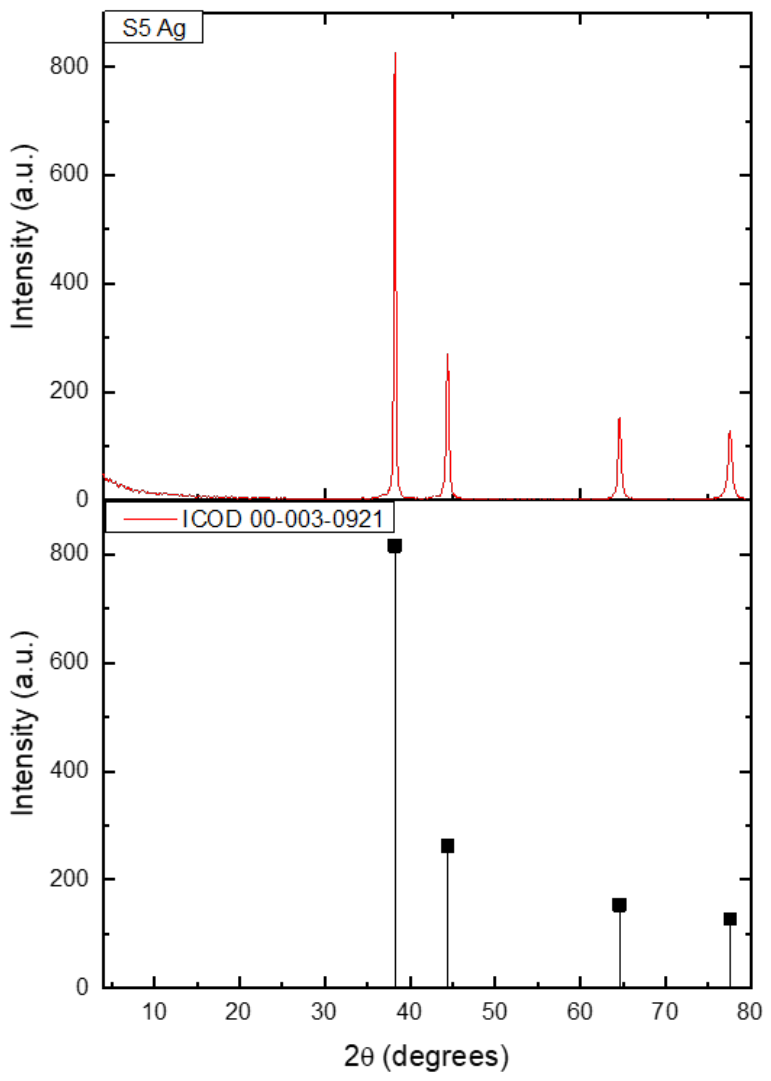
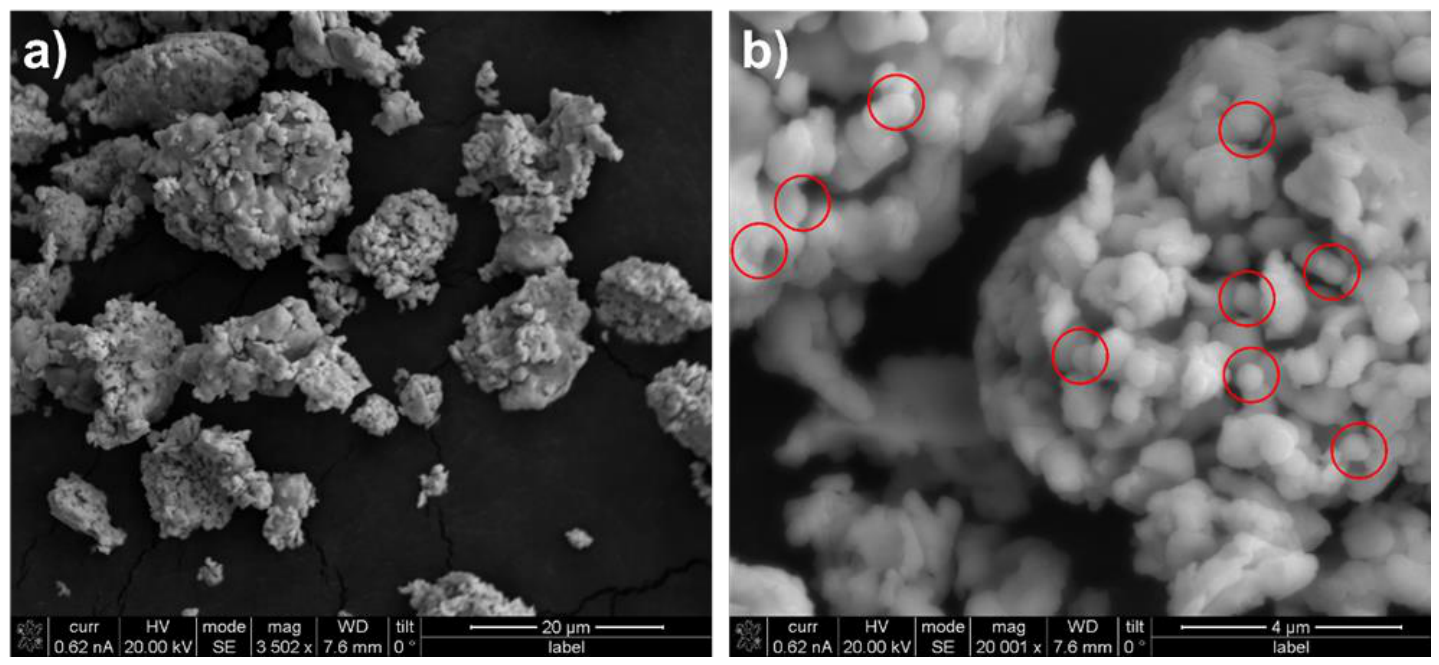
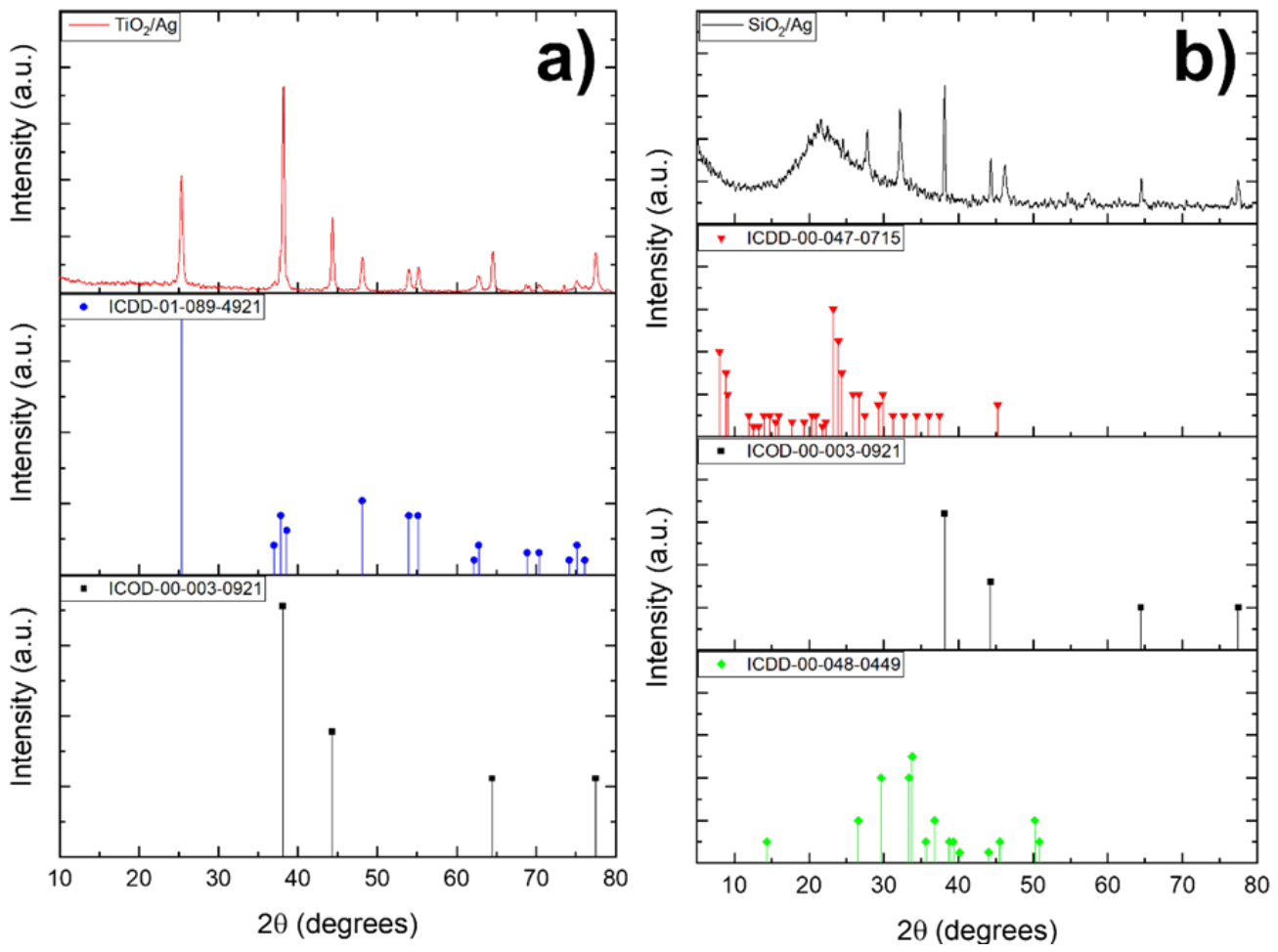
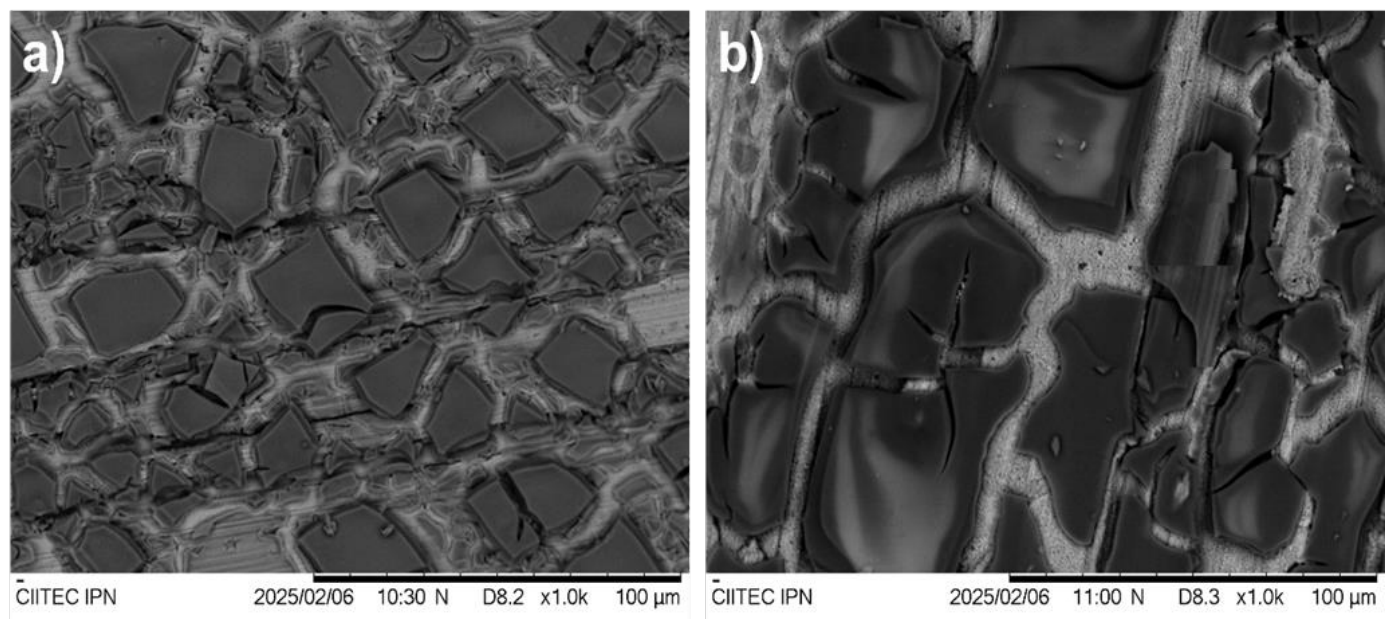
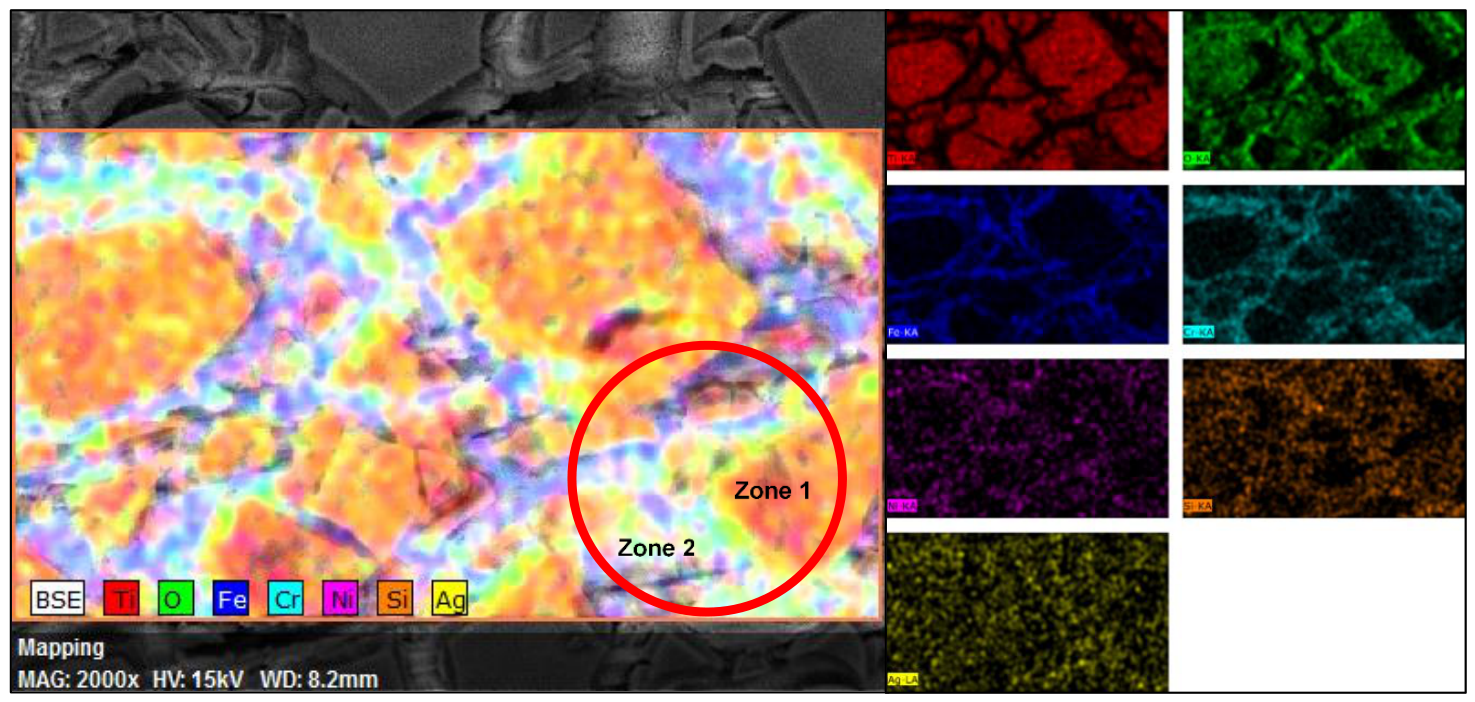
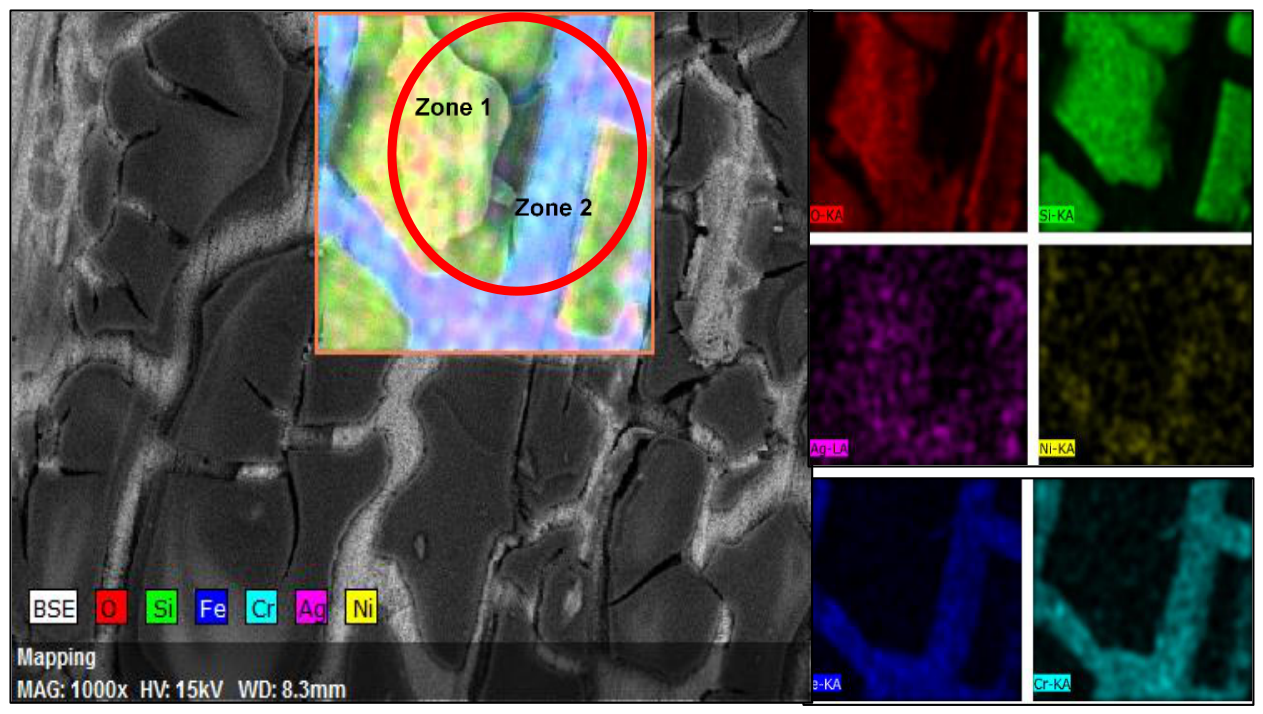
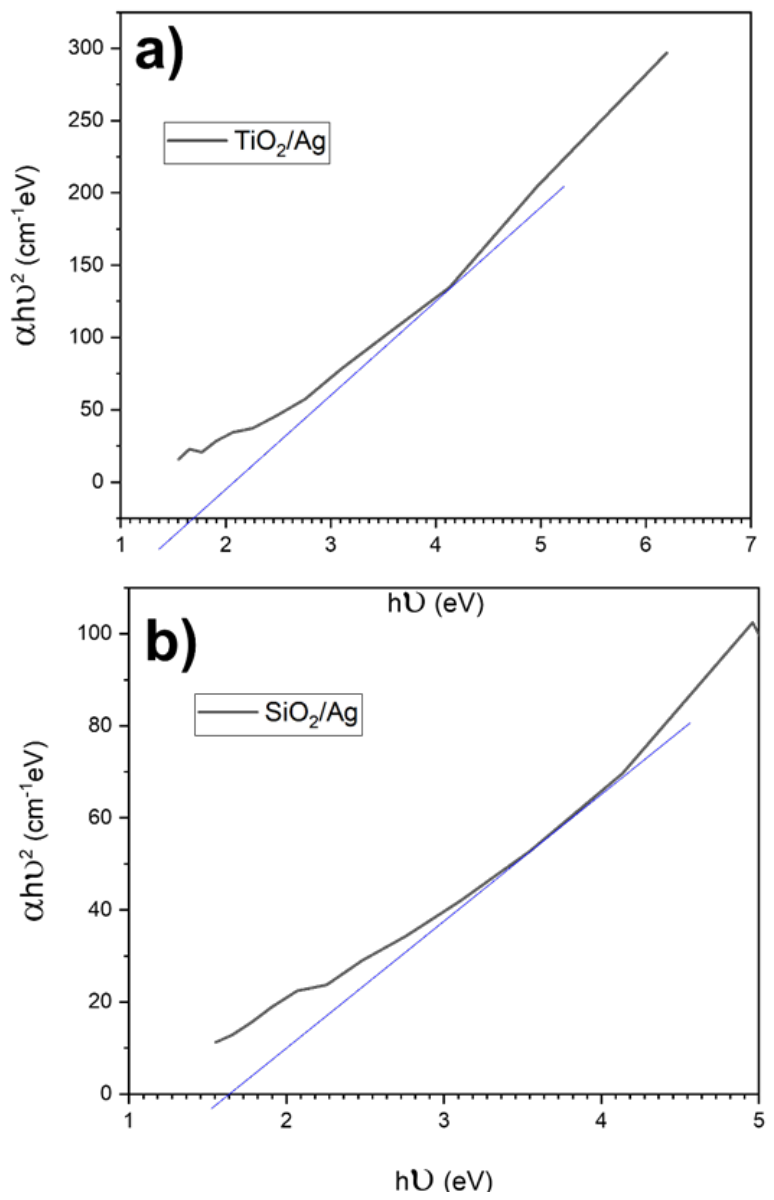
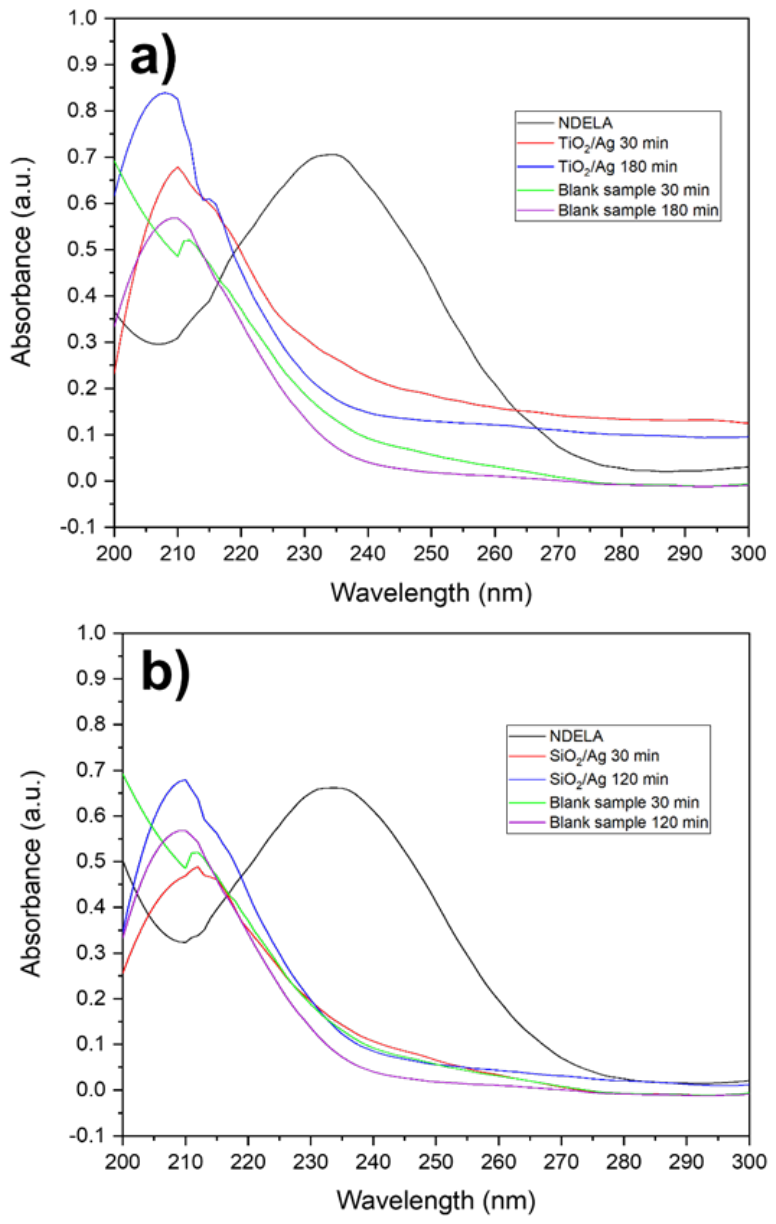
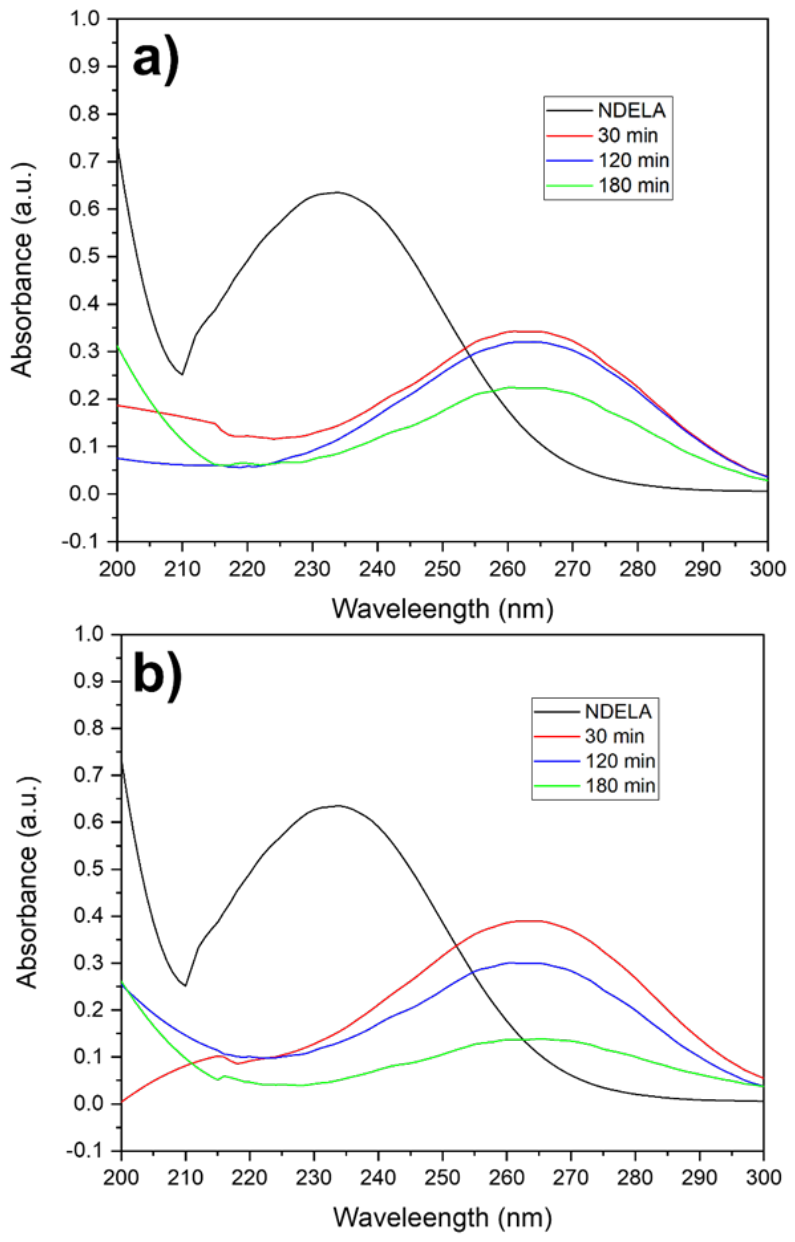
On 304 stainless steel substrates, two combined systems based on silver particle semiconductors, Ag/TiO2 and Ag/SiO2, were formed. Such systems were applied in the photocatalytic degradation, profiting from sunlight, of nitrosamines, which are highly toxic substances, specifically N-Nitrosodiethanolamine. The synthesis of TiO2 and SiO2 was carried out by the sol-gel method with co-precipitation of Ag metallic particles, adding a quaternary-ammonium-based ionic liquid as reducing agent. The photocatalysts were characterized by scanning electron microscopy (SEM), energy dispersive spectroscopy (EDS) and x-ray diffraction (XRD), confirming the integration of anatase-phase TiO2 and amorphous-phase SiO2 and the Ag cubic structure. The band gap width was determined by means of the Tauc graphical method, finding 1.7 eV and 1.8 eV for SiO2 and TiO2, severally. The photocatalytic evaluation occurred under direct sunlight irradiation, achieving degradation efficiencies above 98 % during the first 30 min; in addition, organic matter was quantified through the chemical oxygen demand (COD) technique.
Keywords:
1. Introduction
2. Materials and Methods
2.1. Synthesis of Ag Particles Using TAD
2.2. Synthesis of the Ag/SiO2 and Ag/TiO2 Systems
2.3. Photocatalytic Evaluation
3. Results and Discussion
3.1. Ag Particles with TAD
3.2. Ag/SiO2 and Ag/TiO2 Systems
3.3. Photocatalytic Evaluation
4. Conclusions
Author Contributions
Funding
Data Availability Statement
Conflicts of Interest
Acknowledgments
References
- Wang W., Song Z., Jing Y., Wei X., Li H., Xie J., et al. Formation of advanced glycation end-products and N-nitrosamines in salami of different recipes and fermented at different stages. Food Chem. 05.2025; 474:143228. [CrossRef]
- Kruhlak N.L., Schmidt M., Froetschl R., Graber S., Haas B., Horne I., et al. Determining recommended acceptable intake limits for N-nitrosamine impurities in pharmaceuticals: Development and application of the Carcinogenic Potency Categorization Approach (CPCA). Regul Toxicol Pharmacol. 06.2024; 150:105640. [CrossRef]
- Vikram H.P.R., Kumar T.P., Kumar G., Beeraka N.M.., Deka R, Suhail S.M., et al. Nitrosamines crisis in pharmaceuticals − Insights on toxicological implications, root causes and risk assessment: A systematic review. J Pharm Anal. 05.2024; 14(5):100919. [CrossRef]
- Horne S., Vera M.D., Nagavelli L.R., Sayeed V.A., Heckman L., Johnson D., et al. Regulatory Experiences with Root Causes and Risk Factors for Nitrosamine Impurities in Pharmaceuticals. J Pharm Sci. 1 05.2023; 112(5):1166-82. [CrossRef]
- Daripelli S., Jadhav N.A., Sarkar A., Yadav V., Bhanti M., Jaywant M.. Highly sensitive and robust LC-MS/MS method for determination of up to 15 small molecule nitrosamine impurities in pharmaceutical drug substances. J Pharm Sci. 11.2024; S0022354924005100. [CrossRef]
- Kamenická B. Chemical degradation of azo dyes using different reducing agents: A review. J Water Process Eng. 05. 2024; 61:105350. [CrossRef]
- Dey P.Ch., Das R. Enhanced photocatalytic degradation of methyl orange dye on interaction with synthesized ligand free CdS nanocrystals under visible light illumination. Spectrochim Acta A Mol Biomol Spectrosc. 04.2020;231:118122. [CrossRef]
- Chen Y., Wang X., Liu B., Zhang Y., Zhao Y., Wang S. Directional regulation of reactive oxygen species in titanium dioxide boosting the photocatalytic degradation performance of azo dyes. J Colloid Interface Sci. 11.2024; 673:275-83. [CrossRef]
- Gao M., Liao X., Chen S., Li X.., Zhang Y, Chen C., et al. Unveiling distinct influencing mechanisms of Br- on NDMA formation during ozonation of actual water Matrixes: Identification of precursors and brominated substance. Chem Eng J. 06.2024; 490:151760. [CrossRef]
- Öncü T., Yüksel B., Binay E., Şen N. LC-MS/MS Investigation of nitrosamine impurities in certain Sartan group medicinal products available in Istanbul, Türkiye. Ann Pharm Fr. 01.01.2024; 82(1):72-83. [CrossRef]
- Golob N., Peterlin S., Grahek R., Roškar R. NDMA Formation Due to Active Ingredient Degradation and Nitrite Traces in Drug Product. J Pharm Sci. 05.2023; 112(5):1277-86. [CrossRef]
- Seo J.E., He X., Bryant M., Atrakchi A.H., McGovern T.J., Davis Bruno K.L., et al. Comparative DNA damage induced by eight nitrosamines in primary human and macaque hepatocytes. Chem Biol Interact. 08.2025; 416:111538. [CrossRef]
- Zhao J., Qi B., Zhang P., Jia Y., Guo X., Dong W., et al. Research progress on the generation of NDMA by typical PPCPs in disinfection treatment of water environment in China: A review. Sci Total Environ. 06.2024; 929:172498. [CrossRef]
- Thumbar H., Nariya P., Dhaduk B. Advanced LC-MS/MS method for selective quantification of nitrosamine impurities in Risperidone: Enhancing drug safety. Talanta Open 08.2025; 11:100416. [CrossRef]
- Powley M.W., Sobol Z., Johnson G.E., Clark R.W., Dalby S.M.., Ykoruk B.A., et al. N-nitrosamine impurity risk assessment in pharmaceuticals: Utilizing In vivo mutation relative potency comparison to establish an acceptable intake for NTTP. Regul Toxicol Pharmacol.09.2024; 152:105681. [CrossRef]
- Nomura R., Taniguchi T., Suzuoki K., Yokoi R., Akasaki K., Hirai K., et al. Exploration for Chemical Filter Cartridges that Can Reduce Nitrogen Oxides, a Common Factor in the Formation of Nitrosamines. Org Process Res Dev. 17 01.2025; 29(1):66-70. [CrossRef]
- Dos Santos CEM, Dorta D.J., De Oliveira D.P. Setting limits for N-nitrosamines in drugs: A defined approach based on read-across and structure-activity relationship for N-nitrosopiperazine impurities. Regul. Toxicol. Pharmacol. 12.2022; 136:105288. [CrossRef]
- Furuhama A., Sugiyama K., Honma M. Ames mutagenicity of 15 aryl, benzyl, and aliphatic ring N-nitrosamines. Regul Toxicol Pharmacol. 02.2025;156:105763. [CrossRef]
- Chakravarti S., Saiakhov R.D., Girireddy M. Cálculo del puntaje de confianza para las predicciones del enfoque de categorización de potencia carcinogénica (CPCA) para N -nitrosaminas. Comput Toxicol. 01.03.2024;29:100298. [CrossRef]
- Nudelman R., Kocks G., Mouton B., Ponting D.J., Schlingemann J., Simon S., et al. The Nitrosamine “Saga”: Lessons Learned from Five Years of Scrutiny. Org. Process. Re.s Dev. 20.10.2023;27(10):1719-35. [CrossRef]
- Londoño Pereira M., Gómez Ramírez B.D. Nitratos y nitritos, la doble cara de la moneda. Rev. Nutr. Clínica. Metab. 15.01. 2021;4(1):110-9. [CrossRef]
- Luo Q., Miao Y., Liu C., Bei E., Zhang J.F.., Zhang LH., et al. Maternal exposure to nitrosamines in drinking water during pregnancy and birth outcomes in a Chinese cohort. Chemosphere. 02.2023; 315:137776. [CrossRef]
- Yang T., Liu X., Zeng Z., Wang X., Zhang P., Feng B., et al. Efficient and recyclable degradation of organic dye pollutants by CeO2@ZIF-8 nanozyme-based non-photocatalytic system. Environ. Pollut. 01.2023; 316:120643. [CrossRef]
- Zou X., Zhao X., Zhang J., Lv W., Qiu L., Zhang Z. Photocatalytic degradation of ranitidine and reduction of nitrosamine dimethylamine formation potential over MXene–Ti3C2/MoS2 under visible light irradiation. J Hazard Mater. 07.2021;413:125424. [CrossRef]
- Gu X., Xu L., Huang X., Chen Y., Li Y., Shan Y., et al. N-nitrosamines in karst groundwaters in southwestern China: Risks and implications for drinking water safety. Emerg. Contam. 03.2025; 100497. [CrossRef]
- Gilca A.F., Teodosiu C., Fiore S., Musteret C.P. Emerging disinfection byproducts: A review on their occurrence and control in drinking water treatment processes. Chemosphere. 11.2020;259:127476. [CrossRef]
- Huang H., Chen Z., Su Y., Zeng H., Li H., Chen Y., et al. N-nitrosamines in electroplating and printing/dyeing industrial wastewater treatment plants: Removal efficiency, environmental emission, and the influence on drinking water. Water Res. 05. 2024; 255:121537. [CrossRef]
- Kang H.J., Ahn J., Park H., Choo K.H. Nitrosamine removal: Pilot-scale comparison of advanced oxidation, nanofiltration, and biological activated carbon processes. Chemosphere. agosto de 2021; 277:130249. [CrossRef]
- Liu Z., Meng Y., Wang Y., Zhang Z., Yin Z., Dai Y., et al. Complete removal of N-nitrosamines using in-situ constructed sequential microreactors: Synergies of catalysis-adsorption between N-nitrosamines and their degradation products. Appl Catal B Environ Energy. 11.2024;356:124219. [CrossRef]
- Li J., Jing Y., Zhang S., Rao C., Luo D., Xi F., et al. WO3@MOF heterostructure in-situ transformed and deposited on La-Bi2WO6-BiFeWOx composite with enhanced photocatalytic performance for degradation of harmful and toxic substances produced by tobacco. Chem Eng J. 11.2024; 499:156508. [CrossRef]
- Pan J., Yang X., Zhou J., Cheng W., Cheng K. Novel ZIF-8/ZnS hollow polyhedral heterostructures derived from ZIF-8 with enhanced photocatalytic activity for degradation of aflatoxin B1. Prog. Nat. Sci. Mater. Int. 10.2023; 33(5):575-80. [CrossRef]
- Liu T., Shi L., Wang Z., Liu D. Preparation of Ag2O/Bi12O17Cl2 p-n junction photocatalyst and its photocatalytic performance under visible and infrared light. Colloids Surf Physicochem Eng Asp.01.2022; 632:127811. [CrossRef]
- Yang X., Pan J., Hu J., Zhao S., Cheng K. MOF-derived La–ZnFe2O4@Fe3O4@carbon magnetic hybrid composite as a highly efficient and recyclable photocatalyst for mycotoxins degradation. Chem Eng J. 07.2023; 467:143381. [CrossRef]
- Wang L., Xu H. Two-dimensional conjugated polymer frameworks for solar fuel generation from water. Prog Polym Sci. 10.2023; 145:101734. [CrossRef]
- Yu H.L., Liu L.Q., Zhou Y.W., Xue X.L., Yuan X.H., Shen Y.G., et al. Photocatalysis performance enhancement of Ag2O/Al-doped ZnO heterojunction by introducing ZnO nanorod array. Ceram Int. 04.2023; 49(7):10513-24. [CrossRef]
- Mkhalid I.A., Fierro J.L.G., Mohamed R.M., Alshahri A.A. Visible light driven photooxidation of imazapyr herbicide over highly efficient mesoporous Ag/Ag2O–TiO2 p-n heterojunction photocatalysts. Ceram Int. 11.2020; 46(16):25822-32. [CrossRef]
- Shang Y., Cui Y., Shi R., Che Q., Zhang A., Yang P. Depositing Ag3PO4 on WO3 hollow microspheres at room temperature for rapid photocatalytic degradation of Rhodamine B. Prog Nat Sci Mater Int. 06.2022;32(3):282-8. [CrossRef]
- Pudukudy M., Shan S., Miao Y., Gu B., Jia Q. WO3 nanocrystals decorated Ag3PO4 tetrapods as an efficient visible-light responsive Z-scheme photocatalyst for the enhanced degradation of tetracycline in aqueous medium. Colloids Surf. Physicochem. Eng. Asp. 02.2020; 589:124457. [CrossRef]
- Wang Y., Bi N., Zhang H., Tian W., Zhang T., Wu P., et al. Visible-light-driven photocatalysis-assisted adsorption of azo dyes using Ag2O. Colloids Surf Physicochem Eng Asp. 01.2020; 585:124105. [CrossRef]
- Šuligoj A., Povirk N., Maver K., Mavrič A., Lavrenčič Štangar U., Surca A.K. Transparent vanadium doped titania-silica films: Structural characterization and self-cleaning properties. J. Environ. Chem. Eng. 10.2024; 12(5):113904. [CrossRef]
- Utomo R.S.B., Sentanuhady J., Muflikhun M.A. TiO2–SiO2 nanocomposite via a novel sol-gel method with the addition of an energy-monitoring device: Synthesized, characterization and anti-bacterial applications. Ceram. Int. 04.2024; S027288422401438X. [CrossRef]
- Guo M., Ding J., Ji G., Xie T., Pang H., Li X., et al. Highly dispersed Ag/SiO2 catalyst with weak metal-support interaction for diethyl oxalate hydrogenation to ethyl glycolate. Mol Catal. 03.2024; 556:113898. [CrossRef]
- Forghieri G., Ghedini E., Menegazzo F., Di Michele A., Signoretto M. An investigation on the photo-catalytic oxidation of air pollutants via SiO2-supported TiO2. Appl Catal Gen.08.2022; 644:118813. [CrossRef]
- Sørensen L., Zahlsen K., Hyldbakk A, Silva E.F.D., Booth A.M. Photodegradation in natural waters of nitrosamines and nitramines derived from CO2 capture plant operation. Int. J. Green. Gas. Control.01.2015; 32:106-14. [CrossRef]
- Guo X., Li Q., Zhang M., Long M., Kong L., Zhou Q., et al. Enhanced photocatalytic performance of N-nitrosodimethylamine on TiO2 nanotube based on the role of singlet oxygen. Chemosphere. 02.2015; 120:521-6. [CrossRef]
- Liu C., Zhang M., Gao H., Kong L., Fan S., Wang L., et al. Cyclic coupling of photocatalysis and adsorption for completely safe removal of N-nitrosamines in water. Water Res. 02.2022; 209:117904. [CrossRef]
- Rab Nawaz H.Z., Falak U., Naz T., Baig M.M., Mehmood Ahmad R.T., Rasheed A., et al. Synthesis of silver/silver oxide heterostructures via partial reduction of AgNO3 using a novel green reducing agent. Ceram. Int. 12.2022; 48(24):37194-202. [CrossRef]
- Avirdi E., Hooshmand S.E., Sepahvand H., Vishwanathan V., Bahadur I., Katata-Seru L.M., et al. Ionic liquids-assisted greener preparation of silver nanoparticles. Curr. Opin. Green Sustain Chem. 02.2022; 33:100581. [CrossRef]
- Masilela M., Ndlovu S. Extraction of Ag and Au from chloride electronic waste leach solutions using ionic liquids. J. Environ. Chem. Eng.02.2019;7(1):102810. [CrossRef]
- Husanu E., Chiappe C., Bernardini A., Cappello V., Gemmi M. Synthesis of colloidal Ag nanoparticles with citrate based ionic liquids as reducing and capping agents. Colloids Surf Physicochem. Eng. Asp. 02.2018; 538:506-12. [CrossRef]
- Castro-Amoedo R., Csendes Z., Brünig J., Sauer M.., Foelske-Schmitz A, Yigit N., et al. Carbon-based SILP catalysis for the selective hydrogenation of aldehydes using a well-defined Fe(II) PNP complex. Catal. Sci. Technol. 2018; 8(18):4812-20. [CrossRef]
- Zang C., Han X., Chen H., Zhang H., Lei Y., Liu H., et al. In situ growth of ZnO/Ag2O heterostructures on PVDF nanofibers as efficient visible-light-driven photocatalysts. Ceram. Int. 10.2022; 48(19):27379-87. [CrossRef]
- Fesharaki S.N., Fereydouni M., Sheibani S. Tailoring Ag-Co co-doped BaTiO3/graphene oxide nanocomposite as a solar-light-driven multifunctional photocatalyst for wastewater remediation and antibacterial applications. Results Eng .06.2026; 30:110504. [CrossRef]
- Komaraiah D., Radha E., Sivakumar J., Ramana Reddy M.V., Sayanna R. Photoluminescence and photocatalytic activity of spin coated Ag+ doped anatase TiO2 thin films. Opt. Mater. 10.2020; 108:110401. [CrossRef]
- Kuruva H., Khavala V.B., Mishra B.R., Murugan K., Thomas T., Murty B.S. Enhancing photocatalytic efficiency and durability: Ag-modified CNS–TiO2 thin films for sustainable industrial wastewater treatment. Opt Mater. abril de 2024;150:115180. [CrossRef]
- Bakina O, Chzhou V, Svarovskaya N, Buyakov A, Ivanova L, Rodkevich N, et al. Using of electrical explosion of two twisted wires to obtain TiO2(rutile)/TiO2(anatase)-Ag nanoparticles with high visible-light photochemical activity. J. Mol. Struct. 05.2025; 1329:141327. [CrossRef]
- Chen H., Chen N., Gao Y., Feng C. Photocatalytic degradation of methylene blue by magnetically recoverable Fe3O4/Ag6Si2O7 under simulated visible light. Powder Technol. 02.2018; 326:247-54. [CrossRef]
- Qin J., Chen N., Feng C., Fan C, Gao Y. Synthesis of a high-performance silver silicate (Ag6Si2O7)/silver bromide (AgBr) photocatalyst with enhanced visible light catalytic activity for refractory organic pollutants. Colloids Surf. Physicochem. Eng Asp. 09.2019; 577:213-23. [CrossRef]
- Al Amin S.M., Kowser M.A. Influence of Ag doping on structural, morphological, and optical characteristics of sol-gel spin-coated TiO2 thin films. Heliyon. 09.2024; 10(18):e37558. [CrossRef]
- Ma J., Ou W., Zhao L., Shi W., Zhu H., Liu J. Effect of SiO2 monocrystalline substrate orientation on the crystal structure and properties of VO2 film. J. Alloys Compd. 01.2025; 1010:177968. [CrossRef]
- Kerwald .J, Vebber M.C., Aguzzoli C., Da Silva Crespo J., Giovanela M. Influence of silver nanoparticle deposition on self-assembled thin films of weak polyelectrolytes/TiO2 for bezafibrate photodegradation through central composite experimental design. J. Environ. Chem. Eng. 02.2020; 8(1):103619. [CrossRef]
- Khan R., Rahman N., Prasannan A., Ganiyeva K., Chakrabortty S., Sangaraju S. Phase transition and bandgap modulation in TiO2 nanostructures for enhanced visible-light activity and environmental applications. Sci Rep. 26 06.025; 15(1):20309. [CrossRef]
- Yalçın Y., Kılıç M., Cinar Z. The Role of Non-Metal Doping in TiO2 Photocatalysis. J. Adv. Oxid. Technol.01.07.2010; 13:281-96. [CrossRef]
- Shah R., Khan D., Al-Anazi A., Ahmad W., Ullah I., Shah N.S., et al. Non-metal doped ZnO and TiO2 photocatalysts for visible light active degradation of pharmaceuticals and hydrogen production: A review. Appl Catal O Open.07.2025; 204:207043. [CrossRef]
- Zheng X., Zhang D., Gao Y., Wu Y., Liu Q., Zhu X. Synthesis and characterization of cubic Ag/TiO2 nanocomposites for the photocatalytic degradation of methyl orange in aqueous solutions. Inorg. Chem. Commun.12.2019;.110:107589. [CrossRef]
- Afzal A., Kang J., Choi B.M, Lim H.J. Degradation and fate of N -nitrosamines in water by UV photolysis. Int. J. Green. Gas Control. 09.2016; 52:44-51. [CrossRef]
- Sorvali M., Tinus T., Thamby J., Honkanen M., Ali-Löytty H., Charmforoushan A., et al. Silver nanoparticle coatings with adjustable extinction spectra produced with liquid flame spray, and their role in photocatalytic enhancement of TiO2. Mater. Des. 03.2024; 239:112800. [CrossRef]
- Aqeel A., Kim C.J., Lim H.J. Influence of pH on the UV photolysis of N -nitrosamines in water: Kinetics and products. Int. .J Green. Gas Control. 09.2017; 64:194-203. [CrossRef]
- Knuutila H., Svendsen H.F., Asif N. Destruction of nitrosoamines with UV-light. Energy Procedia. 2013; 37:743-50. [CrossRef]
- Khan H., Shah M.U.H. Modification strategies of TiO2 based photocatalysts for enhanced visible light activity and energy storage ability: A review. J Environ Chem Eng. 12.2023; 11(6):111532. [CrossRef]
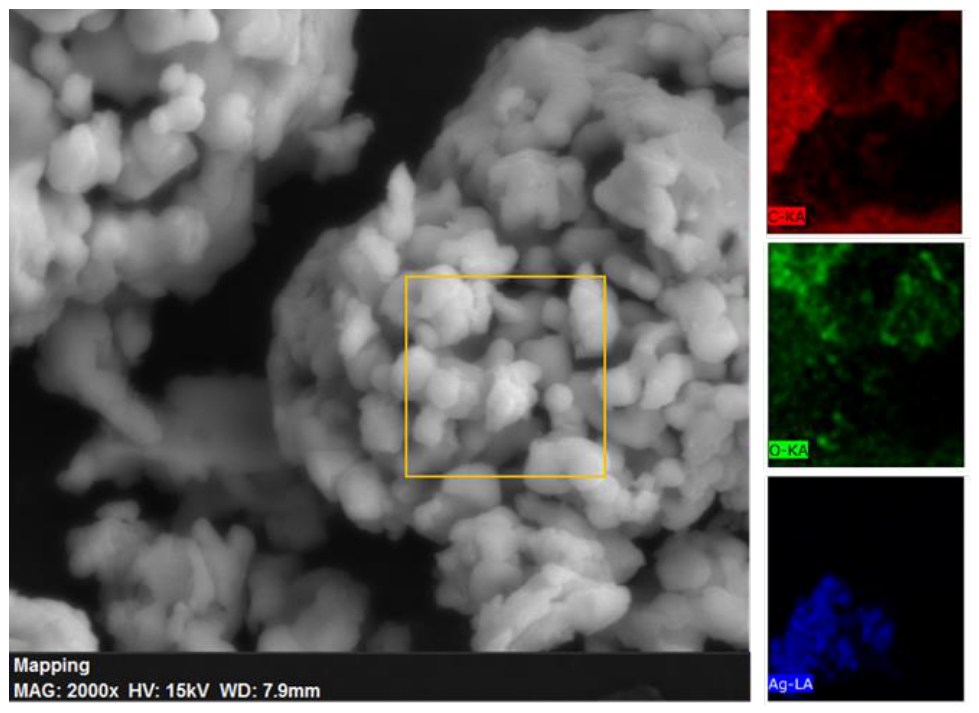

| Element | Zone 1 (%) |
| Silver | 84.41 |
| Oxygen | 8.43 |
| Element | Zone 1 (%) | Element | Zone 2 (%) |
| Titanium | 58.21 | Iron | 36.81 |
| Oxygen | 33.00 | Titanium | 24.50 |
| Iron | 6.83 | Oxygen | 18.13 |
| Chromium | 1.62 | Chromium | 17.69 |
| Silicon | 0.26 | Nickel | 1.62 |
| Silver | 0.07 | Silver | 0.89 |
| Nickel | 0.00 | Silicon | 0.36 |
| Element | Zone 1 (%) | Element | Zone 2 (%) |
| Oxygen | 53.04 | Iron | 36.81 |
| Silicon | 38.79 | Oxygen | 24.50 |
| Iron | 4.82 | Chromium | 18.13 |
| Chromium | 2.73 | Silicon | 17.69 |
| Silver | 0.62 | Silver | 1.62 |
| Concentration mg/L | Degradation mg/L | |
| Initial solution | 19 | 0 |
| Photolysis | 6 | 58 |
| Ag/SiO2 | 0.1 | 99 |
| Ag/TiO2 | 3 | 84 |
Disclaimer/Publisher’s Note: The statements, opinions and data contained in all publications are solely those of the individual author(s) and contributor(s) and not of MDPI and/or the editor(s). MDPI and/or the editor(s) disclaim responsibility for any injury to people or property resulting from any ideas, methods, instructions or products referred to in the content. |
© 2026 by the authors. Licensee MDPI, Basel, Switzerland. This article is an open access article distributed under the terms and conditions of the Creative Commons Attribution (CC BY) license (http://creativecommons.org/licenses/by/4.0/).