

Submitted:
11 August 2026
Posted:
12 August 2026
You are already at the latest version
Abstract
Improving the performance and lifespan of lithium-ion batteries is a key challenge for the development of electric vehicles. However, accurately estimating the state of charge (SoC), state of health (SoH), and lifecycle remains complex due to the electrical, thermal, and aging phenomena associated with these energy storage systems. Against this backdrop, this study proposes a hybrid approach combining an electro-thermal model with a feedforward neural network (FNN) to improve the estimation of key lithium-ion battery performance indicators within a temperature range of 0 °C et 40 °C. The developed methodology was implemented in MATLAB/Simulink and applied to the analysis of the vehicle's power profile, as well as the evolution of SoC, SoH, and battery lifecycle. The results demonstrate an accuracy of 95.3% for State of Charge (SoC) estimation, with a mean absolute error of 4.7%. For State of Health (SoH) estimation, the accuracy is 95.8% accompanied by a mean absolute error of 4.2%. Lastly, for lifecycle prediction, the accuracy is 92.5% with a mean absolute error of 7.5%. The performance results demonstrate the robustness of the proposed approach and its ability to replicate battery dynamic behavior under climatic conditions representative of the African context. This contribution opens up promising avenues for optimizing battery management systems and advancing the sustainable development of electric mobility.
Keywords:
electric vehicle
; lithium-ion battery
; state of charge
; state of health
; life cycle
; feedforward neural network
; electro-thermal modeling
1. Introduction
Advancements in electric vehicles are addressing current energy and environmental challenges. In these systems, lithium-ion batteries play a pivotal role by storing and supplying the energy required for vehicle operation. However, their performance is significantly influenced by operating conditions and aging processes [1,2]. Reliable estimation of State of Charge (SoC), State of Health (SoH), and lifecycle has become essential for enhancing battery safety, driving range, and durability [3]. Given the complexity of the underlying electro-thermal phenomena, integrating artificial intelligence techniques offers a promising solution. This study proposes an approach combining an electro-thermal model with a Feedforward Neural Network (FNN) to estimate key performance indicators for lithium-ion batteries within an African climatic context [4,5].
1.1. Motivation and Background
Several studies address the estimation of the state of charge (SoC) of lithium-ion batteries using methods based on metaheuristic algorithms and Kalman filter algorithms. However, several major challenges remain [6]. This study is motivated by: (a) the complex, non-linear behavior of lithium-ion batteries, (b) the need to improve battery management system performance, (c) the economic significance of high battery costs, (d) the environmental issues associated with their lifespan, and (e) the lack of models specifically adapted to African climatic conditions, which are characterized by high temperatures.
1.2. Previous Works
Existing research relies primarily on electrochemical models, equivalent circuit models, and artificial intelligence-based approaches. Although these methods continue to improve SoC and SoH estimation, they are generally developed under temperate climate conditions and often focus on a single performance indicator. The joint estimation of SoC, SoH, and cycle life within an African context remains largely unexplored. The work presented in [7] on battery-ultracapacitor hybridization for electric vehicle applications introduces component modeling, dynamic energy management, and a nonlinear state-feedback controller, along with an adaptive energy strategy and power control. The results show significant performance improvements over a PI controller, including a reduction in steady-state error (SSE) from 3.51% to 0.43%, more efficient regenerative braking energy recovery (with a power-sharing ratio of 0 for the battery and 1 for the ultracapacitor when the latter's SoC is below 0.99), and optimal use of energy sources by accounting for power profiles and source dynamics. The work in [8] also focuses on developing energy management and control for electric vehicles, with dynamic electricity pricing and battery state of charge (SoC) as key variables. The results demonstrate the effective use of DC-side control—specifically regarding the Grid-Side Converter (GSC)—to manage reactive power, AC bus voltage, and DC-link voltage, thereby showing superior performance for the charging station's G2V and V2G operations. The study in [9] presents a comparative analysis and validation of state estimation algorithms for Li-ion batteries within battery management systems. The study evaluates state observers, estimation algorithms, the Coulomb counting method, and robustness, while analyzing code properties. The parameters monitored include charge/discharge current, battery voltage, cell parameters, and external disturbances. Results indicate that model-based algorithms achieved high accuracy in estimating battery state of charge (SoC) while adhering to specified requirements and constraints. They also demonstrated properties achieving higher precision and faster dynamic convergence compared to other approaches. The findings show that the higher the code complexity value, the lower the actual complexity, indicating superior algorithm performance. Work [10] provides a comprehensive comparative analysis of thermal management systems for battery electric vehicles (BEVs) operating under long-distance driving cycles. The variables in this study include ambient temperature, solar flux, vehicle speed, and ventilation load. The results evaluate the impact of cabin setpoints (ranging from 18°C to 24°C) on the performance of integrated BEV thermal management systems under various ambient conditions. The transient performance of the different architectures was analyzed, highlighting the systems' ability to maintain stable thermal conditions during rapid transitions, such as sudden changes in ambient temperature or abrupt demands for heating or cooling. Work [11] concentrates on enhancing the efficiency of Vehicle-to-Grid (V2G) systems for battery electric vehicles through intelligent management strategies and an Artificial Neural Network-Particle Swarm Optimization (ANN-PSO) algorithm, achieving rapid convergence. Conversely, work [12] conducts a parametric study on artificial intelligence techniques aimed at optimizing battery State of Charge (SoC) management and renewable energy integration. The results indicate that applying the TGA and ICBO heuristic techniques yielded results approximately 13% and 17% better, respectively, than those obtained via the linear programming (LP) method regarding the ESS State of Charge. The use of ICBO resulted in an average SOC of 0.365, which benefits battery lifespan and performance. References [13,14,15,16] propose a method for estimating the State of Charge across four battery models at various temperature levels, utilizing an improved version of the adaptive extended Kalman filter algorithm within a MATLAB/Simulink environment. This study demonstrates that dynamic behavioral variations exist between batteries sharing similar specifications but produced by different manufacturers. The proposed algorithm yields satisfactory results that comply with current standards. However, experimental validation is required to better analyze error margins. The manufacturers chosen for the study included Turnigy, LG, Samsung, and Panasonic.
1.3. Paper Contributions
Despite the numerous solutions presented in current literature, several identified shortcomings remain a concern. The main contributions of this article are:
- The development of a lithium-ion battery electro-thermal model suitable for the simultaneous estimation of State of Charge (SoC), State of Health (SoH), and battery cycle life.
- Integration of a feedforward neural network to improve the accuracy of SoC and SoH estimations within the 0°C to 40°C temperature range, which is representative of African climatic conditions.
- A contribution to extending battery lifespan and reducing maintenance costs for electric vehicles.
1.4. Paper Organization
The remainder of this article is organized as follows. Section 2 presents the methodology, which adopts a hybrid approach combining an electro-thermal model and a feedforward neural network (FNN) to estimate the SoC, SoH, and cycle life of a lithium-ion battery. Section 3 details the vehicle's power profile model employed within the simulation environment. The results obtained are presented in Section 4 and subsequently discussed, alongside an outline of future research directions. Finally, the conclusion summarizes the article's main contributions and their implications for sustainable development.
2. Methodology
2.1. General Methodological Framework
This study proposes a hybrid approach combining an electro-thermal model and a feedforward neural network (FNN) to estimate the SoC, SoH, and cycle life of a lithium-ion battery. The methodology encompasses data collection, preprocessing, neural network training, and model performance evaluation. Figure 1 illustrates the key steps of the proposed approach, ranging from battery characterization to the estimation of SoC, SoH, and cycle life.
2.2. Electrothermal Modelling Work Flow
The implementation of the electro-thermal model follows a sequential procedure designed to reproduce the battery's dynamic behavior under various operating conditions. After initializing the battery's electrical and thermal parameters, the vehicle's power profile is applied to calculate the required current. A second-order Thévenin electrical model is then used to estimate the terminal voltage, while the thermal model calculates the internal temperature by accounting for Joule heating and heat exchange with the environment. The calculated parameters are subsequently used to determine the SoC, SoH, and battery cycle life. Figure 2 illustrates the battery's electrical model: a second-order Thévenin equivalent circuit.
- TERMINAL VOLTAGE EQUATION
- STATE EQUATIONS
- SoC UPDATE
- : instantaneous state of charge t
- : initial state of charge
- : rated battery capacity (Ah)
- : coulombic efficiency
- : instantaneous current
Figure 3 presents the battery model in maximum detail to facilitate a better understanding of the system's implementation.
2.3. Feedforward Neural Network Approach
A feedforward neural network is used to model the non-linear relationships between battery operating parameters and the target performance indicators. The input variables are current, voltage, and temperature, while the outputs correspond to SoC and SoH estimates. Figure 4 shows the architecture of the neural network developed in MATLAB/Simulink for estimating the battery's internal states.
Simulations were performed in MATLAB/Simulink for a temperature range of 0°C to 40°C, representative of the climatic conditions under study.
3. Vehicle Power Demand Model
The system under study is an electric vehicle powered by a lithium-ion battery. The power profile constitutes the main input of the model and represents the vehicle's energy demand during its operating cycle:
where:
P(t) = V(t) × I(t)
- P(t) : vehicle instantaneous power (W).
- V(t) : battery voltage (V).
- I(t): current supplied by the battery (A).
Figure 5 shows the power profile of the vehicle used in the simulation environment.
Feedforward Neural Network Model
To improve SoC and SoH estimation, a feedforward neural network (FNN) was developed in MATLAB/Simulink.
The operation of an artificial neuron is based on the weighted combination of input variables.
The output of the neuron is given by: y = f (Σ(wi × xi) + b) where:
- y : neuronal output
- xi : i-th input variabl
- wi : weight associated with the input xi
- b : neuron bias
- Σ : weighted sum of inputs
- f(.) : neuron activation function
It is important to note that the network inputs are voltage, current, and temperature, while the outputs are the improved SoC and SoH. The synaptic weights are adjusted during the training phase to minimize the error between the predicted values and the reference values. Figure 6 shows the feedforward neural network architecture used for SoC and SoH estimation.
4. Results and Discussion
4.1. Vehicle Power Profile Analysis
One of the objectives of this study is to simulate the energy demand of an electric vehicle in order to evaluate the impact of operating conditions on the behavior of the lithium-ion battery.
Figure 7 shows the evolution of the power demanded by the vehicle during the driving cycle under consideration. Several variations are observed, corresponding to the different phases of acceleration, steady-state operation, and deceleration. These power fluctuations directly influence the current supplied by the battery as well as the evolution of its internal parameters.
4.2. Battery Load Profile
Analyzing the load profile makes it possible to evaluate the demands placed on the battery during vehicle operation.
Figure 8a,b,c shows the evolution of the load applied to the battery. The recorded variations reflect the different levels of energy consumption imposed by the vehicle. These results constitute the input data used for estimating SoC and SoH.
4.3. State of Charge Prediction
SoC estimation is one of the most important indicators in battery management systems, as it allows for the assessment of the remaining energy available to the electric vehicle. Figure 9 presents the state-of-charge estimate for different temperature levels.
The results obtained show that the model developed in MATLAB accurately reproduces the evolution of the SoC during charge and discharge phases. The trend remains consistent with the expected physical behavior of a lithium-ion battery, characterized by a gradual decrease in available charge during operation.
Figure 10 illustrates the SoC prediction results obtained in Simulink, with the ultimate aim of confirming the numerical stability of the proposed model. The comparison between estimated and reference values reveals an overall accuracy of 95.3%, with a mean absolute error of 4.7%. These results demonstrate the hybrid model's ability to accurately estimate battery state of charge under climatic conditions representative of the African context.
4.4. State of Health Prediction
The SoH assessment in Figure 11 makes it possible to monitor battery aging and anticipate its degradation over time.
The results show a gradual decrease in the battery's available capacity over the course of its use. This trend reflects the natural aging phenomenon observed in lithium-ion batteries.
The Simulink simulations shown in Figure 12 make it possible to reproduce degradation mechanisms while incorporating thermal effects associated with operating conditions. Model validation demonstrates an accuracy of 95.8%, with a mean absolute error of 4.2%. This performance confirms the validity of the approach combining electro-thermal modeling and artificial intelligence for SoH estimation.
4.5. Battery Life-Cycle Prediction
Life cycle prediction makes it possible to estimate the battery's service life before it reaches its end-of-life threshold.
The results in Figure 13 show good agreement between the predicted values and the reference values. The developed model achieves an overall accuracy of 92.5% with a mean absolute error of 7.5%. Despite the complexity of aging phenomena, these results demonstrate the proposed model's ability to provide reliable lifecycle estimates within a temperature range of 0°C to 40°C.
4.6. Discussion
(a) case of SoC estimation
Accurate state-of-charge estimation is essential for ensuring the driving range and safety of electric vehicles. The results obtained in this study achieved an accuracy of 95.3% with a mean absolute error of 4.7%, thereby demonstrating the proposed model's ability to faithfully reproduce the dynamic behavior of the lithium-ion battery. Table 3, shows the comparison of SoC estimation performance with recent literature.
This can be achieved by simultaneously integrating electrical and thermal parameters into the neural network's learning process. Unlike many studies conducted in moderate thermal environments, the proposed model remains applicable within a temperature range of 0°C to 40°C, making it better suited to the climatic conditions found in several African regions.
(b) case of SoH Estimation
State-of-health assessment is a key indicator for managing lithium-ion battery aging. The results obtained show an accuracy of 95.8% with a mean absolute error of 4.2%.

Table 4.
Comparison of SoH estimation performance with recent literature.
| Reference | Method | SoH Accuracy (%) |
|---|---|---|
| [11] | Neural Network | 91.5 |
| [4] | Machine Learning | 93.7 |
| [3] | Electrothermal Model | 94.3 |
| Proposed Method | Electrothermal Model + FNN | 95.8 |
The observed performance shows that the combined use of the electro-thermal model and the feedforward neural network improves the quality of the estimates. This approach allows for better consideration of the effects of temperature on battery degradation mechanisms.
(c) case of battery life-cycle prediction
Predicting cycle life poses a major challenge due to the complexity of electrochemical aging phenomena. Despite this difficulty, the proposed model achieved an accuracy of 92.5% with a mean absolute error of 7.5%. Table 5 presents the comparison of battery cycle life prediction performance.
The results obtained confirm the model's ability to predict long-term battery capacity evolution. The observed discrepancies are primarily attributable to thermal phenomena and complex aging mechanisms that remain difficult to model with absolute precision.
4.7. Challenge and Future Scope
Future work will focus on the experimental validation of the model and the integration of more advanced artificial intelligence techniques to further improve prediction performance. BMS systems compliant with ISO 12405 standards featuring enclosures rated for temperatures up to 550°C—could also be considered for system optimization, while accounting for aging (SoH) and temperature-based self-calibration. A comprehensive comparative study regarding the control of the system's dynamic behavior under varying temperatures would be highly valuable. Finally, a comparative study using intelligent methods to optimize LSTM and GRU model parameters—with the aim of proposing a hybrid version—would also be of great interest.
5. Conclusions
This study proposed a hybrid approach combining an electro-thermal model and a feedforward neural network (FNN) to estimate the SoC, SoH, and cycle life of lithium-ion batteries used in electric vehicles. The key scientific contributions focused on:
- Developing an electro-thermal model adapted for the simultaneous estimation of lithium-ion battery SoC, SoH, and cycle life.
- Integrating a feedforward neural network to improve estimation accuracy.
- Accounting for a temperature range of 0°C to 40°C, representative of African climatic conditions.
- Performing cross-validation using MATLAB and Simulink to enhance model robustness.
- Contributing to extended battery lifespan and reduced maintenance costs for electric vehicles.
From a sustainable development perspective, this approach promotes more efficient use of energy storage systems, reduces premature battery replacements, and contributes to the advancement of electric mobility in hot-climate regions. Simulations conducted using MATLAB/Simulink achieved an accuracy of 95.3% for SoC, 95.8% for SoH, and 92.5% for cycle life prediction. These results demonstrate the proposed model's ability to effectively replicate the battery's dynamic behavior within a temperature range of 0°C to 40°C. The developed approach thus represents a significant contribution to the improvement of battery management systems and the sustainable development of electric mobility.
Author Contributions
L.V.A.M. and A.H.M.A: Conceptualization, Methodology, Software, and Writing—Original Draft Preparation, P.F and P.J.A.: Conceptualization, Methodology, and Supervision. All authors have read and agreed to the published version of the manuscript.
Funding
This research did not receive any specific grants from funding agencies in the public, commercial, or not-for-profit sectors.
Informed Consent Statement
Not applicable.
Data Availability Statement
There were no data supporting this study. We agree to share the data upon request.
Acknowledgments
We are grateful to the Department of Electrical Engineering, Higher Normal School of Technical Education (ENSET) university of Douala, Cameroon and the Department of Mechanical Engineering, University of West Attica, Campus II, Thivon 250,12 241 Aegaleo, Greece.
Conflicts of Interest
The authors declare no conflicts of interest.
References
- Assiene Mouodo, L.V.; Axaopoulos, P.J. Optimization and Estimation of the State of Charge of Lithium-Ion Batteries for Electric Vehicles. Energies 2025, 18, 3436. [Google Scholar] [CrossRef]
- Li, L.; Ling, L.; Xie, Y.; Zhou, W.; Wang, T.; Zhang, L.; Bei, S.; Zheng, K.; Xu, Q. Comparative study of thermal management systems with different cooling structures for cylindrical battery modules: Side-cooling vs. terminal-cooling. Energy 2023, 274, 127414. [Google Scholar] [CrossRef]
- Khawaja, Y.; Shankar, N.; Qiqieh, I.; Alzubi, J.; Alzubi, O.; Nallakaruppan, M. K.; Padmanaban, S. Battery management solutions for li-ion batteries based on artificial intelligence. Ain Shams Eng. J. 2023a, 14(12), 102213. [Google Scholar] [CrossRef]
- Bovet, G.; Ridi, A.; Hennebert, J. Machine learning with the internet of virtual things. In 2015 International Conference on Protocol Engineering (ICPE) and International Conference on New Technologies of Distributed Systems (NTDS); 2015; pp. 1–8. Available online: https://ieeexplore.ieee.org/abstract/document/7293488/.
- Li, S.; Bao, K.; Fu, X.; Zheng, H. Energy Management and Control of Electric Vehicle Charging Stations. Electr. Power Compon. Syst. 2014, 42(3-4), 339–347. [Google Scholar] [CrossRef]
- Castaings, A.; Lhomme, W.; Trigui, R.; Bouscayrol, A. Comparison of energy management strategies of a battery/supercapacitors system for electric vehicle under real-time constraints. Appl. Energy 2016, 163, 190–200. [Google Scholar] [CrossRef]
- Asna, M.; Shareef, H.; Prasanthi, A.; Errouissi, R.; Wahyudie, A. A Novel Multi-Level Charging Strategy for Electric Vehicles to Enhance Customer Charging Experience and Station Utilization. IEEE Trans. Intell. Transp. Syst. 2024, vol. 25(no. 9), 11497–11508. [Google Scholar] [CrossRef]
- Cho, S. M.; Austin, P. C.; Ross, H. J.; Abdel-Qadir, H.; Chicco, D.; Tomlinson, G.; Taheri, C.; Foroutan, F.; Lawler, P. R.; Billia, F. Machine learning compared with conventional statistical models for predicting myocardial infarction readmission and mortality: A systematic review. Can. J. Cardiol. 2021, 37(8), 1207–1214. [Google Scholar] [CrossRef] [PubMed]
- Klee Barillas, J.; Li, J.; Günther, C.; Danzer, M. A. A comparative study and validation of state estimation algorithms for Li-ion batteries in battery management systems. Appl. Energy 2015, 155, 455–462. [Google Scholar] [CrossRef]
- Shelly, T. J.; Weibel, J. A.; Ziviani, D.; Groll, E. A. Comparative analysis of battery electric vehicle thermal management systems under long-range drive cycles. Appl. Therm. Eng. 2021, 198, 117506. [Google Scholar] [CrossRef]
- Nouri, A.; Lachheb, A.; El Amraoui, L. Optimizing efficiency of Vehicle-to-Grid system with intelligent management and ANN-PSO algorithm for battery electric vehicles. Electr. Power Syst. Res. 2024, 226, 109936. [Google Scholar] [CrossRef]
- Som, T.; Dwivedi, M.; Dubey, C.; Sharma, A. Parametric Studies on Artificial Intelligence Techniques for Battery SOC Management and Optimization of Renewable Power. Procedia Comput. Sci. 2020, 167, 353–362. [Google Scholar] [CrossRef]
- Assiene Mouodo, L.V.; Assala, P.D.S.; Axaopoulos, P.J. Experimental Approach to Intelligent Estimation of the State-of-Charge (SoC) of Batteries: Case of Electric Vehicles. Appl. Sci. 2026, 16, 6756. [Google Scholar] [CrossRef]
- Li, S.; Bao, K.; Fu, X.; Zheng, H. Energy Management and Control of Electric Vehicle Charging Stations. Electr. Power Compon. Syst. 2014, 42(3–4), 339–347. [Google Scholar] [CrossRef]
- Prasanthi, A.; Shareef, H.; Errouissi, R.; Asna, M.; Mohamed, A. Hybridization of battery and ultracapacitor for electric vehicle application with dynamic energy management and non-linear state feedback controller. Energy Convers. Manag. X 2022, 15, 100266. [Google Scholar] [CrossRef]
- Petzl, M.; Kasper, M.; Danzer, M. A. Lithium plating in a commercial lithium-ion battery – A low-temperature aging study. J. Power Sources 2015, 275, 799–807. [Google Scholar] [CrossRef]
Figure 1.
General flowchart of the proposed methodology for SoC, SoH and battery life-cycle estimation.
Figure 1.
General flowchart of the proposed methodology for SoC, SoH and battery life-cycle estimation.
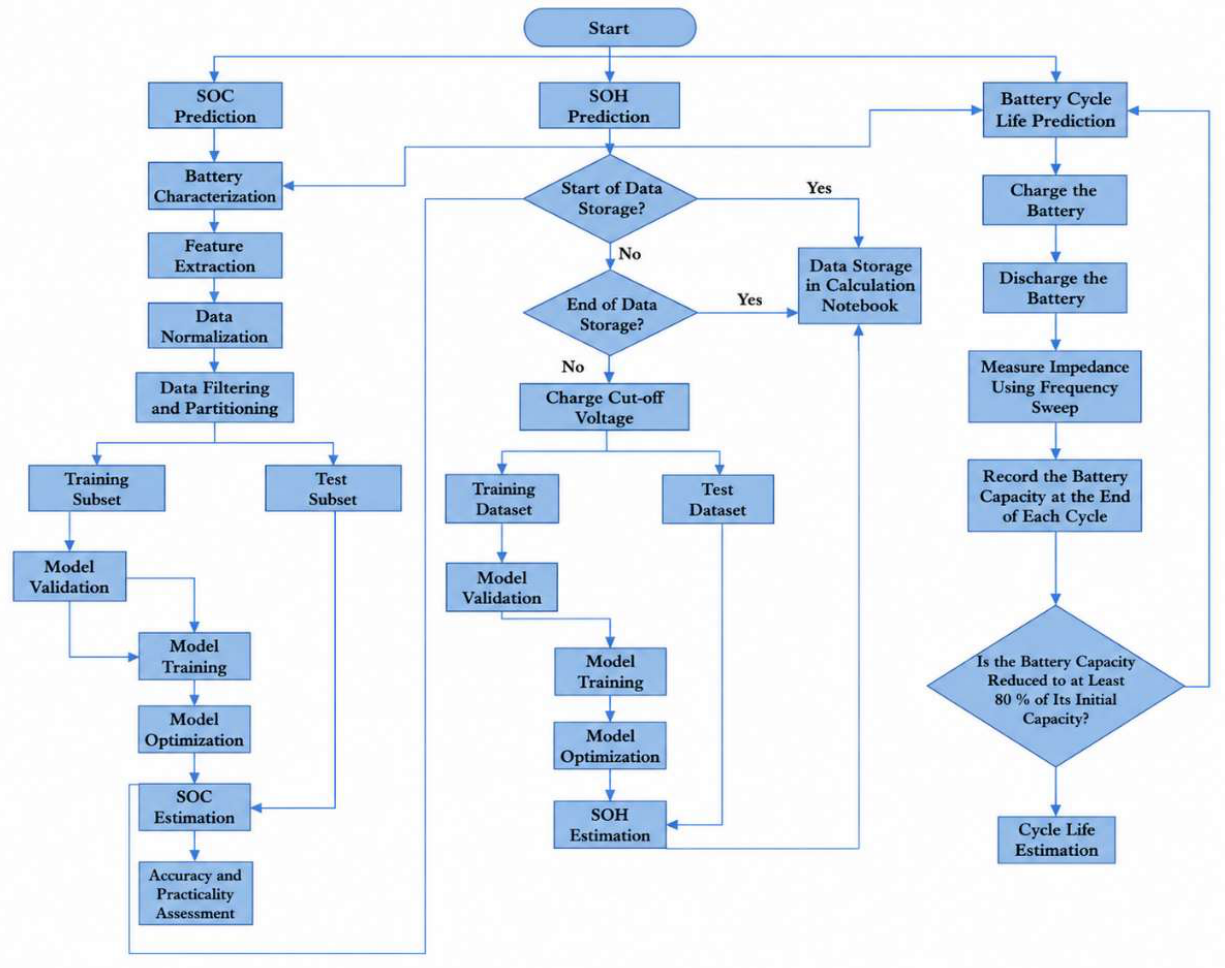
Figure 2.
Electrical model of the battery Second-order Thevenin Equivalent Circuit.
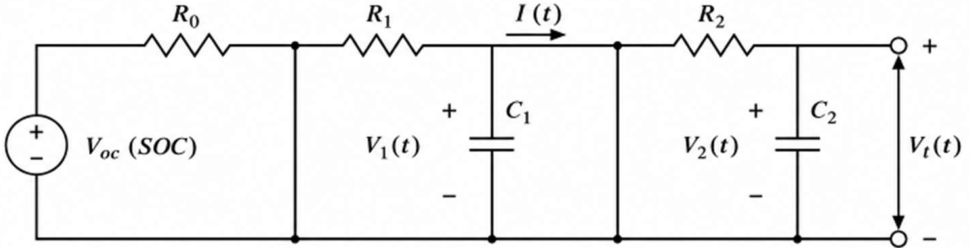
Figure 3.
Thermal model of battery.
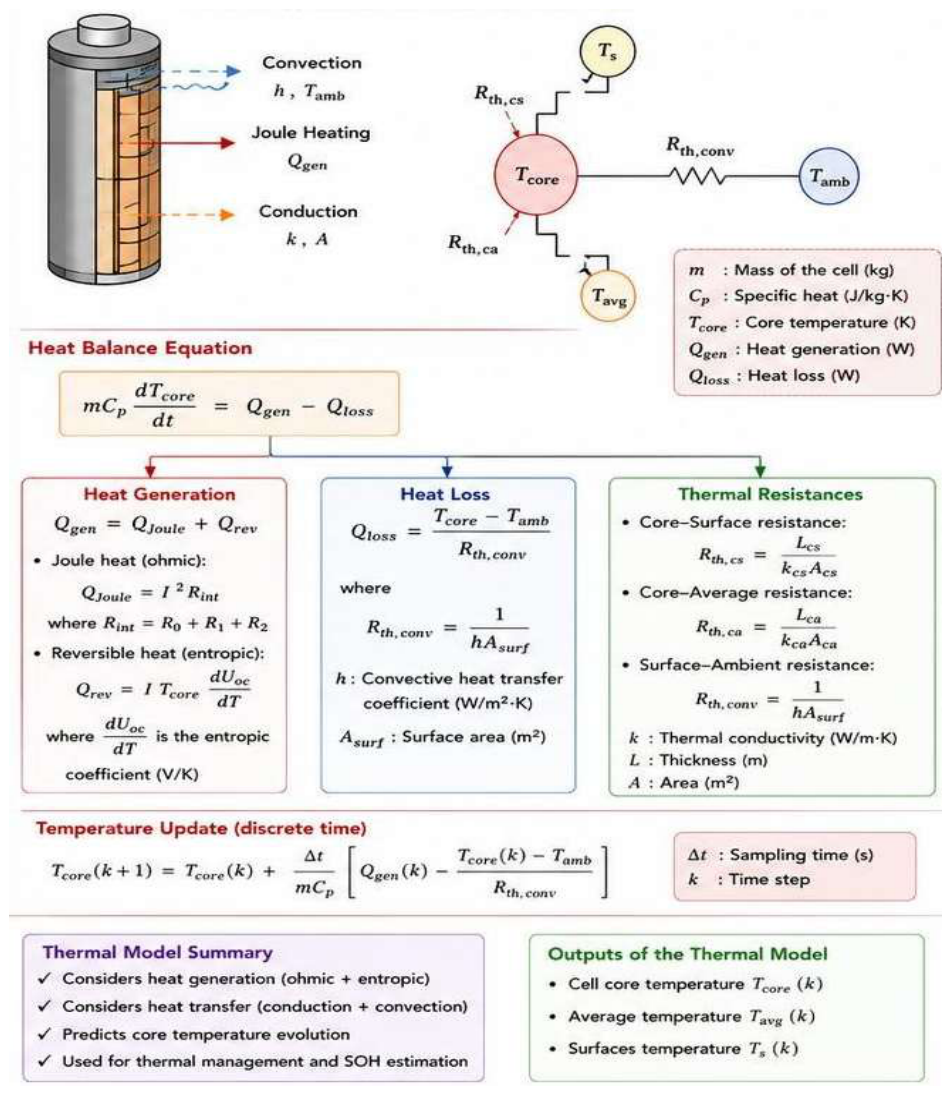
Figure 4.
Architecture of the neural network developed in MATLAB/Simulink for estimating the battery's internal states.
Figure 4.
Architecture of the neural network developed in MATLAB/Simulink for estimating the battery's internal states.
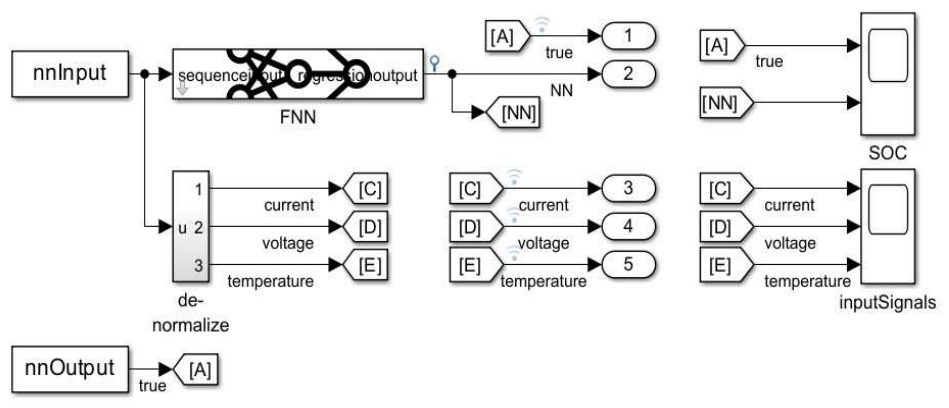
Figure 5.
Vehicle power profile used in the simulation environment.
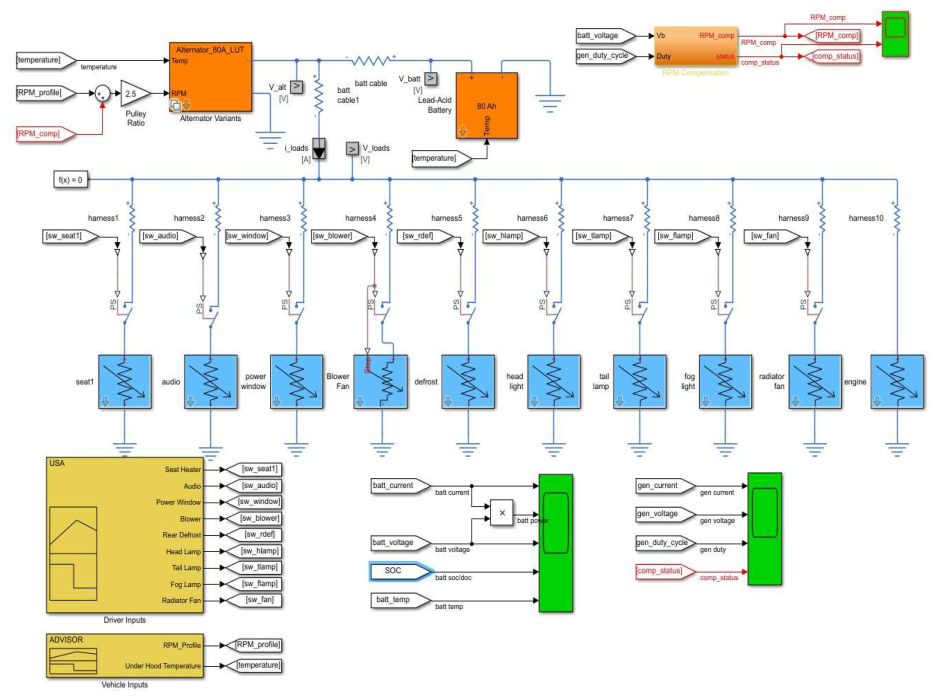
Figure 6.
Feed forward Neural Network architecture used for SoC and SoH estimation.
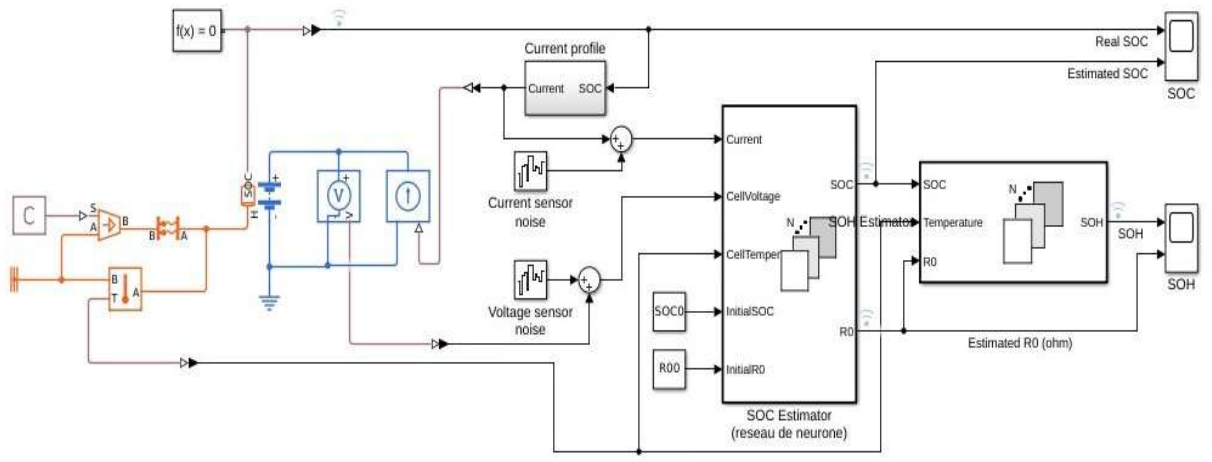
Figure 7.
Vehicle power profile.
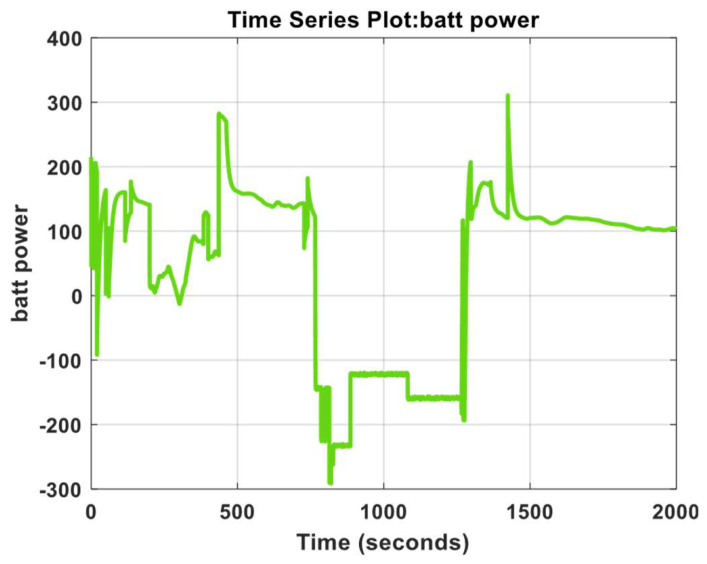
Figure 8.
(a,b,c) Battery load profile.
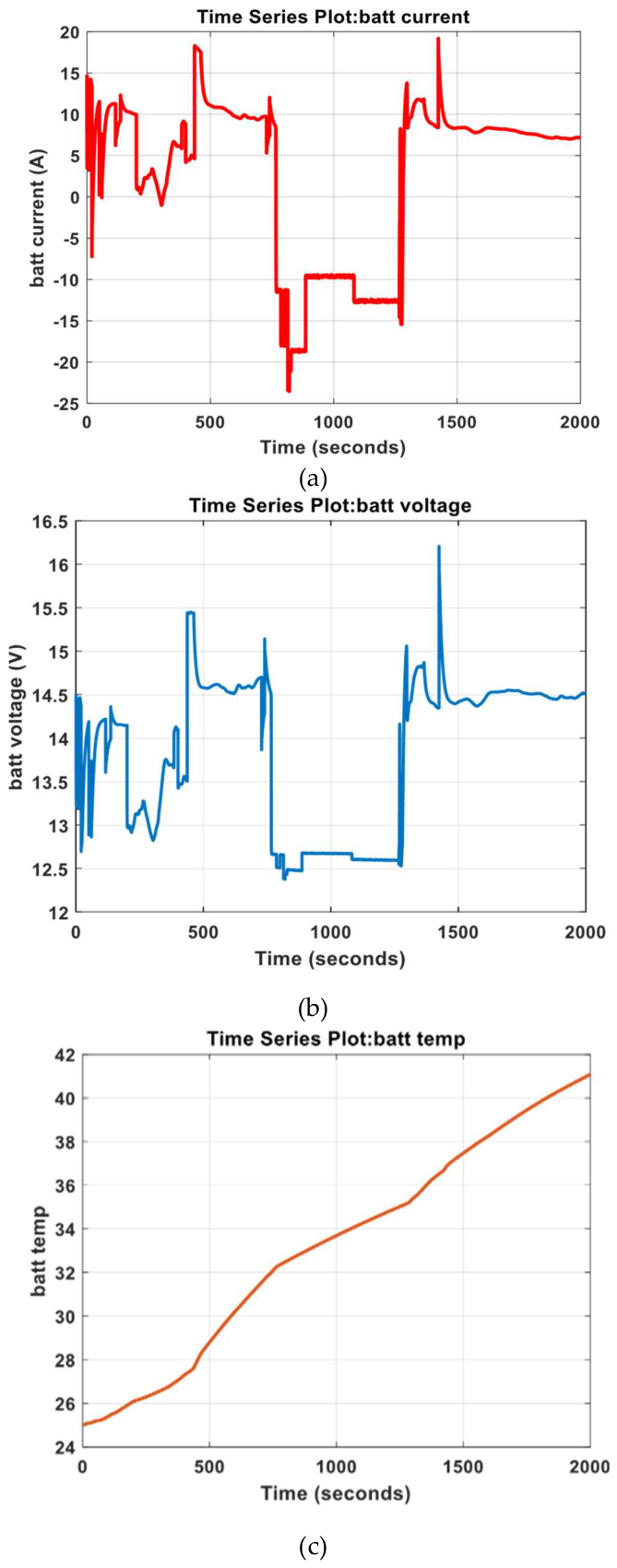
Figure 9.
SoC predition using Matlab.
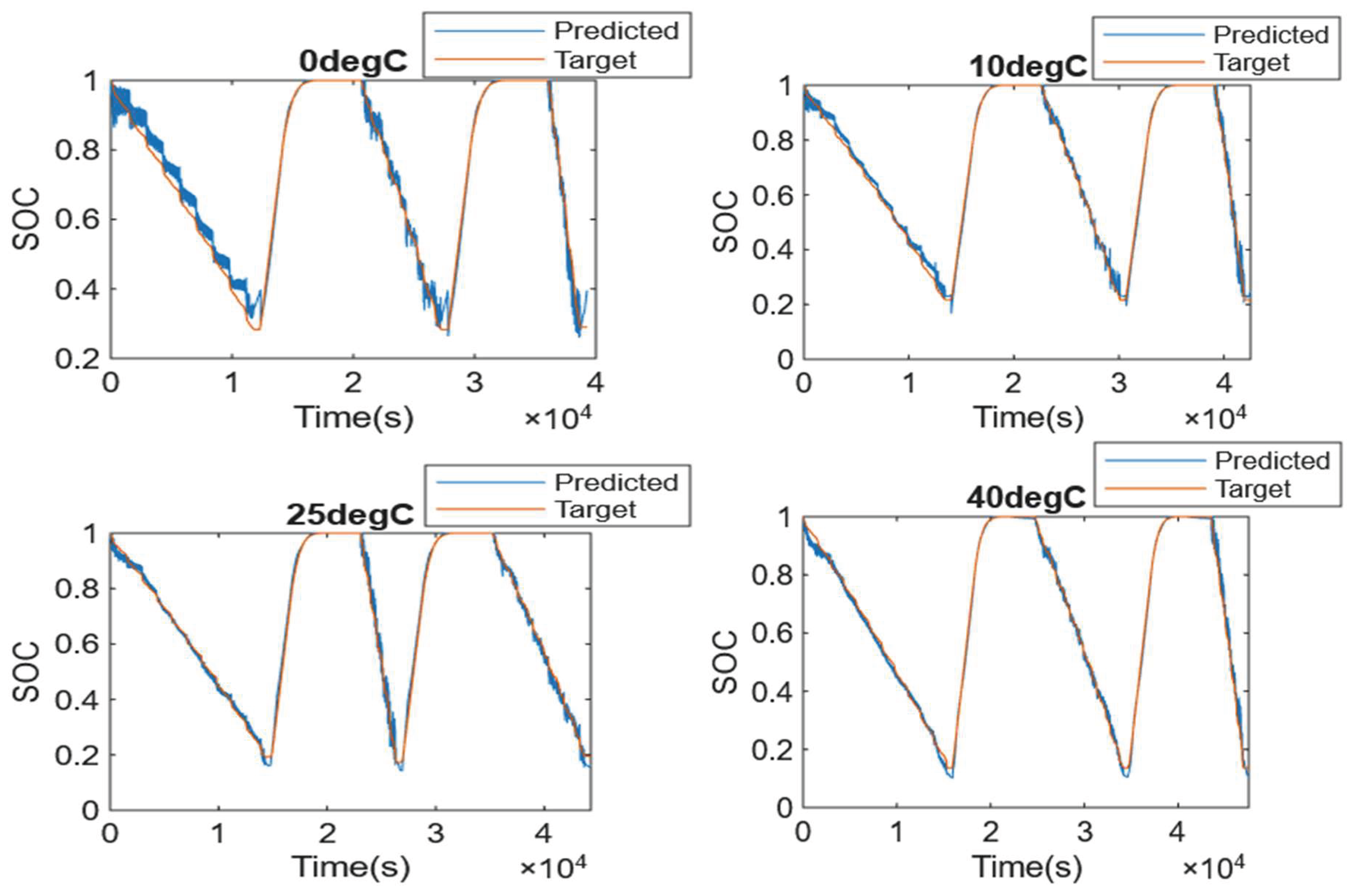
Figure 10.
SoC prediction using Simulink.
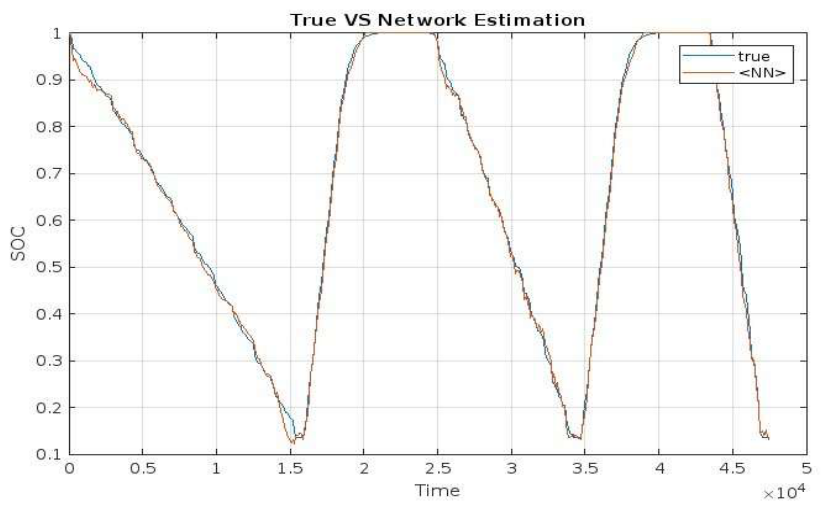
Figure 11.
SoH prediction using Matlab.
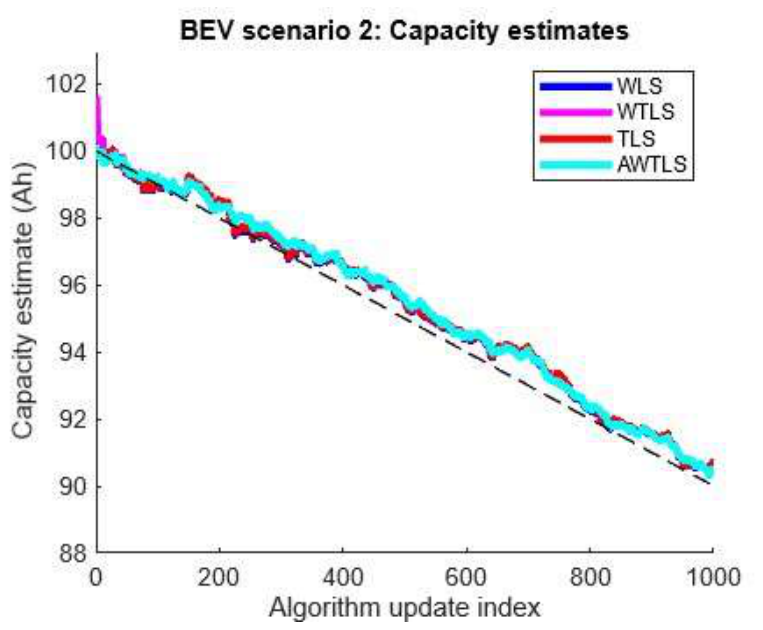
Figure 12.
SoH prediction using Simulink.
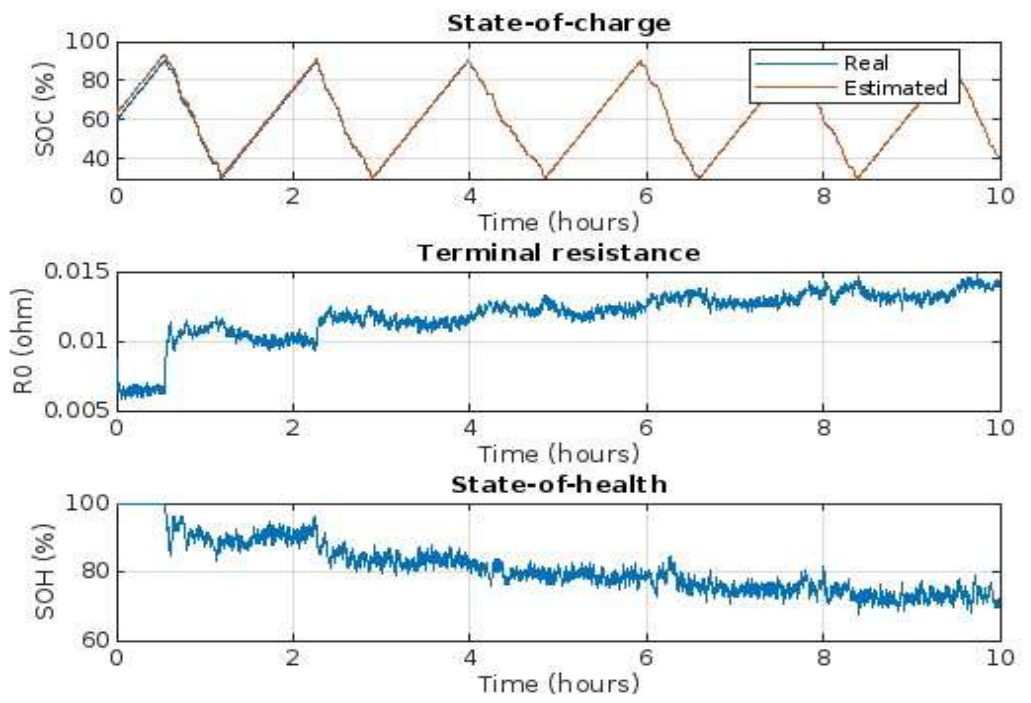
Figure 13.
Predicted versus actual battery life cycle.
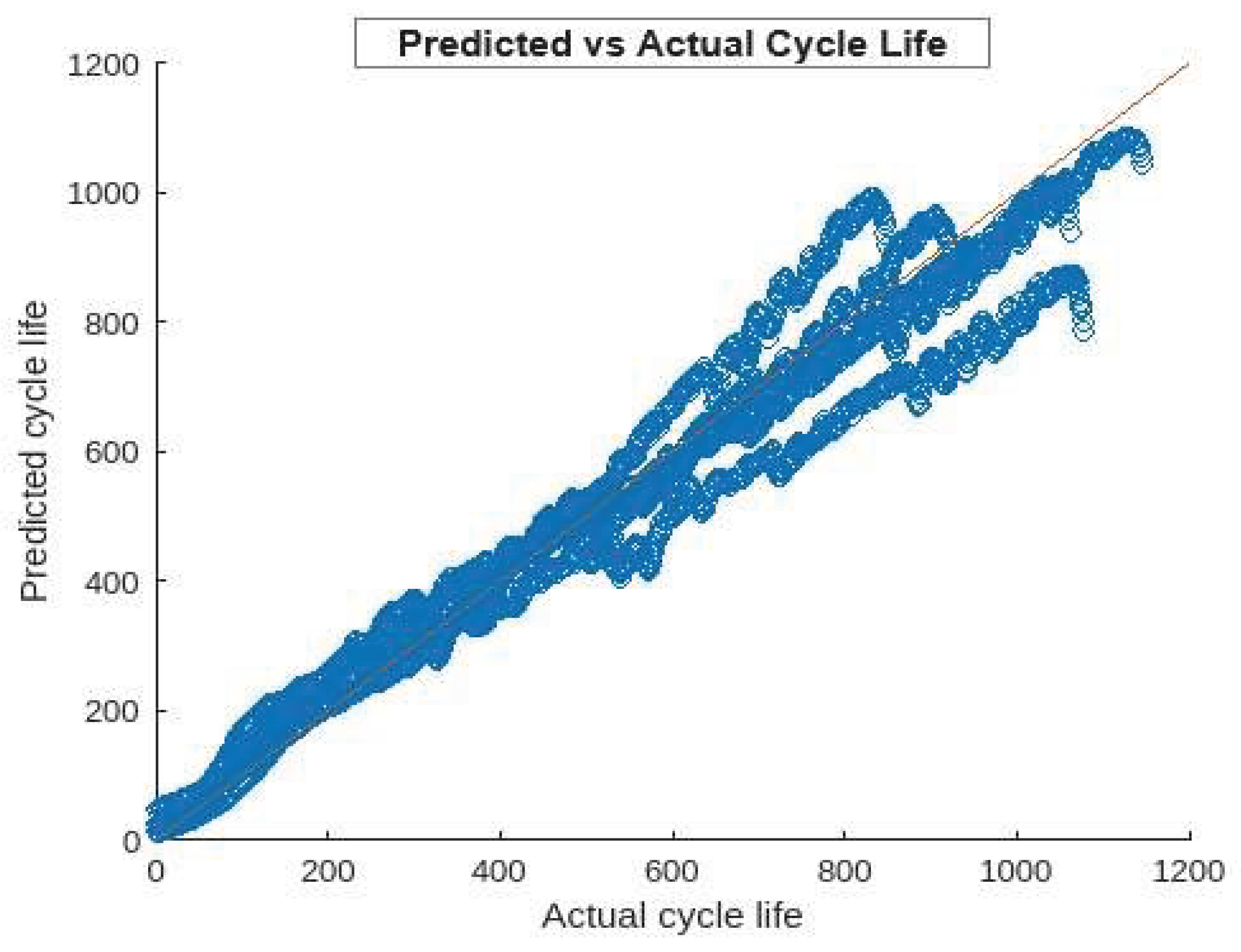
Table 1.
Parameters of the second-order Thevenin battery model.
| Parameter | Description | Unit | Typical Value (Li-ion) |
|---|---|---|---|
| Open-circuit voltage (function of SoC) | V | 3.0 – 4.2 | |
| Ohmic internal resistance | mΩ | 5 – 20 | |
| Fast polarization resistance | mΩ | 0.5 – 5 | |
| Fast polarization capacitance | F | 100 – 2000 | |
| Slow polarization resistance | mΩ | 1 – 10 | |
| Slow polarization capacitance | F | 1000 – 20000 | |
| Nominal battery capacity | Ah | 2 – 100 | |
| Coulombic efficiency | – | 0.95 – 0.99 |
Table 2.
Simulation parameters.
| PARAMETERS | Description | Value/Condition | Standard |
|---|---|---|---|
| Rated capacity | Total battery capacity | 60 kWh | GEL-UDLA Department |
| Rated voltage | Average operating voltage | 400 V | GEL-UDLA Department |
| Maximum discharge current | Maximum permissible discharge current | 150 A | ISO 12405-4 |
| Maximum charging current | Maximum permissible load current | 100 A | ISO 12405-4 |
| Operating temperature | Operating temperature range | 10°C à 40°C | Africa Zone |
| State of Charge (SOC) | State-of-charge range for testing | 20% à 80% | UNECE R100 |
| Driving cycle | Driving profile used for the simulation | WLTP, NEDC, FTP-75 | WLTP, UNECE R101 |
| Simulation duration | Total duration of simulations | 1000 charge/discharge cycles | SAE J2380 |
| Conversion efficiency | Charge and discharge energy efficiency | 95% | ISO 12405-4 |
| Security protocol | Safety measures to be followed | Overheating and overcharge protection | UNECE R100, IEC 62660-2 |
| Accelerated aging | Aging simulation for longevity assessment | 5,000 charge/discharge cycles | IEC 61982 |
Disclaimer/Publisher’s Note: The statements, opinions and data contained in all publications are solely those of the individual author(s) and contributor(s) and not of MDPI and/or the editor(s). MDPI and/or the editor(s) disclaim responsibility for any injury to people or property resulting from any ideas, methods, instructions or products referred to in the content. |
© 2026 by the authors. Licensee MDPI, Basel, Switzerland. This article is an open access article distributed under the terms and conditions of the Creative Commons Attribution (CC BY) license (http://creativecommons.org/licenses/by/4.0/).
Copyright: This open access article is published under a Creative Commons CC BY 4.0 license, which permit the free download, distribution, and reuse, provided that the author and preprint are cited in any reuse.


