

Submitted:
11 August 2026
Posted:
12 August 2026
You are already at the latest version
Abstract
Food voucher and cash transfer approaches have gained attention as potential treatment strategies for managing moderate acute malnutrition (MAM); however, their effectiveness depends on caregivers’ adherence to the intended use of these approaches, including redeeming vouchers for recommended food items, using cash transfers to purchase recommended nutritious foods, and ultimately ensuring that the target child adequately consumes the foods. This study, embedded within a cluster-randomized controlled trial, assessed adherence to these treatment approaches among 1,982 children (voucher: 954; cash: 1,028). Data were collected using a structured adherence assessment tool and program records. Adherence to child food consumption was assessed using caregiver-reported information on the child’s consumption of provided foods and household food-sharing practices and was categorized into high, moderate, and low adherence levels. We found that, in the voucher group, 62.6% of children had high adherence, 23.8% moderate adherence, and 13.6% low adherence. In the cash group, 58.2% had high adherence, 18.1% moderate adherence, and 23.7% low adherence. Overall, the voucher group had a higher proportion of children with high adherence and a lower proportion with low adherence compared with the cash group. In addition, we found that both common and arm-specific factors were associated with food-consumption adherence in the voucher and cash arms. In both arms, household food security and adequate SBCC exposure were positively associated with high adherence. Compared with children from severely food-insecure households, those from food-secure households had higher odds of high adherence in the voucher (COR = 2.21, 95% CI: 1.43–3.42) and cash (AOR = 5.91, 95% CI: 3.72–9.37) arms. Adequate SBCC exposure was also associated with higher adherence in the voucher (AOR = 1.68, 95% CI: 1.26–2.23) and cash (AOR = 1.77, 95% CI: 1.32–2.39) arms. In contrast, higher household wealth was associated with lower odds of high adherence in both the voucher (AOR = 0.54, 95% CI: 0.39–0.73) and cash (AOR = 0.71, 95% CI: 0.53–0.96) arms. However, household size was associated with adherence only in the cash arm. Overall, the findings indicate that adherence to voucher- and cash-based treatment approaches is influenced by household food security, caregiver exposure to SBCC, and household characteristics. Strengthening SBCC, providing targeted caregiver support, and addressing household-level barriers may improve the appropriate use and enhance the potential effectiveness of the approaches for managing MAM.
Keywords:
adherence
; consumption
; voucher redemption
; cash transfer
; SBCC
; Ethiopia
1. Introduction
Acute Malnutrition remains a major global public health challenge affecting child health and development [1]. In 2024, an estimated 42.8 million children under the age of five were affected by acute malnutrition, of which 30.6% had MAM. The burden is disproportionately concentrated in South Asia and sub-Saharan Africa, where poverty, food insecurity, recurrent infectious diseases, climate shocks, and humanitarian emergencies continue to undermine child nutrition [2]. In Ethiopia, childhood wasting remains a significant public health challenge despite recent improvements. The 2025 Ethiopia Mini Demographic and Health Survey (EMDHS) reported that 5% of children under five years were wasted, representing a decline from 7% in 2019 [3,4]. The prevalence remains substantially higher in vulnerable populations, with a systematic review among children living in pastoralist and semi-pastoralist areas reporting a pooled wasting prevalence of 13% [5]. Furthermore, a recent systematic review and meta-analysis in Ethiopia (2015–2025) estimated a pooled wasting prevalence of approximately 14% indicating persistent regional inequalities and the need for effective interventions to prevent and manage acute malnutrition [6].
The current management approach for MAM in Ethiopia is primarily based on the provision of specialized nutritious foods (SNFs) through the Targeted Supplementary Feeding Program (TSFP) [7]. However, challenges related to access and sustainability, have increased interest in alternative approaches, including voucher and cash-based interventions, which align with the 2023 WHO guideline recommendation to consider locally available foods for the management of acute malnutrition [8,9]. Regardless of the intervention modality, the effectiveness of nutrition interventions is determined by the extent to which children receive and consume the recommended foods as intended. Poor adherence can undermine the nutritional benefits of the intervention by reducing nutrient intake, slowing recovery, and increasing the risk of progression to severe acute malnutrition.
To date, adherence in SNF-based management has been assessed using indicators capturing both program participation and food utilization, including follow-up attendance, sachet counts, and caregiver-reported consumption. Reported adherence varies across settings and measurement methods. A study conducted in Malaysia reported 75.9% adherence to follow-up, defined as completing all eight scheduled visits [10]. In rural Pakistan, 81% consumption adherence was reported based on returned empty sachets [11]. while a study in Mexico reported 85.4% consumption adherence using sachet weighing methods [12]. Variations in adherence resulted from multiple factors, including quality of counseling, household food security, socioeconomic conditions, and access to health services [13,14,15,16].
Existing studies from humanitarian settings such as Somalia [17] Top of Formhave assessed adherence by examining whether households received the transfer, used it to purchase food, and subsequently improved their child’s dietary intake. These studies provide important evidence on adherence within humanitarian contexts; however, evidence on standardized measurement of child-level consumption adherence remains limited. This evidence gap limits the availability of context-specific information to inform program implementation and policy decision-making. Therefore, assessing both the level of adherence and the factors associated with adherence is essential for strengthening the design, monitoring, and effectiveness of alternative approaches for the management of moderate acute malnutrition.
The present study was nested within the Voucher-based Intervention for the Management of Moderate Acute Malnutrition (VIMAM), a three-arm cluster-randomized non-inferiority trial conducted in Ethiopia. The parent trial evaluated whether two alternative approaches—locally sourced food vouchers and cash transfers were non-inferior to standard SNF for the management of moderate acute malnutrition among children aged 6–59 months. Within the two market-based intervention arms, this study assessed adherence by examining whether caregivers used the vouchers or cash transfers as intended to support children’s consumption of the recommended foods.
2. Materials and Methods
2.1. Study Design, Setting and Participants
We conducted a cross-sectional sub-study nested within the VIMAM trial, a three-arm cluster randomized non-inferiority trial evaluating food voucher and cash transfer modalities for the treatment of moderate acute malnutrition in Ethiopia.
The study population comprised children aged 6–59 months residing in the catchment areas of the selected health posts, diagnosed with MAM and enrolled in the parent clinical trial. Children who were enrolled in the parent clinical trial and were either receiving follow-up care or had been discharged with a defined treatment outcome during the study period, were included in the study after providing informed consent. Participants who were not found after two home visit attempts were excluded from the study.
2.2. Sample Size Determination
The sample size for the parent trial was calculated using a non-inferiority design based on nutritional recovery outcomes. Assuming a recovery rate of 75–80% in the standard SNF arm, a 10% non-inferiority margin, 80% power, and a two-sided 5% significance level, 696 children per arm were required under individual randomization. After adjusting for clustering (design effect=1.58, ICC=0.02, mean cluster size=31), the final target sample size increased to 1,054 children per arm across 102 health posts. The adherence sub-study included all eligible children enrolled in the cash and voucher arms of the parent trial. Following the exclusion of participants who could not be reached after two home visit attempts, 1,982 children (cash, n = 1,028; voucher, n = 954) were included in the final adherence analysis.
2.3. Innovative Approaches of Food Voucher and Cash-Based Interventions for the Management of MAM
This study evaluated an innovative market-based alternative to the conventional SNF approach for the management of MAM among children aged 6–59 months in Ethiopia. Within a cluster-randomized framework, the intervention compared voucher- and cash-based transfer modalities with the standard SNF-based program delivered through the Targeted Supplementary Feeding Program. Unlike conventional MAM treatment, which depends on centrally procured and distributed specialized foods, the intervention enabled households to access locally available nutritious foods through existing market systems, thereby introducing greater flexibility in food access while maintaining the objective of improving children’s nutritional intake.
A key innovative feature of the intervention was the comparison of two market-based modalities that represent different degrees of household choice within a common nutritional support strategy. The voucher modality allowed caregivers to obtain foods from predefined recommended food groups using a structured entitlement. The cash modality provided greater autonomy by allowing households to determine how to allocate the transfer across foods and other competing household needs. Examining these modalities side by side generated important evidence on how varying levels of flexibility influence adherence, food utilization, and program implementation under routine operational conditions.
The intervention was further strengthened by the integration of SBCC activities, including nutrition education, caregiver counseling, and child feeding guidance. Incorporating SBCC alongside market-based transfers recognized that successful MAM treatment depends not only on access to food but also on caregiver knowledge, feeding practices, intra-household food allocation, and the effective utilization of provided foods. This combination of financial support and behavioural interventions reflects a more holistic approach to MAM management that addresses both food access and caregiving practices.
Another important innovative aspect was comprehensive assessment of adherence across the full cascade of program implementation, including follow-up attendance, transfer collection or voucher redemption, expenditure or basket utilization, and actual child food consumption. By examining adherence as a multidimensional process, this study generated detailed operational evidence on where implementation gaps occur and how voucher- and cash-based modalities perform across the full pathway from transfer delivery to child consumption.
The study also provides valuable evidence on the feasibility of integrating local market systems into MAM treatment programming. By using locally available foods and existing retail networks, voucher- and cash-based approaches have the potential to strengthen local food economies and reduce dependence on complex commodity procurement, transportation, storage, and distribution systems that often constrain conventional SNF programs. The intervention also provides insights into factors that can affect the effectiveness of market-based nutritional support, such as household food insecurity, food availability in local markets, caregiver decisions, and adherence to recommended child feeding practices.
Overall, this intervention represents a context-responsive and operationally innovative approach to MAM management in Ethiopia. By combining cluster-randomized implementation, differentiated market-based transfer modalities, integrated SBCC support, and multidimensional adherence measurement, the study provides comprehensive evidence on both the effectiveness and the implementation dynamics of voucher- and cash-based strategies. These findings contribute important knowledge for the design of more flexible, scalable, and potentially sustainable approaches to MAM management in Ethiopia.
2.4. Description of Interventions
2.4.1. Voucher-Based Intervention
In the voucher arm, caregivers received pre-loaded paper vouchers that were redeemable at designated retailers for a food basket specifically designed to provide a nutritionally equivalent alternative to the standard SNF supplement administered in the control arm. The food basket is structured into sub-wallets of food groups including cereals, pulses, oil-seeds, vegetables, eggs, salt and oil. Within each food category, a primary food item was specified and alternatives were permitted only when primary items were unavailable due to seasonal variation or market constraints. Cereals, pulses, and oilseeds were milled into flour, and caregivers were instructed to prepare a daily nutrient-dense supplementary porridge by combining the flour with vegetables, edible oil, and one egg. (Table 1)
2.4.2. Cash-Based Intervention
In the cash arm, caregivers received biweekly cash transfers from financial service providers at the health post following visit attendance. The cash transfer value was calculated to be nutritionally equivalent to the food basket provided in the voucher arm and was periodically adjusted based on routine market assessments to account for changes in food prices. During each follow-up visit, HEWs provided nutrition counseling, encouraging caregivers to use the cash to purchase nutrient dense foods comparable to those included in the voucher food basket and to prepare nutrient rich porridge for the enrolled child. Although caregivers were encouraged to prioritize the purchase of nutritious foods for the child, the cash transfers were unrestricted, allowing households to determine how the funds were spent according to their needs.
2.4.3. Social and Behavior Change Communication (SBCC)
Behaviour change communication activities comprised three complementary components: group education, coffee conversations, and cooking demonstrations. Group education consisted of structured biweekly health and nutrition education sessions delivered by Health Extension Workers (HEWs) to mothers and caregivers, covering topics such as infant and young child feeding (IYCF), maternal nutrition, hygiene and sanitation, disease prevention, and appropriate care-seeking practices using interactive discussions, demonstrations, question-and-answer sessions, and visual aids. Monthly coffee conversations were facilitated participatory discussions involving HEWs, community and religious leaders, elders, mothers, and caregivers to identify and address local barriers to program implementation and service uptake, while providing a safe and inclusive forum for discussing household dynamics, cultural norms, and other challenges affecting child nutrition and health. Monthly cooking demonstrations, conducted at health posts, provided practical hands-on training on preparing nutritious meals using foods provided through the intervention, reinforcing recommended IYCF practices, dietary diversity, portion sizes, food consistency, and hygienic food preparation. Together, these activities aimed to improve caregivers' knowledge and skills, reinforce positive nutrition behaviour, strengthen community engagement and ownership, and enhance adherence to the supplementary feeding program.
2.5. Adherence Outcomes and Measurement
An intervention adherence cascade was developed to characterize participants’ engagement with and utilization of the intervention from enrolment to child consumption. The adherence pathway differed by intervention modality. In the voucher arm, caregivers attending follow-up visits were expected to redeem food vouchers from designated vendors. Adherence was assessed through sequential steps including voucher redemption, acquisition of recommended food items in prescribed quantities, appropriate food preparation, and consumption of the prepared food by the enrolled child (Figure 2). In the cash arm, caregivers attending follow-up visits were expected to collect their cash transfer. Subsequent adherence steps assessed whether cash was used to purchase recommended food items, followed by appropriate food preparation and child consumption of the prepared foods (Figure 3).


Figure 1.
Intervention adherence cascade illustrating participant progression in the voucher arm, from enrollment to consumption, Ethiopia, 2025.
Figure 1.
Intervention adherence cascade illustrating participant progression in the voucher arm, from enrollment to consumption, Ethiopia, 2025.
Figure 2.
Intervention adherence cascade illustrating participant progression in the cash arm, from enrollment to consumption, Ethiopia, 2025.
Figure 2.
Intervention adherence cascade illustrating participant progression in the cash arm, from enrollment to consumption, Ethiopia, 2025.
2.5.1. Primary Outcome:
Adherence to child food consumption: Given the practical challenges of directly measuring individual food consumption in community settings, caregiver-reported child consumption and food-sharing practices were used as pragmatic indicators of adherence.
In the voucher arm, caregivers were asked to report consumption of foods acquired through voucher redemption. In contrast, in the cash arm, caregivers reported that the child consumed foods purchased with the cash transfer. In both arms, caregivers also reported the extent to which these foods were shared with other household members. Responses were categorized into three levels: (1) high adherence, where the child consumed almost all of the foods obtained (75–100%); (2) moderate adherence, where the child consumed most of the foods obtained (50–75%); and (3) low adherence, where the child received some, very little, or none of the foods obtained (<50%).
2.5.2. Secondary Outcomes:
We estimated additional secondary adherence outcome measures across both intervention arms to evaluate participant compliance throughout key stages of the intervention. These measures included adherence to scheduled follow-up visits, adherence to transfer receipt or redemption, adherence to appropriate voucher redemption, and adherence to recommended cash food purchases.
Adherence to follow-up visits: Measured for both intervention arms as the proportion of attended scheduled visits relative to total scheduled visits (Number of attended visits / total scheduled visits *100%). Participants were categorized as adherent if they attended at least 80% of the expected follow-up visits during their enrollment.
Adherence to transfer receipt/redemption: Measured across both arms as the proportion of attended follow-up visits in which the cash transfer was collected at the health post or the voucher was redeemed (Collection/redemption adherence = Number of cycles collected or redeemed / Total attended follow-up visits × 100%). Participants were classified as adherent if they completed collection or redemption in at least 80% of the cycles during their attended visits.
Adherence to voucher redemption: In the voucher arm, adherence to voucher redemption was evaluated based on both item composition and quantity during the participant's most recent follow-up visit. Adherence to recommended food items was defined as the proportion of caregivers who redeemed all designated items in the food basket, excluding salt. Adherence to recommended food quantities was defined as redeeming each item in the exact prescribed amounts. Quantity adherence was categorized on a four-point scale: below entitlement (redeemed less than prescribed quantity), appropriate entitlement (redeemed within the exact prescribed quantity), exceeded entitlement (redeemed above prescribed quantity), and uncertain (caregiver did not recall the redeemed quantity).
Adherence to recommended food purchases: In the cash arm, adherence to recommended food purchases was evaluated based on both food item type and quantity during the participant's most recent follow-up visit. Adherence to recommended food items was defined as the proportion of caregivers who utilized their cash transfer to purchase the recommended food items in the nutritional basket. Adherence to recommended food quantities was defined as purchasing each designated item in the exact recommended amounts. Quantity adherence was categorized on a four-point scale: below recommended amount (purchased less than prescribed quantity), appropriate amount (purchased within the exact prescribed quantity), exceeded amount (purchased above prescribed quantity), and uncertain (caregiver did not recall the purchased quantity).
2.6. Other Measurements:
Adequate Exposure to SBCC: Exposure to SBCC components was evaluated across group education, cooking demonstrations, and coffee conversations. Attendance at group education sessions was considered adequate if participants attended at least 80% of scheduled sessions during their enrollment. For cooking demonstrations and coffee conversation sessions, exposure was defined as adequate if participants attended at least one session. Participants were classified as having adequate SBCC exposure if they attended at least 80% of the scheduled group education sessions and participated in at least one additional SBCC component, either a cooking demonstration or a coffee conversation session.
Household Food Insecurity: Household food insecurity was evaluated using the standardized Household Food Insecurity Access Scale (HFIAS), developed by the USAID Food and Nutrition Technical Assistance (FANTA) Project. Households were categorized into four mutually exclusive levels of food insecurity: food secure, mildly food insecure, moderately food insecure, and severely food insecure.
2.7. Data Collection and Sources
Four primary data sources were used for this sub-study: (1) the parent trial database, (2) a structured adherence assessment tool, (3) program operational records, and (4) SBCC program records. Data extracted from the parent trial database included participant baseline socio-demographic characteristics, enrollment information, follow-up attendance records, and intervention delivery tracking across each follow-up visit. Given the practical challenges of directly measuring adherence due to potential response bias, we used a structured adherence assessment tool based on the “everybody approach.” Rather than directly asking caregivers whether they shared the intervention foods, which may influence responses, the approach normalizes household sharing practices and explores how the food was distributed and consumed among household members. For example, as an interviewer-administered questionnaire developed specifically for this sub-study to capture participants' fidelity to their assigned intervention. Focusing on the recall period relative to the most recent voucher redemption or cash collection event, this tool collected detailed data on voucher redemption (including the specific types and quantities of food items redeemed), cash utilization, household expenditure patterns, food preparation practices, and target child food consumption. Program operational records provided data on processed cash transfer records, paid and unpaid transfer cycles, and voucher redemption history across follow-up cycles; these records were linked to participants using their unique SCOPE identification numbers to verify intervention delivery, redemption, and transfer events. Finally, SBCC program records documented attendance across group education sessions, cooking demonstrations, and coffee conversations, linked via unique research identification numbers to evaluate participant exposure to behavioral components throughout the intervention period.
2.8. Data Management and Quality Control
Data were collected using the Open Data Kit (ODK) mobile application, which enabled real-time data entry, embedded validation logic, and secure transmission to a central server. The collection tool incorporated built-in validation checks to minimize entry errors at the point of collection, supplemented by daily supervisory reviews to verify completeness, consistency, and accuracy before final submission. Program records detailing cash collection and voucher redemption were securely transferred to a protected database, where they were reviewed for structural integrity, completeness, and accurate participant and cycle identifiers.
To construct the final analytical dataset, program records were merged with the primary adherence and follow-up survey datasets using unique participant identification numbers. Multi-stage validation procedures were performed to detect duplicate entries, identify missing records, and verify that reported receipts and redemptions aligned chronologically with corresponding follow-up visits. Flagged discrepancies such as transaction mismatches or incomplete records were systematically resolved through cross-verification. Data cleaning entailed standardizing variable formats, re-coding categorical metrics, and maintaining an audit log of all modifications, yielding a final, fully cleaned dataset for statistical analysis.
2.9. Statistical Analysis
All analyses were conducted using Stata version 17. Participant characteristics and primary and secondary adherence outcomes were summarized using descriptive statistics. Categorical variables were reported as frequencies and percentages, while continuous variables were summarized using means.
Consumption adherence was categorized into three levels: (1) high adherence, defined as the child consuming almost all of the foods obtained (75–100%); (2) moderate adherence, defined as consuming most of the foods obtained (50–<75%); and (3) low adherence, defined as consuming some, very little, or none of the foods obtained (<50%).
In addition to estimating the magnitude of adherence levels, a multivariable ordinal logistic regression model was fitted to estimate the effects of SBCC adequacy, household wealth status, and household food insecurity on the level of adherence to recommended food consumption among target children. Separate regression models were fitted for the voucher and cash intervention arms to assess whether associations between these exposures and adherence outcomes varied by intervention modality. All models were adjusted a priori for potential confounding factors, including household socioeconomic status, household size, caregiver characteristics, child demographic characteristics, and other relevant socioeconomic and contextual variables. Results are presented as adjusted odds ratios (AORs) with corresponding 95% confidence intervals (CIs). Statistical significance was determined using a two-sided p-value threshold of <0.05.
3. Results
3.1. Baseline and Follow-Up Characteristics of Study Participants
Table 2 shows the baseline socio-demographic and household characteristics of 1,982 target child-caregiver dyads included in the analysis (954 in the voucher arm and 1,028 in the cash arm). Across both study arms, baseline socio-demographic and household characteristics were well balanced. The majority of target children were aged 6–23 months (72.0% in the voucher arm; 68.7% in the cash arm), and over half were female (53.0% vs. 53.2%). Almost all primary caregivers were mothers (>94% across both arms), and nearly half of all caregivers reported having no formal education (46.0% vs. 48.4%). Most households consisted of medium-sized families of 4–6 members (56.8% vs. 56.4%). Regarding household food security, over 80% of households experienced some degree of food insecurity in both arms, with moderate food insecurity being the most prevalent category (41.0% in the voucher arm vs. 41.6% in the cash arm).
3.2. Adherence to Voucher-Based Management of MAM
Adherence to follow-up visits
A total of 87.0% of children adhered to the scheduled follow-up visits, with a mean attendance rate of 93.5% (95% CI: 92.8%–94.3%). Among caregivers who missed at least one scheduled follow-up visit, the most commonly reported reasons were competing household responsibilities (n = 307, 32.2%), child illness (n = 215, 22.5%), and forgetting the appointment date (n = 176, 18.5%). Other reported barriers included caregiver illness (n = 126, 13.2%) and challenges related to voucher card loading (n = 101, 10.6%).
Adherence to voucher transfer collection
Adherence to voucher collection was 88.6%, with a mean collection rate of 94.5% (95% CI: 93.7%–95.4%).
Adherence to voucher redemption
Redemption adherence was evaluated based on both the item composition and quantity of foods redeemed during the participant’s most recent follow-up visit. Regarding item composition, 60.4% of caregivers redeemed all recommended food items included in the designated basket. Conversely, adherence to the recommended redemption quantities varied substantially across food groups (Figure 3). Overall, the highest level of appropriate adherence was observed for eggs (80.0%), followed by oil (76.3%), salt (71.2%), oilseeds (66.7%), pulses (60.6%), and cereals (53.3%). In contrast, adherence to the recommended quantity of vegetables was notably lower, with only 27.6% of caregivers receiving the appropriate amount. For several food items, a considerable proportion of caregivers received quantities above the recommended entitlement. This was most evident for cereals (35.3%), pulses (32.8%), vegetables (28.6%), and oilseeds (25.9%). Above-entitlement quantities were less common for eggs (0.8%), salt (0.6%), and oil (17.4%). Receipt of quantities below the recommended entitlement was generally uncommon for most food items but was relatively higher for vegetables (38.2%), eggs (14.2%), and salt (19.8%). Overall, while adherence to the prescribed food basket was high for most staple and complementary items, deviations from the recommended quantities particularly for vegetables and cereals were observed, indicating variability in food basket fulfillment across item categories.
Adherence to child food consumption
Overall, 62.6% of children demonstrated high adherence to the voucher intervention, consuming nearly all of the foods received with minimal sharing. However, 23.8% of children had moderate adherence, with moderate levels of sharing of the intervention foods. The remaining 13.6% of children had low adherence, characterized by low consumption of the intervention foods, where children received only some, very little, or none of the foods provided (Figure 4).
Voucher redemption experience, food availability, and compliance to intended voucher use
As shown in Figure 5, caregiver-reported experiences during voucher redemption were assessed to identify challenges encountered throughout the redemption process. The majority of caregivers (90.2%) reported no difficulties during voucher redemption. However, 9.8% of the caregivers reported experiencing one or more challenges. Among caregivers who encountered difficulties, the most frequently reported barrier was the distance to the designated market (47.9%), followed by mistreatment by vendors or market staff (25.5%), unavailability of required food items (20.2%), and poor quality of available foods (17.0%). A smaller proportion of caregivers reported system-related operational constraints during the redemption process.
As shown in Table 3, most caregivers (87.8%) reported that the recommended food items were readily available at the designated markets, while 10.7% indicated that one or more recommended items were unavailable. Voucher use was largely compliant with program guidelines, with 94.2% of caregivers reporting that they did not request non-recommended food items. Only a small proportion reported receiving cash instead of food (3.0%) or redeeming vouchers for non-food items (0.8%).
3.3. Adherence to Cash-Based Management of MAM
Adherence to follow-up visits
Overall, 92.1% of children adhere to scheduled follow-up visits, with an average attendance rate of 96.0% (95% CI: 95.4%–96.6%). Caregivers who missed scheduled follow-up visits cited a variety of household, operational, and health system-related barriers. The most commonly reported household barriers were child illness (18.4%) and competing household responsibilities (17.8%). Operational barriers included the unavailability of payment lists (23.8%) and the inability of banks to disburse payments on scheduled follow-up days (15.2%). Other reported reasons for missed visits were forgetting the appointment date (13.5%), lack of someone to accompany the child (9.2%), caregiver illness (8.1%), and inadequate information regarding appointment schedules (4.3%).
Adherence to transfer receipt/collection
The overall adherence rate for cash collection was 80.5%, while the mean proportion of scheduled cash collections completed was 90.1% (95% CI: 89.0%–91.3%).
Adherence to recommended food purchases
Figure 6 presents the cash expenditure patterns among caregivers of children with MAM following the most recent cash transfer. The majority of caregivers (89%) reported using part of the transfer to purchase food for the child’s treatment. Additionally, 17% of caregivers reported using part of the transfer to purchase other food items for household consumption, while 12% reported using part of the transfer to purchase non-food household items. Health-related expenditures were reported by 8% of caregivers, while 6% used the transfer for other purposes, such as purchasing chickens or additional food items. Only 4% reported using the cash for debt repayment or savings.
In the cash arm, adherence was further evaluated by examining the proportion of cash expenditure spent on food and non-food items as well as the appropriateness of the quantity of food purchased during the participant’s most recent follow-up visit.
Figure 7 illustrates the distribution of total cash expenditure across food and non-food items among cash transfer recipients. The majority of the transferred funds were allocated to food commodities, with cereals accounting for the largest share of total expenditure (34.7%), followed by pulses (15.0%) and eggs (14.9%). Other important food expenditure categories included cooking oil (11.1%) and vegetables (8.1%), while smaller proportions were allocated to oilseeds (4.4%), milled flour (2.5%), and salt (1.5%). Non-food items represented only a small proportion of total cash expenditure. Among non-food categories, the largest shares were allocated to health care (1.4%) and soap (1.2%), followed by debt repayment (0.8%), clothing (0.7%), and fuel (0.1%).
Figure 8 presents the proportion of food quantities purchased from the market relative to the recommended entitlements among cash transfer recipients. The extent to which purchased quantities matched the recommended entitlements varied across food groups. The highest proportion of appropriate quantity purchases was observed for salt (49.1%) and oilseeds (40.5%), followed by eggs (34.1%), pulses (31.0%), oil (30.5%), and cereals (23.6%). Vegetables had the lowest proportion of purchases meeting the recommended quantity at 7.3%. Purchasing quantities above the recommended entitlement were most common for oil (54.1%), cereals (52.9%), and pulses (44.7%), with notable levels also observed for oilseeds (32.5%) and vegetables (28.7%). Conversely, purchasing below the recommended quantity was most frequent for eggs (47.3%), vegetables (33.7%), and salt (29.7%), while it was uncommon for cereals (4.8%), pulses (4.6%), and oilseeds (0.2%), and was not reported for oil (0.0%). No caregivers reported uncertainty about the recommended entitlement amounts across any food category (0.0%).
Adherence to child food consumption
Overall, 58.2 % of children demonstrated high adherence to the cash intervention, consuming nearly all of the foods received with minimal sharing. However, 18.1% of children had moderate adherence, with moderate levels of sharing of the intervention foods. The remaining 23.7% of children had low adherence, characterized by low consumption of the intervention foods, where children received only some, very little, or none of the foods provided (Figure 9).
3.4. Determinants of Child Food Consumption Adherence
Table 4 shows the associations of household food insecurity, household wealth status, and adequacy of SBCC exposure with food-consumption adherence in the voucher arm after controlling for socioeconomic status (SES), caregiver and child characteristics, household size, and other potential confounding factors. The results showed that household food insecurity status was significantly associated with child food-consumption adherence. Children from food-secure households had 2.21 times higher odds of achieving high food-consumption adherence compared with children from severely food-insecure households (COR = 2.21, 95% CI: 1.43–3.42). Moreover, children from mildly and moderately food-insecure households had higher odds of high food-consumption adherence compared with those from severely food-insecure households (COR = 1.53, 95% CI: 1.01–2.32 and COR = 1.66, 95% CI: 1.16–2.38, respectively).
Adequate exposure to SBCC was significantly associated with higher food-consumption adherence. Children whose caregivers had adequate SBCC exposure had 68% higher odds of achieving high food-consumption adherence compared with those whose caregivers had inadequate exposure (AOR = 1.68, 95% CI: 1.26–2.23).
With regard to household wealth status, children from the higher wealth quintile had 46% lower odds of achieving high food-consumption adherence compared with those from the lower wealth quintile (AOR = 0.54, 95% CI: 0.39–0.73).
Table 5 shows factors associated with food-consumption adherence in the cash arm after adjusting for socioeconomic status (SES), caregiver and child characteristics, household size, and other potential confounding factors. Based on the result household food security was significantly associated with child food-consumption adherence. Children from food-secure households had five times higher odds of being in a high food consumption adherence compared with children from severely food insecure households (AOR = 5.91, 95% CI: 3.72–9.37). Likewise, children from mildly and moderately food-insecure households had higher odds of high food-consumption adherence compared with children from severely food insecure households (AOR = 2.28, 95% CI: 1.56–3.35 and AOR = 2.34, 95% CI: 1.70–3.24) respectively.
Family size was an important determinant of child food-consumption adherence. Children from small households (1-3 members) had more than twice the likelihood of achieving higher consumption adherence compared with those from large households (AOR = 2.57, 95% CI: 1.55–4.25). Similarly, children from medium-sized households (4–6 members) had significantly higher odds of achieving better food-consumption adherence compared with those from large households (≥7 members) (AOR = 1.35, 95% CI: 1.03–1.77).
With regard to household wealth status, children from households in the higher wealth category had lower odds of achieving high food-consumption adherence compared with those from lower wealth households (AOR = 0.71, 95% CI: 0.53–0.96).
Moreover, adequate exposure to SBCC was positively associated with child food-consumption adherence. Children whose caregivers received adequate SBCC exposure had higher odds of achieving high food-consumption adherence compared with those whose caregivers had inadequate exposure (AOR = 1.77, 95% CI: 1.32–2.39).
4. Discussion
This study assessed child food consumption adherence among children receiving food voucher and cash-based interventions for the management of moderate acute malnutrition (MAM) and identified household characteristics and behavioral factors influencing food consumption adherence. Child food consumption adherence was higher among children in the voucher arm than in the cash arm. Approximately two-thirds of children in the voucher arm (62.6%) consumed almost all of the intervention-provided foods compared with just over half of children in the cash arm (58.2%). The observed difference suggests that vouchers may be more effective than unrestricted cash transfers in ensuring nutritious foods reach the intended child, likely due to the more structured nature of vouchers, where caregivers received a predefined food basket that reduced the diversion of resources. In contrast, while cash transfers provided households with greater flexibility and were largely used to purchase food, their unrestricted nature allowed resources to be allocated across multiple household priorities, potentially reducing the proportion of recommended foods consumed by the target child. However, this finding does not imply that cash transfers are inherently less effective; rather, it indicates that access to financial resources alone may not guarantee optimal food-consumption adherence.
Despite the high levels of follow-up attendance and timely voucher redemption or cash collection observed in both intervention arms, consumption adherence remained suboptimal, indicating that access to intervention foods alone does not guarantee their consumption by the intended child. This distinction between access adherence and consumption adherence is important. While caregivers largely complied with program requirements by attending scheduled visits and collecting or redeeming the transfers, household food allocation, sharing practices, caregiving behaviors, and food security conditions influenced whether the intervention foods were ultimately consumed by the target child. These findings underscore that the effectiveness of market-based strategies depends not only on ensuring the availability and accessibility of nutritious foods but also on household decision-making, caregiving practices, and supportive environments that facilitate appropriate use of the transferred resources.
A key finding of this study was the strong influence of SBCC, an essential component of nutrition interventions on food consumption adherence in both interventions. Adequate exposure to SBCC increased the odds of high food-consumption adherence by 68% in the voucher arm and by 77% in the cash arm, highlighting the importance of combining these treatment strategies with behavioral change interventions. This may be attributed to the role of SBCC in enhancing caregivers’ understanding of the intervention objectives, promoting appropriate food preparation and feeding practices, and encouraging the appropriate allocation of intervention foods to the targeted child while minimizing sharing within the household. Evidence from previous studies supports the role of SBCC in improving child feeding practices. A study from India found that exposure to SBCC was associated with approximately two-fold higher odds of achieving minimum dietary diversity (MDD) among children, suggesting that SBCC can enhance feeding practices by improving caregivers’ knowledge and encouraging healthier dietary behaviours [18]. Similarly, evidence from Bangladesh further demonstrated that cash plus SBCC and food plus SBCC interventions improved consumption which is measured by child dietary diversity [19]. Studies conducted in Ethiopia have also shown that delivering SBCC interventions through multiple platforms led to improvements in feeding practices [14,15]. These findings, together with the current study results emphasize that SBCC is a core component of nutrition interventions, enabling caregivers to make better use of available resources, improve feeding behaviours, and enhance adherence to child food consumption.
Household food security was another major determinant of consumption adherence. In the voucher arm, children from food-secure households had more than twice the odds of achieving high adherence compared with those from severely food-insecure households. Similarly, in the cash arm, children from food-secure households had nearly six times higher odds of achieving high food-consumption adherence compared with those from severely food-insecure households. In severely food-insecure households, competing demands for food among household members may increase the likelihood of sharing or diverting intervention-provided foods, thereby reducing the amount given and consumed by the intended child. These findings suggest that, even when households successfully redeemed vouchers or used cash transfers to purchase recommended foods, maintaining the intended allocation for the targeted child may be challenging when overall household food needs remain unmet. This is supported by previous evidence from Ghana showing that household food insecurity limits children’s access to adequate diets and by findings from Ethiopia indicating that sharing of targeted supplementary feeding foods may occur as households attempt to address wider household food shortages [16,20]. This underscores the importance of addressing underlying household food insecurity to maximize the effectiveness of market-based interventions for the management of moderate acute malnutrition.
Contrary to previous studies in Ethiopia, which reported that children from wealthier households were more likely to achieve adequate dietary diversity and a minimum acceptable diet because of better economic access to nutritious foods, our study found that children from lower wealth households demonstrated higher food-consumption adherence [21,22] This finding warrants careful interpretation, as household wealth status may influence the utilization and prioritization of intervention foods differently within the context of MAM interventions. In both the voucher and cash arms, children from higher wealth households had significantly lower odds of achieving high food-consumption adherence compared with those children from lower wealth households. Although better adherence might be expected among wealthier households, this finding suggests that households with fewer economic resources may have largely depended on the intervention support because they had limited access to alternative food sources. As a result, the provided food basket or cash transfer may have represented a substantial and reliable source of nutritious foods, increasing the likelihood that these foods were prioritized for the enrolled child. In contrast, relatively wealthier households may have had greater access to alternative foods, potentially reducing their reliance on the intervention and influencing how the provided foods or purchased commodities were allocated within the household. These findings indicate that greater socioeconomic advantage does not necessarily translate into higher food consumption adherence and that the utilization of voucher and cash-based interventions may vary depending on household circumstances, priorities, and caregiving practices.
Overall, the findings suggest that child food consumption adherence is determined not only by the type of intervention but also by the broader context in which the intervention is implemented. Adherence appears to result from the combined influence of the intervention mechanism, household socioeconomic conditions and supportive program components. While voucher-based interventions promote the allocation of nutritious foods to the target child through a structured food basket, cash-based approaches provide flexibility that may be affected by competing household priorities. Therefore, improving the nutritional impact of food and cash programs requires approaches that go beyond the provision of resources alone, ensuring that support is effectively delivered and appropriately utilized by the intended child.
5. Strength and Limitation
Several limitations related to the measurement and interpretation of adherence should be considered. First, adherence was primarily assessed using caregiver-reported measures, which may be subject to recall and social desirability bias, particularly for cash redemption, food purchases, and dietary practices; future studies should triangulate caregiver reports with objective measures such as administrative records, direct observations, and repeated 24-hour dietary recalls. Second, differences in the timing of assessments may have influenced estimates because recall accuracy can decline as the time since food receipt or consumption increases, with caregivers assessed during or shortly after program participation potentially recalling their experiences more accurately than those assessed later; standardized assessment points and shorter recall periods aligned with comparable stages of program participation could reduce this bias. Third, consumption adherence was assessed at a single time point, limiting the ability to capture changes over time or determine whether adherence was sustained; repeated assessments across follow-up could better characterize adherence trajectories and sustained food utilization. Fourth, limited assessment of contextual factors, including market access and availability, intra-household decision-making, caregiver time constraints, and social support, may have left important determinants of adherence unaccounted for; future evaluations should comprehensive assessment of these contextual factors to better understand the factors influencing adherence.
Despite these limitations, this study has several important strengths that enhance confidence in the findings. First, the study provides a comprehensive assessment of adherence by examining multiple dimensions, including redemption, expenditure, and consumption practices, allowing for a broader understanding of how participants engaged with the intervention. Second, the inclusion of participants across different stages of program implementation provides insights into adherence patterns during both active support and post-discharge periods, which is important for understanding the sustainability of behavioral changes. Third, the use of multivariable analyses strengthens the interpretation of the findings by accounting for potential confounding factors and identifying factors independently associated with adherence outcomes. Fourth, collecting data directly from caregivers provides valuable insights into actual food utilization, feeding practices, and contextual factors influencing adherence that may not be captured through routine program records.
6. Conclusions
The study findings demonstrate that achieving high food-consumption adherence requires more than successful participation in program activities, such as attending follow-up visits, collecting vouchers or cash, and obtaining recommended foods. Consumption adherence is shaped by the interaction between the intervention type, household food security, socioeconomic conditions, caregiver practices, and the broader implementation environment. Future market based programs should therefore adopt a comprehensive approach that combines structured food assistance with strengthened SBCC, focusing on caregiver counseling, prioritization of intervention foods for the enrolled child, and adherence to recommended quantities. In addition, strengthening delivery systems through regular market monitoring, vendor performance assessment, timely availability of recommended foods, and responsive program monitoring is essential to identify and address barriers to effective utilization. These measures are critical to ensure that the interventions translate improved access into sustained child consumption and better nutritional outcomes.
Author Contributions
SHG conceptualized the study. AA and GK drafted the initial manuscript with substantial contributions from SHG, EAK, YDN, MTF and FHT. All authors, including SHG, EAK, YDN, MTF, FHT,TA, SB, DN, MC, KB, AK, TN, MH, CUN, RA-A, HYH and SG critically reviewed the manuscript, provided feedback and intellectual input, revised the manuscript as needed, and approved the final version for publication. All authors had full access to the study data, and SHG verified the underlying data. As the senior researcher and principal investigator, SHG had final responsibility for the decision to submit the manuscript for publication.
Funding
This study was funded by the World Food Program (WFP), the Foreign, Common wealth & Development Office (FCDO), the government of the United States of America and the Italian Agency for Development Cooperation (AICS). The views expressed herein are solely those of the authors and do not reflect the views of the any other stakeholder.
Ethical Consideration
Ethical approval was obtained from the Ethiopian Midwives Association Institutional Research Ethics Review Board (approval number of EMwA-IRB 023/12-24). The trial was registered with the Pan-African Clinical Trials Registry https://pactr.samrc.ac.za/ (PACTR202409775704779) on September 2024 and is now closed. Additional permissions were gained from regional and district authorities. Informed oral consent was obtained from all participants and participation was voluntary, and confidentiality, privacy, and secure data handling were strictly maintained.
Informed Consent
Informed consent was obtained from all subjects involved in the study.
Data Availability Statement
The transcripts are available from the corresponding author on reasonable request.
Acknowledgments
The authors extend their sincere gratitude to all caregivers who participated in the study. We also acknowledge the valuable contributions of data collectors and District Nutrition Focal Persons for their cooperation, commitment, and support throughout the study period.
Conflicts of Interest
The authors declare that they have no conflicts of interest.
Abbreviations
| AAU | Addis Ababa University |
| AOR | Adjusted odds ratio |
| CMAM | Community Management of Acute Malnutrition |
| COR | Crude odds ratio |
| EMwA | Ethiopian Midwives Association |
| EPHI | Ethiopian Public Health Institute |
| FMOH | Federal Ministry of Health |
| HFIAS | Household food insecurity Access scale |
| IMAM | Integrated Management of Acute Malnutrition |
| MAM | Moderate Acute Malnutrition |
| MDD | Minimum dietary diversity |
| ODK | Open Data Kit |
| RCT | Randomized Controlled Trial |
| SBCC | Social and Behavior Change Communication |
| SNF | Specialized Nutritious Food |
| STATA | Statistical Software for Data Analysis |
| U5C | Under-Five Children |
| WFP | World Food Program |
References
- Lubis AJJoPHS. UNDERSTANDING ACUTE MALNUTRITION: A GLOBAL LITERATURE REVIEW ON RISK PROFILES IN UNDER-FIVE CHILDREN. 2025, 2(3), 393–402. [CrossRef]
- United Nations Children’s Fund (UNICEF); World Health Organization; International Bank for Reconstruction and Development/The World Bank. Levels and trends in child malnutrition:UNICEF / WHO / World Bank Group Joint Child Malnutrition Estimates. Key findings of the 2025 edition.; World Health Organization: Geneva; Licence: CC BY-NC-SA 3.0 IGO, 2025. [Google Scholar]
- Key ESSEaIEDaHS, Indicators; ESS and ICF: Addis Ababa and Rockville, Maryland, USA.
- Ethiopian Public Health Institute (EPHI) [Ethiopia] and ICF. Ethiopia Mini Demographic and Health Survey 2019: Final Report; EPHI and ICF: Rockville, Maryland, USA, 2021. [Google Scholar]
- Markos, Z.; Tekletsadik, Y.A.; Kassegn, A.; Aligaz, EMJBn. Prevalence of stunting, wasting, and underweight among children aged 6 to 59 months and adolescents in pastoral and semi-pastoral areas of Ethiopia: a systematic review and meta-analysis. 2025, 11(1), 221. [Google Scholar] [CrossRef] [PubMed]
- Tariku, G.D.; Kebede, S.A.; Dessie, T.A.; Getahun, A.A.J.S.R. Coexisting burden of maternal and child undernutrition in Ethiopia: a systematic review and meta-analysis. 2026, 15(1), 135. [Google Scholar] [CrossRef] [PubMed]
- Government of Ethiopia; Federal Ministry of Health. National Guideline for the Management of Acute Malnutrition; FMOH: Addis Ababa, 2019. [Google Scholar]
- Hulst, J. Reducing RUTF leakage in Ethiopia, Ready-to-use-Therapeutic Food (RUTF) leakage and misuse survey of the CMAM programme supply chain in Ethiopia. [CrossRef]
- World Health Organization. WHO guideline on the prevention and management of wasting and nutritional oedema (acute malnutrition) in infants and children under 5 years; World Health Organization: Geneva, 2023. [Google Scholar]
- Udoh, E.E.; Umo, R.A.; Edem, K.B.; Okpokowuruk, F.S.; Udo, E.N.; Nwazuluoke, B.N.; et al. Effect of adherence to follow-up on recovery from moderate acute malnutrition among under-fives in a supplementary feeding programme. 2022, 28(2). [Google Scholar] [CrossRef]
- Sarfraz, A.; Ahmed, S.; Muhammad, S.; Rehman, N.; Soomro, S.I.; Qureshi, K.; et al. Standard RUTF vs. locally-made RUSF for acutely malnourished children: A quasi-experimental comparison of the impact on growth and compliance in a rural community of Pakistan. 2023, 18(7), e0287962. [Google Scholar] [CrossRef] [PubMed]
- Chávez Muñoz, E.A.; Lozada Tequeanes, A.L.; Pacheco Miranda, S.; Dorantes Pacheco, L.; Castañeda Barrios, M.; Cueva-Chamba, A.; et al. Acceptability and Adherence to Ready-to-Use Therapeutic Foods (RUTFs) Treatment in Cases of Moderate and Severe Acute Malnutrition in Children from Rural and Indigenous Communities in Mexico. 2026, 18(3), 444. [Google Scholar] [CrossRef] [PubMed]
- Karakochuk, C.D.; van den Briel, T.; Stephens, D.; Zlotkin, S. Food Sharing Practices in Households Receiving Supplemental Foods for the Treatment of Moderate Acute Malnutrition in Ethiopian Children. J. Hunger Environ. Nutr. 2015, 10(3), 343–55. [Google Scholar] [CrossRef]
- Kim, S.S.; Nguyen, P.H.; Yohannes, Y.; Abebe, Y.; Tharaney, M.; Drummond, E.; et al. Behavior change interventions delivered through interpersonal communication, agricultural activities, community mobilization, and mass media increase complementary feeding practices and reduce child stunting in Ethiopia. 2019, 149(8), 1470–81. [Google Scholar] [CrossRef] [PubMed]
- Kim, S.S.; Rawat, R.; Mwangi, E.M.; Tesfaye, R.; Abebe, Y.; Baker, J.; et al. Exposure to large-scale social and behavior change communication interventions is associated with improvements in infant and young child feeding practices in Ethiopia. 2016, 11(10), e0164800. [Google Scholar] [CrossRef] [PubMed]
- Skau, J.; Belachew, T.; Girma, T.; Woodruff BAJWFPAA, Ethiopia. Outcome evaluation study of the Targeted Supplementary Food (TSF) program in Ethiopia. 2009. [Google Scholar] [PubMed]
- Grijalva-Eternod, C.S.; Jelle, M.; Haghparast-Bidgoli, H.; Colbourn, T.; Golden, K.; King, S.; et al. A cash-based intervention and the risk of acute malnutrition in children aged 6–59 months living in internally displaced persons camps in Mogadishu, Somalia: A non-randomised cluster trial. 2018, 15(10), e1002684. [Google Scholar] [CrossRef] [PubMed]
- Nguyen, P.H.; Neupane, S.; Pant, A.; Avula, R.; Herforth, AJTJoN. Diet quality among mothers and children in India: roles of social and behavior change communication and nutrition-sensitive social protection programs. 2024, 154(9), 2784–94. [Google Scholar] [CrossRef] [PubMed]
- Ahmed, A.; Hoddinott, J.; Roy, S.J.T.W.B.E.R. Food transfers, cash transfers, behavior change communication and child nutrition: evidence from Bangladesh. 2025, 39(2), 439–72. [Google Scholar] [CrossRef]
- Agbadi, P.; Urke, H.B.; Mittelmark, MBJPo. Household food security and adequacy of child diet in the food insecure region north in Ghana. 2017, 12(5), e0177377. [Google Scholar] [CrossRef] [PubMed]
- Woldegebriel, A.G.; Desta, A.A.; Gebreegziabiher, G.; Berhe, A.A.; Ajemu, K.F.; Woldearegay TWJIjop. Dietary diversity and associated factors among children aged 6-59 months in Ethiopia: analysis of Ethiopian demographic and health survey 2016 (EDHS 2016). 2020, 2020(1), 3040845. [Google Scholar] [CrossRef] [PubMed]
- Jalata, D.D.; BGJCdin, Asefa. Trends and determinants of dietary diversity in children aged 6–59 months in Ethiopia: Analysis of 2005–2016 Demographic and health survey. 2022, 6(10), nzac135. [Google Scholar] [CrossRef] [PubMed]
Figure 3.
Adherence to the recommended quantity of food entitlement among children aged 6-59 months enrolled in the voucher arm in the management of MAM.
Figure 3.
Adherence to the recommended quantity of food entitlement among children aged 6-59 months enrolled in the voucher arm in the management of MAM.
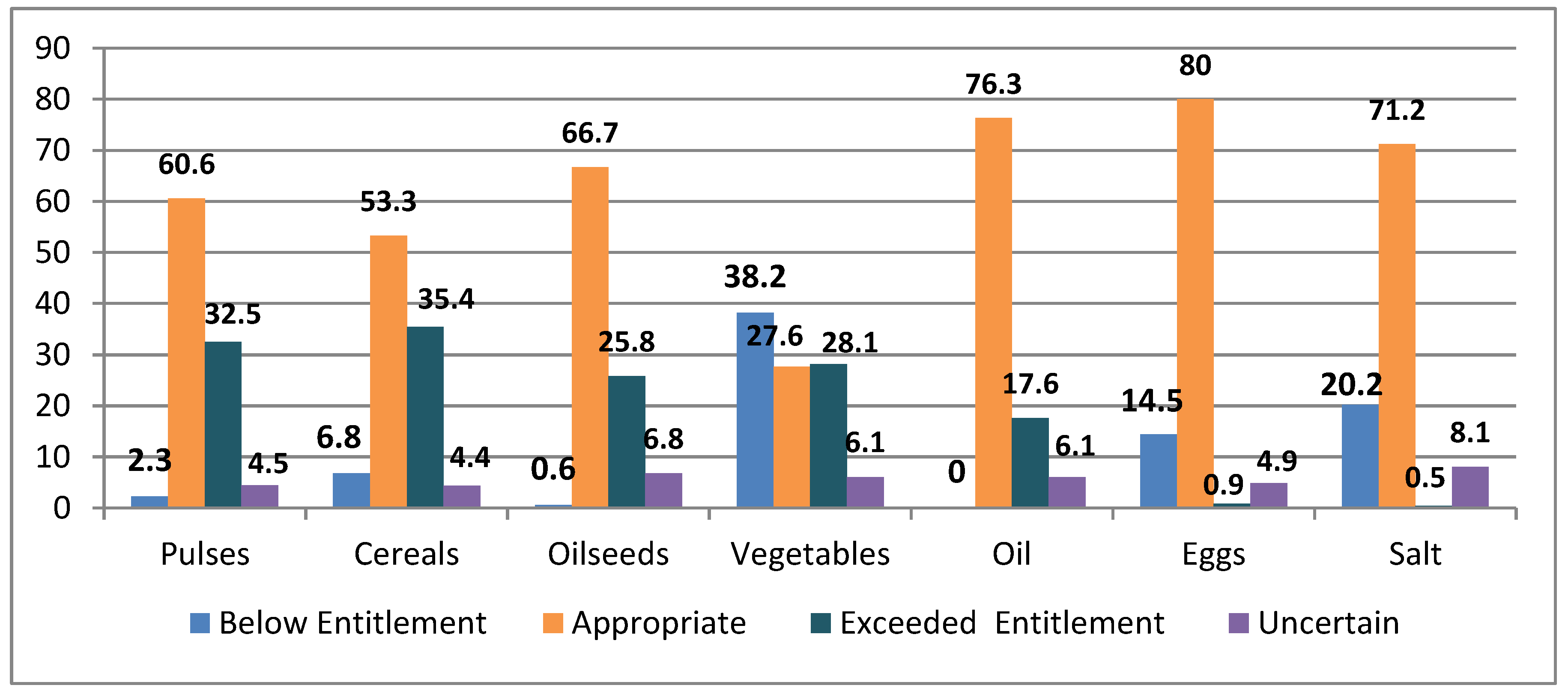
Figure 4.
Adherence to food consumption in the most redemption cycle among children aged 6-59 months in the voucher arm, Ethiopia, 2025.
Figure 4.
Adherence to food consumption in the most redemption cycle among children aged 6-59 months in the voucher arm, Ethiopia, 2025.
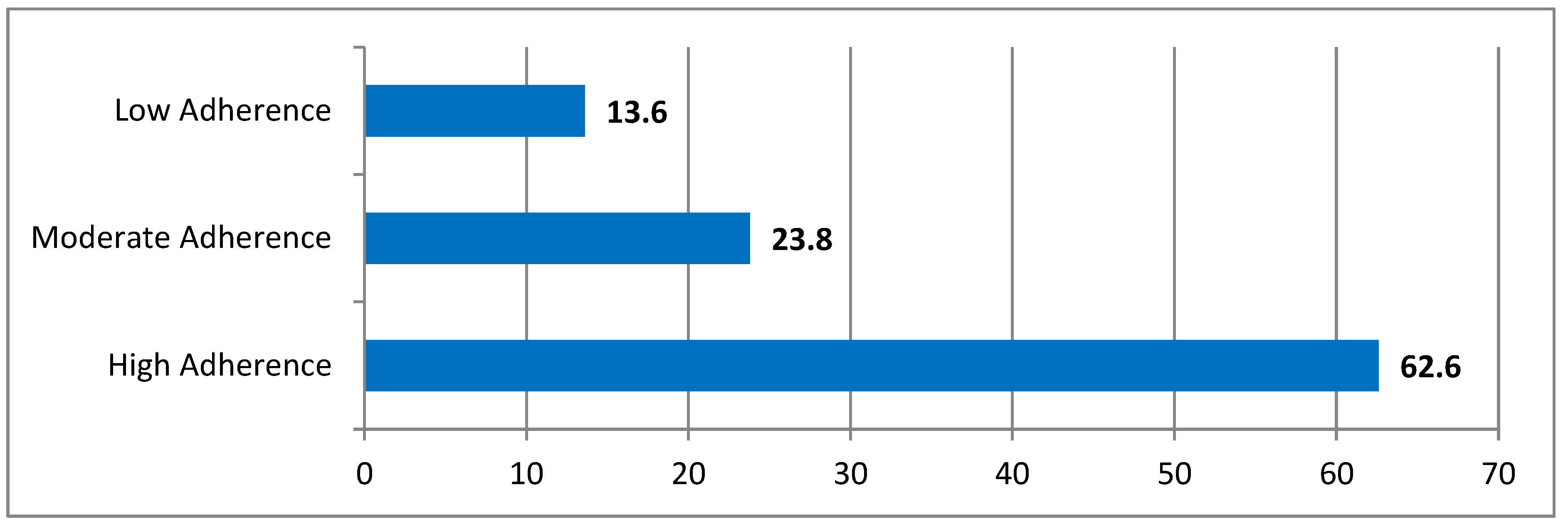
Figure 5.
Reported barriers to voucher redemption among children aged 6–59 months participating in the voucher arm of the voucher-based management of MAM in Ethiopia, 2025.
Figure 5.
Reported barriers to voucher redemption among children aged 6–59 months participating in the voucher arm of the voucher-based management of MAM in Ethiopia, 2025.
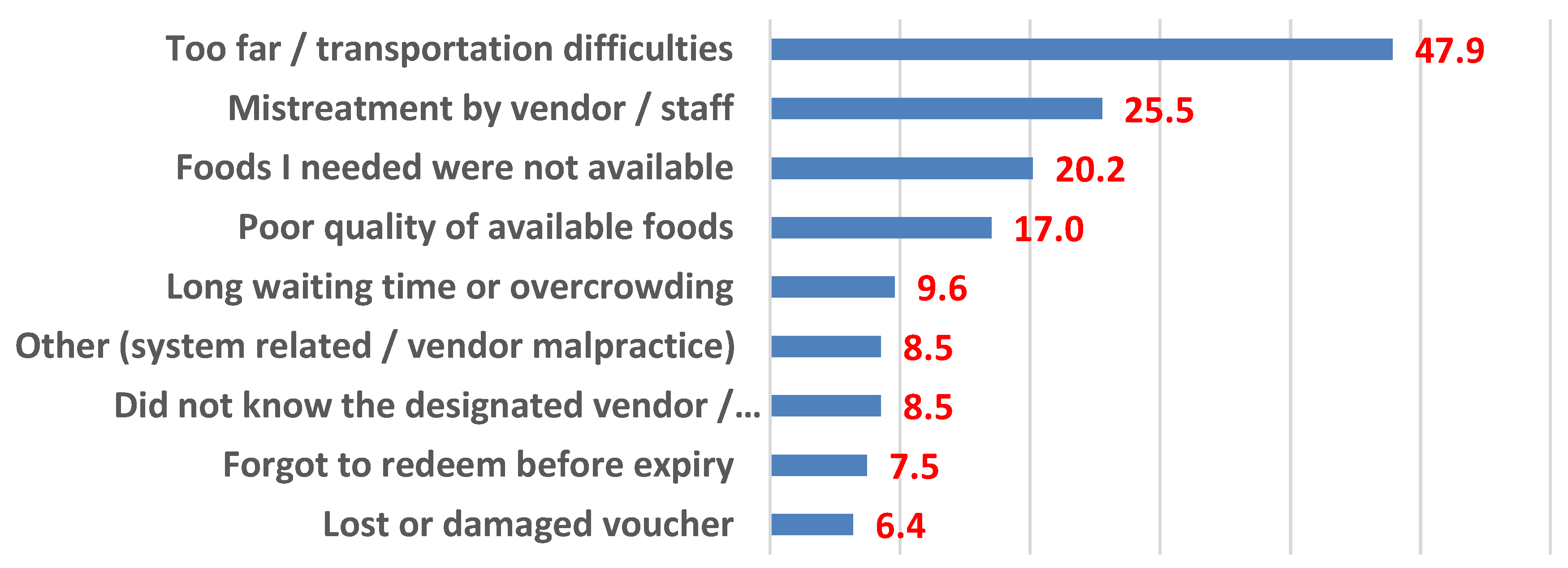
Figure 6.
Cash expenditure pattern among caregivers of children with MAM following the most recent cash transfer in Ethiopia, 2025.
Figure 6.
Cash expenditure pattern among caregivers of children with MAM following the most recent cash transfer in Ethiopia, 2025.
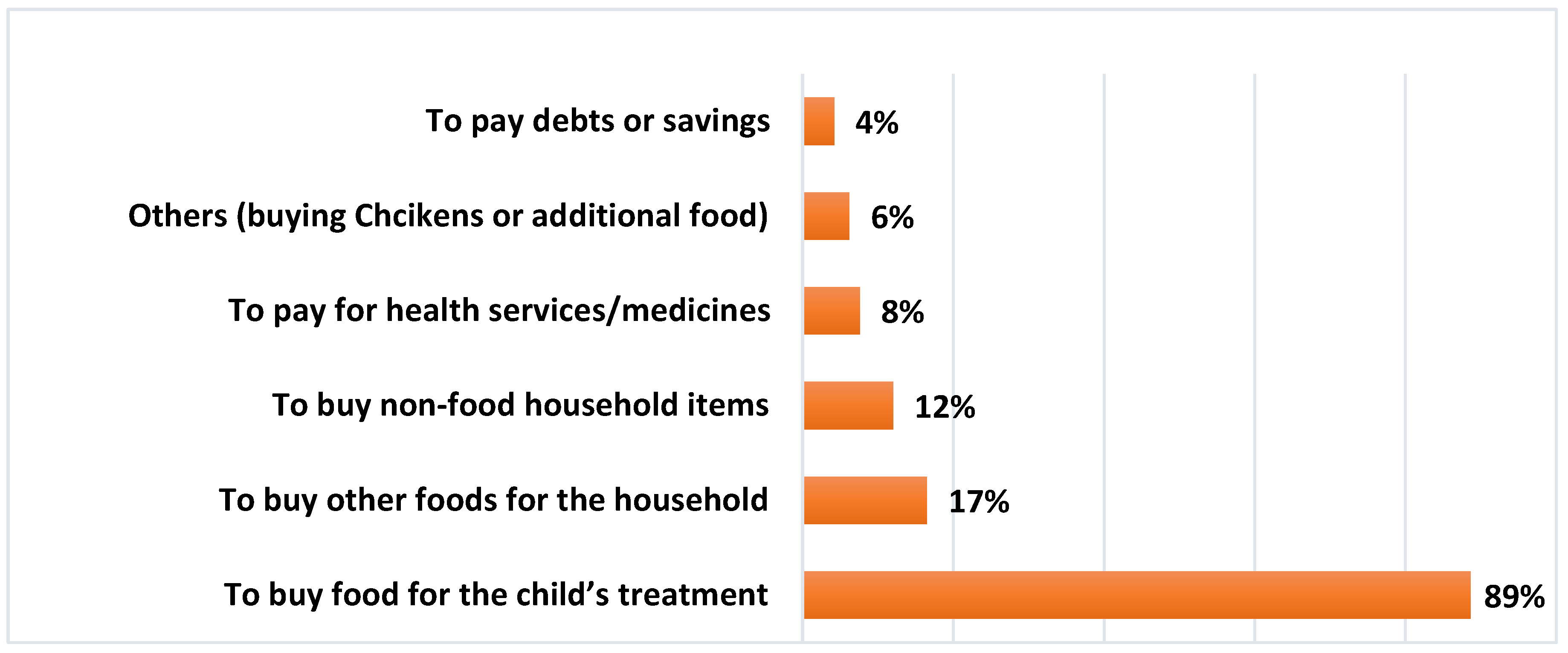
Figure 7.
Breakdown of post-transfer cash expenditure among caregivers of children with MAM by category, 2025.
Figure 7.
Breakdown of post-transfer cash expenditure among caregivers of children with MAM by category, 2025.
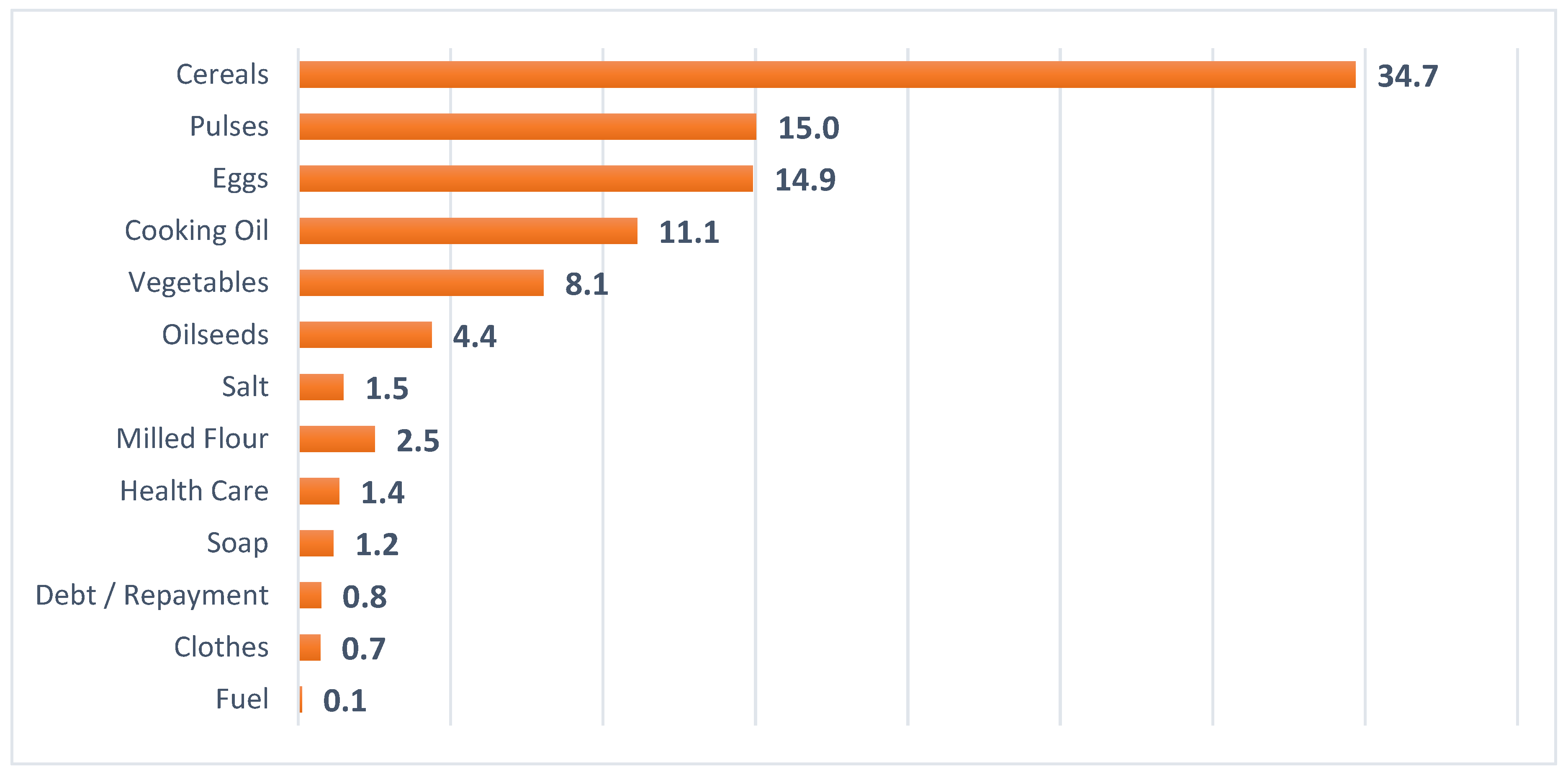
Figure 8.
Adherence to the recommended quantity of food entitlement among children aged 6-59 months enrolled in the cash arm in the management of MAM.
Figure 8.
Adherence to the recommended quantity of food entitlement among children aged 6-59 months enrolled in the cash arm in the management of MAM.
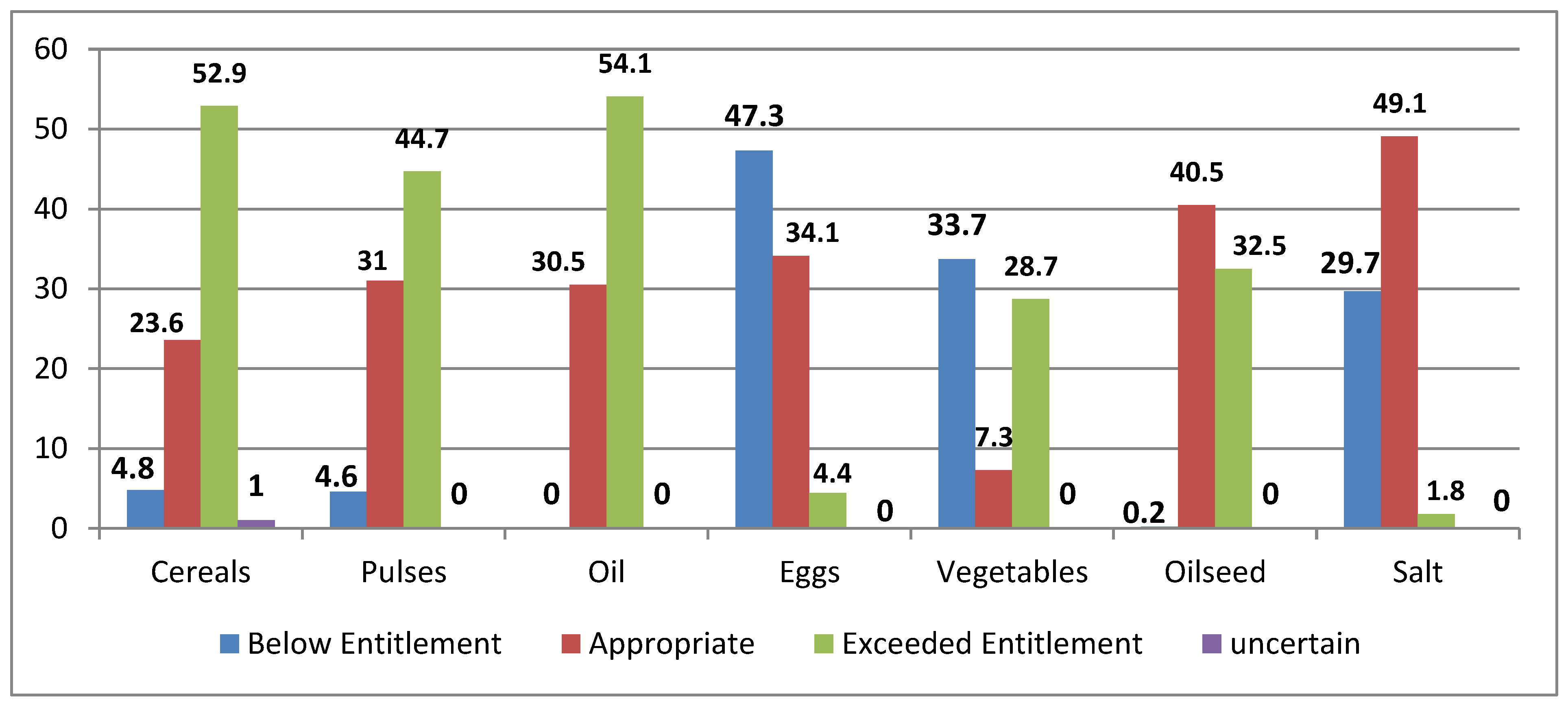
Figure 9.
Adherence to child food consumption in the most redemption cycle among children aged 6-59 months in the cash arm, Ethiopia, 2025.
Figure 9.
Adherence to child food consumption in the most redemption cycle among children aged 6-59 months in the cash arm, Ethiopia, 2025.
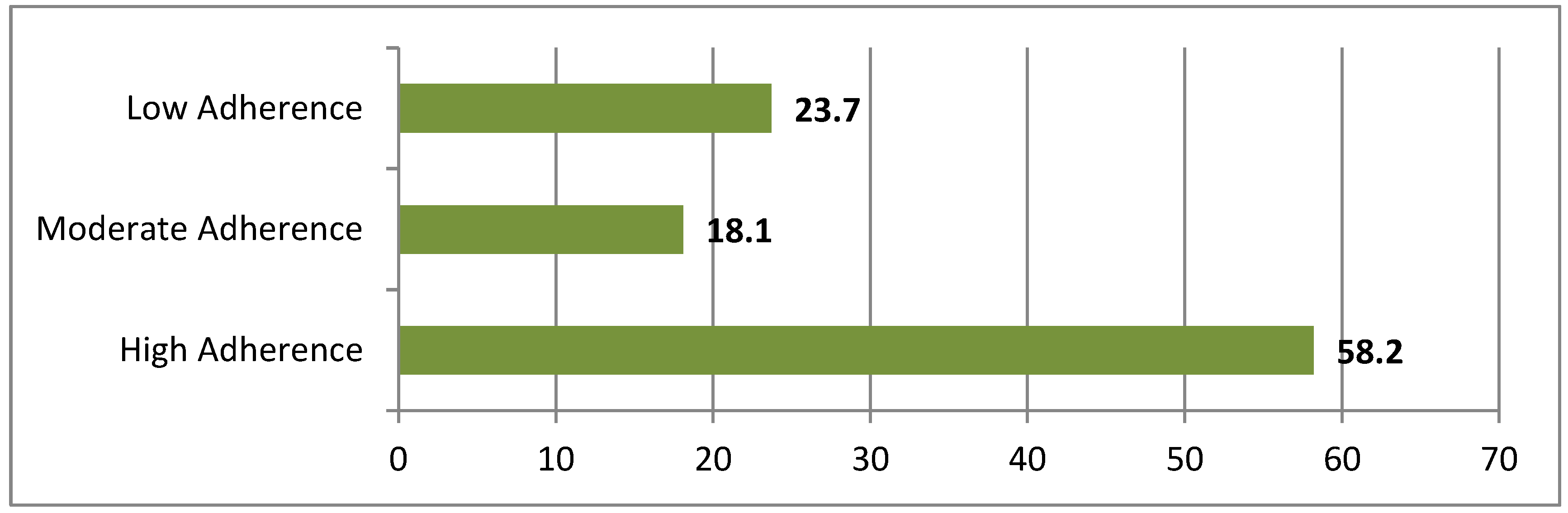

Table 1.
Biweekly sub wallet category for children aged 6-59 months enrolled in the voucher based intervention for the management of MAM in Ethiopia, 2025.
Table 1.
Biweekly sub wallet category for children aged 6-59 months enrolled in the voucher based intervention for the management of MAM in Ethiopia, 2025.
| Food group | Food Item | Quantity (15 days) |
|---|---|---|
| Cereal | Barley and Oats/ | 2.5 kg |
| Wheat and Maize | 2 kg | |
| Pulse | Chickpea/Pea/Kidney bean | 1 kg |
| Oilseed | Groundnut or | 0.5 kg |
| Flax seed | 0.25kg | |
| Vegetable | Carrot and | 1 kg |
| Kale/Spinach | 0.5 kg | |
| Salt | Salt | 1 kg |
| Oil | Cooking Oil | 0.25 kg |
| Egg | Egg | 15 |
Table 2.
Socio-demographic and household characteristics of caregivers and their children aged 6–59 months enrolled in the voucher-based management of moderate acute malnutrition intervention in Ethiopia, 2025.
Table 2.
Socio-demographic and household characteristics of caregivers and their children aged 6–59 months enrolled in the voucher-based management of moderate acute malnutrition intervention in Ethiopia, 2025.
| Characteristics | Voucher (954) | Cash (1028) |
|---|---|---|
| Child Age | ||
| 6-23 months | 687(72.0) | 707(68.7) |
| 24-59 months | 267(28.0) | 321(31.3) |
| Child Sex | ||
| Male | 428(47.0) | 481(46.7) |
| Female | 526(53.0) | 547(53.2) |
| Caregiver relationship | ||
| Father | 24(2.5) | 26(2.5) |
| Mother | 898(94.0) | 980(95.3) |
| Other | 32(3.5) | 22(2.2) |
| Caregiver Education | ||
| No formal education | 431(45.2) | 497(48.4) |
| Primary Education | 412(43.3) | 435(42.3) |
| Secondary or above | 111(11.6) | 96(9.4) |
| Caregiver occupation | ||
| Skilled/professional work | 9 (1.0) | 19 (1.8) |
| Trade | 57 (6.0) | 47 (4.6) |
| Agriculture | 101 (10.6) | 75 (7.2) |
| Housewife | 787 (82.4) | 887 (86.4) |
| Family size | ||
| Small ( ≤3) | 102(10.7) | 102(9.9) |
| Medium (4-6) | 542(56.8) | 580(56.4) |
| Large (≥7) | 310(32.5) | 346(33.6) |
| Wealth index | ||
| Higher quintile | 403 (42.2) | 432(42.0) |
| Middle quintile | 187 (19.6) | 177(17.2) |
| Lower quintile | 364 (38.2) | 419(40.8) |
| HFIAS | ||
| Food secure | 191 (20.0) | 176(17.2) |
| Mildly food insecure | 210 (220) | 202(19.6) |
| Moderately food insecure | 392 (41.0) | 428(41.6) |
| Severely food insecure | 161 (17.0) | 222(21.6) |
Other= grandmother, sister, HFIAS=Household food insecurity access scale.
Table 3.
Challenges and malpractices in voucher redemption among children aged 6-59 months in the voucher-based management of MAM in Ethiopia, 2025.
Table 3.
Challenges and malpractices in voucher redemption among children aged 6-59 months in the voucher-based management of MAM in Ethiopia, 2025.
| Variable | Response | Frequency (%) |
|---|---|---|
| Experienced unavailability of recommended food items | No | 838 (87.8) |
| Yes | 116 (12.2) | |
| Declined to take one or more food items | No | 916 (96.0) |
| Yes | 38 (4.0) | |
| Used voucher to obtain non-food items | yes | 8 (0.8) |
| No | 946 (99.2) | |
| Requested non-recommended food items | No | 898 (94.2) |
| Yes | 56 (5.8) | |
| Received cash instead of food | No | 924 (97.0) |
| Yes | 30 (3.0) |
Table 4.
Multivariable ordinal logistic regression of child food consumption adherence among children receiving voucher-based MAM treatment, Ethiopia, 2025.
Table 4.
Multivariable ordinal logistic regression of child food consumption adherence among children receiving voucher-based MAM treatment, Ethiopia, 2025.
| Characteristics | Adherence to Food consumption n (%) | Crude OR (95% CI) | Adjusted OR (95% CI) | P value | ||
|---|---|---|---|---|---|---|
| High | Moderate | Low | ||||
| Caregiver Education | ||||||
| No formal education | 291 (67.7) | 93 (21.6) | 46 (10.7) | 1 | 1.00 | — |
| Primary Education | 246 (59.8) | 108 (26.2) | 58 (14.0) | 0.71 (0.54-0.94) | 0.82 (0.61–1.09) | 0.174 |
| Secondary Education and above | 57 (51.8) | 26 (23.6) | 27 (24.5) | 0.46 (0.30-0.70) | 0.58 (0.38–0.90) | 0.014* |
| HFIAS | ||||||
| Food secure | 136 (70.8) | 38 (19.8) | 18 (9.4) | 2.85 (1.87-4.36) | 2.21 (1.43–3.42) | <0.001* |
| Mildly food insecure | 135 (64.6) | 45 (21.5) | 29 (13.9) | 2.00 (1.34-2.98) | 1.53 (1.01–2.32) | 0.047* |
| Moderately food insecure | 249 (63.9) | 90 (23.1) | 51 (13.1) | 1.97 (1.38-2.80) | 1.66 (1.16–2.38) | 0.006* |
| Severely food insecure | 74 (46.0) | 54 (33.5) | 33 (20.5) | 1 | 1 | |
| Wealth index | ||||||
| Higher | 213 (52.9) | 106 (26.4) | 83 (20.7) | 0.43 (0.32-0.57) | 0.54 (0.39–0.73) | <0.001* |
| Middle | 125 (67.2) | 40 (21.5) | 21 (11.3) | 0.81 (0.56-1.18) | 1.00 (0.68–1.48) | 0.993 |
| Lower | 257 (70.8) | 81 (22.3) | 26 (6.9) | 1 | 1 | |
| SBCC | ||||||
| Adequate | 448 (66.8) | 144 (21.5) | 79 (11.7) | 1.79 (1.36-2.35) | 1.68 (1.26–2.23) | <0.001* |
| Inadequate | 148 (52.5) | 83 (29.4) | 52 (18.1) | 1 | 1 | |
*P < 0.05, 1 = reference group.
Table 5.
Multivariable ordinal logistic regression of child food consumption adherence among children receiving cash-based MAM treatment, Ethiopia, 2025.
Table 5.
Multivariable ordinal logistic regression of child food consumption adherence among children receiving cash-based MAM treatment, Ethiopia, 2025.
| Characteristics | Food consumption adherence n (%) | COR (95% CI) | AOR (95%CI) | p-value | ||
|---|---|---|---|---|---|---|
| High | Moderate | Low | ||||
| Age | ||||||
| 6-23 month | 422 (59.8) | 133 (18.8) | 151 (21.4) | 1 | 1 | |
| 24-59 month | 175 (54.5) | 53 (16.5) | 93 (29.0) | 0.76 (0.59-0.98) | 0.91 (0.69–1.19) | 0.494 |
| Caregiver occupation | ||||||
| Skilled/professional work | 9 (47.4) | 2 (10.5) | 8 (42.1) | 0.52 (0.22-1.27) | 0.55 (0.22–1.37) | 0.198 |
| Trade | 20 (42.6) | 10 (21.3) | 17 (36.2) | 0.53 (0.31-0.92) | 0.67 (0.38–1.19) | 0.170 |
| Agriculture | 50 (67.6) | 13 (17.6) | 11 (14.9) | 1.53 (0.94-2.50) | 1.41 (0.84–2.38) | 0.195 |
| Housewife | 518 (58.4) | 161 (18.2) | 208 (23.5) | 1 | 1 | |
| Family size | ||||||
| Small (1-3) | 74 (72.6) | 7 (6.9) | 21 (20.6) | 2.16 (1.34-3.50) | 2.57 (1.55–4.25) | <0.001* |
| Medium (4–6) | 339 (58.4) | 119 (20.5) | 122 (21.0) | 1.31 (1.01-1.70) | 1.35 (1.03–1.77) | 0.029* |
| Large (≥7) | 185 (53.5) | 60 (17.3) | 101 (29.2) | 1 | 1 | |
| HFIAS | ||||||
| Food secure | 140 (79.5) | 20 (11.4) | 16 (9.1) | 7.01 (4.50-10.91) | 5.91 (3.72–9.37) | <0.001* |
| Mildly food insecure | 119 (59.2) | 40 (19.9) | 42 (20.9) | 2.64 (1.83-3.82) | 2.28 (1.56–3.35) | <0.001* |
| Moderately food insecure | 257 (60.0) | 80 (18.7) | 91 (21.3) | 2.70 (1.98-3.68) | 2.34 (1.70–3.24) | <0.001* |
| Severely food insecure | 81 (36.5) | 46 (20.7) | 95 (42.8) | 1 | 1 | |
| Wealth index | ||||||
| Higher | 212 (49.2) | 81 (18.8) | 138 (32.0) | 0.46 (0.35–0.60) | 0.71 (0.53–0.96) | 0.025* |
| Middle | 105 (59.3) | 35 (19.8) | 37 (20.9) | 0.73 (0.52–1.04) | 0.97 (0.67–1.42) | 0.893 |
| Lower | 280 (66.8) | 70 (16.7) | 69 (16.5) | 1 | ||
| Adequacy of SBCC | ||||||
| Adequate | 497 (62.4) | 137 (17.2) | 162 (20.4) | 2.15 (1.63-2.84) | 1.77 (1.32–2.39) | <0.001* |
| Inadequate | 101 (43.5) | 49 (21.1) | 82 (35.3) | 1 | 1 | |
*Significant association, 1 = reference group.
Disclaimer/Publisher’s Note: The statements, opinions and data contained in all publications are solely those of the individual author(s) and contributor(s) and not of MDPI and/or the editor(s). MDPI and/or the editor(s) disclaim responsibility for any injury to people or property resulting from any ideas, methods, instructions or products referred to in the content. |
© 2026 by the authors. Licensee MDPI, Basel, Switzerland. This article is an open access article distributed under the terms and conditions of the Creative Commons Attribution (CC BY) license (http://creativecommons.org/licenses/by/4.0/).
Copyright: This open access article is published under a Creative Commons CC BY 4.0 license, which permit the free download, distribution, and reuse, provided that the author and preprint are cited in any reuse.