
Submitted:
30 July 2026
Posted:
31 July 2026
You are already at the latest version
Abstract
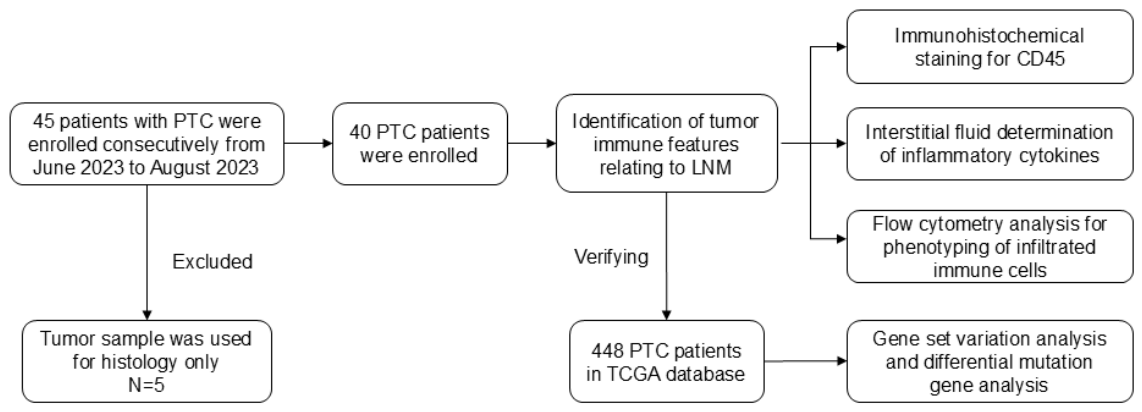
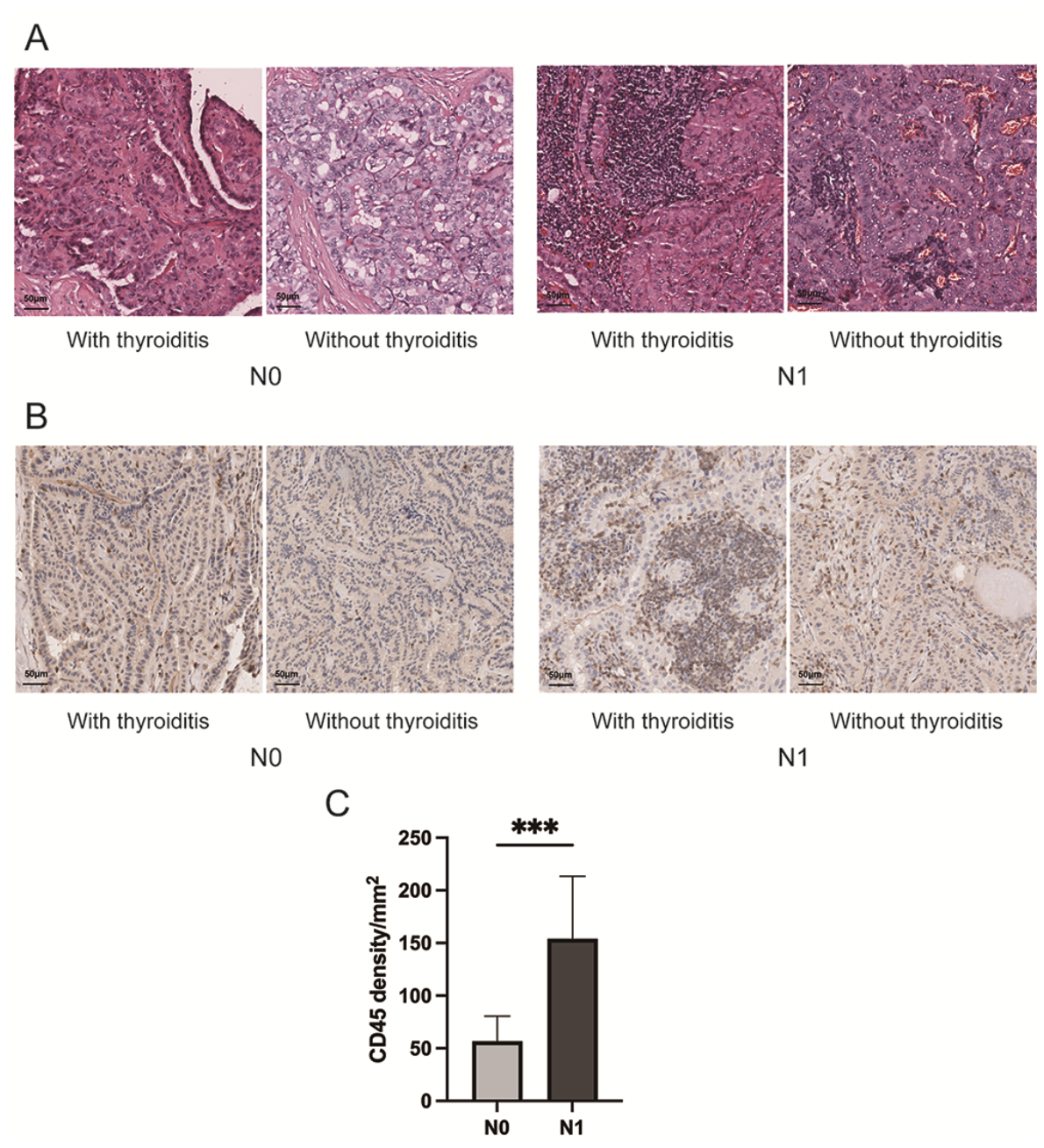
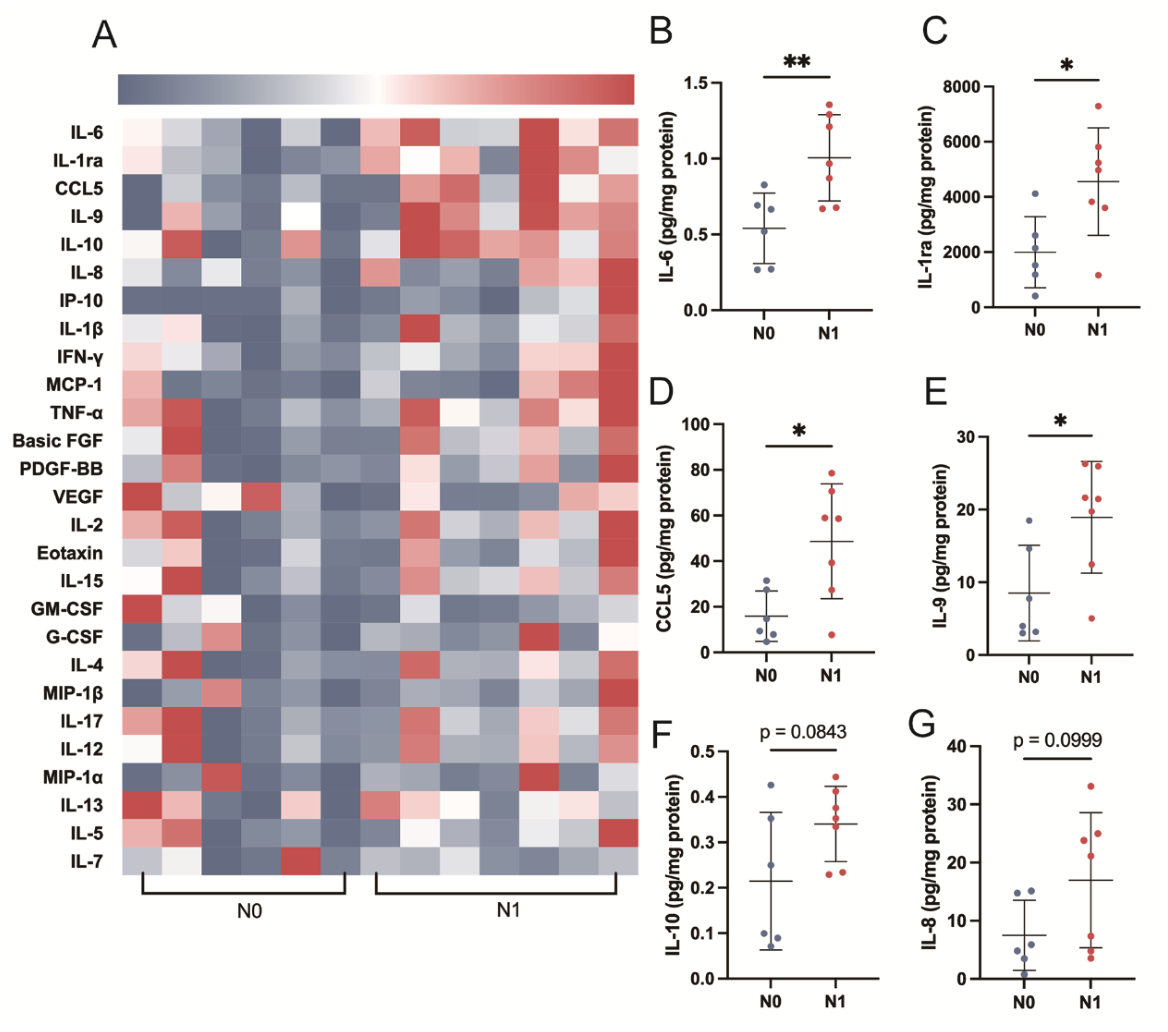
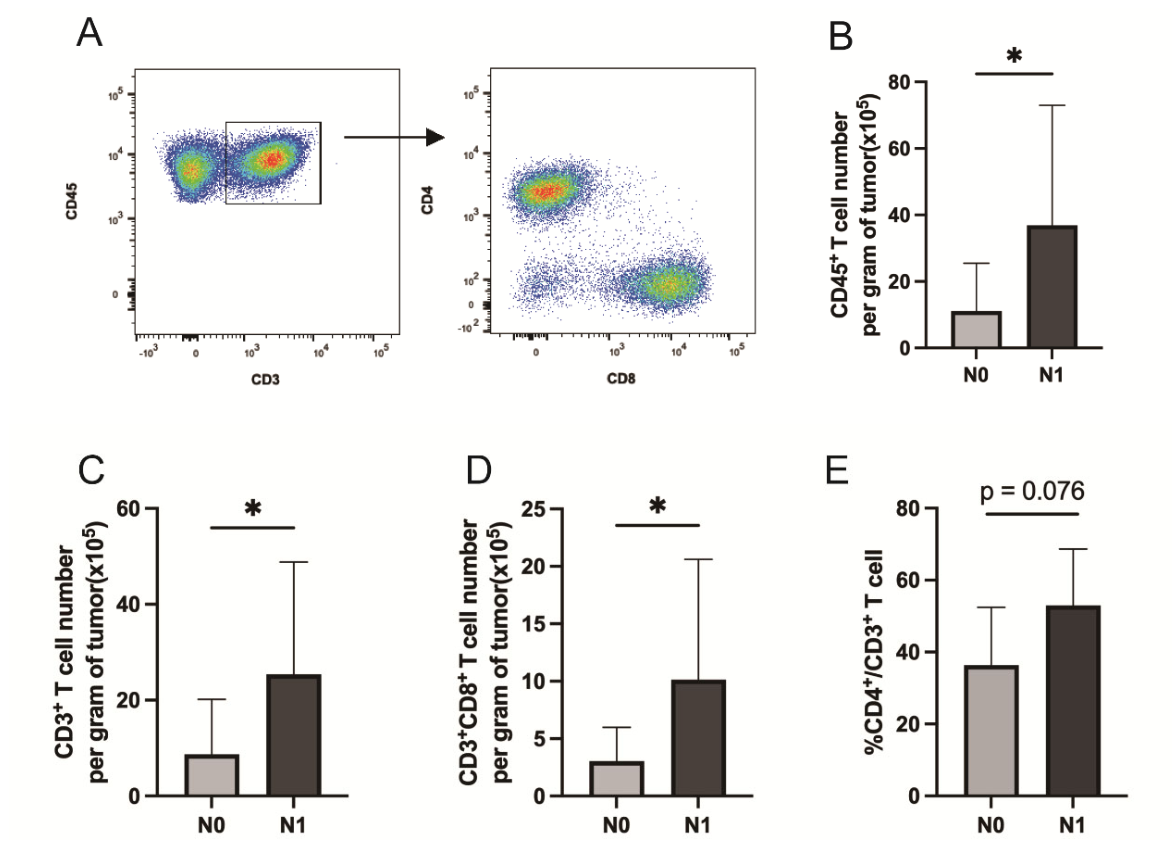
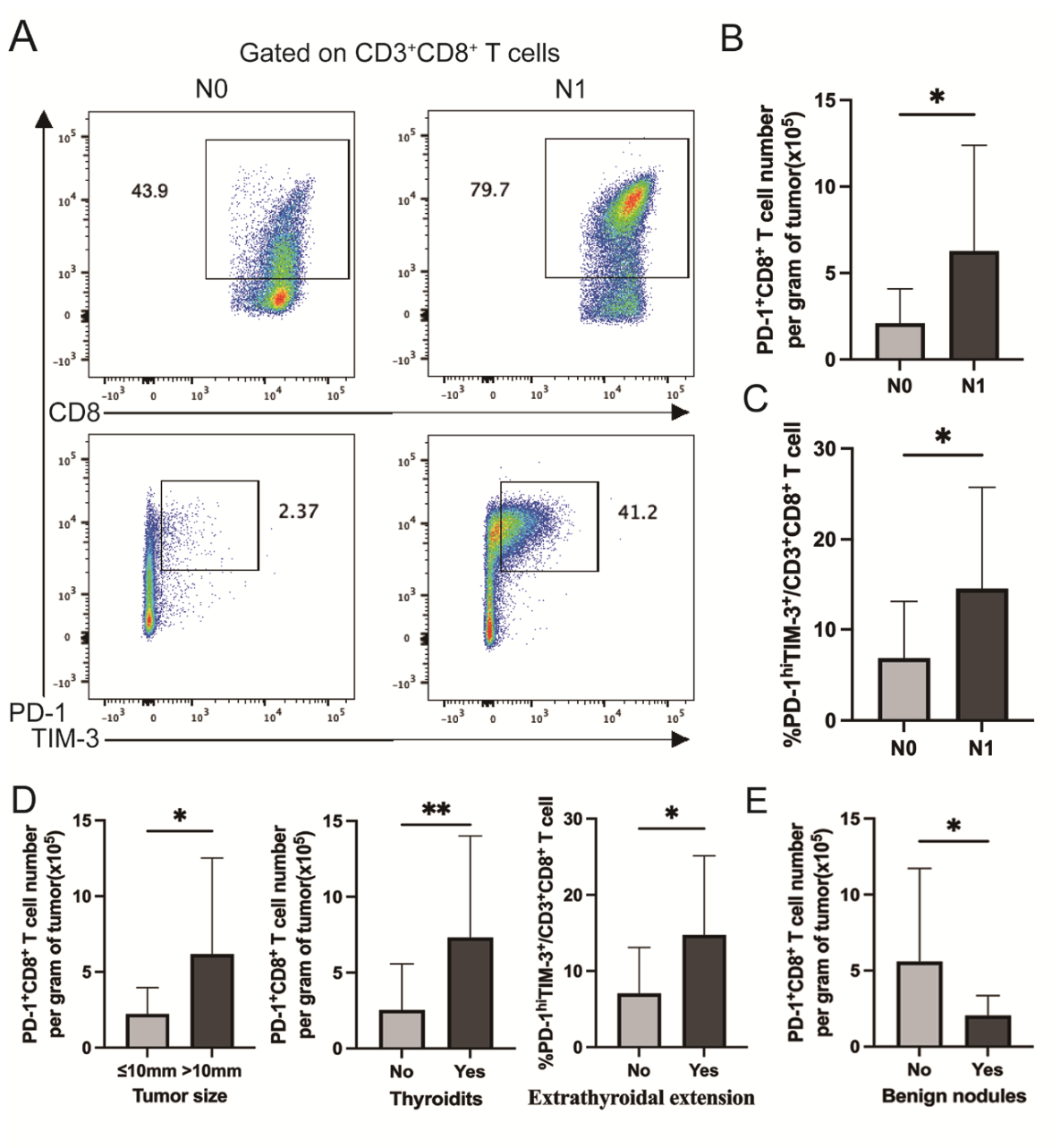
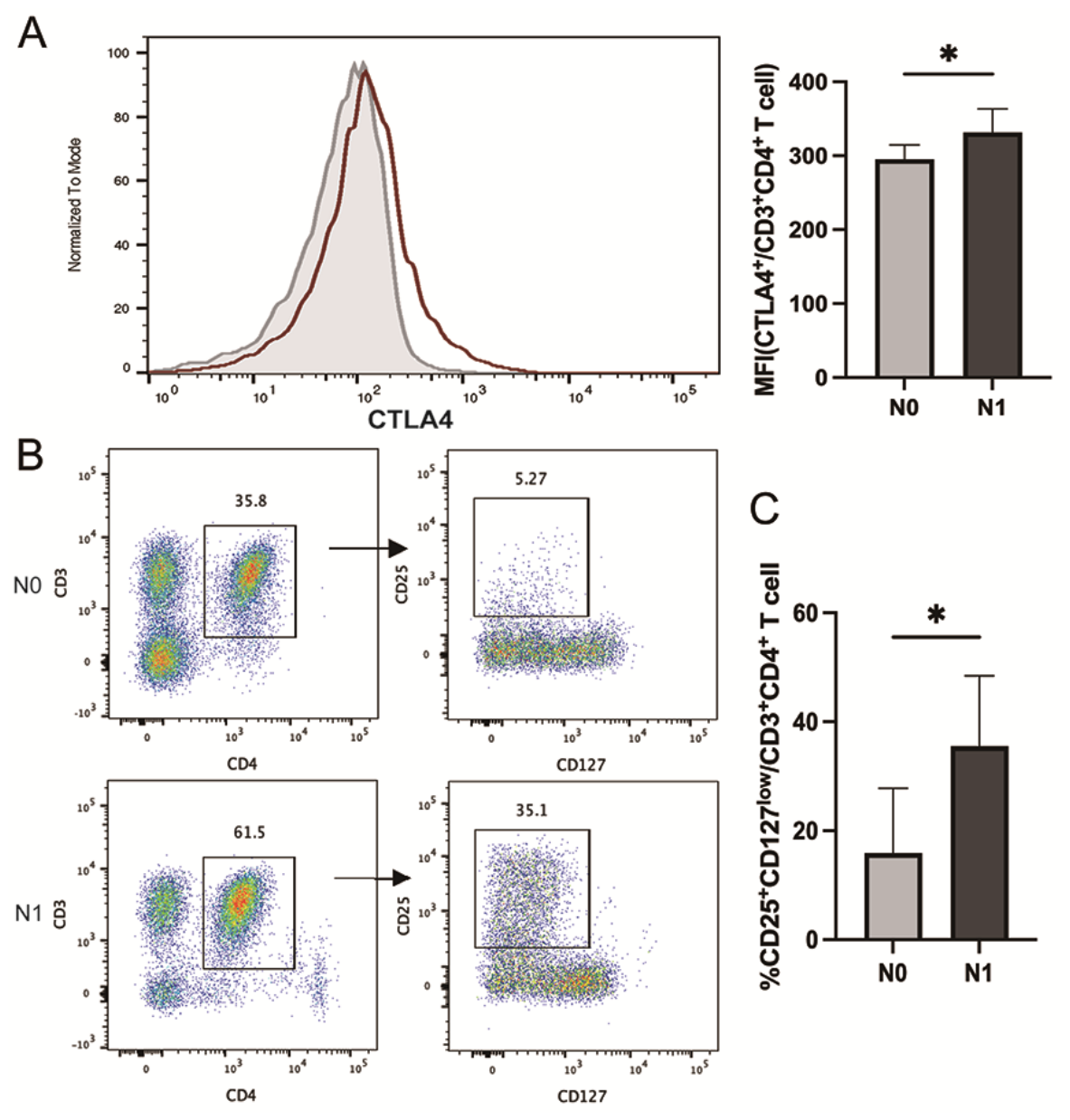
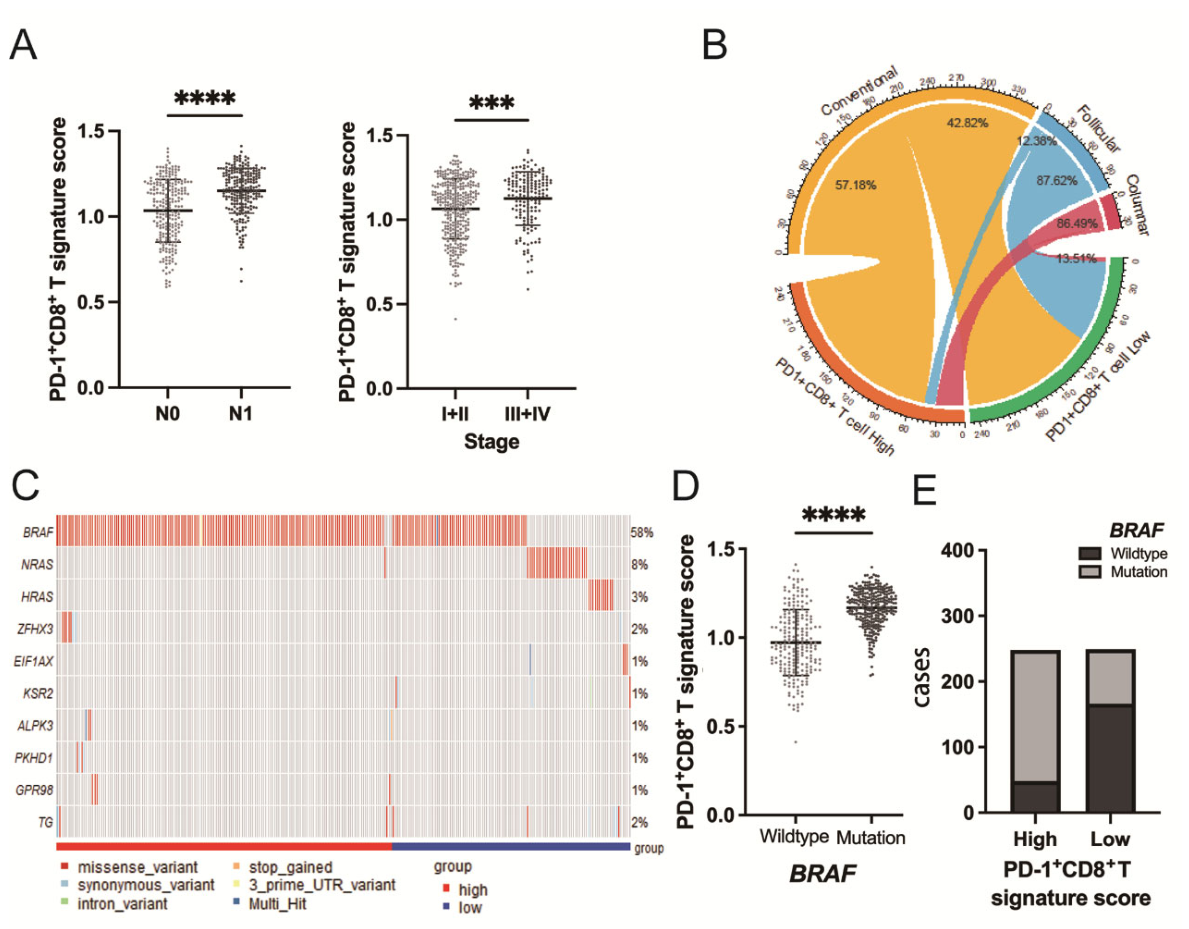
Background: Papillary thyroid carcinoma (PTC) is the most common thyroid malignancy, with lymph node metastasis (LNM) being a key predictor of recurrence and poor prognosis. Preoperative detection of LNM remains challenging due to the limitations of imaging modalities, leading to inadequate surgical resection in 20-30% of patients. While immune checkpoint molecules have been implicated in PTC progression, the heterogeneity of CD8+ T cell exhaustion subsets and their specific association with LNM remain poorly defined. Herein, we aimed to characterize the distinct immune landscape of PTC prone to LNM, with a focus on terminal immune exhaustion, to improve risk stratification and therapeutic strategies. Methods: Fresh PTC tissues from 40 patients (22 LNM-positive, 18 LNM-negative) were analyzed by flow cytometry (FCM) to quantify immune cell subsets, inflammatory cytokines, and chemokines. Immunohistochemistry (IHC) validated CD45+ immune cell infiltration. Transcriptomic and clinical data from 448 PTC patients in The Cancer Genome Atlas (TCGA-PTC) cohort were used for bioinformatic validation, including Gene Set Variation Analysis (GSVA) of terminal exhaustion gene signatures. Results: LNM-positive PTC exhibited a unique inflammatory milieu with significantly elevated IL-6, IL-1ra, CCL5, and IL-9 levels (all p<0.05) in tumor interstitial fluid. FCM analysis revealed that LNM-positive PTC had increased infiltration of total CD45+ immune cells, CD3+ T cells, and CD3+CD8+ T cells (all p<0.05). Critically, terminally exhausted PD-1hiTIM-3+ CD8+ T cells were significantly enriched in LNM-positive PTC (p=0.022) and positively correlated with extrathyroidal extension (p=0.044). Additionally, LNM risk was associated with increased CD4+ regulatory T (Treg) cell frequency (p=0.023) and elevated CTLA-4 expression on CD4+ T cells (p=0.047). In TCGA-PTC validation, the terminal exhaustion gene signature was predominantly enriched in LNM-positive (p<0.0001) and advanced-stage PTC (p<0.001), and strongly correlated with BRAF V600E mutation (p<0.0001)—the most common oncogenic driver in aggressive PTC. Conclusion: Our findings identify a terminal immune exhaustion phenotype (characterized by PD-1hiTIM-3+ CD8+ T cells and Treg enrichment) as a key feature of LNM-prone PTC. This phenotype is conserved across clinical samples and TCGA datasets, linking BRAF V600E mutation to immune suppression and metastatic potential. These insights provide a novel immune-based biomarker for LNM risk stratification and support the potential of combining anti-PD-1/TIM-3 therapy with BRAF inhibitors for high-risk PTC.
Keywords:
1. Introduction
2. Materials and Methods
2.1. Patients and Study Design
2.2. Flow Cytometry (FCM)
2.3. Immunohistochemistry (IHC)
2.4. Cytokine and Chemokine Quantification
2.5. Bioinformatic Analysis
2.6. Statistical Analysis
3. Results
3.1. Clinicopathological Characteristics of the Study Cohort
3.2. PTC with LNM Present a Higher Leukocyte Density
3.3. PTC with LNM Display Unique Inflammatory Milieu
3.4. PTC with LNM Present a Greater Infiltration of CD3+CD8+ T Cells
3.5. PTC with LNM Had More Exhausted PD-1+CD8+ T Cells
3.6. Relationship Between Intra-Tumoral CD4+ T Cells and LNM
3.7. An Exhausted Immune Feature Presented in PTC Patients in TCGA Cohort with LNM and Tumor Progression
4. Discussion
4.1. Clinical Implications
4.2. Limitations
5. Conclusions
Supplementary Materials
Funding
Institutional Review Board Statement
Informed Consent Statement
Data Availability Statement
Acknowledgments
Conflicts of Interest
References
- Laura B, Mark Z, Maria EC. Thyroid Cancer: A Review. JAMA 2024; 331(5): 425-435. [CrossRef]
- Ringel, M.D.; Sosa, J.A.; Baloch, Z.; Bischoff, L.; Bloom, G.; Brent, G.A.; Brock, P.L.; Chou, R.; Flavell, R.R.; Goldner, W.; et al. 2025 American Thyroid Association Management Guidelines for Adult Patients with Differentiated Thyroid Cancer. Thyroid® 2025, 35, 841–985, . [CrossRef]
- Ito, Y.; Miyauchi, A.; Kihara, M.; Fukushima, M.; Higashiyama, T.; Miya, A. Overall Survival of Papillary Thyroid Carcinoma Patients: A Single-Institution Long-Term Follow-Up of 5897 Patients. World J. Surg. 2018, 42, 615–622, . [CrossRef]
- Smith, B.D.; Oyekunle, T.O.; Thomas, S.M.; Puscas, L.; Rocke, D.J. Association of Lymph Node Ratio With Overall Survival in Patients With Metastatic Papillary Thyroid Cancer. Arch. Otolaryngol. Neck Surg. 2020, 146, 962–964, . [CrossRef]
- Fu, J.; Liu, J.; Wang, Z.; Qian, L. Predictive Values of Clinical Features and Multimodal Ultrasound for Central Lymph Node Metastases in Papillary Thyroid Carcinoma. Diagnostics 2024, 14, . [CrossRef]
- Zheng, G.; Zhang, H.; Lin, F.; Zafereo, M.; Gross, N.; Sun, P.; Liu, Y.; Sun, H.; Wu, G.; Wei, S.; et al. Performance of CT-based deep learning in diagnostic assessment of suspicious lateral lymph nodes in papillary thyroid cancer: a prospective diagnostic study. Int. J. Surg. 2023, 109, 3337–3345, . [CrossRef]
- Zhang, Q.; Wang, F.; Ma, W.; Liu, N.; Lu, Y.; Zhang, P. Immunotherapy in Thyroid Cancer: Current Strategies and Challenges. Cancer Med. 2026, 15, e71742, . [CrossRef]
- Wang, R.; Guo, Y. T-cell exhaustion in tumor immunology: mechanisms, heterogeneity, and therapeutic strategies. Front. Immunol. 2026, 17, 1841281, . [CrossRef]
- Li, H.; van der Leun, A.M.; Yofe, I.; Lubling, Y.; Gelbard-Solodkin, D.; van Akkooi, A.C.; Braber, M.v.D.; Rozeman, E.A.; Haanen, J.B.; Blank, C.U.; et al. Dysfunctional CD8 T Cells Form a Proliferative, Dynamically Regulated Compartment within Human Melanoma. Cell 2018, 176, 775–789.e18, . [CrossRef]
- Sade-Feldman, M.; Yizhak, K.; Bjorgaard, S.L.; Ray, J.P.; de Boer, C.G.; Jenkins, R.W.; Lieb, D.J.; Chen, J.H.; Frederick, D.T.; Barzily-Rokni, M.; et al. Defining T Cell States Associated with Response to Checkpoint Immunotherapy in Melanoma. Cell 2018, 175, 998–1013.e20, . [CrossRef]
- Severson, J.J.; Serracino, H.S.; Mateescu, V.; Raeburn, C.D.; McIntyre, R.C., Jr.; Sams, S.B.; Haugen, B.R.; French, J.D. PD-1+Tim-3+ CD8+ T Lymphocytes Display Varied Degrees of Functional Exhaustion in Patients with Regionally Metastatic Differentiated Thyroid Cancer. Cancer Immunol. Res. 2015, 3, 620–630, . [CrossRef]
- Du, J.-J.; Wang, J.; Ma, K.; Ma, P. New insights into the tumor immune microenvironment and immunotherapy of thyroid cancer. Front. Immunol. 2026, 17, 1699500, . [CrossRef]
- Zhang, B.; Liu, J.; Mo, Y.; Zhang, K.; Huang, B.; Shang, D. CD8+ T cell exhaustion and its regulatory mechanisms in the tumor microenvironment: key to the success of immunotherapy. Front. Immunol. 2024, 15, 1476904, . [CrossRef]
- Li, S.; Chen, Z.; Liu, M.; Li, L.; Cai, W.; Lian, Z.-X.; Guan, H.; Xu, B. Immunophenotyping with high-dimensional flow cytometry identifies Treg cell subsets associated with recurrence in papillary thyroid carcinoma. Endocrine-Related Cancer 2024, 31, . [CrossRef]
- Chen, Y.; Zhao, J.; Sun, Y.; Yang, Z.; Yang, C.; Zhu, D. Single-cell RNA sequencing reveals tumor cell and immune cell variations associated with lymphatic metastasis in papillary thyroid cancer. Endocr. Connect. 2025, 14, . [CrossRef]
- Liu, P.; Yu, X. Lymphatic metastasis of papillary thyroid carcinoma: mechanism and clinicopathological physiology. Front. Endocrinol. 2026, 16, . [CrossRef]
- Mohanty, A.; Afkhami, M.; Reyes, A.; Pharaon, R.; Yin, H.; Li, H.; Do, D.; Bell, D.; Nam, A.; Chang, S.; et al. Exploring markers of immunoresponsiveness in papillary thyroid carcinoma and future treatment strategies. J. Immunother. Cancer 2024, 12, e008505, . [CrossRef]
- Zhang, R.; Chen, K.; Gong, C.; Wu, Z.; Xu, C.; Li, X.-N.; Zhao, F.; Wang, D.; Cai, J.; Zhou, A.; et al. Abnormal generation of IL-17A represses tumor infiltration of stem-like exhausted CD8+ T cells to demote the antitumor immunity. BMC Med. 2023, 21, 1–17, . [CrossRef]
- Chen, K.; Wu, Z.; Zhao, H.; Wang, Y.; Ge, Y.; Wang, D.; Li, Z.; An, C.; Liu, Y.; Wang, F.; et al. XCL1/Glypican-3 Fusion Gene Immunization Generates Potent Antitumor Cellular Immunity and Enhances Anti–PD-1 Efficacy. Cancer Immunol. Res. 2020, 8, 81–93, . [CrossRef]
- Kim, H.-D.; Song, G.-W.; Park, S.; Jung, M.K.; Kim, M.H.; Kang, H.J.; Yoo, C.; Yi, K.; Kim, K.H.; Eo, S.; et al. Association between expression level of PD1 by tumor-infiltrating CD8+ T cells and features of hepatocellular carcinoma. Gastroenterology 2018, 155, 1936–1950.e17, doi:10.1053/j.gastro.2018.08.030.
- Ma, J.; Zheng, B.; Goswami, S.; Meng, L.; Zhang, D.; Cao, C.; Li, T.; Zhu, F.; Ma, L.; Zhang, Z.; et al. PD1Hi CD8+ T cells correlate with exhausted signature and poor clinical outcome in hepatocellular carcinoma. J. Immunother. Cancer 2019, 7, 1–15, . [CrossRef]
- Sobhani, N.; Tardiel-Cyril, D.R.; Davtyan, A.; Generali, D.; Roudi, R.; Li, Y. CTLA-4 in Regulatory T Cells for Cancer Immunotherapy. Cancers 2021, 13, 1440, doi:10.3390/cancers13061440.
- Santegoets, S.J.A.M.; Dijkgraaf, E.M.; Battaglia, A.; Beckhove, P.; Britten, C.M.; Gallimore, A.; Godkin, A.; Gouttefangeas, C.; de Gruijl, T.D.; Koenen, H.J.P.M.; et al. Monitoring regulatory T cells in clinical samples: consensus on an essential marker set and gating strategy for regulatory T cell analysis by flow cytometry. Cancer Immunol. Immunother. 2015, 64, 1271–1286, . [CrossRef]
- Baessler A, Vignali DAA. T Cell Exhaustion. Annu Rev Immunol 2024; 42(1):179-206. doi: 10.1146/annurev-immunol-090222-110914.
- Kang, T.G.; Johnson, J.T.; Zebley, C.C.; Youngblood, B. Epigenetic regulation of T cell exhaustion in cancer. Nat. Rev. Cancer 2025, 26, 46–61, . [CrossRef]
- Fourcade, J.; Sun, Z.; Benallaoua, M.; Guillaume, P.; Luescher, I.F.; Sander, C.; Kirkwood, J.M.; Kuchroo, V.; Zarour, H.M. Upregulation of Tim-3 and PD-1 expression is associated with tumor antigen–specific CD8+ T cell dysfunction in melanoma patients. J. Exp. Med. 2010, 207, 2175–2186, . [CrossRef]
- Eberhardt, C.S.; Kissick, H.T.; Patel, M.R.; Cardenas, M.A.; Prokhnevska, N.; Obeng, R.C.; Nasti, T.H.; Griffith, C.C.; Im, S.J.; Wang, X.; et al. Functional HPV-specific PD-1+ stem-like CD8 T cells in head and neck cancer. Nature 2021, 597, 279–284, . [CrossRef]
- Wing, K.; Sakaguchi, S. Regulatory T cells exert checks and balances on self tolerance and autoimmunity. Nat. Immunol. 2009, 11, 7–13, . [CrossRef]
- Nguyen, A.T.; Viramontes, J.; Vazquez, I.; McWilliam, C.; Devarakonda, V.; Henson, R.; Sacks, W.L.; Clair, J.M.-S.; Chen, Y.; Walgama, E.; et al. Single-cell transcriptomic analysis reveals tumor-immune determinants of lymph node colonization and progression in thyroid cancer. Sci. Adv. 2026, 12, eaea4727, . [CrossRef]
- Angell, T.E.; Lechner, M.G.; Jang, J.K.; Correa, A.J.; LoPresti, J.S.; Epstein, A.L. BRAFV600E in Papillary Thyroid Carcinoma Is Associated with Increased Programmed Death Ligand 1 Expression and Suppressive Immune Cell Infiltration. Thyroid 2014, 24, 1385–1393, . [CrossRef]
- Schubert, L.; Mariko, M.L.; Clerc, J.; Huillard, O.; Groussin, L. MAPK Pathway Inhibitors in Thyroid Cancer: Preclinical and Clinical Data. Cancers 2023, 15, 710, . [CrossRef]
- Zheng, X.; Sun, R.; Wei, T. Immune microenvironment in papillary thyroid carcinoma: roles of immune cells and checkpoints in disease progression and therapeutic implications. Front. Immunol. 2024, 15, 1438235, . [CrossRef]
- Zhang, G.; Jiao, Q.; Shen, C.; Song, H.; Zhang, H.; Qiu, Z.; Luo, Q. Interleukin 6 regulates the expression of programmed cell death ligand 1 in thyroid cancer. Cancer Sci. 2021, 112, 997–1010, . [CrossRef]

| N0 | N1 | ||
| (n=18) | (n=22) | pvalue | |
| Gender | 0.427 | ||
| Male | 2 | 5 | |
| Female | 16 | 17 | |
| *Age (Year) | 46±13 | 36±7 | 0.004 |
| Histological subtype | 0.11 | ||
| Conventional | 12 | 20 | |
| Follicular variant | 6 | 2 | |
| *Tumor size (mm) | 11.44±4.48 | 13.41±5.90 | 0.252 |
| Thyroidistis | 0.186 | ||
| Yes | 14 | 12 | |
| No | 4 | 10 | |
| Benign nodules | 0.341 | ||
| Yes | 11 | 9 | |
| No | 7 | 13 | |
| Extrathyroidal extension | |||
| Yes | 13 | 18 | 0.705 |
| No | 5 | 4 | |
Disclaimer/Publisher’s Note: The statements, opinions and data contained in all publications are solely those of the individual author(s) and contributor(s) and not of MDPI and/or the editor(s). MDPI and/or the editor(s) disclaim responsibility for any injury to people or property resulting from any ideas, methods, instructions or products referred to in the content. |
© 2026 by the authors. Licensee MDPI, Basel, Switzerland. This article is an open access article distributed under the terms and conditions of the Creative Commons Attribution (CC BY) license (http://creativecommons.org/licenses/by/4.0/).


